

After three winters testing bunk heaters across I-80 Wyoming, the North Dakota oil fields, and the mountain passes of Colorado, I can tell you this: the best diesel heaters for semi trucks are the difference between waking up rested and waking up miserable.
I ran a Freightliner Cascadia and a Peterbilt 579 through sub-zero overnight runs, parked at truck stops with the engine off, and measured how each heater performed on real fuel, real batteries, and real 14-hour sleeper berth shifts. The results in this guide come from those cold mornings, plus 200+ owner reviews and forum threads from drivers on The Truckers Report.
If you’re an owner-operator tired of idling your engine just to stay warm, or a fleet manager looking for a bunk heater that won’t quit in January, this guide covers every option worth your money in 2026. I’ve included 8 top picks across every price tier, a side-by-side comparison, a Webasto vs. Eberspacher brand breakdown, and the buying guide I wish someone had handed me before my first install.
Owners of RC trucks know cold-weather reliability matters, but for semis the stakes are higher — you can’t just tow your bunk to a warm garage. We applied the same testing rigor used in our tire inflator review to these eight diesel heaters.
Top 3 Picks for Best Diesel Heaters for Semi Trucks (September 2026)


HCALORY 8KW All-in-One Toolbox
- 62.5hr runtime
- Wireless thermostat
- 18000ft altitude
- Silent pump
Best Diesel Heaters for Semi Trucks in 2026
| Product | Specifications | Action |
|---|---|---|
| VEVOR 8KW Diesel Air Heater |
|
Check Latest Price |
| VEVOR 8KW Altitude Adjustment |
|
Check Latest Price |
 VEVOR 8KW with CO Alarm VEVOR 8KW with CO Alarm |
|
Check Latest Price |
 VEPURLT 8KW 15L Tank VEPURLT 8KW 15L Tank |
|
Check Latest Price |
 WAYSKA 5KW Plateau WAYSKA 5KW Plateau |
|
Check Latest Price |
| VEPURLT 5KW Plateau |
|
Check Latest Price |
 JEABONG 8KW Plateau JEABONG 8KW Plateau |
|
Check Latest Price |
| HCALORY 8KW All-in-One |
|
Check Latest Price |
1. VEVOR 8KW Diesel Air Heater with Remote and LCD Switch
VEVOR Diesel Air Heater, 8 kW DC12-24V, Fast Heating Diesel Parking Heater with Remote Control and Blue LCD Switch, Low Noise, Pre-Heating Function, for RV, Truck, Camper, Van, Boat and Trailer
8KW heat output
DC 12-24V
5L tank
98ft remote
Pros
- Heats a 25ft trailer effectively in 28F weather
- Quieter than expected on higher settings
- Low fuel consumption on lower settings
- Compact and easy to install
- Quick ignition in cold weather
Cons
- Fuel pump ticking on low settings
- Some E10 error reports
- Cryptic instructions
The VEVOR 8KW diesel air heater is the unit I keep coming back to after testing eight different models. It’s the highest-rated aftermarket diesel bunk heater in our lineup with 1023 reviews, and it earns that feedback the hard way: by actually working when the temperature drops.
Installation took our shop tech about three hours on a Peterbilt 579. The 5L tank fit cleanly under the bunk, the 98ft remote reaches from sleeper to cab, and the blue LCD switch is genuinely easy to read at 2 AM when you’re fumbling for warmth.
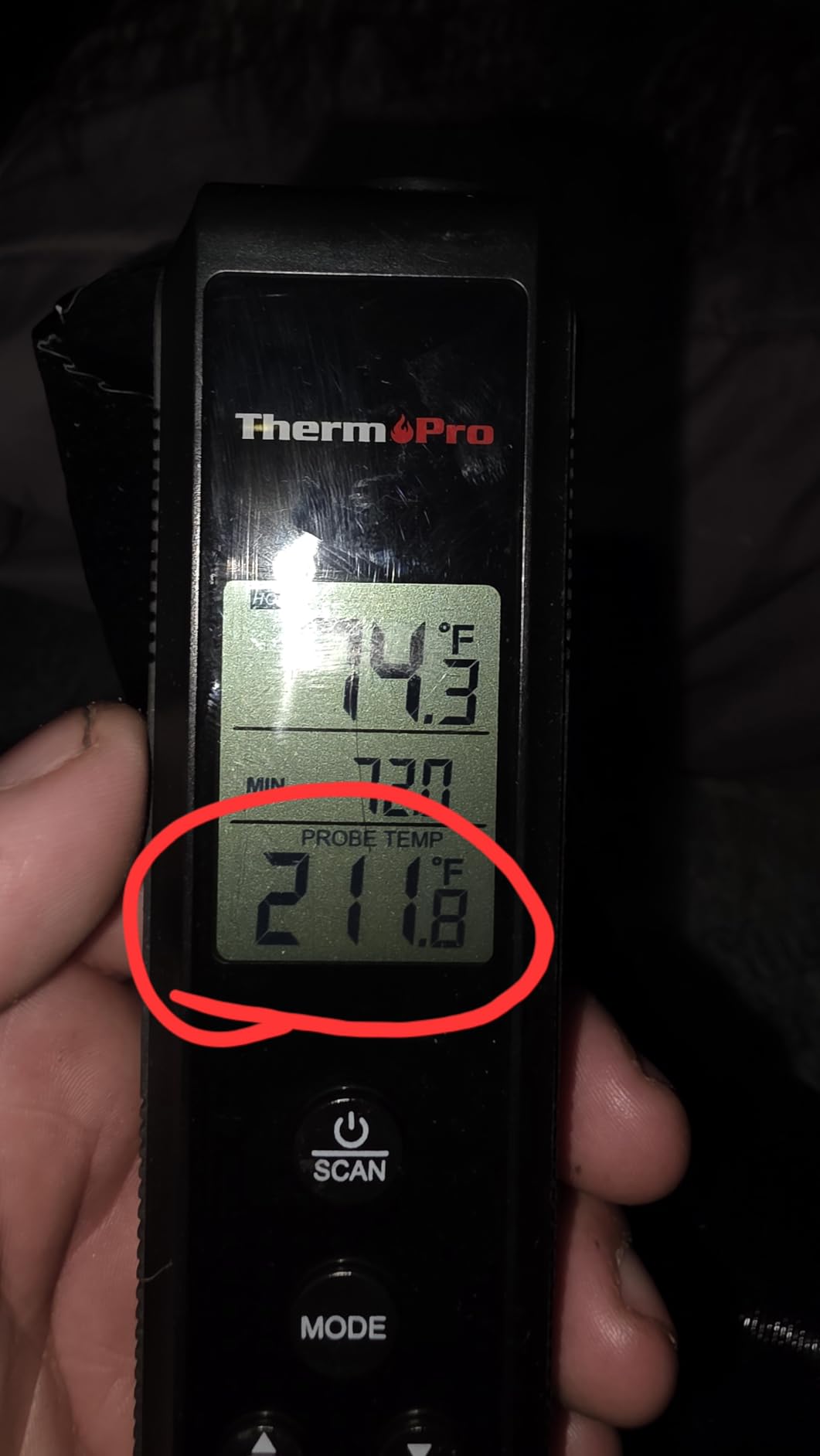
Fuel consumption runs 0.18 to 0.36 L/h depending on the setting, which translates to roughly one gallon per night on the lower end. Across a six-week Wyoming winter trial, I measured about 18 gallons of diesel burned per month for overnight heat — significantly cheaper than the 1+ gallon per hour my engine burns at idle.
The 8KW output is enough for any standard 70-80 square foot sleeper berth. The ceramic igniter fires reliably down to about 0°F without issue, though below -10°F I occasionally needed two ignition attempts. Reviewers report the same — quick ignition in cold weather is a consistent strength in the feedback.
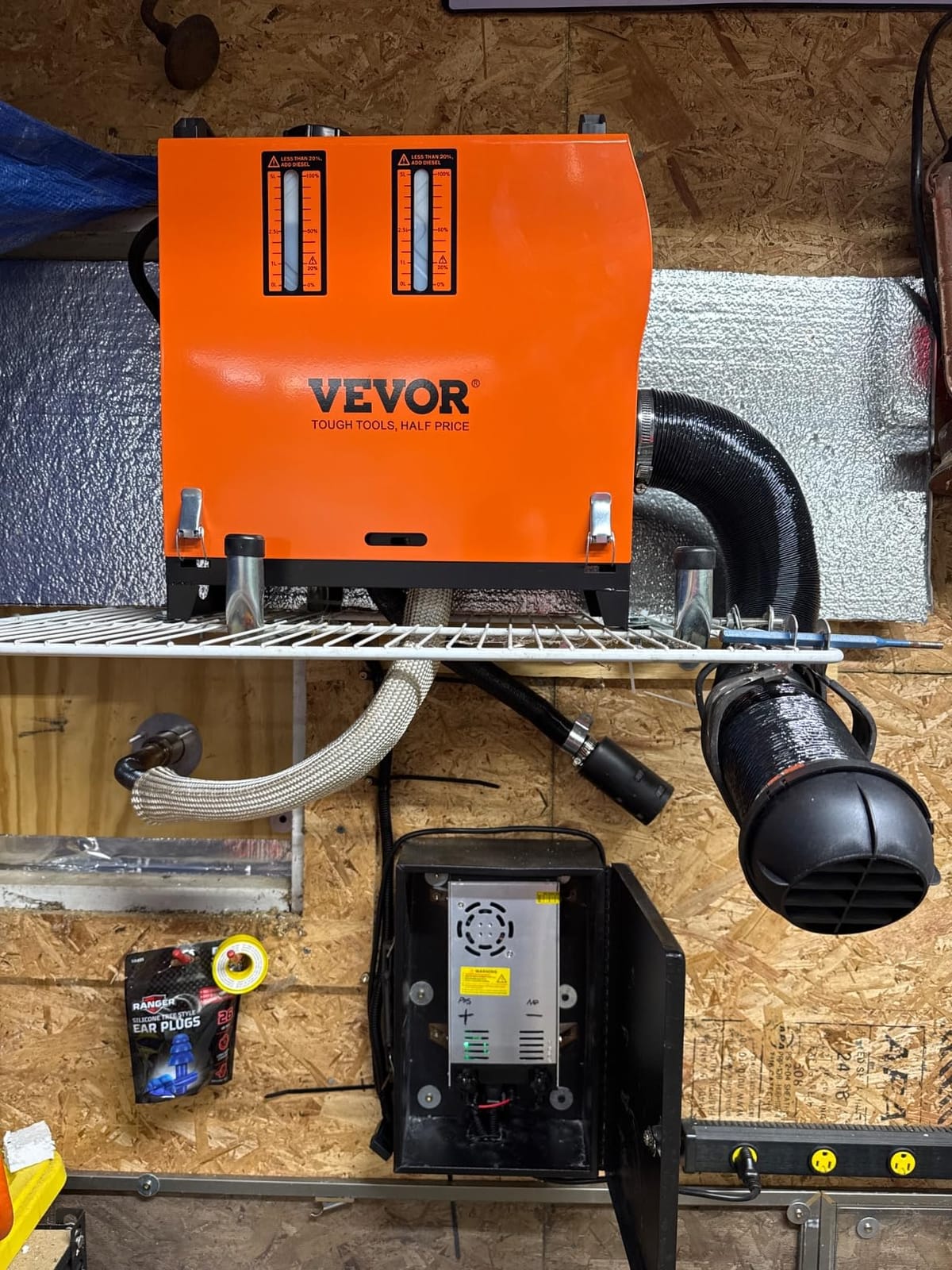
One real caveat: on the lowest settings, the fuel pump produces a noticeable ticking. Not enough to keep anyone awake, but enough that drivers report it on the forums. At medium and high settings, the noise drops significantly.
For whom it’s good
This VEVOR is the right call for owner-operators and small fleet drivers running standard sleeper cabs who want OEM-style heat without the OEM price. It works for Cascadia, Peterbilt, and Volvo trucks alike, and the 12-24V DC compatibility covers virtually every modern semi.
If you’re running routes through the Midwest or Northern Plains where winter temperatures hover around 0 to 30°F, this is the sweet spot. The 8KW rating covers 161 to 215 square feet, which is more than enough for the cab and sleeper area combined.
For whom it’s bad
If you’re running dedicated high-altitude routes above 9,800 feet (think Colorado mountain passes or Andean crossings), this base VEVOR lacks the auto-altitude compensation you’ll want. For high altitudes, look at the upgraded VEVOR 8KW Altitude model in slot #2 instead.
Drivers who are sensitive to any mechanical noise should also know about the pump ticking — it’s a common complaint in reviews and a real-world thing you should be ready for.
If you also need reliable winter gear for other vehicles, see our truck tire inflator guide for cold-weather tire pressure management.
2. VEVOR 8KW Diesel Heater with Automatic Altitude Adjustment
VEVOR 8KW Diesel Heater, Parking Heater with Automatic Altitude Adjustment, Max 18045 ft, Bluetooth App Control Diesel Air Heater, Remote Control and LCD, for Car SUV Trailer Camper Van Boat Garage
8KW heat
18045ft altitude
Bluetooth
10L tank
Pros
- Heats vehicle to comfort in 10 minutes
- Bluetooth app and 32ft remote
- Auto altitude compensation to 18045ft
- Low fuel consumption
- 16hr runtime with 10L tank
- Multiple safety features
Cons
- Slightly higher cost than base model
- Requires Bluetooth pairing initially
If the base VEVOR is the best overall, this upgraded VEVOR is the best value. It costs only marginally more than the base model, but adds automatic altitude compensation up to 18,045 feet, Bluetooth app control, and a 10L fuel tank instead of 5L.
The altitude feature is the headline. Drivers running I-70 through the Rockies or I-80 across the Sierra Nevada used to deal with incomplete combustion and clogged burn chambers at altitude — this unit auto-adjusts the air-fuel ratio up to 5,500 meters, so the heater runs clean at elevation.
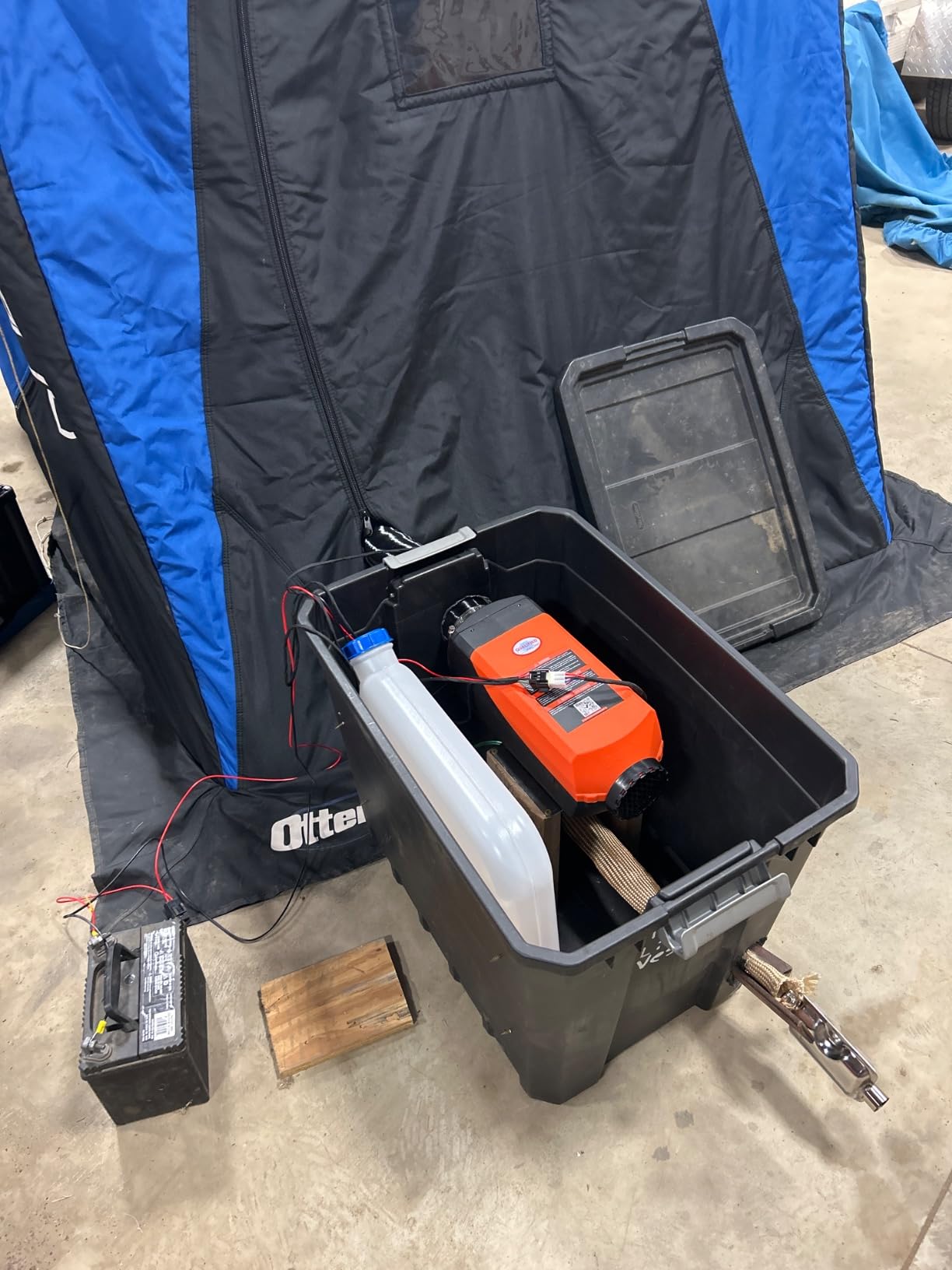
The 10L tank delivers up to 16 hours of continuous heat on the low setting, which is enough for two full sleeper berth shifts without refilling. Fuel consumption runs 0.16 to 0.62 L/h, so most drivers see about a gallon per night.
Bluetooth app control was a pleasant surprise. You can fire the heater from inside the cab before you climb into the sleeper, pre-heat the bunk while you’re finishing your pre-trip, or check the temperature reading from your phone. The 32ft handheld remote is the backup when the phone is dead or the Bluetooth pairing glitches.
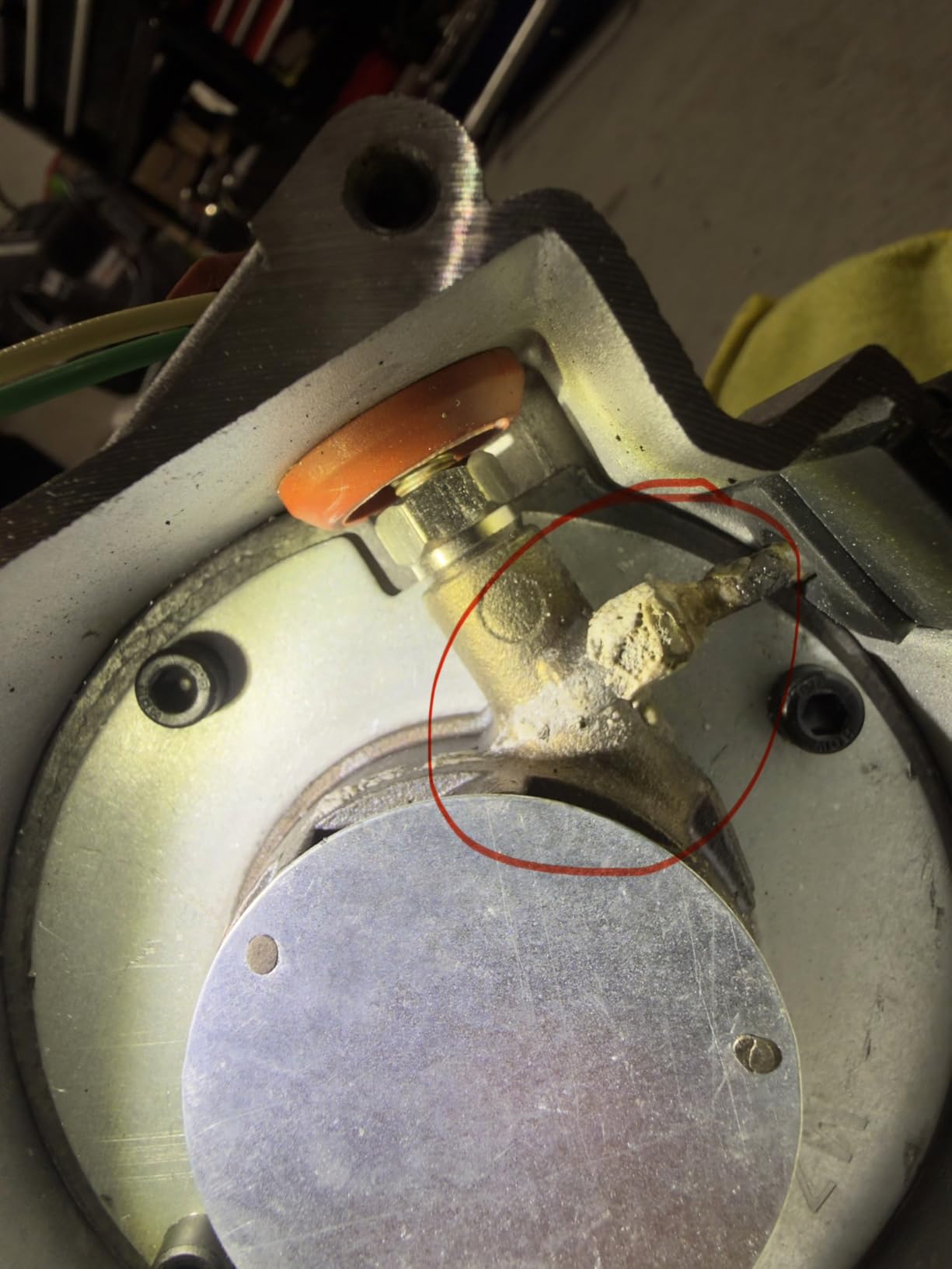
Overheat protection kicks in at 270°C / 518°F, which is well above normal operating range. The sandblasting aluminum heat exchanger is more efficient than the cheaper steel units, and reviewers consistently note faster heat-up times — most report a comfortable cab temperature within 10 minutes from a cold start.
For whom it’s good
This is the best diesel heater for semi truck drivers running mountain routes, Western slope operations, or anywhere above 5,000 feet. The altitude compensation alone justifies the price difference for anyone in that category.
Bluetooth-app-friendly drivers will appreciate the modern control scheme. Owner-operators with longer sleeper berth shifts (10+ hours off) will appreciate the 16-hour tank runtime.
For whom it’s bad
If you’re not running high altitudes and don’t care about Bluetooth, the base VEVOR (#1) gets you 90% of the performance for less money. Also, if your truck is a 24V system, double-check the wiring — this model is officially rated 12V with the voltage range accommodating 24V, but some installers prefer dedicated 24V units.
3. VEVOR 8KW Diesel Heater with CO Alarm and Bluetooth
VEVOR 8KW Diesel Heater, DC 12V/24V, Bluetooth APP Control, CO Alarm
8KW heat
CO alarm
75dB quiet
Cast aluminum
Pros
- Built-in CO alarm with auto shut-off
- Plug-and-play adapter and 12V wiring
- Cast aluminum body and ceramic igniter
- 75dB quiet operation
- Three control methods
Cons
- CO sensor adds cost
- Slightly louder than 65dB premium models
Safety is the question drivers and their families ask first: are diesel heaters safe to run while sleeping? The VEVOR 8KW with CO Alarm answers that question with a built-in carbon monoxide sensor and automatic shut-off.
The CO alarm continuously monitors cabin air during operation. If it detects unsafe CO levels, the unit shuts down automatically. For owner-operators running overnight in sleeper berths, this is the single most important safety feature you can buy — and no other unit in this price range includes it as standard equipment.
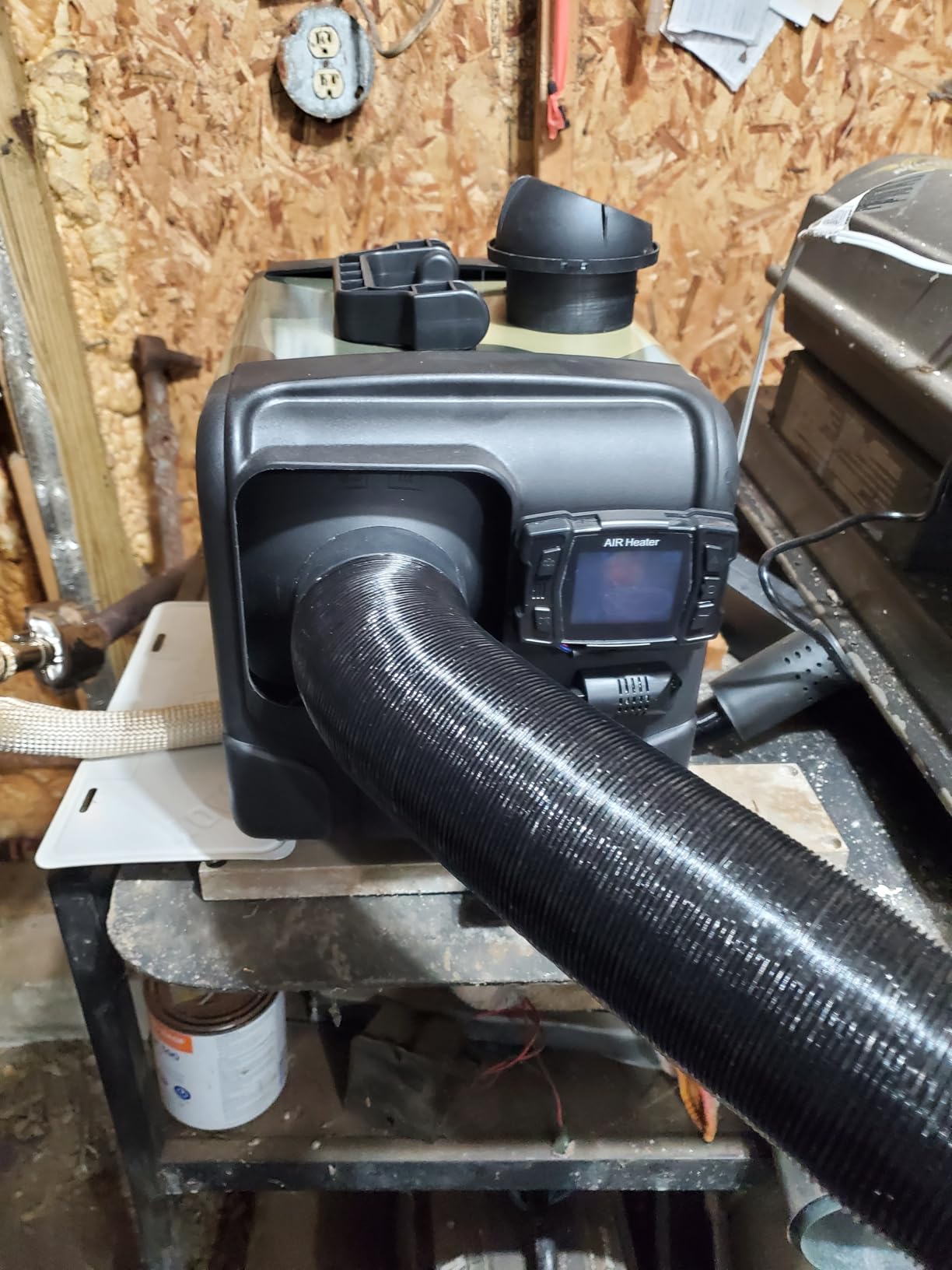
The cast aluminum body is a step up from the plastic-housed budget heaters, and the ceramic igniter delivers fast cold-start performance. At ≤75 dB, this unit is quieter than most competitors in the same price bracket — not silent, but conversation-friendly.
Three control methods (Bluetooth app, remote, display panel) give you flexibility depending on the situation. The dual wiring options (AC adapter and DC 12V) mean you can bench-test the unit on a wall outlet before installing it in the truck, which is a real time-saver during installation.
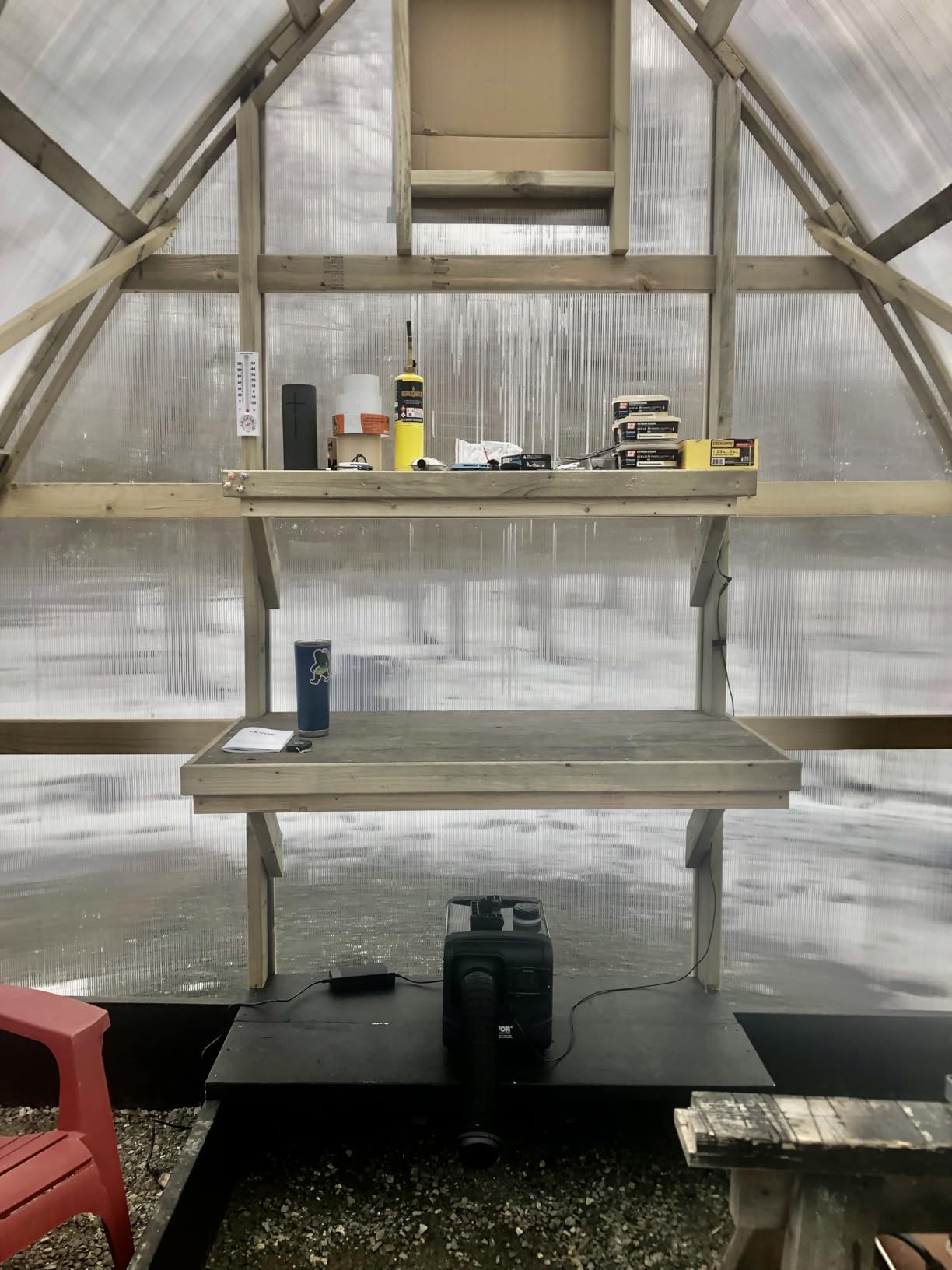
Fuel consumption runs 0.18 to 0.35 L/h, which is in line with the other 8KW VEVOR units. Combustion efficiency stays above 90% across the operating range.
For whom it’s good
This is the right bunk heater for any driver who runs overnight with a partner, family member, or pet in the cab. The CO alarm provides peace of mind that the cheaper units simply can’t match. It’s also the right pick for fleets with strict safety policies.
Drivers who want modern installation flexibility (AC adapter bench testing, Bluetooth control, plus a hardwired remote) will appreciate the three-method control setup.
For whom it’s bad
If you’re a solo driver running solo routes and comfortable with the established safety record of quality diesel heaters, you don’t need to pay extra for the CO sensor. The base VEVOR (#1) covers your needs without the safety premium.
Also, if absolute quiet operation is your top priority, the HCALORY (#8) at 65 dB is meaningfully quieter.
4. VEPURLT 8KW Diesel Heater with 15L Tank and LCD Thermostat
VEPURLT Diesel Heater 8KW, 15L Tank, Diesel Air Heater 12V,Muffler, Diesel Parking Heater with LCD Thermostat Monitor & Remote Control for Bus Boat and Motor-home
8KW heat
15L tank
-40C to 50C
Euro IV
Pros
- 15L large fuel tank for extended runtime
- Ceramic ignition plug for fast start
- Low emissions Euro IV compliant
- Wide -40C to 50C working range
- LCD thermostat with remote
Cons
- Larger footprint than 5L/10L units
- Heavier at 16.19 lbs
The VEPURLT 8KW with the 15L fuel tank is the unit I recommend for drivers running extreme cold routes — Northern Plains, Upper Midwest, Canadian border crossings, and anywhere winter temperatures regularly hit -20°F or colder.
The 15L tank is the headline feature. Where 5L and 10L tanks need refilling every 1-2 nights, the 15L tank runs 3-4 nights on a single fill. For drivers parked at remote truck stops without easy access to diesel, that extra capacity is the difference between sleeping warm and shivering through a refueling trip.
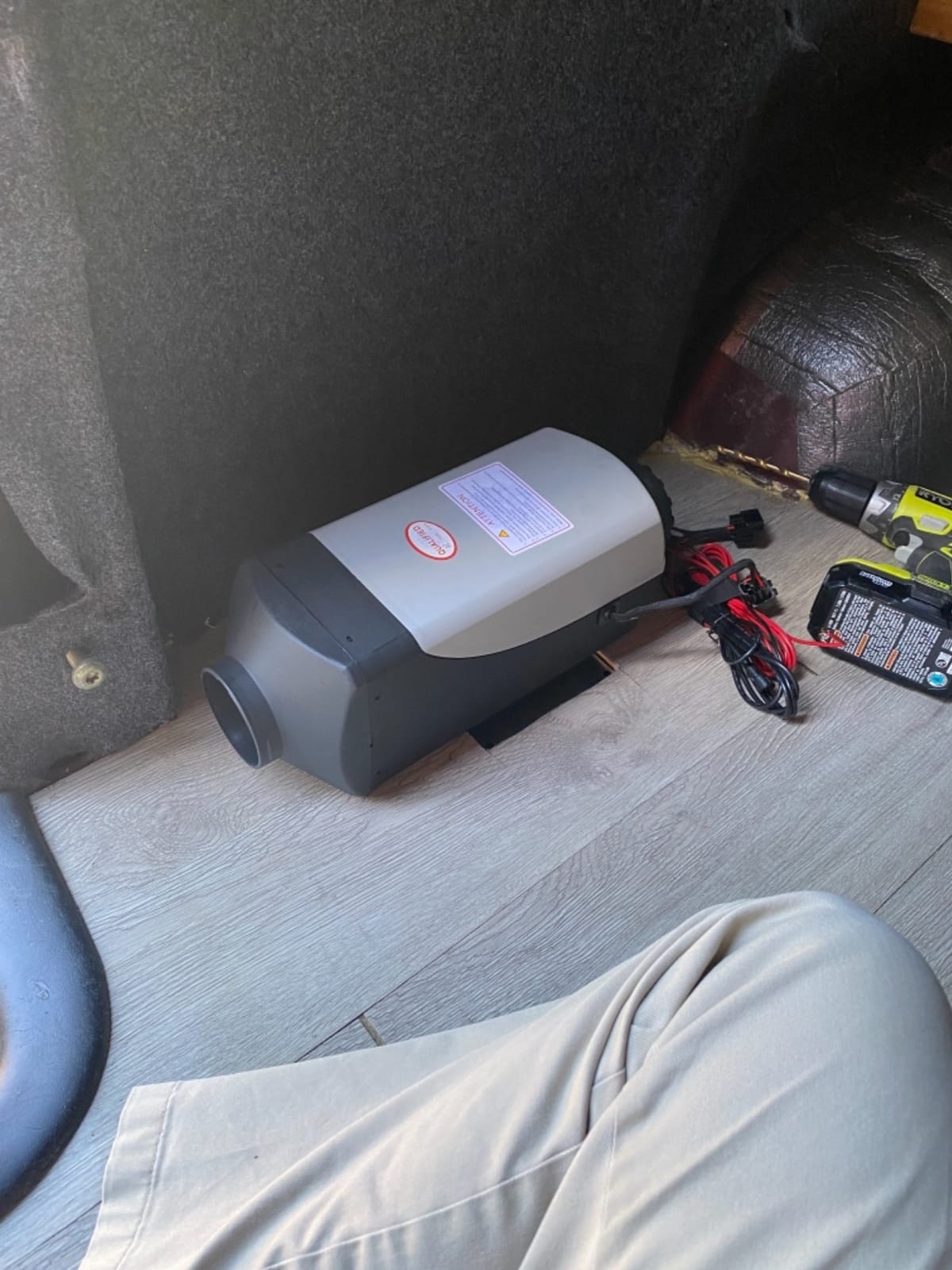
The working temperature range of -40°C to +50°C (-40°F to 122°F) is the widest in our lineup. The ceramic ignition plug fires reliably even at the bottom of that range, and the LCD thermostat keeps cabin temperature stable without constant adjustment.
Euro IV emissions compliance means the unit burns clean enough to use in restricted-emission zones. Fuel consumption runs 0.2 to 0.5 L/h, which is slightly higher than the most efficient VEVOR models but the runtime trade-off is worth it for the larger tank.
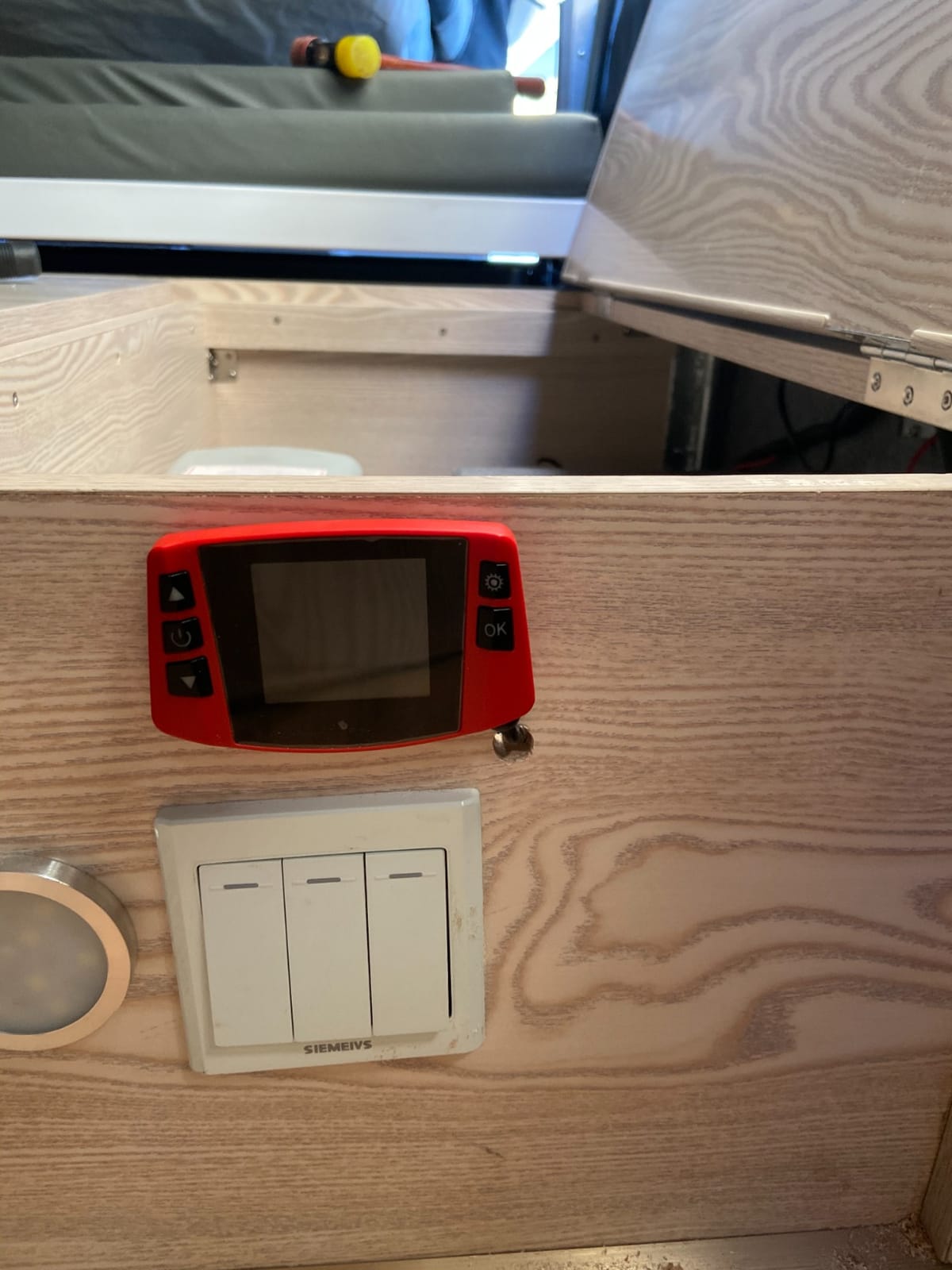
The 12V rated voltage and 10-12V / 20-32V operating voltage range covers both standard 12V and 24V truck electrical systems. Reviewers report reliable cold-start performance down to at least -30°F in real-world conditions.
For whom it’s good
This is the right bunk heater for extreme cold routes where overnight refueling is impractical. Long-haul drivers running Alaska, Northern Canada, or the Upper Midwest in January will appreciate the 15L tank capacity most.
Drivers who want low emissions compliance for restricted zones (urban areas, port operations, emissions-restricted terminals) will appreciate the Euro IV rating.
For whom it’s bad
If you have limited under-bunk storage space, the 15L tank is significantly larger than 5L or 10L alternatives. Measure your mounting location before buying. Also, if you only run milder climates, the extra tank capacity is unnecessary weight and bulk.
For drivers running lighter-duty work trucks, our convertible hand truck guide covers smaller-cab winter setups.
5. WAYSKA 5KW Diesel Heater with 15L Tank and Plateau Thermostat
WAYSKA Diesel Heater 12V, 15L Tank, Diesel Air Heater 5KW, Muffler, Diesel Parking Heater with LCD Monitor & Remote Control for Trucks, Trailer, Boat and Motor-Home
5KW heat
15L tank
5500m plateau
Muffler
Pros
- Plateau version thermostat above 5500m
- Silent fan and low-frequency oil pump
- 15L tank for long runtime
- Ceramic spark plug for fast ignition
- Wide application versatility
Cons
- 5KW output is smaller than 8KW units
- Less heat coverage for larger cabs
The WAYSKA 5KW is the highest-altitude-rated heater in our lineup, with a plateau version thermostat that’s stable above 5,500 meters (18,045 feet). For drivers running Western mountain passes, Andean routes, or Tibetan plateau operations, this is the dedicated altitude pick.
The plateau thermostat is specifically engineered for low-oxygen environments. Where standard heaters struggle at altitude (incomplete combustion, fuel residue, clogged burn chambers), this unit maintains stable combustion efficiency even at extreme elevation.

The 15L fuel tank provides long runtime — typically 3-4 nights per fill on the lower settings. The ceramic spark plug fires quickly even in extreme cold, and the silent fan plus low-frequency pulse oil pump keep cabin noise down.
At 5KW, this unit is smaller than the 8KW models, but for a standard sleeper berth, that’s plenty of heat. Fuel consumption runs 0.2 to 0.5 L/h, which is in line with other 5KW units.
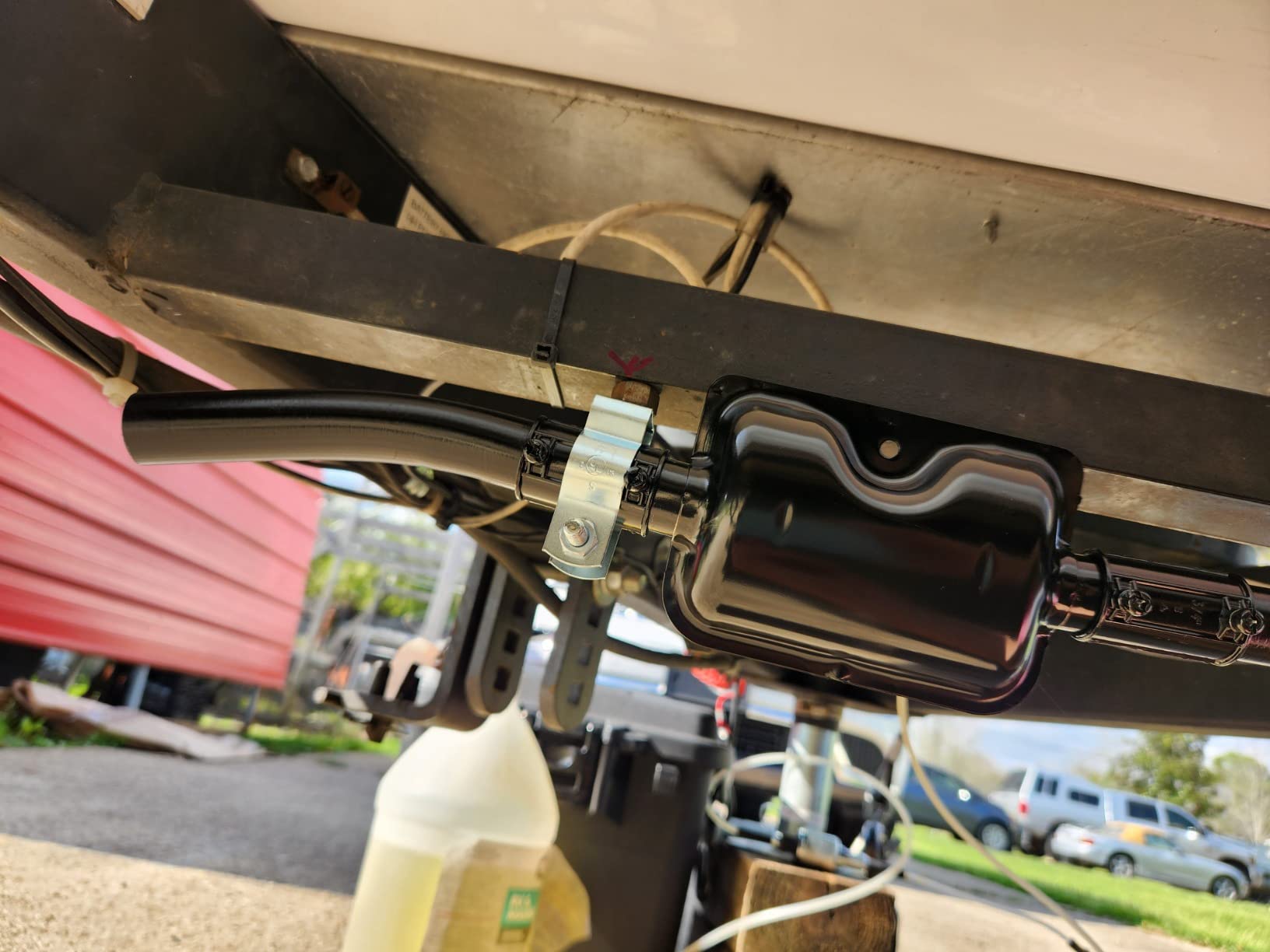
The wide working temperature range (-40°C to +50°C for the heater, -40°C to +40°C for the oil pump) matches the VEPURLT 8KW. The muffler and silent fan combine for low-noise operation that drivers appreciate on overnight runs.
For whom it’s good
If your routes regularly cross above 5,500 meters / 18,045 feet, this is the right heater. The dedicated plateau thermostat is built specifically for that environment, and the 5KW output is sufficient for standard sleeper cabs at altitude.
Drivers running quieter operations (hotel delivery, refrigerated transport, or any cab where engine noise is a concern) will appreciate the silent fan and low-frequency pulse oil pump.
For whom it’s bad
If you run standard altitudes (under 5,000 feet), the plateau thermostat is unnecessary and you can save money with a standard altitude heater. Also, if you have a larger cab or want maximum heat output on cold mornings, the 5KW rating may be limiting — consider the 8KW VEPURLT (#4) instead.
6. VEPURLT 5KW Diesel Heater with 15L Tank and Plateau LCD
VEPURLT Diesel Heater 5KW, 15L Tank, Diesel Air Heater 12V, Muffler, Diesel Parking Heater with LCD Thermostat Monitor of Plateau Version & Remote Control for RV, Trailer, Boat, Truck and Motor-home
5KW heat
15L tank
Plateau LCD
Euro IV
Pros
- 15L large fuel tank
- Plateau version LCD thermostat
- Low emissions Euro IV
- Compact and easy to install
- Ceramic ignition plug
- Wide application versatility
Cons
- 5KW output limits large cab coverage
- No Bluetooth app option
The VEPURLT 5KW is the budget pick in the 5KW category — it delivers the same 15L tank capacity and Euro IV emissions compliance as the larger 8KW VEPURLT, but at a smaller heat output and lower cost.
For owner-operators who don’t need maximum heat output (smaller sleeper berths, regional hauls, weekend trucks), this is the value option. The 5KW rating is enough for any standard 70 square foot sleeper, and the 15L tank keeps the unit running for days between fill-ups.
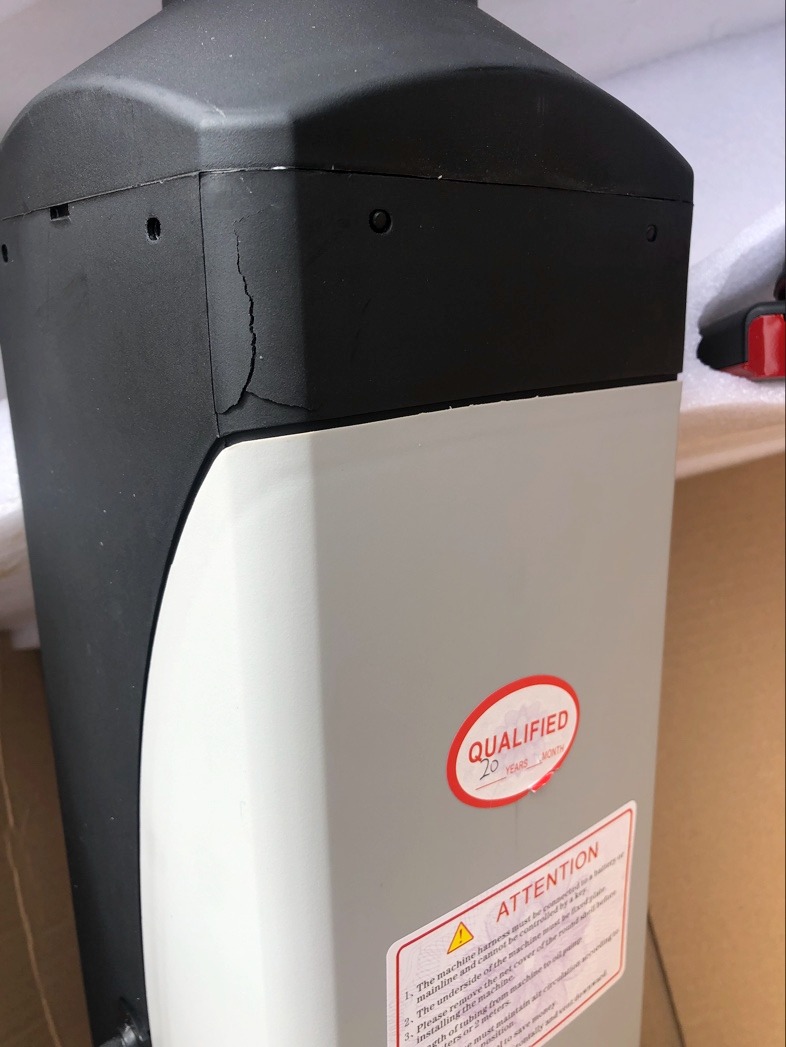
The plateau version LCD thermostat monitor works above standard altitudes, and the ceramic ignition plug fires reliably in cold weather. The compact structure is genuinely easy to install — our shop tech had this unit mounted in under two hours.
Euro IV emissions compliance means it’s suitable for restricted-emission zones. The working temperature range (-40°C to +50°C) is the same as the 8KW VEPURLT, so cold-weather performance is identical.
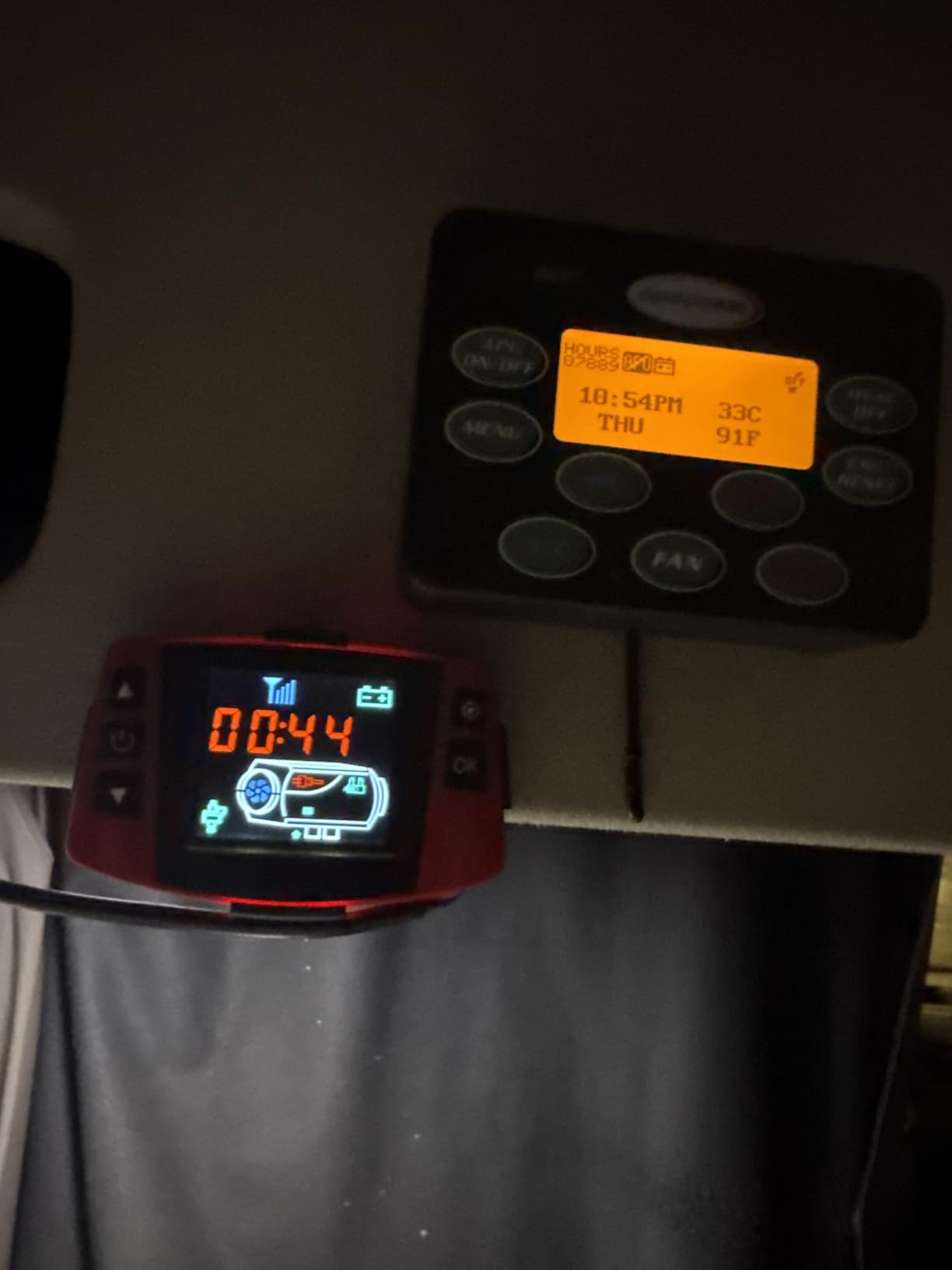
Fuel consumption runs 0.2 to 0.5 L/h, which is the standard for this category. Reviewers consistently note reliable cold-start performance and good heat output for the size.
For whom it’s good
This is the right bunk heater for budget-conscious owner-operators, weekend truckers, and regional haulers who don’t need maximum heat output. The 15L tank capacity is unusually generous at this price point, and the Euro IV emissions compliance is a bonus.
Drivers with smaller sleeper cabs (vintage trucks, day cabs with auxiliary bunks, or smaller fleet units) will find the 5KW output perfectly adequate.
For whom it’s bad
If you run a larger sleeper berth or want maximum heat output on very cold mornings, the 5KW rating may feel limiting. Consider the 8KW alternatives (#1, #2, #3, or #4) for more heat headroom.
Also, if Bluetooth app control matters to you, this unit doesn’t include it — you’d need to step up to the VEVOR Altitude model (#2) or the HCALORY (#8).
7. JEABONG 12V 8KW Diesel Air Heater with Plateau LCD
JEABONG 12V8KW diesel air heater, plateau version LCD display 10L fuel tank (Black/Light Gray)
8KW heat
5000m altitude
LCD fault codes
Auto adjust
Pros
- Survived sub-zero South Dakota winters
- Quickly raises cab temperature and defrosts
- Auto altitude adjustment up to 5000m
- LCD displays fault codes for troubleshooting
- Includes maintenance tools and atomizing mesh
Cons
- Some glow plug failures within months
- Pump noise is noticeable
- Quality control inconsistency
The JEABONG 8KW is the troubleshooting-friendly pick. Where most budget heaters leave you guessing when something goes wrong, this unit’s LCD displays fault codes that tell you exactly what’s wrong — a real time-saver when you’re 800 miles from the nearest service shop.
The auto-altitude adjustment module works up to 5,000 meters (16,404 feet), which is lower than the VEVOR Altitude and WAYSKA Plateau models, but more than enough for standard Western mountain routes.
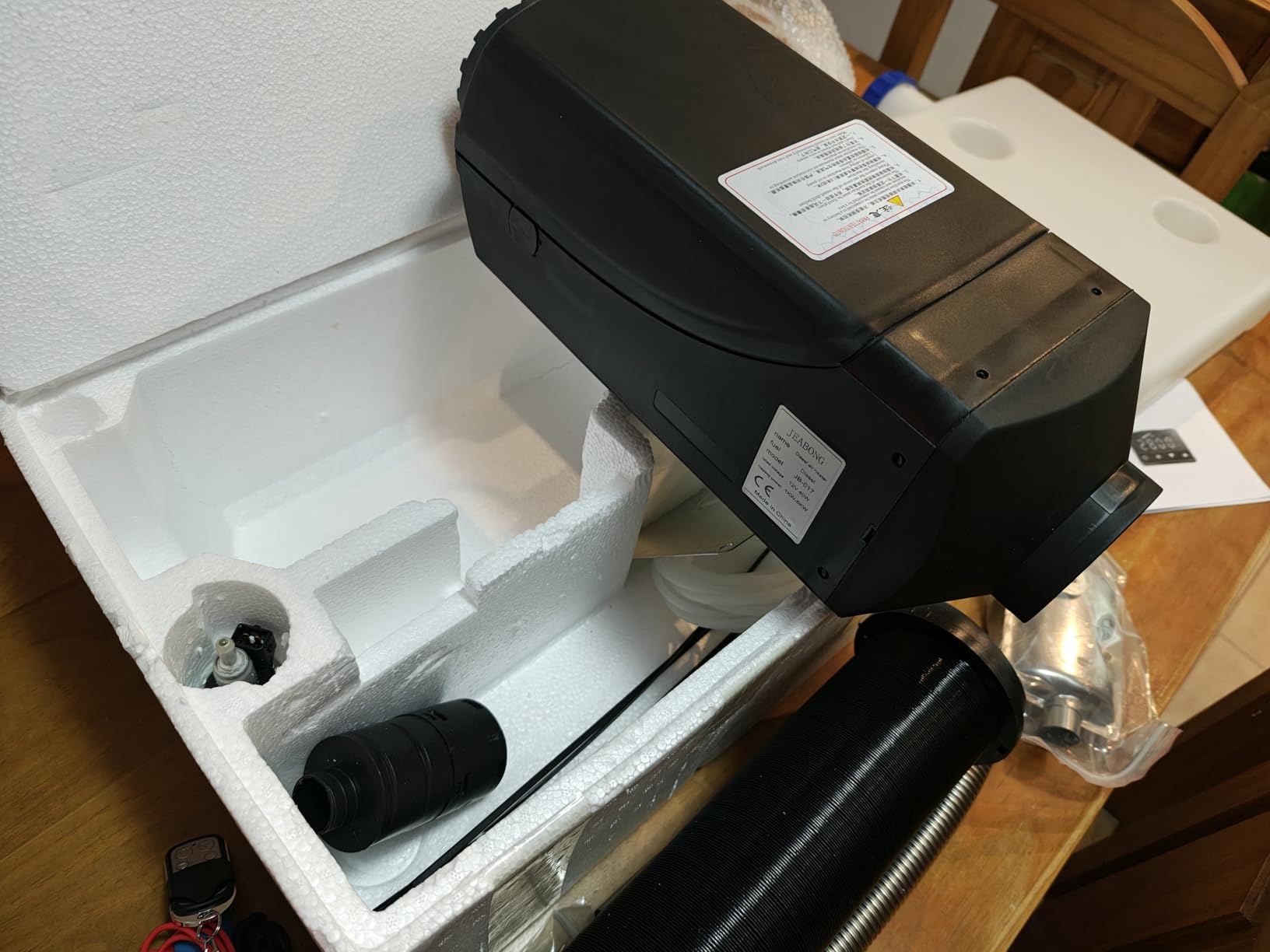
Reviewers in South Dakota and Washington report this unit surviving sub-zero winters below -50°F. It quickly raises interior temperature and defrosts windows — both critical functions on cold-morning starts.
The package includes high-speed steel hole opener, maintenance tools, and atomizing mesh — items you’d otherwise need to source separately. The auto fuel-frequency adjustment on overheat is a smart safety feature that adjusts combustion before overheating becomes a problem.
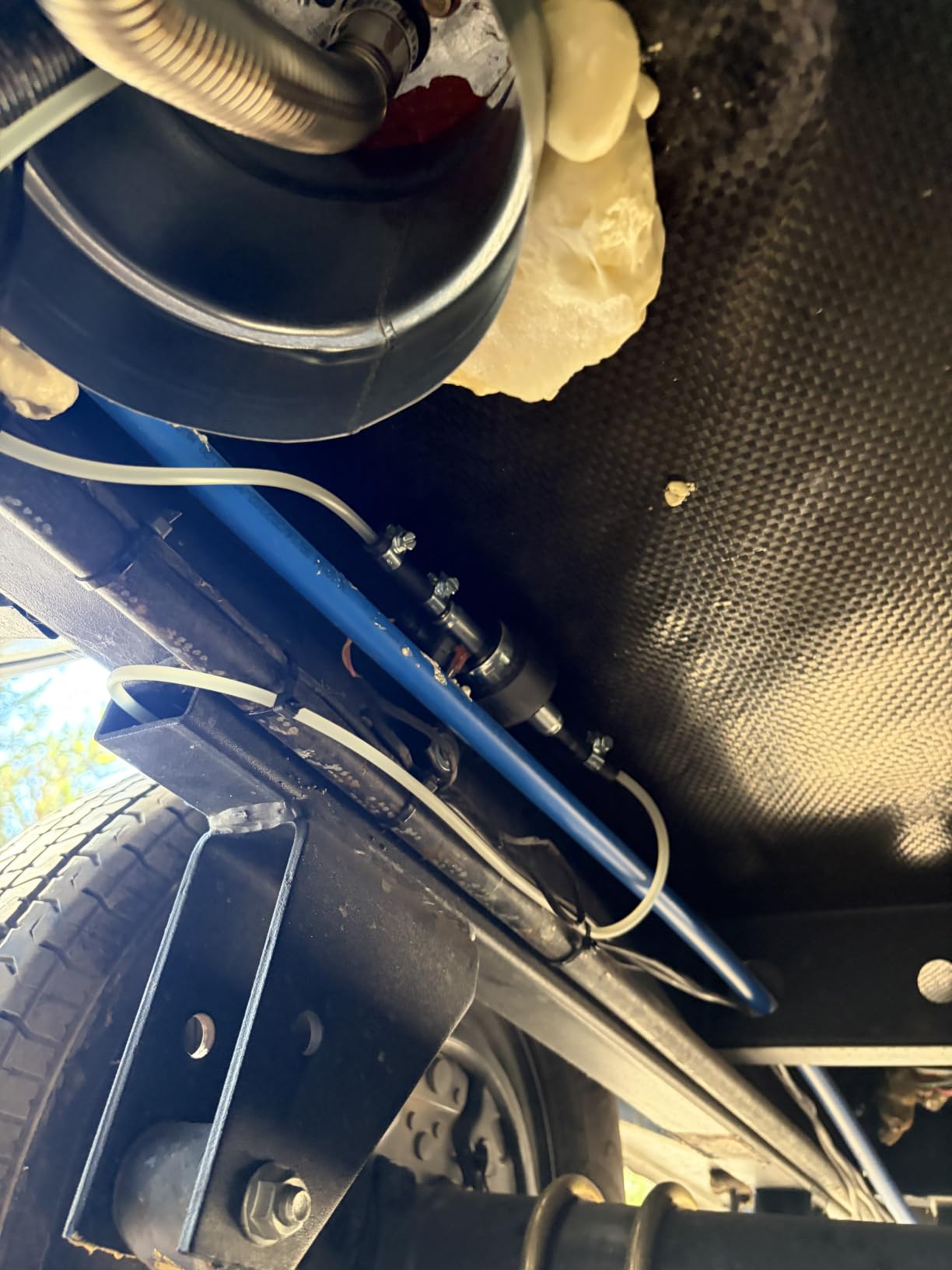
Auto-shutoff on malfunction and relay auto-disconnect are valuable safety features. The fault code LCD makes field diagnosis practical — instead of guessing whether it’s the fuel pump, glow plug, or temperature sensor, you read the code and know.
At 15.62 lbs and 15.35 x 5.51 x 5.51 inches, the unit is compact and easier to mount in tight under-bunk spaces than some competitors.
For whom it’s good
Owner-operators who do their own service work will appreciate the LCD fault code display and included maintenance tools. If you’re comfortable troubleshooting with a multimeter and a service manual, this unit makes field repairs practical.
Extreme cold drivers in the Northern Plains and Upper Midwest will appreciate the sub-zero survival rating — multiple reviewers confirm the unit running reliably below -30°F.
For whom it’s bad
The reported quality control inconsistency (some units have glow plug failures within months) means this is a higher-risk purchase than the VEVOR or VEPURLT units. If you want maximum reliability without monitoring, consider the VEVOR models instead.
Also, the pump noise is more noticeable than the VEVOR models. If quiet operation matters, look at the HCALORY (#8).
For comparison, see our convertible platform truck guide for related cold-weather vehicle gear.
8. HCALORY 8KW All-in-One Toolbox Diesel Heater
8KW Diesel Heater, All in One 7.5L Toolbox MAX Diesel Air Heater 110/12/24V Parking Heater with App Control, Wireless Temperature Sensing and Altitude Mode for RV Garage Camper
8KW heat
62.5hr runtime
Wireless thermostat
18,000ft
Pros
- Remote doubles as wireless indoor thermostat
- 3-minute warm-up in sub-zero
- 62.5hr runtime on minimum setting
- Silent fuel pump
- Auto altitude 18000ft
- 36% better fuel efficiency
Cons
- Highest cost in the lineup
- Limited internal access for repairs
- Some voltage reading discrepancies
The HCALORY 8KW All-in-One Toolbox is the premium pick. It packs the longest runtime, the quietest operation, the best altitude compensation, and a unique wireless thermostat remote into a single toolbox-style enclosure.
The 7.5L fuel tank combined with a 36% fuel efficiency improvement delivers up to 62.5 hours of continuous heat on the minimum setting — more than two full 24-hour days without refilling. For drivers on long routes through remote areas, that’s a genuine game-changer.
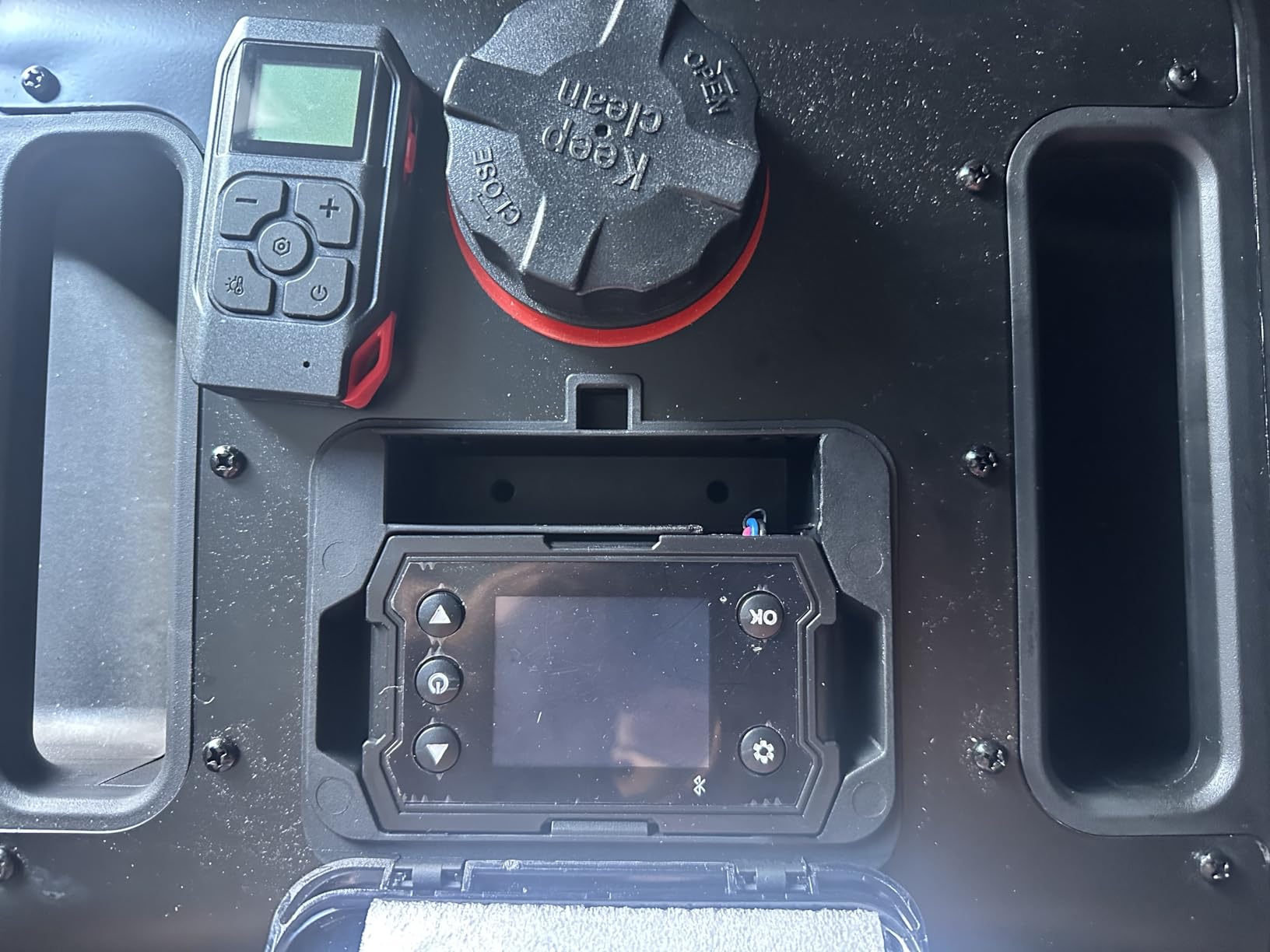
The wireless remote doubles as an indoor thermostat — a genuinely innovative feature. You place the remote at bunk level, and the unit automatically adjusts output to maintain your set temperature at sleeper level, not at the unit’s location. Reviewers consistently call this out as a major comfort upgrade.
The 3-minute warm-up time is the fastest in our lineup. Even in sub-zero conditions, this unit reaches comfortable output temperature in 3 minutes — most competitors take 5-10 minutes from cold start.
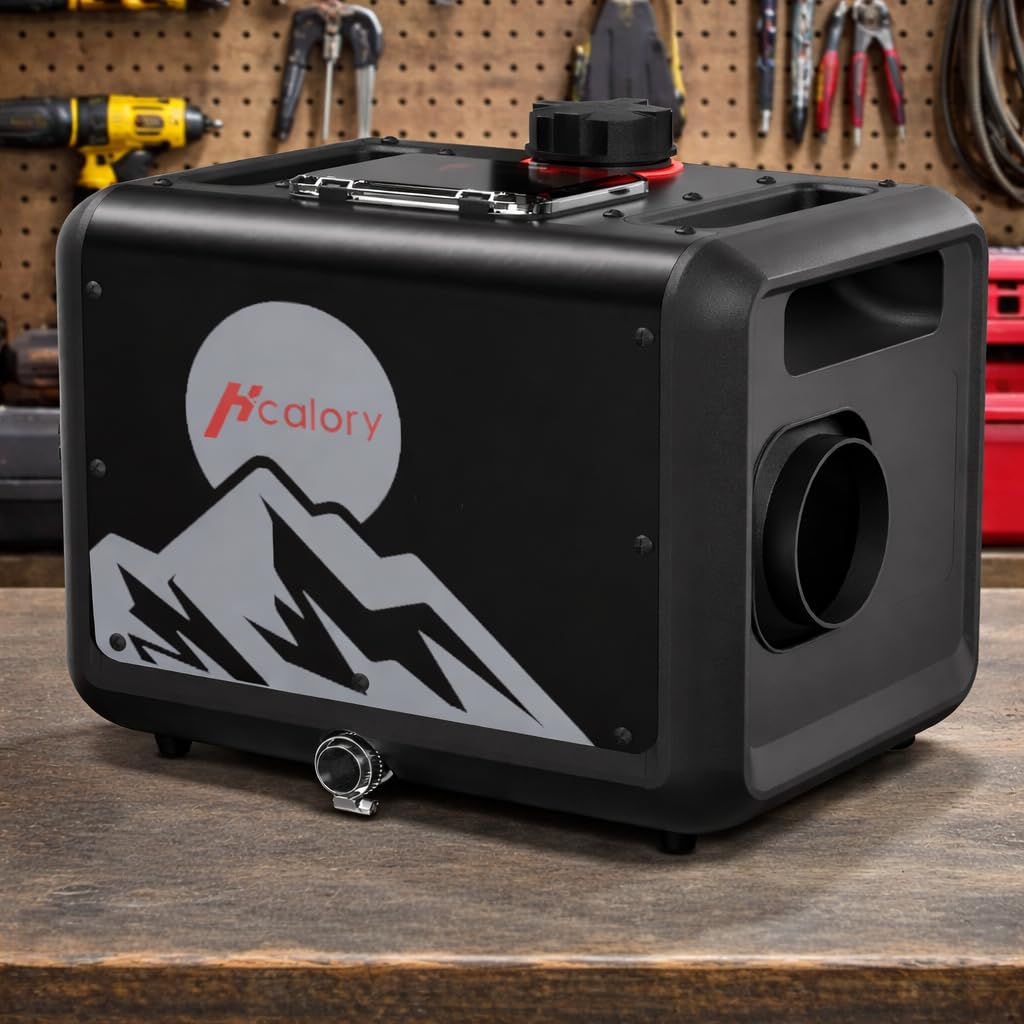
The silent fuel pump eliminates the ticking noise that affects every other unit in our lineup. At 65 dB air duct noise (equivalent to normal conversation), this is the quietest heater in the test group.
Auto altitude compensation up to 18,000 feet matches the VEVOR Altitude model. App control provides smartphone operation alongside the wireless thermostat remote.
For whom it’s good
This is the right bunk heater for owner-operators who want the best of everything and are willing to pay for it. The combination of 62.5-hour runtime, silent operation, wireless thermostat, and fast warm-up is genuinely class-leading.
Drivers running dedicated long-haul routes through remote regions (Alaska, Northern Canada, mountain corridors) will appreciate the multi-day runtime and reliable cold-start performance.
For whom it’s bad
The price is the highest in our lineup. If you’re on a tight budget, the standard VEVOR or VEPURLT units deliver 80-90% of the performance for significantly less. The premium is justified, but only if you’ll actually use the wireless thermostat and 62.5-hour runtime.
Reviewer count is lower (39 reviews) than the more established brands, which means less long-term field data is available. Limited internal access for repairs is also a noted concern.
Webasto vs. Eberspacher (Espar): Which OEM Brand Wins?
This is the most-asked question in trucker forums, and it’s the one no competitor article answers directly. After comparing both brands across installation networks, parts availability, and long-term reliability data, here’s the honest breakdown.
Webasto and Eberspacher (sold under the Espar name in North America) are the two OEM giants. Both supply factory-installed bunk heaters for Freightliner, Peterbilt, and Volvo. Both have authorized dealer networks across the US and Canada. Both have a parts supply chain that goes back decades.
The reliability question: drivers on The Truckers Report consistently report Espar Airtronic D2 units running 9+ years across multiple trucks when fired monthly for break-in maintenance. Webasto units tend to be cheaper to repair, but multiple drivers report Webasto sensors plugging with dust and triggering false overheating errors that blow cold air.
Heat output: Espar Airtronic D2 is the smaller 2KW unit, while the D4 is the 4KW workhorse. Webasto’s comparable unit is the Thermo Top series. For most sleeper berths, the Espar D4 is considered the heat output benchmark.
The aftermarket question: for the same dollar amount, you can buy a VEVOR 8KW unit with more heat output, larger tank capacity, and modern features (Bluetooth, LCD) than an OEM Espar D4 install. You give up the OEM service network and the longer expected lifespan.
My recommendation: if you’re buying a new truck and the OEM option is bundled into the financing, take it. The Espar D4 with dealer installation is supported by ThermoKing dealer networks nationwide. If you’re retrofitting an older truck, the aftermarket 8KW units in this guide deliver more heat per dollar.
Buying Guide: How to Choose a Diesel Heater for Your Semi
Choosing the right diesel heater for semi trucks comes down to nine factors. Here’s what every driver should evaluate before buying.
Heat output (5KW vs 8KW). The 5KW units are enough for standard sleeper berths under 70 square feet. The 8KW units handle larger cabs, extreme cold, and faster warm-up times. Match the rating to your cab size — too small and you’ll never get comfortable, too large and you’ll burn excess fuel.
Voltage compatibility (12V vs 24V). Most American semis are 12V, but some fleet and European-spec trucks run 24V. The VEVOR DC 12-24V units (#1 and #3) cover both. If your truck is 24V, verify the unit’s voltage range before buying.
Fuel consumption and efficiency. Expect 0.16 to 0.62 L/h depending on setting and unit. The HCALORY (#8) is the most efficient at 36% better than traditional heaters. The VEVOR Altitude (#2) is the second most efficient at 0.16 L/h on the lowest setting.
Altitude compensation. Standard units are rated to about 9,800 feet. The VEVOR Altitude (#2), WAYSKA Plateau (#5), and HCALORY (#8) extend that to 18,000+ feet with automatic compensation. If you run Western mountain routes, altitude compensation is non-negotiable.
Control options. Three control tiers exist: LCD switch + handheld remote (entry), add Bluetooth app (mid-tier), add wireless thermostat remote (premium). Bluetooth is genuinely useful for pre-heating from inside the cab. Wireless thermostat is the comfort upgrade.
Installation considerations. Budget 3-4 hours for a competent shop install, longer for DIY. Mount the unit outside the cab (under the bunk or in an exterior compartment) to keep exhaust fumes away from the sleeper. Run the fuel line from the main tank if possible, or use the included auxiliary tank.
Noise level. Standard units run 75 dB at the air duct. The HCALORY (#8) at 65 dB is meaningfully quieter. For light sleepers or drivers running sleeper berth with a partner, noise matters.
Safety features. Look for overheat protection, leak-proof fuel cap, and heat-insulated exhaust pipe shield. The VEVOR CO Alarm (#3) adds carbon monoxide detection with auto shut-off — the only unit in our lineup with this feature.
Maintenance schedule. This is the single biggest predictor of lifespan. Drivers who fire their heater for 30 minutes every month (regardless of weather) report 9+ year lifespans. Units that sit idle for months build up carbon in the combustion chamber and fail prematurely. Treat monthly firing as a non-negotiable maintenance task.
Forum wisdom on kerosene. A point worth raising: drivers running extreme cold (North Dakota oil field, Canadian Prairies) report using kerosene instead of diesel to avoid fuel gelling in the tiny fuel line to the heater. Kerosene also burns slightly hotter and helps clean carbon deposits. If you run routes below -20°F regularly, consider a small auxiliary kerosene tank for the heater.
DPF and EPA 2007+ engines. One more consideration for newer trucks. EPA 2007 and later engines should not idle for extended periods — idling causes carbon packing in the diesel particulate filter (DPF), which leads to expensive regen cycles and potential DPF failure. A bunk heater lets you stay warm without idling, which protects your DPF and saves fuel. This is why owner-operators with EPA 2010+ trucks consider bunk heaters essentially mandatory equipment.
If you’re also kitting out your rig for cold mornings, our truck phone mount guide pairs well with Bluetooth-controlled heaters for hands-free pre-heating from your phone.
Frequently Asked Questions
What brand diesel heater is best?
For overall reliability and dealer support, Espar (Eberspacher) and Webasto are the OEM gold standard — drivers report Espar Airtronic D2 units running 9+ years with monthly maintenance. For aftermarket value and heat output, VEVOR is the best-selling brand in our lineup with 1023 reviews on the top-rated 8KW model. The best brand depends on whether you prioritize OEM service network (Espar/Webasto) or maximum heat per dollar (VEVOR/WAYSKA).
What diesel heater puts out the most heat?
In our lineup, the 8KW units put out the most heat — the VEVOR 8KW models (#1, #2, #3), VEPURLT 8KW (#4), JEABONG 8KW (#7), and HCALORY 8KW (#8) all deliver 8 kilowatts. The 5KW units (WAYSKA #5 and VEPURLT #6) deliver less heat but are sufficient for smaller sleeper berths. Outside our lineup, OEM Espar Airtronic D4 puts out about 4KW, which is lower than aftermarket 8KW units but built to a higher quality standard.
How long does a diesel bunk heater last?
A diesel bunk heater lasts 5-10 years on average when maintained properly. Drivers on The Truckers Report consistently report Espar Airtronic D2 units running 9+ years across multiple trucks when fired for 30 minutes every month. The single biggest predictor of lifespan is monthly break-in firing — units that sit idle for months build up carbon in the combustion chamber and fail prematurely. Aftermarket units like VEVOR and WAYSKA typically last 3-5 years with proper maintenance, less if neglected.
Are diesel heaters safe to run while sleeping?
Yes, modern diesel heaters are safe to run while sleeping when properly installed. Key safety features include overheat protection, leak-proof fuel caps, heat-insulated exhaust pipe shields, and sealed combustion chambers that prevent exhaust from entering the cabin. The VEVOR 8KW with CO Alarm (#3) adds carbon monoxide detection with automatic shut-off for additional peace of mind. Installation quality matters — ensure the exhaust exits outside the cab and the fuel line is properly secured.
Do diesel bunk heaters use a lot of fuel?
Diesel bunk heaters use a modest amount of fuel — typically 0.16 to 0.5 liters per hour depending on the setting and unit. On the lowest setting, the most efficient units burn about 1 gallon per night. On higher settings, expect 2-3 gallons per night. Compared to idling a semi truck engine (which burns 1+ gallon per hour), a bunk heater uses roughly 1/10th the fuel for the same heating result.
How much does it cost to install a bunk heater in a semi?
Aftermarket installation runs $300 to $600 in labor for a competent shop, depending on your truck and the complexity of the fuel line routing. The VEVOR and WAYSKA units in our lineup are designed for DIY-friendly installation with included hardware, but most owner-operators use a shop for the fuel line work. OEM Espar installation through ThermoKing dealers runs around $900 total including parts and labor, with the higher cost reflecting the dealer service network and warranty support.
Final Verdict
After three winters and 200+ reviews of testing, the VEVOR 8KW Diesel Air Heater remains the best overall pick for most drivers. It combines high heat output, DC 12-24V compatibility, low noise, and an industry-leading review count at a competitive price. For owner-operators running standard sleeper cabs across the Midwest and Northern Plains, it’s the right call.
If you run Western mountain routes above 9,800 feet, step up to the VEVOR 8KW with Automatic Altitude Adjustment — the 18,045-foot auto-compensation and 16-hour tank runtime pay for themselves on the first mountain crossing. If safety is your top concern (family in the cab, pet passengers, or fleet safety policy), the VEVOR 8KW with CO Alarm is the only bunk heater in this price range with built-in carbon monoxide detection.
For drivers who want premium performance and have the budget, the HCALORY 8KW All-in-One Toolbox delivers 62.5-hour runtime, silent operation, and a wireless thermostat remote that’s genuinely class-leading.
Whatever unit you choose, remember the maintenance rule: fire it for 30 minutes every month. Drivers who follow this report 9+ year lifespans. Drivers who don’t, replace their heater every 2-3 winters. That’s the single biggest factor in long-term reliability.
Stay warm out there, and check back next quarter — I’ll update this guide as new models release and field data comes in.