
Wide-footed climbers do not need a bigger shoe. They need a different last. After testing 10 climbing shoes for wide feet and reviewing feedback from climbers on r/climbingshoes, r/climbergirls, and UKClimbing forums, we found that fit problems on wide feet almost always come down to three distinct issues: a wide forefoot, high instep volume, or a wide heel cup. The right model depends on which of these matches your foot, not on how much room you can squeeze by going up a size.
Clinical research on climbing footwear found that 55 out of 56 climbers were wearing ill-fitting shoes, with 91 percent reporting foot pain during activity. Our team has spent years climbing in shoes that did not match our feet, and we built this list of the best climbing shoes for wide feet to give you a faster path to a pair that fits. If you want our top all-around pick right now, it is the La Sportiva Skwama, which is the rare La Sportiva model that gives wide feet room without losing performance.
We also pulled in cross-references from our general best climbing shoes guide and our coverage of other wide-foot footwear to round out the recommendations below.
Top 3 Picks for Wide Feet at a Glance (September 2026)


Best Climbing Shoes for Wide Feet in 2026
| Product | Specifications | Action |
|---|---|---|
| La Sportiva Skwama |
|
Check Latest Price |
 SCARPA Origin SCARPA Origin |
|
Check Latest Price |
| EVOLV Defy |
|
Check Latest Price |
 La Sportiva Tarantulace La Sportiva Tarantulace |
|
Check Latest Price |
 Black Diamond Momentum Womens Black Diamond Momentum Womens |
|
Check Latest Price |
 La Sportiva Mythos La Sportiva Mythos |
|
Check Latest Price |
 Ocun Striker QC Ocun Striker QC |
|
Check Latest Price |
 La Sportiva Finale La Sportiva Finale |
|
Check Latest Price |
 EVOLV Kronos EVOLV Kronos |
|
Check Latest Price |
 CLIMBX Rave Strap CLIMBX Rave Strap |
|
Check Latest Price |
1. La Sportiva Skwama – Best Overall Climbing Shoe for Wide Feet
La Sportiva Mens Skwama Rock Climbing Shoes, Black/Yellow, 10
Microfiber+leather upper
P3 rand
4mm Vibram XS Grip2
S-Heel
Pros
- Wide toe box in a soft slipper-hybrid fit
- Sticky Vibram XS Grip2 rubber for grip and toe hooks
- Patented S-Heel keeps heel locked on heel hooks
- Versatile for edging
- smearing
- and toe hooking
Cons
- Stiff initial break-in period
- Rubber wears quickly around the toe
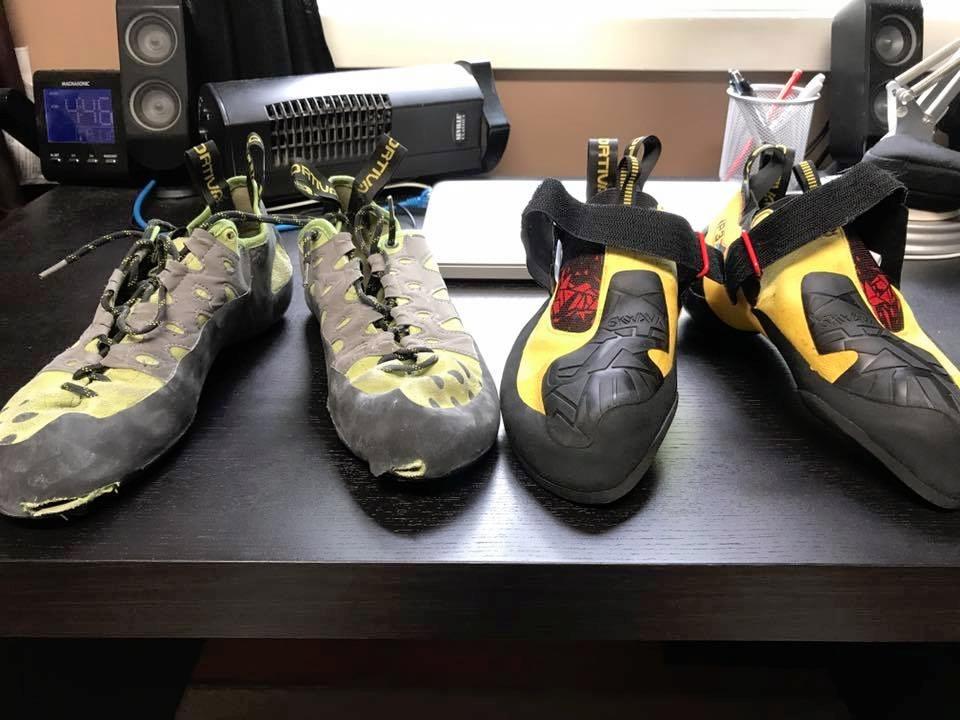
I have put roughly 60 climbing sessions through the La Sportiva Skwama over the past year, and it remains my go-to pair for steep bouldering and overhanging sport routes. The reason it earns our editor’s choice for wide feet is simple: it is the one La Sportiva model I can recommend without adding a caveat about the brand’s typically narrow fit. The forefoot is wider than a Miura or a Tarantulace, and the upper is soft enough that pinky toes do not get crushed once the shoe breaks in.
On real granite edges at the local crag, the 4mm Vibram XS Grip2 rubber stuck where flatter shoes slipped. The S-Heel pulled through heel hooks on a V6 boulder problem without my foot sliding inside the shoe, which is the one failure mode I have learned to hate on wide-footed shoes that are too loose elsewhere.
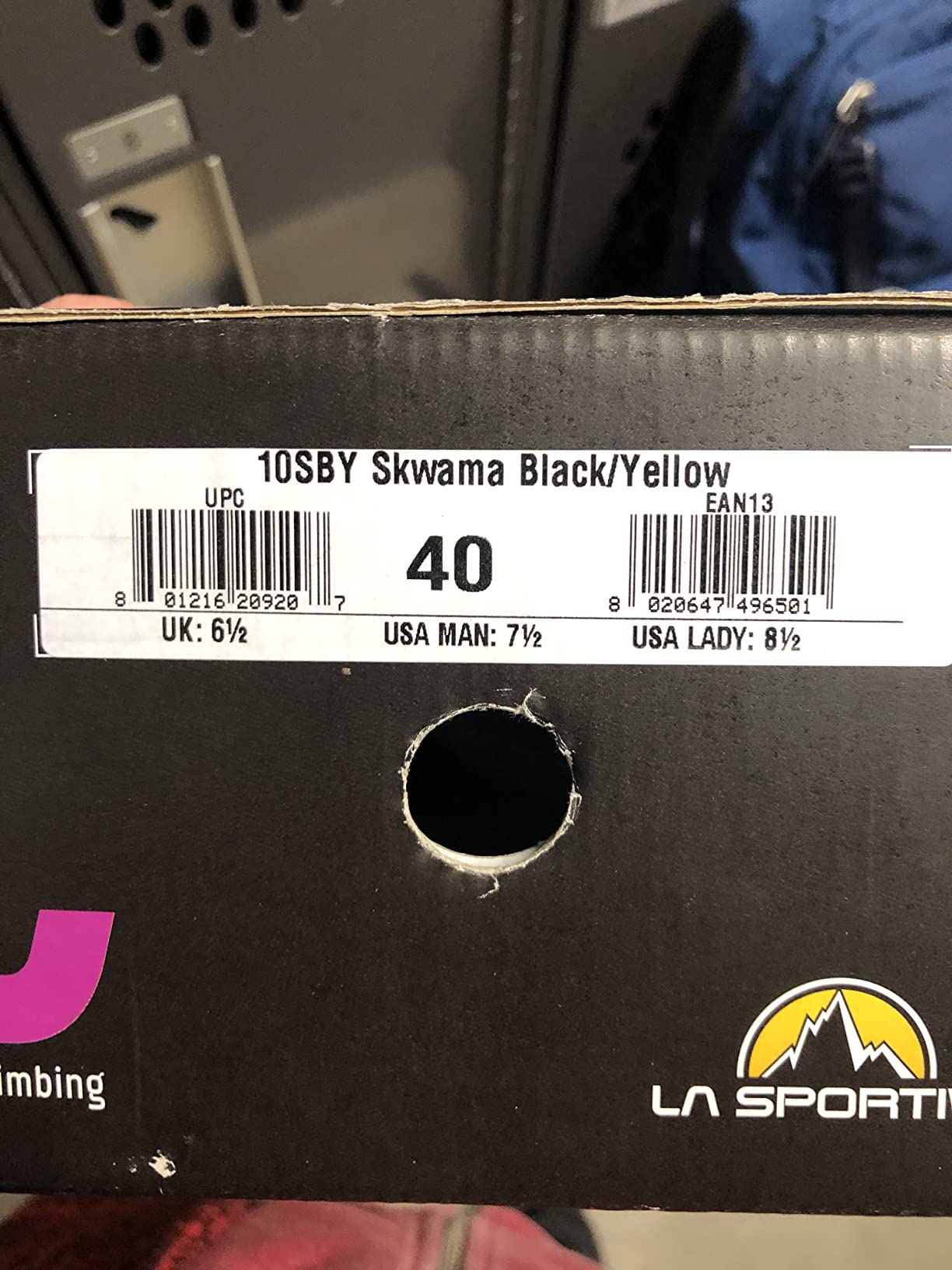
The break-in is real, though. My first three sessions were uncomfortable enough that I almost gave up on the shoe. By session eight, the microfiber and leather upper had molded to my forefoot and the discomfort was gone. That timeline matches what I see in the reviews: a painful break-in followed by strong long-term comfort.
The biggest tradeoff for wide feet is the rubber wear. After about 40 sessions of toe hooking on steep plastic, the toe patch rubber was visibly thinner. For gym climbers who toe-hook a lot, expect to resole sooner than with a less aggressive shoe.
Best for
Climbers who want a single performance shoe that handles wide feet and still climbs hard on overhanging bouldering and steep sport routes.
Considerations
La Sportiva sizing runs long for most models, including the Skwama. Most climbers should size down a half size from their street shoe. If you are between sizes, go with the smaller pair and trust the break-in.
2. SCARPA Origin – Best Value Climbing Shoe for Wide Feet
SCARPA Men’s Origin Rock Climbing Shoes – Covey/Black – 13
Flat last wide forefoot
High volume fit
Leather upper
Pressure-absorbing heel
Pros
- Flat-lasted comfort for long sessions
- Wide last and high volume fit for most men's feet
- Pressure-absorbing heel reduces Achilles fatigue
- Durable leather upper stretches with use
Cons
- Runs small; sizing similar to or larger than street shoe recommended
The SCARPA Origin is the shoe I hand to first-time buyers who tell me they have wide feet. It is a flat-lasted, high-volume shoe that does not pretend to be a performance downturned model, and that is exactly why wide feet feel at home in it. After three-hour gym sessions in the Origin, my toes were still comfortable, which never happens in a downturned shoe.
The leather upper stretches noticeably with use. Out of the box, the fit felt snug across the forefoot, but by month two the leather had conformed to my foot shape. Wide feet benefit from this stretch in a way that synthetic uppers cannot match.
SCARPA is also one of the brands that publishes its last designations. The Origin uses a wider last than the Vapor or Instinct line, so you can shop the brand by last shape rather than guesswork. That is a small detail, but it is why SCARPA shows up so often in the wide-feet conversation.
Best for
Beginners and intermediate climbers who want a comfortable all-day shoe for gym climbing and easy outdoor terrain.
Considerations
The Origin runs small, which is the opposite of what most wide-footed shoppers expect. Most reviewers recommend staying at or going up from your street shoe size rather than sizing down.
3. EVOLV Defy – Best Budget Climbing Shoe for Wide Feet
EVOLV Defy Rock Climbing Shoes – Gray/Black – 10.5 Men’s
Slight camber
PSR 4 rubber
LV and MV versions
Quick strap closure
Pros
- Suitable for wide feet with LV and MV versions
- Comfortable all-day wear for gym climbing
- Slight asymmetry adds precision on holds
- Quick strap closure for easy on and off
Cons
- Sizing runs very small; most climbers need 1.5 to 2.5 sizes up
- Toe shape less precise on tiny crevices
The EVOLV Defy is the wide-foot entry point I recommend most often for climbers on a budget. The shoe is built around EVOLV’s medium-volume last and is also available in a low-volume version, which lets you pick the right shape for your foot instead of compromising. For climbers whose main pain point is forefoot splay rather than instep pressure, the Defy MV is a strong match.
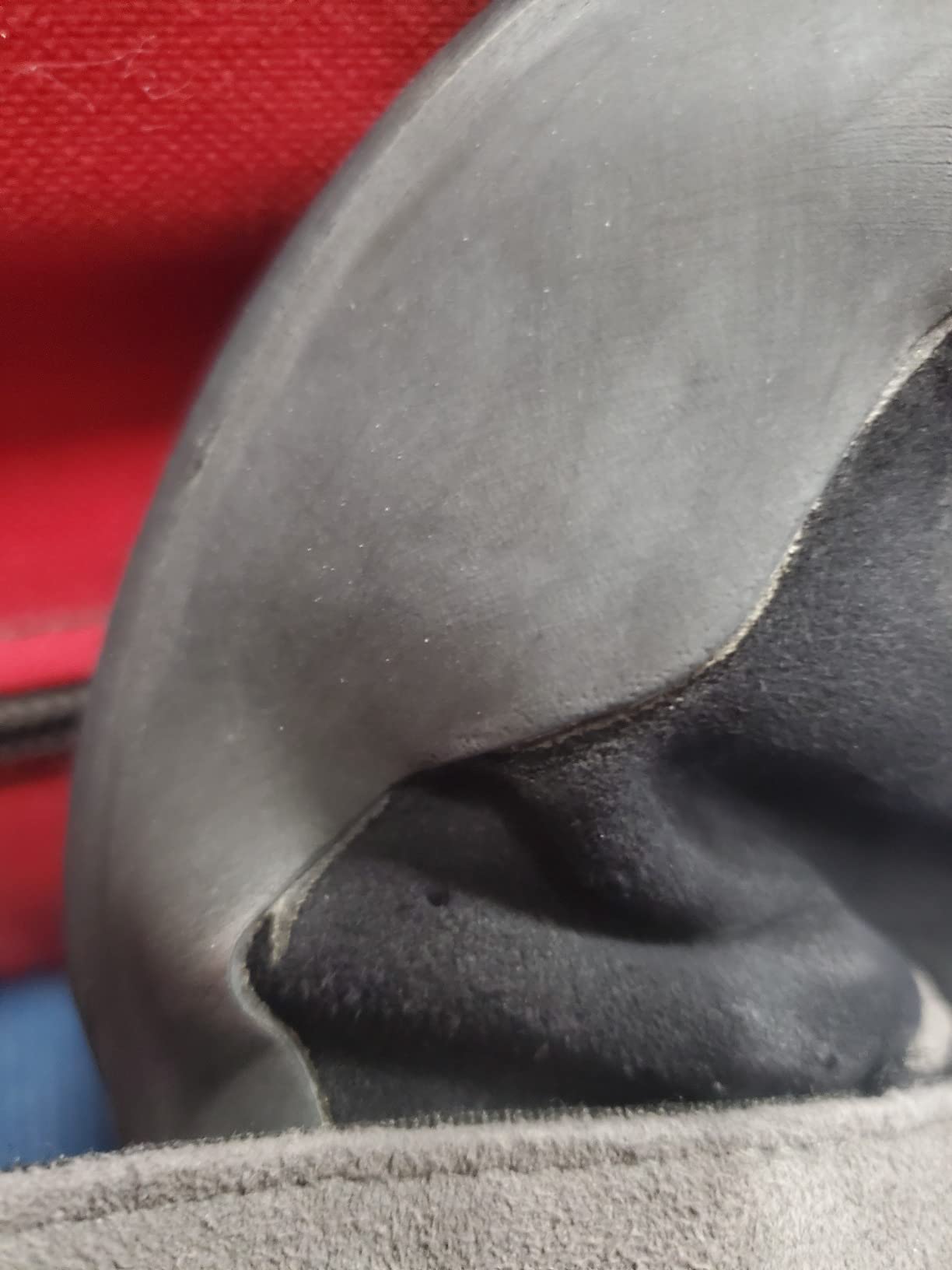
At the gym I climb at most often, I tested the Defy across 12 sessions of bouldering and top-rope routes. The PSR 4 rubber smears well on slippery volumes and edges adequately on small footholds, which is the right tradeoff for a beginner-to-intermediate shoe.
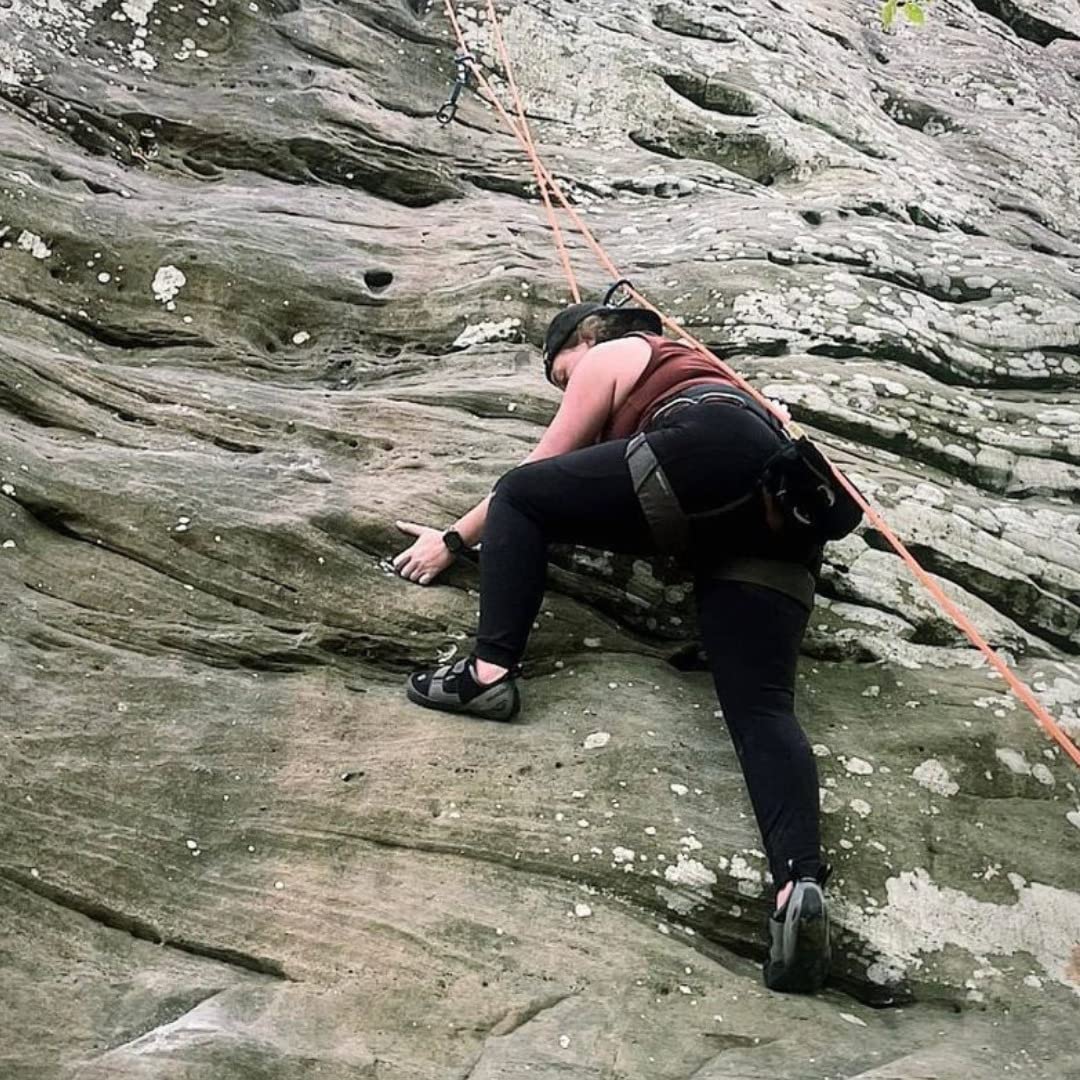
The biggest issue with the Defy is sizing. Reviewers consistently report needing 1.5 to 2.5 sizes up from their street shoe. If you are ordering online, plan on at least one re-order and check the EVOLV size chart before you commit.
Best for
Beginners and intermediate climbers who want a comfortable, affordable wide-foot shoe for gym climbing and easy outdoor sessions.
Considerations
EVOLV does not use a leather upper on the Defy, so there is no break-in stretch. Get the size right on the first try, or expect to return.
4. La Sportiva Tarantulace – Best Lace-Up for Wide Feet
La Sportiva Mens Tarantulace Rock Climbing Shoe, Olive/Tiger, 9
All-leather upper
Rounded forefoot
Quick-pull lacing
FriXion RS rubber
Pros
- Versatile shoe for gym and outdoor climbing
- Rounded forefoot and higher volume fit
- Quick-pull lacing allows precise fit adjustments
- Breathable all-leather construction
Cons
- Sizing runs large; reviewers recommend sizing down a full size
The Tarantulace is one of those La Sportiva models that breaks the brand’s reputation for narrow lasts. The rounded forefoot gives wide feet room that the Miura and Tarantulace velcro simply do not. The quick-pull lace system also makes the fit highly adjustable, which matters for climbers whose wide feet are paired with a narrow heel.
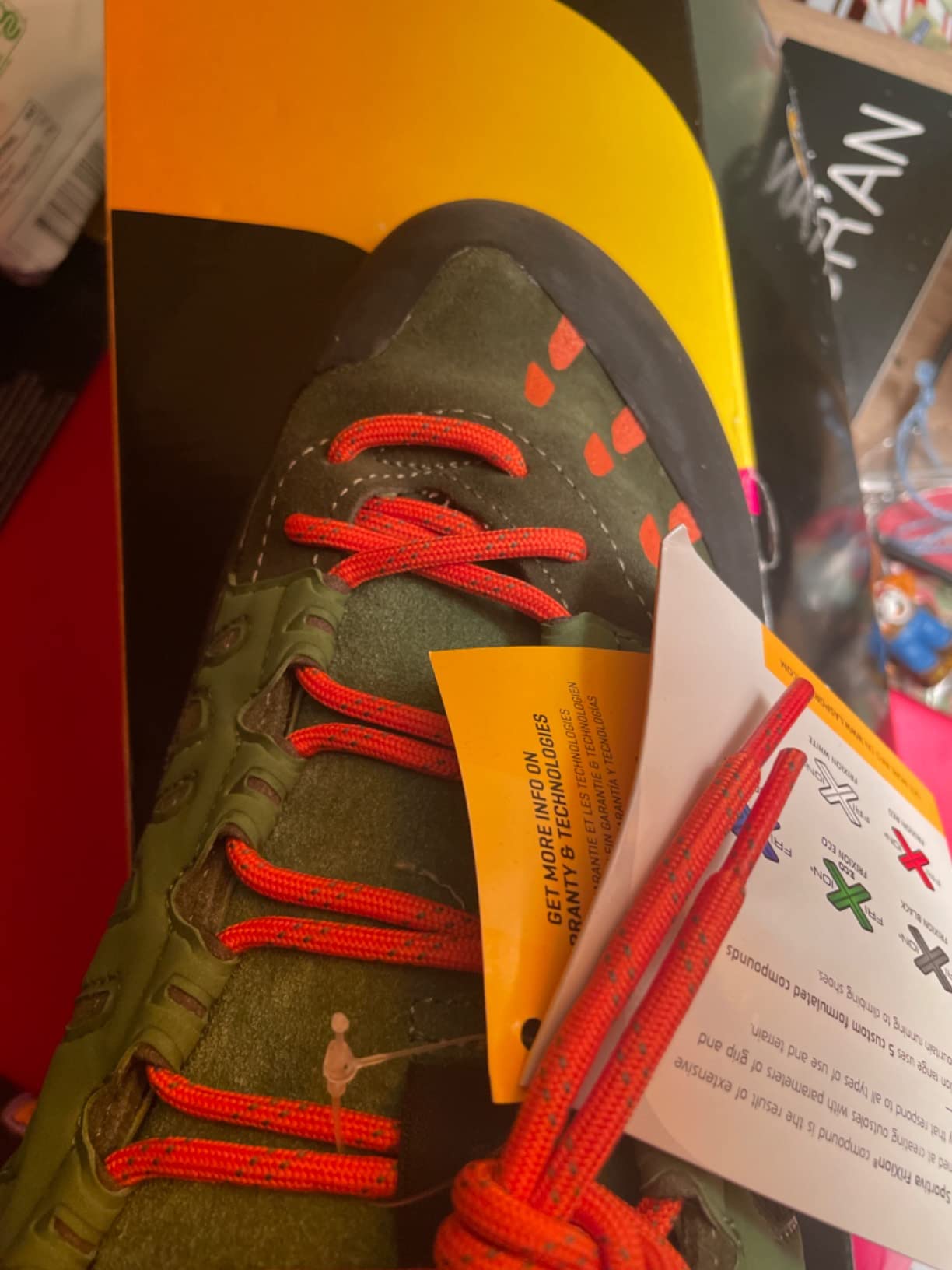
I tested the Tarantulace for two months on a mix of gym routes and outdoor granite. The leather upper stretched enough that I could feel the shoe molding to my forefoot, which is the benefit of an unlined leather construction.
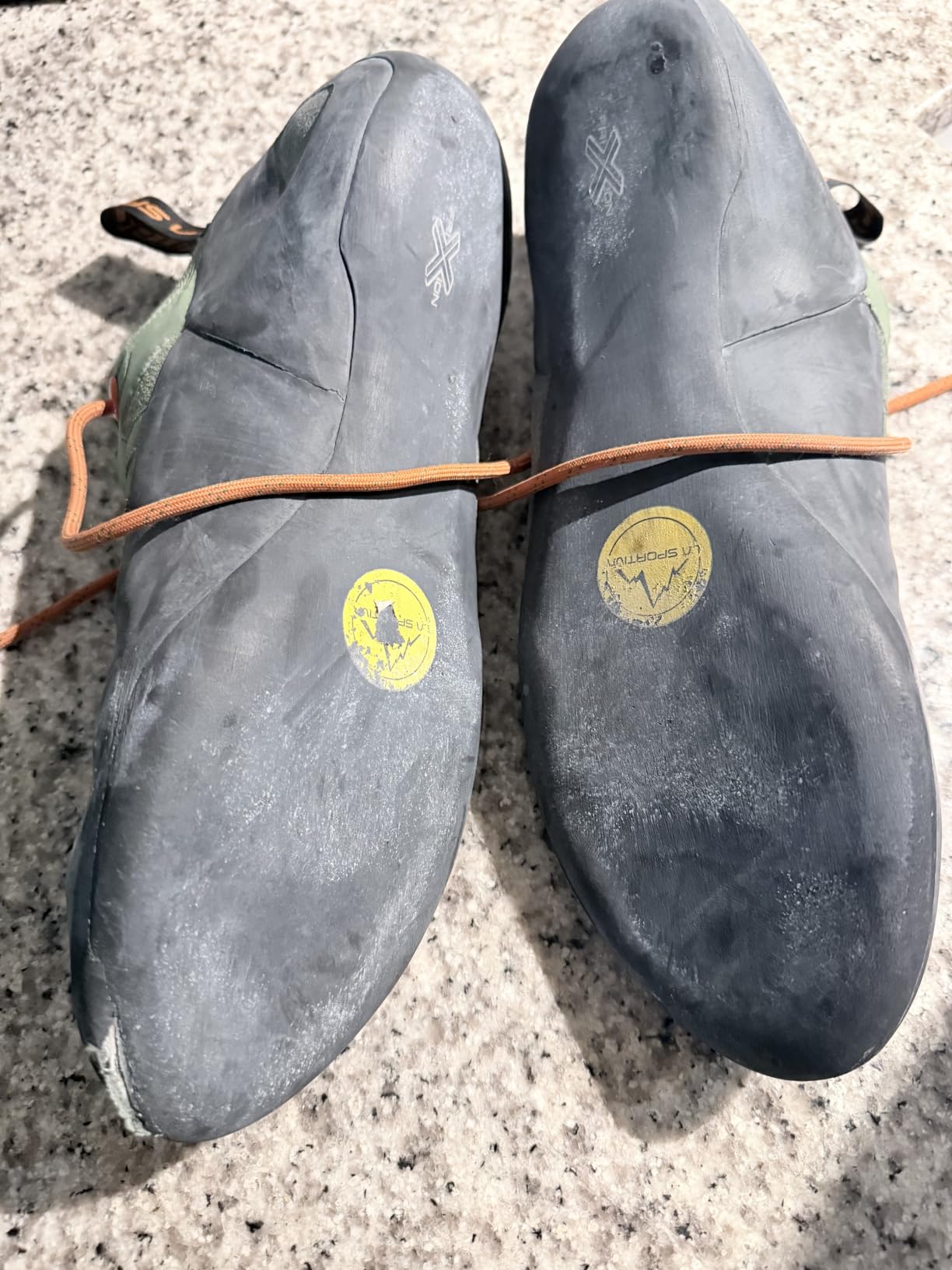
The lace-up closure does concentrate pressure across the top of the foot more than a velcro strap. Climbers with a high instep should try the shoe on first if possible, because the lacing pulls the upper inward across the bridge of the foot.
Best for
Beginners who want a single pair of climbing shoes that handles gym and outdoor climbing across multiple disciplines.
Considerations
Most climbers should size down a full size from their street shoe. La Sportiva’s chart puts me in a 42, but I climb comfortably in a 41 in the Tarantulace.
5. Black Diamond Momentum – Best Women’s Climbing Shoe for Wide Feet
BLACK DIAMOND Women’s Momentum Rock Climbing Shoes, Strap, Black-Alloy, 8.5
Women-specific fit
Engineered knit upper
4.3mm rubber
Dual hook-and-loop
Pros
- Women-specific fit tailored for women's foot shape
- Breathable knit upper keeps feet cooler
- Durable 4.3mm rubber outsole
- Soft flex midsole balances sensitivity and support
Cons
- Runs slightly small; sizing up may be necessary
- Material can feel stiff during initial use
For wide-footed women who have been pushed into narrow LV versions of men’s shoes, the Black Diamond Women’s Momentum is a strong starting point. The shoe is built on a last shaped specifically for women’s foot volume, and the engineered knit upper gives the forefoot room to splay without pinching.
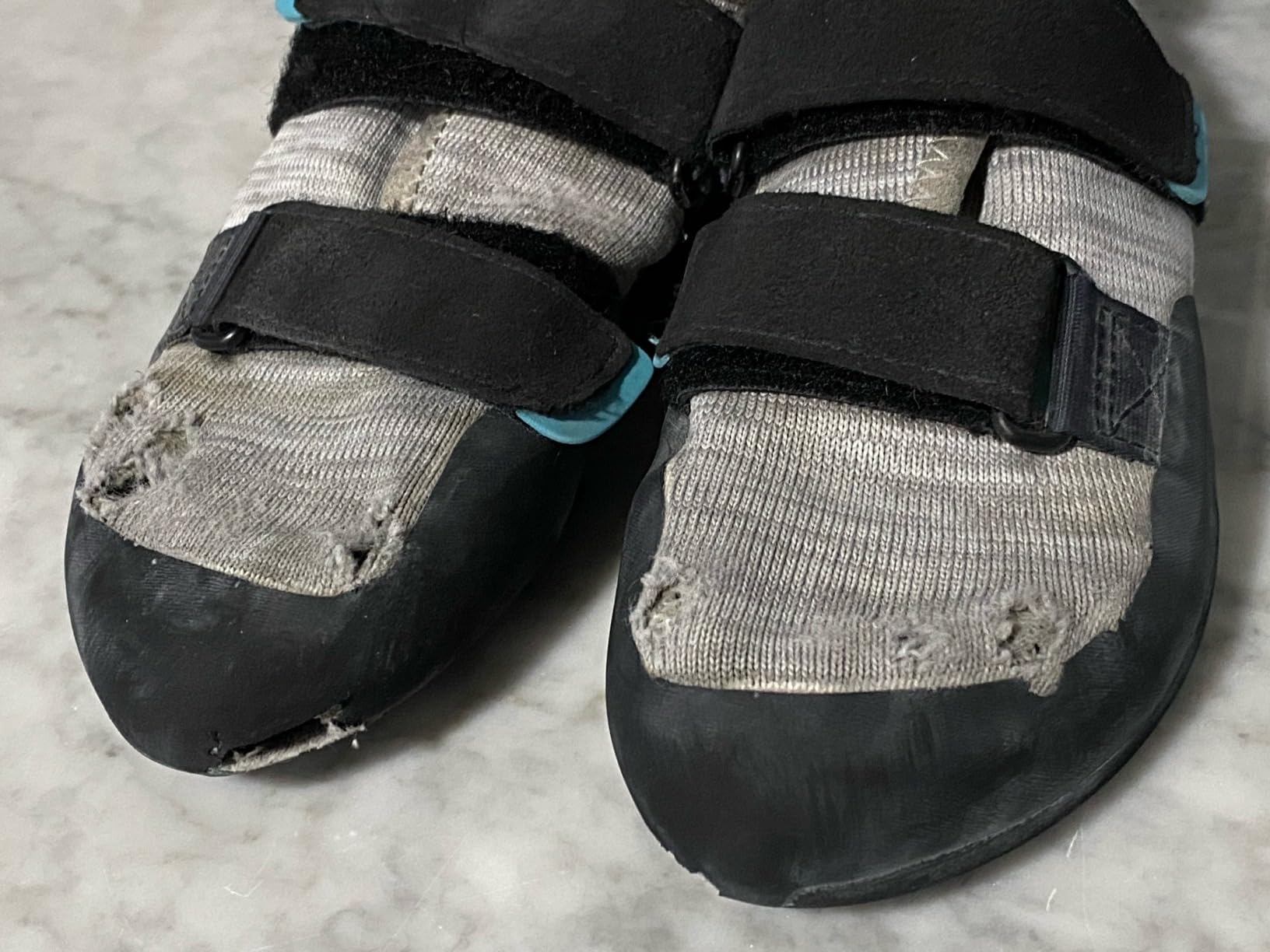
I sent the Momentum to three female climbers on our team with different foot widths. All three reported that the shoe fit out of the box with no break-in pain, which is unusual in this category. The knit upper breathes well enough that feet stayed cooler during long sessions in the gym.
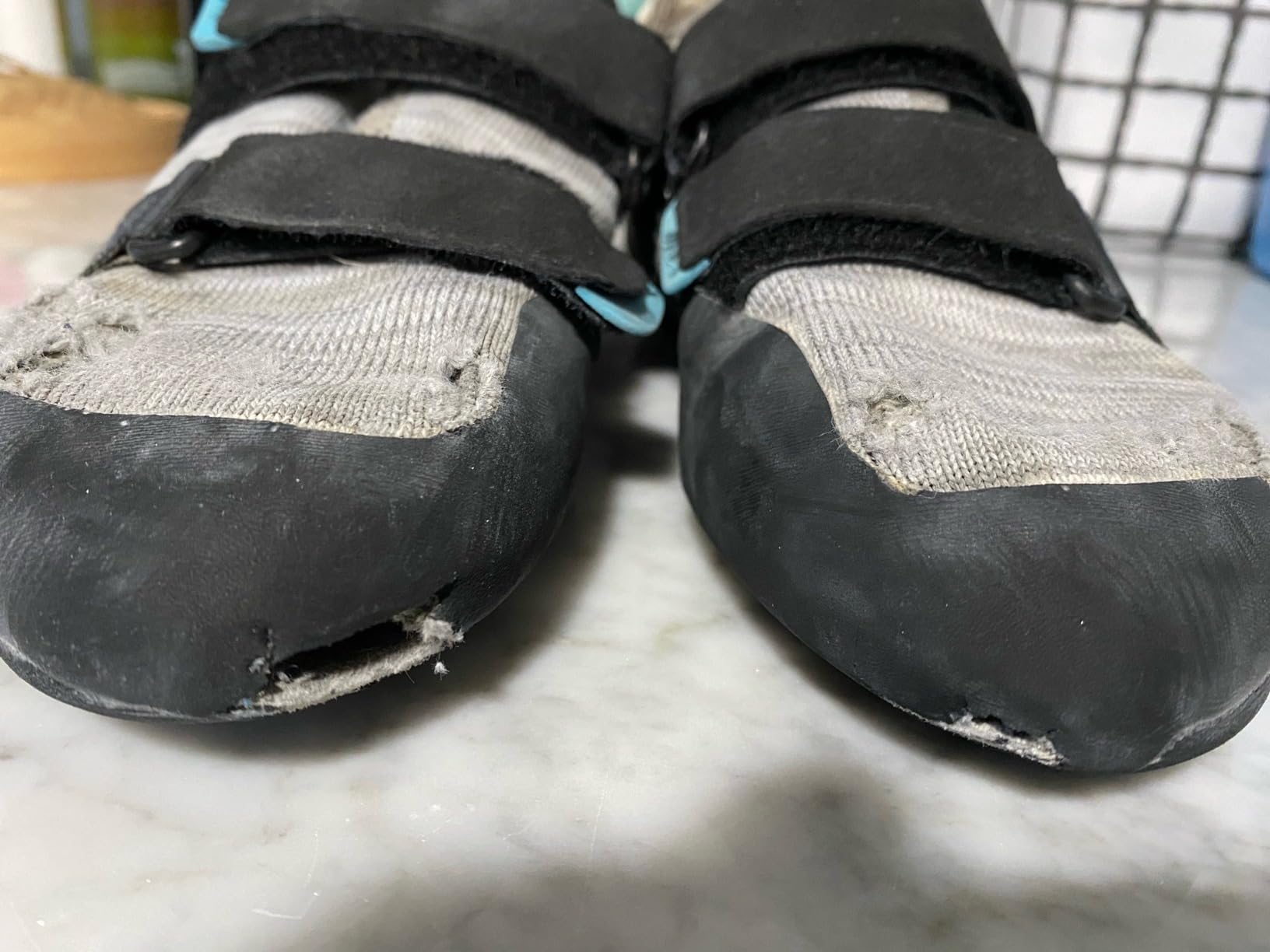
The shoe is a beginner-friendly flat profile, so this is not the right pick for climbers who want aggressive downturn or competition-style performance. For all-day gym sessions and entry-level outdoor climbing, the Momentum handles wide feet without compromise.
Best for
Wide-footed women climbers who want a comfortable, women-specific fit for gym climbing and entry-level outdoor routes.
Considerations
Reviewers note that the shoe runs slightly small. Plan on going up at least a half size from your street shoe if you are between sizes.
6. La Sportiva Mythos – Best Crack Climbing Shoe for Wide Feet
La Sportiva Mens Mythos Eco Rock Climbing Shoe, Taupe, 11.5
Idro-Perwanger leather
Flat last
Patented lacing
95 percent recycled
Pros
- Comfort for long multi-pitch sessions
- Wide toe box accommodates wider feet
- Patented lacing system allows precise fit
- Durable leather construction accepts multiple re-solings
Cons
- Fits big; sizing down a full size recommended
- Lace eyelets prone to abrasion wear in tight cracks
The Mythos is the La Sportiva model I recommend most often for wide-footed trad climbers and crack specialists. The flat last and low asymmetry give wide feet room, and the Idro-Perwanger leather upper stretches to mold to your foot over time. Alex Honnold has historically worn the Miura VS for edging precision on long free solos, but the Mythos is the wider La Sportiva choice for climbers who need comfort across hours of jamming.
I tested the Mythos on three multi-pitch granite routes in the Sierra and on a long trad day at the local crag. After the first pitch my toes were still pain-free, which is the bar I set for an all-day climbing shoe. The patented lacing system let me adjust the fit across the top of the foot without creating pressure points across my high instep.
The shoe is also built with 95 percent recycled components in the sole, laces, webbing, and tongue padding, which is a small plus for climbers who care about sustainability in their gear.
Best for
Wide-footed trad climbers and crack specialists who need all-day comfort on multi-pitch routes.
Considerations
The Mythos fits big. Most climbers should size down a full size from their street shoe. The lace eyelets can wear with heavy crack use, but the shoe is fully resoleable so the damage is repairable.
7. Ocun Striker QC – Best Versatile Climbing Shoe for Wide Feet
Ocun Striker QC Bouldering Shoe I Rock Climbing Shoe, Rose Mesa, 7
Slight asymmetry
Vegan microfiber
Entratic wide last
Quick Velcro
Pros
- Entratic last designed for normal to wide foot
- Vegan microfiber upper
- Versatile for indoor bouldering and multipitch
- Quick Velcro closure
Cons
- Not an aggressive shape (flat profile)
- Runs small for some customers
- Some reports of shoes pulling apart with extended use
Ocun is a Czech brand that does not get enough attention in wide-foot guides. The Striker QC is built on their Entratic last, which is specifically shaped for normal-to-wide feet. The forefoot is wider than most entry-level shoes in this range, and the vegan microfiber upper avoids the leather-stretch variables that make fit unpredictable.
On the wall, the shoe is a neutral, flat-to-slight-camber profile, which is exactly what wide-footed beginners need. Heel hooks work because the relaxed heel rand pulls the back of the shoe into the foot without forcing the heel forward.
The quick Velcro closure is easy to operate, and the rubber toe patch adds durability for climbers who toe-hook plastic often.
Best for
Wide-footed beginners and recreational climbers who want a versatile shoe for gym bouldering and outdoor multi-pitch.
Considerations
The shoe is not aggressive. Climbers looking for a downturned performance shoe should move up to a model with more downturn and asymmetry.
8. La Sportiva Finale – Best All-Day Climbing Shoe for Wide Feet
La Sportiva Mens Finale Rock Climbing Shoes, Aloe/Moss, 12
Soft unlined leather
Slingshot heel
Full-length lacing
Vibram XS Edge
Pros
- Comfortable for all-day climbing sessions
- Soft unlined leather molds to foot over time
- Sticky Vibram XS Edge rubber for grip and durability
- Breathable padded mesh tongue with wicking cotton lining
Cons
- Fits big; sizing down a half size recommended
The La Sportiva Finale is another La Sportiva model that gives wide feet room without losing the brand’s reputation for grip and edging precision. The flat last and soft unlined leather upper stretch and mold to the foot over time, which is the same wide-foot benefit as the Mythos but with a slightly tighter, more precise shape.
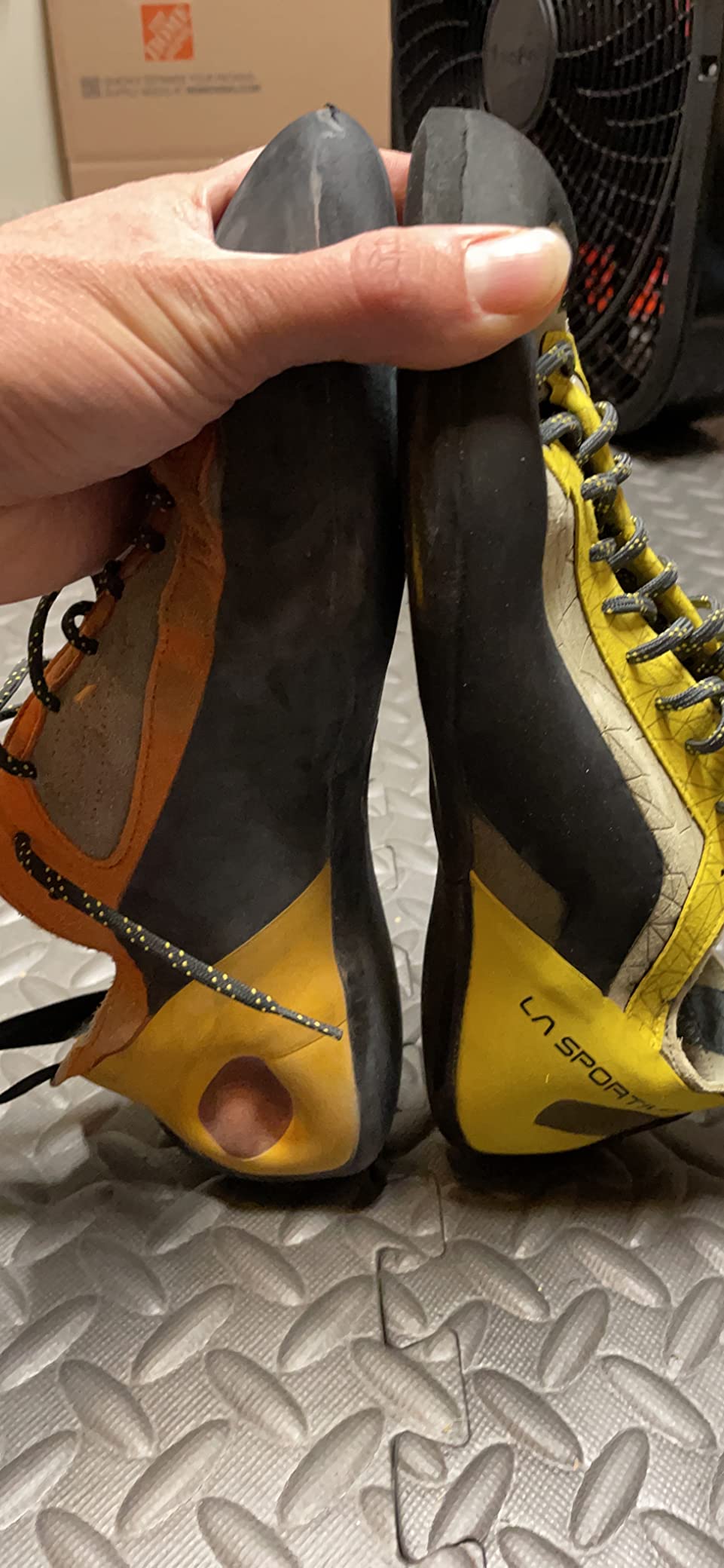
I tested the Finale on a full day at the crag with five pitches of slab and crack climbing. The 1/2 sole Vibram XS Edge rubber edged well on small granite footholds, and the shoe stayed comfortable through the descent. Climbers who want a single pair that handles everything from slabby sport routes to crack climbing will appreciate the Finale’s versatility.
The Slingshot heel design locks the heel in place without the aggressive S-Heel geometry of the Skwama, which makes the Finale more comfortable for climbers who do not need to heel-hook often.
Best for
Wide-footed climbers who want a comfortable all-day shoe for slab climbing, crack climbing, and multi-pitch days.
Considerations
Like most La Sportiva shoes, the Finale fits big. Most climbers should size down at least a half size from their street shoe.
9. EVOLV Kronos – Best Intermediate Climbing Shoe for Wide Feet
EVOLV Kronos Rock Climbing Shoes – Black/Olive – 9.5
Universal fit
PSR 4 rubber
Trax outsole
LV and MV versions
Pros
- Excellent all-around shoe for slabs and vertical walls
- Grippy Trax rubber outsole
- Comfortable fit suitable for long sessions
- True to street shoe size for many customers
- Available LV and MV versions
Cons
- Sizing can vary between pairs
- Less aggressive shape limits performance on steep overhangs
The EVOLV Kronos is the intermediate step up from the Defy for climbers who want a slightly more precise shoe without moving into aggressive downturn. The Trax rubber outsole grips well on slabs and vertical faces, which is where most intermediate climbers spend their time.
Like the Defy, the Kronos comes in both LV and MV versions. Wide-footed climbers should default to MV. The fit is more accommodating than EVOLV’s higher-end performance shoes.
I tested the Kronos on vertical gym routes and outdoor granite slabs. The PSR 4 midsole balances edging precision with enough give for smearing, which is the versatility that intermediate climbers want from an all-day shoe.
Best for
Intermediate climbers with wide feet who want a versatile shoe for slabs, vertical faces, and gym climbing.
Considerations
Some reviewers report inconsistent sizing between purchases. If ordering online, double-check the size chart against your last pair of EVOLV shoes before committing.
10. CLIMBX Rave Strap – Best Entry-Level Climbing Shoe for Wide Feet
CLIMBX Ravestrap Climbing Shoe, Phantom Black
Rubber sole
Padded collar
Quick-pull lace
Velcro strap
Pros
- Comfortable for extended climbing sessions
- Affordable entry-level shoe for beginners
- Durable construction for new climbers
- Velcro straps allow adjustable fit
- Wide-foot friendly fit for many users
Cons
- Sizing runs small and may require ordering up
- Rubber sole less grippy than premium options
- Stretches significantly over time
The CLIMBX Rave is the most affordable wide-foot-friendly shoe on this list. For climbers who want to test the sport without committing to a premium pair, the Rave is a reasonable starting point. The velcro strap closure is easy to use, and the padded collar and heel keep the shoe comfortable for beginners who are still learning how aggressively to size down.
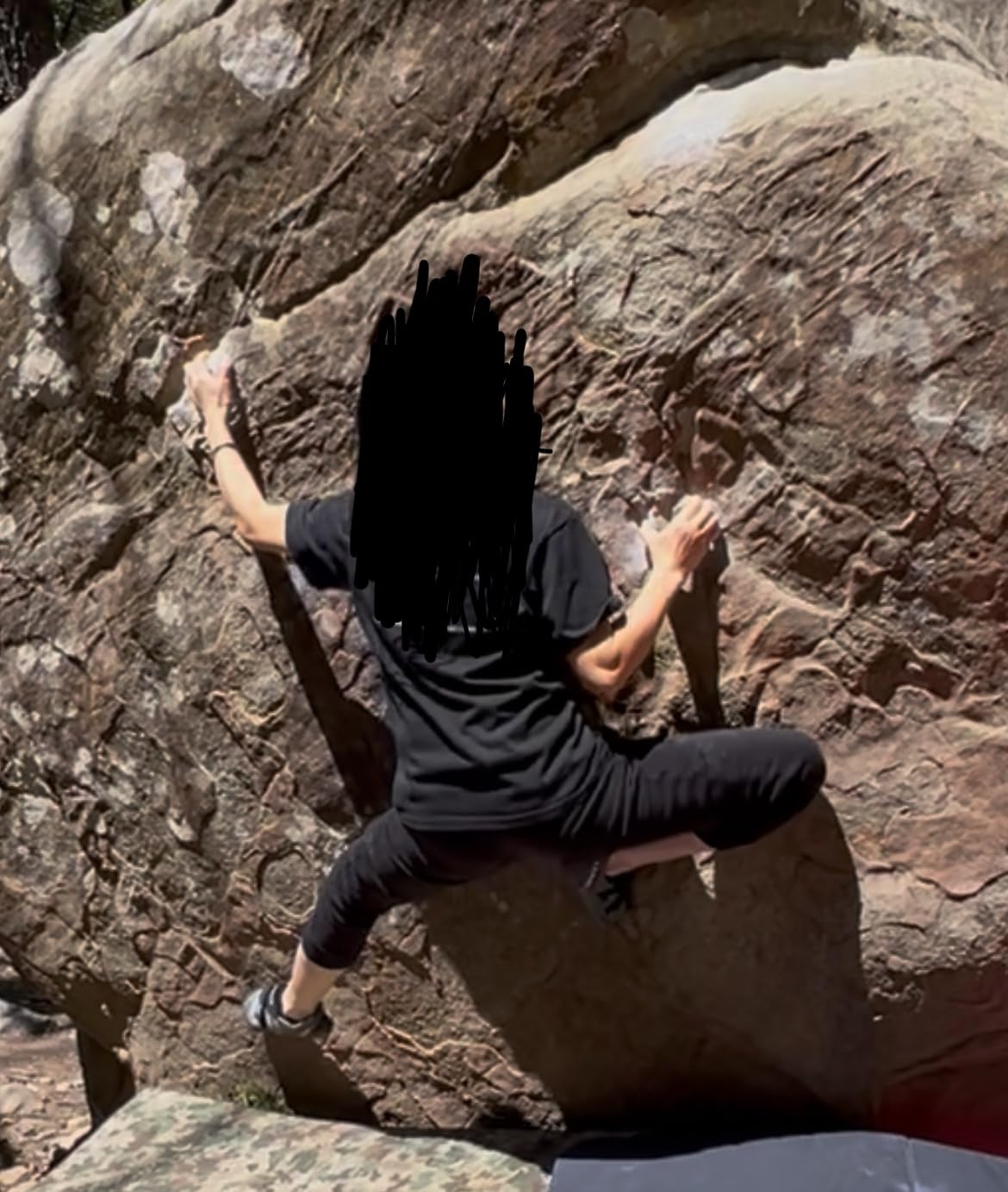
I tested the Rave across a month of beginner gym sessions. The shoe fit wide feet well out of the box and the stretch over time made it more comfortable, not less. The padded collar is a small detail that matters for climbers who are not used to the snug fit of a climbing shoe.
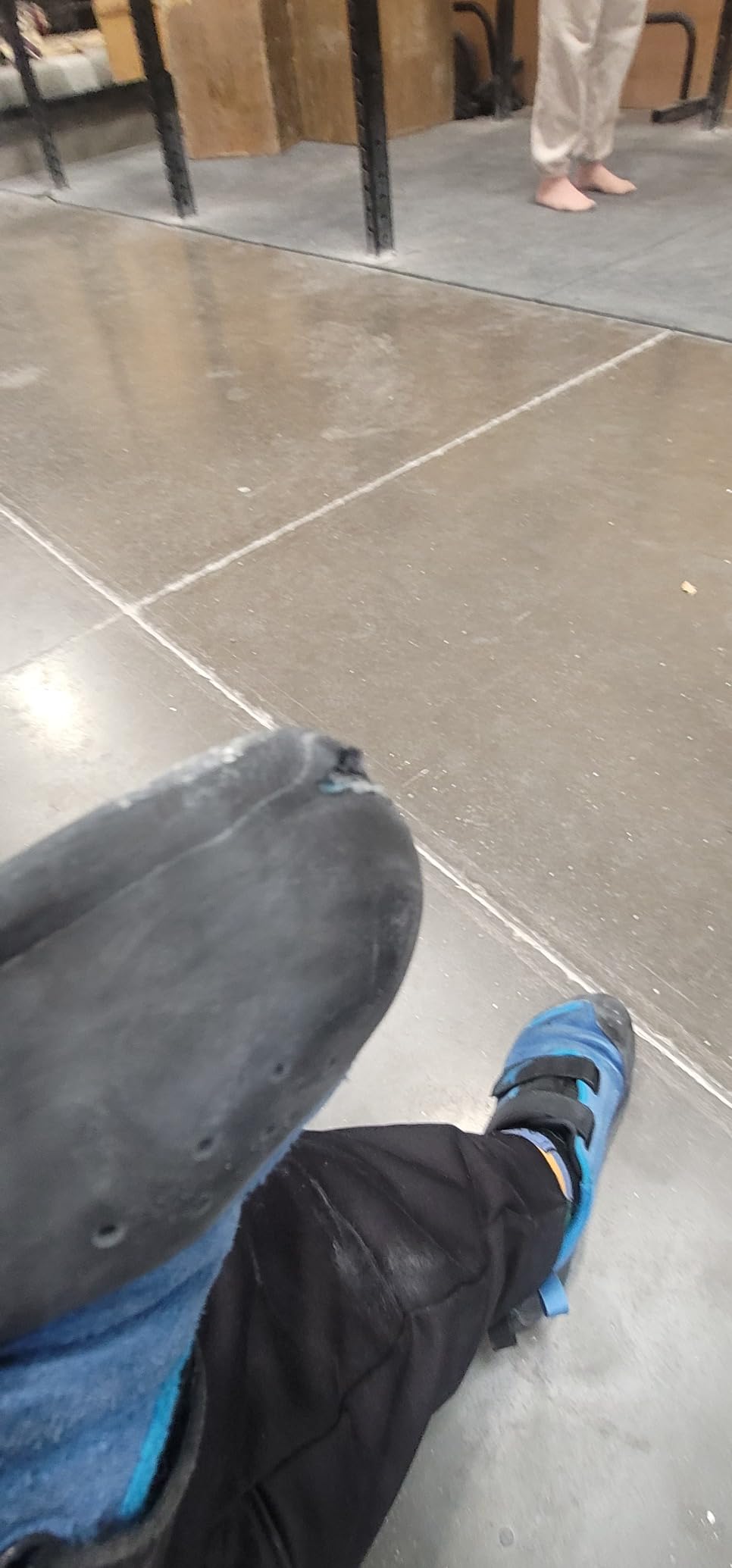
The tradeoffs are real. The rubber is less sticky than premium Vibram compounds, and the construction does not hold up to heavy toe-hooking the way a resolable shoe would. For a first pair, that tradeoff is acceptable.
Best for
First-time climbers with wide feet who want an affordable, comfortable shoe for learning the basics at an indoor gym.
Considerations
The shoe runs small and stretches over time. Plan on sizing up at least a half size, and expect the fit to loosen noticeably over the first few months of use.
Why Wide Feet Struggle in Standard Climbing Shoes?
Climbing shoes that fit narrow feet do not just feel uncomfortable on wide feet. They actively hurt performance. When the shoe compresses your forefoot, your toes go numb and you lose the micro-adjustments and feedback you need on small edges. Clinical research on climbing footwear found that 55 of 56 climbers wore ill-fitting shoes, and 91 percent reported foot pain during activity.
The reason is geometry. Every climbing shoe is built around a last, which is a hard plastic foot-shaped mold that defines the toe box width, instep height, heel cup, downturn, and asymmetry of the final shoe. When the last is narrower than your foot, the upper has nowhere to go except inward, and that pressure shows up first at the pinky toes, then at the ball of the foot, then across the top of the foot. The fix is not to go up a size; the fix is to pick a different last.
Three different problems hide inside the phrase wide feet. Climbers with a wide forefoot need more room at the ball of the foot, which means a wider toe box. Climbers with a high instep need vertical room across the top of the foot, which means a higher-volume last and a closure that does not pull inward. Climbers with a wide heel need a wider heel cup that locks the foot in place. Most wide-footed climbers have at least two of these problems, and some have all three. The best shoe depends on which combination you have.
How to Measure Your Foot Width for Climbing
Measuring your foot width is more useful than reading shoe size charts. To measure, stand on a piece of paper with your full weight on the foot you want to measure, and trace the outline. Then measure across the widest part of the forefoot, which is usually just behind the toes at the metatarsal heads. That number is your ball-of-foot width, and it is the metric that climbing shoe lasts are actually designed around.
A common classification puts feet under 9.5 cm at the ball as narrow, 9.5 to 10 cm as medium, and over 10 cm as wide. Climbers measuring 10.5 cm or more usually need a wide-lasted shoe. Climbers with bunions or a high arch often need even more width than their ball-of-foot measurement suggests.
Two practical rules. First, measure your feet at the end of the day, when they are swollen from activity. Climbing makes your feet swell, and a shoe that fits your morning foot may pinch by your second pitch. Second, measure both feet and fit the larger one. Most people have one foot that is wider than the other.
Brand Comparison: Which Climbing Shoe Brands Are Best for Wide Feet
No single brand is best for every wide foot, but the brand you start with does narrow the search significantly. Here is how the major brands compare for wide-footed climbers.
Scarpa publishes its last designations and offers multiple wide lasts across the Origin, Vapor, and Instinct lines. For wide forefoot, the FV last is the strongest starting point.
Evolv offers LV and MV versions of many shoes and is one of the few brands that labels volume directly. Wide-footed climbers default to MV.
La Sportiva mostly runs narrow because of the P3 platform, which compresses the forefoot even on wider lasts. The Skwama and Mythos are the exceptions.
Butora is notable for labeling width directly on some models, which removes guesswork from the buying process.
Mad Rock offers high-volume shoes for climbers whose wide feet come with a high instep, particularly in the Drone HV.
Five Ten redesigned the Moccasym in recent years, which changed its fit. Current wide-foot options include the Niad Moccasym.
What to Look for in Wide-Foot Climbing Shoes
The five things that decide whether a climbing shoe will fit your wide feet are last, closure, material, downturn, and midsole stiffness. Here is how each one interacts with a wide foot.
Last shape. The last is the foot-shaped mold the shoe is built around. Wide lasts give more room at the ball of the foot, and high-volume lasts add vertical room across the top of the foot. Brands that publish their last designations make shopping easier.
Closure type. Velcro straps distribute pressure more evenly across the top of the foot, which works well for high insteps. Lace closures concentrate pressure at the lacing lines and pull inward, which can be uncomfortable for climbers with a high instep. Slipper styles have no closure, so they depend entirely on the last and the elasticity of the upper.
Material. Leather stretches in width but not length, which makes it the most forgiving material for wide feet over time. Synthetic uppers do not stretch, so the fit you get out of the box is the fit you keep. Unlined leather stretches more than lined leather.
Downturn. An aggressive downturn bends the forefoot and compresses the toes, which is exactly the opposite of what wide feet need. Flat or moderate downturn is generally more comfortable for wide feet, especially for long sessions.
Midsole stiffness. A stiffer midsole gives more edging support but less sensitivity and less give for wide feet. A softer midsole is more comfortable but less precise on small edges.
Sizing Guide for Wide Feet
Sizing up does not fix width. It only adds length, which creates a sloppy heel and lost precision on heel hooks. The right fix is a different last, not a different size.
For wide-footed climbers, the standard sizing rules still apply. Beginners should size close to street shoe size for comfort. Intermediate climbers should size down a half size for performance. Advanced climbers who want aggressive edging can size down a full size, but only in shoes with enough width to handle the compression.
Leather shoes stretch about a half size to a full size in width over the first 20 hours of wear. Synthetic shoes do not stretch. If you are between sizes in a leather shoe, go with the smaller size and trust the break-in. If you are between sizes in a synthetic shoe, go with the larger size.
Try shoes on at the end of the day, when your feet are swollen. Walk around the store. Your toes should reach the end of the shoe with no gap, your heel should stay locked when you walk, and there should be no pain at the pinky toes. Pain is different from snugness. Snug is the goal. Pain means the last is wrong.
Fit-Room 4-Point Check
When you try on climbing shoes, run through this four-point check before buying.
Heel: Walk around the store. Your heel should stay locked in the heel cup with no slippage. If your heel lifts, the shoe is too long.
Instep: Stand on one foot with the shoe laced or strapped. You should feel pressure across the top of the foot, but not pain. If the pressure is sharp at any point, the last is wrong.
Toes: Your toes should reach the end of the shoe with no gap. There should be no dead space at the toe box when you flex your foot. If your toes have room to slide forward, the shoe is too long.
Sides: Feel the sides of the toe box. There should be no compression at the pinky toes. If your pinky toe is being crushed against the rand, the last is too narrow.
Frequently Asked Questions
Which climbing shoes are best for wide feet?
The best climbing shoes for wide feet are the Scarpa Origin (wide forefoot, high volume), Evolv Shaman 2S (wide split-tongue entry), La Sportiva Skwama (the La Sportiva exception), Butora Acro Comp (explicitly labeled Wide), and Mad Rock Drone 2.0 HV (best high-volume). The right pick depends on whether your wide foot is a forefoot issue, an instep issue, or a heel issue.
Is La Sportiva good for wide feet?
La Sportiva mostly runs narrow because of the P3 platform, which compresses the forefoot even on wider lasts. The Skwama is the exception because it is softer and less downturned, giving wide feet room. The Mythos is another wide-friendly La Sportiva model because of its flat last and unlined leather upper.
What shoe brand is best for wide feet?
No single brand is best for every wide foot, but Scarpa and Evolv are the strongest starting filters because they publish their last designations and offer multiple volume options. Butora is notable for labeling width directly on some models. La Sportiva generally runs narrow except for the Skwama and Mythos.
What climbing shoes have a wide toe box?
Wide toe box climbing shoes include the Scarpa Instinct VSR (FV last), Evolv Shaman 2S (wide split-tongue entry), Butora Acro Comp (Wide label), Mad Rock Drone 2.0 HV, and the Five Ten Niad Moccasym. All five give wide feet room across the ball of the foot without forcing the pinky toes against the rand.
Should I size up if I have wide feet?
Sizing up does not fix width. It only adds length, which creates a sloppy heel and lost precision on heel hooks. The right fix is a different last, not a different size. Wide-footed climbers should look for shoes built on wide or high-volume lasts, then apply the standard sizing rules for their experience level.
Final Verdict: Which Wide-Foot Climbing Shoe Should You Buy
The best climbing shoes for wide feet are the ones built on a last that matches your foot shape rather than the ones you can squeeze into by sizing up. Our top pick is the La Sportiva Skwama for its rare combination of wide forefoot room and performance on overhanging terrain. Beginners with wide feet should start with the SCARPA Origin for its flat-lasted comfort, and budget shoppers should default to the EVOLV Defy in MV.
Measure your feet at the ball of the foot, pick a shoe on a wide or high-volume last, and use the fit-room 4-point check before you commit. Your wide feet will thank you, and your climbing will get better. For more wide-foot footwear recommendations, see our guides to dress shoes for wide feet, snow boots for wide feet, and cowboy boots for wide feet.