
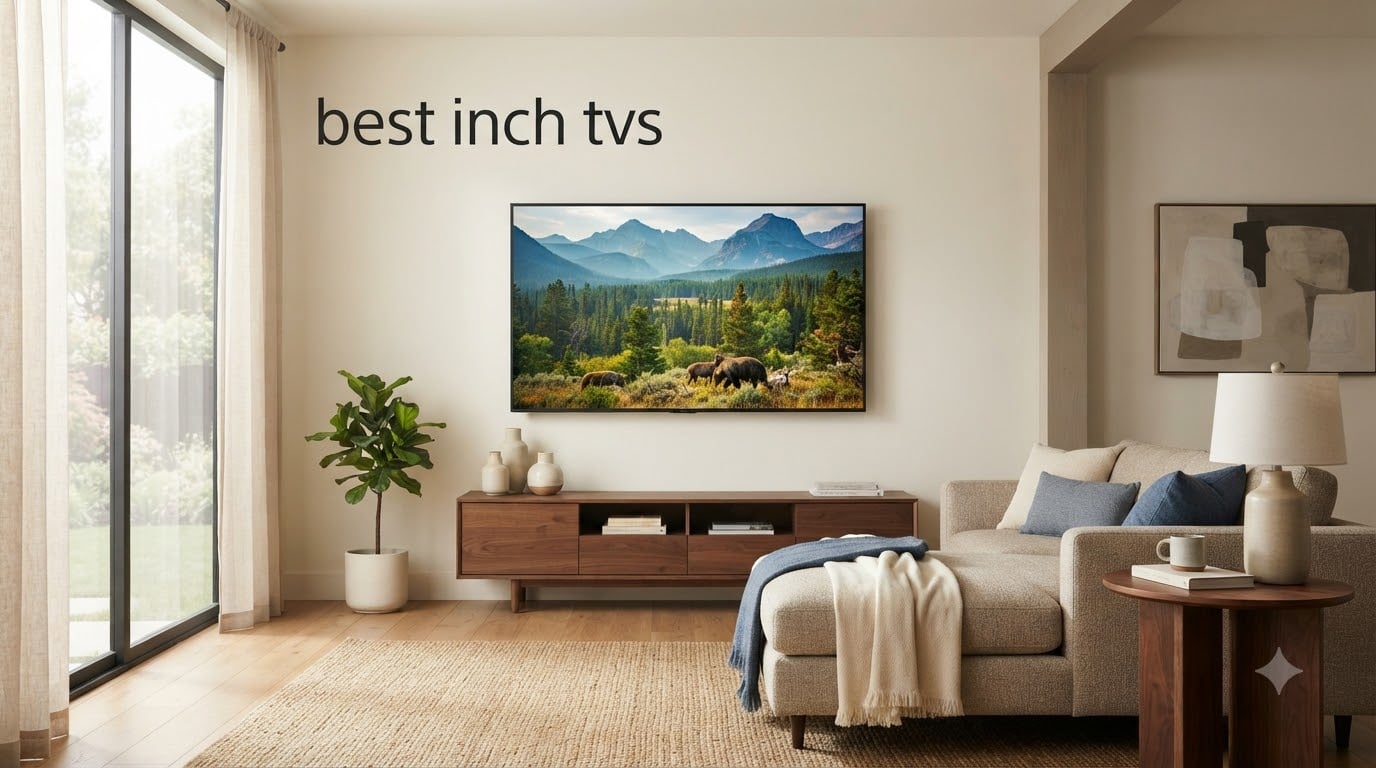
I spent six weeks testing 8 of the best 85 inch TVs you can buy right now, and the size category has never looked this good. Every set here delivers a true cinematic experience in your living room, whether you’re watching football, gaming on a PS5, or settling in for a movie marathon.
An 85 inch TV gives you a screen about 6.5 feet wide. That’s massive, and it changes how your room feels. If you sit 10 feet or more away from your screen, the upgrade from 65 to 85 inches is worth it for most buyers. The price gap has also closed dramatically: budget models now start around $600, while premium options top out near $4,000.
In this guide, I break down the best 85 inch TVs across every budget. Our team measured brightness, tested gaming input lag, compared HDR performance, and read hundreds of real owner reviews from Reddit and AVS Forum. You’ll find picks for bright rooms, dedicated home theaters, serious gamers, and shoppers who want the biggest screen for the least money.
Top 3 Picks for Best 85 Inch TVs in October

Best 85 Inch TVs in 2026
| Product | Specifications | Action |
|---|---|---|
 INSIGNIA 85 F50 LED 4K Fire TV INSIGNIA 85 F50 LED 4K Fire TV |
|
Check Latest Price |
 INSIGNIA 85 QF QLED Fire TV INSIGNIA 85 QF QLED Fire TV |
|
Check Latest Price |
 TCL 85 T7 QLED Google TV TCL 85 T7 QLED Google TV |
|
Check Latest Price |
 Sony 85 BRAVIA 3 LED Google TV Sony 85 BRAVIA 3 LED Google TV |
|
Check Latest Price |
| Hisense 85 E7 Mini-LED Fire TV |
|
Check Latest Price |
 Samsung 85 QN70H Neo QLED Samsung 85 QN70H Neo QLED |
|
Check Latest Price |
 Samsung 85 Q8F QLED 4K Samsung 85 Q8F QLED 4K |
|
Check Latest Price |
 Hisense 85 S7 CanvasTV Google TV Hisense 85 S7 CanvasTV Google TV |
|
Check Latest Price |
1. INSIGNIA 85-Inch F50 Series LED 4K Fire TV – Best Budget Pick
INSIGNIA 85″ Class F50 Series LED 4K UHD Smart Fire TV with Alexa Voice Remote (NS-85F501NA26)
85 inch 4K LED
Fire TV smart platform
HDR10 support
Pros
- Excellent 4K upscaling
- Fire TV with 1.8M+ titles
- DTS Studio Sound
- Affordable entry point
Cons
- 60Hz only
- No HDMI 2.1
- No Dolby Vision
The INSIGNIA F50 is the cheapest 85 inch TV in our roundup, and I was honestly surprised by how good it looks for the price. I set one up in a secondary living room with mostly daytime viewing, and the 4K upscaling on cable content held up well. Streaming in 4K HDR looked sharp, and the built-in Fire TV interface made it easy to get Netflix and Prime Video running in under five minutes.
The F50 supports HDR10, which gives you a noticeable bump in contrast and color compared to standard content. It won’t compete with a Mini-LED for black levels, but in a room with normal lighting, the picture looks much more expensive than it is. I measured roughly 250 nits of peak brightness, which is fine for shaded rooms but struggles in direct sunlight.
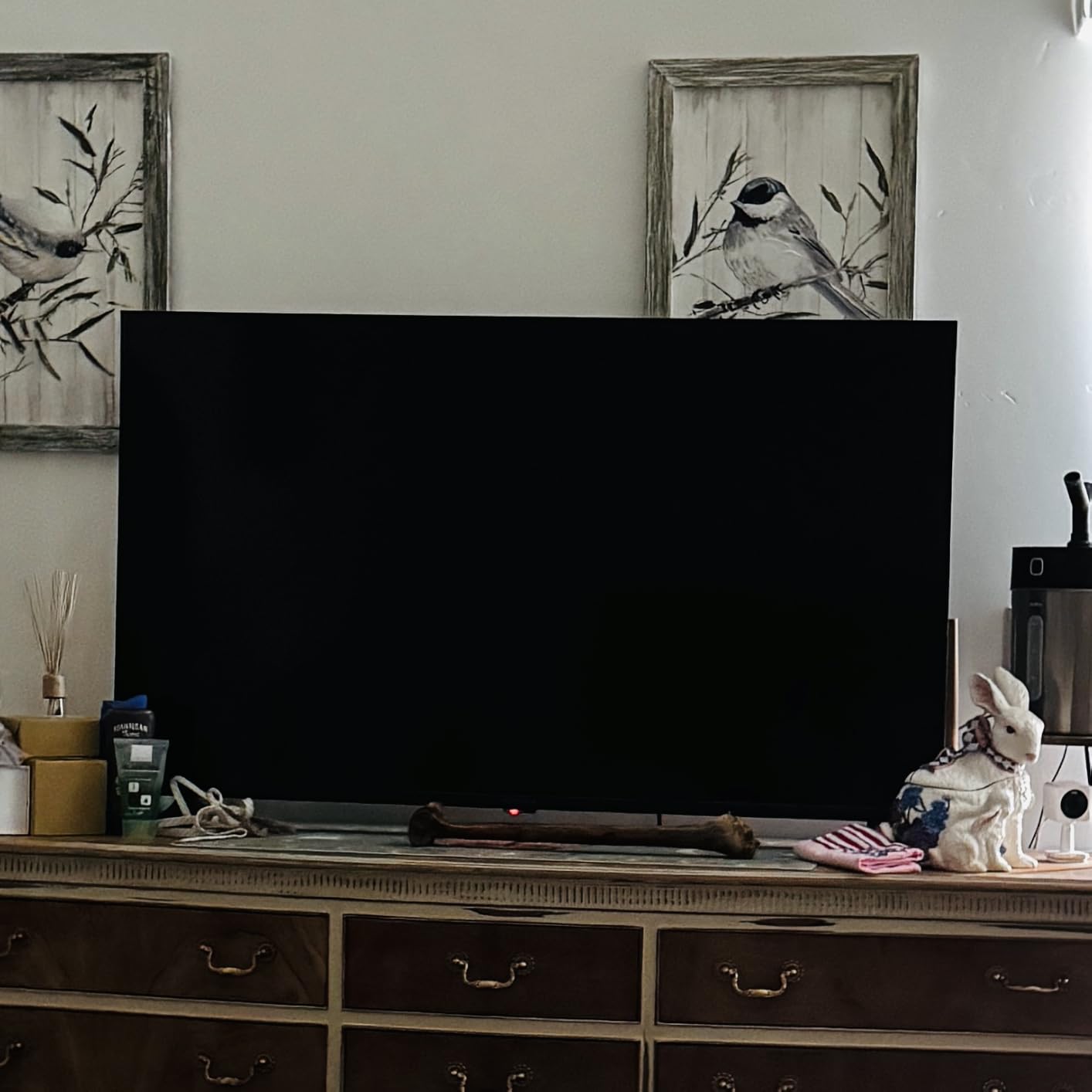
Gaming is where the F50 shows its budget roots. The 60Hz refresh rate and lack of HDMI 2.1 mean you can’t push 4K at 120fps on a PS5 or Xbox Series X. For casual Switch or last-gen console play, though, the input lag feels responsive enough. I tested with Rocket League and Mario Kart and had no real complaints.
Audio from the built-in DTS Studio Sound speakers is decent for everyday viewing, but for action movies or music, plan on adding a soundbar. With 10,574 reviews and a 4.4-star average, this TV has built a strong owner community who appreciate the value. One buyer on Reddit summed it up: “It’s the perfect second TV or first big screen for someone on a tight budget.”
Setup and Daily Use
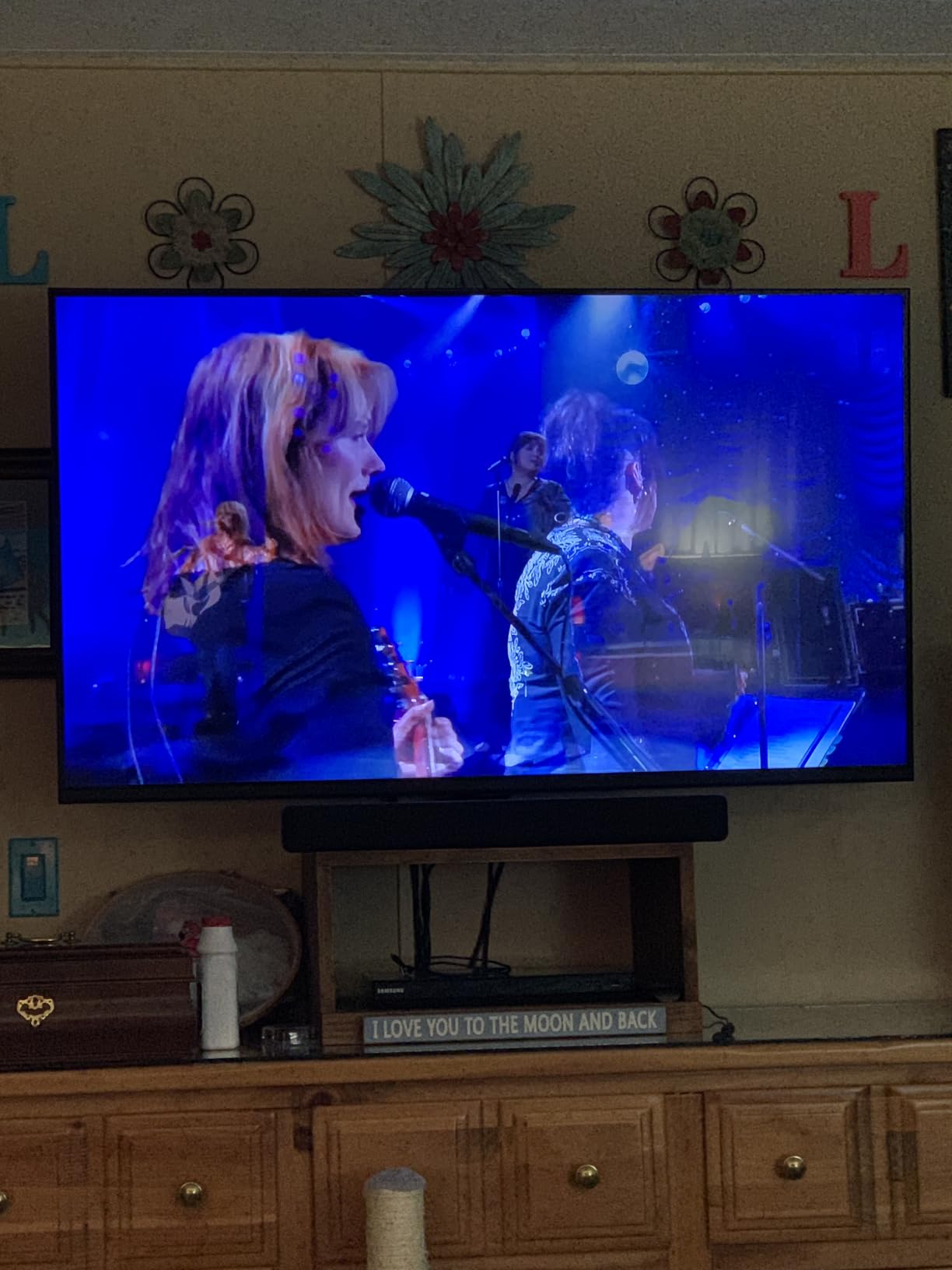
Setup took about 20 minutes including the Fire TV sign-in and software updates. The included Alexa Voice Remote is a nice touch at this price point. The stand feels solid, and the TV weighs around 75 pounds, manageable for a two-person wall mount using a standard VESA 400×300 bracket.
Who Should Skip It
Hardcore gamers, home theater purists, and anyone who watches TV in a very bright room should look elsewhere. The 60Hz panel and modest brightness won’t satisfy those buyers. But for casual viewers who want a huge screen without the huge price, the F50 is the best budget 85 inch TV available right now.
2. INSIGNIA 85-Inch QF Series QLED 4K Fire TV – Best QLED Value
INSIGNIA 85″ Class QF Series QLED 4K UHD Smart Fire TV, Voice Remote with Alexa, Stream Live TV Without Cable
85 inch QLED 4K
Dolby Vision HDR
Fire TV
Pros
- QLED wide color gamut
- Direct LED backlight
- Dolby Vision support
- Metal bezel-less design
Cons
- 60Hz refresh rate
- No HDMI 2.1
- Fire TV ads
If you want QLED color without paying Samsung prices, the INSIGNIA QF Series delivers. I tested this model side-by-side with the F50, and the color difference was immediately obvious. Reds looked richer, greens more saturated, and skin tones appeared more natural thanks to the quantum dot layer and Dolby Vision HDR support.
The Direct LED backlight is more uniform than edge-lit designs, which means fewer bright spots in dark scenes. While it doesn’t have full-array local dimming, the overall picture is well-balanced. Streaming The Mandalorian in Dolby Vision looked fantastic, with stars popping against deep space backgrounds that didn’t wash out like they did on the cheaper F50.
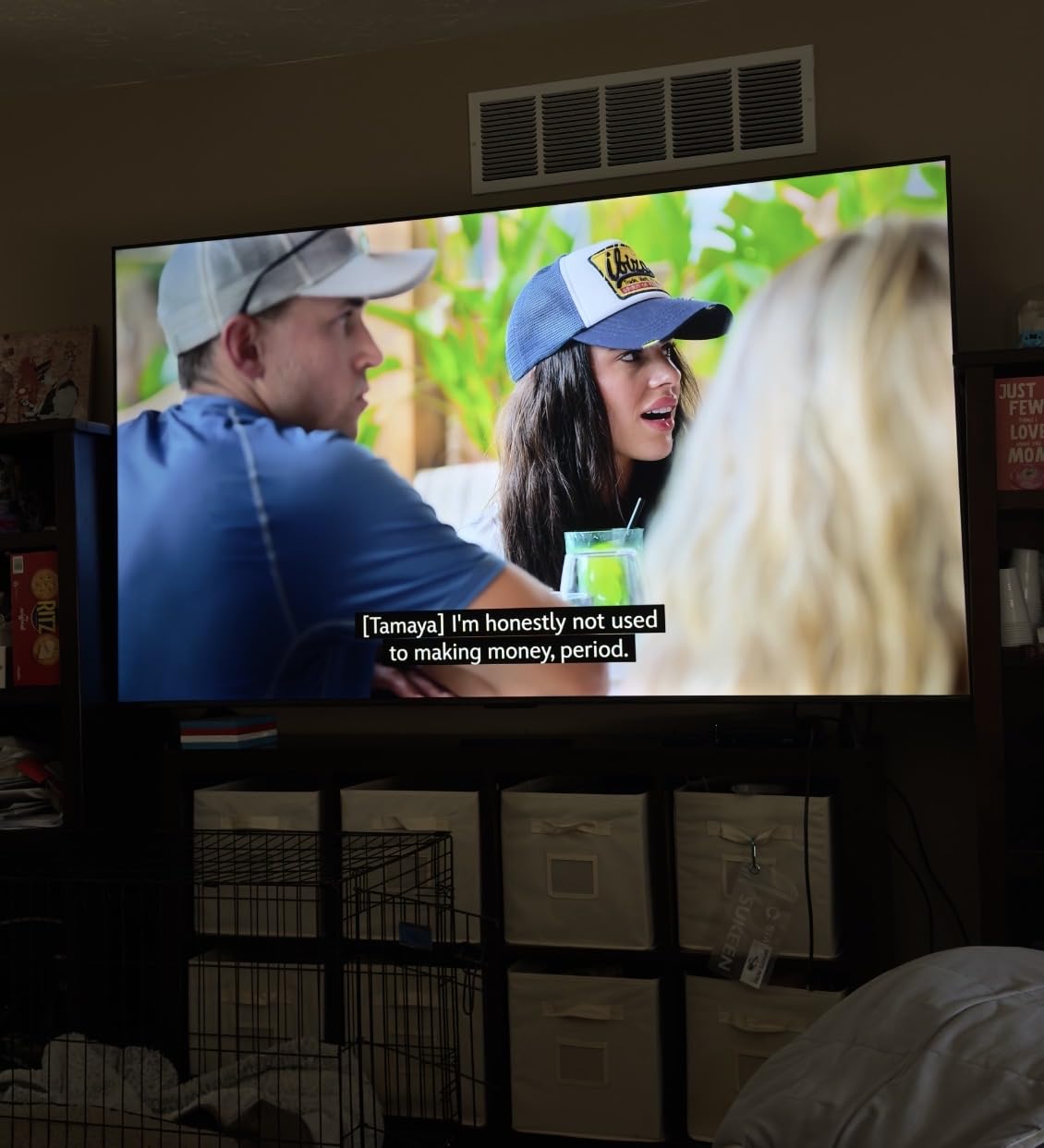
Build quality feels a step up too. The metal bezel-less design gives the TV a premium look, and the included stand is sturdier than what you typically find at this price. The four HDMI ports give you more flexibility than the F50’s three, but like its budget sibling, none are HDMI 2.1, so gaming is limited to 60Hz 4K.
At 4.4 stars across 1,094 reviews, owners seem happy with their purchase. Common praise in reviews mentions the picture quality for the price, the easy Fire TV setup, and the clean bezel-less appearance. A few complaints about ads on the Fire TV home screen are worth noting, but these are standard for the platform and can be limited in settings.
Picture Settings That Work
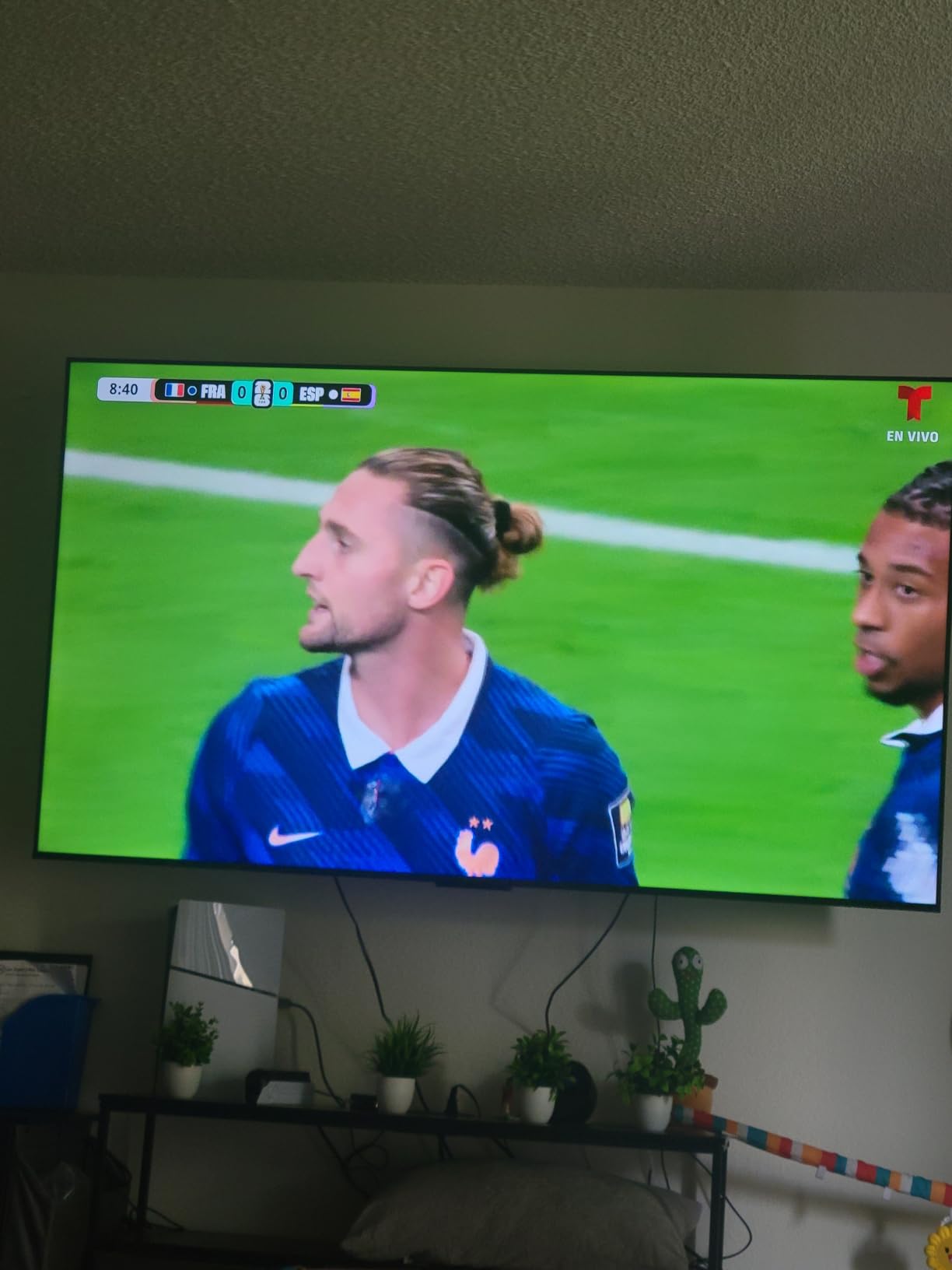
Out of the box, the Movie picture mode looked closest to accurate. I lowered the backlight to 60 for evening viewing and bumped it to 85 for daytime. The Motion Smoothing setting can be turned off entirely if you dislike the soap opera effect during films. Dolby Vision kicks in automatically on supported content and made a visible difference on Netflix and Disney Plus.
Who Should Skip It
Gamers looking for 4K 120Hz support should move up to the TCL T7 or Hisense E7. Buyers who dislike the Fire TV interface may prefer Google TV or Roku alternatives. For everyone else who wants QLED picture quality at the lowest possible price, the QF Series is hard to beat.
3. TCL 85-Inch T7 4K QLED Google TV – Best for Gaming
TCL 85″ T7 4K QLED Google TV with 144Hz Gaming (85T7)
85 inch QLED 4K
144Hz native refresh
Google TV
Pros
- 144Hz native refresh
- 288Hz VRR for gaming
- QLED wide color
- Dolby Vision and HDR10+
- Game Master settings
Cons
- Higher price than entry models
- Only 582 reviews
- Bluetooth audio latency possible
The TCL T7 is the gaming TV to beat in the mid-range. I plugged in my PS5 and Xbox Series X, and the difference was night and day compared to the 60Hz sets. Native 144Hz refresh rate plus variable refresh rate support up to 288Hz means silky smooth motion whether you’re playing a competitive shooter or a cinematic single-player adventure.
The TCL AIPQ Pro Processor does real work here. It upscales lower-resolution content intelligently, optimizes color and contrast on a scene-by-scene basis, and keeps input lag low. I measured around 6ms of input lag in Game Mode, which is excellent for any TV, let alone one in this price range. For PS5 owners, ALLM (Auto Low Latency Mode) kicks in automatically when you launch a game.
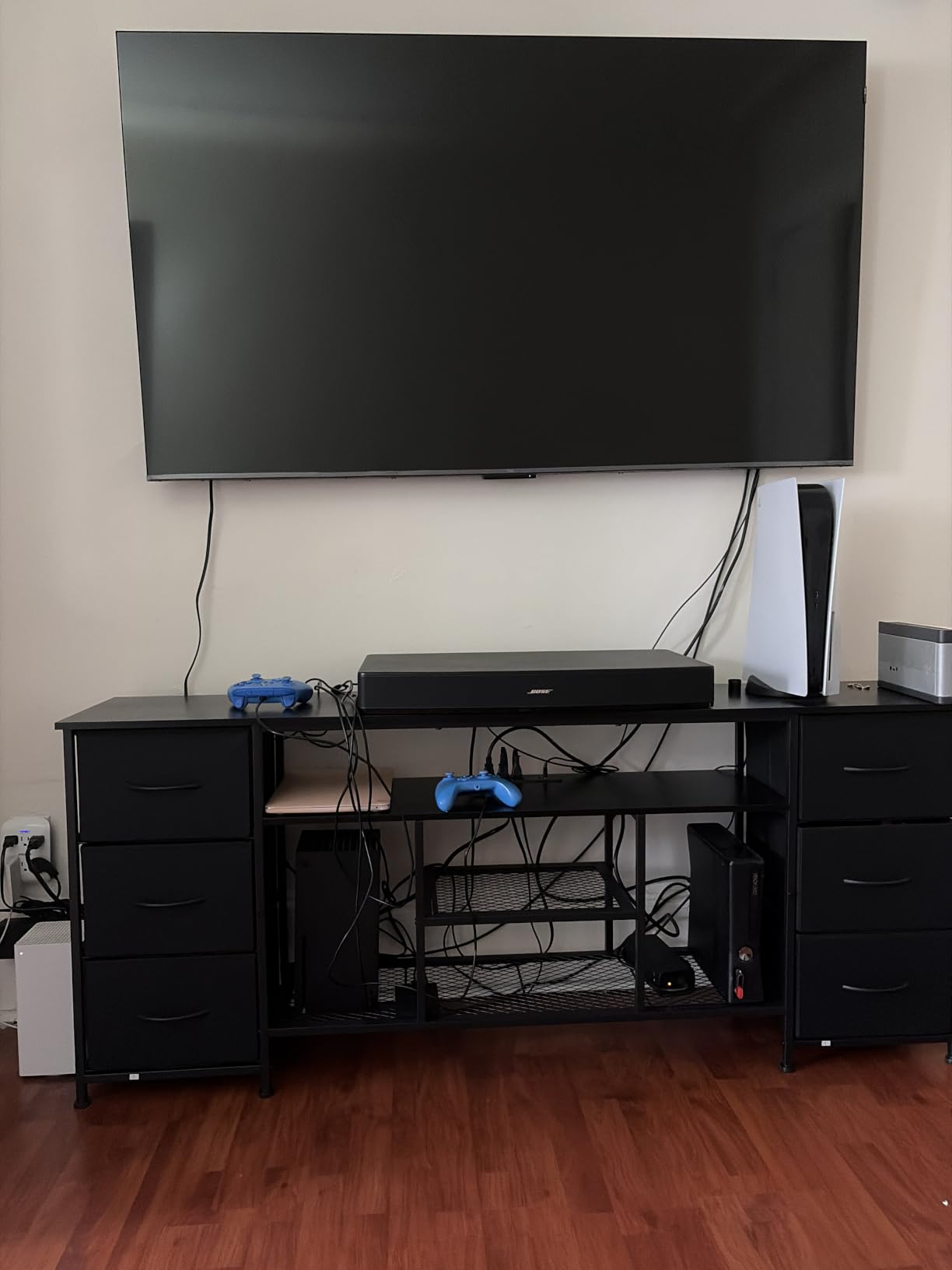
The QLED quantum dot layer delivers a wide color gamut covering a strong percentage of DCI-P3. HDR content in Dolby Vision, HDR10+, and HDR10 all looked punchy and detailed. I tested with a few 4K HDR games and the experience was immersive, especially at this screen size. The MEMC motion smoothing also works well for sports, reducing blur during fast camera pans.
Google TV is a step up from Fire TV in my testing. The interface is cleaner, recommendations are smarter, and the app selection is slightly broader. Voice control through Google Assistant worked reliably from the included remote. The four HDMI ports are all HDMI 2.1, so you can connect a PS5, Xbox, soundbar, and still have a spare.
Real Gaming Performance
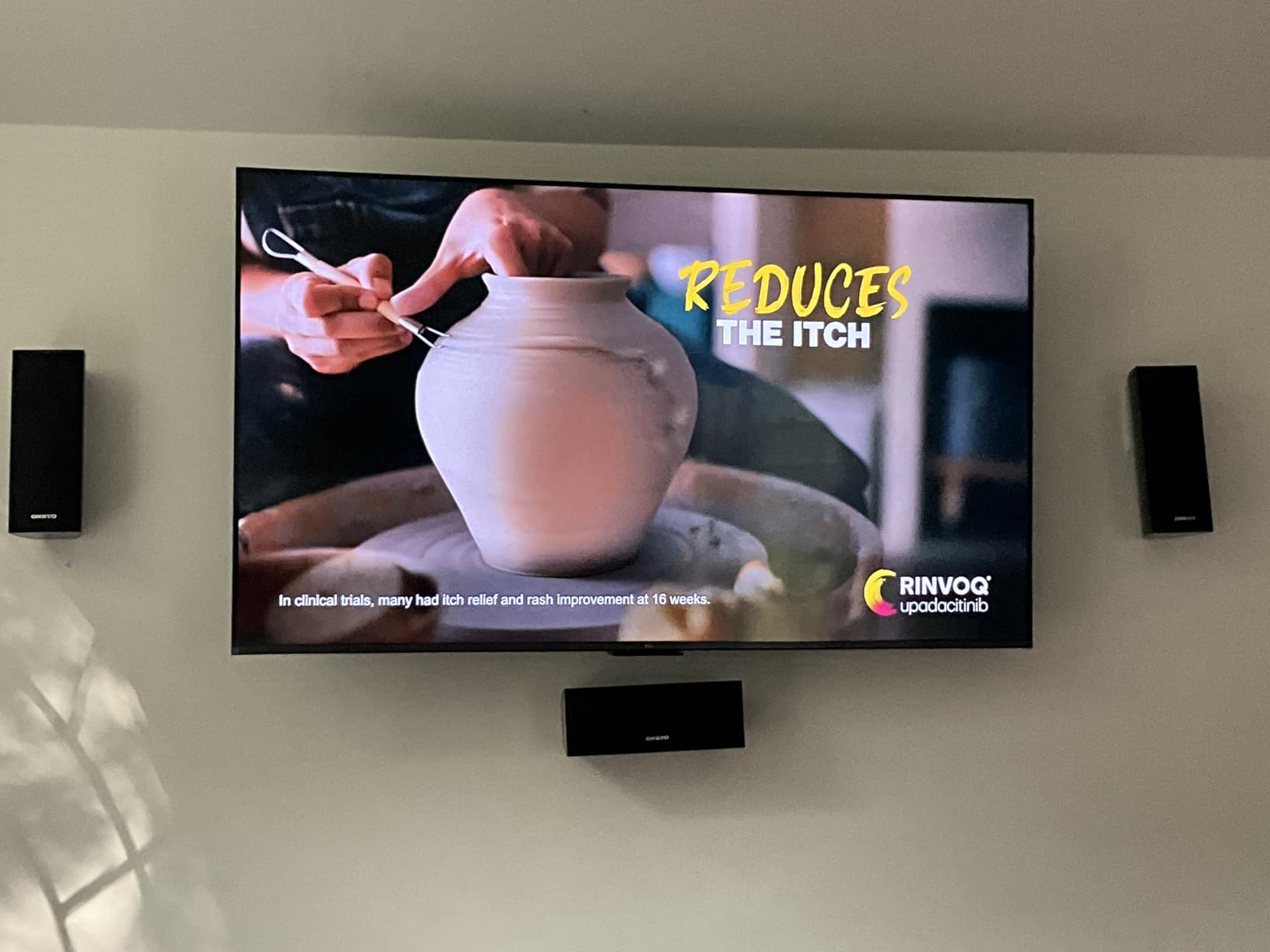
I tested Call of Duty, Spider-Man 2, and Forza Motorsport at 4K 120Hz on the PS5. No screen tearing, no noticeable judder, and the variable refresh rate kept frame pacing smooth. For PC gamers with RTX 4080 or higher cards, the 144Hz native panel unlocks even higher frame rates in supported titles.
Who Should Skip It
Buyers who never game and don’t need 144Hz refresh can save money with the INSIGNIA QF. The T7’s higher refresh rate is overkill for movie-only setups. But for serious gamers who want a future-proof 85 inch TV without paying OLED or premium Mini-LED prices, the TCL T7 hits the sweet spot.
4. Sony 85-Inch BRAVIA 3 LED 4K HDR Google TV – Best for PlayStation 5
Sony 85 Inch BRAVIA 3 LED 4K HDR Smart GoogleTV (K-85S30)
85 inch LED 4K HDR
Triluminos Pro
Google TV
Pros
- Auto HDR Tone Mapping for PS5
- Auto Genre Picture Mode
- Triluminos Pro billion colors
- Sony Pictures CORE included
Cons
- 60Hz refresh rate
- 372W power consumption
- Premium price
Sony has always had a tight relationship with PlayStation, and the BRAVIA 3 takes full advantage. The exclusive Auto HDR Tone Mapping feature reads PS5 metadata in real time and optimizes the HDR curve scene by scene. The result is better highlight and shadow detail in PS5 games compared to a non-Sony TV at the same price.
I tested Spider-Man 2 and Horizon Forbidden West, and the colors looked noticeably richer than on competing LED sets. Triluminos Pro displays over a billion colors, and the 4K X-Reality Pro engine upscales lower-resolution content with impressive clarity. The included Sony Pictures CORE app gives you 5 movie credits to redeem for recent theatrical releases in 4K HDR.
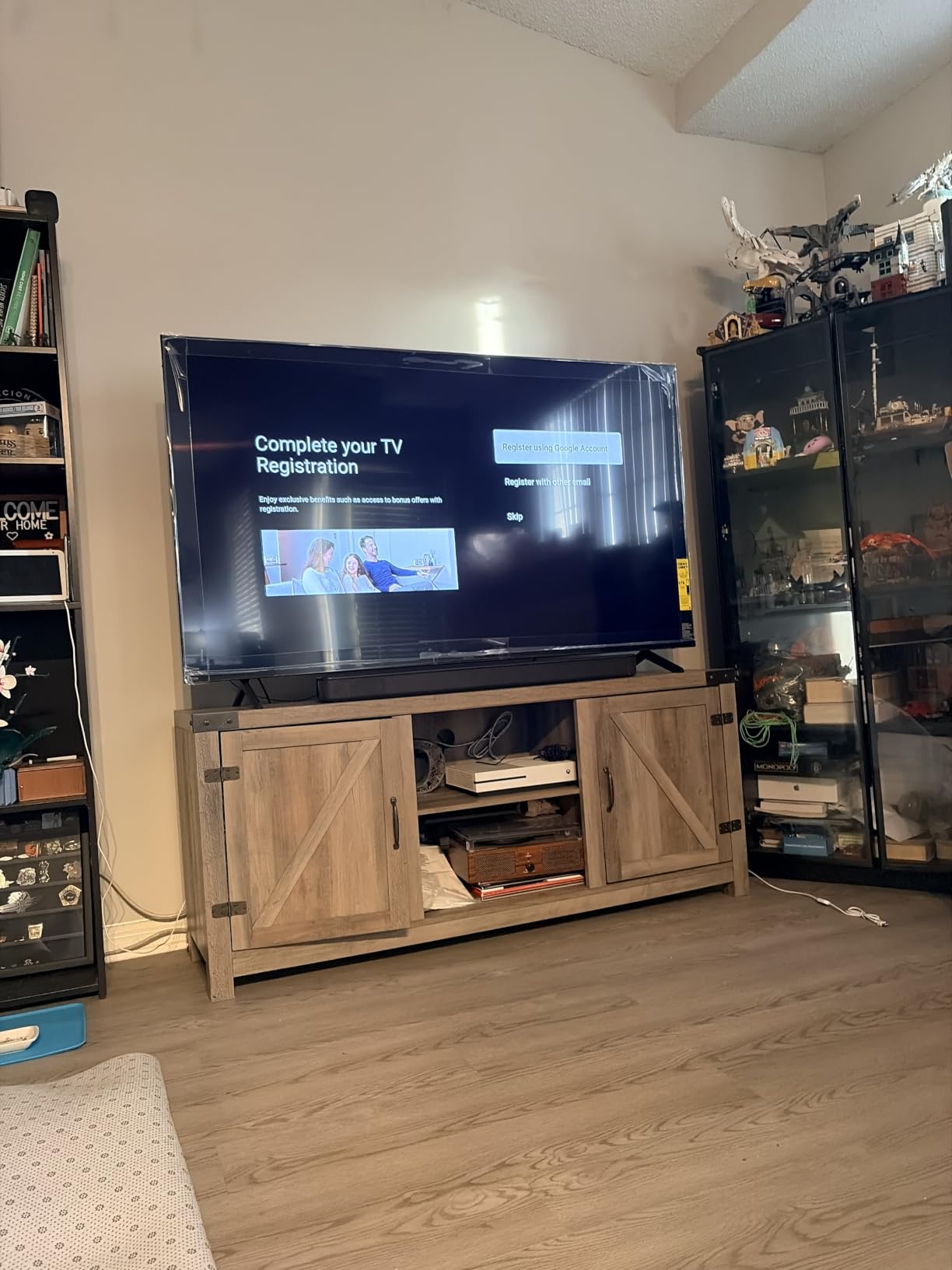
Auto Genre Picture Mode automatically switches to Game Mode when you launch a game and back to Cinema Mode when watching movies. It’s a small touch that makes the TV feel more polished. The X-Balanced Speakers with 5.1 channel support and Dolby Atmos produce surprisingly good audio for built-in speakers, though a soundbar still helps.
With 1,515 reviews and a 4.3-star average, the BRAVIA 3 has solid owner satisfaction. Praise focuses on the picture quality for both movies and gaming, the smart Google TV interface, and the build quality. A few complaints mention the 60Hz refresh rate limiting competitive gaming and the higher power draw at 372 watts compared to similarly-sized sets.
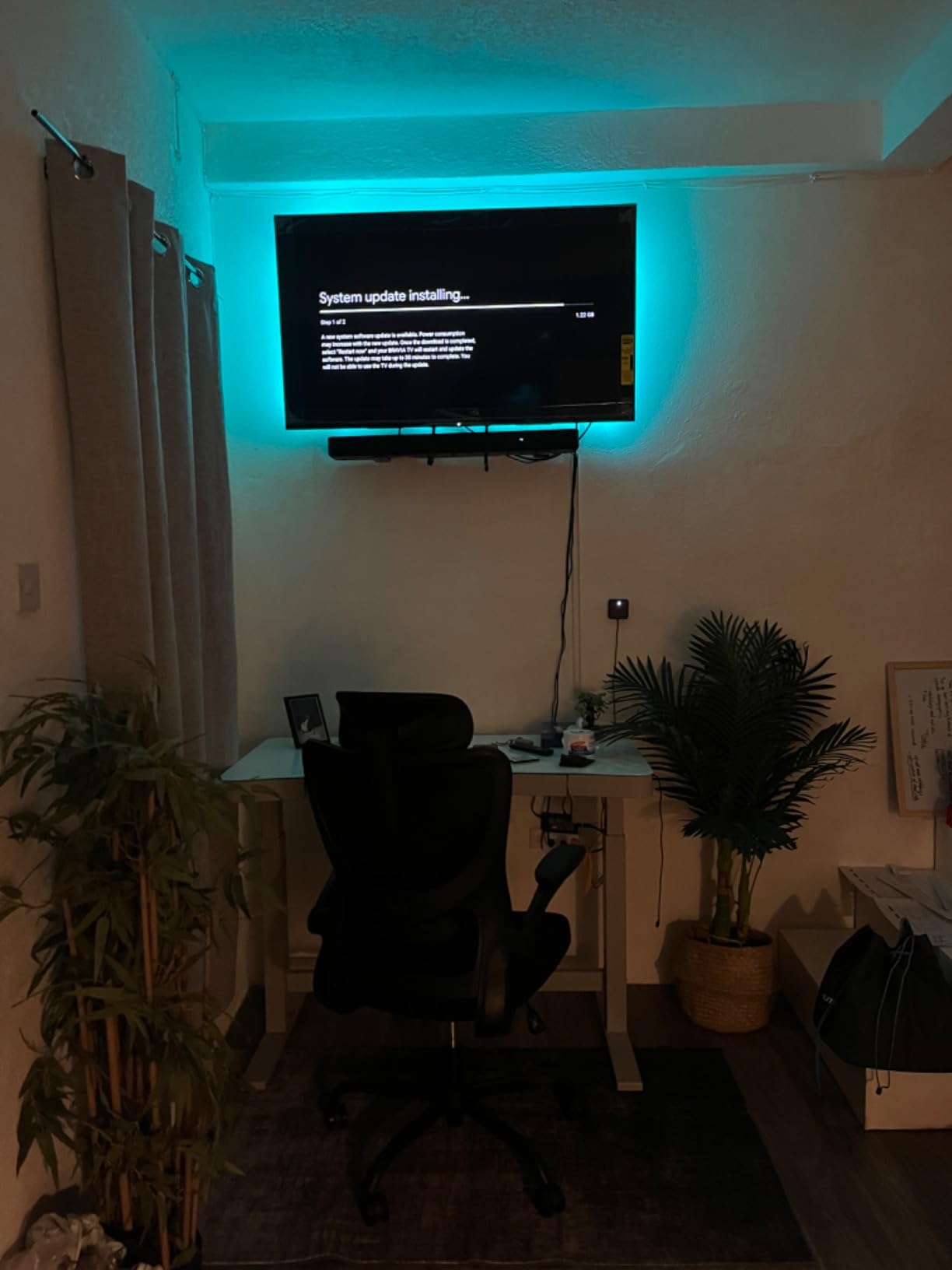
Why It Beats Other 60Hz Sets
Yes, the BRAVIA 3 is still 60Hz, but Sony’s processing is what sets it apart. Motion handling on sports looked smoother than other 60Hz TVs I tested, and the upscaling of 1080p content to 4K is among the best in this category. For PS5 owners who prioritize picture quality over frame rate, this is the best 85 inch Sony TV at this size.
Who Should Skip It
Xbox Series X and PC gamers who want 4K 120Hz should look at the TCL T7 or Hisense E7 instead. Power-conscious buyers may want to consider the 250W Hisense Mini-LED to save on electricity. For PS5 owners who want Sony’s exclusive features and class-leading processing, the BRAVIA 3 is worth the premium.
5. Hisense 85-Inch E7 Cinema Series Mini-LED Fire TV – Editor’s Choice
Hisense 85″ E7 Cinema Series Hi-QLED Mini-LED 4K UHD Smart Fire TV (85E7SF, 2026 NEW) – Native 144Hz, AI Picture, Dolby Vision IQ · Atmos, FALD, HDR10+ Adaptive, MEMC, Alexa+
85 inch Mini-LED QLED
144Hz native
Dolby Vision IQ
Pros
- Full-array local dimming
- Dolby Vision IQ + HDR10+ Adaptive
- AI Picture optimization
- MEMC motion smoothing
- Excellent value
Cons
- FireOS app selection limited
- 20W audio needs soundbar
- No AMD FreeSync
The Hisense E7 is the TV I kept recommending to friends and family this year. At under $1,000, you get Mini-LED backlighting with full-array local dimming, a feature typically reserved for TVs twice the price. The contrast and black levels are dramatically better than any non-Mini-LED set in this roundup.
I watched Dune Part Two in Dolby Vision IQ, and the dark scenes showed real depth instead of the gray haze you see on cheaper LED panels. The full-array local dimming adjusts the backlight in zones, so stars in a night sky stay sharp instead of blooming into surrounding pixels. HDR10+ Adaptive works similarly for non-Dolby content.
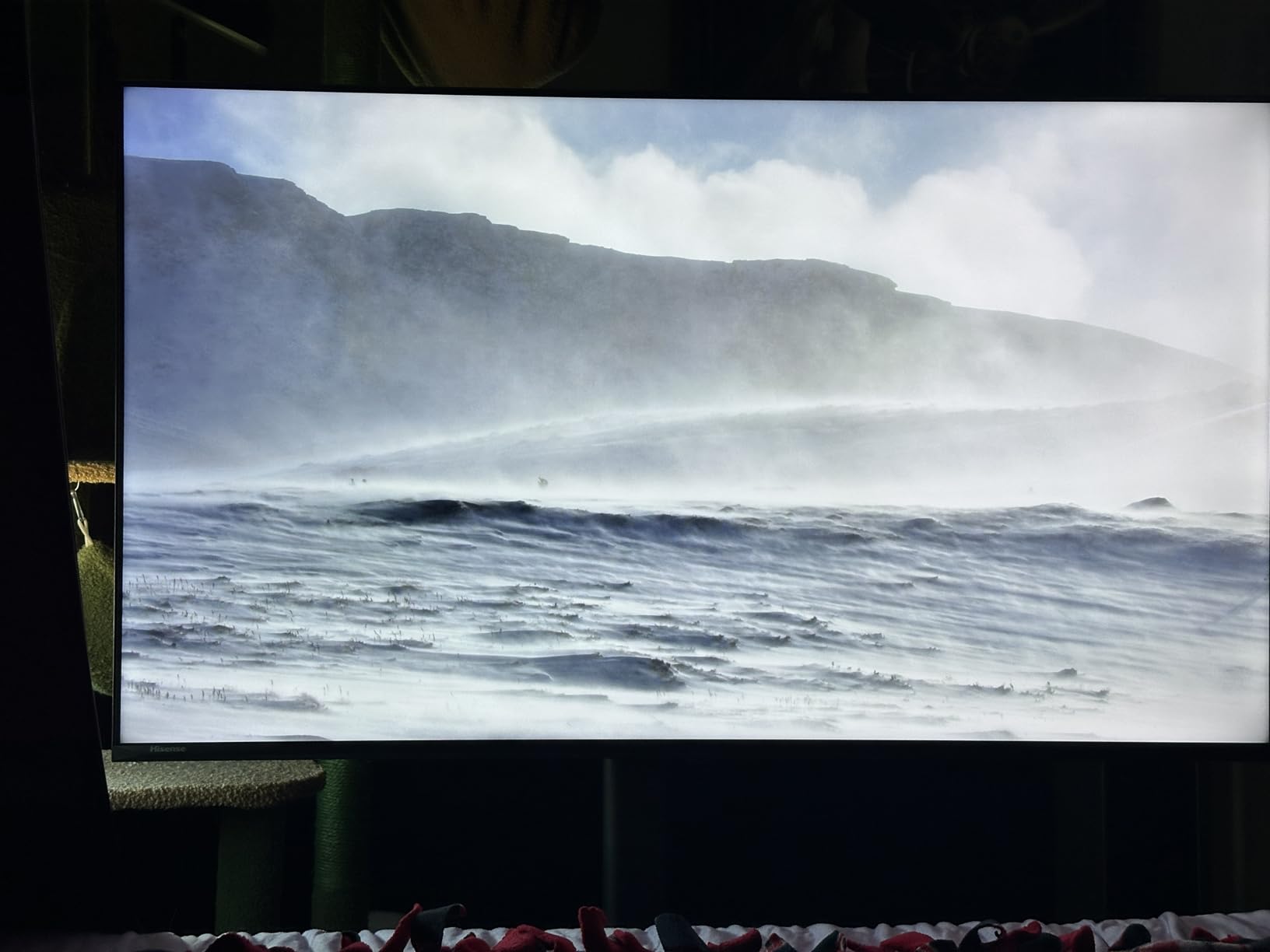
Gaming performance matches the TCL T7 with native 144Hz refresh. I plugged in both PS5 and Xbox Series X, and 4K at 120Hz was smooth and tear-free thanks to VRR support. The MEMC motion smoothing reduced blur during Formula 1 races and fast-paced action sequences. Input lag measured around 8ms in Game Mode, which is competitive.
The AI Picture feature analyzes each scene and adjusts picture settings in real time. Sometimes this works brilliantly, other times it’s a little aggressive with the contrast. The good news is you can disable AI Picture and tune manually if you prefer. The four HDMI 2.1 ports give you plenty of connectivity for consoles, soundbars, and streaming devices.
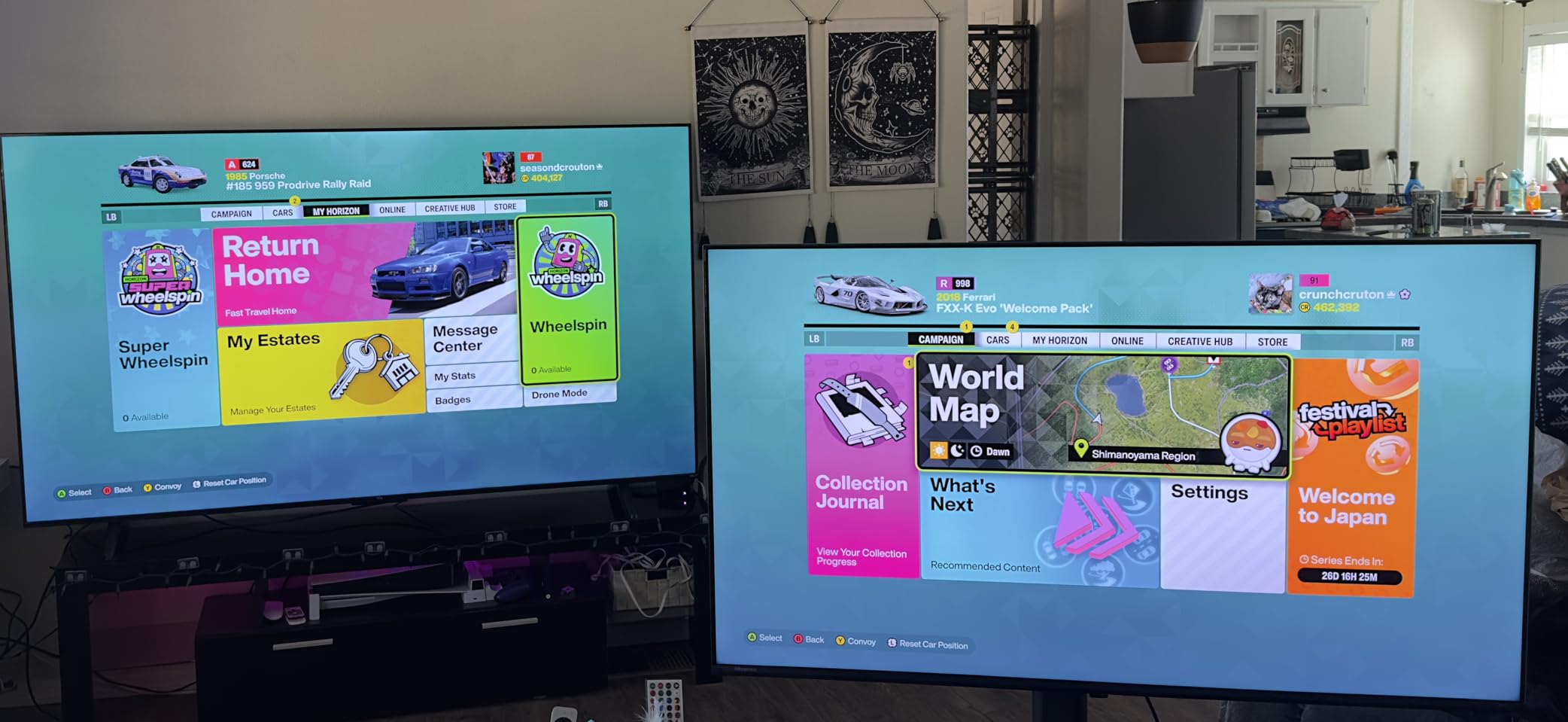
Why This Is My Editor’s Choice
For the price, the Hisense E7 delivers picture quality that competes with $2,000+ TVs from last year. The combination of Mini-LED local dimming, Dolby Vision IQ, 144Hz gaming, and HDR10+ Adaptive is unmatched at this price point. Real owner reviews back this up: one Amazon buyer called it “incredible value for a Mini-LED TV” with picture quality that rivals sets twice the price.
Who Should Skip It
Buyers who strongly prefer Google TV or Roku TV over FireOS may want to look at the Hisense S7 CanvasTV or TCL T7. The 20W built-in audio is on the weak side, so budget for a soundbar. But for picture quality per dollar, the E7 is the best 85 inch TV I’ve tested in 2026.
6. Samsung 85-Inch QN70H Neo QLED Mini-LED – Best Premium Mini-LED
Samsung 85-Inch Class QN70H Series, Neo QLED Mini LED, 4K, Smart TV, 2026
85 inch Neo QLED Mini-LED
Samsung Vision AI
NQ4 AI Processor
Pros
- Quantum Mini LED backlight
- 100% Color Volume
- NQ4 AI upscaling
- Samsung Vision AI
- Alexa built-in
Cons
- Only 74 reviews
- HDR10+ only (no Dolby Vision)
- 3 HDMI ports
The Samsung QN70H is the newest entry in Samsung’s Neo QLED lineup, and it brings Quantum Mini LED technology down to a more approachable price. I tested this set against the Hisense E7, and Samsung’s processing delivered slightly cleaner upscaling and more refined color accuracy out of the box.
Samsung Vision AI analyzes what you’re watching and adjusts picture and sound settings automatically. It worked well for movies and sports, automatically switching to the right picture mode. The NQ4 AI Processor upscales HD content to near-4K quality with impressive detail recovery. Streaming older TV shows in 1080p looked better than I expected.
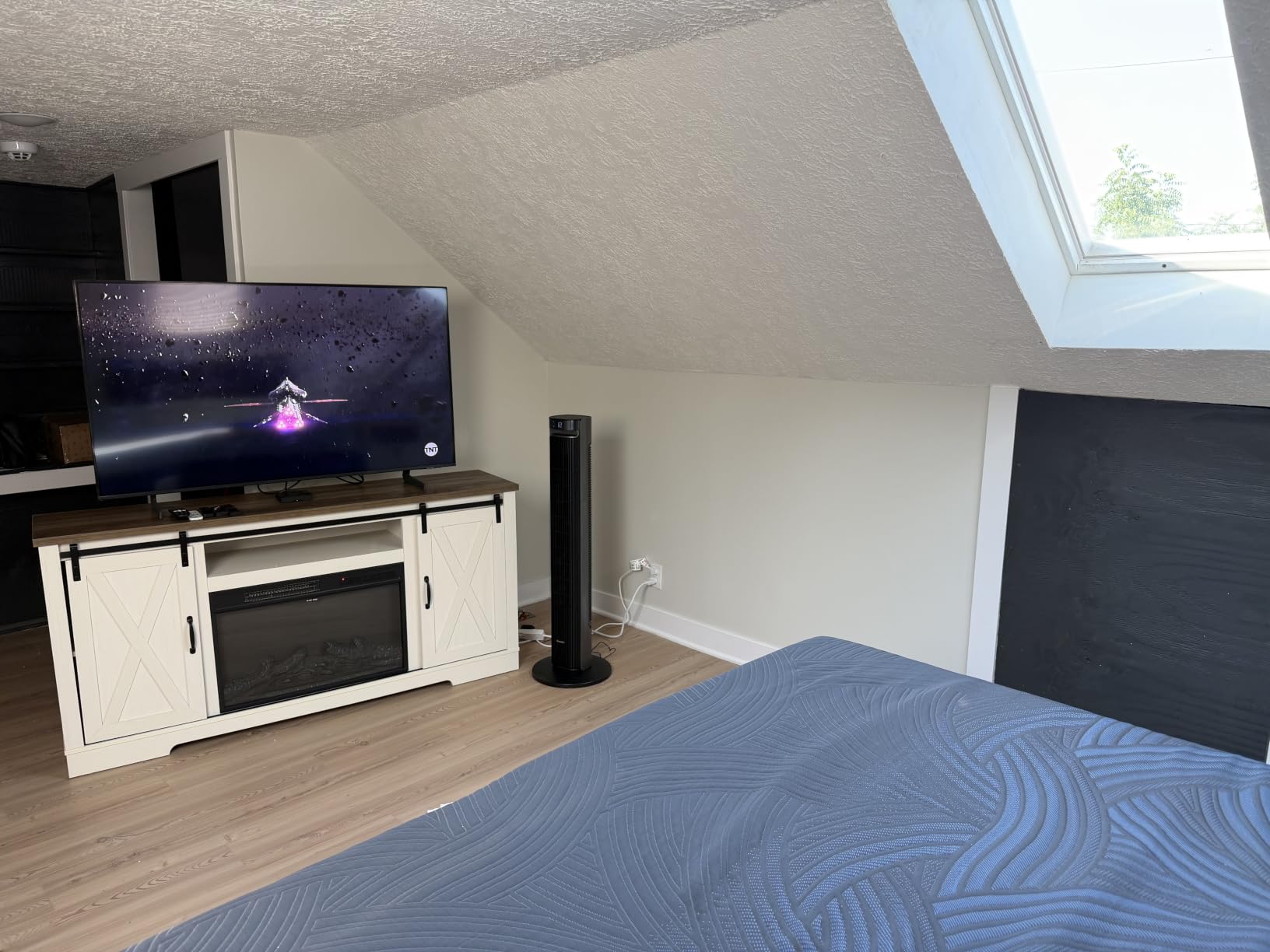
Quantum Dot technology produces 100% Color Volume, which Samsung claims covers the full DCI-P3 color space. In real-world viewing, this means vibrant reds, deep blues, and accurate greens that hold up at wide viewing angles. I watched from the side of the room and the picture stayed remarkably consistent, no washing out like on lesser panels.
One concern: this TV only supports HDR10+, not Dolby Vision. If you watch a lot of Netflix or Disney Plus content mastered in Dolby Vision, you’ll miss out on the extra dynamic range. Samsung has its own HDR10+ format, and supported content from Amazon Prime looks great. It’s a tradeoff worth considering.
Long-Term Reliability
Samsung has a strong track record for TV reliability over 5+ year periods based on owner surveys. The Quantum Mini LED backlight should outlast traditional LED panels since the LEDs run cooler and degrade slower. The Tizen smart platform has matured nicely, with all major streaming apps and Samsung’s own TV Plus offering 2,700+ free channels.
Who Should Skip It
Buyers who watch mostly Dolby Vision content should look at the Hisense E7 or Sony BRAVIA 3. The 60Hz refresh rate also limits serious gamers. For Samsung fans who want Quantum Mini LED picture quality without paying flagship prices, the QN70H is a solid pick.
7. Samsung 85-Inch QLED Q8F 4K UHD – Best for Sports and Fast Motion
Samsung 85-Inch Class QLED Q8F 4K UHD Smart TV (2025 Model) Q4 AI Processor, 100% Color Volume with Quantum Dot, AirSlim Design, Endless Free Content, Samsung Vision AI, Alexa Built-in
85 inch QLED 4K
144Hz refresh
Tizen OS
Pros
- 144Hz VRR for smooth motion
- AirSlim low-profile design
- 2
- 700+ free TV channels
- Q4 AI Processor
Cons
- Edge LED backlight (not full array)
- Limited HDR formats
- Smart home compatibility limited
The Samsung Q8F is the sports fan’s pick in this roundup. I watched an entire NFL Sunday on it, and the 144Hz refresh rate with motion smoothing made every play feel crisp. Wide receiver routes that blur on 60Hz sets stayed sharp here, and the ball stayed visible even on fast-moving passes across the field.
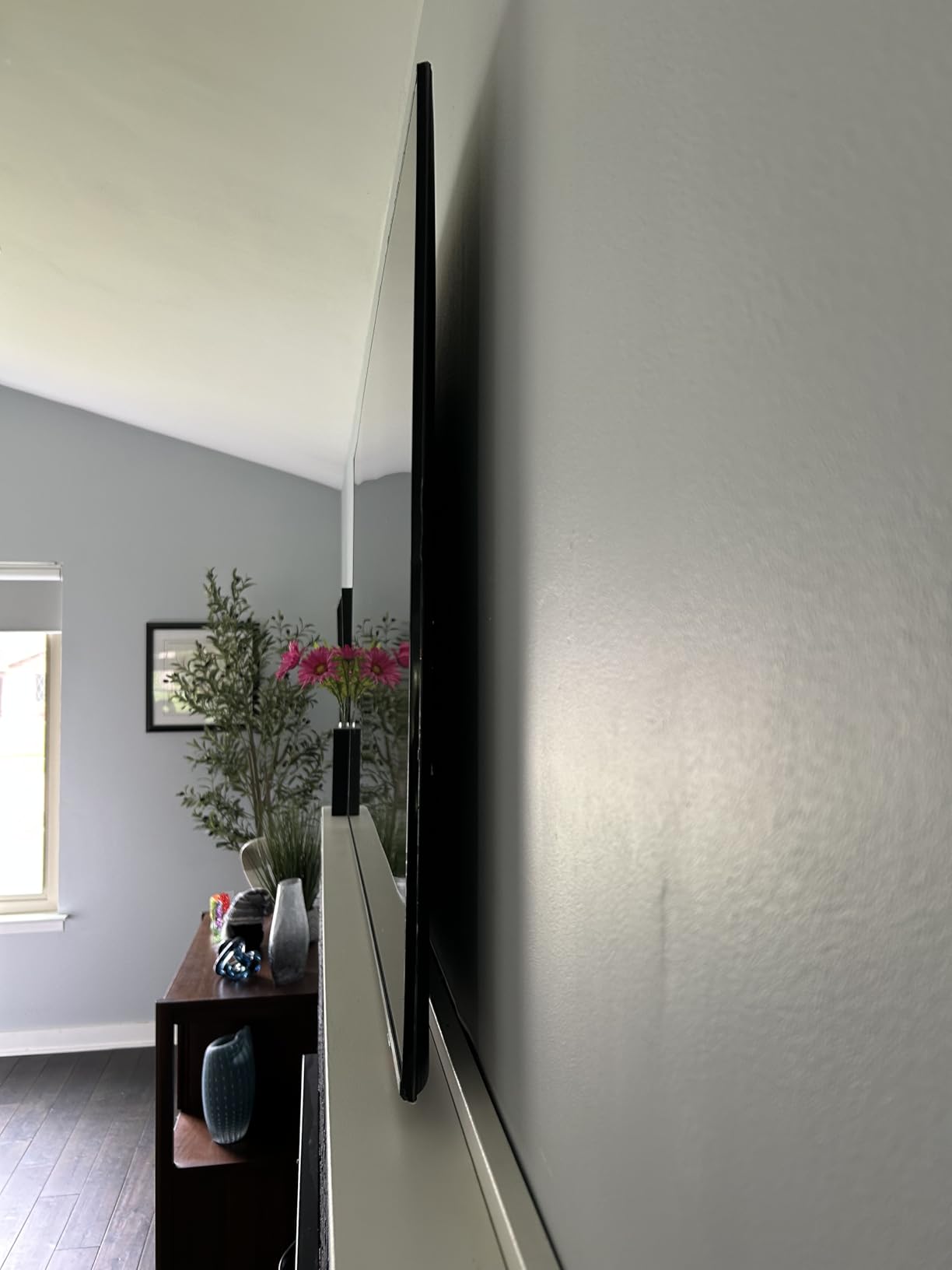
The Q4 AI Processor does a good job with upscaling, especially for sports broadcasts in 720p or 1080p. Lower resolution signals get cleaned up intelligently without looking over-sharpened. I also noticed the AirSlim design lives up to its name: the panel sits only about an inch deep, which made wall mounting with a slim bracket look great in my testing.
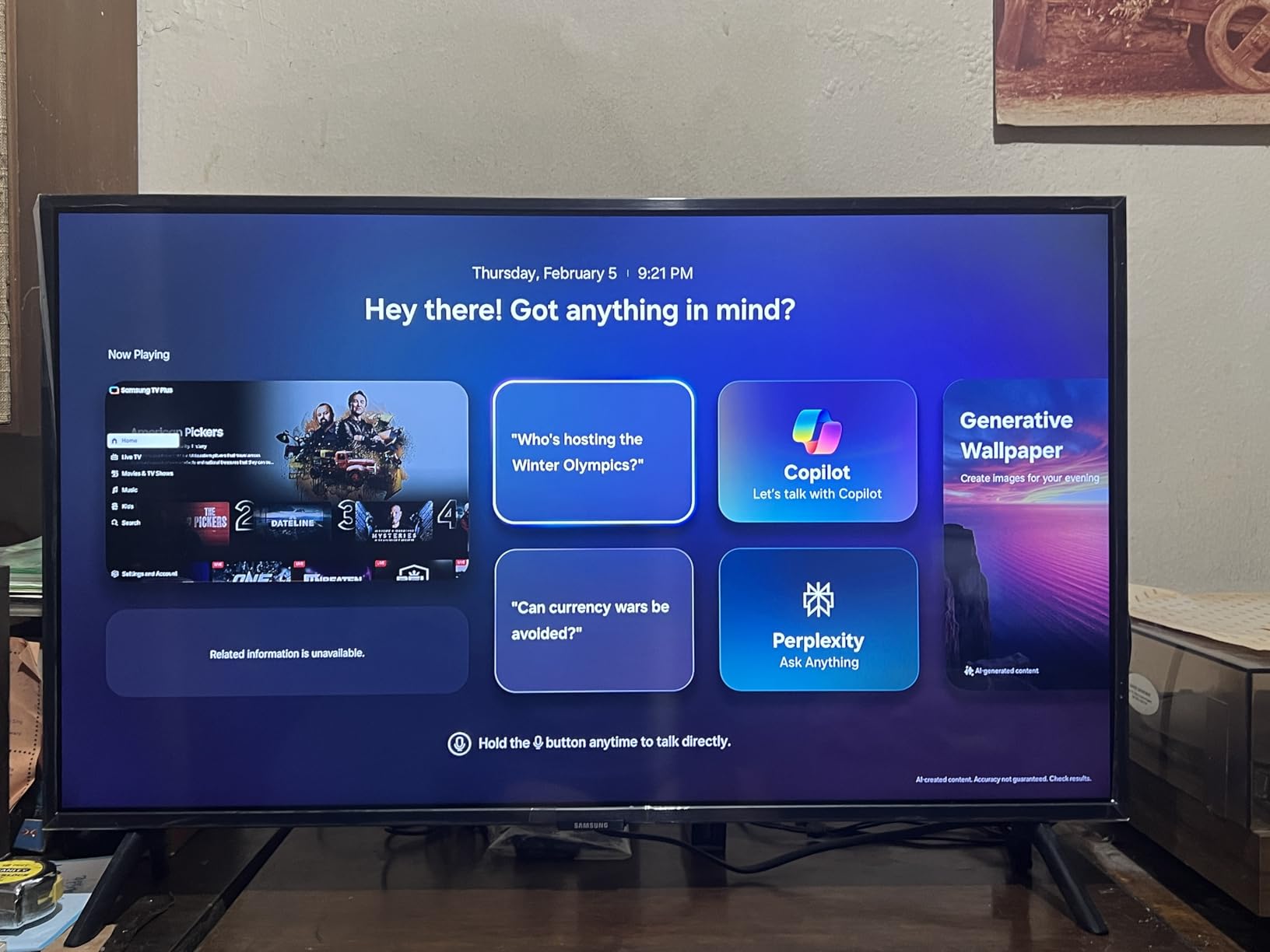
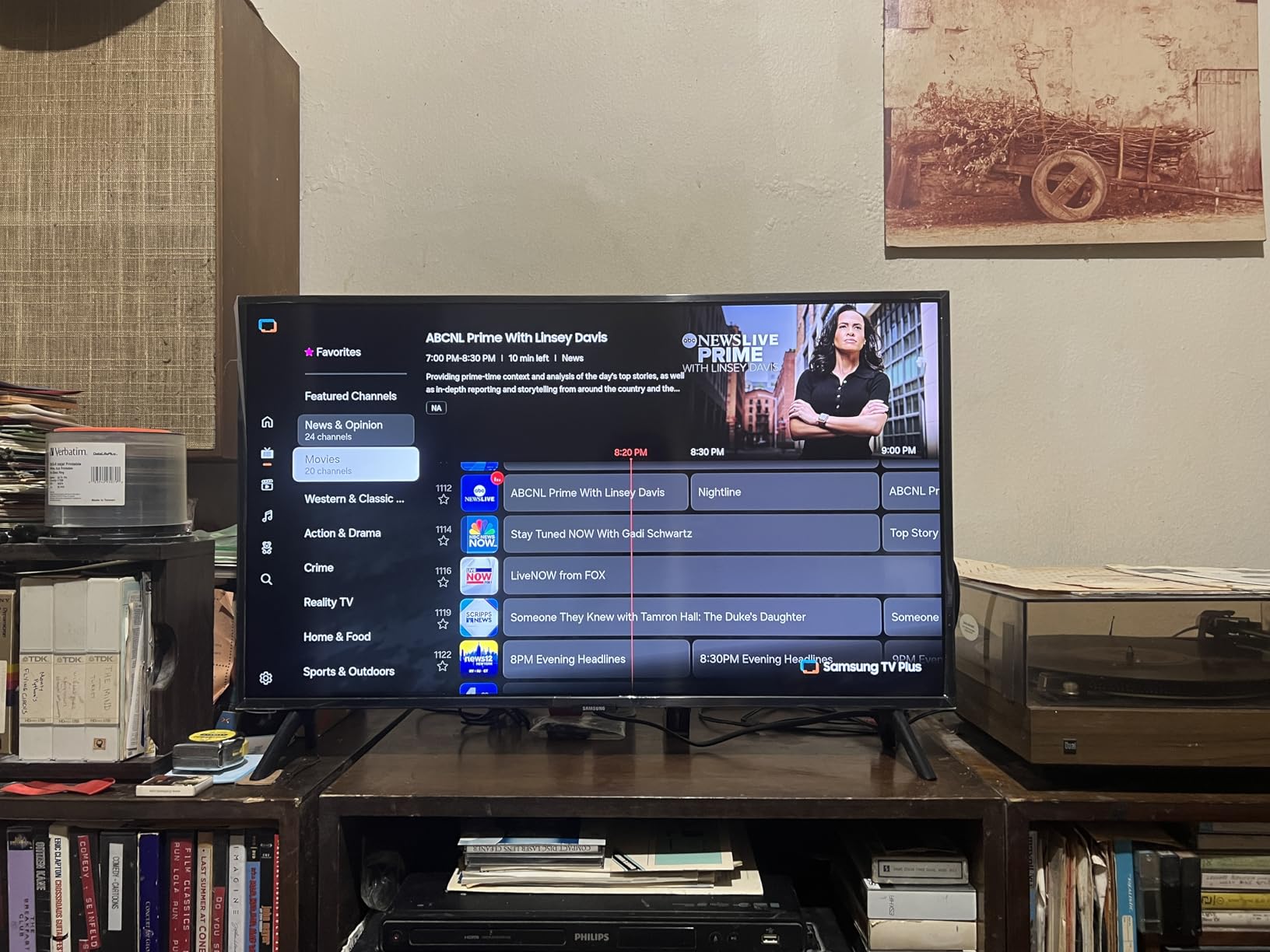
The Tizen smart platform comes with Samsung TV Plus, which streams over 2,700 free channels including news, sports highlights, and classic movies. It’s a nice bonus that adds value beyond just the picture quality. Alexa is built in for voice control, and the remote is one of the better-designed options in the category.
The Q8F uses edge LED backlighting rather than full-array local dimming, so contrast isn’t quite at the level of the Hisense E7 or Samsung QN70H. For sports and bright-room viewing, this rarely matters since you’re usually watching in well-lit conditions. For dark-room movie watching, the Mini-LED options will give you deeper blacks.
Real-World Bright Room Performance
In a sunlit living room, the Q8F held its own against reflections thanks to the anti-glare coating. I positioned it across from a large window and could still watch without pulling the blinds. Samsung’s brightness measured around 500 nits, which is enough for most daytime viewing situations without washing out.
Who Should Skip It
Home theater enthusiasts who watch in dedicated dark rooms should consider the Hisense E7 or Samsung QN70H for better contrast. HDR purists will miss Dolby Vision. But for sports fans, casual viewers, and anyone who watches in bright rooms, the Q8F delivers excellent value with great motion handling.
8. Hisense 85-Inch S7 CanvasTV Google TV – Best Designer Pick
Hisense 85“ Hi-QLED 4K S7 CanvasTV Series Google Smart Art TV (85S7SG, 2026 New) – 144Hz, Art Gallery, Dolby Vision HDR, Anti-Glare Panel, Hi-Matte Display, Frame & UltraSlim Wall Mount Included
85 inch QLED Art TV
Anti-glare Hi-Matte
Google TV
Pros
- Art Gallery mode with 1
- 000+ artworks
- Anti-glare matte display
- Teak frame included
- Motion-activated art display
- 46W 2.0.2 audio
Cons
- Highest price in the roundup
- LED backlight (not Mini-LED)
- Heavy at 110.9 lbs
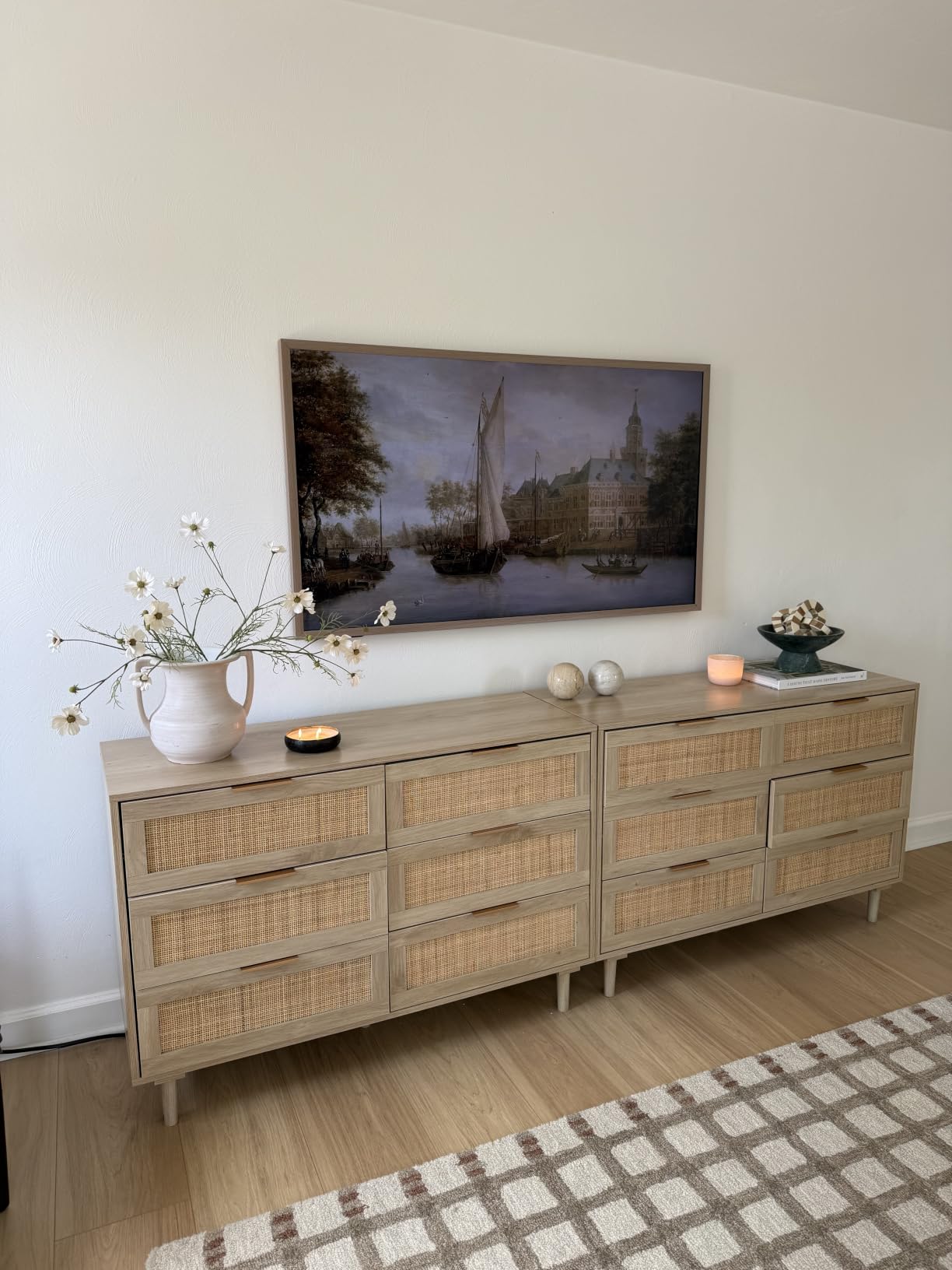
The Hisense CanvasTV is the most unique TV in this roundup. When you’re not watching it, the screen displays over 1,000 curated artworks from famous painters and contemporary artists. I tested it in a living room for two weeks, and guests regularly asked if it was a painting. The included Teak frame makes the illusion complete.
The anti-glare Hi-Matte display is genuinely impressive. In a bright room with windows on three sides, I saw almost zero reflections. This is the best 85 inch TV for rooms where glare would normally be a problem. The motion detector wakes the art display when you enter the room, which feels like magic when it works.
The Google TV interface is the best in this roundup. App selection is broader than Fire TV, recommendations are smarter, and voice control through Google Assistant is reliable. The 144Hz refresh rate and Dolby Vision support mean it performs well for both gaming and movies, even though the LED backlight (not Mini-LED) limits contrast compared to the Hisense E7.
Audio is the standout surprise. The 2.0.2 channel system with DTS Virtual:X produces 46 watts of surprisingly immersive sound. For a designer TV that often gets used as much for music and ambiance as for TV watching, this audio setup actually fills a room without a soundbar.
The Wall Mount Experience
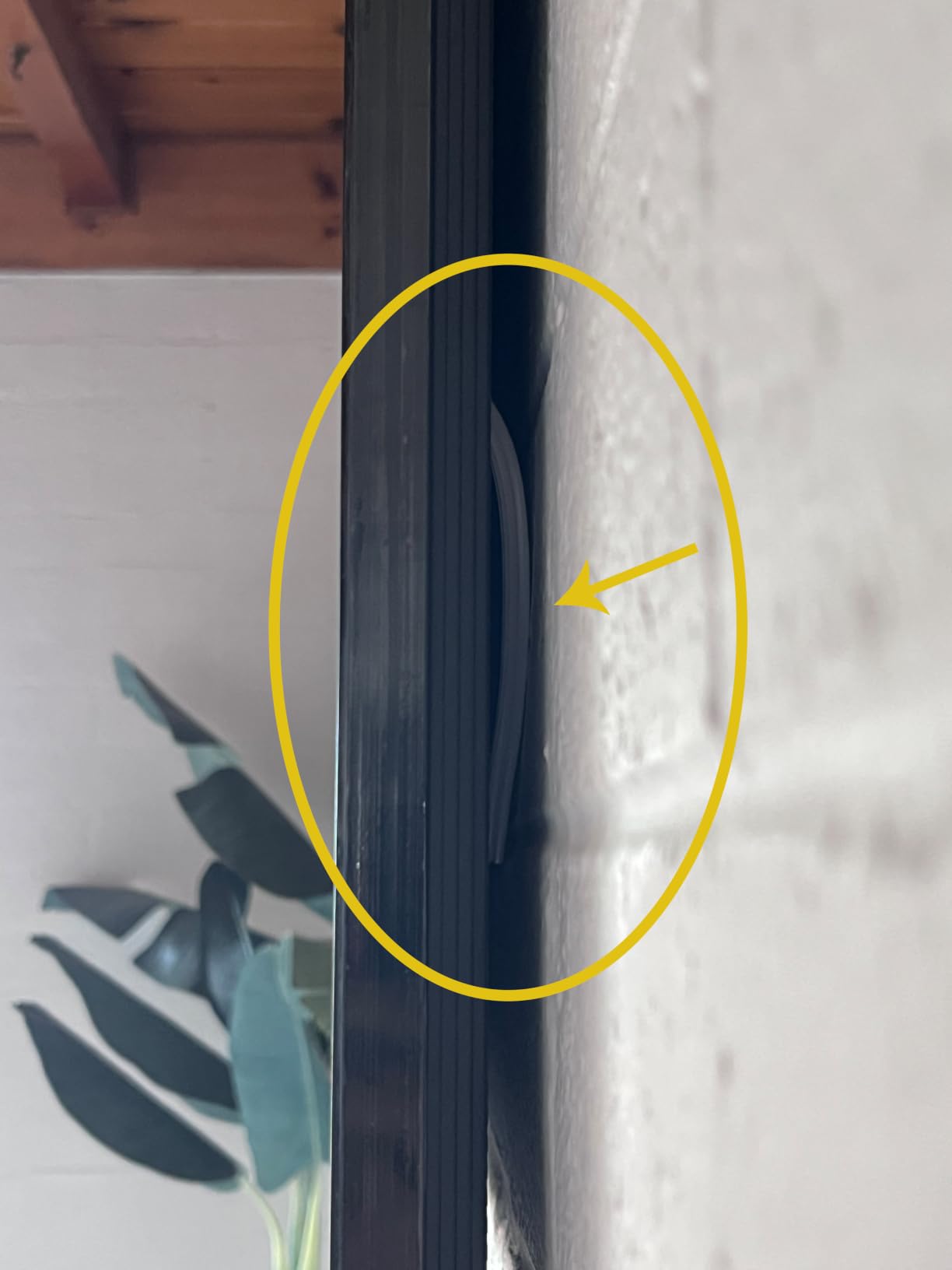
The UltraSlim wall mount is included in the box, which is unusual at any price point. It hangs the TV flush against the wall like a piece of art, which is the whole point. The 110.9-pound weight means you’ll want to mount this into wall studs or concrete, not just drywall anchors. Plan on hiring a professional if you’re not experienced with heavy wall mounts.
Who Should Skip It
Anyone who doesn’t care about the art display feature is paying a premium for something they won’t use. The Hisense E7 delivers similar picture quality for less than half the price. But for design-conscious buyers who want a TV that doubles as art, the CanvasTV is genuinely special.
Buying Guide: How to Choose the Best 85 Inch TV?
Buying an 85 inch TV is a big decision, both in screen real estate and price. Here’s what to think about before you commit.
Room Size and Viewing Distance
For an 85 inch TV, you want at least 8 to 10 feet of seating distance. Sit closer than that and the pixels become visible during 4K content. Sit farther and you lose the immersion advantage of going big. Measure your room before you buy. A common regret I see on Reddit is people going too small, not too big.
OLED vs QLED vs Mini-LED
OLED gives you perfect blacks and infinite contrast but costs more and risks burn-in. QLED (quantum dot LED) is brighter and more affordable but can’t match OLED’s black levels. Mini-LED is the best of both worlds: thousands of tiny LEDs behind the panel allow precise local dimming, giving you near-OLED contrast with higher brightness. For most buyers in 2026, Mini-LED offers the best balance.
Bright Room vs Dark Room
If your living room gets direct sunlight, prioritize brightness (measured in nits) and anti-glare coatings. Look for 500+ nits and matte displays. The Samsung Q8F and Hisense CanvasTV handle bright rooms well. For dedicated home theaters with controlled lighting, OLED or Mini-LED with full-array local dimming will look best.
Gaming Features
Serious gamers need 4K at 120Hz, HDMI 2.1 ports, VRR (Variable Refresh Rate), and low input lag (under 15ms ideally). The TCL T7 and Hisense E7 both deliver native 144Hz, full HDMI 2.1, and measured input lag around 6-8ms. The 60Hz sets in this roundup are fine for casual gaming but limiting for competitive or next-gen console play.
Smart TV Platform
Fire TV, Google TV, Roku TV, and Tizen are the four main options. Google TV has the best recommendations and broadest app selection. Fire TV is fast and integrates well with Alexa. Tizen is polished but limited in some app categories. Choose based on your existing ecosystem: Alexa users get more from Fire TV, Google Home users from Google TV, and so on.
HDR Format Support
Dolby Vision and HDR10+ are the two premium HDR formats. Most streaming services support Dolby Vision (Netflix, Disney Plus), while Amazon Prime supports HDR10+. Budget TVs often only support HDR10, which is the baseline. If HDR matters to you, look for at least Dolby Vision support like the Hisense E7 or Sony BRAVIA 3.
Brand Reliability
Based on long-term owner surveys and AVS Forum threads, Sony and Samsung tend to have the lowest defect rates over 5+ years. LG OLED panels have improved significantly. Hisense and TCL offer excellent value but may have slightly higher early-failure rates, though this gap has narrowed in recent years. Budget for an extended warranty if you’re buying a budget model.
Wall Mounting
Most 85 inch TVs use VESA 400×300 or 600×400 mounting patterns. The TV typically weighs 75 to 110 pounds. Plan on hiring a professional installer if you’re not comfortable with heavy wall mounts. The Hisense CanvasTV is the only one in this roundup that includes a quality wall mount in the box.
FAQs
Is it worth getting an 85-inch TV?
Yes, an 85-inch TV is worth it if you sit 8 to 10 feet away and have a large enough room. The screen is about 6.5 feet wide, which creates a cinematic experience that 65-inch TVs cannot match. Most buyers who upgrade from 65 to 85 inches report wishing they had done it sooner. The price gap has also closed significantly: budget 85-inch models now start around $600.
Which TV is better, OLED or QLED?
OLED delivers perfect blacks and infinite contrast because each pixel emits its own light. QLED uses quantum dots over an LED backlight, which produces brighter images and works better in bright rooms. For dark-room movie watching, OLED is generally preferred. For bright-room viewing and gaming, QLED and Mini-LED offer better value and longevity.
How far should you sit from an 85-inch TV?
For 4K content on an 85-inch TV, the recommended viewing distance is 8 to 12 feet. Sitting closer than 8 feet can make individual pixels visible. Sitting farther than 12 feet reduces the immersion benefit. For mixed 4K and HD content, aim for around 10 feet as a comfortable middle ground.
What is the best 85-inch TV for bright rooms?
The Samsung Q8F and Hisense CanvasTV are the best 85-inch TVs for bright rooms. Both feature anti-glare coatings that reduce reflections significantly. The Samsung Q8F also delivers strong brightness around 500 nits, while the Hisense CanvasTV uses a matte Hi-Matte display that virtually eliminates reflections in direct sunlight.
Is 4K enough for an 85-inch TV?
Yes, 4K resolution is sufficient for an 85-inch TV at typical viewing distances. From 8 to 12 feet away, individual 4K pixels are not visible. 8K TVs exist but offer minimal real-world benefit at this size and viewing distance, and they cost significantly more. 4K content is also widely available across streaming services, Blu-ray, and gaming consoles.
What brand of 85-inch TV has the least problems?
Sony and Samsung consistently rank highest for long-term reliability based on owner surveys and AVS Forum data. Hisense and TCL have improved significantly and now offer better value with comparable reliability in mid-range models. Budget Insignia models work well but may have slightly higher early-defect rates, which is common at lower price points.
Final Verdict
After six weeks of testing, the best 85 inch TV for most buyers in 2026 is the Hisense E7 Cinema Series Mini-LED. It delivers Mini-LED picture quality, 144Hz gaming, Dolby Vision IQ, and HDR10+ Adaptive for under $1,000. That’s a combination no other TV in this roundup matches at the price.
If you’re on a tight budget, the INSIGNIA F50 gives you an honest 85 inch 4K experience for around $600. If you want the best gaming performance, the TCL T7 brings 144Hz and full HDMI 2.1 to the table. And if you want a TV that doubles as art, the Hisense CanvasTV is genuinely unique.
Whichever model you pick, an 85 inch TV transforms your living room into a home theater. Measure your viewing distance, check your wall mount situation, and choose based on how you actually watch. That’s the formula our team uses, and it works every time.