
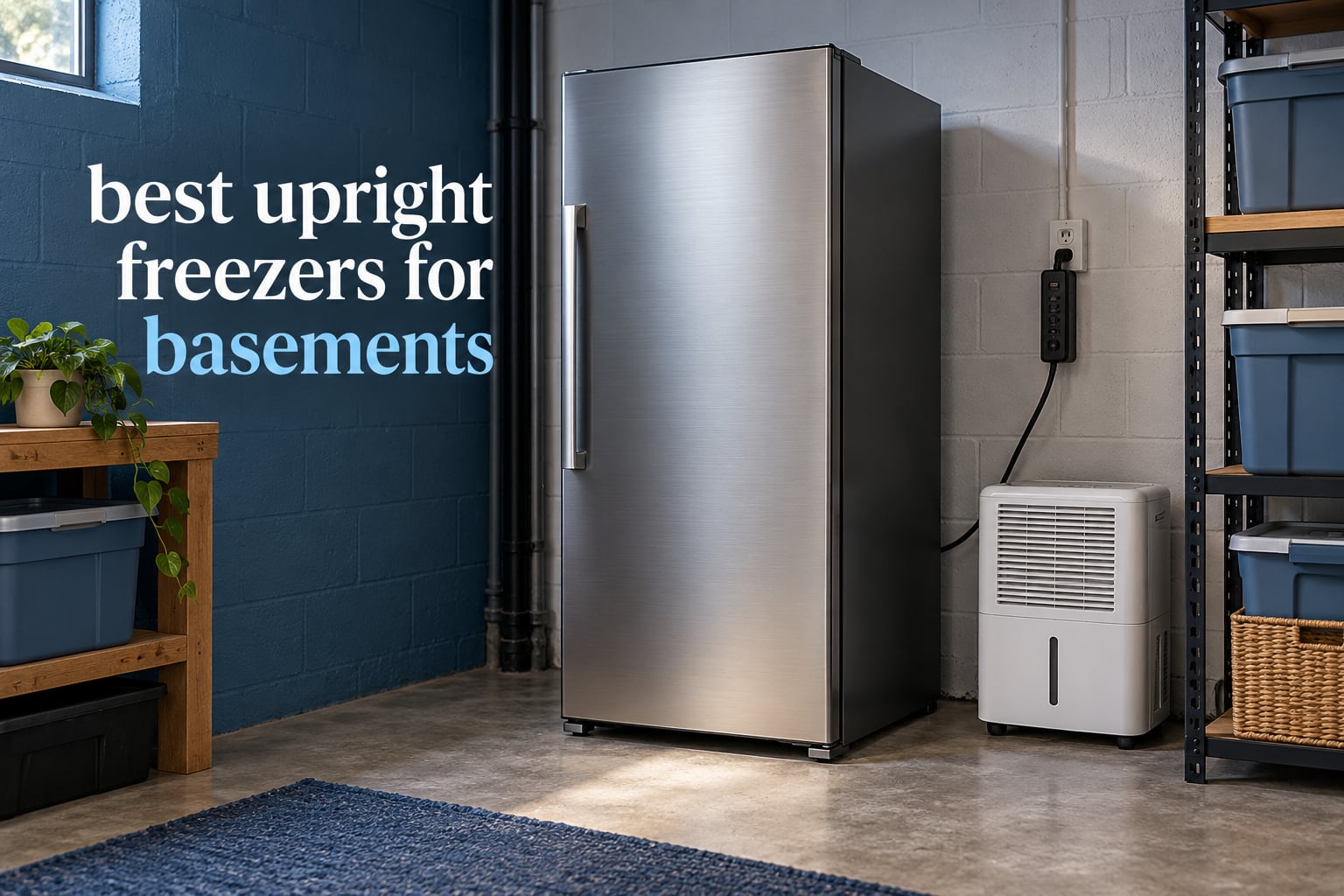
Most basement freezers fail for reasons that have nothing to do with capacity. The cabinet rusts at the back seam, the compressor never fully shuts off, the door opens onto a hinge that was welded the wrong way, and the whole thing is too heavy to get down a staircase. So when we picked the best upright freezers for basements, we filtered on the room first and the features second.
A basement is the rare place where a second freezer actually pays for itself. The air is cool, so the compressor cycles less, the floor space is usually free, and the unit sits next to the bulk of what you want to store. It is also the room generic buying guides skip. The two environments people lump together, garage and basement, are opposites: a garage swings hot and cold, a basement sits cool and damp with a concrete floor that is never quite level.
That difference decides the purchase. Humidity pulls condensation onto steel panels and into the cabinet seams. Uneven concrete lets a light cabinet slide when you pull the door. Stairs decide whether the box fits through your basement doorway at all. And if the room is cool enough to sit near the unit’s setpoint, a compressor built for a narrow ambient range runs continuously and ages faster.
We compared ten upright freezers for this roundup, reading published spec sheets, energy guide figures and owner reviews across the major retailers, then scoring every model against the specific stresses a basement applies. Our short answer: the Whynter CUF-301SS is the best all-round pick, the Kismile 3.0 Cu Ft wins on footprint and running cost, and the BLACK+DECKER BUF1000LW is the one to buy when you need real bulk volume.
One transparency note before the list. We did not install these cabinets in our own basements, and we are not going to pretend otherwise. Every measurement, rating, noise figure, energy number and failure report below comes from published manufacturer data and verified owner reviews, and every basement-specific recommendation is reasoned from those specs rather than from a lab test we never ran.
If dampness is the dominant worry in your space, it is worth reading our guide to dehumidifiers for basements first. A large share of condensation complaints we saw trace back to room conditions rather than the appliance itself.
Top 3 Picks: Upright Freezers for Basements Right Now (October 2026)
These three cover the three ways people actually use a basement freezer: everyday overflow storage, a tight utility room where every inch counts, and bulk meat or game storage for a household that shops in volume.
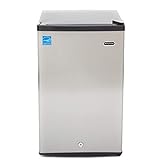
Whynter CUF-301SS Upright Freezer
- 3.1 cu ft compact body
- 57 pounds
- Reversible door with recessed handle
- Keyed cylinder lock with two keys
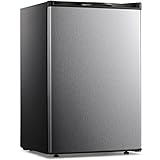
Kismile 3.0 Cu Ft Mini Upright
- 7-position thermostat
- Under 40 dB at 0.6 kWh per day
- Front-mounted control
- Adjustable feet

EUHOMY 3.0 Cu Ft Upright Freezer
- 5-level thermostat from -7F to 11F
- Reversible door
- Adjustable feet for uneven floors
Whynter takes the top slot on the strength of the deepest owner-review base in the group, a reversible door, a keyed lock and a stainless cabinet that tolerates a damp corner better than a painted steel box. The Kismile is the pick if your basement room is narrow or you run a dehumidifier on the same circuit and want the lowest draw. The EUHOMY earns its spot for freezing performance and a thermostat range wide enough for hunting-season temperatures.
Best Upright Freezers for Basements at a Glance in October
Every model below is a manual defrost upright, which is deliberate. Frost-free cycles generate heat and condensate inside the cabinet, and in a damp basement that combination is exactly where mold and drawer jamming show up first.
| Product | Specifications | Action |
|---|---|---|
| Whynter CUF-301SS 3.1 Cu Ft Upright |
|
Check Latest Price |
| Kismile 3.0 Cu Ft Mini Upright |
|
Check Latest Price |
| EUHOMY 3.0 Cu Ft Upright Freezer |
|
Check Latest Price |
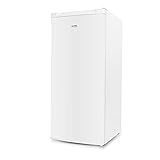 Commercial Cool 5.0 Cu Ft Upright Commercial Cool 5.0 Cu Ft Upright |
|
Check Latest Price |
 Maine 3.6 Cu Ft Compact Upright Maine 3.6 Cu Ft Compact Upright |
|
Check Latest Price |
 BANGSON 7.0 Cu Ft Convertible Upright BANGSON 7.0 Cu Ft Convertible Upright |
|
Check Latest Price |
 BLACK+DECKER BUF1000LW 10 Cu Ft BLACK+DECKER BUF1000LW 10 Cu Ft |
|
Check Latest Price |
 Hamilton Beach 11 Cu Ft Upright Hamilton Beach 11 Cu Ft Upright |
|
Check Latest Price |
 BODACIOUS 3.2 Cu Ft Mini Upright BODACIOUS 3.2 Cu Ft Mini Upright |
|
Check Latest Price |
 Upstreman 7.0 Cu Ft Upright Upstreman 7.0 Cu Ft Upright |
|
Check Latest Price |
Two patterns jump out. First, six of the ten carry a reversible door, which matters far more in a basement than in a kitchen because you rarely get to choose where the outlet goes. Second, every unit has some form of adjustable feet, because a poured concrete floor in an older house is rarely flat enough to trust.
1. Whynter CUF-301SS Upright Freezer – Best Overall for Basements
Whynter Upright Mini Freezer, 3.1 Cu Ft, Silver, CUF-301SS
3.1 cu ft capacity
19.5 W x 21 D x 33.5 H
57 lbs
3 shelves
100 watts
Pros
- Compact 3.1 cu ft body that fits tight corners
- Quiet compressor suited to rooms above
- Keyed cylinder lock with two keys included
- Reversible door with recessed handle
- 57 pound weight moves easily
Cons
- Manual defrost needs periodic thawing
- Only a one-year limited warranty
- Included ice cube trays are of limited use
The Whynter CUF-301SS is the default answer to this question, and the reason is depth of ownership rather than a single headline spec. It carries a 4.5 rating across 6863 owner reviews, the largest review base of any model in this roundup, which means the failure modes are well documented rather than hypothetical.
At 19.5 inches wide, 21 inches deep and 33.5 inches tall, it clears a typical basement utility closet with room to spare for airflow. The recessed handle and reversible hinge mean you can mount the door on either side, so a near-wall installation does not force the door open into the room.
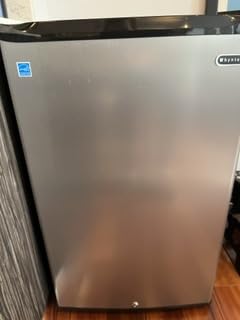
Two details matter more in a basement than in a kitchen. The stainless steel door and cabinet shell tolerate a humid corner better than a painted steel box, and the keyed cylinder lock means a shared basement or a rental unit can be secured without a padlock hasp.
The manual defrost design is the right call here. There is no defrost fan, no drip tray and no condensate drain to worry about in a damp room, which removes the mold risk that a frost-free drip tray creates in a damp room.
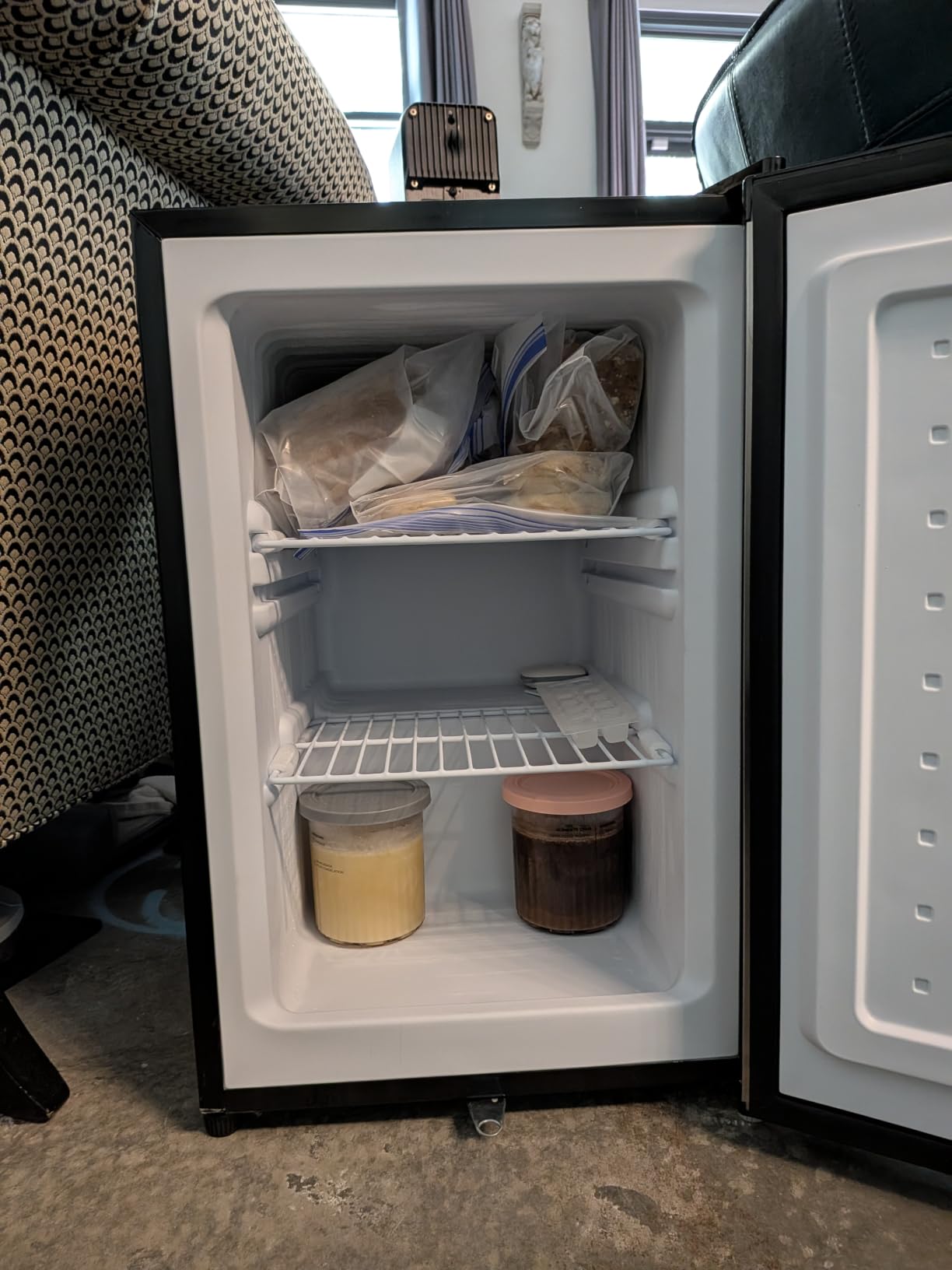
What works well in a damp basement
Owners consistently report a fast pull-down to temperature and a stable hold, and the stainless finish wipes down rather than absorbing moisture. The 100-watt draw is modest, and a cool basement reduces compressor runtime further, so this unit is a good match for a space that sits around 60 to 65 degrees year round.
The removable slide-out shelf is genuinely useful in a basement, where you reach in less often and want to see the bottom of the cabinet without unpacking it.
Where it falls short
Frost does build on the walls and shelves, and owners describe defrosting every few months in a humid room, sooner in a really damp one. Carry food upstairs or into a cooler, unplug, set towels down and wipe dry, which is a chore nobody enjoys doing on a concrete floor.
The one-year limited warranty is thin for an appliance you expect to keep for a decade or more. The two keys included are useful, but there is no interior light, so late-night basement inventory means carrying a flashlight.
2. Kismile 3.0 Cu Ft Mini Upright – Top Rated for Tight Utility Rooms
Kismile Small Freezer Upright, 3.0 Cu.ft Mini Freezer, Stainless Steel
3.0 cu ft capacity
20.5 W x 20.3 D x 31.7 H
46.3 lbs
2 shelves
90 watts
Pros
- 3.0 cu ft interior with two removable shelves
- Seven-position thermostat from -7.6F to 6.8F
- Under 40 dB at about 0.6 kWh per day
- Reversible door swing and adjustable feet
- Front-mounted control knob
Cons
- Thermostat sits at the rear on some builds
- Compressor hum is audible in very quiet rooms
- A few reports of units ceasing to cool early
The Kismile is the pick when the basement is the size of a closet and you are sharing a circuit with a dehumidifier or a sump pump. It draws about 0.6 kWh per day, the lowest daily figure published in this group, and it weighs 46.3 pounds so two people can carry it down a stairwell without a dolly.
The seven-position thermostat covers -7.6F to 6.8F. That range matters in a basement that doubles as a root cellar or a bulk meat room, because it lets you hold a working freezer temperature without overshooting into rock solid and thawing older packages.
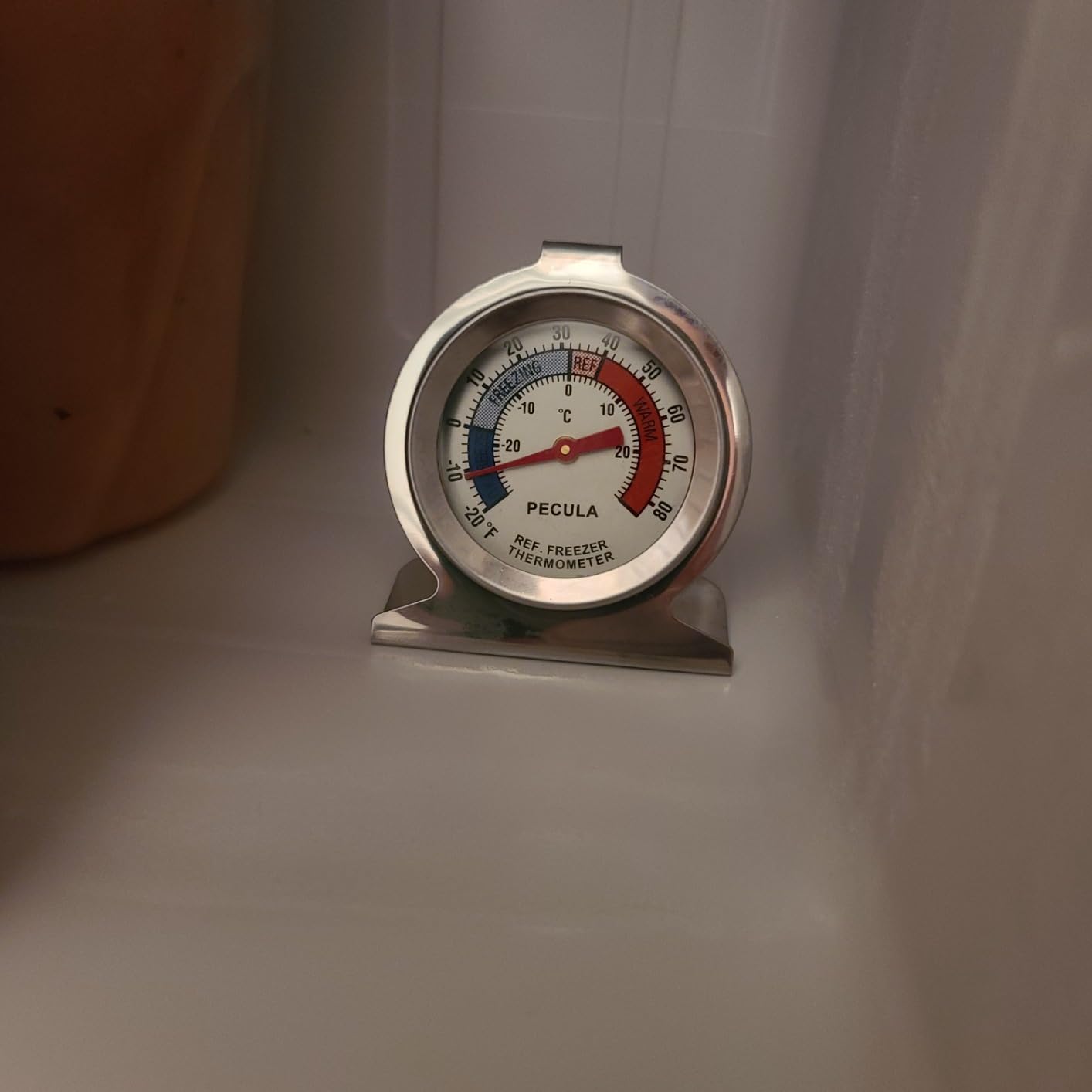
Both shelves are removable, which is more useful in a basement than it sounds. Pull a shelf and you can slide a flat tray of vacuum-sealed meat down to the bottom of the cabinet instead of trying to angle it past two fixed surfaces.
The reversible door and adjustable feet are both basement-critical. Most older homes have a floor that slopes slightly toward a sump, and adjustable feet are what keep the door gasket compressed against that slope so the compressor is not working against a permanent leak.
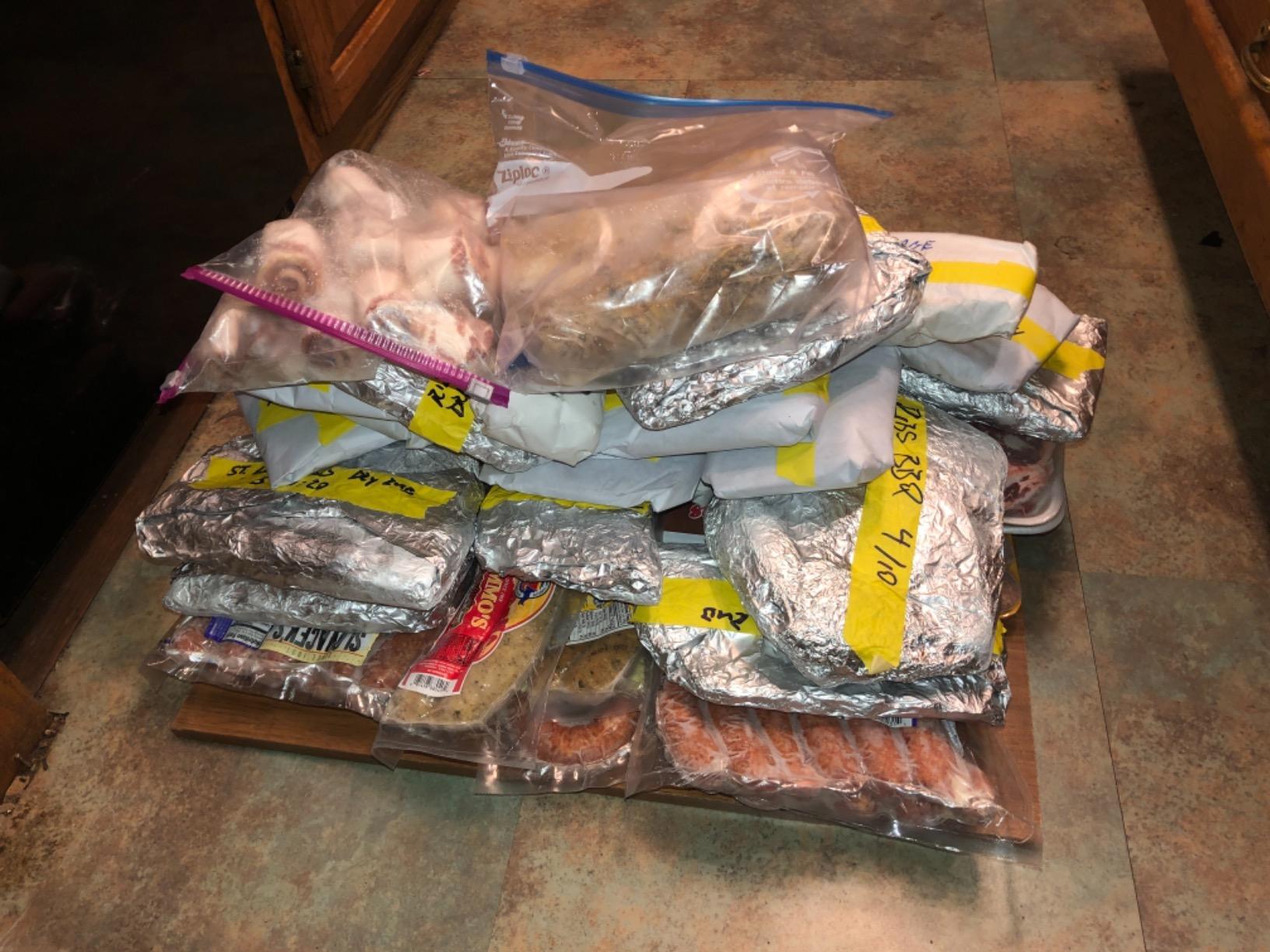
Why it earns the value slot
Owners report that this model runs quietly enough to sit in a finished basement near a bedroom ceiling without complaint, and the front-mounted control means you can read the setting without crouching into the cabinet. The energy figure is the strongest in the roundup for a compact unit, which compounds nicely in a cool room.
At 20.5 inches wide and 20.3 inches deep, it fits where a chest freezer of equal capacity would not, and it can be leveled on concrete without a riser block.
What to watch for
On some builds the thermostat is mounted at the rear of the cabinet rather than the front, which makes it awkward to reach once the unit is pushed back against a wall. Check the placement before you commit to a deep recess.
There is a small cluster of reviews describing units that stopped cooling within a couple of months. At a 4.4 rating across 2173 reviews the failure rate is clearly a minority, but on a basement install where a compressor failure means carrying everything upstairs, a surge-protected outlet is worth the small extra cost.
3. EUHOMY 3.0 Cu Ft Upright Freezer – Best for Bulk Storage and Hunting Temperatures
EUHOMY 3.0 Cu.ft Upright Freezer, Reversible Door Mini Freezer, Silver
3.0 cu ft capacity
20.1 W x 18.8 D x 31.5 H
54 lbs
2 shelves
UL listed
Pros
- Five-level thermostat from -7F to 11F
- Reversible door with a built-in handle
- Adjustable feet for uneven floors
- Upright shelves keep contents visible
- Fast freezing with no condensation drip
Cons
- Frost builds quickly and needs frequent defrosting
- No external temperature display
- Occasional reports of early unit failures
The EUHOMY is the one to shortlist if your basement is a hunting and bulk meat room rather than an overflow fridge. Its five-level thermostat runs down to -7F, and owners report it holding that temperature consistently without the swings that soften ice cream and dull game meat.
It is also the narrowest of the compact models at 18.8 inches deep, which makes it a better fit behind a finished wall or beside a furnace where the 20-plus inch depth of its rivals will not work.
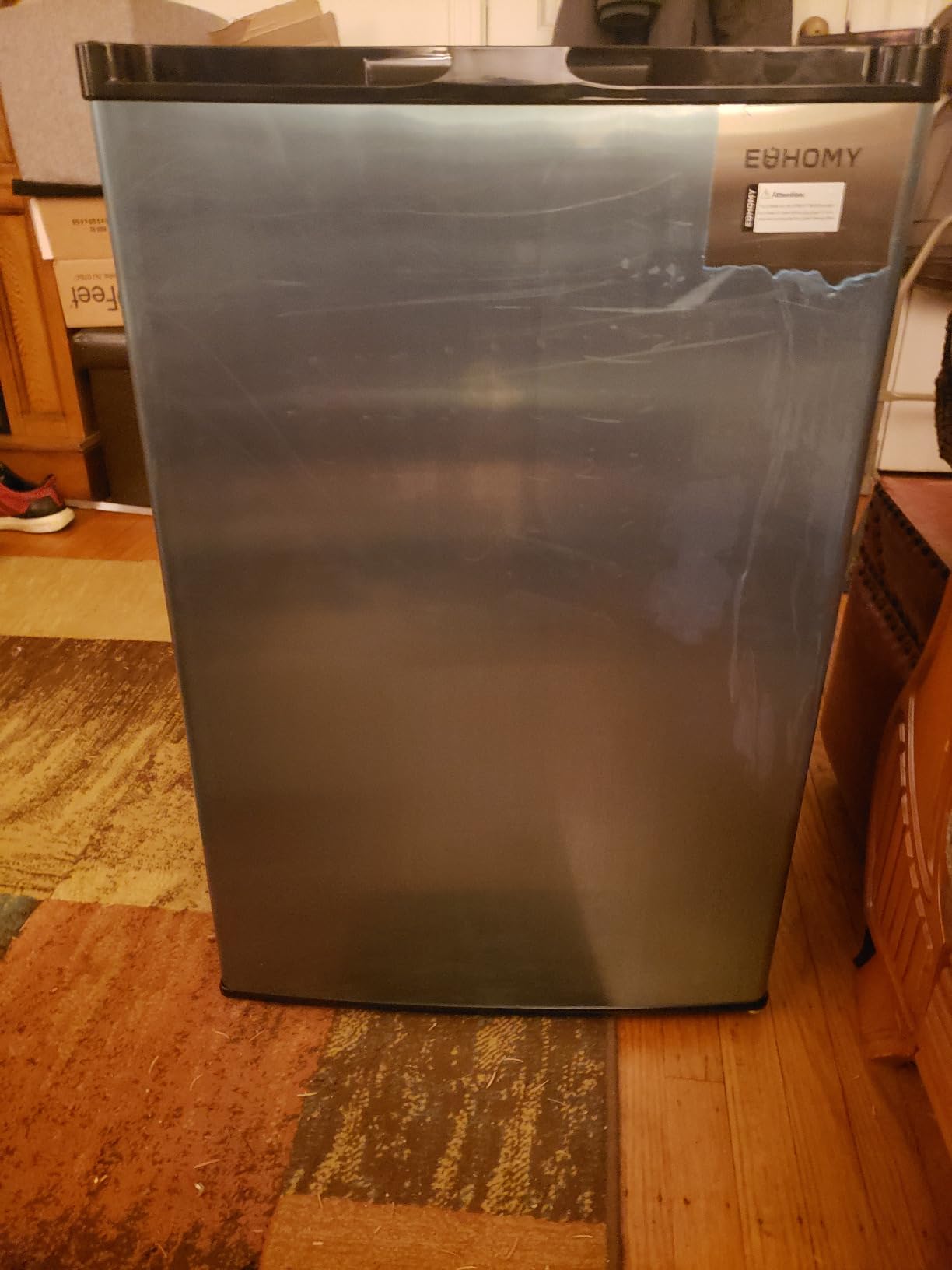
The 3D rapid cooling compressor pulls the cabinet down quickly, and the vertical shelf layout means you are not kneeling on concrete digging through a pile the way you would in a chest freezer. For a basement with a finished floor, that is not a small comfort.
Adjustable feet let you level it on concrete, and the reversible door means you can decide the hinge side after you see where the outlet and the door swing land.

Where it performs well
Owners value the fast, consistent freezing and report no condensation dripping inside the cabinet, which matters in a room where a puddle under an appliance would be a real problem. The wide thermostat range also lets you run it slightly warmer for overflow storage and colder for bulk meat without changing appliances.
At 54 pounds it is light enough for a two-person carry down a typical basement stairwell, and the compact 20.1 by 18.8 inch footprint leaves working room for airflow on all sides.
What to watch for
Frost is the recurring complaint. Owners describe aggressive buildup that needs defrosting every six months or more often in a humid room, and drawers or shelves can jam if the ice is left alone.
The temperature control lives inside the cabinet with no external display, so a cheap independent thermometer is a sensible add-on for a basement you do not walk past daily. A handful of reviews also report units failing within a month of delivery, so inspect the cabinet and confirm it holds temperature before you fill it.
4. Commercial Cool 5.0 Cu Ft Upright – Best for Corners and Utility Rooms
Commercial Cool 5.0 Cu. Ft. Upright Freezer, CCUL50W, White
5 cu ft capacity
21.5 W x 22.2 D x 47.8 H
4 wire shelves
150 watts
ETL
Pros
- Five cu ft across four full-width wire shelves
- Flat back and recessed handle for corners
- Reversible single door
- ETL certified with R600a refrigerant
- Adjustable leveling legs
Cons
- Manual defrost maintenance
- One-star reviews run at 9% here
- Manufacturer does not list a weight
At 47.8 inches tall this is a genuinely compact 5 cu ft cabinet, and the flat back is the feature that sells it for basements. Most household freezers have a bulge at the rear compressor housing that stops you sitting flush against a wall, and in a finished utility room that few inches is the difference between a tidy install and a gap.
The recessed handle follows the same logic. Nothing protrudes into the walking space, which matters on a basement stair landing where a sticking handle is something you catch your hip on carrying a load of frozen food up.
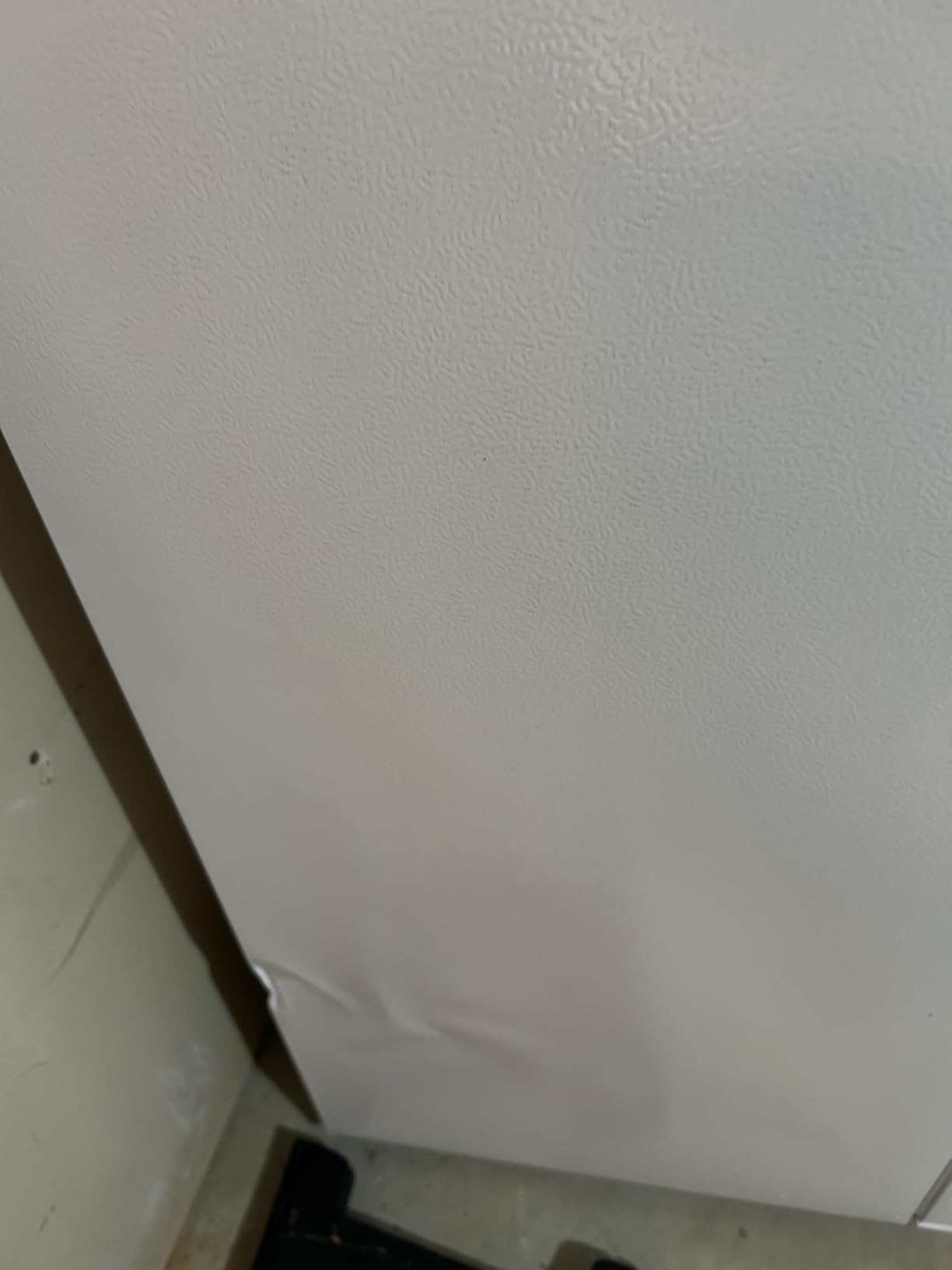
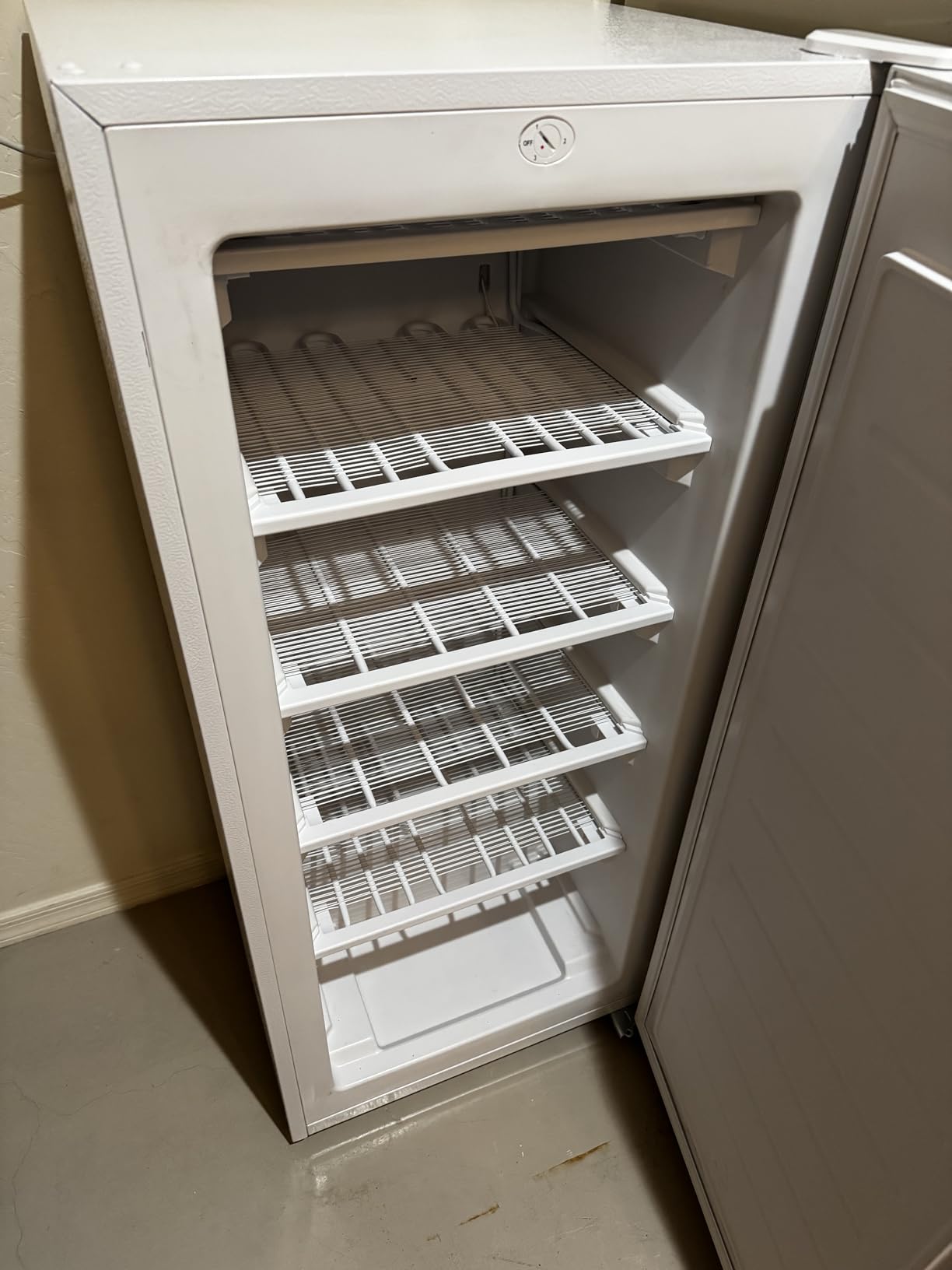
Four full-width wire shelves give you more usable shelf area than two or three shelves would, and wire racks let cold air circulate around stacked packages instead of trapping it against the back panel. That circulation advantage grows in a humid room, where pockets of stagnant air encourage frost on the walls.
Adjustable leveling legs are standard here and are the reason this model sits flat on older concrete. The reversible single door means the hinge can follow your outlet rather than the other way around.
What works well underground
ETL certification and R600a refrigerant put this unit in the same compliance class as the larger models, which is a reasonable baseline for an appliance that will sit near a concrete wall with occasional dampness. Owners also like the simple adjustable thermostat, which does not need a reference thermometer to interpret.
It is a good middle step between a 3 cu ft personal freezer and a 7 to 10 cu ft family cabinet, and the corner-friendly depth makes it a strong pick for a room where a wider model simply will not turn the corner.
What to watch for
Manual defrost means the same routine as every other unit on this list, and at 5 cu ft with full-width wire shelves there is more surface area to frost than in a three-shelf compact cabinet.
One-star reviews run at 9% here, a touch above the best-rated models in this group, and the manufacturer does not publish a shipping weight for this cabinet, so plan the stair carry with that uncertainty in mind. Check the height of your basement doorway against the 47.8 inch cabinet height before ordering.
5. Maine 3.6 Cu Ft Compact Upright – Best for Narrow Basement Corners
Maine 3.6 Cu. Ft. Small Upright Freezer, Compact Mini Freezer, Silver
3.6 cu ft capacity
18.5 W x 18 D x 33 H
44 lbs
3 shelves
R600a compressor
Pros
- 3.6 cu ft in an 18 by 18.5 inch footprint
- Three-position thermostat from 23F to -13F
- Operates as low as 40 dB
- Reversible stainless door with flush back
- 44 pound weight is easy to reposition
Cons
- Only three thermostat positions for coarse control
- One-star reviews sit at 13%
- Only two leveling feet are listed
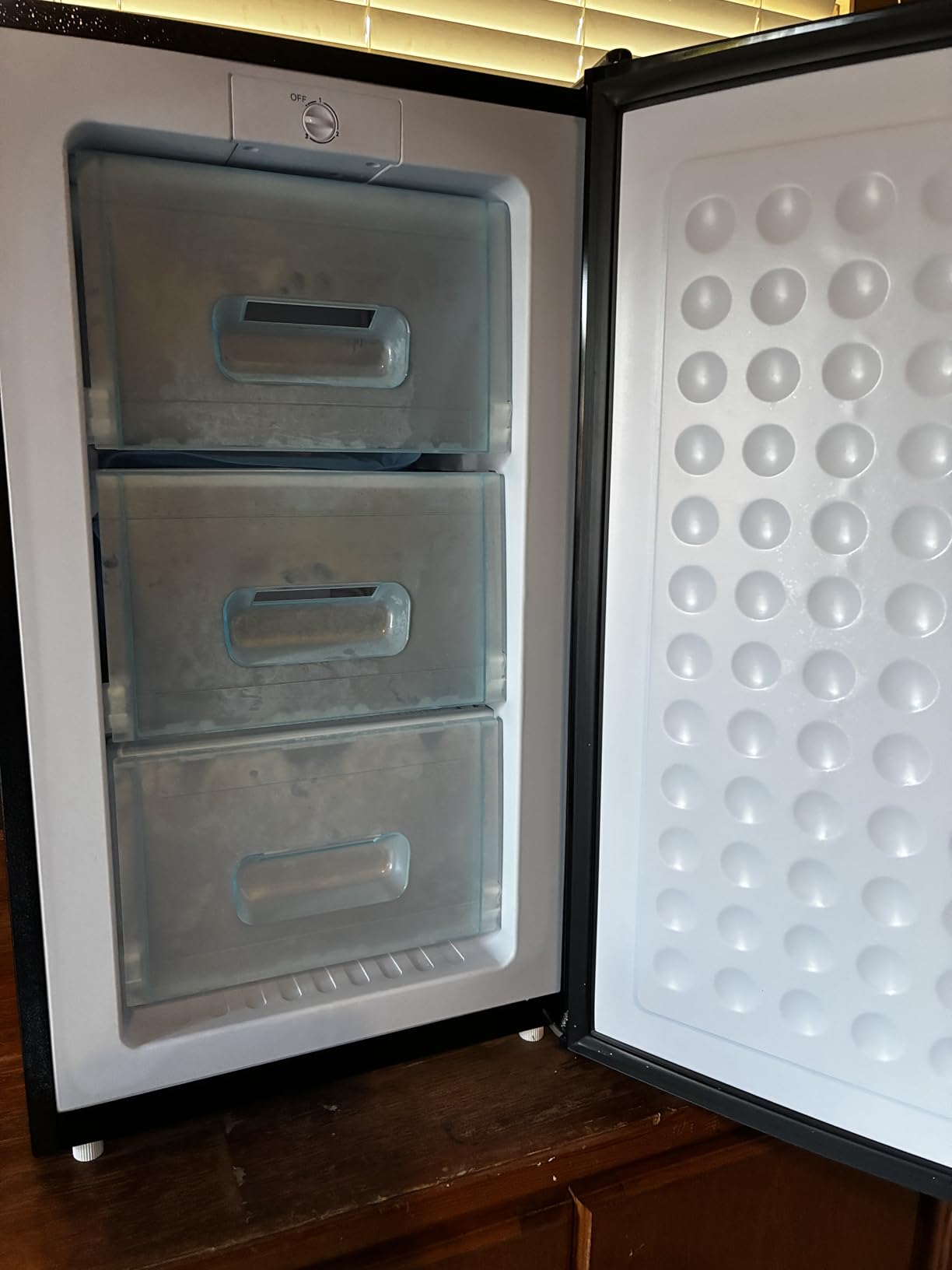
The Maine is the narrowest cabinet in the roundup at 18 inches deep and 18.5 inches wide, and it weighs 44 pounds. That combination makes it the easiest model here to carry down a set of basement stairs and the easiest to reposition later if you rearrange the room.
Buyers consistently point at the low operating noise and the easy-clean interior, and the three-position thermostat reaching -13F is enough for bulk meat storage even though it is a coarse control.
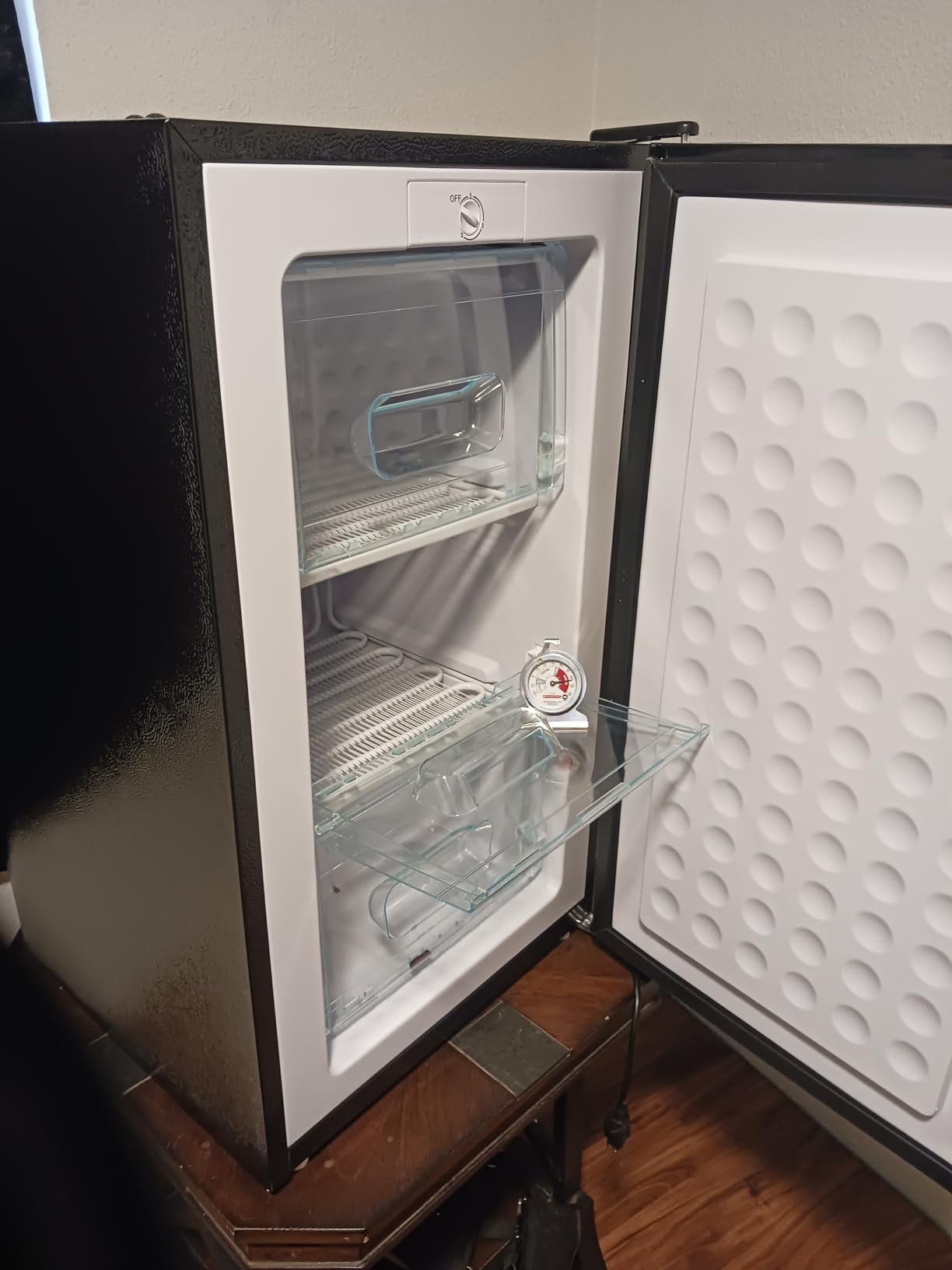
The R600a compressor is the same high-efficiency refrigerant used in the larger commercial-style cabinets in this group, and at 40 dB it is one of the quietest options available in a compact body. That makes it a reasonable pick in a finished basement where the ceiling sits directly above a bedroom.
The flush back and reversible stainless door both help with a tight corner install, and two adjustable feet let you correct a slight floor slope before you load the shelves.
Where it fits well
This is the model to choose when floor space, not capacity, is the binding constraint. An 18 by 18.5 inch footprint with a 33 inch height clears most basement alcoves, closets and the space beside a laundry stack, and the light weight means one person with a hand truck can move it.
Owners also like the low noise and the fact that the interior wipes clean, which matters on a concrete floor where crumbs and melted frost turn to grit.
What to watch for
Three thermostat positions is genuinely coarse. If you store ice cream, a range of 0F or below matters, and jumping between settings here means settling for somewhere in between. Add an independent thermometer if temperature precision is important to you.
One-star reviews sit at 13%, which is among the higher shares in this group, and only two leveling feet are listed, so a floor with a pronounced slope needs a shim at the front as well.
6. BANGSON 7.0 Cu Ft Convertible Upright – Best for Drawer-Based Organization
BANGSON 7.0 Cu.ft Upright Freezer, Convertible Freezer/Refrigerator, Silver
7 cu ft capacity
21.5 W x 23.5 D x 56.2 H
85 lbs
5 shelves and 3 drawers
Pros
- Seven cu ft in a 21.5 by 23.5 inch footprint
- Switches between freezer and refrigerator modes
- Five shelves plus three pull-out drawers
- Interior light and quiet running
- Reversible door with a removable seal
Cons
- Drawer fronts are often reported broken on arrival
- Transit damage such as dents and scratches
- Published clearance figures conflict
The BANGSON is the best-organized cabinet in the roundup, with five shelves and three pull-out freshness drawers inside a 7 cu ft body. Drawer-based storage is the reason people move from a chest freezer to an upright, because you can slide a tray out and find what you need without unstacking everything above it.
The convertible mode is the other headline. It runs as a freezer from -7.6F to 6.8F and as a refrigerator from 38F to 47F, which makes it useful as overflow produce storage in a finished basement during harvest season.
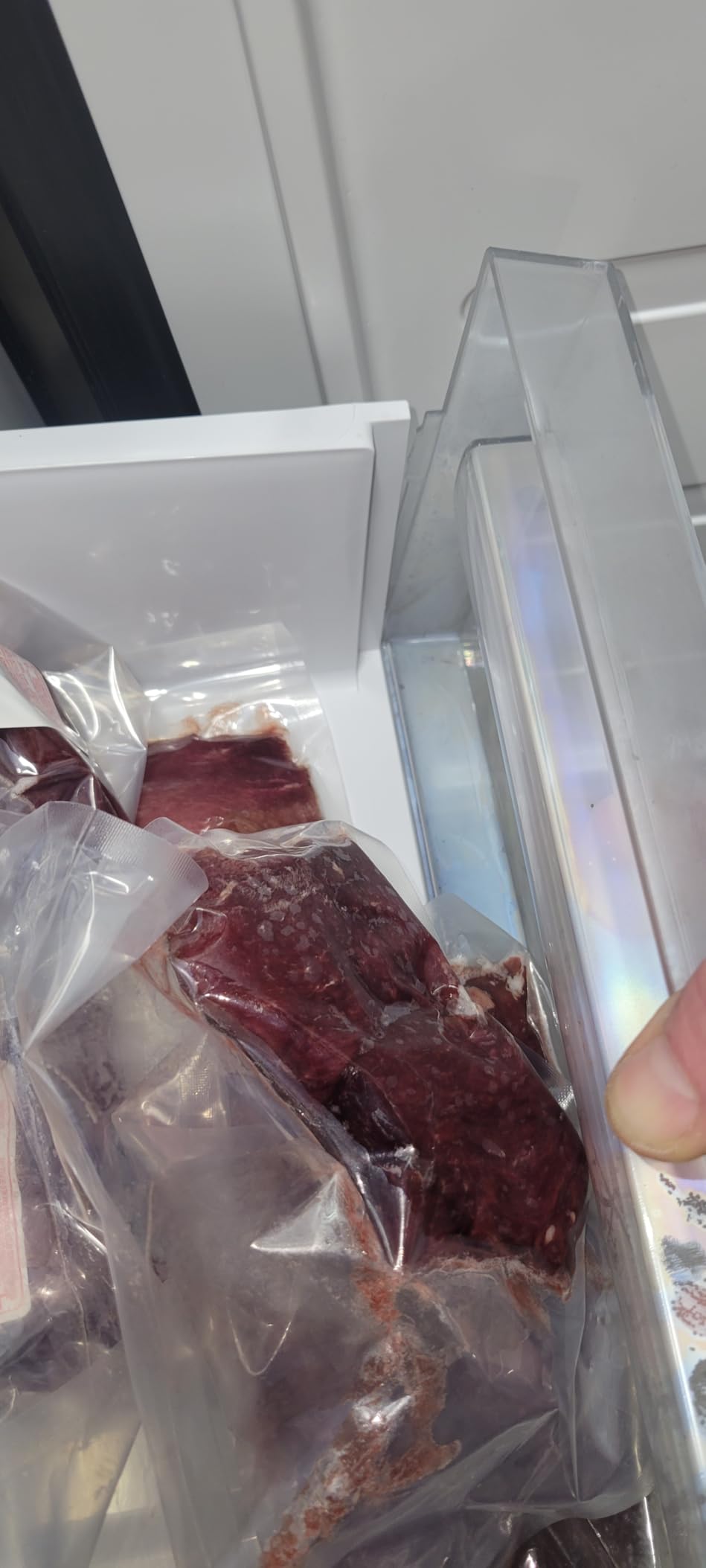
At 21.5 inches wide by 23.5 inches deep, the footprint is narrow for a 7 cu ft unit, so it fits a basement corner that would reject a 24-inch cabinet. The interior light is a genuine bonus in a room with one dim bulb, and the removable door seal is a nice touch in a humid basement where gasket replacement is more likely.
Two pulleys, leveling feet, an ice tray and a defrost tool are included, which is more than most cabinets at this capacity bother to supply.
What works well in a basement
Owners like the quiet running and the fact that nothing gets buried, and the pull-out drawers make a basement freezer practical for daily use rather than a place you stock once and forget. For a household that meal-preps on Sundays, that difference is substantial.
The reversible door and leveling feet handle the two most common basement installation problems, and the narrow depth leaves clearance for airflow on a concrete floor.
What to watch for
Transit damage is the dominant complaint. Drawer fronts are frequently reported arriving broken with the clips detached, and dents and scratches show up despite foam packaging, so inspect the drawers and the cabinet skin before you accept delivery and before you install the unit.
Published clearance figures for this model conflict between sources, so measure your wall gap against the widest number you can find rather than the smallest. One reviewer also reported a unit that was not built for the US electrical market, so confirm the plug and voltage are 110 volt before ordering.
7. BLACK+DECKER BUF1000LW 10 Cu Ft Upright – Best for Bulk Meat and Game Storage
BLACK+DECKER 10 Cu. Ft. Upright Freezer, BUF1000LW, White
10 cu ft capacity
23.4 W x 29.7 D x 58.3 H
114.6 lbs
3 shelves
ETL listed
Pros
- 10 cu ft capacity for family bulk storage
- Three full-width shelves and four door bins
- Mechanical dial control is simple and reliable
- Built for temperature-controlled basement rooms
- Manual defrost with little ice buildup
Cons
- Right-side hinge only so the door cannot be reversed
- 114.6 pounds makes it a two-person carry
- One-star reviews run at 13%
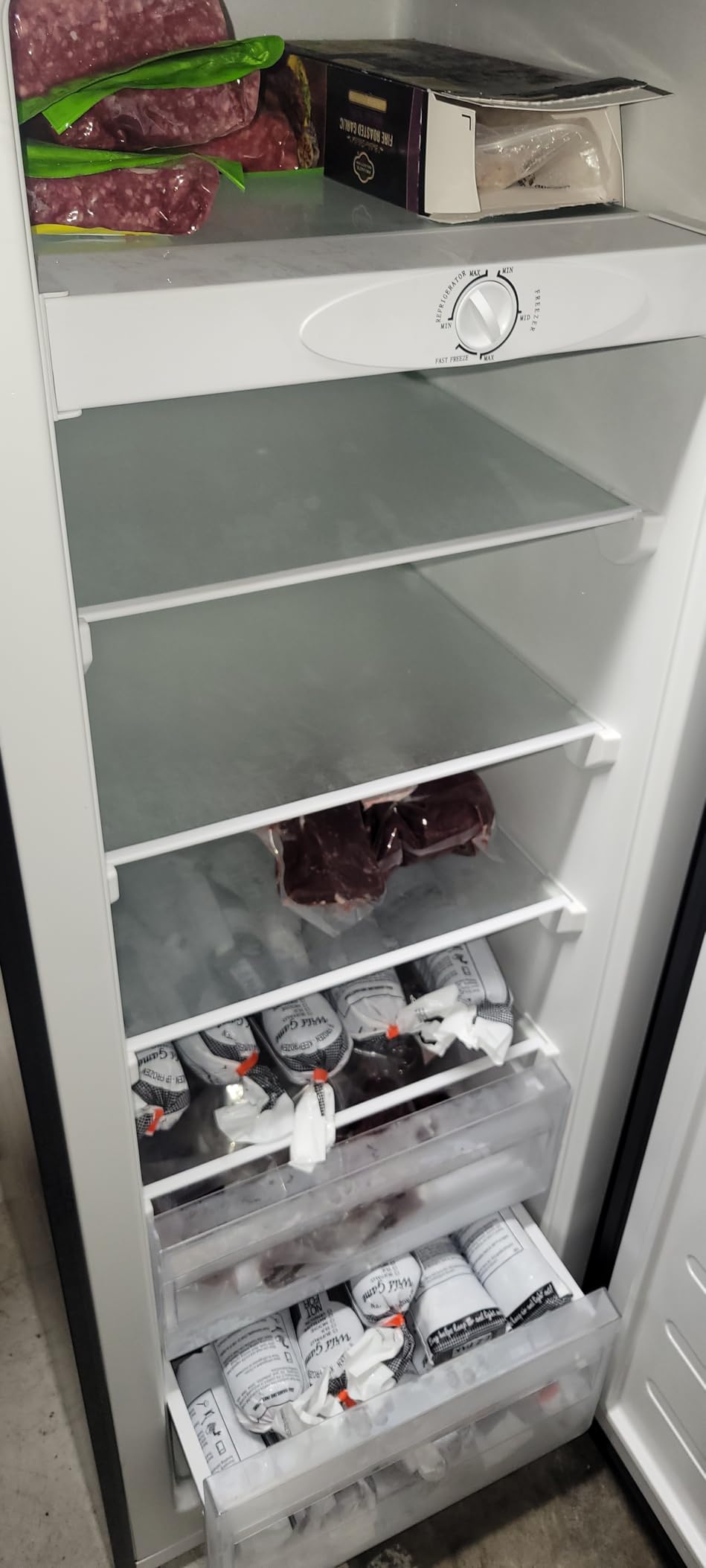
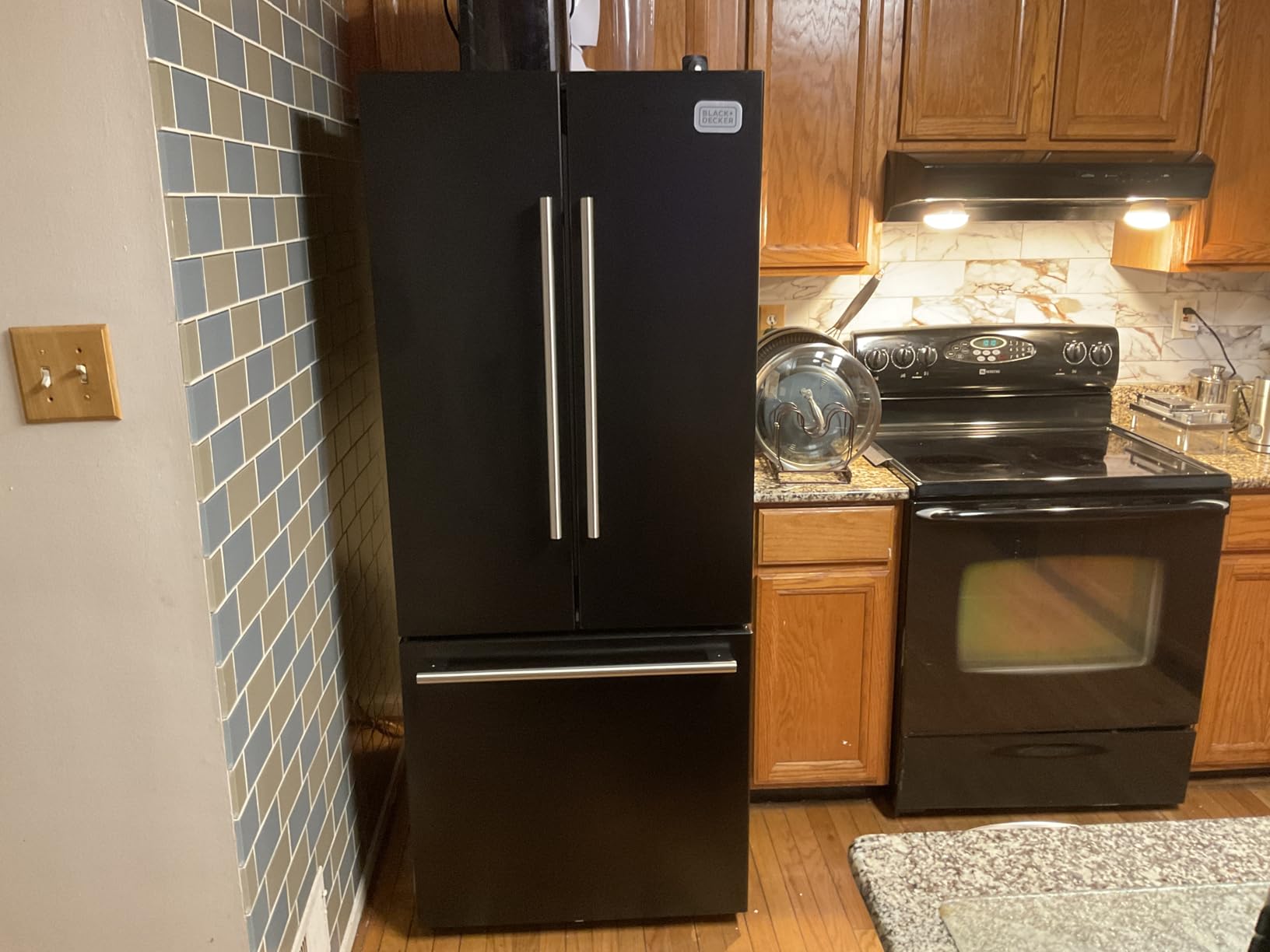
If you buy a half cow, fill the freezer after a hunt, or run a household of five or more, capacity is the deciding factor and the BLACK+DECKER BUF1000LW brings 10 cu ft into a full-size cabinet that fits a normal basement wall run. Owners specifically call out its usefulness in a temperature-controlled basement or garage.
Three full-width shelves plus four door bins give you a place for flat, stacked packages, which is how bulk meat is actually stored. Vacuum-sealed bricks of beef stack cleanly on a full-width shelf in a way that they will not in a small cabinet with three narrow racks.
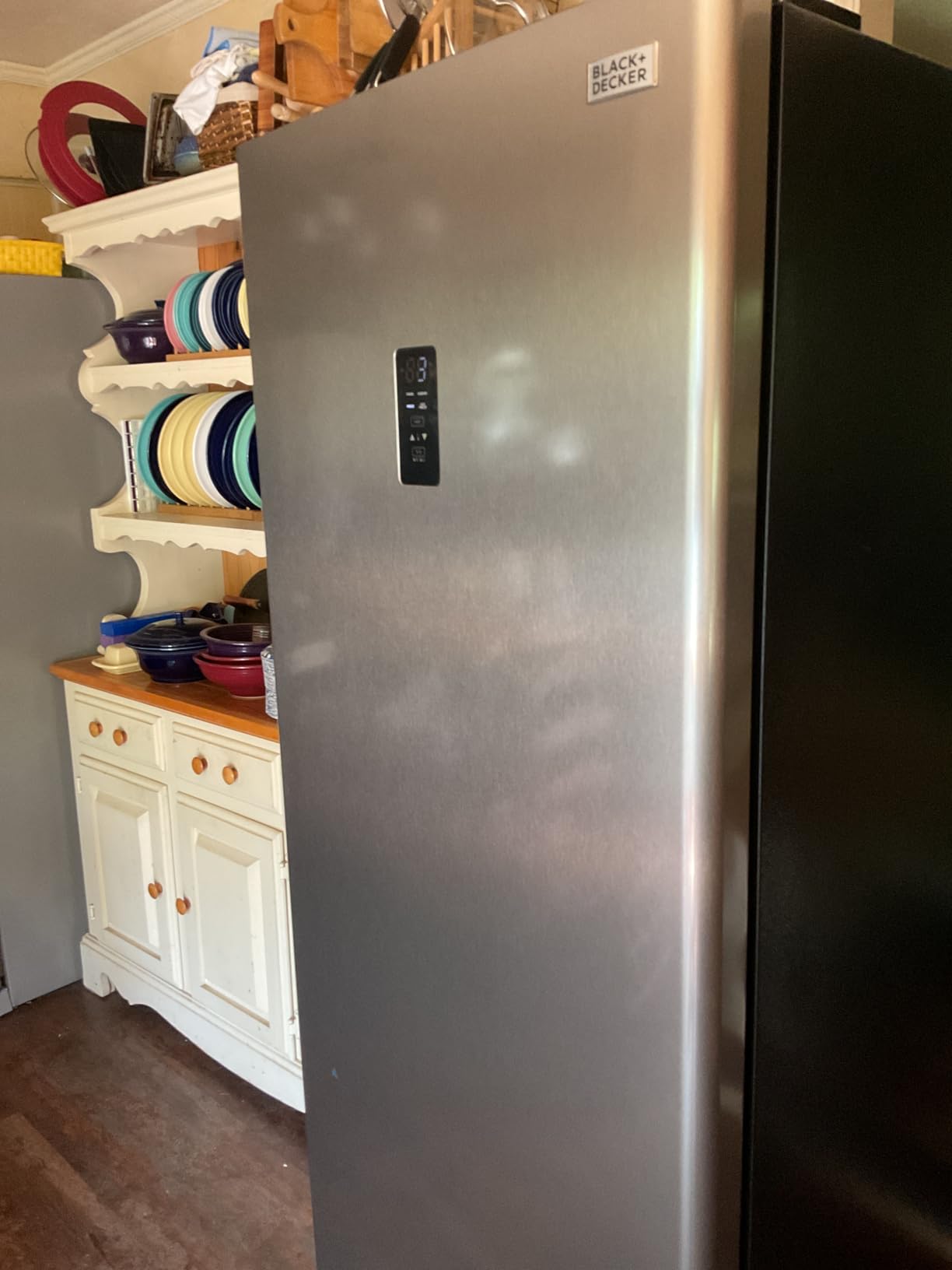
The mechanical dial temperature control has no electronics to fail, and the manufacturer describes the manual defrost design as producing little to no ice buildup, which lines up with owner reports and cuts down on basement defrost chores.
It is ETL listed, and it is explicitly positioned for basement and utility room installation, which is unusual for a cabinet this size and worth noting when you are filtering a shortlist.
Why it wins the bulk storage slot
Ten cubic feet is roughly triple the capacity of the compact models here and enough to hold a serious volume of bulk meat without a second commercial chest freezer. The 58.3 inch height also means wide flat shelves, so a whole load of packages fits on one level rather than needing deep stacking.
For a finished basement with a clear wall run, this is the unit that actually replaces the old garage freezer, and the four door bins keep small items visible rather than buried under a load of meat.
What to watch for
The hinge is fixed on the right and cannot be reversed. In a basement that matters more than in a kitchen, so check the door swing and the room layout before you order, because a door that opens into a staircase is a daily annoyance.
At 114.6 pounds this is a two-person carry down stairs with a hand truck, and you should measure the stairwell turning radius as well as the doorway width. The 29.7 inch depth is also the deepest in the group, so plan the wall clearance and airflow gap accordingly.
8. Hamilton Beach 11 Cu Ft Upright – Best for Maximum Frozen Food Volume
Hamilton Beach HBFRF1100, 11 cu ft, Upright Freezer, White
11 cu ft capacity
23.6 W x 24.2 D x 67 H
132 lbs
7 clear drawers
115 volts
Pros
- Eleven cu ft is the largest capacity in this roundup
- Seven clear plastic organizing drawers
- Runs very cold with readings near -20F
- Adjustable legs keep a tall cabinet level
- A major brand with a responsive service network
Cons
- Door is extremely tight and can drag the cabinet forward
- Flimsy handle and no interior light
- Usable drawer space falls well under the 11 cu ft figure
The Hamilton Beach HBFRF1100 holds 11 cu ft, the largest capacity in this roundup, and it is marketed directly for basements, garages and dorms. If you want one appliance to cover a year of bulk buying, this is the volume play.
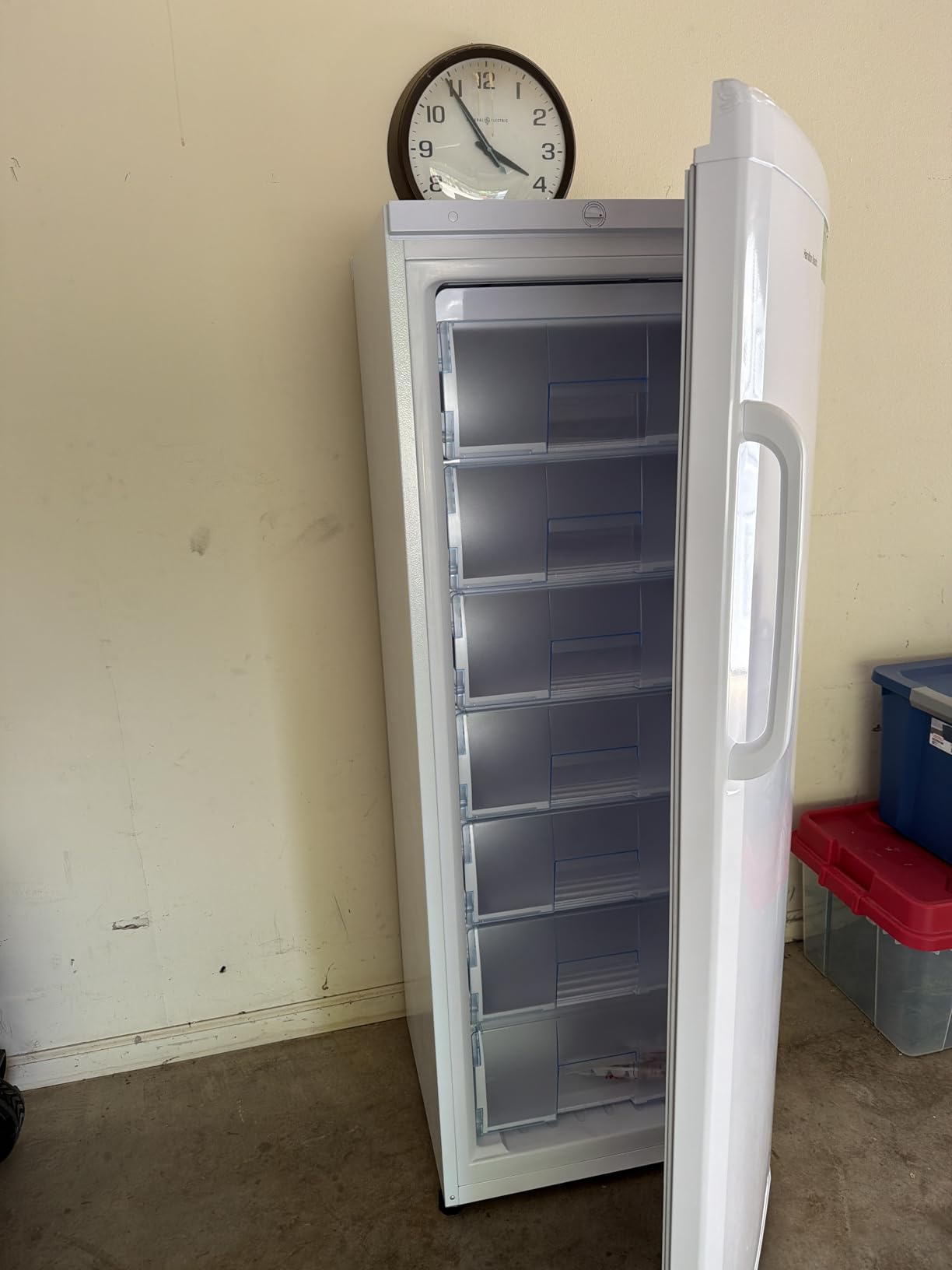
Seven clear plastic drawers make sorting easy, and owners report running the cabinet very cold, with thermometer readings around -20F, which is more than enough for long-term meat storage.
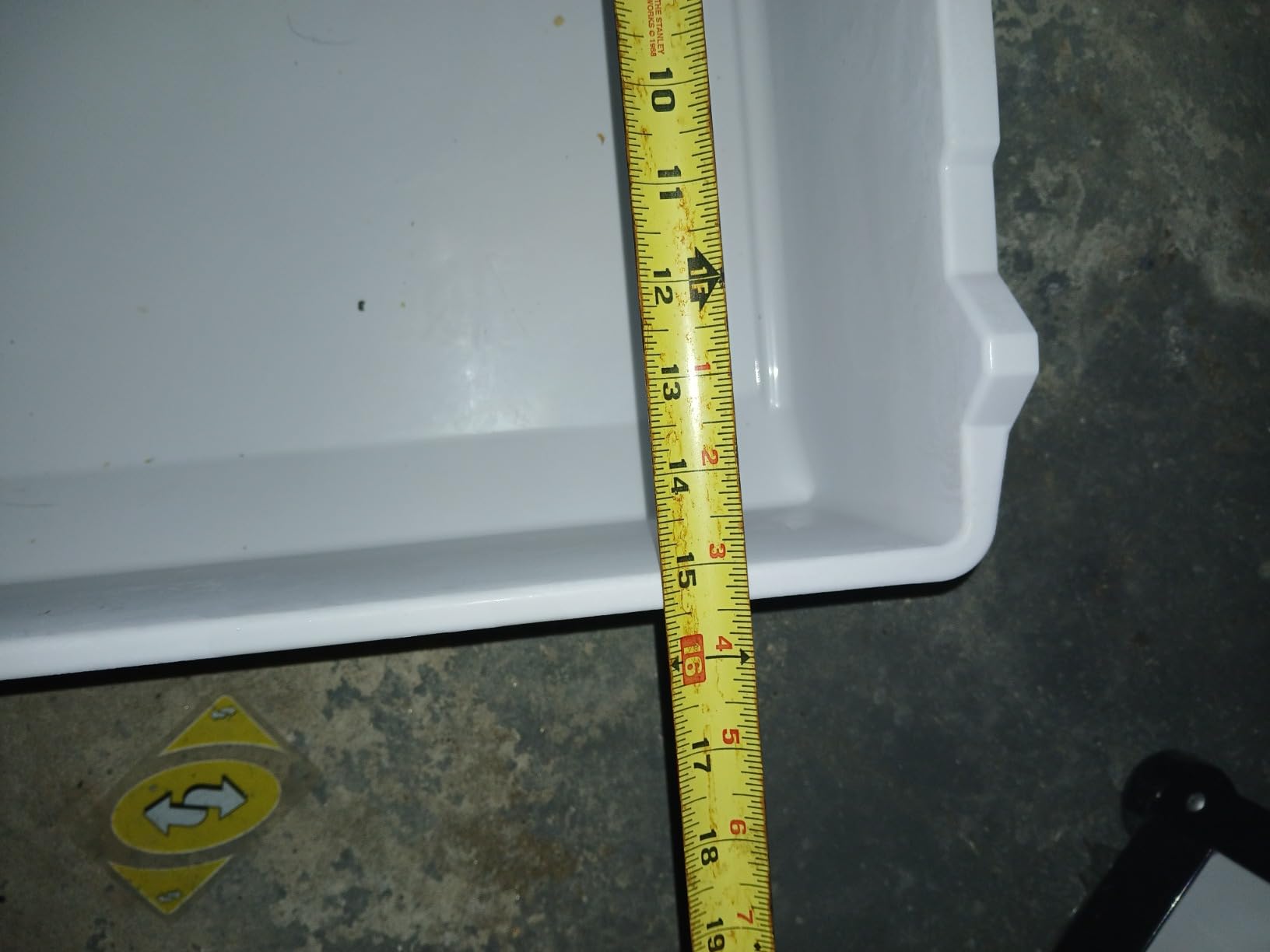
Adjustable legs matter more on a 67 inch tall cabinet than on any other in the group. A tall body on a slightly sloped basement floor amplifies the lean, and the legs are what keep the door gasket sealed rather than letting the compressor fight a permanent gap.
Being a major appliance brand with an established service network is a real advantage for a unit expected to run for a decade in a space where a compressor failure means a long carry upstairs.
Where the capacity pays off
Eleven cubic feet is enough to stock a season of hunting, a split animal share and normal weekly shopping in one cabinet, and the drawer layout keeps small items separated from bulk packages. For a household that buys once a month at a warehouse store, that is the difference between one trip and two.
The low internal temperature also makes it a good fit for ice cream and soft-serve style frozen desserts that a 3 cu ft personal freezer struggles to hold.
What to watch for
The door is the most common complaint. Owners describe it as extremely tight, and on a light cabinet a stiff door can pull the whole unit forward when you pull hard, which is exactly the tip-over scenario forum owners warn about on uneven basement floors.
Usable drawer space is well under the advertised 11 cu ft once you account for drawer walls and shelf spacing, and the flimsy plastic handle is difficult to assemble. There is also no interior light, and one-star reviews run at 15%, the highest share in this roundup. Inspect the cabinet and handle assembly on arrival.
9. BODACIOUS 3.2 Cu Ft Mini Upright – Best for RVs, Dorms and the Smallest Spaces
BODACIOUS 3.2 Cu.Ft Mini Freezer – Compact Upright Small Freezer – Silver
3.2 cu ft capacity
18.5 W x 17.5 D x 32.8 H
44 lbs
3 shelves
ETL
Pros
- Narrow 17.5 by 18.5 inch footprint
- 44 pound weight moves easily
- Under 40 dB with 4D cooling
- Reaches -13F in about 12 hours
- Three shelves rated 10 lbs each
Cons
- Manual defrost needs periodic thawing
- 3.2 cu ft is a small total capacity
- No external temperature display is listed
The BODACIOUS is the smallest footprint in the roundup at 17.5 by 18.5 inches, and it is listed for drop-in, freestanding, under-counter and countertop installation. That makes it the pick for a basement alcove, a finished bar area, or a small utility room where a 20-inch cabinet will not fit.
At 44 pounds it is a one-person move for most adults, which is the single biggest practical advantage in a basement where the delivery path is a staircase.
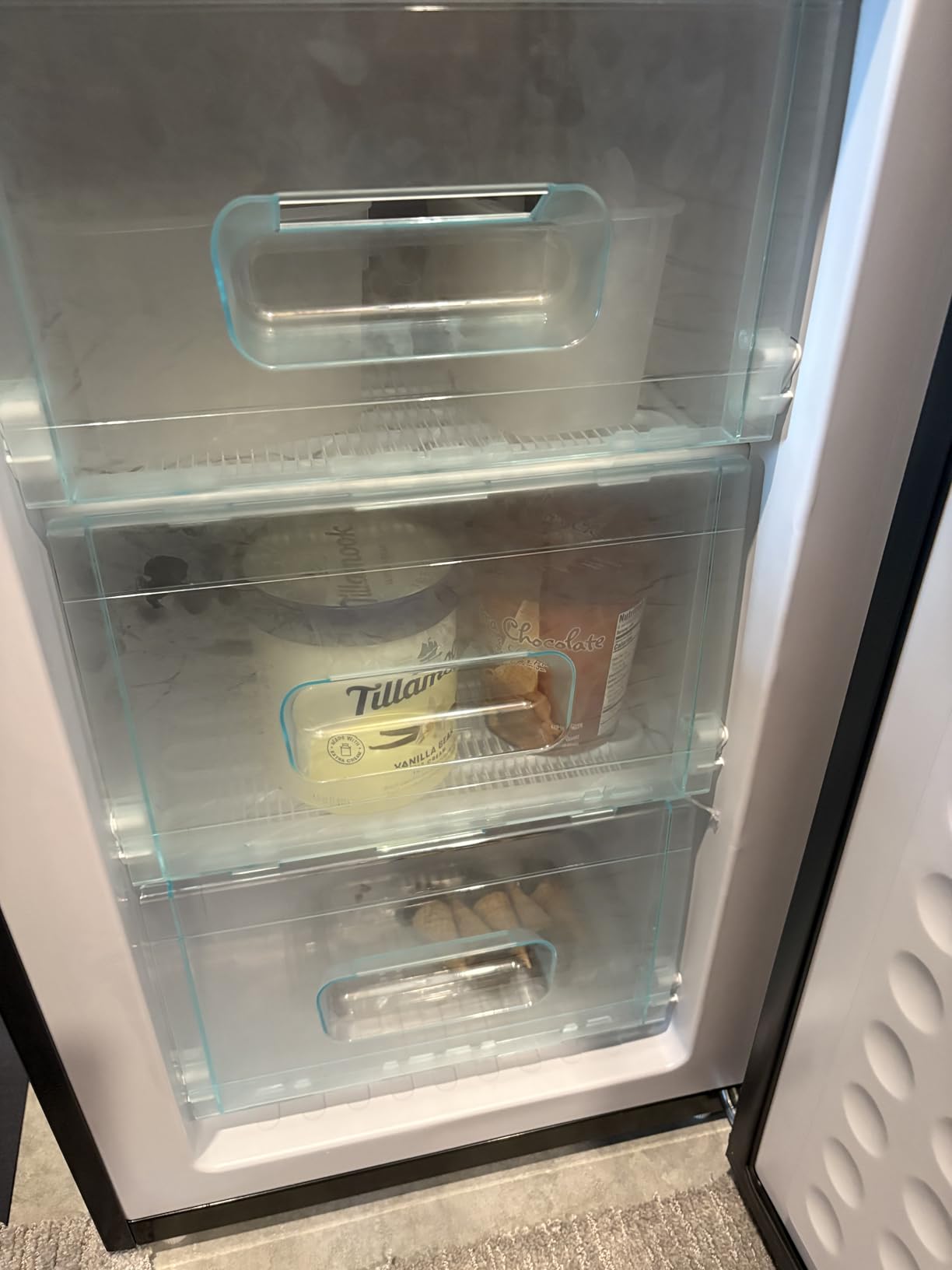
Owners highlight the quick deep-freeze performance, reaching -13F in about 12 hours, and the 4D cooling system that spreads cold air around the cabinet rather than creating hot spots against the back wall. Quiet operation under 40 dB also suits a finished space.
Three shelves rated at 10 pounds each with transparent baffles are a nice detail in a small unit, because the baffles stop strong-smelling fish from migrating onto your ice cream.
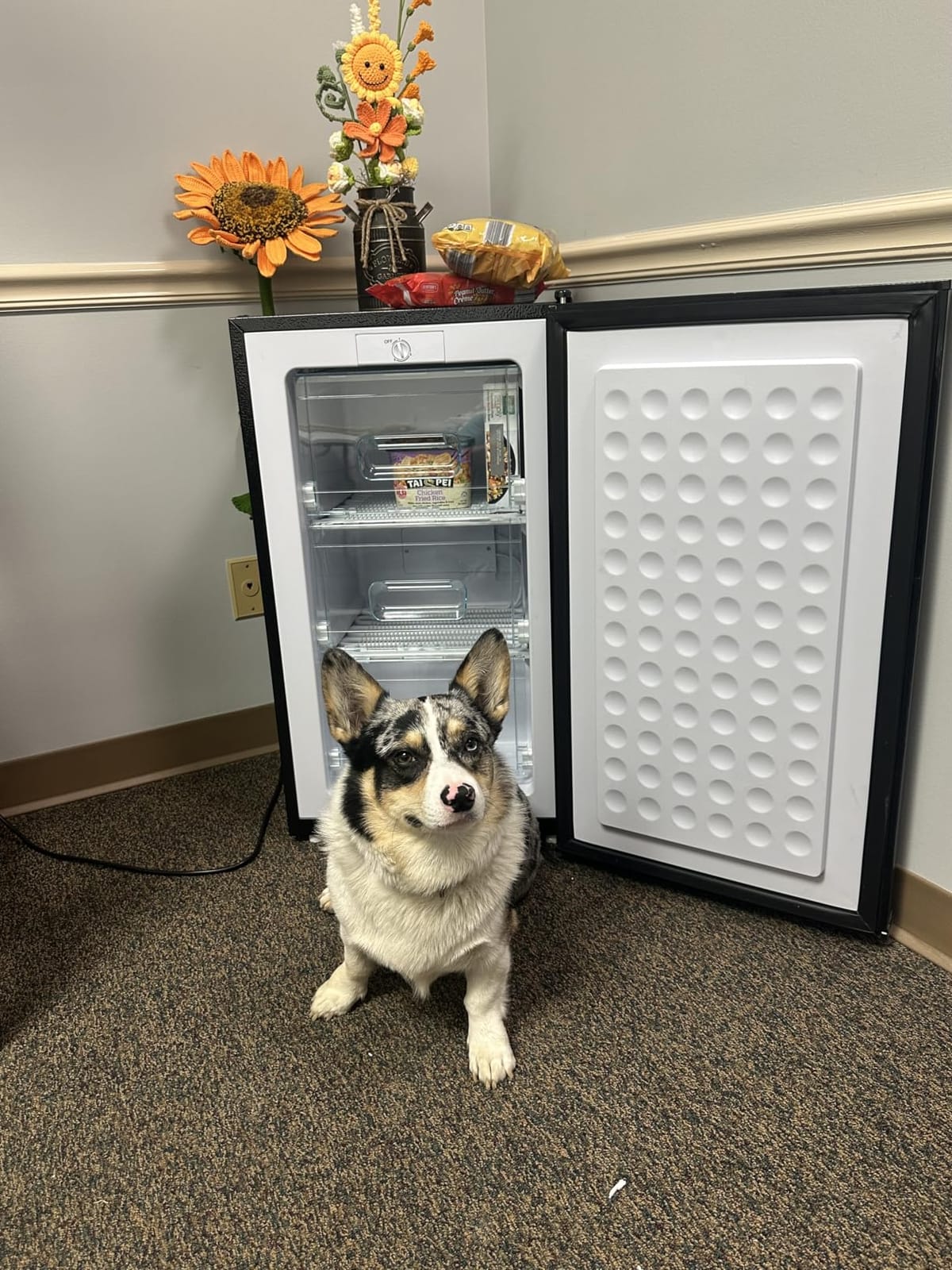
What works well in a small space
Two adjustable feet and a reversible stainless door handle the uneven-floor and door-swing problems cheaply, and the ETL certification gives it the same compliance baseline as the larger commercial-style cabinets here.
For overflow storage, a vacation cache, or a basement that also serves as a rental or guest space, 3.2 cu ft is enough to matter without taking over a wall.
What to watch for
Manual defrost is the recurring drawback, and at 3.2 cu ft the walls frost quickly. Budget for a defrost routine every few months, more often in a damp room.
This is a small total capacity, and no external temperature display is listed, so add an independent thermometer if you plan to store ice cream or long-term bulk meat. It is a compact supplement to your kitchen freezer rather than a replacement for one.
10. Upstreman 7.0 Cu Ft Upright – Best Convertible Freezer and Refrigerator Combo
Upstreman 7.0 Cu.Ft Upright Freezer, Large Capacity Stand Up Black Freezer
7.0 cu ft capacity
21.3 W x 22.8 D x 56 H
5 glass shelves
0.89 kWh per 24 hours
Pros
- Seven cu ft in a 21.3 by 22.8 inch footprint
- Switchable freezer and refrigerator ranges
- Five glass shelves plus a crisper drawer
- Very quiet running with upright visibility
- Reversible door with flush back and leveling feet
Cons
- No interior lighting
- Some reports of a unit going dead within a year
- Missing leveling feet and transit damage mentioned
The Upstreman is the second convertible in this roundup and the quieter of the two. It switches between a freezer range and a refrigerator range, so the same cabinet handles frozen storage in winter and produce overflow during harvest season.
Owners specifically value that items are not buried the way they are in a chest freezer, and the 21.3 by 22.8 inch footprint keeps 7 cu ft in a cabinet that is only 56 inches tall.
The five removable glass shelves and a crisper drawer give it the best internal visibility in the group, and glass shelves are easier to wipe clean than wire, which matters when condensation forms on a humid day. The flush back, recessed handle and leveling feet all suit a tight basement wall run.
At about 0.89 kWh per 24 hours, the published draw sits below the mid-size cabinets here, and a cool basement trims it further.
Where it earns a place
The reversible door, flush back and adjustable leveling feet are all the features you want when the outlet location is decided by the basement layout rather than by you. The quiet running makes it workable in a finished room where a louder compressor would be a complaint.
Users switching from a chest to an upright prioritize visibility and organization, and this cabinet delivers both without the drawer breakage reports we saw on the BANGSON.
What to watch for
There is no interior lighting, and several buyers call that out directly. In a dim basement you will be reaching in with a flashlight to find the back of a shelf.
One owner reported a unit arriving without a leveling leg and support refusing to send the missing part, which is worth guarding against by inspecting the feet on arrival. There are also a few reports of a unit going dead inside a year, so confirm the compressor runs for 24 hours before you load it. Transit damage is mentioned by a small number of buyers as well.
Do You Actually Need a Garage-Ready Freezer for a Basement?
Usually no, and this is the question that gets answered backwards most often. Garage-ready means a unit is certified to operate across a wider ambient range, typically down to single-digit ambient temperatures, because a garage can get as cold as a refrigerator or as hot as a car interior. A conditioned basement rarely swings like that.
What actually happens when a non-garage-ready compressor sits in a very cool room is straightforward. The cabinet thermostat holds 0F, the room sits at 55F, and the compressor never gets a long enough off cycle to drop its internal temperature, so it runs close to continuously. Owners on appliance forums report this exact behaviour, along with the shorter service life that comes with it.
The exception is an uninsulated, unheated basement that approaches 45F or lower in winter. At that point a standard unit runs almost nonstop and you are buying a compressor that never rests. A wider ambient range, or in Frigidaire’s case an installable heater kit that keeps the cabinet itself above its minimum, solves the problem. Owners on r/Appliances also point out that GE and Beko build genuine garage-ready models while other brands take the retrofit route.
Humidity is a separate variable from temperature and deserves its own decision. None of the ten models here carries a specific humidity rating, so manage the room instead: leave airflow clearance, avoid pushing the cabinet flush against a damp cinder block wall, and run a dehumidifier if your basement reads above roughly 60 percent relative humidity.
How Much Clearance Does an Upright Freezer Need in a Basement?
Plan on leaving air on the top, back and both sides. Most manufacturers specify something in the range of 1 to 2 inches at the top and sides and 2 or more inches at the back, and this is not optional: airflow is what keeps the evaporator and the compressor from working against a stagnant pocket of warm air.
In practice that means a 19.5 inch wide cabinet like the Whynter needs a 22 to 24 inch wall gap, and a 23.4 inch wide cabinet like the BLACK+DECKER needs closer to 26 inches. Measure the finished wall, not the framing.
Also allow the door swing. A reversible door is only half the solution, because the hinge still needs a clear arc and a wall behind it. On a tight landing a door that swings into the stairwell is a daily problem, and in our experience it is the most common reason people regret a basement freezer placement.
Finally, anchor the cabinet. A light cabinet on a sloped concrete floor can shift when you pull the door open, which is the tip-over scenario homeowners describe repeatedly in basement threads. A wall anchor strap or a bracket at the top rear costs very little and removes the risk entirely.
Frost-Free or Manual Defrost in a Damp Basement?
For a basement, manual defrost is usually the better choice, and this is the opposite of the usual appliance advice. A frost-free freezer runs a heating element on a timer, which means more heat inside the cabinet, more energy use, and a drip tray that has to evaporate the resulting water.
That water is the problem. In a humid basement the condensate tray may not fully evaporate, and owners have reported standing water, mold growth and drawer jamming as a direct result. Manual defrost cabinets have no fan, no heater and no drain, which removes the entire failure mode.
The trade-off is honest work. A manual unit needs a defrost every few months in a dry room and more often in a damp one, and that means unplugging, moving food, thawing and wiping dry. If your basement is reliably between 40 and 55 percent humidity and you have a plan for the defrost day, manual is the quieter, cheaper, more durable choice.
All ten models in this roundup are manual defrost, which is why the lineup is coherent rather than padded.
Electrical Setup for a Basement Freezer
Basements are where electrical problems surface, because the room is often on a small circuit, often damp, and often far from the panel. Four things matter.
Dedicated circuit. A 10 or 11 cu ft compressor draws meaningful current on start-up. Sharing a circuit with a dehumidifier, a sump pump, a space heater or a chest freezer is how breakers trip at 2am with a full freezer. Put the freezer on its own 15 amp circuit if you possibly can.
GFCI protection. Any outlet within a certain distance of a sink or in an unfinished basement space is required to be GFCI protected. This is a safety requirement, not an upgrade, and it is also the cheapest insurance against a shock in a damp room.
Surge protection. Basements take power hits during storms and utility switching, and compressors are vulnerable to voltage spikes. A heavy-duty surge protector on the outlet costs little relative to a replacement compressor and a full load of food.
Outlet position. Install the outlet high enough that a flood or a washdown cannot reach it, and position it so the cord reaches without stretching the cabinet away from the wall. Stretching a cord to make it fit is how the door gasket loses compression and the compressor works harder forever.
If outages are common where you live, remember the rule of thumb on food safety: a full freezer holds safe temperatures for roughly 48 hours unopened, and a half-full one for about 24. A cheap appliance thermometer in a glass of water lets you judge the real state of your food instead of guessing.
Humidity, Condensation and Rust in a Basement
Condensation on a freezer cabinet is not a defect, it is physics. A cold steel surface in warm humid air collects moisture on the outside, and the same moisture that forms there can sit in a cabinet seam and eventually lift the finish.
Four habits handle most of it. Leave the stated airflow clearance so warm air can move past the cabinet. Keep a few inches between the back panel and a cinder block or poured concrete wall. Run a dehumidifier if the room reads high, and wipe condensation off the doors and side panels during a heavy-humidity spell rather than letting it dry onto the finish.
Do not park the cabinet directly under a stack of outdoor equipment or a dehumidifier drain pan, and do not store cardboard or newspaper against the cabinet. Organic material against a cold steel wall traps moisture against the finish and invites rust bloom.
There is one interaction worth calling out. Basement homeowners have reported that a freezer pulling warm moist air through its condenser adds enough latent moisture to a tight basement to affect engineered flooring upstairs. If your finished basement has a floor you care about, run a dehumidifier on the same circuit the freezer is not on, and keep the relative humidity below roughly 60 percent.
Getting the Freezer Down Basement Stairs
This is where most basement freezer plans fail, and it is a delivery problem rather than a product problem. Every manufacturer ships the cabinet upright, and every manufacturer says the same thing: do not lay it on its side. Laying a compressor cabinet down forces refrigerant and oil into the wrong part of the system, and the manufacturer’s warranty language generally excludes that damage.
Work through the path in this order. Measure the narrowest point of the route, which is usually the basement doorway, and compare it against the cabinet width rather than the depth. The Whynter at 19.5 inches wide and the BODACIOUS at 18.5 inches pass through doorways that will reject the 23.4 inch BLACK+DECKER.
Next, measure the stairwell. You need the ceiling height on the diagonal, the landing depth, and the turning radius at any corner. A 67 inch tall cabinet like the Hamilton Beach needs a genuinely straight run, while a 33 inch cabinet like the Whynter or Maine can pivot on a landing.
Then plan the carry. Anything above about 100 pounds needs two people and a hand truck with stair treads, and above 130 pounds you want a third person spotting from below. Remove the door if the hinge will not clear a handrail, and rehang it once the cabinet is in place, which is far easier than forcing the box through a tight turn.
Finally, inspect before you sign. Transit damage on large cabinets shows up as dented skins, cracked drawer fronts and broken handles, and the BANGSON and Upstreman reviews both document exactly that. Photograph the cabinet on arrival, check the door gasket all the way around, and confirm all adjustable feet are present before the delivery team leaves.
How Many Cubic Feet Do You Need?
Capacity sizing is simpler than most guides make it sound. A household of one or two needs 3 to 4 cu ft for overflow and weekend cooking. Three to five people, or anyone who bulk buys meat, wants 5 to 7 cu ft. Families splitting an animal, hunting seasonally, or running a homestead want 10 cu ft or more.
Rule out the middle, though. Anything between 5 and 7 cu ft is the awkward middle of the market, and the two 7 cu ft models here offer the best organization in the roundup. A 5 cu ft cabinet gives you volume without the shelf real estate for drawers.
Two basement-specific capacity notes. First, only about three quarters of the advertised cubic feet is usable as storage space once door bins, drawer walls, evaporator housing and clearance are accounted for, and the Hamilton Beach reviews document that gap concretely. Second, a basement cabinet gets loaded seasonally, so err toward the larger size, because the cost of a second trip to the butcher shop is higher than the cost of unused capacity.
If you are still building out a larger kitchen setup, our guide to upright freezers for large families covers the higher-capacity end in more detail, and commercial worktop freezers covers the small-footprint commercial route if your basement doubles as a prep space.
Reliability and Brand Reputation for Long Basement Service
An upright freezer is a 15 to 20 year purchase that spends its whole life in a room you visit twice a week, so reliability data beats feature lists. Long-term ownership reports carry far more weight here than a lab spec.
Appliance forum owners report Frigidaire upright freezers lasting 20 years or more, with GE and Whirlpool also well regarded. There is a well-known example of a 1989 Kenmore upright still in daily use, and owners of Kenmore Coldspot units describe them the same way. That kind of longevity is the reason the mechanical-control, no-fan design on most of the models here still makes sense.
The counterpoint is that community consensus and lab testing disagree. Forum owners repeatedly warn against LG and Samsung specifically for freezers, citing compressor failures despite favourable lab ratings, and that pattern shows up in the small minority of early-failure reviews on the compact models in this roundup.
Warranty length is the more reliable signal available to a buyer. Every model here carries a one-year parts and labor warranty, with the BODACIOUS adding lifetime technical support. That baseline tells you little, so weight repairability and parts availability instead. A mechanical thermostat and a standard compressor are serviceable for decades, while a sealed electronic control board is not.
Two brands in this roundup are worth naming for a basement specifically. GE and Beko build genuine garage-ready models, and Frigidaire sells installable heater kits rather than a garage-ready badge. If your basement is unheated, that difference decides the purchase before any feature does.
How We Evaluated These Freezers for Basement Use
Every model here was scored against the same five basement criteria, weighted in this order. Dimensional footprint and weight, because the cabinet has to fit the doorway, the stairwell and the wall gap. Defrost type, because a frost-free drip tray in a humid room is a mold risk. Adjustable feet and door hinge direction, because uneven concrete and a fixed hinge cause tip-over and gasket failure. Certified operating range and refrigerant type. And warranty length, as a rough proxy for how long the manufacturer expects the electronics to survive.
Owner-review volume and rating were used as a tiebreaker rather than a driver, since a 4.5 from 6863 reviews and a 4.5 from a few hundred reviews are not the same signal. We preferred models with a large owner base precisely because the basement-specific failure modes, drawer breakage, transit damage, missing feet, dead compressors, show up there and nowhere else.
Numbers quoted in this article come from published manufacturer spec sheets, energy guide figures and verified owner reviews. Where a figure was not published, for example the shipping weight of the Commercial Cool cabinet, we said so rather than estimating. If a manufacturer’s manual and its listing disagree on clearance, we used the larger number.
You can read the compact-capacity picks in our upright freezer guide if your basement storage plans are still forming, but everything on this list was chosen with a basement in mind.
Frequently Asked Questions
What is the best freezer for a basement?
A manual defrost upright freezer with a reversible door, adjustable leveling feet, a wide ambient operating range and a stainless or vinyl-coated cabinet is the best type for a basement. Our pick is the Whynter CUF-301SS for most homes, the Kismile 3.0 Cu Ft for a very tight utility room, and the BLACK+DECKER BUF1000LW for bulk meat and game storage. Avoid frost-free models in damp basements because the condensate drip tray can mold.
Which brand is the most reliable for upright freezers?
Appliance forum owners most often name Frigidaire upright freezers as lasting 20 years or more, with GE and Whirlpool also well regarded. There is a documented example of a 1989 Kenmore upright still in daily use. What matters most in a basement is repairability, so favour a mechanical thermostat and a standard compressor over a sealed electronic control board, since sealed boards are rarely serviceable.
What freezer brand to stay away from?
Appliance forum owners repeatedly advise against LG and Samsung for freezers specifically, citing compressor failures despite favourable third-party lab ratings. In the models reviewed here, early unit failures show up as a small minority of one-star reviews on the Kismile, EUHOMY and Upstreman rather than a category-wide problem, so warranty length and repairability are better buying signals than brand reputation alone.
Which upright freezer is best according to Consumer Reports?
Lab testing and long-term owner reliability do not always agree. Owner communities consistently report LG and Samsung compressor failures that lab ratings do not predict, while Frigidaire, GE and Whirlpool are praised for service life. For a basement specifically, the gaps that lab scores miss are the reversible hinge, adjustable feet, certified ambient range and whether the cabinet is built to tolerate dampness. Check those four before you check any rating.
Can you put a regular upright freezer in an unheated basement?
Yes, if the basement stays above roughly 50 degrees. A standard compressor in a cool room holds its cabinet temperature but never gets a long enough off cycle, so it runs nearly continuously and ages faster. If your basement drops into the 40s in winter, you need a wider ambient operating range. GE and Beko build genuine garage-ready models, while Frigidaire offers an installable heater kit for the same problem.
How do I get a freezer down basement stairs?
Keep the cabinet upright, because laying a compressor on its side can force refrigerant and oil into the wrong part of the system. Measure the narrowest point of the route, usually the basement doorway, against the cabinet width, then measure the stairwell ceiling height on the diagonal and the landing depth. Use a hand truck with stair treads and two people above about 100 pounds, and remove the door if the hinge will not clear a handrail.
Final Verdict on the Best Upright Freezers for Basements
For most households, the Whynter CUF-301SS is the freezer to buy. It is small enough for a utility closet, light enough for two people to carry down stairs, reversible so the door can follow your outlet, lockable if the basement is shared, and it carries the deepest owner-review base in the group at 4.5 stars across 6863 reviews.
Choose the Kismile 3.0 Cu Ft instead when the room is genuinely tight or you want the lowest energy draw, the Upstreman or BANGSON 7.0 Cu Ft when organization and drawers matter more than absolute capacity, and the BLACK+DECKER BUF1000LW or Hamilton Beach 11 cu Ft when you are stocking bulk meat, hunting game or a season of warehouse shopping.
Whichever you choose, budget an hour for the room rather than the appliance. Confirm the doorway width, check the stairwell diagonal, put the freezer on its own GFCI-protected circuit with a surge protector, level all four feet, leave the airflow clearance, and anchor the cabinet to the wall. A freezer that is badly placed in a basement is a nuisance every single day for a decade, and a freezer that is well placed feels invisible.
That is our complete ranking of the best upright freezers for basements in 2026. We update this list whenever the owner-review data shifts, and the fastest way to know whether a model suits your specific room is to check the dimensions against your doorway and stairwell first.