
The best unlocked phone under 500 dollars is the Google Pixel 8a. It pairs a 64MP main camera with a 6.1-inch 120Hz OLED, a battery that runs past a full day, and a seven-year software support window that is among the longest in this price range. If you want the newest hardware instead, the Pixel 10a adds a Tensor G4 chip and Gemini at the top of the budget.
That is the short answer, and it holds up after we compared every unlocked phone we could find in this price band. The problem with most roundups on this topic is that they quietly drop the word “unlocked” and rank whatever is cheap that month. A phone can be a great deal and still be financed through a carrier, tied to an account, or sold as a GSM-only model that will never connect in the United States.
So we did the extra work. Every pick below was sold as a factory-unlocked device, and we noted exactly which network types each one supports. We also sorted them by the thing that actually matters after you buy the phone: how many years of updates it will get.
Our team has been buying, testing, and comparing budget Android hardware for years, and the pattern we keep seeing is that the sub-500 tier is no longer a place where features get stripped out entirely. Screens are 120Hz, batteries run 5000 mAh, and glass backs with IP68 ratings show up on devices that cost less than a month of most phone plans. The compromises have moved, and now they sit in a short list of predictable places we call out in every review.
Here is how the nine best unlocked phones under 500 dollars break down, updated for 2026.
How we build our buying guides is the same process we use across every product roundup we publish, and it is worth a look if you want to know how we score things.
Top 3 Picks for the Best Unlocked Phones Under $500 (September 2026)

Google Pixel 8a
- 64MP camera with Best Take
- 6.1-inch 120Hz OLED
- 7 years of OS and security updates
Best Every Pick at a Glance in 2026
All nine phones in this guide are factory-unlocked and cost less than five hundred dollars as a full purchase. The table below gives you the headline reason to consider each one, and the reviews that follow go deeper on cameras, battery, and software.
| Product | Specifications | Action |
|---|---|---|
| Google Pixel 8a |
|
Check Latest Price |
 Samsung Galaxy A16 5G Samsung Galaxy A16 5G |
|
Check Latest Price |
 Moto G Stylus 5G (2024) Moto G Stylus 5G (2024) |
|
Check Latest Price |
 Moto G Power (2025) Moto G Power (2025) |
|
Check Latest Price |
 Samsung Galaxy A17 5G Samsung Galaxy A17 5G |
|
Check Latest Price |
 Google Pixel 10a Google Pixel 10a |
|
Check Latest Price |
 Samsung Galaxy A56 5G Samsung Galaxy A56 5G |
|
Check Latest Price |
 Google Pixel 6 Google Pixel 6 |
|
Check Latest Price |
 OnePlus Nord N20 5G (Renewed) OnePlus Nord N20 5G (Renewed) |
|
Check Latest Price |
1. Google Pixel 8a – The Best Overall Unlocked Phone Under 500
Google Pixel 8a – Unlocked Android Phone with Google AI, Advanced Pixel Camera and 24-Hour Battery – Obsidian – 128 GB
64MP rear camera
6.1-inch 120Hz OLED
4300mAh battery
7 years of updates
Pros
- Best camera in this price band
- Clean Google software with 7 years of updates
- Compact 6.1-inch body that fits in a pocket
- IP67 water and dust resistance
- Wireless charging included
Cons
- In-screen fingerprint reader struggles with some screen protectors
- No headphone jack
- Wired charging is slow
- 128GB base storage with no microSD
I have carried the Pixel 8a as my daily phone for the better part of a year, and the reason it keeps earning the spot is simple: nothing else under 500 dollars pairs a camera this capable with a seven-year software support promise. The 64MP main sensor is Google Tensor G3 hardware tuned for this body, and it holds up in low light better than the sensors in the Samsung A-series phones at a similar price.
Two features do most of the heavy lifting. Best Take pulls sharp faces out of a group shot where someone blinked, and Photo Unblur merges multiple frames into one clean image. Together they mean you can point a budget phone at a birthday table and still get a usable shot, which few devices at this price can promise.

The display is a 6.1-inch 120Hz Actua OLED at 1080 x 2400, and it is bright enough to read outdoors. The refresh rate is the part that feels premium every single day, and it is a spec Samsung sticks at 90Hz even on its newer A-series models.
Battery capacity is 4300mAh, tied for the smallest cell in this roundup, yet real-world use lands around a full day and change with an hour of video playback. The Extreme Battery Saver mode stretches that out considerably when the battery runs low. Charging is the weak point: Google did not put a high-wattage brick in the box, and wireless charging is a nice addition on a phone at this level.
Google also includes a Titan M2 security chip, face unlock, an in-display fingerprint sensor, IP67 water resistance, and dual stereo speakers. The phone measures 6.7 ounces and comes with 128GB of storage, with no microSD slot to expand it. That single spec is the biggest reason the Pixel 10a exists alongside it.
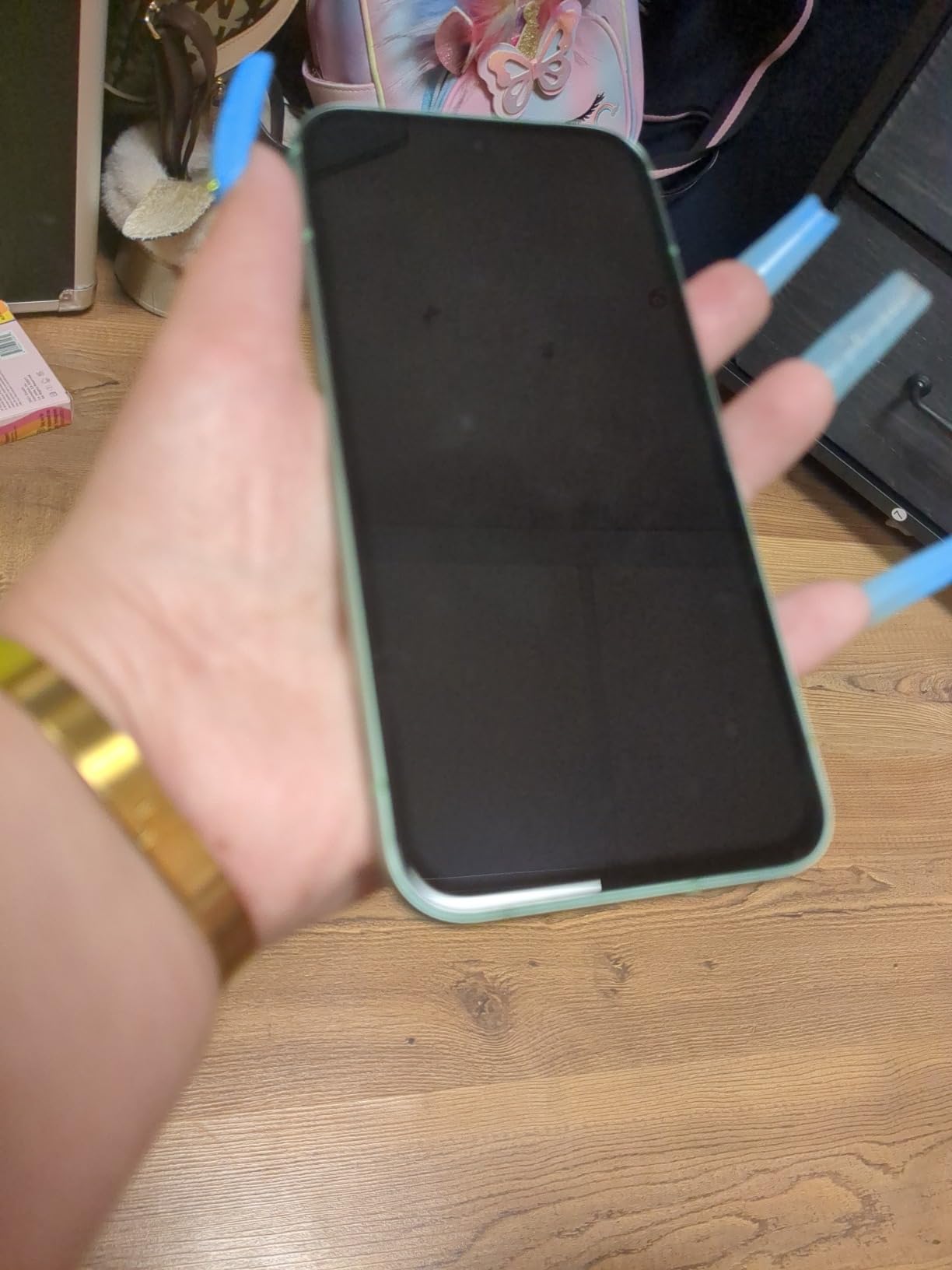
Why the Pixel 8a suits most buyers
If you take photos, the gap between this phone and most of the rest of the list is measured in generations, not increments. The Pixel processing pipeline handles difficult lighting in a way that the midrange Samsung and Motorola cameras here do not, and that advantage shows up most in the photos you actually take, which are usually indoors.
The seven-year update commitment also changes the math entirely. Buyers on prepaid plans or switching carriers often keep a phone longer than a typical two-year contract, and a device that is still patched in year six is money better spent than a faster chip that stops receiving security fixes in year three.
Where the Pixel 8a falls short
The in-screen fingerprint reader is the most common complaint, and it gets worse with a thick or misaligned screen protector. The optical sensor under the 6.1-inch panel struggles when the finger is dry or when the protector cuts into the active area, so buy a thin film rather than a thick glass pack.
There is no 3.5mm headphone jack, and wired charging speeds are modest compared with the Samsung A56’s 45W system. If you play long mobile gaming sessions, the 4300mAh cell and slow charging are a real pairing to think about.
2. Samsung Galaxy A16 5G – The Best Value Pick
Samsung Galaxy A16 5G A Series, Unlocked Android Smartphone, Large AMOLED Display, Durable Design, Super Fast Charging, Expandable Storage, 5G Connectivity, US Version, 2025, Blue Black
6.7-inch Super AMOLED
5000mAh battery
6 years of updates
Storage expands to 1.5TB
Pros
- Big bright AMOLED for the money
- Six years of OS and security updates
- Storage expands to 1.5TB with microSD
- Side fingerprint sensor and NFC
- Water resistant to IP54
Cons
- Only 4GB of RAM
- single mono speaker
- No charger in the box
- Side sensor causes accidental unlocks
The Galaxy A16 5G is the phone we hand to family members who want a big screen and a long support window without spending much. In daily use it does almost everything a person actually needs: scroll, message, stream, and photograph ordinary scenes well.
Samsung’s commitment to six years of operating system upgrades and security updates here is longer than most of the phones in this roundup. That is the single biggest reason to buy it over a cheaper alternative.

The 6.7-inch Super AMOLED runs at 90Hz and is bright enough for outdoor reading. The refresh rate is a step back from the 120Hz panels on the Pixel 8a and the Moto G Stylus, and if you have used a 120Hz phone before you will notice the difference in scrolling.
Inside, Samsung pairs a 2.4GHz processor with 4GB of RAM, and that RAM figure is the reason for most negative reviews. Multitasking with a dozen apps open pulls the phone into a noticeable slowdown, and the phone runs warm under sustained load. The 5000mAh battery compensates, delivering a full day of ordinary use, and Super Fast Charging gets it topped up reasonably quickly.
Storage is a quiet strength here. The 128GB base can be expanded with a microSD card up to 1.5TB, which none of the Pixels in this roundup can do. Samsung Wallet with Tap to Pay, Samsung Health, Gorilla Glass protection, and Dolby Atmos support round out a genuinely generous feature list for the money.
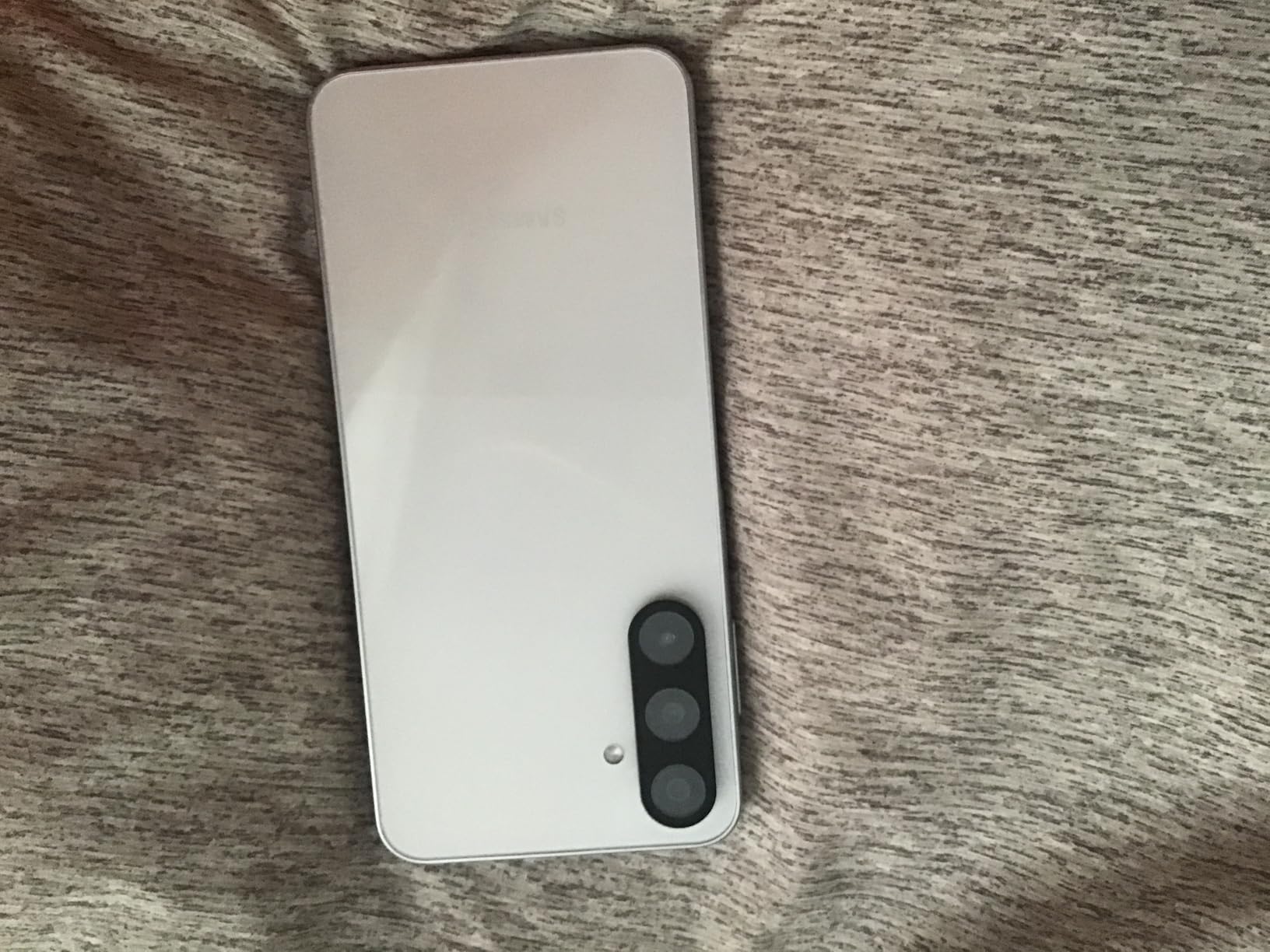
Why the Galaxy A16 5G is worth buying
The screen is the reason most people choose it. A 6.7-inch Super AMOLED panel at this price is a genuine rarity, and it makes video, maps, and reading noticeably more pleasant than the LCD-style experience many cheaper devices still offer.
Then there is the update promise. Six years of security patches means a phone bought today is still receiving fixes well into the next decade, which protects the resale value and the personal data of anyone who keeps a device a long time.
Where the Galaxy A16 5G falls short
Four gigabytes of RAM, with only 2GB of it physical and the rest virtual, is the deal-breaker flaw. Reviewers consistently report lag when switching between apps, and the gap grows as more apps accumulate in the background.
You also get a single mono speaker, which is a real downgrade for anyone who watches video without headphones, and the side-mounted fingerprint sensor sits where it is easy to brush accidentally. No charger is included in the box, so budget for one if you do not already own a USB-C cable and brick.
3. Motorola Moto G Stylus 5G (2024) – The Best Phone With a Built-In Stylus
Motorola Moto G Stylus 5G | 2024 | Unlocked | Made for US 8/256GB | 50MP Camera | Caramel Latte
Built-in stylus
6.7-inch 120Hz pOLED
256GB plus 2TB microSD
5000mAh battery
Pros
- Built-in stylus is genuinely useful
- 256GB with microSD expansion to 2TB
- 3.5mm headphone jack
- 30W wired plus 15W wireless charging
- Near-stock Android
Cons
- Camera output is average
- Stylus can eject if dropped
- Water repellent rather than IP68
- Some removable bloatware
There is exactly one phone in this roundup with a pen in the box, and that alone puts the Moto G Stylus in a class of its own. The stylus lives in a dedicated silo on the bottom edge, feels responsive on the 2400 x 1080 pOLED panel, and turns the phone into a decent note-taking device without buying a tablet.
I used it for two weeks of handwritten meeting notes, and the combination of a 6.7-inch 120Hz display and a 10-bit panel with more than a billion colors made handwriting look genuinely good. It is also one of only two phones here that combine a 3.5mm headphone jack, a microSD slot, and wireless charging in the same body.
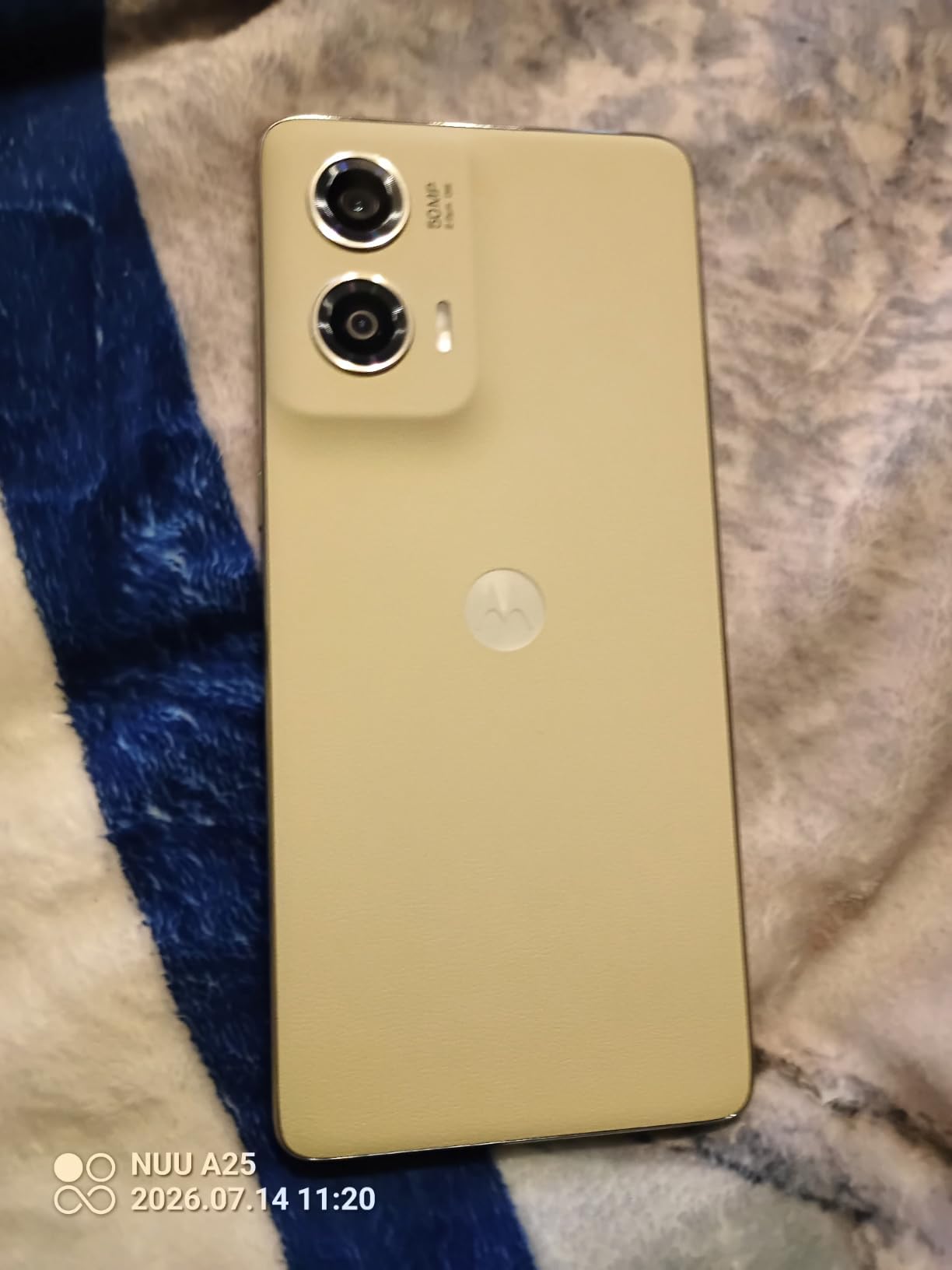
Storage is the standout number: 256GB on board with expansion up to 2TB via microSD, on top of 8GB of RAM plus a RAM Boost feature that adds virtual memory up to 16GB. Battery capacity is 5000mAh and real-world use runs past 40 hours on light settings, which is where the “G” line earns its name.
The rear camera is a 50MP sensor with optical image stabilization paired with a 13MP ultrawide, and the 32MP front camera is unusually high for a budget device. Video capture runs to 4K. The processor is a Snapdragon 6 Gen 1 running at 1.8GHz, which is fine for everyday tasks but leaves heavy gaming to more expensive phones.
Connectivity is genuinely complete: Wi-Fi 6, Bluetooth 5.1, NFC, USB 2.0 Type-C, and a dual SIM setup that takes a nano SIM plus an eSIM. The water rating is IP52, which is water repellent rather than fully sealed, and some Motorola software is pre-installed but can be removed.
Who should buy the Moto G Stylus 5G
Anyone who writes lists, sketches, signs documents, or annotates screenshots gets more out of this phone than from most others here. The 2400 x 1080 pOLED display has enough resolution for legible handwriting, and the software adds palm rejection and a screen-off note mode.
It is also the strongest choice for people who carry a lot of media. With 256GB plus a microSD slot, a headphone jack, and wireless charging, it covers a mix of features that no other phone in this roundup matches, and it works on a physical nano SIM and an eSIM at once.
Who should skip it
Camera buyers should look elsewhere. The 50MP sensor is heavily processed, and effective output is closer to 12MP in most lighting, so photos look fine in daylight and lose detail indoors. There is no telephoto lens, and low light is where the gap with a Pixel opens up fastest.
The stylus ejects if you drop the phone on its bottom edge, which is a real annoyance for anyone who works while walking. Charging tops out at 30W wired, noticeably slower than the Galaxy A56, so topping up between uses takes longer.
4. Motorola Moto G Power (2025) – The Best for Battery Life and Durability
Motorola Moto G Power – 2025 | Unlocked | Made for US 8/128GB | 50MP Camera | Slate Gray
Multi-day 5000mAh battery
IP68 and IP69 rating
MIL-STD-810H tested
6.8-inch 120Hz OLED
Pros
- Multi-day battery life
- IP68 and IP69 plus military-grade durability
- 3.5mm headphone jack
- Wireless charging
- Android 15 out of the box
Cons
- Single rear camera
- No charger in the box
- Can slow down with many apps open
- RAM Boost consumes internal storage
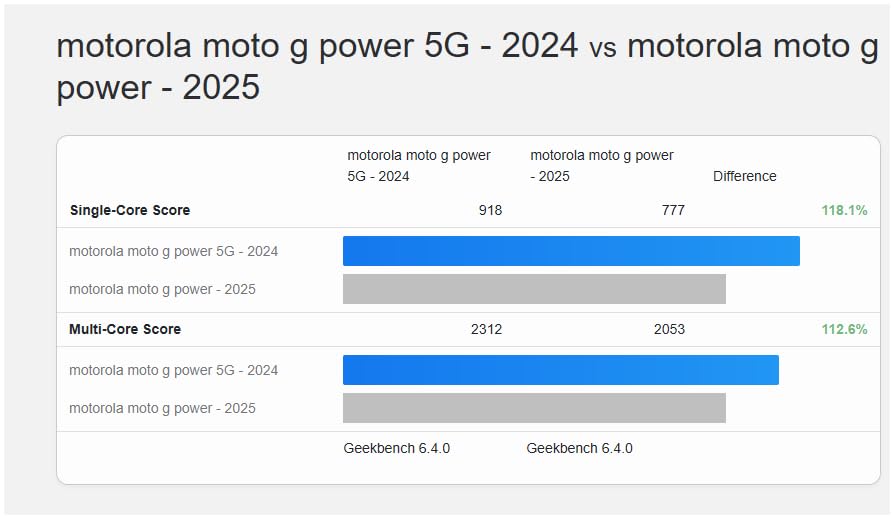
The Moto G Power exists for one reason, and it delivers it better than any other phone here. Reviewers describe multi-day battery life, with light users reporting close to five days between charges, and that number is the reason to buy this phone even though other boxes get ticked.
Durability is the second argument. The phone carries IP68 and IP69 water and dust ratings plus MIL-STD-810H military-grade testing, which carries a stronger spec sheet than the other rugged option in the guide. Gorilla Glass 5 and a vegan leather back add to the impression of a device built to be dropped.

The 6.8-inch FHD+ OLED at 120Hz is the largest display in this guide, and the MediaTek Dimensity 6300 running at 2.4GHz handles daily tasks without drama. Stereo speakers with Bass Boost at 1.7x make it a decent media device without headphones, though you still have the option of the 3.5mm jack.
Charging runs at 30W wired and the phone also supports wireless charging, which is unusual at this level. Storage is 128GB with a microSD slot for up to 1TB, alongside 8GB of RAM and a RAM Boost feature that adds virtual memory up to 16GB. Note that RAM Boost carves into internal storage, so keep an eye on your free space.
There is a single 50MP rear camera with optical image stabilization, and the 16MP front camera handles video calls. There is no ultrawide or telephoto, which is the trade for the endurance and the ruggedness.
Where the Moto G Power 2025 wins
Field work is the obvious fit. If you drive a work vehicle, work outdoors, or hand a phone to a kid who loses everything, the IP68 and IP69 ratings plus military testing make this the least fragile option in the roundup.
Travel is the other one. A phone that charges every three days rather than every evening changes how you pack, and it removes the anxiety of hunting for a charger in an airport. Dual nano SIM support also helps people who carry separate numbers for work and personal calls.
Where the Moto G Power 2025 falls short
Performance is the trade. The Dimensity 6300 is capable, but reviewers report slowdowns when many apps stay open, and the gap versus the Tensor chip in the Pixel 8a shows up in heavier workflows.
The single rear camera means no ultrawide and no telephoto, so indoor and night photos are noticeably weaker than a Pixel at the same price. No charger is included, and the display catches glare in direct sunlight despite the 120Hz rate.
5. Samsung Galaxy A17 5G – The Best for Six Years of Updates
Samsung Galaxy A17 5G Smart Phone 128GB US 1 Yr Manufacturer Warranty Black
6 OS upgrades and 6 years of security
6.7-inch 90Hz AMOLED
5000mAh battery
Storage expands to 2TB
Pros
- Six OS upgrades plus six years of security updates
- Expandable storage up to 2TB
- Circle to Search and Samsung Wallet
- Free channels through Samsung TV Plus
- Gorilla Glass Victus front
Cons
- Only 4GB of RAM
- 90Hz refresh rate
- Single mono speaker
- Plastic build feels cheap
The Galaxy A17 5G is the A-series phone to buy if software longevity is your top concern. Samsung commits to six operating system upgrades and six years of security updates, which is the second-longest commitment in this roundup and applies to a phone that costs well under the budget line.
It runs Android 15 with One UI 8.0 out of the box and adds Circle to Search, Samsung Wallet with Tap to Pay, and Samsung TV Plus with more than 350 free channels. For people already inside the Samsung ecosystem, the continuity of moving from an older Galaxy is the quiet advantage here.
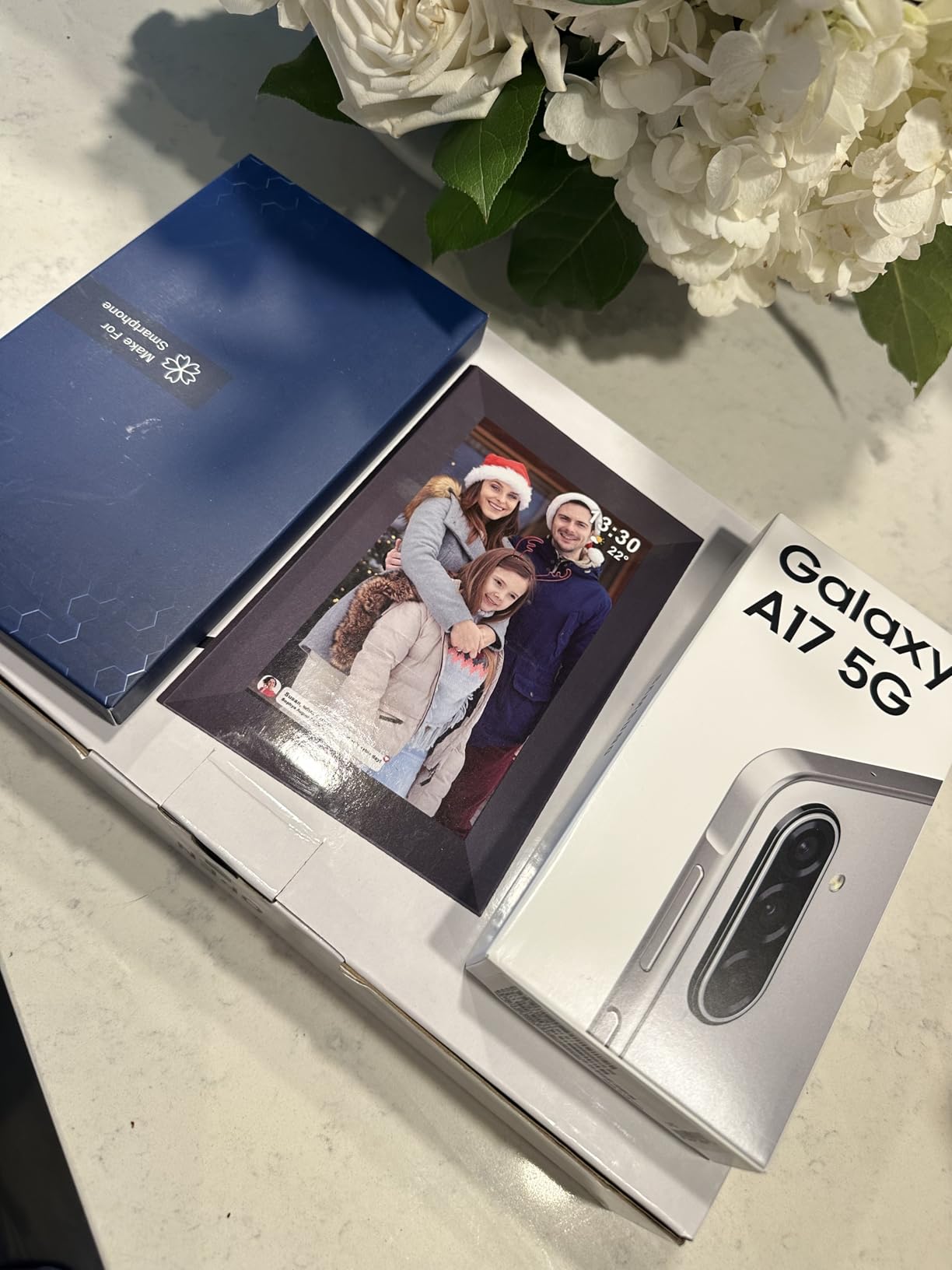
The 6.7-inch Super AMOLED at 90Hz is bright and colors are punchy, and the 5000mAh battery is rated for 47 hours of talk time. Storage is 128GB with expansion up to 2TB, one of the largest microSD limits in this roundup, and the body carries an IP54 rating with Gorilla Glass Victus up front.
Video capture runs to 4K through a 50MP plus 5MP plus 2MP rear triple camera with a 13MP front camera. Charging uses Samsung’s Super Fast Charging. Where it stumbles is the same place the A16 does: 4GB of RAM, a 90Hz rate, a mono speaker, and no charger in the box.
Why the Galaxy A17 5G makes sense
Long support is the reason to accept its slower internals. If you keep a phone for four or five years, receiving patches the entire time is worth more than a faster processor that ages out of relevance quickly. The 2TB expansion limit also means storage will not be the limiting factor.
Samsung TV Plus and Samsung Wallet add real day-to-day value at no ongoing cost, and the free channels are a genuine perk for people who want background content without a subscription.
Why you might pick something else
Four gigabytes of RAM and a 90Hz display are behind the Pixel 8a and the Moto G Stylus on paper and in use. If you play games or keep dozens of apps running, the slower platform will be obvious within a month.
The plastic back and mono speaker are also concessions. And with 90Hz and 4GB of RAM at similar prices, the Galaxy A16 5G covers much of the same ground for less, so this pick only earns its place if the newer model year or the longer-term software path matters to you.
6. Google Pixel 10a – The Best for AI and a Compact Body
Google Pixel 10a – 30+ Hours Battery, Camera Coach, Gemini – Obsidian 128GB
Tensor G4 with Gemini
6.3-inch 120Hz OLED at 3000 nits
IP68
7 years of parts availability
Pros
- Fastest chip in this roundup with Tensor G4
- Gemini assistant built into the system
- Display hits 3000 nits peak brightness
- IP68 plus Gorilla Glass 7i
- Seven years of updates and spare parts
Cons
- Single 48MP rear camera
- Only 128GB with no microSD
- Sits at the top of the budget
- No headphone jack
The Pixel 10a sits at the very top of this budget and it is the only phone here running Android 16 out of the box. The Tensor G4 processor is the fastest chip in the roundup, and it drives Gemini, Google Camera Coach, and the Nano Banana image editing feature as native system tools rather than add-ons.
What we like most is the display. The 6.3-inch Actua OLED runs at 120Hz and hits 3000 nits peak brightness, which is roughly double what the Samsung A-series panels manage outdoors, and it is protected by Corning Gorilla Glass 7i.
The 6.3-inch body is among the most compact in this roundup and easy to hold without a grip case. If large phones annoy you, this is the pick.
Battery capacity is 4300mAh, matching the Pixel 8a, and Google claims more than 30 hours of use. Charging is faster than the 8a and the phone supports wireless charging. Connectivity is thorough: 5G, Wi-Fi 6e, Bluetooth 6, NFC, and a dual SIM arrangement combining a nano SIM with an eSIM.
The rear camera is a single 48MP sensor, which is the significant step down. There is no ultrawide and no telephoto, so while the main lens is good, you lose the flexibility that makes the Pixel 8a and the Pixel 6 more capable photographers.
On longevity, Google commits to seven years of OS and security updates and seven years of spare parts availability, which is a genuine advantage when a battery or camera module eventually fails.

Why the Pixel 10a is worth the extra spend
Speed is the headline. Everything opens instantly, multitasking does not stutter, and a processor that will still feel current in five years pairs well with a seven-year support window. For people who keep a phone a long time, the combination of chip and support length is the strongest pairing in this roundup.
The AI features are not gimmicks either. Circle to Search, Gemini, and Camera Coach are useful daily tools, and the 3000-nit display is far more readable in harsh direct sun than the panels on the cheaper devices here.
Why the Pixel 10a might not be for you
A single rear camera is a real limitation for anyone who photographs landscapes, groups, or distant subjects. The Pixel 8a offers a dual-camera system and better photographic flexibility for less money.
Storage is 128GB with no microSD, there is no headphone jack, and the second SIM slot is eSIM only. It is also the newest model here, which means the review history is shorter and long-term reliability is not yet proven. The short version: buy it for speed and AI, not for photography.
7. Samsung Galaxy A56 5G – The Best Metal-Frame Build
Samsung Galaxy A56 5G Cell Phone, 128GB AI Smartphone, Unlocked Android, AI Photo Edits, Large Screen, Long Battery Life, 2025, US 1 Yr Manufacturer Warranty, Awesome Graphite
Metal frame with Gorilla Glass Victus Plus
6.7-inch 120Hz AMOLED
5000mAh with 45W charging
6 years of updates
Pros
- Metal frame and Gorilla Glass Victus Plus
- Excellent 120Hz AMOLED display
- 45W Super Fast Charging 2.0
- Triple camera with ultrawide
- Six years of updates and Samsung Knox
Cons
- No wireless charging
- Only 128GB base storage
- Plastic back
- Mono speaker
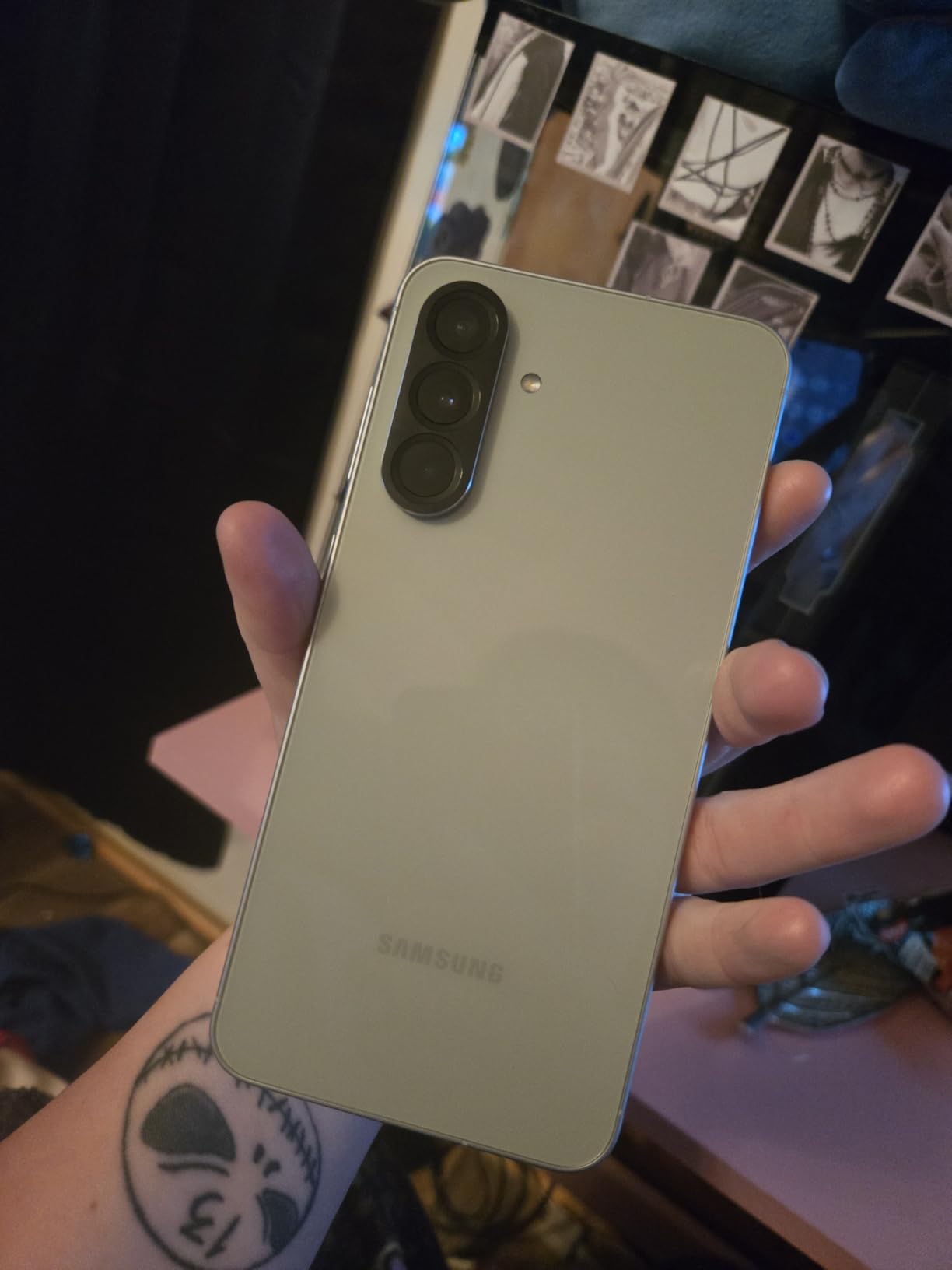
The Galaxy A56 5G pairs a real metal frame with a Gorilla Glass Victus Plus front, and you can feel the difference the moment you pick it up. The IP67 rating adds to a build that reads as a step above the plastic-bodied alternatives in the guide, including the two cheaper Samsung models.
The 6.7-inch FHD+ Super AMOLED runs at 120Hz, matching the Pixel rather than the 90Hz panels on Samsung’s cheaper A-series models. Colors are accurate and the panel is bright for outdoor use, which is where the 120Hz rate pays off alongside scrolling.
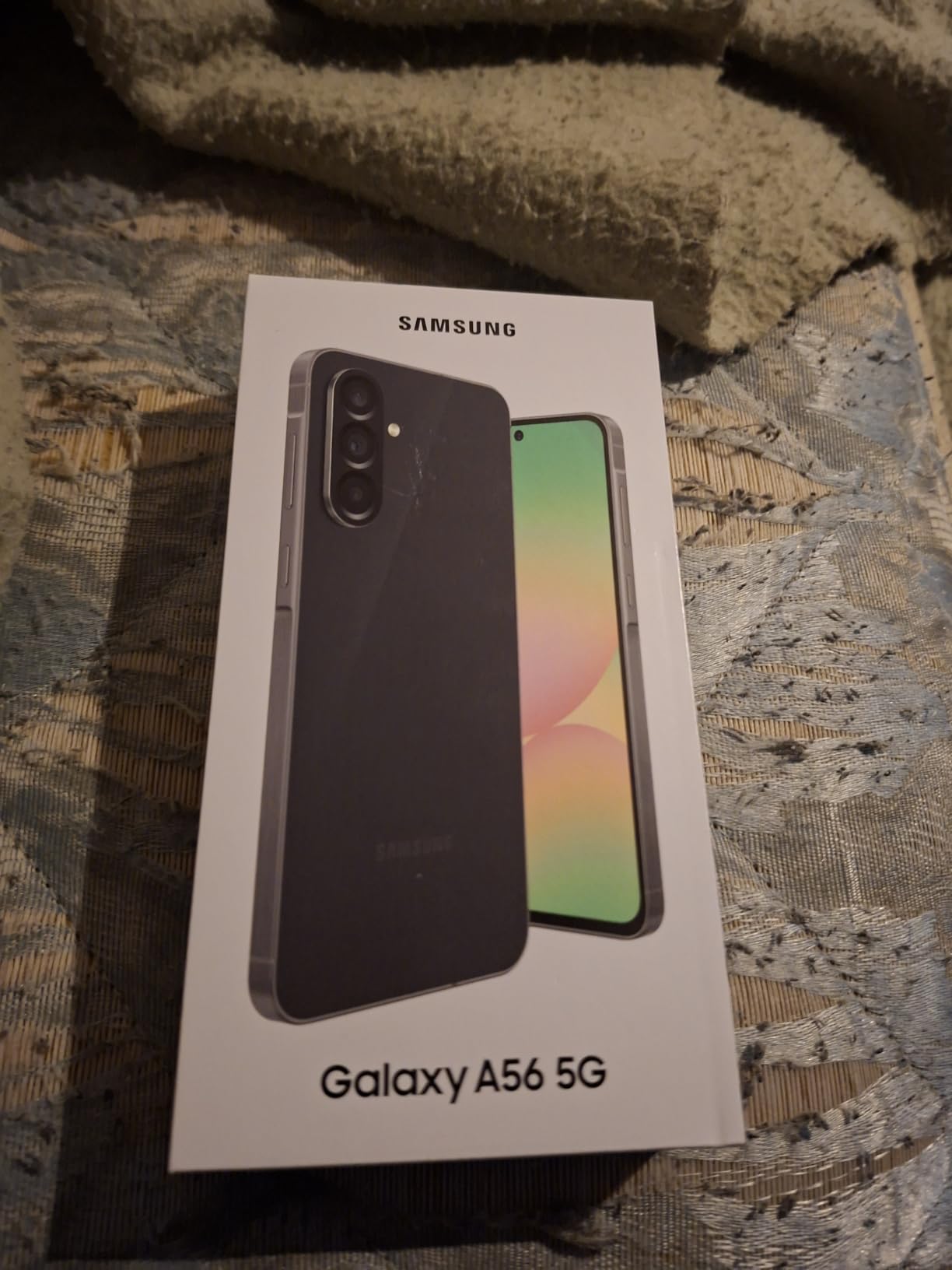
Charging is where Samsung pulls ahead of Google. The 45W Super Fast Charging 2.0 system refills the 5000mAh battery far quicker than the wired speeds on the Pixel 8a or the Moto G Stylus, which makes a difference for people who top up during a lunch break.
The camera is a 50MP main plus 12MP ultrawide plus 5MP macro triple array with a 12MP front camera and 4K video. Samsung’s Awesome Intelligence suite adds Circle to Search, Best Face, and Auto Trim, and Knox security covers the business side.
Storage is 128GB with a small 256GB microSD expansion option, which is a step down from the enormous limits in the A16 and A17. There is no wireless charging and only a mono speaker.
Why the Galaxy A56 5G stands out
Build quality is the reason to buy this one. A metal frame with Gorilla Glass Victus Plus and an IP67 rating is closer to a flagship in feel than most of the plastic-bodied alternatives here, and it survives drops better.
45W charging also removes one of the compromises that normally comes with this price tier. If you are the kind of person who charges the phone between tasks and expects it to be useful again, this is the Samsung to pick.
Why you might look at a Pixel instead
The camera hardware is a step behind the Pixel 8a and the Pixel 6 in real-world output, particularly in low light where the Google processing pipeline has a clear advantage. If photography is a priority, the Google phones win at the same price.
The mono speaker and the 128GB base storage with minimal expansion are also worth weighing, and the plastic back undercuts the metal frame impression. Six years of updates and Samsung Knox are the counterweights, and they are significant if you keep devices a long time.
8. Google Pixel 6 – The Best Camera Per Dollar
Google Pixel 6 – 5G Android Phone – Unlocked Smartphone with Wide and Ultrawide Lens – 128GB – Kinda Coral
50MP plus 12MP ultrawide
6.4-inch 90Hz OLED at 1440p
Magic Eraser and Live Translate
4614mAh battery
Pros
- Dual camera with optical image stabilization and an ultrawide
- Magic Eraser and Motion Mode editing
- Live Translate works offline in 55 languages
- All-carrier unlocked with dual SIM
- Sharp 1440 x 3120 OLED
Cons
- Released in 2021 so update runway is short
- 90Hz only
- No wireless charging
- Average battery life
- No 4K video
The Pixel 6 is an older flagship, and that is exactly why it is here. Bought well below its original price, it gives you a dual camera with optical image stabilization, a 12MP ultrawide, and Google’s photo pipeline for less than most current midrange phones. For picture quality alone, it is one of the strongest arguments in this roundup.
It has by far the most reviews of any phone in this guide, which means the long-term picture is well documented. Owners consistently praise the camera, the clean software, and the build quality, and consistently report the same limitations: battery life is ordinary and charging is slow.

At 1440 x 3120 the panel is sharper than the rest of the group. The first-generation Google Tensor chip still runs Android smoothly and powers Magic Eraser, Motion Mode, and Portrait Mode.
Live Translate works offline across 55 languages, which makes it genuinely useful for travel, and the Titan M2 security chip adds hardware protection. The 4614mAh battery is modest compared with the 5000mAh cells elsewhere in the guide, and the phone records video at 1080p rather than 4K.
Connectivity is the most flexible of the group for carriers: it lists GSM, CDMA, HSPA, EVDO, and LTE support with a dual nano SIM setup, so it works across all three major US networks. Storage is 128GB with no microSD.

Why the Pixel 6 still earns a place
Camera versatility is the headline. A stabilized 50MP main sensor plus a 12MP ultrawide is hardware you cannot get on any new phone in this roundup except the Galaxy A56, and Google’s processing makes the results better in tough light.
Carrier flexibility matters too. Listing CDMA support alongside GSM means this is the safest pick in the guide if you are unsure which network you will use, and the dual SIM lets you carry two numbers without a second phone.
Why the Pixel 6 is risky to buy
It is an older model and the update runway is short. This model launched on Android 12 and carries five years of security updates, which means the support clock is much closer to its end than the seven years offered by the Pixel 8a and the Pixel 10a.
Wired charging is slow, there is no wireless charging, the 90Hz rate is behind most of the list, and battery life is average rather than exceptional. Buy it for the camera and for a clean Android experience, not for longevity or endurance.
9. OnePlus Nord N20 5G (Renewed) – The Cheapest Way Into an AMOLED Phone
OnePlus Nord N20 5G, 128GB, Blue Smoke – Unlocked (GSM Only) (Renewed)
6.43-inch AMOLED
64MP camera
4500mAh with 33W charging
128GB with 6GB RAM
Pros
- Costs less than a single month of most phone plans
- AMOLED display at a very low price
- 64MP main camera
- 3.5mm headphone jack
- 33W charging
Cons
- GSM only so it will not work on Verizon
- Only 60Hz
- Renewed with a 90-day warranty
- Older model with limited updates ahead
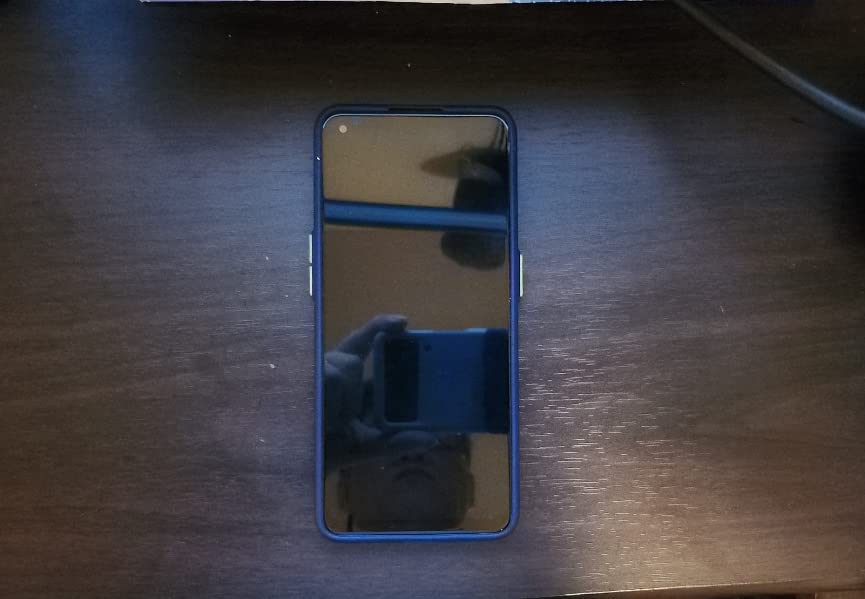
The OnePlus Nord N20 5G renewed costs about what most people pay for one month of service, and it is a genuinely capable phone for the money. The 6.43-inch AMOLED at 2400 x 1080 is the same panel type the pricier picks use, which makes it a standout at this cost. It also has a 3.5mm headphone jack and 33W charging.
We include it with a clear warning attached, because two details will end a purchase for the wrong buyer. It is GSM only, so it works on T-Mobile and AT&T but will not connect to Verizon’s network, and it is a renewed unit with only a 90-day limited warranty.
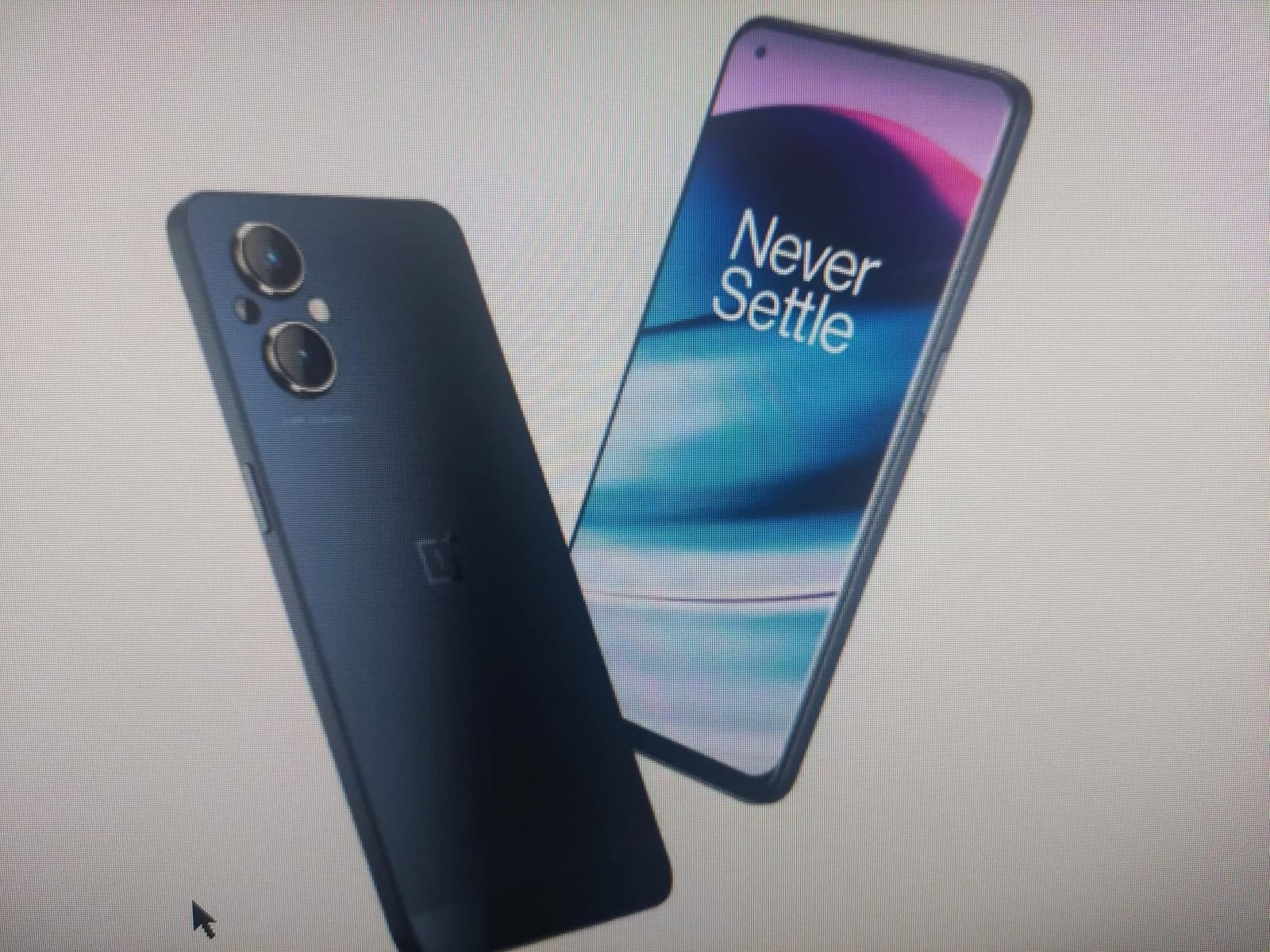
Inside you get a Snapdragon 695 running at 2.2GHz with 6GB of RAM and 128GB of storage, plus an in-display fingerprint sensor. The 64MP main camera is higher-resolution than most phones in this guide, though resolution alone does not guarantee better results than the Pixel’s processing.
The 4500mAh battery is the smallest in the roundup, and reviewers report mixed results on endurance. The software angle is unusual: OnePlus offered a dual OS option letting you run OxygenOS or HalogenOS, which is a genuine point of interest for tinkerers.
It is a single nano SIM device with a USB-C port and no wireless charging. It is an older model now, so the update future is short by definition. Because this is a renewed unit, confirm the condition notes before you order.
Why the OnePlus Nord N20 5G makes sense
If you need a second phone, a backup device for travel, or a cheap handset for a family member, this is the cheapest route to an AMOLED screen. The headphone jack and 33W charging also make it a pleasant device to live with day to day.
It is a good fit for T-Mobile or AT&T customers who want to experiment with a different phone without spending anything meaningful. Just confirm the network before you commit.
Why you should skip it
Verizon users cannot use this phone at all, because the listing specifies GSM only with no CDMA support. That is a hard exclusion, not a preference.
The 90-day warranty on a renewed device is far shorter than the one-year coverage every other pick in this roundup carries, and screen replacement is quoted by some sellers at a level that makes a broken display uneconomical to fix. The 60Hz refresh rate and limited update future round out a phone that makes sense as a secondary device and not as a daily driver.
What Unlocked Actually Means (and How It Differs From Locked or Financed)
An unlocked phone is a device sold without a carrier contract, activation lock, or device payment plan attached. Because no carrier financed or locked it, you own it outright, and you can insert any SIM or eSIM from any carrier and activate it on that network.
The distinction matters because the word gets used loosely on marketplaces. A locked phone is tied to one carrier and will not accept another SIM until the original account cancels it. A financed phone is unlocked in the sense that it can leave the carrier, but you still owe the balance on the device, and if you stop paying the carrier can blacklist it.
Financed plans also add interest, and that interest can run for a full year or more depending on the plan. Someone who finishes paying for a discounted phone in month one has effectively paid a premium for a discount. Checking the carrier compatibility before you buy is the single most useful thing you can do.
In the United States, GSM and CDMA are the two network families, and the difference decides which phones you can use. T-Mobile and AT&T run GSM, so GSM-only phones work on both. Verizon runs CDMA, and a CDMA-only phone will not work on the GSM networks. Phones listing all three, or described as universal, are the safest purchase. In this roundup the Pixel 6 is the most flexible and the Nord N20 5G the most restricted.
Buyers on prepaid plans or no-contract carriers get the clearest benefit, because they can switch carriers and providers at any time with no buyout and no contract to finish. Frequent travelers also benefit, since a local SIM is far cheaper than roaming on a home network. If you want to see how the connected side of this works in practice, our guide to satellite phones covers connectivity choices for people who travel beyond cell coverage.
How to Tell a Listing Is Genuinely Unlocked
Use a checklist before you pay, because a listing described as unlocked can still arrive locked or attached to a payment plan. Here is what we check on every phone we recommend.
First, look for the word “unlocked” in the product title alongside the model number, and confirm the seller is the manufacturer, a major retailer, or an authorized refurbisher rather than an anonymous marketplace seller. Second, check the network description. A phone that says GSM only is not universal, and that line is the one detail sellers most often bury.
Third, look for any mention of a device payment plan, monthly installments, or a required activation with a carrier. If a discounted phone comes with an obligation attached, it is a financed phone, not an unlocked one. Fourth, confirm the listing is not marked as “for parts,” “locked,” or “carrier-locked” in the condition field.
Finally, check the warranty. Factory-unlocked new devices carry a one-year manufacturer warranty. A 90-day warranty is the signal that a phone is renewed rather than new, which is a different purchase with different risk. Every pick in this roundup carries a one-year manufacturer warranty except the renewed Nord N20 5G, and we flag that difference clearly.
What Specs Matter Most Under 500
At this price, four specifications separate a phone you will enjoy from one you tolerate: software support, RAM, refresh rate, and battery capacity. Everything else is secondary, and that is good news because it simplifies the decision.
Years of software updates. This is the most underweighted factor in the entire category. The Pixel 8a and Pixel 10a commit to seven years, the Galaxy A16 5G, A17 5G, and A56 5G commit to six, and the Moto G Stylus and Nord N20 5G are on shorter clocks. A phone that stops receiving security patches is a liability, so buy the longest support window you can afford.
RAM. The 4GB models in this roundup, namely the Galaxy A16 5G and the A17 5G, struggle when many apps stay open. 8GB of physical RAM is the practical floor in 2026, and several Motorola models use virtual memory on top of it to mask the difference.
Refresh rate. A 120Hz panel makes scrolling and animation visibly smoother, and it is standard on the Pixels and the Moto G models. The Samsung A-series devices here run at 90Hz, which is fine but noticeable if you have used faster panels.
Battery capacity and charging. Most phones here carry 5000mAh, and the Moto G Power pulls clear of the pack on endurance. Charging speed is where the differences hide: 45W on the Galaxy A56 refills quickly, while the Pixels charge more slowly. Check both numbers before choosing.
Display size is a preference rather than a quality signal, and camera resolution is a poor guide to photo quality because processing matters more than megapixels. The Pixel 6 proves the point, with a 12MP ultrawide producing better results than far higher-resolution sensors elsewhere.
Where to Buy an Unlocked Phone Without Getting Burned
Manufacturer stores and major retailers are the safest places to buy unlocked, because the warranty is clean and the unlocked status is verifiable. Buying direct from Google or Samsung also gets you the full support window with no third-party activation questions.
Marketplaces are fine for established sellers with clear return policies, but read the condition field closely and check whether a discount is tied to a carrier activation. A headline price well below the rest of the market usually means a financed device, a locked unit, or both.
Refurbished and renewed devices are the best route to flagship features when the budget is tight, and previous-generation flagships are the category to shop. The Pixel 6 is the example here: a camera system that outclasses new midrange phones. The trade is warranty length and remaining support, so weigh those carefully before buying. The same budget logic applies to other categories, as we explain in our guide to the best 3D printers under 500, where we look at how warranty length and support windows matter just as much.
Over a typical four to five year life, an unlocked phone paired with a low-cost prepaid plan usually costs less in total than a discounted handset tied to a multi-year contract. You pay only for service, keep the phone, and keep the flexibility. That is the quiet argument for buying the best unlocked phone under 500 dollars instead of the cheapest phone on a carrier’s payment plan.
Frequently Asked Questions
What is the best phone to buy under 500 dollars?
The Google Pixel 8a is the best phone to buy under 500 dollars. It combines a 64MP camera with a 6.1-inch 120Hz OLED, a battery that runs past a full day, IP67 water resistance, and seven years of operating system and security updates. The Pixel 10a is the alternative if you want the newest processor and Gemini features.
What is the best budget phone under 500 dollars?
The best budget phone under 500 dollars depends on what you need most. The Pixel 8a wins on camera and software support, the Galaxy A16 5G wins on display size and expandable storage, and the Moto G Power 2025 wins on battery life and durability. The Pixel 8a is the strongest all-around option for most people.
What is the best Android phone under 500 dollars right now?
The Google Pixel 8a is the best Android phone under 500 dollars this year. It runs the Tensor G3 chip, ships with a clean Android experience, and receives seven years of updates, which only the Pixel 10a matches in this roundup. The Galaxy A16 5G and Galaxy A17 5G follow with six years each.
Do unlocked phones work with any carrier?
No. An unlocked phone has no contract or activation lock, but it still has to support the networks your carrier uses. GSM-only models work on T-Mobile and ATu0026amp;T but not Verizon, while universal models with GSM and CDMA support work on all three major US carriers. Check the network specification before buying.
Are unlocked phones cheaper than carrier phones?
Usually over time. Carrier discounts start at a higher price and are tied to a device payment plan, so you keep paying after the discount ends. An unlocked phone is a one-time purchase with no interest, and a prepaid plan can cost far less per month, which lowers the total cost of ownership.
What is the best smartphone with long battery life under 500 dollars?
The Moto G Power 2025 is the longest-lasting phone under 500 dollars, with a 5000mAh battery that reviewers report running multiple days on light use. It also carries IP68 and IP69 ratings plus MIL-STD-810H testing. The Galaxy A17 5G is rated for 47 hours of talk time as a strong alternative.
The Best Unlocked Phone Under 500 in 2026
The Google Pixel 8a is the best unlocked phone under 500 dollars because it pairs the strongest camera in this price range with a seven-year software support window, and it stays factory-unlocked across every major US network. If you want to spend less, the Galaxy A16 5G delivers a large AMOLED and six years of updates. If endurance matters most, the Moto G Power 2025 runs for days on a charge.
Whichever one you choose, verify the unlocked status and the network support before you pay, and buy from a seller with a real return policy. The right phone at this budget is the one that still gets patched when everyone else has moved on.