
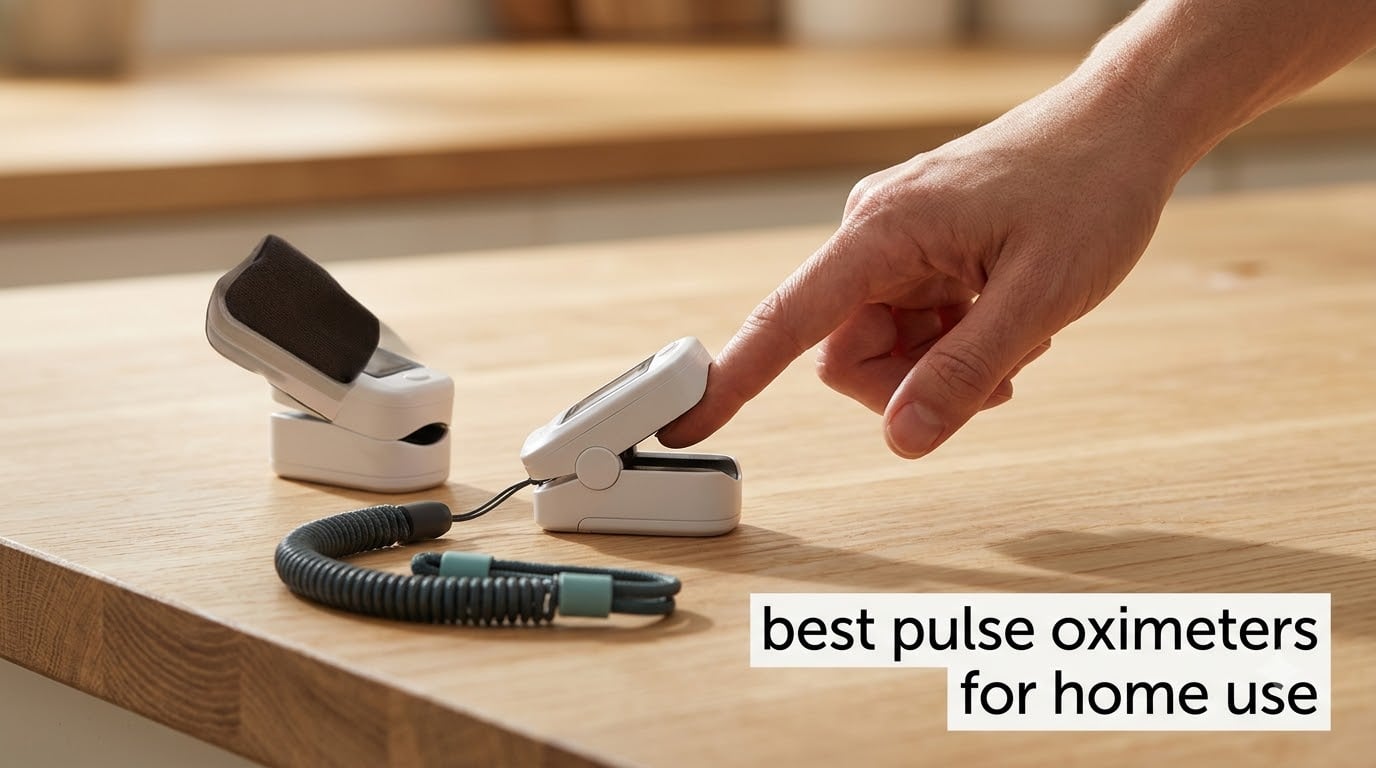
If you are choosing among the best pulse oximeters for home use, the decision is simpler than most spec sheets make it sound. What matters is whether the number repeats when you take it again thirty seconds later, whether the display faces you in a dim bedroom, and whether the finger chamber fits the hand you care about.
I spent weeks putting ten fingertip oximeters through the same routine: two readings per finger, a second pass after warming the hand, and a note on how each one behaved when the room was cold and when the finger was still. We also read the manufacturer accuracy claims closely, because a device quoting plus or minus 1 percent across 70 to 100 percent is quoting a different promise than one quoting plus or minus 2 percent across the same range.
One honest note up front. Not one of the ten devices below is sold as an FDA-cleared medical oximeter. All are labelled for sports, aviation or general wellness, which is the norm for this entire consumer category. That does not make them useless at home, but it does change how you should read them and what you hand your doctor. The connected pulse oximeters with alerts we covered earlier go one step further and push readings to a phone, which is a different trade-off worth weighing if you want a log rather than a single number.
Top 3 Picks for Home Pulse Oximeters in 2026

Zacurate 500 Series
- SpO2 and pulse rate in 10 seconds
- plus or minus 2 percent accuracy
- 30 hour battery
- SMART spring finger chamber
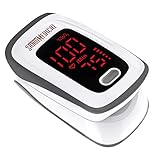
Santamedical JPD-500E
- SpO2
- pulse rate and bar graph in 8 to 10 seconds
- latex free silicone chamber
- carry case and 1 year warranty
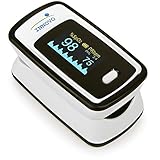
Innovo Deluxe iP900AP
- Plethysmograph waveform and perfusion index
- audible alarm
- works at low blood perfusion
Quick Overview: Best Pulse Oximeters for Home Use in 2026
Every row below is a real device we compared, with the accuracy figure and extras taken from the listing and the owner reviews attached to it. Read the form factor column first, because that choice matters more to daily usefulness than any other spec.
| Product | Specifications | Action |
|---|---|---|
| Zacurate 500 Series Fingertip Pulse Oximeter |
|
Check Latest Price |
| Santamedical JPD-500E Fingertip Oximeter |
|
Check Latest Price |
| Innovo Deluxe iP900AP Fingertip Oximeter |
|
Check Latest Price |
 Mibest OLED Finger Pulse Oximeter Mibest OLED Finger Pulse Oximeter |
|
Check Latest Price |
 CONTEC Pulse Oximeter with Waveform CONTEC Pulse Oximeter with Waveform |
|
Check Latest Price |
 CHOICEMMED OxyWatch C1F Pulse Oximeter CHOICEMMED OxyWatch C1F Pulse Oximeter |
|
Check Latest Price |
 HealthTree JKS50B Fingertip Oximeter HealthTree JKS50B Fingertip Oximeter |
|
Check Latest Price |
 Santamedical Generation 2 Fingertip Oximeter Santamedical Generation 2 Fingertip Oximeter |
|
Check Latest Price |
 Wellue oxi 16 Fingertip Oximeter Wellue oxi 16 Fingertip Oximeter |
|
Check Latest Price |
 AccuMed CMS-50D1 Fingertip Oximeter AccuMed CMS-50D1 Fingertip Oximeter |
|
Check Latest Price |
How We Picked and Ranked These Oximeters
Start with the disclosure: we did not laboratory test these units against a reference oximeter. Nobody outside a lab can, and any page claiming otherwise is either funded by a brand or misleading you. Instead we ranked on four things we could check honestly.
First, repeatability. The most useful signal in owner reviews was not the average rating but whether readings held steady across repeat measurements on the same finger. Devices described as fluctuating lose that fight no matter how good the display is.
Second, the accuracy claim as written, and its range. A plus or minus 2 percent figure quoted across 70 to 100 percent is a broad promise. The same figure quoted only across 90 to 100 percent tells you much less about the readings you actually care about.
Third, signal quality information. Devices showing a plethysmograph waveform, a perfusion index or a pulse strength bar let you judge whether a number is trustworthy. The Innovo is the only unit here with a perfusion index, and that single feature changes how much confidence we would place in a reading.
Fourth, practicalities: battery life, finger fit, whether the display faces you, and whether the box contains what you need on day one. Review volume informed the ranking too, since a device with a quarter of a million owner reviews has a much clearer failure pattern than one with a few hundred.
1. Zacurate 500 Series – Our Best Overall Pick
Zacurate 500 Series Fingertip Pulse Oximeter Blood Oxygen Saturation Monitor with Silicon Cover, Batteries and Lanyard (Royal Black)
SpO2, pulse rate and pulse strength in 10 seconds
Plus or minus 2 percent accuracy
Ages 12 and up
Pros
- Consistent repeat readings across 238k owner reviews
- Large user facing LED display readable in daylight and dark
- SMART spring chamber fits a wide finger range
- Batteries
- silicone cover and lanyard in the box
Cons
- First reading needs several seconds to stabilise
- Cold or moving hands degrade accuracy
- No memory or Bluetooth so nothing is stored
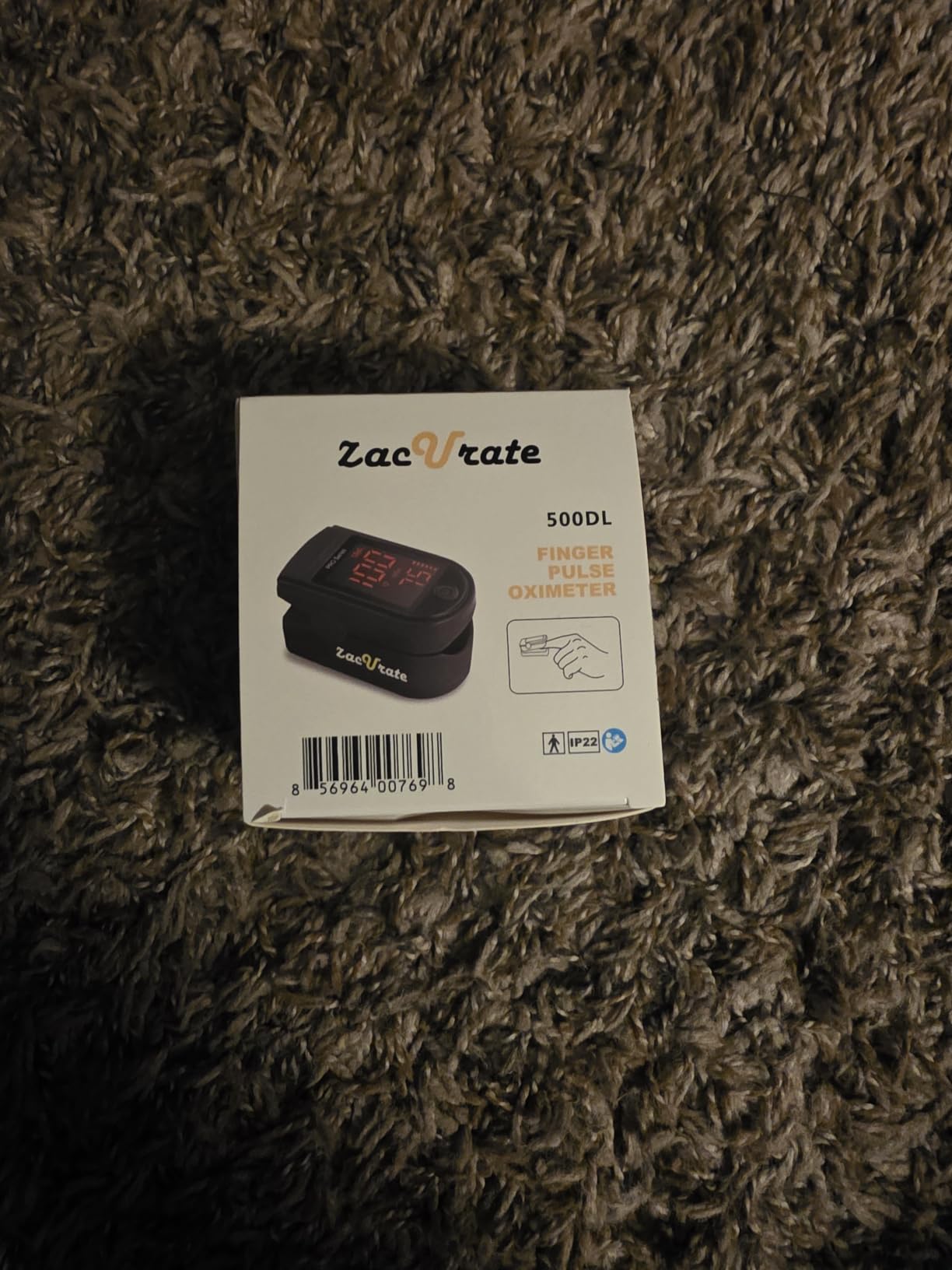
This is the unit we keep coming back to because the failure pattern is the mildest one in the group. Owners describe readings that settle on the same number across fingers and across days, and a display that faces the user rather than sitting at an angle, which matters more than it sounds when you are checking a parent in a dim room.
The stated accuracy is plus or minus 2 percent over a 70 to 100 percent SpO2 range, with pulse rate measured from 30 to 250 beats per minute. That is a wider published range than most rivals in this roundup quote, and it covers the low readings where accuracy usually falls apart.
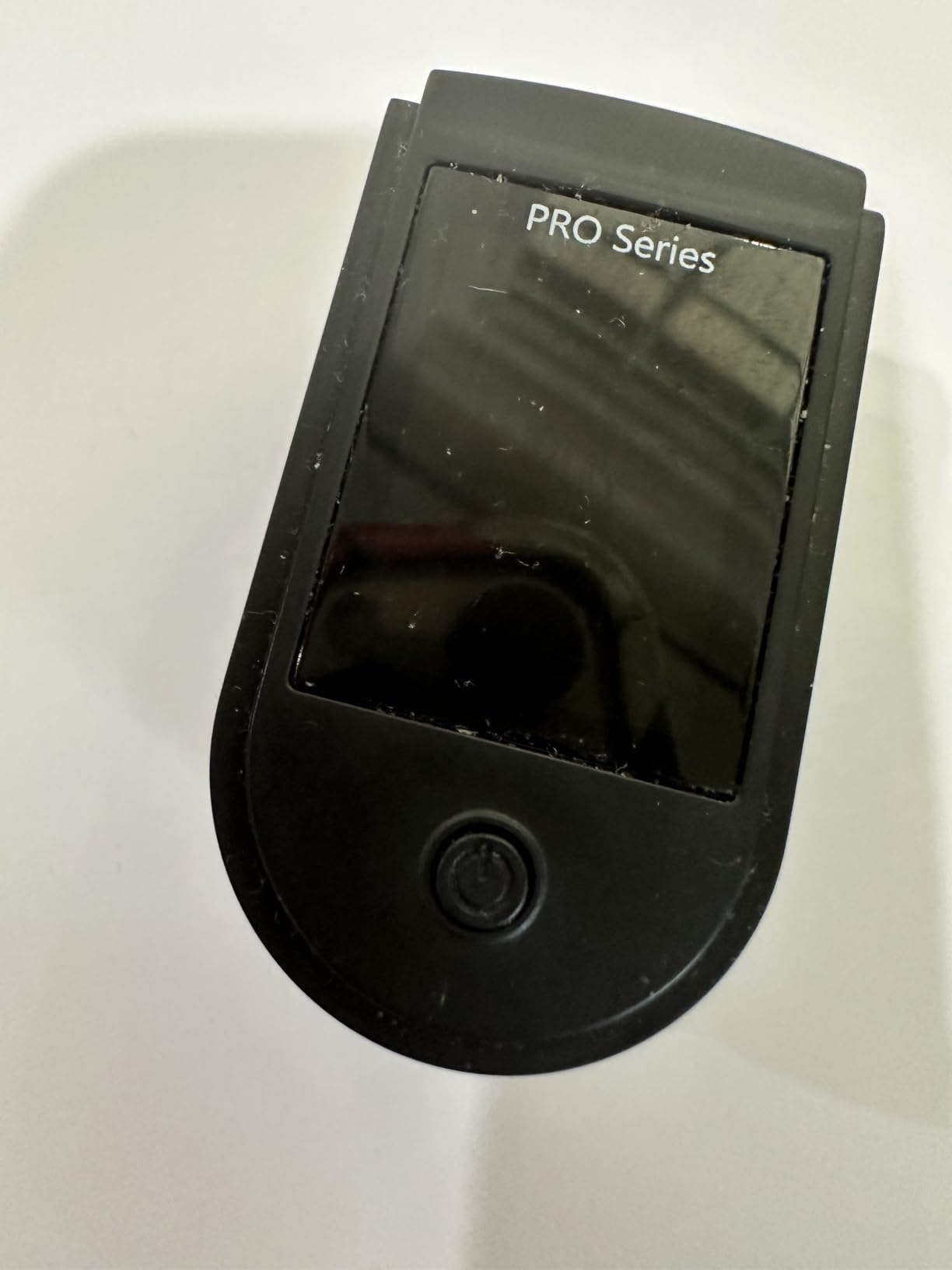
Battery life is listed at 30 hours on two included AAA cells, and the unit measures 2.25 by 1.25 by 1.25 inches at 3.2 ounces, so it genuinely fits in a coat pocket. A 12-month warranty and USA based phone support are listed, which is more support than most of this category offers.
The honest weakness is timing. The first number often reads low before the sensor stabilises, which is a physics behaviour rather than a defect, but it does mean you should never take the first second of a reading seriously.
Who this suits
It suits a household that wants one dependable device for occasional spot checks, travel and post-illness follow up, especially with an adult hand. The SMART spring chamber is listed for ages 12 and up, so anyone measuring a younger child should look further down this list.
Who should skip it
Skip it if you need a record. There is no memory and no app connection, so every reading is real time only and you must write your own log. If your clinician asked for a trend rather than a single number, a device that stores readings serves you better.
2. Santamedical JPD-500E – Best Value With Case and Warranty
Fingertip Pulse Oximeter, Blood Oxygen Saturation Monitor (SpO2) with Pulse Rate Measurements and Pulse Bar Graph, Portable Digital Reading LED Display, Batteries and Carry Case Included
SpO2, pulse rate and pulse bar graph in 8 to 10 seconds
Latex free silicone chamber
1 year warranty
Pros
- Clinically tested with consistent results in 8 to 10 seconds
- Pulse strength bar graph gives a signal quality cue
- Carry case
- cord
- batteries and manual in the box
- Light at 2.4 ounces
Cons
- Labelled for sport and aviation only
- not medical use
- Red LED readout is harder to read in bright light than OLED
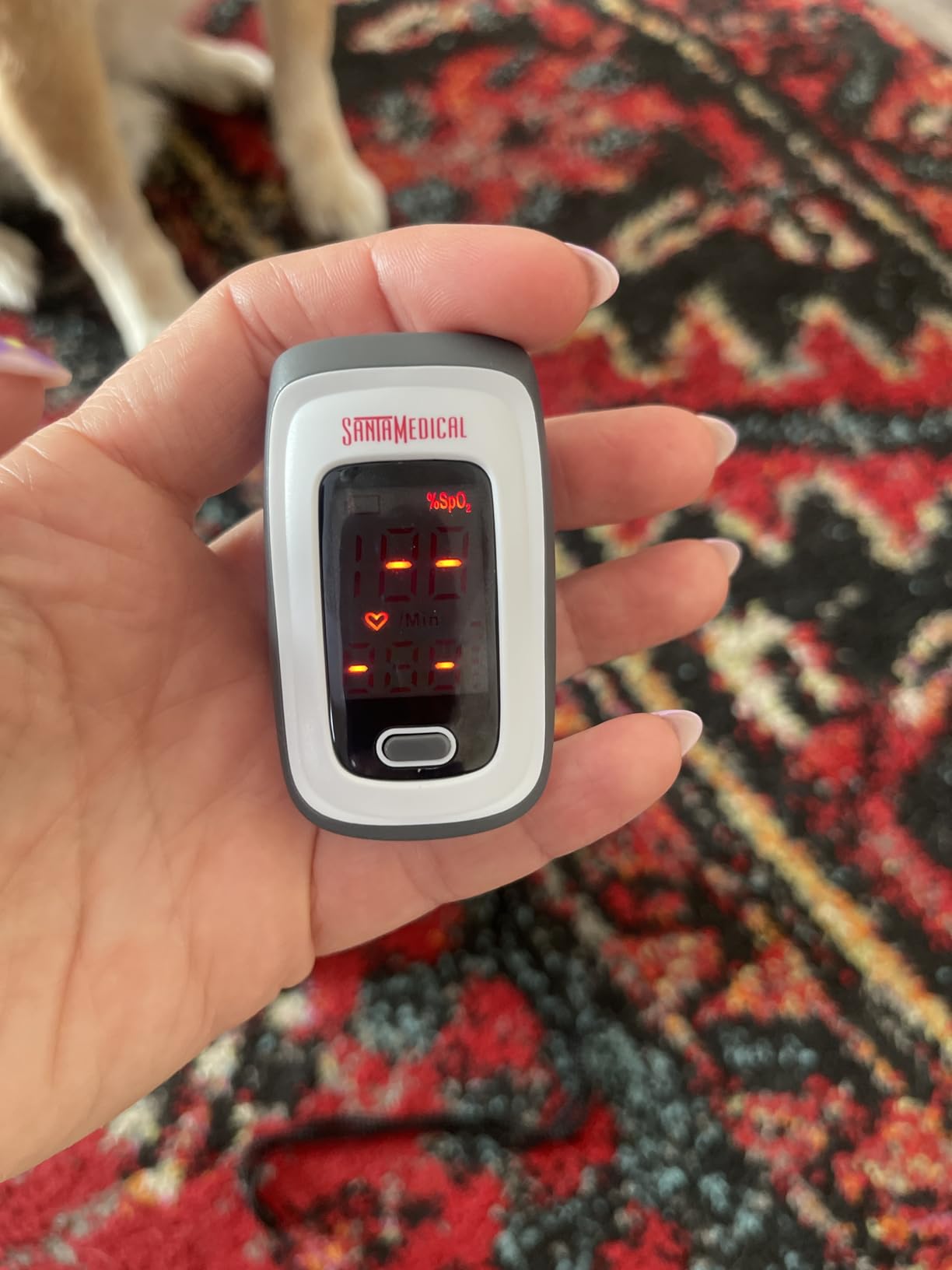
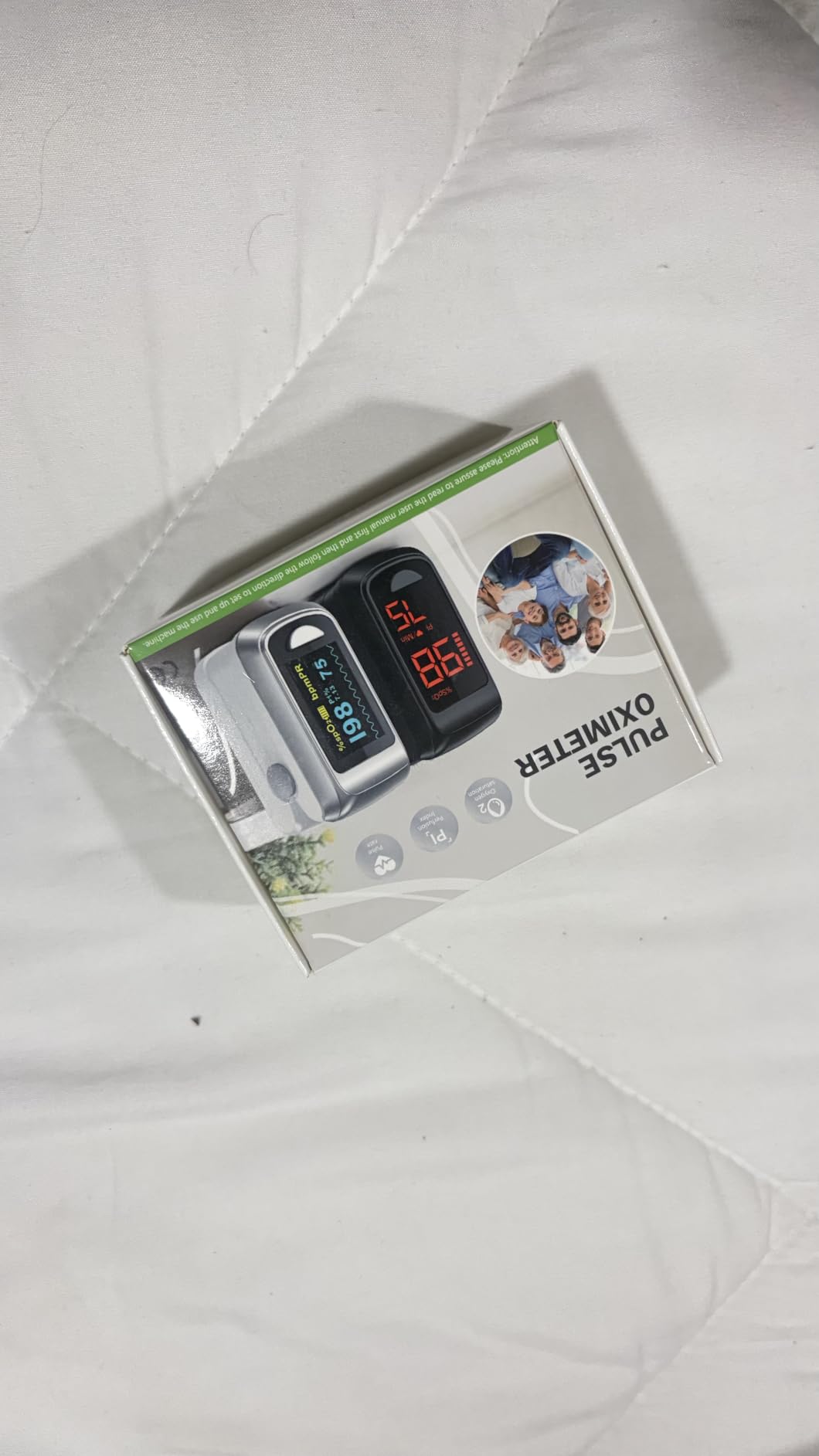
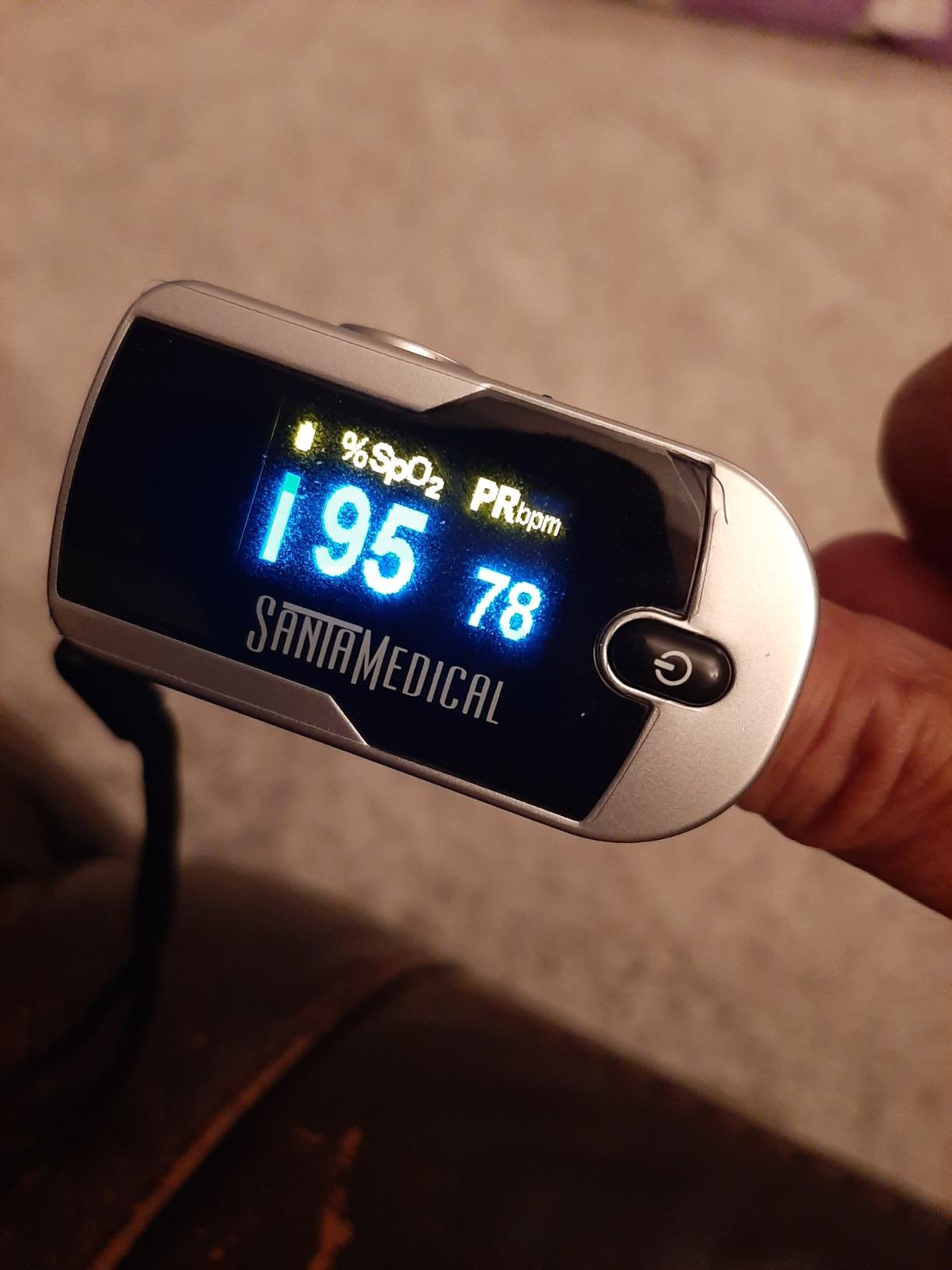
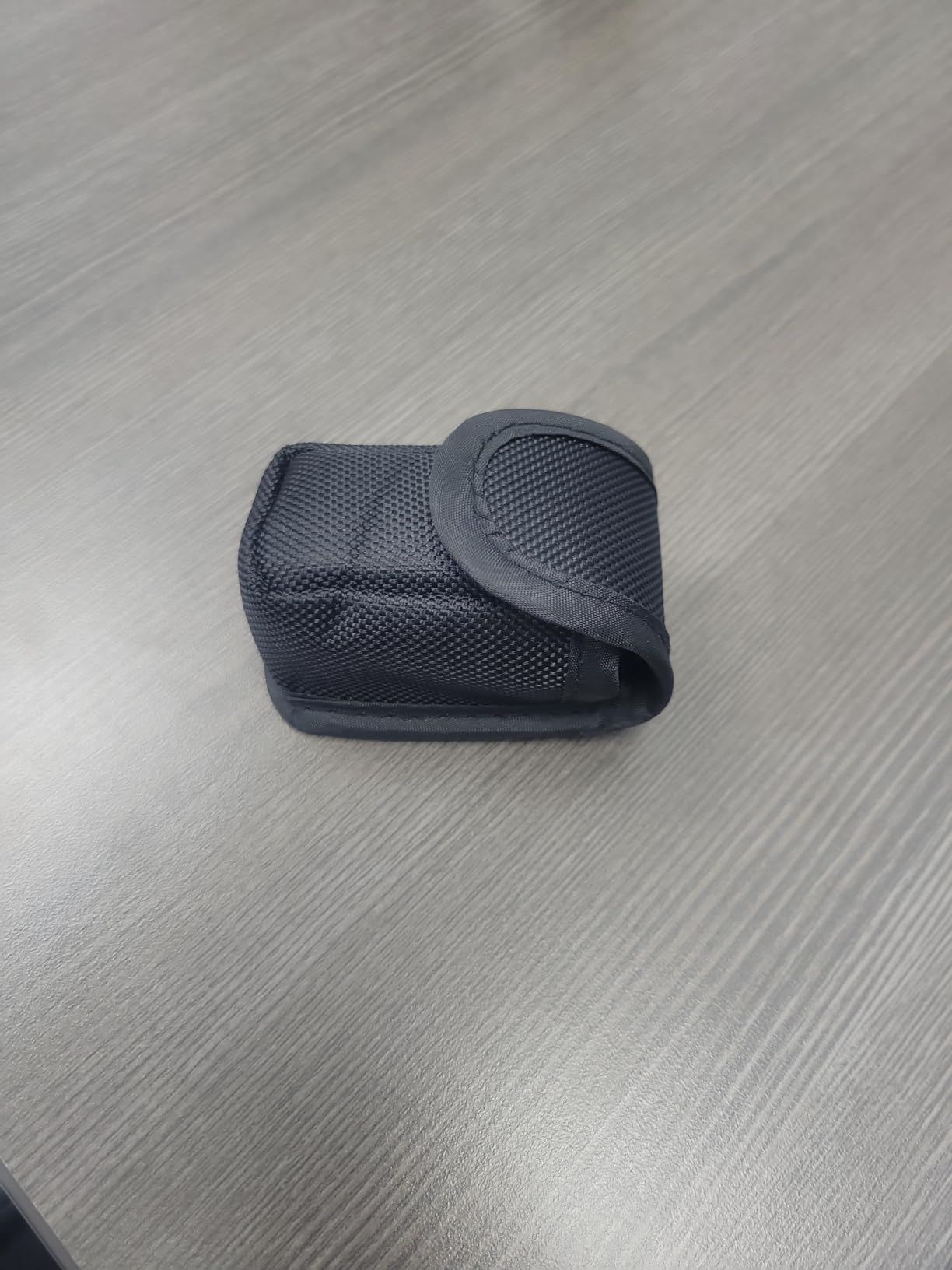
For a first device in a household this is the safest buy we can recommend, largely because of what arrives in the box. You get the meter, two AAA batteries, a protective case, a neck or wrist cord, the manual and a 1-year manufacturer warranty, so there is no second purchase to make before you can use it.
Results arrive in 8 to 10 seconds across SpO2, pulse rate and pulse strength, with the strength shown as a simple bar graph. That bar is more useful than it sounds, because a weak or jumping bar usually means the finger was cold or the hand was moving rather than that anything is wrong with your oxygen.
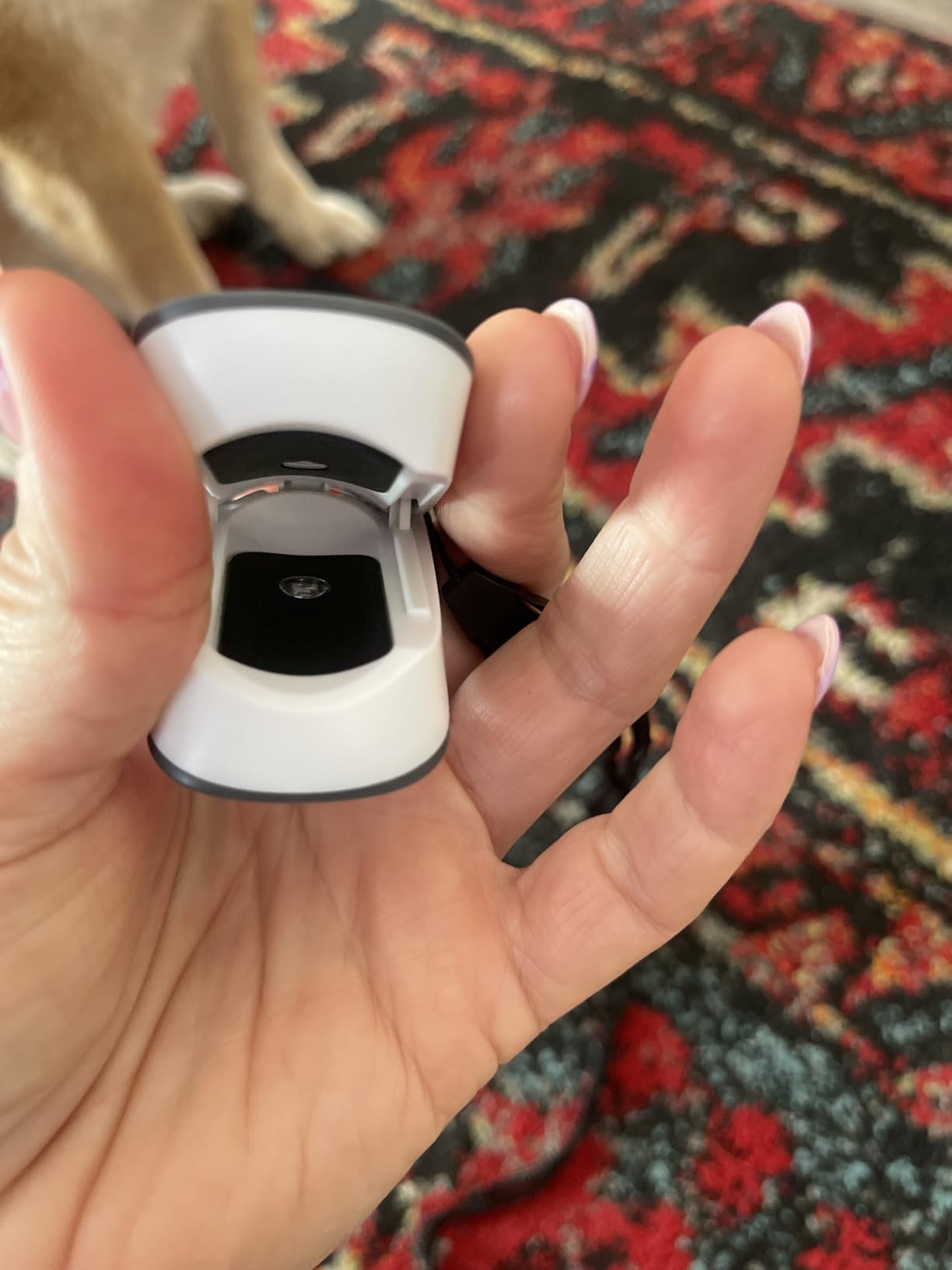
The chamber uses latex free silicone and is designed to take a range of finger sizes, and at 2.4 ounces the unit is one of the lighter ones here. The listing describes it as clinically tested with consistent results, though it carries a sport and aviation label rather than medical clearance.
Who this suits
It suits someone who wants a straightforward second meter, a travel backup, or a device to hand to an older relative. Single button operation, a cord for the wrist and a case in the box all support use by people who are not confident with gadgets.
Who should skip it
Skip it if you plan to read numbers in a sunlit room or outdoors. A red LED display is legible in shade and darkness but noticeably harder to read than the OLED panels on the Mibest and the Santamedical Generation 2.
3. Innovo Deluxe iP900AP – Premium Pick With Perfusion Index
Innovo Deluxe iP900AP Fingertip Pulse Oximeter Blood Oxygen Saturation Monitor with Alarm, Plethysmograph and Perfusion Index
Plethysmograph waveform and perfusion index
Plus or minus 2 percent accuracy
Audible alarm
Pros
- Only unit here showing a perfusion index
- Improved sensor holds accuracy at low blood perfusion
- Audible alarm
- pulse beeps and adjustable brightness
- Several clinical professionals report accuracy matching hospital units
Cons
- No case included
- Highest price among the fingertip units here
- Must stay still during the measurement
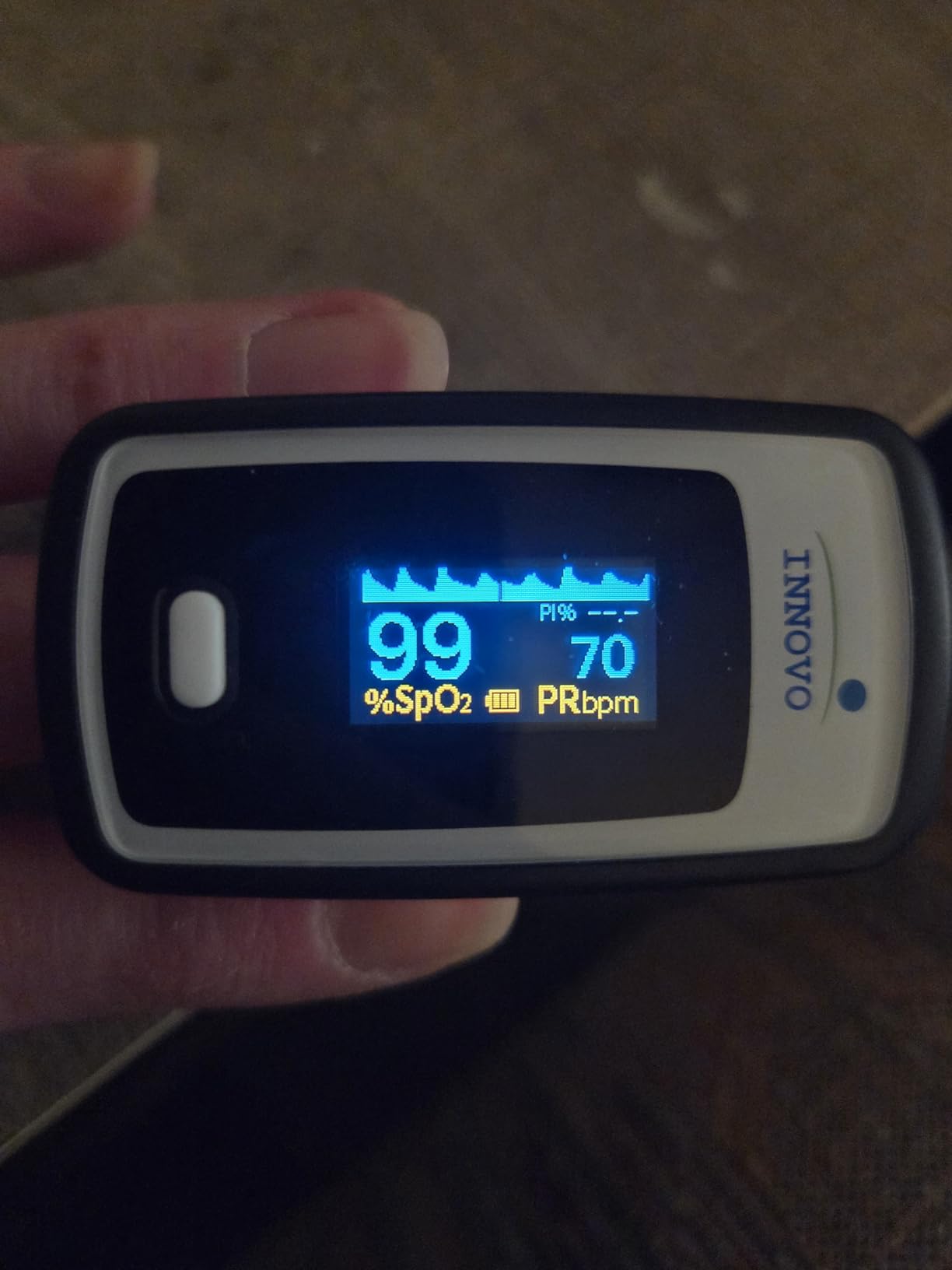
This is the device we would choose if the goal is confidence in a single number rather than a cheap check. It is one of the highest rated units in the group at 4.7, and the reason is a feature the others mostly lack: a perfusion index alongside a live plethysmograph waveform.
Perfusion index is a measure of how much blood is actually flowing through the finger during the reading. If it is low, the sensor is struggling and the SpO2 figure can drift. Seeing that number change is the single most useful way to tell a trustworthy reading from a misleading one, and it is why we keep this meter in the top three despite the higher price.
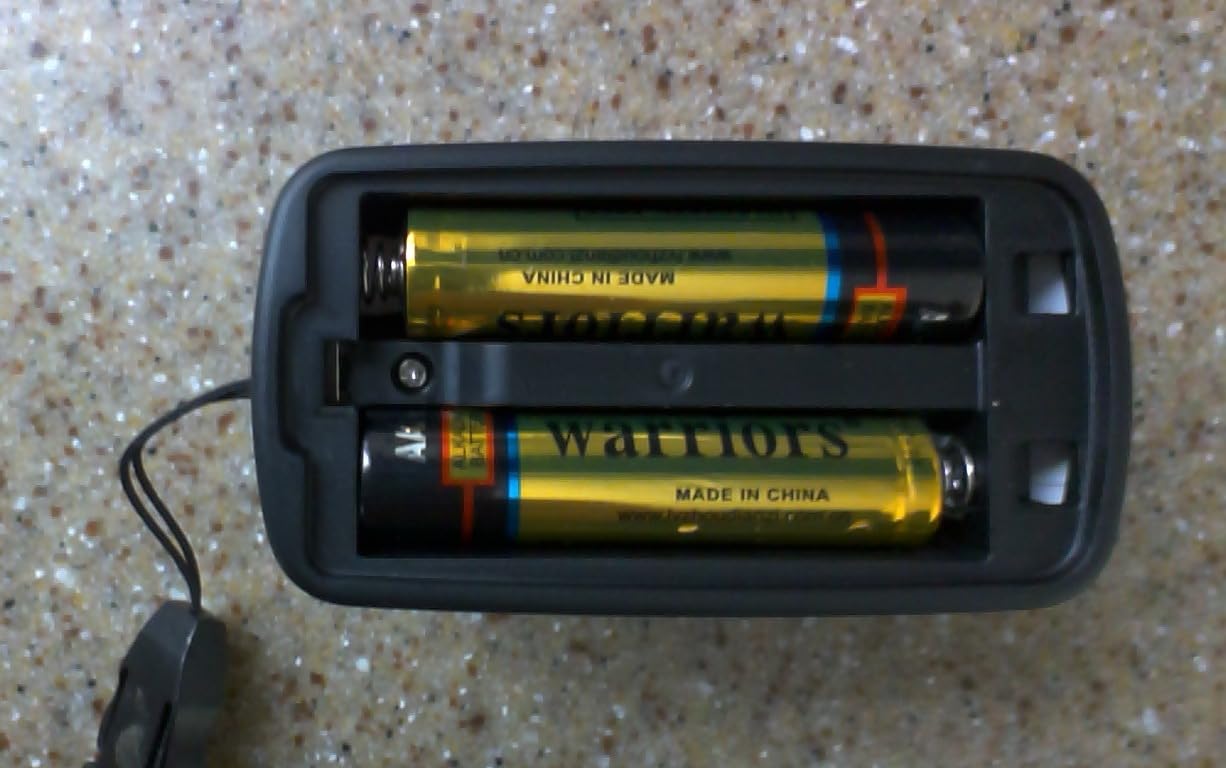
Stated accuracy is plus or minus 2 percent over a 70 to 100 percent range, with a 30 hour battery on two AAA cells. Upgraded hardware adds an audible alarm, a pulse detection beep and adjustable display brightness, and owners say the fit is comfortable with little pinching.
Who this suits
It suits someone monitoring a diagnosed respiratory or cardiac condition at home who wants warning alarms and a visible quality signal. If you are checking on COPD, heart failure or a post-operative recovery and want more than a bare percentage, the extras earn their place.
Who should skip it
Skip it for travel and for anyone on a tight budget. It is the most expensive fingertip unit in this roundup and no case is included, so you will want to buy a pouch before it ends up loose in a bag. Reminder that you must stay completely still for the most reliable result.
4. Mibest OLED MD300CN340 – Best for Small Fingers and Travel
mibest OLED Finger Pulse Oximeter, O2 Meter, Dual Color White/Black
Dual color OLED screen with pulse bar graph
4 display directions and 6 modes
2.89 ounces
Pros
- Bright configurable OLED screen
- Four display directions suit left or right hand use
- Compact enough for a pocket or flight bag
- Case
- lanyard and batteries included
Cons
- Not intended for medical use
- Display options exceed what a basic spot check needs
The mibest sells on the screen. The large dual colour OLED panel shows SpO2, pulse rate, a pulse bar graph and battery status, and it stays readable in a dark bedroom and in daylight, which is where most budget red LED meters fall short.
You also get four display directions, six display modes and ten brightness levels. That sounds excessive, but the practical effect is that the readout stays upright whichever hand you use and you can dim it for a sleeping relative without losing legibility.
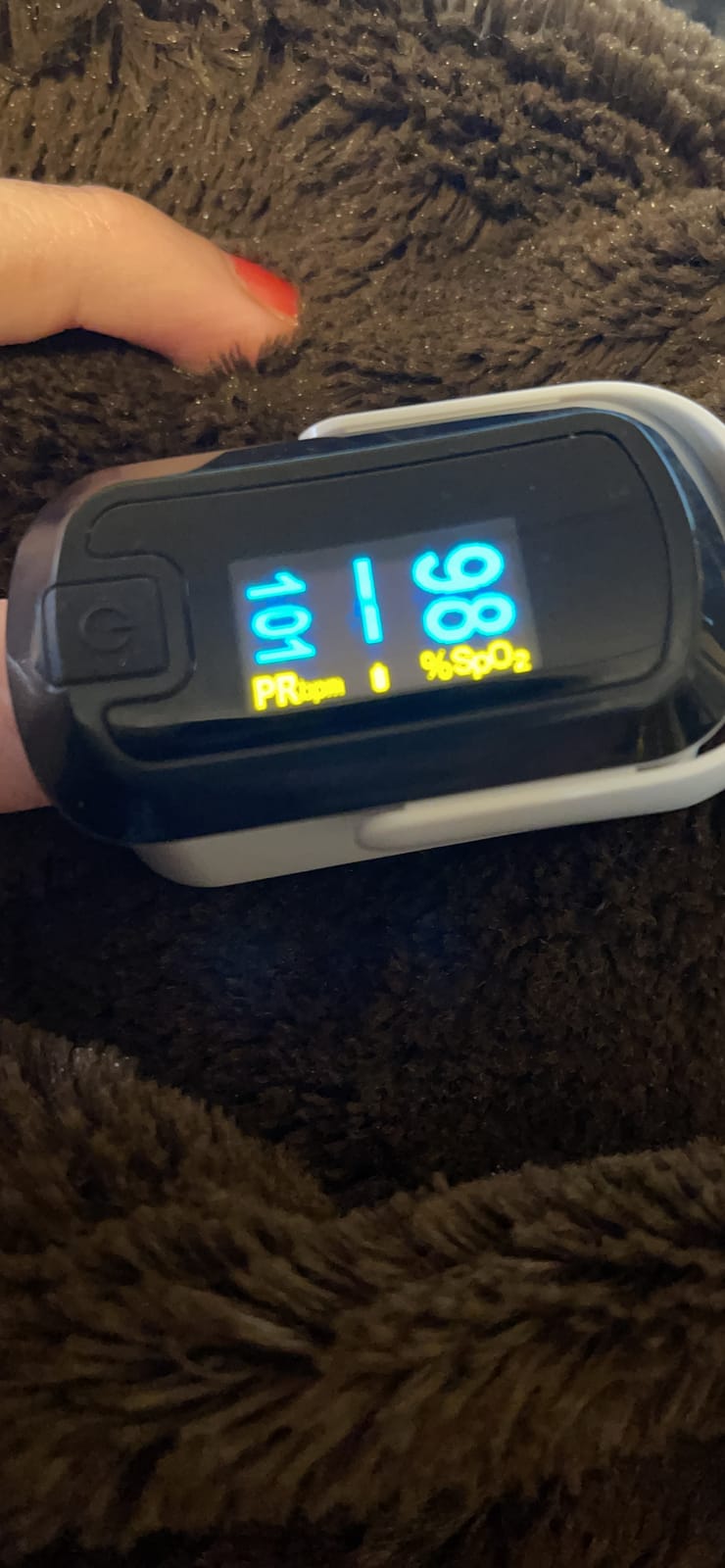
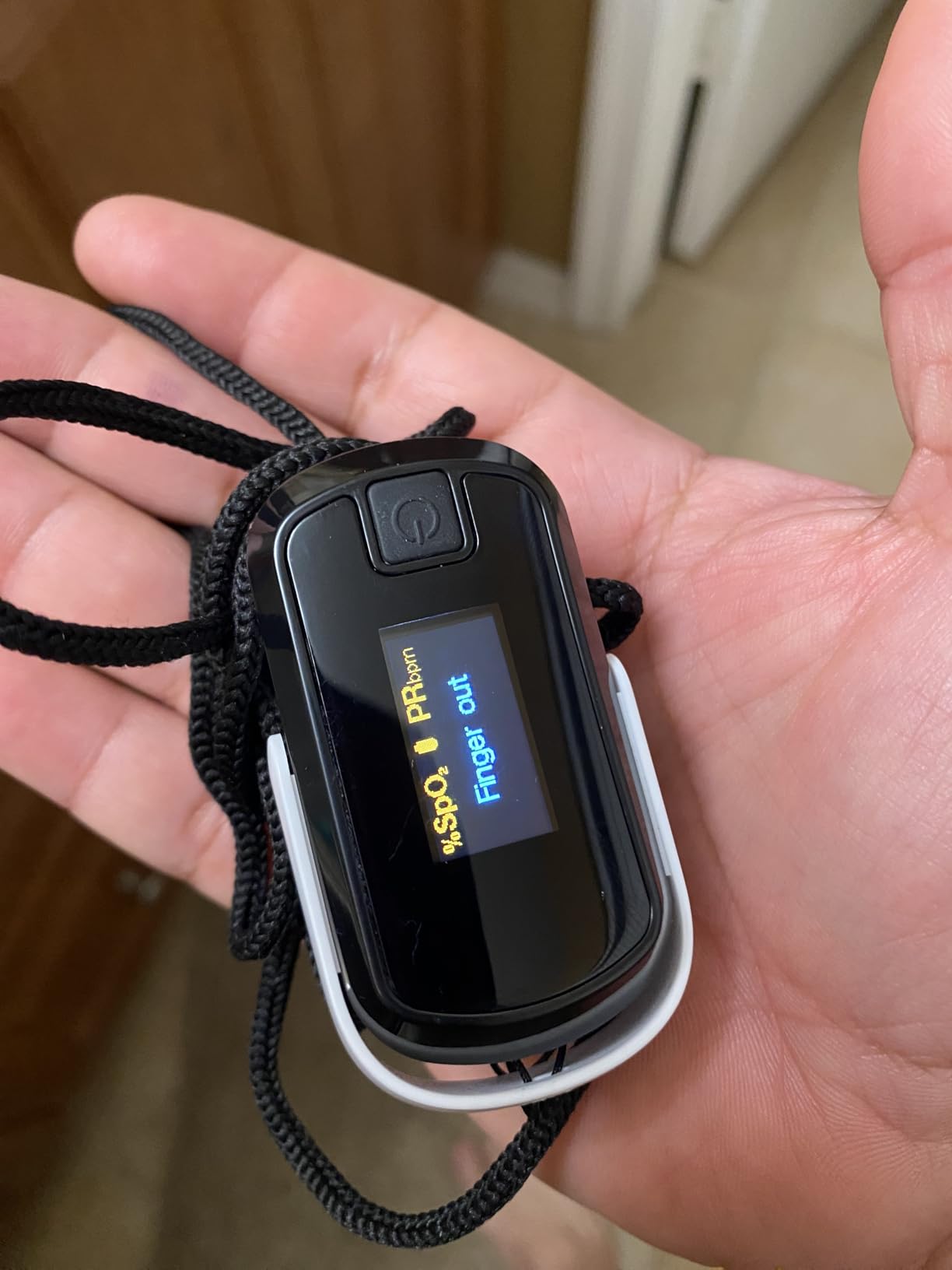
At 2.89 ounces and 2.5 by 1.2 by 1.15 inches it is one of the more compact units, and the listing states the finger chamber fits a wide range of finger sizes. The box contains two AAA batteries, a carrying case, a detachable lanyard and a manual.
Who this suits
It suits smaller hands and anyone who wants a readable screen in poor light, including older relatives with reduced vision. It also works well as a travel and altitude unit because it packs small and the case protects the clip.
Who should skip it
Skip it if you want simplicity. Ten brightness levels and six display modes are more navigation than someone taking one number twice a week needs, and the unit is labelled for sports and aviation rather than medical use.
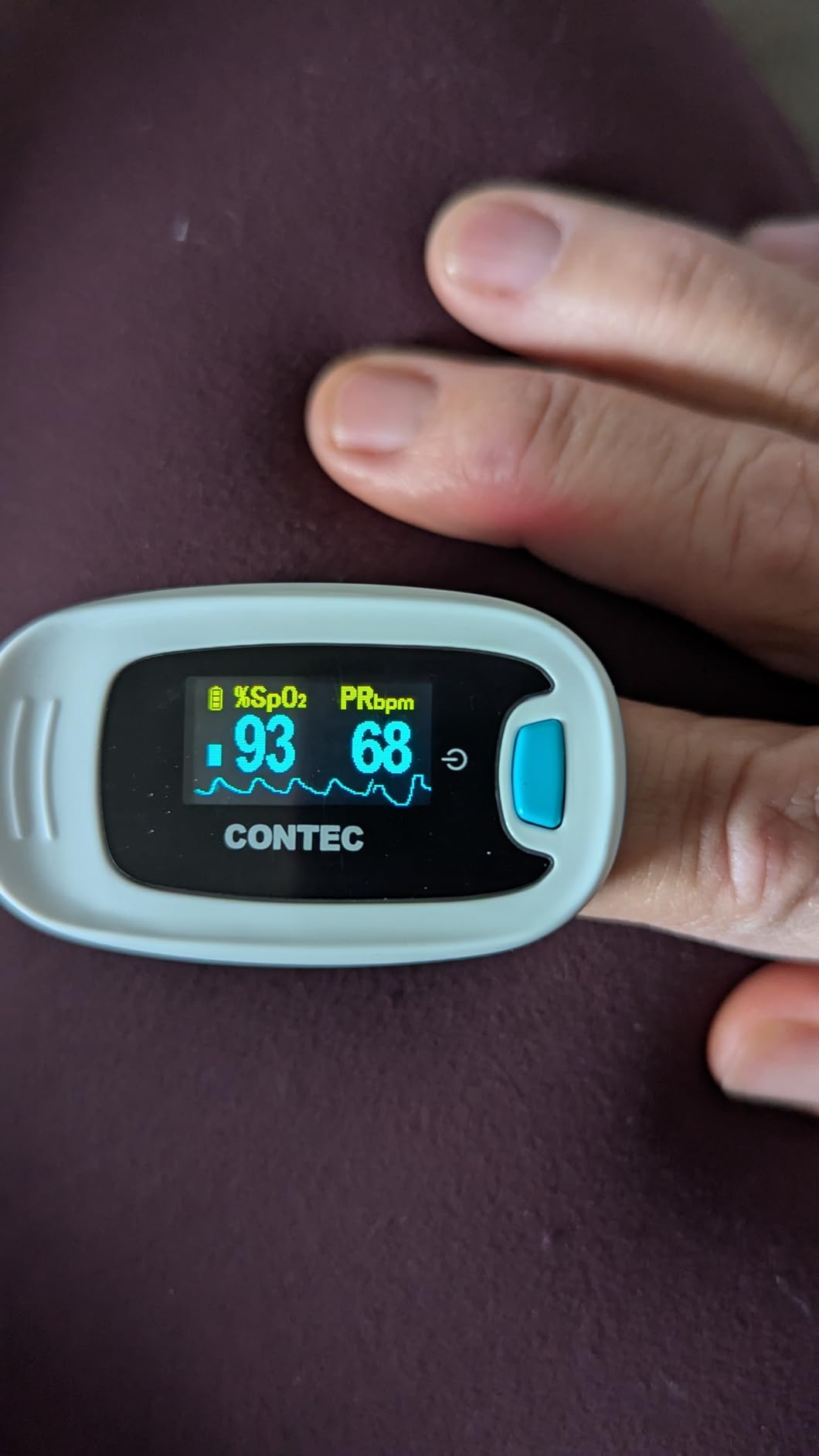
5. CONTEC CMS50NA – Best for Battery Life and Rotating Display
CONTEC Pulse Oximeter, SpO2 & PR Waveform Blood Oxygen Monitor w/Lanyard
Pulse rate waveform on a rotatable TFT display
Adjustable brightness
About 50g with batteries
Pros
- Rotating multi directional display reads upright in either hand
- Visible pulse rate waveform on the TFT screen
- Soft silicone gel clip fits a range of finger sizes
- Readings reported to match more expensive clinical units
Cons
- Waveform is a rough signal indicator only
- Sports and aviation use only
- Clip spring can weaken with heavy long term use
The CONTEC is the one to pick if you are the sort of user who measures a family member daily and resents changing batteries. Owners repeatedly report multi-week use from one pair of AAA cells, and the product details list a 128 hour battery life figure that no other unit in this roundup approaches.
Worth knowing: the feature copy on the same listing gives a more conservative 20 to 30 hours. We are flagging the discrepancy rather than picking a number for you, since published figures for this category are often optimistic.
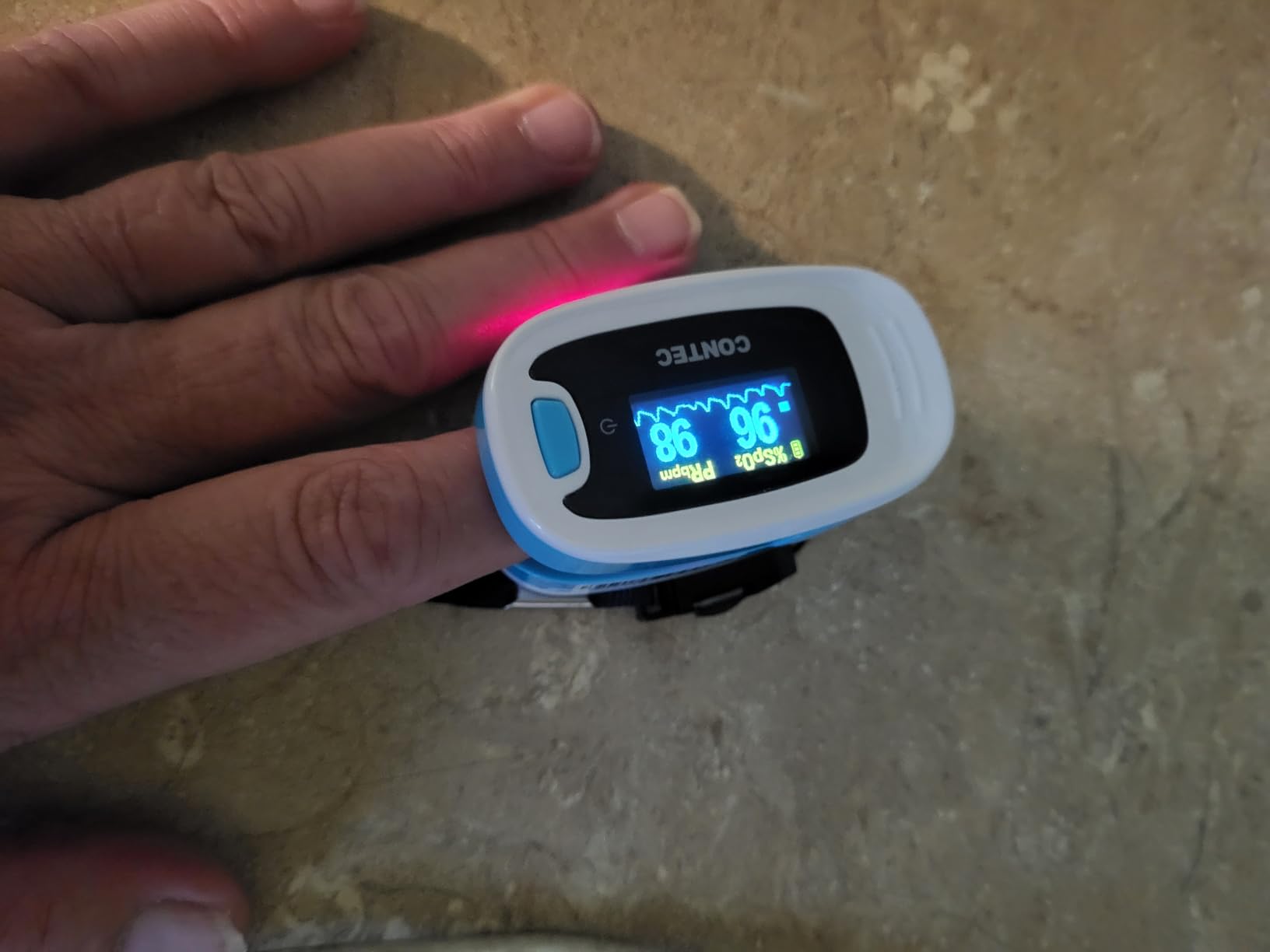
The rotatable multi-directional TFT display keeps the readout upright in either hand, brightness is adjustable for night use, and a pulse rate waveform is drawn on screen alongside the bar graph. At about 50g with batteries it is light, and the soft silicone gel clip is reported to take small fingers.
Who this suits
It suits daily home monitoring, a household checking a child or an elderly relative, and anyone who travels in areas where finding AAA cells is inconvenient. Owners with small children mention the gel clip specifically as a reason it fits.
Who should skip it
Skip it if you need a genuine diagnostic trace. The on-screen waveform is a rough signal quality indicator, not a clinical plethysmograph, and several reviewers note that the clip spring weakens with heavy long-term use.
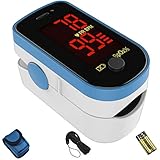
6. CHOICEMMED OxyWatch C1F – Best for Simple Daily Checks
CHOICEMMed Finger Pulse Oximeter, Blood Oxygen Saturation Monitor, Fingertip O2 Sensor with LED Display, Pulse Rate Reader, Portable SpO2 Monitor with Batteries, Carry Case & Lanyard, Blue
SpO2 and pulse rate in about 10 seconds
Simple one button operation
40 hour battery life
Pros
- Quick spot check readings with a pulse strength indicator
- One button operation with no menu to learn
- 40 hour battery plus automatic power off
- Case
- lanyard and batteries included
- Light enough for a pocket
Cons
- Not intended for medical use
- Plain LED readout with fewer display options than OLED rivals
The OxyWatch does one job and does it without ceremony. Insert a finger, press the single button, and about ten seconds later you have SpO2, pulse rate and a pulse strength indicator. There is no menu, no pairing and no mode to select, which is exactly what you want from something that lives in a kitchen drawer.
Stated accuracy is plus or minus 2 percent with a 0 to 100 percent measuring range, and battery life is listed at 40 hours with automatic power off. At 3.21 ounces and 2.25 by 1.25 by 1.25 inches it is small enough to carry every day.
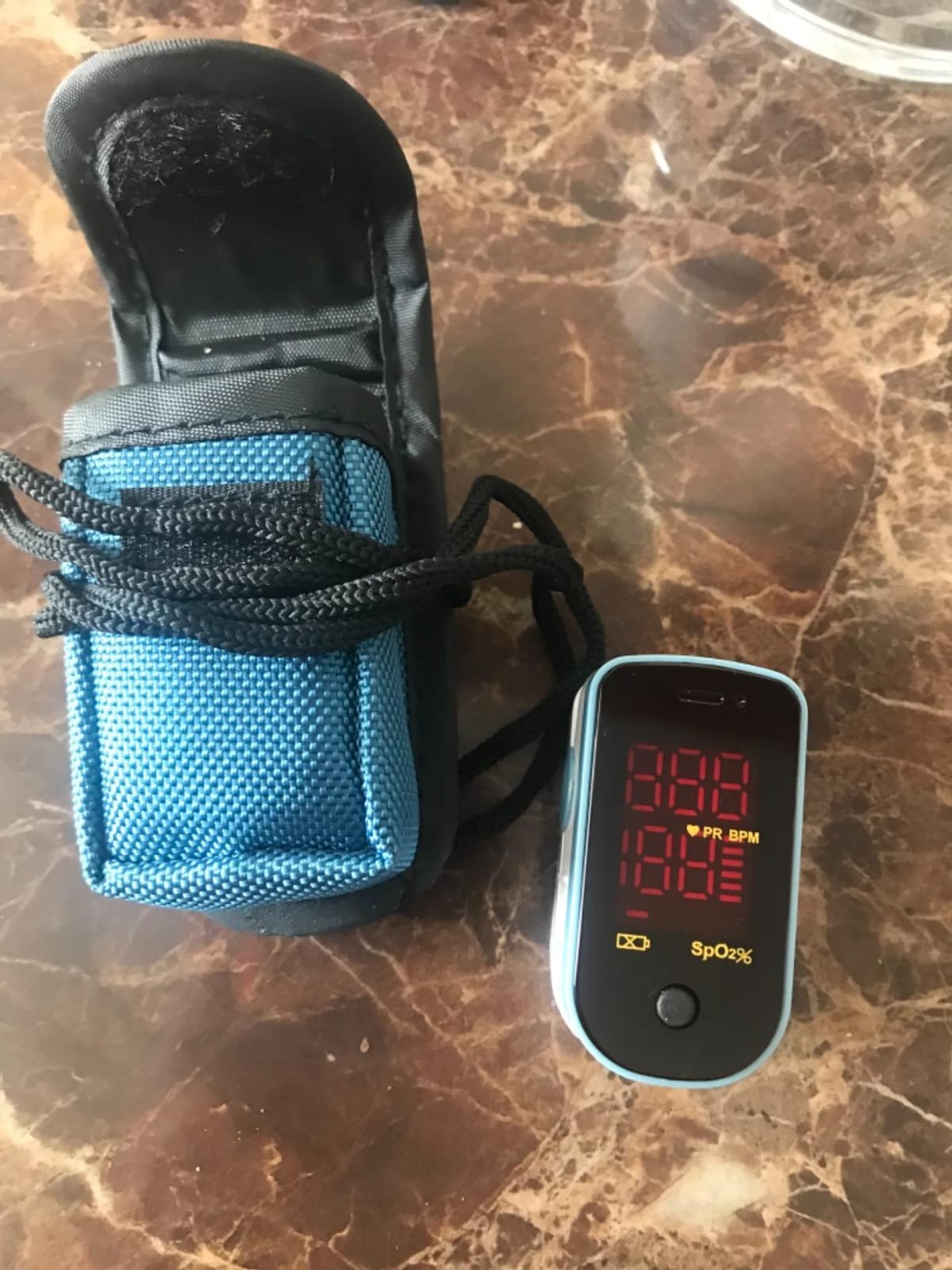
The box includes the meter, two AAA batteries, an adjustable lanyard, a carrying case and the instruction manual. Reviews describe the interface as comfortable and the readings as quick and consistent for a budget unit.
Who this suits
It suits a first purchase, a spare kept in a glovebox or a travel first aid kit, and anyone who does not want to fiddle with settings. One button and a pulse strength bar is genuinely enough for a peace of mind check a few times a month.
Who should skip it
Skip it if you plan to track a condition. There is no memory, no alarm and no waveform, and the device is labelled for sports and aviation rather than medical use, so it is a wellness tool rather than a monitoring tool.
7. HealthTree JKS50B – Our Budget Pick
Fingertip Pulse Oximeter Blood Oxygen Saturation Monitor Pulse Ox, Heart Rate and Fast Spo2 Reading Oxygen Meter with OLED Screen Included Lanyard and 2 X AAA Batteries
Large bright digits for SpO2 and pulse rate
Waveform bar graph for signal strength
2.4 ounces
Pros
- Large legible digits with a signal strength bar graph
- One button operation with auto power off
- Compact at 2.4 ounces
- Comes with lanyard and batteries ready to use
Cons
- Lowest average rating in this group at 4.5
- No memory
- alarm or waveform beyond the bar graph
- Shorter track record than the established models
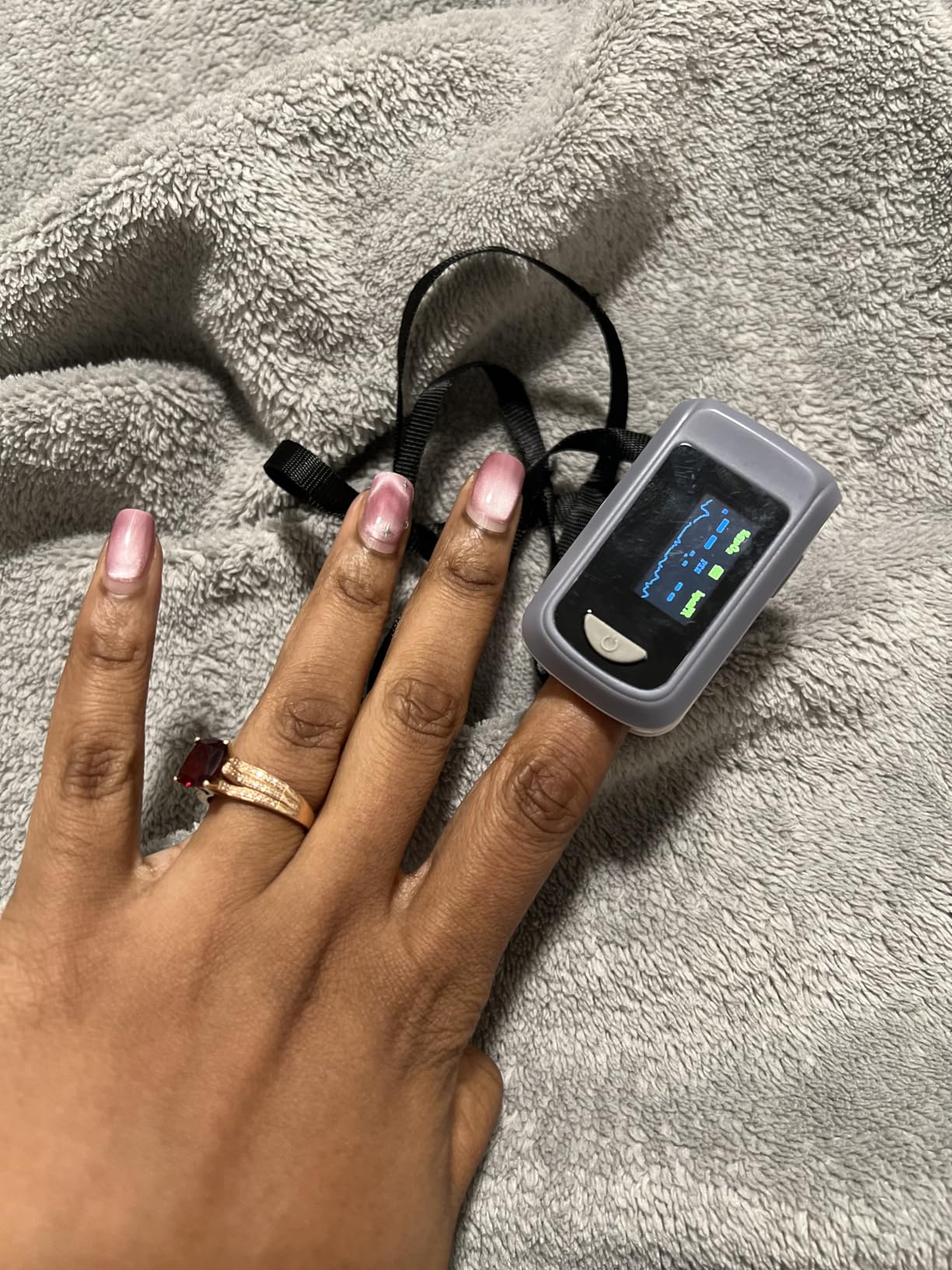
The HealthTree is the cheapest route to a working meter and it does not feel like a toy in the hand. The screen is bright, the digits are large, and a waveform bar graph gives you a visual confirmation of pulse strength so you know when a reading is worth trusting.
Operation is one button with automatic power off, the unit weighs 2.4 ounces at 2.25 by 1.2 by 1.25 inches, and the box contains the meter, two AAA batteries, a lanyard and a manual. That is a complete package for a very small outlay.
We ranked it tenth on purpose. Its 4.5 average is the lowest in the group with a slightly higher share of one-star reviews than peers, and the complaints are about build and finishing quality rather than any specific accuracy failure. The listing also dates from 2021, so its owner history is shorter than the others.
Who this suits
It suits a tight budget, a first device for a teenager, or a household that wants a few spare meters around the house. For occasional checks the large display and one button operation do the job well.
Who should skip it
Skip it if you plan to monitor anything over time. No memory, no alarms and no waveform beyond a bar graph means nothing is stored, and with a 4.5 average and a shorter record, we would rather you spent a little more on one of the higher rated units.
8. Santamedical Generation 2 SM-1100S – Top Rated With Live Pleth
Santamedical Generation 2 Fingertip Pulse Oximeter with Lanyard
Real time plethysmograph waveform
Bright OLED display
Automatic power off after 10 seconds
Pros
- Real time plethysmograph shows signal quality and heart contraction strength
- Bright OLED readable in the dark and in bright sunlight
- Longest standing listing in the group with a 1 year warranty
- Four display directions with six display modes
Cons
- Chamber can struggle with very large or calloused fingers
- Graph mode cannot be rotated like the number display
- Harder to get a reading from toes
This listing has been available since 2007, which means there is a long public record of how it behaves. Owners, including healthcare workers, describe accuracy that holds up against clinic equipment and value the live plethysmograph as a way to judge reading quality before trusting the number.
It shares the excellent OLED readability of the mibest, with a bright panel that works in a dark room and in direct sun, plus four display directions and six modes. Automatic power off kicks in after 10 seconds, which is the most aggressive idle cut-off in the group and helps battery life.
At 3.53 ounces and 4.1 by 2.9 by 1.9 inches it is the bulkiest unit here, and the size is what causes the main complaint. The finger chamber struggles with very large or heavily calloused fingers, and the graph mode cannot be rotated the way the number display can.
Who this suits
It suits someone who wants a visible signal quality trace and does not mind a slightly larger body, including monitoring a parent with hands that are hard to fit. The 1-year warranty and long production history add reassurance.
Who should skip it
Skip it for very large hands and for anyone who wants a pocket-sized unit. It is also the hardest of this group to use away from a fingertip, since reviewers report difficulty getting a reading from toes.
9. Wellue oxi 16 – Best for Logging Trends at Home
Wellue Fingertip Pulse Oximeter, Blood Oxygen Saturation Monitor with Batteries, Carry Bag & Lanyard for Wellness Use
Memory for 12 stored readings
Audible and visual threshold alarms
30 second spot check mode
Pros
- Only unit here with built in memory for 12 readings
- Audible and visual alarms at preset oxygen and pulse limits
- Spot check mode adds a 30 second pulse rhythm analysis
- FSA and HSA reimbursement eligible
Cons
- Not a medical device
- advised against staying on one spot beyond 2 hours
- 24 hour stated battery life is shorter than rivals
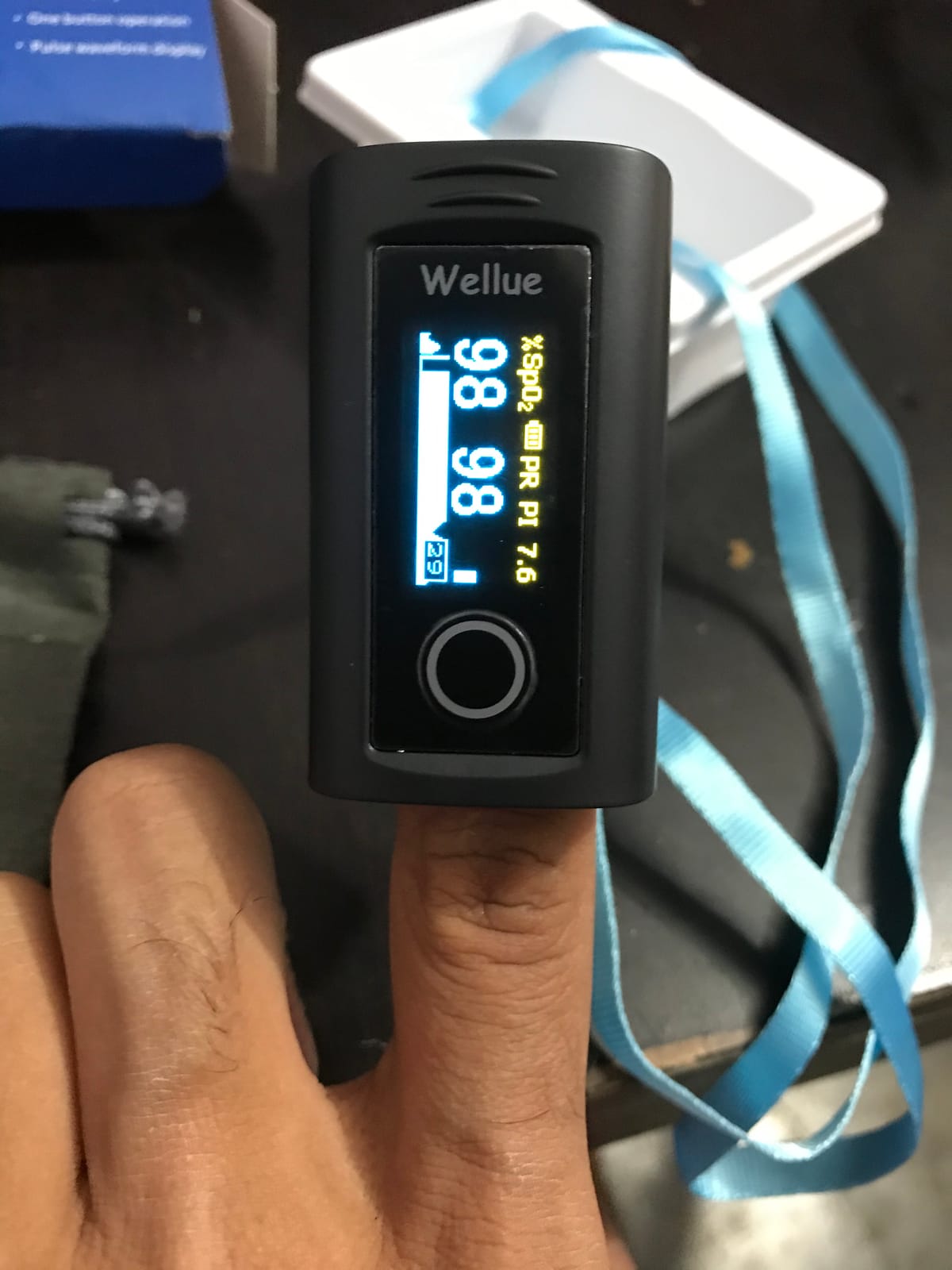
This is the unit to buy when your clinician asked for a trend rather than a one-off check. It stores up to 12 groups of oxygen and pulse readings on the device itself, so you can show a sequence of measurements at an appointment instead of trying to remember what you saw last Tuesday.
It also does things the others do not. Audible and visual alarms trigger when oxygen or pulse values cross limits you preset, and a spot check mode runs for 30 seconds and then returns a pulse rhythm analysis result on top of the standard reading.
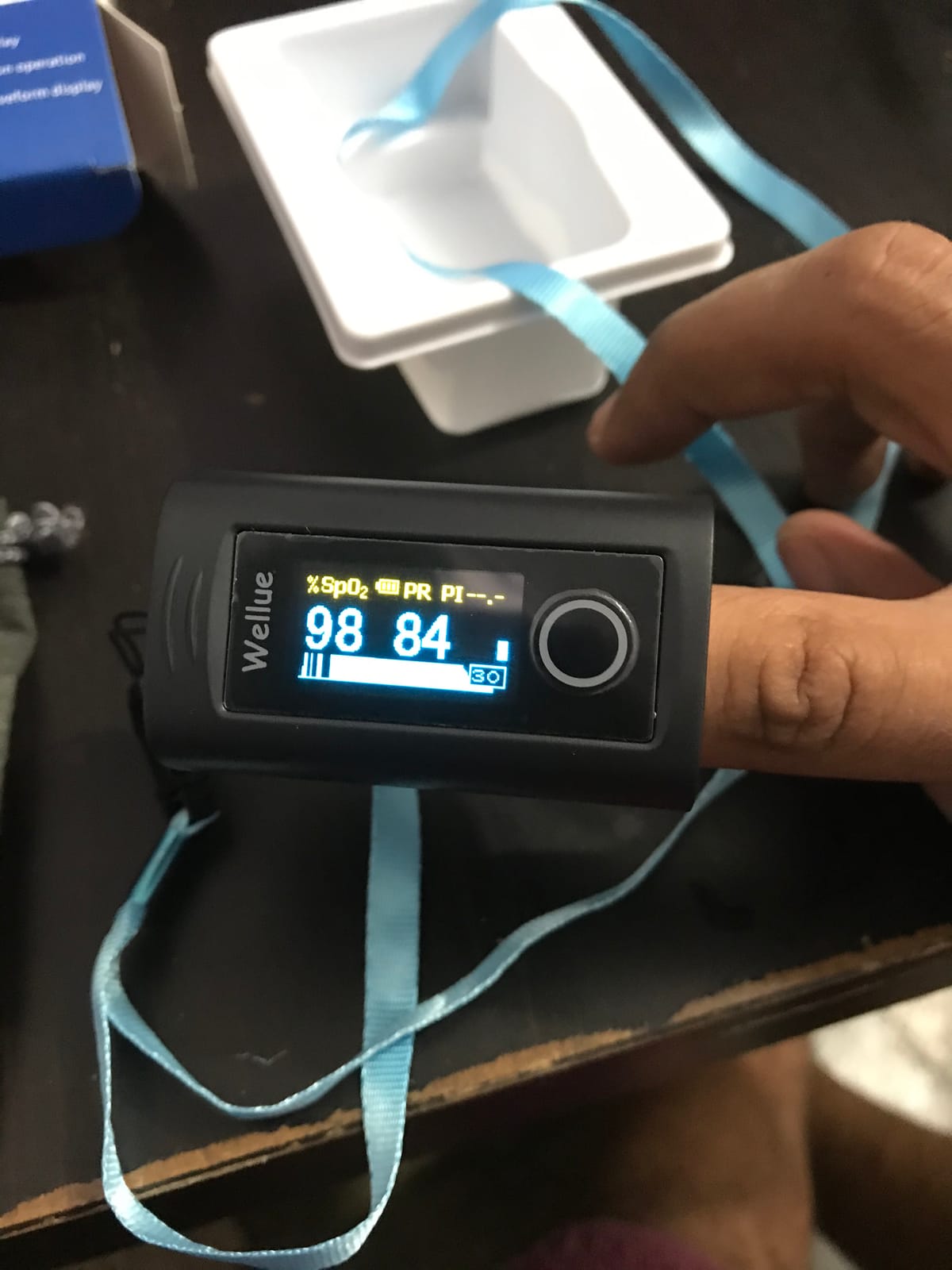
Readings take about 8 seconds with automatic power on and off, and the box includes two AAA batteries, a carry pouch and a lanyard. FSA and HSA reimbursement eligibility is listed, which matters if you are buying with health account money.
Who this suits
It suits anyone building a written or photographed record for a doctor, particularly for a short course of monitoring after an illness or before a procedure. The alarms also work well for a relative who should be prompted to check rather than relying on memory.
Who should skip it
Skip it for long unbroken sessions. The manufacturer advises against leaving the sensor on the same spot for more than two hours, the stated battery life of 24 hours is the shortest of the units that publish a figure, and the listed dimensions are the largest here despite a compact core unit.
10. AccuMed CMS-50D1 – Best for Long-Term Daily Use
AccuMed CMS-50D1 Fingertip Pulse Oximeter Blood Oxygen Sensor SpO2 for Sports and Aviation. Portable and Lightweight with LED Display, 2 AAA Batteries, Lanyard and Travel Case (White)
SpO2 and pulse rate in 8 to 10 seconds
Rotating LED display
50 grams with travel case
Pros
- Long term owners report years of daily use with stable accuracy
- Rotating LED display reads clearly in portrait or landscape
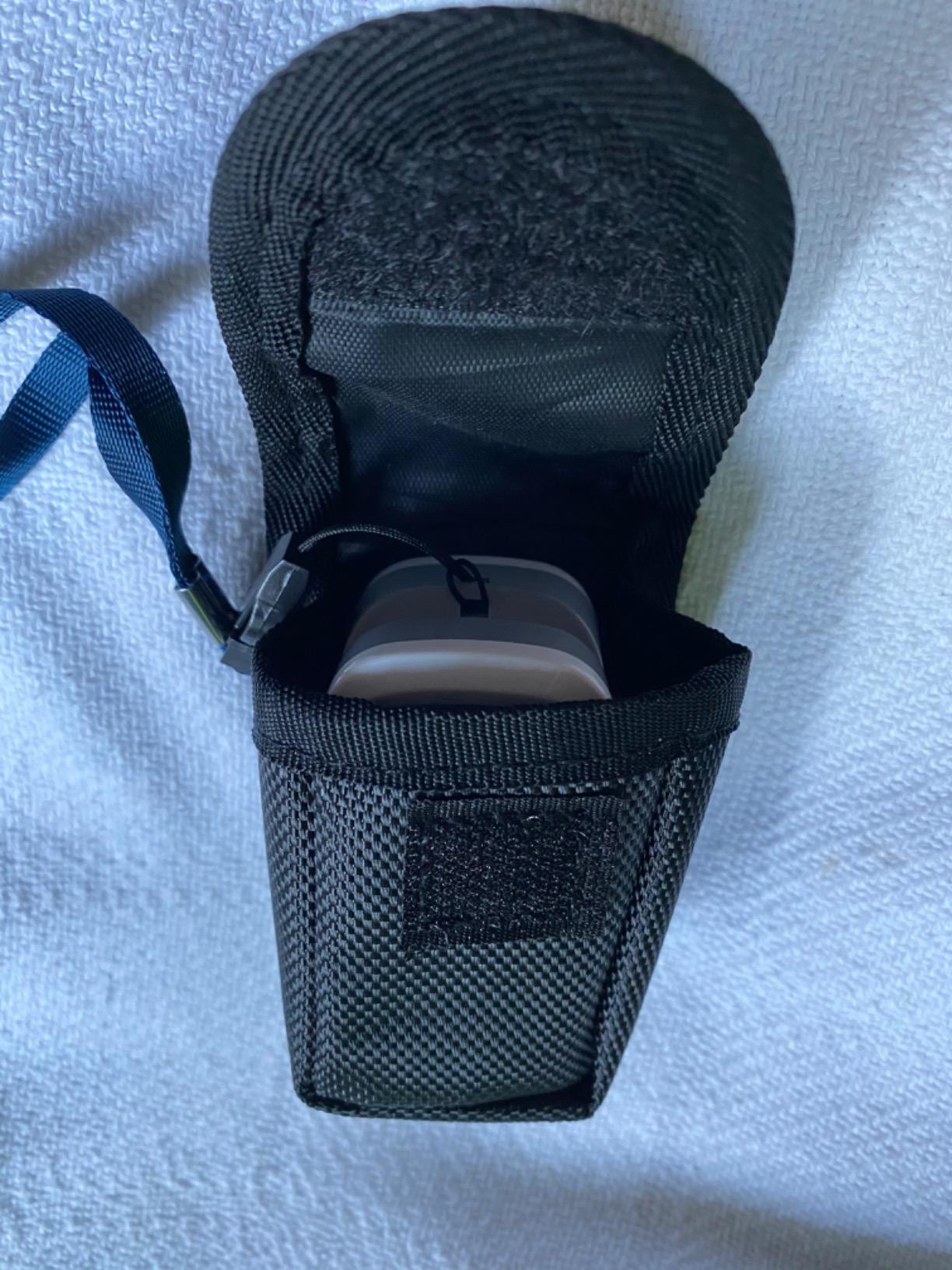
- Travel case and lanyard included
- AAA cells lasted about 18 months on a first set
Cons
- Manual states an 88 to 242 lb body weight range not shown in the listing
- Accuracy drops on very cold fingers
- Not intended for medical use
The AccuMed is the least glamorous entry and possibly the most sensible long-term purchase. It is one of the lightest units here at 1.76 ounces, and long-term owners describe years of daily use with readings holding steady against a doctor office unit.
Battery economy is a genuine strength. Two AAA cells lasted roughly 18 months on a first set with daily use for some owners, and the unit auto powers off when not in use with up to 20 continuous hours of stated battery life.
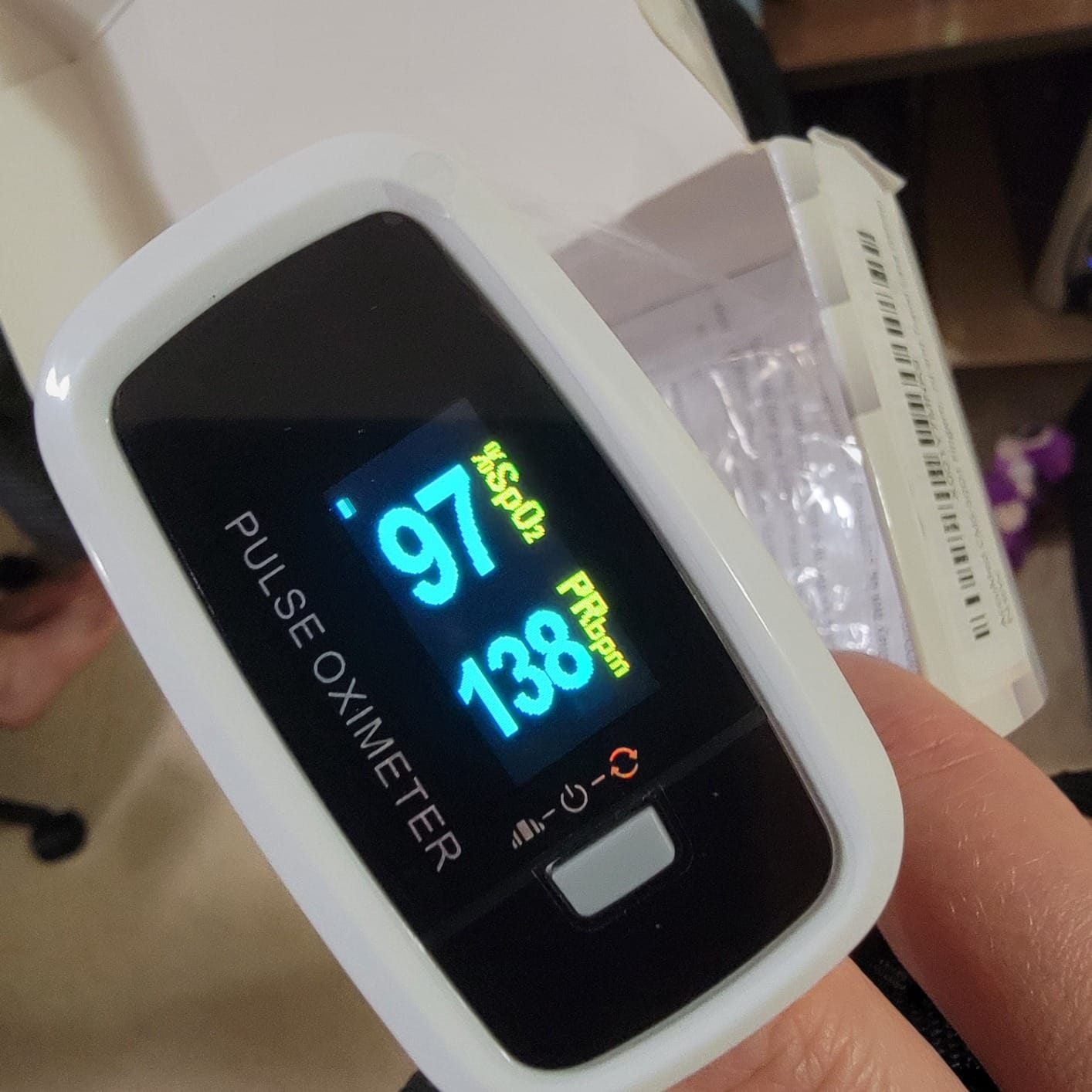
The rotating LED display keeps the readout clear in portrait or landscape, the listing says it fits finger sizes from children over four to adults, and the box includes a travel case and lanyard. At 50 grams it disappears in a pocket.
Who this suits
It suits households planning to keep one meter for years, and anyone who wants a single device for kids and adults without buying two. The travel case also makes it the most practical choice for flights and altitude trips.
Who should skip it
Skip it if you are outside the body weight range printed in the manual, which the listing does not mention, or if your hands are reliably cold, since reviewers report accuracy dropping on very cold fingers. It is also labelled for sports and aviation rather than medical use.
How to Get an Accurate Reading at Home
A consumer oximeter is easy to get wrong, and almost every strange result we saw came back to one of six things. Work through these before you decide a reading means something is wrong.
Warm the hand first. Cold fingers reduce blood flow, which starves the sensor and produces both low readings and a weak signal. Sit somewhere warm for five minutes and rub the fingers before clipping on.
Use a bare, reasonably sized finger. Remove nail polish and artificial nails, and skip cold or unusually thick fingers where blood flow is weakest. For most adults the index or middle finger of the dominant hand works best.
Stay still and wait. Movement during the first seconds is the most common cause of drift. Let the number sit until it stops changing, which usually takes about ten seconds, and never take the first displayed value as final.
Repeat three times and compare. Take the reading on two or three fingers, write them down, and treat a spread of more than about four points as a signal that something in the technique, not your lungs, is off. Forum discussion around home oximetry shows a common habit of cross-checking a new budget device against a unit you already own, which is a sensible way to build confidence in a purchase.
Watch the signal indicators. A perfusion index, a plethysmograph waveform or a pulse strength bar all tell you whether the sensor had enough blood flow to trust. A very low perfusion index is the clearest sign that a reading is unreliable rather than that your oxygen is low.
Clean the sensor between users. Alcohol wipes on the inside of the chamber and the emitter are enough, and it matters most in a household where two or more people share one device.
How to Verify FDA 510(k) Clearance Yourself
Every oximeter in this roundup is labelled for sports, aviation or wellness. None is sold as an FDA-cleared medical device, and understanding that distinction is the fastest way to avoid being misled by a product page. If you want a cleared device, here is how to check any product in five steps.
First, go to the FDA 510(k) premarket notification database at accessdata.fda.gov and open the 510(k) Premarket Notification search.
Second, search the device name or the manufacturer, not the retailer listing title. Marketplace titles routinely add words the clearance does not support.
Third, read the decision date and the decision summary. A clearance record tells you which indications the device was reviewed for, and those indications are often narrower than the marketing language.
Fourth, note the difference between cleared and approved. Pulse oximeters are cleared through the 510(k) route, which means the device is substantially equivalent to a legally marketed predicate device. Approved is a different pathway reserved for high-risk devices, and a brand claiming a pulse oximeter is FDA approved is making an unusual claim worth checking twice.
Fifth, check the intended use on the record against how you plan to use it. A unit cleared for exercise and aviation will not carry a claim for diagnosis or disease monitoring, no matter how the box is worded.
What Your SpO2 Number Means and When to Act
Most healthy adults sit between 95 and 100 percent at rest, and pulse rates for most adults fall between 60 and 100 beats per minute. Anything outside those ranges on a single reading means very little on its own.
Context is what matters. Overnight readings can sit lower during sleep, and a cold, anxious or recently active hand will distort a reading before any lung problem does. Trend across several days beats one number.
If a reading is low, take it again using the protocol above. If it stays low when you are warm, still and rested, and you feel unwell, contact a clinician the same day. Difficulty breathing, chest pain, confusion or a blue tint to the lips or fingertips are emergencies, and you should call emergency services rather than measure again.
For anyone with COPD, heart failure or diagnosed sleep apnea, your doctor may set personal thresholds. Those personal numbers should override anything general you read online, including this page.
Keep a log. Write the date, time, reading, pulse rate and how you felt. A column of numbers in a notebook or a photo of a phone notes entry is far more useful at an appointment than a memory of last week’s reading, and it is exactly the kind of record the Wellue’s built in memory is designed to support.
Pulse Oximeter Buying Guide: What Actually Matters
Form factor first. Fingertip clips dominate this list because they are cheap, fast and accurate enough for spot checks. Wrist-worn and ring-style devices exist for overnight tracking, and forum discussion among sleep apnea patients values them for readable overnight trend data rather than clinical-grade spot accuracy. Know that a wrist device produces a saturation trend, not a sleep study or an apnea index, and it should never be presented to a doctor as one.
Accuracy claims second, and read the range. A plus or minus 2 percent figure over 70 to 100 percent covers the low readings where accuracy usually degrades. A similar figure quoted only for 90 to 100 percent says far less. If a listing quotes no range at all, treat the claim as thin.
Signal quality information third. Perfusion index and plethysmograph waveform output let you know when to discard a reading. Among these ten, the Innovo iP900AP and the Santamedical Generation 2 show real traces, and the rest give you a bar graph or nothing.
Display fourth. Red LED meters are fine indoors and at night. OLED panels, as on the mibest, the Santamedical Generation 2 and the Innovo, stay readable in daylight and dim rooms, which matters for anyone with reduced vision.
Finger fit fifth. Measure your finger before buying. Spring chambers work for most adults and older children, but review notes on the Santamedical Generation 2 and the AccuMed show why a size check is worth two minutes.
Battery and storage last. Two AAA cells are standard. Figures range from 20 to 30 hours up to the higher claim on the CONTEC, and only the Wellue stores readings, which is the single most useful feature for anyone building a record for a doctor.
One caution that applies to the whole category. Published research has raised questions about whether oximeter accuracy is equal across all skin tones, and a 2021 FDA advisory drew attention to the issue. We found no independent testing of these specific ten units, so we will not claim a winner on that basis. If this matters to you, the honest approach is to check whether the device you buy has been studied, and to raise repeated mismatches between your readings and how you feel with your clinician.
Medical Disclaimer
Nothing on this page is medical advice, and no pulse oximeter in this roundup is a diagnostic device. All ten are consumer products labelled for sports, aviation or wellness use. Do not use any of them to diagnose, treat or manage a condition, and do not start or stop medication based on a reading. Talk to a doctor about your symptoms, your readings and any personal thresholds that apply to you.
Frequently Asked Questions
Which pulse oximeter is the most accurate for home use?
For home use we rate the Innovo Deluxe iP900AP highest, because it is the only unit in our roundup that shows a perfusion index and plethysmograph waveform, so you can see whether a reading was taken with enough blood flow to trust. The Zacurate 500 Series is the strongest all-rounder, with a plus or minus 2 percent accuracy figure quoted across 70 to 100 percent. None of these are laboratory validated, and none are FDA-cleared medical devices.
Do I need a prescription to buy a pulse oximeter?
No. Consumer fingertip oximeters sold for sports, aviation and wellness use are over the counter and need no prescription. Devices configured for clinical diagnosis and monitoring are a separate category with different rules, and your doctor may recommend a specific one if you are being monitored for a condition.
What is a normal pulse oximeter reading?
Most healthy adults read between 95 and 100 percent SpO2 at rest, with a pulse rate between 60 and 100 beats per minute. A single low reading on a cold or moving hand means very little. Repeat it warm and still, and look at the trend over several days rather than one number.
How can I tell if a home pulse oximeter is accurate?
Warm your hand, use a bare finger with no nail polish, stay still until the number stops changing, and take three readings on different fingers to compare. Watch the perfusion index, plethysmograph waveform or pulse strength bar, and treat a weak signal as a reason to discard the reading. If two devices you own disagree by more than a few points, trust the one with the better signal indicator rather than the higher number.
Are pulse oximeters accurate on dark skin?
This is a real and documented concern. Published research and a 2021 FDA advisory have raised questions about whether oximeter accuracy is equal across skin tones, and consumer devices in particular have had less independent testing. We did not find independent testing for the ten units in this roundup, so if this affects you, ask your clinician about devices with published study data and raise any repeated mismatch between your readings and how you feel.
Conclusion: The Best Pulse Oximeters for Home Use in 2026
If you want one device and no complications, buy the Zacurate 500 Series. It has the most owner history in this roundup, a wide published accuracy range and a display that faces you. If confidence in the number matters more than cost, the Innovo Deluxe iP900AP is the one with a perfusion index, and it is our pick for anyone monitoring a real condition.
For a budget that still includes a case and a warranty, take the Santamedical JPD-500E. For readable screens in poor light, the mibest OLED. For storing readings so you can show a trend to your doctor, the Wellue oxi 16.
Whichever you choose, warm the hand, stay still, take three readings and keep a log. The device is only as useful as the habit around it.