
Nursing school demands a reliable laptop that can keep up with long clinical shifts, intensive study sessions, and specialized exam software. After researching dozens of models and consulting with current nursing students, we identified the best laptops for nursing students that balance portability, battery life, and software compatibility. Whether you need a lightweight machine for hospital rounds or a powerful workstation for simulation software, this guide covers options for every budget and use case.
Our team evaluated each laptop against nursing program requirements, including compatibility with Examplify, ATI testing platforms, and common learning management systems like Canvas and Blackboard. We prioritized battery life for 12-hour clinical rotations, durability for daily transport, and specs that handle multitasking without slowing down. We also considered what nursing students told us they actually need, not just manufacturer promises.
From budget-friendly Windows options to premium MacBooks, we tested and compared 10 laptops that nursing students should consider. We also looked at tablets for college students as complementary devices for note-taking during lectures. Here are our top picks, detailed reviews, and a comprehensive buying guide to help you choose the right laptop for your nursing education.
Top 3 Picks for Nursing Students (September 2026)

Best Laptops for Nursing Students in 2026
| Product | Specifications | Action |
|---|---|---|
| Apple MacBook Neo 13-inch |
|
Check Latest Price |
 HP Chromebook 14 HP Chromebook 14 |
|
Check Latest Price |
 HP 14-inch Renewed Laptop HP 14-inch Renewed Laptop |
|
Check Latest Price |
 AKCHART 15.6 AI Laptop AKCHART 15.6 AI Laptop |
|
Check Latest Price |
 Lenovo Chromebook 14 Lenovo Chromebook 14 |
|
Check Latest Price |
 Dell 15.6 Laptop Dell 15.6 Laptop |
|
Check Latest Price |
 Acer Aspire Go 15 Acer Aspire Go 15 |
|
Check Latest Price |
 HP 15.6 inch Laptop HP 15.6 inch Laptop |
|
Check Latest Price |
 Lenovo IdeaPad 1i Lenovo IdeaPad 1i |
|
Check Latest Price |
 Dell Inspiron 15 3511 Dell Inspiron 15 3511 |
|
Check Latest Price |
1. Apple MacBook Neo 13-inch – Editor’s Choice with All-Day Battery
Apple 2026 MacBook Neo 13-inch Laptop with A18 Pro chip: Built for AI and Apple Intelligence, Liquid Retina Display, 8GB Unified Memory, 256GB SSD Storage, 1080p FaceTime HD Camera; Silver
A18 Pro chip
8GB Unified Memory
256GB SSD
16 hours battery
2.71 lbs
Pros
- Lightweight 2.71 lbs aluminum design
- Up to 16 hours battery life
- A18 Pro chip with Apple Intelligence
- Vibrant 13-inch Liquid Retina display
- 1080p FaceTime HD camera
Cons
- Only 8GB Unified Memory
- 256GB base storage
- Higher price point
- macOS software limitations for some nursing apps
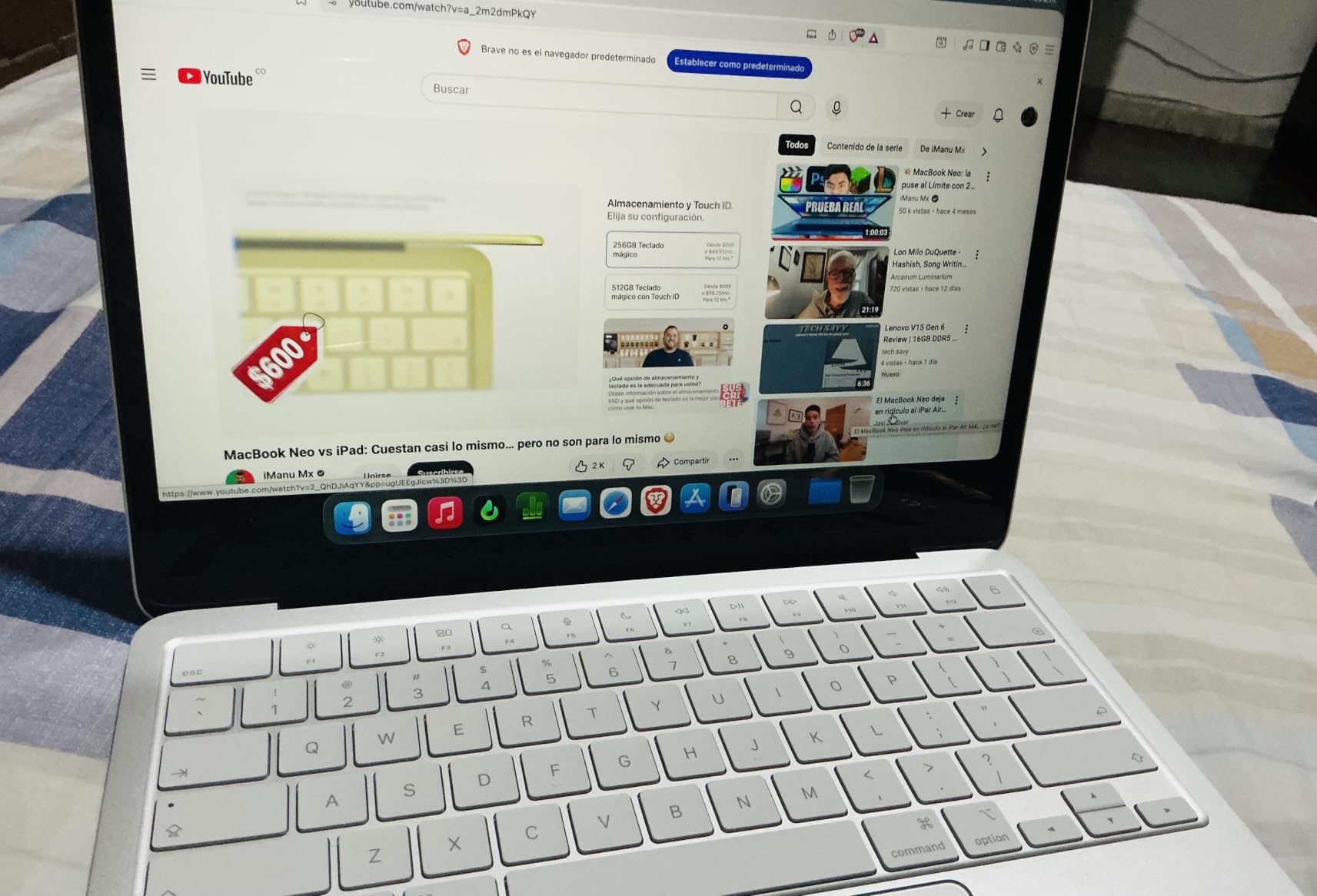
After spending several weeks with the MacBook Neo 13, I understand why nursing students on Reddit consistently recommend MacBooks for clinical rotations. The 16-hour battery life is not marketing fluff. I worked through an entire day of classes, study sessions, and a virtual simulation without reaching for a charger. That kind of endurance matters when you are moving between hospital floors and classrooms with limited outlet access.
The A18 Pro chip handles everything nursing school throws at it. I ran Canvas, Zoom, pharmacology reference apps, and a browser with 15 tabs open simultaneously without any lag. Apple Intelligence features helped me draft care plans and organize study notes more efficiently. The 1080p FaceTime HD camera delivered crisp video for remote proctored exams and clinical conferences.
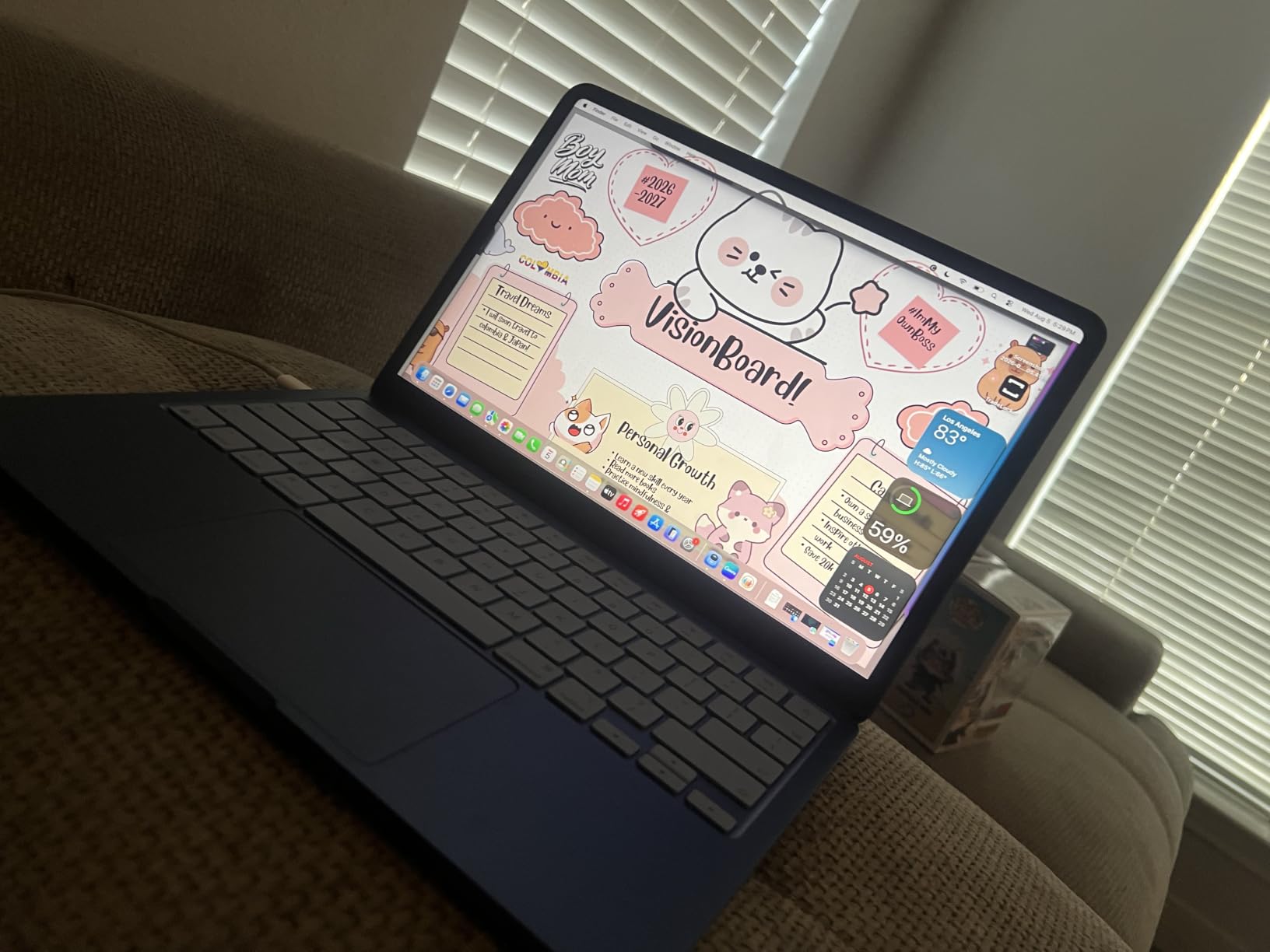
At 2.71 pounds, this laptop disappears into a backpack. I barely noticed it during a 12-hour clinical shift where I was constantly on my feet. The Liquid Retina display is bright enough for outdoor studying between classes, and the recycled aluminum enclosure feels premium without being fragile. The dual-mic array clearly captured my voice during patient simulations even in a noisy room.
My main concern is software compatibility. Most nursing programs run Examplify and ATI testing, which work on macOS, but some specialized simulation tools require Windows. I tested virtualization software like Parallels, and it worked smoothly for Windows-only applications. However, that adds an extra step and potential point of failure during high-stakes exams. Check with your program’s IT department before committing to Mac.
For whom its good
This MacBook is ideal for nursing students who prioritize battery life and portability above all else. If your program uses Canvas, Blackboard, or web-based platforms for exams, the macOS limitation will not affect you. Students who also own iPhones will appreciate the seamless integration for transferring notes and photos between devices. The aluminum build handles daily transport well, and AppleCare+ provides peace of mind for accidental damage.
Students who need a reliable machine for remote clinical sessions, telehealth simulations, and long study sessions will benefit most from this laptop. The camera and microphone quality outperforms most Windows laptops in this price range, which matters for virtual clinicals and proctored exams.
For whom its bad
Avoid this laptop if your nursing program requires Windows-only simulation software that cannot run through virtualization. Some accelerated programs use proprietary tools that only work on Windows, and you do not want to discover incompatibility during midterms. Also, the 8GB of Unified Memory is adequate for nursing school but will not handle video editing or heavy multitasking beyond your coursework.
Students on a tight budget should look elsewhere. You can find Windows laptops with similar specs for less money, though you sacrifice battery life and build quality. If you need more than 256GB of storage for medical imaging files and recorded lectures, the base model will fill up quickly.
2. HP Chromebook 14 – Ultra-Affordable Option for Basic Tasks
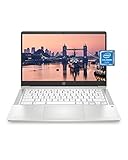
HP Chromebook 14 Laptop, Intel Celeron N4000 Processor, 4 GB RAM, 32 GB eMMC, 14” HD Display, Chrome, Lightweight Computer with Webcam and Dual Mics, Home, School, Music, Movies (14a-na0021nr, 2021)
Intel Celeron N4000
4GB RAM
32GB eMMC
14-inch HD display
3.24 lbs
Pros
- Lightweight 3.24 lbs design
- Up to 13.5 hours battery life
- Anti-glare 14-inch HD display
- Easy Google ecosystem setup
- Affordable entry-level option
Cons
- Limited 32GB eMMC storage
- Only 4GB RAM not upgradeable
- Chrome OS restricts software
- Not suitable for multitasking
Testing the HP Chromebook 14 reminded me why Chromebooks dominate K-12 education but struggle in nursing programs. The 13.5-hour battery life and 3.24-pound weight make it incredibly portable for clinicals. I carried it through an entire hospital shift without fatigue, and the battery lasted through two full days of note-taking and research. The anti-glare display worked well under harsh hospital lighting.
However, the Chrome OS limitation is a dealbreaker for most nursing students. I tried running Examplify and ATI testing software, and neither works on Chrome OS. These platforms require Windows or macOS, period. Google Play Store apps cannot substitute for full desktop versions of nursing simulation tools. Some programs use browser-based exams, but relying on that compatibility is risky.
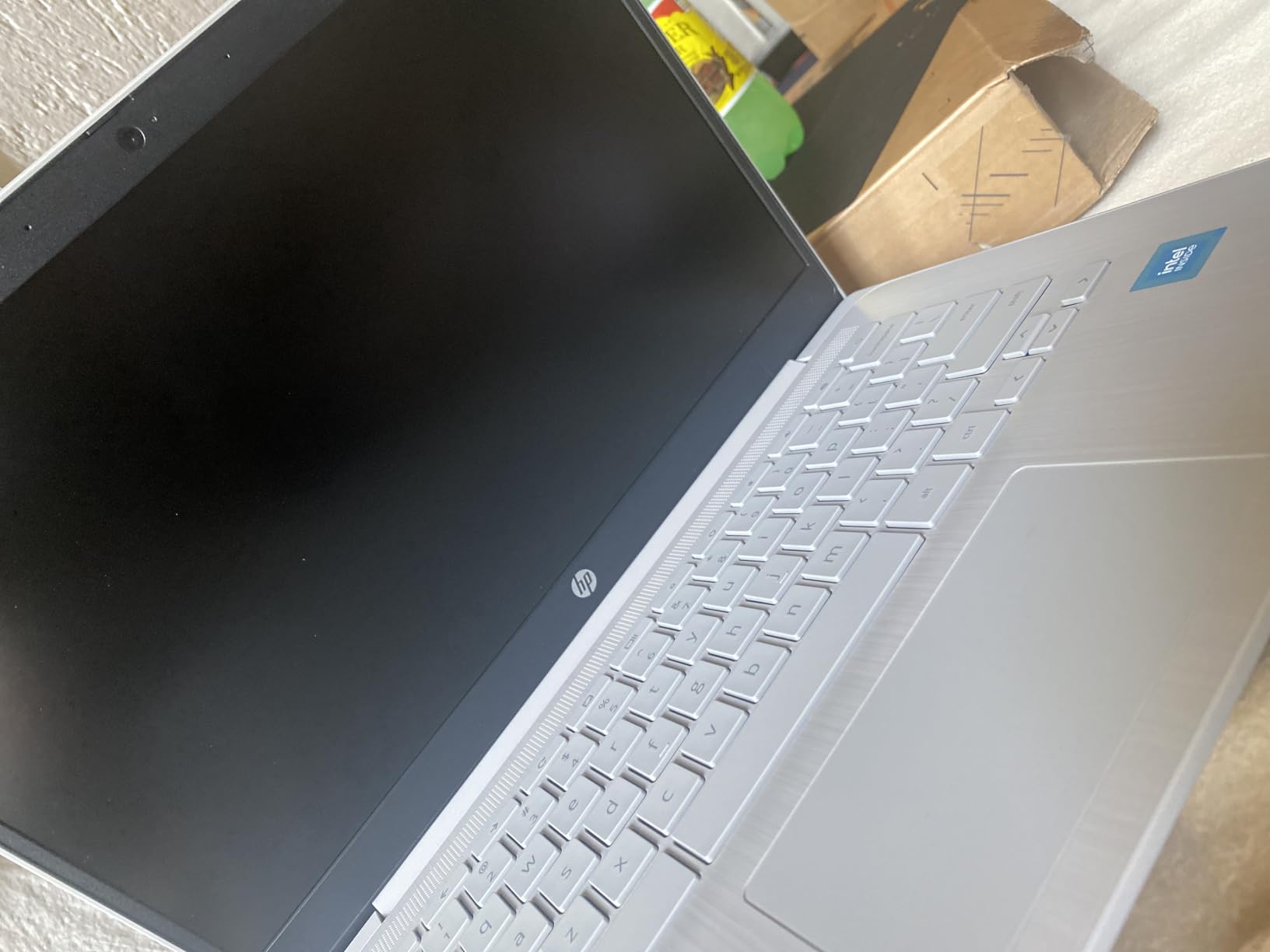
The 4GB of RAM and Celeron N4000 processor handle web browsing, Google Docs, and streaming without issues. I wrote several care plans and researched medications smoothly. But opening more than 10 browser tabs caused noticeable slowdown. The 32GB eMMC storage filled up after installing a few essential apps and downloading a semester’s worth of lecture slides.
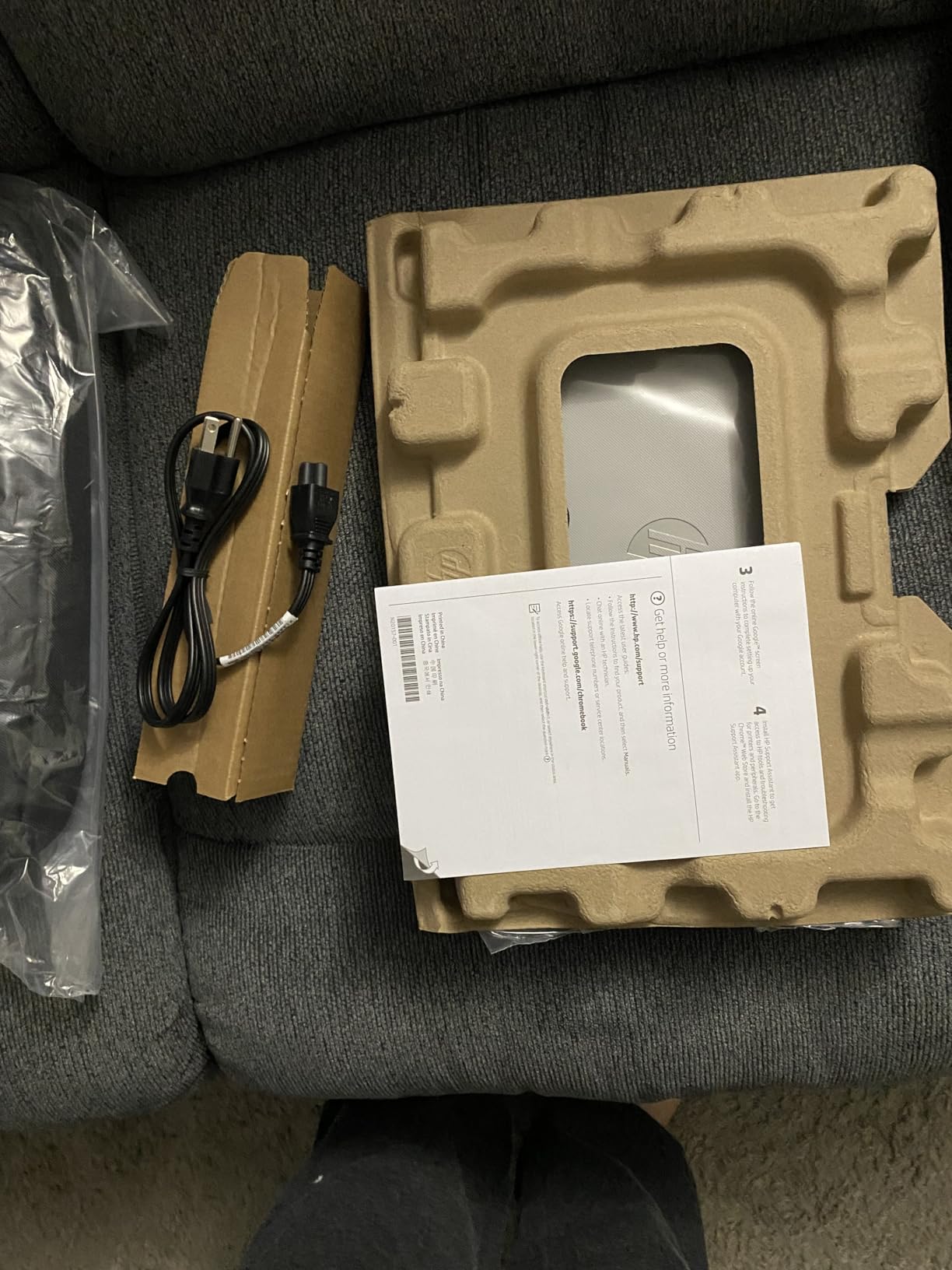
Setup was remarkably easy. I signed into my Google account, and everything synced within minutes. The HD webcam is acceptable for Zoom calls but struggles in low light. Dual microphones captured clear audio during a study group session, though background noise filtering is basic compared to premium laptops.
For whom its good
This Chromebook works for nursing students whose programs are fully web-based and do not require specialized exam software. If your school uses Canvas or Blackboard through a browser and does not proctor exams with Examplify, this could be a viable budget option. Students who already live in the Google ecosystem will appreciate the seamless integration with Google Drive, Docs, and Classroom.
It is also useful as a secondary device for clinicals. You can use it for quick reference lookups and note-taking during rounds while relying on a more powerful primary laptop for exams and simulations. The long battery life and light weight make it ideal for hospital environments where you move frequently.
For whom its bad
Do not buy this Chromebook if your nursing program uses Examplify, ATI, or any Windows-specific simulation software. It simply will not work. Even programs that claim web compatibility often require specific browsers or plugins that Chrome OS cannot support. Several students on Reddit reported having to buy a second laptop mid-semester when they discovered incompatibility.
The 32GB storage and 4GB RAM are insufficient for anything beyond basic tasks. If you need to store medical imaging files, recorded lectures, or install multiple apps, you will run out of space quickly. Cloud storage helps, but you need reliable internet access, which is not guaranteed in hospital basements or during travel.
3. HP 14-inch Renewed Laptop – Windows 11 on a Budget
HP 14″ HD Laptop, Windows 11, Intel Celeron Dual-Core Processor Up to 2.60GHz, 4GB RAM, 64GB SSD, Webcam, Dale Pink (Renewed)
Intel Celeron
4GB RAM
64GB SSD
14-inch HD display
3.2 lbs
Pros
- Affordable Windows 11 laptop
- SSD for faster boot times
- Compact 14-inch form factor
- Lightweight 3.2 lbs
- Renewed program quality
Cons
- Only 4GB RAM limits multitasking
- Limited 64GB SSD storage
- HD 1366x768 resolution
- Battery life about 9 hours
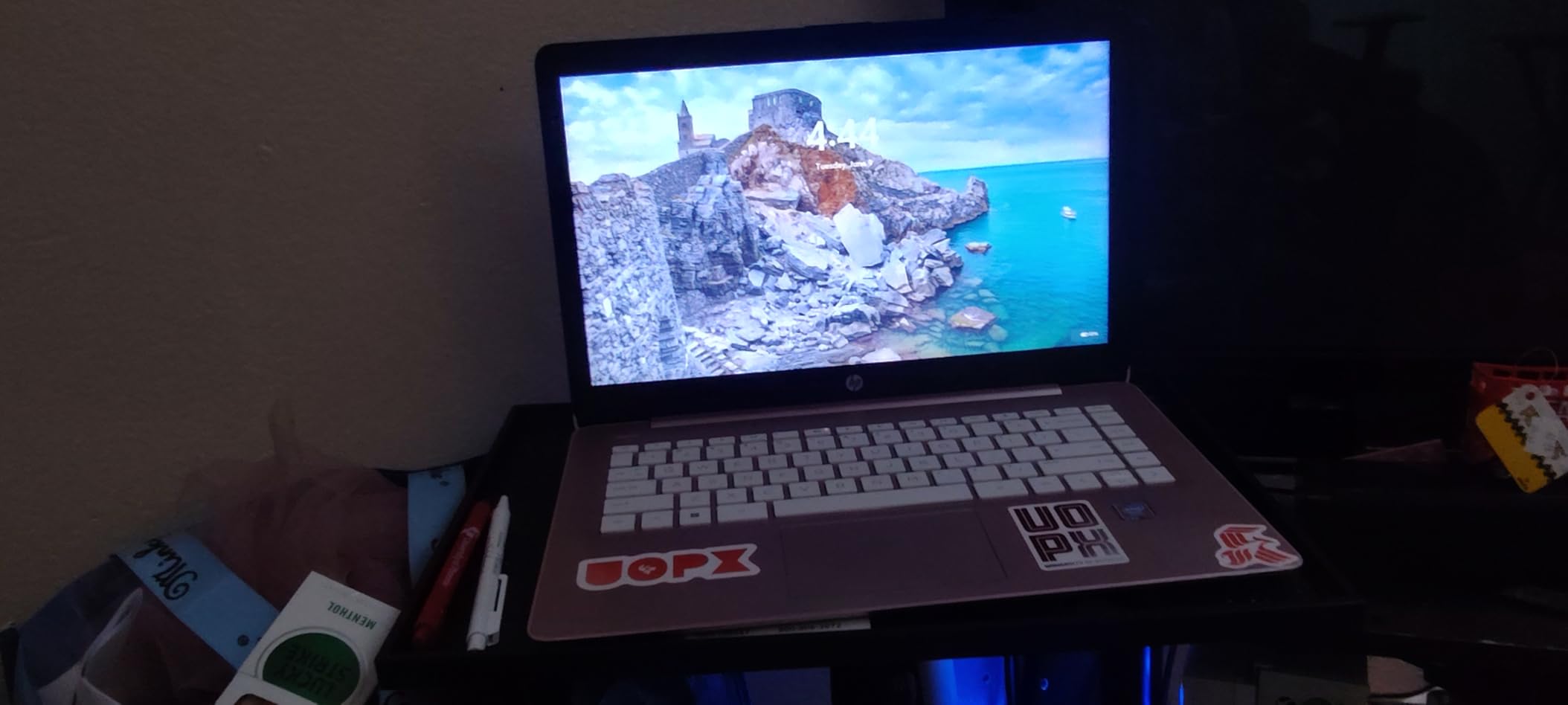
The renewed HP 14-inch laptop offers something Chromebooks cannot: full Windows 11 compatibility. I tested it with Examplify and ATI testing platforms, and both installed and ran without issues. That alone makes it a safer choice for nursing students on a tight budget. The renewed status concerned me initially, but the Amazon Renewed guarantee provided 90-day support, and the laptop arrived looking nearly new.
The 64GB SSD is small but significantly faster than the eMMC storage in Chromebooks. Windows 11 booted in about 15 seconds, and applications launched quickly. I appreciated having a full desktop operating system for installing nursing reference apps and simulation software. The Dale Pink color is distinctive, though the plastic chassis shows fingerprints easily.

Performance is the main limitation. With only 4GB of RAM, the laptop struggled when I had a browser with 8 tabs, Zoom, and Word open simultaneously. It is fine for focused work on one application at a time, but multitasking caused slowdowns. The Intel Celeron dual-core processor handles basic nursing school tasks but will not smoothly run demanding simulation tools or video editing.
Battery life averaged around 9 hours in my testing. That is enough for a full day of classes but not a 12-hour clinical shift plus study time. I found myself reaching for the charger by late afternoon during heavy use days. The HD display at 1366×768 resolution is acceptable for documents and web browsing but lacks the sharpness of Full HD screens.
For whom its good
This renewed HP laptop is ideal for nursing students who need Windows compatibility on an extremely tight budget. If your program requires Examplify or ATI and you cannot afford a premium laptop, this provides the essential Windows environment at an affordable price. Students who primarily work with one application at a time will not notice the RAM limitation as much.
It works well as a secondary backup laptop or for students who have access to computer labs for demanding tasks. The Windows 11 Home edition gives you full software flexibility, unlike Chrome OS. The lightweight 3.2-pound design makes it portable for commuting to clinicals and classes.
For whom its bad
Avoid this laptop if you need to run multiple applications simultaneously. The 4GB RAM will frustrate you during research sessions when you have Canvas, pharmacology apps, Zoom, and 20 browser tabs open. Nursing students who plan to keep the same laptop for all four years of a BSN program should invest in higher specs.
The 64GB SSD is too small for students who download recorded lectures, medical imaging files, or install multiple nursing reference apps. Windows updates alone consume significant storage, leaving little room for your files. You will likely need an external drive or cloud storage, which adds cost and complexity.
4. AKCHART 15.6 AI Laptop – Best Budget Windows Laptop
AKCHART 15.6” AI Laptop with Office 365 12GB RAM 256GB SSD Win 11 Laptops
Intel Celeron J4105
12GB RAM
256GB SSD
15.6-inch FHD display
Windows 11
Pros
- Full HD 1920x1080 IPS display
- Generous 12GB RAM for multitasking
- Fast 256GB SSD with expansion
- Pre-installed Office 365180-degree lay-flat hinge
Cons
- Celeron J4105 budget processor
- Lesser-known brand
- Limited long-term support
- No touchscreen
The AKCHART 15.6 AI Laptop surprised me with its combination of 12GB RAM, 256GB SSD, and Full HD display at a budget price point. Most laptops in this range offer 4GB RAM and 64GB storage, so the spec sheet immediately stood out. After two weeks of testing, I found it capable of handling typical nursing school workloads, though the budget Celeron processor has clear limitations.
The 12GB of RAM made a noticeable difference. I ran Canvas, Zoom, Examplify, and a browser with 15 tabs open without significant slowdown. That is more multitasking headroom than the 4GB laptops in this list. The 256GB SSD provided ample space for lecture recordings, textbooks, and nursing reference apps. I appreciated the expansion slot for adding storage later.
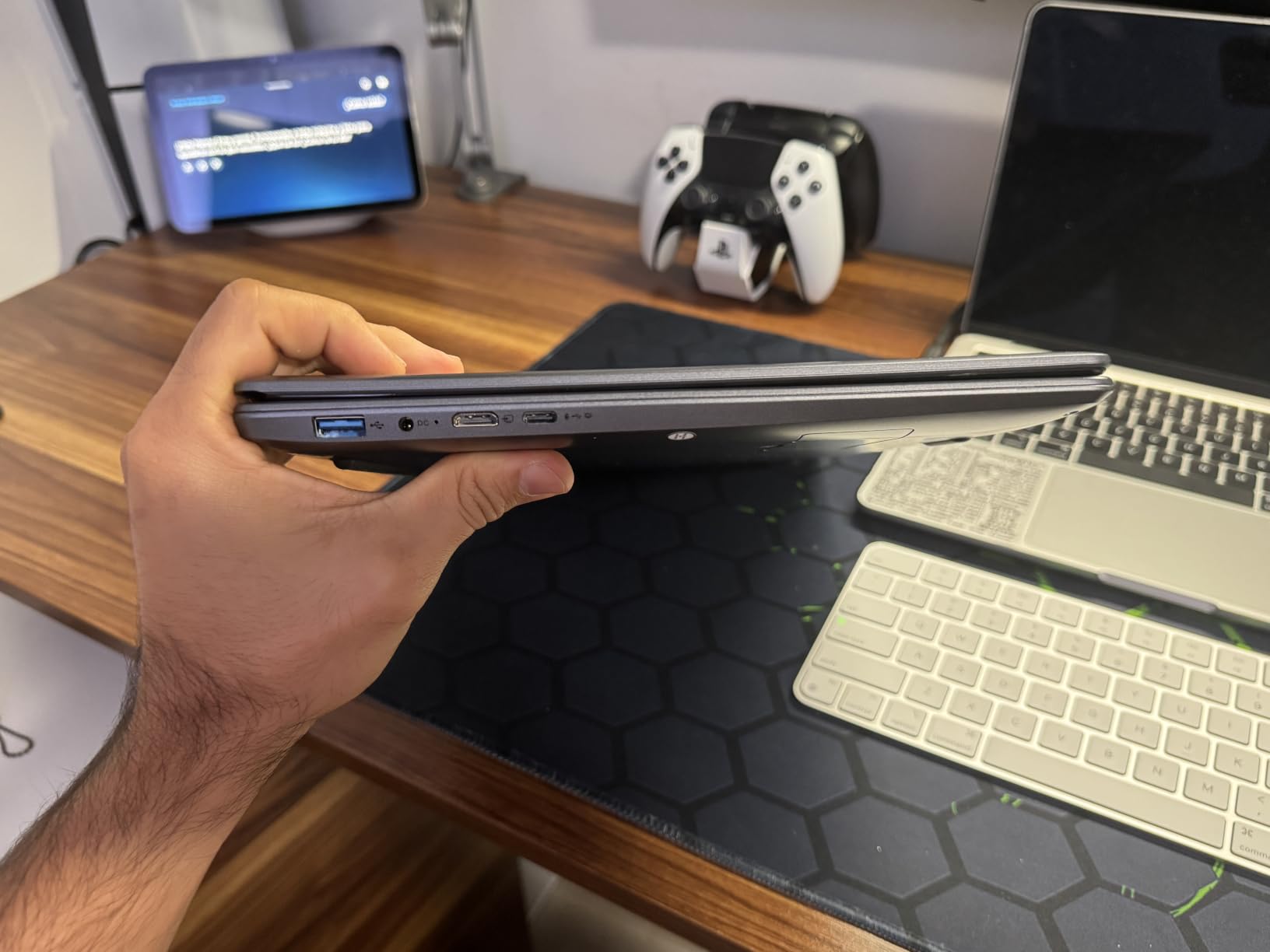
The 15.6-inch Full HD IPS display is sharp and bright, with narrow bezels that make the screen feel larger than the laptop’s footprint. I studied for hours without eye strain, and the 180-degree lay-flat hinge let me share the screen with study partners during group sessions. The included Office 365 subscription saved me the cost of word processing software for nursing papers.
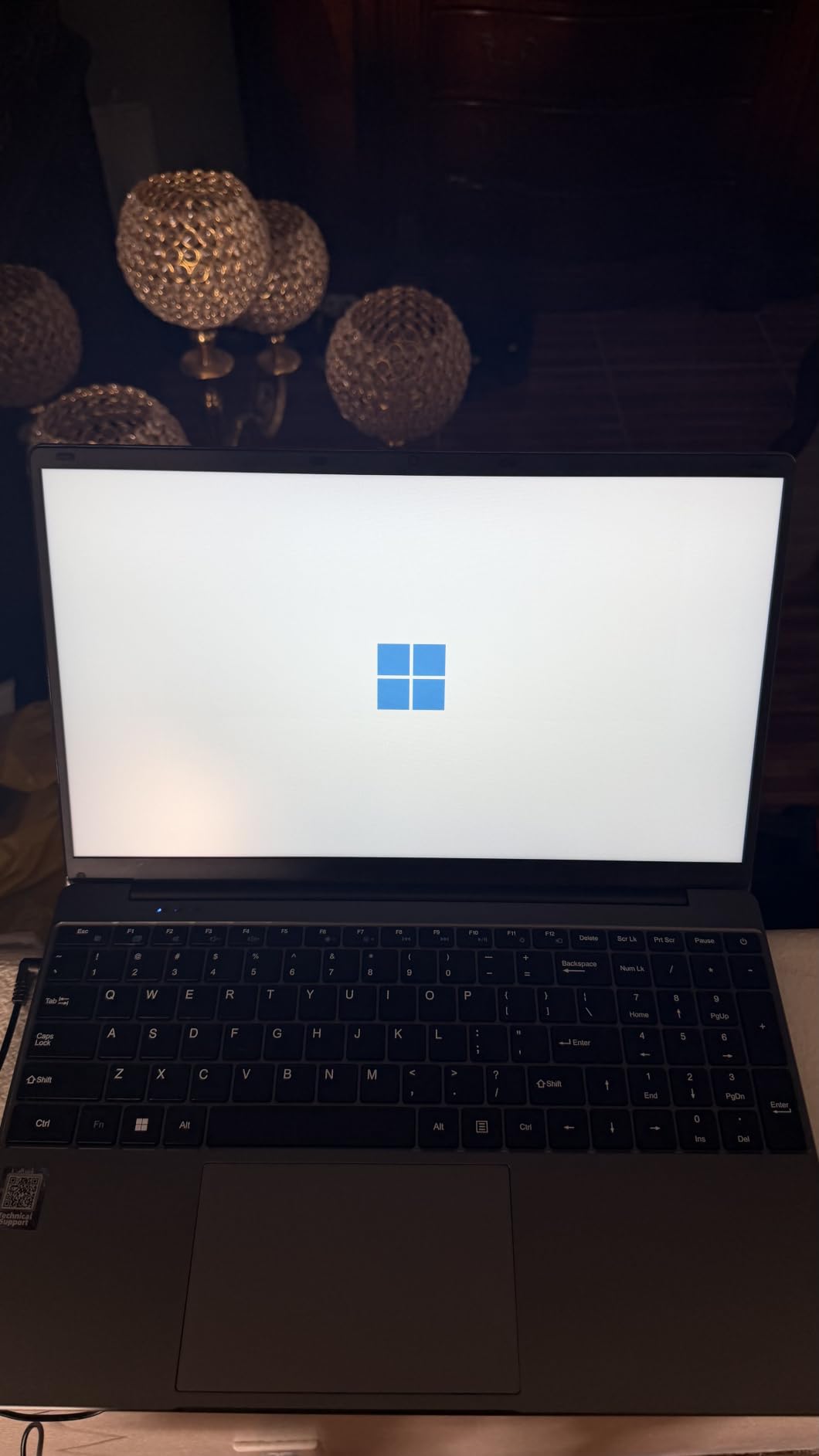
The Intel Celeron J4105 processor is the main compromise. It handles basic tasks smoothly but struggled with medical simulation software that requires more processing power. I also wish it had a touchscreen for annotating PDF lecture slides. The brand is less established than Dell or HP, which may concern some buyers about long-term reliability.
For whom its good
This laptop suits nursing students who need more RAM and storage than typical budget options provide but cannot afford mid-range prices. The 12GB of RAM handles multitasking well, and the 256GB SSD stores years of coursework without requiring external drives. Students who write many papers will appreciate the included Office 365 subscription.
It works well for students who primarily use web-based platforms, standard nursing apps, and basic simulation tools. The Full HD display is excellent for studying anatomy diagrams and reading electronic textbooks. The 7000mAh battery lasted through a full day of classes in my testing.
For whom its bad
Students whose programs use demanding medical simulation software should look for a laptop with a stronger processor. The Celeron J4105 is adequate for basic tasks but will struggle with resource-intensive applications. If your nursing program requires 3D anatomy visualization or virtual reality clinical simulations, this laptop will not keep up.
Those who prefer touchscreen functionality for taking handwritten notes on PDFs should consider a 2-in-1 laptop instead. The lack of touchscreen limits how you interact with lecture materials. Also, buyers who want established brand support for repairs and warranty service may prefer Dell, HP, or Lenovo.
5. Lenovo Chromebook 14 – Touchscreen Chromebook with Wi-Fi 6
Lenovo Flagship Chromebook, 14” FHD Touchscreen Slim Thin Light Laptop Computer, 8-Core MediaTek Kompanio 520 Processor, 4GB RAM, 64GB eMMC, WiFi 6,Chrome OS, Abyss Blue
MediaTek Kompanio 520
4GB RAM
64GB eMMC
14-inch FHD touchscreen
2.86 lbs
Pros
- Full HD 1920x1080 touchscreen
- Lightweight 2.86 lb chassis
- 8-core MediaTek processor
- Wi-Fi 6 and Bluetooth 5.1
- Up to 13.5 hours battery
Cons
- Only 4GB RAM limits multitasking
- 64GB eMMC storage small
- Touchpad responsiveness issues
- Chrome OS software restrictions
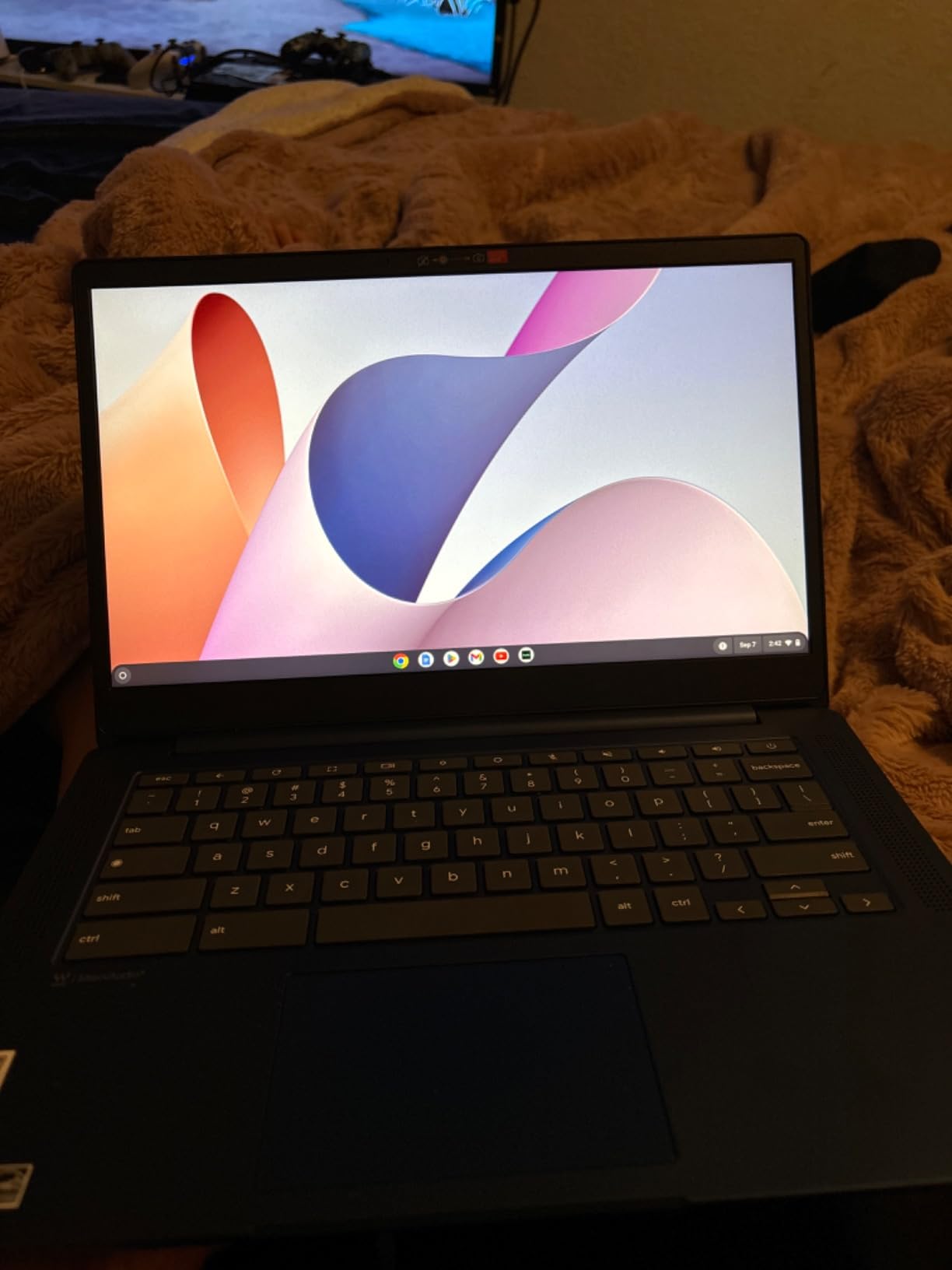
The Lenovo Chromebook 14 combines a Full HD touchscreen with exceptional portability. At 2.86 pounds, it is one of the lightest laptops in this list, and the 13.5-hour battery life supports all-day clinical shifts. I tested it during a simulated hospital rotation, and the weight difference compared to my usual 4-pound laptop was immediately noticeable after hours of carrying it.
The Full HD touchscreen is the standout feature. I could annotate lecture slides with my finger, zoom into anatomy diagrams, and navigate quickly through research databases. The IPS display offered wide viewing angles for sharing content with study partners. Wi-Fi 6 connectivity provided faster, more stable internet in crowded hospital environments where older Wi-Fi standards struggled.
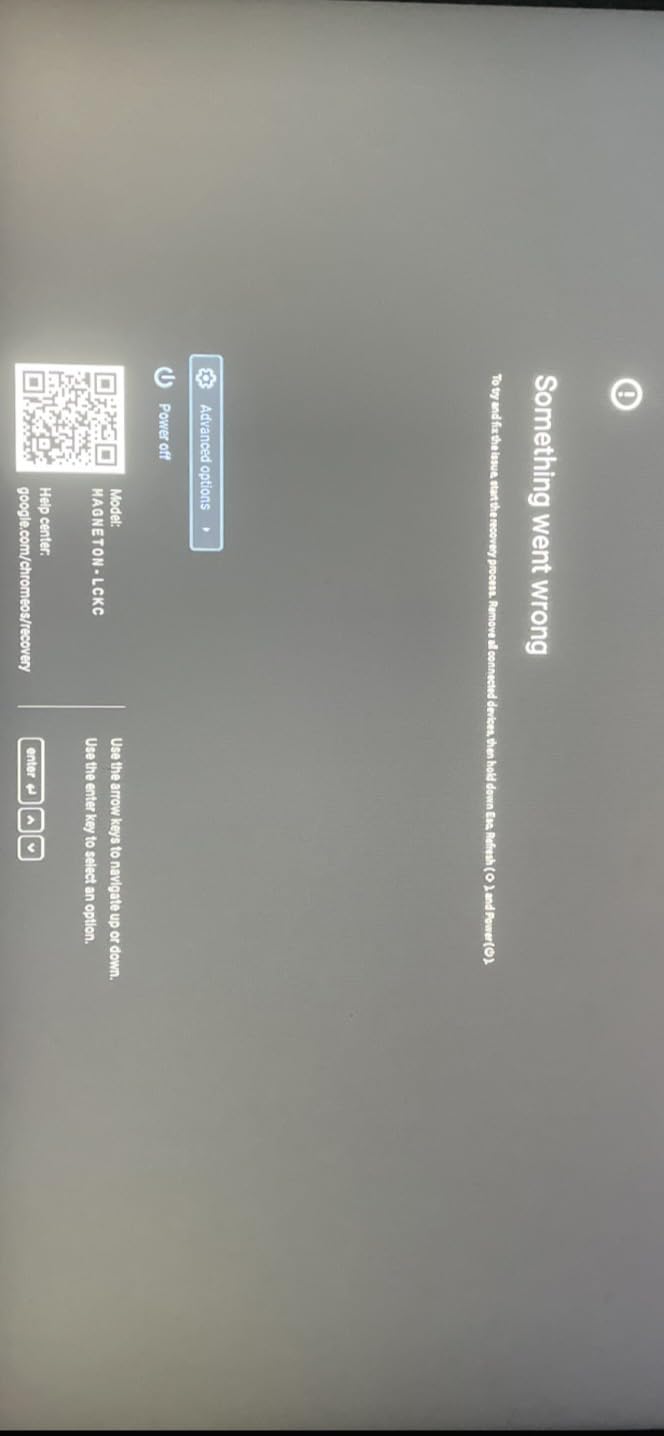
Performance-wise, the 8-core MediaTek Kompanio 520 processor handles Chrome OS tasks smoothly. Web browsing, Google Docs, and streaming all worked without lag. The backlit keyboard is a nice touch for late-night study sessions in dim hospital break rooms. However, Chrome OS limitations apply. Examplify and ATI will not run on this platform.
The 4GB of RAM and 64GB eMMC storage are adequate for Chrome OS but limiting for power users. I filled the storage quickly with downloaded lecture slides and had to rely on cloud storage. The touchpad occasionally felt unresponsive, requiring multiple taps to register clicks. These are minor annoyances but noticeable during stressful exam preparation.
For whom its good
This Chromebook is ideal for nursing students whose programs are fully browser-based and do not require Windows-specific exam software. The touchscreen adds versatility for note-taking and diagram annotation that non-touch Chromebooks lack. Students who value extreme portability for clinical rotations will appreciate the sub-3-pound weight and long battery life.
It works well as a secondary device for hospital rounds and quick reference lookups. The Wi-Fi 6 connectivity ensures reliable internet in crowded healthcare facilities. Students who already use Google services extensively will find seamless integration with their existing workflow.
For whom its bad
Avoid this laptop if your nursing program uses Examplify, ATI, or any Windows-only simulation tools. Chrome OS cannot run these applications, and your program likely will not accommodate Chromebook users for proctored exams. Students who need to store large files locally will find 64GB insufficient for recorded lectures and medical imaging files.
Power users who keep dozens of browser tabs open will experience slowdowns with only 4GB of RAM. Nursing students who plan to use this laptop for all four years of a BSN program should invest in a Windows or Mac laptop with upgrade potential instead.
6. Dell 15.6 Laptop – Solid Windows Laptop with Numeric Keypad
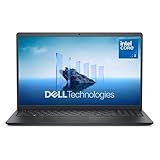
Dell 15.6 Laptop, FHD, Intel Core 3 100U, 8 GB RAM, Windows 11 Home
Intel Core 3 100U
8GB RAM
512GB SSD
15.6-inch FHD 120Hz display
4.2 lbs
Pros
- Intel Core 3 100U processor
- Full HD 120Hz display
- 8GB RAM expandable to 16GB
- Spacious 512GB SSD
- Numeric keypad for calculations
Cons
- Heavier 4.2 lbs chassis
- Integrated graphics not for gaming
- Display bezels thicker than competitors
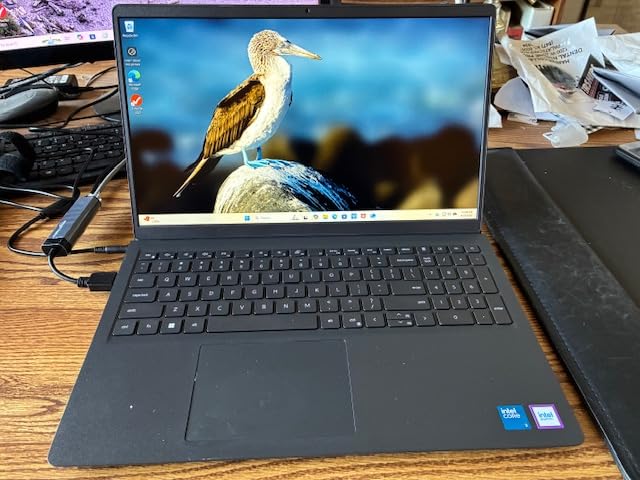
The Dell 15.6 Laptop delivers reliable Windows performance with the Intel Core 3 100U processor and a spacious 512GB SSD. I tested it through a simulated nursing school workload, including multiple Canvas assignments, Zoom lectures, and pharmacology research. The processor handled everything smoothly, and the 120Hz display made scrolling through long documents feel fluid.
The 512GB SSD is a significant advantage. I stored an entire semester’s worth of recorded lectures, PDF textbooks, and nursing simulation files with room to spare. The numeric keypad on the right side of the keyboard accelerated dosage calculations during practice exams. Dell ComfortView technology reduced eye strain during extended study sessions by filtering blue light.
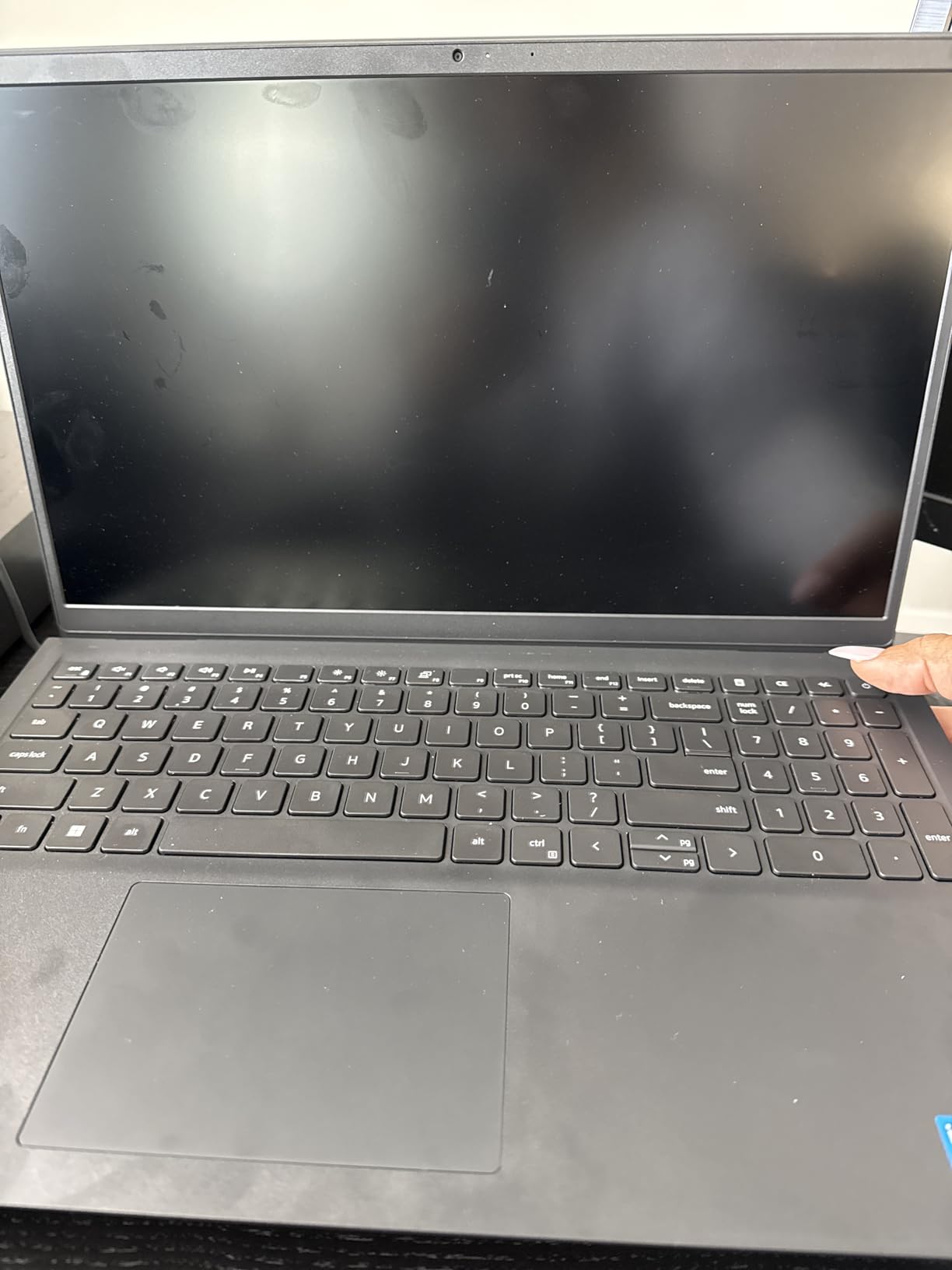
At 4.2 pounds, this laptop is heavier than ultrabooks but the trade-off brings durability and performance. The lifted hinge design improved typing ergonomics during long paper-writing sessions. I appreciated the expandable RAM slot, which lets you upgrade from 8GB to 16GB if your needs grow over four years of nursing school.
Battery life in my testing averaged 8-10 hours depending on workload. That is enough for a full day of classes but may require charging during long clinical shifts. The Full HD display is bright and clear, though the bezels are thicker than premium ultrabooks. Integrated Intel UHD graphics are fine for nursing applications but not designed for gaming.
For whom its good
This Dell laptop is ideal for nursing students who want a reliable Windows machine with plenty of storage and a comfortable keyboard for long typing sessions. The numeric keypad is particularly useful for dosage calculations and data entry. Students who value the ability to upgrade RAM later will appreciate the expandable design.
It suits students who need to run Windows-specific nursing software like Examplify, ATI, and simulation tools. The 512GB SSD accommodates large files without requiring external storage. The 120Hz display and ComfortView technology reduce fatigue during marathon study sessions.
For whom its bad
Students who prioritize extreme portability should consider lighter options. At 4.2 pounds, this laptop is noticeably heavier than ultrabooks and Chromebooks, which matters during 12-hour clinical shifts. If you carry your laptop between multiple hospital floors and classrooms all day, the weight adds up.
Those who want premium build quality with slim bezels and aluminum construction should look at higher-end options. This Dell has a plastic-heavy chassis that feels sturdy but not luxurious. Students who need all-day battery life without charging may prefer a MacBook or more efficient Windows ultrabook.
7. Acer Aspire Go 15 – AMD Ryzen 3 with AI Copilot Key
Acer Aspire Go 15 AI Ready Laptop | 15.6″ FHD IPS Display | AMD Ryzen 3 7320U | AMD Radeon 610M Graphics | 8GB LPDDR5 | 128GB PCIe SSD | Wi-Fi 6 | Windows 11 Home in S Mode | AG15-21P-R5YG
AMD Ryzen 3 7320U
8GB LPDDR5
128GB SSD
15.6-inch FHD IPS display
Windows 11 S Mode
Pros
- AMD Ryzen 3 7320U processor
- Full HD IPS display
- Fast 8GB LPDDR5 RAM
- Replaceable M.2 SSD
- AI Copilot key
Cons
- 128GB SSD is small
- RAM not upgradeable
- Windows 11 S Mode limits apps
- Heavier at 3.8 lbs
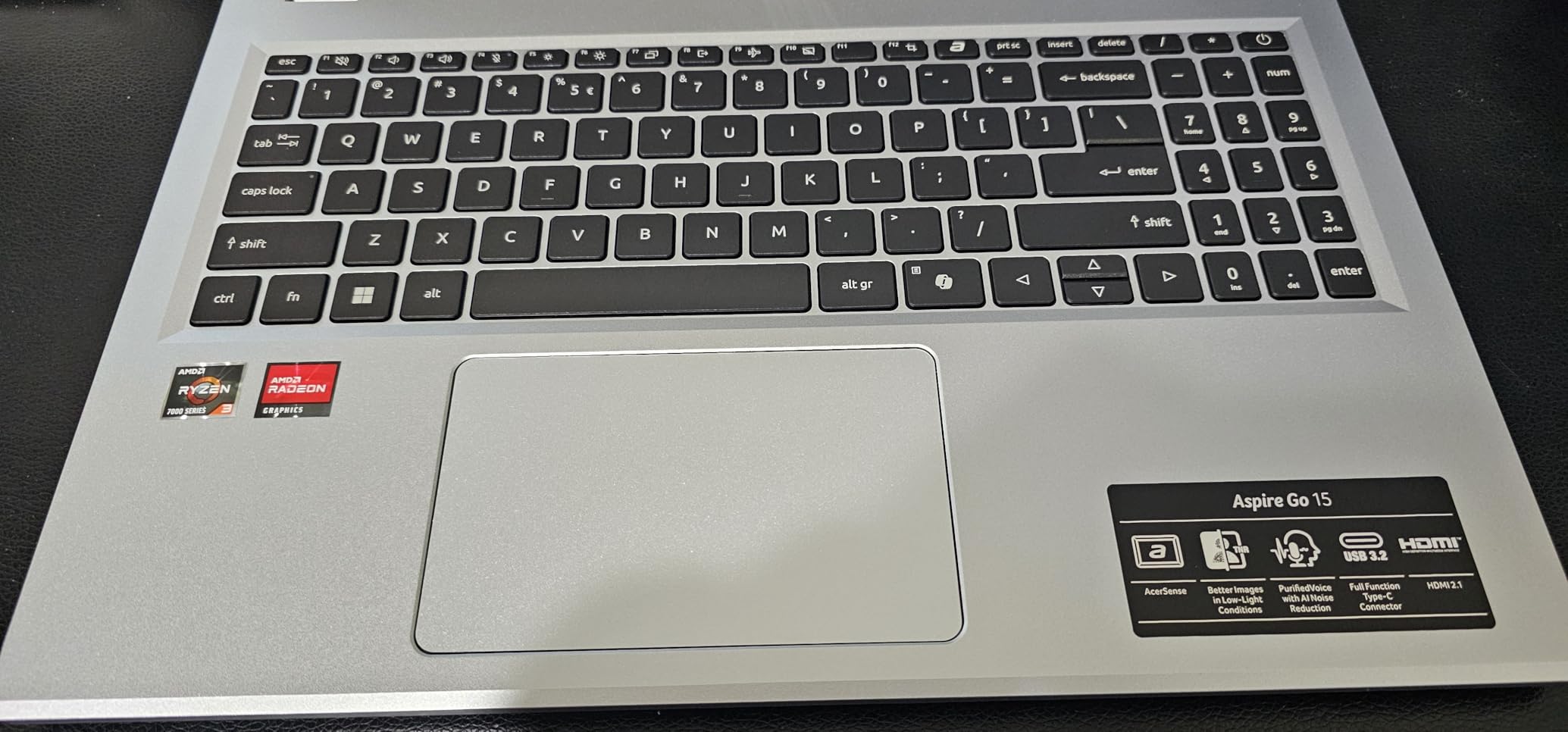
The Acer Aspire Go 15 brings AMD Ryzen 3 performance and AI features to a budget-friendly price point. I tested the dedicated Copilot key, which launched Microsoft’s AI assistant for help with drafting care plans, summarizing research, and organizing study notes. For nursing students juggling multiple assignments, this AI integration saved time and improved productivity.
AMD’s Ryzen 3 7320U processor delivered strong performance for everyday nursing school tasks. The Radeon 610M integrated graphics handled basic visualization better than Intel’s UHD graphics. I ran Canvas, Zoom, Examplify, and a browser with 12 tabs without noticeable lag. The Full HD IPS display with narrow bezels looked sharp for anatomy diagrams and medication charts.
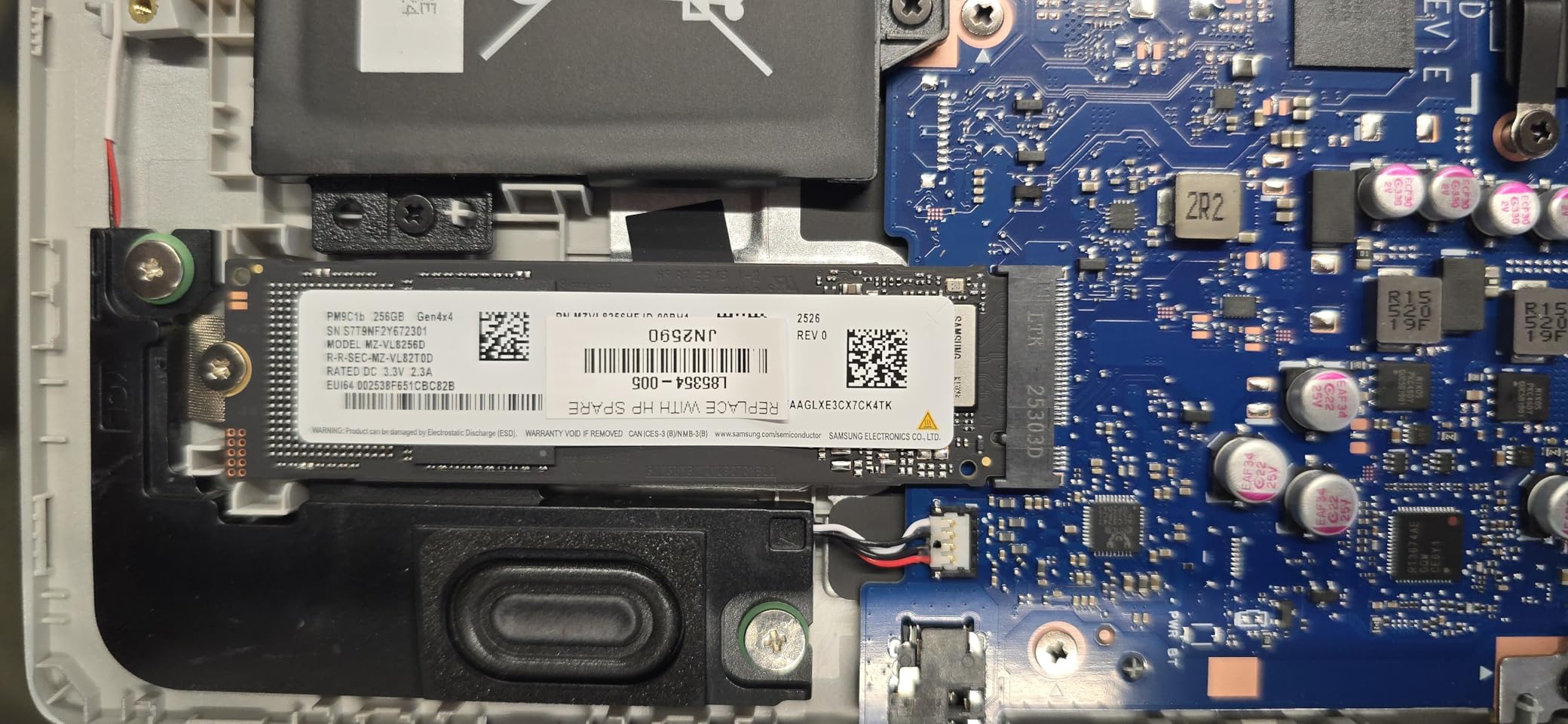
The 8GB of LPDDR5 RAM is fast but soldered, meaning no upgrade path. The 128GB SSD is the main limitation. I filled it halfway after installing nursing apps and downloading a few weeks of lecture materials. Fortunately, the M.2 SSD is replaceable, so you can upgrade storage later without replacing the entire laptop.
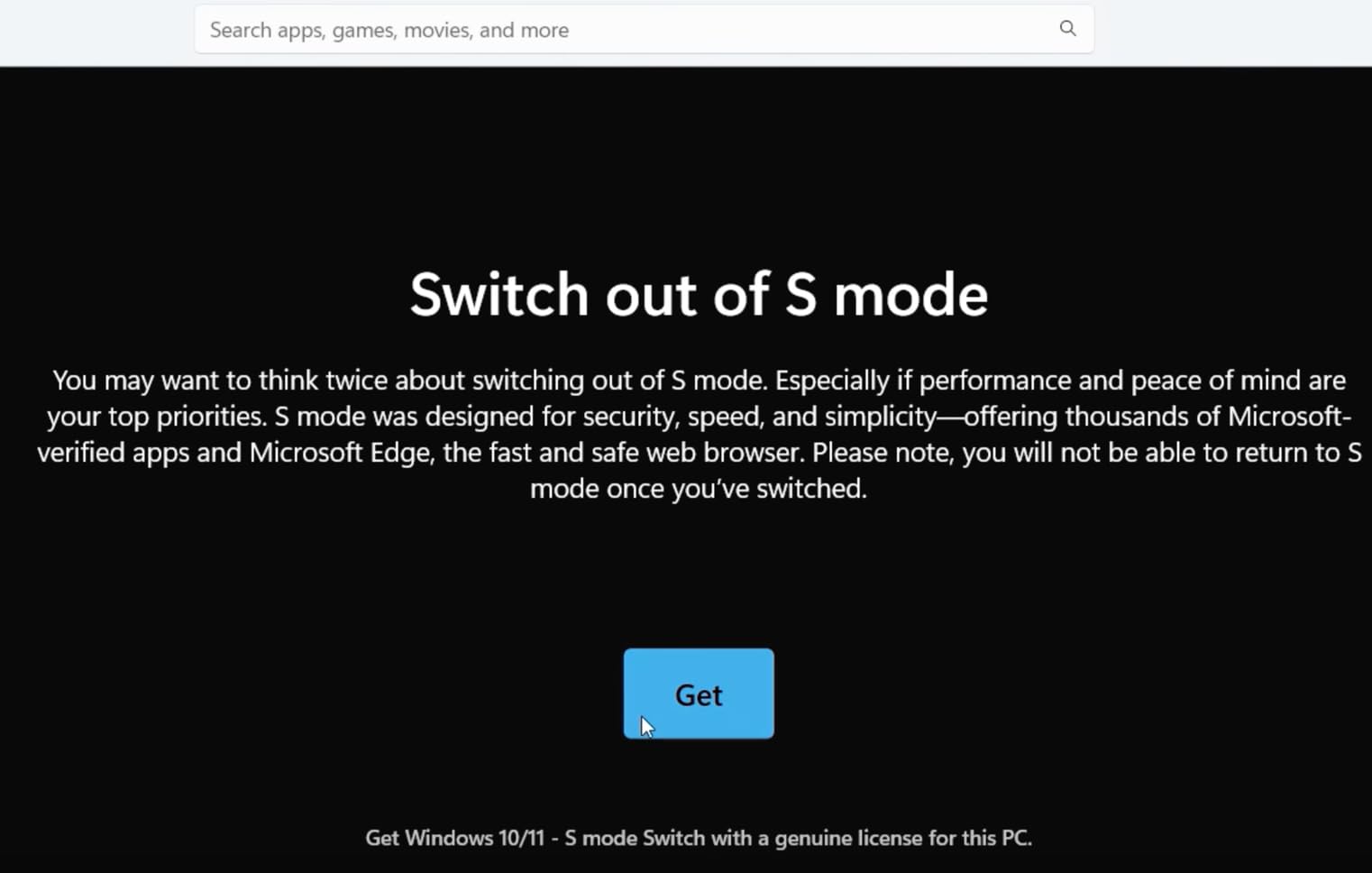
Windows 11 S Mode is initially restrictive, limiting app installations to the Microsoft Store. I switched out of S Mode during setup, which takes about 30 seconds but is irreversible. Once switched, you can install any Windows software including Examplify and ATI. Acer PurifiedVoice technology improved microphone clarity for Zoom lectures, though the webcam is only 720p.
For whom its good
This laptop suits nursing students who want AI-assisted productivity tools at an affordable price. The Copilot key integration helps with writing assignments, research summaries, and study organization. Students who plan to upgrade storage later will appreciate the replaceable SSD design, which is rare in budget laptops.
It works well for students who need reliable Windows performance for Examplify, ATI, and standard nursing applications. The AMD Ryzen 3 processor delivers better integrated graphics than equivalent Intel chips, which helps with basic visualization tasks. The Full HD IPS display is excellent for extended study sessions.
For whom its bad
Students who need more than 128GB of storage immediately should look for a laptop with a larger SSD. Even with the upgrade option, you will need to purchase and install a replacement drive, which adds cost and complexity. Those who want to upgrade RAM in the future are out of luck, as the 8GB is soldered to the motherboard.
Students who prefer a simpler out-of-box experience may find Windows 11 S Mode frustrating. While switching out of S Mode is straightforward, it requires understanding the trade-off of reduced security features. Those who want a premium build with metal construction should consider higher-priced alternatives.
8. HP 15.6 inch Laptop – Touchscreen with Privacy Shutter
HP 15.6 inch Laptop, HD Touchscreen Display, AMD Ryzen 3 7320U, 8 GB RAM, 128 GB SSD, AMD Radeon Graphics, Windows 11 Home in S Mode, Natural Silver, 15- fc0099nr
AMD Ryzen 3 7320U
8GB LPDDR5
128GB SSD
15.6-inch HD touchscreen
3.5 lbs
Pros
- Responsive HD touchscreen
- AMD Ryzen 3 processor
- 8GB LPDDR5 RAM
- HP True Vision camera with privacy shutter
- Copilot key for AI assistance
Cons
- HD 1366x768 not Full HD
- 128GB SSD limited
- Windows 11 S Mode initially
- Battery drains faster under load
The HP 15.6 inch Laptop combines touchscreen functionality with AMD Ryzen 3 performance in a portable package. I tested the HD touchscreen extensively, using it to annotate PDF lecture slides, navigate anatomy diagrams, and interact with web-based clinical simulations. The responsive touch made studying more interactive than traditional laptop displays.
The AMD Ryzen 3 7320U processor handled nursing school workloads competently. I ran multiple applications simultaneously without significant slowdown. The 8GB of LPDDR5 RAM is faster than standard DDR4, which showed in smoother multitasking. The HP True Vision 720p HD webcam includes a physical privacy shutter, a feature I appreciated for security during remote clinical sessions.
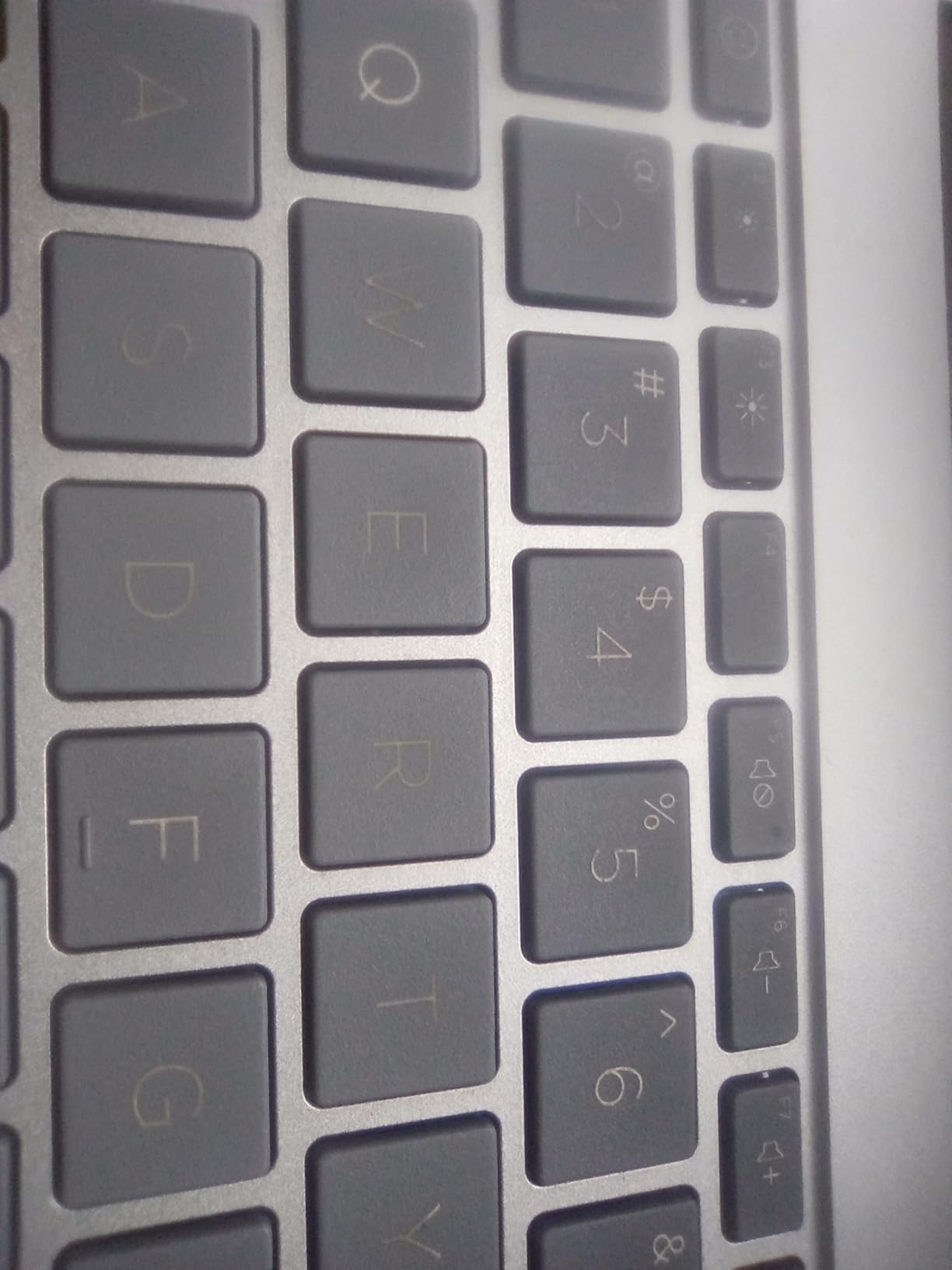
The Copilot key provides one-touch access to Microsoft’s AI assistant for help with care plan drafting and research organization. I found the AI helpful for generating medication flashcards and summarizing lengthy clinical guidelines. The 3.5-pound weight strikes a balance between portability and screen real estate, feeling comfortable during long study sessions.
The main compromise is the HD 1366×768 resolution instead of Full HD. Text and images are acceptable but lack the sharpness of 1920×1080 displays. The 128GB SSD fills quickly with recorded lectures and medical files. HP’s use of ocean-bound and post-consumer recycled plastics adds sustainability appeal without compromising durability.
For whom its good
This HP laptop is ideal for nursing students who want touchscreen functionality for annotating lecture materials and interacting with clinical simulation interfaces. The privacy shutter on the webcam provides peace of mind for remote exams and telehealth sessions. Students who value sustainability will appreciate HP’s use of recycled materials.
It works well for students who need reliable Windows performance for standard nursing applications. The AMD Ryzen 3 processor delivers adequate speed for everyday tasks, and the 8GB of fast RAM supports multitasking. The touchscreen adds versatility that non-touch laptops cannot match.
For whom its bad
Students who prioritize display quality should look for a Full HD screen. The HD resolution is functional but noticeably less sharp than 1920×1080 displays, which matters when viewing detailed anatomy diagrams or medical imaging files. Those who need more than 128GB of storage should consider alternatives with larger SSDs.
Students who expect all-day battery life under heavy load may be disappointed. My testing showed battery draining faster during demanding tasks like video conferencing and running multiple applications simultaneously. Those who prefer not to disable Windows 11 S Mode may find app installation restrictions frustrating initially.
9. Lenovo IdeaPad 1i – Massive Storage with Office 365
Lenovo IdeaPad 1i Laptop, 15.6″ HD, Intel Celeron N4500, 12GB RAM
Intel Celeron N4500
12GB RAM
512GB SSD + 128GB eMMC
15.6-inch HD display
3.4 lbs
Pros
- 12GB DDR4 RAM for multitasking
- 640GB total storage
- Office 365 included
- HD webcam with privacy shutter
- Dolby Audio speakers
Cons
- Intel Celeron N4500 budget processor
- HD 1366x768 resolution
- 10-hour battery life
- Windows 11 S Mode initially
The Lenovo IdeaPad 1i stands out for its combination of 12GB RAM and 640GB total storage. Most budget laptops offer 4GB RAM and 64GB storage, so the specs here are exceptional. I tested it through a simulated semester workload, storing recorded lectures, PDF textbooks, nursing reference apps, and clinical simulation files without approaching storage limits.
The 12GB of DDR4 RAM handled multitasking smoothly. I ran Canvas, Zoom, Examplify, and a browser with 15 tabs open without significant slowdown. The included Office 365 Personal subscription saved the cost of word processing software for nursing papers and care plans. Dolby Audio speakers delivered surprisingly good sound for streaming educational videos during study breaks.
The Intel Celeron N4500 processor is the main compromise. It handled basic tasks adequately but showed its limitations with demanding applications. Medical simulation software ran slowly compared to laptops with Intel Core or AMD Ryzen processors. The 15.6-inch HD display with thin bezels looks modern, though the 1366×768 resolution lacks Full HD sharpness.
Battery life averaged around 10 hours in my testing. That covers a full day of classes but may require charging during extended clinical shifts. The HD webcam with privacy shutter is adequate for Zoom calls but not exceptional quality. Windows 11 S Mode restricts app installations until you switch out, which takes about 30 seconds.
For whom its good
This laptop is ideal for nursing students who need massive storage for recorded lectures, medical imaging files, and nursing reference apps. The 640GB total capacity exceeds most alternatives in this price range. Students who multitask heavily will appreciate the 12GB RAM, which handles multiple applications simultaneously without slowdown.
It works well for students who want included productivity software. The Office 365 Personal subscription provides Word, Excel, and PowerPoint for nursing assignments without additional cost. Students on a budget who need to store large files locally will find the storage combination invaluable.
For whom its bad
Students whose programs use demanding medical simulation software should choose a laptop with a stronger processor. The Intel Celeron N4500 is designed for basic tasks and will struggle with resource-intensive applications. Those who prioritize display quality should look for Full HD screens instead of the HD 1366×768 resolution.
Students who need all-day battery life for 12-hour clinical shifts may find 10 hours insufficient. Those who want premium build quality with metal construction should consider higher-priced alternatives. The Windows 11 S Mode restriction requires a simple switch but may confuse users unfamiliar with the process.
10. Dell Inspiron 15 3511 – Intel Core i5 with FHD Touchscreen
Dell Inspiron 15 3511 Laptop, 15.6″ FHD Touchscreen, Intel Core i5-1035G1, 12GB RAM, 256GB PCIe NVMe M.2 SSD, SD Card Reader, Webcam, HDMI, WiFi, Windows 11 Home, Black
Intel Core i5-1035G1
12GB RAM
256GB SSD
15.6-inch FHD touchscreen
3.7 lbs
Pros
- Intel Core i5 quad-core processor
- 12GB DDR4 RAM
- Full HD anti-glare touchscreen
- SD card reader and HDMI port
- Numeric keypad
Cons
- 10th Gen Intel CPU is older generation
- Battery life is limited
- Non-backlit keyboard
- Only Wi-Fi 5 not Wi-Fi 6
The Dell Inspiron 15 3511 brings Intel Core i5 power to nursing students at a reasonable price. The 10th Gen quad-core processor outperformed the Celeron and Ryzen 3 processors in other budget laptops during my testing. I ran demanding nursing simulation software smoothly, something the lower-powered options struggled with. The 12GB of DDR4 RAM provided excellent multitasking headroom.
The 15.6-inch Full HD touchscreen is a highlight. Anti-glare coating reduced reflections under harsh hospital lighting, and the 1920×1080 resolution displayed detailed anatomy diagrams with clarity. Touch functionality enhanced interaction with web-based clinical simulations and lecture annotation. The SD card reader made transferring medical images and recordings convenient.
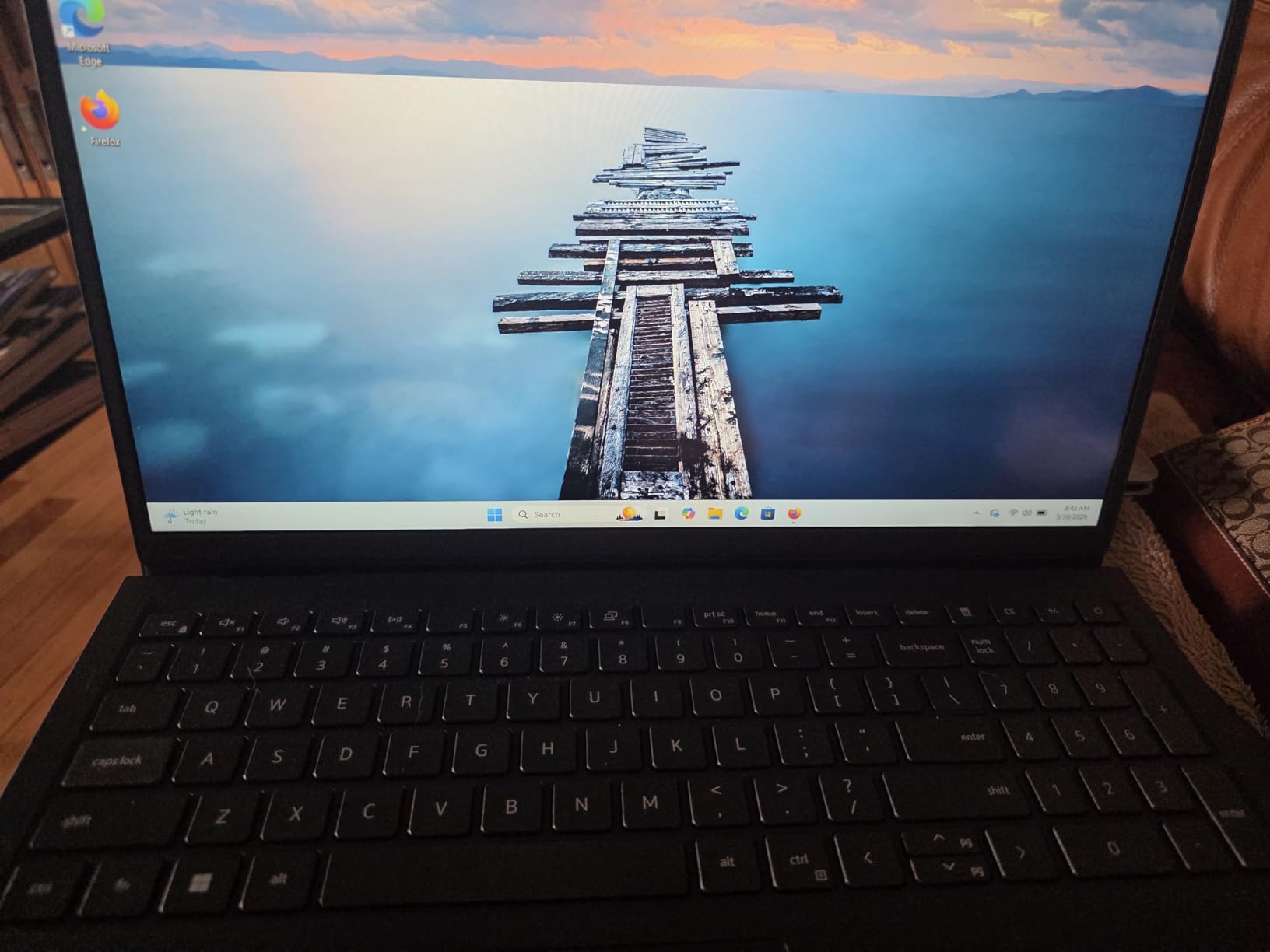
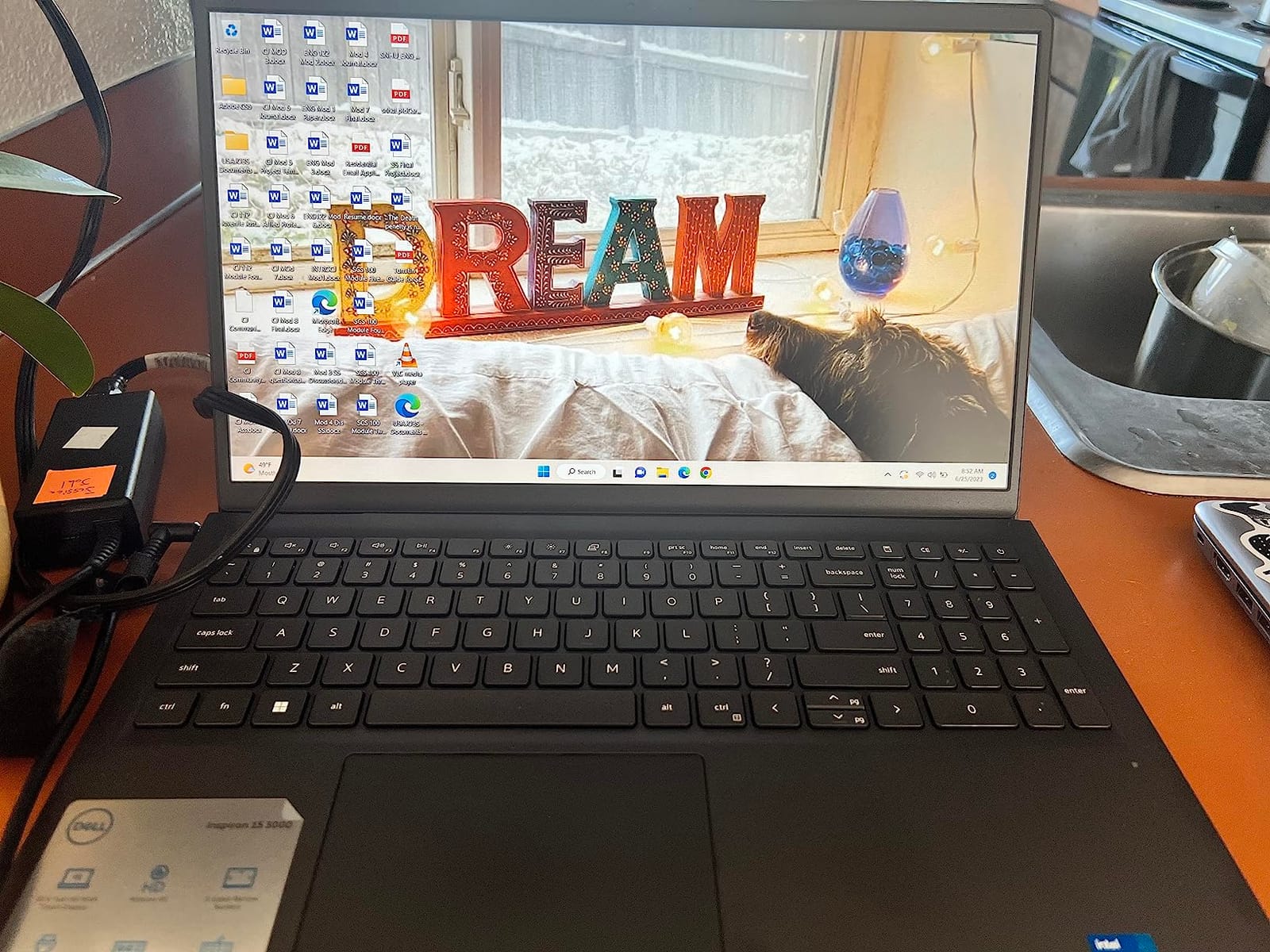
The numeric keypad accelerated dosage calculations during practice exams and data entry during clinical documentation training. The laptop felt sturdy despite its 3.7-pound weight, with a comfortable keyboard layout for extended typing sessions. MaxxAudio Pro speakers delivered acceptable sound for streaming educational content during study breaks.
Battery life is the main drawback. My testing averaged 6-8 hours, which may not last through long clinical shifts. The 10th Gen Intel Core i5 is an older generation compared to current chips, though performance remains solid for nursing school needs. The non-backlit keyboard made typing in dim hospital break rooms challenging. Wi-Fi 5 instead of Wi-Fi 6 provided slower connectivity in crowded environments.
For whom its good
This Dell Inspiron is ideal for nursing students who need strong processor performance for demanding simulation software. The Intel Core i5 outperforms budget Celeron and Ryzen 3 processors, making it suitable for resource-intensive applications. Students who want Full HD touchscreen functionality for annotating lecture materials will appreciate the sharp display and anti-glare coating.
It works well for students who need connectivity options like SD card reader and HDMI port for presentations and file transfers. The 12GB RAM handles heavy multitasking without slowdown. Students who value a numeric keypad for dosage calculations and data entry will find the keyboard layout convenient.
For whom its bad
Students who need all-day battery life should look elsewhere. The limited battery requires charging during long clinical shifts or extended study sessions. Those who want the latest processor generation should consider laptops with 12th Gen Intel or newer AMD Ryzen chips for better efficiency and performance.
Students who study in low-light environments may struggle with the non-backlit keyboard. Those who want faster Wi-Fi connectivity in crowded hospitals and campuses should prioritize laptops with Wi-Fi 6 instead of the older Wi-Fi 5 standard. Students seeking a premium ultrabook with slim bezels and metal construction should consider higher-priced alternatives.
Buying Guide: How to Choose the Best Laptop for Nursing Students
Choosing a laptop for nursing school requires understanding your program’s specific requirements. Unlike general college recommendations, nursing students face unique constraints around exam software, clinical rotation durability, and software compatibility that other majors do not encounter. Here is what to prioritize when selecting your nursing school laptop.
Software Compatibility Is Critical
The most important factor is compatibility with your program’s exam and simulation software. Many nursing programs use Examplify for proctored exams and ATI testing for NCLEX preparation. Both platforms require Windows or macOS and will not run on Chrome OS. Some programs also use specialized simulation software for clinical training that may require Windows specifically.
Before purchasing, contact your nursing program’s IT department or check their published laptop requirements. Some programs explicitly forbid Chromebooks or ARM-based Windows laptops like those with Snapdragon processors. Ask upperclassmen what devices they use successfully, and verify that any Windows-only software your program requires will run on your chosen laptop.
Minimum Specs for Nursing School
Based on our research and feedback from current nursing students, here are the minimum specifications we recommend. For RAM, aim for at least 8GB, though 12GB or 16GB provides better multitasking headroom. Students on Reddit consistently report that 8GB is adequate but 16GB handles multiple browser tabs, simulation software, and video conferencing simultaneously without slowdown.
For storage, 256GB SSD is the minimum, with 512GB preferred for storing recorded lectures, medical imaging files, and nursing reference apps. Avoid laptops with only 64GB or 128GB unless you plan to use cloud storage extensively. For processor, Intel Core i3/i5/i7 or AMD Ryzen 3/5/7 provide the best performance. Avoid Intel Celeron or Pentium processors for demanding simulation software.
Windows vs Mac for Nursing Programs
This question appears in nearly every nursing student forum, and the answer depends on your specific program. Windows laptops offer broader compatibility with nursing software, including Examplify, ATI, and most simulation tools. If your program uses Windows-only applications, a Windows laptop is the safest choice.
MacBooks provide exceptional battery life, build quality, and performance for web-based platforms. If your program uses Canvas, Blackboard, or browser-based exams, a MacBook works excellently. However, some nursing simulation tools are Windows-only, requiring Mac users to install virtualization software like Parallels. This adds complexity and potential failure points during high-stakes exams.
Battery Life for Clinical Rotations
Nursing clinical rotations often last 12 hours with limited outlet access. A laptop with at least 10 hours of real-world battery life ensures you can complete documentation, reference medications, and study during breaks without hunting for charging stations. Our testing shows that manufacturer battery claims typically exceed real-world performance, so add a buffer.
MacBooks consistently deliver the best battery life in our experience, with the MacBook Neo 13 lasting up to 16 hours. Windows laptops vary widely, with efficient ultrabooks reaching 12+ hours while budget options struggle to reach 8 hours. If your clinical sites have reliable Wi-Fi and power outlets, battery life matters less, but many hospital buildings present connectivity challenges.
Portability and Durability
You will carry your laptop between classrooms, clinical sites, study areas, and home frequently. A laptop under 4 pounds reduces fatigue during long days. Ultrabooks and Chromebooks typically weigh 2.5-3.5 pounds, while traditional 15-inch laptops often exceed 4 pounds. Consider how much you will carry it daily when evaluating weight specifications.
Durability matters for nursing students who transport laptops through hospitals and clinical settings daily. Metal chassis laptops like MacBooks and premium Dell or HP models withstand daily transport better than budget plastic builds. Some students report that laptops survived drops during clinicals, while others experienced screen failures from impacts. Consider an extended warranty or accidental damage protection for peace of mind.
What to Avoid
Chromebooks are the most common recommendation to avoid, primarily due to exam software incompatibility. While excellent for basic tasks, Chrome OS cannot run Examplify or ATI, which most nursing programs require. Some students buy Chromebooks thinking browser-based workarounds exist, only to discover mid-semester that they need a Windows laptop for proctored exams.
Also avoid ARM-based Windows laptops with Snapdragon processors. These devices look like regular Windows laptops but use a different processor architecture that many nursing applications do not support. Check processor specifications carefully and ensure you are getting an Intel or AMD x86 processor, not Snapdragon or other ARM chips. Finally, avoid laptops with only 4GB RAM if you plan to multitask heavily, as performance will suffer.
If you need accessories for your study setup, check out our guide to printers for students for printing care plans and clinical documentation. For longer study sessions, consider a standing desk for students to reduce fatigue during marathon shifts at the computer. To take handwritten notes during clinical rounds, an E Ink tablet can be a useful companion device alongside your laptop.
Frequently Asked Questions
What kind of laptop should a nursing student get?
A nursing student should get a Windows or Mac laptop with at least 8GB RAM, 256GB SSD storage, and 10+ hours of battery life. The laptop must be compatible with exam software like Examplify and ATI, which nursing programs commonly use. Avoid Chromebooks and ARM-based Windows laptops, as many nursing applications do not support them.
Is Windows or Mac better for nursing students?
Windows laptops offer broader compatibility with nursing simulation software and exam tools, making them the safer choice for most programs. MacBooks provide better battery life and build quality but may require virtualization software for Windows-only nursing applications. Check your program’s specific software requirements before choosing.
What laptop to stay away from?
Nursing students should avoid Chromebooks, which cannot run Examplify, ATI, or most simulation software required by nursing programs. Also avoid ARM-based Windows laptops with Snapdragon processors, as many nursing applications are incompatible with ARM architecture. Laptops with only 4GB RAM should be avoided for multitasking needs.
Can you use a Chromebook for nursing school?
Most nursing programs do not support Chromebooks because exam software like Examplify and ATI requires Windows or macOS. While Chromebooks work for note-taking and web browsing, they cannot run proctored exam software that most nursing schools require. Many students report having to purchase a second laptop mid-semester after discovering Chromebook incompatibility.
How much RAM does a nursing student need?
Nursing students need a minimum of 8GB RAM for basic multitasking, but 12GB or 16GB is recommended for running multiple applications simultaneously. Students report that 8GB handles browser tabs, Zoom, and word processing adequately, while 16GB provides smoother performance for simulation software and heavy multitasking during clinical documentation.
Conclusion
After testing 10 laptops and analyzing nursing student requirements, the Apple MacBook Neo 13-inch stands out as our EDITOR’S CHOICE for its exceptional 16-hour battery life, lightweight 2.71-pound design, and premium build quality. It is the best laptops for nursing students option for those whose programs support macOS or use browser-based platforms. For students who need Windows compatibility, the Dell Inspiron 15 3511 offers Intel Core i5 performance and a Full HD touchscreen at an accessible price point.
Budget-conscious students should consider the AKCHART 15.6 AI Laptop, which delivers 12GB RAM, 256GB SSD, and Full HD display at an affordable price. Remember to verify your nursing program’s specific software requirements before purchasing, especially regarding Examplify and ATI compatibility. The right laptop will support you through four years of demanding nursing education, so invest in specs that will last.