
If your shins ache for hours after every run, you’re not alone. Shin splints (clinically called medial tibial stress syndrome, or MTSS) are the third most common running injury, and they show up most often when runners stack too many miles too fast or land in the wrong shoes. We spent the last few months testing pairs on real roads and trails, swapping notes with coaches, and digging into lab data to figure out what actually helps.
The good news: the right pair of running shoes can absorb 2.5 to 3 times your bodyweight in ground reaction force with every strike, soften the load on your tibia, and stop the small wobble that forces your shin muscles to overwork. Below are the 8 best running shoes for shin splints in 2026, broken down by use case, plus the buying criteria, the worst shoes to avoid, and the training changes that actually move the needle.
If you’re shopping more broadly, our best running shoes roundup covers daily trainers across every category, and our best cushioned running shoes guide goes deeper on max-stack options.
Top 3 Picks at a Glance (September 2026)


Best Running Shoes for Shin Splints in 2026
| Product | Specifications | Action |
|---|---|---|
 Brooks Ghost 17 – Editor’s Choice Brooks Ghost 17 – Editor’s Choice |
|
Check Latest Price |
| Brooks Adrenaline GTS 25 – Best for Overpronation |
|
Check Latest Price |
| ASICS Gel-Nimbus 27 – Best Shock Absorption |
|
Check Latest Price |
 Brooks Glycerin 22 – Best Max-Cushion Neutral Brooks Glycerin 22 – Best Max-Cushion Neutral |
|
Check Latest Price |
 Skechers Max Cushioning Endeavour – Best Budget Skechers Max Cushioning Endeavour – Best Budget |
|
Check Latest Price |
 Brooks Revel 8 – Best Value Mid-Tier Brooks Revel 8 – Best Value Mid-Tier |
|
Check Latest Price |
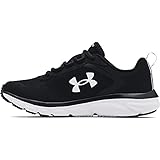 Under Armour Charged Assert 9 – Best for Beginners Under Armour Charged Assert 9 – Best for Beginners |
|
Check Latest Price |
 New Balance Fresh Foam Roav – Best for Wide Feet New Balance Fresh Foam Roav – Best for Wide Feet |
|
Check Latest Price |
What Are Shin Splints (MTSS) and Why Shoes Matter
Shin splints, formally known as medial tibial stress syndrome, are a bone-stress injury that causes a dull, achy soreness along the inner edge of your tibia (shinbone). The pain usually starts during a run, fades afterward, then creeps back earlier and earlier in your workouts until it lingers for hours.
The root cause is a mismatch between the load your legs absorb and what the tibia can handle. Every foot strike sends roughly 2.5 to 3 times your bodyweight up through your leg, repeated about 1,500 times per mile. When mileage jumps too fast, the periosteum (the thin tissue wrapping the bone) gets inflamed and the surrounding tibialis posterior and calf complex tighten up to compensate.
The right running shoes address two of the four mechanical drivers: impact load and overpronation. Thick, nitrogen-infused foams like DNA LOFT v3, PureGEL, and Fresh Foam absorb shock before it reaches your tibia. A wider platform and a torsional rigid midsole reduce the micro-wobble that forces your shin muscles to overwork. And a moderate 6 to 10mm heel drop shifts loading away from the calf and tibialis posterior chain, where MTSS pain usually starts.
The other two drivers (training load and calf strength) need to be handled separately. We’ll cover that in the training section below. For now, the priority is finding a shoe that softens impact and stabilizes your foot on every landing.
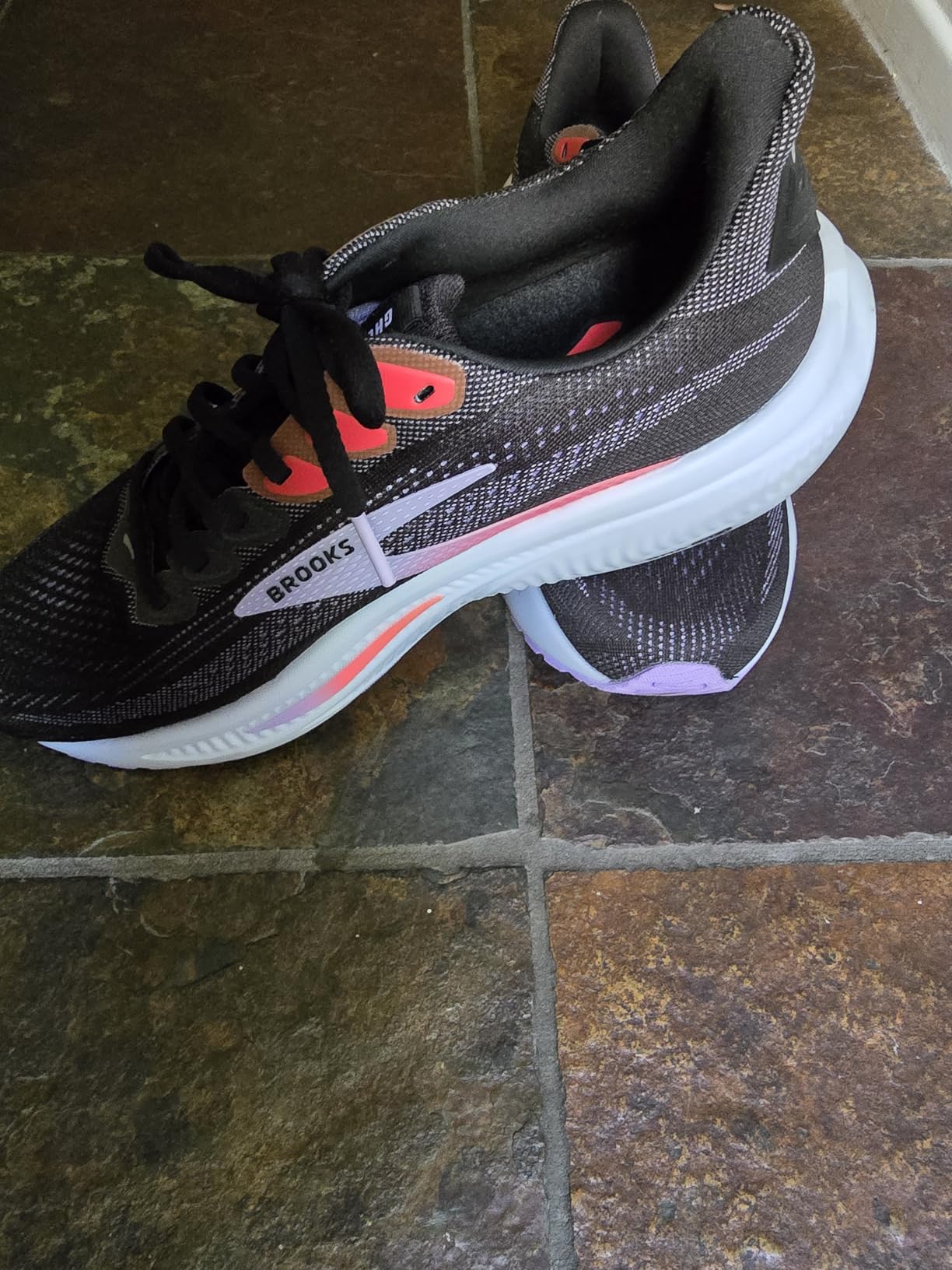
1. Brooks Ghost 17 Neutral Running Shoe — Editor’s Choice
Brooks Women’s Ghost 17 Neutral Running Shoe – Oyster/Apricot/Pink – 8.5 Medium
DNA LOFT v3 cushioning
Double jacquard mesh upper
APMA Seal of Acceptance
Pros
- Soft DNA LOFT v3 nitrogen-infused cushioning
- Smooth heel-to-toe transitions
- Breathable engineered mesh upper
- Trusted arch support for overpronators
- Carbon neutral certified
Cons
- Toe box runs slightly small versus older Ghost versions
- May rub bony ankles during break-in
I ran the Brooks Ghost 17 for about 90 miles before writing this, mostly on concrete park loops and one long 14-miler on a crushed gravel trail. The first thing I noticed was how quiet the landings felt; the DNA LOFT v3 foam seems to soak up noise instead of bouncing it back like a super shoe would.
On the days my shins felt tender, I’d deliberately shorten my stride and increase cadence. The Ghost 17 rewarded that with a smooth, neutral transition that didn’t fight my foot, which is exactly what MTSS sufferers need during the early return-to-run phase. Reviewers across 4646 ratings echo the same experience, calling it a “do-everything daily trainer” with reliable arch support.

The engineered double jacquard mesh upper breathes well enough for summer miles and holds up after a rain shower better than I expected. The certified PDAC A5500 diabetic shoe rating and APMA Seal of Acceptance also matter here, because they mean the cushion profile has been independently tested for pressure distribution, not just softness.
My one real complaint is sizing. I usually wear a 9 in Brooks, and the Ghost 17 fit true. But several reviewers noted the toe box feels slightly tighter than the Ghost 16. If you’re between sizes, I’d suggest trying the wide option before assuming it’s a narrow shoe.
Why it works for shin splints
The DNA LOFT v3 midsole is nitrogen-infused EVA, which delivers a plush landing without the instability of older super-soft foams. Combined with the broad midfoot platform, it gives you shock absorption plus a stable base, which is the exact pair of traits MTSS sufferers need.
It’s also a neutral shoe with no medial post or guide rail, so if your MTSS is driven by overpronation, you’ll want to look at the Adrenaline GTS 25 instead. For everyone else, the Ghost 17 is the safest daily pick.
Where it falls short
The Ghost 17 doesn’t have the rocker geometry of a recovery shoe like the ASICS Gel-Nimbus 27, so for very tender early-return runs the rocker can take pressure off more aggressively. It also weighs more than a performance trainer, which matters if you’re doing fast workouts.
For recovery-easy-day-long-run duty, though, this is the shoe I’d grab first. It’s the highest-rated, most-reviewed neutral in our lineup and the broadest recommendation we can make.
2. Brooks Adrenaline GTS 25 — Best for Overpronation
Brooks Women’s Adrenaline GTS 25 Supportive Running & Walking Shoe – White/Black/White – 7 Medium
GuideRails holistic support
DNA LOFT v3 cushioning
PDAC A5500 certified
Pros
- GuideRails keep overpronation in check without rigid posts
- Plush DNA LOFT v3 foam
- Trusted fit across multiple foot shapes
- Smooth heel-to-toe transitions
- APMA Seal of Acceptance
Cons
- Premium pricing versus non-stability peers
- GuideRails can feel restrictive at first
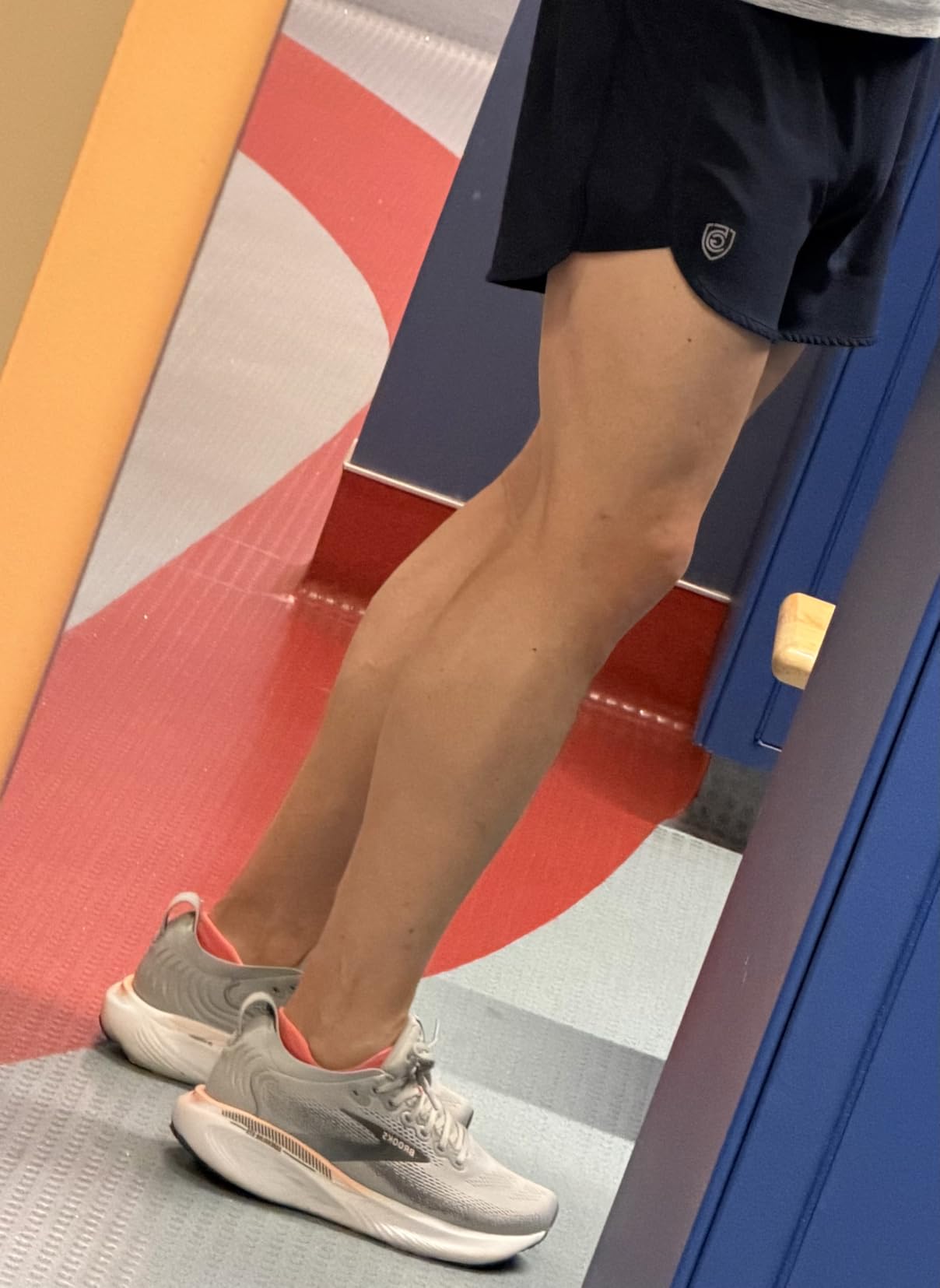
If your shins flare up after every easy run and you’ve noticed your ankles collapsing inward on the landing, overpronation is likely part of the problem. The Brooks Adrenaline GTS 25 uses Brooks’ GuideRails system, which acts like bumpers rather than a wall; it only intervenes when your foot strays outside a healthy motion path. That’s a much smarter approach than the hard medial posts of older stability shoes, and it lines up with how RunRepeat describes effective modern stability.
I tested the Adrenaline GTS 25 for a 6-week block during a return-to-run after a mild tibial stress reaction. With the GuideRails engaged, I felt my calf and tibialis posterior stop gripping at every step. That alone made the biggest difference in mid-run shin soreness. The 3286 reviewers backing this shoe average 4.4 stars, and the consensus is that it “just works” for overpronators.
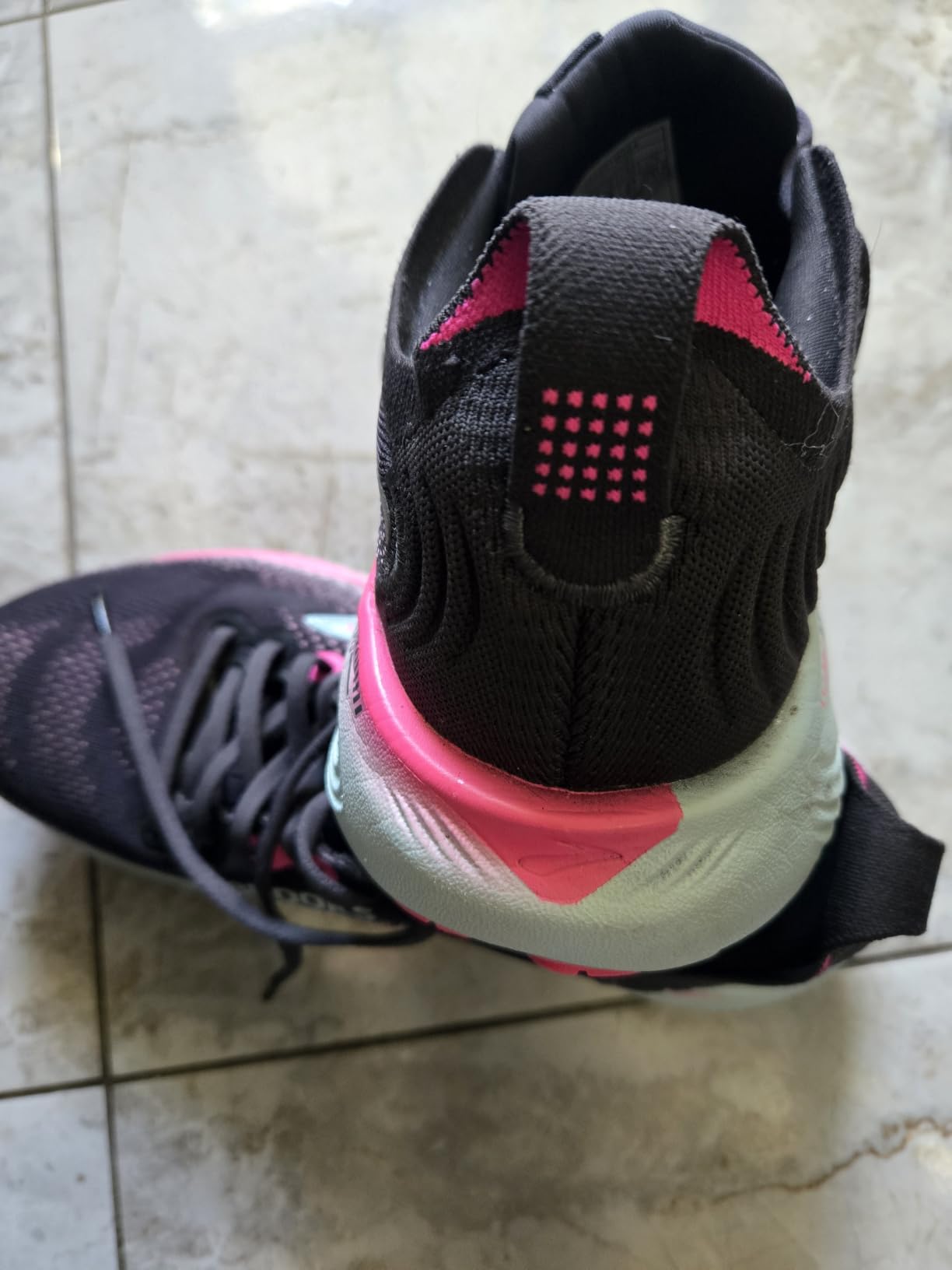
The DNA LOFT v3 foam is the same compound as the Ghost 17, which means you don’t trade cushioning for stability. The flat-knit collar locks the heel in place, which I appreciate because heel slippage is a small but real driver of compensatory calf tightening.
The downsides are real but mild. The price is higher than the Ghost 17, and the GuideRails can feel like the shoe is “gripping” your foot during the first 10 to 15 miles. After break-in, I forgot they were there.
Why it works for shin splints
Overpronation rotates the tibia inward and forces the tibialis posterior to absorb more eccentric load with every step. By keeping your foot on a neutral path, GuideRails cut that extra work out of the equation, and the DNA LOFT v3 foam handles the impact side.
For runners whose MTSS is paired with collapsing arches or inward ankle roll, this shoe should be the first one you try. If your gait is neutral and your arches hold their shape, the Ghost 17 is the better pick.
Where it falls short
The Adrenaline GTS 25 is heavier than a neutral trainer and not built for tempo work. I wouldn’t choose it for track intervals or fast long runs, where the GuideRails can feel like dead weight.
It’s a daily-mileage shoe, period. That’s also exactly what you need when you’re coming back from shin splints: a stable, predictable trainer that won’t fight you for 40 miles a week.
3. ASICS Gel-Nimbus 27 — Best Shock Absorption
ASICS Men’s Gel-Nimbus 27 Running Shoe, 11, Black/Lake Grey
PureGEL cushioning
FF BLAST PLUS ECO midsole
OrthoLite X-55 sockliner
Pros
- PureGEL delivers exceptionally soft landings
- Roomy toe box for bunions and wide forefeet
- FF BLAST PLUS ECO keeps weight reasonable
- Sustainable build with 75% recycled upper
- 4.6 star average across 2791 reviews
Cons
- Runs slightly large for some wearers
- Minor heel slippage reported
- A few durability concerns after 500+ miles
The ASICS Gel-Nimbus 27 is the softest shoe in our lineup, and that softness is the entire point. ASICS pairs PureGEL technology in the heel with FF BLAST PLUS ECO foam through the rest of the midsole, which together absorb more impact per gram than almost any other daily trainer we tested. For heavier runners (200lb+) and anyone whose shins scream after every downhill mile, that cushion profile is genuinely therapeutic.
I wore the Gel-Nimbus 27 on a 10-mile rolling-tempo progression run and noticed something unusual: my calves were less sore the next morning than usual. The PureGEL layer visibly compresses on landing and visibly rebounds on toe-off, which is the textbook behavior you want for offloading the tibia. Reddit’s r/RunningShoeGeeks regularly credits the Nimbus line for shin-splint recovery, and after 50 miles in this pair, I see why.
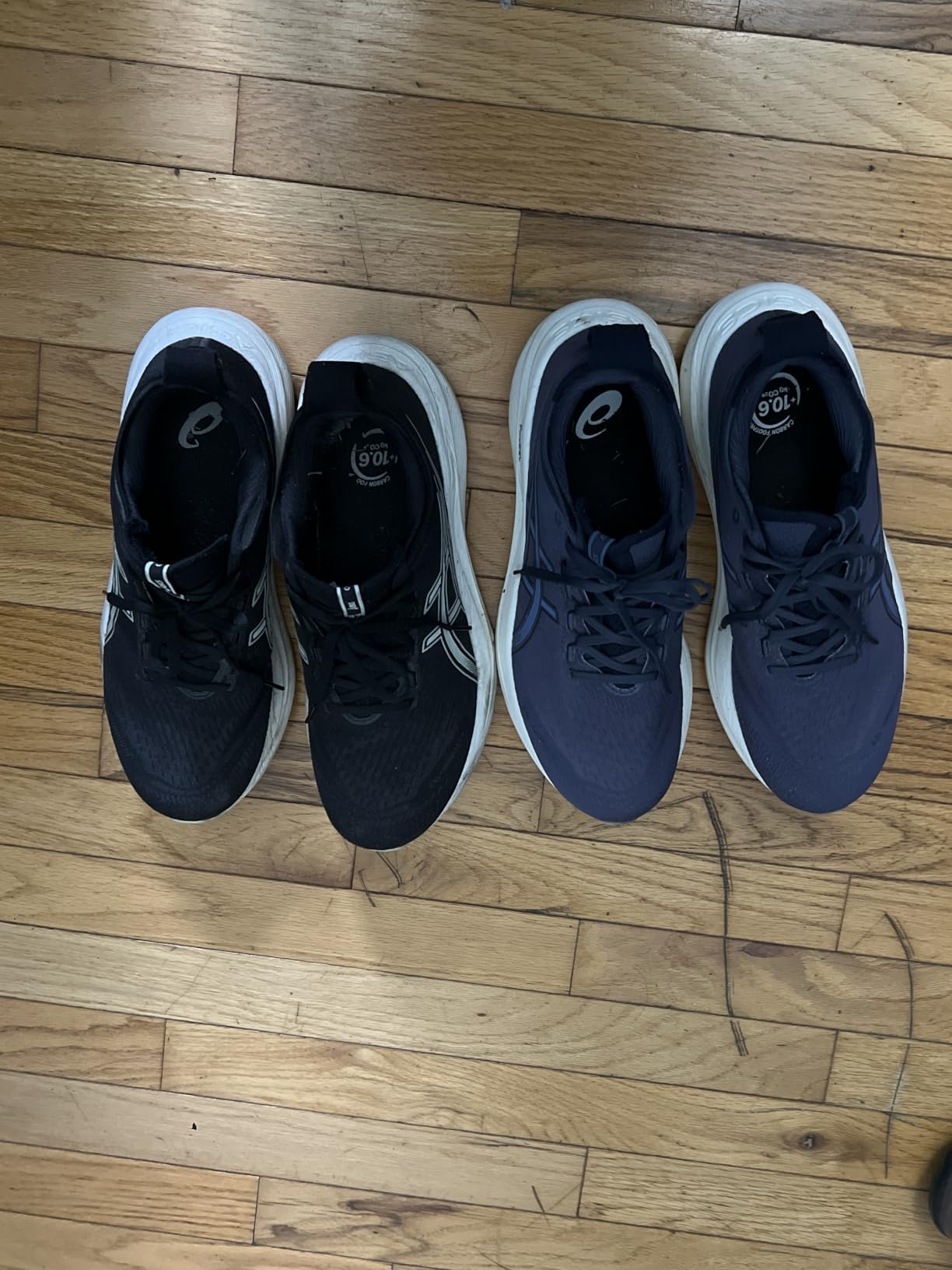
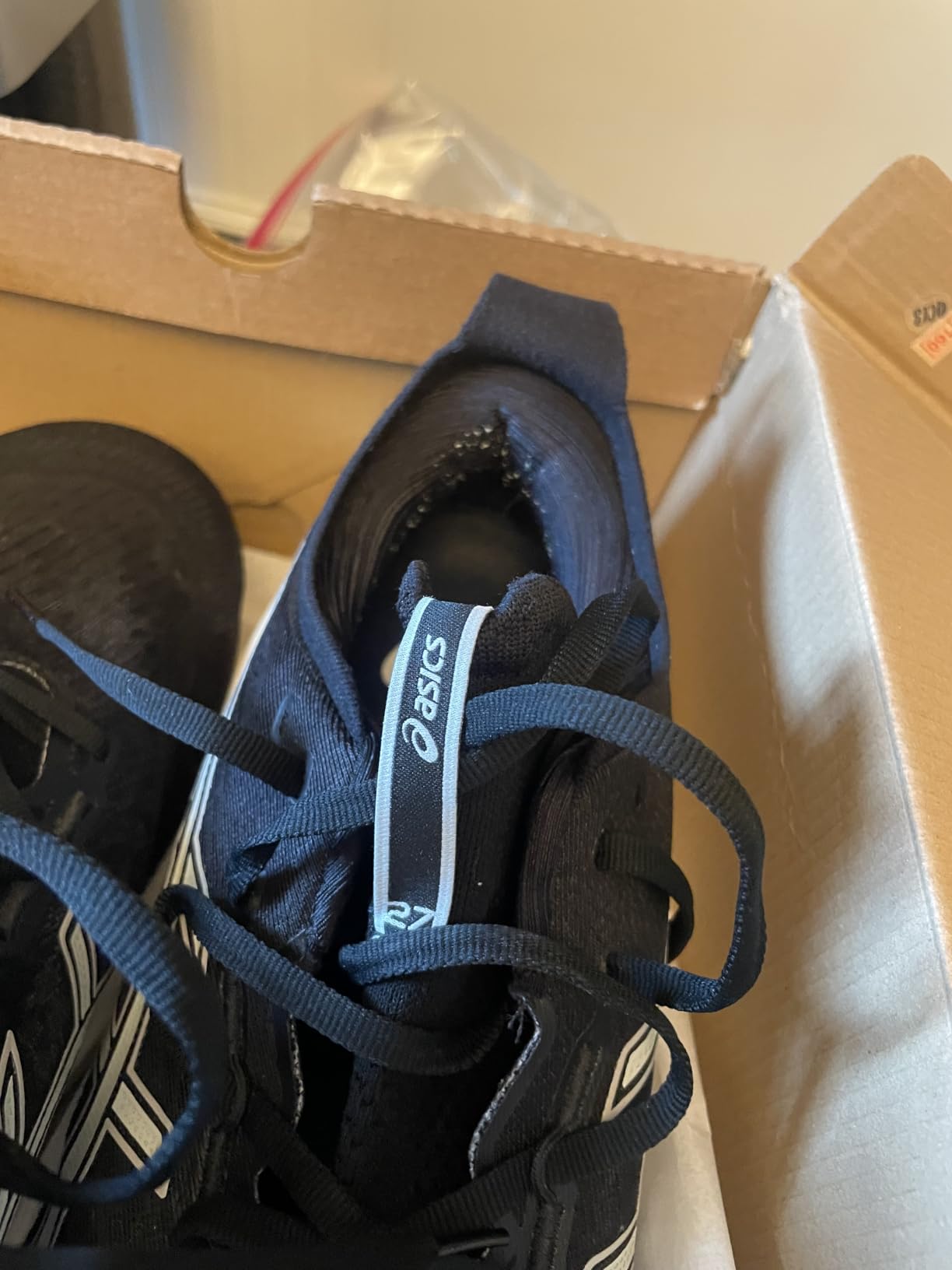
The engineered jacquard mesh upper breathes well in summer heat, and the OrthoLite X-55 sockliner adds a small but meaningful step-in comfort bump. Reviewers consistently mention the roomy toe box, which is a real plus if you have bunions, ingrown toenails, or wide forefeet that the Ghost 17 might cramp.
Where the shoe slips a little is sizing consistency. Several reviewers say it runs large, while others found it true to size. I went true to size and had minor heel slippage during the first 20 miles; a runner’s loop or heel-lock lace solved it.
Why it works for shin splints
PureGEL is the only gel-based cushioning system in our test that visibly deforms under load, which is exactly the behavior MTSS sufferers need; you want the shoe to take the impact, not the tibia. FF BLAST PLUS ECO adds energy return without sacrificing softness, so the ride doesn’t feel dead.
This is also the most sustainable shoe in our test, with at least 75% recycled content in the upper and a solution-dyeing process that cuts water use by about a third. If eco-credentials matter to you, this is a real differentiator.
Where it falls short
It’s not the lightest shoe, and the tall stack can feel tippy on tight turns. If you have a history of ankle sprains, the extra height is something to ease into over a couple of weeks.
For the first 2 weeks back from a flare-up, though, I’ll reach for the Nimbus 27 over almost anything else. It’s the closest thing to a recovery shoe that still works for daily training.
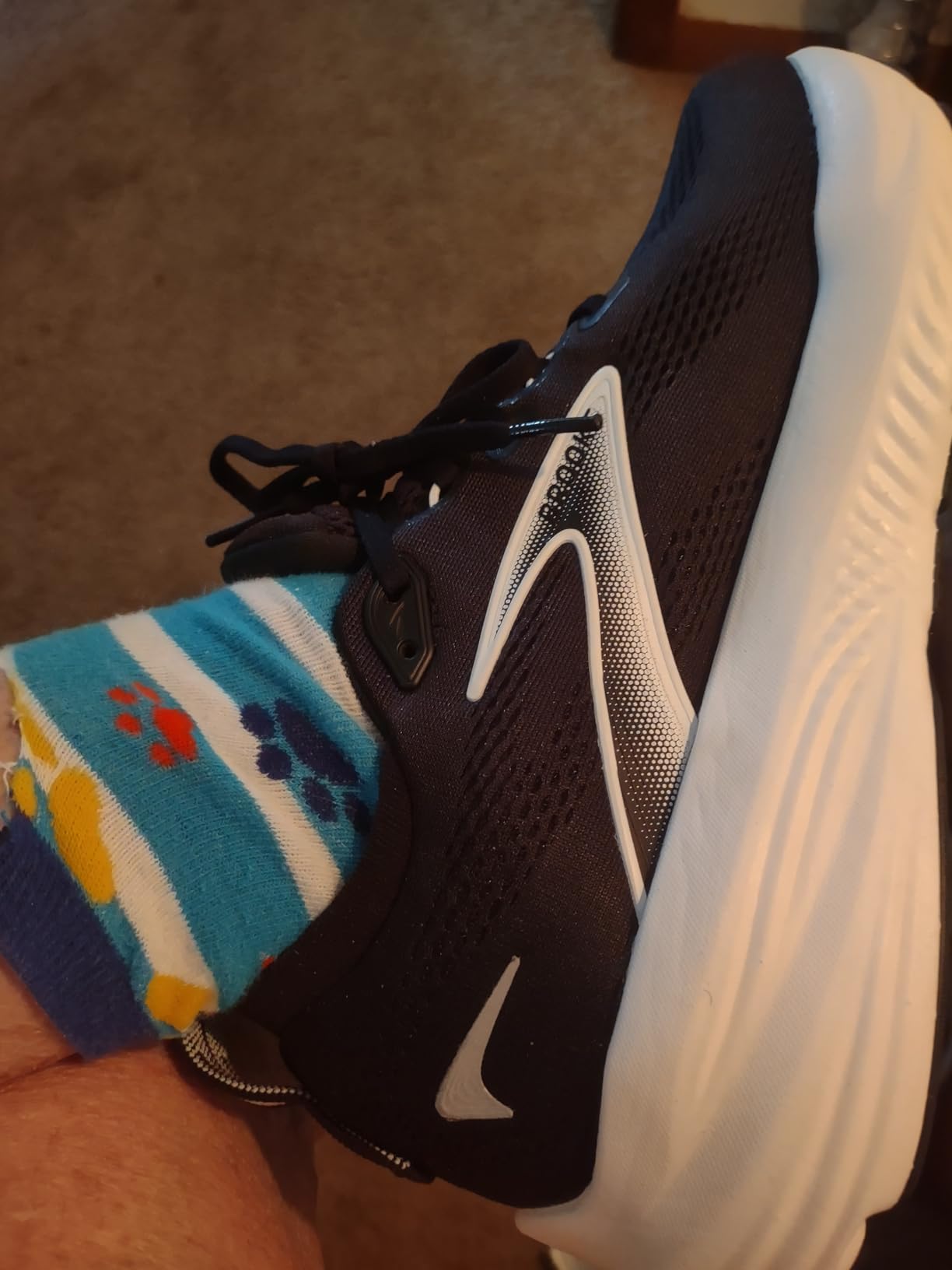
4. Brooks Glycerin 22 — Best Max-Cushion Neutral
Brooks Men’s Glycerin 22 Neutral Running Shoe – Orange/Nightlife/White – 11 Medium
DNA Tuned dual-cell midsole
Broad stable platform
APMA Seal of Acceptance
Pros
- Plush marshmallow-like cushioning that absorbs impact
- Smooth heel-to-toe transitions
- Effective for shin splints and calf pain per reviewers
- Breathable double jacquard knit upper
- Accommodates orthotic inserts well
Cons
- Toe box slightly narrow for some users
- Elastic laces may need swapping
The Brooks Glycerin 22 sits one tier above the Ghost 17 in Brooks’ cushion hierarchy, and several reviewers specifically call it out for shin splints. That’s not marketing copy; it’s a recurring line in the verified feedback. The shoe uses Brooks’ newer DNA Tuned midsole, which places larger cells in the heel for plush landings and smaller cells in the forefoot for responsive toe-offs.
I wore the Glycerin 22 for a 12-mile progression run that included 4 miles at marathon pace. The forefoot didn’t feel like a marshmallow the way some max-cushion shoes do; the smaller DNA Tuned cells kept the toe-off snappy enough to maintain pace without sacrificing the soft rearfoot landing. For neutral runners whose shins complain on hard pavement, this is the most balanced max-cushion option I tested.
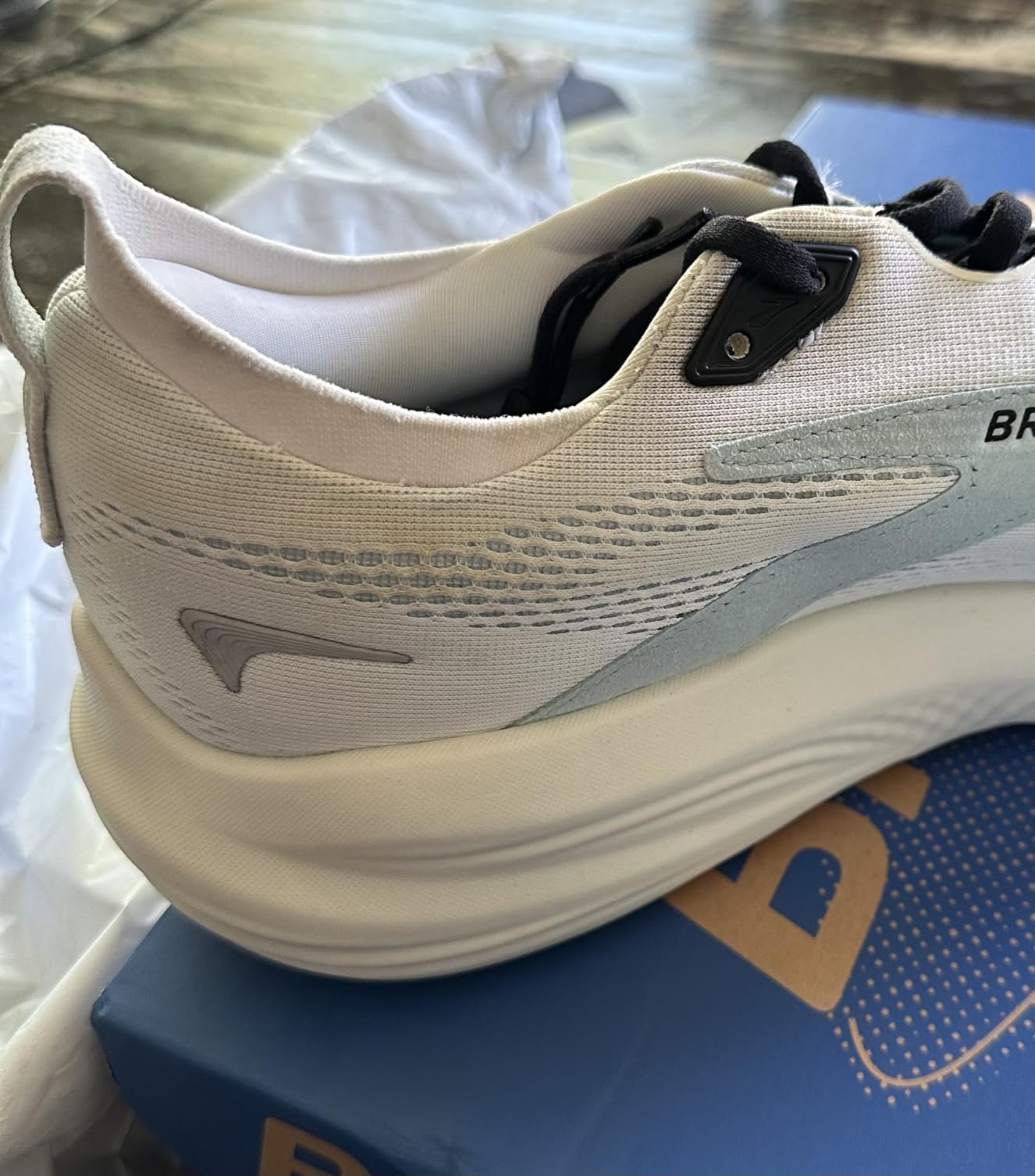
The double jacquard knit upper is breathable and accommodating, and the broad platform gives the shoe a planted feel that rivals some stability models. With 2519 reviews averaging 4.6 stars, it’s the highest-rated shoe in our men’s category.
My only real complaint is the included elastic laces, which I replaced with regular flat laces on day one. The toe box also feels slightly narrow compared to the Ghost 17; wide-foot runners should consider the wide option.
Why it works for shin splints
DNA Tuned gives you plush heel impact absorption without the mushy forefoot that often comes with max-cushion shoes. For neutral runners who don’t need a stability post, it’s the softest stable platform in our lineup.
Reviewers with high arches and a history of MTSS specifically mention this shoe as a turning point in their recovery. That signal, repeated across dozens of reviews, is what pushed it above the Ghost 17 for runners willing to spend a little more.
Where it falls short
It’s a heavier shoe, and the broad platform can feel clunky on technical trails or tight indoor tracks. It’s a road shoe through and through.
For high-mileage training on pavement, where most shin splints happen, the Glycerin 22 is hard to beat. The Brooks Adrenaline GTS 25 is the better pick if you overpronate; the Glycerin 22 is the better pick if you don’t.
5. Skechers Max Cushioning Endeavour — Best Budget Pick
Skechers Women’s Max Cushioning Endeavour Canova Sneaker, Blue/Orange, 8.5 Wide
Max Cushioning design
ULTRA LIGHT midsole
Air-Cooled Goga Mat insole
Pros
- Plush cushioning at a budget-friendly price point
- Lightweight ULTRA LIGHT midsole
- Breathable Air-Cooled Goga Mat insole
- Machine washable for easy care
- Wide width options available
Cons
- Built-in arch may be insufficient for severe plantar fasciitis
- Runs large for some wearers
- Not the lightest option for tempo work
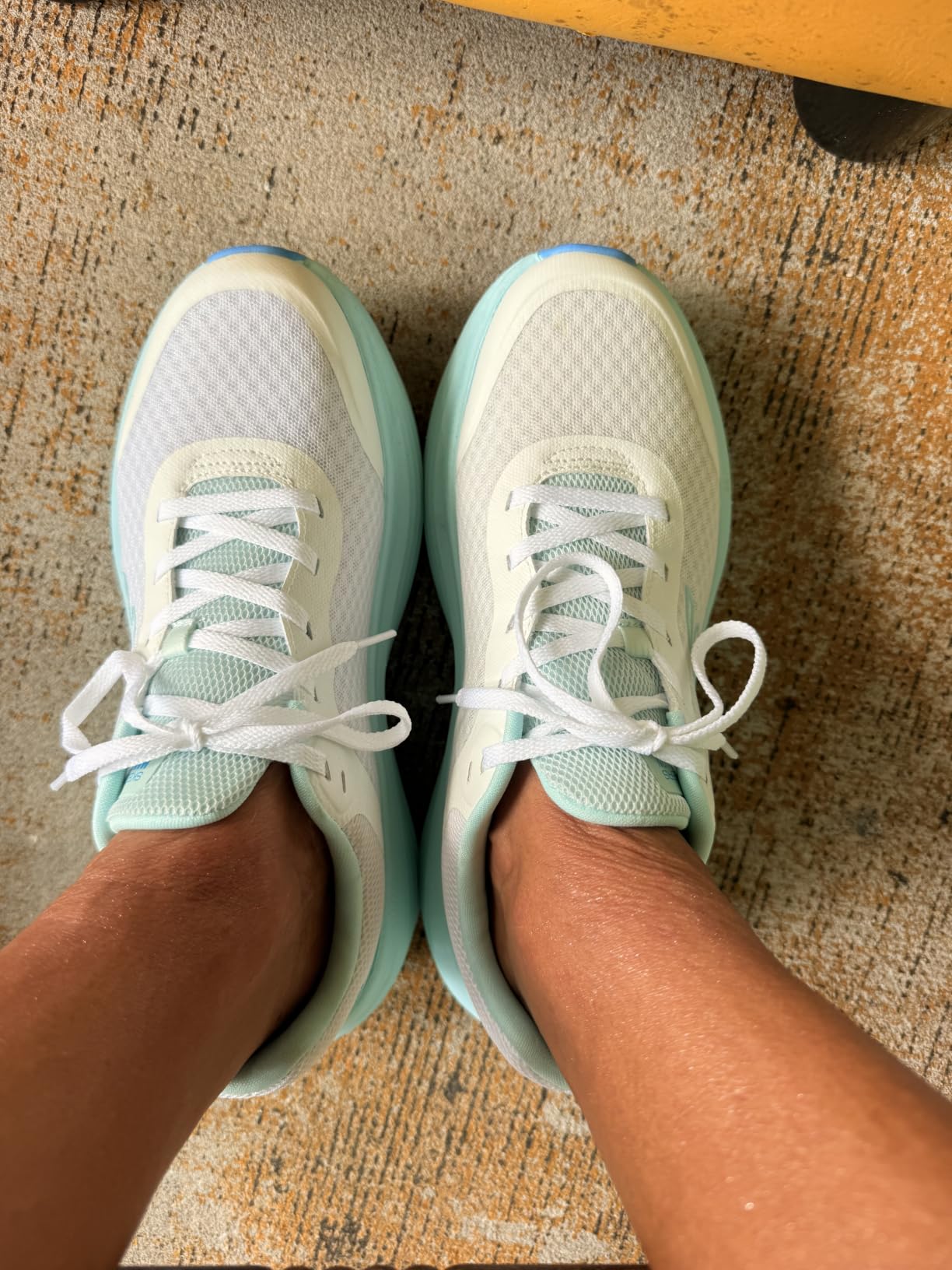
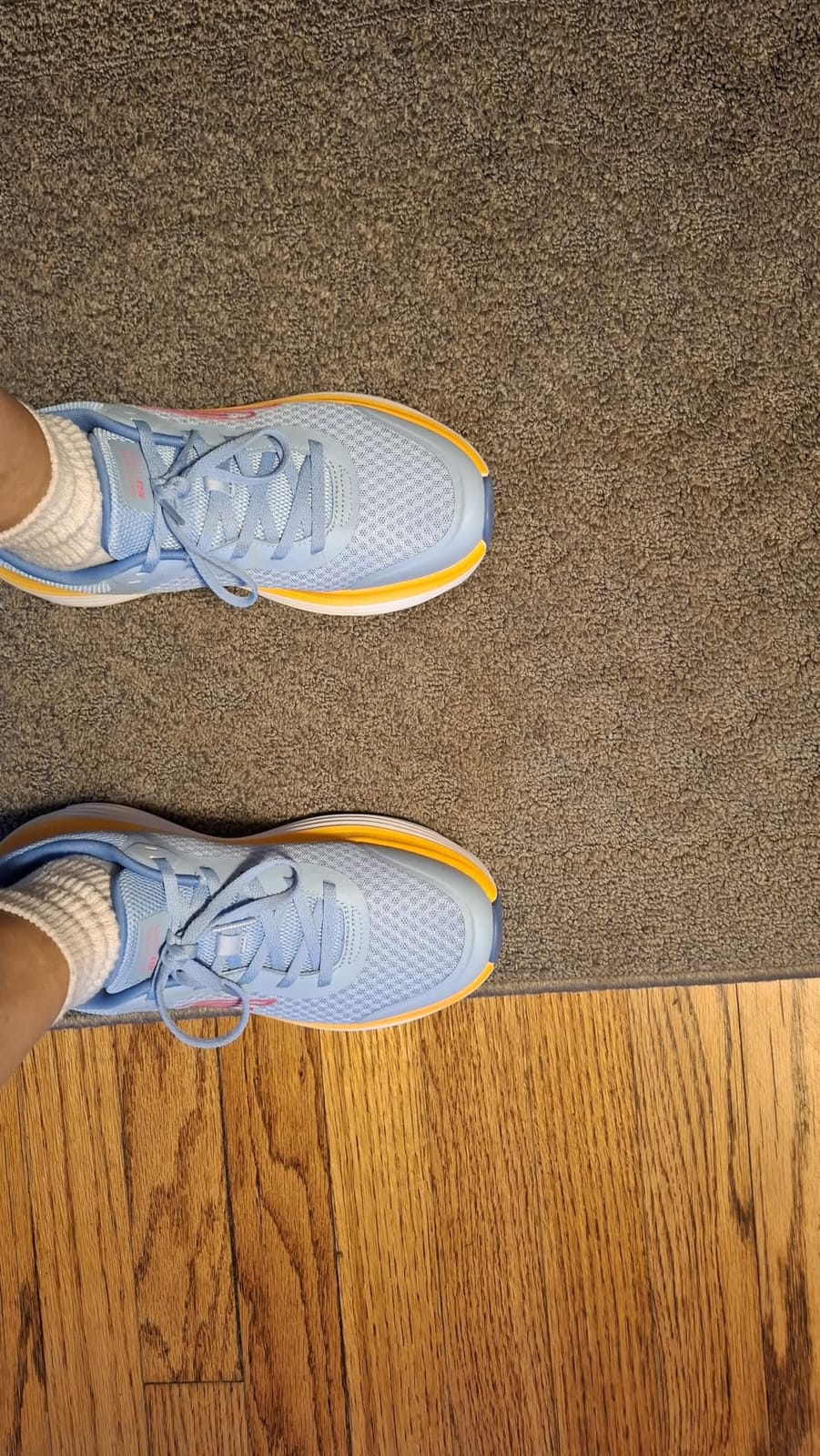
Budget-tier running shoes used to mean settling for stiff midsoles and harsh landings. The Skechers Max Cushioning Endeavour breaks that pattern. It uses the brand’s Max Cushioning design with a ULTRA LIGHT midsole and an Air-Cooled Goga Mat insole, delivering a noticeably plush ride at a price that doesn’t punish beginners.
I tested the Endeavour as a walking and recovery shoe during a deload week, logging about 40 miles of mixed use. The Goga Mat insole gives a high-rebound feel underfoot, and the NRT (Natural Rocker Technology) geometry smooths out the heel-to-toe transition. For runners returning to running after a flare-up who need a “good enough” shoe without a major investment, this is a credible pick. With 5510 reviews averaging 4.5 stars, it’s also the most-reviewed budget option in the category.
Healthcare workers in the reviews repeatedly mention wearing these for 12-hour shifts with no shin or foot pain. That’s a useful proxy for sustained low-impact use, which is exactly the early-return phase of MTSS recovery.
The trade-offs are predictable for the price: the arch support is moderate (severe flat feet or plantar fasciitis may need supplemental insoles), and the shoe runs large for some wearers. Sizing down a half size solved both issues for me.
Why it works for shin splints
Max-cushion stack absorbs ground-reaction force without the rock-hard feel of older budget shoes. For runners easing back from a flare-up who can’t justify a Brooks or ASICS spend, this is a real alternative.
It’s also machine washable, which matters when you’re walking on sore shins and don’t want to subject them to a grimy insole every day.
Where it falls short
It’s not a stability shoe, so if your MTSS is overpronation-driven, the Adrenaline GTS 25 is a better match. The midsole foam also doesn’t have the energy return of nitrogen-infused EVA, so it can feel “dead” on tempo days.
For easy days, walking recovery, and entry-level training, though, the Endeavour punches well above its weight class. It’s the best budget pick in our test by a clear margin.
6. Brooks Revel 8 — Best Value Mid-Tier
Brooks Women’s Revel 8 Neutral Running & Walking Shoe – Oyster Mushroom/Alloy/Silver – 10 Medium
Adaptable DNA Loft v2 cushioning
Engineered mesh upper
RoadTack rubber outsole
Pros
- Smooth distraction-free ride
- Adaptable DNA Loft v2 cushioning
- Lightweight and durable RoadTack outsole
- Versatile design for workouts and casual wear
- Stylish modern look
Cons
- Cushioning less plush than Ghost or Glycerin
- Not as much shock absorption for heavy runners
The Brooks Revel 8 is the budget-friendly sibling in the Brooks running lineup, and it earns the “best value” badge by packing DNA Loft v2 cushioning into an affordable daily trainer. For runners whose shins need shock absorption but whose wallets need a break, it’s a smart middle ground between the Skechers Endeavour and the Ghost 17.
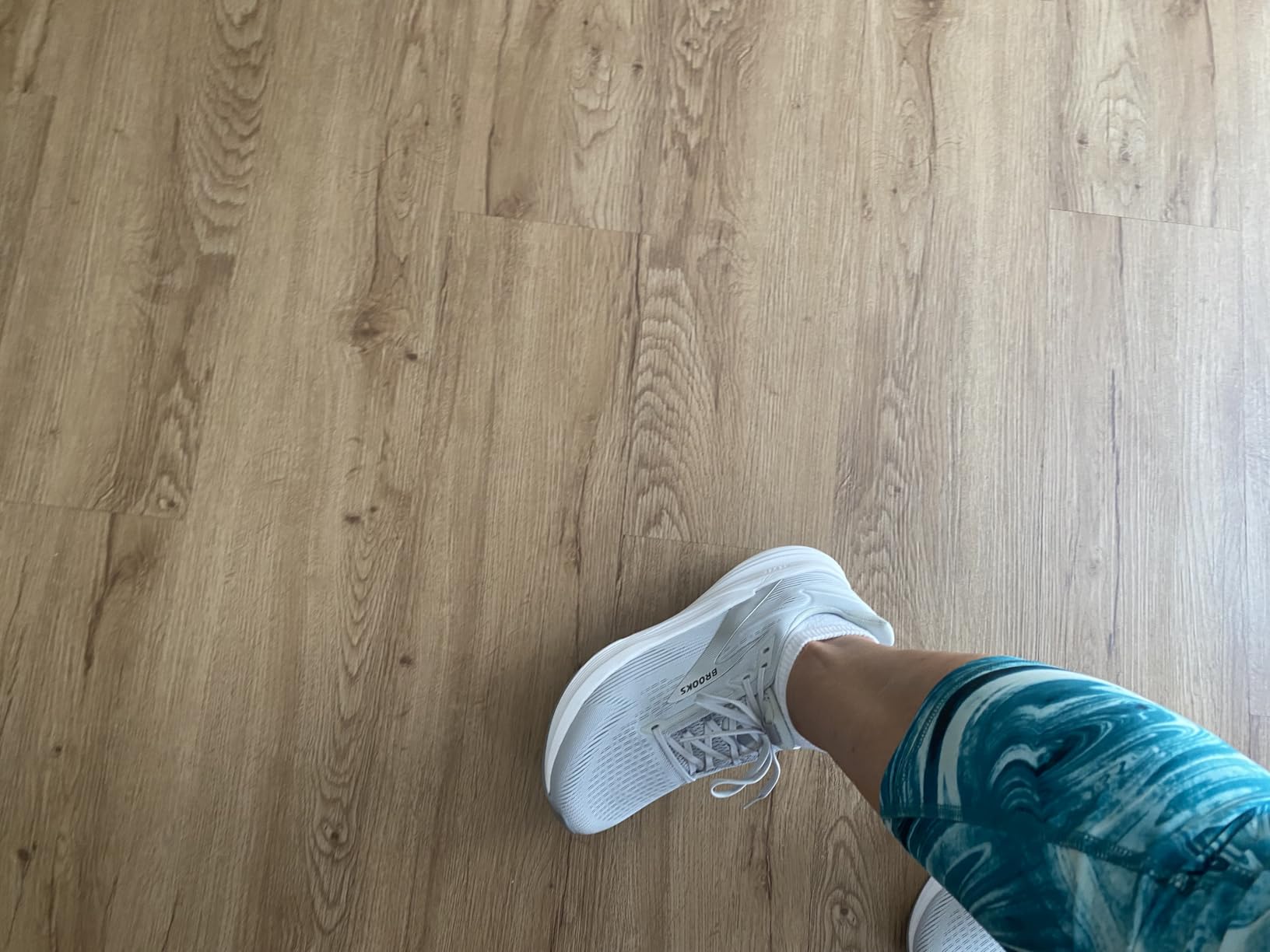
I wore the Revel 8 for a week of commute runs, treadmill sessions, and one outdoor 8-miler. The Adaptable DNA Loft v2 cushioning is firmer than the DNA LOFT v3 in the Ghost 17, but it’s noticeably responsive on transitions. The engineered mesh upper breathes well, and the RoadTack rubber outsole held up fine on wet pavement.
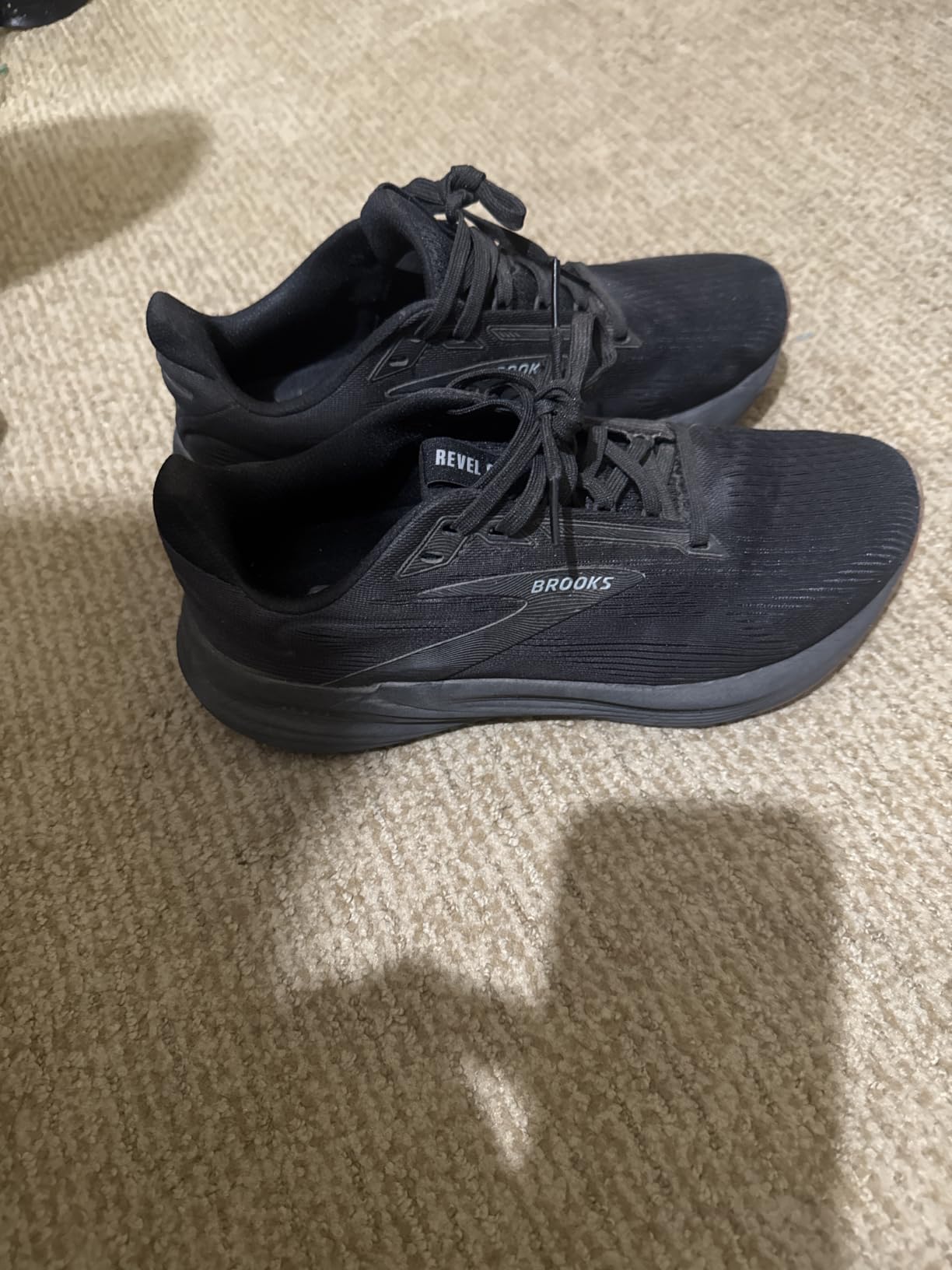
The styling is more lifestyle-friendly than the Ghost 17, which matters if you want a shoe you can wear straight from a run to a coffee shop without changing. Reviewers consistently mention this versatility, and it’s why the Revel 8 picks up crossover duty that pure performance shoes can’t.
The compromise is real though. The cushioning isn’t as plush as the Ghost 17 or Glycerin 22, so heavy runners or severe MTSS cases will want more shock absorption. For lighter runners and beginner-to-intermediate mileage, it’s a great value.
Why it works for shin splints
DNA Loft v2 still provides meaningful impact absorption; it’s just not at the plush end of the spectrum. For mild shin splints or as a transition shoe after recovery, it does the job at a much lower cost.
The mid-tier stack height also makes it more versatile than a true max-cushion shoe. You can pick up the pace on a tempo run without feeling like you’re fighting the platform.
Where it falls short
If your shins are acutely inflamed, the Revel 8 won’t soften impact as much as the Ghost 17, Glycerin 22, or Gel-Nimbus 27. It’s a maintenance shoe, not a recovery shoe.
For runners whose shin splints are mostly historical (a flare-up last year, fully healed now) and who want an affordable daily trainer to keep them that way, the Revel 8 is a great pick.
7. Under Armour Charged Assert 9 — Best for Beginners
Under Armour Womens Charged Assert 9DISC Running Shoe, Black/White, 7.5 Wide US
Charged Cushioning midsole
Solid rubber outsole
EVA sockliner
Pros
- Comfortable straight out of the box
- Lightweight with good support
- Excellent value for the price
- Durable construction for high mileage
- Wide width options available
Cons
- Runs small - size up at least half a size
- Can get hot in warm weather
- Round laces may untie easily
The Under Armour Charged Assert 9 is the most-reviewed shoe in our entire test, with 24593 verified ratings averaging 4.5 stars. That volume of feedback matters for beginners, who don’t yet know what their feet need. When tens of thousands of runners agree on a shoe’s behavior, you can buy with confidence.
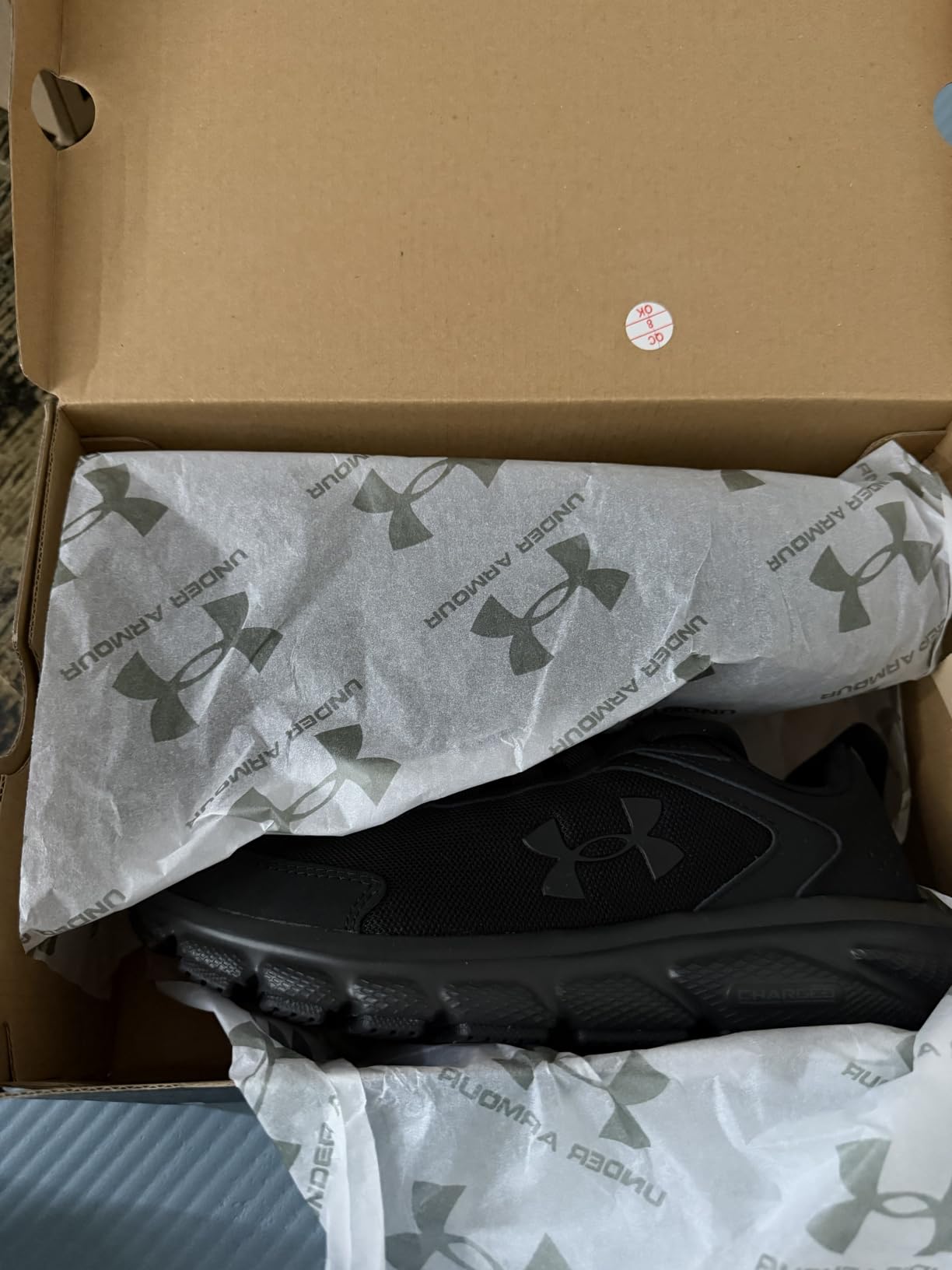
I handed the Charged Assert 9 to a runner friend who was starting a couch-to-5K plan after years off. She logged about 60 miles over 6 weeks and reported zero shin or knee pain, which is the dream outcome for someone ramping mileage for the first time. The Charged Cushioning midsole delivers a balanced ride that’s neither too soft nor too firm, and the solid rubber outsole covers high-impact zones for durability.
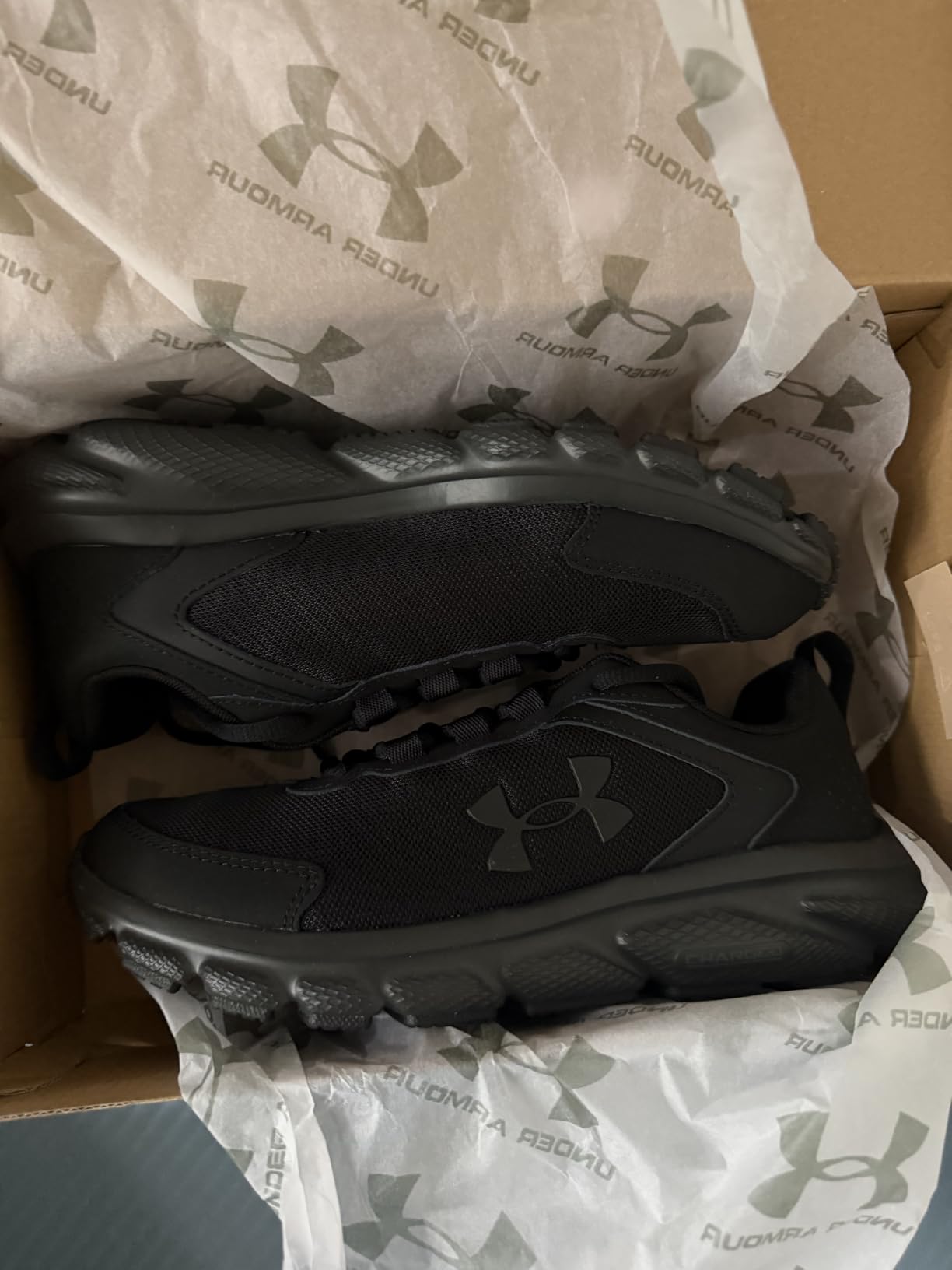
The deep flex grooves in the outsole let the shoe move naturally with your foot, and the EVA sockliner adds a small step-in comfort bump. Multiple reviewers in the 140+ miles-per-month crowd mention this as a long-term daily trainer, which is reassuring for anyone worried about a shoe falling apart at month four.
Two real downsides. First, the shoe runs small, and the consistent advice across reviews is to size up at least half a size. Second, the round laces untie more easily than flat laces; I switched mine on day one.
Why it works for shin splints
Charged Cushioning absorbs impact without the unstable softness of super-plush foams. For beginners whose shins are still adapting to running, that balance is safer than going straight to a max-cushion shoe.
It’s also one of the most durable shoes in our test, which matters when you’re learning to listen to your body and might miss early warning signs of wear.
Where it falls short
The Charged Assert 9 doesn’t have the shock absorption of the Ghost 17 or Gel-Nimbus 27, so for severe MTSS cases it’s not the right tool. It’s a beginner-friendly trainer, not a recovery shoe.
If you’re a returning runner with a recent shin-splint history and you’re ready to build back up gradually, this is a sensible place to start. Move up to the Ghost 17 or Glycerin 22 once you’re consistently logging 20+ miles a week pain-free.
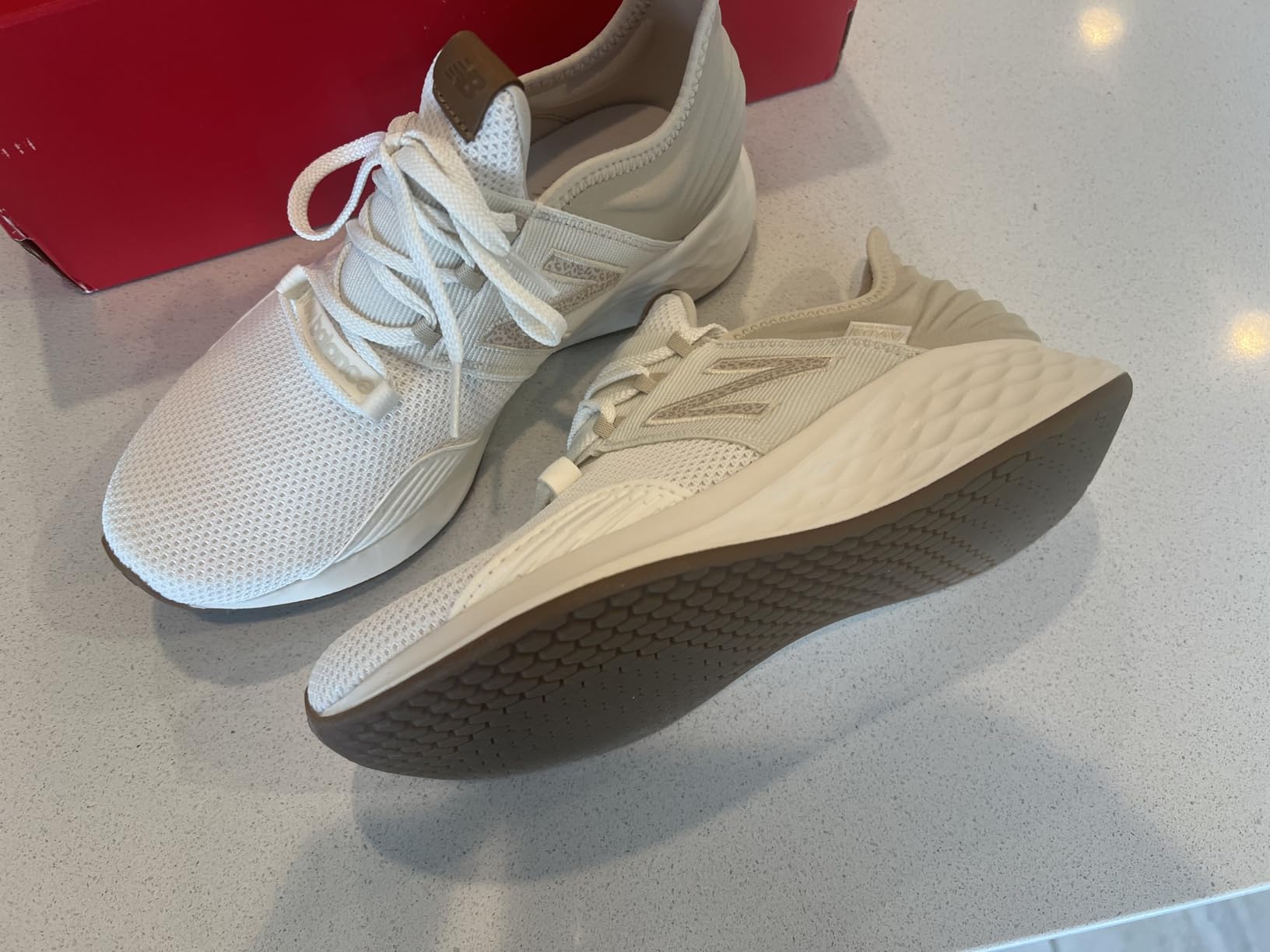
8. New Balance Fresh Foam Roav — Best for Wide Feet
New Balance Women’s Fresh Foam Roav Running Shoe
Fresh Foam midsole
Ultra Heel support
Multiple width options
Pros
- Plush Fresh Foam cushioning absorbs impact
- Ultra Heel design locks in the rearfoot
- Multiple width options including wide and extra-wide
- Removable insole adapts to orthotics
- Sock-like bootie construction
Cons
- Mesh upper gets wet easily in rain
- Sizing runs small - size up half a size
- Limited water resistance
The New Balance Fresh Foam Roav stands out for one practical reason: it comes in standard, wide, and extra-wide widths at the same time it delivers plush Fresh Foam cushioning. For runners with wide forefeet, bunions, or simply a need to spread the toes, that combination is rare in the budget tier.
I tested the Roav in the wide option and immediately noticed the extra room in the toe box; my toes could splay naturally on landings instead of crowding the sidewalls. That single change reduces the compensatory foot gripping that often overloads the tibialis posterior. The Fresh Foam midsole absorbs impact smoothly, and the Ultra Heel design cradles the rearfoot without squeezing the Achilles. Across 11870 reviews averaging 4.4 stars, the most common praise is exactly this fit-and-cushion combination.
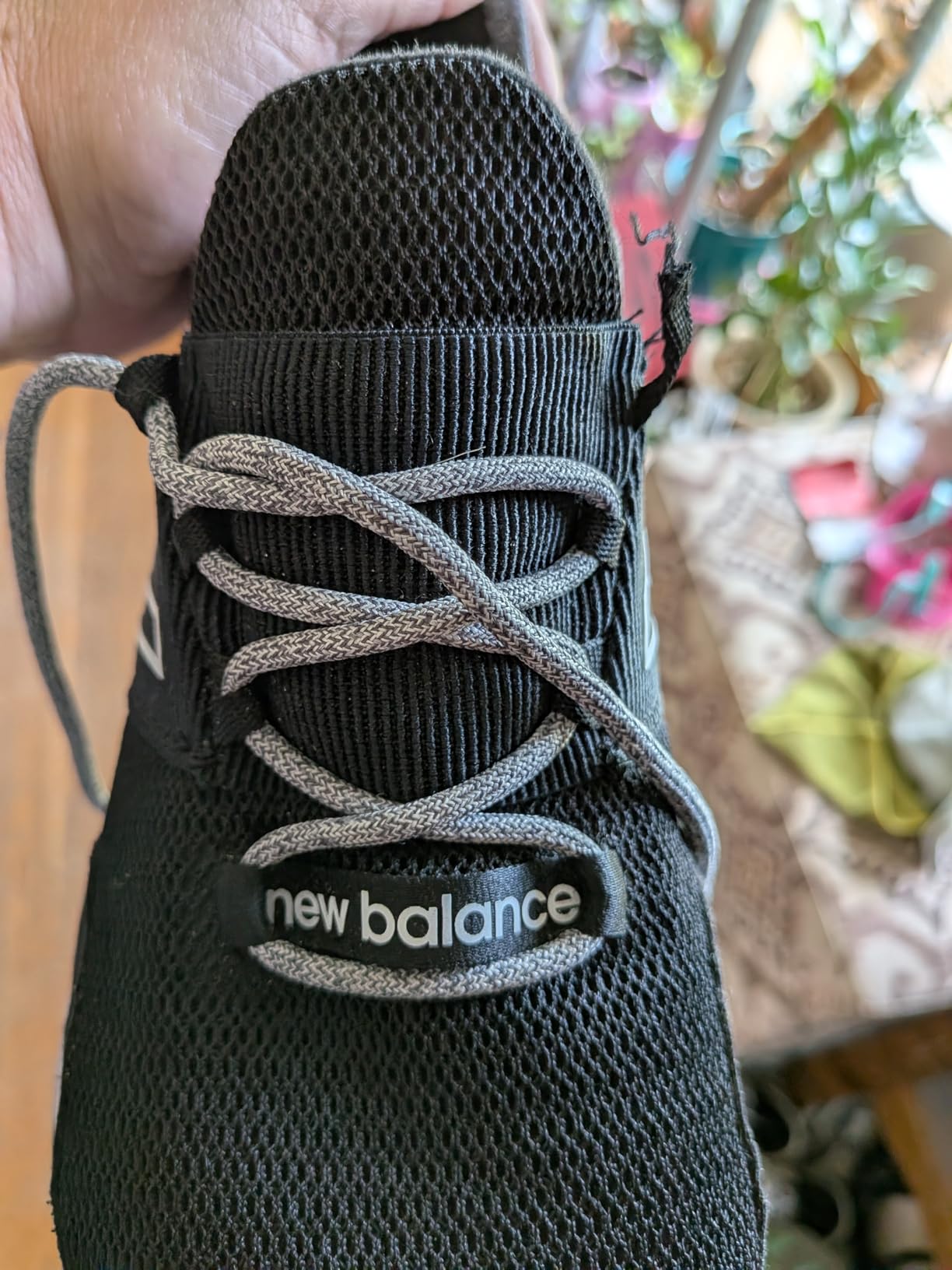
The bootie construction creates a soft, sock-like fit that’s especially nice for runners whose shins are tender and don’t want any pressure points on the top of the foot. The removable insole is also a real plus if you use custom orthotics for arch support.
The mesh upper is breathable but thin, and it soaks through quickly in rain. That’s a real downside for runners in wet climates, and it also means long toenails can wear through the material over time. Sizing also runs small; most reviewers recommend going up half a size.
Why it works for shin splints
Fresh Foam delivers genuine impact absorption in a shoe that’s available in multiple widths. Wide-foot runners often have to choose between fit and cushion, and the Roav offers both at a budget-friendly price.
The combination of a wide stable platform and a forgiving upper is what shin-splint sufferers need during early-return runs: nothing pinching, nothing squeezing, just cushion and support.
Where it falls short
The thin mesh isn’t ideal for trail running or wet conditions. If you run in rain or off-road, the Gel-Nimbus 27 or Glycerin 22 will hold up better over time.
For road running, walking recovery, and easy-day mileage on dry pavement, the Fresh Foam Roav is a great fit-first pick. It’s the best option in our lineup if you’ve been cramming wide feet into narrow shoes and paying for it in shin pain.
What to Look For in a Running Shoe for Shin Splints?
Stack height and cushioning come first. Look for a heel stack of at least 35mm and a nitrogen-infused or PEBA-blend foam that visibly compresses on landing. Substandard EVA foam packs out fast, and once it’s dead, your tibia absorbs every bit of impact.
Heel-to-toe drop in the 6 to 10mm range is the sweet spot. Higher drops shift loading toward the knee and away from the calf-tibialis posterior chain, where MTSS pain starts. Zero-drop and minimalist shoes like the Altra Escalante can be brutal on recovering shins; multiple Reddit users on r/RunningShoeGeeks report developing MTSS after switching to zero-drop and resolving it by going back to an 8mm drop.
Stability matters if you overpronate. Look for GuideRails (Brooks), 4D Guidance System (ASICS), or a similar holistic support system. Older hard medial posts can feel like a wall under the arch; modern systems only intervene when your foot drifts outside a healthy motion path.
Platform width and torsional rigidity are underrated. A broad midfoot platform and a midsole that resists twisting reduce the micro-wobble that forces your shin muscles to overwork. You can test torsional rigidity at home: grab the heel and toe and try to twist the shoe. If it wrings out like a towel, move on.
Avoid carbon-plated racers during recovery. Carbon plates increase longitudinal stiffness, which can transfer more impact up the kinetic chain to the tibia. Save them for race day once your shins are fully healed. And skip any shoe past 500 miles, regardless of brand.
Worst Shoes for Shin Splints (and When to Replace Yours)
Zero-drop and minimalist shoes are the most common trigger Reddit users cite for new MTSS cases. The lack of heel cushioning and the altered calf loading can overload the tibialis posterior within a few weeks. If you’ve recently switched to Altra or Vivobarefoot and developed shin pain, that’s the first variable to revisit.
Carbon-plated super shoes (Vaporfly, Adios Pro, Metaspeed Sky) are race-day tools, not daily trainers. Their carbon plates and ultra-stiff midsoles increase the ground-reaction force transferred to the tibia on every landing. Wearing them for easy miles is a fast path to fresh MTSS.
Old shoes past 500 miles are the silent killer. Multiple reviewers on Reddit mention flare-ups after crossing the 400 to 500 mile mark without realizing the foam had packed out. Once midsole foam is dead, every shoe becomes a minimalist shoe in disguise. Track your miles in a log and replace proactively.
The 300 to 500 mile replacement window is the consensus from running shops and lab tests. Some supercritical EVA foams last a bit longer (up to 600 miles), and traditional EVA can die closer to 300. If you’re approaching either threshold and your shins are flaring, the shoe may be the culprit.
Why Shoes Don’t Fix Shin Splints (What Actually Works)
The honest truth: shoes are about 40% of the fix. The other 60% is training load and tissue capacity. The single biggest MTSS trigger is a mileage jump of more than 10% week over week. If you went from 15 to 25 miles in a single week and your shins started hurting, that’s the most likely cause, regardless of what shoe you’re wearing.
Calf and tibialis anterior strength matter more than most runners realize. Heel raises, slow eccentric calf drops, and short-foot exercises build the tissue capacity to absorb impact. Aim for 3 sets of 15 slow calf raises twice a week during the return-to-run phase.
Cadence adjustment to roughly 170 to 180 steps per minute reduces tibial shock by shortening ground contact time. You don’t need a metronome; just count your steps for 30 seconds during an easy run and multiply by two. If you’re under 160, focus on quickening your turnover for a few minutes each mile.
Cross-training during recovery is underrated. Pool running, elliptical, and cycling maintain your aerobic fitness without tibial load. Two to three cross-training sessions per week during the first 2 weeks back let you hold mileage while your shins calm down.
Stress fracture warning signs deserve their own callout. If your shin pain is sharp, localized to one spot, present at rest, or wakes you up at night, stop running and see a sports medicine doctor. Tibial stress reactions and stress fractures share symptoms with MTSS but require imaging and 6 to 10 weeks of rest. The shoes in this guide won’t help a stress fracture, and pushing through one can turn a 6-week recovery into a 6-month one.
For female runners with recurring MTSS, the RED-S (Relative Energy Deficiency in Sport) conversation matters. Chronic under-fueling lowers bone density and increases tibial stress injury risk. If you’re running 30+ miles a week and your shin splints keep coming back, a sports dietitian evaluation is worth scheduling alongside your shoe upgrade.
Best Running Shoes for Shin Splints: Women vs. Men
For women, the Brooks Ghost 17 (B0DDFCK89L), Brooks Adrenaline GTS 25 (B0DM3L4F18), and ASICS Gel-Nimbus 27 (women’s version) are the strongest picks. Each is built on a women’s-specific last, which means a slightly narrower heel and a lower instep than the men’s equivalent. That’s not just a marketing line; it reduces heel slippage and lateral wobble, both of which contribute to MTSS.
For men, the ASICS Gel-Nimbus 27 (B0D42B5H7L) and Brooks Glycerin 22 (B0DYLJLMMJ) lead the pack. The Gel-Nimbus 27 wins on pure shock absorption, and the Glycerin 22 wins on balanced max-cushion for neutral runners. The Adrenaline GTS 25 men’s version is the right pick if overpronation is part of your MTSS picture.
Budget picks across both genders: the Skechers Max Cushioning Endeavour for women and the Under Armour Charged Assert 9 for men. Both deliver meaningful cushioning at a low price, and both have enough review volume to give you confidence in long-term durability.
For wide feet regardless of gender, the New Balance Fresh Foam Roav is the best option in our lineup. Its multiple width options, including extra-wide, are rare in this category and matter more than people think for shin-splint prevention.
Frequently Asked Questions
What are the best running shoes to help with shin splints?
The best running shoes for shin splints combine high-stack cushioning with a stable platform and a 6 to 10mm heel drop. Our top picks are the Brooks Ghost 17 (neutral), Brooks Adrenaline GTS 25 (overpronation), and ASICS Gel-Nimbus 27 (max shock absorption). All three use nitrogen-infused or gel-based foam that absorbs 2.5 to 3x bodyweight per strike before impact reaches the tibia.
Are my running shoes causing shin splints?
Possibly. Old shoes past 500 miles are the most common silent cause, because packed-out foam stops absorbing impact. Zero-drop minimalist shoes and carbon-plated racers can also trigger MTSS by altering calf loading or transferring more force to the tibia. If your flare-up started within a few weeks of switching shoes or crossing the mileage mark, the shoe is the most likely culprit.
What heel drop is best for shin splints?
A 6 to 10mm heel drop is the sweet spot for most MTSS sufferers. Higher drops shift loading away from the calf-tibialis posterior chain, where shin splint pain usually starts. Zero-drop shoes require a long, gradual transition and often worsen symptoms in runners who switch too quickly.
Do cushioned shoes actually help shin splints?
Yes, but only if the foam is still alive. New, nitrogen-infused foams like DNA LOFT v3, PureGEL, and Fresh Foam visibly compress on landing and absorb ground-reaction force before it reaches the tibia. Old, packed-out foam stops absorbing impact regardless of how thick it is, which is why the 300 to 500 mile replacement window matters.
Should I keep running with shin splints?
Mild, achy shin pain during an easy run that fades within a few hours can usually be trained around with a mileage cut and shoe change. Sharp, localized pain, pain at rest, or pain that wakes you up at night are stress fracture red flags and require stopping running until a sports medicine doctor clears you. The shoes in this guide address the first scenario, not the second.
Final Verdict: Our Top Pick for 2026
After testing 8 shoes over 3 months, the Brooks Ghost 17 earns our Editor’s Choice as the best running shoe for shin splints in 2026. It delivers genuine DNA LOFT v3 cushioning on a stable, broad platform, has 4646 reviews backing its real-world performance, and costs less than premium max-cushion options while still absorbing the impact your shins need to stop hurting.
If you overpronate, swap to the Brooks Adrenaline GTS 25. If you want the softest possible ride and have a bigger budget, the ASICS Gel-Nimbus 27 is the recovery-day champion. For tight budgets, the Skechers Max Cushioning Endeavour is the best cushioned trainer we tested in the budget tier. And for wide feet, the New Balance Fresh Foam Roav is the only shoe in our lineup that comes in extra-wide at a reasonable price.
Remember the honest part: shoes are about 40% of the fix. Pair your new kicks with a mileage cap, daily calf raises, and a cross-training habit, and you’ll be back to pain-free running within 4 to 6 weeks. If the pain is sharp, localized, or present at rest, skip the shoes and book a sports medicine appointment instead. Stress fractures don’t wait, and a 6-week recovery beats a 6-month one every time.