
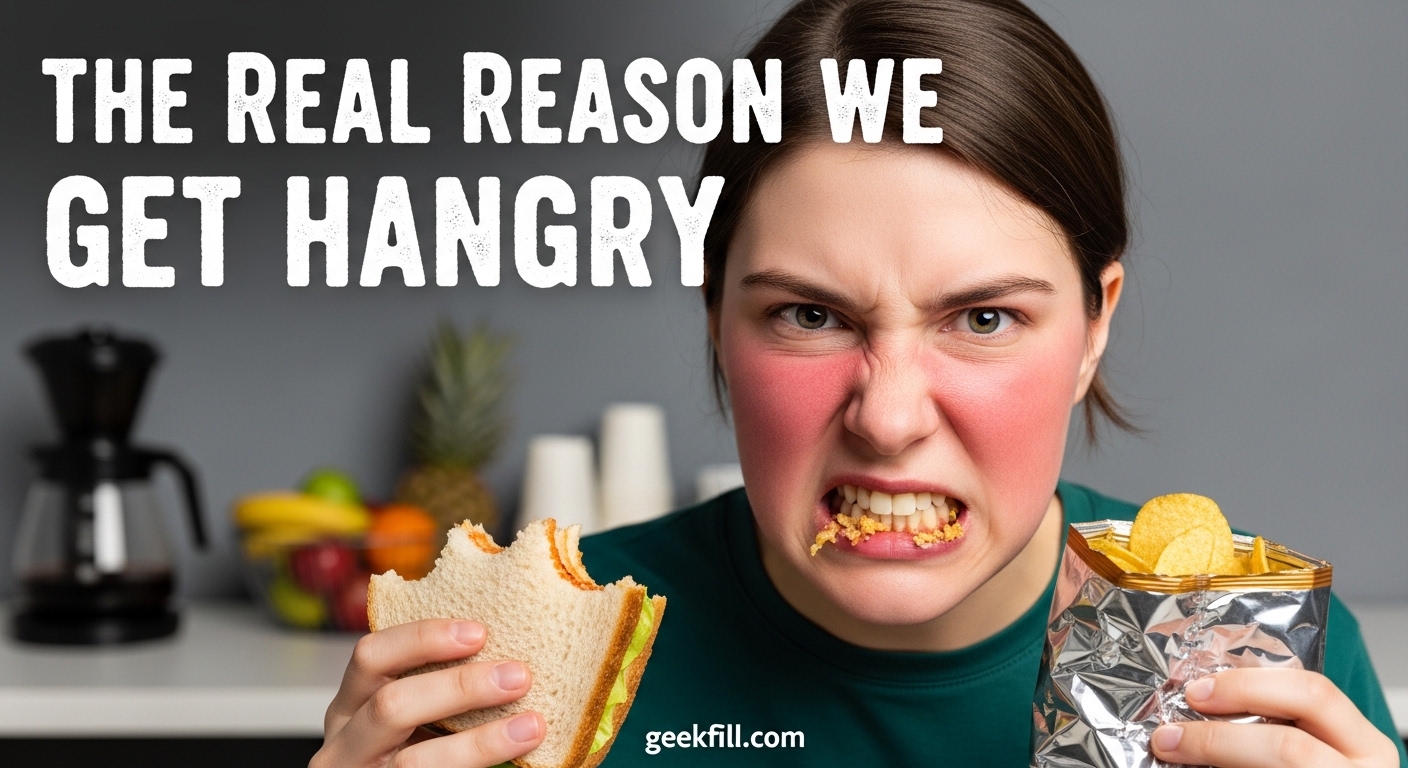
You are in line at the grocery store, your stomach has been growling for an hour, and the person ahead of you is taking forever to count their coupons. Suddenly, you feel a wave of irritation so intense it surprises even you. Welcome to the world of hanger. The Real Reason We Get Hangry (And Why Some People Get It Worse) comes down to a fascinating interplay between your blood sugar, your brain chemistry, and your emotional regulation. In this guide, I will explain the science behind why hunger makes us angry, why some people experience it more severely, and what you can do to keep your cool when your stomach is empty.
Table of Contents
Is Being Hangry Actually a Real Thing?
Hangry is not just a cute internet term or a convenient excuse for bad behavior. It is a genuine physiological phenomenon that scientists have studied and medical professionals recognize. The word hangry, a blend of hungry and angry, officially entered the Oxford English Dictionary in 2018. This formal recognition validates what millions of people have experienced firsthand.
Dr. Brad Bushman, a psychology professor at Ohio State University, has researched the connection between low blood sugar and aggression. His findings show that when glucose levels drop, the brain struggles to control impulses and regulate emotions. This is not about weakness or personality flaws. It is biology at work.
So the next time someone dismisses your hanger as an excuse, you can confidently explain that science is on your side. Your body is literally running low on fuel, and your brain is sounding the alarm in the only way it knows how.
The Biology Behind Hanger: What Happens Inside Your Body
When you eat, your body breaks down food into glucose, which enters your bloodstream and provides energy to your cells. Your brain is particularly dependent on glucose, using about 20% of your body’s energy despite being only 2% of your body weight. When blood sugar levels drop, your brain perceives this as a threat.
Here is what happens during the hanger cascade:
Step 1: Blood Sugar Drops
After several hours without eating, your blood glucose levels begin to fall. This triggers your body to release counter-regulatory hormones.
Step 2: Stress Hormones Surge
Your adrenal glands pump out cortisol and adrenaline, the same hormones released during stress or danger. These chemicals are designed to raise blood sugar quickly and prepare your body for action.
Step 3: Fight-or-Flight Activation
The surge of stress hormones activates your sympathetic nervous system, putting you in a state of heightened alertness. Your heart rate increases, muscles tense, and your brain becomes hypervigilant for threats.
Step 4: Neuropeptide Y Kicks In
This is where things get interesting. Neuropeptide Y is a brain chemical that increases with hunger and is also linked to aggression. Researchers believe this evolutionary mechanism helped our ancestors fight harder for food when resources were scarce. Unfortunately, that same chemical makes you want to snap at your partner for chewing too loudly.
Dr. Amanda Salis, a researcher from the University of Sydney, explains that these chemical changes affect the prefrontal cortex, the part of the brain responsible for impulse control and rational thinking. When your brain is running on empty, your ability to bite your tongue or think before speaking takes a hit.
Why Some People Get Hangrier Than Others
If you have ever wondered why your friend can skip lunch without becoming a monster while you turn irritable after just a few hours, you are not alone. Individual differences in hanger intensity come down to several factors.
Blood Sugar Regulation
Some people naturally have more stable blood glucose levels due to genetics, diet, or metabolic health. Others experience sharper drops and more dramatic swings.
Impulse Control Variations
People with stronger executive function can better override the emotional impulses triggered by low blood sugar. Those who already struggle with impulse control may find hanger pushes them over the edge.
Self-Awareness Levels
Research published in 2023 revealed that people who are more self-aware about their hunger state are less likely to act aggressively when hangry. Simply recognizing that you are hungry and that is why you feel irritable can help you regulate your response.
Stress Levels
If you are already stressed, your cortisol baseline is elevated. Adding hanger-related stress hormones on top creates a perfect storm for emotional explosions.
Sleep Quality
Poor sleep impairs glucose metabolism and reduces self-control. A tired, hungry person is far more likely to become hangry than a well-rested one.
What Does Being Hangry Feel Like?
Hangry symptoms go beyond simple hunger. Here is how to tell if you have crossed into hanger territory:
Physical Signs:
- Stomach growling or cramping
- Headache or lightheadedness
- Shakiness or weakness
- Fatigue and difficulty concentrating
- Heart palpitations in severe cases
Emotional Signs:
- Sudden irritability or impatience
- Feeling overwhelmed by minor inconveniences
- Anxiety or edginess
- Reduced empathy for others
- Difficulty managing frustration
Behavioral Signs:
- Snapping at people over small things
- Making rash decisions
- Withdrawing from social interaction
- Difficulty focusing on tasks
- Craving specific foods urgently
Normal hunger is a gentle reminder to eat. Hanger is an urgent, emotion-laden signal that your body needs fuel immediately. Recognizing the difference helps you respond appropriately before saying something you regret.
6 Ways to Prevent Hanger
The good news is that hanger is entirely preventable with some simple strategies. Here is what actually works based on nutritional science and behavioral research.
1. Eat Regular, Balanced Meals
Going more than 4-5 hours without eating increases your risk of blood sugar crashes. Aim for three meals plus one or two snacks spaced throughout the day.
2. Prioritize Protein and Complex Carbs
Protein, fiber, and complex carbohydrates digest slowly and provide steady energy. Eggs, Greek yogurt, whole grains, nuts, and legumes are excellent choices. Avoid sugar-heavy foods that cause spikes followed by crashes.
3. Keep Emergency Snacks Handy
Stash protein bars, nuts, or fruit in your bag, car, and desk drawer. Having food accessible when hanger strikes prevents poor decisions and regrettable outbursts.
4. Stay Hydrated
Sometimes thirst masquerades as hunger. Drink water throughout the day, and if you feel irritable, try a glass of water before reaching for food.
5. Practice Hunger Awareness
Check in with yourself regularly. Rate your hunger on a scale of 1-10. When you hit a 3 or 4, eat something. Do not wait until you are at a 1 and snapping at coworkers.
6. Communicate With Your People
Let friends, family, and coworkers know when you are getting hungry. A simple “I need to eat soon or I will get hangry” can prevent misunderstandings and give others a chance to help.
When Hanger Might Signal a Health Problem
Occasional hanger is normal. Frequent, severe episodes might indicate an underlying issue worth investigating.
Reactive Hypoglycemia
If you feel shaky, sweaty, and irritable within a few hours of eating, you may have reactive hypoglycemia. This condition causes blood sugar to drop too low after meals.
Diabetes Risk
People with diabetes or prediabetes often experience more dramatic blood sugar fluctuations. If hanger comes with excessive thirst, frequent urination, or unexplained weight loss, see a doctor.
Adrenal Issues
Chronic stress or adrenal dysfunction can disrupt blood sugar regulation, making hanger more frequent and severe.
When to See a Doctor:
- Hanger occurs daily or multiple times per day
- You experience confusion or blurred vision with hunger
- Symptoms are getting worse over time
- Diet changes do not help
A simple blood test can check your glucose levels, A1C, and insulin function. Catching blood sugar issues early makes them much easier to manage.
Frequently Asked Questions About Hanger
Why do some people get extremely hangry?
Some people experience more severe hanger due to differences in blood sugar regulation, impulse control, and self-awareness. Those with naturally volatile glucose levels, poor sleep, high stress, or weaker executive function tend to have more intense hanger episodes. Additionally, neuropeptide Y, a brain chemical linked to both hunger and aggression, varies between individuals.
Is being hangry really a thing or just an excuse?
Hangry is a real physiological phenomenon backed by science. When blood sugar drops, the body releases stress hormones like cortisol and adrenaline. The brain also produces neuropeptide Y, which is linked to aggression. These chemical changes impair impulse control and emotional regulation, making irritability a genuine biological response to hunger.
Why do some people not get hangry?
People who do not experience hanger typically have more stable blood sugar levels due to genetics, consistent eating patterns, or better metabolic health. They may also have stronger impulse control or higher self-awareness that allows them to recognize hunger without emotional reactivity. Quality sleep and lower stress levels also reduce hanger susceptibility.
Is hangry hypoglycemia?
Hanger and hypoglycemia are related but not identical. Hypoglycemia is the medical term for abnormally low blood sugar, which can cause symptoms like shakiness, confusion, and irritability. Hanger specifically refers to the irritability and aggression triggered by low blood sugar. While hanger often involves mild blood sugar drops, severe or frequent episodes may indicate clinical hypoglycemia requiring medical attention.
What does being hangry feel like?
Being hangry feels like intense irritability that coincides with hunger. Physical symptoms include stomach growling, headache, shakiness, and difficulty concentrating. Emotionally, you may feel impatient, anxious, or easily frustrated. Behaviorally, you might snap at others, make rash decisions, or withdraw socially. Unlike normal hunger, hanger comes with an urgent emotional charge that is hard to ignore.
Conclusion
The Real Reason We Get Hangry (And Why Some People Get It Worse) is not a character flaw or a made-up excuse. It is a biological response to low blood sugar that triggers stress hormones and brain chemicals associated with aggression. Some people experience worse hanger due to genetics, metabolism, stress levels, and self-awareness differences.
Understanding the science behind hanger empowers you to prevent it. Eat regular, balanced meals. Keep snacks accessible. Stay hydrated. And most importantly, recognize when hunger is affecting your mood so you can take action before you say something you regret.
Your brain needs fuel to function optimally. Give it what it needs, and you will be happier, calmer, and much more pleasant to be around.