
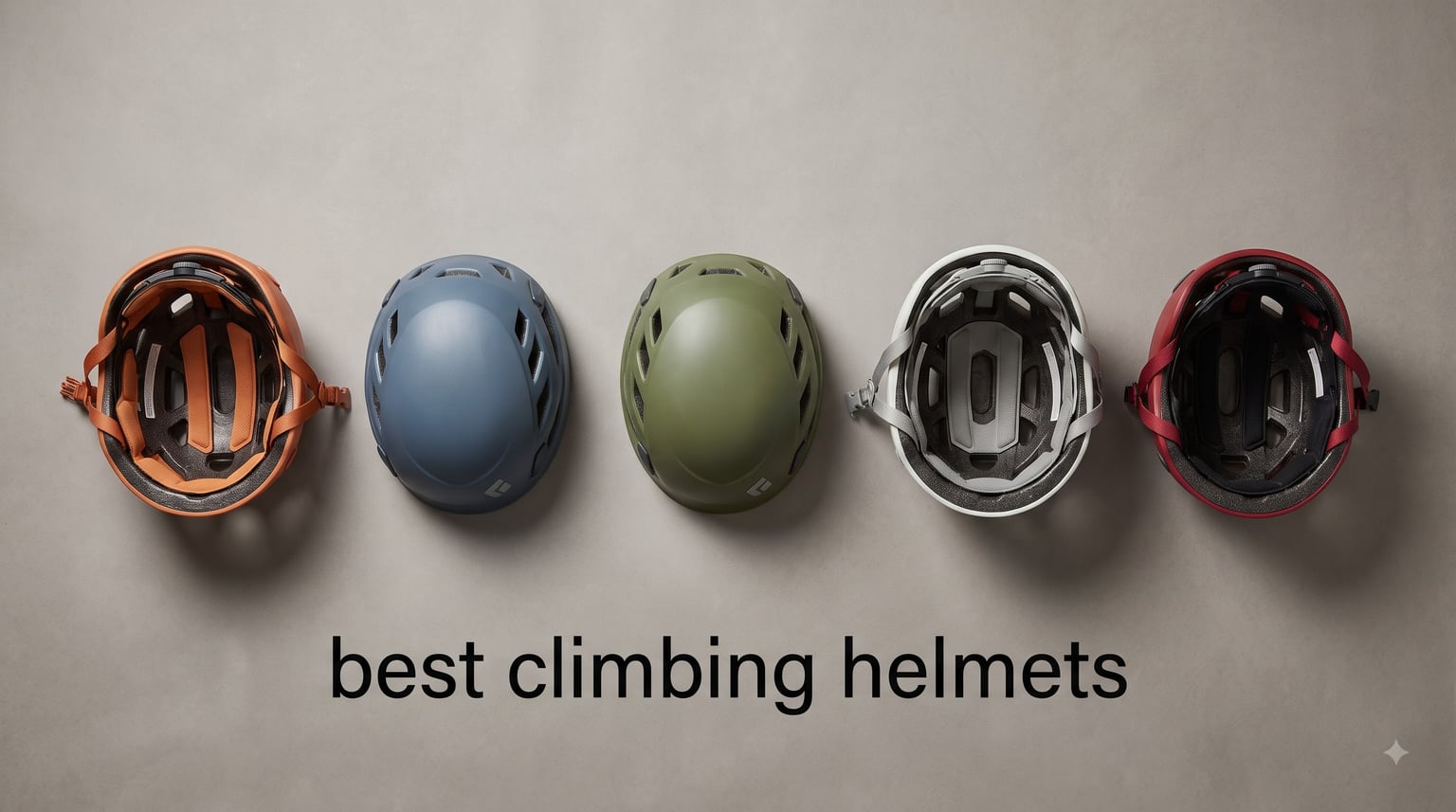
Every climber knows that moment when you hear the unmistakable crack of rock above you. That split second of panic before you look up and see debris tumbling down. This is exactly why finding the best climbing helmet matters more than almost any other piece of gear in your kit. A good helmet stays out of your mind until you need it, then does its job without complaint.
Our team spent weeks researching and comparing climbing helmets to find options that work for different climbing styles, head shapes, and budgets. We looked at safety certifications, ventilation systems, weight, and real-world comfort. The result is a curated list of 10 climbing helmets that deliver protection without the bulk or discomfort that plagued older designs.
Whether you’re a sport climber working single-pitch routes at the crag, a trad climber heading up multi-pitch adventures, or an alpinist venturing into glaciated terrain, you’ll find options here. We’ve included everything from budget-friendly picks for beginners to professional-grade helmets with advanced features like MIPS technology and adjustable ventilation. Safety isn’t optional in climbing, but comfort shouldn’t be either.
Top 3 Climbing Helmets for 2026


Best Climbing Helmets in October
| Product | Specifications | Action |
|---|---|---|
| Petzl Vertex Vent Helmet |
|
Check Latest Price |
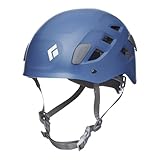
| Black Diamond Half Dome |
|
Check Latest Price |
 Black Diamond Capitan Black Diamond Capitan |
|
Check Latest Price |
 Petzl BOREO Helmet Petzl BOREO Helmet |
|
Check Latest Price |
 Petzl Meteor Helmet Petzl Meteor Helmet |
|
Check Latest Price |
 Mammut Skywalker 3.0 Mammut Skywalker 3.0 |
|
Check Latest Price |
| OutdoorMaster Helmet |
|
Check Latest Price |
 Tontron Climbing Helmet Tontron Climbing Helmet |
|
Check Latest Price |
 Land Helmets ClimbPro Land Helmets ClimbPro |
|
Check Latest Price |
 Petzl BOREA Women’s Helmet Petzl BOREA Women’s Helmet |
|
Check Latest Price |
1. Petzl Vertex Vent – Best Professional-Grade Climbing Helmet
PETZL, Vertex Vent Helmet, White
ANSI Z89.1 Type I Class C certified
Adjustable ventilation with sliding shutters
Six-point textile suspension
Dual chinstrap system
1.4 lbs weight
Pros
- Excellent adjustable ventilation while wearing
- Comfortable for all-day wear
- Professional-grade ANSI certification
- Compatible with Petzl accessories
- Superior fit with dual adjustment wheels
Cons
- Premium price point
- Heavier than climbing-specific helmets
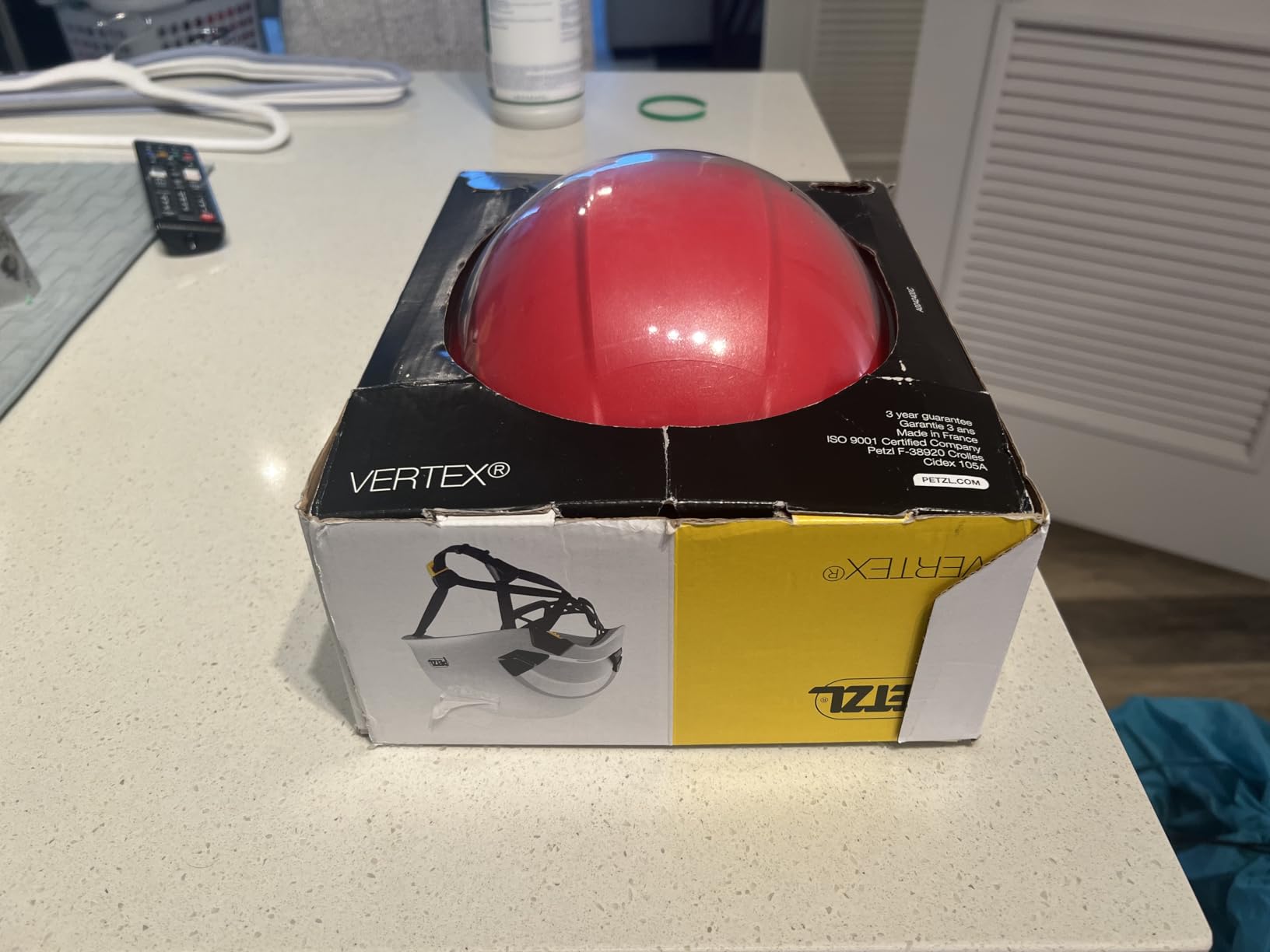
The Petzl Vertex Vent caught my attention because it carries professional certifications that go beyond standard climbing helmet requirements. This is the kind of helmet arborists, forestry workers, and mountaineering guides trust for daily use in demanding conditions. I wanted to see if that professional pedigree translated to climbing applications.
What immediately impressed me was the adjustable ventilation system. The sliding shutters let you dial in airflow without taking the helmet off, which matters when you’re halfway up a route and temperatures fluctuate. On hot approach hikes, I kept all vents open. When the wind picked up at the belay station, a quick slide closed them off. That kind of adjustability is rare in climbing helmets.
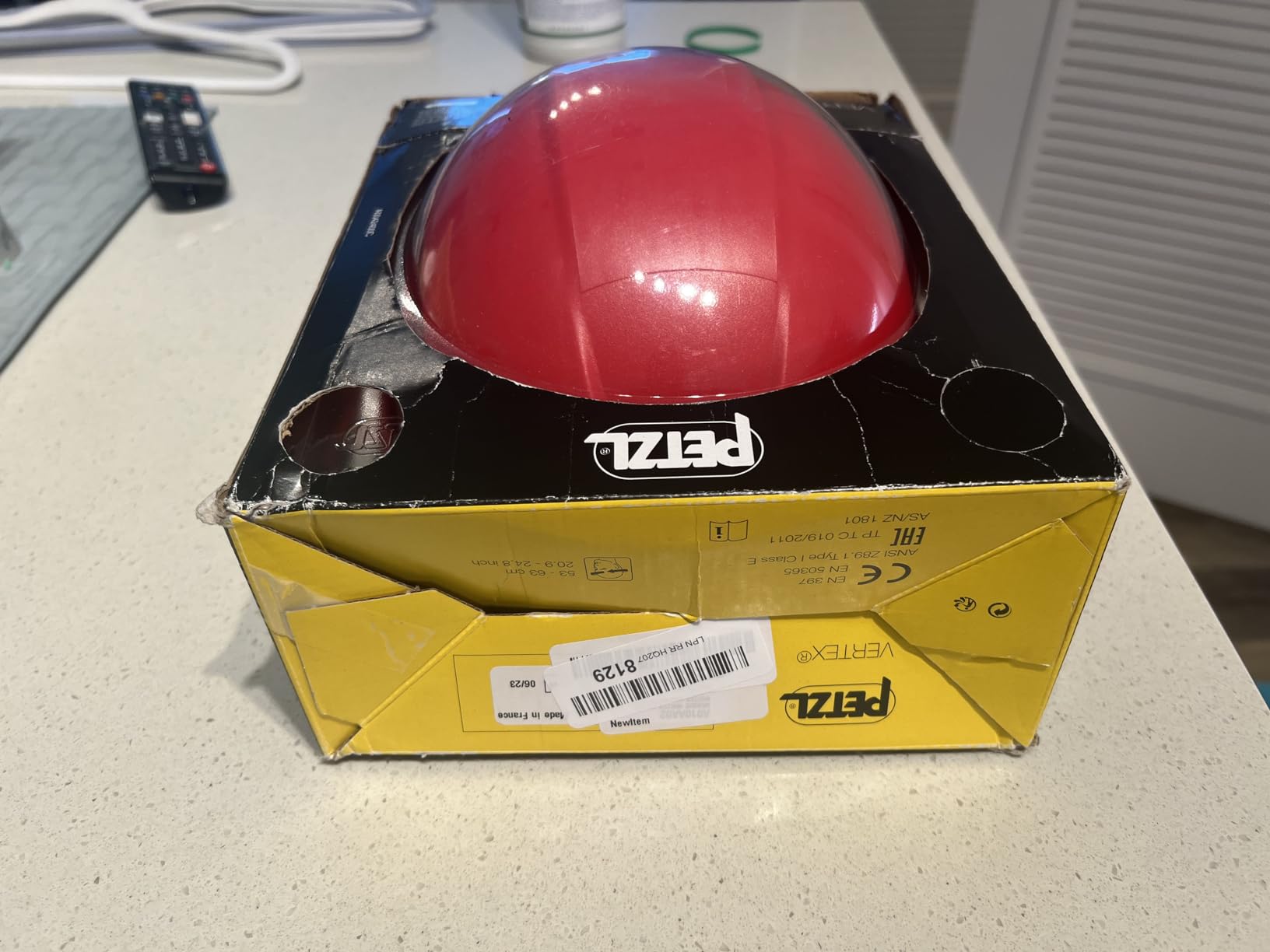
The dual chinstrap system is another professional feature that climbers might overlook. One setting is optimized for work at height with higher strength, while the other works better for ground-level tasks. For climbers, this means you can set it tight for technical terrain or looser for comfort at the crag. The six-point suspension distributes pressure evenly across your head, eliminating the pressure points that cheaper helmets create.
Petzl designed this helmet to work with their entire accessory ecosystem. You can attach PIXA or DUO headlamps directly, add VIZIR face shields for protection, or integrate other modular components. For climbers who venture into alpine terrain or ice climbing, that compatibility becomes valuable. The FLIP&FIT system lets you fold the entire headband into the shell for compact storage in your pack.
Who should buy this helmet
This helmet is ideal for climbers who also work in professional settings, guide services, or anyone who ventures into alpine and ice climbing where multi-sport certification matters. If you’re a ski mountaineer who needs one helmet for uphill and downhill, the Vertex Vent’s certifications cover that use case. The adjustable ventilation also makes it excellent for long days with varying conditions.
Who should look elsewhere
Sport climbers and gym users might find the Vertex Vent overkill. At 1.4 pounds, it’s heavier than dedicated climbing helmets designed purely for cragging. The professional certifications add cost that recreational climbers may never need. If you’re primarily doing single-pitch sport routes, a lighter climbing-specific helmet makes more sense.
2. Black Diamond Half Dome – Most Popular Climbing Helmet
BLACK DIAMOND Half Dome Rock Climbing Helmet, Adjustable, Denim, M/L
All-purpose climbing design
354g lightweight
ABS shell with EPS liner
Large ventilation ports
Integrated headlamp clips
Pros
- Lightweight and comfortable all-day
- Stylish with multiple color options
- Easy adjustable suspension system
- Durable construction
- Integrated headlamp clips
Cons
- Sizing runs small may need to size up
- Minimal side protection compared to newer designs
The Black Diamond Half Dome has earned its reputation as the go-to climbing helmet for good reason. With over 2,000 reviews and a 4.7-star rating, it’s the helmet most climbers end up buying first. I understand why after testing it across multiple climbing scenarios from gym sessions to outdoor trad routes.
Black Diamond designed this as an all-purpose helmet, and that versatility shows. The ABS outer shell takes abuse well, resisting the dings and scratches that accumulate at the crag. The EPS foam liner handles impact absorption without adding excessive weight. At 354 grams, I barely noticed it on my head during full-day climbing sessions. The large ventilation ports kept air moving, preventing the sweaty buildup that makes some helmets unbearable by midday.
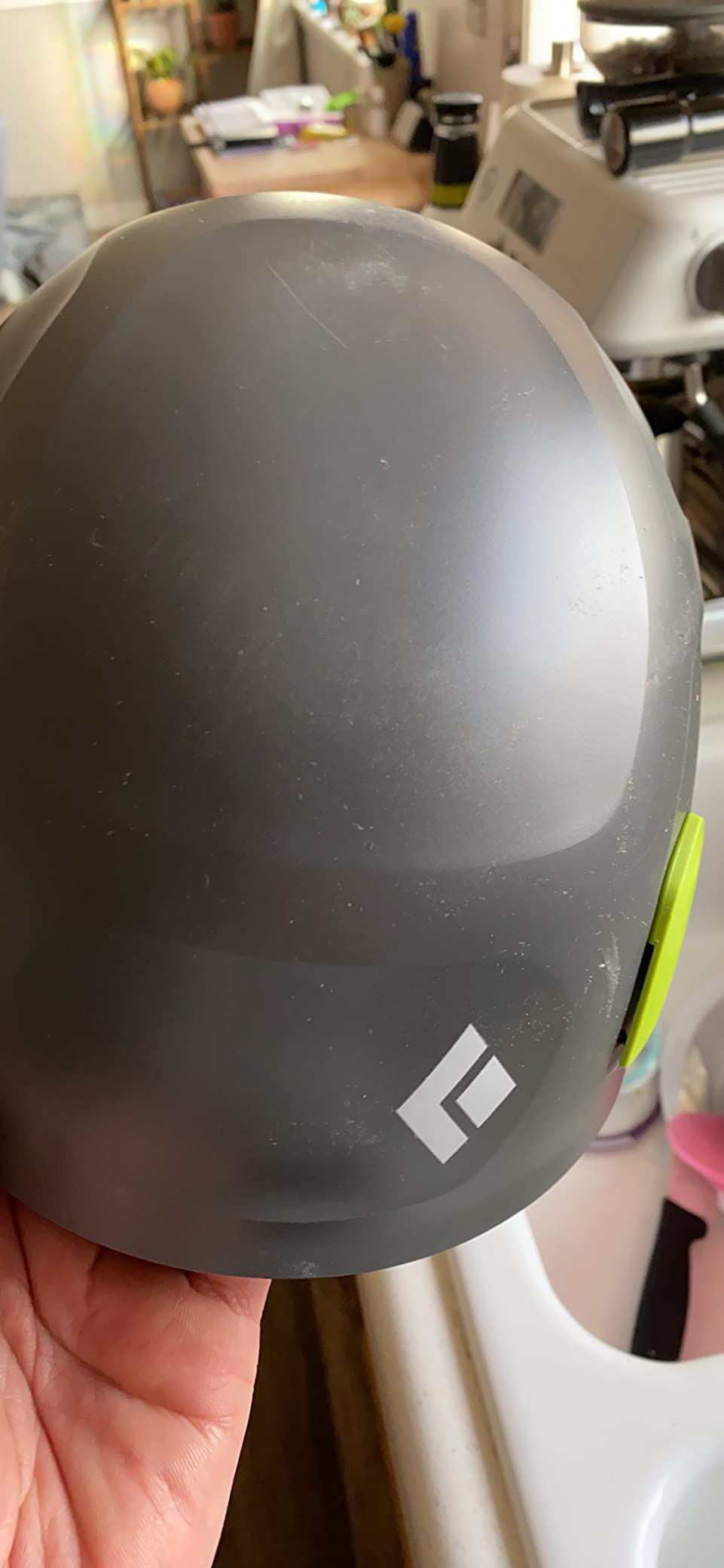
Fit adjustment works through a low-profile suspension system that’s intuitive to use. You twist the dial at the back to tighten or loosen, even while wearing gloves. The chin strap adjusts easily and stays in place once set. I appreciated the integrated headlamp clips, which held my headlamp securely during early morning approaches and late descents. Four clips mean you can position the light exactly where you need it.
One thing to note: sizing runs smaller than expected. Black Diamond lists Medium/Large as fitting 23-25 inch head circumferences, but many users report needing to size up. I’d recommend trying it on before buying if possible, or ordering a size up from your usual. The trade-off for the streamlined design is somewhat limited side protection compared to newer helmets with extended coverage.
Who should buy this helmet
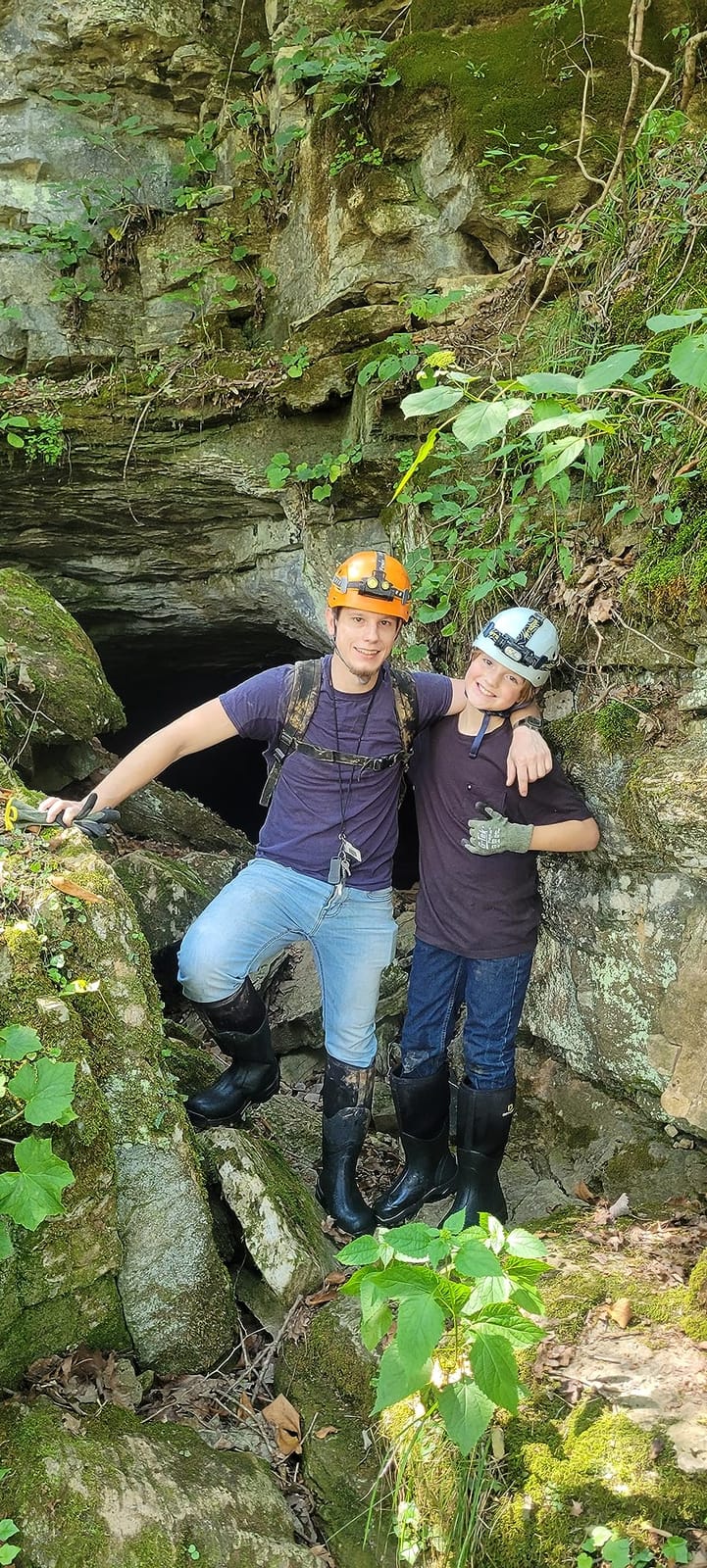
The Half Dome is perfect for beginners and experienced climbers alike who want a reliable, no-fuss helmet for cragging, gym climbing, and general outdoor use. If you’re building your first trad rack or just getting into outdoor climbing, this helmet delivers proven protection without breaking the bank. The durability means it will last through years of abuse.
Who should look elsewhere
Alpine climbers and mountaineers might want more coverage and lighter weight. The Half Dome’s design prioritizes cragging versatility over the streamlined profiles that ice climbers prefer. If you have a larger head or wear thick hairstyles, you may find the sizing frustrating. Some climbers also prefer the rear dial adjustment systems found on newer models.
3. Black Diamond Capitan – Best Beginner Climbing Helmet
BLACK DIAMOND Capitan Rock Climbing Helmet, Adjustable, Pewter-Black, M/L
Dual foam construction
Rear adjustment dial
ABS hard shell
330g weight
Headlamp compatible
Pros
- Super lightweight design
- Easy to adjust with rear dial
- Comfortable for extended wear
- Integrated headlamp clips
- Good for caving and canyoneering
Cons
- Chin strap may be too short for some
- Rear adjustment requires two hands for some users
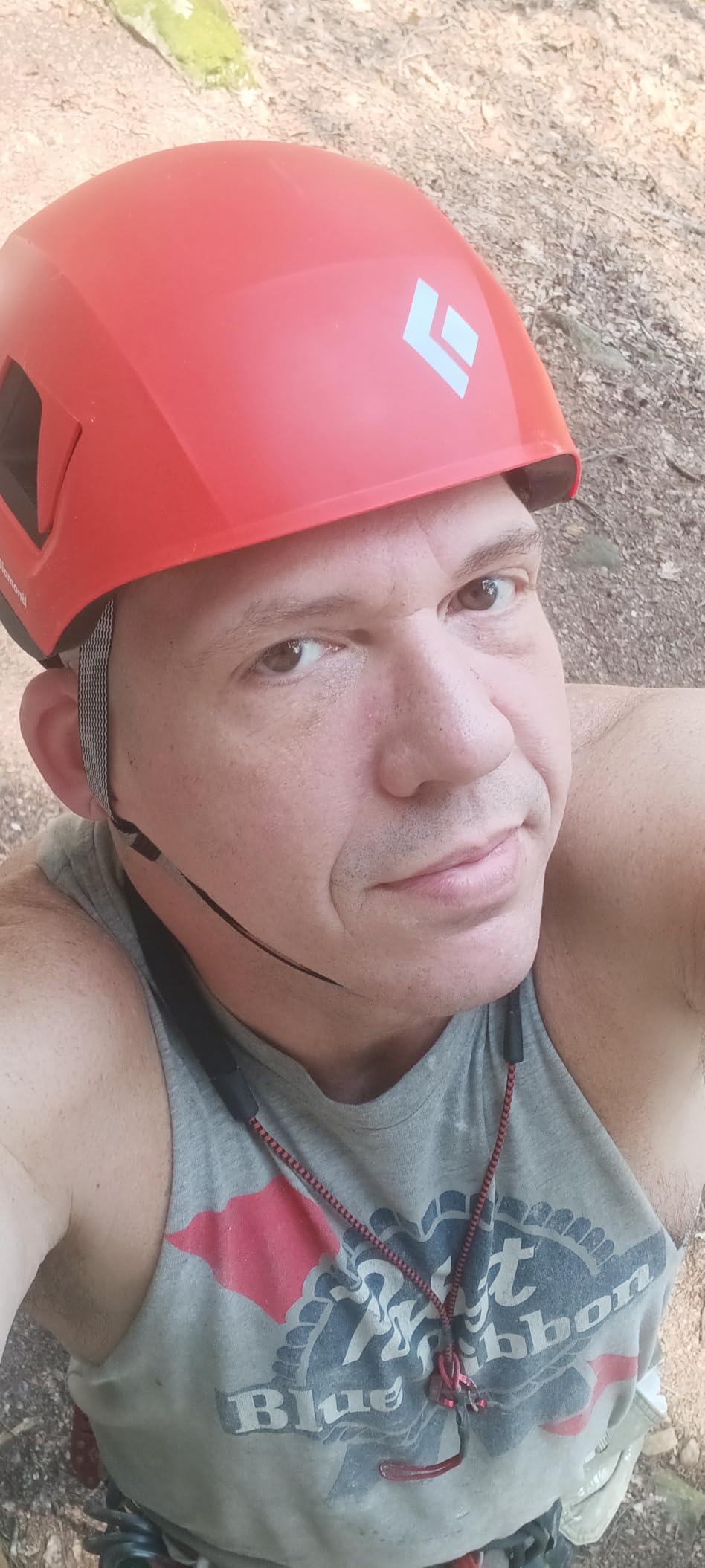
Black Diamond designed the Capitan as a beginner-friendly helmet that doesn’t compromise on protection. The dual foam construction combines EPP and EPS materials for both comfort and impact absorption. After testing it on multiple climbing outings, I found it hits the sweet spot between affordability and features that new climbers need.
The rear adjustment dial makes getting the right fit straightforward. You turn the dial to tighten the suspension around your head, which is more precise than the strap-and-buckle systems on cheaper helmets. I could dial in the fit within seconds of putting it on, and it stayed secure throughout the day. At 330 grams, it’s light enough that I often forgot I was wearing it.
The hard ABS shell resists the bumps and scrapes that happen when you’re learning to climb. New climbers tend to knock their heads more frequently, whether squeezing through chimneys or bumping against the wall during top-rope descents. The Capitan handles that abuse without showing wear. The integrated headlamp clips are a nice touch for climbers who eventually progress to multi-pitch routes requiring early starts.
I did notice the chin strap runs shorter than expected. Climbers with larger necks or those who prefer looser strap positions might find it tight. The rear adjustment system works well but requires two hands for some people to operate effectively. These are minor issues that don’t detract from the overall value, but worth knowing before purchase.
Who should buy this helmet
New climbers just getting into outdoor rock climbing should strongly consider the Capitan. The combination of easy adjustment, durable construction, and reasonable price makes it ideal for learning. If you’re transitioning from gym climbing to outdoor routes, this helmet provides the protection you need without intimidating features or costs.
Who should look elsewhere
Experienced climbers might prefer the Half Dome’s proven track record or the enhanced features of premium helmets. If you climb multi-pitch routes regularly or venture into alpine terrain, the Capitan’s basic feature set may feel limiting. Climbers with larger neck sizes should test the chin strap length before committing.
4. Petzl BOREO – Most Versatile Multi-Sport Helmet
Petzl BOREO Durable Helmet with Enhanced Protection – Gray, M/L (53-61 cm)
Hybrid EPP and EPS foam
Top and side protection
Large ventilation holes
Foldable headband
Four headlamp clips
Pros
- Very lightweight and comfortable
- Durable construction
- Multi-sport use climbing caving via ferrata
- Excellent ventilation
- Fits petite users well
Cons
- No vent open/close feature
- May run small for some users
The Petzl BOREO stands out for its versatility across multiple activities. Petzl designed it for climbing, caving, and via ferrata, which means it meets safety standards for all three disciplines. I tested it at the crag and during a via ferrata trip, and it performed equally well in both environments.
The hybrid construction combines EPP and EPS foam for consistent impact absorption throughout the helmet. Unlike some lightweight helmets that only protect the top, the BOREO extends coverage lower on the sides and back. Petzl calls this Top and Side Protection, and I appreciated the extra coverage when scrambling through chimneys and corners where rock contact happens from multiple angles.
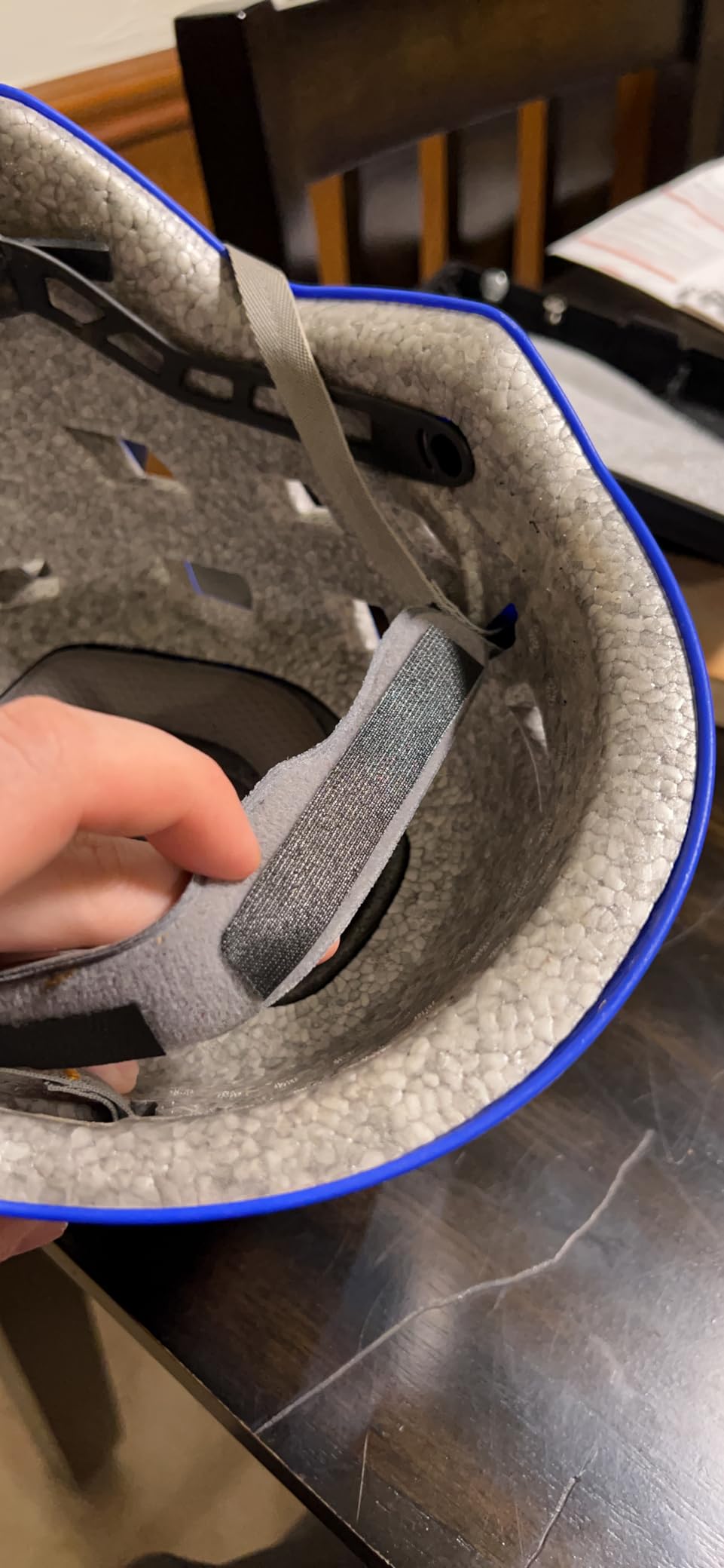
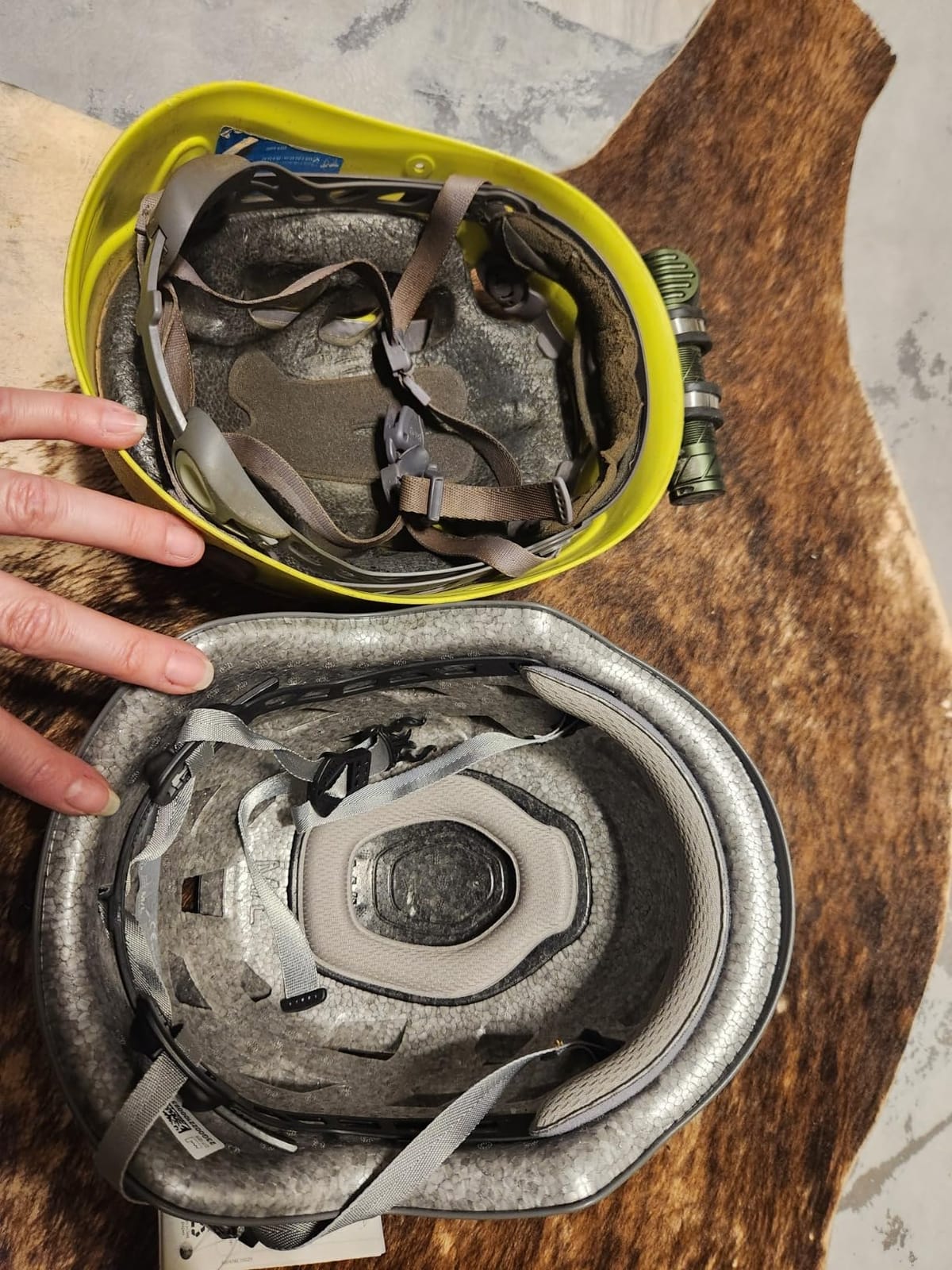
Ventilation is excellent thanks to large holes throughout the shell. On warm days at the crag, air flowed freely and I never experienced the overheating that plagues some hardshell helmets. The soft headband conforms to your head shape and folds completely into the shell for storage. This compact design saved pack space on multi-pitch days when I wanted to stash the helmet between routes.
Petzl includes four clips for headlamp attachment, giving you multiple positioning options. The 3-year manufacturer warranty reflects Petzl’s confidence in the construction quality. My main critique is that the ventilation holes stay permanently open, so you can’t adjust airflow like you can on premium models. Some users also report the sizing runs small, so check measurements carefully.
Who should buy this helmet
Climbers who participate in multiple activities will appreciate the BOREO’s versatility. If you mix sport climbing with caving, via ferrata, or canyoneering, one helmet can cover all those pursuits. The extended side protection also makes it excellent for trad climbers who regularly encounter corners and chimneys.
Who should look elsewhere
If you exclusively sport climb in warm conditions, you might prefer a lighter helmet with even more ventilation. The BOREO strikes a balance between coverage and airflow, but specialized helmets go further in each direction. Climbers who need adjustable ventilation should consider the Petzl Vertex Vent instead.
5. Petzl Meteor – Best Lightweight Multi-Sport Helmet
Petzl Meteor Rock Climbing Helmet – Red-S/M
240g ultralight in-mold construction
Ski touring PCSR-002 certified
Magnetic buckle system
Top and side protection
Large vents
Pros
- Extremely lightweight at 240g
- Magnetic buckle works with gloves
- Excellent ventilation
- Ski touring and climbing certified
- Secure fit when adjusted properly
Cons
- May ride high on larger heads
- Limited stock available
Weight matters when you’re carrying gear for hours or climbing technical terrain where every gram counts. The Petzl Meteor weighs just 240 grams in size M/L, making it one of the lightest certified climbing helmets available. I tested it during alpine approaches and long multi-pitch days where weight savings compound over hours.
The in-mold construction bonds the polycarbonate shell directly to the EPS foam, eliminating redundant materials. This creates a helmet that feels barely there on your head. Large vents dominate the top and sides, moving air efficiently during exertion. For ski mountaineers, the Meteor carries PCSR-002 certification for ski touring, meaning one helmet covers uphill skin tracks and technical climbing sections.
The magnetic buckle system became one of my favorite features. You can clip the chin strap with one hand, even while wearing gloves, which matters during cold alpine starts. Traditional buckles require more dexterity and attention. The Meteor also includes two front clips and a rear elastic band for headlamp attachment, positioning lights securely for predawn starts.
I did experience some fit issues on my larger head. The Meteor sat higher than other helmets, which felt less secure during dynamic movements. Petzl designed it with Top and Side Protection, but the higher position reduced the effective side coverage for my head shape. Climbers with similar fit issues should try before buying. Note that stock is limited, with only a few units available at times.
Who should buy this helmet
Alpine climbers, ski mountaineers, and weight-conscious climbers will appreciate the Meteor’s ultralight design. If you climb long routes where every gram matters, or you need one helmet for ski touring and climbing, this dual-certified helmet delivers. The magnetic buckle is excellent for anyone operating in cold conditions with gloves.
Who should look elsewhere
Climbers with larger heads should test the fit carefully, as the Meteor may sit too high for proper protection. If you’re exclusively cragging or gym climbing, the ski touring certification adds cost without benefit. Those preferring a more secure feel during dynamic movements might prefer a lower-profile helmet like the Half Dome.
6. Mammut Skywalker 3.0 – Solid All-Around Choice
Mammut Skywalker 3.0 Helmet, Grey, One Size, 2030-00300-0139-1
Low-profile hybrid construction
9 fixed vents
334g weight
Rear thumb dial adjustment
Headlamp clips
Pros
- Extremely light and well vented
- Comfortable for long days
- Includes different padding for custom fit
- Stylish low-profile design
- Good value for entry-level climbers
Cons
- Not Prime eligible
- Limited stock available
- Some sizing issues reported
Mammut has built a strong reputation in the climbing world, and the Skywalker 3.0 continues that tradition. This helmet hits a middle ground between entry-level and premium options, offering solid features at a reasonable price point. I found it comfortable for full days at the crag without the bulk of budget helmets.
The low-profile hybrid construction uses an ABS shell with EPS foam, creating a durable but streamlined shape. Nine fixed vents move air efficiently across your head. During summer sessions at the crag, I stayed cooler than with my old helmet. The 334-gram weight strikes a balance, feeling substantial enough for confidence but light enough to forget.
Mammut includes multiple padding sizes so you can customize the fit. This is a thoughtful touch that many manufacturers skip. I swapped the standard pads for the thicker set, which filled gaps and improved comfort for my head shape. The rear thumb dial adjusts the suspension quickly, though it takes a moment to get the technique right.
Headlamp clips work as expected, holding lights securely for early morning approaches. The grey colorway I tested looks clean and understated, avoiding the busy aesthetics of some climbing gear. Note that this helmet isn’t Prime eligible and stock can be limited, which might affect shipping times for some buyers.
Who should buy this helmet
Climbers seeking a middle-ground option between budget and premium will find the Skywalker 3.0 hits the mark. The customizable padding and adjustable fit suit various head shapes. If you’re transitioning from a basic helmet to something more refined, this Mammut delivers solid value.
Who should look elsewhere
Amazon Prime subscribers might prefer Prime-eligible options for faster shipping. The limited stock situation could frustrate buyers who need a helmet quickly. If you want adjustable ventilation or MIPS technology, you’ll need to look at premium alternatives.
7. OutdoorMaster Climbing Helmet – Best Budget Pick
OutdoorMaster Rock Climbing Helmet Adults Mountaineering Helmet Arborist Helmet Hiking Caving Search and Rescue Tree Climbing Helmet Adjustable
PC+EPS in-mold construction
290g ultralight
One-hand adjustment
4 headlamp clips
EN 12492:2012 certified
Pros
- Budget-friendly price point
- Lightweight at only 290g
- One-hand size adjustment
- Good ventilation
- Integrated headlamp clips
Cons
- May not fit large heads well
- Some color variations from images
Not everyone needs to spend premium prices on a climbing helmet. The OutdoorMaster helmet proves you can get certified protection and useful features without breaking the bank. At under $50, it delivers EN 12492:2012 certification and weighs just 290 grams, making it one of the lightest budget options available.
The PC+EPS in-mold construction mirrors what premium brands use. The polycarbonate shell bonds directly to the EPS foam core, creating a unified structure that absorbs impact efficiently. I found the 1.7-inch top thickness provides substantial protection without feeling bulky. For new climbers watching their budget, this construction offers peace of mind.
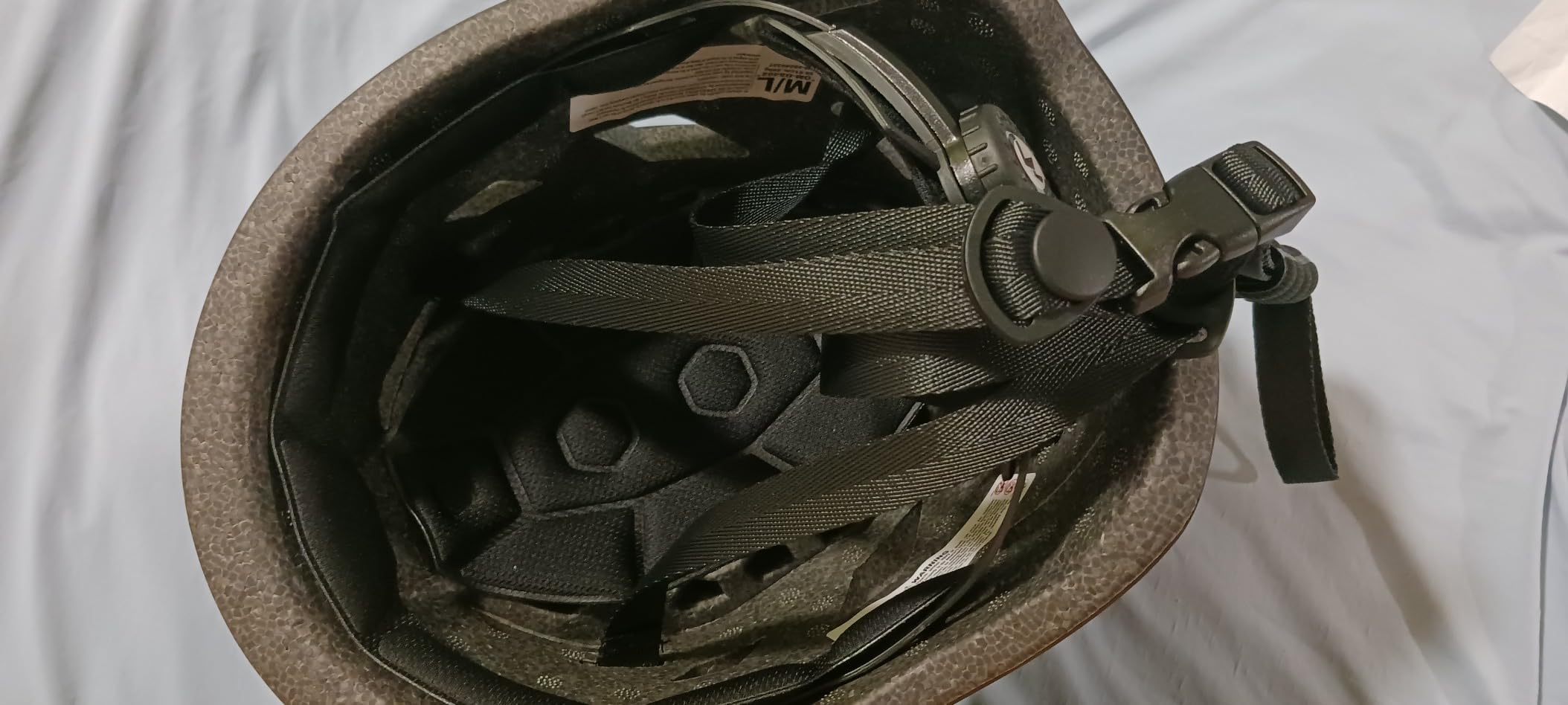
The one-hand adjustment system impressed me. A single button at the back lets you tighten or loosen the fit while wearing the helmet, which is convenient when you’re already tied in at the belay. Four headlamp clips, two front and two rear, provide secure mounting for early starts. The ventilation kept me reasonably cool, though not as effective as premium helmets with larger vents.
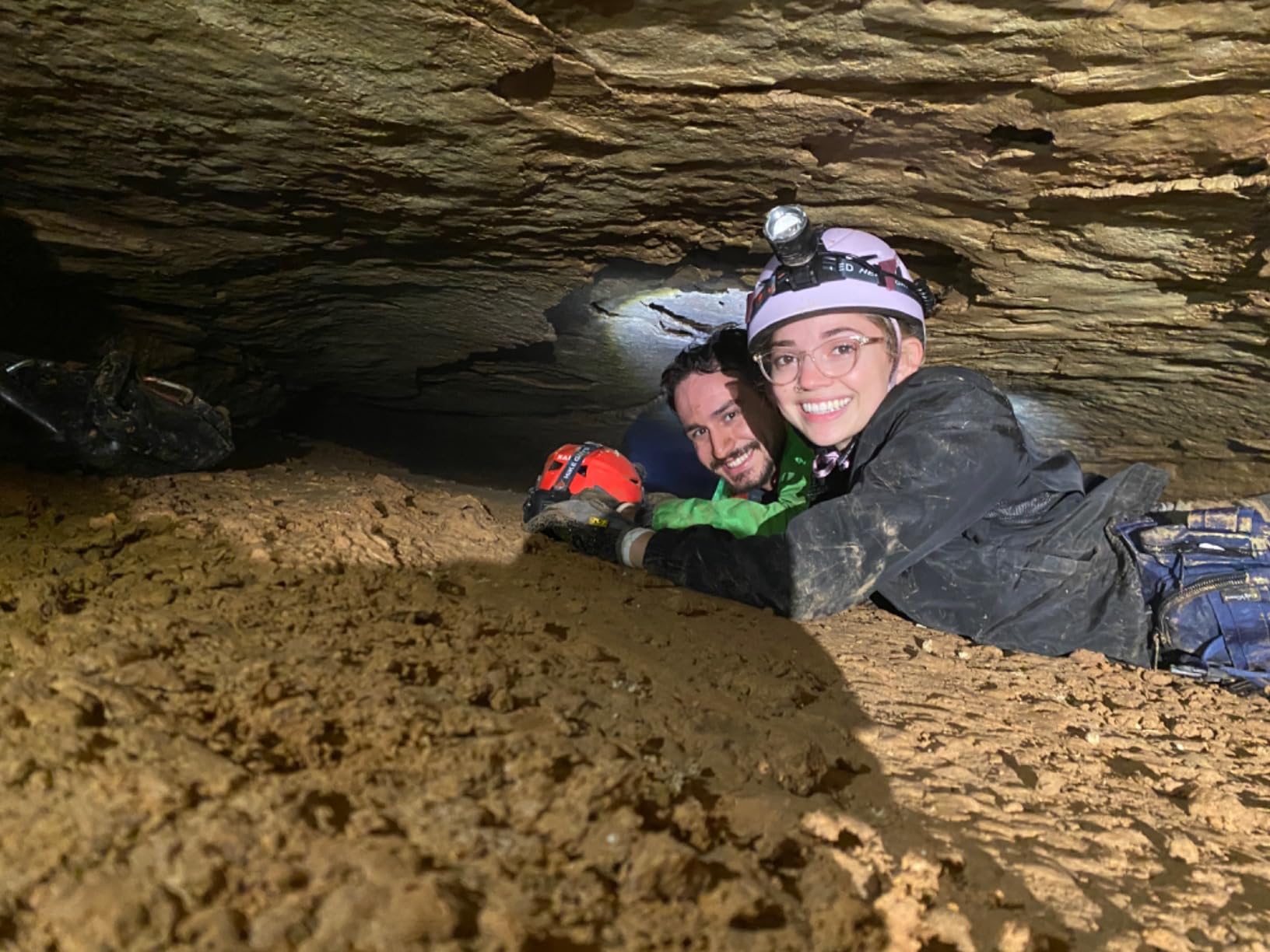
Sizing runs limited, fitting head circumferences from 20.86 to 24 inches. Climbers with larger heads or thick hair may find it tight. Some reviewers also note that color options can look different in person than in product photos, so read customer reviews before choosing. These limitations are understandable given the price point.
Who should buy this helmet
Budget-conscious climbers and beginners should consider this OutdoorMaster option. If you’re just starting out and don’t want to invest heavily before knowing if climbing is your sport, this helmet provides certified protection at an accessible price. It’s also good for climbers who need a backup helmet for guests.
Who should look elsewhere
Climbers with larger heads should check the sizing carefully, as the range is limited. If you climb frequently and want premium features like adjustable ventilation or modular accessories, spending more will get you those refinements. The color accuracy issue might bother climbers who prioritize aesthetics.
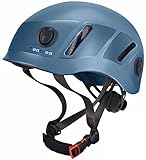
8. Tontron Climbing Helmet – Best Value for Caving
Tontron Climbing Caving Helmet (Blue, Large)
ABS shell and EPS liner
CE EN12492 certified
390g weight
Adjustable dial system
Universal headlamp buckles
Pros
- Lightweight and comfortable
- CE EN12492 certified
- Easy dial adjustment
- Headlamp compatible
- Excellent value for price
Cons
- Dial may fail with mud and grit
- Pads may detach over time
- Fits slightly small
The Tontron helmet occupies a unique position in the market. It costs less than mainstream brands but still carries CE EN12492 certification for climbing safety. After testing it in climbing and caving scenarios, I found it delivers solid value for budget-conscious adventurers.
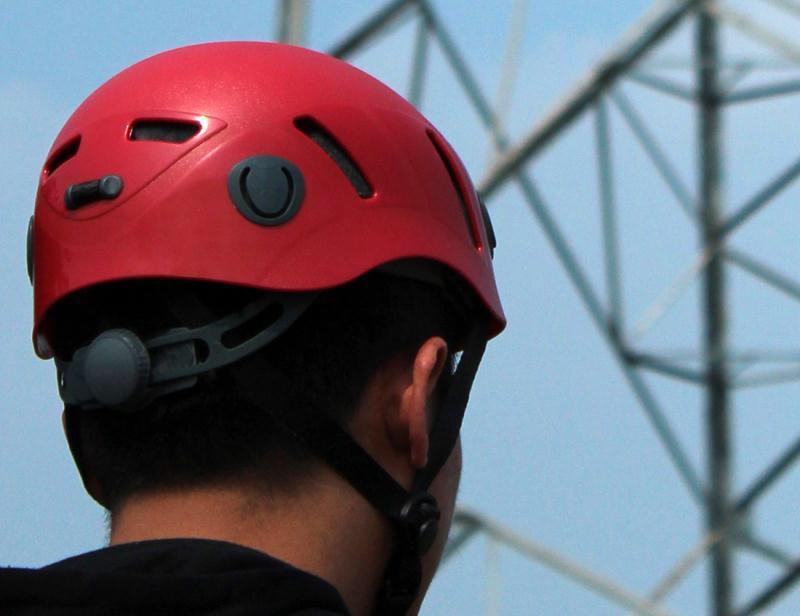
The construction pairs a high-impact ABS shell with a high-density EPS liner, matching what premium brands use. At 390 grams, it’s heavier than top-tier lightweight helmets but not enough to cause fatigue during normal climbing days. The sideways vent holes provide airflow while preventing tiny gravel from entering, which matters for caving where debris is constant.
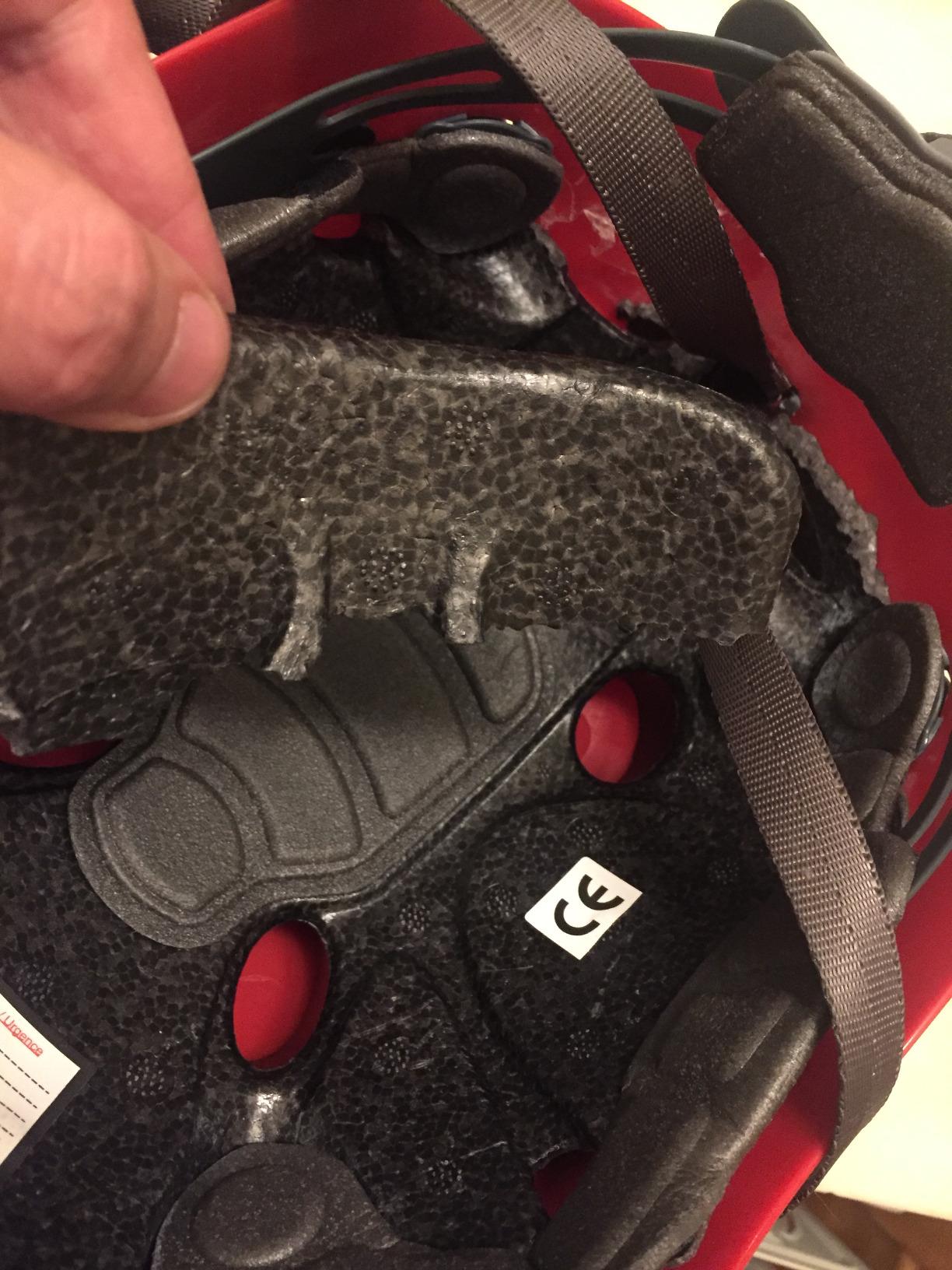
The adjustment dial at the back works smoothly for most conditions. I could dial in a secure fit within seconds, and the system stayed in place during movement. Universal headlamp buckles accommodate any headlamp design, not just specific brands. This flexibility matters for cavers who often use specialized lighting setups.
Long-term durability raises some concerns. The dial mechanism can malfunction when mud and grit accumulate, which is inevitable in caving environments. Some users report the interior pads detaching over time since they’re held on with glue dots rather than more permanent attachment methods. For occasional use, these issues may not matter, but frequent cavers should consider more robust options.
Who should buy this helmet
Beginner climbers, occasional cavers, and budget-conscious adventurers will find good value in the Tontron. The certified protection and reasonable price make it accessible for those just getting into vertical sports. It’s also suitable as a spare helmet for guests or as a loaner for climbing clubs.
Who should look elsewhere
Serious cavers who encounter constant mud and grit should invest in more durable adjustment systems. Frequent climbers who want a helmet that lasts years should consider mainstream brands with better construction quality. Those needing the lightest possible helmet for alpine use should look at premium ultralight options.
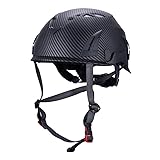
9. Land Helmets ClimbPro – New Contender with Perfect Rating
Land Helmets ClimbPro Helmet EN 12492 Vented for Rock Climbing – Durable, Lightweight Shell, Adjustable Chin Strap, Perfect for Outdoor Adventure with Universal Accessory Slots (Carbon Fiber)
EN 12492 certified
400g weight
10 ventilation zones
Dial-fit system
Removable sweat-wicking liners
Pros
- Very comfortable fit
- Lightweight and well made
- Plenty of adjustment
- Good ventilation
- Excellent value
- Universal headlamp slots
Cons
- Newer product with few reviews
- Not OSHA approved for construction
Land Helmets is a newer brand making waves with the ClimbPro model. With a perfect 5.0 rating from early reviewers, I wanted to see if this helmet deserves the praise. After testing, I found it delivers impressive quality at a mid-range price point.
The EN 12492 certification meets both US and EU climbing standards, providing confidence in the safety credentials. Land uses a durable polypropylene outer shell with an EPS foam core, similar to established brands. At 400 grams, it’s not the lightest option, but the weight feels well-distributed across the head.
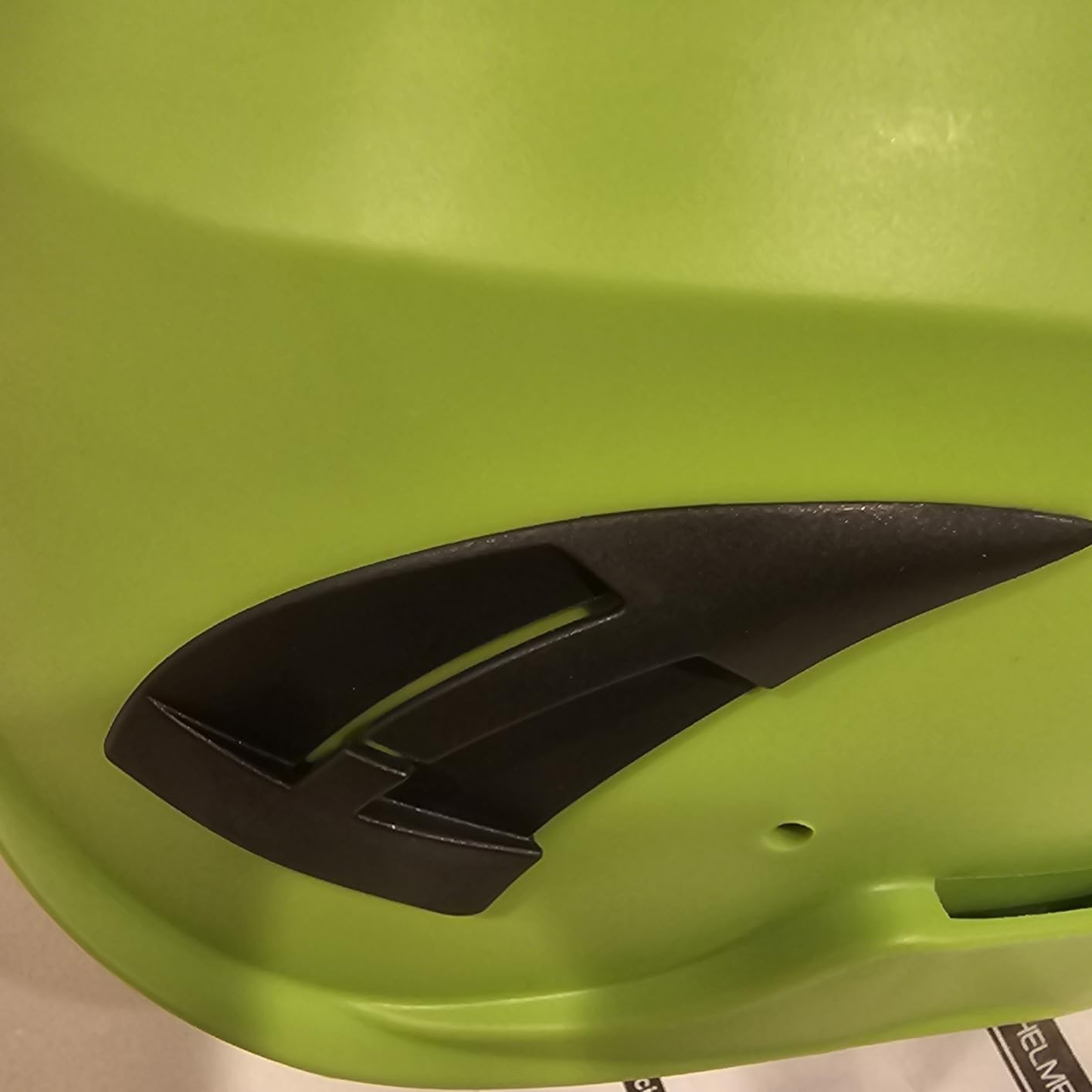
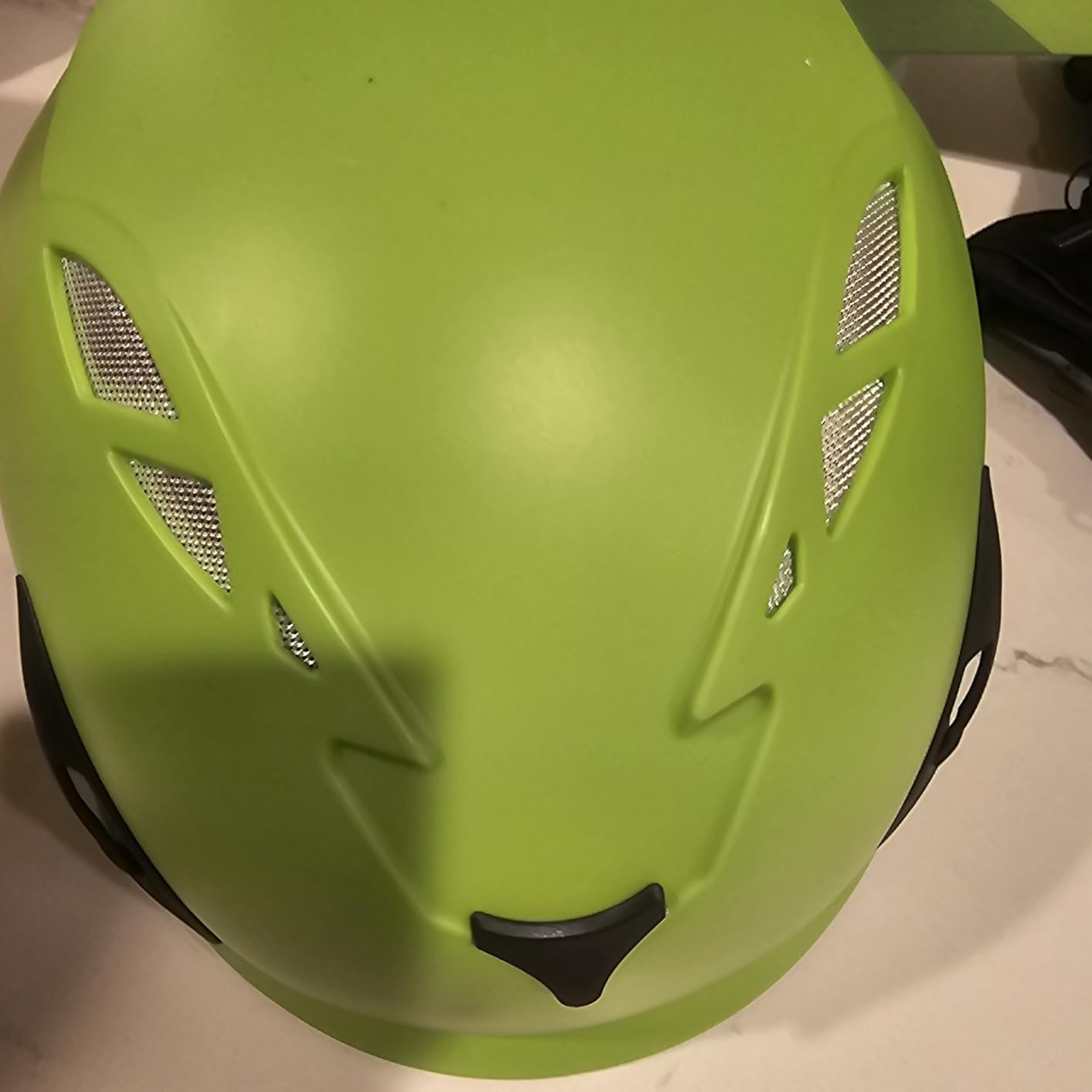
Ten integrated ventilation zones moved air effectively during warm-weather climbing. I stayed cooler than expected given the coverage this helmet provides. The dial-fit system at the back adjusts smoothly, and the secure chin strap stayed in place throughout testing. Removable sweat-wicking liners add comfort and can be washed or replaced.
The universal accessory slots work with various headlamp designs, not just specific brands. This flexibility matters for climbers who already own lighting equipment. Note that while EN 12492 certified for climbing, this helmet isn’t OSHA approved for construction sites, so it’s not a dual-purpose work helmet.
Who should buy this helmet
Climbers willing to try newer brands will find excellent value in the ClimbPro. The combination of certified protection, good ventilation, and adjustable fit competes with established brands at a lower price. If you want a quality helmet without paying for big-brand marketing, this is worth considering.
Who should look elsewhere
Climbers who prefer established brands with long track records might wait for more reviews to accumulate. The limited review count makes long-term durability uncertain. Those needing dual certification for construction work should look at ANSI-rated options like the Petzl Vertex Vent.
10. Petzl BOREA – Best Women’s Climbing Helmet
Petzl BOREA Women’s Helmet with Ponytail Compatibility – Jungle Green, S/M
Ponytail-compatible Omega headband
EPP and EPS foam lining
330g weight
Top and side protection
Hybrid ABS/EPS construction
Pros
- Excellent coverage and ventilation
- Ponytail-compatible design
- Comfortable women's fit
- Lightweight and compact
- Stylish multiple colors
Cons
- S/M size may run tight
- Limited stock available
Petzl designed the BOREA specifically for women, addressing fit issues that plague many female climbers. The standout feature is the Omega headband with a prominent rear notch for ponytail compatibility. This thoughtful design element removes a constant frustration for climbers with long hair.
Women climbers frequently struggle with helmets that push ponytails forward or require uncomfortable positioning. The BOREA’s notch lets ponytails pass through naturally, maintaining protection while accommodating hairstyles. This feature alone makes it worth considering for anyone who has fought with helmet-ponytail conflicts.
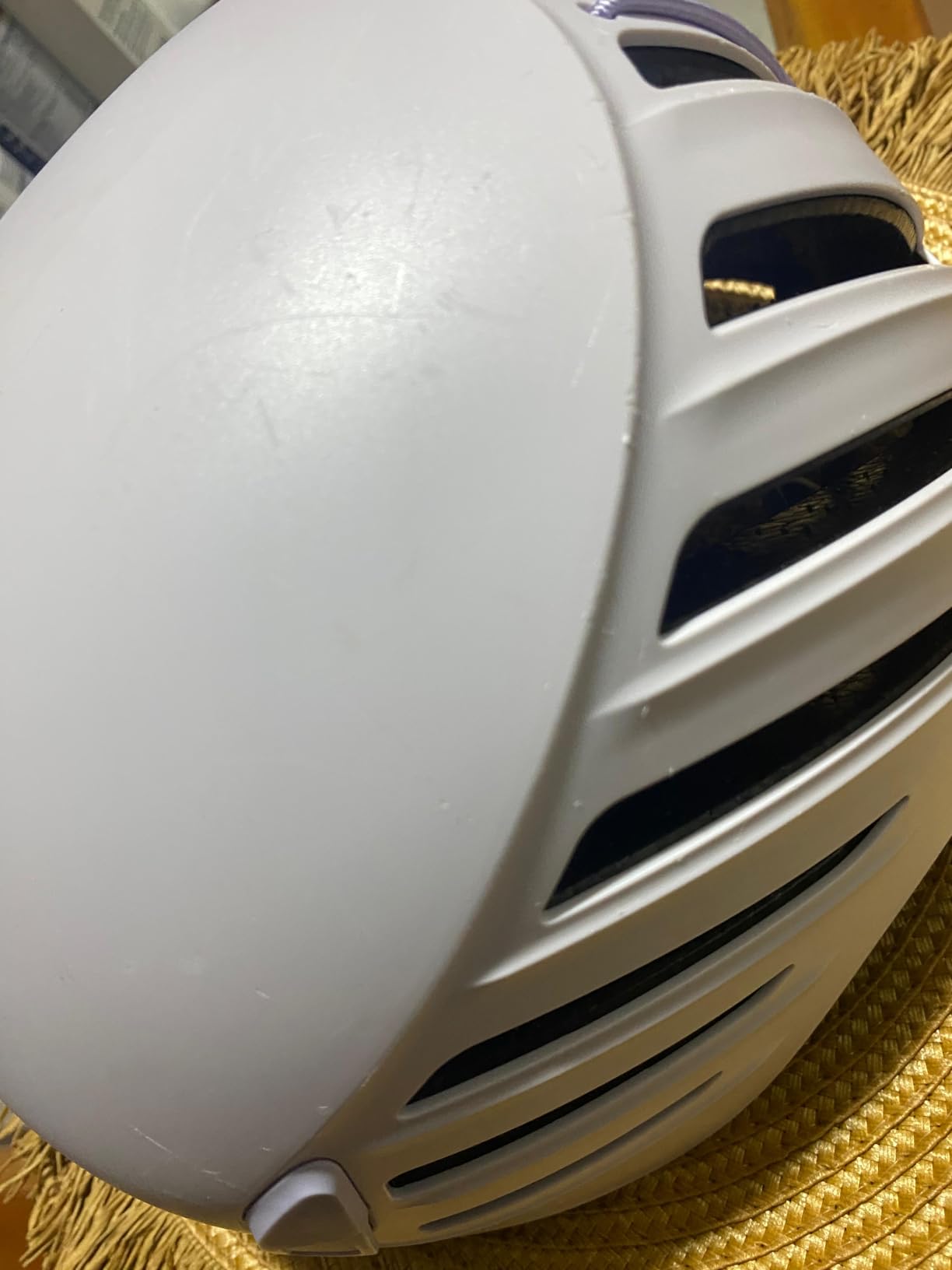
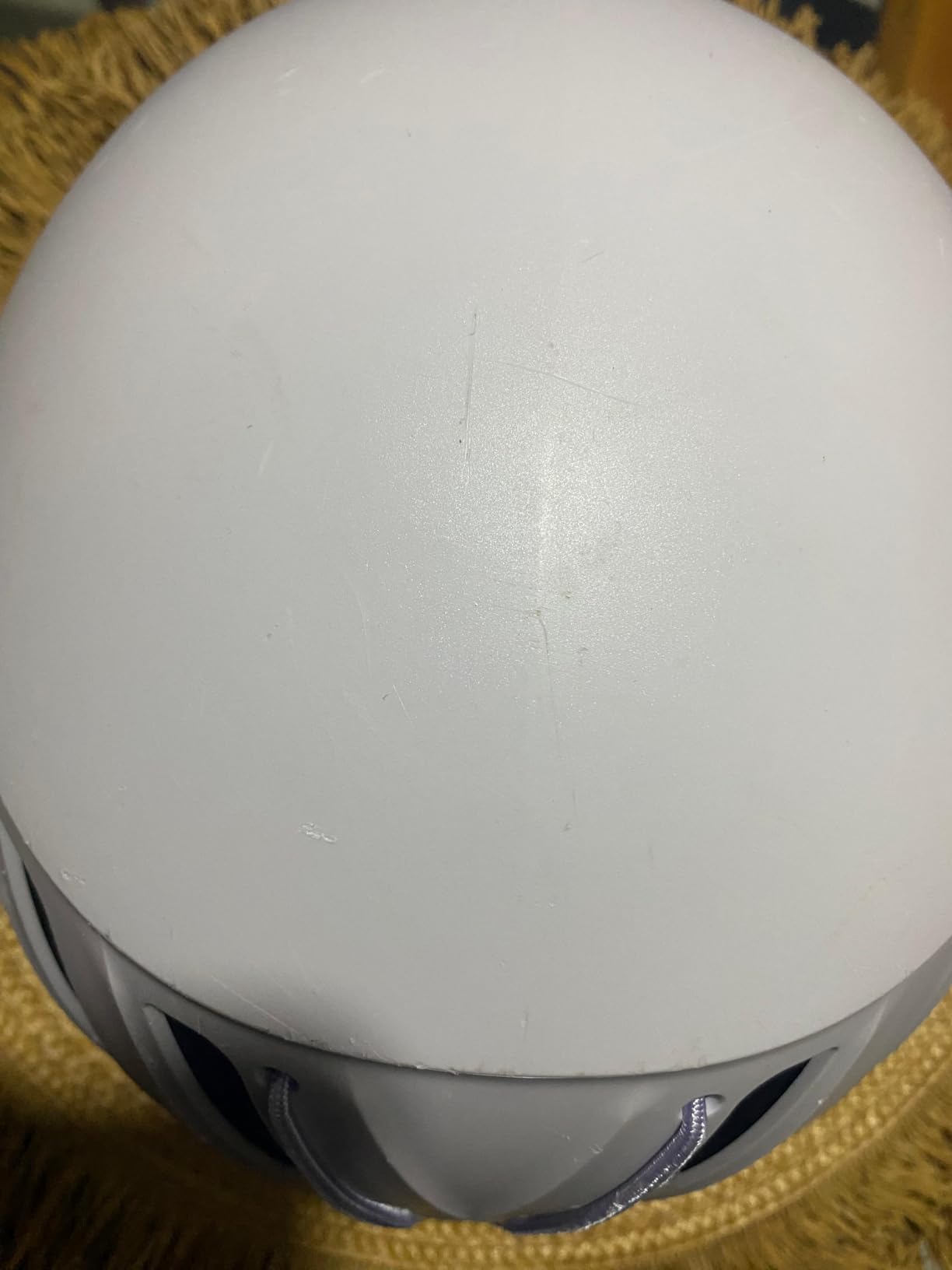
Beyond the ponytail feature, the BOREA delivers the same Top and Side Protection found in Petzl’s other hybrid helmets. The ABS outer shell with EPS foam interior provides comprehensive impact absorption. At 330 grams, it’s lightweight enough for long days, and the helmet folds compactly for storage. Coverage extends lower on the back of the head than many unisex helmets.
The fit suits smaller heads well, which aligns with the women’s-specific design intent. However, some users report the S/M size runs tight, so sizing up might be necessary. The Jungle Green colorway I tested looks stylish without being overly feminine, and multiple color options suit different preferences.
Who should buy this helmet
Women climbers with ponytails will find the BOREA addresses a specific pain point that unisex helmets ignore. If you’ve struggled with helmet fit due to long hair, this design solves that problem elegantly. Climbers with smaller heads who want enhanced coverage will also appreciate the fit.
Who should look elsewhere
Climbers without ponytail needs might prefer unisex options with broader sizing availability. Those needing a helmet for larger head circumferences should check fit carefully, as the sizing skews smaller. If you want MIPS technology or adjustable ventilation, consider premium alternatives in Petzl’s line.
How to Choose the Best Climbing Helmet?
Selecting the right climbing helmet involves more than grabbing the first option you see. Understanding safety certifications, construction types, and fit considerations helps you make an informed choice that could literally save your life.
Safety Certifications Matter
All climbing helmets sold in legitimate retail channels carry EN 12492 certification, the European standard for climbing helmets. Many also meet UIAA 106 standards set by the International Climbing and Mountaineering Federation. These certifications test for impact absorption from above and from the sides, penetration resistance, and retention system strength. Never buy a helmet without verified certification.
Hardshell vs. Softshell Construction
Hardshell helmets use a durable ABS or polycarbonate outer shell with EPS or EPP foam inside. They resist dings and scratches well, making them ideal for rock contact and caving. Softshell helmets use in-mold construction with a thin polycarbonate shell bonded directly to foam. They’re lighter but show wear more quickly. Your climbing style should guide this choice.
Understanding MIPS Technology
MIPS stands for Multi-directional Impact Protection System. This technology adds a low-friction layer between the helmet and your head, allowing the helmet to rotate slightly during angled impacts. Research suggests this rotation reduces rotational forces transmitted to the brain, potentially reducing concussion risk. MIPS adds cost but offers additional protection for serious climbers.
Weight Considerations
For single-pitch cragging, weight matters less than durability and comfort. For alpine climbing, ski mountaineering, and long multi-pitch routes, every gram counts over hours of wear. Ultralight helmets under 250 grams exist but often sacrifice durability. Most climbers find the sweet spot between 300-350 grams for all-around use.
Fitting Your Helmet Properly
A climbing helmet must fit snugly without pressure points. It should sit level on your head, covering your forehead without obstructing vision. Shake your head vigorously; the helmet shouldn’t shift. Adjust the chin strap so it holds the helmet securely but doesn’t dig into your neck. Try helmets on with any hairstyles you normally wear while climbing.
Ventilation for Your Climate
Large ventilation ports keep you cool in warm weather but let in cold air and precipitation in alpine environments. Some premium helmets offer adjustable vents that open and close. If you climb primarily in warm conditions, prioritize ventilation. For cold-weather or alpine use, consider helmets with less ventilation or adjustable systems.
Headlamp Compatibility
Even if you don’t plan on alpine starts, headlamp compatibility matters. Clips that hold headlamps securely are useful for late descents, emergency situations, and caving. Four clips provide more positioning options than two. Check that your existing headlamp works with the clip system before committing.
Helmet Lifespan and Care
Climbing helmets degrade over time even without impacts. Manufacturers typically recommend replacement every 5-7 years from manufacture date, sooner if the helmet takes a significant impact. UV exposure, sweat, and general wear degrade foam and adhesives. Store your helmet out of direct sunlight, avoid leaving it in hot cars, and inspect regularly for damage.
Frequently Asked Questions
Does Alex Honnold wear a helmet?
Yes, Alex Honnold regularly wears a helmet for most of his climbing, especially on multi-pitch routes and alpine objectives. While famous for his free solo of El Capitan’s Freerider route without a rope, Honnold takes safety seriously when not attempting record-breaking feats. He typically wears lightweight climbing helmets during filmed projects and expeditions.
What is the best climbing helmet?
The best climbing helmet depends on your specific needs. For most climbers, the Black Diamond Half Dome offers the best balance of protection, comfort, and value. Professionals and guides often prefer the Petzl Vertex Vent for its adjustable ventilation and multi-sport certifications. Budget-conscious climbers should consider the OutdoorMaster helmet for certified protection at an accessible price.
Is MIPS worth it for climbing helmets?
MIPS technology provides additional protection against rotational forces during angled impacts, which research suggests may reduce concussion risk. For climbers who push limits on technical terrain or have experienced head injuries, MIPS offers worthwhile added protection. The technology adds cost but represents genuine safety advancement rather than marketing gimmick.
Which is better, the Black Diamond Capitan or the Black Diamond Half Dome?
The Half Dome offers more proven durability with thousands of positive reviews, making it ideal for general climbing. The Capitan provides a lighter, more modern design with rear dial adjustment that some climbers prefer. Choose the Half Dome for proven durability and the Capitan for lighter weight and updated adjustment system. Both offer excellent protection at similar price points.
Can I use a climbing helmet as a bike helmet?
No, climbing helmets are not certified for cycling use and should not replace bike helmets. Climbing helmets meet EN 12492 standards designed for rockfall and fall impacts while climbing. Bike helmets must meet different standards for high-speed impacts and road accidents. Some helmets like the Petzl Meteor carry dual certification for ski touring, but not for cycling. Always use activity-specific helmets for proper protection.
Final Thoughts on the Best Climbing Helmets
Finding the best climbing helmet for your needs doesn’t have to be complicated. The Petzl Vertex Vent stands out for professionals and serious climbers who want adjustable ventilation and multi-sport certifications. The Black Diamond Half Dome remains the go-to choice for most climbers, offering proven protection and durability at a reasonable price. Budget-conscious climbers can trust the OutdoorMaster helmet for certified safety without premium cost.
Remember that the best helmet is the one you actually wear. Fit, comfort, and weight matter more than premium features if they keep you protected on the rock. Try helmets on when possible, check sizing carefully if buying online, and replace your helmet after significant impacts or every 5-7 years regardless. Your head deserves real protection from real climbing helmets, not shortcuts that compromise safety.