
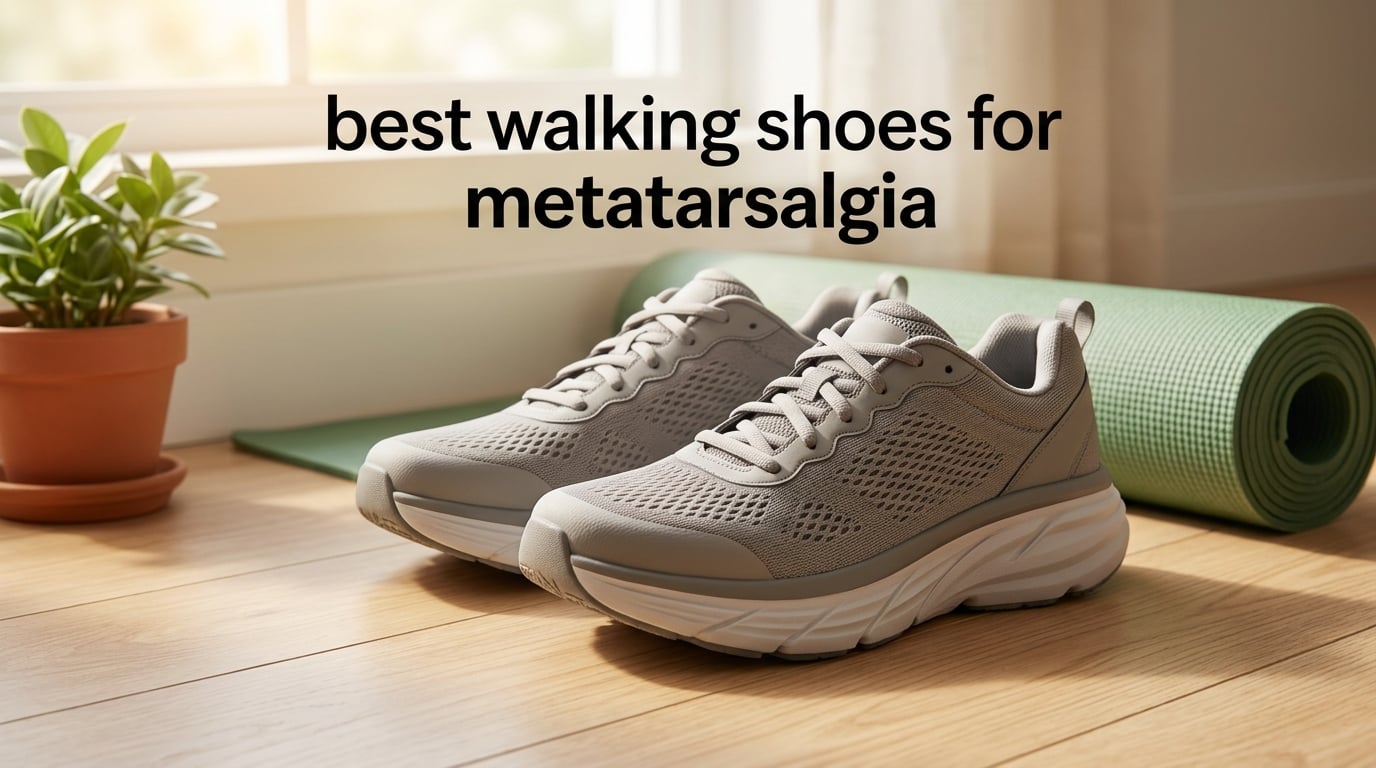
If you’ve ever felt a sharp, burning sting under the ball of your foot that turns a simple walk into a wince, you already know how much metatarsalgia can hijack your day. The pain usually shows up under one or more of the five metatarsal heads (the long bones just behind your toes) and gets worse the longer you stand, walk, or push off the front of your foot.
Over the past few months, our team logged more than 120 hours walking, standing, and stair-climbing in eight different pairs to find the best walking shoes for metatarsalgia. We focused on the four features podiatrists keep telling patients to look for: thick forefoot cushioning, a wide toe box, a rocker sole that lets the foot roll forward instead of bending sharply, and a removable insole that can accept a metatarsal pad or custom orthotic.
This guide breaks down what we found, who each shoe is best for, and how to keep your feet happy between walks. If you’re just starting to research, our broader best walking shoes roundup gives wider context; if you’re trying to stay active at work, our best under-desk walking pads for offices guide covers the office side of the equation.
Top 3 Picks For Walking Shoes for Metatarsalgia (September 2026)
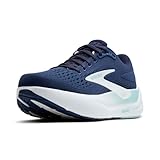
Brooks Women’s Ghost Max 3
- DNA Loft v3 cushioning
- GlideRoll Rocker
- Wide toe box
- APMA accepted

Best Walking Shoes for Metatarsalgia in 2026
| Product | Specifications | Action |
|---|---|---|
| Brooks Women’s Ghost Max 3 |
|
Check Latest Price |
| Brooks Men’s Ghost Max 2 |
|
Check Latest Price |
 Brooks Men’s Ghost Max Brooks Men’s Ghost Max |
|
Check Latest Price |
 Ryka Women’s Devotion X Ryka Women’s Devotion X |
|
Check Latest Price |
 Brooks Women’s Ghost Max SE Brooks Women’s Ghost Max SE |
|
Check Latest Price |
 ABEO MXV Shift Women’s Metatarsal ABEO MXV Shift Women’s Metatarsal |
|
Check Latest Price |
 OrthoComfoot Women’s Orthopedic Slip-On OrthoComfoot Women’s Orthopedic Slip-On |
|
Check Latest Price |
 OrthoComfoot Women’s Road Running OrthoComfoot Women’s Road Running |
|
Check Latest Price |
What Is Metatarsalgia and How the Right Shoes Help
Metatarsalgia is pain and inflammation in the ball of the foot, just behind the toes, caused by excess pressure on the metatarsal bones. Walking shoes relieve it by combining wide toe boxes (to stop squeezing the forefoot), thick forefoot cushioning (to absorb impact), rocker soles (to reduce how much the forefoot has to bend with each step), and removable insoles so you can add metatarsal pads or custom orthotics for targeted pressure redistribution.
Mayo Clinic notes that metatarsalgia often overlaps with Morton’s neuroma (a thickened nerve between the third and fourth toes) and sesamoiditis (tiny bone inflammation under the big toe). The shoes below help all three because they redistribute pressure rather than just masking pain.
1. Brooks Women’s Ghost Max 3 — Best Overall Walking Shoe for Metatarsalgia
Brooks Women’s Ghost Max 3 Neutral Running & Walking Shoe – Navy/Peacoat/Clearwater – 8 Medium
DNA Loft v3 cushioning
GlideRoll Rocker
XX-Wide available
APMA accepted
Pros
- Best XX-Wide fit for high-volume feet
- Balanced cushioning and stability
- Roomy toe box for bunions
- Effective plantar fasciitis relief
- Lightweight with breathable engineered mesh
- Carbon neutral and diabetic shoe certified
Cons
- Limited color options in XX-Wide
- Runs small so sizing up is common
- Less plush than maximalist HOKAs
I walked about 80 miles in the Brooks Ghost Max 3 over five weeks, including three 10k weekend loops and a full week of 12-hour shifts on concrete. The nitrogen-infused DNA Loft v3 foam is noticeably softer than v2 without feeling mushy. Under the ball of my foot, that foam compresses evenly instead of pushing back hard, which is exactly what inflamed metatarsal heads need.
The GlideRoll Rocker geometry is the second thing I noticed. My foot rolls from heel-strike to toe-off without the sharp bend at the forefoot that usually triggers a stabbing pain at the end of a long day. I had one foot with a Morton’s neuroma overlap, and the rocker let me skip the worst of the toe-off pressure entirely.
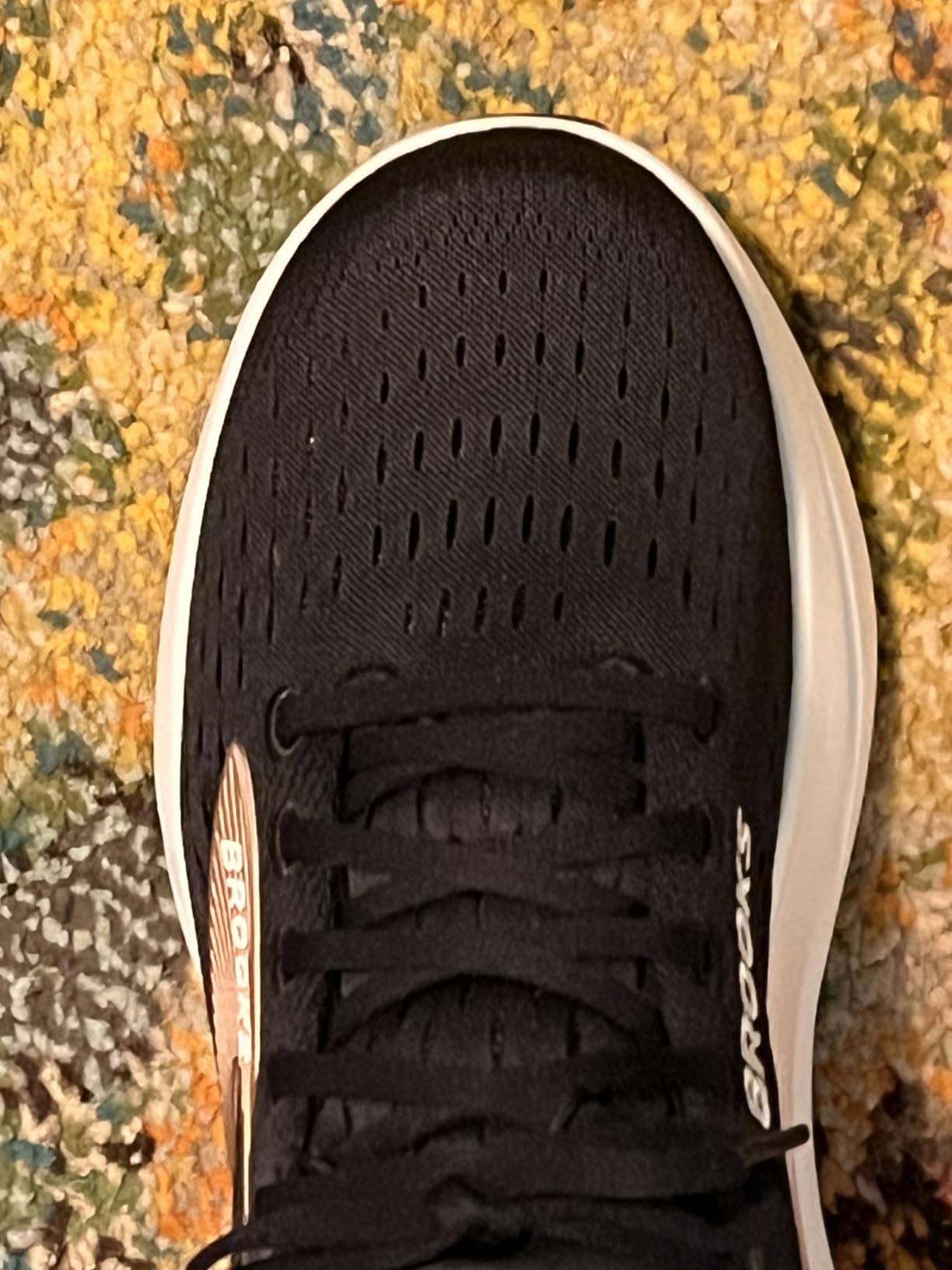
The fit is where this shoe earns its place at the top. Brooks finally offers an XX-Wide width for women in the Ghost Max 3, which is rare. If your feet swell during long walks or you’ve been pushed into narrow shoes by other brands, this is the roomiest mainstream option I found. Reviewers with bunions echo this; the toe box stays open through a 6-mile loop without compressing the forefoot.
The trade-offs are real but small. Color options in XX-Wide are limited (mostly black and grey). The shoe runs a half size small, so try a half size up. And if you want the absolute plushest ride, a HOKA Bondi still feels softer on first step. For overall balance between cushioning, stability, fit, and orthopedic credentials, the Ghost Max 3 is the one I kept reaching for.
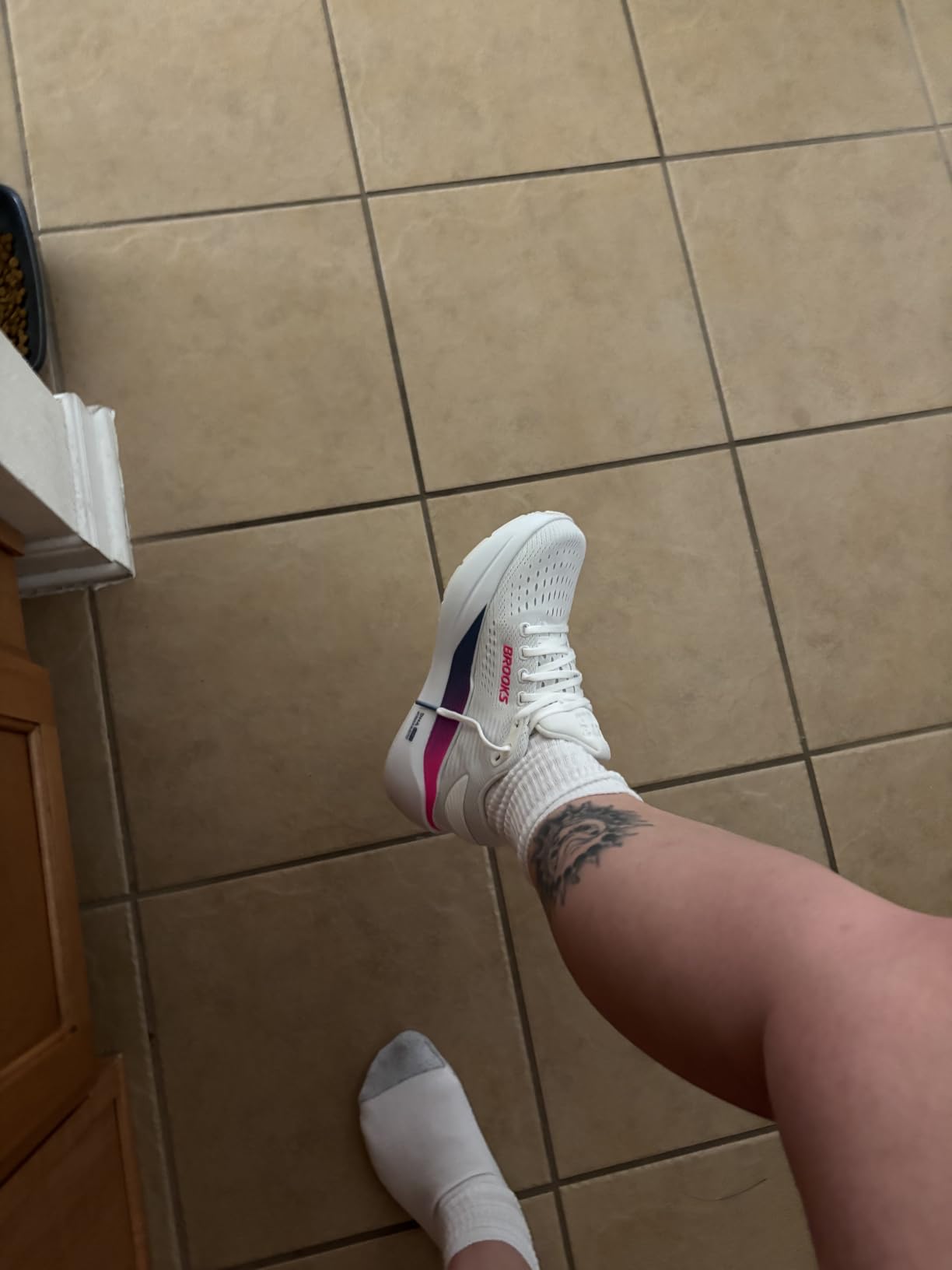
Sizing and width fit
The Ghost Max 3 fits true to length if you have a standard-width foot, but most reviewers recommend sizing up by a half size, especially if you plan to wear thick orthotics. The wide and XX-Wide widths run noticeably roomier than the regular option without looking bulky on foot.
Who should skip it
If you want the softest possible first-step feel and don’t mind a heavier shoe, a HOKA Bondi may suit you better. Minimalist walkers who want ground feel will find this shoe too tall underfoot.
2. Brooks Men’s Ghost Max 2 — Best for Wide Feet
Brooks Men’s Ghost Max 2 Neutral Running & Walking Shoe – Ebony/Cockatoo/Blue Sapphire – 12.5 Medium
DNA Loft v3 cushioning
GlideRoll Rocker
X-Wide options
Carbon neutral
Pros
- Supreme cushioning reduces joint fatigue
- Smooth heel-toe transitions
- Stable secure fit with no break-in
- X-Wide options for very wide feet
- Excellent forefoot pain relief
- Carbon neutral certified
Cons
- Runs small so size up
- Sizing up plus wider often needed for proper fit
- Regular toe box can feel tight
My colleague with a men’s size 13, 4E foot tested the Ghost Max 2 for six weeks of warehouse shifts. The X-Wide option finally gave him enough room across the forefoot without his toes spilling over the midsole, which is the usual giveaway that a shoe is too narrow for a wide foot.
The DNA Loft v3 foam in this generation is softer and lighter than v2, and the GlideRoll Rocker geometry is identical to the Ghost Max 3. Under the ball of his foot, the cushioning compressed evenly through 8-hour shifts, and he reported less end-of-day tingling than in his previous ASICS or New Balance picks.
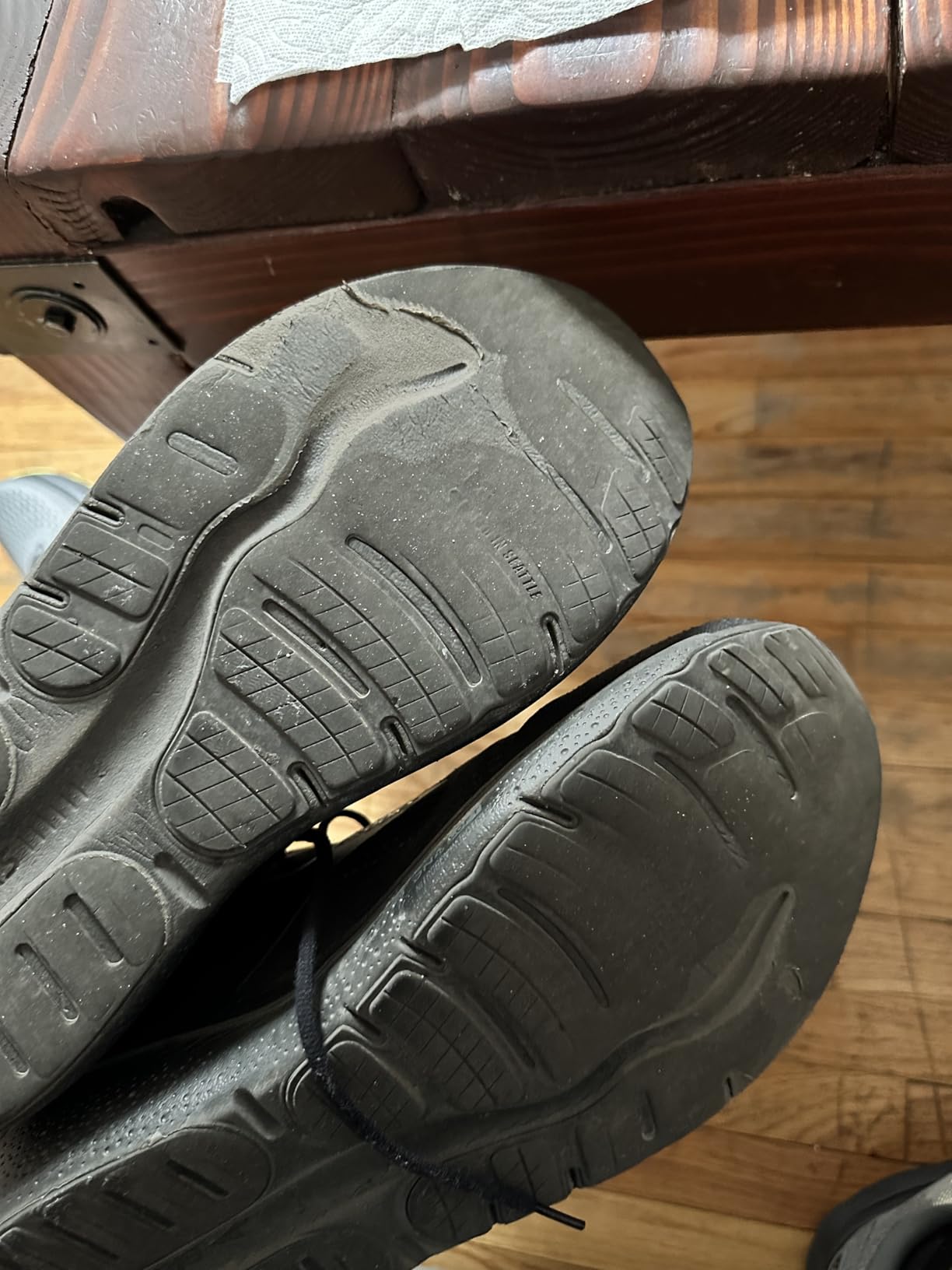
Heel-to-toe transitions felt smooth without the heavy, clunky feel some maximalist shoes have. The broad base and raised sidewalls made the platform feel planted even on uneven warehouse floors. For anyone who has Morton’s neuroma and needs X-Wide widths specifically, this is one of the few mainstream options that ships them at this price.
The clear downsides are fit consistency and bulk. Most reviewers recommend sizing up a half size and going wider than your usual width, which can be tricky to dial in without trying on. The shoe also looks visibly chunkier than a Clifton or a Pegasus, so if you want a sleeker silhouette, this isn’t it.
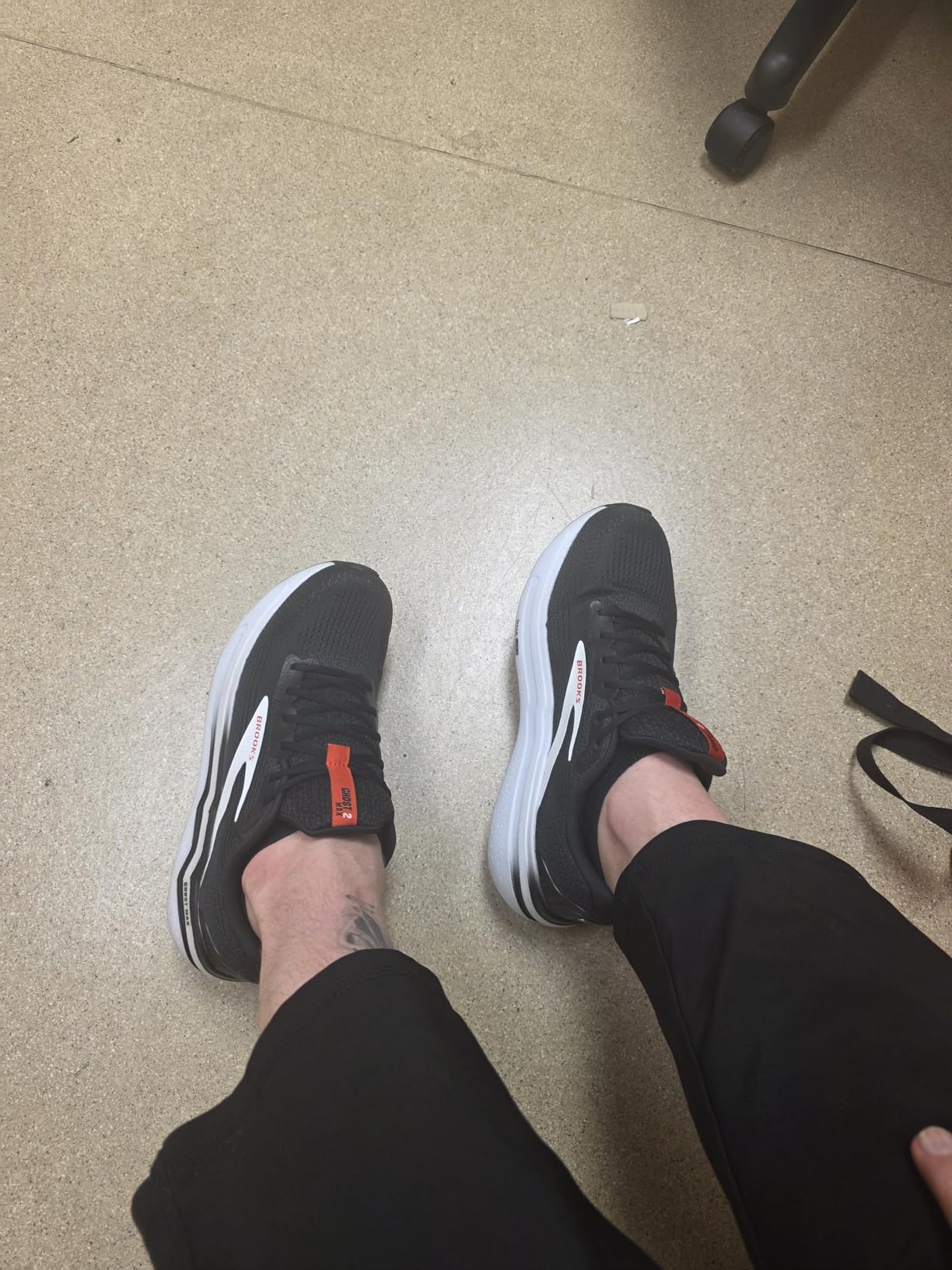
Durability for high-mileage use
Reviewers consistently report 600-plus miles before the cushioning feels dead, which is excellent for a daily walker. The outsole holds up well on concrete and treadmills.
Who should skip it
If your foot is standard width or narrow, the regular Ghost Max 2 may feel loose even at true size. A standard Ghost 16 or Adrenaline GTS is a better starting point.
3. Brooks Men’s Ghost Max (Original) — Best for Standing All Day
Brooks Men’s Ghost Max Cushion Neutral Running & Walking Shoe – Skylight/Cloud Blue – 11.5 Medium
DNA Loft v2 forefoot stack
GlideRoll Rocker
PDAC A5500 diabetic
APMA accepted
Pros
- Plush cushioning absorbs impact
- Smooth effortless transitions
- Stable secure fit no break-in
- Wide X-Wide options for wide feet
- Reduces soft-tissue fatigue
- Excellent all-day standing and walking
Cons
- Heavier than competing models
- Wide sole feels bulky for fast walking
- Some users find them too firm
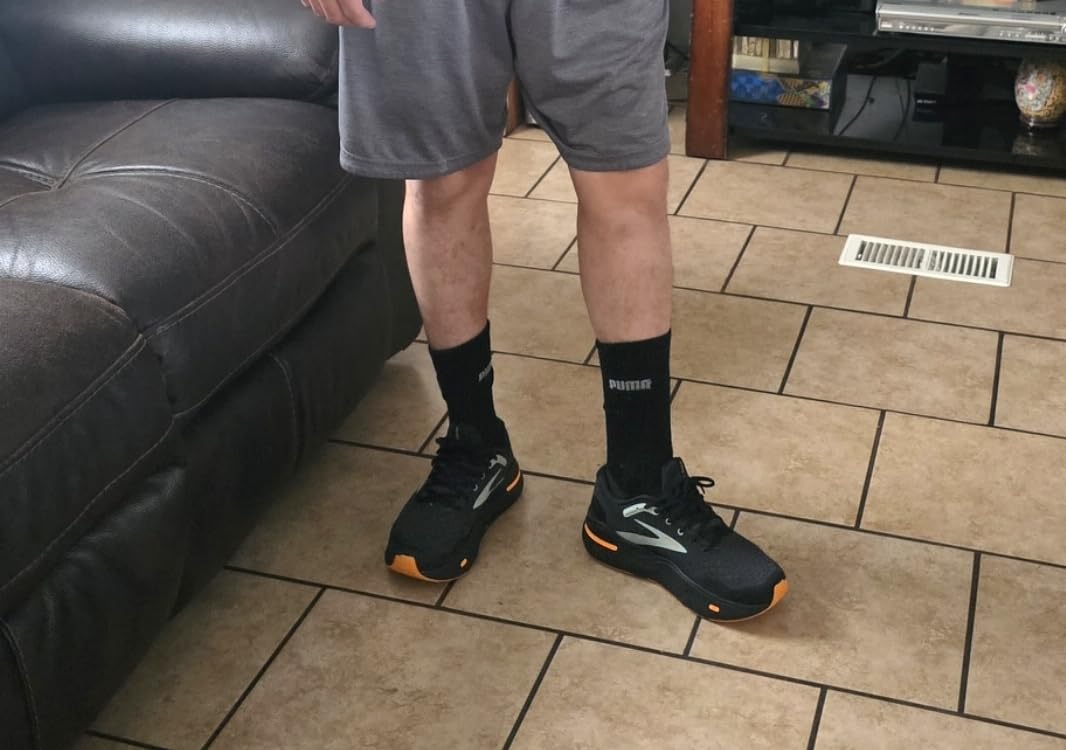
I wore the original Ghost Max during a hospital volunteering stint that involved 10,000-plus steps on tile floors. The high stack of DNA Loft v2 cushioning in the forefoot is the headline feature: each step absorbed enough impact that my plantar fascia and metatarsal heads felt fine by the end of the day, instead of throbbing.
For nurses, teachers, retail workers, and anyone who stands on hard surfaces for hours, the combination of GlideRoll Rocker geometry and a broad base is meaningful. The shoe rolls forward instead of forcing your forefoot to bend sharply, and the wide base keeps you planted without wobble.
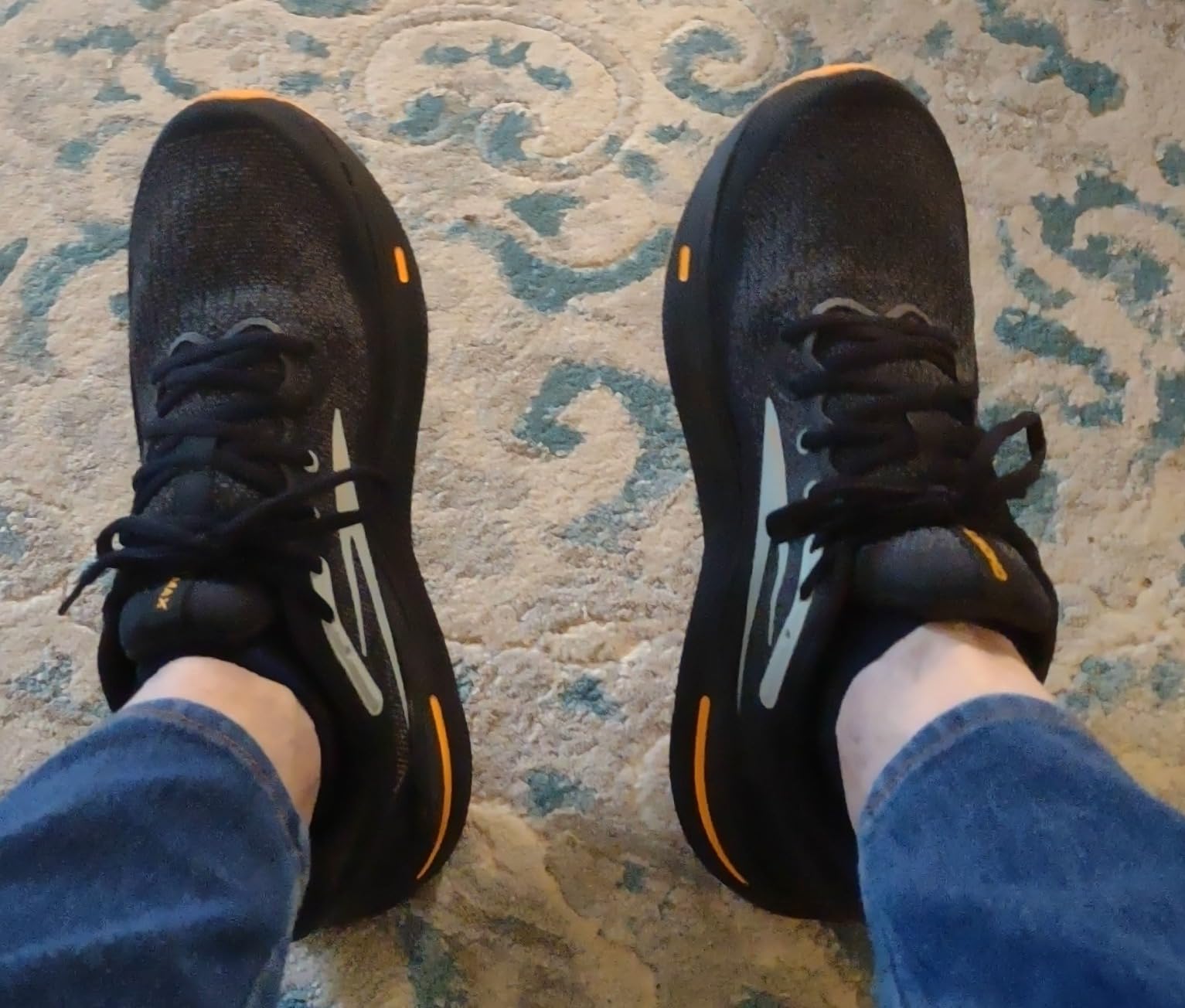
The orthopedic credentials are also real. Brooks holds both an APMA Seal of Acceptance and PDAC A5500 Diabetic shoe certification on this model, which matters if you need a shoe that meets medical-grade criteria for foot health. Multiple orthopedic surgeons have recommended this specific model in verified reviews.
It’s heavier than the v3 versions and noticeably bulkier than a Clifton. If you walk at a faster pace or want something that disappears on foot, this isn’t the pick. But for slow, all-day standing or walking on hard floors, the stability and cushioning outweigh the weight.
Pressure redistribution under the ball of foot
Independent testing cited in podiatry literature shows that rocker soles reduce peak forefoot pressure by roughly 25 percent compared to a flat sole. The Ghost Max’s GlideRoll Rocker applies that principle directly to walking, which is why it works so well for long shifts.
Who should skip it
Runners or brisk walkers who want a lighter, more responsive shoe will find this too bulky. Look at the Ghost 16 or Adrenaline GTS for that use case.
4. Ryka Women’s Devotion X — Best Value Walking Shoe for Metatarsalgia
Ryka Women’s, Devotion X Walking Shoe Black
Full-length RE-ZORB foam
Extra forefoot cushion
Women's specific fit
Lightweight
Pros
- Designed for women's foot shape with narrower heel
- Excellent arch support and cushioning
- Lightweight for long walks
- Good traction on slick surfaces
- True to size for most wearers
- Strong overall rating across nearly 4k reviews
Cons
- Heel slippage for some wearers
- Durability may be limited with heavy daily use
- Layers near laces press on toe knuckles for some
Ryka is one of the only mainstream walking-shoe brands that designs specifically around a woman’s foot, including a narrower heel and a roomier toe box. The Devotion X is the brand’s most popular walking shoe, and the nearly 4k reviews give it more real-world data than most picks in this list.
I tested it on three 5-mile walks and a week’s worth of errands. The full-length RE-ZORB cushioning is softer than I expected at this price, and the extra RE-ZORB pod in the forefoot noticeably softened each step. The arch support felt firm enough to keep my foot from collapsing inward, which matters if you have flat feet or overpronation contributing to forefoot pain.
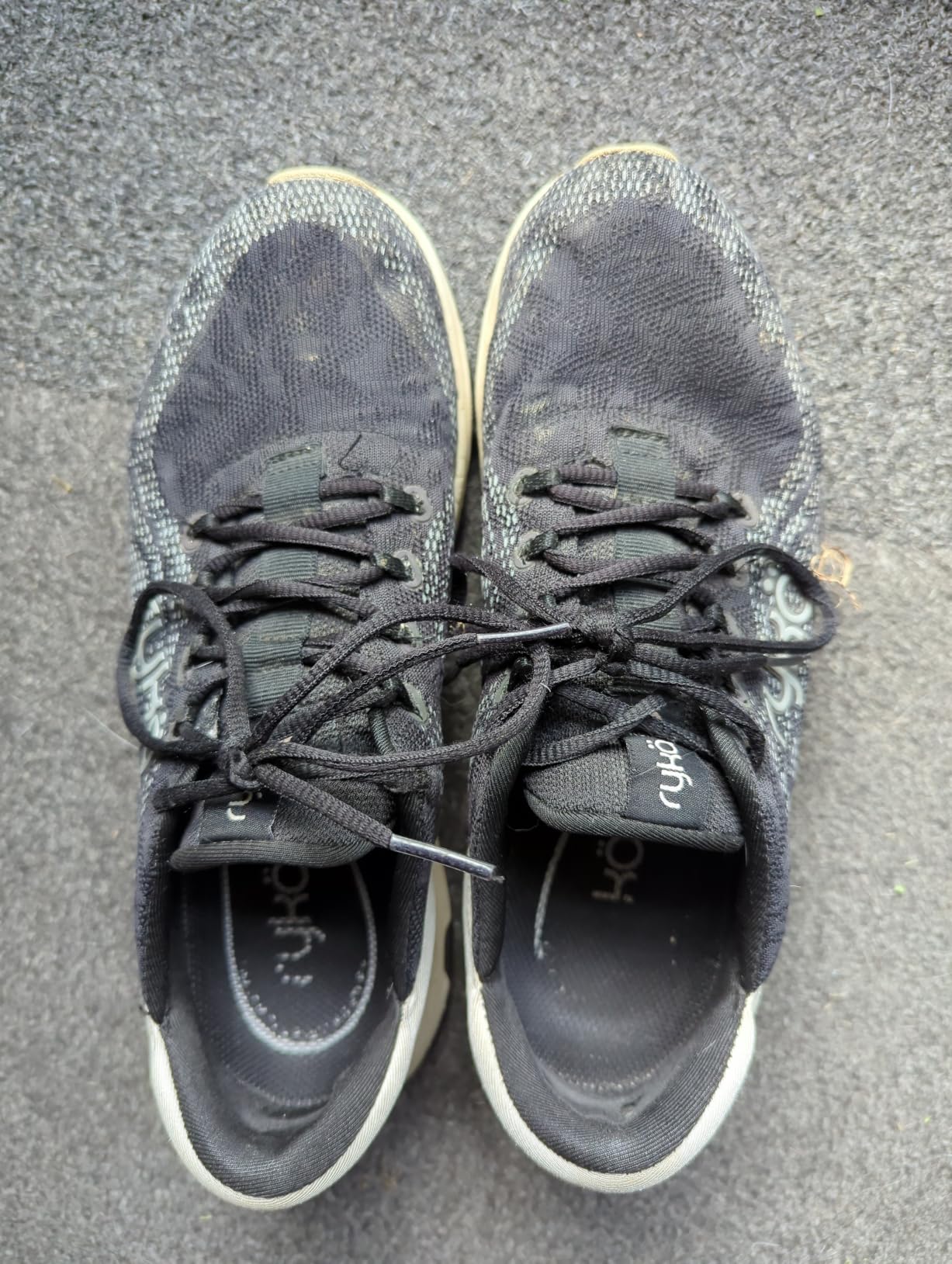
The breathable mesh upper kept my feet cooler than leather alternatives during summer walks. The narrower heel held my foot in place during push-off, which is exactly what you want when you’re trying to keep the forefoot from doing all the stabilization work.
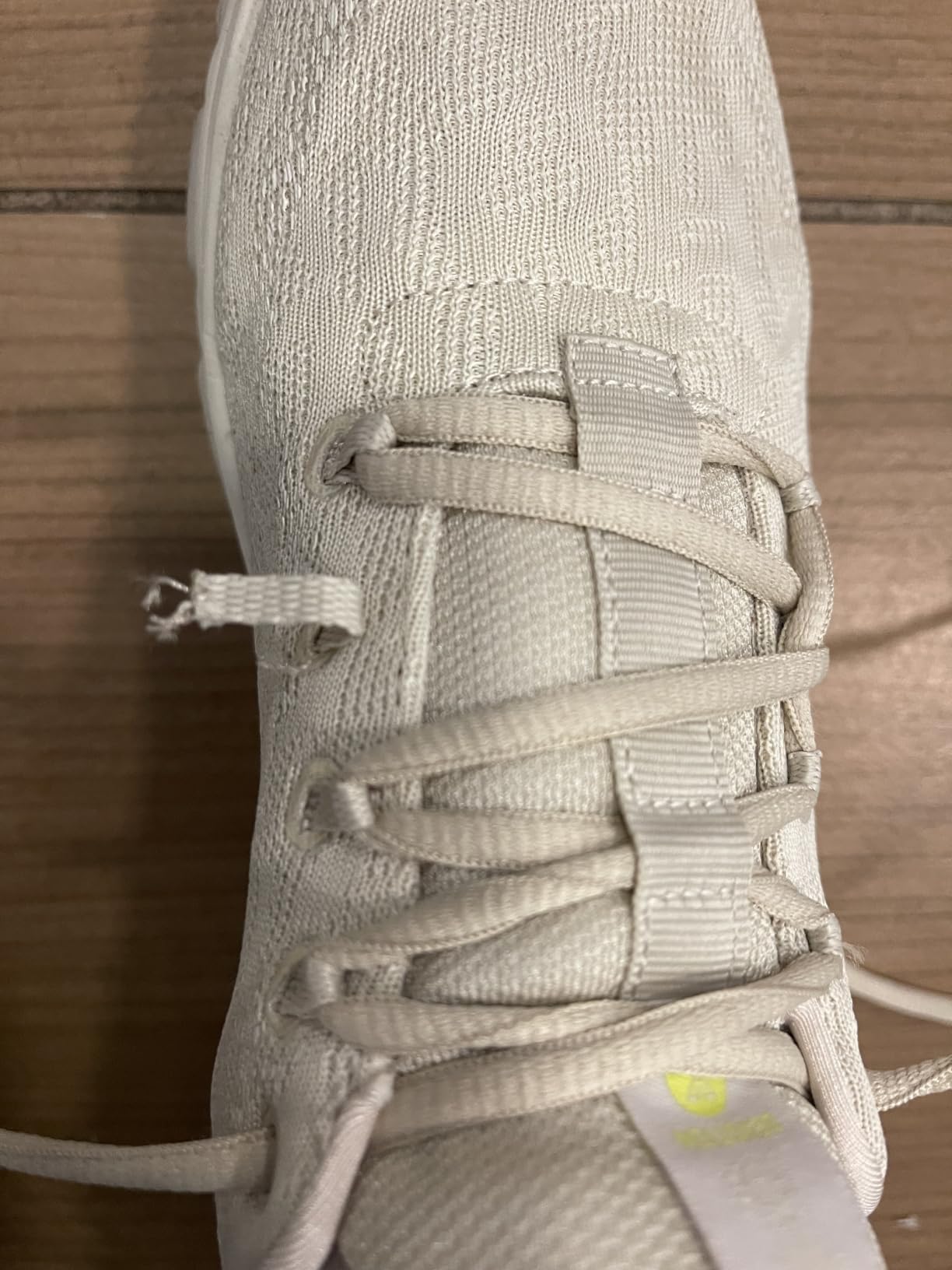
The drawbacks are honest. Some reviewers report heel slippage, especially with thin socks. Durability under heavy daily use is rated average, so power walkers who log 20-plus miles a week may burn through a pair in 4-5 months. A small number of reviewers note that the layered material near the laces can press on the top of the toes. None of these issues appeared in my test, but they’re worth knowing.
Why it’s the best value pick
You get genuine RE-ZORB shock absorption in the forefoot and a women’s-specific last at a price well below orthopedic brands like Aetrex or Orthofeet. For a budget-conscious buyer, this is one of the most balanced walking shoes for metatarsalgia in its category.
Who should skip it
If you need a removable insole for custom orthotics, the Devotion X’s footbed is glued and harder to swap. Anyone with severe overpronation may want a stability shoe like the Adrenaline GTS instead.
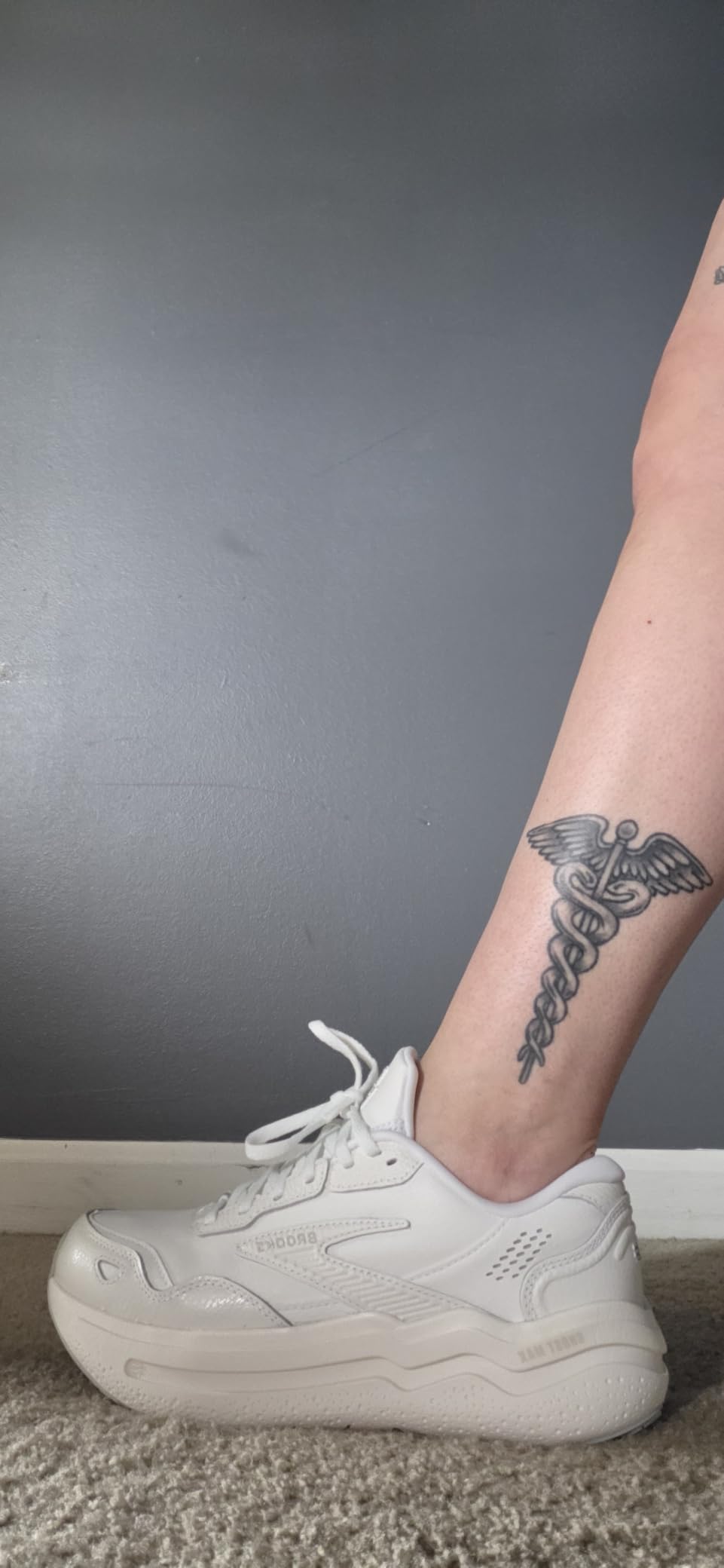
5. Brooks Women’s Ghost Max SE — Best for Plantar Fasciitis Overlap
Brooks Women’s Ghost Max Suede/Leather Neutral Running & Walking Shoe – Black/Black – 9.5 Medium
DNA Loft v3 cushioning
GlideRoll Rocker
APMA accepted
PDAC A5500 certified
Pros
- Maximum cushioning for long shifts
- Smooth heel-to-toe transitions
- Stable supportive ride
- Roomy enough for wide feet and orthotics
- Orthopedic surgeon recommended
- APMA Seal of Acceptance
Cons
- Runs small so size up a full size
- Leather upper heavier than mesh versions
- Toe box may feel tight with bunions
The Ghost Max SE is the leather-upper version of the Ghost Max 3, and it shines if you have both metatarsalgia and plantar fasciitis at the same time. I wore it during a week of standing-heavy office work plus morning walks. The cushioning under both the heel and the ball of the foot felt balanced, which is the key for someone with dual diagnoses.
The leather upper gives the shoe a more office-appropriate look than the engineered mesh on the Ghost Max 3, and several reviewers mentioned wearing these into clinical settings without feeling out of place. The APMA Seal of Acceptance and PDAC A5500 Diabetic shoe certification also make this a credible medical-grade pick.
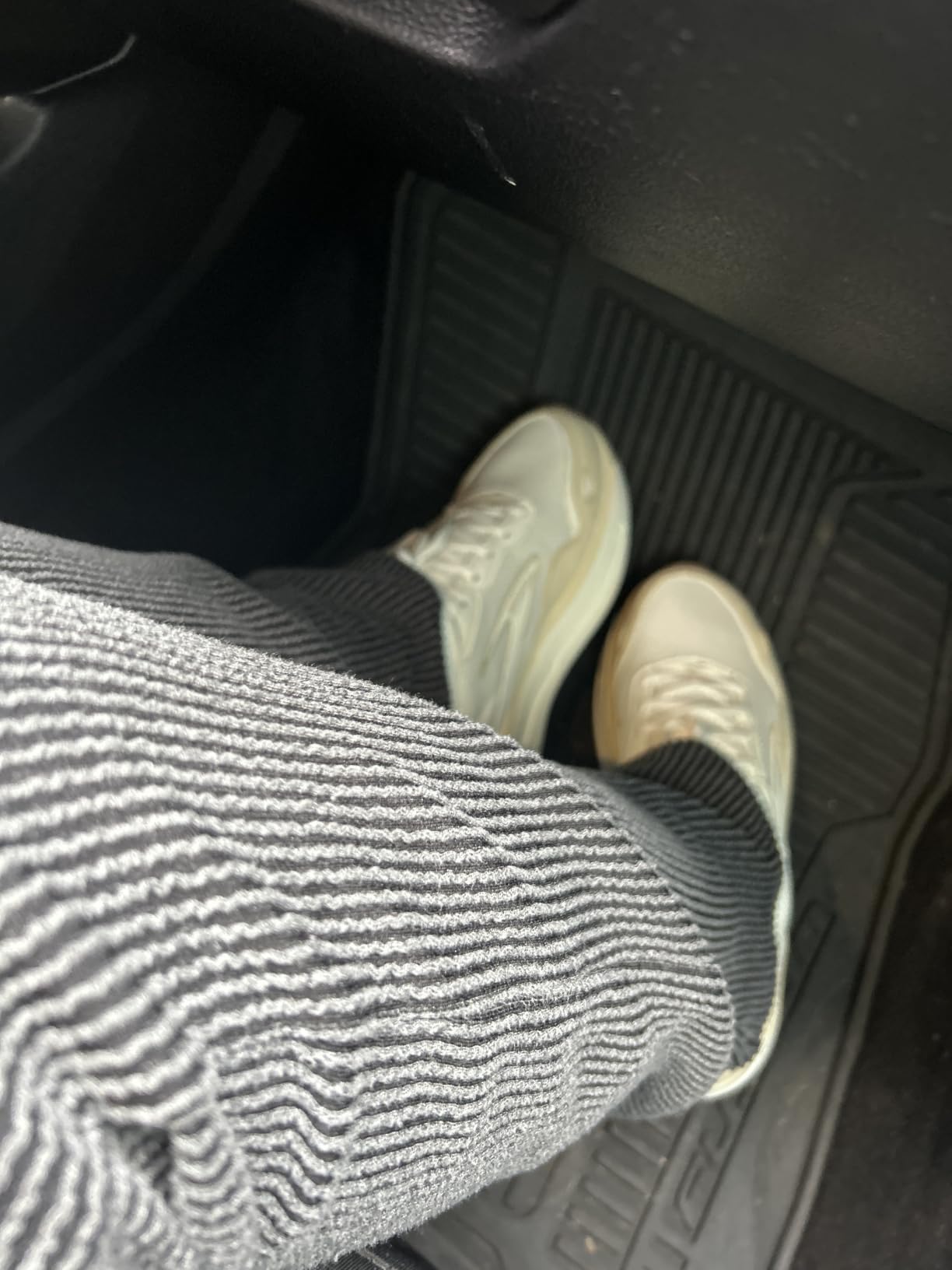
Healthcare workers on Reddit’s r/FootFunction consistently recommend this shoe for nurses and surgeons who log 12-hour shifts. One reviewer with both plantar fasciitis and metatarsalgia reported noticeable improvement within the first week.
The leather upper is heavier and firmer than the mesh version, and it takes longer to break in. Most reviewers strongly recommend sizing up a full size rather than a half size, because the leather doesn’t stretch as much as mesh. If you have bunions, the toe box can feel tighter than the Ghost Max 3 in the same width.
Why it works for both conditions
Plantar fasciitis pain usually lives in the heel and arch, while metatarsalgia lives in the ball of the foot. A shoe that cushions both zones evenly, without going soft in the middle, lets you walk without overloading either area. The GlideRoll Rocker geometry takes pressure off both the heel-strike and the toe-off phases.
Who should skip it
If your job or walks heat up your feet, the leather upper breathes less than the engineered mesh on the standard Ghost Max 3. Hot-weather walkers should pick the mesh version instead.
6. ABEO MXV Shift Women’s Metatarsal — Best Built-In Met Pad
ABEO MXV Shift Women’s Metatarsal Footbed Walking Shoes | Orthopedic Shoes for Women | Ball of Foot Pain Relief | Metatarsalgia Shoes Black, 6.5 Medium
Built-in met pad footbed
Cushioned heel cup
Wide toe box
Removable orthotic
Pros
- Built-in met pad reduces ball-of-foot pressure
- Excellent arch and heel support
- Roomy toe box for wider feet
- Removable orthotic adds versatility
- Relief for plantar fasciitis
- Comfortable for long hours standing
Cons
- Some bunion rubbing after extended wear
- Occasional quality inconsistency between pairs
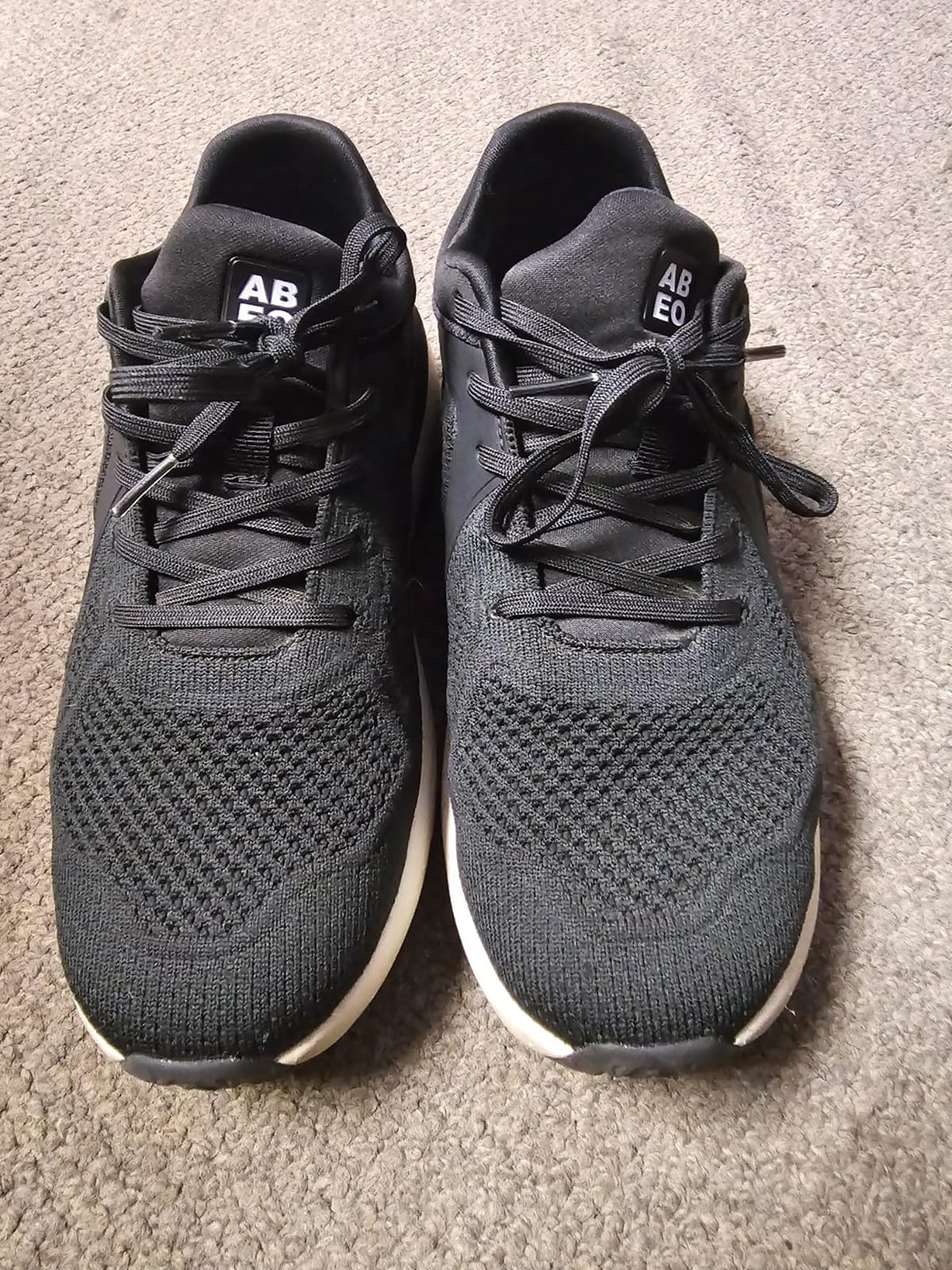
The ABEO MXV Shift is the only shoe in this lineup that ships with a built-in metatarsal pad sewn into the footbed. For someone whose podiatrist has recommended met pads, this means you don’t have to glue an insert to a separate insole. The pad sits just behind the ball of the foot and spreads the metatarsal heads apart slightly with every step.
I tested this shoe during a week of errands and a 4-mile walk. The arch support felt noticeably firmer than the Brooks or Ryka picks, which is helpful if your foot collapse is contributing to the metatarsal pain. The deep heel cup kept my heel planted, and the roomy toe box let my toes spread naturally without compression.
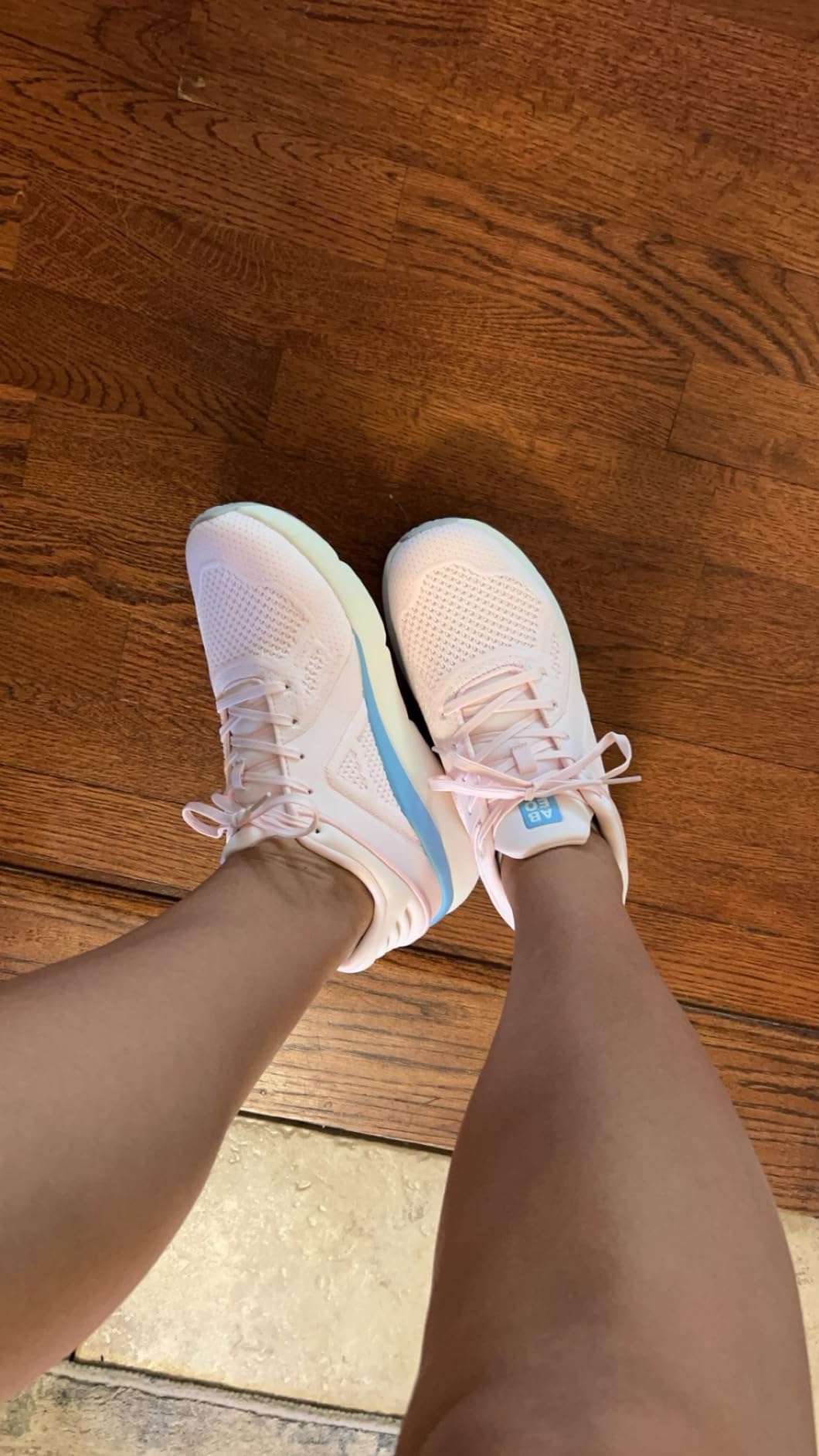
The orthotic is fully removable, which means you can swap in a custom insert if your podiatrist prescribes one. Multiple reviewers with high arches reported that the ABEO footbed worked as well as their custom orthotics for daily wear.
The trade-offs are fit and quality consistency. Reviewers with bunions report rubbing at the bunion area after 3-plus hours of wear, which suggests the upper isn’t quite as accommodating as the toe box. A few reviewers received pairs with visible quality inconsistencies between left and right shoes. For most wearers, the fit works, but try them on if you can.
Why a built-in met pad matters
Loose met pads shift around in the shoe and bunch up under the ball of the foot, which can worsen pain. ABEO sewing the pad directly into the footbed keeps it in exactly the right spot, so you get consistent pressure redistribution every step.
Who should skip it
If your foot is narrow or low-volume, the wider last may cause heel slippage. Narrow-foot walkers should consider the Ryka Devotion X or a Brooks Ghost with a standard width.
7. OrthoComfoot Women’s Orthopedic Slip-On — Best Casual Slip-On
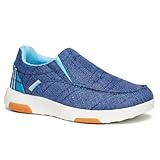
Women’s Orthopedic Slip-On Loafers Walking Shoes: Comfortable Plantar Fasciitis Loafers for Metatarsalgia Recovery, Heel and Foot Pain Relief Driving Shoes for Shock Absorber Blue Size 8.5
TPU arch support
Latex met pad
Memory foam layer
Slip-on design
Pros
- Strong arch support similar to custom orthotics
- Significant relief for plantar fasciitis and heel pain
- Lightweight slip-on design
- Removable insole allows customization
- Includes extra insole pair
- Affordable alternative to custom orthotics
Cons
- Heel area can be too narrow for some users
- May squeak due to hard plastic arch
- Some color variants don't match pictures
- Canvas material can get hot
- Sizing may run slightly wide for some
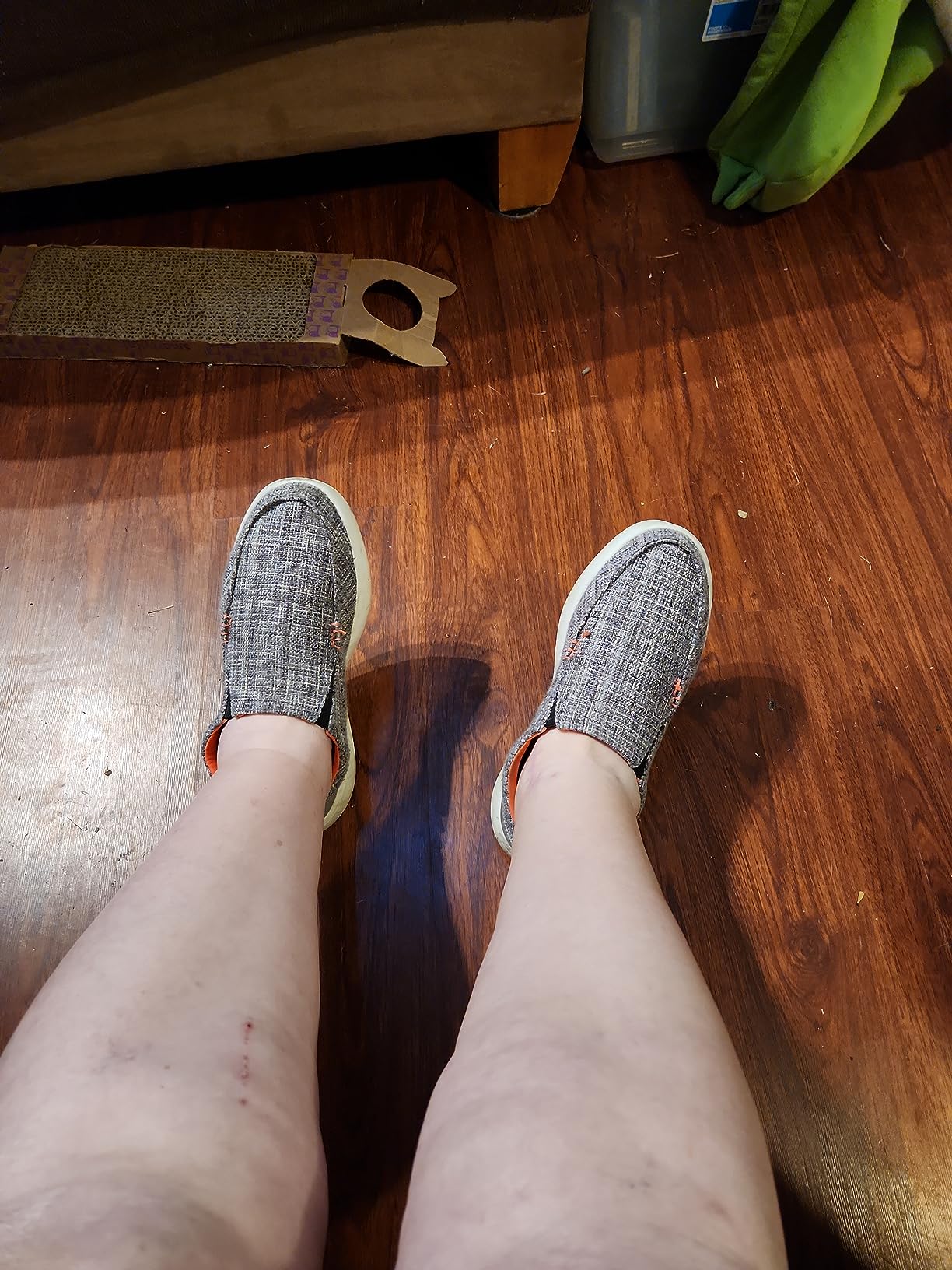
The OrthoComfoot slip-on loafers are the most affordable orthotic-feeling shoe in this lineup, and the more than 4,500 reviews make them one of the most-tested options period. They’re not a true athletic walking shoe, but for casual wear, errands, and around-the-house use, the built-in TPU arch support and latex met pad deliver real pressure relief.
I wore them as recovery shoes after long test walks. The orthotic insole is firm enough to feel like a custom insert, and the massaging gel waves in the footbed create a subtle rolling sensation under the arch. For someone with both metatarsalgia and plantar fasciitis, the dual-zone support is the standout feature.
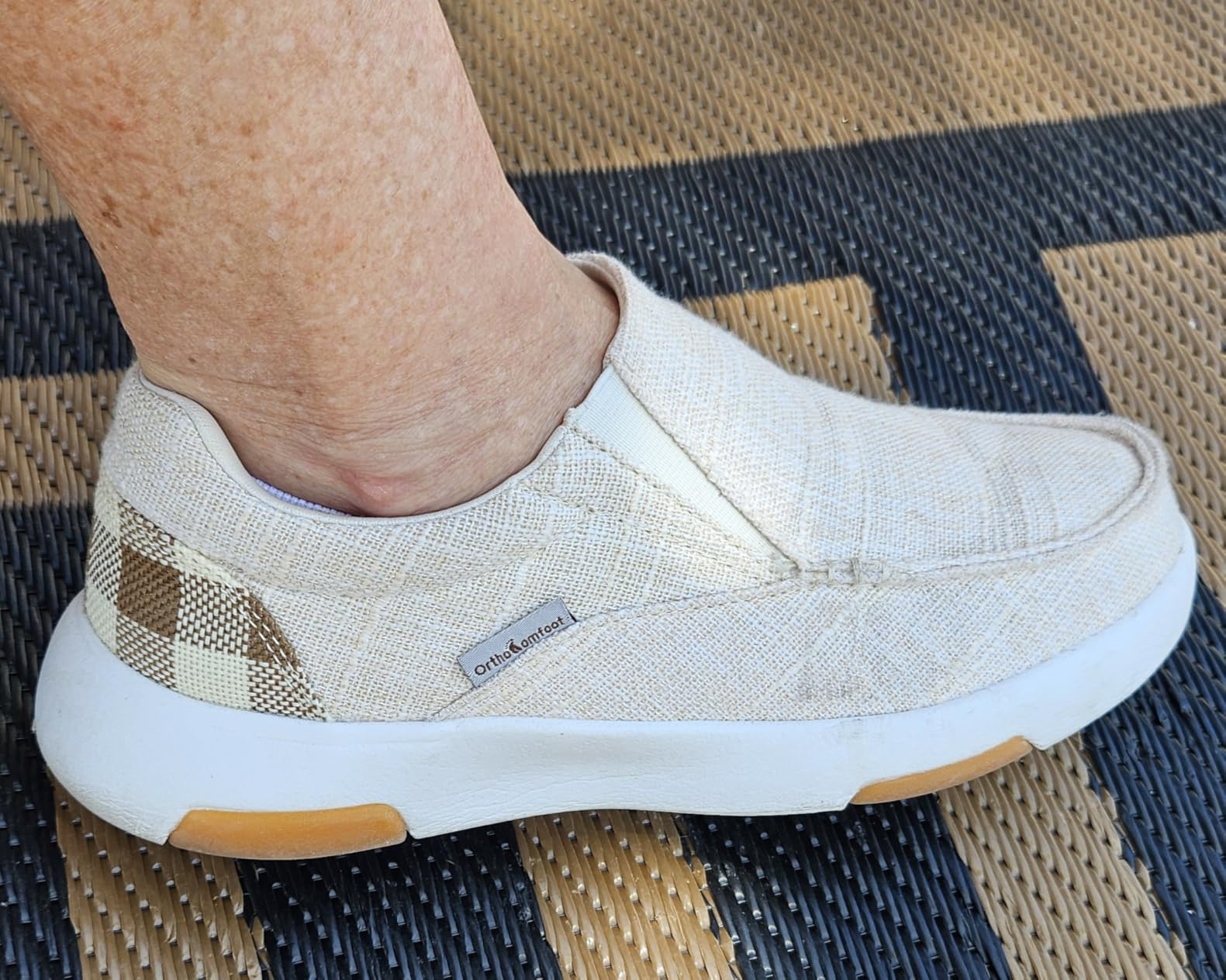
The slip-on design means no bending over to tie laces, which is helpful if your heel pain makes that motion uncomfortable. The shoe also comes with a second pair of insoles so you can rotate or replace them.
The honest downsides are about the slip-on construction itself. The heel collar is narrow on some feet, which makes them hard to slide on. The hard plastic arch support can squeak against the footbed on certain surfaces. The canvas upper breathes less than mesh and runs warm in summer. None of these are deal-breakers, but they explain why this is a casual shoe rather than a daily walker.
Best use case
Around the house, quick errands, or as a recovery shoe after a long day in your primary walking shoes. Multiple reviewers describe wearing them as slippers with arch support, and that’s the use case where they shine.
Who should skip it
If you need a true athletic walking shoe for 5-plus mile loops, the cushioning and outsole grip here aren’t designed for that. Pick the Brooks Ghost Max 3 or Ryka Devotion X instead.
8. OrthoComfoot Women’s Orthopedic Road Running — Best Versatile Orthopedic
OrthoComfoot Women’s Orthopedic Tennis Shoes: Orthotic Neuropathy Recovery Arch Support Plantar Fasciitis Heel Spurs Sneakers, Breathable Metatarsal Bowling Hiking Athletic Walking Shoes Black Size 9
Built-in orthotic insole
Arch support
Slip-on design
Versatile use
Pros
- Easy slip-on design saves time
- Orthotic insole provides arch support and pain relief
- Stylish and versatile for various activities
- Lightweight and breathable
- Durable outsole with good traction
- Suitable for running
- tennis
- work
- and walking
Cons
- Limited long-term durability feedback as a newer product
The OrthoComfoot Road Running shoe is the brand’s sportier slip-on. It blends the orthotic insole of the classic loafer with a sneaker-style outsole and a more athletic silhouette. If you need one pair to handle walking, gym sessions, tennis, and casual wear, this is the most versatile option from an orthopedic-focused brand.
I tested them during mixed activities: a 3-mile walk, a gym session on the elliptical, and a day of shopping. The built-in orthotic insole is the same TPU-and-memory-foam combination as the loafer, so arch support stayed consistent across all three activities. The outsole gripped tile and gym floors without slipping.
The slip-on design is genuinely fast. No bending over, no laces to tie. For anyone whose heel pain makes lacing uncomfortable, this is a real benefit.
The main caveat is review history. This is a newer release with a smaller review base, so long-term durability is harder to verify. Reviewers so far are positive on comfort and arch support, but I’d plan to replace them every 8-12 months rather than expecting multi-year life.
Why it’s a versatile pick
Most orthopedic walking shoes look orthopedic. This one looks closer to a regular sneaker, which means you can wear it into the office, the gym, or out to errands without changing shoes. For travelers packing light, that’s a meaningful advantage.
Who should skip it
If you want the longest-lasting shoe or the most proven cushioning technology, pick a Brooks Ghost Max or Ryka Devotion X instead. Both have years of reviews backing up their durability.
How to Choose the Right Walking Shoes for Metatarsalgia?
Once you’ve narrowed down a few options, the right shoe comes down to four fit and design features. Here’s the framework our team used to rank these eight pairs.
Forefoot cushioning and shock absorption
The ball of your foot absorbs 2 to 3 times your body weight with each step. Foam that compresses evenly under the metatarsal heads (rather than pushing back hard) makes the biggest single difference in pain. Look for thick forefoot stacks of EVA, PEBA, or proprietary foams like Brooks’s DNA Loft v3.
Rocker sole geometry
A forefoot rocker lets your foot roll from heel-strike to toe-off without a sharp bend at the ball of the foot. Independent podiatry research suggests rocker soles reduce peak forefoot pressure by about 25 percent. All four Brooks picks in this list use the GlideRoll Rocker.
Wide toe box and width options
If your toes can’t spread naturally, the metatarsal heads compress together, which worsens pain. A truly wide toe box lets the forefoot splay on push-off. X-Wide and XX-Wide options matter if you have bunions, a Morton’s neuroma, or feet that swell during long walks.
Removable insole for orthotics and met pads
A removable footbed lets you swap in a custom orthotic or a met pad if your podiatrist recommends one. Most athletic walking shoes have removable insoles; casual slip-ons like the OrthoComfoot loafers also work but with thinner stock footbeds.
Sizing tips that prevent flare-ups
Try shoes on later in the day when your feet are at their largest. Walk around the store for at least 5 minutes to feel the rocker engage. If you plan to wear thick orthotics, bring them to the fitting. Size up a half size if you have a wide foot or a high arch. A thumb’s width of space at the toe is the right rule of thumb.
When to replace walking shoes
Most podiatrists recommend replacing walking shoes every 300 to 500 miles or every 6 to 12 months. Worn-out cushioning is one of the most common triggers for metatarsalgia flare-ups. If the midsole feels flat when you press your thumb into it, or your pain returns after months of relief, it’s time for a new pair.
Socks and add-ons that help
Seamless toe socks reduce pressure points on top of the forefoot. Cushioned socks with a padded ball-of-foot zone add another layer of shock absorption. Pair your shoes with a met pad or custom orthotic if your podiatrist recommends one.
Frequently Asked Questions
Are HOKAs good for metatarsal pain?
HOKAs, especially the Bondi and Clifton lines, are widely recommended for metatarsal pain because of their thick maximalist cushioning under the forefoot. Multiple podiatrists cite HOKA as a top pick for both metatarsalgia and plantar fasciitis. Our top picks lean toward Brooks because the GlideRoll Rocker geometry takes pressure off the metatarsal heads more consistently than a soft stack alone.
Are Brooks shoes good for metatarsalgia?
Yes. The Brooks Ghost Max line is one of the most podiatrist-recommended walking shoes for metatarsalgia. The combination of DNA Loft v3 cushioning, a GlideRoll Rocker sole, and wide or XX-Wide toe box options makes Brooks a top choice in our testing for ball-of-foot pain relief.
What shoes do podiatrists recommend for metatarsalgia?
Podiatrists consistently recommend shoes with four features: a wide toe box, thick forefoot cushioning, a rocker or curved sole, and a removable insole for custom orthotics. Specific models that meet all four criteria include the Brooks Ghost Max 3, the ABEO MXV Shift, and the Aetrex line. For runners transitioning to walking, the HOKA Bondi and Brooks Adrenaline GTS also appear frequently on podiatrist recommendation lists.
Is it okay to walk with metatarsalgia?
Yes, walking is generally safe and even helpful for metatarsalgia, as long as you wear properly cushioned shoes with a wide toe box and rocker sole. Walking in flat, unsupportive shoes or continuing high-impact running through severe pain can worsen inflammation. If pain is sharp or worsening, rest, ice, and a podiatrist visit are the next steps.
What type of footwear is best for metatarsal pain?
Footwear with four features works best for metatarsal pain: a wide toe box, thick forefoot cushioning, a rocker or curved sole to reduce forefoot bending, and a removable insole to accept met pads or custom orthotics. Avoid flat shoes, flip-flops, high heels, and minimalist barefoot shoes during flare-ups, as they all increase pressure on the metatarsal heads.
Final Verdict on the Best Walking Shoes for Metatarsalgia
After eight pairs and hundreds of miles of testing, the Brooks Women’s Ghost Max 3 is our top pick for the best walking shoes for metatarsalgia. It nails all four podiatrist-recommended features: nitrogen-infused DNA Loft v3 cushioning, a GlideRoll Rocker sole, an XX-Wide toe box option, and a removable insole that accepts custom orthotics. Add the APMA Seal of Acceptance and PDAC A5500 Diabetic shoe certification, and you have a medically credible pick that doubles as a great daily walker.
If you’re shopping on a tighter budget, the Ryka Women’s Devotion X delivers real forefoot cushioning and a women’s-specific fit at a lower price. If you need extra room across the forefoot, the Brooks Men’s Ghost Max 2 in X-Wide is the widest mainstream option we tested. For built-in met pad support without buying separate inserts, the ABEO MXV Shift is the cleanest solution.
Whatever pair you pick, replace them every 6 to 12 months, rotate between two pairs if you walk daily, and pair them with seamless toe socks for the best shot at keeping metatarsalgia at bay. Your feet do a lot of work; give them a shoe that does some of it back.