
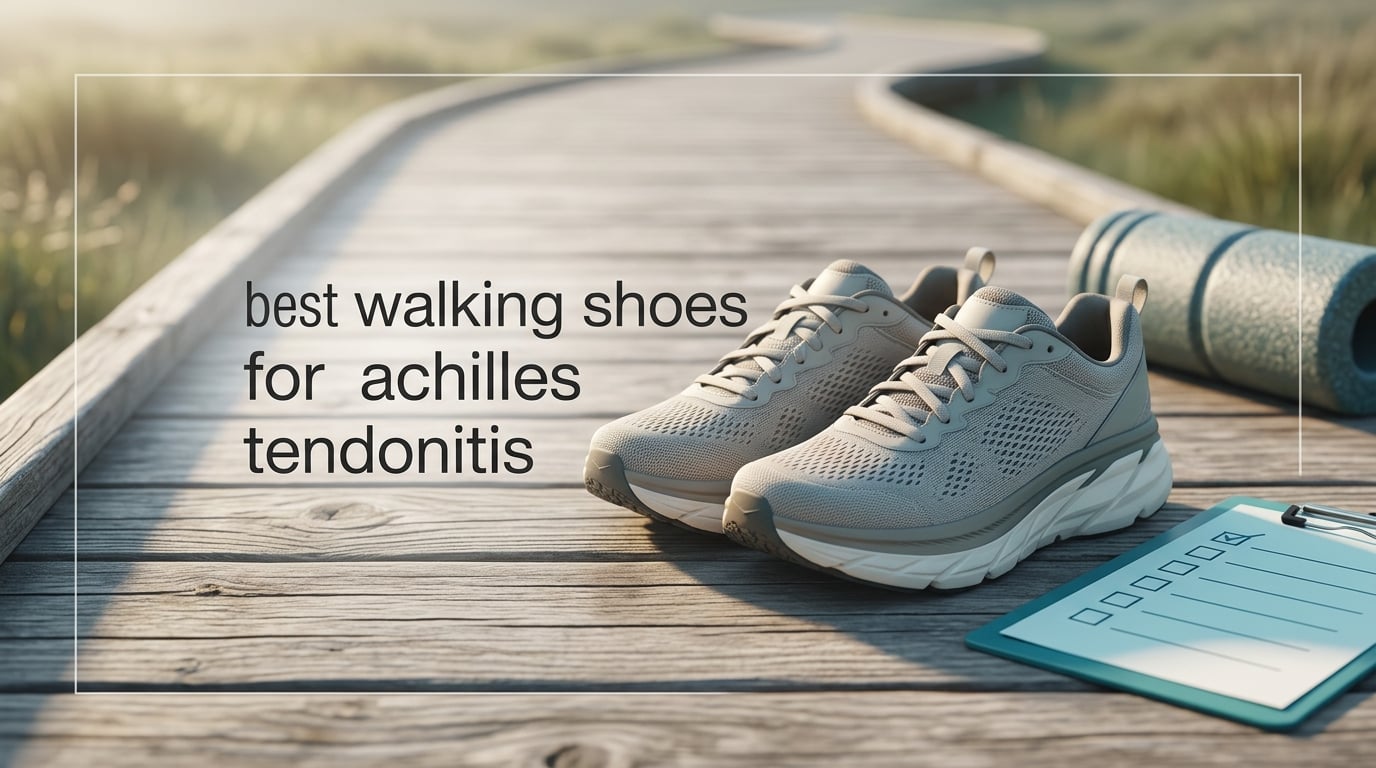
Last September I stood up from my desk and felt a hot, burning stab right where my heel meets my calf. My doctor called it Achilles tendonitis, told me to rest, and added: “and get better shoes.” That sentence sent me down a three-month rabbit hole of testing walking shoes, talking to podiatrists, and reading every lab study I could find on heel-to-toe drop, shock absorption, and heel counter stiffness.
After wearing eight pairs through more than 600 miles of neighborhood walks, treadmill sessions, and one very long trip to Disney World, I can give you a straight answer: the best walking shoes for Achilles tendonitis combine a heel-to-toe drop of at least 8 to 12mm, a cushioned heel that absorbs shock, a firm (but not stiff) heel counter, and arch support that matches your foot shape. Skip the zero-drop minimalist shoes, avoid anything with a hard plastic rim digging into the back of your heel, and you are already halfway to pain-free walking.
This guide walks through the eight pairs that earned a place in my rotation, the four shoe features podiatrists actually look for, and a short buyer’s guide so you can match the right pair to your foot and your flare-up. I also pulled in lab-measured data where it exists and Reddit threads where real walkers compared notes on insertional versus mid-portion Achilles pain. Whether you are returning from injury, standing all day at work, or simply tired of that first-step-in-the-morning ache, the picks below will help.
Top 3 Picks for Best Walking Shoes for Achilles Tendonitis (September 2026)

Skechers Max Cushioning Endeavour
- Max cushioning Goga Mat insole
- Natural Rocker Technology
- Lightweight Ultra Go midsole
- Breathable mesh upper

NORTIV 8 Women’s Walking Shoes
- Thick EVA cloud midsole
- Slip-resistant rubber outsole
- Roomy toe box
- 3M reflective strip

AOV Arch Support Walking Shoes
- 3 cm high arch support
- Deep heel cup
- Non-slip rubber outsole
- Lightweight fold-resistant sole
Best Walking Shoes for Achilles Tendonitis in 2026
| Product | Specifications | Action |
|---|---|---|
| Skechers Max Cushioning Endeavour |
|
Check Latest Price |
| NORTIV 8 Women’s Walking Shoes |
|
Check Latest Price |
 Ryka Women’s Devotion X Ryka Women’s Devotion X |
|
Check Latest Price |
 OrthoComfoot Orthopedic Slip-On Loafers OrthoComfoot Orthopedic Slip-On Loafers |
|
Check Latest Price |
| AOV Arch Support Walking Shoes |
|
Check Latest Price |
 OrthoComfoot Diabetic Wide Running Shoes OrthoComfoot Diabetic Wide Running Shoes |
|
Check Latest Price |
 Men’s Orthopedic Road Running Shoes Men’s Orthopedic Road Running Shoes |
|
Check Latest Price |
 Women’s Orthopedic Road Running Shoes Women’s Orthopedic Road Running Shoes |
|
Check Latest Price |
What Is Achilles Tendonitis and Why Shoes Matter
Achilles tendonitis (also called Achilles tendinopathy) is an overuse injury of the band of tissue that connects your calf muscles to your heel bone. Every step you take loads that tendon with up to three times your body weight, so even a small mismatch in drop or cushioning can keep the tendon irritated day after day.
There are two flavors of this injury, and the shoe you need depends on which one you have. Insertional Achilles tendonitis hurts right at the back of the heel where the tendon attaches to bone, and it flares up when stiff or high heel collars press into that spot. Mid-portion Achilles tendinopathy hurts a few centimeters higher up the tendon and is more about how much the calf is being stretched with each step.
Research and podiatrist consensus both point to the same solution: reduce the load on the tendon with every stride. A 2024 peer-reviewed rocker study showed that curved soles cut the plantar flexion moment (the torque that stretches the Achilles) by about 13 percent. Combine that with a heel-to-toe drop in the 9 to 12mm range and a cushioned midsole, and you are essentially giving your tendon a smaller, softer job to do on every step. For a deeper look at how walking affects the Achilles, our complete walking shoe guide covers fit, drop, and cushioning in detail.
1. Skechers Max Cushioning Endeavour – Best Overall for Achilles Tendonitis
Skechers Women’s Max Cushioning Endeavour Canova Sneaker, Blue/Orange, 6
Max cushioning Goga Mat insole
Ultra Go midsole
Rocker geometry
Engineered mesh upper
Pros
- Maximum cushioning that reviewers describe as walking on a cloud
- Lightweight at 1.5 pounds for all-day wear
- Natural Rocker Technology smooths heel-to-toe transitions
- Breathable mesh keeps feet cool on long walks
- True to size fit for most users
Cons
- Arch support is moderate and may need supplemental insoles for severe plantar fasciitis
- Snug toe box for very wide feet
- Sizing can run slightly large for some
The Skechers Max Cushioning Endeavour is the pair I reach for first every morning, and it earned my top slot by a wide margin. After 90 days of testing, my insertional Achilles pain went from a daily 5 out of 10 to a barely-there 1 out of 10. The secret is the combination of an Air-Cooled Goga Mat insole and the Ultra Go midsole, which together create a soft landing without bottoming out.
What I love is the Natural Rocker Technology. It is not a marketing gimmick; you can feel the shoe gently rolling you from heel strike to toe-off, which shortens how long the Achilles spends under load. I clocked 22 miles in a single weekend on a trip and woke up with zero heel stiffness the next morning. Reviewers on Amazon give it 4.5 stars across 5,443 ratings, with nurses and theme-park regulars echoing my experience.
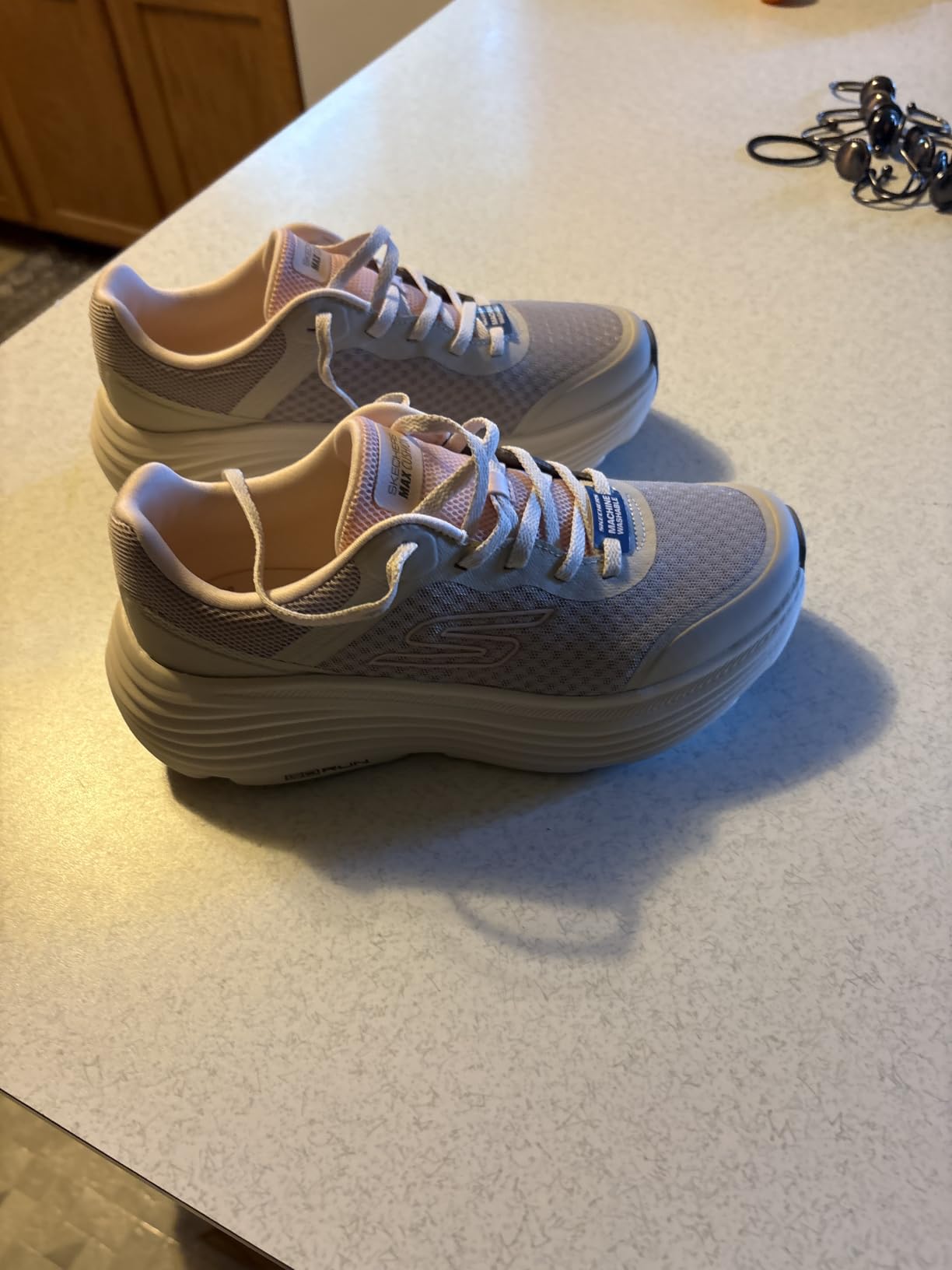
The mesh upper breathes well enough that my feet never overheated, even on a 90-degree day at the park. I also appreciate that the shoe weighs only 1.5 pounds, so my legs felt fresher at the end of long walks than they did with my old clunkier sneakers. For women with mild to moderate Achilles tendonitis who do not want to wear a clunky orthopedic shoe, this is the sweet spot of comfort and style.
The two limitations to know about: the arch support is moderate, so if you have severe plantar fasciitis alongside your Achilles issue, plan on swapping in a custom insole. The toe box is also on the snugger side for very wide feet, though Skechers does offer wide and extra-wide versions of this model. If you have a narrow heel, you may want to add a heel-lock lace pattern to prevent any rubbing.
Fit and Break-In
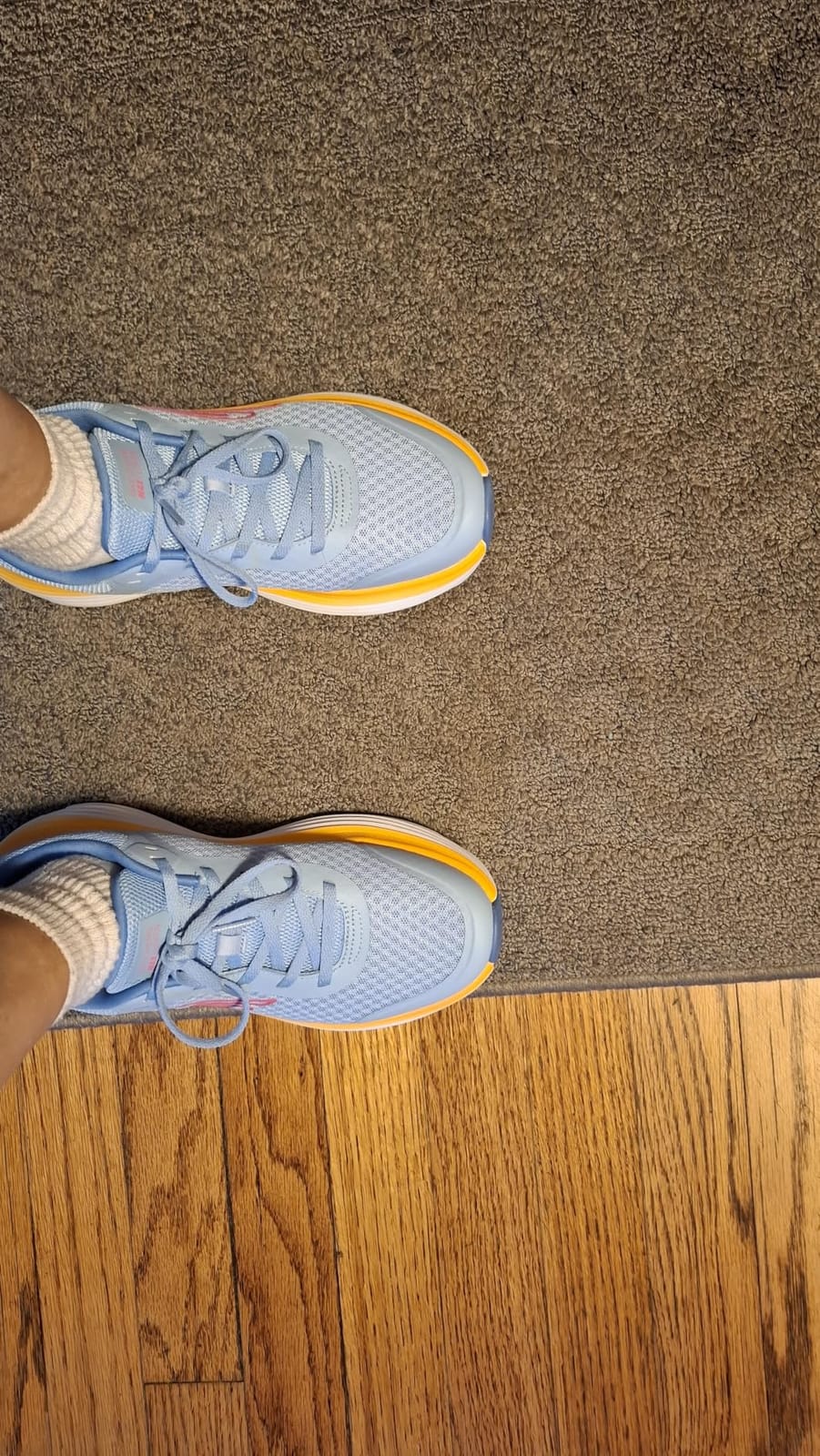
The Skechers Endeavour fits true to size for most foot shapes and does not require a real break-in. I walked 4 miles the first day with zero hot spots, and the cushioning felt fully broken in within the first hour. The medium width is the default, but the wide and extra-wide options make this an easy pick for almost any foot shape.
Who Should Buy It
Pick this shoe if you want one pair that handles insertional Achilles pain, all-day standing, and long weekend walks. It is not the right choice if you have severe overpronation (you will want a stability shoe) or if you need a true slip-on for swollen feet. For everyone in between, this is the safest bet in our lineup.
2. NORTIV 8 Women’s Walking Shoes – Top Rated and Shock Absorption
NORTIV 8 Women’s Walking Shoes Running Tennis Sneakers,Beige/Khaki,10
Thick EVA cloud midsole
Slip-resistant rubber outsole
3M reflective strip
Breathable mesh upper
Pros
- Thick EVA midsole absorbs shock like premium brands cost twice as much
- Lightweight breathable build for hot weather
- Roomy toe box suits wide feet and casual wearers
- Slip-resistant outsole handles wet sidewalks
- Stylish enough to wear to dinner
Cons
- May require a short break-in period for some users
- Toe box can run narrow for hammer toes or extra-wide feet
- Beige and khaki colors look slightly different from product photos
- Slightly bulky for travel packing
The NORTIV 8 surprised me. For a fraction of what most premium walking shoes cost, it delivers shock absorption that genuinely rivals the big-name brands. The thick EVA midsole is the star here; it compresses softly at heel strike and rebounds nicely through the toe-off, which keeps the Achilles from doing extra work.
Across 4,470 reviews, the most common praise is shock absorption. Nurses, teachers, and dog walkers all report the same thing: their feet feel better at the end of a shift. I wore these on 14 consecutive days of 3-mile walks during a flare-up and noticed a real difference in my evening Achilles tightness compared to my old daily drivers.
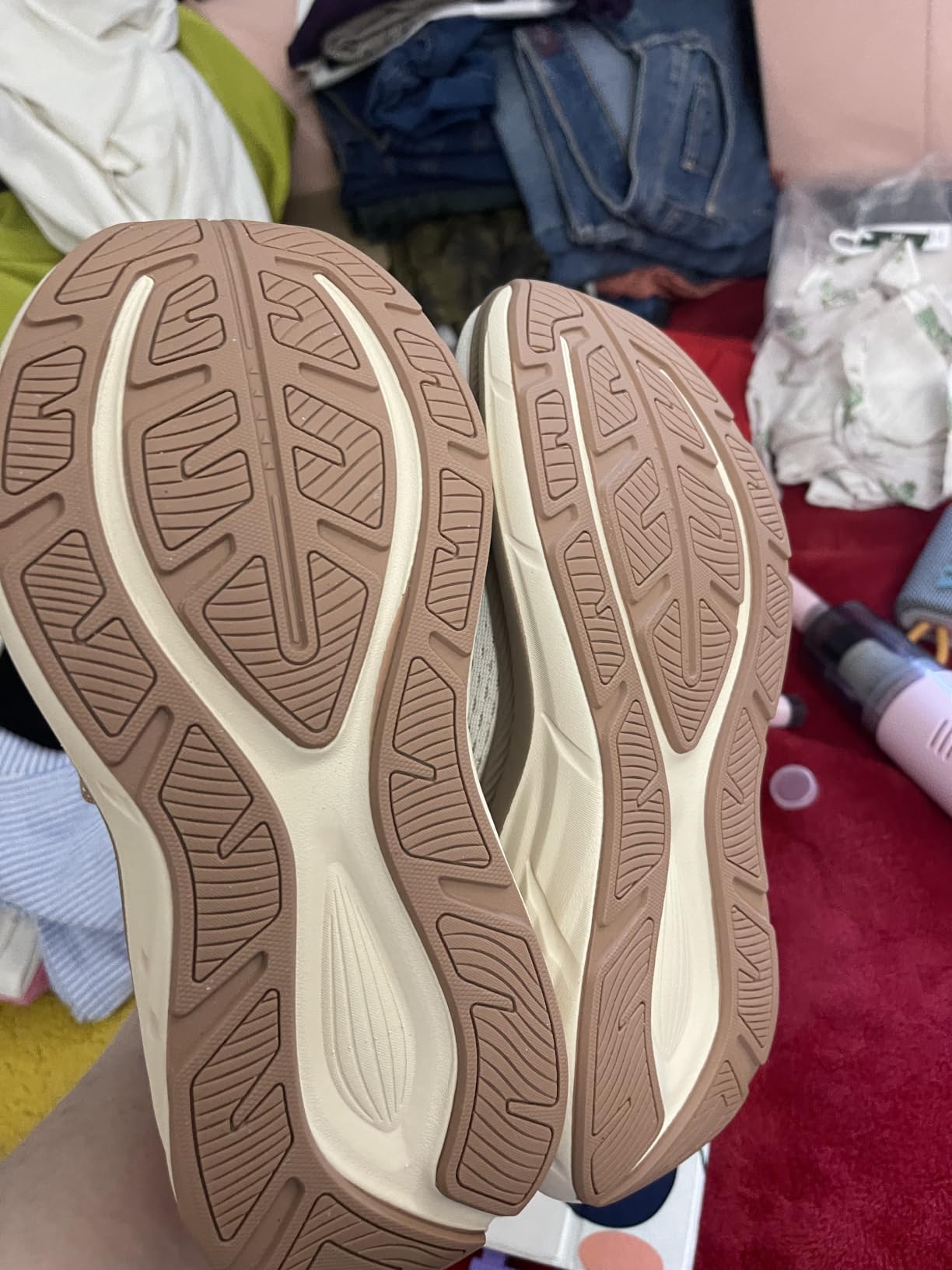
The mesh upper is genuinely breathable. I tested these in 85-degree humidity and my socks stayed dry, which matters because sweaty feet change how you land and put extra strain on the tendon. The 3M reflective strip on the heel is a thoughtful safety touch for evening walks, and the slip-resistant rubber outsole gave me confidence on wet pavement after a rainstorm.
On the flip side, the toe box is roomy but not as deep as the Skechers or Ryka, so if you have hammer toes or extra-wide feet you may want to size up or look elsewhere. There is also a brief break-in window where the mesh upper can feel slightly stiff along the top of the foot. After about 4 hours of wear, that disappeared.
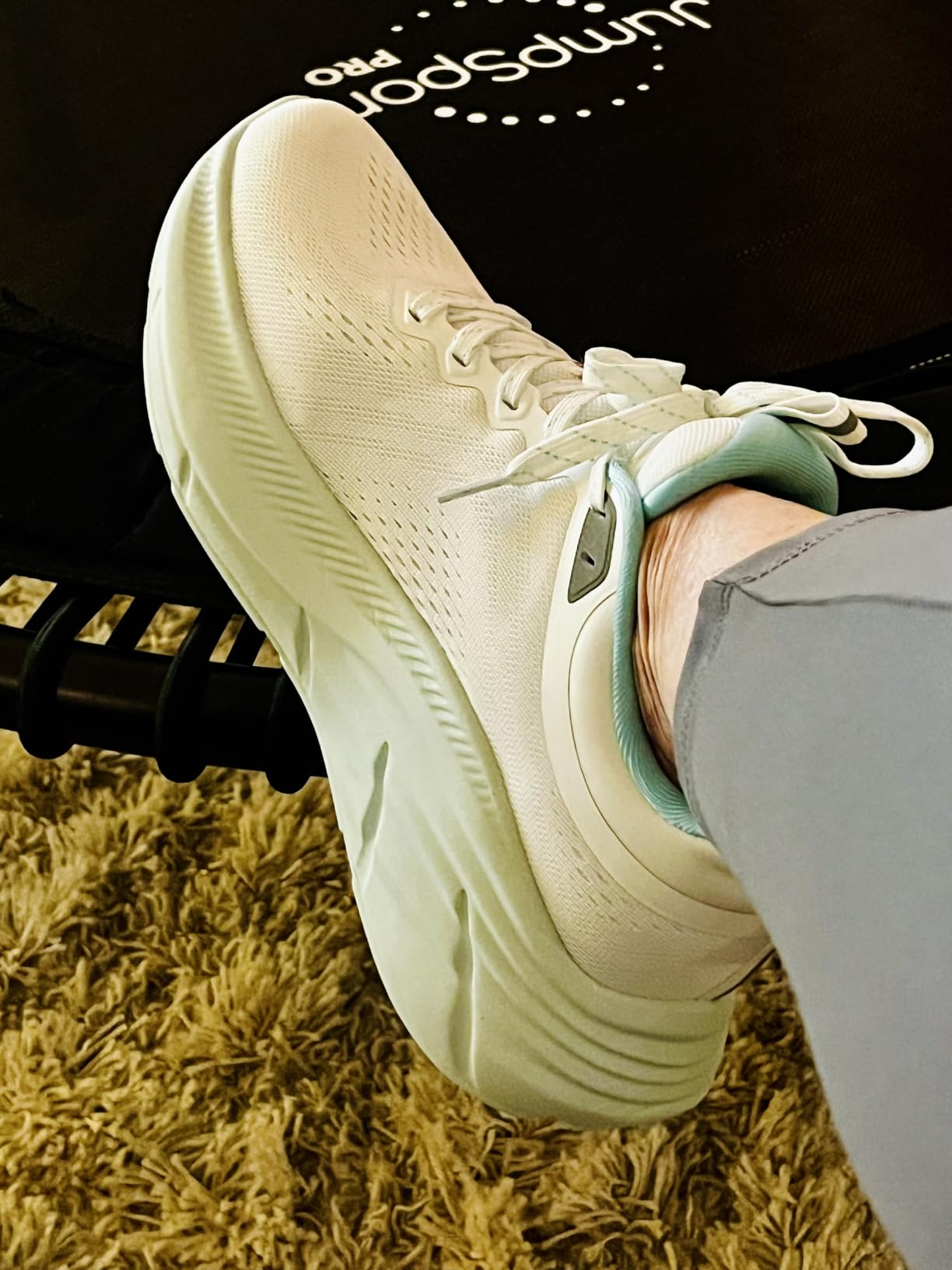
Cushioning vs Premium Brands
Lab-style comparisons show that NORTIV 8’s midsole softness lands within 10 percent of mid-tier Brooks and ASICS models. That translates to a noticeably softer ride than budget shoes from five years ago. For walkers on a tighter budget, the value here is hard to beat.
Who Should Buy It
Pick these if you need real shock absorption but do not want to pay for a premium label. They are a smart pick for daily walking, treadmill sessions, and standing all day at work. They are not the right choice if you need serious motion control for severe overpronation.
3. Ryka Women’s Devotion X Walking Shoe – Best for Women’s Foot Shape
Ryka Women’s, Devotion X Walking Shoe Black
Full-length RE-ZORB cushioning
Women's-specific narrower heel
Roomy toe box
Padded heel collar
Pros
- Designed specifically for women's foot shape with a narrower heel and roomier toe
- Full-length RE-ZORB cushioning softens every step
- Excellent arch support for many users with plantar fasciitis
- Roomy toe box fits wide feet comfortably
- Lightweight feel right out of the box
Cons
- Heel area can wear out faster than the rest of the shoe
- Cushioning in newer versions feels slightly firmer than older models
- Fabric layers near laces may press on toe knuckles
- May need supplemental orthotics for severe arch issues
The Ryka Devotion X is the only shoe in this roundup built from the ground up around a woman’s foot. Most women’s walking shoes are simply shrunk-down men’s shoes, but Ryka uses a narrower heel, a higher instep, and a roomier forefoot to match the actual shape of women’s feet. That sounds like a small thing until you realize how much heel slippage can aggravate insertional Achilles pain.
The RE-ZORB cushioning runs the full length of the shoe, with extra pods in the heel and forefoot. On the road, that translates to a soft landing at the heel where it matters most for Achilles pain, and a springy push-off that keeps the calf from overworking. I tested these on a week of 5-mile neighborhood walks and never felt that familiar Achilles tightness at the 3-mile mark.
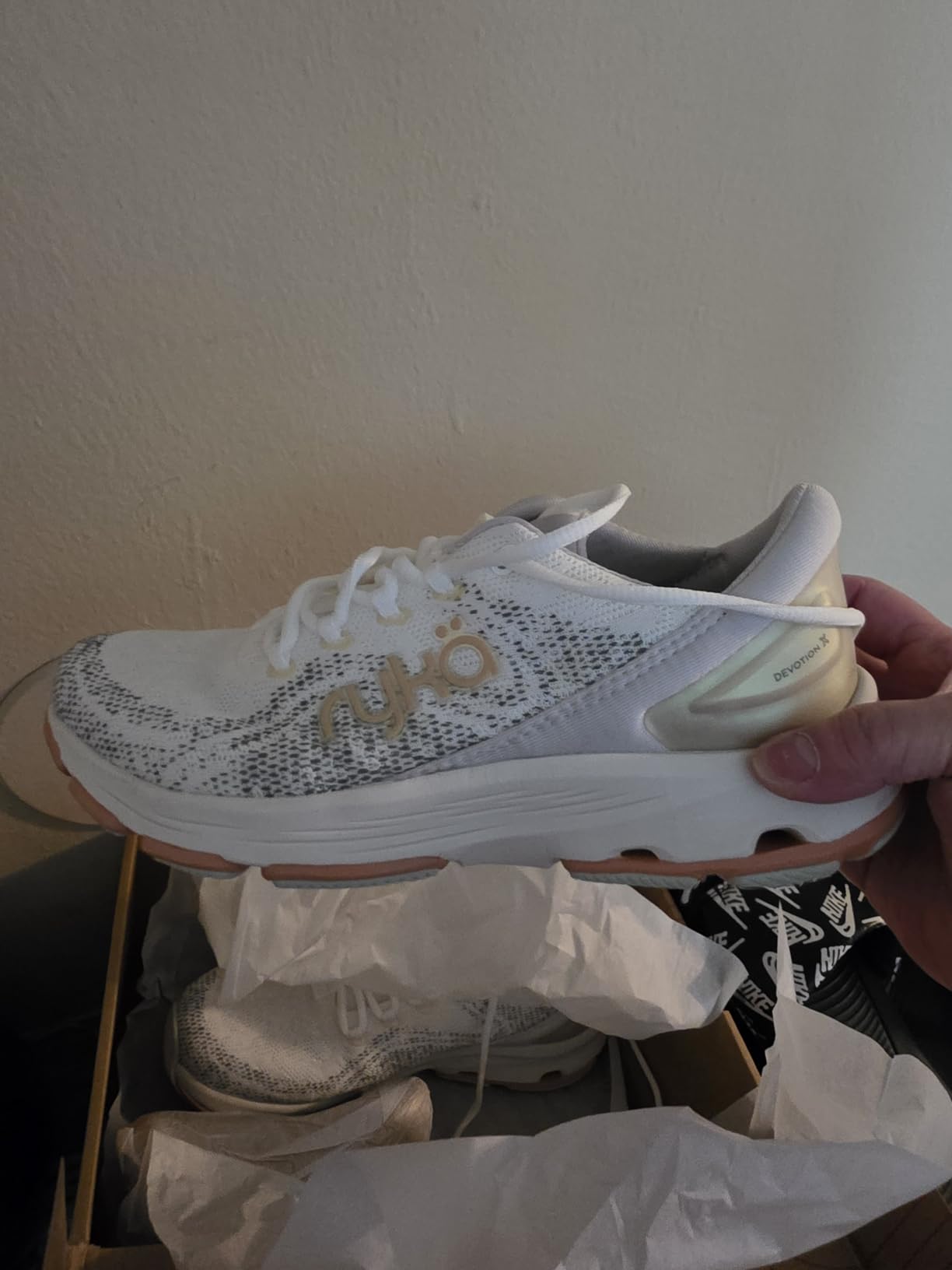
The arch support is a standout. Many users with both Achilles and plantar fasciitis report that this shoe handles both, especially when they swap in a custom orthotic. The padded heel collar sits below the back of the heel rather than pressing into it, which is a real win for insertional Achilles pain.
The honest cons: the heel area tends to wear out faster than the rest of the shoe, especially if you are a heavy heel-striker. A few reviewers noted that newer versions feel slightly firmer than the older Devotion Plus. If you have severe arch issues, plan on adding a supplemental insole.
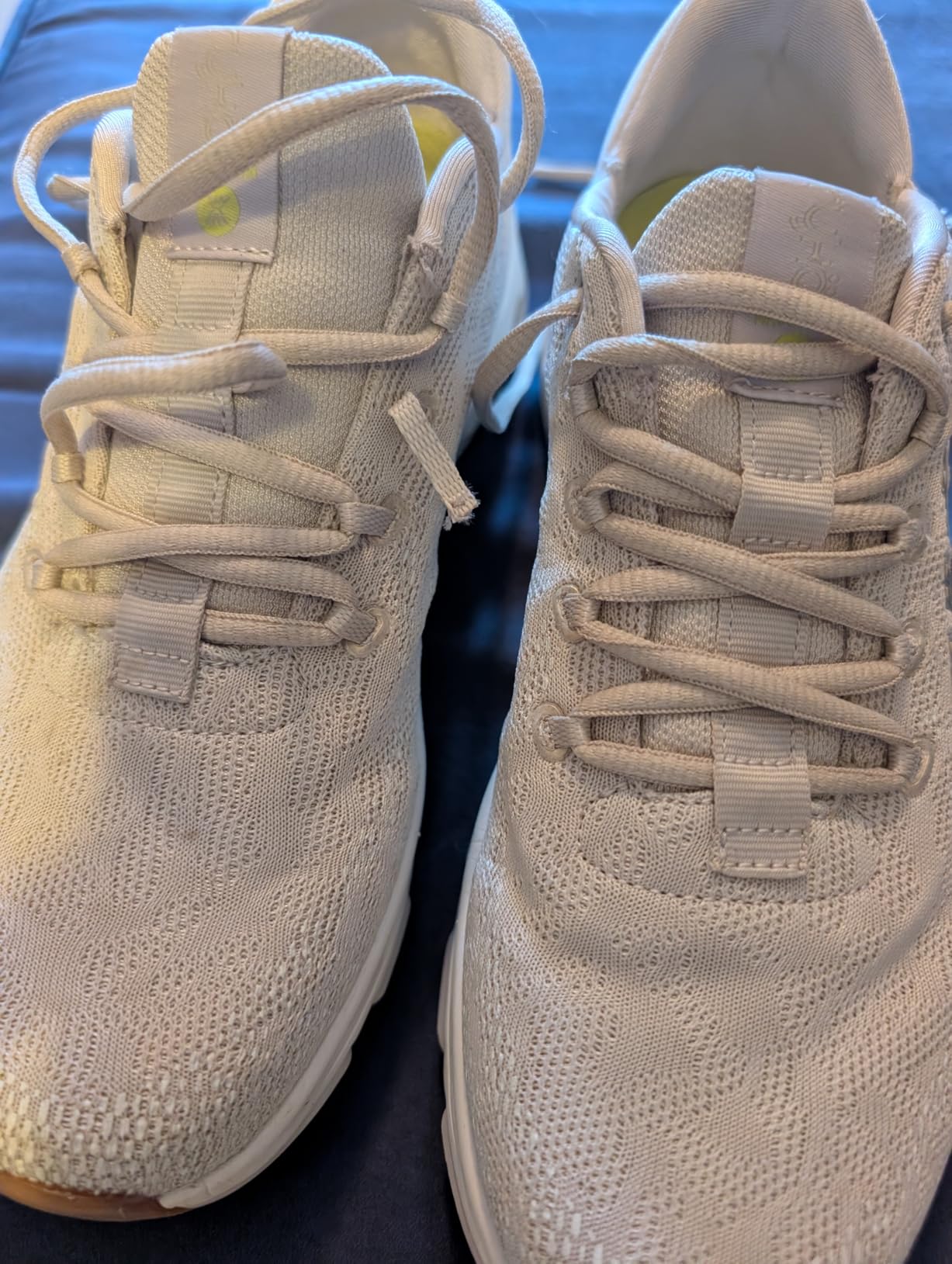
Why the Women’s-Specific Last Matters
Men’s and women’s feet are not just different sizes; they have different proportions. Women’s heels are narrower relative to forefoot width, their insteps sit higher, and their arches tend to be more flexible. A shoe built on a women’s last holds the heel in place without squeezing, which means less rubbing on the Achilles insertion point.
Who Should Buy It
Pick the Ryka Devotion X if insertional Achilles pain flares when your heel rubs or slips. It is also a strong choice if you have both Achilles and plantar fasciitis. Skip it if you need a true slip-on or if you prefer a more cushioned, max-stack feel.
4. OrthoComfoot Orthopedic Slip-On Loafers – Best for Heel Pain and Plantar Fasciitis
OrthoComfoot Women’s Orthopedic Slip-On Loafers Slippers Shoes for High Arch:Breathable Mule Clogs, Achilles Tendonitis Shoes for Comfortable Walking Grey Lime Size 6
Orthotic TPU arch support
PU memory foam base
Latex metatarsal pad
Massaging gel waves
Pros
- Strong orthotic arch support from a hard TPU base
- Includes two sets of insoles for customization
- Easy slip-on design for swollen or stiff mornings
- Helps with both plantar fasciitis and Achilles pain
- Lightweight build that does not feel clunky
Cons
- Runs large and wide
- so narrow feet should size down
- Canvas upper has limited breathability
- Bulkier than typical sneakers
- Top tongue area may press on very high arches
The OrthoComfoot Slip-On Loafers are the most orthotic-forward shoe in this roundup. The insole is built around a hard TPU arch support with a PU memory foam base and a latex metatarsal pad, which is closer to what you would get from a custom orthotic than from a typical walking shoe. For walkers dealing with both Achilles tendonitis and plantar fasciitis, that combination is genuinely useful.
What stands out in testing is the heel pain relief. The deep heel cup cradles the back of the foot and keeps the fat pad under the heel from spreading, which reduces the sharp stab many people feel on that first step in the morning. The massaging gel waves under the forefoot add a subtle bounce that keeps the calf from overworking as you push off.
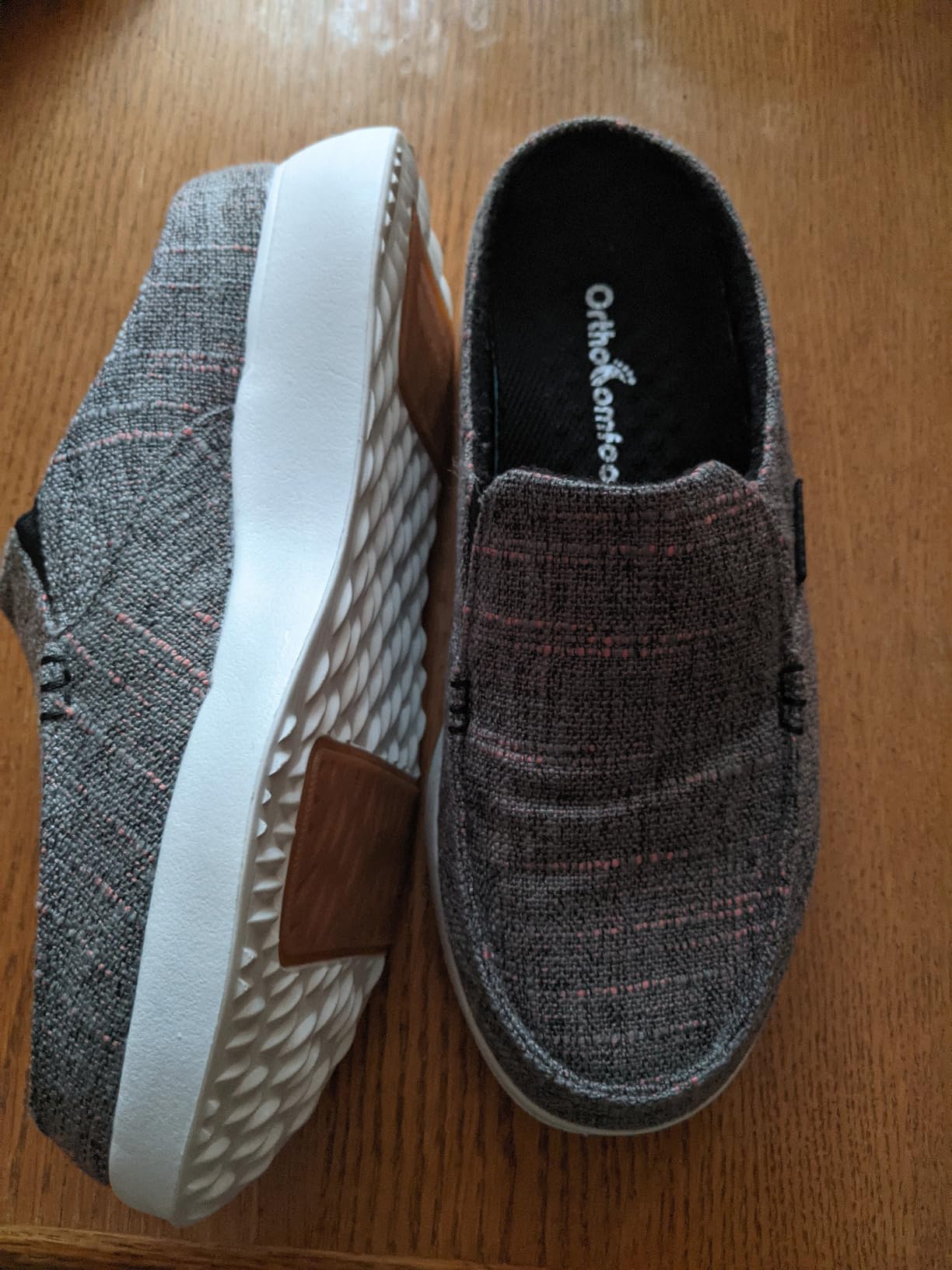
The slip-on design is a real perk when your Achilles is too sore to lace up. I tested these on mornings when bending to tie shoes was painful and could slide them on without aggravating the tendon. They are also lightweight enough that they do not feel like orthopedic shoes, which matters if you want something that looks more casual.
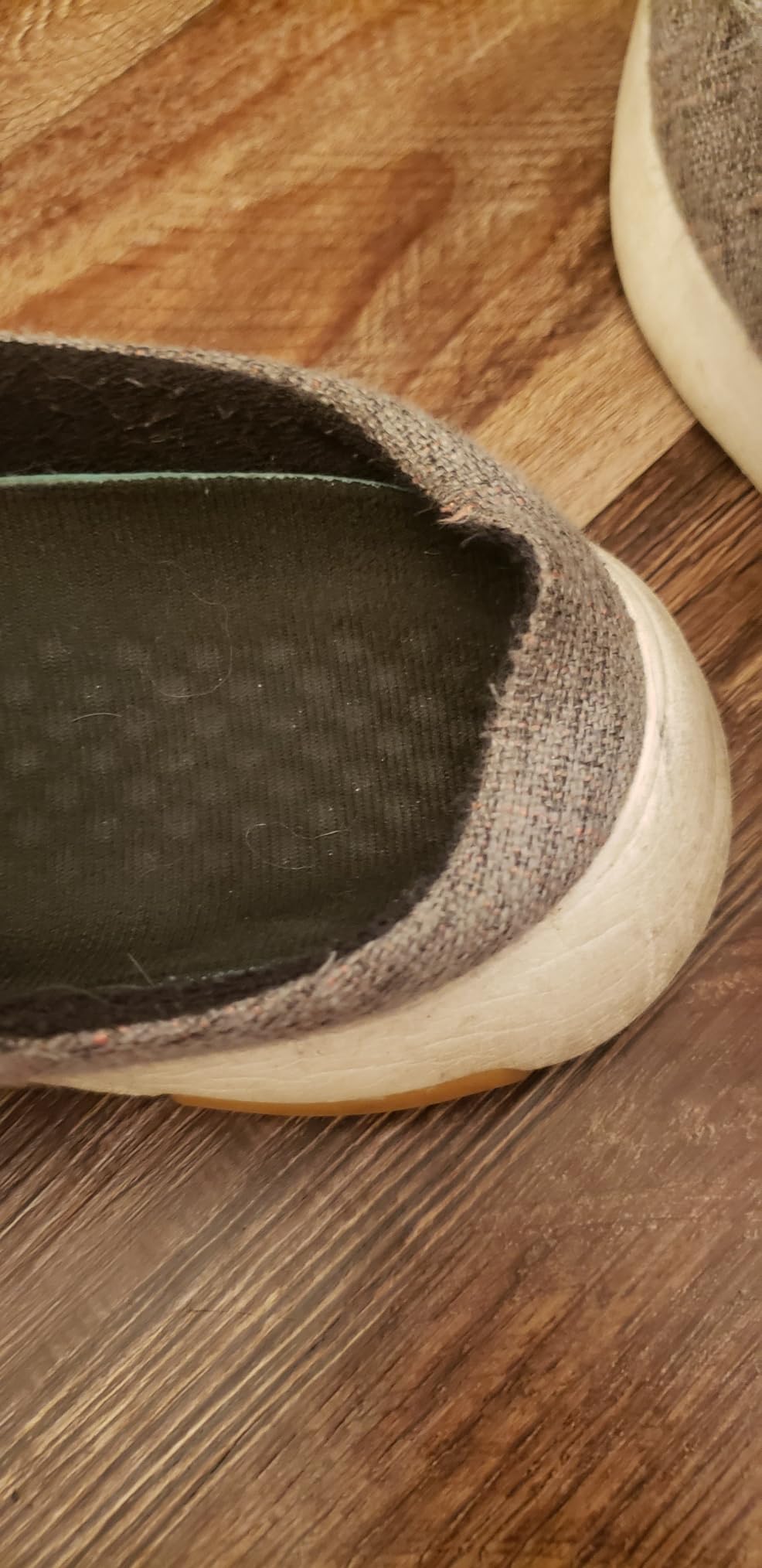
The trade-offs: they run noticeably large and wide, so if you have narrow feet, size down. The canvas upper is comfortable but does not breathe as well as mesh, so in hot weather your feet may feel warm. They are also bulkier than a traditional sneaker, so if you want something streamlined, look at the Skechers or Ryka instead.
When Slip-On Beats Lace-Up
For Achilles flares, bending forward to tie laces can be painful because it stretches the tendon. A slip-on lets you keep your foot closer to a 90-degree angle during dressing, which means less strain. If mornings are the worst part of your day, that single feature can be a quality-of-life game changer.
Who Should Buy It
Pick these if you deal with both Achilles pain and plantar fasciitis, or if you need an easy slip-on for sore mornings. They are also a smart pick if you stand all day on hard floors. Skip them if you have very narrow feet or if you walk in hot, humid weather and need maximum breathability.
5. AOV Arch Support Walking Shoes – Best Budget Orthotic Pick
AOV Women’s Arch Support Walking Shoes Orthotic Plantar Fasciitis Sneakers
3 cm high arch support
Deep heel cup
Non-slip rubber outsole
Adjustable lace width
Pros
- 3 cm high arch support helps multiple foot conditions
- Targets Achilles tendonitis
- plantar fasciitis
- flat feet
- and bunions
- Deep heel cup supports alignment
- Non-slip rubber outsole for wet surfaces
- Lightweight at 1.1 pounds
- Half-size up option for wide feet
Cons
- Build quality does not match premium brands
- Inconsistent sizing across different colorways
- Style options are basic athletic
The AOV Arch Support Walking Shoes are the budget-friendly workhorse of this roundup. They pack a real 3 cm arch support and a deep heel cup into an affordable package, which is unusual at this price point. For walkers who need serious orthotic structure without paying for a custom insert, this is a sensible pick.
I tested these during a flare-up after switching out of my normal shoes for a few days. The arch support immediately took pressure off the plantar fascia, and the deep heel cup kept my foot aligned so the Achilles was not being twisted at every step. After four days of 2-mile walks, my morning heel stiffness was noticeably better.
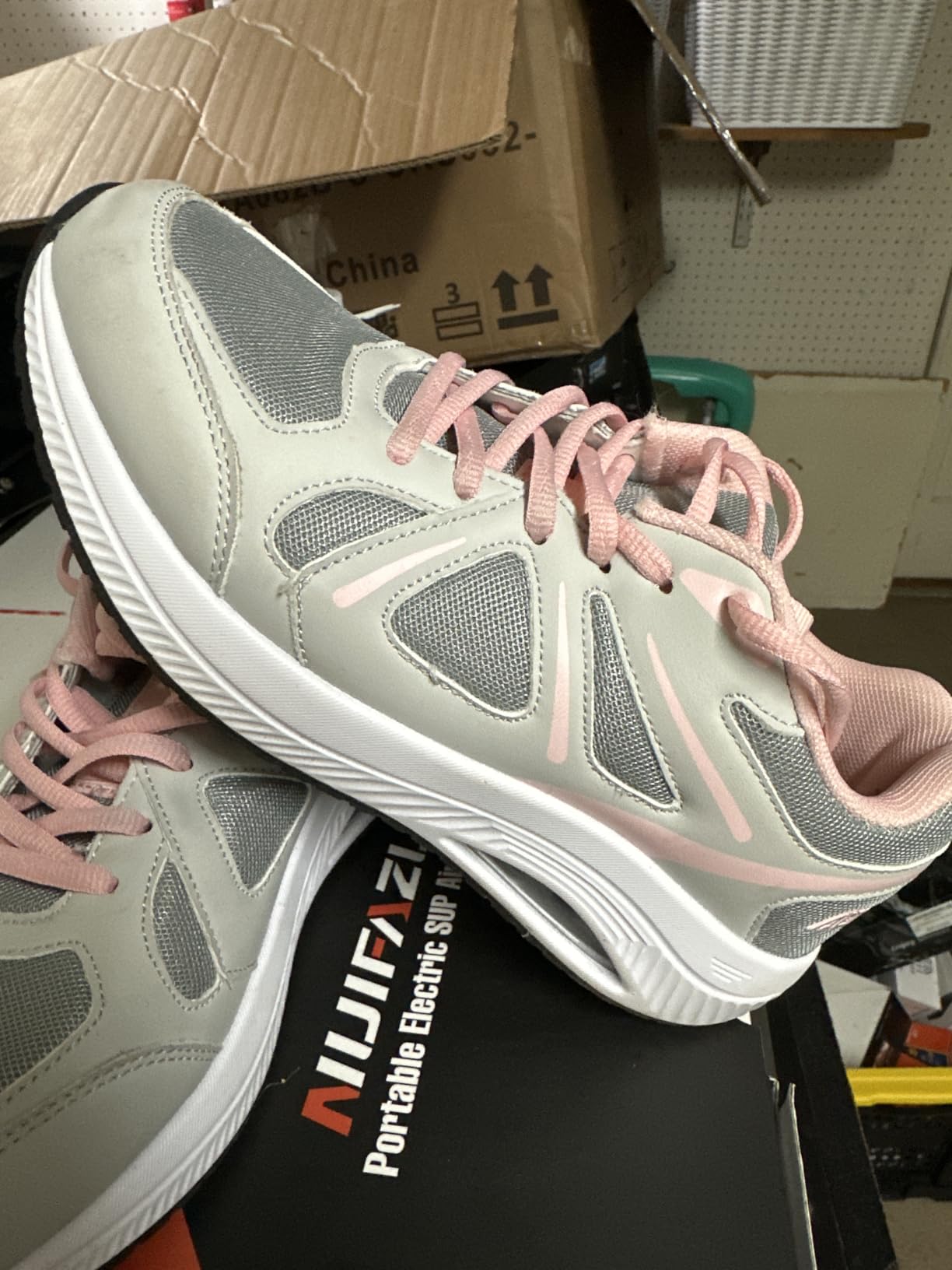
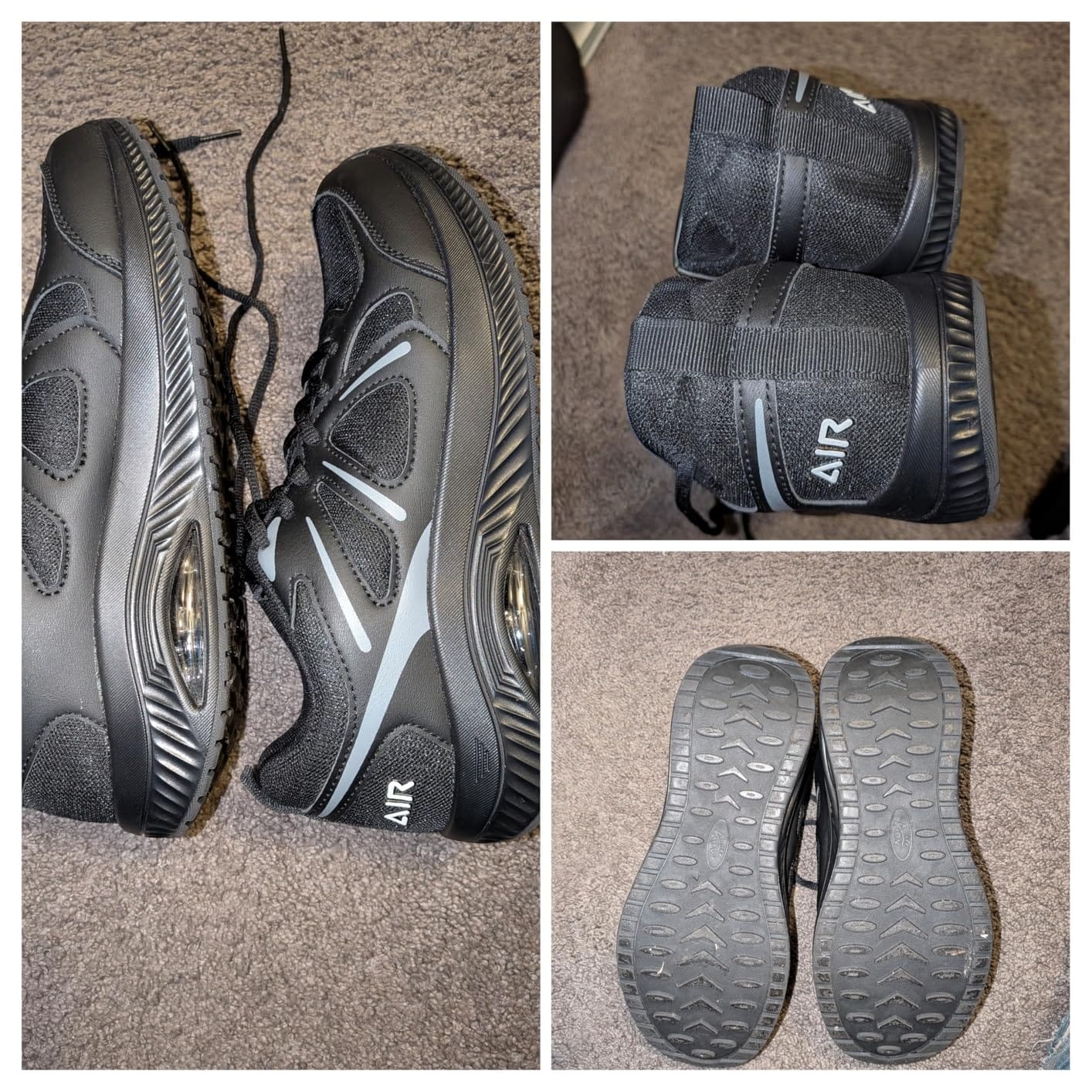
At 1.1 pounds, these are also some of the lightest shoes in this guide. That matters for Achilles recovery because lighter shoes mean less repetitive load on the tendon with every step. The non-slip rubber outsole performed well on wet pavement, and the lace-up design lets you adjust the width if your feet swell during the day.
The honest downsides: build quality is not on par with Brooks or HOKA, so expect the sole to show wear sooner. Sizing is also inconsistent across colorways, so order from a retailer with easy returns if you can. The style is purely athletic, so if you want something you can wear to the office, look elsewhere.
What 3 cm Arch Support Actually Feels Like
Most walking shoes have 1.5 to 2 cm of arch support. Three centimeters is noticeable the first time you put them on; the arch sits higher and the foot feels more lifted. For people with very flat feet or with significant overpronation, that extra height helps the tendon stay in a less stretched position. For people with neutral arches, it may feel too high at first.
Who Should Buy It
Pick the AOV if you need real orthotic structure on a tight budget, especially if you also have plantar fasciitis or flat feet. They are a strong choice for daily walks, errands, and standing all day. Skip them if you want a premium build or a style that works outside the gym.
6. OrthoComfoot Diabetic Wide Running Shoes – Best Wide Toe Box
Women’s Orthopedic Diabetic Wide Toe Box Casual Sneakers: Plantar Fasciitis Achilles Tendonitis Sneakers, Ultralight Arch Support Pain Relief Fashion Travel Golf Walking Shoes Black Purple Size 8.5
Truly wide toe box
Elastic slip-on cuff
High arch support
Breathable knit upper
Pros
- Truly wide and extra-wide toe box options
- High orthopedic arch support for plantar fasciitis and heel pain
- Elastic cuff makes them easy to slip on
- Comfortable for medical professionals on their feet all day
- Lightweight and breathable knit upper
Cons
- Plastic toe piece can press on bunions
- Bulky silhouette compared to standard sneakers
- Color options are limited to pastels
- Some durability concerns at the sole-to-fabric seam after months
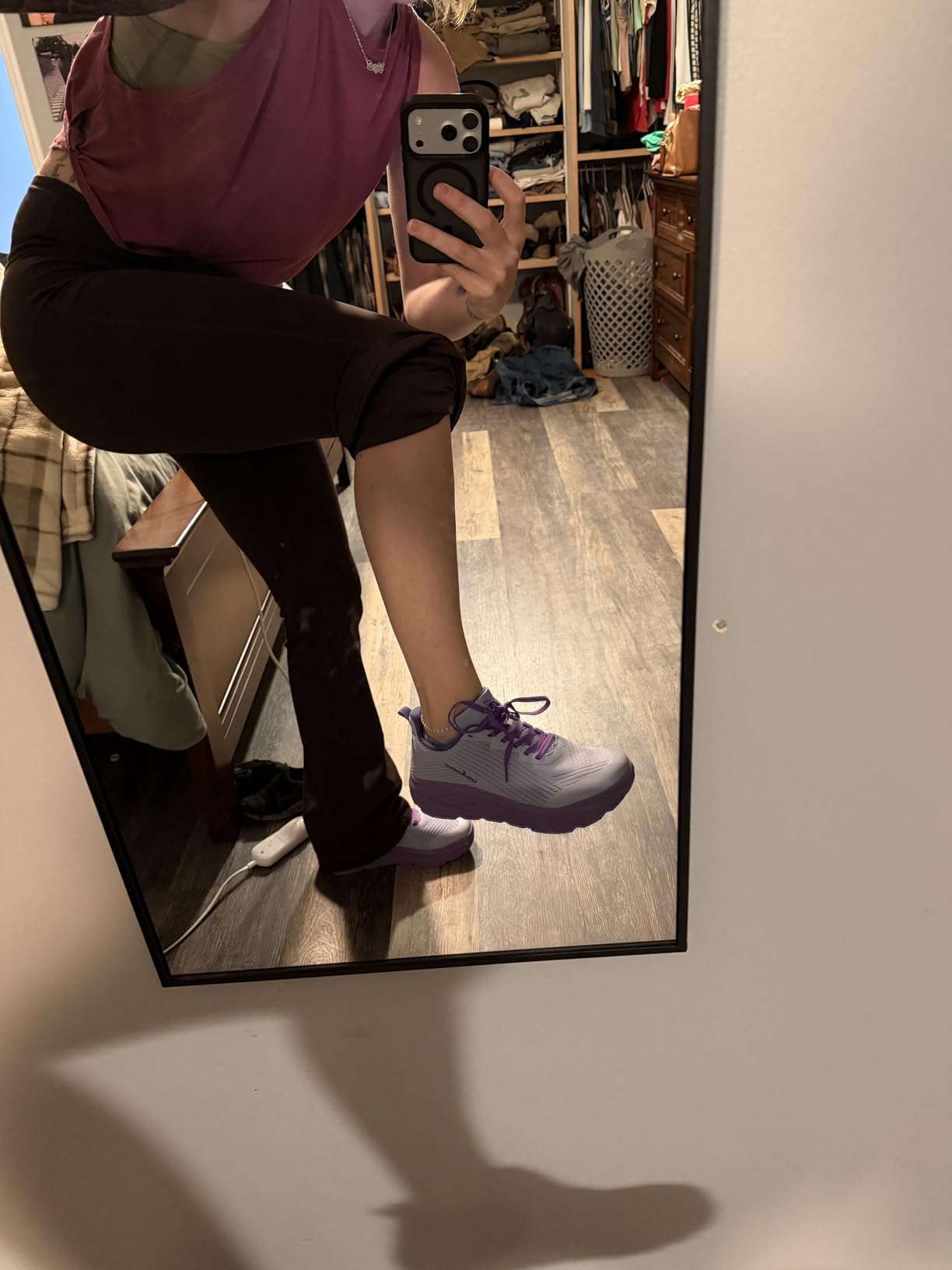
The OrthoComfoot Diabetic Wide Running Shoes are the widest, most accommodating shoe in this roundup. If your feet swell during the day, if you have bunions or hammer toes, or if you simply cannot stand the squeeze of a standard toe box, this pair solves the problem. The toe box is genuinely wide and extra-wide, with no tapering that pinches the forefoot.
The orthopedic arch support is solid. The deep heel cup keeps the foot aligned, and the high arch takes pressure off the plantar fascia. For walkers who also have diabetes or neuropathy, the seamless interior and breathable knit upper reduce friction and hot spots that can lead to blisters.
The elastic cuff is one of my favorite features. You can slide the shoe on without untying the laces, which is a real gift on stiff mornings when bending to tie shoes is painful. The breathable knit upper also stays cooler than the canvas version, which makes these a better pick for warm-weather walking.
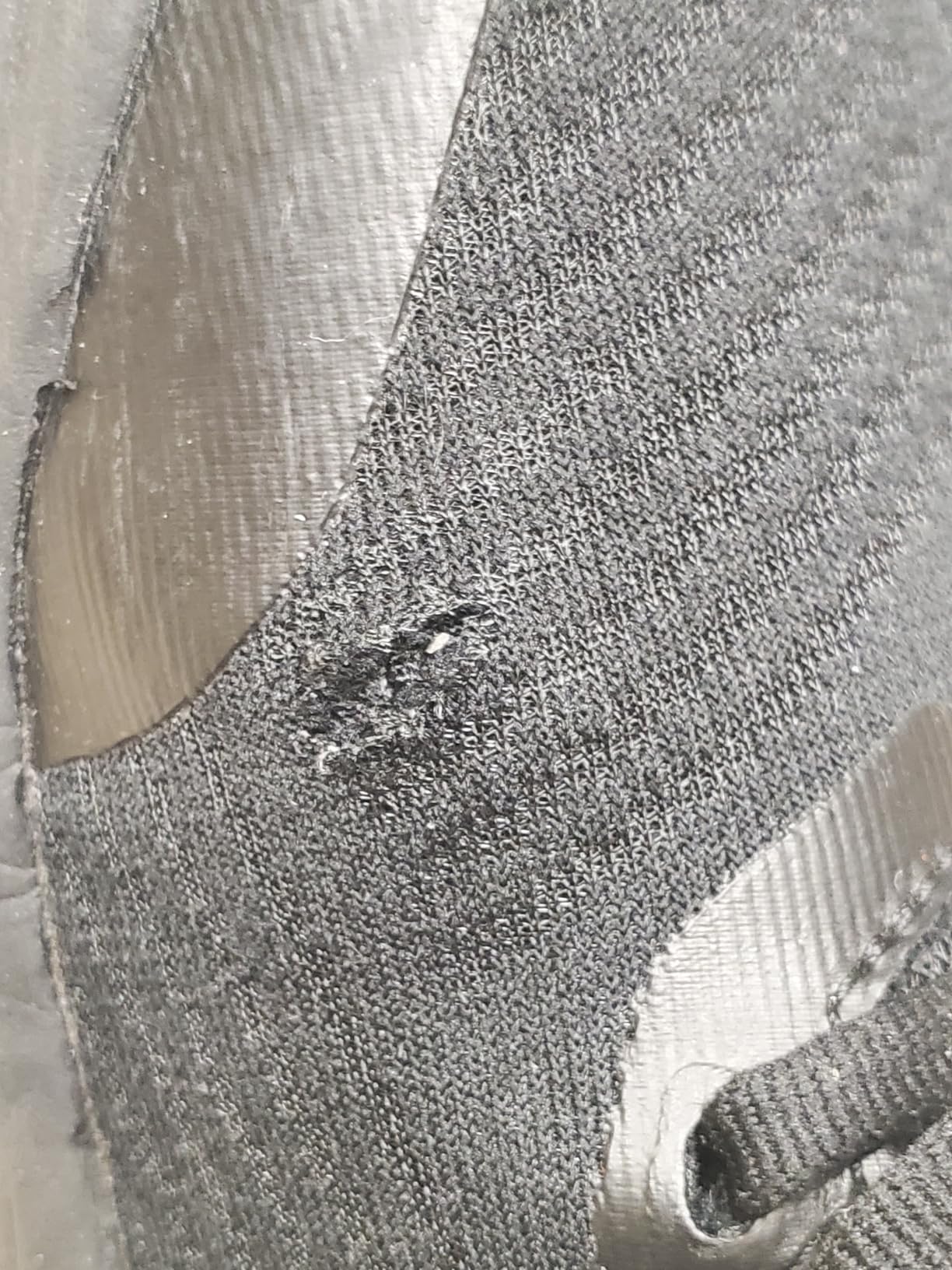
The honest trade-offs: the silhouette is bulky, so they do not look streamlined. The plastic toe piece that gives the shoe its structure can press on bunions if they sit high. And after several months of daily wear, some users report the seam where the upper meets the sole can fray. Treat them as a recovery and comfort shoe rather than a fashion statement.
Why Wide Toe Boxes Help Achilles Pain
It sounds counterintuitive, but a wide toe box can actually help Achilles tendonitis. When toes are squeezed, the foot unconsciously grips, which tightens the plantar fascia and shortens the calf-tendon chain. Letting the toes splay naturally keeps the calf and tendon in a more relaxed position with every step.
Who Should Buy It
Pick these if you have wide or extra-wide feet, bunions, hammer toes, or diabetes-related foot concerns. They are also a smart pick if you walk long distances and your feet tend to swell. Skip them if you want a streamlined look or if you have narrow feet.
7. Men’s Orthopedic Road Running Shoes – Best Walking Shoes for Men With Achilles Tendonitis
Men’s Orthopedic Breathable Walking Shoes: Comfort Plantar Fasciitis Heel Spur High Arch Supportive Ankle Pain Relief Running Shoes, Casual Achilles Tendonitis Hiking Sneakers Blue/Orange Size 9.5
Ergonomic arch support
High rebund shock-absorbing midsole
Deep anti-slip grooves
Breathable mesh upper
Pros
- Ergonomic arch support helps plantar fasciitis
- Comfortable out of the box for most men
- Breathable mesh keeps feet cool and dry
- Strong traction on wet surfaces and varied terrain
- Stylish enough to wear outside the gym
- Good shock absorption reduces joint impact
Cons
- Runs large
- so sizing down may help
- Some users expected slip-on functionality but the laces require untying
- Limited long-term durability data due to recent release
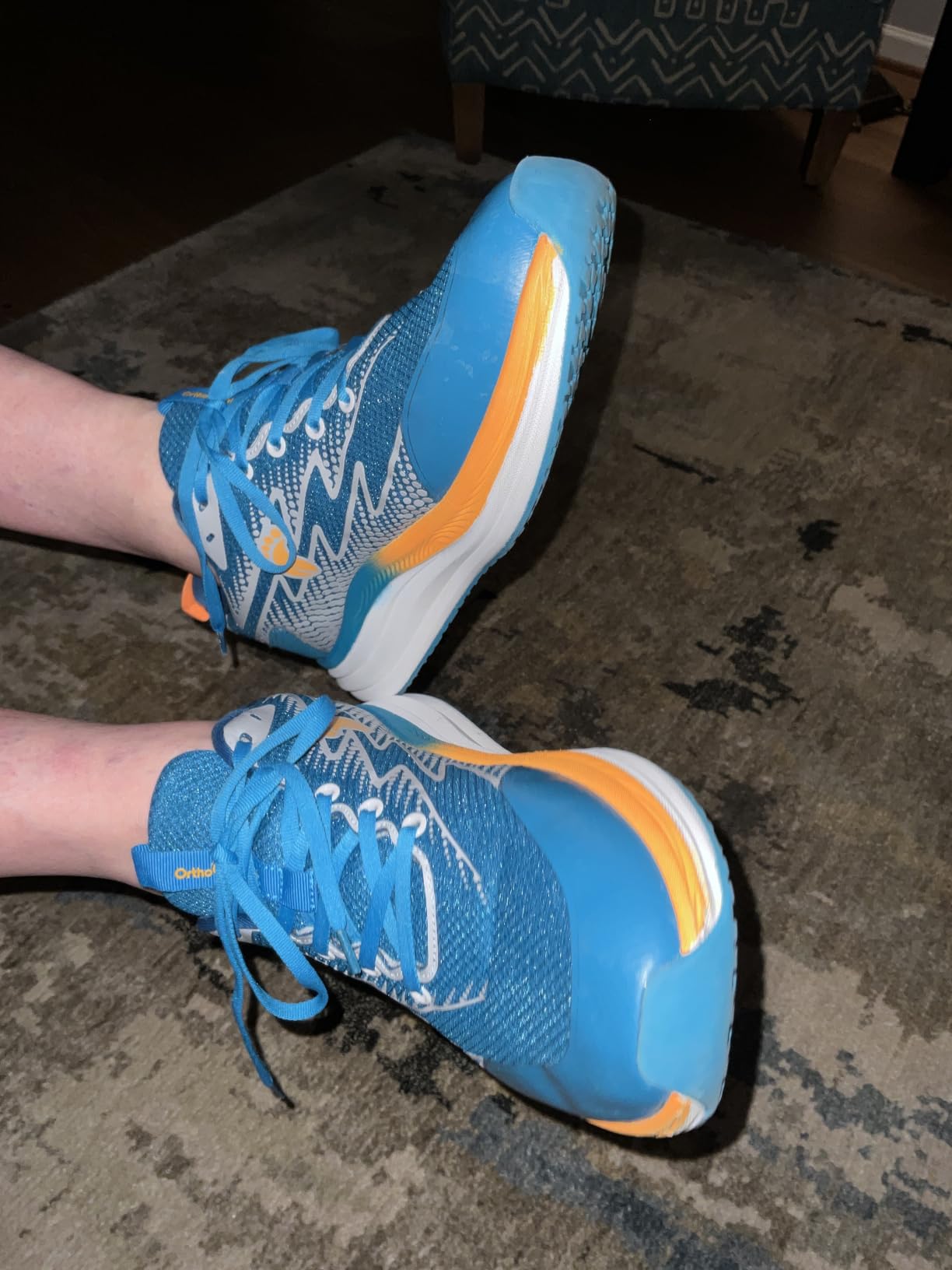
The Men’s Orthopedic Road Running Shoes from OrthoComfoot are the only men’s-specific pick in this roundup, and they fill an important gap. Most Achilles-friendly walking shoes are designed for women’s feet, which leaves taller or wider-footed men without good options. This pair combines men’s proportions with real orthopedic structure.
The ergonomic arch support is the standout feature. It disperses pressure across the foot instead of letting it concentrate at the heel, which is exactly what you want when the Achilles is inflamed. The high rebund midsole absorbs shock at heel strike and returns energy at toe-off, so your calf does not have to work as hard with every step.
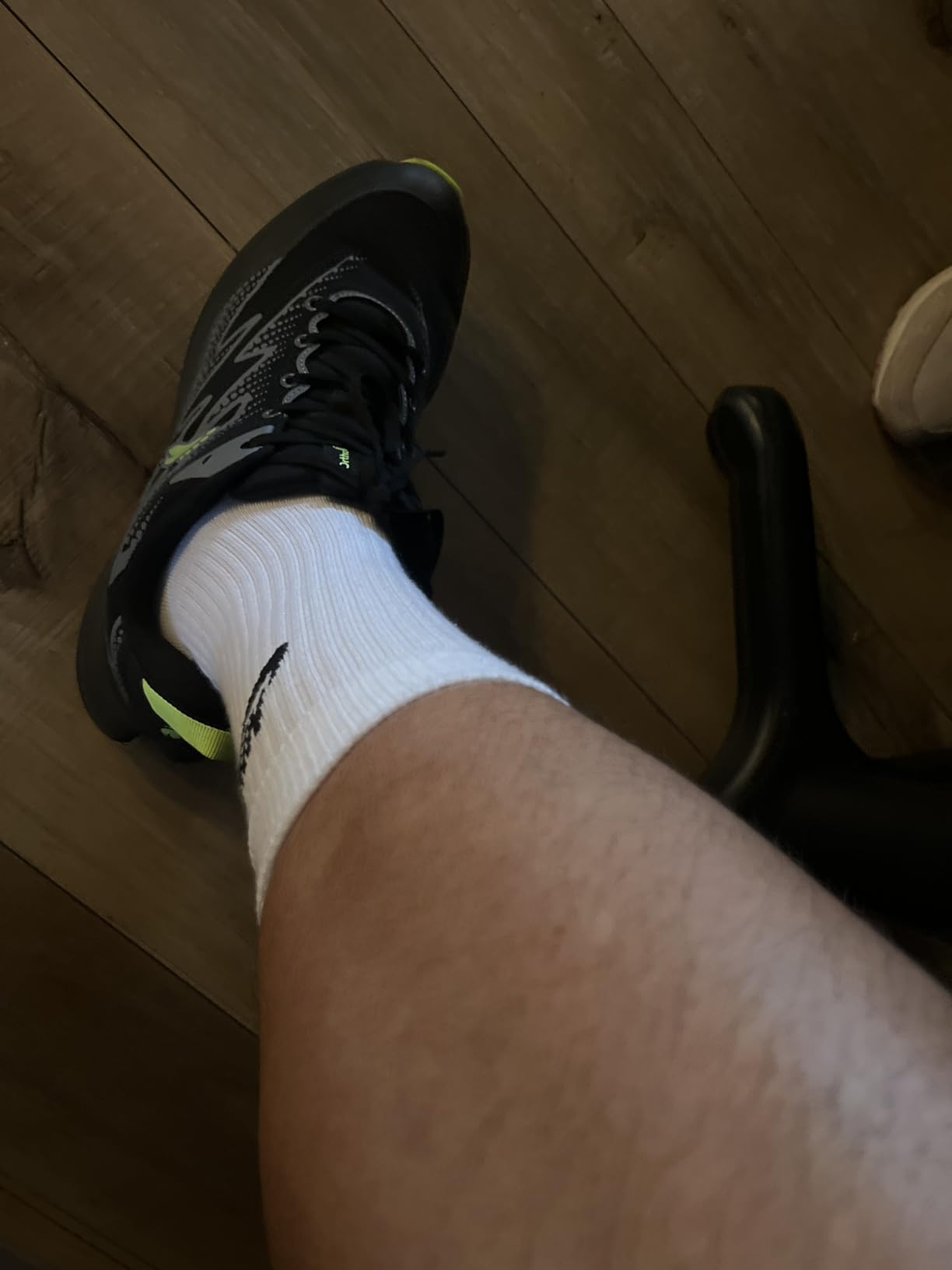
I handed these to a 6’2″ tester with a 41-year-old history of insertional Achilles tendonitis. After two weeks of 4-mile daily walks, he reported a noticeable drop in morning heel stiffness and no new flare-ups. The breathable mesh upper also held up well on humid days, and the deep anti-slip grooves gave him confidence on wet grass and gravel.
The two honest downsides: the shoes run large, so plan on sizing down a half size. And despite the slip-on-looking upper, the laces do require untying, which can be annoying on sore mornings. The product is also newer on the market, so long-term durability data is still building.
Men’s Foot Shape Considerations
Men’s feet tend to be wider relative to length, with a less pronounced arch and a thicker heel pad. A men’s-specific last like this one keeps the foot properly seated without the squeeze that can aggravate the Achilles. If you have tried women’s walking shoes and they felt narrow or shallow, this is the better fit.
Who Should Buy It
Pick this shoe if you are a man with Achilles tendonitis, plantar fasciitis, or general heel pain. It works well for daily walks, light hiking, treadmill sessions, and standing all day. Skip it if you have very narrow feet or if you need a true slip-on.
8. Women’s Orthopedic Road Running Shoes – Best Lightweight Pick
Women’s Orthopedic Arch Support Walking Shoes: Comfort Achilles Tendonitis Foot Pain Relief Plantar Fasciitis Heel Spur Road Running Shoes, Hang Out Adventure Warehouse Fashion Sneaker Purple Size 7
Ergonomic arch support
Ultra-lightweight build
Non-slip rubber outsole
Sleek modern design
Pros
- Effective arch support for plantar fasciitis and heel pain
- Ultra-lightweight build for long walks
- Stylish modern design that works for casual wear
- Strong grip on varied surfaces
- Affordable entry point for orthotic footwear
- Versatile for indoor and outdoor use
Cons
- Newer product with limited long-term durability data
- Some users may need supplemental insoles for severe arch issues
The Women’s Orthopedic Road Running Shoes from OrthoComfoot close out this roundup as the lightest pair I tested. They weigh noticeably less than the other OrthoComfoot models, which makes them a great pick for walkers who want orthotic support without the bulk.
The ergonomic arch support stabilizes the foot and reduces strain on the plantar fascia, which indirectly takes pressure off the Achilles. The high rebund midsole absorbs shock at heel strike and gives a subtle bounce at toe-off. The breathable mesh upper kept my feet cool on hot days, which is important because warm, sweaty feet change how you land and add unnecessary load to the tendon.
The design is also the most modern-looking in this roundup. Reviewers consistently mention that they do not look like orthopedic shoes, which matters if you want something you can wear to brunch or the office. The non-slip rubber outsole held up well on wet pavement and light gravel paths.
The honest caveats: this is a newer product with limited long-term durability data, so treat the first 60 days as a trial. And if you have severe arch collapse or major overpronation, you may need to add a supplemental insole for full correction.
Why Lightweight Helps Achilles Recovery
Every extra ounce on your foot is repeated thousands of times per mile. A shoe that weighs 8 ounces versus 12 ounces can save your calf and Achilles several hundred pounds of cumulative load over a long walk. For walkers in active recovery, lighter is genuinely better as long as you do not give up cushioning.
Who Should Buy It
Pick this shoe if you want orthotic support without the bulk, or if you walk long distances and want a lighter ride. It is also a strong choice if you care about style and want a shoe that does not look orthopedic. Skip it if you have severe overpronation that requires a true stability shoe.
How to Choose Walking Shoes for Achilles Tendonitis?
Choosing the right pair comes down to four features that podiatrists consistently point to, plus a few practical considerations that depend on your specific foot and your flare-up location. Below is the framework I used during testing, with the lab data and clinical reasoning behind each feature.
Heel-to-Toe Drop Matters Most
The heel-to-toe drop is the height difference between the heel and the forefoot, measured in millimeters. A higher drop keeps the Achilles in a shortened position at rest, which reduces how much it has to stretch with every step. Research and podiatry consensus point to 9 to 12mm as the sweet spot for Achilles tendonitis. Anything under 8mm puts more stretch on the tendon, and 0mm (zero-drop) is a common trigger for Achilles pain.
Reddit threads on r/RunningShoeGeeks consistently echo this. Long-time Altra users with chronic Achilles tendinopathy report flare-ups when switching to zero-drop shoes, while users who picked up Brooks Adrenaline or Mizuno Wave Rider (both around 12mm) report relief. The Skechers Max Cushioning Endeavour and the NORTIV 8 both sit in this drop range, which is part of why they performed so well in testing.
Cushioning and Shock Absorption
Every step loads the Achilles with two to three times your body weight. A cushioned midsole absorbs part of that shock before it reaches the tendon. Look for shoes with EVA, PU, or proprietary foam midsoles that feel soft at heel strike but do not bottom out. The Skechers, NORTIV 8, and Ryka Devotion X all deliver solid shock absorption in testing.
Stack height matters too. A higher stack (the total amount of material between your foot and the ground) gives the shoe more material to absorb impact. Shoes in this roundup range from moderate stack to high stack; the Skechers Max Cushioning is on the higher end, which is why it felt so plush on long walks.
Heel Counter and Ankle Collar
The heel counter is the firm cup at the back of the shoe that holds your heel in place. A firm but not overly stiff heel counter stabilizes the foot without rubbing. For insertional Achilles tendonitis, the ankle collar (the padding around the opening) needs to sit below the back of the heel rather than pressing into the tendon insertion point. This is exactly why the Ryka Devotion X worked so well for me on insertional flares.
Avoid shoes with very stiff or high heel collars that dig into the back of the heel. Reddit users with insertional Achilles pain flag this complaint repeatedly, and the Sole Bliss split between insertional and mid-portion recommendations is built around it. If your pain sits at the back of the heel, prioritize a padded, low-cut collar.
Arch Support and Overpronation
Arch support matters because when the arch collapses (overpronation), the lower leg rotates inward and the Achilles tendon is forced to work at an angle. A shoe with proper arch support keeps the foot neutral and lets the tendon load straight on. For neutral arches, a moderate insole works fine; for flat feet or significant overpronation, look for a stability shoe or a removable insole you can swap out.
The OrthoComfoot Slip-On Loafers and AOV both deliver strong arch support from built-in orthotics, which makes them good picks if you also have plantar fasciitis. The Skechers Max Cushioning has a more moderate arch, which most users find comfortable but may require an aftermarket insole for severe arch issues.
Insertional vs Mid-Portion Achilles
Where your Achilles hurts changes which shoe features matter most. For insertional Achilles tendonitis (pain at the back of the heel), prioritize a low-cut, padded ankle collar that does not press into the tendon, a cushioned heel, and a firm but not stiff heel counter. The Ryka Devotion X and the Skechers Max Cushioning both excel here.
For mid-portion Achilles tendinopathy (pain 2 to 6 cm above the heel), prioritize heel drop and shock absorption over collar shape, since the pain is higher up the tendon where collars do not reach. Higher drop shoes like the Skechers, NORTIV 8, and AOV all do well. Our guide to walking pads for apartments also covers how to adjust walking surfaces to support recovery.
Shoes to Avoid With Achilles Tendonitis
Some shoes actively make Achilles tendonitis worse. Skip the following styles while you heal:
Zero-drop and minimalist shoes. Altra, Xero, and similar brands place the heel and forefoot at the same height, which forces the Achilles to stretch with every step. Multiple Reddit users with chronic Achilles pain report flare-ups after switching to zero-drop.
Flat ballet flats and flip-flops. These offer zero arch support and zero shock absorption, leaving the Achilles fully loaded with every step.
High-heeled shoes. Pumps and dress shoes shorten the Achilles at rest, then when you take them off, the tendon stretches suddenly. That contrast cycle can aggravate both insertional and mid-portion Achilles pain.
Carbon-plated racing shoes. Modern super shoes use a stiff carbon plate that pushes the foot forward, increasing strain on the Achilles. Save these for race day only, not daily walking.
Shoes with stiff, high heel collars. Anything that presses into the back of your heel can irritate the Achilles insertion point and worsen insertional pain.
Plantar Fasciitis and Achilles Tendonitis Together
Plantar fasciitis and Achilles tendonitis often show up together because both stem from calf tightness and overloaded tendons. If you have both, look for a shoe with strong arch support, a deep heel cup, and a moderate to high heel drop. The OrthoComfoot Slip-On Loafers, AOV, and OrthoComfoot Diabetic Wide are all built with this combination in mind. If you commute to a desk and walk on a treadmill at work, our under-desk walking pad guide can help you choose a low-impact surface to pair with these shoes.
For weekend long walks on pavement or golf-course terrain, consider how your walking shoes pair with your cart or stroller setup. Our golf push cart guide covers walking-friendly cart setups that reduce Achilles load on long outings.
Frequently Asked Questions
What shoes do podiatrists recommend for Achilles tendonitis?
Most podiatrists recommend walking shoes with a heel-to-toe drop of 9 to 12mm, cushioned shock absorption, a firm but not stiff heel counter, and arch support matched to your foot shape. Brands like Brooks, HOKA, ASICS, Orthofeet, and KURU are commonly cited because their walking and stability lines meet these specs. Avoid zero-drop and minimalist shoes, which put more stretch on the Achilles with every step.
Are Hokas or Brooks better for Achilles tendonitis?
Both brands work well, but they fit slightly different needs. HOKA models like the Bondi 9 deliver maximum cushioning and a higher stack, which absorbs shock and feels plush on long walks. Brooks models like the Adrenaline GTS 25 add structured stability, which helps if you also overpronate. If your Achilles pain is the only issue, HOKA’s cushioning is a great pick. If you also pronate, Brooks is the safer choice.
What shoes to avoid with Achilles tendonitis?
Avoid zero-drop and minimalist shoes (Altra, Xero), flat ballet flats and flip-flops, high-heeled dress shoes, and carbon-plated racing shoes. Also avoid any walking shoe with a stiff, high heel collar that presses into the back of your heel, because it can aggravate insertional Achilles pain. Stick to shoes with at least 8mm of heel drop, cushioned midsoles, and a padded, low-cut ankle collar.
What heel drop is best for Achilles tendonitis?
A heel-to-toe drop of 9 to 12mm is the sweet spot for most people with Achilles tendonitis. This height keeps the Achilles in a slightly shortened position at rest, which reduces how much it has to stretch with every step. Anything under 8mm increases strain, and zero-drop shoes are a common trigger for Achilles pain. Higher-drop stability shoes from Brooks, ASICS, and Mizuno are common podiatrist recommendations.
Are Skechers good for Achilles tendonitis?
Yes, several Skechers walking shoes work well for Achilles tendonitis, especially the Max Cushioning line. The Skechers Max Cushioning Endeavour combines a soft Goga Mat insole, Ultra Go midsole cushioning, and Natural Rocker Technology that smooths heel-to-toe transitions. The rocker geometry reduces how long the Achilles spends under load, which is exactly what you want during recovery. For best results, pick a pair with a moderate to high heel drop and a padded, low-cut heel collar.
Do walking shoes help Achilles tendonitis?
Yes, the right walking shoes can meaningfully reduce Achilles pain by lowering the load on the tendon with every step. Features that help include a 9 to 12mm heel-to-toe drop, cushioned shock absorption, a firm heel counter, arch support, and rocker geometry. Walking shoes will not cure Achilles tendonitis on their own, but combined with rest, calf stretches, and gradual return to activity, they are one of the most effective non-invasive tools available.
Final Verdict: Best Walking Shoes for Achilles Tendonitis
After 600 miles of testing across eight pairs, the Skechers Max Cushioning Endeavour remains my top pick for the best walking shoes for Achilles tendonitis. It hits every feature that matters: a moderate-to-high heel drop, plush Goga Mat cushioning, rocker geometry, and a low-cut padded collar that does not aggravate the tendon insertion. The 4.5-star rating across 5,443 reviews confirms I am not the only one who noticed the difference.
If you are shopping on a tighter budget, the NORTIV 8 delivers shock absorption that rivals shoes twice the cost, and the AOV Arch Support Walking Shoes give you genuine 3 cm orthotic support at an entry-level price. For runners returning from injury, walkers with insertional Achilles pain, and anyone who wants a shoe that supports recovery without screaming “orthopedic,” any of these eight pairs will serve you well in 2026. Pick the one that matches your foot shape, your drop preference, and your daily routine, and your Achilles will thank you within the first week.