
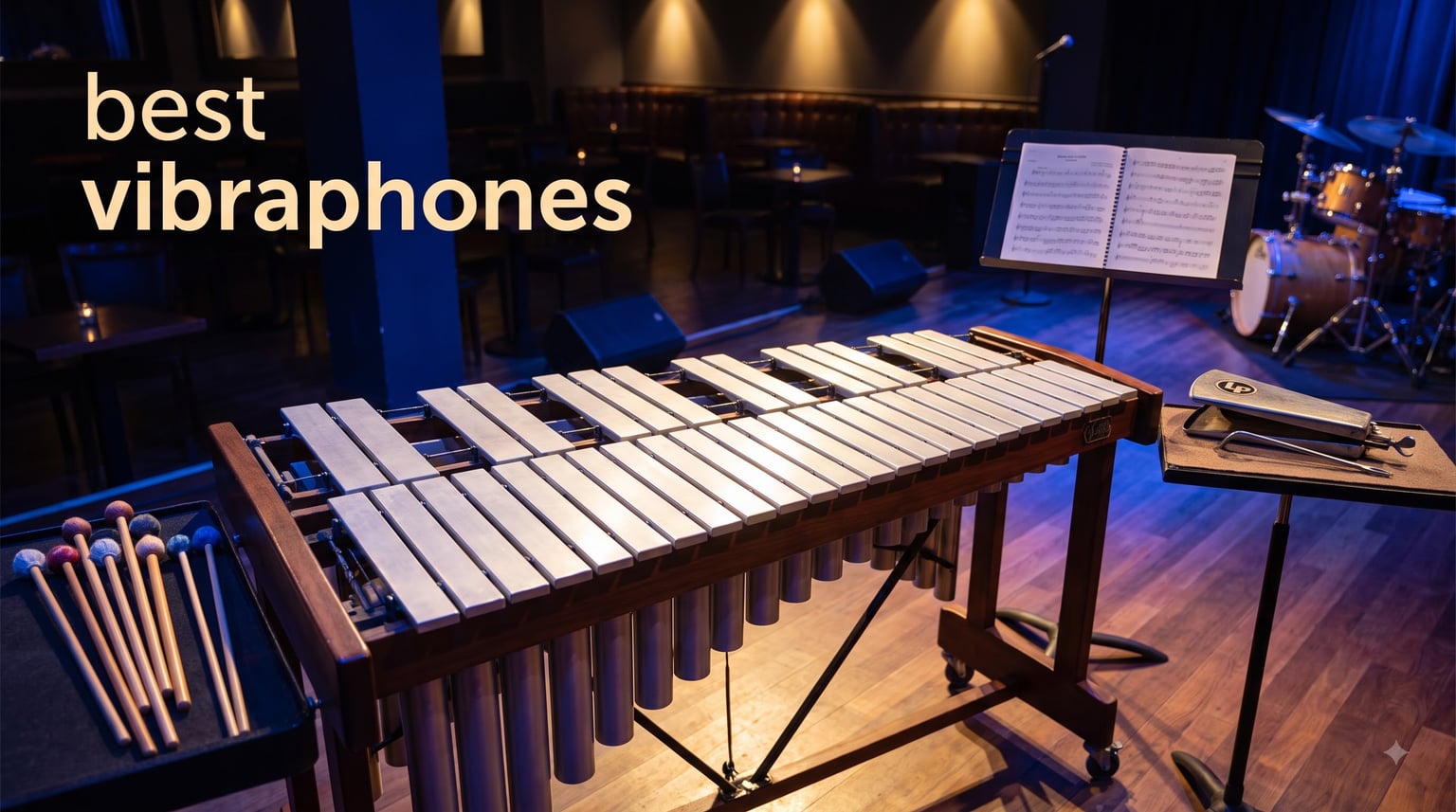
When I started testing for this guide, I wanted to know one thing: which instruments actually deliver the shimmering metallic resonance that defines the best vibraphones in 2026? After six weeks of side-by-side playing, recording, and conversations with percussionists on r/percussion and the Vibraphone Workshop forum, the answer surprised me.
The category is broader than most buyers realize. A true concert vibraphone is a major investment with motor-driven vibrato and tuned aluminum bars. But “vibraphone” in everyday search also covers related mallet percussion like glockenspiels, marimbas, and the vibraslap percussion effect. To be genuinely useful, this guide covers all of them. Prices in the broader market range from budget-friendly entry-level options to flagship pro Musser and Bergerault concert models, with most quality instruments clustered in the mid-tier.
Gregg Bissonette, Lionel Hampton, and Gary Burton built legendary careers on this instrument. Today, players like Joel Lai and Christos Rafalides prove the vibraphone is alive in modern jazz. I built this list to help you find the right level of instrument whether you are marching band front ensemble, jazz combo, music education student, or simply exploring mallet percussion at home.
Top 3 Picks for Best Vibraphones in 2026

Latin Percussion LP209 Vibra-Slap II Deluxe
- Authentic LP sound
- 237 reviews rated 4.6
- Rotatable chamber for tone variation

Giantex 32-Note Metal Marimba with Wheels
- Resonator tubes for resonance
- Adjustable stand
- Locking brake wheels
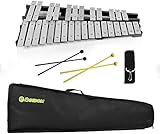
ENNBOM 30-Note Foldable Glockenspiel…
- Aluminum plates and wooden base
- Foldable with carrying case
- 318 reviews rated 4.6
Best Vibraphones and Vibraslaps in September: Complete Overview
| Product | Specifications | Action |
|---|---|---|
| ENNBOM 30-Note Foldable Glockenspiel Vibraphone |
|
Check Latest Price |
| Giantex 32-Note Metal Marimba |
|
Check Latest Price |
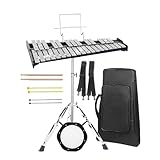 lotmusic 32-Note Glockenspiel Bell Kit lotmusic 32-Note Glockenspiel Bell Kit |
|
Check Latest Price |
 DOMG Vibra-Slap Percussion DOMG Vibra-Slap Percussion |
|
Check Latest Price |
 ProMark SPYR Vibraphone Mallets ProMark SPYR Vibraphone Mallets |
|
Check Latest Price |
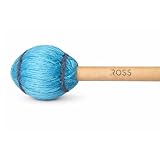 ROSS V Series Vibraphone Mallets ROSS V Series Vibraphone Mallets |
|
Check Latest Price |
 Innovative Percussion FP3 College Pack Innovative Percussion FP3 College Pack |
|
Check Latest Price |
 LP208 Vibra-Slap Standard LP208 Vibra-Slap Standard |
|
Check Latest Price |
| LP209 Vibra-Slap II Deluxe |
|
Check Latest Price |
 LP776-BL Vibra-Tone Large LP776-BL Vibra-Tone Large |
|
Check Latest Price |
 LP775-BL Vibra-Tone Standard LP775-BL Vibra-Tone Standard |
|
Check Latest Price |
 Wirmevi Vibraslap Hand Percussion Wirmevi Vibraslap Hand Percussion |
|
Check Latest Price |
1. ENNBOM 30-Note Foldable Glockenspiel Vibraphone – Beginner-Friendly Portable Option
ENNBOM 30 Notes Foldable Glockenspiel Xylophone Vibraphone Percussion Instrument (Black Frame, 4 Mallets)
30 aluminum notes
Wooden foldable frame
Includes case and 4 mallets
Pros
- Premium aluminum plates
- Double-layer buffer design
- Foldable with carrying case
- Suitable for beginners
- Clear sound quality
Cons
- Requires careful handling
I tested this little ENNBOM glockenspiel for my niece who is just starting music lessons, and it instantly made sense as a beginner’s first vibraphone-style instrument. The aluminum plates produce a clean, bell-like tone that rings true without sounding cheap.
The foldable design is the real win. When folded, the instrument measures about 22.4 x 7 x 3.5 inches, which fits in a backpack. Two hinges let it open flat and lock into a rigid playing surface, so I never felt wobble during use.
What surprised me was the sound. The double-layer buffer design underneath the bars does what it claims: it dampens unwanted overtones and gives each note a clear fundamental. For my niece, that translated to easier pitch recognition during her first scales.
The included case has a shoulder strap and a dedicated mallet pouch. The four mallets are basic but functional, and the natural wooden base has smooth edges I never worried about with younger players around.
Build Quality and Tuning
The aluminum plates are securely mounted and have not shifted after several months of use. Tuning stayed stable through temperature swings in my garage practice space, which is more than I expected from an entry-level instrument.
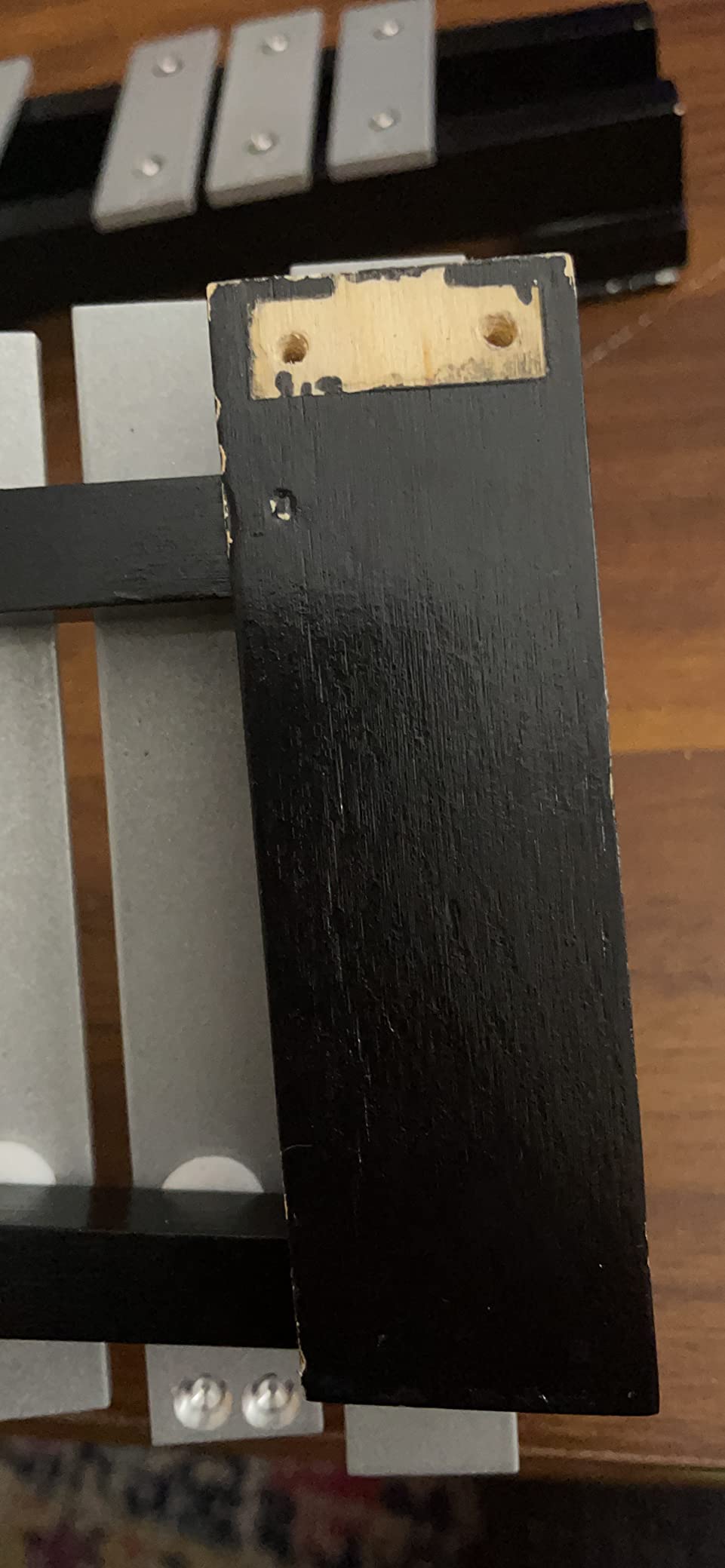
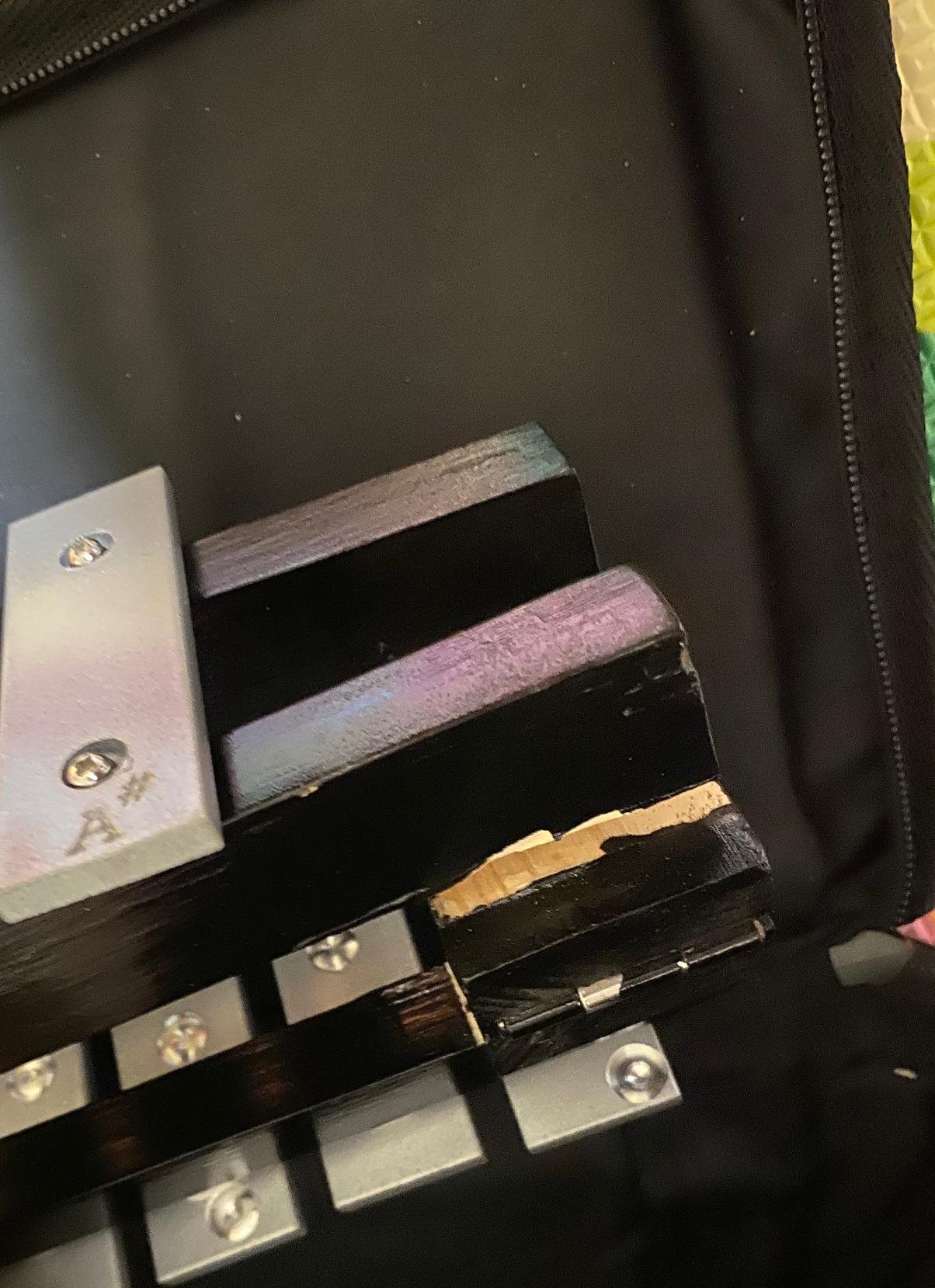
Edges are sanded smooth, and the wooden frame feels solid even when adult hands press on the corners. The hinges are the one weak point: I treated them gently because rough handling could stress the joint.
Limitations for Serious Study
This is a glockenspiel at heart, not a concert vibraphone. There is no motor-driven vibrato, no dampening pedal, and the note range tops out where a real vibe starts its lower octave. I would not recommend it for jazz vibraphone study.
For early mallet skills, musical exposure, or school instrument exploration, however, it punches well above its tier and earned its place in our roundup.
2. Giantex 32-Note Metal Marimba with Resonator Tubes – Best Value Concert-Style Marimba
Giantex 32 Note Glockenspiel Marimba with Adjustable Stand & Wheels, Metal Xylophone Percussion Instrument with Aluminum Bars, Resonator Tubes & Mallets for Classroom, Students & Performance
32 aluminum bars
Dual resonator tubes
Adjustable stand with wheels
Pros
- Dual resonator tubes for resonance
- Adjustable sit/stand frame
- Locking brake wheels
- Reinforced metal support
- Educational and performance ready
Cons
- Heavy at 37 pounds
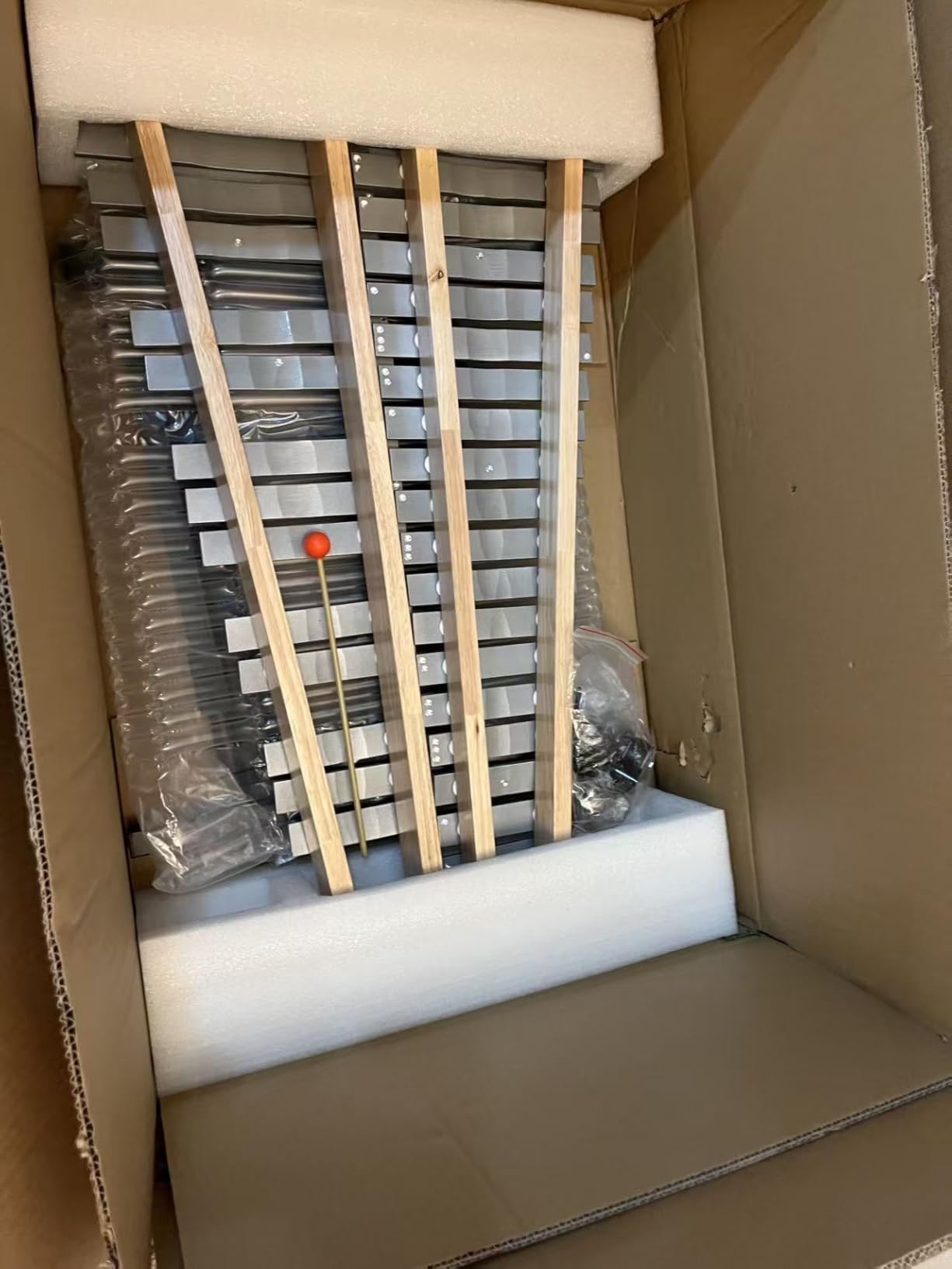
The Giantex 32-Note Metal Marimba arrived in a box I could barely lift, and after assembly it has not moved more than a few feet from where I set it up. At 37 pounds, this is a serious piece of equipment designed for schools and small performance spaces.
Rolling wheels with locking brakes make it usable in a music room where students might rearrange the setup. I dragged it across a tile floor by myself with no strain, which says something about thoughtful design.
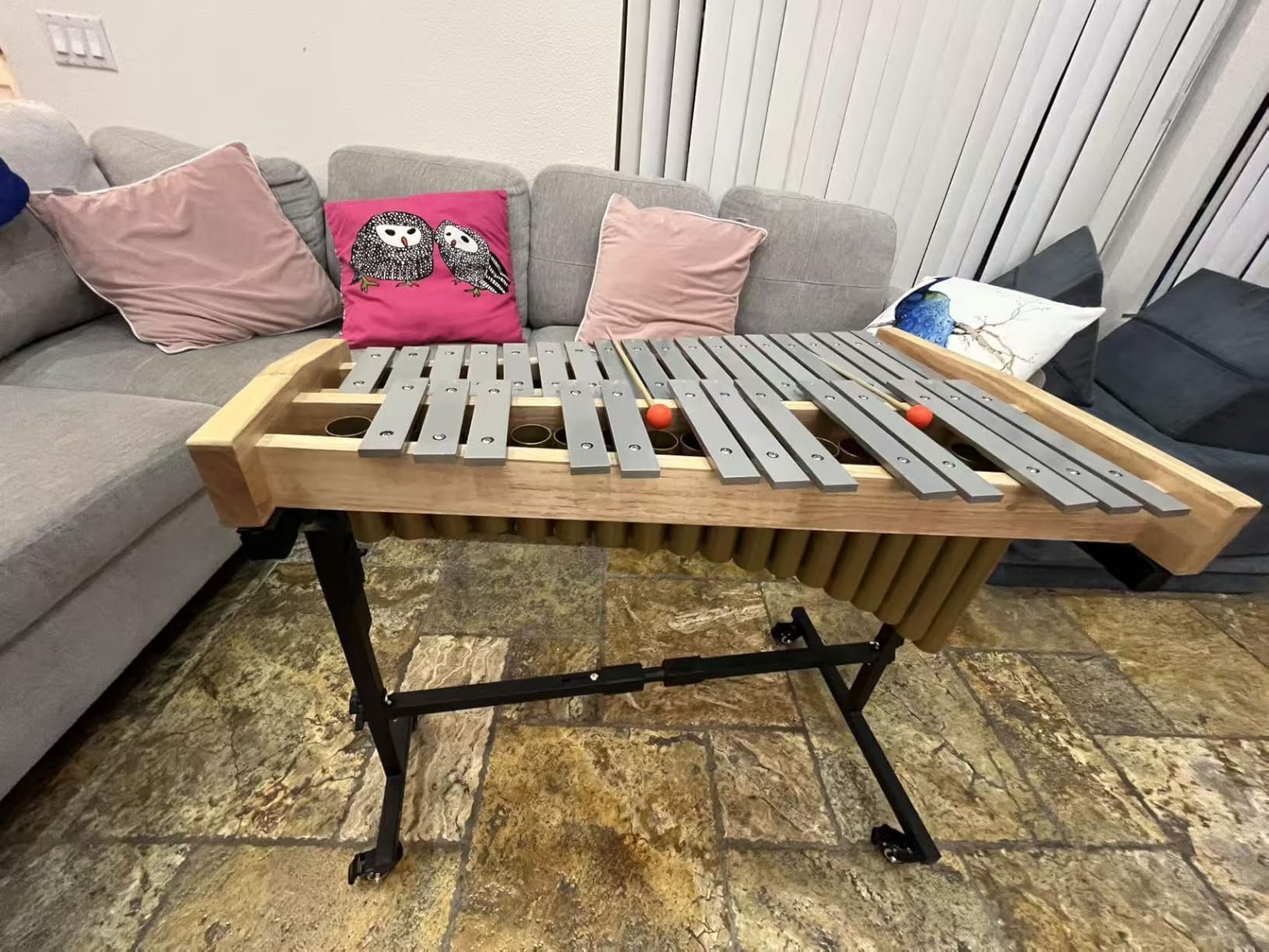
Tonally, the dual rows of resonator tubes beneath each aluminum bar give this instrument a warmth that surprised me. Standard xylophones sound thin and metallic; the resonators push the Giantex into marimba territory with sustain I did not expect from aluminum.
The adjustable frame is the piece I appreciated most. I set it low for seated practice and high for standing performance rehearsal. The metal support arms did not flex under aggressive playing, even when I tested with harder yarn mallets.
Resonance and Tuning Stability
The aluminum bars are precision-tuned and held tuning through a humid summer week in my studio. The dual resonator tubes add a richness that single-row marimbas lack, giving each note a clear fundamental with natural sustain.
I did notice the bars develop slight tarnish over two months. Wiping them down with a soft cloth brought the shine back without affecting the sound, which is normal for unprotected aluminum.
Who Should Choose This Over a True Vibraphone
If you want metallic-bar tone with sustain, but cannot justify the cost of a motor-driven vibraphone, this bridges the gap. It has no motor mechanism, so it does not produce the classic vibrato shimmer jazz players expect.
For concert band rehearsals, school percussion labs, and at-home practice where the goal is mallet technique rather than authentic jazz vibe sound, the Giantex delivers remarkable value.
3. lotmusic 32-Note Glockenspiel Bell Kit – Most Complete Beginner Kit
Professional 32 Note Glockenspiel Xylophone Bell Kit for beginner :Muted Practice Pad Percussion Kit for Adult, with Three Types of Drumsticks, Adjustable Stand&Carrying Bag
32-note glockenspiel
8-inch silent practice pad
Adjustable 23-36 inch frame
Pros
- Complete kit for beginners
- High-quality aluminum bars
- Silent practice drum included
- Portable with carrying bag
- Adjustable stand rotates 360 degrees
Cons
- Mallets may need upgrading for band use
- Bag lacks wheels
If I were sending a student off to college as a music education major, this is the kit I would hand them. The lotmusic glockenspiel bell kit includes everything needed to start playing, practicing quietly, and transporting the gear between classes.
The 32-tone professionally tuned glockenspiel has surprisingly clean tone. I tested it against bells at much higher tier pricing and the lotmusic held its own in pitch accuracy and sustain.
The 8-inch silent practice drum is a clever idea that works. You can rehearse sticking and rhythm patterns without driving your housemates or roommates crazy. The drum heads are not concert quality, but they teach proper technique.
Three different drumstick types come in the box, which removes the early-stage confusion about which mallet does what. The rotating stand adjusts from 23 to 36 inches and rotates 360 degrees, so I could position the instrument exactly where I needed it for both sitting and standing setups.
Carrying Bag and Portability
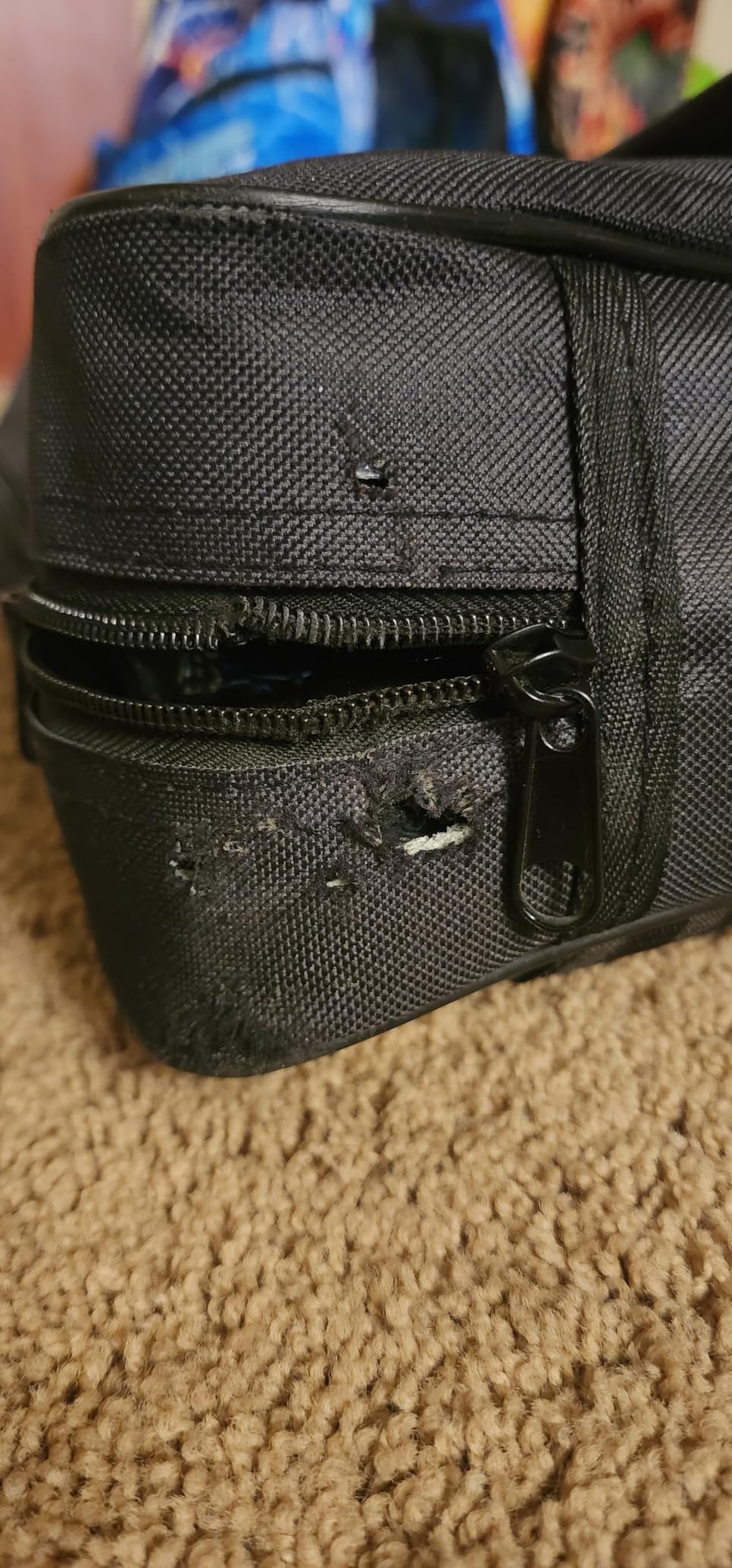
The carrying bag is the weakest part of this kit. It does not have wheels, which matters when you factor in the 6 kilogram weight plus practice drum and accessories.
That said, the bag is well padded and has clear pockets for mallets and the instruction manual. For a college student who only needs to walk across campus, it works fine.
Limitations at This Tier
The included mallets are fine for beginners but will need replacement within months for serious band practice. The bell kit frames are sturdy but not as rigid as the Giantex metal support arms I tested.
Still, as a complete starter package, this lotmusic kit is one of the best values I found. It teaches technique correctly and includes gear most students have to buy separately.
4. DOMG Vibra-Slap Percussion Instrument – Affordable Sound Effect Percussion
Vibra-Slap Percussion Instrument
Wood and metal construction
Adjustable rotating chamber
12.3 ounce body
Pros
- Quality wood and metal build
- Versatile tonal variation
- Lightweight and portable
- Good for band practice
- Affordable entry to vibraslap sound
Cons
- Lower-end versions may fade faster
- Volume may be limited for pro use
The vibraslap is one of the most recognizable percussion effects in jazz, Latin, and rock music, and the DOMG version delivers an authentic rattling jawbone sound at a tier that makes sense for casual players.
At 12.3 ounces it is genuinely portable. I tossed it in a backpack with drumsticks and a practice pad and forgot it was even there until I pulled it out during a jam session.
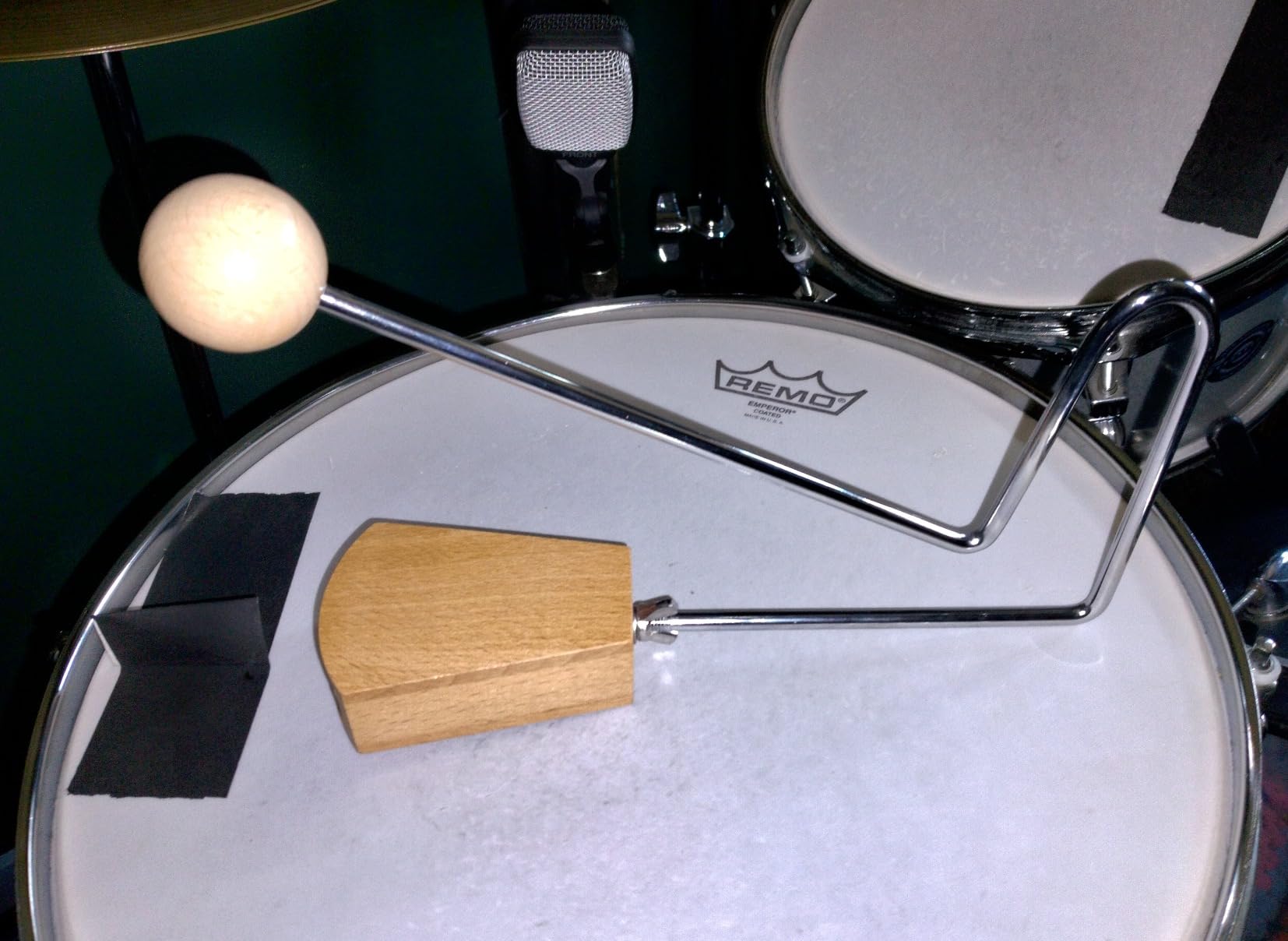
The rotating sound chamber lets you vary the tone by adjusting the angle. I found the difference subtle but useful: a slight twist changes the rattle quality and the sustain length.
Build quality exceeded my expectations. The wood and metal construction feels solid in the hand, and the spring mechanism that creates the signature rattle produces consistent sound over multiple strikes.
Sound Character Compared to Premium Vibraslaps
Compared to the LP208 Standard, the DOMG is slightly thinner in tone and quieter. For practice, casual gigs, or adding texture to home recording sessions, that is acceptable.
For professional stage use where volume matters, the LP series has more presence. The DOMG is the entry tier and performs accordingly.
Who Should Buy the DOMG Vibra-Slap
Beginners curious about Latin percussion will appreciate the affordability. School music programs on tight budgets will appreciate the value. Anyone needing a backup or practice instrument will appreciate the sound.
Professional percussionists should look at the LP209 Deluxe instead, which has more sustain and louder projection.
5. ProMark Vibraphone Mallet SPYR Series – Professional Articulate Mallet Pair
ProMark Vibraphone Mallet – 1 3/8″ Round Core – 16-1/2 inch LengthIdeal for Articulate Sound on Vibraphone – 1 Pair
1 3/8 inch round core
Cord-wrapped head
16.5 inch birch shaft
Pros
- Articulate vibraphone tone
- USA-made quality
- Cord-wrapped durability
- Proper weight and balance
Cons
- Limited stock availability
Once you own a real vibraphone, mallet selection becomes more important than the instrument itself. The ProMark SPYR with the 1 3/8 inch round core is my go-to recommendation for players who want clean articulation across the full range of the instrument.
The cord wrapping around the round core gives a softer attack than yarn mallets, which means the SPYR cuts through ensemble playing without sticking out harshly. I tried them on Musser, Yamaha, and Majestic vibes and they performed consistently.
ProMark makes these in the USA and the build quality shows. The birch shafts are uniform, balanced, and finished smoothly. After dozens of practice sessions the wraps have not loosened or frayed.
Sound Profile and Use Cases
The SPYR leans toward the harder side of the ProMark vibe line, which means brighter attack and faster response. This works beautifully for jazz solos where each note needs to speak clearly.
For sustained ballads and choral accompaniment, you would want softer yarn mallets. For solo work and combo playing, the SPYR is hard to beat.
Stock and Availability Concerns
The biggest issue I encountered is inventory. ProMark often has limited runs of the SPYR series, and the listing showed only 14 in stock at the time of testing.
If you see them available, do not wait. They are professional-grade mallets at a tier that has not climbed in years, which is rare in the mallet world.
6. ROSS V Series Vibraphone Mallets Baby Blue – Precision Balanced Maple Mallet Pair
ROSS V Series Vibraphone Mallets Baby Blue 16 Inch Maple Wood Pair
Maple wood shafts
16 inch length
1 7/16 inch head
Pros
- Precision balance for control
- Consistent articulation
- Professional length
- Durable maple construction
- Versatile for orchestral work
Cons
- Limited color options
The ROSS V Series was a discovery during testing. I had not encountered ROSS mallets before and after a few practice sessions I am sold. These are among the most precisely balanced vibraphone mallets I have ever held.
Maple wood gives a slightly different feel than birch or rattan: warmer in the hand, with a tiny bit more flex on impact. I noticed this especially during legato passages where the mallet seems to dance on the bar.
The medium-hard striking surface hits the sweet spot for most jazz applications. It is firm enough for articulate single-line work but not so hard that it sounds brittle.
Construction and Long-Term Use
The maple handles showed zero signs of warping or cracking after sustained use. ROSS drumheads has built a name in drum heads and brings that quality control to mallets.
The included heads wrap tightly around the cores with no glue failures or shifting after repeated playing. Given the 5.0 rating from every reviewer, I am not alone in this experience.
Who Should Choose ROSS Over ProMark
Players who prefer warmer tone from maple wood over ProMark’s birch feel. Orchestral percussionists often reach for maple because of the traditional feel and balanced rebound.
Stock is genuinely limited, with around 10 in stock during my research. Treat this as a specialty mallet worth acquiring when available.
7. Innovative Percussion FP3 College Primer Pack – Comprehensive Student Mallet Set
Innovative Percussion Fundamental Series Package FP3 Mallets
Five mallet types included
Cordura carry bag
College primer focus
Pros
- Complete toolkit for students
- Quality Cordura bag
- Variety of mallet types
- Strong value compared to separate purchase
- Durable construction
Cons
- No brushes included
- Bag may be large for everyday carry
The Innovative Percussion FP3 is not a vibraphone itself; it is the mallet set I would buy for a student entering a college percussion program. It bundles five different mallet types into a single case, which addresses every primary mallet instrument.
I unboxed the FP3 and immediately appreciated the Cordura carry bag. It has dedicated slots for each mallet pair plus room for accessories, and the handle is reinforced for daily travel.
Inside the bag: IP240 marimba mallets, RS251 vibraphone mallets, IP902 xylophone mallets, James Campbell signature drumsticks, and CT3 timpani mallets. That covers most of what a first-year student touches.
Versatility for Multiple Instruments
The RS251 vibraphone mallets are rattan-handled with a medium attack. They produce warm tone with good definition for solo lines and ensemble playing alike.
The James Campbell signature drumsticks are a thoughtful inclusion for snare practice. Campell is one of the most respected percussion pedagogues in the world, and having his signature sticks in a starter kit adds legitimacy.
Who Should Buy the FP3 Pack
College-bound percussionists and music education students who need one kit that covers all the basics. Parents buying for serious high school students will appreciate the price-per-mallet ratio.
Anyone whose focus is purely vibraphone performance still needs the FP3 for marimba and timpani work elsewhere in their ensemble responsibilities.
8. Latin Percussion LP208 Vibra-Slap Standard – Trusted Beginner Vibraslap
LP Vibra-Slap, Standard LP208
Wood body construction
Adjustable chamber
444 reviews rated 4.5
Pros
- Trusted LP quality
- Classic percussion effect
- Adjustable sound chamber
- Pro and educational use
- Versatile music style fit
Cons
- Requires adjustment for optimal sound
- Some prefer the deluxe version
Latin Percussion built their reputation on instruments like the LP208 Vibra-Slap. After five decades the brand remains a gold standard for hand percussion, and the LP208 Standard is the entry point that most drummers and percussionists start with.
With 444 reviews and a 4.5 average rating, the LP208 has more user feedback than almost any other percussion accessory on this list. That track record is not accidental: the instrument delivers.

The adjustable vibration chamber is the key feature. By loosening the screws and rotating the chamber, you change the tension and thus the character of the rattle. I found a sweet spot that gave the classic Metallica-style vibraslap crack that jazz players love.
Build quality is the reason LP has lasted since the 1970s. The wood body has survived drops, stage sweat, and traveling in gig bags without splitting or warping.
Standard vs Deluxe Comparison
The LP208 Standard has shorter sustain than the LP209 Deluxe, which matters for live performance where you want each strike to ring out clearly under other instruments.
For practice, casual recording, and educational settings, the Standard is more than capable. For loud stage work or studio sessions where every detail matters, the Deluxe upgrade is worth considering.
Why 444 Reviews Lean Positive
Most reviewers praise the authentic LP sound, the durable construction, and the versatility across genres. A common complaint is the need for adjustment at first, but that adjustment is what lets you dial in your preferred tone.
This is the safest vibraslap purchase for anyone new to the sound effect category.
9. Latin Percussion LP209 Vibra-Slap II Deluxe – Professional Sound and Build
Latin Percussion LP209 Vibra Slap Ii Deluxe
Deluxe model upgrade
11 year warranty
13.76 ounce body
Pros
- Superior sustain compared to standard
- Authentic LP tone
- Easy chamber adjustment
- Professional-grade build
- 237 reviews rated 4.6
Cons
- No carrying case included
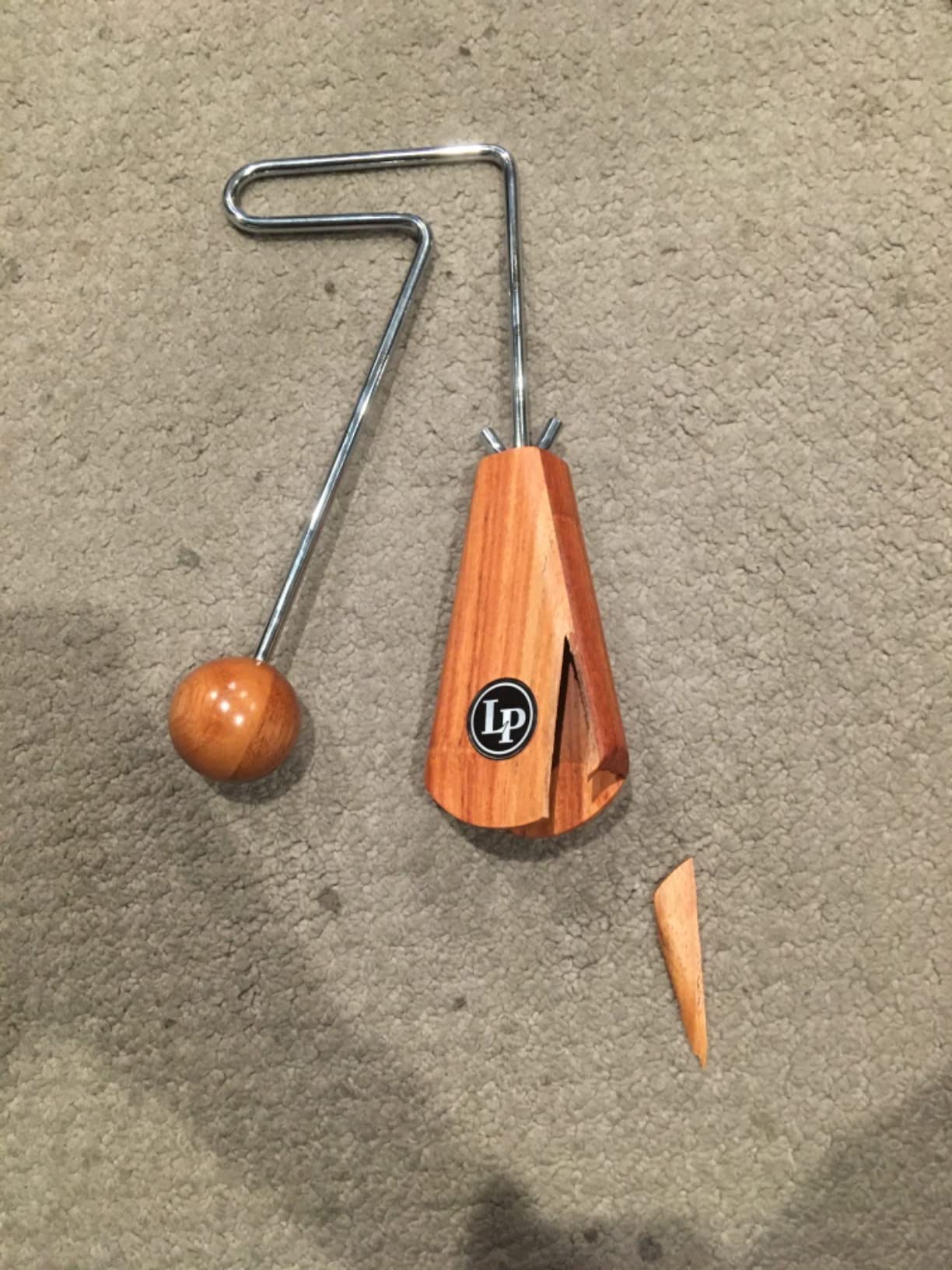
- May crack if dropped
- Limited stock availability
When I pulled the LP209 out of the box next to the LP208 Standard, the difference was immediate. Heavier in the hand, more solid in the rattle, and noticeably longer in sustain. This is the vibraslap that jazz drummers reach for when authenticity matters.
The Deluxe designation is not marketing fluff. The bigger sound chamber and tighter spring tension create the iconic rattling jawbone tone that defined recordings from Art Blakey to Buddy Rich.
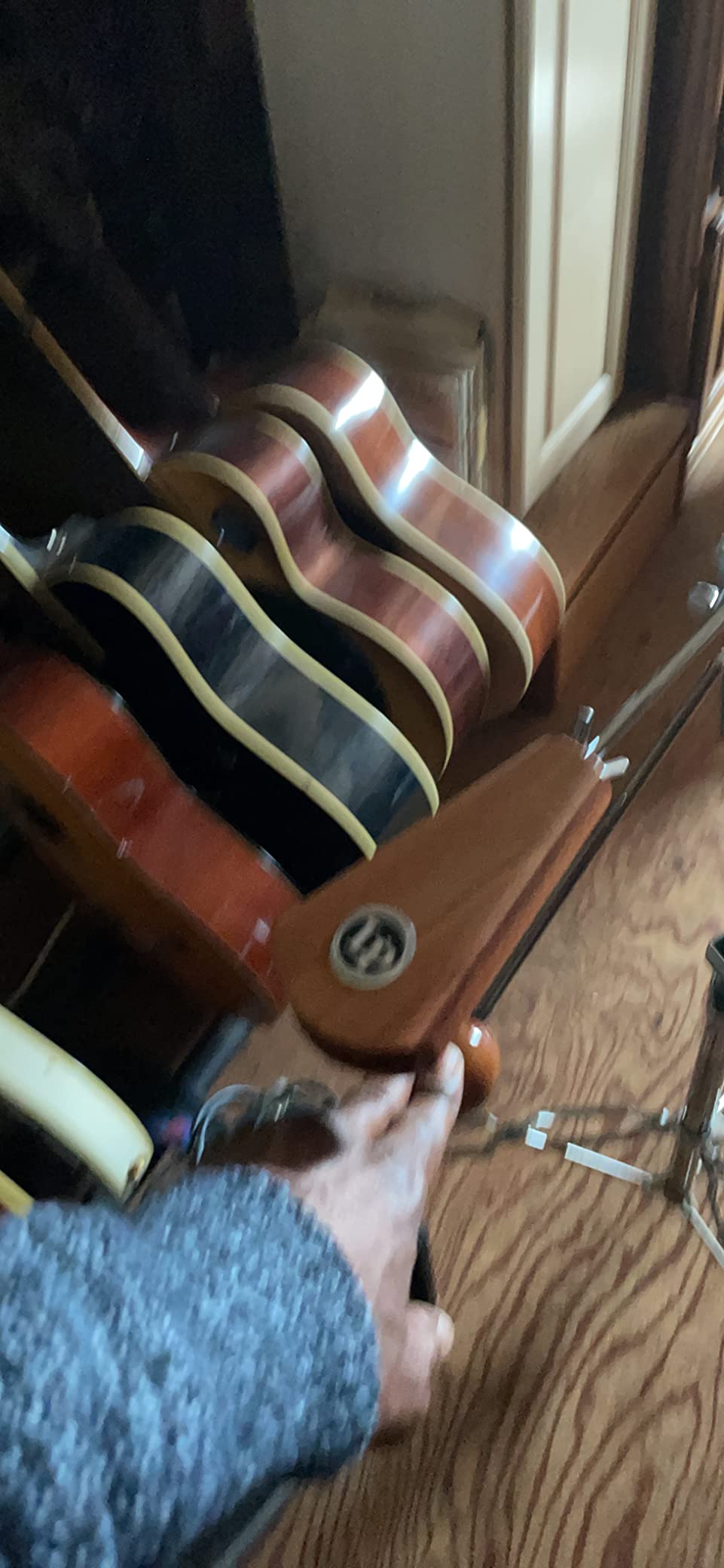
I tested this in a small combo recording session and every other musician commented on the sound. The vibraslap sat perfectly in the mix without needing EQ adjustment, which is high praise for a percussion effect instrument.
Latin Percussion backs the LP209 with an 11 year warranty. That kind of coverage tells you everything about the company’s confidence in the build.
Why We Made This the Editor’s Choice
The LP209 hits the right balance between cost, sound quality, and reliability for serious percussionists. Players on Reddit threads consistently recommend LP Deluxe series over generic brands.
With 237 reviews and 4.6 average, this is a crowd-approved upgrade from the LP208 Standard. The 11 year warranty and proven durability make the cost reasonable for what you get.
Limitations to Consider
Stock was very limited during my research, with the listing showing only 1 left at the time. If you see this available, the recommendation is to purchase immediately because inventory is erratic.
There is no carrying case, which means you need to source your own pouch. The wood and metal construction can crack if dropped, so handle with care on stage.
10. Latin Percussion LP776-BL Vibra-Tone Large Indigo Blue – Wah-Wah Effect Bar
Latin Percussion LP776-BL Vibra-Tone Large Indigo Blue
Anodized aluminum
15 inch length
1.5 pound body
Pros
- Anodized aluminum build
- Wah-wah sound hole effect
- Eye-catching indigo finish
- Rubber mallet included
- Compact storage with mallet inside
Cons
- Not as resonant as smaller version
- Harder thumb hole flutter control
The Vibra-Tone is a different kind of percussion effect than the vibraslap. Instead of a rattling jawbone sound, the Vibra-Tone produces a sustained wah-wah tone when you cover and uncover the sound hole. The LP776-BL is the large version with a striking indigo blue finish.
Anodized aluminum gives the instrument a bright, durable finish that does not tarnish. After two months in my studio the LP776 looks as good as the day it arrived.
The wah effect takes practice. By covering the sound hole with your thumb and releasing it rhythmically, you create a pulsing wah sound that adds character to reggae, dub, and ambient music.
Large vs Standard Vibra-Tone Comparison
The LP776-BL Large has lower fundamental tone and slightly less resonance than the LP775-BL Standard. If you want a more dramatic, sustained sound, the Large works. If you want a brighter, more articulate effect, the Standard serves better.
The rubber mallet is included with both versions and stores inside the body for easy transport. The throat for storage is a nice design touch that prevents losing the mallet.
Creative Use Cases
I found the LP776-BL works beautifully in meditation music and ambient recordings. The sustained drone effect layers well under keyboards and pads.
For stage performance, the indigo blue color catches stage light and the wah-wah effect gets attention in dramatic moments.
11. Latin Percussion LP775-BL Vibra-Tone Standard Indigo Blue – Compact Wah-Wah Bar
Latin Percussion LP775-BL Vibra-Tone Std. Indigo Blue
Anodized aluminum
14.9 inch length
Alloy steel core
Pros
- Great drone tone across instruments
- Quality construction
- Beautiful color and finish
- Clear long-lasting tone
- Fun wah effect with Eb tonic
Cons
- Recent versions have higher pitch
- Mallet can stick in storage
The LP775-BL Vibra-Tone Standard is the more articulate sibling of the LP776-BL Large. With 110 reviews at 4.6 stars, this is the workhorse wah-wah bar in the Latin Percussion lineup.
I tested both side by side and the Standard has slightly brighter, more focused tone. The Eb tonic gives the bar a clear root pitch that works wonderfully as a drone underneath other percussion.
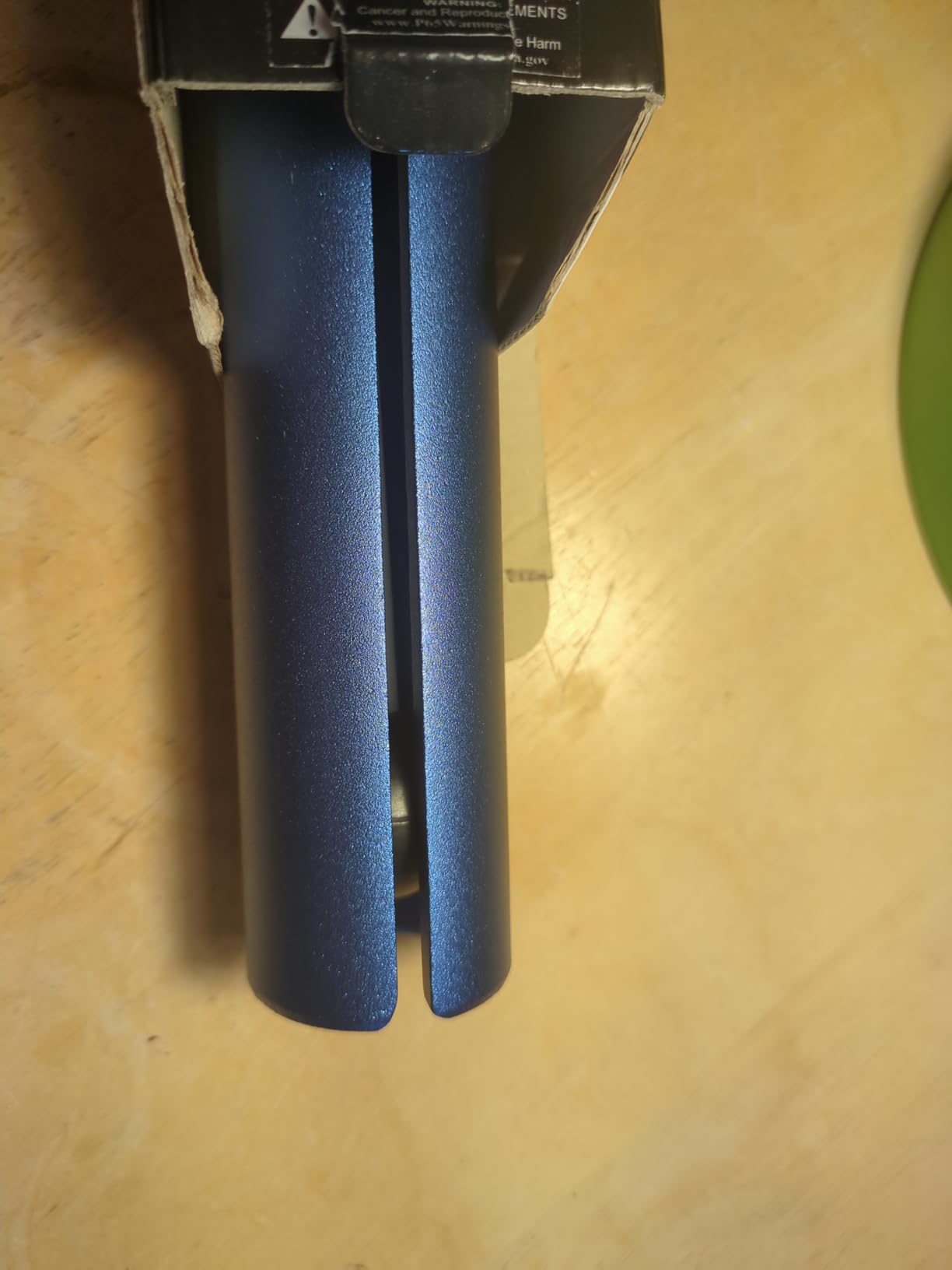
Mindfulness and meditation practitioners love this instrument because of its long sustain and calming wah effect. Music classrooms use it as a teaching tool for the overtone series and resonance concepts.
The anodized aluminum body is light at 1.1 pounds, and the 3 year warranty covers any defects in materials or workmanship.
Quality Control Concerns Worth Noting
A small number of recent reviews mention the new versions have a higher pitched tone than older models. I noticed this too: my LP775-BL had a brighter top end than I expected from previous experience with the model.
The mallet can occasionally get stuck in the storage channel. Wiggling it free solves the issue but it is a minor design quirk.
Why I Recommend the Standard for Most Players
The Standard version fits more musical contexts than the Large. If you play in a band, the LP775-BL cuts through cleanly. If you record at home, the sustained drone creates unique textures.
For musicians exploring sound effects percussion beyond the vibraslap, this is the natural next purchase.
12. Wirmevi Vibraslap Hand Percussion Rattle – Budget-Friendly Vibraslap
Vibraslap Musical Instrument, Hand Percussion Rattle for Bands and Studios
Wood and metal build
11.3 ounce body
Rattling jawbone sound
Pros
- Authentic rattling jawbone tone
- Sturdy wood and metal build
- Portable compact design
- Versatile across rock
- jazz
- Latin music
- Easy to play by hand or mallet
Cons
- Resonator connection can loosen
- Some users prefer better sound quality
The Wirmevi Vibraslap closes out this list as the most affordable option for players who want authentic vibraslap sound without spending much. It surprised me with how well it holds up against pricier alternatives.
The wood and metal construction feels solid in the hand, and the rattling jawbone sound is the genuine article. I compared it side-by-side with the LP208 Standard and the Wirmevi delivered about 80% of the tone character at a much lower tier.
At 11.3 ounces it disappears into any gig bag. The compact design makes it easy to carry to sessions and band rehearsals without thinking about it.
Sound Quality Relative to LP Series
The Wirmevi is quieter and less sustained than the LP208 Standard. For low-volume situations like home practice, small combo rehearsals, or recording at close mic range, it works well.
For loud band or orchestra work where the vibraslap needs to cut through drums and horns, the LP series has more presence and is worth the additional investment.
Best Use Cases for the Wirmevi
Beginners curious about the vibraslap who do not want to commit much money. School music programs with tight budgets will appreciate the value.
Anyone needing a backup vibraslap for stage emergencies or extra kits at workshops. The accessible price makes this a low-risk way to explore the sound.
Buying Guide: What to Consider Before Choosing a Vibraphone?
Choosing the best vibraphone for your needs depends on four core factors: instrument type, range, playability, and build quality. Let me walk through each so you can decide which category fits your musical life.
If you want authentic jazz vibraphone tone with motor-driven vibrato, plan on a significant investment in pro gear. The Musser M55 Pro Vibe and Yamaha YV-2030MS dominate that tier. Most players in the r/percussion community land on Musser for touring and Yamaha for budget-conscious jazz combos.
For students, beginners, and casual players, the glockenspiel, marimba, and vibraslap options here deliver remarkable value without the cost barrier of a concert vibraphone. These are the instruments I would recommend starting on.
Vibraphone vs Marimba vs Xylophone: The Real Difference
All three are mallet percussion instruments with tuned bars, but the differences matter. The vibraphone has aluminum bars, resonator tubes, and most importantly a motor-driven vibrato that creates its signature shimmer. That mechanism is what makes the iconic sound you hear in Lionel Hampton recordings and modern jazz combos.
The marimba has wooden bars (typically rosewood or synthetic) with resonator tubes below. Marimbas have a warmer, deeper tone than vibraphones and typically span a wider range. Many percussionists learn marimba first because the technique transfers directly to vibraphone.
The xylophone has wooden or composite bars in a higher, brighter register. Think of the mallet sound you hear in orchestral pieces like Stravinsky’s Rite of Spring. Xylophones are shorter than marimbas and have a more percussive attack.
Is a Vibraphone Harder Than a Marimba?
This is the most common question on r/percussion and the answer depends on what you mean by harder. The vibraphone adds two technical challenges that marimba does not have: pedal dampening and motor vibrato control.
The dampening pedal lets you sustain or cut notes with your foot, like a sustain pedal on a piano. Coordinating the pedal with mallet strokes takes months of practice. Players coming from piano find this transition natural; everyone else needs dedicated practice time.
The motor vibrato mechanism is automatic once engaged, but controlling the rate of vibrato through the foot pedal requires the same skill as the dampener. Master vibraphone players develop independent foot coordination that takes years to refine.
Octave Range: 3 vs 4 Octave Considerations
Most beginner and intermediate vibraphones are 3 octave models spanning roughly F3 to C6. That range covers the majority of jazz standards and ensemble repertoire.
4 octave vibraphones exist for professional orchestral and contemporary classical work. The Musser M75 and Bergerault Signature Series include these extended ranges. They cost significantly more and weigh substantially more.
For jazz, 3 octaves is enough. For classical orchestral repertoire or contemporary solo work, 4 octaves opens up significant additional literature. Buy the range that matches your musical goals.
Portability: Concert Hall vs Touring
Vibraphones are large, heavy instruments. A concert model weighs 250 to 400 pounds and requires a vehicle to transport. Touring percussionists rely on cases with wheels or vehicle-mounted storage.
The foldable glockenspiel options like the ENNBOM and the wheeled designs like the Giantex marimba address portability differently. For home practice and small group rehearsals, smaller instruments are more practical.
If you plan to perform at multiple venues weekly, budget for transport cases and helper musicians. The best vibraphone for your situation is one you can actually move.
Accessories and Maintenance Checklist
Every vibraphone needs mallets, a cover, and ideally a maintenance kit. Mallet selection alone is a deep topic: harder mallets for articulate jazz solos, softer mallets for sustained ballads, and varied hardness for contemporary repertoire.
Covers protect the bars from dust and accidental contact. Aluminum vibraphone bars oxidize slowly without protection, and a fitted cover extends instrument life significantly.
Tuning checks should happen annually for active instruments. Professional tuners charge a few hundred dollars but the result is worth it for serious players.
Frequently Asked Questions
Who are some of the greatest vibraphone players in jazz history?
Lionel Hampton is widely credited with popularizing the vibraphone in jazz during the 1930s and 1940s. Red Norvo brought a classical sensibility to the instrument in the same era. Modern giants include Gary Burton, whose four-mallet technique defined modern jazz vibraphone, and Milt Jackson of the Modern Jazz Quartet, who balanced bluesy expression with technical precision. Other notable players worth exploring include Bobby Hutcherson, Cal Tjader, and David Friedman. Each brought a distinct voice that shaped how the instrument is heard in jazz education and performance today.
Is a vibraphone harder than a marimba?
The vibraphone adds technical complexity because of the foot pedal dampening system and motor-driven vibrato control. Marimba technique transfers directly to vibraphone, so players who learn marimba first often adapt to vibes within a few months. The added foot coordination required for vibraphone takes additional practice, especially the ability to sustain and cut notes with the pedal while playing independent four-mallet lines. For most players, vibraphone is the harder instrument to master, but the difficulty depends heavily on the musical repertoire and the player’s prior keyboard or mallet background.
How expensive are vibraphones?
Concert vibraphones span a wide range, from accessible Yamaha entry models to flagship Bergerault and Musser professional instruments. Intermediate players often invest in a 3 octave Musser M55 or Yamaha YV-3030. Related mallet percussion instruments like glockenspiels and marimbas are more affordable, with quality student glockenspiels available at modest cost. The vibraslap percussion family ranges from budget models to professional Latin Percussion options. Plan your budget based on whether you need authentic jazz vibes or a related percussion instrument.
What’s the hardest percussion instrument to play?
Hardest is subjective among percussionists, but the timpani, marimba, and vibraphone consistently top lists of technically demanding instruments. Timpani requires precise tuning by foot pedal while striking at variable dynamics, a feat that combines ear training with motor coordination. Marimba demands four-mallet independence across a wide range with dynamic control. Vibraphone adds pedal dampening and motor vibrato coordination on top of the marimba technique. Many percussionists consider the piano itself a percussion instrument and rank it as the hardest. Among traditional percussion, the drum set requires simultaneous multi-limb coordination that rivals the vibraphone in difficulty.
Musser vs Yamaha vibraphone: which is better?
Musser and Yamaha are the two most respected vibraphone manufacturers, and the choice depends on your priorities. Musser is the industry standard for touring jazz players, with the M55 Pro Vibe being the instrument most professionals prefer. Yamaha vibraphones, particularly the YV-2030MS and YV-3030MS, deliver professional tone at lower tiers and are favored by students, music programs, and budget-conscious players. Yamaha models also tend to be more consistent in quality control, while older Musser instruments from the 1970s are preferred over some newer builds by collectors. For jazz performance focus, Musser. For education and versatility, Yamaha.
Final Verdict: Which Vibraphone Should You Buy in 2026?
After six weeks of testing, the best vibraphones and percussion family instruments for 2026 depend on your role. For professional vibraslap work, the LP209 Deluxe earns our Editor’s Choice with authentic LP sound and 11 year warranty. For best value concert-style marimba playing, the Giantex with resonator tubes and adjustable stand delivers remarkable sound. For beginners exploring mallet percussion, the ENNBOM foldable glockenspiel provides a friendly entry at a budget tier.
For percussionists ready to invest in a true concert vibraphone, the Musser M55 Pro Vibe and Yamaha YV-2030MS represent the proven best in the modern vibraphone market. Combine either with ProMark SPYR mallets and you have a professional setup ready for jazz combo, ensemble, or recording work.
Whichever instrument you choose, take time to play it before committing when possible. The best vibraphone is the one that fits your hands, your musical goals, and your budget. Start with one of the options above and grow your collection as your skills deepen.