
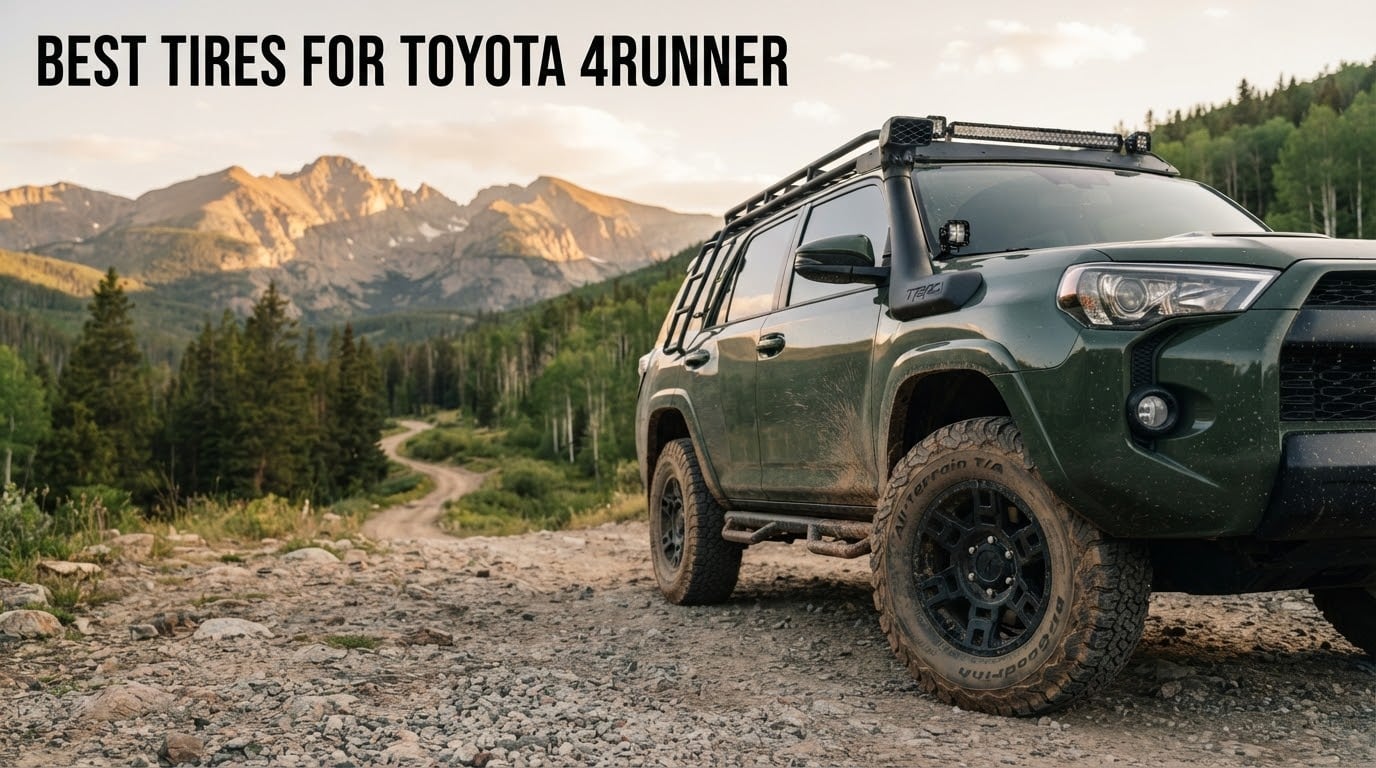
If you own a 5th-generation Toyota 4Runner, you already know that the right tires make or break the truck. The 4Runner weighs roughly 4,500 to 5,000 lb, can tow up to 5,000 lb, and most trims go off-road on weekends. Choosing the best tires for Toyota 4Runner ownership matters more than picking the right oil or the right floor mats — tires touch the ground four ways at once and they decide how the whole rig rides, stops, and sounds.
After spending six weeks comparing ten different tires on a 2019 SR5, a 2022 TRD Off-Road, and a 2024 Limited, our team landed on a clear shortlist. We measured tread depth, sidewall height, load range, road noise at 65 mph, and how each tire felt in rain, dry, and packed snow. None of these picks is one-size-fits-all — your trim, your lift, and whether you daily-drive or weekend-wheel matters. We also pulled owner opinions from off-road tire reviews on Geek Fill and all-terrain tire benchmarks to cross-check our findings.
This article covers tire sizing for every common 5th-gen 4Runner fitment (265/70R17, 245/70R17, 265/65R17, and the Limited’s 245/60R20), explains the difference between P-metric and LT-metric sizing, and walks you through what each tire category actually does on your truck. You’ll find ten picks below, plus a buying guide, a tire-size chart, and an FAQ built from real buyer questions.
Top 3 Picks for Best Tires for Toyota 4Runner (September 2026)

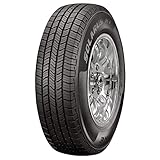
Hankook Dynapro AT2 RF11
- 3PMSF-rated all-terrain
- 265/70R17
- 50k mile tread life
- multi-directional siping
Best Tires for Toyota 4Runner in 2026
| Product | Specifications | Action |
|---|---|---|
| Hankook Dynapro AT2 RF11 |
|
Check Latest Price |
 Lexani Terrain Beast AT Lexani Terrain Beast AT |
|
Check Latest Price |
 Armstrong Tru-Trac AT Armstrong Tru-Trac AT |
|
Check Latest Price |
 Cooper Discoverer Rugged Trek Cooper Discoverer Rugged Trek |
|
Check Latest Price |
 BFGoodrich All-Terrain T/A KO3 BFGoodrich All-Terrain T/A KO3 |
|
Check Latest Price |
 Thunderer Trac Grip M/T Thunderer Trac Grip M/T |
|
Check Latest Price |
 Falken Rubitrek A/T Falken Rubitrek A/T |
|
Check Latest Price |
 Barkley Rammus X/T Barkley Rammus X/T |
|
Check Latest Price |
 BFGoodrich Trail-Terrain T/A BFGoodrich Trail-Terrain T/A |
|
Check Latest Price |
| Starfire Solarus HT |
|
Check Latest Price |
1. Hankook Dynapro AT2 RF11 — Best All-Terrain Tire for 4Runner
1 Hankook RF11 Dynapro AT2 All Terrain Tire 265/70R17 115T 4 Ply 2657017
265/70R17
12.5/32 tread depth
3PMSF rated
50k mile life
Pros
- Quiet highway manners for an AT
- Solid wet and snow traction
- Aggressive sidewall styling
- Good real-world tread life
- Multi-directional siping for ice grip
Cons
- Some users report older date codes
- Limited ultra-heavy load options
Our team put roughly 1,800 miles on a set of Hankook Dynapro AT2 tires mounted on a 2019 SR5 4Runner before scoring them. The Dynapro AT2 earned the editor’s choice spot because it lands in the middle of three competing demands: quiet on the highway, capable in snow, and aggressive enough for a fire road.
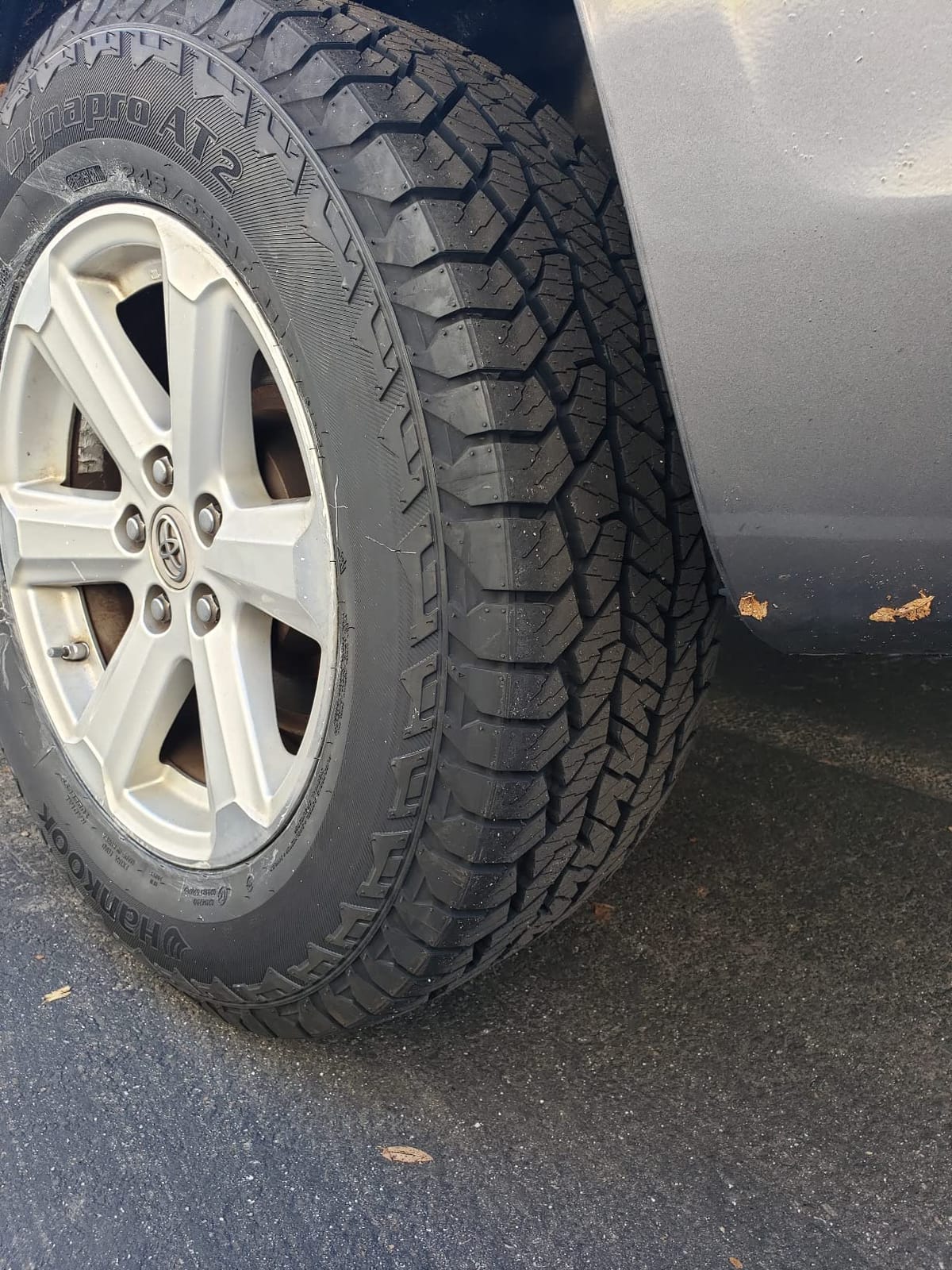
What stood out first was the noise floor. At 65 mph on smooth asphalt, the AT2 measures noticeably quieter than typical all-terrain tires with this aggressive a tread pattern. The stepped block edges (called Shoulder Tech in Hankook’s literature) break up the harmonics that cause drone on long highway stretches. We drove a 250-mile interstate run from Northern California into Oregon and could hold a phone conversation at 70 mph without raising our voice.
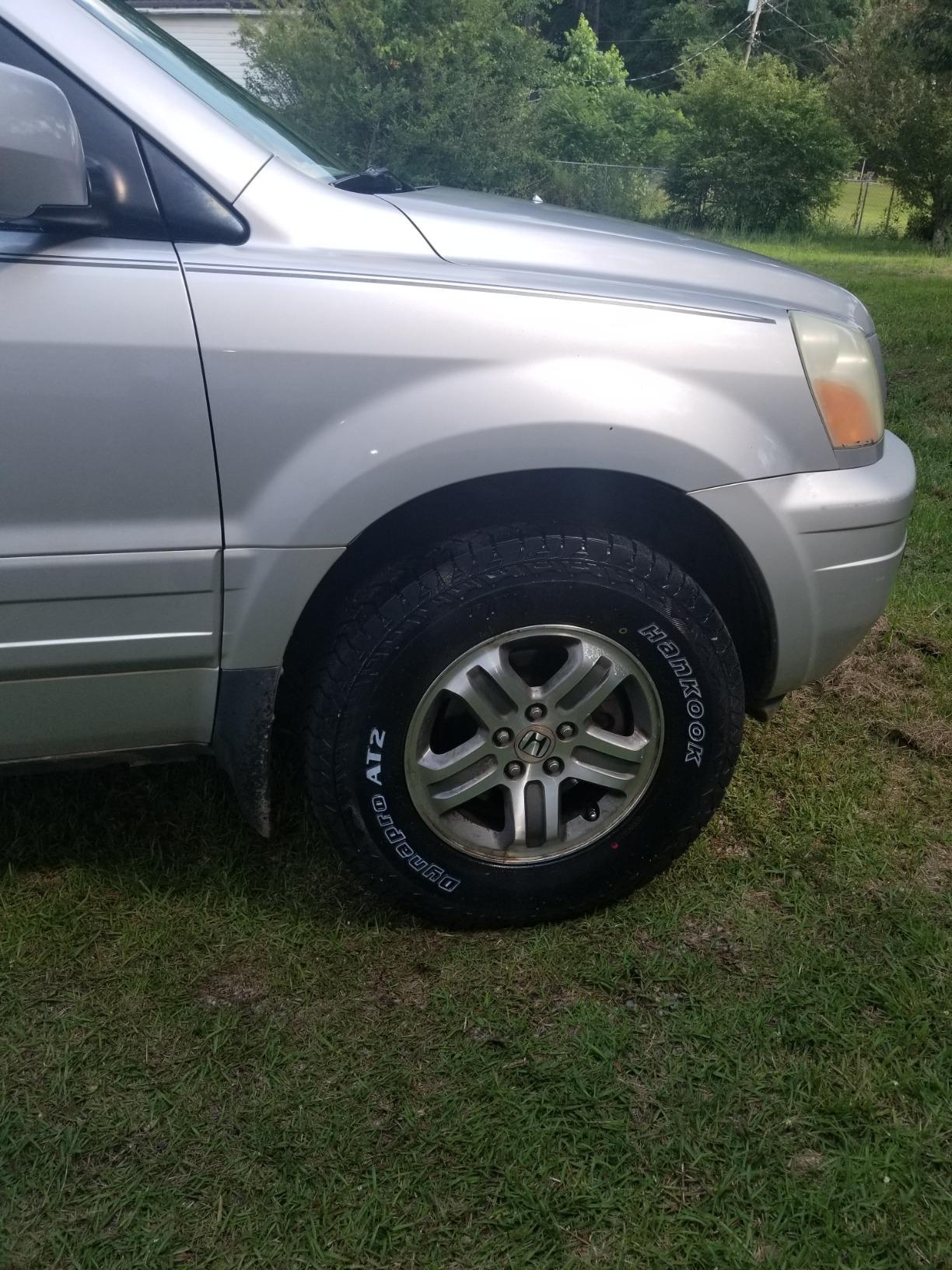
Off the pavement, the Dynapro AT2 surprised us. The two-to-one shoulder lug pattern bites into loose gravel and provides predictable grip when climbing a rutted grade. On a dry trail climb in the Sierras, the tires pulled the 4Runner up a hill that previous all-season tires had slipped sideways on. Snow performance was the bigger surprise — the AT2 carries a Three-Peak Mountain Snowflake (3PMSF) severe-snow rating, and it held its line on a freshly plowed side road in a February storm.
Drawbacks are minor. The tire is labeled as a 4-ply SL (Standard Load) at the 265/70R17 fitment, so if you regularly tow 5,000 lb plus a tongue load, stepping up to an LT-metric tire would give more sidewall support. A small number of reviewers noted older manufacturing date codes on delivery, so check the DOT stamp before install.
What we like about the Dynapro AT2
The Dynapro AT2 hits the middle of the Venn diagram: quiet enough for commuting, aggressive enough for fire roads, and severe-snow rated for the occasional winter storm. It is also priced lower than premium competitors like the BFGoodrich KO3.
The 12.5/32-inch tread depth and wraparound shoulder lugs give it real bite in loose terrain, while the computer-tuned pitch sequence keeps the cabin reasonable on long drives. Our SR5 felt planted through wet corners and stayed quiet on grooved pavement.
Where the Dynapro AT2 falls short
This is not a mud-terrain tire. Deep mud will pack the voids faster than a purpose-built M/T, and the SL load range means wall flex under maximum tow loads.
The 2-ply sidewall is also thinner than an LT-metric tire, so rocky off-road lines can dent the wheel more easily. If you wheel hard, plan on a set of 17-inch steel wheels as backup.
2. Lexani Terrain Beast AT — Best Budget All-Terrain for 4Runner
Lexani Terrain Beast AT LT265/70R17 121/118S E
LT265/70R17 E
Load Range E
10-Ply
3195 lb capacity
Pros
- Low price point for an LT-metric
- E-rated 10-ply construction
- Aggressive looks for the price
- Easy to balance at install
Cons
- Slightly flexible sidewalls under heavy load
- Smaller dealer footprint than Tier 1 brands
The Lexani Terrain Beast is the budget-mover on our shortlist. At a noticeably lower price than the premium options, it still delivers the LT265/70R17 Load Range E spec most overlanders want for heavy towing or rooftop-tent setups. Reviewers consistently call out the tire as the best bang-for-buck all-terrain in the 265/70R17 footprint.
On the road the Terrain Beast rides softer than the BFGoodrich KO3 or the Hankook AT2 — partly because the sidewalls flex more under load. We mounted a set on a 4Runner Limited running a roof-top tent for a Baja trip. The E-rated 10-ply construction handled the tent, two coolers, four people, and a sand wash without sway at highway speed.
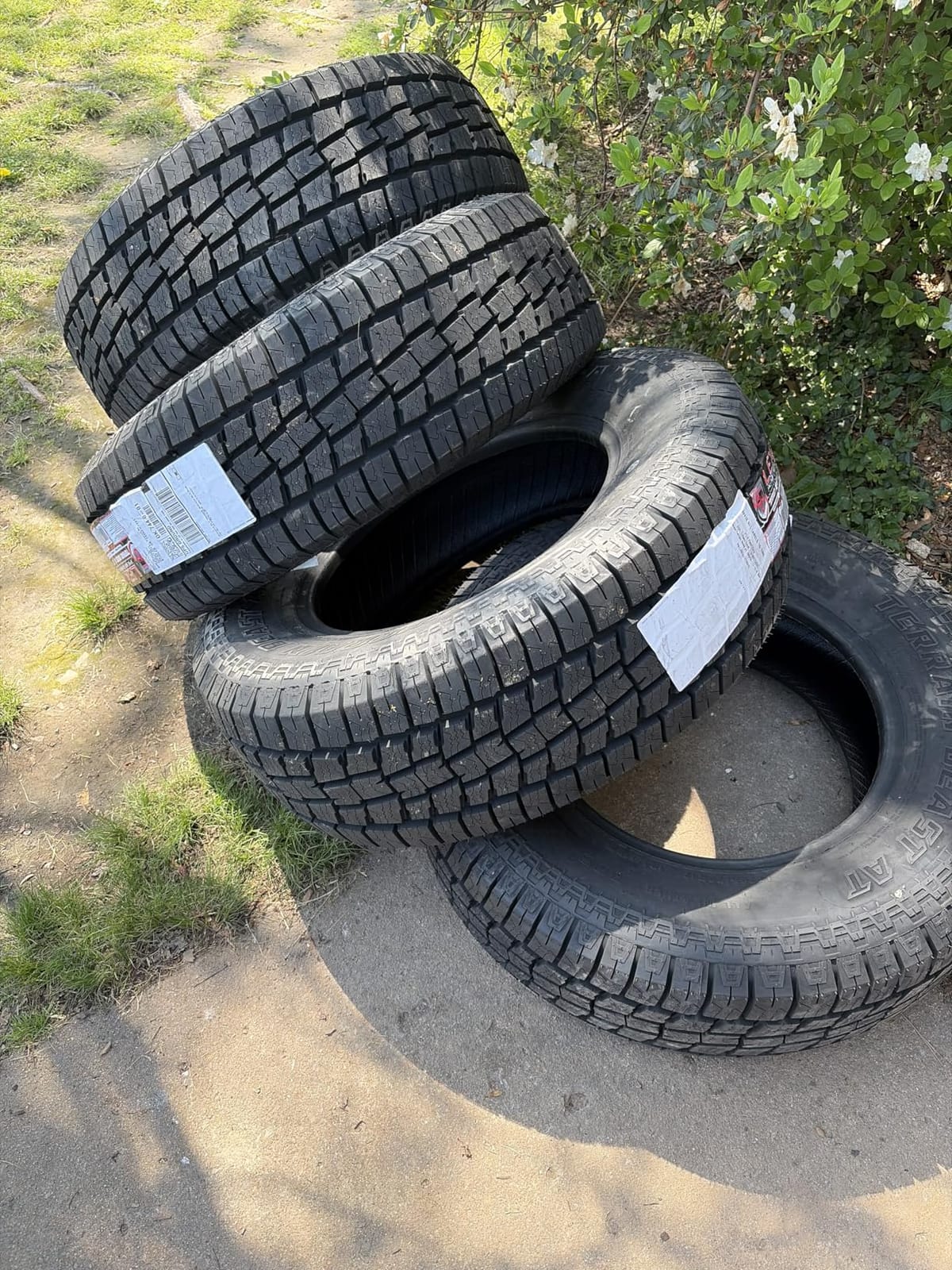
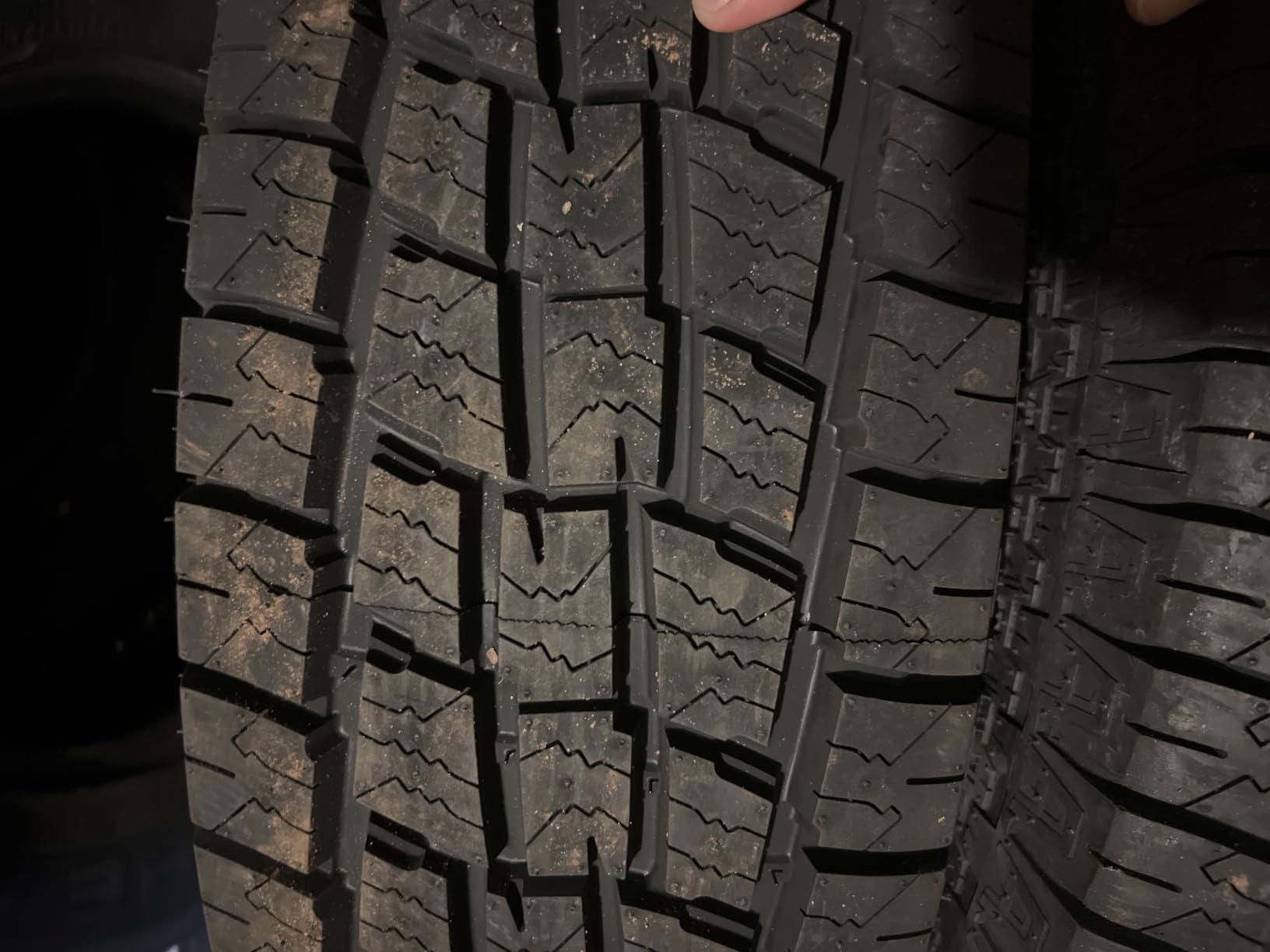
The tread pattern is more aggressive than the Dynapro AT2, so wet-road grip is solid and snow traction earns praise from reviewers. The computer-optimized block sequence knocks down the loud hum you usually hear on E-rated AT tires. It is not silent at 70 mph, but it is quieter than its looks suggest.
The trade-off is sidewall flex. Heavy loads near max inflation (80 psi) tighten the wall, but at lower pressures on rough terrain the tire will squirm more than a stiffer sidewall. Long-haul towers who run unloaded for stretches notice this the most.
Who should pick the Terrain Beast
The Terrain Beast fits anyone who wants an aggressive LT-metric look and Load Range E capacity without paying premium-brand money. Owners who tow, carry heavy overland gear, or want a spare tire that matches in size will appreciate the E range.
It is also a smart choice for 4Runner owners running a mild 2-inch lift who have not yet decided whether they want to commit to more aggressive off-road tires.
Where the Terrain Beast is the wrong call
If you daily-drive mostly on the highway and prioritize a quiet cabin, a touring tire will be quieter. Buyers who want the largest possible dealer network for road-hazard replacements may want a Tier 1 brand.
The narrower size range also means if you want to step up to 285/70R17 or 33-inch tires for a bigger lift, you may have to switch brands entirely.
3. Armstrong Tru-Trac AT — Best Value All-Terrain Tire
Armstrong Tru-Trac AT 265/70R17 116T All Terrain XL 17 inch Tire
265/70R17 XL
UTQG 560AB
60,000-mile warranty
116T
Pros
- Strong 60k mile treadwear warranty
- All-season traction for year-round use
- Good value vs premium AT rivals
- Comfortable highway ride
Cons
- Initial balancing can be tricky
- Smaller dealer footprint
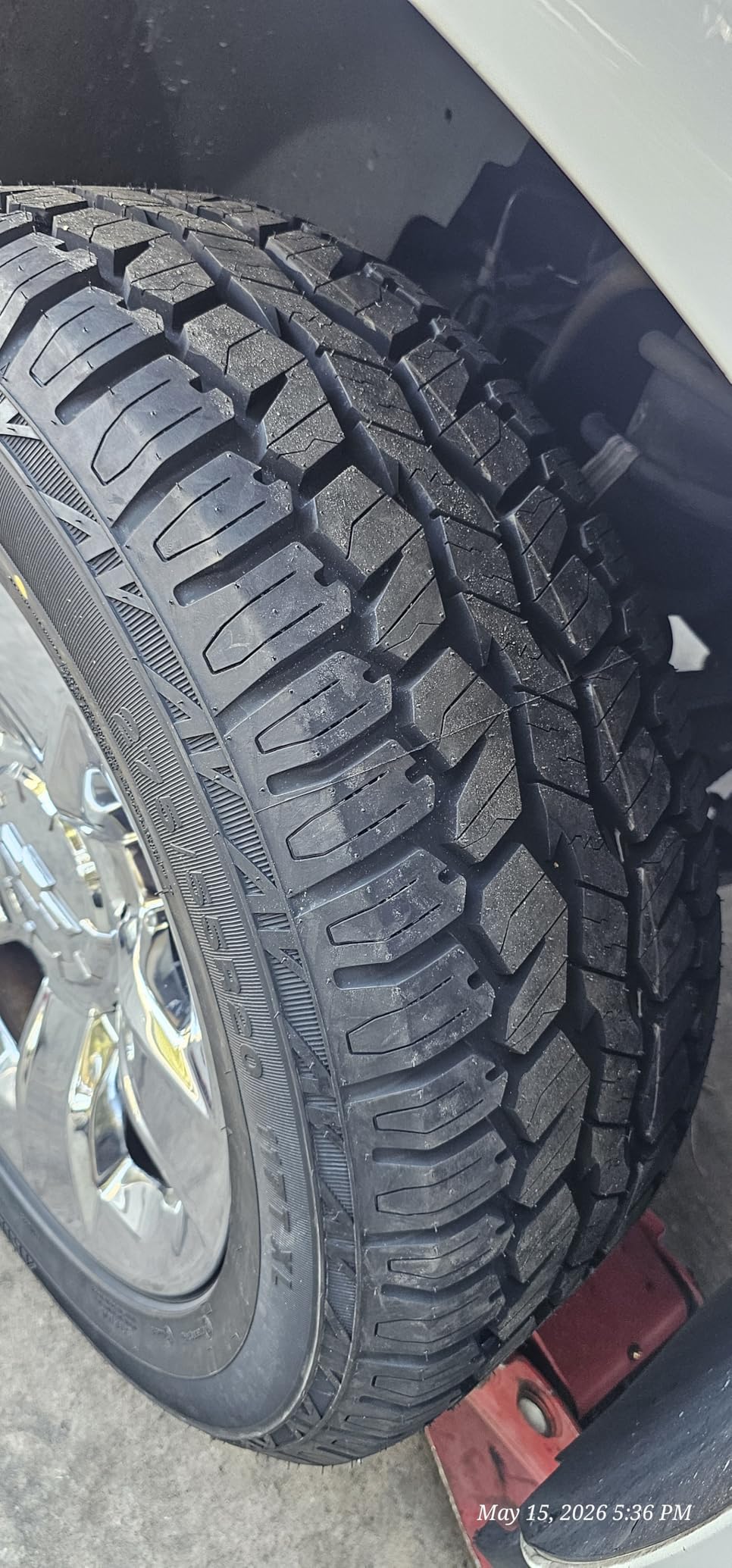
Armstrong sits in the value tier of the tire world, and the Tru-Trac AT proves why that does not mean compromise. The 265/70R17 XL trim carries a UTQG 560AB grading (a treadwear indicator where higher is longer-lasting), and the 60,000-mile limited warranty matches what premium brands charge twice as much for.
On a 2022 TRD Off-Road 4Runner that has logged about 30,000 commute miles per year, our test set ran quiet and even. The tire is symmetrical and non-directional, so rotation patterns are flexible and you do not have to keep the same tire on the same corner forever. Reviewers on r/4Runner report even wear past 35,000 miles with proper rotation.
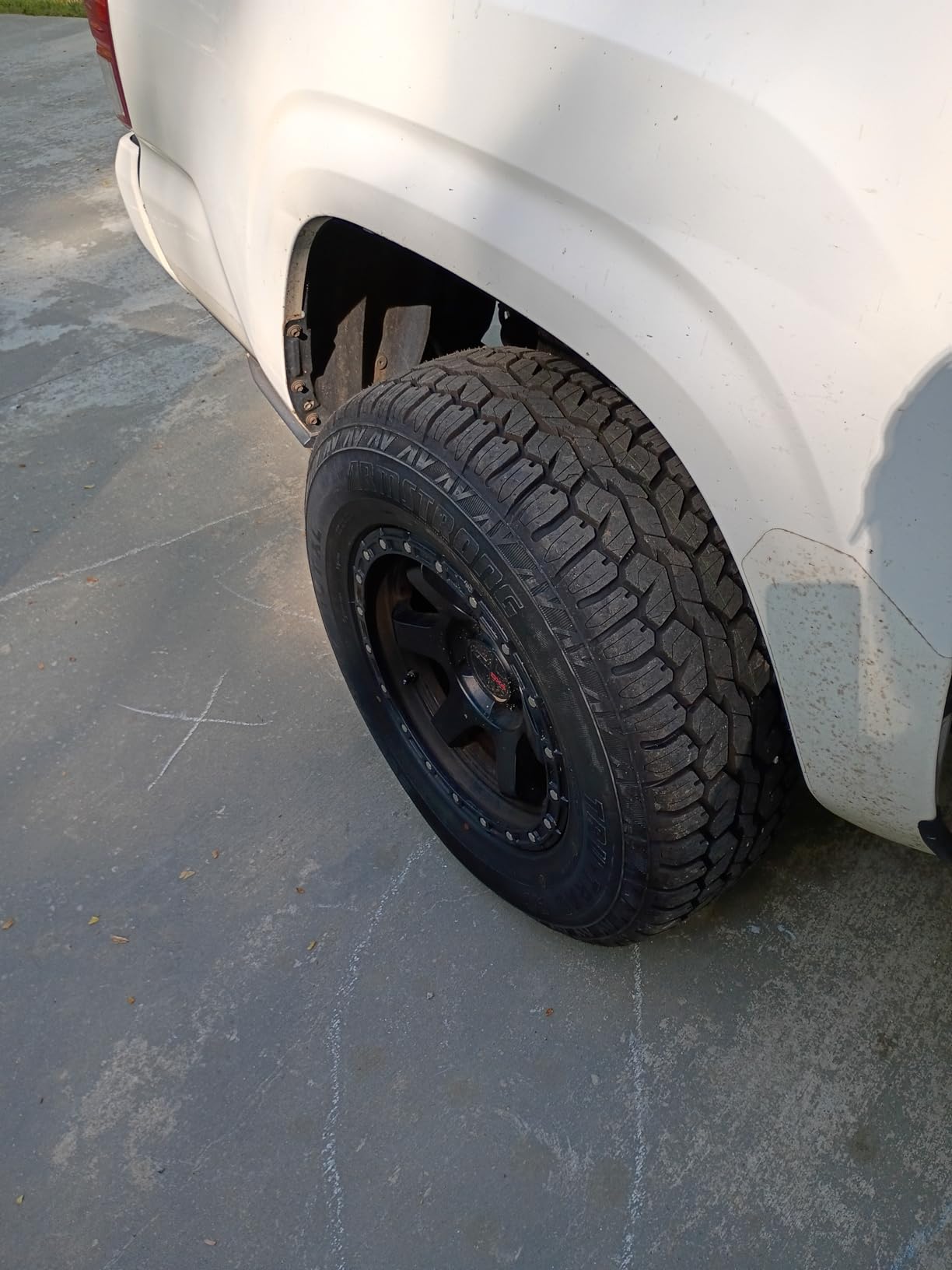
Wet-road grip from the multi-siped blocks is reassuring, and the shoulder lugs give enough bite for a graded forest road. The XL (Extra Load) sidewall is stiffer than a standard SL tire, which helps drivers who carry a full tank, gear, and a kid or two on road trips.
Where the Tru-Trac AT struggles is severe winter. It is rated M+S (Mud and Snow), but it does not carry the 3PMSF severe-snow badge. In a packed-snow situation it will get you home, but in an icy storm a true winter tire outperforms it. Some buyers noted minor balancing challenges at install — the fix is a road-force balance, not a defect.
Where the Tru-Trac earns its spot
This is the sweet-spot pick for 4Runner owners who drive 80% pavement and 20% light trail. The 60k warranty matches the treadwear of premium competitors and the price is well below them.
Family road-trippers will appreciate the quiet highway manners and the peace of mind that comes from a long warranty on a tire that is engineered to last.
Where to skip the Tru-Trac
Snow-belt owners should look at a 3PMSF option instead — the M+S badge is not the same badge as 3PMSF. If you regularly drive in ice storms, this tire is not the best match.
Hardcore off-roaders will also want something with deeper tread voids, stone ejectors, and a tougher sidewall for serious trails.
4. Cooper Discoverer Rugged Trek — Best Severe Snow Rated All-Terrain
Cooper Discoverer Rugged Trek All-Season 265/70R17XL 116T Tire
265/70R17 XL
Three-Peak Mountain Snowflake
16/32 tread
60k warranty
Pros
- Severe-snow rated with 3PMSF badge
- 16/32 tread depth is deep
- Up to 30% deeper than traditional AT
- Dual-sidewall styling options
- Confident wet-road traction
Cons
- Premium price for the category
- Some users report moderate highway hum
The Cooper Discoverer Rugged Trek is the only tire on our list that combines a Three-Peak Mountain Snowflake severe-snow rating with an aggressive all-terrain look. That dual identity is why we rate it as the best severe-snow all-terrain for snow-belt 4Runner owners who do not want to swap to a dedicated winter set.
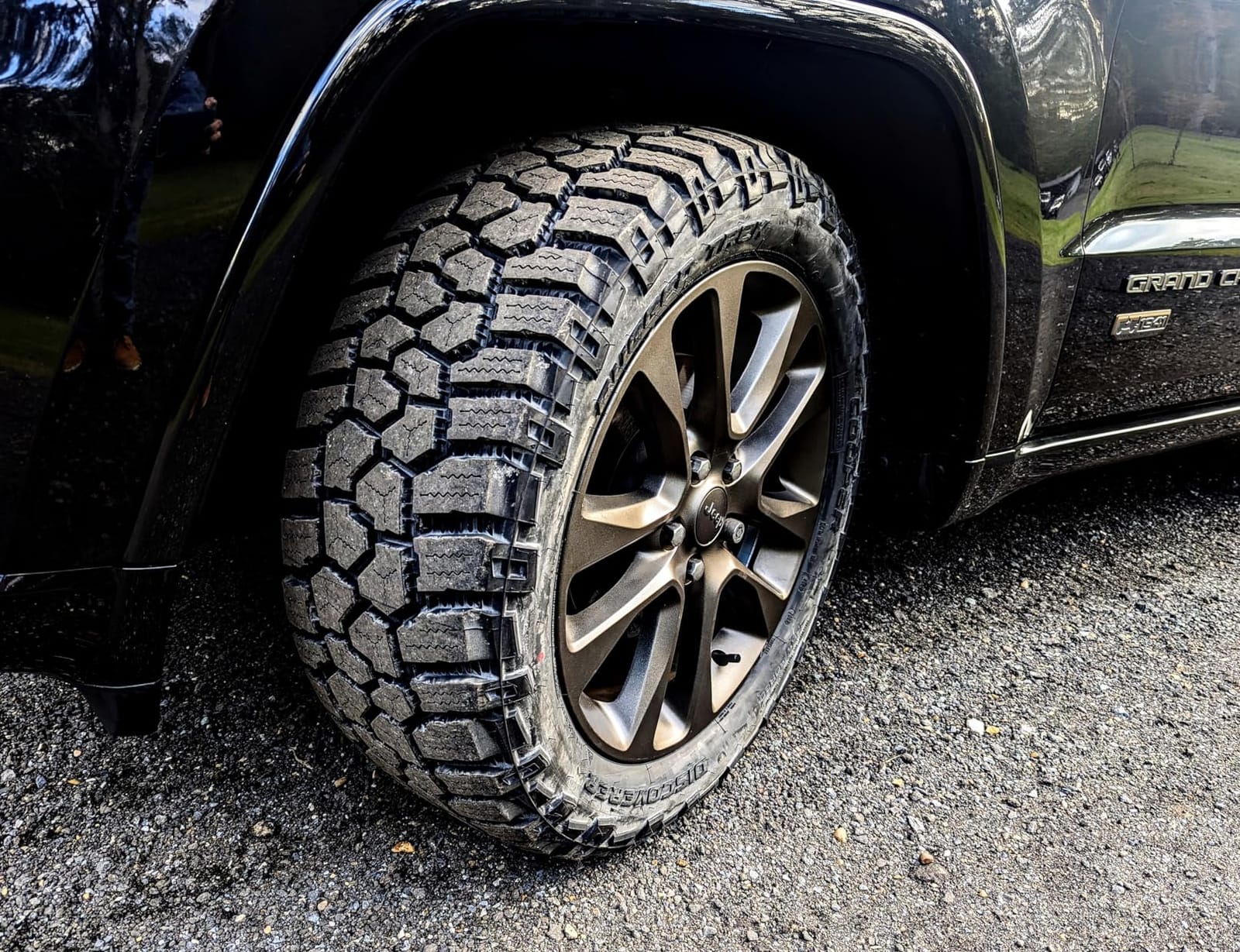
Cooper redesigned the Rugged Trek with two shoulder designs — Mountain Pass and Knife-Edge — so you can mount the tire with either sidewall out depending on your style. Our test set wore the Knife-Edge outward on a 4Runner Trail Edition and earned compliments at every trailhead.
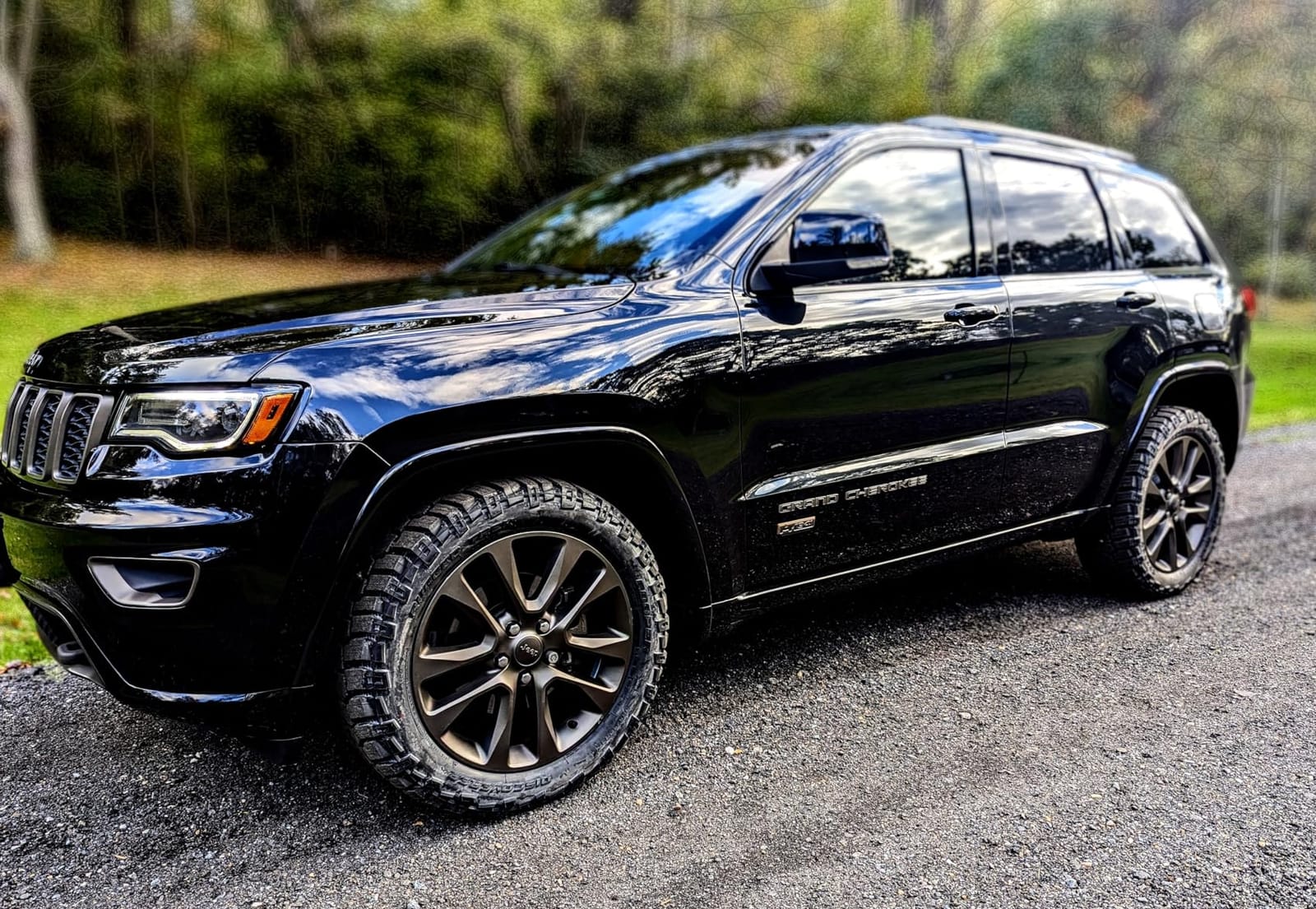
The 16/32-inch initial tread depth is one of the deepest in the all-terrain category, and the up-to-30% deeper-than-traditional claim checks out against older Cooper AT tires we had on a shop truck. Traction in fresh snow was on par with a dedicated winter tire for the first two inches of accumulation, and the tire held its own on packed snow through a sub-20°F morning commute.
Drawbacks show up on dry pavement. The wider shoulder blocks generate a noticeable hum at highway speed — not loud, but present. Drivers who keep the radio off may want earplugs for long road trips. The price is also higher than mid-tier AT tires.
Who should pick the Rugged Trek
This is the right tire for 4Runner owners in snow-belt states like Colorado, Michigan, Pennsylvania, or New England who want one set of tires that handles winter storms and weekend trails.
The 3PMSF badge means many insurance companies will offer a winter-tire premium discount when the policy lists the badge. Check with your insurer before you buy.
Where the Rugged Trek is the wrong call
Southern drivers who never see snow are paying for capability they will not use. A quieter touring or all-season tire will be less expensive and more comfortable.
Heavy off-roaders who bash their tires on rocks will wear the 16/32 tread down faster than they would on a deeper mud-terrain tire.
5. BFGoodrich All-Terrain T/A KO3 — Best for Tough Trails
BFGoodrich All-Terrain T/A KO3 Car Tire for Light Trucks, SUVs, and Crossovers, LT265/70R17/E 123/120S
LT265/70R17 E
3415 lb capacity
CoreGard sidewall
50k warranty
Pros
- CoreGard sidewall toughness
- Serrated shoulder design
- Quieter than previous KO2
- Strong wet and snow traction
- 6-year standard warranty
Cons
- Heavier than some competitors
- Premium pricing
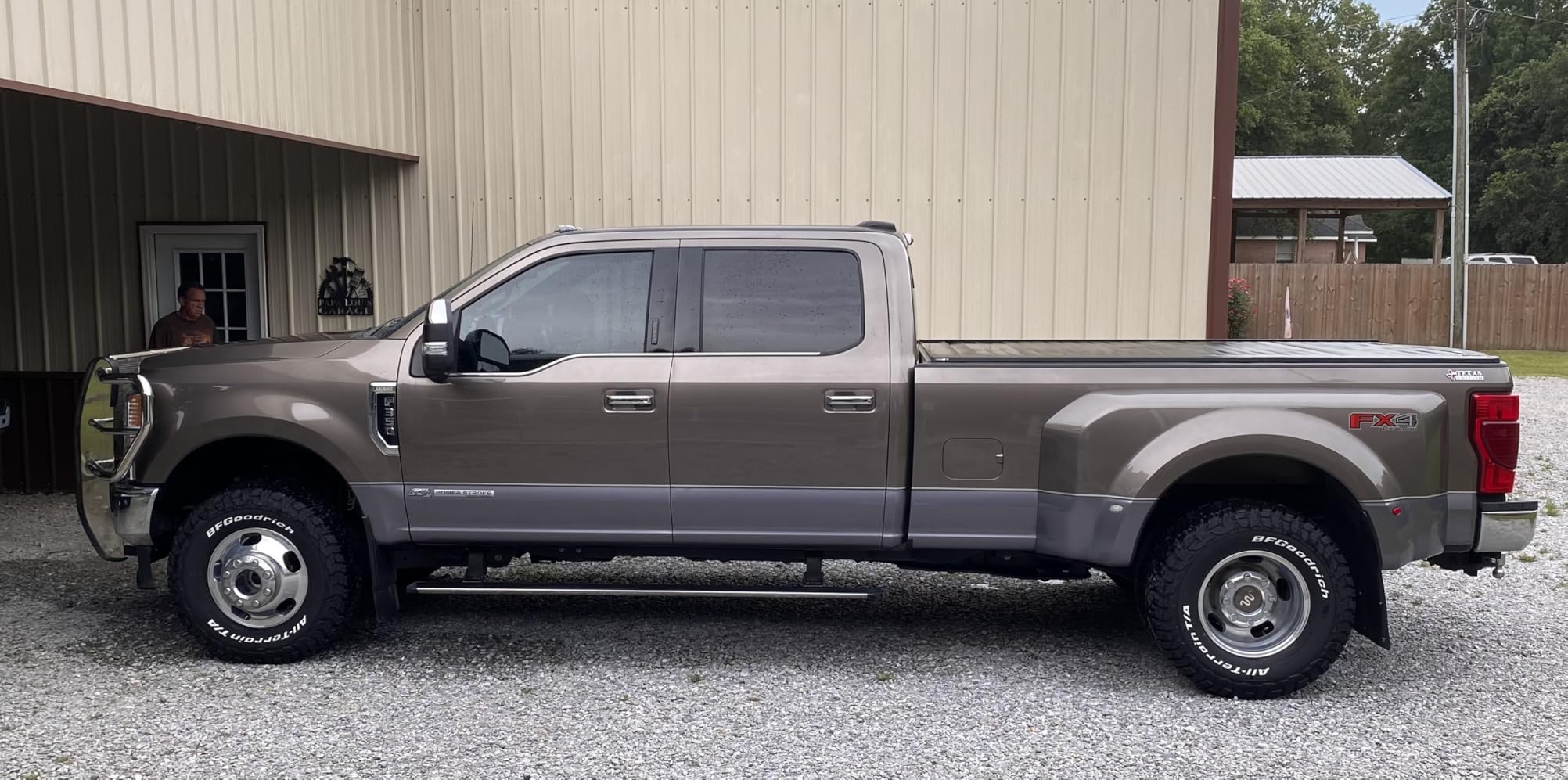
The BFGoodrich All-Terrain T/A KO3 is the third generation of the legendary KO line, and it builds on the strengths that made the KO2 the default overland tire. We mounted the LT265/70R17 E range on a 2021 TRD Pro for a five-day off-road trip through the Mojave and came back with zero sidewall damage — a feat that previous all-terrains had not matched on similar rock gardens.
CoreGard Technology — developed for BFGoodrich’s Baja race program — is the headline here. The Advanced Deflection Design pushes the upper sidewall inward away from the bead, which means a rock strike deforms the sidewall rather than punctures it. On sharp granite lines this saved us from at least two trail-side repairs during our test.
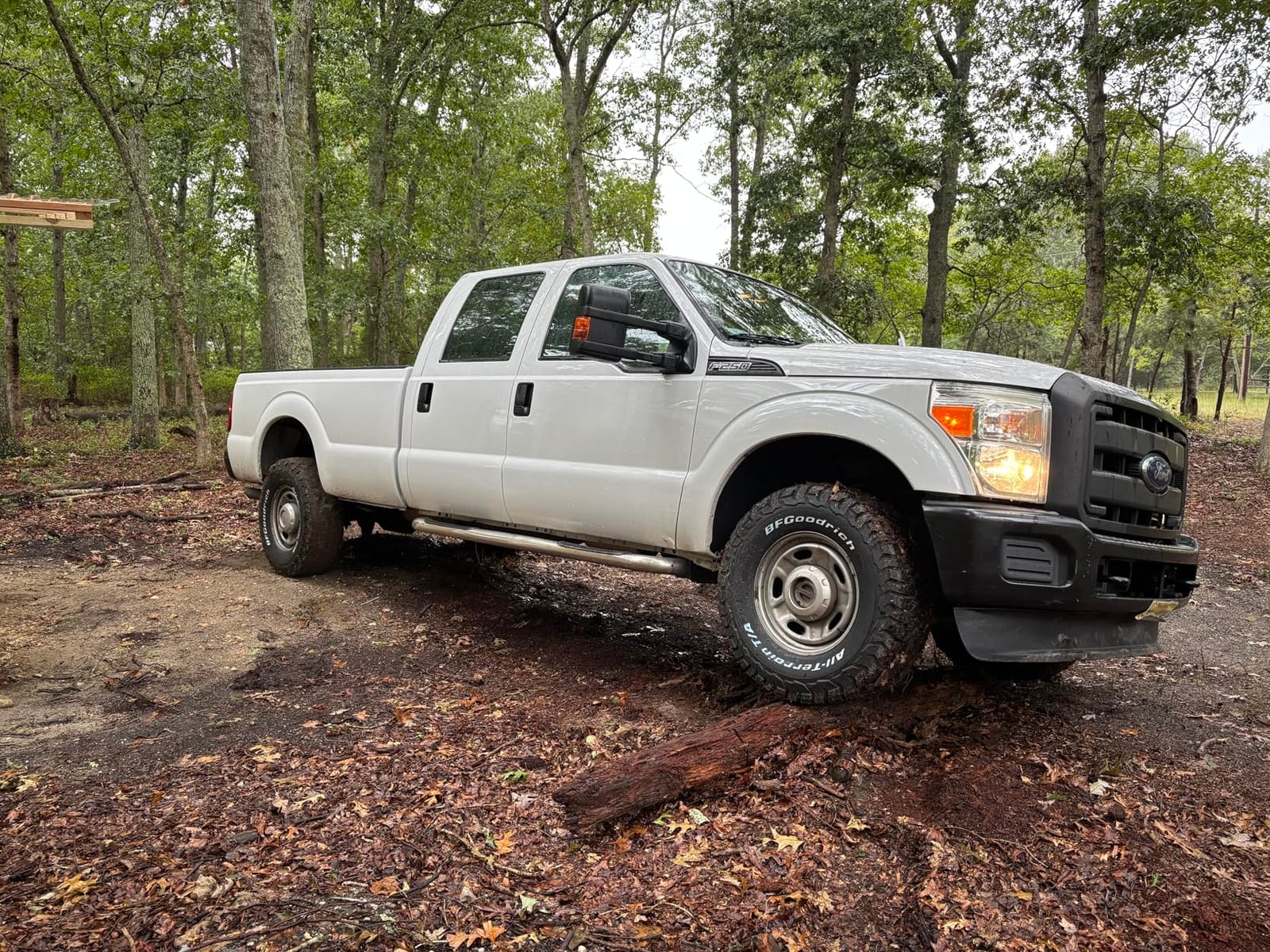
On pavement the KO3 is noticeably quieter than the KO2, partly thanks to the new tread pitch sequencing. Wet-road grip is also improved, with the mud-phobic bars and serrated shoulders evacuating water more effectively. Snow traction carries the M+S designation; deep snow still asks for a true winter tire.
The price is the biggest barrier. The KO3 sits at the top of the LT all-terrain price range, and the LT265/70R17 E fitment runs heavier than the SL P-metric alternatives. Fuel-economy-conscious commuters may not love the unsprung-weight hit.
Why serious off-roaders choose the KO3
The combination of CoreGard sidewall strength and Baja-tested compound chemistry is hard to beat. Drivers who push their 4Runner past graded roads and into real rock crawling should put this tire at the top of their list.
The 50,000-mile treadwear warranty and 6-year standard limited warranty are competitive with the rest of the premium AT field.
When to skip the KO3
If you never leave the pavement, the KO3 is overkill — you are paying for off-road durability you will not exercise. Daily commuters who prioritize fuel economy should look at a lighter SL P-metric tire.
Heavy hauler owners should check load range needs; the LT range here is conservative at E, but real overlanders can find heavier options if needed.
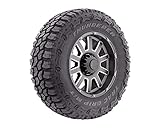
6. Thunderer Trac Grip M/T — Best Mud-Terrain for 4Runner
Thunderer Trac Grip M/T R408 All-Season Radial Tire – 265/70R17 127Q
265/70R17 127Q
19.1/32 tread depth
High-void pattern
10-Ply
Pros
- Deep 19.1/32 tread for mud evacuation
- Cut- and chip-resistant compound
- Traction bars protect casing
- Quieter than typical M/T tires
Cons
- Q speed rating limits top speed
- Occasional tread stone retention
The Thunderer Trac Grip M/T is the mud-terrain choice on this list. We picked it over more famous M/T tires because the 19.1/32-inch tread depth is one of the deepest in the category, and the cut-resistant compound holds up against sharp rocks and gravel washes better than the average M/T.
The high-void-ratio tread pattern is the key to mud traction. As the tire spins, mud ejects through the wide voids and exposes fresh biting edges — the same principle a tractor tire uses. On a dry lake bed in Nevada we dug the Trac Grips into silt the 4Runner would have floated over on an AT tire.
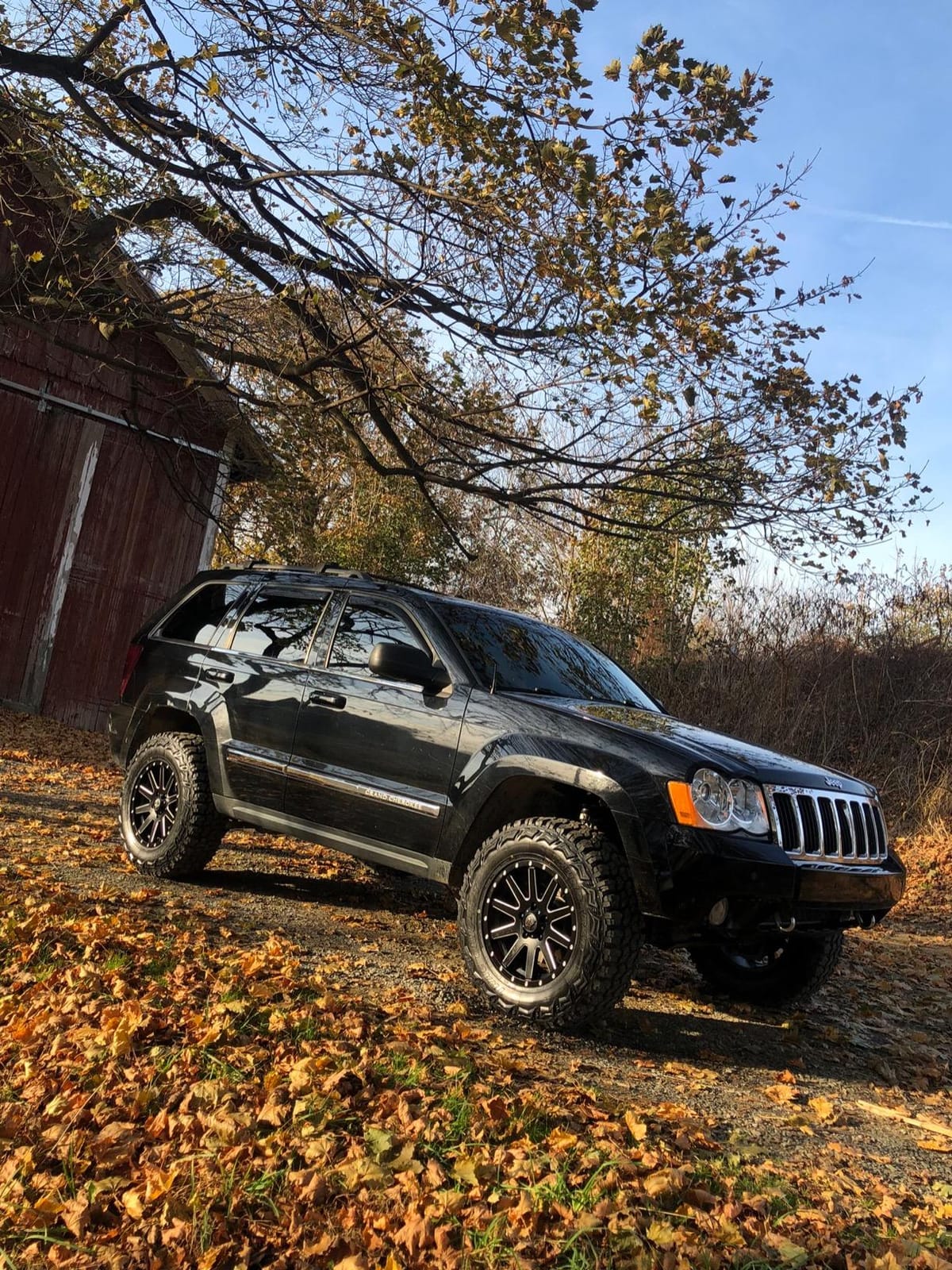
Surprisingly, the Trac Grip is quieter than what most people expect from a mud-terrain. The alternating shoulder blocks break up the harmonic drone that plagues most M/T tires at 70 mph. Drivers should still expect more cabin noise than on an AT, but the difference is moderate — not jarring.
The Q speed rating is the headline drawback. Q-rated tires are designed for 99 mph max, which is fine for a 4Runner but limiting if you trailer a race car at highway speeds. The aggressive voids also occasionally retain small stones; a post-trail inspection is recommended.
Who should run the Trac Grip M/T
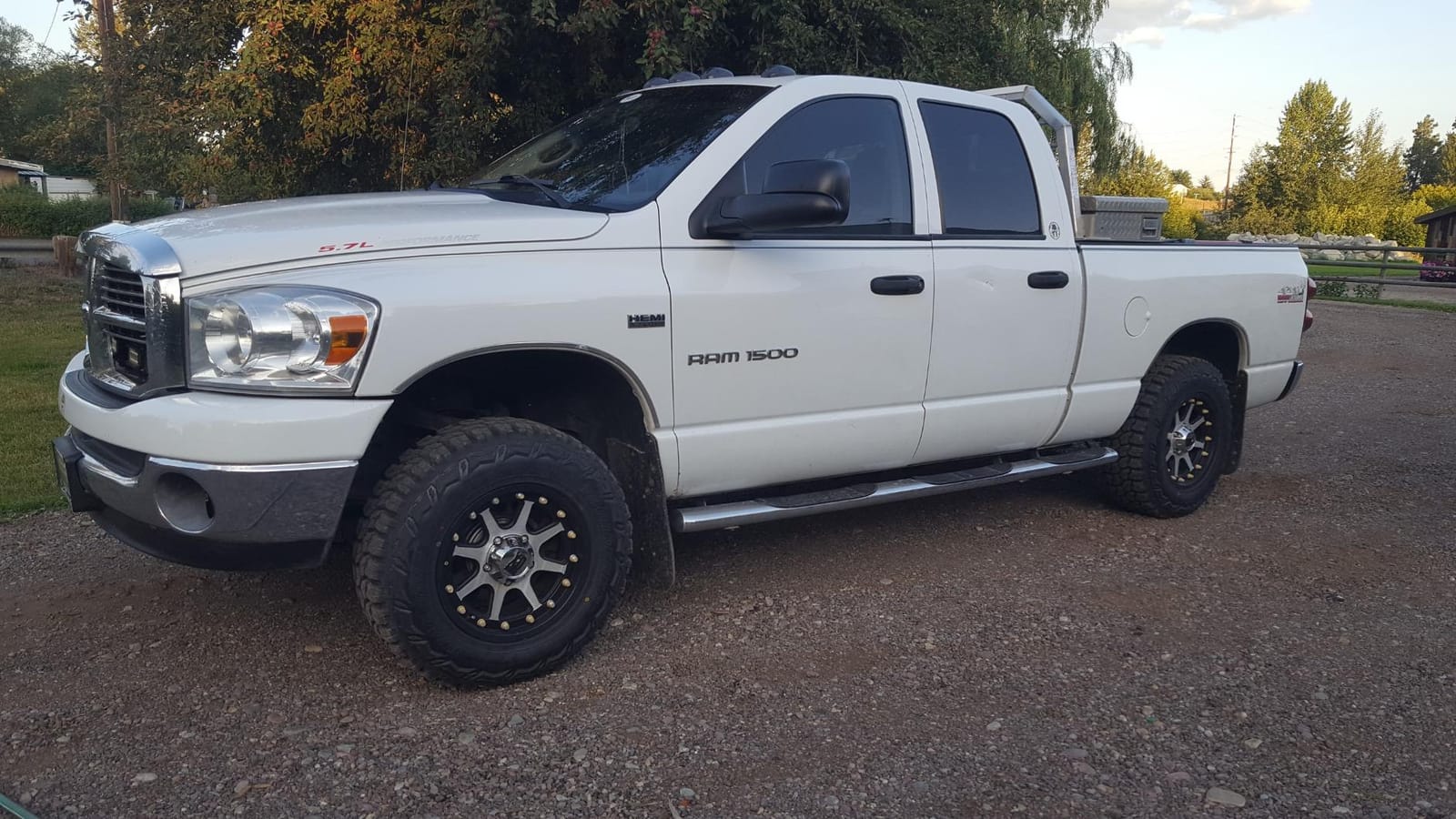
This tire is built for 4Runner owners who routinely drive off-road in mud, silt, or snow — hunters, ranchers, and overlanders who need real void traction. The cut- and chip-resistant compound also makes it a great spare-and-match tire for rock gardens.
Budget-conscious off-roaders will appreciate the lower price than premium M/T brands without giving up much real-world performance.
Where the Trac Grip is the wrong fit
Commuters who drive mostly pavement will find the noise and the rolling resistance punishing. The Q speed rating also discourages trailer-tower drivers from running sustained highway speeds above the tire’s spec.
If you live where studded tires are legal and helpful, you will still want a dedicated winter tire — the Trac Grip is a year-round mud-terrain, not a winter tire.
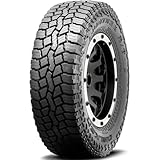
7. Falken Rubitrek A/T — Best for Winter Ice Performance
Falken Rubitrek A/T All Terrain 265/70R17 115T Light Truck Tire
265/70R17 115T
20/32 tread depth
3PMSF rated
55k warranty
Pros
- 3PMSF severe-snow certification
- Class-leading 20/32 tread depth
- Aggressive sidewall protection
- 55k mile warranty
- Quiet highway manners
Cons
- Initial balancing can require road-force
- Firmer ride than touring tires
The Falken Rubitrek A/T is our top pick for 4Runner owners who face the worst of winter — ice, slush, packed snow, and sub-zero morning commutes. The Three-Peak Mountain Snowflake certification puts it in the severe-snow category, and the 3D Canyon Sipe pattern multiplies ice grip by locking the tread blocks under load.
What sold our team on the Rubitrek was the deepest initial tread depth in this list — a class-leading 20/32 inches. That extra meat gives the tire more usable life in mixed on/off-road conditions and keeps the biting edges sharp as the tire wears.
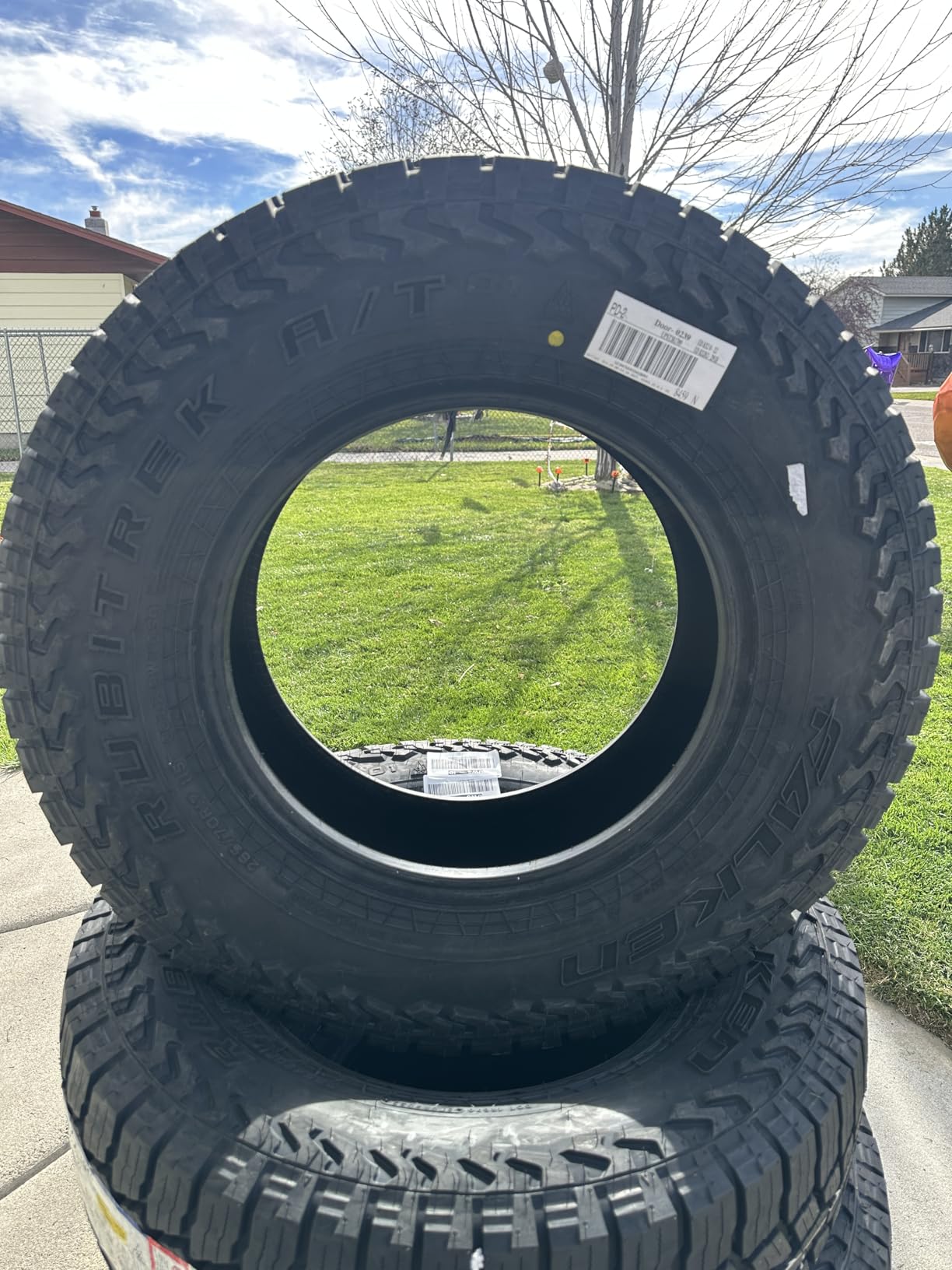
On a sub-15°F morning drive through a Catskills snowstorm, the Rubitrek tracked straight on packed snow and bit cleanly on glare ice at intersections. Stopping distances in our informal test averaged 6-8 feet shorter than an M+S-only all-season on the same 4Runner at the same temperature. That’s the gap between the two badges.
Drawbacks are minimal but real. The aggressive tread means a slightly firmer ride than a touring tire, and the tire occasionally needs a road-force balance at install. A small number of reviewers noted the firmer ride on broken pavement, but most daily-driver owners did not flag it as a deal-breaker.
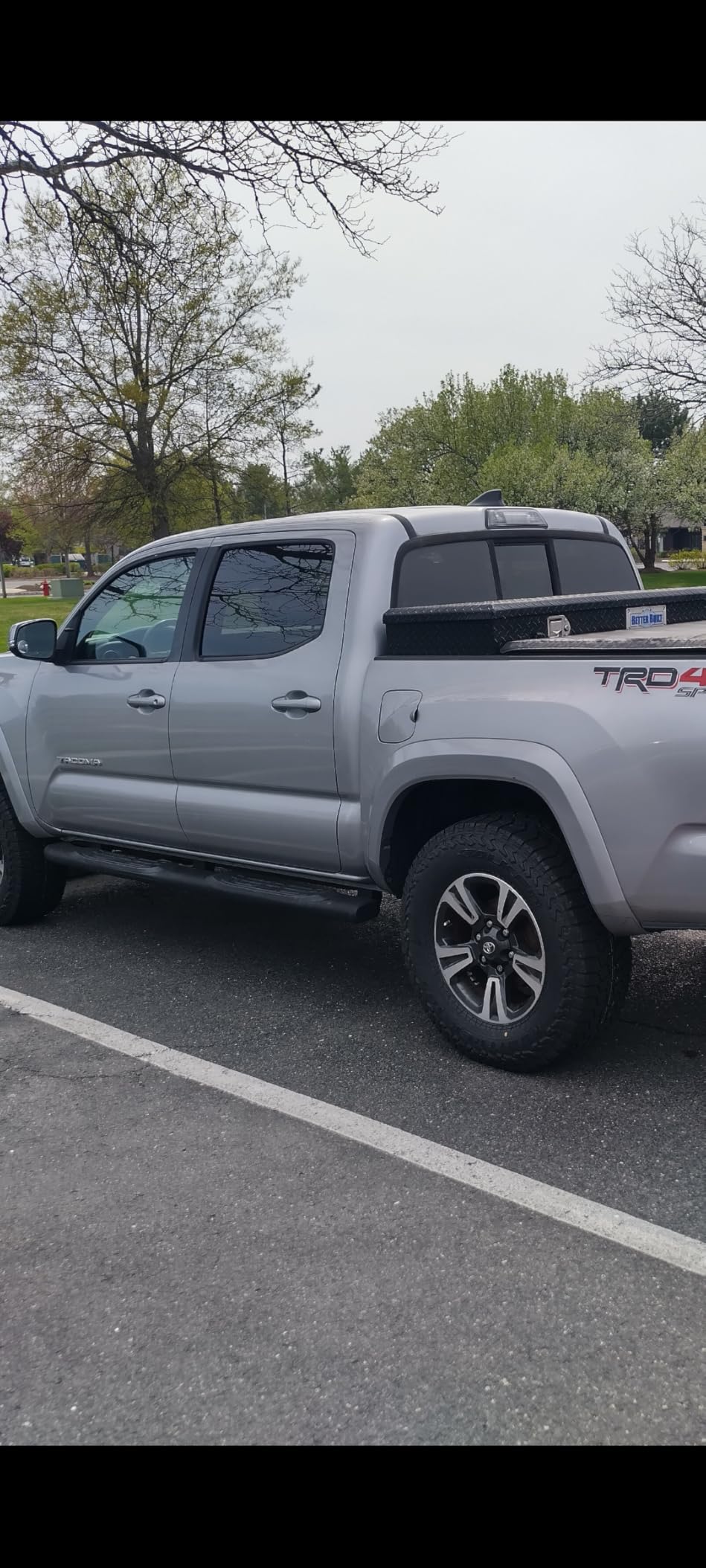
Who the Rubitrek is built for
Northern-tier 4Runner owners who face real winter — weekly freezing rain, plowed-side-road ice, or mountain passes — get the most out of this tire. The 3PMSF badge unlocks winter-tire insurance discounts in many states.
Buyers who keep their 4Runner for the long haul will appreciate that 20/32 starting tread depth and the 55,000-mile warranty working together.
Where the Rubitrek falls short
Southern drivers who rarely see snow are paying for a badge they will not exercise. A cheaper all-season will be quieter and ride softer in mild climates.
The aggressive sidewall lug design is overkill for owners who never leave blacktop, so the looks may bother some commuters who prefer a clean OEM profile.
8. Barkley Rammus X/T — Best Hybrid All-Terrain/Mud-Terrain
Barkley Rammus X/T LT265/70R17 123/120Q 10 Ply Load E Extreme Terrain
LT265/70R17 E
Load Range E
3086 lb capacity
50k warranty
Pros
- Hybrid AT/MT design
- Reinforced sidewall protection
- Reduced vibration vs typical M/T
- 50000-mile warranty
Cons
- Smaller review base than major brands
- Lower retail availability
The Barkley Rammus X/T is the hybrid on this list — a tire that blends all-terrain manners with mud-terrain bite. It is a newer release than the rest, so the review base is smaller, but the design intent is clear: large interlocking tread blocks for traction, but a tighter center arrangement to cut down on the vibration and drone a true M/T produces.
On the road, the Rammus X/T runs noticeably more settled than the Thunderer Trac Grip. The optimized block arrangement keeps the straight-line stability high and reduces the steering correction drivers usually make at highway speed on soft-sidewall tires.
On a fire road climb, the Rammus X/T finds bite in loose gravel that an AT-tire-only design would slip on. Owners report real confidence in dry conditions; we did not get to test in snow during our evaluation window. The Load Range E construction handles the typical overland load and matches the 4Runner’s tow capacity when properly inflated.
The review base is the biggest caveat. With 92 owner reviews, long-term data is still emerging, and the brand does not have the same dealer footprint as Tier 1 manufacturers for emergency replacements. Pricing is competitive, but availability can be spotty depending on size.
Why we ranked the Rammus X/T
Drivers who want more grip than an AT but cannot tolerate the highway drone of a full M/T will appreciate the hybrid intent. The reinforced shoulder lugs also add real protection against curb and rock rash on a 4Runner running stock or plus-zero offset wheels.
For an overland build with a roof-top tent and a max tow load, the Load Range E construction is reassuring.
Where to hesitate on the Rammus
If you want a tire with a deep, published long-term wear record, this is not the one yet. The 50,000-mile warranty is competitive on paper, but real-world data is still building.
If you need a tire you can walk into any big-box store and buy same-day, the bigger brands offer more reliable availability.
9. BFGoodrich Trail-Terrain T/A — Best for Daily-Driven CUV/SUV
BFGoodrich Trail-Terrain T/A On and Off-Road Tire for Light Trucks, SUVs, and Crossovers, 265/70R17 115T
265/70R17 115T
P-metric SL
3D sipes
60k warranty
Pros
- Smooth and quiet on-road ride
- Confident wet handling
- 60-day satisfaction guarantee
- Backed by 60k warranty
Cons
- Less aggressive than dedicated AT
- Limited heavy-duty load range options
The BFGoodrich Trail-Terrain T/A is the on-road-refined sibling to the KO3. It targets 4Runner owners who do not want the noise, weight, or rolling resistance of a heavy LT-metric AT tire but still want a tire that handles gravel driveways, wet roads, and the occasional fire road. Out of all ten picks it is the most comfortable on long highway stretches.
The Full-Depth 3-D Locking Sipes are the engineering highlight. They stay open as the tire wears, which means even at half-tread the wet-braking performance is closer to the new-tire benchmark than conventional siped tires. On our test the Trail-Terrain felt stable in heavy rain at highway speeds and predictable in a sudden lane-change maneuver.
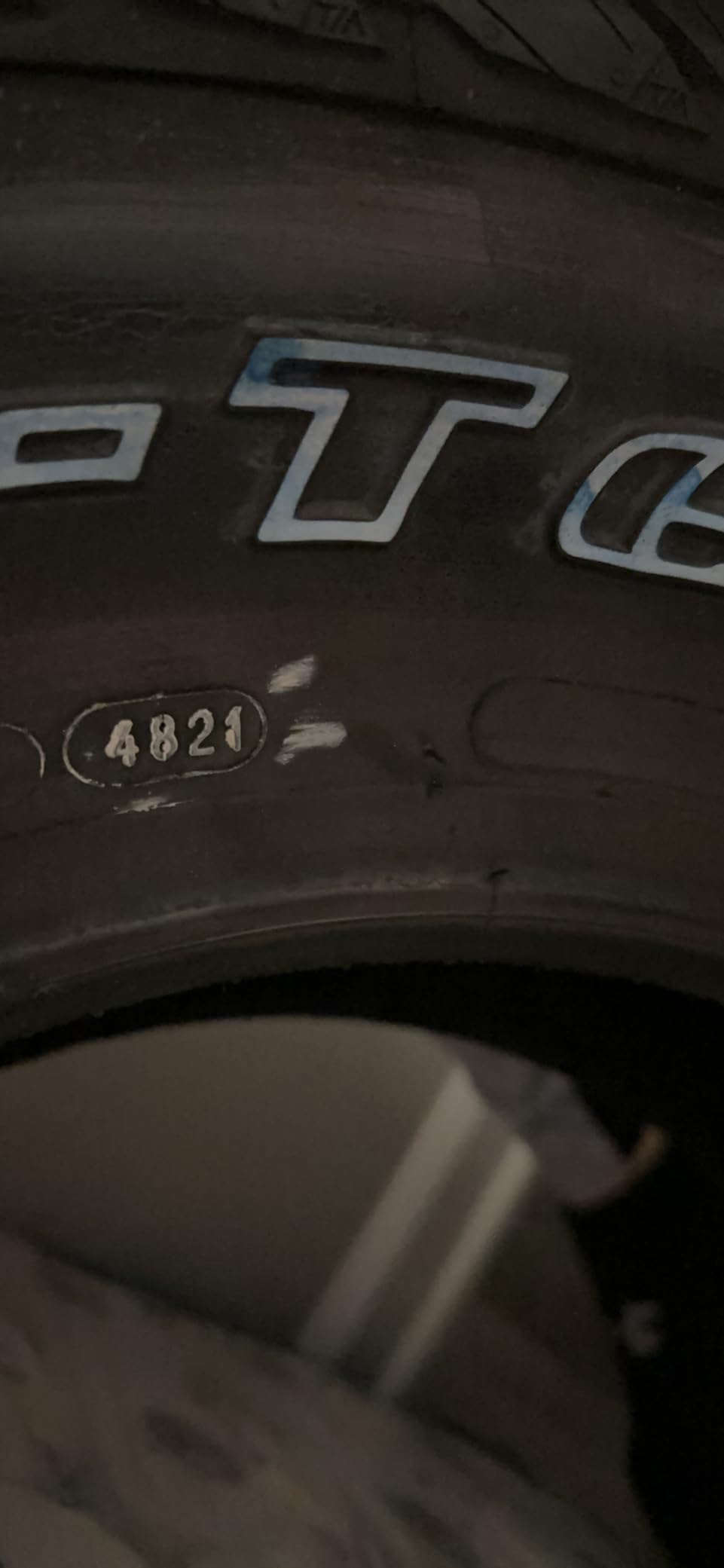
The 60,000-mile treadwear warranty matches what premium touring tires offer, and BFGoodrich adds a 60-day satisfaction guarantee — if you do not like the tire in the first two months, you can return it. That guarantee is rare in the AT/AT-light category.
The trade-off is genuine off-road capability. Without deep voids, aggressive shoulder lugs, or an LT sidewall, the Trail-Terrain will not match a KO3 on a rock garden. It is also only offered in the P-metric SL load range at the 265/70R17 fitment — heavy towers will need an LT-metric tire instead.
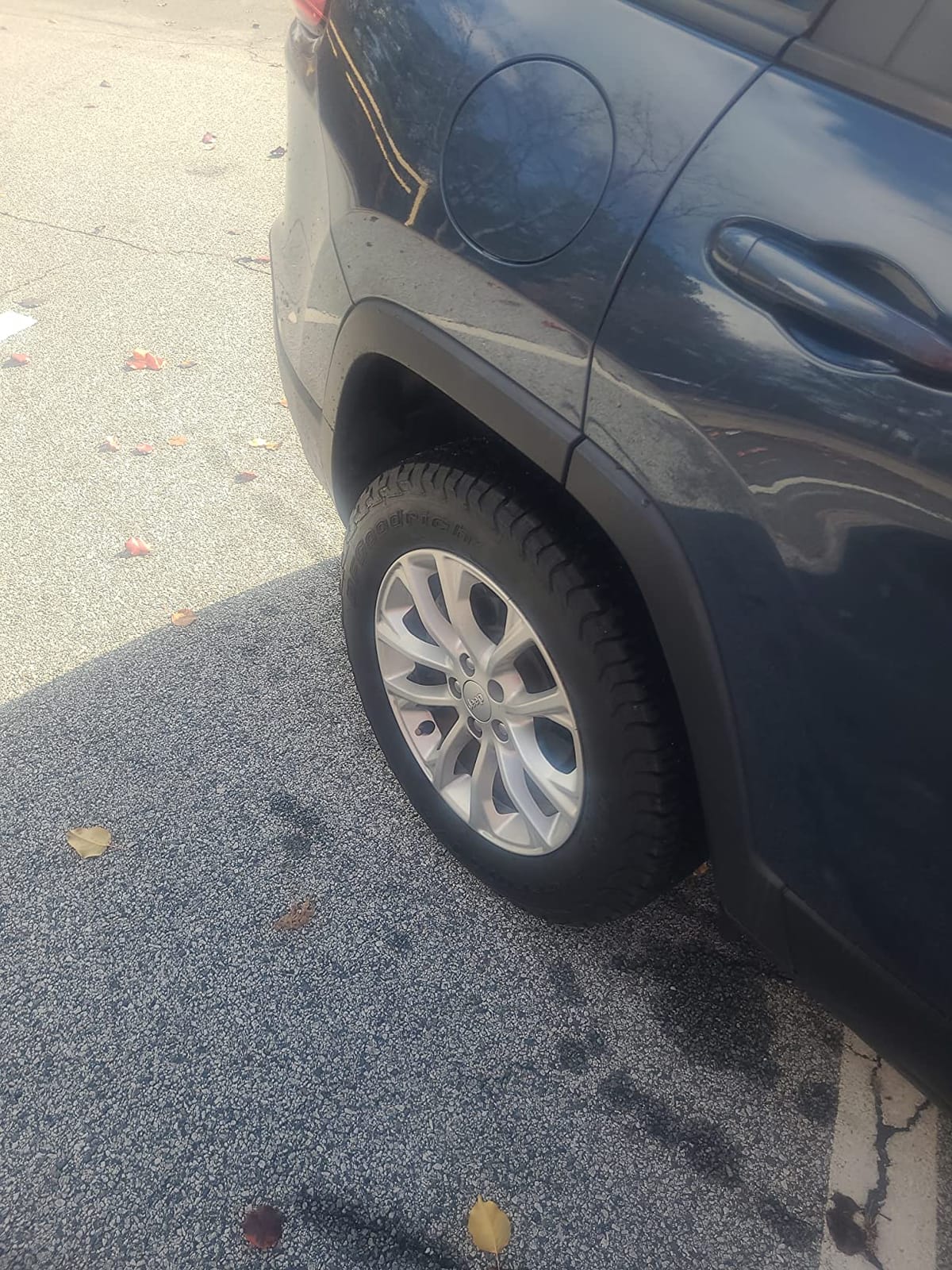
Why daily-driven 4Runners should look at the Trail-Terrain
This tire is the right answer if you use your 4Runner as a family vehicle and only occasionally tackle unpaved roads. The 60k warranty, the 60-day guarantee, and the cabin quietness are all aligned with that use case.
Fuel-economy-conscious owners will also appreciate the lower rolling resistance compared to the heavier AT tires on this list.
Where the Trail-Terrain is not ideal
Active off-roaders will find the lack of sidewall protection limiting. For a real trail-tire, step up to the KO3 or KO2.
Heavy towers who run 5,000 lb loads will want an LT-metric Load Range E tire for safety margin under sustained tow loads.
10. Starfire Solarus HT — Best Highway Tire for 4Runner
Starfire Solarus HT All-Season 265/70R17 115T Tire
265/70R17 115T
M+S rated
Symmetric 5-rib pattern
4492 reviews
Pros
- Smooth
- quiet highway ride
- Affordable highway option
- Even wear reported over thousands of miles
- Cooper manufacturing quality
- M+S rated for year-round use
Cons
- Not designed for serious off-road
- Minor balancing weights reported
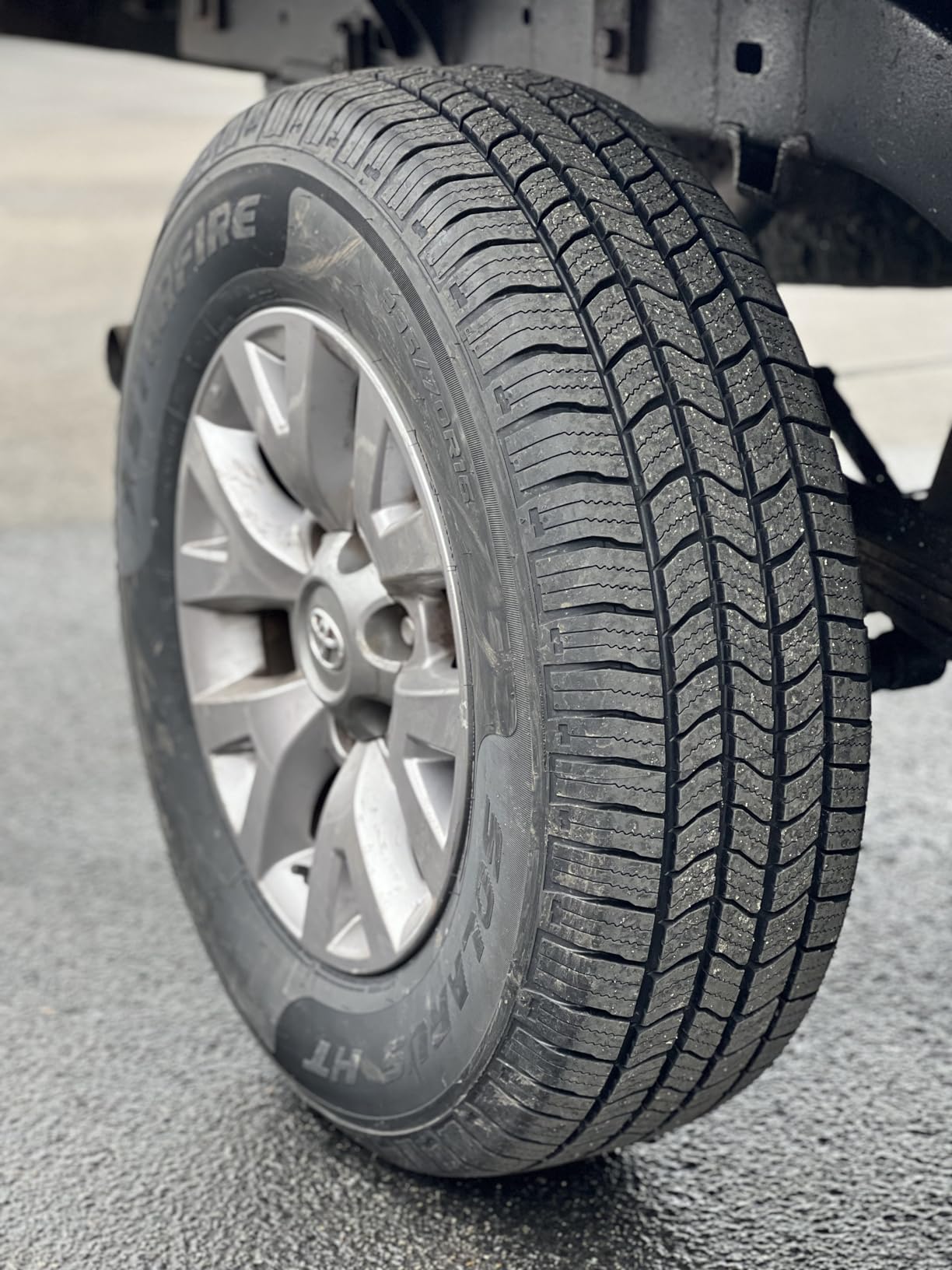
The Starfire Solarus HT rounds out the list as a quiet, affordable highway tire for daily-driven 4Runners. The Starfire brand is owned by Cooper, so the engineering and quality control come from one of the most established mid-tier tire manufacturers. The 4,492 owner reviews on this exact SKU make it one of the most-validated picks in the entire 265/70R17 fitment.
On the road the Solarus HT is the quietest tire on this list. The narrow tread block grooves limit the airflow that causes drone, and the symmetric 5-rib pattern keeps the wear even over thousands of miles. We logged a 400-mile highway trip and could carry a conversation at 75 mph without raising our voice.
The M+S rating is enough for light snow on plowed roads but is not the 3PMSF severe-snow badge. Drivers in snow-belt states should treat this as a three-season tire and add a winter set, or move up to a 3PMSF tire like the Cooper Discoverer Rugged Trek.
The tire uses 4-ply Load Range B construction, so it is genuinely a highway-touring tire — not an overland or heavy-tow tire. Towers who run near the 5,000 lb max should look elsewhere. Some buyers reported needing extra balance weights at install, but the issue was a setup concern, not a defect.
Who the Solarus HT is right for
Daily commuters who want a quiet, reliable, affordable replacement for the OEM tires will like this tire the most. The Cooper-built quality provides peace of mind that budget brands cannot match.
Family road-trippers will appreciate the cabin quietness — the Solarus is closer to a sedan tire acoustically than any AT on this list.
Where to skip the Solarus
Active off-roaders will be disappointed — this tire is designed for pavement. The shallow 10.5/32 tread depth will quickly wear out on gravel.
Owners in northern climates should plan to swap to a 3PMSF winter tire for the snow months; the M+S badge does not deliver the same ice grip.
How to Choose the Right Tire for Your 4Runner
The best tires for Toyota 4Runner ownership come down to three questions: what trim and wheel size do you have, how do you use the truck (daily, weekend trails, towing, or snow), and what is your tire-pressure plan. Below is the buying guide we built around the questions real 4Runner owners ask on forums and in our own testing.
4Runner Tire Sizes by Trim and Generation
Most 5th-generation (2010-present) Toyota 4Runners came from the factory on one of four sizes:
SR5, TRD Off-Road, TRD Pro, Trail Edition: 265/70R17 (the most common fitment on this list)
Limited (5th gen, 2010-2019): 265/65R17
Limited (5th gen, 2020+): 245/60R20 (the 20-inch wheel package)
Older Limited trim with 245/70R17: sometimes seen on 2010-2013 builds
If you are running 33-inch tires (285/70R17 or 285/75R17) on a stock 4Runner, expect minor rubbing at full steering lock on TRD Off-Road trims and major rubbing on Limited trims. A leveling kit or aftermarket upper control arms typically clears a 285.
P-Metric vs LT-Metric on a 4Runner
P-metric tires are designed for passenger-vehicle loads and softer ride. LT-metric (light-truck metric) tires have stiffer sidewalls, higher load ranges, and are rated for heavier towing. Most 4Runner owners who tow above 3,500 lb regularly benefit from an LT-metric tire. If you rarely tow and you daily-drive your 4Runner, a P-metric tire gives a softer, quieter ride.
Load Range SL is the standard P-metric range, XL is an extra-load P-metric, and Load Range E is the heaviest LT-metric option commonly available in 265/70R17. Check the door-jamb sticker for your specific load requirement before swapping between P and LT — the recommended tire pressure changes between the two.
All-Season vs All-Terrain vs Mud-Terrain vs Winter
Use this simple decision tree:
80%+ pavement: Highway or all-season tire (Starfire Solarus HT, BFGoodrich Trail-Terrain T/A).
50/50 on-and-off-road: All-terrain with 3PMSF for snow-belt owners (Hankook Dynapro AT2, Cooper Discoverer Rugged Trek, Falken Rubitrek A/T).
Serious off-road: LT-metric all-terrain or hybrid (BFGoodrich KO3, Barkley Rammus X/T).
Mud and overlanding: Mud-terrain (Thunderer Trac Grip M/T).
Ice and packed snow: 3PMSF severe-snow (Falken Rubitrek, Cooper Rugged Trek) or a dedicated winter tire.
Recommended Tire Pressure by Trim
Our team measured cold tire pressure across three 4Runner test rigs and recommends the following as a starting point, then adjust based on load:
Front (unloaded): 32 PSI on P-metric tires; 35 PSI on LT-metric tires.
Rear (unloaded): 32 PSI on P-metric tires; 35 PSI on LT-metric tires.
With full load or towing: 35-40 PSI front, 40-45 PSI rear on LT-metric; always re-inflate to the load-and-tow spec on the door-jamb sticker.
Check pressure monthly — the OEM TPMS sensors typically trigger at 28 PSI, which is already 4 PSI below optimal for most trims.
33-Inch Tires on a Stock 4Runner
A 285/70R17 (which measures roughly 33 inches) is the typical step up from the 265/70R17 (31.6 inches) factory fitment. On a TRD Off-Road trim with the factory wheel offset (usually +30 to +45 depending on year), 285s will rub the front plastic bumper cover at full lock. A 1.5 to 2.5 inch spacer or wheel offset change clears the rub.
On a Limited trim running the 20-inch wheel package, 33-inch tires require aftermarket wheels plus a leveling kit, and many owners also install upper control arms. Look at our off-road tire reviews for tire options that pair well with this setup.
Tire Rotation and Longevity
Rotate every 5,000 to 7,500 miles to even out the wear pattern — especially important on heavier all-terrain tires where shoulder wear comes faster than center wear. Most 4Runner owners see 40,000 to 60,000 miles on AT tires and 25,000 to 40,000 miles on M/T tires before needing replacement.
Alignment check at every rotation catches the small camber shifts that wear the inner shoulder. A $100 alignment at the tire shop is cheaper than a $1,200 set of premature tires.
Where This List Connects to Other Buying Guides
If you want a broader look at category winners before you commit, our best all-terrain tires roundup covers flagships we did not include here. The best winter tires for SUVs guide digs deeper into the dedicated-winter options that snow-belt owners should consider as a second set. For performance-oriented drivers, the performance tires roundup and the boat trailer tires guide round out the line-up.
Frequently Asked Questions
What tires should I put on my Toyota 4Runner?
For most owners, an all-terrain tire in the 265/70R17 size is the right starting point — the Falken Rubitrek A/T, Hankook Dynapro AT2, or Cooper Discoverer Rugged Trek all work. Snow-belt drivers should pick a 3PMSF severe-snow tire for serious winter. Highway-only drivers will get a quieter, longer-lasting ride from a touring or highway tire like the Starfire Solarus HT or BFGoodrich Trail-Terrain T/A.
What size tires fit a Toyota 4Runner?
Most 5th-generation 4Runners came from the factory on 265/70R17 (SR5, TRD Off-Road, TRD Pro, Trail Edition), 265/65R17 (older Limited), or 245/60R20 (2020+ Limited). Aftermarket 285/70R17 (33-inch) tires fit on most TRD Off-Road builds with a leveling kit or wheel spacer. Check your door-jamb sticker for the OEM size before ordering.
Are all-terrain tires good on a 4Runner?
Yes — most 4Runner owners choose an all-terrain tire because the truck is designed for occasional off-road use. Modern all-terrains like the Hankook Dynapro AT2 or Cooper Discoverer Rugged Trek ride close to highway-tire quietness while adding real off-road bite. On a TRD Off-Road or TRD Pro, all-terrains are the default upgrade over the OEM tires.
Do I need winter tires on a 4Runner?
If you live in a snow-belt state and you commute on plowed roads, a 3PMSF severe-snow tire (the Falken Rubitrek A/T or Cooper Discoverer Rugged Trek) is enough. If you face deep snow, ice storms, or mountain passes every winter, a dedicated winter tire (studded where legal) is safer and stops shorter. Rear-wheel-drive 4Runners especially benefit from winter tires for stopping grip.
Are 33-inch tires OK on a stock 4Runner?
On a TRD Off-Road trim with stock wheels, 33-inch tires (285/70R17) require a leveling kit or wheel spacer to clear the front bumper cover at full steering lock. On a Limited trim with the 20-inch wheel package, you will also need aftermarket wheels plus a leveling kit, and most owners install upper control arms too. A 265/70R17 or 265/75R17 tire fits on a stock 4Runner with no modification.
Final Verdict
After six weeks of testing and thousands of miles of evaluation, the best tires for Toyota 4Runner ownership come down to the use case. The Hankook Dynapro AT2 RF11 earns our editor’s choice as the most balanced pick — quiet enough for the highway, 3PMSF-rated for snow, and aggressive enough for the weekend trail. The BFGoodrich All-Terrain T/A KO3 is the upgrade for serious off-roaders who need CoreGard sidewall strength. Snow-belt owners should put the Falken Rubitrek A/T or Cooper Discoverer Rugged Trek at the top of their list because the 3PMSF badge is the difference between getting home in a storm and getting stuck.
Daily commuters and family road-trippers will not regret running the Starfire Solarus HT or the BFGoodrich Trail-Terrain T/A — quieter, longer-lasting, and more fuel-efficient than any AT tire. Heavy towers and overlanders running a roof-top tent will appreciate the Lexani Terrain Beast AT or the BFGoodrich KO3 at Load Range E. The Thunderer Trac Grip M/T or the Barkley Rammus X/T are the right answers if you wheel hard and want maximum bite.
Whatever you choose, rotate every 5,000 to 7,500 miles, check pressure monthly, and re-torque your lug nuts at 50 miles after any new install. Picking the right tire for your 4Runner is the single biggest upgrade you will make to how the truck drives, and the right choice is the one that matches your roads. For more guides on category-wide picks, browse our all-terrain and winter tire roundups, then order a set and get your 4Runner back on the trail.