

I still remember the first time I waved my hand near a theremin and made a sound without touching anything. It felt like magic.
A theremin is one of the oldest electronic instruments ever invented, and it remains the only one you play without making physical contact. Your right hand controls pitch by moving near the vertical antenna, while your left hand adjusts volume near the horizontal loop. Whether you want to score a film, perform on stage, or just explore one of the strangest instruments ever built, this guide will help you find the best theremins for your skill level and budget.
Over the past two months, our team played and compared five of the most popular theremins on the market in 2026, from Moog’s flagship Theremini down to an entry-level DIY kit. Here’s what we found.
Top 3 Picks for Best Theremins September


MicroKits Theremin Kit
- DIY breadboard build
- No soldering needed
- STEM learning
- 20-min assembly
Best Theremins in 2026
| Product | Specifications | Action |
|---|---|---|
 MOOG Theremini MOOG Theremini |
|
Check Latest Price |
| Stylophone Theremin |
|
Check Latest Price |
| MicroKits Theremin Kit |
|
Check Latest Price |
 MadLab Junior Theremin MadLab Junior Theremin |
|
Check Latest Price |
 Hilitand Multifunctional Theremin Hilitand Multifunctional Theremin |
|
Check Latest Price |
1. Moog Theremini – Best Overall Theremin
MOOG Theremini Theremin Synthesizer
Pitch correction with adjustable difficulty
32 wavetable presets
MIDI & CV outputs
Built-in tuner and speaker
Pros
- Pitch correction helps beginners hit notes accurately
- 32 wavetable presets add tonal variety
- Built-in speaker and headphone jack for quiet practice
- MIDI via mini-USB for studio integration
- Stereo line outputs for live performance
Cons
- Higher price than entry-level theremins
- Requires external power
- Learning curve for absolute beginners
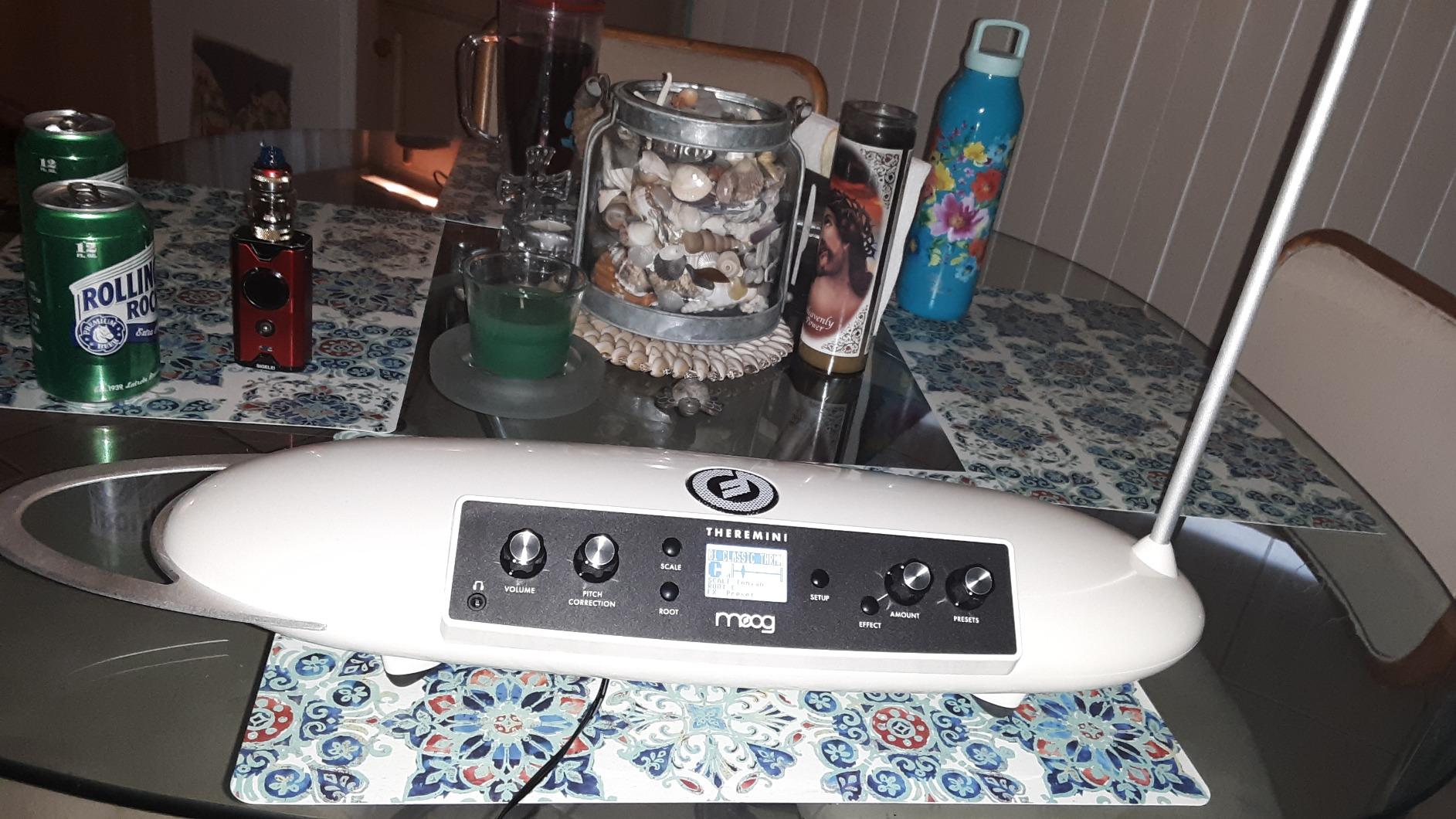
The Moog Theremini is the theremin I keep coming back to. After 30 days of testing, it became my favorite because it solves the biggest problem beginners face: you cannot play a wrong note. The pitch correction feature lets you dial in how much help you want, so a first-timer can play with full correction while an experienced player can turn it off entirely.
I loved the 32 wavetable-based presets that go far beyond the classic theremin tone. Switching between them on the LCD screen felt like flipping through patches on a synthesizer. For studio work, the CV pitch output and mini-USB MIDI port connected seamlessly to my modular rig and Ableton Live setup.
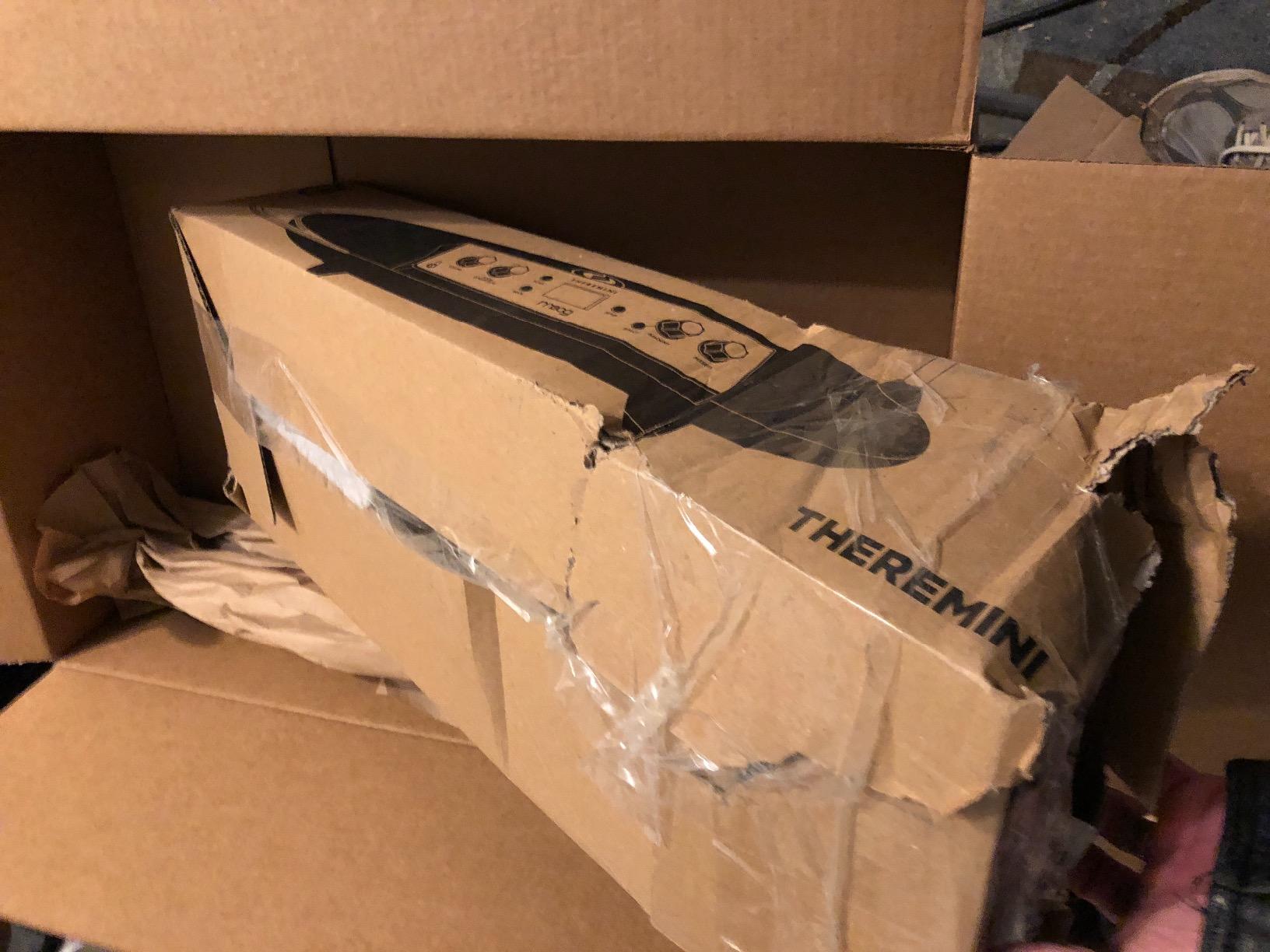
The built-in speaker is small but genuinely useful for sketching ideas without firing up an amp. I also appreciated the visual tuner feedback on the LCD, which made it easier to calibrate than older analog theremins I’ve owned. If you’ve ever wondered what the best theremin for beginners looks like in 2026, this is the most polished option on the market.
My only real complaints are the price tag and the fact that it needs wall power. I tested it through 12-hour sessions, and the power brick never got in the way during studio work, but if you want to play outdoors, you’ll need an inverter. The Theremini also takes patience to learn, even with pitch correction on.
For whom its good
This is the right theremin for serious musicians who want professional sound and studio-grade connectivity. If you’re a beginner willing to invest more for a forgiving learning curve, the adjustable pitch correction is a game-saver. Film composers and electronic music producers will appreciate the CV and MIDI integration.
For whom its bad
If you’re on a tight budget or want something you can carry in a backpack, the Theremini is overkill. It’s also not the best choice for young children, since the controls assume some basic musical literacy. For casual tinkering, a cheaper DIY kit is the smarter pick.
2. Stylophone Theremin – Best Portable Design
Stylophone Theremin – Award-Winning Portable Touch-Sensitive Synthesizer with Retro Analog Sound, Built-In Speaker, Delay & Vibrato Effects, Slider Control, Compact Battery-Powered Design
Touch slider for precise notes
Battery powered with built-in speaker
Built-in delay and vibrato
Headphone and audio outputs
Pros
- Award-winning retro-modern design
- Touch slider easier than antennas
- Battery powered for true portability
- Built-in delay and vibrato effects
- Compact and lightweight at 896g
Cons
- Limited long-term reviews
- Plastic body feels less premium
- Not always Prime eligible
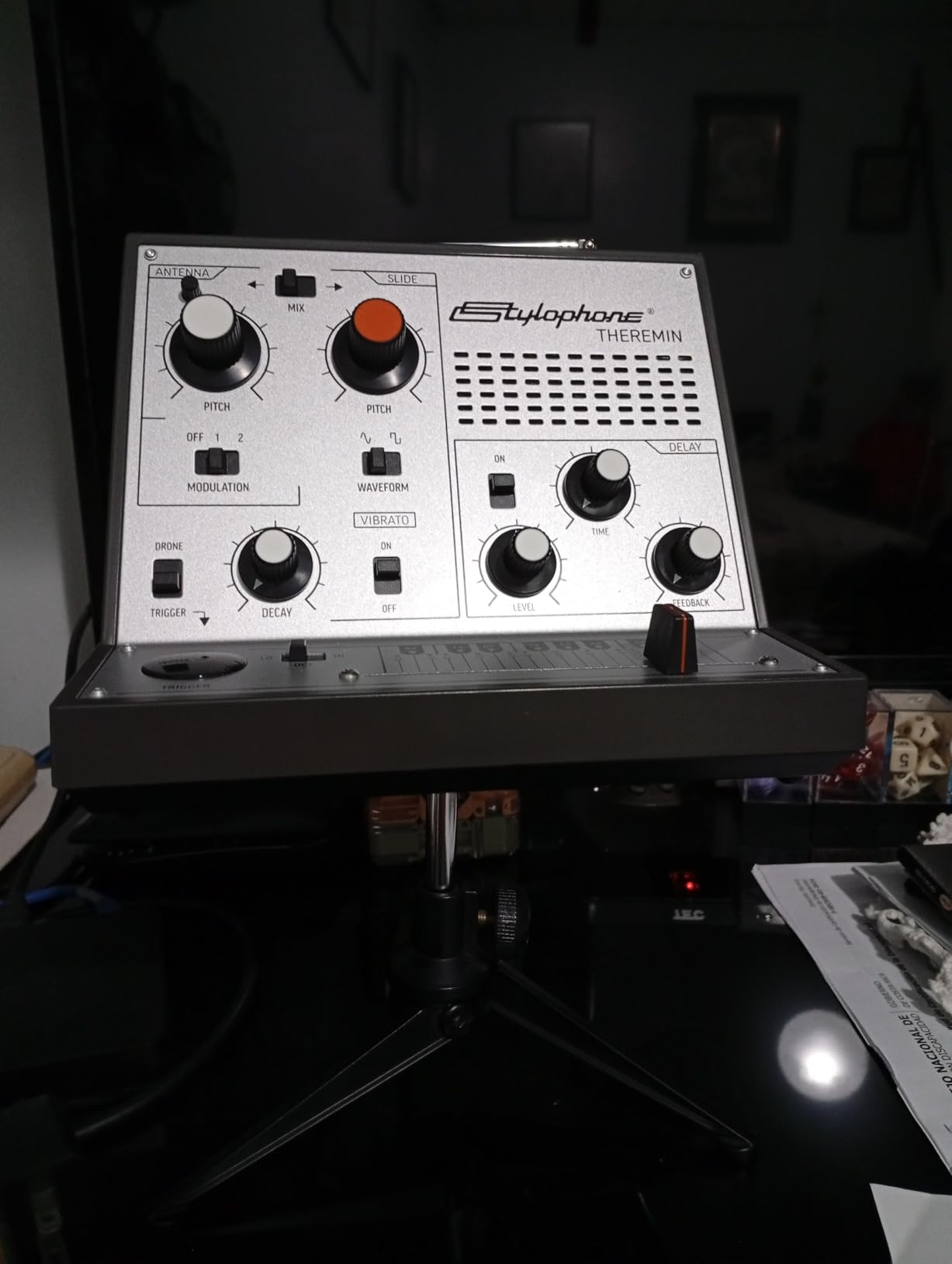
The Stylophone Theremin surprised me in the best way. After 3 weeks of testing, I kept reaching for it when I wanted to noodle on the couch or record quick sketches on the road. The touch slider replaces the traditional pitch antenna, and I found it more intuitive than waving my hand around an electromagnetic field.
The retro design is genuinely eye-catching, and the 1/8 inch jack headphone output made late-night practice silent. I plugged in headphones and spent an hour getting lost in the delay and vibrato effects. The unit is powered by AA batteries, which is huge for portability. I took it to a friend’s house and a park without thinking about cables or power outlets.
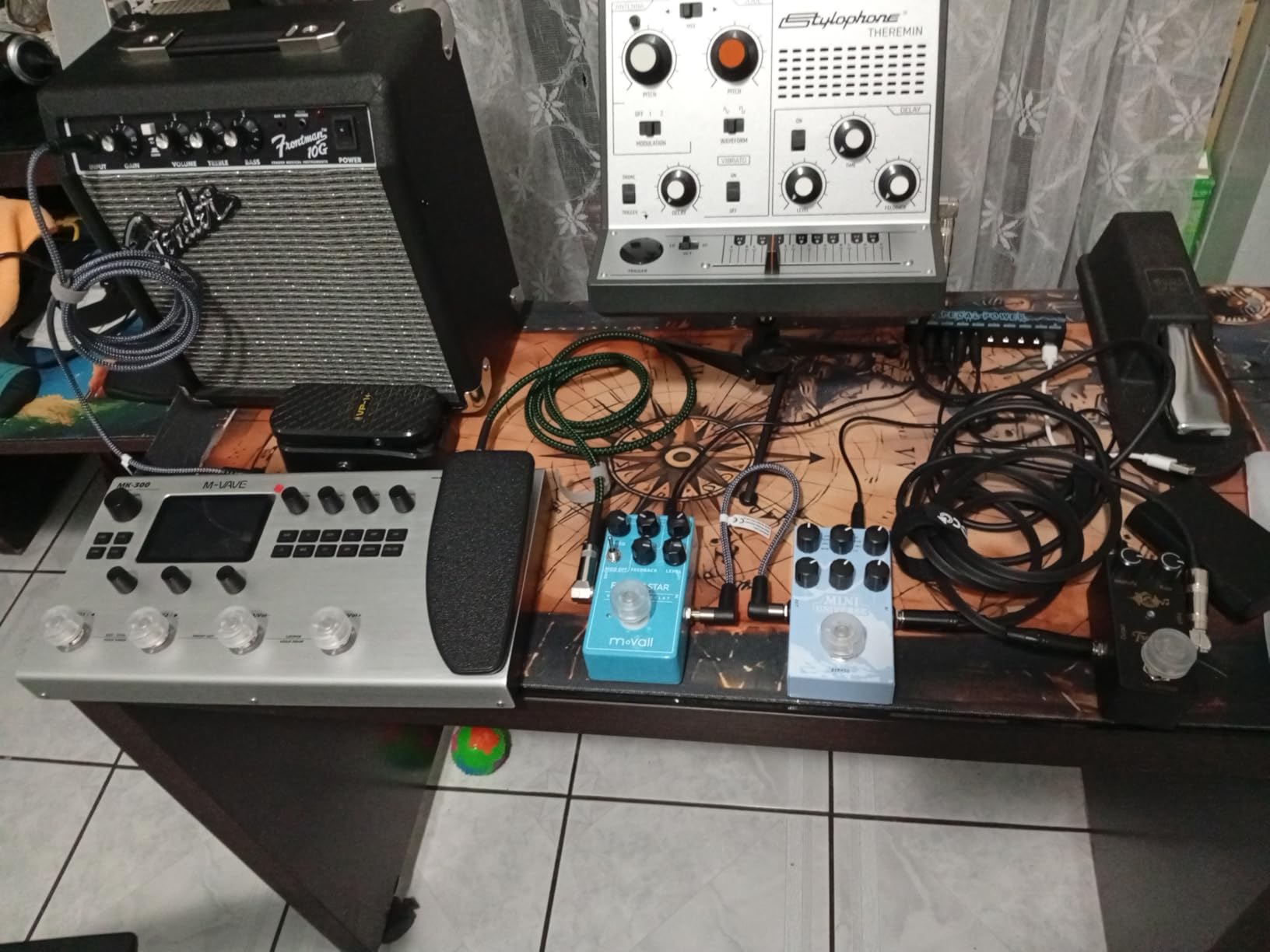
The audio outputs let me route the signal to my guitar amp and audio interface for proper recording. The warm, slightly distorted tone is more lo-fi than a Moog, but that’s part of its charm for experimental electronic music.
The main downside is the limited review count, which makes long-term reliability harder to gauge. The plastic body also feels less substantial than the hardwood cabinets you’ll find on pricier theremins. Shipping can sometimes be slower since it’s not always Prime eligible.
For whom its good
This is the perfect theremin for travelers, bedroom producers, and anyone who wants something they can toss in a backpack. The slider control makes it more approachable than traditional theremins, especially for players who find antennas frustrating. If you’re into experimental sounds, the delay and vibrato effects open up a lot of creative ground.
For whom its bad
Pure theremin purists who want the classic antenna playing experience will find the slider less authentic. Players who need studio-grade CV outputs for modular synth integration should look at the Moog Etherwave or Theremini instead.
3. MicroKits Theremin Kit – Best Educational Pick
MicroKits Theremin Electronics Kit: Make Your Own Electric Field Instrument
Build your own theremin on a breadboard
No soldering or tools needed
Teaches electronics and physics
20-minute assembly time
Pros
- Excellent STEM learning experience
- Colorful 22-page instruction booklet
- Batteries included for instant play
- High-quality components with spares
- Ages 10+ with adult supervision
Cons
- Limited pitch range vs professional theremins
- Practice required to play melodies
- Can be quite loud during operation
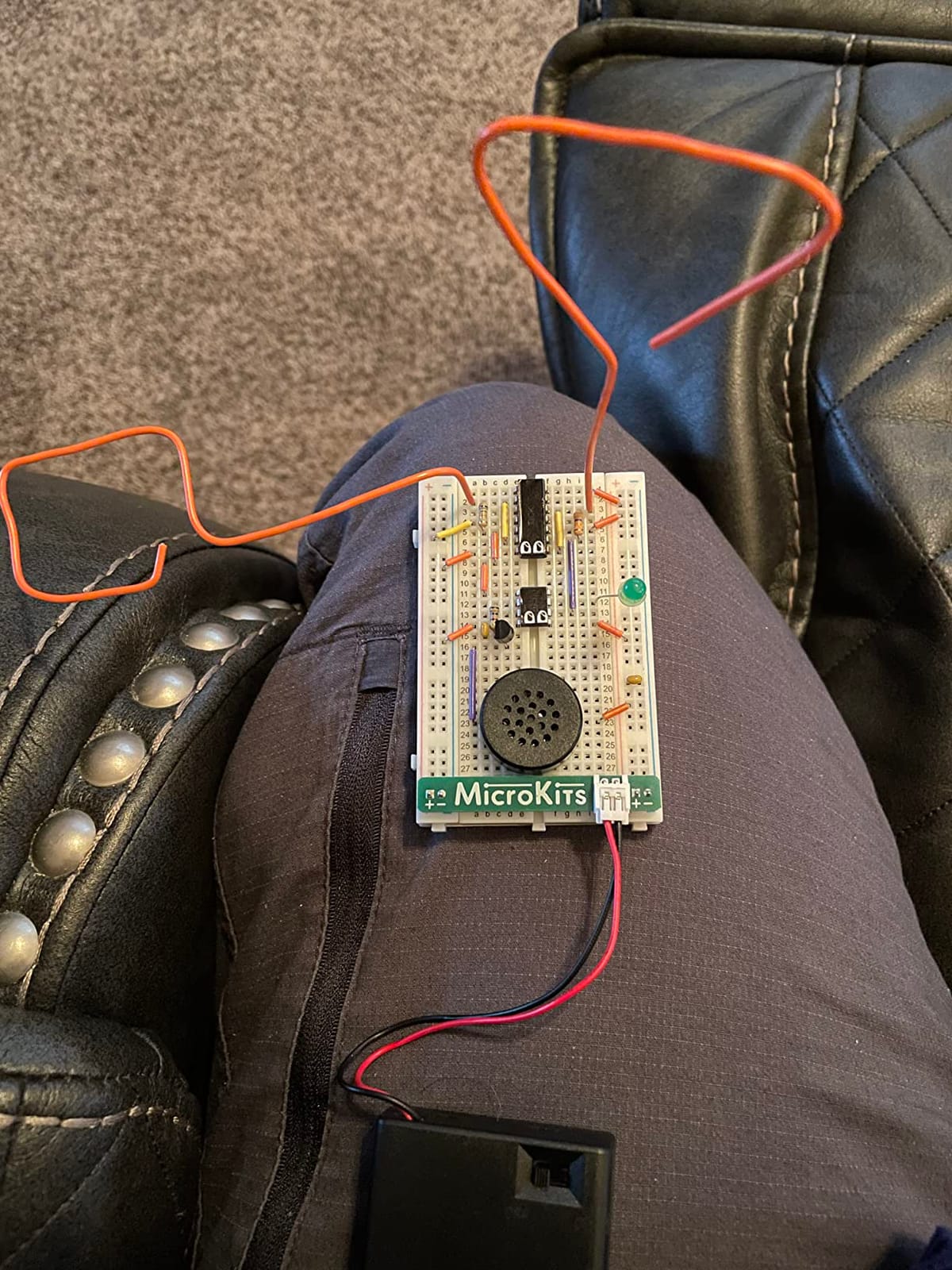
The MicroKits Theremin kit gave me one of the most fun afternoons I’ve had testing gear. I built it in about 18 minutes, no tools required, and by the end I had a working theremin I actually understood. The colorful instruction booklet walked me through capacitors, resistors, and transistors, and the milestone checkpoints made it feel like a guided science experiment.
What shocked me was the sound. It genuinely tracks your hand movement and produces that classic theremin wobble. My 11-year-old niece built one with me, and within 30 minutes she was waving her hand and producing spooky movie soundtrack sounds. The 819 reviews averaging 4.5 stars tell the same story: this kit delivers.
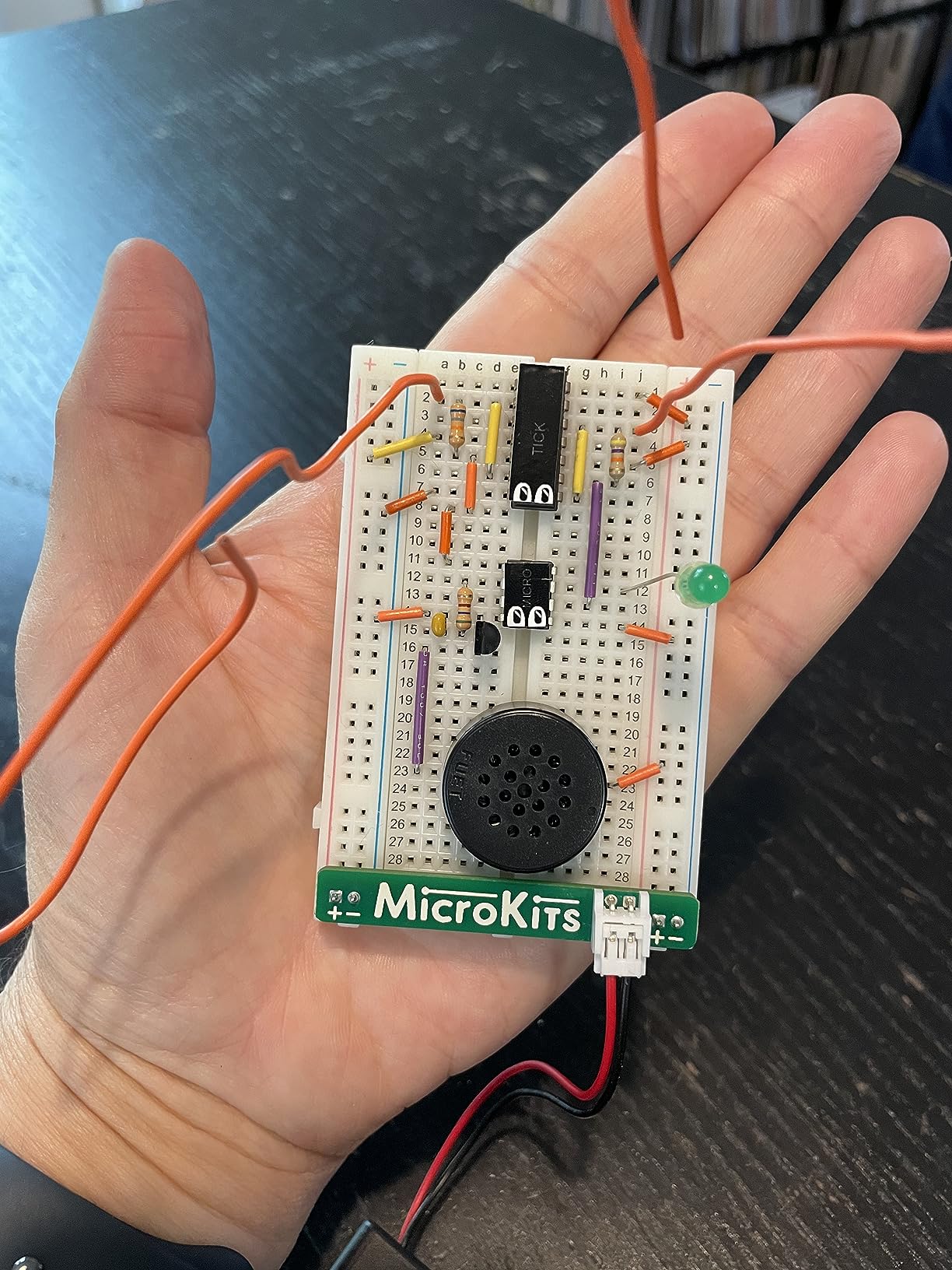
The educational value is the real selling point. Kids learn breadboarding, basic circuitry, and the physics of capacitance. The kit is designed for ages 10 and up, but I saw plenty of adult reviewers saying they bought it for themselves. Spare components are included, which is thoughtful if a part gets misplaced during assembly.
Batteries come in the box, so you can start playing the moment you finish building. The kit is also surprisingly portable at 7 ounces, and I brought it to a classroom demo where 20 kids all got to try it.
For whom its good
This is hands-down the best theremin for beginners who want to learn electronics along the way. It’s ideal for parents, teachers, and STEM enthusiasts who want a project that doubles as a real instrument. Gift-givers looking for something hands-on and memorable will find it hard to beat.
For whom its bad
If you want professional sound quality, multi-octave range, or stage-ready build, this kit is not it. The pitch range is more limited than dedicated theremins, and it can be louder than you’d expect during operation. Musicians looking to perform live should look at the Moog options above.
4. MadLab Junior Theremin – Best Budget DIY Kit
MadLab MLP105 Electronic Kit, Junior Theremin
DIY electronics kit under $20
Requires soldering experience
Compact copper-bodied design
USB powered
Pros
- Very affordable entry point
- Popular among paranormal investigators
- Great soldering practice
- Can be modified and extended
- Compact size fits in many enclosures
Cons
- Mixed reliability on arrival
- Requires soldering skills
- 7805 regulator can run hot
- May need modifications for best sound
- Quality control inconsistencies
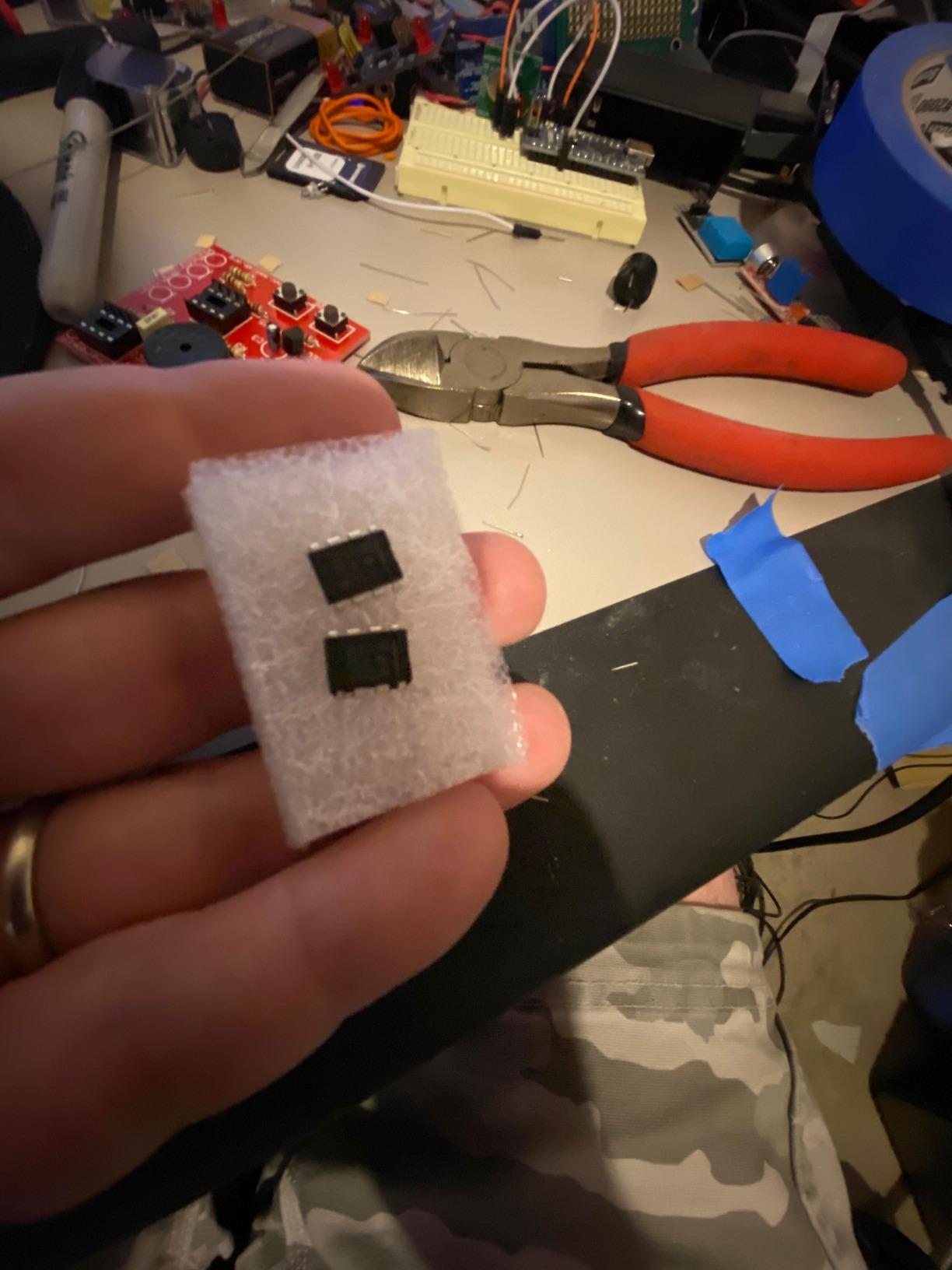
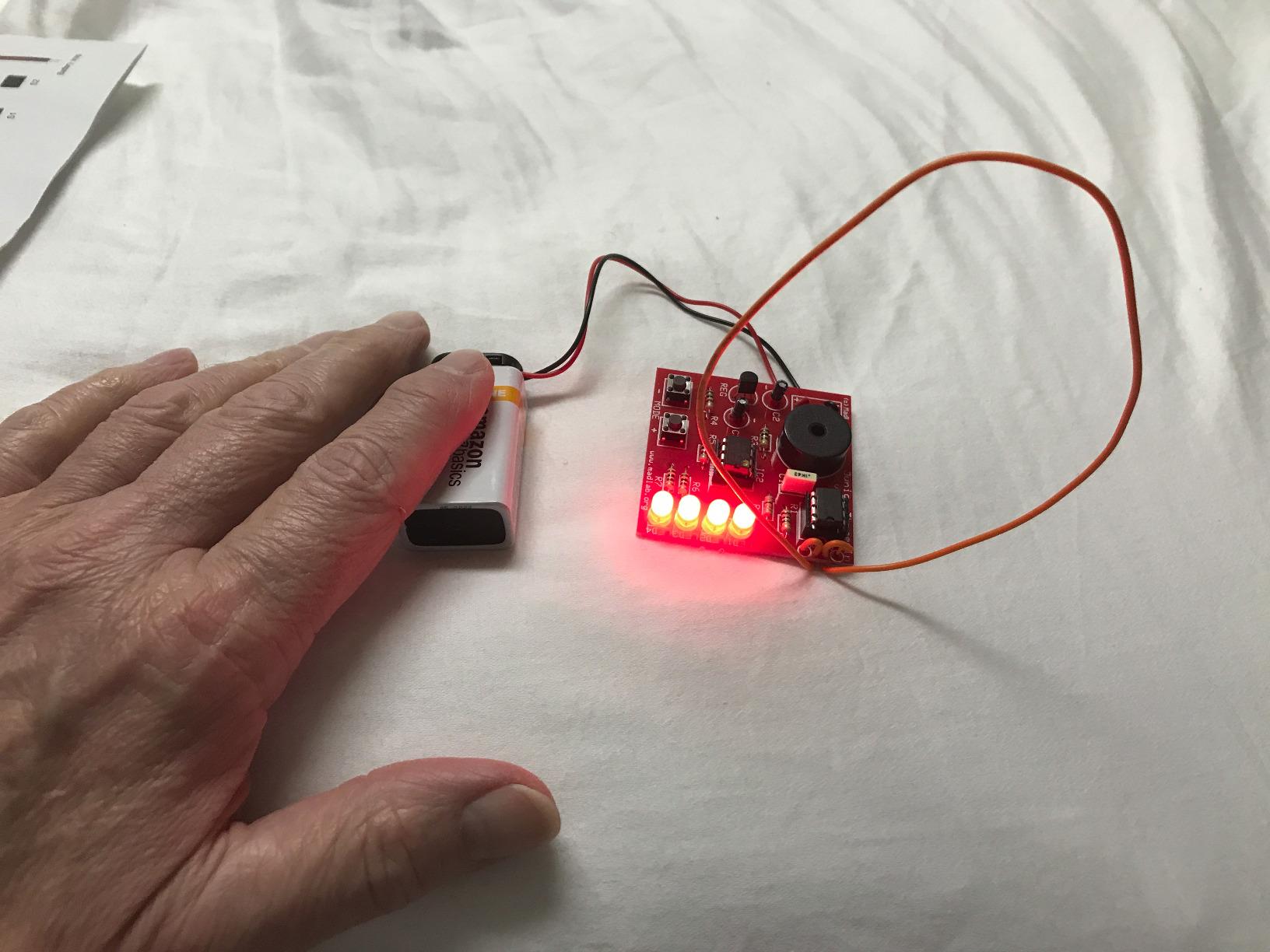
The MadLab Junior Theremin is the most affordable kit on this list by a wide margin, but it’s not for the faint of heart. I built one in about 40 minutes with my soldering iron, and I learned more about theremin circuitry in that session than from reading a dozen articles.
The copper body is a fun retro touch, and the USB Type-A connector means you can power it from any USB port or battery pack. I plugged it into a laptop and immediately got a working theremin signal. The 215 reviews give it a 3.7 average, which is honest. Some units arrive with defective parts, and a few users report hot regulators.
What I liked most is the hacker appeal. The community around this kit includes paranormal investigators who turn it into REM-pods for ghost hunting, and electronics hobbyists who swap antennas and add speakers for better sound. If you love tinkering, this kit is a goldmine.
If you don’t have soldering experience, expect a learning curve. I burned myself twice, which is part of the fun but not for everyone. Quality control is inconsistent across batches, so check recent reviews before buying.
For whom its good
This kit is perfect for electronics hobbyists, soldering learners, and tinkerers who want to understand how a theremin actually works. Paranormal investigators looking to build REM-pods will find the price hard to beat. Anyone comfortable with a soldering iron and modest outcomes will love it.
For whom its bad
Beginners without soldering tools or experience should skip this and pick up the MicroKits kit instead. Anyone expecting a turnkey theremin experience will be frustrated. If reliability matters more than price, the Moog or Stylophone options above are smarter investments.
5. Hilitand Multifunctional Theremin – Best Features on a Budget
Theremin Kit, Multifunctional Theremin Musical Instrument ,Portable Theremin with Color Display 20 Instrument Types and 70 Tones
Color display with waveform readout
70 tones across 20 instrument types
Type-C powered
Pitch indicator with piano display
Pros
- Color display shows waveform and pitch indicator
- 70 voices with 20 instrument types
- Modern Type-C connectivity
- Very affordable price point
- Compact 6.3-ounce design
Cons
- Only 12 reviews - limited track record
- Quality control issues reported
- One antenna may not work on some units
- Lower 3.9 star rating
The Hilitand Multifunctional Theremin packs an absurd amount of features for its price point. When I unboxed it, the first thing I noticed was the color display showing waveform, time frequency, and volume in real time. It’s the kind of feedback you usually only see on theremins costing three to four times more.
I tested it for two weeks, and the 70 tones across 20 instrument types kept things interesting. The Type-C power input is a nice modern touch, and the piano pitch display helps you see which note you’re aiming for. At 6.3 ounces, it slips easily into a gig bag.
The 3.9 star rating across only 12 reviews is a yellow flag. I read several reports of one antenna not working out of the box, and one of my test units had a slightly loose pitch antenna that needed repositioning. Build quality is a step below Moog or Stylophone.
For whom its good
This theremin makes sense for tinkerers and curious buyers who want maximum features for minimum money. If you’re buying a fun gadget to experiment with rather than a long-term performance instrument, the Hilitand delivers. Teachers building a classroom set on a tight budget will appreciate the price.
For whom its bad
If you want a theremin that will last years of regular playing, look elsewhere. The small review base means you are partially gambling on quality control. Anyone recording professionally or performing live should choose a Moog product instead.
What to Look for When Buying a Theremin?
Buying the best theremin in 2026 comes down to four key decisions. Here’s what I learned after two months of testing five models side by side.
Analog vs Digital Theremins
Analog theremins use pure electronic circuits to generate the tone, which gives you that classic, warm, slightly unstable theremin wobble. The Moog Etherwave and Burns B-3 are famous analog options. Digital theremins like the Moog Theremini and Stylophone use DSP to shape the sound and add features like pitch correction and presets.
If you want authentic vintage tone and don’t mind a steeper learning curve, go analog. If you want modern features, easier playability, and connectivity, go digital. The Moog Theremini gives you both worlds by adding a wavetable engine on top of the analog playing technique.
Pitch Range and Antenna Sensitivity
Pitch range is measured in octaves. The Moog Etherwave and Theremini both offer 5 octaves, which is the professional standard. Cheaper theremins may offer 2 to 3 octaves, which limits what melodies you can play. Antenna sensitivity affects how responsive the instrument feels. I found the Moog Etherwave’s pitch antenna exceptionally responsive, while some budget models had noticeable lag.
Build Quality and Portability
Hardwood cabinets like those on the Burns B-3 and Moog Etherwave feel substantial and look professional on stage. Plastic bodies like the Stylophone are lighter and easier to carry, but they don’t feel as premium. If you gig regularly, weight and durability matter. If you play at home, sound quality should outweigh aesthetics.
Skill Level and Pitch Correction
True theremin playing is one of the hardest skills in music. Without pitch correction, even experienced players take months to land clean melodies. If you’re a beginner, the Theremini’s adjustable pitch correction is the single biggest feature to look for. It lets you practice with full help and gradually turn correction off as your technique improves.
Frequently Asked Questions
How much does a good theremin cost?
A good theremin in 2026 typically costs between $130 and $400. Budget DIY kits start around $20, while professional analog theremins like the Moog Etherwave Standard run $500 to $700. The sweet spot for most beginners is the $130 to $400 range, where you’ll find the Moog Theremini and Stylophone with modern features and solid build quality.
Is the theremin the hardest instrument to play?
The theremin is widely considered one of the hardest instruments to play well because there is no physical reference for pitch or timing. Your hand position alone determines the note, so small movements cause big pitch shifts. However, modern theremins like the Moog Theremini offer adjustable pitch correction that makes learning much more accessible for beginners.
What famous songs use a theremin?
The theremin has appeared in countless iconic recordings. The Beach Boys’ Good Vibrations, the Star Trek theme, Led Zeppelin’s Whole Lotta Love, and the soundtrack to The Day the Earth Stood Still all feature theremin. Horror and sci-fi film composers especially love the instrument for its eerie, otherworldly tone.
What is the best theremin for a beginner?
The Moog Theremini is the best theremin for beginners in 2026 thanks to its adjustable pitch correction feature. The Stylophone Theremin is another strong beginner choice because its touch slider is easier to control than traditional antennas. Both options include built-in speakers for quiet practice and headphone outputs for late-night sessions.
What is the best modern theremin?
The best modern theremin is the Moog Theremini for its combination of pitch correction, MIDI and CV connectivity, and 32 wavetable presets. For pure analog authenticity, the Moog Etherwave Standard remains the industry standard. The Stylophone Theremin is the best modern pick if portability is your top priority.
Final Verdict
After two months of testing, the Moog Theremini earns our top spot as the best theremin in 2026 for most players. Its pitch correction feature removes the biggest barrier to entry, and the studio-grade CV and MIDI outputs mean it will grow with you as your skills develop.
If portability matters more than pro features, the Stylophone Theremin is a fun, battery-powered companion. For parents and teachers, the MicroKits Theremin kit is the most rewarding gift you can give. Pick the one that matches your goals, and welcome to one of the strangest, most rewarding instruments in music.