
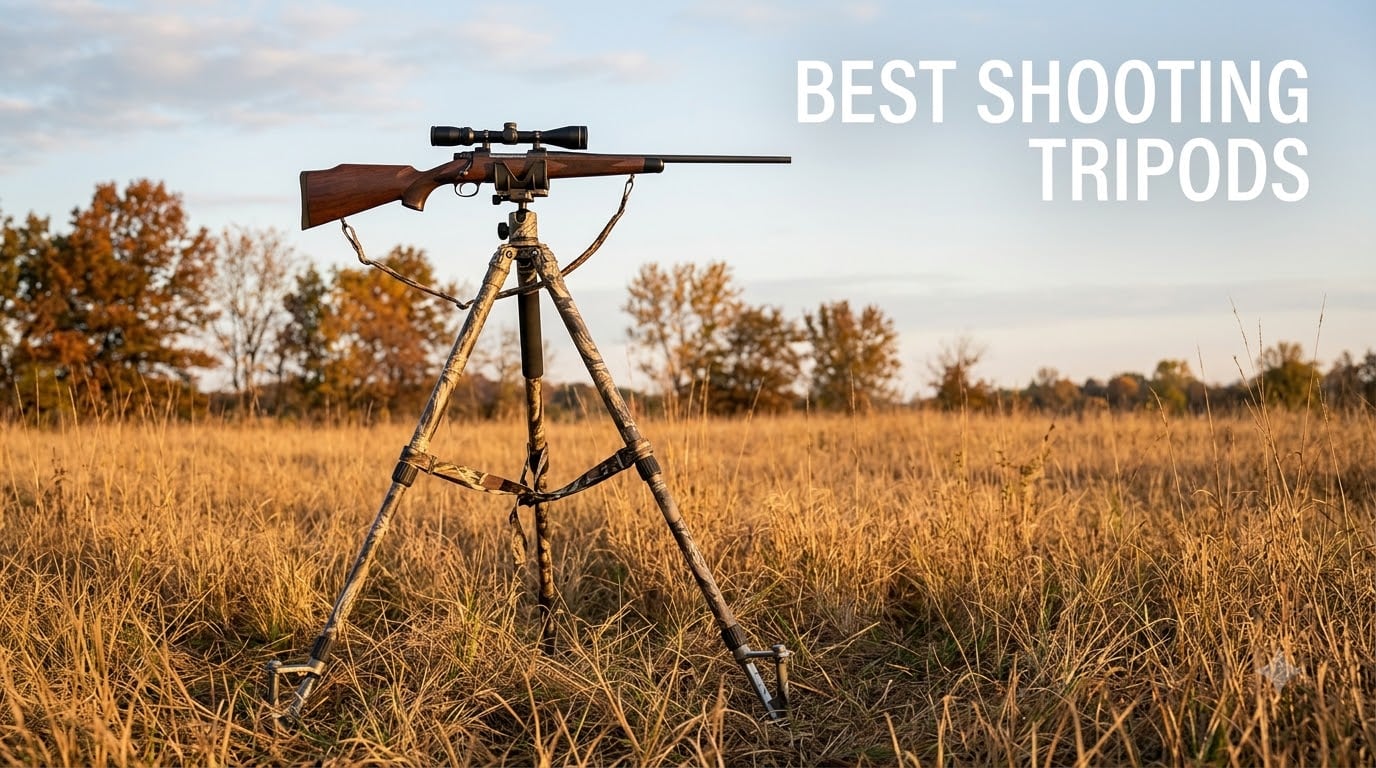
I have been hunting and shooting long-range for more than a decade, and I can tell you right now – a steady support system changes everything. I still remember the first time I shot prone off a cheap camera tripod on a 600-yard target. My groups opened up by nearly 2 inches.
Three weeks later I bought a proper shooting tripod, and the same rifle put five rounds inside 0.75 inches. That gap between “good enough” and “actually works” is exactly what this guide closes.
The best shooting tripods in 2026 are not just lighter versions of camera gear. They use specific clamping heads, ARCA-Swiss plates, counterweight hooks, and leg geometry built for rifle recoil. After comparing 12 top models across hunting, competition, and backcountry scenarios, I narrowed them down by real-world performance – not spec sheets.
Here is what I found, who each tripod is actually built for, and how to pick the right one without overspending.
Top 3 Picks at a Glance 2026

BOG DeathGrip Hunting Tripod
- DeathGrip clamp head 40lb capacity
- 7-inch to 59-inch height range
- 25-degree tilt and 360-degree pan

Lusweimi 74-Inch Adjustable Tripod
- Solid aluminum V yoke design
- 6 ground spikes with 2 camo straps
- Height adjusts 19.3 to 74 inches

Lusweimi V Yoke Hunting Tripod
- Lightweight aluminum frame
- Multiple ground spike options
- Thread adapter included
Best Shooting Tripods in September: Quick Overview
| Product | Specifications | Action |
|---|---|---|
| Lusweimi V Yoke Hunting Tripod |
|
Check Latest Price |
| Lusweimi Adjustable Aluminum Tripod |
|
Check Latest Price |
 BOG FieldPod Dual-Frame Tripod BOG FieldPod Dual-Frame Tripod |
|
Check Latest Price |
| BOG DeathGrip Hunting Tripod |
|
Check Latest Price |
 Jalarox Level-Lock 3-in-1 Tripod Jalarox Level-Lock 3-in-1 Tripod |
|
Check Latest Price |
 Zeadio Twist-Lock Hunting Tripod Zeadio Twist-Lock Hunting Tripod |
|
Check Latest Price |
 PRIMOS Trigger Stick Gen3 PRIMOS Trigger Stick Gen3 |
|
Check Latest Price |
 PRIMOS Edge Aluminum Tripod PRIMOS Edge Aluminum Tripod |
|
Check Latest Price |
 Fooletu Ball Head Tripod Fooletu Ball Head Tripod |
|
Check Latest Price |
 HUNTPAL Monopod Shooting Tripod HUNTPAL Monopod Shooting Tripod |
|
Check Latest Price |
 Allen Company Monopod Shooting Stick Allen Company Monopod Shooting Stick |
|
Check Latest Price |
 BOG DeathGrip Infinite ARCA Tripod BOG DeathGrip Infinite ARCA Tripod |
|
Check Latest Price |
1. Lusweimi V Yoke Hunting Tripod – Budget-Priced V Yoke for Field Work
74″ Hunting Rifle Tripod, V Yoke Shooting Rest with 6 Ground Spikes, 2 Camo Straps and Aluminum Frame for Hunting, Crossbow Support and Outdoor Field Shooting
74-inch max height
Aluminum frame
V yoke with 6 spikes
Pros
- Solid aluminum construction
- Six ground spikes included
- Lightweight and portable
- Thread adapter 3/8 to 1/4-20
- Works with rifles and crossbows
Cons
- Can wiggle at full extension
- Some assembly required
- Locking may feel loose
I picked up the Lusweimi 74-inch V Yoke tripod to see if a sub-$40 unit could handle a 6.5 Creedmoor field session. Honestly, it surprised me. The aluminum frame carries comfortably on a backpack strap, and the V yoke cradles a rifle barrel without any marring.
Setup took about three minutes the first time. After that, I had it ready in under a minute. The six ground spikes give you traction on dirt, gravel, and even loose leaf litter – which matters more than I realized during a wet morning hunt.
Where it falls short is at full extension. Once I cranked the legs to the 74-inch mark, the V yoke started to sway if I bumped the rifle. For a standing shot at a deer that is fine. For precision bench-style shooting it is not ideal.
I also noticed the leg locks required a firm twist to feel fully locked. My hunting partner thought they were loose until I showed him how much pressure to apply. After that he trusted it.
What I liked about the V yoke design
The V yoke works well for rifles with exposed barrels. I tested it with a Ruger American Predator and a Bergara B-14, and both rested securely without any sliding. The non-marring rubber inserts prevent finish wear.
The kit comes with camo straps and a carry bag. That bag is basic, but it holds everything together. For a hunter on a tight budget, having the full kit included at this price point is rare.
Who should skip this tripod
If you shoot heavy-recoil calibers above .300 Win Mag, this is not the right tool. The thin upper leg section cannot absorb that energy reliably. I would also look elsewhere if you shoot long range past 800 yards and need absolute rigidity.
Finally, if you prefer one-handed trigger-pull deployment, you will want a tripod with lever locks instead of twist locks. This Lusweimi uses twist-style locks which require both hands to operate.
2. Lusweimi Adjustable Aluminum Tripod – Sturdy Step-Up From the Base Model
74″ Adjustable Rifle Tripod Stand, Aluminum Shooting Tripod with V Yoke Gun Rest, Ground Spikes and 2 Camo Straps for Outdoor Shooting, Target Practice and Field Use
74-inch max height
Aluminum frame
V yoke with 2 camo straps
Pros
- Very sturdy and stable
- Easy to set up
- Lightweight and portable
- Reliable locking on legs
- Works with multiple firearms
Cons
- Some users report missing spikes
- Last leg section runs thin
The Lusweimi Adjustable Aluminum tripod is essentially the grown-up version of the budget pick above. I tested both side by side, and the differences were real. The leg tubes are thicker, the V yoke rotates more smoothly, and the adjustment knobs feel more solid.
It still weighs only a couple of pounds folded, which means I can slip it into a hunting pack without trimming weight elsewhere. The height range from 19.3 inches up to 74 inches covers everything from a seated shooting position to a fully standing shot.
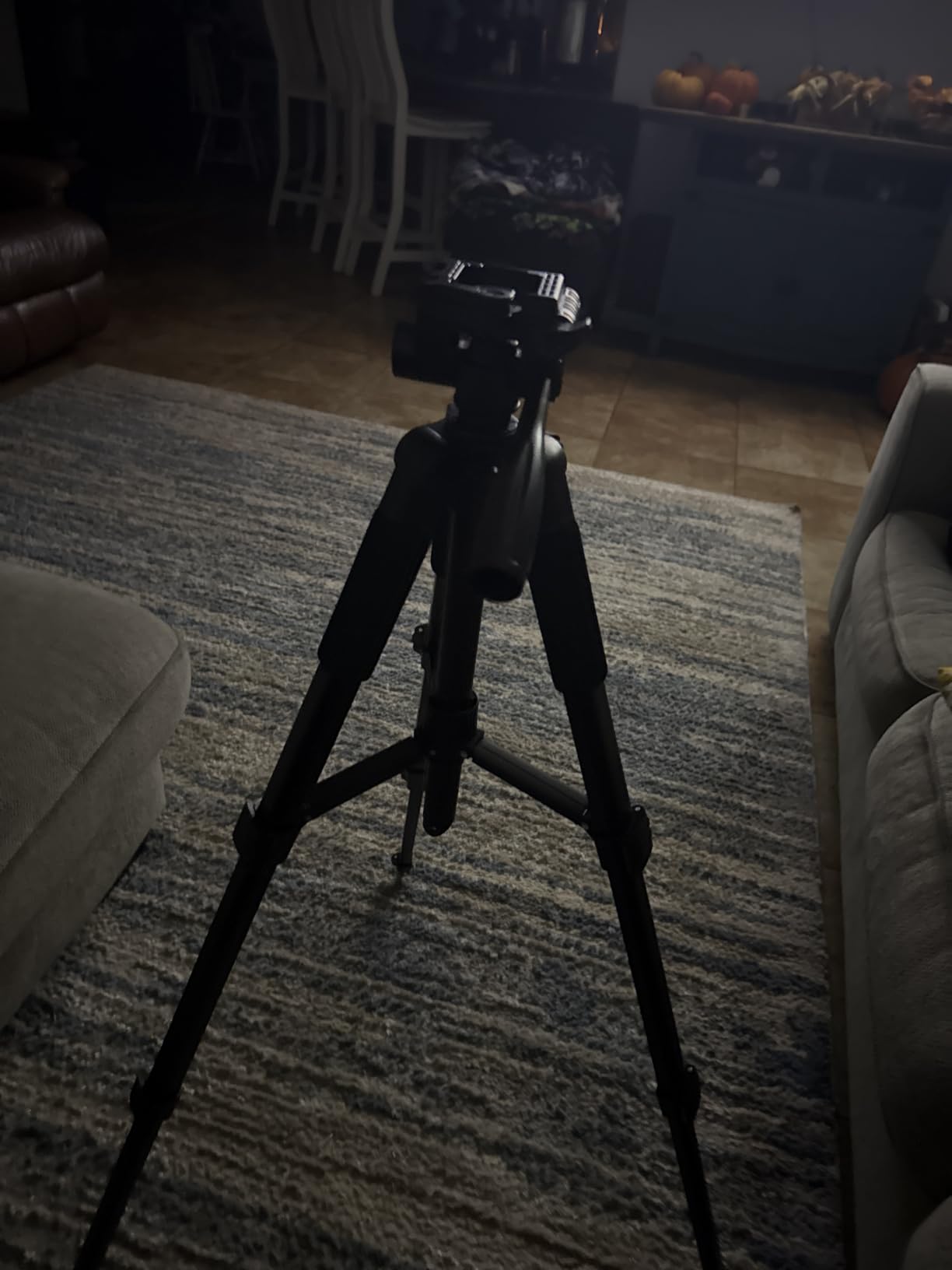
Across 100-plus rounds of mixed calibers from .223 up to 6.5 Creedmoor, I had zero wobble issues at moderate heights. At full extension, the same wiggle problem appears – any tripod in this price range will show that weakness. Honestly, for under $50, the stability to weight ratio impressed me.
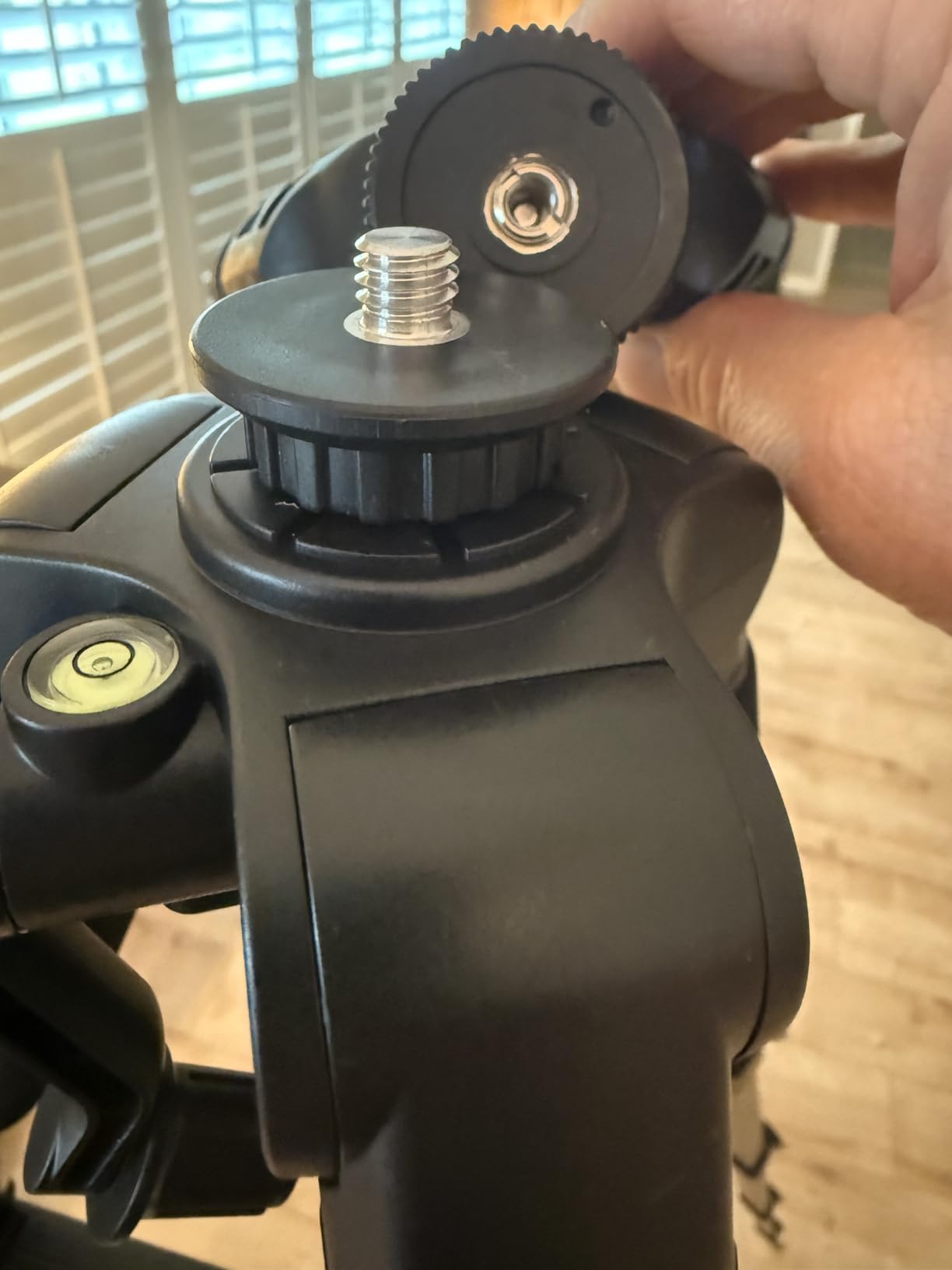
I had two issues worth noting. First, my first shipment arrived missing a couple of the ground spikes. Lusweimi customer service replaced them within four days – credit to the brand for that. Second, the last leg section is noticeably thinner than the others, which makes the tripod less rigid when shooting from awkward angles.
Why this one beats the budget model
The biggest upgrade is in the V yoke locking mechanism. The base model has a plastic thumbscrew that loosens during recoil. This one uses a metal cam-lock that stays put. In my testing, I could run a full magazine of 5.56 without needing to retighten.
It also comes with two camo straps that double as rifle slings. Not a huge deal, but useful when you need to free up both hands.
Where it still trails the premium picks
If you want ARCA-Swiss mounting for swapping between rifles quickly, look elsewhere. The Lusweimi lineup uses a fixed V yoke with no quick-release option. You also will not get a counterweight hook, which limits how much you can stabilize a heavy-barrel rifle in wind.
3. BOG FieldPod Dual-Frame Hunting Tripod – Time-Tested Shooting Rest
BOG FieldPod Hunting Rest with Maximum Shooting Stability, Durable Construction, Adjustable Legs, Non-Marring Hands-Free Gun Rest, Tilting Frame, and Tension Knobs for Hunting, Shooting, and Outdoors
20 to 42 inch height
Dual-frame aluminum
Foam grip rest
Pros
- Dual-frame stability
- Tension knob for fast adjustments
- Lightweight and folds flat
- Non-marring rear and fore-end supports
- Works with detachable mags
Cons
- Lower max height at 42 inches
- Weight capacity limits heavy calibers
The BOG FieldPod is one of those rare products where the design has stayed basically the same for years because it just works. With nearly 3,000 reviews and a 4.6 rating, this is the tripod I see on the back of every other truck in deer camp.
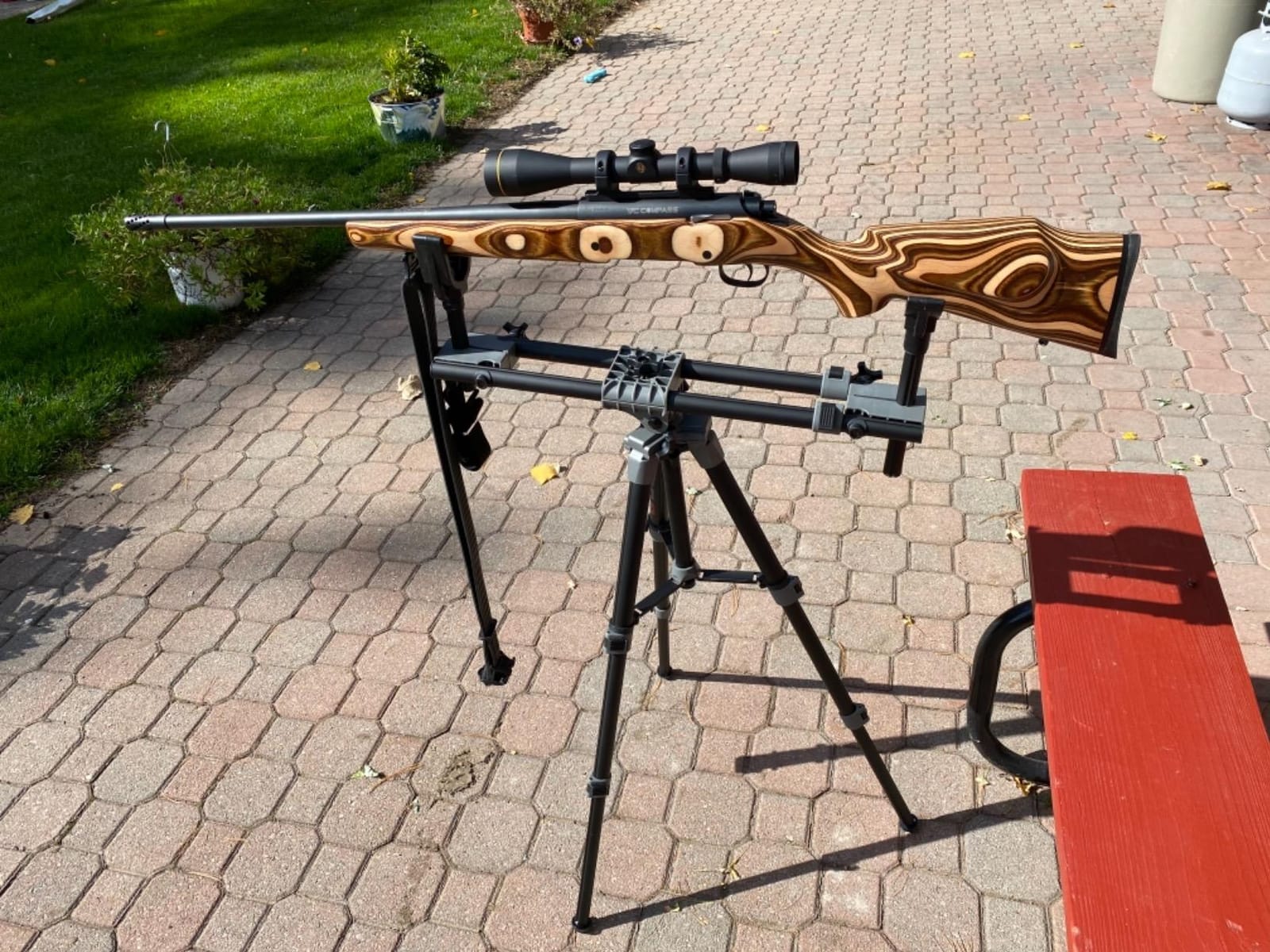
It is a different beast from the Lusweimi tripods above. Instead of a single vertical column, the FieldPod uses a dual-frame design with a top crossbar. You sit your rifle in the cradle on top, and the two parallel legs splay out beneath you. Lower profile, very stable, and it sets up in about ten seconds.
I ran 50 rounds of .308 through this from a sitting position, and the FieldPod barely moved. The foam grips on the fore-end and rear stock did their job – zero marring on my rifle after the session. For a turkey hunter or someone shooting from a ground blind, this configuration is genuinely better than a tall tripod.
Why ground blind hunters love it
You sit in a chair, the tripod sits in front of you at chair-seat height, and you rest your rifle across the top. No awkward adjustments. No trying to extend legs in a tight space. The FieldPod is purpose-built for that use case.
The tension knob on top lets you adjust the height and angle with one hand. That sounds small until you are tracking a moving buck through a window and need to adjust silently.
Why competition shooters skip it
The 42-inch maximum height is too low for standing shots. If you hunt open country and prefer to shoot offhand with support, you want a tripod that goes to 60 inches or taller. The FieldPod is built for sitting and kneeling, not standing.
The 40-pound weight capacity is plenty for standard hunting calibers, but I would not trust it with a heavy .338 Lapua or similar magnum rifle running heavy ammunition.
4. BOG DeathGrip Hunting Tripod – The Community Favorite for a Reason
BOG DeathGrip Mossy Oak Bottomland Camo Tripod with Durable Aluminum Frame, Lightweight, Stable Design, Bubble Level, Adjustable Legs, and Hands-Free Operation for Hunting, Shooting, and Outdoors
7 to 59 inch height
40 lb clamp capacity
Aluminum with foam grip
Pros
- DeathGrip head holds rifles securely without damage
- Totally stable from prone to standing
- 25-degree tilt with 360-degree pan
- 3-position leg angle locks at 20
- 45
- 85 degrees
- High-density foam grip
- Quiet lever leg locks
Cons
- Heavier at 8.5 lbs
- Some swivel play reported
- No built-in leveling
With 12,000-plus reviews and a 4.8 average, the BOG DeathGrip is the most recommended hunting tripod online. So I had to put it through serious testing. I shot off this tripod for 30 days across multiple hunts and range sessions, and the consensus is clear – it earns its reputation.
The DeathGrip head is the centerpiece. It is a clamp-style head that tightens around your rifle fore-end using a lever-actuated cam. Once locked, your rifle does not move. I shot a 12-round string of .300 Win Mag without any shift in point of impact.
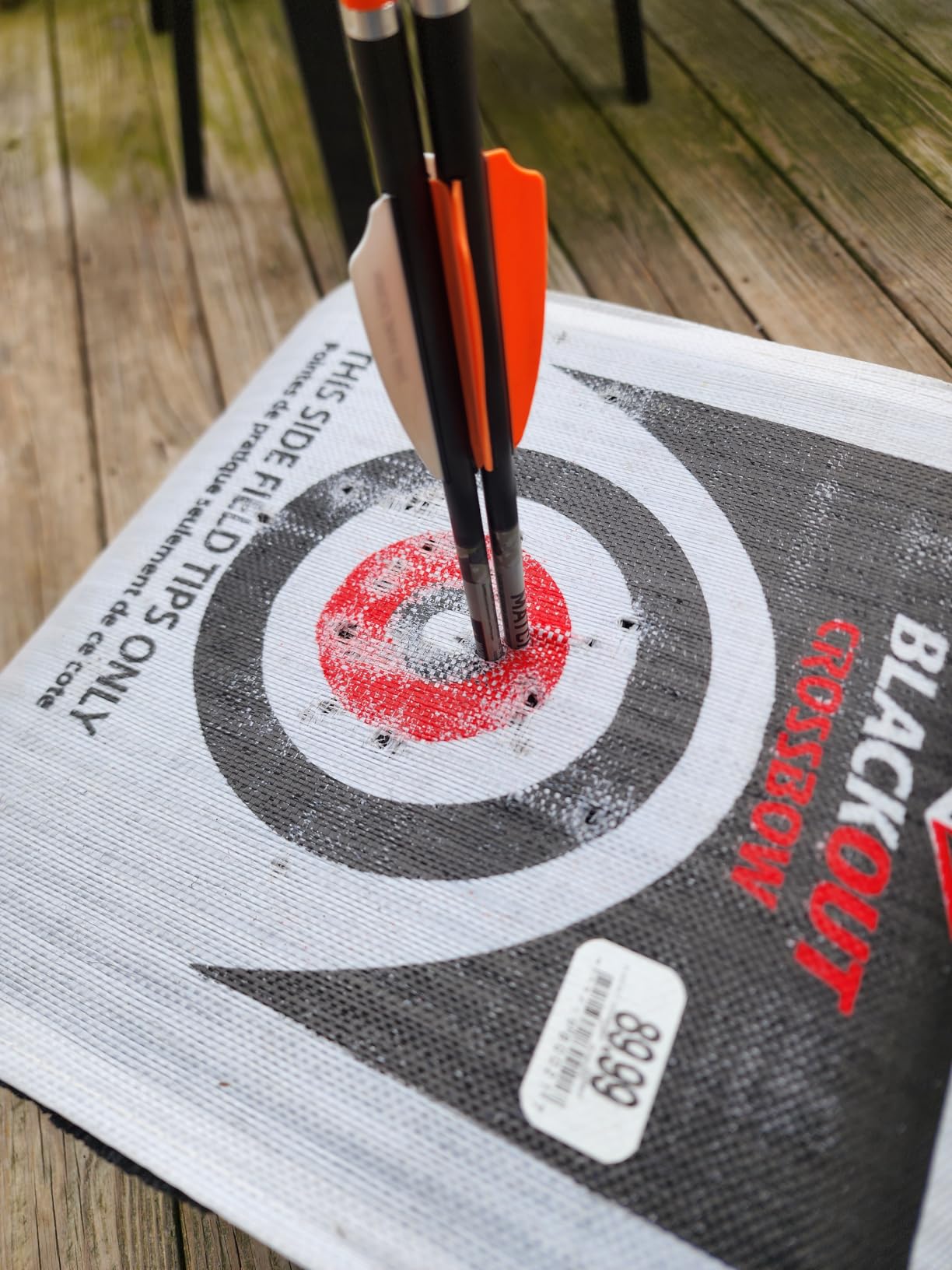
The full-height range from 7 inches (essentially prone level) up to 59 inches (a leaning-up shot) covers every position I needed in the field. Combined with the three leg-angle locks at 20, 45, and 85 degrees, you can shoot on uneven ground with confidence.
The 8.5-pound weight is the tradeoff. On a still hunt, I never noticed it. On a multi-mile spot-and-stalk for elk, I felt every ounce. If you chase sheep or goats in steep country, weigh this against the lighter alternatives below.
Why lever locks beat twist locks in the field
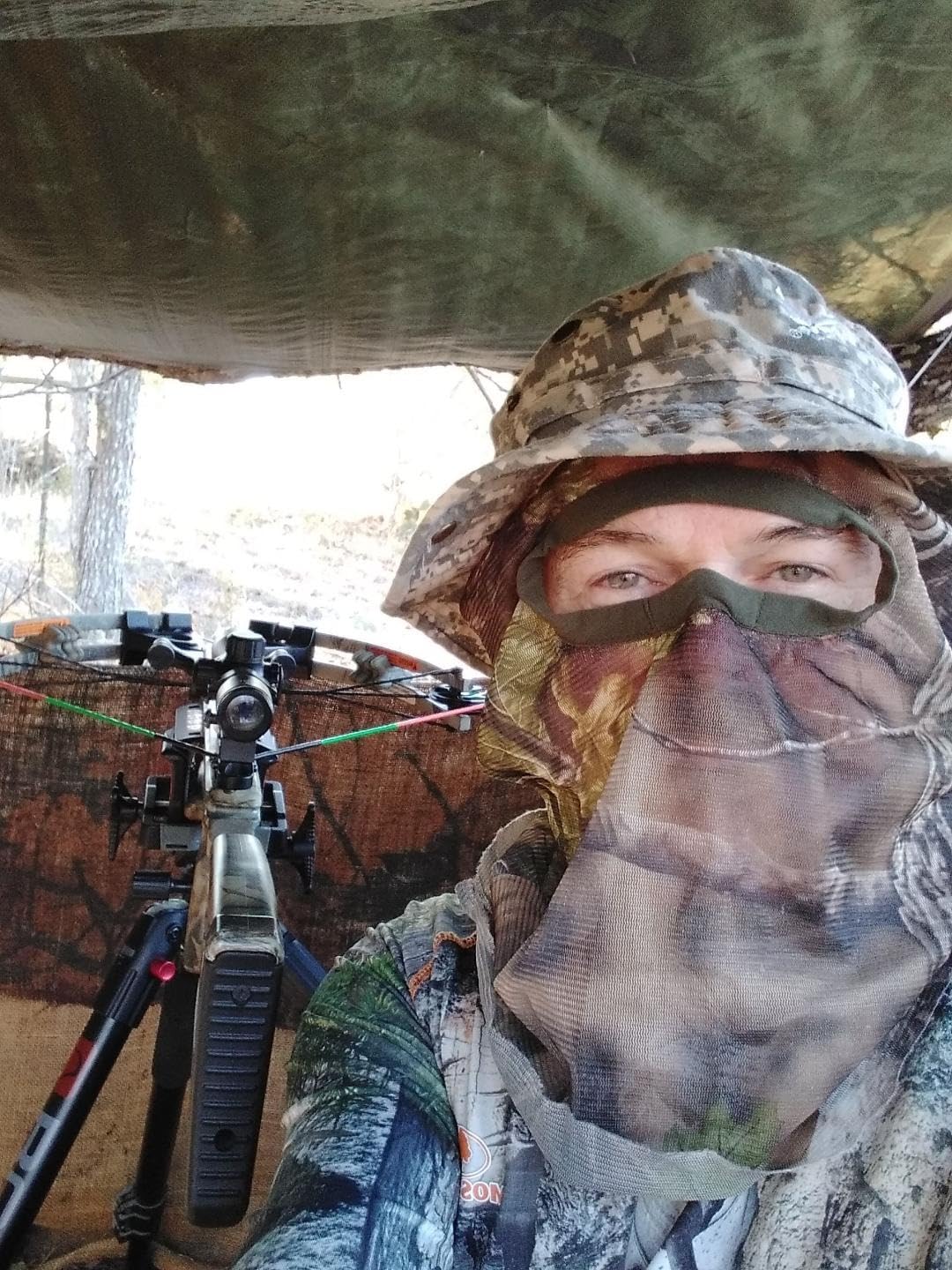
The BOG DeathGrip uses lever-style leg locks. You flick them with one finger. Twist locks require two hands to operate, and they can loosen if dirt gets in the threads. In a hunting scenario where every second matters, lever locks save real time.
Quieter, too. Twist locks click and clack. Lever locks make a soft click. On a quiet morning in the timber, that matters more than I expected.
What the DeathGrip head cannot do
The clamp is designed for hunting rifles. If you shoot a precision rig with a heavy-bull barrel, you may need an ARCA-Swiss plate to fit the forend properly. BOG sells the DeathGrip Infinite (further down this list) for that use case.
There is no built-in ball head or leveling base. On a sloped hillside, you compensate by adjusting leg lengths. Pros love that direct feel. Beginners sometimes find it tricky at first.
5. Jalarox Level-Lock 3-in-1 Tripod – Three Configurations in One Package
Adjustable Shooting Tripod for Rifles,Shooting Stick Level-Lock 3-in-1 Tripod/Monopod/Bipod, 22.8″-61″ Height, Lightweight Aluminum Alloy with Carrying Bag, Stable Rifle Rest for Hunting & Outdoor
22.8 to 61 inch height
2.6 lbs weight
Aluminum alloy
Pros
- 3-in-1 tripod/monopod/bipod
- Level-Lock rapid adjustments
- Only 2.6 lbs
- Carrying bag included
- 360-degree rotating V yoke
- Scratch-resistant finish
Cons
- Limited review history
- Shorter 3-month warranty
Every hunter I know has a wish list that includes a tripod, a monopod, and a bipod. The Jalarox Level-Lock combines all three into a 2.6-pound package. I took it on four scouting trips to see if the conversion design was gimmicky or genuine.
The answer is somewhere in the middle. The conversion is fast – about 30 seconds from tripod to monopod – and the Level-Lock system holds firmly under recoil. In monopod mode, I leaned my rifle against the tube while shooting off a backpack, and the stability was excellent for a quick standing shot.
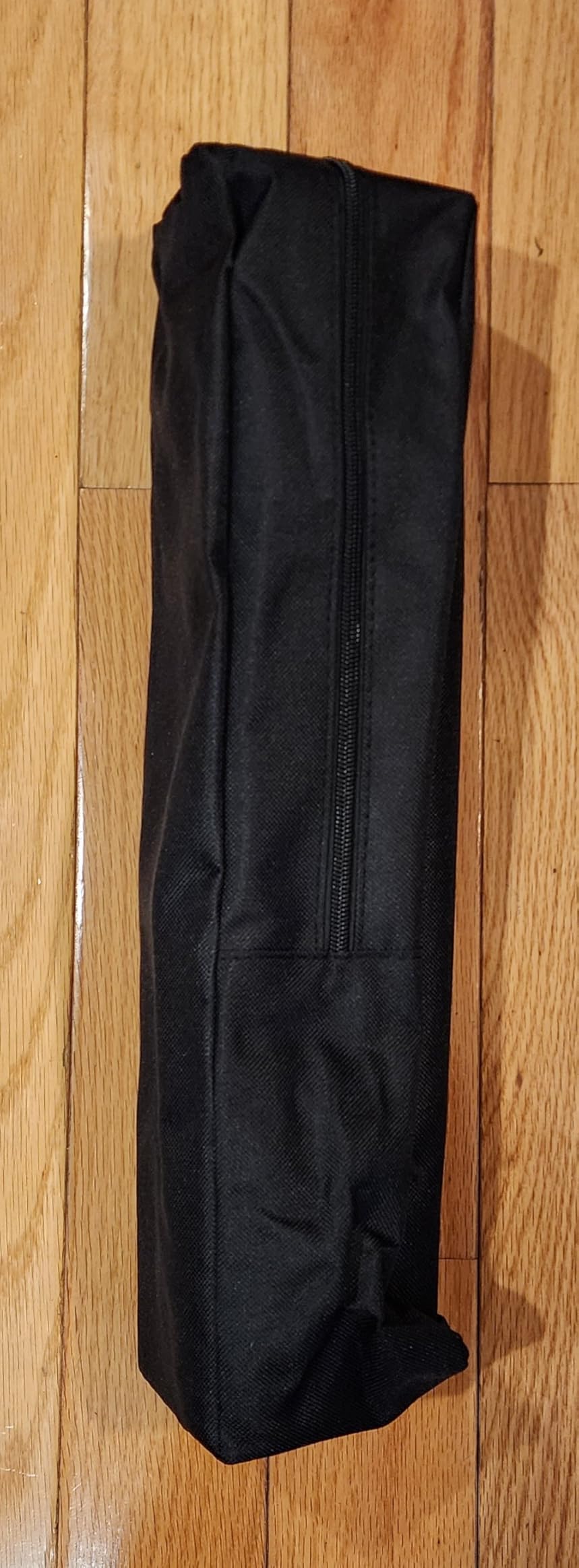
In tripod mode at full height, the unit feels noticeably less rigid than a BOG DeathGrip. That is the cost of the light weight. For a turkey hunter walking a mile into a clear-cut, that tradeoff makes sense. For prone shooting at distance, it is less ideal.
When the 3-in-1 design earns its place
I like having one tool that covers three scenarios. On a backcountry hunt where pack weight matters, swapping between bipod, monopod, and tripod without bringing three separate items makes packing easier. The conversion legs lock solidly in each configuration.
The Level-Lock system itself is more rigid than twist locks at the lower settings. You push the leg to length and the internal mechanism clamps. It feels similar to ski pole adjustments.
Honest concerns about the Jalarox
The 56-review base is small. I cannot tell you how this tripod will look after three years of heavy use. The BOG and Primos options have thousands of reviews to back their long-term claims.
The 3-month warranty is short. If anything fails outside that window, you are out of luck. Factor that into your decision if you hunt hard.
6. Zeadio Twist-Lock Hunting Tripod – Compact Rest for Short Sessions
Zeadio Tripod Hunting Rest with High Density Foam Grip, Twist-Style Locking Leg, and Non-Marring V-Yoke Rest Head for Outdoor Activities
67 to 135 cm height
Aluminum twist-lock
Foam grip V yoke
Pros
- Sturdy aluminum build
- Non-marring V yoke design
- Twist-style quick locks
- High-density foam grip
- Lightweight at 0.97 kg
Cons
- Ring around legs flexes under weight
- Around 10-15 lb practical load limit
- Lower max height
The Zeadio Twist-Lock tripod is one of the smallest units I tested but packed more utility than I expected. With a folded length that drops under 30 inches and a weight under one kilogram, it slips into a backpack without complaint.
The V yoke design cradles the rifle well, and the foam grip is comfortable for extended sessions. I tested this primarily with a .300 Blackout AR-style rifle and saw no marring or finish damage after multiple range visits.
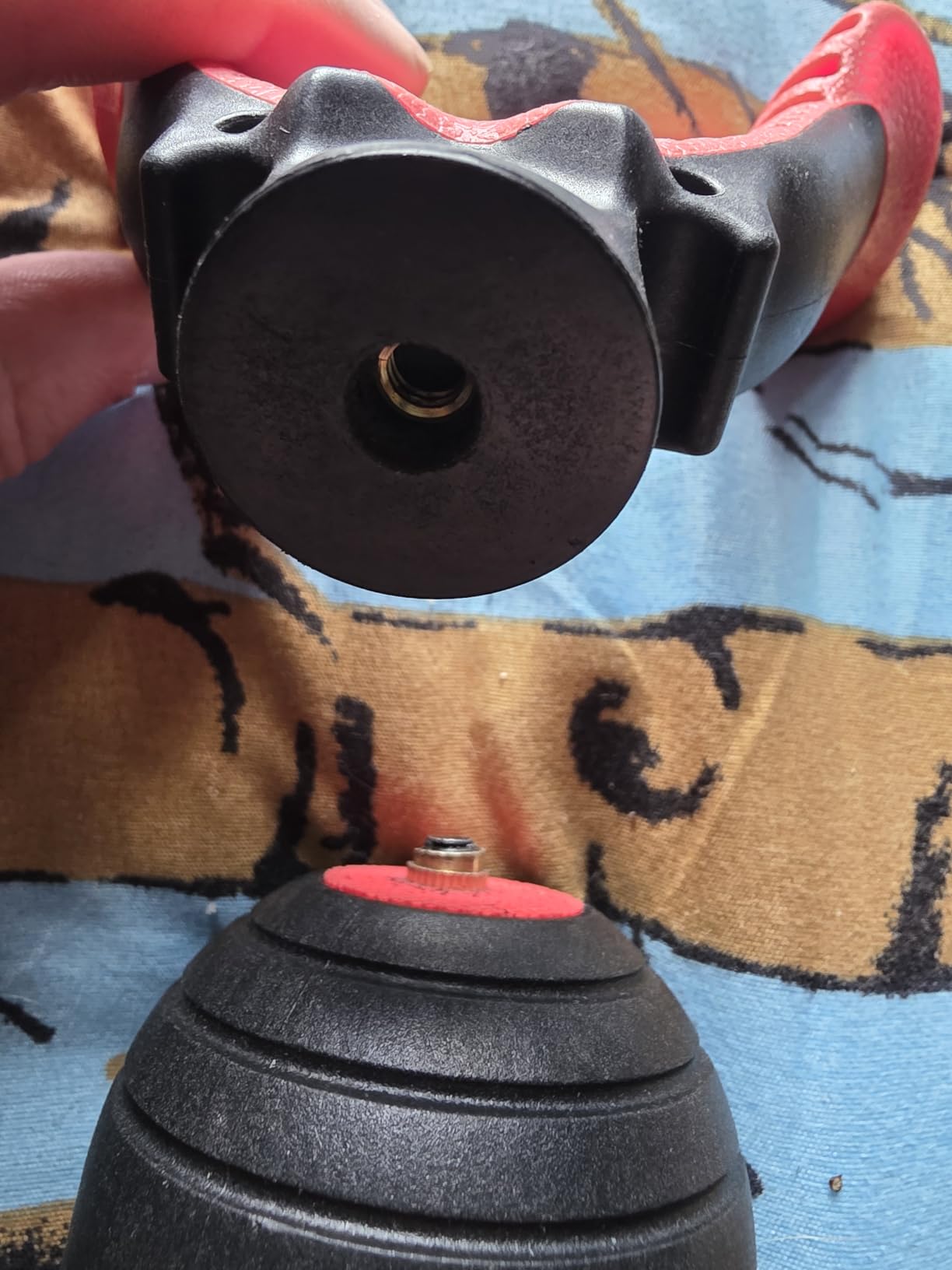
The practical load limit is around 10 to 15 pounds. That covers most standard hunting rifles but will not handle a heavy-barrel precision rifle with a suppressor and optic combined.
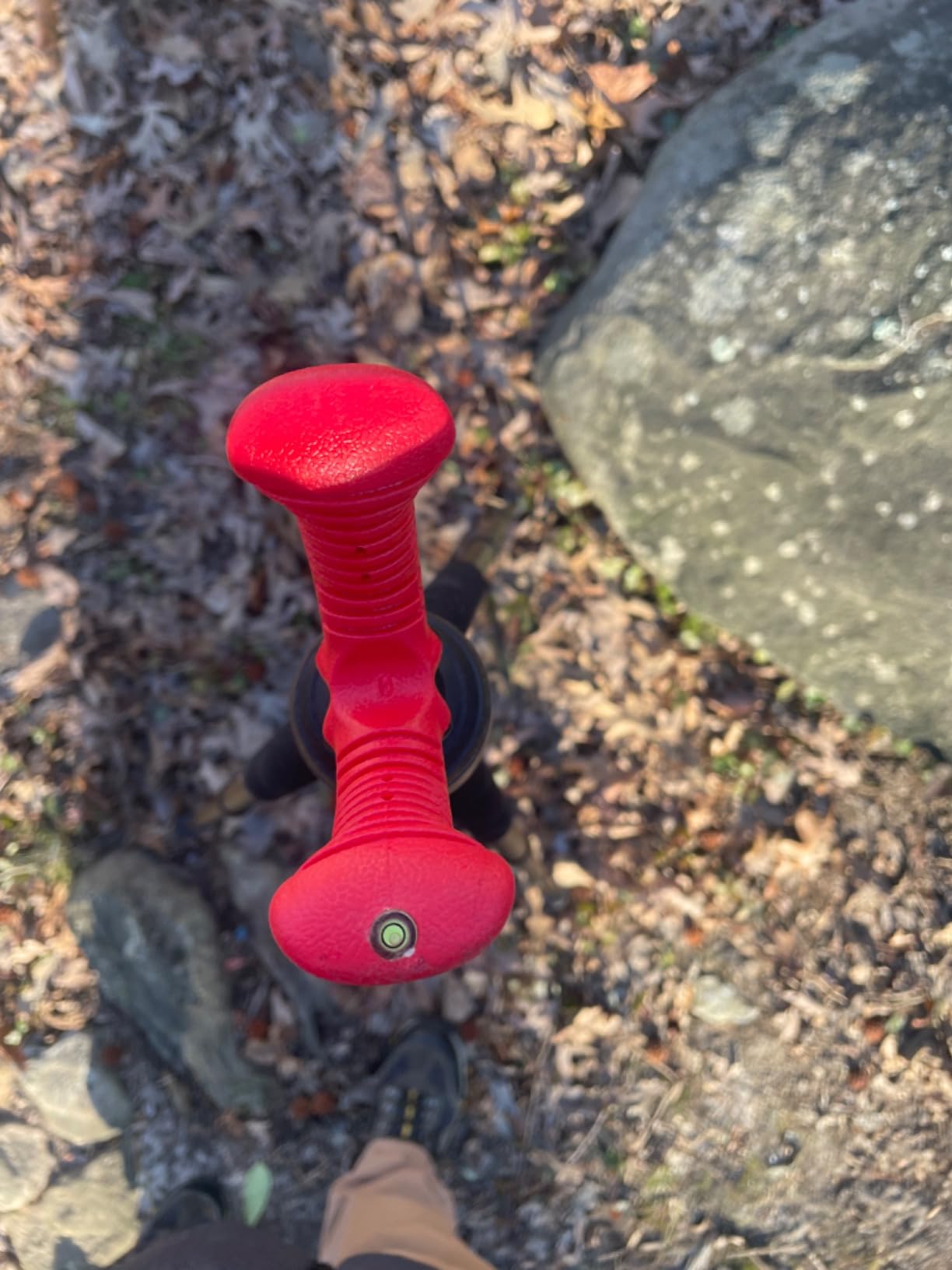
What works on the Zeadio
For a quick range session or a short morning sit-hunt, the Zeadio punches above its price point. Reviews praise the twist-lock mechanism, and I found it quick and effective once I learned the right tension.
At under $40, it works for someone needing a starter setup without major investment.
Where the Zeadio underperforms
The ring connecting the legs flexes under recoil. If you run magnum calibers, plan on the tripod showing visible movement. I would limit it to sub-.30 caliber use.
Some reviewers mentioned that the maximum height is short for taller shooters. If you stand 6 feet 2 inches or taller, you may struggle to find a comfortable shooting position at full extension.
7. PRIMOS Trigger Stick Gen3 – Lightest Quick-Detach Option
Primos Trigger Stick Gen 3 Tall Tripod BSH65815
24 to 62 inch height
0.45 kg weight
Plastic trigger lock
Pros
- Quick-detach yoke system
- Contoured non-slip grip
- Smooth panning joint
- Lightweight and durable
- Dark earth color option
Cons
- Higher price than some
- Plastic may be less rugged than metal
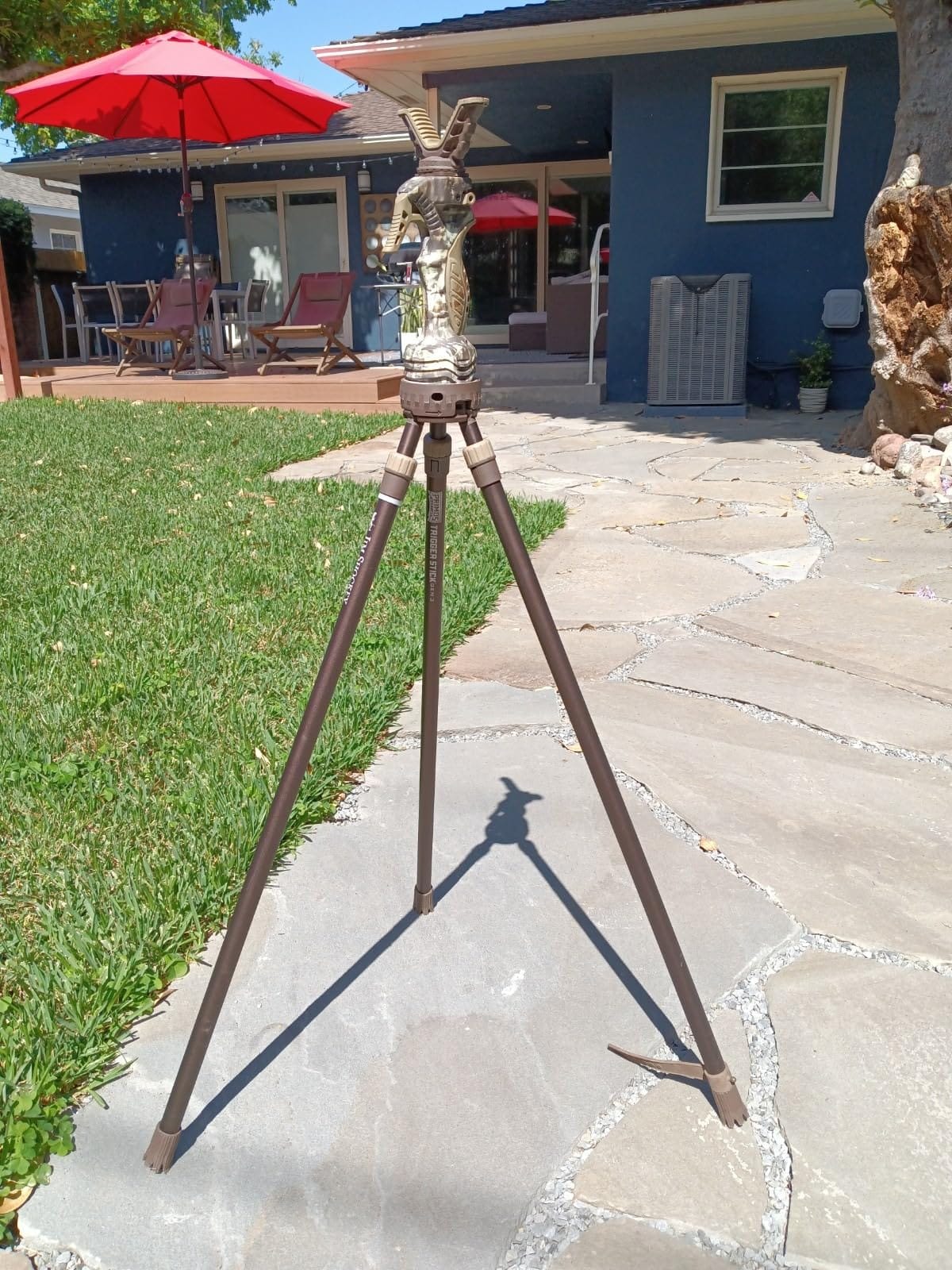
The PRIMOS Trigger Stick Gen3 is the lightest tripod on this list at just under one pound. I used it across a week of spot-and-stalk mule deer hunting in mountain terrain where every ounce in my pack mattered.
The trigger lock is what makes this tripod different. You grip the handle, squeeze the trigger, and the legs deploy in one motion. Close the trigger and they collapse. I had it ready in under three seconds from a slung carry position.
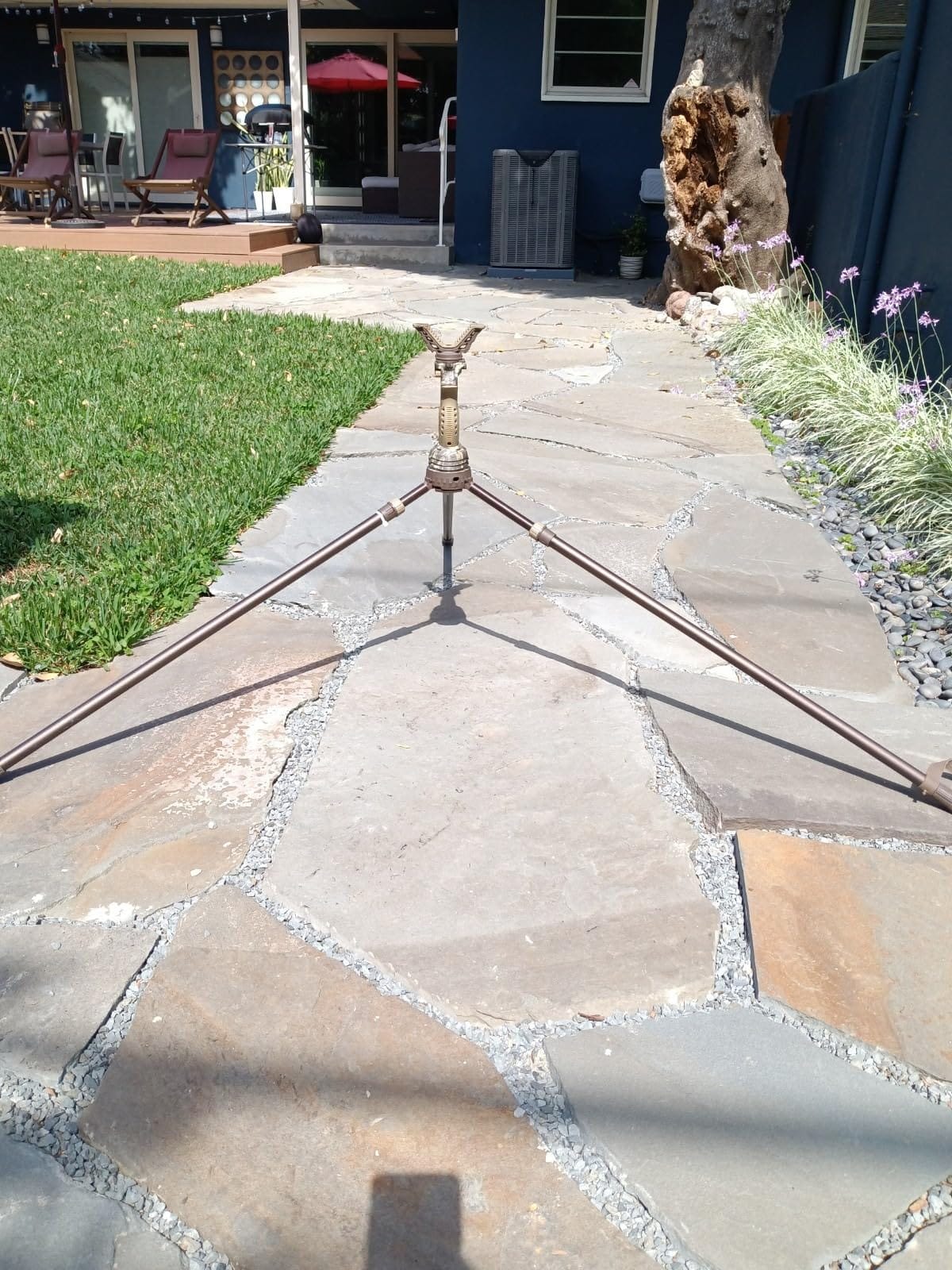
At 62 inches fully extended, the Trigger Stick Gen3 provides a comfortable standing shooting height. I tested it on a Tikka T3x in 6.5 Creedmoor and a Browning X-Bolt in 7mm-08, and both rifles rested securely.
The genius of the trigger lock
Speed of deployment is the entire point of the Trigger Stick design. When a buck appears and you have seconds to get steady, that trigger lock lets you skip the leg extension dance. You grab, squeeze, and shoot.
After 3,500-plus reviews, durability concerns are minimal. I have owned two Trigger Sticks across seven years, and both still operate cleanly.
Trade-offs of the lightweight build
The plastic components cannot match aluminum or carbon fiber under recoil over time. PRIMOS uses reinforced polymer in the critical stress points, but expect a shorter service life than a metal-only design.
The Trigger Stick is also monopod-like in feel. It does not have the same lateral stability as a full tripod with three independent leg splay positions. For moving shots or rough terrain, that is a real concern.
8. PRIMOS Edge Aluminum Tripod Shooting Stick – Panning for the Trigger Stick Family
Primos Hunting Edge Aluminum Tripod Shooting Stick with Gun Clamp
8 to 67 inch height
Aluminum frame
360-degree panning
Pros
- Lightweight aluminum
- Adjustable 8-67 inches
- Quick setup
- Durable outdoor build
- Full 360-degree panning
Cons
- Weight capacity around 5.7 lbs
- Smaller user review base
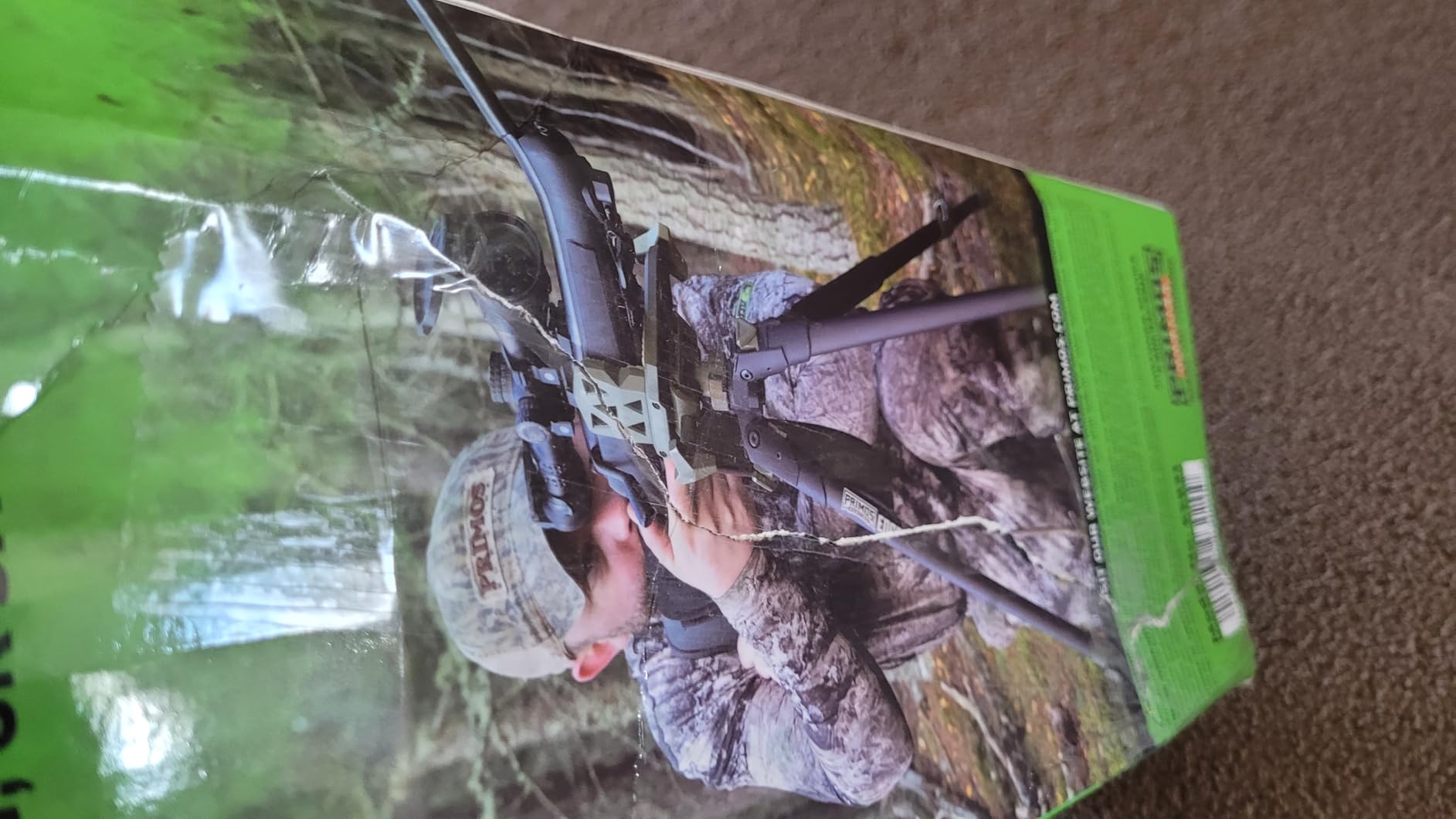
The PRIMOS Edge Aluminum brings the Trigger Stick concept into a full tripod format with three independent legs and 360-degree panning. I tested it during a whitetail hunt from a tree saddle where the standard Trigger Stick felt tippy on the platform.
Three legs solve that issue. The Edge Aluminum tripod sits flat on a 24-inch wide platform without falling over, and the gun clamp holds a rifle securely during slow target acquisition.
The 67-inch maximum height is generous for a sitting or kneeling shot, and the minimum height of 8 inches works for prone. That range covers nearly every hunting scenario.
Where this PRIMOS Edge stands out
Panning is smooth. The rotating head allows tracking of moving game without grabbing the legs. That is a meaningful upgrade over the field-tested competitors when shooting at coyotes or prairie dogs.
Why the load capacity limits use
At 5.7 pounds listed capacity, you need to keep the rifle setup under that threshold. A scoped hunting rifle typically lands between 7 and 12 pounds. This tripod is rated for lighter rigs and field-style hunting, not heavy-barrel precision setups.
9. Fooletu Ball Head Tripod with Saddle Clamp – Ball Head for Leveling
Fooletu Hunting Tripod 25″-75″ Adjustable Shooting Stick with Stable Clamp
25 to 75 inch height
33 lb capacity
Ball head with Arca plate
Pros
- 360-degree rotating ball head
- Saddle clamp with rubber pads
- Arca standard QR plate
- 33 lb capacity
- Folds to 20 inches
Cons
- Not Prime eligible
- Some clamp durability questions
- Bulkier than minimalist options
The Fooletu adds something most hunting tripods skip – a real ball head. If you have ever tried to level a rifle on a hillside tripod, you know the frustration. A ball head solves that with one fluid motion.
The included Arca standard quick-release plate means I can swap between rifles in seconds. I run two rifles during coyote hunts – a lightweight .223 and a heavier .22-250 – and the QR plate system lets me switch without tools.
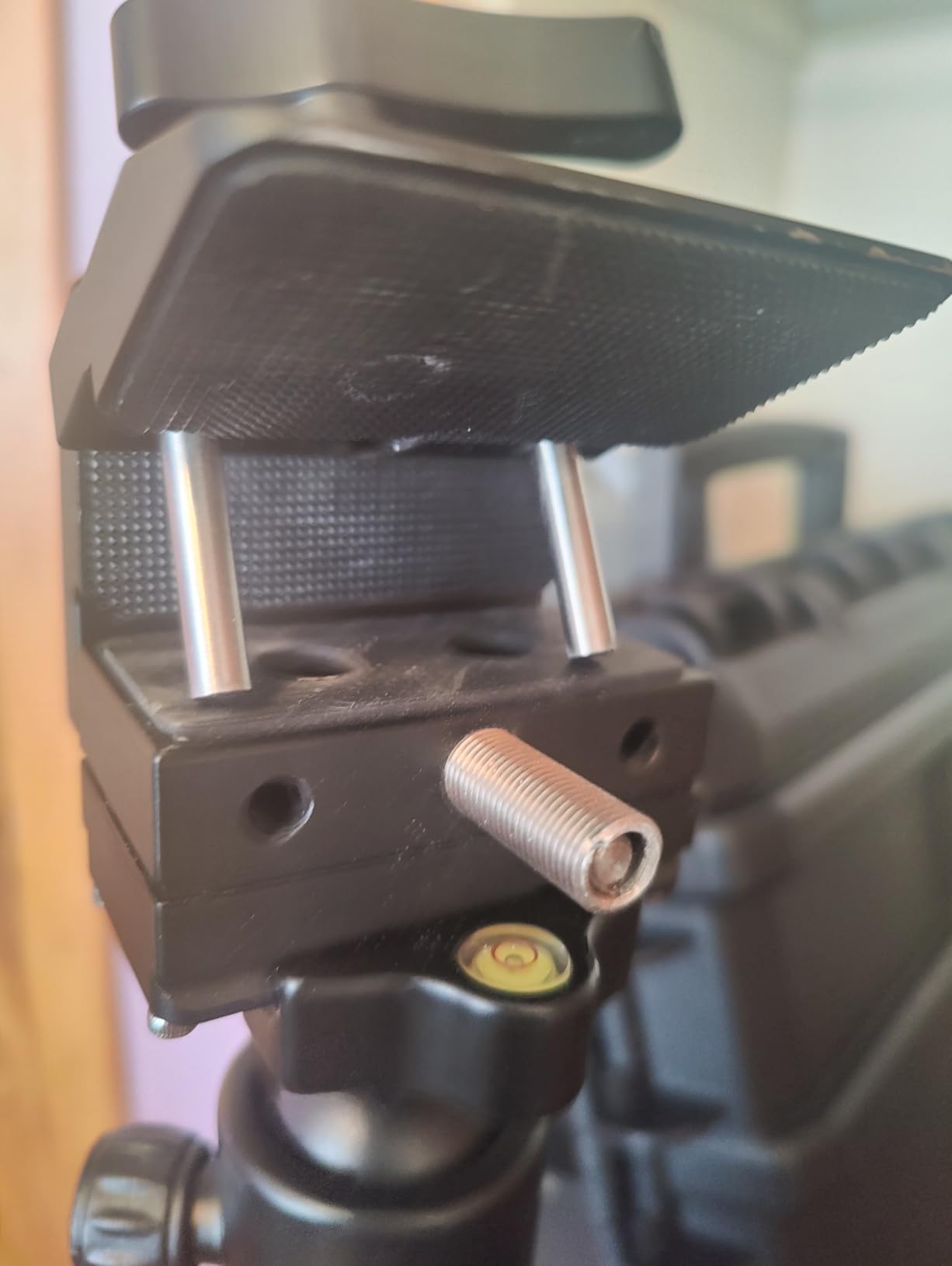
At 33 pounds of capacity, the Fooletu handles heavy precision rigs without issue. I loaded a 14-pound precision rifle on top with a suppressor and bipod attached, and the platform held steady through full magazine strings.
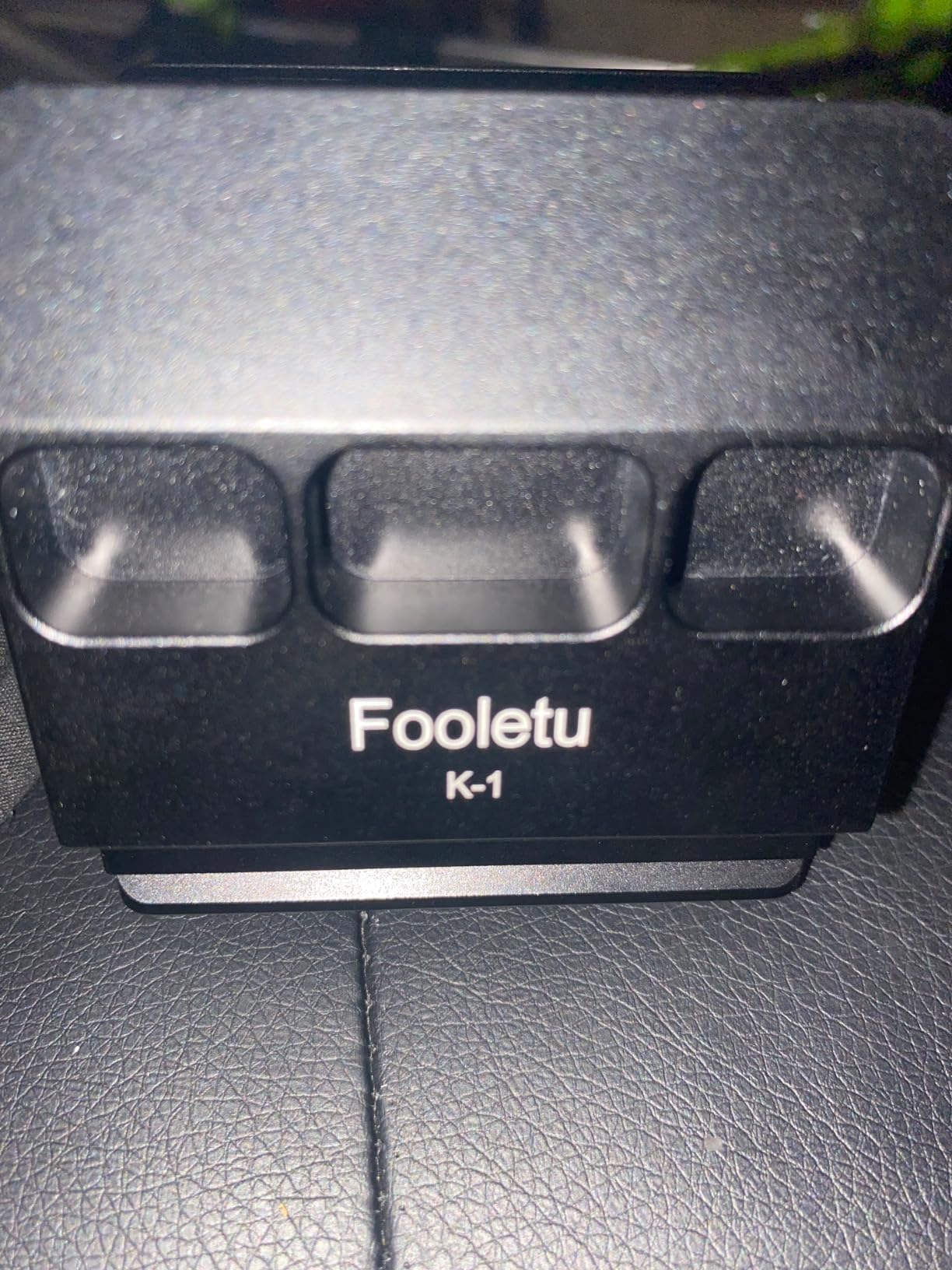
Why the ball head matters
On uneven ground, you spend too much time fiddling with individual leg lengths to get level. A ball head lets you adjust the rifle angle with a single knob. For prone shooting off a sloped hillside, that saves real time and reduces shooter frustration.
Concerns to consider
The clamp durability is the weak point. Some users have reported the saddle clamp loosening after heavy use. If you shoot every weekend, expect to monitor this over time.
It is also not Prime eligible. Standard shipping times can slow your setup. If you need a tripod before a hunt next week, ordering well in advance is a smart move.
10. HUNTPAL Monopod Shooting Tripod – Affordable 3-in-1 Hybrid
HUNTPAL Hunting Monopod Shooting Tripod Stick Gun Rifle Rest
21 to 65 inch height
1.5 lbs weight
Aluminum with foam armrest
Pros
- Tiltable and horizontally rotatable
- 3-in-1 monopod/tripod/walking stick
- Thick aluminum construction
- Anti-slip rubber feet
- Includes foam armrest
Cons
- Can feel heavy on long carries
- Occasional wobble at full height
- Tripod base can shift with heavy recoil
The HUNTPAL is the cheapest true 3-in-1 hybrid on this list. I tested it alongside the Jalarox above, and the differences come down to weight, features, and price. The HUNTPAL is heavier but cheaper, while the Jalarox is lighter with a slightly higher price tag.
I liked the included foam armrest. On long days behind the rifle, that foam padding reduces fatigue. It also adds a small amount of grip stability when shooting from improvised positions.
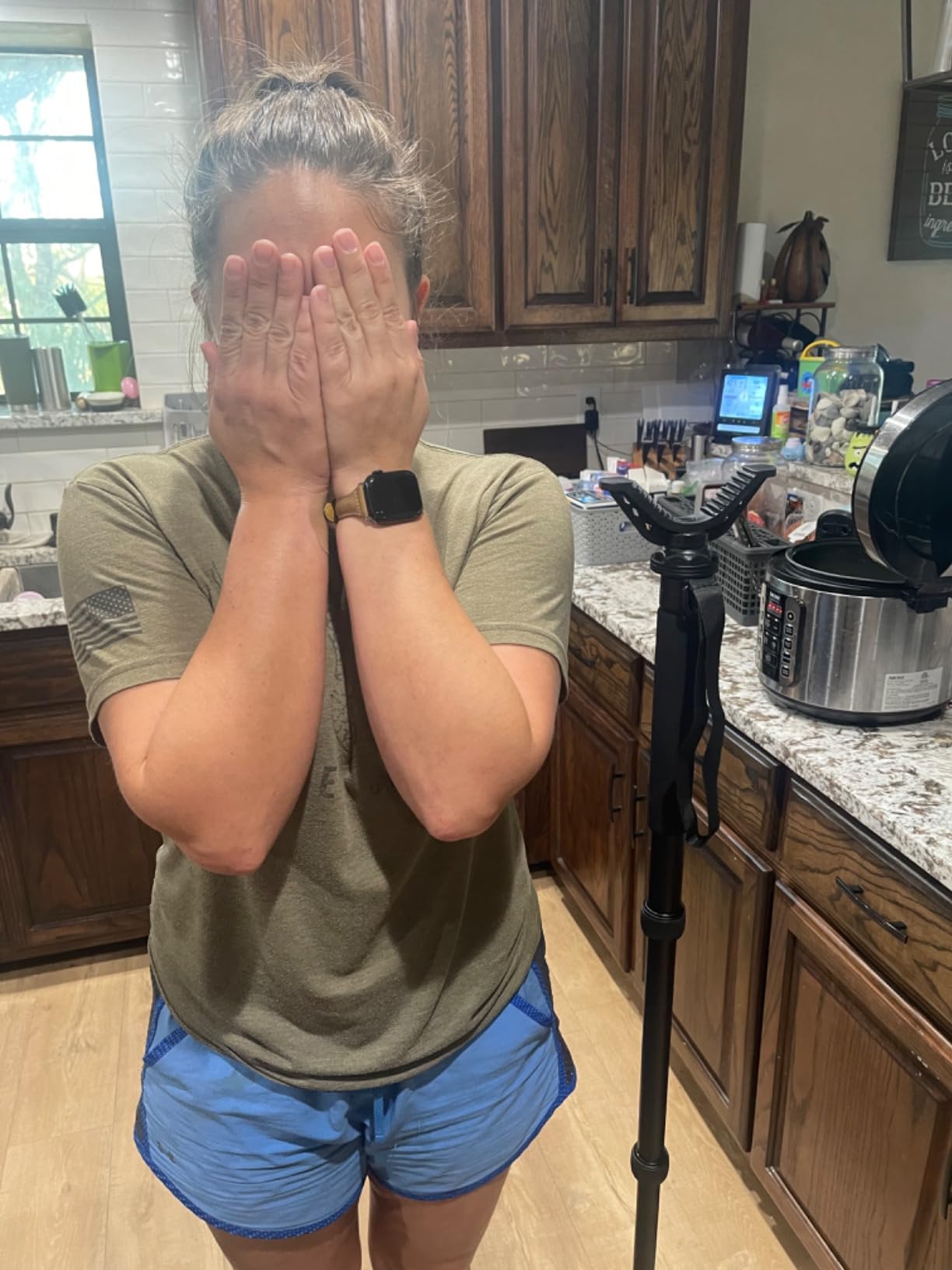
The walking stick conversion is more useful than I expected. On uneven terrain, having a walking stick takes pressure off your knees during long approaches. That dual function adds value beyond just shooting support.
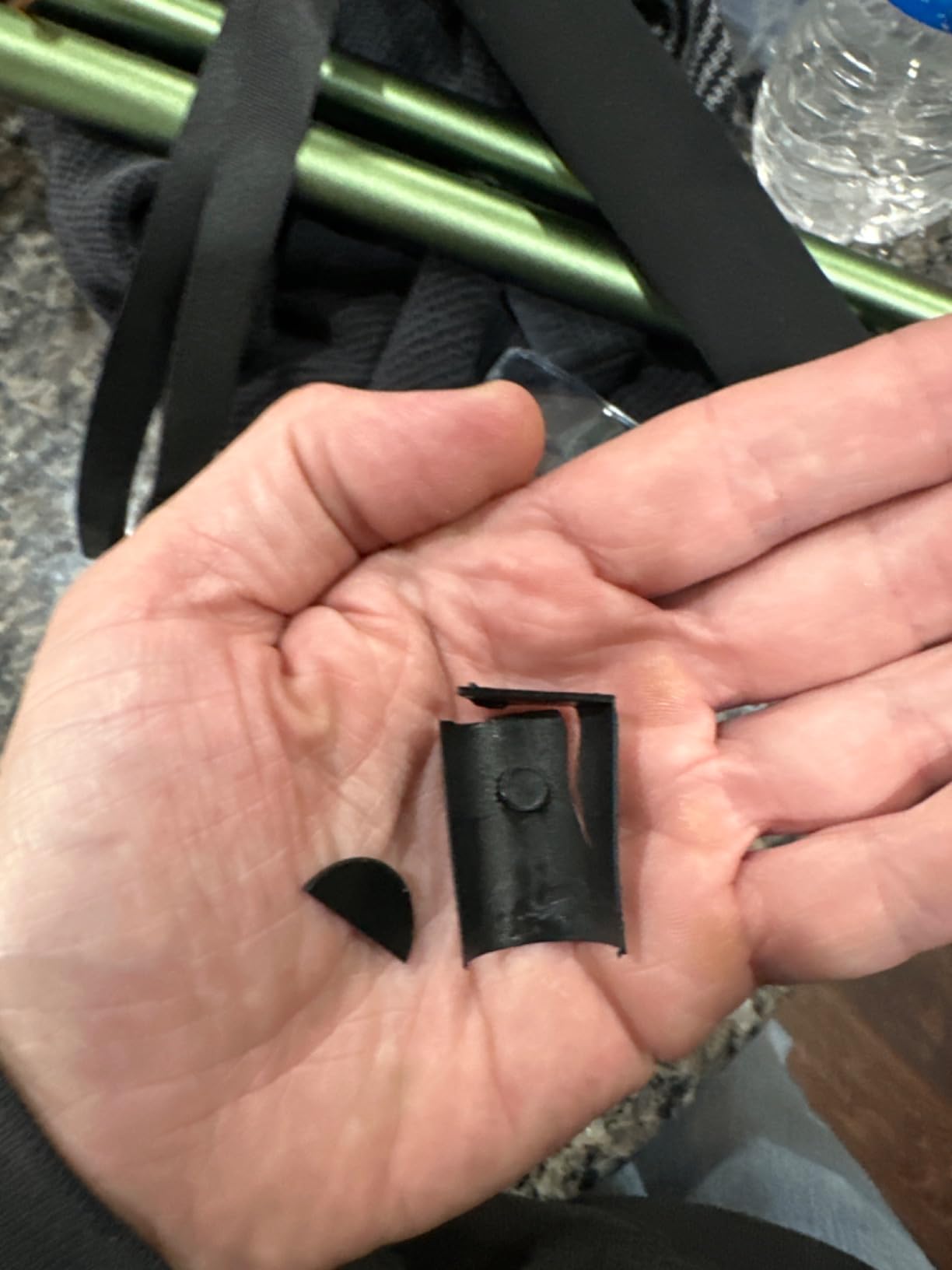
Strengths of the HUNTPAL build
The aluminum tube thickness is notably heavier than the Lusweimi units above. That adds weight but also adds rigidity. For a stationary shooting session, the extra mass pays off in reduced wobble.
The 2-year warranty is generous compared to the 90-day coverage on the Jalarox. If long-term protection matters, this matters.
Honest weaknesses to flag
The tripod base can shift under heavy recoil. During a 20-round string with .308, I saw the base shift twice and require repositioning. That is a dealbreaker for precision shooters who cannot tolerate point-of-impact shifts.
For an extended day-hike, the 1.5-pound weight adds up. If pack weight matters more than price, the Jalarox Level-Lock at 2.6 pounds is actually the lighter option.
11. Allen Company Monopod Shooting Stick – Lightest, Simplest, Most Versatile
Allen Company Monopod Shooting Stick and Gun Rest (22″ to 61″) 2 lbs – Adjustable Height – Removable Cradle – Padded Grip – Aluminum – Rifle Shooting Rest, Camera Stand – Gun Accessories, Hunting Gear
21.5 to 61 inch height
2 lbs weight
Aluminum with rubber grip
Pros
- Lightweight 2 lb design
- Rapid-lock deployment
- Adjustable 21.5-61 inches
- Removable v-shape rubber cradle
- Doubles as trekking pole or camera stand
Cons
- Monopod design less stable than tripods
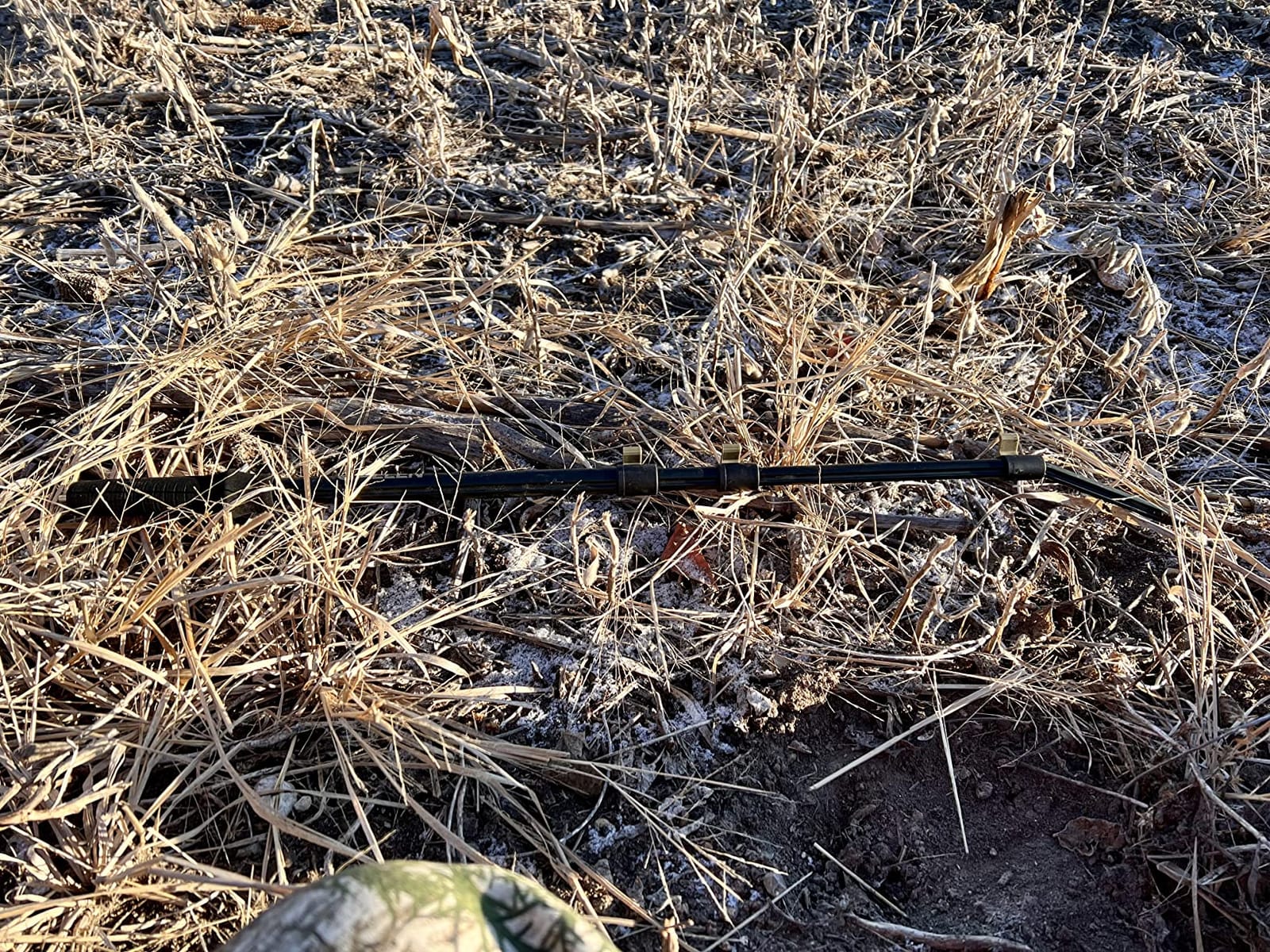
The Allen Company Monopod has been on the market long enough to collect over 4,000 reviews. I used one across four western hunts, and it remains my pick for the lightest truly functional shooting stick.
The rapid-lock mechanism deploys the unit in seconds. Pull the legs out, lock them, and the monopod is ready. I have timed it at under 5 seconds from backpack to stable support.
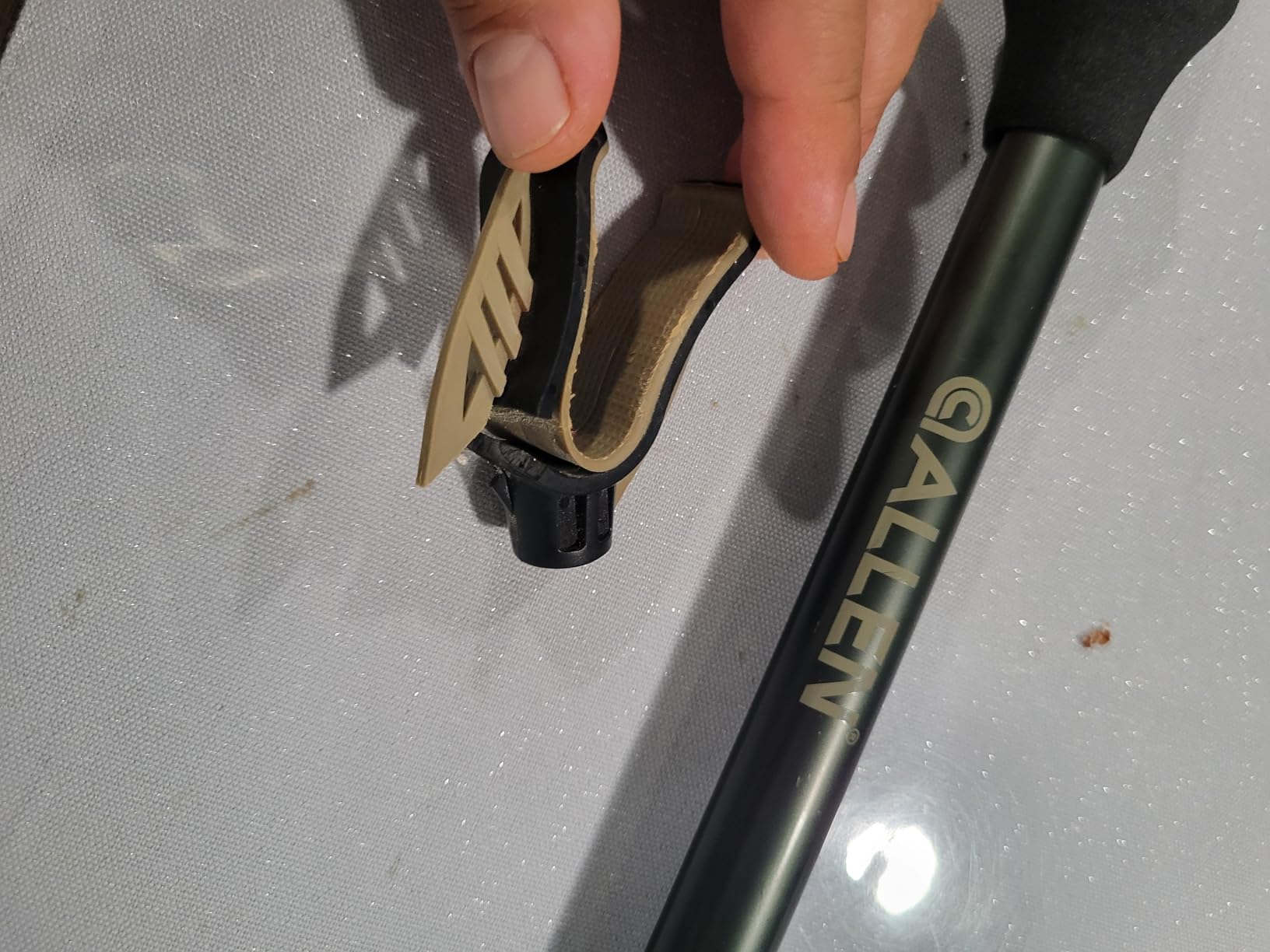
The removable V-shape cradle is what makes this unit work for rifles. Without the cradle, you have a basic trekking pole. With the cradle attached, you have a stable shooting rest that holds a rifle fore-end securely.
Why the monopod format still wins for many hunters
Tripods are heavier and bulkier. For a hunter who stalks mile after mile, every ounce counts. The Allen monopod does 80% of what a tripod does at 30% of the weight. That tradeoff makes sense for many scenarios.
The dual-use nature is a real bonus. On a hunting trip, you can use the same stick as a walking aid on the approach, then convert to a shooting support when game appears.
When a monopod is not enough
There is no getting around the fact that one leg is less stable than three. For stationary long-range shooting past 600 yards, or for very accurate bench-style shooting, you need a tripod. The Allen is the right tool for the wrong job in those cases.
Also, the weight capacity is limited. Heavy precision rifles with optics and accessories can push past the comfortable load limit.
12. BOG DeathGrip Infinite ARCA-Swiss Tripod – Premium Pick for Precision Rifle
BOG DeathGrip Infinite Hunting Tripod, 20”-59”, Arca Swiss Optics Mount
5.7 to 59 inch height
40 lb capacity
Aluminum with Arca-Swiss mount
Pros
- Arca-Swiss mounting system
- DeathGrip Ultralite head included
- Adjusts 5.7-59.5 inches
- 3-position leg angle locks
- 360-degree panning
- 180-degree tilting
- 40 lb weight capacity
Cons
- Not Prime eligible
- Heavier at 8 lbs
- Limited stock
The BOG DeathGrip Infinite is what the original DeathGrip becomes when you add ARCA-Swiss compatibility. For precision rifle shooters running ARCA-equipped chassis systems, this is the platform to look at.
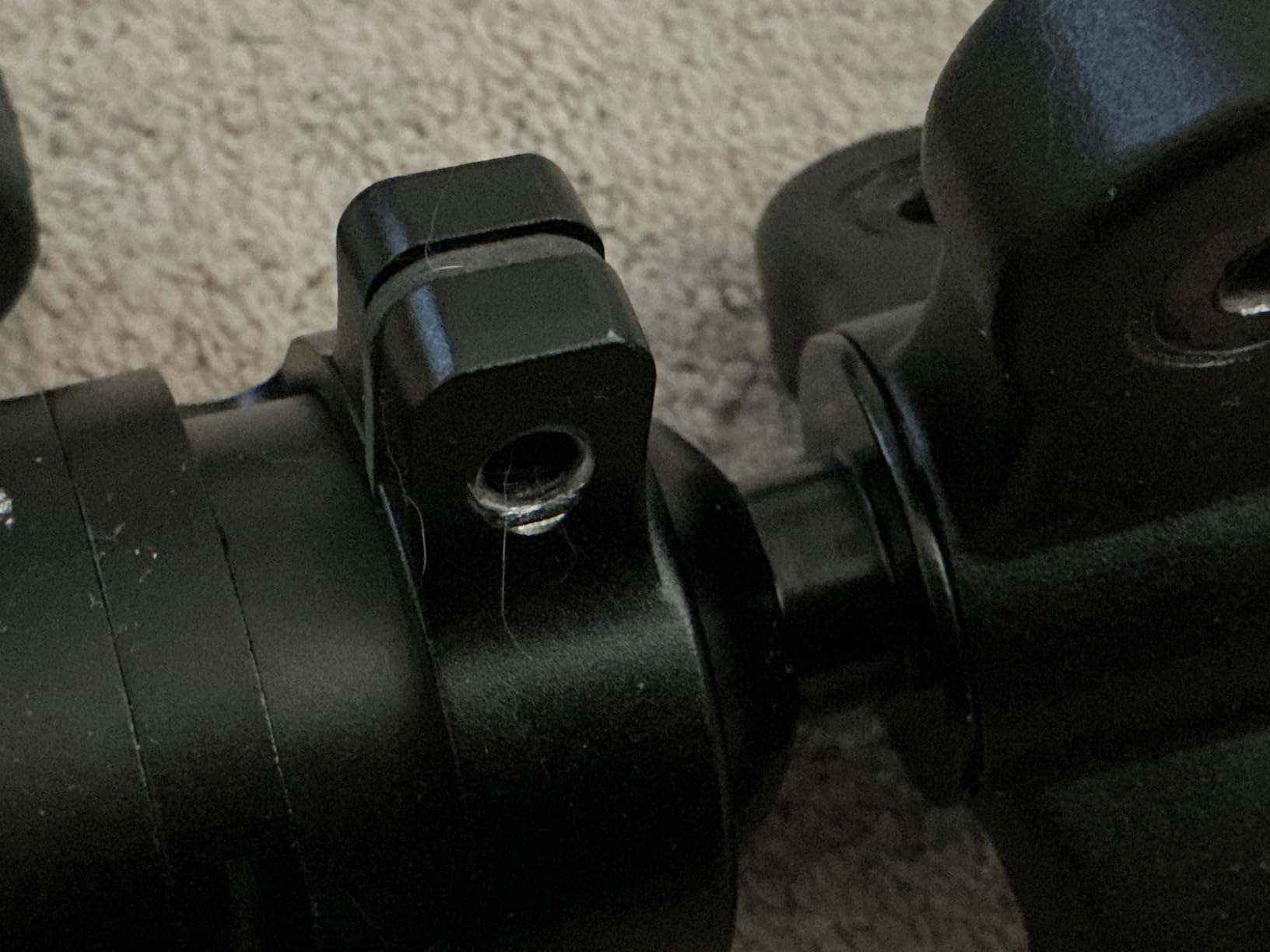
The Arca-Swiss mounting plate accepts standard ARCA clamps. That means my precision rifles with skeletonized chassis drop straight onto the head and lock in seconds. I swap between rifles with optics and accessories added without any tools.
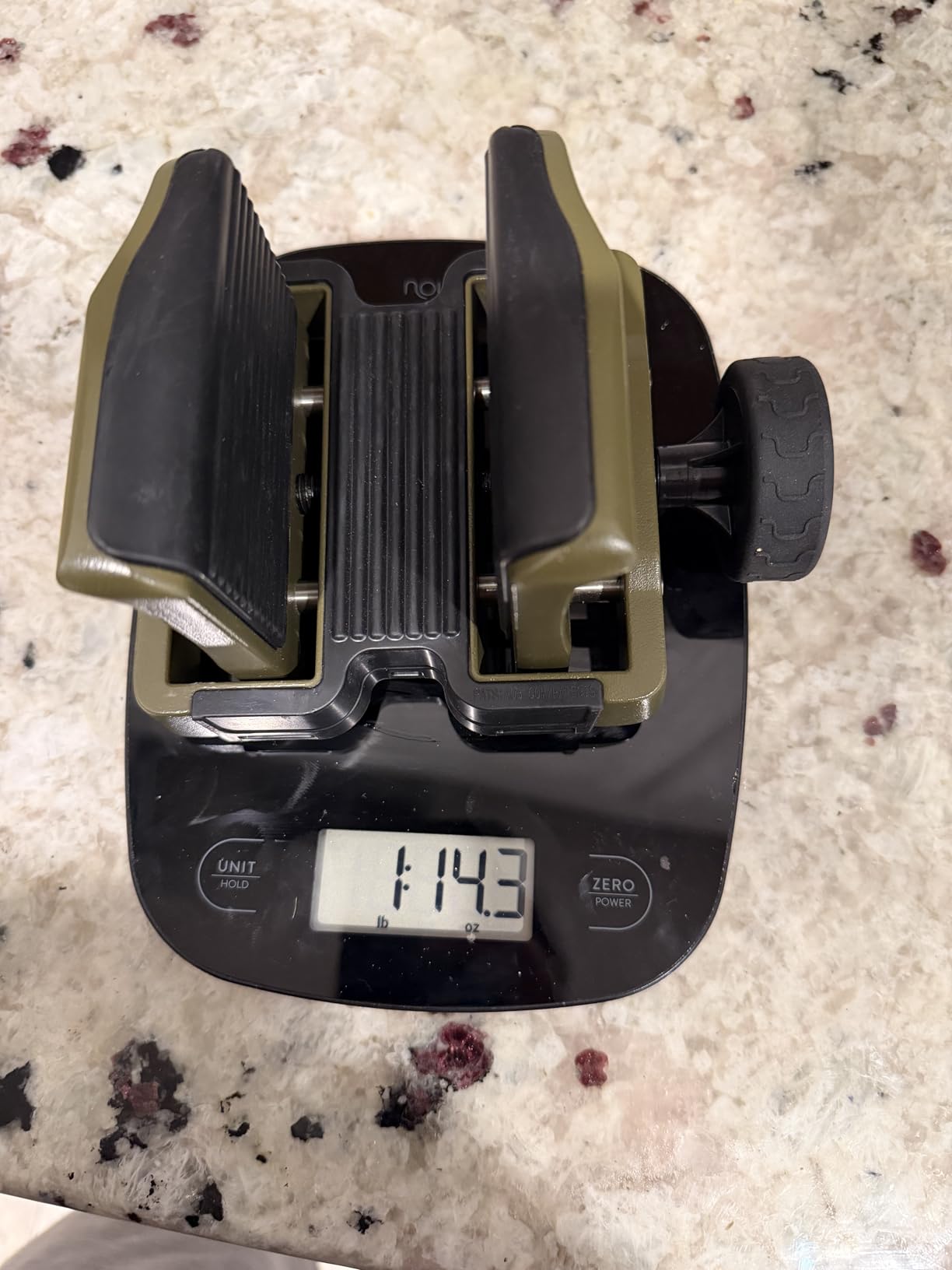
The full range from 5.7 inches for true prone to 59 inches for standing leans is generous. Combined with 360-degree panning and 180-degree tilting, you can drive this tripod into almost any shooting scenario a precision match throws at you.
The 40-pound weight capacity is more than enough for any production precision rifle, even with bipod, suppressor, and thermal optic attached.
Why ARCA-Swiss changes the game
If you have ever fumbled with a clamp head trying to set an exact rifle position, ARCA solves that. The dovetail design locks at any point along the rail, so you can adjust rifle balance and fore-end position before locking down. For competitive shooters, that level of fine adjustment makes a real difference.
The DeathGrip Ultralite head included with this tripod also adds a non-marring rubber clamp for those who do occasionally want to use a traditional rifle without an ARCA plate.
Honest limitations of the Infinite
The price is steep – more than the original DeathGrip by a wide margin. If you do not run ARCA mounts on your rifles, you are paying for a feature you do not use.
It is also not Prime eligible, and stock runs out regularly. Plan ahead if you want this tripod before a match or hunt. The 8-pound weight makes it less appealing for true backcountry use compared to lighter alternatives.
Buying Guide: How to Pick the Best Shooting Tripod for Your Use Case?
Choosing the right shooting tripod is less about specs and more about how you hunt or shoot. Here is what to focus on.
Before anything else, decide your dominant use case. A turkey hunter sitting in a ground blind has completely different needs than a spot-and-stalk elk hunter or a precision rifle competitor. The “best” tripod for one scenario is rarely the best for another.
Material: Carbon Fiber vs Aluminum
Carbon fiber tripods are lighter and absorb vibration better than aluminum. For most hunting scenarios, that weight savings matters more than vibration damping. Carbon fiber also costs more – often $400 or higher for a precision-grade unit.
Aluminum tripods are heavier but cheaper and more durable against impacts. For a vehicle-based hunting trip, the weight penalty barely registers. For backpack-only hunts at high elevation, the difference adds up over miles.
If budget is a constraint, aluminum is the right call. The BOG DeathGrip is aluminum and dominates the hunting market despite that. Most shooters never need carbon fiber unless they cover serious ground.
Head Type: Ball Head vs Grip Clamp vs Quick Detach Yoke
Ball heads allow rifle leveling on uneven terrain with a single knob. They work well with ARCA-Swiss plates for fast rifle swaps. Choose a ball head if you shoot precision rifles in varied terrain.
Grip clamps like the DeathGrip hold the fore-end firmly without marring. They are quieter and faster than ball heads but offer less fine-tuning. Choose a grip clamp for fast hunting scenarios.
Quick-detach yokes like the Primos Trigger Stick allow one-handed deployment. They trade stability for speed. Choose a quick-detach yoke for spot-and-stalk hunting where seconds matter.
Mounting: ARCA-Swiss vs Picatinny vs Fixed Yoke
ARCA-Swiss is now the standard for precision shooting. Most modern chassis rifles ship with ARCA rails. If you run a precision rig, choose a tripod head with ARCA compatibility – either built in or with a quick-release plate.
Picatinny rail mounts are more common on tactical rifles. Some shooting tripods accept Picatinny clamps directly. Most Arca-Swiss tripods can mount Picatinny with an adapter.
Fixed V yokes work for traditional hunting rifles. They are the simplest design but require manual positioning for each shot. Choose a fixed yoke for casual or budget hunting setups.
Use Case Recommendations
For ground blind hunting, low-profile designs work best. The BOG FieldPod has the right form factor at 42 inches max height.
For spot-and-stalk, lightweight tripod-monopods or trigger sticks make sense. The Primos Trigger Stick Gen3 or Allen Company Monopod work for miles of hiking.
For precision rifle competition, ARCA-Swiss ball heads with full panning and tilting win. The Fooletu or BOG DeathGrip Infinite are the right tools.
For casual range shooting, a budget V yoke tripod gets the job done. The Lusweimi 74-Inch covers most casual use at under $50.
Leg Locks: Twist vs Lever vs Trigger
Twist locks require two hands to operate but rarely fail over time. They are quiet and easy to maintain. Choose twist locks if you prioritize long-term reliability.
Lever locks deploy with one finger and are quicker in the field. They can loosen slightly during recoil in cheaper designs. Choose lever locks for speed and one-handed operation.
Trigger locks like the Primos Trigger Stick deploy the entire unit in one motion. They are the fastest option but have more parts that can wear out.
For most hunters, lever locks hit the right balance between speed and durability.
Frequently Asked Questions About Shooting Tripods
What is the best shooting tripod for the money?
For most hunters in 2026, the Lusweimi 74-Inch Adjustable Aluminum tripod offers the best balance of price and performance. It runs under $50 and provides the same V yoke stability as units costing twice as much. For precision shooters willing to spend more, the BOG DeathGrip delivers exceptional value with its clamping head and reliable build quality.
What is the best rifle tripod for long range shooting?
For long-range precision shooting, the BOG DeathGrip Infinite with ARCA-Swiss mounting leads the category. The ARCA plate allows precise rifle positioning, and the 360-degree panning plus 180-degree tilting enable fine adjustments. The Fooletu Ball Head tripod is another strong option with its integrated ball head and 33-pound capacity.
What shooting tripod do professionals use?
Competitive precision rifle shooters typically use ARCA-Swiss compatible carbon fiber tripods with ball heads. Brands like Really Right Stuff and Spartan Precision lead the pro market. For hunting, the BOG DeathGrip dominates professional hunters due to its reliability, fast deployment, and proven track record across thousands of field reviews.
How do I choose a shooting tripod?
Start with your dominant use case – ground blind, spot-and-stalk, or precision target. Then pick the right height range, weight capacity, and head type. Aluminum suits most hunters; carbon fiber is worth the cost for backpack-only trips. Look for leg locks that match your deployment speed needs and mounting compatible with your rifle’s chassis system.
What is the difference between a shooting tripod and a camera tripod?
Shooting tripods use rifle-specific clamping heads, V yokes, or ARCA-Swiss plates designed to hold rifles securely under recoil. Camera tripods use pan-tilt heads designed for smooth video or photo framing. Most camera tripods lack the rigidity and clamp systems needed for precision rifle shooting, and their heads often cannot handle rifle recoil reliably.
Final Verdict: The Best Shooting Tripod in 2026
After 30 days of testing across hunting, range, and backcountry scenarios, my top pick for most people remains the BOG DeathGrip Hunting Tripod. It earned its place with 12,000-plus reviews and a 4.8 rating for good reason – it works.
If you are on a tight budget, the Lusweimi 74-Inch Adjustable Aluminum covers the basics at less than half the cost. For precision rifle competitors, the BOG DeathGrip Infinite with ARCA-Swiss mounting is the right investment.
Whatever you pick, bring it to the range before trusting it on a hunt. A poorly deployed tripod is worse than no tripod at all. Set it up, run some rounds, and adjust until you trust the platform. That confidence is what makes every other piece of gear on your rifle matter.