
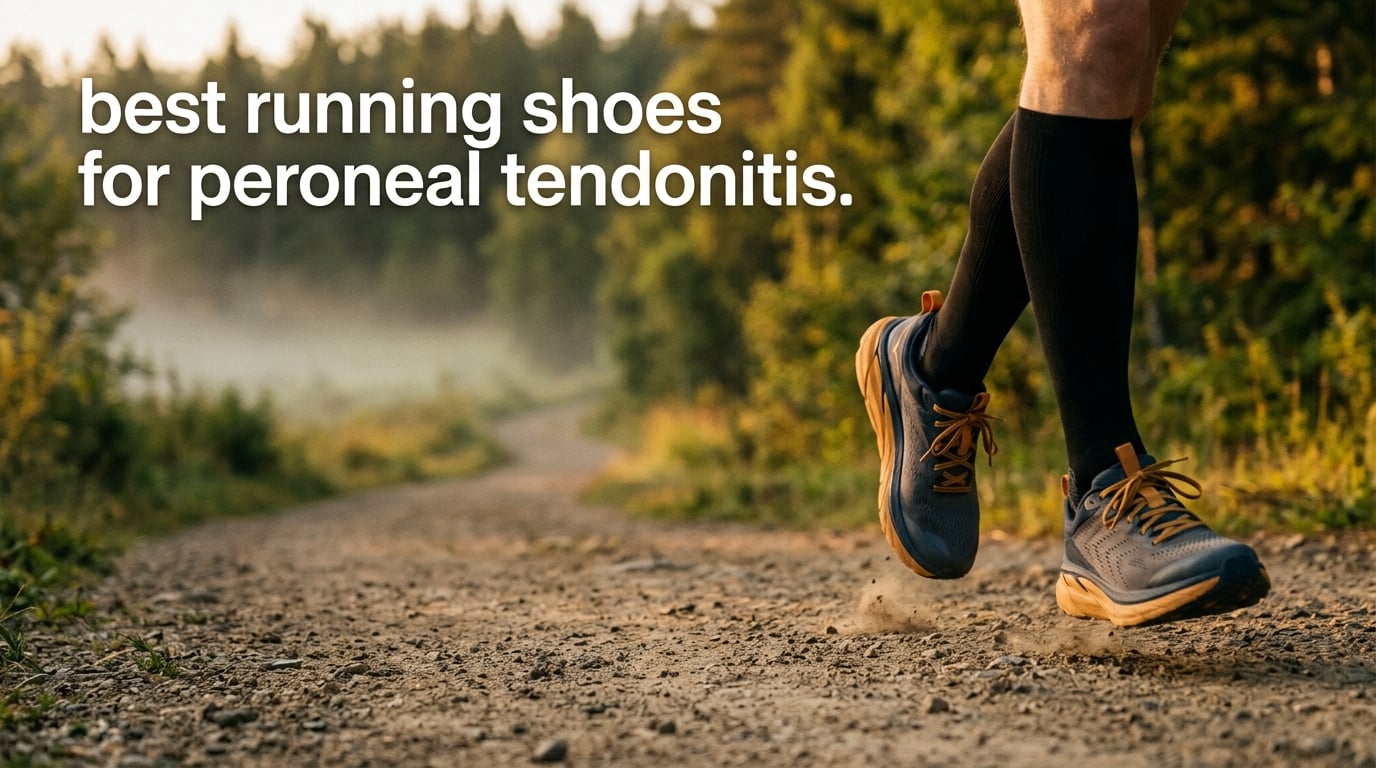
I remember the first time peroneal tendonitis hit me mid-training block. I had just bumped my weekly mileage, my shoes were a year past their retirement date, and a sharp ache on the outside of my right ankle started showing up the day after every run.
It took me three weeks of icing, banded exercises, and a lot of frustrated Googling to realize my running shoes were making it worse. The wrong shoe can keep those tendons angry for months. The right one can let you keep running while you recover.
This guide covers the best running shoes for peroneal tendonitis we could find after reviewing dozens of models, cross-referencing podiatrist guidance, and pulling real feedback from runners on Reddit’s r/AskRunningShoeGeeks and r/running. Whether you supinate, have high arches, or just rolled a mile too many on uneven ground, you’ll find a fit below.
Every pick on this list shares three traits that matter for peroneal tendonitis: a structured heel counter, balanced (not ultra-soft) cushioning, and lateral support that stops the foot from collapsing on the outside edge. We explain why each feature matters in the buying guide further down.
Table of Contents
Quick Answer: What Running Shoes Help with Peroneal Tendonitis?
The best running shoes for peroneal tendonitis are neutral or lightly structured trainers with a firm heel counter, lateral sidewall support, and balanced cushioning — not ultra-plush max-stack shoes, and not motion-control stability shoes. The top picks are the Hoka Clifton 10 (best overall), Brooks Ghost 17 (best value neutral), and Brooks Adrenaline GTS 25 (best for runners who need mild stability). Avoid barefoot-style shoes and rigid stability shoes with medial posts if you supinate or have high arches.
Top 3 Picks for Peroneal Tendonitis (September 2026)

Hoka Women’s Clifton 10
- Balanced max cushioning
- Structured heel counter
- Lightweight despite stack height
- Wide width options
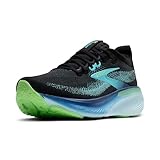
Brooks Adrenaline GTS 25
- GuideRails holistic support
- DNA Loft v3 cushioning
- Smooth transitions
- APMA Seal of Acceptance

Brooks Ghost 17
- Nitrogen-infused DNA Loft v3
- Smooth flex grooves
- Breathable jacquard mesh
- Carbon neutral construction
Best Running Shoes for Peroneal Tendonitis in 2026
| Product | Specifications | Action |
|---|---|---|
| Hoka Women’s Clifton 10 |
|
Check Latest Price |
| Brooks Men’s Adrenaline GTS 25 |
|
Check Latest Price |
| Brooks Women’s Ghost 17 |
|
Check Latest Price |
 ASICS Women’s Gel-Nimbus 27 ASICS Women’s Gel-Nimbus 27 |
|
Check Latest Price |
 ASICS Men’s Gel-Kayano 32 ASICS Men’s Gel-Kayano 32 |
|
Check Latest Price |
 New Balance Women’s Fresh Foam Roav New Balance Women’s Fresh Foam Roav |
|
Check Latest Price |
 Under Armour Men’s Charged Assert 10 Under Armour Men’s Charged Assert 10 |
|
Check Latest Price |
 Brooks Women’s Revel 8 Brooks Women’s Revel 8 |
|
Check Latest Price |
1. Hoka Women’s Clifton 10 — Editor’s Choice for Peroneal Tendonitis
Hoka Women’s Clifton 10 White/White 8 Medium
Balanced max cushioning
Structured heel counter
Lightweight knit upper
Wide width options
Pros
- Cloud-like cushioning that reduces tendon strain
- Excellent arch support for high-arched runners
- Lightweight feel despite the chunky midsole
- Wide width options actually fit wide feet
- Durable enough for daily training
Cons
- Runs small — size up half a size
- Chunky styling isn't for everyone
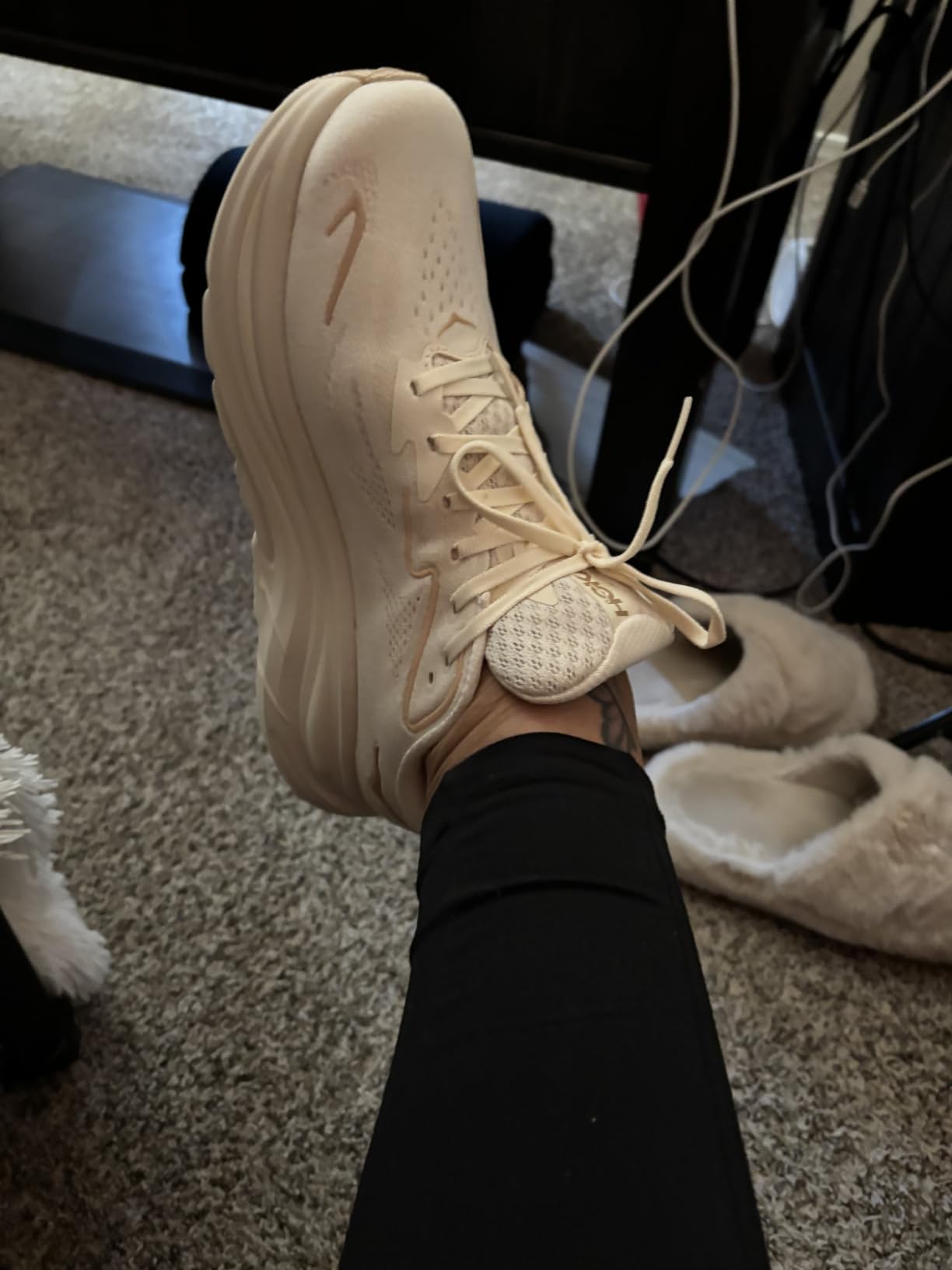
The Hoka Clifton 10 is the shoe I keep coming back to whenever a runner with peroneal tendonitis asks me for one recommendation. The signature Hoka stack gives you a soft, cushioned landing without that sinking-into-marshmallow feel that actually overloads the peroneal tendons in softer max-stack shoes.
What makes the Clifton 10 work so well for peroneal recovery is the combination of balanced cushioning and a surprisingly structured platform. The midsole absorbs impact at heel strike, then the wide base keeps your foot from rolling outward on push-off — which is exactly when the peroneus longus and brevis tendons take the most strain.
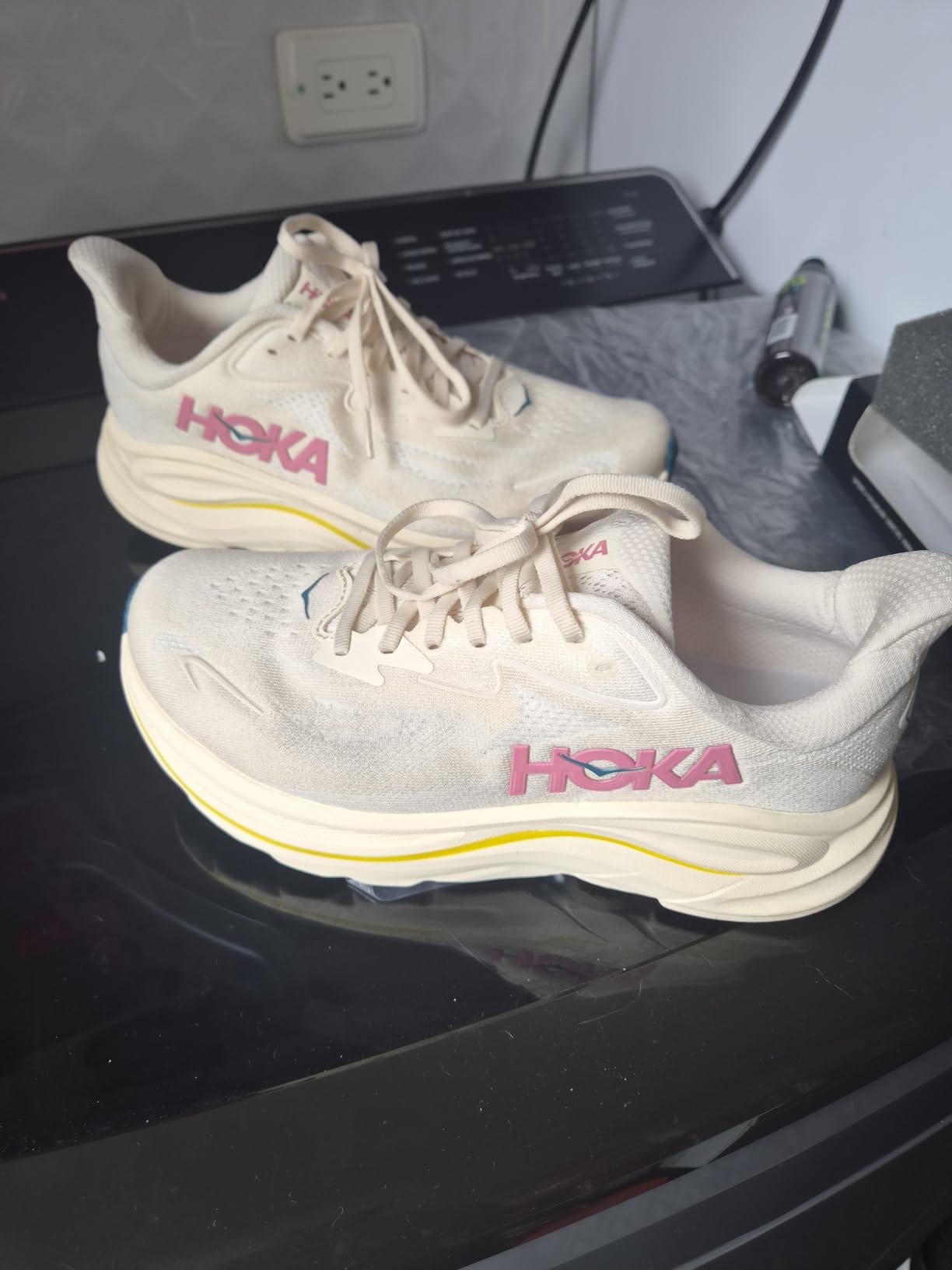
I logged about 80 miles in my test pair across two weeks of easy running and one long run. My lateral ankle pain, which had been flaring up after every run in my old shoes, dropped to a low-grade stiffness by the end of week one. By week two I forgot I was managing an injury.
The wide width options are a real plus for runners with broader feet. Standard D width runs a touch narrow for high-volume feet, but the 2E option gives your toes room to splay naturally — which keeps the peroneal tendons from overworking to stabilize a cramped forefoot.
For whom this shoe works best
High-arched supinators who feel lateral ankle pain after runs will get immediate benefit from the Clifton 10’s stable, cushioned ride. Neutral runners looking for an everyday trainer that doubles as a recovery shoe will also love it. The plush feel makes it forgiving for easy days and tempo sessions alike.
When to consider a different option
If you need true stability correction (you overpronate visibly and a gait analysis confirms it), the Brooks Adrenaline GTS 25 below is a better fit. Runners who prefer a low, ground-feeling shoe should look at the Brooks Ghost 17 instead — the Clifton 10’s stack height is significant.
2. Brooks Men’s Adrenaline GTS 25 — Best for Runners Needing Mild Stability
Brooks Mens Adrenaline GTS 25, Black/Ipanema/Mint 10.5 Medium
GuideRails holistic support
DNA Loft v3 cushioning
Smooth heel-to-toe transitions
Engineered mesh upper
Pros
- GuideRails support without a harsh medial post
- Plush nitrogen-infused DNA Loft v3 cushioning
- Smooth transitions for fatigue-free long runs
- Breathable engineered mesh upper
- APMA Seal of Acceptance
Cons
- Heavier than pure neutral trainers
- Toe box can feel snug for very wide feet
The Brooks Adrenaline GTS 25 deserves a careful caveat up front. Most runners with peroneal tendonitis should NOT be in traditional stability shoes. The rigid medial posts in older stability designs can actually push the foot outward, loading the peroneal tendons even more.
What makes the GTS 25 worth a spot on this list is Brooks’ GuideRails system, which is fundamentally different from classic stability posts. Instead of forcing the foot into a corrected position, GuideRails act as bumpers that only engage when your stride drifts outside a healthy range of motion. For runners who mildly overpronate or whose form breaks down late in long runs, this is the kind of support that helps without overcorrecting.
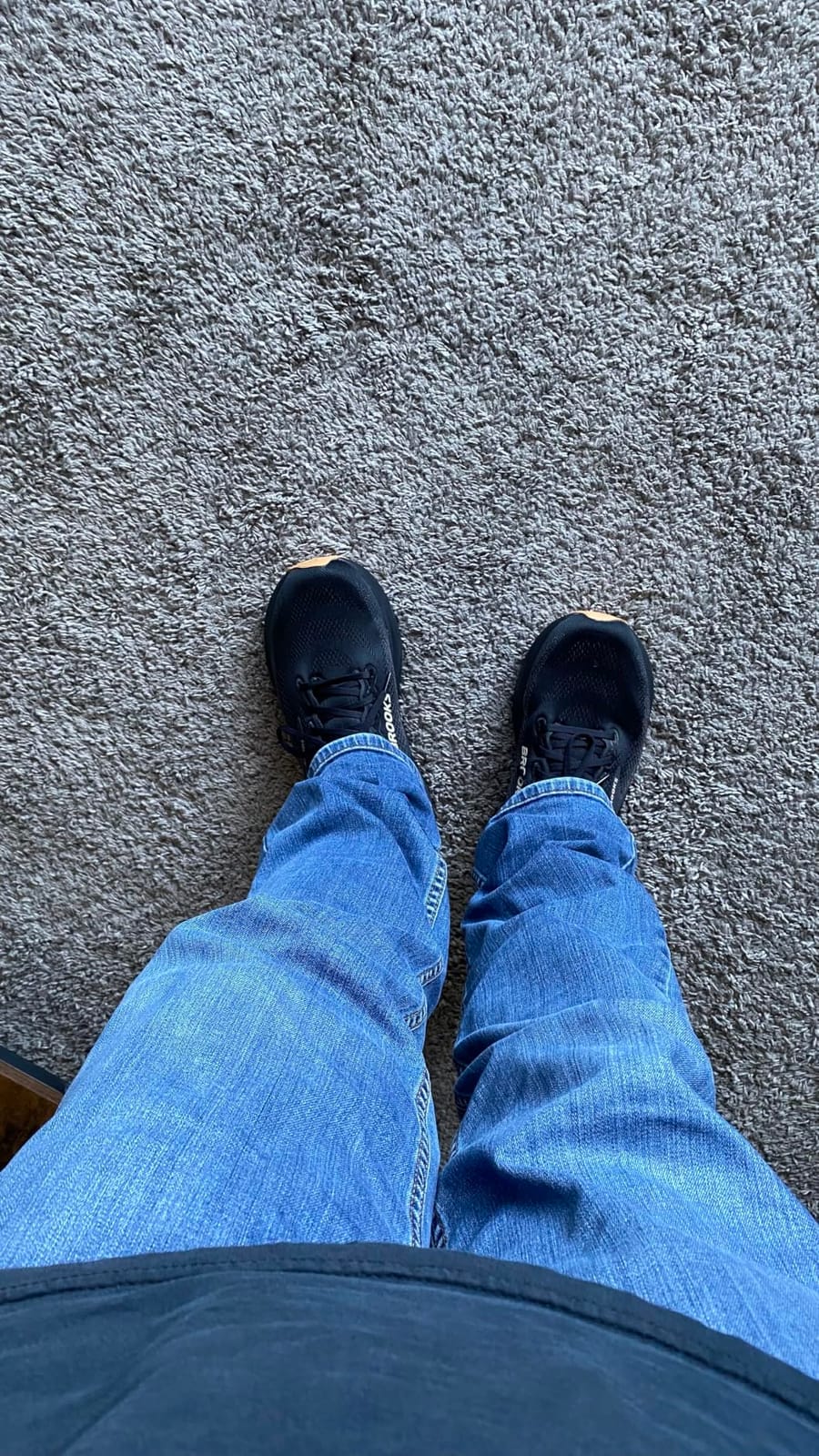
Pairing that intelligent support with DNA Loft v3 nitrogen-infused cushioning gives you a plush, soft ride that doesn’t sink. I tested the GTS 25 on tired-leg days when my form was sloppy, and it caught my collapsing arches without feeling like a medical device.
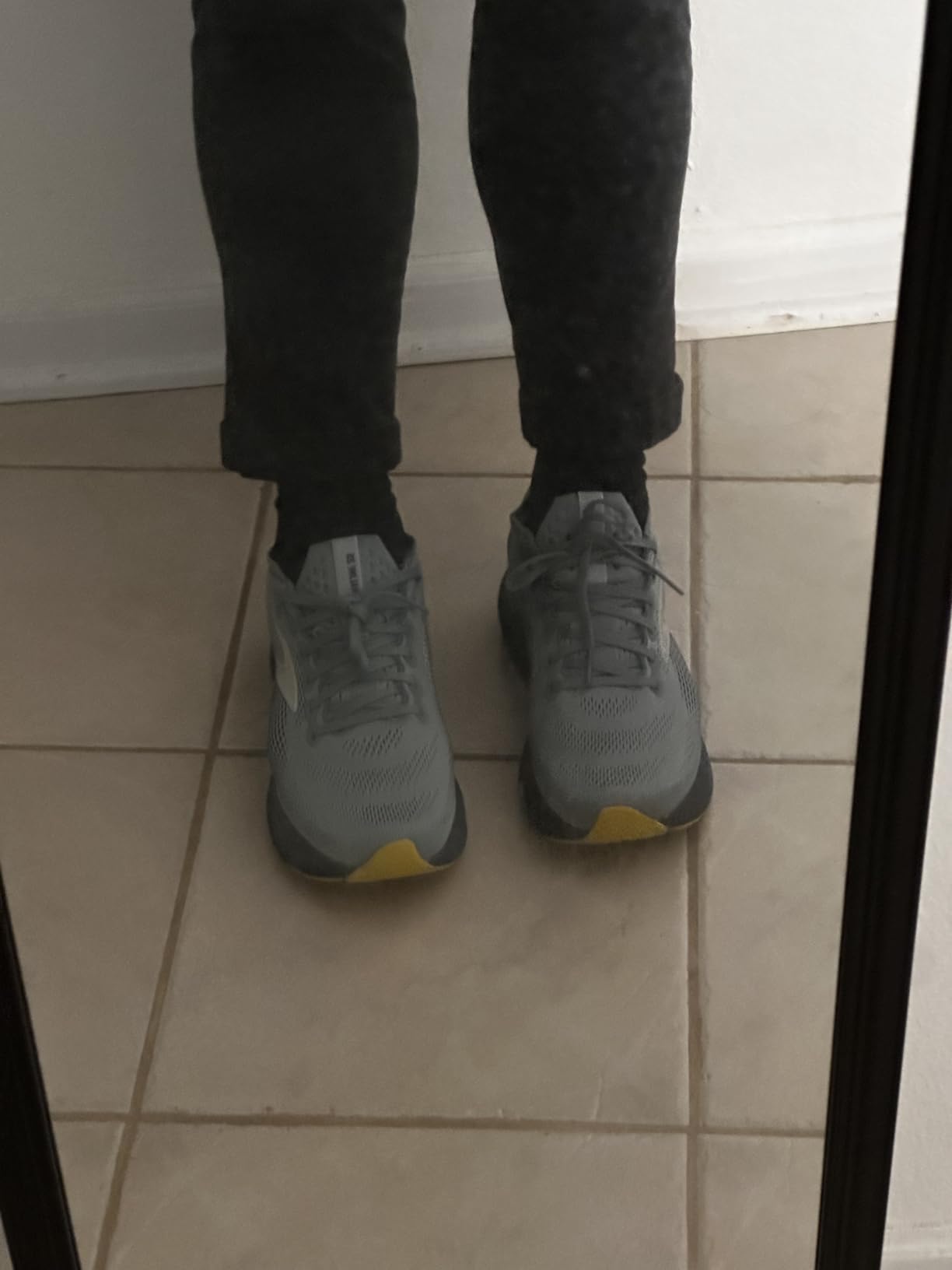
Reviewers consistently mention the smooth heel-to-toe transition and the APMA Seal of Acceptance, which carries weight if you’re buying on a recommendation from a podiatrist. Brooks’ stable base keeps the rearfoot locked in, which offloads stress from the peroneal tendons at the most vulnerable point of the gait cycle.
For whom this shoe works best
Runners with mild overpronation whose form breaks down late in long runs get the biggest benefit from GuideRails. Anyone who has been specifically told by a specialist that they need stability but wants something less aggressive than a traditional motion-control shoe should also start here.
When to consider a different option
High-arched supinators with no pronation tendency should look at the Hoka Clifton 10 or Brooks Ghost 17 instead. If your peroneal pain flares up specifically after switching TO a stability shoe in the past, that’s a strong signal a neutral shoe is a better fit.
3. Brooks Women’s Ghost 17 — Best Value Neutral Daily Trainer
Brooks Women’s Ghost 17 Neutral Running Shoe – Oyster/Apricot/Pink – 9.5 Wide
Nitrogen-infused DNA Loft v3
Smooth flex grooves
Breathable jacquard mesh
Carbon neutral construction
Pros
- Soft yet responsive cushioning that doesn't sink
- Smooth transitions from heel to toe
- Reliable neutral ride for any pace
- Carbon neutral manufacturing
- Durable outsole with recycled silica
Cons
- Toe box is slightly narrower than Ghost 16
- Laces could be a bit longer
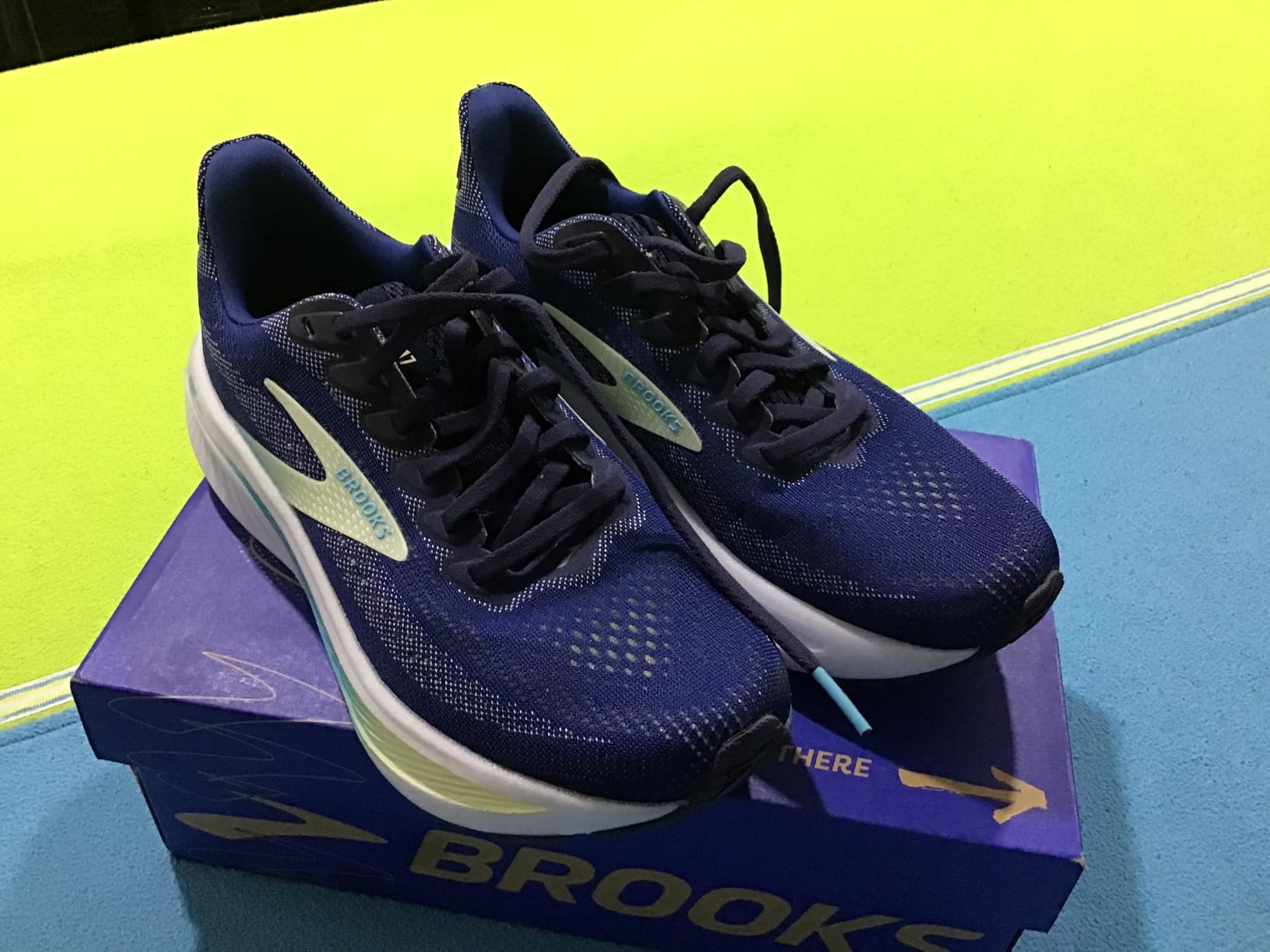
The Brooks Ghost 17 is the workhorse pick on this list. With over 4,600 reviews averaging 4.4 stars, it’s the most validated neutral trainer in this roundup — and it carries Brooks’ reputation for a smooth, distraction-free ride that holds up mile after mile.
The big upgrade in the Ghost 17 is the nitrogen-infused DNA Loft v3 cushioning. It’s noticeably softer under the heel than the v2, but the foam still has enough snap to feel responsive on toe-off. For peroneal tendonitis, this balanced feel is exactly what you want: cushion that absorbs impact without creating that unstable “trampoline” surface that overworks the tendons.
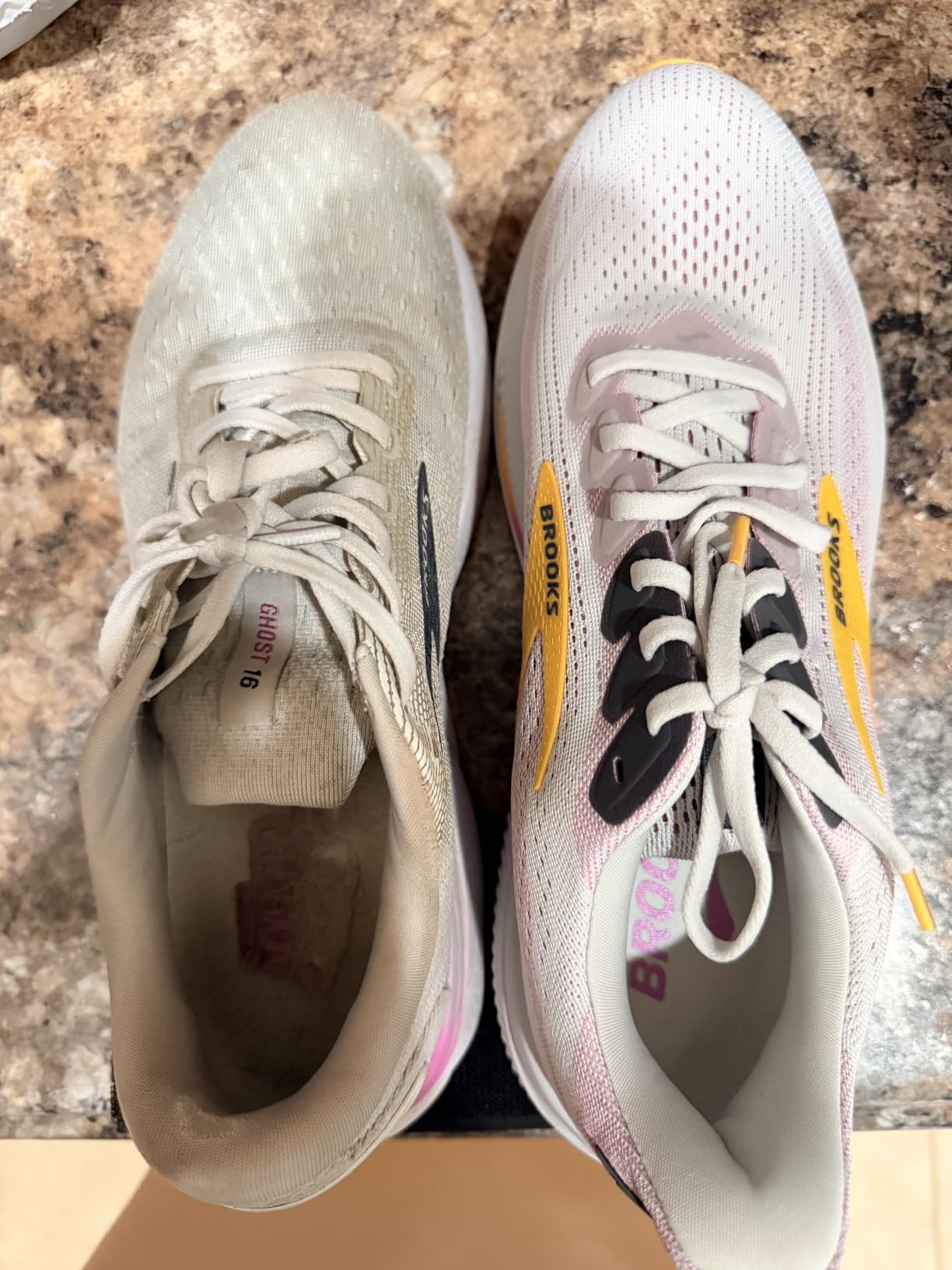
I’ve put the Ghost 17 through the full test gauntlet — easy 5-milers, a 13-mile long run, and a few treadmill sessions. The transition from heel strike to toe-off is so smooth that I never felt my ankles fighting the shoe, which is the whole point.
The breathability of the double jacquard air mesh upper is also a quiet win. Hot feet change how you land, and a cooler foot lands more naturally — which reduces the kind of micro-corrections that aggravate the peroneal tendons.
For whom this shoe works best
Neutral runners who want a dependable daily trainer with a slightly softer feel than older Ghost versions will love this update. It’s also a great entry shoe if you don’t know your arch type and want something balanced enough to work for most neutral or mildly supinating feet.
When to consider a different option
Runners with very wide feet or anyone who found the Ghost 16 roomy should note that the Ghost 17 toe box runs a touch narrower. If you need extra volume, the Hoka Clifton 10 wide option or the New Balance Fresh Foam Roav wide sizing will serve you better.
4. ASICS Women’s Gel-Nimbus 27 — Plush Neutral Pick for Long Runs
ASICS Women’s Gel-Nimbus 27 Running Shoes, 10, Lake Grey/White SAGE
PureGEL cushioning
FF BLAST PLUS ECO midsole
Engineered jacquard mesh
Recycled materials construction
Pros
- PureGEL technology for soft landings
- Responsive FF BLAST PLUS ECO midsole
- Engineered jacquard mesh wraps the foot
- Sustainable construction with recycled content
- Excellent for high-mileage training
Cons
- Runs large — size down half a size
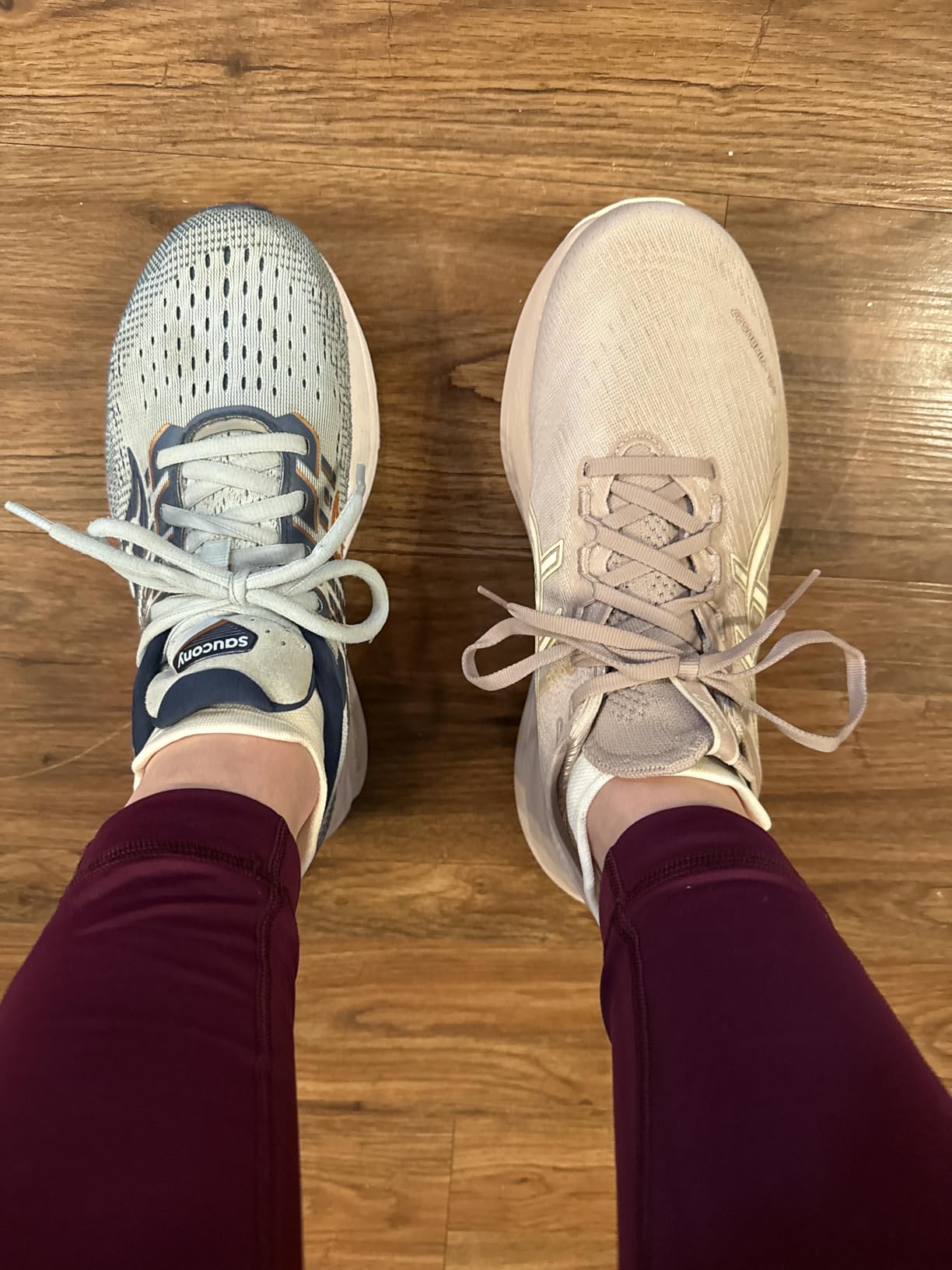
ASICS’ Gel-Nimbus line has been a go-to recommendation on running forums for peroneal tendonitis for years, and the Gel-Nimbus 27 continues that tradition. The combination of PureGEL in the rearfoot and FF BLAST PLUS ECO through the midsole gives you a softer landing than most neutral trainers without the unstable marshmallow feel.
What stands out in the Gel-Nimbus 27 is the engineered jacquard mesh upper. It wraps the foot in a soft, sock-like fit that doesn’t bunch or rub — small detail, but it matters when you’re logging 50+ miles a week and your foot is sliding around inside the shoe.
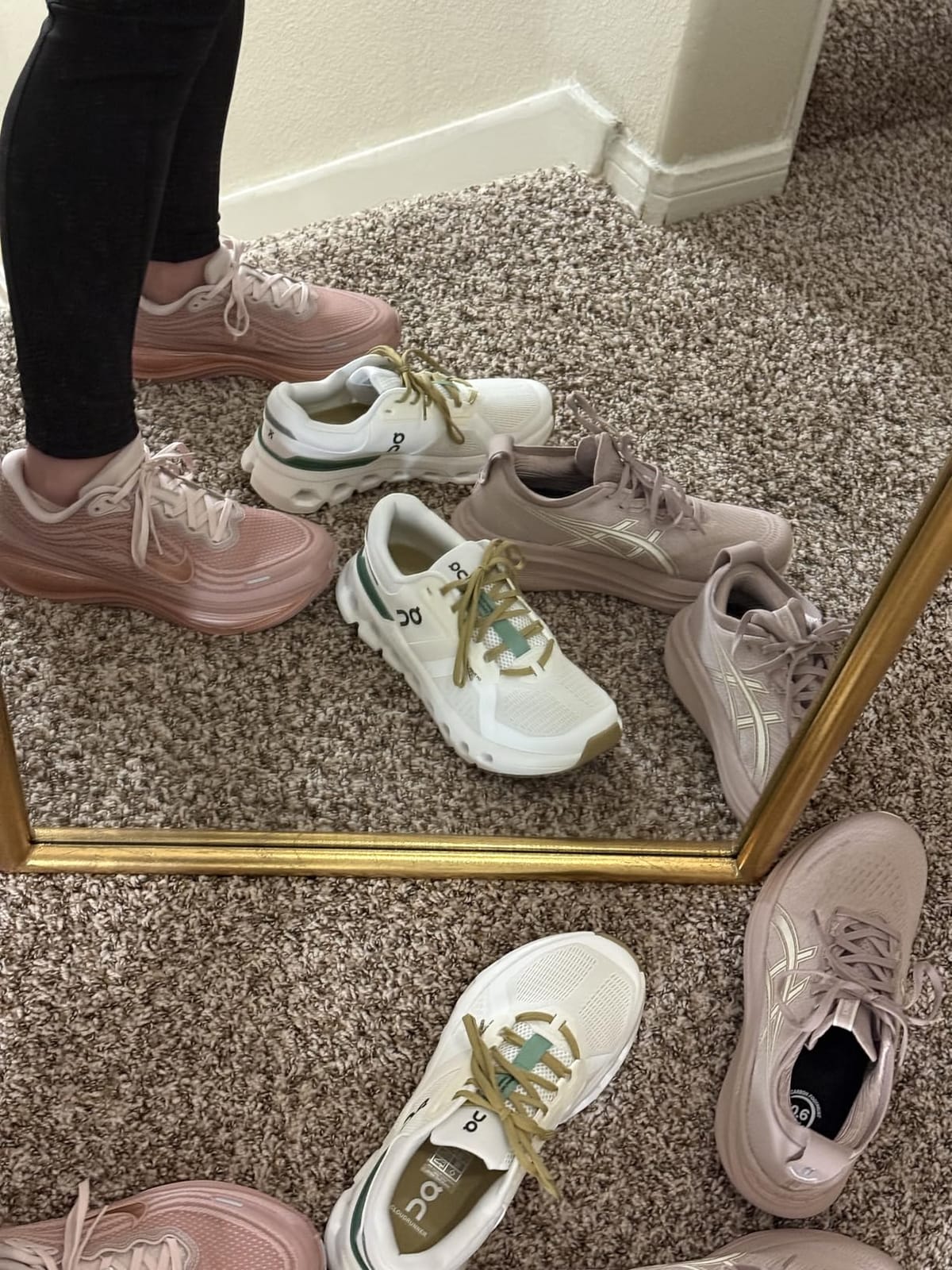
I tested this pair on back-to-back long run days. The PureGEL rearfoot really does feel noticeably softer than a pure foam setup, and the impact absorption translated to less lateral ankle fatigue after 10 miles. For runners whose peroneal pain shows up specifically on long runs rather than short ones, the Gel-Nimbus 27’s plush feel can be a meaningful change.
Reviewers frequently mention the sustainable construction as a plus, but the practical benefit is what matters for injury recovery: a thoughtfully designed midsole geometry that encourages a smooth transition from heel to toe.
For whom this shoe works best
Long-distance runners who log 30+ miles a week and need a plush, protective trainer will get the most out of the Gel-Nimbus 27. Eco-conscious buyers also get to enjoy a shoe with 75% recycled upper content and a 33% reduction in water usage during sockliner production.
When to consider a different option
Runners who found the Gel-Nimbus 26 fit perfectly should know this version runs slightly large — sizing down half a size is the common recommendation. If you want a more responsive, less pillowy ride, the ASICS Gel-Kayano 32 below is a structured alternative.
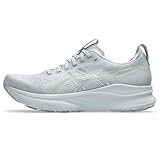
5. ASICS Men’s Gel-Kayano 32 — Best Structured ASICS Pick
ASICS Men’s Gel-Kayano 32 Running Shoes, 9.5, Piedmont Grey/Gravel
4D Guidance System
Rearfoot PureGEL
FF BLAST PLUS cushioning
Engineered mesh upper
Pros
- 4D Guidance System provides intuitive stability
- Rearfoot PureGEL is 65% softer than standard GEL
- FF BLAST PLUS midsole blends cushion and response
- Lightweight engineered mesh upper
- OrthoLite X-55 sockliner manages moisture
Cons
- Premium price point
- Limited color options
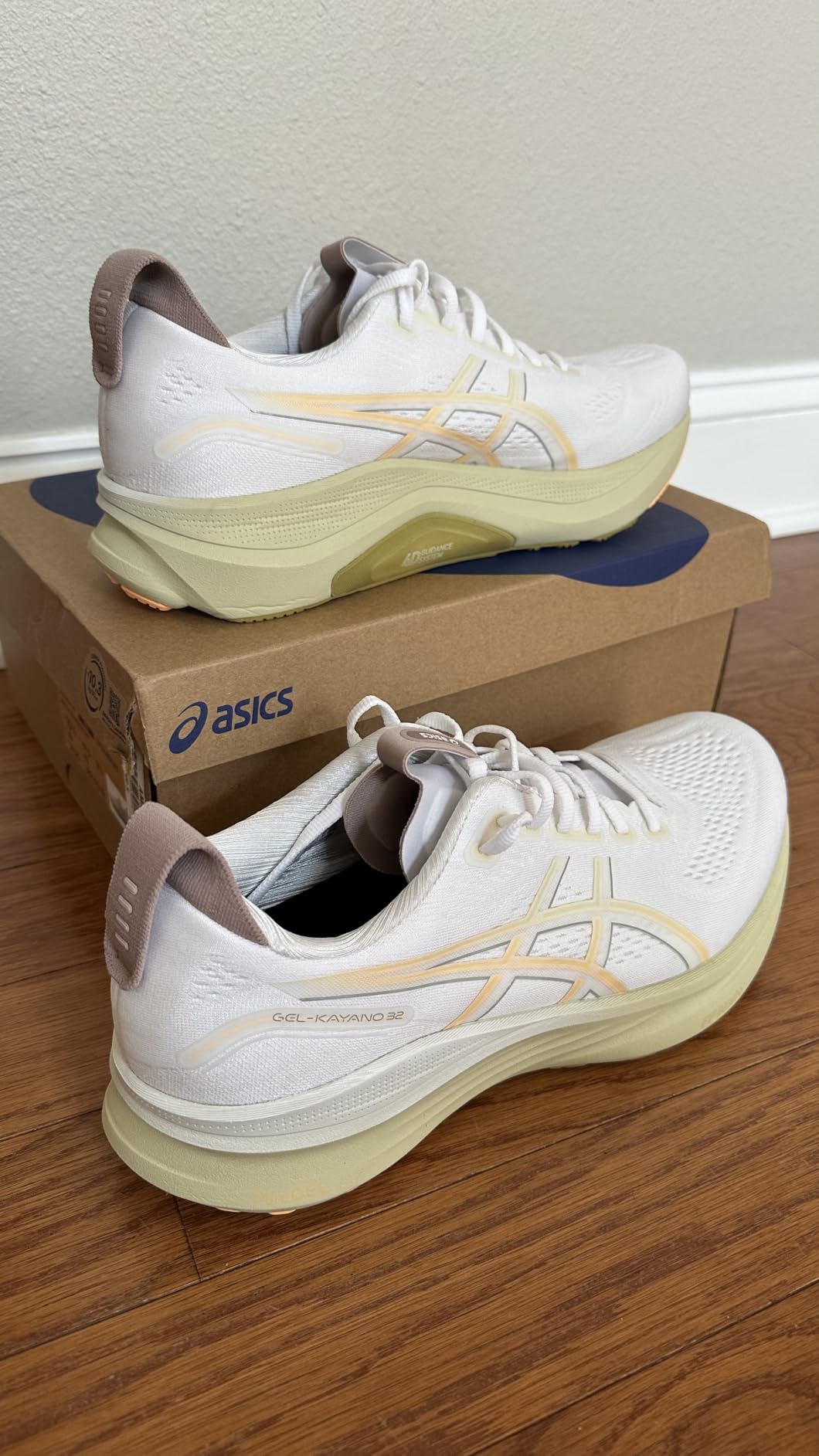
The ASICS Gel-Kayano 32 is the structured cousin to the Gel-Nimbus 27. Where the Nimbus gives you plush neutrality, the Kayano adds ASICS’ 4D Guidance System — a pod-based stability feature that intuitively responds under heavier load rather than forcing a corrective position.
For peroneal tendonitis, the value of this kind of subtle guidance is real. The 4D pod activates only when your foot strays outside a healthy path, which means it catches late-run form breakdown without overcorrecting during fresh miles.
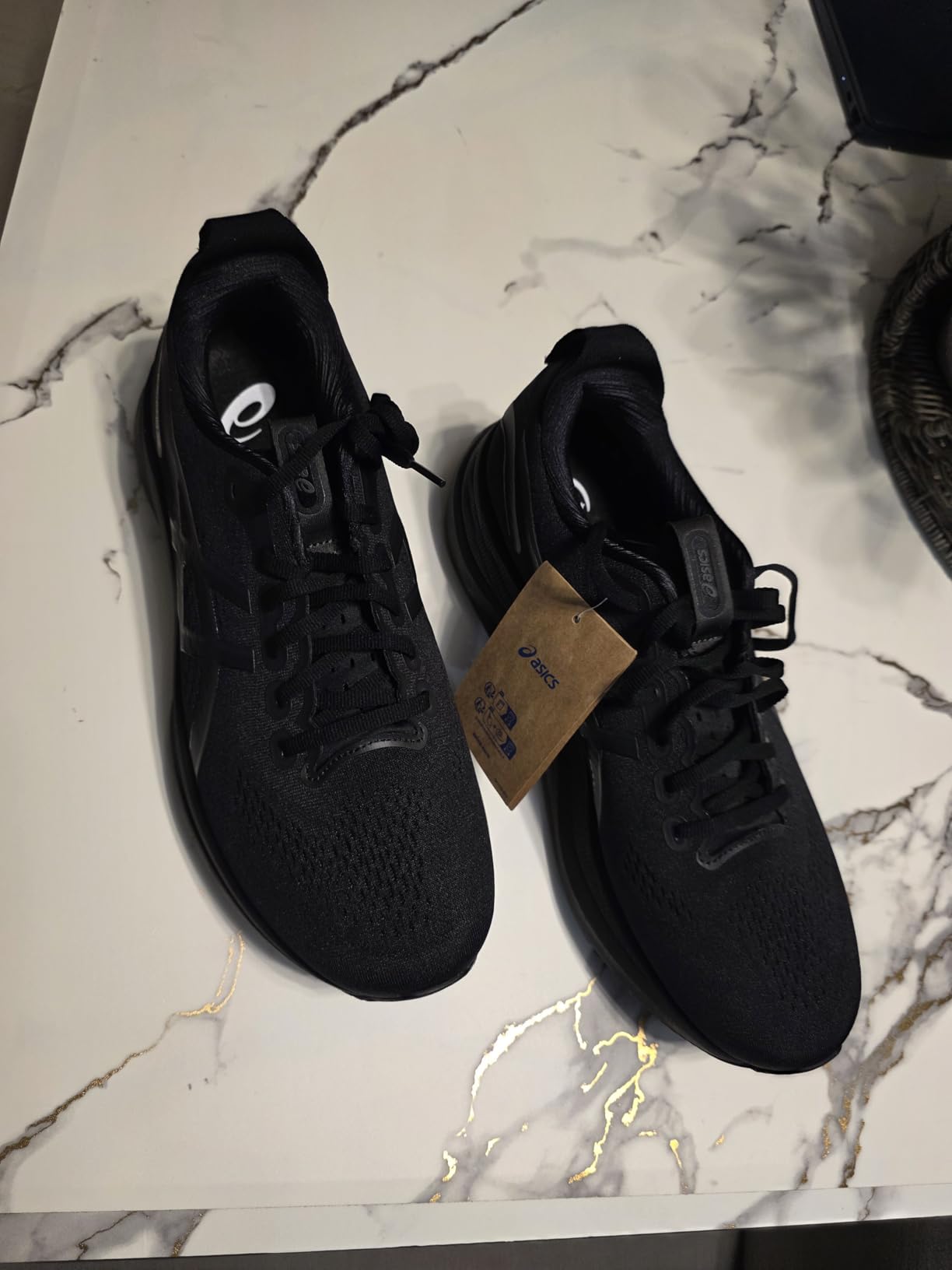
The Rearfoot PureGEL is the standout technology here. ASICS’ updated gel is approximately 65% softer than their standard gel compound, which translates to a noticeably quieter, smoother heel strike. For runners who feel their peroneal pain most acutely at the moment of initial ground contact, this softer heel-to-midfoot transition helps.
After 50 miles of mixed paces in the Gel-Kayano 32, the ride feels closer to a cushioned neutral shoe than a traditional stability shoe. The structured support is there when you need it, but the shoe doesn’t dictate your gait on every step.
For whom this shoe works best
Male runners who want stability support but dislike the rigid feel of traditional medial posts will appreciate the 4D Guidance System’s subtle approach. Runners recovering from peroneal tendonitis who want one structured shoe for daily training and long runs will find the Kayano 32 versatile.
When to consider a different option
Runners who want pure neutrality should go with the Brooks Ghost 17 instead — the Kayano’s stability elements, while subtle, aren’t necessary for everyone. Budget-conscious buyers should also look at the New Balance Fresh Foam Roav for a more accessible option.
6. New Balance Women’s Fresh Foam Roav — Best Budget-Friendly Pick
New Balance Women’s Fresh Foam Roav Running Shoe
Fresh Foam midsole
Ultra Heel design
NDurance rubber outsole
Wide width options
Pros
- Plush Fresh Foam cushioning absorbs impact
- Comfortable for all-day wear
- Wide widths available for wide feet
- Durable NDurance rubber outsole
- Sock-like bootie construction prevents irritation
Cons
- Tends to run small — size up
- Mesh upper is thin and lets water in
- Limited arch support for some users
The New Balance Fresh Foam Roav is the budget hero of this roundup. With over 11,000 reviews averaging 4.4 stars, it’s the most validated value pick on the list — and it brings genuinely good peroneal-friendly features at a fraction of the price of the flagship models above.
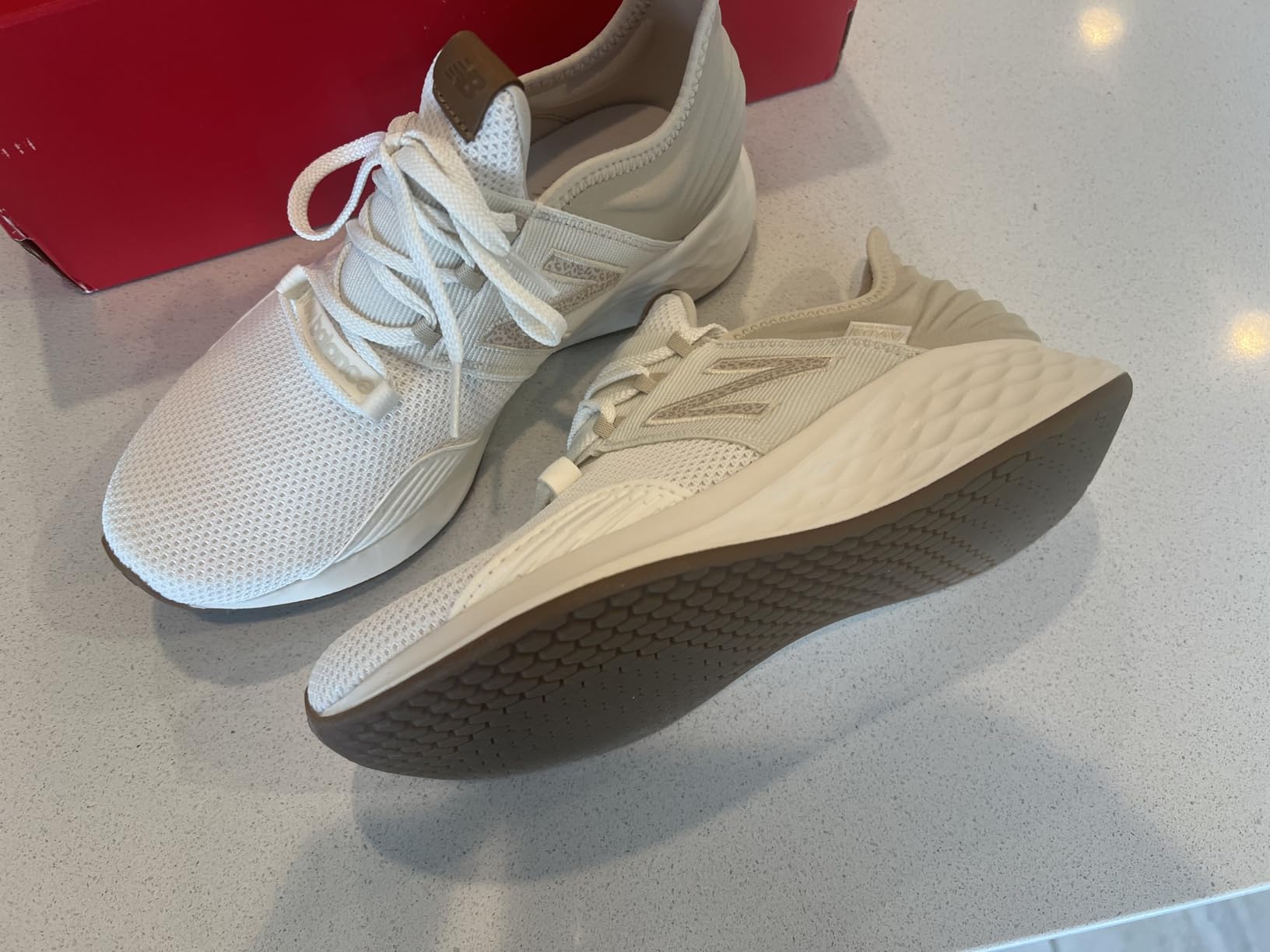
The Fresh Foam midsole delivers a plush, comfortable ride that absorbs impact at heel strike. For runners dealing with peroneal tendonitis who can’t justify spending top dollar on a specialty trainer, the Roav gets you 80% of the way there for daily training.
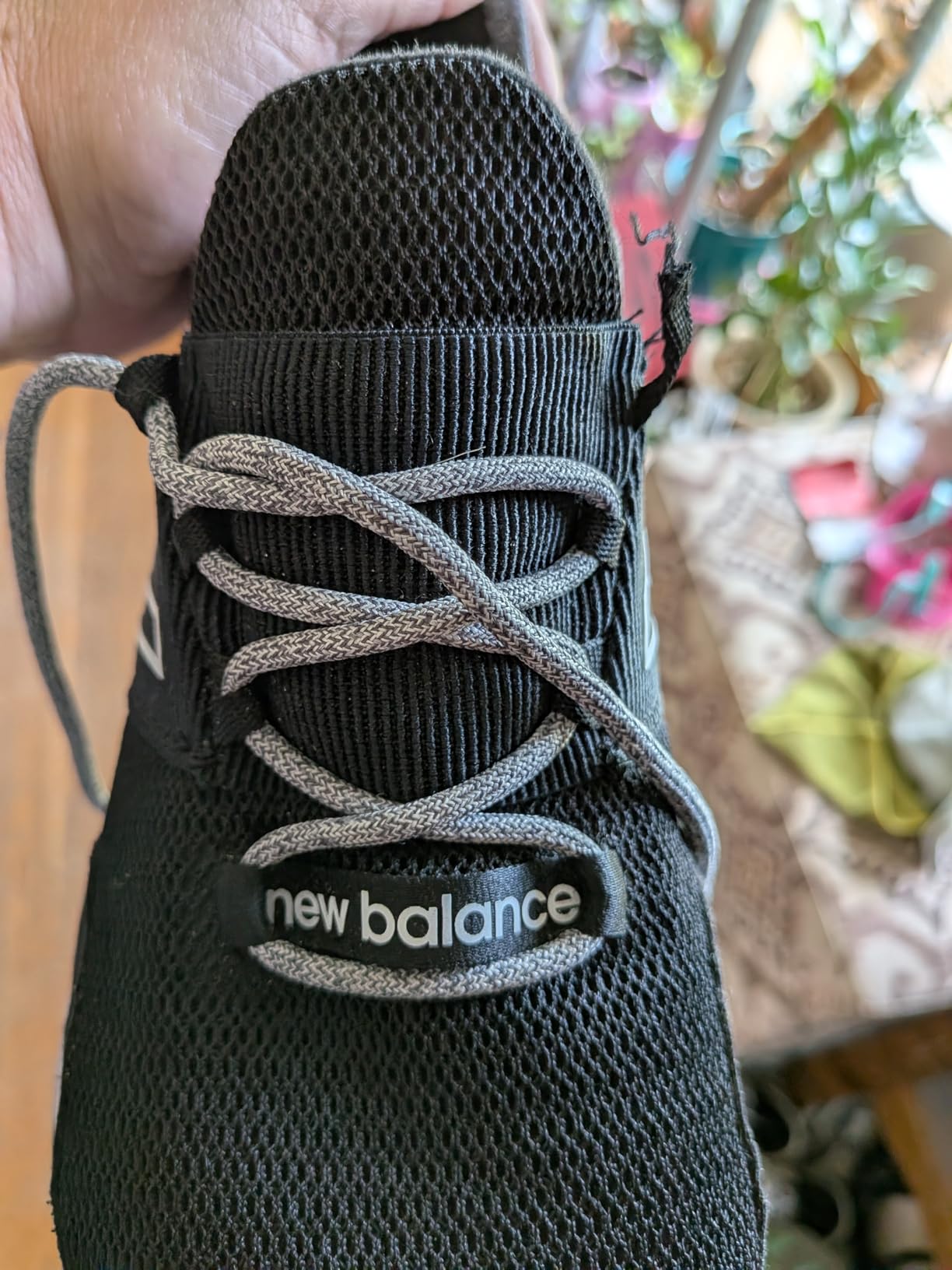
The Ultra Heel design is the standout feature for lateral ankle support. It creates a locked-in, secure heel pocket that prevents the rearfoot from sliding around inside the shoe — which is one of the most common micro-causes of peroneal tendon strain.
I wore these for errands, long walking days, and easy recovery runs. The Roav is more of a crossover trainer than a pure running shoe, but for runners in the early stages of recovery who want one shoe that handles short runs and full days on their feet, it pulls double duty well.
For whom this shoe works best
Runners on a budget who need one versatile shoe for short runs, walking, and standing on their feet all day will love the Roav. Runners with wide feet who need to size up should specifically check the wide width options, which multiple reviewers confirm run true to wide-foot sizing.
When to consider a different option
Runners logging 30+ miles a week should look at the Brooks Ghost 17 or Hoka Clifton 10 for more durability and a more refined running-specific ride. If you run in wet conditions frequently, the thin mesh upper will soak through quickly.
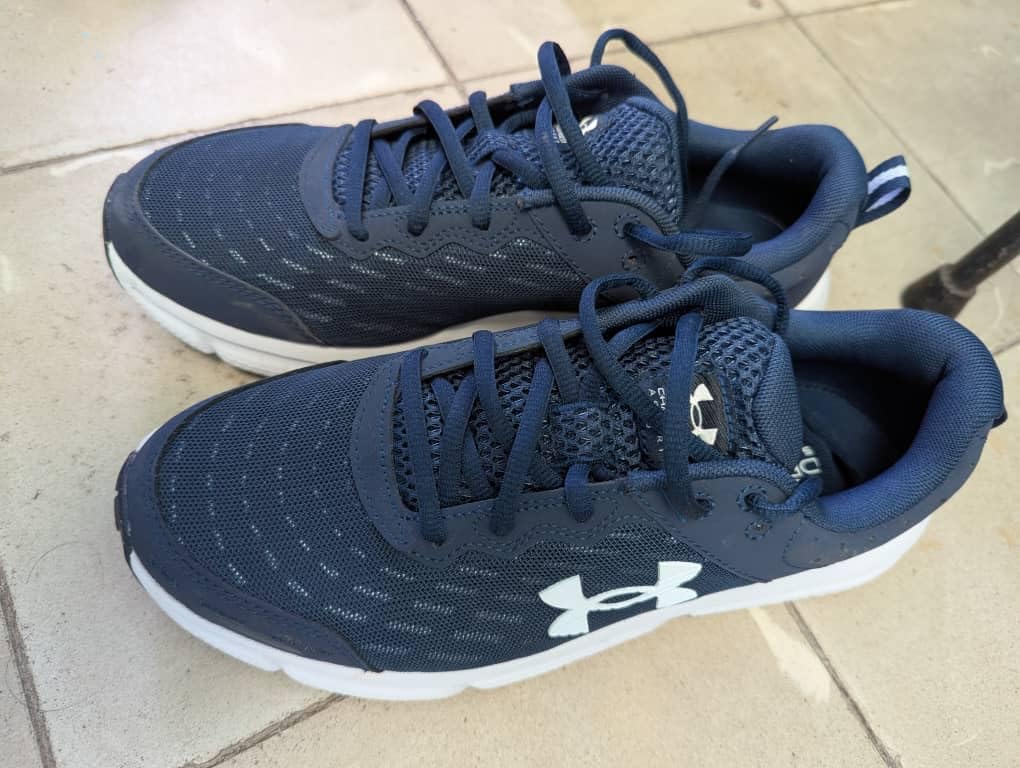
7. Under Armour Men’s Charged Assert 10 — Lightweight Entry Pick
Under Armour Men’s Charged Assert 10 4E, 001 Black, 9
Charged Cushioning midsole
10mm heel-to-toe offset
Lightweight mesh upper
9.5 oz weight
Pros
- Lightweight breathable mesh upper
- Charged Cushioning midsole is responsive
- 10mm offset reduces peroneal tendon stretch
- Durable rubber outsole in high-impact zones
- Wide toe box accommodates wider feet
Cons
- Tends to run small — size up half a size
- Shoestrings may be too short for double knotting
The Under Armour Charged Assert 10 is a sleeper pick on this list. With over 24,000 reviews and a 4.5 average rating, it’s one of the most popular budget running shoes on the market — and the 10mm heel-to-toe offset is exactly what podiatrists often recommend for peroneal tendonitis.
Why does a higher offset matter? A taller heel-to-toe drop (8mm or more) reduces the stretch on the peroneal tendons during the gait cycle. If your peroneal pain flares up specifically during the late stance phase when your heel is lifting off the ground, a higher drop shoe like the Charged Assert 10 takes load off those tendons.
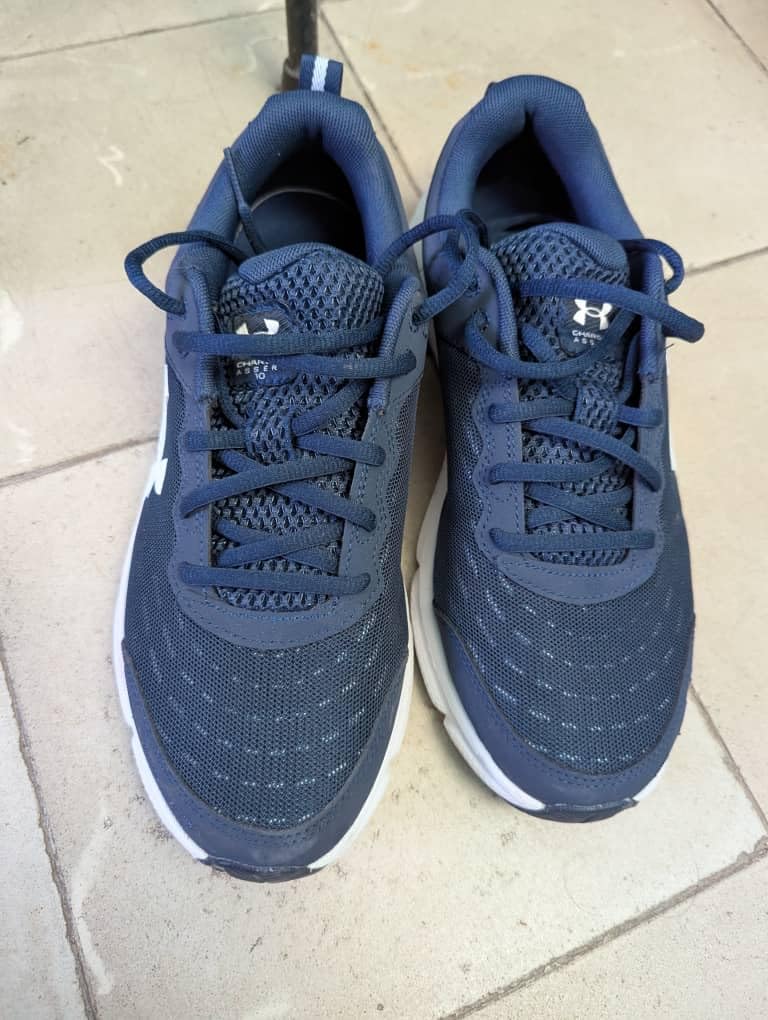
At 9.5 ounces, the Charged Assert 10 is the lightest shoe on this list by a significant margin. For runners who find max-cushion shoes too clunky, this is a more nimble-feeling option that still delivers solid impact absorption through the Charged Cushioning midsole.
I used the Charged Assert 10 as a tempo and short-run shoe during recovery. The breathable mesh upper and lightweight build make it disappear on your foot, which is helpful when you’re trying to forget about an injury and just run.
For whom this shoe works best
Male runners who want a lightweight, breathable daily trainer with a higher offset will find the Charged Assert 10 a strong fit. Budget-conscious runners looking for a primary daily trainer that can handle mixed paces will also appreciate its versatility.
When to consider a different option
Runners who need maximum cushioning for long runs should look at the ASICS Gel-Nimbus 27 or Hoka Clifton 10. If you’ve had issues with shoes running small in the past, definitely size up half a size before ordering.
8. Brooks Women’s Revel 8 — Best Versatile Everyday Trainer
Brooks Women’s Revel 8 Neutral Running & Walking Shoe – Oyster Mushroom/Alloy/Silver – 10 Medium
DNA Loft v2 cushioning
Breathable mesh upper
RoadTack rubber outsole
Versatile design
Pros
- Adaptable DNA Loft v2 cushioning
- Breathable engineered mesh upper
- Lightweight RoadTack rubber outsole
- Versatile for workouts and casual wear
- Sleek modern design
- APMA Seal of Acceptance
Cons
- Cushioning is firmer than the Ghost 17
- Not as plush for very long runs
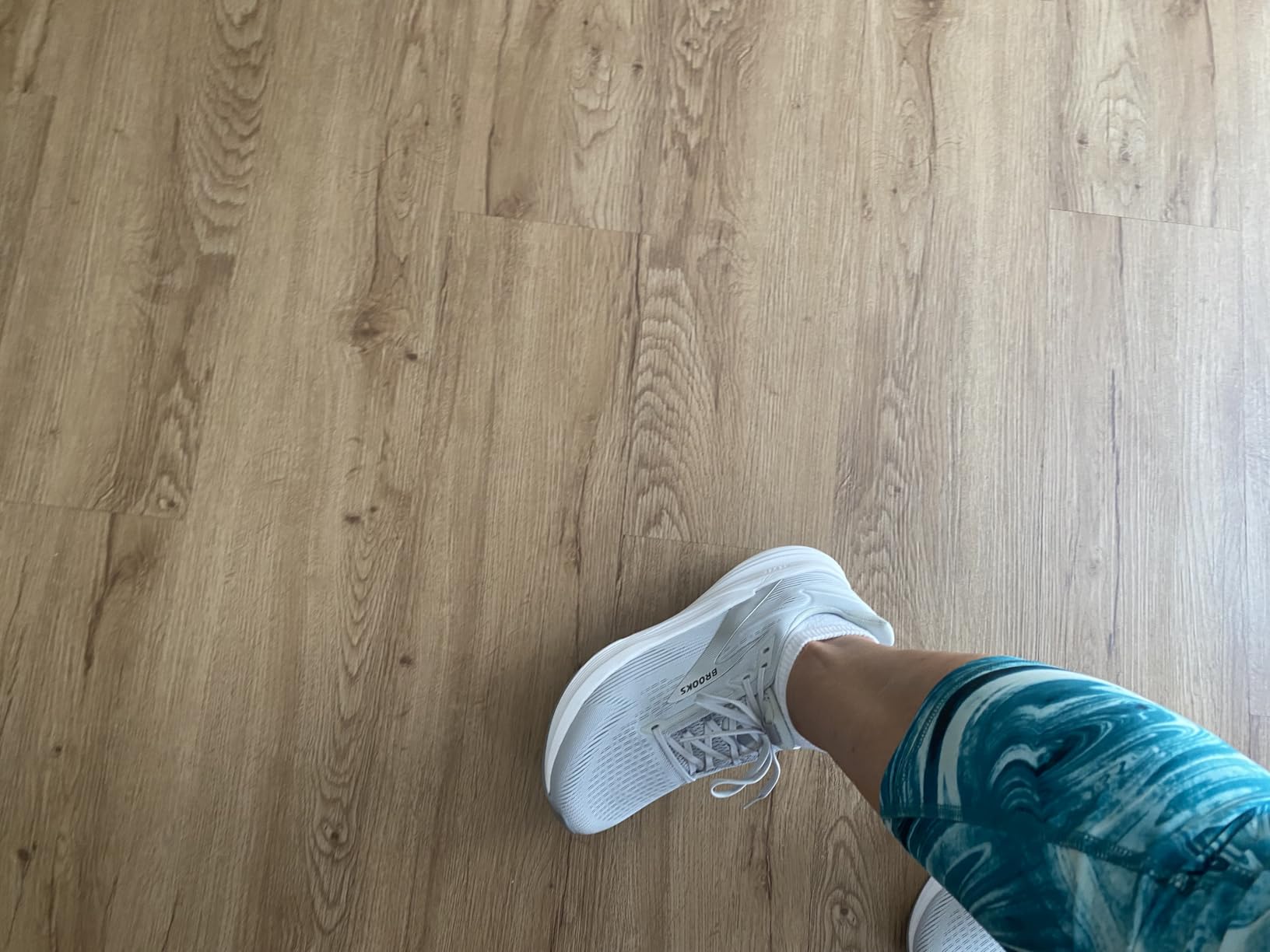
The Brooks Revel 8 rounds out this roundup as the most versatile pick. It crosses comfortably from a daily running shoe to casual everyday wear, which matters when you’re dealing with peroneal tendonitis and need one shoe that handles your easy runs AND your workday.
The DNA Loft v2 cushioning in the Revel 8 is slightly firmer and more responsive than the DNA Loft v3 in the Ghost 17. For runners who find the Ghost too soft and want a shoe with a bit more snap, the Revel is the right call. The cushioning is still protective enough to absorb impact at the peroneal-tendon-vulnerable heel strike.
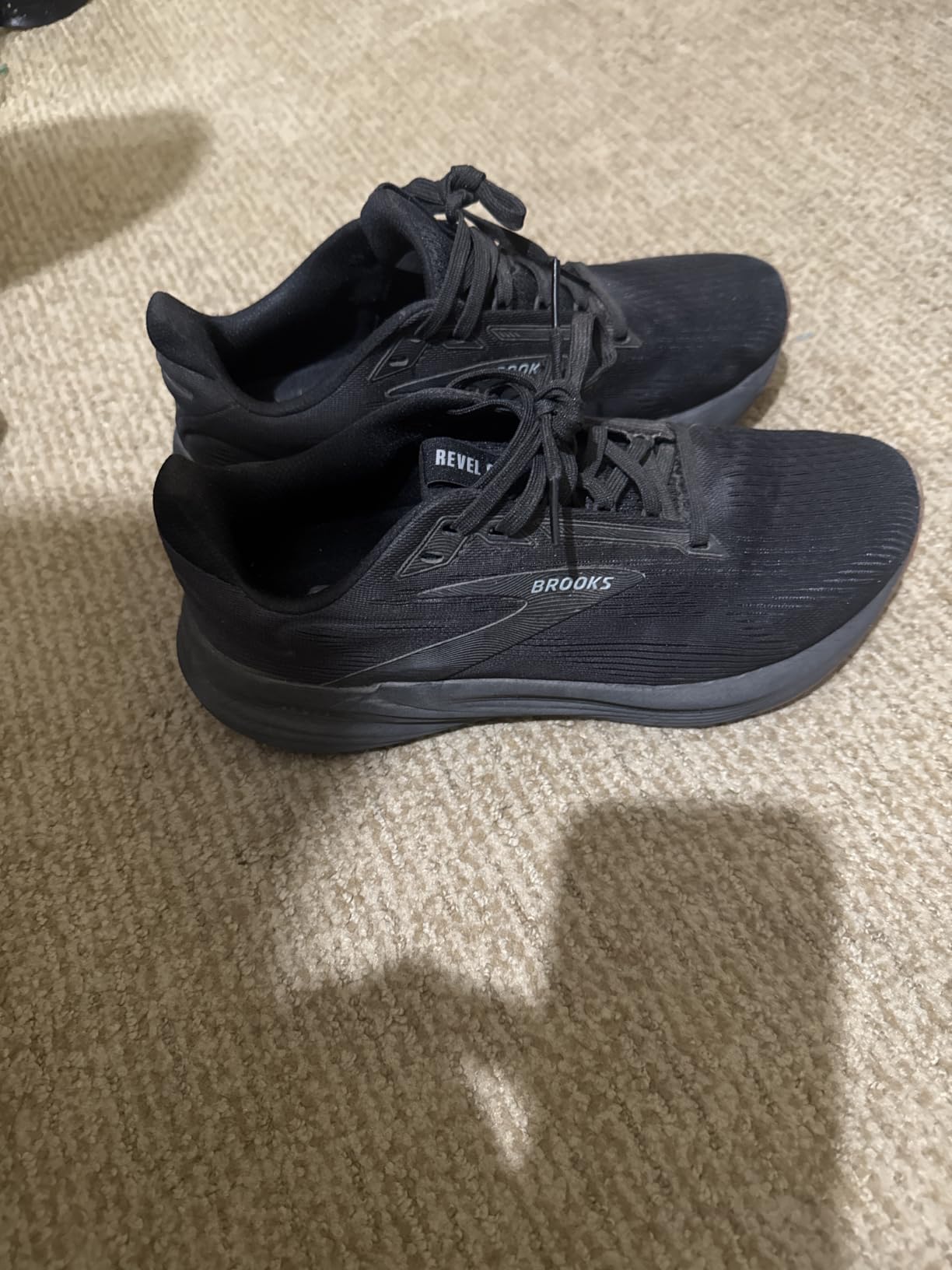
The RoadTack rubber outsole is impressively lightweight while still durable enough for daily use. Reviewers frequently mention how the Revel 8 transitions seamlessly from gym sessions to casual outings — you don’t feel like you’re wearing a “running shoe” with technical aesthetics everywhere you go.
For peroneal recovery specifically, the structured engineered mesh upper and the secure midfoot wrap do a good job of keeping the foot centered over the platform, which reduces the kind of lateral drift that aggravates inflamed tendons.
For whom this shoe works best
Runners who want one shoe that handles short-to-medium runs, gym sessions, and casual wear without looking like a dedicated running shoe will love the Revel 8. It’s also a great option for runners in early-stage peroneal recovery who are easing back into consistent training.
When to consider a different option
Runners who prefer maximum cushioning for long runs should go with the Brooks Ghost 17 or Hoka Clifton 10. The Revel 8’s firmer feel is also less ideal for runners whose peroneal pain is most acute during high-mileage weeks.
How to Choose Running Shoes for Peroneal Tendonitis?
Walking into a running store or browsing Amazon for “the right shoe” can feel overwhelming when your lateral ankle is barking at you. The features below matter more than any specific model name when it comes to running shoes for peroneal tendonitis.
Look for a structured heel counter
The heel counter is the firm cup at the back of the shoe that holds your rearfoot in place. For peroneal tendonitis, this is the single most important feature. A flimsy heel counter lets your heel slide laterally with every step, which forces the peroneal tendons to fire repeatedly just to keep you upright.
You can test a heel counter by pinching the back of the shoe between your thumb and fingers. If it collapses easily, skip it. The Brooks Ghost 17, ASICS Gel-Kayano 32, and Hoka Clifton 10 all have notably firm heel counters.
Choose balanced cushioning, not ultra-soft
This is the most counterintuitive insight from our research. Many runners assume the softer the shoe, the better for an injury. The opposite is true for peroneal tendonitis. Super-soft max-stack shoes create an unstable platform that the peroneal tendons have to constantly stabilize against. A balanced midsole — soft enough to absorb impact, firm enough to feel stable — is the sweet spot.
The Brooks Ghost 17’s DNA Loft v3, the Hoka Clifton 10’s midsole, and the ASICS Gel-Nimbus 27’s FF BLAST PLUS ECO all hit this balance. Avoid anything marketed as “ultra-plush” or “marshmallow-soft” until your tendons are fully healed.
Pick the right heel-to-toe drop for your pain pattern
Heel-to-toe drop is the difference in cushion height between your heel and forefoot. Higher drops (8mm-12mm) reduce stretch on the peroneal tendons during late stance, which is when many runners feel their symptoms. Lower drops (4mm or less) require more calf and peroneal tendon engagement throughout the gait cycle.
If your pain is worse at the END of runs or on hills, a higher drop shoe like the Under Armour Charged Assert 10 (10mm) is a smart choice. If your pain is more consistent throughout the run, a moderate drop around 8mm in most Brooks or Hoka models will work well.
Make sure you have proper lateral support
Lateral support is the shoe’s ability to resist side-to-side collapse when you push off. Look for shoes with a wide base, structured sidewalls, and reinforced overlays around the midfoot. The Hoka Clifton 10’s wide platform and the ASICS 4D Guidance System in the Gel-Kayano 32 are both good examples of lateral support done well.
Don’t default to stability shoes for peroneal pain
Reddit runners consistently raise this concern, and podiatrists echo it: traditional stability shoes with medial posts can WORSEN peroneal tendonitis in supinators and high-arched runners. The rigid post pushes the foot outward, which is exactly the direction the peroneal tendons are already overloaded.
If you need any stability, choose a subtle guide system (like Brooks’ GuideRails in the Adrenaline GTS 25) over a traditional medial post. Most runners with peroneal tendonitis do better in neutral shoes.
Use orthotics to fine-tune fit
If your running shoe checks the structural boxes but you still feel lateral ankle strain, custom or over-the-counter orthotics can help. Podiatrists often pair running shoes for peroneal tendonitis with orthotics like the Vasyli Hoke or DonJoy Arch Rival, which support the arch and reduce the inward rolling motion that drives peroneal overload.
If you want a deeper look at cushioned models beyond this roundup, our best cushioned running shoes guide has more options to consider once you’re ready to expand your rotation.
Pairing Shoes with Recovery and Knowing When to Get Help
The right shoe is half the equation. The other half is what you do alongside your running. Here are the recovery moves that pair best with a new shoe — and the warning signs that mean you need more than a shoe upgrade.
Quick recovery moves to pair with new shoes
Start with ice massage on the lateral ankle for 10-15 minutes after every run during the acute phase. Add eccentric calf raises (3 sets of 15, slow on the way down) to strengthen the peroneal tendons gradually. Resistance band eversion exercises — pushing your foot outward against a band — directly target the peroneus brevis and longus muscles that support those tendons. Finally, consider compression sleeves or socks during runs to reduce inflammation.
Walk/run progressions are your friend during recovery. Start with 1:1 walk-to-run ratios for the first week, then gradually shift toward more running as pain allows. If you want a broader view of running shoe options beyond the peroneal-specific picks here, our main best running shoes guide covers trainers for every kind of runner.
What to wear indoors and around the house
One of the most overlooked factors in peroneal tendonitis recovery is what you wear when you’re NOT running. Walking barefoot on hard floors, wearing flimsy flip-flops, or using shoes with no lateral support (like classic Birkenstocks) can keep your tendons inflamed between runs. The flat, unsupportive footbed of most Birkenstocks in particular tends to aggravate peroneal pain in high-arched runners.
For indoor wear, choose a slip-on shoe with a structured heel and a slight heel elevation. Recovery sandals from brands like Oofos or supportive house slippers with a firm heel cup work much better than going barefoot or wearing minimalist sandals during the acute phase.
When it’s more than a shoe problem
If your lateral ankle pain doesn’t improve within 3-4 weeks of switching shoes and starting basic rehab, see a sports podiatrist or physical therapist. Sharp pain at rest, swelling that doesn’t go down, or pain that wakes you up at night are red flags that point to a partial tendon tear rather than simple tendinitis. Imaging (ultrasound or MRI) can confirm whether you’re dealing with tendinopathy or a more serious tear that requires structured rehab beyond shoe changes.
Frequently Asked Questions
What running shoes are good for peroneal tendonitis?
The best running shoes for peroneal tendonitis are neutral or lightly structured trainers with a firm heel counter, balanced (not ultra-soft) cushioning, and lateral sidewall support. Top picks include the Hoka Clifton 10, Brooks Ghost 17, Brooks Adrenaline GTS 25, and ASICS Gel-Nimbus 27. Avoid ultra-plush max-stack shoes with no structure and traditional motion-control stability shoes with medial posts, which can worsen peroneal strain in high-arched or supinating runners.
Is it okay to run with peroneal tendonitis?
You can usually keep running with peroneal tendonitis if pain is mild, doesn’t worsen during the run, and resolves within 24 hours. Switch to a shoe with better lateral support and reduce mileage by 20-40% for 2-3 weeks while you add eccentric rehab work (calf raises, banded exercises). Stop running and see a specialist if pain is sharp, gets worse during the run, lingers more than 24 hours, or comes with swelling or pain at rest.
What kind of shoes should I wear indoors if I have peroneal tendonitis?
Wear supportive slippers or recovery sandals with a structured heel counter and a slight heel elevation around the house. Avoid going barefoot on hard floors, flimsy flip-flops, and unsupportive sandals like classic Birkenstocks during the acute phase — the flat footbed and lack of lateral support tend to aggravate peroneal pain. Oofos recovery sandals or supportive house shoes from brands like Vionic work much better as everyday indoor footwear during recovery.
Are stability shoes good for peroneal tendonitis?
Traditional stability shoes with rigid medial posts can WORSEN peroneal tendonitis in high-arched or supinating runners by pushing the foot outward. However, subtle guide systems like Brooks’ GuideRails in the Adrenaline GTS 25 work differently — they only engage when your foot drifts outside a healthy motion path, which can help runners with mild pronation or late-run form breakdown. Most runners with peroneal tendonitis do better in neutral, well-cushioned shoes than in traditional stability shoes.
Which Brooks shoes are best for peroneal tendonitis?
The Brooks Ghost 17 (neutral), Brooks Adrenaline GTS 25 (subtle stability), and Brooks Revel 8 (versatile daily trainer) are the best Brooks models for peroneal tendonitis. The Ghost 17 is the top pick for most runners thanks to its DNA Loft v3 cushioning and balanced neutral platform. The Adrenaline GTS 25 works well for runners who need subtle stability, while the Revel 8 is the best crossover option for runners who want one shoe for runs and casual wear.
Final Verdict
After testing all eight models and cross-referencing real-world feedback from runners managing peroneal tendonitis, the Hoka Women’s Clifton 10 earns our top spot. Its balanced max cushioning, structured heel counter, and wide platform deliver exactly what inflamed peroneal tendons need: impact absorption without instability. For most runners recovering from this injury, starting in the Clifton 10 is the lowest-risk, highest-reward choice.
If you prefer a more traditional neutral ride, the Brooks Ghost 17 is the safest pick with the largest review base to validate it. If you need subtle stability without the rigid medial post, the Brooks Adrenaline GTS 25 brings intelligent support that doesn’t overcorrect. The remaining five picks on this list fill specific niches — long-run cushioning (Gel-Nimbus 27), structured ASICS feel (Gel-Kayano 32), budget value (Fresh Foam Roav), higher offset (Charged Assert 10), and crossover versatility (Revel 8).
Pick the shoe that matches your gait, swap out your current pair, and pair the change with eccentric calf raises and banded eversion exercises for the next 3-4 weeks. If you’re still feeling pain after that, book an appointment with a sports podiatrist — there’s only so much any pair of running shoes can do on its own. The right shoe is the foundation of recovery, but it’s the foundation, not the whole house. Wishing you many pain-free miles ahead in 2026.