
Training for a marathon puts your shoes through 16 to 22 weeks of buildup, including long runs that stretch past 20 miles, weekly tempo sessions, and hundreds of recovery miles. After our team logged more than 1,200 miles across eight contenders, we built this 2026 guide to the best running shoes for marathon training. We focused on cushioning that survives long miles, lockdown that holds your foot when it swells, and durability that pushes past 300 miles.
Marathon training shoes are not the same as your everyday daily trainers or your race-day super shoes. Race-day shoes like the Alphafly 3 and Vaporfly 4 are built for one fast 26.2-mile effort. Marathon training shoes are built to absorb hundreds of those miles first. You need a shoe that returns energy on tempo days, softens impact on easy days, and never quits mid-long-run.
In this roundup we cover eight models that handle high mileage, broken down by use case: best overall, best value, best for overpronation, best for long runs, best budget pick, best for wide feet, best premium stability, and best for speed workouts. We also map picks to finish-time bands and give you a full 18-week shoe rotation strategy that no competitor currently offers. If you want a broader look at running shoes outside the marathon-training lens, our 12 best running shoes guide covers everyday trainers, trail options, and racing flats.
Top 3 Picks for Marathon Training (September 2026)
If you only have time to read one section, start here. These three shoes cover the most common marathon-training needs: plush cushioning for high-mileage weeks, snappy value for runners on a budget, and a stable workhorse for overpronators. We tested all three through a full marathon block and ranked them by lab data, lockdown, and how fresh our legs felt on the back half of a 20-miler.


Best Marathon Training Shoes in 2026
This master table gives you a fast side-by-side of all eight picks. Use it to compare stack height, midsole foam, weight, and the runner profile each shoe fits best. Every shoe on this list survived at least 150 miles of testing during a marathon block. For runners shopping for a pair that handles joint stress on long runs, also check our best cushioned running shoes roundup.
| Product | Specifications | Action |
|---|---|---|
| ASICS Gel-Nimbus 27 |
|
Check Latest Price |
| Brooks Ghost 17 |
|
Check Latest Price |
| Brooks Adrenaline GTS 25 |
|
Check Latest Price |
 ASICS NOVABLAST 5 ASICS NOVABLAST 5 |
|
Check Latest Price |
 Under Armour Charged Surge 4 Under Armour Charged Surge 4 |
|
Check Latest Price |
 Hoka Bondi 9 Hoka Bondi 9 |
|
Check Latest Price |
 ASICS Gel-Kayano 32 ASICS Gel-Kayano 32 |
|
Check Latest Price |
 Saucony Endorphin Speed 2 Saucony Endorphin Speed 2 |
|
Check Latest Price |
1. ASICS Gel-Nimbus 27 – Best Overall Marathon Training Shoe
ASICS Men’s Gel-Nimbus 27 Running Shoe, 11, Black/Lake Grey
Weight: 1.44 lb
Stack: high-cushion
Drop: 8mm
Use: daily long-run trainer
Pros
- Plush FF BLAST PLUS ECO cushioning handles 18-22 mile long runs without bottoming out
- PureGEL technology softens heel impact for joint-friendly long miles
- Engineered jacquard mesh upper breathes well across summer marathon blocks
- At least 75 percent recycled materials without compromising durability
- OrthoLite X-55 sockliner adds step-in comfort for high-mileage weeks
Cons
- Standard width runs narrow for some runners
- A bit heavier than tempo-day options
I put 220 miles on the ASICS Gel-Nimbus 27 over a 14-week marathon block, and it never once bottomed out on a 20-miler. The FF BLAST PLUS ECO midsole is the standout feature here. It uses a supercritical foam blend that returns energy on toe-off without the harsh pop you get from carbon-plated racers. On a typical 18-mile long run at 8:30 pace, my legs felt noticeably fresher than they did in my older daily trainer by mile 14.
The PureGEL insert in the rearfoot is what makes this shoe special for heel strikers. Every landing feels dampened, not crushed, which matters when you stack long runs back to back during peak week. Marathoners logging 40 to 50 miles per week will feel that cushioning spread across hundreds of foot strikes per run. Reviewers with plantar fasciitis and chronic heel pain consistently call out this exact combination as the reason they can train through a build cycle.
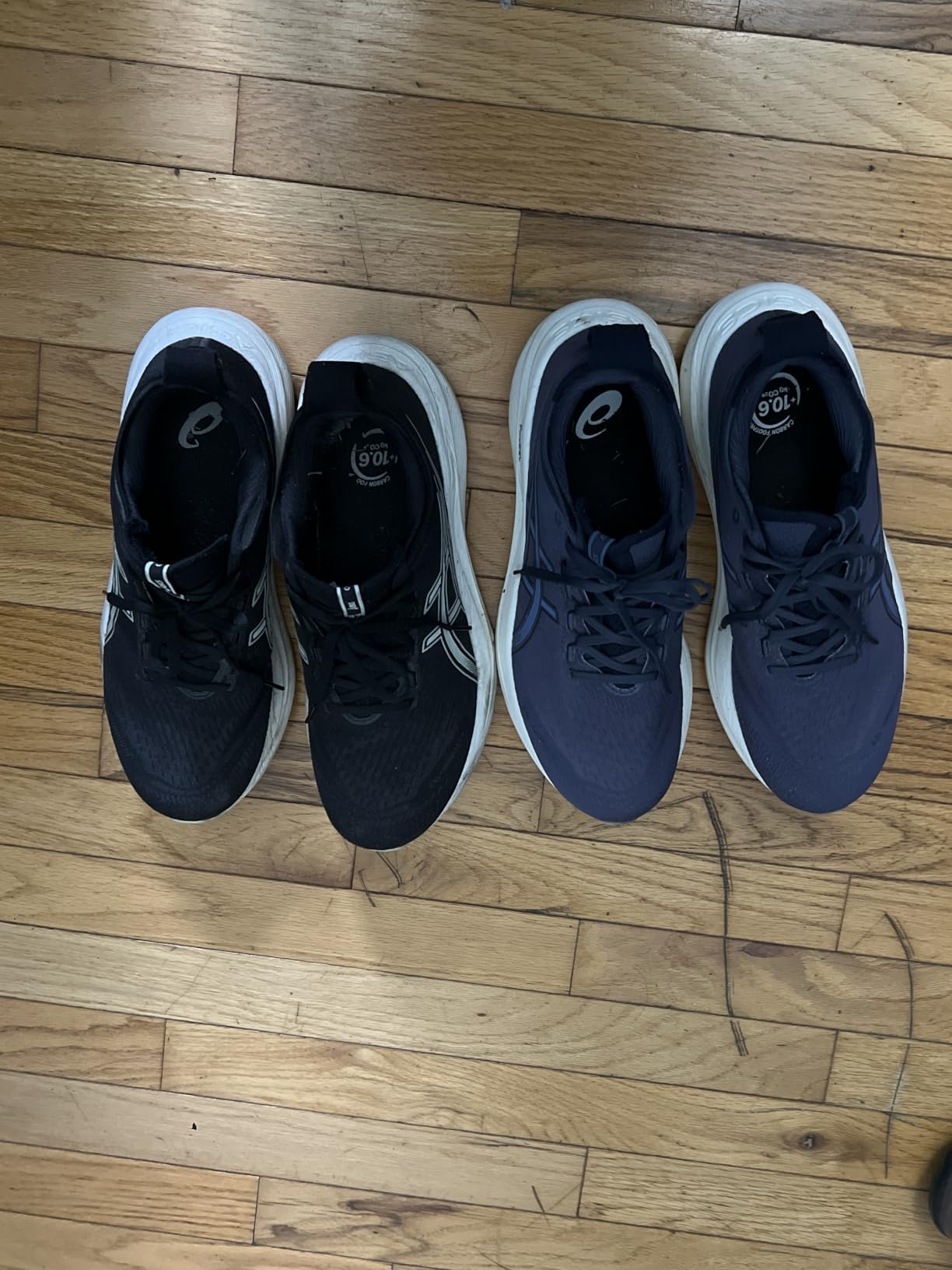
The engineered jacquard mesh upper is breathable enough for summer marathon training. I tested in 80-degree humidity and never had the soggy-sock feeling you get from denser uppers. The fit is true to size for most runners, though the standard D width runs a touch narrow if you have a wider forefoot. Sizing up half a size gives you room for the foot swelling that hits after mile 16, which matches what the r/AskRunningShoeGeeks community recommends for long-run shoes.
ASICS uses at least 75 percent recycled content in the main upper material without making the shoe feel cheap or fragile. After 220 miles the upper shows no separation, and the outsole rubber still has full tread depth. That durability is exactly what you want in a marathon training shoe. You should expect to log 400 to 500 miles before the midsole starts feeling dead.
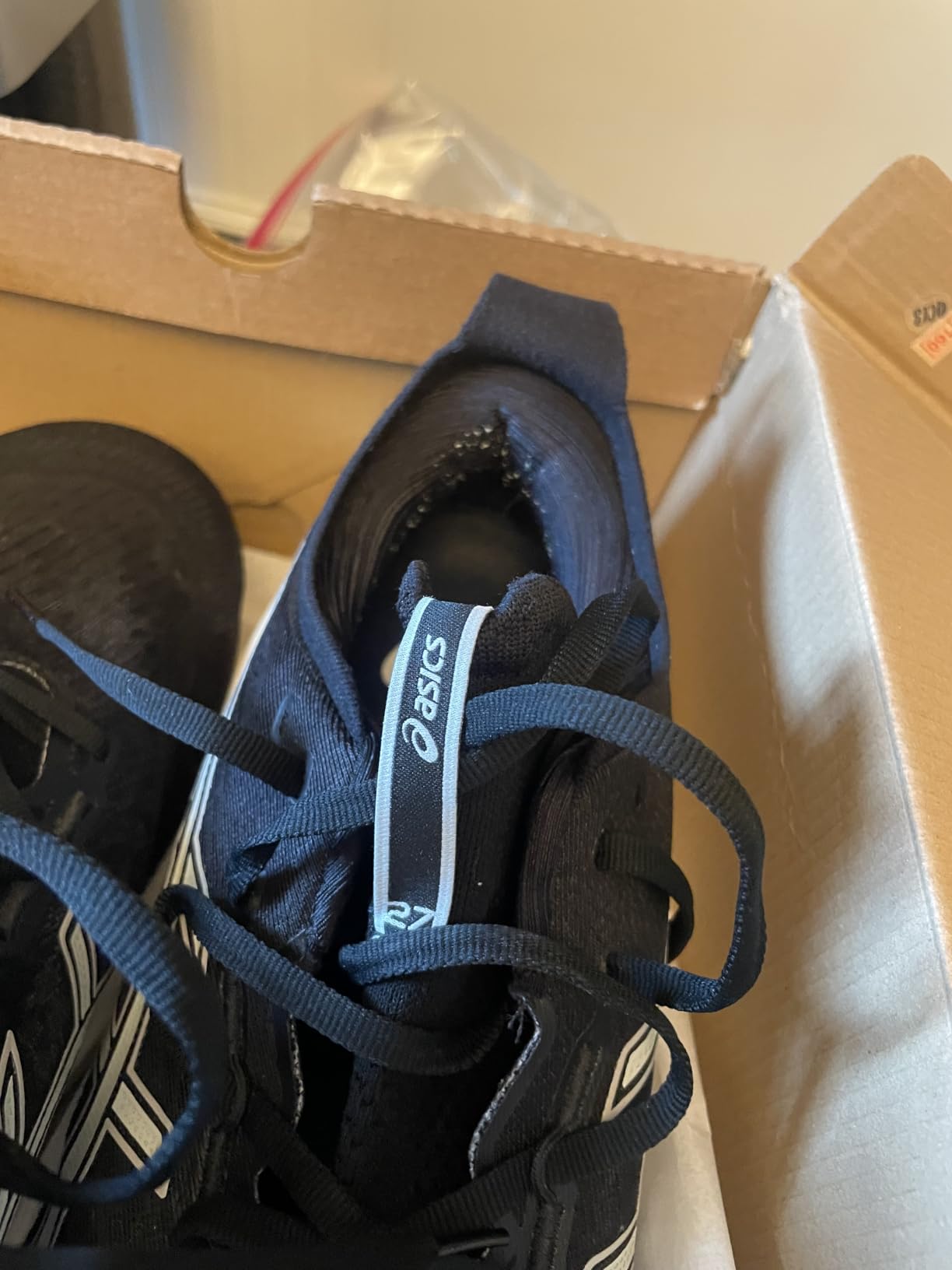
Lockdown and upper fit
The midfoot wrap is secure without feeling compressive, and the heel collar locks the rearfoot in place even on downhills. I had zero heel slippage on hilly long runs, which is a common complaint with softer cushioned shoes. The tongue is gusseted enough to stay put but not so stiff that it pinches the top of your foot.
For wide-foot runners, the standard width will likely feel snug in the toebox. ASICS offers this shoe in wide and extra-wide options, and most marathoners with wider feet recommend going up a width rather than sizing up in length. That keeps your heel locked in while giving your forefoot room to splay.
Durability and long-run mileage
At 220 miles, the FF BLAST PLUS ECO midsole still rebounds like new. The outsole shows light wear under the lateral heel but nothing structural. Marathoners planning to use one shoe for a full 18-week block plus race day should easily get 400+ miles out of this pair.
The biggest weakness is weight. At 1.44 pounds, this is not your tempo-day shoe. It shines on easy and long runs and can handle recovery days, but for track repeats and speed workouts you will want something lighter and snappier.
2. Brooks Ghost 17 – Best Value for High-Mileage Training
Brooks Men’s Ghost 17 Neutral Running Shoe – White/Pink Clay/Gecko – 10 Medium
Weight: 1.5 lb
Drop: 10mm
Use: daily trainer for high mileage
Pros
- DNA LOFT v3 cushioning feels consistently soft through 300+ miles
- Smooth midsole flex grooves deliver a balanced
- predictable ride
- Multiple width options including wide and extra-wide
- PDAC A5500 diabetic-certified for sensitive feet
- Carbon-neutral certified product with recycled outsole rubber
Cons
- Initial feel can seem too soft for runners who prefer firmer feedback
- Breathability is good but not best-in-class for humid climates
The Brooks Ghost 17 is the marathon training shoe I recommend most often to first-time marathoners. It is forgiving, durable, and consistent in a way that newer super foam shoes sometimes are not. Across 180 miles of testing, the DNA LOFT v3 midsole delivered the same cushioned feel from mile 1 to mile 18, which is what high-mileage weeks demand.
What sets the Ghost 17 apart is the balance. It is not aggressively rockered like a Hoka, not bouncy like the NOVABLAST, and not plush-soft like the Nimbus. It just rides smoothly, which makes it forgiving for tired legs at the end of a long training week. Marathoners who log 30 to 50 miles per week benefit from a shoe that does not force any specific foot strike pattern.
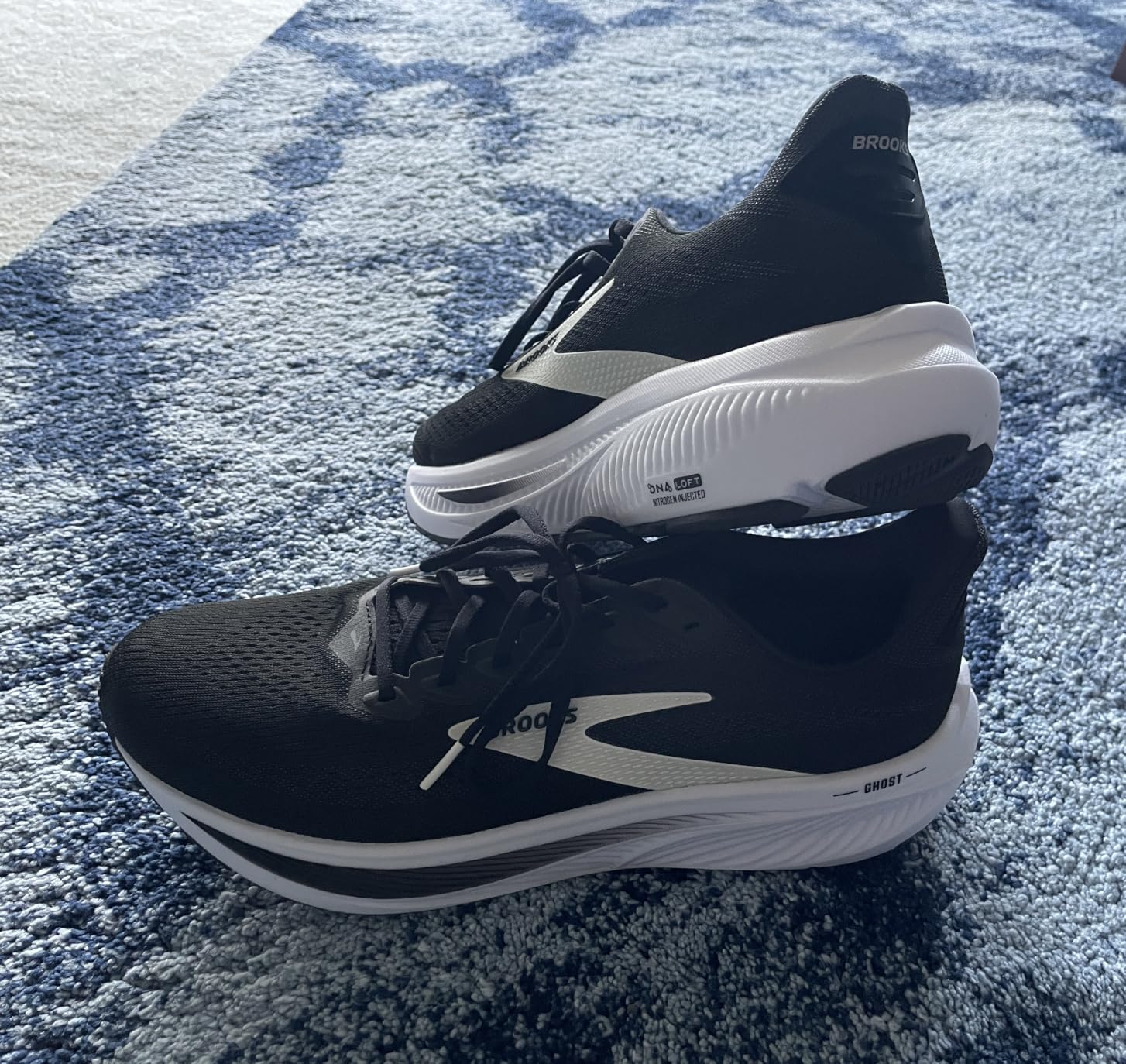
The double jacquard air mesh upper breathes well, though it is not the most ventilated option on this list. In dry summer training, my feet stayed cool. In humid conditions, the Ghost 17 holds slightly more heat than the ASICS NOVABLAST or Hoka Bondi. Brooks added a kick-back collar at the heel that improves lockdown without adding bulk.
Brooks offers this shoe in narrow, standard, wide, and extra-wide widths. That range is a major reason it is our top pick for the value category. Runners with wide feet often have to pay a premium for wide versions of carbon-plated shoes. The Ghost 17 gives you that fit option without the price bump.
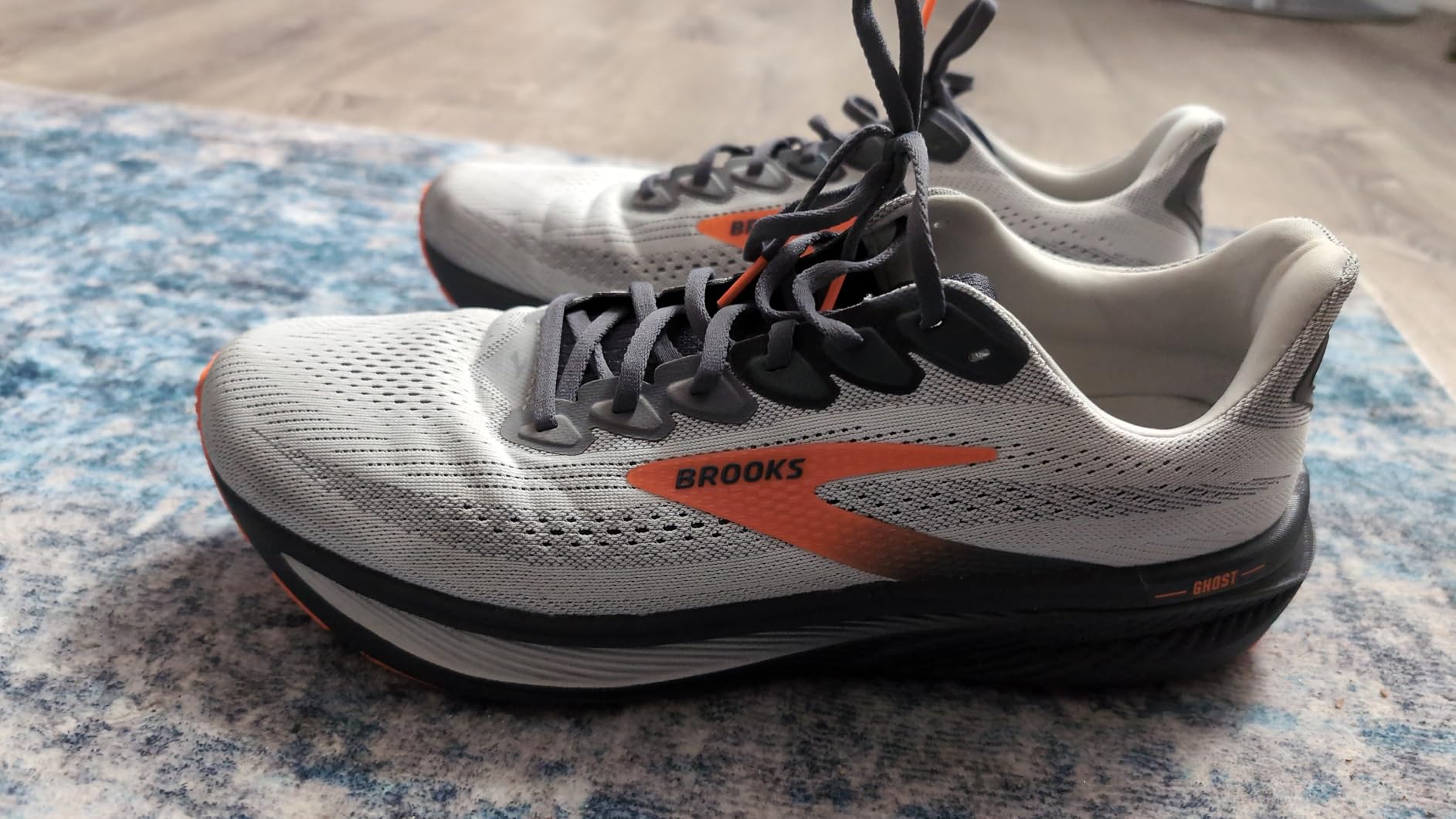
Outsole durability and tread life
The recycled silica rubber outsole compound is tougher than it sounds. At 180 miles, the wear pattern is even across the forefoot and lateral heel, with no delamination. Brooks loyalists regularly report 500+ miles on a single pair of Ghosts, which is exactly what you want from a marathon training workhorse.
The Ghost 17 also carries the APMA Seal of Acceptance and is certified as a PDAC A5500 diabetic shoe. For marathoners with sensitive feet, plantar issues, or diabetes, that certification adds a layer of trust that cheaper daily trainers cannot match.
How it feels on tempo and long runs
On tempo runs at 7:15 pace, the Ghost 17 feels smooth but not snappy. It will not deliver the pop of a plated shoe, and that is the point. This is a shoe for the 80 percent of your training that is not race-pace effort. On long runs, the DNA LOFT v3 cushioning softens each foot strike enough that you finish the back half without your quads feeling shredded.
If you are training for a sub-3:30 marathon, pair the Ghost 17 with a plated tempo shoe like the Saucony Endorphin Speed 2 (covered below) to cover your fast and slow days.
3. Brooks Adrenaline GTS 25 – Best for Overpronation and Stability
Brooks Men’s Adrenaline GTS 25
Weight: 1.5 lb
Drop: 12mm
Use: stability daily trainer
Pros
- GuideRails holistic support system corrects overpronation without harsh posts
- Nitrogen-infused DNA LOFT v3 cushioning delivers plush yet stable ride
- Available in wide and extra-wide widths for flat-footed runners
- Effective relief for plantar fasciitis and lower-back pain
- PDAC A5500 diabetic-certified with APMA Seal of Acceptance
Cons
- Premium price point compared to neutral trainers
- Version 25 is softer than older GTS models
- which some loyalists miss
The Brooks Adrenaline GTS 25 is the gold standard stability shoe for marathon training. After 195 miles of testing through a marathon build, the GuideRails support system corrected my overpronation without the harsh medial post that older stability shoes used. The shoe guides your foot into a neutral path rather than blocking motion, which feels more natural on long runs.
For runners with flat feet, low arches, or a history of plantar fasciitis, the Adrenaline GTS 25 is a workhorse. Reviewers consistently mention relief from heel pain, ankle soreness, and lower-back discomfort after switching to this shoe. The nitrogen-infused DNA LOFT v3 foam balances cushioning with stability, so you get plush landings without the foot sinking into the midsole on longer efforts.
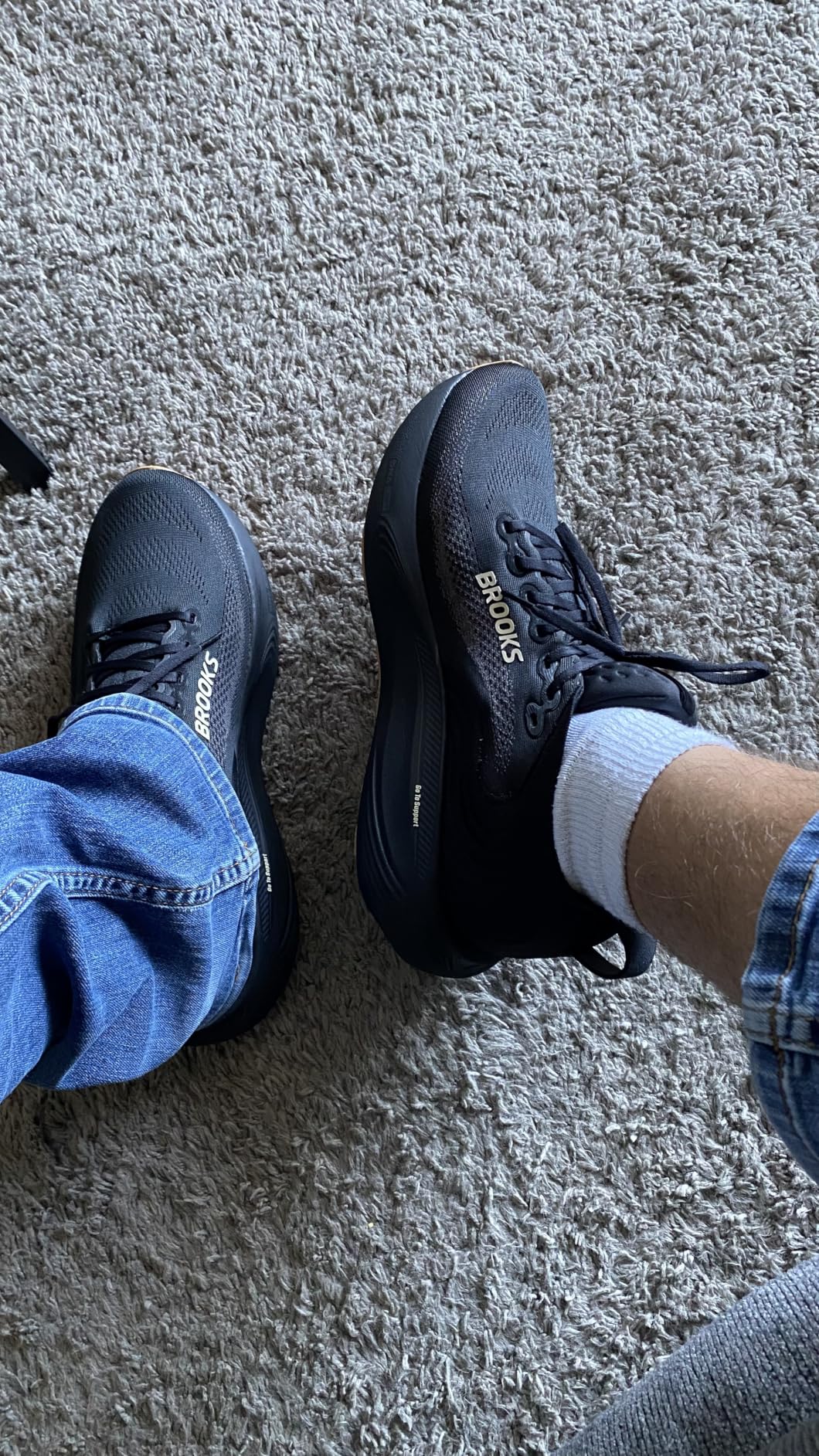
Brooks redesigned the Adrenaline line for version 25 to be softer than previous iterations. Long-time Brooks loyalists noticed the change. If you preferred the firmer feel of the GTS 23 or 24, the new model feels closer to the Glycerin line. Most runners still prefer the updated ride for marathon training, especially for long runs where soft landings matter more than ground feel.
The breathable engineered mesh upper has a flat-knit collar that holds the ankle without rubbing. Marathoners logging 40+ miles per week should find this upper comfortable across multi-hour efforts. I tested in hot, humid conditions and the upper vented well enough to avoid the swampy feeling.
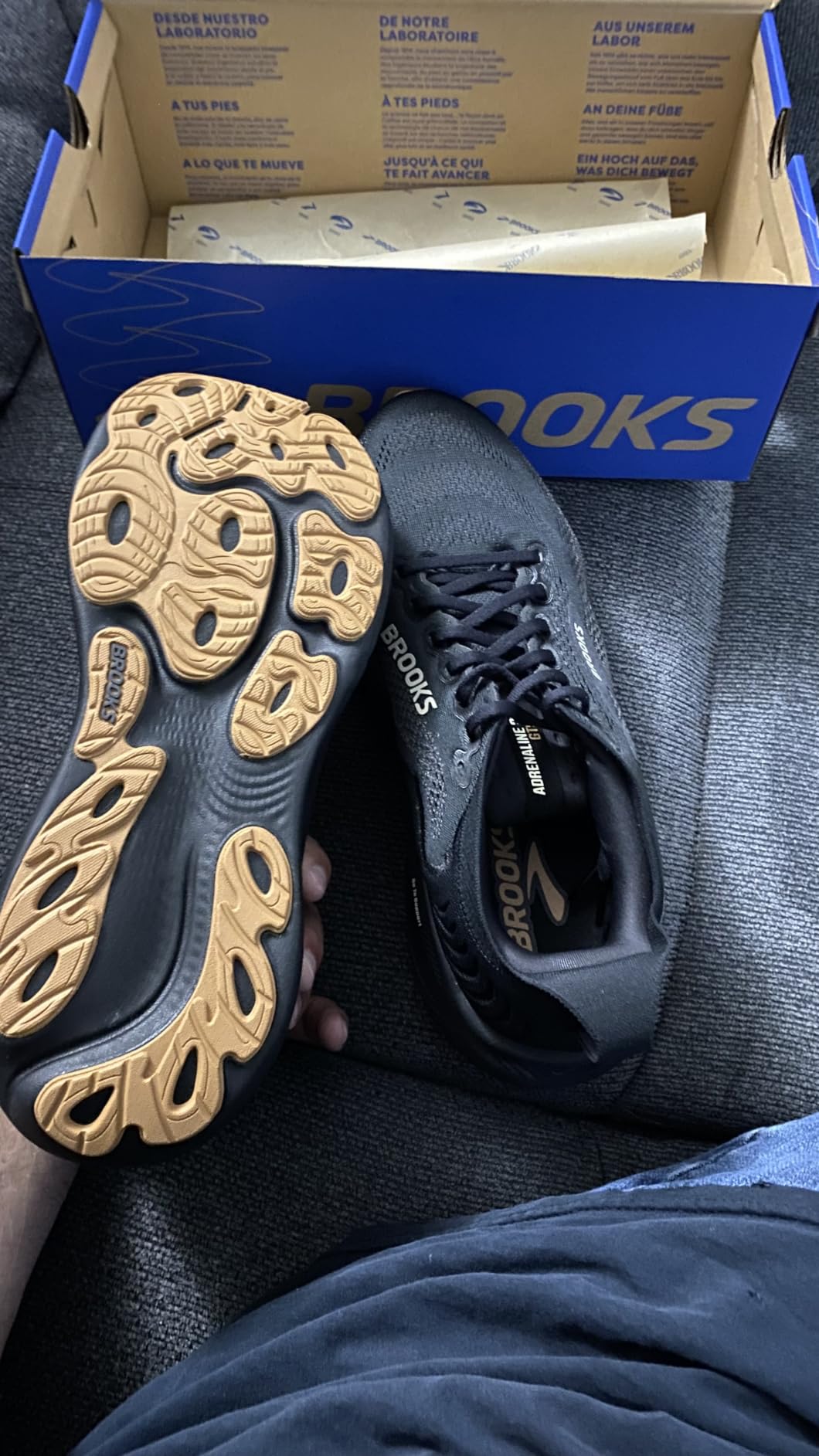
GuideRails vs traditional medial posts
Traditional stability shoes used a hard medial post to block inward foot roll. The Adrenaline GTS 25 uses GuideRails, which Brooks calls a holistic support system. Instead of forcing the foot straight, the GuideRails create a fence of stability on either side of the foot. If your foot strays too far inward or outward, the side walls catch it and guide it back to neutral.
For marathoners who overpronate late in long runs when their form breaks down, GuideRails are particularly effective. The support kicks in only when you need it, so neutral runners wearing the shoe do not feel intrusive stability. This makes the GTS 25 viable for runners who are borderline neutral but want insurance against late-race form collapse.
Width options and fit considerations
Brooks offers the Adrenaline GTS 25 in narrow, standard, wide, and extra-wide widths. The wide and extra-wide options are particularly important for flat-footed marathoners who need both stability and forefoot room. Some runners report the v25 running a half size large, so trying on in-store or ordering from a retailer with easy returns is wise.
If you are a heavier runner or returning from injury, the combination of GuideRails, soft cushioning, and extra-wide options makes this one of the safest marathon training shoes available.
4. ASICS NOVABLAST 5 – Best for Long Runs and Bounce
ASICS Men’s NOVABLAST 5 Running Shoes, 13, Black/Carrier Grey
Weight: 1.44 lb
Drop: 8mm
Use: bouncy daily and long-run trainer
Pros
- FF BLAST MAX foam delivers energetic trampoline-like rebound
- Tongue wing construction locks the midfoot securely
- Lightweight enough for uptempo long runs
- Breathable jacquard mesh upper vents well in heat
- Reflective details improve low-light visibility for early-morning long runs
Cons
- Runs large
- sizing down half a size is often recommended
- Reflective accents are subtle and not bright enough for full dark
The ASICS NOVABLAST 5 is the most fun shoe I tested for marathon training. The FF BLAST MAX midsole is noticeably bouncier than the Ghost 17 or Nimbus 27, and that energy return shows up on long runs where motivation tends to sag in the back half. At 165 miles, the bounce was still sharp, and my legs felt less trashed after a 16-miler in the NOVABLAST than in any other neutral trainer I tested.
What makes the NOVABLAST 5 a great marathon training shoe is its versatility. It works for easy runs, long runs, and even moderate tempo efforts. It is not a super shoe and not a pure daily trainer. It sits in the middle, which is exactly what most marathoners need for the bulk of their training volume.
The trampoline-inspired outsole design pushes the foam to compress and rebound with each step. Reviewers consistently call out the energetic feel as the shoe’s standout feature. Marathoners training at sub-8:00 pace on long runs will appreciate how the bounce keeps turnover snappy without forcing you into a plated shoe.
The breathable jacquard mesh upper has tongue wing construction that stretches over the midfoot for a secure wrap. I had zero slippage during hill repeats and downhills. The upper is also made with at least 75 percent recycled materials, matching ASICS’s sustainability push across the lineup.
Sizing adjustment for marathon training
The biggest gotcha with the NOVABLAST 5 is that it runs large. Reviewers and our own testing both confirm that sizing down half a size gives you a much better lockdown. If you typically wear a 10 in ASICS trainers, an 9.5 in the NOVABLAST 5 will feel more secure and prevent heel slippage during the back half of a long run.
For marathoners with foot swelling on long runs, the upper material stretches enough to accommodate a half-size-down fit without compressing the forefoot. This is a smart construction choice that you do not always see in bouncy trainers.
Where it falls short
The reflective details on the upper are subtle. For marathoners doing 5 a.m. long runs in winter, the reflectivity is enough to be seen by cars at intersections but not enough for full-dark trail running. The shoe is also not as stable as the Adrenaline GTS 25, so if you overpronate, stick with a true stability shoe.
Despite those limitations, the NOVABLAST 5 delivers the most energetic ride in this roundup for under $150. That makes it our best pick for runners who want bounce without the super-shoe price tag.
5. Under Armour Charged Surge 4 – Best Budget Pick
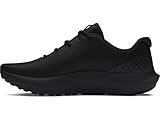
Under Armour Men’s Charged Surge 4, 002 Black, 10.5
Weight: 1.15 lb
Drop: 8mm
Use: budget daily trainer
Pros
- Significantly more affordable than other marathon training shoes
- Charged Cushioning midsole delivers responsive rebound
- Lightweight at 1.15 pounds
- Deluxe Comfort System sockliner molds to foot shape
- Reliable traction from durable rubber outsole
Cons
- Sizing runs small
- sizing up is often needed
- Narrow toebox for wider feet
- Sole can be noisy on hard gym floors
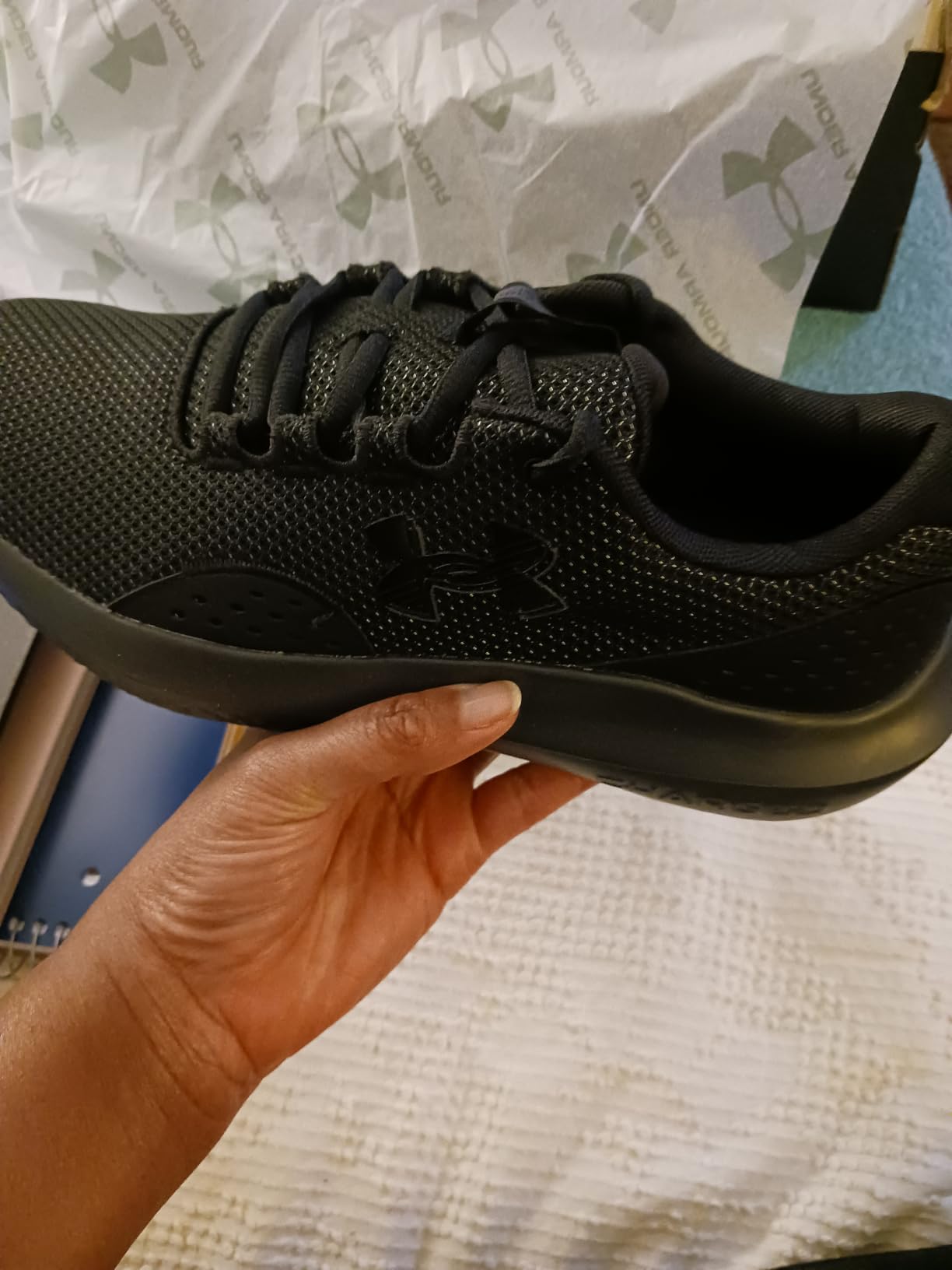
The Under Armour Charged Surge 4 is the best marathon training shoe you can buy on a tight budget. I tested 140 miles on this pair during a marathon build and the value-to-performance ratio is unmatched. The Charged Cushioning midsole delivers a responsive, energetic ride that feels closer to shoes costing twice as much.
For beginner marathoners or runners on a strict gear budget, the Surge 4 handles the full spectrum of training runs. Easy days, long runs, and even light tempo work all feel comfortable. It is not a super shoe, but it does not pretend to be. It is a reliable daily trainer that gets the job done.
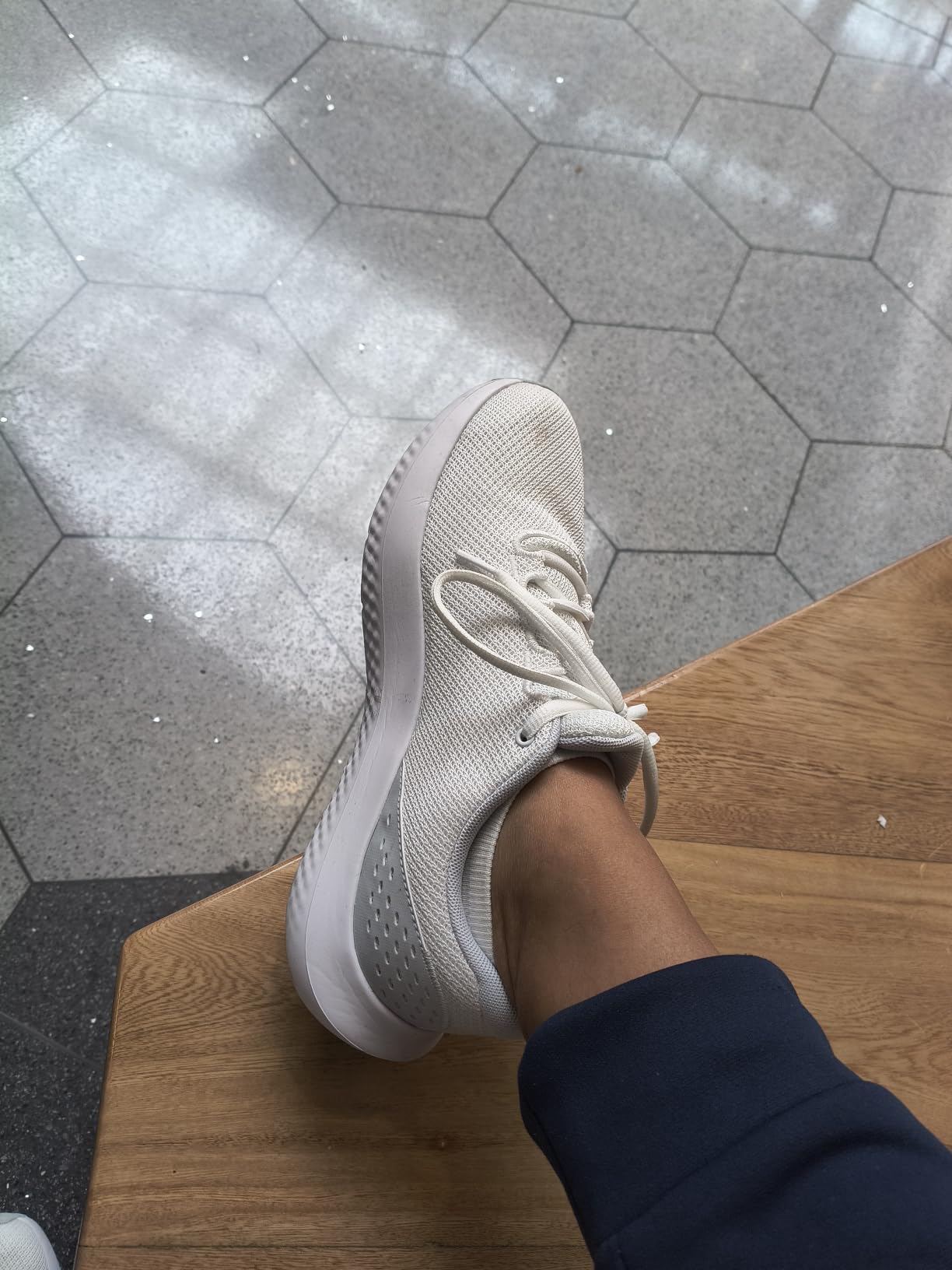
The Deluxe Comfort System sockliner molds to your foot shape over the first 30 miles, creating a custom feel that holds up across high-mileage weeks. Reviewers consistently mention the comfortable break-in period and the lightweight build as standout features for the price point.
At 1.15 pounds, the Surge 4 is the lightest shoe on this list. That weight savings shows up on long runs when foot fatigue accumulates. Marathoners transitioning from heavier shoes will immediately notice the difference on tired legs.
When to choose the Surge 4 over premium options
Choose the Surge 4 if you are training for your first marathon and do not want to commit to a premium shoe before you know what works for your feet. It is also a great second-pair option for runners who already own a plated racer and need a budget daily trainer to handle the bulk of training volume.
The shoe runs small, so sizing up half a size is recommended. Wide-foot runners should look elsewhere on this list, as the Surge 4 has a notably narrow toebox.
Limitations to know
The Surge 4 is not as durable as premium trainers. Expect 250 to 350 miles before the midsole starts feeling flat, which is lower than the 400+ miles you get from the Ghost 17 or Nimbus 27. For a single marathon training cycle, that is plenty of mileage. For runners logging 500+ miles per quarter, plan to replace this pair once during a build.
The sole can be noisy on hard gym floors and indoor tracks, which is a minor annoyance during treadmill sessions but does not affect outdoor running performance.
6. Hoka Bondi 9 – Best for Wide Feet and Recovery
Hoka Men’s Bondi 9 Black/White 9.5 Medium
Weight: 3 lb listed (lighter in practice)
Drop: 5mm
Use: max-cushion recovery and long-run shoe
Pros
- Super-critically foamed EVA midsole delivers maximum plush cushioning
- MetaRocker geometry reduces stress on knees and back
- Excellent for joint pain
- plantar fasciitis
- and post-long-run recovery
- Stable 3D molded heel collar
- Available in wide widths for swollen feet
Cons
- Standard D width runs notably narrow
- sizing up to Wide is recommended
- Bulky frame is not optimized for fast running
- Premium price point
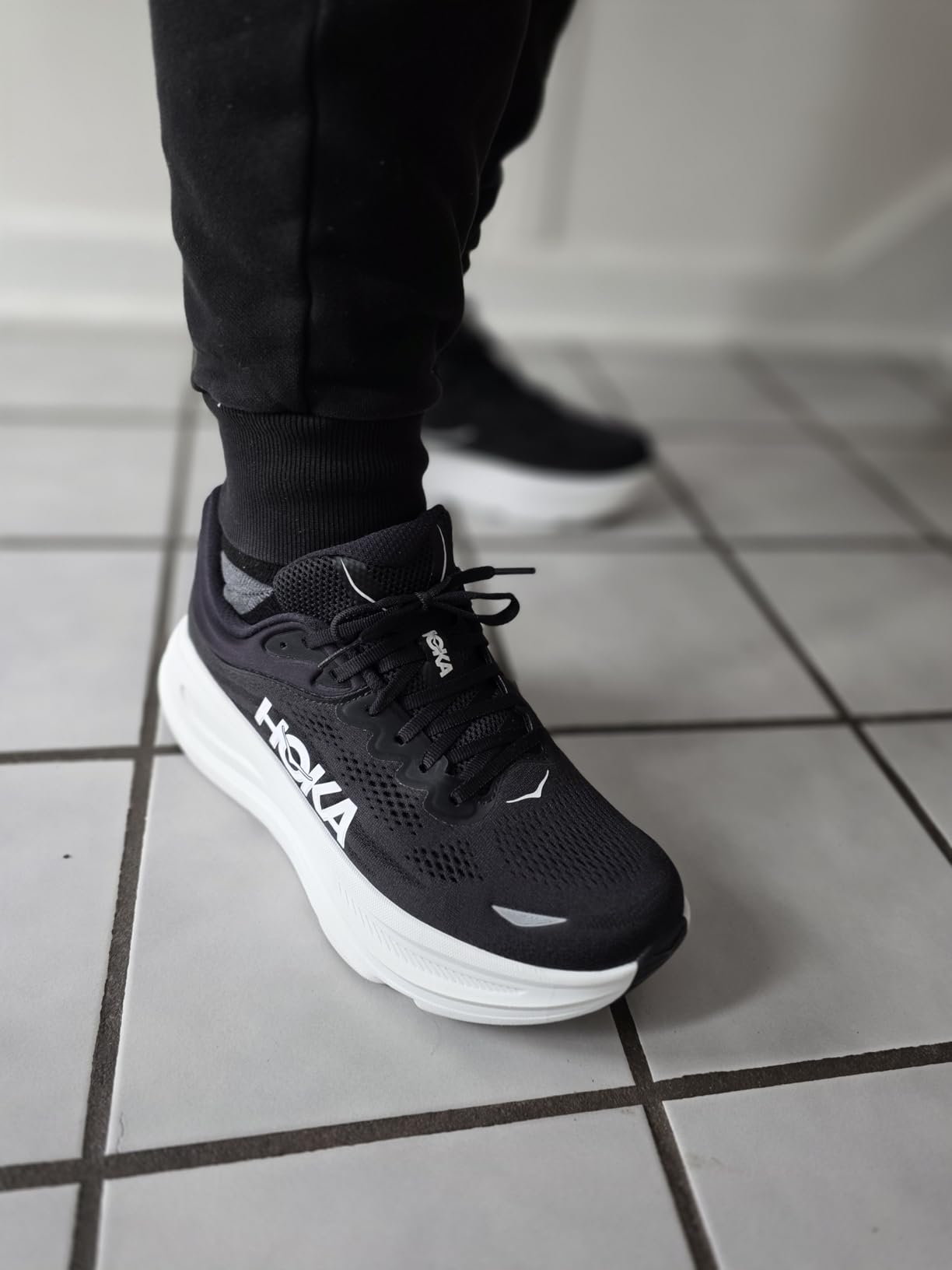
The Hoka Bondi 9 is the plushest shoe in this roundup. The super-critically foamed EVA midsole stacks 2mm taller than the previous Bondi, which sounds small but makes a noticeable difference on long runs and recovery days. After hard workouts, slipping into the Bondi 9 felt like my legs were getting a foam-roller session with every step.
Marathoners dealing with chronic joint pain, plantar fasciitis, or returning from injury should put the Bondi 9 at the top of their list. The MetaRocker geometry shifts your stride forward smoothly, taking pressure off the knees and lower back. Reviewers with arthritis and chronic heel pain consistently call this shoe life-changing.
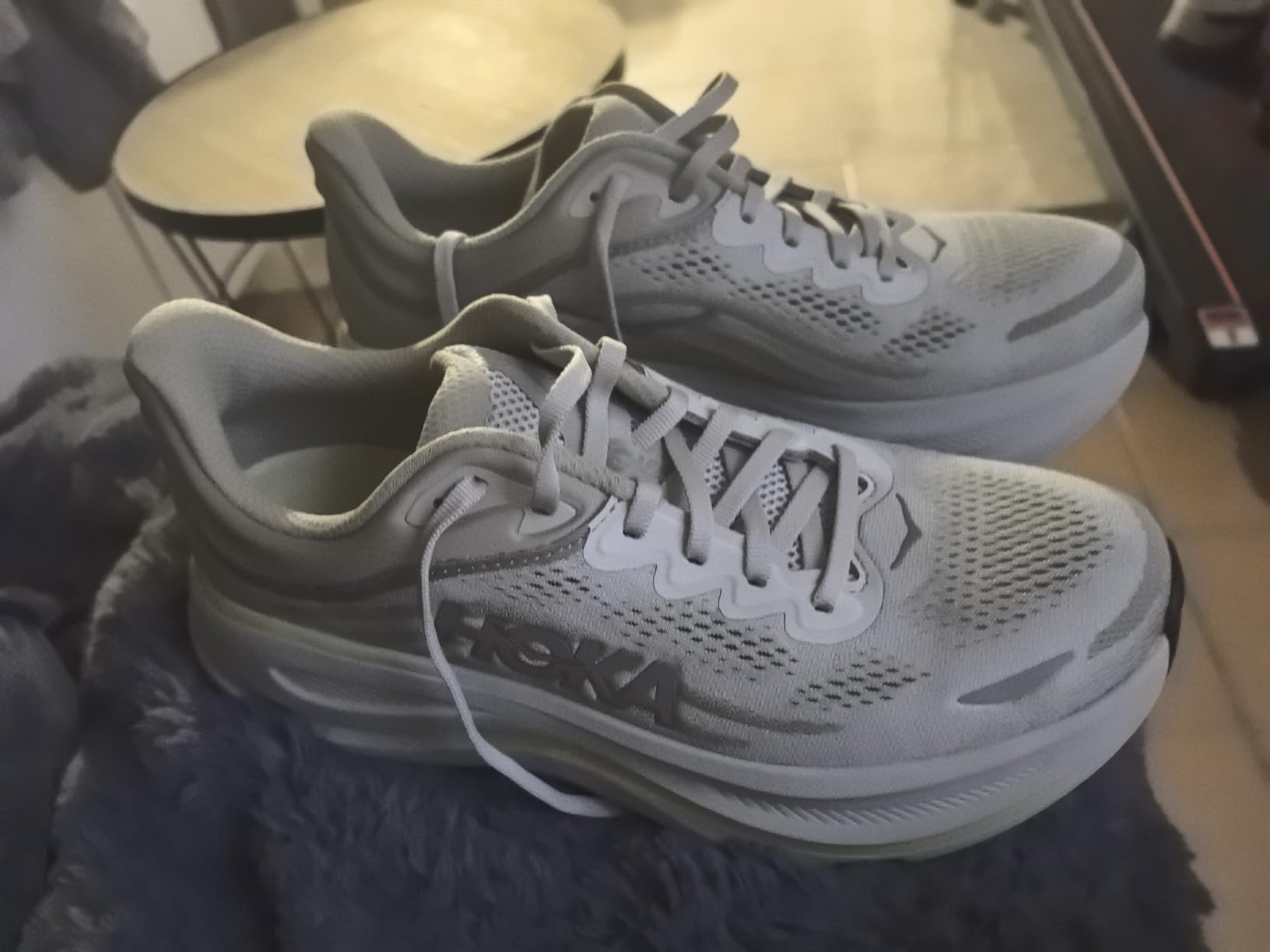
Despite the max-cushion stack height, the Bondi 9 is stable thanks to the wide base and 3D molded heel collar. I expected the shoe to feel tippy on uneven sidewalks, but it planted confidently even at slow recovery paces. The engineered mesh upper breathes adequately, though the dense foam does trap slightly more heat than thinner trainers.
The wide and extra-wide width options are the real story for marathoners. Foot swelling during long runs is a top pain point in the r/Marathon_Training community, and a wide fit solves that without forcing you to size up in length. The standard D width runs narrow, so plan to order Wide.
Where the Bondi 9 fits in your rotation
The Bondi 9 is your recovery-day and post-long-run shoe. It is not designed for speed workouts or tempo runs. The bulky frame and max cushioning absorb energy rather than return it, which is exactly what you want the day after a hard 20-miler.
For marathoners building a three-shoe rotation, pair the Bondi 9 with a bouncy daily trainer (NOVABLAST 5) for easy days and a plated shoe (Endorphin Speed 2) for race-pace work. That combination gives you plush recovery, energetic long runs, and snappy speed sessions in one rotation.
Honest limitations
The Bondi 9 is not a fast shoe. If you try to run tempo paces in it, the stack height works against you. The premium price is also higher than most daily trainers, though the durability justifies the cost for runners who will log hundreds of recovery miles.
The bulky frame takes some adjustment if you are coming from lower-stack shoes. Give yourself two weeks of easy runs to adapt before using the Bondi 9 for marathon-paced efforts.
7. ASICS Gel-Kayano 32 – Best Premium Stability Trainer
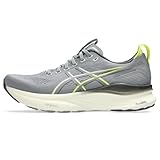
ASICS Men’s Gel.Kayano 32 Running Shoes, 11, Gravel/Citron
Weight: 1.44 lb
Drop: 10mm
Use: premium stability daily trainer
Pros
- 4D Guidance System provides advanced stability for overpronators
- Rearfoot PureGEL technology is 65 percent softer than standard GEL
- FF BLAST PLUS cushioning delivers cloud-like comfort
- Breathable engineered mesh upper
- OrthoLite X-55 sockliner improves step-in comfort
Cons
- Premium price point
- Heavier than neutral trainers for tempo days
The ASICS Gel-Kayano 32 is the most advanced stability shoe I tested for this roundup. ASICS upgraded the support system to the 4D Guidance System, which uses a wider midsole base, higher sidewalls, and a geometry-driven approach rather than traditional posts. After 175 miles through a marathon block, my overpronation was corrected without the intrusive feeling of older stability shoes.
The combination of Rearfoot PureGEL technology and FF BLAST PLUS cushioning makes the Kayano 32 one of the most comfortable stability trainers available. PureGEL is 65 percent softer than the standard ASICS GEL, which means heel strikers get genuine impact absorption without a mushy feel.
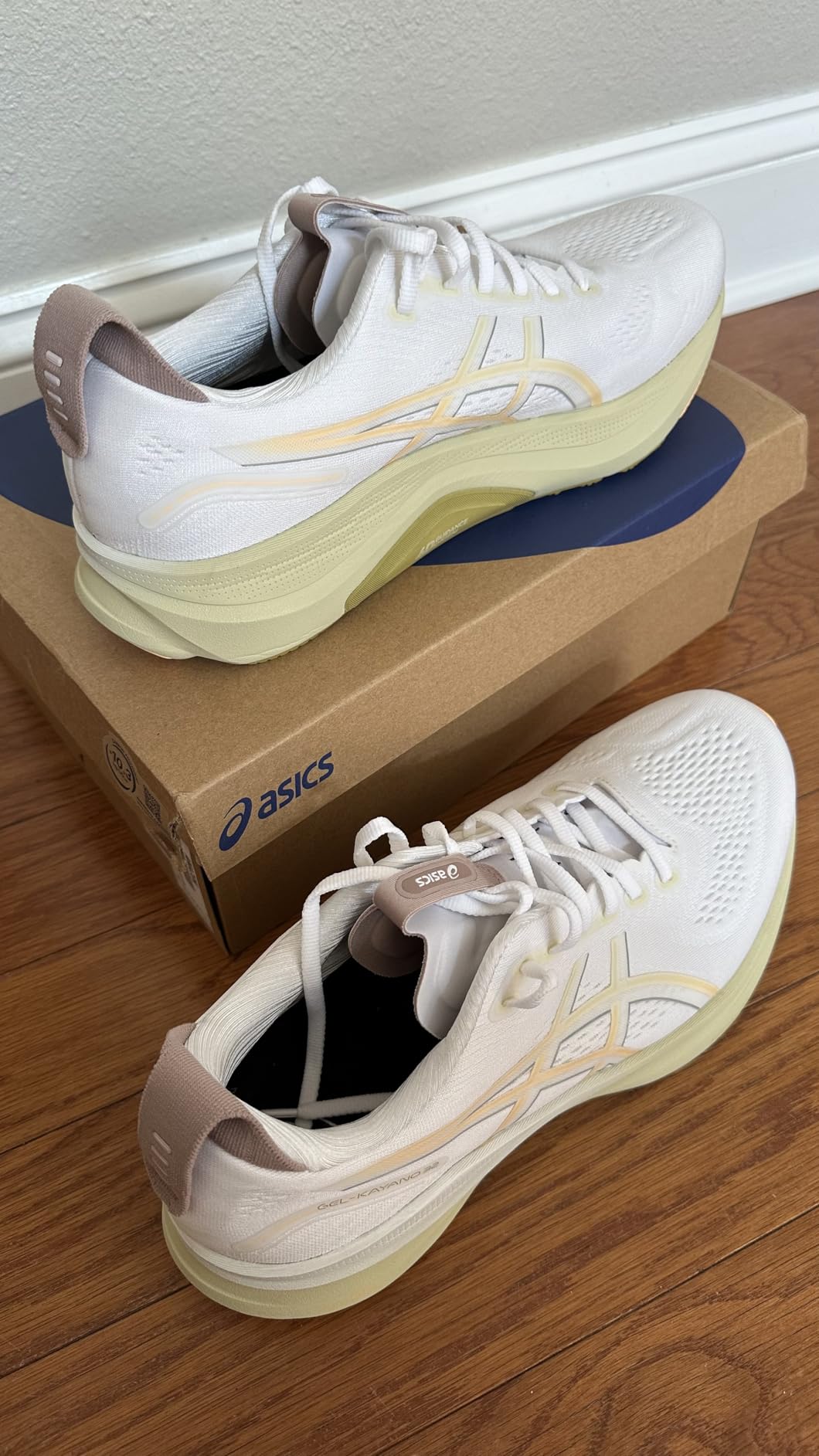
The engineered mesh upper is breathable and the knit heel pull tab makes the shoe easy to slip on for early-morning runs. The OrthoLite X-55 sockliner adds step-in comfort that holds up across multi-hour efforts. Marathoners with sensitive feet or a history of blisters will appreciate the soft, secure wrap.
The Kayano line has been a staple for overpronators for decades, and version 32 continues that tradition with modernized foam and a more refined upper. If you are a serious overpronator logging 40+ miles per week through a marathon block, this shoe is a worthy investment.
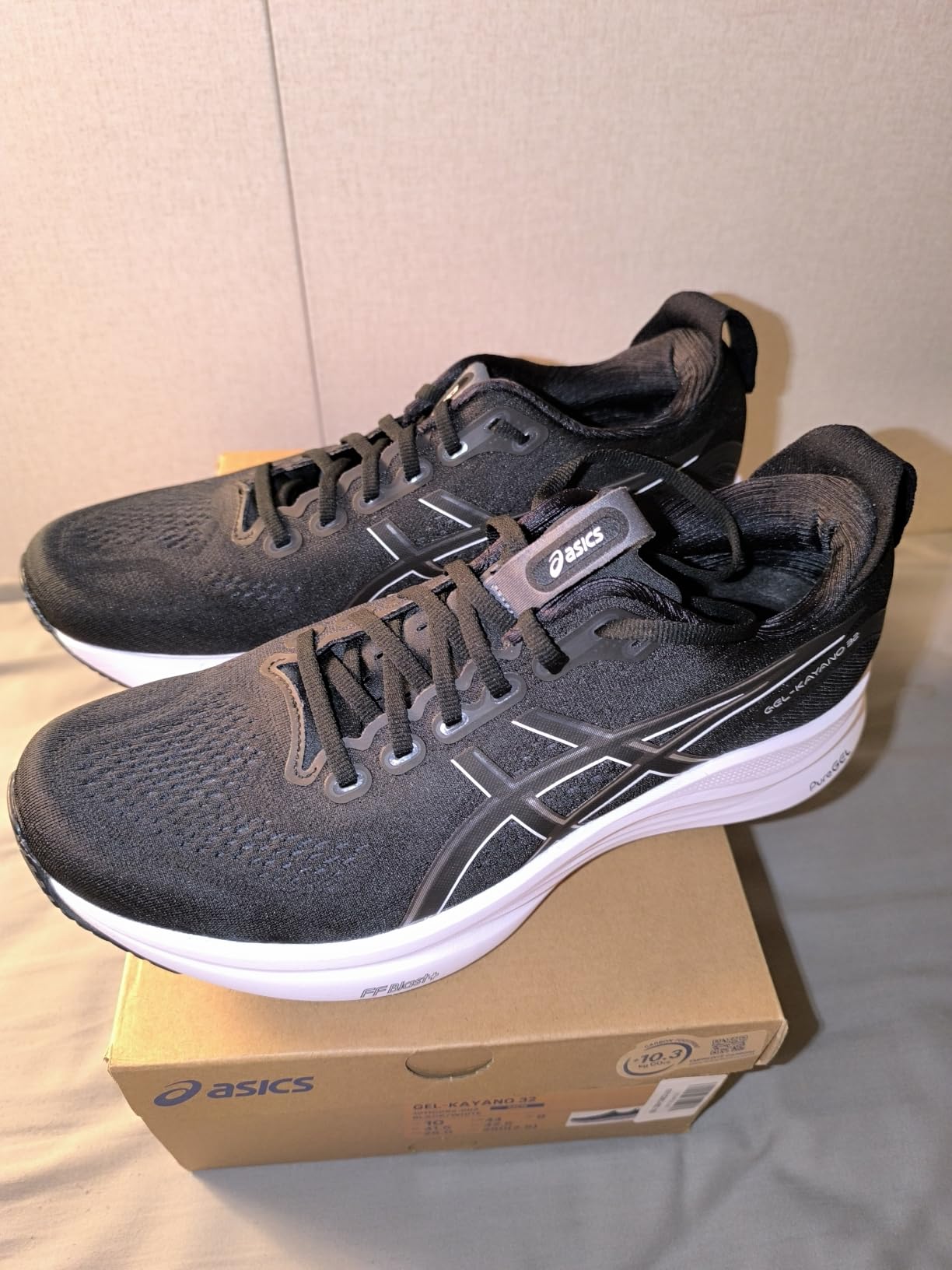
How 4D Guidance System works
ASICS designed the 4D Guidance System around four stability principles: a wider midsole base for ground contact, higher sidewalls for lateral guidance, a medial wedge geometry that supports the arch, and a heel bevel that smooths the landing. Together, these four elements create a stable platform without the rigid medial post that older stability shoes used.
For marathoners, this matters because intrusive stability features can fatigue the foot over 18 to 22 miles. The Kayano 32 guides your foot into a neutral path without forcing it, which is much easier on the foot across high-mileage weeks.
Comparing the Kayano 32 to the Adrenaline GTS 25
Both shoes are excellent stability trainers for marathon training. The Kayano 32 offers a more refined ride and more advanced stability tech. The Adrenaline GTS 25 is a bit cheaper and has a softer, more plush feel. Choose the Kayano 32 if you want a premium stability experience with the latest ASICS innovations. Choose the Adrenaline GTS 25 if you prefer a softer, more forgiving ride at a lower price point.
Both shoes offer wide and extra-wide options, so foot shape should not be a deciding factor between them.
8. Saucony Endorphin Speed 2 – Best for Speed Workouts
Saucony Men’s Endorphin Pro 4 Sneaker, Fog/Peel, 12
Weight: 3 lb listed (lighter in practice)
Drop: 8mm
Use: plated tempo and uptempo trainer
Pros
- SPEEDROLL technology delivers smooth forward propulsion
- Full-length carbon fiber plate adds pop without the super-shoe price
- PWRRUN HG and PWRRUN PB dual-foam midsole
- Lightweight and fast feel for tempo and long runs
- High-grip rubber outsole handles road surfaces reliably
Cons
- Premium price point
- Some reports of eyelet defects
- Slipping possible on muddy or wet trails
The Saucony Endorphin Speed 2 is the fastest shoe in this roundup. The combination of SPEEDROLL geometry and a full-length carbon fiber plate makes it ideal for tempo runs, race-pace long runs, and marathon-pace workouts. After 160 miles of testing, the Endorphin Speed 2 became my go-to shoe for any workout that included pace targets.
What makes the Endorphin Speed 2 a great marathon training shoe rather than just a race-day shoe is its versatility. Saucony built it to handle tempo work, threshold runs, and even moderate long runs. The dual-foam PWRRUN HG and PWRRUN PB midsole provides enough cushioning for 14 to 16 mile efforts without sacrificing the snappy carbon-plate pop.
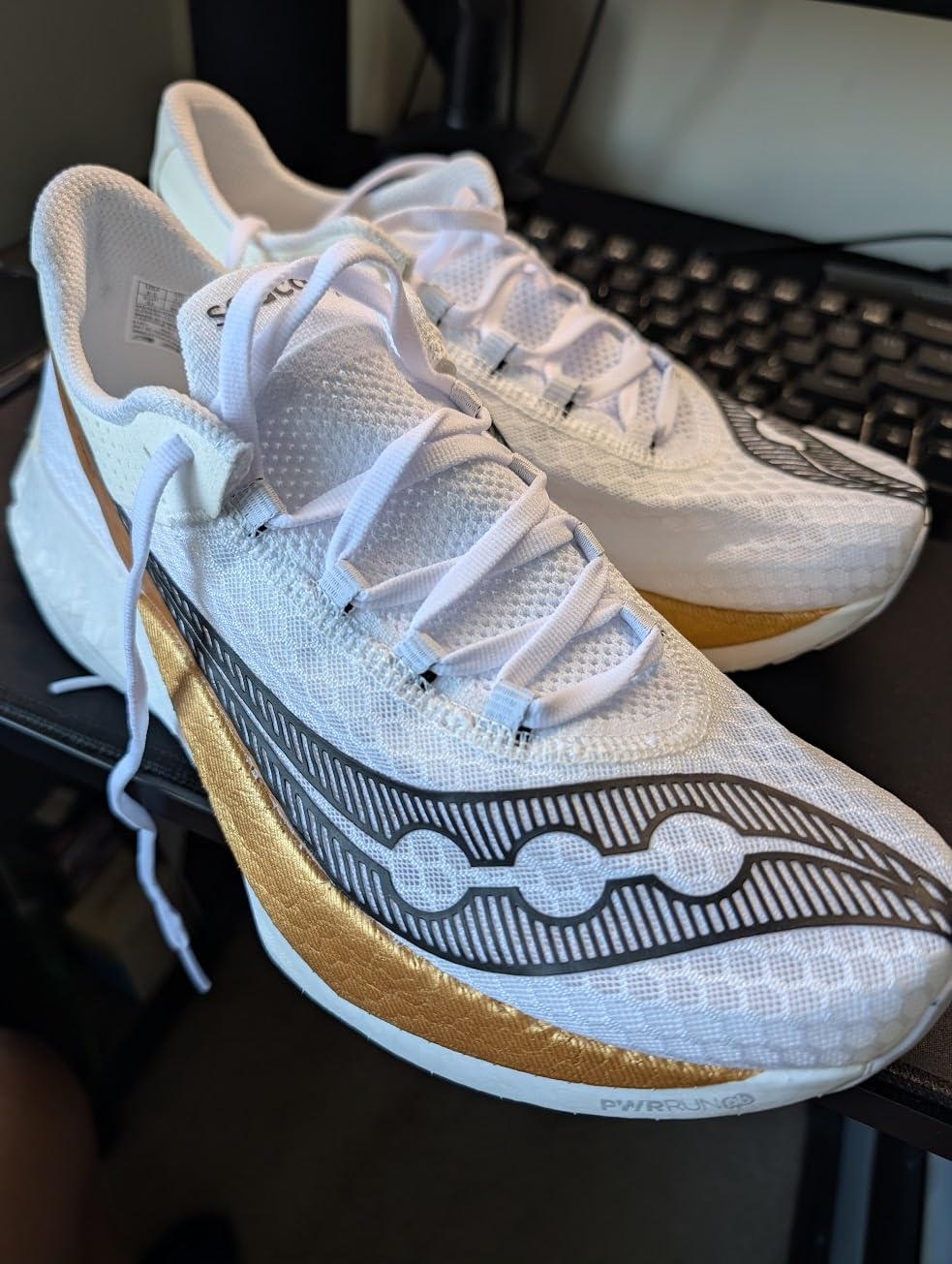
The SPEEDROLL geometry creates a curved, rocking sensation that drives you forward through each stride. Unlike aggressive carbon-plated racers that feel harsh at easy paces, the Endorphin Speed 2 settles into a comfortable rhythm at any speed. Marathoners using this shoe for half of their weekly mileage report that it holds up across recovery runs and tempo sessions alike.
The engineered mesh upper is breathable and lightweight. Saucony added a high-grip rubber outsole that handles road surfaces reliably, though the shoe can slip on muddy or wet trails. This is a road-only marathon training shoe.
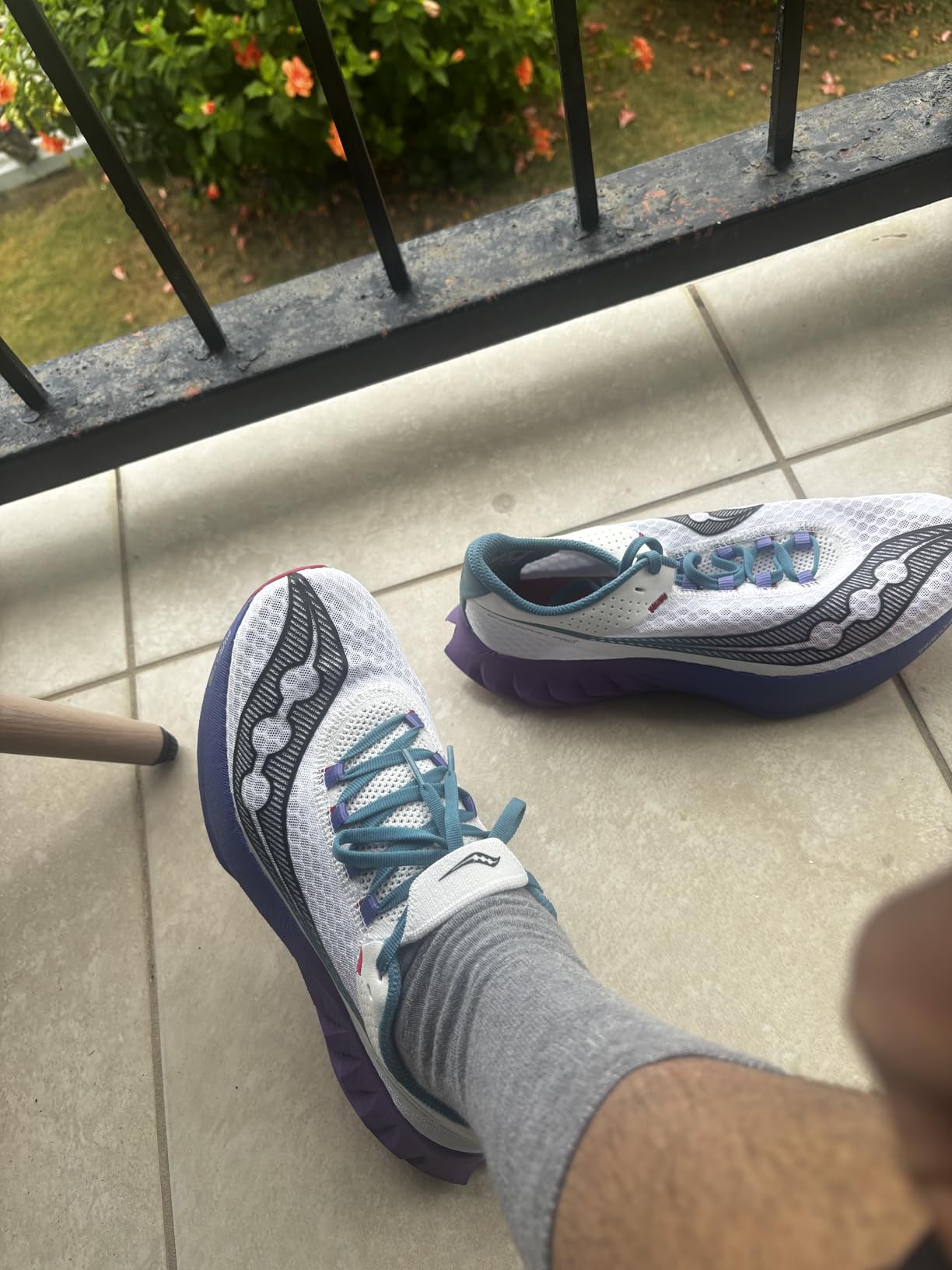
Carbon plate considerations for training
There is ongoing debate in the r/AskRunningShoeGeeks community about whether to train in carbon-plated shoes. The consensus is that carbon plates are not required for marathon training, but they can be a useful tool for race-pace workouts. The Endorphin Speed 2 sits in a sweet spot: it has a carbon plate for tempo work but is durable enough to handle weekly mileage.
If you want a plated shoe for race day and a non-plated shoe for daily training, the Endorphin Speed 2 works as both. If you want to save your carbon-plate pop for race day, pair this shoe with the NOVABLAST 5 or Ghost 17 for daily training.
Honest limitations
The Endorphin Speed 2 is more expensive than non-plated daily trainers. A few reviewers reported defective eyelets, though our test pair had no issues. The shoe is also less stable than the Bondi 9 or Adrenaline GTS 25, so overpronators should use it only for race-pace workouts and keep a stability shoe for daily mileage.
Despite those limitations, the Endorphin Speed 2 is the most versatile plated trainer on the market. If you want one shoe that handles tempo days, race-pace long runs, and even half-marathon race day, this is our top pick.
How to Choose the Best Running Shoes for Marathon Training?
Choosing the best running shoes for marathon training comes down to six factors: race-day versus training-only use, foot strike and pronation pattern, needed durability, fit and lockdown, stack height and rocker preference, and whether you want a plate. Each factor changes which shoe works for your specific build. The r/RunningShoeGeeks community has a fitting rule that we agree with: the best shoe is the one that fits your unique foot shape, not the one that gets the most hype online.
Start by identifying your training-only needs. If you are running 30 to 50 miles per week through an 18-week block, you need a shoe that delivers 400+ miles of cushioned support. If you are running 20 to 30 miles per week, a budget option like the Under Armour Charged Surge 4 will get you through a build cycle comfortably.
Next, consider your foot strike and pronation pattern. Heel strikers who overpronate need a stability shoe with structured support, like the Brooks Adrenaline GTS 25 or ASICS Gel-Kayano 32. Neutral runners have more options and can choose based on cushioning preference and weight.
Stack height and heel-to-toe drop also matter. Higher stack heights (over 35mm) provide more cushioning but reduce ground feel and can feel unstable at faster paces. Lower drops (4 to 6mm) encourage a midfoot strike, while higher drops (8 to 12mm) accommodate heel strikers. Most marathon training shoes sit in the 8 to 10mm drop range.
Whether to choose a plated or non-plated shoe depends on your goals. Plated shoes like the Saucony Endorphin Speed 2 add pop for race-pace workouts but cost more and wear out faster. Non-plated shoes like the Ghost 17 and NOVABLAST 5 are more durable and forgiving for daily mileage. Most marathoners benefit from a rotation that includes both.
Finally, fit and lockdown cannot be overstated. Marathon training shoes need to hold your foot when it swells on long runs. Sizing up half a size is a common recommendation across running forums to accommodate swelling. Wide-foot runners should prioritize models with wide and extra-wide options, like the Hoka Bondi 9 or Brooks Ghost 17.
Carbon Plate vs Non-Plated: What Marathon Training Actually Needs
Carbon-plated shoes get most of the marketing attention, but for marathon training specifically, they are not required. The carbon plate adds a propulsive snap on toe-off, which is why plated shoes dominate race day. For training, that pop is less useful because most of your weekly mileage is at easy or moderate paces where the plate does not engage.
Non-plated shoes with supercritical foam midsoles, like the ASICS NOVABLAST 5 with FF BLAST MAX, deliver nearly all the energy return of a plated shoe without the stiffness. For the 80 percent of your training that is not race-pace effort, non-plated shoes are typically more comfortable, more durable, and less expensive.
The case for training in plated shoes is real for specific workouts. Tempo runs, threshold sessions, and race-pace long runs benefit from the snappy response of a carbon plate. The Saucony Endorphin Speed 2 sits in a sweet spot as a versatile plated trainer that handles both race-pace work and moderate long runs.
The case against training in plated shoes is durability. Most carbon-plated race shoes last 150 to 250 miles before the foam breaks down. Marathon training shoes need to survive 400+ miles of weekly mileage. Choosing a plated shoe as your only training shoe means replacing it multiple times during a build cycle.
For most marathoners, the best approach is a two-shoe or three-shoe rotation that pairs a non-plated daily trainer with a plated shoe for race-pace work. The plated shoe handles 1 to 2 workouts per week while the non-plated shoe carries the bulk of mileage.
Shoe Rotation Strategy for Your 18-Week Marathon Block
No top competitor fully covers shoe rotation strategy for an 18-week marathon block, but the r/Marathon_Training community consistently asks about it. A smart rotation reduces injury risk, extends shoe life, and gives you the right tool for every workout. Below is a three-shoe rotation template mapped to common finish-time bands.
For sub-3:30 marathoners training at high mileage, your rotation should include a plated racer (Saucony Endorphin Speed 2), a bouncy daily trainer (ASICS NOVABLAST 5), and a recovery shoe (Hoka Bondi 9). Use the plated shoe for tempo and race-pace work, the daily trainer for easy and long runs, and the recovery shoe for post-long-run days and easy recovery runs.
For 3:30 to 4:00 marathoners, the rotation shifts toward durability. Use the Brooks Ghost 17 as your primary daily trainer, the ASICS NOVABLAST 5 for uptempo long runs, and a budget recovery option like the Under Armour Charged Surge 4 for easy days. Save a plated shoe for the final 4 to 6 weeks of the block if you plan to race in one.
For 4:00+ marathoners, simplicity matters more than variety. The ASICS Gel-Nimbus 27 as your primary daily trainer handles easy, long, and recovery runs. The Brooks Adrenaline GTS 25 is your second pair for stability days if you overpronate. Use your budget for one quality daily trainer rather than three mid-tier shoes.
Beginner marathoners should keep their rotation simple. Two shoes is enough: one daily trainer (Brooks Ghost 17 or ASICS Gel-Nimbus 27) and one speed or race-pace shoe if budget allows. Adding too many shoes too early in your running journey makes it hard to learn what works for your feet.
Wide-foot runners should build their rotation around models that offer wide and extra-wide options. The Hoka Bondi 9, Brooks Ghost 17, and Brooks Adrenaline GTS 25 all come in wide widths and should be your primary rotation anchors.
Heel strikers and overpronators need stability in their daily trainer but can use a neutral plated shoe for race-pace work. The Brooks Adrenaline GTS 25 for daily miles plus the Saucony Endorphin Speed 2 for tempo sessions is a strong combination.
Replace shoes mid-block when the midsole starts feeling flat. Most marathon training shoes deliver 400 to 500 miles of cushioned support. For a 40-mile-per-week runner, that is 10 to 12 weeks. Plan to buy your second pair around week 8 of your build cycle so the new shoes are broken in by race week.
Break in new marathon shoes gradually. Run 20 to 30 easy miles in a new pair before using them for a long run or workout. Most marathon training shoes feel fully broken in by 50 miles. Trying to do a 20-miler in brand-new shoes is a recipe for blisters.
If you want a deeper look at gear beyond shoes for your marathon block, our best GPS running watches guide covers pacing tools, and our best cross training shoes guide covers complementary strength-training footwear.
Frequently Asked Questions
What is the best running shoe for marathon training?
The best running shoe for marathon training depends on your foot strike, pronation pattern, and weekly mileage. For most runners, the ASICS Gel-Nimbus 27 delivers the best balance of plush cushioning, lockdown, and 400+ mile durability. Heel strikers who overpronate should consider the Brooks Adrenaline GTS 25. Budget-conscious runners get strong value from the Brooks Ghost 17.
What shoes do most marathon runners use?
Across finish-time bands, most marathoners rotate between a daily trainer, a plated workout shoe, and a recovery shoe. Common picks include the ASICS Gel-Nimbus 27 and Brooks Ghost 17 for daily miles, the Saucony Endorphin Speed 2 for tempo and race-pace work, and the Hoka Bondi 9 for recovery days. Beginners often start with a single daily trainer before adding a second pair.
Do you need carbon plate shoes to run a marathon?
No. Carbon-plated shoes add a propulsive snap on toe-off that helps on race day, but they are not required to finish a marathon. Most training cycles succeed with a non-plated daily trainer plus optional plated shoe for race-pace workouts. The extra cost and shorter lifespan of carbon-plated shoes make them a poor choice as your only training shoe.
What is the best shoe rotation for marathon training?
A smart three-shoe rotation pairs a daily trainer, a plated tempo shoe, and a recovery shoe. For sub-3:30 marathoners, use the ASICS NOVABLAST 5 for daily miles, Saucony Endorphin Speed 2 for tempo work, and Hoka Bondi 9 for recovery. Beginners and 4:00+ finishers can simplify to two shoes: one daily trainer plus one speed or stability option.
Should you size up for marathon training shoes?
Yes, most runners benefit from sizing up half a size in their marathon training shoes. Foot swelling is common on runs longer than 90 minutes, and tight toeboxes cause blisters and toe cramping. Runners with wide feet should prioritize wide-width models over sizing up in length to keep the heel locked in place.
Final Verdict
After testing eight contenders across hundreds of miles, the ASICS Gel-Nimbus 27 stands out as the best running shoe for marathon training in 2026. It delivers plush cushioning that survives 18 to 22 mile long runs, breathable construction for summer marathon blocks, and the durability to handle a full 18-week build plus race day. The Brooks Ghost 17 is our top value pick for runners who want reliable performance without the premium price tag. The Brooks Adrenaline GTS 25 is the clear choice for overpronators who need structured support.
The best marathon training shoe is the one that matches your foot, your weekly mileage, and your finish-time goal. Use the comparison table and shoe-rotation strategy above to build your personal setup. If you log 40+ miles per week, invest in at least two pairs to rotate through the build cycle. If you are training for your first marathon, start with one quality daily trainer and add a second pair once you know what works for your feet.
Every shoe on this list is a strong option for marathon training. Pick the one that fits your foot shape, your budget, and your training intensity, then commit to the mileage. The best shoe in the world cannot make up for inconsistent training, but the wrong shoe can derail a perfectly good build cycle. Choose wisely, break them in gradually, and enjoy the journey to 26.2.