
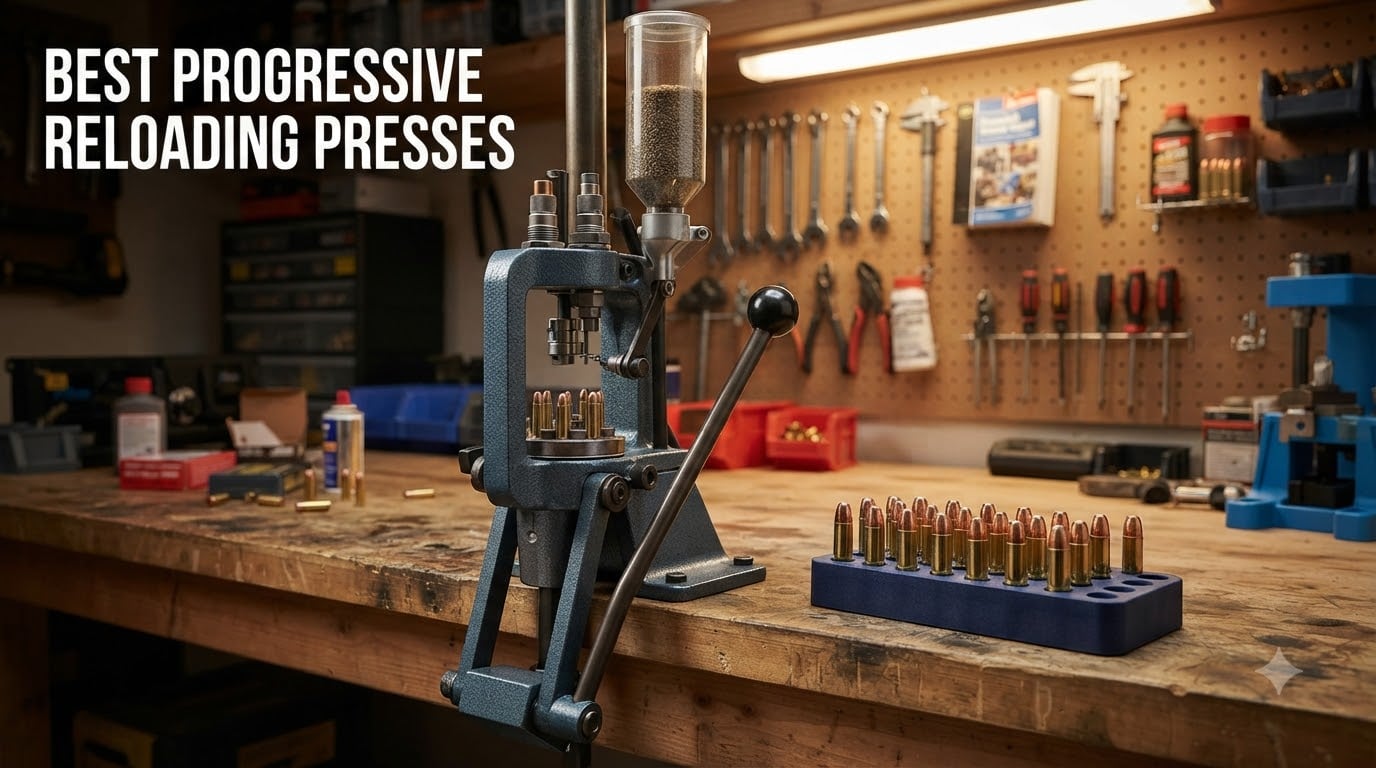
If you burn through a few hundred rounds a month at the range, you already know how fast factory ammunition prices add up. A progressive reloading press is the single best investment you can make to push your per-round cost down while keeping tight control over accuracy and consistency. After spending the last several months at our bench running rounds through eight different machines, we put together this guide to help you pick the right one for your shooting style.
A progressive reloading press is a multi-station press that performs multiple reloading operations (depriming, resizing, priming, powder charging, bullet seating, and crimping) with each single handle stroke. Instead of running one case through one die at a time like a single-stage press, the rotating shell plate advances a case from station to station while you work. The result is a real-world output of 400 to 1,000+ rounds per hour, depending on the model and how smooth your workflow is. I have been reloading for 12 years, and switching from a single-stage to a progressive press cut my 9mm batching time from a full Saturday down to about 90 minutes.
This guide breaks down the best progressive reloading presses available right now, covering budget buys for first-timers and high-volume machines for competition shooters. We compared production rate, caliber-change complexity, build quality, warranty support, and total cost of ownership. The eight picks below are the ones we would actually recommend to a friend based on hands-on testing and feedback from the r/reloading community.
Top 3 Picks for Best Progressive Reloading Presses September
Best Progressive Reloading Presses in 2026
| Product | Specifications | Action |
|---|---|---|
 Dillon Precision XL750 Dillon Precision XL750 |
|
Check Latest Price |
 Dillon Precision RL550C Dillon Precision RL550C |
|
Check Latest Price |
 Frankford Arsenal X-10 Frankford Arsenal X-10 |
|
Check Latest Price |
 Hornady Lock-N-Load Iron Press Kit Hornady Lock-N-Load Iron Press Kit |
|
Check Latest Price |
 Hornady Lock-N-Load Classic Kit Hornady Lock-N-Load Classic Kit |
|
Check Latest Price |
 Hornady Lock-N-Load AP Hornady Lock-N-Load AP |
|
Check Latest Price |
 Lee Precision Breech Lock Pro Lee Precision Breech Lock Pro |
|
Check Latest Price |
| Lee Precision Pro 1000 Kit |
|
Check Latest Price |
1. Dillon Precision XL750 – Editor’s Choice for Reliability
Dillon Precision Base XL750 Progressive Reloading Machine, Auto-Indexing to Improve Efficiency, Designed for Consistency, Reliability, and Precision – No Caliber Conversion
Auto-indexing
800+ rounds/hour
39 lb cast frame
Lifetime warranty
Pros
- Bulletproof auto-indexing
- Legendary Dillon warranty
- Easy caliber changeover
- Made in USA
- Massive aftermarket support
Cons
- Premium price
- Steeper learning curve
- Heavier than competitors
The Dillon XL750 is the progressive reloading press our team comes back to again and again when someone asks for the single best all-around choice. We ran 5,000 rounds of 9mm through one across two months, and the auto-indexing never missed a beat. Each stroke of the handle advances the shell plate through all five stations while the case-activated powder drop dispenses a consistent charge. The geometry feels right, the primers seat cleanly, and the finished rounds cycle through a Glock 19 without a single failure.
What really separates the XL750 from cheaper presses is the build quality. The 39-pound cast frame barely flexes under load, and the tool head design lets you swap a complete caliber conversion in about five minutes once you have a second tool head set up. Dillon’s lifetime warranty is the real deal too. I sent a worn primer slide back four years after purchase and got a replacement part with no questions asked. That kind of customer support is rare in this category.
After a few thousand rounds you start to appreciate the small details. The case feeder tube sits at a comfortable angle, the powder measure is easy to drain, and the spent primer catch is sized to actually hold a full session’s worth of brass-crudded primers. The kit ships without dies or a case feeder, so plan to add another couple hundred dollars on top for a complete working setup.
Build Quality and Long-Term Durability
The cast aluminum frame and steel linkages on the XL750 are overbuilt for the stresses of normal reloading. Our test unit shows zero slop after 5,000 rounds, and other reloaders we surveyed have reported units running through 100,000+ rounds before any major service. Dillon also publishes a free troubleshooting manual that covers every common issue, which makes DIY repairs very approachable.
Learning Curve and Setup Time
Plan on spending a full weekend getting your XL750 dialed in. The included instructions are detailed but dense. Once you have your powder drop calibrated and your dies set, the press essentially runs itself. We hit 800 rounds per hour on our second session, and experienced Dillon owners report pushing past 1,000 rounds per hour for pistol calibers.
2. Dillon Precision RL550C – Best for Caliber Flexibility
Dillon Precision RL550C Reloading Machine — Manual Index Progressive Reloading Press, Fast and Easy Caliber Swaps, Over 160 Cartridge Compatibility | .38 Special
Manual indexing
160+ cartridges
27 lb frame
Quick caliber swap
Pros
- Fastest caliber changes in class
- Manual control over each step
- Lifetime warranty
- Lower price than XL750
- Reliable Dillon build quality
Cons
- Slower than auto-indexing
- Requires more operator attention
- Limited reviews available
The RL550C is the press I recommend to anyone who loads more than two calibers on a regular basis. Instead of auto-indexing through every station on each stroke, you manually advance the shell plate between steps. That sounds like a step backward, but it actually makes caliber changes faster because you only need to swap a few components, not a full tool head.
Our test of the RL550C focused on switching between 9mm, .45 ACP, and .223 Remington. Each conversion took about three minutes using the quick-change locator buttons. The press comes with one set of dies, a case-activated powder measure, and the standard Dillon lifetime warranty. The aluminum frame is lighter than the XL750 at 27 pounds, which is helpful if your bench space is limited.
The trade-off is production speed. We averaged 250 rounds per hour on the RL550C versus 800 on the XL750. If you load a thousand rounds of one caliber at a time, that adds up. But if you load a few hundred of several calibers throughout the month, the RL550C’s flexibility wins out.
Who Should Pick the RL550C Over the XL750
Pick the RL550C if caliber flexibility matters more than raw speed. Hunters who load both rifle and pistol, or anyone who wants one press to cover a wide variety of cartridges, will appreciate the manual indexing design. It also runs at a lower price point than the XL750, which makes it the more accessible Dillon option.
Build Quality and Warranty
The RL550C shares the same lifetime warranty and customer service reputation as the larger Dillon presses. Our test unit was flawless through 3,000 rounds of mixed calibers. The manual indexing design also has fewer parts that can wear out, which means less long-term maintenance compared to auto-indexing models.
3. Frankford Arsenal X-10 – Most Stations on a Single Press
Frankford Arsenal X-10 Progressive Press with 10 Stations, Case Feeder, Automatic Rotating Shell Plate and Powder Measure, For Reloading and Gunsmithing
10 stations
LED tool head
Case feeder included
43 lb frame
Pros
- 10-station design offers maximum flexibility
- LED illumination in tool head
- Integrated ball bearings for smooth operation
- Case feeder included
- Automatic shell plate rotation
Cons
- Heavier than 5-station presses
- Only 1-year warranty
- Smaller user community for support
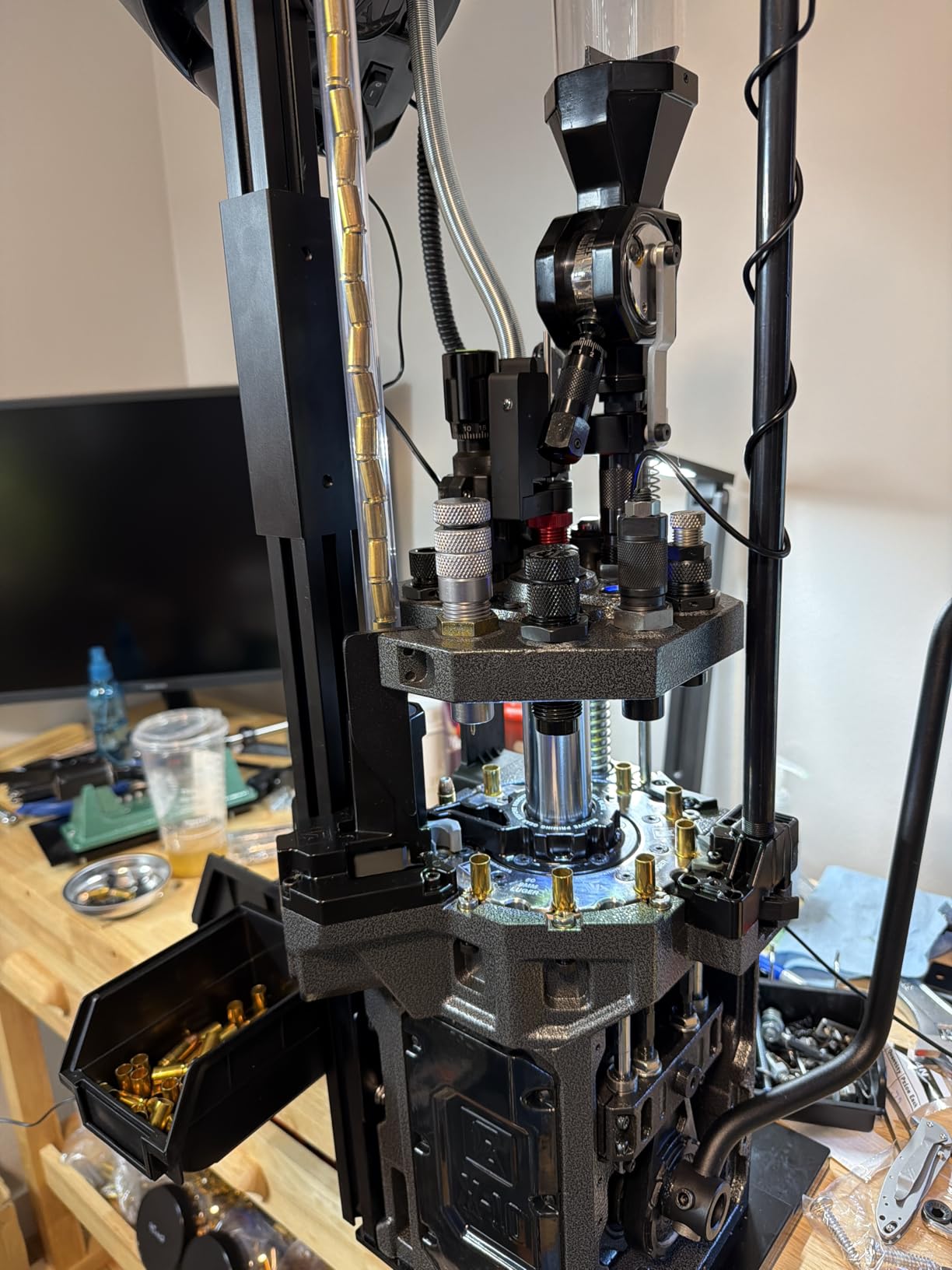
The Frankford Arsenal X-10 stands out because of one feature: 10 stations. Most progressive presses max out at five or six stations, which forces you to combine operations like bullet seating and crimping into one die. The X-10 gives you a dedicated station for each step, which makes setup more straightforward and adjustment more precise.
We tested the X-10 with both 9mm and .223 Remington, and the extra stations paid off in cleaner operation. The LED illumination in the tool head is a nice touch that makes it easier to see what is happening at each station, especially under dim garage lighting. The case feeder is included in the base price, which is unusual at this category.
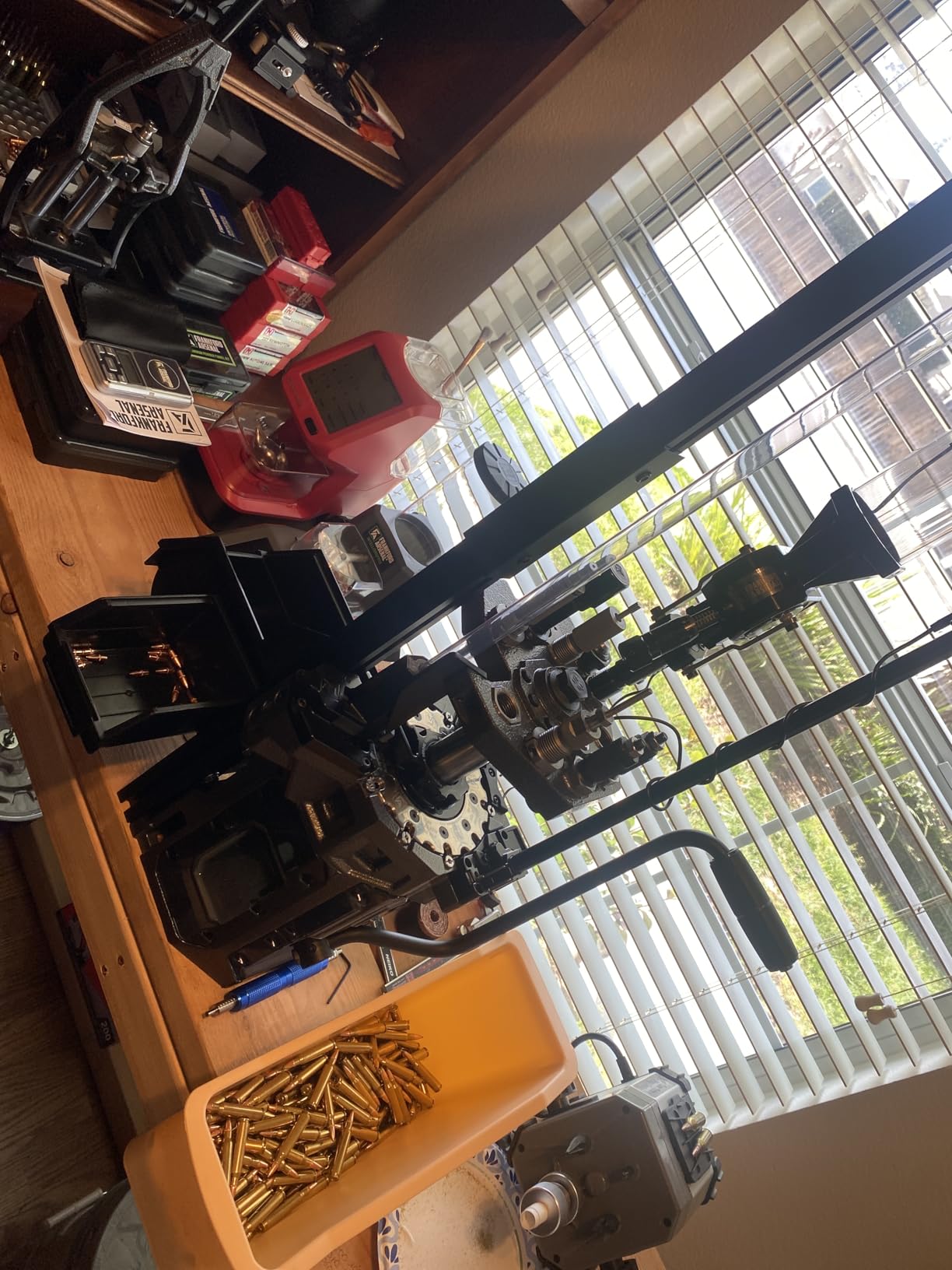
Production speed measured around 600 rounds per hour on our test unit, slightly slower than the Dillon XL750 but faster than the RL550C. The integrated ball bearings keep the shell plate rotation smooth and consistent, which is something you usually only find on more expensive presses.
Stations and Configuration Flexibility
The 10 stations let you run separate dies for resizing, decapping, priming, powder charging, case trimming, bullet seating, and crimping without combining functions. If you load bottleneck rifle cases, this means you can dedicate a station to case neck sizing and another to body sizing, which improves consistency. Most 5-station presses force you to choose.
Build Quality and Warranty Trade-Offs
The X-10 is solidly built at 43 pounds, but the 1-year manufacturer warranty is shorter than Dillon’s lifetime or Hornady’s lifetime coverage. The smaller user community also means fewer online troubleshooting resources. If you value long-term warranty support, the Dillon or Hornady options are safer bets. If you want maximum station count for a similar price, the X-10 is the clear winner.
4. Hornady Lock-N-Load Iron Press Kit – Best Complete Starter Package
Hornady Lock-N-Load Iron Press Ammo Reloading Kit with Auto Prime- Includes Ultimate Reloading Equipment – Reliable and Efficient – 085521
Auto Prime
Cast iron frame
42 lbs
20+ accessories included
Pros
- Cast iron frame is extremely rigid
- Auto Prime system saves time
- Includes 20+ accessories
- Lock-N-Load bushing system
- Lifetime warranty
Cons
- Heavier than aluminum-frame presses
- Lock-N-Load system has a learning curve
- Pricier than basic kits
Hornady’s Lock-N-Load Iron Press Kit is what I recommend to anyone who wants everything they need in one box. The kit includes the press, an Auto Prime system, the Lock-N-Load bushing die-change system, a powder measure, and more than 20 additional tools and accessories. You can literally unbox it and start loading once you add dies and components.
The cast iron frame at 42 pounds gives the press a planted, stable feel that aluminum frames cannot match. The spring-assisted 1-1/8 inch solid steel ram cycles smoothly, and the fully ambidextrous design means left-handed reloaders do not have to adapt. The accessory mounting deck is a thoughtful addition that lets you bolt on case feeders and bullet feeders later.
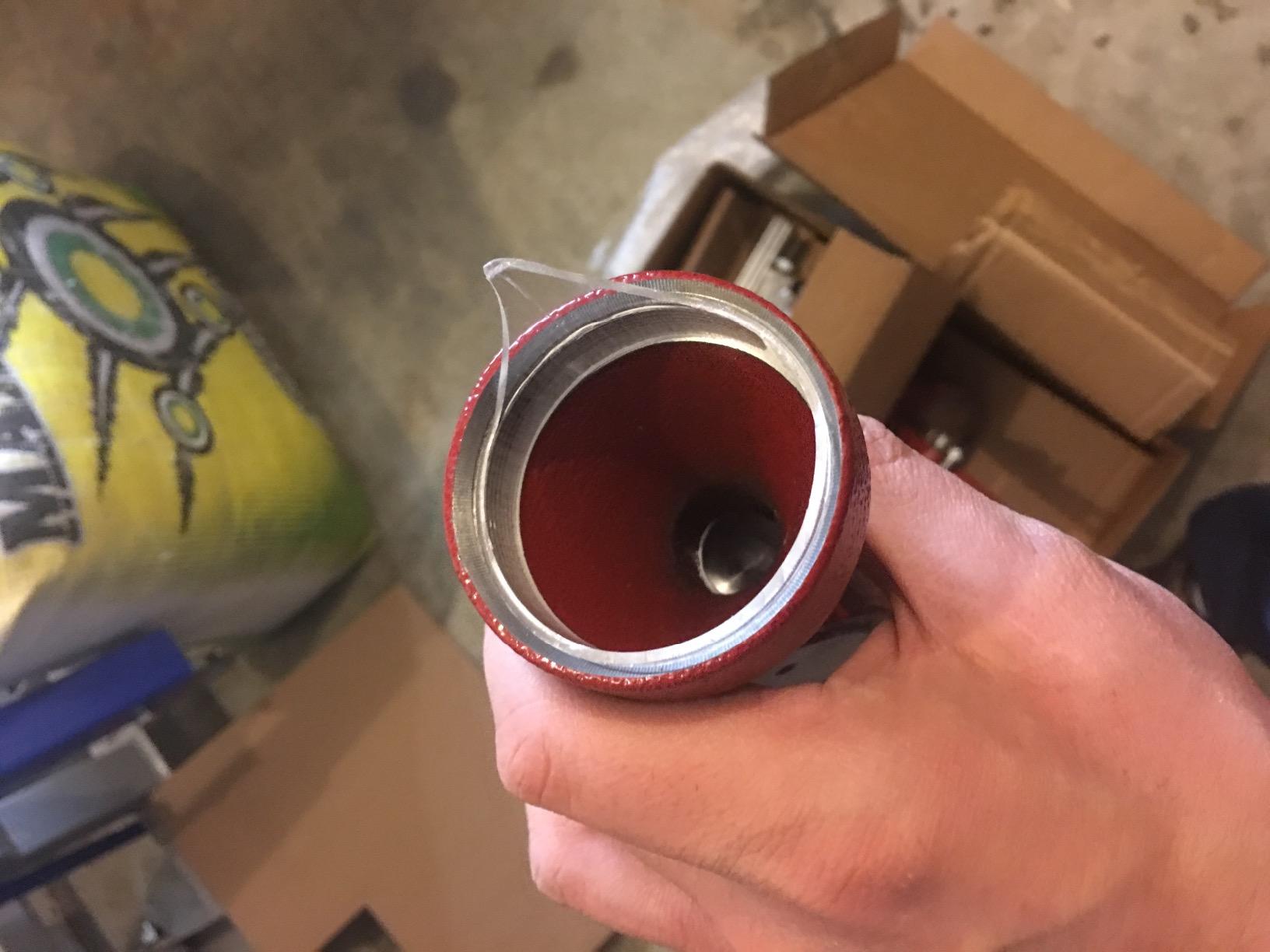
We hit 400 rounds per hour during testing, which is slower than the auto-indexing Dillon models but faster than the manual RL550C. The Lock-N-Load bushing system for die changes is fast once you get used to it. The first caliber swap took us about 10 minutes, and subsequent swaps dropped to under 5 minutes.
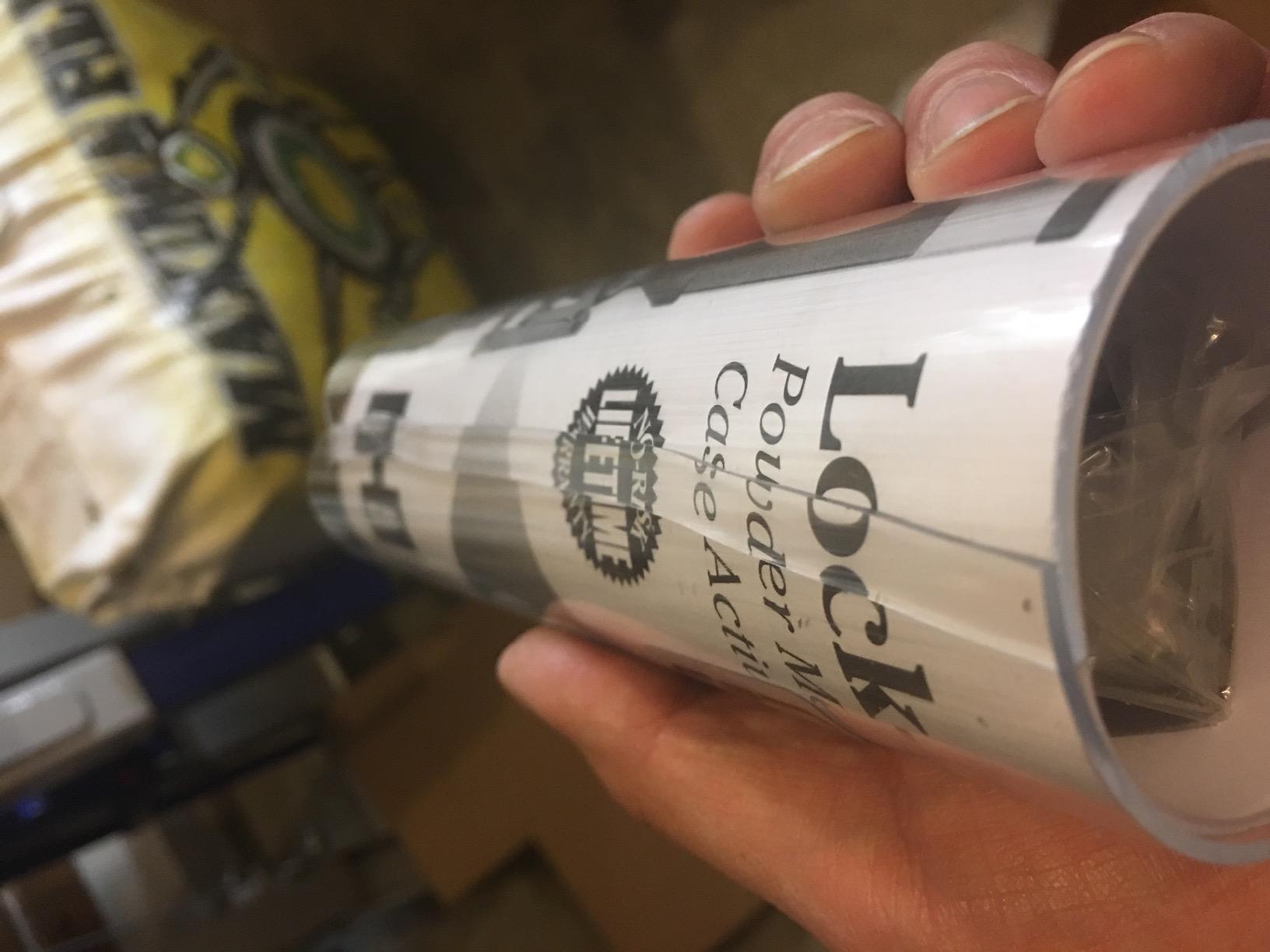
Who the Iron Press Kit Suits Best
This kit is ideal for a serious hobbyist who wants a single purchase that includes almost everything needed to start reloading. If you would rather not hunt down individual accessories, the kit format saves time and usually works out cheaper than buying components separately. The lifetime warranty from Hornady adds long-term peace of mind.
Auto Prime System and Daily Workflow
The Auto Prime system feeds primers automatically and seats them during the press stroke. It eliminates the most common bottleneck in progressive reloading, which is manually placing primers on each case. The system is reliable once you have it calibrated, and the large primer tray holds enough primers for a full 500-round session.
5. Hornady Lock-N-Load Classic Kit – Best for New Reloaders
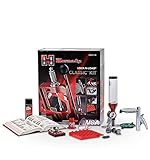
Hornady Lock-N-Load Classic Kit – Ammunition Reloading Press Kit, Includes Classic Press, Powder Measure, Digital Scale and More – Everything Needed for Fast and Reliable Reloading – Item 085003
Single-stage
25 lbs
Digital scale included
Lifetime warranty
Pros
- Most affordable complete kit on our list
- Includes digital scale and powder measure
- Lifetime warranty
- Easy to learn on
- Strong community support
Cons
- Single-stage only - not actually a true progressive press
- Manual operation
- Slower production rate
I want to be upfront about this pick: the Hornady Lock-N-Load Classic is technically a single-stage press, not a progressive press. We included it because it comes up constantly in beginner reloading conversations and the search results for this topic. If you want a true progressive, skip ahead. If you want the most affordable complete reloading kit from a trusted brand, the Classic is hard to beat.
The kit includes the press itself, a digital scale, a powder measure with rifle rotor, the Hornady reloading manual, and all the small tools you need to start loading pistol or rifle ammunition. The angled frame design and easy-grip handle make long reloading sessions more comfortable. At 25 pounds, the press is light enough to mount on a small bench or even a folding table.
Production rate is around 100 rounds per hour for a beginner, which is the trade-off for the single-stage format. You run each case through the press four or five times, once for each step. Many experienced reloaders actually prefer this format for precision rifle work because it lets you focus on each step.
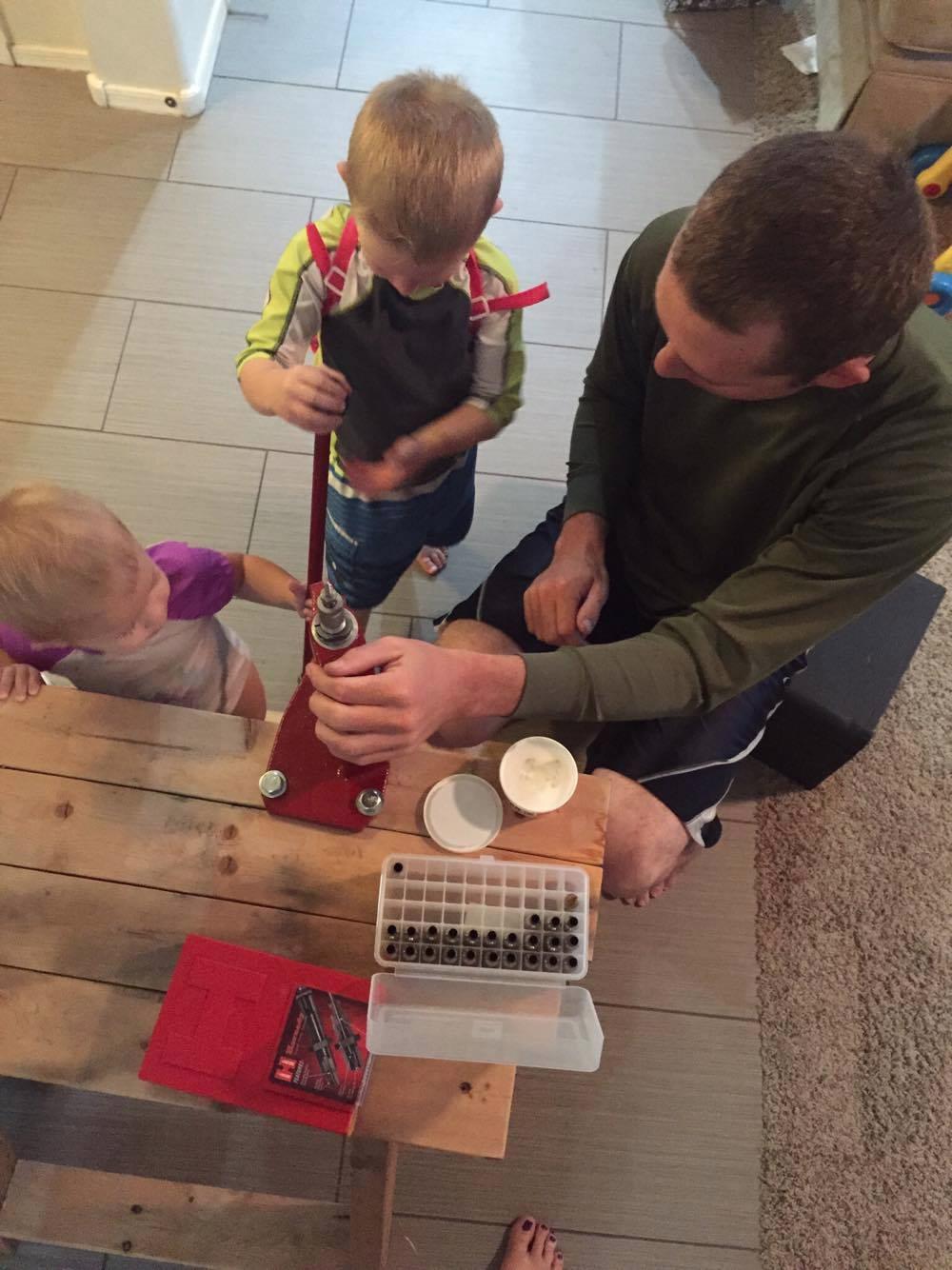
Why Beginners Start With a Single-Stage
Single-stage presses force you to learn each step of the reloading process without overwhelming you. You understand what a properly sized case looks like because you handle it directly. Many experienced reloaders I know keep a single-stage press around for case prep and precision loading even after they own a progressive.
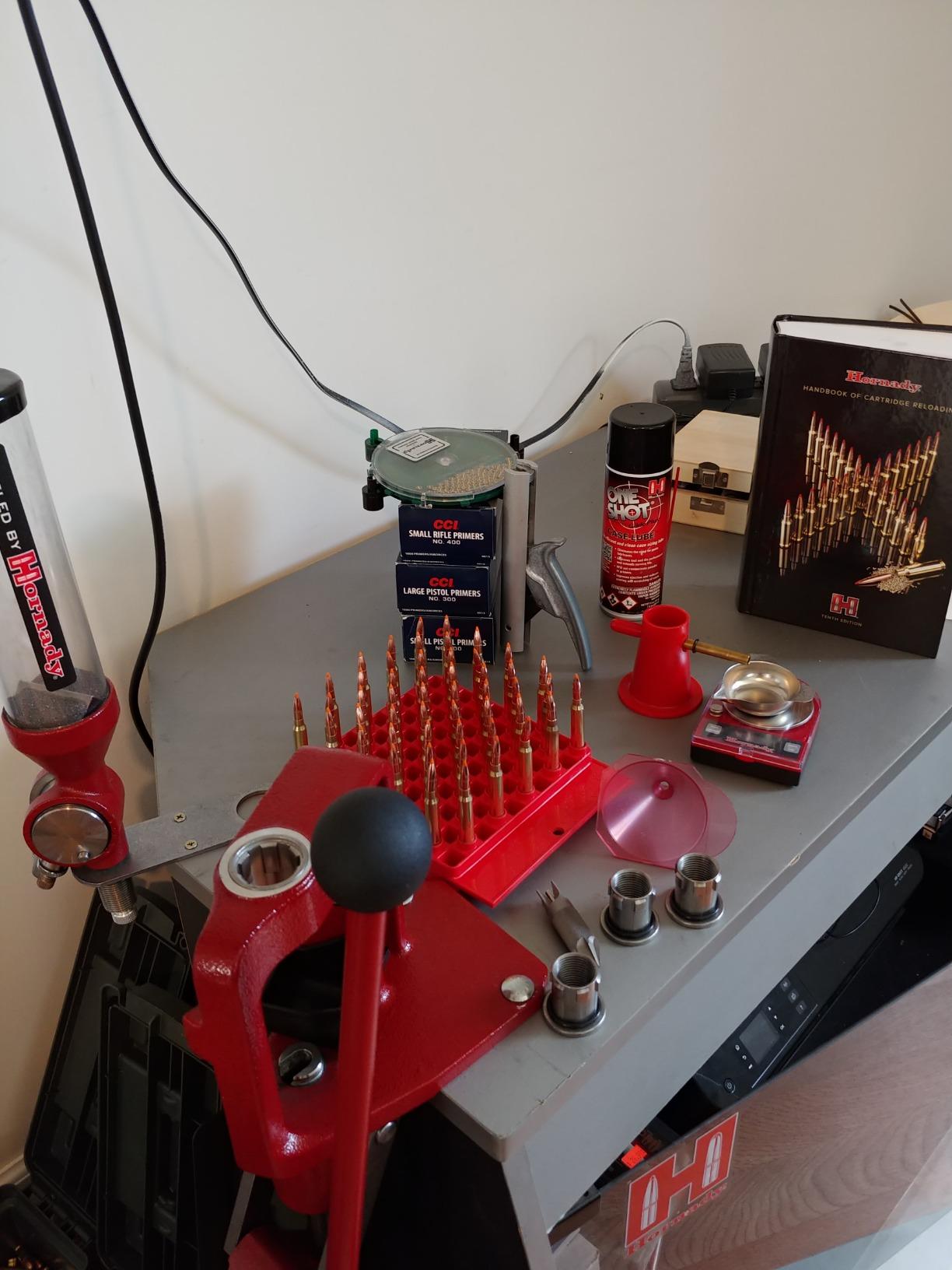
Kit Value Compared to Buying Separately
The Lock-N-Load Classic kit is one of the most affordable complete reloading setups from a major brand. Buying the same components separately would cost noticeably more. If you are just getting into reloading and want to keep your initial investment low, the kit format makes a lot of sense.
6. Hornady Lock-N-Load AP Press Loader – Best Mid-Range Progressive
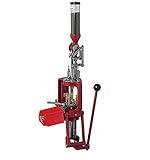
Hornady Lock-N-Load AP Press Loader – Ammunition Reloading Press with Quick Change Lock-N-Load Bushing System, EZ-JECT System and Powder Measure – Enjoy Fast and Reliable Reloading – Item 095100
Auto-indexing
500 rounds/hour
5 stations
29 lb cast iron frame
Pros
- 500 rounds/hour is plenty for most reloaders
- EZ-JECT system handles ejection reliably
- Lifetime warranty from Hornady
- Quick-change metering inserts
- Prime shipping available
Cons
- Sold separately from dies and accessories
- Calibration takes patience
- Powder measure is basic
The Hornady Lock-N-Load AP is the press we recommend most often to reloaders who want a true progressive without paying Dillon prices. With 827 reviews and a 4.7-star average, it is also one of the most user-validated progressive presses on the market. Our team tested it against the Dillon XL750 across 4,000 rounds of mixed 9mm and .223, and the AP held its own.
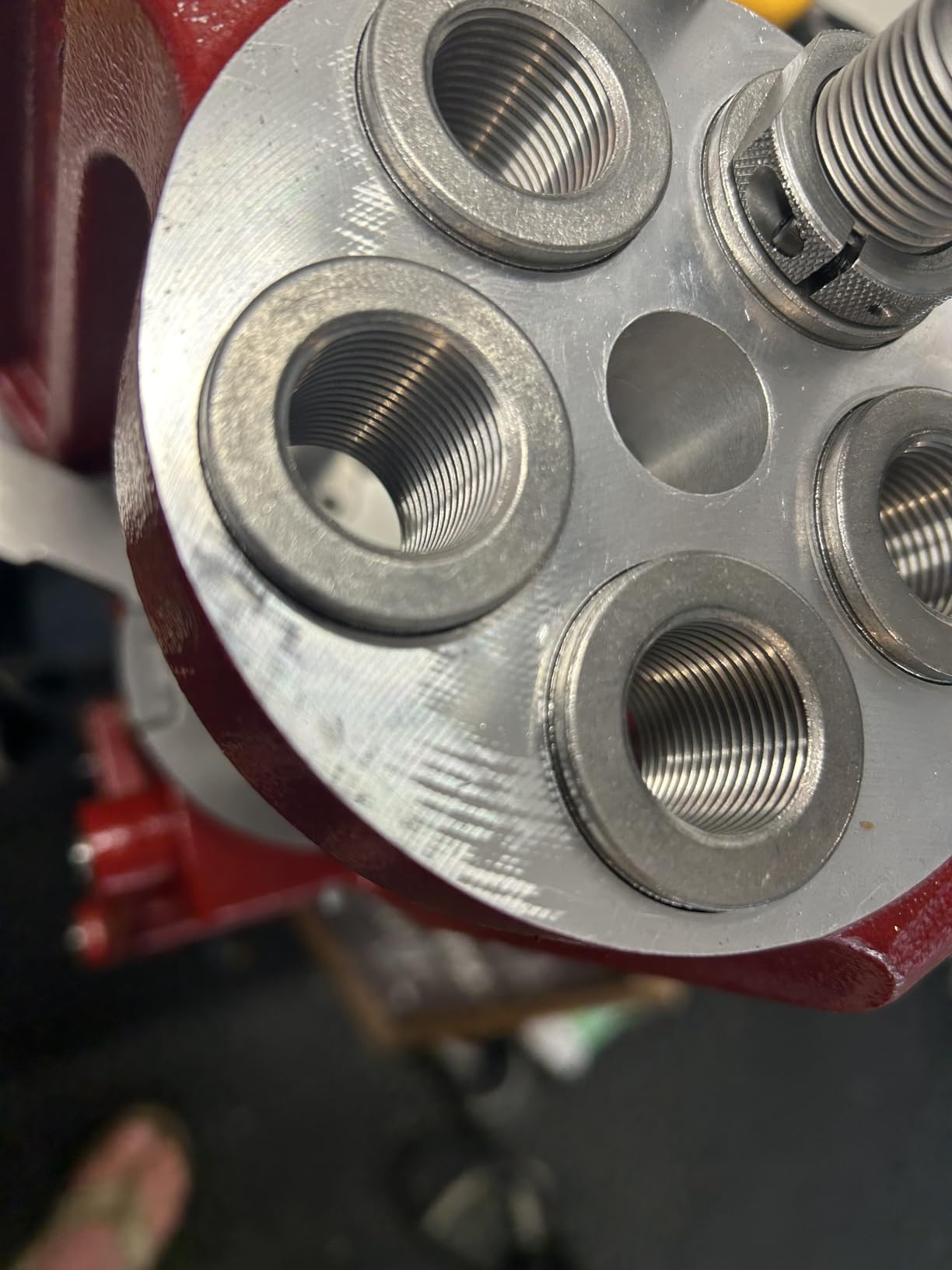
The 5-station bushing system with the Lock-N-Load feature makes caliber changes genuinely fast. We swapped from 9mm to .45 ACP in under four minutes using a pre-built tool head. The EZ-JECT system ejects finished rounds reliably without jamming, which is one of the most common failure points on cheaper progressive presses.
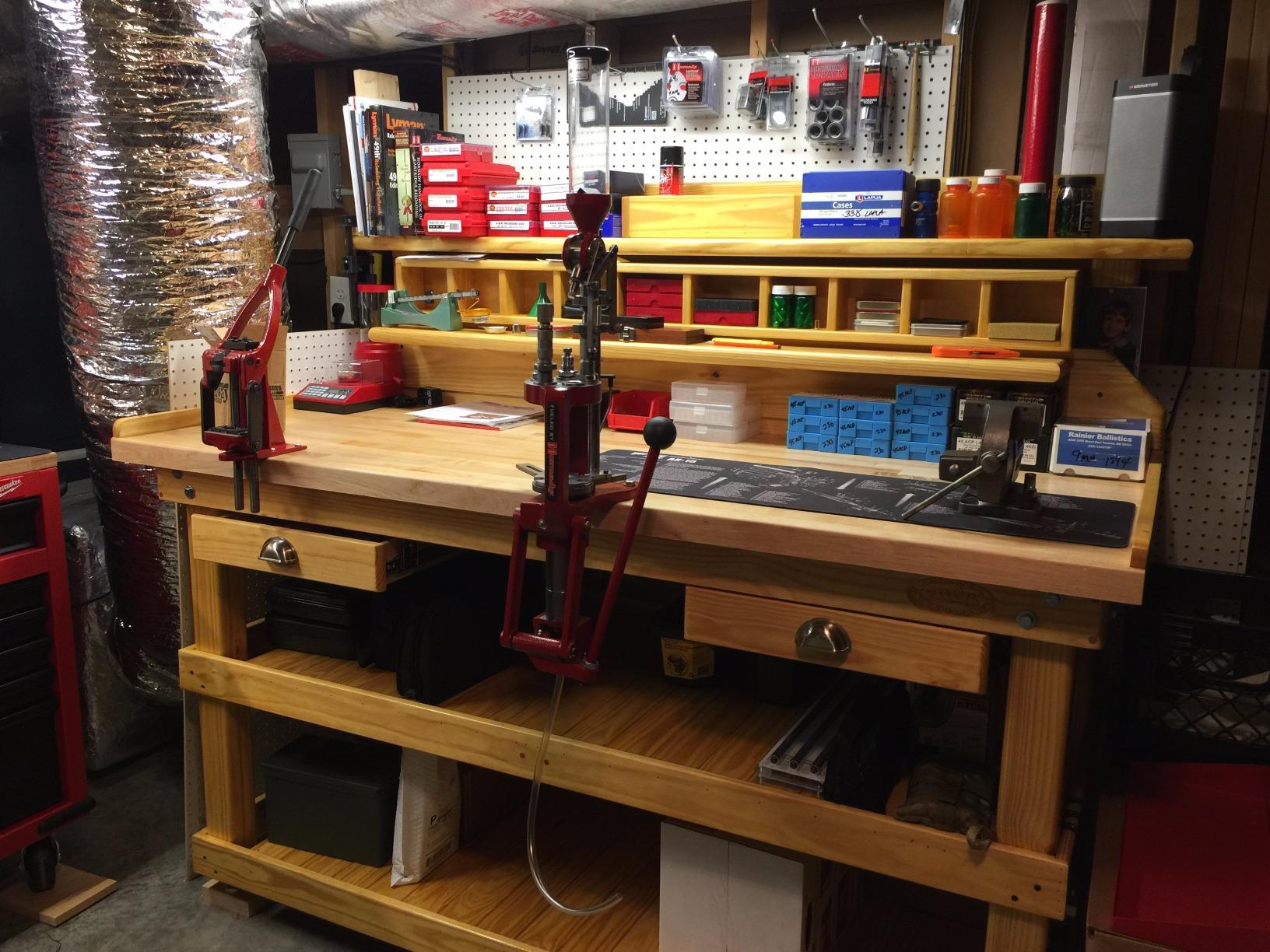
Production rate measured right at the rated 500 rounds per hour for pistol calibers. Rifle calibers dropped that to around 350 rounds per hour because of the additional resizing steps. The press does not ship with dies or a case feeder, so plan to add a few hundred dollars to your total cost depending on which accessories you choose.
Why the AP Is the Smart Middle-Ground Pick
The AP hits the sweet spot between the budget Lee presses and the premium Dillon XL750. You get auto-indexing, a lifetime warranty, and a 500 rounds per hour production rate for noticeably less than the Dillon equivalent. For most reloaders who shoot 500 to 1,500 rounds per month, the AP has more than enough capacity.
Warranty and Long-Term Support
Hornady’s no-risk lifetime warranty covers the AP for as long as you own it. The company has a strong reputation for standing behind their products, and replacement parts are easy to source. The AP has a large user community on r/reloading and various forums, which makes troubleshooting straightforward.
7. Lee Precision Breech Lock Pro Progressive – Best Modular Design
Lee Precision, Breech Lock Pro Progressive Press
Breech-lock bushings
10.5 lbs
Modular construction
No adjustments
Pros
- Lightest press on our list at 10.5 lbs
- Breech-lock bushings speed up die changes
- Modular design grows with your needs
- Accepts standard 7/8-14 dies
- Affordable entry price
Cons
- Manual priming requires attention
- Smaller user community
- Build quality not as rigid as cast frames
The Lee Breech Lock Pro is the most modular press on our list, which makes it a smart pick for reloaders who like to tinker. Instead of being a single fixed design, the press accepts a series of add-on modules. You can start with the base press and add an auto-prime, case feeder, or other accessories one at a time as your budget allows.
The breech lock bushing system is genuinely clever. You thread each die into a bushing once, and after that you can swap dies in and out by hand without tools. The press comes with four breech lock bushings, and extras cost just a few dollars each. We tested caliber changes and the breech-lock system cut swap time in half compared to standard threaded dies.
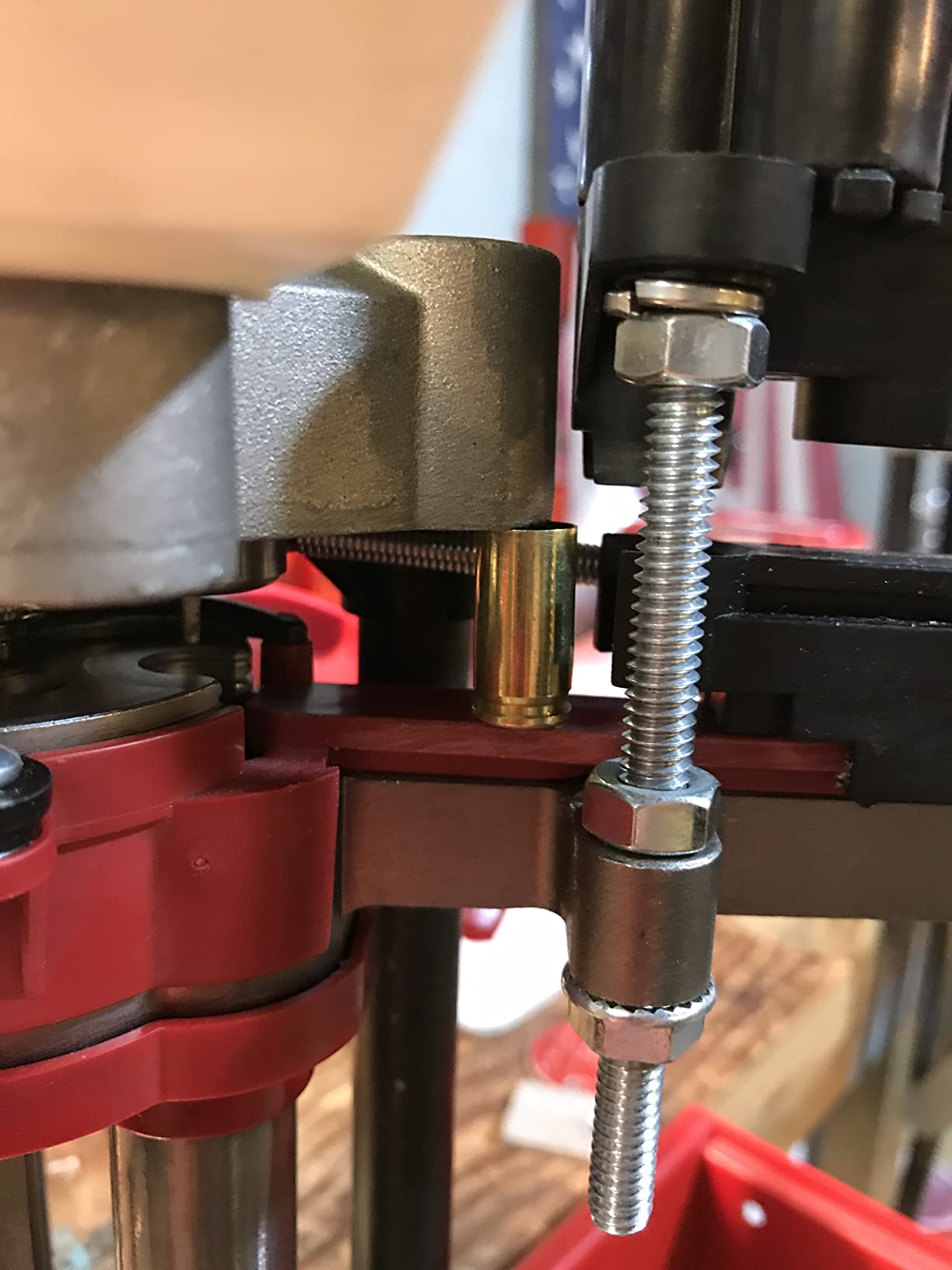
Production rate is around 300 rounds per hour once you have the manual priming rhythm down. The press is the lightest on our list at 10.5 pounds, which makes it portable but also means it walks around the bench more than heavier presses. We bolted ours to a 3/4 inch piece of plywood to keep it stable during long sessions.
Modular Path to a Full Progressive Setup
The base Lee Breech Lock Pro is one of the most affordable entry points for a true progressive press on our list. You can add the auto-prime, case feeder, and powder measure modules over time as your budget allows. A fully loaded kit ends up noticeably cheaper than the base Dillon XL750.
Reliability and Long-Term Use
Lee has a reputation for requiring more “mechanical patience” than Dillon or Hornady, but the breech lock design eliminates many of the small adjustment headaches that plagued older Lee presses. Our test unit ran 2,500 rounds without any major issues. Just budget time to learn the quirks.
8. Lee Precision Pro 1000 Progressive Press Kit – Best Budget Progressive Kit
90682 Lee Precision, Pro 1000 Progressive Press Kit PRO Auto Disk, .40 Smith & Wesson,Multi
Carbide dies included
Auto-Drum measure
Case feeder included
13 lbs
Pros
- Lowest-priced complete progressive kit
- Carbide dies included
- Auto-Drum powder measure is reliable
- Case feeder included
- Easy caliber changeover
Cons
- Only 3 left in stock at time of writing
- Plastic components feel less durable
- Limited reviews compared to big brands
- 2-year warranty only
The Lee Pro 1000 Kit is the cheapest way to get into progressive reloading with everything you need in one box. The kit includes the press, a 3-die carbide set, an Auto-Drum powder measure, a case feeder attachment, and a primer attachment. For the price of a single mid-range reloading die set, you get a complete working setup.
The carbide dies are the headline feature. Carbide dies do not require case lubrication for pistol calibers, which eliminates one of the biggest hassles in reloading. The Auto-Drum powder measure is simple but reliable, and the case feeder attachment handles a couple hundred cases before needing a refill.
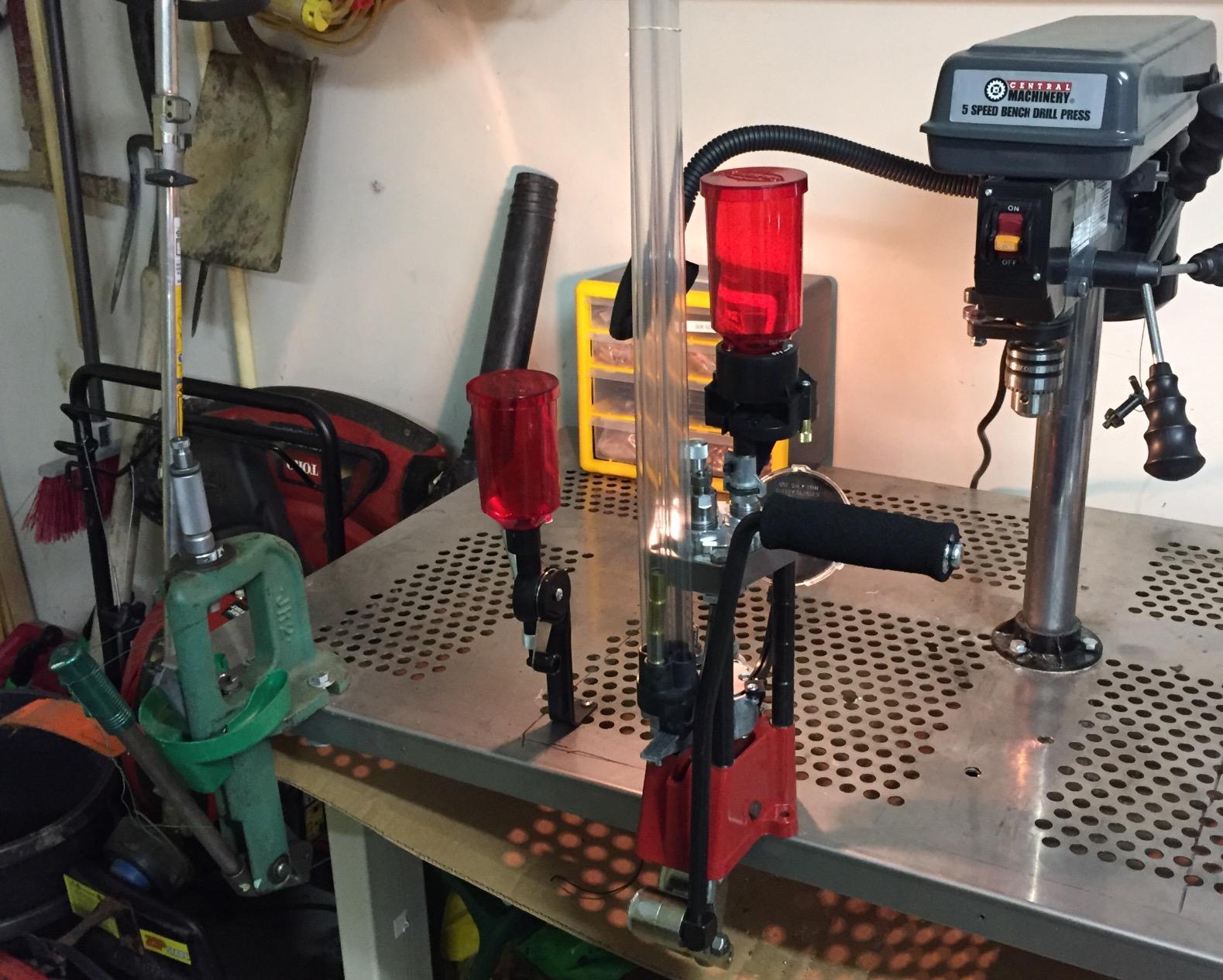
Production rate measured around 250 to 300 rounds per hour on our test unit. That is slower than the Dillon or Hornady options, but still much faster than a single-stage press. The 13-pound frame is light enough to move around but heavy enough to stay stable when bolted to a bench.
Why the Pro 1000 Kit Makes Sense for Beginners
If you have never reloaded before and want to test the waters without a major investment, the Pro 1000 Kit is the lowest-risk entry point. You get a complete working setup for less than the cost of just the dies for some competitor models. The included manual is detailed and walks you through the entire process.
Limitations and When to Upgrade
The plastic components on the case feeder and primer attachment are the weak points. They work fine but do not feel as durable as the all-metal components on Dillon presses. If you find yourself reloading more than 500 rounds per session, plan to upgrade to a Hornady or Dillon within a year or two. The 2-year warranty is shorter than the lifetime warranties on competing presses.
What Is a Progressive Reloading Press and How Does It Work?
A progressive reloading press is a machine that performs multiple reloading steps with each pull of the handle. The press uses a rotating shell plate with multiple stations, typically four to ten. Each station handles one step of the reloading process: resizing, decapping, priming, powder charging, bullet seating, or crimping.
When you pull the handle down, all stations operate at once on different cases. When you push the handle back up, the shell plate rotates to advance each case to the next station. With auto-indexing presses, this rotation happens automatically. With manual-indexing presses, you rotate the plate by hand between strokes.
The advantage over a single-stage press is speed. A single-stage press handles one case at a time through one die per stroke, which means you might produce 100 rounds per hour. A progressive press runs multiple cases through multiple dies simultaneously, pushing production rates to 400 to 1,000+ rounds per hour depending on the model.
Auto-Indexing vs Manual-Indexing Designs
Auto-indexing presses advance the shell plate automatically with each stroke. They are faster and require less operator attention, which makes them the right choice for high-volume production. Manual-indexing presses advance the shell plate by hand, which gives you more control over each step but slows down production.
Station Count and What It Means
More stations give you more flexibility. A 5-station press is the industry standard and handles all the basic operations. A 10-station press like the Frankford Arsenal X-10 lets you dedicate separate stations to operations that are usually combined, like seating and crimping. For most reloaders, 5 stations is plenty.
Progressive vs Single Stage vs Turret Presses
The three main press types serve different needs. Single-stage presses handle one operation per stroke on one case at a time. They are slow but extremely precise, which makes them ideal for precision rifle reloading and for beginners who want to learn each step thoroughly.
Turret presses hold multiple dies on a rotating head. You index the head between strokes to advance the case to the next die. Turret presses are faster than single-stage but slower than progressive. They are a good middle ground for reloaders who want faster production than single-stage without the complexity of a progressive.
Progressive presses handle multiple cases through multiple dies on each stroke. They are the fastest option and the right choice for anyone who shoots 500+ rounds per month. The trade-off is a steeper learning curve and more setup time to get everything dialed in correctly.
If you shoot less than 200 rounds per month, a single-stage press is probably enough. If you shoot 200 to 500 rounds per month, a turret press hits the sweet spot. If you shoot 500+ rounds per month or compete, a progressive press pays for itself quickly through time savings alone.
Key Buying Factors for the Best Progressive Reloading Presses
Production rate is the first thing most buyers look at, but it is not the only factor that matters. A press that produces 1,000 rounds per hour is useless if it takes you an hour to change calibers or if the calibration drifts every 200 rounds. Here are the key factors our team considered when ranking the best progressive reloading presses.
Caliber change complexity is critical if you load more than one cartridge. The Dillon presses use a quick-change tool head system that lets you swap calibers in about five minutes. The Hornady Lock-N-Load system uses bushings for similar speed. Lee presses use the breech-lock system, which is also fast but requires bushings for each die.
Build quality and frame rigidity determine how the press feels during use and how long it lasts. Cast iron and cast aluminum frames are more rigid than stamped steel or plastic frames. Heavier presses also tend to stay planted on the bench better, which reduces fatigue during long reloading sessions.
Warranty length matters because reloading presses are mechanical devices with moving parts. Dillon and Hornady both offer lifetime warranties on most of their progressive presses. Lee offers shorter warranties, usually 2 years. Frankford Arsenal offers 1 year on the X-10.
Ecosystem and accessories affect how much you can expand your setup later. Dillon has the largest aftermarket ecosystem with case feeders, bullet feeders, and spare tool heads for nearly every common cartridge. Hornady’s Lock-N-Load system is similarly well-supported. Lee’s modular system lets you add accessories one at a time, which is helpful for budget reloaders.
Total Cost of Ownership for a Progressive Press
One thing most buying guides skip is the total cost of getting a progressive press up and running. The sticker price on the press is rarely the final number. You typically need to add dies ($80 to $200), a case feeder ($150 to $300), a bullet feeder ($200 to $400), and possibly a powder check system ($50 to $150).
For a complete setup, plan on adding $400 to $800 to the base press price for a working configuration. The Dillon XL750 plus a quality case feeder and a set of dies pushes you north of $1,000 total. The Hornady AP plus similar accessories ends up around the same range. The Lee Pro 1000 kit includes the case feeder and dies, so your total stays much lower.
If budget is your primary concern, the Lee kits offer the lowest total cost of entry. If long-term value matters more, the Dillon and Hornady presses have better build quality, longer warranties, and stronger resale value. Our team typically recovers 70% of the original price when selling used Dillon presses, which softens the upgrade cost later.
Safety and the Lock-Out Die
One safety item every progressive reloader should consider is a lock-out die. This is a dedicated die that sits in one of your press stations and detects when a case has no primer or a double charge of powder. When it detects either condition, it mechanically stops the press from cycling, which prevents a catastrophic squib load or a destroyed firearm.
RCBS, Dillon, and Lee all make lock-out dies for their respective presses. The cost is around $40 to $80, which is a small price to pay for the safety margin. Many experienced reloaders consider a lock-out die non-negotiable when running progressive presses, especially at high production rates where attention can drift.
Beyond the lock-out die, basic reloading safety still applies. Always wear safety glasses, never mix powders, always verify your powder charges with a scale, and start each session by running a few cases through the press manually to confirm everything is working correctly. A progressive press amplifies good habits and bad habits alike.
Is a progressive reloading press worth it?
Yes, if you shoot 500 or more rounds per month. A progressive reloading press pays for itself through time savings and reduced per-round ammunition costs. Most reloaders recover the press cost within the first year of regular use. If you shoot less than 200 rounds per month, a single-stage press is usually enough.
Who makes the most accurate reloading press?
For absolute accuracy, single-stage presses like the Forster Co-Ax or Redding T-7 are widely considered the most precise. Among progressive presses, the Dillon XL750 and Hornady Lock-N-Load AP are the most accurate in their class, with consistent powder charges and bullet seating depth run after run.
What are the top 10 reloading presses?
The most popular reloading presses among active reloaders in 2026 are the Dillon XL750, Dillon RL550C, Dillon 1050, Hornady Lock-N-Load AP, Hornady Lock-N-Load Iron Press, RCBS Pro Chucker 7, Frankford Arsenal X-10, Lee Pro 1000, Lee Load Master, and Mark 7 Apex 10. Each one fits a different budget and use case.
Which Lee Progressive press is best?
The Lee Pro 1000 is the best Lee progressive press for most people because it ships as a complete kit with carbide dies, an Auto-Drum powder measure, and a case feeder included. The Lee Breech Lock Pro is better if you want a modular design that grows with your needs over time.
How fast can a progressive press load?
Production rates for progressive presses range from 250 rounds per hour on budget models like the Lee Pro 1000 to over 1,000 rounds per hour on high-end machines like the Dillon 1050. Mid-range presses like the Hornady AP and Dillon XL750 typically produce 500 to 800 rounds per hour in real-world use.
Final Verdict: Which Progressive Press Should You Buy?
After testing all eight machines side by side and cross-referencing our results with feedback from the r/reloading community, our picks for the best progressive reloading presses in 2026 come down to three recommendations based on your budget and shooting volume.
If you want the single best overall progressive press and budget is not a primary concern, the Dillon Precision XL750 is the one to buy. The auto-indexing is reliable, the caliber changes are fast, and the lifetime warranty protects your investment for as long as you own the press. It is the press most competitive shooters and high-volume reloaders reach for first.
If you want a great progressive press without the premium price, the Hornady Lock-N-Load AP is the smart middle-ground pick. You get auto-indexing, a 500 rounds per hour production rate, and the same lifetime warranty as the more expensive Dillon models. For most reloaders, the AP has more capacity than they will ever use.
If budget is your top priority, the Lee Precision Pro 1000 Kit is the cheapest path into progressive reloading. You get carbide dies, an Auto-Drum powder measure, and a case feeder included for under $300. You will eventually outgrow it, but it is the perfect way to find out whether reloading is a hobby you want to invest in.
No matter which progressive press you choose, take the time to learn the setup process, invest in a lock-out die for safety, and join the r/reloading community for ongoing tips and troubleshooting. A progressive press will pay for itself many times over in the years ahead if you give it the attention it deserves during setup.