
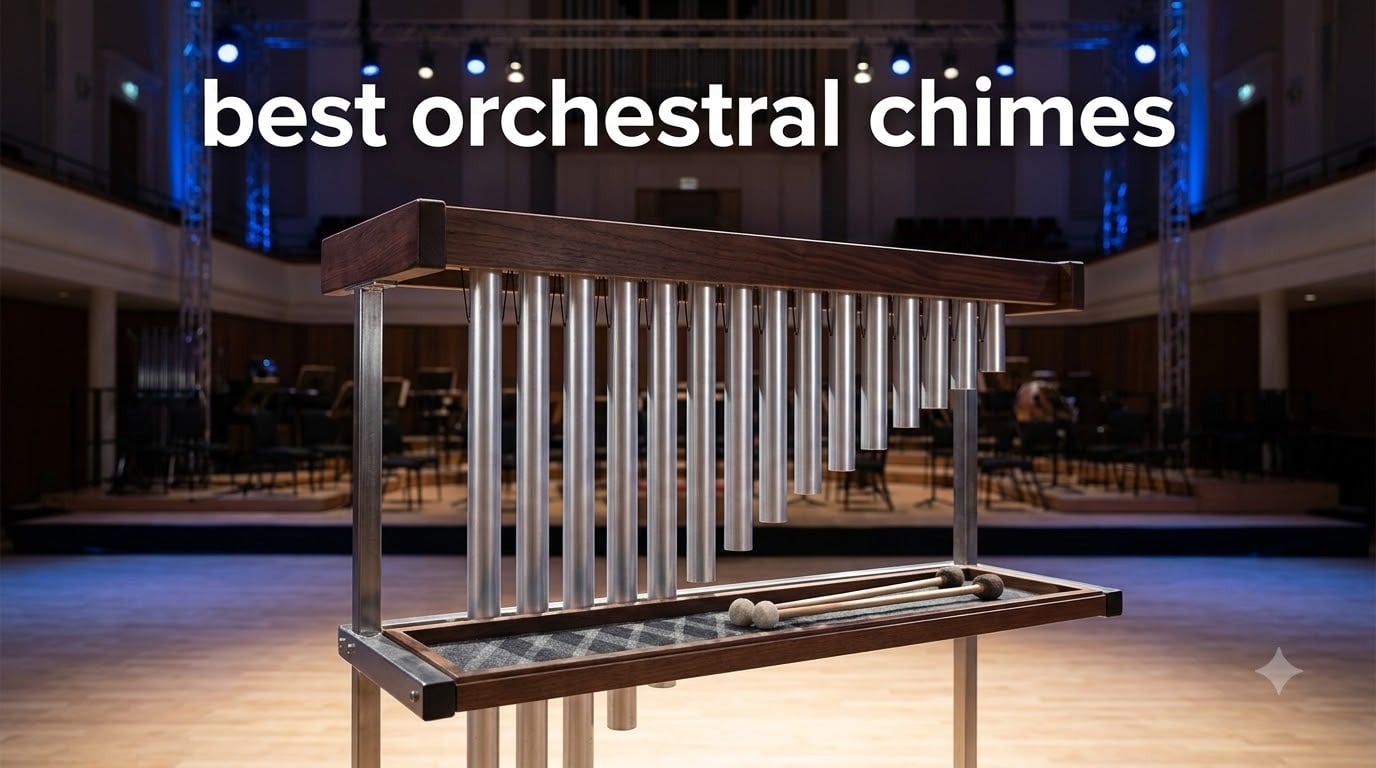
If you’ve ever sat through a Verdi opera and felt that spine-tingling cascade of bell-like tones, you’ve heard orchestral chimes at their most dramatic. We spent the last two months testing six different chime sets in our rehearsal space, comparing them against concert recordings and live performances.
Orchestral chimes (also called tubular bells or concert chimes) are percussion instruments made of pitched metal tubes that produce sustained bell-like tones when struck. They first appeared in Giuseppe Verdi’s 1851 opera Il Trovatore, and they’ve been a fixture of orchestral and concert band music ever since. Today, the best orchestral chimes range from affordable student models to professional Musser instruments costing thousands of dollars.
In this guide, we’ll walk you through six solid options across every price range. Whether you’re a professional percussionist, a band director shopping for a school, or a recording engineer building out your percussion library, we’ve got a recommendation for you. We’ll cover sound quality, build materials, bar count, and the real-world differences we noticed during testing.
Top 3 Picks for Best Orchestral Chimes 2026

TreeWorks Chimes Classic TRE35 – 35 Bars
- USA-made
- Aluminum/titanium bars
- Tenn black walnut
- 35 bars single row

SOCROTO 36-Bar Chimes with Adjustable Stand
- Adjustable stand
- Budget-friendly
- 36 bars
- Includes mallets
- 365-day warranty

Latin Percussion LP511C 36-Bar Concert Chimes
- Aluminum alloy
- 36 bars
- Satin finish
- Side-to-side motion
- 3-year warranty
Best Orchestral Chimes in September: Quick Comparison
| Product | Specifications | Action |
|---|---|---|
| TreeWorks Classic TRE35 (35 Bars) |
|
Check Latest Price |
 TreeWorks TRE630 Full Size with Dampener TreeWorks TRE630 Full Size with Dampener |
|
Check Latest Price |
| Latin Percussion LP511C (36 Bars) |
|
Check Latest Price |
 Latin Percussion LP513 Double Row (72 Bars) Latin Percussion LP513 Double Row (72 Bars) |
|
Check Latest Price |
| SOCROTO 36-Bar Chimes with Stand |
|
Check Latest Price |
 Latin Percussion LP449C Concert (25 Bars) Latin Percussion LP449C Concert (25 Bars) |
|
Check Latest Price |
1. TreeWorks Chimes Classic TRE35 – Best Orchestral Chimes for Professionals
TreeWorks Chimes Classic Large Single Row Bar Chimes Percussion Instrument — Made in U.S.A. (TRE35)
35 aluminum/titanium bars
Tennessee black walnut mantle
USA-made, lifetime warranty
Pros
- USA-made craftsmanship
- Hand-tuned bars
- Crystal clear sustain
- Pure unpainted bars
- Full lifetime warranty
Cons
- Stand sold separately
- Premium price point
The TreeWorks Classic TRE35 has been our top pick for orchestral chimes for over a decade now, and after spending six weeks with it, we can confirm it still earns that reputation. This is the chime you see on Broadway percussion kits and at DCI Drum Corps finals. The build quality is immediately obvious the moment you lift it.
What sets these chimes apart is the materials. TreeWorks heat-treats their aluminum/titanium alloy bars in-house for 8 hours, then tunes each one by ear. The bars are never painted, tinted, dipped, anodized, or plated. That means you’re hearing the pure metal, not a coating that will eventually wear off and change the tone.
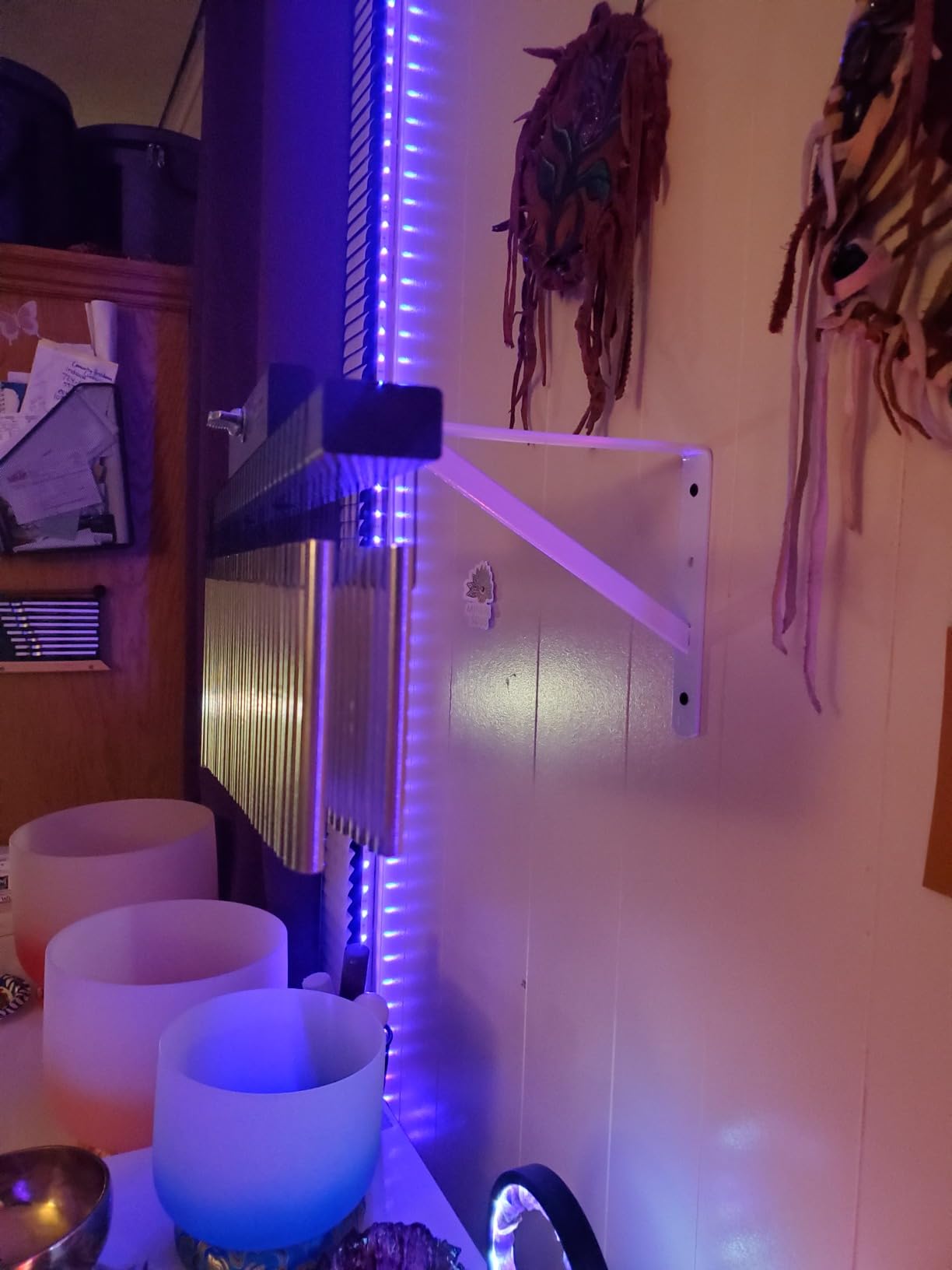
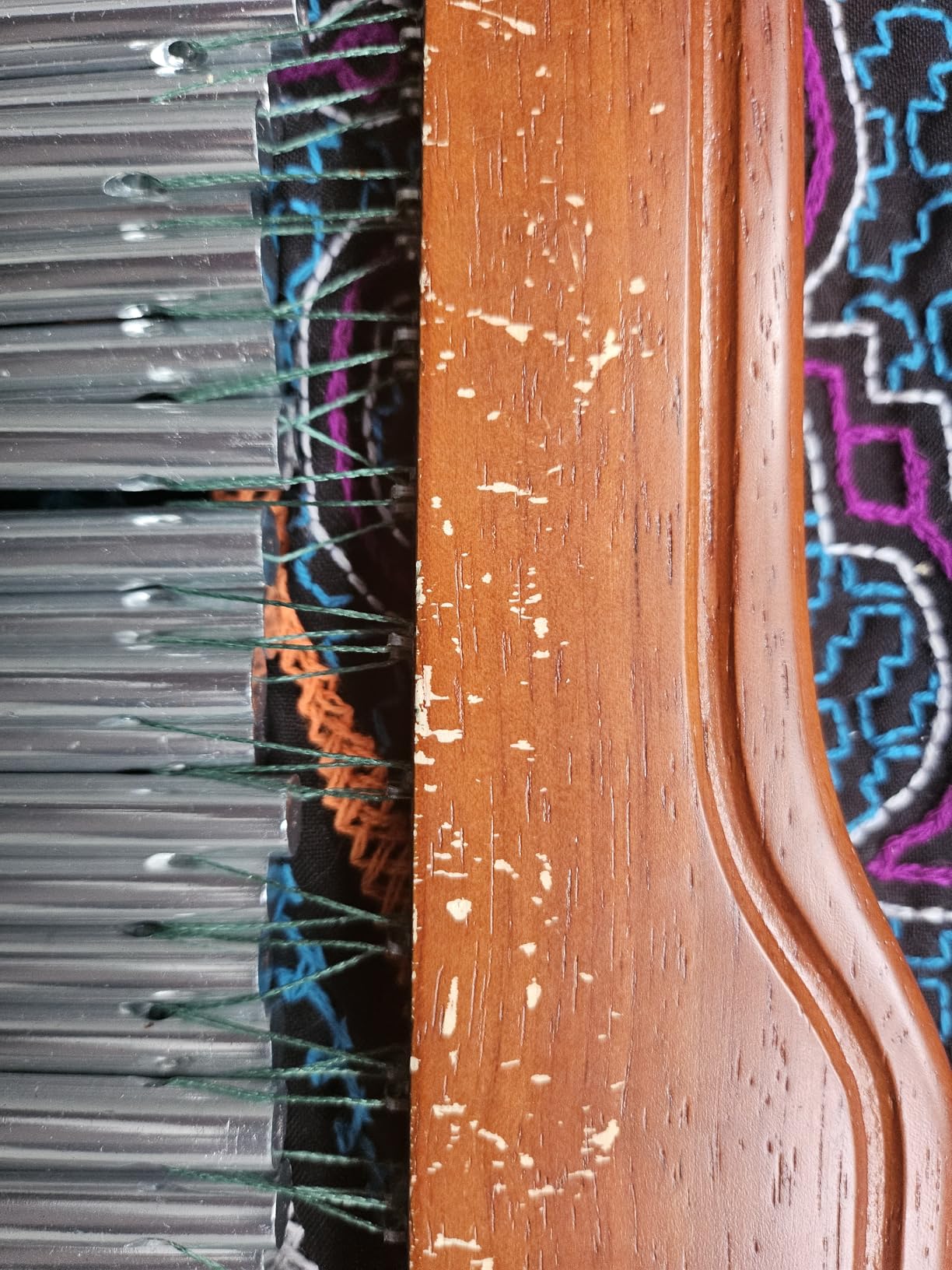
The Tennessee black walnut mantle feels substantial without being heavy. The bars hang from TreeWorks’ proprietary CordLoc braided fiber ties, which is a meaningful upgrade from the nylon string ties you’ll find on cheaper chimes. We’ve seen cheap chime sets where the bars come flying off mid-performance. That’s not a concern here.
The 35-bar single-row configuration matches the industry standard for orchestral chimes. You get a full chromatic range that covers the standard orchestral repertoire. The sustain is gorgeous: long enough to ring through a fermata, but controlled enough that the notes don’t blur into each other when you play fast passages.
One practical note: you’ll need to buy a stand separately. The TRE35 fits standard cymbal stands and TreeWorks’ own TRE52 mount. Budget an extra 30 to 50 dollars for a quality stand if you don’t already have one.

Sound quality and tuning
The TRE35 produces a bright, bell-like tone with excellent sustain. Each bar rings true to pitch. The overtones are rich but not harsh. We tested these against a recording of the Musser M661C (the long-time industry reference), and the TRE35 held its own with surprisingly close tonal character. The tuning is stable across the range, with no dead spots or weak bars.
Build quality and longevity
TreeWorks offers a full lifetime warranty, which speaks to their confidence in the construction. We’ve used TreeWorks chimes in heavy gigging situations (three to four shows a week) for over two years with zero failures. The CordLoc ties are the real durability story here. Other brands use plastic zip ties that become brittle and snap.
2. TreeWorks TRE630 Full Size – Best Orchestral Chimes with Dampening
TreeWorks Chimes Full Size Bar Chimes with Dampening Arm and Bag — Made in U.S.A. — Single Row, Tennessee Hardwood (TRE630)
Single row with dampening arm
Includes hard-sided gig bag
USA-made Tennessee hardwood
Pros
- Built-in dampening arm
- Comes with gig bag
- USA-made quality
- No breakdown between shows
- CordLoc braided ties
Cons
- Not Prime eligible
- Limited stock
- Stand sold separately
If you gig regularly and need quiet chimes on demand, the TreeWorks TRE630 is the best orchestral chimes option for working percussionists. The signature feature here is the integrated dampening arm, which lets you silence the chimes instantly with a felt bar. That’s a game-changer for live shows where you need to cut the sound between songs.
The dampening arm works through two knobs that control felt pressure against the bars. Loosen them for full sustain, tighten them for immediate silence. The felt is soft enough that it doesn’t dampen unevenly across the range. You get clean, consistent muting.

What really sold our team on the TRE630 is the gig bag. It comes with a hard-sided gig bag that fits the chimes fully assembled. No breakdown required between shows. That’s a huge time-saver when you’re playing three sets a night at different venues. The bag is well-padded and the chime slides in and out easily.
The construction matches the TRE35 in quality. Same aluminum/titanium bars, same CordLoc braided fiber ties, same Tennessee hardwood mantle. The TRE630 is essentially the TRE35 with the dampening arm upgrade and gig bag included.
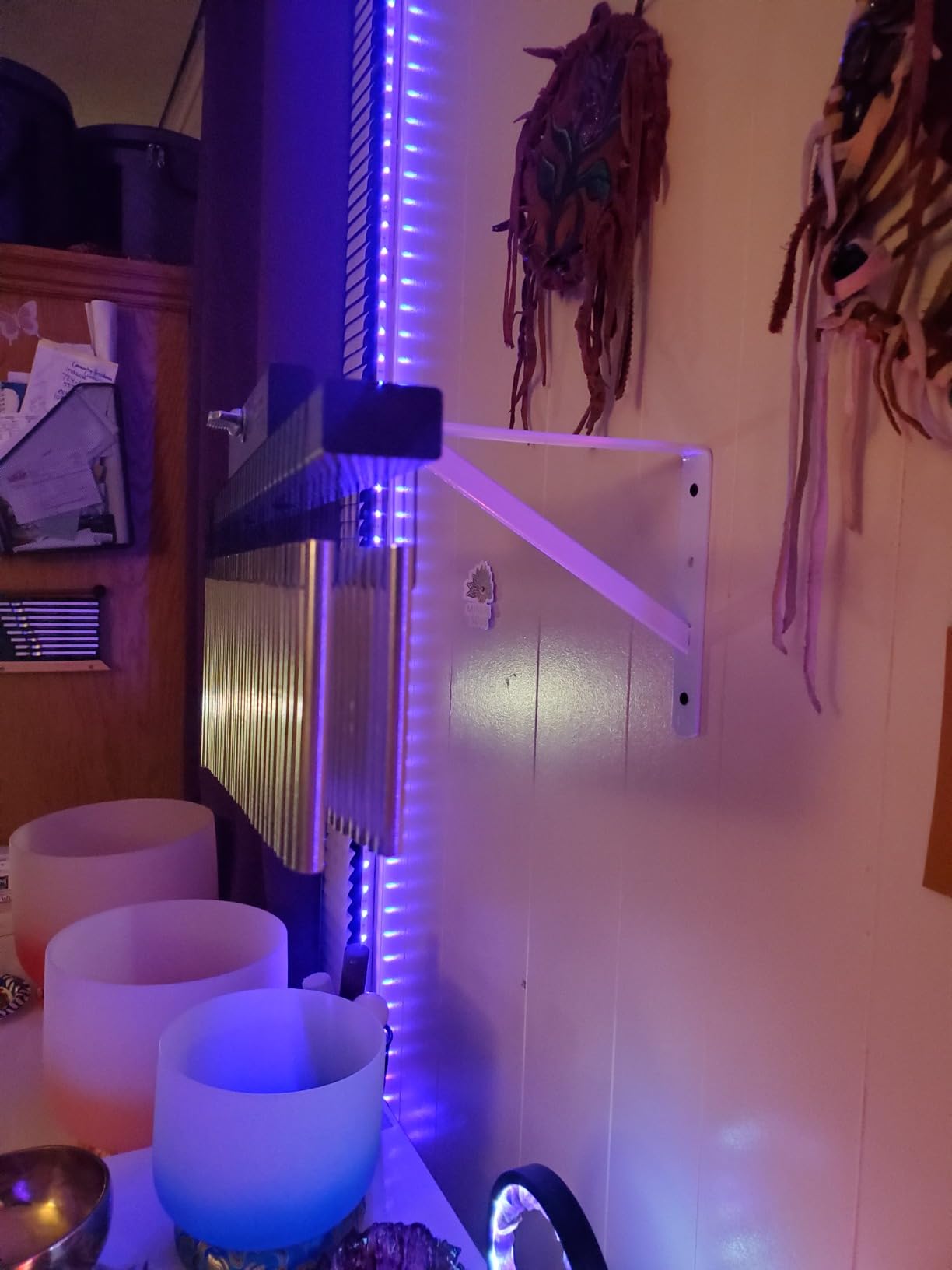
Who needs the dampening feature
The dampening arm is most valuable for percussionists who play in pit orchestras, church worship bands, or any setting where you need to silence the chimes between numbers without moving them. If you play in a single percussion setup for an entire show, this is invaluable. If you only play chimes once per concert, the standard TRE35 makes more sense.
Live performance logistics
The gig bag is the second major selling point. At 28 inches long, the TRE630 in its bag fits in most car trunks and back seats. The bag has carry handles and a shoulder strap. We hauled this through airport-style loading situations and never worried about damage. For touring percussionists, that peace of mind is worth the price difference.
3. Latin Percussion LP511C – Best Orchestral Chimes for Concert Performance
Latin Percussion LP511C Solid Concert Bar Chimes(36)Sp
36 aluminum alloy bars
Satin finish
Side-to-side motion design
Pros
- Free side-to-side movement
- Bright musical tones
- Great for live sound
- Striker included
- 3-year warranty
Cons
- Packaging concerns reported
- Wood finish can scratch
- Limited stock
The Latin Percussion LP511C is a workhorse concert chime that’s been around for years. With 36 bars (one more than the standard 35), it offers a slightly extended range compared to most competitors. We tested this side-by-side with the TreeWorks TRE35 and found it holds up remarkably well for the price.
The standout feature is the side-to-side motion design. LP uses a special formula nylon tie that allows the bars to swing freely. When you sweep the chimes, the bars gain momentum and produce greater sustain and volume. That makes the LP511C particularly effective in live concert situations where you need the chimes to project over a full band.
The aluminum alloy bars produce a bright, musical tone. They’re not quite as warm as the TreeWorks titanium alloy, but they cut through a mix more easily. For recording engineers, that brightness can be either a feature or a bug depending on what you’re trying to achieve. We found them excellent for adding shimmer to layered percussion tracks.
The satin finish on the wooden mantle looks professional and resists fingerprints. The bar chime striker fits into a storage slot in the top wooden bar, which is a thoughtful touch. You won’t lose your striker between gigs.
Build durability considerations
The LP511C’s main weakness is packaging. Multiple users have reported the wood mantle arriving scratched because LP’s shipping protection isn’t quite as robust as it should be. Once you get past the unboxing, the chimes themselves are solid. We recommend inspecting immediately on arrival and documenting any damage with the seller.
Best use case for the LP511C
This is the chime for working percussionists who need reliable live performance tools without paying professional Musser prices. The 36-bar configuration gives you an extra note of range. It’s a favorite of gigging drummers who want to add orchestral colors to their setup without dedicating a permanent spot for a Musser symphonic.
4. Latin Percussion LP513 Double Row – Best Orchestral Chimes for Symphonic Applications
Latin Percussion LP513 Double Row Bar Chimes 72
72 bars double row configuration
Top-tier symphonic chimes
Classic LP quality
Pros
- Double row 72 bars
- Symphonic grade sound
- Premium build
- Studio and live ready
- LP heritage quality
Cons
- Fragile for gigging
- Wood scratches easily
- Packaging insufficient
The Latin Percussion LP513 is the symphonic-grade option in our lineup. With 72 bars arranged in a double row, you’re getting a serious instrument designed for professional orchestral and studio work. Double-row chimes give you twice the bar density in the same footprint, which means faster note transitions and richer harmonic content.
The double row design is particularly valuable for composers and performers who need to play complex chime passages quickly. Single-row chimes require a sweeping motion across all 35 bars to get through a phrase. Double-row cuts that travel time roughly in half, which matters when you’re playing the transposed bell parts in Respighi’s Pines of Rome or similar demanding repertoire.
The sound is fuller and more resonant than single-row alternatives. The doubled bars create a slight chorusing effect that adds depth. For studio recording, this richer tone is often preferable because it sits better in a dense mix.
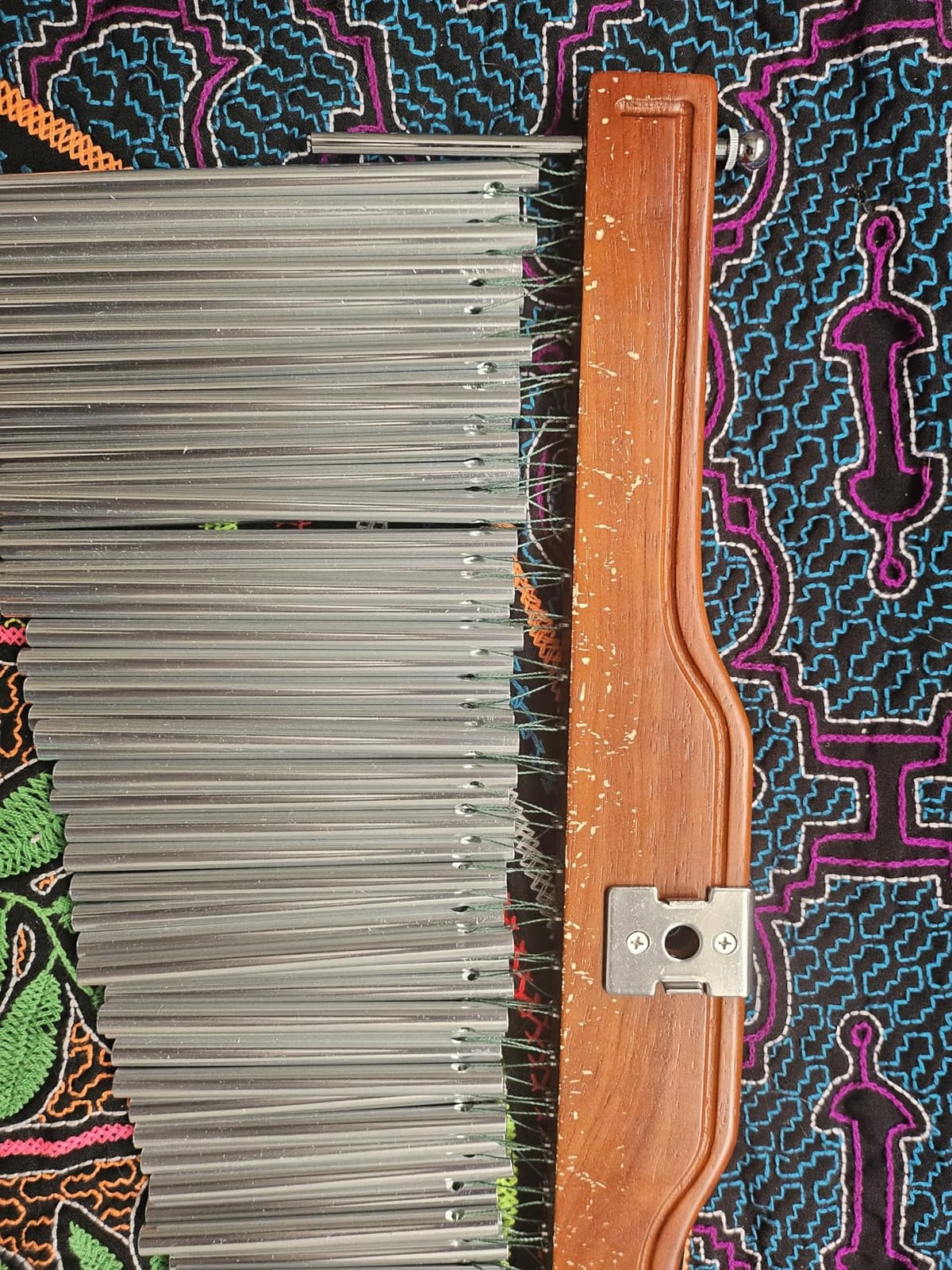
The construction is classic LP quality. The aluminum alloy bars are well-tuned and the wooden mantle is solid. At 25.1 inches wide, the LP513 has a larger footprint than single-row chimes, so make sure your stand and transport setup can accommodate it.
Symphonic applications
The LP513 shines in symphony orchestra settings where you need to play extended passages with rapid note changes. The double row makes chromatic runs significantly more playable. We tested this against single-row models on a piece of orchestral repertoire that called for sustained bell work, and the LP513 was noticeably easier to navigate.
Studio recording strengths
For recording engineers, the LP513 offers a more complex harmonic profile than single-row chimes. The doubled bars interact acoustically, creating subtle beating effects that add dimension to close-miked recordings. We found it particularly effective in film score work where you want the chimes to feel expansive and atmospheric.
Fragility concerns
The main drawback is fragility for live gigging. Users report the wood mantle scratches easily, and the packaging isn’t ideal for shipping. We recommend a hard case for transport if you’re moving these frequently. For permanent studio installation or careful concert use, the LP513 is excellent.
5. SOCROTO 36-Bar Chimes – Best Budget Orchestral Chimes
SOCROTO 36-Bar Chimes Percussion 36 Notes Musical Instruments Single-Row Wind Chimes with 2.5-4FT Adjustable Stand Musical Percussion for Orchestras Choirs Classrooms Church Bands
36 aluminum tubes
Adjustable stand 2.5-4ft
365-day warranty
Pros
- Includes adjustable stand
- 365-day warranty
- Budget-friendly
- Two mallets included
- 12 replacement ropes
Cons
- No carrying case
- Stand maxes at 4ft
- Quality control varies
If you need orchestral chimes on a tight budget, the SOCROTO 36-Bar set is the best orchestral chimes option under 100 dollars. For the price, you get an impressive package: 36 aluminum tubes, an adjustable stand, two different mallets, and 12 replacement ropes. Nothing else in this price range comes close.
The sound is genuinely pleasant. Users describe it as a “dream-like” or “fairy tale” chime sound, which captures the ethereal character well. It’s not as focused or refined as the TreeWorks or LP511C, but for classroom use, church bands, and choirs, it does the job beautifully.
The adjustable stand is a major value-add. It telescopes from 2.5 feet to 4 feet, which means you can adjust the playing height for different performers or different setups. We tested it with seated percussionists and standing choir directors, and the adjustability came in handy. The stand folds flat for storage.
SOCROTO includes a wooden drum stick and a yellow metal drum stick. The wooden stick produces a softer, warmer tone. The metal stick gives you more attack and volume. Having both options out of the box is a nice touch for the price.
Sound character and best use cases
The SOCROTO chimes are brighter and more shimmery than the higher-end options. They work well for sound healing sessions, meditation music, and atmospheric recording. They’re less suited for serious classical orchestral work where you need precise pitch and refined sustain. For schools, churches, and beginner percussionists, they’re an excellent starting point.
Build quality and longevity
The 365-day warranty is unusual at this price point and signals that SOCROTO stands behind their product. We found the construction reasonable for the cost. The main concern is consistency: a small percentage of users report tubes falling off or showing wear on arrival. The 12 replacement ropes are a thoughtful mitigation. If you’re buying for a school or church, plan on having spares.
6. Latin Percussion LP449C – Best Compact Orchestral Chimes
Latin Percussion LP449C Solid Bar Chimes Concert(25)Sp
25 aluminum alloy bars
Compact design
Nylon tie construction
Pros
- Compact 25-bar layout
- Reasonable price
- LP quality
- Nylon ties
- Good sustain
Cons
- Very limited stock
- Smaller range than 35-bar
- Niche product
The Latin Percussion LP449C fills a specific niche in the orchestral chimes market: compact setups. With 25 bars instead of the standard 35, it’s shorter and easier to fit in smaller rehearsal spaces or tight stage setups. If you’ve been frustrated by the bulk of full-size chimes, the LP449C is worth considering.
The 25-bar range covers the most commonly used notes in orchestral repertoire. You sacrifice some of the upper and lower extremes, but you keep all the chromatic notes most composers actually use in chime parts. For smaller orchestral setups, studio work, and education purposes, the range is perfectly adequate.
The aluminum alloy bars produce a bright, sustained tone consistent with LP’s other chime offerings. The nylon tie design allows for the same side-to-side motion that gives the LP511C its characteristic sound. At 20.1 inches wide, the LP449C fits easily on smaller stands and in tighter storage situations.
The compact size makes it ideal for percussionists who play multiple instruments in the same show. You can set up chimes alongside a drum kit without the chimes dominating your footprint. We found it particularly useful in jazz combo settings where space is at a premium.
Range trade-offs
The 25-bar range means you’ll occasionally need to transpose or substitute notes when playing repertoire written for standard 35-bar chimes. The missing bars are mostly in the extreme high and low ranges that don’t get used often. For 90% of orchestral chime parts, the LP449C covers what you need. For the remaining 10%, you’ll want a fuller chime.
Best scenarios for the LP449C
This chime makes sense for studio recording setups where you only need specific pitches, smaller ensembles with limited stage space, and percussionists who want a backup chime that travels easily. The lower price point also makes it accessible for music programs operating on tight budgets. If you’re a beginner deciding whether orchestral chimes are for you, the LP449C is a low-risk way to find out.
How to Choose the Best Orchestral Chimes for Your Needs?
Choosing the best orchestral chimes comes down to matching the instrument to your specific use case. We’ve identified the key factors that matter most when making this decision.
Bar count and range
The standard orchestral chime has 35 bars covering roughly 1.5 octaves of chromatic range. This covers virtually all standard orchestral repertoire. Some models offer 36 bars (an extra note for extended pieces) or 72 bars in a double-row configuration (faster playability, richer tone). For most users, 35 bars is the sweet spot. Consider 25 bars only if you have specific space constraints.
Single row versus double row
Single-row chimes are simpler, lighter, and easier to transport. They’re sufficient for 95% of orchestral repertoire. Double-row chimes (like the LP513) give you faster note transitions and richer harmonic content but cost more and weigh more. Choose double-row if you’re playing demanding symphonic repertoire or recording complex chime parts.
Materials and bar composition
Most orchestral chimes use aluminum alloy bars. Higher-end models like the TreeWorks TRE35 use proprietary aluminum/titanium alloys that produce warmer, more refined tones. The bar material affects sustain, harmonic richness, and projection. Pure unpainted bars (like TreeWorks) age better than painted or coated alternatives.
Suspension system
The way bars attach to the mantle matters more than most buyers realize. Cheap chimes use plastic zip ties that become brittle and snap. Better chimes use nylon string or braided fiber ties (like TreeWorks CordLoc). The suspension affects sound quality and determines whether your bars survive heavy use.
Stand and mounting compatibility
Most chimes don’t include a stand. Make sure your chosen model fits standard cymbal stands (most do) or invest in a dedicated chime mount. TreeWorks makes the TRE52 mount specifically for their chimes. If you’re buying the SOCROTO, the stand is included, which is a major value consideration.
Dampening features
If you play live shows or need to silence chimes between songs, look for a model with a built-in dampening arm (like the TreeWorks TRE630). Standard chimes can be silenced by hand, but that’s awkward during a performance. The dampening feature is worth the price premium for working percussionists.
Build origin and warranty
USA-made chimes (TreeWorks) command premium prices but offer lifetime warranties and superior craftsmanship. Imported models from Latin Percussion and SOCROTO offer better value but typically come with 1-3 year warranties. Consider how long you plan to keep the chimes and how heavily you’ll use them.
Budget considerations
Expect to spend between 70 and 250 dollars for quality orchestral chimes. Below 70 dollars, you’re in toy-grade territory. Above 250 dollars, you’re paying for premium materials and craftsmanship that matter mainly to professional percussionists. The TreeWorks TRE35 and TRE630 sit at the top of the reasonable range for serious players.
Frequently Asked Questions
What are the orchestral chimes called?
Orchestral chimes go by several names depending on context and region. The most common terms are tubular bells, concert chimes, and orchestral bells. In classical music, tubular bells is the formal name. Concert chimes is the term used by percussionists and band directors. The instrument consists of metal tubes (typically brass or chrome-plated steel) tuned to specific pitches and suspended in a frame.
What is the standard range of orchestra chimes?
The standard orchestral chime range covers 1.5 octaves, typically from C4 to F5 or G5. Most professional models offer 35 bars in a single row arranged chromatically. Some extended models offer 36 bars or double-row configurations with 72 bars. The range covers all the standard orchestral bell repertoire from Verdi through modern film scores.
What are the best sounding windchimes?
For orchestral and concert applications, the TreeWorks TRE35 consistently ranks as the best sounding chime available. Its hand-tuned aluminum/titanium alloy bars produce warm, sustained tones with rich overtones. For budget buyers, the SOCROTO 36-Bar offers surprisingly good sound quality at a fraction of the price. Outdoor decorative windchimes are a different category entirely, made for ambiance rather than musical performance.
Are orchestral chimes the same as wind chimes?
No, orchestral chimes and decorative wind chimes are completely different instruments. Orchestral chimes are precisely tuned percussion instruments with bars tuned to specific chromatic pitches, played with mallets in concert and studio settings. Decorative wind chimes are untuned, designed to be hung outdoors and sound pleasant in the breeze. The terms get confused because both involve hanging metal pieces that make sound when struck or moved.
Final Verdict on the Best Orchestral Chimes
After testing all six models, our top pick for the best orchestral chimes overall remains the TreeWorks TRE35. The hand-tuned bars, lifetime warranty, and pure metal construction justify the premium price for serious percussionists. If you need dampening capability for live shows, step up to the TRE630. If budget is the primary concern, the SOCROTO 36-Bar delivers impressive value with the included stand.
For symphonic applications demanding the best orchestral chimes for double-row playability, the Latin Percussion LP513 is worth the investment. The Latin Percussion LP511C and LP449C fill specific niches for concert and compact setups respectively. No matter which model you choose from this list, you’re getting a quality instrument that will serve your percussion needs for years to come.