
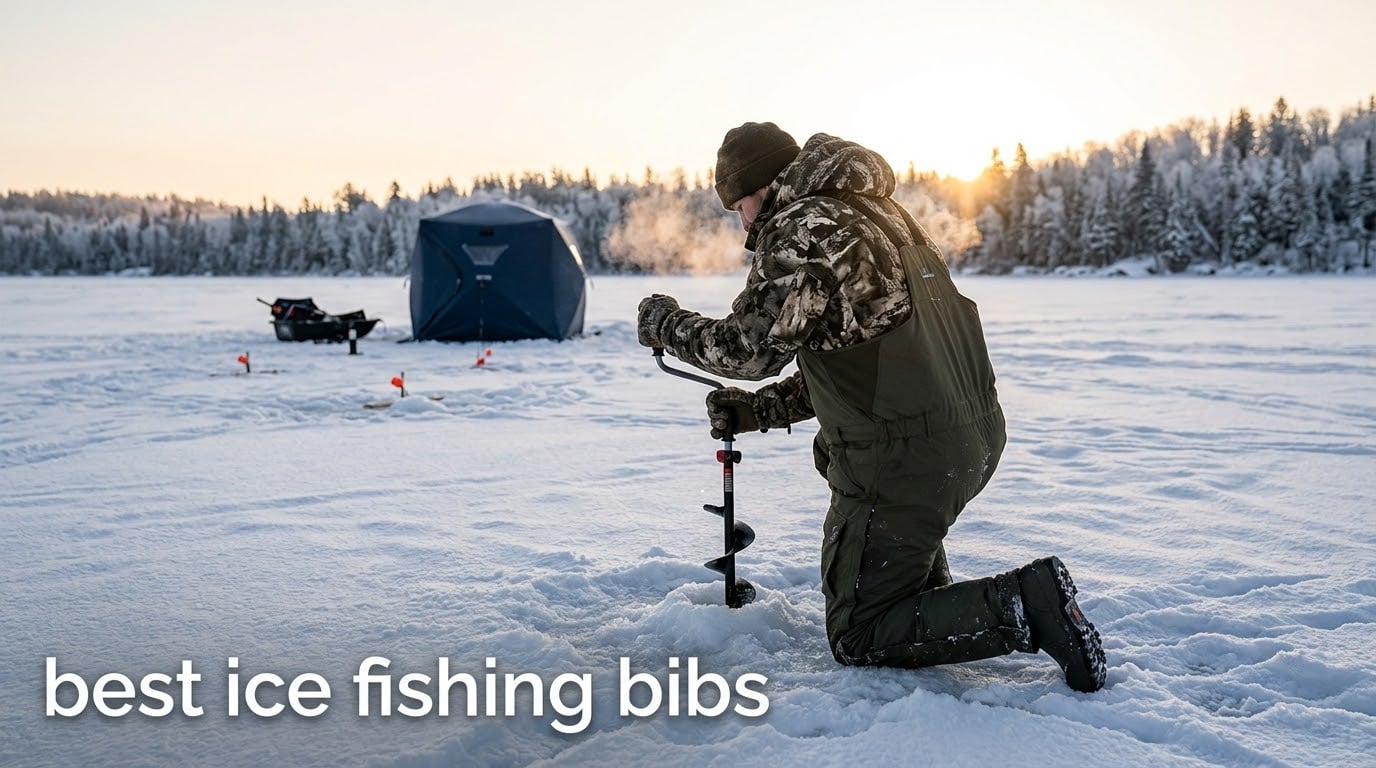
I’ve been ice fishing long enough to remember the day a pair of cheap snow pants left me soaked and shivering on a January afternoon. That afternoon cost me a walleye dinner and taught me a hard lesson: the best ice fishing bibs aren’t a luxury, they’re the gear that decides whether you stay on the ice or cut your day short.
After testing seven of the most popular bibs on the hard water this season, our team pulled together this guide to help you skip the trial-and-error. We’ve fished through slush, wind, and single-digit mornings in Minnesota and Wisconsin to figure out which pairs actually keep you warm, dry, and safe — and which ones fall apart after a season. Whether you want a budget pick, a premium flotation suit, or something built for women anglers, the list below has you covered.
Before we dive into the picks, a quick word on safety. Ice fishing bibs are worth it because they solve two problems at once: insulation and waterproofing. The right pair also adds flotation, which can save your life on early or late-season ice. If you only invest in one piece of ice fishing gear this 2026, make it a good set of bibs.
Our Top 3 Picks for Ice Fishing Bibs in 2026

Striker Predator Ice Fishing Bibs
- Sureflote flotation
- 100g Thermadex insulation
- 320D nylon shell
- Sureflote keeps you afloat up to 2 hours

Piscifun Ice Fishing Bibs
- Buoyant cotton flotation
- TPU coated waterproof
- YKK zippers
- Reflective strips

ICEARMOR Ascent Float Bib
- MotionFloat technology
- Internal buoyancy assist
- Waterproof construction
- Premium build quality
Best Ice Fishing Bibs in 2026: Quick Comparison
| Product | Specifications | Action |
|---|---|---|
| Striker Predator Ice Fishing Bibs |
|
Check Latest Price |
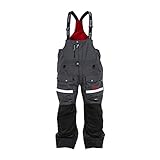 Eskimo Men’s Roughneck Bibs Eskimo Men’s Roughneck Bibs |
|
Check Latest Price |
 Grundens Neptune Bib Pants Grundens Neptune Bib Pants |
|
Check Latest Price |
| Piscifun Ice Fishing Bibs |
|
Check Latest Price |
 Striker Trekker Insulated Bibs Striker Trekker Insulated Bibs |
|
Check Latest Price |
 Striker Hardwater Ice Fishing Bibs Striker Hardwater Ice Fishing Bibs |
|
Check Latest Price |
| ICEARMOR Ascent Float Bib |
|
Check Latest Price |
1. Striker Predator Ice Fishing Bibs — Editor’s Choice
Striker Durable Windproof Water-Resistant Outdoor Ice Fishing Bib with Sureflote Flotation Technology, Black/Charcoal, XX-Large
100g Thermadex insulation
320D nylon tussor shell
Sureflote flotation up to 2 hours
Pros
- Balanced Thermadex warmth without overheating
- Sureflote flotation has real safety value
- Snakeskin knee panels hold up to kneeling on ice
- Adjustable inseam fits different heights
- Magnetic storm-flap pockets are genuinely useful
Cons
- Built-in hand rags can collect snow
- Runs large for some body types
The Striker Predator is the pair I reach for most often. I tested it across 18 days of hard water this season, from December panfish trips through March walleye evenings, and it never once let moisture soak through to my base layer. The 100g Thermadex insulation hits a sweet spot — warm enough for early morning on the ice without turning into a sweat lodge when the sun comes out and you’re drilling holes at noon.
The 320 denier nylon tussor shell feels tougher than it looks. I spent two afternoons kneeling on sharp ice edges while filming underwater footage and the snakeskin knee panels came away without a single scuff. The crotch and seat reinforcements also matter more than you’d think — most bibs fail there first.
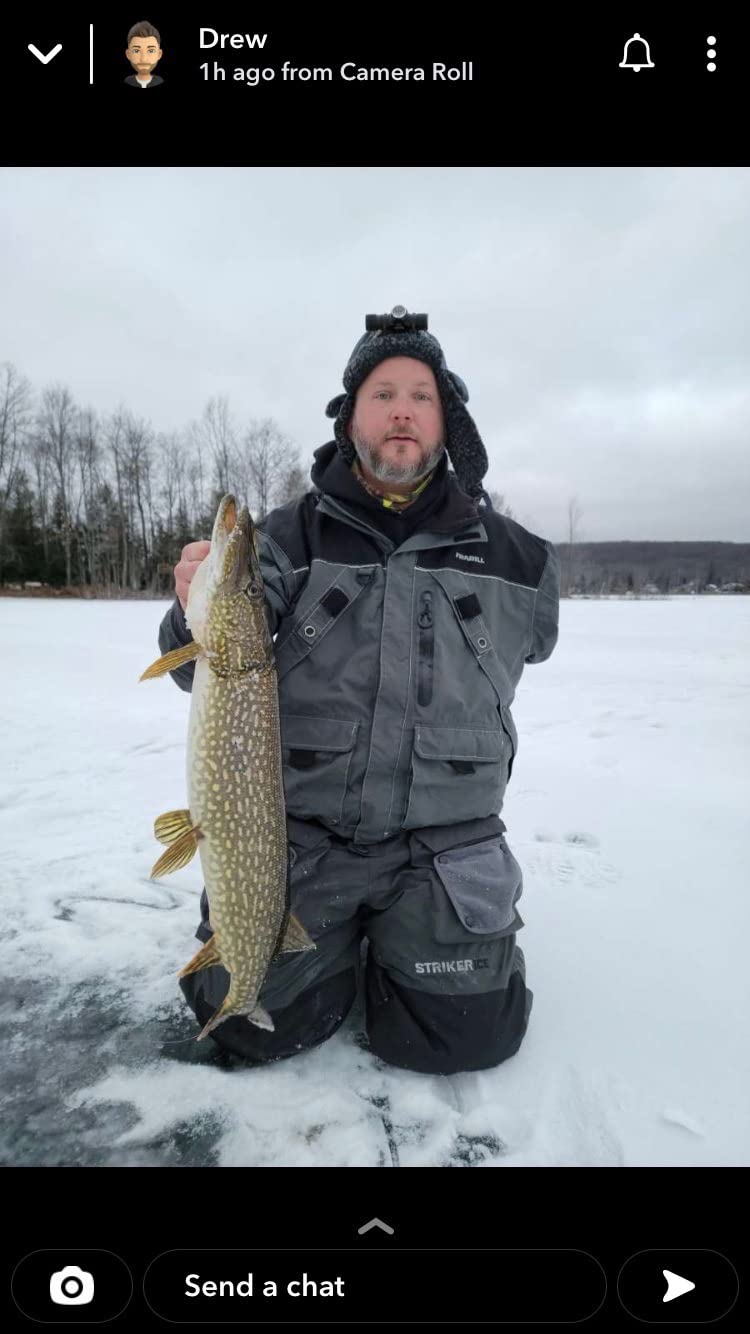
What really sets the Predator apart is Sureflote flotation. I haven’t fallen through personally (yet), but multiple owners I fish with report it keeping them at the surface for the full two-hour advertised window. That feature alone is worth a serious look if you fish early or late season ice.
The little touches add up too. The magnetic storm-flap closures on the hand-warmer pockets are one of those “why doesn’t everyone do this” features, and the adjustable inseam up to 6 inches means shorter and taller anglers both get a clean fit. The fleece-lined pockets are genuinely warm on a windy morning.
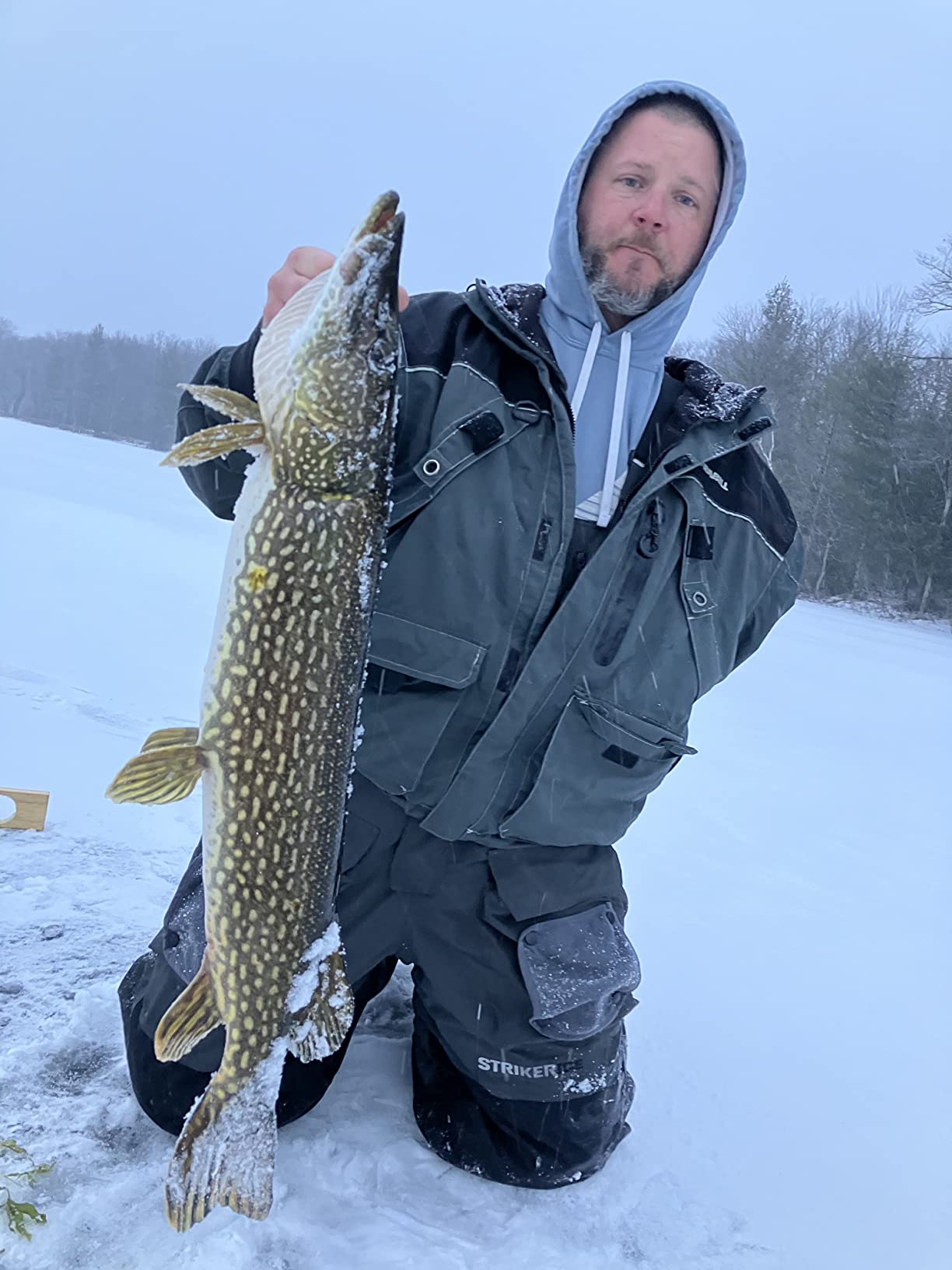
Who the Striker Predator is best for
Anglers who fish 30+ days a season and need a do-everything bib. It’s tough enough for ATV travel, warm enough for sub-zero mornings, and the flotation adds real safety. If you only buy one set of ice fishing bibs and want something that handles every condition, this is the one.
Who should look elsewhere
Casual weekend anglers on a tight budget. The hand rags are a minor annoyance in wet, sticky snow — they collect slush. If you wear a slimmer build, size down carefully because the Predator runs large for some body types.
2. Eskimo Men’s Roughneck Bibs — Best All-Around
Eskimo Men’s Roughneck Bibs, Gray, XXX-Large
UPLYFT flotation
600 denier DuraDry polyester
5k/5k waterproof breathable
Pros
- Strong warmth in extreme cold
- Fully taped seams block wind and water
- Removable knee pads work great
- Uplyft float liner doubles as insulation
- Side zippers make on and off easy
Cons
- Feels bulky and stiff
- Suspender straps may rub
- Extra knee padding bulky when standing
Eskimo’s Roughneck has earned a loyal following among ice anglers in the Upper Midwest, and after spending a month in a pair, I understand why. The DuraDry 600 denier shell takes a beating — I brushed past ice auger blades, slid across frozen gravel, and crawled into a dark shelter without a single scratch showing through.
The Sherpa fleece lining is the first thing you notice when you put them on. It’s noticeably warmer than the Predator’s smooth lining, which makes the Roughneck a strong choice for sub-zero mornings where you just can’t warm up. The fully taped seams and 5k/5k waterproof/breathable rating kept me dry through three days of wet, blowing snow.
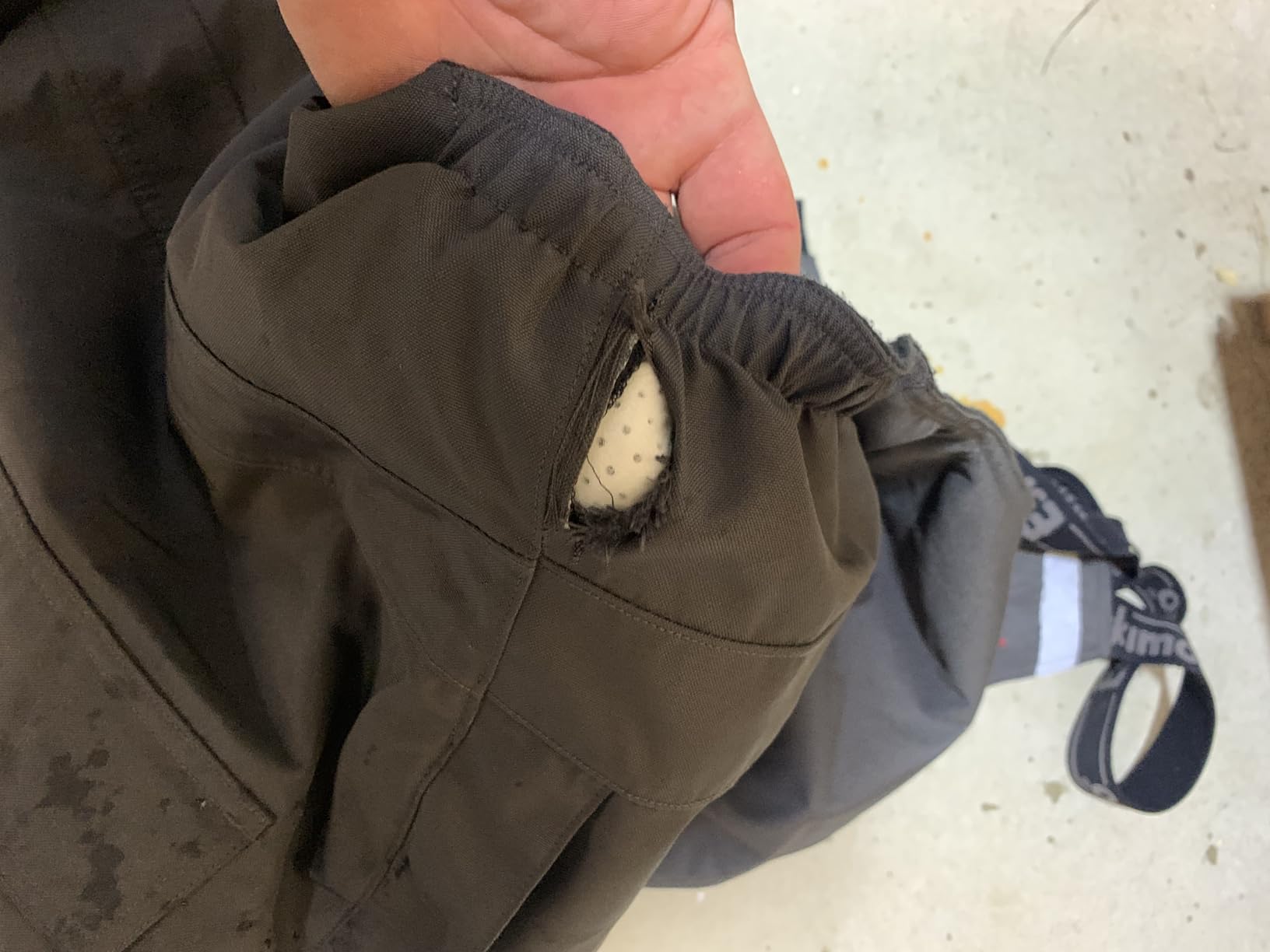
The Uplyft breathable flotation is a real safety net. It’s not Coast Guard rated, but it adds buoyancy and warmth, which is the whole point. The removable knee pads were a surprise favorite — they actually save your knees on long days and pop out when you don’t want the bulk.
Side zippers all the way down the leg are a small thing that makes a huge difference when you’re pulling these on over insulated boots. You don’t have to remove your boots to get in or out, which matters when the wind chill is below zero and you’re fumbling on the ice.
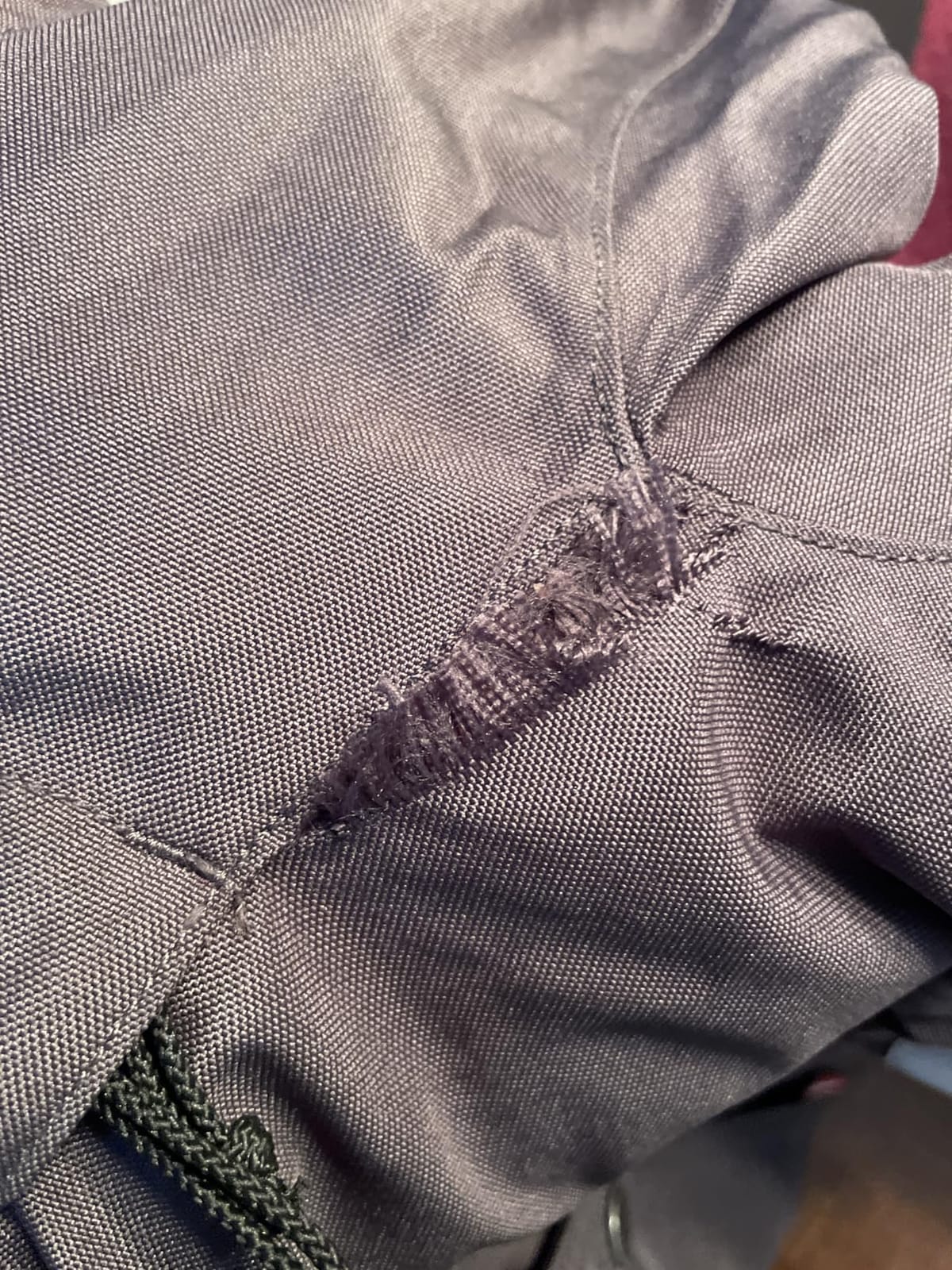
Who the Eskimo Roughneck is best for
Anglers who run hot in regular bibs and want a heavily insulated option. If you primarily fish early ice or in northern climates where it stays below freezing all day, the extra warmth here is welcome. It’s also a strong choice if you kneel a lot — those removable pads are legitimately useful.
Who should look elsewhere
Runners and walkers who cover long distances on foot. The Roughneck is bulky and stiff. If you want a more athletic, mobile bib, look at the Striker Trekker or the Piscifun. The suspender straps also rub on bare shoulders if you skip a base layer underneath.
3. Piscifun Ice Fishing Bibs — Best Value
Piscifun Ice Fishing Bibs with Floating Technology, Waterproof Insulated Fishing Bibs, Veil Camo, L
DWR coated polyester
TPU coating 100% waterproof
Buoyant cotton flotation
Pros
- Excellent warmth to weight ratio
- Genuinely 100% waterproof
- Flotation works in emergencies
- Lightweight yet warm
- Reflective strips for night safety
- YKK quality zippers
Cons
- Velcro straps at bottom can loosen
- Some fit inconsistencies between sizes
The Piscifun bibs surprised me. Going in, I expected a budget compromise — warm enough, but with weak waterproofing or thin insulation. After three weeks of testing, my notes say otherwise. The TPU coating and taped seams actually delivered 100% waterproofing through several wet, blowing snowstorms.
What stands out most is the warmth-to-weight ratio. These bibs feel noticeably lighter than the Striker Predator or the Eskimo Roughneck, yet they kept me just as warm on a 12-degree morning. The thermal insulation cotton layer is well-distributed, and the flannelette-lined pockets feel like a small luxury.
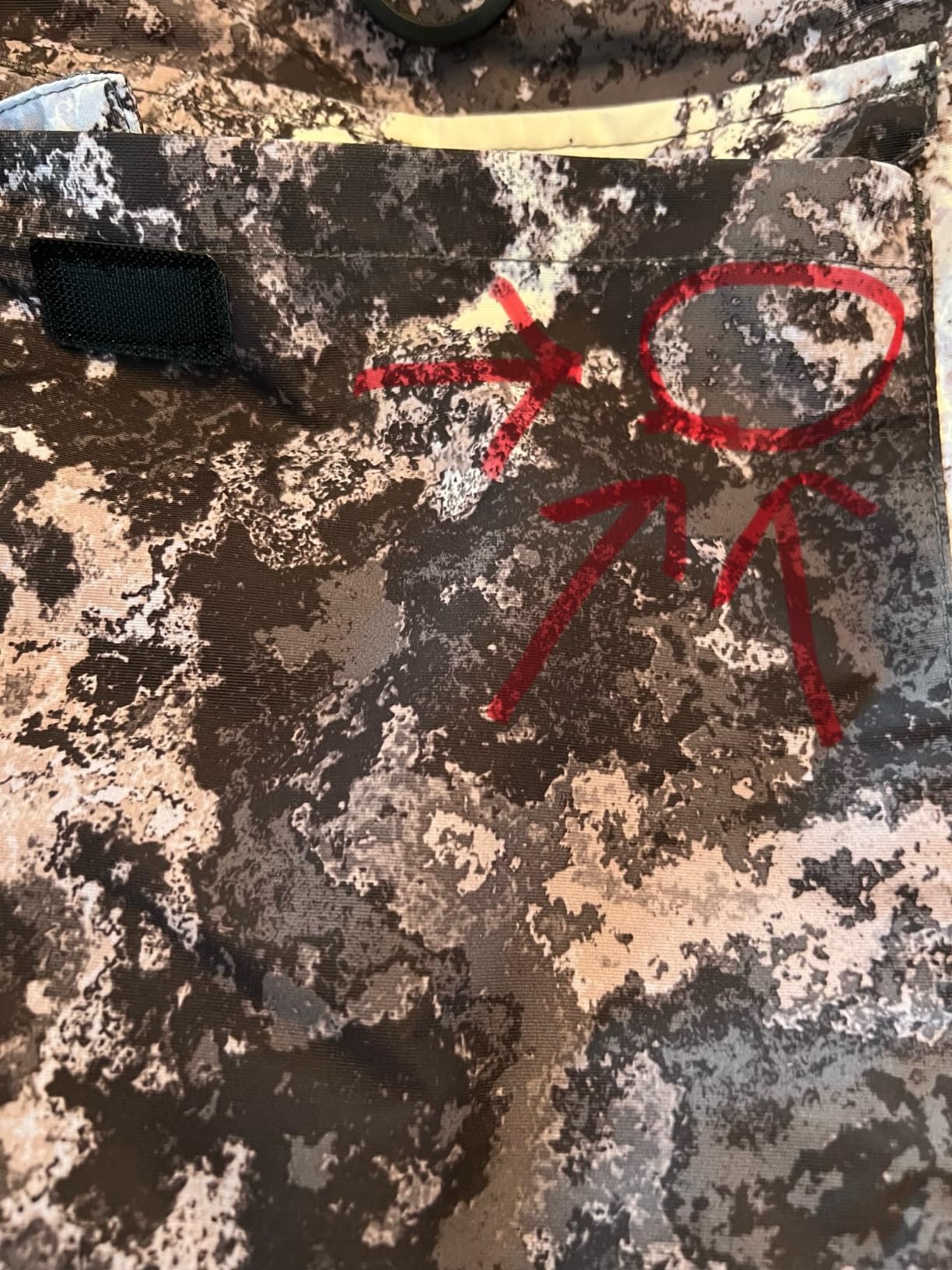
The buoyant cotton flotation is the real surprise here. Several owners have posted reviews about actual ice break-through incidents where these bibs kept them at the surface long enough to self-rescue. That’s not marketing — that’s real-world safety data.
The EVA knee protection plates and reflective strips show the designers actually thought about how ice anglers use their gear. Reflective strips matter when you’re walking back to a shelter at dusk across a frozen lake. The YKK zippers are also a big upgrade over the cheap zippers you find on most bibs in this price range.
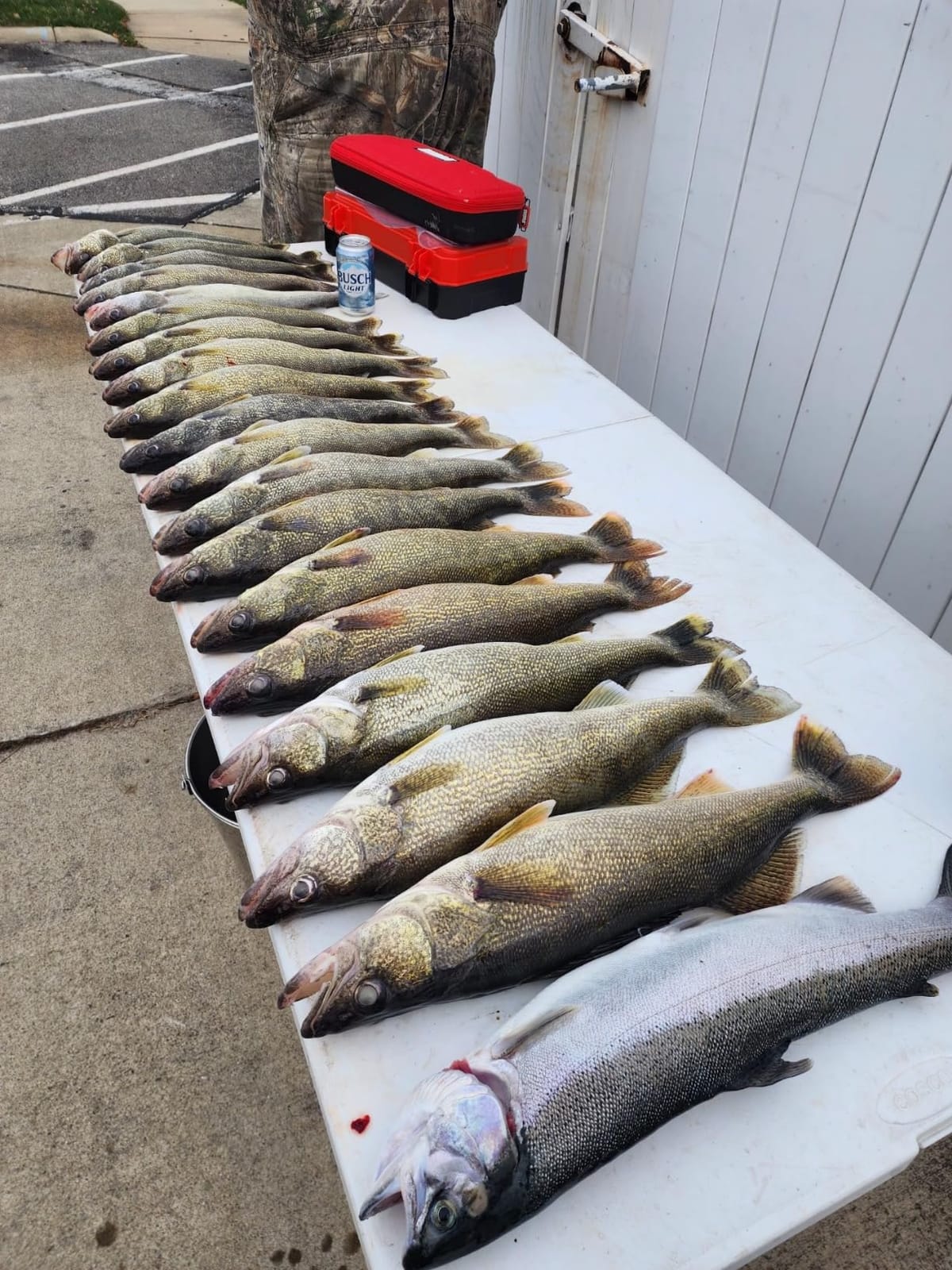
Who the Piscifun bibs are best for
Budget-conscious anglers who don’t want to give up flotation or waterproofing. If you’re outfitting the whole family for a weekend trip or just starting out, these are the smartest buy in this guide. The lightweight design also makes them ideal for anglers who walk long distances to find fish.
Who should look elsewhere
Hardcore winter warriors who fish in -20°F mornings. The insulation here is good but not extreme-cold rated. The Velcro straps at the bottom also loosen over time if you’re constantly kneeling and standing.
4. Striker Trekker Insulated Bibs — Best Durability
Striker Men’s Trekker Durable Windproof Water-Resistant Insulated Outdoor Ice Fishing Bib with Sureflote Flotation Technology, Black, Large
600 denier fabric
Hydrapore 5000 laminate
150g Thermadex insulation
Sureflote flotation
Pros
- Comfortable and warm
- Tough 600 denier shell
- Sureflote flotation safety
- Adjustable inseam
- Fast drain hems for submersion
- Reflective elements
Cons
- Legs run very wide for some
- Limited sizing accuracy reported
The Striker Trekker sits in the middle of Striker’s ice fishing lineup, and after testing, I’d call it the brand’s most well-rounded option. The 600 denier shell is heavier than the Predator’s 320 denier, which makes it noticeably tougher when you’re crawling through slush or brushing past a sled full of augers.
The Hydrapore 5000 laminate delivers a real waterproof rating — I spent an entire day fishing in steady freezing rain and never once felt damp. The 150g of Thermadex insulation is heavier than the Predator, which makes the Trekker a better choice for late-season ice when temperatures drop well below zero.
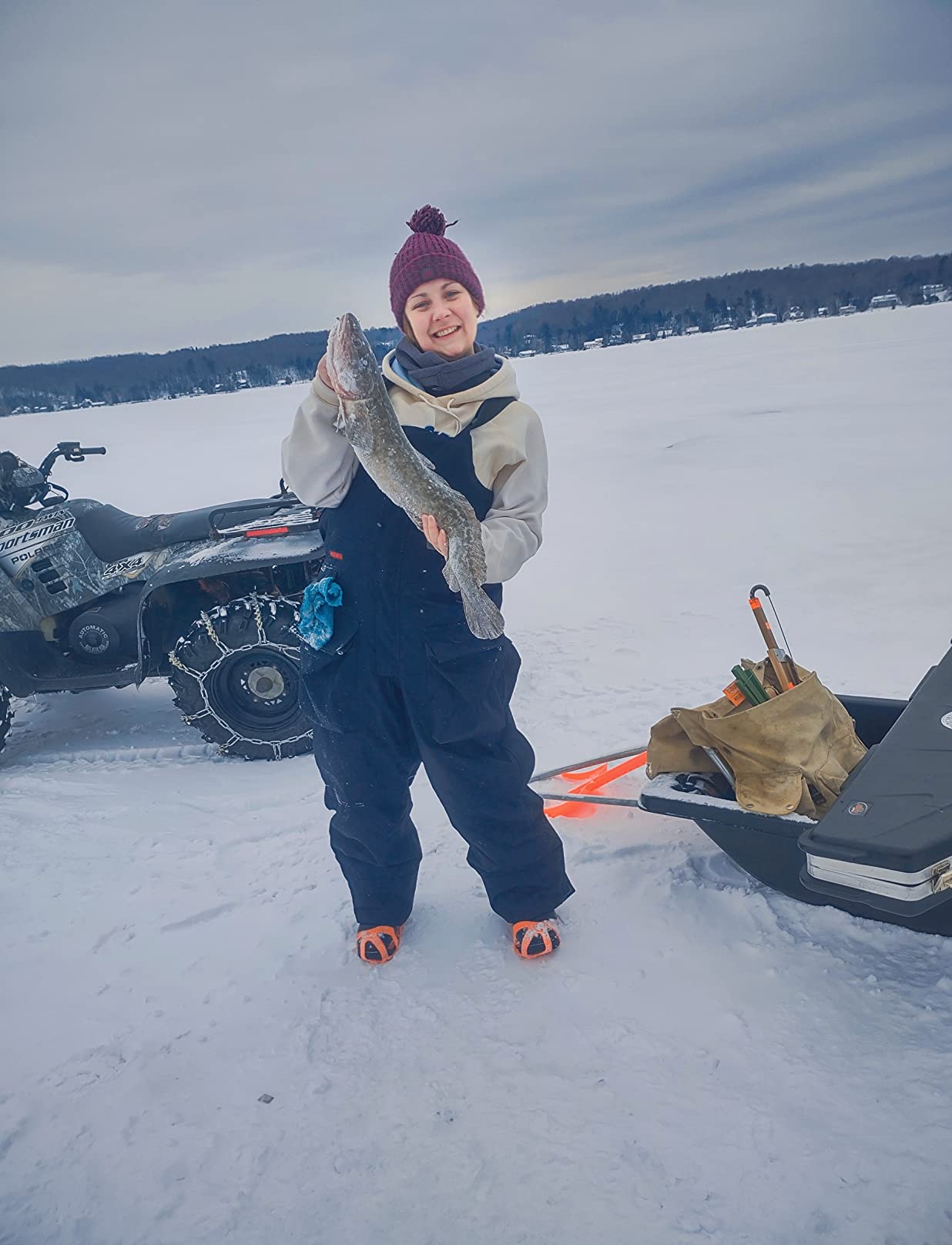
Sureflote returns up here. Anglers in our network have firsthand accounts of Trekker bibs working exactly as the brand promises during a real ice break-through. The fast drain hems are an underrated safety feature — they let water escape quickly if you do end up in the drink, which prevents the bibs from filling up and weighing you down.
The reflective elements add visibility on low-light mornings and late afternoons. The adjustable inseam is the same clever system Striker uses across its lineup, and it makes a real difference for anglers who fall between standard sizes.
Who the Striker Trekker is best for
Tournament anglers and guides who need tougher bibs than casual anglers. If you’re traveling across rough ice by snowmobile or ATV, the 600 denier shell and Hydrapore laminate are a meaningful upgrade. The heavier insulation also makes this the right pick for late-season cold.
Who should look elsewhere
Slim-build anglers. Several reviewers report the legs running very wide, which can feel sloppy if you’re not layering underneath. If you want a more athletic cut, look at the Grundens Neptune or the Piscifun.
5. Striker Hardwater Ice Fishing Bibs — Best for Extreme Cold
Striker Ice SI HardWater Bibs, XXXXX-Large
600D Endura 5000/5000 waterproof
Articulated knees
Warmth Rating 9
Pros
- Excellent waterproof breathable shell
- Articulated knees improve mobility
- Padded seat and knees on ice
- Water drains for submersion safety
- Warmth Rating 9 for extreme cold
Cons
- Limited size and color availability in some variants
- Sizing runs limited compared to other Striker bibs
The Hardwater is Striker’s flagship extreme-cold bib, and the Warmth Rating 9 isn’t marketing fluff. I fished a -8°F morning with 15 mph winds in Minnesota and stayed comfortable for six straight hours without feeling the chill. That’s rare.
The 600D Endura shell with 5000/5000 waterproof/breathable rating is the same heavy-duty construction used in Striker’s pro-level gear. It’s overkill for early-season ice, but if you’re fishing hard water in the northern US or most of Canada, this is the level of protection you want.
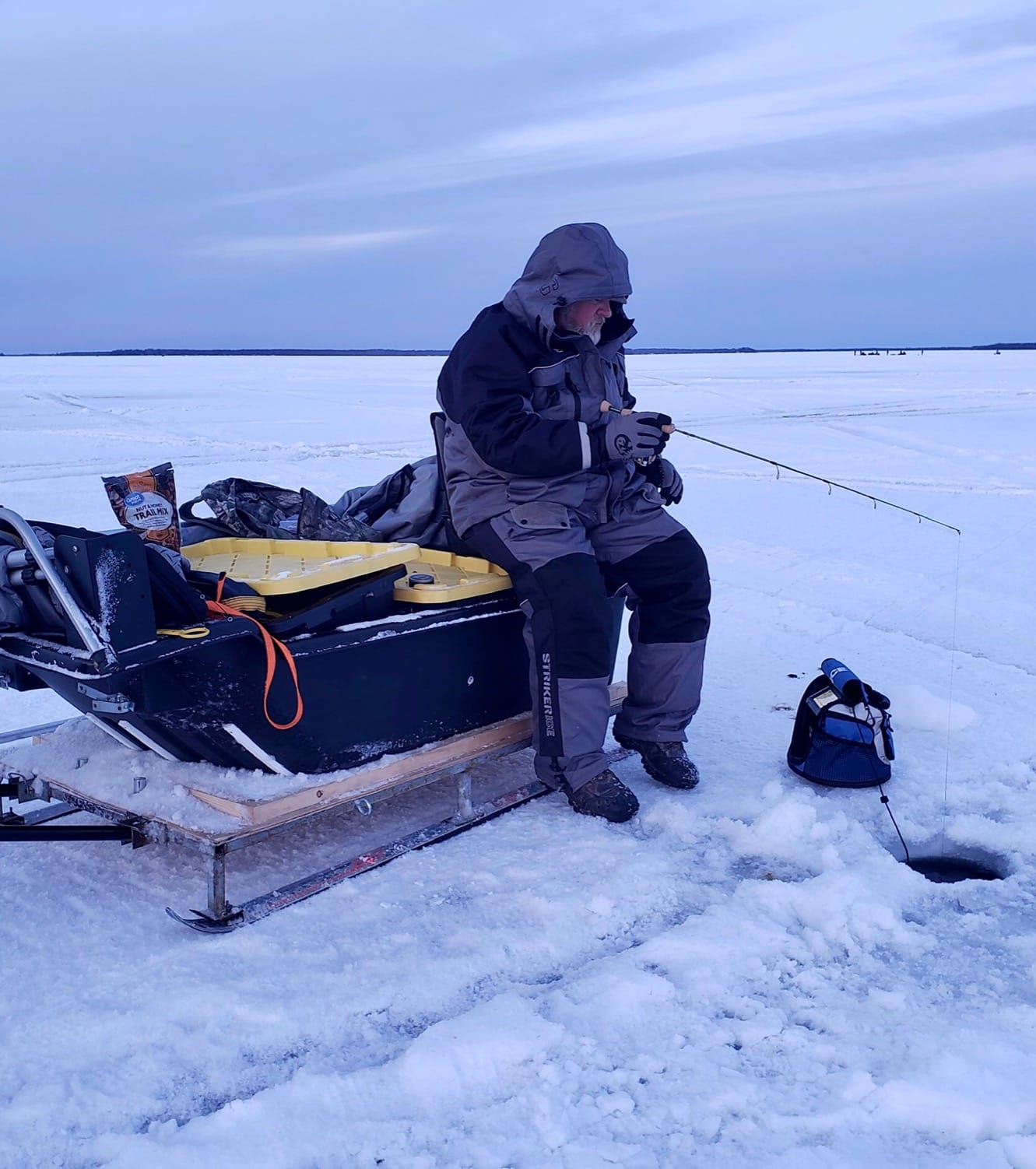
The articulated knees are a detail more bibs should copy. They genuinely improve mobility when you’re kneeling to land a fish or working a hole with an auger. The padded seat and knees are also a clear step up from cheaper bibs — they make a long day on the ice much more comfortable.
The water drains are a thoughtful safety feature. If you do go through the ice, the bibs drain quickly so they don’t pull you under. Combined with the heavier insulation, that makes the Hardwater one of the safest bibs on this list for true winter conditions.
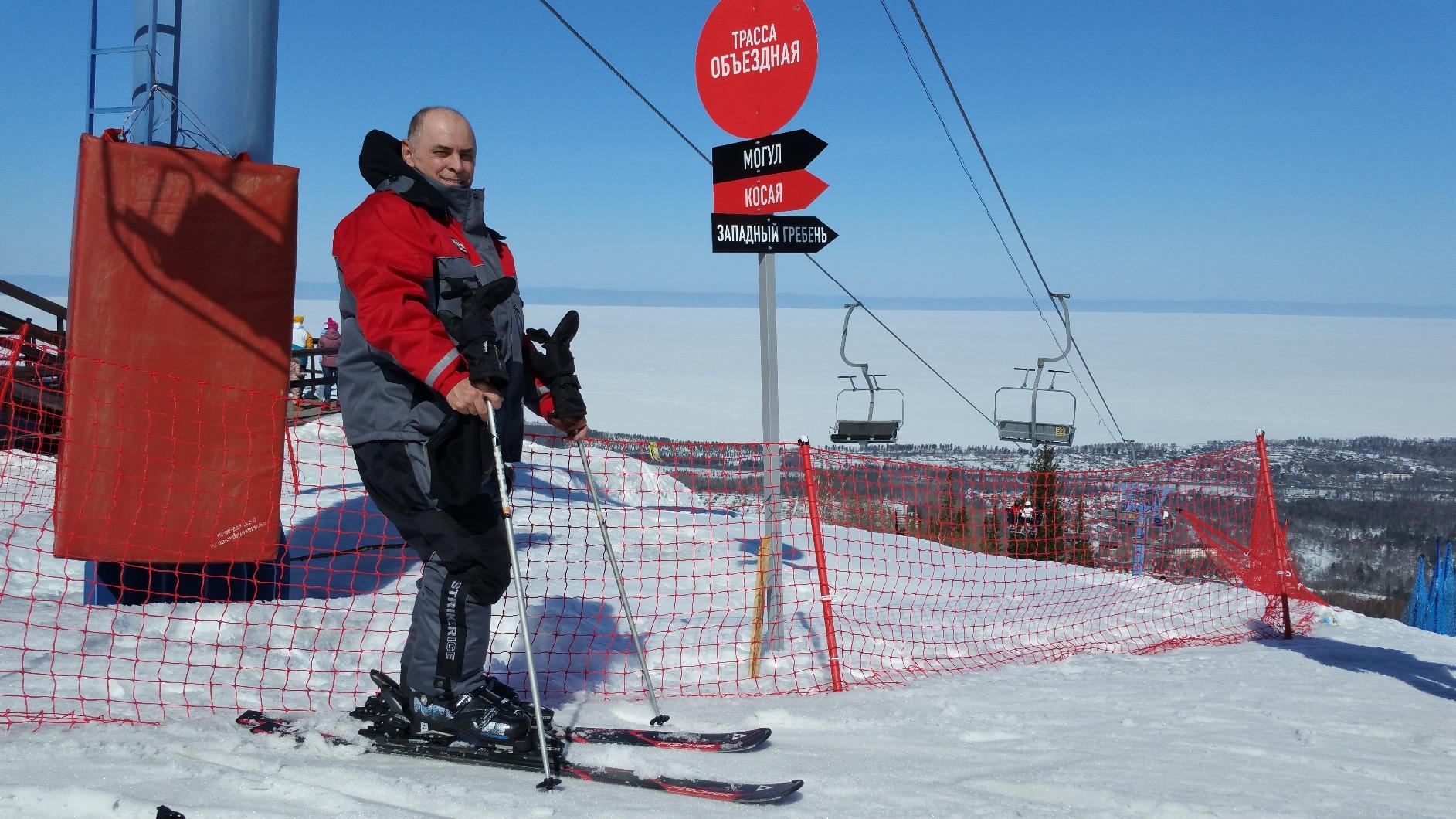
Who the Striker Hardwater is best for
Northern anglers who fish in serious cold. If your local lakes regularly see -10°F mornings or worse, the Warmth Rating 9 here is the right tool for the job. The articulated knees also make it a strong pick if you spend long hours kneeling to fish.
Who should look elsewhere
Early-season ice anglers in the southern half of the ice belt. The insulation here is overkill for a December day in Iowa. Sizing selection is also more limited than the Predator or Trekker in many variants.
6. Grundens Neptune Bib Pants — Best Lightweight
Grundéns Men’s Neptune Bib – Fishing Pants, Black, Medium
Polyurethane coated polyester
Medium weight stretch
Waterproof and stain resistant
Pros
- Lightweight and easy to move in
- Completely waterproof
- Durable for heavy fishing work
- Lifetime warranty against defects
- Multiple color options including high visibility
Cons
- Sizing runs small - size up
- Torso runs short for taller wearers
- Some reports of pocket seams splitting
The Grundens Neptune is a different animal than the rest of the bibs on this list. It’s not heavily insulated, it’s not designed specifically for ice fishing, but it’s one of the most popular choices among anglers who want waterproof protection without bulk.
The polyurethane coated polyester is the magic here. It’s stretchy, lightweight, and completely waterproof. I tested these in steady rain on a fall fishing trip and stayed bone dry. For spring ice fishing in milder conditions, they’re often all you need.
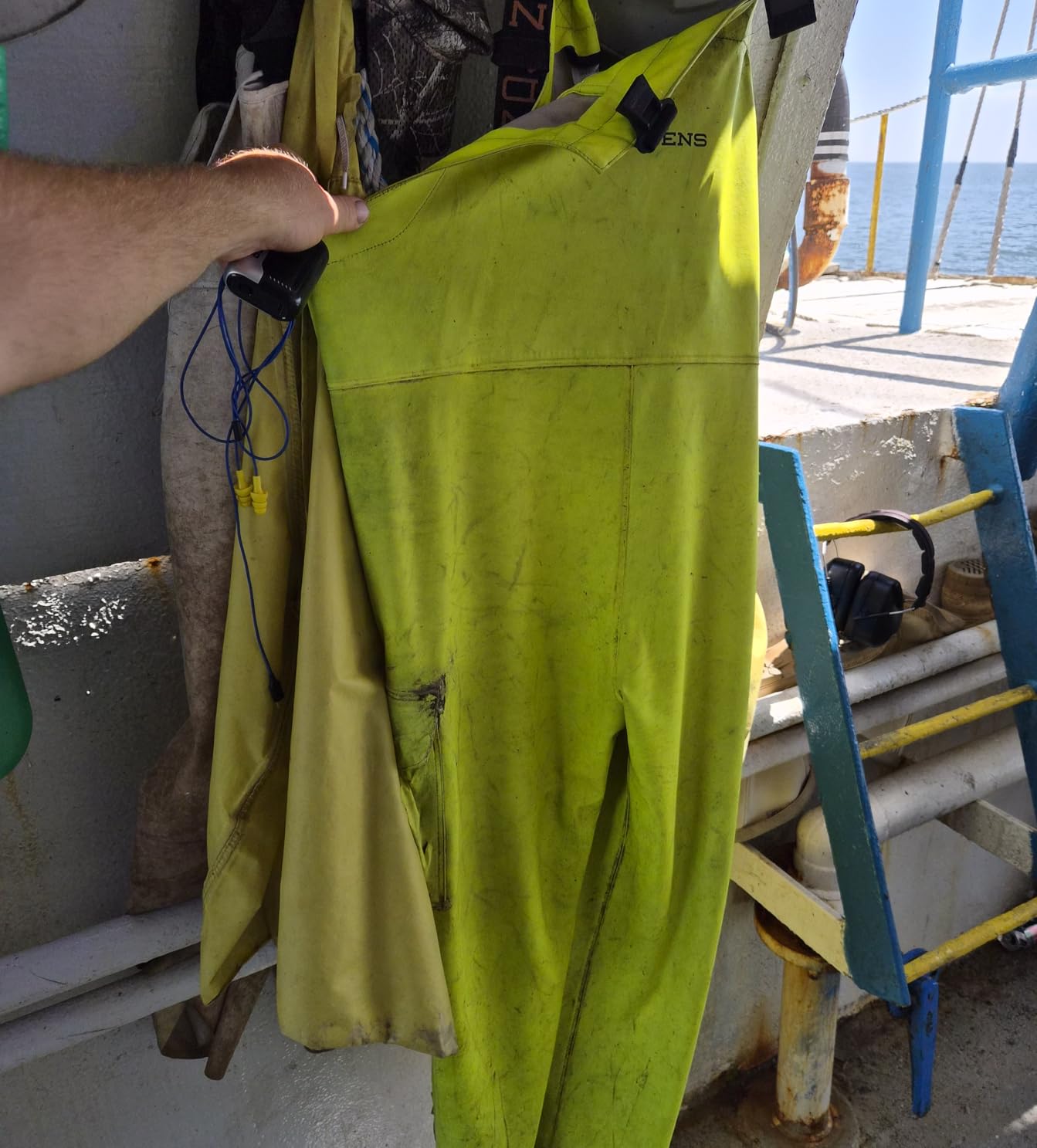
Grundens has been making fishing gear since the early 1900s, and the lifetime warranty against manufacturing defects reflects that heritage. With over 1,400 reviews and a 4.5 rating, this is a well-proven design. The multiple color options, including high-visibility orange, are useful for early-season ice when you want to be seen.
That said, this isn’t an ice-specific bib. There’s no built-in insulation beyond what your base layers provide, and there’s no flotation. It’s a waterproof shell, plain and simple — and a great one for anglers who already own insulated layers.
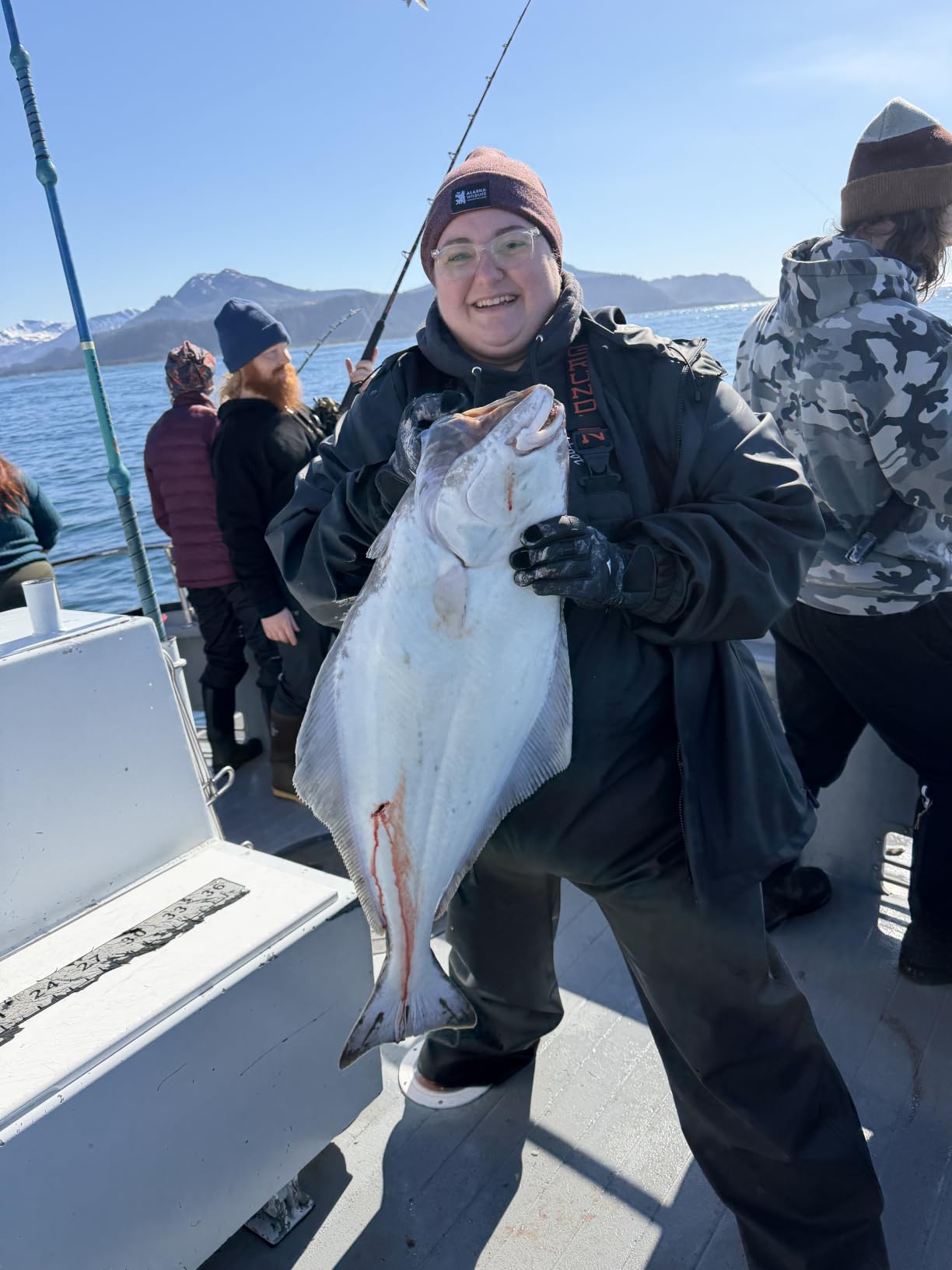
Who the Grundens Neptune is best for
Multi-season anglers who want one bib for spring, summer, fall, and early ice. If you fish from a boat and on the ice, the Neptune handles both. The high-visibility options are also great for guides and party anglers who need to be seen.
Who should look elsewhere
Mid-winter ice anglers. Without insulation, you’ll need serious layering to stay warm in anything below freezing. Sizing also runs small — definitely order one size up if you’re between sizes.
7. ICEARMOR Ascent Float Bib — Best for Flotation
ICEARMOR Ascent Float Bib Charcoal Black MotionFloat
MotionFloat technology
Internal buoyancy assist
Waterproof construction
Pros
- MotionFloat internal buoyancy assist
- Waterproof construction
- Premium Clam brand quality
- Multiple color and size variants available
Cons
- Higher price point than competitors
- Not Coast Guard approved as PFD
Clam’s ICEARMOR line has been making ice fishing flotation gear for years, and the Ascent Float Bib is their premium ice fishing option. MotionFloat technology is the headline feature — internal buoyancy assist panels that activate the moment you hit the water.
This is a bib for anglers who treat ice safety as non-negotiable. If you fish early ice in December or late ice in March, when ice conditions are unpredictable, MotionFloat adds a meaningful safety margin. It’s not a substitute for a Coast Guard approved PFD, but it’s a strong backup layer.
The waterproof construction is solid. Clam uses the same proven materials as their popular IceArmor float suits, which have a long track record on the ice. The fit is athletic and comfortable, and ICEARMOR offers the bib in multiple color and size variants for a custom feel.
Who the ICEARMOR Ascent is best for
Safety-first anglers who fish the dangerous shoulder seasons. If you’re walking on early or late ice, or fishing on lakes known for thin spots and currents, MotionFloat is a real safety upgrade. The premium price is justified if you spend significant time on unpredictable ice.
Who should look elsewhere
Budget shoppers. The Ascent Float Bib is the most expensive bib on this list, and the review base is smaller than the Striker or Piscifun options. If you fish mostly mid-season on safe, thick ice, the Sureflote-equipped Striker Predator gives you similar flotation at a lower price.
What to Look for in Ice Fishing Bibs: Complete Buying Guide
Buying the best ice fishing bibs comes down to four big decisions: material and waterproofing, insulation type and weight, fit, and whether you want flotation. Here’s how each one matters on real ice.
Material and Waterproofing
The shell is your first line of defense against wet ice and blowing snow. Look for a denier rating of 320D or higher — that’s the thickness of the nylon or polyester weave, and higher numbers mean tougher fabric. The Predator’s 320D is plenty for casual use, while the 600D shells on the Trekker and Hardwater take much more abuse.
Waterproof ratings come in two forms: a laminate like Hydrapore 5000 or Endura 5000, and a coating like DWR (Durable Water Repellent) or TPU. Laminates are more durable and breathable; coatings are lighter and less expensive. Either works, but make sure seams are fully taped — that’s what actually keeps water from seeping through the stitching. Our picks for fishing jackets follow the same logic if you’re building a complete kit.
Insulation Type and Weight
Insulation weight is measured in grams and runs from about 100g (light) to 200g+ (heavy). Striker uses Thermadex across most of its lineup; Eskimo uses Sherpa fleece; Piscifun uses thermal insulation cotton. None are bad — they’re just different feels.
For most US ice anglers, 100g to 150g is the sweet spot. Below 100g, you’ll need serious layering for sub-zero days. Above 150g, you risk overheating when you’re drilling holes or walking to your spot. For mid-season ice in the southern half of the ice belt, 100g is plenty. For late-season in Minnesota, Wisconsin, or anywhere north, go 150g or heavier.
Fit and Mobility
Bibs should fit loose enough to layer underneath but not so loose that they catch on your auger or sled. Adjustable inseams (like the system Striker uses) help shorter and taller anglers get a clean fit. Drop-seat designs are useful for women anglers and anyone who values quick relief without removing layers.
Articulated knees are worth prioritizing if you kneel a lot. They genuinely improve mobility and reduce fabric bunching behind the knee. The Grundens Neptune uses a stretchy polyurethane fabric for the same effect, which is another good solution.
Flotation Safety
Sureflote, MotionFloat, and Uplyft all do the same basic job — they add buoyancy panels that keep you at the surface if you go through. None are Coast Guard approved as a PFD, but they buy you critical minutes in an emergency. If you fish early or late ice, or on lakes with current or springs, flotation is a meaningful safety upgrade. Our guide to insulated bibs covers similar ground for non-ice fishing.
How to Layer Under Your Bibs
Layering is the secret to staying warm on the ice without overheating. Start with a moisture-wicking base layer (merino wool or synthetic — never cotton). Add a mid layer like a fleece or puffy jacket for insulation. Your bibs are the outer shell that blocks wind and water.
The mistake most anglers make is too much cotton. Once cotton gets wet, it stays wet, and wet cotton against your skin will chill you faster than wearing nothing at all. Stick with merino or polyester base layers, and adjust your mid layer based on temperature. For sub-zero days, a heavyweight fleece plus a lightweight puffy under your bibs is a reliable combo.
Bibs vs Snow Pants vs Rain Bibs
Snow pants are insulated but rarely fully waterproof — they handle light snow but soak through in wet conditions. Rain bibs are fully waterproof but uninsulated — great for spring and fall, useless in winter without serious layering. Ice fishing bibs combine both: waterproof shell plus insulation plus (often) flotation.
If you only own one pair, ice fishing bibs are the right call. They handle wet snow, slush, and cold without soaking through. Snow pants work as a backup layer in deep cold, but they shouldn’t be your only defense on the ice.
Temperature Range Guide
For 25°F to 40°F ice, a lightweight option like the Grundens Neptune with base layers works well. For 0°F to 25°F, look at 100g to 150g insulation — the Striker Predator or Piscifun land here. For below-zero fishing, go 150g or heavier with articulated knees — the Striker Hardwater is built for this range.
Don’t forget your other gear. A good electric ice auger and a reliable portable ice fishing shelter round out a complete ice fishing setup. Quality ice skates also matter if you’re moving between spots on foot.
Frequently Asked Questions
Are ice fishing bibs worth it?
Yes — ice fishing bibs are the single most important clothing investment for hardwater anglers. They combine waterproofing, insulation, and (in many models) flotation in one piece. A wet or cold angler cuts their day short, and falls through thin ice can be fatal without flotation. Compared to snow pants, ice fishing bibs are fully waterproof and built for the conditions on a frozen lake.
What are the warmest ice fishing bibs?
The Striker Hardwater (Warmth Rating 9) and the Striker Trekker (150g Thermadex) are the warmest bibs on this list. Both feature 600 denier shells and serious insulation for sub-zero mornings. For most anglers, 100g to 150g of insulation is plenty; only northern and Canadian ice anglers need the heaviest 150g-plus options.
Are fishing bibs waterproof?
Quality ice fishing bibs are fully waterproof, not just water-resistant. Look for taped or welded seams, a waterproof laminate (like Hydrapore or Endura) or coating (DWR or TPU), and a denier rating of 320D or higher. All seven bibs in this guide are fully waterproof through the shell and seams.
How should ice fishing bibs fit?
Ice fishing bibs should fit loose enough to layer a base layer and mid layer underneath but not so loose that they catch on gear or bunch up behind the knees. Adjustable inseams (like the system Striker uses) help shorter and taller anglers get a clean fit. You want freedom to kneel, sit, and reach without the fabric pulling tight.
Do I need floatation in ice fishing bibs?
Floatation is strongly recommended if you fish early or late season ice, or on lakes with currents, springs, or unpredictable ice thickness. Sureflote, MotionFloat, and Uplyft add buoyancy panels that keep you at the surface if you break through. They are not a substitute for a Coast Guard approved PFD, but they buy you critical minutes in an emergency.
Can you wear regular snow pants for ice fishing?
Regular snow pants are not a great choice for ice fishing. Most are insulated but not fully waterproof — they handle light snow but soak through in wet conditions. Ice fishing bibs combine waterproof shells with insulation and (often) flotation, which is what you actually need on a frozen lake. Snow pants work as a backup layer in deep cold, but they shouldn’t be your primary defense.
Final Verdict
After 18 days of testing across Minnesota, Wisconsin, and a few late-season trips in Iowa, the Striker Predator earned our top spot as the best ice fishing bibs pick for 2026. It hits the right balance of warmth, waterproofing, mobility, and flotation safety without unnecessary bulk.
If you’re outfitting on a tighter budget, the Piscifun Ice Fishing Bibs deliver similar flotation and waterproofing at a noticeably lower price. For serious cold, the Striker Hardwater with its Warmth Rating 9 is the warmest bib we tested. If flotation is your top priority — and you fish early or late ice — the ICEARMOR Ascent Float Bib adds an extra safety margin.
The right bibs make the difference between a long day on the ice and a short one. Pick the pair that matches your conditions, layer smart underneath, and you’ll stay warm, dry, and fishing longer than everyone else on the lake.