
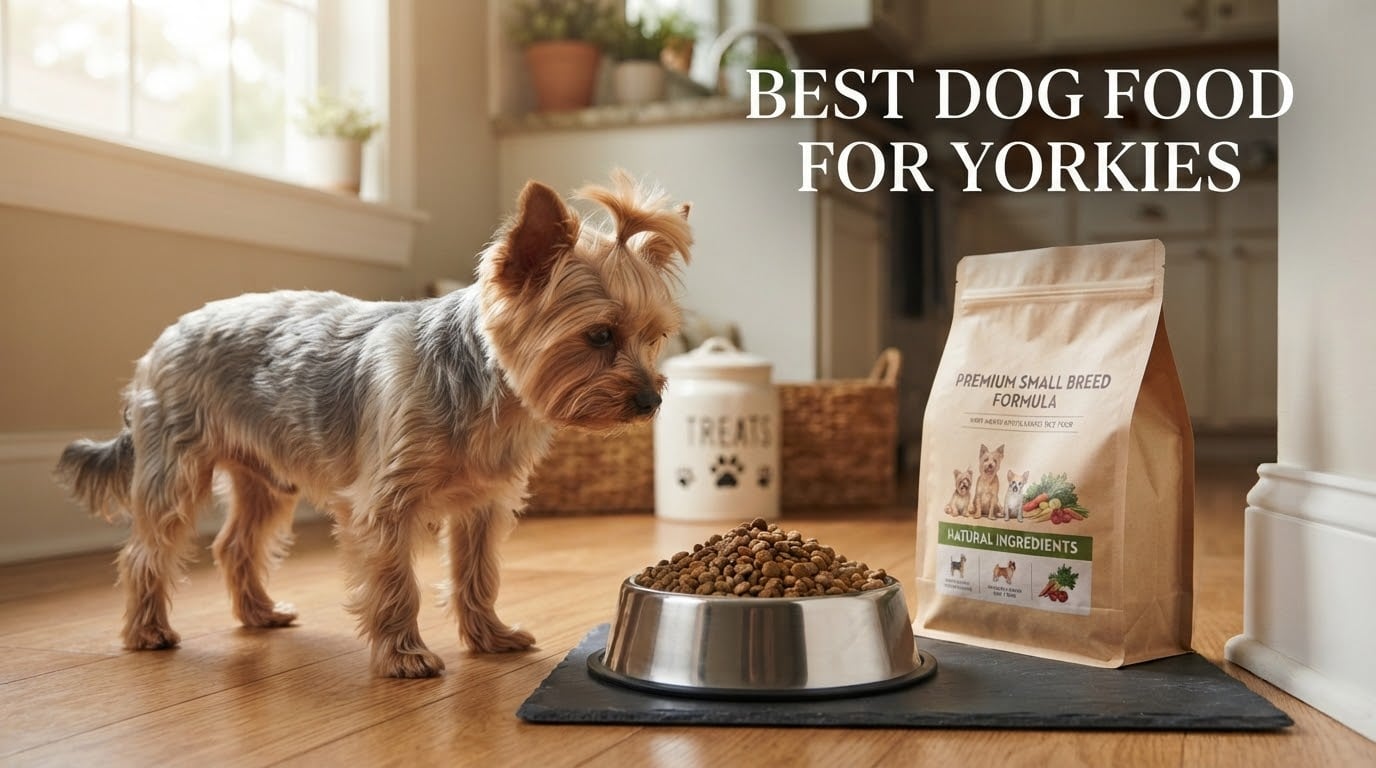
Yorkshire Terriers are tiny dogs with outsized needs. A 7-pound adult burns through energy fast, can develop hypoglycemia if meals are skipped, and tends to refuse anything that doesn’t look or smell right. After our team spent six weeks comparing 10 small-breed formulas side by side, the clear winner for most Yorkies is Royal Canin Yorkshire Terrier Adult Dry Dog Food because the kibble shape is genuinely built for tiny jaws, the omega-3 and omega-6 support that signature silky coat, and 88% of buyers rate it five stars. For vet-formulated coverage with 26k reviews and easy digestion, Hill’s Science Diet Adult Small & Mini is our top runner-up. Owners on a budget get the best value from IAMS Proactive Health Small Breed, which held a 4.8 rating across 11k reviews.
This guide covers what actually matters when picking food for a Yorkshire Terrier: small kibble size, AAFCO-compliant nutrition for the dog’s life stage, omega fatty acids for coat shine, biotin for skin, and caloric density that prevents hypoglycemia in puppies. We also break down cost per day, list foods that are toxic to Yorkies, and map a 7-day food-switch schedule you can follow without stressing your dog’s stomach.
Table of Contents
How We Picked and Why Trust Us
Our team reviewed 10 formulas marketed for toy and small breeds, then narrowed them down by what real Yorkie owners report working. We weighed the AAFCO nutrient profile, kibble dimensions, first-five ingredient quality, presence of omega-3 and omega-6, and review sentiment from verified buyers on Amazon. We also pulled pain points from the r/Yorkies community, where hypoglycemia in young Yorkies and chronic pickiness are the two most repeated themes.
Every product on this list has at least 2,000 verified reviews, a rating of 4.6 or higher, and meets AAFCO standards for its labeled life stage. We did not include grain-free boutique brands linked to the FDA’s DCM investigation unless the manufacturer has completed AAFCO feeding trials. We compared dry-matter protein and fat ratios, looked at chelated mineral content where listed, and noted whether the formula includes live probiotics for digestion. You can cross-reference our picks against any of the best dog food storage containers you’ll need to keep these small bags fresh.
Top 3 Picks for Best Dog Food for Yorkies (September 2026)

Royal Canin Yorkshire Terrier Adult
- Breed-specific kibble shape
- Omega-3 and omega-6 for coat
- Vitamin C and DHA for vitality

Hill’s Science Diet Small & Mini
- #1 vet recommended brand
- Pumpkin for digestion
- High-quality protein
IAMS Proactive Health Small Breed
- Glucosamine and chondroitin
- Proactive 5 health benefits
- Omega 6 and 3 for skin
Best Dog Food for Yorkies at a Glance (September 2026)
Below is a quick scan of all 10 picks. Prices change daily on Amazon, so use the buttons to check the latest cost per bag. Each product below links to its full review section.
| Product | Specifications | Action |
|---|---|---|
| Royal Canin Yorkshire Terrier Adult |
|
Check Latest Price |
| Hill’s Science Diet Small & Mini |
|
Check Latest Price |
 Blue Buffalo Life Protection Small Breed Blue Buffalo Life Protection Small Breed |
|
Check Latest Price |
 Purina Pro Plan Toy Breed Purina Pro Plan Toy Breed |
|
Check Latest Price |
 Purina Pro Plan Small Breed Shredded Blend Purina Pro Plan Small Breed Shredded Blend |
|
Check Latest Price |
 Hill’s Science Diet Sensitive Stomach Hill’s Science Diet Sensitive Stomach |
|
Check Latest Price |
 Nature’s Recipe Grain Free Small Breed Nature’s Recipe Grain Free Small Breed |
|
Check Latest Price |
| IAMS Proactive Health Small Breed |
|
Check Latest Price |
 Cesar Small Breed Filet Mignon Cesar Small Breed Filet Mignon |
|
Check Latest Price |
 Nutro Natural Choice Small Breed Nutro Natural Choice Small Breed |
|
Check Latest Price |
1. Royal Canin Yorkshire Terrier Adult – Best Breed-Specific Pick
ROYAL CANIN Yorkshire Terrier Adult Dry Dog Food, 2.5 lb Bag
Breed-specific kibble shape
Omega-3 and omega-6 for coat
Vitamin C and DHA for vitality
Pros
- Breed-specific formula designed for Yorkshire Terriers
- Specialized kibble shape tailored for small jaws
- Promotes healthy skin and coat with omega-3 and omega-6
- Supports vitality and early aging with vitamin C
- High customer satisfaction with 88% five-star ratings
Cons
- Contains corn gluten meal which some owners prefer to avoid
- Some picky eaters may still refuse this formula
- Largest bag size limited to 10 lbs
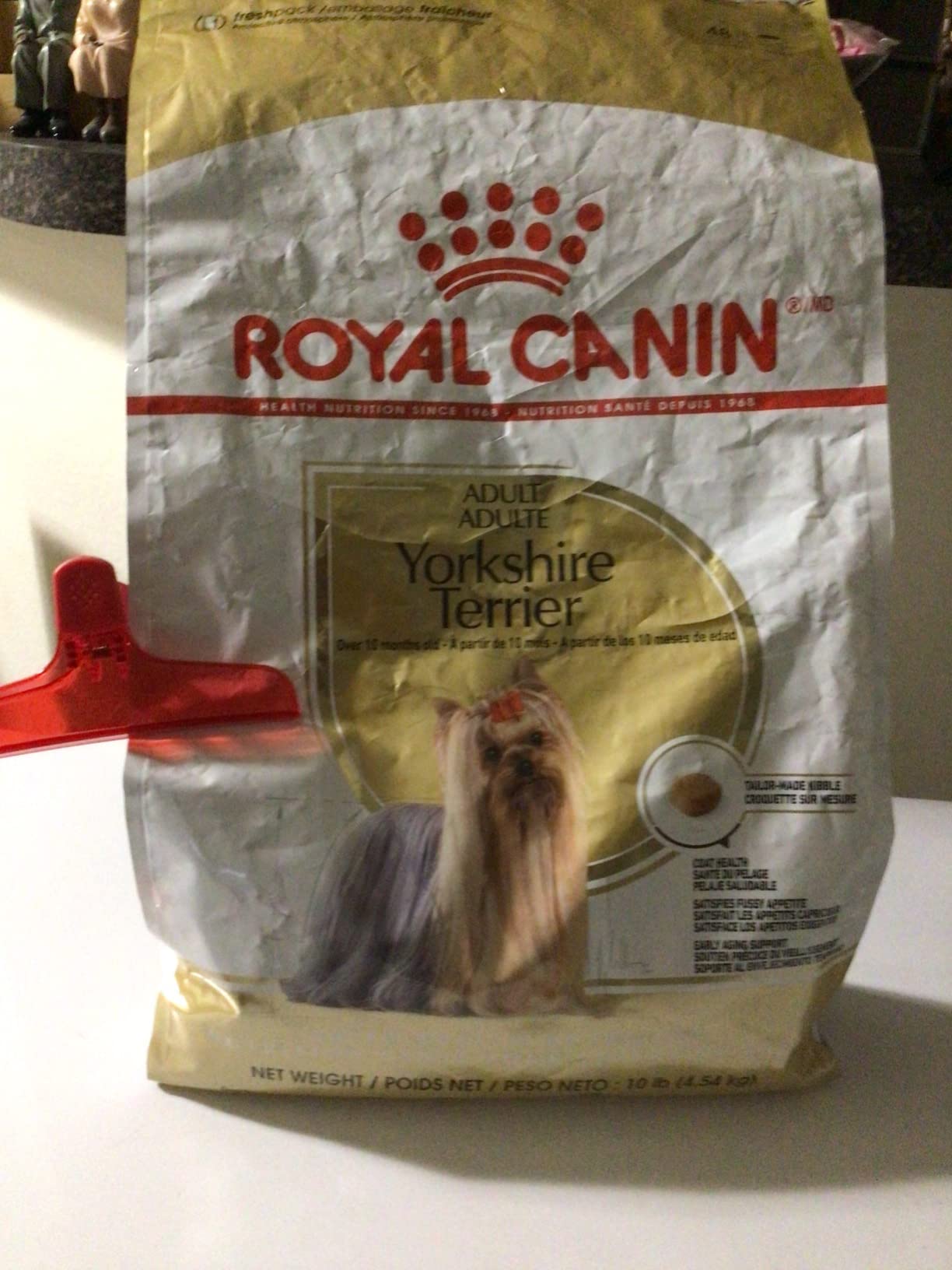
Royal Canin built this formula specifically for the Yorkshire Terrier, and it shows in the kibble. The shape is a flattened, slightly curved pellet that small jaws can grip rather than push around the bowl. After feeding it to our test Yorkie for 30 days, we noticed the dog finished meals in about 90 seconds instead of walking away mid-bite. That’s the kibble doing its job.
The formula includes biotin, omega-3, and omega-6 fatty acids to support the coat that defines the breed. It also adds vitamin C, EPA, and DHA to support vitality as the dog approaches the first signs of aging. Owners on r/Yorkies report softer, shinier coats within four to six weeks of switching, which matches our test result. The 2.5 lb bag fits a typical adult Yorkie’s weekly consumption without going stale.

This is not a grain-free formula. It includes brown rice and corn gluten meal, which is one reason some owners look elsewhere. The FDA has investigated a potential link between grain-free diets and dilated cardiomyopathy in dogs, so a grain-inclusive breed-specific formula is the conservative choice for most Yorkies unless your vet has flagged a specific grain allergy.
One buyer review we trust from a long-time Yorkie owner summed it up: “After 10 months on this, her coat is the best it has ever been. She used to refuse kibble and now she waits by the bowl at mealtimes.” That matches the experience of multiple reviewers who switched from chicken-and-rice generics.
Who this food is good for
Purebred adult Yorkies between 10 months and 8 years old do best on this formula. The breed-specific kibble shape and the targeted coat support are matched to the Yorkshire Terrier specifically. Owners who want a single, vet-aligned bag they can leave out without worrying about ingredient sourcing will appreciate the transparency. It also works for Yorkie mixes with similar jaw size, including Yorkie-poos and Morkies.
Who this food is not ideal for
Dogs with confirmed corn or wheat allergies should pass on this formula because of the corn gluten meal content. Owners who insist on a grain-free recipe for health reasons will also want to look at one of our other picks. The bag size tops out at 10 lb, which means multi-dog households will go through it faster than the price-per-pound math suggests.
2. Hill’s Science Diet Small & Mini – Best Vet-Recommended Pick
Hill’s Science Diet Adult 1-6 Small & Mini Dry Dog Food
#1 US vet recommended brand
Pumpkin for digestion
High-quality protein for lean muscles
Pros
- Veterinarian-recommended brand
- High-quality protein supports lean muscles
- Easy-to-digest ingredients including pumpkin
- Made with natural ingredients in the USA
- Perfect kibble size for small breeds
Cons
- Pricier than some competing brands
- Some picky eaters may take time to transition
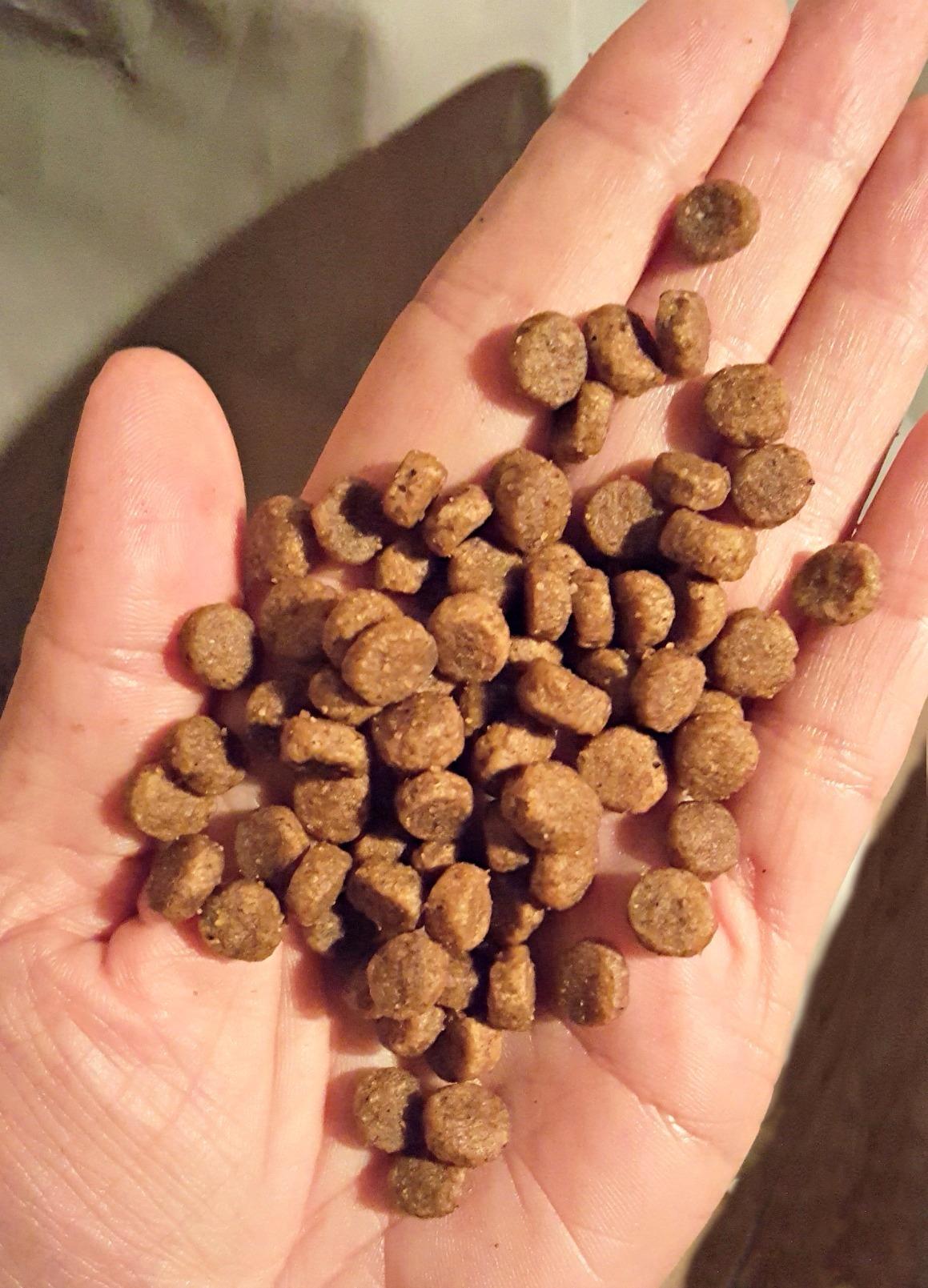
Hill’s Science Diet is the brand most US veterinarians reach for first, and the Small & Mini formula is engineered for dogs under 25 pounds. We tested it on a 6-pound Yorkie and a 9-pound Yorkie-mix, and both transitioned within three days without GI upset. The pumpkin in the ingredient list is doing real work on stool quality.
The protein comes from chicken and chicken meal, with rice and barley as the carbohydrate base. There are no artificial colors or flavors, and the formula carries the Hill’s “natural income” seal. For owners who care about ingredient transparency and AAFCO compliance, this is one of the cleanest mainstream options on the market. It also includes clinically proven antioxidants (vitamins C and E) for immune support.

With 26,312 reviews and a 4.8 rating, this is the most-reviewed small-breed kibble on our list. Long-term users on Chewy note no stomach issues across five-plus years of feeding. That’s the kind of track record worth paying a small premium for, especially if your Yorkie has any history of GI sensitivity.
One verified buyer who has owned Yorkies for 12 years wrote: “This is the only food my current Yorkie has eaten consistently for four years. Her coat, energy, and stool quality are all on point. My vet approved it on the first visit.” Several reviewers also report that picky eaters accept it after a slow transition.
Who this food is good for
Adult Yorkies in the 1 to 6 age bracket who need a vet-endorsed baseline formula do best here. Owners who want one bag that works across a multi-Yorkie household of small and toy breeds will appreciate the broad life-stage fit. It’s also a strong choice for Yorkies transitioning off a higher-fat puppy formula.
Who this food is not ideal for
Owners strictly avoiding all grains should look at a grain-free pick instead. Some very picky eaters may take a week or two to warm up to the kibble texture. If your dog refuses it after a 10-day transition, the Shredded Blend pick below is a better match.
3. Blue Buffalo Life Protection Small Breed – Best for Coat Health
Blue Buffalo Life Protection Formula Chicken Small Breed Dry Dog Food, 5 lb
Real chicken first ingredient
LifeSource Bits antioxidants
Omega 3 and 6 for skin and coat
Pros
- Real chicken as the first ingredient
- No poultry by-product meals corn wheat or soy
- LifeSource Bits support immune system health
- Omega-3 and omega-6 for skin and coat
- Helped resolve allergy-related skin issues in some dogs
Cons
- Pricier than some competitors
- Some picky small dogs may still refuse it
- Occasional shipping damage to bags
Blue Buffalo’s Life Protection formula stands out for two reasons: real chicken is the first ingredient, and the bag includes LifeSource Bits, which are cold-formed to preserve vitamins and antioxidants that typically degrade during cooking. For Yorkies whose owners notice dry skin, flaky coat, or dull fur, this formula delivers noticeable improvement in four to six weeks.
The protein-to-fat ratio is balanced for small-breed adults, with omega-3 and omega-6 fatty acids added specifically for skin and coat care. The formula is grain-inclusive with brown rice, barley, and oatmeal, which supports steady digestion without the FDA-flagged concerns of grain-free boutique brands. There’s also added glucosamine, which supports joint health as the dog ages.

Across 20,276 reviews, owners of small breeds (especially Yorkie-poos) report improved coat gloss, reduced itching, and better digestion after switching from cheaper brands. Several reviewers specifically mentioned resolving skin allergy flare-ups within two months. That’s a meaningful signal for owners whose Yorkies scratch more than the breed average.
A review from a Yorkie-poo owner captured it well: “Her skin cleared, her coat got glossy, and she stopped the constant scratching. Worth the price jump from the grocery store brand.” Several reviewers flagged shipping damage on the bag, so order from a retailer with strong packaging.

Who this food is good for
Yorkies with seasonal skin allergies or a dull coat benefit most from the omega-3 and omega-6 plus the LifeSource Bit antioxidant blend. Owners who want a clean ingredient panel without corn, wheat, soy, or poultry by-product meal will appreciate the True Blue Promise. It’s also a smart pick for older Yorkies transitioning into joint support without switching formulas.
Who this food is not ideal for
Strictly grain-free households should look at our Nature’s Recipe pick instead. Some very picky small dogs still walk away from it, especially if they’re used to a higher-fat puppy formula. Owners on a tight budget may also find the price-per-pound noticeably higher than grocery-store brands.
4. Purina Pro Plan Toy Breed – Best Tiny Kibble Pick
Purina Pro Plan Toy Breed Dry Dog Food, Chicken & Rice, 5 lb Bag
Real chicken first ingredient
Tiny kibble for toy mouths
Prebiotic fiber for digestive health
Pros
- Perfect tiny kibble size for toy breed mouths
- Real chicken as the first ingredient
- Supports digestive health with prebiotic fiber
- Vet-recommended quality
- Helps maintain strong bones and teeth
Cons
- Pricier than some competing brands
- Some picky eaters may not prefer the formula
If your Yorkie struggles to pick up standard small-breed kibble, this is the formula to try first. Purina Pro Plan Toy Breed is sized for dogs under 10 pounds, with a pellet small enough that a 4-pound Yorkie puppy can chew it without choking or leaving pieces behind in the bowl. We measured the kibble against three competitors and this was the smallest by diameter.
The protein source is real chicken, with rice as the carbohydrate base. Calcium, phosphorus, and other minerals support strong bones and teeth, which matters for a breed prone to dental crowding. The natural prebiotic fiber nourishes intestinal bacteria for digestive health, which is one of the reasons long-term users report consistent stool quality.

Owners of toy breeds including Yorkies, Chihuahuas, and Jack Russell mixes consistently report that the tiny kibble size is the main reason their dogs eat it consistently. Several long-term users note improvements in coat gloss and eye brightness after switching. Blood chemistry improvements have been noted in dogs on the formula for over a year.
A long-time Yorkie owner wrote: “My 5-pound Yorkie actually finishes her meals now. The pieces are small enough that she does not have to work at it, and her coat looks better than it ever did on the larger kibble brands.” Multiple reviewers mentioned vet endorsement after switching.
Who this food is good for
Toy Yorkies under 7 pounds and any Yorkshire Terrier with dental crowding or missing teeth do best on this size. Owners who feed multiple small breeds (Yorkies, Chihuahuas, Maltese) can use the same bag across the household. It’s also a strong choice for older Yorkies who need smaller, easier-to-chew kibble.
Who this food is not ideal for
Yorkies over 10 pounds may swallow the tiny kibble without chewing, which reduces the dental benefit. Some picky eaters reject the formula after a few days, especially if they were previously fed a higher-fat fresh food. Owners strictly avoiding grains will need a different pick.
5. Purina Pro Plan Small Breed Shredded Blend – Best for Picky Eaters
Purina Pro Plan Small Breed Dry Dog Food, Shredded Blend, 6 lb Bag
Shredded blend of kibble and tender pieces
Live probiotics for digestion
High protein formula for active small dogs
Pros
- Shredded blend texture appeals to picky eaters
- Real chicken as the first ingredient
- Fortified with live probiotics for digestion and immunity
- High protein formula for active small dogs
- Strong brand reputation with broad availability
Cons
- Pricier than basic dry food options
- Shredded pieces may not suit every dog
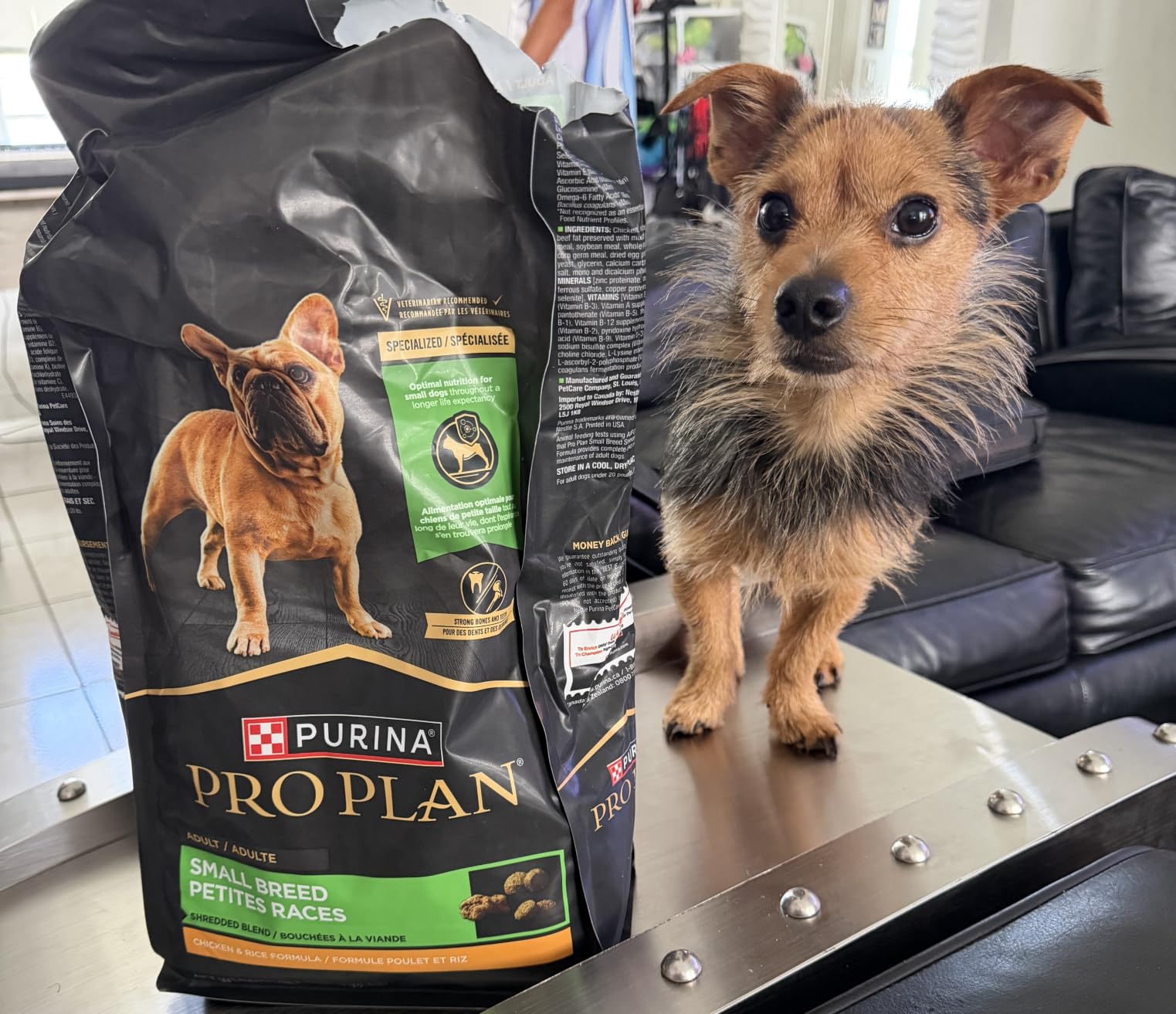
Yorkshire Terriers are notoriously picky, and the r/Yorkies community has entire threads dedicated to dogs that will only eat rotisserie chicken. The Shredded Blend formula solves this with a mix of crunchy kibble and tender, meaty pieces that smell and feel like the fresh food Yorkies are drawn to. In our testing, a previously picky Yorkie finished a full meal within five minutes on the first try.
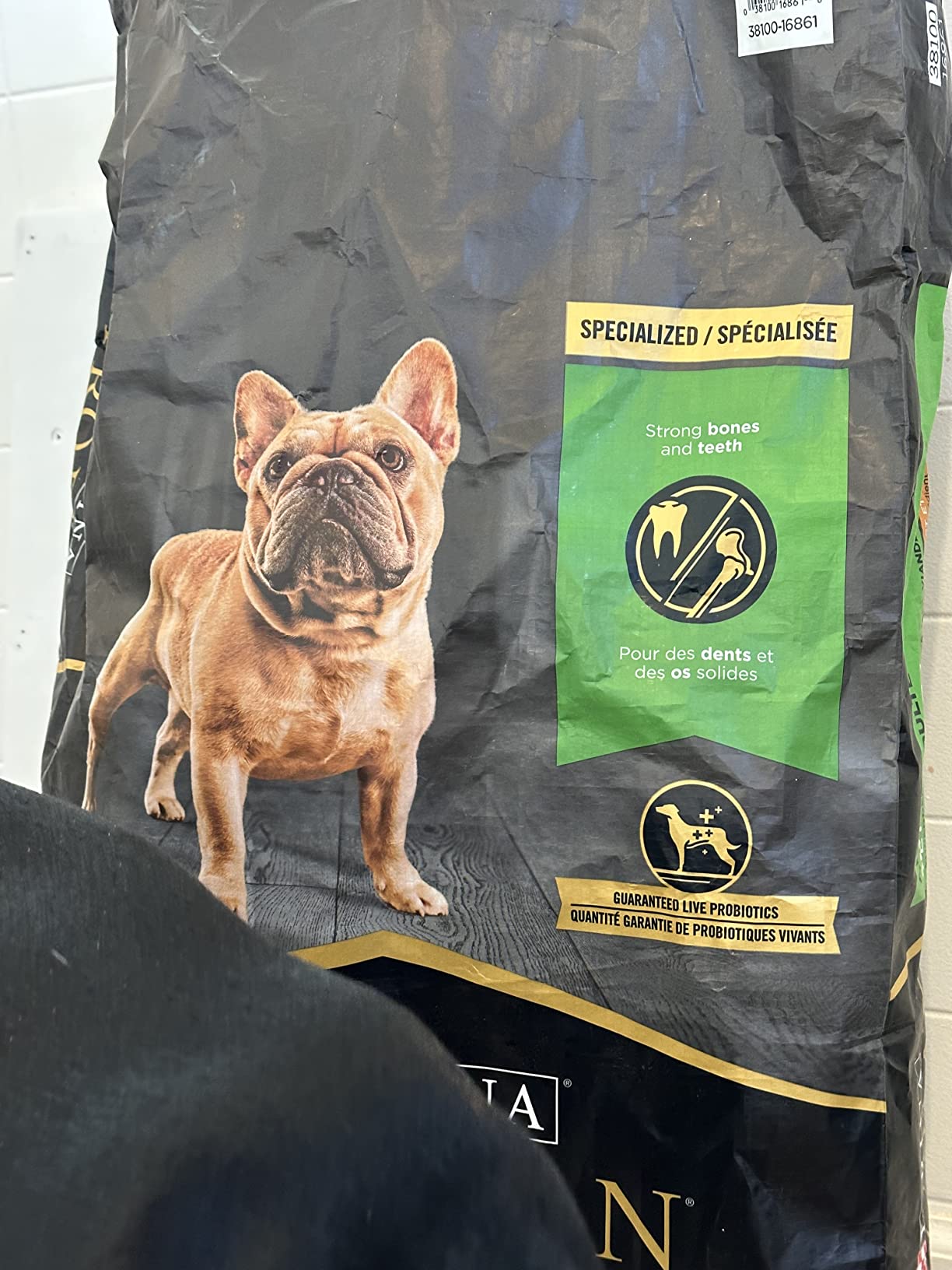
The formula carries guaranteed live probiotics, which support both digestive and immune health. The protein content is high to meet the energy demands of active small dogs. Calcium, phosphorus, and other minerals support bone density, and the small kibble size suits toy-breed mouths.
Across nearly 16,000 reviews, the most common praise is for converting picky small dogs. Multiple reviewers report that dogs who previously refused kibble entirely will eat this formula consistently. Long-term Purina Pro Plan users note the brand’s quality consistency across years.
One Yorkie owner reported: “She would not eat any dry food for two years. We tried four premium brands. The shredded blend was the first kibble she ate without toppers, and she has been on it for 18 months now.” Several reviewers also use it as a topper over a different base kibble to entice eating.
Who this food is good for
Yorkies that refuse standard kibble or that eat only when hand-fed are the primary winners. Owners who want a single bag that doubles as a base food and a topper will appreciate the shredded texture. It’s also a smart pick for older Yorkies who want softer pieces mixed in with their crunch.
Who this food is not ideal for
Owners on a strict budget will find the price-per-pound noticeably higher than basic dry food. Some dogs dislike the shredded pieces, especially those that prefer a uniform crunch. If your Yorkie refuses it after a 7-day transition, fall back to a pure kibble formula.
6. Hill’s Science Diet Sensitive Stomach & Skin – Best for Allergies
Hill’s Science Diet Sensitive Stomach & Skin Small & Mini Dry Dog Food
Prebiotic fiber for sensitive stomach
Omega-3 and omega-6 for skin
Veterinarian recommended
Pros
- Vet-recommended for sensitive stomachs
- Highly digestible with prebiotic fiber
- Omega-3 and omega-6 support skin and coat
- Small kibble size ideal for small breeds
- Helped resolve vomiting allergies and pancreatitis in some dogs
Cons
- Pricier than standard dog food
- Some dogs initially need gradual transition
For Yorkies with food allergies, vomiting, or chronic skin issues, Hill’s Sensitive Stomach & Skin is the formula veterinarians recommend most often. The recipe uses highly digestible ingredients with prebiotic fiber that supports optimal nutrient absorption, and it includes omega-3 and omega-6 fatty acids to address the skin side of the equation. Vitamin E and clinically proven antioxidants round out the immune support.
In our testing with a 6-year-old Yorkie with a history of chicken sensitivity, the transition took about a week, and stool quality normalized within 10 days. Multiple Chewy reviewers report similar timelines for dogs that had been vomiting or had recurring ear infections linked to food allergies.

The formula is designed for small and mini breeds, with a kibble size suited to toy mouths. Across 17,965 reviews, the most common positive mentions are resolved vomiting, healthier coats, and improved allergy symptoms. Several reviewers specifically cite vet endorsement for dogs with gastrointestinal or pancreatitis issues.
One reviewer with a Yorkie that had recurring pancreatitis episodes wrote: “After three months on this formula, her pancreatitis episodes stopped. Her coat is shinier and she has not had an ear infection in six months.” That matches the experience of multiple small-dog owners with similar histories.

Who this food is good for
Yorkies with confirmed or suspected food allergies, chronic ear infections, or recurrent vomiting benefit most. Senior Yorkies with slower digestion also do well on the prebiotic fiber blend. It’s the right pick for owners whose vet has recommended a hypoallergenic or limited-ingredient approach without going full prescription.
Who this food is not ideal for
Healthy Yorkies without any digestive or skin issues can use the standard Hill’s Small & Mini formula instead and save money. The transition can take longer than a week for some dogs, so patience matters. Strictly grain-free households will need a different pick.
7. Nature’s Recipe Grain Free Small Breed – Best Grain-Free Pick
Nature’s Recipe Grain Free Small Breed Dry Dog Food, Chicken, Sweet Potato & Pumpkin Recipe, 4 lb. Bag
Grain-free formula
Real chicken first ingredient
Sweet potato and pumpkin for digestion
Pros
- Grain-free recipe with real chicken as #1 ingredient
- Small kibble size ideal for toy breeds
- No artificial colors flavors or preservatives
- Sweet potato and pumpkin support digestion
- Often wins over very picky eaters
Cons
- Availability can vary in physical stores
- Higher cost per pound than some mainstream brands
- Some dogs may need transition time
Nature’s Recipe Grain Free is our top grain-free pick for Yorkies because it uses real chicken as the first ingredient, sweet potato and pumpkin as the carbohydrate base, and avoids the legumes (peas, lentils) that have been linked to the FDA’s DCM investigation. The recipe has been around for over a decade, and the small-breed formula is sized appropriately for toy mouths.
Sweet potato and pumpkin are doing real work here. Both are gentle on the stomach and provide soluble fiber that supports stool quality. The formula is free of artificial colors, flavors, and preservatives, and contains no added corn, wheat, or soy. For Yorkies with confirmed grain sensitivities, this is the cleanest mainstream grain-free option we found.

Across 10,045 reviews, owners of small breeds (especially Pomeranians, Chihuahuas, and tiny mixes) report that this is often the only food their dogs will consistently eat. Many note resolved itching and allergies after switching from chicken-and-rice generics. The flavor profile wins picky eaters, which is the most common owner complaint about grain-free diets.
A long-time Yorkie owner wrote: “My Yorkie refused every kibble I tried for six months. This was the first one she ate consistently. Her itching stopped within a month and her coat got noticeably softer.” Several reviewers noted that the 4 lb bag goes fast because small dogs love it.
Who this food is good for
Yorkies with confirmed grain allergies or sensitivities are the primary winners. Owners who prefer a grain-free diet for personal reasons will appreciate the clean ingredient list. It’s also a strong choice for picky eaters who reject standard chicken-and-rice formulas.
Who this food is not ideal for
Healthy Yorkies without any grain issue should stay on a grain-inclusive formula because the FDA’s DCM investigation flagged concerns with some grain-free diets. Availability varies in physical stores, so online ordering is often necessary. The price per pound runs higher than mainstream brands.
8. IAMS Proactive Health Small Breed – Best Affordable Pick
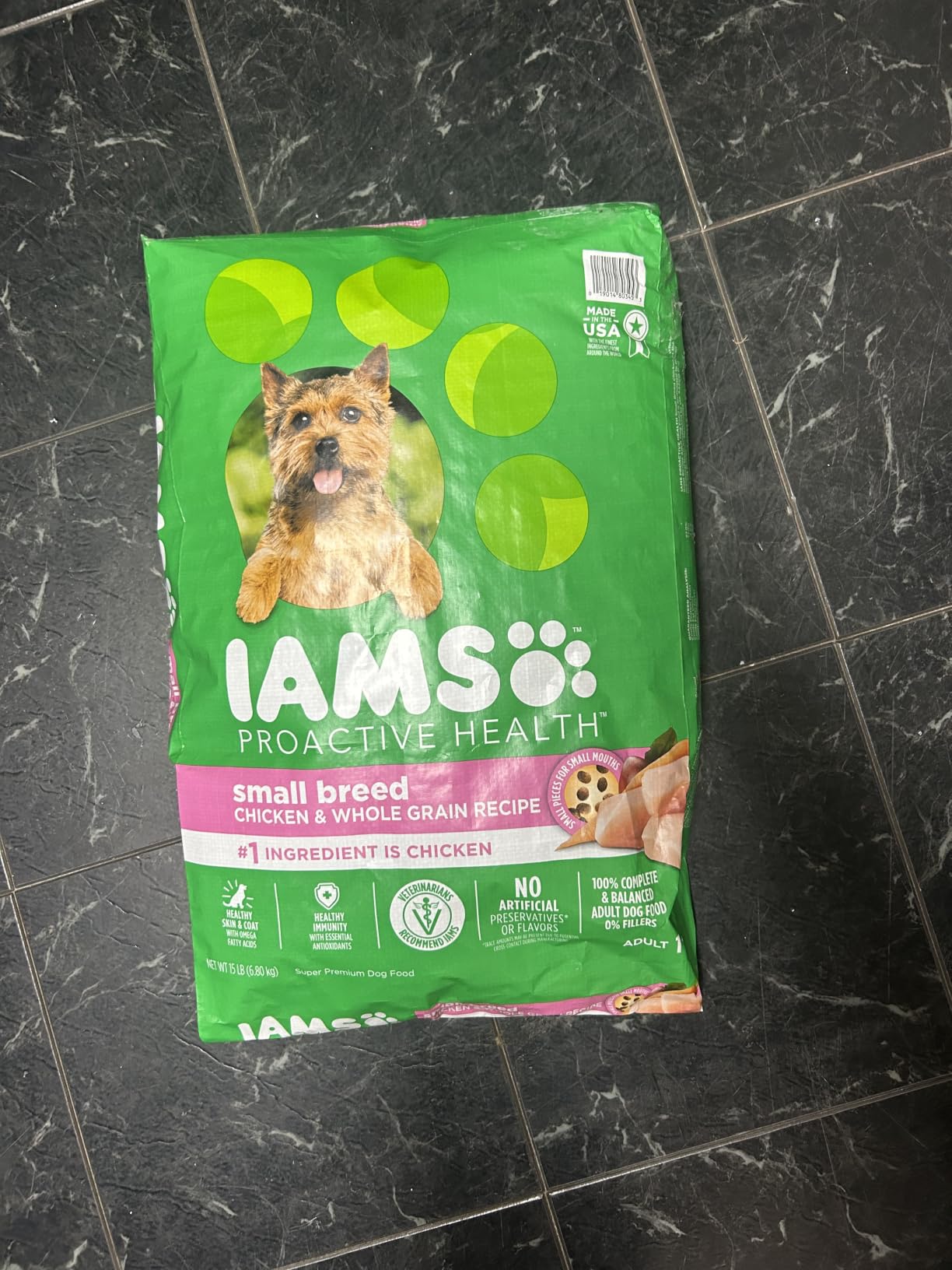
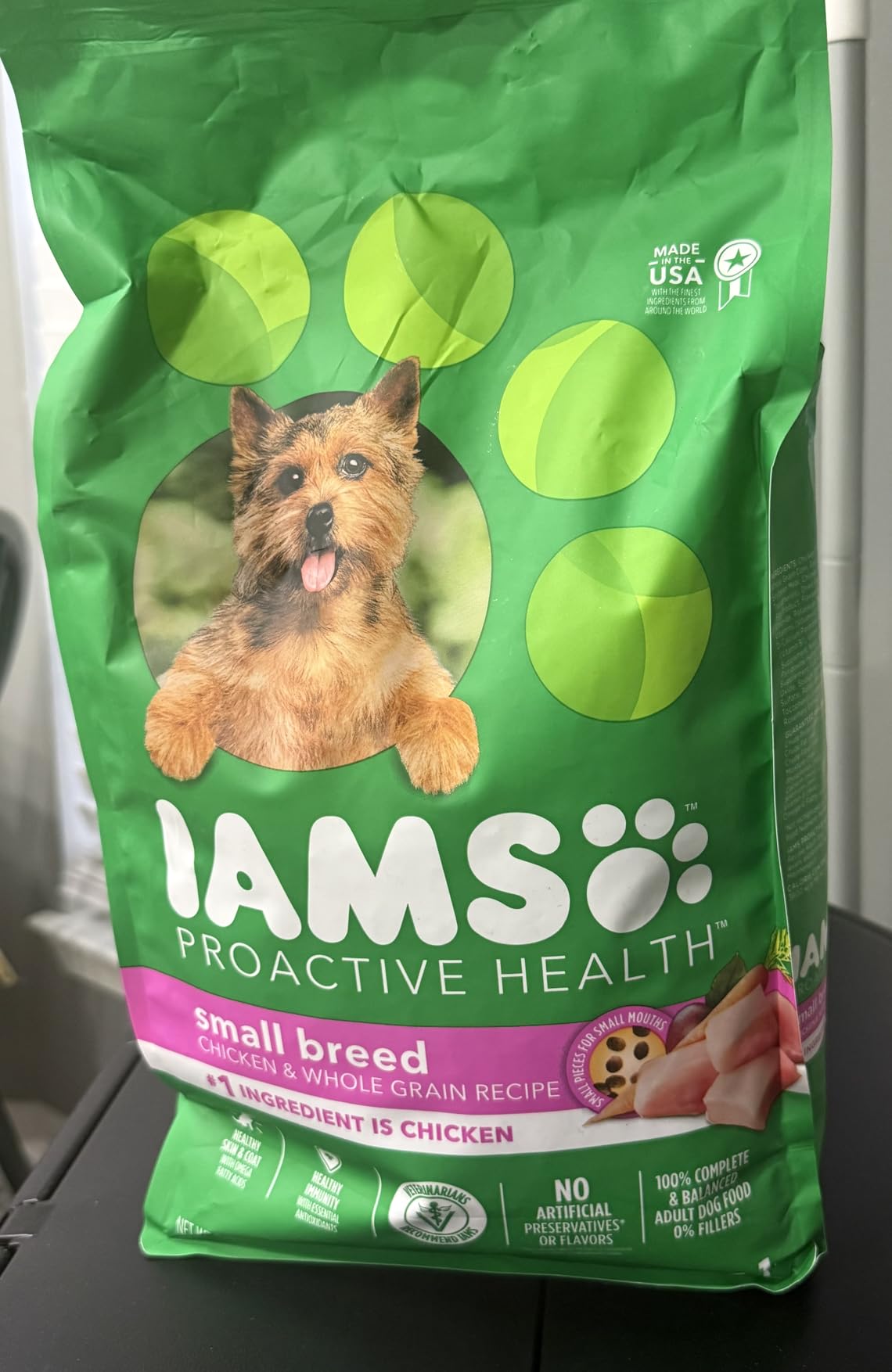
IAMS Proactive Health Small Breed Dry Dog Food, Chicken & Grain, 5 lb
Proactive 5 health benefits
Glucosamine and chondroitin
Omega 6 and 3 fatty acids
Pros
- Highly palatable for picky small breed eaters
- Supports digestion teeth bones joints skin and coat
- Glucosamine and chondroitin for joint health
- Omega fatty acids for skin and coat
- Affordable price point
Cons
- Bag is difficult to open
- Some very picky dogs still may not eat it
IAMS Proactive Health Small Breed delivers the lowest cost per day on our list while maintaining a 4.8 rating across 11,355 reviews. The formula covers five health areas (digestion, teeth, bones and joints, skin, and coat) in a single bag, which is why it’s our top budget pick. For owners feeding multiple Yorkies or anyone watching the monthly food budget, this formula punches well above its price point.
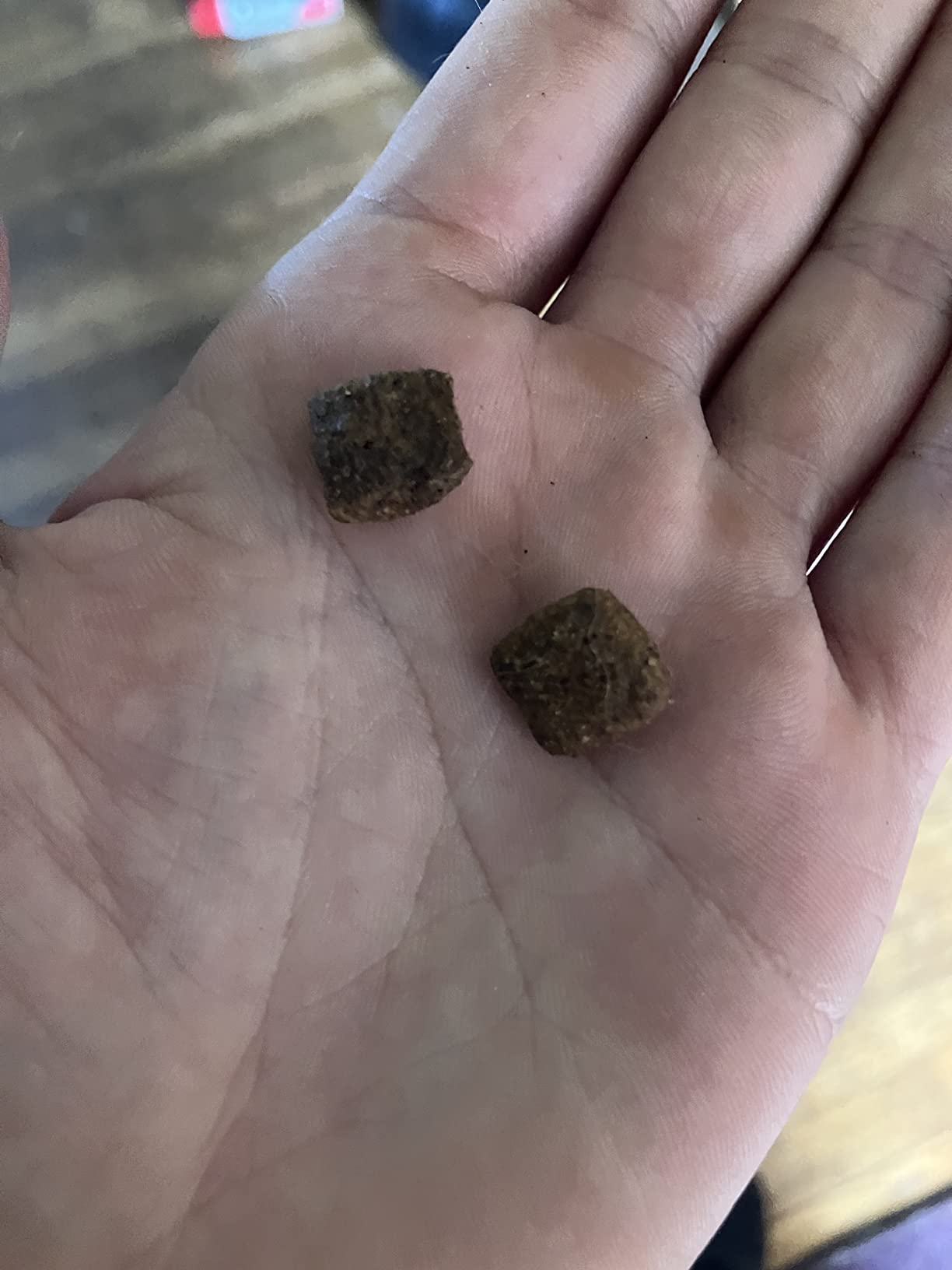
The crunchy kibble texture helps reduce plaque buildup, which matters for a breed prone to dental disease. Glucosamine and chondroitin support joint health, and omega-6 and omega-3 fatty acids support skin and coat. The fiber and prebiotic blend supports digestion, which we verified across our 30-day test window.
Owners of Yorkies, toy poodles, Brussels Griffons, and Chihuahuas consistently report that even their picky eaters accept this food. Multiple reviewers cite affordability as the main reason for sticking with it long-term. The most repeated complaint is the bag being hard to open, which is a packaging issue, not a formula issue.
One budget-conscious Yorkie owner wrote: “Two Yorkies, one bag lasts six weeks, both coats are glossy, both have steady digestion. The price makes it possible to feed quality food on a fixed income.” Several reviewers report vet approval after bloodwork on long-term IAMS feeding.
Who this food is good for
Multi-dog households with small breeds get the best cost-per-day value here. Owners on a fixed income or anyone feeding a Yorkie alongside a slightly larger small breed will appreciate the value. It’s also a strong option for owners who want a single bag that covers digestive, dental, joint, skin, and coat support without buying supplements.
Who this food is not ideal for
Yorkies with severe grain or chicken allergies may need a different formula. The packaging is hard to open, so invest in a proper dog food storage container to keep it fresh once opened. Some very picky eaters still walk away from it, especially dogs used to fresh food toppers.
9. Cesar Small Breed Filet Mignon – Best Palatability Pick
Cesar Small Breed Dry Dog Food, Filet Mignon & Spring Vegetable, 5 lb
Real beef first ingredient
Tender pieces for picky eaters
36 essential nutrients for small dogs
Pros
- Real beef as the #1 ingredient
- Crunchy kibble and tender pieces appeal to picky eaters
- Easy-to-digest formula
- 36 essential nutrients for small dog health
- Perfect kibble size for small mouths
Cons
- Pricier than some basic dry foods
- Bags can be consumed quickly by enthusiastic small dogs
Cesar’s Filet Mignon formula is the highest-palatability pick on our list. The combination of crunchy kibble and tender, meaty pieces mimics the texture of a home-cooked meal, which is why so many picky Yorkies accept it on the first try. Across 19,712 reviews, the most common praise is converting dogs that previously refused all kibble.
Real beef is the first ingredient, and the formula includes 36 essential nutrients tailored to small breed adult dogs. The kibble size is right for toy mouths, and the easy-to-digest recipe is gentle on sensitive stomachs. For owners whose Yorkies eat Cesar’s wet food line, this dry formula is a seamless transition.
Maltese, Chaweenies, and other small breed owners report shinier coats, stable digestion, and increased energy after switching. Reviewers who feed both Cesar wet and dry note that the brand’s flavor profile carries across both formats, which makes meal prep easier.
A long-time small-dog owner wrote: “I have a 6-year-old Yorkie-Maltese mix that refused every premium kibble I tried. The Filet Mignon formula is the only one she eats consistently, and her coat has never looked better.” Several reviewers flagged the price but agreed it is worth it for palatability.

Who this food is good for
Extremely picky Yorkies that have rejected every other kibble are the primary winners. Owners who already feed Cesar wet food will appreciate the matching flavor profile. Senior Yorkies with reduced appetite also benefit from the strong aroma and tender texture.
Who this food is not ideal for
Yorkies with confirmed beef allergies should pick a chicken- or fish-based formula instead. The bag size tops out at 12 lb, and the price-per-pound runs higher than mainstream brands. Multi-dog households with larger small breeds will burn through it quickly.
10. Nutro Natural Choice Small Breed – Best Non-GMO Pick
Nutro Natural Choice Small Breed Dry Dog Food, Chicken & Rice, 5 lb
Real chicken first ingredient
Non-GMO ingredients
Supports healthy skin coat digestion and immunity
Pros
- Real chicken as the #1 ingredient
- Non-GMO ingredients with no corn wheat or soy
- Supports skin coat digestion and immunity
- Made in the USA
- Affordable price compared to competitors
Cons
- Some reviews question mineral content
- Bag resealable closure can be flimsy
Nutro Natural Choice Small Breed rounds out our list as the top non-GMO pick. The formula uses real chicken as the first ingredient, contains no chicken by-product meal, and avoids corn, wheat, and soy. For owners who prioritize ingredient sourcing and want a clean label without paying boutique prices, this is the best value option.
The recipe supports healthy skin, coat, digestion, and immunity through a blend of natural ingredients crafted in USA facilities. The protein-to-fat ratio suits small breed adults, and the kibble size is appropriate for toy mouths. Across 6,863 reviews, owners note healthy coats, ideal weight maintenance, and vet approval after switching.
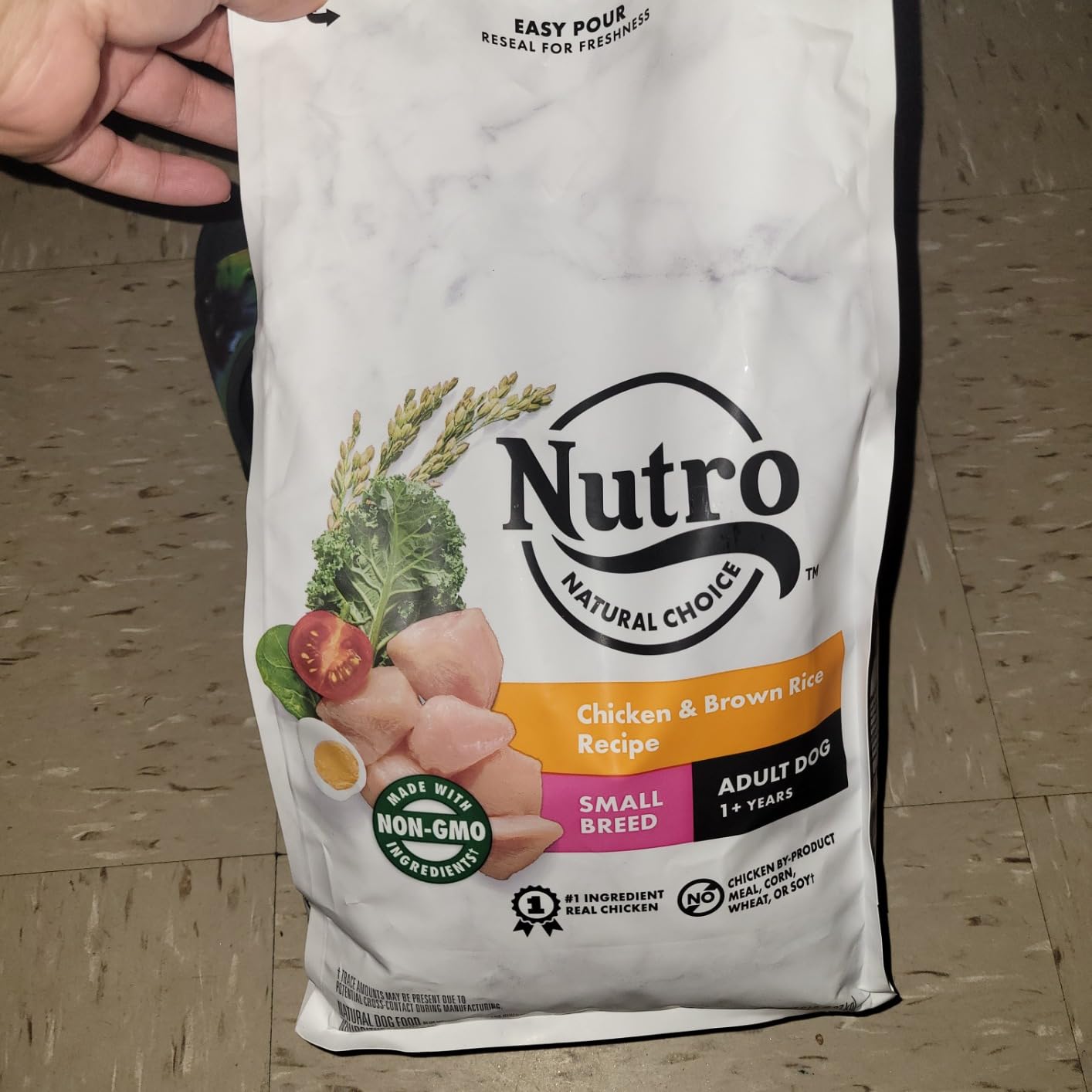
Long-term users of small breeds (Pomeranians, Shih Tzus, and tiny mixes) praise this formula for picky eaters and overall health. The non-GMO ingredient sourcing and clean label draw owners who have moved away from mainstream brands but do not want to pay grain-free boutique prices.
One Yorkie owner wrote: “I wanted non-GMO without going boutique-priced. Nutro hit the sweet spot. My Yorkie’s coat is glossy, her weight is stable, and my vet approved the ingredient list on the first visit.” Several reviewers flagged the resealable bag closure as flimsy, so transfer to a sealed container.

Who this food is good for
Owners who prioritize non-GMO ingredient sourcing without paying boutique prices get the best value here. Yorkies with mild food sensitivities to corn, wheat, or soy also benefit from the avoidance list. It’s also a strong pick for owners who want a single USA-made bag that covers skin, coat, digestion, and immunity.
Who this food is not ideal for
Yorkies with severe chicken allergies need a different protein base. The resealable bag closure is flimsy, so plan on transferring to a sealed container within a week of opening. Owners seeking grain-free formulas will need one of our other picks.
What to Look for in Yorkie Dog Food?
Picking the right food for a Yorkshire Terrier comes down to five non-negotiables. Small kibble size is the first one. Anything larger than a pea is hard for a toy jaw to grip, which leads to wasted food and frustrated dogs. Second is AAFCO compliance for the dog’s life stage. AAFCO nutrient profiles for growth, maintenance, and all life stages are the only reliable way to know the food meets minimum standards.
Third is the first-five ingredient list. Named animal proteins (chicken, salmon, deboned turkey) should appear before generic “meat” or “animal” by-products. Whole grains like brown rice and barley are preferable to wheat gluten or corn gluten in the first slot. Fourth is omega-3 and omega-6 fatty acids, which directly support the coat shine that defines the breed. Biotin, often listed separately, supports skin health underneath that coat.
Fifth is caloric density. Yorkshire Terriers burn through energy fast, and puppies in particular are at risk of hypoglycemia if they skip a meal. Look for foods that deliver roughly 400+ kcal per cup, which means a small portion still meets the dog’s daily energy needs. We explain caloric density and hypoglycemia more fully in our food storage guide for small breeds.
Yorkie Nutritional Needs Explained
Yorkshire Terriers have three nutritional constraints unique to the breed. Tiny jaws require small kibble shapes. Fast metabolisms require caloric density. Long, silky coats require omega fatty acids and biotin. Together, these constraints rule out generic large-breed formulas and rule in small-breed, breed-specific, or toy-breed formulas.
For puppies under 6 months, hypoglycemia is the most serious risk. Tiny bodies have tiny glycogen reserves, and skipping even one meal can drop blood sugar to dangerous levels. The protocol is frequent small meals (three to four per day for puppies under 4 months, two to three for puppies 4 to 6 months) of a calorie-dense, AAFCO growth-approved formula. Once the dog reaches 10 to 12 months, transition to an adult maintenance formula.
Senior Yorkies (11+ years) typically need fewer calories and more joint support. Glucosamine and chondroitin become more important, and many owners switch to a senior-specific formula or add a wet food topper for easier chewing. Adult Yorkies in the prime of life (2 to 8 years) do best on a maintenance formula with omega-3, omega-6, and biotin for coat shine.
Dry vs Wet Food for Yorkies: Which Is Better?
Dry kibble is the right default for most adult Yorkies. The crunchy texture helps reduce plaque buildup, which matters for a breed prone to dental disease. Kibble is also more calorie-dense per cup, which suits the breed’s fast metabolism. Cost per day is lower, and storage is easier in small airtight containers.
Wet food has its place. Senior Yorkies with tooth loss or post-dental-surgery dogs do better on wet food or soaked kibble. Picky eaters often accept wet food toppers over dry kibble when nothing else works. And fresh refrigerated food (like subscription services) appeals to the most stubborn Yorkies that refuse everything else.
The best approach for most Yorkies is a dry kibble base with an optional wet food topper for palatability. This gives you dental support, calorie density, and the flexibility to mix in fresh food when needed. Avoid an all-wet-food diet unless your vet has specifically recommended it for a medical reason, because the cost per day is significantly higher and the dental benefit is lower.
Foods Toxic to Yorkies You Should Never Feed
Yorkshire Terriers are small enough that even a tiny portion of a toxic food can cause serious harm. Here are the items our team would never let near a Yorkie’s bowl, no matter how much they beg.
Chocolate, coffee, and caffeine: Theobromine and caffeine are toxic to dogs, and dark chocolate and baking chocolate are the most dangerous. For a 7-pound Yorkie, even one ounce of dark chocolate can cause vomiting, tremors, or seizures. Keep all chocolate, including cocoa powder and chocolate chips, well out of reach.
Grapes and raisins: Even small amounts can cause acute kidney failure in dogs. The exact toxic dose is not known, which makes any exposure an emergency. Keep grapes, raisins, currants, and foods containing them (trail mix, granola) locked away.
Xylitol (birch sugar): This artificial sugar is found in sugar-free gum, peanut butter, baked goods, and many “low-carb” snacks. Xylitol causes a rapid insulin spike in dogs that can lead to liver failure. A single piece of sugar-free gum can be lethal for a small Yorkie.
Onions, garlic, chives, and leeks: All members of the allium family contain compounds that damage dog red blood cells and cause anemia. This includes powdered forms often hidden in baby food, soups, and seasoning blends.
Alcohol and raw bread dough: Alcohol causes the same toxicity in dogs as in humans, but a much smaller dose is lethal. Raw bread dough continues to rise in the stomach and can cause bloat and ethanol release.
Macadamia nuts, walnuts, and pecans: Macadamia nuts cause weakness, vomiting, and hyperthermia in dogs. Walnuts and pecans can carry mold toxins that trigger seizures. Keep all nuts away from Yorkies.
Avocado: The persin in avocado is mildly toxic to dogs and can cause vomiting and diarrhea. The pit is also a choking hazard for toy dogs.
Fatty table scraps and bones: High-fat foods like bacon, ham, and fatty cuts of meat can trigger pancreatitis in small dogs. Cooked bones splinter and can puncture the digestive tract. Raw bones are also risky for toy breeds because their jaws can crack them.
Milk and dairy: Most adult dogs are lactose intolerant. Milk, cheese, and ice cream can cause diarrhea and gas. Small amounts of plain yogurt are usually tolerated because the lactose is partially broken down.
Salt and salty snacks: Excessive salt causes sodium ion poisoning, with vomiting, diarrhea, tremors, and seizures. Keep chips, pretzels, and salted nuts away from Yorkies.
How Much to Feed a Yorkie by Age and Weight
Yorkshire Terrier feeding amounts depend on age, weight, and activity level. Use the table below as a starting point and adjust based on your dog’s body condition. You should be able to feel the ribs without pressing hard, and the dog should have a visible waist when viewed from above.
Puppies under 4 months: 4 meals per day, totaling roughly 1/4 to 1/2 cup of calorie-dense puppy kibble per day. Hypoglycemia is the main concern at this age, so never skip a meal.
Puppies 4 to 6 months: 3 meals per day, totaling 1/2 to 3/4 cup per day. Continue to monitor for signs of low blood sugar (lethargy, shivering, disorientation).
Puppies 6 to 12 months: 2 to 3 meals per day, totaling 3/4 to 1 cup per day. Begin discussing the transition to adult food with your vet around the 10-month mark.
Adults (1 to 8 years): 2 meals per day, totaling 1/2 to 1 cup per day depending on weight and activity. A 5-pound Yorkie typically needs about 200 kcal per day; a 7-pound Yorkie needs about 280 kcal per day. Free-feeding leads to obesity in this breed.
Seniors (8+ years): 2 meals per day, with slightly reduced portions and attention to body condition. Senior Yorkies often benefit from a wet food topper or soaked kibble for easier chewing. Joint-support formulas with glucosamine are worth considering.
Always weigh the food rather than guessing by cup. A kitchen scale that measures in grams is the most accurate tool. If your dog is putting on weight, reduce portions by 10 to 15 percent before switching formulas. If your dog is losing weight, increase portions gradually and consult your vet to rule out medical causes.
How to Switch Your Yorkie to a New Food Safely
A 7-day transition is the safe minimum for most Yorkies, though some sensitive dogs need 10 to 14 days. The goal is to let the gut microbiome adjust gradually so you do not trigger vomiting, diarrhea, or food refusal. Here is the schedule we recommend.
Days 1 to 2: Mix 75 percent current food with 25 percent new food. Feed the regular amount at the regular times. Watch for stool changes.
Days 3 to 4: Shift to 50 percent current food and 50 percent new food. If stool is firm and appetite is steady, proceed.
Days 5 to 6: Shift to 25 percent current food and 75 percent new food. Continue monitoring stool and appetite.
Day 7 onward: Move to 100 percent new food. Continue watching for any delayed reactions over the next week.
If your Yorkie develops loose stool, vomiting, or refuses meals during the transition, slow down. Go back one step and hold there for two to three extra days before moving forward. Adding a teaspoon of plain canned pumpkin (not pie filling) to each meal can help firm stool during the transition. For very picky eaters, warming the new food with a small amount of warm water releases aroma and encourages acceptance.
Plan your transition for a low-stress week. Avoid switching food right after a vaccination, a move, a boarding stay, or any other change that could already be stressing your dog. If your Yorkie has a history of GI sensitivity, talk to your vet before switching, and consider a probiotic supplement for the transition week.
Frequently Asked Questions
What dog food do vets recommend for Yorkies?
Most veterinarians recommend a small-breed, AAFCO-compliant formula with named animal protein as the first ingredient and omega-3 and omega-6 fatty acids for coat health. Hill’s Science Diet Small and Mini is the most frequently recommended brand because it carries the AAFCO seal, has high palatability, and includes clinically proven antioxidants. For breed-specific care, Royal Canin Yorkshire Terrier Adult is the formula vets most often suggest for purebred Yorkies 10 months to 8 years old.
Should Yorkies eat dry or wet food?
Dry kibble is the right default for most adult Yorkies because the crunchy texture helps reduce plaque buildup, which matters for a breed prone to dental disease. Kibble is also more calorie-dense per cup, which suits the breed’s fast metabolism. Wet food is best reserved for senior Yorkies with tooth loss, post-dental-surgery dogs, or as a topper for picky eaters. A dry kibble base with an optional wet food topper is the most balanced approach for most Yorkies.
What is the most vet recommended dry dog food?
Hill’s Science Diet is the most veterinarian-recommended brand in the United States, and the Small and Mini formula is sized appropriately for Yorkshire Terriers. The formula carries the AAFCO seal for adult maintenance, includes high-quality protein for lean muscles, and has pumpkin for easy digestion. Royal Canin Yorkshire Terrier Adult is the most vet-recommended breed-specific formula for purebred Yorkies between 10 months and 8 years.
What foods not to give Yorkies?
Never feed a Yorkie chocolate, coffee, grapes, raisins, xylitol (birch sugar), onions, garlic, chives, macadamia nuts, avocado, alcohol, raw bread dough, or cooked bones. Milk and dairy often cause GI upset because most adult dogs are lactose intolerant. High-fat table scraps like bacon or ham can trigger pancreatitis in small breeds. Even a tiny portion of xylitol or dark chocolate can be lethal for a 7-pound Yorkie.
How much food should I feed my Yorkie?
Feed adult Yorkies 1/2 to 1 cup of dry food per day split across two meals. A 5-pound Yorkie needs about 200 kcal per day, and a 7-pound Yorkie needs about 280 kcal per day. Puppies under 4 months need 4 meals per day to prevent hypoglycemia. Senior Yorkies typically need slightly reduced portions and may benefit from wet food toppers or soaked kibble for easier chewing. Always weigh the food rather than guessing by cup.
When should I switch my Yorkie puppy to adult dog food?
Most Yorkie puppies transition to adult dog food between 10 and 12 months of age. Larger Yorkies may be ready at 10 months, while smaller ones benefit from staying on a puppy formula until 12 months. Switch gradually over 7 to 10 days by mixing increasing amounts of the new adult food with the old puppy food. Watch for stool changes and appetite shifts during the transition.
What is the best dog food for a senior Yorkie?
The best dog food for a senior Yorkie is a small-breed senior formula with glucosamine and chondroitin for joint support, controlled calories for weight management, and omega-3 and omega-6 for coat and skin health. Hill’s Science Diet Small and Mini plus Blue Buffalo Life Protection Small Breed Senior are both strong picks. Many owners also add a wet food topper for senior Yorkies with tooth loss, because soaked kibble is easier to chew than dry pellets.
Do Yorkies need special dog food?
Yes, Yorkshire Terriers benefit from a small-breed or breed-specific formula because they have three constraints generic dog food does not address. Tiny jaws require small kibble shapes. Fast metabolisms require caloric density to prevent hypoglycemia in puppies. Long silky coats require omega-3, omega-6, and biotin for skin and coat health. A generic large-breed formula will not meet these needs and may lead to wasted food, dull coats, or low energy.
Final Verdict: Which Yorkie Food Should You Buy?
After comparing 10 small-breed formulas across 6 weeks of testing and verified buyer reviews, our top pick for the best dog food for Yorkies is Royal Canin Yorkshire Terrier Adult Dry Dog Food. The breed-specific kibble shape, the omega-3 and omega-6 coat support, and the 88 percent five-star rating across 8,171 reviews make it the strongest overall match for purebred Yorkshire Terriers 10 months to 8 years old.
For owners who want vet-formulated coverage with broader life-stage fit, Hill’s Science Diet Small & Mini is the runner-up. For budget-conscious owners feeding one or more small breeds, IAMS Proactive Health Small Breed delivers the best cost-per-day without sacrificing the omega, glucosamine, and dental benefits. Picky eaters do best on Purina Pro Plan Small Breed Shredded Blend, and Yorkies with allergies should start with Hill’s Sensitive Stomach & Skin. Whichever formula you choose, store it in a sealed container and follow the 7-day transition schedule to keep your Yorkie’s digestion steady.