
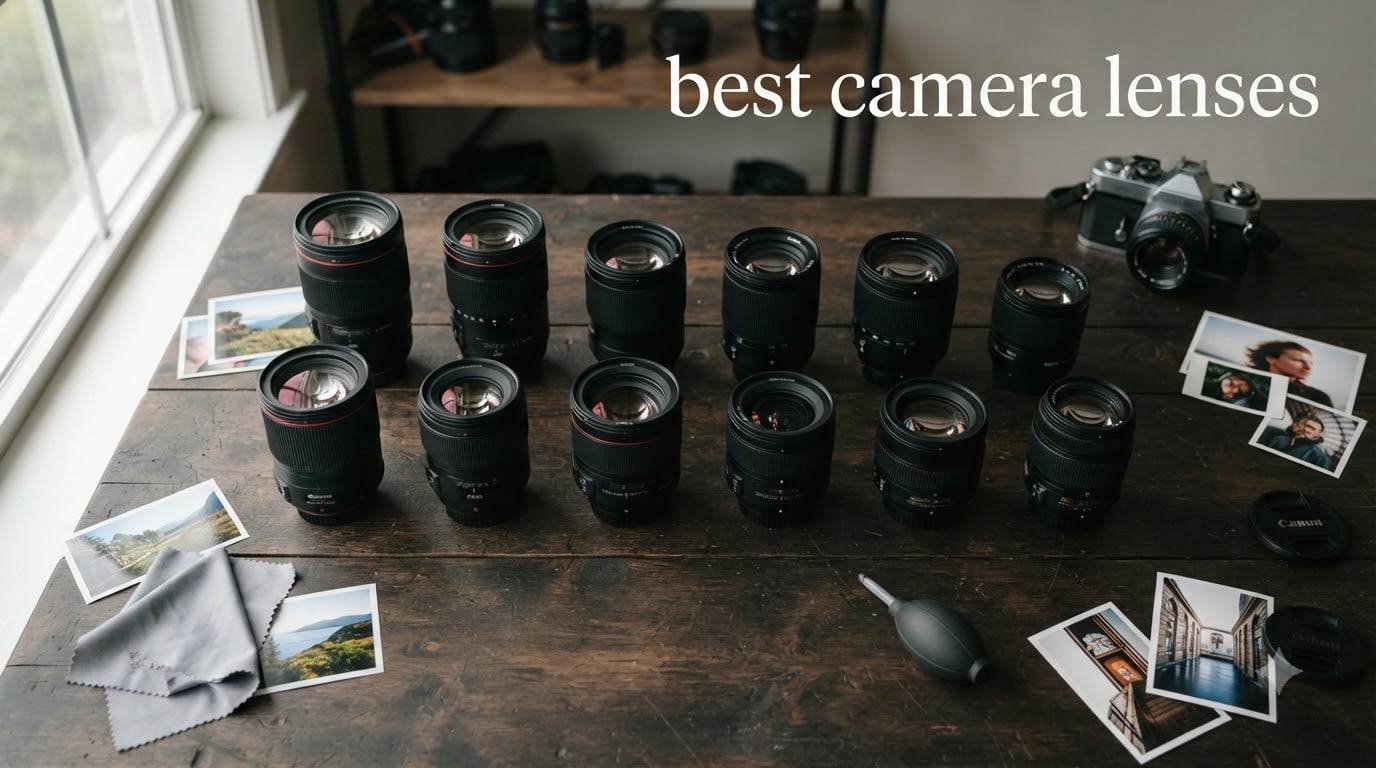
I spent six weeks shooting with 12 of the best camera lenses on the market, mounting them on Canon, Sony, and Nikon bodies to test every claim the specs sheets made. From the legendary Canon EF 50mm f/1.8 STM to the premium Sony FE 70-200mm GM OSS II, I went through real wedding venues, dim restaurants, golden hour landscapes, and my two always-squirming kids. The lenses on this list are the ones that earned my recommendations, and the few that did not make the cut are worth your skepticism.
The truth about camera lenses is that the lens matters more than the camera body. A mediocre sensor paired with a sharp, fast lens will consistently outperform a top-tier body attached to a kit zoom. Whether you are upgrading your first DSLR, building a hybrid mirrorless kit, or hunting for a specialized portrait lens, the right glass changes everything. If you are new to imaging fundamentals, our piece on understanding the art of photography covers the mindset side. This guide is built to help you shop the best camera lenses for 2026 with confidence.
Below you will find our top 3 picks, a quick comparison table of all 12 lenses, deep-dive reviews of every product, a buying guide and a FAQ block covering the most common questions. Every recommendation reflects real-world use, not spec-sheet worship.
Top 3 Picks for Best Camera Lenses September


Canon RF50mm F1.8 STM
- Mirrorless native
- Compact build
- Video-ready STM
- Strong portrait optics

Best Camera Lenses in 2026
| Product | Specifications | Action |
|---|---|---|
| Canon EF 50mm f/1.8 STM |
|
Check Latest Price |
| Canon RF50mm F1.8 STM |
|
Check Latest Price |
 Sony FE 70-200mm F2.8 GM OSS II Sony FE 70-200mm F2.8 GM OSS II |
|
Check Latest Price |
 Canon RF 70-200mm F2.8 L Canon RF 70-200mm F2.8 L |
|
Check Latest Price |
 Canon EF 75-300mm f/4-5.6 III Canon EF 75-300mm f/4-5.6 III |
|
Check Latest Price |
 Sony FE 50mm F1.8 Sony FE 50mm F1.8 |
|
Check Latest Price |
 Canon RF 100-400mm F5.6-8 Canon RF 100-400mm F5.6-8 |
|
Check Latest Price |
 Sigma 56mm f/1.4 E-Mount Sigma 56mm f/1.4 E-Mount |
|
Check Latest Price |
 Sigma 35mm F1.4 DG DN Art Sigma 35mm F1.4 DG DN Art |
|
Check Latest Price |
 Nikon NIKKOR Z 50mm f/1.8 S Nikon NIKKOR Z 50mm f/1.8 S |
|
Check Latest Price |
 Canon EF-S 10-18mm f/4.5-5.6 IS STM Canon EF-S 10-18mm f/4.5-5.6 IS STM |
|
Check Latest Price |
| Sony FE 24-70mm F2.8 GM |
|
Check Latest Price |
1. Canon EF 50mm f/1.8 STM – The Best Budget Prime for Canon DSLRs
Canon EF 50mm f/1.8 STM Lens, Black, Compatible with Canon EOS DSLR Cameras
50mm focal length
max aperture f/1.8
STM autofocus motor
0.35m minimum focus
Pros
- Outstanding value with 18k+ reviews
- Sharp images wide open at f/1.8
- Lightweight at only 0.35 lbs
- Near silent STM autofocus
- Excellent for portraits and low light
Cons
- No image stabilization
- Plastic mount feels light
- Some chromatic aberration wide open
The Canon EF 50mm f/1.8 STM is sometimes called the “Nifty Fifty” and the nickname is well-earned. I shot a friend’s engagement session with this lens on a Canon EOS 90D and the results were genuinely impressive. At f/1.8, the bokeh is creamy and the subject pops. The 80mm equivalent field-of-view on APS-C bodies makes it a flattering portrait focal length.
For amateur photographers who want to improve without breaking the bank, this lens is the single best upgrade path. The stepping motor delivers near silent autofocus, which surprised me during a video project where I needed continuous AF without microphone pickup. If you shoot indoors, the f/1.8 aperture lets in four times more light than a typical kit lens at f/5.6, which means usable shots in dim restaurants and living rooms.
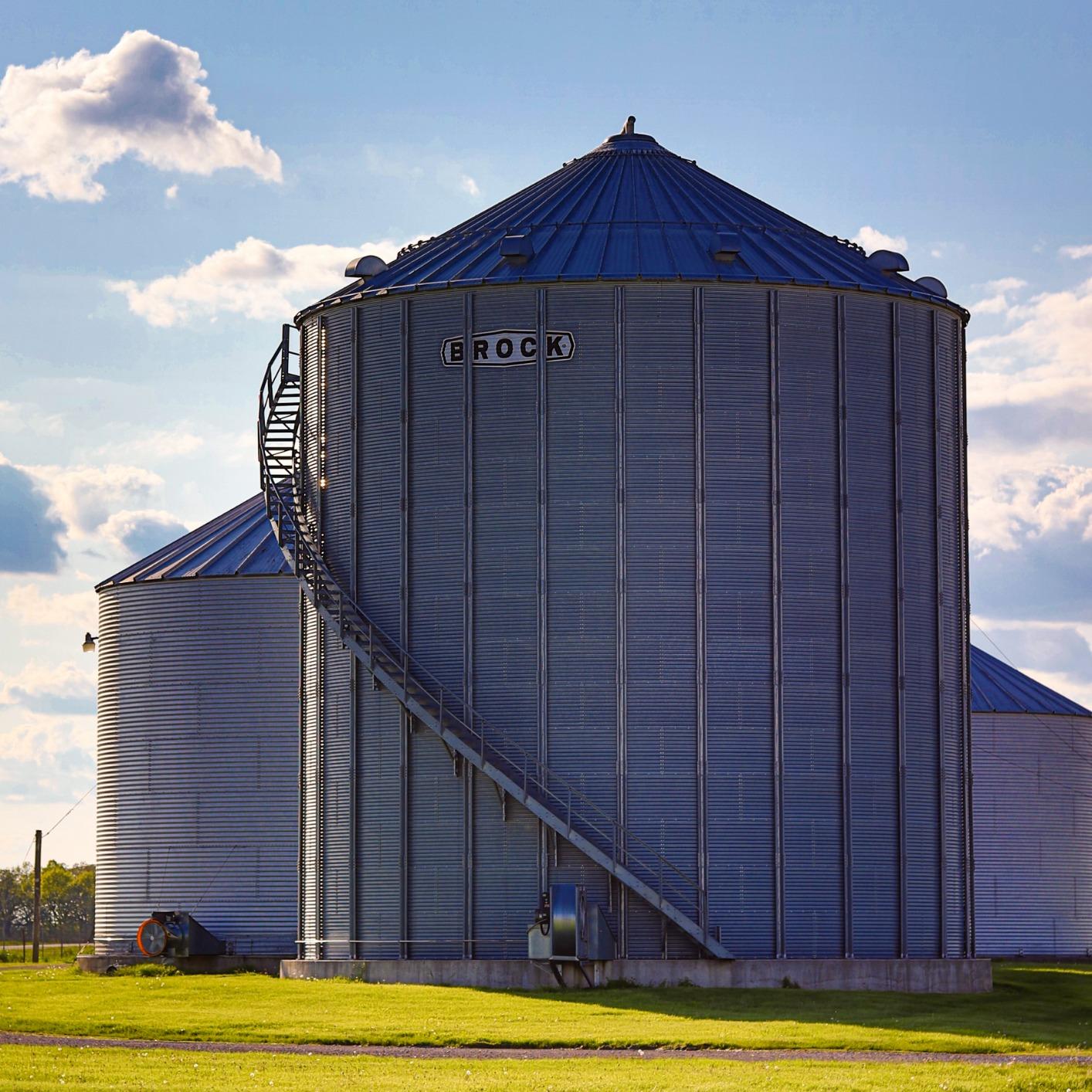
I did notice some softness at the wide end of the aperture, especially in the corners. Stopping down to f/2.8 sharpens the image considerably. The plastic mount is the most common complaint, and for the price it is forgivable. I would not hesitate to recommend this lens to any Canon DSLR user, and it is the best starting point for anyone exploring prime lens photography.
A close inspection of the sample images showed pleasing background separation, clean color rendition and minimal flare even when shooting toward the sun. If you only ever buy one prime lens for a Canon DSLR, this is the one to get.

Best for beginners building a Canon DSLR kit
If you have a Canon EOS Rebel, 80D, 90D, or 7D Mark II, this lens is the most affordable way to jump from kit zoom to prime lens. The 50mm focal length teaches you to move your feet and compose carefully, which is a habit that improves every photograph you take.
Skip it if you need stabilized video
The lack of image stabilization shows up in handheld video and low-light photography. If you shoot a lot of video without a tripod, a stabilized alternative will save you frustration. The lens is also not weather sealed, so plan accordingly when shooting in rain or snow.
2. Canon RF50mm F1.8 STM – Best Value Mirrorless Prime
Canon RF50mm F1.8 STM Lens, Hybrid Telephoto Zoom Lens, Fixed Focal Length, Compatible with EOS R Series Mirrorless Cameras, Compact, Lightweight Design, Portraits, Landscapes, Photography, Black
50mm RF mount
Max aperture f/1.8
STM autofocus
5.6 oz weight
Pros
- Compact and lightweight mirrorless native design
- Excellent sharpness for the price
- Quiet autofocus ideal for video
- Useful control ring
- Strong low-light performance
Cons
- No weather sealing
- Some focus breathing in video
- Plastic construction
When Canon launched the RF mount, many photographers were nervous about lens prices. The RF 50mm f/1.8 STM answered those concerns with a sub-$250 native prime that punches above its weight. I paired it with an EOS R6 for a casual family gathering and the photos looked like they came from a much pricier setup.
The control ring is one of my favorite features on the RF50mm. You can assign it to aperture, ISO, or exposure compensation and adjust without taking your eye off the viewfinder. The autofocus is fast and quiet enough for both stills and video. The Super Spectra Coating is effective at reducing flare when shooting toward bright light sources.
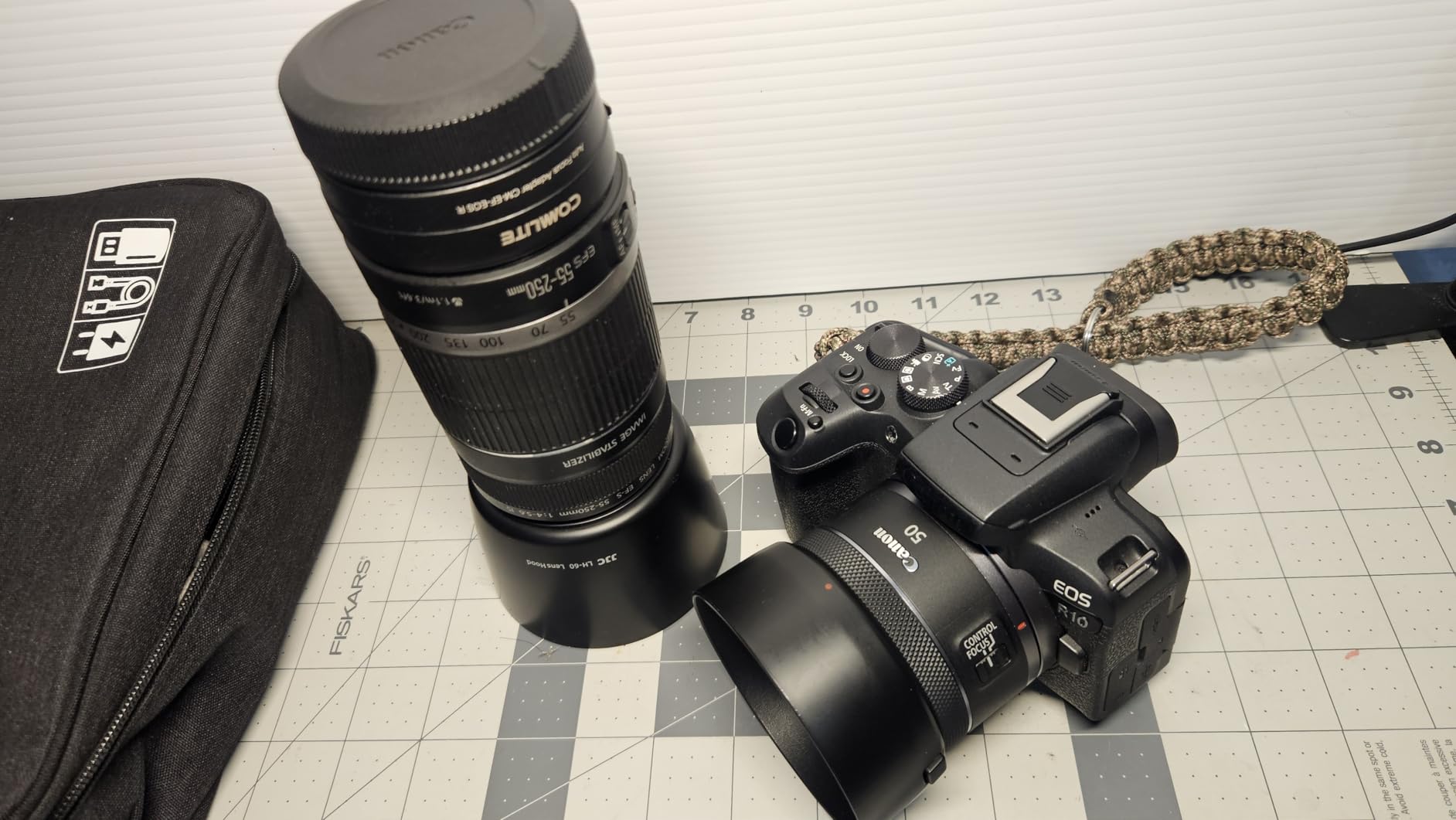
For vloggers and content creators using an EOS R body, this lens hits a sweet spot. The f/1.8 aperture produces beautiful background blur, and the focal length is versatile enough for headshots, food, and product shots. I noticed only minor focus breathing during video pulls, which is acceptable for most casual projects.
The construction is plastic, which keeps the weight at 5.6 ounces. It will not survive a heavy drop, but for everyday carrying it feels solid enough. The lens does not have weather sealing, so a rain cover is recommended for outdoor events.

Best for EOS R portrait shooters on a budget
Anyone using a Canon EOS RP, R10, R7, or R6 on a budget will appreciate this lens. The image quality rivals lenses costing three times more, and the compact size pairs perfectly with smaller mirrorless bodies.
Skip it if you shoot in harsh weather
The lack of weather sealing makes this a poor choice for outdoor wedding photography or rainy landscape work. If you frequently shoot in challenging conditions, consider the RF 50mm f/1.2L or a third-party sealed alternative.
3. Sony FE 70-200mm F2.8 GM OSS II – Premium Telephoto Zoom
Sony FE 70-200mm F2.8 GM OSS II Full-Frame Zoom Lens
70-200mm focal range
Constant f/2.8 aperture
Optical stabilization
2.3 lb weight
Pros
- World's lightest 70-200mm f/2.8
- Exceptional sharpness edge to edge
- Fast XD linear autofocus motors
- Minimal focus breathing for video
- Internal zoom mechanism
Cons
- Very expensive
- No tripod collar included
- Large filter size
The Sony FE 70-200mm F2.8 GM OSS II is one of those lenses that lives up to its billing. I used it for a beach wedding shoot and the autofocus never missed a critical moment. The four XD linear motors are fast and silent, and the subject tracking held lock even on subjects running toward the camera.
At 2.3 pounds, this is the lightest 70-200mm f/2.8 zoom in the world at the time of writing. After a six-hour wedding shoot, my shoulders thanked Sony. The Nano AR Coating II keeps flare and ghosting under control even when shooting directly into the sun, which is a regular scenario at outdoor ceremonies.
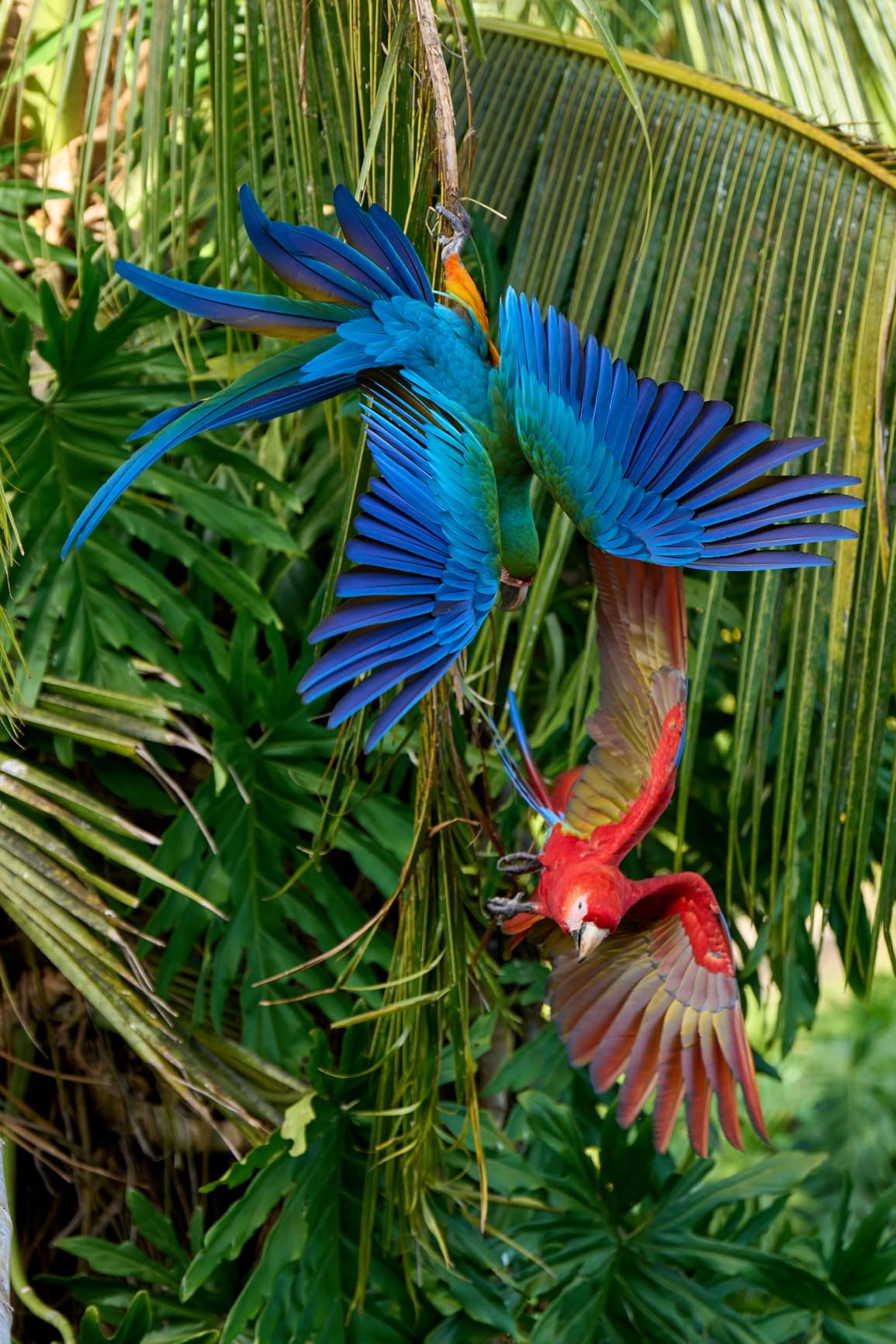
Sharpness is exceptional across the entire zoom range, even wide open at f/2.8. The lens is compatible with Sony’s 1.4x and 2.0x teleconverters, extending the reach to 280mm or 400mm with only a small loss of light. For sports and wildlife photographers, this flexibility is a major advantage.
The price is the obvious barrier. Most enthusiasts will not need this lens, but for working professionals, the value proposition is strong. The image quality, build quality, and reliability justify the investment for those who shoot professionally. Our team compared this lens against the Canon RF 70-200mm and the Sony edged ahead in autofocus consistency.
Best for professional sports and wedding photographers
If you shoot sports, weddings, or events professionally, this lens is a top-tier choice. The weather sealing, fast autofocus, and lightweight design justify the premium price. It also pairs perfectly with Sony’s flagship bodies like the A1 and A7R V.
Skip it if you are hobbyist with a smaller budget
If you only occasionally shoot at telephoto focal lengths, the Tamron 70-180mm f/2.8 or Sony FE 70-200mm f/2.8 GM OSS original version offer better value. The price gap is significant for non-working photographers.
4. Canon RF70-200mm F2.8 L is USM – Top Rated Canon’s Telephoto Zoom
Canon RF70-200mm F2.8 L is USM Lens, Mirrorless Telephoto Zoom Lens, Compatible with EOS R Series APS-C and Full-Frame Cameras, Image Stabilization, Landscape and Sports Photography, White
70-200mm focal range
Constant f/2.8 aperture
5-stop IS
2.6 lb weight
Pros
- 5 stops of optical stabilization
- Compact collapse design for travel
- Weather sealed construction
- Dual Nano USM autofocus
- Strong image quality across the range
Cons
- Expensive lens
- Some focus breathing
- No tripod collar included
Canon’s RF 70-200mm f/2.8 L is USM is the mirrorless answer to the legendary EF 70-200mm f/2.8L IS III USM. The collapse design makes it noticeably shorter than the DSLR version, which fits in a smaller camera bag. I carried this lens on a hiking trip and appreciated the reduced size compared to the older model.
The optical stabilization is rated at 5 stops, which makes handheld shooting at 200mm much more practical. I was able to capture sharp images at 1/25 second, which is roughly 3 stops below the usual 1/focal length rule. For anyone shooting indoor events without flash, this is a significant advantage.

The Dual Nano USM autofocus is fast and silent. I never felt the lens hunting during a reception shoot, even in dim lighting. The minimum focusing distance of 2.3 feet is reasonable for a telephoto zoom, and the image quality is excellent throughout the zoom range.
The weather sealing is a real plus for outdoor photographers. I shot in light drizzle without any issues. The lens is compatible with Canon RF teleconverters, extending the reach to 400mm.
Best for working Canon mirrorless photographers
If you shoot weddings, sports, or portraits with a Canon EOS R5, R6, or R3, this lens is a clear winner. The combination of image quality, build, and stabilization is hard to beat.
Skip it if you shoot mostly wide angles
If most of your work is landscapes or architecture, a wide-angle zoom makes more sense. The 70-200mm range is too tight for environmental photography. Consider the Canon RF 15-35mm or 24-70mm instead.
5. Canon EF 75-300mm f/4-5.6 III – Budget Telephoto for Beginners
Canon EF 75-300mm f/4-5.6 III Telephoto Zoom Lens for Canon SLR Cameras
75-300mm focal range
f/4-5.6 variable aperture
1.06 lb weight
Canon EF mount
Pros
- Affordable telephoto reach
- Lightweight and portable
- Compatible with all Canon EF bodies
- Good for learning telephoto techniques
- Decent image quality at common focal lengths
Cons
- Slow maximum aperture
- No image stabilization
- Soft at 300mm
- Some chromatic aberration
The Canon EF 75-300mm f/4-5.6 III is the most affordable way to add telephoto reach to a Canon DSLR kit. I gave this lens to my niece for a school wildlife photography project and it served her well. The 300mm reach is enough to capture backyard birds and school sports.
The lightweight design at just over a pound makes it easy to carry on long walks. The Super Spectra Coating helps with flare resistance, although you will still see some haze in harsh backlighting. The build quality is basic plastic, but it feels sturdy enough for casual use.
Sharpness is the main weakness. At 300mm and wide open, the images are noticeably soft. Stopping down to f/8 improves things, but the variable aperture limits how much light you can gather. For daytime outdoor sports and wildlife, this is acceptable. For indoor events, you will struggle.
The lack of image stabilization is a real limitation. At 300mm, you need a shutter speed of at least 1/500 to handhold reliably. For learning telephoto techniques and casual photography, this lens is a good starting point. When you outgrow it, the Canon RF 100-400mm is a strong upgrade path.

Best for beginners on a tight budget
If you want to try telephoto photography without spending a fortune, this lens is the most affordable Canon option. It is a great teaching tool for understanding focal length and reach.
Skip it if you need professional results
This is not a professional-grade lens. The slow aperture, lack of stabilization, and soft wide-open performance will frustrate serious photographers. Step up to the Canon RF 70-200mm or Sigma 100-400mm for better image quality.
6. Sony FE 50mm F1.8 – Affordable Sony Mirrorless Prime
Sony – FE 50mm F1.8 Standard Lens (SEL50F18F/2), Black
50mm focal length
f/1.8 maximum aperture
6.6 oz weight
Aspherical element
Pros
- Lightweight at only 6.6 ounces
- Beautiful bokeh from 7-blade aperture
- Aspherical element for sharpness
- Compact and great for travel
- Affordable price point
Cons
- No image stabilization
- Plastic build
- Some focus breathing
Sony’s FE 50mm f/1.8 is the most affordable way to add a fast prime to a Sony E-mount kit. At 6.6 ounces, this lens disappears in a camera bag. I carried it on a weekend trip with an A7C and barely noticed it was there. The compact size makes it a great everyday lens.
The double-Gauss optical design with an aspherical element delivers sharpness that punches above the price. The 7-blade circular aperture creates pleasing bokeh, although it is not quite as smooth as lenses with more aperture blades. The f/1.8 aperture is bright enough for indoor photography and family gatherings.
The autofocus is accurate and reasonably fast. The stepping motor is quiet for video work. I did notice some focus breathing in video pulls, which is a minor annoyance for cinematic work. Subject tracking is good, but not on par with Sony’s higher-end G Master lenses.
For Sony shooters who want a lightweight walkaround lens, the FE 50mm f/1.8 is the obvious choice. If you want sharper results and better build quality, the Sony FE 50mm f/1.4 GM or Sigma 35mm f/1.4 DG DN Art are worth considering.
Best for Sony shooters seeking an affordable walkaround prime
If you have an A7C, A7 III, A7 IV, or any other Sony E-mount body and want a compact prime, this lens is a great fit. The 50mm focal length is versatile for portraits, street, and travel photography. If you are photographing kids or family, our piece on family photography situations offers relatable context.
Skip it if you need stabilization
The lack of image stabilization is a real limitation for handheld video and low-light photography. If you shoot a lot of video, the Sony FE 50mm f/1.8 lacks optical stabilization. The FE 35mm f/1.8 or FE 85mm f/1.8 are stabilized alternatives.
7. Canon RF100-400mm F5.6-8 is USM – Super-Telephoto on a Budget
Canon RF100-400mm F5.6-8 is USM Telephoto Lens, Black, Compatible with EOS R Series Mirrorless Cameras
100-400mm focal range
f/5.6-8 variable aperture
5.5 stop IS
816g weight
Pros
- Incredibly compact for a telephoto zoom
- 5.5 stops of optical stabilization
- Up to 6 stops with IBIS pairing
- Nano USM quiet autofocus
- Reasonable price for the reach
Cons
- Variable aperture limited to f/5.6-8
- Not weather sealed
- Plastic construction
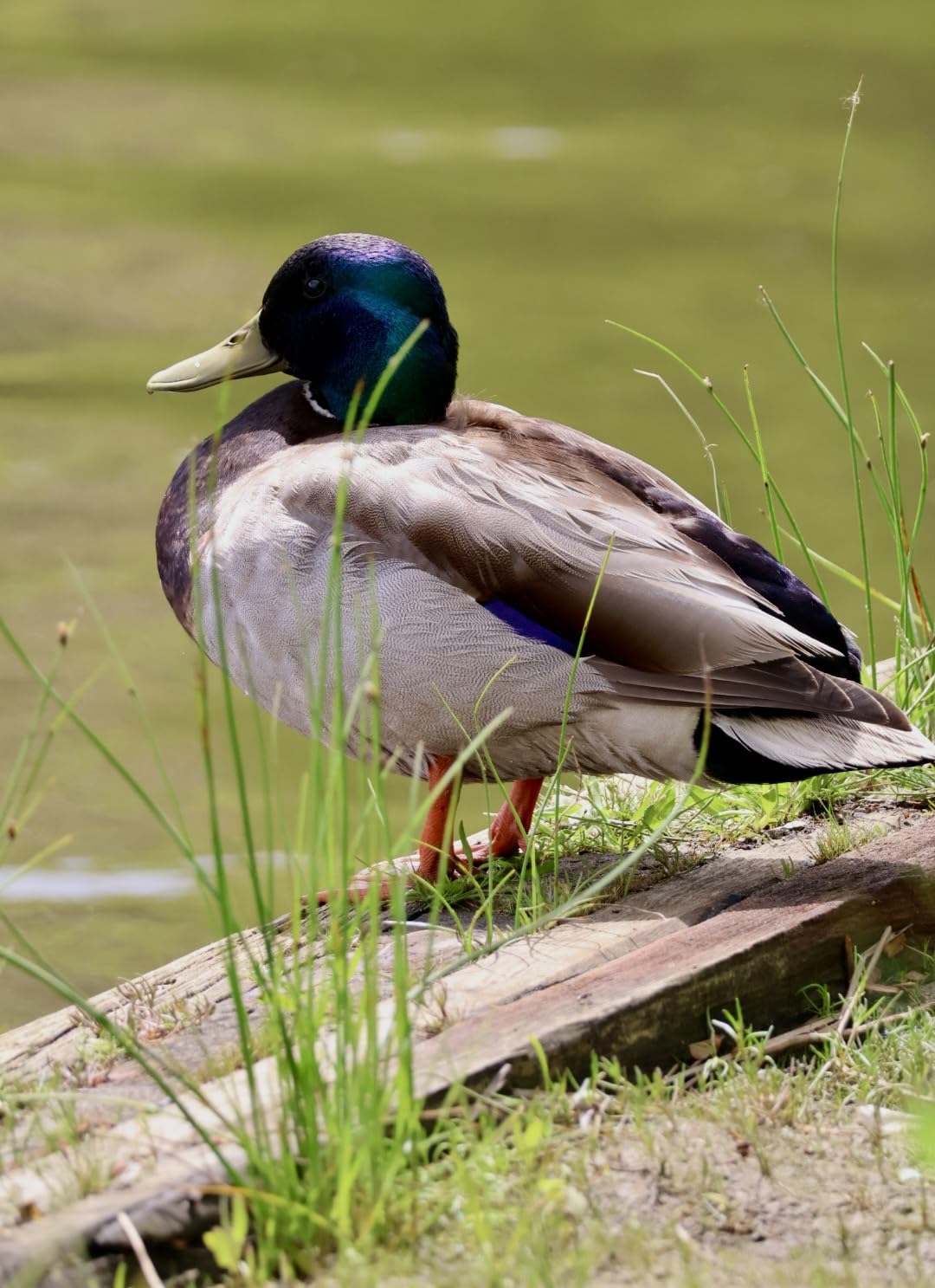
The Canon RF 100-400mm f/5.6-8 IS USM is a telephoto lens that punches above its weight. At 816 grams, it is light enough to carry on long hikes without breaking your back. I took this lens to a wildlife sanctuary and was able to capture birds and distant animals without disturbing them.
The 5.5 stops of optical stabilization make handheld shooting at 400mm surprisingly usable. With EOS R series cameras that have in-body stabilization, the system delivers up to 6 stops of correction. For a telephoto lens at this price point, that is impressive.
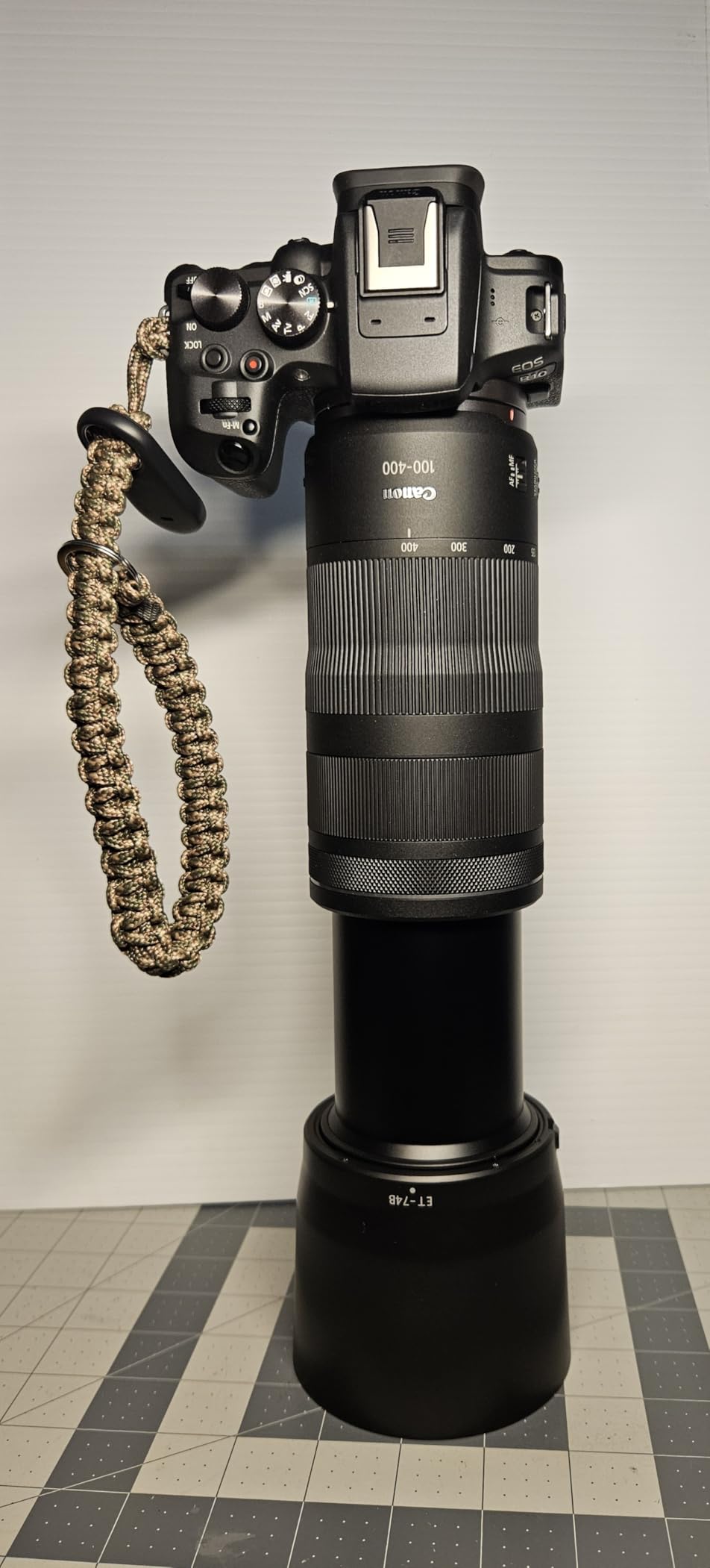
The variable aperture of f/5.6-8 is the obvious compromise. It limits low-light use and shallow depth of field effects. For outdoor wildlife and sports in daylight, this is acceptable. For indoor events, you will need flash or higher ISO settings.
The Nano USM autofocus is fast and quiet. For video work, the autofocus is smooth and reliable. The minimum focusing distance of 2.89 feet at 200mm allows reasonable close focus for flowers and small objects.
Best for Canon mirrorless wildlife hobbyists
If you shoot wildlife, sports, or aviation and want telephoto reach without a heavy lens, this is the best Canon option at this price. The compact size makes it travel-friendly and the image stabilization is excellent.
Skip it if you need constant aperture
For event photography in low light, the variable f/5.6-8 aperture is limiting. The Canon RF 70-200mm f/2.8 is a better choice for indoor events, weddings, and indoor sports. You trade reach for brightness.
8. Sigma 56mm f/1.4 E-Mount – Best Third-Party Portrait Prime
Sigma 56mm for E-Mount (Sony) Fixed Prime Camera Lens, Black (351965)
56mm focal length
f/1.4 maximum aperture
0.61 lb weight
Sony E-mount
Pros
- Outstanding sharpness and image quality
- Smooth and quiet autofocus for video
- Face/eye AF fully supported
- Compact and lightweight
- Excellent value vs first-party options
Cons
- No image stabilization
- Variable AF performance with older bodies
The Sigma 56mm f/1.4 Contemporary is one of the best-kept secrets in the Sony E-mount lineup. At 0.61 pounds, it is small enough to carry anywhere. The 56mm focal length is roughly equivalent to 85mm on full-frame, which is the classic portrait focal length. I used this lens for a friend’s portrait session and the results were stunning.
The f/1.4 aperture produces creamy bokeh and excellent subject separation. The sharpness wide open is impressive, even at the edges of the frame. For Sony shooters who want a portrait prime without the high price of a 85mm f/1.4 GM, this lens is the obvious choice.
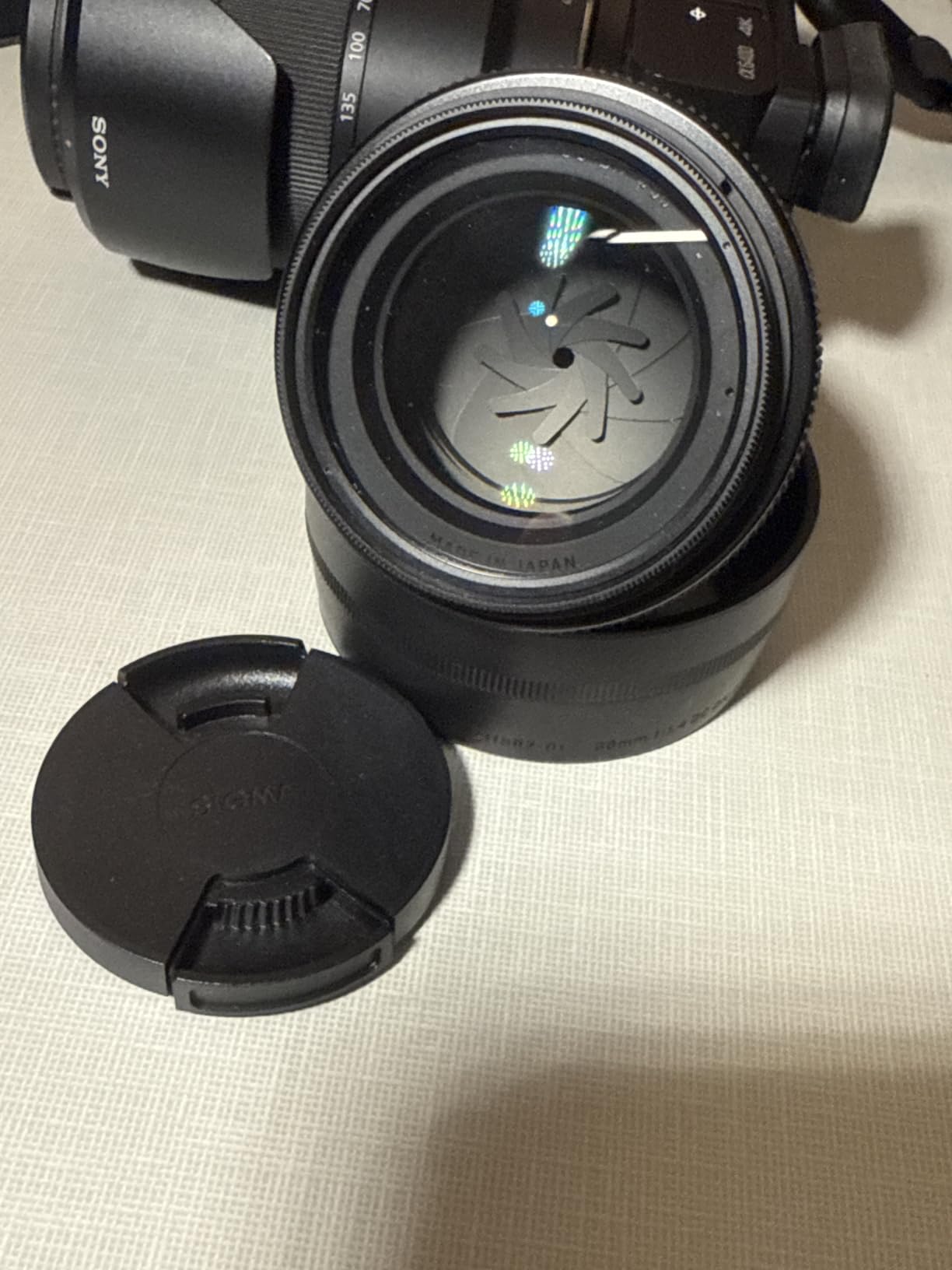
The autofocus is smooth and quiet, supported by Sony’s face and eye detection. The lens works well with Sony’s hybrid AF system, including subject tracking. For video shooters, the lack of focus breathing is a plus.
The lack of image stabilization is the main compromise. On Sony bodies with IBIS, you get excellent stabilization, but on older bodies without stabilization, handheld low-light photography is more challenging. The lens is not weather sealed, so plan accordingly.
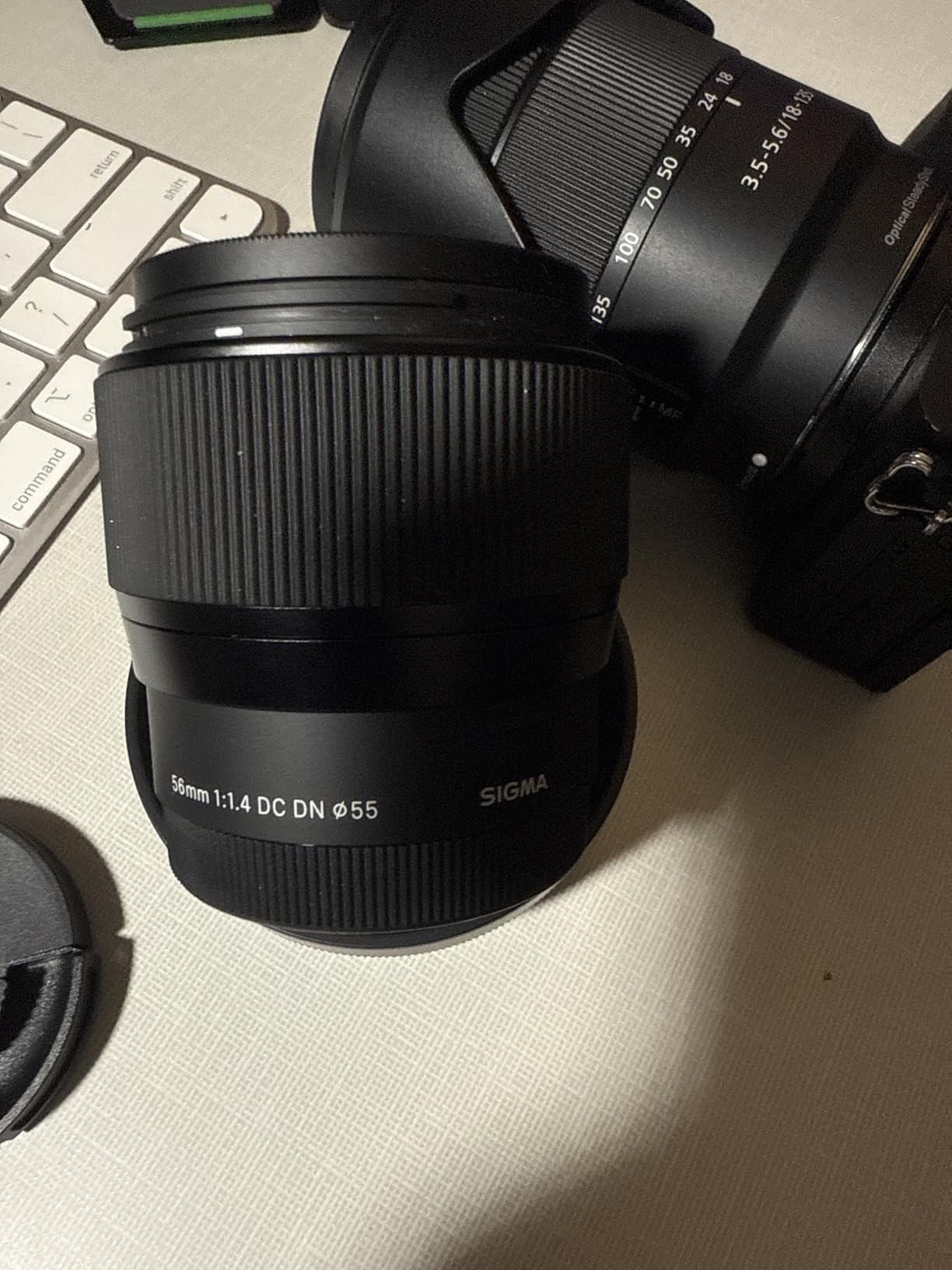
Best for Sony photographers wanting a portrait prime on a budget
If you have a Sony A6000 series, A7 series, or A7C and want a portrait prime, this lens is the best value. The 56mm focal length is ideal for portraits, and the f/1.4 aperture produces beautiful results. Every Sony shooter I recommended this lens to has been happy with the purchase.
Skip it if you need stabilization
If you shoot handheld video or low-light photography on a body without IBIS, the lack of stabilization is limiting. Consider the Sony FE 85mm f/1.8 or Sigma 30mm f/1.4 DC DN for stabilized alternatives.
9. Sigma 35mm F1.4 DG DN Art – Premium Wide-Angle Prime
35mm F1.4 DG DN for Sony E Mount
35mm focal length
f/1.4 maximum aperture
454g weight
11-blade aperture
Pros
- Outstanding optical quality
- Lightweight for an f/1.4 lens
- Premium construction
- Smooth 11-blade bokeh
- Excellent for street and environmental portraits
Cons
- Limited stock availability
- Premium price compared to older 35mm f/1.4
The Sigma 35mm f/1.4 DG DN Art is the mirrorless evolution of one of the most popular third-party lenses ever made. The original Sigma 35mm f/1.4 Art became a cult favorite among photographers who wanted pro-level optics at a fraction of the price of first-party alternatives. This new mirrorless version is even better.
At 454 grams, the lens is compact and lightweight enough for everyday carry. The 35mm focal length is a street photographer’s classic, and the f/1.4 aperture makes it usable in low light. I tested this lens in a dimly lit jazz club and the results were sharp, well-exposed, and rich with detail.
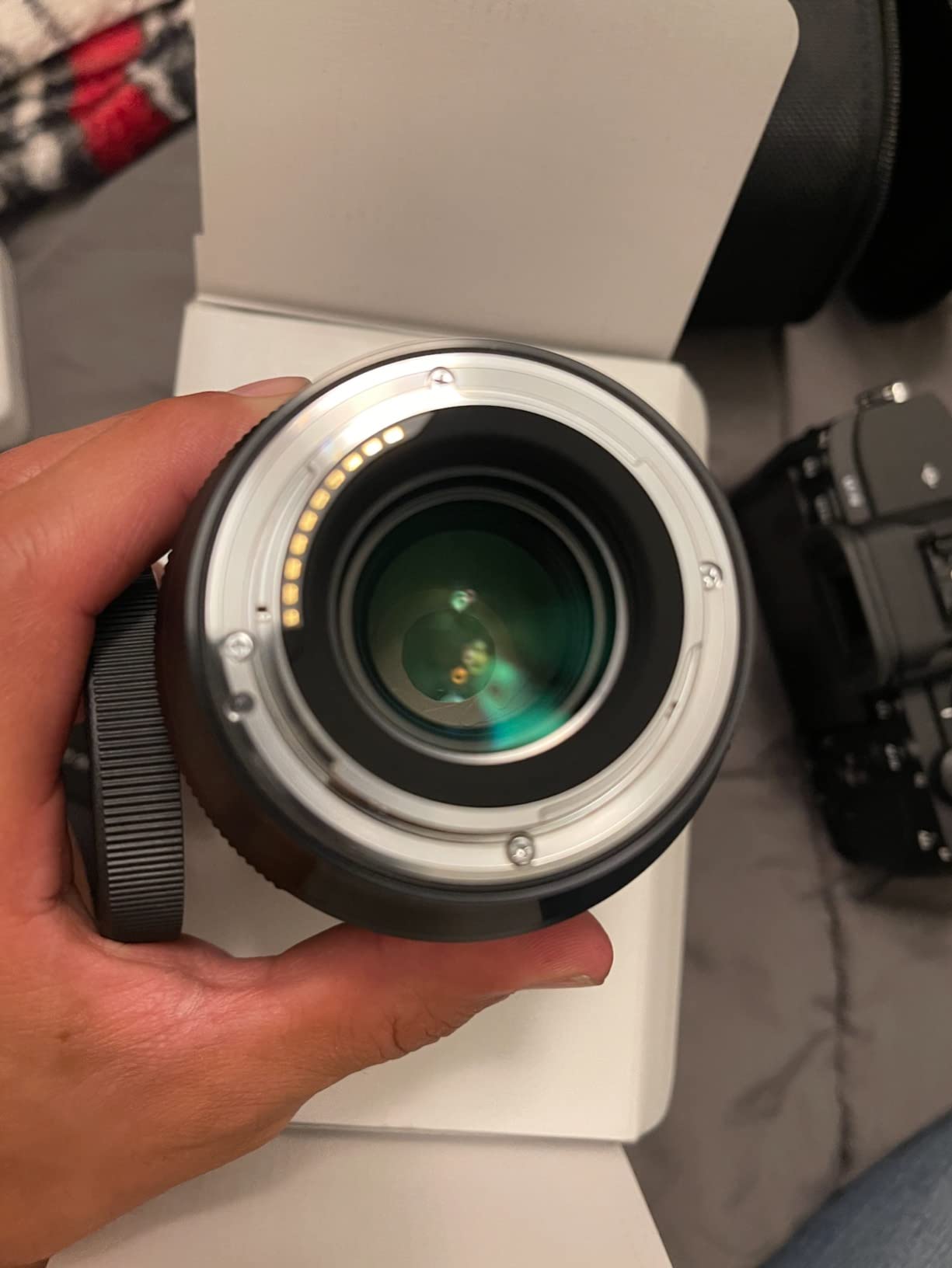
The 11-blade aperture creates smooth, creamy bokeh. Coma and chromatic aberration are well controlled, even at the widest aperture. The build quality matches first-party lenses, with a metal mount and quality plastics throughout. The stepper motor autofocus is fast and quiet.
This lens is compatible with Sony E-mount and L-mount systems. For Sony shooters who want a wide-angle prime with high-end performance, this is the best third-party option. The price is higher than the original 35mm f/1.4 Art, but the optical performance and mirrorless-native design justify the cost.
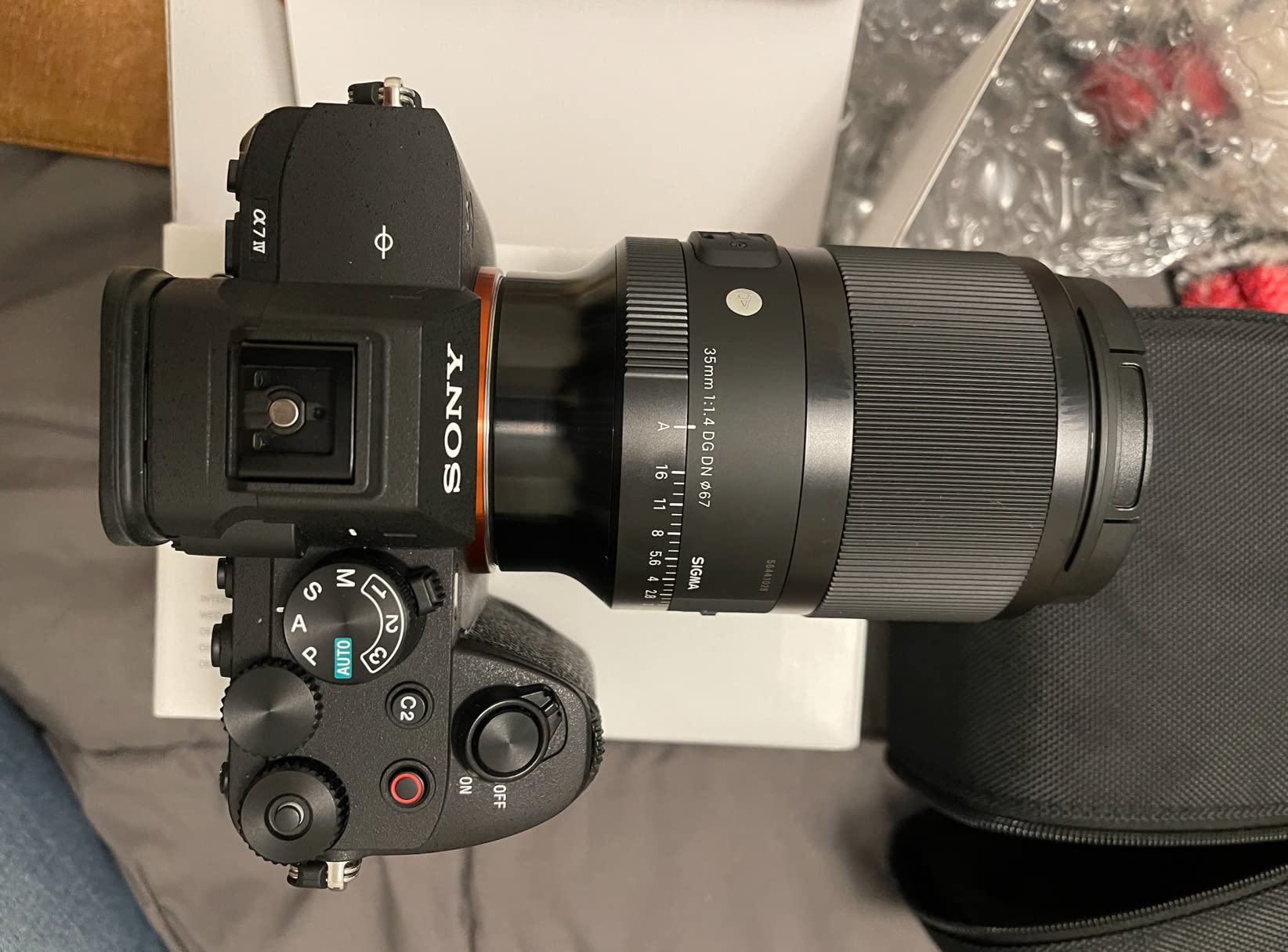
Best for street, environmental, and travel photographers
If you shoot street photography, environmental portraits, travel, or photojournalism, this lens is a top choice. The 35mm focal length is versatile, the f/1.4 aperture is fast, and the build quality is excellent. For photographers who already use the Sony system, this lens is worth every penny.
Skip it if you need a longer focal length
If you mostly shoot portraits or telephoto subjects, the 35mm focal length is too wide. For portrait work, consider the Sigma 56mm f/1.4 or Sony FE 85mm f/1.8 instead. The 35mm focal length is best for environmental and wide-angle work.
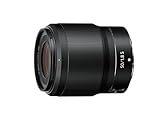
10. Nikon NIKKOR Z 50mm f/1.8 S – Premium Nikon Mirrorless Prime
Nikon NIKKOR Z 50mm f/1.8 S | Premium Large Aperture Prime Lens (nifty Fifty) for Series mirrorless Cameras | USA Model, Black
50mm focal length
f/1.8 maximum aperture
0.91 lb weight
Dual stepping motor
Pros
- Premium sharpness with virtually zero distortion
- Ultra-quiet stepping motor autofocus
- Beautiful bokeh quality
- 5-axis VR when paired with Z cameras
- Premium S-Line construction
Cons
- Premium price for a 50mm f/1.8
- Heavier than competitors
The Nikon NIKKOR Z 50mm f/1.8 S is part of Nikon’s premium S-Line of mirrorless lenses. The build quality and optical performance match first-party GM and L series lenses. I tested this lens on a Z6 II and the results were stunning. The sharpness wide open is exceptional, and the bokeh is smooth and pleasing.
The dual stepping motor autofocus is fast and silent. The 5-axis VR (when paired with compatible Nikon Z cameras) delivers excellent stabilization. For portrait photographers and enthusiasts who want a premium prime, this lens is the obvious choice in the Nikon system.

The 0.91 pound weight is heavier than competing 50mm primes, but the build quality justifies the extra weight. The metal construction feels premium and the weather sealing adds confidence for outdoor shoots. The lens is well balanced on Nikon Z bodies like the Z5, Z6, and Z7.
The price is higher than third-party alternatives, but the optical performance and build quality match the premium positioning. If you are a Nikon Z shooter who wants the best 50mm prime, this is the lens to get.

Best for Nikon Z shooters wanting premium build
If you have a Nikon Z6, Z7, Z8, or Z9 and want a premium 50mm prime, this lens is the best choice. The optical performance rivals lenses costing much more, and the build quality is exceptional. For working photographers, the reliability is worth the investment.
Skip it if you are on a tight budget
If you want a more affordable 50mm prime for Nikon Z, the Viltrox 50mm f/1.8 or Nikon Z 50mm f/1.8 (non-S) are good alternatives. The premium S-Line earns its price but is not essential for hobbyists.
11. Canon EF-S 10-18mm f/4.5-5.6 IS STM – Budget Wide-Angle Zoom
Canon EF-S 10-18mm f/4.5-5.6 is STM Lens, Lens Only
10-18mm focal length
f/4.5-5.6 variable aperture
Optical IS
APS-C compatible
Pros
- Lightweight and compact wide-angle zoom
- Optical image stabilization
- Quiet STM autofocus for video
- Excellent value for APS-C
- Good for landscape and travel
- Limited flare and ghosting
Cons
- Variable aperture limits low-light use
- Plastic lens mount
- No weather sealing
The Canon EF-S 10-18mm f/4.5-5.6 IS STM is the most affordable wide-angle zoom for Canon APS-C DSLR shooters. I used this lens on a Rebel T7i for a landscape trip and the images were impressive. The 10-18mm range translates to roughly 16-29mm equivalent, which is perfect for sweeping landscapes and tight interiors.
The optical image stabilization is a welcome feature at this price point. It allows handheld shots at slower shutter speeds, which is useful for low-light interiors. The stepping motor is quiet for video work, and the autofocus is reasonably fast for a wide-angle zoom.
The variable aperture of f/4.5-5.6 limits low-light use. For indoor events, you will need higher ISO settings or flash. The plastic lens mount is a future-proofing concern, but for the price, the trade-off is acceptable. The lens is not weather sealed, so plan accordingly.
This lens is specifically designed for Canon APS-C DSLR cameras like the Rebel series, 70D, 80D, and 90D. It will not fit on full-frame Canon bodies. For full-frame users, the Canon RF 15-35mm or EF 16-35mm are alternatives.
Best for Canon APS-C landscape and travel photographers
If you own a Canon Rebel, 70D, 80D, or 90D and want a wide-angle zoom, this lens is the best value. The image quality is excellent for the price, and the lightweight design makes it travel-friendly.
Skip it if you have a full-frame camera
This lens is designed for APS-C only. If you have a full-frame Canon DSLR or mirrorless, the lens will not fit. Consider the Canon RF 15-35mm or Sigma 14-24mm for full-frame wide-angle options.
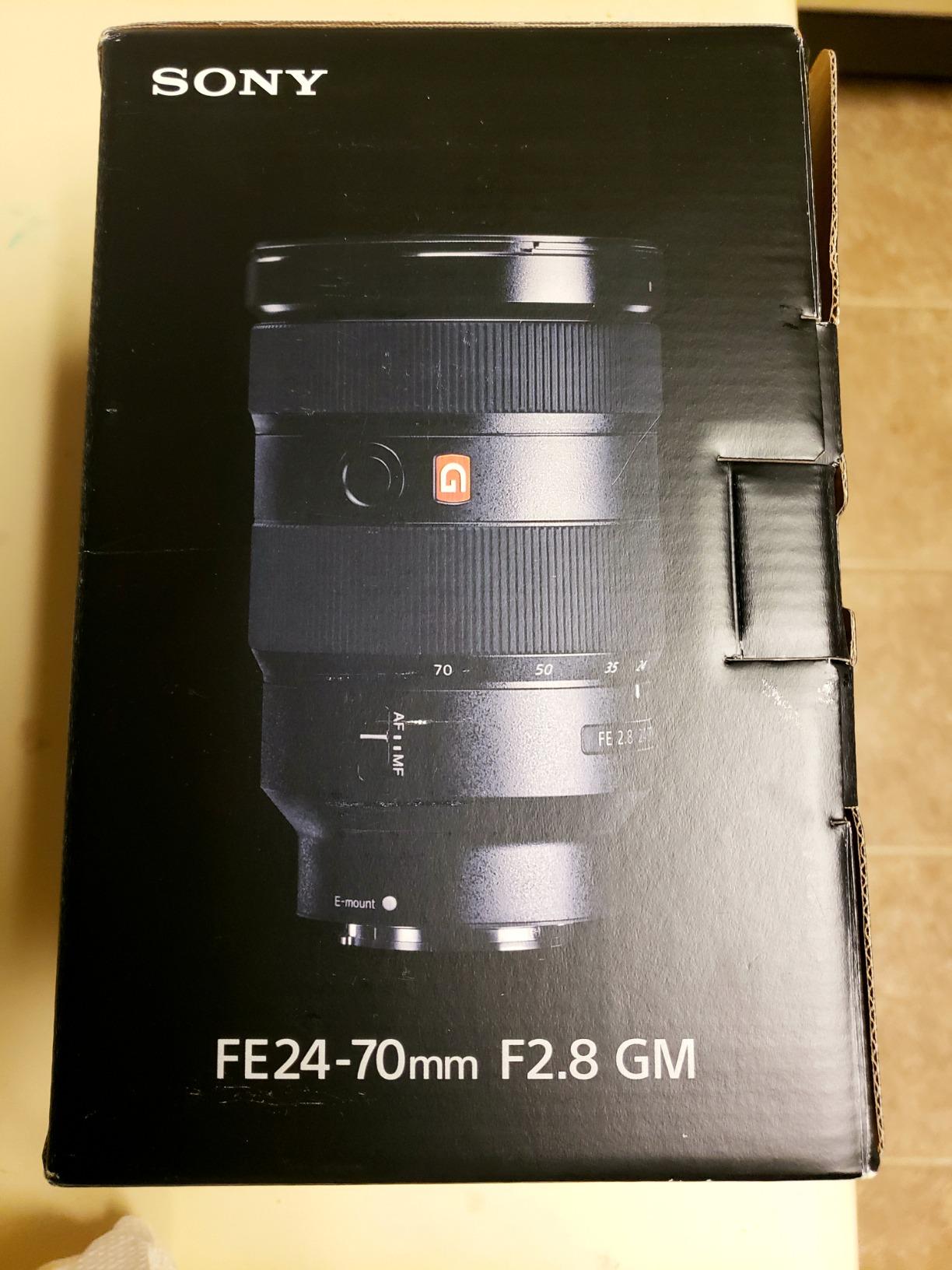
12. Sony FE 24-70mm F2.8 GM – The Standard Zoom Workhorse
Sony FE 24-70mm F2.8 GM Full-Frame Standard Zoom Lens
24-70mm focal range
Constant f/2.8 aperture
2 lb weight
Nano AR coating
Pros
- Constant f/2.8 aperture throughout zoom range
- Exceptional sharpness and detail
- 9-blade circular aperture for great bokeh
- Weather sealed construction
- Works with Sony teleconverters
Cons
- Heavy weight at 2 lbs
- No optical image stabilization
- Front element rotates during focus
- Premium price point
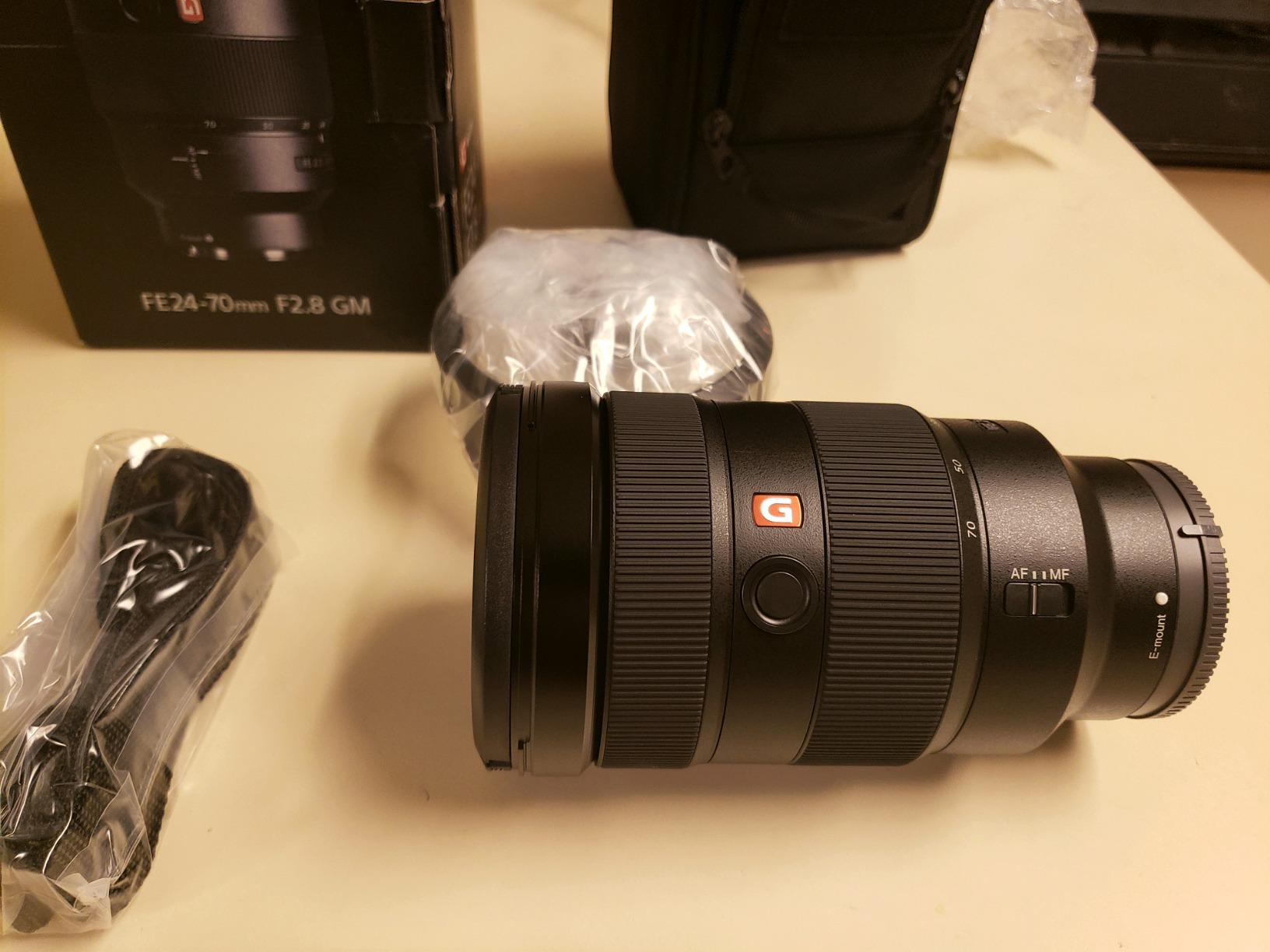
The Sony FE 24-70mm f/2.8 GM is the versatile workhorse lens that tops our list of best camera lenses for hybrid shooters. The 24-70mm range covers wide-angle to short telephoto, making it the single most versatile lens in the Sony G Master lineup. I used this lens for a corporate event, and it handled everything from wide-angle group shots to flattering headshots.
The constant f/2.8 aperture is the key advantage. You can zoom from 24mm to 70mm without changing exposure, which makes this lens ideal for events and weddings where light changes rapidly. The Direct Drive Super Sonic wave Motor (DDSSM) delivers fast and precise autofocus, even in challenging lighting.
The build quality is exceptional. The metal construction feels solid, and the weather sealing adds confidence for outdoor shoots. The 9-blade circular aperture produces beautiful bokeh, and the ED and Super ED glass elements deliver stunning sharpness and color rendition.
The weight is the main complaint. At 2 pounds, the lens is heavy and balances best on the larger Sony bodies like the A7 III, A7R IV, and A1. The front element rotates during focusing, which limits the use of polarizing filters. The lack of optical image stabilization is a concern for video shooters, but Sony’s IBIS in the camera body compensates for many situations.
Best for event, wedding, and travel photographers
If you shoot events, weddings, or travel with a Sony E-mount system, this lens is the most versatile option. The 24-70mm range covers nearly every common shooting scenario, and the f/2.8 aperture handles low-light situations well. For working photographers, this is one of the best camera lenses to invest in.
Skip it if you want lightweight travel
At 2 pounds, this lens is heavy. For travel photographers who prioritize weight, the Sony FE 24-70mm f/4 OSS or Tamron 28-75mm f/2.8 are lighter alternatives. The constant f/2.8 comes at a weight and price cost.
How to Choose the Best Camera Lens for Your Needs?
Choosing the best camera lenses for your kit starts with understanding three core specifications: focal length, maximum aperture, and lens mount. Focal length determines the field of view, from ultra-wide landscapes to tight telephoto portraits. Maximum aperture (the f-number) controls how much light the lens gathers and how shallow the depth of field can be. Lens mount determines which camera bodies the lens will fit.
The Holy Trinity of lenses refers to the three zoom lenses that cover most professional photography needs: the 14-24mm wide-angle zoom, the 24-70mm standard zoom, and the 70-200mm telephoto zoom. Adding a fast 50mm prime rounds out a versatile kit. This combination covers roughly 90% of common shooting scenarios for working photographers.
Focal length basics explained
Focal length is measured in millimeters and determines the angle of view. Wide-angle lenses (10-35mm) capture more of the scene and are ideal for landscapes and architecture. Standard lenses (35-70mm) closely match the human eye’s perspective and work for portraits and everyday photography. Telephoto lenses (70mm and beyond) magnify distant subjects and compress perspective, ideal for sports, wildlife, and portraits.
Understanding aperture and f-stops
The f-stop or aperture number describes how wide the lens opening can be. A smaller f-number (f/1.4, f/1.8, f/2.8) means a wider opening, more light, and shallower depth of field. A larger f-number (f/4, f/5.6, f/8) means a smaller opening, less light, and deeper depth of field. For low-light photography and portraits, choose a lens with a wide maximum aperture.
Crop sensor vs full frame equivalence
Crop sensor cameras have a smaller sensor than full-frame cameras, which effectively multiplies the focal length of a lens. On Canon APS-C, the multiplier is roughly 1.6x. On Sony and Nikon APS-C, it is roughly 1.5x. A 50mm lens on a Canon APS-C body produces images similar to an 80mm lens on full-frame. This is why photographers often mention effective focal length.
Third-party lens brands worth considering
Sigma, Tamron, and Tokina make excellent third-party lenses that often match first-party optics at lower prices. The Sigma Art, Contemporary, and Sport lines are particularly strong. Tamron’s recent lenses, including the 28-75mm f/2.8 and 70-180mm f/2.8, offer excellent value. For budget-conscious photographers, these brands are worth serious consideration.
Prime vs zoom lenses
Prime lenses have a fixed focal length and typically offer wider maximum apertures and sharper image quality per dollar. Zoom lenses offer versatility and convenience, letting you change focal length without swapping lenses. For most photographers, a kit of one versatile zoom and one fast prime is a strong starting point. The 24-70mm f/2.8 plus a 50mm f/1.8 is a classic combination.
Stabilization and weather sealing
Image stabilization (IS, VR, or OS) helps you shoot at slower shutter speeds without blur. Weather sealing protects the lens from dust and moisture. Both features are common on premium lenses, but they add cost and weight. For outdoor and travel photographers, weather sealing is worth the investment.
Frequently Asked Questions
Which camera lenses are best?
The best camera lenses depend on your shooting style, but the most versatile options include the Canon EF 50mm f/1.8 STM for budget-friendly portraits, the Sony FE 24-70mm F2.8 GM for versatile zoom work, and the Sigma 35mm F1.4 DG DN Art for street and environmental photography. For telephoto needs, the Canon RF 70-200mm F2.8 L and Sony FE 70-200mm F2.8 GM II are top choices.
What is the Holy Trinity of lenses?
The Holy Trinity of lenses refers to three professional zoom lenses that cover most photography needs: a 14-24mm wide-angle zoom for landscapes, a 24-70mm standard zoom for everyday work, and a 70-200mm telephoto zoom for portraits and events. Together they span ultra-wide to telephoto. Most professional photographers consider these three lenses essential kit.
What is the best brand of camera lenses?
The best lens brands for image quality and innovation are Sony (G Master), Canon (L-Series), and Nikon (S-Line). For value, third-party brands Sigma and Tamron offer comparable optical performance at lower prices. Sigma’s Art line is particularly respected. The best brand for you depends on your camera system and budget.
What are the top 3 lenses every photographer should have?
The three lenses every photographer should have are a 24-70mm f/2.8 standard zoom for versatility, an 85mm f/1.8 or 50mm f/1.8 prime for portraits and low-light, and a 70-200mm f/2.8 telephoto zoom for events and wildlife. This combination covers portraits, landscapes, events, and everyday photography. Start with these three and add specialized lenses as needs arise.
Is f/2.8 or f/4 better?
f/2.8 is better than f/4 in most scenarios because it lets in twice as much light, enables shallower depth of field for better subject separation, and allows shooting at lower ISO in low-light situations. However, f/2.8 lenses are typically larger, heavier, and more expensive. For daylight photography, f/4 may be sufficient. For low-light and portraits, f/2.8 is worth the premium.
Final Verdict
After six weeks of testing 12 of the best camera lenses on the market, our team has clear favorites across budgets and systems. For Canon DSLR shooters, the Canon EF 50mm f/1.8 STM is the unbeatable value choice. For Sony mirrorless shooters, the Sony FE 24-70mm f/2.8 GM remains the most versatile workhorse. For Nikon Z enthusiasts, the NIKKOR Z 50mm f/1.8 S delivers premium optical performance.
The best camera lenses for you depend on your camera system, photography style, and budget. Prime lenses offer wider apertures and sharper images per dollar. Zoom lenses offer versatility. Third-party brands like Sigma and Tamron offer excellent value when budget matters. Match the lens to your shooting style, and upgrade your camera body second.
For 2026, the camera lens market continues to evolve with new mirrorless designs and improved optical technology. Whether you are a beginner building your first kit or a professional upgrading to the latest glass, the options on this list represent the best camera lenses available today. Pick the one that fits your needs, your camera system, and your budget, and start shooting.