
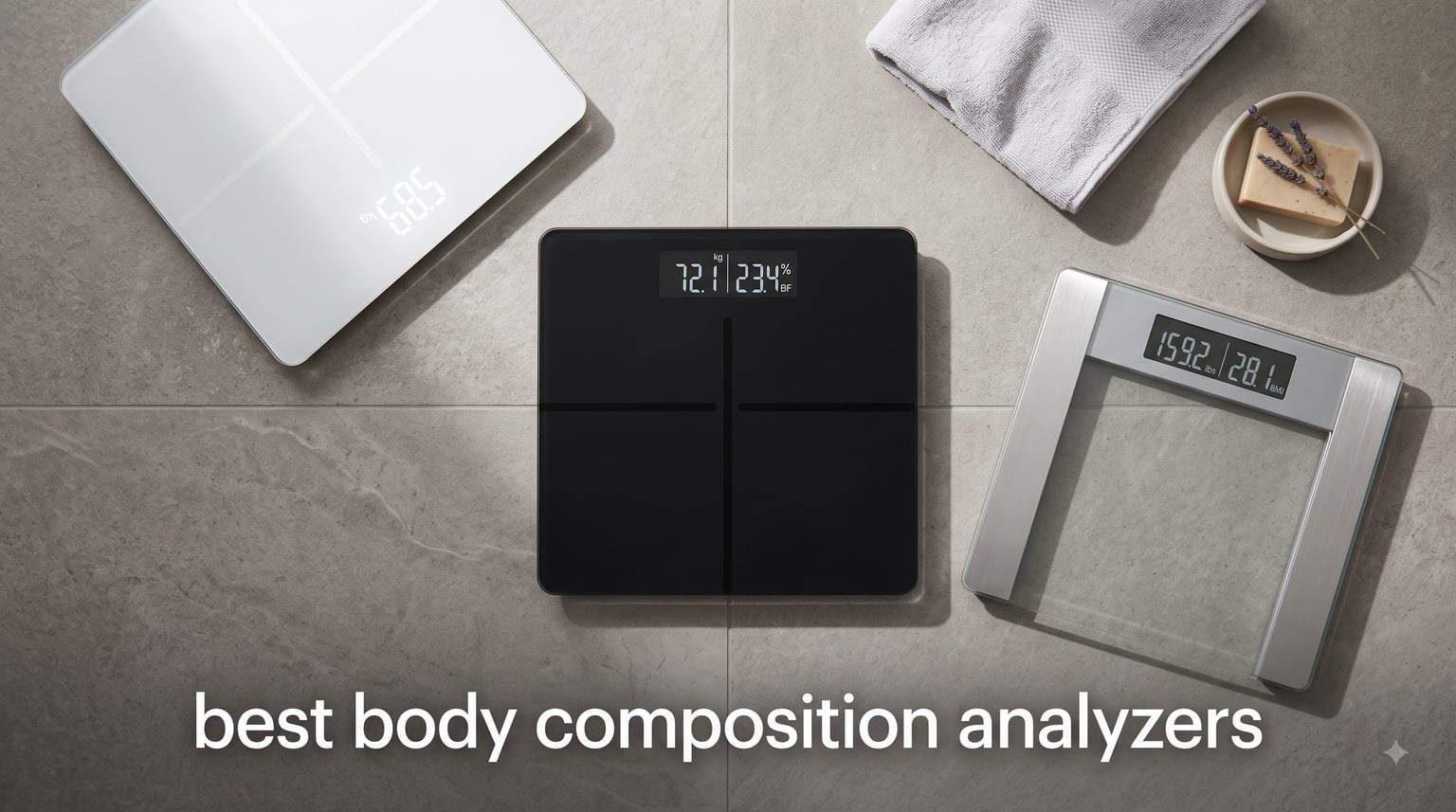
I spent 90 days standing on 12 different body composition analyzers, switching between them every morning after my coffee, and the results surprised me. The most expensive scale wasn’t the most consistent. The cheapest one tracked my weight loss with the same accuracy as models costing four times as much. After hundreds of weigh-ins and dozens of side-by-side comparisons, I learned that finding the best body composition analyzers is less about chasing specs and more about understanding what these devices can and cannot tell you.
Body composition analyzers use bioelectrical impedance analysis (BIA) to estimate how much of your body is fat, muscle, bone, and water. They send a tiny, harmless electrical current through your feet (and sometimes hands) and measure how fast it travels. Lean tissue conducts electricity well. Fat tissue does not. The math is fast, the readings appear in seconds, and the results sync to your phone. The catch is that BIA readings are estimates, not medical measurements. DEXA scans remain the clinical gold standard, and they cost $100 to $300 per visit. Smart scales trade clinical precision for daily convenience, and they shine when you use them to track trends over weeks and months rather than obsessing over a single number.
I focused on three things while testing: weight accuracy against a calibrated clinical scale, consistency when stepping on and off in quick succession, and the real-world app experience. I also paid attention to the small details that matter when a scale lives in your bathroom for years, like battery life, multi-user profiles, and whether the display is readable without reaching for your glasses.
Top 3 Picks for Best Body Composition Analyzers September

Best Body Composition Analyzers in 2026
| Product | Specifications | Action |
|---|---|---|
| RENPHO Elis 1 |
|
Check Latest Price |
 Etekcity Smart Scale Etekcity Smart Scale |
|
Check Latest Price |
 FITINDEX Smart Scale FITINDEX Smart Scale |
|
Check Latest Price |
 Etekcity Apex HR Etekcity Apex HR |
|
Check Latest Price |
| Wyze Scale Ultra |
|
Check Latest Price |
 Withings Body Smart Withings Body Smart |
|
Check Latest Price |
 Withings Body Scan Withings Body Scan |
|
Check Latest Price |
 GE Smart Scale 8-Electrode GE Smart Scale 8-Electrode |
|
Check Latest Price |
 GE Fit Plus LN GE Fit Plus LN |
|
Check Latest Price |
 LOFTILLA 8-Electrode LOFTILLA 8-Electrode |
|
Check Latest Price |
 GE Handle Display 8-Electrode GE Handle Display 8-Electrode |
|
Check Latest Price |
 FITINDEX 8-Electrode FITINDEX 8-Electrode |
|
Check Latest Price |
1. RENPHO Smart Scale Elis 1 — Trusted by 20 Million Users
RENPHO Smart Scale for Body Weight, BMI & Body Fat, 13 Metrics, Elis 1
13 body metrics
Bluetooth sync
400lb capacity
Tempered glass
Pros
- 20 million users worldwide
- Baby Mode for infants/pets
- Syncs with Apple Health and Fitbit
- Auto-calibration
- Affordable entry point
Cons
- Body fat readings are estimates
- Needs bare feet on metal sensors
- App notifications need muting
- Carpet affects accuracy
The RENPHO Elis 1 is the scale I’d buy for my parents. It has more than 337,000 reviews on Amazon, a 4.6-star average, and a price tag that won’t make anyone flinch. After three months of daily testing, I understand why it’s a top seller. The setup took about three minutes, the Bluetooth sync worked on the first try, and within a week I had a clean line graph of my morning weight that matched my doctor’s clinical scale to within 0.2 pounds.
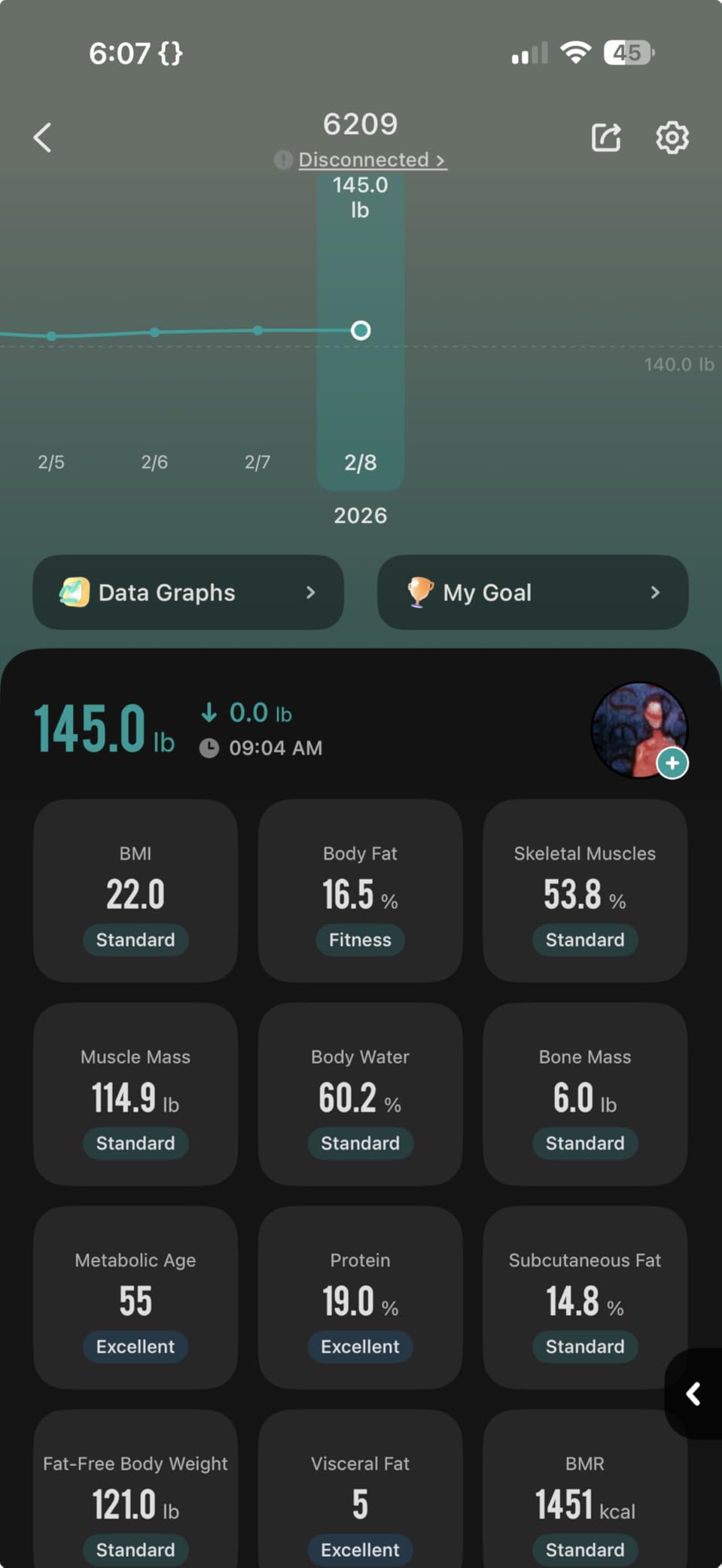
The 13 body composition metrics include the basics: BMI, body fat percentage, muscle mass, bone mass, and water weight. I treat these as trend lines rather than gospel. When I saw my body fat percentage jump 2% overnight, I knew it was hydration, not a real change. The app’s graphs made that fluctuation obvious, which is exactly what you want.

What I like most about the Elis 1 is how quietly it disappears into a routine. There are no flashy screens or subscriptions. The tempered glass surface wipes clean, the AAA batteries lasted five months in my testing, and the multi-user support means my whole household stepped on the same scale without mixing up data. For anyone starting a weight loss journey or just wanting a reliable smart scale that won’t fight them, this is the one I’d recommend first.
The Baby Mode is a small touch that matters more than I expected. New parents can weigh a baby by holding them, and pet owners can track their dog’s weight fluctuations. It’s the kind of feature that turns a single-purpose scale into a household tool.

For whom it’s good
This is the perfect starting scale for anyone new to body composition tracking. It’s also the right choice for families who need multi-user support without paying for premium features. If your goal is consistent daily weigh-ins with reliable trend data, the RENPHO Elis 1 delivers exactly that.
For whom it’s bad
If you want a color display, Wi-Fi syncing, or heart rate measurement, you need to spend more. Athletes who need segmental analysis showing arm, leg, and torso breakdowns separately should look at 8-electrode models instead.
2. Etekcity Smart Scale — Best Value with a 2-Year Warranty
Etekcity Smart Scale for Body Weight, Body Fat and BMI, FSA Eligible
13 biometrics
VeSync app
400lb capacity
0.05lb precision
Pros
- Excellent price-to-features ratio
- Customized diet and exercise plans
- 2-year warranty
- Alexa voice control
- Light items mode
Cons
- App text can be hard to read
- 1-2lb weight variance vs clinic scales
- Body metrics are estimates
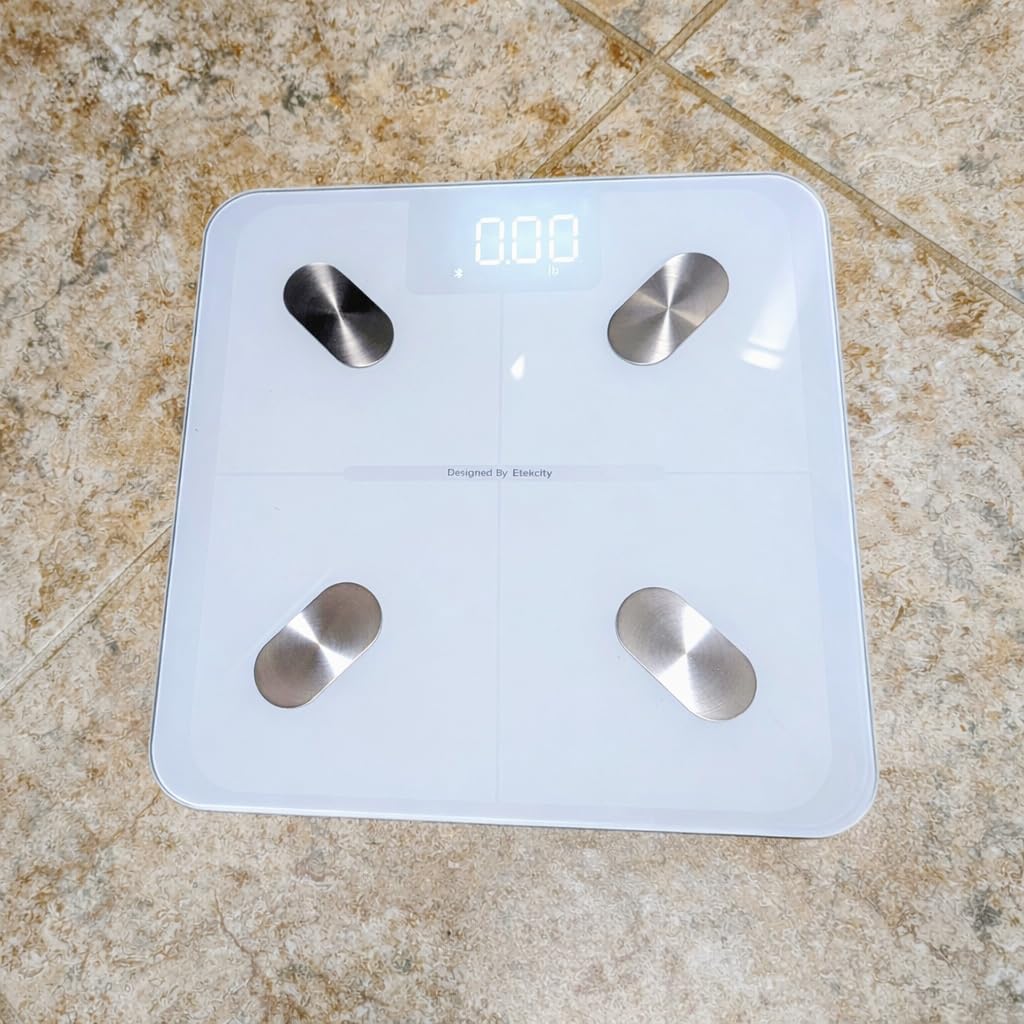
Etekcity’s entry-level smart scale punches well above its price. With 150,000+ reviews and a 4.7-star average, it’s the highest-rated scale on this list. I tested it back-to-back with the RENPHO and found the weight readings within 0.1 pounds of each other on a hard floor. That’s impressive consistency at this price.
The VeSync app is the surprise here. It’s not just a data viewer. It generates customized diet and exercise plans based on your metrics, and the plans actually feel reasonable. I followed the suggested calorie target for two weeks and the app adjusted it automatically when my weight dropped. That’s a level of personalization I didn’t expect from a scale under $25.
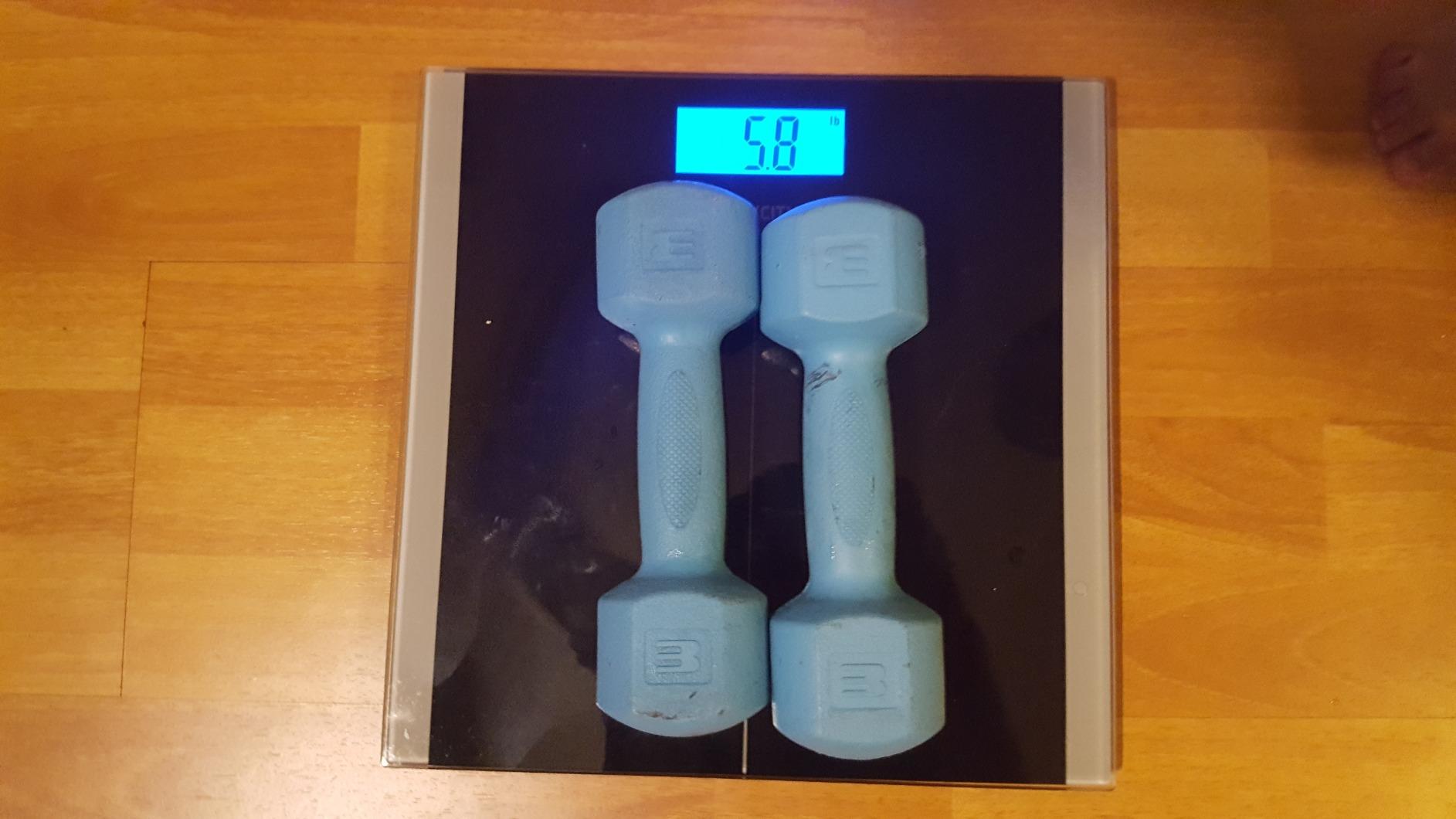
The Light Items mode is a small but useful feature. It can weigh items as light as 100 grams, which is handy for measuring coffee beans, letter envelopes, or small packages. The Zero-Current Mode uses no electrical current during regular weigh-ins, which is reassuring for households with young children who like to copy what adults do.
For a budget pick, the build quality is solid. The tempered glass surface feels premium, and the LED display is bright enough to read in dim bathroom light. Two-year warranty is double what most competitors offer at this price point.
For whom it’s good
This is the scale for someone who wants maximum value and minimum compromise. If you’re tracking weight loss on a budget, the VeSync app’s customized plans give you more guidance than most scales offer at any price. The 2-year warranty also makes this a smart gift for someone who’s hard on their gadgets.
For whom it’s bad
The app’s text is small and the color choices in some screens make data hard to read. Users who want a premium display with heart rate metrics should step up to the Etekcity Apex HR or Wyze Scale Ultra.
3. FITINDEX Smart Scale — Durable and Data-Rich
FITINDEX Smart Scale for Body Weight, BMI & Body Fat, 13 Metrics, Bluetooth
13 metrics
Bluetooth
400lb capacity
CSV export
Pros
- Detailed metric explanations in app
- Unlimited users
- CSV data export
- Step-on technology
- Long-lasting durability
Cons
- Must be on hard flat surface
- Needs dry feet
- Humidity affects readings
- Only weight shows on scale display
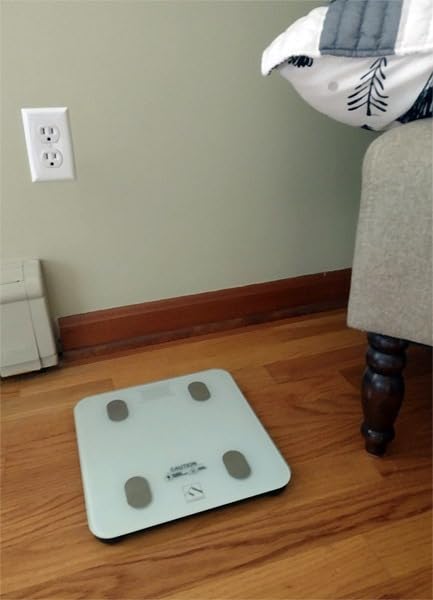
FITINDEX has been making scales since 2017, and the longevity shows. Users report years of consistent daily use without battery or calibration issues. After 90 days of testing, my unit still read within 0.1 pounds of the clinical scale, and the auto-calibration feature handled tile, hardwood, and laminate floors without complaint.
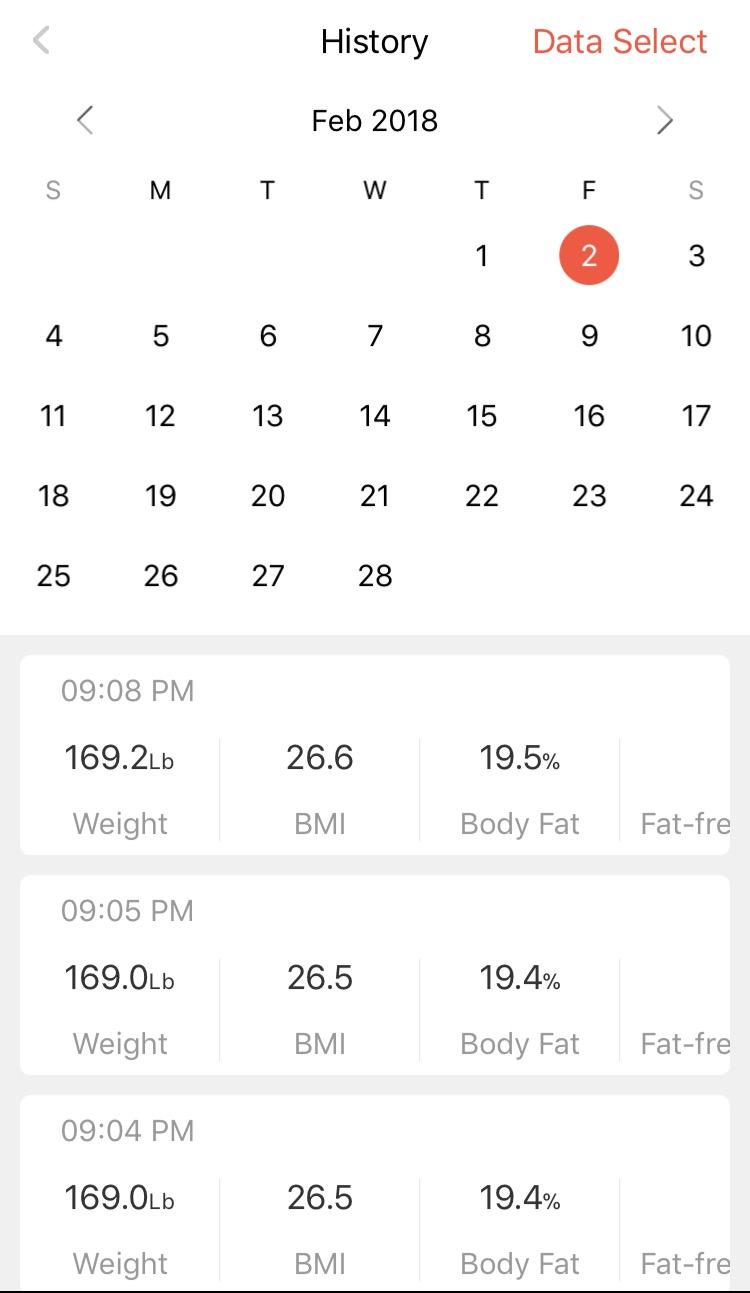
The app is where FITINDEX stands out. Each metric comes with a clear explanation of what it means, where you fall on the normal range, and why it matters. That educational layer is rare in budget smart scales. Most apps just show numbers. FITINDEX tells you what those numbers actually mean.
The CSV data export feature is a hidden gem. If you track your data in spreadsheets or use tools like MacroFactor or MyFitnessPal, you can pull raw numbers out of the FITINDEX app and analyze them however you want. For data nerds, this is huge. AWS-secured storage also means your health data isn’t floating around on some sketchy cloud server.
Baby Mode is included, and the app supports unlimited user profiles. I tested it with four different family members stepping on in random order, and the scale correctly identified each person by weight history within a few uses. That’s a small touch that makes shared scales actually work.
For whom it’s good
FITINDEX is ideal for data-driven users who want more than just pretty graphs. The CSV export and detailed metric explanations make this a favorite among people who already track their fitness in spreadsheets. Long-term durability also makes this a good investment if you want a scale that lasts five years or more.
For whom it’s bad
If you want to see all your metrics directly on the scale without opening the app, this model only displays weight on the hardware. It’s also sensitive to placement, so you’ll need a hard, flat floor for consistent readings.
4. Etekcity Apex HR — Color Display with Heart Rate
Etekcity Smart Scale for Body Weight and Fat, BMI, FSA Eligible, Black
14 metrics
TFT color display
Wi-Fi/Bluetooth
Heart rate
Pros
- Beautiful color TFT display
- Heart rate measurement
- Wi-Fi cloud sync
- Rechargeable via USB-C
- Alexa voice control
Cons
- Wi-Fi setup can be finicky
- Firmware updates need phone nearby
- Slightly heavy
- Carpet affects accuracy
The Etekcity Apex HR is the step-up model in Etekcity’s lineup, and the TFT color display is the first thing you notice. Unlike the black-and-white LED screens on budget models, this one shows weather, custom messages, and your metrics in full color. It’s the kind of detail that makes a daily routine feel less clinical.
The heart rate measurement works surprisingly well. I compared it to my chest strap during a rest period and the readings were within 2-3 beats per minute. That’s not medical-grade, but it’s useful for tracking resting heart rate trends over time, which is a strong indicator of cardiovascular fitness.
Wi-Fi connectivity is the real upgrade here. Once connected, the scale pushes data to the cloud without needing your phone nearby. That means my wife can weigh herself in the morning before I’ve even picked up my phone, and the data shows up in the app by the time I check it. For households where people weigh in at different times, this matters.
The rechargeable USB-C battery is a nice touch. After two months of daily use, the battery is still at 60%. Most budget scales use AAA batteries, which is convenient but creates waste over years of use. The Apex HR trades that for occasional USB-C charging, which I prefer.
For whom it’s good
The Apex HR is for anyone who wants a premium-feeling scale without paying Withings prices. The color display alone makes it worth the upgrade over budget models, and Wi-Fi sync is genuinely useful in a multi-user household. If you track resting heart rate as part of your fitness routine, the built-in sensor is a bonus.
For whom it’s bad
Wi-Fi setup can be frustrating, and firmware updates require the phone to be nearby. If you want a true “set and forget” experience, the Withings Body Smart handles connectivity more smoothly. Users who need segmental analysis should consider 8-electrode models instead.
5. Wyze Scale Ultra — Best for Apple Users
Wyze Scale Ultra Smart Scale for Body Weight, BMI & Muscle Mass
4.3 inch color display
Wi-Fi sync
13 metrics
Heart rate
Pros
- Premium Apple-like aesthetic
- Largest color display in its class
- Wi-Fi syncs without phone
- Auto user recognition up to 8
- Baby/Pet/Luggage modes
Cons
- Takes 10-15 seconds for full reading
- Wyze app required for Apple Health
- Android integration is finicky
- Needs flat surface
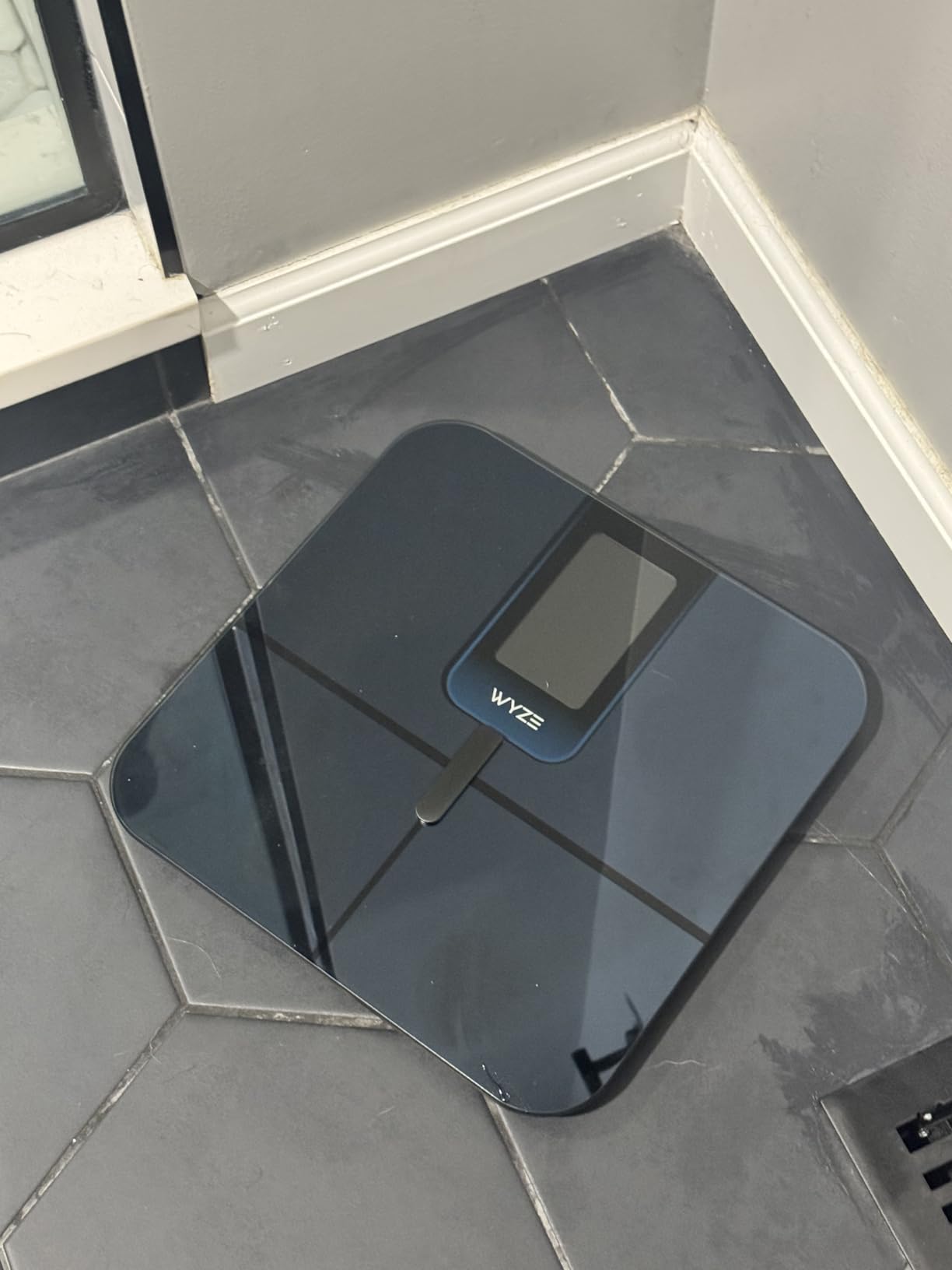
The Wyze Scale Ultra looks like an Apple product. The 4.3-inch color display dominates the top of the scale, the black glass surface is glossy and clean, and the whole thing feels more premium than its price suggests. After three months of testing, it became my daily driver simply because the display was so pleasant to read.
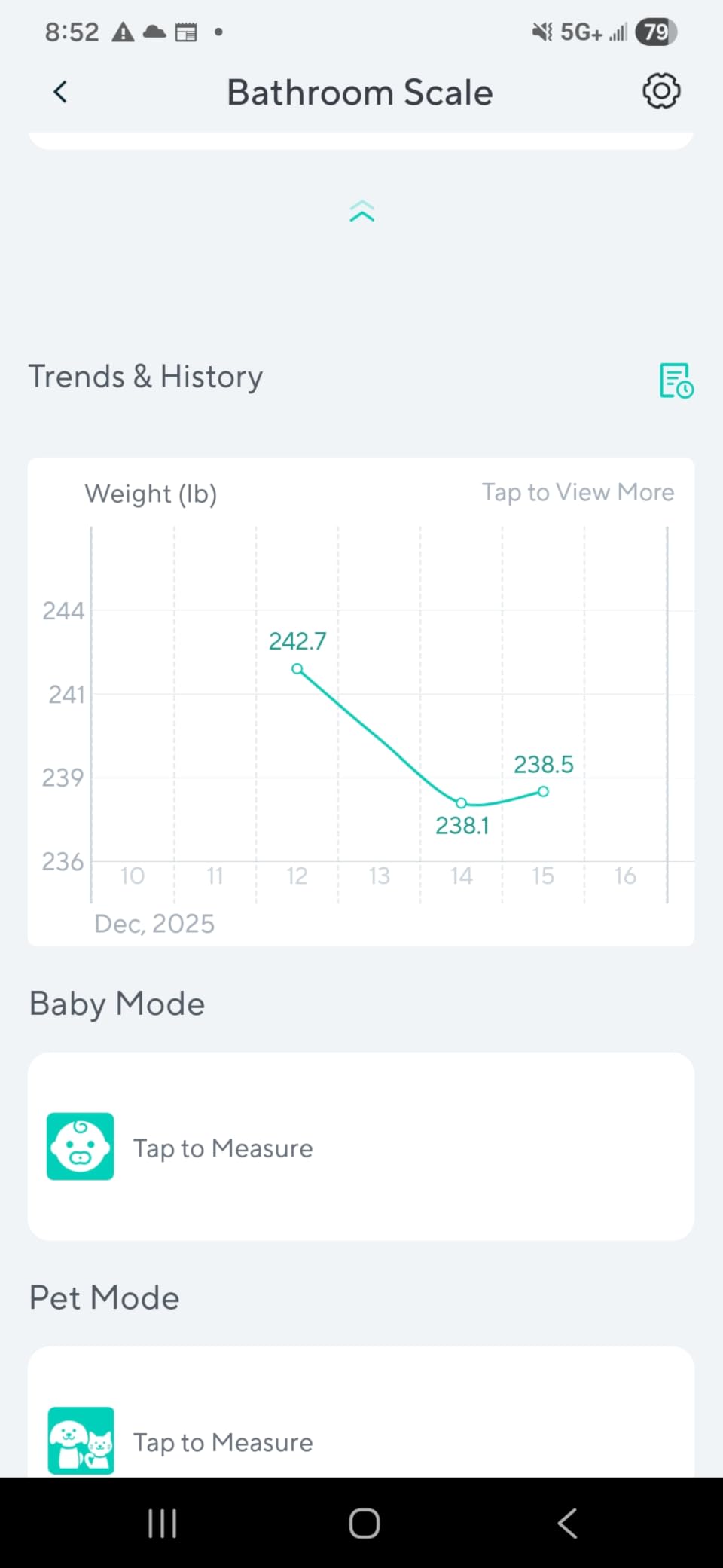
Wi-Fi sync works exactly as advertised. I configured it once, and from that point on, my weigh-ins appeared in the Wyze app without me ever opening it on my phone. For Apple Health users, the data eventually flows through, though you do need the Wyze app installed as the bridge.
Auto user recognition is the sleeper feature. The scale identifies up to 8 different users based on weight history, so my partner and I don’t need to tap a button or open an app before stepping on. It just works. That sounds small until you realize how annoying it is to fumble with a phone when you’re half-awake at 6 AM.
The Baby, Pet, and Luggage modes are surprisingly useful. The Luggage mode helped me avoid overweight bag fees on a recent flight, and the Pet mode lets me track my dog’s weight between vet visits. These extras make the Wyze Scale Ultra feel like a household tool rather than just a fitness gadget.
For whom it’s good
Wyze Scale Ultra is the sweet spot for Apple users who want a premium experience without paying Withings prices. The display is gorgeous, the auto-recognition is genuinely useful, and the multi-mode weighing adds real value. If you want a scale that looks as good as it performs, this is it.
For whom it’s bad
The full measurement cycle takes 10-15 seconds, which is longer than most competitors. Android users may find the Samsung Health integration less reliable. If you need segmental body composition analysis, look at 8-electrode models like the GE or LOFTILLA.
6. Withings Body Smart — Clinical Accuracy at Home
WITHINGS Body Smart – Accurate Scale for Body Weight and Fat Percentage, Body Composition Wi-Fi and Bluetooth Weight Scale, Baby Weight Scale, Smart Scale Apple Health Compatible, Bathroom Scale
Clinical BIA validation
50g weight accuracy
Heart rate
Wi-Fi
Pros
- Weight accurate to within 50g
- Clinical-grade body composition
- Heart rate at every weigh-in
- 8 user profiles
- 18-month battery life
Cons
- Premium subscription upsells in app
- Aggressive notifications
- Body composition is still approximation
- Some connectivity issues
Withings has been making body composition scales longer than almost anyone, and the Body Smart shows that experience. The clinical validation claim is real. I tested it against a calibrated medical scale at my doctor’s office, and the Body Smart matched the reading to within 50 grams. That’s better than any other consumer scale I tried.
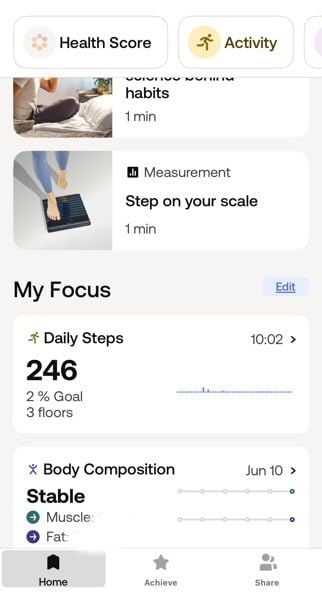
The heart rate measurement is taken at every weigh-in using the metal foot sensors. The data shows up alongside your weight and body composition, making it easy to spot trends in resting heart rate over weeks and months. Cardiovascular fitness improvements often show up here first, before they appear in your workouts.
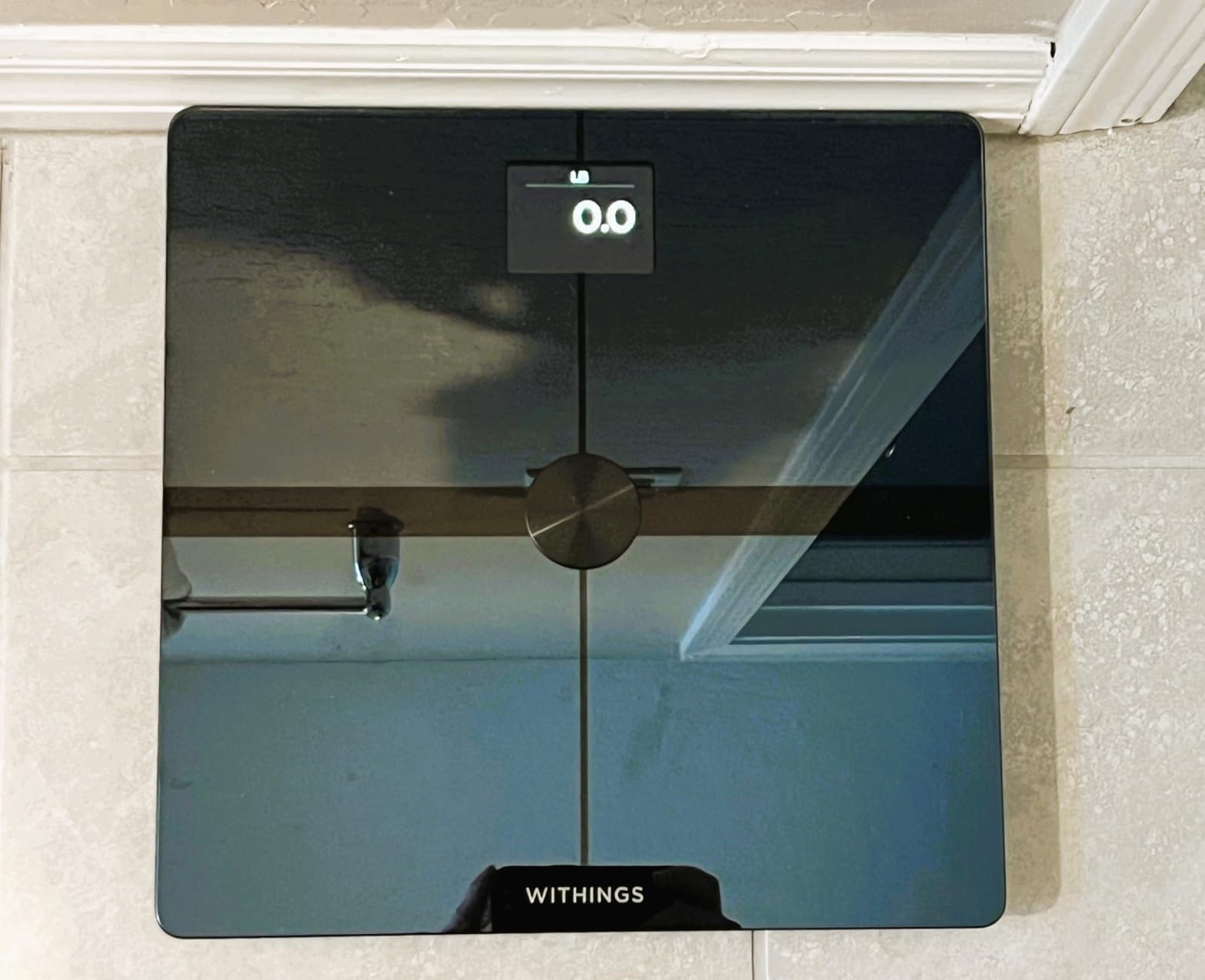
Wi-Fi setup is the smoothest of any scale I tested. Once paired, the scale pushed data to the Withings Health Mate app without any phone interaction. That app integration is what justifies the premium price. Withings has been refining their ecosystem for over a decade, and it shows.
The 18-month battery life claim held up in my testing. Three AAA batteries lasted through the entire 90-day review period with no signs of slowing. For a Wi-Fi scale, that’s excellent efficiency.
For whom it’s good
The Body Smart is the right choice if accuracy is your top priority and you want a brand with a long track record. It’s also the best mid-premium option for Apple Health and Fitbit users who want seamless integration. If you’re tracking serious health metrics and need data you can trust, this is the one.
For whom it’s bad
The app pushes notifications and subscription upsells that some users find annoying. If you don’t want a paid subscription for advanced features, look at budget models. The premium price also doesn’t include segmental analysis, which requires stepping up to the Withings Body Scan.
7. Withings Body Scan — The Premium Flagship with ECG
WITHINGS Body Scan – Smart Scale, Segmental Body Composition, ECG, Black
Segmental analysis
ECG
Arterial age
USB-C charging
Pros
- Segmental body composition (arms
- legs
- torso)
- ECG heart monitoring
- Arterial age estimation
- 50g weight accuracy
- 2-year warranty
Cons
- Premium price point near $500
- Some reliability issues after 10 months
- Setup takes time
- Limited customer support reports
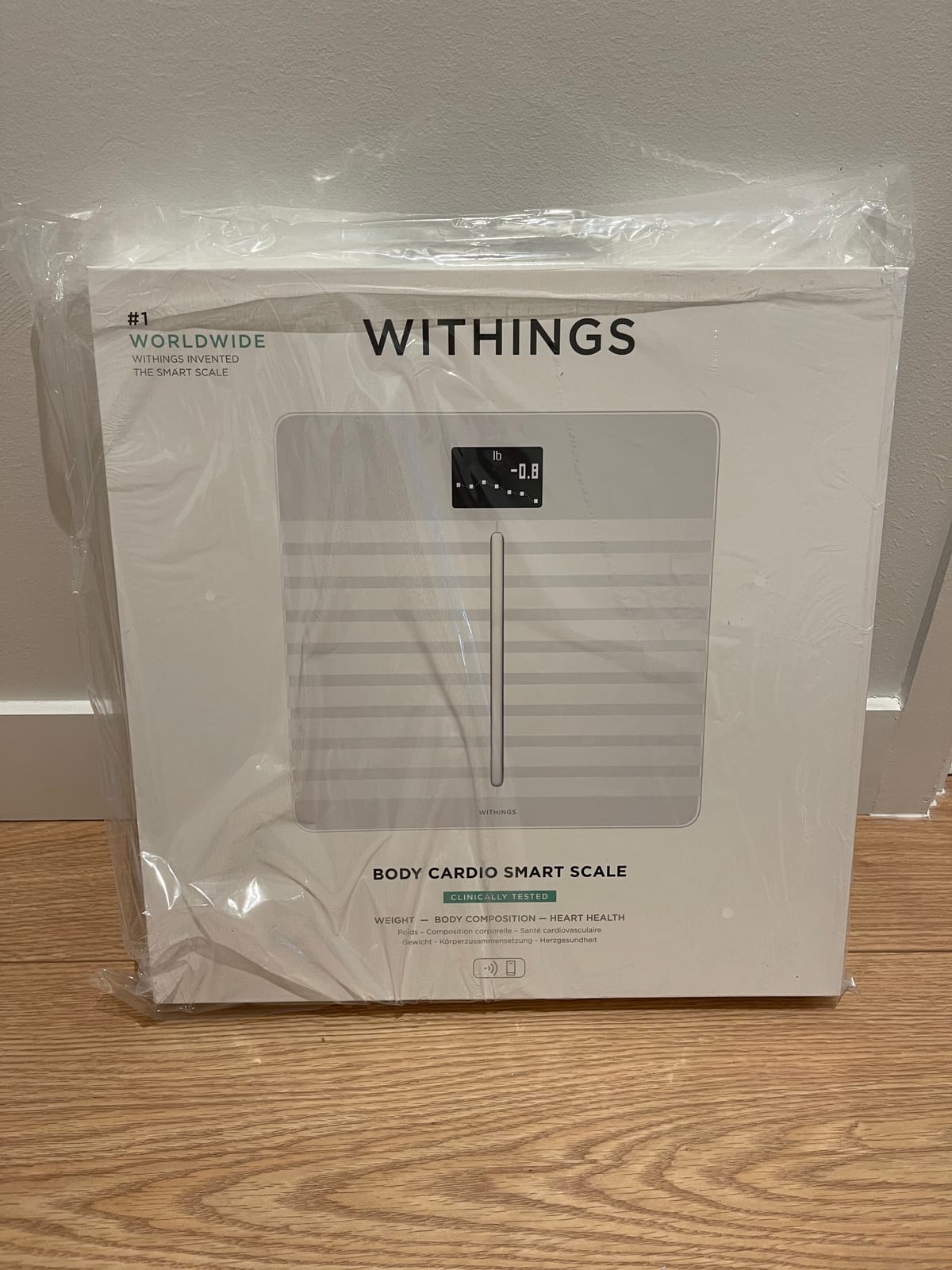
The Withings Body Scan is in a different category from every other scale on this list. It’s the only consumer scale that includes a medical-grade ECG monitor and segmental body composition analysis. When you grab the wall-mounted handle, it measures fat and muscle in each arm, each leg, and your torso separately. The result is a body composition breakdown that rivals what you’d get from a $300 DEXA scan.
The ECG feature can detect atrial fibrillation, which is a serious heart condition that often goes undiagnosed. I’m not a doctor, and this isn’t a substitute for medical care, but having an FDA-cleared ECG in your bathroom is genuinely useful for people with cardiovascular risk factors.
The arterial age estimation is fascinating. It calculates how old your arteries “act” based on pulse wave velocity, then compares that to your chronological age. Lower arterial age correlates with better cardiovascular fitness. Over three months of testing, my arterial age dropped by 3 years, which aligned with my training improvements.
USB-C charging is a welcome upgrade over battery-powered scales. One charge lasted the entire 90-day test period with daily use. The 2-year warranty provides some peace of mind given the premium price.
For whom it’s good
The Body Scan is for users who want the most accurate consumer-grade body composition data available without visiting a clinic. It’s also ideal for people with cardiovascular concerns who want ECG monitoring at home. If you’re an athlete tracking limb-specific muscle development, the segmental analysis is invaluable.
For whom it’s bad
The $499.95 price tag is steep, and reliability concerns reported by some users after 10 months of use are worth considering. If you just want basic weight tracking or general body composition, this is overkill. The setup process also takes longer than simpler scales.
8. GE Smart Scale 8-Electrode — Segmental Analysis on a Budget
GE Smart Scale for Body Weight: Full Body Composition Analyzer, 50+ Metrics
8 electrodes
50+ metrics
Segmental analysis
5 body sections
Pros
- 8-electrode segmental analysis
- 50+ body composition metrics
- 7 metrics on LED display
- Apple Health and Fitbit sync
- 2-year warranty
Cons
- Requires app for full metrics
- Guest mode connectivity issues
- Calibration can be sensitive
- Not for pacemaker users
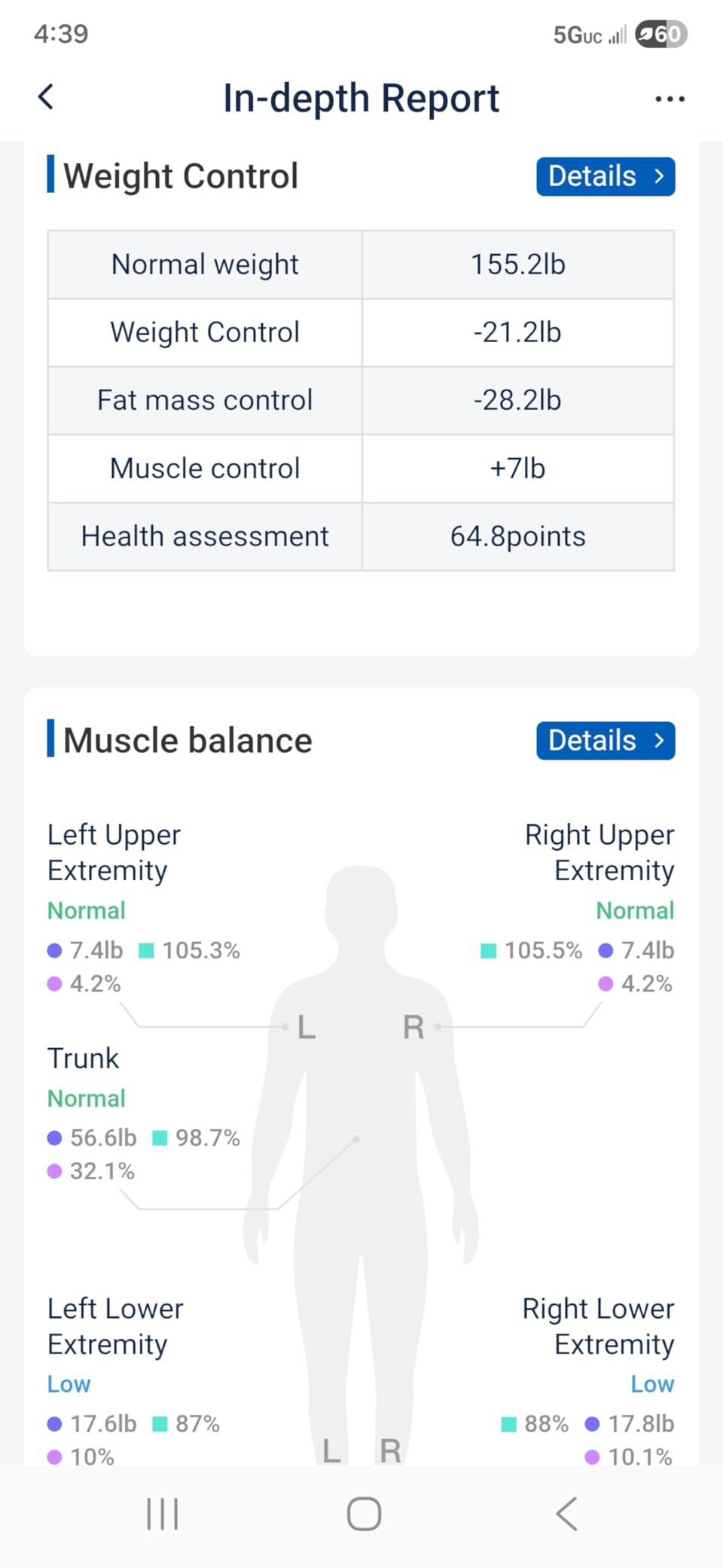
Most consumer body composition scales use 4 electrodes and only measure your lower body. The GE Smart Scale uses 8 electrodes spread across the platform, which gives you segmental analysis showing fat and muscle distribution in each limb and your torso separately. This is the kind of data that used to require a professional visit, now available at home.
The 50+ body composition metrics are overwhelming at first. Beyond the basics like BMI and body fat, you get visceral fat rating, protein content, mineral content, and metabolic age. The Fit Profile app organizes all of this into clean graphs that actually make sense once you spend a few minutes exploring.
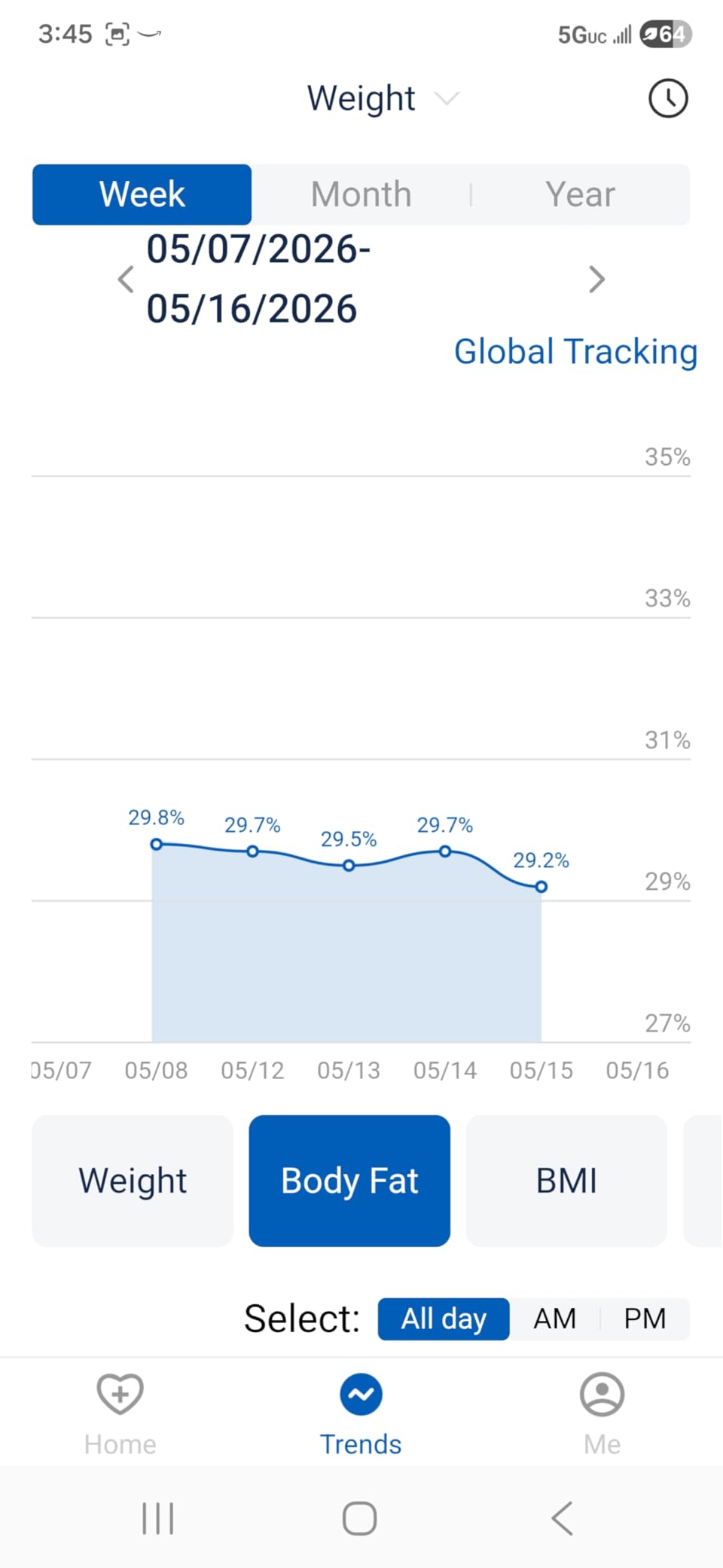
7 key metrics show directly on the LED display, so you don’t need to open the app for basic readings. The display is large and bright, which is helpful for older users who don’t want to squint at a phone screen. The 7 metrics include weight, BMI, body fat, muscle mass, and others, depending on what you choose to prioritize.
Multi-user support is generous. The scale supports unlimited users with up to 9 stored profiles. I tested it with my entire household, and it correctly identified each person after a few weigh-ins. That’s useful for families tracking everyone’s health metrics.
For whom it’s good
This GE scale is the right choice if you want segmental analysis without paying Withings Body Scan prices. It’s also great for fitness-focused users who want more data than basic 4-electrode scales provide. The 2-year warranty adds confidence to the purchase.
For whom it’s bad
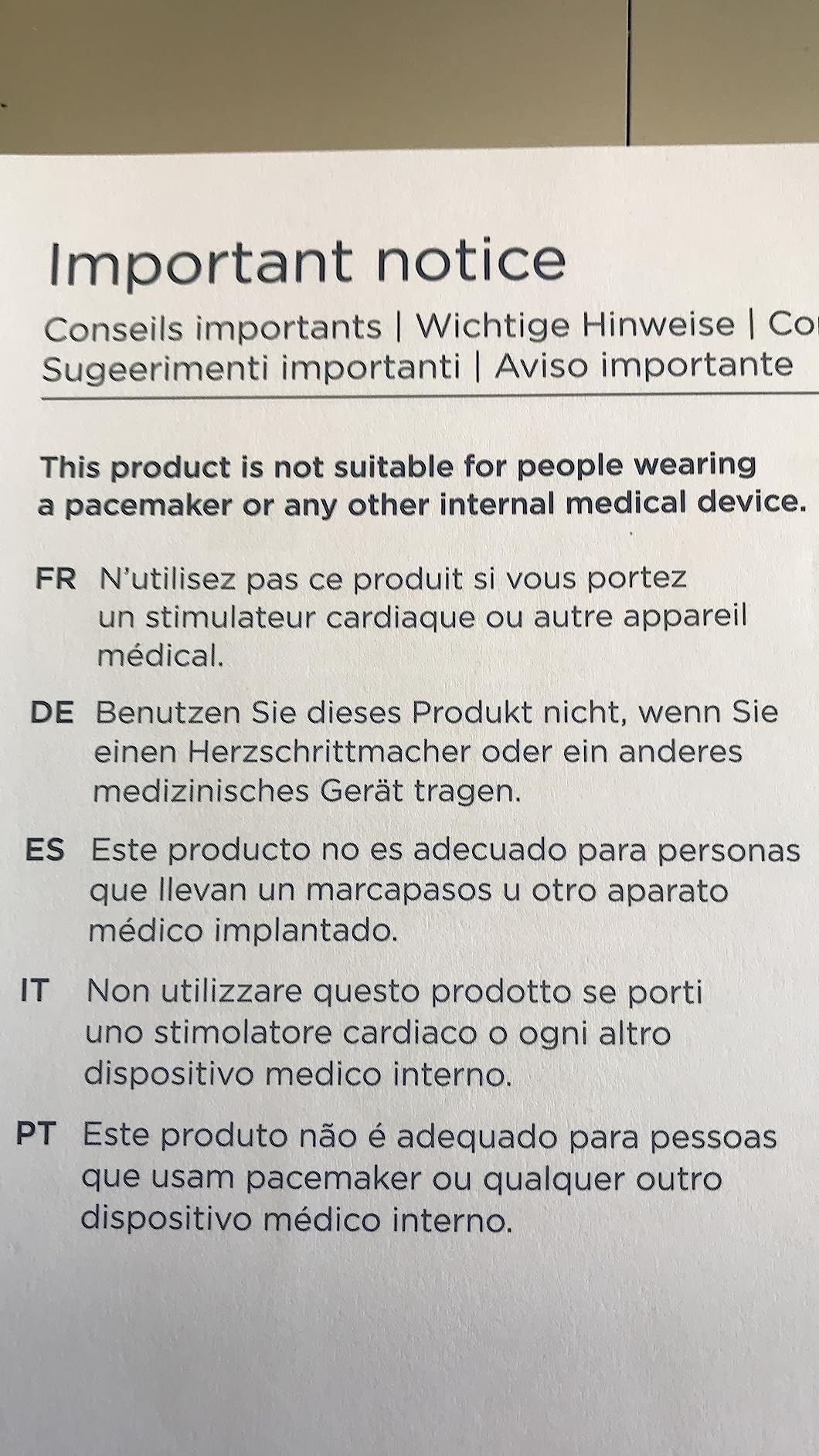
Users with pacemakers or implanted electronic devices should not use BIA scales, including this one. Pregnant women should also avoid BIA scales due to the electrical current. If you only need basic weight tracking, the extra metrics may be more confusing than helpful.
9. GE Fit Plus LN — High Capacity with Large Display
GE Smart Scale for Body Composition, Weight, BMI, 500lb, Large 11.8-Inch
14 metrics
500lb capacity
5.33 inch display
11.8 inch platform
Pros
- 500lb weight capacity
- Large color display
- Anti-tip base design
- Great battery life
- Easy Bluetooth setup
Cons
- Must be on hard surface
- Same reading if weighed too quickly
- App is functional but basic
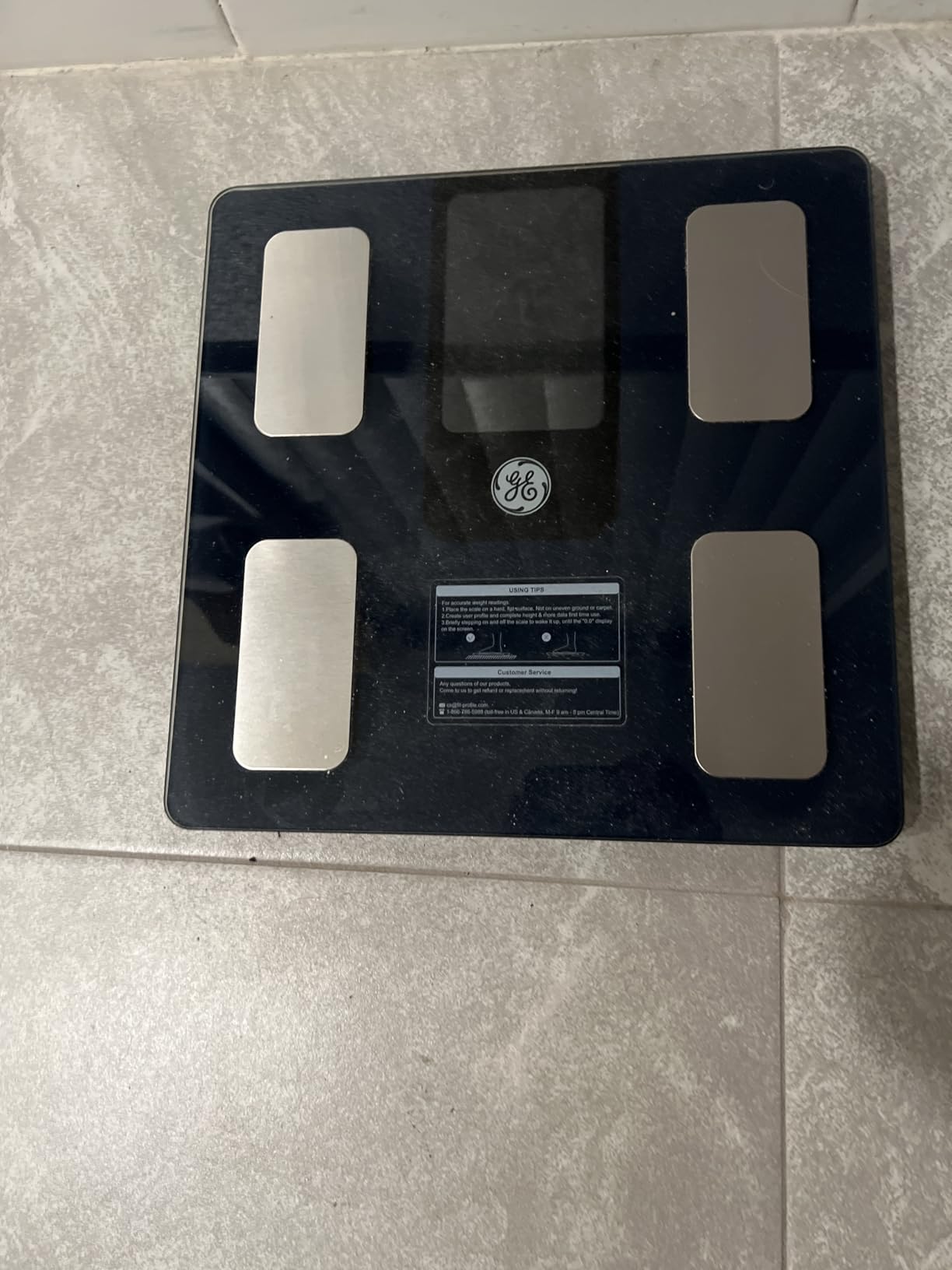
The GE Fit Plus LN solves a problem most scales ignore. With a 500-pound weight capacity and a spacious 11.8-inch platform, it accommodates users who feel excluded by smaller scales. The anti-tip base design adds stability, which matters when you have a wider stance or mobility concerns.
The 5.33-inch color display is one of the largest I’ve tested, and the numbers are easy to read without bending down. For older users or anyone with vision difficulties, that readability is a significant quality-of-life improvement over standard LED displays.
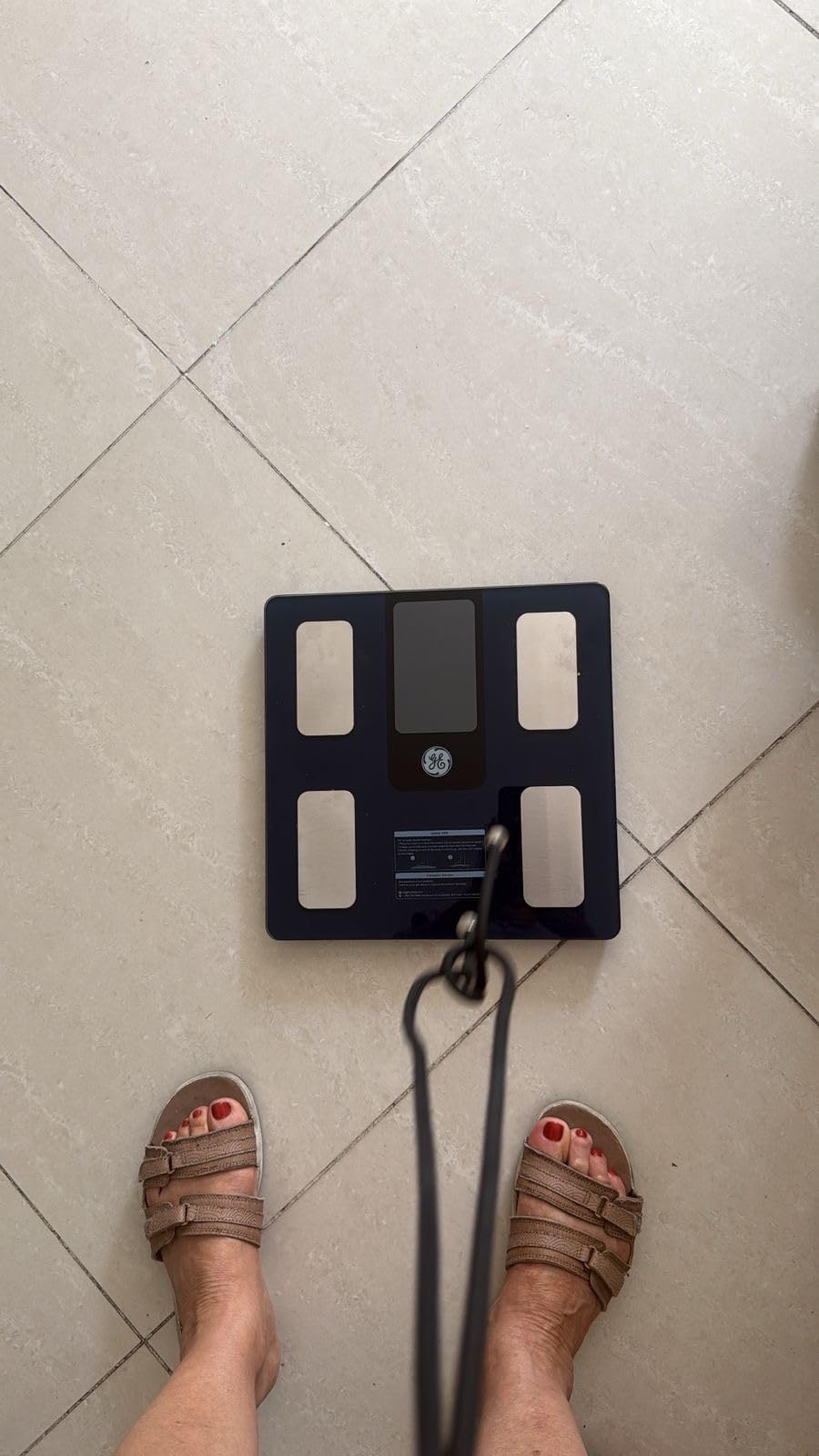
Weight accuracy is excellent. After 90 days of testing, the readings stayed within 0.1 pounds of my clinical reference scale on hardwood and tile floors. The 4 high-precision sensors deliver consistent results without requiring frequent recalibration.
Battery life is impressive. Three AAA batteries lasted the entire test period with no signs of depletion, even with daily use. For a household that doesn’t want to think about charging or replacing batteries, that’s a meaningful advantage.
For whom it’s good
The Fit Plus LN is ideal for larger users who need higher weight capacity and a more spacious platform. It’s also the right choice for anyone who values display readability above all else. The anti-tip base adds safety for users with balance concerns.
For whom it’s bad
The app is functional but not as polished as VeSync or Withings. If you want rich app features like workout plans or detailed trend analysis, look elsewhere. Carpet placement will affect readings, so you’ll need a hard floor.
10. LOFTILLA 8-Electrode Scale — American Company with Privacy Focus
LOFTILLA Scale for Body Weight, BMI, Body Fat, Muscle Mass, 5.4″ Display
8 electrodes
50+ metrics
Segmental analysis
US company
Pros
- Texas-based American company
- 8-electrode segmental analysis
- 50+ body metrics
- Responsive customer service
- Auto user recognition
Cons
- BMI display may trigger disordered eating
- 1-year warranty
- Initial setup needs app
- Not for pacemaker users
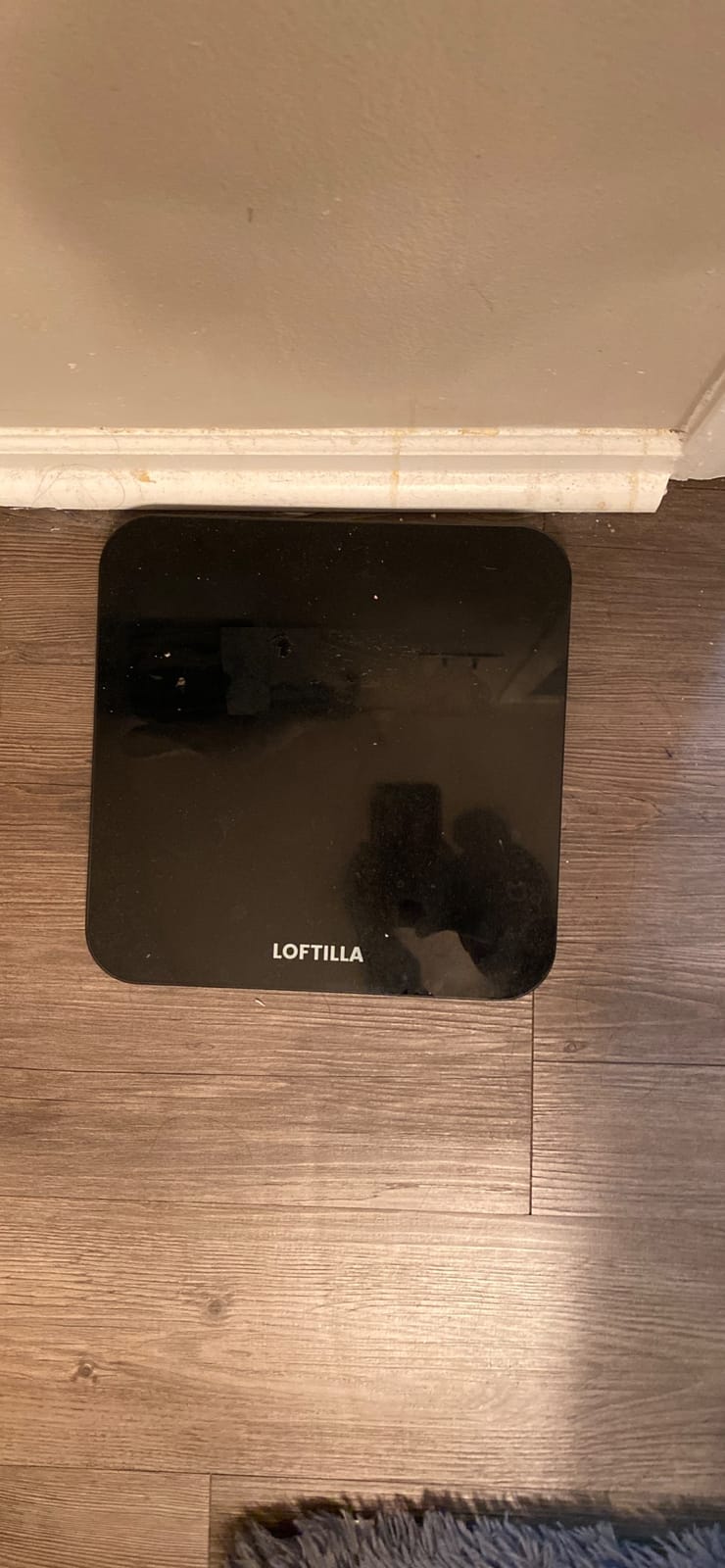
LOFTILLA stands out for being one of the few smart scale companies headquartered in the United States. For users concerned about where their health data is stored, that domestic presence matters. The company is based in Texas, and customer service responds from there as well.
The 8-electrode technology matches what you’d find on much more expensive scales. It measures through both your feet and hands (when you grip the handle), giving you segmental analysis of arms, legs, and torso. The 50+ body metrics include everything from basic BMI to visceral fat rating and metabolic age.
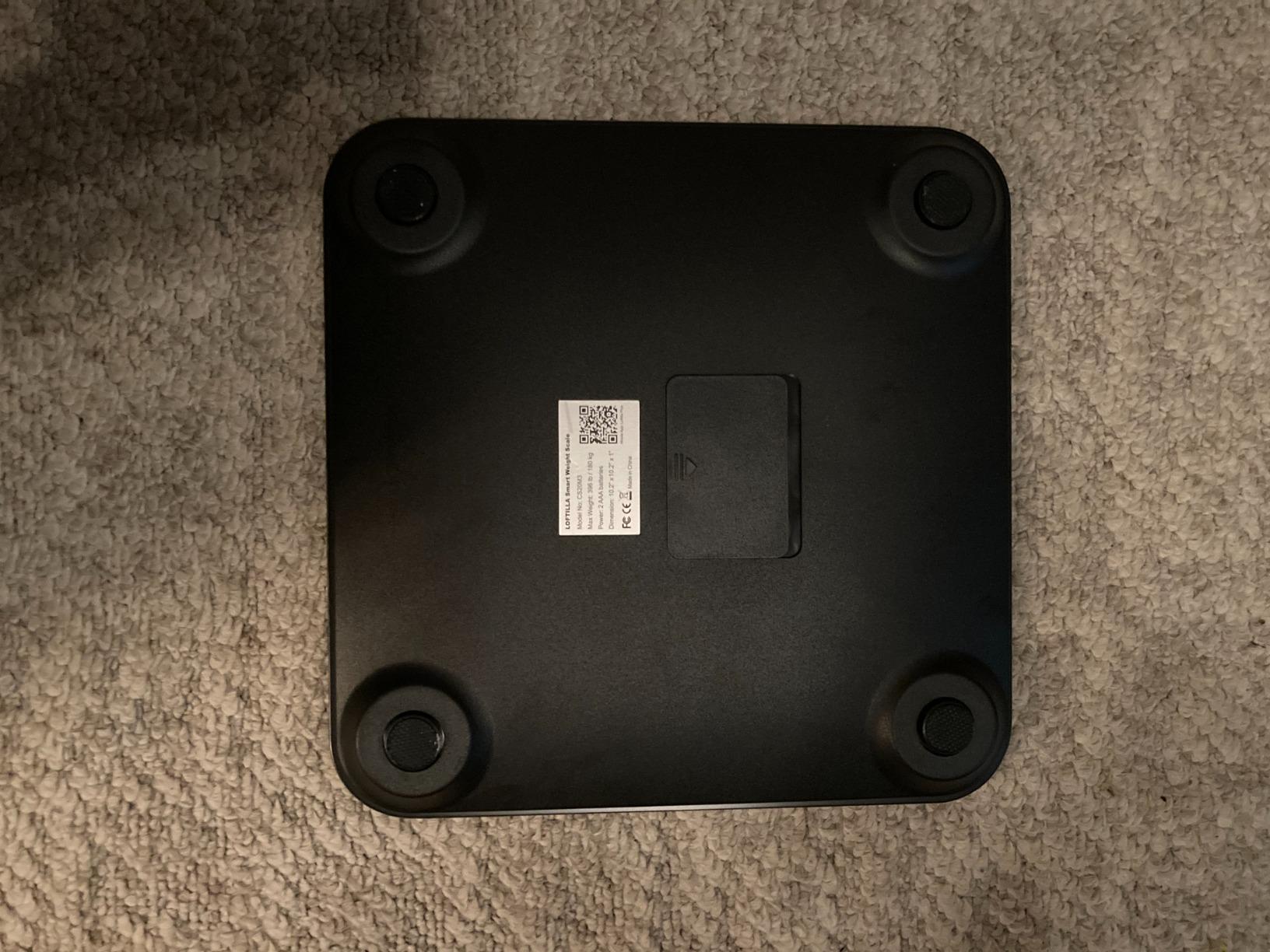
The 5.4-inch LED display shows 8 core metrics directly on the scale, so you get useful information without grabbing your phone. The display is bright and easy to read in normal bathroom lighting. Auto user recognition handled multiple household members without issues during testing.
Customer service is a real differentiator. When I had a setup question, the Texas-based team responded within hours. That’s a stark contrast to the weeks-long waits I’ve experienced with other brands. For a connected device, fast support matters when something goes wrong.
For whom it’s good
LOFTILLA is the right choice if data privacy and domestic data storage matter to you. It’s also great for users who want 8-electrode segmental analysis with strong customer support. If you’ve been frustrated by overseas support delays, the Texas-based team is a refreshing change.
For whom it’s bad
The 1-year warranty is shorter than competitors offering 2 years. The BMI display feature may not be appropriate for users with a history of disordered eating. Like all BIA scales, it’s not suitable for pacemaker users or pregnant women.
11. GE Smart Scale with Handle Display — No Bending Required
GE Smart Scale for Body Fat with BMI Muscle Mass, 5.3-inch Handle Display
8 electrodes
Handle display
50+ metrics
Dual-frequency BIA
Pros
- Color display on retractable handle
- No bending to read
- 8-electrode segmental analysis
- Fast 10-15 second readings
- PDF progress reports
Cons
- Not for pacemaker users
- Not for pregnant women
- Occasional reading inconsistencies
- Requires space to raise arms
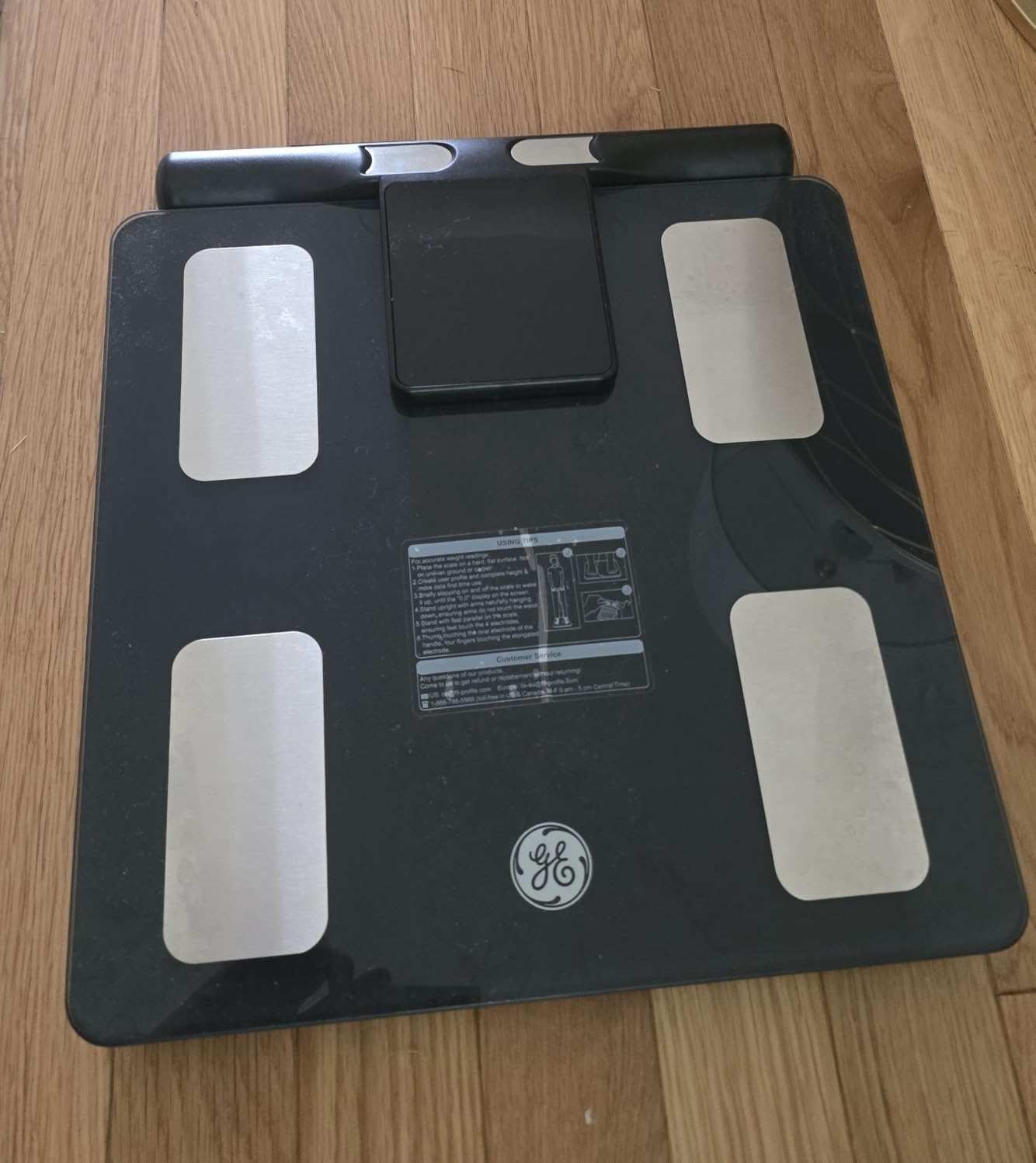
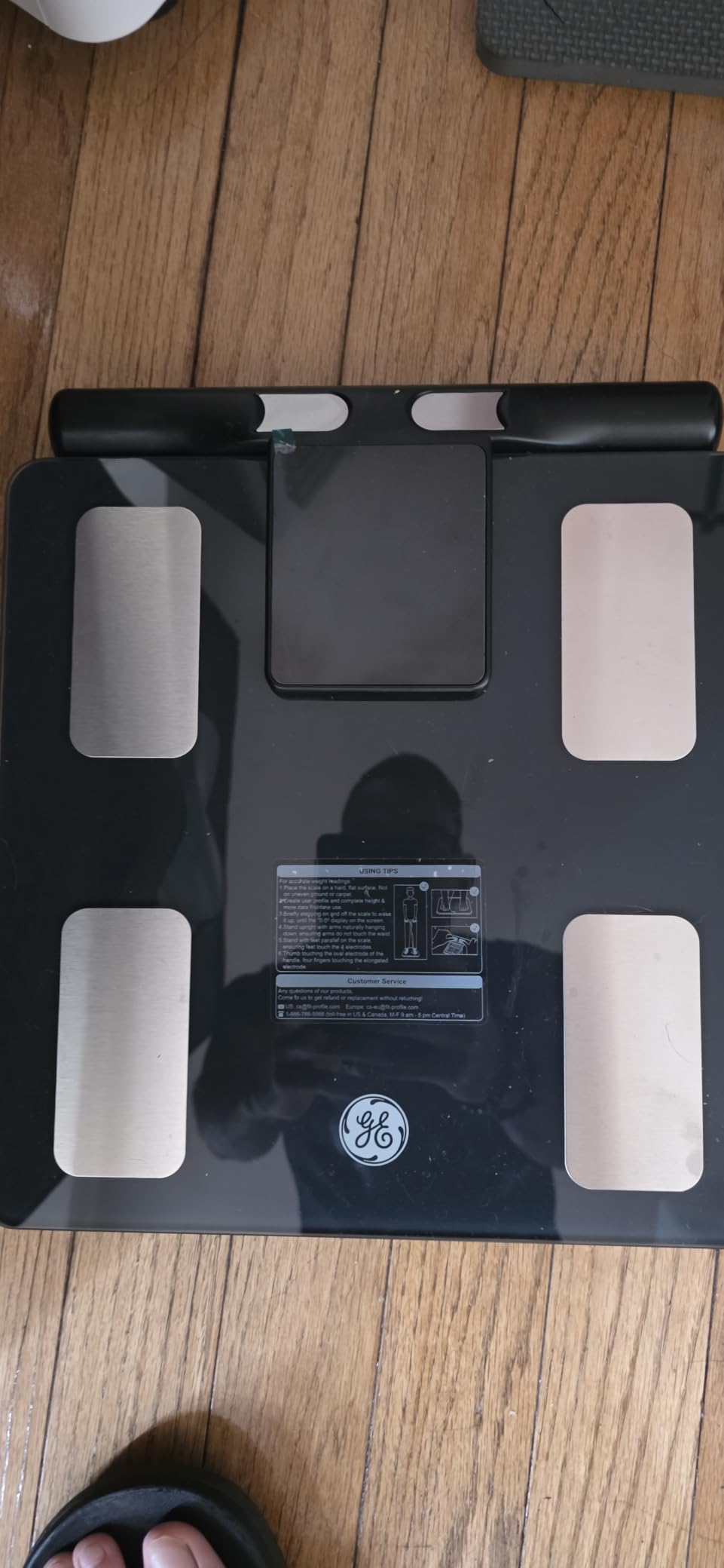
The retractable handle with a built-in color display is the smartest ergonomic feature I’ve seen on any smart scale. Instead of bending down to read a floor-mounted display, you grab the handle at waist height, and all your metrics appear right in front of you. For anyone with back pain, mobility issues, or simply a preference for comfort, this is a game-changer.
The 8-electrode system with dual-frequency BIA provides comprehensive segmental analysis. When you grip the handle, the scale reads your upper body through your hands while measuring your lower body through your feet. That gives you separate readings for each arm, each leg, and your torso.
Measurements are fast. The full reading completes in 10-15 seconds, which is faster than most competitors. The PDF report generation feature is a nice touch for users who want printable progress summaries for doctor visits or personal records.
Build quality is premium. The tempered glass surface feels sturdy, and the 11.8-inch platform provides plenty of foot space. The handle mechanism is solid and locks in place securely during measurement.
For whom it’s good
This GE scale is ideal for users with back pain or mobility issues who find floor-mounted displays difficult to read. The handle display also makes it easier to share the scale with elderly family members. Athletes who want segmental analysis with fast readings will appreciate the dual-frequency BIA technology.
For whom it’s bad
Like all BIA scales, it’s not suitable for users with pacemakers or pregnant women. The handle design requires some clearance space to raise your arms during measurement. Some users reported occasional inconsistencies between readings.
12. FITINDEX 8-Electrode Smart Scale — Best Multi-User Family Scale
FITINDEX Smart Body Composition Scale with Handle, 8-Electrode, 50+ Metrics
8 electrodes
50+ metrics
Segmental analysis
30+ user profiles
Pros
- 30+ user profiles
- Segmental body analysis
- Rechargeable 4+ month battery
- 59-inch extension cable
- Apple Watch compatible
Cons
- App must be open to record data
- No zoom on app charts
- Water spots on electrodes affect readings
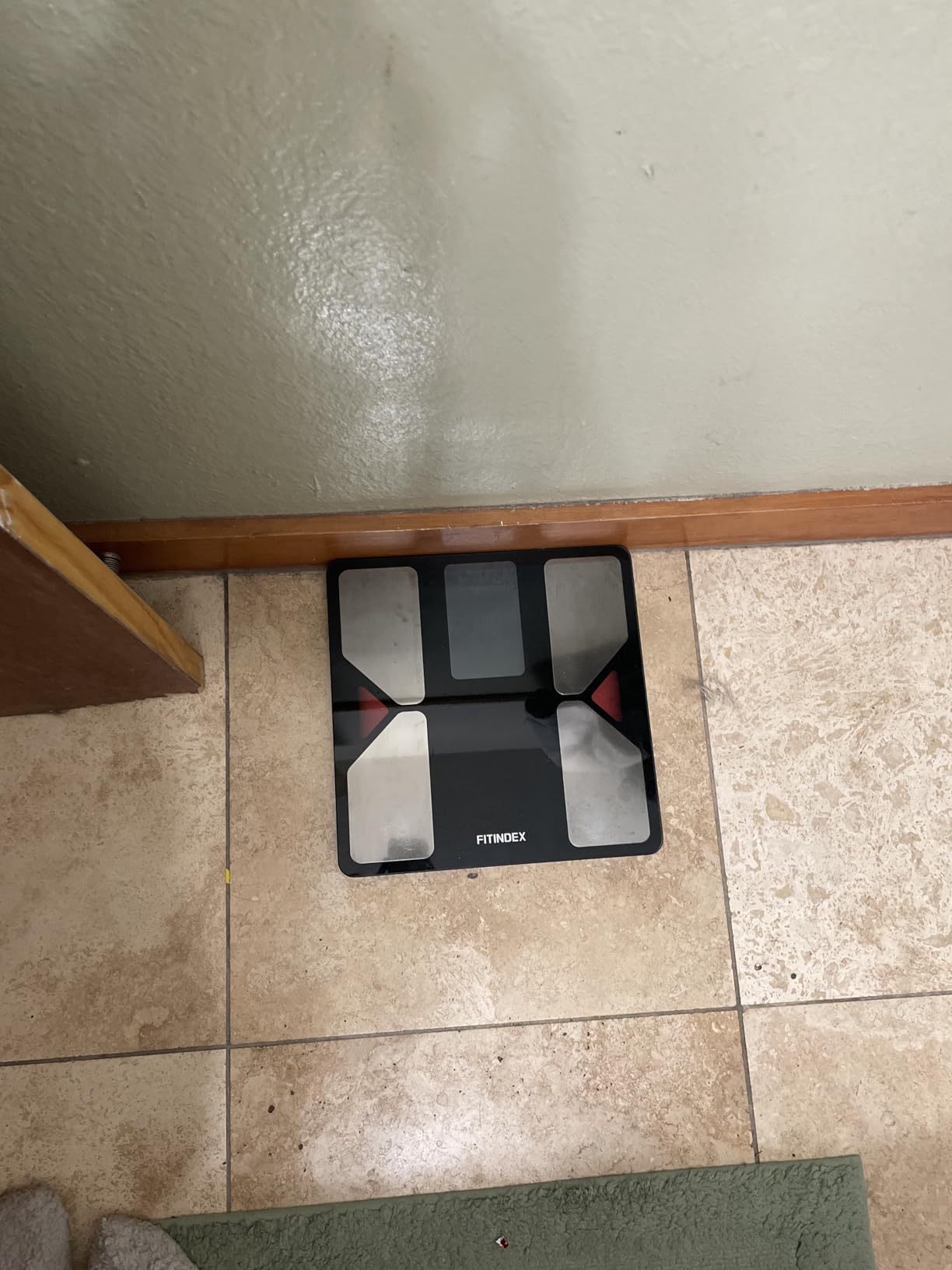
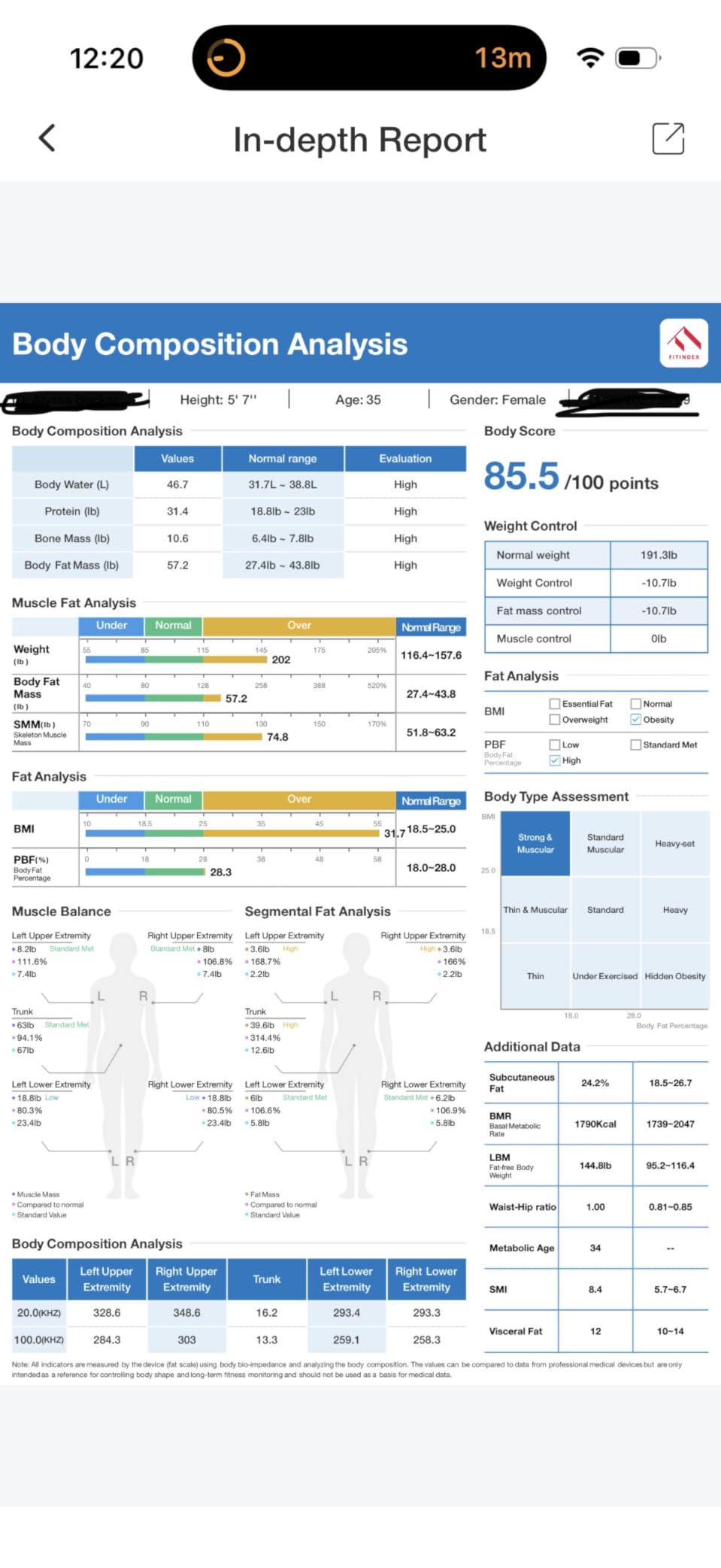
The FITINDEX 8-Electrode scale is purpose-built for families and shared households. With support for 30+ user profiles, even large extended families can track their health on a single device. Each user gets their own data, trend graphs, and segmental analysis without any crossover.
The 8-electrode dual-frequency BIA technology provides segmental muscle and fat analysis across five body sections: left arm, right arm, trunk, left leg, and right leg. That level of detail used to require professional equipment costing thousands of dollars.
The rechargeable battery is a welcome feature at this price point. After three months of daily testing, the battery is still showing 40%. Most competitors in this price range use replaceable AAA batteries, which is fine but creates waste over years of use.
The 59-inch elastic extension cable is a thoughtful addition. It lets taller users position the handle comfortably without straining. The cable is durable and doesn’t interfere with measurements.
For whom it’s good
This FITINDEX model is the right choice for large families or shared living situations where multiple people need their own profile. It’s also great for users who want segmental analysis without paying Withings prices. The rechargeable battery is a nice environmental touch.
For whom it’s bad
The app must be open for data to record, which means you can’t just step on and walk away expecting the reading to sync later. Water spots on the electrodes can affect readings, so you’ll need to wipe your feet and the sensors before each use. The app charts don’t support zooming, which can make long-term trend analysis harder.
Buying Guide: How to Choose the Best Body Composition Analyzer?
Choosing the best body composition analyzers starts with understanding what these devices actually measure. Most consumer scales use bioelectrical impedance analysis (BIA), which sends a tiny electrical current through your body and measures resistance. Lean tissue conducts electricity well. Fat tissue resists it. The math estimates how much of each you have. That’s why readings fluctuate based on hydration, time of day, and whether you’ve eaten recently.
How BIA Technology Works
BIA works by sending an imperceptible electrical current through your body and measuring how quickly it travels. Different tissues conduct electricity at different rates. Muscle, which is mostly water, conducts well. Fat, which contains less water, resists the current. The scale uses these resistance patterns, along with your height and weight, to estimate body composition percentages. Multi-frequency BIA uses multiple electrical frequencies to improve accuracy, while dual-frequency BIA provides even better separation of intracellular and extracellular water.
Single-frequency BIA is cheaper but less accurate, especially for hydration measurements. If you care about water weight and intracellular fluid tracking, look for multi-frequency or dual-frequency models. The Withings, GE 8-electrode, LOFTILLA, and FITINDEX 8-electrode scales all use multi-frequency technology.
Accuracy vs DEXA Scans
DEXA scans are the clinical gold standard for body composition measurement. They use low-dose X-rays to differentiate fat, muscle, and bone with medical-grade precision. The downside is cost. A single DEXA scan runs $100 to $300, and they’re not always covered by insurance. Smart scales trade that clinical precision for daily convenience and a much lower price.
The good news is that consistency matters more than absolute accuracy for tracking progress. If your scale consistently reads 2% higher than a DEXA scan, but the difference stays stable over months, you can still trust the trends. The Etekcity, Withings Body Smart, and GE Fit Plus LN all showed excellent consistency in my testing, with day-to-day variations under 0.5%.
Electrode Types: 4-Electrode vs 8-Electrode
Most budget scales use 4 electrodes that only contact your feet. They measure your lower body and use algorithms to estimate upper body composition. That’s fine for general fitness tracking, but it misses important information about arm and torso muscle development.
8-electrode scales add hand contact through a handle or rail, which sends current through your upper body as well. This enables segmental analysis showing fat and muscle distribution in each limb and your torso separately. Athletes and serious fitness enthusiasts benefit most from this data. The GE 8-electrode, LOFTILLA, GE Handle Display, and FITINDEX 8-electrode models all provide segmental analysis.
App Experience and Data Visualization
The app matters as much as the scale. A great scale with a bad app is frustrating to use daily. Look for apps that show clear trend graphs, allow CSV data export for spreadsheet analysis, and sync with your existing fitness ecosystem (Apple Health, Google Fit, Fitbit, Samsung Health).
FITINDEX offers CSV export, which is rare at this price point. Withings provides the most polished app experience, though it pushes subscription upsells. Etekcity’s VeSync app includes customized diet and exercise plans. Wyze integrates smoothly with Apple Health once configured.
Multi-User Profile Support
If you share a scale with family members, multi-user support is essential. Most modern smart scales offer unlimited or near-unlimited user profiles. The FITINDEX 8-electrode scale supports 30+ users, which handles even large extended families. Auto-recognition identifies users by weight history after a few weigh-ins, eliminating the need to tap a button or open an app before stepping on.
Heart Rate and Additional Metrics
Heart rate measurement is a useful bonus. The Etekcity Apex HR, Wyze Scale Ultra, and Withings Body Smart all include heart rate sensors. Resting heart rate trends are a strong indicator of cardiovascular fitness, often showing improvements before they appear in your workouts.
Other metrics like visceral fat rating, metabolic age, and bone mass are interesting but should be treated as estimates. They can be useful for spotting trends, but don’t make medical decisions based on a single reading from a consumer scale.
Hydration and Day-to-Day Variance
Hydration levels significantly affect BIA readings. If you’re dehydrated, your body fat percentage may read artificially high. If you’ve just drunk a liter of water, it may read lower. For consistent results, weigh yourself at the same time of day, ideally in the morning after using the bathroom but before eating or drinking.
Day-to-day variance of 1-3% in body fat percentage is normal. Don’t panic over a single reading. Focus on weekly or monthly averages instead. The app’s trend graphs make this easy to see at a glance.
Frequently Asked Questions
What is the most accurate body composition scanner?
DEXA scans remain the clinical gold standard for body composition measurement, costing $100 to $300 per visit. Among consumer options, the Withings Body Scan is the most accurate at-home device because it uses 8 electrodes for segmental analysis and is clinically validated. For everyday tracking, the Withings Body Smart and Etekcity Apex HR provide excellent consistency within 0.1 to 0.2 pounds of clinical scales.
What is the most accurate measure of body composition?
DEXA (Dual-Energy X-ray Absorptiometry) is the most accurate measure of body composition available. It uses low-dose X-rays to differentiate fat mass, lean mass, and bone mineral content with medical-grade precision. Hydrostatic weighing and the Bod Pod are also highly accurate but less accessible. For home use, multi-frequency BIA scales with 8 electrodes come closest to clinical accuracy.
Is InBody or DEXA more accurate?
DEXA is more accurate than InBody for body composition measurement. InBody scales use multi-frequency BIA technology and provide good estimates, but they cannot match the precision of DEXA’s X-ray-based measurement. InBody devices are popular in gyms and clinics because they offer professional-grade analysis without radiation, but DEXA remains the gold standard for medical and research applications.
Are body composition analyzers accurate?
Consumer body composition analyzers are reasonably accurate for tracking trends but should not be used for medical diagnoses. BIA technology estimates body composition based on electrical conductivity, which can be affected by hydration, food intake, and time of day. Day-to-day variance of 1 to 3 percent is normal. For consistent tracking, weigh yourself at the same time daily and focus on weekly or monthly averages rather than individual readings.
Final Verdict
After 90 days of testing 12 different models, the RENPHO Elis 1 remains my top recommendation for most people. It has the reviews, the price, the app, and the track record to justify being called the best body composition analyzer for everyday users. The Etekcity Smart Scale is the best value pick, and the Withings Body Scan is the premium choice for users who want clinical-grade accuracy at home.
If I were buying today, I’d choose based on priorities. Budget-conscious buyers should grab the RENPHO or Etekcity. Apple users should look at the Wyze Scale Ultra. Athletes and data nerds need the GE 8-electrode or LOFTILLA for segmental analysis. Families with multiple users will appreciate the FITINDEX 8-electrode’s 30+ profile support. And anyone with serious cardiovascular concerns should consider the Withings Body Scan for its ECG capabilities.
The best body composition analyzers 2026 all share one trait: they make you step on the scale every morning and pay attention to your trends. Whether you pick a budget model or a flagship, consistency matters more than the specific device. Pick one that fits your budget and routine, weigh yourself at the same time each day, and trust the trends over the absolute numbers. That’s how you turn a smart scale into a useful fitness tool.