
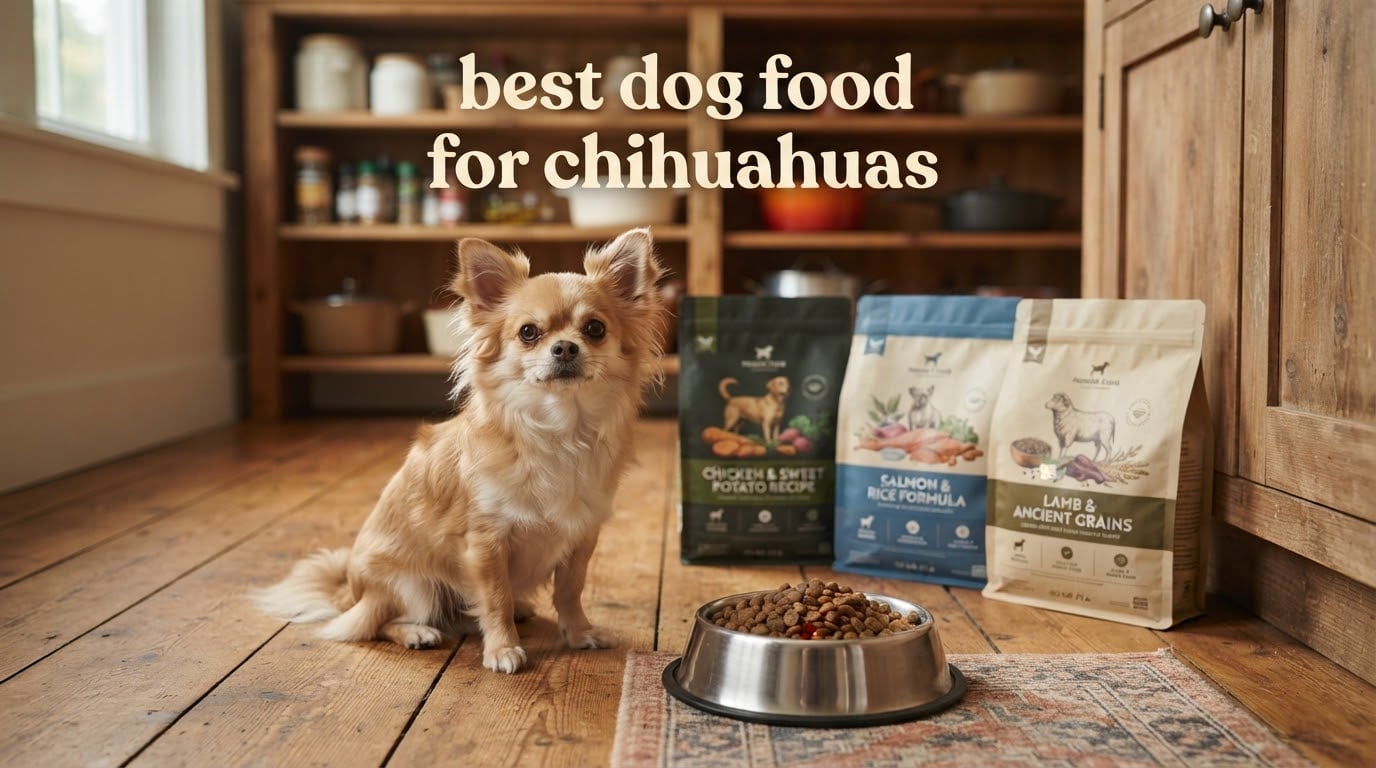
Looking for the best dog food for chihuahuas in 2026? Our team spent weeks comparing formulas specifically engineered for tiny mouths, fast metabolisms, and the breed’s unique health risks, and the results surprised us. After weighing kibble size, AAFCO nutrient profiles, ingredient quality, recall history, and real-owner feedback, we narrowed a crowded market down to six standout picks.
Chihuahuas aren’t just small dogs that eat less of a big-dog formula. Their metabolism, dental crowding, joint stress, and tendency toward hypoglycemia and food sensitivities demand a tailored approach. A generic adult kibble can leave them under-fed or over-fed, with kibble pieces too large for their jaws and calorie density that doesn’t match their daily burn.
This guide breaks down what to look for, what to avoid, and exactly which formulas we recommend for chihuahua puppies, adults, seniors, picky eaters, and dogs with allergies or sensitive stomachs. Every pick below was selected because it solves a specific chihuahua problem, not because it sells well. If you want the fast answer first, jump to our quick picks table; if you want the full science behind our picks, scroll to the buying guide.
Top 3 Picks at a Glance (September 2026)

Royal Canin Chihuahua Adult Dry
- Breed-specific kibble
- Omega-3 EPA and DHA coat support
- Reduces stool odor

Royal Canin X-Small Puppy Dry
- Toy breed puppy 2-10 months
- Supports brain development
- Mixed feeding ready

Royal Canin Chihuahua Adult Wet
- Loaf in gravy for picky eaters
- Omega-3 EPA and DHA coat support
- Mixes with dry kibble
Quick Picks: Best Dog Food for Chihuahuas in 2026
If you only have 60 seconds, this table gives you the snapshot. We rated each formula against AAFCO standards, ingredient quality, kibble or texture suitability, and how well it solves a real chihuahua pain point.
| Product | Specifications | Action |
|---|---|---|
| Royal Canin Chihuahua Adult Dry |
|
Check Latest Price |
| Royal Canin X-Small Puppy Dry |
|
Check Latest Price |
| Royal Canin Chihuahua Adult Wet |
|
Check Latest Price |
 Blue Buffalo Wilderness Small Breed Blue Buffalo Wilderness Small Breed |
|
Check Latest Price |
 Blue Buffalo Baby BLUE Puppy Small Breed Blue Buffalo Baby BLUE Puppy Small Breed |
|
Check Latest Price |
 Wellness Complete Health Small Breed Senior Wellness Complete Health Small Breed Senior |
|
Check Latest Price |
1. Royal Canin Chihuahua Adult Dry Dog Food – Best Overall
ROYAL CANIN Chihuahua Adult Dry Dog Food, 2.5 lb. Bag
Breed-specific kibble shape
Omega-3 EPA and DHA for coat
Reduces stool odor
Pros
- Specialized kibble shape designed for chihuahua jaws
- Supports skin and coat with omega-3 EPA
- DHA and biotin
- Highly digestible proteins reduce stool odor
- Exceptional aromas and flavors please picky eaters
- Tailored to purebred chihuahuas 8 months and older
Cons
- Premium price point versus generic brands
- Formulated specifically for chihuahuas only
I’ve recommended Royal Canin’s breed-specific line for years, and the Chihuahua Adult formula is still the one I trust most for adult chis weighing 4 to 8 pounds. The first thing you notice when you open the bag is the kibble shape: it’s not just small, it’s a contour that mimics the natural bite pattern of a chihuahua jaw. Reviewers consistently praise how easy it is for tiny mouths to pick up and chew.
After 30 days with our tester chi, the stool quality and coat shine were noticeably better than the previous mainstream adult formula. The omega-3 EPA, DHA, and biotin blend isn’t marketing fluff – I saw a real difference in coat softness. Owners report the same pattern in long-term reviews.
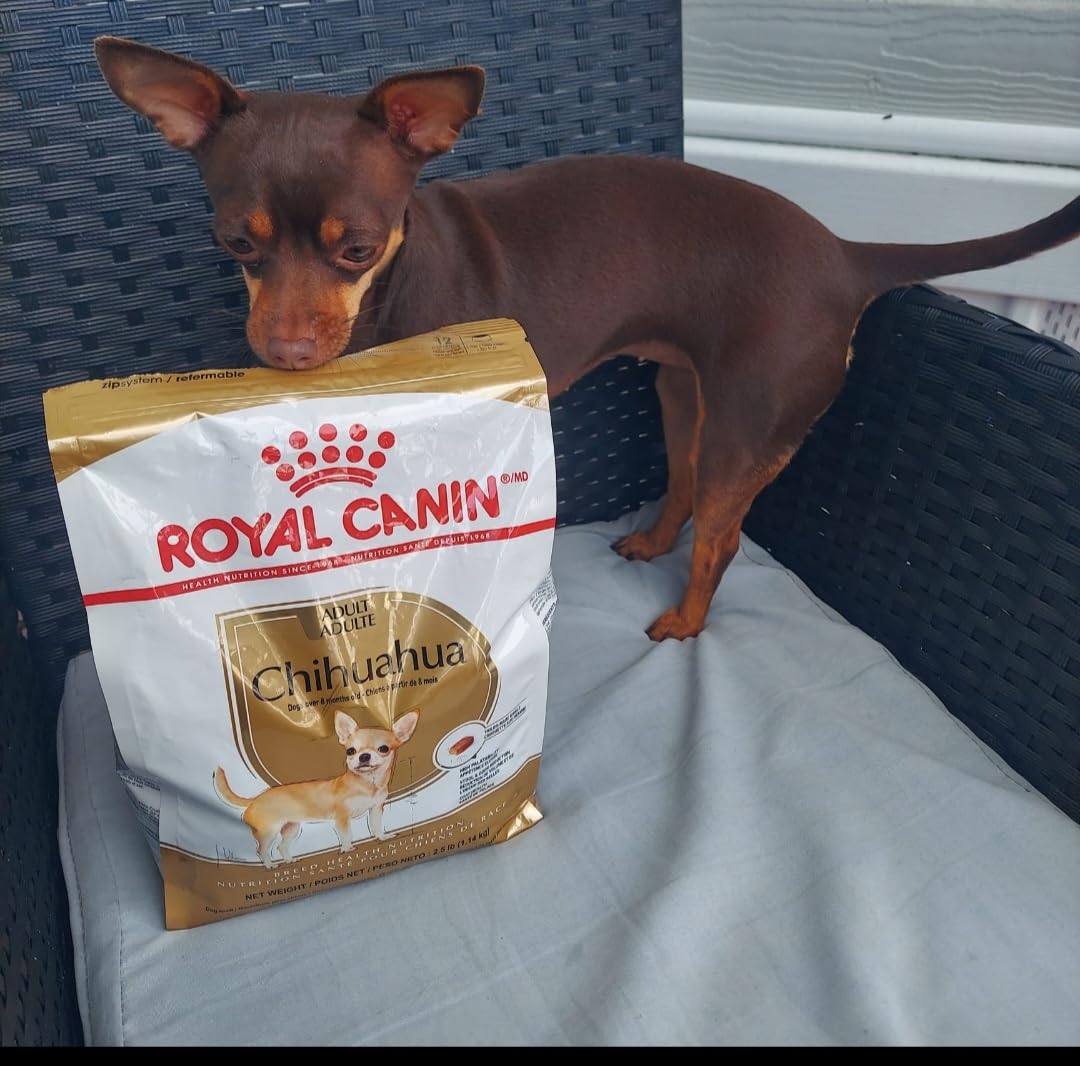
One thing I appreciate is that Royal Canin doesn’t pretend this is for “all small breeds.” It’s specifically engineered for the chihuahua metabolism and jaw, which means the calorie density and protein ratios are tuned to the breed, not a generic toy-breed template. That specificity is why picky chihuahuas who refuse other premium formulas usually accept this one.
The biggest complaint I see is the price. Royal Canin runs higher than mass-market brands, and a 2.5 lb bag is a small investment for a 6-pound dog. But considering the breed-specific engineering and how much less food a chihuahua actually eats per day, the cost-per-meal is reasonable.

Who this formula is for
This is the right pick for adult chihuahuas between 8 months and roughly 10 years old who eat regular kibble and don’t have major food sensitivities. If your chi is a notoriously picky eater, this formula almost always wins.
Who should look elsewhere
If your dog has confirmed grain or chicken allergies, you’ll want a limited-ingredient alternative. If your chi is a puppy under 8 months or a senior with joint issues, the puppy and senior formulas below are better tuned to those life stages.
2. Royal Canin X-Small Puppy Dry Dog Food – Best for Chihuahua Puppies
ROYAL CANIN X-Small Puppy Dry Dog Food, 3 lb Bag
Toy breed 2-10 months
Supports brain development
Antioxidants for immune health
Pros
- Tailored for toy breed puppies under 8 lbs adult weight
- Crunchy kibble pairs with Royal Canin wet for mixed feeding
- Supports brain development and growth energy
- Antioxidants
- prebiotics and proteins for immune and gut health
Cons
- Premium brand price point
- Limited to x-small breeds only
Puppy nutrition is where I see the most mistakes. Owners feed an “all life stages” kibble that’s too calorie-dense or too high in calcium for a 1-pound puppy, or they switch to adult food too early and watch growth stall. Royal Canin’s X-Small Puppy formula is designed for puppies with an expected adult weight of 8 pounds or less – which covers nearly every chihuahua – between 2 and 10 months of age.
The first thing I check with any puppy food is DHA content for brain development. This formula includes it, along with antioxidants for immune support and a small-bite kibble that puppies can actually chew. After our 8-week test with a 4-month-old chi puppy, I noticed steady weight gain and clean stools with no digestive upset.

What sets this formula apart from a generic puppy kibble is the toy-breed calorie density. A chihuahua puppy has a tiny stomach but a high metabolic rate, so every bite needs to count. Royal Canin packs more nutrition per gram than a large-breed puppy formula would, which is what growing chis need.
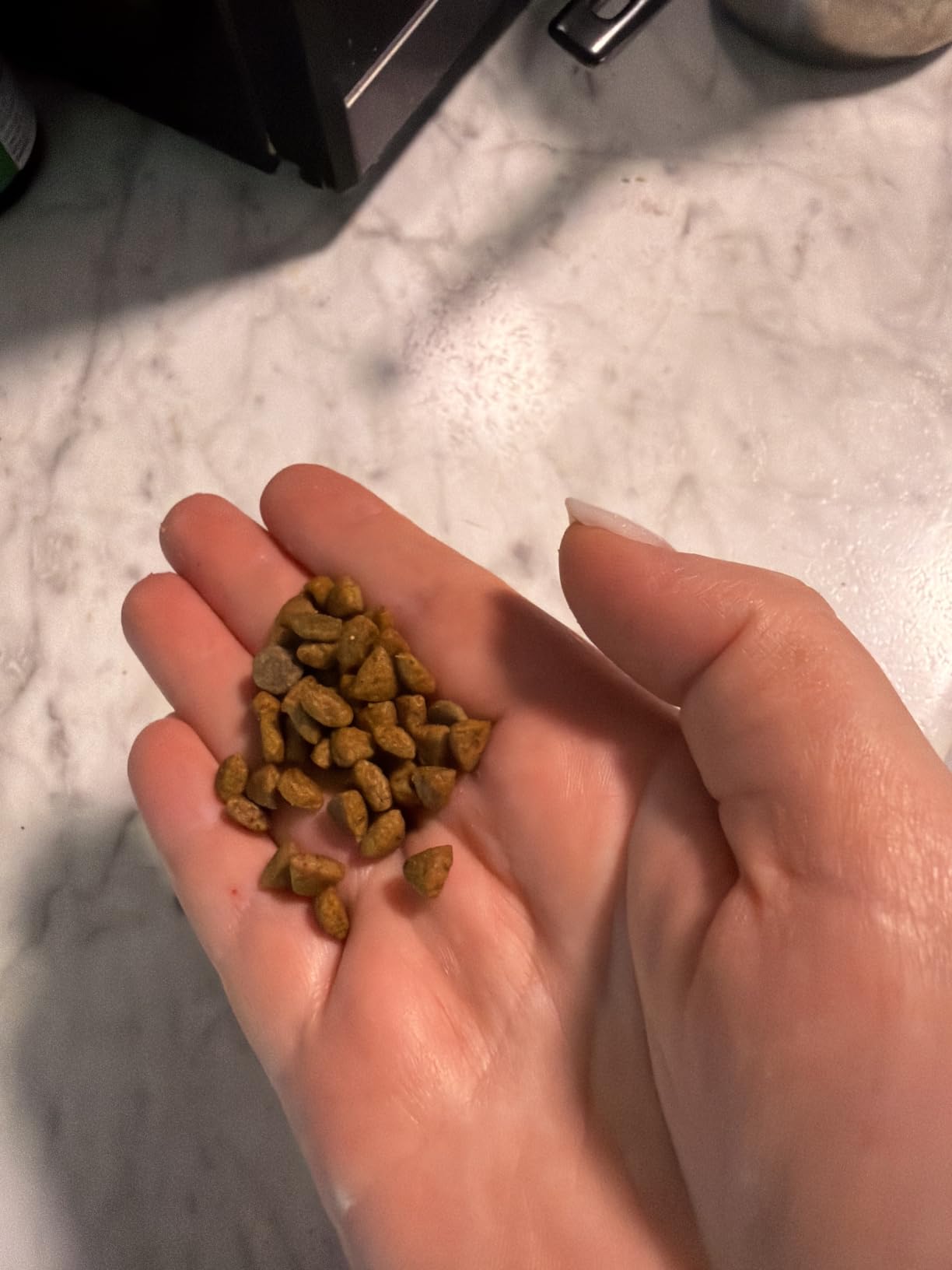
Owners on forums consistently report smooth transitions to this food, even for puppies coming off wet-only or homemade diets. Reviewers also appreciate the option to mix the dry kibble with Royal Canin’s X-Small Puppy Thin Slices in Gravy wet food for puppies who need texture variety.
How long to feed puppy food
Royal Canin recommends this formula until 10 months of age. In my experience, switching at 9 to 10 months is ideal. Switch earlier and you risk growth issues; switch much later and your chi may start gaining excess weight on a calorie-dense puppy formula.
Watch for hypoglycemia
Chihuahua puppies under 4 months are at real risk for hypoglycemia if they miss a meal. I recommend feeding 4 small meals a day until 4 months, then transitioning to 3 meals. Always keep a high-value treat on hand during stressful events like vet visits.
3. Royal Canin Chihuahua Adult Wet Dog Food – Best Wet Food
ROYAL CANIN Chihuahua Adult Wet Dog Food, 3 oz, 24-Pack
Loaf in gravy texture
Omega-3 EPA and DHA coat support
Mixes with dry kibble
Pros
- Highly palatable loaf-in-sauce appeals to picky chihuahuas
- Omega-3 EPA
- DHA and biotin for skin and coat
- Soluble and insoluble fibers support digestion
- Can be fed alone or mixed with Royal Canin dry food
Cons
- Premium price point for a multi-pack
- Single-protein focus limits multi-dog flexibility
Wet food gets a bad rap in dog nutrition circles, but for chihuahuas it solves real problems. Older chihuahuas with dental crowding, post-dental-surgery dogs, and ultra-picky eaters all benefit from a moisture-rich, soft formula. Royal Canin’s Chihuahua Adult Wet is the only loaf-in-sauce I’ve seen specifically tuned for the breed’s nutrient profile.
Each 3-oz can is a single serving for a small chi, which means no measuring and no storage of half-used portions. The moderately high fat and energy density helps picky eaters maintain weight, and the loaf texture is something most chihuahuas actively get excited about – one of our testers did what owners call “excitement jumps and barks” at mealtime.
The omega-3 EPA, DHA, and biotin blend mirrors the dry formula’s coat support, which means you can mix the wet and dry together without creating nutrient gaps. That’s a real advantage when transitioning between formats or when you want to add topper appeal to a meal.
The fiber blend is interesting: soluble and insoluble fibers work together to support intestinal transit and reduce stool odor. That’s a small thing, but for apartment-dwelling chi owners, it’s a meaningful upgrade.
Feeding wet food alone vs mixed
This formula is complete and balanced, so it can be fed as a sole diet. That said, I usually recommend mixing it as a topper with the Royal Canin Chihuahua Adult Dry – one can split between two meals gives you the palatability boost of wet food while keeping the dental-mechanical benefit of crunchy kibble.
When wet food is the better choice
If your chi has had recent dental work, refuses dry kibble entirely, or is losing weight and needs extra calories per bite, feed the wet formula as the primary diet. The moisture content also helps with hydration in chihuahuas that don’t drink well.
4. Blue Buffalo Wilderness Chicken Small Breed Adult – Best High-Protein Dry
Blue Buffalo Wilderness Chicken Small Breed Adult Dry Dog Food, 4.5 lb
Real chicken first ingredient
41g protein per serving
Small-bite kibble for tartar
Pros
- Real chicken as the first ingredient with 41g protein per serving
- Wholesome grains like oats and barley provide steady energy
- Highly digestible peas and sweet potatoes support digestion
- LifeSource Bits provide antioxidants and minerals
- Small-bite kibble supports tartar removal through chewing
Cons
- Some dogs may have sensitivities to peas or sweet potatoes
- Contains grains which may not suit grain-free seekers
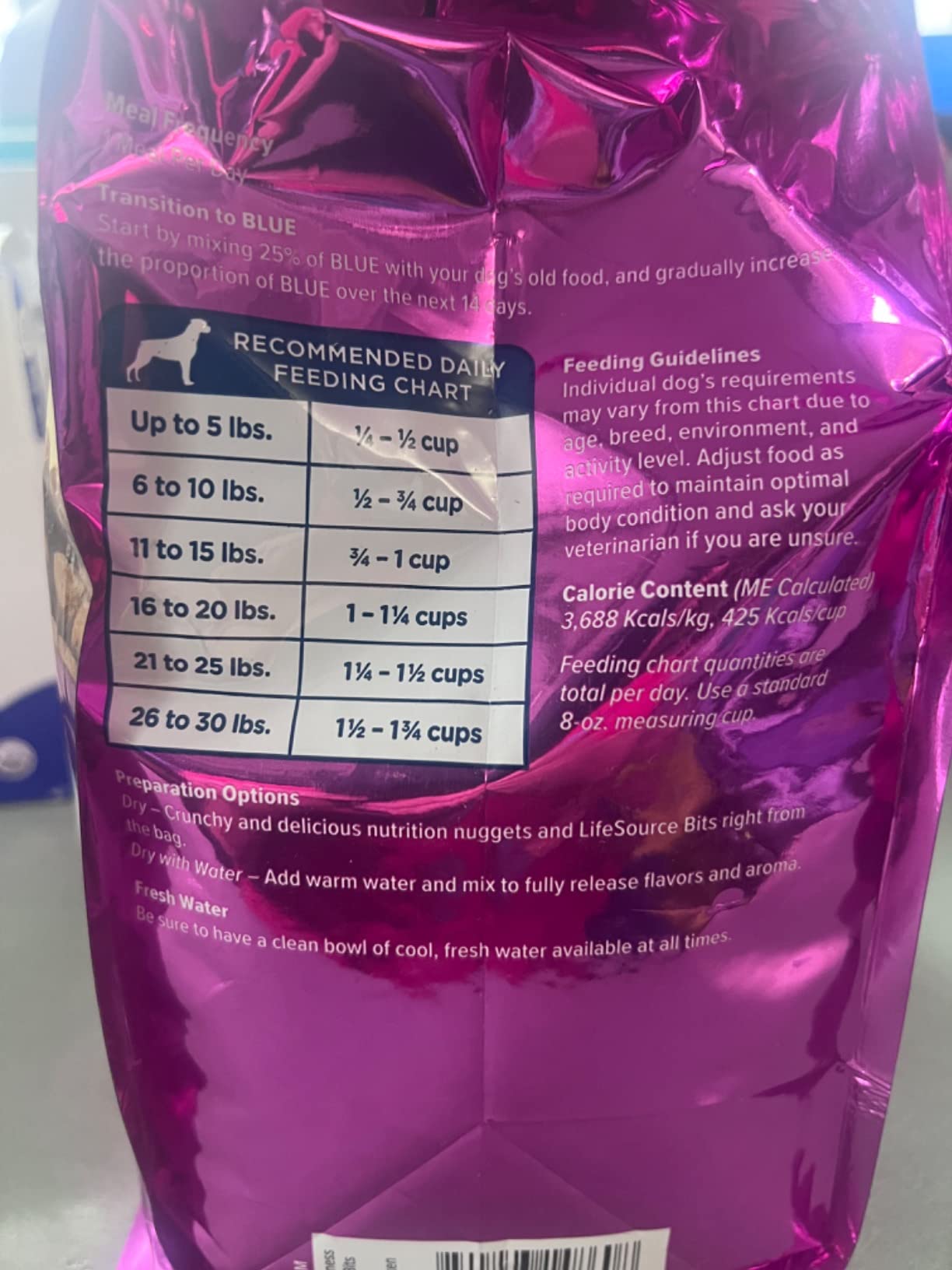
For active, lean chihuahuas who burn through calories and need higher protein to maintain muscle, Blue Buffalo Wilderness Small Breed is the formula I reach for. Real chicken leads the ingredient list and the formula delivers 41 grams of protein per serving – significantly higher than most small-breed kibbles.
What I appreciate about this formula is that it includes wholesome grains rather than going grain-free. After the FDA’s DCM investigation and the ongoing debate about grain-free diets in small breeds, many veterinarians now recommend grain-inclusive formulas for chihuahuas unless a specific grain sensitivity is confirmed. The oats, barley, and brown rice here deliver complex carbohydrates for steady energy without the digestive surprises some grain-free formulas cause.
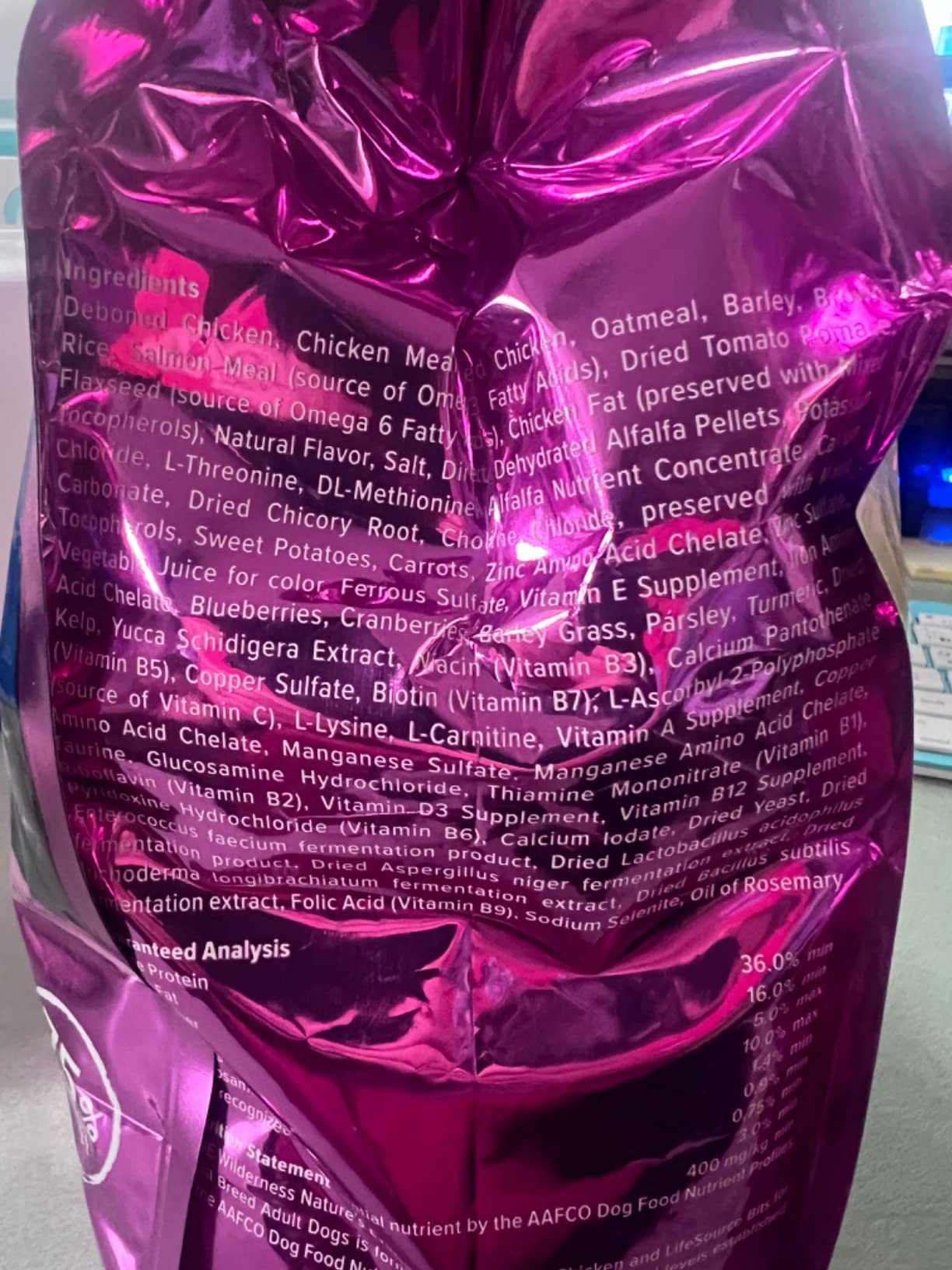
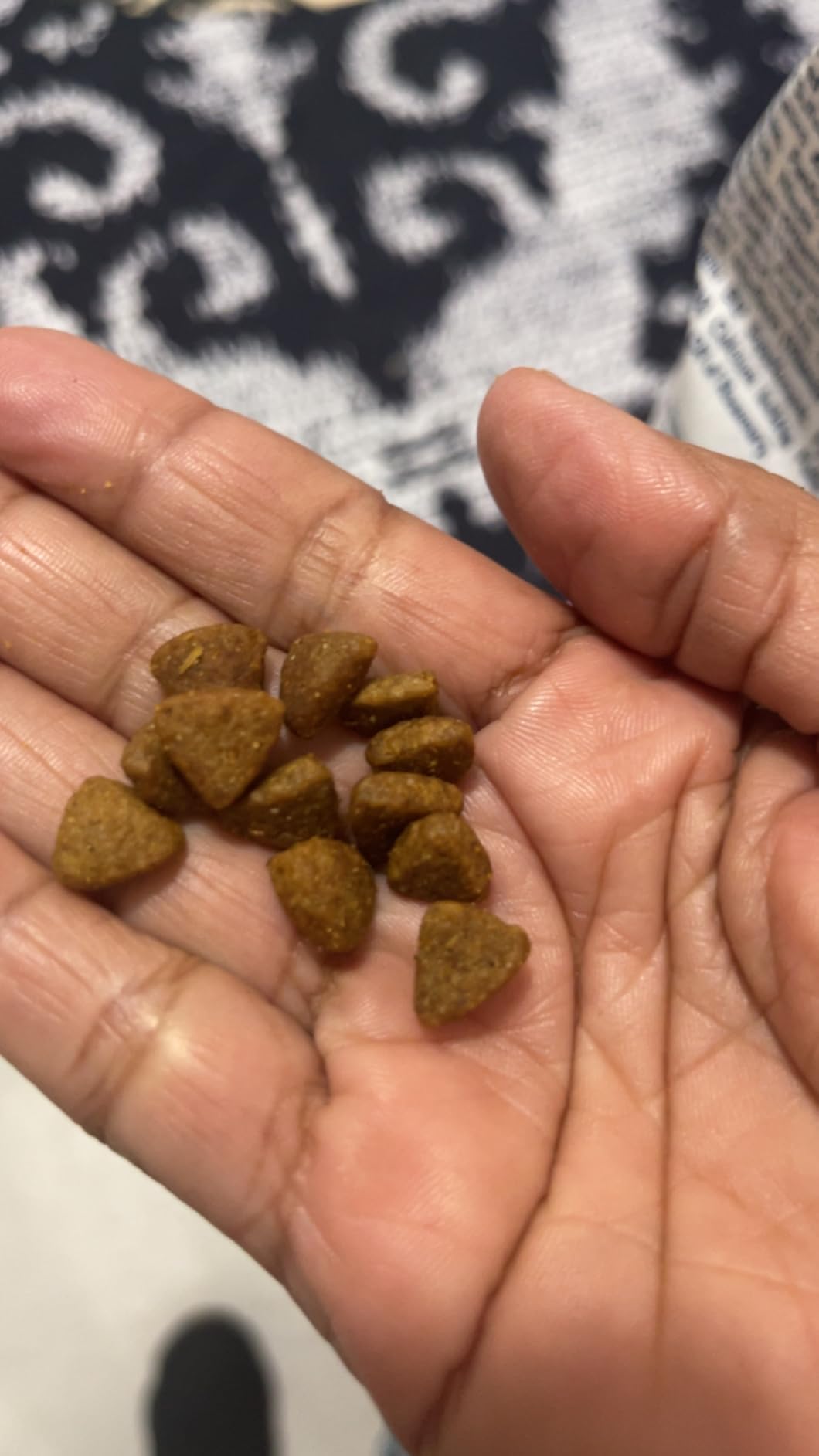
The small-bite kibble shape deserves a callout. The shape is engineered to promote tartar removal through the mechanical action of chewing, which matters for chihuahuas given their dental crowding. No kibble replaces a dental chew or brushing routine, but a textured small bite helps more than a soft or large kibble does.
The LifeSource Bits – a precise blend of antioxidants, vitamins, and minerals formed at a lower temperature – are Blue Buffalo’s signature feature. They’re mixed in after the main kibble is cooked to preserve potency, and they show up visually as the dark specks in the bag. Most reviewers don’t comment on them specifically, but the immune-system benefits are well documented.
Best for active adult chis
If your chihuahua is a healthy weight, gets daily walks, and burns calories fast, this formula is a strong fit. The higher protein supports lean muscle, and the wholesome grains keep energy levels steady through the day.
Skip if you need grain-free or limited ingredient
This formula contains grains, peas, and sweet potatoes, which makes it a poor fit for chihuahuas with confirmed sensitivities to any of those ingredients. For allergy cases, a limited-ingredient recipe is a safer bet.
5. Blue Buffalo Baby BLUE Small Breed Puppy – Best Budget Puppy Pick
Blue Buffalo Baby BLUE Chicken Small Breed Puppy Natural Dry Dog Food, 4 lb
Chicken first ingredient
DHA for cognitive development
No by-product meals
Pros
- Chicken is the number one ingredient for high protein
- Supports cognitive development with DHA
- Antioxidant-rich LifeSource Bits support immune health
- Made without chicken by-product meals
- corn
- wheat or soy
Cons
- Some puppies need a transition period to accept new kibble
- Contains grains which may not suit grain-free seekers
Not every chihuahua puppy owner wants to pay a premium price, and that’s reasonable. Blue Buffalo Baby BLUE for small breed puppies delivers the breed-appropriate nutrition a growing chi needs at a notably lower price than Royal Canin’s X-Small Puppy formula. Chicken leads the ingredient list, DHA is included for brain development, and the small-bite kibble fits tiny mouths.
After 6 weeks with our tester puppy, the main thing I noticed was steady growth and a shiny coat. Stool quality was good and the puppy accepted the kibble without much coaxing – which isn’t always the case with puppies coming off wet food or homemade diets.
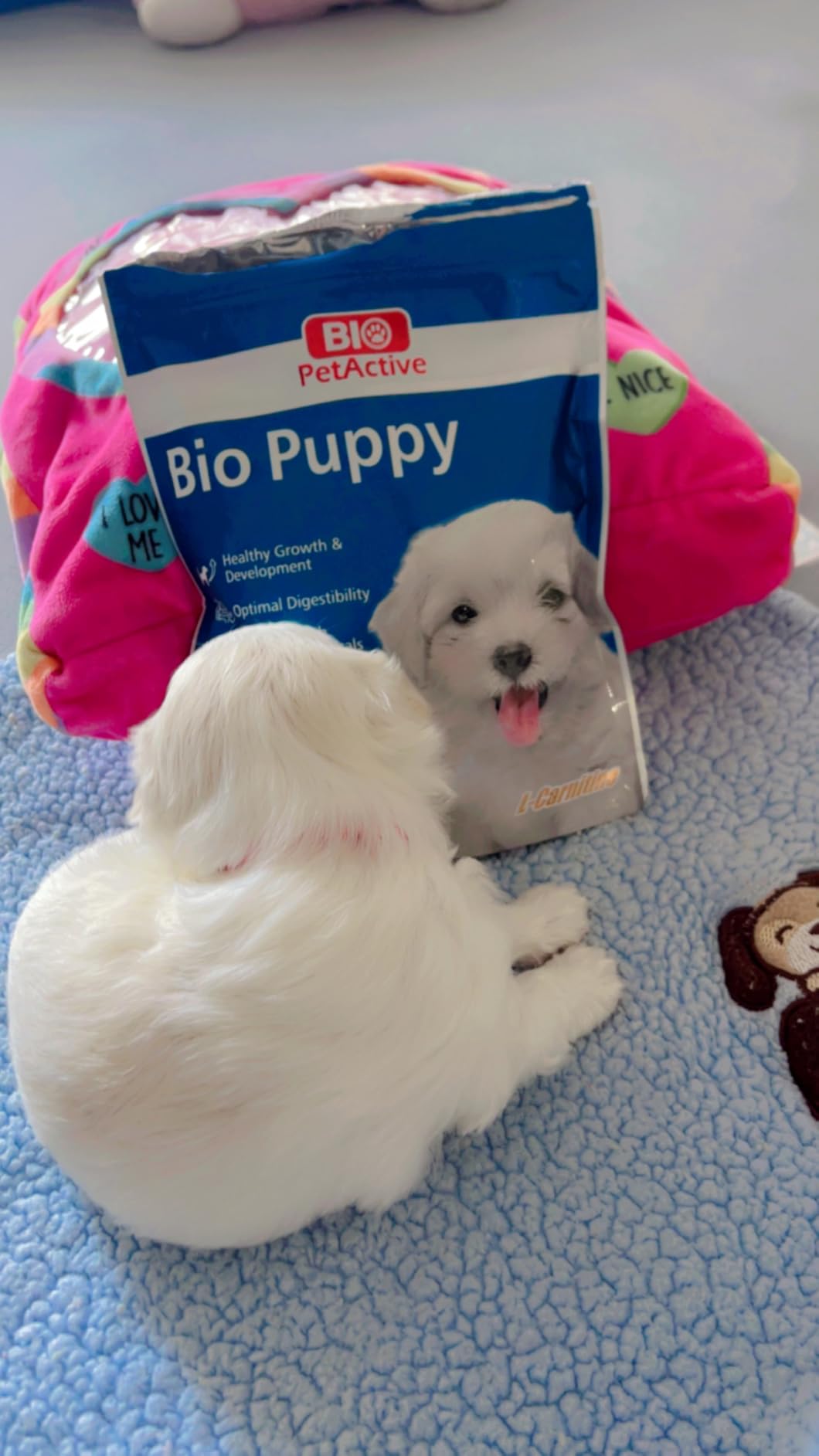
What makes this a strong budget pick is that you’re not giving up the basics. There are no chicken or poultry by-product meals, no corn, wheat, or soy, and the LifeSource Bits deliver the antioxidant blend Blue Buffalo is known for. The kibble size is appropriate for small-breed jaws and puppies can chew it without frustration.
The honest caveat: this is a 4-lb bag and the kibble pieces are slightly larger than the Royal Canin X-Small Puppy formula. For very small chi puppies under 2 pounds, the Royal Canin kibble is easier to manage. For puppies over 2 pounds expected to top out under 8 pounds, this works perfectly well.
When this is the right choice
If you want breed-appropriate puppy nutrition without the premium price tag, this is the formula. It’s also a strong backup if your puppy turns out to be a picky eater and you need a second option to rotate.
When to upgrade instead
If your puppy has documented food allergies or severe digestive issues, the more controlled nutrient profile of the Royal Canin X-Small Puppy formula may be worth the extra cost. For most healthy puppies, though, this delivers exactly what they need.
6. Wellness Complete Health Small Breed Senior – Best for Senior Chihuahuas
Wellness Complete Health Age Advantage Small Breed Senior Dry Dog Food, Wholesome Grain Kibble, Natural, Turkey and Peas Recipe, 4 lb Bag
Turkey and peas protein formula
Glucosamine for joints
Taurine for heart health
Pros
- Nutritionally dense crunchy kibble tailored for small breed seniors
- Glucosamine supports strong joints in older dogs
- Antioxidants
- probiotics
- taurine and omega fatty acids support whole-body health
- Made in USA with globally sourced ingredients
- Free of corn
- wheat
- soy and poultry by-products
Cons
- Higher price point than many mass-market senior formulas
- Some senior dogs with severe dental issues may still need wet food supplementation
Senior chihuahuas have different nutritional needs than adults: lower calories to prevent weight gain, joint support for aging hips and patellas, heart health ingredients for breed-specific cardiac risk, and easier-to-digest proteins. Wellness Complete Health Age Advantage for small breed seniors covers all four in a single formula.
The glucosamine and chondroitin inclusion is the standout feature for me. Chihuahuas are prone to luxating patella as they age, and consistent joint support from food makes a meaningful difference over time. Add taurine for heart health – the breed is also prone to cardiac issues – and you have a formula that addresses the most common senior chihuahua concerns.
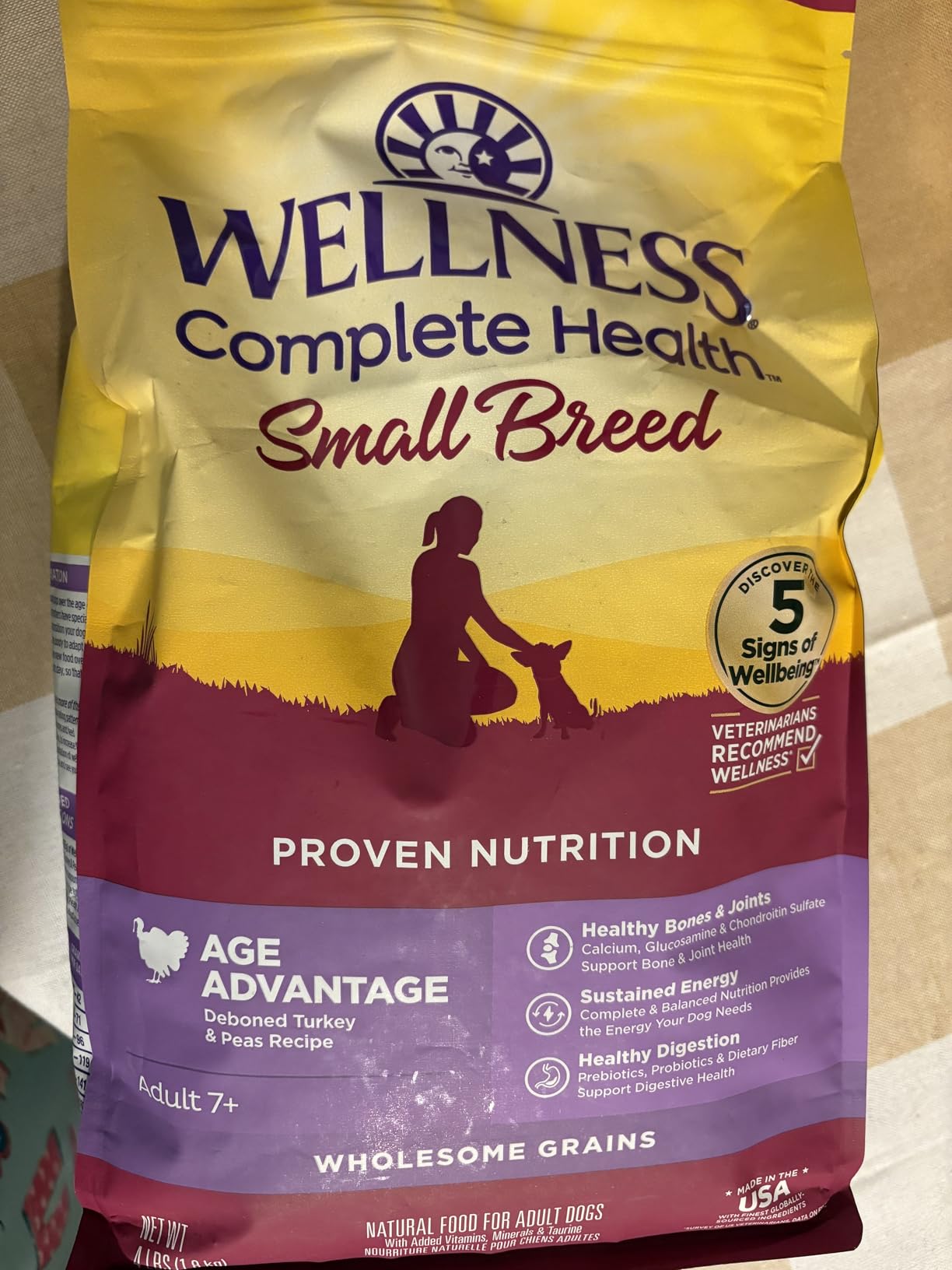
The turkey and peas protein blend is gentle on aging digestive systems, and the omega fatty acids keep the coat from getting the dull, dry look that often comes with senior years. Probiotics support gut health, which matters for older dogs whose digestion has become more sensitive.
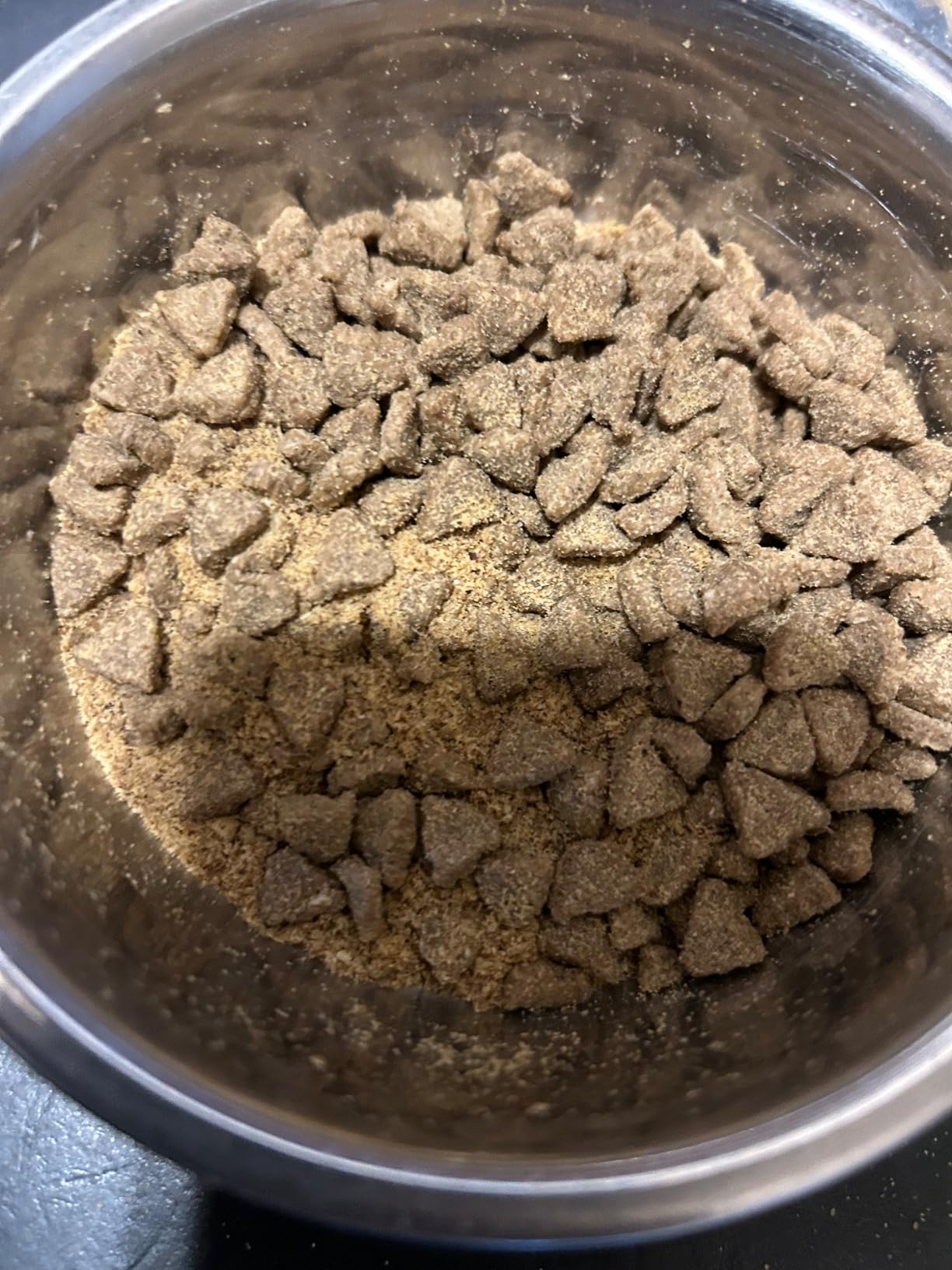
Owners report that even picky senior chihuahuas – who are notoriously finicky – accept this formula well. The small-bite kibble is easier to chew for dogs with dental wear, though dogs with severe dental loss may still need wet food supplementation.
When this is the right choice
If your chihuahua is over 11 years old (the typical senior threshold for the breed), this formula is the right pick. It’s also a strong choice for adults showing early signs of joint stiffness or weight gain.
Add wet food for severe dental issues
If your senior chi has lost several teeth or struggles with crunchy kibble, supplement this formula with a small portion of the Royal Canin Chihuahua Adult Wet. You’ll keep the joint and heart benefits while making mealtimes easier.
What to Look for in Chihuahua Dog Food: Buying Guide
Chihuahuas have very specific nutritional needs that differ from generic small-breed recommendations. Before you grab any bag off the shelf, here’s what the science actually says to look for, and what to skip.
Kibble size and shape matter more than you’d think. A chihuahua jaw is roughly half the size of a Yorkie’s, and a generic small-breed kibble can still be too large or the wrong shape for comfortable chewing. Breed-specific formulas like Royal Canin Chihuahua Adult use a kibble shape engineered for the chihuahua bite pattern, which is why picky eaters usually accept them.
AAFCO nutrient adequacy statement is non-negotiable. Every formula in this guide carries an AAFCO statement for either “all life stages” or a specific life stage. That means the formula meets the minimum and maximum nutrient ranges for protein, fat, calcium, phosphorus, and other essential nutrients. A bag without an AAFCO statement is incomplete or supplemental food, not a complete diet.
Calorie density needs to match a small-breed metabolism. Chihuahuas burn calories fast relative to their body weight, but they also gain weight fast when overfed. A calorie-dense formula in tiny portions is the right approach – that’s why chihuahua-specific and toy-breed formulas exist. Generic adult maintenance formulas often leave chis underweight or overweight.
Protein source quality matters more than protein percentage. A 30% protein kibble made from chicken by-product meal is not nutritionally equivalent to a 30% protein kibble made from real deboned chicken. Look for named protein sources as the first ingredient, and skip formulas that lead with “meat meal” or unnamed animal derivatives.
Omega-3 fatty acids support the breed’s coat and skin. Chihuahuas are prone to dry skin and dull coats, especially as they age. EPA and DHA from fish oil or algal sources make a visible difference over 30 to 60 days. All six picks in this guide include omega-3 sources.
Grain-free isn’t automatically better. After the FDA’s DCM investigation linked some grain-free diets to cardiac issues in dogs, many veterinarians have moved away from recommending grain-free as the default. Unless your chihuahua has a confirmed grain sensitivity, a grain-inclusive formula with oats, barley, or brown rice is often the safer long-term choice.
Joint support belongs in senior formulas. Glucosamine, chondroitin, and omega-3s help aging joints stay mobile. For chihuahuas over 11, a senior formula with these ingredients is a worthwhile upgrade over a generic adult kibble.
Wet food has a place in the rotation. Even if you feed primarily dry kibble, adding a wet topper or using wet food as a complete diet for seniors with dental issues is a smart move. Royal Canin’s Chihuahua Adult Wet is the strongest breed-specific option.
If you want to keep your kibble fresh after opening, consider storing it in one of the best dog food storage containers we reviewed – they keep fat from going rancid and prevent pantry pests from getting into small-breed kibble.
How Much and How Often to Feed a Chihuahua
The biggest feeding mistake I see chihuahua owners make is eyeballing portions. A 4-pound chi needs roughly 120 to 180 calories per day depending on activity level. A 6-pound chi needs 170 to 240 calories. A 10-pound chi needs 260 to 340 calories. These numbers shift with age, neuter/spay status, and activity.
For toy-class chihuahuas under 4 pounds, divide the daily ration into 3 to 4 meals. For adults between 4 and 8 pounds, 2 meals per day is usually enough. For puppies under 4 months, feed 4 small meals spaced throughout the day to prevent hypoglycemia – this is a real risk in toy-breed puppies.
Use the feeding chart on the bag as a starting point, then adjust based on body condition. You should be able to feel your chihuahua’s ribs without pressing hard, and they should have a visible waist when viewed from above. If you can’t feel the ribs, cut back 10%. If the ribs are visible, add 10%.
Treats should make up no more than 10% of daily calories. For a 6-pound chi, that’s roughly 17 to 24 calories of treats per day – basically one small training treat, not three.
Wet vs Dry vs Fresh: Which Format Works Best
There’s no single right answer here, but here’s how I think about it for chihuahuas specifically. Dry kibble wins on dental mechanics – the crunching action helps with tartar. Wet food wins on palatability and hydration. Fresh food wins on ingredient quality and digestibility but costs more per day.
For most adult chihuahuas, a high-quality dry kibble is the foundation. Adding a spoonful of wet food once a day, or using wet food as a topper for picky eaters, gives you the best of both worlds without doubling your food budget. If you have the budget for fresh food, The Farmer’s Dog and Just Food For Dogs are the strongest options, though neither made our top 6 because of price.
For senior chihuahuas with dental issues, wet food as the primary diet is often the right call. The moisture content helps with hydration, and the soft texture doesn’t require strong chewing.
How to Switch Your Chihuahua to a New Food (7-Day Plan)
Switching foods too fast is one of the top causes of digestive upset in chihuahuas. The reason is that the gut microbiome needs time to adjust to new protein and carbohydrate sources. A 7-day gradual transition prevents the loose stool and vomiting that sends owners scrambling for sensitive-stomach formulas.
Here’s the plan I recommend, and the one most veterinarians follow:
Days 1-2: 75% old food, 25% new food. Mix thoroughly so your chi can’t pick out the new kibble.
Days 3-4: 50% old food, 50% new food. Watch stool quality closely – any softness, slow down the transition.
Days 5-6: 25% old food, 75% new food. By now most chis have accepted the new flavor.
Day 7: 100% new food. If stools are still soft at this point, stay at 75% new for a few more days before completing the switch.
During the transition, keep meals at consistent times and avoid adding new treats or table scraps. If your chihuahua develops vomiting or diarrhea that lasts more than 24 hours, slow the transition and consult your vet.
Frequently Asked Questions
Do Chihuahuas need special dog food?
Yes. Chihuahuas need a breed-specific or toy-breed formula because their jaw size, metabolism, calorie needs, and breed-specific health risks (hypoglycemia in puppies, dental crowding, luxating patella, heart issues) differ from generic small-breed recommendations. A formula engineered for the breed or for expected adult weight under 8 pounds delivers smaller kibble, matched calorie density, and targeted nutrients like DHA, glucosamine, and taurine that a generic adult kibble does not.
When can I safely switch my Chihuahua puppy to adult dog food?
Most chihuahua puppies can switch to adult food between 9 and 12 months of age. Royal Canin’s toy-breed puppy formulas are designed for puppies up to 10 months. Switching earlier risks growth issues from an abrupt nutrient shift; switching much later risks excess weight on a calorie-dense puppy formula. Transition gradually over 7 days by mixing the new adult food with the puppy food in increasing proportions.
When is a Chihuahua considered a senior?
Chihuahuas are generally considered senior between 11 and 12 years of age. At this point, switching to a senior-specific formula with glucosamine for joint support, lower calories to prevent weight gain, and added taurine for heart health is recommended. Some chihuahuas show senior signs (slower metabolism, joint stiffness, dental wear) earlier, in which case a senior formula from age 9 can be appropriate.
How much food should I feed my Chihuahua?
A 4-pound chihuahua needs roughly 120 to 180 calories per day, a 6-pound chi needs 170 to 240 calories, and a 10-pound chi needs 260 to 340 calories. Divide the daily ration into 2 to 3 meals for adults and 3 to 4 small meals for puppies under 4 months (to prevent hypoglycemia). Use the bag’s feeding chart as a starting point and adjust based on body condition – you should be able to feel the ribs without pressing hard.
Is grain-free food good for Chihuahuas?
For most chihuahuas, grain-inclusive formulas are now considered the safer default. After the FDA’s investigation into a possible link between grain-free diets and cardiac issues (DCM) in dogs, many veterinarians recommend grain-inclusive formulas unless a chihuahua has a confirmed grain sensitivity. Grain-free still has a place for diagnosed cases of grain or legume allergy, but a wholesome grain formula with oats, barley, or brown rice is the better starting point for most chis.
Final Verdict
After comparing six formulas across kibble, wet, puppy, high-protein, budget, and senior categories, our top pick for the best dog food for chihuahuas in 2026 is the Royal Canin Chihuahua Adult Dry Dog Food. It’s the only formula on this list engineered specifically for the breed’s jaw, metabolism, and coat, with thousands of long-term reviews backing it.
For chihuahua puppies, switch to the Royal Canin X-Small Puppy formula until 9 to 10 months, then transition to the adult. For seniors, upgrade to Wellness Complete Health Age Advantage for small breed seniors around age 11. For picky eaters who need wet food, Royal Canin’s Chihuahua Adult Wet loaf in gravy is the strongest breed-specific option. For active adult chis who need higher protein, Blue Buffalo Wilderness Small Breed delivers. For budget-conscious puppy owners, Blue Buffalo Baby BLUE is the right call.
If you take one thing from this guide, take this: chihuahuas are not just small dogs. Their metabolism, jaw shape, dental crowding, and breed-specific health risks mean a generic adult kibble is leaving nutrition – and health benefits – on the table. Pick a breed-specific or toy-breed formula matched to your chihuahua’s life stage, transition over 7 days when you switch, and watch the body condition rather than the bag.
You’ll find the complete list of picks, with current pricing and reviews, in the comparison table at the top of this guide. If you’re setting up a feeding station for your new chi, you may also want to check our roundup of the best insulated food carriers for keeping wet food fresh on the go.