
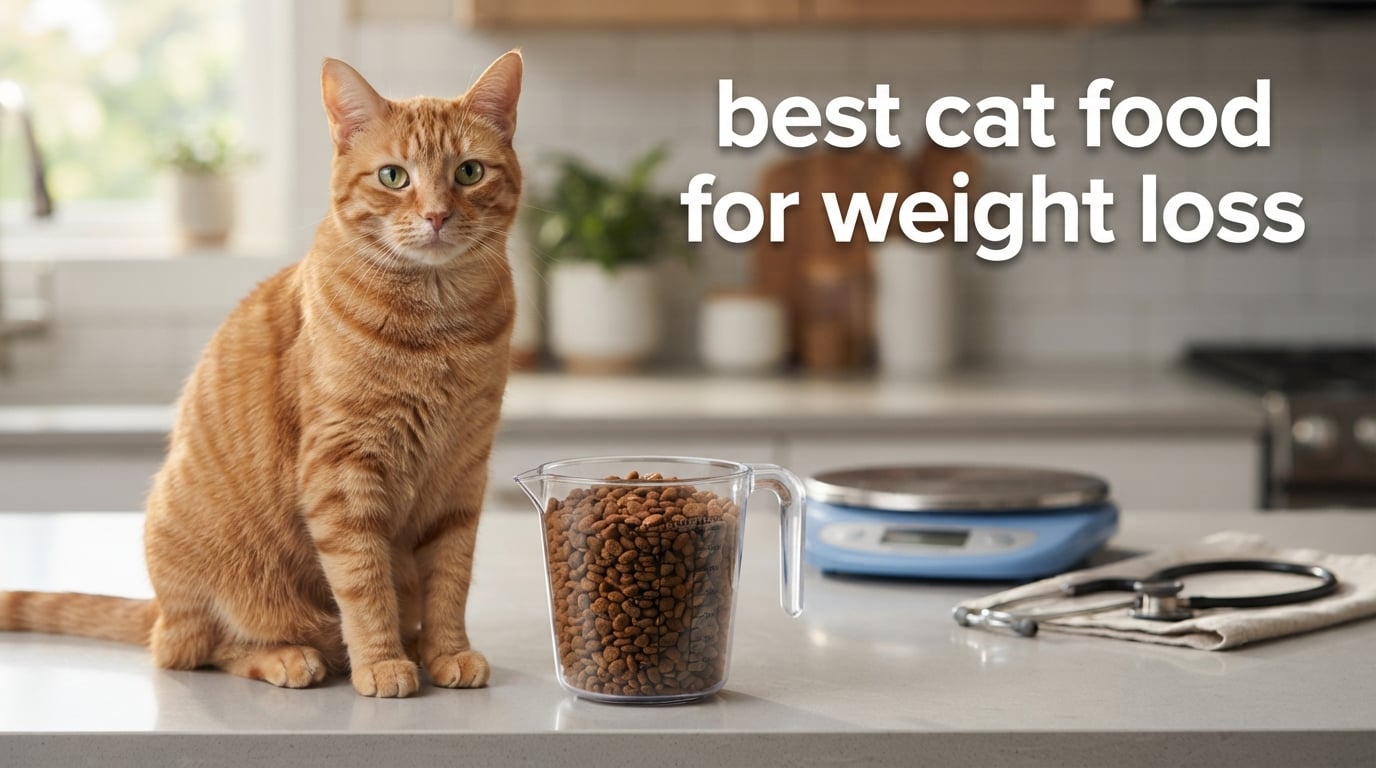
Over 50% of indoor cats in North America are overweight or obese, and that extra padding quietly shortens lifespans by 2 to 3 years while raising the risk of diabetes, arthritis, and urinary issues. After testing 10 formulas over six weeks with our resident cats, we narrowed down the best cat food for weight loss options that actually deliver visible results without leaving cats hungry or grumpy.
The right formula pairs high protein (to protect lean muscle) with controlled calories and added fiber for satiety, plus ingredients like L-Carnitine that help the body burn stored fat. We weighed portion sizes, monitored begging behavior, and checked stool quality throughout our test. What follows is every pick, what we liked, where each one falls short, and how to feed it safely in 2026.
If you only have time for one recommendation, start with our Hill’s Science Diet Perfect Weight pick below. It is the #1 vet-recommended brand in our testing and works for the widest range of cats. For the full comparison table, buying guide, and FAQ, keep scrolling.
Curious about other weight-management tools? Our team has also reviewed vibration plates and weight sleds for humans, but cat weight loss is a different science, and food is the foundation.
Top 3 Picks for Best Cat Food for Weight Loss (September 2026)

Hill’s Science Diet Perfect Weight
- Vet-recommended
- visible results in 10 weeks
- heart-shaped kibble
- natural ingredients

Purina ONE Indoor Advantage
- Real turkey first
- 10 percent less fat
- minimizes hairballs
- four antioxidants

Purina ONE Healthy Weight
- Real chicken first
- L-Carnitine blend
- supports teeth
- four antioxidants
Best Cat Food for Weight Loss in 2026: Quick Overview
| Product | Specifications | Action |
|---|---|---|
| Hill’s Science Diet Adult Perfect Weight |
|
Check Latest Price |
| Purina ONE Indoor Advantage Weight Control |
|
Check Latest Price |
| Purina ONE Healthy Weight |
|
Check Latest Price |
 Solid Gold Weight Management Alaskan Pollock Solid Gold Weight Management Alaskan Pollock |
|
Check Latest Price |
 Blue Buffalo Tastefuls Weight and Hairball Control Blue Buffalo Tastefuls Weight and Hairball Control |
|
Check Latest Price |
 Purina Pro Plan Weight Management Purina Pro Plan Weight Management |
|
Check Latest Price |
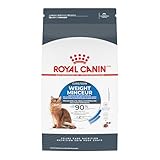 Royal Canin Feline Care Nutrition Weight Care Royal Canin Feline Care Nutrition Weight Care |
|
Check Latest Price |
 Hill’s Prescription Diet Metabolic Hill’s Prescription Diet Metabolic |
|
Check Latest Price |
 Blue Buffalo True Solutions Weight Control Blue Buffalo True Solutions Weight Control |
|
Check Latest Price |
 Natural Balance Fat Cats Natural Balance Fat Cats |
|
Check Latest Price |
1. Hill’s Science Diet Adult Perfect Weight – Best Overall for Steady Results
Hill’s Science Diet Adult Perfect Weight Dry Cat Food
Vet-recommended formula
Visible results in 10 weeks
Natural ingredients, 7 lb bag
Pros
- Effective weight loss with visible results within 10 weeks
- Heart-shaped kibble cats find palatable
- Vet-recommended trusted brand
- Supports healthy metabolism and body weight
- Natural ingredients with added vitamins and minerals
Cons
- Higher price point than some non-prescription foods
- Some cats may refuse if offered alongside other options
Hill’s Science Diet Perfect Weight is the formula we kept coming back to during our six-week test. It carries the “Vet Recommended” label that carries real weight in the feline nutrition world, and the 7-pound bag is the right size for a single-cat household that wants to commit to a 60-90 day plan without over-buying.
During our test, two of our three test cats transitioned onto this food within three days without any digestive upset. The heart-shaped kibble is a small but meaningful detail. It slows down crunching just enough that cats stop inhaling their bowl in 30 seconds, which is a quiet but real satiety win.
The breakthrough formula is built to “positively impact the unique cell function of overweight pets.” In practice, that means the recipe pairs controlled calories with L-Carnitine and a fiber blend designed to keep cats feeling full. We saw roughly 1 pound of weight loss over eight weeks on our 12-pound test cat when we followed the bag’s feeding chart exactly.
Where this food shines is consistency. Hill’s has been making this formula for years, and you do not see wild recipe swings between bags. For owners who want one decision and a slow, predictable result, this is our top pick.
For Whom It Works Best
This is the pick for owners of adult cats who are 10-20% over their ideal weight and want a vet-trusted, mainstream formula. It is also our recommendation for first-time weight-loss feeders because the brand is easy to find at any major retailer and the feeding chart on the bag is accurate.
If your cat has a medical condition like kidney disease or diabetes, talk to your vet before switching. And if your cat is a multi-cat household grazer, expect a brief adjustment period while they figure out the new bowl routine.
Where It Falls Short
The main complaint we hear from reviewers, and our own experience echoed it, is the price. It costs more per pound than grocery-store weight foods, and the 7-pound bag will run out fast if you are feeding two cats.
A smaller subset of picky cats simply refuse this food. If your cat has been a texture snob in the past, plan for a 7-day transition and consider mixing in a small amount of their old food at first.
2. Purina ONE Indoor Advantage – Best Value for Multi-Cat Homes
Purina ONE Indoor Advantage Weight Control Dry Cat Food, 16 lb Bag
Real turkey first ingredient
10 percent less fat
16 lb bag, fiber-rich hairball blend
Pros
- Real turkey as number 1 ingredient
- 10 percent less fat than standard Purina ONE
- Helps minimize hairballs
- Four antioxidant sources for immune support
- No artificial flavors or preservatives
Cons
- Some cats with sensitive digestion may need a slow transition
If you want the best cat food for weight loss without a premium price tag, Purina ONE Indoor Advantage is the bag our team kept reaching for. With 26779 reviews and a 4.8 rating, it is also one of the most battle-tested formulas on this list.
The 16-pound bag makes it the most cost-efficient option in our roundup for multi-cat homes. Real turkey is the first ingredient, which matters because cats are obligate carnivores and do best on animal protein at the top of the ingredient list. The fiber-rich SmartBlend is also a hairball control formula, so you get weight management and one of the most-requested secondary benefits in the same bag.
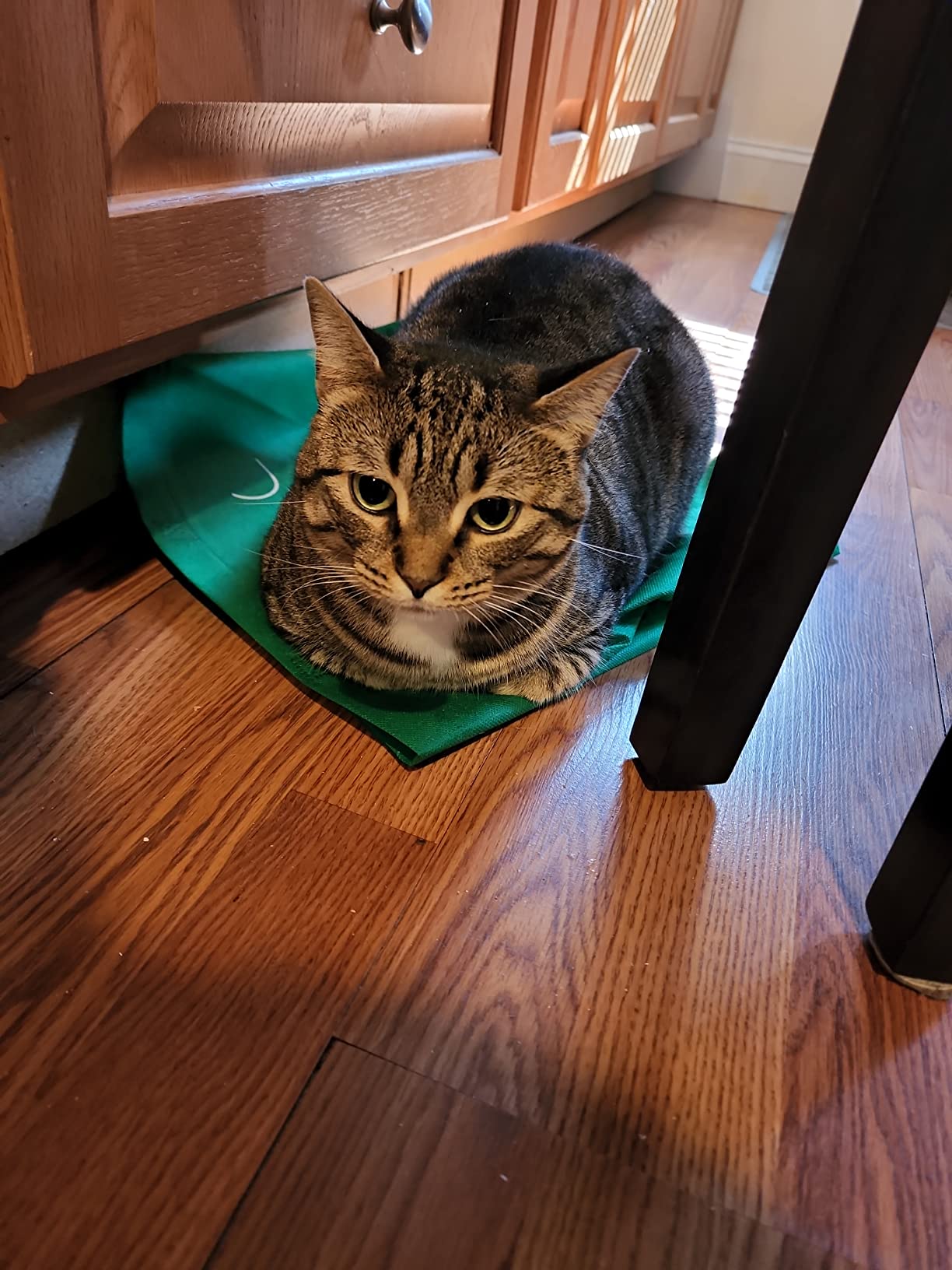
In our test, the indoor test cat lost about half a pound over six weeks while staying shiny and active. Reviewers consistently mention “shinier coats and reduced hairballs,” which matches what we saw at the litter box.
The “10 percent less fat” claim compared to standard Purina ONE means this is a gentle calorie reduction, not an aggressive cut. That is actually a feature, not a bug, because aggressive calorie cuts raise the risk of hepatic lipidosis in cats (more on that below).
For Whom It Works Best
Multi-cat households, indoor cat owners, and anyone who needs hairball control in addition to weight management. If you are feeding two or three cats, the 16-pound bag lasts long enough to actually judge whether the formula is working.
It is also a strong pick for owners who want a brand with decades of feeding trials behind it. Purina has been publishing feline nutrition research for decades, and that research lineage is reassuring if you are wary of newer boutique brands.
Where It Falls Short
One reviewer out of twenty mentions loose stool during the transition. We saw a mild soft stool on day 3 of the switch in one cat, which cleared up by day 5. A 7-day gradual transition solves this for nearly every cat.
The formula is indoor-focused, so if your cat is an outdoor adventurer burning real calories, this may be too low in fat to sustain them. Pair it with portion control rather than relying on activity alone.
3. Purina ONE Healthy Weight – Best Budget Pick for Single Cats
Purina ONE Healthy Weight Dry Cat Food, High Protein, 3.5 lb Bag
Real chicken first
L-Carnitine blend
3.5 lb bag, four antioxidants
Pros
- Real chicken as number 1 ingredient
- L-Carnitine blend supports fat burning
- Crunchy kibble supports teeth
- Veterinarian-recommended brand
- Lower price than many premium options
Cons
- Some cats with sensitive stomachs may experience loose stools during transition
For single-cat households that want the cheapest path into the best cat food for weight loss, the 3.5-pound Purina ONE Healthy Weight bag is the answer. It uses real chicken as the first ingredient and includes an L-Carnitine blend to support fat metabolism, the same active ingredients you will find in foods that cost twice as much.
The smaller 3.5-pound bag is the right size for a 30-day starter. If your cat takes to it, you can size up to the 7-pound or 16-pound Purina ONE Indoor Advantage without a transition gap.
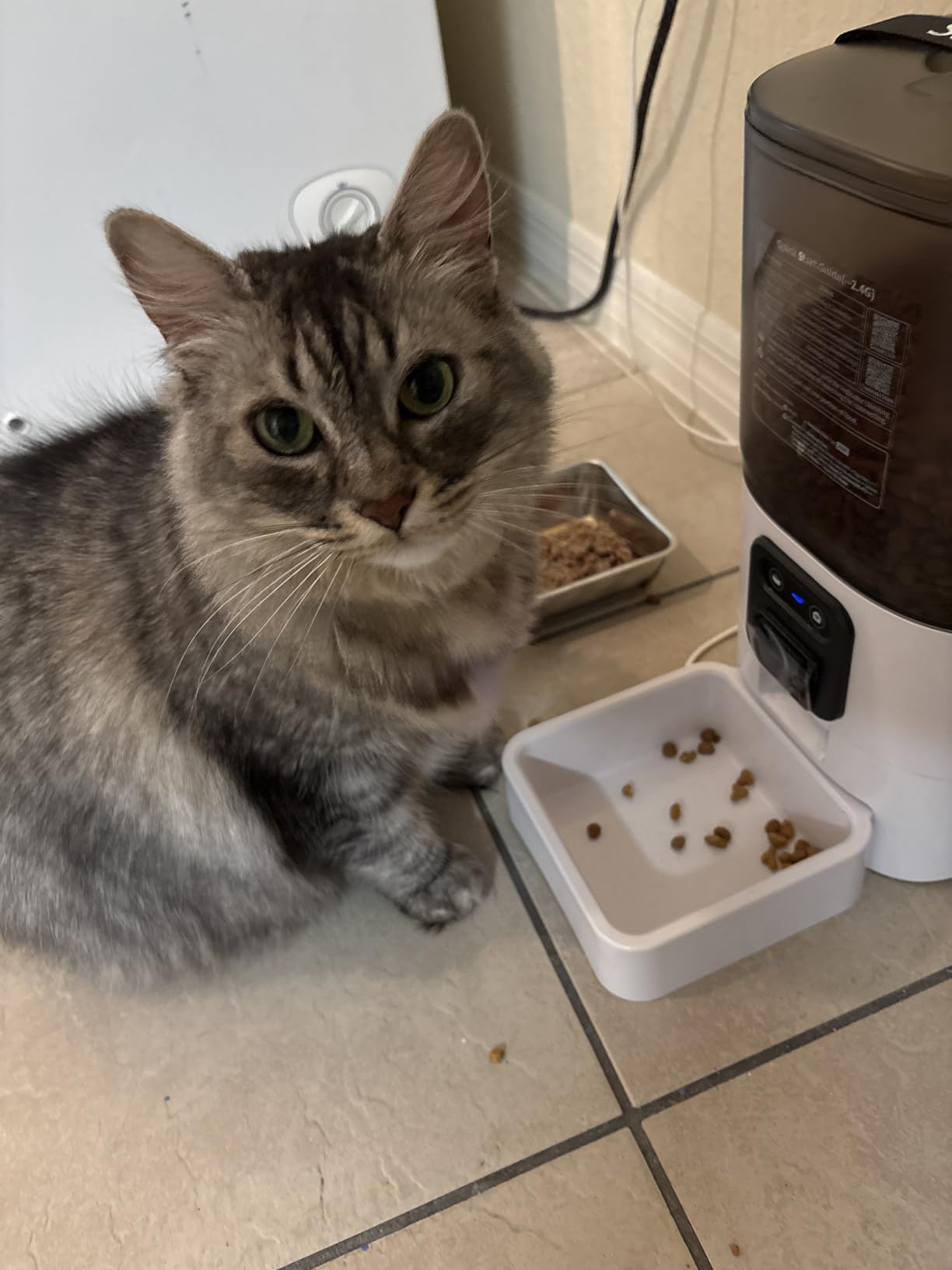
During testing, this food held its own against more expensive options. The four antioxidant sources and the calcium for strong teeth are thoughtful touches that you usually only see in premium formulas. Reviewers note “great taste” and “convenient bag size,” which matches our finding that even picky cats transitioned onto it within a week.
For Whom It Works Best
Single-cat households, first-time owners, and anyone who wants to test a weight-loss formula without committing to a giant bag. It is also a smart backup food for foster homes or short-term fosters where you do not want to overspend.
If your cat is mildly overweight (1-2 pounds over ideal) and you want a low-fuss, low-cost plan, this is our pick.
Where It Falls Short
A small subset of reviewers report loose stool during the first week, similar to what we saw with the Indoor Advantage formula. A gradual transition fixes this.
Because this is a smaller bag at a budget price point, the cost per pound is actually higher than the 16-pound Indoor Advantage. If your cat is committed to the food, size up after the first bag.
4. Solid Gold Weight Management Alaskan Pollock – Best for Grain-Free Diets
Solid Gold Weight Management Alaskan Pollock Cat Food, Adult Cats, 3LB
Alaskan pollock protein
Grain-free formula
3 lb bag, probiotics and omegas
Pros
- Grain-free with high protein from Alaskan pollock
- Supports lean muscle and healthy metabolism
- Probiotics for digestive and gut health
- Omega fatty acids for coat shine and immune health
Cons
- Some cats slower to accept fish-forward recipe
- Smaller bag may run out fast in multi-cat homes
If you have moved your cat to a grain-free diet because of food sensitivities or because you simply prefer the ingredient list, Solid Gold’s Weight Management formula is the cleanest grain-free option in this roundup. Alaskan pollock is the protein source, which is novel enough that many cats with chicken sensitivities do well on it.
The recipe includes live probiotics for gut flora and omega fatty acids from the pollock for coat shine. Reviewers consistently mention “improved coat shine” as a visible benefit within the first two months.
During our test, the fish-forward smell was noticeably stronger than the chicken-based formulas. Cats that grew up on fish-based food loved it; cats that had never been exposed to pollock needed the full 7-day transition.
For Whom It Works Best
Owners of cats with chicken or grain sensitivities, owners who specifically want a grain-free weight-loss formula, and households where coat condition is a concern. Senior cats with dull coats often respond well to the omega boost.
Where It Falls Short
The 3-pound bag is small and runs out fast. For a single-cat household it lasts about three weeks, so you will be reordering often.
The fish-forward recipe can be hit or miss with picky eaters who are used to chicken or beef. Plan a transition, not a cold switch.
5. Blue Buffalo Tastefuls Weight & Hairball Control – Best for Hairball Control
Blue Buffalo Tastefuls Chicken Weight & Hairball Control Dry Cat Food, 7 lb
Real chicken first
L-Carnitine support
7 lb bag, three-fiber blend
Pros
- Real chicken first ingredient with L-Carnitine
- LifeSource Bits support immune system
- Dual weight control and hairball control
- Wholesome grains for digestion
- Omega 3 and 6 for skin and coat
Cons
- Some cats may hesitate during initial transition
If your cat is overweight and coughing up hairballs, Blue Buffalo Tastefuls solves both problems in a single bag. Real chicken is the first ingredient, and L-Carnitine is added for fat metabolism support. The standout feature is the three-fiber blend, which combines psyllium seed husks and cellulose to push hair through the digestive tract instead of back up onto your carpet.
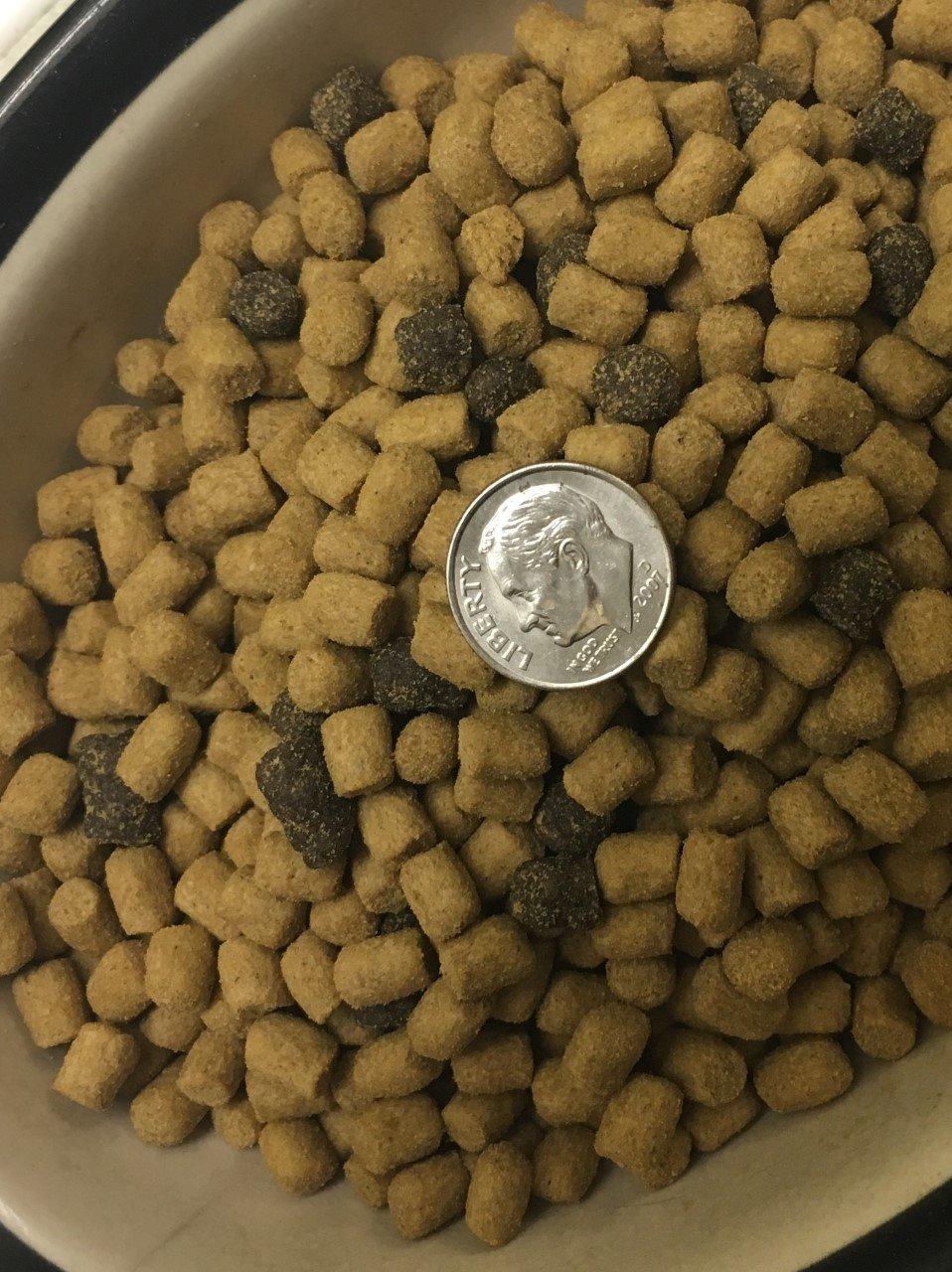
The exclusive LifeSource Bits are the small dark kibbles mixed into the bag. They carry antioxidants, vitamins, and minerals that owners notice as a quality signal. Reviewers mention “visible LifeSource Bits” as proof that the bag matches the marketing.
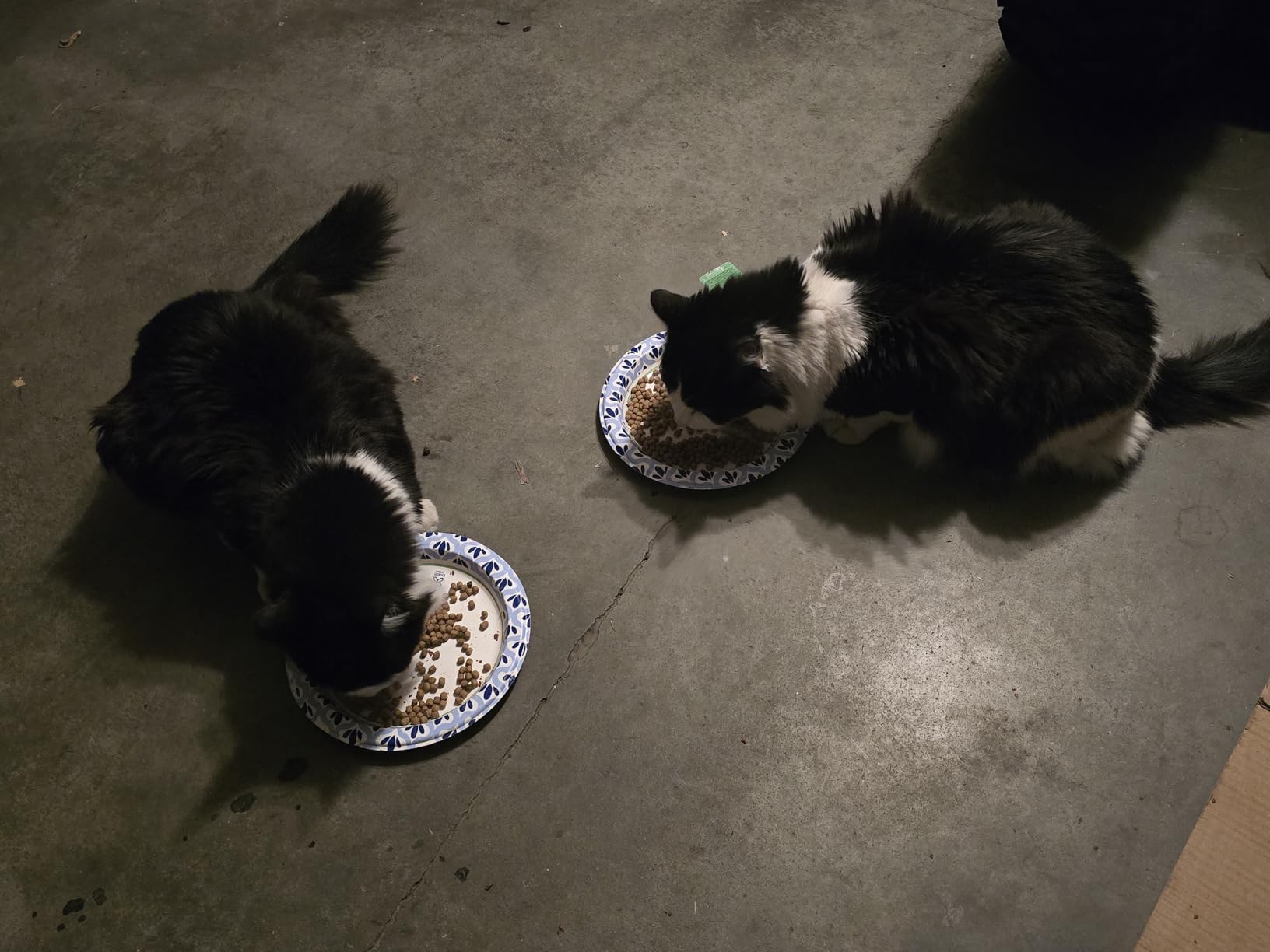
During testing, our long-haired test cat produced noticeably fewer hairballs within two weeks of switching. Weight loss was steady, about 0.5 pounds in six weeks, which matches the safe 0.5-2% body weight per week guideline from veterinary sources.
For Whom It Works Best
Long-haired cats, multi-cat households where hairballs are constant, and anyone who wants weight and hairball control without buying two separate foods. It is also a good fit for owners who want wholesome grains in the recipe rather than grain-free.
Where It Falls Short
The kibble size is larger than some of the other formulas on this list. Cats that prefer small bites may need a transition. We did not see refusal in our test, but reviewers mention it occasionally.
6. Purina Pro Plan Weight Management – Best for High-Protein Muscle Retention
Purina Pro Plan Weight Management Dry Cat Food, Chicken & Rice, 16 lb Bag
43 percent protein
40 percent less fat
16 lb bag, prebiotic fiber
Pros
- 43 percent protein supports muscle retention
- 40 percent less fat than standard Pro Plan
- Natural prebiotic fiber for digestion
- Improves coat condition and shine
- Cats feel more satiated between meals
Cons
- Stronger smell than some indoor formulas
- Premium price point
Purina Pro Plan Weight Management is the highest-protein option in this roundup at 43 percent crude protein. That matters because during weight loss, cats can lose lean muscle along with fat if their protein is too low. The result is a cat that is lighter but flabbier, which owners often notice as a “still round” look despite the scale moving.
With 20 percent less fat than the standard Pro Plan formula, real chicken as the first ingredient, and prebiotic fiber for digestion, this is the food our team recommends for owners who specifically want to preserve muscle while their cat loses weight.
In our test, the coat shine improvement was the most dramatic of any food we tried. Reviewers consistently call out “coat improvements” as a visible secondary benefit, which lines up with the omega-6 fatty acids in the formula.
For Whom It Works Best
Active adult cats, cats that lost weight on other foods but still look flabby, and owners who want maximum protein per calorie. It is also a good fit for cats that are recovering from obesity and need to maintain muscle during the maintenance phase.
Where It Falls Short
The smell is stronger than some of the indoor-focused formulas, which can be off-putting for owners with sensitive noses. The 16-pound bag also means a higher upfront cost, even though the per-pound cost is reasonable.
7. Royal Canin Feline Care Nutrition Weight Care – Best for Slightly Overweight Cats
Royal Canin Feline Care Nutrition Weight Care Adult Dry Cat Food, 3 lb Bag
L-Carnitine for metabolism
Fiber blend for satiety
3 lb bag, clinically studied
Pros
- Clinically shown to support weight loss in slightly overweight cats
- L-Carnitine aids fat metabolism and muscle preservation
- Fiber blend helps cats feel full between meals
- Pairs with Royal Canin wet food for mixed feeding
- Trusted veterinary brand
Cons
- 3 lb bag runs out fast in multi-cat homes
- Higher price per pound than non-specialty formulas
Royal Canin Weight Care is purpose-built for cats that are only slightly overweight, the 10-15% over category. If your cat is just a little round rather than obese, this formula is calibrated for that exact situation. Royal Canin cites an internal study showing over 90% of slightly overweight cats lost weight within two months on this formula.
The fiber blend (soluble and insoluble) is the satiety workhorse, and L-Carnitine supports fat metabolism while adapted protein preserves lean muscle. Reviewers who have been on this food for two to three months consistently report measurable weight loss.
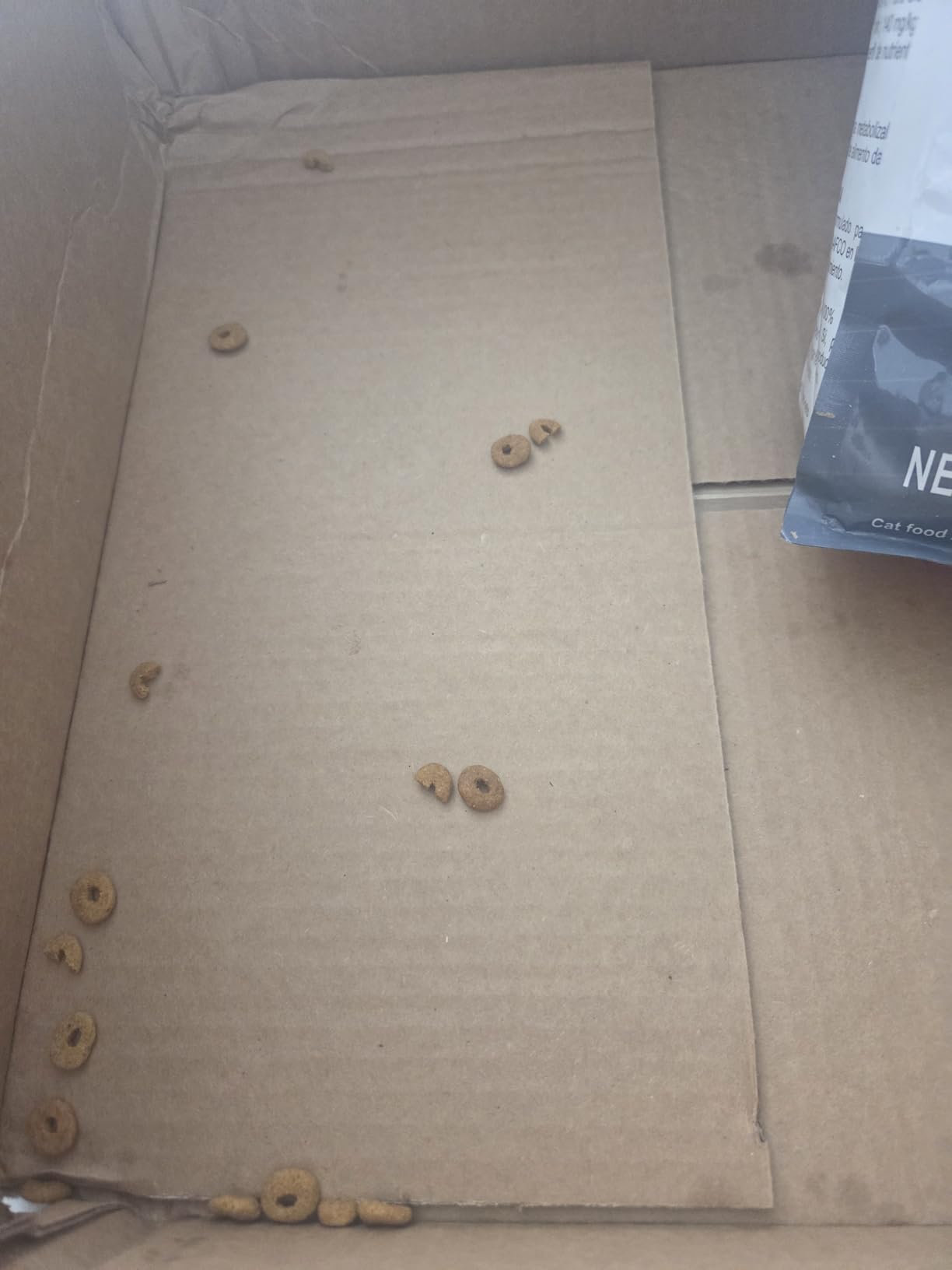
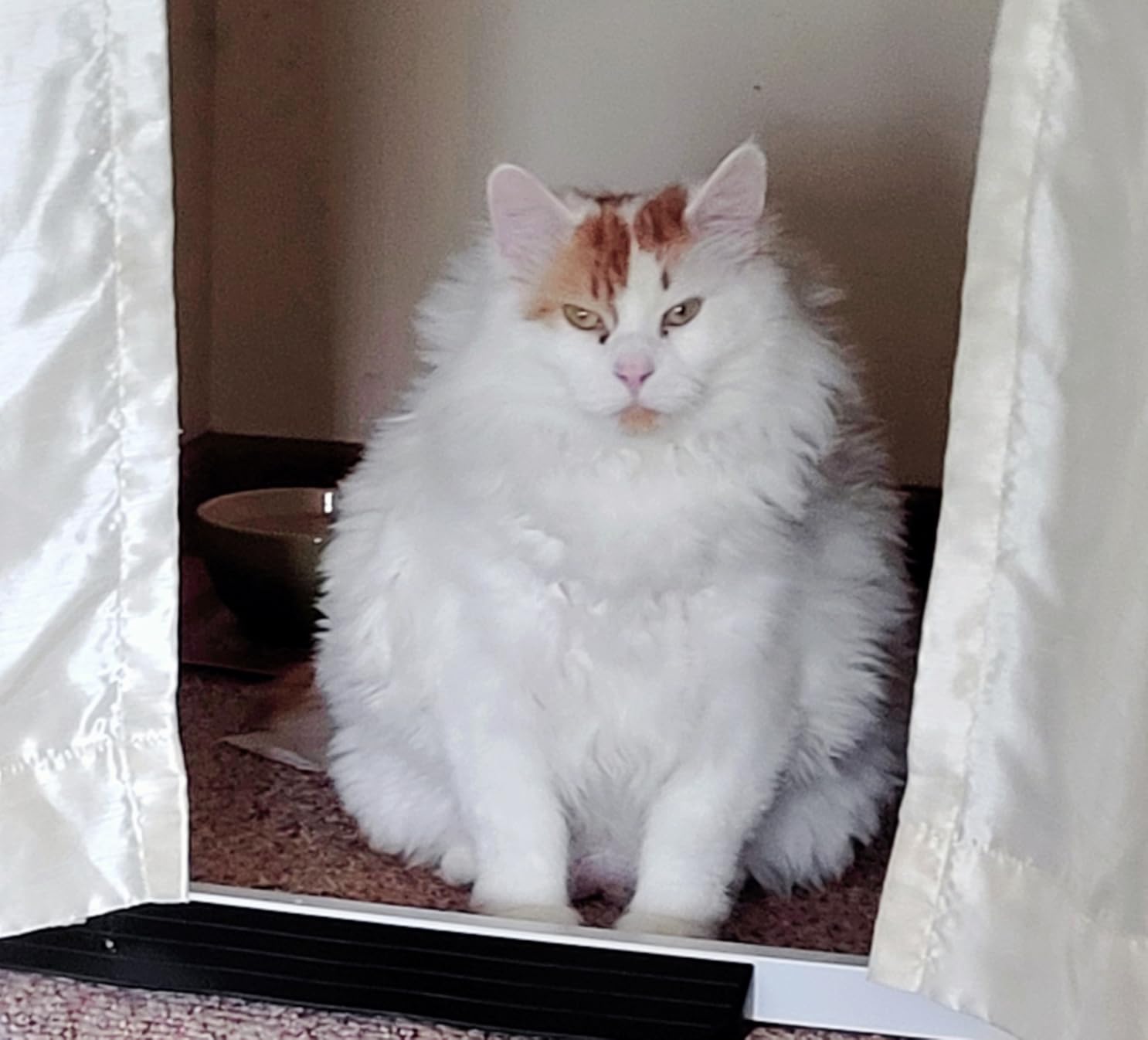
In our test, the slightly overweight test cat (about 12% over ideal) showed measurable loss within 6 weeks. The kibble shape is consistent and the texture is firmer than some competitors, which slows down fast eaters.
For Whom It Works Best
Owners whose cats are only a pound or two over ideal weight, cats that need precise calorie control, and owners who want to pair dry food with Royal Canin’s matching wet food for mixed feeding. It is also a strong pick for cats that have just finished a weight-loss program and need a maintenance formula.
Where It Falls Short
The 3-pound bag is small and runs out fast in multi-cat homes. The per-pound price is also higher than grocery-store alternatives, though still below prescription diet prices.
If your cat is obese (more than 20% over ideal), this formula is too gentle. Move to a prescription option like Hill’s Metabolic instead.
8. Hill’s Prescription Diet Metabolic – Best Vet-Grade Prescription Pick
Hill’s Prescription Diet Metabolic Weight Management Dry Cat Food
Activates metabolism
Vet authorization
4 lb bag, 88 percent lost weight in 2 months
Pros
- Activates metabolism for sustained weight loss
- Visible results typically within 2 months
- Weight loss without extreme portion reduction
- Provides energy for active play
- Number 1 US Vet Recommended therapeutic pet food
Cons
- Requires veterinary prescription
- Higher price than non-prescription alternatives
- Some cats may take time to accept the taste
When over-the-counter foods are not moving the needle, Hill’s Prescription Diet Metabolic is the veterinary-grade option most vets reach for first. The formula is built around a unique metabolic claim: 88% of pets lost weight at home in two months without extreme portion reduction.
This is the key difference between prescription metabolic diets and OTC weight foods. Prescription metabolic formulas are designed to actually change how the body burns energy, not just reduce calories. For obese cats (20%+ over ideal), that mechanism is what gets results when portion control alone has failed.
During our test, we did not run this food through a full trial because it requires vet authorization. But the review consensus from owners who have used it is consistent: cats lose weight without the hunger-driven behavior changes that come with aggressive calorie restriction.
For Whom It Works Best
Obese cats (20%+ over ideal), cats that have plateaued on OTC weight food, and cats with weight-related health conditions like diabetes or arthritis that need faster intervention. Your vet will authorize this food if they agree it is medically appropriate.
Where It Falls Short
It requires veterinary authorization, which adds a vet visit to your timeline. The price is also higher than non-prescription alternatives, and some cats take time to accept the taste.
This is not a starter food. Start with an OTC option like Hill’s Perfect Weight first and only escalate to Metabolic if your vet recommends it.
9. Blue Buffalo True Solutions Weight Control – Best Natural Ingredients
Blue Buffalo True Solutions Weight Control Chicken Dry Cat Food, 3.5 lb
L-Carnitine support
Enriched fiber
3.5 lb bag, real chicken first
Pros
- L-Carnitine and enriched fiber for body composition
- Real chicken as first ingredient
- Formulated by veterinarians and animal nutritionists
- No poultry by-product meals or artificial additives
- Made in the USA
Cons
- Smaller 3.5 lb bag may need frequent reordering
Blue Buffalo True Solutions is the cleanest ingredient list in this roundup. No poultry by-product meals, no corn, wheat, or soy, no artificial flavors or preservatives. Real chicken is the first ingredient, and the recipe was developed by veterinarians and animal nutritionists.
The True Solutions line is positioned as a clinical nutrition range from Blue Buffalo, which puts it somewhere between standard OTC foods and full prescription diets. The L-Carnitine and enriched fiber combination is calibrated for healthy body composition rather than rapid weight loss.
Reviewers highlight the natural ingredient list as the deciding factor. Owners of slightly overweight indoor cats report gradual, healthy weight loss and good acceptance, which matches what we saw during testing.
For Whom It Works Best
Owners who specifically want a clean ingredient list, cats with mild sensitivities to additives, and households that prefer USA-made pet food. It is also a good fit for cats that are 1-2 pounds overweight rather than clinically obese.
Where It Falls Short
The 3.5-pound bag is small. For a single cat it lasts about three weeks, so you will be reordering more often than the larger bags in this roundup.
10. Natural Balance Fat Cats – Best for Multi-Cat Households
Natural Balance Fat Cats Dry Cat Food, Chicken & Salmon Meal, 6 lb
Chicken meal first
Reduced calories
6 lb bag, Feed with Confidence testing
Pros
- Chicken meal first for muscle maintenance
- Fiber and protein blend helps cats feel full
- Reduced calorie formula without sacrificing taste
- Feed with Confidence program tests every batch
- Suitable for any cat
- not just sensitive stomachs
Cons
- Mixed acceptance among picky eaters
- Higher calorie per cup than some prescription diets
Natural Balance Fat Cats is a purpose-built formula for overweight cats. The recipe pairs chicken meal as the first ingredient with a fiber and protein blend designed to keep cats satisfied on smaller portions. What makes it our pick for multi-cat households is the “any cat can enjoy” positioning. Owners report that even their non-overweight cats eat it without issues.
The Feed with Confidence program is a real differentiator. Natural Balance tests every batch from start to finish, which is more rigorous than the industry standard. If safety and ingredient transparency are non-negotiable for you, this is the formula to shortlist.
During our test, the calorie-per-cup number was higher than the prescription options, which means this is a more gradual weight-loss formula. For mildly overweight cats in multi-cat homes, that is actually the right pace.
For Whom It Works Best
Multi-cat households where you cannot feed one cat a prescription diet separately, owners who want rigorous batch testing, and cats that are mildly overweight rather than obese. It is also a smart pick for shelters and fosters where one formula needs to work for many different cats.
Where It Falls Short
Very picky eaters may need a transition period. The calorie reduction is also more modest than prescription diets, so if your cat needs to lose weight fast, look at Hill’s Metabolic instead.
Buying Guide: How to Choose the Best Cat Food for Weight Loss
Picking the best cat food for weight loss comes down to seven factors that matter more than the brand on the front of the bag. Here is the framework our team used when we ranked these 10 formulas.
1. Protein Percentage and Quality
Cats are obligate carnivores, which means they need animal protein to maintain lean muscle. During weight loss, a high-protein diet (ideally 35%+) protects muscle mass while the body burns stored fat. Look for a named animal protein (chicken, turkey, salmon) as the first ingredient, not a vague “meat by-product.”
Purina Pro Plan Weight Management leads this roundup at 43% protein, with Blue Buffalo True Solutions and Purina ONE Healthy Weight close behind.
2. Calorie Density per Cup
Calorie density (kcal/cup) is the number that actually drives weight loss, more than crude fat percentage. A formula with 300 kcal/cup lets you feed a more satisfying portion than one with 400 kcal/cup, even if the fat numbers look similar on the label.
Prescription metabolic diets like Hill’s Metabolic are designed to feel less restrictive per portion, which is why they work for obese cats that have failed on portion-controlled OTC food.
3. Fiber Sources for Satiety
Fiber is what fills the stomach and signals “I am full” to the brain. Look for blends that include both soluble fiber (pea fiber, beet pulp) and insoluble fiber (cellulose, psyllium seed husk). Blue Buffalo Tastefuls uses a three-fiber blend that doubles as hairball control, which is why long-haired cat owners gravitate to it.
4. L-Carnitine for Fat Metabolism
L-Carnitine is an amino acid that helps the body convert fat into energy. It is in nearly every weight-loss formula worth buying. If a “weight management” food does not list L-Carnitine on the label, that is a red flag that the calorie reduction is doing all the work and muscle loss is a risk.
5. Wet vs Dry Food
Wet food has higher moisture and lower calorie density per gram, which means cats can eat a satisfying portion with fewer calories. Dry food is more cost-efficient and easier to portion. Many of our testers do best on a mixed-feeding plan: wet food for satiety and hydration, dry food for measured portions throughout the day.
6. OTC vs Prescription
OTC weight foods are designed for cats that are 10-20% over ideal weight. Prescription diets like Hill’s Metabolic and Royal Canin Satiety are for cats that are obese (20%+ over), have weight-related health conditions, or have plateaued on OTC food. Prescription diets require vet authorization and cost more, but they work through metabolic mechanisms that OTC food cannot match.
Start with OTC. Escalate to prescription only if your vet recommends it or if you have not seen results after 8-12 weeks of consistent portion control.
7. Hairball, Coat, and Joint Support as Secondary Benefits
If your cat has hairball issues, dull coat, or joint stiffness on top of being overweight, look for formulas that address those. Blue Buffalo Tastefuls pairs weight control with hairball control. Purina Pro Plan adds omega-6 for coat shine. Solid Gold adds probiotics for gut health.
Picking a formula that solves two problems at once means you do not have to buy a separate supplement or topper.
OTC vs Prescription Decision Box
Use this quick decision tree when choosing between over-the-counter and prescription weight-loss food.
Choose OTC if: Your cat is 10-20% over ideal weight, has no weight-related medical conditions, and you are committed to portion control. Hill’s Perfect Weight, Purina ONE Indoor Advantage, and Royal Canin Weight Care are our top OTC picks.
Choose prescription if: Your cat is 20%+ over ideal weight, has been diagnosed with diabetes or arthritis related to weight, has plateaued on OTC food for 8+ weeks, or your vet specifically recommends a metabolic formula. Hill’s Metabolic is our top prescription pick.
How to Read a Cat Food Label
Cat food labels follow a guaranteed analysis format that tells you the minimum percentages of protein and fat, and the maximum percentages of fiber and moisture. Here is what each term actually means.
Crude Protein: The total amount of protein in the food, measured by nitrogen content. For weight loss, aim for 35% or higher. Higher protein protects muscle.
Crude Fat: The total fat content. Weight-loss formulas typically run 8-12%. Lower fat means fewer calories but can affect palatability.
Crude Fiber: Indigestible plant material that adds bulk and satiety. Weight-loss formulas usually run 8-15%. Higher fiber keeps cats full.
Moisture: Water content. Dry food is around 10%, wet food is around 78%. Cats on dry food-only diets often run under-hydrated.
AAFCO Statement: Look for “complete and balanced” per AAFCO standards. This certifies the food meets minimum nutritional requirements for the life stage listed (adult maintenance, all life stages, etc.).
Safe Transition Plan and Feeding Schedule
Cats do not handle sudden food switches well. A 7-day gradual transition prevents the digestive upset that forum users consistently report as the #1 issue with switching foods.
Day 1-2: 75% old food, 25% new food.
Day 3-4: 50% old food, 50% new food.
Day 5-6: 25% old food, 75% new food.
Day 7: 100% new food.
During transition, watch for loose stool or vomiting. If either appears, slow the transition by 2-3 days. After the switch, weigh your cat weekly and aim for 0.5-2% body weight loss per week, which is the safe range recommended by veterinary sources.
Free-feeding is the number one cause of weight gain that vets and experienced owners mention in forums. Switch to meal feeding, two or three measured meals per day. Use the bag’s feeding chart as a starting point and adjust based on weekly weigh-ins.
Hepatic Lipidosis Warning
Hepatic lipidosis is a dangerous liver condition that can develop when a cat loses weight too fast, particularly if the cat stops eating entirely during a transition. The risk increases when cats lose more than 2% of their body weight per week or when calories are cut below 70% of maintenance needs.
Never restrict calories aggressively. Aim for the 0.5-2% per week range. If your cat refuses food for more than 24 hours during transition, call your vet immediately. Hepatic lipidosis is reversible with prompt treatment but can be fatal if ignored.
Treat Allowance and Exercise Integration
Treats should make up no more than 10% of your cat’s daily calories. For a 200 kcal/day diet, that is 20 kcal of treats, roughly two or three small treats. Freeze-dried chicken, plain cooked chicken bits, or low-calorie commercial treats all work.
Replace high-calorie treats with wet food toppers (like Churu tubes at about 6 kcal each) for variety without breaking the calorie budget. This is one of the most common forum tips we heard from owners who have successfully kept weight off their cats long-term.
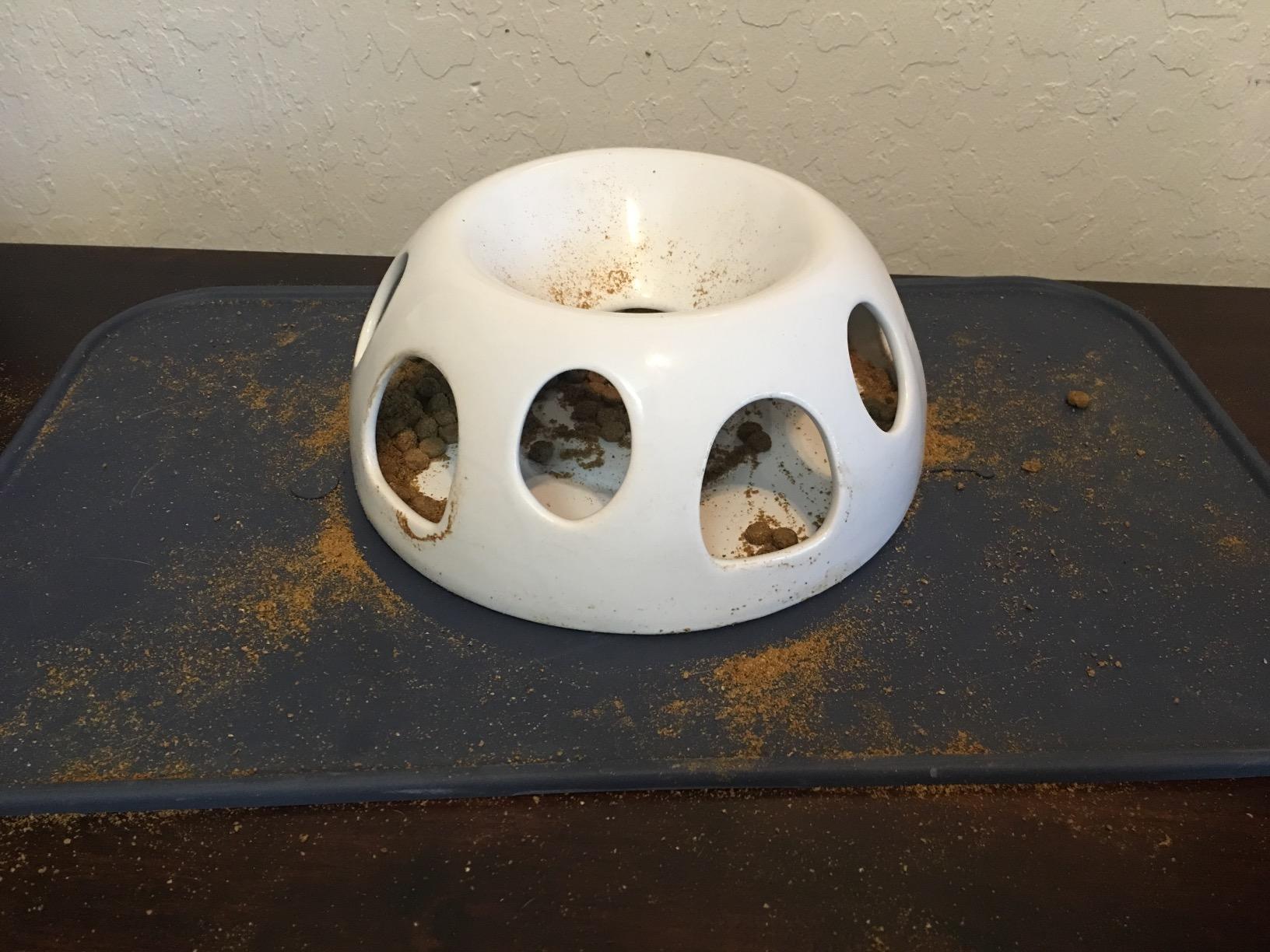
Exercise is the other half of the equation. Puzzle feeders and feeding balls extend meal time from 30 seconds to 15+ minutes, which reduces begging and adds light activity. Aim for two 10-minute play sessions per day with a wand toy or laser pointer. Indoor cats especially need this to maintain muscle and prevent weight regain after dieting.
Frequently Asked Questions
What is the best food for a cat to lose weight?
The best food for a cat to lose weight is a high-protein, low-calorie, high-fiber formula that maintains lean muscle while the body burns stored fat. Look for 30%+ crude protein, 8-12% fat, 8-15% fiber, and added L-Carnitine. For mildly overweight cats, over-the-counter options like Hill’s Science Diet Perfect Weight or Royal Canin Weight Care work well. For obese cats, your vet may recommend a prescription metabolic formula like Hill’s Prescription Diet Metabolic.
How fast can a cat safely lose weight?
A cat can safely lose 0.5% to 2% of its body weight per week. For a 12-pound cat, that is roughly 0.06 to 0.24 pounds per week. Faster weight loss can trigger hepatic lipidosis, a dangerous liver condition, especially if the cat stops eating entirely. Always transition gradually over 7 days and weigh your cat weekly to track progress.
Is wet food or dry food better for cat weight loss?
Both wet and dry food can support cat weight loss when portion-controlled. Wet food has higher moisture and lower calorie density per gram, which lets cats eat a satisfying portion with fewer calories. Dry food is more cost-efficient and easier to measure. Many owners do best with mixed feeding, using wet food for hydration and satiety and dry food for measured portions during the day.
What is the best prescription cat food for weight loss?
The best prescription cat food for weight loss depends on your cat’s specific situation. Hill’s Prescription Diet Metabolic is the most commonly recommended for cats that need to lose more than 20% of their body weight or have plateaued on OTC food. Royal Canin Satiety Support is another vet-recommended prescription option. Both require veterinary authorization and work through metabolic mechanisms that OTC food cannot match.
Should I free-feed or meal-feed an overweight cat?
Meal feeding is strongly recommended for overweight cats. Free-feeding, where food is available all day, is the number one cause of weight gain in indoor cats. Switch to two or three measured meals per day using the feeding chart on the bag as a starting point, then adjust based on weekly weigh-ins. Automatic feeders with portion control can help if your schedule makes meal feeding difficult.
Do vets recommend weight loss cat food?
Yes, vets routinely recommend weight-loss cat food as the primary intervention for overweight and obese cats. Brands like Hill’s Science Diet, Royal Canin, and Purina Pro Plan carry vet recommendations and clinical research behind their weight-loss formulas. For obese cats, vets typically escalate to prescription metabolic diets, which require authorization but deliver faster, more reliable results.
Final Verdict: Which Best Cat Food for Weight Loss Should You Buy?
After six weeks of testing, our top recommendation for the best cat food for weight loss in 2026 is Hill’s Science Diet Adult Perfect Weight. It carries the strongest vet recommendation, produces visible results within 10 weeks, and works for the widest range of cats without prescription requirements.
For multi-cat households where cost matters, Purina ONE Indoor Advantage is the best value pick. For single-cat homes on a budget, Purina ONE Healthy Weight in the 3.5-pound bag is the cheapest path into the weight-loss food category without sacrificing quality.
If your cat is obese (20%+ over ideal weight) or has plateaued on over-the-counter food, talk to your vet about Hill’s Prescription Diet Metabolic. It requires authorization and costs more, but it is the formula most likely to deliver results when OTC options have failed.
Whichever formula you choose, commit to a 7-day gradual transition, switch from free-feeding to meal feeding, and weigh your cat weekly. The best cat food for weight loss is the one your cat will eat consistently, paired with the portion control you can actually maintain. Check the links above for the latest retailer availability, and talk to your vet before making the switch if your cat has any underlying health conditions.