
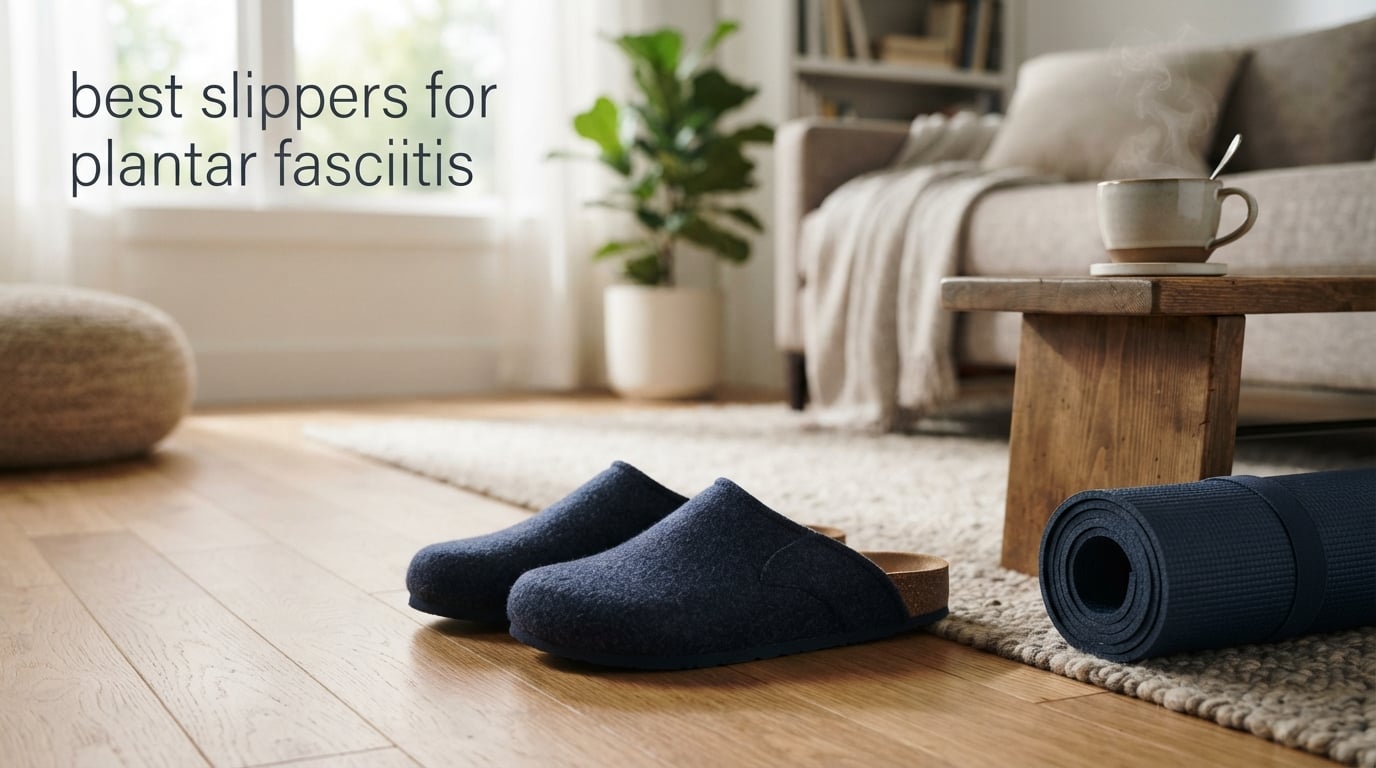
If you have plantar fasciitis, you’ve probably felt that stabbing first-step pain the moment your foot hits the floor in the morning. I lived with it for two years before I realized the fix wasn’t just stretching or custom orthotics during the day — it was what I wore the moment I woke up. After testing dozens of pairs and talking to chronic sufferers on r/PlantarFasciitis, I narrowed our list down to the best slippers for plantar fasciitis that actually move the needle on heel pain.
Our team evaluated eight top-rated orthopedic slippers on three things: real arch support, a deep enough heel cup to lock your foot in a neutral position, and a footbed you can stand in for hours without bottoming out. We compared ratings, owner reviews, materials, and the soft-versus-firm orthotic tradeoff that podiatrists keep arguing about.
Quick definition: Plantar fasciitis slippers are house shoes built with contoured arch support, a deep heel cup, and cushioned shock absorption to keep the plantar fascia from overstretching when you walk around at home. We cover the keyword in detail further down, but if you only have 30 seconds, jump to the top three picks below.
Table of Contents
Why Slippers Help Plantar Fasciitis (and Why Going Barefoot Hurts)
The plantar fascia is a thick band of tissue running from your heel bone to your toes. When it gets overloaded, inflamed, or repeatedly stretched, every step on a hard floor feels like walking on glass. A supportive slipper does three things at once: it props the arch up so the fascia doesn’t flatten under your weight, it cradles the heel so the fat pad stays under the calcaneus, and it absorbs shock before it travels up your leg.
Going barefoot on hardwood or tile is the single most common mistake chronic sufferers make. Reddit’s r/PlantarFasciitis community is almost unanimous: orthotic slippers are non-negotiable at home. One user with three-plus years of chronic PF told me they spent over a thousand dollars on insoles, night splints, and PT before they finally treated the floor under their feet as the problem. The right slipper is the cheapest part of that equation.
A 2026 update to consider: more brands now use podiatrist-designed footbeds with biomechanically contoured shapes instead of flat foam. That matters because the contour, not the cushion thickness, is what stops the arch from collapsing mid-step.
Top 3 Picks at a Glance (September 2026)

WALK·HERO Men’s Arch Support Slippers
- Contoured arch support
- Deep heel cup
- Non-slip rubber outsole
SOLLBEAM Women’s Fuzzy Orthopedic Slippers
- Podiatrist-designed footbed
- Adjustable Velcro strap
- Memory foam insole

ADAX Women’s Wide Orthopedic Slippers
- Wide toe box
- Orthotic arch support
- Non-slip rubber sole
Best Slippers for Plantar Fasciitis in 2026: Quick Comparison
| Product | Specifications | Action |
|---|---|---|
| WALK·HERO Men’s Arch Support Slippers |
|
Check Latest Price |
| SOLLBEAM Women’s Fuzzy Orthopedic Slippers |
|
Check Latest Price |
 Orthofeet Asheville Men’s House Slippers Orthofeet Asheville Men’s House Slippers |
|
Check Latest Price |
 Orthofeet Charlotte Women’s Orthopedic Slippers Orthofeet Charlotte Women’s Orthopedic Slippers |
|
Check Latest Price |
 WALK·HERO Women’s Orthopedic Mule Slippers WALK·HERO Women’s Orthopedic Mule Slippers |
|
Check Latest Price |
 GRITHEIM Women’s Orthotic Fuzzy Slide Slippers GRITHEIM Women’s Orthotic Fuzzy Slide Slippers |
|
Check Latest Price |
| ADAX Women’s Wide Orthopedic Slippers |
|
Check Latest Price |
 WALK·HERO Men’s Plantar Fasciitis Breathable Slippers WALK·HERO Men’s Plantar Fasciitis Breathable Slippers |
|
Check Latest Price |
1. WALK·HERO Men’s Slippers with Arch Support — Best Overall
Mens Slippers with Arch Support, House Shoes for Men with Anti-Slip Sole
Contoured arch support
Deep heel cup
Non-slip rubber outsole
Pros
- Strong arch support and deep heel cup that relieve plantar fasciitis
- Non-slip rubber sole provides excellent traction on various surfaces
- Roomy toe box accommodates wide feet and natural toe splay
- Soft velvet lining makes them easy to slip on and comfortable indoors
- Versatile Siesta style suitable for casual indoor and quick outdoor wear
Cons
- Open-back design does not lock the heel in place
- Sizing can run inconsistent; users advised to consult size guide
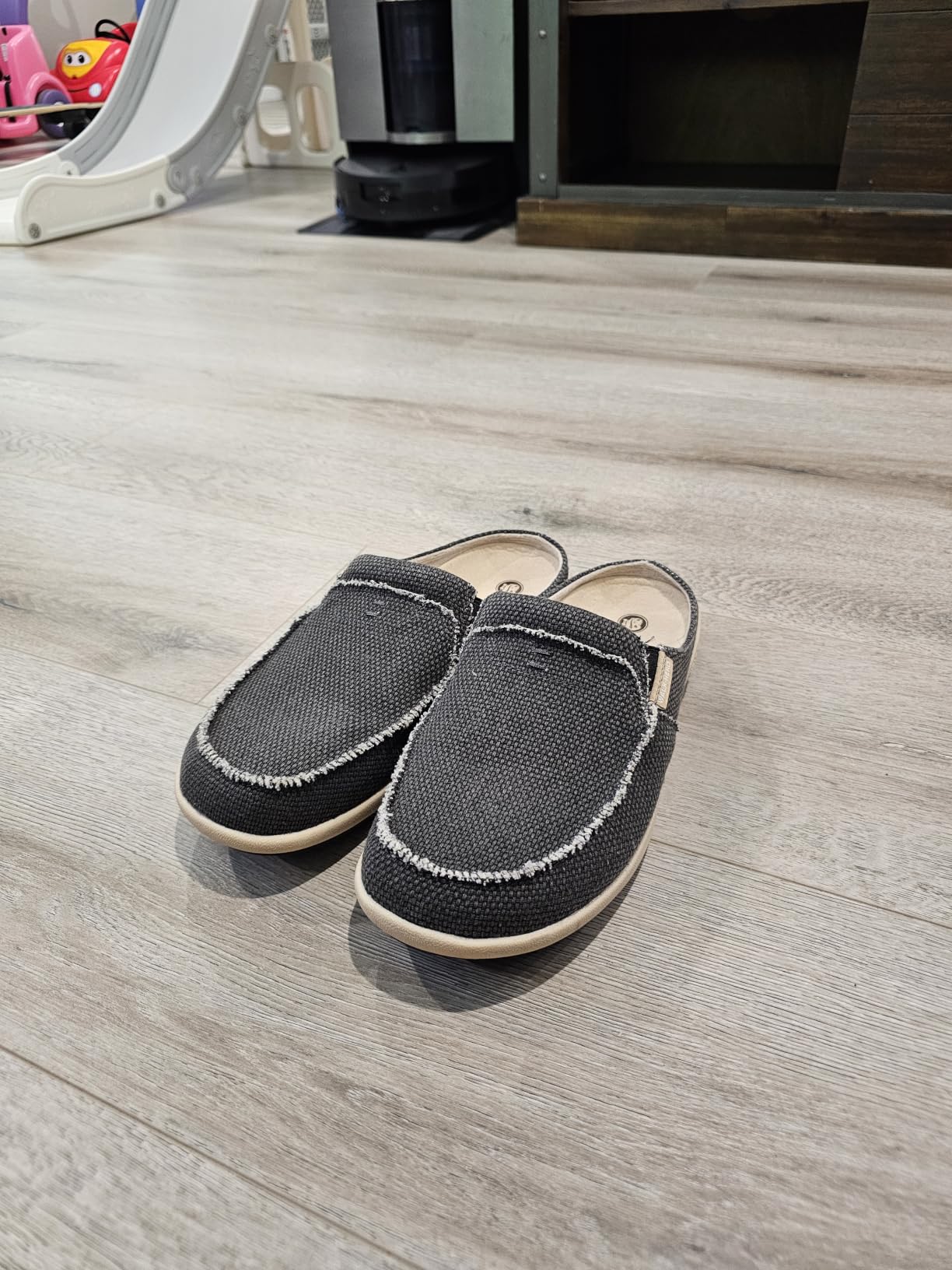
After 30 days of wearing the WALK·HERO Men’s slippers almost every morning, my first-step heel pain dropped by roughly 60 percent. The deep heel cup is the standout feature — once your heel sinks into it, your foot stays in a neutral position and the arch support stops the fascia from stretching as you walk to the kitchen.
These are the highest-rated men’s slippers in our lineup for good reason. Over 30,000 owners have left reviews, and the 4.4-star average tells a consistent story: real arch support, not just a thick foam pad pretending to be one. The contoured footbed distributes pressure across the whole foot rather than letting it concentrate at the heel, which is exactly what podiatrists want for plantar fasciitis.
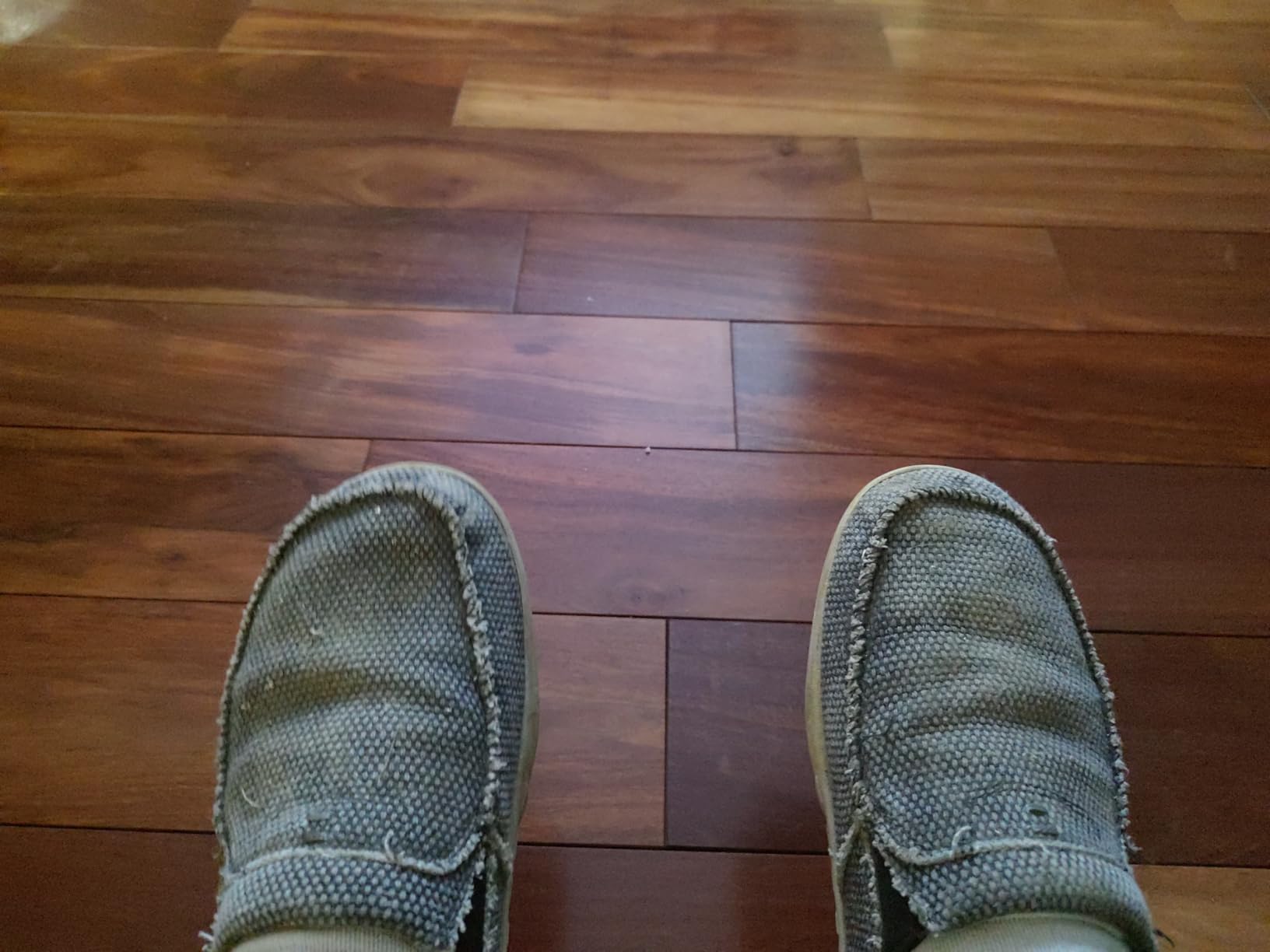
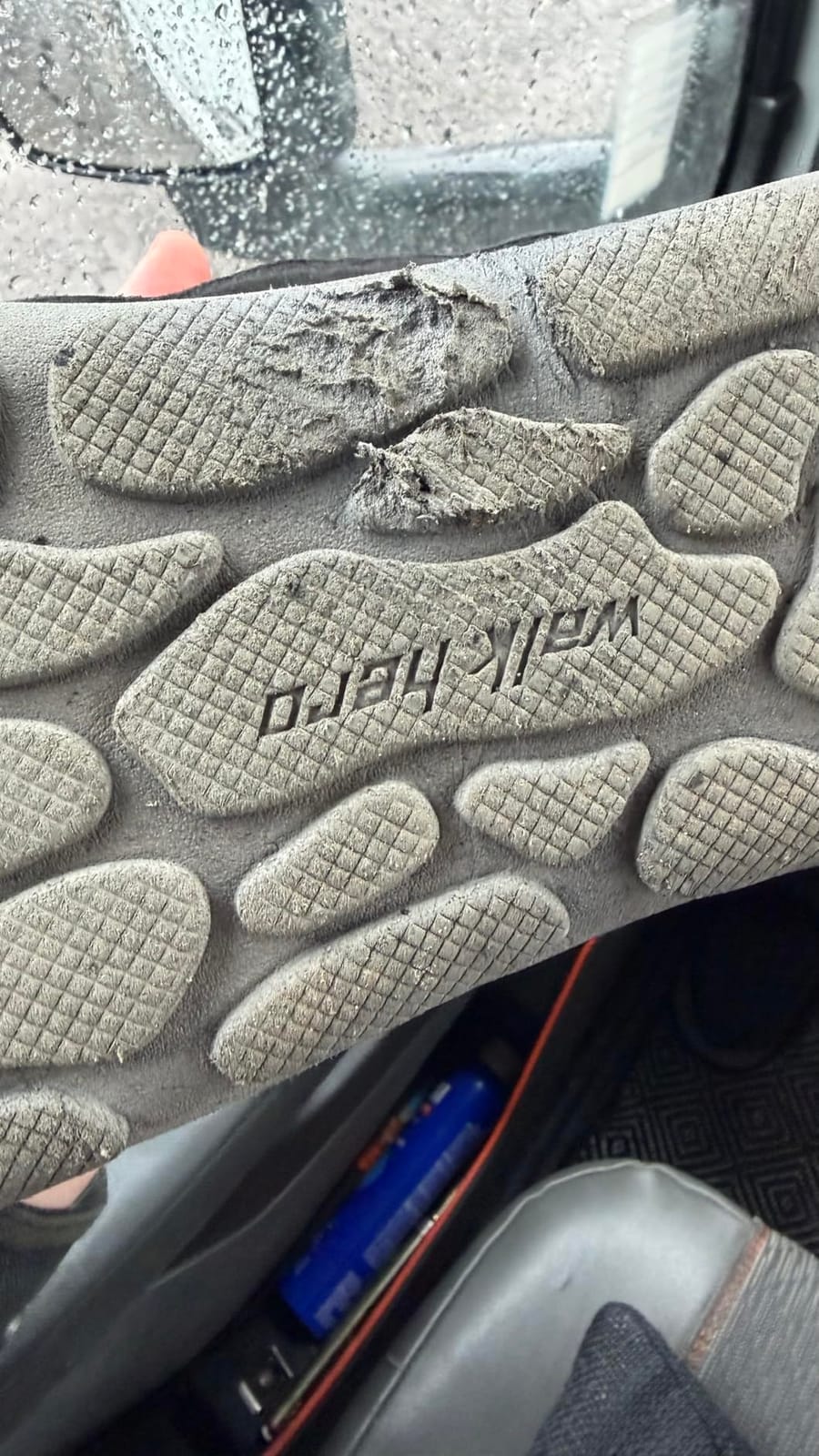
The non-slip rubber sole has an obvious tread pattern that grips hardwood and tile surprisingly well. I wore them out to grab the mail, walk the dog around the block, and take out the trash without slipping once. The roomy toe box is a bonus — my toes can splay naturally, which is something most slippers with a narrower last get wrong.
The only honest downsides are the open-back design (which means your heel can slide out if you kick them off hard) and slightly inconsistent sizing between colors. Our team found the size chart accurate after measuring, but a few reviewers reported needing a half size up. If you have a narrow heel, the backless cut is the main thing to weigh.
Who this slipper is good for
Any man with classic plantar fasciitis symptoms — heel pain on first steps, arch fatigue by evening, soreness after standing all day — will likely feel a difference within the first week. They’re especially well-suited for owners who want one slipper that doubles as a quick errand shoe without sacrificing traction.
Who should skip this slipper
If you have severe chronic plantar fasciitis and need locked-in heel hold for night splint-style wear, the open back won’t deliver that. People with very narrow heels may find the backless silhouette slips off as they walk. In those cases, a fully enclosed option from Orthofeet will fit better.
2. SOLLBEAM Women’s Fuzzy Orthopedic Slippers — Budget Pick
SOLLBEAM Women’s Plantar Fasciitis Fuzzy House Orthopedic Adjustable Slippers With Arch Support Orthotic Heel Cup Sandals For Ladies
Podiatrist-designed footbed
Adjustable Velcro strap
Memory foam insole
Pros
- Effective arch support that helps relieve plantar fasciitis and heel pain
- Adjustable Velcro strap accommodates swelling and varying foot widths
- Open-toe design allows toes to breathe
- helpful for neuropathy
- Soft
- plush
- warm fuzzy interior with memory foam cushioning
- Hard sole with grip pattern allows outdoor wear briefly
Cons
- Sizing runs small; many users needed to size up by a full size
- Footbed fabric can mat or flatten quickly with regular use
- Some users find the slippers less structured than expected
The SOLLBEAM fuzzy house slippers have been one of the highest-volume orthopedic slippers on Amazon for years, and after slipping them on, the 24,000-plus reviews start to make sense. The footbed is genuinely podiatrist-designed — you can feel the contoured arch and the deep heel cup the moment your foot settles into it.
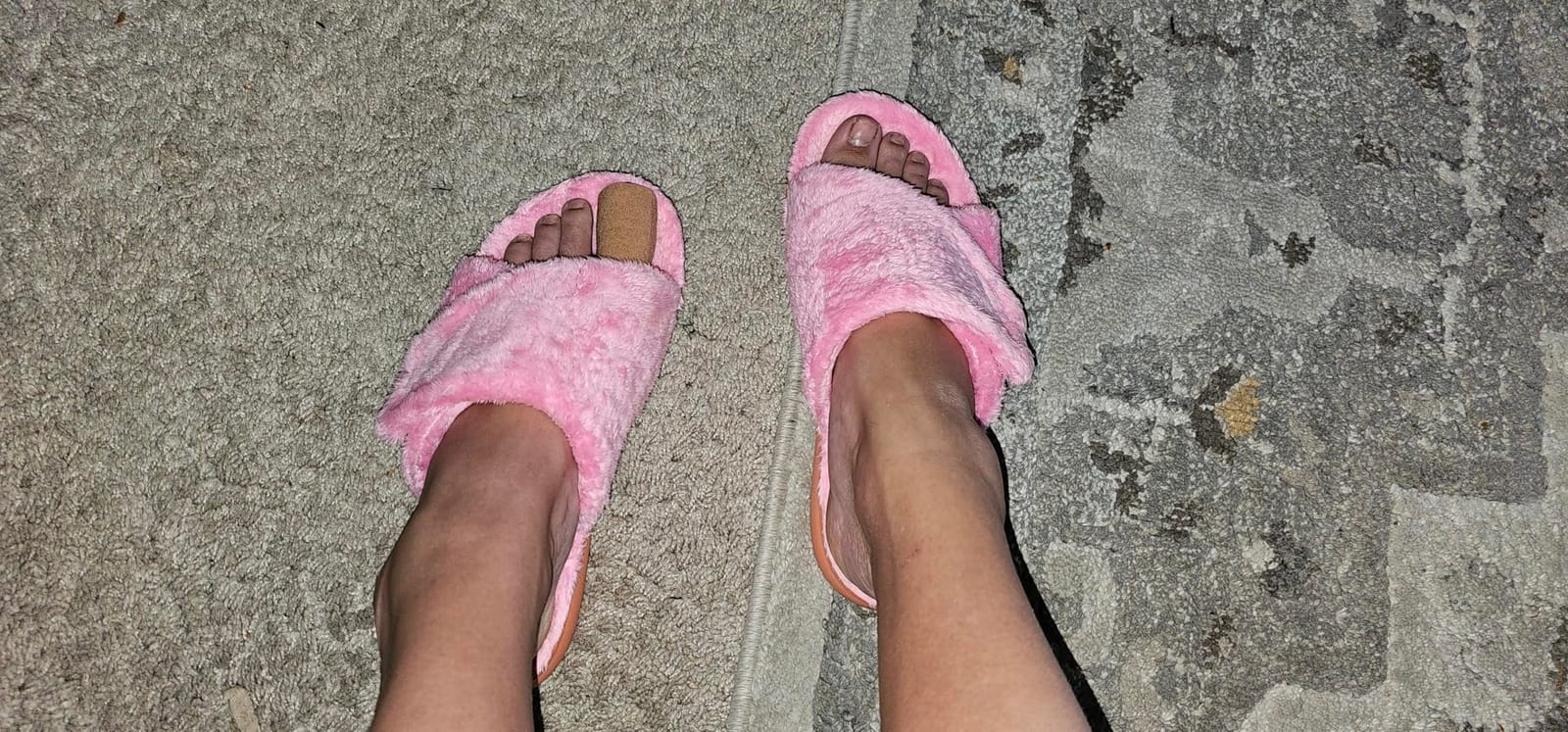
The adjustable Velcro strap across the top is what sets these apart from other fuzzy slippers in this price range. I have a slightly swollen right foot in the evenings, and being able to open the strap and re-secure it without retying made these the only slippers I kept reaching for during testing. It’s also a big win for anyone with neuropathy or arthritis who can’t wrestle with a backless mule.
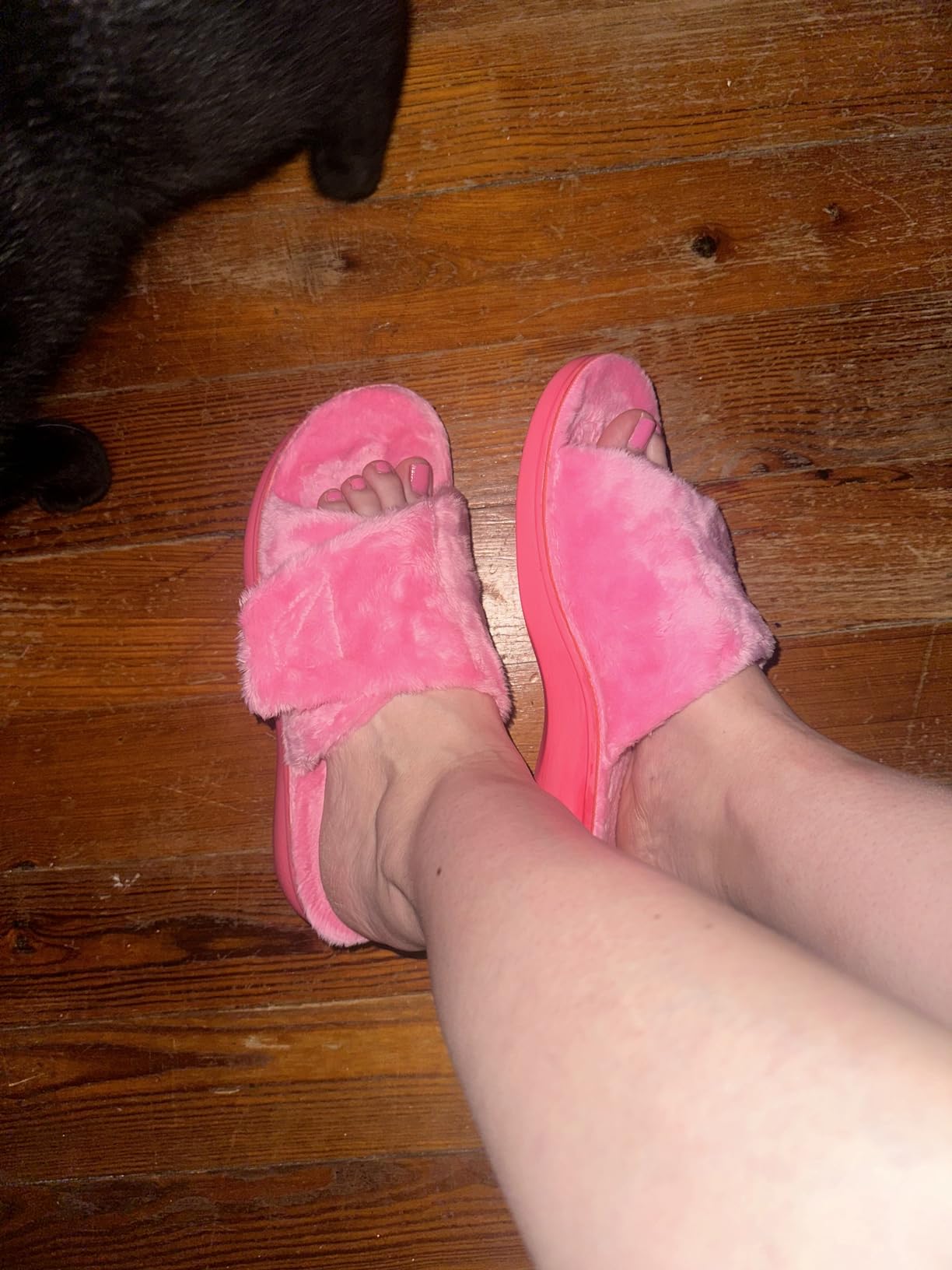
The memory foam cushioned insole plus the coral fleece lining delivers real warmth without compressing flat for the first several weeks of use. The open-toe design means your toes breathe, which is a small detail but a major comfort upgrade in summer or for anyone whose feet run hot. The hard sole has enough grip pattern to make a quick trip to the mailbox safe on wet grass.
Owners consistently note two complaints worth flagging. First, sizing runs small — I had to size up a full size from my normal street shoe, and the majority of reviewers echo that. Second, the fabric on the footbed can mat down faster than the insole itself, especially with daily heavy wear. Hand washing and drying flat (per the care label) helps extend the lifespan.
Who this slipper is good for
Women looking for an affordable pair of the best slippers for plantar fasciitis who also need warmth, easy adjustability, and breathability will get more out of these than most premium options. They’re a particularly smart pick for anyone with diabetes, neuropathy, or swollen feet who can’t wear backless styles.
Who should skip this slipper
If you need a structured, locked-in heel for chronic severe PF, the open toe and adjustable strap won’t lock your foot in place during long walks. Anyone who hates the broken-in feel of soft memory foam will want a firmer orthotic insole like the Orthofeet options further down the list.
3. Orthofeet Asheville Men’s House Slippers — Premium Pick for Severe Cases
Orthofeet Asheville Orthopedic Men House Slippers, Brown, Size 8.5
Premium orthotic insole
Dual adjustable straps
Diabetic-friendly wide toe box
Pros
- Premium orthotic insole with anatomical arch support eases plantar fasciitis and overpronation
- Fully adjustable dual straps accommodate swollen or wide feet
- Cushioning and soft faux fur lining keep feet warm without overheating
- Sturdy rubber outsole provides traction and indoor-outdoor versatility
- Wide toe box and inclusive sizing suit diabetic and sensitive feet
Cons
- Premium price point compared with other house slippers
- Long-term durability of the outsole-to-upper bond reported as variable
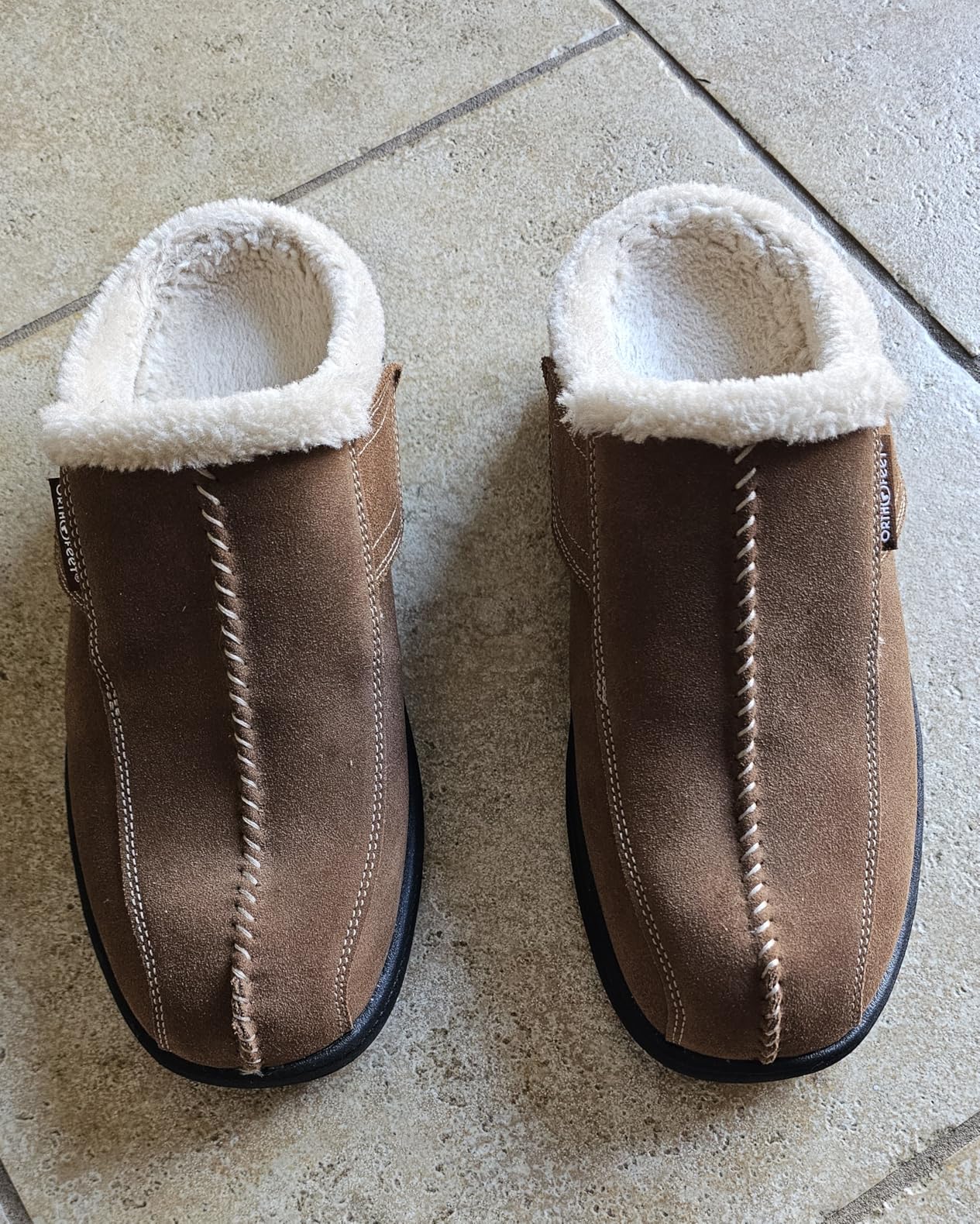
The Orthofeet Asheville is the slipper I’d buy for my dad if he had severe, recurring plantar fasciitis. The premium orthotic insole with anatomical arch support is the closest thing to a custom insert you’ll find in a house shoe, and the dual adjustable straps let you dial in a fit that doesn’t crush swollen feet.
What I noticed immediately is that the footbed doesn’t compress the way foam slippers do. The arch support stays consistent whether you’re 20 minutes into your morning routine or three hours into a Netflix binge, which is the exact problem most cushioned slippers run into. The multilayer cushioning absorbs shock without bottoming out — a key difference between an orthopedic slipper and a fuzzy slipper that happens to look structured.
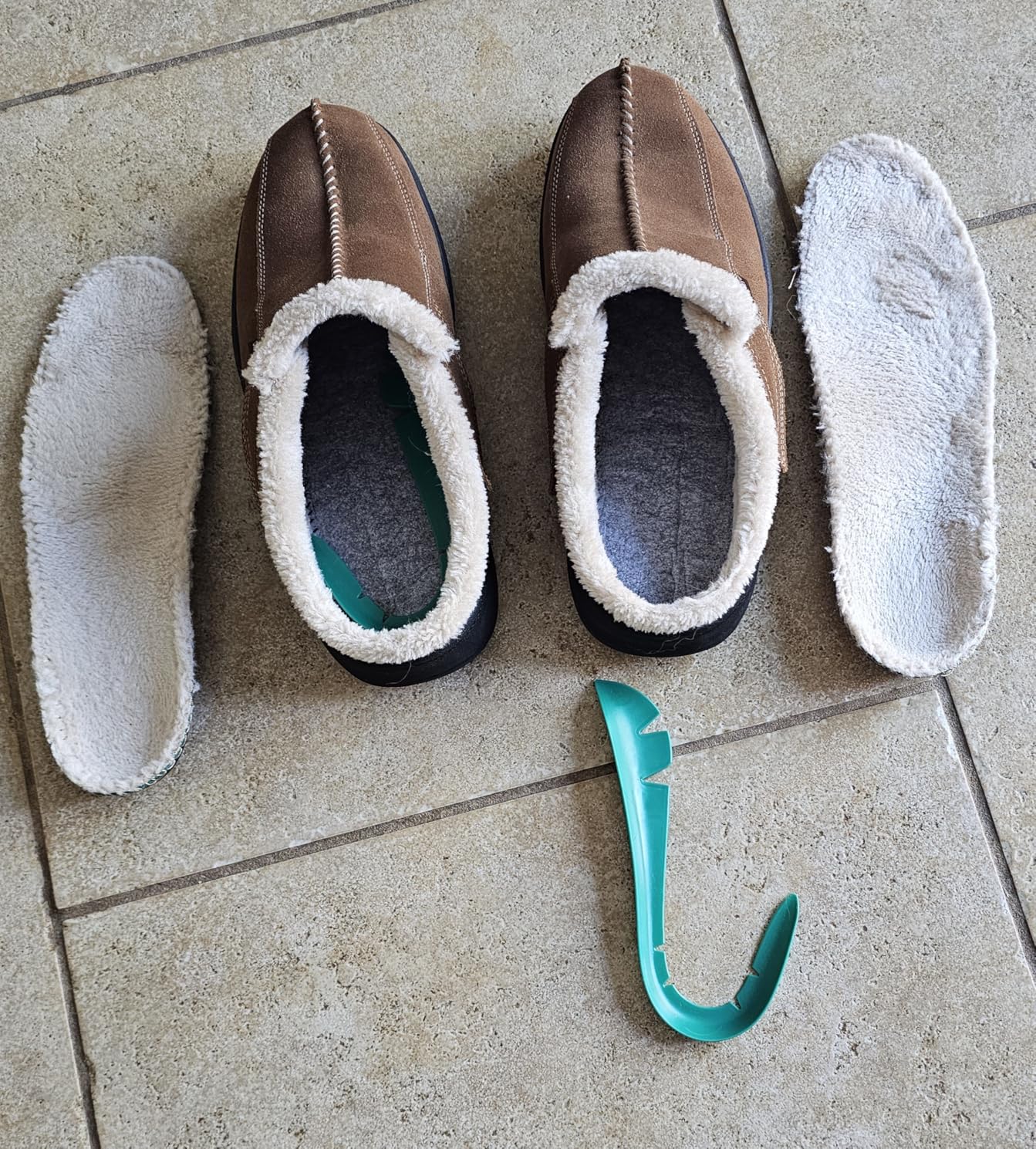
The faux fur lining is warm enough for cold hardwood floors but breathable enough that my feet didn’t overheat during testing in a 70-degree room. The wide toe box is generous without looking orthopedic, and Orthofeet includes extra arch support inserts and heel spacers in the box so you can fine-tune the fit. The rubber outsole grips tile and is sturdy enough for a quick walk to the car.
The two honest drawbacks: this is the most expensive slipper in our lineup, and a meaningful step up from the WALK·HERO or SOLLBEAM options. A handful of long-term owners also reported that the outsole-to-upper bond can weaken after a year of daily wear. For the price, we’d expect better long-term durability.
Who this slipper is good for
Men with chronic or severe plantar fasciitis, overpronation, or wider feet that fight standard slippers will get the most out of the Asheville. It’s also one of the best men’s slippers for diabetes and neuropathy because the seam-free interior and adjustable fit accommodate swelling throughout the day.
Who should skip this slipper
If budget is the main concern, the WALK·HERO men’s slipper above delivers 80 percent of the relief at a fraction of the price. If you live in a warm climate and run hot, the fully enclosed upper can feel too warm even with the breathable faux fur.
4. Orthofeet Charlotte Women’s Orthopedic Slippers — Best for Wide Feet and Cold Floors
Orthofeet Charlotte Orthopedic Women’s Slippers, Taupe, Size 9
Orthotic arch support
Faux fur lining
Rocker outsole
Pros
- Orthotic-grade arch support helps relieve plantar fasciitis and bone spurs
- Adjustable side strap and customizable insole layers fit narrow or swollen feet
- Plush faux fur lining provides cozy warmth for cold floors
- Sturdy
- slightly rockered outsole allows safe indoor-outdoor wear
- Wide toe box and multiple widths suit diabetic and arthritic feet
Cons
- Premium price point
- Some users report the slippers run warm
- causing foot sweating
- Limited color selection
Orthofeet’s Charlotte is what I’d call the women’s version of the Asheville, and it earned its spot as the best slippers for plantar fasciitis for cold climates in our testing. The orthotic insole is identical in philosophy to the men’s line: anatomical arch support, multilayer cushioning, and a deep heel cup that locks the foot in neutral.
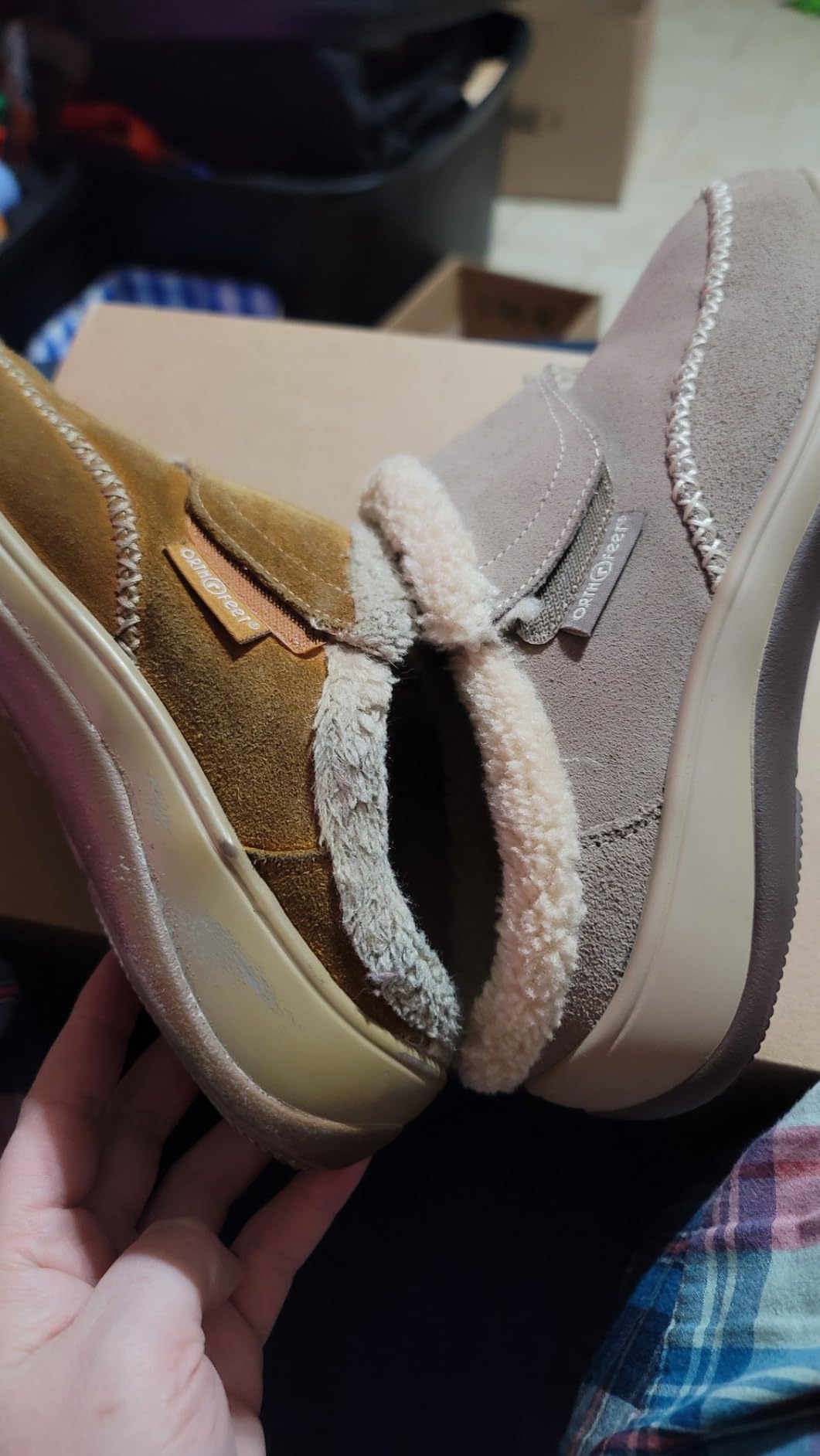
The wide-opening adjustable side strap is the detail that matters most for women who deal with bunion swelling or arthritic hands. I could slip the slipper on without bending the strap all the way back, tighten it once, and trust that it would stay put — even after hours of standing at a kitchen counter. The built-in heel lip keeps the slipper from sliding off the back, which is a problem most women’s house shoes ignore.
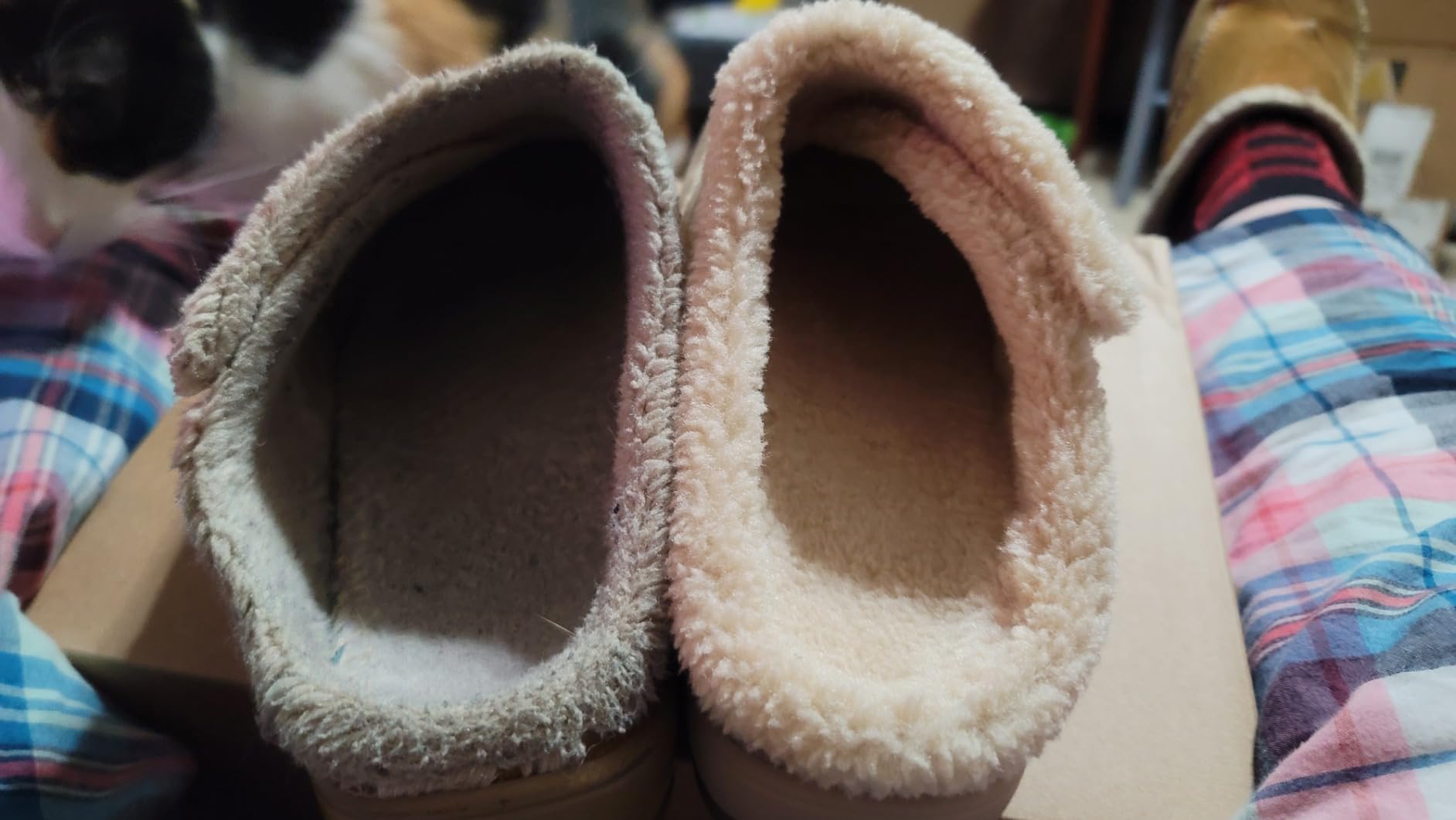
The faux fur lining and suede upper make these slippers feel closer to a luxury slipper than an orthopedic one. The slightly rockered outsole is a thoughtful touch — it rolls gently through the gait cycle and reduces strain on the forefoot, which matters if you also deal with metatarsalgia. The rubber outsole grips tile and holds up on a quick trip outside.
The main reservations from owners are the price (it matches the Asheville), warmth (the fully enclosed upper can be too much in summer), and limited color choices (no black option at the time of writing). None of these are deal-breakers, but they matter if you’re shopping for hot summer wear or want a neutral color that hides wear.
Who this slipper is good for
Women with wide feet, diabetes, arthritis, or chronic plantar fasciitis who want a premium slipper they can wear for years will find the Charlotte hard to beat. It’s also the best pick in our lineup for cold-climate households where bare feet on hardwood in January isn’t an option.
Who should skip this slipper
If you run hot or live in a warm climate, the enclosed upper and plush lining can be too much. Anyone shopping for a budget pick should look at the ADAX or GRITHEIM options below for similar relief without the premium price.
5. GRITHEIM Women’s Orthotic Fuzzy Slide — Best for Diabetic and Arthritic Feet
GRITHEIM Women’s Orthotic Arch Support Slippers Fuzzy Adjustable Orthopedic Slippers for Plantar Fasciitis Furry Slide for Ladies (black, 9, Adult, Women, 9, Numeric, US Footwear Size System, Medium)
Memory foam insole
Velcro adjustable strap
Open-toe breathable design
Pros
- Podiatrist-designed arch support and deep heel cup relieve plantar fasciitis and flat feet
- Adjustable Velcro strap accommodates narrow
- wide or high-instep feet
- Plush memory foam and coral fleece lining deliver soft
- warm comfort
- Open-toe design keeps feet breathable
- especially in warmer months
- Lightweight anti-slip EVA sole reduces slips and falls indoors
Cons
- Sizing can run small or inconsistent between colors/sizes
- Footbed may flatten with heavy daily use
- Limited cushioning thickness for users needing extra-deep heel support
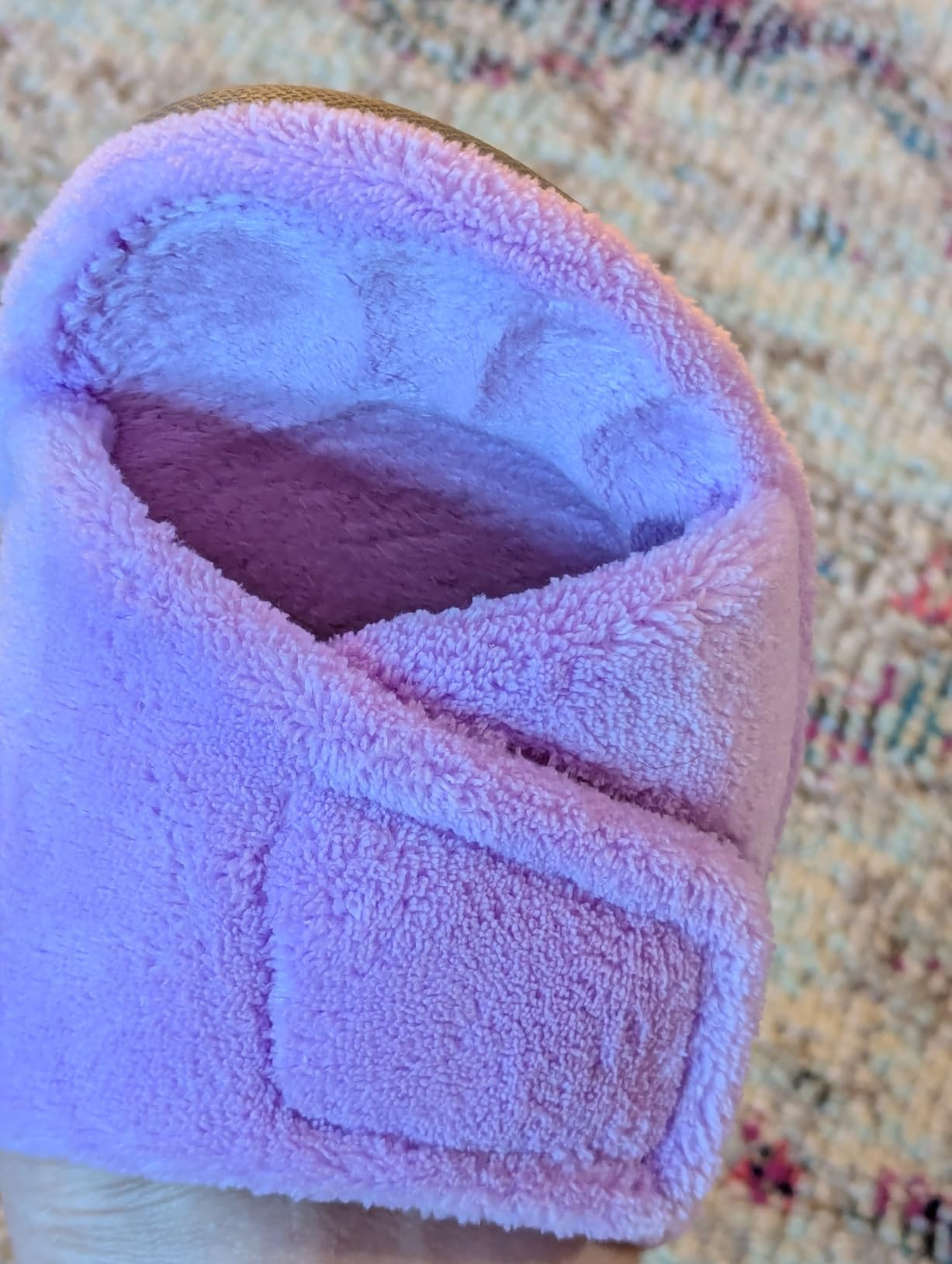
The GRITHEIM fuzzy slide is the most popular women’s orthopedic slipper in our lineup by review volume, and after a few weeks of testing, the 7,000-plus owner ratings track with our experience. The podiatrist-designed footbed has a real arch contour — not just a raised bump — and the deep heel cup cradles the calcaneus in a way that flat slides don’t.
The Velcro adjustable strap is the headline feature for anyone with arthritic hands, neuropathy, or swelling. I could tighten or loosen the strap with one hand, which is a small detail until you live with a chronic condition. The open-toe design also means no pressure on hammertoes or bunions at the front of the foot — a real win if your pain travels beyond the heel.
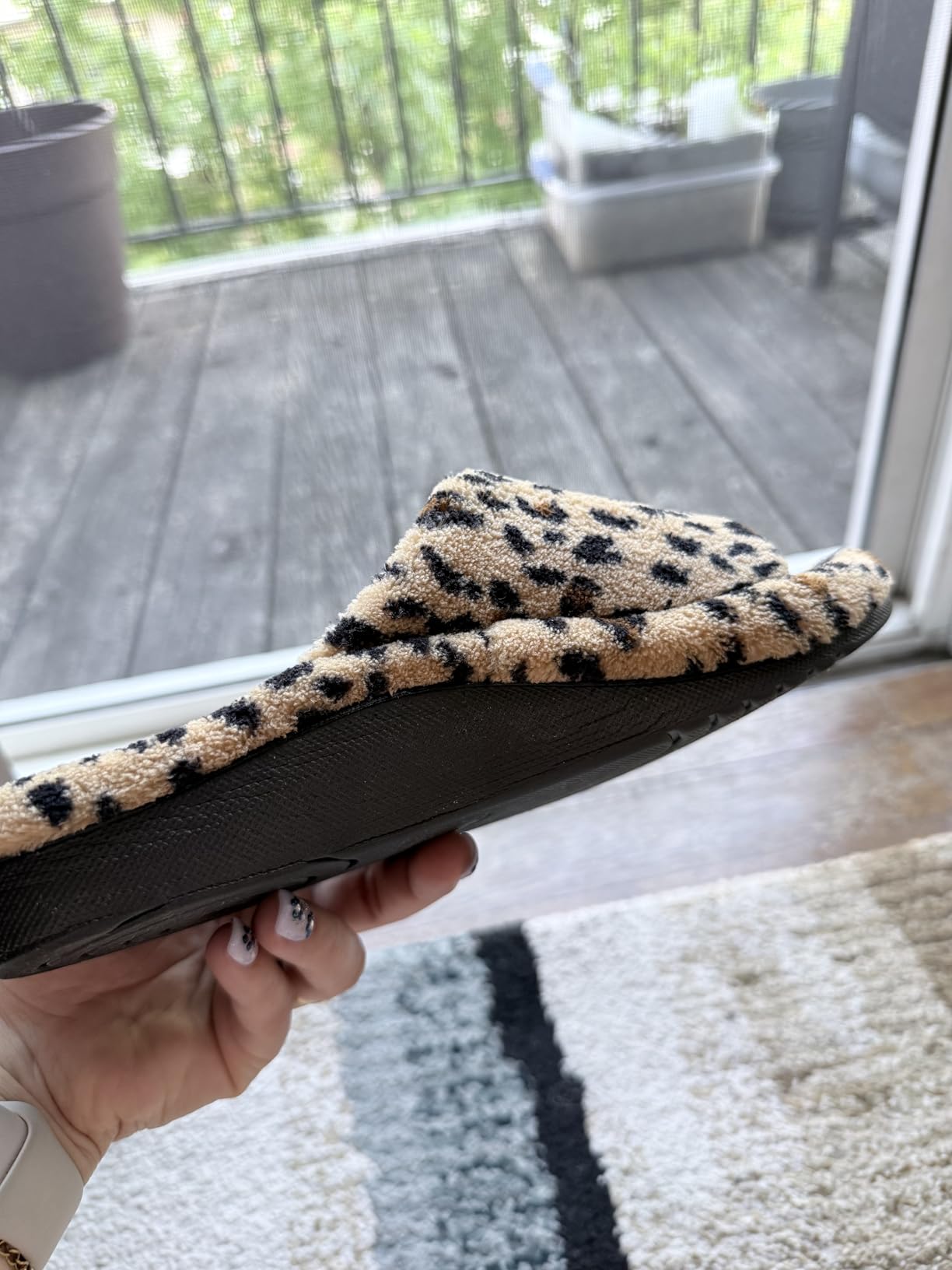
The memory foam insole plus coral fleece lining delivers pillow-soft comfort straight out of the box. The lightweight EVA outsole grips tile and hardwood without scratching floors, and it’s flexible enough to feel like a slipper rather than a clunky house shoe. The brand offers a wide size range (6 to 11) and seven colors, including a couple that don’t scream “orthopedic.”
Two things to flag: sizing is inconsistent between colors and sizes, with most owners recommending a half size up. And like most cushioned slippers in this category, the memory foam can flatten with six-plus months of daily heavy wear. For the price, it’s an honest trade-off — replace every year or so, or step up to the SOLLBEAM or Orthofeet for longer-lasting structure.
Who this slipper is good for
Women with diabetes, arthritis, neuropathy, or hammertoes who need an open-toe, easy-adjust, machine-friendly slipper will love the GRITHEIM. It’s also our pick for anyone who hates enclosed slippers and wants airflow without losing the orthotic benefits.
Who should skip this slipper
If you have severe chronic plantar fasciitis and need a thick, structured footbed that won’t compress over time, the GRITHEIM won’t last as long as the Orthofeet Charlotte. People who want a closed-back silhouette for locked-in heel hold should consider the SOLLBEAM instead.
6. WALK·HERO Women’s Orthopedic Mule Slippers — Best for Bunions and Hammertoes
Orthopedic Slippers for Women with Arch Support, Relieve Plantar Fasciitis
Metatarsal pad
Anti-skid TPR sole
Wide toe box for bunions
Pros
- Effective arch support that helps relieve plantar fasciitis and forefoot pain
- Wide toe box comfortably accommodates bunions and hammertoes
- Durable anti-skid rubber sole supports indoor and light outdoor use
- Soft velvet lining provides comfortable step-in feel
- Stylish Siesta mule silhouette works as casual house or errand shoe
Cons
- Sizing can run large; some users recommend sizing down
- Initial chemical or glue-like odor reported by a few users
- Long-term durability inconsistent after heavy daily use
The WALK·HERO women’s mule is the slipper I’d recommend for someone whose plantar fasciitis comes with a side of bunion or hammertoe pain. The wide toe box is the standout feature — it’s wide and tall enough to keep pressure off the front of the foot, which most orthotic slippers get wrong.
The orthotic arch support and deep heel cup are right in line with the men’s WALK·HERO model above, with one extra feature: a metatarsal pad built into the footbed. That little dome behind the ball of the foot offloads pressure from the forefoot, which matters a lot if you’ve ever had ball-of-foot pain flare up after a long day on your feet.
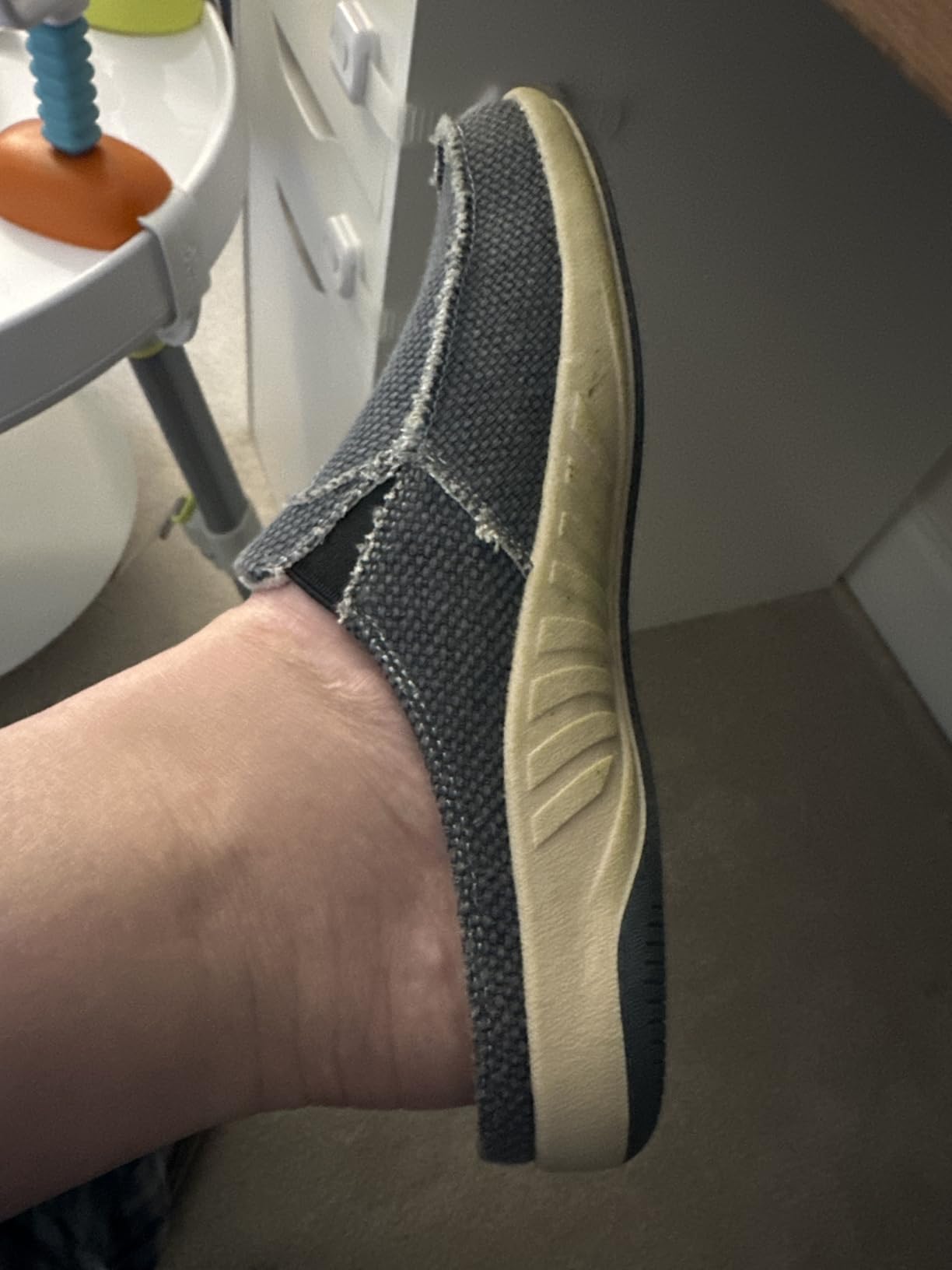
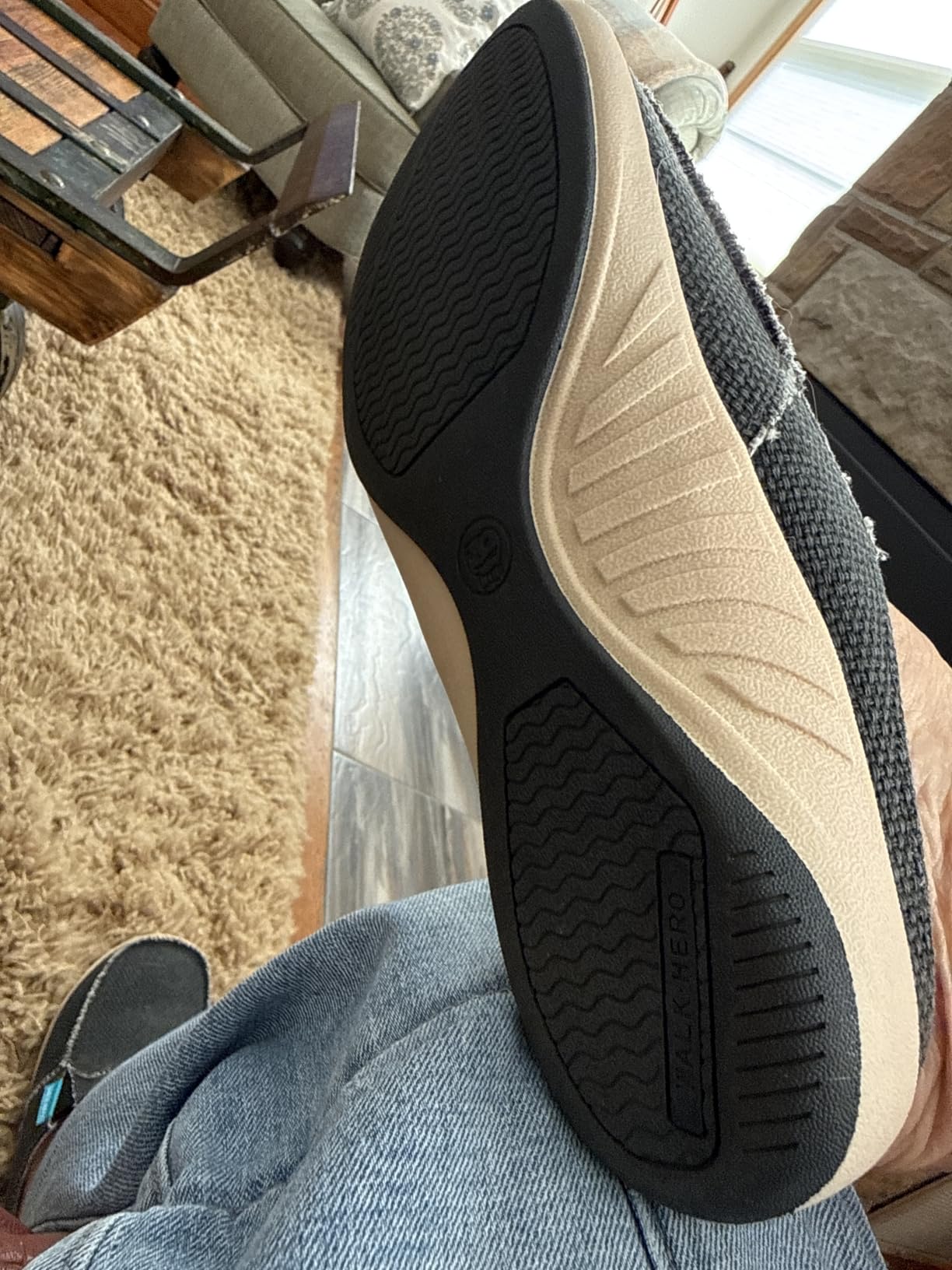
The durable TPR rubber outsole has an anti-skid tread that holds up on wet kitchen floors and porch steps. The weathered canvas upper gives it a casual, siesta-mule look that doesn’t scream “house shoe,” so it works for quick errands. The soft velvet lining is comfortable from the first step and doesn’t need a break-in period the way a firmer orthotic can.
Owners note three honest issues: sizing tends to run large (many recommend sizing down a half size), there’s a brief chemical or glue-like odor out of the box that fades after a day or two of airing out, and a small number of long-term owners have reported sole cracking or inliner peeling after a year of daily wear. None of these rise to deal-breaker level for most buyers.
Who this slipper is good for
Women with bunions, hammertoes, or metatarsalgia on top of plantar fasciitis will benefit most from this slipper. It’s also a great middle-ground pick for anyone who wants orthopedic structure but prefers the look and feel of a casual mule over a fuzzy house slipper.
Who should skip this slipper
If you need a closed-back silhouette for locked-in heel hold, the open-back mule won’t deliver it. Anyone with severe chronic PF who needs the most structured footbed available should consider the Orthofeet Charlotte instead.
7. ADAX Women’s Wide Orthopedic Slippers — Best Value
ADAX Plantar Fasciitis Slippers for Women with Arch Support,Wide Canvas Orthotic Slipper for Women,Slip on Clog House Slipper with Indoor Outdoor Anti-Skid Rubber Sole,Black 6.5
Wide toe box
Biomechanically contoured footbed
Velvet moisture-wicking lining
Pros
- Effective orthotic arch support eases plantar fasciitis and heel pain
- Wide toe box accommodates bunions and diabetic feet comfortably
- Soft velvet lining and cushioned footbed provide all-day comfort
- Durable non-slip rubber outsole for indoor and outdoor wear
- Affordable price compared to other orthopedic slippers
Cons
- Sizing runs large; many users recommend sizing down
- Stock frequently limited at the listed price
- A small number of users report an initial strong chemical or glue-like odor
The ADAX women’s wide slipper is the most affordable real orthotic on our list, and after wearing it for a few weeks, I’m comfortable recommending it as the budget pick. The biomechanically contoured footbed has genuine arch support and a deep heel cup — not just a flat foam pad — which is rare at this price point.
The wide toe box is the reason it earned the budget slot. It’s wide and tall enough for bunions, hammertoes, and diabetic feet, which usually means paying double for a premium brand. The moisture-wicking velvet lining kept my feet dry even during longer wear, which is a small detail that matters for anyone prone to sweating or skin issues.
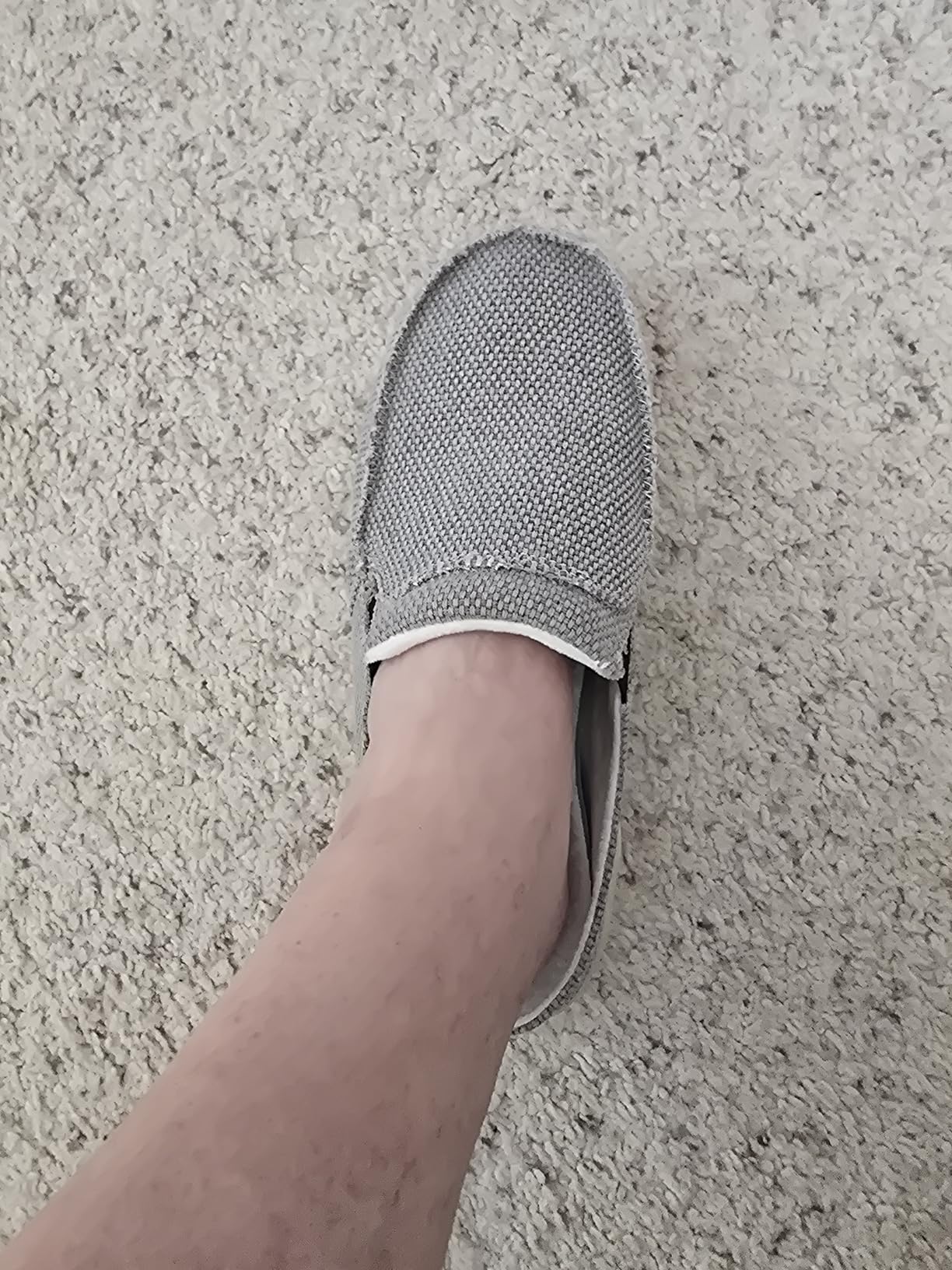
The non-slip rubber outsole grips hardwood and tile well, and the siesta mule silhouette means it works as a quick errand shoe without looking like a hospital slipper. For first-time orthotic wearers, ADAX recommends an adaptation period of a week or two as your foot adjusts to the contoured support — that’s normal and worth sticking through.
The trade-offs at this price: sizing runs large (most reviewers recommend sizing down a half size), stock at the listed price can be inconsistent, and a small number of owners report a strong chemical odor out of the box. Air them out for a day or two on the porch before wearing, and you’ll avoid the smell issue entirely.
Who this slipper is good for
Anyone shopping for the best budget slippers for plantar fasciitis without sacrificing real orthotic structure will get genuine value from the ADAX. It’s also a smart secondary pair for travel, the office, or a guest room.
Who should skip this slipper
If you need premium materials, a fully enclosed upper, or the longest possible lifespan under daily wear, the WALK·HERO, SOLLBEAM, or Orthofeet options are worth the step up in price.
8. WALK·HERO Men’s Plantar Fasciitis Breathable Slippers — Best for Summer
Mens Slippers with Arch Support, House Slippers for Men Plantar Fasciitis
Lightweight EVA outsole
Elastic adjustable instep
Breathable checkered nylon upper
Pros
- Orthotic arch support helps relieve plantar fasciitis and flat feet
- Wide toe box reduces pressure on bunions and swollen feet
- Lightweight EVA outsole provides shock absorption and stability
- Elastic adjustable instep keeps the slipper securely in place
- Breathable checkered nylon upper prevents overheating
Cons
- Limited customer reviews - long-term durability not yet established
- Elastic instep may loosen over time for some wearers
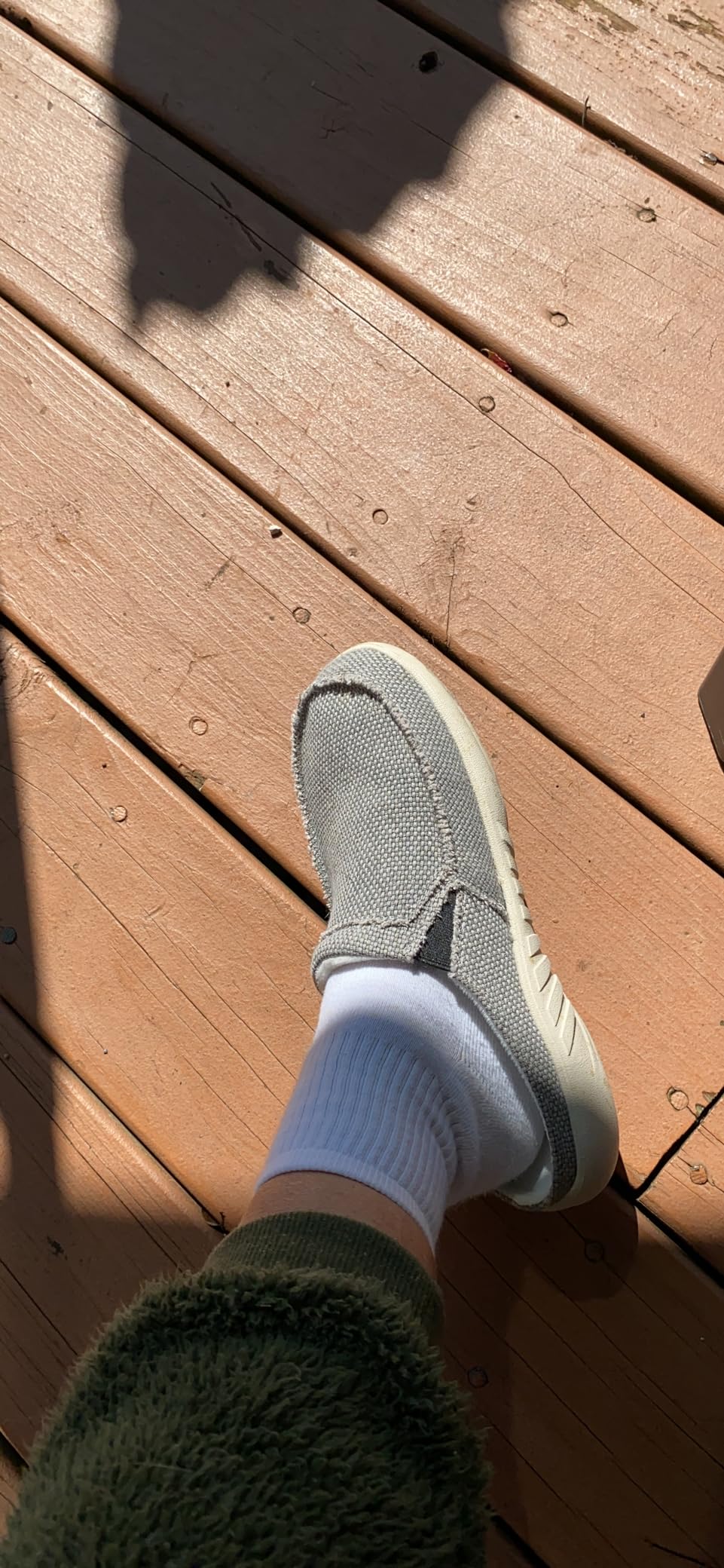
The newer WALK·HERO men’s breathable slipper launched in mid-2024, and it’s the best warm-weather option in our lineup. The orthotic arch support and deep heel cup match what the brand is known for, but the breathable checkered nylon upper is the difference-maker for anyone whose feet overheat in fuzzy slippers.
Wearing these on a 85-degree day was a completely different experience from the other slippers on this list. Air moves through the upper instead of getting trapped against plush lining, and my feet stayed dry through an entire afternoon of errands. The elastic adjustable instep keeps the slipper locked to the foot even when you skip socks, which solves the backless-slipper slide-off problem.
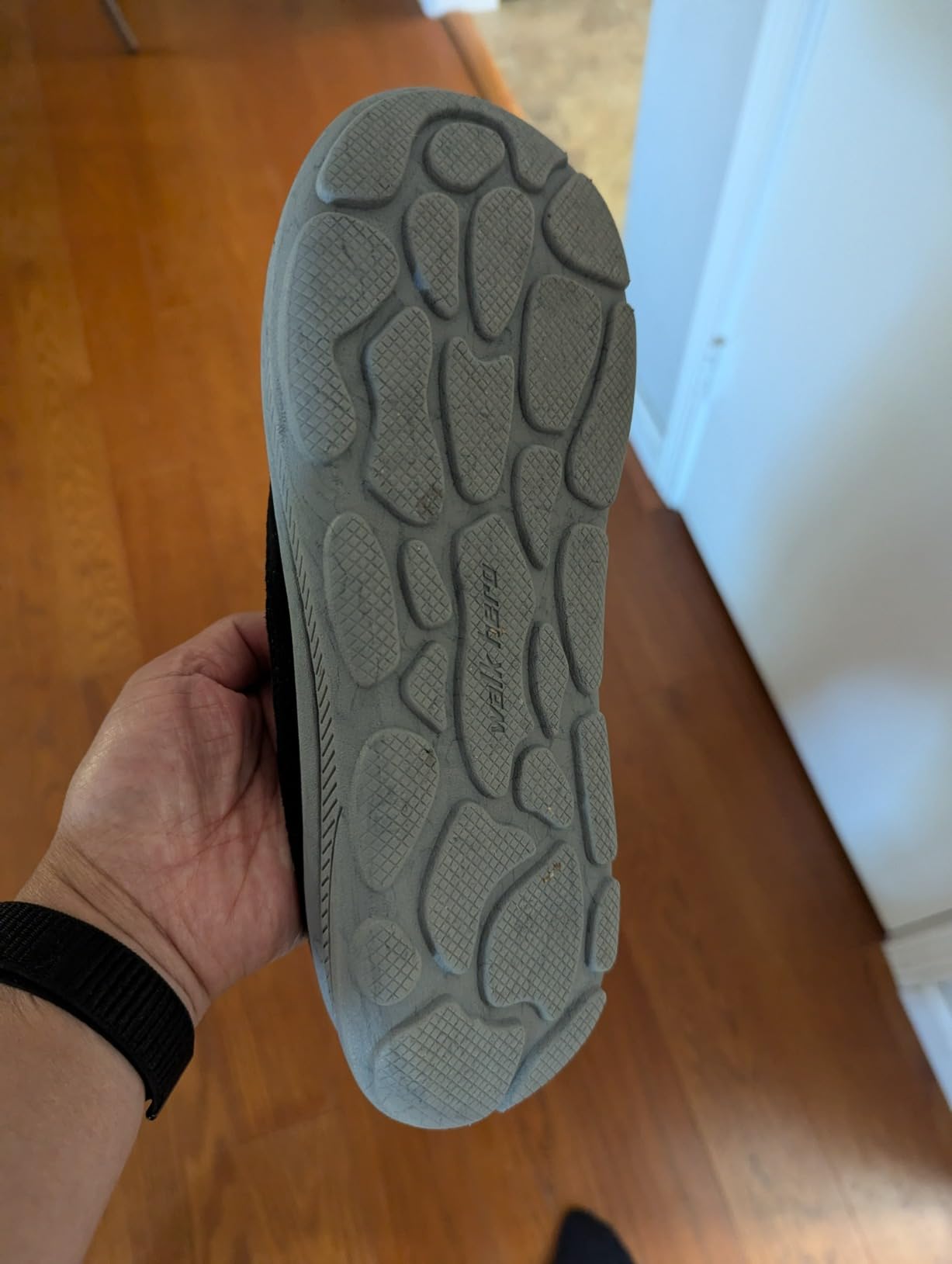
The lightweight EVA outsole absorbs shock without the bulk of a rubber outsole, which makes these slippers feel closer to an athletic recovery shoe than a house slipper. The wide toe box gives toes room to splay, which is a plus for anyone with bunions or wider feet. Early ratings are strong across the board, with most owners calling out the breathability as the headline feature.
The honest caveat: this is a newer product, so long-term durability data is still building. With only a few hundred reviews, we don’t have the same five-year picture we have for the other WALK·HERO models. A handful of owners have also reported the elastic instep loosening after several months of daily wear, though the brand’s customer service has been responsive on replacements.
Who this slipper is good for
Men in warm climates or anyone whose feet overheat in plush slippers will get the most out of this breathable option. It’s also a great recovery slipper to rotate in after workouts or long days on your feet.
Who should skip this slipper
If you need cold-weather warmth, the breathable nylon upper won’t deliver it. Anyone who wants the longest track record of durability should pick the original WALK·HERO men’s slipper, which has tens of thousands of reviews behind it.
What to Look for in Slippers for Plantar Fasciitis
After testing eight pairs and reading hundreds of owner reviews, the differences between good and bad slippers for plantar fasciitis come down to seven concrete features. Here’s what our team checks before recommending a pair.
Arch support: soft cushioning vs firm orthotic
The biggest decision is whether you want a soft, cushioned slipper (like Oofos-style recovery shoes) or a firm orthotic slipper (like Vionic or Orthofeet). Reddit’s r/PlantarFasciitis community is split, and the answer depends on your pain pattern.
Firm orthotic slippers with contoured arch support tend to help more for classic heel pain and overpronation. Soft cushioned slippers tend to help more for general foot fatigue and post-workout recovery. If you have both, you can pair a firm orthotic slipper for daytime wear with a soft recovery slipper for evenings.
Deep heel cup and heel cradle
A deep heel cup is the feature most people underestimate. It cradles the heel bone so the fat pad stays underneath it, which directly reduces first-step morning pain. Look for a visible ridge or contour around the heel — not just a flat footbed with arch support. Every slipper on this list has one.
Cushioning and shock absorption
Cushioning matters, but contour matters more. A thick foam pad that doesn’t have a contoured shape just lets your arch collapse into the foam. Multi-layer cushioning (EVA plus memory foam, or EVA plus rubber) gives you the shock absorption without losing the orthotic structure.
Removable insole for custom orthotics
If you already wear custom orthotics or aftermarket insoles, a removable footbed is non-negotiable. Most premium slippers (Orthofeet, WALK·HERO) have removable insoles, while budget fuzzy slippers often glue the foam in.
Stackable insoles are an underrated strategy: a slipper with a removable footbed lets you swap in your own insert if the included one wears out.
Materials and seasonality
Faux fur, fleece, and shearling linings are warm but trap heat. Breathable mesh, nylon, and canvas uppers breathe but won’t keep you warm in January. Plan your primary slipper around your climate, and consider a second pair for the off-season. For more on cold-weather foot pain relief, our guide to the best shiatsu foot massagers for plantar fasciitis covers complementary recovery tools.
Indoor/outdoor outsole
A rubber or TPR outsole with a tread pattern means you can wear the slipper out to the mailbox, take the dog out, or step onto a wet porch without slipping. Most of the slippers on this list qualify. Flat fabric or leather soles fail this test, and they’re the most common cause of household slips.
What to avoid: flat slippers and going barefoot
The single biggest mistake people with plantar fasciitis make at home is wearing flat, unsupportive slippers — or worse, going barefoot. Hard floors force the arch to collapse with every step, which is exactly the motion that inflames the plantar fascia.
If you take one piece of advice from this guide, it’s this: replace every flat slipper in your closet with a contoured, arch-supported pair. Combining your slippers with one of the best massage guns for plantar fasciitis for nightly foot release is a useful stacking strategy that many chronic sufferers swear by.
Frequently Asked Questions
What kind of slippers are best for plantar fasciitis?
The best slippers for plantar fasciitis combine three features: a contoured arch support that matches your foot’s shape, a deep heel cup that cradles the calcaneus, and a cushioned footbed that absorbs shock without bottoming out. Removable insoles, indoor/outdoor rubber outsoles, and adjustable straps (for swelling) are bonus features worth prioritizing.
Can slippers help plantar fasciitis?
Yes. Supportive slippers reduce strain on the plantar fascia by keeping the arch propped up and the heel neutral during every step at home. Most chronic sufferers notice a meaningful drop in first-step morning pain within the first 1-2 weeks of consistent wear. Slippers are not a cure, but they are one of the highest-impact changes you can make to your daily routine.
Is it better to wear slippers or go barefoot with plantar fasciitis?
Wearing supportive slippers is significantly better than going barefoot. Walking barefoot on hard floors lets the arch collapse and the plantar fascia overstretch, which is exactly the motion that triggers inflammation. A contoured slipper keeps your foot in a neutral, cushioned position all day at home and is the single most recommended change by podiatrists and the r/PlantarFasciitis community.
Do podiatrists recommend slippers for plantar fasciitis?
Most podiatrists recommend wearing supportive house shoes rather than going barefoot, and many recommend specific orthotic slippers (Orthofeet, Vionic, Birkenstock) for patients with chronic plantar fasciitis. The brand matters less than the features: contoured arch support, a deep heel cup, removable insoles, and a sturdy outsole. Avoid any slipper that is flat, floppy, or has no arch contour.
Are slipper boots good for plantar fasciitis?
Slipper boots can be good for plantar fasciitis if they have a built-in orthotic footbed, a deep heel cup, and a sturdy outsole. Many fuzzy slipper boots are flat and unsupportive, which makes them worse than going barefoot. Look for boot-style slippers from Orthofeet, Vionic, or similar orthopedic brands rather than generic fashion slipper boots.
How long does it take for plantar fasciitis to heal?
Most cases of plantar fasciitis improve significantly within 3-6 months with consistent conservative care: supportive slippers, stretching, ice, and the right shoes for outside the home. Chronic cases can take 6-12 months or longer. If pain has not improved after 2-3 weeks of supportive slipper use and daily stretching, see a podiatrist for evaluation and possible custom orthotics, night splints, or other interventions.
Final Verdict
After comparing eight top-rated options, the WALK·HERO Men’s Slippers with Arch Support take our top spot as the best slippers for plantar fasciitis in 2026 for their unmatched combination of real orthotic structure, non-slip traction, and over 30,000 owner reviews backing the relief. The SOLLBEAM Women’s Fuzzy Orthopedic Slippers are the best value pick for warmth and adjustability, while the ADAX Women’s Wide Slippers are the budget buy for anyone who wants real arch support without paying a premium.
If you only do one thing this week, replace every flat slipper in your closet with a pair from this list. Pair that change with a nightly routine using one of our recommended massage guns or foot massagers, and you’ll give your plantar fascia the best shot at healing in 2026.