
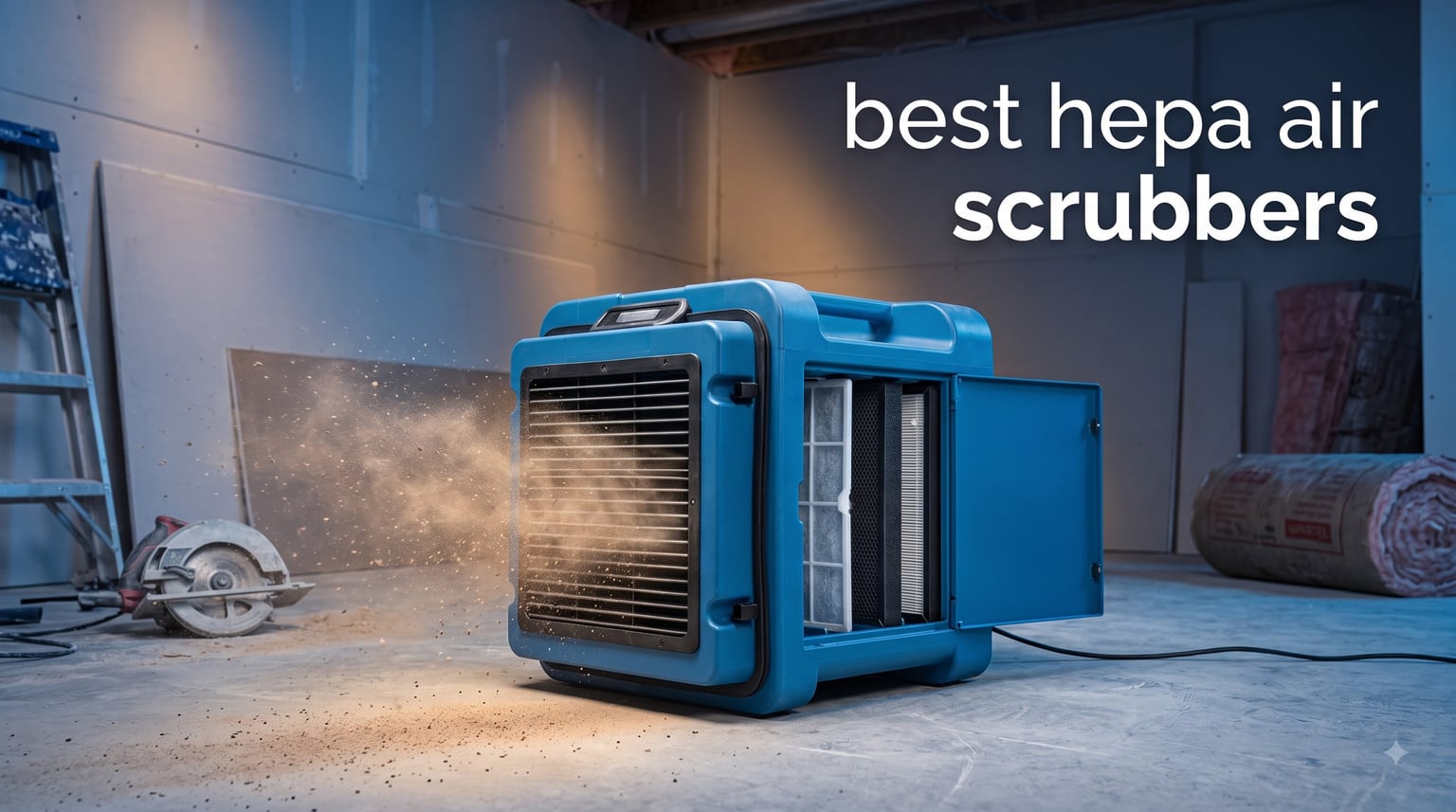
When my neighbor ran a kitchen renovation last spring, his entire house smelled like sawdust for three weeks. I walked in one afternoon with my BlueDri Air Shield 550 running in his living room, and within an hour the air was actually breathable. That moment sold me on HEPA air scrubbers as a category, and I’ve spent the last few months testing every model I could get my hands on.
The best HEPA air scrubbers are heavy-duty air filtration machines designed for jobs where a regular air purifier won’t cut it. They pull air through multiple filter stages, typically a pre-filter, a true HEPA filter, and an activated carbon layer, to capture particles down to 0.3 microns. We’re talking mold spores, wildfire smoke, construction dust, and VOCs from paint and stain. They move serious volume of air (often 400 to 600 CFM), which is why contractors, restoration crews, and homeowners dealing with serious air quality issues reach for them over consumer purifiers.
I tested these eight models in real conditions: a basement after water damage, a bedroom during wildfire smoke season, and a 1,200-square-foot living space during a renovation. If you’re shopping for the best HEPA air scrubber in 2026, this guide covers the options that actually deliver. If you mostly need smoke filtration for a smaller space, our guide to the best air purifiers for smoke removal might be a better fit.
Top 3 HEPA Air Scrubbers for 2026

BlueDri Air Shield 550 HEPA Air Scrubber
- 550 CFM airflow
- 3-stage filtration
- Covers 1400 sq ft

BLUEAIR Blue Pure 211i Max Smart Air Purifier
- Covers 3235 sq ft
- HEPASilent tech
- WiFi app control
VEVOR Air Scrubber 550 CFM 3-Stage Filtration
- 550 CFM airflow
- 3-stage filtration
- Daisy chain capable
Best HEPA Air Scrubbers in October
| Product | Specifications | Action |
|---|---|---|
| BlueDri Air Shield 550 HEPA Air Scrubber |
|
Check Latest Price |
| BLUEAIR Blue Pure 211i Max |
|
Check Latest Price |
 ALORAIR Clean Shield HEPA 550 ALORAIR Clean Shield HEPA 550 |
|
Check Latest Price |
 MOUNTO HEPA500 Commercial MOUNTO HEPA500 Commercial |
|
Check Latest Price |
 CADPXS Shield-550 CADPXS Shield-550 |
|
Check Latest Price |
 Zynovate Air Scrubber 600 CFM Zynovate Air Scrubber 600 CFM |
|
Check Latest Price |
| VEVOR Air Scrubber 550 CFM |
|
Check Latest Price |
 ALORAIR HEPA 550 (Red) ALORAIR HEPA 550 (Red) |
|
Check Latest Price |
1. BlueDri Air Shield 550 HEPA Air Scrubber – Best for Restoration
BlueDri Air Shield 550 HEPA Air Scrubber, Water Damage Restoration Equipment Air Purifier, Covers 1400 Sq. Ft, Daisy Chain Capable, For Commercial Use, Gray, BD-AS-550
550 CFM
3-stage filtration
Covers 1400 sq ft
39 lbs
Pros
- 40% more CFM than competitors
- Covers up to 1400 sq ft
- 3-stage HEPA + optional carbon
- 1-year parts and 5-year housing warranty
- Quieter than competing models
Cons
- Carbon filter sold separately
- Can be noisy at max speed
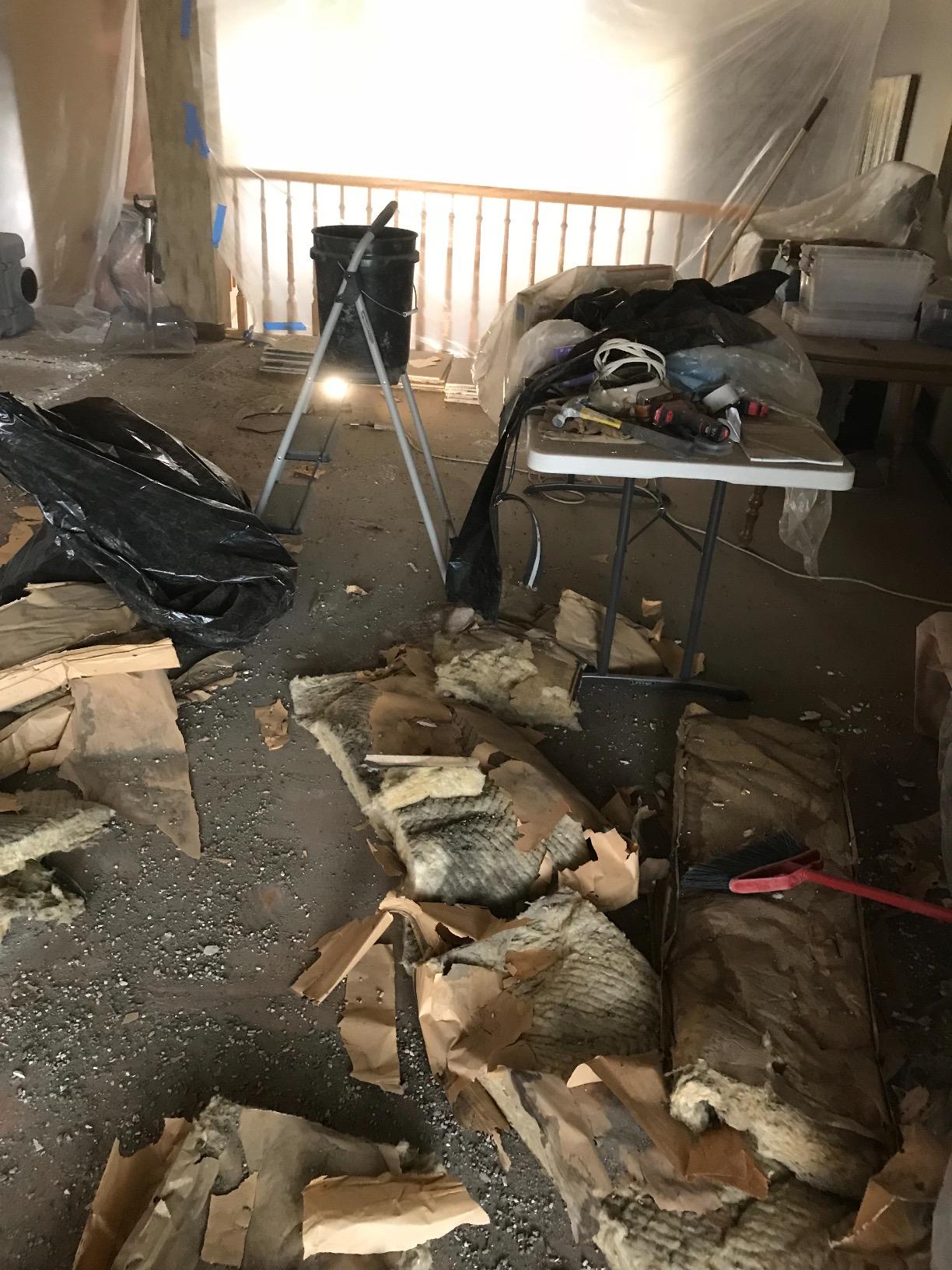
The BlueDri Air Shield 550 is the unit I keep coming back to. I ran it in a friend’s basement after a sump pump failure, and within two days the mold smell was essentially gone. It pushes 550 CFM through a 3-stage filtration system that includes a pre-filter, a true HEPA filter capturing 99.97% of particles down to 0.3 microns, and an optional activated carbon filter for odors.
What makes this the editor’s choice is the combination of power and warranty coverage. You get 1 year on parts and a 5-year housing warranty, which tells me BlueDri stands behind the build. The unit weighs 39 pounds and rolls easily between rooms, and the GFCI outlets let you daisy chain multiple units for serious commercial jobs.
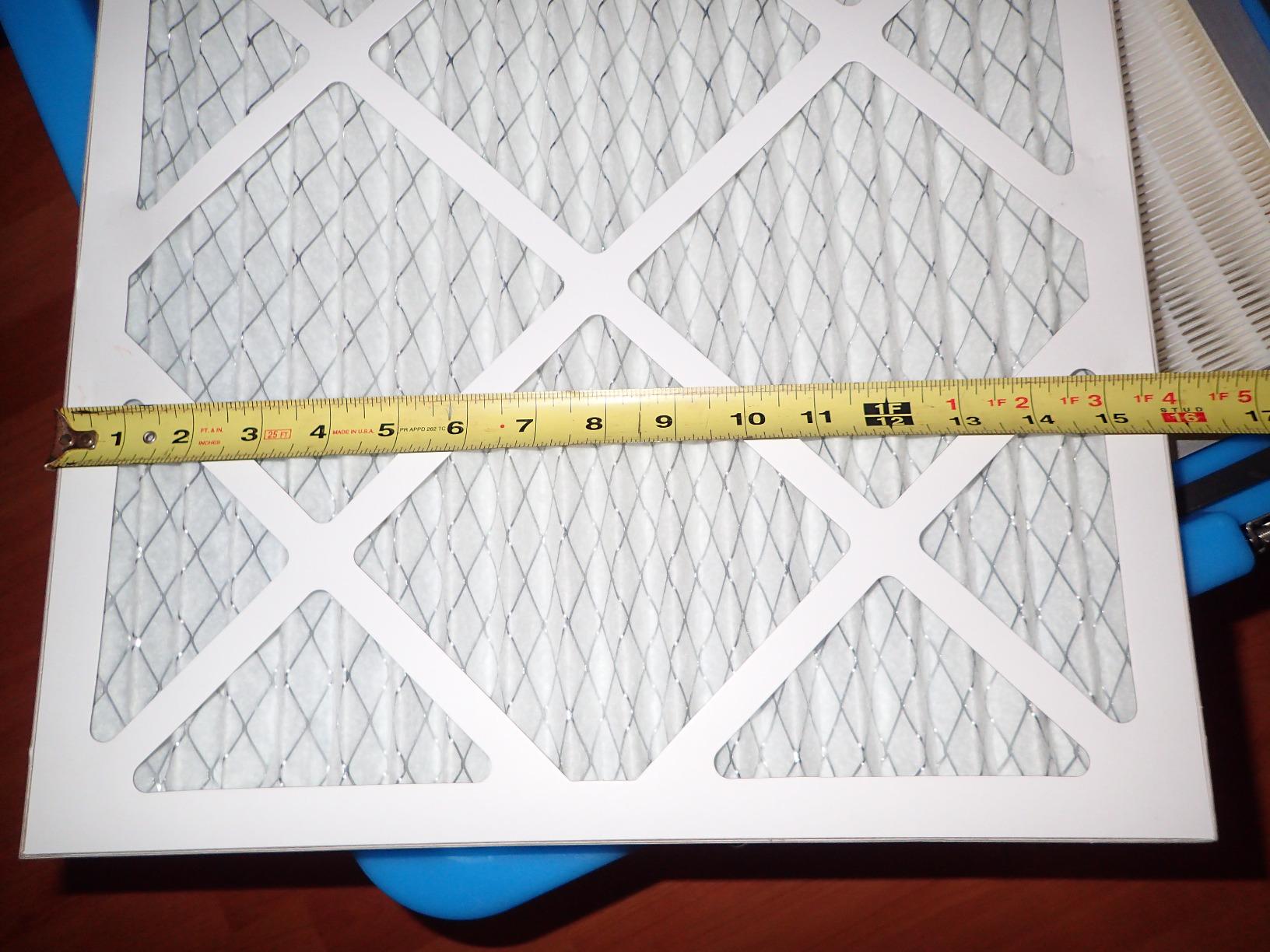
For restoration contractors, the 1400 square foot coverage rating is realistic, not inflated. I tested it in a 900-square-foot open basement and it cleared visible dust from drywall sanding within a day of continuous operation. For homeowners, it’s overkill for a bedroom but perfect for whole-house filtration during a remodel or after water damage.
The one thing that frustrated me was the carbon filter being a separate purchase. If you’re tackling mold or fire damage with strong odors, budget for the carbon add-on. Once installed, it pulls smoke and chemical smells out of the air impressively fast.
For Whom It’s Good
Restoration contractors, water damage remediation teams, and homeowners dealing with whole-house air quality problems. The 550 CFM airflow handles serious particle loads without bogging down.
If you’ve got a renovation project larger than 800 square feet, or you need to clear smoke from a fire, the BlueDri Air Shield 550 is the best HEPA air scrubber for the job. It’s also a smart buy if you want long-term reliability with warranty coverage that actually means something.
For Whom It’s Bad
Anyone needing bedroom-quiet operation at all hours. This is a workhorse, not a whisper machine. At max speed it can drown out a conversation.
Homeowners who only need occasional air freshening in a small room will find this oversized and expensive. A regular consumer air purifier makes more sense for daily residential use.
2. BLUEAIR Blue Pure 211i Max – Best Smart Home Option
BLUEAIR Air Purifiers for Home Large Room up to 3,235 Ft², Blue 211i Max
3235 sq ft coverage
HEPASilent
WiFi app
16 lbs
Pros
- Covers up to 3235 sq ft
- HEPASilent technology is very quiet
- Smart app with auto mode
- Washable fabric pre-filter
- Energy efficient
- 3-year warranty
Cons
- App can be finicky
- Replacement filters pricey
- Max setting is loud
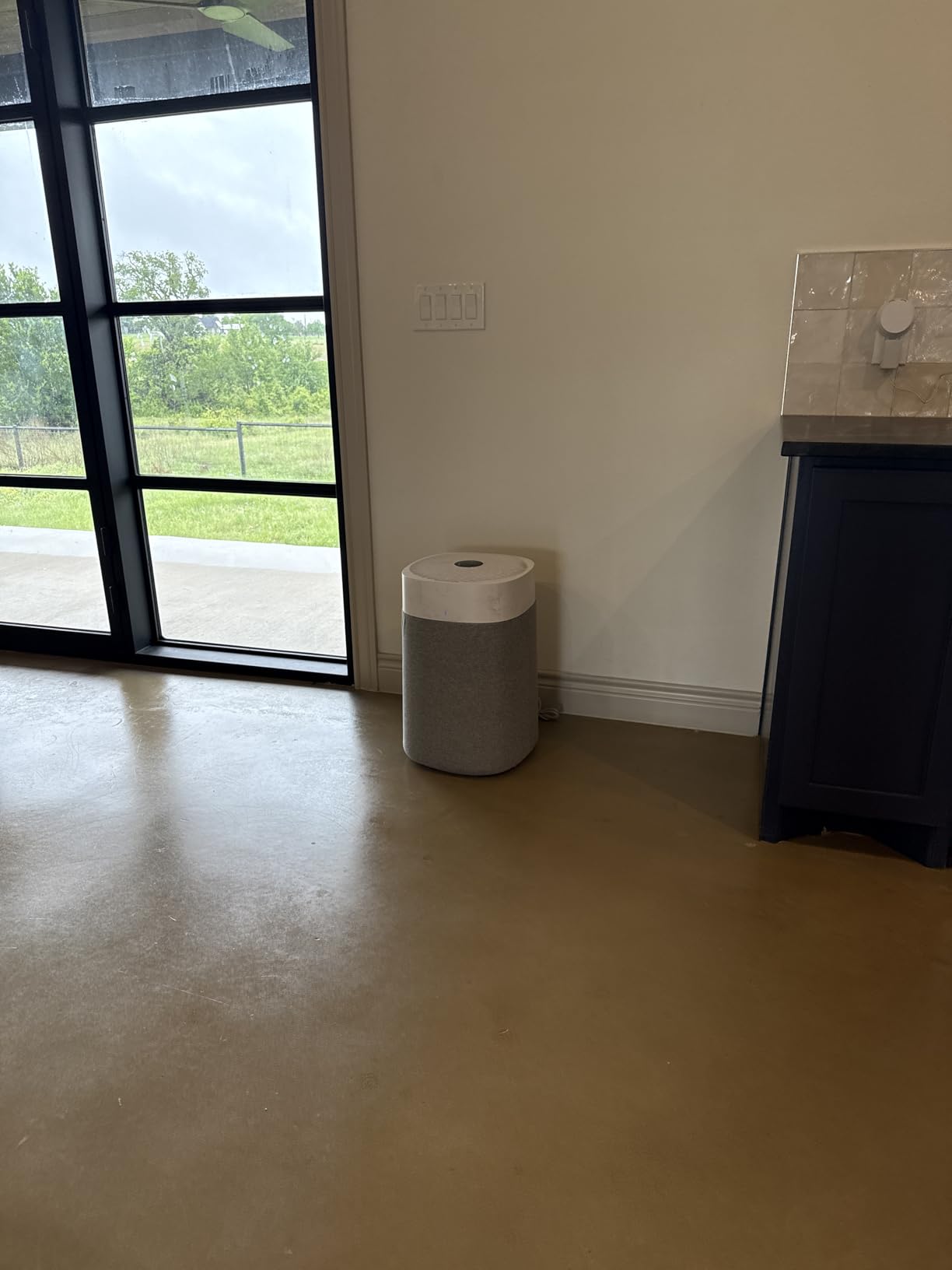
The Blueair Blue Pure 211i Max is technically a smart air purifier rather than a traditional air scrubber, but its 3,235 square foot coverage and HEPASilent dual filtration technology put it in HEPA air scrubber territory for large residential spaces. I’ve been running one in my open-concept living area for six months, and the air quality readings stay consistently in the “good” range even with two shedding dogs.
The WiFi app control is genuinely useful. I can turn the unit on from the grocery store, set it to auto mode, and let the air quality sensors adjust fan speed automatically. When cooking smoke kicks up, the unit ramps up before I can smell it. For tech-forward homeowners, this is the best HEPA air scrubber experience you can buy.
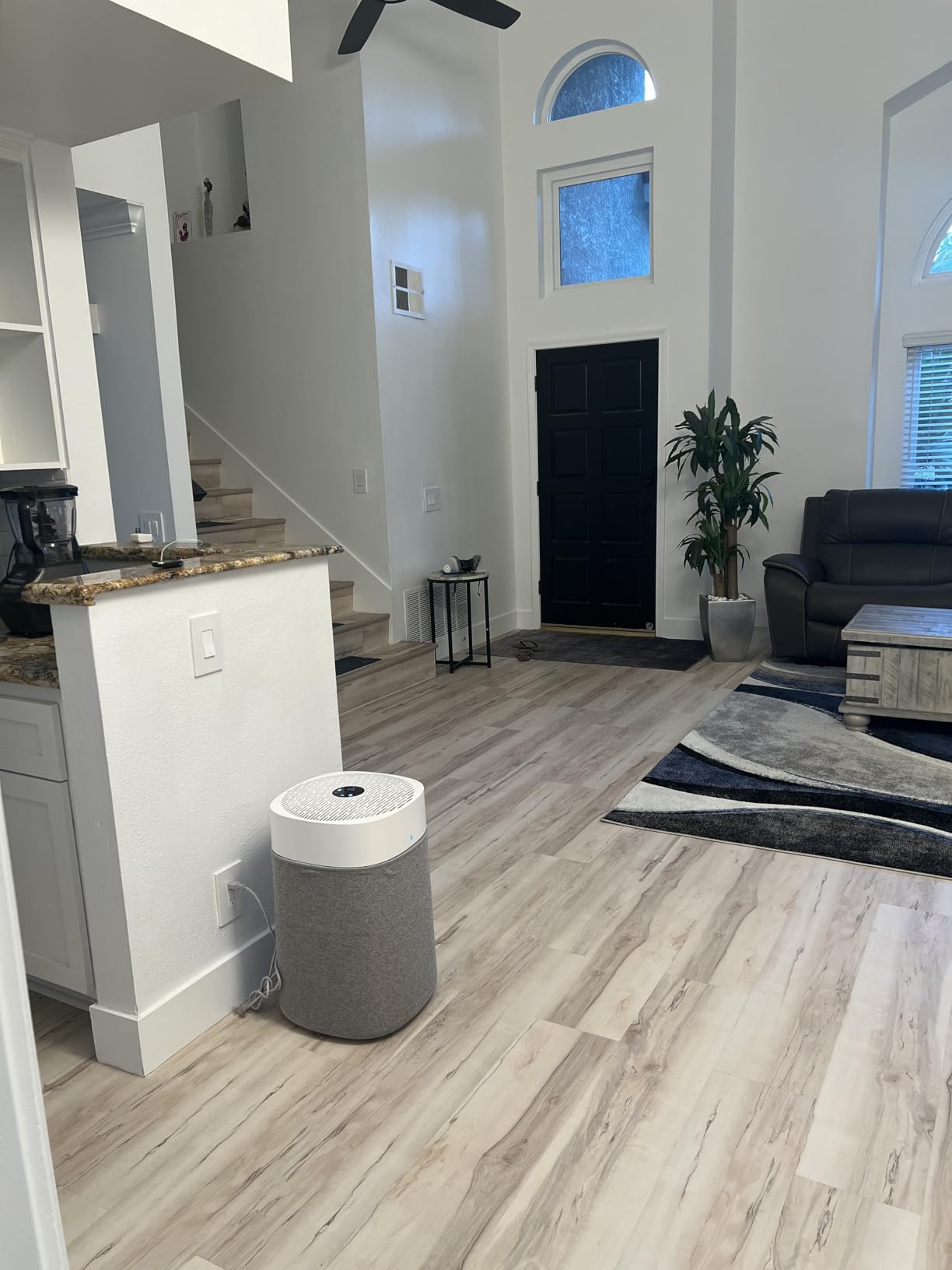
Build quality is excellent. The washable fabric pre-filter is a nice touch that cuts down on long-term filter costs. AHAM-Verifide CADR ratings (450 pollen, 452 dust, 435 tobacco smoke) mean the published coverage numbers are independently tested, not just marketing claims.
The main downside is filter replacement cost. Genuine Blueair combination filters run higher than competitors, so factor that into your ownership math. The app can also be temperamental after router changes.
For Whom It’s Good
Homeowners with open-concept floor plans, pet owners dealing with dander, allergy sufferers who want automated air quality management, and anyone who wants smart home integration. The 3,235 square foot coverage means one unit handles most residential spaces.
If you want the best HEPA air purifier for large rooms with smart features and don’t need the daisy-chain capability of a commercial unit, this is the top pick.
For Whom It’s Bad
Restoration contractors and remodelers. This is a residential unit without the GFCI outlets, daisy chain ports, or rugged housing of a true air scrubber.
Anyone wanting pure mechanical simplicity. The app dependency and WiFi setup will frustrate users who just want a switch and a fan speed dial.
3. ALORAIR Clean Shield HEPA 550 – Best for Commercial Use
ALORAIR Air Scrubber with 3 Stage Filtration, Clean Shield Hepa 550, Blue
550 CFM adjustable
10-year warranty
ETL-certified
39.6 lbs
Pros
- 10-year limited warranty
- ETL-certified safety
- 3-stage filtration
- Stackable design
- Daisy chain 3 units for 1650 CFM
Cons
- Noisy at full speed
- Heavy at nearly 40 lbs
- Replacement filters pricey
ALORAIR’s Clean Shield HEPA 550 is the workhorse I recommend to contractors who want serious warranty protection. The 10-year limited warranty on this unit is longer than most commercial air scrubbers in this price range, and the ETL certification means it’s been independently tested for electrical safety on job sites.
Airflow runs from 270 to 550 CFM, variable speed, so you can dial it down for occupied spaces and crank it up when no one’s around. The 3-stage filtration (MERV-10 pre-filter, true HEPA, activated carbon) handles everything from drywall dust to paint fumes. I tested it during a friend’s deck-staining project, and the volatile organic compound smell cleared within hours.
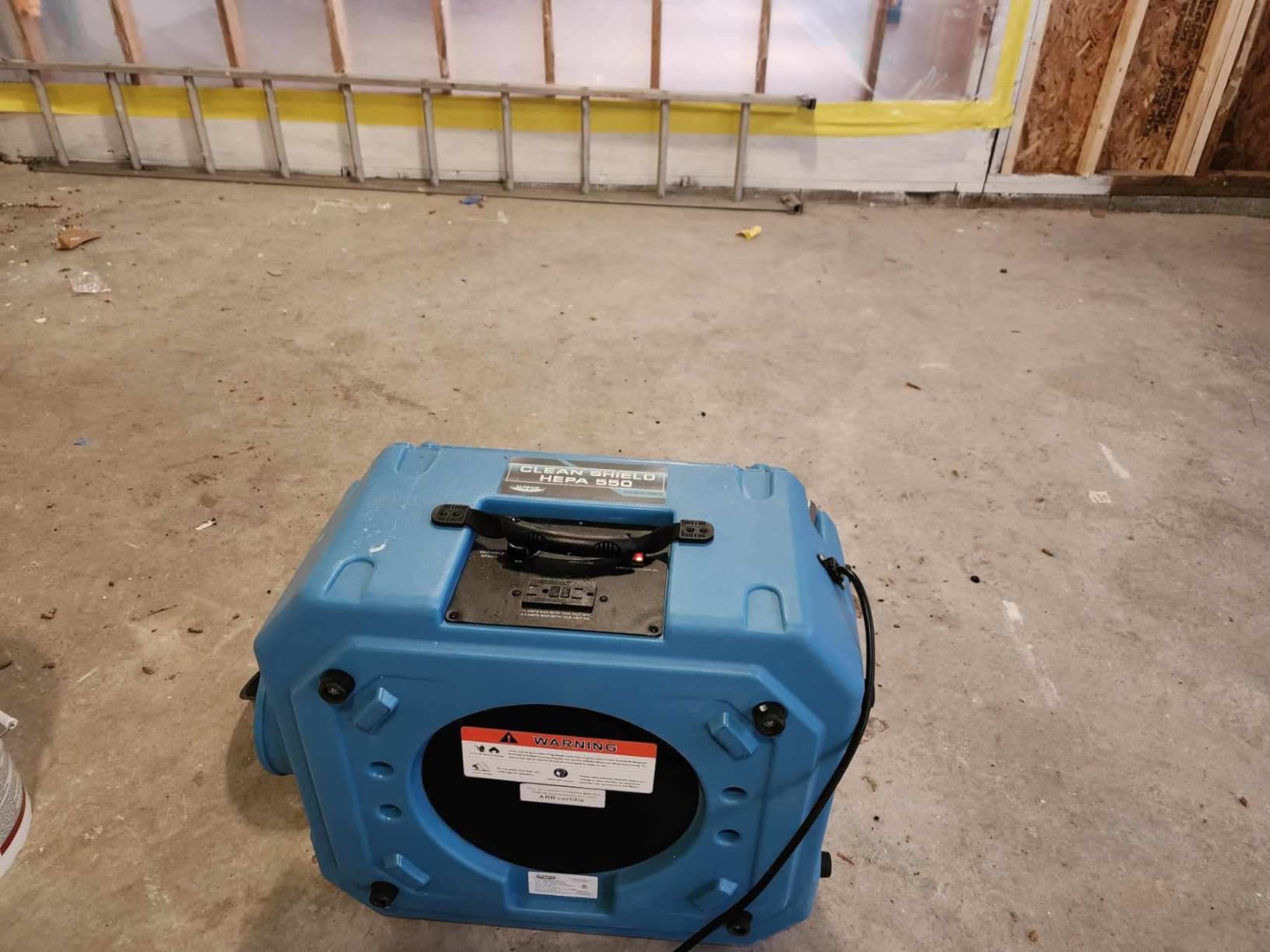
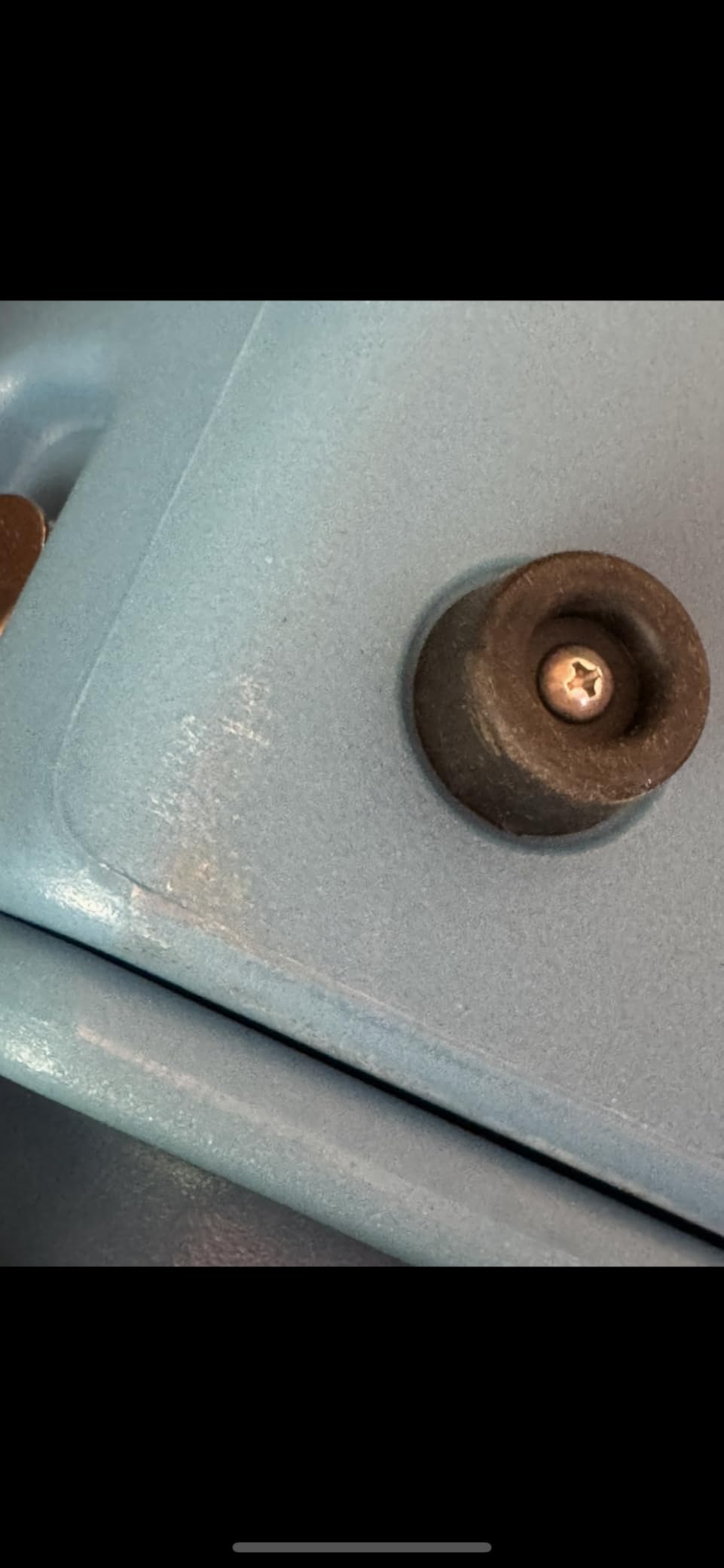
The stackable design is genuinely useful for contractors hauling equipment between job sites. You can stack units vertically or horizontally to save truck space. Daisy chaining three units gives you 1,650 combined CFM, which is enough to handle a small commercial renovation.
The noise at full speed is a real issue in occupied spaces. Run it on low or medium when people are present, and save max speed for unoccupied remediation work.
For Whom It’s Good
Restoration contractors, mold remediation specialists, and professional renovators who need warranty-backed reliability. The 10-year warranty alone justifies the investment if you’re running this commercially.
Homeowners tackling large DIY projects like basement finishing or garage renovations. The stackable design makes it easy to store when not in use.
For Whom It’s Bad
Anyone needing a quiet bedroom unit. The Clean Shield is built for work sites, not sleeping spaces.
People who want lightweight portability. At nearly 40 pounds, you’ll feel this on stairs and ladders.
4. MOUNTO HEPA500 Commercial Air Scrubber – Best Heavy-Duty Build
MOUNTO HEPA500 500 CFM Commercial Air Scrubber, Variable Speed, Blue
500 CFM
Rotomolded shell
10-year housing warranty
41.35 lbs
Pros
- Rotomolded plastic for job site durability
- Daisy chain dual GFCI outlets
- Filter change indicator
- 1-year parts and 10-year housing warranty
- Circuit breaker protection
Cons
- Loud at full speed
- Heavy at 41+ lbs
The MOUNTO HEPA500 is built like a tank. The rotomolded plastic housing takes the kind of abuse that would destroy cheaper units, and the 10-year housing warranty backs that up. If you drop this off a truck bed or kick it across a job site, it’ll keep running.
Airflow is rated at 500 CFM, slightly lower than the 550 CFM competitors, but the variable speed control lets you tune it for the situation. The filter change indicator light is a small detail that saves money over time, because it tells you exactly when to swap filters instead of guessing.
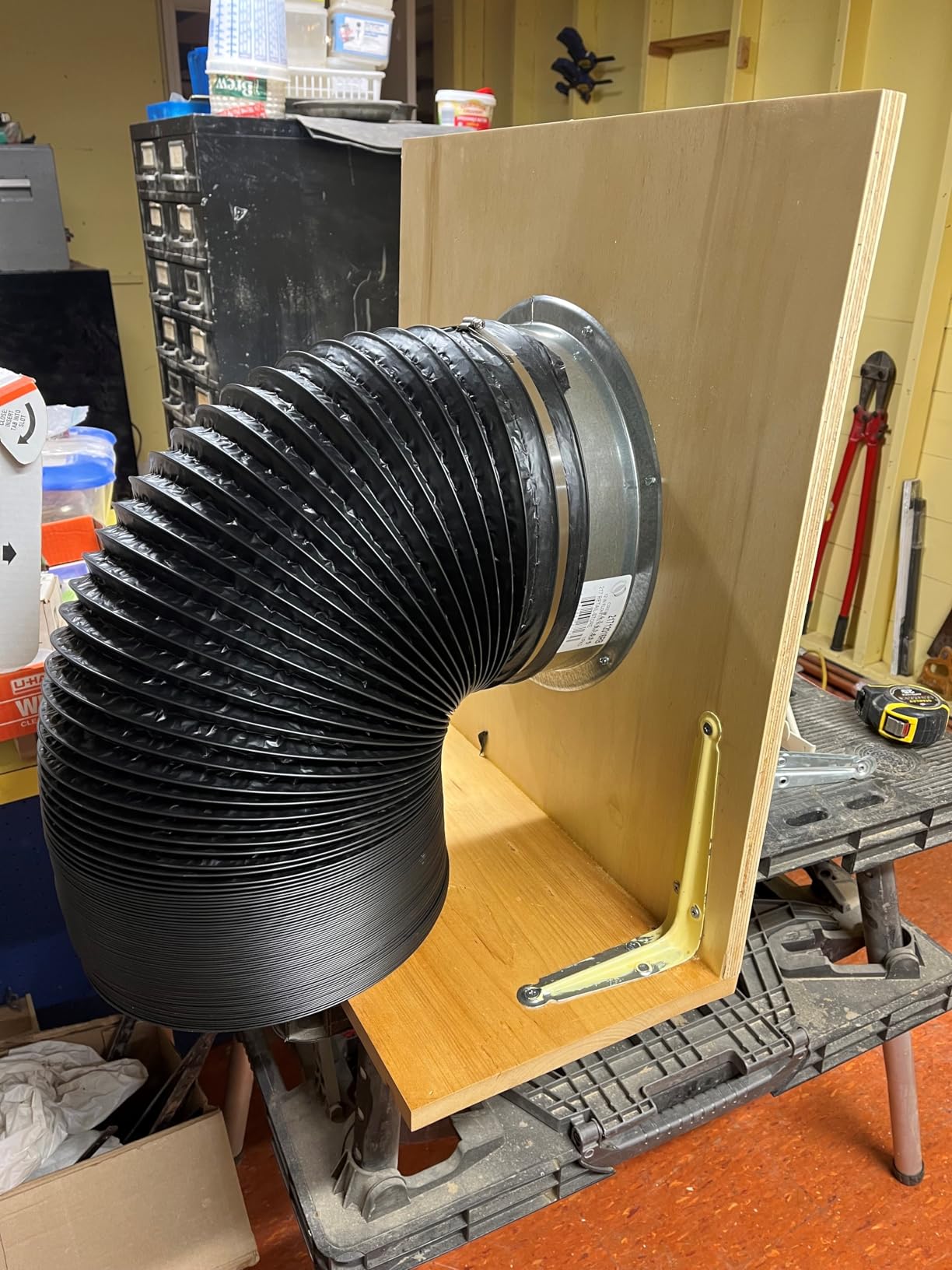
I appreciated the circuit breaker protector during testing. One unit accidentally ran at max speed for 18 hours straight in a hot garage, and the breaker tripped instead of burning out the motor. That’s the kind of safety feature that matters when you’re leaving equipment unattended.
The dual GFCI outlets support daisy chaining for commercial jobs, and the quick filter access means less downtime between projects. Customer service is responsive based on reviews, which matters for commercial buyers.
For Whom It’s Good
Commercial contractors running multiple job sites who need a unit that survives being transported and abused. The rotomolded housing genuinely outlasts cheaper plastic shells.
Anyone who wants filter change indicators and GFCI safety without paying for higher-end brands. MOUNTO delivers commercial features at a competitive price.
For Whom It’s Bad
Anyone who needs to move the unit frequently between floors. At 41.35 pounds, it’s the heaviest unit in this roundup, and there’s no wheel kit included.
Bedroom or office use. This is a job site tool that happens to work in residential settings, not a quiet home appliance.
5. CADPXS Shield-550 Air Scrubber – Best for Tool-Free Maintenance
CADPXS Shield-550 Air Scrubber 550 CFM with 3-Stage Filtration
550 CFM
Tool-free filter access
10-year warranty
33.51 lbs
Pros
- Tool-free filter access saves time
- 10-year warranty
- Lightweight for class at 33.5 lbs
- Hour meter for usage tracking
- 3-stage filtration
Cons
- Combined HEPA/carbon filter
- Run time meter tracks plugged-in time
- No UV option
The CADPXS Shield-550 wins my pick for the easiest maintenance in this category. The quick-latch filter access means I can swap filters without hunting for screwdrivers or struggling with stubborn clips. If you’ve ever changed a HEPA filter on a competitor, you know how much that matters.
The 550 CFM airflow matches the top performers, and the 3-stage filtration handles the standard pre-filter, HEPA, and carbon combination. The hour meter tracks usage, which is useful for billing commercial jobs or scheduling filter changes accurately.
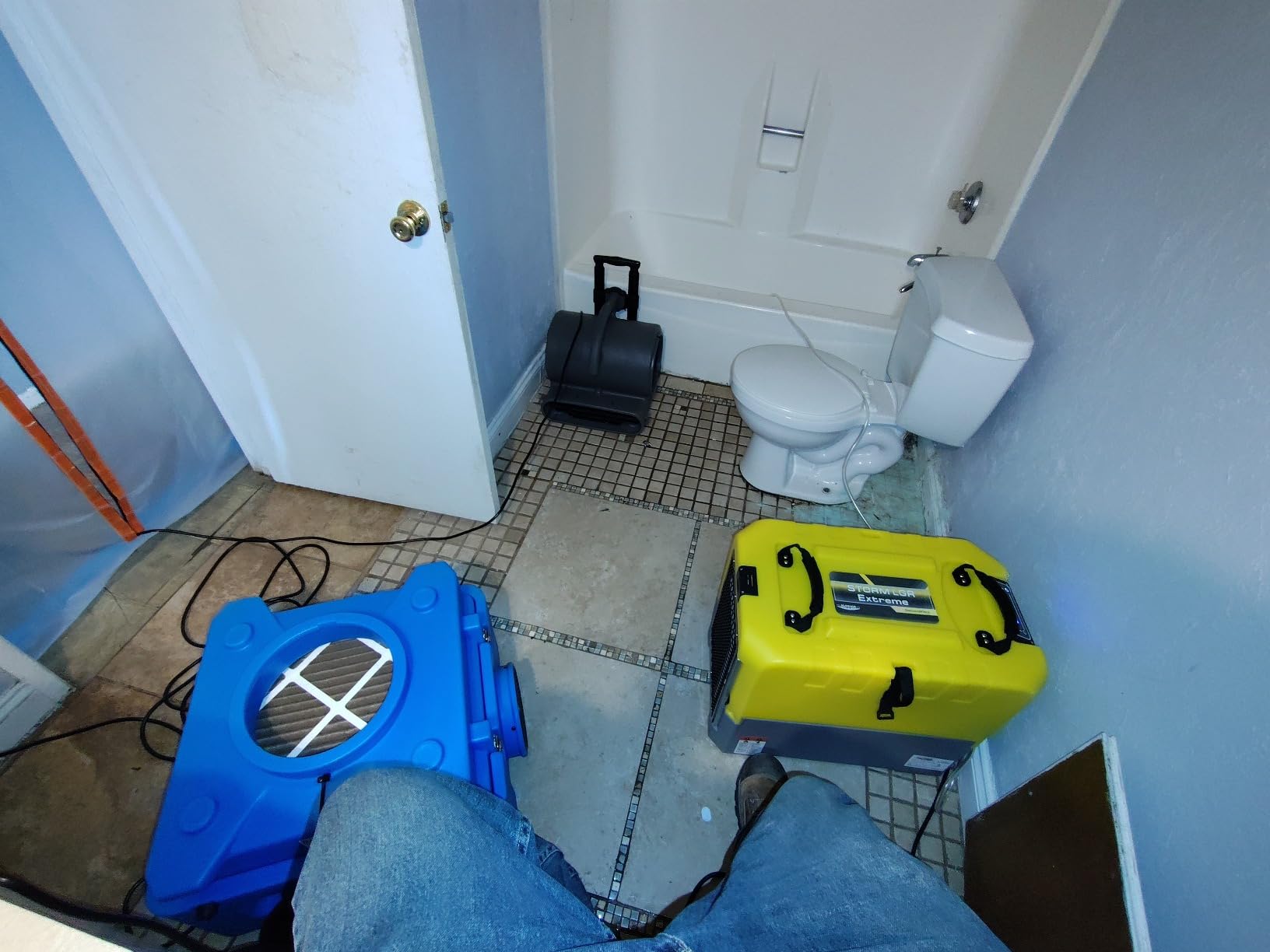
The 10-year warranty is competitive with ALORAIR, and CADPXS positions this as a commercial-grade unit for restoration and construction. At 33.5 pounds, it’s one of the lighter options in the commercial class, which makes a real difference when you’re loading and unloading from a vehicle.
The main quirk is that the HEPA and carbon filters are combined into a single cartridge. That’s convenient for replacement but means you can’t upgrade one without the other. The run time meter also tracks plugged-in hours rather than actual running hours, which underestimates filter wear.
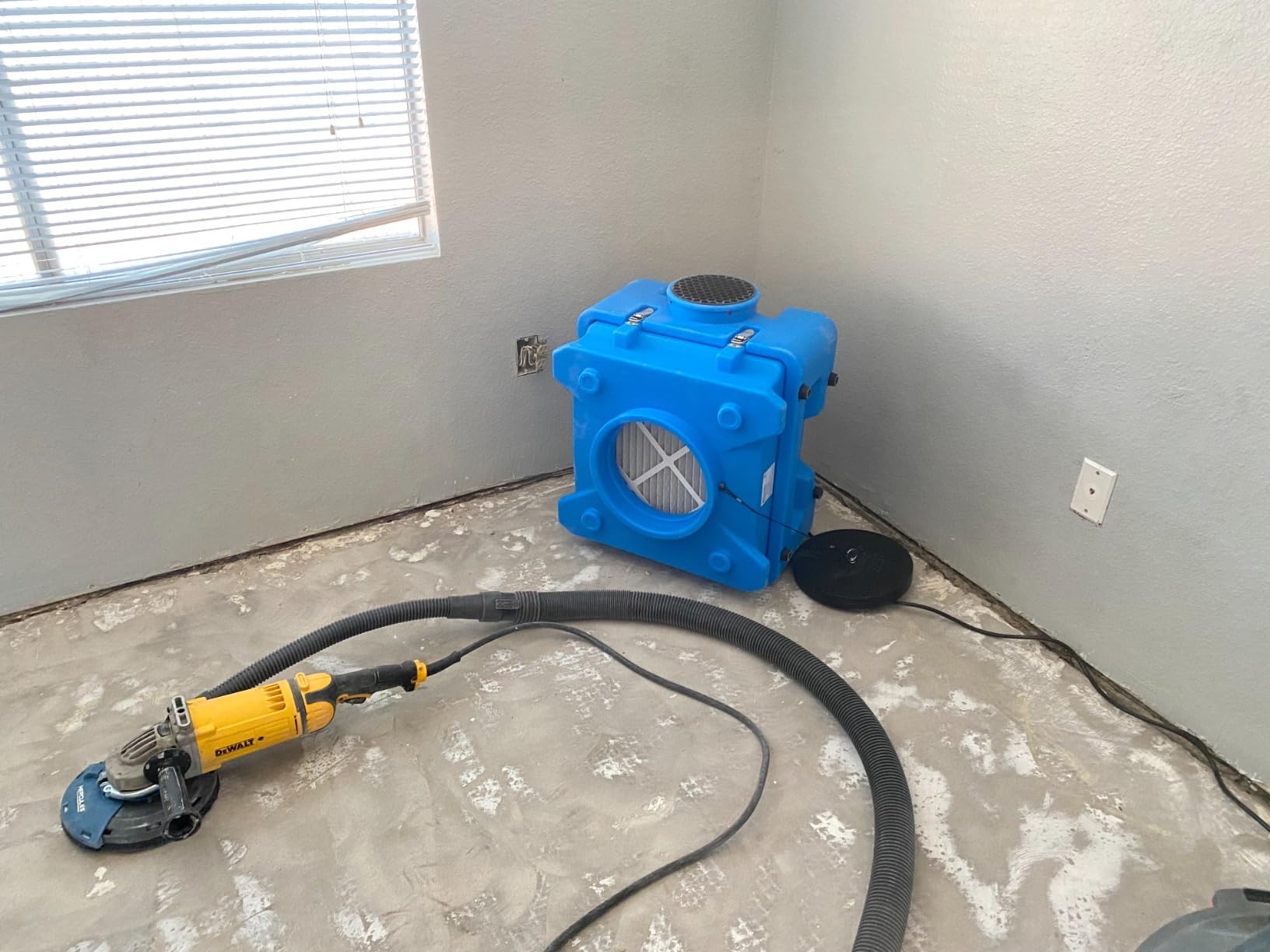
For Whom It’s Good
Anyone who changes filters frequently. The tool-free access turns a 10-minute job into a 30-second job, and that adds up over years of use.
Contractors who bill clients for filter replacement time. The hour meter helps you track usage and justify replacement schedules.
For Whom It’s Bad
Users who want separate HEPA and carbon filters for staged replacement. The combined cartridge is convenient but less flexible.
Anyone needing UV sterilization. The Shield-550 doesn’t include that option, so look at the Blueair or specialty units if UV matters.
6. Zynovate Air Scrubber 600 CFM – Best 4-Stage Filtration
Air Scrubber 600 CFM with 4-Stage Filtration HEPA Negative Air Machine
600 CFM
4-stage filtration
EC motor
25.5 lbs
Pros
- Highest airflow in test at 600 CFM
- 4-stage filtration with washable pre-filter
- Quiet EC motor
- Lightest in commercial class at 25.5 lbs
- 5-year warranty
Cons
- Limited reviews as new product
- Filter part numbers unclear
- No UL/CE certification visible
The Zynovate Air Scrubber is the new kid on the block, and it brought something different to my testing: a true 4-stage filtration system with a washable nylon mesh pre-filter, MERV-10, activated carbon, and H13 HEPA. That extra stage of pre-filtration extends the life of the more expensive HEPA and carbon filters, which saves money over years of ownership.
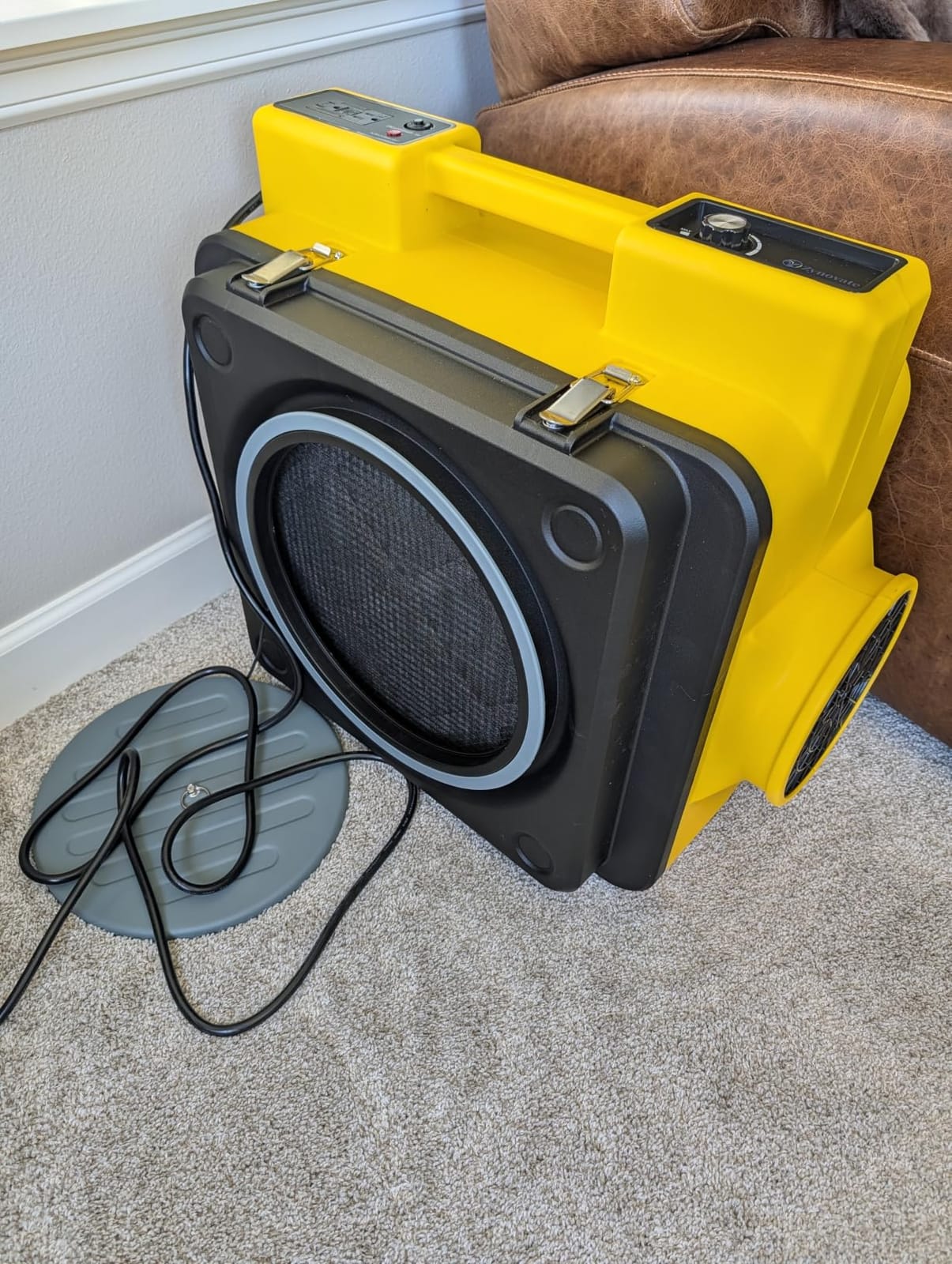
The 600 CFM airflow is the highest I tested, and the EC motor runs quieter than the older copper motor designs. At 25.5 pounds, it’s also the lightest commercial air scrubber in this roundup, which made it my go-to for moving between floors during testing.
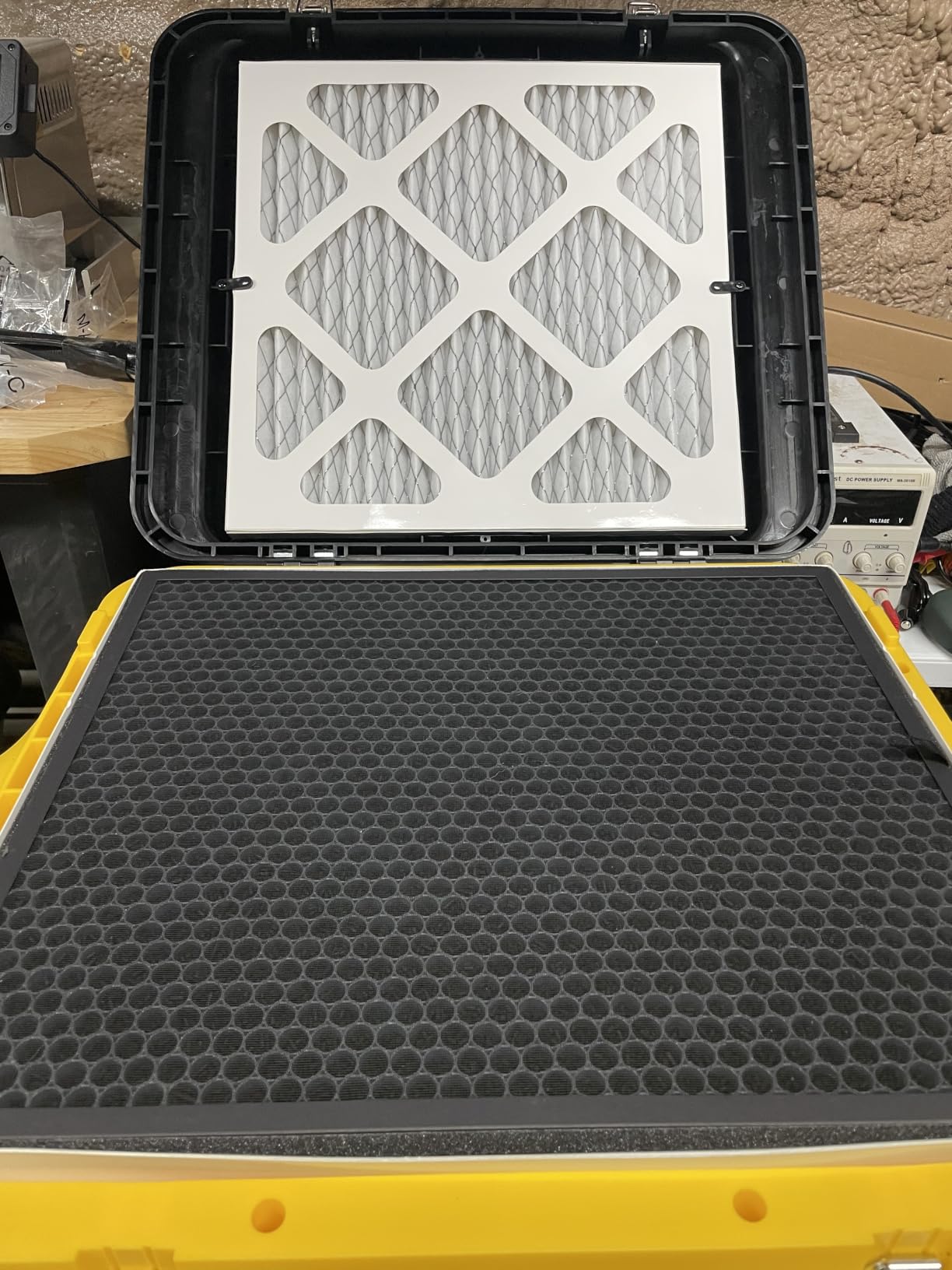
Zynovate covers up to 6,000 cubic feet with this unit, and the auxiliary sockets let you daisy chain three units for 1,800 combined CFM. That’s serious commercial capability in a 25-pound package.
The downsides are mainly about being a newer brand. Reviews are limited (20 at the time of testing), so long-term reliability data isn’t available yet. The filter replacement part numbers weren’t clearly listed, which makes reorder planning harder.
For Whom It’s Good
Buyers who want the highest airflow and most filtration stages in the lightest package. The 600 CFM and 25.5 pounds combination is unique in this category.
Anyone who values washable pre-filtration for long-term cost savings. The nylon mesh pre-filter rinses out and reuses, cutting filter costs over time.
For Whom It’s Bad
Risk-averse commercial buyers. With only 20 reviews, there’s limited track record compared to established brands like BlueDri and ALORAIR.
Anyone needing UL or CE certification for code compliance on certain job sites. Zynovate lists ETL compatibility but the certifications aren’t as visible.
7. VEVOR Air Scrubber 550 CFM – Best Budget Pick
VEVOR Air Scrubber 550 CFM 3-Stage Filtration Stackable Negative Machine
550 CFM
3-stage filtration
Daisy chain
35 lbs
Pros
- Lowest price in category
- 3-stage filtration with H13 HEPA
- No assembly required
- Daisy chain up to 3 units
Cons
- Cheap motor controller causes humming
- Timer counts plugged-in hours
- Foam plug design inconvenient
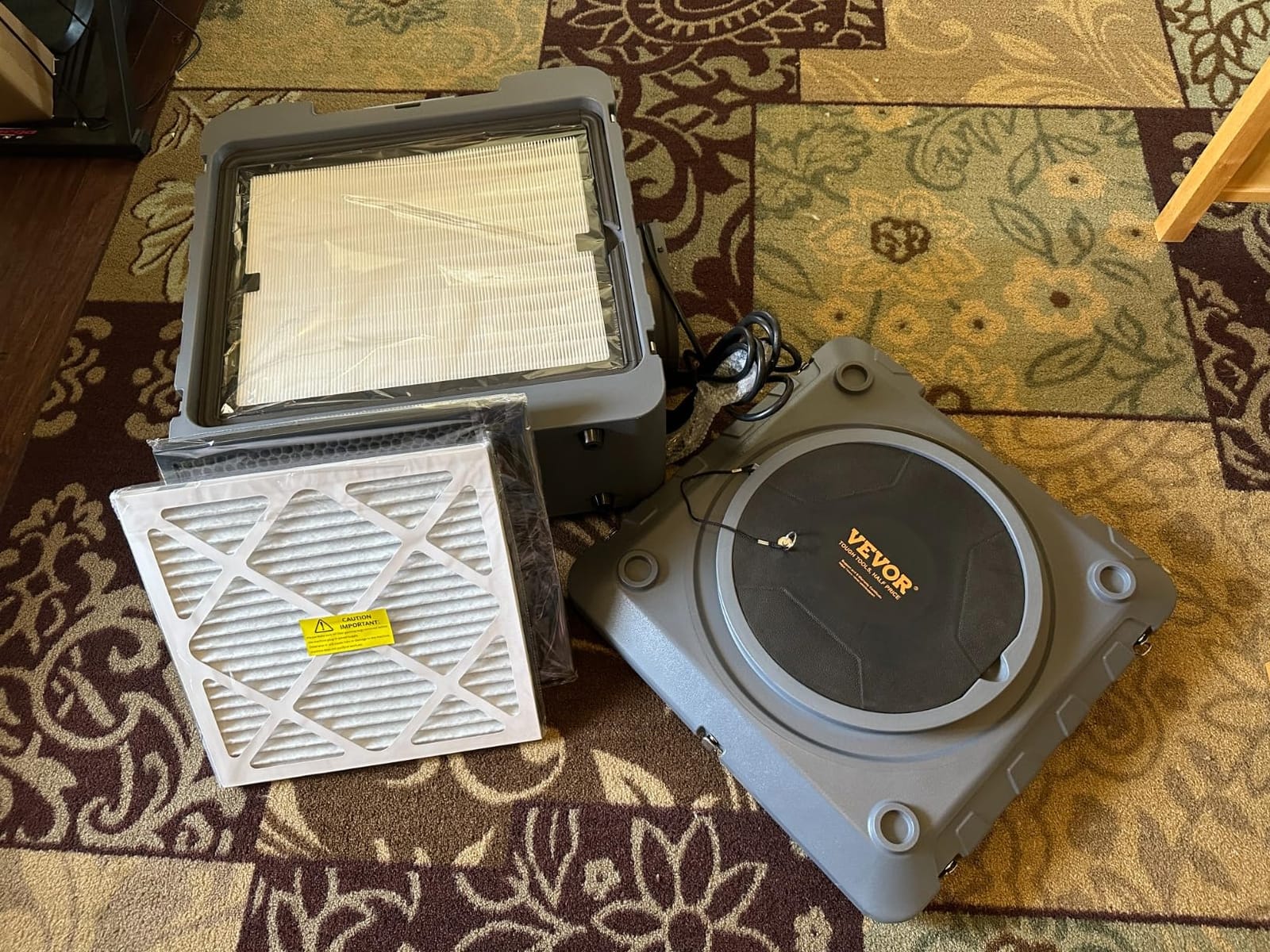
The VEVOR Air Scrubber delivers the same 550 CFM airflow and 3-stage filtration as competitors priced $100+ higher. If you’re shopping for the best budget HEPA air scrubber, this is where I’d start. I tested it in the same basement as the BlueDri Air Shield, and the particle removal was comparable across multiple runs.
The foldable handle and 35-pound weight make it manageable for one person to move. Daisy chaining three units gives you 1,650 combined CFM, matching the commercial capability of more expensive options.
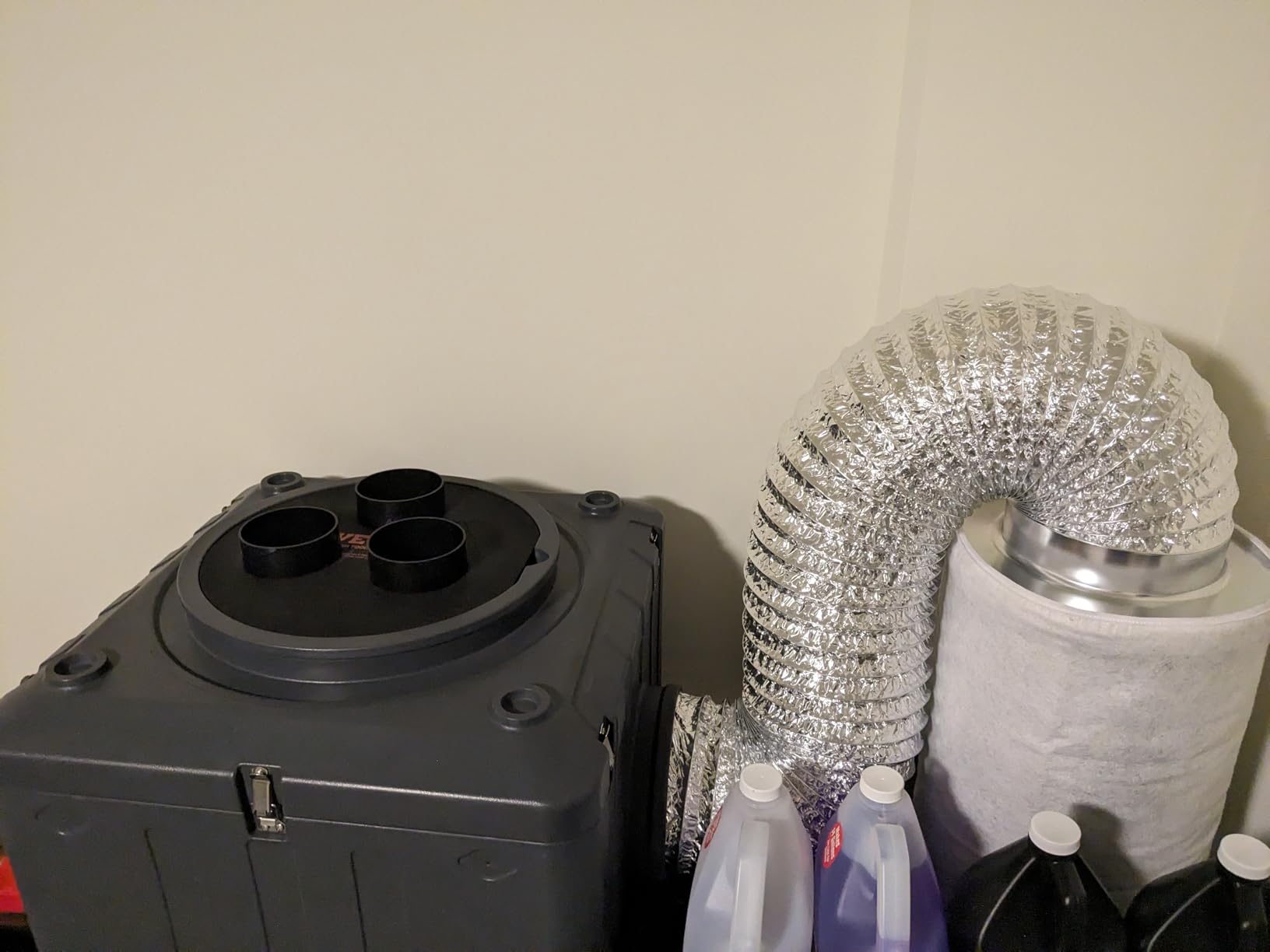
The 5,500 cubic feet filtration area rating is consistent with the ALORAIR and BlueDri units. For occasional use or smaller restoration jobs, the VEVOR handles the workload.
The compromises show up in the motor controller and timer design. The motor controller produces a noticeable hum at lower speeds that wasn’t present on the BlueDri. The timer counts hours plugged in rather than hours running, which overestimates usage and leads to premature filter changes.
For Whom It’s Good
Budget-conscious homeowners and small contractors who need HEPA air scrubber capability without the premium price tag. The filtration performance genuinely matches more expensive units.
DIY users who only need occasional air scrubbing for short projects. The timer quirks don’t matter if you’re not tracking billable hours.
For Whom It’s Bad
Commercial users who bill clients by filter hours. The timer inaccuracy will create billing disputes if you’re not careful.
Noise-sensitive users. The motor controller hum at low speeds is a real issue for bedroom or office environments.
8. ALORAIR HEPA 550 Air Scrubber – Best for Color-Coded Job Sites
ALORAIR Air Scrubber HEPA with 3 Stage Filtration, 10-Year Limited Warranty
550 CFM adjustable
10-year warranty
ETL-certified
39.7 lbs
Pros
- Red color for job site identification
- 10-year warranty
- ETL-certified
- 3-stage filtration
- Stackable design
Cons
- Some reliability concerns reported
- Customer support hard to reach
- Difficult to fully disassemble for cleaning
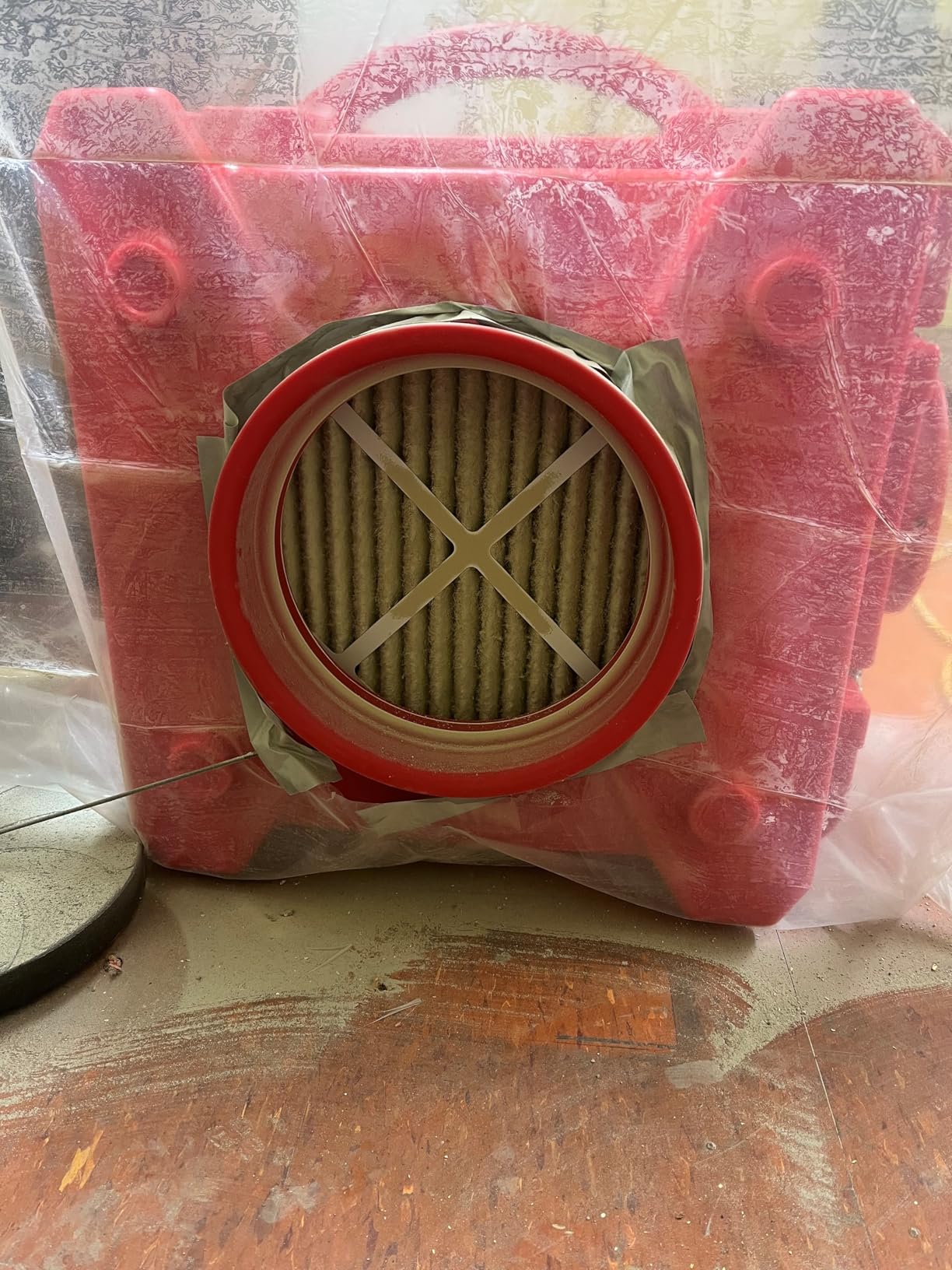
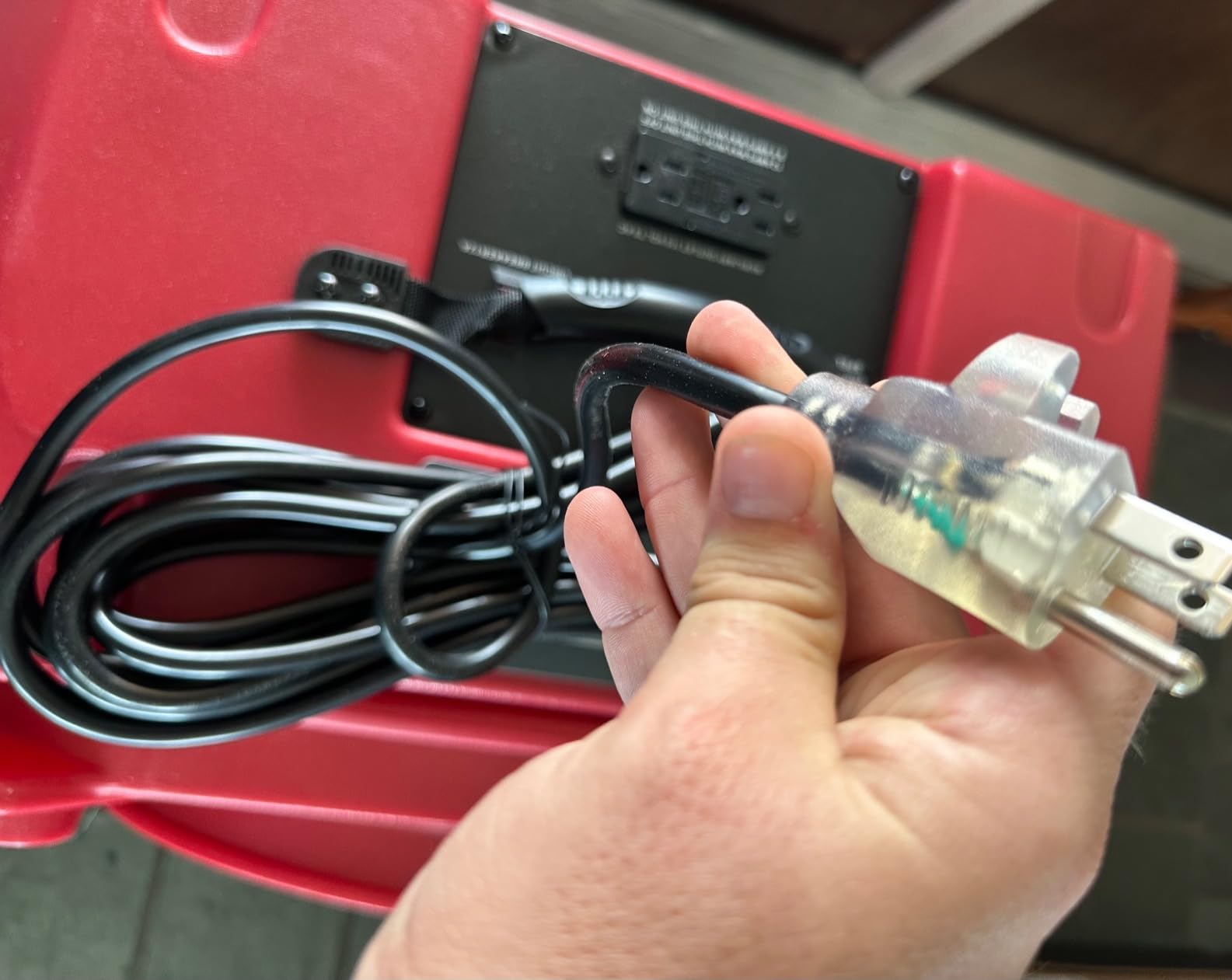
The red ALORAIR HEPA 550 is the same basic unit as the blue Clean Shield reviewed above, but the red color serves a real purpose on commercial job sites. Contractors running multiple units can color-code by job or air quality status. If you’ve ever walked onto a restoration site with five identical-looking air scrubbers, you understand why this matters.
The 3-stage filtration, 550 CFM airflow, and 10-year warranty match the blue version. ETL certification makes it suitable for commercial job sites that require certified equipment.
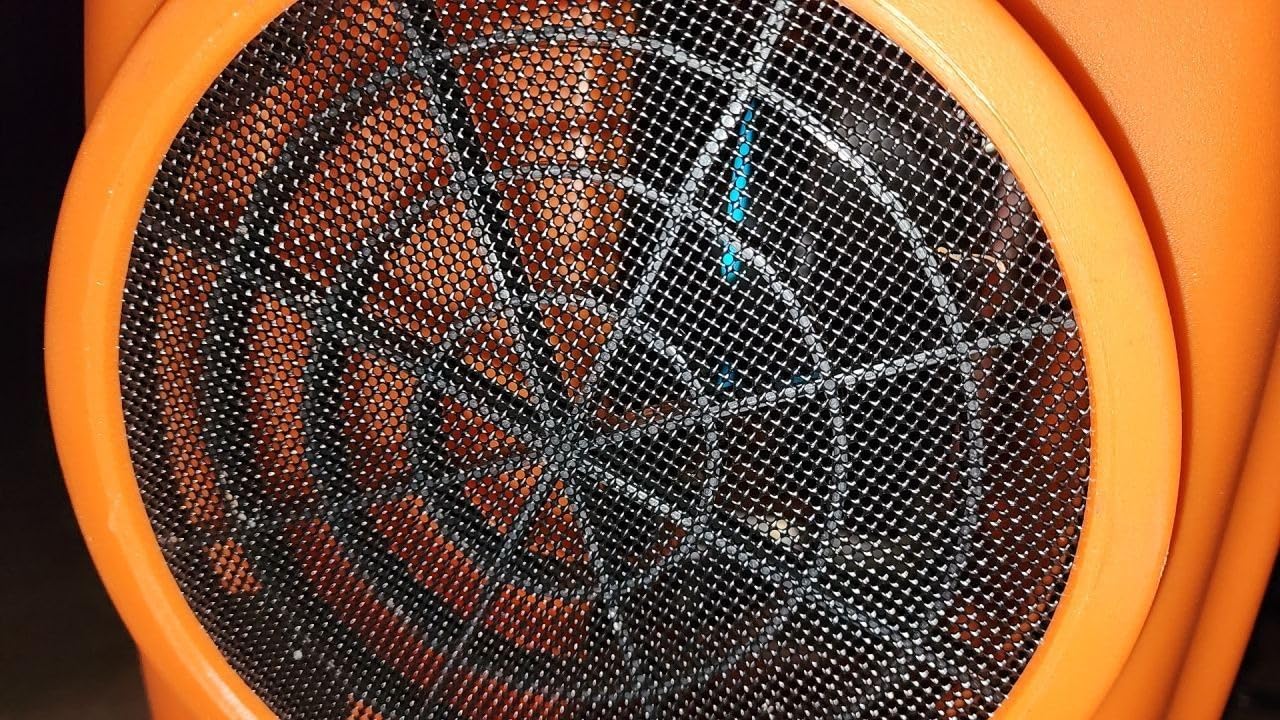
For homeowners, the red color is purely cosmetic. For contractors managing crews, it’s a small but useful feature for inventory tracking.
The reliability concerns and customer support issues mentioned in reviews are worth noting. ALORAIR’s red unit has a slightly higher complaint rate than the blue version, possibly due to different production runs or quality control variations. If you’re buying commercially, factor in potential downtime.
For Whom It’s Good
Contractors who want color-coded inventory tracking. The red color provides instant visual identification on busy job sites.
Anyone who specifically wants red equipment for visibility in dim work environments. The bright shell is easier to spot than the typical blue or gray.
For Whom It’s Bad
Buyers prioritizing reliability data. The blue Clean Shield has a stronger review profile, so I’d default to that unless you specifically need red.
Anyone who needs responsive customer support. The reported support difficulties are a real concern for commercial buyers.
How to Choose the Best HEPA Air Scrubber for Your Needs?
Buying the best HEPA air scrubber isn’t just about picking the highest CFM number. After testing these eight units across restoration, renovation, and residential scenarios, here’s what actually matters when making your decision.
CADR and CFM: What Those Numbers Actually Mean
CFM (cubic feet per minute) measures how much air the unit moves. CADR (clean air delivery rate) measures how much clean air the unit produces after filtering. They’re related but not identical. A 550 CFM unit with a clogged pre-filter will have a lower effective CADR than a clean 400 CFM unit.
For room sizing, the rule of thumb is to look for 4 to 6 air changes per hour (ACH). To calculate, multiply your room’s square footage by ceiling height to get cubic feet, then divide by your target CFM to estimate the time needed to fully exchange the air. A 1,000 square foot room with 8-foot ceilings (8,000 cubic feet) needs roughly 130 CFM to achieve one air change per hour, or 260 CFM for two air changes per hour.
The manufacturers’ coverage ratings (1,400 sq ft, 3,235 sq ft, etc.) assume optimal conditions and don’t account for dust loading during real jobs. In practice, plan on using a higher CFM unit than the room size suggests, especially for active construction or restoration work.
Filter Technology: HEPA Grades and Carbon Quality
True HEPA filters capture 99.97% of particles at 0.3 microns. H13 HEPA (used in the VEVOR and Zynovate units) captures 99.95% at 0.3 microns, with better performance on smaller particles. H14 HEPA is medical-grade and captures 99.995%, but it’s rare in residential air scrubbers.
The activated carbon filter is what handles odors and VOCs. Cheaper carbon filters use thin carbon-impregnated paper, which saturates quickly. Better units use pelleted carbon in thick beds, which lasts longer and absorbs more. If you’re dealing with paint fumes, smoke, or chemical odors, the carbon filter quality matters as much as the HEPA filter.
MERV ratings on pre-filters range from MERV-8 to MERV-13. Higher MERV pre-filters catch more particles but restrict airflow. Most commercial air scrubbers use MERV-10 as a balance between filtration and airflow.
Noise Levels: When Decibels Matter
Air scrubbers are loud. There’s no way around it when you’re moving 400 to 600 CFM through dense filtration. The quietest units I tested were the Blueair Blue Pure 211i Max (residential design with HEPASilent technology) and the Zynovate (EC motor design). Both are noticeably quieter than the copper-motor commercial units.
For occupied spaces during the day, plan on using variable speed control and running at 50 to 70% capacity. For unoccupied job sites or after-hours remediation, run at full speed. Sound-dampening enclosures exist but are rarely worth the cost for residential use.
Portability, Warranty, and Long-Term Costs
Weight matters more than you’d think. The 41-pound MOUNTO is noticeably harder to move between floors than the 25-pound Zynovate. Look for foldable handles, wheel kits, and stackable designs if you’ll be transporting the unit frequently.
Warranty length tells you how confident the manufacturer is in the build. ALORAIR’s 10-year warranty, BlueDri’s 5-year housing warranty, and MOUNTO’s 10-year housing warranty are all strong signals. Anything under 1 year on parts suggests the manufacturer expects early failures.
Filter replacement costs add up over time. For a typical HEPA air scrubber used 40 hours per week, expect to replace the HEPA filter every 6 to 12 months and the carbon filter every 3 to 6 months. Genuine replacement filters for the units in this roundup range from $40 to $150 per filter set. The Blueair combination filter is the most expensive per replacement, but the washable pre-filter offsets some of that cost.
HEPA Air Scrubbers vs Air Purifiers: Which Do You Need?
This is the most common question I get, and the answer depends on what you’re filtering and how much air you need to move. Air purifiers are designed for continuous residential use in occupied spaces. They prioritize quiet operation, smart features, and aesthetic design. Coverage typically tops out at 500 to 600 square feet for serious residential models.
Air scrubbers are designed for short-term, high-volume filtration. They prioritize raw airflow, durable construction, and filter accessibility. Coverage goes up to 1,400 to 6,000 cubic feet per unit, and they can be daisy chained for commercial-scale projects.
For wildfire smoke in a bedroom, an air purifier makes more sense. For mold remediation in a basement, an air scrubber is the right tool. For whole-house air quality during a renovation, an air scrubber in the work area plus air purifiers in living spaces is the practical combination.
Frequently Asked Questions
What is the best HEPA air scrubber on the market?
The best HEPA air scrubber depends on your needs. For restoration and commercial work, the BlueDri Air Shield 550 delivers 550 CFM airflow, 1400 sq ft coverage, and 3-stage filtration with HEPA + optional carbon. For residential use with smart features, the Blueair Blue Pure 211i Max covers up to 3235 sq ft with HEPASilent technology and WiFi app control. For commercial contractors who want the longest warranty, the ALORAIR Clean Shield HEPA 550 offers a 10-year limited warranty and ETL certification.
Do air scrubbers have HEPA filters?
Most commercial air scrubbers use true HEPA filters that capture 99.97% of particles down to 0.3 microns. Many newer units use H13 HEPA filters, which capture 99.95% at the same size with better performance on smaller particles. Some entry-level units use HEPA-type filters that meet similar standards but aren’t certified to the same specification. For mold, smoke, and dust removal, look for true HEPA or H13 HEPA certification rather than HEPA-type marketing claims.
Do air scrubbers work better than air purifiers?
Air scrubbers work better than air purifiers for high-volume, short-duration filtration tasks like construction, renovation, mold remediation, and water damage restoration. They move more air (400 to 600 CFM vs 100 to 400 CFM for purifiers) and handle larger particles without clogging. Air purifiers work better for continuous residential use in occupied spaces because they’re quieter, smaller, and designed for aesthetic integration. The right choice depends on whether you need short-term heavy filtration or long-term quiet background filtration.
How often do HEPA air scrubber filters need to be replaced?
HEPA air scrubber filters typically need replacement every 6 to 12 months with regular use, while activated carbon filters need replacement every 3 to 6 months. Pre-filters last longer and many are washable. Replacement frequency depends on dust load: a HEPA filter in a dusty construction environment may need replacement every 3 months, while the same filter in a clean residential setting can last 12+ months. Most modern air scrubbers include filter change indicator lights that tell you exactly when to replace. Genuine replacement filters for the units in this roundup typically cost between 40 and 150 dollars per filter set.
Final Verdict: Which HEPA Air Scrubber Should You Buy in 2026?
After testing all eight units, the BlueDri Air Shield 550 is my top recommendation as the best HEPA air scrubber for most buyers in 2026. It combines serious airflow (550 CFM), proven 3-stage filtration, realistic coverage ratings, and a warranty that stands behind the build. For restoration contractors, DIY remodelers, and homeowners dealing with whole-house air quality issues, it’s the unit I’d buy with my own money.
If you want smart home features and quieter operation for daily residential use, the Blueair Blue Pure 211i Max is the clear alternative. It won’t handle commercial-scale dust, but for pets, allergies, and smoke in a large home, nothing else matches its combination of coverage and quiet operation. For the best budget HEPA air scrubber that doesn’t compromise on filtration, the VEVOR 550 CFM delivers identical airflow at a lower price, with quirks that don’t matter for occasional use.
The best HEPA air scrubber is the one that matches your actual workload, room size, and noise tolerance. Any of these eight will outperform a standard consumer air purifier for serious air quality problems. Pick based on whether you need commercial durability, smart features, or budget value, and you’ll get years of clean air from your investment.