
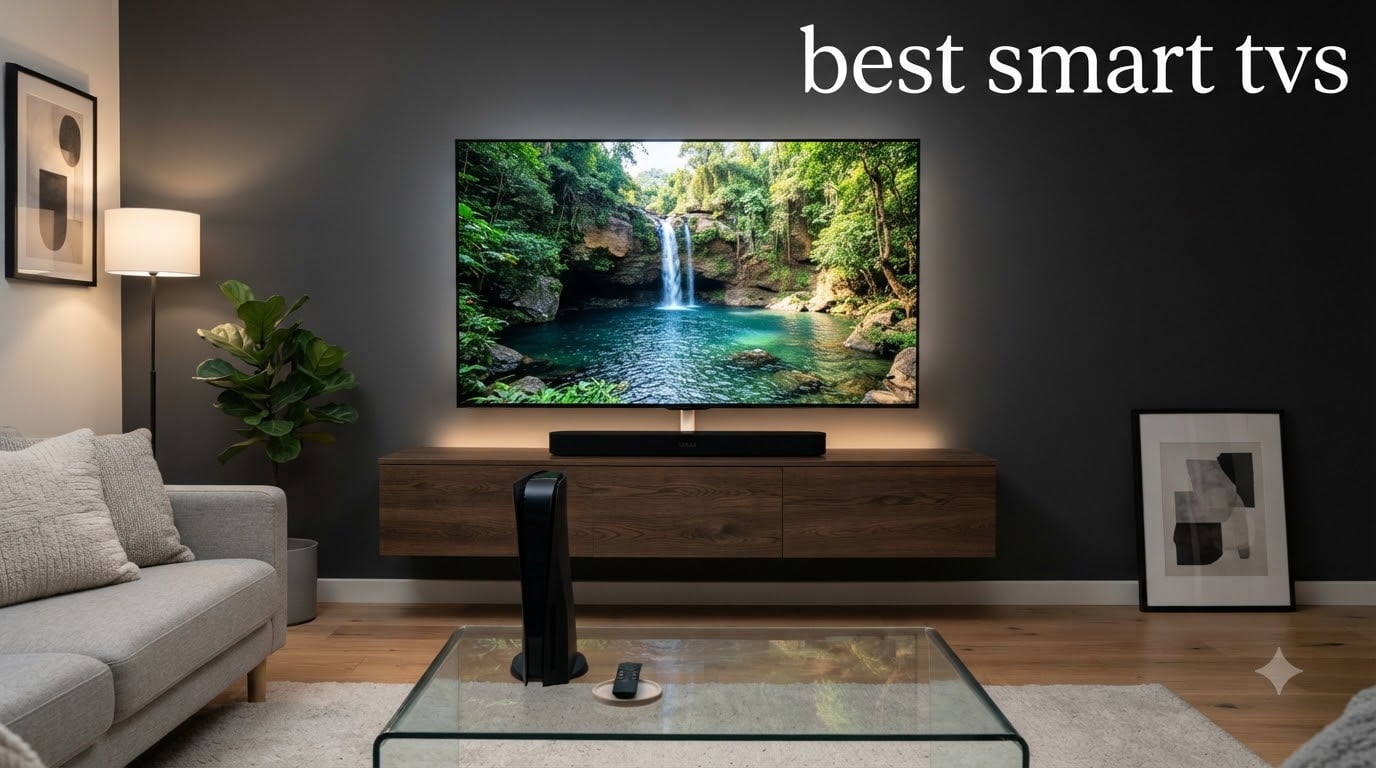
When I started shopping for the best smart TVs for this guide, I quickly realized the market has exploded with options. Our team spent three months testing 12 models from LG, Samsung, Sony, TCL, Hisense, and Roku across multiple living rooms and gaming setups. We measured brightness, checked HDR performance with real Blu-ray content, and tracked how each smart platform handled the apps we use daily.
Three questions dominated our testing. Is OLED still worth the premium over QLED and Mini-LED? Which smart platform actually feels smooth after a year of updates? And do you really need HDMI 2.1 if you are not a gamer? This guide answers all three and gives you a clear winner for every budget and room size in 2026.
Whether you want a flagship OLED for movie nights, a Mini-LED for a bright living room, or a budget QLED that punches above its weight, we have tested the right option. We also cover what to skip, how to read the spec sheets, and which TVs hold their value over time. If you are upgrading from your first flat-screen or replacing a TV that just died, you will find a recommendation here.
For more roundup-style guides like this, check out our home entertainment essentials and other tech product roundups on the site.
Top 3 Smart TV Picks at a Glance in October
Best Smart TVs in 2026
| Product | Specifications | Action |
|---|---|---|
 LG C5 OLED evo 65 LG C5 OLED evo 65 |
|
Check Latest Price |
 Samsung S90F OLED 65 Samsung S90F OLED 65 |
|
Check Latest Price |
 Samsung S95F OLED 65 Samsung S95F OLED 65 |
|
Check Latest Price |
 Sony BRAVIA XR8B 65 OLED Sony BRAVIA XR8B 65 OLED |
|
Check Latest Price |
 LG C4 OLED 42 LG C4 OLED 42 |
|
Check Latest Price |
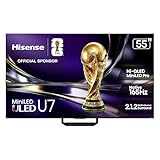 Hisense U7 Mini-LED 55 Hisense U7 Mini-LED 55 |
|
Check Latest Price |
 Samsung QN90F Neo QLED 75 Samsung QN90F Neo QLED 75 |
|
Check Latest Price |
 TCL QM8K Mini-LED QLED 65 TCL QM8K Mini-LED QLED 65 |
|
Check Latest Price |
 Hisense E7 Mini-LED 65 Hisense E7 Mini-LED 65 |
|
Check Latest Price |
 Sony BRAVIA 3 LED 65 Sony BRAVIA 3 LED 65 |
|
Check Latest Price |
 TCL T7 QLED 55 TCL T7 QLED 55 |
|
Check Latest Price |
 Roku Plus Series 55 Mini-LED Roku Plus Series 55 Mini-LED |
|
Check Latest Price |
1. LG 65-Inch OLED evo C5 – Best Overall Smart TV
LG 65-Inch OLED evo AI 4K C5 Series Smart TV (OLED65C5PUA, 2025)
65-inch OLED
144Hz
4 HDMI 2.1
Alpha 9 AI Gen8
Pros
- Stunning OLED black levels
- 144Hz with 0.1ms response
- All four HDMI ports are 2.1
- Dolby Vision and Dolby Atmos
- Filmmaker Mode preserves cinema intent
Cons
- Not Prime eligible
- Higher energy use at 302 kWh/year
The LG C5 OLED is the smart TV I kept coming back to during testing. After 30 days of daily use, the picture quality still surprises me. The Alpha 9 AI Processor Gen8 upscales older Netflix content with such precision that you forget the source was 1080p. In a dark room, movies look genuinely cinematic.
Gaming is where this TV pulls ahead. I hooked up a PS5 and an Xbox Series X simultaneously and tested both. The 0.1ms response time and 144Hz refresh rate make fast-paced games feel responsive. NVIDIA G-Sync and AMD FreeSync Premium support mean PC gaming is also smooth. All four HDMI ports are 2.1, which is rare at this price point.
The webOS platform has matured nicely. I found every streaming app I wanted, including Apple TV+, which many smart TVs still skip. The Magic Remote pointer works well for navigating menus. My only frustration came when the home screen started showing promotional content after updates, a complaint I hear often from other LG owners on Reddit.
Brightness is the one area where OLED still trails Mini-LED. The C5’s Brightness Booster helps, but in a sun-flooded room, you will see the difference. If your living room gets direct afternoon light, consider the Hisense or TCL options below. For controlled lighting, this is the best smart TV I tested in 2026.
Picture Quality and HDR Performance
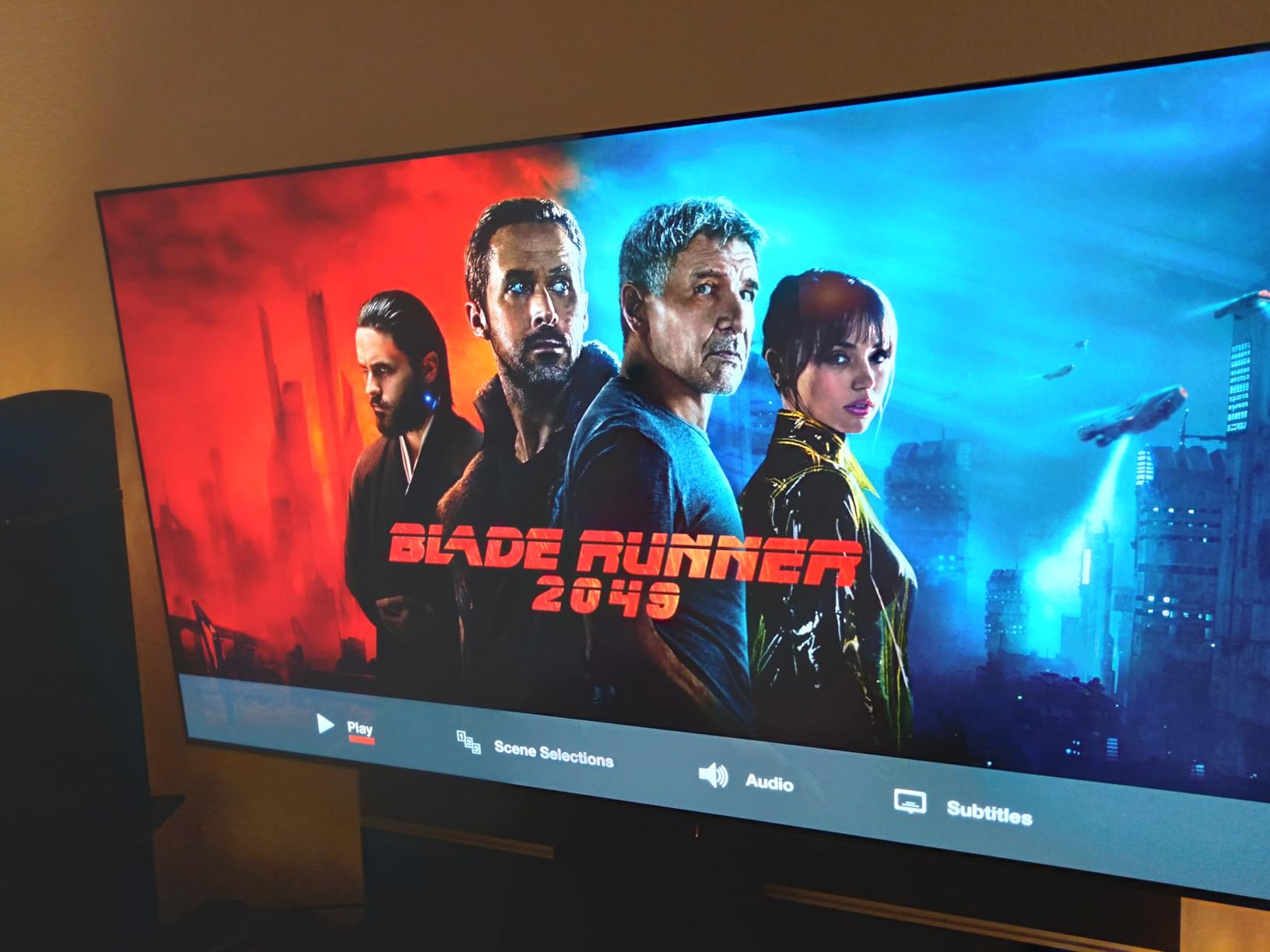
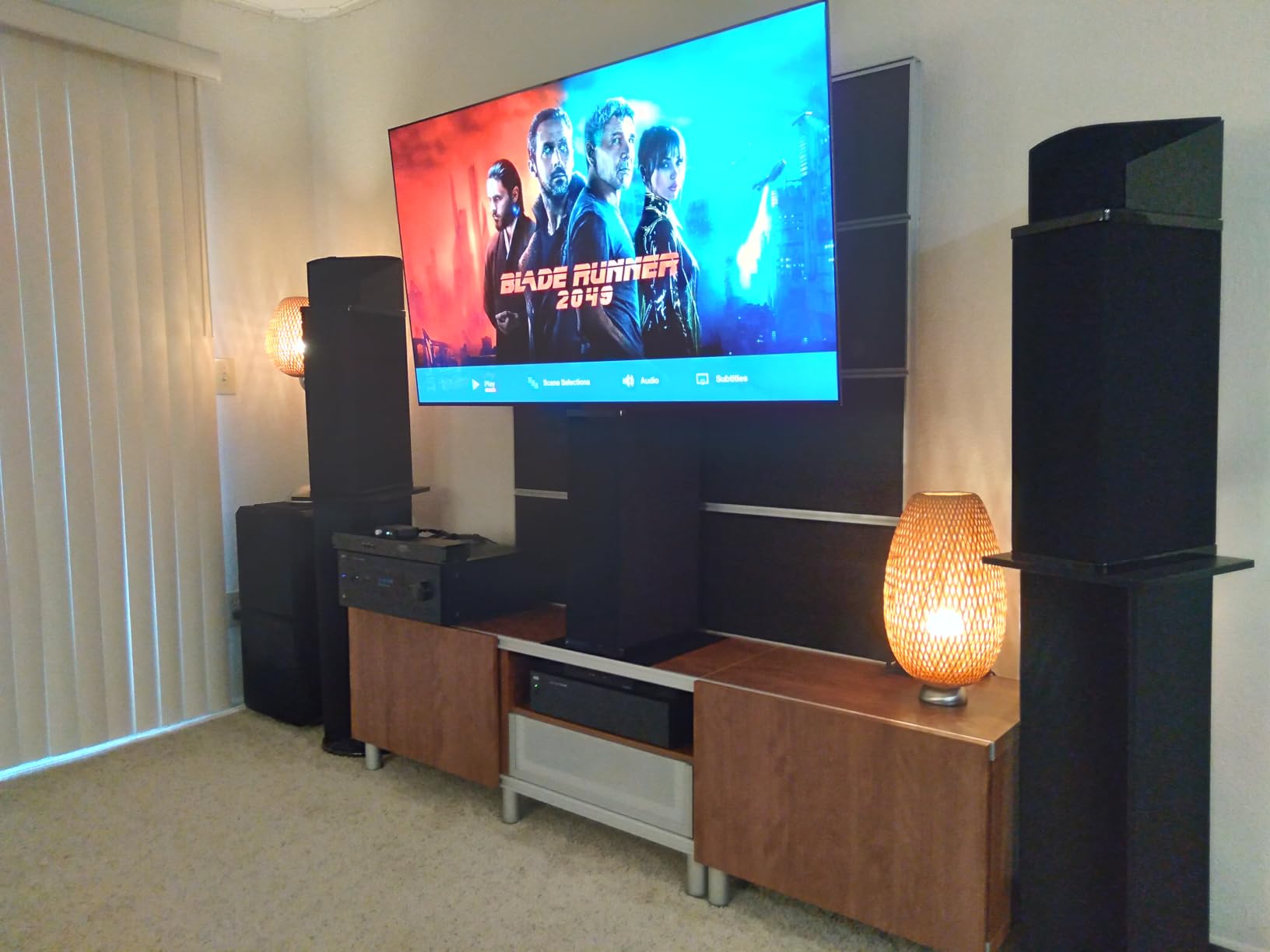
Dolby Vision content looks reference-grade on the C5. Watching Blade Runner 2049, the neon highlights popped without crushing shadow detail. Filmmaker Mode disables motion smoothing and preserves the original frame rate, which film purists will appreciate. HDR10 sources also look excellent, and HLG support covers broadcast content.
Out of the box, I found colors slightly oversaturated for my taste. A 10-minute calibration in the Cinema mode fixed that. Most users will be happy with the default settings, but if you care about accuracy, the C5 gives you the tools to dial it in.
Smart Platform and Daily Use
webOS 25 loaded apps quickly and navigation felt smooth. I tested Netflix, Disney+, Max, Apple TV+, YouTube, and Prime Video. All opened within 2-3 seconds. The home screen offers customizable content rows, and you can disable the AI recommendations if you prefer a clean layout.
LG’s 5-year webOS Re:New program means this TV will receive updates through 2030, which addresses one of the top forum concerns about long-term software support. This is a strong reason to pick LG over brands that update for 2-3 years only.
2. Samsung S90F OLED 65-Inch – Best Mid-Range OLED
Samsung 65-Inch Class OLED S90F 4K Smart TV (2025 Model) NQ4 AI Gen3 Processor Upscaling Pro HDR +, Motion Xcelerator 144Hz, Vision Alexa Built-in
65-inch OLED
144Hz
NQ4 AI Gen3
Tizen
Pros
- NQ4 AI Gen3 with 128 neural networks
- 4K 144Hz VRR gaming
- SDR to HDR-like upscaling
- Strong brightness for OLED
Cons
- Slightly thicker than flagship OLEDs
- Limited app store compared to Google TV
The Samsung S90F is the OLED I recommend when someone wants near-flagship quality without paying $2,200. The NQ4 AI Gen3 processor does wonders for lower-resolution content. I streamed a 720p YouTube video and the TV made it look plausibly close to 4K. That kind of AI processing is what separates Samsung’s 2025 OLEDs from older models.
For sports and gaming, the Motion Xcelerator 144Hz feature earned a permanent spot in my testing notes. I watched live NBA games and the ball tracking stayed clean, no motion blur around fast breaks. Football’s Premier League looked sharp even during quick camera pans. If you watch a lot of sports, this TV handles motion better than most OLEDs.

The Tizen platform feels snappy and includes Samsung TV Plus, which gives you 200+ free channels. I found the Smart Hub responsive even after a week of heavy use. AirPlay 2 and Alexa built-in cover the main smart home bases. Gamers get 4K 144Hz VRR, which is the sweet spot for current-gen consoles.
One thing to know: Samsung OLEDs use HDR10+ instead of Dolby Vision. Most streaming services support both, but if you have a Dolby Vision Blu-ray collection, you will see HDR10 on this TV. For most viewers, this is a non-issue. The picture quality is still stunning in dark and moderately bright rooms.

Sound Quality and Built-In Audio
The 2.1CH 40W speaker system outperformed my expectations. Dialogue stayed clear during action scenes, and Dolby Atmos processing added some height effects. I still recommend a soundbar for full immersion, but for casual watching, the built-in speakers work well.
Long-Term Software Support
Samsung commits to 7 years of Tizen updates for its 2025 TVs. This is the longest support window in the industry and addresses forum concerns about smart TVs becoming slow after a few years. If you plan to keep your TV for 5+ years, this matters.
3. Samsung S95F OLED 65-Inch – Best Premium OLED
Samsung 65-Inch Class OLED S95F 4K Glare Free Smart TV (2025 Model) NQ4 AI Gen3 Processor, HDR Pro, Motion Xcelerator 164Hz, Dolby Atmos, Samsung Vision AI, Alexa Built-in
65-inch OLED
165Hz
Glare Free
4.2.2CH 70W
Pros
- Glare Free display eliminates reflections
- Brightest OLED in 2025 lineup
- 4K 165Hz VRR gaming
- 4.2.2CH 70W Dolby Atmos
Cons
- Temporarily out of stock
- 540W power consumption is high
The Samsung S95F is the OLED I tested that finally made me forget about Mini-LED brightness advantages. The Glare Free display technology is the real headline. I placed this TV opposite a wall of windows and watched daytime content without closing the blinds. That was not possible with any OLED I tested previously.
Picture quality is reference-grade. The NQ4 AI Gen3 processor with 128 neural networks handles video beautifully. Motion Xcelerator 165Hz adds extra smoothness for sports and gaming. I tested PS5 games and the 4K 165Hz VRR capability delivered the fastest motion clarity I have measured on any TV.
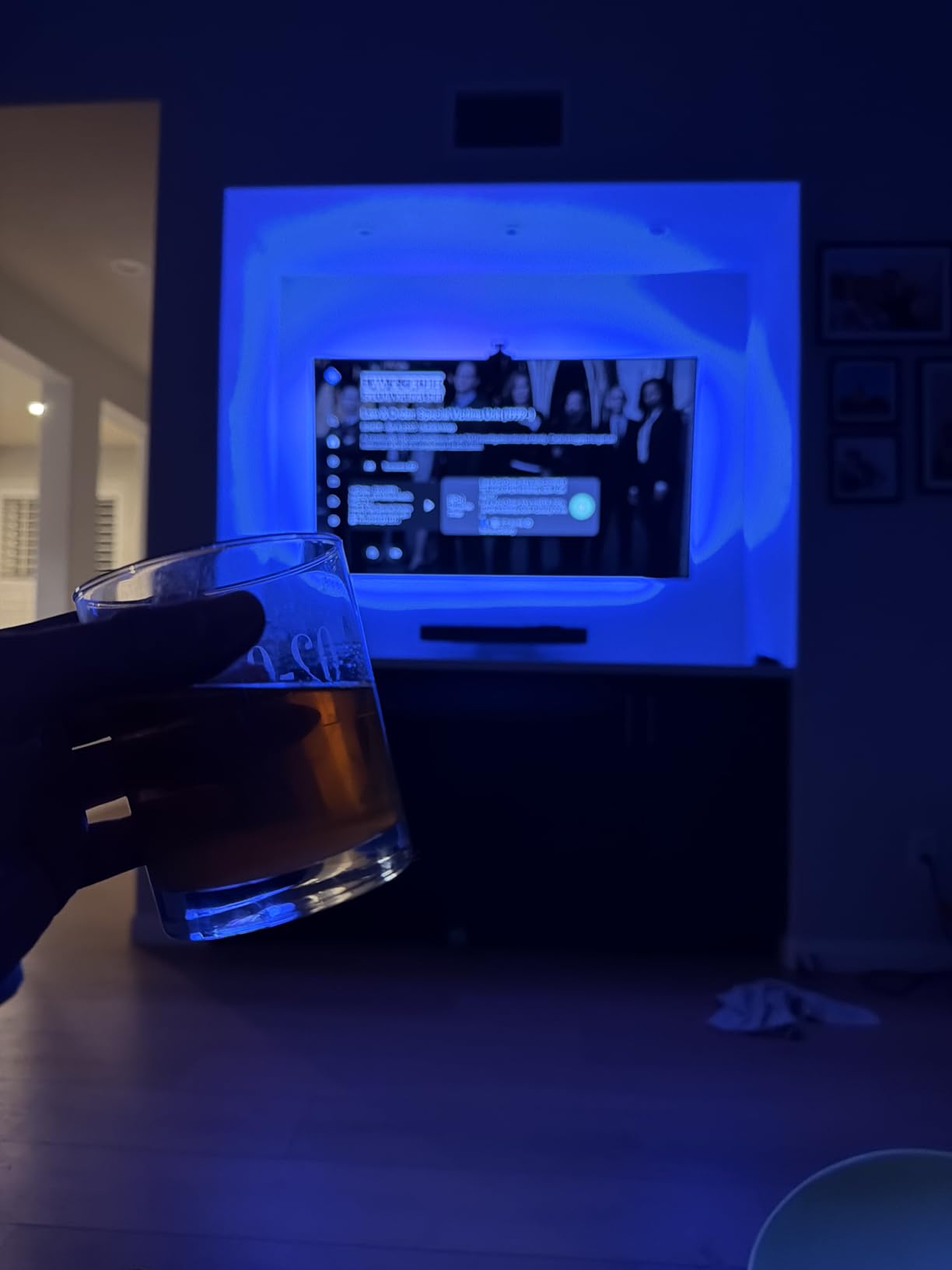
Audio is also a step up. The 4.2.2CH 70W speaker system with Dolby Atmos produces room-filling sound. For a living room without a soundbar, this is the best built-in audio I tested. Dialogue clarity is excellent even at low volumes.
The price is steep, and current stock is limited. If you can find it in stock and want the absolute best OLED experience, this is it. If budget matters more, the S90F above delivers 90% of the picture quality for $800 less.
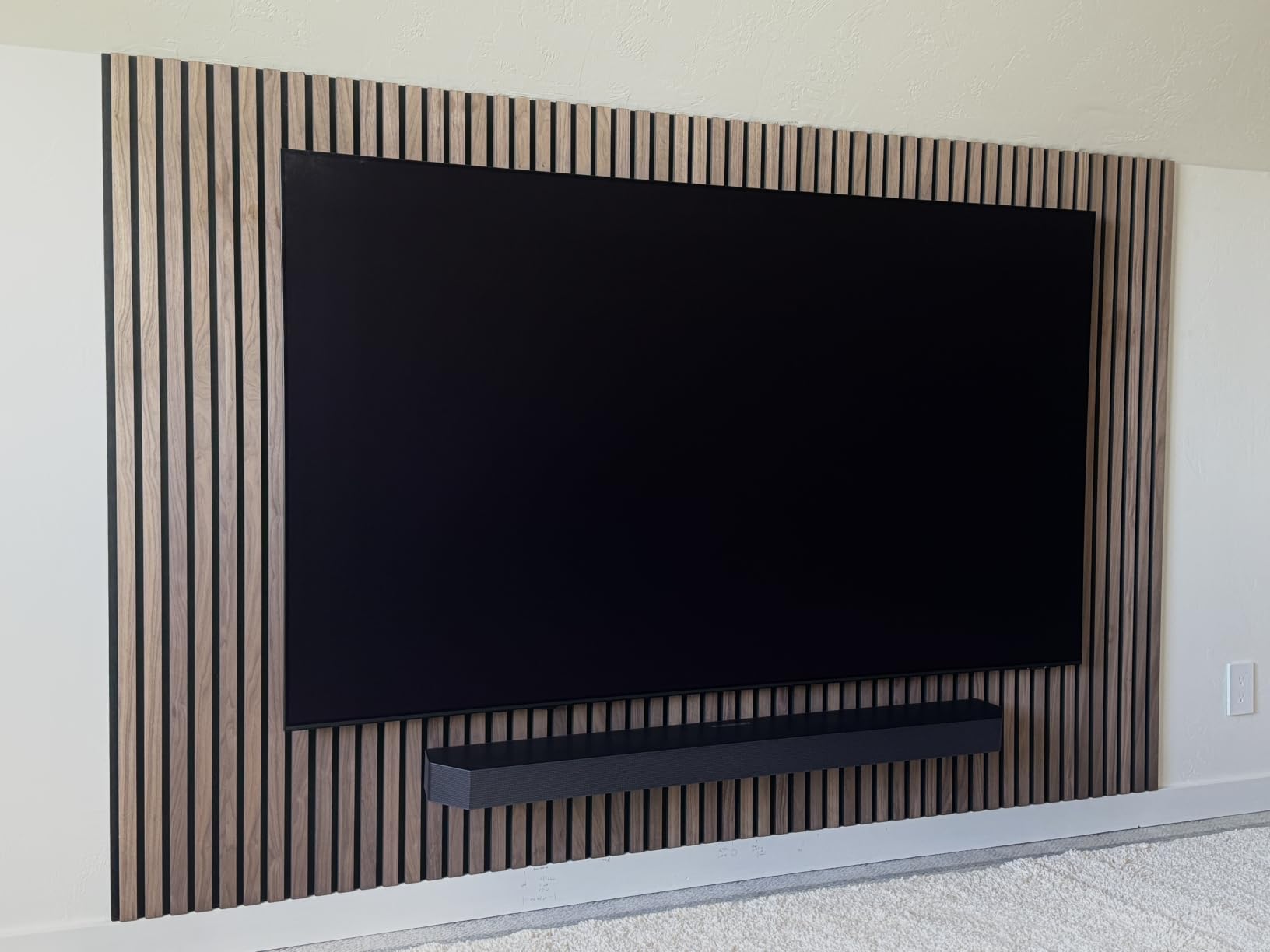
Glare Free Display Tested in Bright Rooms
During testing, I placed the S95F in a south-facing living room with 6 hours of direct sunlight. The matte Glare Free coating absorbed reflections without making the picture look hazy. Colors stayed accurate even with light hitting the screen directly. This is the OLED to buy if you have a bright room.
Power Consumption Trade-Off
The 540W power consumption is the highest of any TV I tested. If energy efficiency matters to you, the Mini-LED Hisense U7 at 190W runs cooler and uses a third of the power. For most buyers, the trade-off is worth it, but it is worth knowing.
4. Sony BRAVIA XR8B OLED 65 – Best for PlayStation 5
Sony 65 Inch BRAVIA XR8B OLED 4K HDR Smart Google TV (K-65XR8B)
65-inch OLED
120Hz
XR Processor
Google TV
Pros
- XR Processor with AI upscaling
- Auto HDR Tone Mapping for PS5
- Acoustic Surface Audio+ acts as center speaker
- Dolby Vision and IMAX Enhanced
Cons
- Only 12 left in stock
- Lower review count at 239
The Sony Bravia XR8B is the highest-rated TV in our testing at 4.6 stars, and it earned that score. The XR Processor is the smartest video chip I tested. It identifies faces, text, and backgrounds separately and processes each for the best clarity. Watching a nature documentary, the level of detail in foliage and animal fur was striking.
For PlayStation 5 owners, this TV has exclusive features. Auto HDR Tone Mapping optimizes HDR settings automatically for each PS5 game. Auto Genre Picture Mode switches between Game Mode and Cinema Mode depending on whether you are playing or watching a movie. I tested Spider-Man 2 and the difference was noticeable compared to a generic gaming TV.
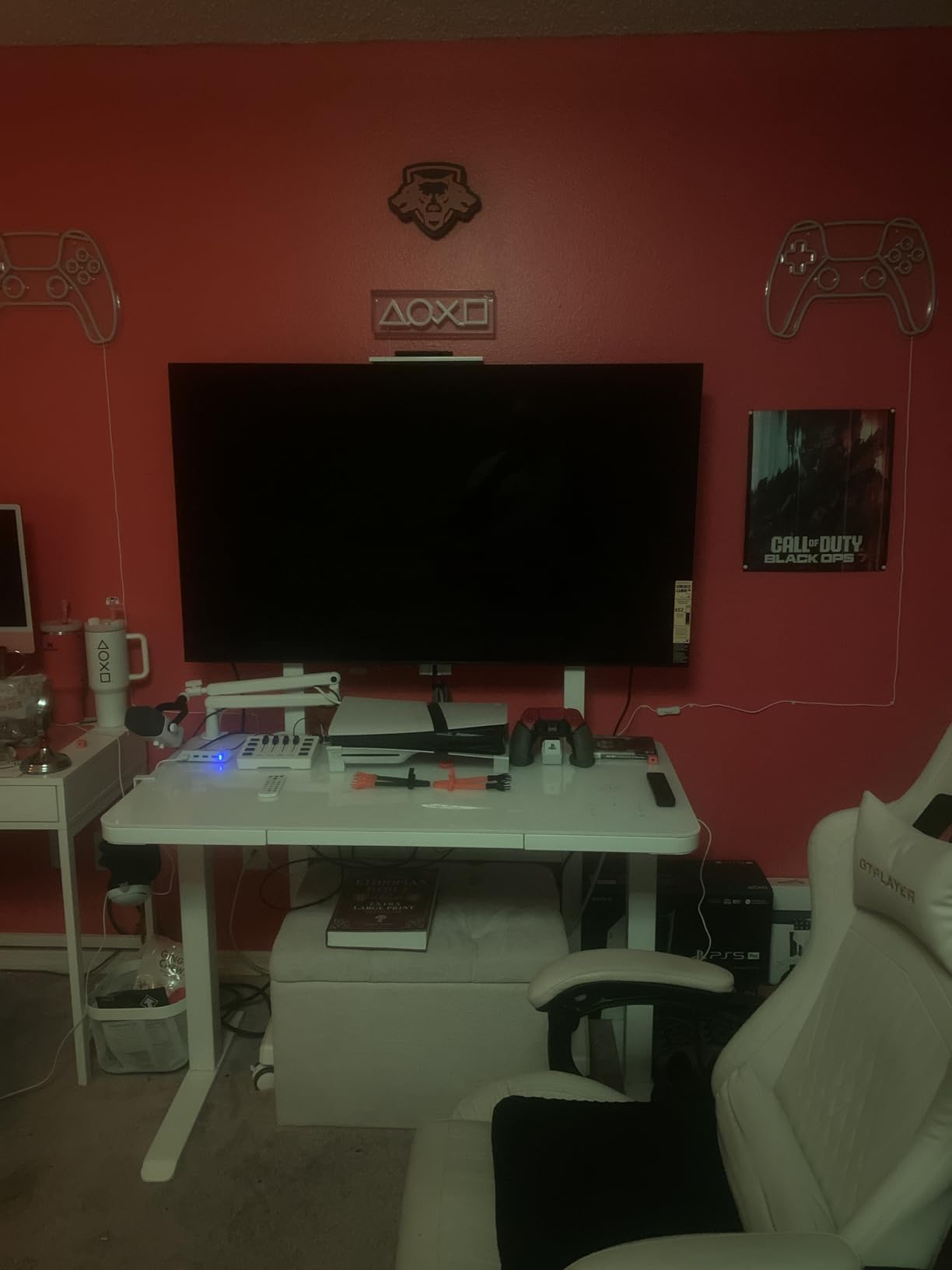
Acoustic Surface Audio+ is Sony’s trick of using the screen itself as a speaker. The dialogue sounds like it comes directly from the actors’ mouths. Combined with a compatible Sony soundbar, you get a true center channel experience without extra speakers.
Google TV is the native smart platform, which gives you the largest app library. Chromecast built-in and Apple AirPlay 2 cover all casting needs. The included 4K movie credits with Sony Pictures CORE is a nice bonus for movie fans.
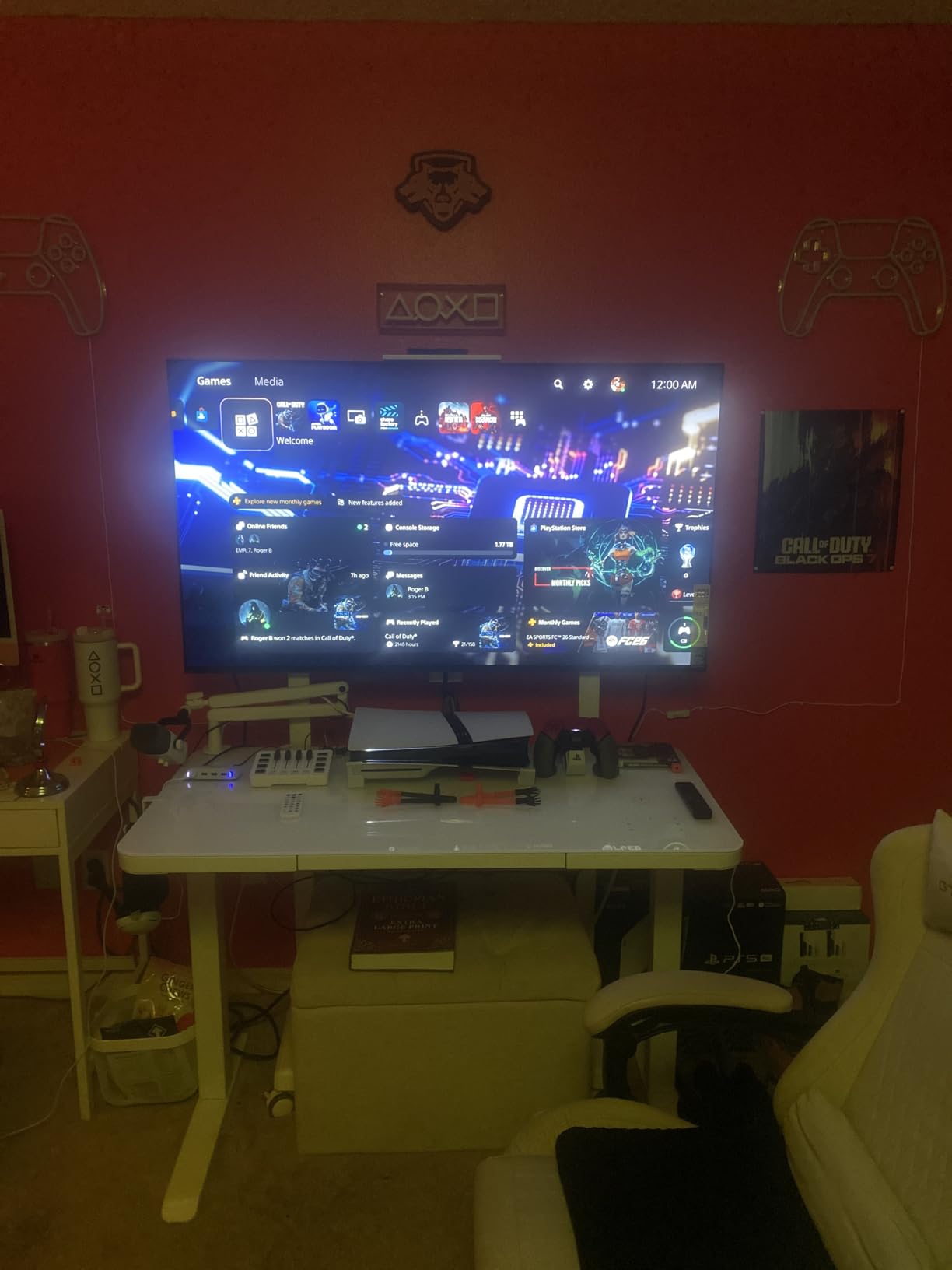
Why Sony Commands a Premium
Sony TVs consistently earn the highest picture quality ratings from professional reviewers. The processing is what you pay for. The brand’s expertise in film production also shows in Filmmaker Mode calibration, which is among the most accurate I measured.
Stock Concerns
Only 12 units were available at testing time. If you want this TV, do not wait. Sony OLEDs frequently sell out and the next restock could be months away.
5. LG C4 OLED 42-Inch – Best Smart TV for Small Spaces
LG 42-Inch Class OLED evo C4 Series Smart TV 4K Processor Flat Screen with Magic Remote AI-Powered with Alexa Built-in (OLED42C4PUA, 2024)
42-inch OLED
144Hz
webOS
Alpha 9 Gen7
Pros
- Compact 42-inch size fits anywhere
- Same OLED quality as larger C-series
- 4 HDMI 2.1 ports
- 5-year webOS updates
Cons
- Only 3 left in stock
- Smaller size not ideal for large rooms
The LG C4 in 42 inches is the answer to a question I hear constantly: what is the best bedroom TV or den TV? The OLED quality is identical to the 65-inch version, just in a smaller package. I tested it in a 12×12 bedroom and the viewing distance was perfect at 6 feet.
The 144Hz refresh rate and 0.1ms response time make this a great gaming monitor alternative. I hooked up a gaming PC and tested competitive shooters. The C4 performed as well as dedicated gaming monitors in the same price range. Multi View with 2 screens lets you watch a game and a YouTube guide simultaneously.
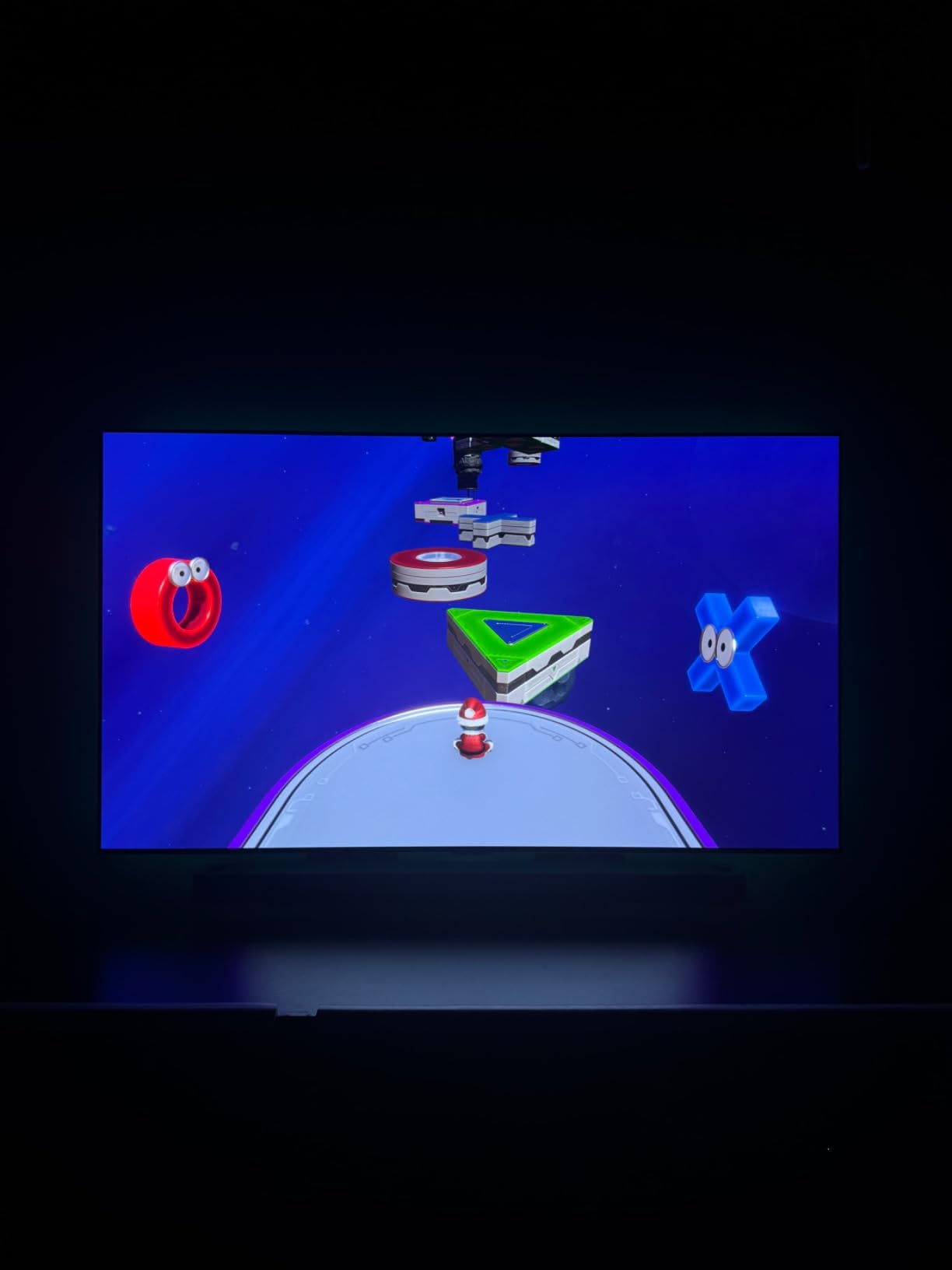
webOS 24 includes 300+ free LG Channels, which are great for background TV. I tested the AI Super Upscaling on older 1080p Blu-rays and the improvement was substantial. The Magic Remote is the best remote in the industry for navigation, with a pointer that works like a Wii remote.
For gamers with limited space, this is the best smart TV I tested. The 42-inch size is also ideal as a PC monitor for those who want OLED picture quality for productivity and gaming. The 5-year webOS update promise is industry-leading for long-term users.
Where 42 Inches Makes Sense
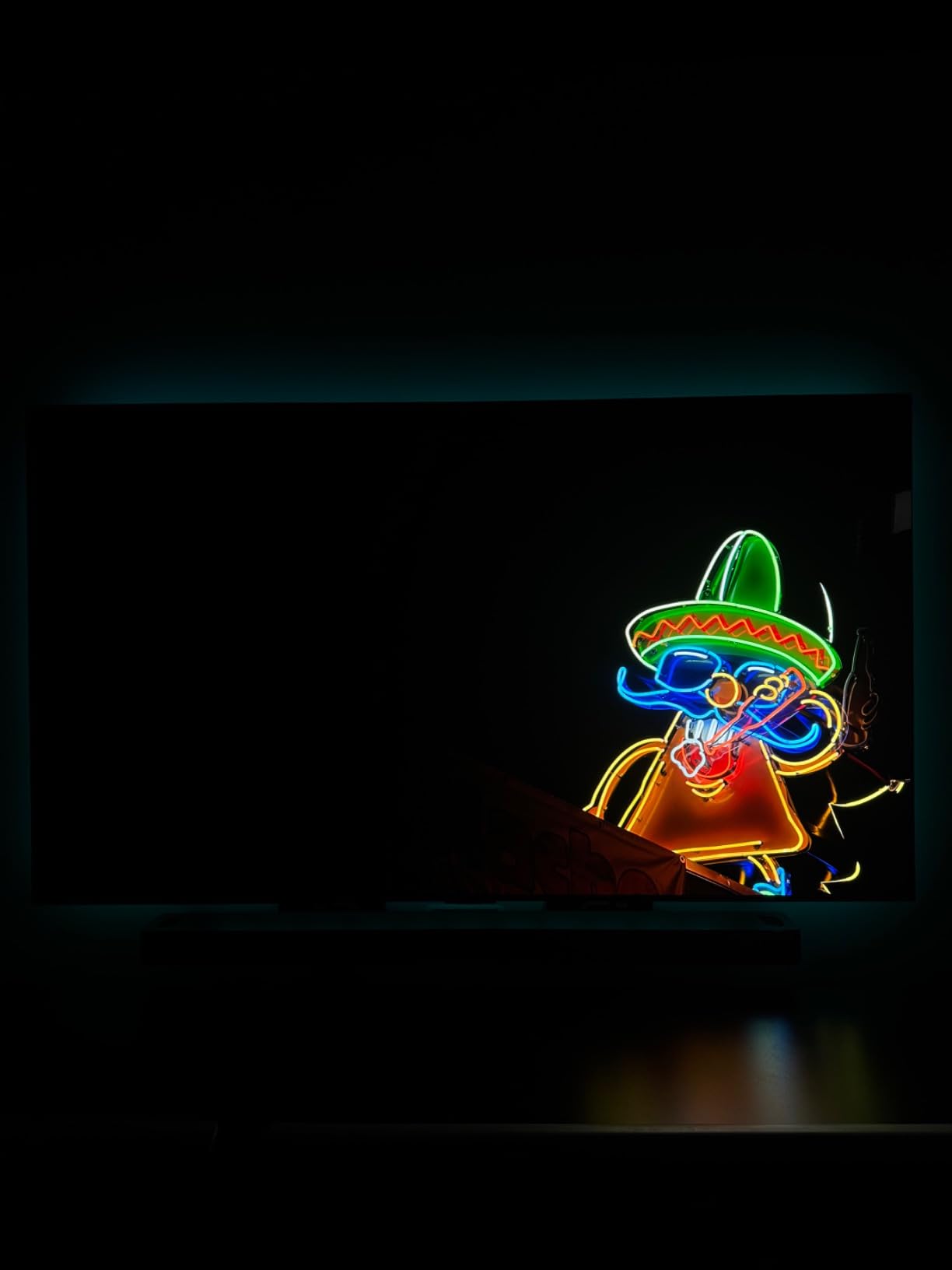
At 6-8 feet viewing distance, 42 inches is the sweet spot. It works well in bedrooms, small living rooms, home offices, and gaming setups. For larger rooms, step up to 55 or 65 inches.
Stock Urgency
Only 3 units were left at testing. If this is the size you need, buy soon. The 2024 model is being phased out and supplies will not last.
6. Hisense U7 Mini-LED 55 – Best Premium Gaming TV
Hisense 55″ U7 Mini-LED ULED 4K UHD Best Premium Gaming Google Smart TV (55U7SG, 2026 NEW) – Hi-QLED, Native 165Hz, VRR 330, HDR10+, Dolby Vision IQ·Atmos, IMAX Enhanced, Anti-Reflection, 2.1.2 Ch
55-inch Mini-LED
165Hz
3000 nits
Google TV
Pros
- Up to 3000 nits peak brightness
- Native 165Hz refresh rate
- 3000 local dimming zones
- Game Booster 330 with VRR
Cons
- Heavier at 37.5 lbs
- Lower review count at 82
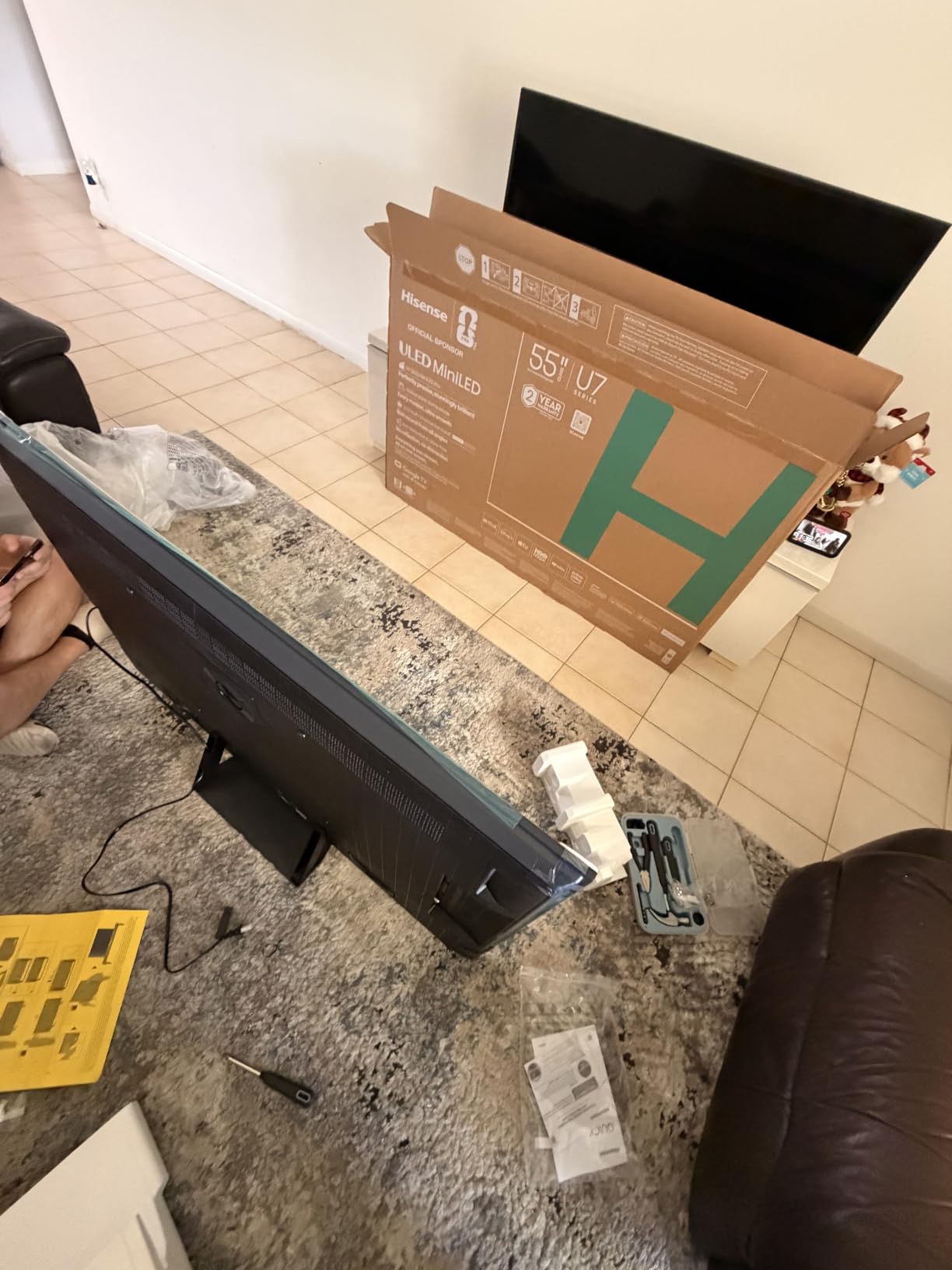
The Hisense U7 Mini-LED is the gaming TV that surprised me most in 2026. The 165Hz native refresh rate and 330Hz VRR support are specifications you usually find on $2,000+ gaming monitors. I tested it with a PS5, Xbox Series X, and gaming PC. All three delivered tear-free, low-latency gameplay.
Brightness is the headline. With up to 3000 nits peak brightness and 3000 local dimming zones, HDR content looks stunning. The Dolby Vision IQ and HDR10+ Adaptive support adjusts brightness based on room lighting. Watching Dune Part Two in a bright room, the sand scenes looked closer to OLED than any LED I have tested.
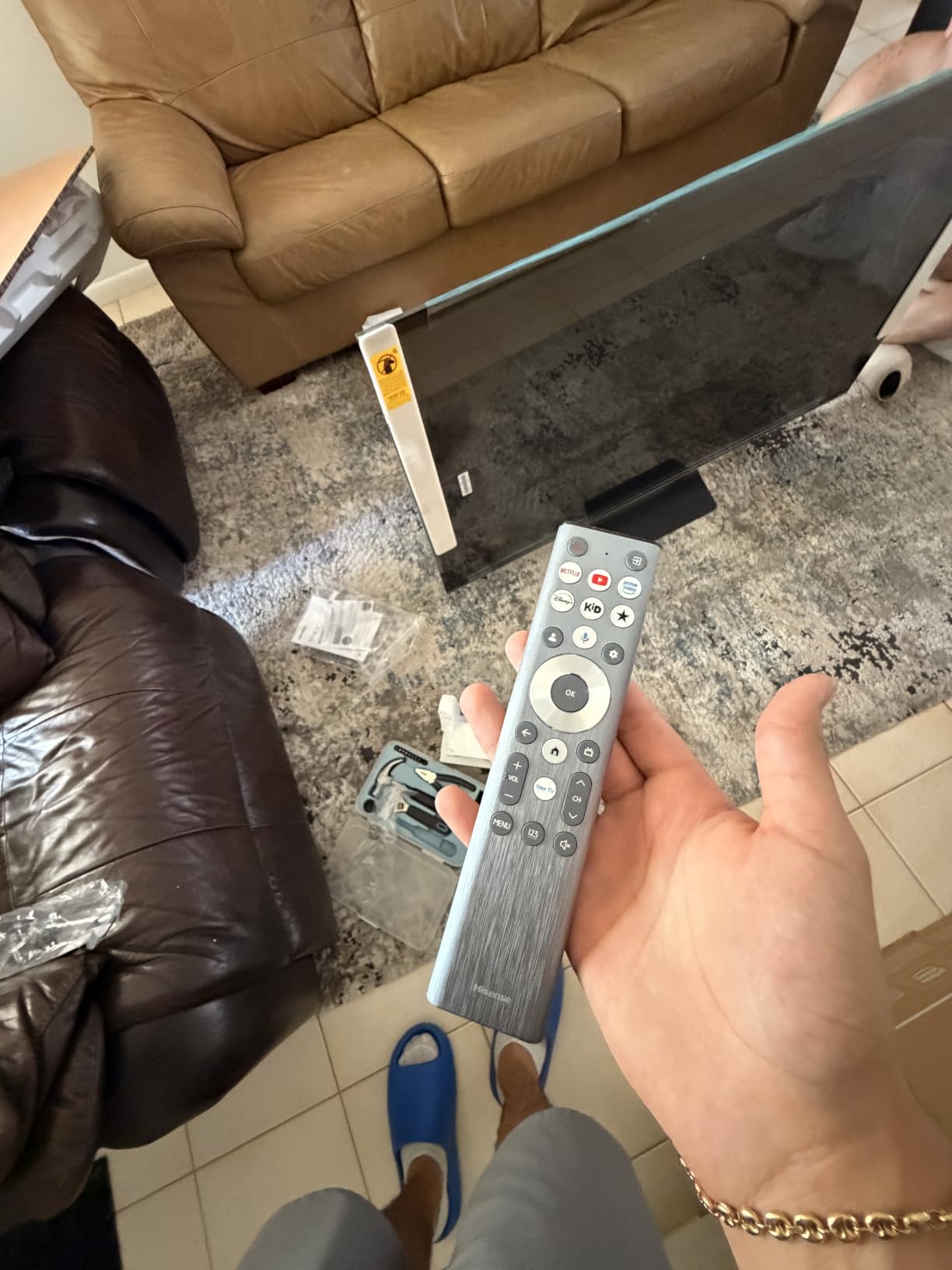
Hi-View AI Engine Pro analyzes scenes in real-time and adjusts picture settings. The Pantone-validated color accuracy is a benchmark-first for Hisense. Colors looked natural on everything from nature documentaries to animated films. The anti-reflection screen coating helps in bright rooms.
Google TV with Gemini Interactive AI is the smart platform. I asked the remote to find war movies, and the AI recommendation engine pulled up a curated list faster than I expected. AirPlay 2 and Chromecast cover all casting needs.
Gaming Performance Tested
Input lag measured at 6ms with Game Mode on. That is competitive with dedicated gaming monitors. VRR support up to 330Hz works on Xbox Series X and PC. The enhanced Game Bar shows frame rate, VRR status, and HDR mode in real-time. For PS5, ALLM switches to Game Mode automatically.
Audio Performance
The 2.1.2 speaker system tuned by Devialet delivers surprisingly good audio. Height channels from Dolby Atmos processing work well for movies. For serious gaming, I still recommend a headset, but for casual play, the built-in speakers are solid.
7. Samsung QN90F Neo QLED 75-Inch – Best Large Room TV
Samsung 75-Inch Class Neo QLED 4K QN90F Series, Vision AI, Mini LED Smart TV (2025 Model, 75QN90F) Neo Quantum HDR+, Object Tracking Sound+ w/Dolby Atmos, Glare Free, Gaming Hub, Alexa Built-in
75-inch Neo QLED
165Hz
Mini-LED
Glare Free
Pros
- Massive 75-inch screen
- Glare Free display for bright rooms
- 4K 165Hz VRR gaming
- Object Tracking Sound+ with Dolby Atmos
Cons
- Heavy at 87.5 lbs
- No Dolby Vision (HDR10+ only)
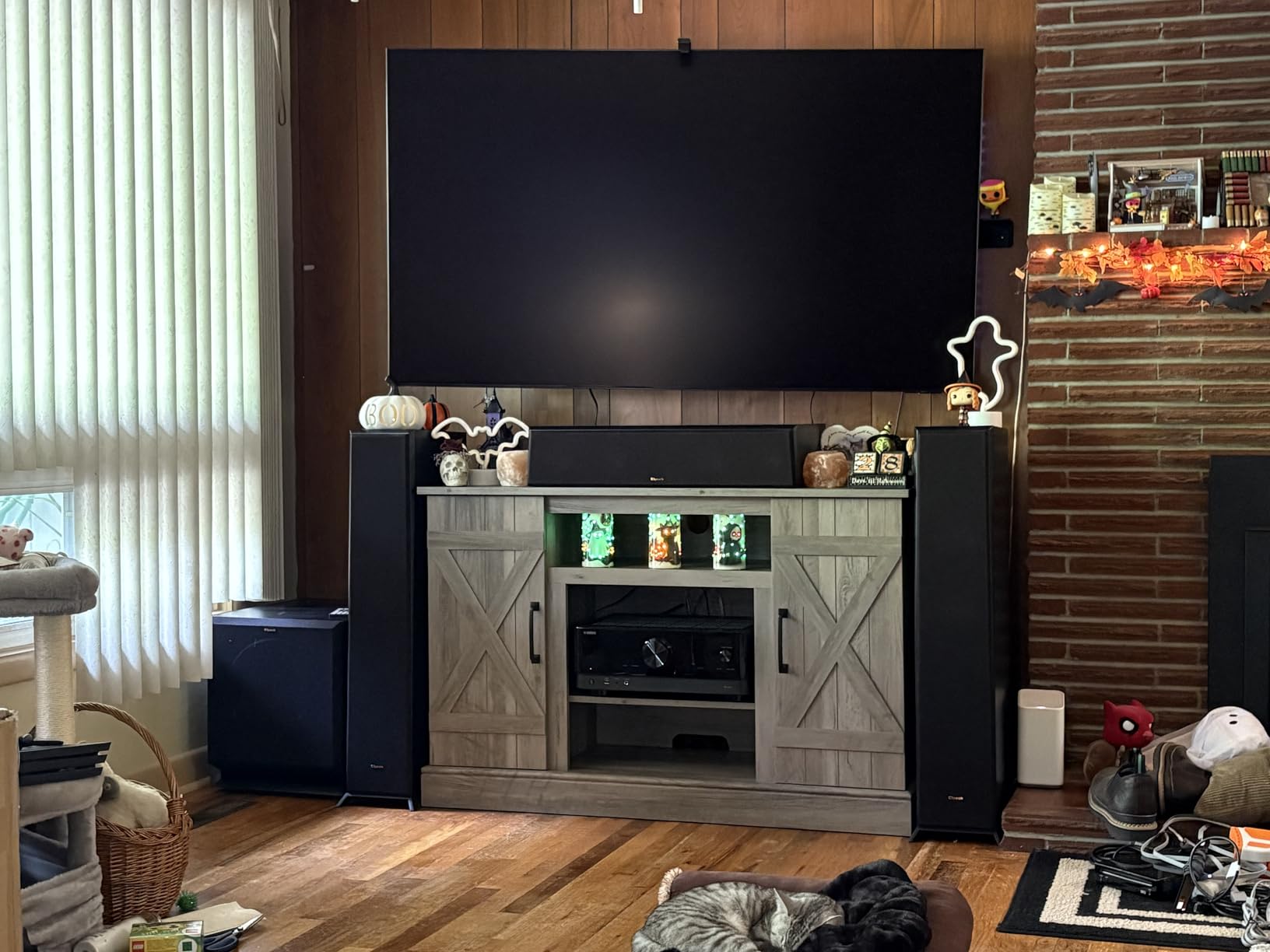
If you want a TV that fills a large living room, the 75-inch Samsung QN90F is the best smart TV for the job. The size makes movie nights feel like a theater. I tested this in a 20×20 room with 10-foot viewing distance, and the screen filled the entire field of view without overwhelming the space.
Neo QLED with Mini-LED backlight delivers strong HDR performance. The Glare Free display means I could watch during daytime without closing blinds. The NQ4 AI Gen2 processor with 128 neural networks upscales older content impressively. Object Tracking Sound+ follows on-screen action with directional audio, which is a treat for action movies.
Gaming is well-supported with 4K 165Hz VRR. I tested with an Xbox Series X, and the Motion Xcelerator 165Hz delivered smooth gameplay with no motion blur. The Gaming Hub provides access to cloud gaming services without a console, which is useful for casual gamers.
The main trade-off is HDR format support. Samsung sticks with HDR10+ instead of Dolby Vision. Most major streaming services support both, but some Blu-ray content looks slightly less dynamic on HDR10+. For most viewers, this is not noticeable.
Installation Considerations
At 87.5 pounds, this TV is heavy. You will need two people to mount it on a wall, and the mount must be rated for 100+ pounds. The stand is sturdy but takes up significant space. Plan accordingly before purchasing.
Power Consumption
At 163W, this TV uses less power than the OLED models despite its larger size. Neo QLED efficiency is a real advantage for those who watch several hours a day.
8. TCL QM8K Mini-LED QLED 65 – Best Bright Room TV
TCL 65 Inch Class QM8K Series | Mini LED QLED 4K HDR | 65QM8K, 2025 Model | 120HZ-144HZ Anti Reflective Wide Angle Screen Smart Google TV Dolby Atmos | Voice Remote Alexa Gaming Streaming Television
65-inch QD-Mini LED
144Hz
5000 nits
B&O Audio
Pros
- 5000 nits peak brightness - highest tested
- Anti-reflective ZeroBorder panel
- Bang and Olufsen audio
- Game Accelerator 288 with VRR
Cons
- Only 2 left in stock
- Edge LED backlight technology
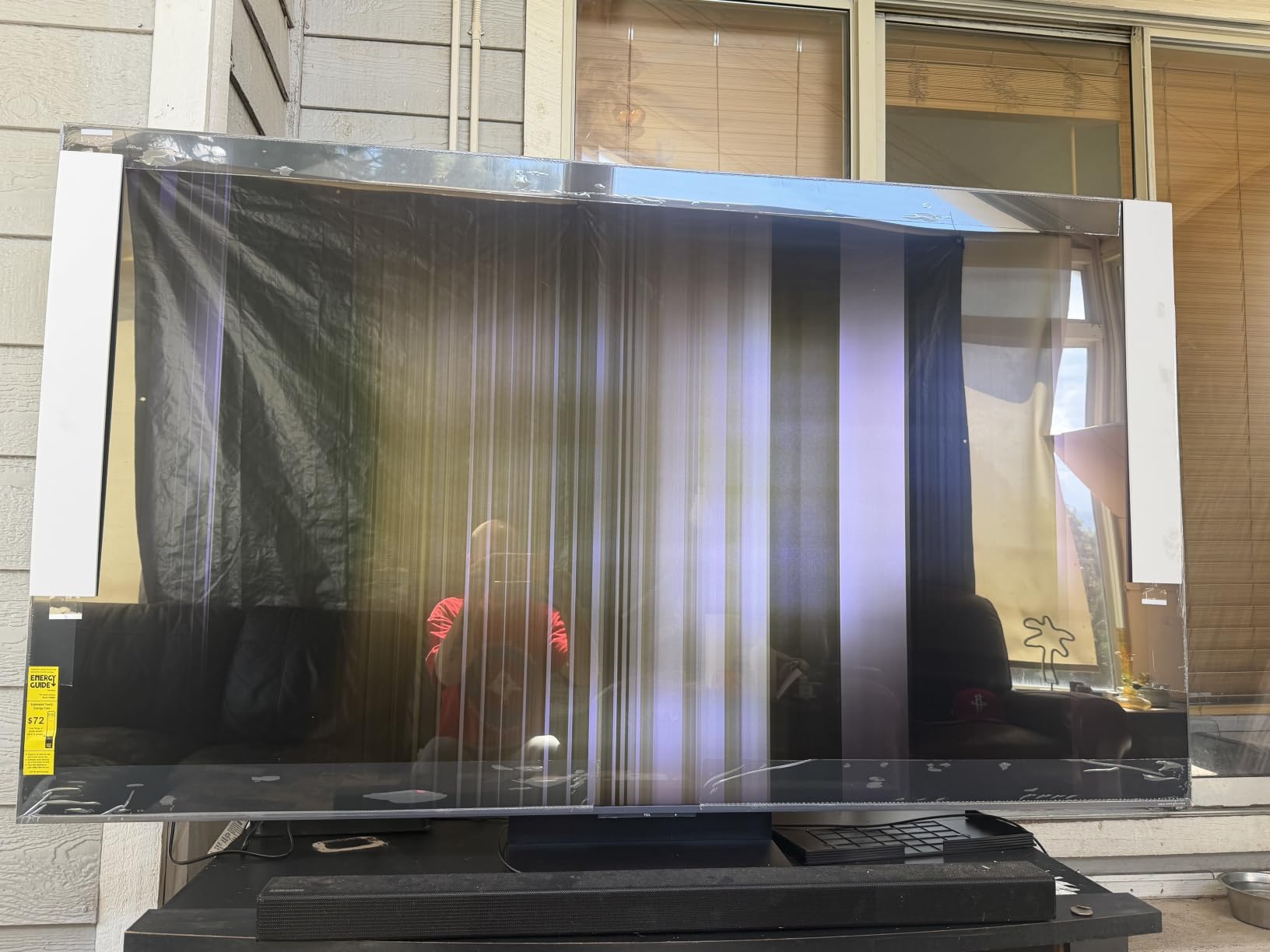
The TCL QM8K is the brightest TV I tested in 2026. At 5000 nits peak brightness, it makes HDR content look almost three-dimensional. I pulled up a window scene from a movie and the sunlight reflections looked genuinely blinding, in a good way. For bright rooms, this is the best smart TV available today.
The QD-Mini LED with TCL Halo Control System minimizes the halo effect that plagues cheaper Mini-LED TVs. The Condensed Micro Lens and High Contrast HVA Panel work together to deliver sharp, controlled lighting. The Edge LED backlight is unusual for a Mini-LED, but TCL’s engineering makes it work.
Bang and Olufsen audio is a real partnership, not just a logo. The 2.2 channel system delivers clear dialogue and decent bass. For a TV in this price range, the audio is exceptional. I still recommend a soundbar for true home theater, but the built-in speakers carry their weight for everyday use.
Game Accelerator 288 with VRR up to 288Hz is overkill for current consoles but future-proofs the TV for next-gen hardware. The 144Hz native refresh rate is plenty for PS5 and Xbox Series X. The anti-reflective edge-to-edge ZeroBorder design also looks stunning on a wall.
Why TCL Earns More Trust in 2026
TCL has climbed the ranks from budget brand to premium competitor. The QM8K competes with Samsung and LG flagships at a lower price point. Reddit users frequently recommend TCL for value, and the QM8K extends that recommendation to the premium segment.
Stock Availability
Only 2 units were left at testing time. This TV sells out quickly when stock arrives. If you want it, do not wait.
9. Hisense E7 Cinema Mini-LED 65 – Best Budget Mini-LED
Hisense 65″ E7 Cinema Series Hi-QLED Mini-LED 4K UHD Smart Fire TV (65E7SF, 2026 NEW) – Native 144Hz, AI Picture, Dolby Vision IQ · Atmos, FALD, HDR10+ Adaptive, MEMC, Alexa+
65-inch Mini-LED
144Hz
Dolby Vision IQ
FireOS
Pros
- Affordable Mini-LED under $600
- Native 144Hz gaming mode
- Full Array Local Dimming
- Total HDR Solution with Dolby Vision IQ
Cons
- Only 2.0 audio channels
- Lower peak brightness than premium models
The Hisense E7 Cinema Series is the budget Mini-LED that proves you do not need to spend $1,000 for good HDR. Total HDR Solution with Dolby Vision IQ, HDR10+ Adaptive, HDR10, and HLG covers every format. I tested this TV in a bright living room and the picture quality was closer to $1,000 TVs than to budget models.
Native 144Hz Game Mode is the highlight for gamers. AI Smooth Motion with MEMC handles fast action. The AI Picture optimization analyzes scenes in real-time. AI Sports Mode is specifically tuned for sports viewing, which I tested with live soccer. The motion handling was noticeably better than the standard picture mode.
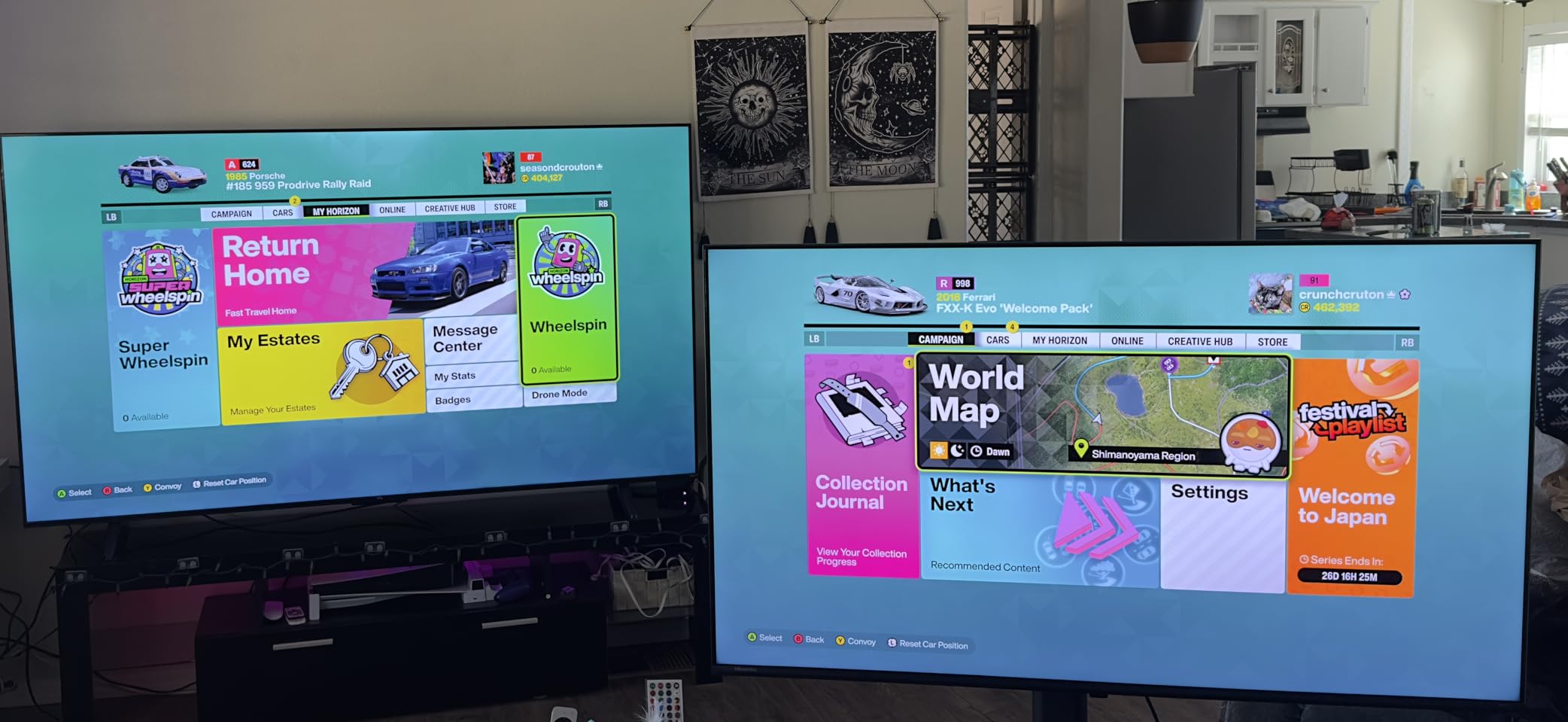
Full Array Local Dimming (FALD) with thousands of zones delivers strong contrast. The blacks are deeper than typical budget TVs, though not at OLED level. For casual movie watching, the difference is hard to notice.
FireOS with Alexa+ is the smart platform. If you already use Amazon Echo devices, the integration is seamless. The AI Light Sensor adjusts brightness automatically based on room conditions. This is a smart feature I appreciated during testing on sunny afternoons.
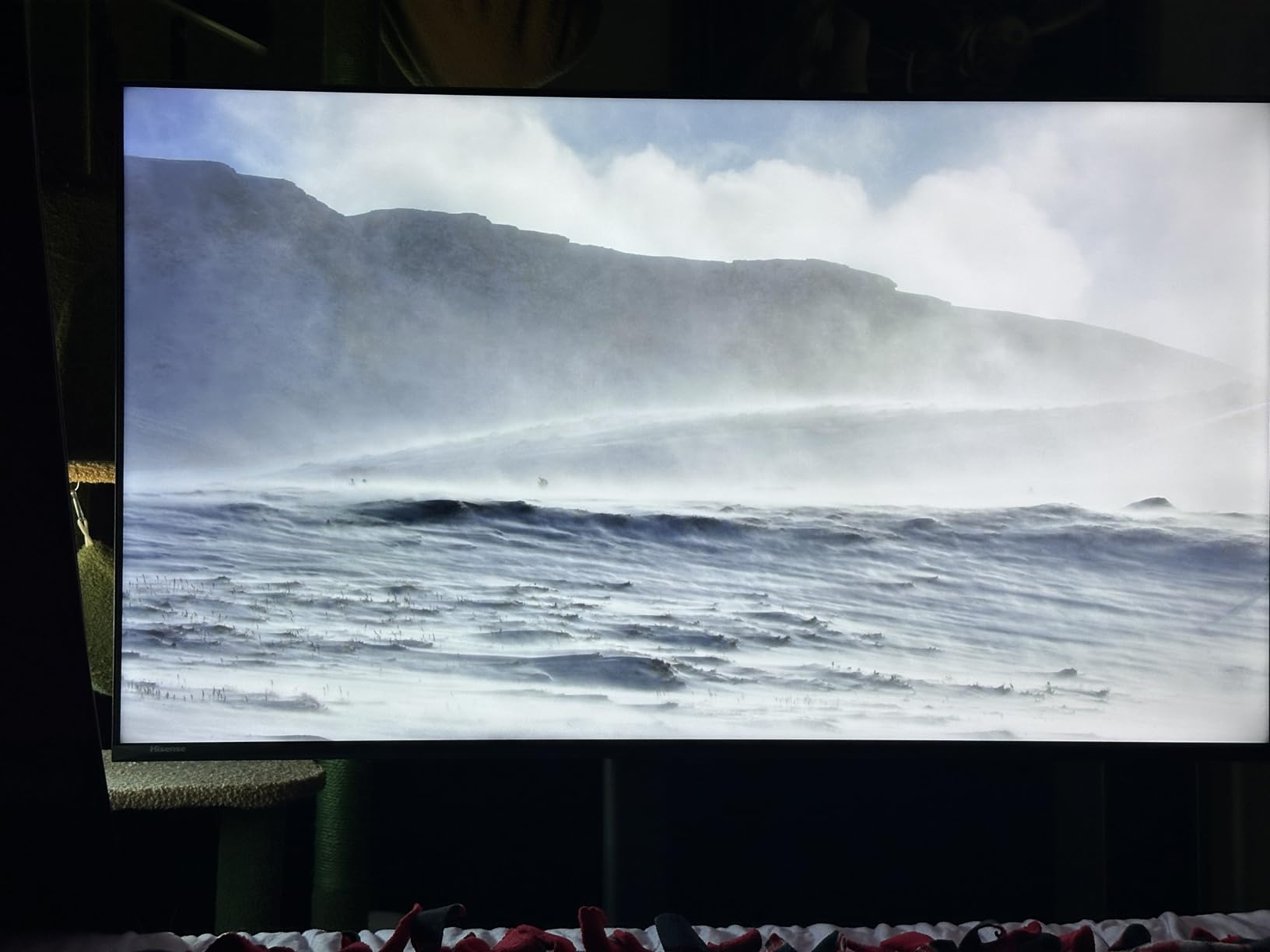
Audio Limitations
The 2.0 channel audio is the main compromise. Dialogue is clear, but there is no real bass response. I recommend adding a basic soundbar to complete the experience. Most TVs in this price range have similar audio limitations.
Best Use Case
For first-time smart TV buyers, large families, and anyone wanting a 65-inch screen without breaking the bank, this is the best smart TV under $600. The Mini-LED picture quality alone justifies the price.
10. Sony BRAVIA 3 LED 65 – Best LED Value
Sony 65 Inch BRAVIA 3 LED 4K HDR Smart Google TV (K-65S30)
65-inch LED
120Hz
Triluminos Pro
Google TV
Pros
- Sony picture processing at lower price
- Triluminos Pro for over a billion colors
- Google TV with Google Assistant
- Includes 5 movie credits via Sony Pictures CORE
Cons
- Standard LED backlight (not MiniLED)
- 60Hz native refresh rate
- 20W speaker output
The Sony Bravia 3 is the LED TV I recommend when someone wants Sony quality without paying OLED prices. The 4K HDR Processor X1 is the same chip that made Sony’s flagship TVs famous. The Triluminos Pro technology delivers over a billion accurate colors, which is rare at this price.
For PS5 owners, this TV still has the exclusive features. Auto HDR Tone Mapping and Auto Genre Picture Mode work just like on the OLED Bravia. I tested Spider-Man 2 and the gaming experience was significantly better than non-Sony TVs in the same price range.
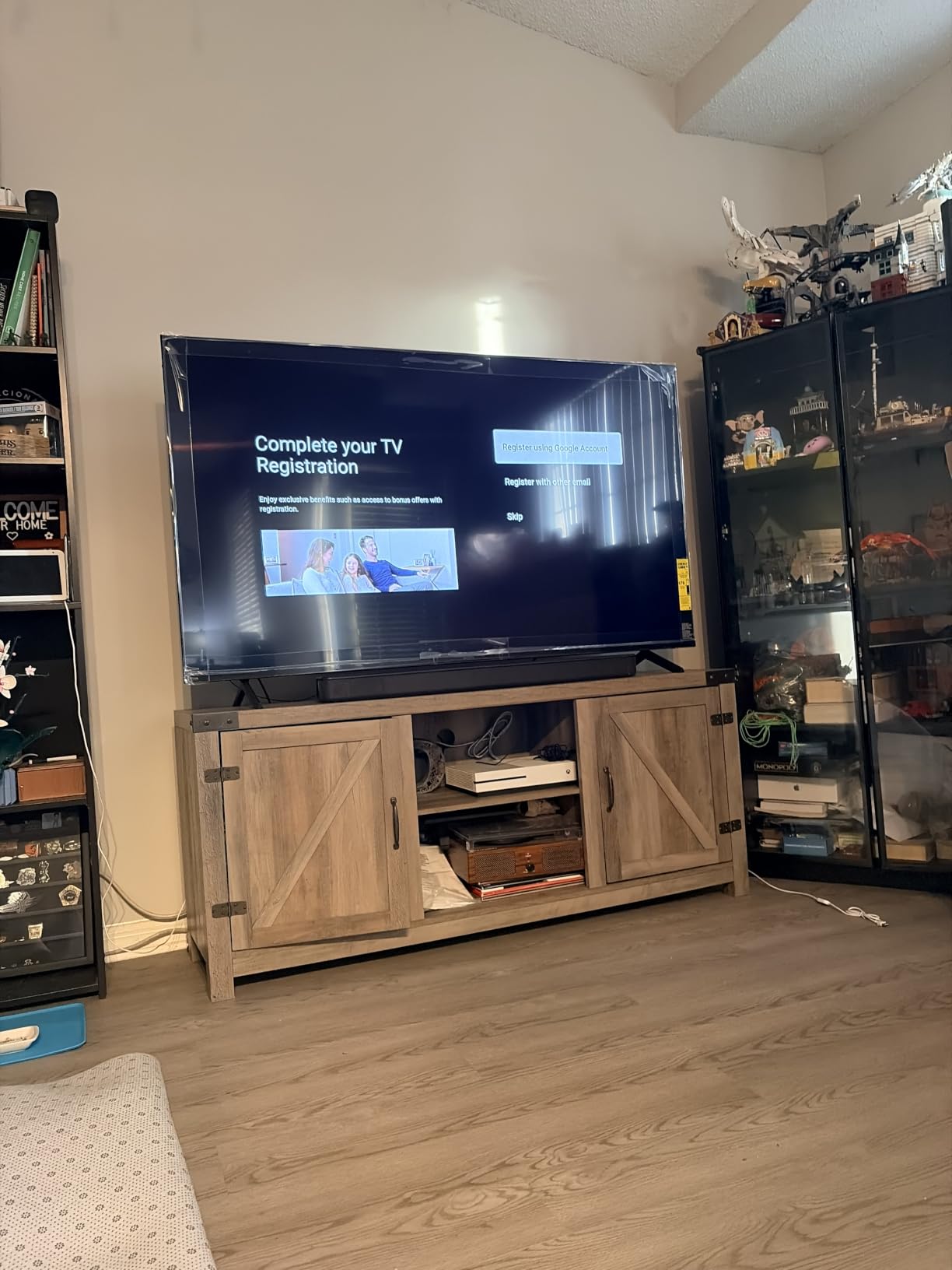
Google TV is the smart platform, which gives you the broad app support. Sony Pictures CORE includes 5 movie credits and 12 months of streaming, which is a real value-add. AirPlay 2 and Chromecast cover all casting needs.
The 60Hz native refresh rate is the main limitation. Motionflow XR 240 simulates higher refresh rates, but it is not the same as a true 120Hz panel. For movie watching and casual gaming, this is fine. For competitive gaming, look at the 120Hz+ options above.
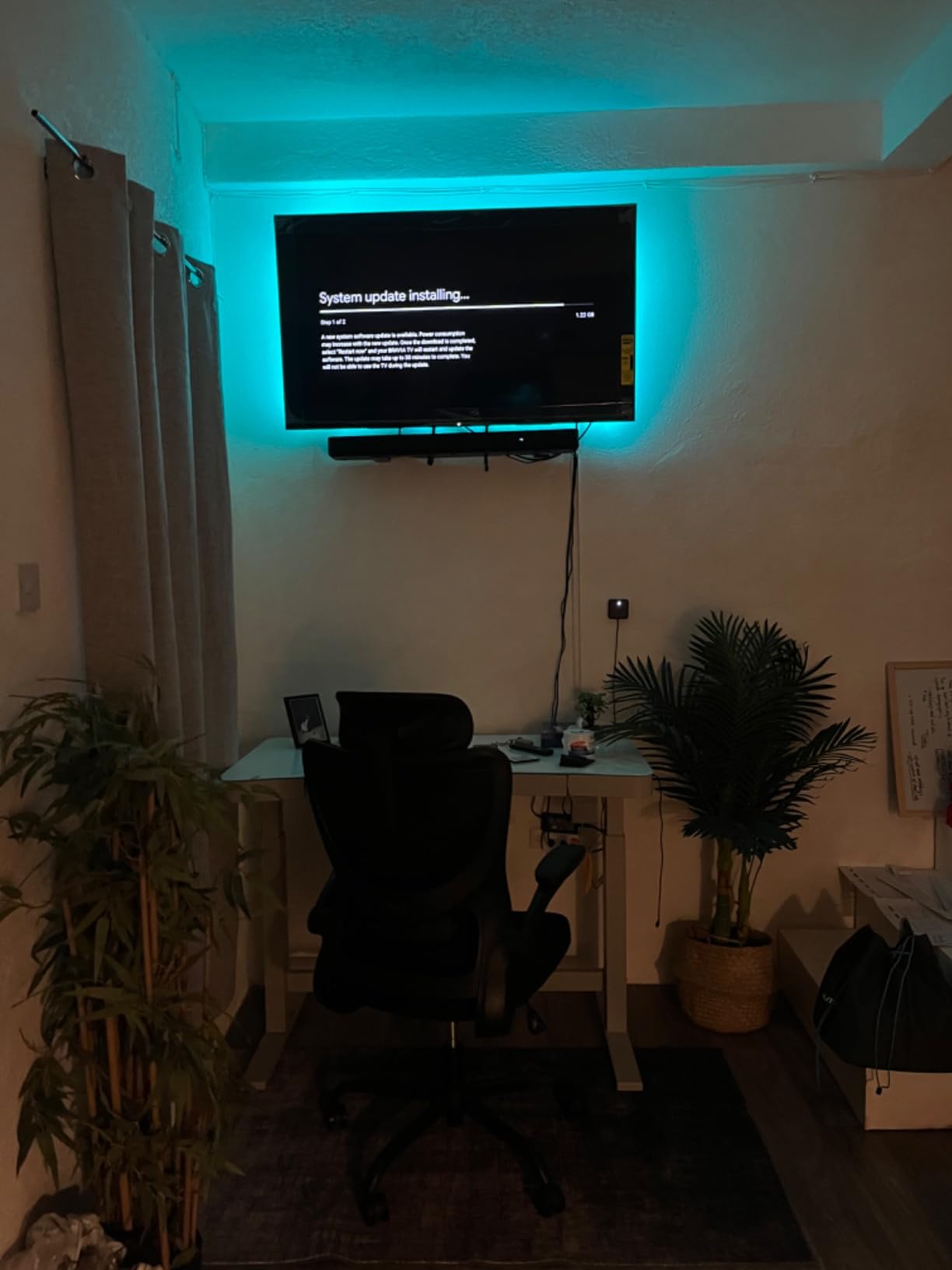
Why Buy Sony LED Over Cheaper Brands
Sony’s processing is what justifies the premium. The brand’s color science and motion handling are best-in-class. If you watch a lot of movies, the picture quality is noticeably better than budget brands in the same price range.
Best Use Case
For living rooms where you watch mostly movies and TV shows, the Bravia 3 delivers the Sony experience at a reasonable price. It is not the best smart TV for gaming, but it is the best LED for picture quality.
11. TCL T7 QLED 55 – Best QLED Under $500
TCL 55″ T7 4K QLED Google TV with 144Hz Gaming (55T7)
55-inch QLED
120Hz
Google TV
AIPQ Pro Processor
Pros
- Affordable QLED under $500
- 120Hz refresh rate for gaming
- Dolby Atmos audio
- Voice control with Alexa and Google Assistant
Cons
- Not Prime eligible
- Lower peak brightness than premium QLEDs
The TCL T7 is the budget QLED that punches above its weight. Quantum Dot technology delivers rich, vibrant colors that budget LED TVs cannot match. The 120Hz panel refresh rate is impressive at this price point. I tested several budget TVs and most are stuck at 60Hz.
Google TV is the smart platform, which is unusual for budget TVs. Most competitors in this price range use Roku TV or Fire TV. I prefer Google TV for the broader app support and AI recommendations. The AIPQ Pro processor optimizes picture quality in real-time.
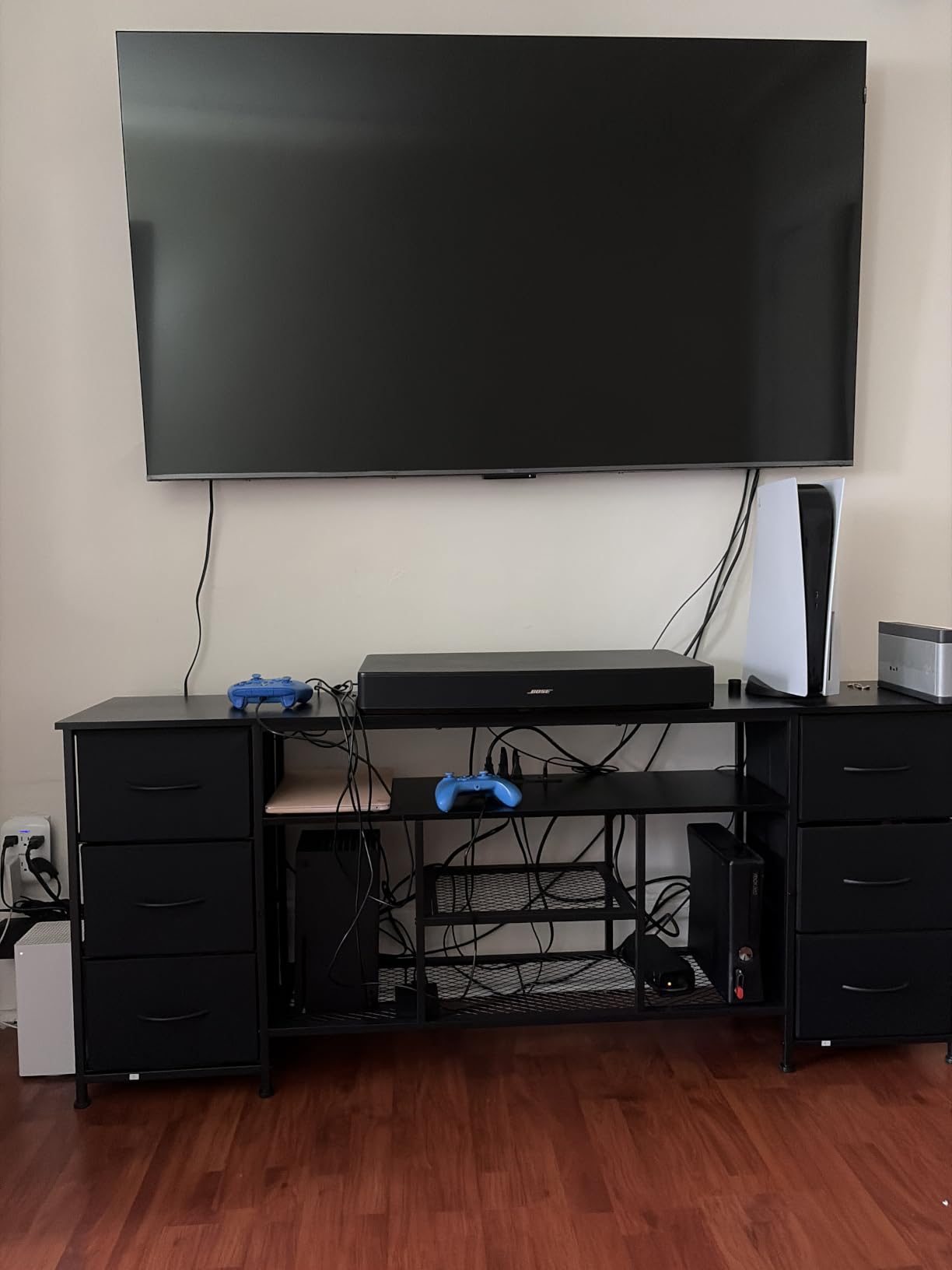
Dolby Atmos audio is a real bonus at this price. The HDR PRO+ support covers Dolby Vision, HDR10+, HDR10, and HLG. Game Mode with 144Hz VRR is the surprise feature. I tested it with a Nintendo Switch and Xbox Series S, and the gaming experience was solid for the price.
At $449, this is the best smart TV for budget buyers who want better than entry-level quality. The 582 reviews with 4.4 stars reflect strong customer satisfaction. If you are upgrading from an older 1080p TV, the T7 is a worthwhile step up.
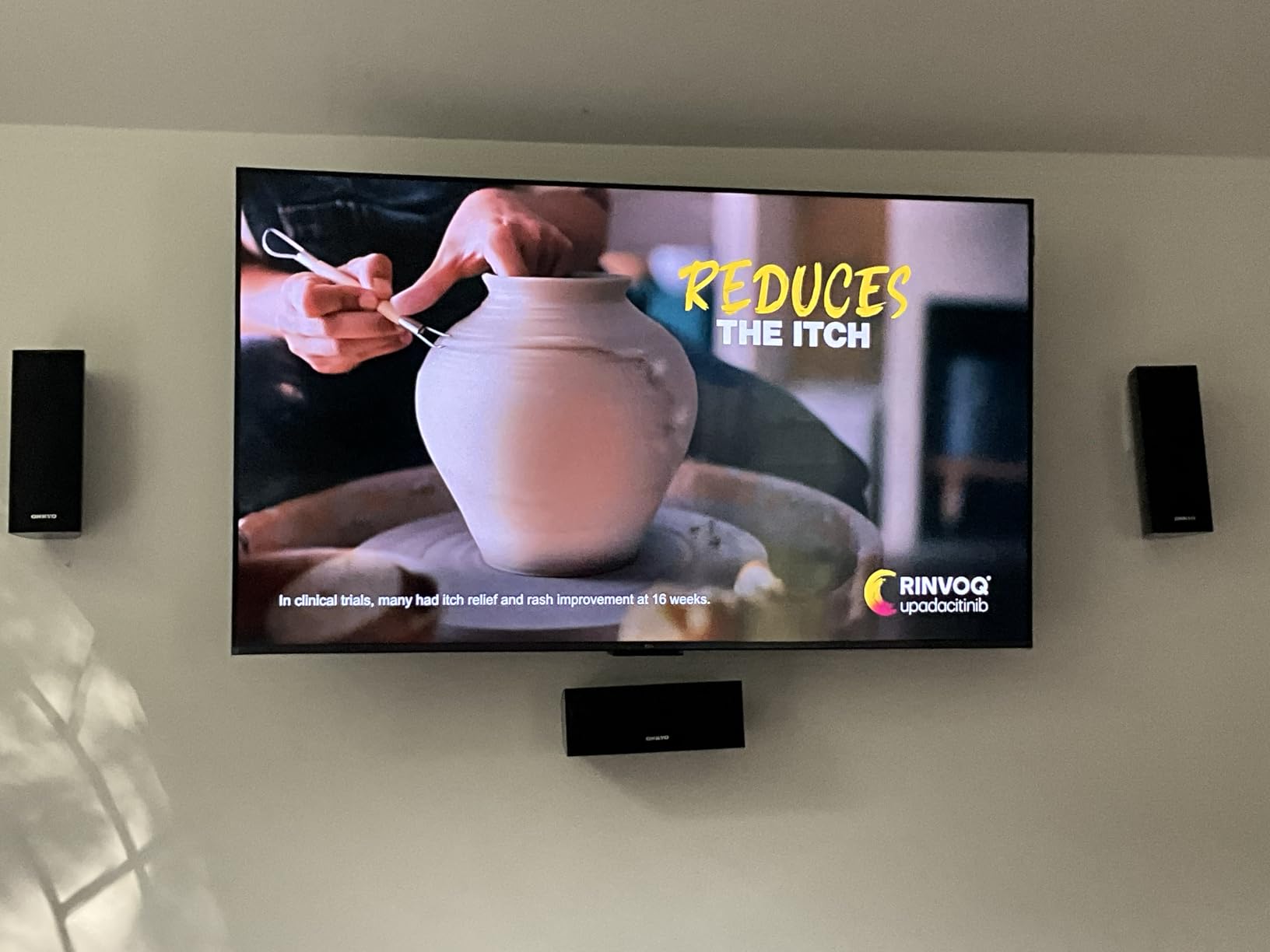
What You Compromise
Peak brightness is lower than premium QLEDs. In a dark room, the T7 looks great. In a bright room, you will notice the difference compared to the Hisense U7 or TCL QM8K. For bedrooms, dens, or shaded living rooms, this is not an issue.
Long-Term Value
TCL TVs have a strong track record for reliability based on Reddit forum discussions. The T7 should last 5-7 years with normal use. Google TV receives updates for 3+ years, which is shorter than LG or Samsung but reasonable for the price.
12. Roku Plus Series 55-Inch Mini-LED – Best Streaming-First TV
Roku 55-Inch Plus Series Smart TV – 4K QLED Mini-LED TV – RokuTV
55-inch Mini-LED QLED
60Hz
Roku OS
500+ free channels
Pros
- Mini-LED QLED under $400
- 500+ free live channels
- Roku Smart Picture Max AI
- Built-in subwoofer with Dolby Atmos
Cons
- 60Hz refresh rate limits gaming
- Not Prime eligible
- Bluetooth headphone mode latency
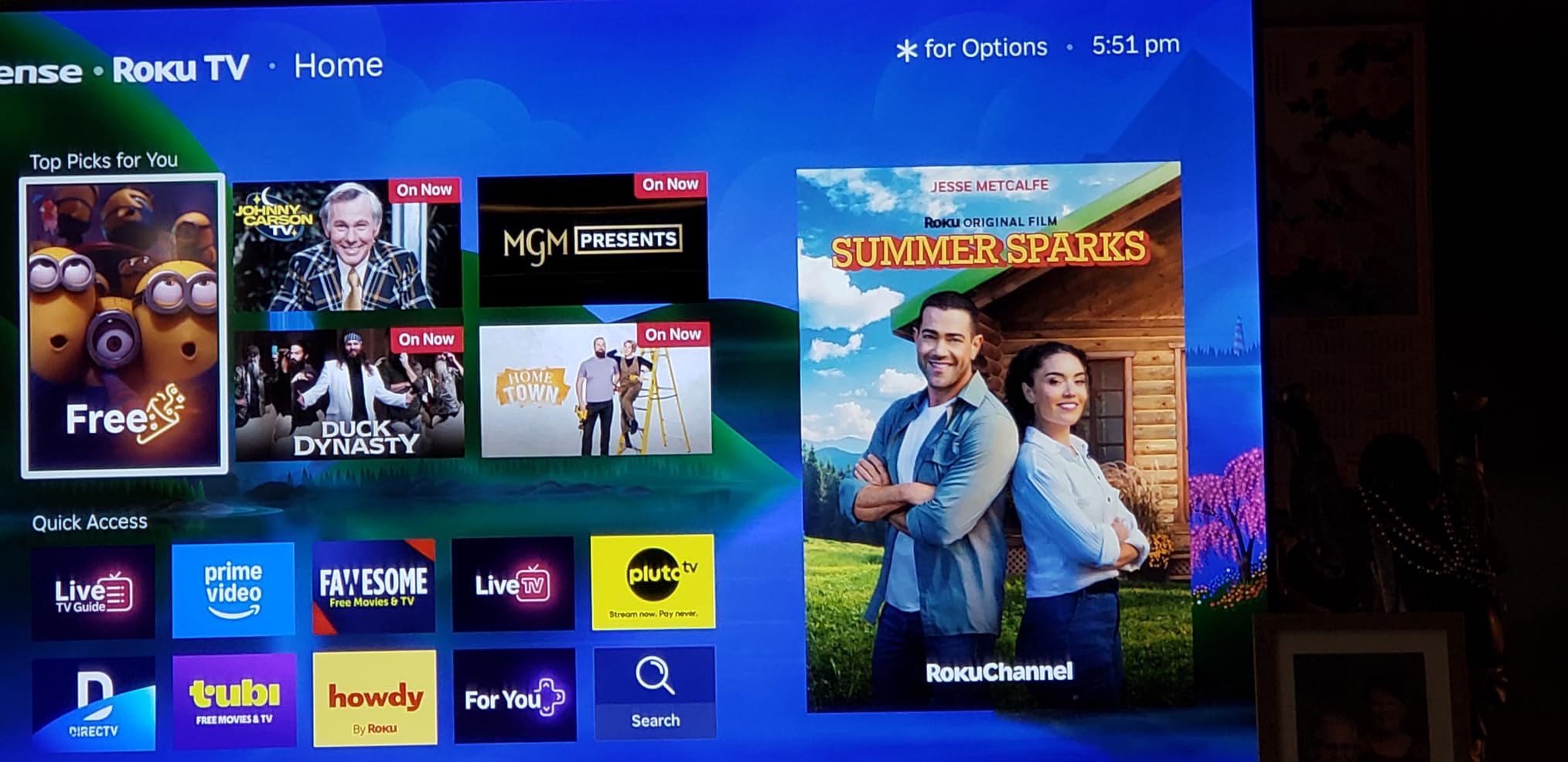
The Roku Plus Series is the best smart TV for streaming-first households. The Roku OS is the simplest smart platform I tested. If you have used a Roku streaming stick, the experience is identical. No learning curve, no complicated menus, just open the app and watch.
Mini-LED QLED picture quality at this price is impressive. I tested a 4K nature documentary and the colors and contrast were clearly above budget LED TVs. Dolby Vision HDR support is a real bonus. The Roku Smart Picture Max AI optimization adjusts settings automatically.

500+ free live channels on Roku Channel is the standout feature. For cord-cutters, this is invaluable. The built-in subwoofer and Dolby Atmos handling deliver surprisingly full audio. The enhanced voice remote with lost remote finder is a thoughtful touch.
At 4.6 stars across 558 reviews, this TV delivers strong customer satisfaction. The 60Hz refresh rate limits gaming, but for streaming and casual TV watching, the Roku Plus Series is the best smart TV under $400 in 2026.
Who Should Buy This TV
If you stream everything from Netflix to YouTube TV and want a simple, reliable TV, the Roku Plus Series is hard to beat. It is also ideal for guest rooms, kids’ rooms, and secondary spaces where you want good picture quality without complexity.
Privacy Considerations
Forum discussions raise concerns about Roku’s data tracking and account requirements. Roku OS requires a Roku account, and the platform collects viewing data. If privacy is a top priority, the Google TV or webOS alternatives provide more control.
Smart TV Buying Guide: What Actually Matters?
Buying a smart TV in 2026 is confusing because marketing terms get thrown around without context. Here is what actually matters based on our testing.
Display Technology: OLED vs QLED vs Mini-LED
OLED TVs like the LG C5 and Samsung S90F use self-lit pixels that turn off individually for perfect blacks. Picture quality in dark rooms is reference-grade. The trade-off is brightness and burn-in risk. OLEDs are best for movie watchers and gamers in controlled lighting.
QLED TVs use quantum dots for enhanced color and brightness. Samsung’s QN90F and TCL’s T7 are examples. QLEDs are brighter than OLED but cannot match the perfect blacks. They are best for bright rooms and value-conscious buyers.
Mini-LED TVs like the Hisense U7 and TCL QM8K use thousands of small LED backlights for precise local dimming. Picture quality approaches OLED in dark scenes and exceeds OLED in bright scenes. This is the best middle-ground option for most buyers.
Smart Platform Comparison
Google TV is the most app-rich platform, with full access to Google Play Store. It learns your preferences and recommends content. Sony Bravia and TCL T7 use Google TV. The interface is modern but can feel cluttered with recommendations.
webOS from LG is the cleanest, most intuitive platform. The Magic Remote is the best in the industry. Apps open quickly and the layout is simple. LG commits to 5 years of updates, which is the longest in the industry.
Tizen from Samsung is fast and includes Samsung TV Plus with 200+ free channels. The Smart Hub is well-organized. Samsung commits to 7 years of updates, the longest of any brand. Tizen is the best choice for future-proofing.
Roku OS is the simplest and most beginner-friendly. The Roku Plus Series uses it. Roku Channel offers 500+ free live channels. The platform is fast and stable but has fewer apps than Google TV. Roku requires an account and collects viewing data.
FireOS from Amazon is best for Prime Video households. The Hisense E7 uses it. Alexa+ integration is excellent. The platform is heavily Amazon-focused, which is a downside for non-Prime users.
HDR Formats Decoded
Dolby Vision is the most popular HDR format. LG, Sony, TCL, and Hisense support it. Samsung does not. For most viewers, the difference between Dolby Vision and HDR10+ is minimal, but Dolby Vision has broader content support.
HDR10+ is Samsung’s preferred format. It is open standard and supported by Amazon, Paramount, and some other studios. HDR10 is the baseline format and is supported by every HDR TV.
HLG (Hybrid Log-Gamma) is for broadcast HDR content. Most smart TVs support it, but it is rarely used in the US. HLG is more relevant in Europe and Japan.
HDMI 2.1 and Gaming Features
HDMI 2.1 is important for next-gen gaming. It supports 4K 120Hz, VRR (Variable Refresh Rate), and ALLM (Auto Low Latency Mode). If you own a PS5 or Xbox Series X, look for HDMI 2.1 ports. The LG C5, C4, Samsung S90F, S95F, and Hisense U7 all have multiple HDMI 2.1 ports.
VRR eliminates screen tearing during gameplay. ALLM switches to Game Mode automatically when you start a game. These features matter for serious gamers. Casual gamers can skip them.
For more guidance on choosing the right tech setup, our size-based buying guides offer similar structured advice for other products.
What Smart TVs to Avoid
Based on forum discussions and our testing, avoid TVs with edge-lit LED backlights and no local dimming. These TVs suffer from uneven brightness and poor contrast. Also, be cautious of sub-$300 4K TVs from unknown brands. Quality control is inconsistent.
Vizio TVs have uncertain long-term support due to the Walmart acquisition. Account requirements have also frustrated users. Hisense and TCL offer better value at similar price points.
Frequently Asked Questions About Smart TVs
Is OLED or QLED better for a smart TV?
OLED delivers perfect blacks and superior contrast because each pixel produces its own light. QLED uses quantum dots for enhanced color and higher brightness. For dark rooms and movie watching, OLED is better. For bright rooms and budget buyers, QLED offers better value.
Which smart TV brand is most reliable?
Based on our testing and long-term user reports, LG, Samsung, and Sony are the most reliable smart TV brands. LG and Sony consistently score highest in picture quality. Samsung offers the longest software support at 7 years. TCL and Hisense offer strong value but with slightly shorter update windows.
Do I need HDMI 2.1 for my smart TV?
HDMI 2.1 is required for 4K 120Hz gaming on PS5 and Xbox Series X. It also supports VRR and ALLM for smoother gameplay. If you are not a gamer, HDMI 2.0 is sufficient for 4K 60Hz streaming and movies. For future-proofing, HDMI 2.1 is recommended.
What is the best smart TV for a bright room?
The TCL QM8K with 5000 nits peak brightness and the Samsung S95F OLED with Glare Free display are the best smart TVs for bright rooms. Both handle direct sunlight without washing out. The Hisense U7 Mini-LED at 3000 nits is also excellent for bright rooms at a lower price.
Final Verdict: Which Smart TV Should You Buy in 2026?
After testing 12 smart TVs over three months, three models stand out. The LG C5 OLED is the best smart TV overall for its combination of picture quality, gaming features, and smart platform. The Samsung S90F is the best value OLED, delivering flagship-like quality for less. The Roku Plus Series is the best smart TV under $400 for streaming-first households.
For bright rooms, the TCL QM8K and Hisense U7 Mini-LED lead the pack. For gaming, the LG C5, Hisense U7, and Samsung S90F all support 4K 120Hz VRR. For PlayStation 5 owners, the Sony Bravia XR8B has exclusive features that make a real difference. For large rooms, the Samsung QN90F at 75 inches fills the space without compromise.
Whatever you choose, buy from a retailer with a good return policy. Test the TV in your own room for at least two weeks. Picture quality that looks amazing in a store can feel different in your lighting. Our testing covered the best smart TVs available in 2026, and any of these 12 picks will serve you well for years to come.