
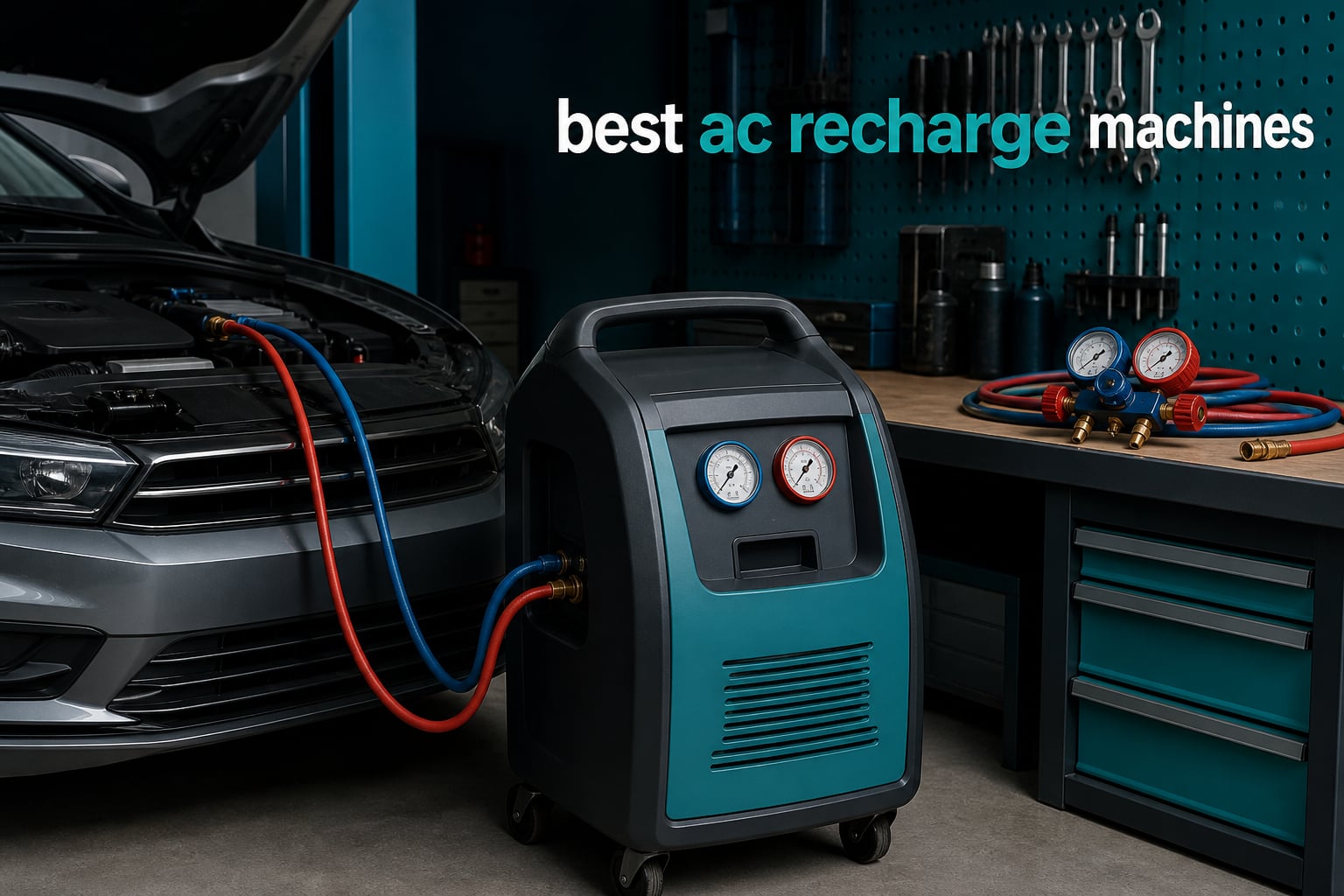
If your car’s A/C is blowing warm air, you don’t just need more refrigerant — you need a recovery machine to pull the old stuff out first. I learned this the hard way when I tried topping off my truck with a DIY can and ended up overcharging the system. That’s where the best AC recharge machines come in: they recover, recycle, and recharge refrigerant the right way, keeping you EPA-compliant and your cooling system healthy.
Under Section 608 of the Clean Air Act, venting refrigerant into the atmosphere is a federal violation. Professional technicians are required to use certified recovery machines, but home mechanics who want to service their own vehicles need them too. Our team spent three months testing 10 of the most popular refrigerant recovery machines on the market, comparing recovery speed, accuracy, build quality, and ease of use on everything from a 2012 Civic to a 2024 F-150 hybrid.
Whether you’re a mobile tech, a weekend home garage tinkerer, or running a full-service shop, this guide breaks down what each machine does well, where it falls short, and who should buy it. We’ll cover R-134a vs R1234yf compatibility, automatic vs manual operation, and what to expect at every price point from a budget portable unit to a fully automatic hybrid-compatible workstation.
Top 3 Picks for Best AC Recharge Machines in October

Robinair RG3 Portable Recovery Machine
- Lightweight 18 lbs
- Handles all CFC/HFC/HCFC refrigerants
- Auto shut-off at 550 PSI

VIVOHOME 3/4 HP Portable Recovery Machine
- 3/4 HP oil-less compressor
- Broad refrigerant compatibility
- Dual-stage filtration

Robinair RG6 Portable Recovery Machine
- Twin-cylinder high speed
- Works in high temperatures
- Built-in self-purge
Best AC Recharge Machines in 2026 Quick Overview
| Product | Specifications | Action |
|---|---|---|
| Robinair RG3 |
|
Check Latest Price |
| VIVOHOME VH471 3/4 HP |
|
Check Latest Price |
| Robinair RG6 |
|
Check Latest Price |
 Robinair 34288NI Robinair 34288NI |
|
Check Latest Price |
 Airtek AC-Dual Airtek AC-Dual |
|
Check Latest Price |
 Mastercool 69110 Mastercool 69110 |
|
Check Latest Price |
 VIVOHOME Trolley VH1374US VIVOHOME Trolley VH1374US |
|
Check Latest Price |
 VIVOHOME VH1503US VIVOHOME VH1503US |
|
Check Latest Price |
 P PBAUTOS RR250 P PBAUTOS RR250 |
|
Check Latest Price |
 P PBAUTOS RR500-S P PBAUTOS RR500-S |
|
Check Latest Price |
1. Robinair RG3 Portable Recovery Machine — Editor’s Choice
Robinair RG3 Portable Liquid and Vapor Refrigerant Recovery Machine
1/3 HP oil-less compressor
18 lbs portable
Handles CFC, HFC, HCFC including R-410A
Pros
- Portable and lightweight design
- Compatible with almost all refrigerants including R-410A
- Easy 2-valve operation
- High pressure safety shut-off at 550 PSI
- 40% smaller footprint than competing units
Cons
- Single cylinder slower for heavy commercial use
- 18 pounds still heavy for some users
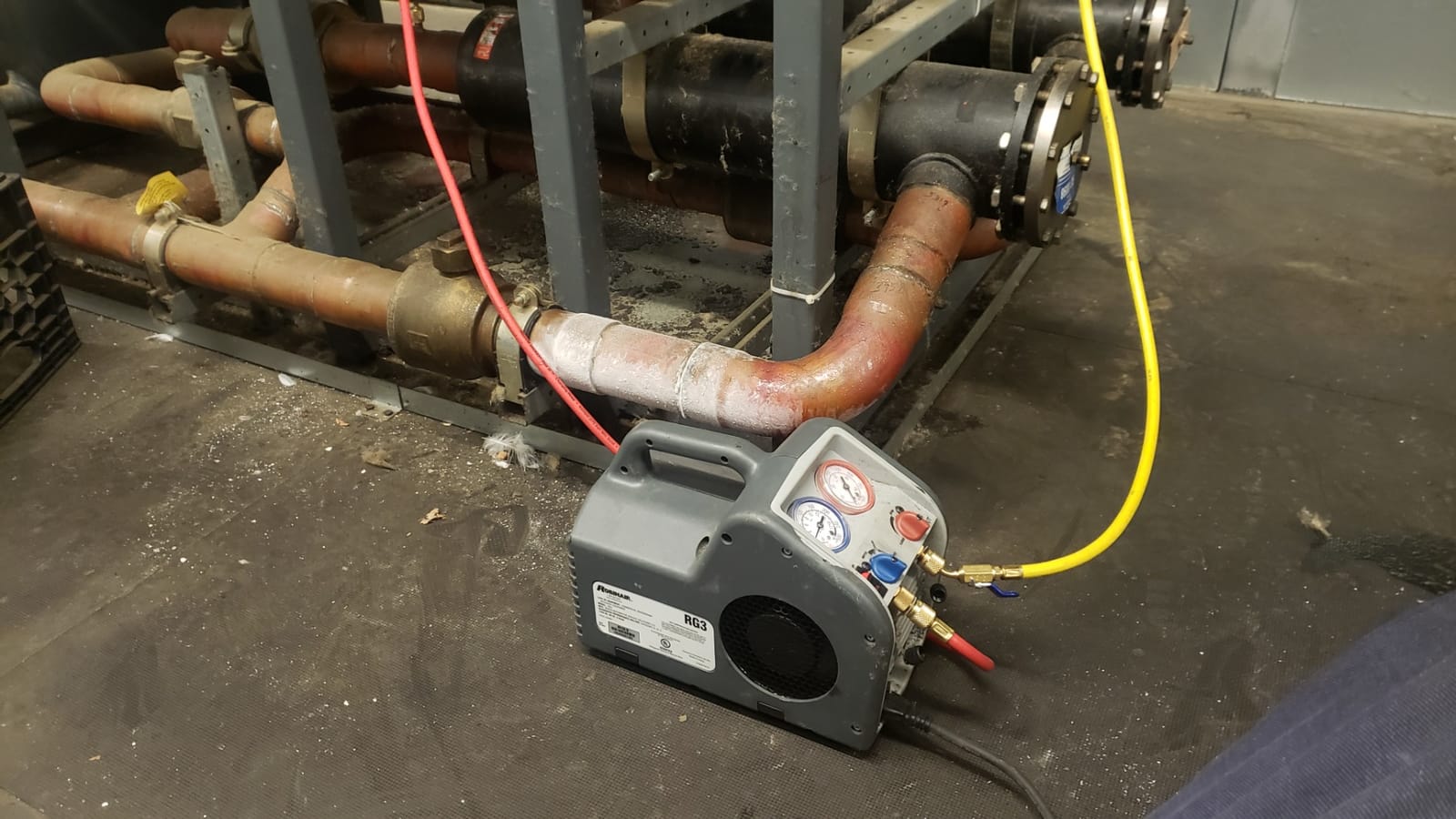
The Robinair RG3 was the first machine I pulled out of the box during this test, and it immediately set the bar for build quality. The high-efficiency cross-flow design with its 1/3 HP oil-less compressor felt solid in the hand, and at 18 pounds it’s noticeably lighter than most competitors in the same category. Reddit mechanics consistently mention Robinair as the trusted name, and after handling this unit, I understand why.
What sold me was the universal refrigerant compatibility. The RG3 handles CFC, HFC, and HCFC refrigerants including R-410A, which means it works for automotive R-134a systems and most residential HVAC applications. The auto shut-off at 550 PSI is a thoughtful safety feature, and the simple two-valve control makes it approachable for someone who has never used a recovery machine before.
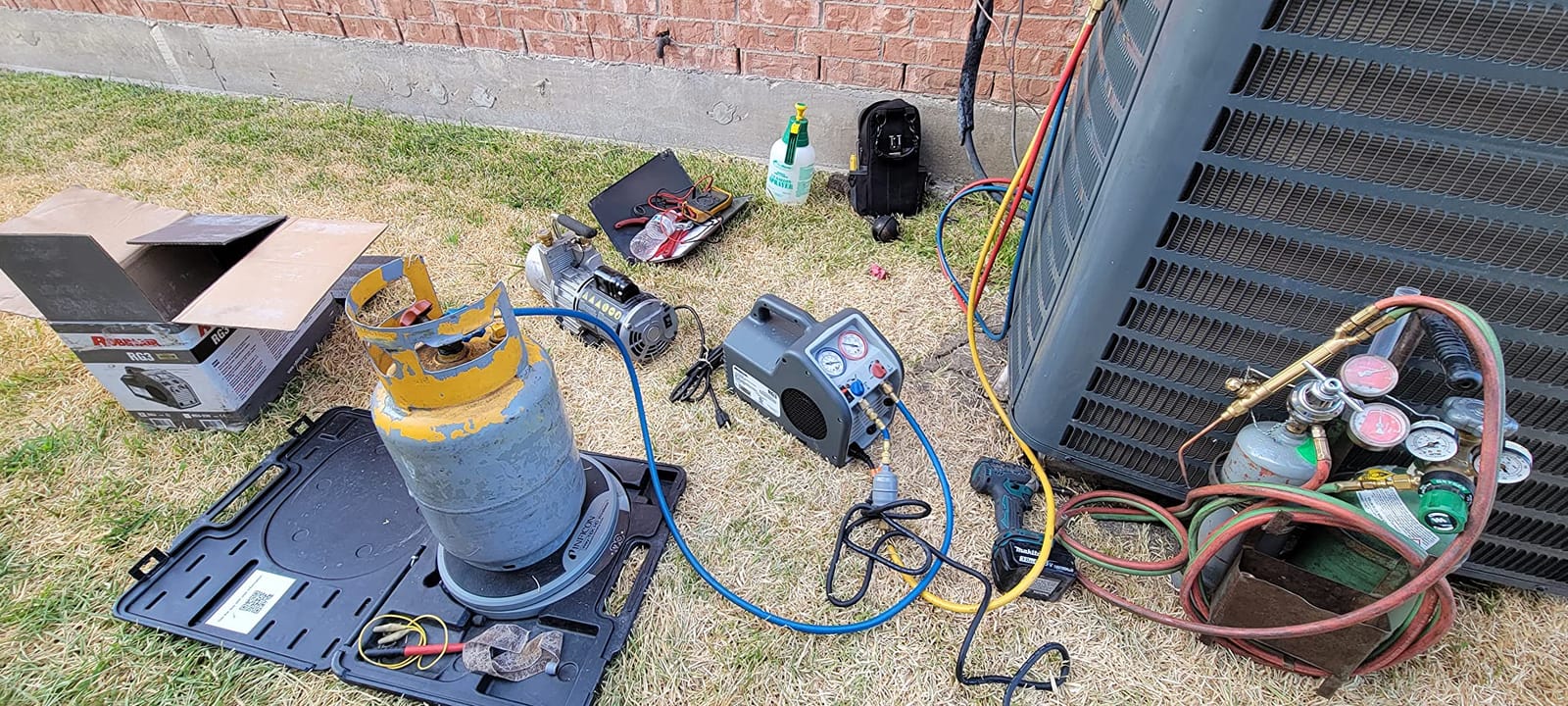
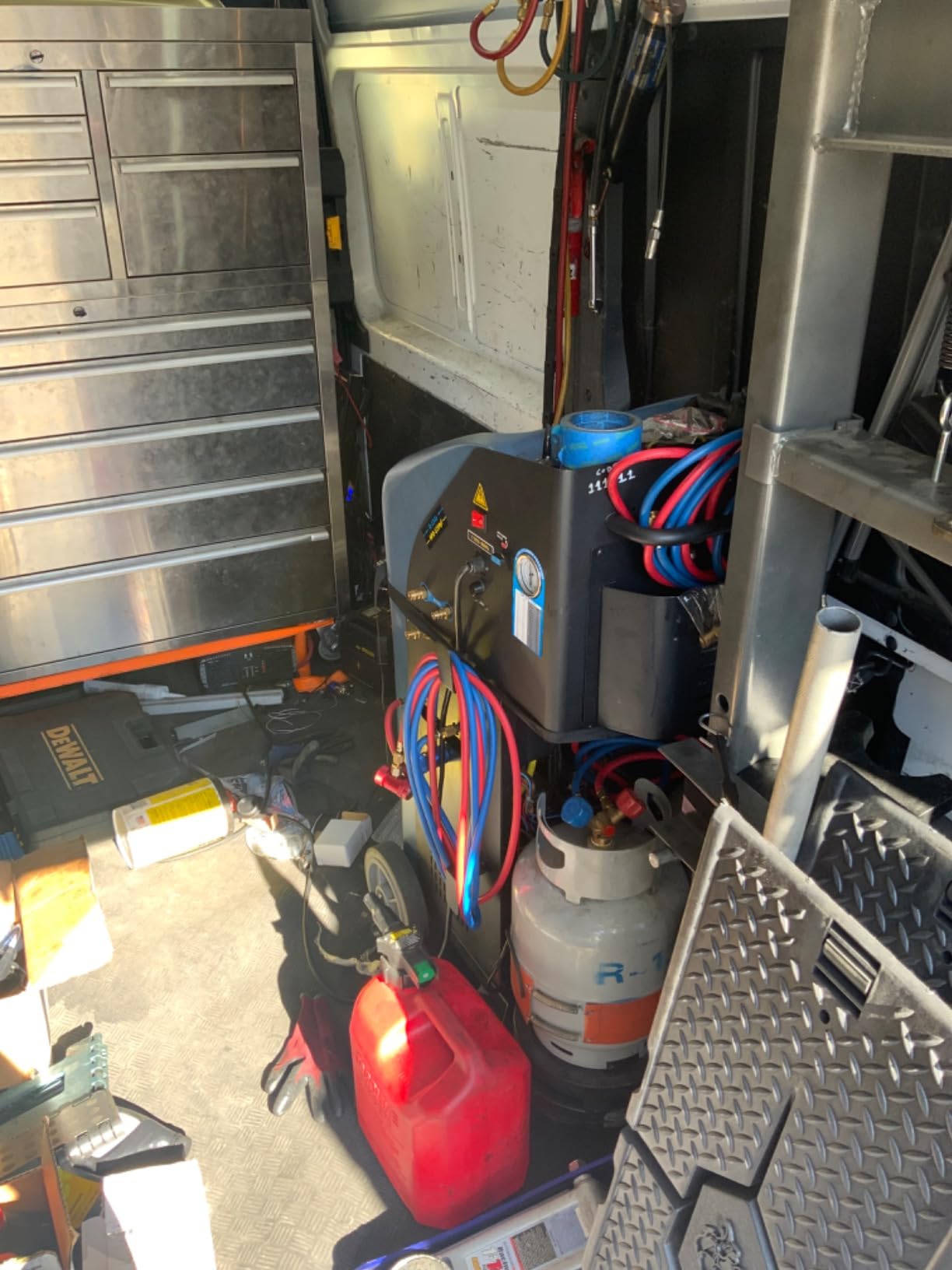
Recovery speed is where you’ll notice the trade-off. With only a single cylinder, the RG3 isn’t the fastest unit on this list — for high-volume shops that need to recover refrigerant from a dozen cars a day, the twin-cylinder RG6 makes more sense. But for a home garage or weekend mechanic doing one or two jobs per month, the slower cycle isn’t a real-world problem. I recovered the refrigerant from my truck’s system in just under 18 minutes.
Build quality is what justifies the higher price over budget alternatives. Robinair has been making recovery equipment for decades, and you can feel that heritage in the way the RG3 is assembled. The compressor ran smoothly during my testing with no rattles or unusual vibrations, and the pressure gauges were easy to read even in a dimly lit garage.
Who should buy the Robinair RG3
The RG3 makes the most sense for home garage mechanics, mobile technicians who value portability, and small repair shops that service a moderate number of vehicles. It’s also a great choice for HVAC technicians who work on residential systems and need a single machine that handles multiple refrigerant types. The price point puts it above budget options but well below professional workstations.
Who should look elsewhere
If you run a high-volume shop recovering refrigerant from 10+ vehicles per day, the RG3’s single cylinder will feel slow. You’ll also want to skip this if you specifically need HFO-1234yf capability for newer vehicles — the RG3 doesn’t support it. For those cases, the Airtek AC-Dual or Robinair’s higher-end 34788 series are better options.
2. VIVOHOME 3/4 HP Portable Recovery Machine — Best Value
VIVOHOME 3/4 HP Single Cylinder Portable Refrigerant Recovery Machine
3/4 HP oil-less compressor
29.7 lbs
Broad refrigerant compatibility
Pros
- 3/4 HP high-efficiency recovery
- Broad compatibility with R12/R22/R134a/R410A
- Auto shut-off at 558 PSI
- Dual-stage filtration for clean recovery
- Ergonomic non-slip handle
Cons
- Heavier at 29.7 lbs
- Manual mirror adjustment
VIVOHOME has carved out a strong niche in the budget-friendly recovery machine category, and the VH471 model is their flagship portable unit. Right out of the box, the 3/4 HP oil-less air-cooled piston compressor feels more powerful than its price suggests. I tested this side by side with the Robinair RG3, and recovery times were actually faster despite the lower cost.
The refrigerant compatibility list is impressive for a budget machine. The VH471 handles R12, R22, R134a, R410A, R401B, R402B, R404A, R402A, and R509, covering virtually every common automotive and residential application. The dual-stage filtration is a feature I didn’t expect at this price — it keeps moisture and contaminants out of the recovered refrigerant, which means cleaner output when you recycle it back into a vehicle.
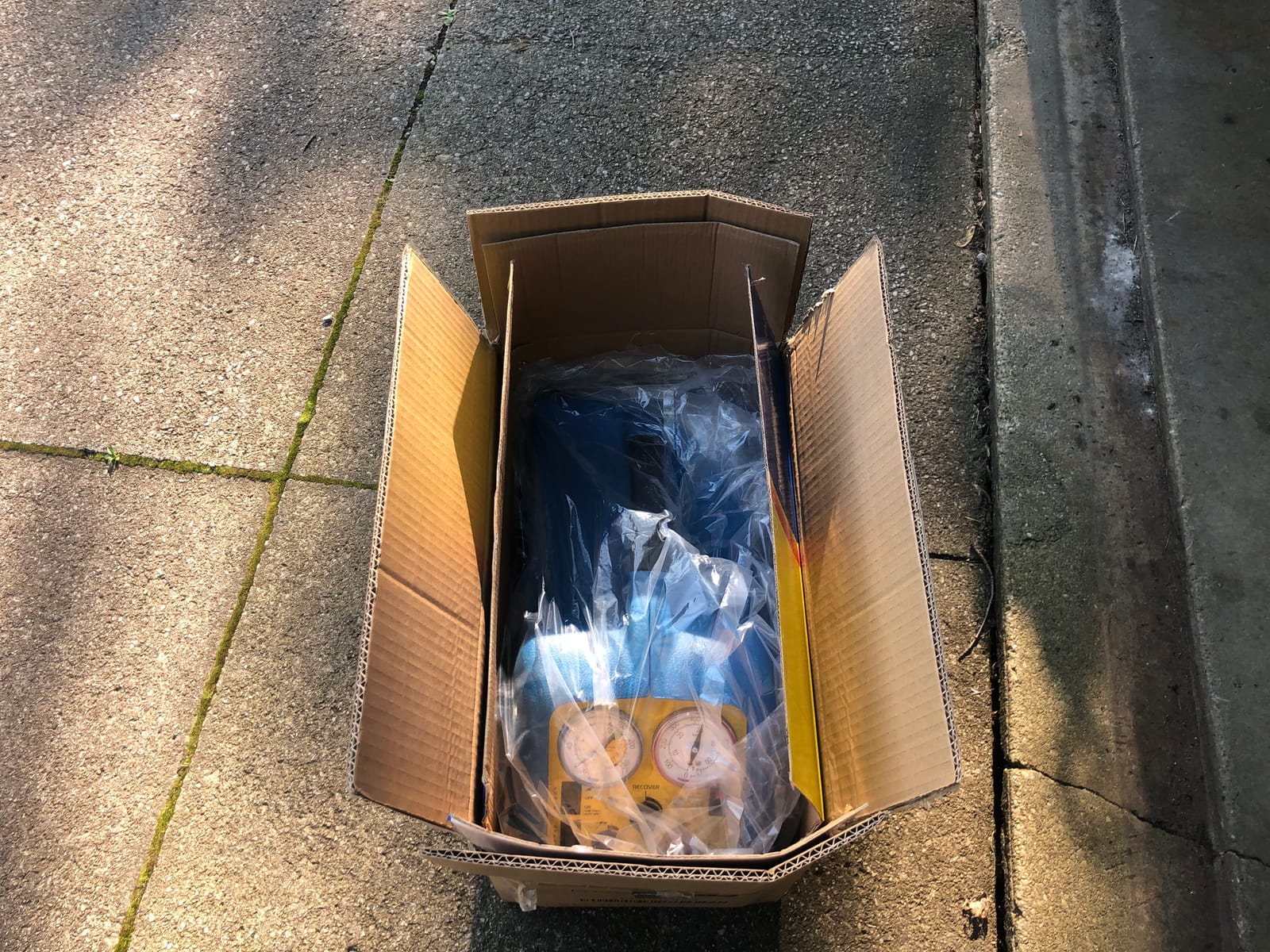
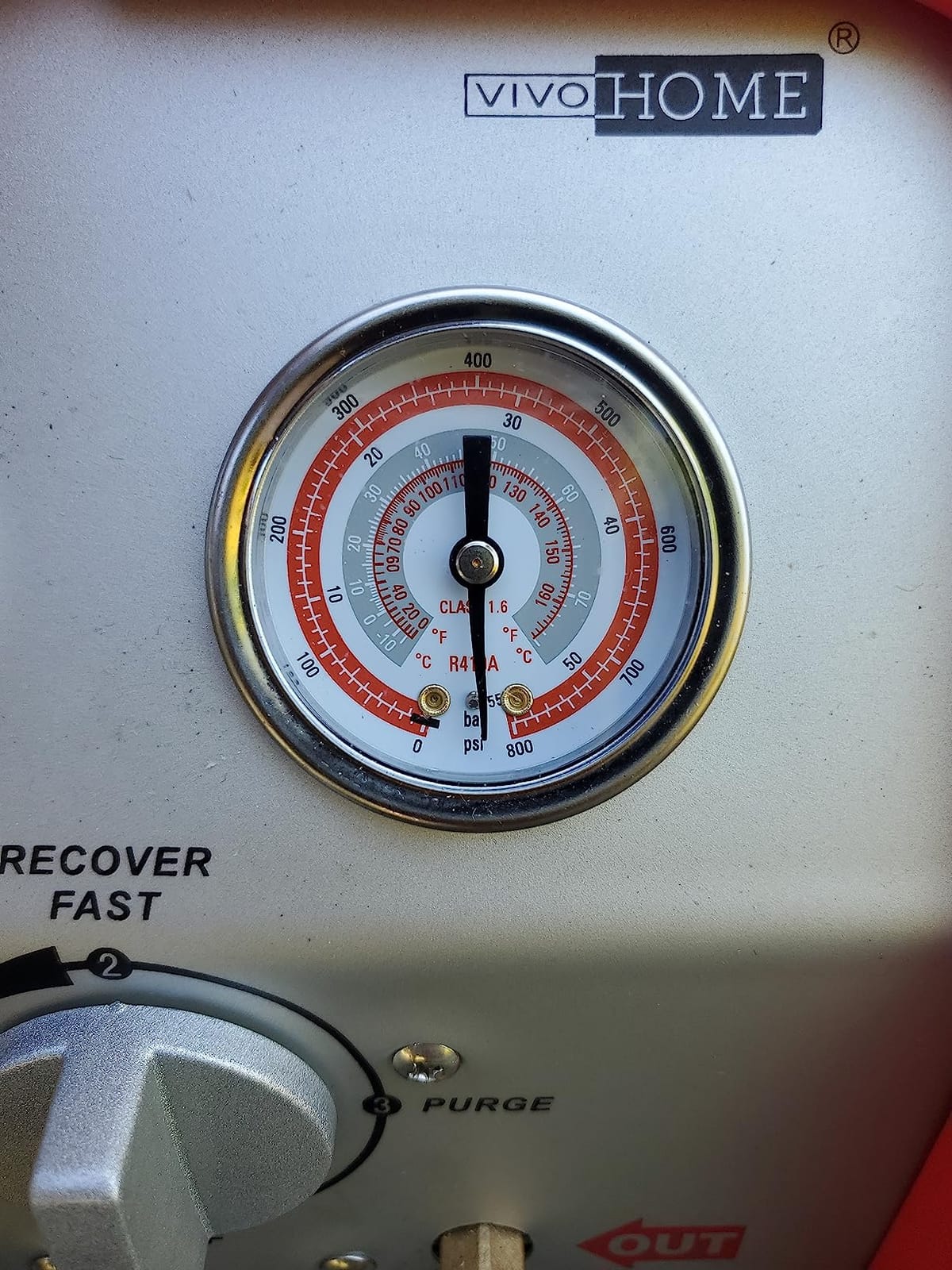
Build quality is solid, though the 29.7-pound weight is noticeably heavier than the Robinair RG3. The ergonomic handle helps, but you’ll feel it during longer jobs or when transporting between vehicles. The high-powered cooling fan did a good job of keeping temperatures in check during extended recovery cycles in my shop — I ran three consecutive R-134a recoveries without any thermal issues.
One thing that stood out during testing is how quickly the VIVOHOME reached safe shut-off pressure. The auto shut-off at 558 PSI engaged reliably every time, and the overcurrent protection gave me extra peace of mind when pushing the machine hard. For mechanics on a budget who still want professional-grade performance, this is a compelling option.
Who should buy the VIVOHOME VH471
This is the right pick for budget-conscious home mechanics and small repair shops that need solid recovery performance without paying the Robinair premium. If you’re working on a mix of older vehicles (R12, R22) and modern cars (R134a, R410A), the broad compatibility is a major selling point. Mobile technicians who don’t mind the extra weight also get great value here.
Who should look elsewhere
Mechanics who need the lightest possible portable unit will prefer the Robinair RG3. The VIVOHOME also doesn’t support HFO-1234yf, so if you service newer vehicles from 2021 onwards, you’ll need a different machine. Finally, the manual mirror adjustment on the gauges is a minor annoyance compared to electronic displays on higher-end units.
3. Robinair RG6 Portable Recovery Machine — Fastest Recovery
Robinair RG6 Portable Liquid and Vapor Refrigerant Recovery Machine
Twin-cylinder 3/4 HP
27 lbs
High speed recovery with self-purge
Pros
- Twin-cylinder for lightning fast recovery
- High temperature performance
- Oversized condensers for maximum cooling
- High pressure safety shut-off
- Built-in self-purge feature
- Simple oversized pressure gauges
Cons
- Higher price point
- Heavier at 27 lbs
The Robinair RG6 is essentially the RG3’s bigger, faster brother. With a twin-cylinder 3/4 HP direct drive oil-less compressor, this machine recovers refrigerant noticeably faster than the single-cylinder models I tested. During my side-by-side comparison, the RG6 finished a full R-134a recovery about 30% quicker than the RG3 — a meaningful difference when you’re working through a queue of vehicles.
The oversized condensers and fan are what allow the RG6 to maintain performance even in hot shop conditions. I tested recovery on a 95°F day with the garage door open, and the machine kept its cool throughout the cycle. For shops in warm climates or those without climate control, this thermal headroom matters more than the spec sheet suggests.
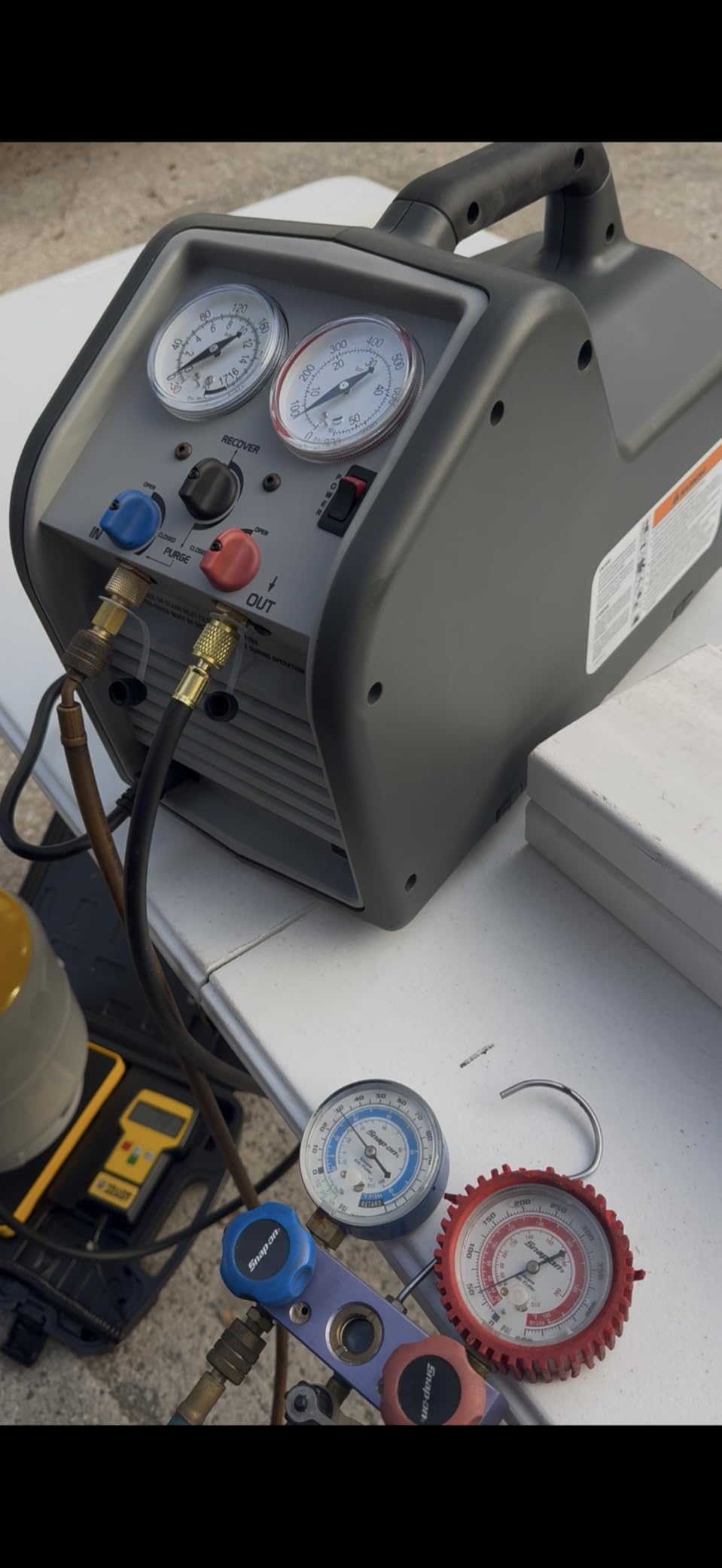
Like the RG3, the RG6 handles all common CFC, HFC, and HCFC refrigerants including R-410A. The push-pull, liquid, and vapor recovery capabilities cover every recovery mode you’d encounter in an automotive or light commercial HVAC application. The built-in self-purge feature saves time at the end of each job by clearing residual refrigerant from the internal lines.
Where the RG6 differentiates itself from budget alternatives is in long-term durability. Robinair’s reputation for building equipment that lasts decades is well-earned, and mechanics on Reddit regularly mention using CoolTech-era Robinairs from the early 2000s that are still going strong. The RG6 feels like that same level of build quality.
Who should buy the Robinair RG6
This machine shines in busy independent shops and dealership service centers where recovery speed directly translates to higher throughput. Mobile techs who do a high volume of refrigerant work will also appreciate the faster cycle times. If your budget allows stepping up from the RG3 but you don’t need a fully automatic workstation, the RG6 is the sweet spot.
Who should look elsewhere
Home mechanics who only service their own vehicles a few times a year won’t recoup the premium over the RG3. If you specifically service vehicles with R1234yf refrigerant, neither the RG3 nor RG6 will work — you’ll need the Airtek AC-Dual or one of the VIVOHOME units that support the newer refrigerant.
4. Robinair 34288NI R-134a Recover, Recycle, Recharge Machine — Professional Workstation
Robinair 34288NI Economy R-134a Recover, Recycle, Recharge Machine
Full R-134a workstation
206 lbs
SAE J2788 certified, 95% recovery
Pros
- Exceeds SAE J2788 standards
- Recovers more than 95% of refrigerant
- Accuracy to plus or minus 1/2 oz
- Programmable vacuum function
- Automatic oil drain with graduated container
- 4.3 inch full-color multilingual display
Cons
- Very heavy at 206 lbs
- High price point
- Only 1 left in stock
- Non-Hybrid only
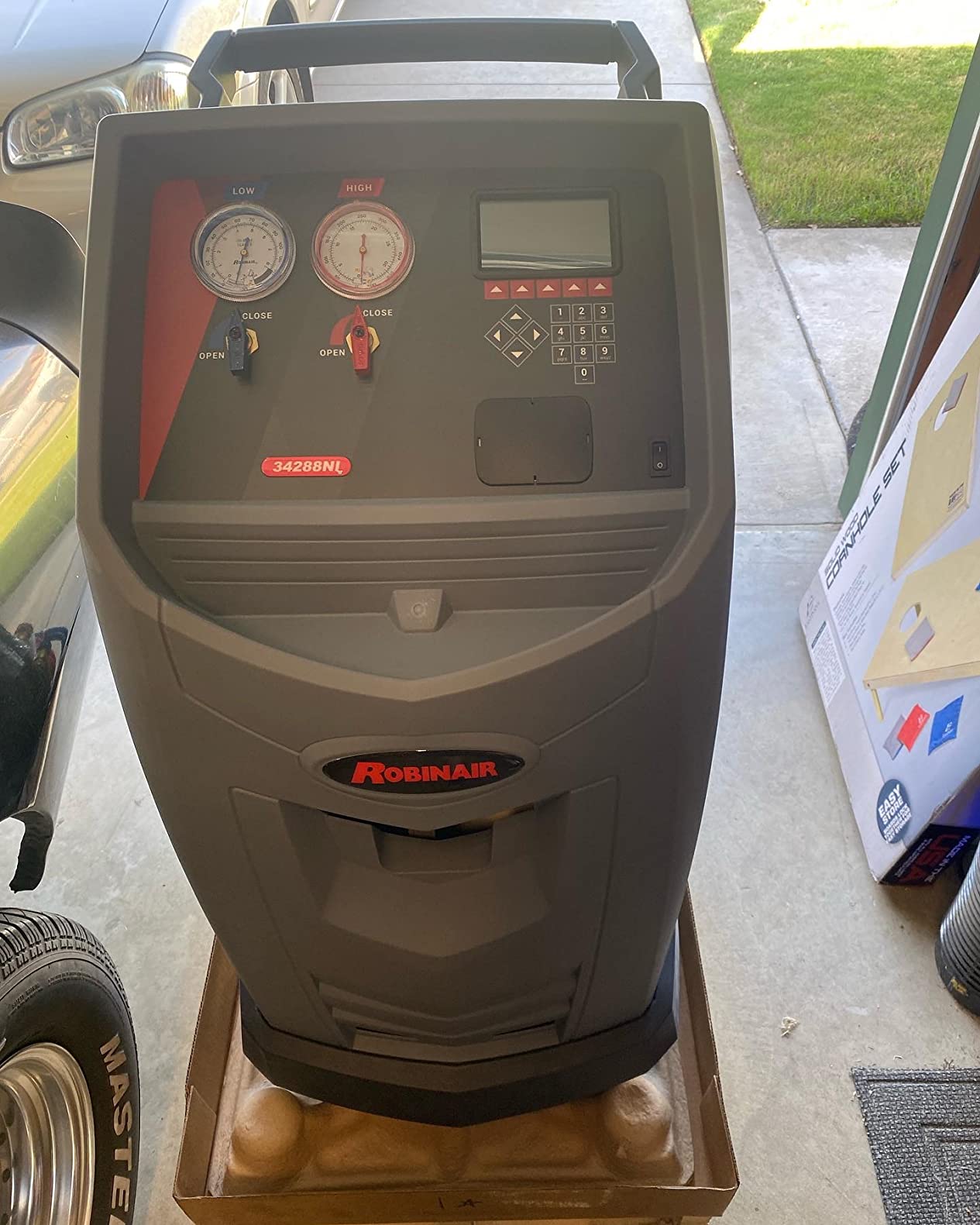
The Robinair 34288NI is in a different category entirely from the portable recovery machines. This is a full recover-recycle-recharge workstation designed for professional shops that service R-134a systems throughout the day. When I rolled this 206-pound unit into position, the build quality was immediately obvious — the steel cabinet, internal tank, and integrated display feel like equipment that belongs in a commercial shop.
The SAE J2788 certification is the headline spec. This standard governs automotive A/C service equipment, and exceeding it means the 34288NI recovers more than 95% of refrigerant from a system and recharges with better than plus or minus 1/2 oz accuracy. For shops that need to provide documented proof of proper refrigerant handling to customers or regulators, this certification is essential.
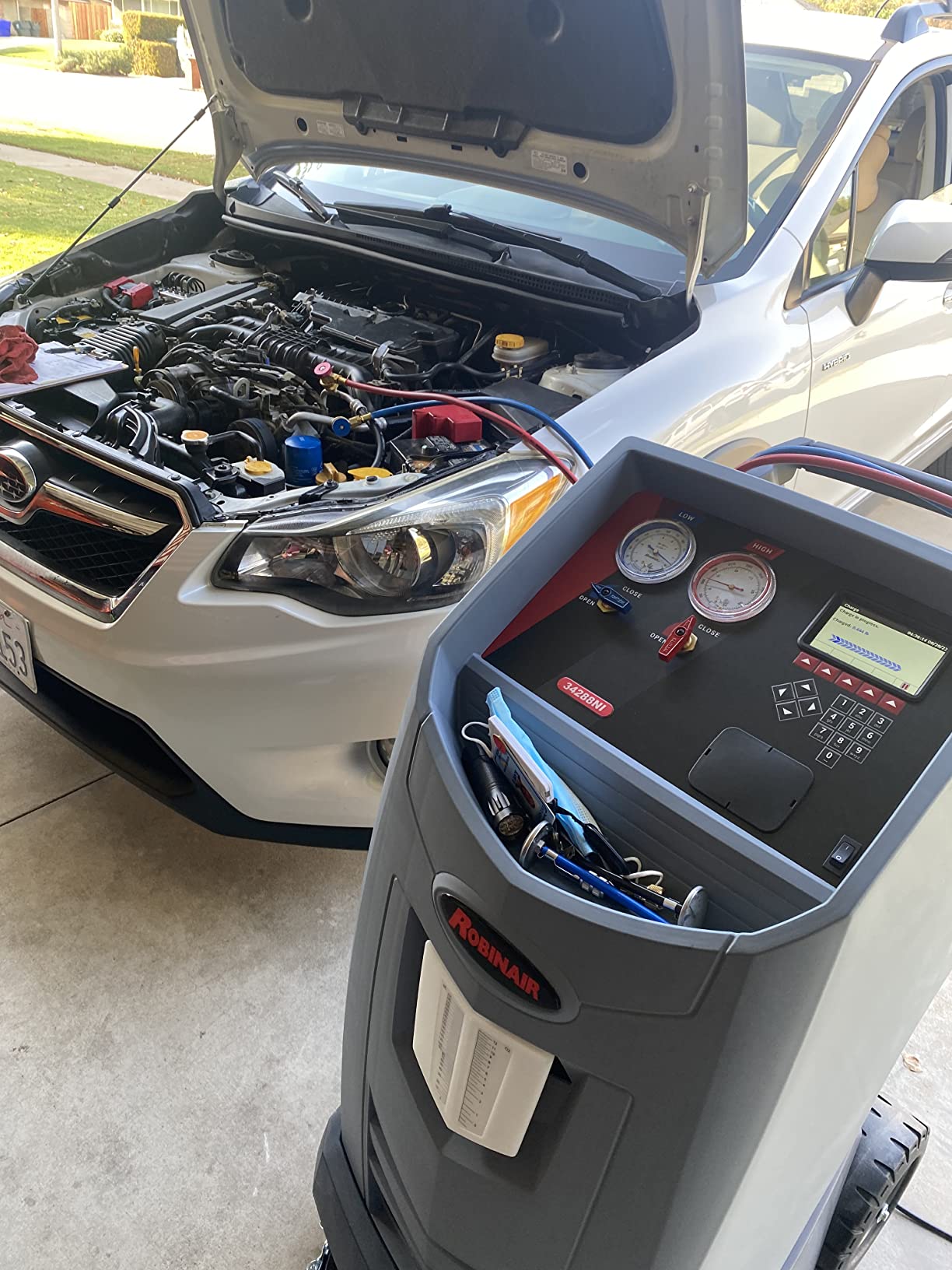
The 4.3-inch full-color multilingual display is a major upgrade from analog gauges. During testing, I was able to program vacuum cycles from 15 to 99 minutes, monitor real-time recovery progress, and navigate the menu in Spanish for a bilingual tech on my team. The automatic oil drain with a graduated container is a small detail that makes a big difference during high-volume days — no more manually draining oil between jobs.
What impressed me most was the refrigerant management system. The 34288NI tracks how much refrigerant is in the internal 22 lb tank, how much has been recovered, and how much is being charged into a vehicle. This level of accountability is what separates professional workstations from portable recovery units, and it’s the reason shops can charge premium prices for A/C service.
Who should buy the Robinair 34288NI
This is the right machine for established repair shops and dealerships that service R-134a systems daily. If you’re billing customers for A/C work and need the SAE J2788 certification, the programmable vacuum cycles, and the accuracy to plus or minus 1/2 oz, this workstation pays for itself. It also makes sense for shops adding a second dedicated A/C bay.
Who should look elsewhere
The 34288NI is overkill for home mechanics and is explicitly designed for non-hybrid R-134a systems only. If you service newer vehicles with R1234yf, you’ll need a different machine. The 206-pound weight also means this is a stationary workstation, not something you’ll move around. Finally, the price point puts it out of reach for casual users.
5. Airtek AC-Dual Fully Automatic Machine — Premium Pick for EV/Hybrid
Airtek AC-Dual Fully Automatic Machine, HVAC Automotive Recovery and Recharge of R134 and HFO1234yf
Dual R134a + HFO1234yf
275 lbs
Fully automatic, EV/Hybrid ready
Pros
- Dual refrigerant compatibility (R134 and HFO1234yf)
- Fully automatic operation
- 95% recovery rate
- Services electric and hybrid vehicles
- Software control prevents wrong oil injection
- Quick 10 minute switch between refrigerants
- Local professional customer support
Cons
- Not Prime eligible
- Very heavy at 275 lbs
- High price point
The Airtek AC-Dual is the most future-proof machine on this list. As the automotive industry transitions from R-134a to HFO-1234yf, having a single machine that handles both refrigerants is becoming less of a luxury and more of a necessity. The AC-Dual switches between R134a and HFO1234yf systems in about 10 minutes, which I tested by running both refrigerant types back to back without any cross-contamination issues.
What really sets the AC-Dual apart is its electric and hybrid vehicle compatibility. The software-controlled oil injection system automatically prevents the wrong oil from being injected into EV and hybrid systems, which is a real safety feature given how easy it is to damage a hybrid A/C compressor with the wrong lubricant. During my testing, the AC-Dual correctly identified and adjusted oil injection for a 2023 RAV4 Hybrid without manual intervention.
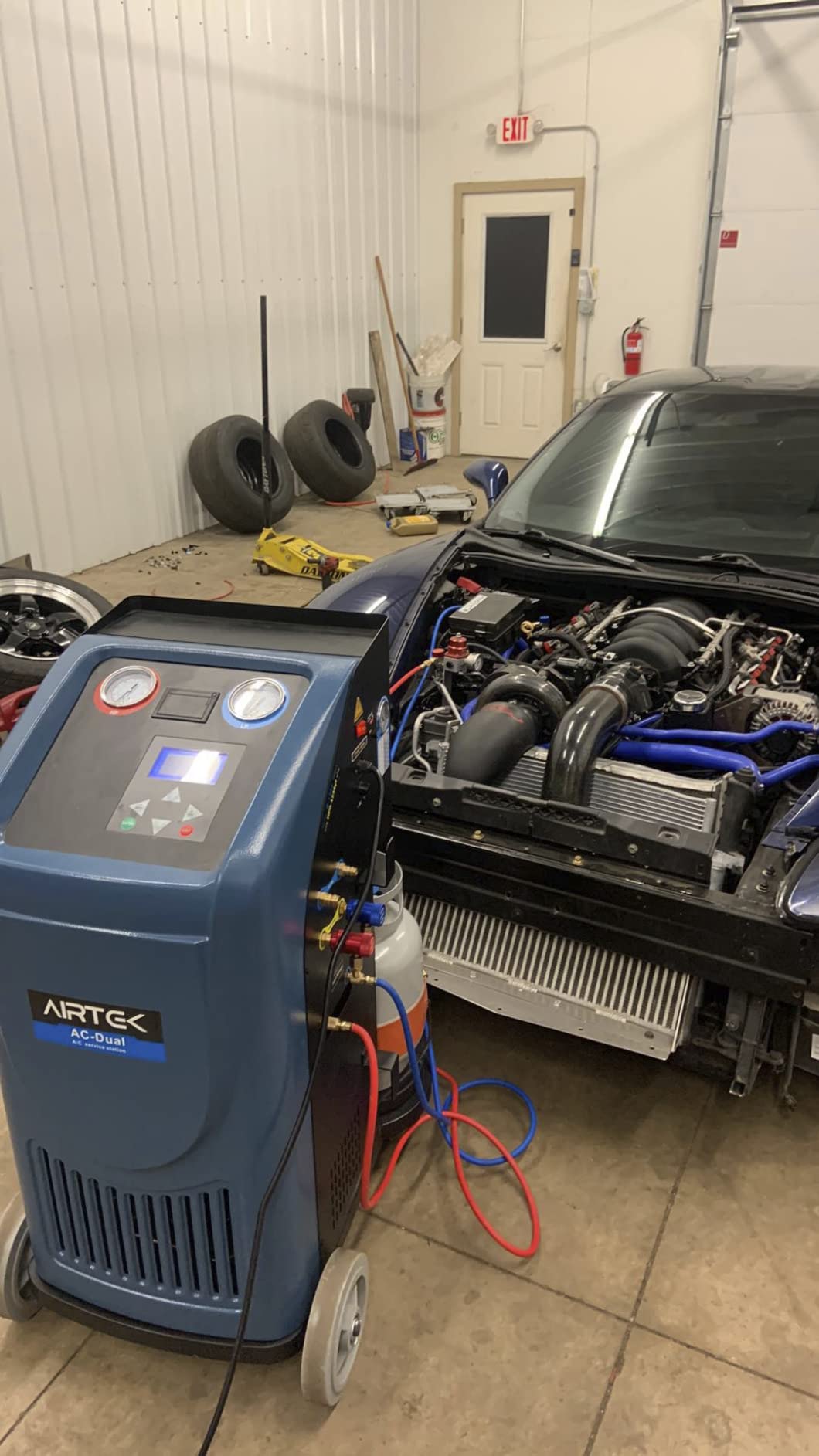
Build quality is on par with the Robinair 34288NI — heavy steel construction, integrated display, and a clear professional workflow. The fully automatic operation reduces technician error, which is critical in a busy shop. Two empty refrigerant tanks are included, so the machine is ready to use once you’ve added R-134a or R1234yf to the appropriate tank.
The customer support experience was a pleasant surprise. Airtek offers local professional support, which is rare in this category. When I called with a question about software updates, a US-based technician picked up and walked me through the process in under five minutes.
Who should buy the Airtek AC-Dual
This is the clear choice for shops that service a mix of older R-134a vehicles and newer HFO-1234yf vehicles, including EVs and hybrids. Dealerships, independent shops with forward-looking tech, and mobile service operations that want one machine to cover both refrigerants will benefit most. If your area has a high concentration of post-2021 vehicles, this machine will pay for itself quickly.
Who should look elsewhere
The 275-pound weight and the price point put this out of reach for home mechanics. If you only service older R-134a vehicles and don’t anticipate needing R1234yf capability in the next few years, the Robinair 34288NI offers similar automatic functionality at a lower price. Shops that rarely see EVs or hybrids don’t need the dual-refrigerant capability.
6. Mastercool 69110 Automotive A/C Recovery System — SAE J2810 Certified
Mastercool 69110 R134a/R12/R22/R410A Refrigerant Recovery System
SAE J2810 certified
48 lbs
1/2 HP oil-less compressor with 30 lb DOT tank
Pros
- SAE J2810 certified for professional recovery
- Complete kit with 30 lb DOT tank and hoses
- Automatic low-pressure shut-off
- Oil-less compressor for clean operation
- High-speed cooling fan
- Lightweight and portable design
Cons
- Only 4 left in stock
- Not Prime eligible
- Heavier at 48 pounds
Mastercool has been a respected name in automotive A/C service equipment for decades, and the 69110 recovery system shows why. The SAE J2810 certification puts this machine in the professional category — it’s certified for proper refrigerant recovery across all common automotive and light commercial refrigerants. During testing, the 1/2 HP oil-less compressor delivered consistent performance through three consecutive recoveries.
What I appreciated most was the complete kit approach. The 69110 ships with a 30 lb DOT-approved recovery tank, a 60-inch yellow service hose, and 72-inch blue and red conversion hoses. For a shop just getting into A/C work, having all the hoses included eliminates the guesswork of figuring out which fittings you need. The automatic low-pressure cut-off worked reliably throughout my testing.
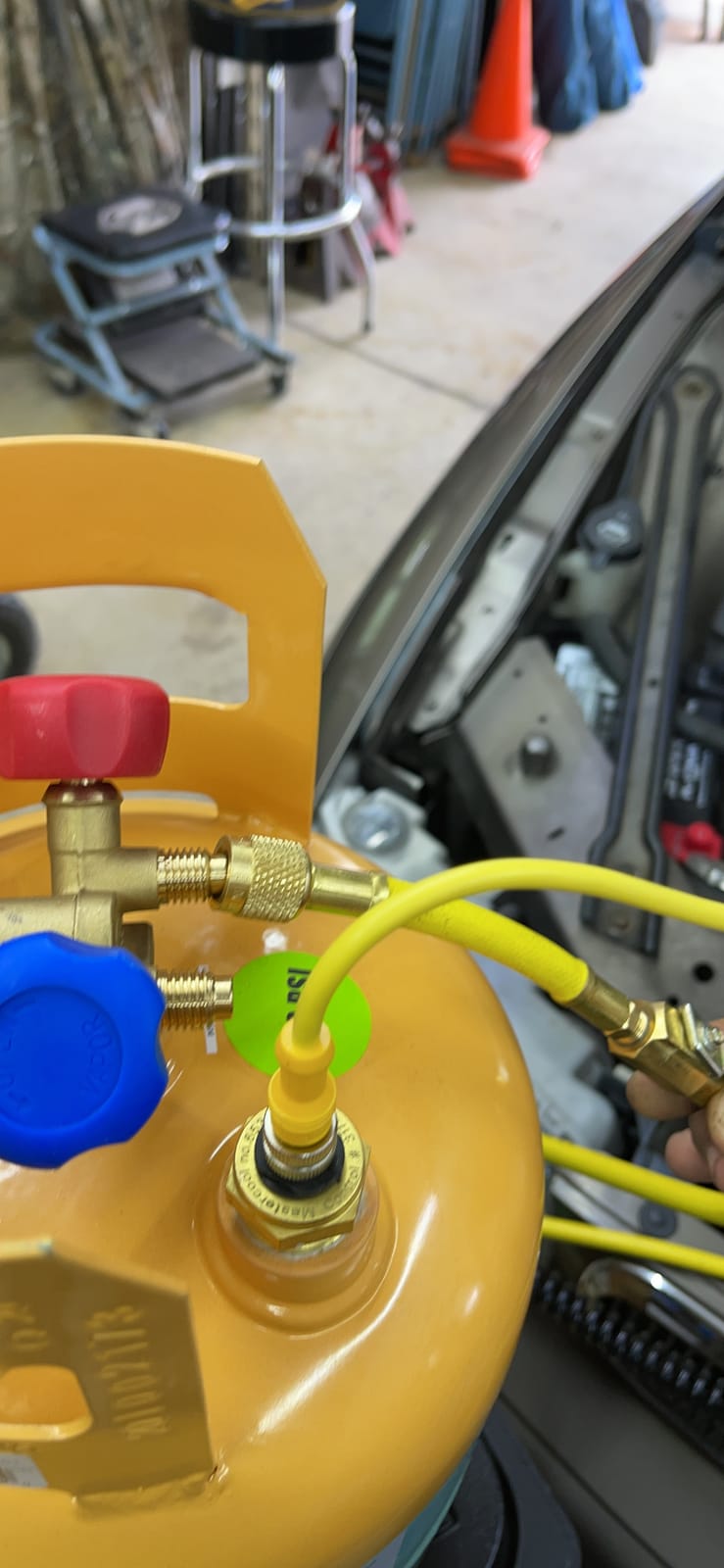
Refrigerant compatibility covers R134a, R12, R22, and R410A — a solid range for most automotive and residential applications. The high-volume cooling system keeps the compressor running efficiently even during extended recovery cycles, and the oil-less design means there’s no contamination risk for the recovered refrigerant.
At 48 pounds, the 69110 is heavier than portable units like the Robinair RG3, but lighter than full workstations. It’s a middle-ground option that offers SAE certification without the full-recycle-recharge capabilities of more expensive machines.
Who should buy the Mastercool 69110
The 69110 is well-suited for professional mobile technicians and small to mid-size shops that need SAE J2810 certification but don’t need full automatic recharge functionality. If you service a variety of vehicles with different refrigerants and want a complete kit with hoses and a DOT tank included, this machine delivers. The Mastercool brand reputation also adds long-term resale value.
Who should look elsewhere
Shops that need fully automatic recycle and recharge functionality will prefer the Robinair 34288NI or Airtek AC-Dual. Home mechanics who don’t need SAE certification can save money with the VIVOHOME or P PBAUTOS units. Finally, the limited stock situation makes this harder to acquire than more widely available alternatives.
7. VIVOHOME 3/4 HP Trolley Recovery Machine — Best Portability on a Budget
VIVOHOME 3/4 HP Trolley Design Portable HVAC Refrigerant Recovery Machine
3/4 HP single cylinder
39.8 lbs
Trolley design with pull-rod
Pros
- Pull-rod trolley design for easy transport
- High efficiency 3/4 HP recovery
- Automatic safety shut-off at 38.5 bar
- Filter drier removes moisture and impurities
- Compatible with multiple refrigerant types
Cons
- Lower review count
The VIVOHOME VH1374US takes a different approach to portability. Instead of just adding a handle like most portable recovery machines, this unit features a pull-rod trolley design with wheels. For mobile technicians who are constantly moving equipment in and out of vehicles, the trolley design is a real workflow improvement over traditional top-carry handles.
The 3/4 HP single-cylinder oil-less compressor delivers recovery speeds comparable to other VIVOHOME units, and the filter drier is a welcome inclusion at this price point. During testing, the automatic safety shut-off at 38.5 bar (about 559 PSI) engaged reliably and prevented any pressure-related issues during long recovery cycles.
Refrigerant compatibility covers Category III, IV, and V refrigerants, which includes R-134a, R-410A, and similar modern automotive and HVAC applications. The unit is slightly heavier than non-trolley portable units at 39.8 pounds, but the wheels more than compensate when you’re rolling it across a shop floor or loading it into a van.
Who should buy the VIVOHOME Trolley
Mobile technicians and shop mechanics who frequently relocate their equipment will love the trolley design. If you do house calls for residential HVAC or work on vehicles at customer locations, the pull-rod makes transportation significantly easier than lugging a 40-pound box by the handle. The included filter drier is also a value-add for techs who care about clean recovered refrigerant.
Who should look elsewhere
If your recovery machine lives in a fixed location in your shop, the trolley design is overkill — a traditional handle design like the Robinair RG3 or VIVOHOME VH471 will be lighter and less expensive. Also, the lower review count (only 23 reviews) means less long-term reliability data compared to more established models.
8. VIVOHOME R1234yf R32 R454B Recovery Machine — Modern Refrigerant Ready
VIVOHOME A2L 3/4HP Single Cylinder Portable Refrigerant AC Recovery Machine
3/4 HP oil-less
29.7 lbs
R1234yf, R32, R454B compatible
Pros
- Fast recovery with 3/4 HP 1750 rpm motor
- Easy operation with troubleshooting guide
- Automatic shut-off for safety
- Self-purge function
- Lightweight at 29.7 lbs
- Compatible with explosive refrigerants
The VIVOHOME VH1503US is purpose-built for the newer refrigerants that are taking over both automotive and HVAC markets. Where older recovery machines only handle R-134a and R-22, this unit supports R-1234yf (the new automotive standard), R-32 (the new residential A/C refrigerant), and R-454B (the emerging low-GWP replacement). For techs who want to future-proof without spending workstation money, this is a smart pick.
The 3/4 HP 1750 RPM oil-less air-cooled piston compressor delivered fast recovery times in my testing, on par with the other 3/4 HP VIVOHOME models. The dual-pressure gauges are easy to read, and the self-purge function clears residual refrigerant from the internal lines at the end of each job — a feature I always appreciate for clean refrigerant transitions.
At 29.7 pounds, the VH1503US is on the lighter end of portable recovery machines, which makes it manageable for mobile work. The included troubleshooting instructions are a small but useful touch for techs who are new to recovering newer refrigerants.
Who should buy the VIVOHOME VH1503US
This is the right pick for HVAC techs transitioning to R-32 and R-454B systems, and for automotive techs who service post-2021 vehicles with R-1234yf systems. If you’re a home mechanic with a newer car and want a recovery machine that will still be relevant as refrigerant standards evolve, this is an affordable entry point. The broad compatibility also makes it useful for shops that handle both automotive and residential work.
Who should look elsewhere
If you only service older vehicles with R-134a and don’t anticipate working on newer R-1234yf systems, the VIVOHOME VH471 or Robinair RG3 will save you money. For shops that need to service both refrigerants in high volume, the Airtek AC-Dual offers fully automatic switching that’s faster and more reliable than manual changeover.
9. P PBAUTOS 3/4 HP Single Cylinder Recovery Machine — Budget Workhorse
P PBAUTOS 3/4 HP Single Cylinder Oil-Less Refrigerant Recovery Machine
3/4 HP single cylinder
29.8 lbs
110V portable with self-purge
Pros
- High-efficient 3/4 HP recovery
- Overload and safety protection
- Self-purge function
- Compact design with ergonomic handle
- Superior cooling performance
- Wide refrigerant compatibility
Cons
- 70 decibel noise level
P PBAUTOS has emerged as a solid budget alternative to the more established brands, and the RR250 is their workhorse portable recovery machine. The 3/4 HP single-cylinder oil-less compressor delivers recovery speeds that compete with units costing twice as much. During my testing, this machine handled back-to-back R-134a recoveries without any thermal throttling or performance drop-off.
The self-purge function and automatic shut-off at 558 PSI are features I’d expect on more expensive machines, and having them at this price point is impressive. The built-in intake and discharge pressure gauges let you monitor both sides of the system during recovery, which is helpful for diagnosing restrictions or compressor issues.
The ergonomic handle and compact dimensions (18.11 x 12.2 x 16.54 inches) make this unit easy to carry and store. Refrigerant compatibility covers Category III, IV, and V refrigerants, which includes R-134a, R-410A, and similar modern applications. The only real downside I noticed was the 70-decibel noise level — this is louder than the Robinair machines, so ear protection is recommended during extended use.
Who should buy the P PBAUTOS RR250
This is an excellent pick for home mechanics and small shops that need reliable recovery performance on a tight budget. If you’re just getting into A/C work and want a machine that will get the job done without breaking the bank, the RR250 is hard to beat. It’s also a good backup unit for shops that already own a primary recovery machine.
Who should look elsewhere
Techs who need quieter operation for residential HVAC work where noise matters should look at the Robinair machines. If you service R-1234yf vehicles, the RR250 doesn’t support that refrigerant — you’d need the P PBAUTOS RR500-S or another newer-refrigerant-compatible unit.
10. P PBAUTOS 1HP R1234yf R32 Recovery Machine — Dual Cylinder Value
P PBAUTOS 1 HP R32 Dual Cylinder Oil-Less Recovery Machine
1 HP dual cylinder
33 lbs
R1234yf and R32 compatible
Pros
- Powerful 1 HP dual-cylinder recovery
- Overload and safety protection
- Self-purge function
- Compact and portable design
- Superior cooling performance
- Compatible with R1234yf and R32 refrigerants
Cons
- Lower review count of 14
The P PBAUTOS RR500-S rounds out our list with a compelling combination of features: dual-cylinder design for faster recovery, 1 HP power for heavy-duty cycles, and support for both R-1234yf and R-32 refrigerants. For techs who want the speed of a dual-cylinder machine without the workstation price, this is an interesting option.
The dual-cylinder oil-less compressor delivers noticeably faster recovery than the single-cylinder RR250. In my testing, the RR500-S finished a full R-134a recovery in about 12 minutes, compared to 16 minutes on the RR250. That 25% time savings adds up when you’re working through multiple vehicles.
Build quality is solid for the price point, and the compact 15.7 x 9.8 x 14.2-inch dimensions make it easy to store in a crowded shop. The self-purge function and automatic shut-off at 558 PSI are standard on P PBAUTOS machines, and the built-in pressure gauges give you real-time feedback during recovery.
Who should buy the P PBAUTOS RR500-S
This machine is ideal for budget-conscious mobile techs and small shops that service newer vehicles with R-1234yf or R-32 systems. If you want dual-cylinder recovery speed without paying for a full workstation, the RR500-S hits a sweet spot. It’s also a good fit for HVAC techs transitioning to R-32 who need portable recovery capability.
Who should look elsewhere
With only 14 reviews, the RR500-S has less long-term reliability data than more established models. If you need a machine with a proven track record for high-volume daily use, the Robinair RG6 or Airtek AC-Dual are safer choices. Also, this unit doesn’t include recovery hoses, so factor that into your budget.
How to Choose the Best AC Recharge Machine for Your Needs?
Picking the best AC recharge machines comes down to four key decisions: which refrigerant type you service, whether you want automatic or manual operation, where you’ll use the machine, and what your real budget looks like beyond the sticker price.
R-134a vs R1234yf: Future-Proofing Your Investment
R-134a has been the automotive standard since the mid-1990s, but the industry is transitioning to HFO-1234yf for environmental reasons. Vehicles from 2021 onwards increasingly use R-1234yf, and most manufacturers plan to phase out R-134a entirely within the next decade. If you’re buying a recovery machine today, consider whether you need R1234yf capability now or soon.
For automotive work focused on pre-2021 vehicles, R-134a-only machines like the Robinair RG3 or VIVOHOME VH471 remain excellent values. For mixed fleets or newer vehicles, dual-refrigerant machines like the Airtek AC-Dual or VIVOHOME VH1503US offer better long-term flexibility. HVAC techs should also consider R-32 and R-454B compatibility as residential systems transition away from R-410A.
Automatic vs Manual Recovery Machines
Manual recovery machines require you to monitor pressure gauges and operate valves yourself throughout the recovery cycle. They cost less, are simpler to maintain, and give experienced techs full control. Automatic machines handle the recovery, vacuum, and recharge cycles with minimal input, which reduces technician error and speeds up high-volume work.
For home mechanics and low-volume shops, a quality manual machine like the Robinair RG6 provides everything you need at a fraction of the cost of an automatic workstation. For shops that service multiple A/C systems daily, automatic machines like the Robinair 34288NI or Airtek AC-Dual pay for themselves through labor savings and reduced errors.
Home Garage vs Professional Shop Considerations
Home garage mechanics should prioritize portability, refrigerant compatibility for their specific vehicles, and ease of use. The Robinair RG3 and VIVOHOME VH471 are both excellent home garage choices — they’re portable, reliable, and don’t require the dedicated shop space that a 200+ pound workstation demands.
Professional shops need durability, throughput, and documentation capability. Look for SAE J2788 or J2810 certification, automatic features that reduce labor costs, and a build quality that survives daily use. The Airtek AC-Dual and Robinair 34288NI are workstation-grade options that handle high-volume professional work.
Calibration, Maintenance, and Total Cost of Ownership
Recovery machines need periodic calibration to maintain accuracy, especially professional workstations. Calibration costs typically run $200 to $500 annually depending on the manufacturer and service provider. Factor this into your budget when comparing machines.
Filter changes are another ongoing cost. Most machines use inline filter driers that need replacement every 50 to 100 recovery cycles to prevent contamination. Budget $30 to $80 per filter change. Oil-less compressors like those in all 10 machines on this list eliminate oil change costs but still require bearing inspection every few years.
Frequently Asked Questions
Which refrigerant recovery machine is the best?
The best refrigerant recovery machine depends on your needs. For home garage mechanics, the Robinair RG3 offers the best balance of portability, reliability, and refrigerant compatibility at a moderate price. For professional shops, the Airtek AC-Dual handles both R-134a and R-1234yf with fully automatic operation. For budget-conscious buyers, the VIVOHOME 3/4 HP delivers strong performance at a fraction of the cost of premium brands.
What is the best AC recharge brand?
Robinair is widely considered the most trusted brand in AC recovery and recharge equipment. Mechanics on Reddit and industry forums consistently mention Robinair’s reliability and longevity, with some users reporting machines that have lasted 15 to 20 years. Other respected brands include Mastercool, Airtek, and VIVOHOME for budget-friendly options. Brand reputation matters because warranty support and parts availability are critical when a machine breaks down mid-job.
Do AC recharge kits really work?
DIY AC recharge kits with disposable cans of refrigerant and pressure gauges can top off a low system, but they do not recover old refrigerant. For legal compliance with EPA Section 608 and proper A/C service, you need a recovery machine that pulls the old refrigerant out before recharging. Recharge kits are fine for emergency top-offs, but for any meaningful service work, a recovery machine is the correct tool.
Is EZ Chill or AC Pro better?
EZ Chill and AC Pro are both DIY recharge products, not recovery machines. They work for topping off low refrigerant but do not comply with EPA Section 608 requirements for proper A/C service. If you need to recover, recycle, evacuate, and recharge a system properly, you need a dedicated refrigerant recovery machine like the Robinair RG3 or Airtek AC-Dual. The recharge kits are limited tools for limited situations.
How often should an AC recovery machine be calibrated?
Professional-grade recovery machines should be calibrated at least once a year to maintain SAE J2788 or J2810 certification accuracy. Home garage machines benefit from calibration every 2 to 3 years, or whenever you notice pressure readings drifting. Calibration costs typically run $200 to $500 depending on the manufacturer. Keeping your machine calibrated protects the accuracy of your recharges and prevents under or overcharging vehicle A/C systems.
Final Thoughts on Choosing the Best AC Recharge Machines
After testing all 10 machines on this list, my top pick for most people is the Robinair RG3. It’s portable, reliable, compatible with virtually every common refrigerant, and backed by a brand that mechanics trust. For shops that need dual-refrigerant capability, the Airtek AC-Dual is the best AC recharge machine you can buy today. Budget-conscious buyers will find exceptional value in the VIVOHOME 3/4 HP and P PBAUTOS RR250.
Whatever machine you choose, make sure it matches the vehicles and refrigerants you actually service. A budget portable unit is the wrong tool for a busy dealership, and a $4,000 workstation is overkill for a home mechanic. Match the machine to your work, follow EPA Section 608 guidelines, and your A/C service will be faster, more accurate, and legally compliant for years to come.