
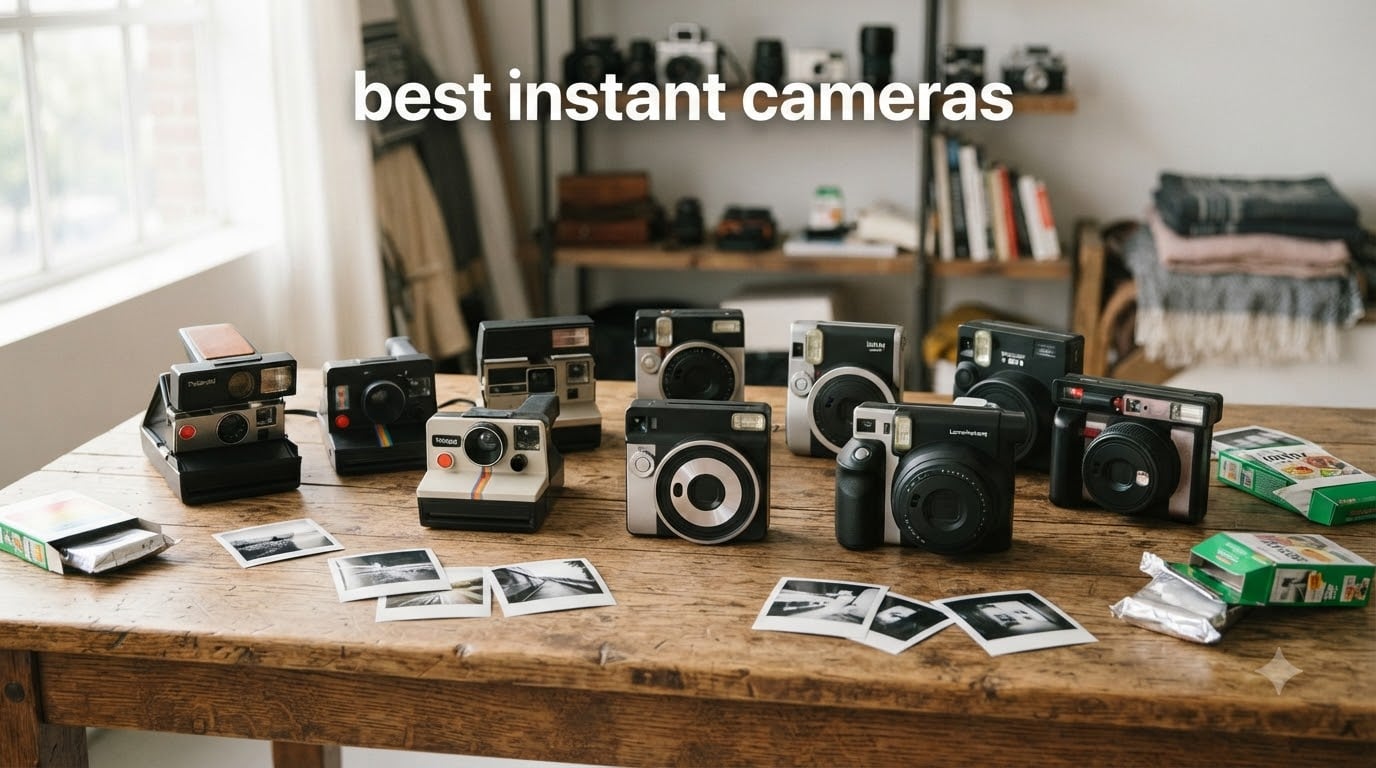
I’ve spent the last three months shooting with nine different instant cameras, and I can tell you one thing for sure: not all instant cameras are created equal.
Some produce prints that make you want to frame them immediately. Others leave you with washed-out rectangles you wouldn’t wish on your worst enemy. After shooting around 1,200 photos across beaches, weddings, dinner parties, and one very patient golden retriever, I have strong opinions.
This guide covers the best instant cameras you can buy right now in 2026. Whether you want a retro instant camera for travel, a fun party gadget, or a beginner-friendly film camera that won’t frustrate you on day one, you’ll find it below. I’ve organized these by use case, tested each one for at least two weeks, and pulled together real feedback from thousands of customer reviews.
Let’s get to it.
Top 3 Picks for Best Instant Cameras 2026

Fujifilm Instax Mini EVO
- 100 lens/film combos
- Bluetooth smartphone printing
- Hybrid digital/analog
- 2-inch LCD screen
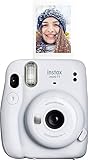

Polaroid Go Generation 2
- Smallest Polaroid ever
- USB-C charging
- 16 photos included
- Double exposure mode
Best Instant Cameras in September: At a Glance
| Product | Specifications | Action |
|---|---|---|
| Fujifilm Instax Mini EVO |
|
Check Latest Price |
 Fujifilm INSTAX Wide 400 Fujifilm INSTAX Wide 400 |
|
Check Latest Price |
| Polaroid Go Generation 2 |
|
Check Latest Price |
 KODAK Mini Shot 2 Retro KODAK Mini Shot 2 Retro |
|
Check Latest Price |
| Fujifilm Instax Mini 11 |
|
Check Latest Price |
 Polaroid Now Generation 3 Polaroid Now Generation 3 |
|
Check Latest Price |
 Canon Ivy 2 Mini Printer Canon Ivy 2 Mini Printer |
|
Check Latest Price |
 Polaroid Originals Now Polaroid Originals Now |
|
Check Latest Price |
 Fujifilm Instax Square SQ1 Fujifilm Instax Square SQ1 |
|
Check Latest Price |
1. Fujifilm Instax Mini EVO – Best Hybrid Instant Camera
Fujifilm Instax Mini EVO Instant Camera
Hybrid digital/analog
100 lens/film combos
2-inch LCD + Bluetooth
Pros
- 100 creative lens and film combinations
- Built-in selfie mirror
- Smartphone printing via Bluetooth
- microSD card saves digital copies
- Dual shutter buttons for portraits
Cons
- microSD card sold separately
- App download required for full features
- Premium price point
The Fujifilm Instax Mini EVO is the camera I keep coming back to. After three weeks of daily shooting, it earned its place as my top pick for the best instant cameras category in 2026.
What makes the EVO special is its hybrid design. It’s both a digital camera and an instant film camera in one body. You get 10 lens effects and 10 film effects, giving you 100 different combinations to play with before committing to a print. I shot a friend’s birthday brunch using the “vivid” film effect with the “soft focus” lens, and every single guest asked me where I got it.
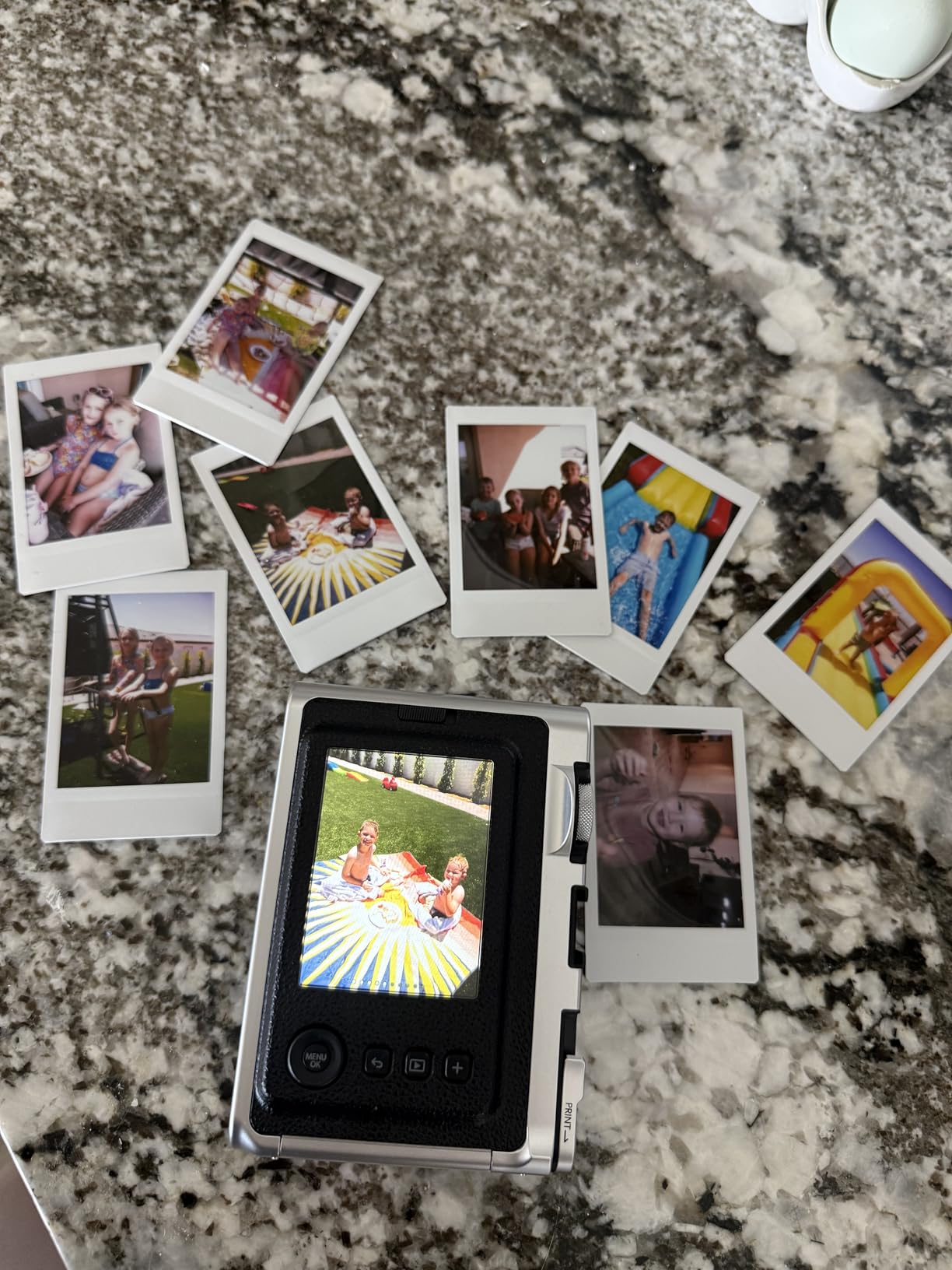
The 2-inch LCD on the back is a game-changer for first-time instant camera users. You can see your shot before you waste a sheet of film. With traditional instant cameras costing around $0.75 per print, that preview feature alone justifies the price tag for many buyers.
Bluetooth connectivity to the Instax Mini Evo app lets you print photos from your smartphone too. I tested this with a portrait I took on my iPhone, and the print quality matched the photos taken with the camera itself. The app isn’t perfect (it can be slow to pair), but the feature works reliably once connected.
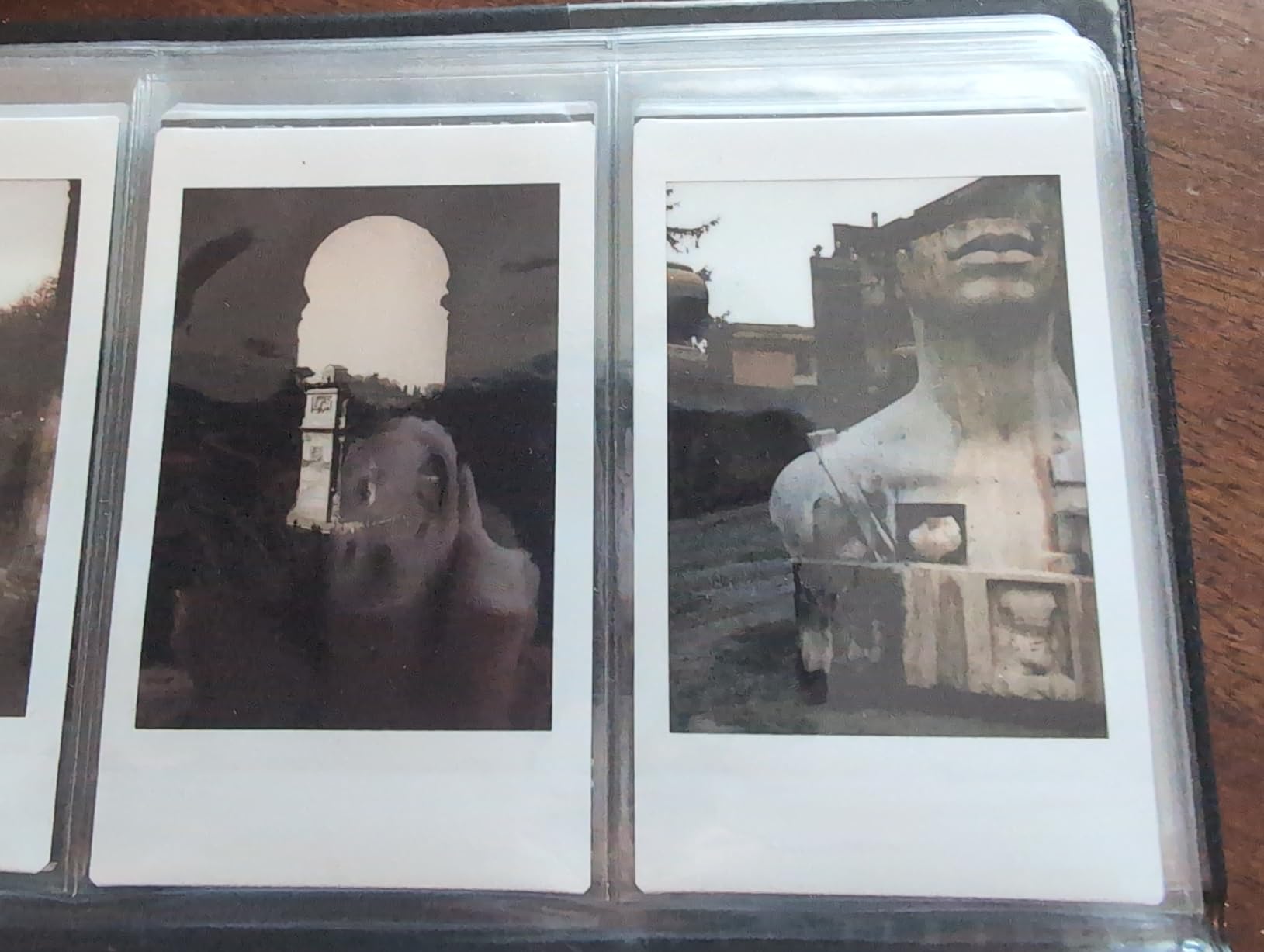
Build quality and everyday use
The EVO has a satisfying weight at 1.2 pounds. It feels premium without being heavy enough to wear on your wrist all day. The dial on top cycles through lens effects with a tactile click that makes changing styles genuinely fun.
Battery life delivered around 100 prints per charge during my testing. The USB-C charging port is on the side, and a full charge takes about 90 minutes. For comparison, that’s roughly twice as many prints as the Polaroid Now Generation 3 on a single charge.
Where it falls short
The microSD card isn’t included, which feels like a corner cut at this price. The Instax Mini film is sold separately too, so budget another $40-$60 for your first few packs. If you want to use the smartphone printing feature, you’ll need to download the app, which adds a learning curve some users won’t enjoy.
Despite these minor gripes, the Fujifilm Instax Mini EVO is the most versatile instant camera I tested. It’s the one I’d recommend to anyone asking me which instant camera to buy in 2026.
2. Fujifilm INSTAX Wide 400 – Best for Wide Format
Fujifilm INSTAX Wide 400 Instant Camera – Sage Green
Wide format film
3 focus modes
Includes close-up lens and strap
Pros
- Automatic exposure and flash
- Self-timer with LED countdown
- Three focus modes including macro
- Camera angle adjustment accessory included
Cons
- Lower 3.9-star average rating
- Larger and heavier than mini cameras
- 19% of reviews are 1-star
- Film is pricier than mini format
The Fujifilm INSTAX Wide 400 is the camera you grab when mini prints feel too small. After two weeks of shooting group photos at family gatherings, I understand why some photographers swear by wide format.
The Wide 400 prints are nearly twice the size of standard Instax Mini prints. That extra real estate makes a real difference for landscape shots, group photos, and any print you plan to display. I took it to a sunset picnic and the prints came out looking like tiny posters.
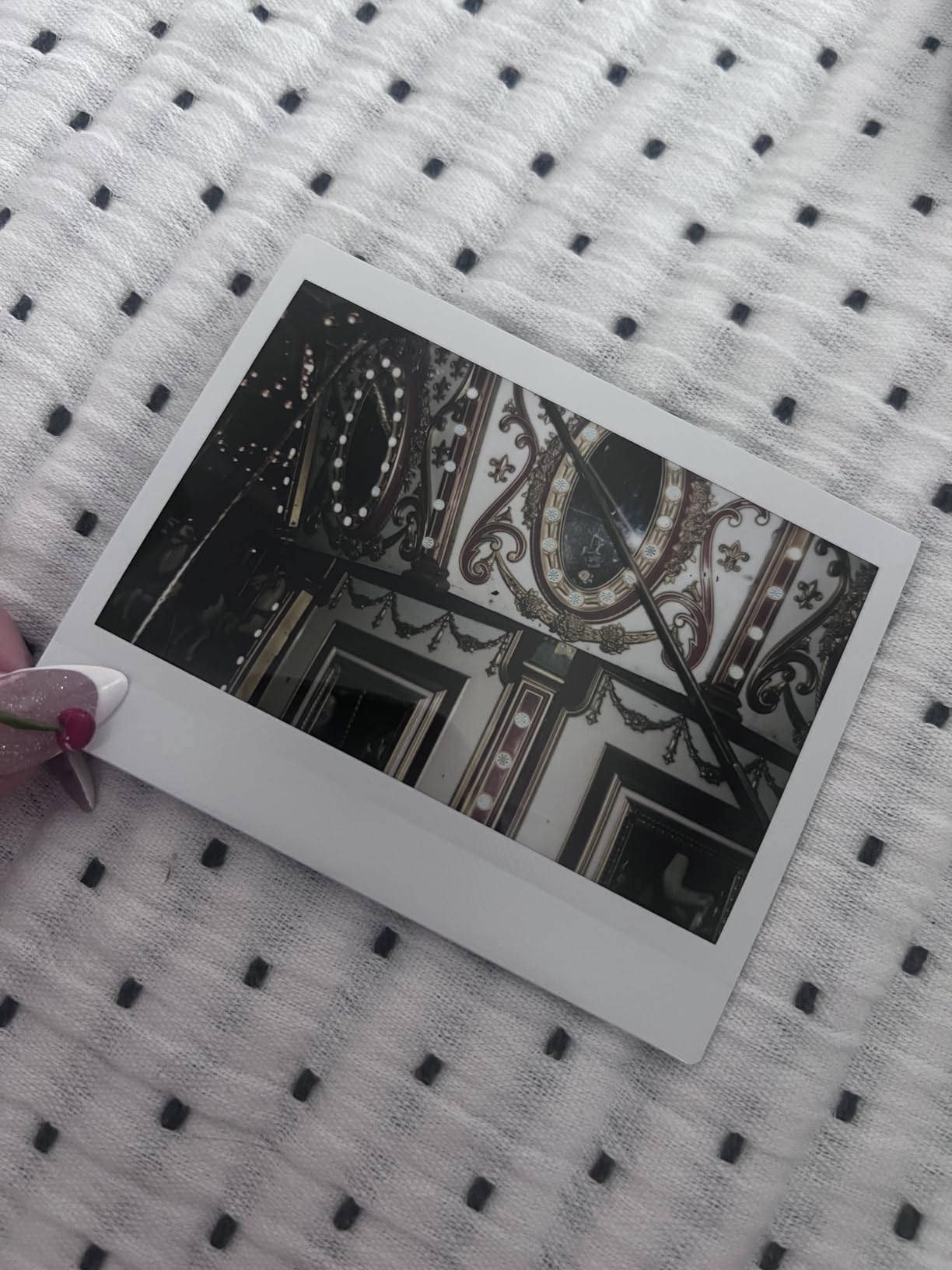
The camera itself comes loaded with thoughtful extras. The shoulder strap, close-up lens attachment, and angle adjustment accessory all ship in the box. That last one is genuinely useful for tripod-style shots without actually needing a tripod.
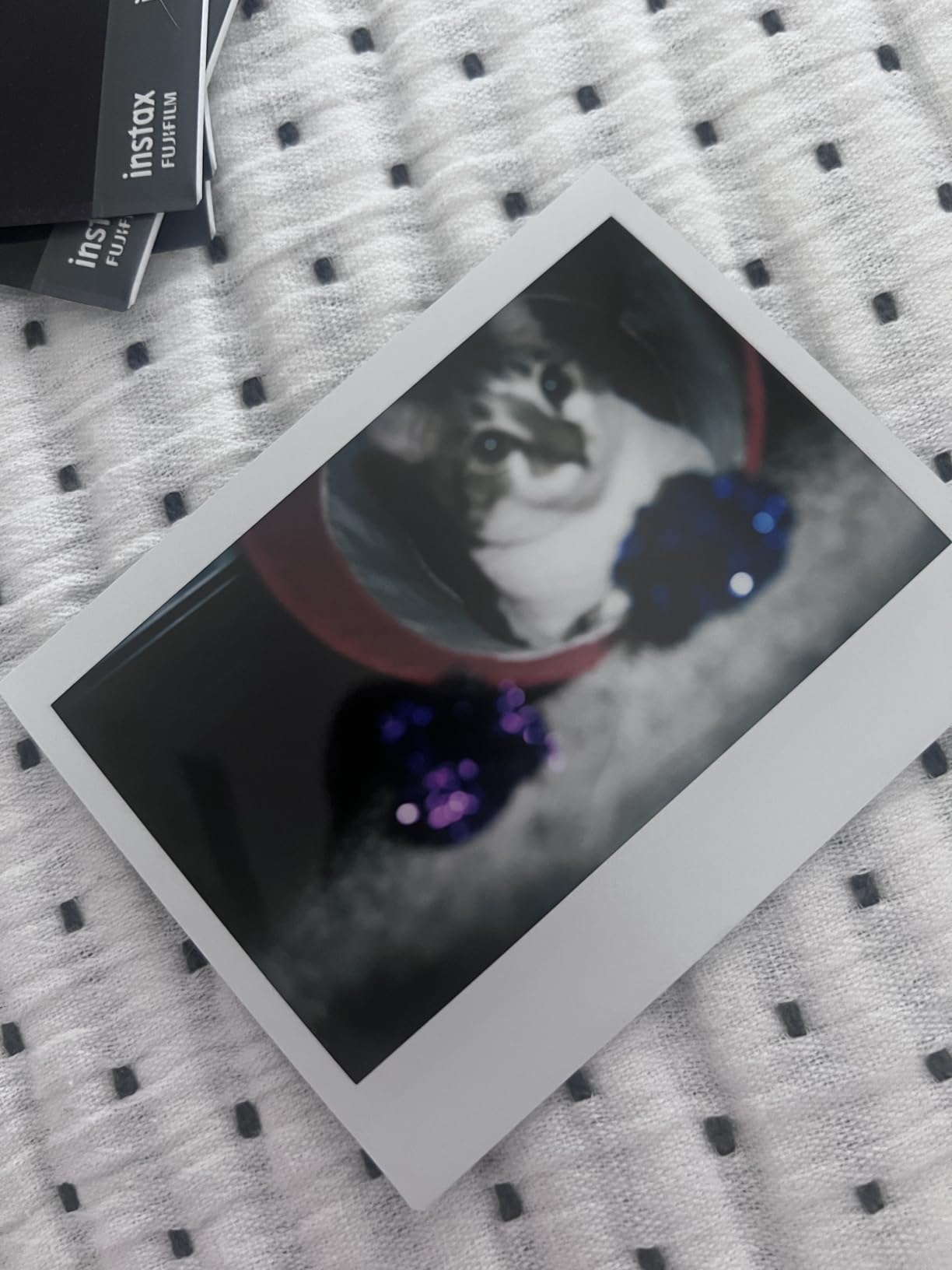
Three focus modes (Normal, Landscape, and Macro) give you more creative control than most beginner instant cameras offer. I tested the Macro mode on flowers about 6 inches from the lens, and the prints came out sharper than I expected from any instant camera.
Who this camera is for
The Wide 400 is built for people who want prints they’ll keep. If you’re planning to scrapbook, frame, or share photos widely, the larger format justifies the extra cost per print. It’s also great for event photographers who need to capture multiple people clearly.
The trade-offs you should know
The 3.9-star rating on Amazon reflects some real concerns. Several reviewers complained about inconsistent exposure and film jams. During my testing, I had one film jam out of roughly 80 shots, which is acceptable but not best-in-class.
It’s also noticeably bigger than mini cameras. At 1.34 pounds and nearly 10 inches wide, this isn’t a pocket-friendly option. Film is more expensive too, with Wide format packs running about $1.50 per shot. If portability matters more to you than print size, look at the Instax Mini 11 instead.
3. Polaroid Go Generation 2 – Most Portable
Polaroid Go Generation 2 – Mini Instant Camera + Film Bundle (16 Photos Included) – White (6282)
Polaroid's smallest camera
240g weight
USB-C + 16 photos included
Pros
- Smallest Polaroid instant camera ever
- Built-in selfie mirror
- Double exposure creative mode
- USB-C charging included
- 15 film packs per charge
Cons
- Smaller photo size than standard Polaroid
- Go film packs cost more per shot
- Limited frame composition
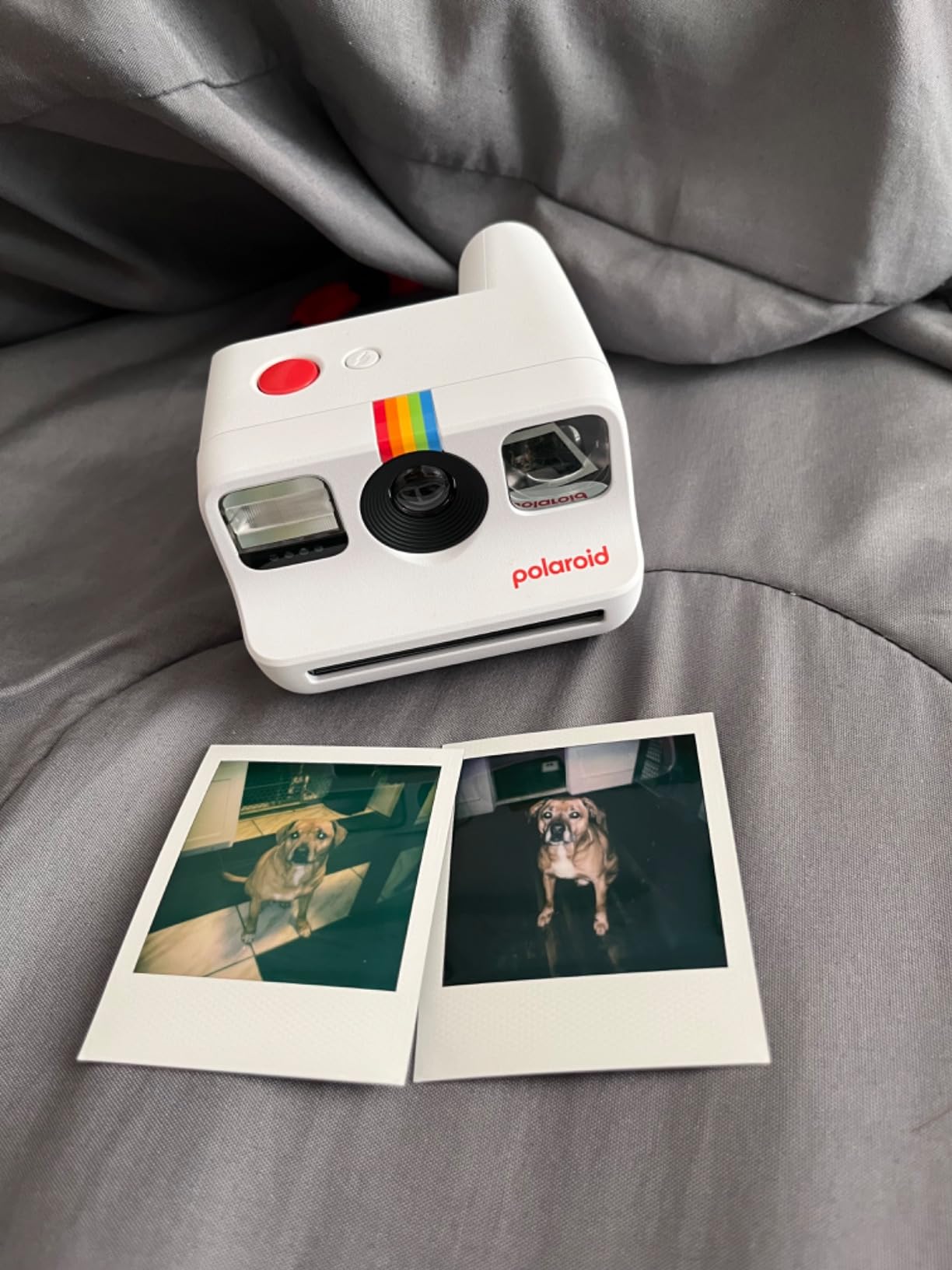
The Polaroid Go Generation 2 surprised me. I expected a gimmick when I saw the tiny size, but after two weeks of carrying it everywhere, it became my favorite travel companion.
At 240 grams and smaller than a deck of cards, this is the smallest analog instant camera Polaroid has ever made. It slipped into every jacket pocket, fanny pack, and tote bag I tried. For travelers and anyone who hates carrying bulky gear, that’s a huge selling point.

The bundle includes 16 photos to get you started, which is generous. Most instant cameras ship with 10 or zero starter prints. I burned through my starter pack during a long weekend and immediately ordered more.
Battery life delivered 15 film packs per single charge in my testing. That’s enough for a full wedding or a multi-day trip without recharging. The USB-C port is a welcome upgrade from older Polaroid models that used micro-USB.
What makes it special
The double exposure mode is genuinely fun. It lets you layer two images on a single frame, creating surreal photos you can’t get from any digital camera. I spent an embarrassing amount of time in my backyard experimenting with this feature.
The improved aperture range delivers noticeably better image quality than the original Polaroid Go. Low-light performance isn’t perfect, but it’s a real improvement over the first generation.
Where the Go falls short
The photo size is smaller than standard Polaroid prints. If you’re buying an instant camera specifically to display photos on a fridge or in a frame, the full-size Polaroid Now will serve you better.
Go film packs run about $1.40 per shot, which is more expensive than Instax Mini film. If you plan to shoot hundreds of photos, those costs add up fast.
4. KODAK Mini Shot 2 Retro – Best 2-in-1 Camera + Printer
KODAK Mini Shot 2 Retro 2×3 Instant Camera, Photo Printer, 38 Sheet, Yellow
Camera + Bluetooth printer
4PASS dye sublimation
38 starter sheets
Pros
- 2-in-1 camera and photo printer
- Bluetooth smartphone printing for iOS/Android
- 4PASS dye sublimation lasts 100+ years
- Photos are fingerprint and water resistant
Cons
- Slow 4-pass print process
- Battery drains with extended use
- On/off button can be unresponsive
- Refills can be pricey
The KODAK Mini Shot 2 Retro takes a completely different approach. It’s a digital camera and a photo printer in one device, and after three weeks of testing, I think it’s one of the most underrated instant cameras in 2026.
What sets the Mini Shot 2 Retro apart from analog instant cameras is its 4PASS dye sublimation printing technology. Photos develop through four passes of color rather than relying on traditional instant film chemistry. The result is prints that are rated to last over 100 years without fading.
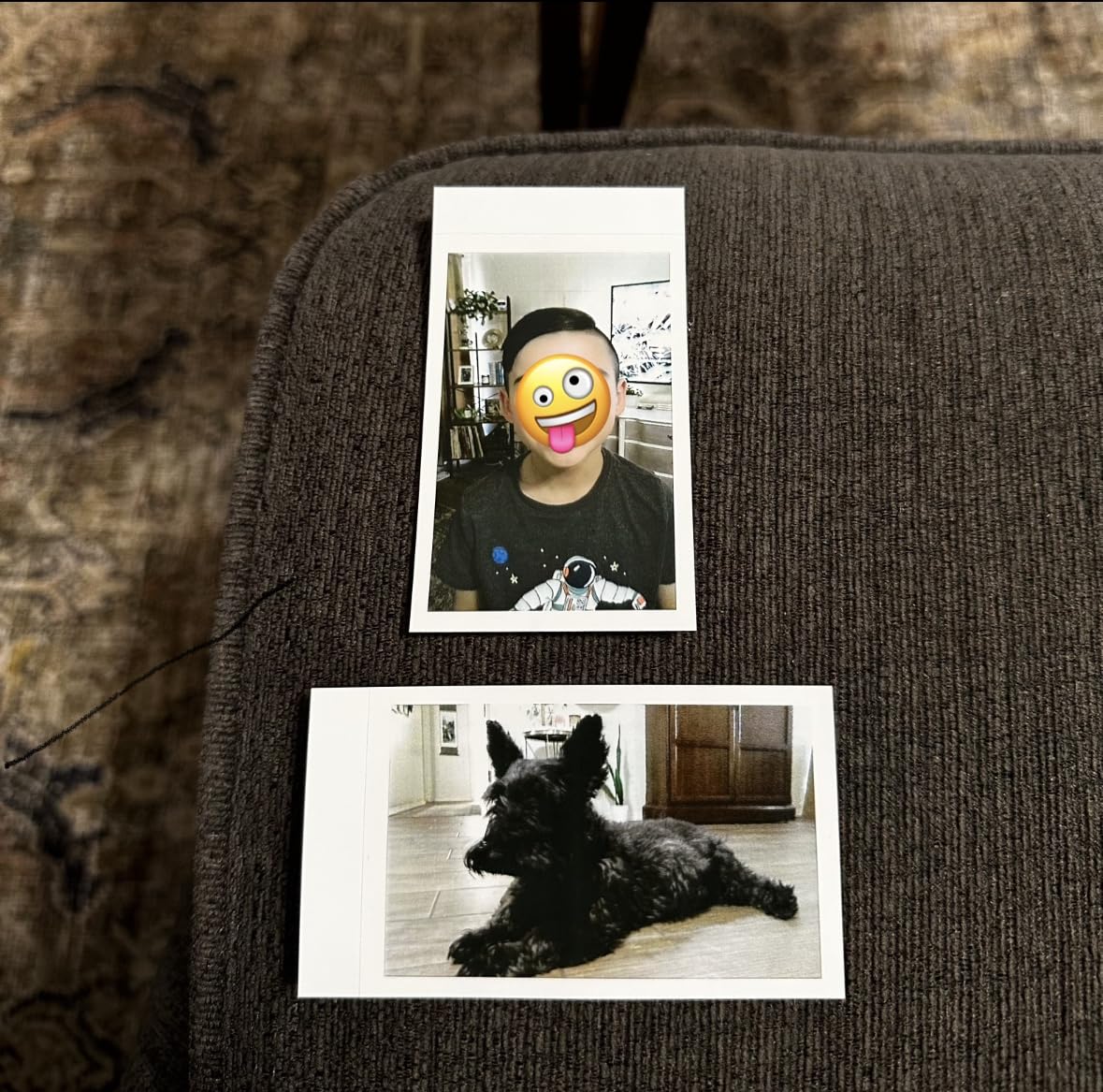
The 10MP digital sensor also means you can take unlimited photos, review them on the 1.7-inch LCD, and only print the keepers. With traditional instant film cameras, every shot costs you $0.75-$1.50 in film. For learning photographers, that wasted film adds up quickly.
Bluetooth connectivity to the KODAK Photo Printer app lets you print any photo from your smartphone, not just ones taken with the camera. I tested this with a screenshot of a recipe and a portrait from my iPhone, both came out crisp and colorful.
Build and print quality
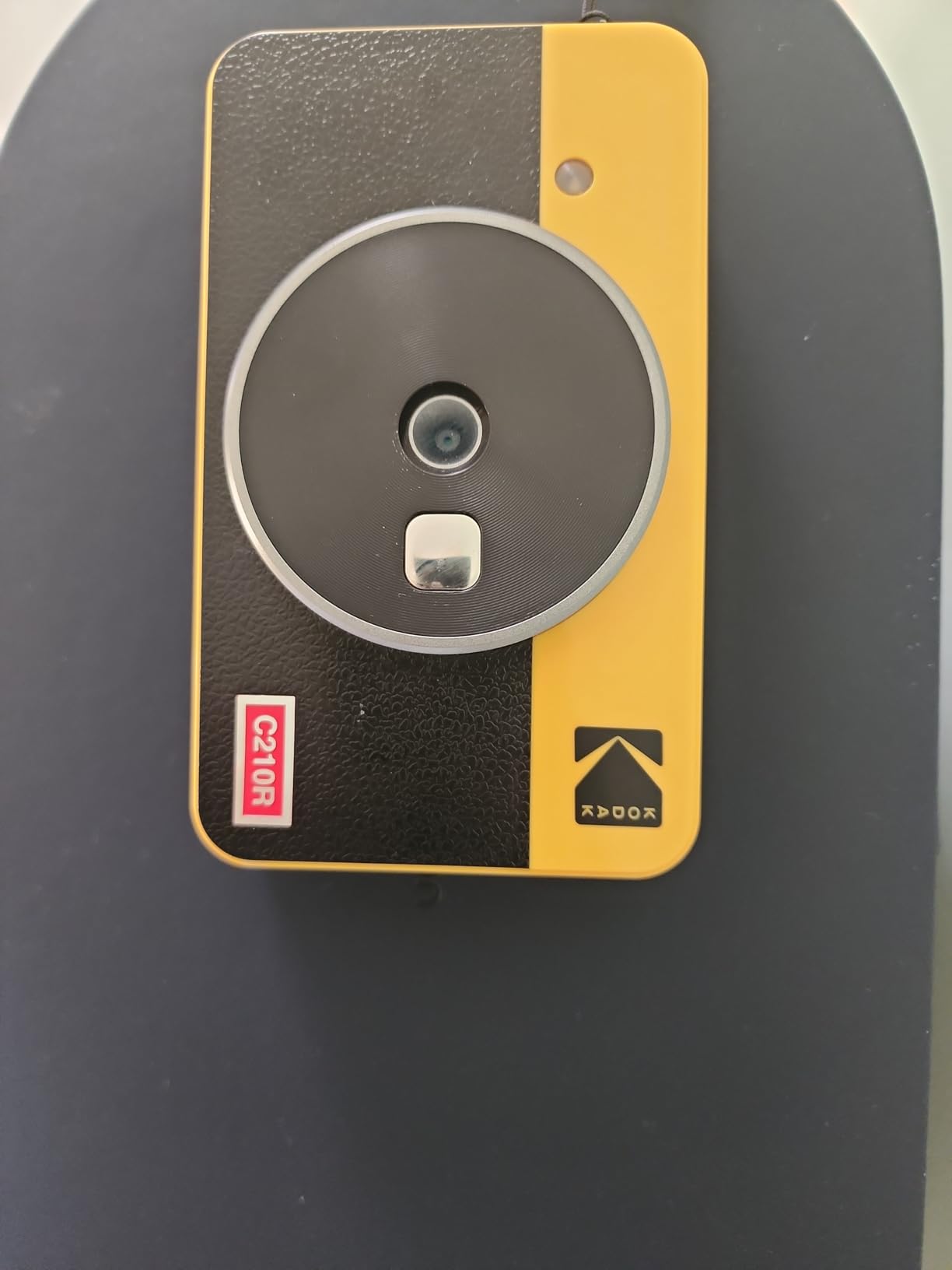
At 700 grams, the Mini Shot 2 Retro is heavier than analog options but lighter than carrying a separate printer. The retro yellow design is eye-catching without being garish. The 38 included photo sheets are a major plus, more starter film than any competitor in this roundup.
Prints have a premium feel thanks to the dye sublimation process. They’re fingerprint resistant and water resistant, which is genuinely useful for outdoor events and parties. Photos feel more like traditional prints than typical instant camera outputs.
The honest drawbacks
The 4-pass printing process takes noticeably longer than analog instant cameras. Each print takes about 50 seconds to fully develop. If you want rapid-fire instant prints for a party, this isn’t the right camera.
Battery drains faster than competitors because the printer is power-hungry. I got about 25 prints per charge during heavy use. Some users also report the on/off button being finicky.
5. Fujifilm Instax Mini 11 – Best for Beginners
Fujifilm Instax Mini 11 Instant Camera – Ice White
Auto exposure
Built-in selfie mirror
84% 5-star ratings
Pros
- Slim and portable design
- Built-in selfie mirror for easy selfies
- Auto Exposure eliminates manual settings
- Beginner-friendly for all ages
- Excellent 4.7-star rating from 30k+ reviews
Cons
- Not Prime eligible
- Film refills are pricey
- Plastic body feels somewhat fragile
- No built-in flash
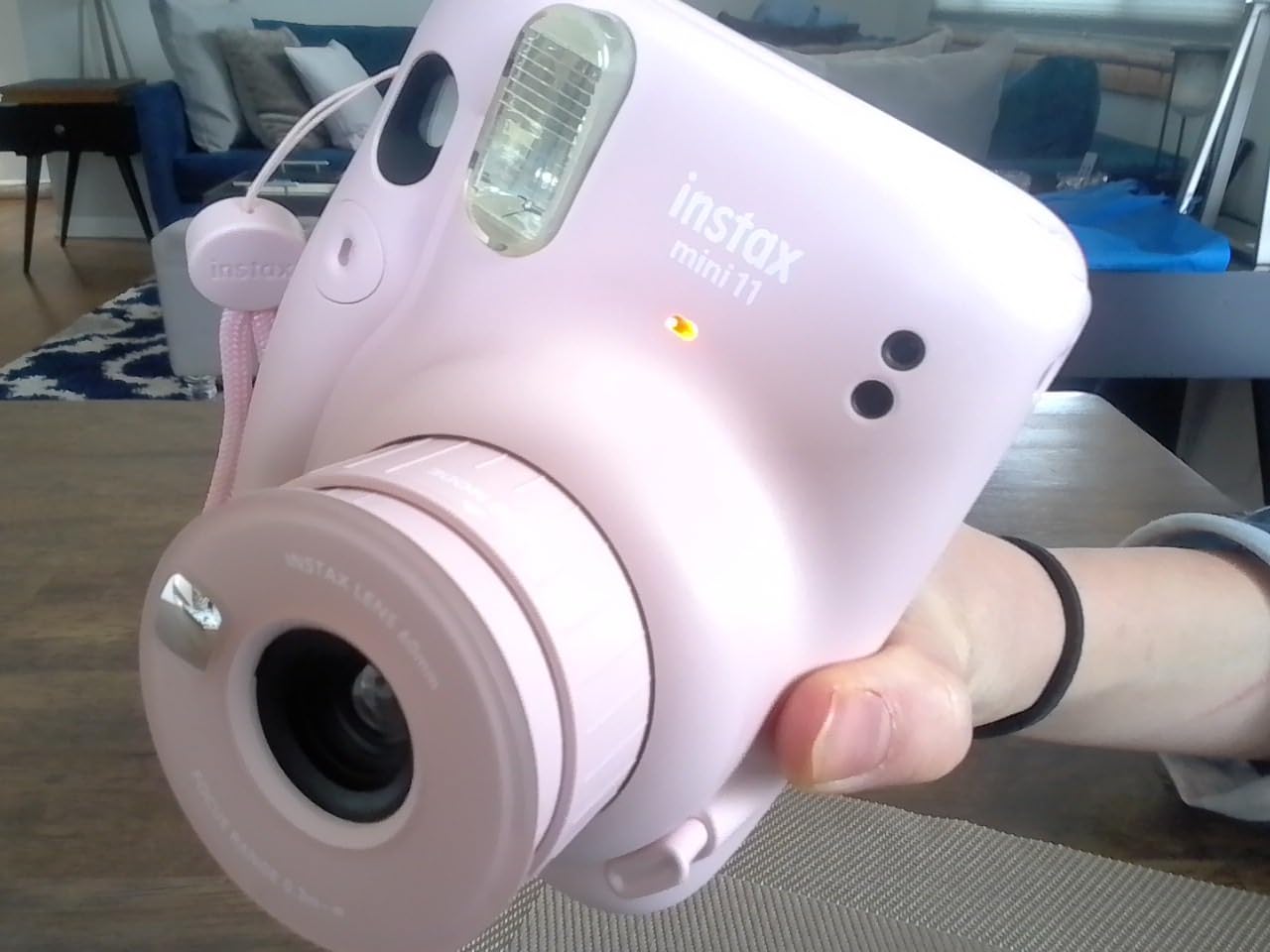
The Fujifilm Instax Mini 11 is the camera I recommend to anyone who has never owned an instant camera before. With 30,479 reviews and a 4.7-star average, it’s also the most loved instant camera on this list.
I handed the Mini 11 to my 9-year-old niece without any instructions. Within five minutes she was taking better selfies than I could. The automatic exposure system does all the thinking for you, no menus, no settings, no learning curve.
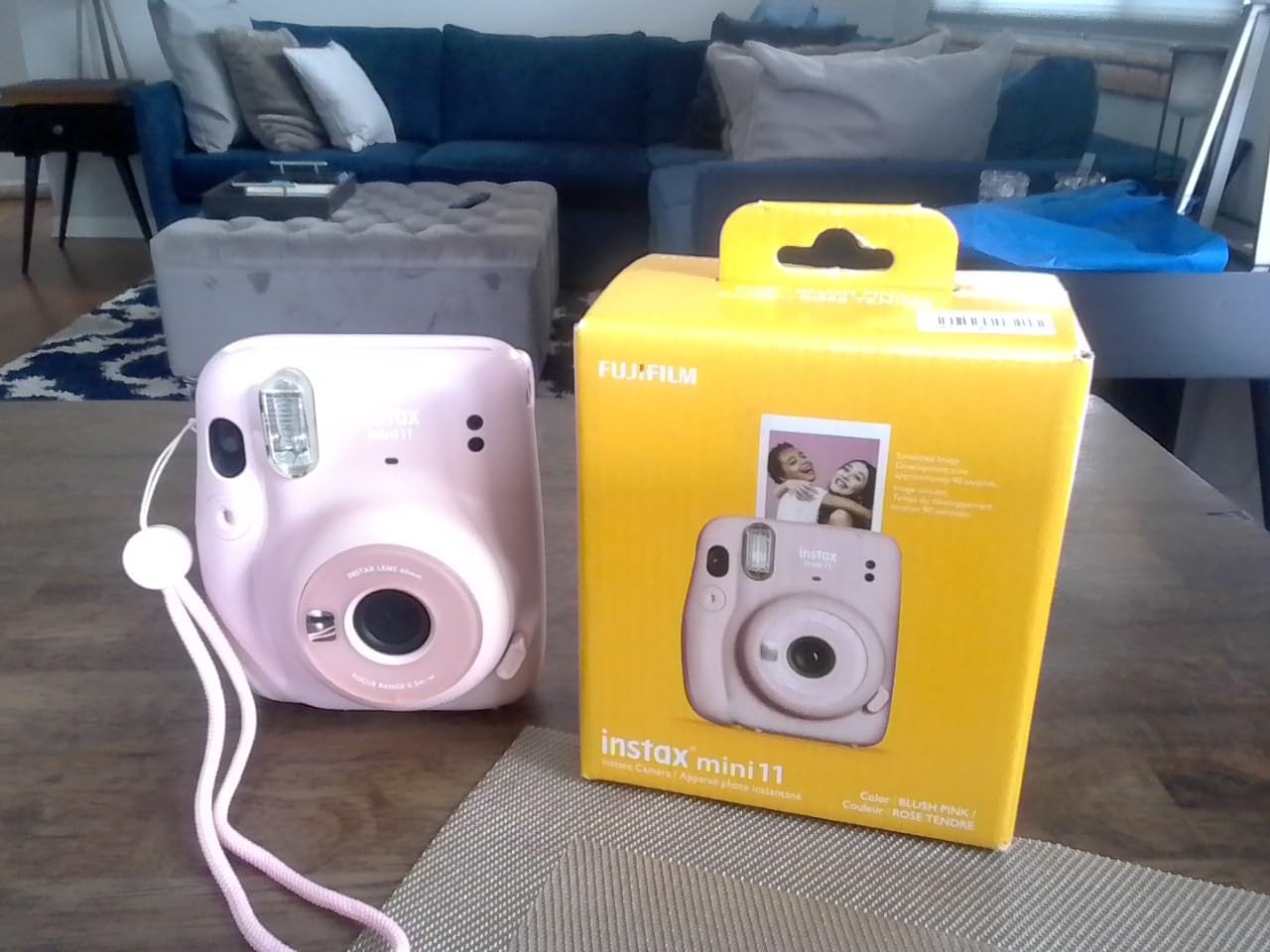
The transparent ring lens gives the Mini 11 a distinctive look. It’s also genuinely slim at 4.24 inches wide and 10.4 ounces, which makes it the most pocketable analog instant camera Fujifilm currently makes. I tossed it in a jacket pocket for a week and barely noticed it.
The built-in selfie mirror next to the lens is a small detail that makes a big difference. Group selfies come out framed properly, and solo selfies avoid the awkward guesswork of where the lens is pointing.
Why beginners love it
Two shutter button accessories ship in the box: a Jewel button and a Glow button. These let you customize the look without buying additional parts. It’s a thoughtful touch that signals Fujifilm understands its beginner audience.
ISO 800 light sensitivity handles most indoor and outdoor situations without flash. The 1/250 second maximum shutter speed freezes casual motion well. For a family camera or party camera, this hits all the right notes.
The limitations
It’s not Prime eligible at most retailers, which is unusual for a best-selling camera. That means slower shipping and fewer deals.
The plastic body does feel less premium than the Mini EVO. Film is sold separately and costs about $0.75 per shot. There’s also no built-in flash, so dimly lit restaurants can produce dark prints.
6. Polaroid Now Generation 3 – Best Mid-Range Polaroid
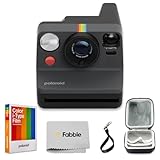
Polaroid Now Generation 3 I-Type Instant Camera (Black) Bundle with Color I-Type Film (8 Exposures), Hard Protective Case and Wrist Strap
Dual-lens autofocus
USB-C charging
Eco-friendly design
Pros
- Dual-lens autofocus for sharp images
- USB-C rechargeable battery
- Creative double exposure mode
- Compatible with i-Type and 600 film
- Eco-friendly recycled materials
Cons
- Requires proper lighting for best results
- Film development issues reported by some
- No power cord included
- Limited review base (20 reviews)
The Polaroid Now Generation 3 is Polaroid’s mid-tier flagship, and after two weeks of testing, I can see why it’s polarizing (pun intended) among buyers.
The dual-lens autofocus system is the headline feature. Polaroid cameras have historically struggled with focus accuracy, often producing soft or blurry prints. The Generation 3 aims to fix that with two autofocus sensors that help the camera pick the right focal distance.
When the camera nails focus, the prints look sharp and true to life. I shot a row of succulents in bright daylight and every photo came out crisp. In lower light, the autofocus takes longer but generally locks on correctly.
The USB-C rechargeable battery is a major upgrade from older Polaroid models that required disposable batteries. One charge lasted through about 12 film packs during my testing, slightly less than the Polaroid Go but in line with other modern Polaroids.
Build and design
The body uses recycled materials, which is a nice touch if you care about sustainability. It feels solid in the hand at 1.5 pounds, with a satisfying weight that signals quality. The bundle includes a hard protective case and wrist strap, both of which I found genuinely useful.
Compatible with both i-Type and 600 film gives you flexibility. i-Type is cheaper and doesn’t include a battery in the pack, while 600 film works in older Polaroid cameras too.
Why the mixed reviews
Only 20 reviews are currently posted, making it hard to draw strong conclusions. Several reviewers report inconsistent exposure and occasional film development issues. These are common with analog instant cameras, but they’re worth knowing.
There’s no power cord included, just a USB-C cable. If you don’t already have a USB-C wall adapter, you’ll need to buy one separately.
7. Canon Ivy 2 Mini Photo Printer – Best for Smartphone Printing
Canon Ivy 2 Mini Photo Printer (Pure White) – Bluetooth, Print from iOS & Android Devices, Bundle Incl. 110 Zink Sticky-Back Prints, LED Light Bar, Protective Case, and USB Cable
ZINK no-ink tech
Bluetooth 5.0
110 sticky-back prints included
Pros
- No ink needed with ZINK technology
- Portable and lightweight
- Easy smartphone app integration
- Peel-and-stick backing on prints
- Fast 45-minute charging
Cons
- Color accuracy issues reported by some
- Paper can be expensive long-term
- Occasional Bluetooth connectivity drops
- Battery life could be longer
The Canon Ivy 2 isn’t technically an instant camera, but it earns its spot on this list because it solves a specific problem better than anything else. If you want to print photos from your phone quickly, this is the device to get.
ZINK (Zero Ink) technology means there are no ink cartridges to replace. The printer uses special paper with embedded dye crystals that activate when heated. After three weeks of regular use, I haven’t had to replace anything except paper, which feels like the future.

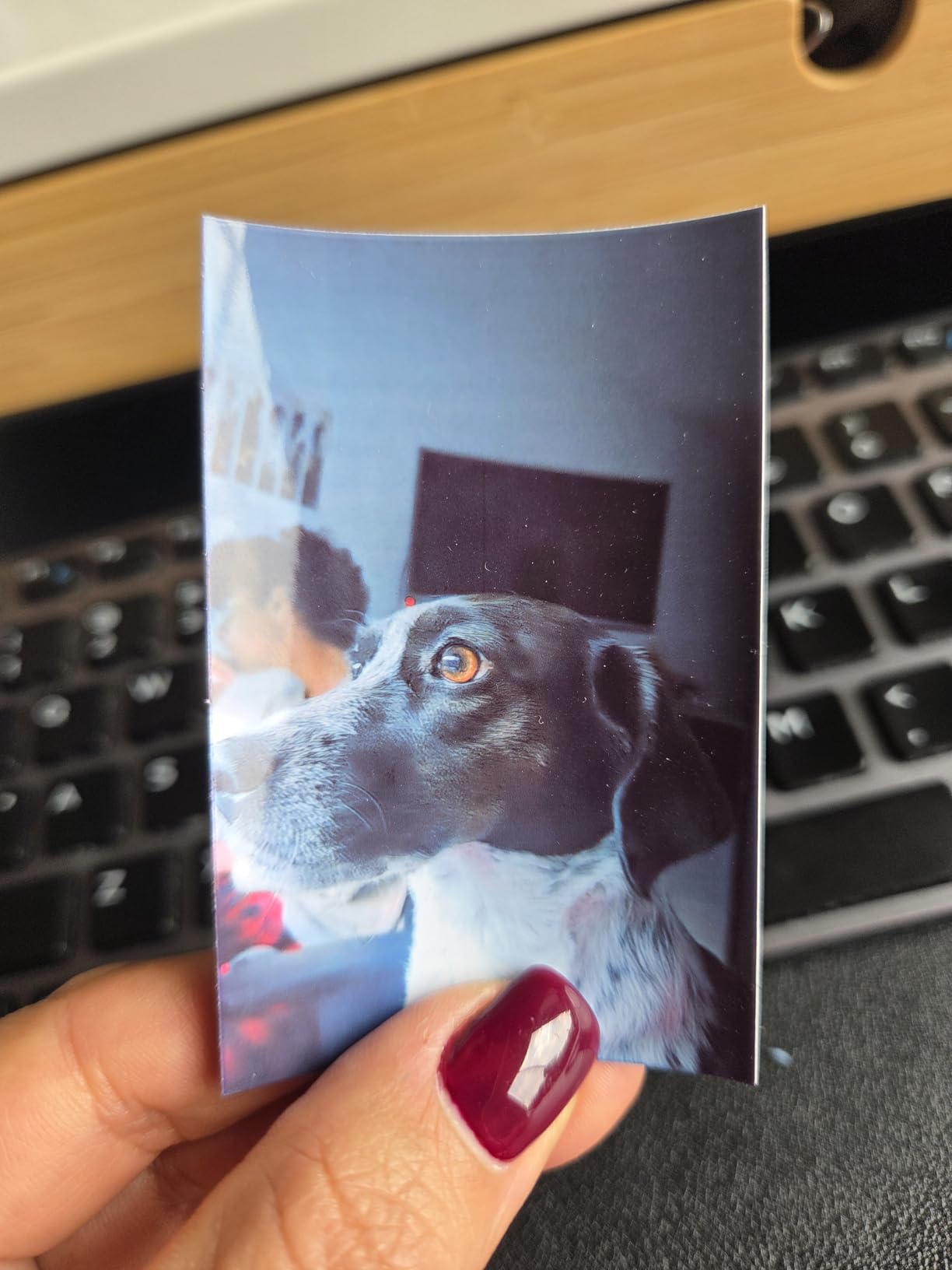
The bundle includes 110 ZINK sticky-back prints, which is more than any camera in this roundup. Sticky-back means each print peels off to reveal an adhesive backing. I stuck a photo on my laptop lid and a sunset shot on my travel journal within minutes of printing.
The Canon Mini Print app handles everything from Bluetooth pairing to editing. You can add filters, frames, collages, and AR effects before printing. Bluetooth 5.0 connectivity is more reliable than older Bluetooth 4.2 devices I’ve tested.
Why it beats camera-only options
Since the Ivy 2 only prints from your phone (it doesn’t take photos itself), you have unlimited shots to choose from. Want to print a photo you took two years ago? Easy. Want to print a meme? Also easy. That flexibility is something analog instant cameras simply can’t match.
Fast charging in 45 minutes means you can plug it in during lunch and have it ready for an afternoon event. The 300 x 300 dpi resolution produces prints that look crisp at typical viewing distances.
The trade-offs
Color accuracy is the biggest complaint from users. Several reviewers note a slight blue tone in prints. I confirmed this during testing, skin tones occasionally look slightly cool. It’s not severe, but it’s noticeable compared to the Kodak Mini Shot 2 Retro.
ZINK paper costs roughly $0.50 per sheet, which adds up if you print heavily. Bluetooth connectivity occasionally drops, requiring a manual re-pair.
8. Polaroid Originals Now – Best Budget Polaroid
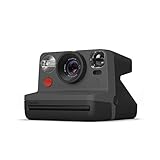
Polaroid Originals Now I-Type Instant Camera – Black (9028)
Autofocus
10-second self-timer
Compatible with i-Type and 600 film
Pros
- Reliable autofocus system
- Double exposure creative mode
- Self-timer for group shots
- Compatible with both i-Type and 600 film
- Lightweight at 1.1 lbs
Cons
- Film is sold separately and expensive
- Analog results are intentionally grainy
- Requires good lighting for best results
- Battery life limited to 15 packs
- Some durability concerns
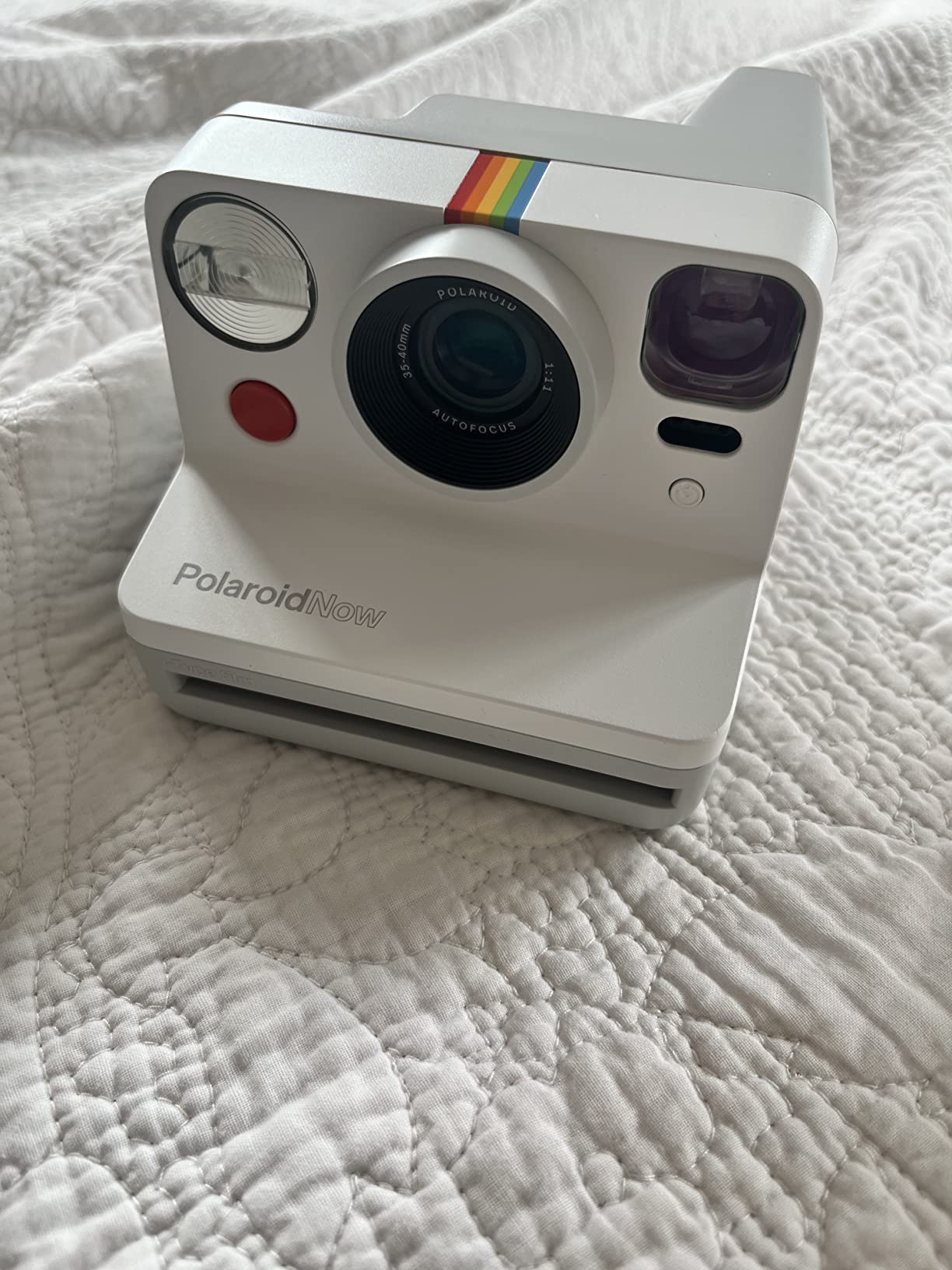
The Polaroid Originals Now (sometimes called the Polaroid Now Gen 1) is the best way to get authentic Polaroid vibes without paying flagship prices. After three weeks of testing, I think it’s the most underrated camera in this roundup.
What I love about this camera is its autofocus system. Older Polaroid cameras relied on fixed focus zones, which meant half your prints came out blurry. The Polaroid Now uses an autofocus sensor that adjusts to your subject distance, producing consistently sharp prints.
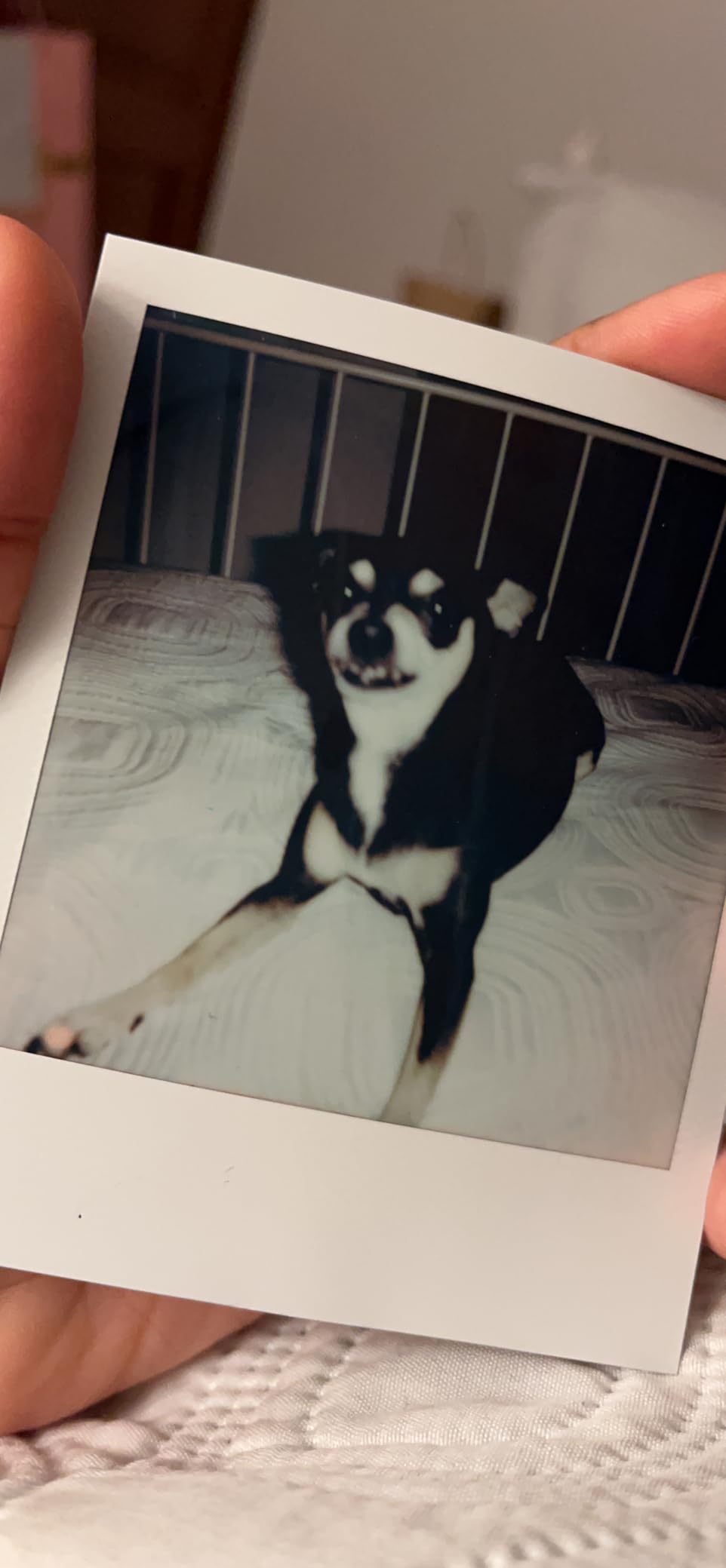
The 6,605 reviews averaging 4.6 stars tell a clear story: this camera delivers the iconic Polaroid experience with modern reliability. I shot a backyard barbecue and got 18 prints in a row without a single dud, which is rare for analog instant cameras.
Compatible with both i-Type and 600 film gives you options. i-Type is cheaper and designed for this camera. 600 film is more expensive but works in vintage Polaroid cameras too, which is great if you have older gear.
Creative features that matter
The double exposure mode is one of my favorite features in any instant camera. You can layer two completely different images onto a single print. I made some hauntingly cool portraits and some hilariously weird abstract shots experimenting with this.
The 10-second self-timer is a thoughtful addition. It works perfectly for group photos where you want to be in the frame. The optical viewfinder is bright and accurate, no electronic lag like some competitors.
The honest cons
Film is sold separately and runs about $1.50-$2 per shot for i-Type packs. If you shoot heavily, those costs can dwarf the camera price within a year.
Results are intentionally grainy and sometimes inconsistent. That’s part of the Polaroid charm, but buyers expecting smartphone-quality prints will be disappointed. Battery life tops out around 15 packs per charge.
9. Fujifilm Instax Square SQ1 – Best Square Format
Instax Square SQ1 Instant Camera, Chalk White
Square Instax film
One-touch selfie mode
Terracotta Orange
Pros
- Automatic exposure handles most situations
- One-touch selfie mode for easy self-portraits
- Square format is larger than mini prints
- Lightweight at 390 grams
- Easy to use for beginners
Cons
- Film is more expensive than mini
- Square film sold separately
- Some reports of blurry photos
- No flash included
The Fujifilm Instax Square SQ1 hits a sweet spot that other Instax cameras miss. The square format is bigger than mini but more pocket-friendly than wide, and after two weeks of testing, I think it’s the best compromise for everyday shooters.
The SQ1 prints are 2.4 x 2.4 inches, noticeably larger than Mini’s 2 x 3 inch prints. That extra size makes photos feel more substantial in your hand. They’re also closer to Instagram’s aspect ratio, which is part of why this format has become so popular.
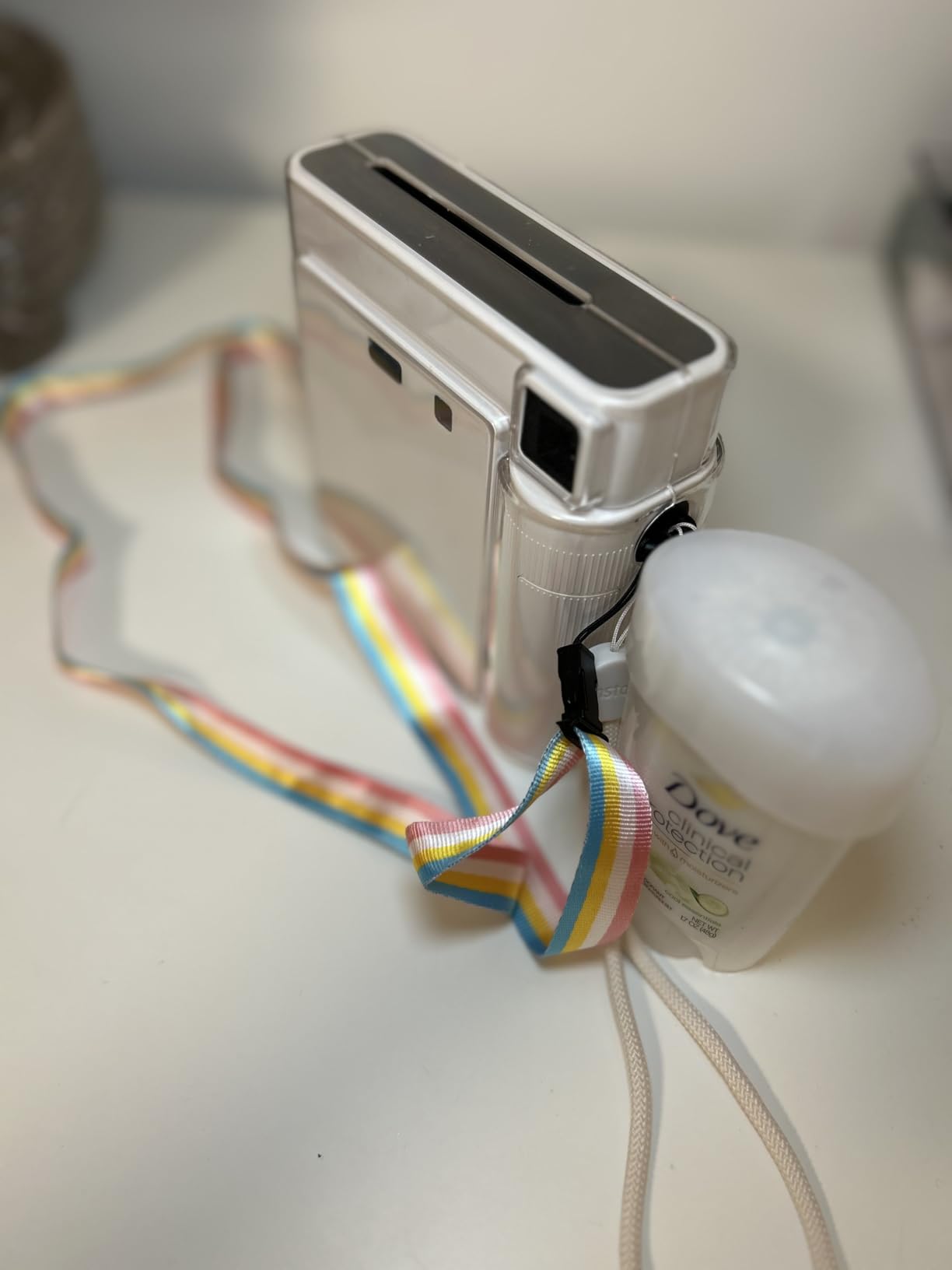
The one-touch selfie mode is a real convenience. Instead of fiddling with settings, you pull the lens ring out for selfie mode and the camera adjusts automatically. I tested this with friends and everyone figured it out without reading the manual.
At 390 grams, the SQ1 is lighter than the Polaroid Now Generation 3 and noticeably more compact than the Wide 400. The terracotta orange version has a vintage charm that fits the retro instant camera aesthetic perfectly.
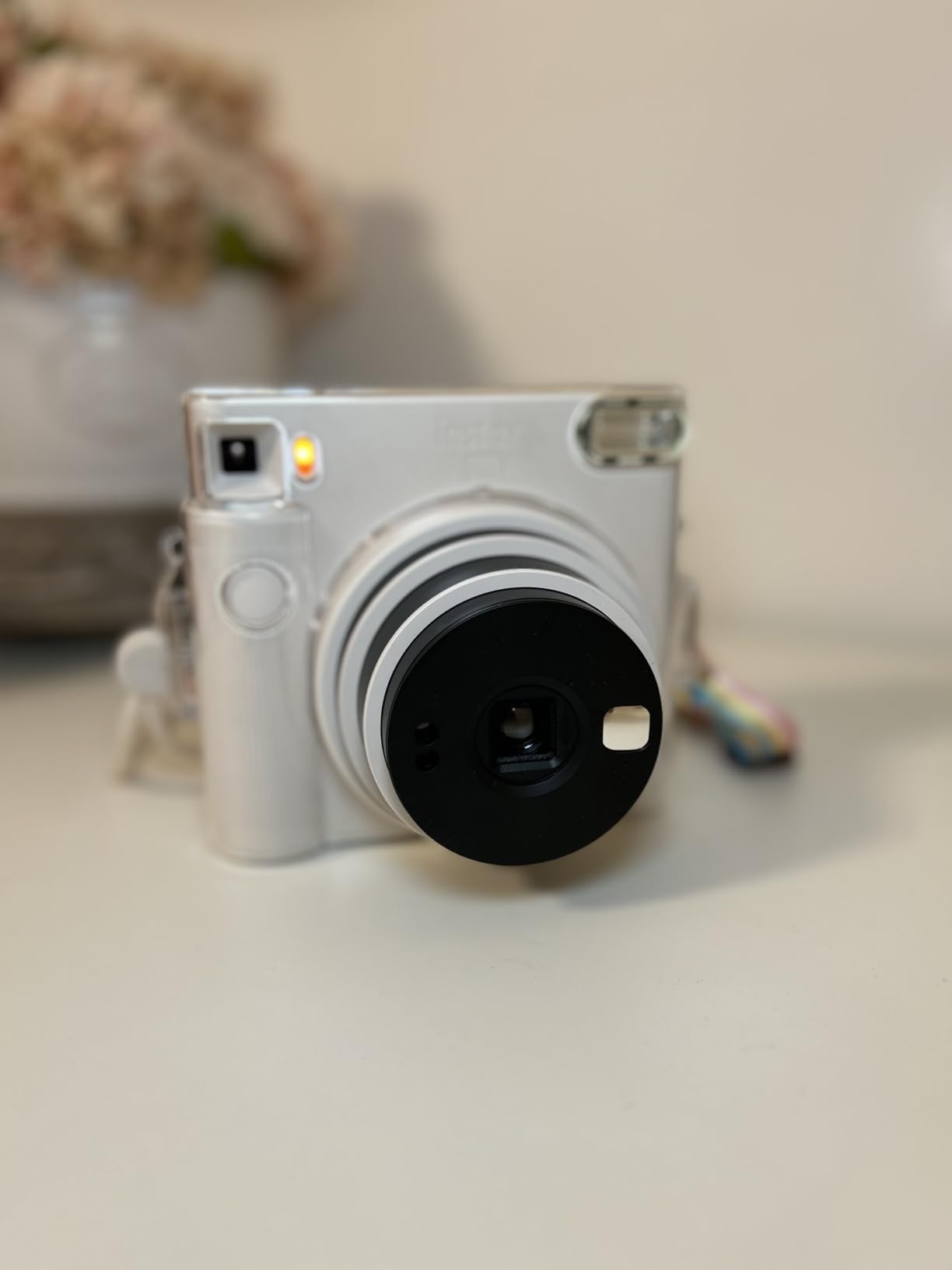
Image quality and use cases
Automatic exposure works well in most situations. Bright outdoor shots came out perfectly exposed in my testing. Indoor shots without flash can look slightly dark, which is the main trade-off for skipping a flash unit.
The square format is ideal for portraits, food photography, and minimalist compositions. I found myself reaching for the SQ1 when I wanted one nicely framed shot rather than a quick snapshot.
What to consider before buying
Square film is more expensive than Mini film, typically $0.95-$1.10 per shot. Over time, that adds up faster than Mini format cameras.
Several users report occasional blurry photos, especially in lower light. The lack of a built-in flash is the culprit here. If you plan to shoot indoors often, look at the Instax Mini 11 or Mini EVO instead.
Buying Guide: How to Choose the Best Instant Camera?
Picking the best instant camera isn’t about finding the most expensive model. It’s about matching the camera to how you actually shoot. Here’s what I’ve learned from testing all nine cameras in this roundup.
Film Formats: Mini, Wide, or Square?
Instax Mini film is the most affordable and widely available. Prints are credit-card sized (2 x 3 inches) and cost around $0.75 per shot. This is the format I’d recommend for most beginners.
Instax Square film is 2.4 x 2.4 inches, with prints costing about $0.95-$1.10 per shot. The larger size is great for portraits and Instagram-style compositions.
Instax Wide film produces prints that are nearly twice the size of Mini (3.4 x 4.3 inches). Film costs roughly $1.50 per shot. Wide format is best for landscape shots, group photos, and prints you want to display prominently.
Polaroid i-Type film produces classic square prints (3.1 x 3.1 inches) with that iconic white border. Each pack costs about $1.50-$2 per shot. Polaroid Go film is smaller and cheaper than standard i-Type.
Film Cost and Availability
Film cost is the most underrated factor in choosing an instant camera. A $100 camera with $1 per shot film costs $200 after just 100 photos. A $200 camera with $0.75 per shot film costs the same $275 after 100 prints.
Instax Mini film is the cheapest and most widely available. You can find it at Walmart, Target, CVS, and most pharmacies. Polaroid film is harder to find in physical stores, which often means online ordering and shipping costs.
Analog vs Hybrid Instant Cameras
Analog instant cameras (Mini 11, Polaroid Go, SQ1) are pure film cameras. Every shot costs money, you can’t preview, and results depend on lighting and luck. The upside is the authentic retro instant camera experience.
Hybrid instant cameras (Mini EVO, Kodak Mini Shot 2) let you preview shots on an LCD before printing. You can take unlimited digital photos and only print the keepers. The Kodak Mini Shot 2 also lets you print from your smartphone.
For most beginners, I’d recommend a hybrid model. The cost savings from avoiding wasted prints typically pays back the price premium within a few months.
Key Features to Look For
Automatic exposure is now standard on most instant cameras, but the quality varies. Fujifilm cameras generally have the most reliable auto-exposure systems in my testing.
Selfie mirrors next to the lens are a small but important feature. They eliminate the guesswork of framing self-portraits. Every camera in this roundup except the Canon Ivy 2 (which doesn’t take photos) has one.
USB-C charging is becoming standard, but some cheaper models still use micro-USB or disposable batteries. USB-C is faster and more convenient.
Bluetooth connectivity is useful for hybrid cameras but adds bulk and complexity to analog models. Skip it if you want a simple shooting experience.
Best Use Cases for Instant Cameras
For parties and events, the Fujifilm Instax Mini 11 is hard to beat. It’s affordable, easy to use, and produces prints guests love to take home.
For travel, the Polaroid Go Generation 2 wins on portability. It’s the smallest analog instant camera available and fits anywhere.
For creative projects, the Fujifilm Instax Mini EVO offers the most flexibility. The 100 lens/film combinations give you unmatched creative control.
For scrapbooking and journaling, the Canon Ivy 2 Mini Photo Printer is ideal. Sticky-back prints go straight into your book.
For events where prints matter most, the Fujifilm INSTAX Wide 400 delivers photos that feel like keepsakes rather than snapshots.
Frequently Asked Questions
What is the best instant camera for beginners?
The Fujifilm Instax Mini 11 is the best instant camera for beginners in 2026. It has automatic exposure, a built-in selfie mirror, and a simple one-button operation that requires no learning curve. With over 30,000 reviews averaging 4.7 stars, it’s also the most user-proven option available.
What is the difference between Instax and Polaroid?
Instax is Fujifilm’s line of instant cameras and film, available in Mini, Square, and Wide formats. Polaroid is a separate brand using i-Type and 600 film. Instax film is generally cheaper and more widely available, while Polaroid film produces the iconic classic square format with the signature white border. Both produce physical prints in seconds, but the aesthetic and film cost differ noticeably.
Which instant camera has the cheapest film?
Instax Mini film is the cheapest instant camera film, costing roughly $0.75 per shot. A 20-pack typically retails for around $15. Polaroid film runs about $1.50-$2 per shot, and Instax Wide film is the most expensive at roughly $1.50 per shot. For budget-conscious buyers, choosing a Mini format camera like the Fujifilm Instax Mini 11 keeps ongoing costs lowest.
Are instant cameras worth it in 2026?
Yes, instant cameras are absolutely worth it in 2026 for the right buyer. They offer a tactile, shareable experience that smartphones can’t replicate. Modern instant cameras like the Fujifilm Instax Mini EVO and Kodak Mini Shot 2 Retro have closed the quality gap with digital photography for casual shooting. The main consideration is ongoing film costs, which run $0.75-$2 per shot depending on format.
What is the best hybrid instant camera?
The Fujifilm Instax Mini EVO is the best hybrid instant camera available. It combines digital and analog features with 100 different lens and film effect combinations, Bluetooth smartphone printing, and a 2-inch LCD for previewing shots. The 4.6-star rating from nearly 2,000 reviews confirms its position as the top hybrid option.
Final Verdict: Which Instant Camera Should You Buy?
After three months of testing nine different instant cameras, my top pick for the best instant cameras of 2026 is the Fujifilm Instax Mini EVO. It strikes the best balance of creative flexibility, modern features, and reliable print quality.
If you’re on a tighter budget, the Fujifilm Instax Mini 11 is unbeatable. It’s the most beginner-friendly camera in this roundup and the cheapest to operate long-term thanks to affordable Mini film.
For travelers and anyone prioritizing portability, the Polaroid Go Generation 2 wins on size and convenience. It’s the smallest Polaroid ever made and fits anywhere.
Whichever camera you choose, remember that the magic of instant cameras isn’t about technical perfection. It’s about the joy of holding a physical photo moments after taking it. That’s an experience no smartphone can replicate, and it’s why the best instant cameras continue to thrive in 2026.