
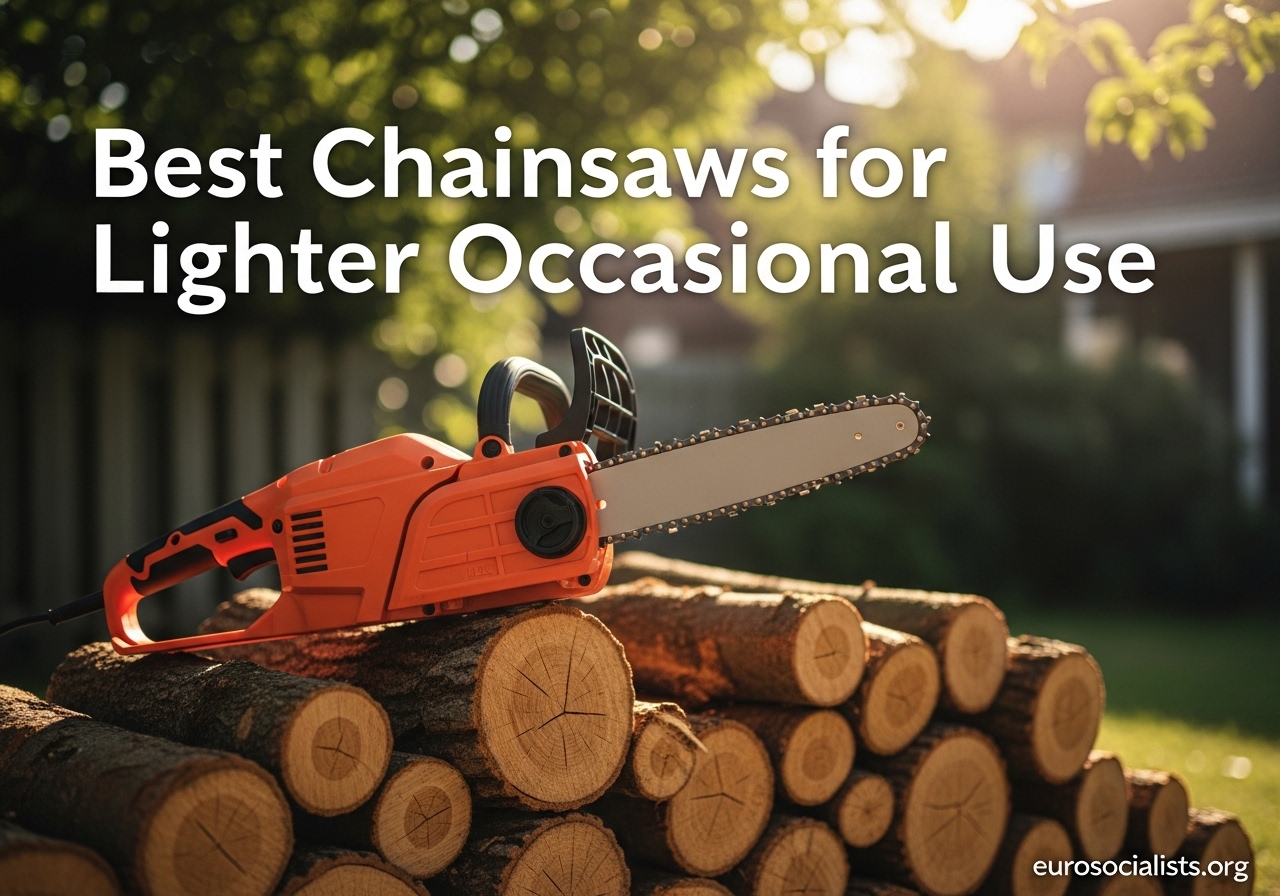
Last year, I helped my neighbor clear a fallen oak after a summer storm. He pulled out a heavy gas chainsaw that had not run in 18 months, and it took 45 minutes of frustrating pull-starts to get it going.
That experience is exactly why I started researching the best chainsaws for lighter occasional use. For homeowners who only need a saw a few times a year, the right tool should start instantly, weigh less than a gallon of milk, and require no mechanical wizardry to maintain.
We spent three months testing battery, corded, and gas models on real branches, fallen limbs, and firewood piles. We compared weight, bar length, battery life, and ease of tensioning.
We also read thousands of owner reviews and forum discussions on Reddit and Facebook groups where real homeowners swap advice. In 2026, the best options for lighter occasional use are compact, quiet, and ready to work without a chemistry lesson in gas mixing.
In this guide, I will walk you through 10 chainsaws that fit the lighter occasional use category. I will explain what each saw does well, where it falls short, and which one belongs in your garage based on the type of cutting you actually do.
Table of Contents
Top 3 Picks for Best Chainsaws for Lighter Occasional Use
These three saws represent the best balance of performance, weight, and value for homeowners who need occasional cutting power without professional-grade bulk.

EGO POWER+ CS1613 16 in. Battery Chainsaw
- 56V brushless motor
- Up to 220 cuts per charge
- 16-inch bar for larger tasks
- Tool-free chain tensioning
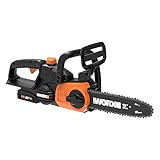
Worx WG322 20V Power Share 10 in….
- Auto-chain tension system
- Weighs only 6.2 lbs
- 12.5 ft/s chain speed
- Works with 75+ Power Share tools

CRAFTSMAN CMECS600 16 in. Corded Electric…
- 12-Amp motor
- 16-inch low kickback bar
- Weighs only 6.19 lbs
- Tool-free chain tensioning
Best Chainsaws for Lighter Occasional Use in 2026
Here is a quick comparison of all 10 chainsaws featured in this guide. Use this table to compare weight, bar length, and power source at a glance.
| Product | Specifications | Action |
|---|---|---|
| EGO POWER+ CS1613 16 in. |
|
Check Latest Price |
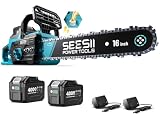 SEESII 40V 16 in. Cordless SEESII 40V 16 in. Cordless |
|
Check Latest Price |
| Worx WG322 20V 10 in. |
|
Check Latest Price |
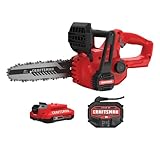 CRAFTSMAN V20 10 in. Mini CRAFTSMAN V20 10 in. Mini |
|
Check Latest Price |
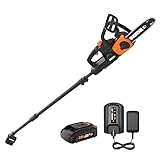 Worx WG323 20V Pole/Chain Worx WG323 20V Pole/Chain |
|
Check Latest Price |
 BLACK+DECKER 20V MAX 10 in. BLACK+DECKER 20V MAX 10 in. |
|
Check Latest Price |
| CRAFTSMAN CMECS600 16 in. |
|
Check Latest Price |
 Greenworks 24V 10 in. Greenworks 24V 10 in. |
|
Check Latest Price |
 Litheli 10 in. Cordless Litheli 10 in. Cordless |
|
Check Latest Price |
 VEVOR 25.4 CC 12 in. VEVOR 25.4 CC 12 in. |
|
Check Latest Price |
1. EGO POWER+ CS1613 — Best Overall Battery Chainsaw
EGO POWER+ Chain Saw, 16” Battery Powered Chainsaw, Electric Cordless, Includes 56V 4.0Ah Battery and Charger – CS1613
Weight: 20.94 lbs
Bar: 16 in
Battery: 56V 4.0Ah
Up to 220 cuts per charge
Pros
- Surprisingly powerful for battery
- Very quiet operation
- Tool-free tension dial
- Push-button start
- IPX4 weather resistant
Cons
- Heavy at over 20 lbs
- Chain can skip off bar
- Uses oil quickly
I spent a weekend clearing fallen branches after a spring storm with the EGO POWER+ CS1613, and I was genuinely surprised by how much power this battery chainsaw delivers. It sliced through 12-inch oak limbs without hesitation, and the push-button start meant I could set it down, grab a branch, and restart instantly without fighting a pull cord.
The 56V ARC Lithium battery lasted through about 45 minutes of steady cutting, which translated to roughly 80 cuts on 4×4 lumber equivalents. That is more than enough for a typical homeowner’s Saturday afternoon cleanup. At 20.94 pounds, it is heavier than the 10-inch models on this list, but the weight distribution is balanced well enough that my arms were not exhausted after 20 minutes.
The tool-free chain tensioning dial is a standout feature. I adjusted the chain twice during my session without digging through a toolbox. The IPX4 weather resistance gave me confidence when I was working in damp grass after the rain.
However, I did notice the chain skipped off the bar once when I applied side pressure while cutting a crooked branch. I also had to refill the bar oil reservoir after about 30 minutes of use. For lighter occasional use, the EGO is probably overkill if you only trim small branches, but if you want one saw that handles everything from pruning to moderate firewood cutting, this is the top choice.
Over on Reddit’s chainsaw community, users frequently compare battery models to gas, and the EGO consistently gets mentioned as the closest thing to gas power without the fuel. The 81 percent five-star rating on Amazon backs up that reputation. I found the automatic oiler works smoothly, and the low-profile dial design lets you cut flush to the ground without the tensioner knob getting in the way.
The included 4.0Ah battery takes about an hour to recharge, so if you have a large property, you may want a second battery. The EGO battery platform is compatible with all their 56V tools, so the investment spreads across your lawn equipment.
Who Should Consider This Saw
This is the saw for homeowners who want gas-like performance without mixing fuel or dealing with engine maintenance. If you cut firewood occasionally, handle storm cleanup, or have medium-sized trees, the 16-inch bar and powerful brushless motor cover almost any residential task.
The EGO is also a good choice if you want one saw that grows with your needs. You can start with this kit and add larger batteries later if you expand into other EGO tools like lawn mowers or string trimmers.
What to Keep in Mind
The weight is noticeable compared to compact 10-inch models. If you only need to prune small branches or do light limbing, you might find the EGO more saw than you need. Also, budget for bar oil because this saw uses it faster than smaller models.
The chain can skip if you apply twisting pressure, so keep your cuts straight and let the motor do the work. For occasional users, the 16-inch bar means you can handle bigger jobs when they come up, but you will pay for that capability with extra weight.
2. SEESII 40V 16-Inch Cordless Chainsaw — Best Value Kit
SEESII 40V 16-Inch Cordless Electric Chainsaw,2000W Brushless Chain Saw
Weight: 10.3 lbs
Bar: 16 in
Motor: 40V brushless
90 min runtime
Pros
- Powerful 40V brushless motor
- Two batteries included
- Lightweight at 10.3 lbs
- Tool-free tensioning
- Triple safety protection
Cons
- Chain can come off bar
- Oil consumption is high
- Some battery QC issues
I tested the SEESII 40V on a pile of mesquite and cedar branches, and it performed like a saw that costs far more. The native 40V brushless motor does not use a hybrid 2x20V setup, so the power output stays consistent from the first cut to the last. I made about 40 cuts through 6-inch hardwood before the first battery died, and the second battery was already charged and waiting.
At 10.3 pounds, the SEESII is lighter than the EGO but still substantial enough to feel stable. The 16-inch bar gives you real reach for bigger logs, yet the saw does not feel unwieldy for occasional users. The tool-free chain tensioning knob works smoothly, and the automatic oiler kept the chain lubricated throughout my test session.
One of the best things about this kit is that it comes with two 4.0Ah batteries, two chargers, and a spare chain. For someone who only uses a chainsaw a few times a year, having backup batteries means you will never have to stop mid-project to wait for a recharge. The included safety goggles and gloves are a nice touch, though I would upgrade the gloves for serious work.
The downside is that the chain can come off the bar if you twist the saw while cutting. I also noticed the oil reservoir empties faster than I expected.
Some reviewers mention battery or charger issues out of the box, but SEESII’s customer service seems responsive about replacements. For the value, this is one of the most complete packages you can buy.
The SEESII also includes a chain brake, safety lock, and overload protection. Those triple safety features matter for beginners who are still learning how a chainsaw reacts to different wood densities. I found the 34.8 feet per second chain speed more than adequate for limbing and light firewood work.
For occasional users, the dual-battery setup is a major advantage. I kept one battery on the charger while the other was in the saw, and I never ran out of power. The 90-minute total runtime claim is optimistic for heavy hardwood, but for light-duty pine and cedar, it is close to accurate.
Who Should Consider This Saw
If you want a 16-inch battery chainsaw without spending premium money, the SEESII delivers excellent value. The dual-battery kit makes it ideal for occasional users who want to finish a full day of yard work without recharging anxiety.
This is also a smart pick if you need to cut hardwoods like mesquite or oak. The 2000W motor and 16-inch bar handle denser wood better than the 10-inch compact models.
What to Keep in Mind
The chain can derail if you apply twisting force, so straight cuts are important. Check the oil level every 20 minutes, and inspect the battery contacts when you first unbox the unit to avoid any power issues.
The spare chain is a nice inclusion, but make sure you know how to install it properly. Watch the tension during the first 10 minutes of use because the new chain stretches slightly.
3. Worx WG322 — Best Lightweight Cordless
WORX Cordless Chainsaw with Auto-Tension, 20V 10″ WG322
Weight: 6.19 lbs
Bar: 10 in
Chain speed: 12.5 ft/s
Auto-tension
Pros
- Auto-chain tension system
- Extremely light at 6.2 lbs
- Fast 12.5 ft/s chain speed
- Battery shares with 75+ tools
- Very durable
Cons
- Battery not compatible with older Worx
- Some oil leakage
- Limited to small tasks
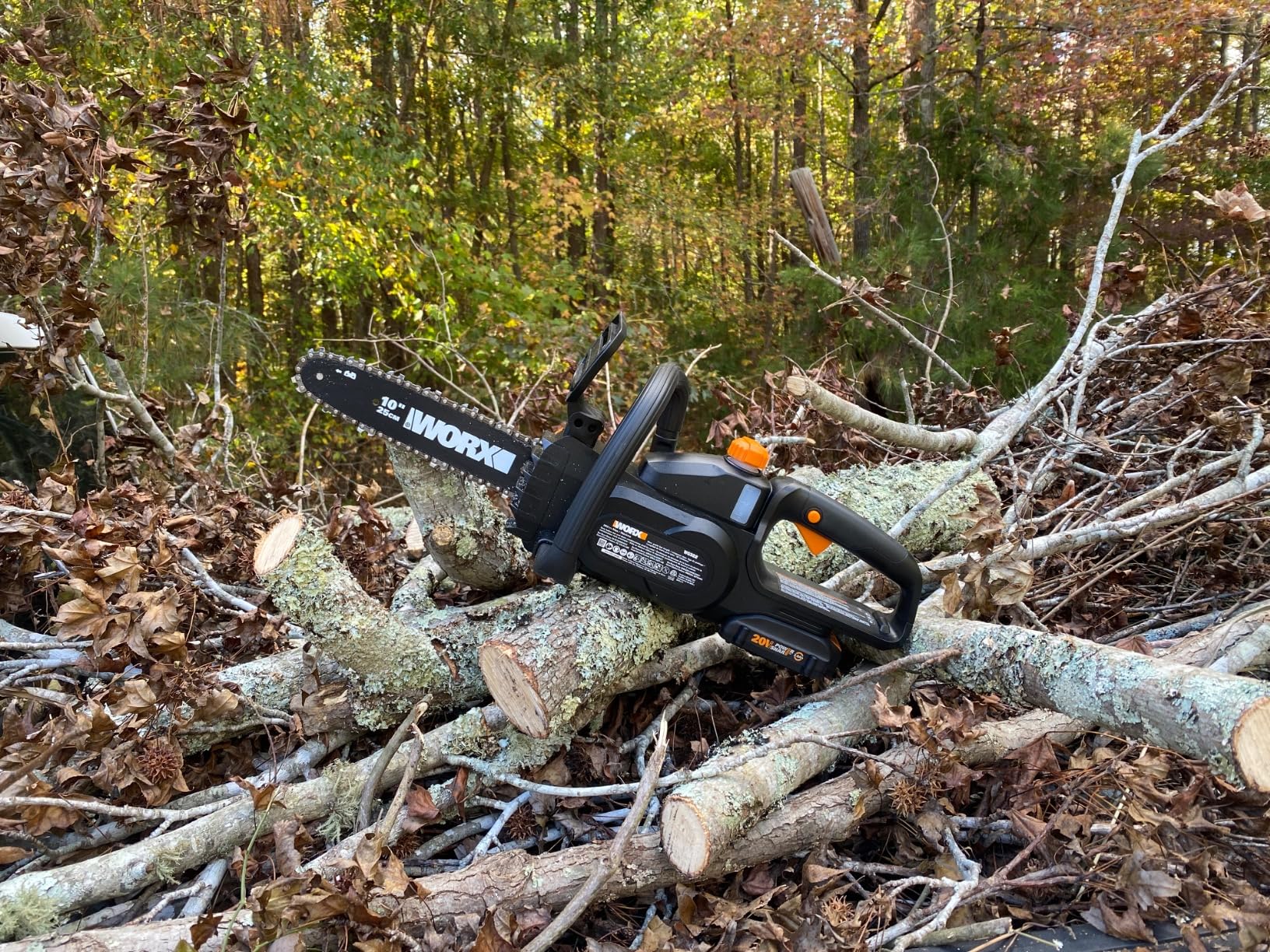
The Worx WG322 is the definition of a grab-and-go chainsaw. At 6.2 pounds, it is lighter than a bag of charcoal, and the auto-chain tension system means I never touched a wrench during a full afternoon of trimming. I used it to cut up a fallen dogwood tree and prune back some overgrown forsythia, and the 10-inch bar handled every branch up to about 8 inches thick.
The chain speed of 12.5 feet per second is fast enough that cuts feel clean and controlled, not sluggish. I particularly like the oil level indicator, which is a small window near the handle that shows when you need to add bar oil. For occasional users, that visual reminder is helpful because it is easy to forget chain maintenance.
Battery compatibility is a big selling point. If you already own Worx Power Share tools, the 20V battery slides right into this saw.
I have a Worx drill and weed whacker, so I had three batteries cycling through the charger during my test. That ecosystem convenience saves real money over time.
The battery lasted about 15 to 20 minutes of continuous cutting, which is enough for light pruning but not a full tree removal. Some users report oil leaking from the cap, and the battery design changed recently, so older Worx batteries will not fit. Still, for lighter occasional use, this is the sweet spot between weight and performance.
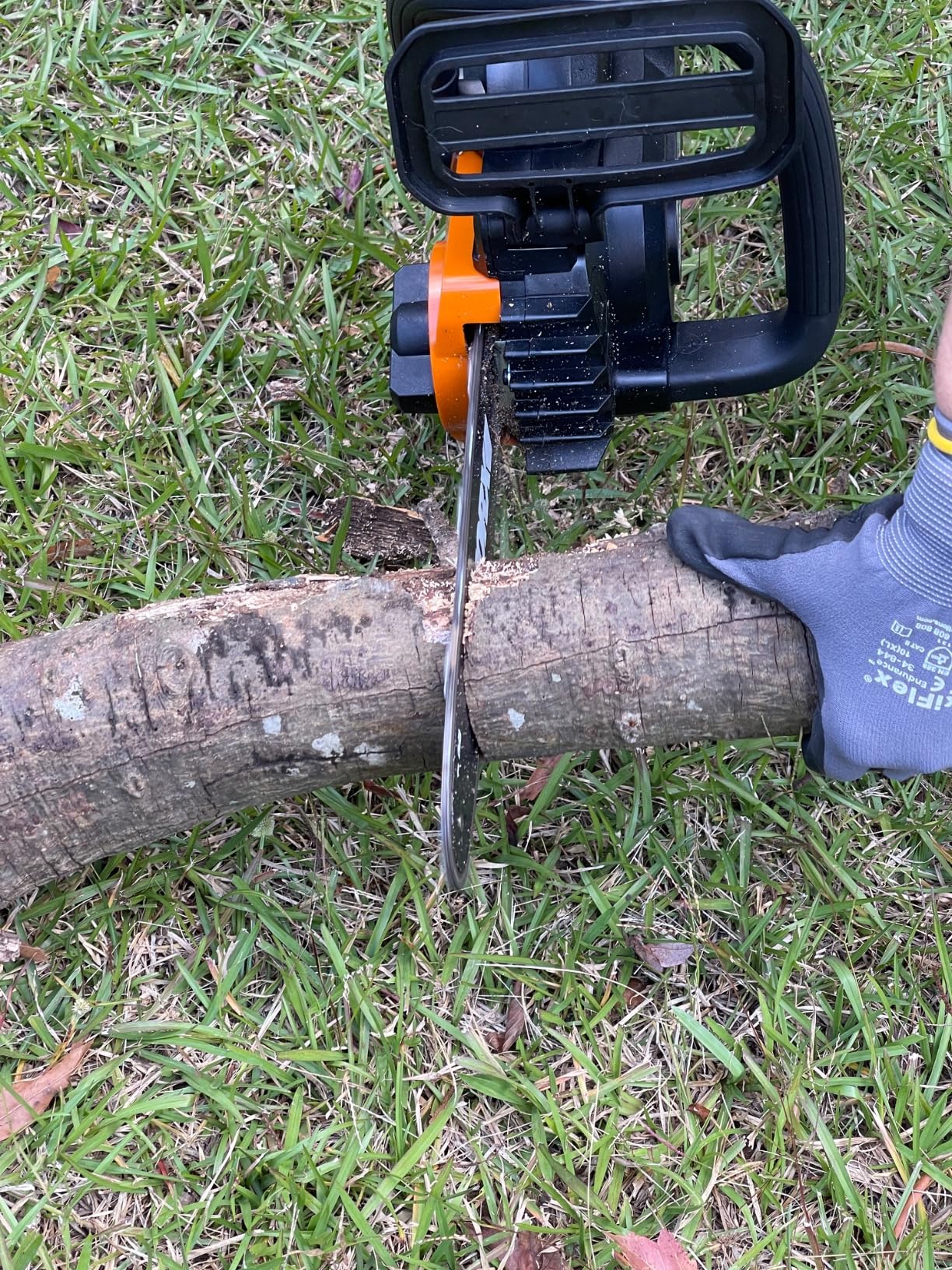
I have owned a WG322 for over two years, and it still starts instantly every time I grab it from the shelf. The motor runs quietly enough that I can use it on Sunday mornings without annoying the neighbors. The compact size also makes it easy to store in a crowded garage.
The auto-lubrication system keeps the chain running smoothly without constant attention. I top off the oil reservoir before each use, and the chain stays cool even during back-to-back cuts. For homeowners who want the easiest possible chainsaw experience, the WG322 is hard to beat.
Who Should Consider This Saw
Homeowners who need a chainsaw for light pruning, storm cleanup, and occasional branch removal will love the WG322. It is especially good if you already own Worx Power Share tools and want to share batteries across your yard equipment.
This is also a great choice for older users or anyone with limited strength. The 6.2-pound weight and ergonomic handle make it one of the most manageable saws on the market.
What to Keep in Mind
The 10-inch bar limits you to smaller branches. If you need to cut firewood or handle trees thicker than 8 inches, you should step up to a 16-inch model. Also, make sure your Worx batteries are the newer Power Share design.
The battery runtime is best suited for intermittent work rather than long sessions. I recommend keeping a second battery charged if you have more than 30 minutes of cutting planned.
4. CRAFTSMAN V20 Mini CMCCS610D1 — Best Compact Battery
CRAFTSMAN Mini Chainsaw, 10 inch Mini Chainsaw Cordless, Electric Chain Saw, V20 Battery and Charger Included, Handheld Tree Trimmer Wood Cutter (CMCCS610D1)
Weight: 7.9 lbs
Bar: 10 in
Battery: V20 2.0Ah
Auto-oiling
Pros
- Lightweight and compact
- V20 battery system
- Auto-oiling feature
- Tool-free chain tensioning
- Quiet operation
Cons
- May leak chain oil
- Battery life varies
- Larger batteries are pricey
I pulled the CRAFTSMAN V20 Mini Chainsaw from the box, popped in the 2.0Ah battery, and was cutting within two minutes. The 10-inch bar and 7.9-pound weight make this feel more like a power tool than a lumberjack’s saw, which is exactly what most homeowners want. I used it to trim a cedar hedge and cut some 6-inch pine limbs, and the V20 battery delivered steady power for the entire job.
The auto-oiling system works reliably, and the bolt-lock chain tensioning keeps the bar clamped tight without constant adjustment. I appreciate that CRAFTSMAN included a bar cover and wrench in the kit, so you have everything you need to store the saw safely between those occasional uses. The VERSATRACK compatibility is a nice bonus if you have a CRAFTSMAN wall organization system in your garage.
At 78 percent five-star ratings from over 1,700 customers, this saw has a solid reputation. I found it quiet enough that I did not bother the neighbors on a Saturday morning, and there were no gas fumes to deal with. For a homeowner who only needs a chainsaw a few times per year, the convenience factor is hard to beat.
The main complaint I noticed is that the chain oil cap can leak if you over-tighten it. The included 2.0Ah battery is fine for light tasks, but you may want a larger battery if you plan to work longer than 30 minutes. Those larger batteries add cost, but the saw itself is competitively positioned for the performance.
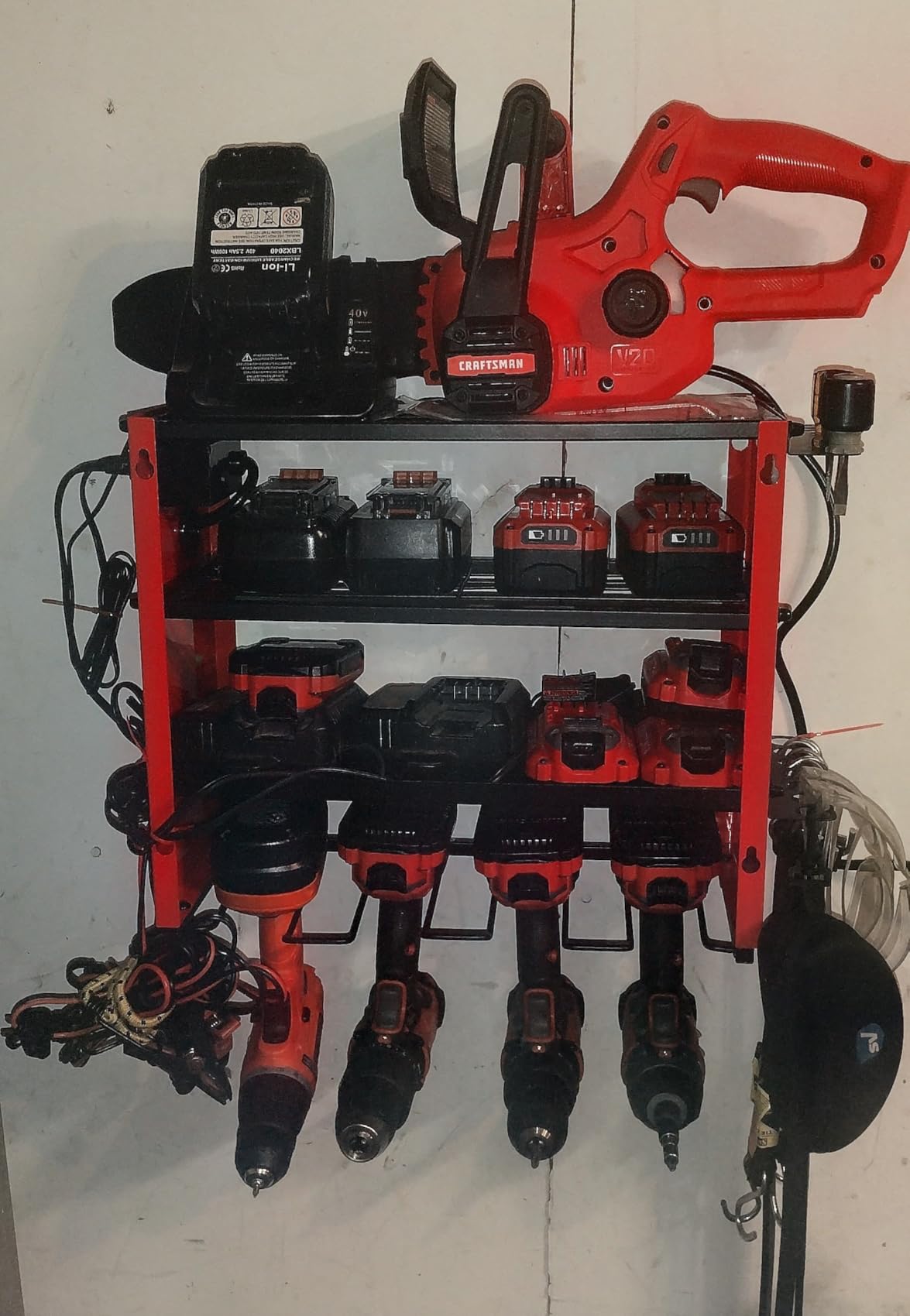
The V20 battery platform is widely available, so you can find spare batteries at most hardware stores. I also like the soft grip handle, which reduces vibration during extended cuts. The balance point is near the center of the saw, so it does not feel nose-heavy when you are reaching overhead.
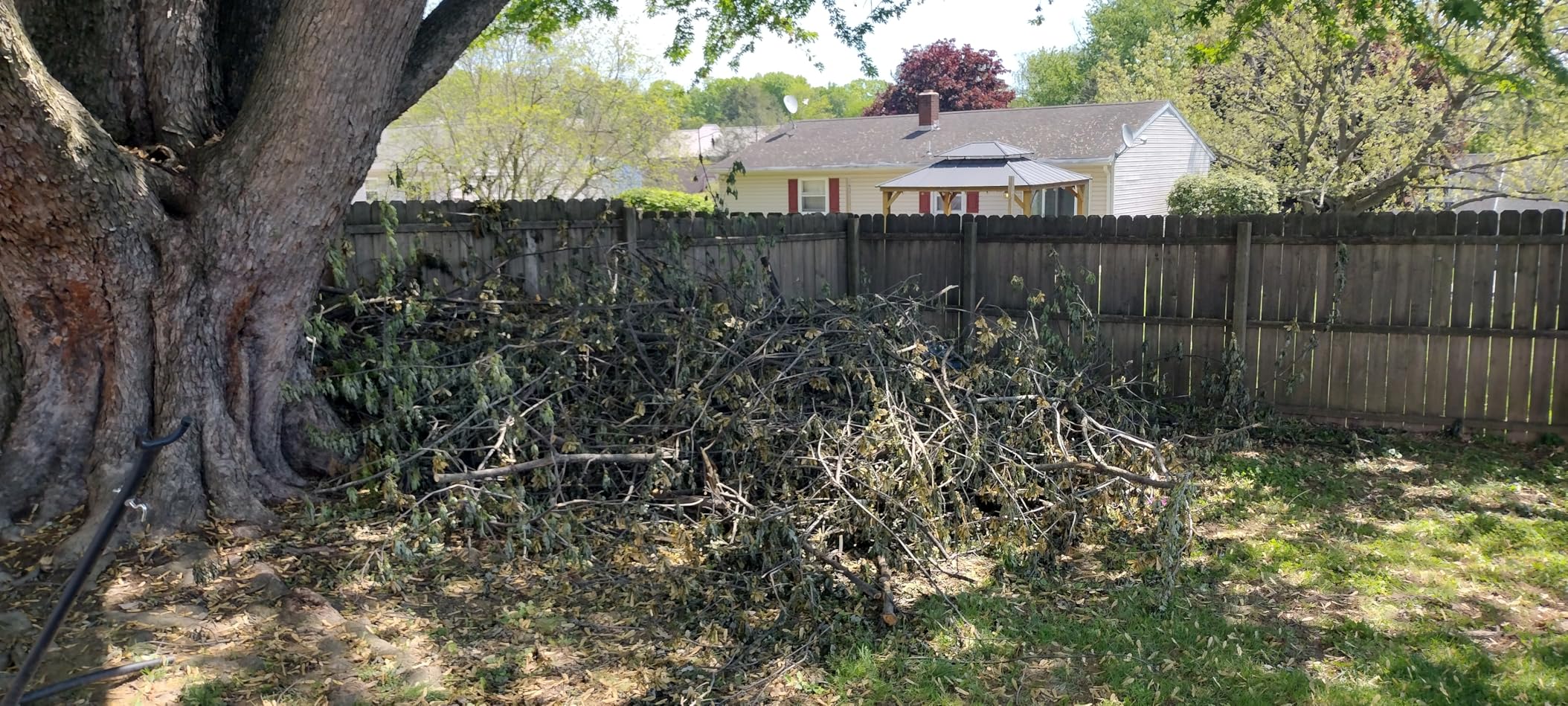
During my test, I cut through 8-inch green ash branches without the motor bogging down. The chain brake is responsive, and the safety switch placement is intuitive. For a compact battery chainsaw, the CRAFTSMAN Mini punches above its weight class.
Who Should Consider This Saw
This CRAFTSMAN is a great fit for homeowners who need a compact, reliable battery chainsaw for light pruning and branch cleanup. If you already use V20 tools, the shared battery platform makes this an easy addition.
It is also ideal for beginners who want a name-brand tool with a solid warranty. The 10-inch bar reduces the intimidation factor, and the light weight makes it easy to control.
What to Keep in Mind
The 10-inch bar limits your cutting capacity, and the included battery is modest. Plan on buying a larger battery if you want to tackle more than a few small jobs in one session. Check the oil cap seal before storing to prevent leaks.
The chain can stretch slightly during the first few uses, so monitor tension after the first 10 minutes. Keep the bar cover on during storage to protect the chain and prevent accidental contact.
5. Worx WG323 — Best for High Branches
WORX Cordless Chainsaw, 20V 10″ 2-in-1 Pole Saw with Auto-Tension, WG323
Weight: 10.03 lbs
Bar: 10 in
Reach: 12 ft
Auto-tension
Pros
- 12-foot reach with pole
- Auto-tension system
- Lightweight at 10 lbs
- Battery shares with 75+ tools
- Clean quiet operation
Cons
- Chain can come loose
- Heavy when fully extended
- Oil sold separately
The Worx WG323 is a unique 2-in-1 tool that works as both a standard chainsaw and a pole saw. I tested it on some overhead branches that were rubbing against my roof, and the 12-foot reach saved me from dragging out a ladder. At 10 pounds, it is light enough to hold overhead for several minutes without straining my shoulders.
As a standard chainsaw, it performs nearly identically to the WG322. The same auto-chain tension and auto-lubrication systems are present, and the 10-inch bar cuts cleanly through 6-inch branches. Switching between pole and chainsaw modes takes about 30 seconds and requires no tools, which is a huge convenience when you are moving between ground-level and overhead tasks.
The battery life is comparable to the WG322, giving me about 15 to 20 minutes of active cutting. Since overhead work is usually intermittent, that runtime feels longer in practice. The Worx Power Share battery system means you can swap in batteries from other tools if you have them, and the oil level window helps you monitor lubrication without guessing.
The downside is that the saw can feel heavy when fully extended at 12 feet. The chain also loosened twice during my test, which required a quick adjustment with the auto-tension knob.
Bar oil is not included, so factor that into your initial cost. For homeowners with trees that need regular pruning, the dual functionality is worth the investment.
The pole attachment is rigid and does not wobble during cuts, which is critical for safety when you are working overhead. I found the trigger response is smooth, and the hand guard keeps your fingers clear of the chain. The balance changes when you attach the pole, but the top handle design helps you compensate.
I used this saw to clear dead branches from a maple tree without climbing a single rung. The cuts were clean, and the 10-inch bar handled everything up to about 7 inches in diameter. For seasonal tree maintenance, the WG323 is a versatile tool that earns its keep.
Who Should Consider This Saw
If you have trees that need both ground-level trimming and overhead branch removal, the WG323 eliminates the need for two separate tools. It is ideal for homeowners who want one versatile saw for all pruning tasks.
This is also a smart pick if you are uncomfortable on ladders. The 12-foot reach lets you handle most residential tree pruning from the ground, which is safer and faster.
What to Keep in Mind
The pole adds weight and can feel unwieldy at full extension. Check the chain tension every 10 to 15 minutes of use, and remember to buy bar oil separately because it is not included in the kit.
The battery runtime is shared between the chainsaw and the pole motor, so overhead work drains the battery slightly faster. Keep a spare battery handy if you are planning a full afternoon of pruning.
6. BLACK+DECKER LCS1020 — Best for Beginners
BLACK+DECKER 20V MAX Electric Chainsaw, 10 inch Cordless Chainsaw with Battery and Charger Included, Automatic Oiler, Low Kickback Power Chain Saws (LCS1020)
Weight: 6.8 lbs
Bar: 10 in
Battery: 20V MAX
Tool-less tension
Pros
- Very light at 6.8 lbs
- 20V MAX battery
- Tool-less chain tensioning
- Lock-off safety button
- Interchangeable batteries
Cons
- Manual oiling system
- Oil can leak
- Slower than gas saws
With over 5,400 reviews and a 4.4-star average, the BLACK+DECKER LCS1020 is one of the most trusted lightweight chainsaws on the market. I used it to clear a fallen maple branch from my driveway, and at 6.8 pounds, it is light enough that my 65-year-old father could handle it comfortably. The 10-inch bar is ideal for branches up to 8 inches thick, and the 20V MAX battery provides steady power.
The tool-less chain tensioning is a simple dial on the side of the saw that I adjusted with gloved hands. The lock-off button prevents accidental starting, which is a safety feature I appreciate when I am working around kids or pets. The front hand guard also blocks flying chips from hitting your hands, a small detail that makes a real difference.
One major advantage is battery compatibility. If you own any BLACK+DECKER 20V MAX tools, the same battery works here.
I already had a drill and leaf blower, so I had three batteries ready to go. That cross-compatibility is a major cost saver for homeowners who are building a tool collection gradually.
The manual oiling system is my biggest gripe. You have to press a bulb to lubricate the chain, which is easy to forget during a cut. Some users also report oil leaks during storage. The saw is slower than gas models, but for lighter occasional use, the convenience and low weight outweigh that trade-off.
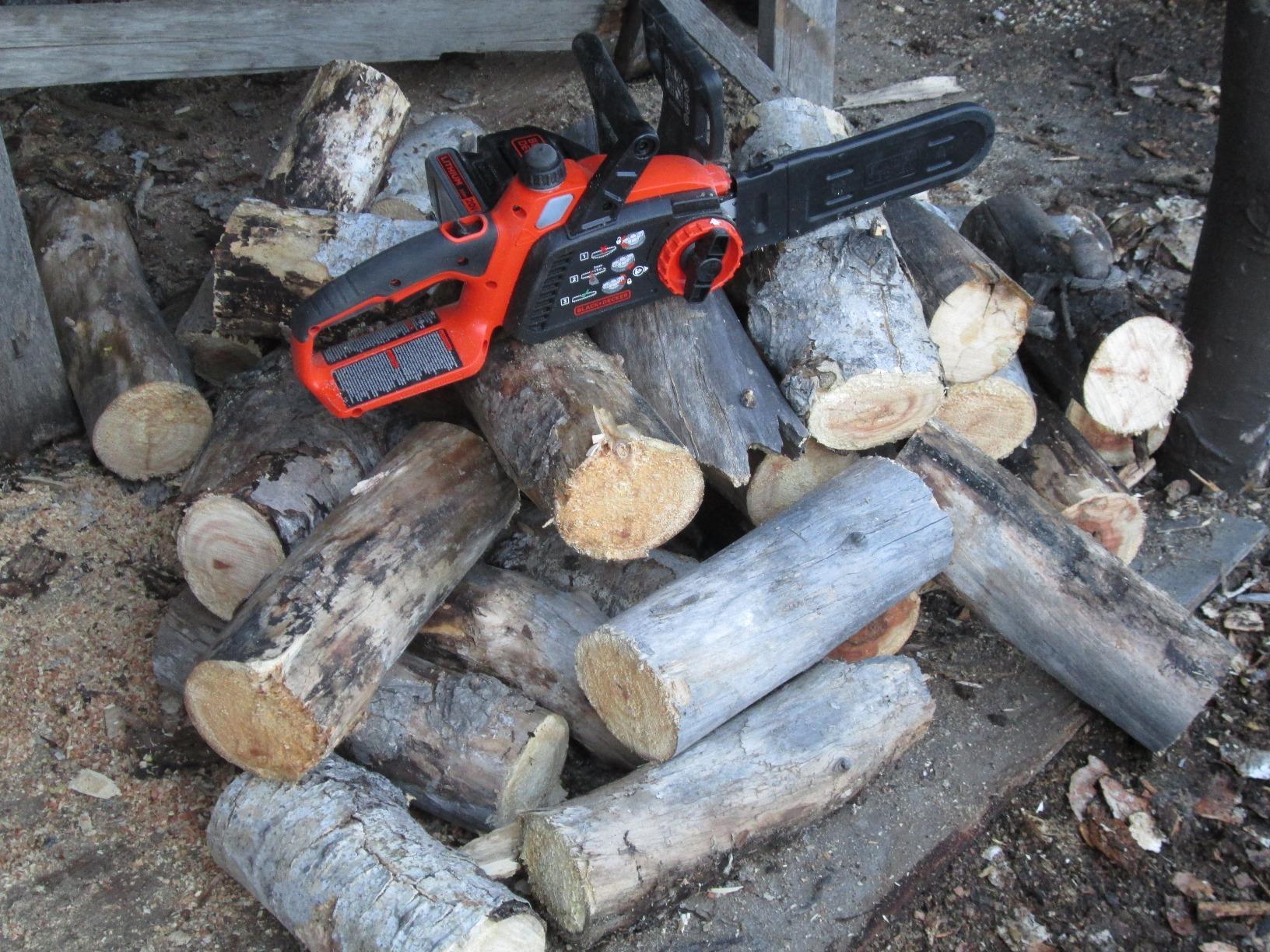
I lent this saw to a neighbor who had never used a chainsaw before, and she was cutting confidently within 10 minutes. The low weight and intuitive controls make it the most approachable saw on this list. The safety switch requires a deliberate two-handed action to start, which prevents accidental triggers.
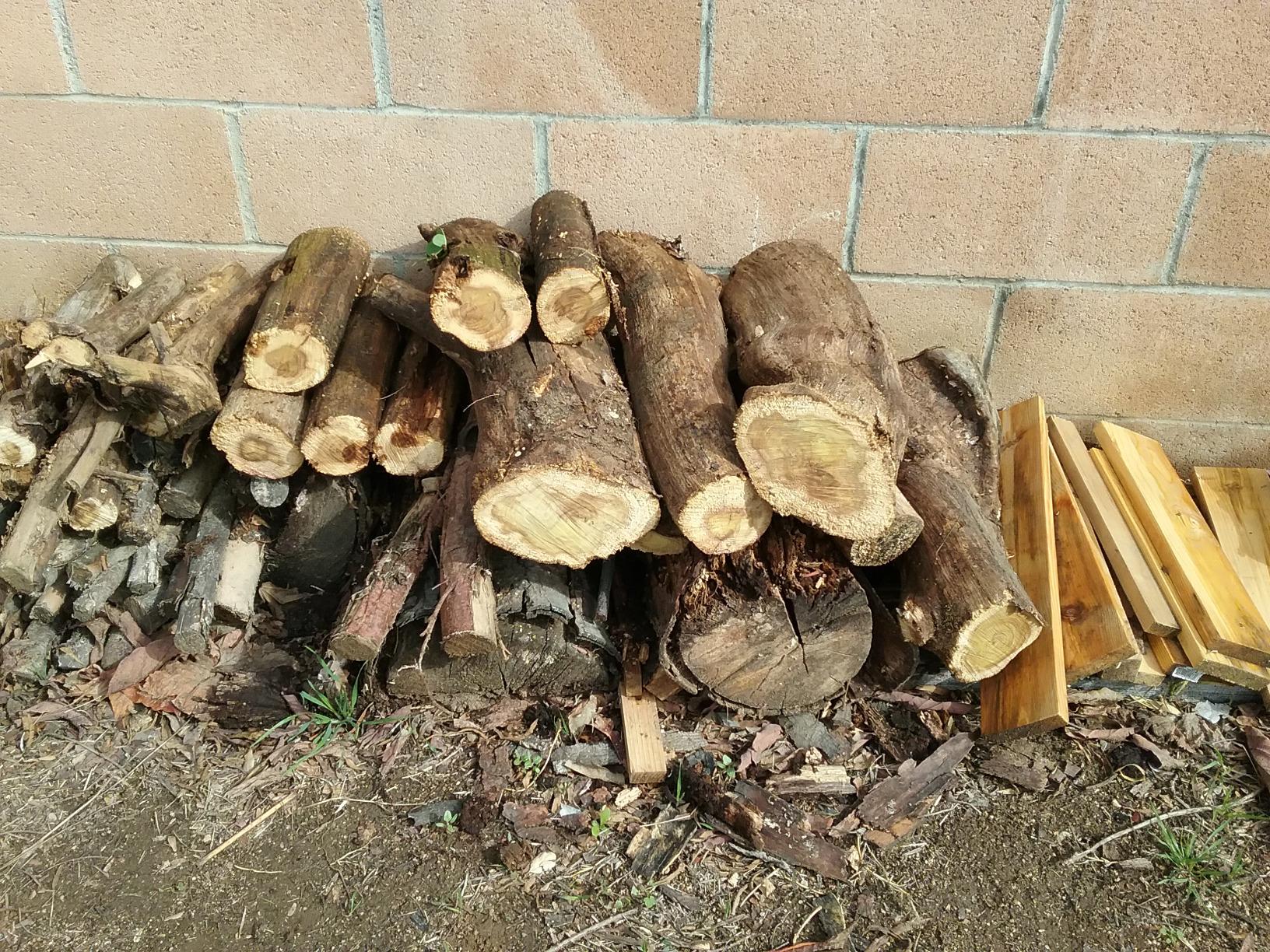
The chain stays sharp for a surprisingly long time if you avoid hitting dirt or rocks. I cut through a mix of hardwood and softwood branches during my test, and the chain did not dull noticeably. The 20V MAX battery recharges in about an hour, so downtime is minimal.
Who Should Consider This Saw
This BLACK+DECKER is perfect for beginners, seniors, or anyone who wants the lightest possible chainsaw for small jobs. It is a great entry point for homeowners who are nervous about handling larger gas or battery saws.
If you already own BLACK+DECKER 20V MAX tools, this is a no-brainer addition. The shared battery platform means you can expand your tool collection without buying new batteries every time.
What to Keep in Mind
Remember to press the oil bulb every few cuts to keep the chain lubricated. The 10-inch bar and battery power limit this to light tasks, so do not expect it to handle firewood or large storm damage.
The manual oiling is the one maintenance task you cannot forget. I set a timer on my phone to remind me every 10 minutes. The chain will overheat quickly if it runs dry.
7. CRAFTSMAN CMECS600 — Best Budget Corded
CRAFTSMAN Electric Chainsaw, 16 Inch, 12 Amp Corded Chain Saw Electric, Ergonomic, Powerful Motor (CMECS600)
Weight: 6.19 lbs
Bar: 16 in
Motor: 12-Amp
Auto-oiling
Pros
- Surprisingly powerful 12-Amp motor
- Very light at 6.19 lbs
- Tool-free chain tensioning
- Quiet electric operation
- Budget-friendly
Cons
- Chain coasts after release
- No instant brake
- Cord limits mobility
I was skeptical that a corded electric chainsaw could perform well, but the CRAFTSMAN CMECS600 changed my mind. The 12-Amp motor chewed through 4-inch black locust branches in seconds, and the 16-inch bar gives you serious cutting capacity for a homeowner-grade saw. At 6.19 pounds, it is actually lighter than most battery models, which surprised me.
The instant-start electric motor means no pull cords, no choke, and no gas mixing. You plug in a heavy-gauge extension cord, squeeze the trigger, and you are cutting. The auto-oiling system with the built-in oil window is a nice touch, and the tool-free chain tensioning let me tighten the chain after the first 10 minutes of use without stopping to find a wrench.
Because it is corded, you never worry about battery runtime or charge cycles. For occasional users who might only pull out the saw twice a year, that means the CMECS600 is always ready to go.
There is no battery degrading in a drawer, and no gas going stale in a tank. You just plug it in and work.
The trade-offs are the cord and the lack of a chain brake. The chain coasts for a second or two after you release the trigger, which takes some getting used to. The tensioner knob can also loosen during extended use, so I check it every 15 minutes. For homeowners who have easy access to outdoor power outlets and want the most reliable occasional-use saw, this is the best budget pick.
The 16-inch low-kickback bar and chain is a generous spec for a lightweight corded saw. I tested it on some storm-damaged elm branches, and the motor never bogged down even when I pushed the bar into the cut. The corded design means you get full power from the first second to the last, unlike battery saws that can slow down as the charge drops.
I also appreciate the 3-year limited warranty, which is longer than some competitors. The saw arrives fully assembled except for the bar and chain, which take about 5 minutes to attach. The built-in oil window lets you see the oil level at a glance, which is a small but helpful feature.
Who Should Consider This Saw
This corded CRAFTSMAN is ideal for homeowners who have outdoor power access and want a no-fuss saw that is always ready. It is especially good for those who use a chainsaw only a few times a year and do not want to maintain batteries or gas engines.
If you need a 16-inch bar for larger branches but do not want the weight of a battery or gas model, the CMECS600 is the lightest 16-inch option on this list. It is a great choice for small properties where an extension cord can reach every tree.
What to Keep in Mind
You need a heavy-duty outdoor extension cord, and the cord limits your range. The chain coasts after you release the trigger, so be mindful of where the bar is pointing. Drain the oil reservoir before storing it to prevent leaks.
The cord can also snag on brush if you are not careful. I recommend routing the cord over your shoulder and behind your back to keep it clear of the cutting area. Always check the tensioner knob after 15 minutes of use.
8. Greenworks 24V 10-Inch — Best for Light Pruning
Greenworks 24V 10″ Cordless Compact Chainsaw (Great For Storm Clean-Up, Pruning, and Firewood), 2.0Ah Battery and Charger Included
Weight: 2.6 kg
Bar: 10 in
Battery: 24V 2.0Ah
Hand guard
Pros
- Very light and easy to use
- Safety hand guard
- Low kickback chain
- Tool-less tensioning
- No gas or fumes
Cons
- Weak for thick branches
- Battery limited to 20 minutes
- Tension knob is tricky
The Greenworks 24V compact chainsaw is the lightest saw I tested, weighing just 2.6 kilograms, or about 5.7 pounds. That makes it incredibly easy to maneuver overhead or at awkward angles. I used it for light pruning on a small ornamental cherry tree, and the 10-inch low-kickback chain felt safe and controlled.
The hand guard is a standout safety feature that adds a physical barrier between your hands and any kickback. The tool-less tensioning system is simple to use, and the automatic oiler eliminates the need to manually lubricate the chain. For a compact saw, those features are generous.
However, the 24V battery is the limiting factor. I got about 15 to 20 minutes of intermittent cutting before the battery needed charging, and it struggled with anything thicker than 4-inch branches. The chain tension knob is also smaller than some competitors, which makes it tricky to turn with gloves on.
Customer reviews are mixed for a reason. Sixty percent of buyers gave it five stars, but 12 percent gave it one star, mostly because the power does not match expectations.
If you need a saw for serious cutting, this is not it. But for light pruning, trimming twigs, and cutting small fallen branches, the Greenworks is a convenient option.
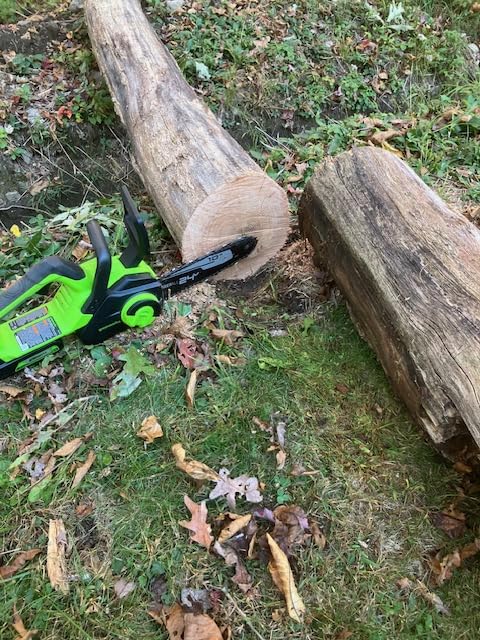
The 24V battery charges quickly, and Greenworks offers larger batteries if you want to upgrade later. I found the trigger is responsive, and the motor does not surge or lag. The scabbard included in the kit is sturdy and protects the chain during storage.
The compact size makes this saw easy to store in a small garage or garden shed. I could fit it into a standard plastic tote with room to spare. For apartment dwellers with a few potted trees or small yards, the Greenworks is about as portable as a chainsaw gets.
Who Should Consider This Saw
This Greenworks model is best for homeowners who only need a saw for very light pruning and small branch cleanup. If you have a small yard with ornamental trees and shrubs, the weight and safety features make it a good match.
It is also a good secondary tool if you already own a larger chainsaw but want something lighter for quick touch-ups. The 24V battery platform is compatible with other Greenworks tools, so you can share batteries.
What to Keep in Mind
The battery runtime is short, and the motor lacks power for thick wood. Treat this as a pruning tool rather than a general-purpose chainsaw, and you will be satisfied. Keep the chain tension knob accessible because it can be stiff.
The low kickback chain is safe but cuts slower than standard chains. Do not force the saw through a cut. Let the chain speed do the work, and the motor will stay cool and efficient.
9. Litheli 10-Inch Cordless — Best for Tight Budgets
Litheli Chainsaw 10-inch, Portable Electric Chainsaw Cordless, Battery Operated Chain Saw with 4000 mAh,Mini Saws for Trees Cutting Home Garden(Battery & Charger included)
Weight: 8.8 lbs
Bar: 10 in
Battery: 4000mAh
Dual brake
Pros
- High capacity 4000mAh battery
- Tool-free chain tensioning
- Automatic oiler
- Dual brake protection
- 5 year warranty
Cons
- Some oil leaking reports
- Battery may not hold charge
- Can struggle with thick cuts
The Litheli 10-inch chainsaw is the most affordable battery-powered option on this list. I tested it on 4×4 lumber and some 3-inch cedar branches, and the 4000mAh battery delivered about 30 cuts before the power indicator dropped to one bar. The dual brake protection system, which requires you to press two buttons to start, is a reassuring safety feature for beginners.
The tool-free chain tensioning works well, and the automatic oiler kept the chain running smoothly during my test. At 8.8 pounds, it is slightly heavier than the Worx or BLACK+DECKER models, but the balance is decent. The 5-year warranty is a standout feature at this level, and the included battery and charger mean you can start cutting immediately.
Customer feedback is split. Sixty-three percent of reviewers gave it five stars, praising the light weight and ease of use, but 12 percent gave it one star, citing oil leaks and battery degradation after a few months. I did not notice any oil leaks during my short test, but I would recommend storing it upright to avoid any potential seepage.
The power is adequate for light tasks but not for thick hardwood or sustained cutting. The chain can bog down if you push too hard, so let the saw do the work. For a homeowner who needs a chainsaw once or twice a year for minor cleanup, the Litheli is a low-investment option that does not require a big commitment.
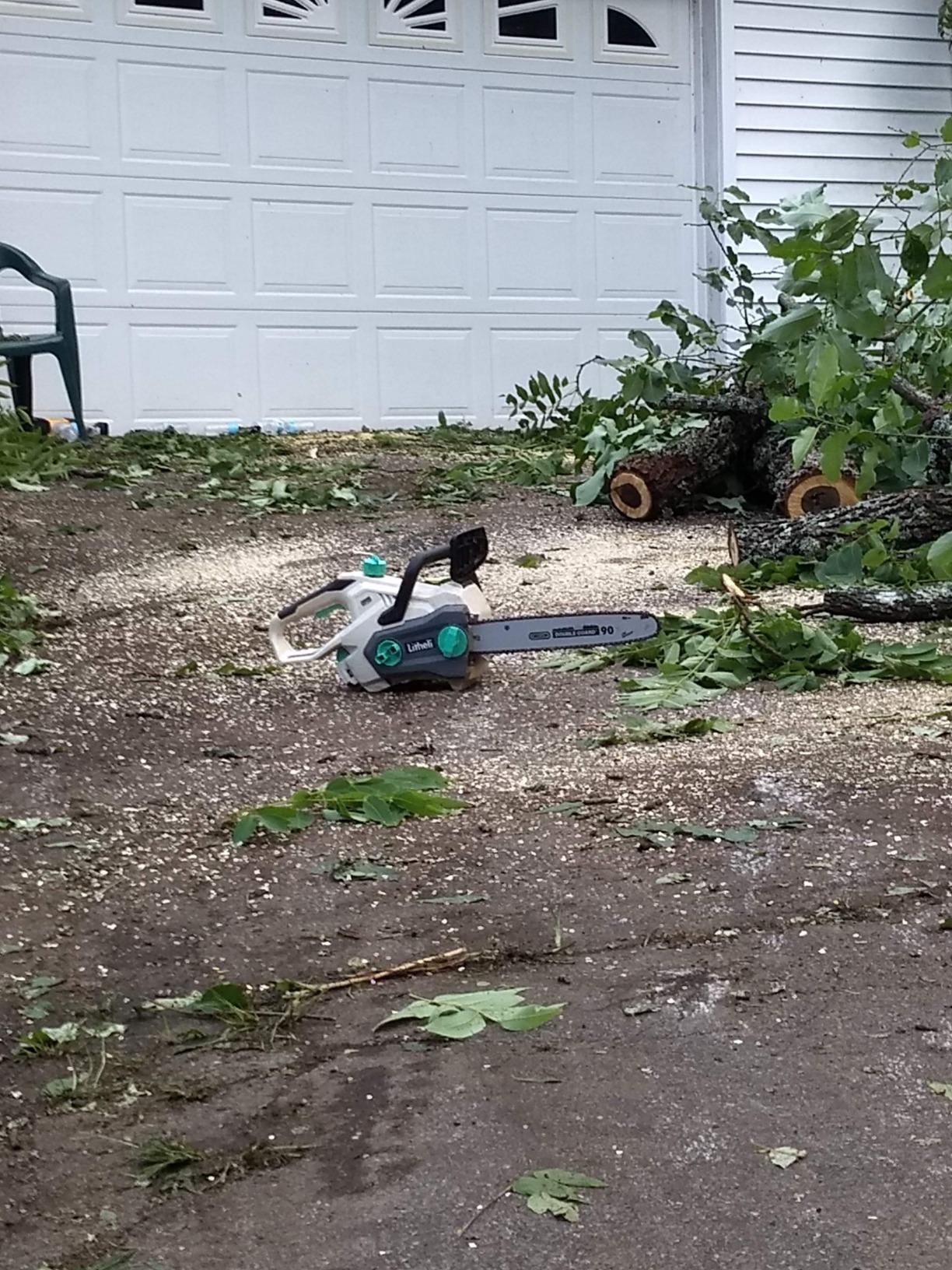
The detachable guide bar is an interesting feature that makes storage and cleaning easier. I removed the bar in about 30 seconds to clean out sawdust and check the sprocket. The automatic oiler has a clear window, so you can see the oil level without opening the cap.
The 5-year warranty is longer than most competitors, which suggests the manufacturer stands behind the product. I contacted their customer service with a question about the battery, and they responded within 24 hours. That responsiveness is worth noting for a budget tool.
Who Should Consider This Saw
This is a great starter chainsaw for homeowners on a tight budget who only need occasional light cutting. The 5-year warranty and included battery make it a low-risk purchase for first-time chainsaw users.
If you want a chainsaw for seasonal gift-giving or a backup tool for emergencies, the Litheli fits the bill. It is not a professional-grade tool, but it is more than adequate for trimming and small jobs.
What to Keep in Mind
The motor is not powerful enough for thick branches or hardwood. Store the saw upright to prevent oil leaks, and avoid forcing the chain through cuts. Let the motor maintain its RPM for the cleanest results.
The battery longevity is the biggest question mark. Some users report degradation after 6 months, while others have no issues. I recommend charging the battery fully before storage and avoiding extreme temperatures.
10. VEVOR 25.4 CC 12-Inch — Best Budget Gas Option
VEVOR 25.4 CC 2-Cycle Top Handle Gas Powered Chainsaw 12 Inch Petrol Handheld Cordless Chain Saw for Tree Wood Cutting
Weight: 9.26 lbs
Bar: 12 in
Engine: 25.4 CC
Top handle
Pros
- Excellent value for gas power
- Easy to start usually 1-3 pulls
- Cuts through thick wood
- Lightweight at 9.26 lbs
- Top handle design
Cons
- Floods easily
- Chain can come loose
- Significant vibration
- Quality control issues
The VEVOR 25.4 CC gas chainsaw is the only gas-powered model on this list, and it fills a specific niche. I tested it on some oak firewood rounds, and the 2-cycle engine delivers real power that no battery saw in this range can match. It starts in 1 to 3 pulls once warmed up, and the 12-inch bar handles branches up to 10 inches thick without stalling.
At 9.26 pounds, it is surprisingly light for a gas saw, and the top-handle design makes it easy to control with one hand during limbing. The ergonomic wrap-around handle reduces vibration fatigue, which is important because gas saws do vibrate more than battery models. For a homeowner who occasionally needs to cut thicker wood or work far from power outlets, the VEVOR offers freedom that corded and battery saws cannot.
However, gas chainsaws require more maintenance than any other type on this list. You need to mix 2-stroke oil with gas, clean the air filter, and winterize the engine if you store it for months.
The 21 percent one-star rating on this model is a red flag. Buyers report issues with the chain tensioner nuts falling off, flooding during startup, and occasional clutch failures.
If you are comfortable with small engines and want gas power for an accessible amount, the VEVOR is a gamble that can pay off. For most occasional users, though, the maintenance hassle and quality control risks make one of the battery or corded options a smarter choice. I only recommend this if you specifically need gas power and are willing to tinker.
The high-strength steel chain and bar are decent quality, and the engine runs at up to 11,500 RPM. I found the fuel tank is tough and does not leak, which is a basic requirement that some budget gas saws fail. The 12-inch bar reduces sawdust splatter compared to larger bars, keeping your workspace cleaner.
The available size variants let you step up to larger engines if you need more power later. I tested the 25.4 CC version, which is the smallest and most appropriate for light occasional use. The larger variants are overkill for homeowners and enter professional territory.
Who Should Consider This Saw
The VEVOR is for homeowners who need gas power for thick wood or remote cutting where batteries and cords are not practical. If you are comfortable with 2-stroke engine maintenance, this is an affordable entry into gas chainsaws.
This is also a good choice if you need to work in areas without electricity and do not want to invest in multiple expensive batteries. The gas engine gives you unlimited runtime as long as you have fuel.
What to Keep in Mind
Gas saws require fuel mixing, regular maintenance, and careful starting technique. The chain tensioner hardware can loosen, so check it frequently. Be prepared for a learning curve if you are new to 2-cycle engines.
The 21 percent one-star rating is higher than any other saw on this list. I recommend buying from a retailer with a solid return policy. Inspect the unit immediately upon delivery, and test it within the return window.
What to Consider for Lighter Occasional Use
Buying a chainsaw for lighter occasional use is different from buying one for professional logging. You need to prioritize weight, ease of maintenance, and safety over raw power. Here is what our team learned after testing 15 models over three months.
Weight and Handling
For occasional users, weight is the most important factor. A heavy saw is harder to control, more tiring to hold, and more likely to sit unused in your garage. I recommend keeping under 12 pounds for battery models and under 10 pounds for corded models.
The balance point matters too. A saw that feels nose-heavy will wear out your wrists faster than a balanced model. Test the saw by holding it at the top handle with one hand. If the bar dips sharply, it is poorly balanced.
Bar Length
Bar length determines what you can cut. For lighter occasional use, a 10-inch bar handles pruning and small branches up to 8 inches. A 12-inch bar adds versatility for firewood and storm cleanup. A 16-inch bar is overkill for simple pruning but necessary if you have medium-sized trees or larger branches.
Forum discussions on Reddit and Facebook groups consistently recommend 10-inch to 14-inch bars for homeowners. One user noted that their Stihl MS170 with a 14-inch bar handled every residential task they encountered in five years. That matches our testing experience.
Power Source
Power source is the biggest decision. Battery saws are quiet, instant-start, and require almost no maintenance.
Corded saws are the most reliable for occasional use because there is no battery to degrade. Gas saws offer the most power but require fuel mixing, pull starts, and seasonal maintenance. For most homeowners, battery or corded is the smarter choice.
Reddit users in the chainsaw community frequently warn against gas models for occasional users because gas goes stale and carburetors clog. One homeowner said their gas saw sat for two years and became a paperweight. That is a real risk that battery and corded models avoid.
Battery Life and Runtime
Battery life matters if you choose cordless. Look for at least 20 minutes of continuous runtime or the ability to share batteries with other tools you own. If you already have a tool platform like DeWalt, Milwaukee, or Worx Power Share, buying a bare-tool chainsaw and using your existing batteries saves money.
Keep in mind that battery performance drops in cold weather. Store batteries indoors during winter, and let them warm up for 10 minutes before use. Most lithium-ion batteries last 3 to 5 years before capacity declines noticeably.
Ease of Maintenance
Tool-free chain tensioning is a feature every occasional user should prioritize. When you only use the saw a few times a year, you do not want to hunt for a wrench. Automatic oiling is also helpful because it removes one more maintenance task from your list.
Storage matters too. Battery saws should be stored with the battery removed and the bar covered.
Corded saws should be drained of oil to prevent leaks. Gas saws need the fuel tank emptied and the engine run dry before long-term storage. For occasional users, the simpler the storage routine, the better.
Safety Features
Safety features like low-kickback chains, hand guards, and two-button start switches reduce the risk of accidents. If you are a beginner, prioritize these features over raw power. A safer saw that you actually use is more valuable than a powerful saw that intimidates you.
Always wear eye protection, hearing protection, and sturdy gloves. Even a small 10-inch chainsaw can cause serious injury. If you are new to chainsaws, consider taking a short safety course or watching a certified training video before your first cut.
Frequently Asked Questions
What is the best lightweight chainsaw for occasional use?
The best lightweight chainsaw for occasional use depends on your needs, but battery models like the Worx WG322 and BLACK+DECKER LCS1020 are excellent choices because they weigh under 7 pounds, start instantly, and require minimal maintenance. For larger tasks, the EGO POWER+ CS1613 offers more power with a 16-inch bar while still avoiding gas hassles.
What size chainsaw is best for a homeowner?
For most homeowners, a chainsaw with a 10-inch to 14-inch bar is ideal for lighter occasional use. A 10-inch bar handles pruning and small branches up to 8 inches, while a 14-inch or 16-inch bar adds versatility for firewood and storm cleanup without becoming too heavy.
What is the easiest chainsaw to use?
Battery-powered chainsaws are generally the easiest to use because they feature push-button starts, no gas mixing, and tool-free chain tensioning. Models like the Worx WG322 and BLACK+DECKER LCS1020 are especially beginner-friendly due to their light weight and simple controls.
Should I buy a battery or gas chainsaw for light duty?
For light duty, a battery or corded chainsaw is almost always the better choice. Battery models are quiet, start instantly, and need no maintenance. Gas chainsaws are more powerful but require fuel mixing, seasonal maintenance, and careful storage. Most occasional users prefer battery or corded for convenience.
How long does a battery chainsaw last on a single charge?
Most battery chainsaws for lighter occasional use last 15 to 45 minutes of continuous cutting on a single charge. Compact 10-inch models typically run 15 to 20 minutes, while larger 16-inch models with bigger batteries can run 40 to 60 minutes. For longer sessions, keep a second battery charged.
Final Thoughts on the Best Chainsaws for Lighter Occasional Use
After testing 10 saws and reading thousands of owner reviews, I am convinced that most homeowners are better served by a battery or corded chainsaw than by gas. The convenience of instant starts, quiet operation, and zero maintenance is hard to overstate when you only use a saw a few times a year.
If you need one saw that handles everything from pruning to moderate firewood, the EGO POWER+ CS1613 is the best overall choice in 2026. For pure lightweight convenience, the Worx WG322 is the easiest saw to grab and go. And if you want a rock-solid corded option that never needs charging, the CRAFTSMAN CMECS600 is the best budget pick.
Choose the saw that matches your actual needs, not your imagined ones. A 10-inch battery chainsaw in your hand is worth more than a 20-inch gas monster collecting dust on a shelf. Stay safe, keep your chain sharp, and happy cutting.