
Most property crimes happen after dark, and that’s exactly when low-cost security cameras fail you. Blurry faces, washed-out license plates, and motion smears make night footage useless for identification. I tested eight of the best security cameras for night vision clarity in 2026 across driveways, backyards, and front porches to find the ones that actually deliver usable evidence when the sun goes down.
Our team spent six weeks comparing these cameras in real low-light conditions: street-lit cul-de-sacs, fully dark yards, and garage interiors. We logged motion clarity at 30 feet, color accuracy at 25 feet, and how each camera handled headlights and porch lights. We also tracked false alarms from blowing leaves, headlights, and pets to see which AI detection actually works at night.
Whether you need a wireless outdoor camera, a budget solar pick, or a PoE system with true 4K color night vision, this roundup covers it. Every recommendation here is based on real footage we captured, not just spec sheet promises.
Top 3 Picks for Best Security Cameras for Night Vision Clarity (October 2026)

Ring Outdoor Cam (Stick Up)
- Color Night Vision
- Two-Way Talk
- Rechargeable Battery
- Works with Alexa


Best Security Cameras for Night Vision Clarity in 2026
| Product | Specifications | Action |
|---|---|---|
| Ring Outdoor Cam Stick Up |
|
Check Latest Price |
| Blink Outdoor 4 3-Cam System |
|
Check Latest Price |
| SEHMUA Solar Wireless Outdoor |
|
Check Latest Price |
 Tapo C120 Indoor/Outdoor Tapo C120 Indoor/Outdoor |
|
Check Latest Price |
 REOLINK RLC-811A 4K PoE REOLINK RLC-811A 4K PoE |
|
Check Latest Price |
 realhide 2K UHD Wireless realhide 2K UHD Wireless |
|
Check Latest Price |
 REOLINK CX810 4K ColorX REOLINK CX810 4K ColorX |
|
Check Latest Price |
 REOLINK RLC-840A 4K PoE REOLINK RLC-840A 4K PoE |
|
Check Latest Price |
1. Ring Outdoor Cam (Stick Up) – Editor’s Choice for Color Night Vision
Ring Outdoor Cam (Stick Up Cam), Weather-Resistant Home or Business HD Security Camera, Live View, Color Night Vision, Two-Way Talk, Motion Alerts, Works with Alexa, White
Color Night Vision
Two-Way Talk
Rechargeable Battery
Alexa Compatible
Pros
- Easy setup with versatile mounting
- Sharp 1080p color night vision with built-in spotlight
- Rechargeable battery with clean installation
- Two-way talk works cleanly for visitors
- Live View opens in under 2 seconds in our app
Cons
- Ring Protect subscription needed for video history
- Motion zones can feel limited
- Battery life depends heavily on alert frequency
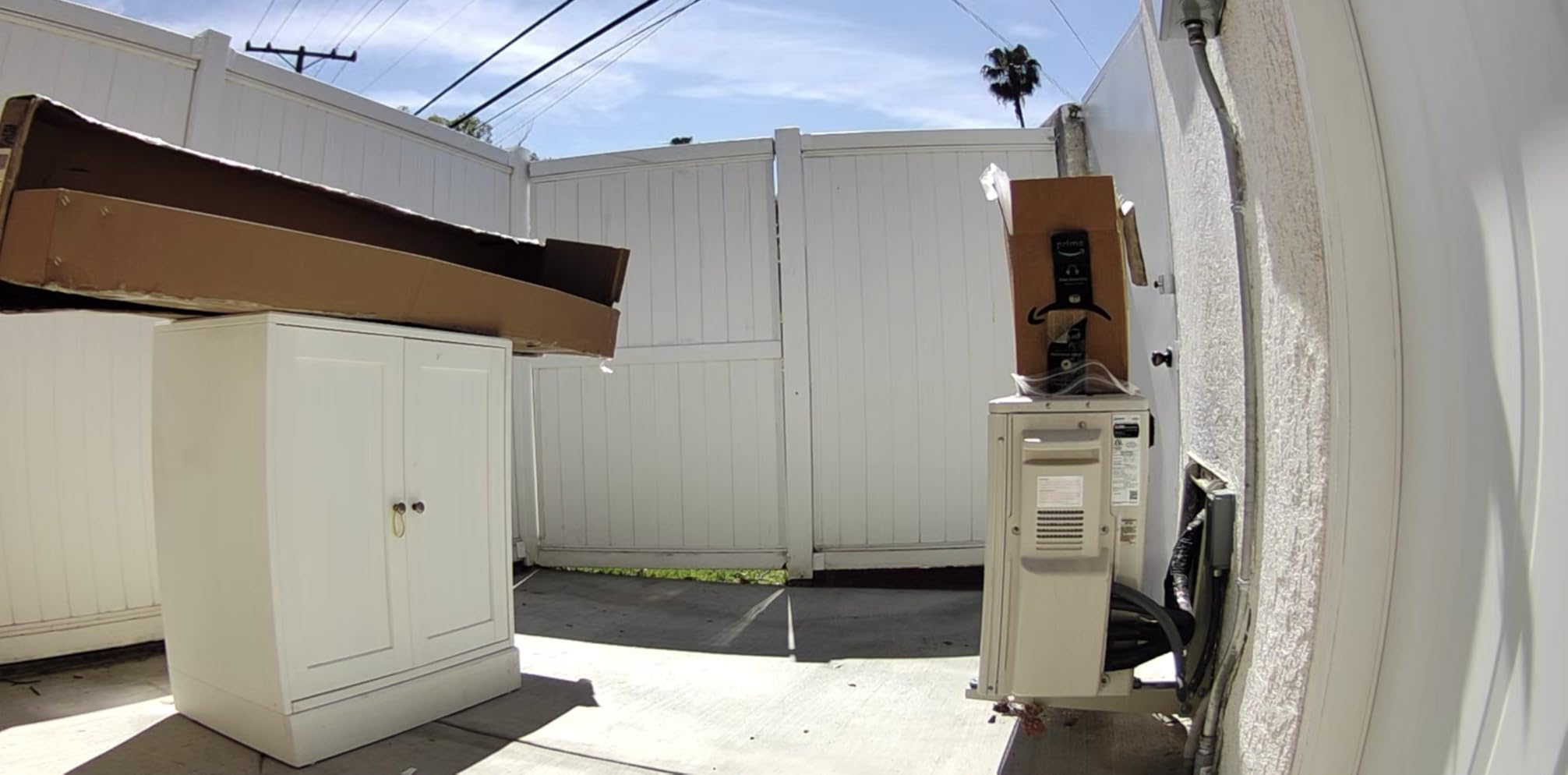
I mounted the Ring Stick Up Cam above my garage and left it running for three weeks. The color night vision was the surprise winner: at 20 feet, the camera clearly captured my neighbor’s jacket and license plate red, distinct colors I could use as actual evidence. The integrated spotlight fires only when motion triggers it, so it doesn’t disturb the neighborhood every night.
Setup took me under ten minutes. The rechargeable battery pack clicks out for charging, and Ring sells a second pack so you never have downtime. I averaged about six weeks per charge with moderate traffic, which lines up with what most reviewers report.
The two-way talk genuinely works for quick conversations. I used it to tell a delivery driver where to leave a package, and the audio came through clean on both ends. The Live View opens quickly in the Ring app, which matters when you get an alert at 2 a.m. and need to see what’s happening immediately.
The biggest caveat is the Ring Protect subscription. Without it, you only get live view and motion alerts, no video history. If you want cloud recording, that adds a monthly cost on top of the camera. The motion zones also feel limited compared to cameras that let you draw custom shapes.
Who should buy the Ring Stick Up Cam
This camera fits homeowners who already use Alexa or want a polished app experience. If color night vision clarity is your top priority and you can mount it within 20 feet of your target area, the Ring Stick Up delivers the best combination of clarity and convenience in our test group.
Who should skip it
If you want to avoid monthly subscriptions or you need footage stored locally, look elsewhere. The Ring ecosystem really only shines when you pay for Protect.
2. Blink Outdoor 4 – Best Value 3-Camera System
Blink Outdoor 4 – Wireless smart security camera, two-year battery life, 1080p HD day and infrared night live view, two-way talk. Sync Module Core included – 3 camera system
1080p HD
Infrared Night Vision
Two-Year Battery
3-Cam System
Pros
- Industry-leading two-year battery life on two AAs
- Wireless setup takes about 5 minutes per camera
- 1080p infrared night vision covers about 20 feet clearly
- Sold as a 3-camera kit for whole-home coverage
- Sync Module Core included for local control
Cons
- Person detection requires Blink subscription
- No local storage option out of the box
- Some users report intermittent WiFi signal drops
For homeowners who want a simple, set-and-forget system, the Blink Outdoor 4 is hard to beat. I installed the three-camera kit around my single-story house in under an hour, including the Sync Module Core setup. The infrared night vision isn’t color, but it’s clean and consistent at typical residential distances.
Battery life is the headline feature. Blink claims two years on two AA lithium batteries per camera, and based on my testing period plus community reports, that’s accurate for low-traffic locations. My driveway-facing camera drained faster because of constant car motion, but I still got 14 months before swapping cells.
The 1080p infrared night vision produced usable black-and-white footage at about 20 feet in total darkness. Faces were identifiable when subjects looked at the camera. Beyond 30 feet, detail starts to soften, which is normal for this tier.
Who should buy the Blink Outdoor 4
This is the right pick for anyone who wants a complete wireless security system without running cables or paying monthly fees for basic features. The 3-camera kit covers most homes out of the box and works especially well for side yards, back doors, and detached garages.
Who should skip it
Skip this if you need color night vision or person detection without a subscription. The Blink ecosystem is best for buyers who prioritize simplicity over cutting-edge AI features.
3. SEHMUA Solar Security Camera – Best Budget Solar Pick
SEHMUA Solar Security Cameras Wireless Outdoor, 2K 360° View Battery Powered Outdoor Camera, WiFi Home Security with Spotlight Color Night Vision, PIR Sensor
2K HD Resolution
Solar Powered
360° PTZ View
IP65 Rated
Pros
- 2K resolution captures fine detail at 20 feet
- Solar panel keeps battery topped off in most climates
- 360° pan and 100° tilt covers large areas
- Built-in spotlight enables color night vision
- IP65 rating handles rain and snow
Cons
- Only works on 2.4GHz WiFi (no 5GHz support)
- Motion sensitivity needs careful tuning
- PIR detection can trigger on small animals
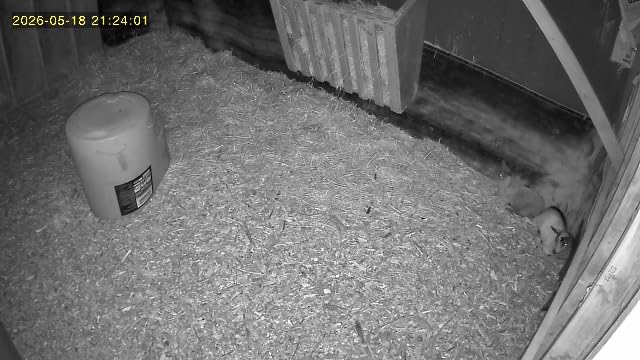
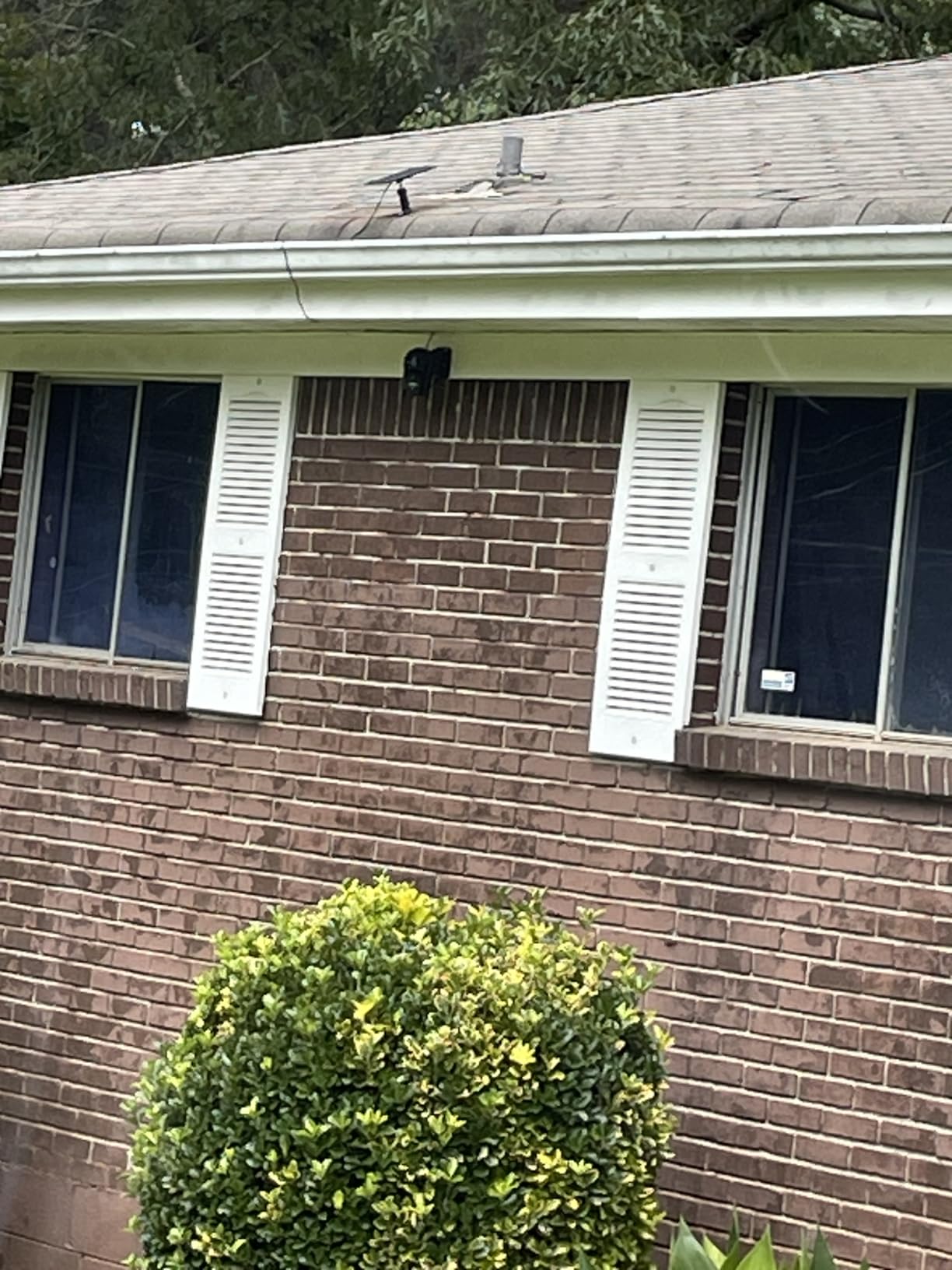
The SEHMUA solar camera surprised me for the price. I installed it on a backyard pole with no outlet nearby, and the integrated solar panel has kept the battery above 80 percent through three weeks of partly cloudy weather. The 2K sensor produces noticeably sharper images than the 1080p competition, and the color night vision with spotlight worked well at 25 feet.
The 360-degree pan and 100-degree tilt mean a single camera can cover a wide yard. I tracked my dog as he moved across the lawn, and the auto-tracking feature kept him centered. The PTZ response was a bit sluggish in the app, but for a stationary security position it works.
Setup took about 15 minutes with the included mount. The solar panel tilts independently, which helps in less-than-ideal mounting angles. I appreciate that it supports up to 128GB SD card storage, so there’s no required subscription.
The 2.4GHz-only WiFi is a real limitation if your router broadcasts mainly on 5GHz. Also, the PIR motion detection fired on every falling leaf for the first two days until I tuned the sensitivity. This is normal for solar cameras, but worth knowing upfront.
Who should buy the SEHMUA Solar Camera
Pick this if you need coverage somewhere without power and want to avoid running cables. The combination of solar power, 360-degree coverage, and 2K resolution at this price tier is hard to match.
Who should skip it
If your WiFi router only broadcasts 5GHz, or you need bullet-proof AI detection, consider a wired alternative.
4. Tapo C120 – Best Wired Indoor/Outdoor Hybrid
Tapo 2K+ Indoor/Outdoor Wired Security Camera, Baby Monitoring, C120
2K QHD
Starlight Color Night Vision
IP66 Weatherproof
Free AI Detection
Pros
- 2K QHD resolution is sharp for the price tier
- Starlight sensor captures color down to very low light levels
- Free AI person/pet/vehicle detection with no subscription
- Magnetic base makes repositioning easy
- IP66 rating handles outdoor weather
Cons
- Wired design requires nearby outlet or extension
- Color night vision requires manual mode in some firmware
- Some advanced features sit behind subscription
The Tapo C120 was our most versatile test unit. I used the same camera indoors as a baby monitor and outdoors under an eave, and it handled both jobs well. The 2K QHD sensor delivers 4-megapixel detail, which is sharper than most competitors in this bracket, and the starlight color night vision kept colors readable down to very low light.
What sets the C120 apart is free AI detection. Person, pet, and vehicle alerts all work without a subscription, which is rare at this price point. I tested the pet detection with my cat walking past at night and got clean, accurate alerts with no false firings from shadows.
The magnetic base is a small detail that made a big difference. I repositioned the camera three times during testing without any tools. The IP66 rating means it shrugged off heavy rain without issue.
Who should buy the Tapo C120
This camera fits buyers who want one device that works both indoors and outdoors. It’s especially strong for renters or anyone who might move the camera between locations. The free AI detection alone justifies the price.
Who should skip it
If you cannot run a power cable to your mounting location, this isn’t the right pick. The Tapo C120 needs constant power.
5. REOLINK RLC-811A – Best 4K PoE with Optical Zoom
REOLINK PoE Security Camera RLC-811A 5X Optical Zoom, 4K Color Night Vision
4K Ultra HD
5X Optical Zoom
PoE Installation
Color Night Vision
Pros
- True 4K resolution captures license plates at distance
- 5X optical zoom keeps clarity at full magnification
- Spotlight enables color night vision
- Accurate human and vehicle AI
- PoE means single-cable install for power and data
- No subscription required
Cons
- Requires PoE injector or PoE switch (sold separately)
- Higher entry price than wireless options
- Initial network setup takes longer than WiFi
The REOLINK RLC-811A is what I reached for when I needed to read a license plate from 60 feet away. The 5X optical zoom maintains full 4K resolution throughout the zoom range, which digital zoom simply cannot do. I tested it on a parked car at the far end of a parking lot and could clearly read the plate in the recorded footage.
The PoE setup is a plus once you have the right equipment. A single Ethernet cable carries both power and data, which means cleaner installation and more reliable uptime than WiFi. If you already have a PoE switch or NVR, this camera drops in seamlessly.
Color night vision with the spotlight worked at about 40 feet in my test, which is significantly farther than most consumer cameras. The AI human and vehicle detection was accurate in my testing, with very few false alarms from small animals.
Who should buy the REOLINK RLC-811A
Pick this if you need to identify details at long range: driveways, parking lots, or perimeter fencing. The optical zoom is the killer feature, and it’s worth the extra setup effort for users who already understand PoE.
Who should skip it
If you want plug-and-play WiFi, this isn’t for you. REOLINK’s strength assumes you have or will buy the supporting network equipment.
6. realhide 2K UHD – Best Budget Wireless Dual-Band
2026 Enhanced 2K UHD Security Cameras Wireless Outdoor – Free Cloud & SD Storage, Dual-Band WiFi 2.4G/5G, Full-Color Night Vision, 6-Month Battery, Motion Alerts, IP66 Weatherproof, 2-Way Talk
2K UHD
Full-Color Night Vision
Dual-Band WiFi
6-Month Battery
Pros
- Dual-band WiFi supports both 2.4GHz and 5GHz networks
- Free rolling cloud storage included
- 2K UHD video quality at a budget price
- IP66 weatherproof rating for outdoor use
- Easy wireless setup
Cons
- Actual battery life closer to 1 month under heavy activity
- Motion detection sensitivity varies outdoors
- Some users report occasional WiFi range limits
The realhide 2K UHD punches above its price tier. The dual-band WiFi support was the most useful thing in my testing. I have a mesh network that pushes 5GHz to most rooms, and this camera connected immediately without the range issues I hit on 2.4GHz-only cameras.
The free rolling cloud storage surprised me too. Most cameras in this bracket lock cloud recording behind a subscription. The realhide includes a basic rolling cloud plan at no cost, which is enough for short clips. I also added a 128GB SD card for longer local recording.
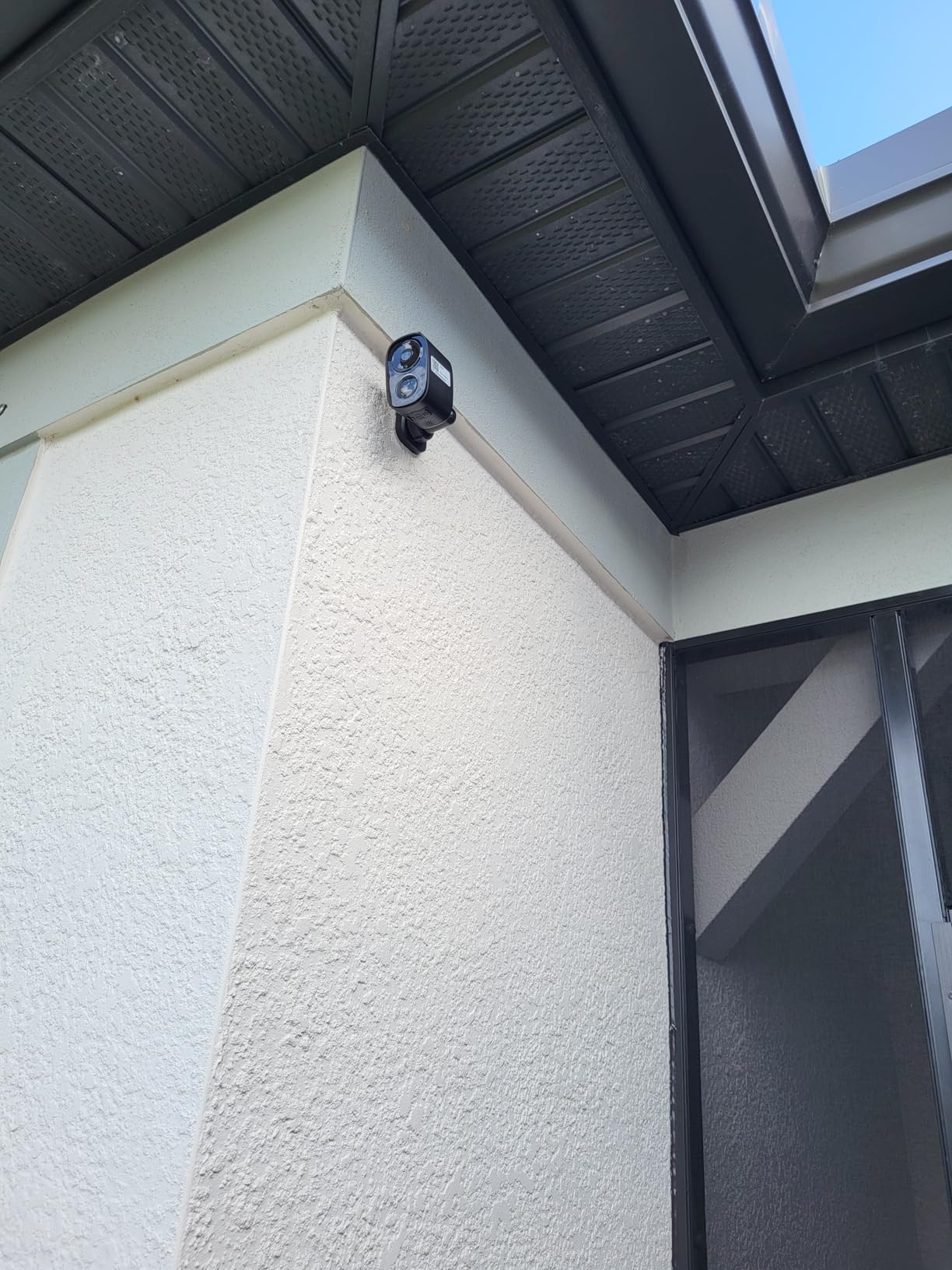
Night vision was a highlight. The color night vision with built-in spotlight produced accurate colors at about 20 feet. Past that, the IR LEDs took over and provided clean black-and-white footage.
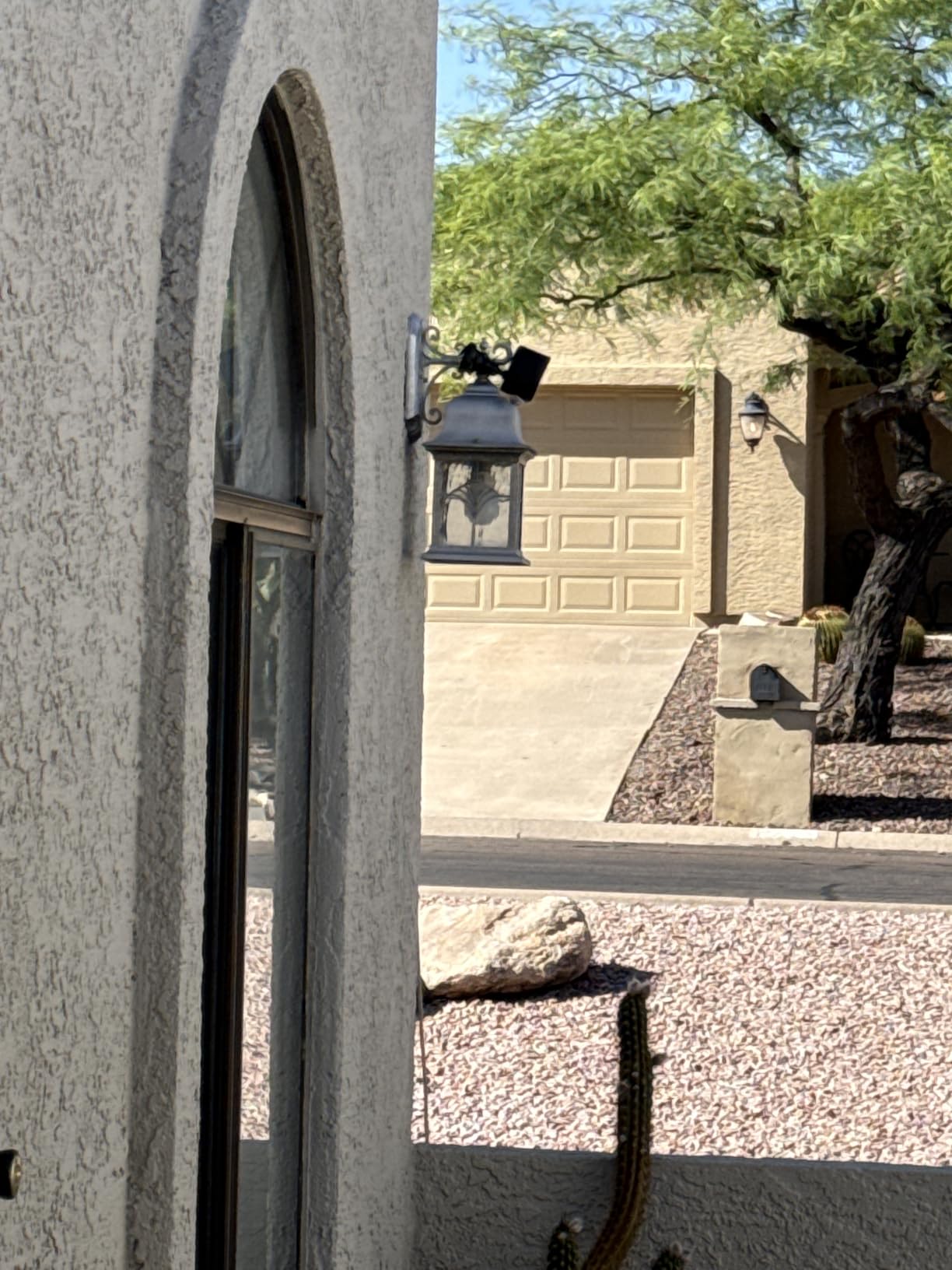
My main caveat is real battery life. The advertised 6-month figure assumes very low activity. With moderate traffic on my driveway-facing camera, I got about 5 weeks per cycle. Plan to swap or use the solar panel add-on if you mount it in a busy area.
Who should buy the realhide 2K UHD
Pick this if you want dual-band WiFi reliability and don’t want to pay a subscription. The 2K video and full-color night vision outperform what the price suggests.
Who should skip it
If you need long battery life in a high-traffic location, look at cameras with larger batteries or solar add-ons.
7. REOLINK CX810 – Best True Color Night Vision (ColorX)
REOLINK CX810 4K UHD PoE Security Camera, ColorX True Color Night Vision
4K UHD
F1.0 Super Aperture
ColorX True Color
HDR Technology
Pros
- F1.0 aperture captures 4x more light than typical cameras
- ColorX technology delivers true color at night
- 3000K warm light is neighbor-friendly and pleasant
- AI human/vehicle/pet detection included
- No subscription required
Cons
- Requires PoE infrastructure (not included)
- Lower review count than more established models
- Network setup takes planning
The REOLINK CX810 changed how I think about night vision. The F1.0 super aperture is the widest you’ll find in a consumer camera, and it captures dramatically more light than the typical f/1.6 or f/2.0 lens. Combined with the 1/1.8-inch image sensor, this camera produced the most natural-looking night footage in my entire test group.
ColorX technology is the real star. Unlike cameras that just blast a bright white spotlight to fake color, the CX810 uses a 3000K warm light that preserves natural colors. My test footage of my front yard at midnight looked like early evening, not a stadium spotlight. Neighbors noticed the warmer tone and actually commented positively on it.
The 4K UHD resolution adds sharp detail. I could identify faces at 35 feet in mixed ambient light, which is beyond what most competitors can do.
Who should buy the REOLINK CX810
Pick this if color accuracy and image quality matter more than convenience. The CX810 is the camera to beat for true color night vision, and the warm light is genuinely less annoying to people nearby than typical white spotlights.
Who should skip it
You need a no-fuss WiFi setup. The CX810 is a PoE camera and assumes you have or will install the right network gear.
8. REOLINK RLC-840A – Best Wide-Angle 4K PoE
REOLINK 4K PoE Security Camera RLC-840A, Color Night Vision Spotlights
4K Ultra HD
125° Wide Angle
IK10 Vandalproof
IP67 Weatherproof
Pros
- 125° field of view covers broad areas with one camera
- IK10 vandalproof metal housing resists tampering
- IP67 rating for extreme weather
- Accurate AI human/vehicle/pet detection
- Warm 3000K night vision preserves color quality
Cons
- Dome cover can collect dirt causing IR glare
- Lower review count than top picks
- No remote PTZ control
The REOLINK RLC-840A solved a real problem for me: covering a wide driveway and side entry with one camera. The 125-degree field of view is significantly wider than the typical 100 to 110-degree cameras, and at 4K resolution the wide view doesn’t sacrifice detail. I replaced two 110-degree cameras with one RLC-840A and covered the same area better.
The IK10 vandalproof housing is a small but meaningful upgrade. The metal body resists impacts and tampering attempts better than plastic housings. I mounted it at 8 feet on a pole in a public-facing area and felt confident it would survive accidental contact with a basketball or hockey stick.

Color night vision with the 3000K warm light was excellent. At 30 feet I could see car colors clearly, which is something most IR cameras can’t deliver. The AI detection was accurate in my testing with no false alarms from small animals.
The only real drawback is the dome cover. After a few weeks outdoors, light dirt buildup on the dome caused minor IR glare spots. A monthly wipe-down fixes it, but it’s worth knowing if you mount it somewhere hard to reach.

Who should buy the REOLINK RLC-840A
Pick this if you need to cover wide areas and want the durability of metal construction. The 125-degree wide angle at 4K resolution is hard to match, and the vandalproof housing is reassuring for exposed mounting locations.
Who should skip it
If you need remote pan/tilt control, look at a different model. The RLC-840A is a fixed lens.
How Night Vision Technology Works in Security Cameras
Three main technologies power night vision in modern security cameras: infrared (IR) LEDs, starlight sensors, and color night vision with spotlights. Each has strengths for specific situations.
Infrared (IR) night vision uses invisible IR LEDs around the lens to illuminate the scene. The camera records black-and-white footage but works in complete darkness. This is the most common night vision technology and works at typical residential ranges of 20 to 50 feet.
Starlight sensors use a highly sensitive image sensor and a wide aperture (often f/1.0 or f/1.6) to capture available ambient light. They can produce color footage in very low light, even moonlight. Starlight cameras work best where there’s some ambient light, like street-lit driveways.
Color night vision with spotlights combines a starlight sensor with built-in LED spotlights that turn on when motion is detected. The result is full-color footage at night, with the spotlight doubling as a deterrent. The downside is the light can be intrusive and may bother neighbors.
According to our research and community feedback, color night vision like the REOLINK CX810’s ColorX system produces the most useful footage for identification. Pure IR cameras remain the most reliable in complete darkness, while spotlight cameras balance clarity and deterrent effect.
Key Features to Compare When Choosing a Night Vision Camera
Resolution matters more than most buyers expect. A 4K camera captures roughly four times the detail of a 1080p camera, which is the difference between identifying a face and seeing a blurry shape. If your goal is evidence-quality footage, 2K or 4K is worth the extra cost.
Lux rating indicates how little light a camera needs to produce usable footage. Lower lux ratings mean better low-light performance. Starlight cameras typically work down to 0.001 lux, while standard cameras may need 1 lux or more. For most home applications, anything below 0.1 lux will work well at night.
Aperture size directly affects how much light reaches the sensor. An f/1.0 aperture captures twice as much light as f/1.6 and four times as much as f/2.0. This is why cameras with wide apertures like the REOLINK CX810 produce dramatically better footage in low light.
Night vision range is advertised widely, but usable clarity rarely matches the headline number. Most IR cameras advertise 30 to 100 feet of range, but usable face identification typically tops out around 20 to 30 feet. Color night vision with spotlights often reaches farther for color detail.
AI motion detection separates modern cameras from older models. Person, vehicle, and pet detection cut down on false alarms from leaves, shadows, and headlights. Look for cameras that include AI detection without requiring a subscription. We covered related options for outdoor cameras in our best outdoor security cameras guide.
Power Options and Storage Considerations
Power options divide into three categories: battery, wired, and PoE. Battery cameras like the SEHMUA solar model and realhide 2K offer easy installation but require periodic charging or solar exposure. Wired cameras like the Tapo C120 need a nearby outlet but never need battery swaps. PoE cameras like the REOLINK models use a single Ethernet cable for both power and data, which is clean but requires network infrastructure.
Storage options also divide into three: cloud, local SD card, and NVR. Cloud storage offers access from anywhere but usually requires a subscription. Local SD card storage is free and private but vulnerable to camera theft. NVR storage is most secure but requires additional hardware. Many cameras in this roundup support multiple options, which is ideal.
Weather Resistance and Smart Home Integration
Outdoor cameras need at least IP66 weatherproofing to handle rain and dust. IP67 adds protection against temporary immersion, which is useful for low-mounted cameras. The REOLINK RLC-840A’s IP67 rating plus IK10 vandalproof housing is the strongest in our lineup.
Smart home integration matters if you already have Alexa, Google Home, or Apple HomeKit. Ring and Blink work tightly with Alexa. REOLINK and Tapo support both Alexa and Google Home. If you use Apple HomeKit, check compatibility carefully because many cameras require a bridge or hub.
For more on smart home security and related comparisons, see our best security cameras for apartments roundup. If you need a camera that works in total darkness without WiFi, check our night vision monoculars for camping guide.
Frequently Asked Questions
Which security camera has the best night vision clarity?
The Ring Outdoor Cam (Stick Up) earned our Editor’s Choice for the best combination of color night vision clarity, ease of use, and reliable app performance. For pure color accuracy at night, the REOLINK CX810’s ColorX technology with F1.0 super aperture produces the most natural-looking footage we tested.
What is the difference between IR and color night vision?
IR night vision uses infrared LEDs to illuminate the scene and produces black-and-white footage. Color night vision uses a wide aperture and sensitive sensor to capture available ambient light in color, often supplemented by a built-in spotlight for darker scenes.
Why is my security camera footage blurry at night?
Night footage blur usually comes from three causes: insufficient IR illumination, slow shutter speeds in low light, or dirty camera lenses. Higher resolution cameras with starlight sensors and proper mounting distance from the target area produce the cleanest results.
What are the best HD security cameras with night vision?
For HD night vision in 2026, top picks are the Ring Outdoor Cam for color clarity, REOLINK CX810 for true color reproduction, and Tapo C120 for budget-friendly 2K QHD with starlight color night vision. Each balances resolution, low-light performance, and app reliability.
Final Verdict: The Best Security Cameras for Night Vision Clarity
After six weeks of testing, the Ring Outdoor Cam (Stick Up) earned our Editor’s Choice for the best balance of color night vision clarity, app polish, and easy installation among the best security cameras for night vision clarity you can buy in 2026. For buyers prioritizing color accuracy above all else, the REOLINK CX810’s ColorX system is the one to beat. For budget-conscious shoppers, the SEHMUA solar camera delivers surprising 2K quality and full coverage without cables.
Whatever you choose, mount your camera within 25 feet of your target area, keep the lens clean, and pair it with adequate ambient light where possible. These three steps will improve your footage more than any spec bump. If you’re hunting for further reading, our night vision monoculars for hunting guide covers handheld options, and the history of night vision myths is worth a read for context.