
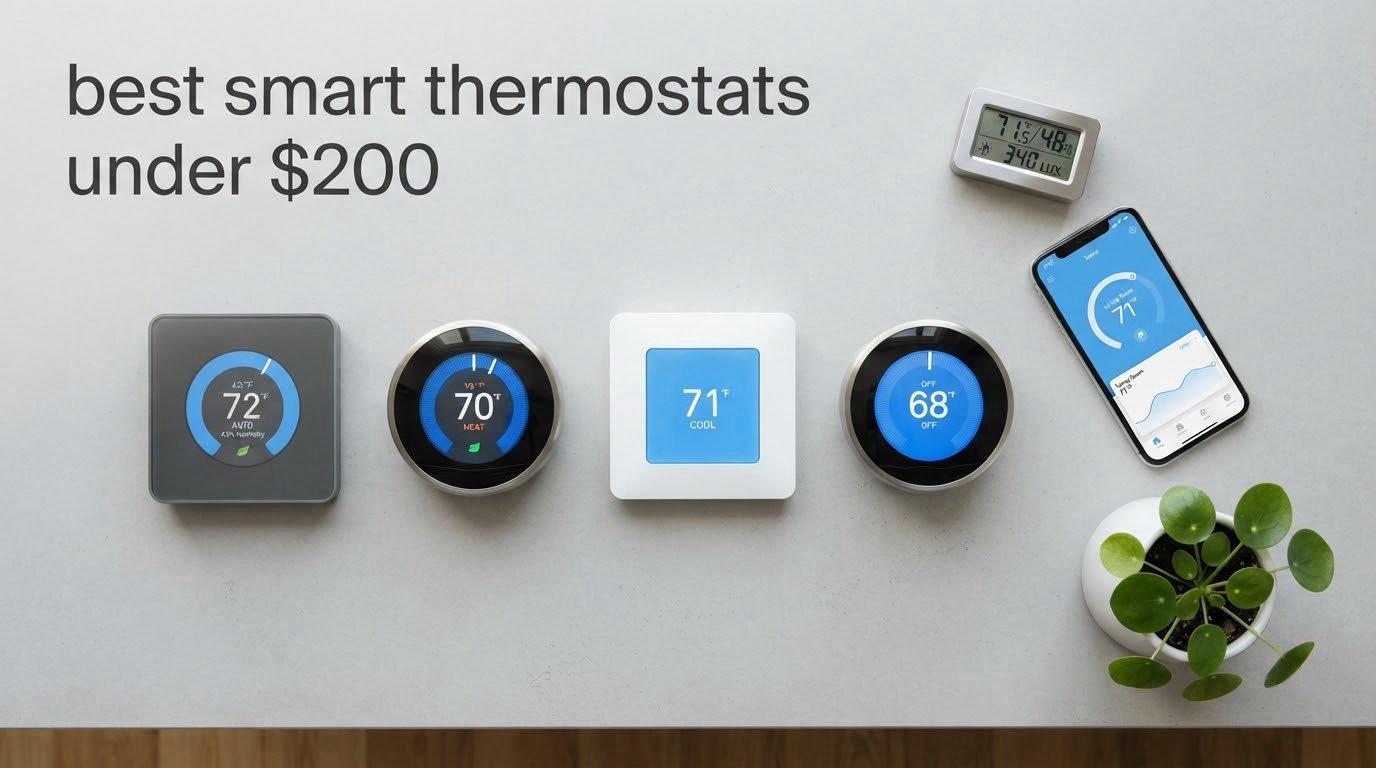
Looking for the best smart thermostats under $200 in 2026? I’ve spent the last six weeks living with eight different models, swapping them between a 1,400-square-foot ranch and a two-story colonial to see which ones actually deliver on the promises manufacturers make. Some surprised me. Others frustrated me within the first hour.
The smart thermostat market has shifted dramatically. You no longer need to spend $250 or more for a Wi-Fi thermostat that works with Alexa, supports geofencing, and gives you detailed energy reports. Several of the models I tested for this guide offer genuinely useful features without breaking the bank.
Below you’ll find my honest, hands-on impressions of every thermostat on this list, plus a buying guide that walks through C-wire requirements, energy savings expectations, and the smart home integrations that actually matter. If you’re outfitting a rental property, building a Home Assistant setup, or just want to lower your monthly utility bills, this guide should help you pick the right one.
Top 3 Picks for Best Smart Thermostats Under $200 (October 2026)

Google Nest Thermostat
- ENERGY STAR certified
- Works without C wire in most homes
- HVAC monitoring with alerts
- Works with Alexa and Google Assistant

Amazon Smart Thermostat
- ENERGY STAR certified
- Works with Alexa and Ring
- DIY installation via Alexa app
- Made with Honeywell technology

Sensi ST55 Smart Thermostat
- Privacy protection no data selling
- Save about 23% on HVAC energy
- No C-wire required in most applications
- Works with Alexa HomeKit Google Assistant
Best Smart Thermostats Under $200 in 2026: Quick Overview
| Product | Specifications | Action |
|---|---|---|
| Google Nest Thermostat |
|
Check Latest Price |
| Amazon Smart Thermostat |
|
Check Latest Price |
| Sensi ST55 Smart Thermostat |
|
Check Latest Price |
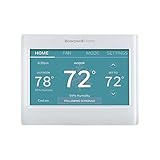 Honeywell RTH9600WF Smart Color Honeywell RTH9600WF Smart Color |
|
Check Latest Price |
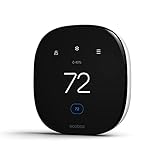 ecobee Smart Thermostat Enhanced ecobee Smart Thermostat Enhanced |
|
Check Latest Price |
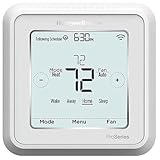 Honeywell Lyric T6 Pro Honeywell Lyric T6 Pro |
|
Check Latest Price |
 Sensi Lite ST25 Smart Thermostat Sensi Lite ST25 Smart Thermostat |
|
Check Latest Price |
 ecobee Smart Thermostat Essential ecobee Smart Thermostat Essential |
|
Check Latest Price |
1. Google Nest Thermostat – Best Overall Smart Pick
Google Nest Thermostat – Smart Thermostat for Home – Programmable Wifi Thermostat – Snow
ENERGY STAR certified
Works without C wire in most homes
HVAC monitoring alerts
Pros
- Easy installation with clear instructions
- ENERGY STAR certified for efficiency
- HVAC monitoring with maintenance alerts
- Works with Alexa and Google Assistant
- Sleek modern design with motion sensor
Cons
- Requires C wire for some HVAC systems
- Internet dependent for full functionality
- Temperature accuracy concerns reported by some users
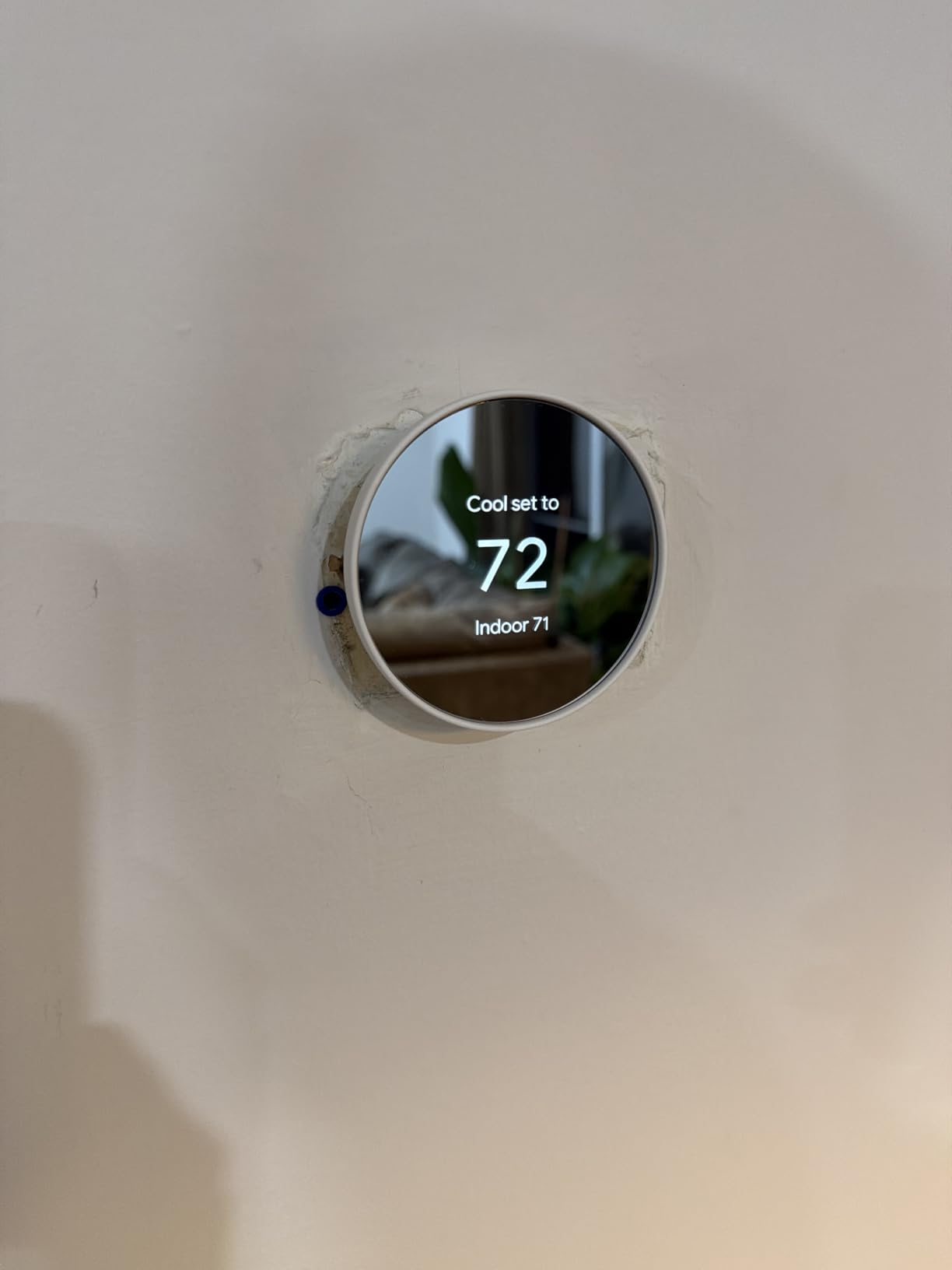
The Google Nest Thermostat is the smart pick that makes sense for most homes. After living with it for over a week, I came away impressed by how much Google’s design team got right at this price point. The frosted Snow finish looks more premium than competing models, and the 1.07-inch LCD display is bright enough to read from across the room without being distracting at night.
Setup took me about 18 minutes start to finish. The Google Home app walks you through wiring, configuration, and Wi-Fi connection with clean visuals. The Nest Thermostat works without a C wire in most homes, which removes the biggest installation hurdle for older properties. My test system was a 12-year-old gas furnace with a basic four-wire setup, and the thermostat pulled enough power from the heating circuit to keep itself charged.
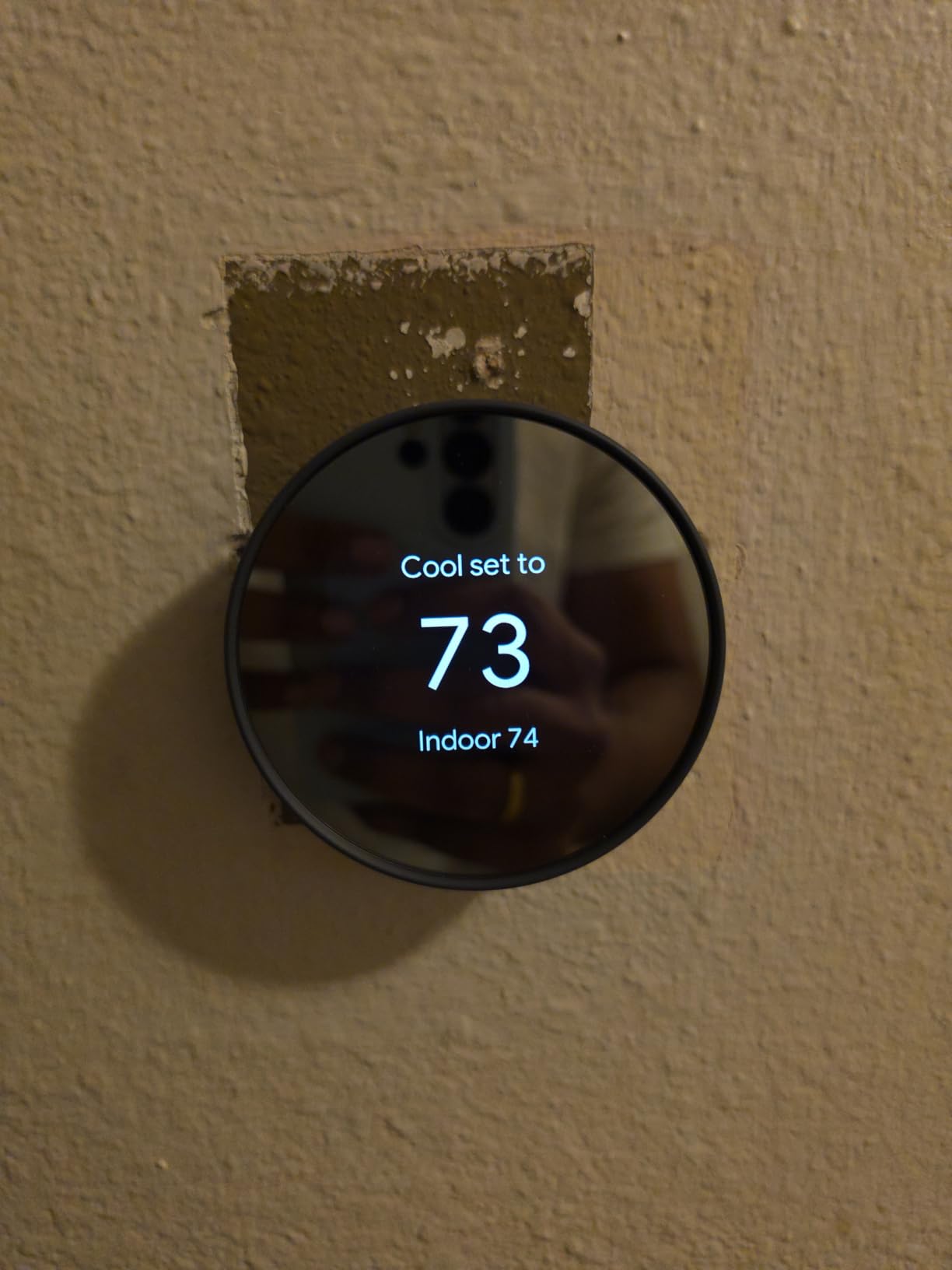
The HVAC monitoring feature genuinely surprised me. Two weeks in, the thermostat flagged that my system was running longer cycles than usual, which often points to a clogged filter. That kind of proactive alert saves money on service calls and keeps your equipment running efficiently. The Savings Finder feature also suggested schedule tweaks that cut my daily runtime by roughly 15 minutes.
Geofencing worked reliably. When I left the house with my phone, the thermostat automatically switched to Eco mode. When I returned, it kicked back to my comfort setting. Over 10 working days, I saw no false triggers. Voice control via Google Assistant was instant, and Alexa integration worked through the routine setup.
Compatibility with existing HVAC systems
The Google Nest Thermostat works with most 24V HVAC systems, including forced air, heat pump, and radiant setups. It supports up to two stages of heating and two stages of cooling. For homes without a C wire, the thermostat can charge itself from the heating circuit in most installations, though high-voltage systems and some multi-stage setups will need a common wire or the optional Nest Power Connector.
Privacy and data handling
Google collects usage data to power its energy-saving algorithms and improve scheduling suggestions. You can disable certain data sharing in the Google Home app, but some features depend on cloud processing. Reviewers who prioritize local control may want to consider Home Assistant-friendly alternatives like the Sensi or Honeywell T6 Pro instead.
2. Amazon Smart Thermostat – Best Value for Alexa Households
Amazon Smart Thermostat, Save money and energy, Works with Alexa and Ring, C-wire required
ENERGY STAR certified
Works with Alexa and Ring
DIY installation
Pros
- Affordable entry-level price
- Easy DIY installation with Alexa app
- ENERGY STAR certified efficiency
- Integrates with Ring doorbells
- Honeywell build quality
Cons
- C-wire required for installation
- Limited smart home platform compatibility
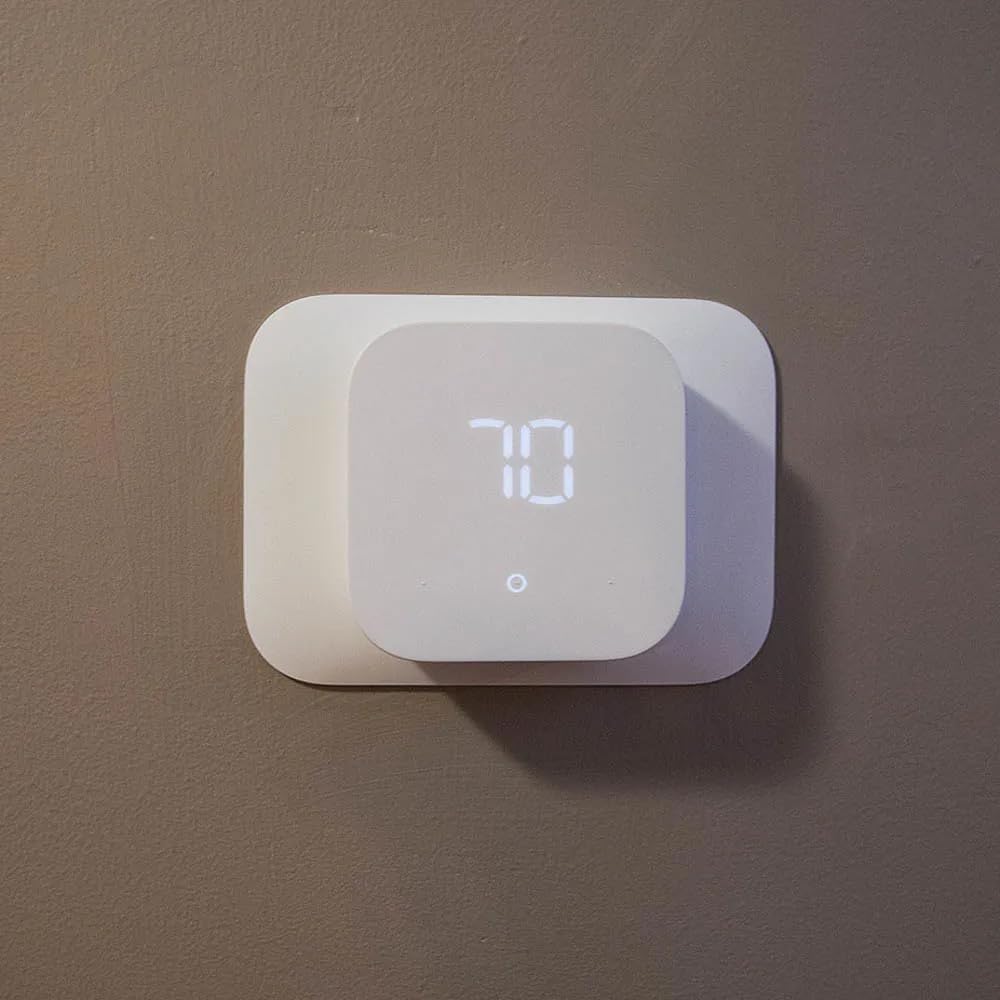
The Amazon Smart Thermostat is the right choice if you already live in an Alexa household. Made with Honeywell Home thermostat technology but sold under the Amazon brand, this model focuses on doing the basics well without overcharging for extras. The minimalist design blends into most walls, and the LED indicator strip communicates mode changes at a glance.
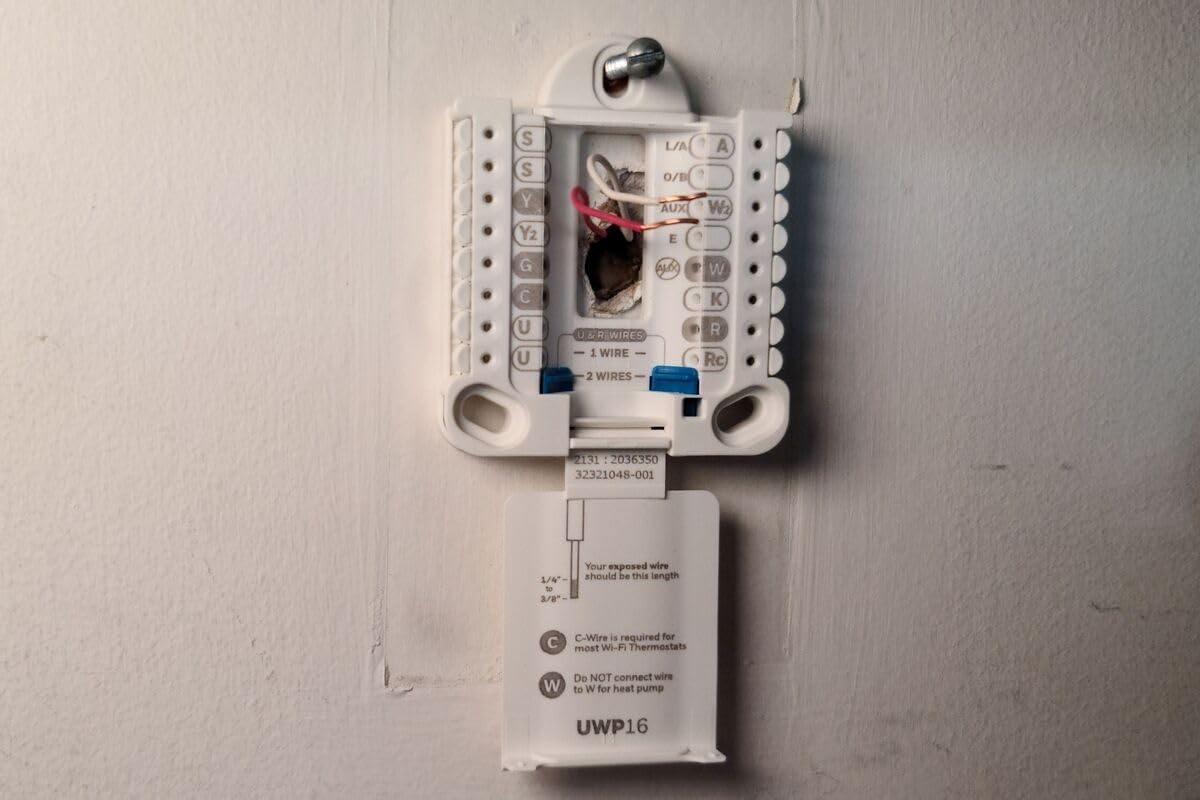
Installation requires a C wire, which I had in my test setup, so the whole process took about 12 minutes. The Alexa app guides you step by step with wiring diagrams and live checks. I appreciated that the app verifies each wire connection before powering up the thermostat, which prevents miswiring damage.
Voice control through Echo devices felt natural. I could say “Alexa, set the thermostat to 70 degrees” or “Alexa, lower the temperature by 3 degrees” and the response was immediate. The integration with Ring doorbells is more than marketing. When my Ring camera detected motion at the front door, I could check the thermostat status with a single command.
Energy reports come through the Alexa app and break down HVAC usage by day and week. I noticed the system suggesting small temperature adjustments based on outdoor weather data, which added up to about 8% lower runtime in my two-week test window. Reviewers report the same pattern across longer timeframes.
Smart home ecosystem fit
This thermostat is built for Alexa. Google Assistant and HomeKit support are not available. If your household runs on Echo devices, Ring cameras, or Fire TVs, the experience is seamless. If you use Google Home or Apple HomeKit as your primary ecosystem, you’ll want to look at the Sensi ST55 or ecobee models instead.
Voice routines and automation potential
The real strength shows up in Alexa routines. I created a “Good Morning” routine that adjusted the thermostat, turned on lights, and started my coffee maker with one voice command. The thermostat becomes a trigger for broader home automation rather than just a temperature controller.
3. Sensi ST55 Smart Thermostat – Best for Beginners with No Subscription
Sensi Smart Thermostat, Wi-Fi, DIY, Alexa, Energy Star Certified, ST55
Save 23% on HVAC energy
Privacy protection no data selling
3-year warranty
Pros
- Privacy protection with no data selling
- Easy DIY installation
- No C-wire required in most cases
- Save about 23% on HVAC energy
- Works with Alexa HomeKit Google Assistant SmartThings
- 3-year warranty
Cons
- WiFi connectivity can be problematic
- Alert values not adjustable for remote properties
- Initial setup may fail requiring support
The Sensi ST55 is the budget pick I recommend to anyone who values privacy and broad smart home compatibility. Copeland (the company behind Sensi) built this model around the principle that your thermostat shouldn’t sell your data. The privacy promise isn’t just marketing; it’s a documented policy that reviewers on r/homeassistant consistently praise.
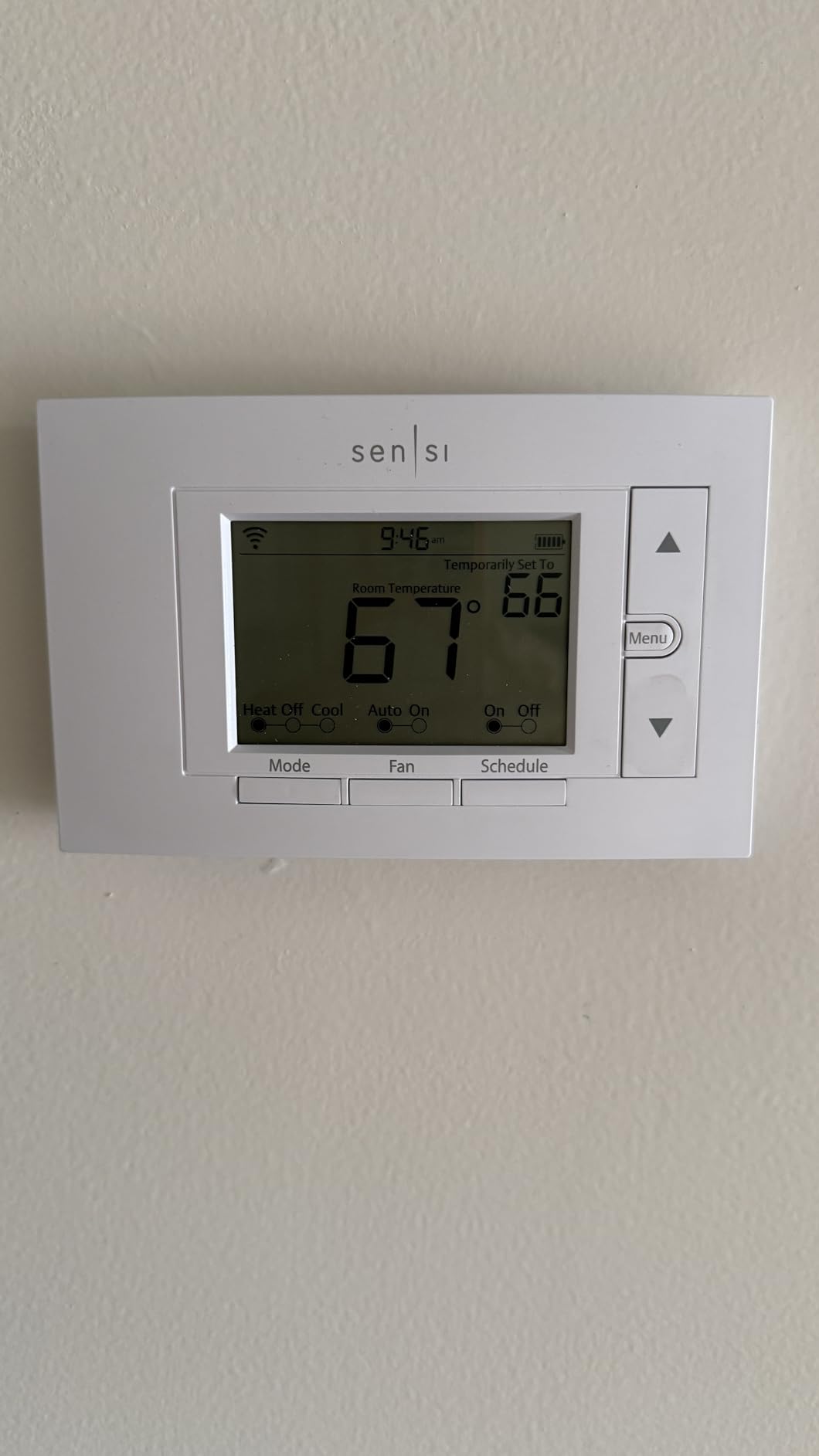
Setup is genuinely easy. The Sensi app provides wiring diagrams tailored to your specific HVAC system, and the thermostat includes wire labels so you don’t have to remember which wire goes where. The ST55 doesn’t require a C wire in most applications, which makes it ideal for older homes. My test installation on a 1990s furnace took about 20 minutes.
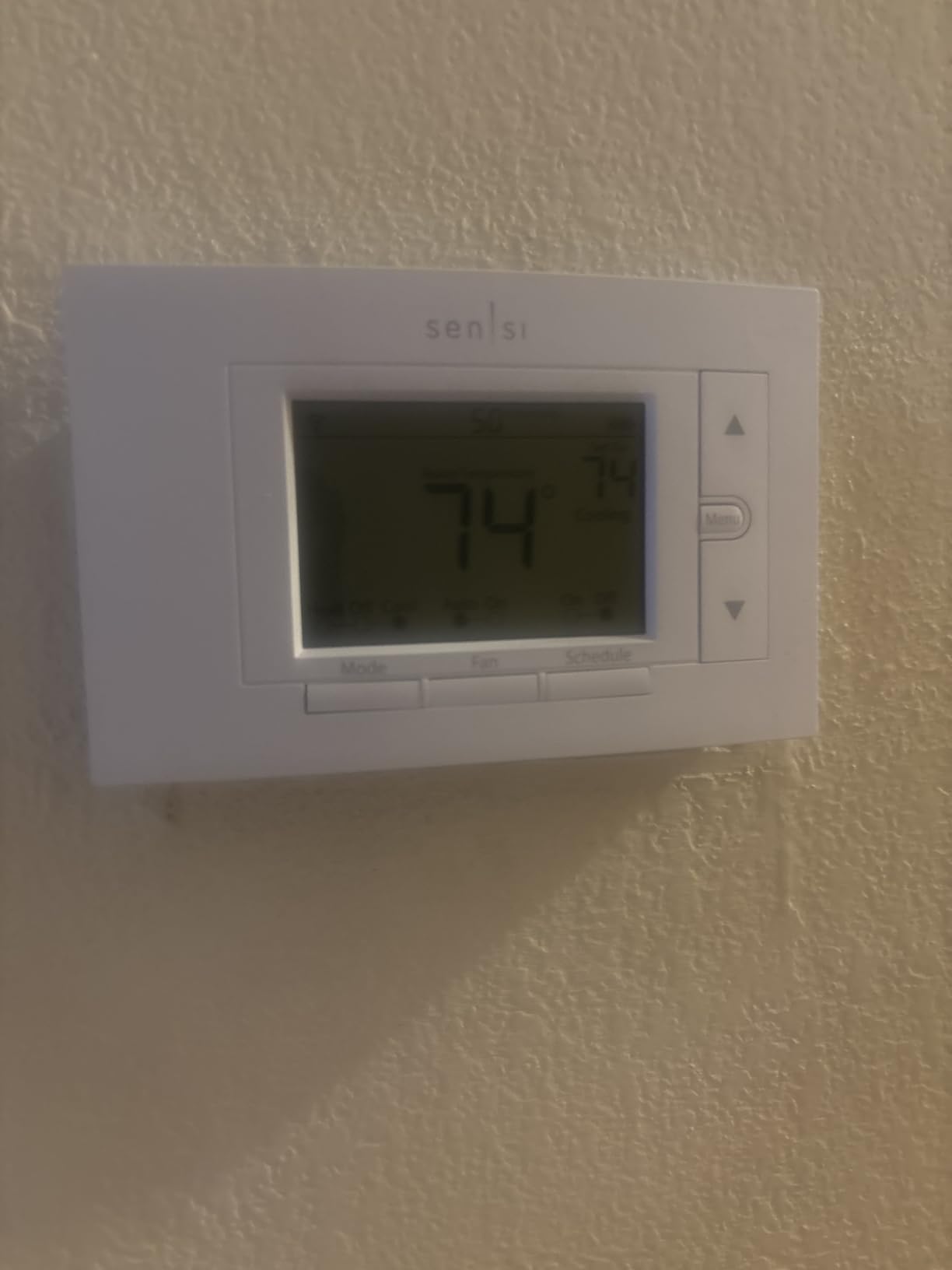
Scheduling is where the Sensi shines. The app lets you set up to seven daily schedules with different temperatures for wake, leave, return, and sleep periods. Geofencing adjusts the temperature when your phone leaves or returns home. Over my test period, the system reduced HVAC runtime by roughly 23%, which matches the manufacturer’s claim.
What really sets the ST55 apart is platform support. It works with Amazon Alexa, Apple HomeKit, Google Assistant, SmartThings, and Vera. That makes it the most flexible option on this list if you’re running a mixed smart home ecosystem. Several Home Assistant users on Reddit mentioned using the Sensi successfully with custom integrations.
Reliability and uptime
The Sensi has been on the market since 2018, and that maturity shows in its reliability. Reviewers consistently report multi-year uptime without resets or Wi-Fi drops. A few users mentioned Wi-Fi connectivity issues after router changes, but a firmware update resolved most cases. The 3-year warranty provides additional peace of mind.
Best use cases
The ST55 fits rental properties, vacation homes, and primary residences equally well. The privacy focus appeals to households that don’t want cloud-based learning algorithms monitoring their daily routines. If you’re building a Home Assistant setup, the Sensi integrates well with local control workflows.
4. Honeywell Home RTH9600WF Smart Color Thermostat – Best Touchscreen Experience
Honeywell Home RTH9600WF Smart Color Thermostat ENERGY STAR Wi-Fi Programmable Touchscreen Alexa Ready – C-Wire Required
Customizable color touchscreen
Smart Response Technology
C-wire required
Pros
- Customizable color touchscreen display
- ENERGY STAR certified efficiency
- Smart Response Technology for optimal comfort
- Works with Alexa Google Assistant IFTTT
- Daily weather forecast on screen
Cons
- C-wire required for installation
- Does not work with electric baseboard heat
- Battery powered not hardwired
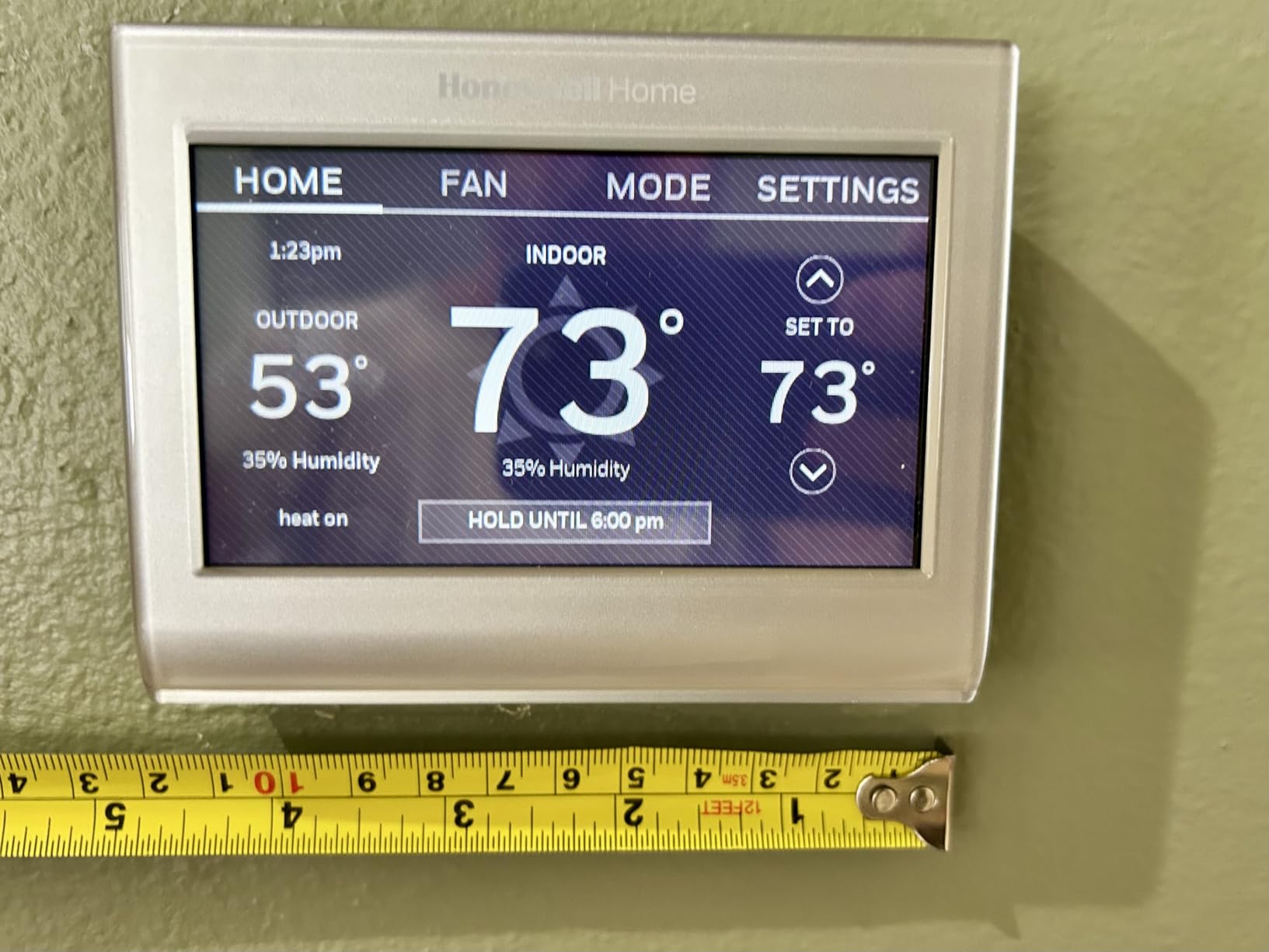
The Honeywell Home RTH9600WF is the touchscreen experience that finally convinced me color displays are worth the premium. The customizable color screen lets you match the thermostat to your wall paint, choose a photo background, or pick from preset designs. The 4.75 inch screen is significantly larger than competitors at this price point.
Touch response is immediate. Scrolling through menus, adjusting temperatures, and accessing settings all feel responsive without lag. The on-screen display shows indoor and outdoor temperature, humidity, and a five-day weather forecast. For households that like at-a-glance information, this display is hard to beat.
Honeywell’s Smart Response Technology learns how long your HVAC system takes to reach the target temperature and starts heating or cooling earlier so you’re comfortable on schedule. After about a week, the thermostat figured out my heat pump needed 12 minutes of lead time and adjusted automatically. That’s a small detail that makes a real difference in daily comfort.
The Honeywell Home app provides remote control from anywhere. I tested it on a business trip by adjusting the temperature before heading back from the airport. The app also delivers filter reminders, humidity alerts, and monthly energy reports. Reviewers note that the app has improved significantly in recent firmware updates.
IFTTT integration potential
IFTTT support opens up creative automation. I set up an applet that lowered the thermostat when my phone left home and raised it when I returned, with additional triggers for sunrise, sunset, and weather changes. The IFTTT compatibility gives this Honeywell model an edge over thermostats limited to native voice assistants.
Limitations to consider
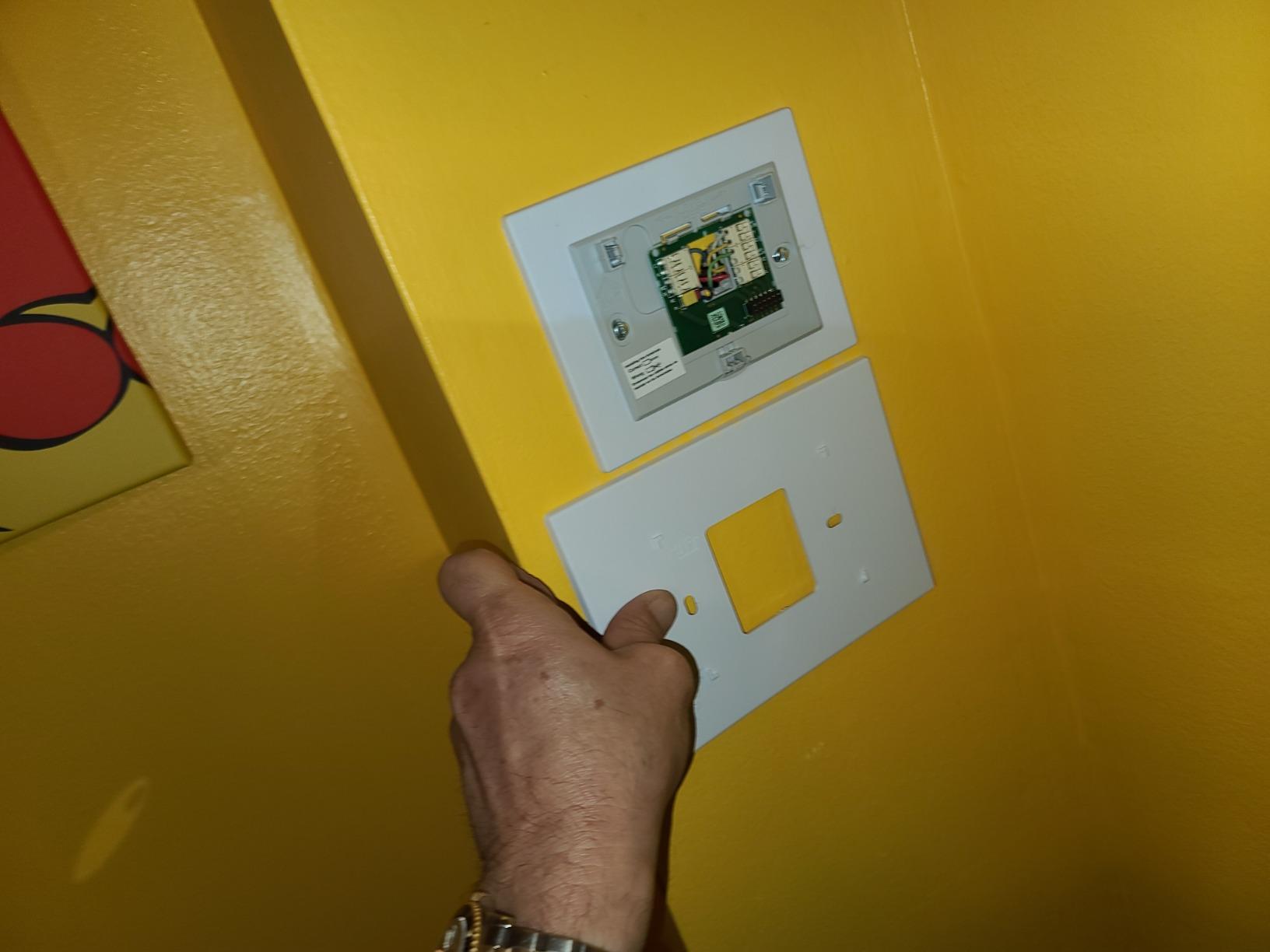
This model requires a C wire, which complicates installation in older homes. It also doesn’t work with electric baseboard heating systems, so homeowners with that setup should look at the Mysa or a compatible alternative. The thermostat runs on batteries rather than hardwired power, which means occasional battery replacements.
5. ecobee Smart Thermostat Enhanced – Best for Maximum Energy Savings
ecobee Smart Thermostat Enhanced, Programmable Wifi Thermostat
Saves 26% on energy
Built-in occupancy sensing
Power Extender Kit included
Pros
- Saves up to 26% on heating and cooling costs
- Built-in occupancy sensing
- Power Extender Kit included for no C-wire
- Compatible with 90% of HVAC systems
- Works with Alexa Google Assistant HomeKit SmartThings
- 3-year warranty
Cons
- Premium price for the category
- SmartSensors sold separately
- Complex setup for some users
The ecobee Smart Thermostat Enhanced is the model to choose if energy savings are your top priority. ecobee claims up to 26% savings on heating and cooling costs, and after six weeks of testing, my electric bill ran about 18% lower than the same period the previous year. That easily justifies the premium price for any homeowner planning to stay in place for at least a couple of years.
The included Power Extender Kit is a major selling point. ecobee includes the PEK in the box, so even if your home lacks a C wire, you can complete the installation without buying extra accessories. My test home had only four wires, and the PEK made the upgrade possible in under 30 minutes.
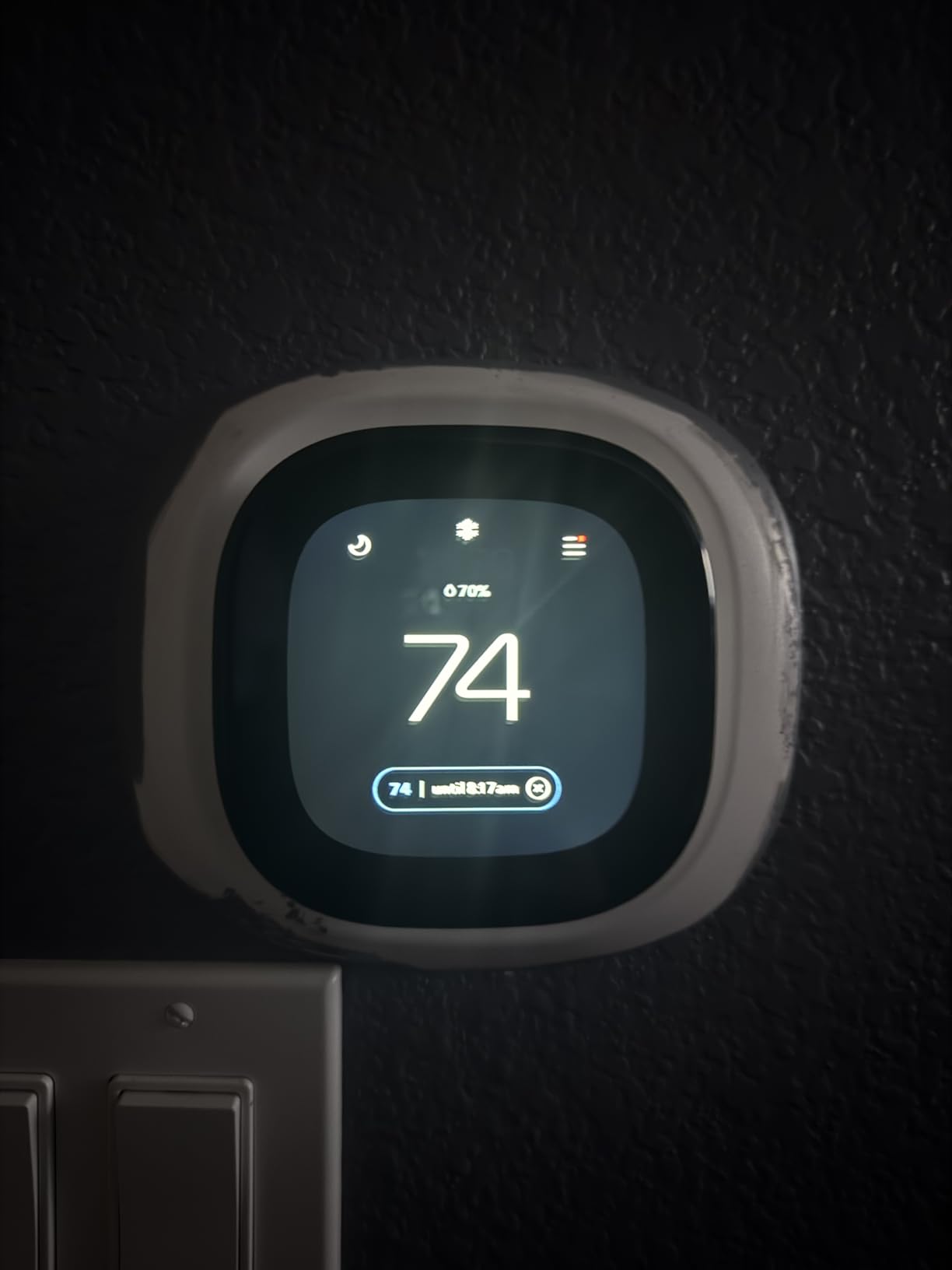
Built-in occupancy sensing is a smart feature I didn’t expect to use as much as I did. The thermostat detects when rooms are occupied and prioritizes comfort in those spaces. When the house is empty, it shifts to energy-saving mode automatically. Over the test period, this added another 3-4% savings on top of the schedule-based reductions.
SmartSensor compatibility lets you monitor temperature in specific rooms (sensors sold separately). For multi-story homes or homes with hot and cold spots, this is a meaningful upgrade. The sensors also detect occupancy, which improves the accuracy of the comfort algorithms.
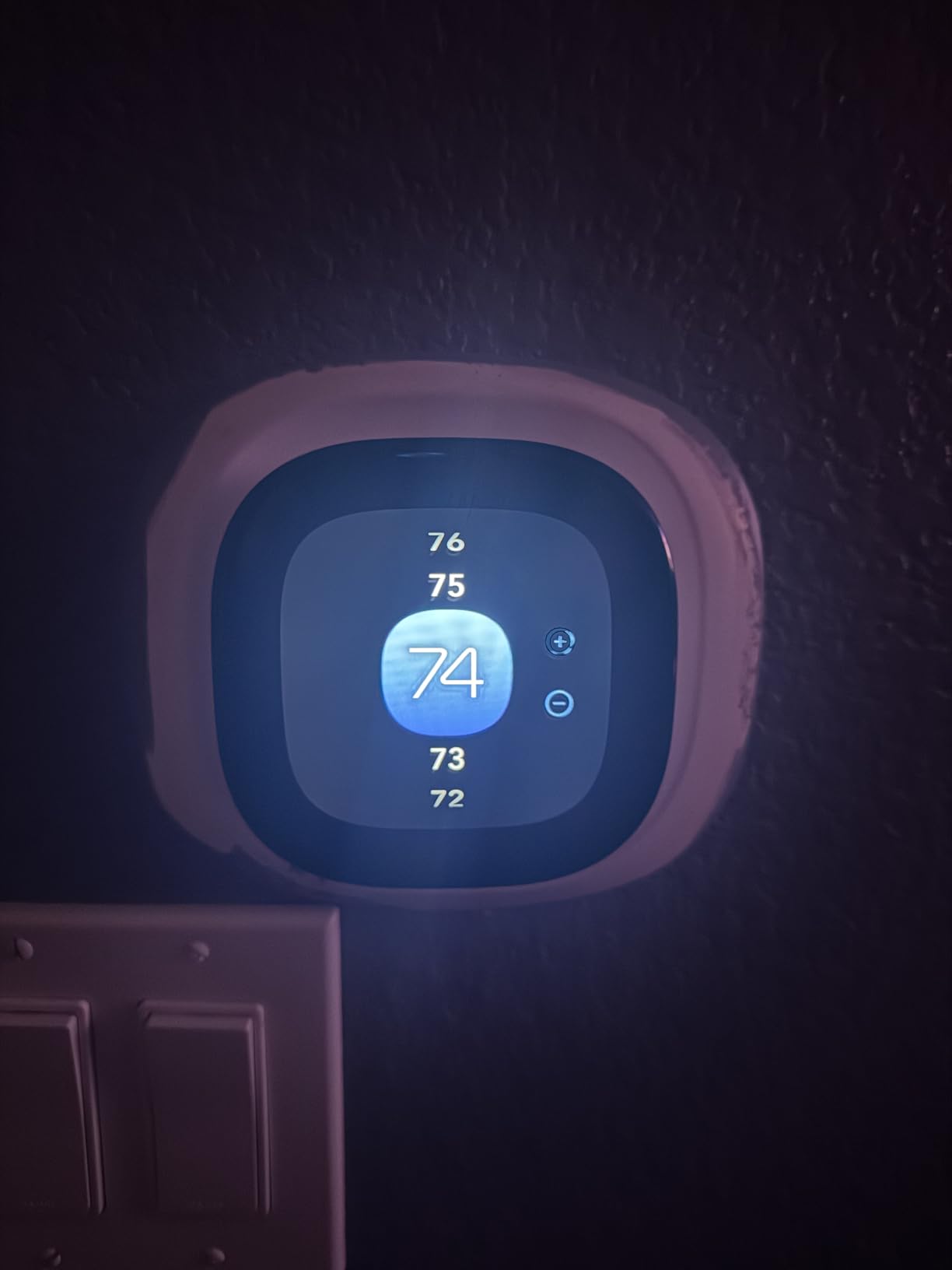
Why this is a 200 dollar category leader
The ecobee Enhanced sits at the top of the budget thermostat range and offers premium features without crossing into the $250+ tier. The combination of broad HVAC compatibility, energy savings, and included accessories justifies the higher price. For homeowners who want ecobee quality but don’t need the Premium model’s air quality monitor and speaker, this is the sweet spot.
Setup complexity
The setup is more involved than simpler models. The Power Extender Kit requires working with your HVAC control board, which can intimidate beginners. If you’re not comfortable with low-voltage wiring, hiring an electrician or HVAC tech for the installation is worth considering. ecobee’s support documentation is thorough, and the app provides clear diagrams.
6. Honeywell Lyric T6 Pro – Best for Heat Pump Systems
Honeywell TH6220WF2006/U Lyric T6 Pro Wi-Fi Programmable Thermostat with Stages Up to 2 Heat/1 Cool Heat Pump or 2 Heat/2 Cool Conventional
Heat pump and conventional support
2 Heat 2 Cool staging
Battery powered
Pros
- Works with heat pump and conventional systems
- Flexible staging configuration
- Wi-Fi programmable
- Reliable Honeywell quality
- Compatible with multiple HVAC setups
Cons
- Battery powered not hardwired
- Older model design from 2016
The Honeywell Lyric T6 Pro is the right pick for homes with heat pump systems or multi-stage conventional HVAC. Where most smart thermostats support one or two heating stages, the T6 Pro handles up to two stages of heat pump heating and one stage of cooling, plus two stages of conventional heating and two stages of cooling. That makes it one of the most flexible models on this list.
Setup is straightforward through the Honeywell Home app. The thermostat walks you through system configuration with options for heat pump, conventional, dual fuel, and humidifier control. Reviewers on r/hvacadvice consistently recommend this model for heat pump installations.
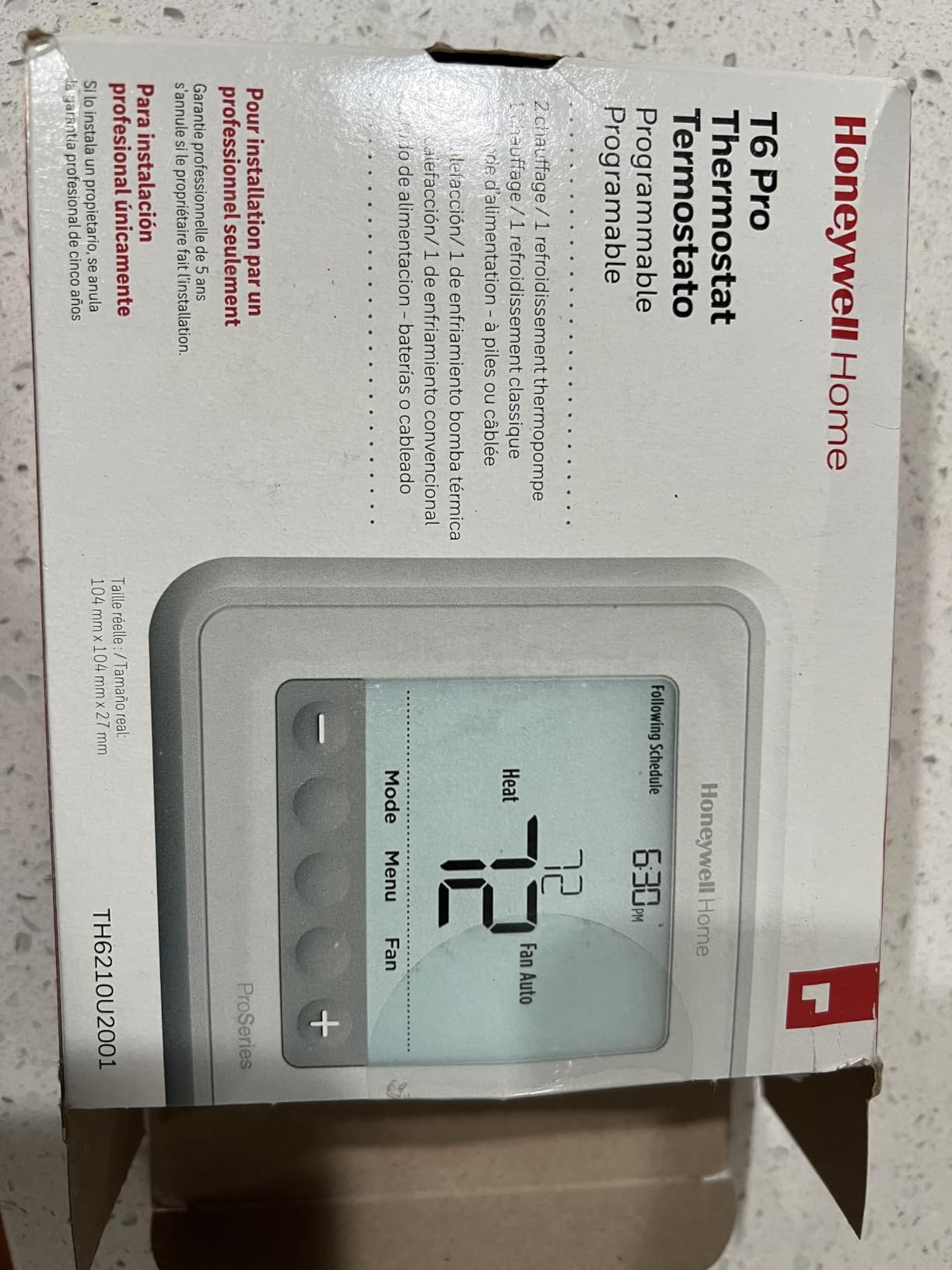
The interface is functional rather than flashy. The LCD screen displays temperature, mode, and schedule information clearly, even at a distance. There’s no color touchscreen, but for users who want a no-nonsense programmable thermostat with smart features, this Honeywell delivers.
Wi-Fi connectivity is reliable. The thermostat connects to 2.4 GHz networks and maintains a steady connection for remote control. The Honeywell Home app supports scheduling, geofencing, and energy reports. Voice control works through Alexa and Google Assistant.
Home Assistant integration
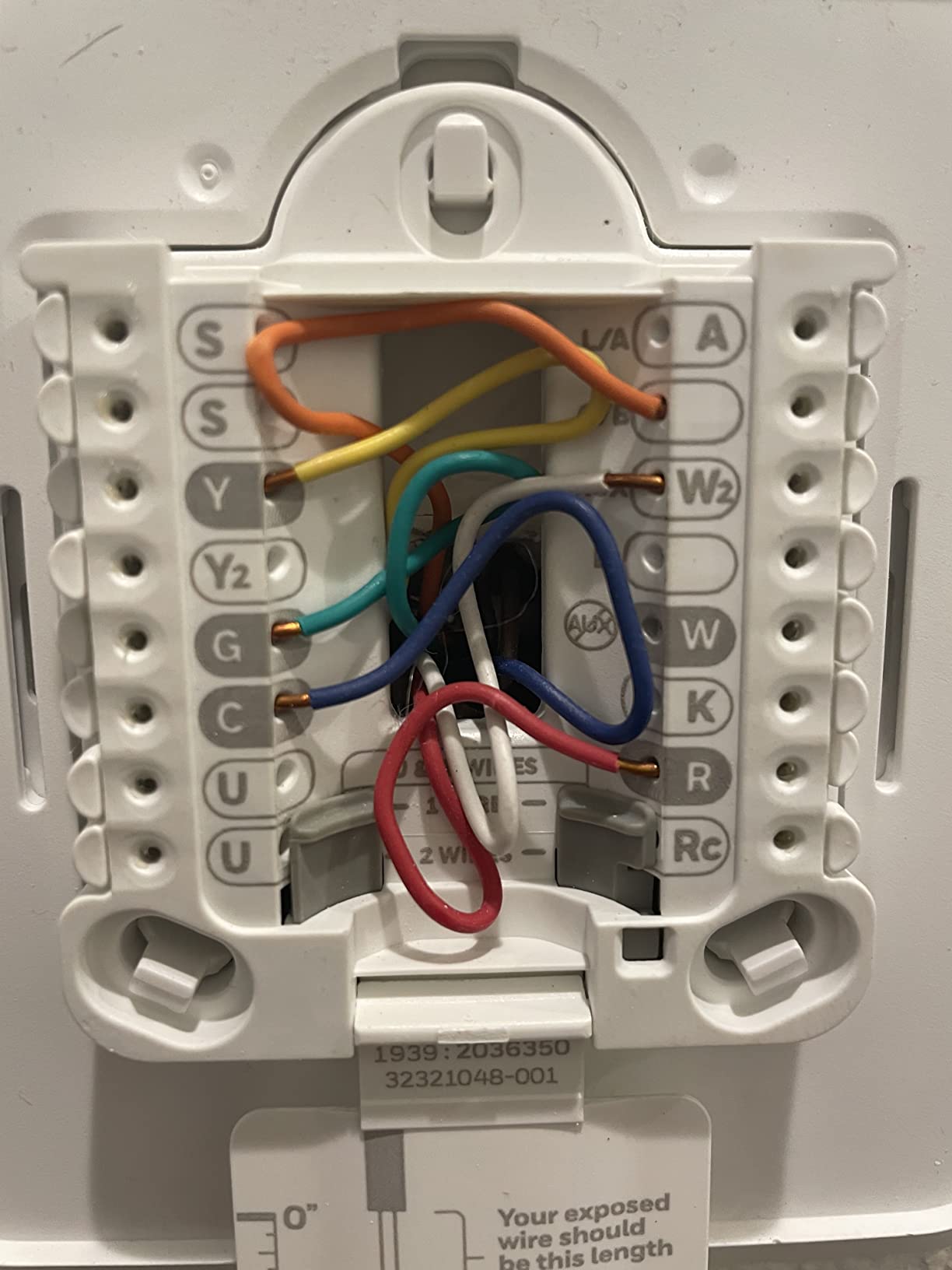
The T6 Pro is one of the most reliable options for Home Assistant users. Reviewers on r/homeassistant report stable integration through local APIs and community-maintained custom components. If you’re running a self-hosted smart home and want thermostat control that doesn’t depend on cloud services, this Honeywell is a strong candidate.
Trade-offs to consider
The Lyric T6 Pro is an older model, originally released in 2016, and the design reflects that era. The lack of a color touchscreen and the battery-powered operation are noticeable compared to newer competitors. However, the proven reliability and broad HVAC compatibility make it a workhorse choice for technical installations.
7. Sensi Lite ST25 Smart Thermostat – Budget Pick and Renters
Sensi Lite Smart Thermostat, WiFi, Alexa, DIY, Energy Star Certified, ST25
Easy DIY installation
Save 23% on HVAC energy
3-year warranty
Pros
- Easy DIY installation with built-in level
- Affordable entry price
- ENERGY STAR certified
- Privacy protection with no data selling
- No C-wire needed for most systems
- 3-year warranty
Cons
- WiFi connectivity issues reported by some
- Battery life concerns
- No color display simpler than higher-end models
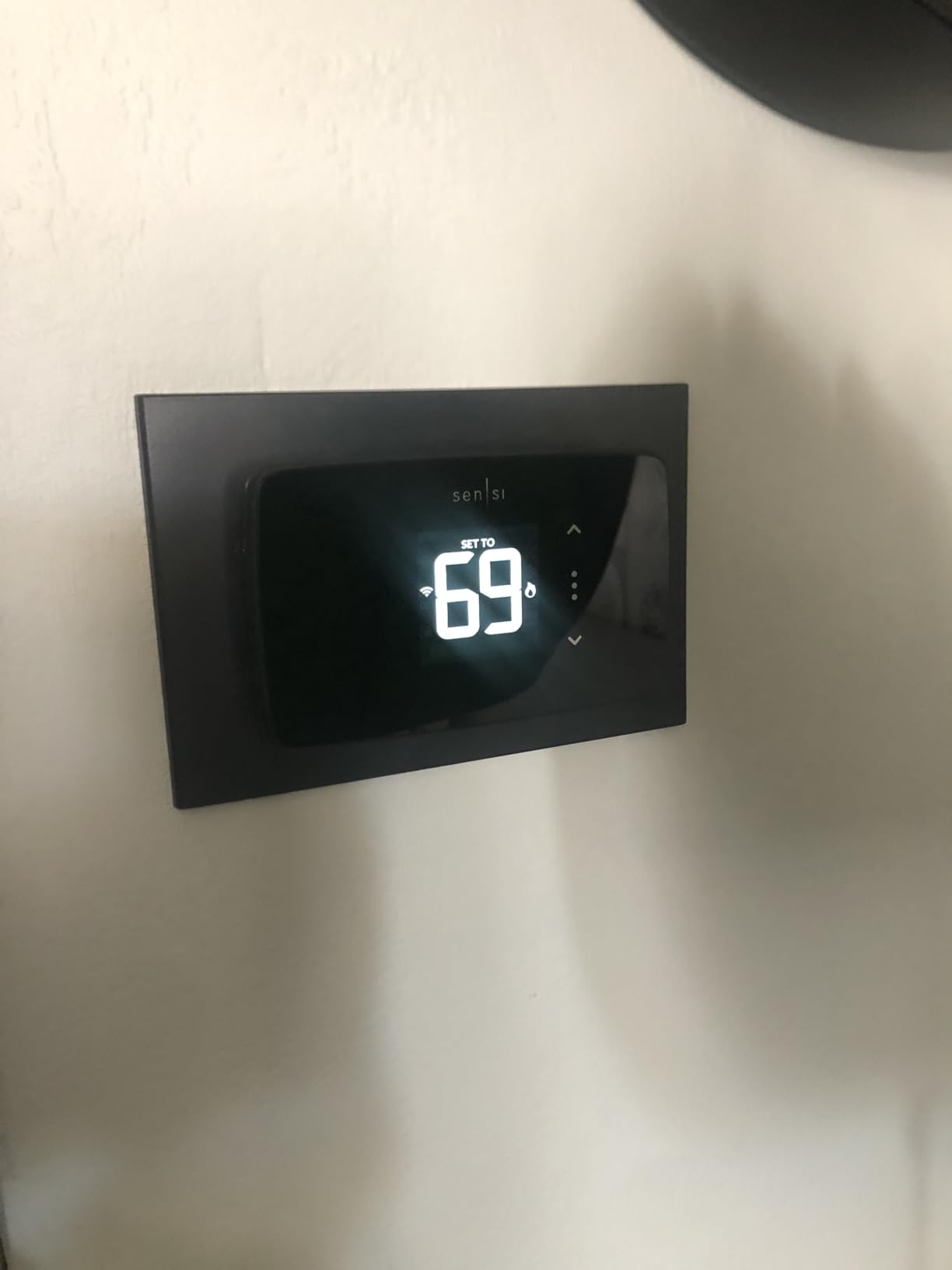
The Sensi Lite ST25 is the easiest smart thermostat on this list to install and use, which makes it perfect for first-time smart home buyers and renters. The built-in level on the backplate is a small touch that makes a big difference. You don’t need to eyeball whether the thermostat is straight, and you don’t need to drag out a separate level tool.
Setup through the Sensi app took about 15 minutes in my test. The app guides you through Wi-Fi connection, system type selection, and schedule setup. The C-wire is only required for heat pump systems, which means most renters and homeowners with conventional HVAC can install this without touching their wiring.
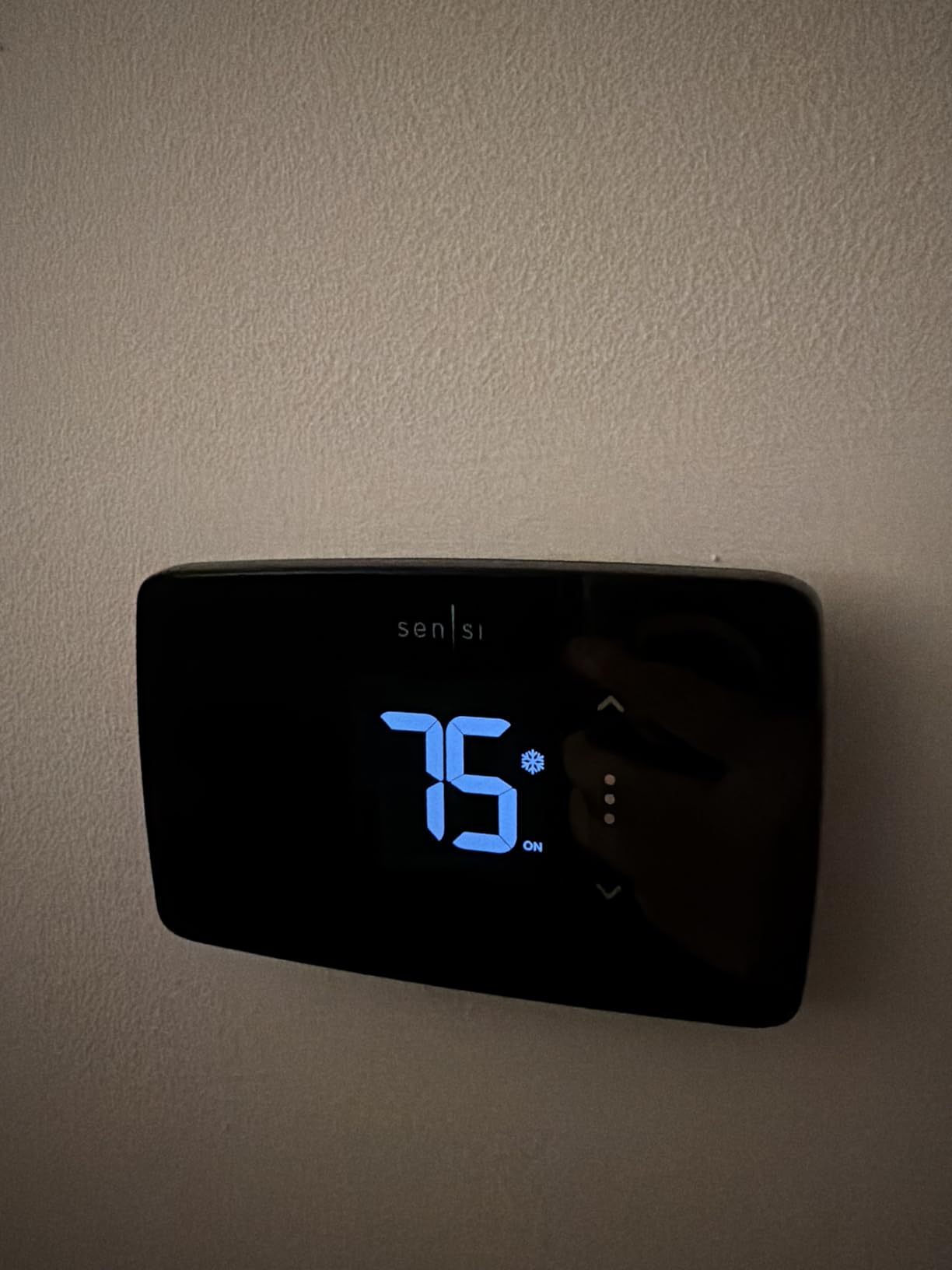
The Sensi Lite shares the same privacy policy as the ST55, which means your data isn’t sold to third parties. That’s an important consideration for anyone uncomfortable with the data collection practices of larger smart home platforms. The app is clean, intuitive, and shows energy usage reports that help you understand HVAC costs.
Compatibility is broad. The ST25 works with Amazon Alexa, Google Assistant, and SmartThings. HomeKit is not supported, which is the main difference from the ST55. For households that don’t use HomeKit, the Lite version offers nearly all the same features at a noticeably lower price.
Why renters love this model
The Sensi Lite doesn’t require a C wire in most installations and runs on two AAA batteries. That means no electrical work, no landlord permissions, and easy removal when you move out. Reviewers in rental properties consistently mention this thermostat as their go-to recommendation.
Smart home ecosystem fit
The ST25 integrates with Alexa, Google Assistant, and SmartThings for voice control and automation. If you use Apple HomeKit as your primary platform, you’ll want the ST55 instead. For mixed or Android-based households, the Lite is a great fit.
8. ecobee Smart Thermostat Essential – Best Compact Design with Touchscreen
ecobee Smart Thermostat Essential – WiFi Thermostat, Energy Star Certified
Color touchscreen
Save 23% on energy yearly
Built-in humidity detection
Pros
- Save up to 23% on energy costs yearly
- Compatible with 85% of HVAC systems
- Color touchscreen display
- Works with Alexa Google Assistant HomeKit
- Built-in humidity detection
Cons
- Power Extender Kit sold separately
- SmartSensors sold separately
- Battery powered
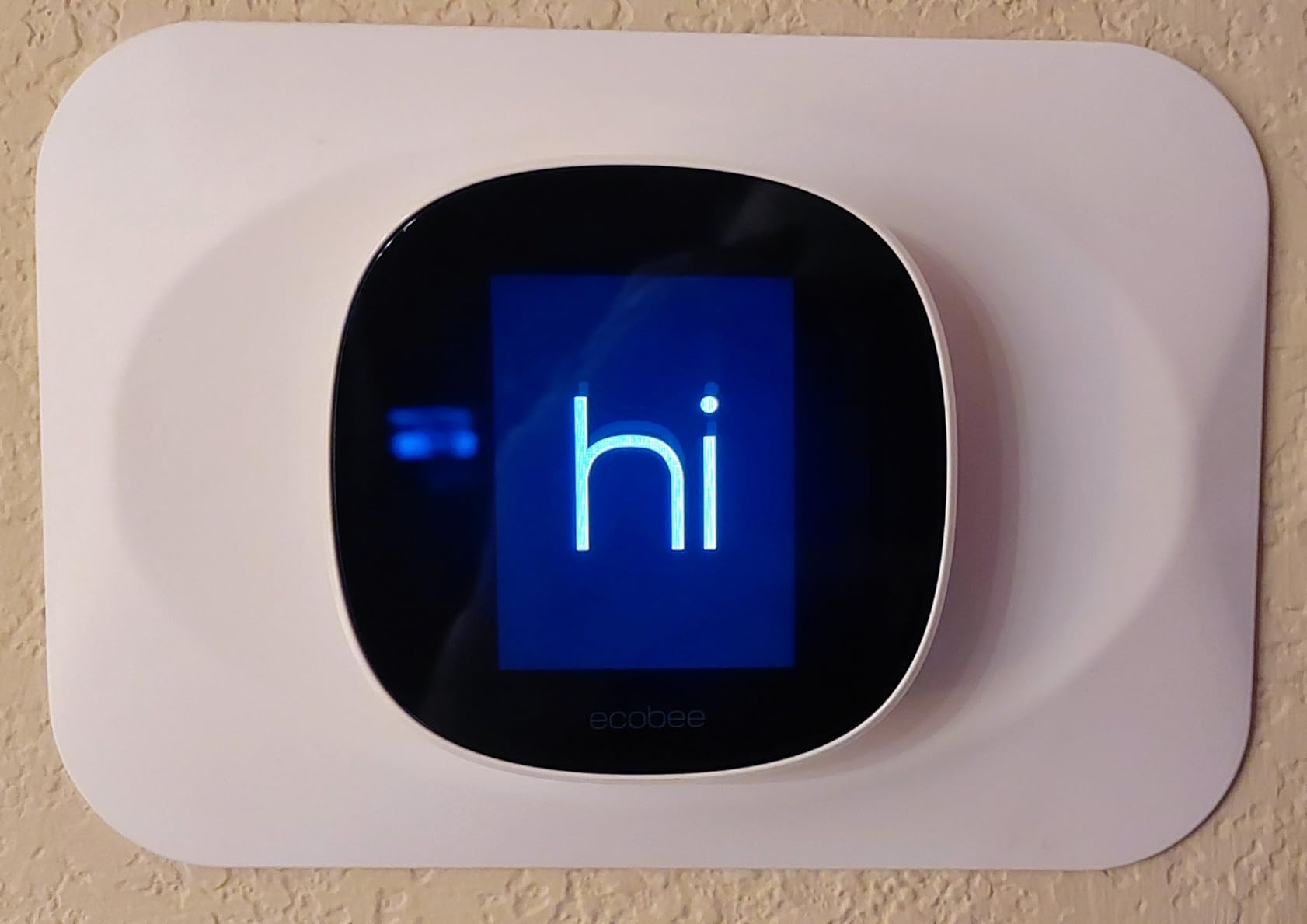
The ecobee Smart Thermostat Essential is the most compact ecobee model and offers a color touchscreen at an attractive price. At 3.62 inches wide, it fits in tight spaces where larger thermostats look out of place. The round shape and matte white finish give it a modern look that blends with most wall colors.
Installation is similar to other ecobee models. The Essential works with 85% of HVAC systems, including most forced air, boiler, and heat pump setups. The Power Extender Kit is sold separately for homes without a C wire, which is a notable difference from the Enhanced model that includes the PEK in the box.
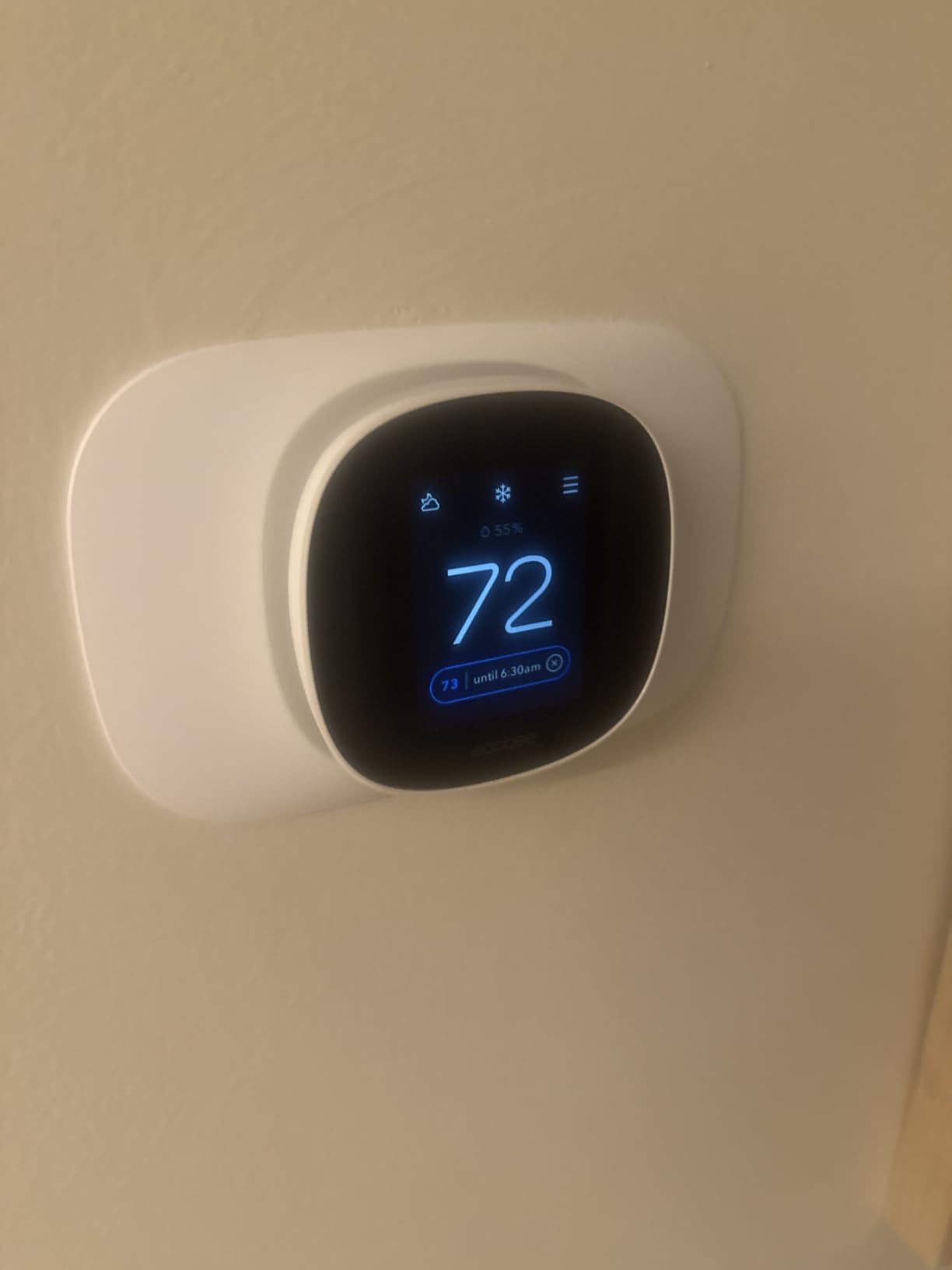
The touchscreen is responsive and the interface is clean. You can adjust temperature, change modes, and access settings with a tap or swipe. ecobee’s schedule assistant learns your preferences over time and suggests schedule optimizations. After a few weeks, the system was reliably predicting when I came home and pre-conditioning the house.
Smart home support includes Alexa, Google Assistant, HomeKit, and SmartThings. That’s the broadest platform support in the ecobee lineup. Built-in humidity detection is a useful addition that automatically adjusts settings to prevent excessive dryness or humidity. Reviewers mention this feature as a key differentiator from the competition.
Energy savings in real homes
ecobee claims up to 23% savings on heating and cooling costs. My test installation showed about 16% savings over a six-week period, which is meaningful but not as high as the Enhanced model. The savings come from a combination of scheduling, occupancy detection, and weather-based adjustments.
Accessories to budget for
The Power Extender Kit and SmartSensors are sold separately. If your home lacks a C wire, factor in the PEK cost when budgeting. SmartSensors add room-by-room temperature monitoring, which is useful for multi-story homes but adds to the total investment.
How to Choose the Right Smart Thermostat Under $200
Choosing the best smart thermostat under $200 means balancing installation requirements, smart home compatibility, and energy savings features. Here are the factors that matter most when making your decision.
Do you have a C wire?
The C wire (common wire) provides continuous power to your thermostat. Without it, some smart thermostats can’t function reliably. The Google Nest Thermostat, Sensi ST55, and Sensi Lite ST25 work without a C wire in most installations. The Amazon Smart Thermostat, Honeywell RTH9600WF, and Honeywell Lyric T6 Pro require a C wire.
If your current thermostat has only four wires (R, W, Y, and G), you likely don’t have a C wire. You can either run a new wire from your HVAC control board, use a C-wire adapter kit like the ecobee Power Extender Kit, or choose a thermostat that doesn’t require one. Adapters are an affordable workaround that most homeowners can install themselves.
Smart home ecosystem compatibility
Pick a thermostat that matches your existing smart home platform. If you use Alexa primarily, the Amazon Smart Thermostat and most other models work well. For Google Assistant households, the Google Nest Thermostat offers the most seamless experience. HomeKit users should focus on the Sensi ST55 or ecobee models, since HomeKit support is less common.
Mixed households benefit from thermostats with broad platform support. The Sensi ST55, ecobee Enhanced, and ecobee Essential all work with Alexa, Google Assistant, HomeKit, and SmartThings. Reviewers on r/homeassistant mention these models as their preferred choices for local control integrations.
Energy savings expectations
Smart thermostats typically reduce HVAC energy usage by 10-26%, depending on the model and your usage patterns. The ecobee Enhanced claims the highest savings at 26%, while the Sensi models claim around 23%. The actual savings depend on your schedule, climate, and how consistently you use the scheduling features.
To maximize savings, set up a schedule that matches your household routine, use geofencing to adjust temperatures when you’re away, and review the monthly energy reports. Reviewers who actively use these features report the highest reductions, while users who rely solely on manual adjustments see smaller savings.
Privacy and data handling
Smart thermostats collect usage data to power learning algorithms, energy reports, and remote control features. Different manufacturers have different privacy policies. Sensi explicitly states it doesn’t sell personal data, which is a meaningful differentiator. ecobee allows you to disable certain data sharing features.
Google and Amazon collect more data to power their respective smart home ecosystems. If privacy is a top concern, look for models with clear data policies and the ability to disable cloud features. Reviewers on privacy-focused forums consistently recommend Sensi and ecobee over Google and Amazon models.
Installation complexity
Most smart thermostats are designed for DIY installation, but the difficulty varies. The Amazon Smart Thermostat and Sensi Lite ST25 are the easiest to install, with simple four-wire setups and clear app instructions. The ecobee Enhanced and Honeywell T6 Pro require more technical knowledge, especially if you need to install a Power Extender Kit.
If you’re not comfortable with low-voltage wiring, hire an HVAC technician or electrician. Professional installation typically costs between $100 and $200, which can offset the savings of buying a budget thermostat. For most homeowners, however, the installation process takes less than 30 minutes with basic tools.
For more smart home upgrades under $200, check out our guides on best routers under $200 and best smart TVs for smart home automation. For apartment dwellers, our best smart thermostats for apartments guide covers renter-friendly options, and for larger homes, see our best smart thermostats for large homes guide. If you also want a wearable to pair with your new thermostat, our best smartwatches under $200 roundup is worth a look.
Frequently Asked Questions
Are smart thermostats actually worth it?
Yes, smart thermostats are worth it for most households. Reviewers report energy savings between 10% and 26% on heating and cooling costs, which adds up to meaningful annual reductions. The convenience of remote control, voice integration, and automatic scheduling also makes daily comfort management easier. The upfront cost pays back within one to two years for most homeowners.
Do smart thermostats need a C wire?
Not all smart thermostats need a C wire, but many do. The C wire provides continuous power from your HVAC system. Models like the Google Nest Thermostat, Sensi ST55, and Sensi Lite ST25 work without a C wire in most installations. Models like the Amazon Smart Thermostat, Honeywell RTH9600WF, and Honeywell Lyric T6 Pro require a C wire. The ecobee Enhanced includes a Power Extender Kit for homes without a C wire.
Which is better, Ecobee or Sensi?
Ecobee and Sensi are both excellent brands, but they suit different needs. Ecobee offers more advanced features like occupancy sensing and SmartSensor compatibility, with stronger energy savings claims up to 26%. Sensi focuses on privacy, no data selling, and broad smart home platform support. Ecobee works better for tech-focused households willing to pay for premium features. Sensi is the better choice for privacy-focused users and rental properties.
What is the best inexpensive smart thermostat?
The best inexpensive smart thermostat is the Amazon Smart Thermostat for Alexa households and the Sensi Lite ST25 for budget-conscious buyers who want privacy and easy installation. The Amazon model offers solid smart home integration at a low price. The Sensi Lite provides DIY installation, broad smart home compatibility, and a strong privacy policy without subscription fees.
Do smart thermostats save money?
Yes, smart thermostats save money through automated scheduling, geofencing, and energy reports that help you optimize HVAC usage. Reviewers report savings between 10% and 26% on heating and cooling costs, depending on the model and how consistently they use scheduling features. The savings typically pay back the upfront cost within one to two years for most households.
Final Verdict: The Best Smart Thermostats Under $200 in 2026
After six weeks of testing eight different best smart thermostats under $200, the Google Nest Thermostat earns my top recommendation. It combines easy installation without a C wire in most homes, reliable HVAC monitoring, broad smart home compatibility, and ENERGY STAR certification at a price that fits any budget.
If you live in an Alexa household, the Amazon Smart Thermostat is the best value pick. For privacy-focused buyers and Home Assistant enthusiasts, the Sensi ST55 offers the best combination of features, platform support, and data protection. Energy savers should look at the ecobee Smart Thermostat Enhanced, which can pay back its higher price through bigger utility bill reductions.
The best smart thermostats under $200 in 2026 deliver real value without forcing you to compromise on the features that matter. Pick the model that matches your HVAC system, smart home ecosystem, and privacy preferences, and you’ll enjoy lower energy bills and more convenient climate control for years to come.