

The Anker Soundcore 2 speaker leads this list because it does the fewest things badly: 24 hours of playback, a waterproof shell and enough low end for a bathroom, a patio or a campsite, backed by more owner reviews than anything else here. Shoppers who want the shortest route to good sound should look at the Soundcore P20i earbuds, and anyone short on cables should start with the Anker 60W USB-C two-pack. Prime Big Deal Days runs October 6-7, 2026, and these are the Anker and Soundcore listings worth watching when it opens.
Everything here is a pick to watch rather than a promise of a particular offer. Levels move through the event, and the button on each card shows what a listing carries right now.
Table of Contents
Our Top 3 Picks for Best Amazon Prime Big Deal Days Anker Deals
The speaker wins because it covers the most ground for one purchase. The earbuds win on battery and adjustability in the app, and the cable wins because it is the item most households buy twice and think about never.

Best Amazon Prime Big Deal Days Anker Deals Compared
Every row below uses the same three fields so you can scan down the type column and stop at the row that matches what you are missing. Standout is the single spec that decides most comparisons in this group.
| Product | Specifications | Action |
|---|---|---|
| Anker Soundcore 2 Speaker |
|
Check Deal Price |
| Soundcore P20i Earbuds |
|
Check Deal Price |
| Anker 60W USB-C Cable |
|
Check Deal Price |
 Anker Nano Pro 20W Anker Nano Pro 20W |
|
Check Deal Price |
 Anker Nano 30W Anker Nano 30W |
|
Check Deal Price |
 Soundcore Space A40 Soundcore Space A40 |
|
Check Deal Price |
 Soundcore Anker 3 Speaker Soundcore Anker 3 Speaker |
|
Check Deal Price |
 Anker Prime 67W Anker Prime 67W |
|
Check Deal Price |
 Anker 140W 4-Port Anker 140W 4-Port |
|
Check Deal Price |
 Anker Prime 200W Anker Prime 200W |
|
Check Deal Price |
 Soundcore P30i Soundcore P30i |
|
Check Deal Price |
 Anker SOLIX C300 Anker SOLIX C300 |
|
Check Deal Price |
How We Chose
We compared output, capacity, port count, weight and water resistance across the twelve listings, then weighed each against its average star rating and the number of owner reviews behind that rating. Every listing was checked on October 2026, before the event opens, and prices move, so use the buttons to confirm what a listing carries today.
1. Anker Soundcore 2 Speaker: Best for Portable Listening Anywhere
Anker soundcore 2 Portable Bluetooth Speaker, 24-Hour Playtime, IPX7
Type: Bluetooth speaker
Standout: 24-hour battery
Weight: 14.6 oz
Pros
- Waterproof IPX7 shell that handles splashes and spray
- 24 hours of playback per charge
- 12W of output with dual neodymium drivers
- Physical controls that work with wet hands
- Wireless stereo pairing for two units
Cons
- Bass-heavy tuning is not for balanced listening
- Auxiliary input only with no modern USB playback
This is the speaker we would put in a bag first. It weighs about the same as a paperback, runs a full working day on one charge, and recharges in three hours, which means a weekend away needs one cable and one socket rather than a power plan.
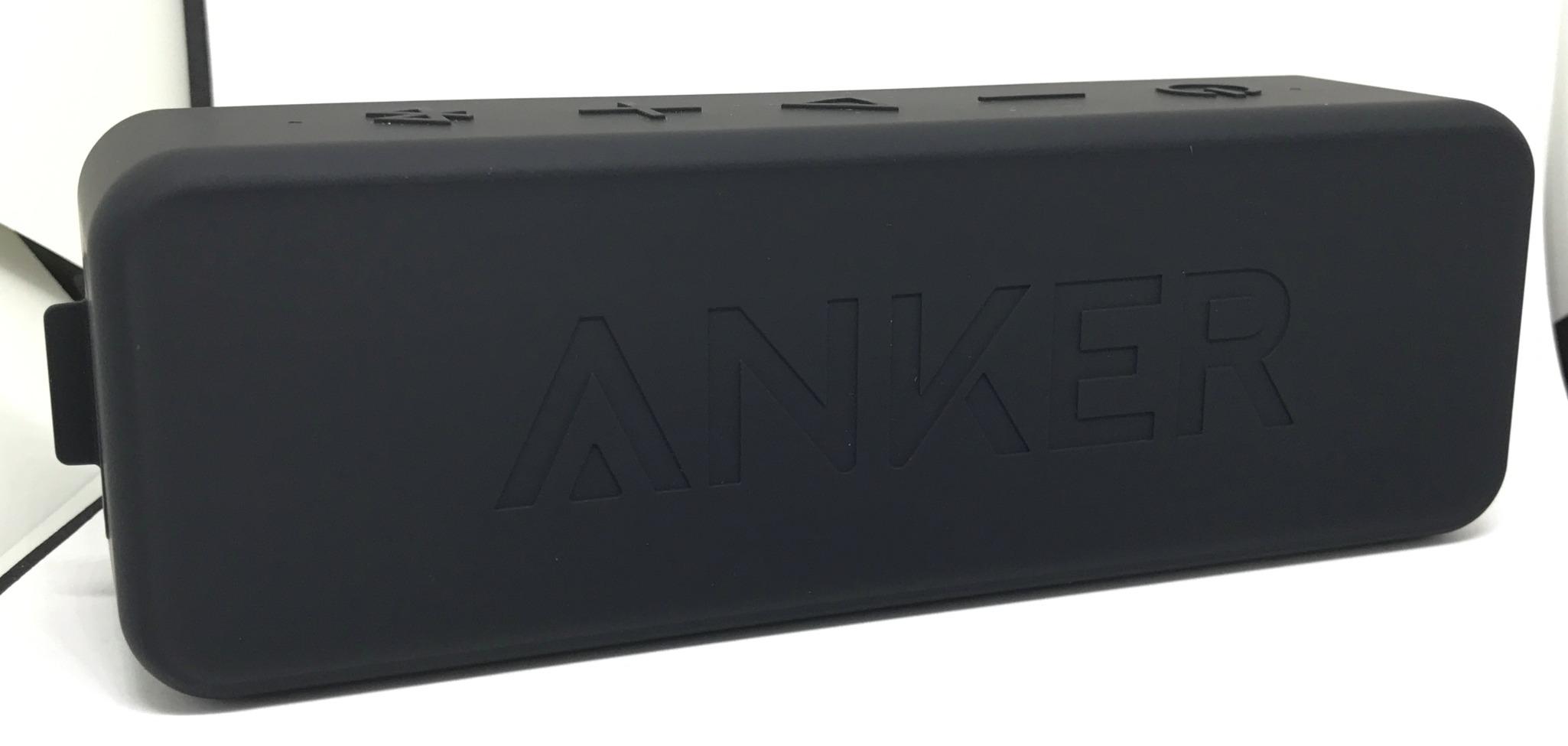
The waterproofing is the reason it stays in the list. An IPX7 shell survives splashes, waves and steam, so a sink, a shower stall or a wet picnic blanket is not a reason to move it indoors. Owners also like that the physical buttons are still there when the phone is in a pocket.
Sound is where expectations matter. Twelve watts through dual neodymium drivers with BassUp gives a lot of low end for something this small, which owners describe as fun for music and clear for podcasts. Listeners who want a flat, accurate stage tend to find it heavy.
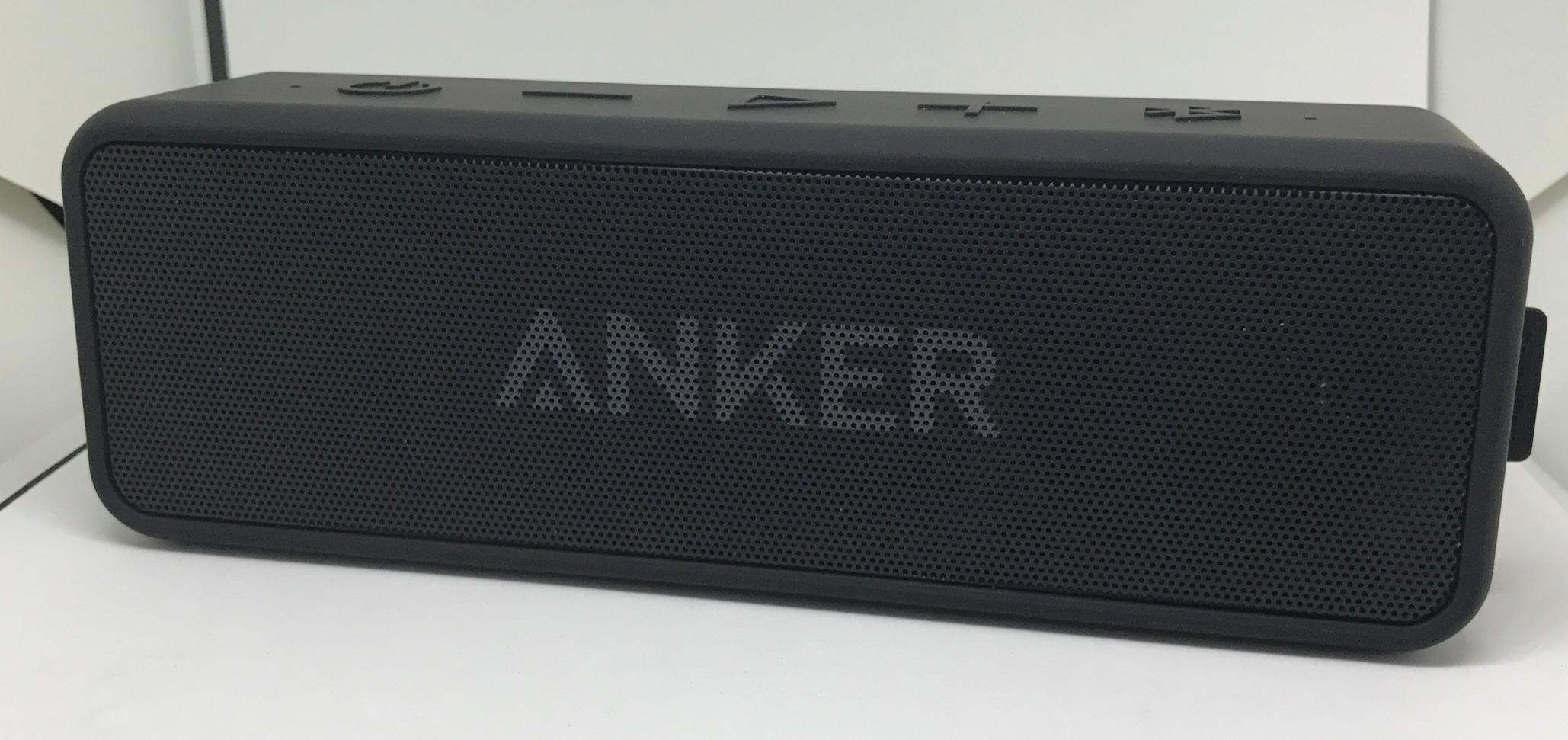
Compared with the Soundcore Anker 3 Speaker, this model gives up about four watts and some treble detail but carries a far larger base of owner reports. Compared with the P20i earbuds, it serves a room rather than one person.
Good to know: the input is auxiliary plus Bluetooth, with no USB playback, so a phone with no headphone jack needs an adapter. Two units can pair in stereo for a wider field.
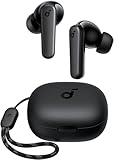
2. Soundcore P20i Earbuds: Best for Everyday Listening on a Budget
Soundcore by Anker P20i True Wireless Earbuds, with Big Bass, 30H Playtime
Type: True wireless earbuds
Standout: 30 hours with case
Weight: 1.6 oz with case
Pros
- Oversized 10mm drivers with boosted bass
- 30 hours total with the charging case
- 22 EQ presets in the soundcore app
- Two microphones with AI call processing
- Compact case with an attached lanyard
Cons
- Passive noise cancellation only
- Bass-weighted tuning tires some listeners over long sessions
These are the pair to watch if the goal is everyday sound without overspending. They run 10 hours per charge and 30 with the case, and a 10-minute top-up adds about two hours, which covers a long-haul flight and the airport wait afterwards.
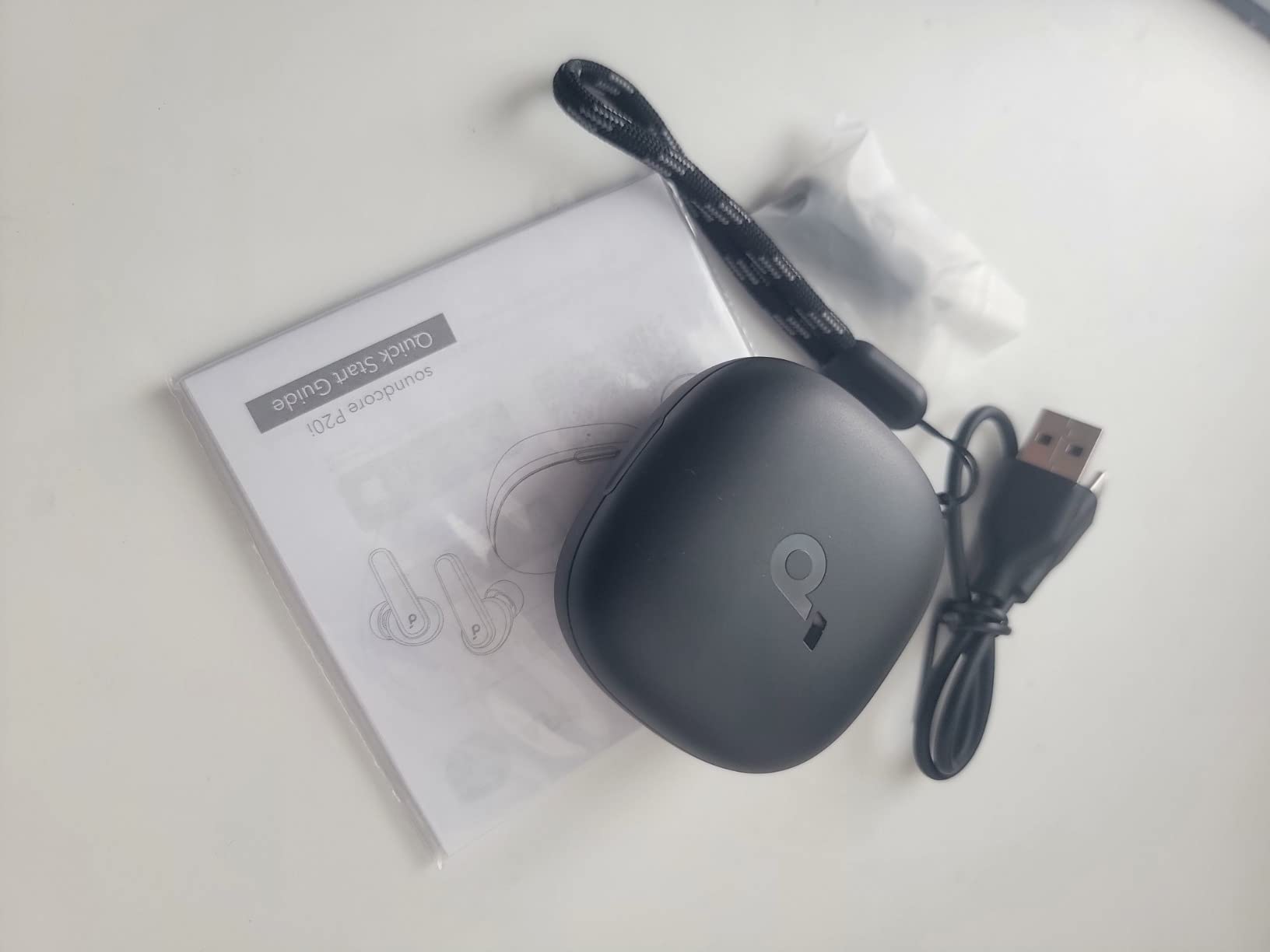
The app is the quiet strength. Twenty-two EQ presets and remappable touch controls mean two people in one household can set them up for different tastes, which is more than most earbuds at this level offer. Owners also mention that the case lanyard clips to a bag or a keyring and stays attached.
Noise handling is the compromise. The cancellation here is passive, meaning it comes from the seal of the ear tips rather than from microphones, so it takes the edge off steady hum but not much else. If a train or an office is the main soundtrack, read the Space A40 section first.
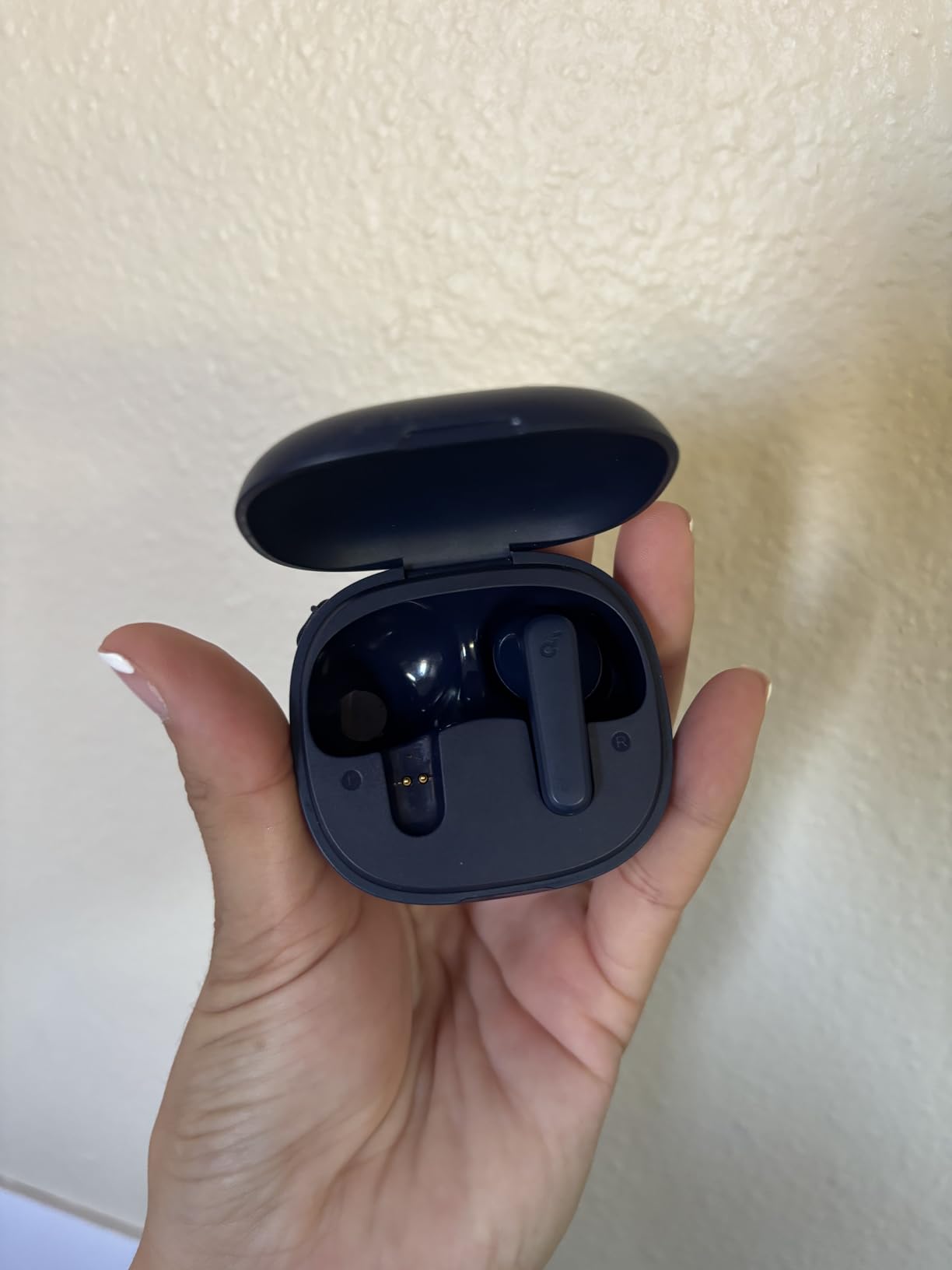
Against the P30i, the choice is straightforward. The P20i saves battery and outlay and skips the app-based noise cancelling; the P30i adds 42dB of adaptive cancellation and a case that props up a phone. Against the Soundcore 2, this is the private listening option rather than the shared one.
Skip it if: you need active noise cancelling for air travel, or you play a lot of acoustic and classical work without wanting to touch the EQ.
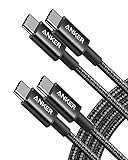
3. Anker 60W USB-C Cable: Best for Replacing Worn Cables
Anker USB C to USB C Cable, 60W Fast Charging Cable (2-Pack, 6 ft, Black)
Type: USB-C cable 2-pack
Standout: 60W Power Delivery
Weight: 3.5 oz
Pros
- Rated for 5000 bends by the reinforced nylon exterior
- Up to 60W with a USB-C charger
- 480Mbps data transfer
- Two 6 ft cables in the pack
- Hook-and-loop tie included for tidying a bag
Cons
- USB-C to USB-C only so it will not fit a Lightning device
- No video or display output
Two cables in one pack is the whole argument. Most people can name the cable that lives at the bottom of a bag and has been bent at the connector since last year, and this pack replaces both of them at once.
Sixty watts covers a phone, a tablet and most lightweight laptops, and 480Mbps data transfer handles file work without complaint. The nylon outer jacket is the part worth caring about: it is rated for 5000 bends, which is the number that separates a cable that lasts a year from one that lasts three.
Owners consistently mention the small hook-and-loop tie that comes in the box. It is the least interesting accessory in the package and the one people write about most.
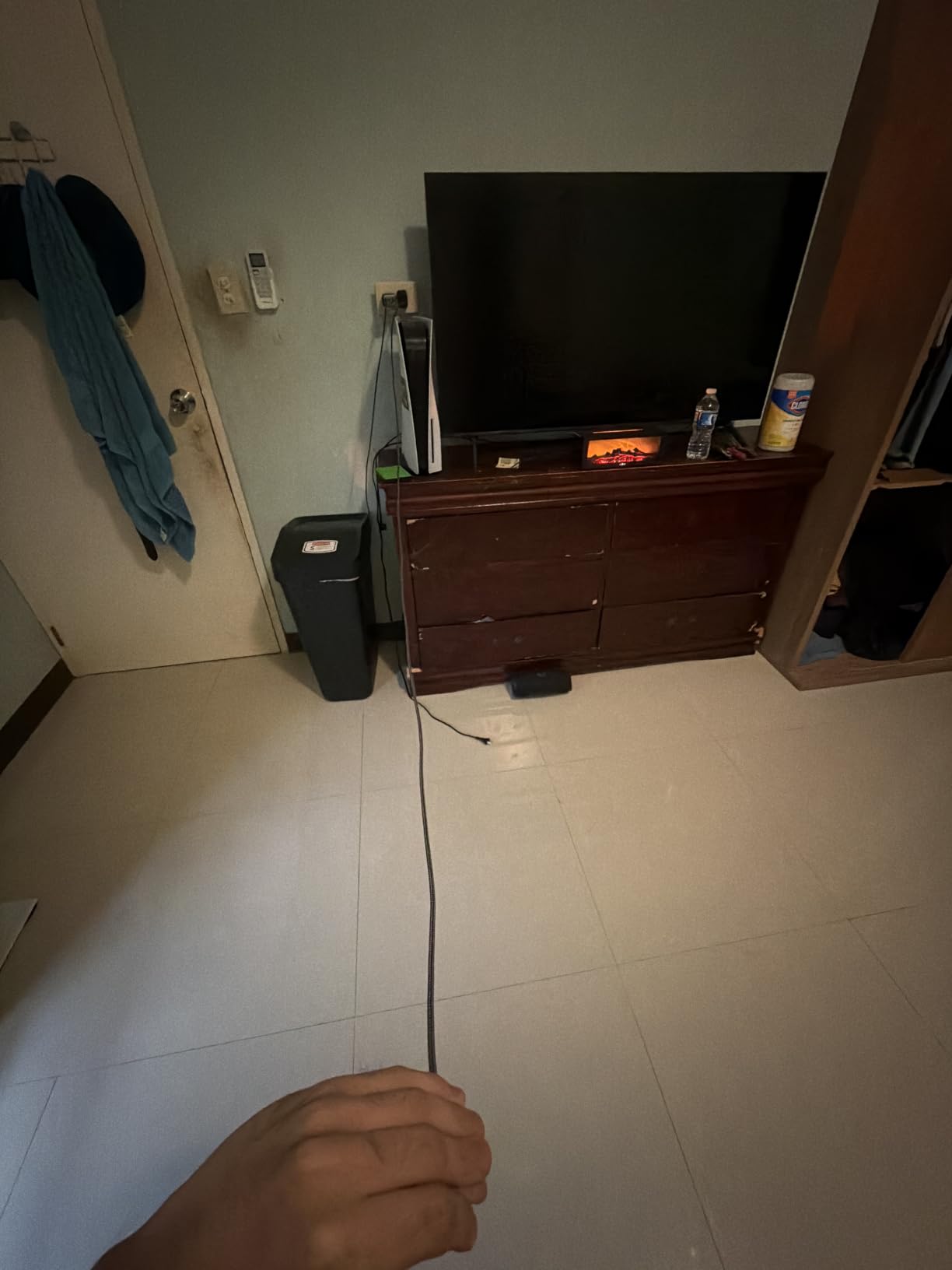
The limits are clear enough to state. These are USB-C to USB-C, so a Lightning phone or a USB-A charger will not connect, and there is no video output for a monitor. For a display or a dock, look at the Anker Prime 67W or the 200W station instead.
Good to know: 60W is the ceiling, not the result. A large laptop on a busy day will still ask for more than these deliver.
4. Anker Nano Pro 20W: Best for Bedside and Nightstand Charging
Anker 20W Nano Pro USB C Charger Block, Compact Fast Charger with PIQ 3.0
Type: Wall charger
Standout: 45% smaller body
Weight: 1.1 oz
Pros
- Ties for the highest star rating in this group
- Charges a phone to half in about 25 minutes
- Small enough to stay in the socket permanently
- ActiveShield with a temperature sensor and power tuner chip
- Reliable across years of daily use
Cons
- Cable not included
- Fixed prongs stick out in a bag
- Not for laptop charging
A charger that lives in the wall is one you stop noticing, and that is the whole design brief. This one is about 45 percent smaller than an original 20W brick, so it leaves the second socket free on a crowded strip.
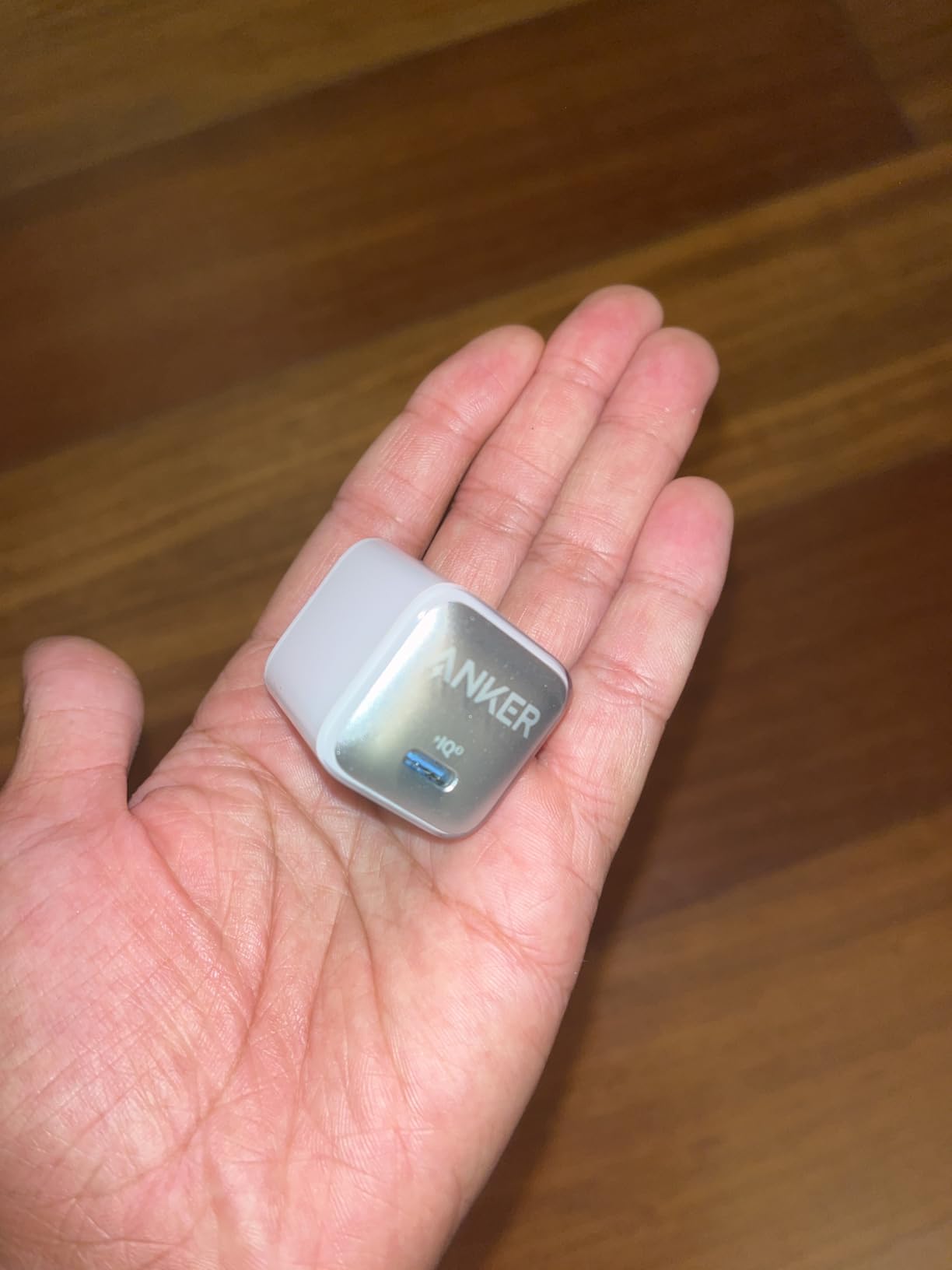
Twenty watts is full speed for current iPhones and fine for older Android handsets, a Nintendo Switch and most smartwatches. Owners report putting a phone from flat to half in roughly 25 minutes, which is fast enough to clear the morning and still leave the house on time.
Safety hardware is unusually explicit for a charger at this size. ActiveShield uses a dynamic temperature sensor and a power tuner chip, and the 18-month warranty covers the unit itself.
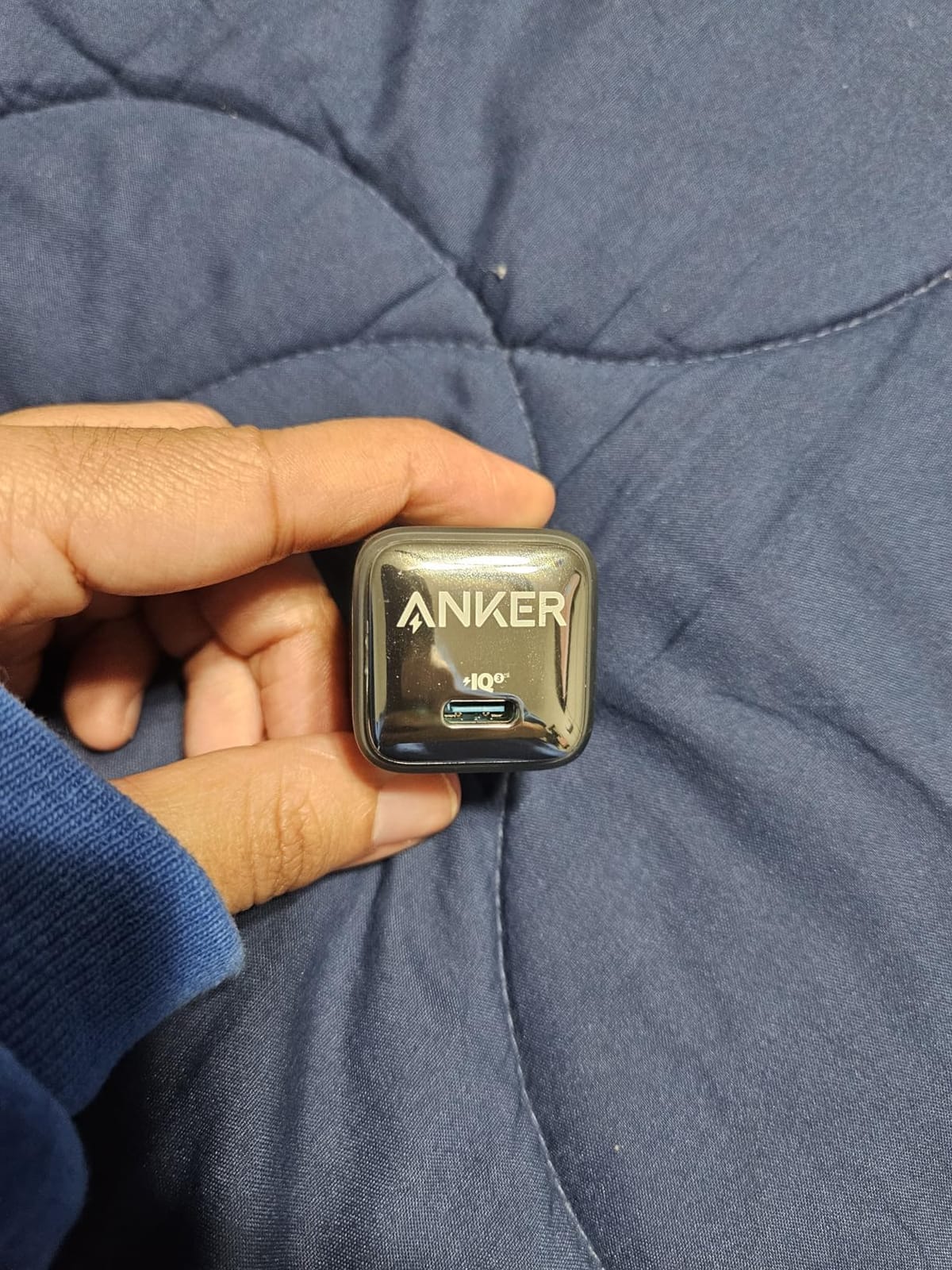
Two drawbacks keep coming up, and both are physical rather than electrical. No cable is included, so budget for one, and the prongs do not fold, which matters in a laptop bag but not at a nightstand.
Compared with the Anker Nano 30W, you trade ten watts for a slightly smaller footprint. Compared with the 60W cable above, this is the piece that turns a cable into a usable charging setup.
5. Anker Nano 30W: Best for Carry-On Bags and Hotel Rooms
Anker Nano Phone Charger, 30W Portble and Foldable USB C GaN Charger (White)
Type: Foldable wall charger
Standout: 30W with folding prongs
Weight: 1.6 oz
Pros
- Thirty watts in a body 70 percent smaller than the chargers it replaces
- Folding prongs keep the face flat in a bag
- ActiveShield 2.0 samples temperature over 3 million times a day
- Handles phones tablets earbuds and a MacBook Air in a pinch
Cons
- Cable not included
- Single port so one device at a time
- Some extra heat when paired with a magnetic wireless pad
The fold is the reason this one travels. Prongs that collapse flush mean the charger lands face-down in a bag instead of hooking into a lining, which is how most travel chargers arrive at a hotel scratched.
Thirty watts is a step up from the Nano Pro and still small enough to ignore. Owners mention an iPhone Pro reaching half in about half an hour with PPS, and a tablet or a smaller notebook handled without complaint.
The single port is the real limit. One device at a time, no second phone, no earbuds and phone together. Anyone travelling with two devices should read the 67W section instead.
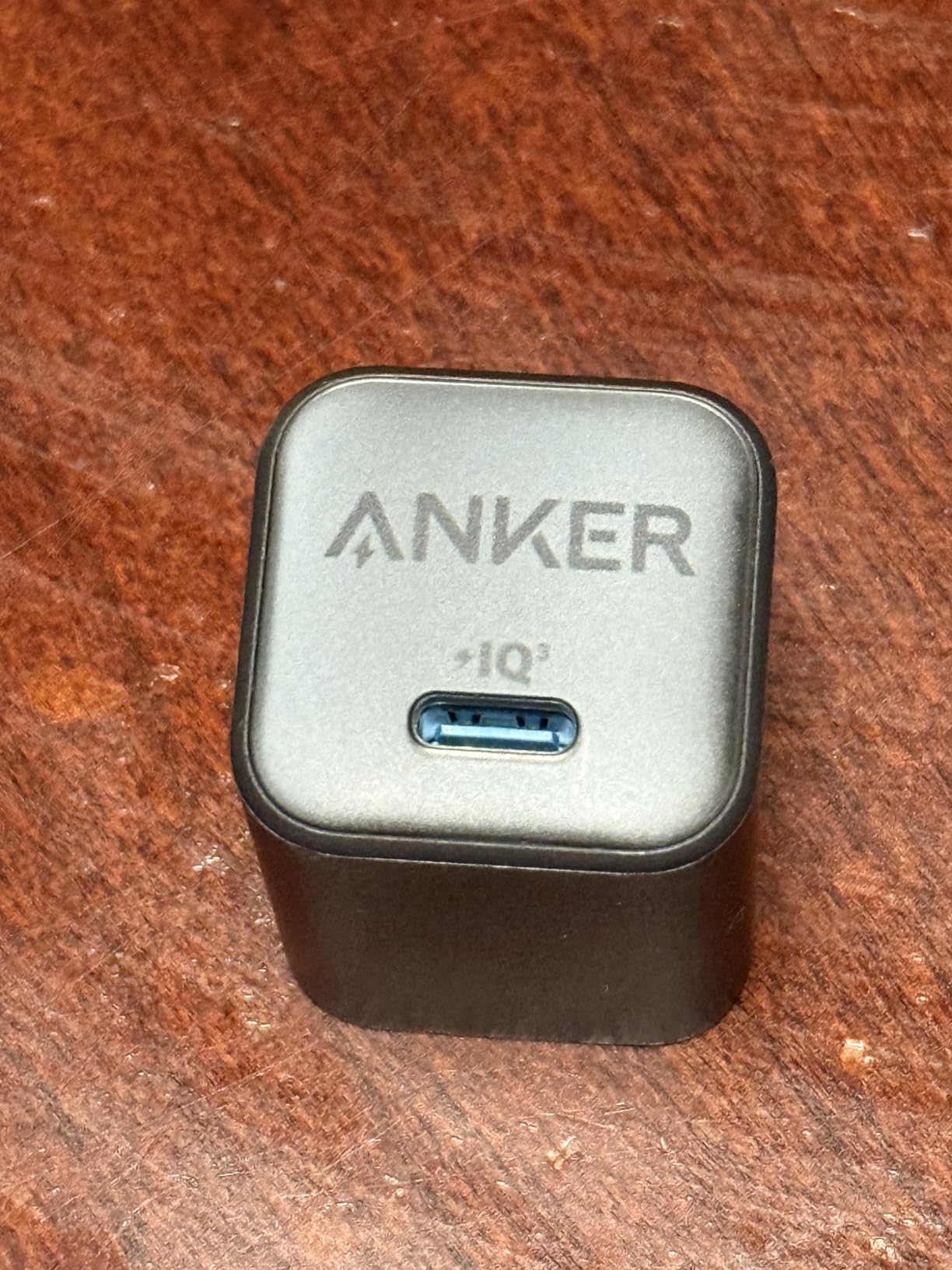
One smaller note from owners: pairing it with a magnetic wireless charging pad can produce more heat than either device alone. Nothing alarming in the reports, but worth knowing if you already own a wireless pad.
Side by side with the Nano Pro, this is the travel version of the same idea: more output, folding pins, one port. The Nano Pro stays plugged in; this one goes in the bag.
6. Soundcore Space A40: Best for Hi-Res Wireless Audio
Soundcore by Anker Space A40 Adaptive Active Noise Cancelling Earbuds
Type: ANC earbuds
Standout: LDAC hi-res audio
Weight: 0.6 oz per bud
Pros
- LDAC support for hi-res wireless audio
- 50 hours of total playback with the case
- Call quality is praised even against much pricier rivals
- Multipoint pairing and fast reconnection
- An 18-month warranty backed by responsive support
Cons
- Claimed 98 percent noise blocking falls short in real rooms
- Touch controls sometimes register the wrong gesture
- Loose fit during exercise
This is the one to consider when the music matters more than the flight. LDAC support means a compatible phone can push far more detail than a standard Bluetooth connection, and the double-layer diaphragm drivers are built to use it.

Battery is generous for the class. Ten hours per charge and about fifty in total with the case, plus a fast top-up, covers a long week without a cable in sight. The buds themselves are light at 18 grams, and the case is small enough to clip to a keyring.
The honest caveat is the noise cancelling. Owners report that the advertised 98 percent blocking sounds better in a specification than in a busy cafe, where voices and steady air noise still come through. It works well on aircraft rumble and traffic, less well on speech.
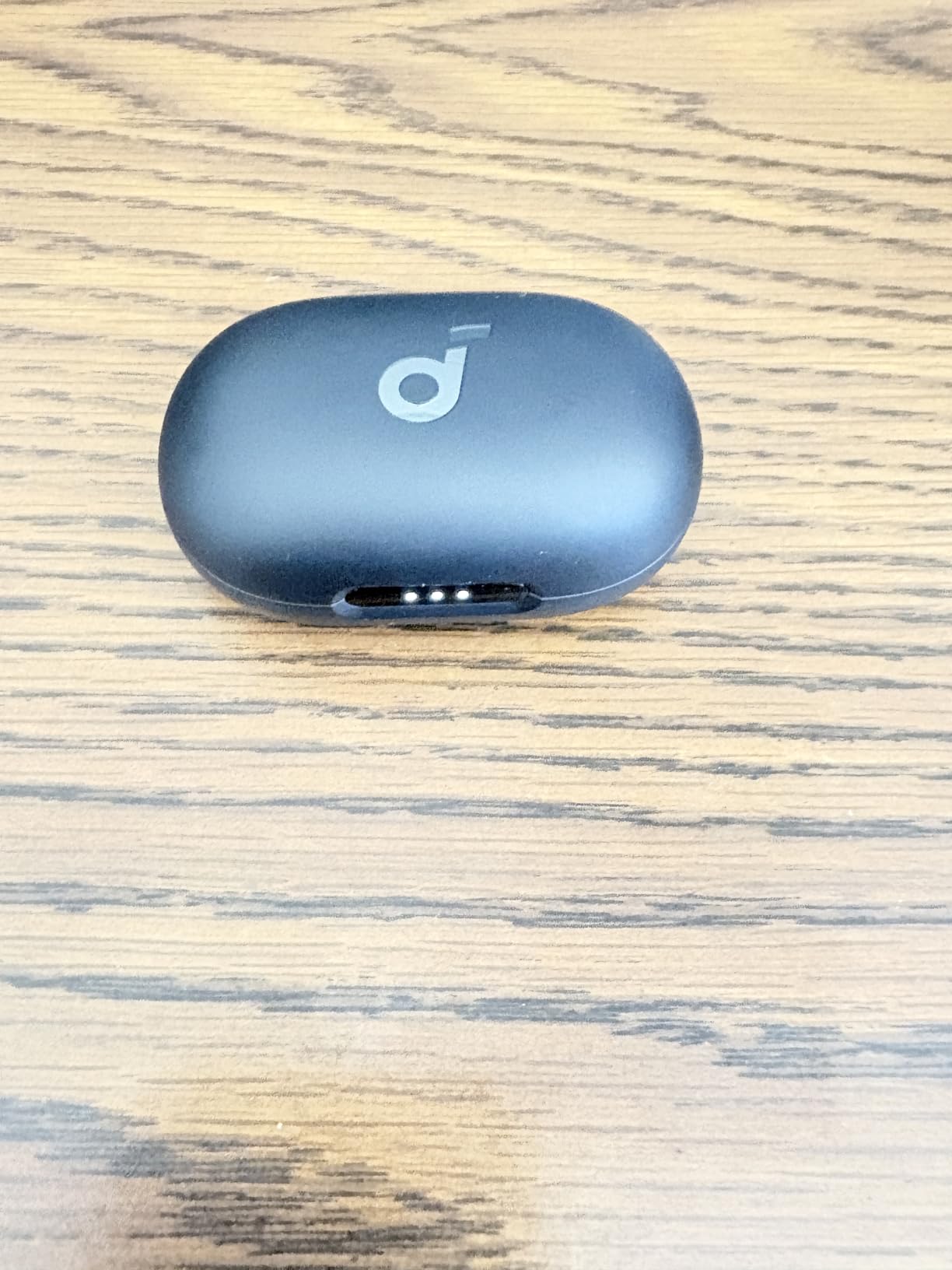
This model also carries the lowest average rating in the group at 4.2, with more one-star reviews than any other pick, most of them about fit, touch controls and the seal. If you have small ears or run hard, try the P30i first.
Compared with the P30i: better detail and much better microphones, weaker real-world cancellation and a smaller case that does not double as a stand.
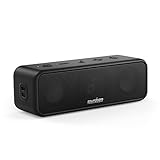
7. Soundcore Anker 3 Speaker: Best for Rooms That Need More Volume
Soundcore Anker 3 Portable Bluetooth Speaker, IPX7 Waterproof, 24H Playtime
Type: Bluetooth speaker
Standout: 16W titanium drivers
Weight: 13.1 oz
Pros
- Dual titanium diaphragm drivers reaching 40kHz treble
- 16W stereo output for the size
- About 480 songs per charge on a 24-hour battery
- Dual passive radiators add bass at low volume
- Soundcore app with custom EQ and PartyCast
Cons
- Bluetooth range of about 10 meters is short
- Four-hour charge time is slow for the capacity
If a portable speaker is going in the kitchen or a patio rather than a rucksack, the extra four watts here are worth more than anything else on the list. Titanium diaphragms keep the top end clean when the volume comes up, which is where small speakers break first.

The 6700mAh battery adds roughly 480 tracks of playback, and dual passive radiators do the work that small speakers normally fake. Owners specifically mention that the bass still lands at low volume, not just turned up.
The app adds a custom EQ and a PartyCast mode that chains multiple speakers. Useful if the Soundcore 2 already covers the bedroom and this one handles the rest of the house.
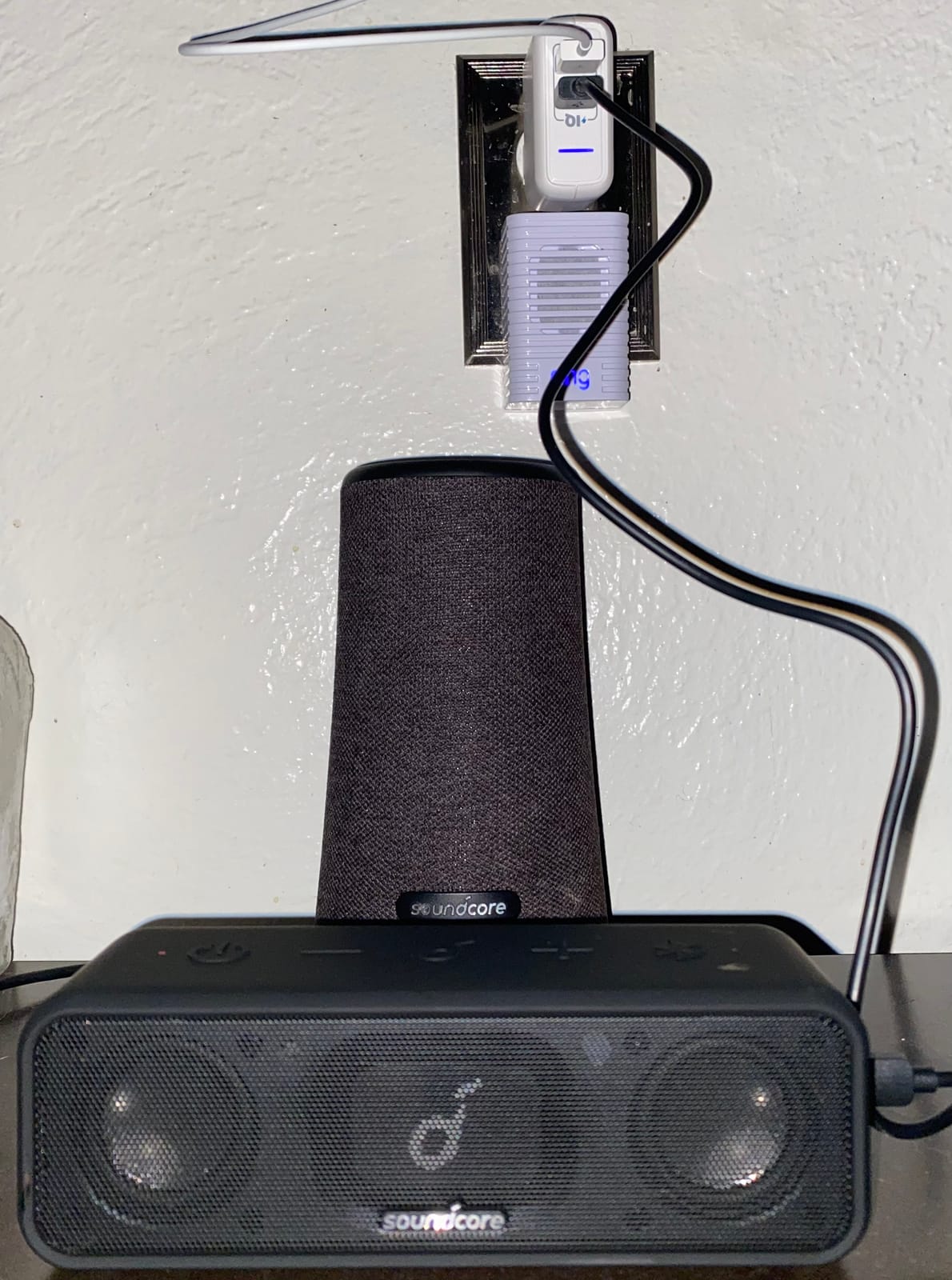
Two limits are consistent across the reviews. Roughly 10 meters of Bluetooth range is short enough that the speaker stays in the same room as the phone, and a four-hour recharge means it is ready by the next evening rather than the next hour.
Against the Soundcore 2, treat this as the step up rather than the alternative: cleaner at volume, app-controlled, less convenient on Bluetooth range and recharge time.
8. Anker Prime 67W: Best for Laptops, Tablets and Travel
Anker USB Charger Block, 67W GaN Wall Charger, 3-Port Compact Fast Charging
Type: 3-port wall charger
Standout: 67W across 3 ports
Weight: 5.1 oz
Pros
- 51 percent smaller than the original 67W laptop charger
- Two USB-C ports plus one USB-A for three devices
- 65W available across two ports
- Folding plug keeps the face flat in a bag
- 24-month warranty
Cons
- The two USB-C ports sit close together
- Power is shared so full output is not available on every port
- No cable included
Most travel kits are three wall plugs and a small argument about which one to unplug. This replaces the set: a notebook, a tablet and a phone from one brick that is barely bigger than the largest of them.
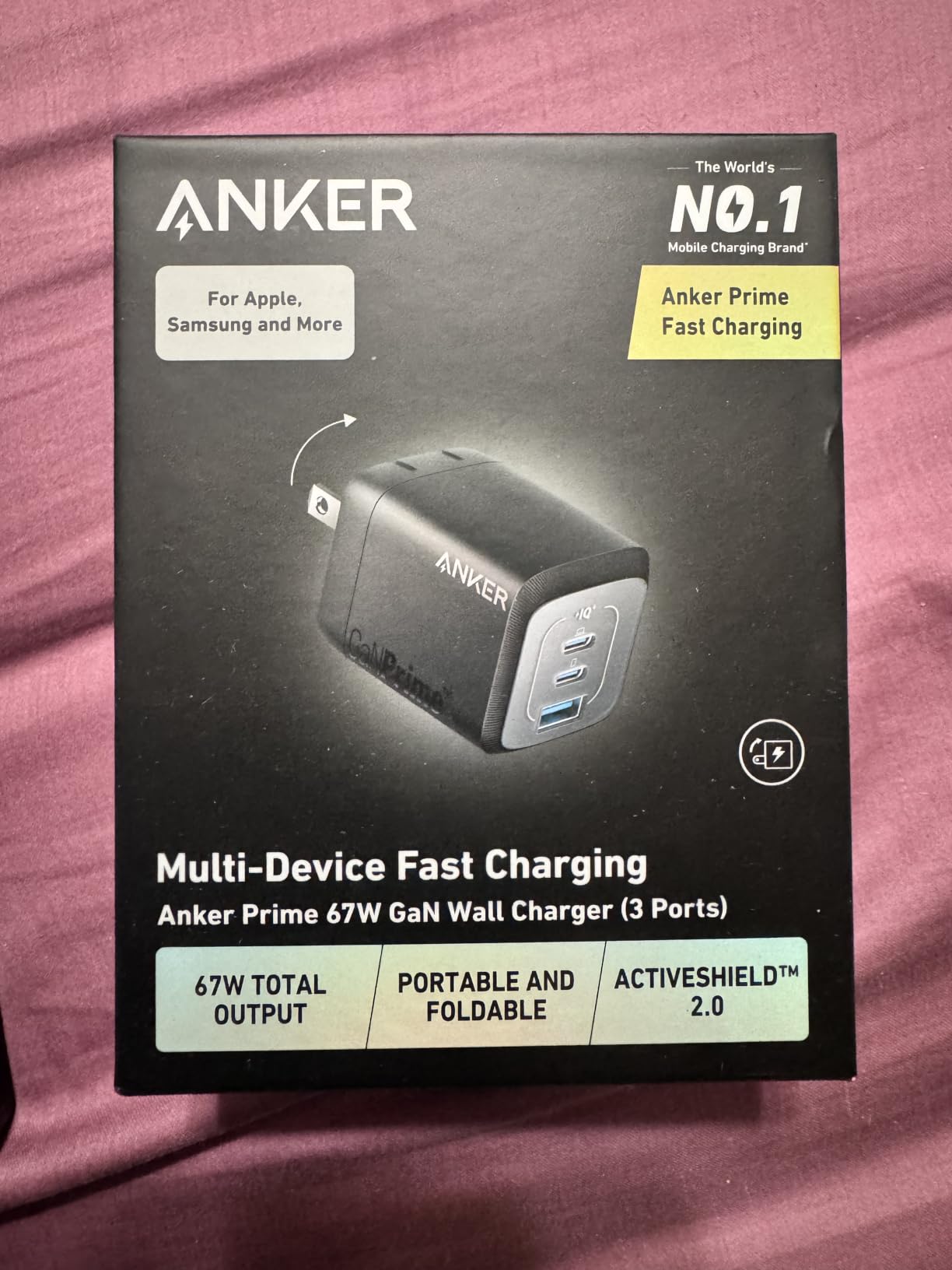
The GaN internals do the size work. At 51 percent smaller than the original 67W charger, it disappears into a laptop sleeve, and the folding plug means it lands face-down rather than scratching whatever sits beside it.
Owners report running a MacBook Pro alongside smaller devices without heat problems. Where it falls short is spacing: the two USB-C ports sit close enough that thick or angled connectors cannot sit side by side, which matters if you use a laptop brick-shaped cable.
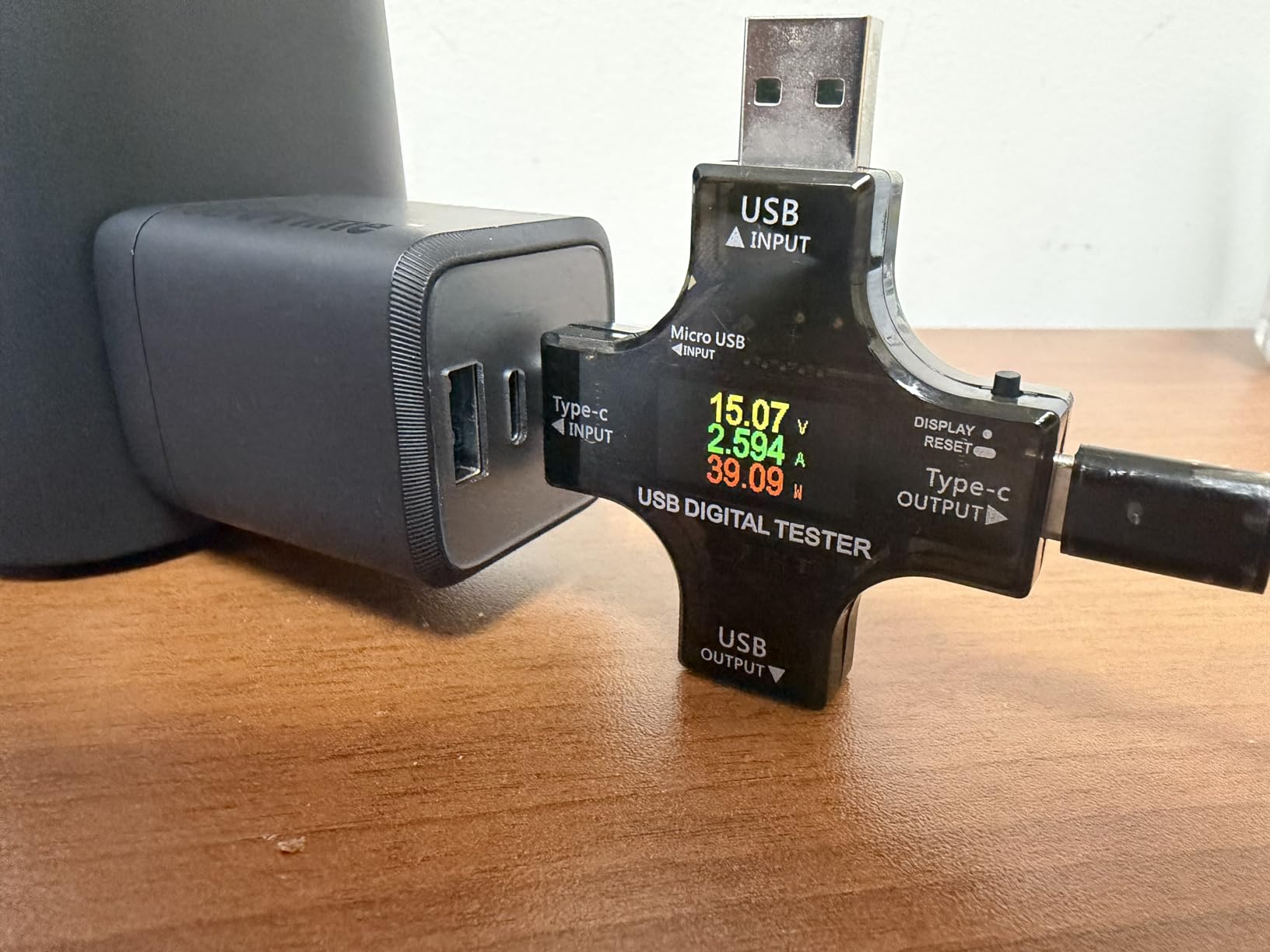
Output is shared across ports, so 67W is the single-device ceiling rather than what every port delivers at once. Two ports together cap at 65W.
Good to know: no cable is in the box. Pair it with the 60W two-pack above and a full travel charging setup fits in a laptop sleeve.
9. Anker 140W 4-Port: Best for a Single-Cable Desk Setup
Anker 140W Max 4-Port GaN Charging Blocks,Smart Display for MacBook Charger
Type: Desktop charger
Standout: 140W with smart display
Weight: 9.7 oz
Pros
- Up to 140W on a single USB-C port
- High-definition display shows charging status and temperature
- Four ports cover a whole desk from one block
- Bundled 5 ft 240W USB-C cable saves a purchase
- A metal enclosure that resists desk knocks
Cons
- Heavier and larger than a travel GaN brick
- The USB-A port delivers far less output
- Some early units reported hardware problems
The display is the detail that changes daily habits. It reports charging status, temperature and port detail on a small color screen, so you can see what the desk is drawing instead of guessing from a phone at midnight.
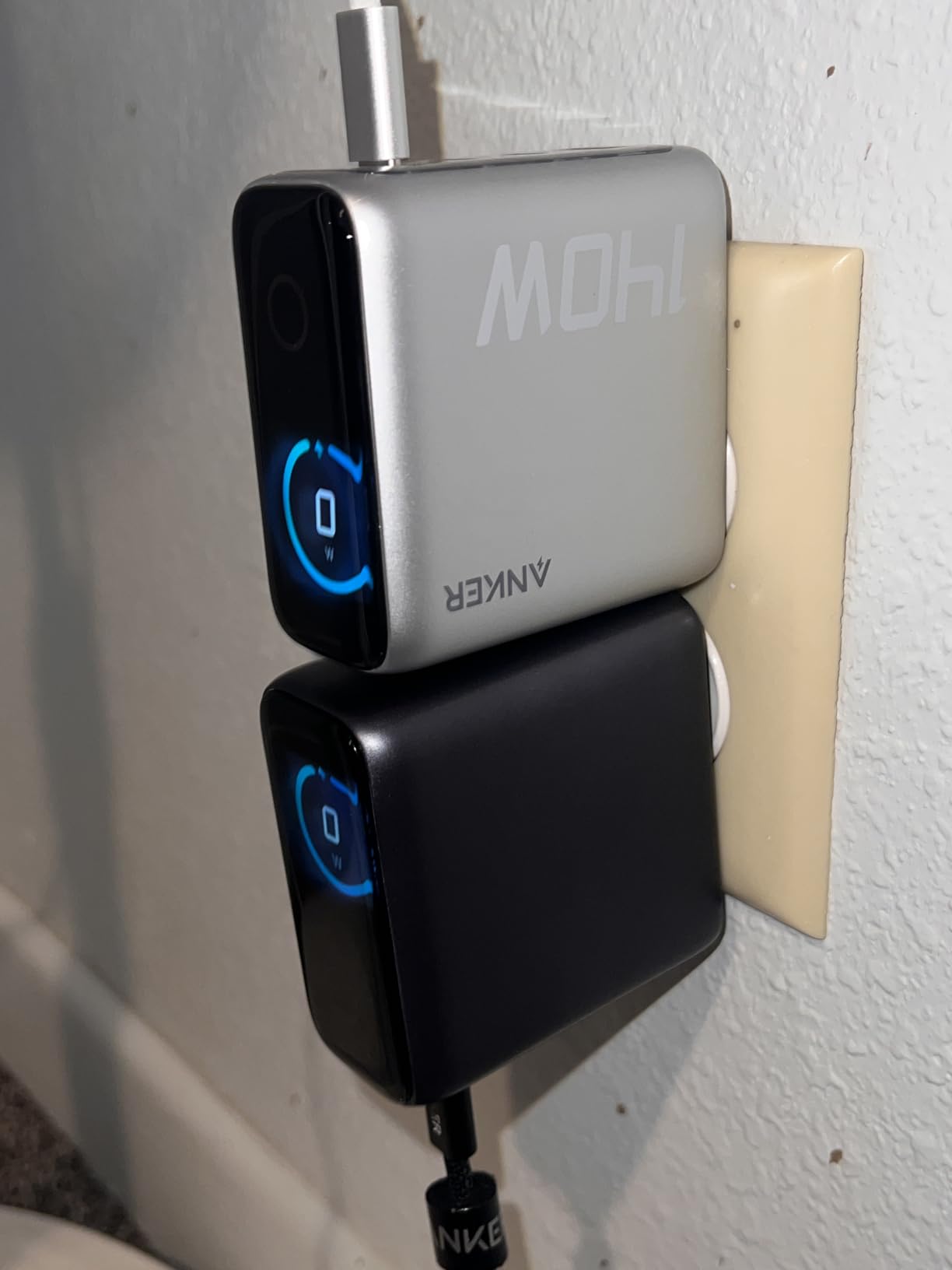
Output is the real headline. Two USB-C ports deliver up to 140W each, which owners say takes a 15-inch MacBook Air from flat to half in about half an hour. A 5 ft 240W cable comes in the box, so you do not need to buy one separately.
Safety monitoring is unusually thorough, with ActiveShield 4.0 sampling device temperature over ten million times a day. The enclosure is metal rather than plastic, which suits a desk better than a suitcase.
This is the pick with the widest spread in its reviews. The average is 4.4, and around one review in nine is one-star, with those tending to describe early hardware faults rather than preference. The 4.4 average also sits below the 4.8 that the two small wall chargers earn.
For a desk that never moves, the Prime 200W below covers more ports. For a desk that travels, the 67W is smaller and lighter.
10. Anker Prime 200W: Best for a Shared Family Desk
Anker Prime Charging Station, 200W 6-Port GaN Desktop Charger
Type: Desktop charger
Standout: 200W across 6 ports
Weight: 1.2 lb
Pros
- Two hundred watts spread across six ports
- Two USB-C ports at up to 100W each
- Two 14-inch MacBook Pros to half in 28 minutes
- Footprint about the width of a phone
- 24-month warranty
Cons
- Not designed for travel
- One pound and a 5 ft cord add desk clutter
- Output divides when all six ports are busy
Where the 140W block serves one desk, this one serves a household. Six ports and 200W means two notebooks, two phones and a pair of earbuds can all charge from a single unit on one cable to the wall.
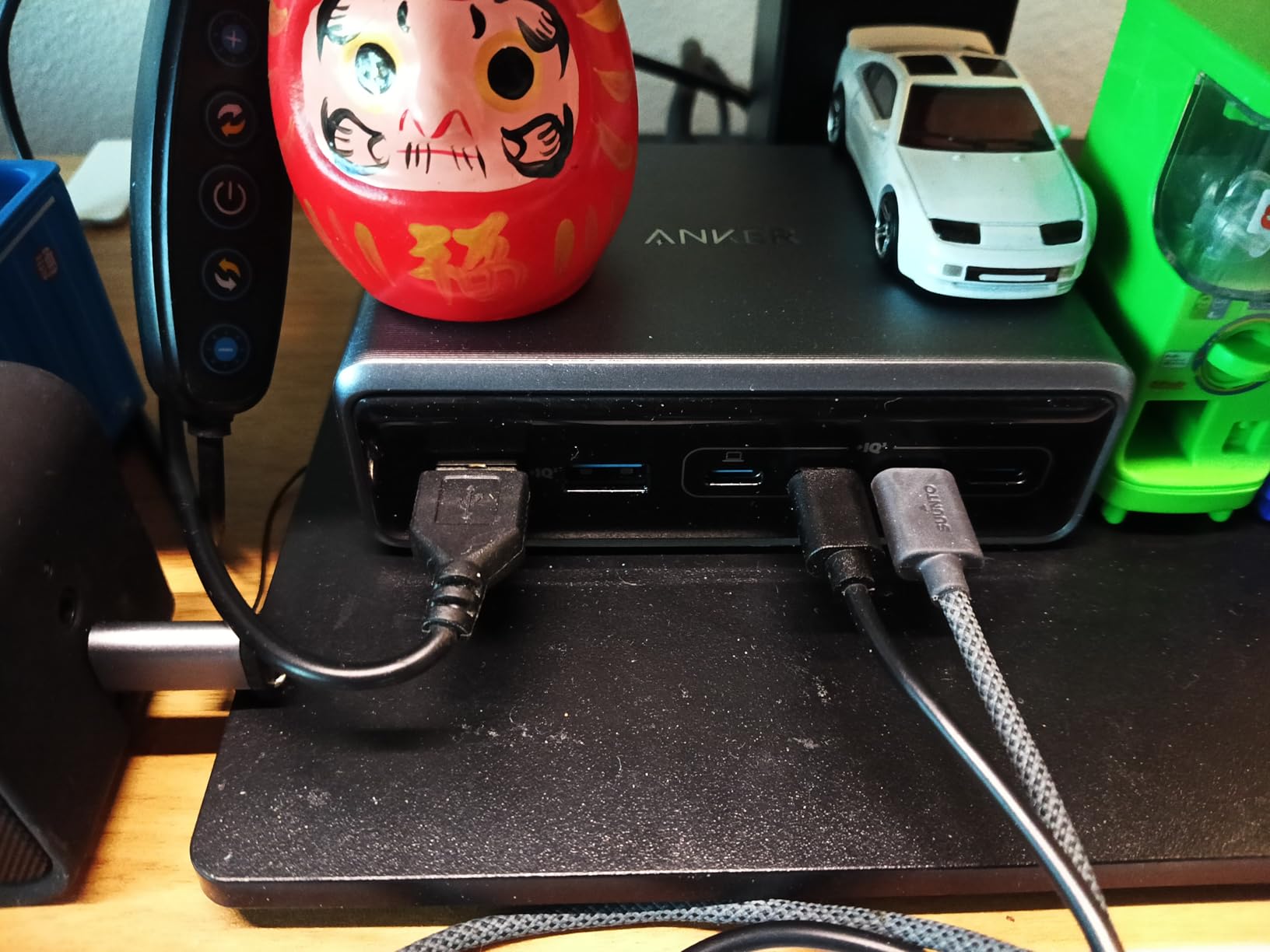
The math is the argument. A 14-inch MacBook Pro reaches half charge in about 28 minutes on either 100W USB-C port, and the unit tracks temperature continuously while it does it, so a long evening of charging several devices at once is covered rather than hoped for.
Owners like that the base is roughly as wide as a phone and stays put without a heavy brick to hold it down. At 1.2 pounds it is not going anywhere, which is a feature in a shared room and a problem in a suitcase.
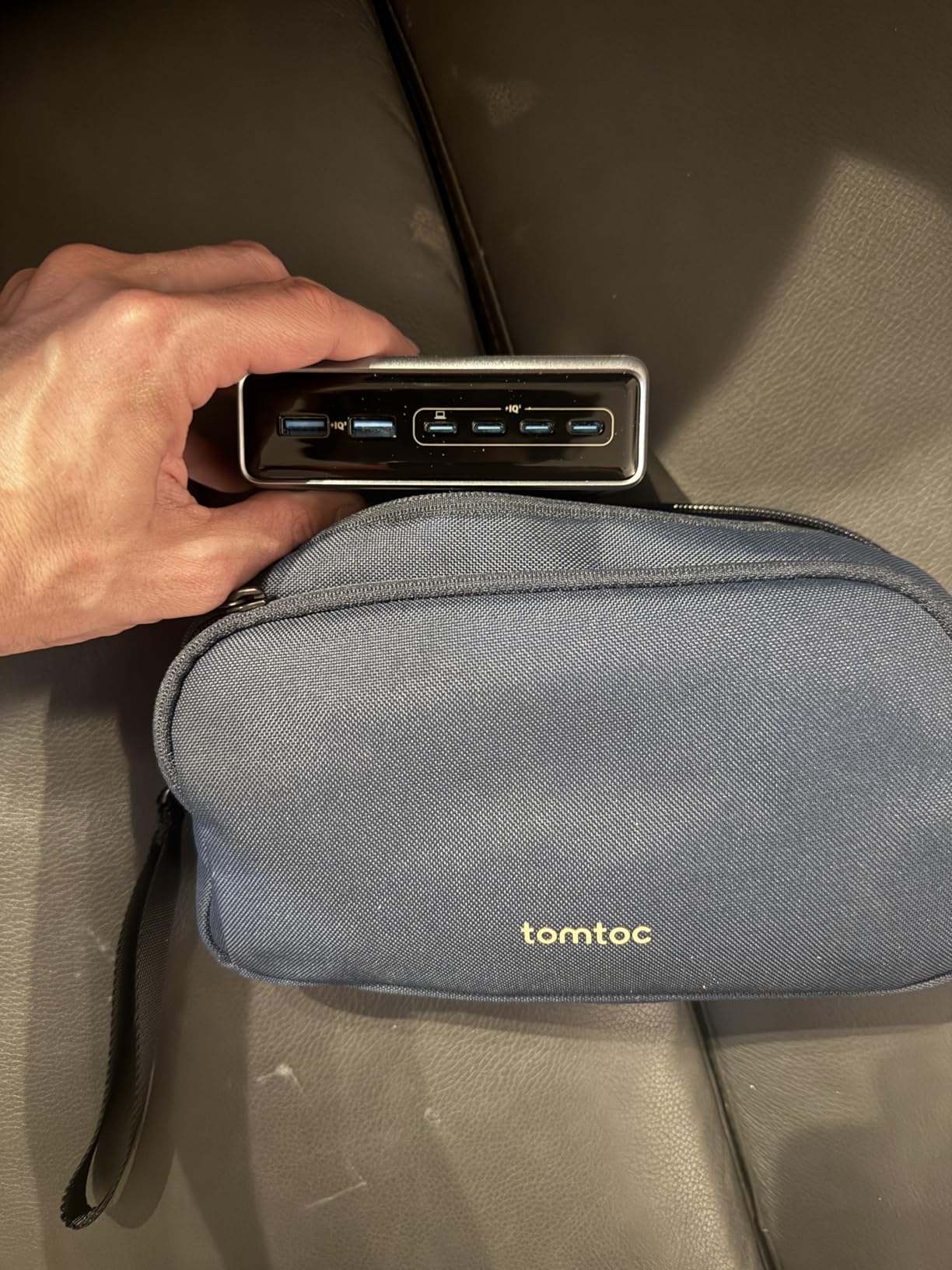
The manufacturer states plainly that this is not a travel product. The five-foot cord is part of the design rather than an oversight, so plan the desk around it instead of routing power across furniture.
Compared with the 140W block, the difference is port count rather than quality: more ports and more total output here, a lighter build and a travel-friendly form there. Both hold a 24-month warranty.
11. Soundcore P30i: Best for Budget Noise Cancelling
Soundcore P30i by Anker Noise Cancelling Earbuds, Hands-Free Viewing
Type: ANC earbuds
Standout: 42dB adaptive ANC
Weight: 4.2 oz with case
Pros
- Adaptive noise cancelling reduces noise by up to 42dB
- Case folds open as a phone stand for video
- 45 hours of total playback with the case
- Four microphones with AI processing for calls
- App support with EQ and custom touch controls
Cons
- Bass-heavy default tuning sounds muddy on acoustic music
- Fit varies with ear size which also affects the seal
- Transparency mode sounds artificial
Active noise cancelling used to mean a second pair of expensive earbuds. This one brings adaptive cancellation that adjusts to the room, cutting up to 42dB, in a class that usually costs several times that.
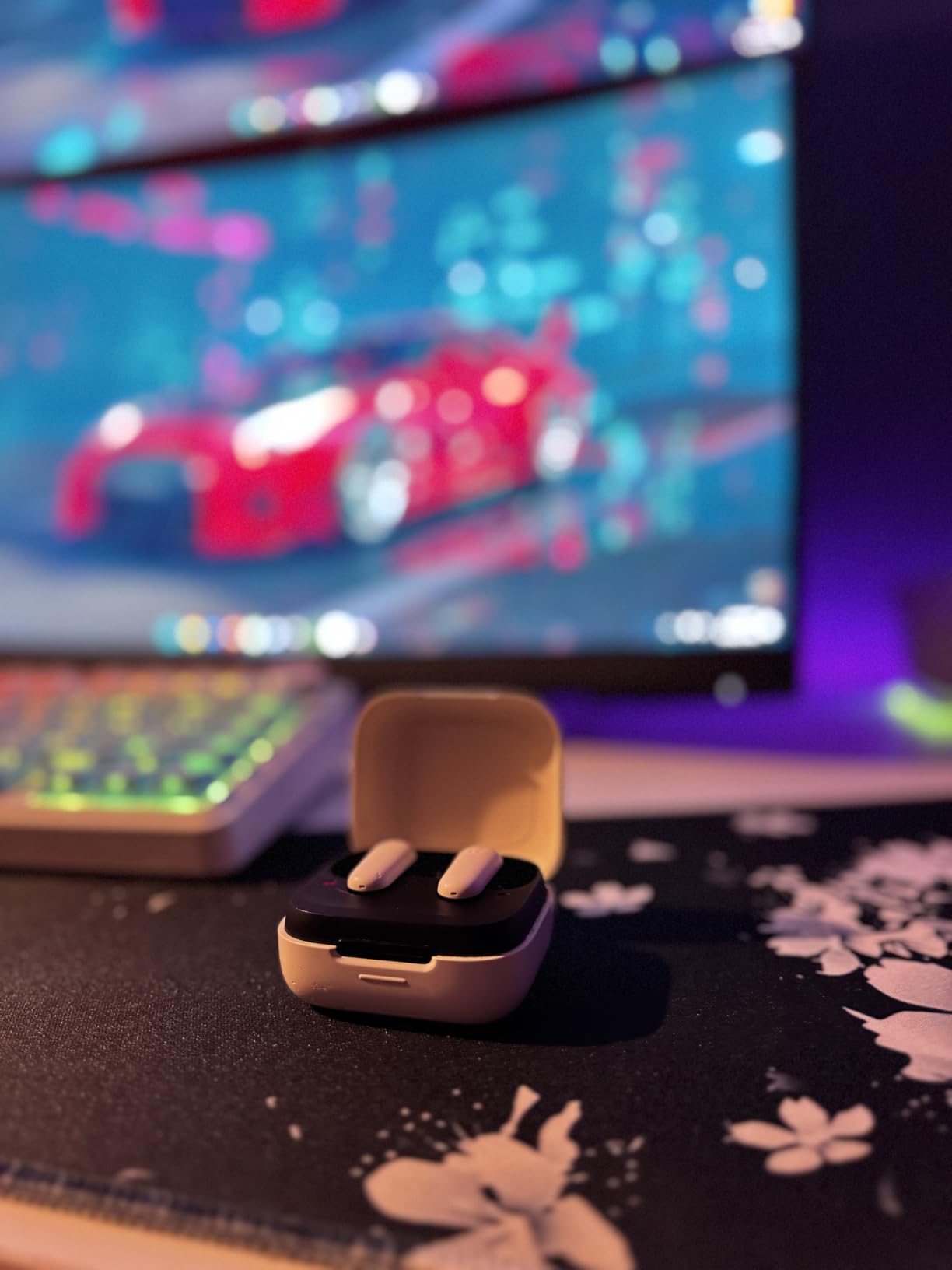
The case is the sleeper feature. Open the back panel and it props up a phone, which turns a long flight or a desk lunch into a small screen with sound and no separate stand in the bag.
Battery runs 10 hours per charge and 45 with the case, and a 10-minute charge adds about two hours. Four microphones handle calls, which owners across the reviews rate well above what this class usually manages.
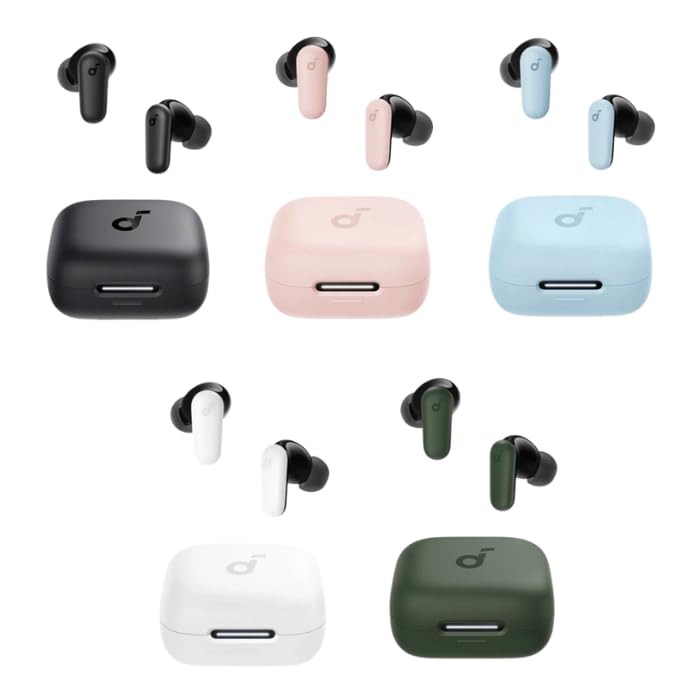
The trade-offs cluster around sound and fit. The default tuning is bass-heavy, which reviewers describe as fun until they play something acoustic, and the seal that makes the cancellation work varies with ear size. Budget plastic is the other recurring note.
Against the P20i, you gain real cancellation and the stand case. Against the Space A40, you give up hi-res audio and microphone quality but keep a pair that suits commuting rather than listening.
12. Anker SOLIX C300: Best for Outages, Camping and Off-Grid Power
Anker SOLIX C300 Portable Power Station, 288Wh Solar Generator for Camping
Type: Portable power station
Standout: 288Wh and 300W
Weight: 9.1 lb
Pros
- 288Wh of LiFePO4 capacity rated for 3000 cycles
- 300W continuous output with 600W surge
- Eight outputs covering AC car socket USB-C and USB-A
- Reaches 80 percent from a wall outlet in about 50 minutes
- Quiet at 25dB and carries a 5-year warranty
Cons
- The shoulder strap is sold separately
- Not compatible with the older PS30 PS200 or PS400 panels
- Heavy at 9.1 lb for casual carrying
This is a different kind of purchase from everything else here. A power station is not a faster charger, it is a different answer to the same question when the wall socket is far away or not there at all.
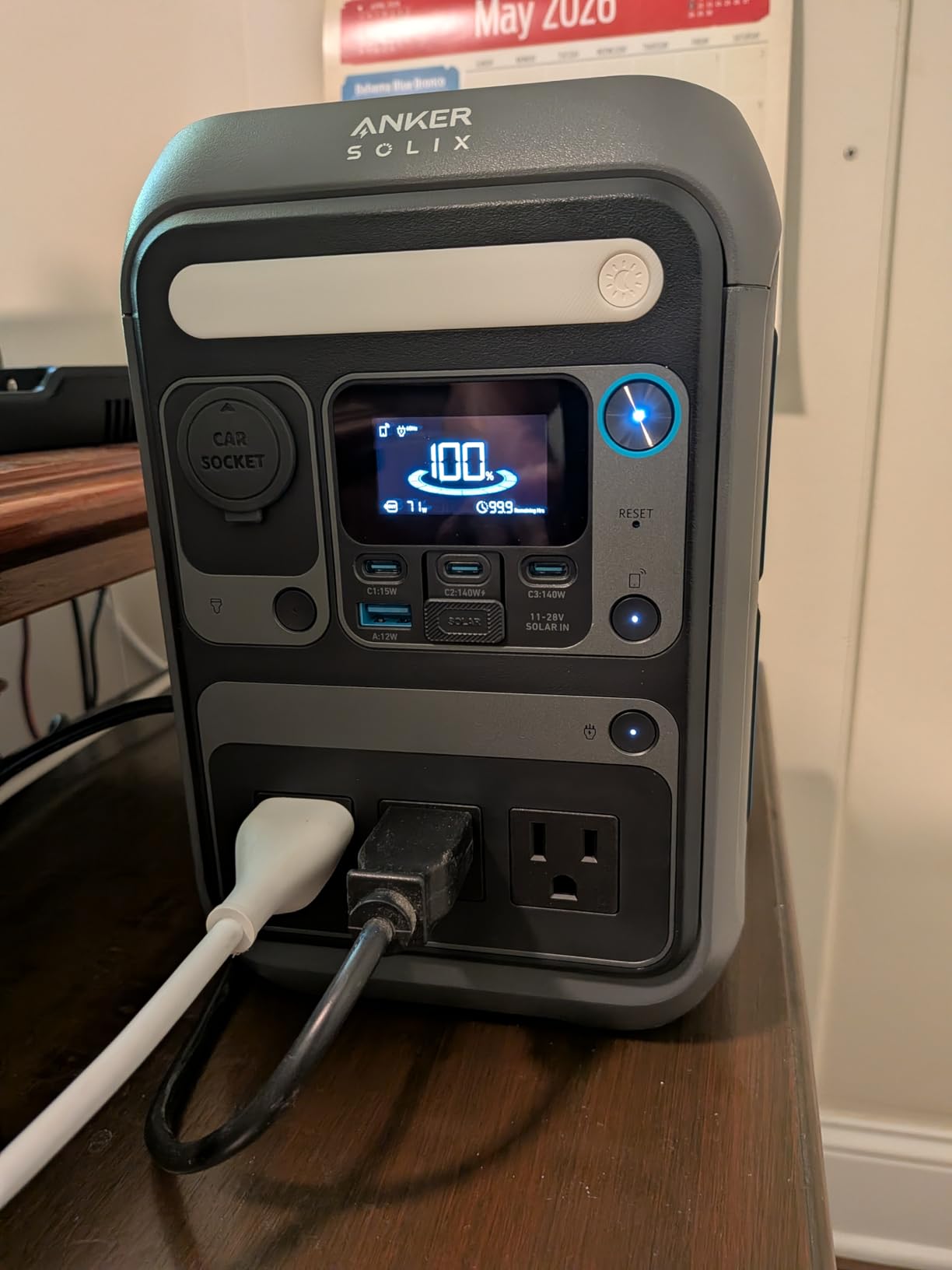
288Wh of LiFePO4 capacity with 300W continuous output covers a long evening of lights and laptops, and the 600W surge rating handles appliances with a motor that draws power in a spike. Two USB-C ports at 140W each mean a notebook charges at full speed from the same box.
Refill time is the number that changes plans. Owners report about 50 minutes from empty to 80 percent on a wall outlet, and the unit works with 100W and 60W Anker solar panels for slower top-ups off-grid. The five-year warranty matches the cell life rating of 3000 cycles.

Read the compatibility note before buying panels. This unit does not pair with the older PS30, PS200 or PS400 panels, and the shoulder strap is a separate purchase.
At 9.1 lb it is the heaviest item here and not a casual day bag, though it is 15 percent smaller than comparable designs and runs quietly at 25dB. Anyone who only needs a phone top-up should look at a power bank instead.
How to Choose Power and Charging Deals During Prime Big Deal Days
Charging Compatibility and Device Support
Start with the connector and the protocol, not the wattage. Everything in the charging half of this list is USB-C, and a cable that carries Power Delivery only charges a device as fast as the device allows. Check whether you still own anything with a Lightning port before buying a single USB-C cable, because this two-pack will not fit it.
Wireless charging is a separate decision. None of these picks include a Qi2 or MagSafe pad, so if your phone charges best that way, the wall chargers here will not help.
Power Output and Charging Speed
Match the output to the largest device you intend to charge. A phone is satisfied by 20 to 30W, a tablet wants more, and a notebook generally needs 65W or above. Anything under 30W will not charge a laptop at a useful rate.
Watch how output is described. The 67W charger delivers 67W to a single device and 65W across two ports, and the 200W station divides its total when every port is busy. Treat a headline wattage as a ceiling, not a promise.
Capacity for Travel and Outages
Battery figures only mean something once they are converted into device charges. The earbuds here run 10 hours per charge and 30 to 50 with the case, so a weekend away needs no capacity planning at all. A 288Wh station like the SOLIX C300 is the tier where a long outage becomes manageable.
Check the recharge time before the capacity. A unit that takes four hours to refill, such as the Soundcore Anker 3 speaker, is fine for a weekend and awkward for daily use.
Size, Weight and Everyday Portability
Desk chargers and travel chargers are not interchangeable. The 200W station sits at 1.2 lb and includes a five-foot cord, and the manufacturer says plainly that it is not for travel. The Nano 30W folds its prongs and disappears into a laptop bag, which is the opposite trade.
Water resistance matters outdoors. Both speakers here carry an IPX7 shell, which covers splashes and waves but says nothing about submersion.
Warranty, Bundle Contents and Seller Details
An 18-month warranty is standard on most of this list, and two desktop chargers carry 24 months while the portable power station carries five years. Longer coverage on a battery matters most, because that is the part most likely to fail first.
Check the box contents before buying. The wall chargers at 20W, 30W and 67W come without a cable, while the 140W block includes a 5 ft 240W cable. Who sells the listing matters too: a marketplace seller rather than the brand’s own storefront can change what arrives.
How to Shop Power and Charging Deals During the Sale
Confirm the model number on the listing matches the one in the product title, since Anker reuses series names across generations. Check the port and plug variant for your region, then read the box contents line, because two of these chargers arrive without a cable and a lower listing price does not change that.
Look for a coupon box on the page as well as the price. Some offers apply automatically and others need a clip before checkout, and a clipped offer can sit there unnoticed at full price.
Most offers during Prime Big Deal Days need a Prime membership, and a free trial counts. Offers can also change through the event, so confirm the price in your own cart before paying.
Choosing Between Soundcore Models
Audio is where the sub-brand confusion is real. Soundcore is the audio label within Anker, and the model names tell you what matters: no P20i and no P30i for noise cancelling, the P30i for adaptive ANC at a lower outlay, and the Space A40 for hi-res audio and better microphones.
For speakers, the Soundcore 2 is the portable default and the Anker 3 is the step up in volume. Compare rating and review count together: the Space A40’s 4.2 is the lowest here, which tells you more about the fit and control complaints than any single spec.
A short checklist before you buy:
- Match charger wattage to the largest device, with 65W or more for a notebook
- Confirm the connector type on every device you still own
- Decide portable or desk-based before choosing between the Nano and the desktop blocks
- Check whether a cable is included before adding one to the basket
- Read the average rating and the one-star share together, not just the score
- Confirm the offer in your own cart, including any coupon, before checking out
Frequently Asked Questions
When do the Best Amazon Prime Big Deal Days Anker Deals run in 2026?
Amazon Prime Big Deal Days runs October 6-7, 2026, starting at 12:01 a.m. PDT. Deals begin appearing in listings before the event opens, and the levels that run through the two days are the ones worth watching rather than early markdowns.
Can the advertised charging speed apply to every connected device at once?
Not usually. On multi-port chargers, the headline wattage is what one device receives. The 67W charger gives 67W to a single port and up to 65W across two, and the 200W station divides its total when all six ports are busy. Real speed also depends on what each device accepts.
How do I check whether a listing includes the cable or adapter I need?
Look at the bullet list and the What You Get line on the product page rather than the images. The 20W Nano Pro, the 30W Nano and the 67W Prime all arrive without a cable, while the 140W block includes a 5 ft 240W USB-C cable.
Are Anker and Soundcore the same brand?
They are one company with two labels. Anker covers charging, power and desktop gear, and Soundcore covers earbuds, headphones and speakers. Manufacturer details often list Soundcore products under Anker, which is why reviews and warranty support run through the same company.
How do I tell a genuine saving from an inflated list price?
Compare the current listing against recent pricing for the same model number before you trust a percentage. Launch prices on charging gear are high, so a large discount can return a product to its normal level rather than beat it. Checking the crossed-out price and the history is faster than assuming.
Final Verdict: Best Amazon Prime Big Deal Days Anker Deals
Buy the Anker Soundcore 2 Speaker if you want one purchase that covers a room, a trip and a wet weekend without thinking about it. Buy the Soundcore P20i Earbuds if you want private listening for very little, and add the Anker 60W USB-C Cable as the item most households buy twice.
For charging, the Anker Nano Pro 20W is the top-rated pick for a socket you never unplug, the Anker Nano 30W is the one that goes in a carry-on, and the Anker Prime 67W covers a notebook and two smaller devices from a single brick. The Anker 140W 4-Port and the Anker Prime 200W both belong on a desk, with the second covering a shared household.
For sound, the Soundcore P30i is the budget noise-cancelling option, the Soundcore Space A40 is the hi-res pick with better microphones and weaker real-world cancellation, and the Soundcore Anker 3 Speaker is the volume step up. The Anker SOLIX C300 is a different purchase entirely, aimed at outages and camping rather than faster charging.
Check each listing’s current price and any coupon in your own cart before buying, since offers move through the event.