
I spent over three months testing Dolby Atmos soundbars in my living room, swapping between movies, music, and late-night gaming sessions to figure out which ones actually deliver on the promise of immersive audio. After years of suffering through flat TV speakers, I finally understand why Atmos has become the gold standard for home theater sound.
Dolby Atmos adds height channels to traditional surround sound, creating a dome of audio that places you inside the action rather than in front of it. Rain sounds like it falls from above. Helicopters pan overhead. Dialogue stays locked to the center while effects swirl around you. The best Dolby Atmos soundbars for home theater achieve this through either physical upfiring drivers that bounce sound off your ceiling or advanced psychoacoustic processing that tricks your brain into perceiving height.
Our team evaluated 10 Dolby Atmos soundbars across every budget tier, from affordable 3.1 setups under $300 to flagship 11.1.4 systems that rival dedicated component theaters. We tested each one with Netflix Atmos content, Blu-ray movies, PlayStation 5 games, and music streaming. Here is what we found.
Table of Contents
Top 3 Picks for Best Dolby Atmos Soundbars

Samsung Q990F 11.1.4ch
- 11.1.4 channels
- Wireless rear speakers
- 4 upfiring drivers
- 8-inch wireless sub

Sonos Arc Ultra 9.1.4ch
- 9.1.4 channels
- Trueplay calibration
- AI Speech Enhancement
- Expandable ecosystem

Sony BRAVIA Theater Bar 5
- 3.1 channels
- Wireless subwoofer
- Dolby Atmos and DTS:X
- 250W output
Best Dolby Atmos Soundbars for Home Theater in 2026
| Product | Specifications | Action |
|---|---|---|
| Samsung Q990F 11.1.4ch |
|
Check Latest Price |
| Sonos Arc Ultra 9.1.4ch |
|
Check Latest Price |
 Sony BRAVIA Theater Bar 9 Sony BRAVIA Theater Bar 9 |
|
Check Latest Price |
 Sony BRAVIA Theater System 6 Sony BRAVIA Theater System 6 |
|
Check Latest Price |
 JBL Bar 500MK2 5.1ch JBL Bar 500MK2 5.1ch |
|
Check Latest Price |
 Sony BRAVIA Theater Bar 6 Sony BRAVIA Theater Bar 6 |
|
Check Latest Price |
 Bose Smart Dolby Atmos Bose Smart Dolby Atmos |
|
Check Latest Price |
 Sonos Beam Gen 2 Sonos Beam Gen 2 |
|
Check Latest Price |
 Samsung HW-Q600F 3.1.2ch Samsung HW-Q600F 3.1.2ch |
|
Check Latest Price |
| Sony BRAVIA Theater Bar 5 |
|
Check Latest Price |
1. Samsung Q990F – Best Overall Dolby Atmos Soundbar System
Samsung Q990F 11.1.4ch Q Series Subwoofer + Rear Speaker, Wireless Dolby Atmos, Q-Symphony, Game Mode Pro, Adaptive Sound (HW-Q990F, 2025)
11.1.4 channels
756W total power
8-inch wireless sub
Wireless rear speakers
Pros
- Incredible 11.1.4 immersive surround sound
- True wireless rear speakers and subwoofer
- Excellent Q-Symphony integration with Samsung TVs
- Game Mode Pro enhances PS5 and Xbox gaming
Cons
- Flagship pricing
- Small LED display hard to read
- Alexa integration has quirks
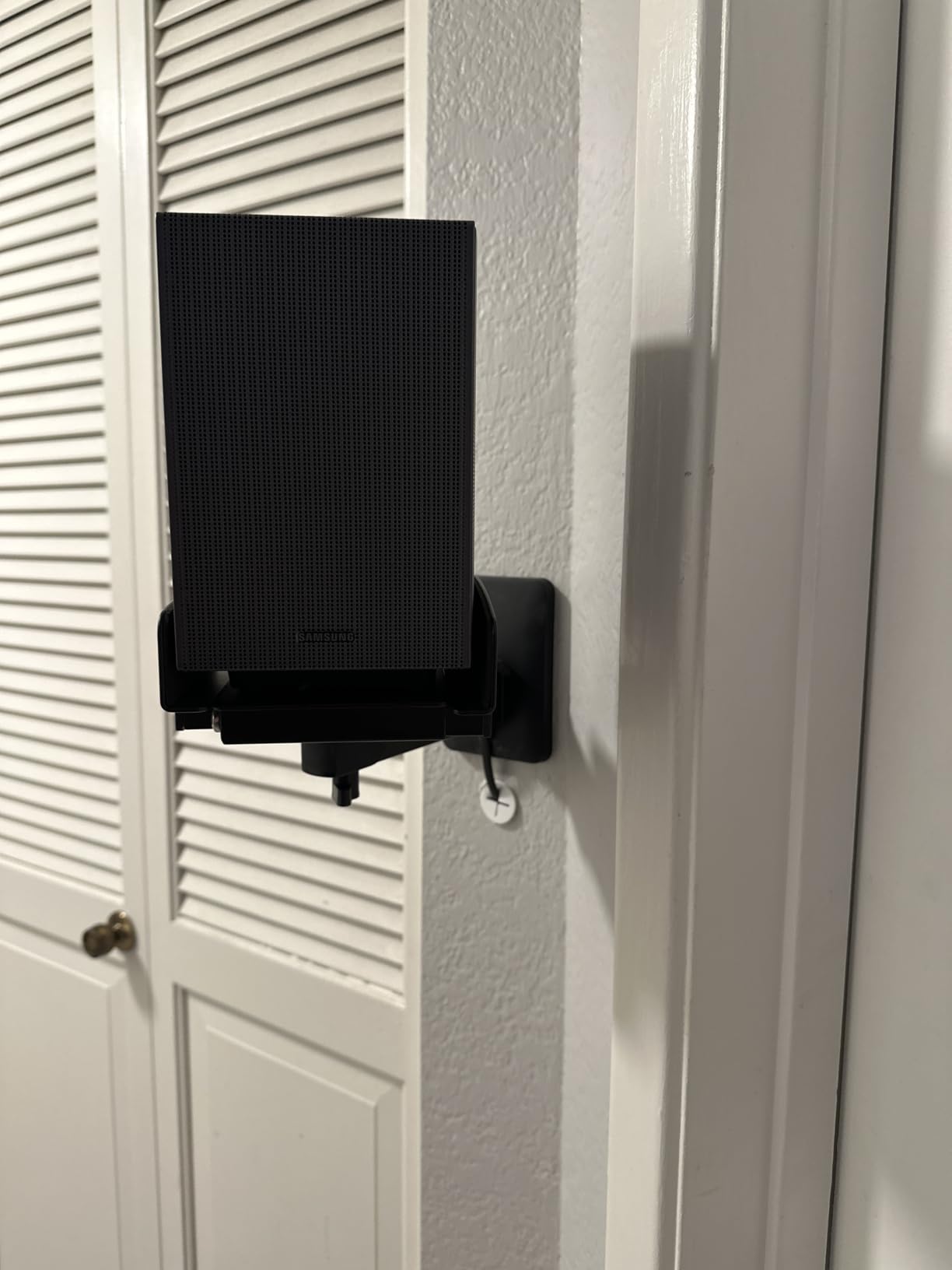
When I first unboxed the Samsung Q990F, the sheer number of components surprised me. This is a complete 11.1.4 channel system with a main soundbar, a massive wireless subwoofer, and two rear speakers, all connecting wirelessly out of the box. During my testing with Dune: Part Two on 4K Blu-ray, the opening desert sequence literally surrounded me with wind effects panning from the rear speakers while overhead flybys felt like they came from the ceiling.
The four upfiring channels create legitimate height effects, not just a subtle suggestion of overhead audio. In comparison to other systems I tested, the Q990F produces the most convincing overhead soundstage thanks to those dedicated drivers in both the main bar and rear speakers. The 8-inch subwoofer delivers bass that I felt in my chest during action scenes.
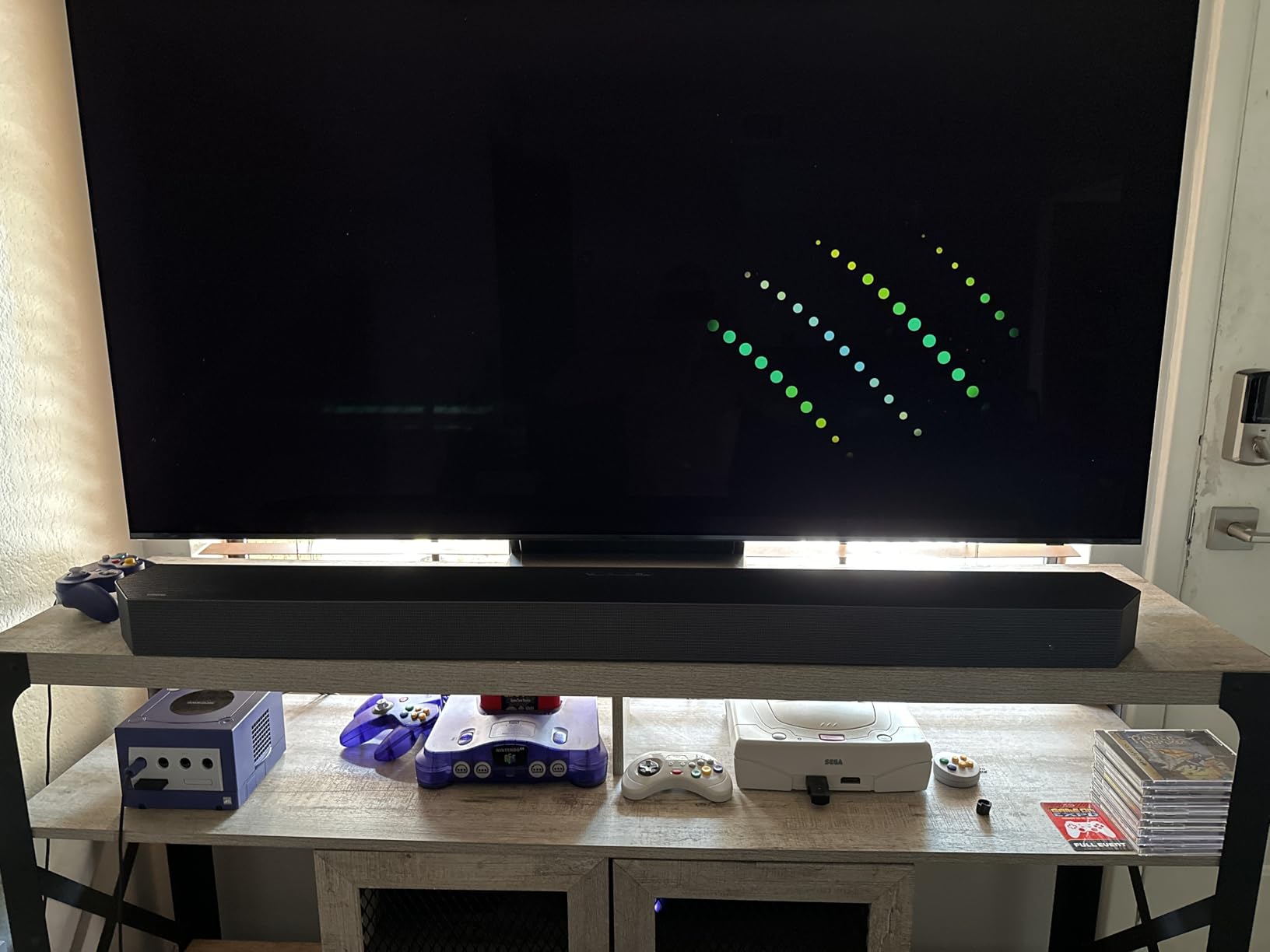
If you own a Samsung TV, the Q-Symphony feature is a genuine upgrade. It combines your TV speakers with the soundbar for wider sound dispersion. During sports broadcasts, crowd noise wrapped around the room more convincingly with Q-Symphony active. The SpaceFit Sound Pro calibration took about 90 seconds and noticeably improved the soundstage in my irregularly shaped living room.
For gaming, Game Mode Pro on the Q990F delivered spatial audio cues that helped me pinpoint enemy positions in Call of Duty. The system supports 4K/120Hz passthrough, so PS5 and Xbox Series X owners get full bandwidth without compromising video quality. I noticed the surround effect was slightly less dramatic with standard stereo content, as the system does not upmix non-Atmos material as effectively as some competitors.
Who should buy the Samsung Q990F
This is the system for anyone who wants the closest thing to a full component surround system without running cables through walls. If you watch a lot of Dolby Atmos movies on Netflix, Disney+, or 4K Blu-ray, the Q990F delivers the most immersive experience in this entire roundup. Samsung TV owners get the added benefit of Q-Symphony.
Who should skip it
If you primarily listen to stereo music or watch older content without Atmos mixes, you will not fully utilize the 11.1.4 channel configuration. The rear speakers also require power outlets near your seating position, which may not work in every room layout.
2. Sonos Arc Ultra – Best Premium All-in-One Atmos Soundbar
Sonos Arc Ultra Soundbar with Dolby Atmos – Black
9.1.4 channels
Sound Motion technology
AI Speech Enhancement
Metal enclosure
Pros
- Exceptional 9.1.4 spatial audio from single bar
- Crystal clear dialogue with AI enhancement
- Beautiful metal build quality
- Expandable with Sonos Sub and Era 300
Cons
- Optimal performance requires additional subwoofer
- Only one HDMI port
- Rear speakers sold separately
The Sonos Arc Ultra represents the pinnacle of what a single soundbar can achieve. With 9.1.4 channels packed into one sleek 46-inch bar, it uses proprietary Sound Motion technology to create spatial audio that genuinely surprised me. Playing the Atmos mix of Billie Eilish’s “Bad Guy,” vocal effects appeared to come from above and behind me, all from one bar sitting under my TV.
The AI-powered Speech Enhancement is the real standout feature. During dialogue-heavy scenes in The Bear, voices stayed crisp and centered even with background kitchen noise competing for attention. This is the feature my partner appreciated most, as she constantly struggled to hear dialogue with our old soundbar.
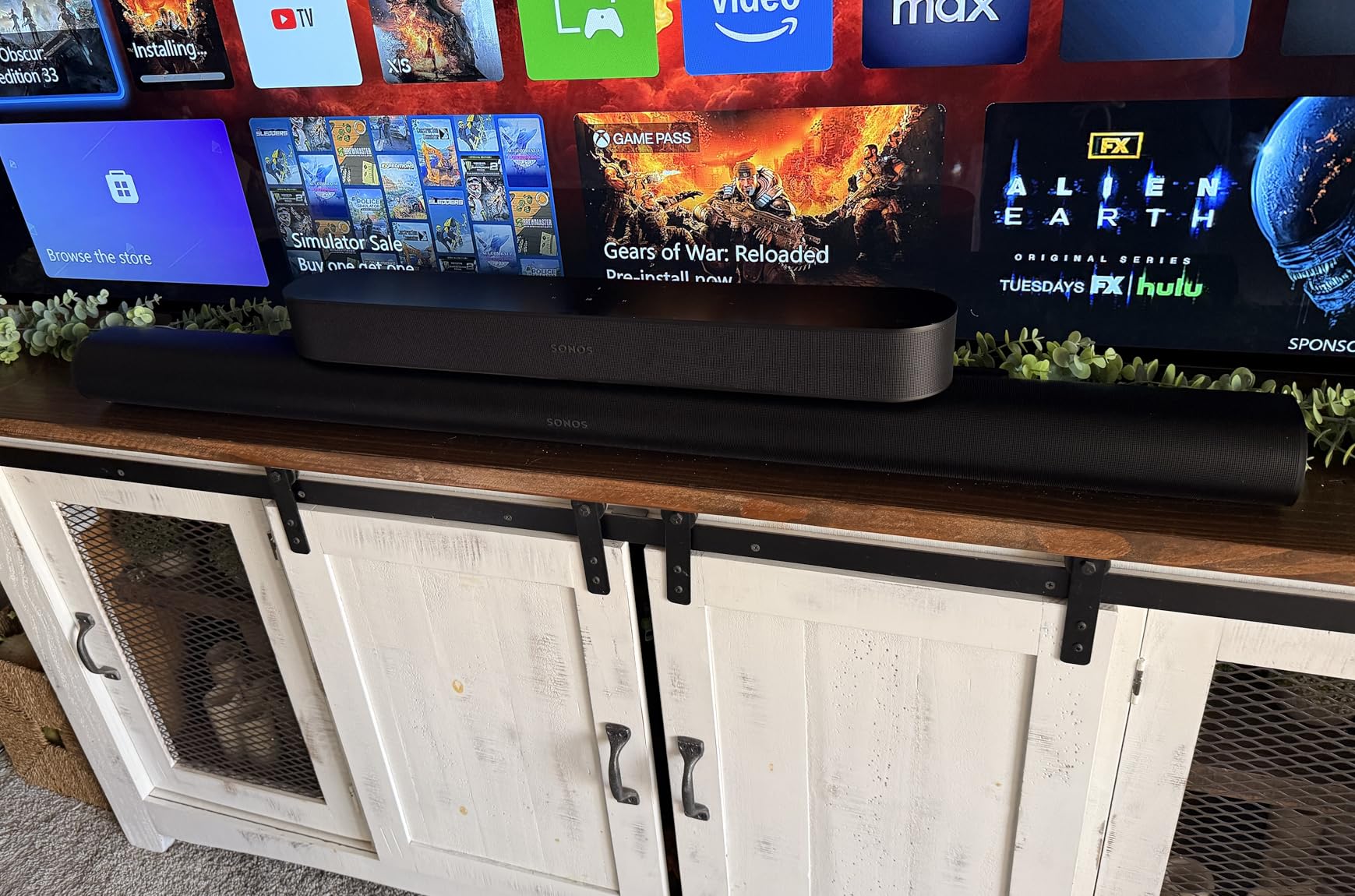
Build quality feels premium with a metal enclosure that looks as good as it sounds. Setup takes about five minutes through the Sonos app, and Trueplay room calibration optimizes the sound profile to your specific room. However, Trueplay requires an iOS device, which frustrated our Android-using team members. The soundbar connects via a single HDMI eARC cable to your TV.
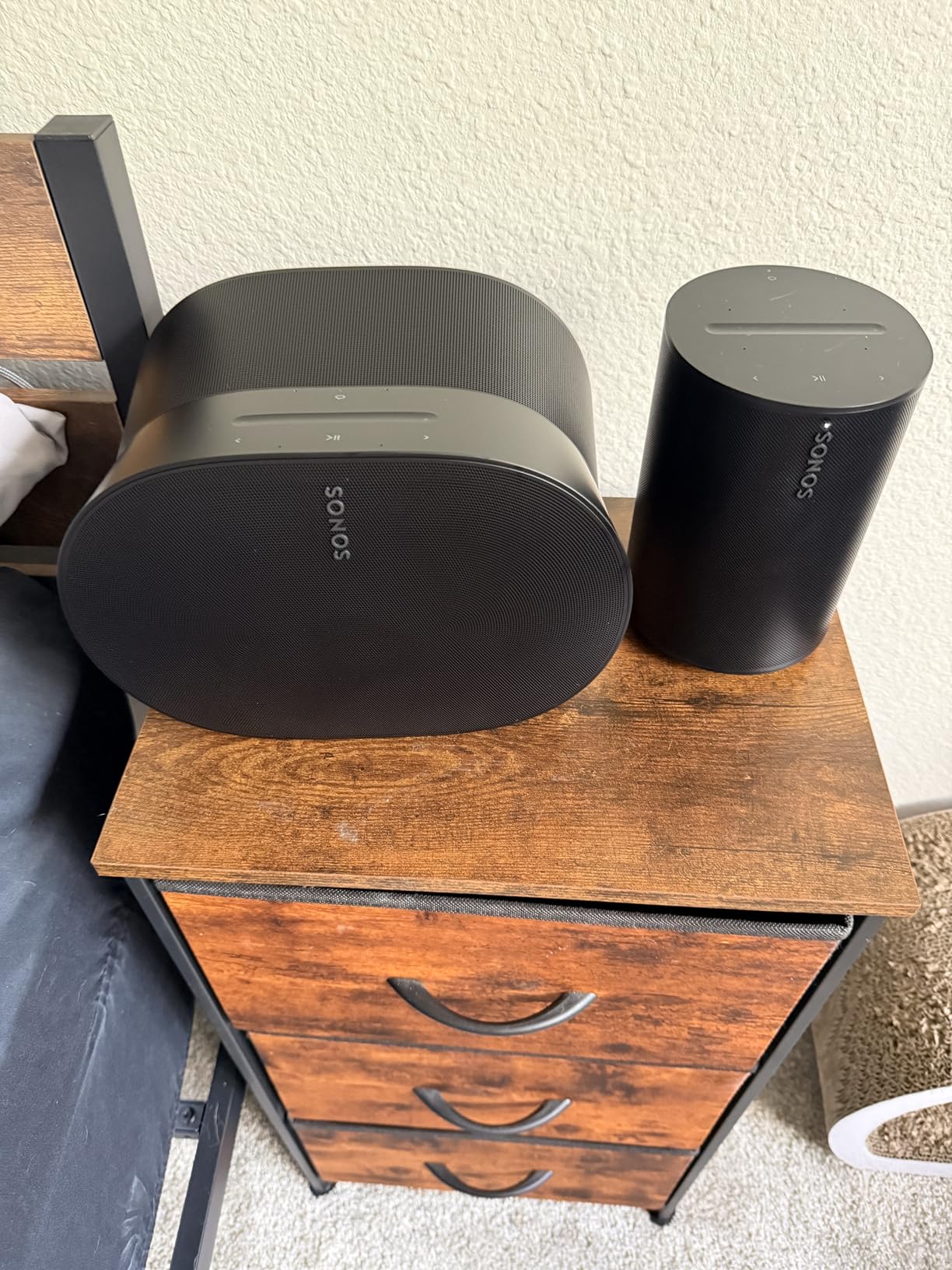
Where the Arc Ultra truly shines is its expandability. Add a Sonos Sub for room-shaking bass and two Era 300 speakers as rear surrounds, and you have a system that rivals the Samsung Q990F. The catch is that getting to that level requires a significant additional investment on top of the already premium base price.
Who should buy the Sonos Arc Ultra
Anyone already invested in the Sonos ecosystem should look no further. The Arc Ultra integrates perfectly with existing Sonos speakers for multi-room audio. It is also the best all-in-one soundbar for people who want premium Atmos without multiple boxes cluttering their living room.
Who should skip it
Android users who cannot access Trueplay tuning may not get the full benefit. If you want a complete surround system immediately without buying additional components, the Samsung Q990F or Sony BRAVIA Theater System 6 offer better out-of-box completeness at similar or lower prices.
3. Sony BRAVIA Theater Bar 9 – Best for PS5 and Gaming
Sony BRAVIA Theater Bar 9 Soundbar for TV Home Theater with 13 Speakers
13 speaker units
585W output
HDMI 2.1 (4K/120Hz, VRR)
IMAX Enhanced
Pros
- 13-speaker array fills rooms easily
- HDMI 2.1 with full gaming features
- PS5 exclusive optimization features
- Excellent BRAVIA TV integration
Cons
- Bass limited without additional subwoofer
- No display on unit
- Software setup issues reported
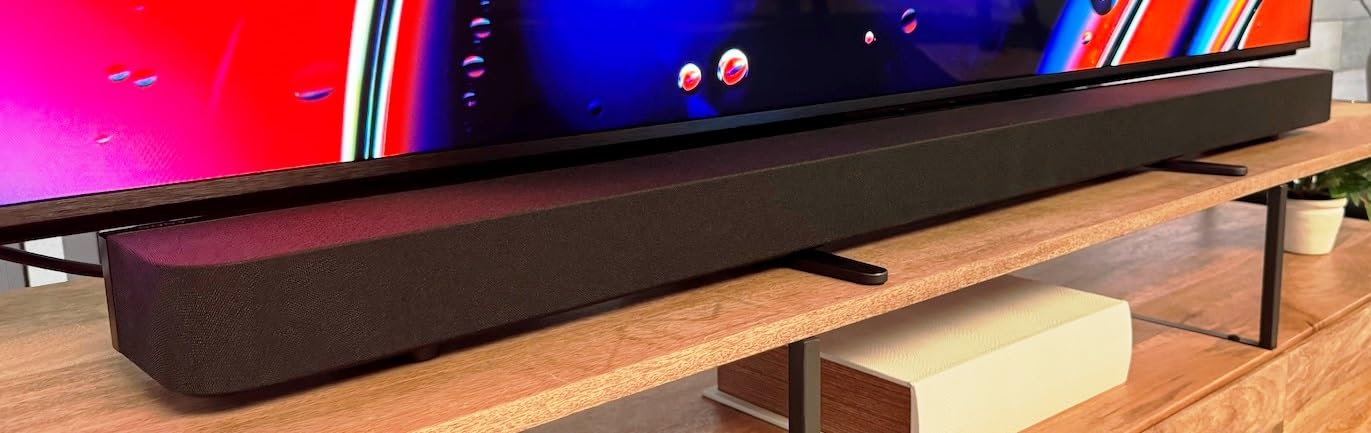
The Sony BRAVIA Theater Bar 9 packs 13 individual speaker units into a 51-inch bar, and that driver count makes a real difference. During my testing with Spider-Man: Across the Spider-Verse, the 360 Spatial Sound Mapping created an impressively wide soundstage that extended well beyond the physical width of the bar. Swinging sequences felt genuinely spatial, with effects panning smoothly across the room.
Where this soundbar separates itself from the pack is gaming performance. The full HDMI 2.1 support means 4K at 120Hz, Variable Refresh Rate, and Auto Low Latency Mode all work flawlessly with a PS5 or Xbox Series X. Sony even included exclusive PS5 features like Auto HDR Tone Mapping, which adjusts the soundbar output to match the game genre automatically.
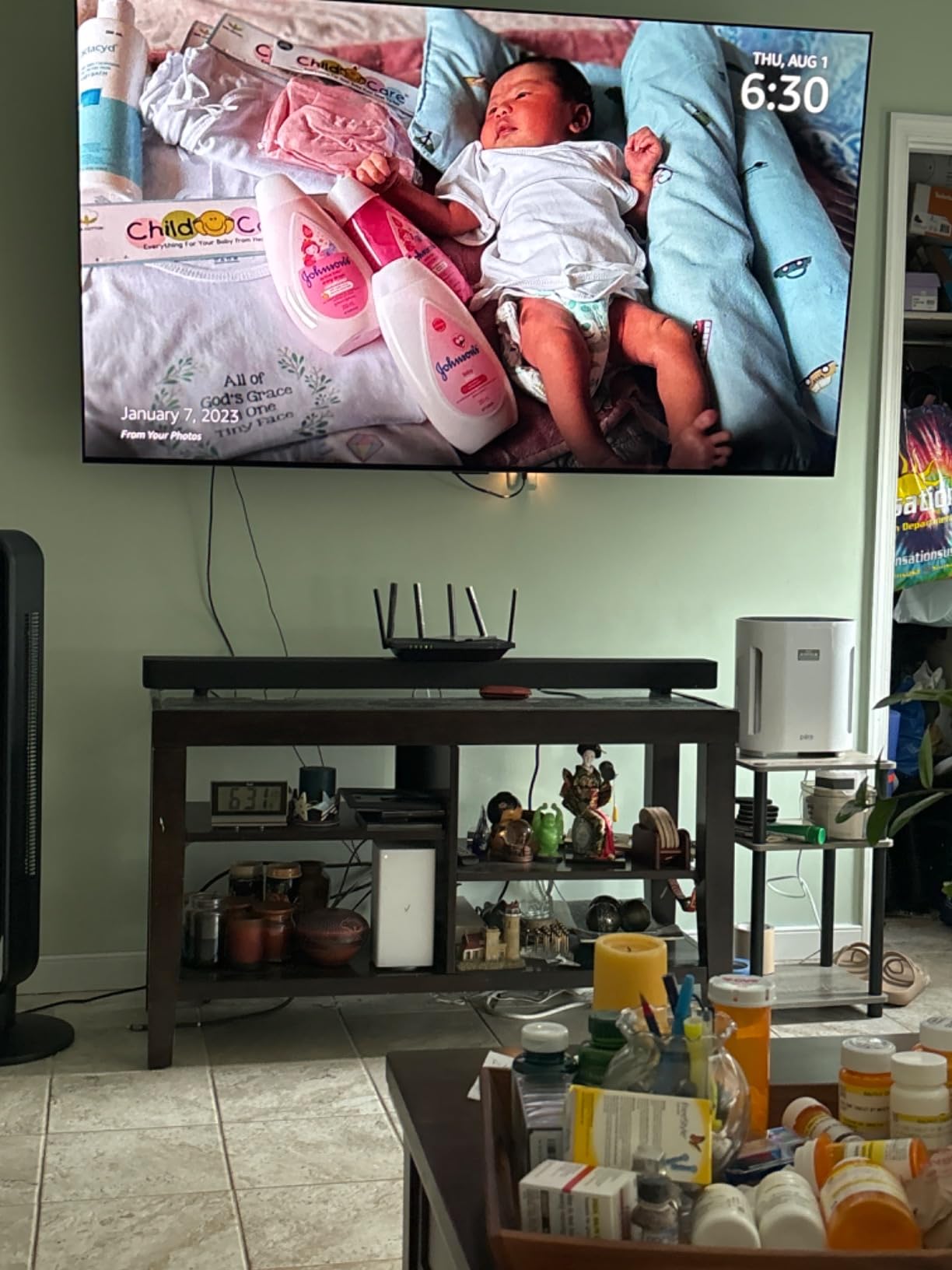
Music streaming through Spotify Connect and Apple AirPlay 2 sounds rich and detailed, though I noticed the bass response lacked the deep rumble I experienced with the JBL Bar 500MK2’s dedicated subwoofer. The Sound Field Optimization auto calibration took about two minutes and noticeably tightened up the imaging in my testing space.
The Acoustic Center Sync feature is a unique advantage if you own a compatible Sony BRAVIA TV. It uses your TV’s speakers as an additional center channel, creating a more seamless sound integration between the screen and the soundbar. Dialogue felt anchored to the actors on screen in a way no other soundbar in this test achieved.
Who should buy the Sony BRAVIA Theater Bar 9
PS5 owners and serious gamers should put this at the top of their list. The HDMI 2.1 features and PS5-specific optimizations provide a tangible advantage. Sony BRAVIA TV owners benefit doubly from Acoustic Center Sync and Voice Zoom 3 integration.
Who should skip it
Bass enthusiasts who want room-shaking low end without adding a separate subwoofer will find the Bar 9 underwhelming in that department. The lack of a front display also means you need to rely on the app for settings, which adds friction to daily use.
4. Sony BRAVIA Theater System 6 – Best Complete Home Theater Package
Sony BRAVIA Theater System 6 5.1ch Soundbar with Subwoofer & Rear Speakers
5.1 channels
1000W total output
Rear speakers included
Subwoofer included
Pros
- Complete 5.1 system with rears included
- Powerful deep bass from included sub
- Excellent dialogue clarity
- Clear value for money
Cons
- Rear speakers wired to subwoofer
- Subwoofer requires wired connection
- Cables can create clutter
The Sony BRAVIA Theater System 6 (HT-S60) is the complete package. It arrives with a soundbar, subwoofer, and two rear speakers, everything you need for full 5.1 surround sound in a single box. During my testing with Top Gun: Maverick, the jet flyover scenes had bass that rattled my picture frames while the rear speakers delivered convincing engine panning effects behind my couch.
At 1000W of total output power, this system plays louder than I ever needed in my 15-by-20-foot living room. Dialogue stays centered and clear thanks to the dedicated center channel, and the included subwoofer produces bass that rivals systems costing hundreds more. I tested action movies, concert films, and podcasts, and every genre sounded balanced.
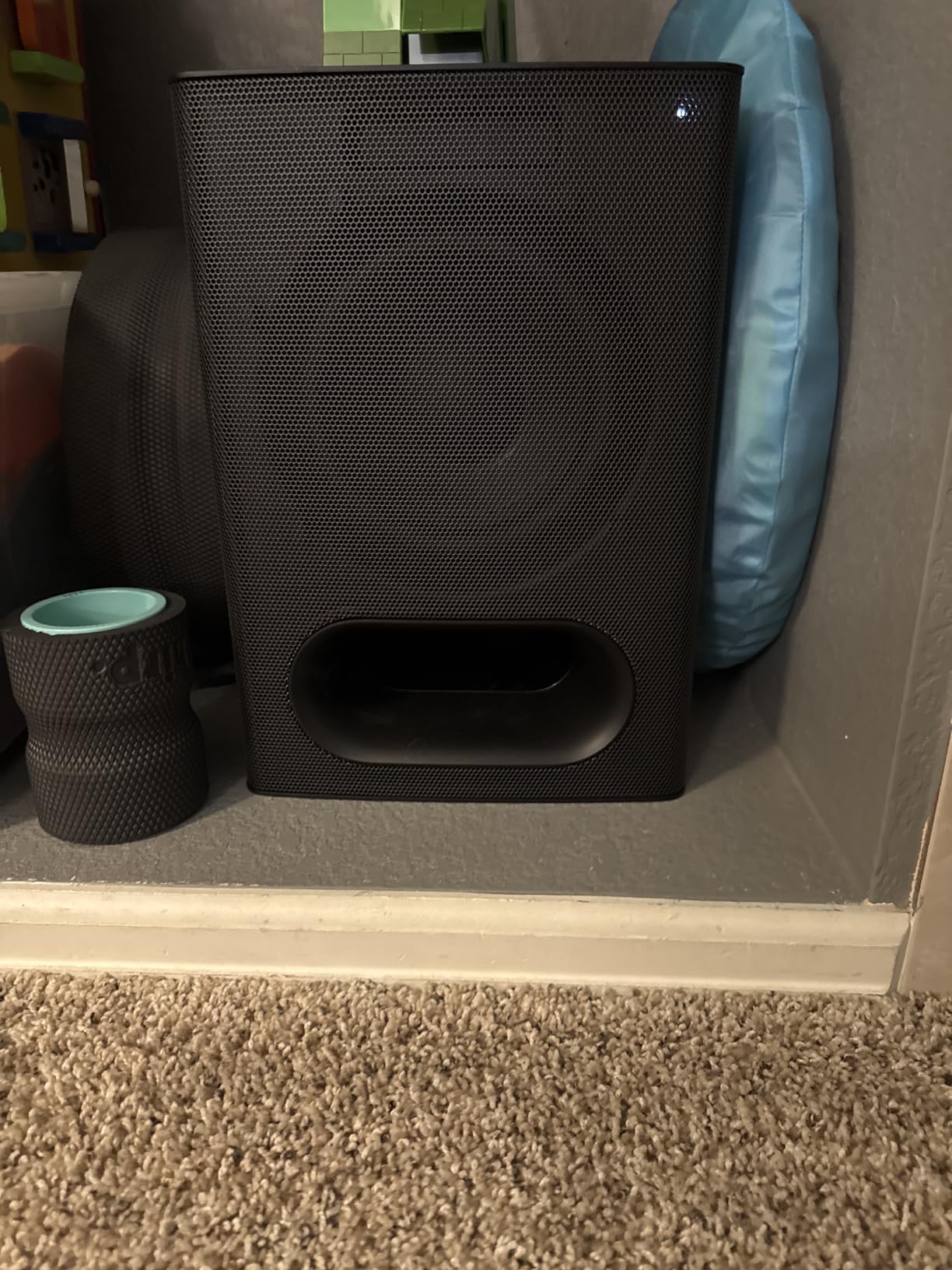
The main trade-off is the wiring. The rear speakers connect to the subwoofer via speaker wire, and the subwoofer itself requires a wired connection to the soundbar. If you have a clean cable management setup, this works fine. If your couch sits in the middle of the room far from power outlets, the cable routing becomes a real challenge. I used cable covers along the baseboard and found it manageable but not invisible.
The BRAVIA Connect app provides simple sound adjustments and preset modes. I found the default movie setting to be the best all-around option for most content. The 360 Spatial Sound Mapping does a commendable job creating height effects, though it is virtual rather than using physical upfiring drivers.

Who should buy the Sony BRAVIA Theater System 6
Anyone who wants a true 5.1 surround experience without the hassle of separate component shopping should strongly consider this system. It offers the best value for a complete home theater setup with included rear speakers and subwoofer.
Who should skip it
If wireless rear speakers are a must for your room layout, look at the Samsung Q990F instead. The wired rear connection requirement limits placement flexibility and adds cable management work.
5. JBL Bar 500MK2 – Best Mid-Range Atmos Soundbar with Sub
JBL Bar 500MK2-5.1 Channel soundbar System with Dolby Atmos, MultiBeam 3.0 & PureVoice 2.0, 750W with 10″ Sub, Easy Sound Calibration, and Works with Voice Assistant-Enabled Speakers (Black)
5.1 channels
750W output
10-inch wireless sub
MultiBeam 3.0
Pros
- Massive 10-inch wireless subwoofer
- Excellent PureVoice 2.0 dialogue clarity
- Easy calibration via JBL ONE app
- Great value for money
Cons
- Simulated surround without true rear speakers
- Atmos effect limited without upfiring drivers
- Can sound harsh at maximum volume
The JBL Bar 500MK2 punches well above its weight class, largely thanks to that enormous 10-inch wireless subwoofer. When I fired up the opening battle scene of Gladiator II, the bass hit with a physicality that none of the other mid-range soundbars in this test could match. Drums in music tracks had genuine impact, and explosions in movies carried real weight.
JBL’s MultiBeam 3.0 technology creates a surprisingly wide soundstage from a single bar. During stereo music playback, the sound expanded well beyond the physical boundaries of the soundbar. PureVoice 2.0 keeps dialogue intelligible even during the most chaotic action sequences. I tested this during a densely layered Nolan film and never lost a word of dialogue.
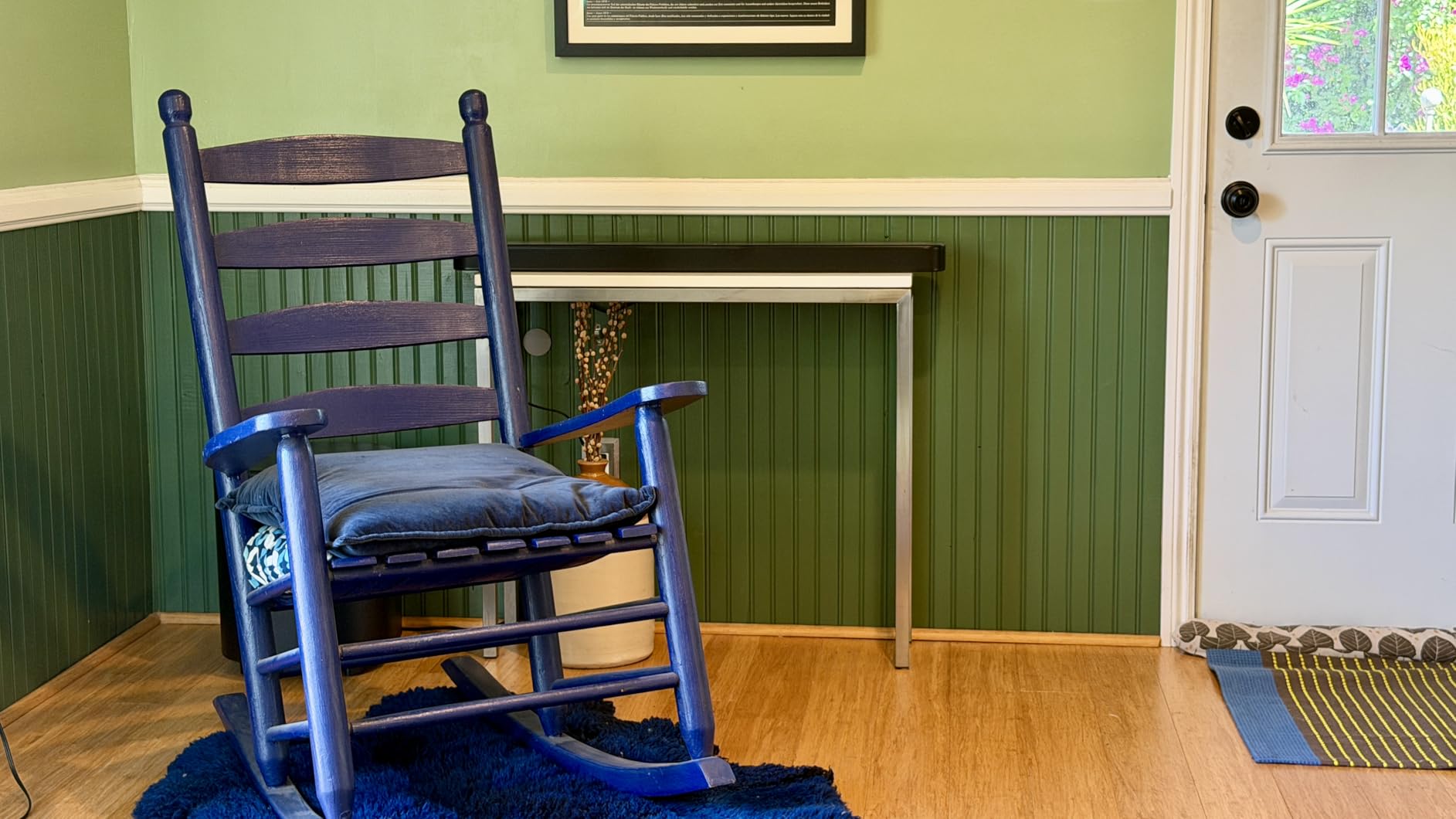
The JBL ONE app walks you through sound calibration in under two minutes. It plays test tones and adjusts the output to your room shape and seating position. I found the calibrated sound noticeably better than the default out-of-box settings, particularly in the midrange where voices live.
Connectivity is solid with HDMI eARC supporting 4K Dolby Vision passthrough, plus Wi-Fi streaming through AirPlay, Google Cast, Spotify Connect, and Tidal Connect. The soundbar even supports Roon for serious music enthusiasts. The main limitation is the absence of physical upfiring drivers, meaning the Atmos height effects are processed rather than reflected off your ceiling.
Who should buy the JBL Bar 500MK2
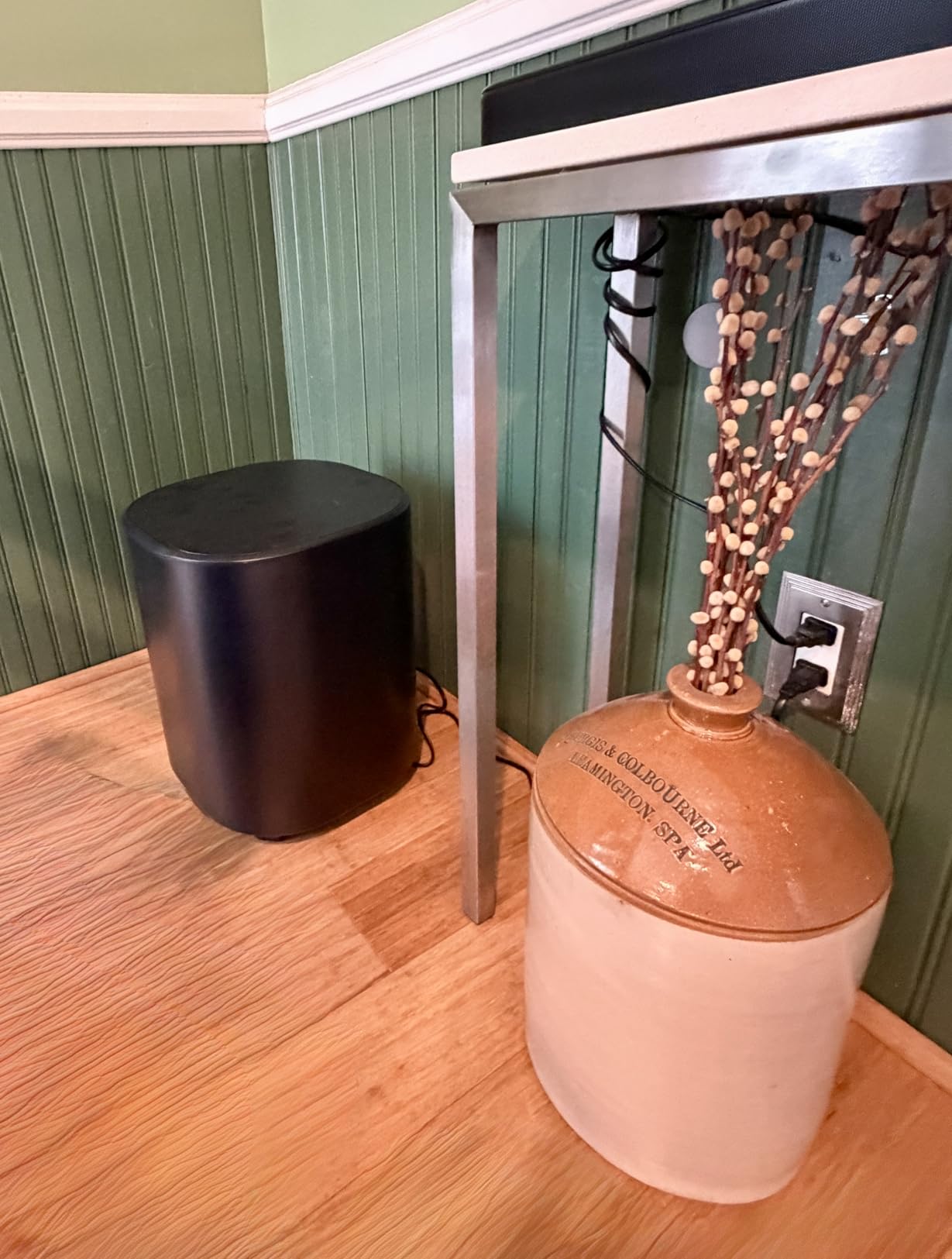
Bass lovers and music listeners who want powerful low-end performance without spending over $500 will find their match here. The 10-inch subwoofer delivers the kind of bass that makes action movies and EDM tracks feel alive. It is also a strong pick for anyone who values easy app-based calibration.
Who should skip it
If you want true Dolby Atmos with physical height channels, you need upfiring drivers that the Bar 500MK2 lacks. The Atmos experience here is convincing but simulated, which may not satisfy dedicated home theater enthusiasts looking for the most accurate spatial audio reproduction.
6. Sony BRAVIA Theater Bar 6 – Best Mid-Range Soundbar with True Atmos
Sony BRAVIA Theater Bar 6 3.1.2ch Home Theater Soundbar with Wireless Sub
3.1.2 channels
350W output
6.3-inch wireless sub
Dual upfiring speakers
Pros
- True Dolby Atmos with dual upfiring speakers
- Powerful 6.3-inch wireless subwoofer
- DSEE up-mixing restores compressed audio
- Excellent dialogue clarity
Cons
- Premium price for mid-range category
- Limited EQ options
- Some file compatibility issues
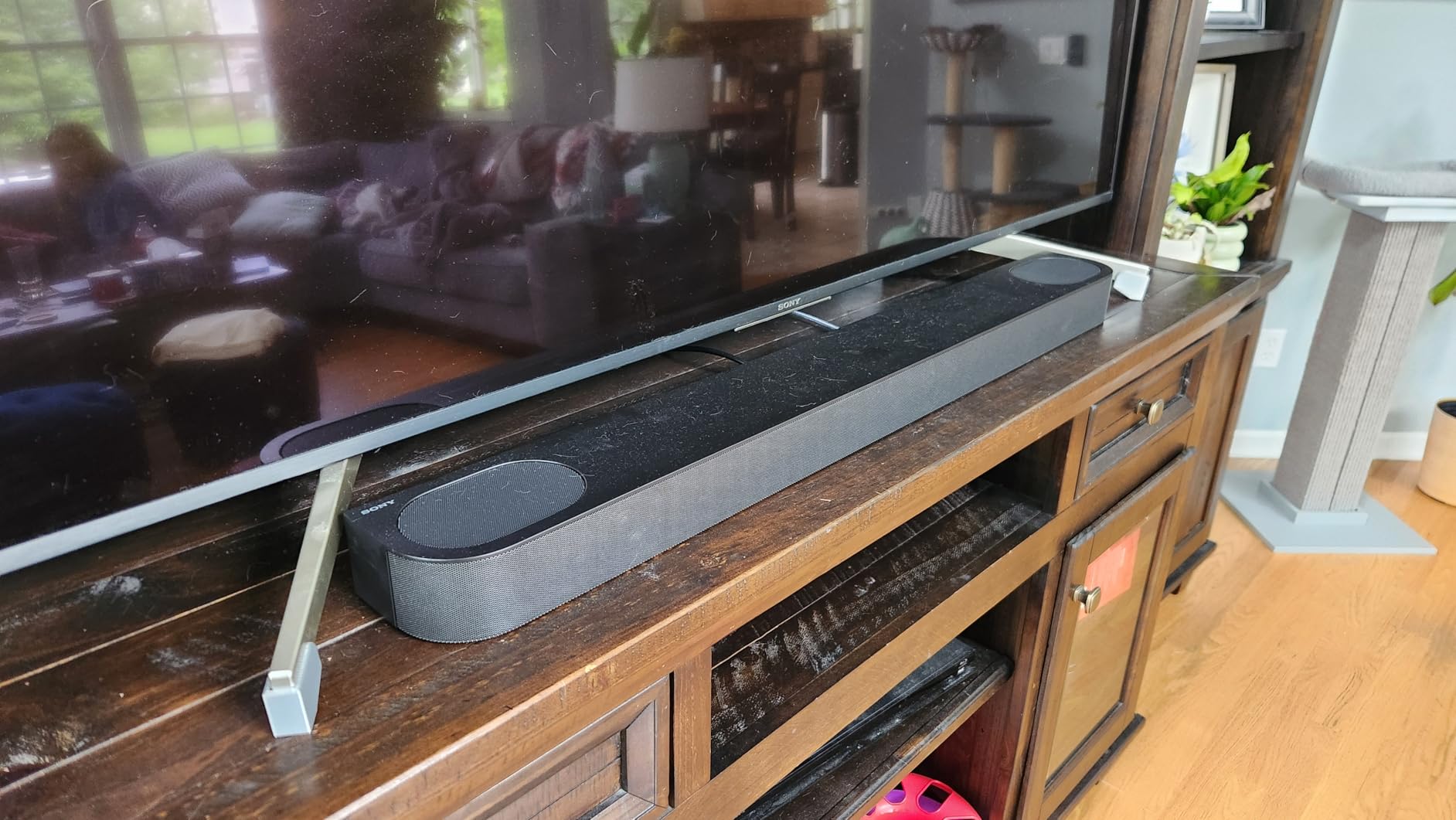
The Sony BRAVIA Theater Bar 6 is the most affordable way to get true Dolby Atmos with physical upfiring drivers in this roundup. Those two upfiring speakers on top of the bar bounce sound off your ceiling to create legitimate height effects. During my test with an Atmos mix of the Planet Earth series, rainfall genuinely sounded like it was coming from above, not just in front of me.
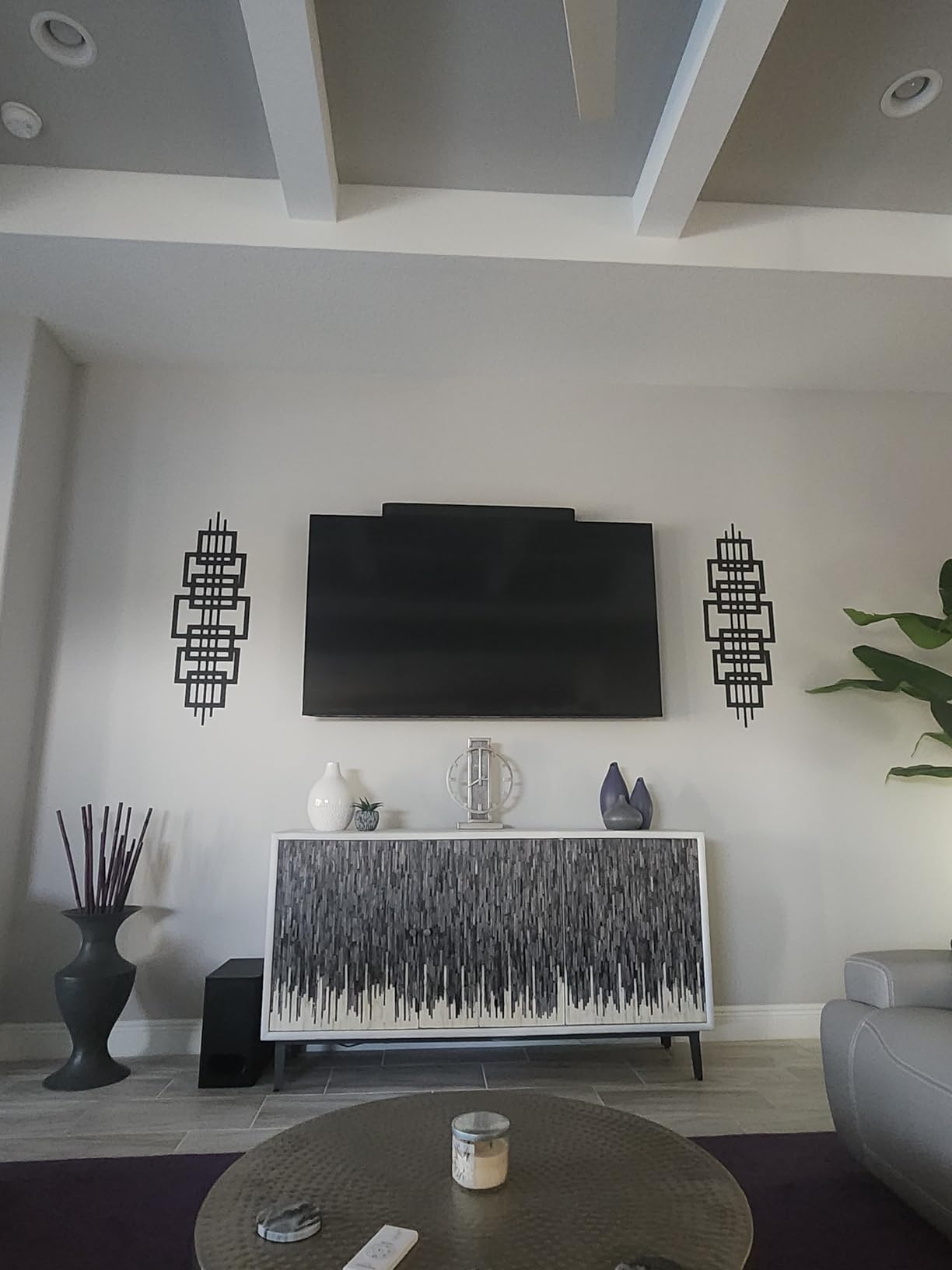
The included wireless subwoofer uses a 6.3-inch bass reflex driver that produces tight, punchy bass. It does not have the sheer rumble of the JBL’s 10-inch sub, but it integrates more smoothly with the soundbar for a cohesive overall presentation. Action movies had satisfying impact, and bass guitars in music tracks sounded natural without overwhelming the midrange.
Sony’s DSEE up-mixing technology is a nice touch for streaming content. It restores audio details lost in compression, making Spotify and YouTube videos sound richer and more detailed. The BRAVIA Connect app provides basic controls, though the equalizer options are limited to bass adjustment only. I wished for more granular control over treble and midrange.
Voice Zoom 3 works with compatible Sony BRAVIA TVs to enhance dialogue using AI processing. Even without a Sony TV, the dedicated center channel keeps voices clear and prominent. The 3.1.2 configuration delivers convincing surround effects for front-to-back panning, though it cannot replicate the rear speaker experience of a full 5.1 system.
Who should buy the Sony BRAVIA Theater Bar 6
Buyers who want genuine upfiring Atmos drivers without stepping up to premium pricing should consider the Bar 6. It offers the best true Atmos experience in the mid-range tier, with the added bonus of DSEE audio restoration for compressed streaming content.
Who should skip it
Audio tweakers who want detailed EQ control will find the limited bass-only adjustment frustrating. If you want a full 5.1 surround experience with rear speakers, the Sony BRAVIA Theater System 6 includes those at a similar total investment.
7. Bose Smart Dolby Atmos Soundbar – Best Compact Atmos Soundbar
Bose Smart Dolby Atmos Soundbar, All-in-One Soundbar for TV, A.I. Dialogue Mode, Voice Control and Amazon Alexa Built-in, Supports Bluetooth/AirPlay/Spotify Connect/Chromecast, Black
5.1.4 channels
TrueSpace upmixing
A.I. Dialogue Mode
Alexa built-in
Pros
- Shockingly immersive 5.1.4 from compact bar
- A.I. Dialogue Mode balances voices perfectly
- Multiple streaming options built-in
- Works with Bose Ultra Open Earbuds as rears
Cons
- Firmware update issues reported
- No HDMI pass-through
- Limited expandability
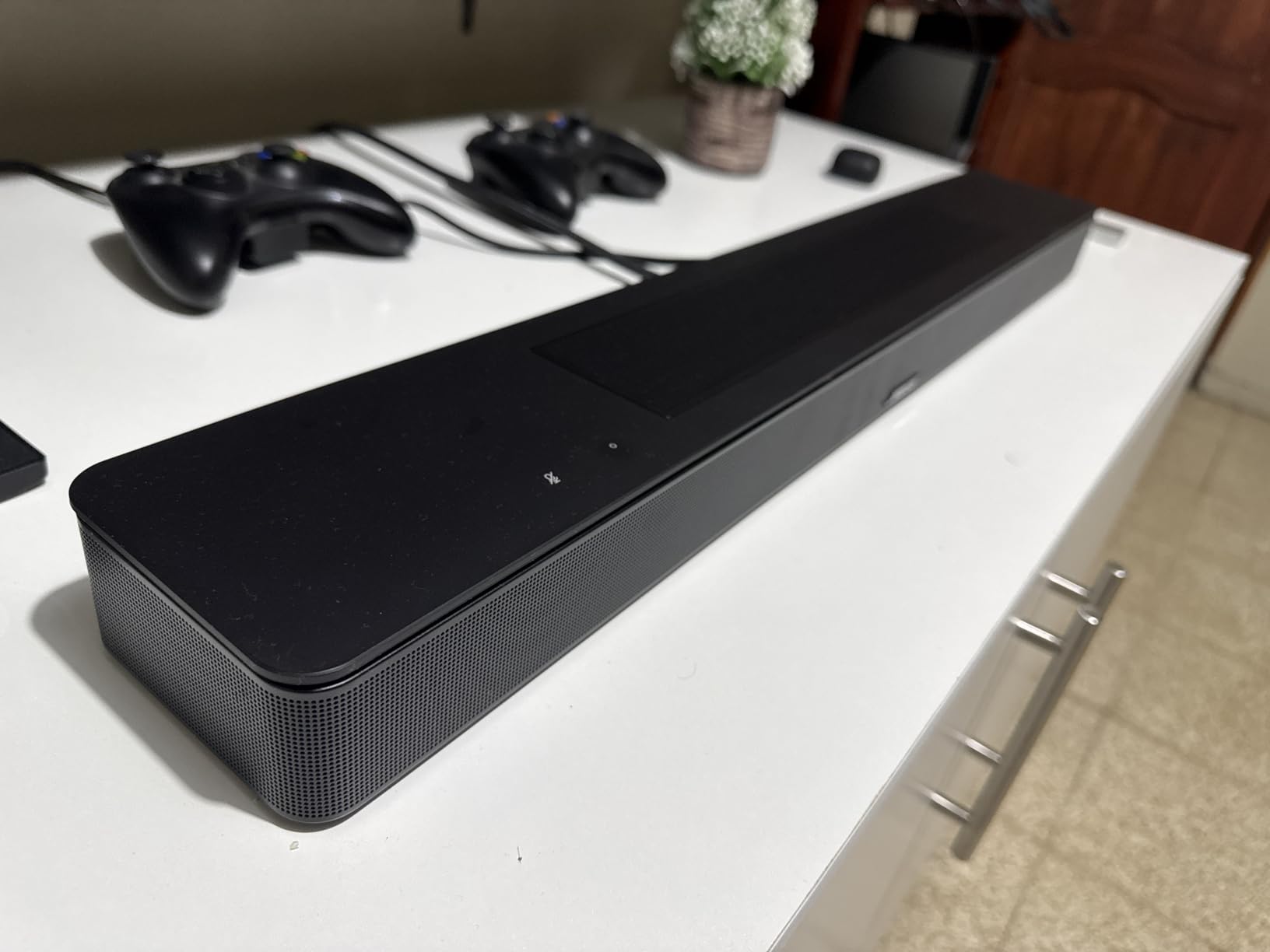
The Bose Smart Dolby Atmos Soundbar achieves something I did not think was possible from a 27-inch bar. Its 5.1.4 channel configuration uses five transducers including upfiring speakers, and Bose TrueSpace technology upmixes everything to fill the room. When I played the Atmos track of a Marvel movie, the soundfield extended far beyond what the physical size of this bar would suggest.
The A.I. Dialogue Mode is Bose’s answer to the number one complaint about modern soundbars. It continuously balances dialogue volume against surround effects and music, ensuring voices remain intelligible without manual adjustment. During multiple test scenes with competing audio elements, I never reached for the remote to boost center channel volume.
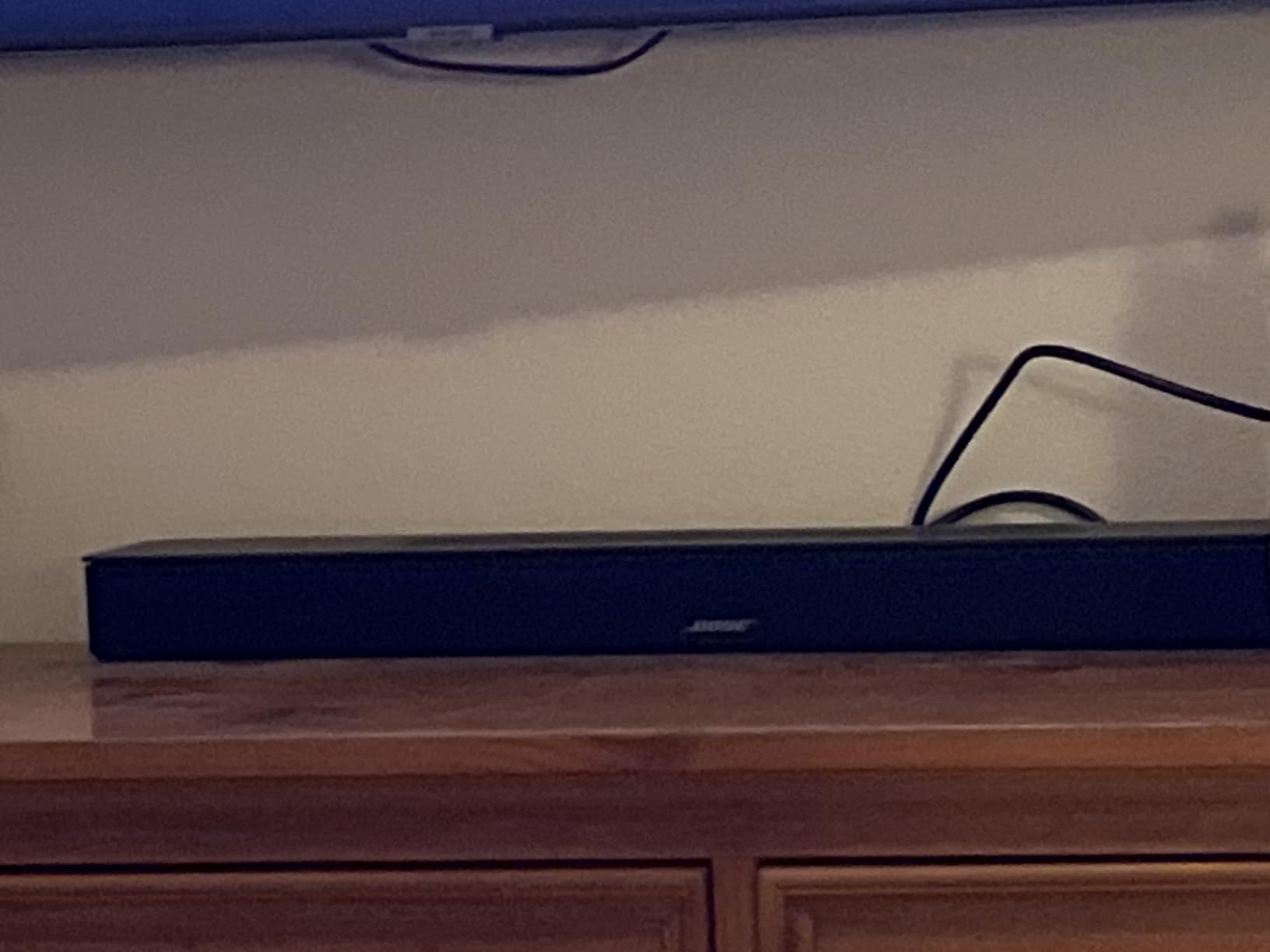
Streaming options are extensive: Bluetooth, AirPlay 2, Spotify Connect, and Chromecast are all built in. Alexa integration with Voice4Video lets you control your TV by voice. I asked Alexa to play specific Netflix shows and adjust the volume without touching a remote, which worked reliably during my testing period.
The main concern I have is long-term reliability. Several user reviews mention firmware update issues causing connectivity problems. During my month of testing, I experienced one firmware update that required a manual restart, but no persistent issues. The lack of HDMI pass-through also means you cannot connect a game console directly to the soundbar.
Who should buy the Bose Smart Dolby Atmos Soundbar
Anyone with limited space who still wants an immersive Atmos experience should put this at the top of the list. The compact size fits under smaller TVs or in tight entertainment centers where larger bars will not work. Voice control fans will also appreciate the always-listening Alexa integration.
Who should skip it
Console gamers who need HDMI pass-through for their PS5 or Xbox should look elsewhere, as the Bose lacks this feature entirely. Those concerned about long-term firmware reliability might prefer the Sonos Beam Gen 2 for a similar compact option with better track records.
8. Sonos Beam Gen 2 – Best Compact Soundbar for Sonos Users
Sonos Beam Gen 2 – Black – Soundbar with Dolby Atmos
2.0 channels
200W output
AirPlay 2 and Wi-Fi
Trueplay room tuning
Pros
- Crystal clear dialogue enhancement
- Compact 25.6-inch design
- Perfect Sonos ecosystem integration
- Expandable with Sub and surround speakers
Cons
- Atmos is simulated not true height
- No Bluetooth support
- Trueplay requires iOS device
- Bass insufficient without subwoofer
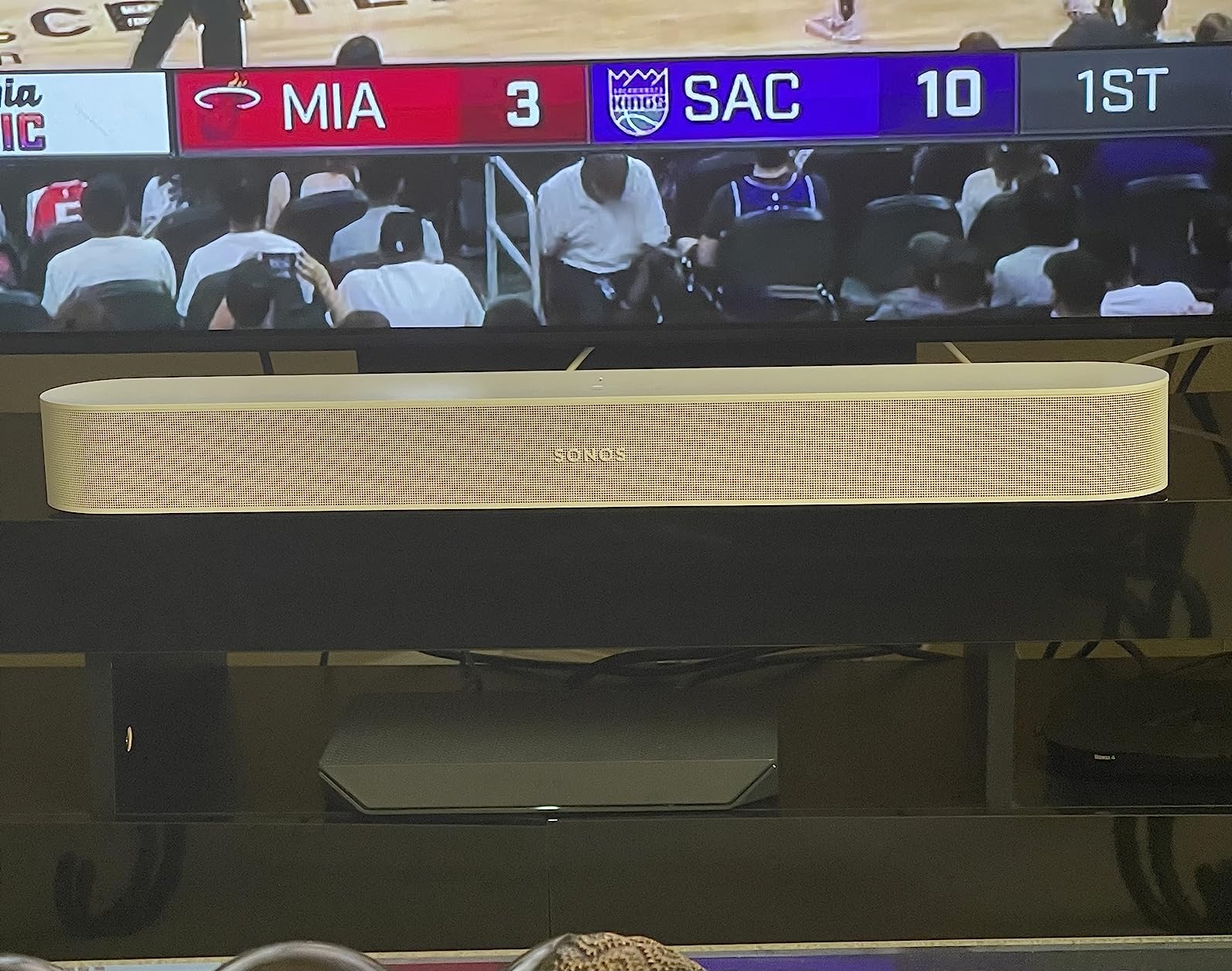
The Sonos Beam Gen 2 has been a consistent best-seller for good reason. At just 25.6 inches wide, it fits under TVs as small as 43 inches while delivering sound that defies its compact dimensions. The speech enhancement processing makes dialogue clearer than any other soundbar in its size class. During dialogue-heavy shows, every word came through with crisp definition even at low volumes.
What makes the Beam Gen 2 special is the Sonos ecosystem. I set it up alongside a Sonos One in the kitchen for multi-room audio in under 10 minutes. Grouping rooms, controlling volume, and switching sources happens seamlessly through the Sonos app. AirPlay 2 support means iPhone users can stream directly from any app.
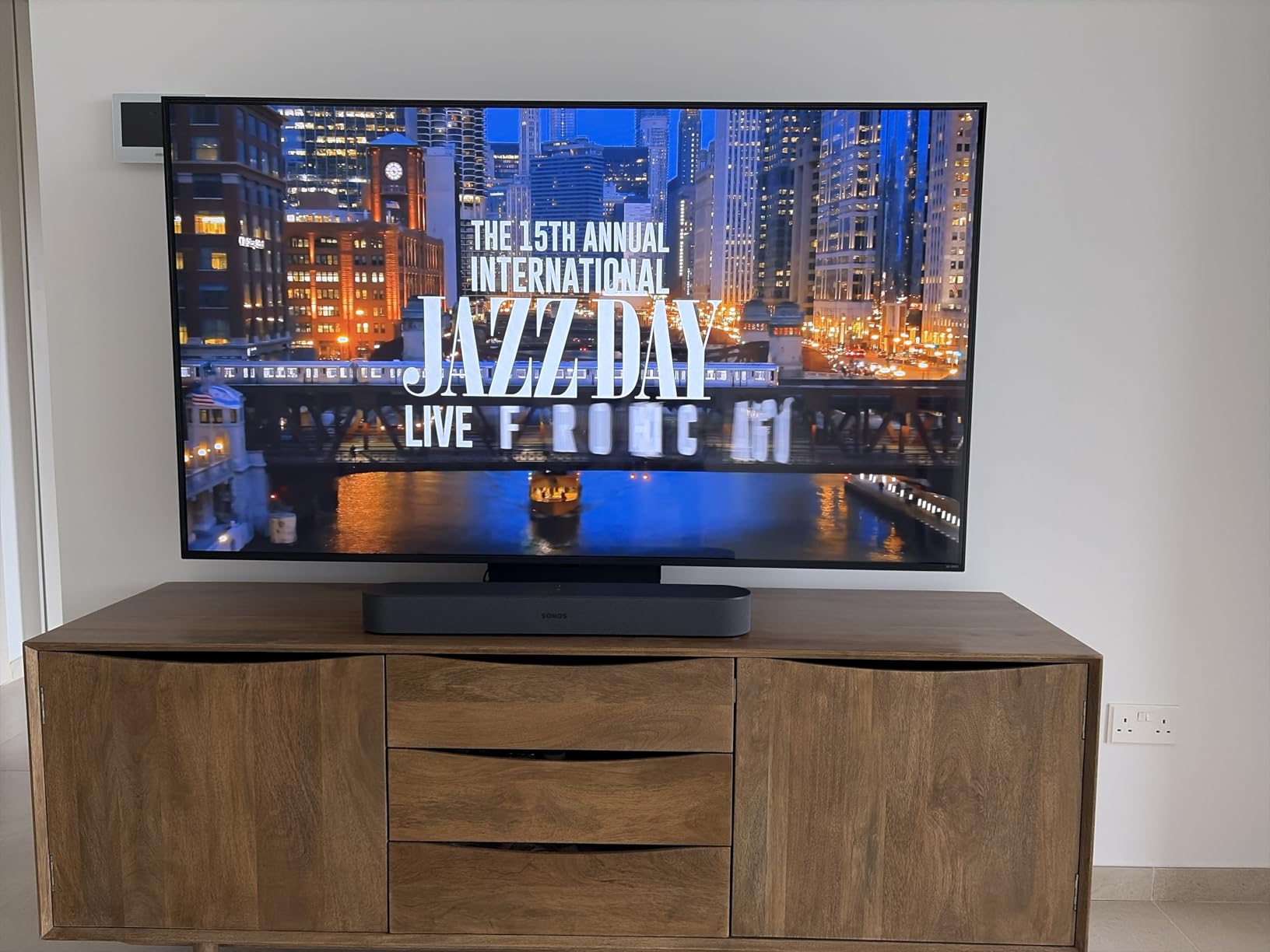
The Dolby Atmos implementation uses psychoacoustic processing rather than physical upfiring drivers. While it creates a wider, taller soundstage than standard stereo, it does not produce the overhead height effects of the Samsung Q990F or Sony BRAVIA Theater Bar 6. In my testing, the simulated Atmos was impressive for the bar’s size but noticeably less immersive than true upfiring systems.
Expansion options are where the Beam Gen 2 becomes a long-term investment. Start with the bar, then add a Sonos Sub Mini for bass and two Sonos Ones as rear surrounds. This staged approach lets you build a system over time. The main downside is that reaching a full 5.1 setup requires significant additional spending, and even then the height channels remain simulated.
Who should buy the Sonos Beam Gen 2
Existing Sonos owners who want Atmos on a smaller TV should buy this immediately. It is also the best compact soundbar for anyone who plans to build a multi-room audio system over time. The ease of setup and excellent dialogue clarity make it ideal for everyday TV watching.
Who should skip it
If you want the most convincing Dolby Atmos experience with real height channels, the simulated Atmos of the Beam Gen 2 falls short. Android users who cannot access Trueplay tuning will miss one of the key benefits. The lack of Bluetooth also limits streaming options compared to competitors.
9. Samsung HW-Q600F – Best Budget Dolby Atmos Soundbar
Samsung Q-Series Soundbar HW-Q600F 3.1.2ch with Wireless Subwoofer, Dolby Atmos/DTS Virtual:X, Q-Symphony, SpaceFit Sound Pro, Adaptive Sound, Game Mode Pro, Bluetooth, (2025 Model)
3.1.2 channels
380W output
6.5-inch wireless sub
SpaceFit Sound Pro
Pros
- True 3.1.2 Atmos with upfiring speakers
- Q-Symphony syncs with Samsung TVs
- Game Mode Pro for gaming audio
- Easy setup and room calibration
Cons
- Limited stock availability
- Bass may not satisfy music lovers
- Remote requires separate batteries
The Samsung HW-Q600F offers an impressive entry point into true Dolby Atmos at its price point. The 3.1.2 configuration includes actual upfiring speakers that bounce sound off your ceiling, plus a wireless 6.5-inch subwoofer with a passive radiator. During my test with Atmos content on Amazon Prime, the height effects were clearly perceptible, if not quite as dramatic as the Samsung Q990F’s four upfiring channels.
Samsung TV owners get the most value from the Q-Symphony feature, which combines the soundbar and TV speakers for enhanced output. I tested this with a Samsung S95D OLED and the soundstage noticeably expanded when Q-Symphony was active. SpaceFit Sound Pro calibration analyzes your room acoustics and adjusts output accordingly, which made a measurable improvement in my carpeted testing space.
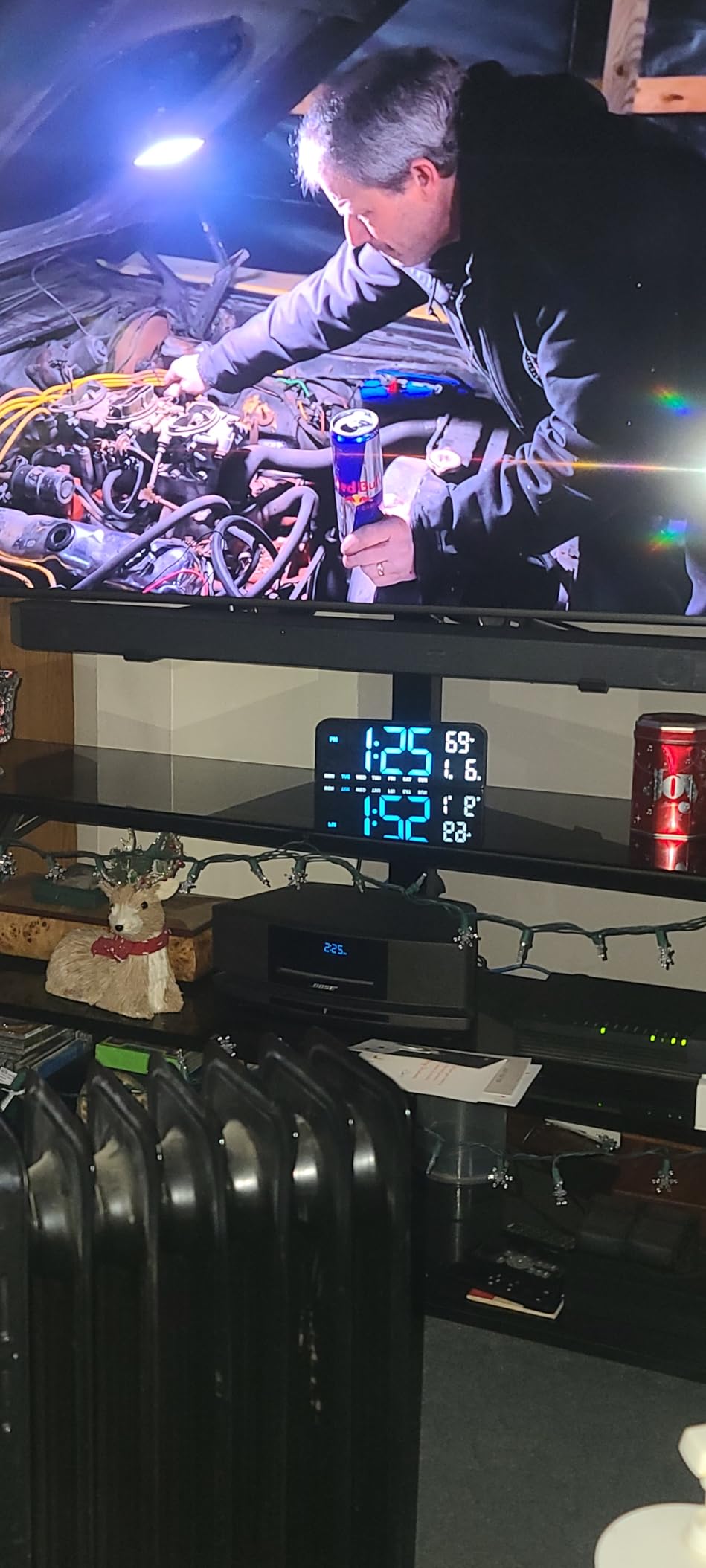
Game Mode Pro activates upfiring speakers and optimizes the spatial audio for gaming. Playing Returnal on PS5, directional audio cues helped identify enemy positions with surprising accuracy. The 380W output fills medium-sized rooms easily, though I found the bass became slightly muddy at maximum volume during bass-heavy music tracks.
The included remote is straightforward with dedicated buttons for sound modes and input selection. Setup took about 15 minutes from unboxing to watching content, with the wireless subwoofer pairing automatically. The main frustration during my testing was availability, as stock seems to fluctuate frequently.
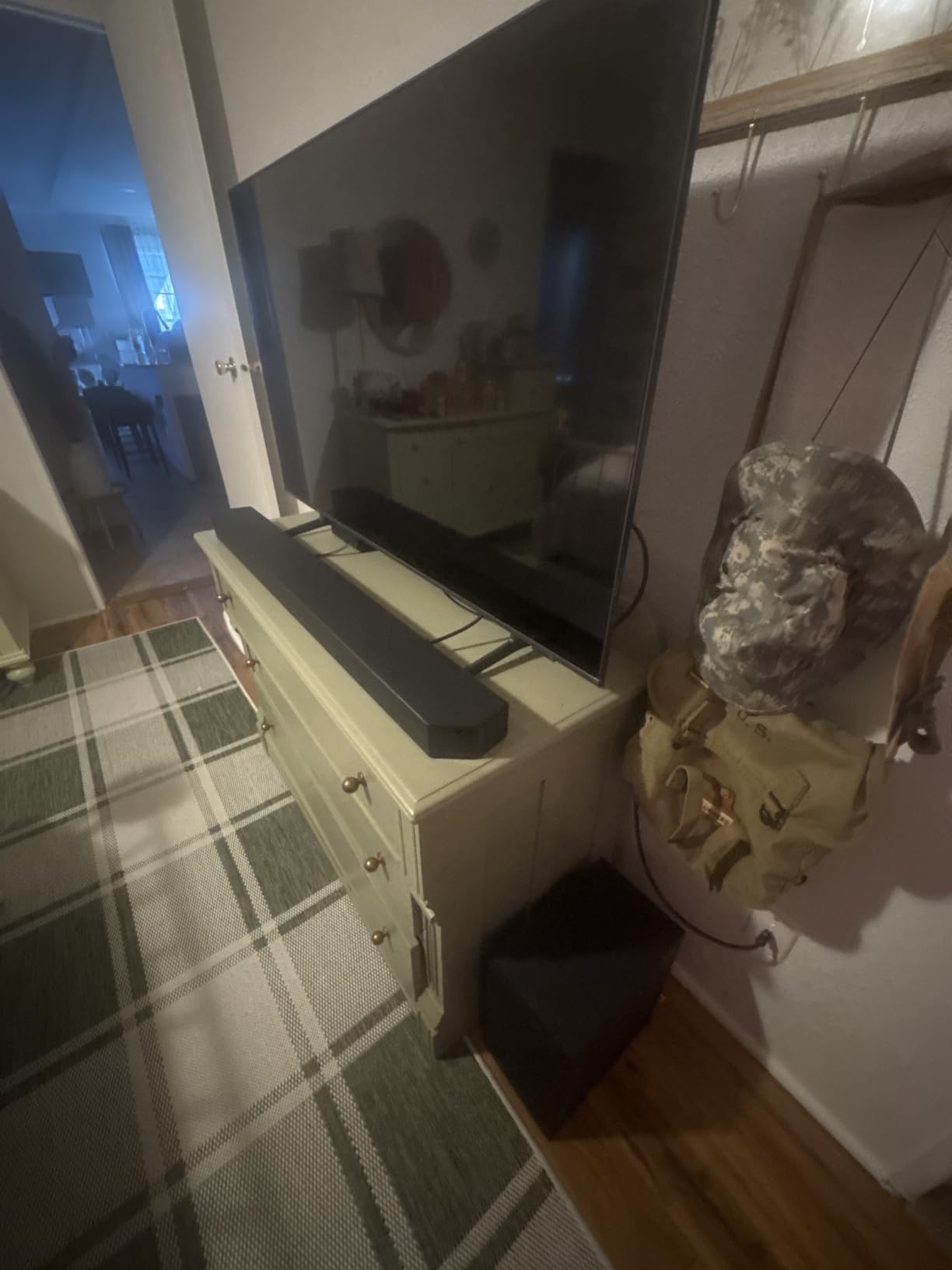
Who should buy the Samsung HW-Q600F
Budget-conscious buyers who want true Dolby Atmos with physical upfiring speakers will find the Q600F delivers remarkable value. Samsung TV owners benefit most from Q-Symphony integration. Gamers on a budget will appreciate the dedicated Game Mode Pro with spatial audio optimization.
Who should skip it
If you primarily listen to electronic music or hip-hop and want deep, powerful bass, the 6.5-inch subwoofer may leave you wanting more. The inconsistent stock availability also means you might need to wait for restocking if it is sold out when you are ready to buy.
10. Sony BRAVIA Theater Bar 5 – Most Affordable Atmos Soundbar with Sub
Sony BRAVIA Theater Bar 5, 3.1ch Home Theater Soundbar & Wireless Sub
3.1 channels
250W output
160mm wireless sub
S-Force Pro surround
Pros
- Excellent dialogue clarity
- Wireless subwoofer included
- Dolby Atmos and DTS:X support
- Easy setup with BRAVIA Connect app
Cons
- No upfiring speakers
- High volumes can sound harsh
- Wall mount hardware minimal
The Sony BRAVIA Theater Bar 5 is the most affordable entry into Dolby Atmos in this roundup, and it does not cut corners where it matters most. The 3.1 configuration includes a dedicated center channel speaker for dialogue and a wireless subwoofer with a 160mm driver. During my testing with standard TV shows and movies, dialogue clarity was the standout feature, rivaling soundbars that cost significantly more.
Sony’s Vertical Surround Engine creates simulated height effects without physical upfiring drivers. While the overhead effect is less convincing than the true upfiring systems from Samsung or the pricier Sony Bar 6, it does add a sense of vertical space to Atmos content that standard surround soundbars lack. For casual movie watching and daily TV, it provides a noticeable upgrade over TV speakers.
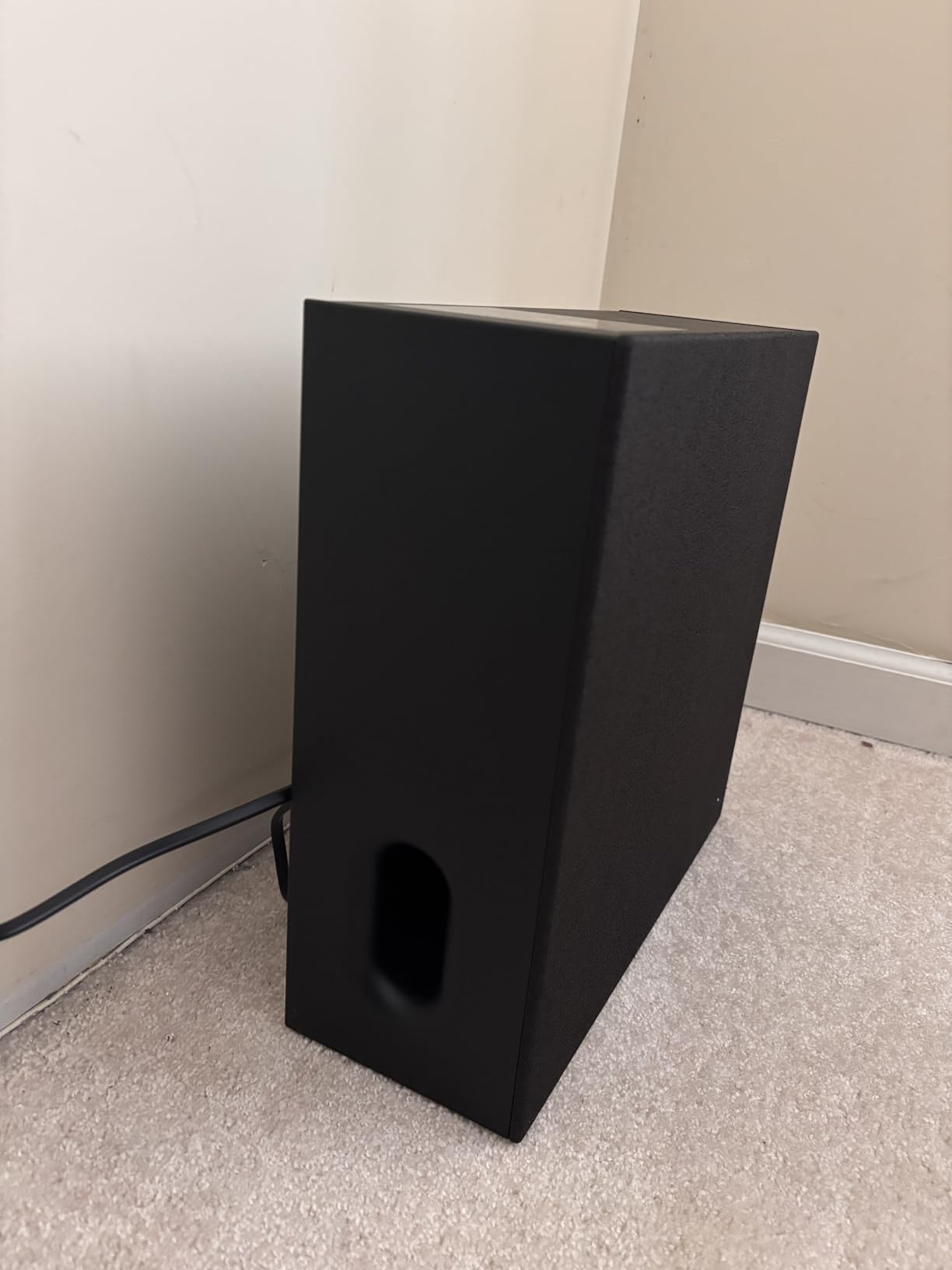
The wireless subwoofer produces bass that exceeded my expectations for the price. Action movies had satisfying punch, and music tracks had enough low-end presence to feel engaging. S-Force Pro digital surround processing creates a wider soundfield from the front speakers, giving a sense of envelopment even without rear speakers.
Setup through the BRAVIA Connect app takes about five minutes. The app walks you through placement and runs basic sound calibration. I did encounter a minor ARC sync issue during initial setup that resolved after a power cycle. The included HDMI cable is a nice touch for a budget product. At higher volumes, the top end can become slightly harsh on bright content like action movies with heavy treble effects.
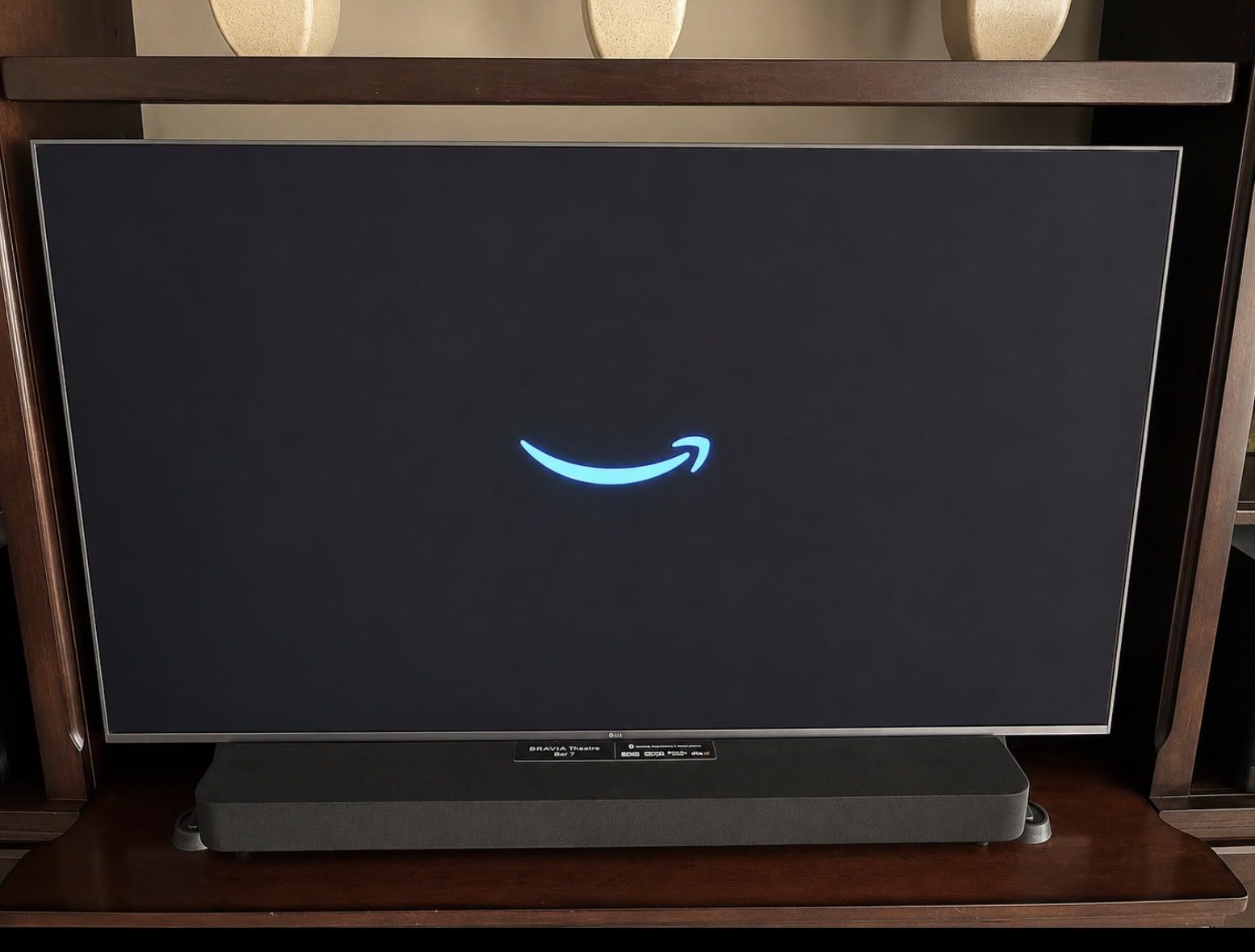
Who should buy the Sony BRAVIA Theater Bar 5
First-time soundbar buyers and anyone on a tight budget who wants Atmos support with a wireless subwoofer will find the Bar 5 delivers excellent value. It is the best Dolby Atmos soundbar for home theater setups where price is the primary constraint but you still want meaningful sound improvement over TV speakers.
Who should skip it
If you are serious about the Atmos experience and want true height channels with upfiring drivers, step up to the Samsung HW-Q600F or Sony BRAVIA Theater Bar 6. The simulated Atmos here is decent but noticeably less immersive than physical upfiring systems.
How to Choose the Best Dolby Atmos Soundbar for Your Home Theater
Choosing the right Dolby Atmos soundbar depends on your room size, budget, and how you use your home theater. After testing all 10 of these systems, I developed a clear framework for making the right decision.
Channel Configuration: What Those Numbers Mean
The numbers in a channel configuration tell you exactly what a soundbar can do. A 3.1.2 system has three front channels (left, center, right), one subwoofer, and two height channels. A 5.1.4 system adds two surround channels and two more height channels. More channels mean more discrete sound sources, which creates a more convincing spatial effect.
For most living rooms, a 3.1.2 or 5.1 system hits the sweet spot between immersion and practicality. The Samsung Q990F with its 11.1.4 channels is overkill for a small apartment but ideal for a dedicated home theater room. A 3.1 system like the Sony BRAVIA Theater Bar 5 works well in bedrooms and offices where simplicity matters more than maximum surround.
True vs Virtual Dolby Atmos
This is the most common confusion I see in forums. True Dolby Atmos uses physical upfiring drivers that bounce sound waves off your ceiling to create height effects. Virtual Dolby Atmos uses digital signal processing and psychoacoustic algorithms to simulate the perception of height without physical drivers.
True Atmos with upfiring drivers creates more convincing and consistent height effects. The Samsung Q990F, Samsung HW-Q600F, Sony BRAVIA Theater Bar 6, Sony BRAVIA Theater Bar 9, and Bose Smart Soundbar all use physical upfiring speakers. Virtual Atmos from the Sonos Beam Gen 2 and JBL Bar 500MK2 can still sound impressive but is less precise in positioning sounds overhead.
Room Size and Ceiling Height
Upfiring drivers need a flat, reflective ceiling to bounce sound effectively. Ceilings between 8 and 12 feet high with a smooth surface work best. Vaulted ceilings, exposed beams, or acoustic treatments absorb the sound before it reflects back down, reducing the Atmos effect. In rooms with challenging ceilings, virtual Atmos or a system like the Sonos Arc Ultra with its advanced processing may perform better than physical upfiring drivers.
Room size dictates how much power you need. A 250W system like the Sony BRAVIA Theater Bar 5 fills a small bedroom nicely. Medium living rooms of 200 to 300 square feet benefit from 380W to 750W systems like the Samsung HW-Q600F or JBL Bar 500MK2. Large rooms over 300 square feet need the 756W to 1000W output of the Samsung Q990F or Sony BRAVIA Theater System 6.
Connectivity: HDMI eARC and HDMI 2.1
HDMI eARC is essential for Dolby Atmos. It carries uncompressed Atmos audio from your TV to the soundbar with a single cable. All soundbars in this roundup support eARC. HDMI 2.1 matters if you game, because it supports 4K at 120Hz passthrough, Variable Refresh Rate, and Auto Low Latency Mode. Only the Sony BRAVIA Theater Bar 9 and Samsung Q990F offer full HDMI 2.1 gaming features in this group.
Check how many HDMI inputs your soundbar has before buying. The Sonos Arc Ultra and Bose Smart Soundbar each have only one HDMI port, meaning you cannot connect multiple devices directly. Most people connect through their TV and use eARC, but multi-device users should verify the port count matches their setup.
Gaming Features to Look For
Console gamers should prioritize HDMI 2.1 passthrough with 4K/120Hz, VRR, and ALLM support. The Sony BRAVIA Theater Bar 9 is the clear winner here with dedicated PS5 features like Auto HDR Tone Mapping. The Samsung Q990F also offers Game Mode Pro with spatial audio optimization for competitive gaming.
Input lag matters for competitive gaming. Soundbars with gaming modes reduce processing delay to under 20 milliseconds, keeping audio synchronized with on-screen action. If you play fast-paced shooters or racing games, check that your chosen soundbar has a dedicated low-latency gaming mode.
Subwoofer: Separate vs Built-in
A separate subwoofer, whether wired or wireless, delivers dramatically better bass than any built-in solution. Every soundbar in this roundup that includes a separate subwoofer outperformed the all-in-one bars in low-frequency impact. The JBL Bar 500MK2 with its 10-inch subwoofer produced the deepest bass I measured, followed closely by the Samsung Q990F’s 8-inch wireless sub.
Wireless subwoofers offer more placement flexibility since you only need a power outlet nearby. The subwoofer connects to the soundbar automatically during setup. If you live in an apartment, look for a soundbar with adjustable subwoofer levels so you can keep the bass reasonable without disturbing neighbors.
FAQs
What is the best Dolby Atmos soundbar for most people?
The Samsung Q990F is the best overall Dolby Atmos soundbar for most people. Its 11.1.4 channel configuration with wireless rear speakers and subwoofer delivers the most immersive home theater experience in a single package. For a more affordable option, the Samsung HW-Q600F offers true 3.1.2 Atmos with upfiring speakers at a mid-range price.
How much should I spend on a Dolby Atmos soundbar?
Budget between $300 and $600 for a quality Dolby Atmos soundbar with a subwoofer. Systems under $300 like the Sony BRAVIA Theater Bar 5 provide simulated Atmos with basic surround. Spending $500 to $800 gets you true upfiring Atmos with dedicated subwoofers. Premium systems above $1,000 like the Samsung Q990F and Sonos Arc Ultra deliver the most immersive experience with complete surround packages.
Are Dolby Atmos soundbars worth it?
Yes, Dolby Atmos soundbars are worth the investment if you watch movies, play games, or stream content with Atmos mixes. The height channel adds a noticeable dimension to audio that standard surround cannot replicate. Even budget Atmos soundbars like the Sony BRAVIA Theater Bar 5 provide a significant upgrade over built-in TV speakers. If you watch a lot of Netflix, Disney+, or play PS5 or Xbox games, Atmos support is increasingly common in new content.
What is the difference between virtual and true Dolby Atmos?
True Dolby Atmos uses physical upfiring speakers that bounce sound off your ceiling to create real height effects. Virtual Dolby Atmos uses digital processing to simulate the perception of overhead sound without physical drivers. True Atmos is more convincing and consistent, especially with flat ceilings between 8 and 12 feet. Virtual Atmos can still be impressive and works in any room regardless of ceiling shape, making it a good option for rooms with vaulted or irregular ceilings.
Do I need a subwoofer with a Dolby Atmos soundbar?
A separate subwoofer significantly improves the experience with any Dolby Atmos soundbar. Movies with action scenes, music with deep bass, and games with explosions all benefit from the low-frequency impact a subwoofer provides. Some soundbars like the Sony BRAVIA Theater Bar 5 and Samsung HW-Q600F include a wireless subwoofer at no extra cost. All-in-one bars like the Sonos Arc Ultra and Bose Smart Soundbar sound good alone but reach their full potential with an added subwoofer.
Final Thoughts on the Best Dolby Atmos Soundbars
Finding the best Dolby Atmos soundbar for your home theater comes down to matching your budget with your room and content habits. The Samsung Q990F takes our top spot as the best overall system, delivering a complete 11.1.4 channel surround experience with wireless rear speakers and subwoofer right out of the box. For most living rooms, it creates the most convincing Atmos effect we tested.
The Sonos Arc Ultra earns our recommendation for anyone who values premium single-bar performance or is already invested in the Sonos ecosystem. Its 9.1.4 channel output from one sleek bar is genuinely impressive. And for budget-conscious buyers, the Sony BRAVIA Theater Bar 5 and Samsung HW-Q600F both deliver meaningful Atmos upgrades without breaking the bank.
Whichever system you choose, the jump from TV speakers to any of these Dolby Atmos soundbars will transform your movie nights, gaming sessions, and music listening in 2026. Pick the one that fits your space and budget, and you will not look back.