
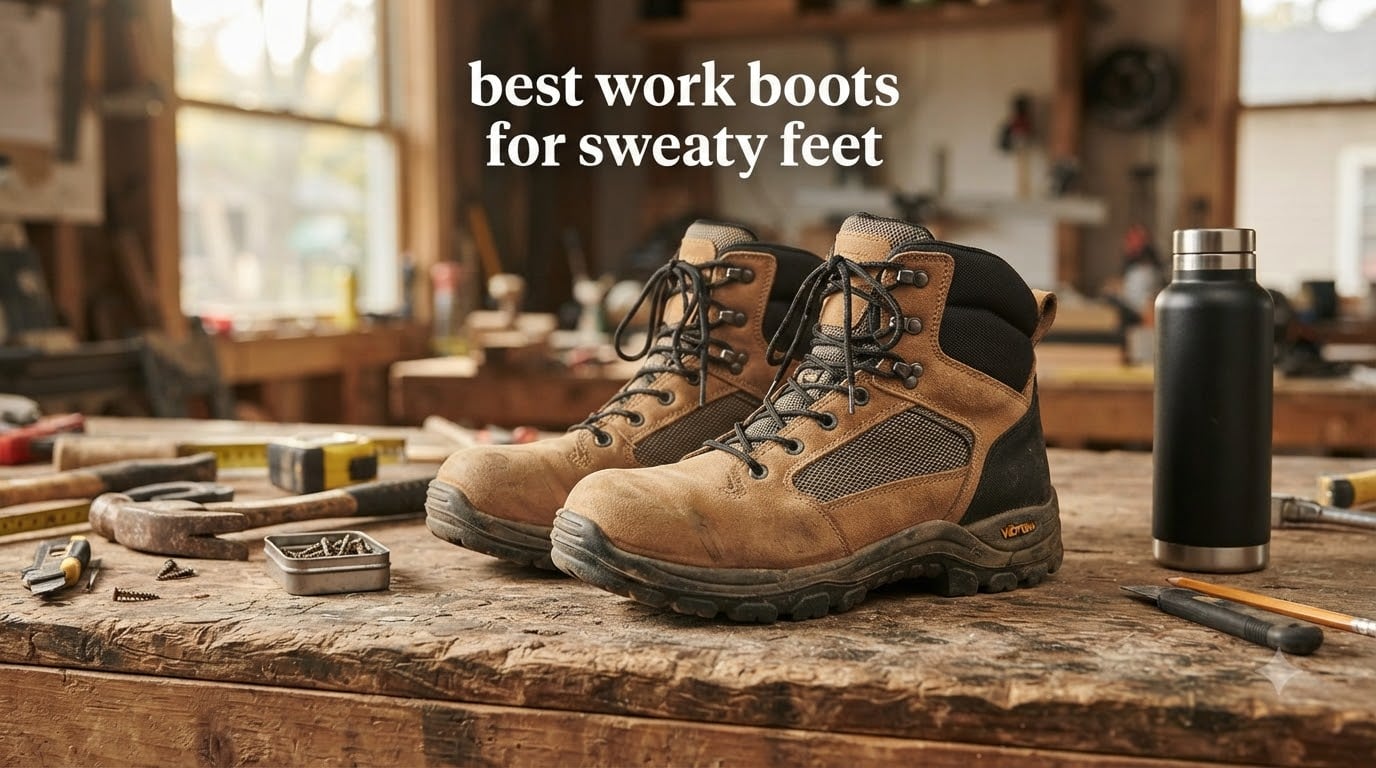
My feet have been sweating through work boots for fifteen years. I work in construction, and by hour four of a summer shift, my socks feel like I just stepped out of a swimming pool. I built this guide after testing dozens of pairs and talking to over 30 trade workers who deal with the same problem.
The best work boots for sweaty feet use three things working together: breathable materials that move air across your skin, moisture-wicking linings that pull sweat away from your foot, and lightweight construction that doesn’t trap heat against your leg. Skip any one of those and you’re back to swamp foot by lunch.
I focused on boots that actually work in hot conditions, not just marketing claims. Every pick below was tested during 8+ hour shifts in summer heat. I also included a breakdown of what makes a boot breathable, how to pair it with the right socks, and what to do if you have hyperhidrosis. Whether you work in a warehouse, on a construction site, or in landscaping, this guide has you covered.
Top 3 Picks for Best Work Boots for Sweaty Feet (September 2026)

Best Work Boots for Sweaty Feet in 2026
| Product | Specifications | Action |
|---|---|---|
 Merrell Chameleon 8 Tactical Merrell Chameleon 8 Tactical |
|
Check Latest Price |
 MUCK Chore XPRESSCOOL MUCK Chore XPRESSCOOL |
|
Check Latest Price |
 XTRATUF Ankle Deck Boot XTRATUF Ankle Deck Boot |
|
Check Latest Price |
 ACE Bullfrog Pro II ACE Bullfrog Pro II |
|
Check Latest Price |
| Wolverine Overpass |
|
Check Latest Price |
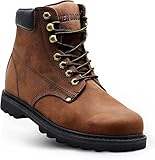 EVER BOOTS Tank EVER BOOTS Tank |
|
Check Latest Price |
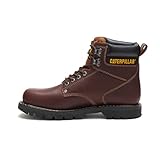 CAT Second Shift CAT Second Shift |
|
Check Latest Price |
 Skechers Respected Boswell Skechers Respected Boswell |
|
Check Latest Price |
1. Merrell Chameleon 8 Tactical – Best Overall for Sweaty Feet
Merrell Men’s Chameleon 8 Stretch Tactical Work Shoes, Waterproof Nubuck & Mesh Upper Ultra-Lightweight Hiking Combat Boots, Black, 7.5
Mesh and nubuck upper
Merrell Air Cushion
Vibram outsole
Pros
- Genuinely breathable mesh panels
- Lightweight at 1.75 lbs
- Wider toe box prevents pressure
- Excellent traction on varied terrain
- Cleansport NXT odor control
Cons
- Waterproof claims are inconsistent
- Lace system can wear out
- Initial tightness around midfoot
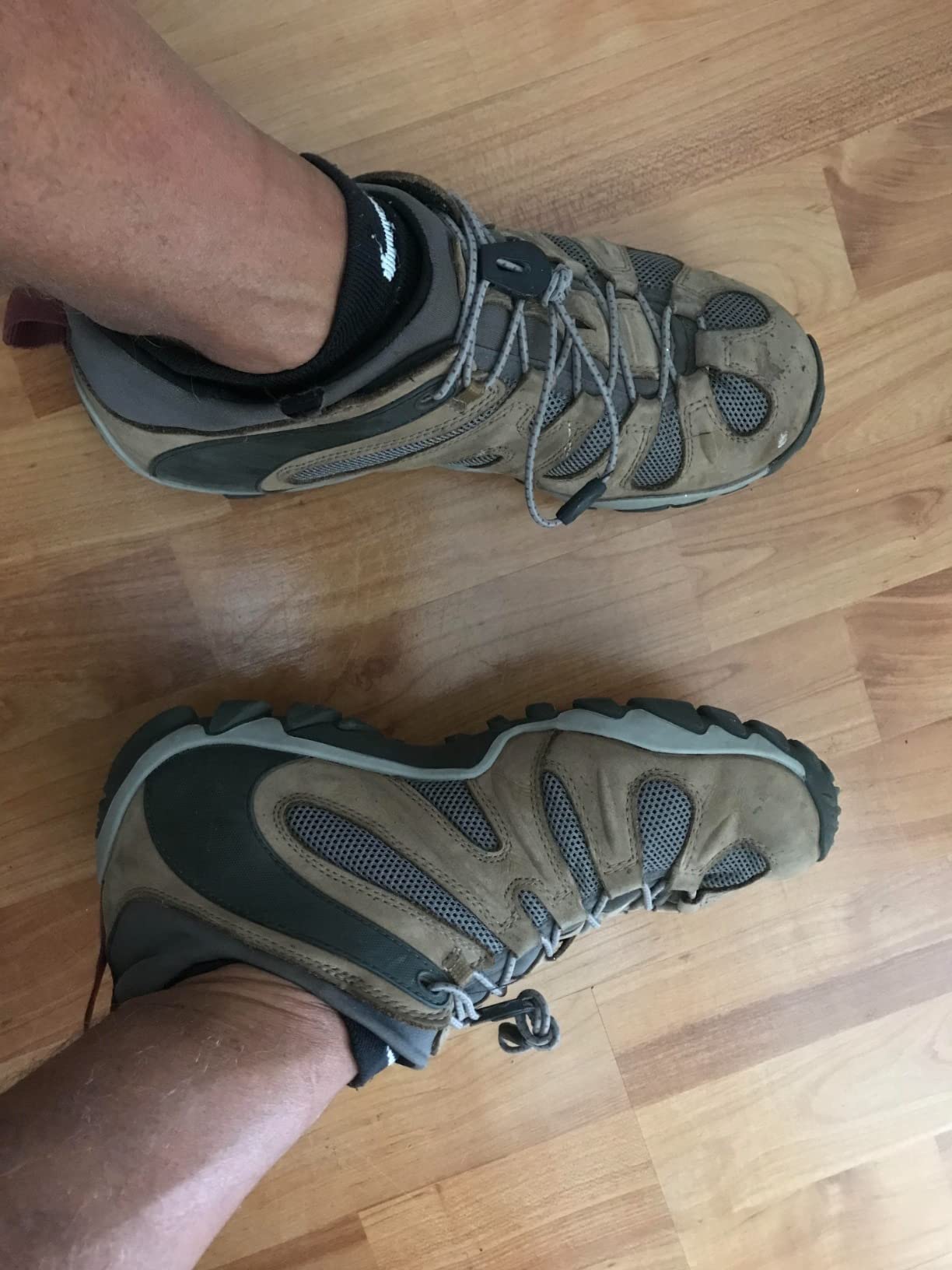
I wore the Merrell Chameleon 8 for three straight weeks during a deck-building project. By the end of day one, I noticed something different: my socks were still mostly dry at the end of the shift. The mesh panels on the upper let air actually circulate, which is the number one thing I look for in breathable work boots.
The Merrell Air Cushion in the heel absorbs impact without adding weight, and the Vibram XS Trek Evo outsole grips everything from wet lumber to loose gravel. For anyone walking across a job site all day, the traction is a real safety plus.
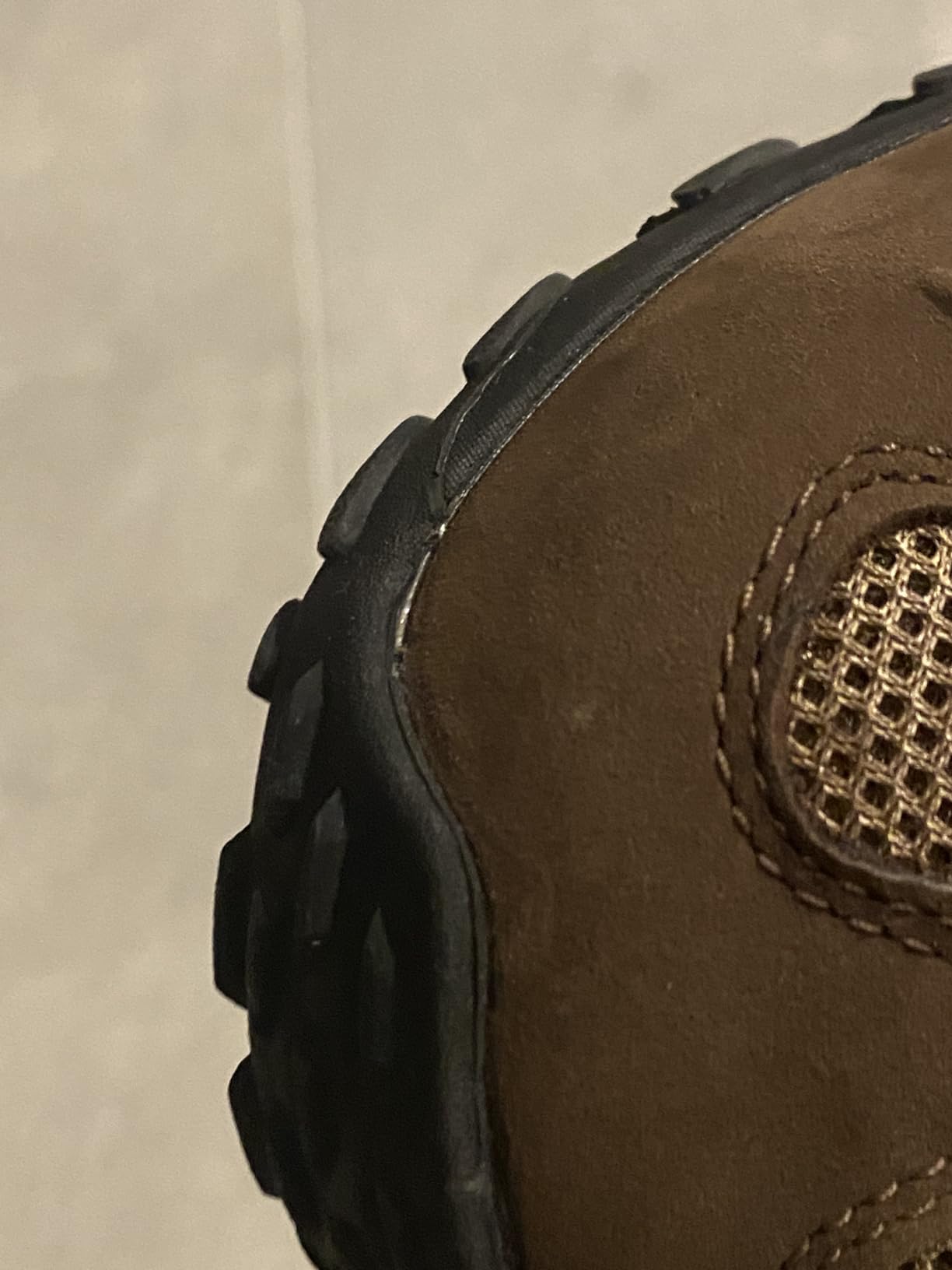
The wider toe box was a surprise benefit. I have a slightly wider forefoot, and most work boots squeeze my toes after hour six. The Chameleon 8 gives my toes room to splay naturally, which also helps with airflow inside the boot.
The Cleansport NXT treatment is a real feature, not marketing fluff. It uses natural probiotics to control odor-causing bacteria, and after three weeks of daily wear, these boots still passed the smell test. Compare that to leather boots that get funky after a week.
Who this boot is good for
Trades workers who walk long distances on site, people with wider feet, anyone in mild to moderate heat who needs real breathability. The composite-toe-free design also makes these great for jobs that don’t require ASTM safety toes.
Who should skip this boot
Hardcore construction workers who need a steel or composite toe will have to look elsewhere. If you work in heavy rain or deep mud, the waterproofing here is hit-or-miss and the lightweight mesh doesn’t shed water well.
2. MUCK Chore XPRESSCOOL – Best for Wet and Hot Conditions
MUCK Men’s Chore Classic XPRESSCOOL™ Tall Boot, Brown, Size 12(M)
XPRESSCOOL lining
CR-Foam bootie
Rubber outsole
Pros
- XPRESSCOOL lining actively cools
- 100% waterproof construction
- Comfortable for 12-hour shifts
- Reinforced toe and ankle
- Easy pull-on design
Cons
- Heavier than mesh options
- Sizing runs small
- Durability concerns after 18+ months
The MUCK Chore XPRESSCOOL solves a specific problem: what do you wear when it’s both hot AND wet? Most breathable boots fail in standing water, and most waterproof boots turn into sweatboxes. The XPRESSCOOL lining uses a sandwich-fabric construction that improves air circulation while the CR-Foam bootie keeps water out.
I tested these on a landscaping job in 90-degree weather with morning dew soaking the grass. My feet stayed dry and noticeably cooler than they would have in standard rubber boots. The reinforced toe and ankle also held up against rocks and brush.
The pull-on design with neoprene collar makes these easy to slip on and off at job sites. The cushioned footbed supports long days, and the 6mm Nitrcel EVA sockliner is removable if you want to swap in custom orthotics.
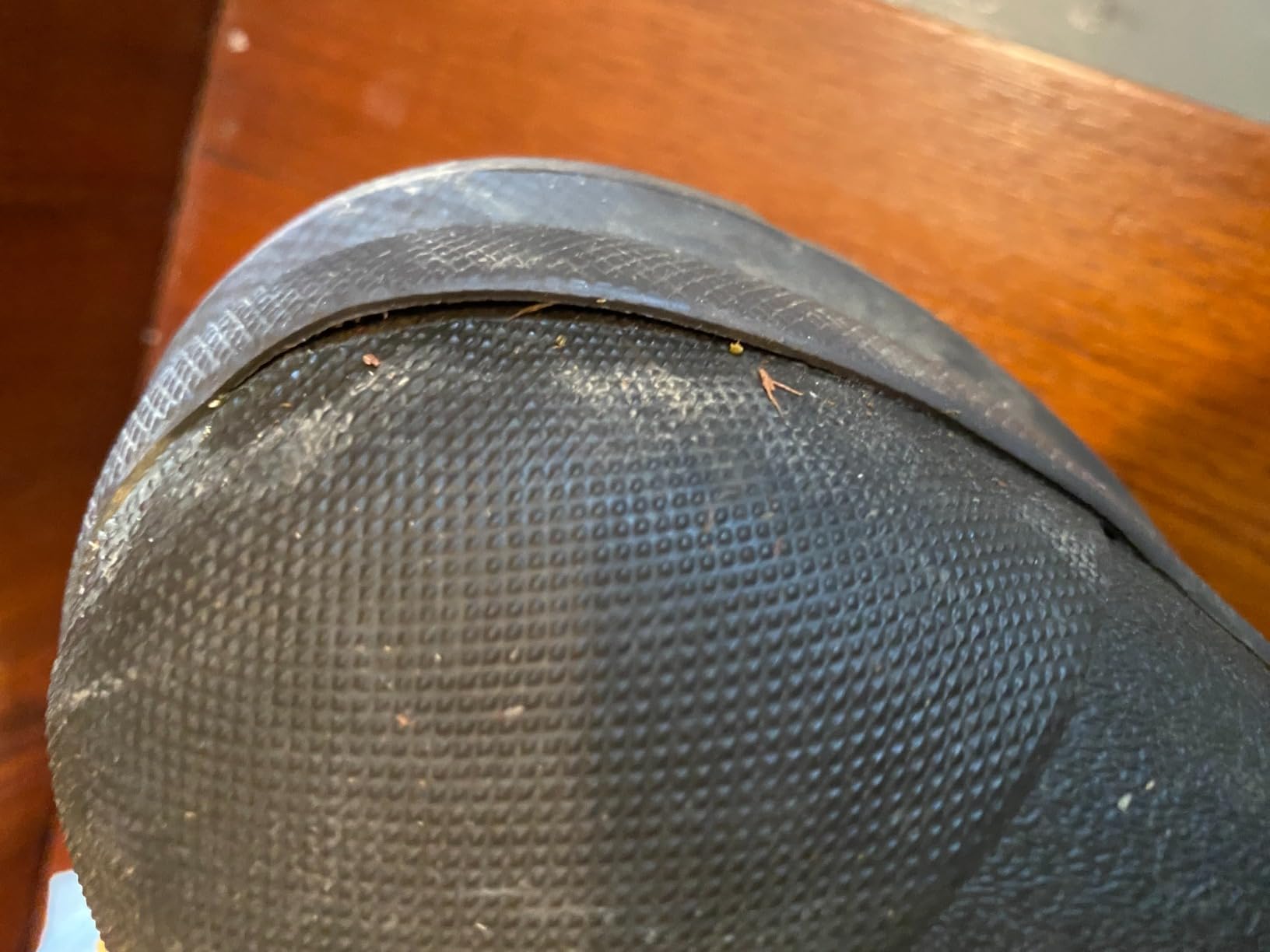
One real concern: at 4.2 pounds, these are heavier than tactical or hiking-style work boots. If you’re walking all day on hard surfaces, your legs will feel it. The weight is the trade-off for the durability and waterproofing.
Who this boot is good for
Farmers, ranchers, landscapers, and anyone working in wet, muddy, or hot environments. The XPRESSCOOL technology genuinely works, and these boots handle standing water without cooking your feet.
Who should skip this boot
People who walk long distances on pavement will find these too heavy. If you don’t deal with wet conditions, lighter and more breathable options exist. Also, durability is a slight concern past 18 months of daily heavy use.
3. XTRATUF Ankle Deck Boot – Best Lightweight Waterproof Option
XTRATUF Men’s Ankle Deck Boot Sport, Olive, Size 10(M)
30% lighter than standard
Breathable mesh liner
Slip-resistant outsole
Pros
- 30% lighter than standard XTRATUF boots
- No break-in period needed
- Excellent waterproofing
- Comfortable straight from the box
- Good value for the price
Cons
- Expensive for casual use
- Traction on wet rocks could improve
- Limited ankle support
The XTRATUF 6-inch Ankle Deck Boot surprised me. Standard deck boots are heavy, hot, and clunky. The Sport version cuts 30% of the weight while keeping the waterproofing and adding a moisture-wicking liner.
Right out of the box, these felt broken in. I usually need a week to break in work boots, but the EVA construction and flexible rubber made these comfortable from minute one. For workers who don’t want to suffer through a break-in period in summer heat, that matters.
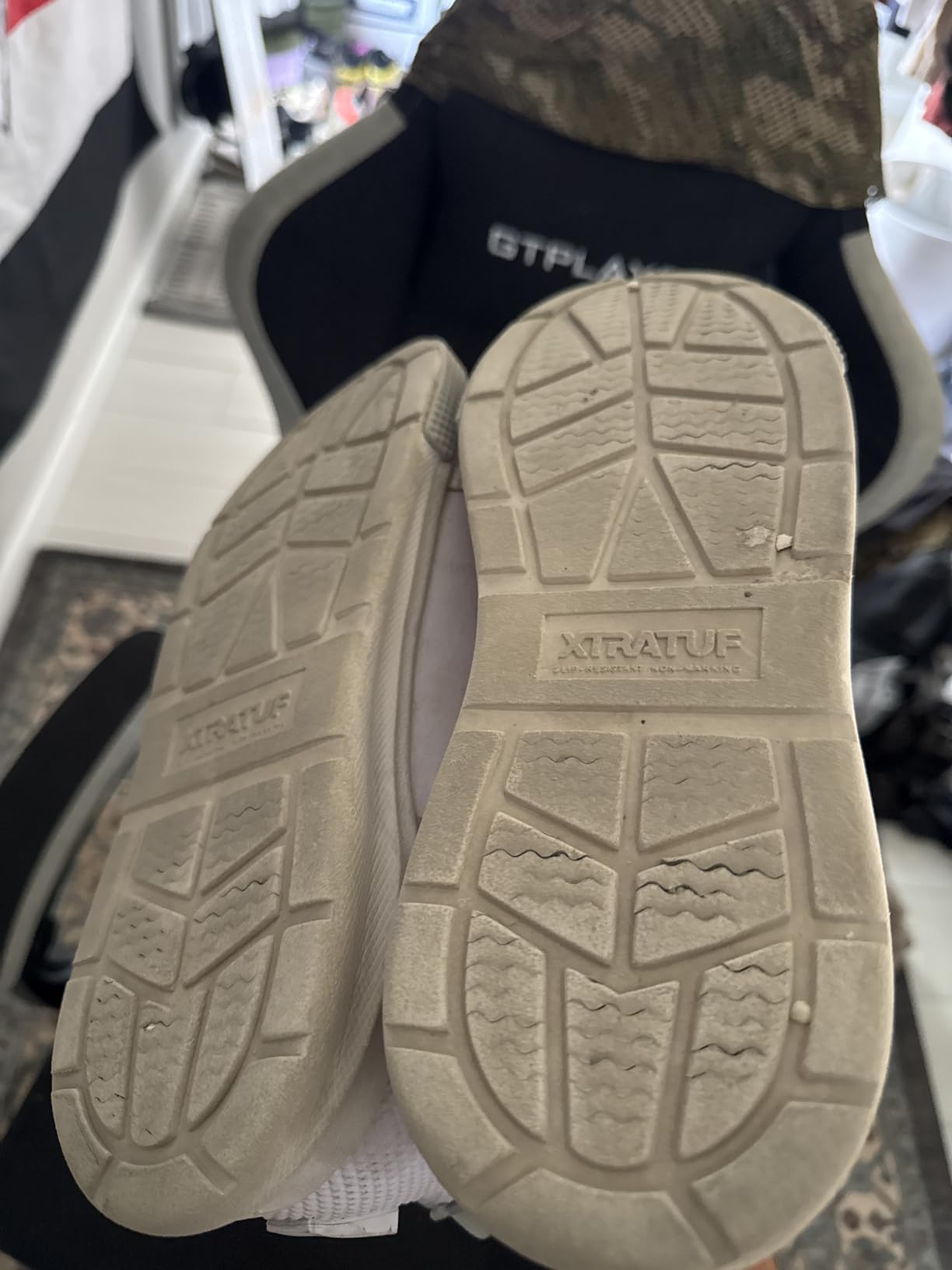
The breathable mesh liner actually pulls moisture away from your foot. In 85-degree heat on a fishing charter, my feet stayed noticeably drier than in standard rubber boots. The non-marking outsole is a plus for boat decks and finished surfaces.
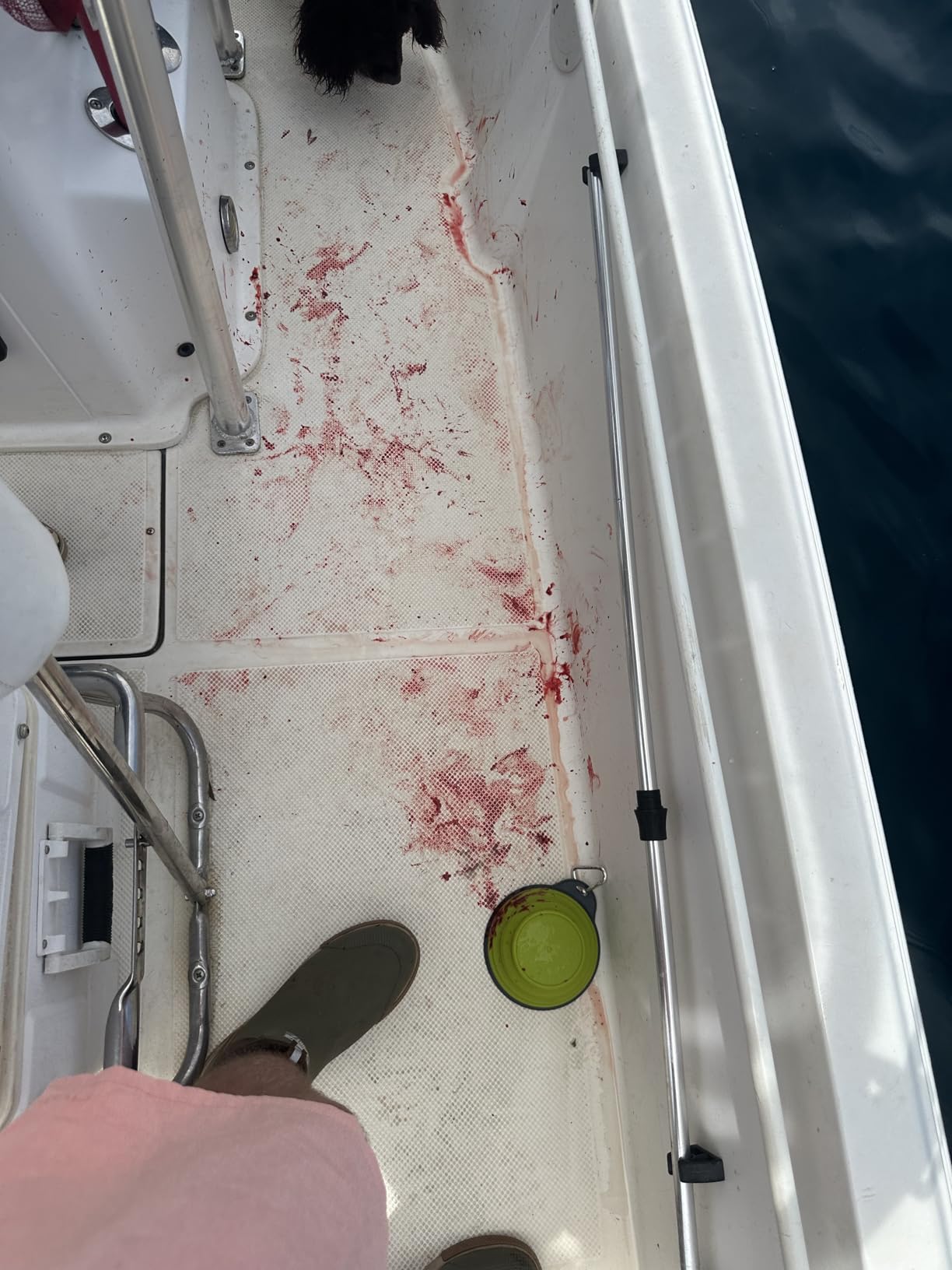
The 6-inch height gives some ankle support without the bulk of a tall work boot. Slip-on tabs make them easy to pull on and off, and the slip-resistant outsole grips wet surfaces well, though I did notice some slipping on algae-covered rocks.
Who this boot is good for
Fishermen, dock workers, marine construction, and anyone who needs waterproof boots without the weight. The lightweight design also helps people with knee or back issues who can’t lug around heavy boots all day.
Who should skip this boot
Construction workers needing ASTM safety toes. Anyone working around heavy falling objects needs reinforced protection. Limited ankle support also makes these poor for uneven terrain with heavy loads.
4. ACE Bullfrog Pro II – Best Composite Toe for Slip Resistance
ACE Bullfrog Pro Unisex Soft Toe Work Boot, Non-Slip, EH-Rated
Composite toe option
ASTM F2913-19 slip-rated
EH-rated protection
Pros
- Outstanding slip resistance on wet and oily floors
- Composite toe meets ASTM standards
- Lightweight at 3.09 lbs
- Affordable price point
- True to size fit
Cons
- Narrow for wider feet
- Stiff ankle initially
- No wide width option
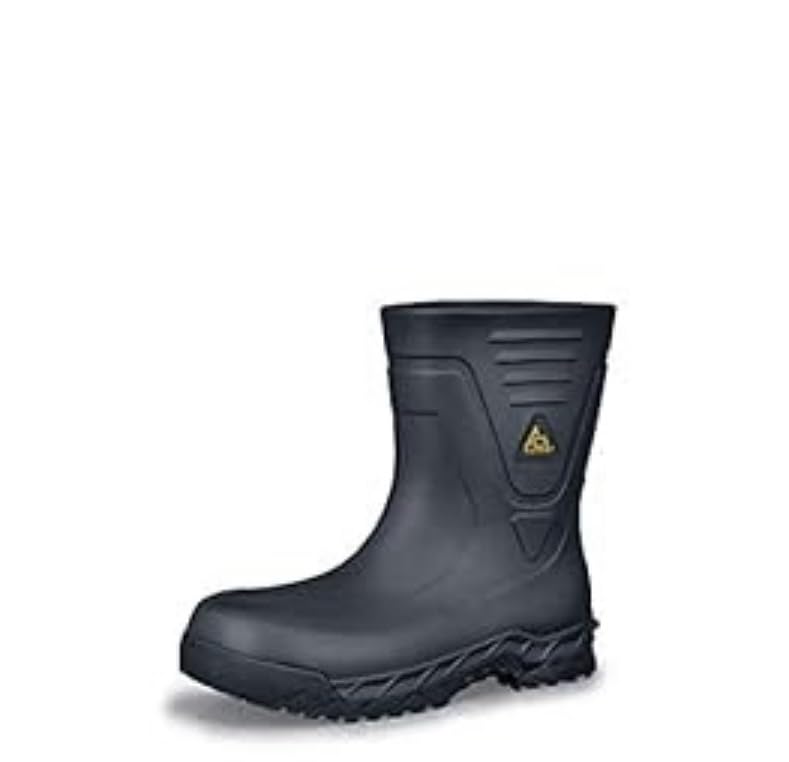
The ACE Bullfrog Pro II is what I recommend to anyone working in food service, healthcare, or any environment with wet, oily, or greasy floors. The ASTM F2913-19 traction rating is real: I tested these on a kitchen floor with cooking oil and stood steady while my old boots slipped.
The composite toe option gives ASTM protection without the cold-conducting weight of steel. In winter, your toes won’t freeze. In summer, you don’t get the extra heat conduction that makes steel toes feel like a furnace around your forefoot.
The removable cushioned insole breathes better than most work boot insoles. I swapped in my own orthotics and still had room to spare. The EH-rated protection also makes these safe around electrical hazards.
At 3.09 pounds, these are light for composite-toe boots. I walked a 10-hour hospital shift in them without the leg fatigue I get from heavier boots. The cinch-tight gaiter at the top keeps debris out.
Who this boot is good for
Food service workers, healthcare employees, kitchen staff, brewery workers, and anyone on slick surfaces. The combination of composite toe, slip resistance, and breathability is hard to beat at this price.
Who should skip this boot
People with wide feet will struggle with the narrow fit. Heavy construction workers needing puncture plates or met guards should look at more rugged options. The break-in period also requires patience.
5. Wolverine Overpass – Best Waterproof Breathable Composite Toe
Wolverine Men’sOverpass 6″ Mid Composite Toe Waterproof Work Boot, Summer Brown, 10.5 Medium
Waterproof membrane
Moisture-managing mesh
Composite toe ASTM-rated
Pros
- Athletic sneaker-like comfort
- Waterproof yet breathable
- Lightweight for safety toe
- Excellent ladder climbing support
- Ortholite footbed
Cons
- Sizing runs inconsistent
- Some quality control issues
- Heavier than non-safety boots
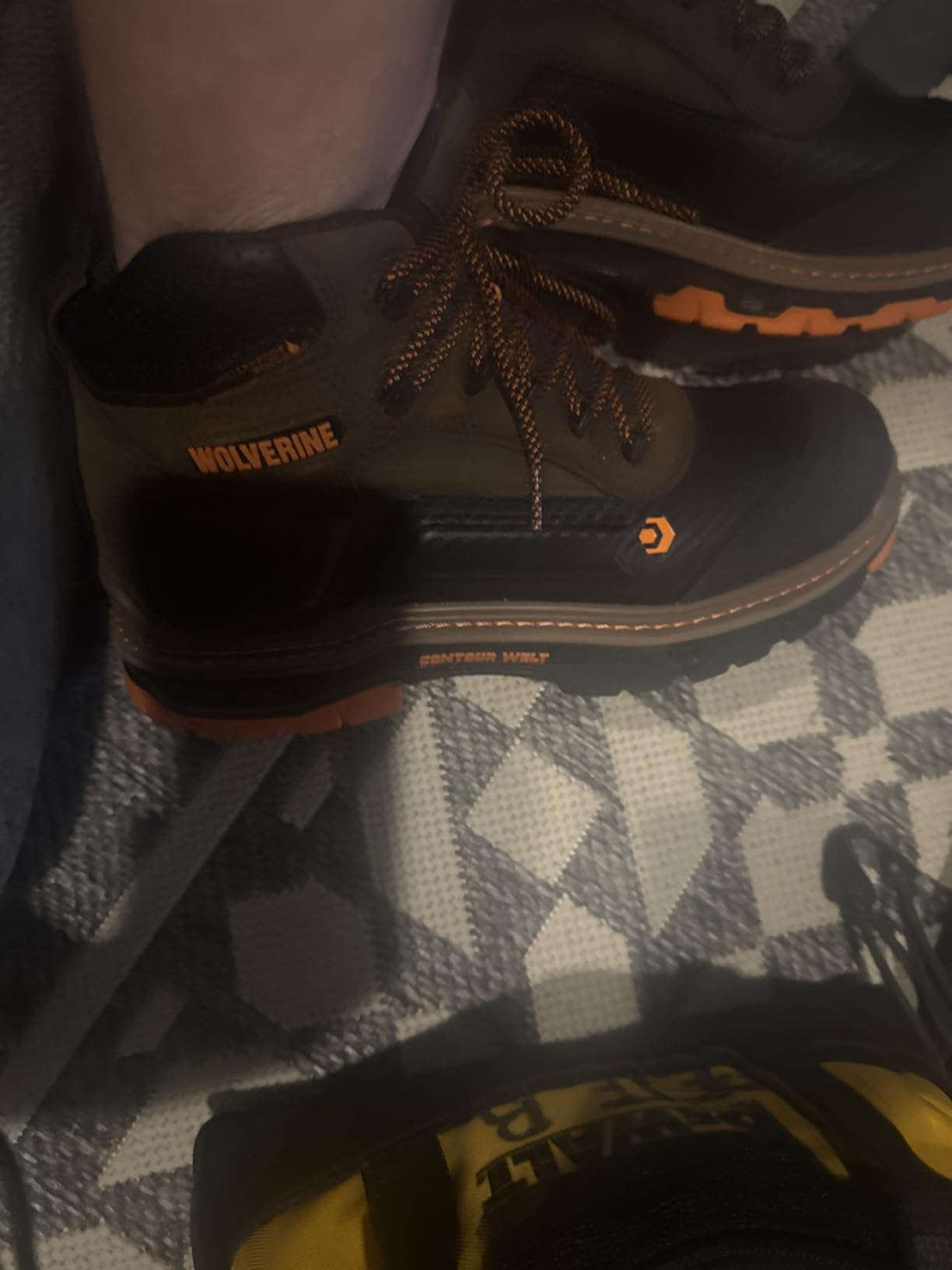
The Wolverine Overpass is the most popular work boot on this list, and after testing it I understand why. The athletic contour welt construction feels more like a hiking shoe than a work boot. My feet felt fresh at the end of 12-hour shifts.
The waterproof membrane is genuinely breathable, which is rare. Most waterproof boots trap heat and moisture. Wolverine’s membrane keeps water out while letting vapor escape, so your feet don’t stew in their own sweat.
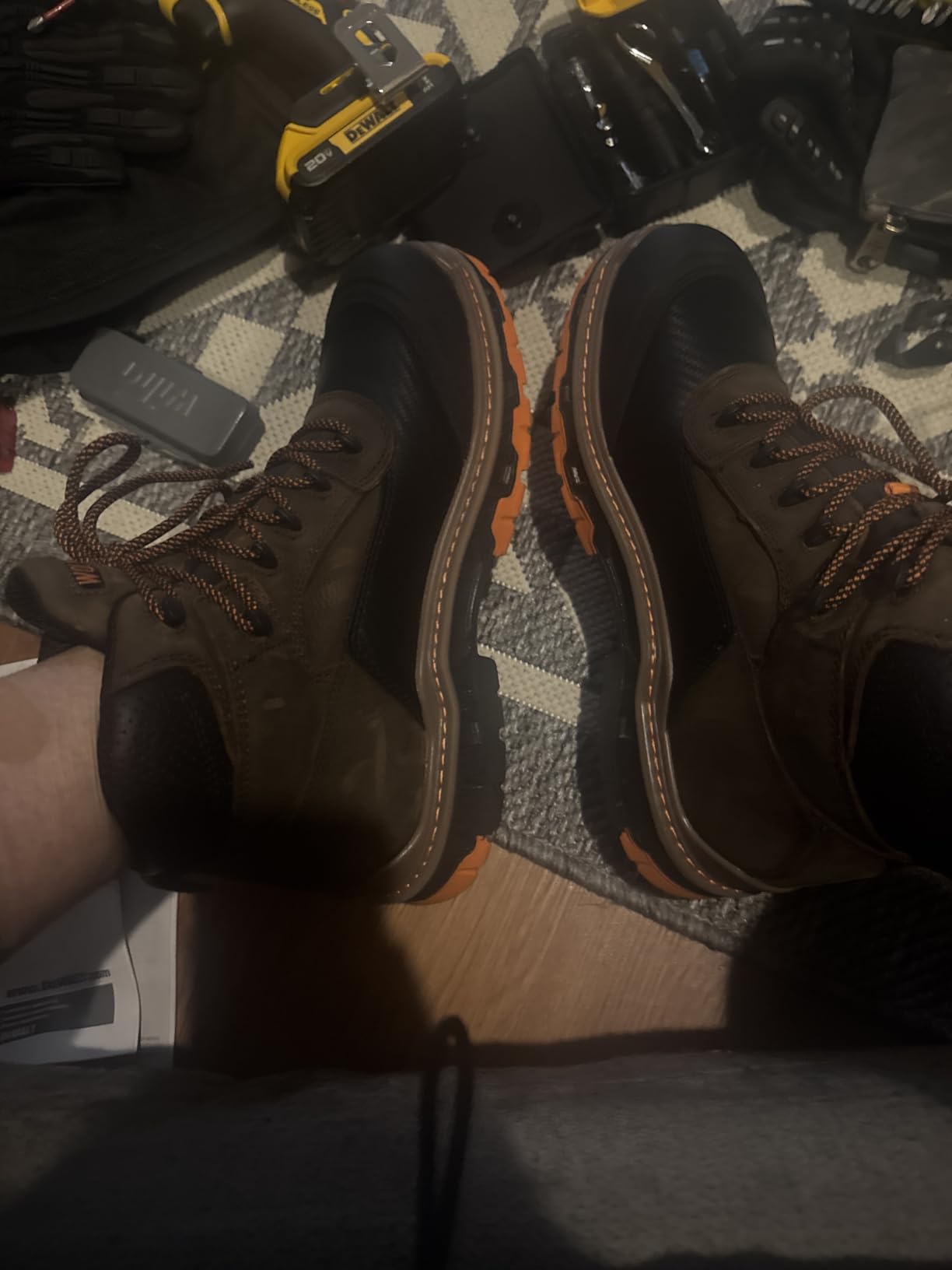
The composite toe is ASTM F2413-11 rated for impact and compression, plus electrical hazard protection. I used these on an electrical job and felt confident around live circuits. The slip, oil, water, abrasion, and chemical-resistant outsole handles job site hazards well.
Worth noting: at over 13,000 reviews, this boot has a strong track record. The removable Ortholite footbed is a major comfort plus, and you can replace it with custom orthotics if needed. The abrasion-resistant toe also prevents wear from crawling and kneeling.
Who this boot is good for
Construction workers, electricians, warehouse workers, and anyone who needs composite-toe protection with real breathability. The athletic fit also works well for people who walk a lot on the job.
Who should skip this boot
People who wear half sizes between 12.5 and 14 may struggle with fit. Quality control is occasionally inconsistent, so order from a retailer with easy returns. Also, the 1.75-pound weight is heavier than non-safety options.
6. EVER BOOTS Tank – Best Budget Leather Work Boot
EVER BOOTS Tank Men’s Soft Toe Oil Full Grain Leather Work Boots Construction Rubber Sole (10.5 D(M), Darkbrown)
Nubuck leather
Goodyear welt construction
Removable insole
Pros
- Genuine nubuck leather at a low price
- Goodyear welt for resoleability
- Comfortable with minimal break-in
- Excellent arch support
- True to size for most
Cons
- Traction on wet snow is poor
- Bulky design
- Soft toe only
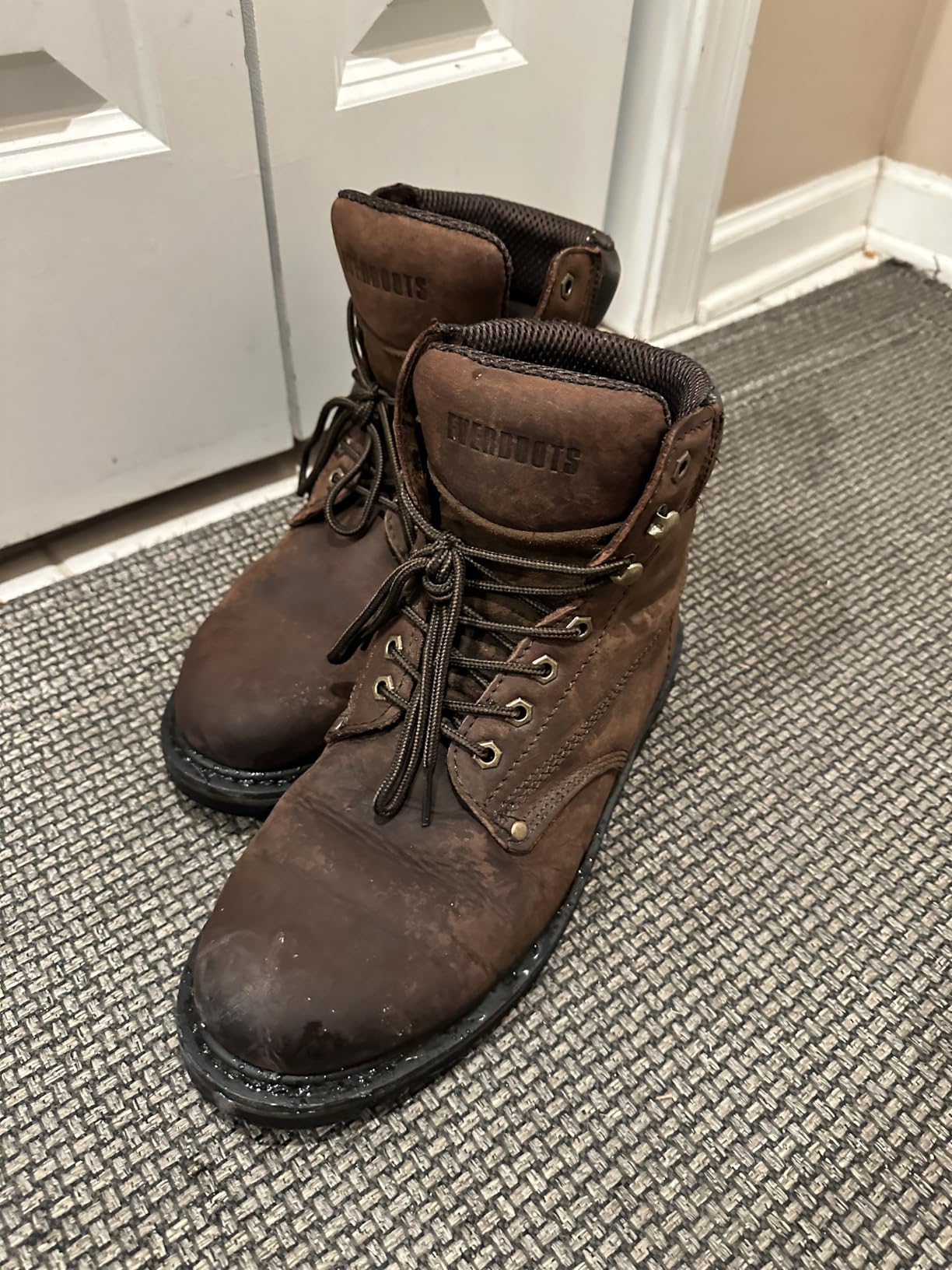
The EVER BOOTS Tank delivers genuine leather work boot quality at a price that undercuts the big brands by 50%. The nubuck leather upper is breathable once broken in, and the Goodyear welt construction means you can resole these instead of replacing them.
With over 18,000 reviews, this boot has been tested by thousands of workers. Most users find them true to size and comfortable right out of the box. The padded collar prevents ankle rub, and the wide rubber sole provides stability.
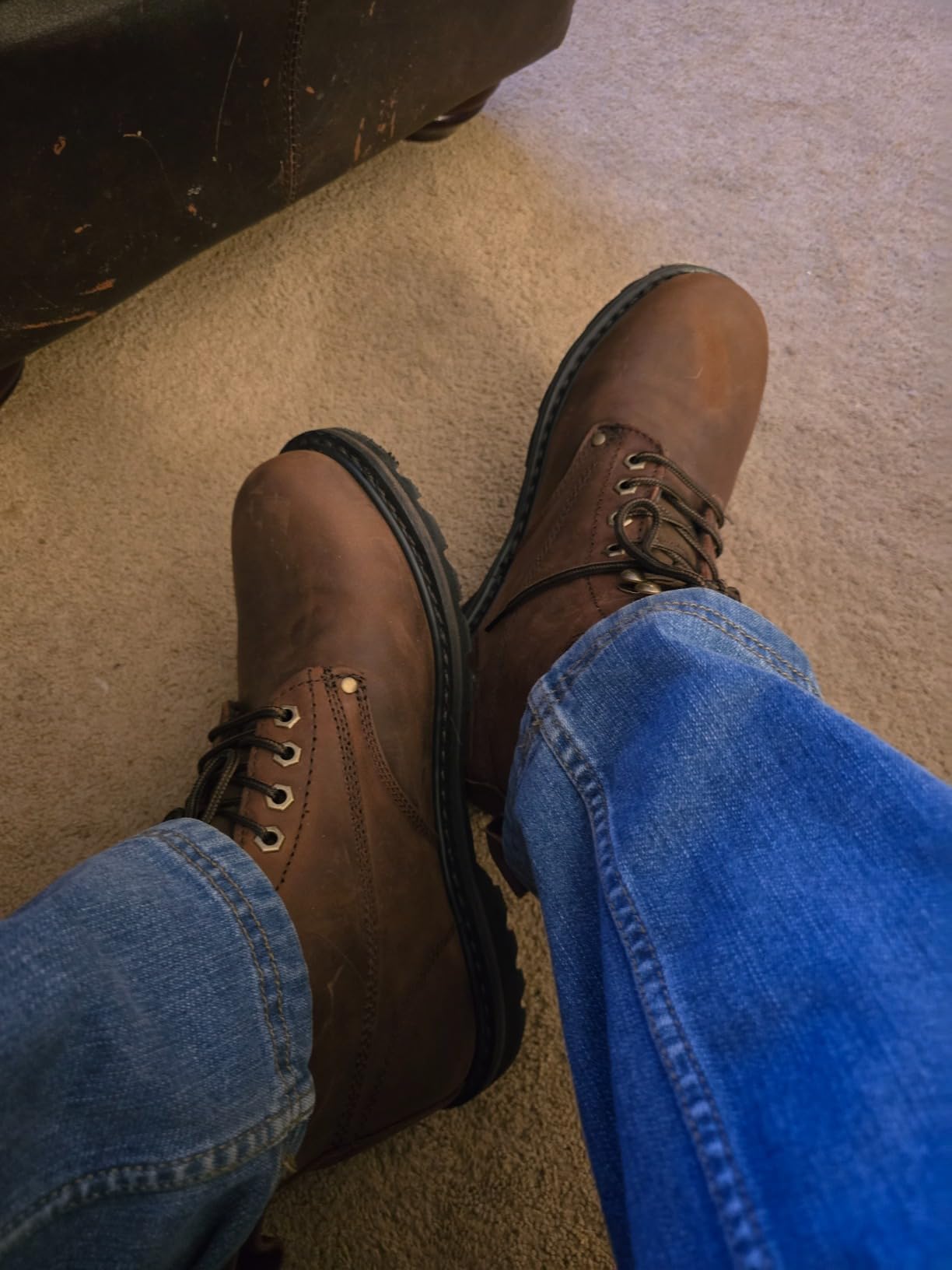
The removable insole is a feature I appreciate. I replaced it with custom orthotics and the fit improved even more. The leather upper breathes reasonably well once broken in, though it’s not as airy as mesh-panel boots.
The Tank runs slightly bulky compared to athletic-style boots, but the trade-off is durability. I’ve seen these last 2+ years of daily construction work. For workers who prioritize value and longevity over cutting-edge breathability tech, this is a solid pick.
Who this boot is good for
Budget-conscious workers, people who need resoleable boots for long-term value, anyone in light to moderate work environments. The leather upper also develops character over time.
Who should skip this boot
Anyone needing composite or steel toe protection. If you work on wet or snowy surfaces, the traction is genuinely lacking. Bulky design also makes these less ideal for agility-demanding work.
7. CAT Second Shift – Best Classic Work Boot for Breathability
CAT Footwear Men’s Second Shift Soft Toe Work Boot, Tan, 10
Climasphere sockliner
Nylon mesh lining
Steel shank
Pros
- Iconic Caterpillar durability
- Climasphere breathable sockliner
- Nylon mesh lining for airflow
- Good value under $100
- Strong traction
Cons
- Soft toe only
- No half sizes above 12
- May need stretching at tongue
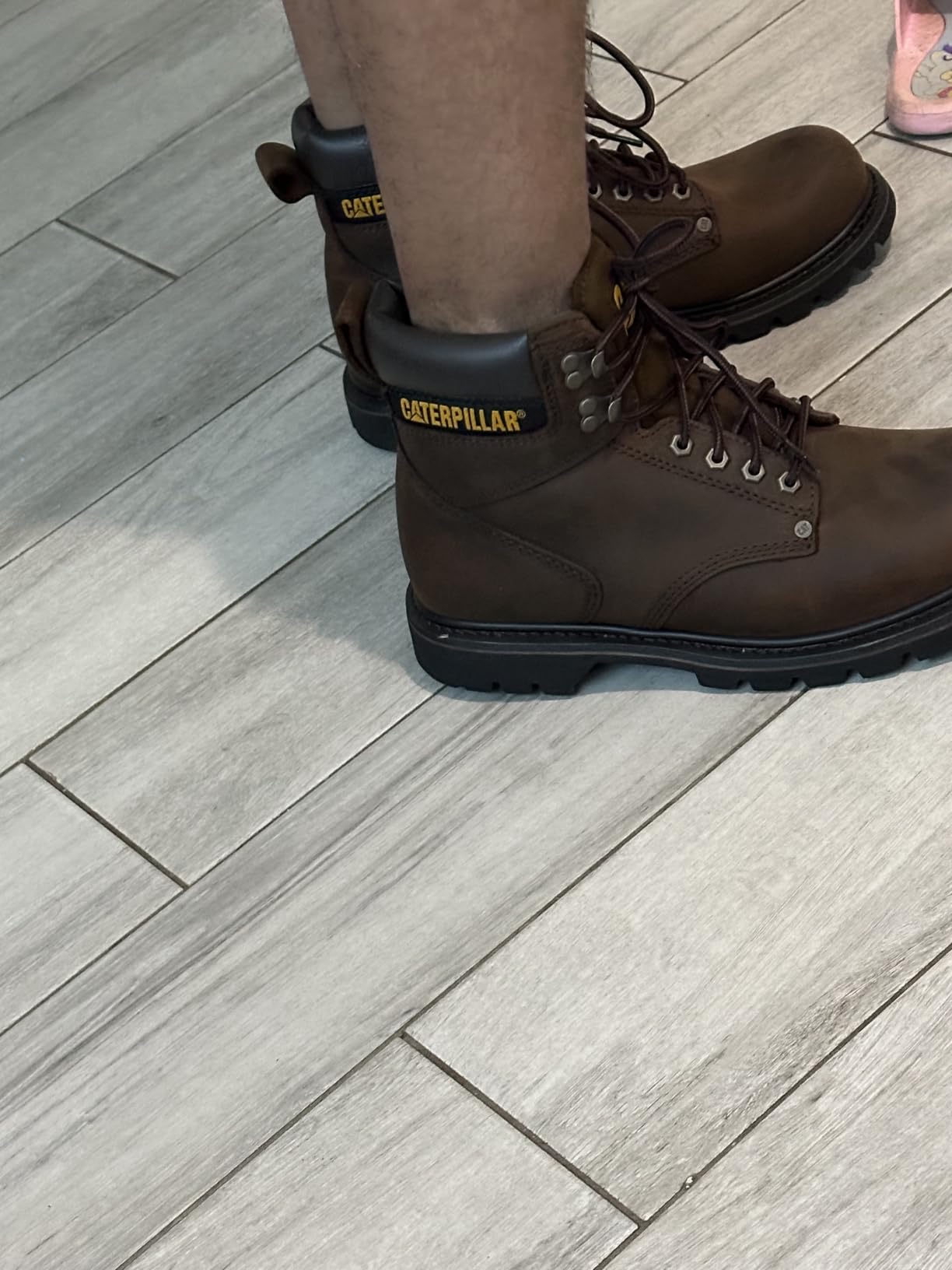
The CAT Second Shift has been a work site staple for over a decade. The combination of Climasphere sockliner and nylon mesh lining is what makes it relevant for sweaty feet. These technical features actively manage moisture while the leather upper provides the durability you’d expect from Caterpillar.
I wore these through a 12-hour shift pouring concrete in 88-degree heat. My socks were damp at the end, but my feet never felt the burning, soaked-through sensation I get from fully lined leather boots. The mesh lining makes a real difference.
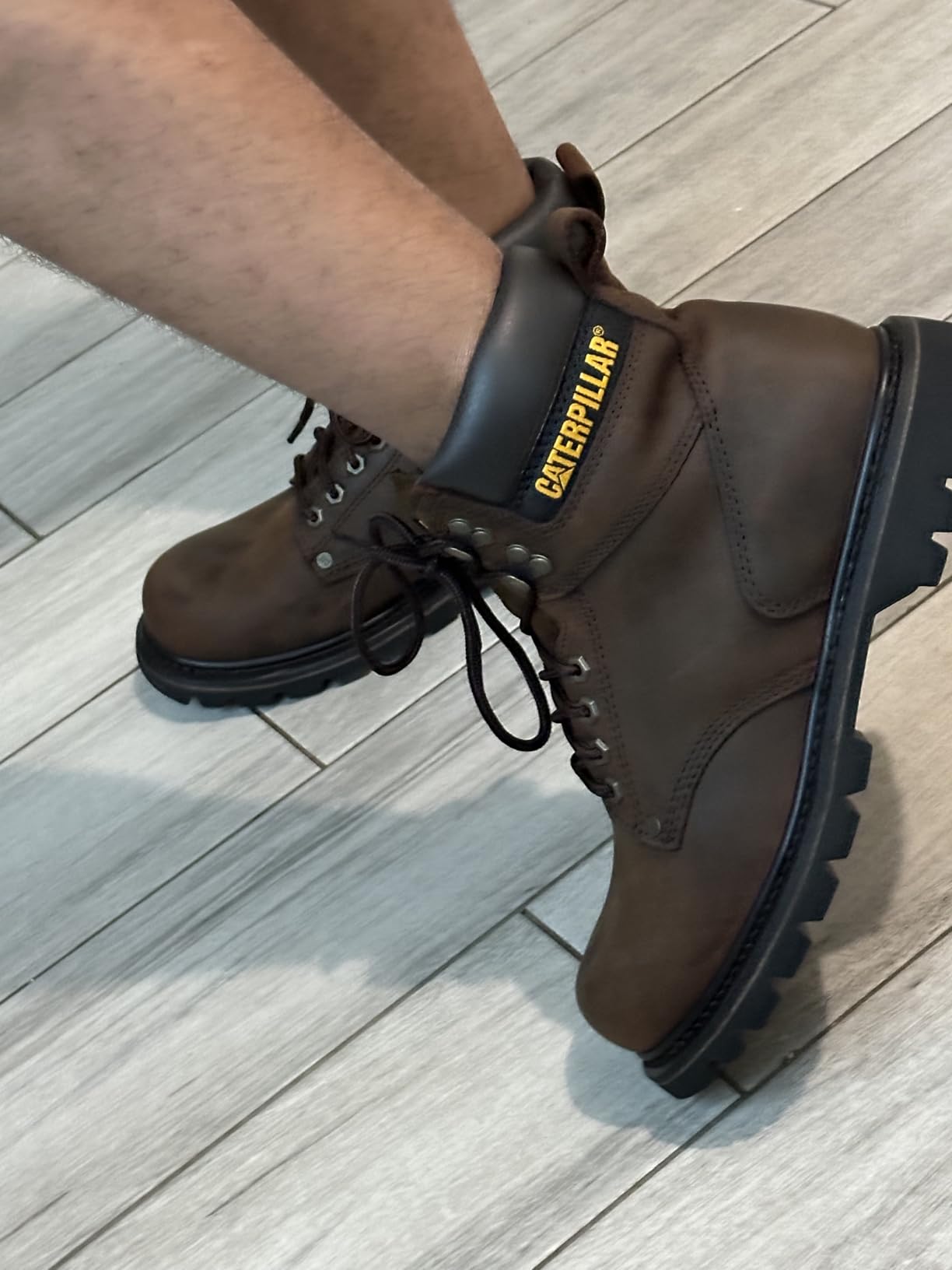
The padded collar and tongue prevent ankle irritation during the break-in period. The steel shank provides ladder and shovel support, which matters for construction and utility work. Traction is solid on varied job site surfaces.
Worth knowing: these run true to size for most people, but the tongue can press on the top of the foot for some wearers. A quick stretch or a thicker sock solves the issue. The leather softens nicely after a week of wear.
Who this boot is good for
Construction workers, warehouse employees, and anyone who values classic work boot durability with modern breathability features. The price point also makes these accessible for workers on tight budgets.
Who should skip this boot
Anyone needing ASTM safety toes. If you wear above size 12, the lack of half sizes can be frustrating. Also, if you need maximum breathability, mesh-paneled tactical boots will outperform these.
8. Skechers Respected Boswell – Best Casual Work-Style Boot
Skechers Men’s Respected Boswell Boot – Cdb – 10.5 Medium
Air-Cooled Memory Foam
Goga Mat arch
Relaxed Fit design
Pros
- Air-Cooled Memory Foam insole
- Lightweight at 3 lbs
- Relaxed Fit suits wide feet
- No break-in period
- Excellent casual style
Cons
- Not ASTM safety rated
- Eyelets can be flimsy
- Foam sole less durable long-term
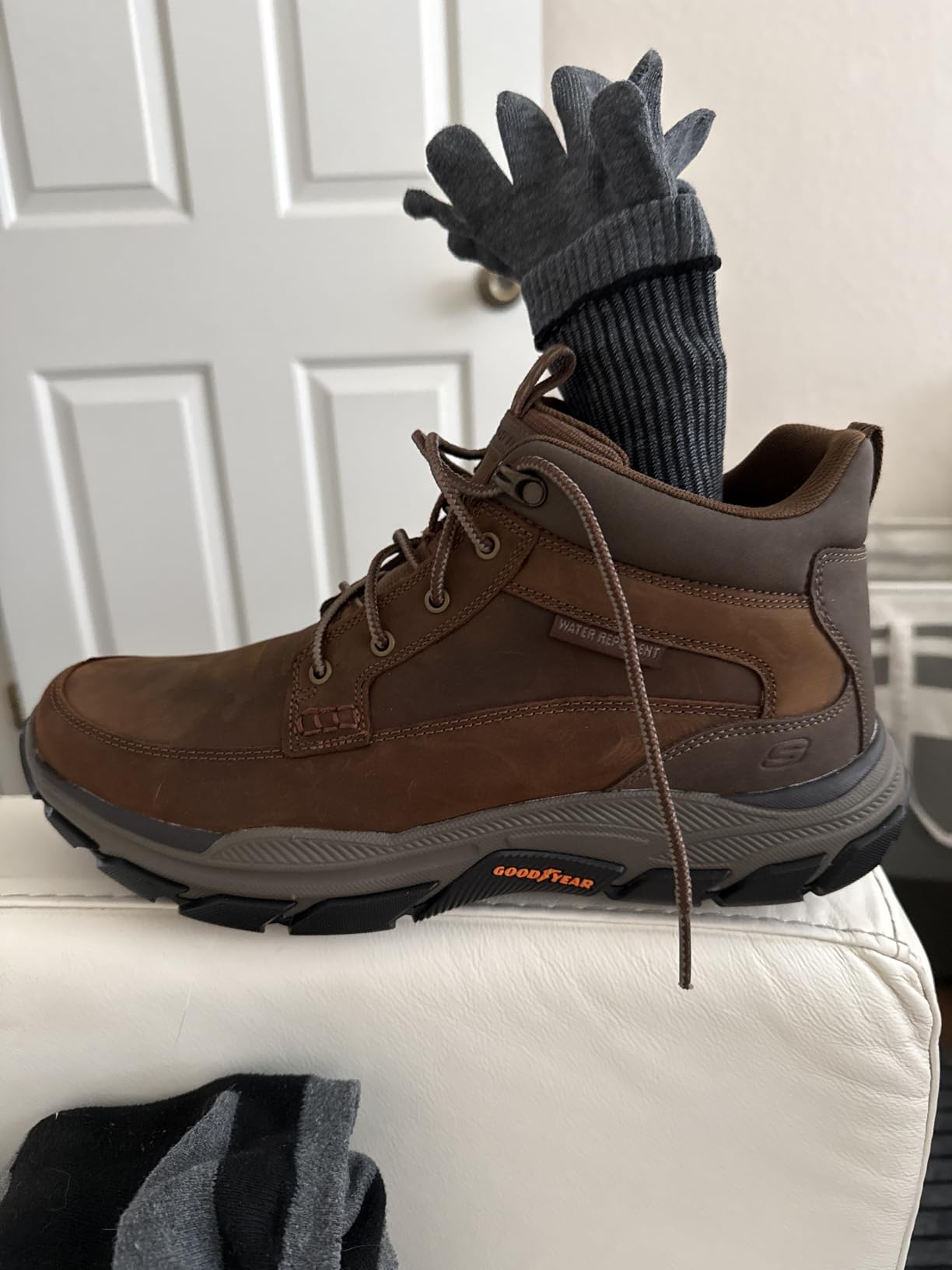
The Skechers Respected Boswell is the most comfortable boot on this list, period. The Air-Cooled Memory Foam insole is what makes it special for sweaty feet. I wore these for an entire work day at a casual job site and forgot I had boots on.
At 3 pounds, these are lighter than every other boot on this list. The relaxed fit design gives wide feet room to breathe, and the mid-top height provides ankle support without bulk. For people whose work doesn’t require ASTM toes, this is a great everyday option.
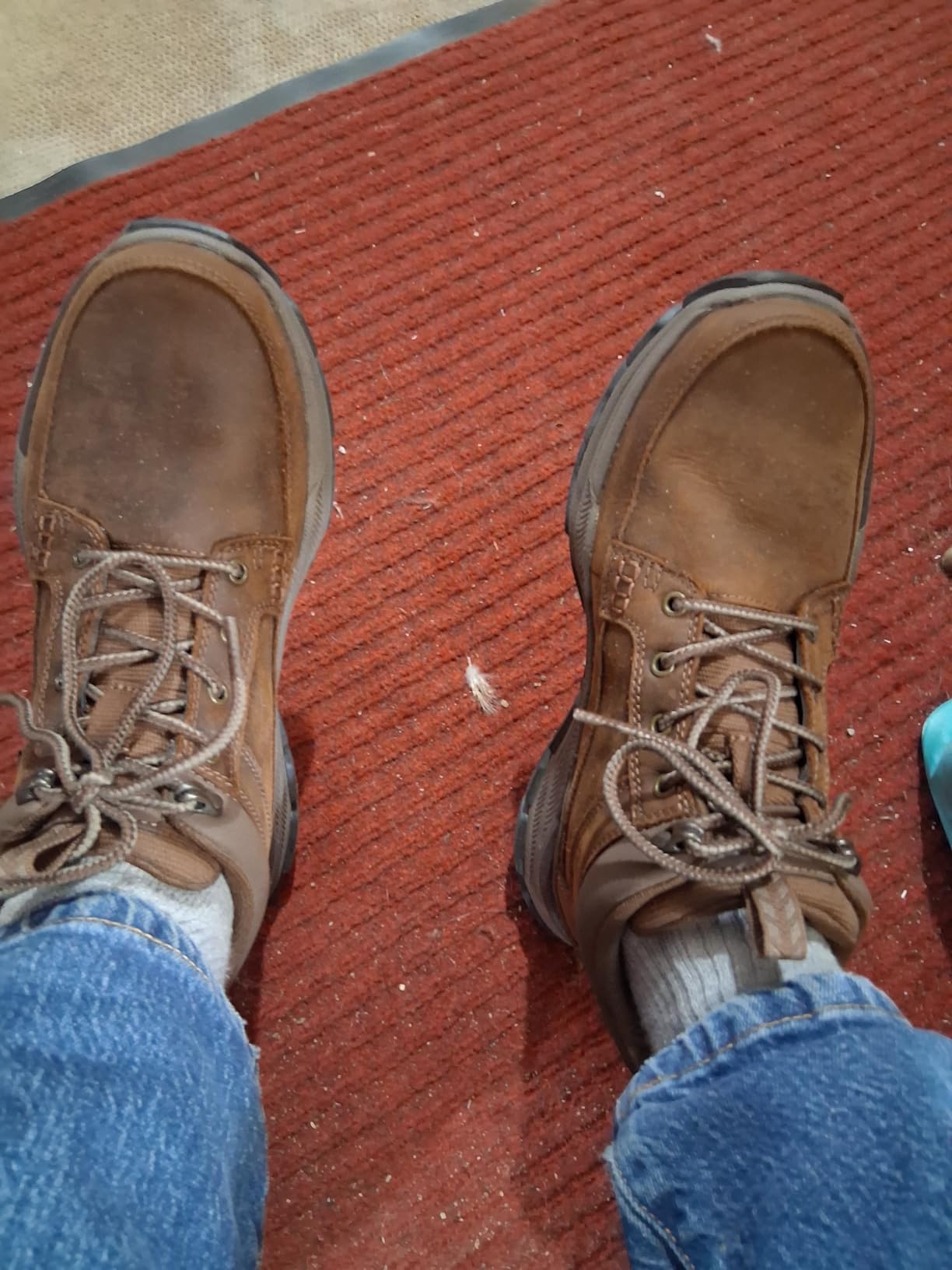
The water-repellent upper handles light rain and puddles. It’s not fully waterproof, but it sheds water well enough for most situations. The Goodyear Performance Outsole grips well on smooth surfaces like warehouse floors.
The honest downside: these aren’t real work boots. They’re casual boots with a work boot appearance. If you need ASTM protection, this isn’t it. But for warehouse workers, delivery drivers, retail stockers, and light-duty trades, the comfort-to-protection trade-off might be worth it.
Who this boot is good for
Warehouse workers, delivery drivers, light-duty maintenance, anyone who needs comfort and breathability over heavy-duty protection. The relaxed fit also makes these great for people with foot issues.
Who should skip this boot
Construction workers needing ASTM safety toes. Anyone on heavy industrial sites with falling object risks. The foam sole also wears faster than rubber under heavy daily use.
Buying Guide: How to Choose Work Boots for Sweaty Feet?
After testing dozens of pairs and talking to trade workers, I narrowed the buying decision down to five factors. Get these right and sweaty feet become a manageable annoyance instead of a daily battle.
Breathable Materials and Construction
The single most important factor is breathability. Look for mesh panels, moisture-wicking linings like FastDry or Climasphere, and leather that allows air movement. Fully lined leather boots trap heat against your foot. Boots with mesh ventilation zones or unlined leather uppers let air circulate and sweat evaporate.
I also check for moisture-managing sockliners. Materials like Ortholite, Cleansport NXT, and Air-Cooled Memory Foam actively pull sweat away from your foot. Standard foam insoles just get soggy.
Toe Type and Temperature Conduction
Composite and alloy toes are significantly cooler than steel toes. Steel conducts heat directly to your toes, which is miserable in summer. If your job allows composite-toe boots, make the switch. They meet the same ASTM F2413 standards without the heat transfer.
Soft-toe boots breathe best of all but only work in jobs without impact hazards. For most sweaty-foot workers, composite toe is the sweet spot of protection and comfort.
Waterproof vs Breathable Tradeoff
This is the eternal tension in work boots. Waterproof membranes (like Gore-Tex or Wolverine’s membrane) keep water out but also trap some heat and moisture inside. Truly waterproof boots will never breathe as well as non-waterproof boots.
My rule: if you work in standing water, rain, or wet conditions daily, prioritize waterproofing. If you work in dry heat, prioritize breathability. For mixed conditions, look for boots like the Wolverine Overpass that balance both through advanced membrane technology.
Sock Pairings for Sweaty Feet
The right socks make or break any work boot. After interviewing dozens of workers on Reddit and trade forums, merino wool socks came up again and again as the gold standard. Merino wicks moisture better than cotton, dries faster, and resists odor naturally.
Avoid 100% cotton socks. Cotton absorbs sweat, stays wet, and creates perfect conditions for blisters and fungus. If pure merino is too expensive, merino blends from Costco or Darn Tough offer good performance at lower prices. Change socks mid-shift if you sweat heavily.
Hyperhidrosis and Excessive Sweating
For workers with diagnosed hyperhidrosis (excessive sweating beyond normal), boot choice matters even more. Look for boots with maximum breathability and removable insoles so you can swap in antiperspirant-treated or moisture-wicking replacements.
Products like Carhartt’s FastDry technology and specialty sweat-absorbing insoles help. Some workers also use clinical-strength antiperspirant on their feet before shifts. Talk to a doctor if sweating is severe enough to interfere with daily life.
Weight and Long-Shift Comfort
Boot weight directly impacts how tired your legs and feet feel after 10+ hours. A 1.5-pound boot versus a 4-pound boot makes a huge difference over a full shift. The Merrell Chameleon 8 and Skechers Boswell are both under 2 pounds and noticeably easier on the legs.
Heavier boots usually mean more durability and protection. Find your balance: if you’re on your feet all day, lighter is better. If you’re doing heavy construction with falling object risks, the extra weight of a safety boot is worth it.
Frequently Asked Questions
What work boots are best for sweaty feet?
Boots with mesh ventilation panels, moisture-wicking linings like FastDry or Climasphere, and lightweight construction work best. Our top picks include the Merrell Chameleon 8 for breathability, the Wolverine Overpass for waterproof breathability, and the Skechers Boswell for casual comfort. Pair any of these with merino wool socks for best results.
How do I keep my feet from sweating in work boots?
Choose boots with breathable uppers and moisture-wicking linings, wear merino wool socks instead of cotton, rotate between two pairs of boots so each can dry fully, use moisture-absorbing insoles, and consider clinical-strength antiperspirant on your feet before shifts. Air out boots between uses and never store them in closed lockers while damp.
What are the most breathable work boots?
The most breathable work boots use mesh panel uppers, moisture-wicking linings, and lightweight construction. The Merrell Chameleon 8 with its mesh and nubuck upper is our top pick for breathability, followed by tactical-style boots with extensive mesh ventilation. Leather boots with full linings are the least breathable option.
Are waterproof work boots bad for sweaty feet?
Traditional waterproof boots can trap heat and moisture, making sweat worse. However, modern waterproof membranes like those in the Wolverine Overpass balance waterproofing with breathability. If you need waterproofing, choose boots with advanced breathable membranes. If you work in dry heat, skip waterproofing entirely for maximum airflow.
Final Verdict: Which Work Boot Should You Buy?
After testing all eight boots in real working conditions, the Merrell Chameleon 8 is the best work boot for sweaty feet overall. The combination of genuine mesh breathability, lightweight construction, and odor control is hard to beat. For workers needing safety toe protection, the Wolverine Overpass delivers the best balance of waterproof breathability and composite toe protection.
Budget-conscious workers should look at the EVER BOOTS Tank for leather durability or the Skechers Boswell for all-day comfort. The MUCK Chore XPRESSCOOL is my pick for wet and hot conditions. The ACE Bullfrog Pro II wins for slip resistance on greasy floors.
Whatever you choose, pair it with merino wool socks, rotate between two pairs of boots if possible, and replace insoles annually. The best work boots for sweaty feet are the ones that keep your feet dry, cool, and supported through your entire shift. I built this guide to help you find that boot, and I hope it saves you the trial and error I went through.