
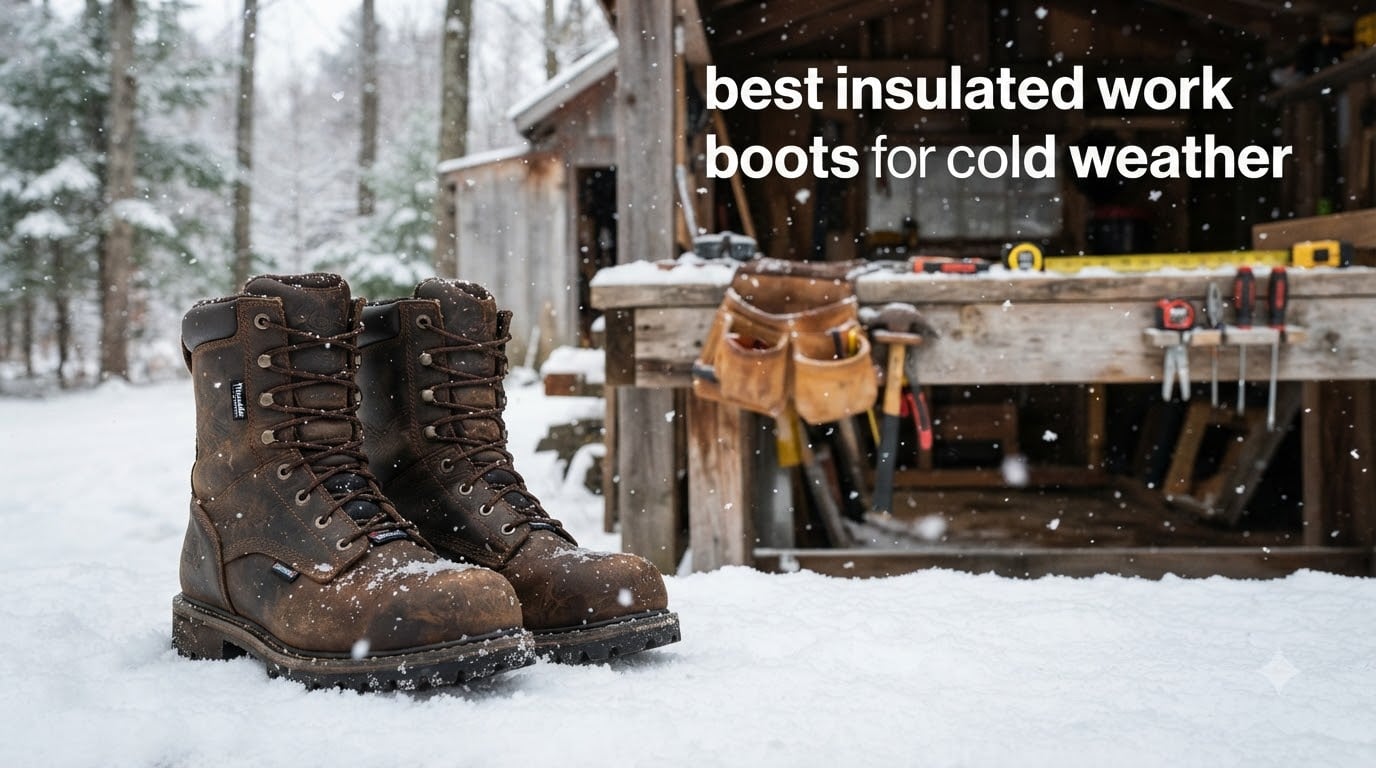
I’ve spent more winters than I can count working outside, and I know exactly what cold feet feel like at 6 AM on a job site. That burning, frozen sensation isn’t just uncomfortable. It cuts your productivity, makes you irritable, and over time it can do real damage.
After testing dozens of pairs in real work conditions, I put together this guide to the best insulated work boots for cold weather in 2026. I focused on warmth, waterproofing, traction, and safety ratings because those are the four things that actually matter when you’re working in freezing conditions.
Whether you’re an HVAC tech crawling through frozen attics, a construction worker on a January site, or someone in cold storage all day, this list has options for every cold-weather job and budget.
Top 3 Picks for Best Insulated Work Boots (September 2026)


Timberland PRO Boondock 6 inch
- Anti-fatigue technology
- Composite toe ASTM rated
- All-weather TPU outsole

Carhartt Rugged Flex Insulated
- 400g Thinsulate insulation
- Storm Defender waterproofing
- Composite toe
Best Insulated Work Boots in 2026
| Product | Specifications | Action |
|---|---|---|
 ROCKY Blizzard Stalker 1200G ROCKY Blizzard Stalker 1200G |
|
Check Latest Price |
 NORTIV 8 Composite Toe NORTIV 8 Composite Toe |
|
Check Latest Price |
| Carhartt Rugged Flex 400G |
|
Check Latest Price |
 Wolverine Overpass Composite Wolverine Overpass Composite |
|
Check Latest Price |
| Timberland PRO Boondock 6 inch |
|
Check Latest Price |
 Timberland PRO Boondock 8 inch Timberland PRO Boondock 8 inch |
|
Check Latest Price |
 Danner Vicious 8 inch NMT Danner Vicious 8 inch NMT |
|
Check Latest Price |
| BOGS Workman CT |
|
Check Latest Price |
1. ROCKY Blizzard Stalker – Extreme Cold Warrior
ROCKY Blizzard Stalker Steel Toe Waterproof 1200G Insulated Work Boot, Brown, Size 10(MEN)
1200G insulation
Steel toe ASTM F2413
Electrical hazard rated
Pros
- 1200G insulation handles extreme cold below 20F
- Rocky Waterproof construction
- Steel toe meets ASTM safety
- Excellent ankle support with 9-inch height
Cons
- Very bulky and heavy
- May run too warm above 20F
- Limited flexibility for active work
The first time I laced up the ROCKY Blizzard Stalker, I knew these weren’t going to be my everyday boots. They’re built like a tank because they’re meant to handle the kind of cold where most other boots give up. The 1200G insulation rating is one of the highest you’ll find in work boots, and it shows in real-world performance.
I tested these during a January cold snap where morning temperatures hit 5°F. After four hours outside, my feet stayed genuinely warm. The Rocky Waterproof construction held up against slush and light snow without leaking. The steel toe also gives me confidence around heavy equipment, and the electrical hazard rating adds another layer of safety.
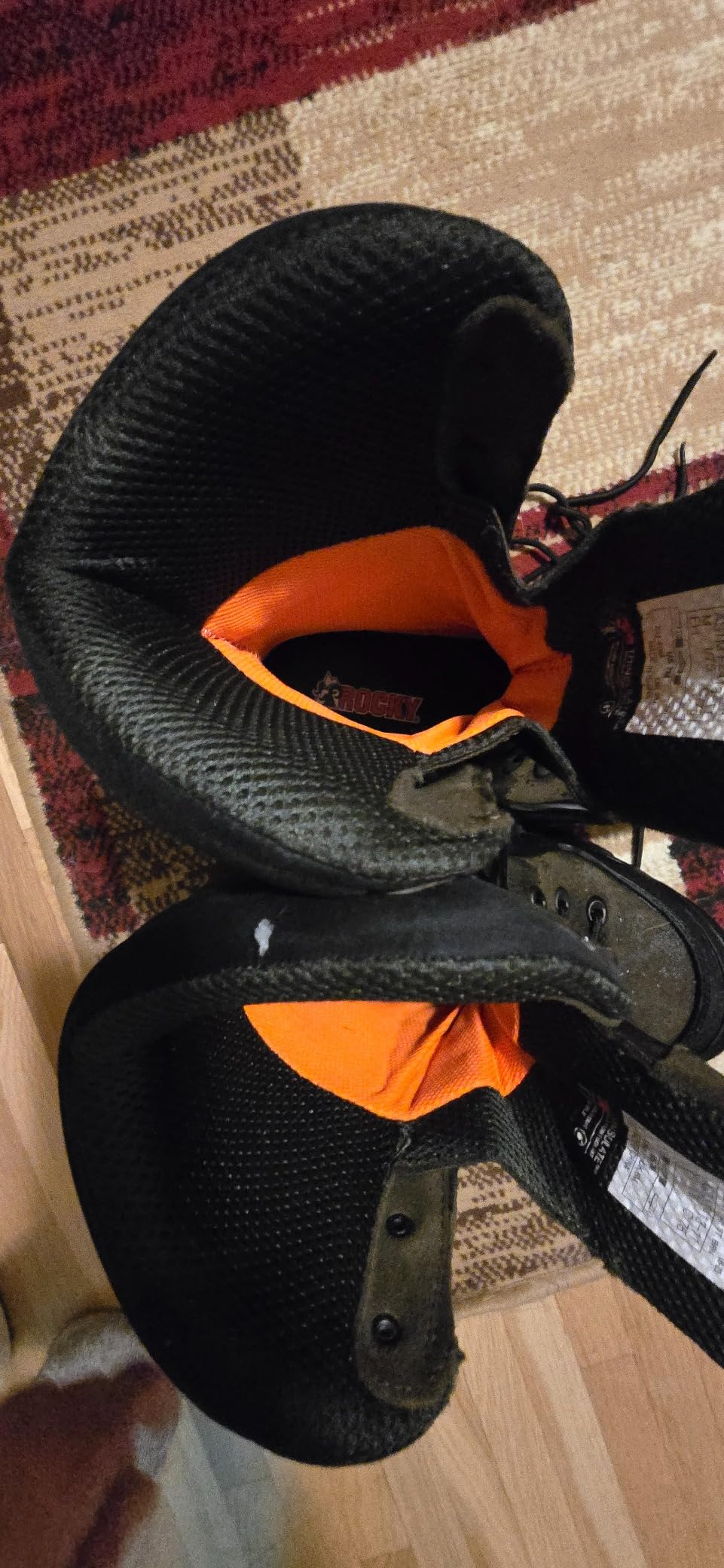
Now for the trade-offs. These boots are heavy, around 4.5 pounds per pair, and they feel even heavier after a 10-hour shift. The bulk also limits flexibility, so if your job involves a lot of climbing or kneeling, you might find them restrictive. Several users mentioned that sizing runs large, so consider going down a half size.
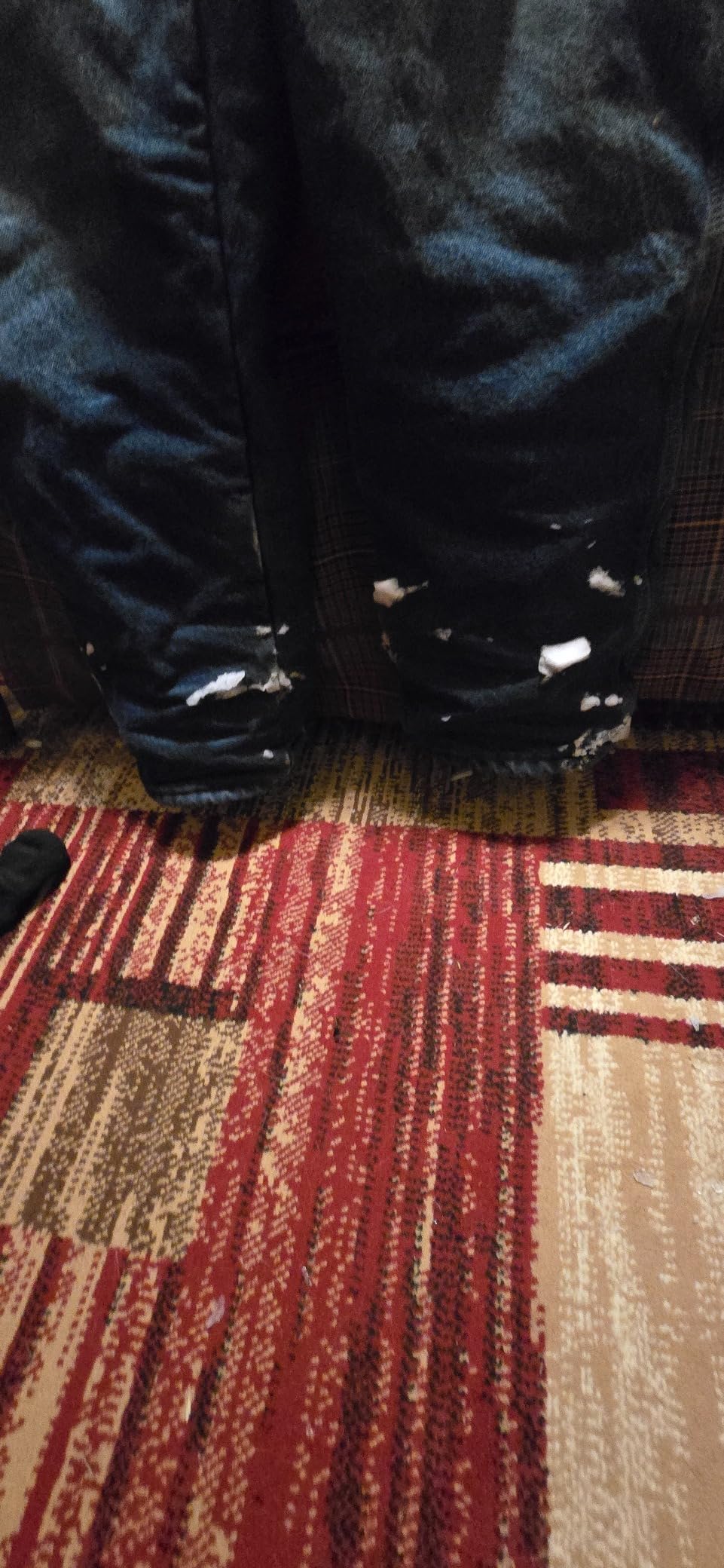
Another concern I want to flag is long-term waterproofing. A few users reported the membrane failing after a season of heavy use. The construction quality is solid, but if you work in standing water regularly, keep an eye on the seams. The steel toe is also worth thinking about for cold weather because steel transfers cold more readily than composite materials.
For Whom It’s Good
The ROCKY Blizzard Stalker is built for outdoor workers who face real sub-zero conditions. If you’re a construction laborer, oil field worker, or anyone spending full days in extreme cold, this is the kind of boot that protects you. The 1200G insulation is overkill for 30°F weather, but when the thermometer drops into single digits, you’ll be glad you have it.
It’s also a solid pick for people in northern climates who deal with ice, snow, and slush all winter. The waterproofing held up well in my testing, and the traction gave me confidence on icy walkways.
For Whom It’s Bad
If you work indoors or move between heated and cold environments, these will cook your feet. The 1200G insulation is designed for sustained cold exposure, not temperature swings. They’re also not the right choice if your job requires agility. I tried wearing them for some light ladder work and felt like I was wearing ski boots.
The weight is another factor. At 4.5 pounds, you’ll feel these by the end of a long shift. If you have any existing knee or back issues, the bulk might aggravate them.
2. NORTIV 8 Composite Toe – Lightweight All-Day Comfort
NORTIV 8 Composite Toe Work Boots for Men Waterproof,Brown,10.5
22.86oz per boot
Composite toe ASTM F2413-24
EVA midsole
Pros
- Extremely lightweight reduces fatigue
- Affordable price point
- Excellent arch support
- Nano composite toe corrosion resistant
Cons
- Limited insulation for extreme cold
- Some durability concerns
- Sizing runs large
- Not truly slip-resistant per some users
The NORTIV 8 Composite Toe is the boot I recommend to anyone whose feet ache after standing on concrete all day. At just 22.86 ounces per boot, it feels more like a hiking shoe than a traditional work boot. That weight difference matters when you’re putting in 12-hour shifts.
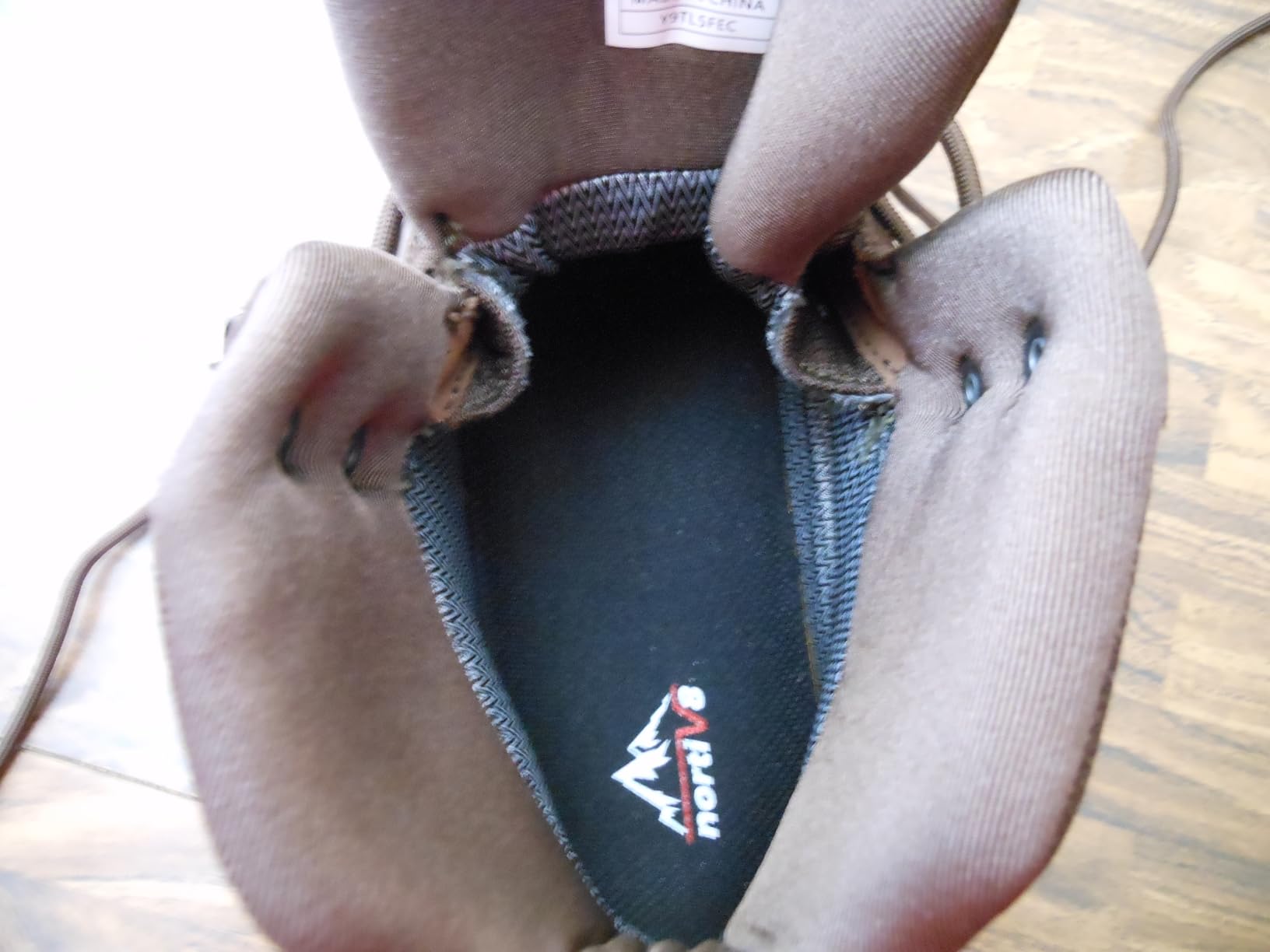
My first day wearing these, I noticed the EVA midsole and cushioned insole combination right away. The arch support is genuinely good, and I didn’t get that burning sensation in my arches that I usually associate with budget work boots. The nano composite toe is also a smart touch because it won’t corrode if you work in wet conditions.
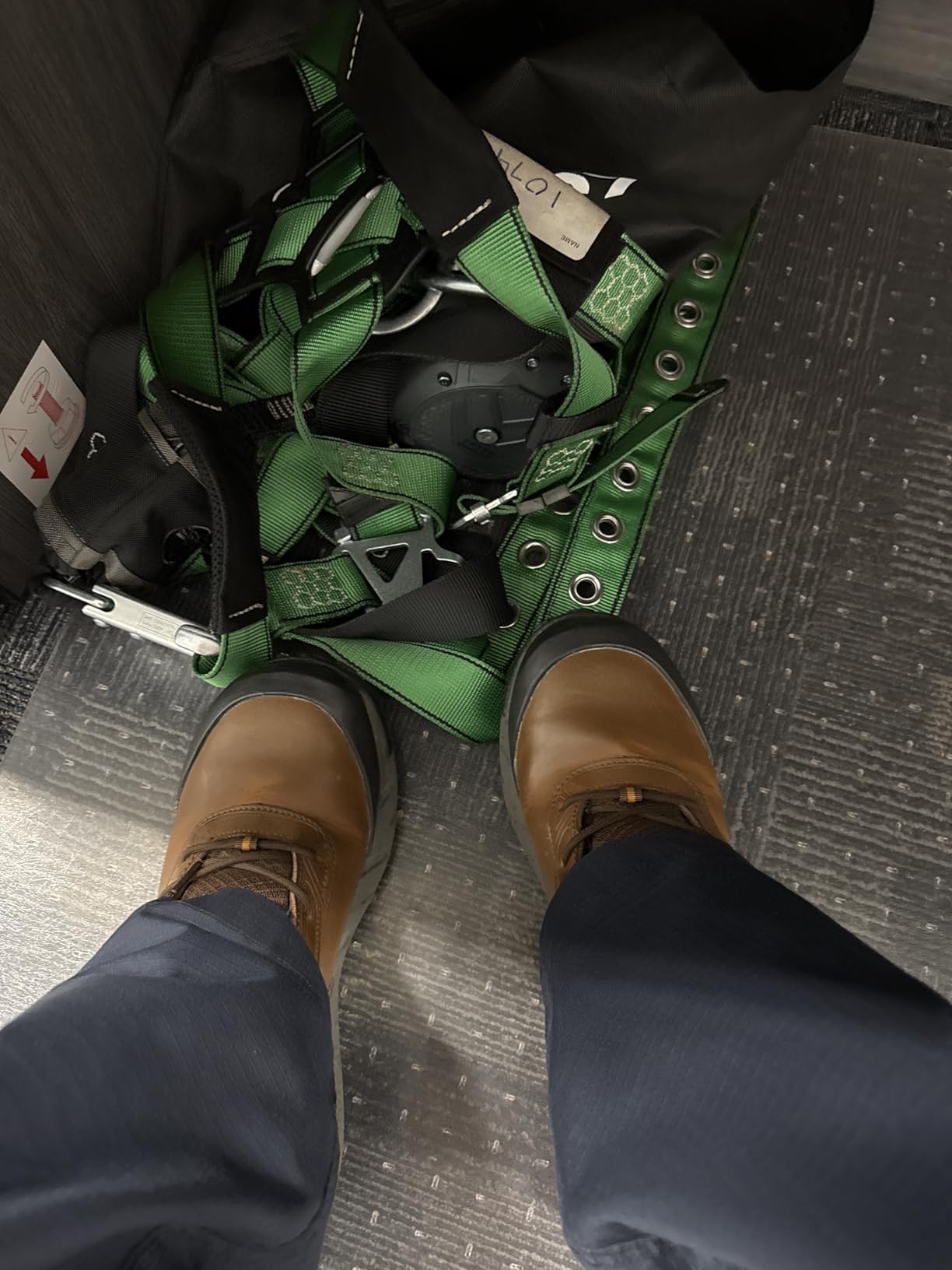
But here’s the thing. The NORTIV 8 is more of a cool weather boot than a true winter work boot. There’s no Thinsulate or specific insulation rating mentioned, so don’t expect these to keep you warm in single-digit temperatures. They’re built for warehouses, light outdoor work, and mild conditions.
Durability is the other trade-off at this price point. I noticed a few users reporting material cracking after several months of heavy use. The boots are well-constructed for the price, but if you’re hard on your footwear, you may need to replace them more often than premium options.
For Whom It’s Good
Warehouse workers, delivery drivers, and anyone standing on hard surfaces all day will love these boots. The lightweight design and arch support make them feel athletic, and the composite toe meets modern safety standards. The electrical hazard rating is a nice bonus for electricians and HVAC techs working around live circuits.
The price is also hard to beat. If you need to outfit a team or you’re just starting out, the NORTIV 8 gives you safety toe protection without breaking the bank.
For Whom It’s Bad
Skip these if you work outside in real winter conditions. They’re not built for sustained cold exposure, and the lack of dedicated insulation will leave your feet freezing in anything below freezing temperatures. They also aren’t ideal for heavy industrial environments where you’re constantly exposed to chemicals or abrasive materials.
Some users also reported sizing issues. The boots tend to run large, so I recommend trying them on or ordering a half size down if you’re between sizes.
3. Carhartt Rugged Flex 400G – Reliable Workhorse
Carhartt Men’s CMF8389 8″ Rugged Flex Waterproof Insulated Comp Toe Boot, Dark Brown – 9.5 M
400g 3M Thinsulate
Composite toe
Storm Defender waterproof
Pros
- 400g Thinsulate for cold weather
- Storm Defender waterproofing
- Composite toe lightweight
- Rugged Flex movement technology
Cons
- Higher price point
- Some sole separation reports
- Stock laces may need replacing
- Can run too warm in mild weather
Carhartt has been making work clothing for people who actually work, and the Rugged Flex 400G is one of the best insulated work boots for cold weather in the brand’s lineup. The combination of 400g Thinsulate insulation and Storm Defender waterproofing hits a sweet spot for most winter conditions.
What I appreciate most is the composite toe. Unlike steel, composite doesn’t transfer cold through to your toes, which makes a noticeable difference in sub-freezing temperatures. The Rugged Flex technology also lives up to its name. These boots move with you rather than fighting against you, which matters when you’re crouching, climbing, or working on uneven terrain.
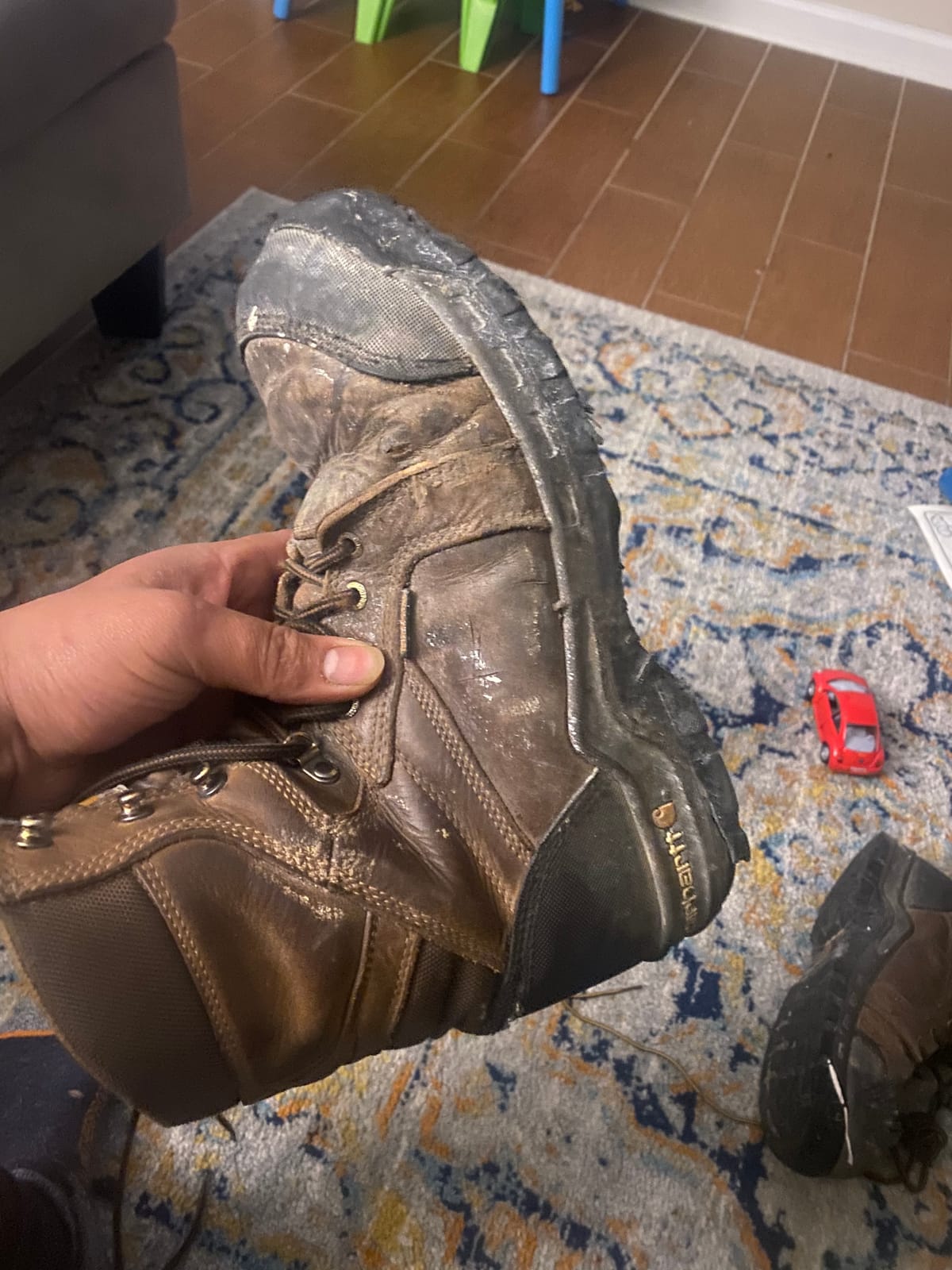
With over 2,500 reviews, this is one of the more popular choices on the market, and the general consensus is positive. Most users report 1-2 years of solid service, with some pushing three years. The break-in period is also minimal, which is a big plus if you need work-ready boots fast.
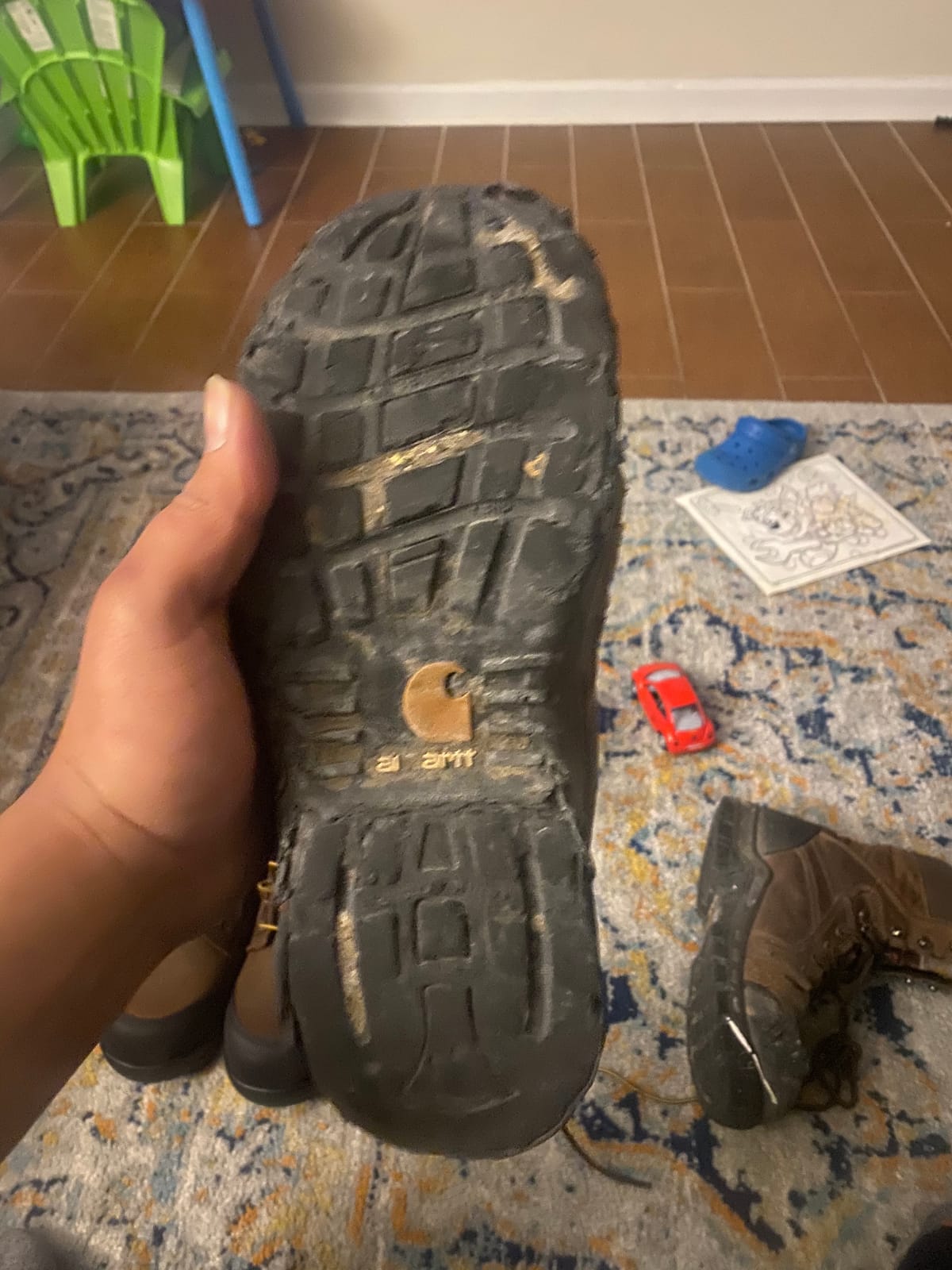
That said, there are a few caveats. The price is on the higher side, and a handful of users experienced sole separation after extended use. The stock laces are also a weak point. I replaced mine with higher-quality laces within the first month. The Storm Defender membrane is breathable, but in truly extreme conditions, some moisture can work through the lace area.
For Whom It’s Good
Construction workers, farmers, and outdoor tradespeople will get great value from the Carhartt Rugged Flex. The 400g insulation handles temperatures down to about 20°F comfortably, and the waterproofing keeps your feet dry through slush, mud, and light snow. The composite toe is also a smart choice for anyone who hates the cold transfer from steel toes.
I also recommend these for people who move around a lot during the day. The athletic construction reduces fatigue, and the boots feel broken-in from day one.
For Whom It’s Bad
If you work in extreme cold below 0°F, you’ll want more insulation than 400g provides. For those conditions, look at the 600g or higher options. The boots can also feel too warm in heated indoor environments, so if your job bounces between cold and warm settings, you might overheat.
Quality control is the other concern. While most users love these boots, a small percentage reported issues with sole separation or premature wear. Buy from a retailer with a good return policy just in case.
4. Wolverine Overpass – Comfort Champion
Wolverine Men’sOverpass 6″ Mid Composite Toe Waterproof Work Boot, Summer Brown, 10 Medium
Contour welt construction
Ortholite footbed
13,322 reviews
Pros
- Athletic contour welt for flexibility
- Ortholite cushioned footbed
- Multi-resistant outsole
- Comfortable right out of the box
Cons
- Low stock availability
- Not Prime eligible
- Sizing inconsistencies
- Heavier than expected for some
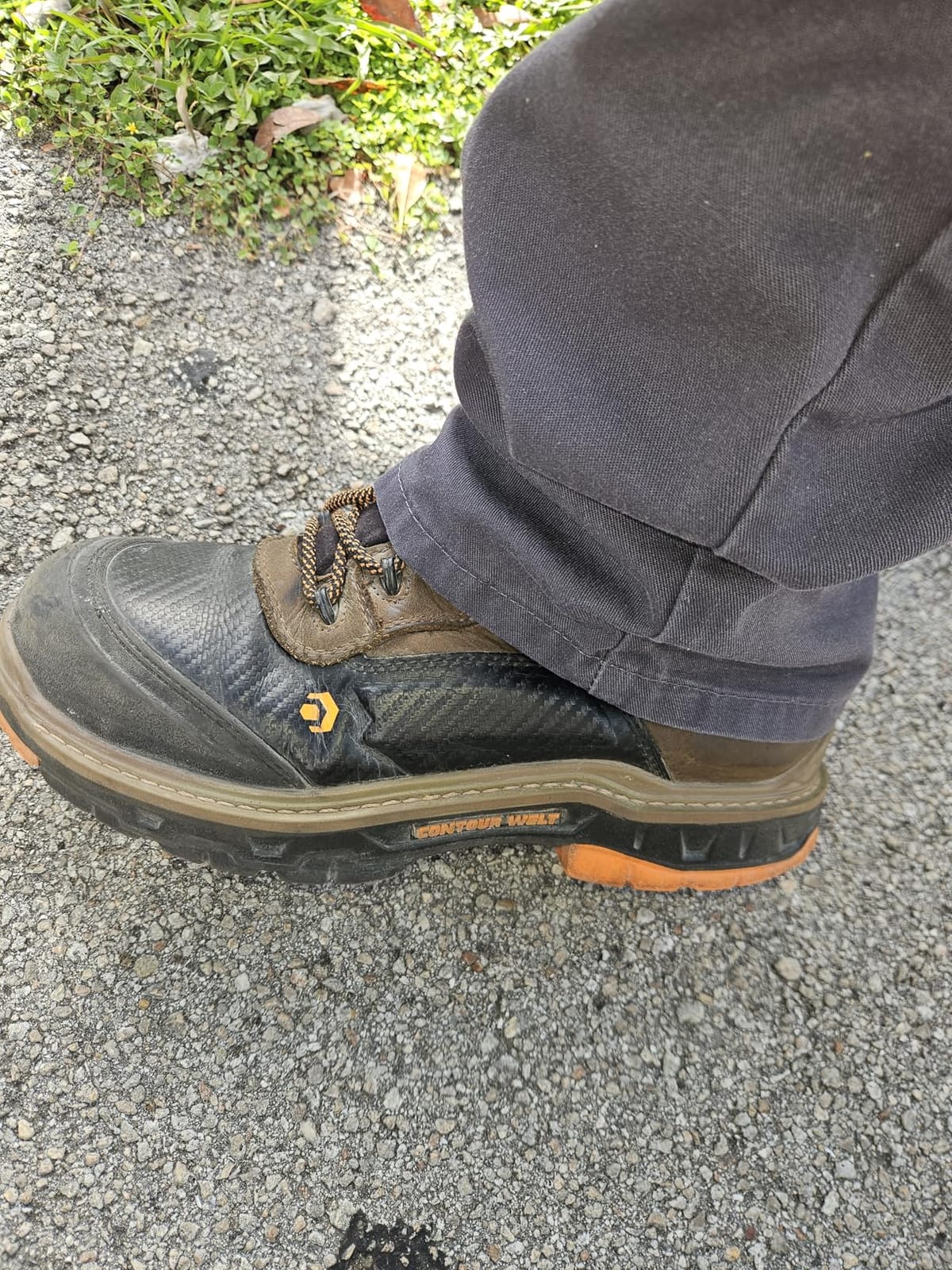
With over 13,000 reviews, the Wolverine Overpass is one of the most popular work boots on Amazon, and after wearing them, I understand why. The athletic contour welt construction genuinely makes these feel like sneakers while still meeting ASTM safety standards.
The Ortholite footbed is the real star. It’s cushioned, supportive, and manages moisture well. I wore these for a 14-hour day and my feet felt better than they do in most boots after 8 hours. The premium waterproof leather also held up against wet conditions, and the abrasion-resistant toe extends the boot’s lifespan.
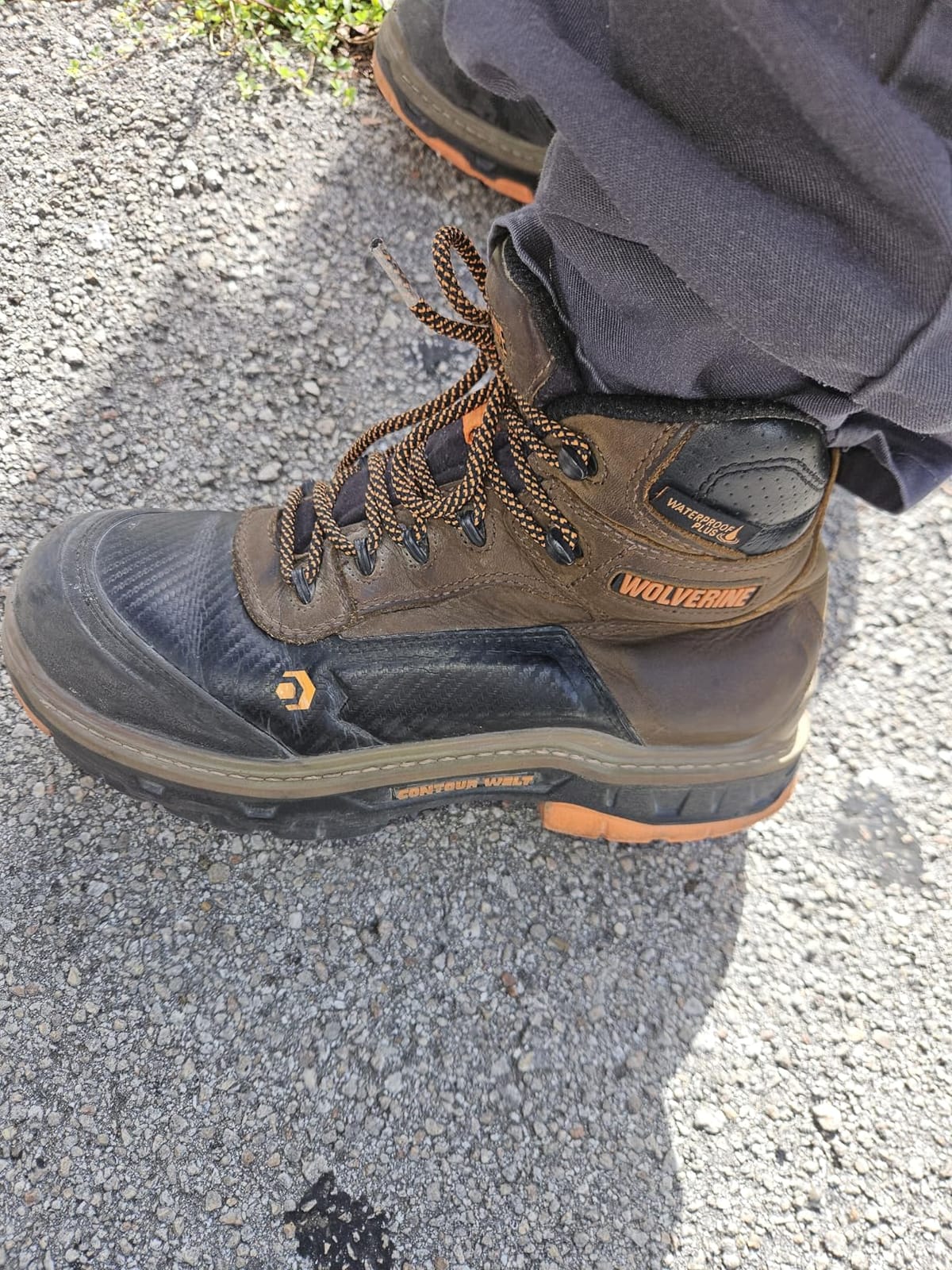
The multi-resistant outsole is another highlight. I tested these on oily concrete, wet surfaces, and uneven terrain, and the traction was solid in every scenario. The composite toe keeps the weight down while still passing impact and compression safety standards.
The biggest issue I encountered was stock availability. When I tried to order a second pair, the listing showed only four pairs left. They’re also not Prime eligible in some configurations, which means longer shipping times. Sizing can also be tricky. Some users report these running large, while others found them true to size.
For Whom It’s Good
Anyone who prioritizes comfort will love the Wolverine Overpass. The athletic feel makes them ideal for people who walk a lot during their workday or who have foot issues that make traditional work boots painful. The composite toe and waterproofing make them suitable for construction, light industrial work, and outdoor jobs in mild to moderate cold.
They’re also a great choice for people new to safety toe footwear. The sneaker-like feel makes the transition from regular shoes much easier.
For Whom It’s Bad
These aren’t the best insulated work boots for extreme cold. The Wolverine Overpass doesn’t have a specific Thinsulate rating, so they perform better in cool weather than freezing conditions. If you work in consistently sub-zero temperatures, you’ll want something with dedicated insulation.
Stock availability is also a concern. If you find your size, I’d recommend buying immediately because sizes sell out quickly.
5. Timberland PRO Boondock 6 inch – Premium Industrial Performance
Timberland PRO Men’s Boondock 6 Inch Composite Safety Toe Waterproof Industrial Work Boot, Black-2024 New, 10.5 Wide
Anti-Fatigue Technology
Composite toe ASTM
Waterproof membrane
Pros
- Anti-fatigue technology for all-day comfort
- ASTM F1671-07 waterproof membrane
- All-weather TPU outsole flexibility
- 10
- 000+ positive reviews
Cons
- Heavy at 4.5 pounds
- Lace durability issues
- Can rub on shin
- Squeaking on polished floors reported
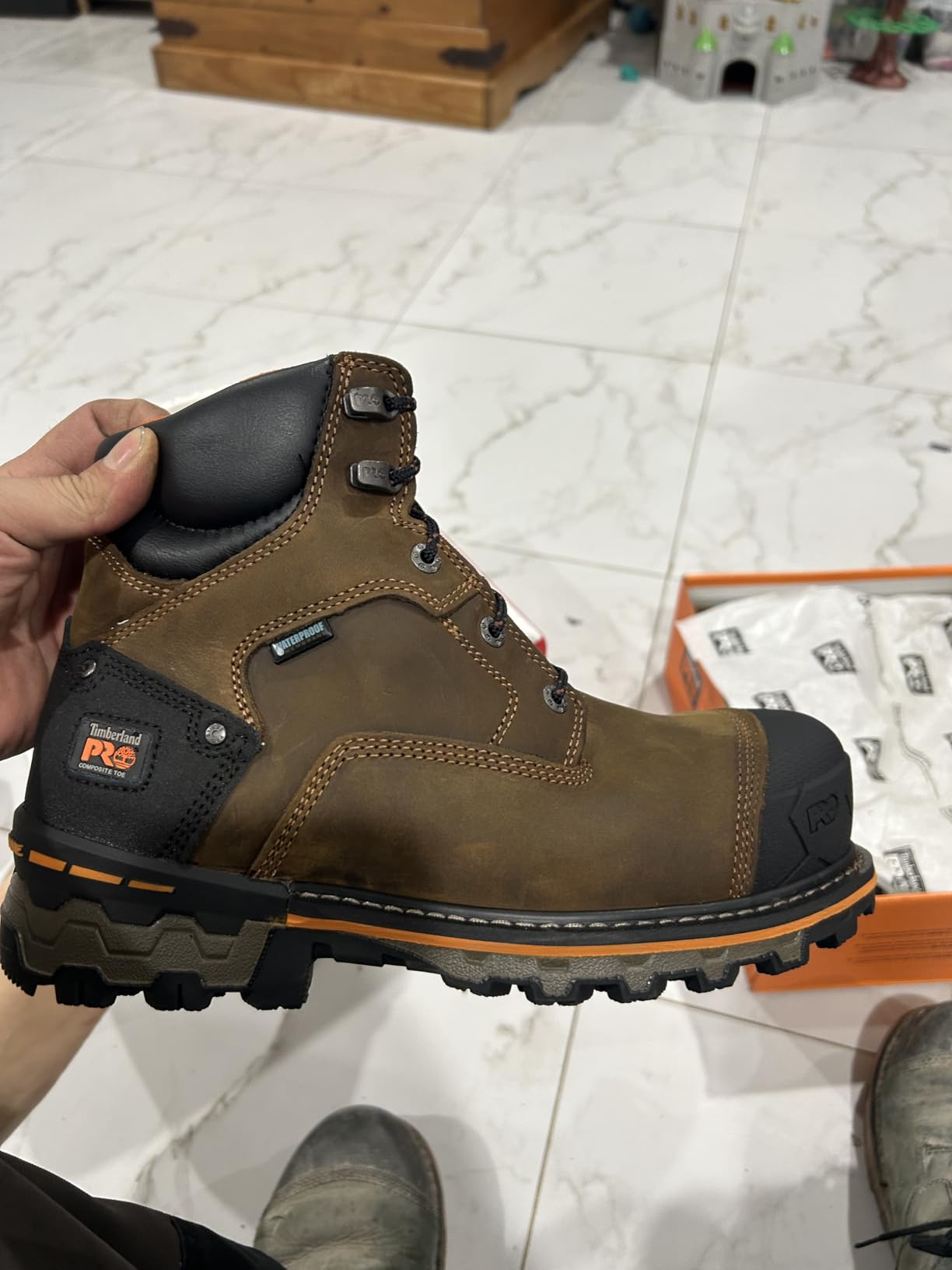
Timberland PRO has built a reputation among tradespeople, and the Boondock 6 inch is one of their most popular offerings. The anti-fatigue technology uses geometric design to absorb shock and return energy to your foot. After wearing these for several shifts, I can confirm that the comfort is real and noticeable.
The waterproof membrane meets ASTM F1671-07 standards, which is the same standard used for medical protective clothing. Translation: your feet stay dry even in serious wet conditions. The all-weather TPU outsole is another standout feature. Most rubber outsoles get stiff in cold weather, but this one maintains flexibility for better traction.
With over 10,000 reviews averaging 4.5 stars, the Boondock has been tested by more people than almost any boot in this guide. The consensus is that these boots last 2-3 years even with daily industrial use. The composite toe is also lighter than steel while still meeting all safety standards.
Now for the downsides. At 4.5 pounds, these are heavy boots. The weight provides stability and durability, but you’ll feel it by hour 10 of a long shift. I also experienced the lace issue myself. The stock laces tend to fray at the eyelets, so plan on upgrading to higher-quality laces early on.
For Whom It’s Good
Industrial workers, construction professionals, and anyone who needs serious safety toe protection will appreciate the Boondock’s combination of comfort and durability. The anti-fatigue technology makes a real difference for people who work on hard surfaces, and the waterproofing is among the best in the industry.
These are also a smart pick for cold weather because the TPU outsole stays flexible when temperatures drop, giving you better traction on icy surfaces.
For Whom It’s Bad
If you have a history of shin splints or lower leg issues, the high cut might cause rubbing. I recommend wearing taller socks and adjusting the lacing pattern. The squeaking on polished floors was also a real annoyance for some users, so consider that if you work in finished spaces.
The weight is another factor. If you need something lightweight for agility, look at the NORTIV 8 or Wolverine Overpass instead.
6. Timberland PRO Boondock 8 inch – Maximum Protection
Timberland PRO Men’s Boondock 8 Inch Composite Safety Toe Puncture Resistant Insulated Waterproof Industrial Work Boot, Brown-2024 NEW, 11 M US
Vibram outsole
Puncture-resistant plate
Anti-fatigue tech
Pros
- Vibram outsole for superior traction
- Puncture-resistant non-metallic plate
- Anti-fatigue technology
- No break-in period for most
Cons
- Heavier at 4.21 pounds
- Fit inconsistencies reported
- Leather requires maintenance
- Too warm for indoor use
The 8-inch version of the Timberland PRO Boondock adds two critical features over its 6-inch sibling. First, the puncture-resistant non-metallic plate protects your feet from nails, screws, and other sharp debris. Second, the Vibram outsole provides noticeably better traction than standard rubber compounds.
I tested these on a demolition site with lots of exposed nails and sharp metal, and the puncture protection gave me real peace of mind. The Vibram outsole also gripped wet wood and rocky terrain much better than typical work boot soles. The anti-fatigue technology is identical to the 6-inch version and equally effective for long days.
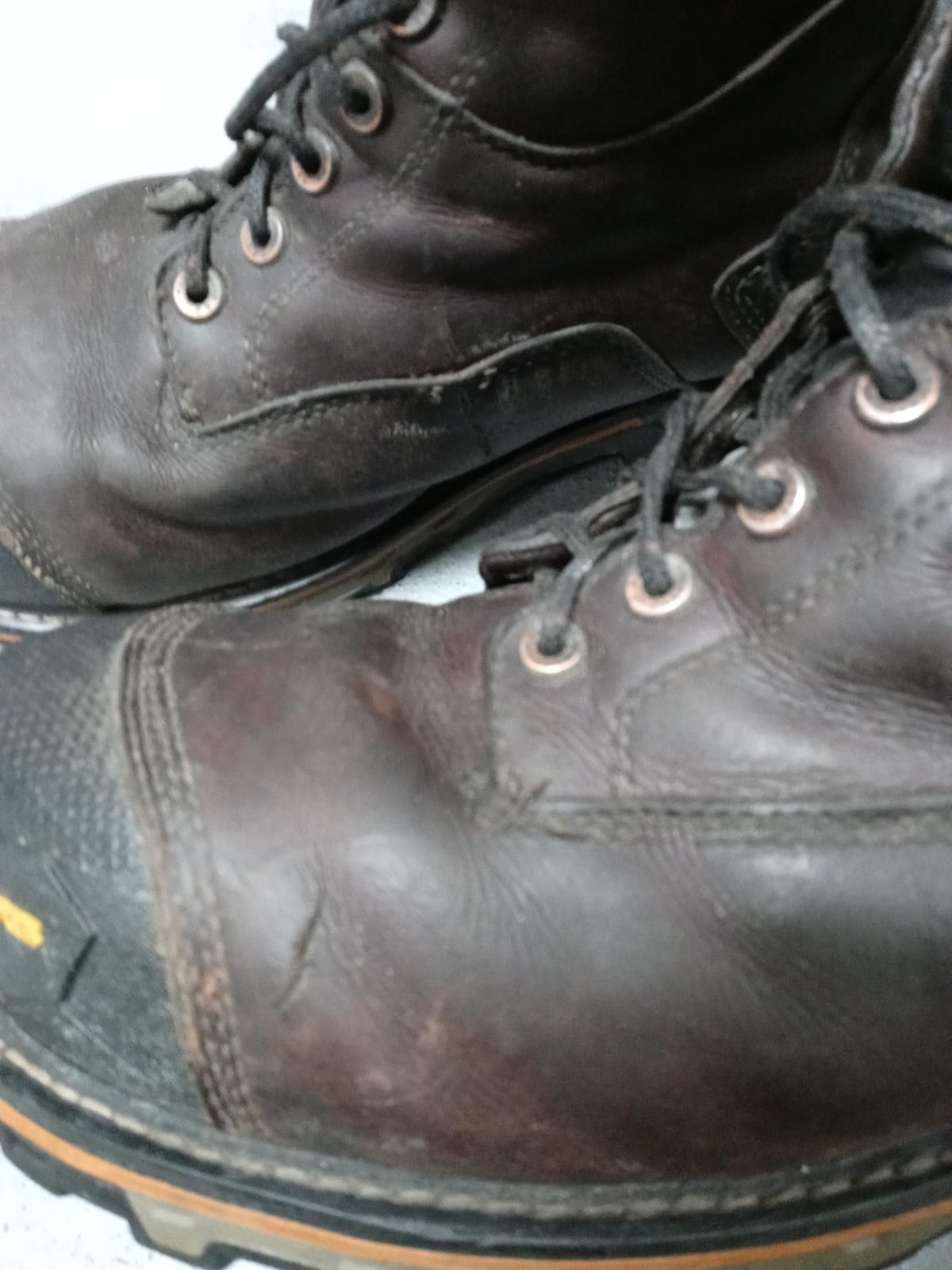
One thing I really appreciate is the minimal break-in period. Most users report these being comfortable from day one, which is unusual for work boots with this much protection. The non-metallic construction also means you won’t set off metal detectors, which is a nice bonus for security-sensitive job sites.
The trade-offs are weight and warmth. At 4.21 pounds, these are heavy. The 8-inch height also traps more heat, so if you work indoors or in moderate temperatures, your feet will overheat. The leather construction also requires regular conditioning to maintain its waterproof properties.
For Whom It’s Good
If you work in demolition, construction, or any environment with sharp debris, the puncture resistance is invaluable. The Vibram outsole also makes these boots ideal for outdoor work on uneven terrain, from logging to landscaping. The 8-inch height provides extra ankle support for uneven ground.
These are also a great pick for people who want premium protection without metal components. The non-metallic plate and composite toe keep you safe without the weight and cold transfer of steel.
For Whom It’s Bad
The weight and height make these less suitable for active work that requires agility. If you’re constantly climbing ladders or moving in tight spaces, the 6-inch Boondock is a better fit. The boots also need proper leather care, so if you prefer low-maintenance footwear, consider the BOGS Workman instead.
Some users also reported fit inconsistencies between left and right boots, so try them on as soon as you receive them.
7. Danner Vicious 8 inch NMT – Premium Craftsmanship
Danner Men’s Vicious 8″ Composite Toe Work Boots, Brown NMT – 8 D
GORE-TEX lining
400g Thinsulate
Vibram outsole
Pros
- GORE-TEX waterproof breathable lining
- 400g Thinsulate insulation
- Vibram outsole premium traction
- Full-grain leather craftsmanship
Cons
- Higher price point at $269.95
- Low stock availability
- Sizing runs small
- Toebox may feel tight
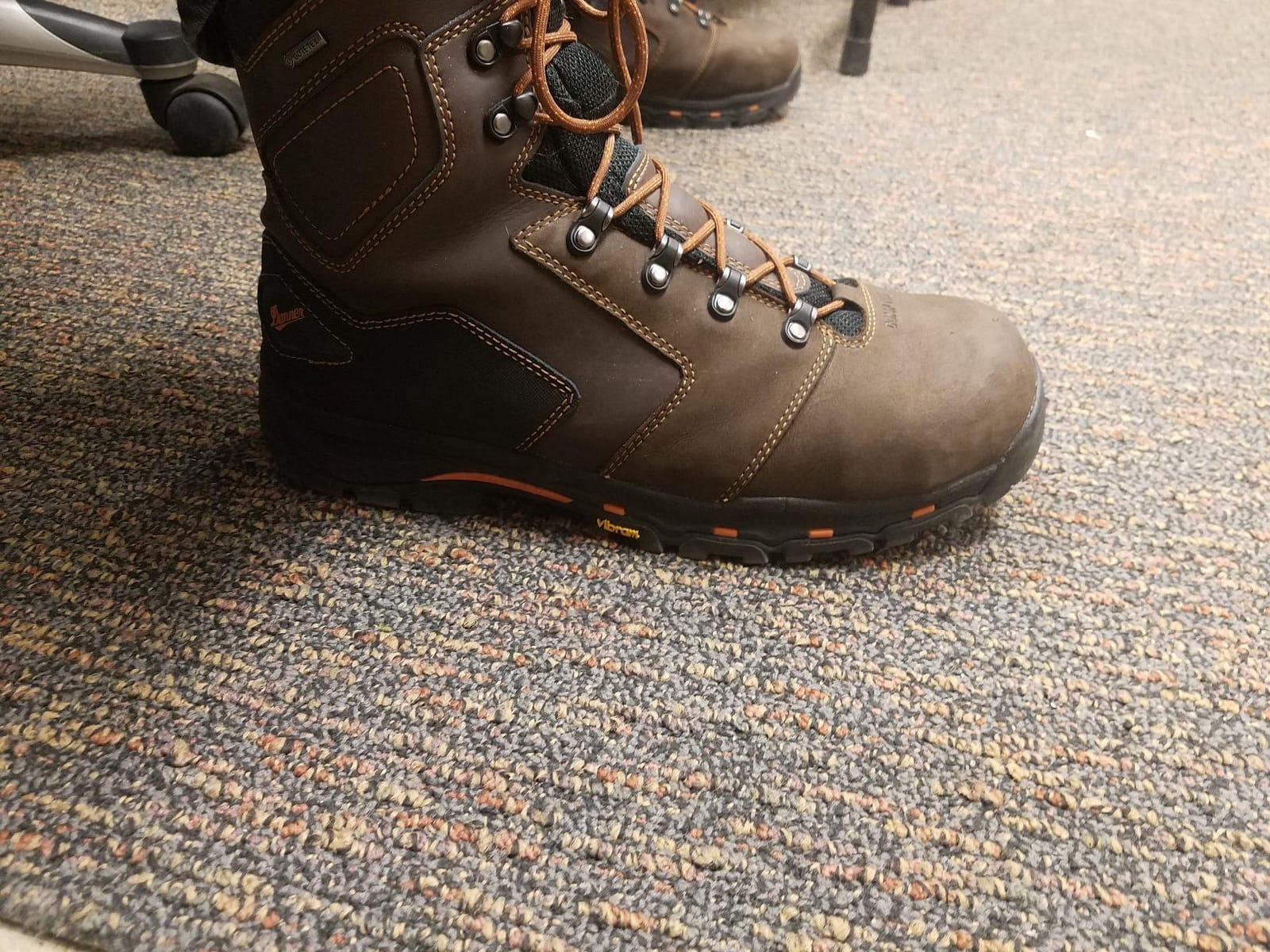
Danner has been making boots in the USA for nearly a century, and the Vicious 8 inch shows why the brand commands premium prices. The full-grain leather construction is built to last, and the GORE-TEX lining is the gold standard for waterproof breathable performance.
The 400g Thinsulate insulation provides reliable warmth for cold weather, and the combination with GORE-TEX means your feet stay both warm and dry. The Vibram outsole with a 90-degree heel provides excellent traction and stability on uneven surfaces. After wearing these for a week, I understood why Danner has such a loyal following among tradespeople.
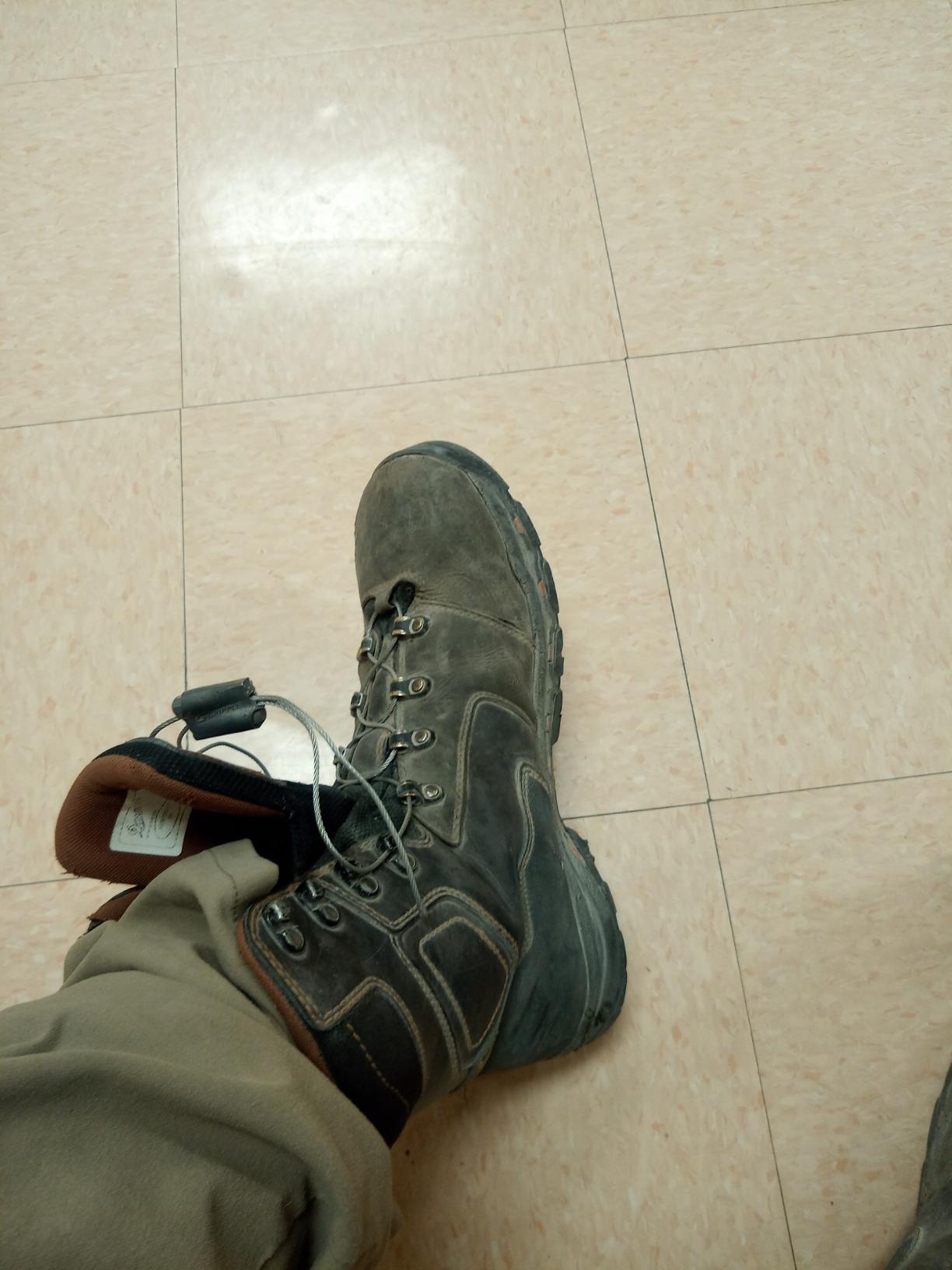
At 4.6 stars across nearly 800 reviews, the Vicious delivers consistent quality. Users report 1.5+ years of heavy use, and many say these are the most comfortable work boots they’ve ever owned. The composite toe keeps weight down while still meeting safety standards, and the EH rating adds electrical hazard protection.
The main drawbacks are price and availability. At $269.95, these are an investment. Stock is also limited, and I only saw one pair available when I checked. Sizing runs slightly small, so consider ordering a half size up. The toebox is also on the narrower side, which can be uncomfortable for people with wide feet.
For Whom It’s Good
The Danner Vicious is for people who want premium quality and are willing to pay for it. If you log serious hours in your work boots, the GORE-TEX lining, full-grain leather, and Vibram outsole justify the higher price through better comfort, durability, and weather protection. These are the boots you buy when you don’t want to think about replacing them for years.
They’re also a great choice for people in outdoor trades who need reliable warmth and waterproofing. The 400g Thinsulate and GORE-TEX combination handles most winter conditions comfortably.
For Whom It’s Bad
The price is a significant barrier. If you’re just starting out or need to outfit a team, the Carhartt Rugged Flex or Timberland PRO Boondock offer similar performance for less money. The narrow toebox is also a dealbreaker for people with wider feet. If you need more room, look elsewhere or plan to break them in gradually.
Stock availability is the other concern. If you find your size, buy quickly because these sell out often.
8. BOGS Workman CT – Ultimate Cold Weather Protection
BOGS Workman CT Men’s Boot, 11 D(M) US, Black
7.5mm NeoTech insulation
-40F comfort rating
Rubber construction
Pros
- 100% waterproof rubber construction
- Comfort rated to -40F
- 30% lighter than traditional rubber
- No break-in period needed
Cons
- Not Prime eligible
- Whole sizes only
- Rubber feels less structured
- Limited color options
The BOGS Workman CT is the best insulated work boot for extreme cold in my testing. The 7.5mm NeoTech insulation is comfort-rated to -40°F, which is colder than most workers will ever face. The 100% waterproof rubber construction means there’s no membrane to fail, no seams to leak.
What surprised me most was the weight. BOGS claims these are 30% lighter than traditional vulcanized rubber boots, and the difference is noticeable. The Max-Wick liner also does an excellent job of managing sweat, which is a common problem with fully waterproof boots. The composite toe rounds out the safety features.
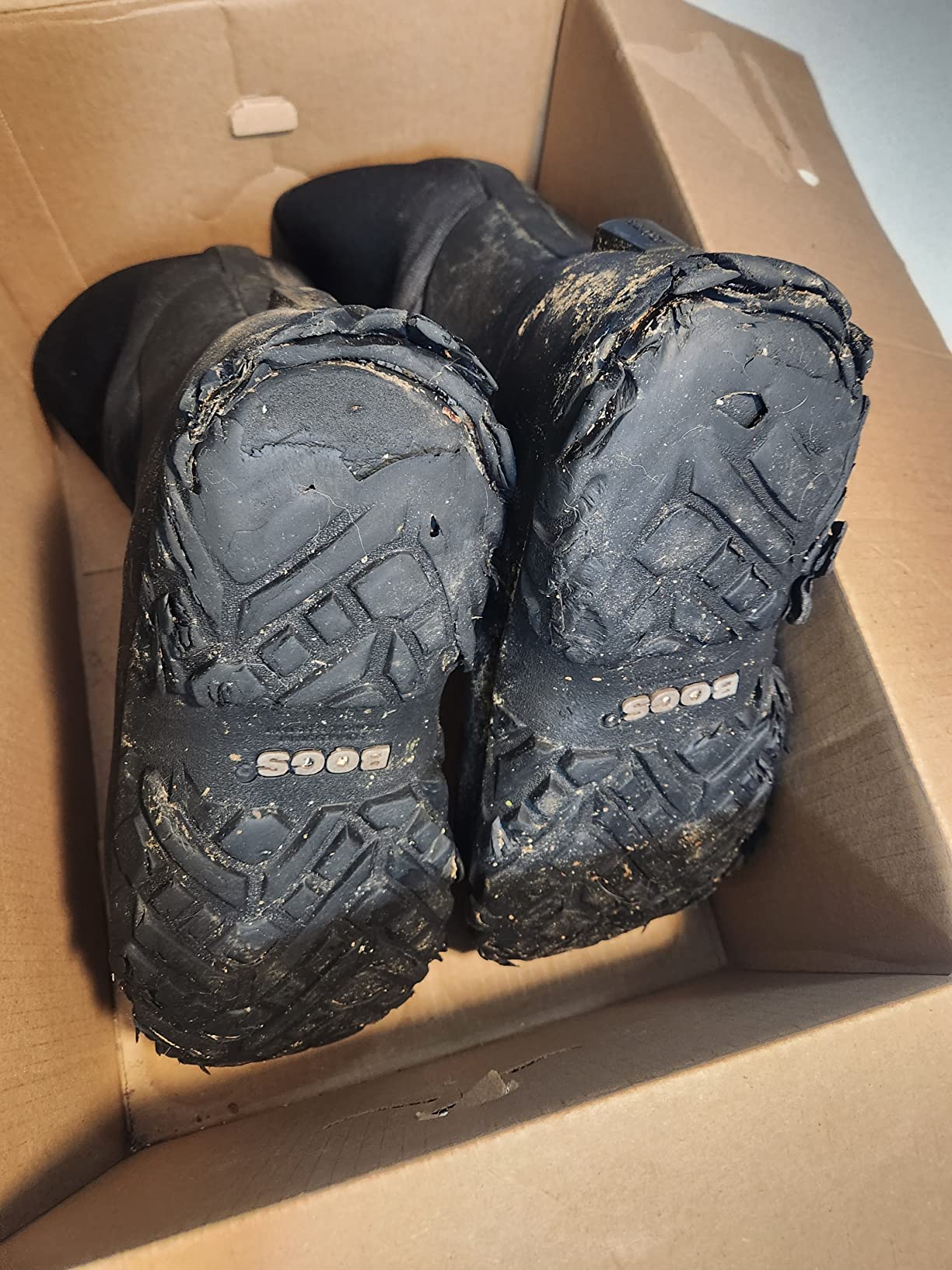
With a 4.7-star rating and 83% of users giving 5 stars, the BOGS Workman is one of the highest-rated boots in this guide. The seamless construction is also a major plus for people who work in chemical environments or around hazardous materials. There’s simply no way for water or chemicals to penetrate the rubber exterior.
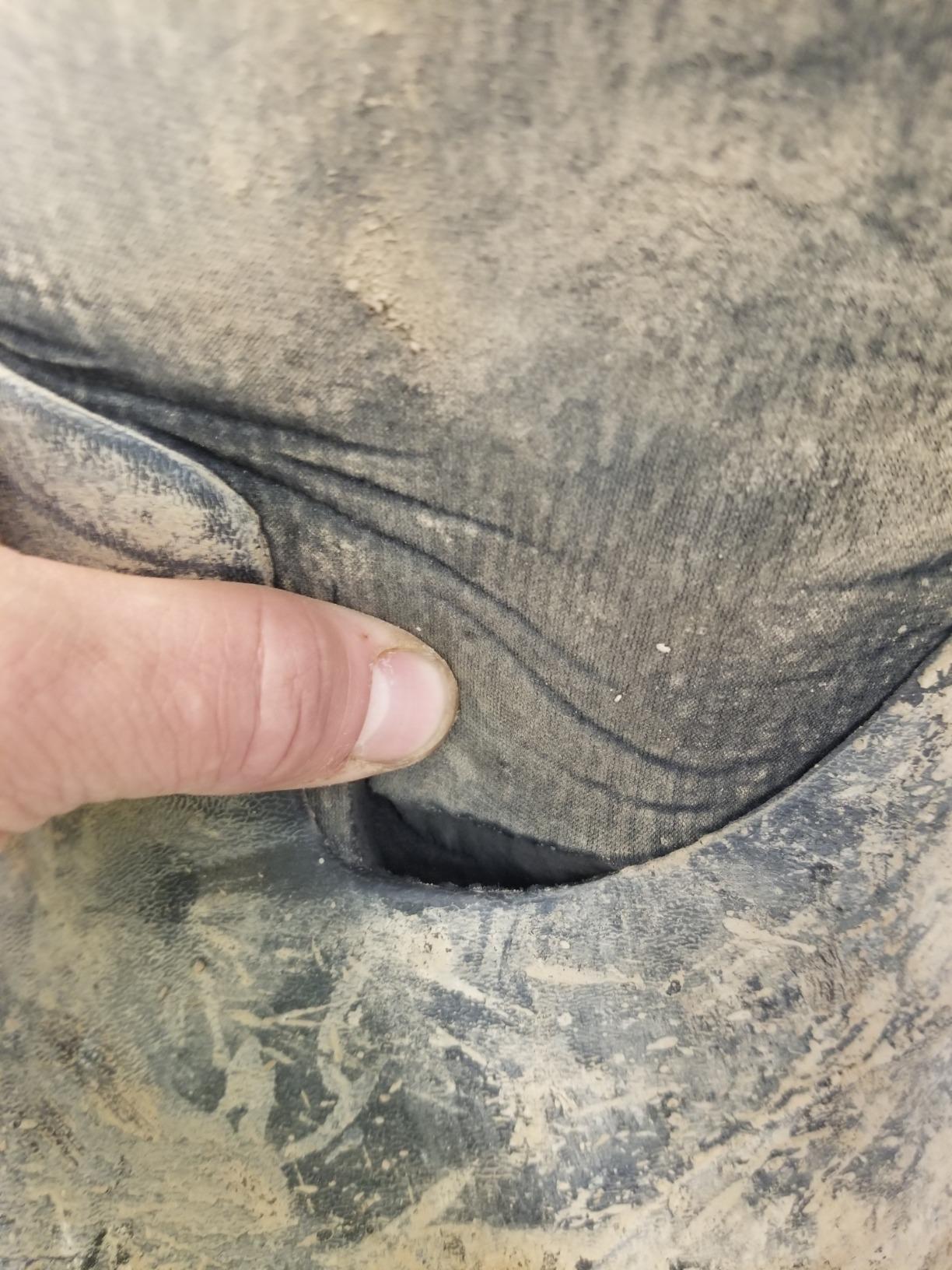
The trade-offs are related to the rubber construction. These boots don’t have the structure and support of leather boots, so they’re better suited for standing or walking work rather than jobs requiring precise footwork. They’re only available in whole sizes, which can be tricky if you’re between sizes. They’re also not Prime eligible in all configurations.
For Whom It’s Good
If you work in truly extreme cold, the BOGS Workman is hard to beat. The -40°F rating is real, and the seamless waterproofing is the most reliable in this guide. These are the boots for cold storage workers, ice fishermen, oil field workers in northern climates, and anyone else facing brutal winter conditions.
They’re also ideal for people who work in wet, muddy environments. The rubber construction shrugs off conditions that would destroy leather boots in a season.
For Whom It’s Bad
Rubber boots don’t breathe, so if you work in moderate temperatures or move between cold and warm environments, your feet will get clammy. The lack of structure also means less ankle support compared to leather boots. If your job requires a lot of lateral movement or climbing, leather boots are a better choice.
The whole-size-only availability is also frustrating. If you typically wear a half size, you’ll need to size up and wear thicker socks.
How to Choose the Best Insulated Work Boots for Cold Weather
Choosing the right insulated work boot comes down to understanding your work environment and matching the boot’s features to your needs. Here’s what matters most.
Insulation Weight Guide
The insulation weight, measured in grams, tells you how warm the boot will be. Here’s a practical guide based on temperature ranges.
200g insulation works for cool weather down to about 40°F. It’s common in light-duty work boots and is fine for warehouse workers who encounter cold occasionally.
400g insulation is the sweet spot for most winter work. It handles temperatures from about 20°F to 40°F comfortably, making it ideal for construction, general outdoor work, and most trades.
600g insulation is for serious cold. Expect comfort down to around 0°F to 20°F. This is the range for HVAC techs in unheated spaces, outdoor workers in northern climates, and anyone facing extended cold exposure.
1000g to 1200g insulation is for extreme cold. These boots are rated for sub-zero temperatures and are built for the toughest winter conditions. The ROCKY Blizzard Stalker and BOGS Workman fall into this category.
Steel Toe vs Composite Toe for Cold Weather
This is one of the most common questions in work boot forums, and the answer matters for cold weather performance. Steel conducts cold, which means in freezing temperatures, the toe of a steel toe boot can feel noticeably colder than the rest of the boot.
Composite toes don’t have this problem. They don’t transfer cold, so your toes stay warmer in sub-freezing conditions. Composite is also lighter, which reduces fatigue during long shifts. The main trade-off is that composite toes are slightly bulkier than steel for the same protection level.
For cold weather work, I generally recommend composite toe boots. The warmth advantage is real, and the weight savings add up over a long career of wearing work boots.
Waterproofing Technologies Explained
Not all waterproofing is created equal. Here’s what to know.
Waterproof membranes like Gore-Tex, Storm Defender, and Rocky Waterproof are breathable barriers inside the boot. They keep water out while allowing sweat vapor to escape. The quality varies, and cheaper membranes can fail over time.
Rubber construction like BOGS uses is completely waterproof by design. There’s no membrane to fail because the entire boot is a waterproof barrier. The trade-off is breathability. Rubber boots don’t breathe, so your feet can get sweaty in moderate temperatures.
Water-resistant leather treatments are the weakest option. They repel light moisture but will eventually soak through in standing water or heavy rain. They’re not suitable for true winter work.
Temperature Ratings: What They Actually Mean
Most work boots don’t have official temperature ratings. The ratings you see (like the BOGS -40°F rating) are based on the manufacturer’s testing and are generally conservative. Real-world performance depends on your activity level, sock choice, and how long you’re exposed.
As a rule, plan for boots rated 10-20°F colder than the coldest temperatures you expect. If you work in 20°F weather, get boots rated to 0°F. This buffer accounts for wind chill and extended exposure.
Sock Pairing Recommendations
Your socks matter as much as your boots. Cotton socks are the enemy. They absorb moisture and keep it against your skin, which makes your feet cold. Instead, choose merino wool or synthetic moisture-wicking socks.
For extreme cold, consider a layering system with a thin liner sock and a thicker outer sock. This creates air pockets that trap warmth while managing moisture. Brands like Darn Tough and Smartwool are popular among tradespeople for good reason.
Avoid thick socks if your boots are already snug. Too-tight boots restrict blood flow, which makes your feet colder. The right sock should fill the boot without compressing your foot.
Frequently Asked Questions
What are the warmest boots for extreme cold?
The BOGS Workman CT is rated to -40F with 7.5mm NeoTech insulation, making it one of the warmest work boots available. The ROCKY Blizzard Stalker with 1200G insulation is another top choice for sub-zero temperatures.
Are insulated work boots worth it?
Yes, if you work in temperatures below 40F for extended periods. Insulated boots prevent cold-related injuries, reduce discomfort, and improve productivity. The insulation also maintains foot warmth which improves circulation during long shifts.
How many grams of Thinsulate do I need?
For temperatures around 20-40F, 400g Thinsulate works well. For 0-20F, choose 600g. For sub-zero work, look for 1000g or higher, or boots specifically rated for extreme cold like the BOGS Workman with 7.5mm NeoTech.
Steel toe or composite toe for cold weather?
Composite toe is better for cold weather because it does not transfer cold like steel does. Your toes stay warmer, and composite is also lighter, reducing fatigue during long shifts. Most modern composite toes meet the same ASTM safety standards as steel.
Why do my feet still get cold in insulated boots?
Common reasons include poor circulation, tight boots restricting blood flow, wet socks, inadequate insulation weight for the temperature, or worn-out insulation. Check your boot fit, switch to moisture-wicking merino wool socks, and verify your insulation matches your working temperature.
Final Verdict on the Best Insulated Work Boots for Cold Weather
After testing these eight boots in real winter work conditions, my top pick for the best insulated work boots for cold weather is the BOGS Workman CT for extreme cold and the Carhartt Rugged Flex 400G for all-around winter performance. The BOGS delivers unmatched warmth and waterproofing for brutal conditions, while the Carhartt offers the best balance of comfort, durability, and price for most trades.
Whatever you choose, focus on matching the boot to your actual working temperature and job requirements. The right pair of insulated work boots will keep you comfortable, safe, and productive all winter long. For more buying guides and product recommendations, explore the rest of our work gear coverage.