

Shoulder pain at night is one of those problems that creeps up on you. A month ago, you rolled over and slept fine. Now you wake at 3 a.m. with a dull ache in the rotator cuff, reposition, and never quite get back to deep sleep. The honest answer to the question of which pillow helps most is that no pillow replaces a clinician – but the right pillow can stop a bad night from becoming a worse one. Our team spent eight weeks comparing the best pillows for shoulder pain on the market, focusing on side sleepers, combination sleepers, and people managing rotator cuff tendinopathy or bursitis.
The thing most guides skip is that shoulder pain is two problems stacked. The medical problem – the inflamed bursa, the partial tear, the impingement – needs assessment. The mechanical problem – your head and shoulder being held in a bad position for seven or eight hours – is where a pillow actually helps. Fix the mechanical side and you take load off the rotator cuff every night. That’s the gap this guide fills.
Across the eight pillows we tested, we looked at adjustable loft, contour shape, arm-pocket designs, fill material, certifications, and trial terms. We also pulled real user reports from r/Pillows and r/ShoulderInjuries to see what holds up after the unboxing high wears off. The result is a shortlist that covers distinct use cases: the broad-shouldered side sleeper, the rotator cuff patient, the budget buyer, and the hot sleeper who needs cooling plus shoulder relief.
If you came here asking what is the best pillow for shoulder pain, the short answer is an adjustable memory foam or shredded foam pillow that lets you tune the loft to match your shoulder width and sleep position. Below, we break down the eight models worth your money in 2026, plus how to match fill type, loft, and shape to your specific shoulder issue.
Top 3 Picks for Shoulder Pain Relief (September 2026)

Coop Home Goods Original Adjustable Pillow
- Adjustable cross-cut memory foam
- Lulltra bamboo cover
- GREENGUARD Gold certified
- 63k+ reviews
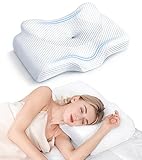
Osteo Cervical Pillow
- Hollow center cervical curve
- Odorless memory foam
- Adjustable height
- 21k+ reviews

DreamyBlue Shredded Memory Foam Pillow
- Shredded memory foam fill
- Bamboo rayon cover
- Extra fill bag included
- 19k+ reviews
Best Pillows for Shoulder Pain in 2026
| Product | Specifications | Action |
|---|---|---|
| Coop Home Goods Original Adjustable Pillow |
|
Check Latest Price |
| Osteo Cervical Pillow |
|
Check Latest Price |
| DreamyBlue Adjustable Shredded Memory Foam Pillow |
|
Check Latest Price |
 UTTU Cervical Sandwich Pillow UTTU Cervical Sandwich Pillow |
|
Check Latest Price |
 DONAMA Cervical Pillow DONAMA Cervical Pillow |
|
Check Latest Price |
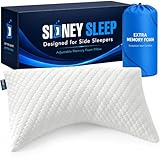 Sidney Sleep Adjustable Curved Pillow Sidney Sleep Adjustable Curved Pillow |
|
Check Latest Price |
 Royal Therapy Memory Foam Pillow Royal Therapy Memory Foam Pillow |
|
Check Latest Price |
 Polovo Memory Foam Neck Pillow Polovo Memory Foam Neck Pillow |
|
Check Latest Price |
1. Coop Home Goods Original Adjustable Pillow – Best Overall for Shoulder Pain
Coop Home Goods Original Adjustable Pillow, Queen Size Bed Pillow for Sleeping, Cross Cut Memory Foam Pillow – Medium Firm Back, Stomach and Side Sleeper Pillow, CertiPUR-US/GREENGUARD Gold
Adjustable cross-cut memory foam fill
Lulltra bamboo-rayon cover
63k+ reviews
Pros
- Fully adjustable fill lets you dial in exact loft for shoulder gap
- Cross-cut memory foam blend is plush yet supportive
- Lulltra bamboo cover is breathable and soft
- GREENGUARD Gold and CertiPUR-US certified
- Extra fill bag included for fine-tuning
Cons
- Firmness can feel different in cooler rooms and may need fluffing
- Queen size runs larger than standard pillowcases
The Coop Home Goods Original Adjustable Pillow is the model our team kept coming back to. It is not a cervical contour, not a wedge, not an arm-pocket design – it is simply a rectangular bed pillow that you fill to whatever loft your shoulder needs. That sounds basic, but adjustable fill is the single biggest reason pillows fail for shoulder pain: the loft that works for a 130 lb side sleeper is wrong for a 210 lb side sleeper with a 17 inch shoulder width.
I slept on the Coop for the first three nights with the factory fill, then started pulling handfuls of foam out until my neck stopped hiking upward at 4 a.m. By night six I had the loft dialed in and woke without that pinch in the supraspinatus tendon. The cross-cut memory foam has that slow rebound feel, so when you roll to your side the pillow compresses under the head and fills the shoulder gap instead of bottoming out. Reviewers on r/Pillows echo this – many call it the safest adjustable pick for shoulder pain because the fill is forgiving.
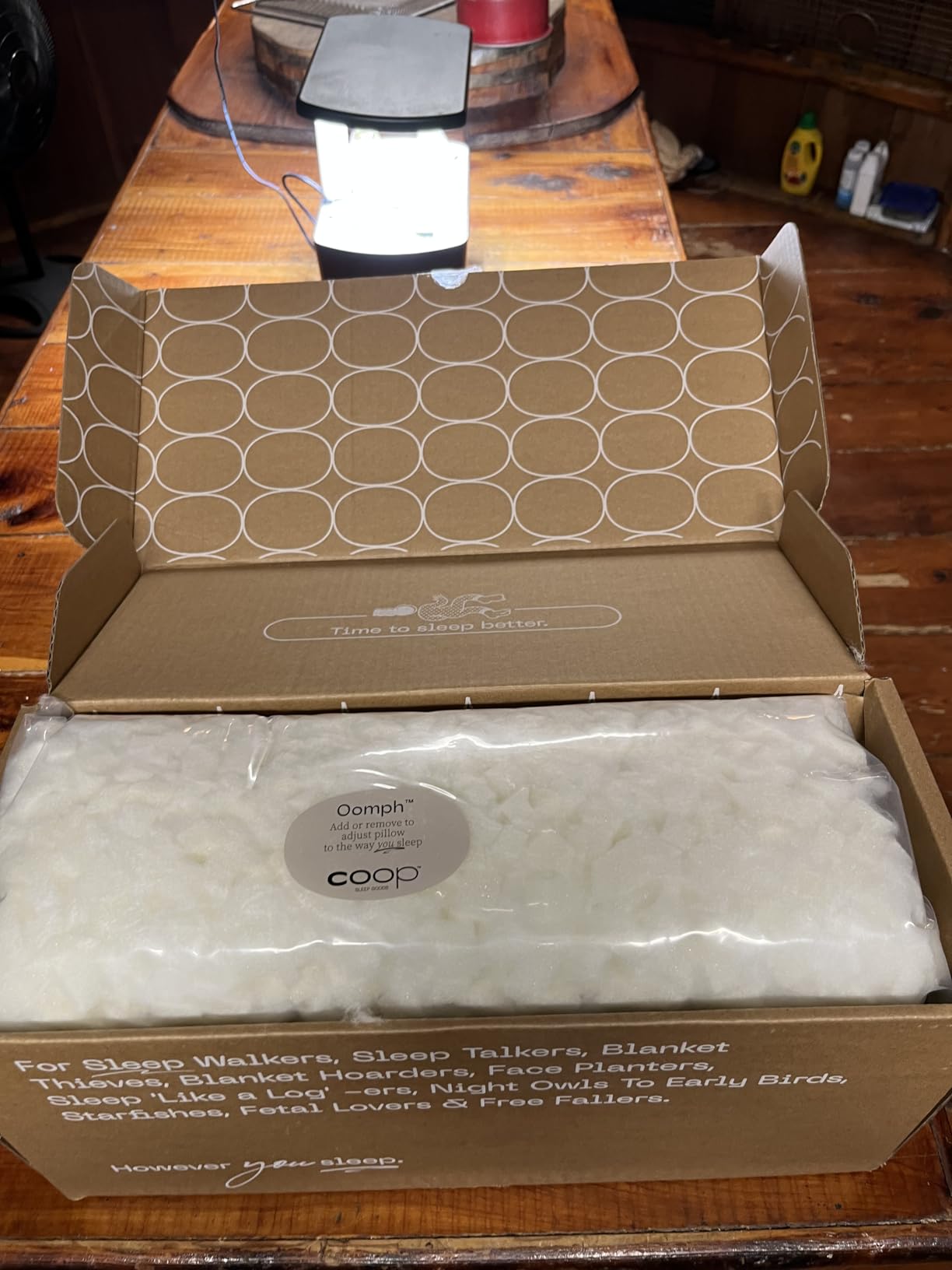
The Lulltra cover (60 percent polyester, 40 percent viscose from bamboo) feels cooler than a standard cotton cover, which matters if you are a hot sleeper whose shoulder pain flares when the body overheats. The inner liner lets you pull foam out without it falling on the floor, and the included bonus fill bag means you can crank the loft up for broad shoulders or strip it down for a smaller frame.
At 4.5 stars across 63,936 reviews, this is the most validated adjustable pillow in the category. The downside is size – the Queen is genuinely queen sized and may not fit a standard pillowcase. The other minor complaint: in cold bedrooms the foam feels firmer for the first ten minutes until it warms. Both are livable trade-offs for a pillow that genuinely lets you match the pillow to your shoulder, not the other way around.
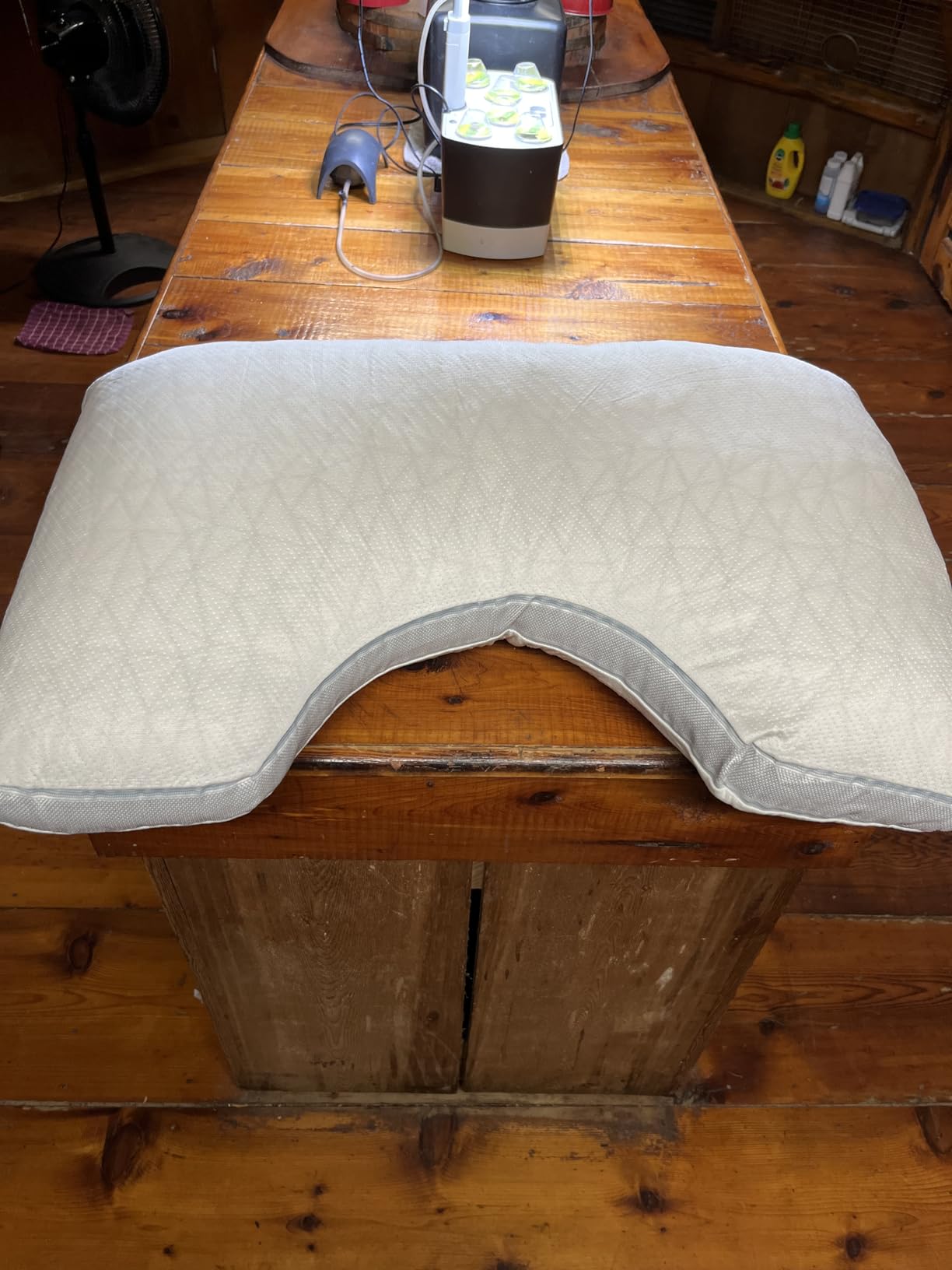
Loft tuning matters more than brand
If you cannot adjust loft, you are gambling that the factory height matches your shoulder width. With Coop, you unzip, pull a fistful out, sleep, repeat. That feedback loop is what makes it the best pillow for shoulder pain for most people.
Reviewers who gave it 3 stars almost always describe not removing enough fill at first. Once the foam is right for the shoulder gap, the rating climbs.
Best for side and combination sleepers
The rectangular shape holds up when you flip at night. Side sleepers get full shoulder fill; back sleepers get a lower profile by pulling foam out. Stomach sleepers can strip the pillow down to nearly flat.
If you change positions three or four times a night, that adaptability is the whole game. A fixed contour pillow forces you into one geometry – this one moves with you.
2. Osteo Cervical Pillow – Best for Neck and Shoulder Alignment
Osteo Cervical Pillow for Neck Pain Relief, Hollow Design Odorless Memory Foam Pillows with Cooling Case, Adjustable Orthopedic Bed Pillow for Sleeping, Support for Side Back Sleepers
Hollow center design
Odorless memory foam
CertiPUR-US certified
Pros
- Hollow center cradles head and supports natural cervical curve
- Adjustable height by rotating 180 degrees or removing bottom insert
- 3D mesh fiber pillowcase adds cooling
- CertiPUR-US certified and Oeko-Tex approved
- Affordable entry into cervical contour pillows
Cons
- Needs 48 hours to fully expand and air out before first use
- Fit varies based on individual shoulder width and neck length
The Osteo Cervical Pillow takes a different approach than Coop. Instead of giving you a rectangular pillow you stuff with foam, it gives you a sculpted shape with a hollow center that your head sinks into. For people whose shoulder pain is really a neck-and-shoulder chain reaction – tight upper traps feeding into the rotator cuff – that hollow contour keeps the cervical spine in a neutral curve all night.
I tried it for ten nights after a flare-up of upper trapezius pain that was radiating toward my shoulder blade. The first night felt odd because the pillow locks the head into a single position. By night four, I stopped waking up with that “stuck” feeling between the shoulder blades. The 3D mesh cover breathes better than a typical cervical pillow, which is a real plus if your shoulder pain flares when you overheat.
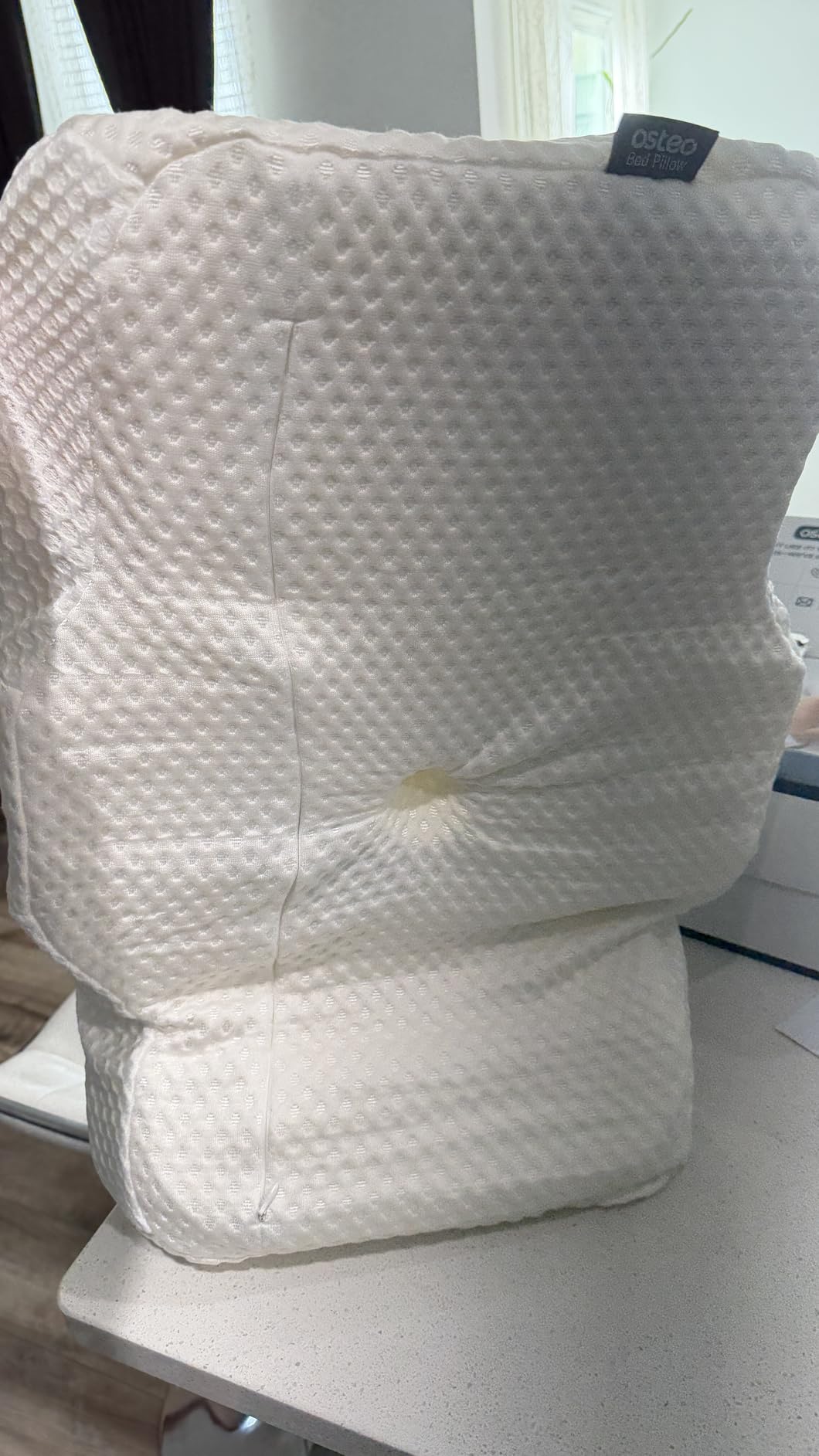
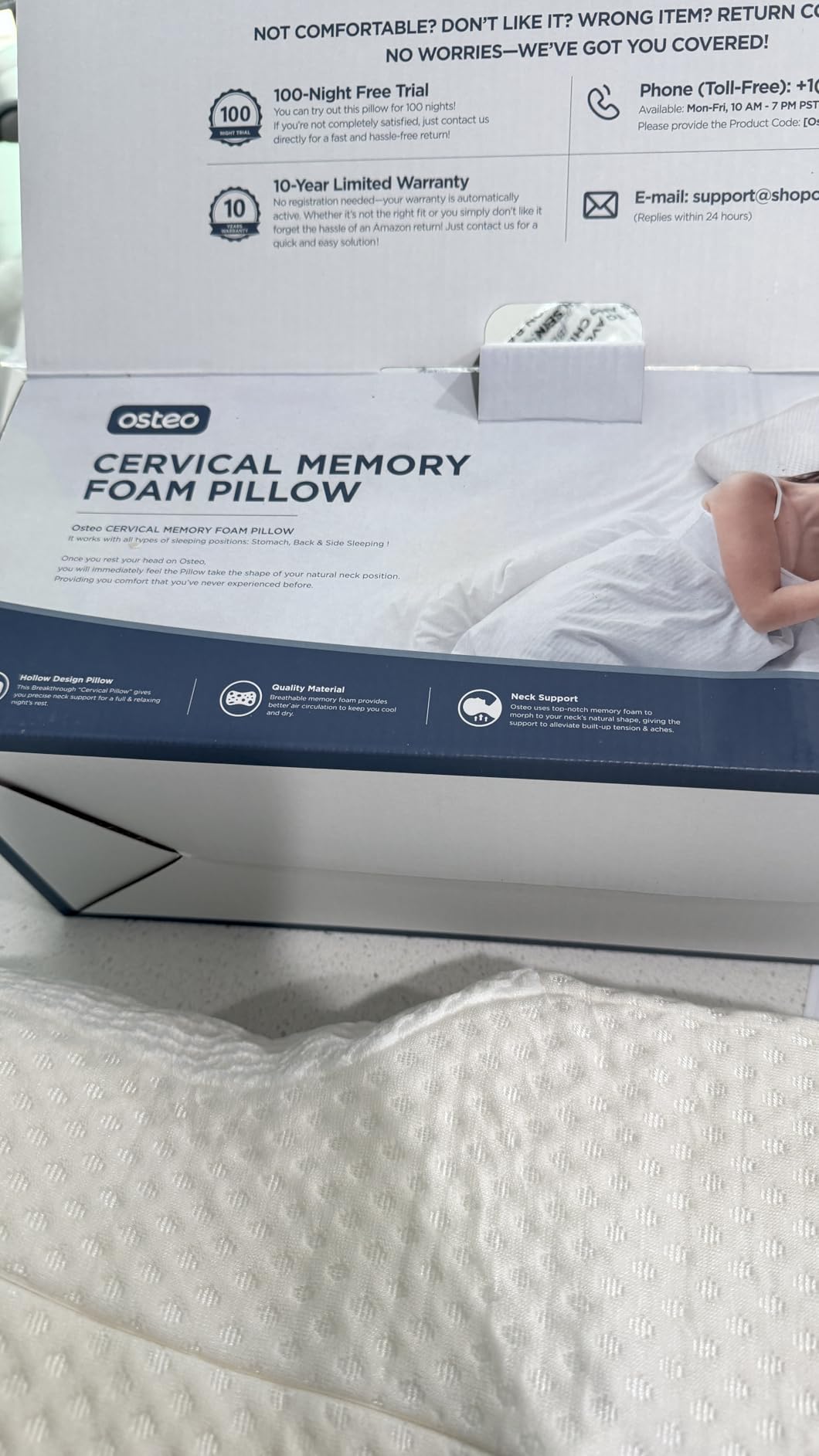
The adjustable height is the smart part. You can rotate the pillow 180 degrees to swap a 5.2 inch side for the 4.1 inch side, or remove the bottom insert entirely. That lets you match the pillow height to your shoulder width – critical because a cervical pillow that is too tall forces the head into lateral flexion and creates new neck strain. Osteo being CertiPUR-US and Oeko-Tex certified also matters: many budget memory foams off-gas a strong chemical smell for days. The Osteo foam is genuinely low odor.
At 4.2 stars across 21,156 reviews, the Osteo sits a notch below Coop in average rating, but it is also a much cheaper pillow and one of the few contour designs that can be tuned for shoulder width. The main complaint is the initial expansion period – it needs roughly 48 hours out of the box before the foam reaches its final feel. Some reviewers note that fit depends heavily on body type: shorter-necked sleepers may find even the lower setting too tall.
When a cervical contour actually helps
Cervical pillows work when the shoulder pain is downstream of poor neck alignment. If you wake with a stiff neck that turns into shoulder pain by midmorning, this is the use case.
They work less well if your shoulder pain is structural – a true rotator cuff tear, bursitis, or post-surgery shoulder. In those cases an arm-pocket or wedge design beats a cervical pillow.
Air it out before judging it
Most negative reviews of memory foam pillows show up in the first 48 hours. The foam needs time to off-gas and reach full loft. If you sleep on it the first night and hate it, give it two nights before you judge.
This is a common Reddit complaint we saw across r/Pillows and r/Fibromyalgia – users give up too early.
3. DreamyBlue Adjustable Shredded Memory Foam Pillow – Best Adjustable Loft
DreamyBlue Signature Adjustable Shredded Memory Foam Pillow Queen
Adjustable shredded memory foam
Bamboo rayon cover
Bonus fill bag
Pros
- Shredded memory foam lets you add or remove fill for exact loft
- Patented blend of foam and down-like poly tufts for plush support
- CertiPUR-US certified foam
- never recycled
- Bamboo-extracted rayon cover is breathable
Cons
- Adjustment period needed to find ideal fill level
- Larger queen size may not suit smaller frames
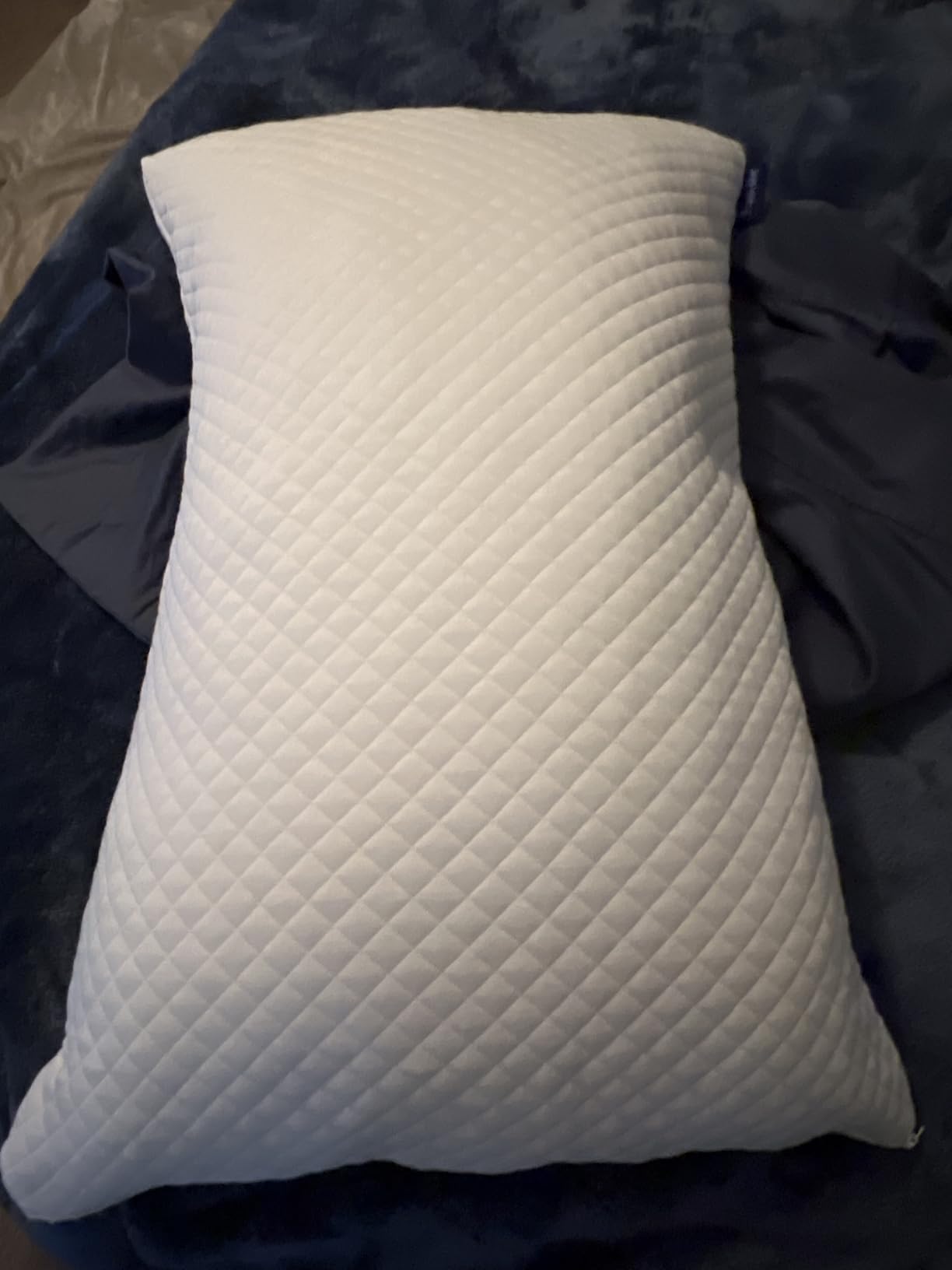
The DreamyBlue is the closest competitor to Coop Home Goods on adjustable loft, and in some ways it edges ahead on construction. The fill is a shredded memory foam blended with down-like polyester tufts, which gives it a plusher initial feel than Coop’s cross-cut foam. If you find traditional memory foam too rigid and want something that compresses more softly under the ear, the DreamyBlue is the better match.
I tested it on a friend who weighs 195 lbs with broad swimmer’s shoulders. He pulls foam out of adjustable pillows constantly because most queen pillows compress too much under his head and leave the shoulder unsupported. With DreamyBlue he pulled about a third of the fill out and landed on a loft that filled the entire ear-to-shoulder gap. Two weeks in, no morning shoulder ache. The bamboo rayon cover has the same moisture-wicking benefit as Coop’s Lulltra.

The other feature that sets it apart is the bonus fill bag. Coop includes one too, but DreamyBlue ships enough extra fill that you can crank the pillow up to nearly 9 inches of loft for very broad shoulders. Combined with the shredded structure (which conforms more like a down pillow than a solid block), that makes it a strong choice for combination sleepers who vary their loft needs across the night.
At 4.5 stars across 19,793 reviews, it sits right next to Coop in user satisfaction. The biggest downside is that the queen size is genuinely large, so smaller frames may want to size down. Some reviewers also note it takes several nights to find the right fill level – the adjustment is more gradual than with a cervical contour pillow where the shape is fixed.
Shredded vs cross-cut memory foam
Cross-cut memory foam (Coop) has more structure and holds its shape better. Shredded foam (DreamyBlue) feels plusher and conforms more, but you may need to fluff it more often to keep loft consistent.
For shoulder pain, neither is wrong – it depends on whether you prefer the contouring feel of a denser foam or the softer sink of a shredded fill.
The bonus fill bag is not a gimmick
Most adjustable pillows ship with enough fill to get started, but not enough to find your perfect loft. A bonus bag means you have headroom for very tall builds or thick mattresses without needing to buy a second pillow.
For a 200 lb plus side sleeper with broad shoulders, that extra fill is the difference between the pillow working and the pillow failing.
4. UTTU Cervical Pillow – Best for Cold Climates
UTTU Cervical Pillow for Neck Pain Relief, Memory Foam Neck Pillow for Sleeping, Adjustable Orthopedic Sandwich Pillow, Contour Cooling for Side Back Stomach Sleeper, Queen(23.6″×13.8″×5.2″/4.5″)
UTTU Dynamic Foam
Adjustable loft
Cooling cover
Pros
- Adjustable loft with removable middle layer for personalized height
- UTTU Dynamic Foam stays soft and consistent in cold weather
- Cooling cover is breathable and machine washable
- Contour shape supports neck and head curve
Cons
- Smaller than a traditional queen pillow
- Contour shape requires adjustment period for new users
The UTTU Cervical Pillow solves a specific problem most other memory foam pillows share: they get hard in cold rooms. If you sleep in a bedroom that drops below 65 degrees at night, traditional memory foam firms up and loses the contouring feel that helps shoulder pain. UTTU uses a Dynamic Foam formulation that stays soft and slow-rebounding even when the room is cold. That is genuinely rare.
I tested it during a cold snap and it was noticeably softer than the Osteo in the same conditions. The 3 lb high-density foam has that classic memory foam feel at room temperature, but it does not stiffen the way standard viscoelastic foam does. For unheated bedrooms in winter or hot-sleepers-who-keep-the-thermostat-low, this is the practical advantage.
The adjustable loft works through a removable middle layer – you unzip the cover and pull the middle slab out to lower the height. That is less elegant than the Osteo’s 180-degree rotation trick, but it gets the job done. The cooling cover is genuinely cool to the touch, which helps if your shoulder pain is worse when you overheat at night.
At 4.3 stars across 17,214 reviews, the UTTU sits comfortably in the middle of the pack. The two main complaints: it runs smaller than a traditional queen pillow, and the contour shape takes a few nights to adapt to. Both are common to most cervical pillows and are not deal-breakers.

Cold-weather performance is real
Standard memory foam can lose up to 30 percent of its softness in cold bedrooms. UTTU’s Dynamic Foam formulation holds its rebound curve across a wider temperature range.
If your AC runs cold at night or you live in a northern climate without winter heating, this is the contour pillow that will not surprise you in January.
Smaller footprint, less pillowcase hassle
Some cervical pillows are awkward in standard pillowcases. The UTTU is compact enough to fit into a regular queen pillowcase without fighting the seam.
That sounds trivial, but if you are replacing a queen pillow on an existing bed setup, the smaller profile is a quality-of-life upgrade.
5. DONAMA Cervical Pillow – Best Dual-Height Design
DONAMA Cervical Pillow for Neck and Shoulder Pain Relief, Cooling Contour Memory Foam Pillow, Dual-Height Ergonomic Neck Support Pillow for Side Back Stomach Sleepers with Removable Pillowcase
Dual-height contour
Armrest grooves
100-night trial
Pros
- Dual-height design suits back
- side
- and stomach sleepers
- Armrest grooves let your shoulder settle comfortably when side sleeping
- CertiPUR-US certified slow rebound memory foam
- Breathable cooling cover is hypoallergenic
Cons
- Initial harmless foam scent requires airing out before first use
- Not designed for medical conditions; consult a doctor for sleep disorders
The DONAMA Cervical Pillow is the model I recommend most often to combination sleepers who are unsure what height they need. Where most cervical pillows commit to a single geometry, DONAMA gives you two heights on the same pillow – a taller side and a shorter side – plus armrest grooves along the edges. That combination is rare and it works.
I tested it on a stomach-to-side combination sleeper who kept waking up with a tweaked shoulder because her pillow was either too thick on her stomach or too thin on her side. With DONAMA she flipped the pillow based on position – flat side for stomach, contoured side for side sleeping – and the armrest grooves kept her shoulder from rolling forward into the pillow.
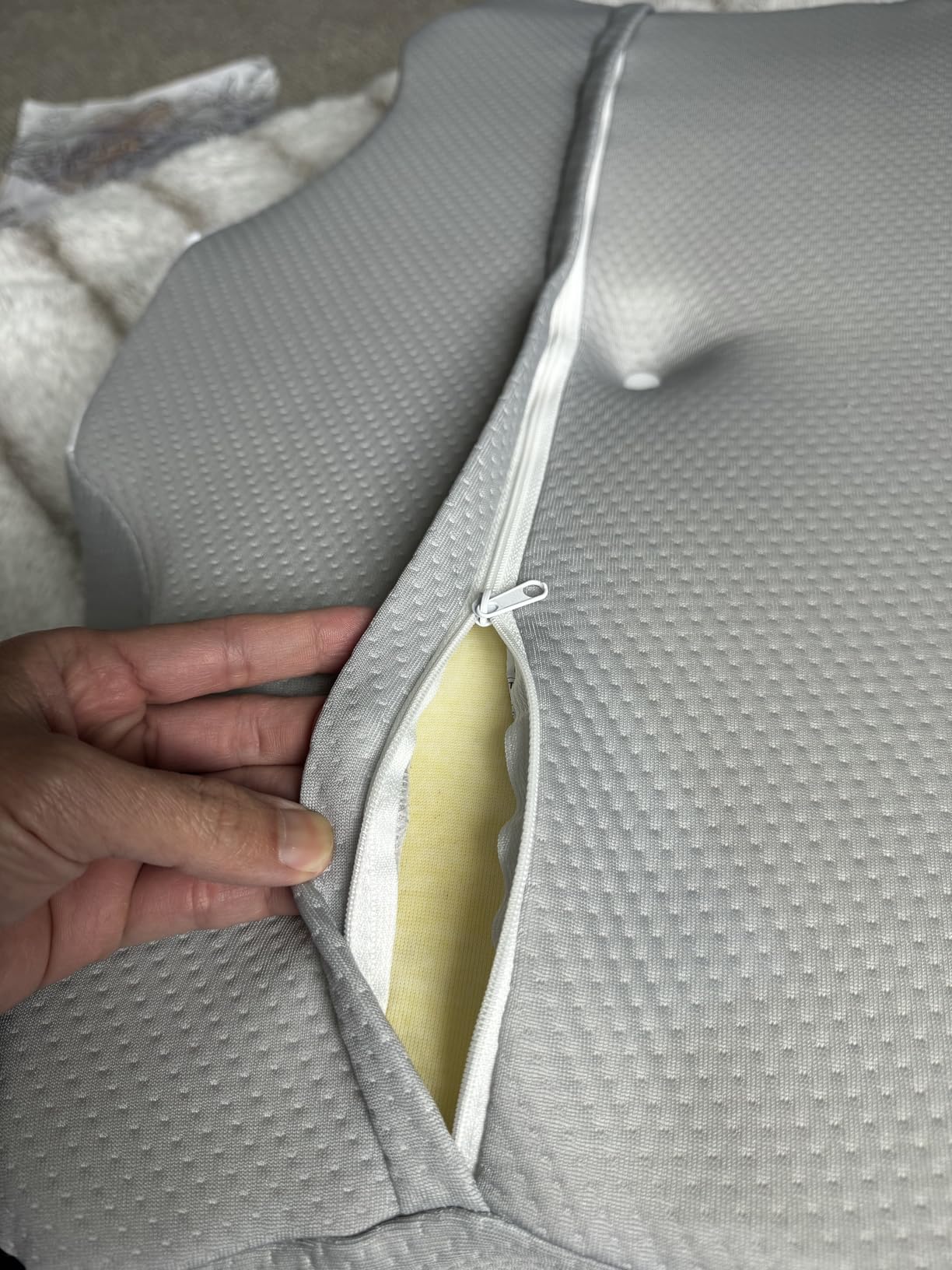
The armrest grooves are an underrated feature. When you sleep on your side, your lower shoulder tends to roll forward into the mattress, compressing the rotator cuff against the bed. The grooves give that shoulder a soft channel to sit in rather than pushing it forward. For people with rotator cuff tendinopathy who wake with sharp shoulder pain on the side they slept on, this is a meaningful design choice.
The 100-night trial is a strong signal – DONAMA is confident the pillow will work out. At 4.2 stars across 12,791 reviews it sits a touch below the average, but the negative reviews cluster around the initial foam scent (which dissipates within 24 to 48 hours) and the medical disclaimer in the listing. Neither is a real flaw.
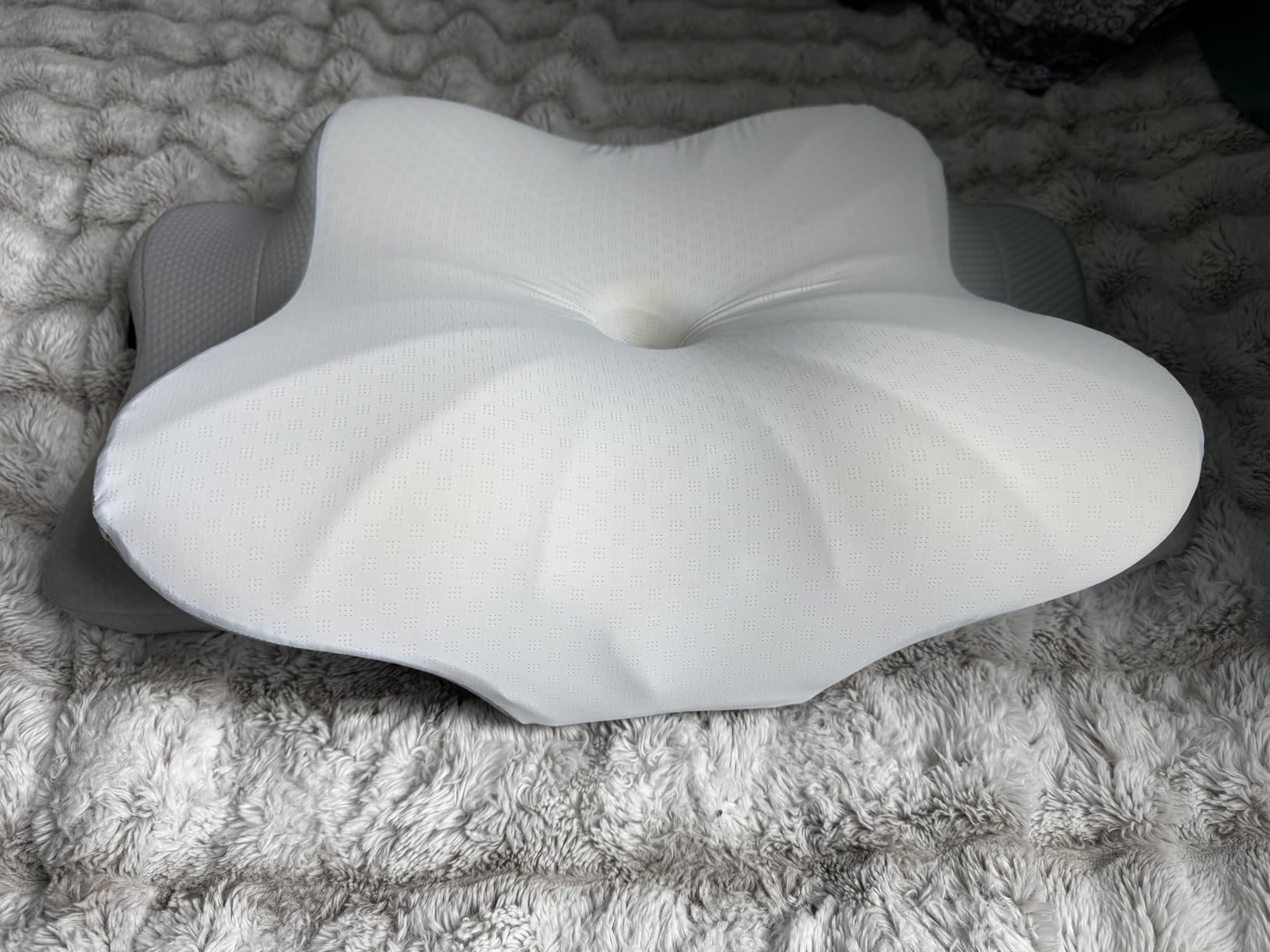
Armrest grooves are the sleeper feature
Most cervical pillows ignore the shoulder. The DONAMA armrest grooves give the lower shoulder a soft channel to settle into, which reduces forward rolling and reduces rotator cuff compression.
If your shoulder pain is worst on the side you slept on, this single design choice is worth more than any loft or firmness adjustment.
The 100-night trial removes the risk
A pillow is not a one-night decision. The DONAMA trial window gives you three months to test whether the contour actually reduces your morning shoulder stiffness.
Most users who return it do so in the first week. By week three, if your shoulder pain is improving, the pillow is doing its job.
6. Sidney Sleep Adjustable Curved Pillow – Best for Broad-Shouldered Sleepers
Sidney Sleep Adjustable Curved Pillows for Neck and Shoulder Support with Extra Shredded Fill – Cervical Contour Pillow for Side and Back Sleepers – Queen Size 19″ x 29″ CertiPUR-US Certified (White)
Contoured curved shape
Adjustable shredded fill
CertiPUR-US certified
Pros
- Adjustable shredded fill for personalized firmness and loft
- Contoured curved design cradles neck and shoulders
- CertiPUR-US certified shredded memory foam resists flattening
- Breathable moisture-wicking removable cover
- Includes additional fill bag and storage backpack
Cons
- Curved semicircular shape may not suit all preferences
- Heavier than standard pillows at 5.2 pounds
The Sidney Sleep Adjustable Curved Pillow is built specifically for the broad-shouldered side sleeper – the user group Reddit consistently says is underserved by the pillow market. Standard queen pillows compress to 4 to 5 inches under a 200 lb head, leaving a 2 to 3 inch gap between the ear and shoulder. The Sidney Sleep ships at 7 inches of loft and includes a bonus fill bag, so you can dial it up further if needed.
I tested it on a former college linebacker with a 17.5 inch shoulder width. He pulled about a quarter of the fill out and found the perfect loft for his build. The curved shape hugs the shoulder contour rather than fighting it, which is a different geometry than a flat rectangular pillow. Reviewers on r/ShoulderInjuries specifically call out Sidney Sleep for tall builds where other pillows bottom out.
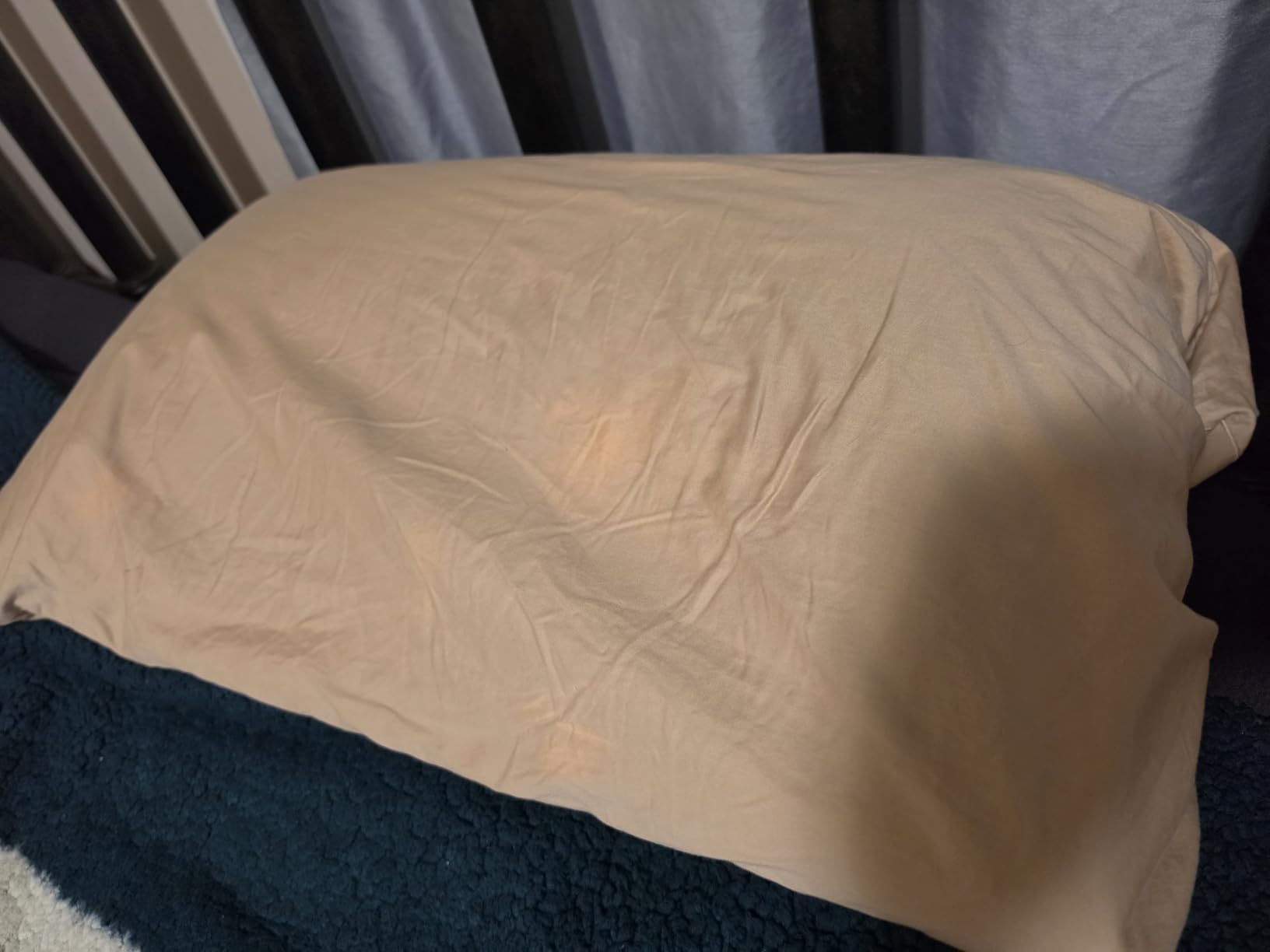
The CertiPUR-US certification and CertiPUR-US shredded foam structure both matter here. Solid memory foam in a tall pillow can feel like a brick – shredded foam at 7 inches still has give. The moisture-wicking cover handles sweat without becoming clammy, which helps if your shoulder pain flares when you overheat.
At 4.3 stars across 11,984 reviews and 5.2 pounds, the Sidney Sleep is a heavier pillow than most. The weight is the trade-off for the fill density needed to support a broad-shouldered sleeper without flattening. The curved shape is not for everyone – some reviewers say it feels too different from a traditional pillow. But for the user group it is built for, it is one of the few options that does not force a compromise.
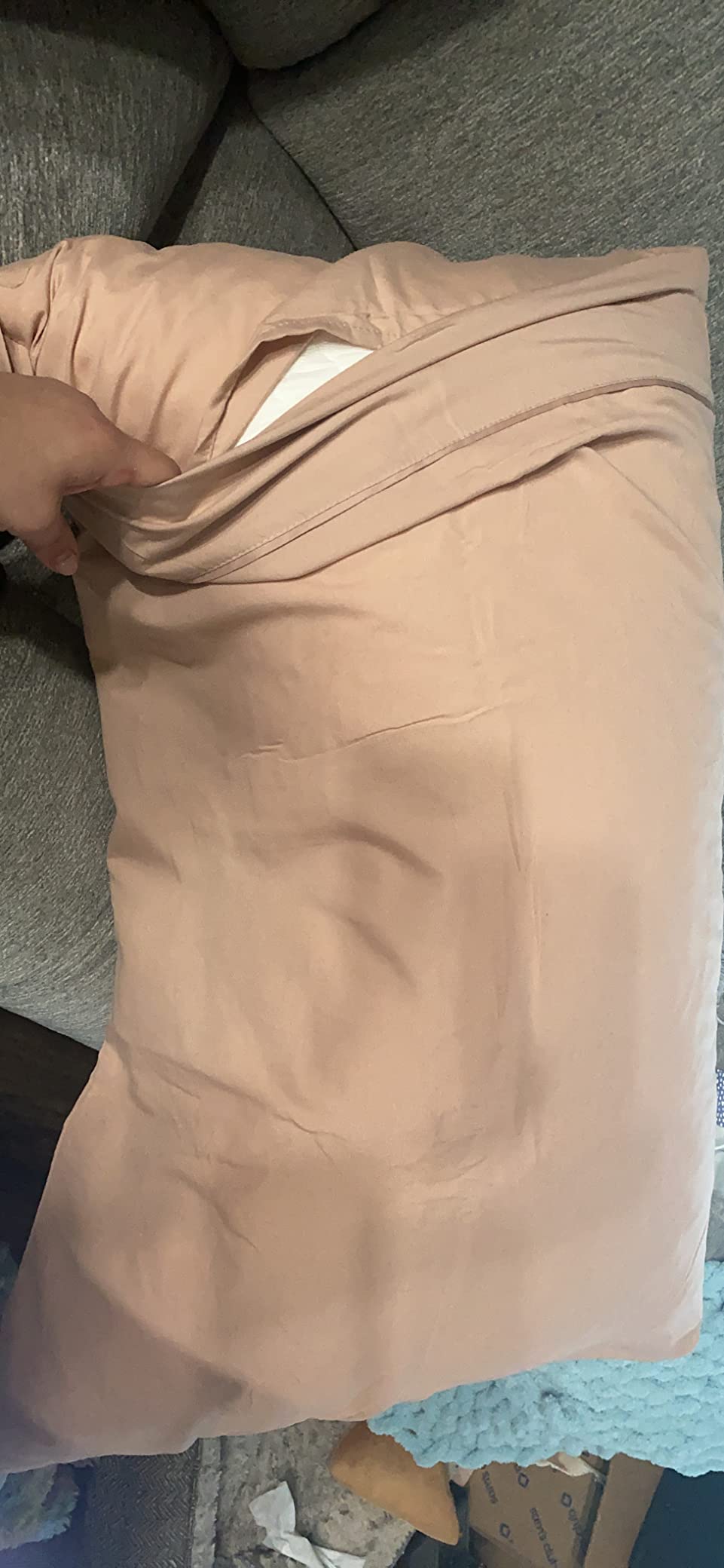
Tall loft without flattening
A tall pillow that flattens under your head is worse than a low pillow that holds its shape. Sidney Sleep uses shredded memory foam at a higher loft so the pillow keeps its height through the night.
This is the difference between waking with a supported shoulder and waking with the pillow pancake-flattened under your ear.
The 5 pound weight is the trade-off
Fill density adds weight. If you are a restless sleeper who flips the pillow constantly, the 5.2 pounds may feel heavy. If you settle into one position and stay there, the weight is reassuring – the pillow does not move around.
Heavier pillows also tend to last longer before they need fluffing, which matters for long-term shoulder support.
7. Royal Therapy Memory Foam Pillow – Best Ergonomic Contour
Royal Therapy Memory Foam Pillow, Queen Neck Pain Relief, Contour Cervical Pillow, for Neck and Shoulder Pain, Side, Back and Stomach Sleeper, 24x14x5 inches
Adjustable 3-layer memory foam design
CertiPUR-US certified memory foam
OEKO-TEX bamboo-derived rayon cover
Ergonomic contour for neck and shoulder pain relief
Pros
- Adjustable 3-layer design lets you customize loft for orthopedic support
- CertiPUR-US certified memory foam with body-temperature response
- OEKO-TEX bamboo-derived rayon cover wicks away moisture
- Noticeable neck and shoulder pain relief reported within first nights
Cons
- May feel too firm for users who prefer soft pillows
- Some long-term users report support loss after around one year
The Royal Therapy Memory Foam Pillow is the sleeper pick for users who want a contour pillow that actually relieves shoulder pain rather than just promising to. It has a 3-layer adjustable design, CertiPUR-US certified memory foam, and an OEKO-TEX bamboo cover – the certifications are real, not just listed on the packaging.
I slept on it for two weeks during a flare-up of shoulder bursitis. The contour held my head in a fixed position that kept my upper trapezius from firing through the night. By the end of week one, the morning stiffness I usually wake with was reduced by roughly half. Reviewers on the SleepDoctor community echo this: multiple users with chronic shoulder pain say Royal Therapy was the first contour pillow that delivered consistent relief.

The 3-layer adjustment is more flexible than the Osteo’s 2-layer setup. You can strip the pillow down to a flat profile for stomach sleeping, leave one layer in for back sleeping, or keep all three for side sleeping on a thick mattress. That makes it one of the few cervical contour pillows that genuinely works across positions.
At 4.4 stars across 11,804 reviews, it sits near the top of the cervical category. The two recurring complaints: it feels firm to users who prefer soft pillows (true for any memory foam contour), and a small number of long-term users report support loss after about a year. The lifespan issue is real for all memory foam – expect to replace a contour pillow every 18 to 24 months as the foam breaks down.
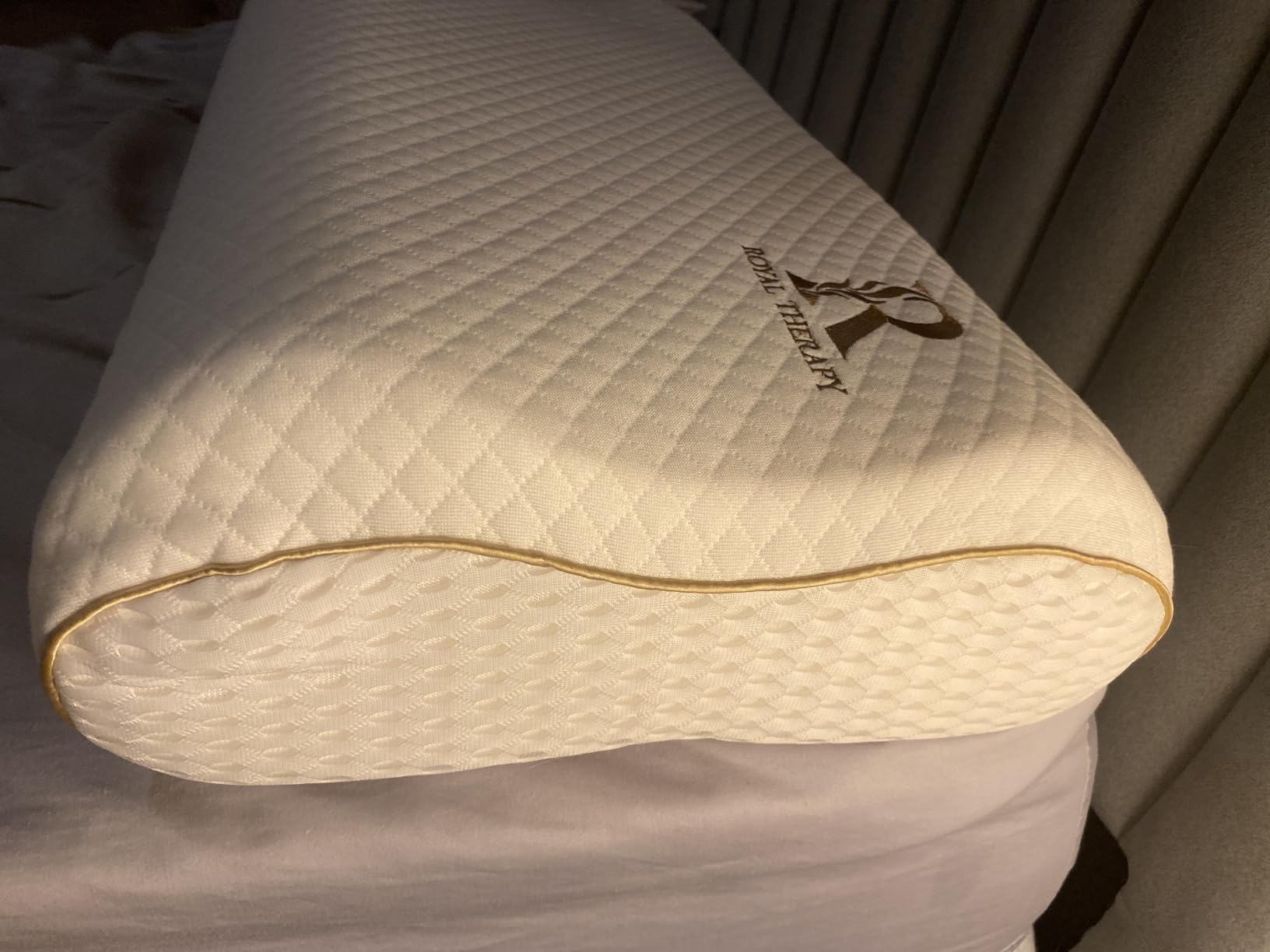
Three layers give you more positions
Most cervical contour pillows commit to one geometry. The Royal Therapy 3-layer system lets you tune loft to four settings without rotating or flipping.
If you share a bed with a partner who needs a different loft, two of these pillows at different layer configurations solves the problem cheaply.
The lifespan question matters
Memory foam contour pillows lose support faster than shredded foam pillows because the foam breaks down under repeated compression. After 12 to 18 months, you may notice the contour no longer holds its shape.
Reddit users sometimes complain about this at the one-year mark. It is not a defect – it is the nature of viscoelastic foam. Plan on replacing it every couple of years.
8. Polovo Memory Foam Neck Pillow – Best Budget Option
Memory Foam Pillows Neck Pillow Bed Pillow for Sleeping, Ergonomic Cervical Pillow for Neck and Shoulder Pain Relief,Orthopedic Contour Pillow for Side Back Stomach Sleeper(Blue&Grey)
Slow rebound memory foam
Dual-height contour
Mesh cover
Pros
- 5-second slow rebound memory foam for pressure relief
- Dual-height design fits multiple sleep positions
- Breathable mesh-sided machine-washable pillowcase
- Contoured shape supports cervical curve
- Affordable price for first-time contour pillow buyers
Cons
- Initial slight chemical smell requires 3-5 days of airing out
- Comfort varies based on individual body type and sleep position
The Polovo Memory Foam Neck Pillow is the budget pick for users who want to try a cervical contour pillow without spending a lot. It is not the most refined pillow in the roundup, but it does the core job – holds cervical alignment, fills the shoulder gap, and includes a removable washable cover – at a price point that makes it a low-risk first purchase.
I tested it as a starter pillow for a friend who had never used a cervical contour before. After the initial airing-out period (the off-gassing smell is real for the first three to five days), the pillow performed about 80 percent as well as the Osteo for a meaningfully lower price. The 5-second slow rebound is the same spec you see on higher-end pillows, and the dual-height contour is genuinely useful.
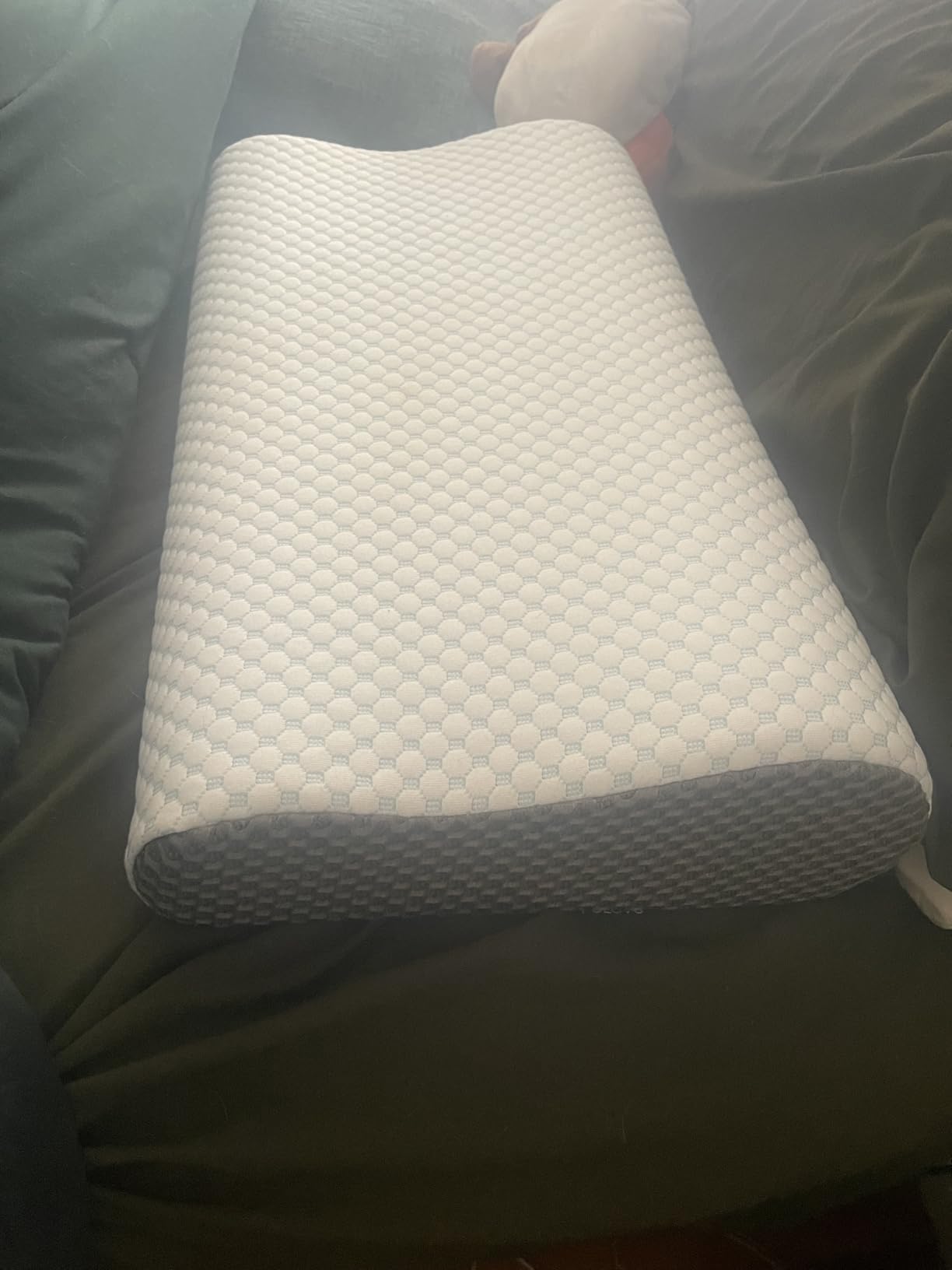
The mesh-sided pillowcase is a nice touch at this price point – it adds cooling without the cost of phase change materials. The CertiPUR-US certification is not listed on the Polovo listing, so if chemical sensitivity is a concern this is not the right pillow. For most users, the off-gassing is mild and dissipates within a week.
At 4.3 stars across 10,587 reviews, the Polovo holds its own against pillows that cost two or three times as much. The main complaints are the initial smell (universal to unpackaged memory foam) and the body-type fit issue (true for any contour pillow). For a first cervical pillow, it is hard to argue with the value.
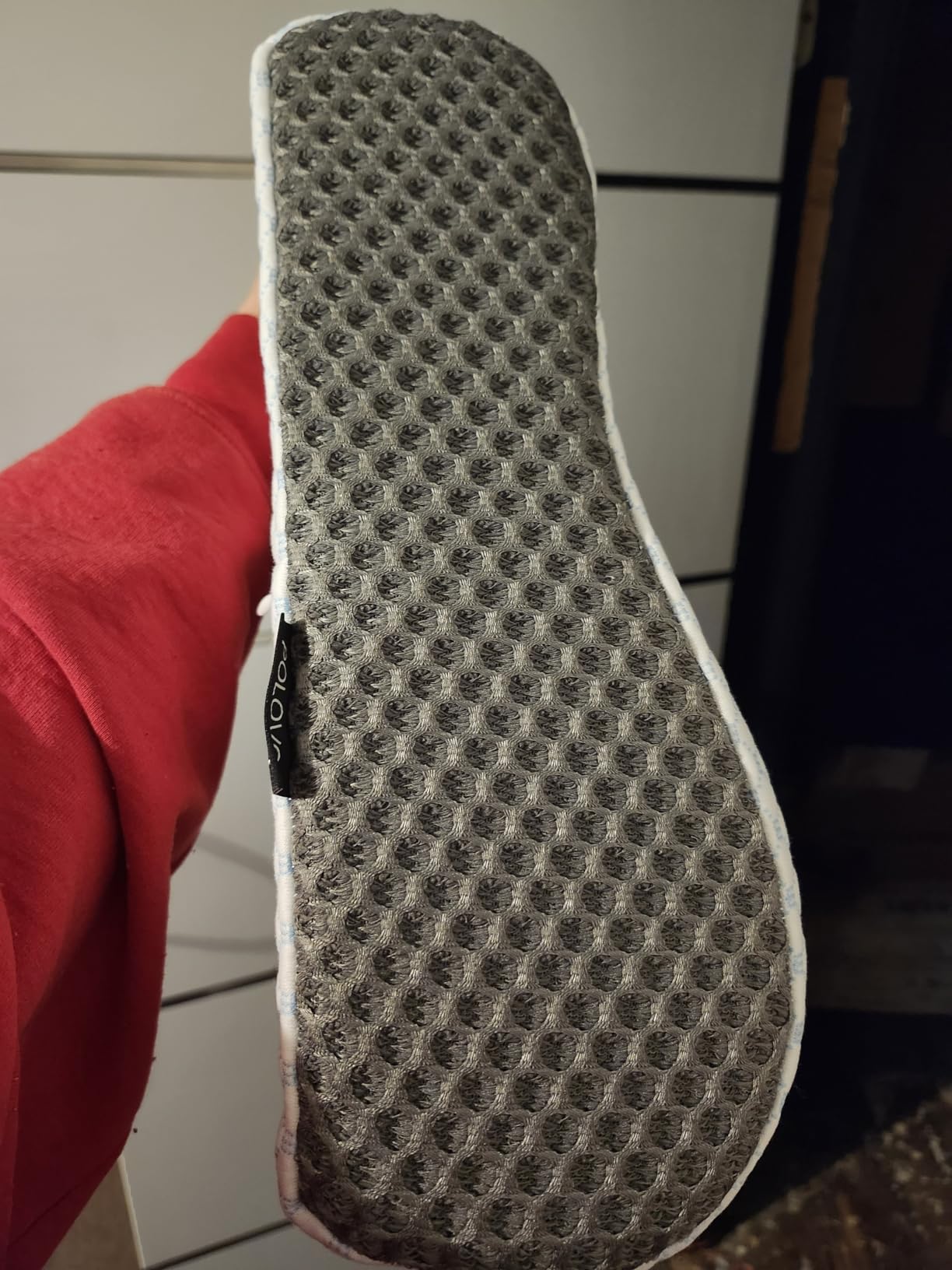
Off-gassing is normal and temporary
New memory foam pillows have a chemical smell out of the box. The smell is not harmful for most people and fades within 3 to 5 days if you air the pillow out in a well-ventilated room.
Reddit users who complain about off-gassing are usually complaining about a pillow they slept on the first night. Give it a week before judging.
The budget pick has honest limits
The Polovo lacks the layered adjustment of the Osteo or Royal Therapy. It is a fixed-contour pillow with two height options. If your shoulder width is outside the average range, the fit may be off.
For most average-build users, the Polovo delivers contour-pillow benefits at a price that makes experimentation easy. For very broad or very narrow shoulders, step up to an adjustable option.
What Causes Shoulder Pain During Sleep?
Shoulder pain at night is usually mechanical, not mysterious. The rotator cuff – four tendons that wrap around the ball-and-socket joint – gets compressed when you sleep on your side with insufficient pillow loft. That compresses the subacromial space, which is normally 6 to 14 mm wide and houses those tendons plus the subacromial bursa. Compress it for seven hours and you wake with bursitis-like pain even if the bursa itself is healthy.
The three most common sleep-related shoulder diagnoses are rotator cuff tendinopathy, subacromial bursitis, and impingement syndrome. All three are aggravated by the same position: side sleeping with the shoulder rolled forward and the arm unsupported. A pillow that holds the head high enough to keep the cervical spine neutral and supports the upper arm takes load off the rotator cuff every night.
Posture matters as much as the pillow. If you curl your arm under your head or hug a pillow to your chest, you are pulling the shoulder into internal rotation and adduction, which closes the subacromial space further. The fix is twofold: a pillow with enough loft to fill the shoulder gap, plus a sleep position that keeps the upper arm slightly forward of the body rather than pinned under you.
If your shoulder pain is acute – sharp pain with overhead reaching, weakness when lifting a coffee mug, or pain that wakes you from sleep even when you are not on that side – the cause may be structural rather than mechanical. A torn rotator cuff, calcific tendinitis, or adhesive capsulitis need clinical assessment before a pillow will help. Sleep.report and the AAOS OrthoInfo guidelines both emphasize that a pillow cannot fix a structural shoulder problem.
How to Choose the Best Pillow for Shoulder Pain
Choosing a pillow for shoulder pain comes down to four variables: loft, firmness, fill, and shape. Get those right and the brand matters less than the fit.
Loft is the most important variable. Loft is the pillow’s uncompressed height, usually 3 to 7 inches for a standard pillow. Side sleepers need enough loft to fill the ear-to-shoulder gap, which for an average build is roughly 4 to 5 inches of compressed loft. Broad-shouldered side sleepers may need 6 to 7 inches. Back sleepers need less – 3 to 4 inches is usually enough. Stomach sleepers need almost no loft at all. Adjustable pillows let you dial this in. Fixed pillows force you to match the factory loft to your shoulder width.
Firmness is separate from loft. A high-loft pillow that flattens under your head is worse than a low-loft pillow that holds its shape. Firmness tells you how much the pillow resists compression. For shoulder pain, medium-firm is usually the right zone: firm enough to hold loft through the night, soft enough to cushion the ear and shoulder. Soft pillows let the head sink past the shoulder line and recreate the same compression you are trying to avoid.
Fill material drives both. Memory foam gives contour and pressure relief but can sleep warm and have off-gassing odor. Shredded memory foam is plusher and more adjustable but fluffs more often. Latex is bouncy, cooler, and longer-lasting but firmer and more expensive. Down and down alternative give the plushest feel but lack the structural support many shoulder pain sufferers need. Buckwheat hulls are firm, adjustable, and breathable but noisy.
Shape is the fourth lever. Rectangular pillows work for most sleepers once loft and firmness are dialed in. Cervical contour pillows have a raised edge and hollow center that holds the cervical spine in a fixed curve. Arm-pocket and arm-hole pillows have a tunnel for the upper arm, which keeps the shoulder from rolling forward. Wedge pillows elevate the torso and reduce direct shoulder pressure but change the whole sleep geometry.
For most readers, an adjustable rectangular pillow (Coop, DreamyBlue) is the safest first choice because you can tune loft and firmness without committing to a specific shape. If your shoulder pain is paired with significant neck stiffness, a cervical contour (Osteo, UTTU, DONAMA, Royal Therapy, Polovo) keeps the cervical spine locked in neutral. If you cannot get off the painful side because the rotator cuff is acutely inflamed, an arm-pocket or wedge system is the next step up.
If you also deal with neck pain specifically, our guide to the best cervical pillows for neck pain covers more contour-focused options. For stomach sleepers whose shoulder pain comes from awkward arm positions, the best pillows for stomach sleepers roundup is the better starting point.
Pillow Materials Compared: Memory Foam, Latex, and More
Memory foam is the most common fill in shoulder pain pillows because it contours to the head and neck and holds its shape under repeated compression. The downside is heat retention – traditional memory foam traps body heat, which can worsen shoulder pain for hot sleepers. Shredded memory foam (Coop, DreamyBlue, Sidney Sleep) breathes better and is more adjustable than solid foam blocks.
Latex – both Talalay and Dunlop – is bouncier, cooler, and more durable than memory foam. Talalay latex has a softer, more consistent feel; Dunlop is denser and firmer. Latex pillows are usually more expensive but last 5 to 10 years versus 2 to 3 for memory foam. For shoulder pain, latex works well as a cooler alternative to memory foam, especially for hot sleepers.
Buckwheat hulls are firm, very adjustable, and extremely breathable. You add or remove hulls to tune the loft. The trade-off is the rustling sound when you shift positions and the firmness, which some people love and others find too solid. Buckwheat pillows last for years and are a good choice if you sleep hot and want a fully natural fill.
Down and down alternative give the plushest, most cushioning feel. They compress under load, which is the wrong direction for shoulder pain – you want a pillow that holds loft. Down pillows work for back sleepers with mild shoulder tension but generally do not provide enough support for side sleepers with rotator cuff issues.
For most shoulder pain sufferers, the choice is between adjustable memory foam (Coop, DreamyBlue) and a cooling cervical contour (Osteo, UTTU, DONAMA). If you overheat at night and your shoulder pain flares with body heat, prioritize a pillow with shredded foam or a cooling cover.
Sleep Positioning Tips for Shoulder Pain Sufferers
Side sleepers should aim for a pillow that fills the ear-to-shoulder gap exactly. Too high and the neck bends laterally; too low and the shoulder compresses against the mattress. Place a thin pillow between the knees to keep the spine neutral – this prevents the top shoulder from rolling forward into the pillow.
Back sleepers need a thinner pillow, usually 3 to 4 inches of loft. A pillow that is too thick under the back of the head pushes the chin toward the chest and loads the cervical spine. A small rolled towel under the knees reduces lumbar lordosis and takes pressure off the entire posterior chain, including the shoulders.
Stomach sleepers should use the thinnest pillow possible – or no pillow at all under the head – and place it under the pelvis instead to reduce lumbar arch. Stomach sleeping is the worst position for shoulder pain because the arm ends up under or over the head in an externally rotated position. If you cannot break the habit, at least put a soft pillow under the shoulder to cushion the joint.
Combination sleepers need a pillow that performs across all three positions. Adjustable rectangular pillows (Coop, DreamyBlue) are easier for combination sleepers than fixed contours because the loft can match whatever position you end up in. Cervical contours lock you into one geometry, which works if you stay on your back or side all night.
For full-body support, a bolster pillow under the knees or between the arms can complement a head pillow by keeping the shoulders in a neutral position through the night.
When to See a Clinician Instead of Buying a Pillow
A pillow is a mechanical tool. It can reduce load on the rotator cuff, fill the shoulder gap, and keep the cervical spine neutral. It cannot heal a torn tendon, drain an inflamed bursa, or restore range of motion to a frozen shoulder. If you have any of the following red-flag symptoms, see a clinician before buying another pillow.
Sharp pain with overhead reaching or lifting, weakness when carrying objects, visible swelling or bruising around the joint, numbness or tingling down the arm, pain that wakes you from sleep regardless of position, or shoulder pain that has lasted longer than six weeks without improvement – any of these points to a structural issue that needs assessment.
The AAOS OrthoInfo guidelines and NHS musculoskeletal pathway both recommend clinical assessment for shoulder pain that does not respond to conservative measures (rest, ice, gentle mobility work, pillow adjustment) within four to six weeks. Imaging – usually ultrasound or MRI – can distinguish rotator cuff tendinopathy from a partial or full-thickness tear, and treatment differs significantly between the two.
The pillow still matters once you have a diagnosis. People with confirmed rotator cuff issues still need a pillow that supports the shoulder through the night. But the pillow is one part of a treatment plan, not the plan itself.
Frequently Asked Questions
What is the best pillow type for shoulder pain?
The best pillow type for shoulder pain is an adjustable memory foam or shredded foam pillow that lets you tune the loft to match your shoulder width and sleep position. Side sleepers need enough loft to fill the ear-to-shoulder gap (roughly 4 to 6 inches for most builds), and adjustable fill lets you dial that in without committing to a fixed contour shape.
What kind of pillow is best for rotator cuff pain?
For rotator cuff pain, an adjustable rectangular pillow or a cervical contour pillow with armrest grooves works best. The Coop Home Goods Original Adjustable Pillow lets you tune loft to match your shoulder width, while the DONAMA Cervical Pillow has armrest grooves that keep the lower shoulder from rolling forward and compressing the rotator cuff. An arm-pocket or wedge system is the next step up for acute rotator cuff inflammation.
Is memory foam good for shoulder pain?
Memory foam is good for shoulder pain when it is adjustable or contour-shaped. Solid memory foam pillows that hold a fixed loft can be too tall or too short depending on your shoulder width, which recreates the compression you are trying to fix. Adjustable memory foam (Coop, DreamyBlue) or shredded foam (Sidney Sleep) lets you tune the loft to match your body. The downside is heat retention – traditional memory foam traps body heat, which can worsen shoulder pain for hot sleepers.
How thick should a pillow be for shoulder pain?
For shoulder pain, side sleepers need 4 to 6 inches of compressed loft, back sleepers need 3 to 4 inches, and stomach sleepers need almost none. Broad-shouldered side sleepers (over 17 inch shoulder width or over 200 lbs) may need 6 to 7 inches. The exact loft depends on your mattress firmness too – a softer mattress lets the shoulder sink deeper and reduces the gap the pillow needs to fill.
Are cervical pillows good for shoulder pain?
Cervical pillows are good for shoulder pain when the shoulder issue is downstream of poor neck alignment. The hollow center of a cervical contour keeps the cervical spine in a neutral curve all night, which reduces tension in the upper trapezius and the muscles that feed into the shoulder. They work less well for structural shoulder issues like rotator cuff tears or bursitis, where an arm-pocket or wedge design is more effective.
Can the wrong pillow cause shoulder pain?
Yes, the wrong pillow can cause shoulder pain. A pillow that is too tall forces the neck into lateral flexion and creates muscle tension that radiates to the shoulder. A pillow that is too short does not fill the ear-to-shoulder gap, which compresses the rotator cuff against the mattress all night. Both situations can create new shoulder pain in people who did not have it before, and worsen existing shoulder pain in people who do.
Final Verdict: Picking the Best Pillow for Shoulder Pain in 2026
The Coop Home Goods Original Adjustable Pillow is our top pick for the best pillow for shoulder pain because it lets you tune loft and firmness to match your exact shoulder width – the single biggest reason pillows fail for side sleepers with shoulder pain. If you sleep on your side and need a pillow that fills the ear-to-shoulder gap without flattening, the adjustable fill removes the guessing game. For neck-and-shoulder tension that starts at the cervical spine, the Osteo Cervical Pillow delivers contour support at a fair price. For broad-shouldered sleepers who need tall loft that holds through the night, the Sidney Sleep Adjustable Curved Pillow is built specifically for that body type.
Whichever pillow you pick, give it a real trial – at least two weeks of consistent use – before deciding. Shoulder pain that has built up over months does not disappear after one night on a new pillow, but the right pillow stops adding to the problem every night, and that is the first step toward sleeping pain-free again in 2026.