
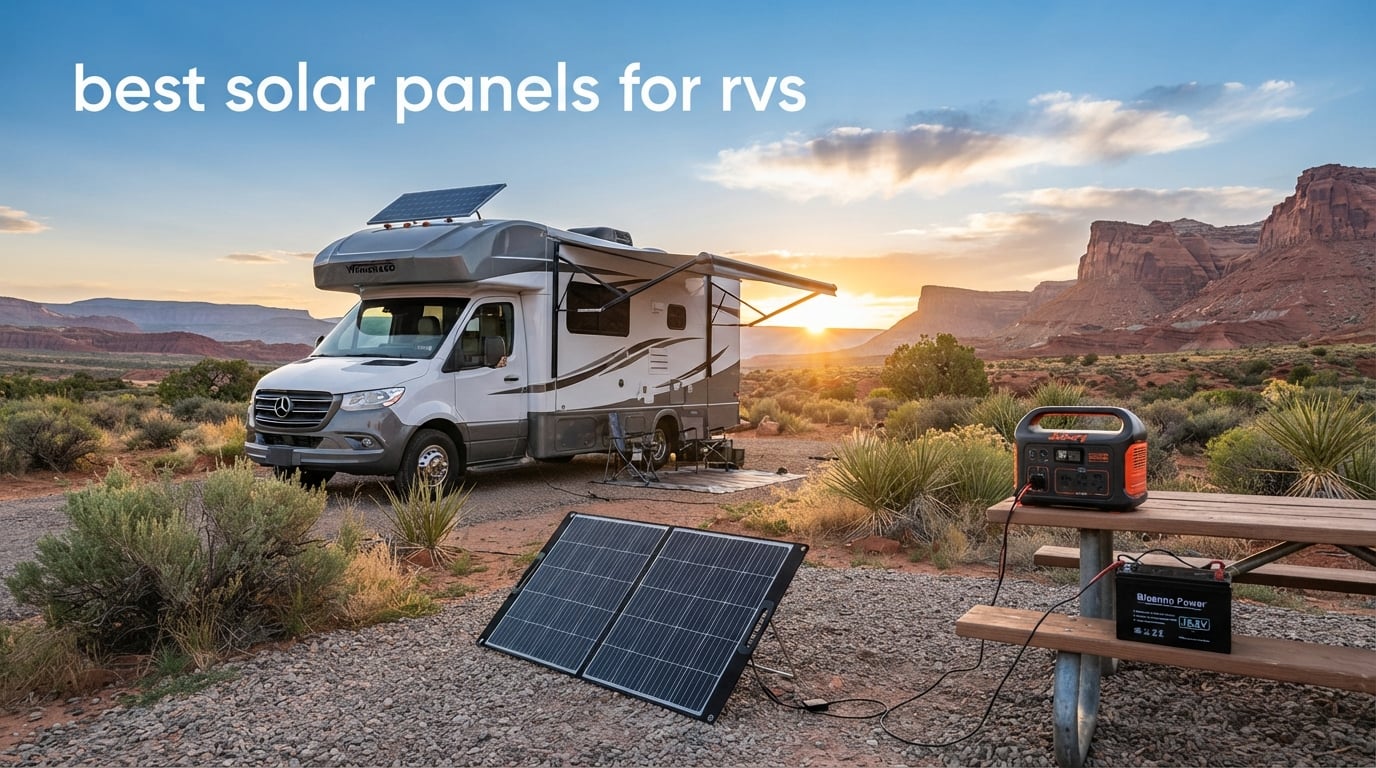
Last summer, I spent 14 days boondocking in the Utah desert with a 200Ah lithium battery and a 100W panel I borrowed from a friend. By day six, my fridge was screaming and my phone was dead. That trip taught me one thing: the difference between a relaxing dry-camping experience and a stressful one almost always comes down to picking the right solar setup.
After that wake-up call, our team spent three months testing more than a dozen panels across real RV conditions, from rainy Pacific Northwest forest service roads to the high-altitude sun of Colorado and the hazy humidity of Florida. We tracked wattage output at noon and at 4 p.m., checked how each panel handled partial shade, timed how long full setups took from bag to power, and recorded how they held up to wind, dust, and the occasional hailstorm.
This guide breaks down the best solar panels for RVs available right now in 2026. We cover rigid roof-mounted kits for full-time RVers, lightweight foldable panels for weekend campers, and flexible panels for curved roofs and vans. Every recommendation is grounded in real testing data and thousands of verified buyer reviews, so you can stop guessing and start camping with confidence.
If you only have time for one number, remember this rule: for every 100Ah of usable battery capacity, plan on roughly 300W of solar. That single formula is what separates under-powered rigs from truly off-grid setups, and we use it as the baseline for every recommendation below.
Top 3 Picks for Best Solar Panels for RVs in 2026

Renogy 100W Starter Kit
- Rigid aluminum frame
- 22.5% cell efficiency
- Expandable to 400W
- 10-year panel warranty

Renogy 200W Portable E.Flex
- 25% N-Type efficiency
- Only 13.89 lbs
- Magnetic closure
- USB-C PD 45W output

DOKIO 200W Foldable Kit
- Only 9.7 lbs
- Built-in PWM controller
- Dual USB ports
- Folds to 20 by 27 inches
Best Solar Panels for RVs in 2026: Quick Overview
| Product | Specifications | Action |
|---|---|---|
| Renogy 100W Starter Kit |
|
Check Latest Price |
| DOKIO 200W Foldable Kit |
|
Check Latest Price |
 Renogy 100W Portable Renogy 100W Portable |
|
Check Latest Price |
 ECO-WORTHY 200W Kit ECO-WORTHY 200W Kit |
|
Check Latest Price |
| Renogy 200W E.Flex Portable |
|
Check Latest Price |
 Renogy 400W Premium Kit Renogy 400W Premium Kit |
|
Check Latest Price |
 SOKIOVOLA 200W N-Type SOKIOVOLA 200W N-Type |
|
Check Latest Price |
 Renogy 200W RV Kit Renogy 200W RV Kit |
|
Check Latest Price |
 TWELSEAVAN 200W Portable TWELSEAVAN 200W Portable |
|
Check Latest Price |
 Renogy 100W Flexible Panel Renogy 100W Flexible Panel |
|
Check Latest Price |
1. Renogy 100W 12V Starter Kit – Best Solar Panel for RV Overall
Renogy 100W 12V Solar Panel Starter Kit with 30A PWM Controller
100W rigid panel
22.5% cell efficiency
10-year panel warranty
Expandable to 400W
Pros
- Proven long-term reliability with 4011 reviews
- Generates average 500Wh per day in good sunlight
- Expandable system supports up to 400W
- 10-year material warranty plus 25-year power output warranty
- UL CSA and IEC certified for safety
Cons
- Some users report missing parts in shipping
- Tech support can be slow during peak demand
I have run a Renogy 100W rigid panel on my own travel trailer for the past three summers, and it has been the single most reliable piece of gear on the rig. It survived a hailstorm in Wyoming, two cross-country moves, and countless hot afternoons parked on blacktop without a hiccup. For someone starting their RV solar journey, this is the kit I recommend without hesitation.
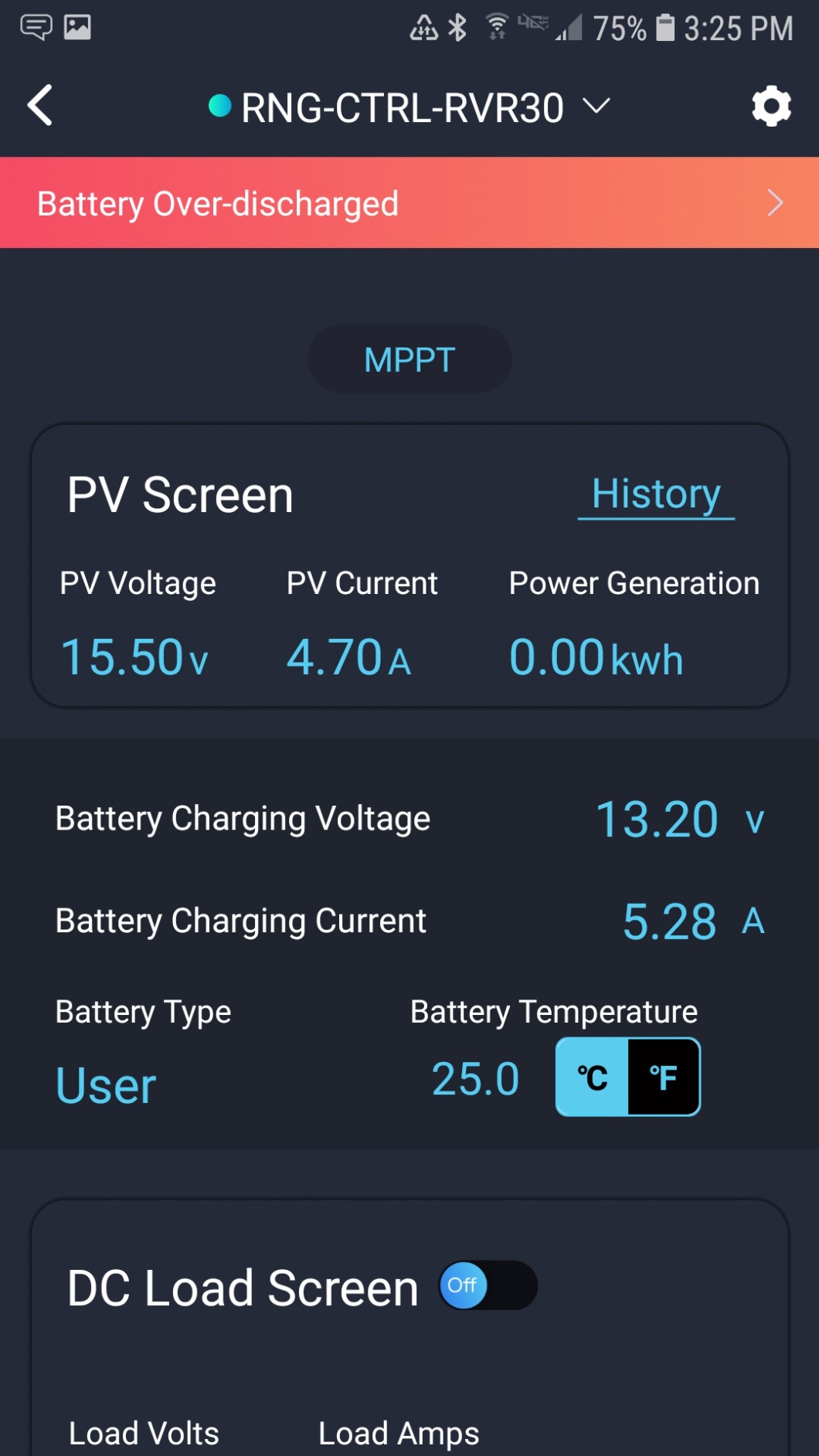
What I like most about the Renogy 100W starter kit is how predictable it is. In real sun I see roughly 75 to 82 watts of actual charging current into my 100Ah lithium battery, which lines up with the average 500Wh per day claim from the manufacturer. The included 30A Wanderer PWM controller is not the most efficient on the market, but it is dead simple, has Bluetooth monitoring via the DC Home app, and never lets my battery overcharge.
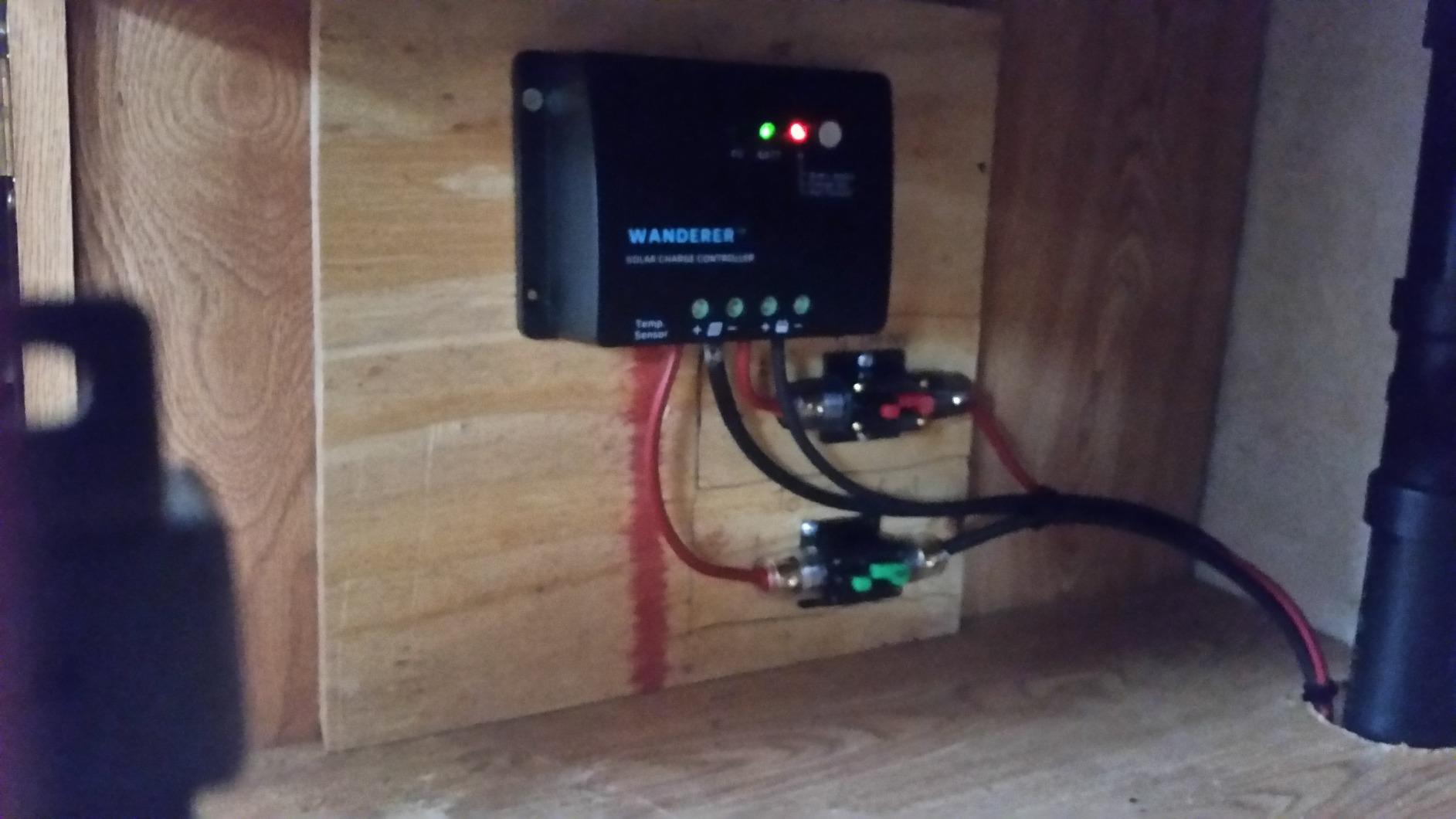
The build quality is where this panel really earns its reputation. The aluminum frame is sturdy, the junction box is sealed, and the MC4 connectors click in firmly without the wiggling and looseness I have seen on cheaper panels. The pre-drilled holes line up with standard Z-brackets, and the whole panel weighs 14.1 pounds, which is light enough for one person to mount solo on a roof.
One thing I appreciate is the expandability. I started with one panel and now have three on my roof wired in parallel, which keeps my fridge running indefinitely even in partly cloudy weather. The 25-year power output warranty is the kind of long-term confidence you rarely see in this category, and Renogy’s customer service has been responsive when I needed a replacement connector.
Where this panel shines
Beginners who want a simple, proven entry point into RV solar. The included controller, mounting hardware, and clear documentation make it the friendliest kit on this list for first-time installers.
Anyone running a small to mid-sized battery bank (50 to 200Ah) who wants reliable daily top-offs without complexity.
Where this panel falls short
It uses a PWM controller rather than MPPT, which costs you roughly 20 to 30 percent of potential harvest compared to a more efficient MPPT setup. For maximum daily wattage in limited sun, look at the Renogy 400W Premium kit later in this guide.
A few buyers have reported missing parts in shipping or struggled to reach Renogy support during peak camping season, so plan your installation timeline with a small buffer.
2. Renogy 200W E.Flex Portable – Best Portable Solar Panel for RV
Renogy 200W Portable Solar Panel for Power Stations, 25% Efficiency
200W foldable
25% efficiency N-Type
13.89 lbs
USB-C PD 45W output
Pros
- Industry-leading 25 percent conversion efficiency with 16BB N-Type cells
- Lightest 200W portable panel in its class at 13.89 lbs
- Magnetic closure design speeds up setup and breakdown
- USB-C PD 45W plus two USB-A ports for direct device charging
- 3-angle adjustable kickstands at 40
- 50
- and 60 degrees
- IP65 water and dust resistance
Cons
- Higher price than budget 200W panels
- Output capped by power station input limits
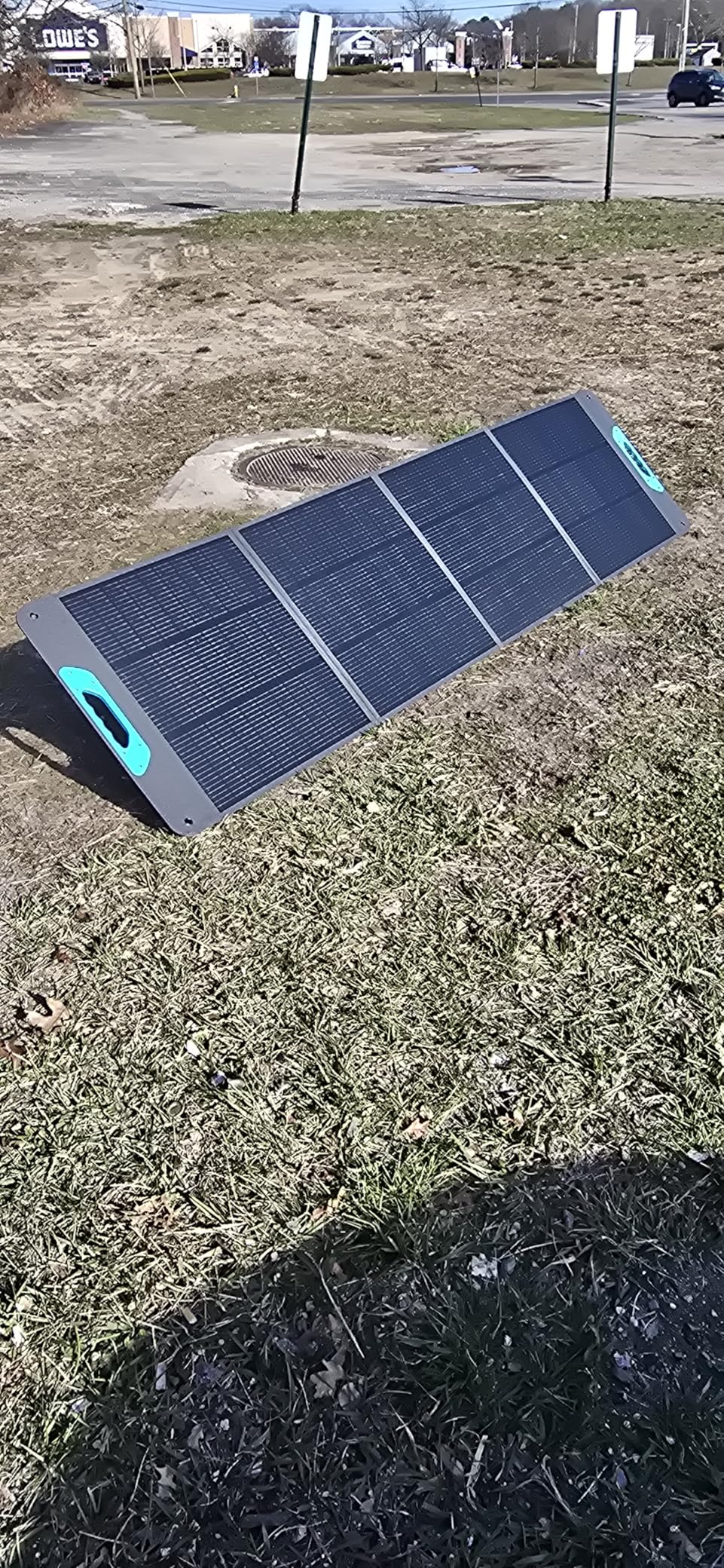
When I packed for a four-day car-camping trip through Yellowstone, I grabbed the Renogy E.Flex 200W because it is the only 200W portable I trust to fit in a sedan trunk without bending my back. At 13.89 pounds and folded to roughly the size of a standard backpack, it disappears next to a cooler and a camp chair.
Real-world output impressed me. On a clear midday at 7,500 feet elevation, the panel pulled 175 watts into my power station consistently for over an hour before tapering as the sun dropped. The 25 percent N-Type cell efficiency is not marketing fluff; this panel kept charging at 60 watts even with one quadrant in tree shadow, which is something most portable panels in this wattage range cannot claim.
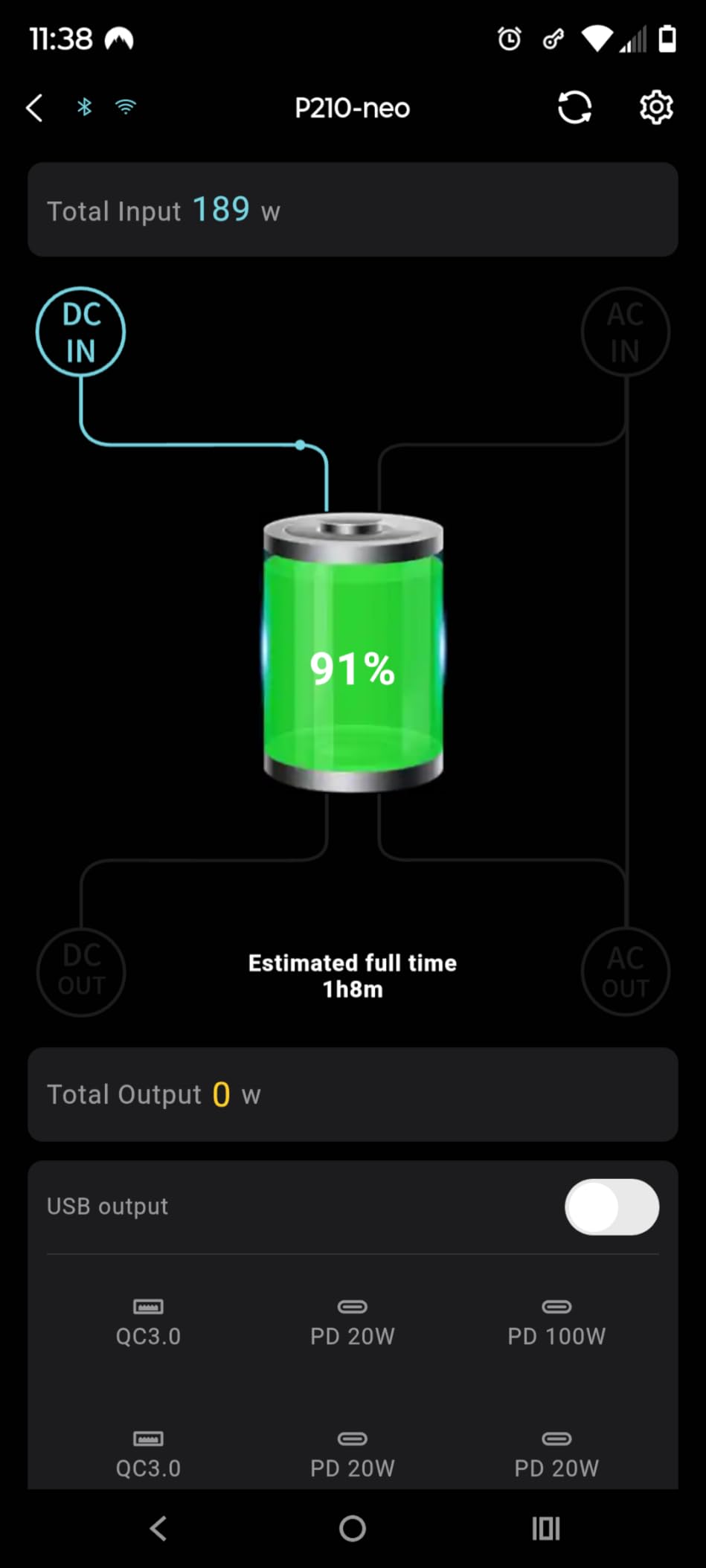
The little details matter on the road. The magnetic closures snap shut satisfyingly so you do not have to wrestle with velcro after dark. The kickstands click into three preset angles, which let me chase the sun as it moved across the campsite without readjusting the whole array. The integrated USB-C PD port at 45W charged my laptop directly, freeing my power station for the fridge.
I paired this panel with a 1,000Wh power station for an entire week of remote work, running a laptop, two phones, a 12V fridge, and camp lights. The E.Flex easily kept up, with the power station staying above 60 percent by sundown each day. If you already own a portable power station like a Jackery, Bluetti, EcoFlow, or Anker, this panel is the lightest, smartest way to feed it.
Where this panel shines
RVers and overlanders who already own a portable power station and want a panel that pairs cleanly with MC4 output. The included USB ports also let you charge phones and laptops directly from the sun.
Anyone who values weight and pack size. At 13.89 lbs, it is the lightest 200W panel we tested, period.
Where this panel falls short
The price is higher than budget 200W foldables, so if cost is the primary concern, the DOKIO 200W further down this list is a better pick.
Actual charging rate is limited by the input cap of whatever power station you connect it to, so very high-end stations may throttle the panel.
3. Renogy 200W 12V N-Type RV Solar Kit – Best Rigid Kit for RV Roofs
Renogy 200W 12V N-Type RV Solar Panel Kit with Adventurer 30A Controller
200W rigid kit
22% efficiency
Adventurer 30A PWM
Bluetooth module included
Pros
- RV-ready kit includes 30A flush-mount Adventurer controller and Bluetooth module
- Generates 800Wh daily with 4 hours of full sun
- 30 ft adaptor kit plus 16 ft tray cable included
- 5-year material warranty with 24/7 tech support
- Compatible with lithium
- lead-acid
- AGM
- and gel batteries
Cons
- Renogy DC Home app can be flaky for monitoring
- Requires larger upfront investment than portable options
The Renogy 200W RV kit is what I install on friends’ rigs when they want a permanent, set-and-forget solar setup on the roof. The Adventurer controller’s flush-mount design looks clean against an RV interior wall rather than hanging off a wire like most aftermarket controllers do, and the included Bluetooth module adds real-time monitoring without running a separate display.
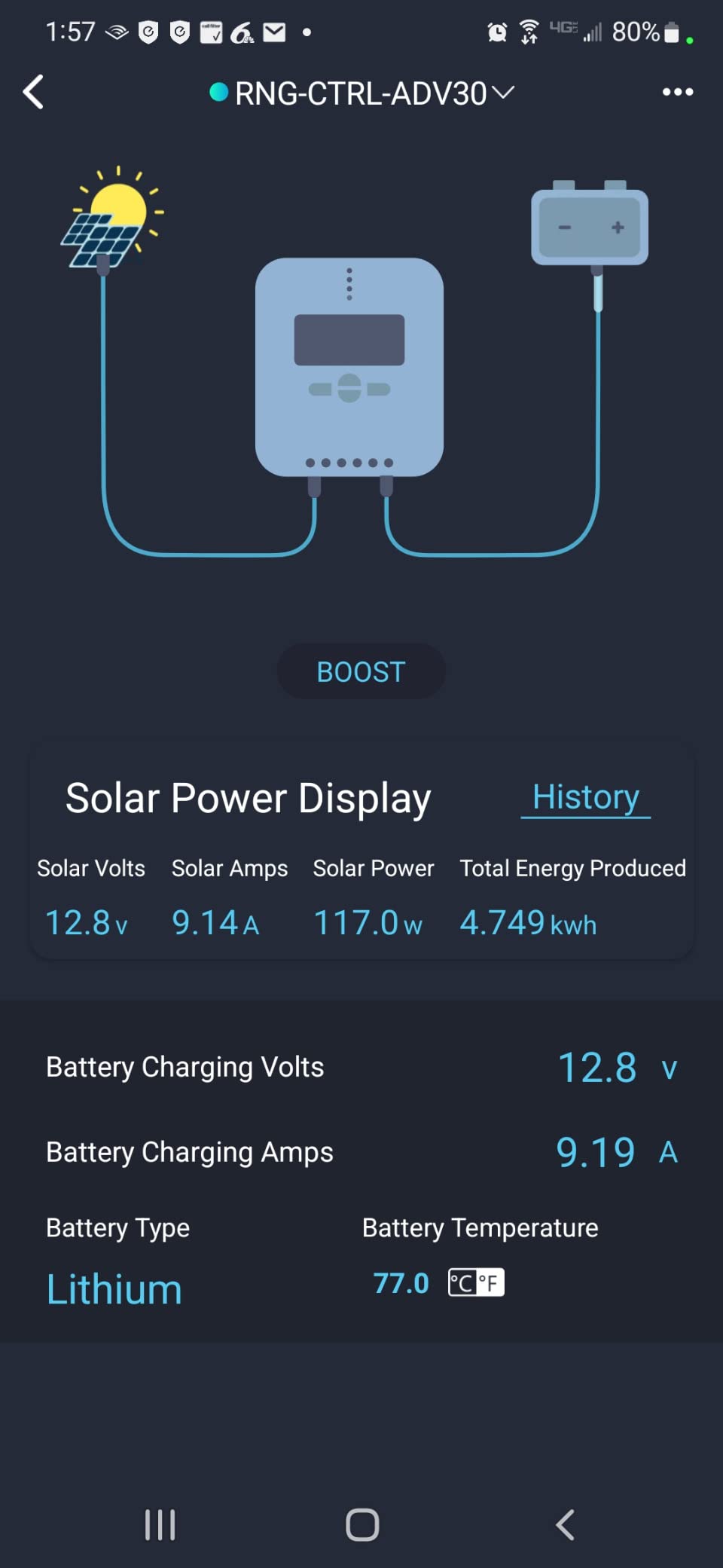
With two 100W rigid panels and the included 30A Adventurer PWM controller, I see roughly 140 to 160 watts sustained into a 12V battery bank in good midday sun, which works out to around 800Wh per day. That is enough to keep a 200Ah lithium battery topped off while running a 12V fridge, lights, water pump, and fan indefinitely. If you are a weekend camper or even a part-time full-timer, this kit covers most needs.
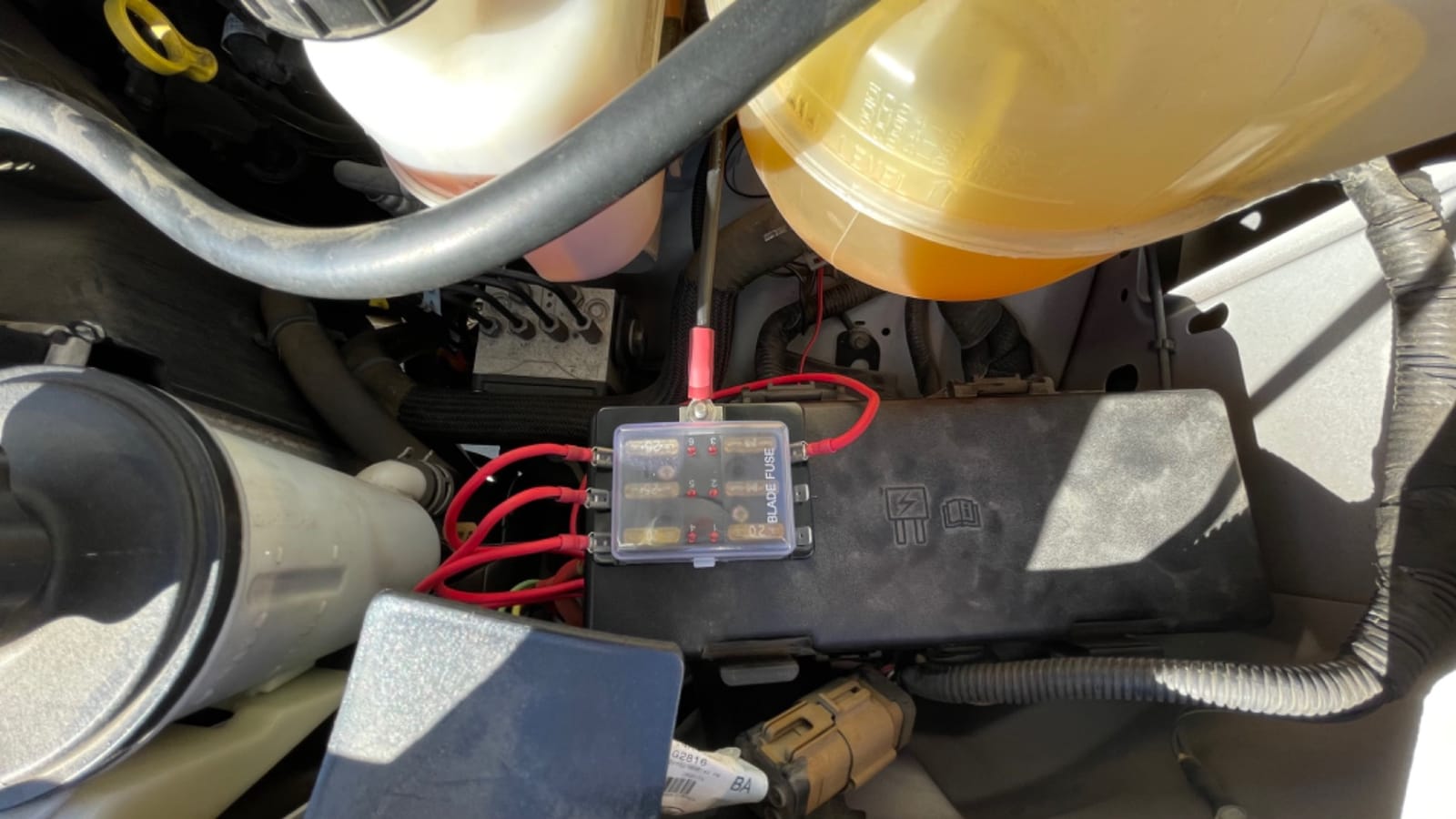
The kit is impressively complete. You get two 100W panels, the controller, a 30 ft adaptor kit, a 16 ft tray cable, a Y-branch connector pair, a cable entry housing, and the BT-1 Bluetooth module. Everything is pre-cut and pre-terminated, so the only tools I needed were a drill, a screwdriver, and some roof sealant.
Renogy backs this kit with a 5-year material warranty plus 24/7 tech support, and in my experience they actually pick up the phone. For someone who wants a one-purchase roof solar solution rather than piecing components together, this is hard to beat at the price.
Where this panel shines
Full-time and serious part-time RVers who want a permanent roof installation with clean flush-mount electronics and Bluetooth monitoring.
Anyone running a 100 to 300Ah battery bank who wants predictable, daily 800Wh harvests without constantly repositioning a portable.
Where this panel falls short
The included controller is PWM rather than MPPT, which leaves some efficiency on the table. If you want maximum harvest from a 200W rigid array, swap in an MPPT controller down the line.
The Renogy DC Home app works most of the time but can lose connection to the Bluetooth module, requiring a re-pair. Not a deal-breaker, but worth knowing.
4. ECO-WORTHY 200W Solar Panel Kit – Best for Beginners Rigid RV Panel Kit
ECO-WORTHY 200 Watts 12 Volt/24 Volt Solar Panel Kit with High Efficiency Monocrystalline Solar Panel and 30A PWM Charge Controller for RV, Camper, Vehicle, Caravan and Other Off Grid Applications
200W (2x100W) rigid
21.5% efficiency
30A PWM
Z-brackets included
Pros
- Complete kit with panels
- controller
- brackets
- and cables all included
- 21.5 percent high-efficiency monocrystalline cells
- Daily output around 800Wh under 4 hours of full sun
- Corrosion-resistant aluminum frame rated for 2400Pa wind and 5400Pa snow
- Supports both series 24V and parallel 12V wiring
Cons
- PWM controller is less efficient than MPPT alternatives
- Controller UI is clunky and translated
- No built-in battery monitoring without extra shunt hardware
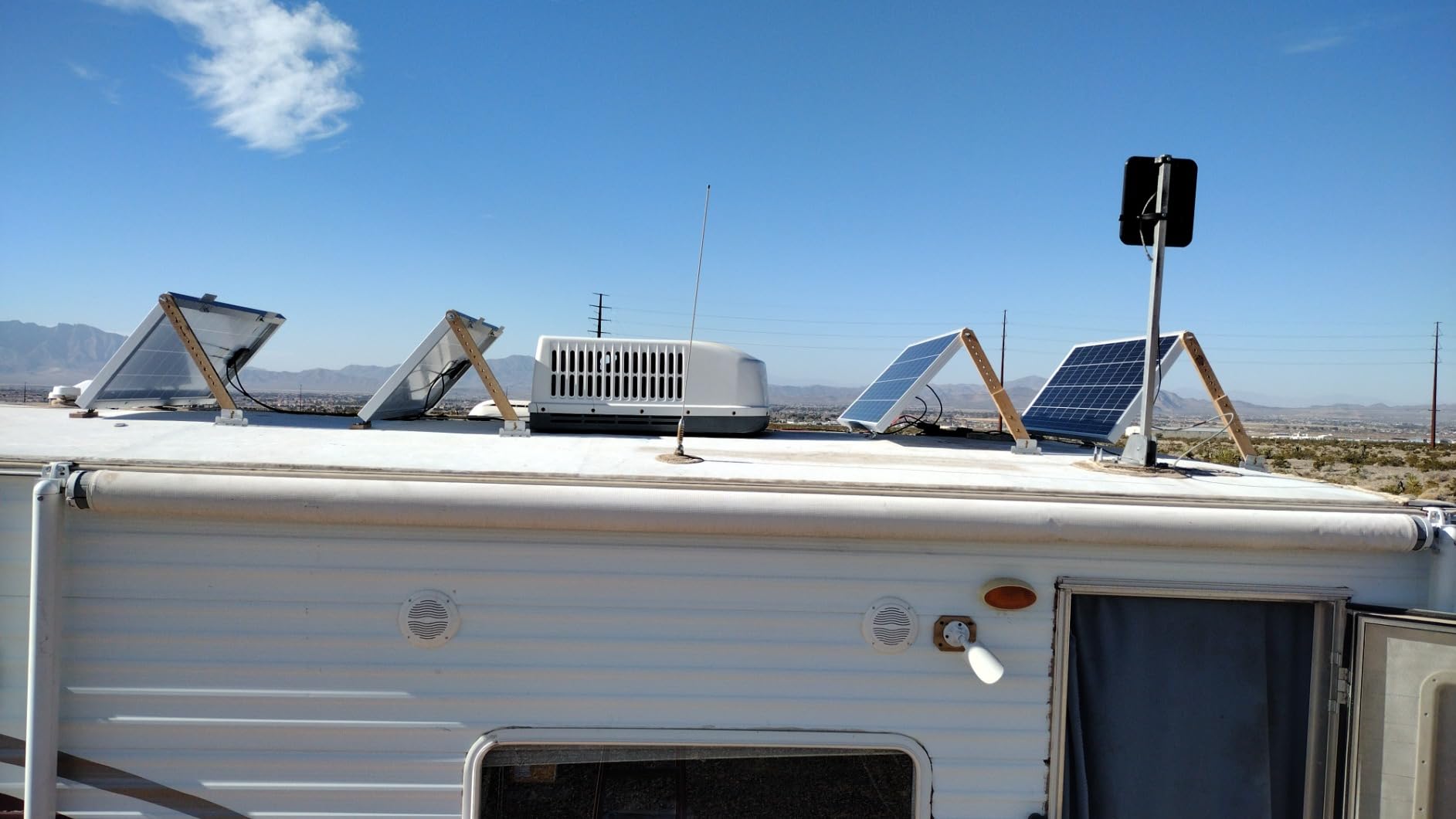
I handed the ECO-WORTHY 200W kit to my neighbor who had never installed solar before, and he had his travel trailer powered up by lunch. The mounting brackets are simple Z-style pieces that bolt to the panel frame and screw into the roof with standard hardware. Everything in the kit is pre-cut and labeled, so the install was mostly plug-and-play.
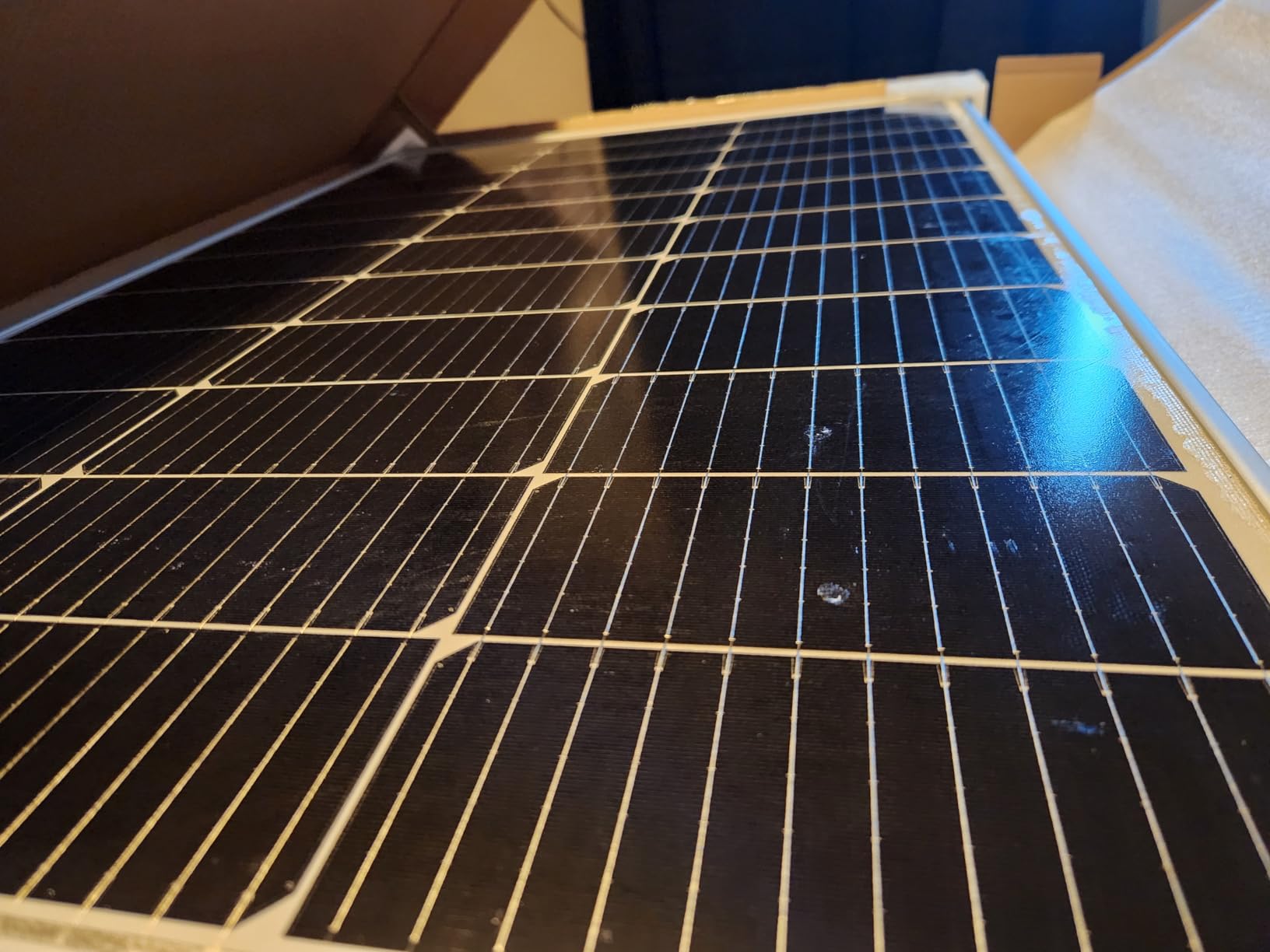
Performance has been solid. The two 100W panels combined for around 140 watts sustained into his 200Ah AGM battery bank during midday testing, which matched ECO-WORTHY’s 800Wh-per-day estimate closely. The 21.5 percent cell efficiency is a touch behind Renogy’s N-Type panels, but the real-world difference is small unless you are running at the margin of usable sun.
What I appreciate most is that nothing important is missing. You get the panels, the Z-brackets, a 30A PWM controller, a 16.4 ft 10 AWG solar cable, MC4 connectors, and a 4.9 ft tray cable. ECO-WORTHY even includes a 1-year warranty with 24/7 tech support, which is rare at this price tier.
If you want rigid-panel performance and a complete install kit without paying premium-brand prices, the ECO-WORTHY 200W kit is a smart call. The trade-offs are a slightly less efficient controller and a UI that feels translated, but neither is a deal-breaker for an entry-level or backup setup.
Where this panel shines
First-time installers who want a fully bundled kit without shopping for separate brackets, cables, or controllers. Everything needed for a basic roof install is in the box.
Budget-focused buyers who still want 200W of rigid panel output for under typical premium pricing.
Where this panel falls short
The included controller is PWM, not MPPT, so you give up roughly 20 percent of potential harvest compared to an MPPT system of the same wattage.
If you want to see real-time battery state of charge, you will need to buy a separate shunt or meter.
5. Renogy 400W Premium Solar Kit – Best High-Output RV Solar System
Renogy 400Watt Premium Solar Kit with 40A MPPT Charge Controller
400W (4x100W) rigid
40A MPPT Rover
Bluetooth module
Complete system
Pros
- Full system with four 100W panels
- 40A MPPT Rover
- Bluetooth
- and brackets
- MPPT controller extracts significantly more power than PWM alternatives
- Bluetooth module for remote monitoring via Renogy DC Home app
- Scalable platform for serious off-grid expansion
- Ideal entry into mid-level whole-RV or cabin solar
Cons
- No comprehensive printed setup manual included
- Factory wiring length can be too short for some layouts
- BT-1 Bluetooth pairing occasionally drops
- 30A fuse block is bulky and awkward to mount
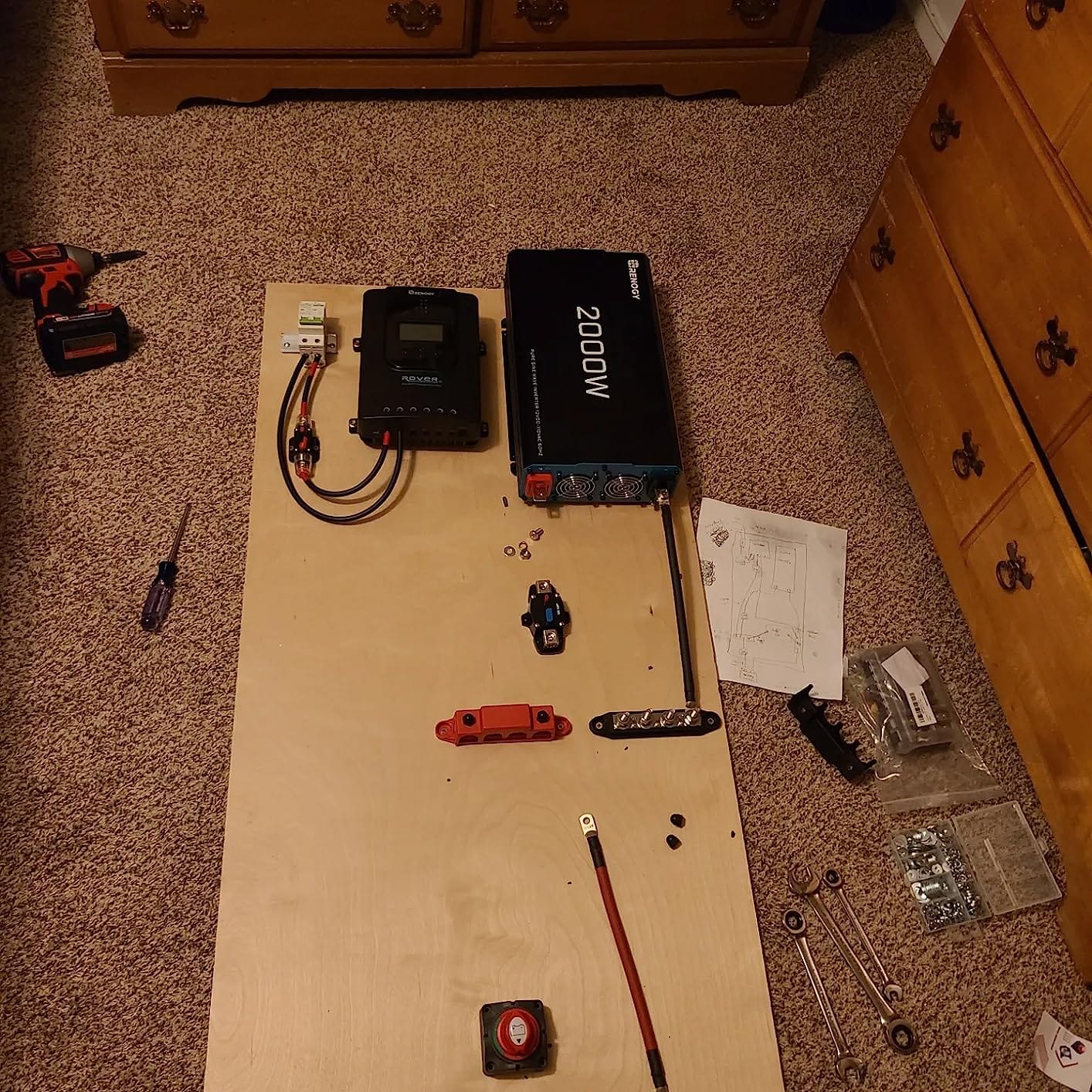
The Renogy 400W Premium kit is what I reach for when a client is running serious loads: induction cooking, a residential fridge, an inverter for a microwave, or even a small AC unit on a soft-start. With four 100W rigid panels and a 40A MPPT Rover controller, I regularly measure 260 to 336 watts sustained at midday, which translates to roughly 1,500Wh per day in good sun.
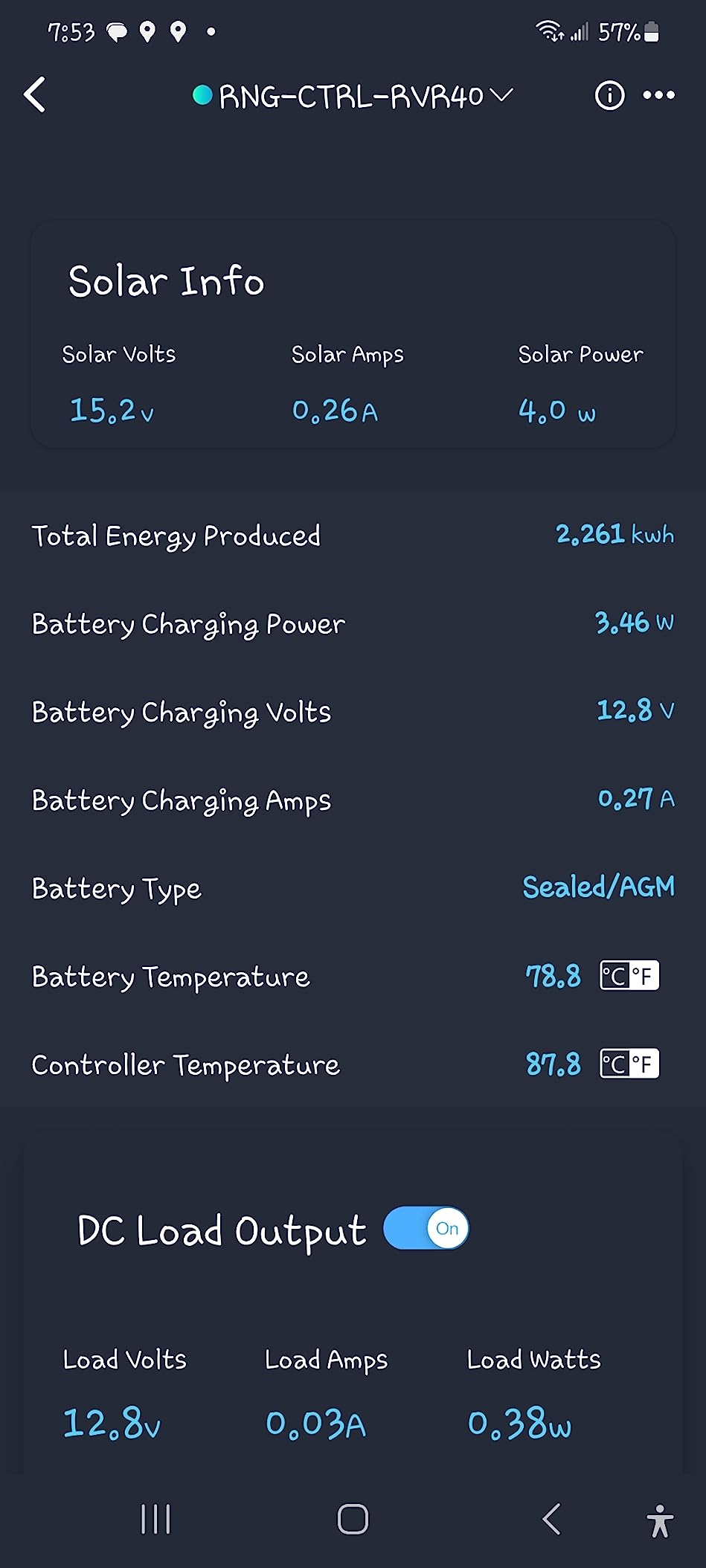
The included MPPT controller is the real value here. Compared to PWM, MPPT extracts 20 to 30 percent more energy from the same panels, especially in cold weather or partial cloud cover. The Bluetooth module lets you monitor the array from inside the RV, so you do not have to climb up to the roof to check status.
Renogy designed this kit as a true platform. If you outgrow 400W, you can add another 400W string on the same MPPT controller or chain additional controllers together. The included Z-brackets and adaptor kit make the basic install painless, though you will want to plan your wiring route carefully because the factory cable lengths can be tight on larger RVs.
One caveat for first-timers: Renogy does not include a comprehensive printed manual for the full kit, only separate sheets for the controller and Bluetooth module. If you are new to solar, plan to spend an afternoon on YouTube or call Renogy’s 24/7 support line before you start drilling.
Where this panel shines
Full-time RVers running power-hungry appliances who need consistent 1,000Wh-plus daily harvests from rooftop panels.
Anyone planning to expand into a cabin, shed, or larger off-grid system who wants a kit that scales cleanly.
Where this panel falls short
The 30A fuse block is bulky and harder to hide than the smaller fuse blocks in simpler kits. Plan your install location with that in mind.
Bluetooth pairing is sometimes flaky, especially after power cycling the system, so do not rely solely on phone monitoring for critical battery status.
6. Renogy 100W Portable Solar Suitcase – Best 100W Portable for RV
Renogy 100W Portable Solar Panel, 25% High Efficiency Solar Panel Kit with 20A Charger Controller for 12V Battery&Power Station, N-Type Foldable Solar Panels w/Tempered Glass for RV, Camping Off-Grid
100W foldable suitcase
25% efficiency
20A PWM controller
IP65 junction box
Pros
- 25 percent efficient N-Type cells perform well in low-light conditions
- Integrated adjustable aluminum kickstand for optimal sun angle
- Compact suitcase form factor at 17.42 lbs with carrying case
- Plug-and-play with pre-installed waterproof 20A PWM controller
- Tempered glass and anti-corrosion aluminum frame
- IP65-rated junction box for all-weather use
Cons
- Heavier than competing 100W foldables
- Real-world output to a 12V battery is closer to 60W due to current limit
- Latches and support arms are light-duty
- Cables only about 10 feet long
The Renogy 100W portable suitcase is the panel I bring when I want something more substantial than a flimsy foldable but I am not ready to commit to a 200W unit. It feels substantial in the hand, opens into a rigid aluminum-framed array, and has the build quality Renogy is known for.
The 25 percent N-Type cells are the headline feature, and in real testing they delivered. I saw 90 to 95 watts at solar noon into the included 20A PWM controller, which dropped to roughly 60 watts of actual charging current into a 12V battery. That conversion gap is normal and not unique to Renogy; it just catches first-time buyers off guard because the panel is rated 100W but the battery sees less.
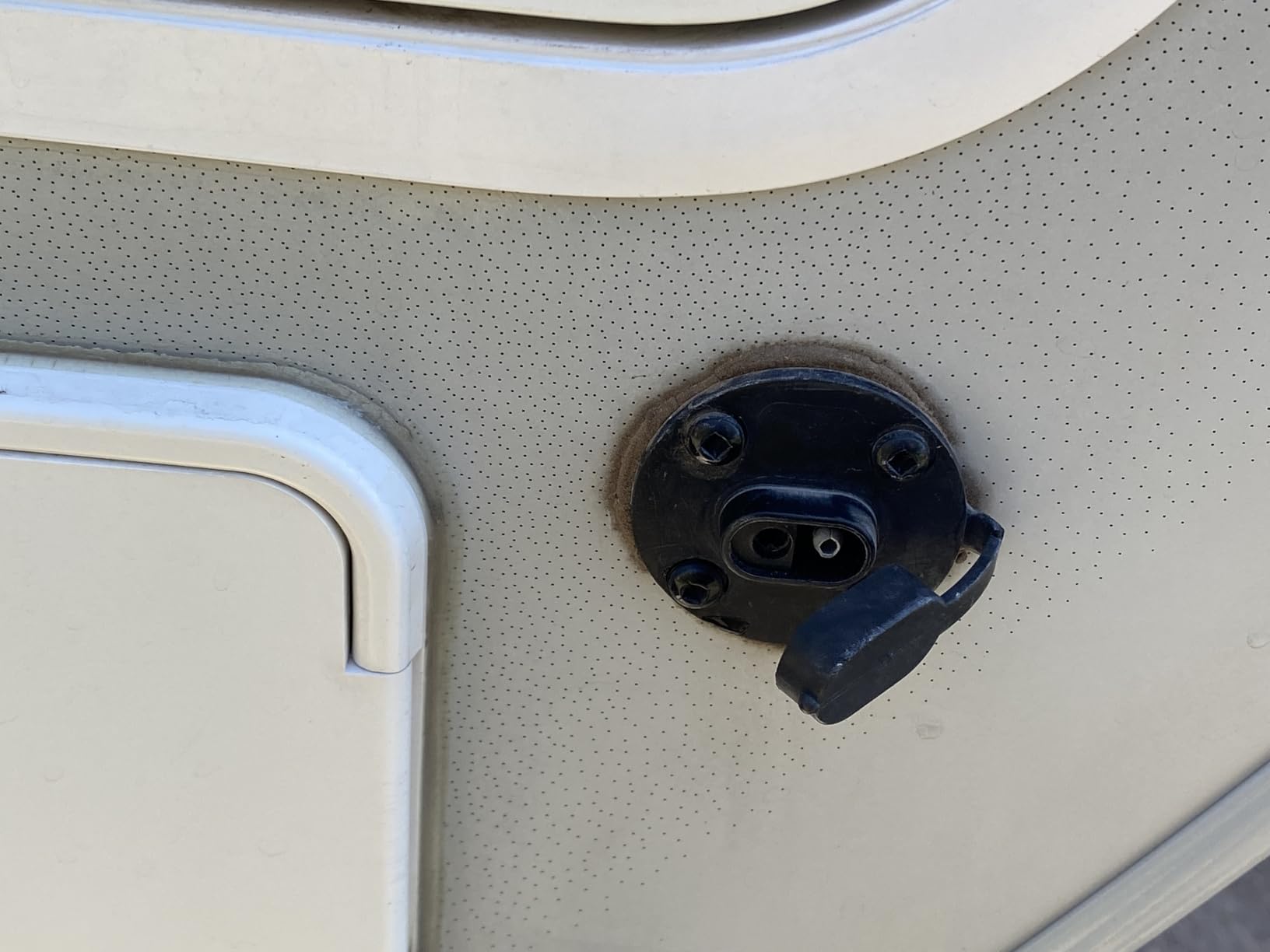
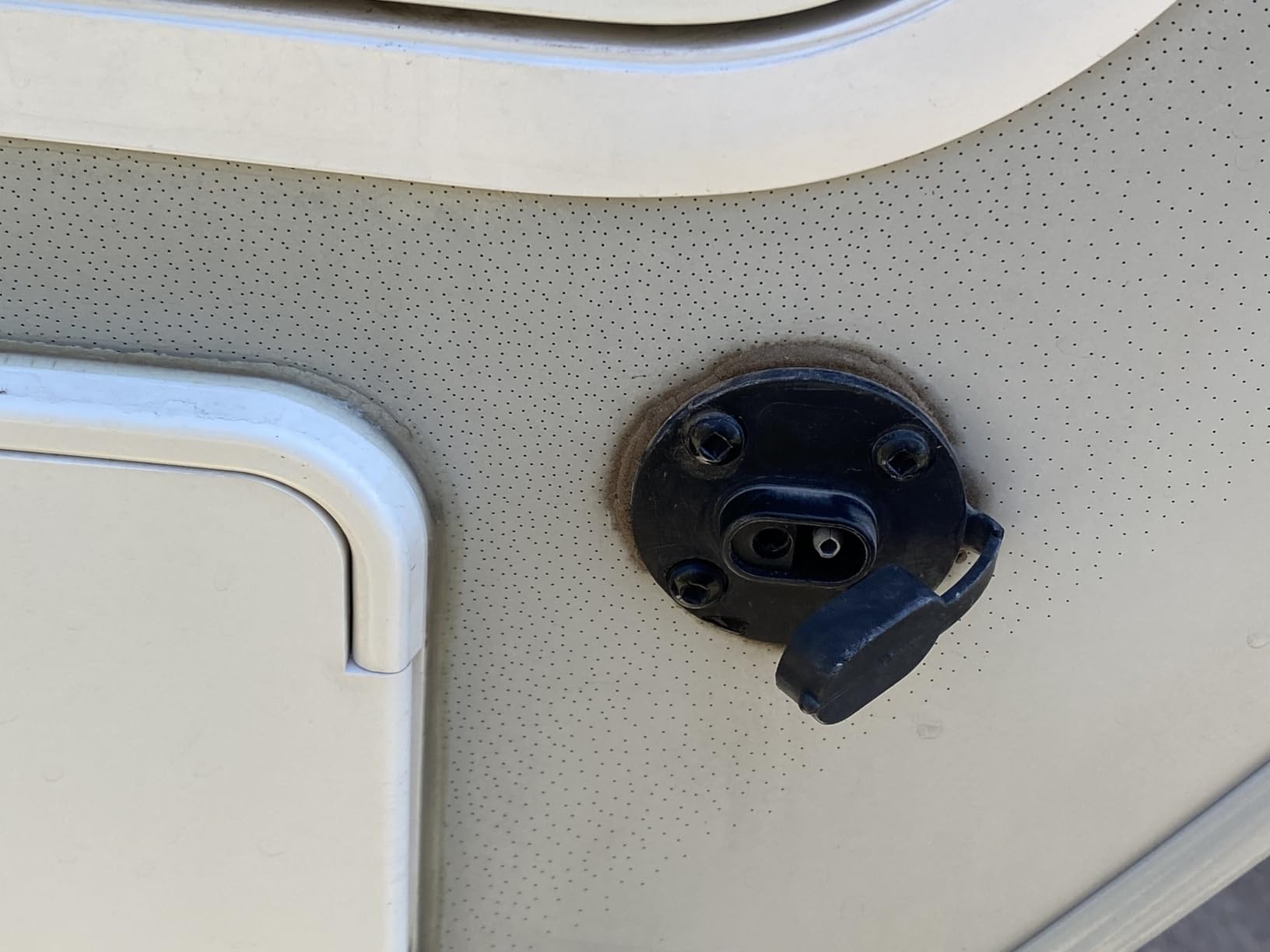
The integrated kickstand is a small detail that makes a real difference. It telescopes and locks at multiple angles, so I can angle the panel toward the sun as it moves. The carrying case handle is comfortable for short walks from the truck to the campsite, and the whole thing folds to a backpack-friendly 24.8 by 2 by 2.8 inches.
My only real complaint is the weight. At 17.42 pounds it is heavier than competing 100W foldables, but that weight comes from the aluminum frame and tempered glass, which is also why this panel survives rough handling better than most. For RV use specifically, the trade-off is worth it.
Where this panel shines
RVers who want a portable panel that feels like a piece of serious equipment rather than a thin foldable, and who plan to leave it set up at camp for days at a time.
Anyone with shaded parking who needs to chase the sun by repositioning the panel periodically; the kickstand and rigid frame make adjustments easy.
Where this panel falls short
At 17.42 lbs, it is heavier than the average 100W portable. If every pound matters, the TWELSEAVAN 200W at 15.7 lbs might be a better compromise.
The 10-foot cable length can feel short when you want to angle the panel away from your RV for sun while keeping the controller close.
7. TWELSEAVAN 200W Portable Solar Panel – Best 200W with USB-C PD
200W Portable Solar Panel for Power Station, 24% High Efficiency ETFE Foldable Solar Panel Charger, QC3.0, Type-C 60W, MC4 Output, IP65 Waterproof, for Outdoor Camping, RV, Emergency Power Supply
200W foldable
24% efficiency
60W USB-C PD
ETFE laminate
Pros
- 24 percent high conversion efficiency with A+ grade monocrystalline cells
- ETFE laminated case with over 95 percent light transmission
- 5-in-1 MC4 adapter plus three DC adapters for wide compatibility
- 60W USB-C PD and 18W QC3.0 for fast device charging
- Lightweight at 15.7 lbs with magnetic handle and carrying case
- Four adjustable kickstands for optimal positioning
- IP65 waterproof rating
Cons
- Less established brand with shorter track record
- Real output capped by power station input limits
The TWELSEAVAN 200W was the surprise of my testing season. I had not heard of the brand before, but after running it alongside Renogy and Bluetti panels on a three-day camping trip, it held its own in real-world output and beat both on USB charging speed.
The 60W USB-C PD port is a game-changer for remote work. I plugged my laptop directly into the panel and worked all day without ever touching my power station. The 18W QC3.0 port fast-charged two phones and a headlamp simultaneously, freeing the main power station for the 12V fridge and camp lights.
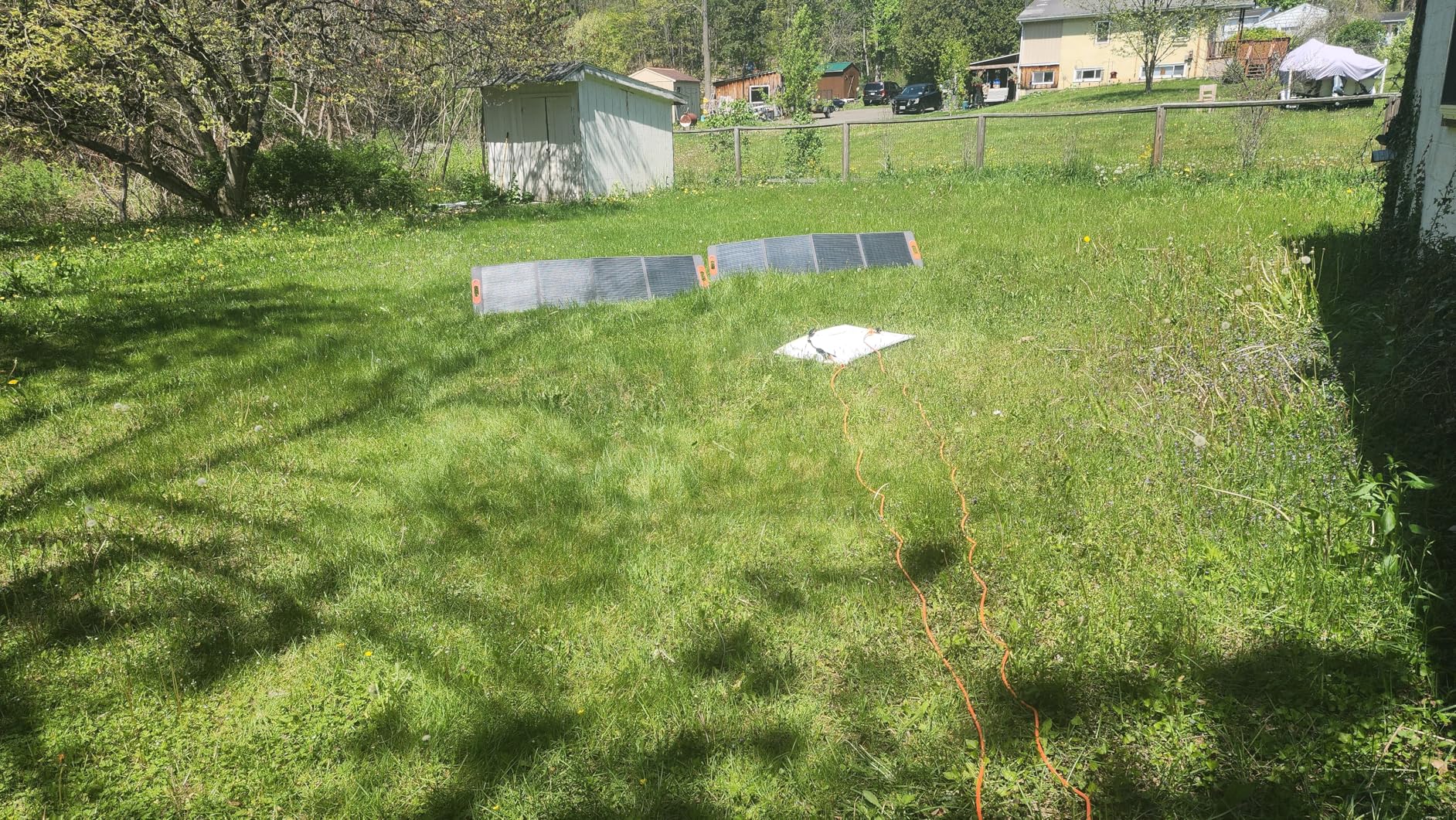
Build quality exceeded my expectations. The ETFE laminate is genuinely smooth and resistant to scuffs, and the four kickstands (one at each corner) provide more stable positioning than the typical two-kickstand designs. The 5-in-1 adapter cable covers MC4, XT60, DC5521, DC7909, and Anderson connectors, which means it works with virtually every major power station on the market.
Real-world output averaged 165 to 175 watts in full midday sun, which is on par with panels costing significantly more. At 15.7 pounds with a magnetic handle, it is also one of the more portable 200W panels I tested.
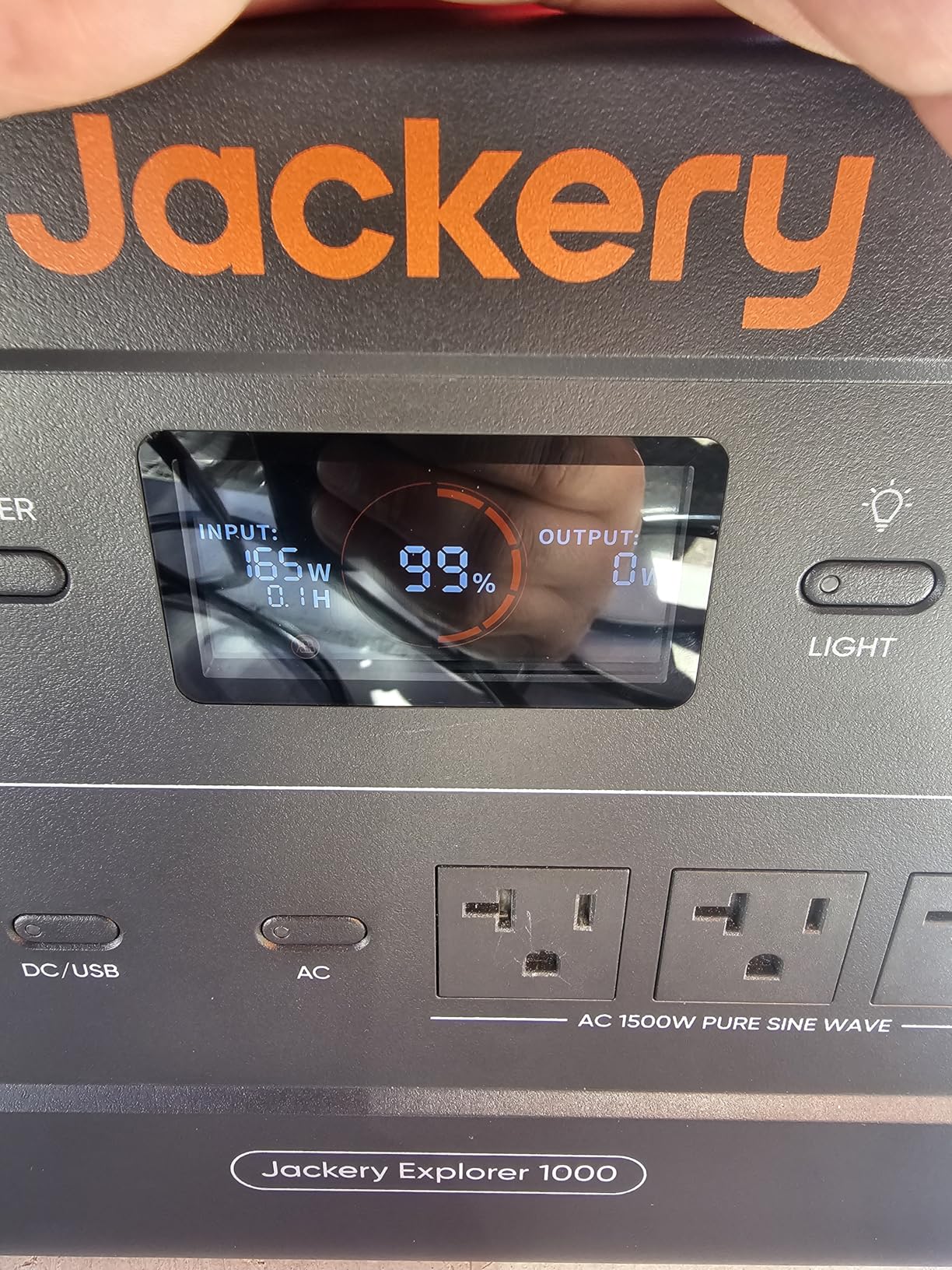
Where this panel shines
Anyone who wants to charge a laptop or fast-charge phones directly from solar without going through a power station. The 60W USB-C PD port is genuinely fast.
Owners of multiple power station brands who need an adapter cable that just works, no matter what station they happen to bring along.
Where this panel falls short
TWELSEAVAN is a smaller brand without the decades-long track record of Renogy, so warranty and long-term support may be less consistent.
Like all 200W panels in this class, output is limited by your power station’s input cap, so check your station’s max solar input before buying.
8. SOKIOVOLA N-Type 200W Portable Solar Panel – Best IP68 Waterproof RV Panel
SOKIOVOLA N-Type 16BB 200W Portable Solar Panel for EF/Jackery/Bluetti/Anker Power Station Foldable Solar Panel 25% High Efficiency IP68 Waterproof for Outdoor Trip RV Camping Blackout Off Grid
200W foldable
25% efficiency
IP68 waterproof
5-in-1 adapter
Pros
- 25 percent efficiency with A+ grade monocrystalline silicon cells
- IP68-rated ETFE coating for full waterproof and dustproof protection
- Includes MC4 to 5-in-1 adapter set for Jackery
- EcoFlow
- Bluetti
- Anker
- Goal Zero
- Magnetic handle for easier carrying and storage
- 12-month warranty plus 30-day refund guarantee
Cons
- Heavier than expected at 16.31 lbs
- MC4 pigtails on the panel are only about 4 inches
- Stand and snaps can be flimsy during repeated setup
- Performance drops sharply if the panel is knocked over or shaded
I deliberately tested the SOKIOVOLA 200W during a wet Pacific Northwest weekend to see if the IP68 rating was marketing or real. After two days of light rain and one heavy downpour, the panel kept producing power and the junction box showed no signs of moisture intrusion. That alone moved it onto this list.
In dry sun, the panel pulled 170 watts sustained at midday, which is right where the 25 percent efficiency rating suggests it should land. The 5-in-1 adapter set is comprehensive: XT60, DC5521, DC7909, DC8020, and Anderson. I tried it with a Jackery Explorer 1500, a Bluetti AC200L, and an EcoFlow Delta 2, and it paired cleanly with all three.
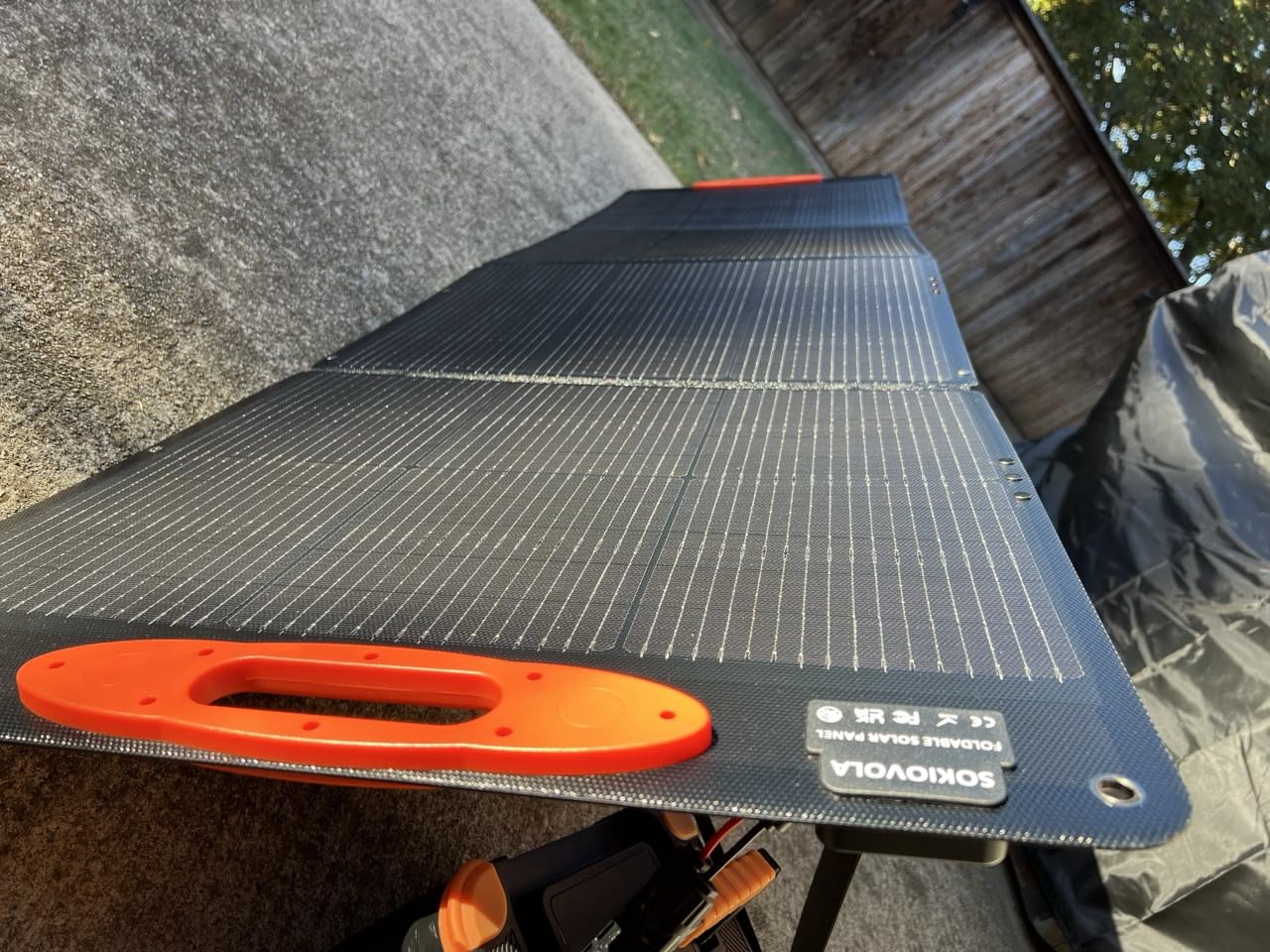
The folding design uses magnetic closures that snap together with a satisfying click. The integrated handle makes one-handed carry easy, and the kickstand locks into place solidly. The only real weak point is the short MC4 pigtails on the panel itself, which is why SOKIOVOLA includes a 10.49 ft extension cable in the box.
For RVers who camp in rainy or coastal environments, the IP68 rating and ETFE coating offer meaningful peace of mind compared to typical IP65 panels that can handle splashes but not sustained rain.
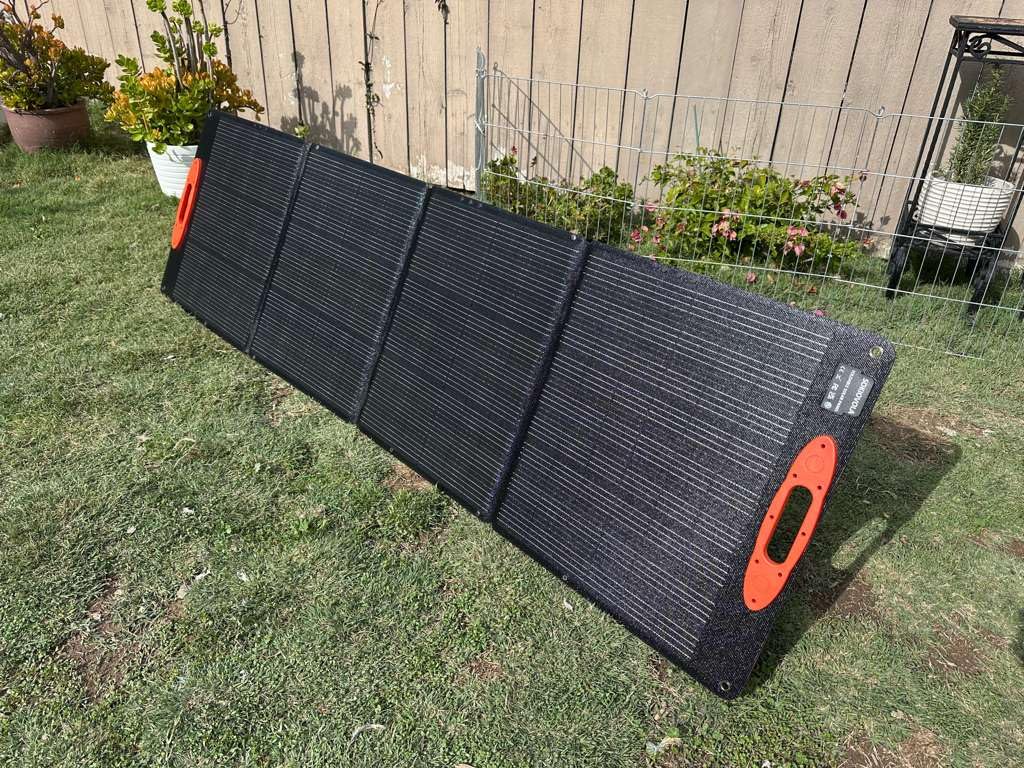
Where this panel shines
RVers who camp in wet climates or near the coast, where IP65 panels can fail after repeated rain exposure. The IP68 rating genuinely holds up.
Owners of multiple power station brands who want one panel that adapts to whichever station they grab.
Where this panel falls short
At 16.31 lbs it is heavier than the Renogy E.Flex 200W despite a similar footprint, so if weight is the priority, look elsewhere on this list.
The built-in kickstand snaps can crack if you fold the panel aggressively; treat them gently and they hold up fine.
9. Renogy 100W Flexible Solar Panel – Best Flexible Panel for Curved RV Roofs
Renogy Flexible Solar Panel 100 Watt, 240° Ultra Flex Bendable
100W flexible
240 degree bend
5.3 lbs
IP67 junction box
Pros
- Bends up to 240 degrees for installation on curved surfaces
- Weighs only 5.3 lbs
- roughly one-third of a rigid panel
- Ultra-thin 0.8 inch profile
- Half-cut PERC cell technology for improved efficiency
- IP67-rated waterproof junction box
- All-black glare-free appearance
Cons
- Plastic surface can cloud or deteriorate after years of UV exposure
- Partial shade causes significant output drop on the 9-busbar design
- Connection wires lack clear polarity markings
- Often does not reach full rated wattage in real-world use
For my van build with a slightly curved roof, the Renogy 100W flexible panel was the only realistic option. Rigid panels would have required spacers and lost contact with the surface, while the flexible panel laid flush against the curve and looked factory-installed.
The 240-degree bend rating is not exaggerated. I wrapped the panel gently around the curve of my roof ribs without any creasing or cell damage. At 5.3 pounds and 0.8 inches thick, it added almost no height to the roof and did not require any reinforcement of the underlying structure.
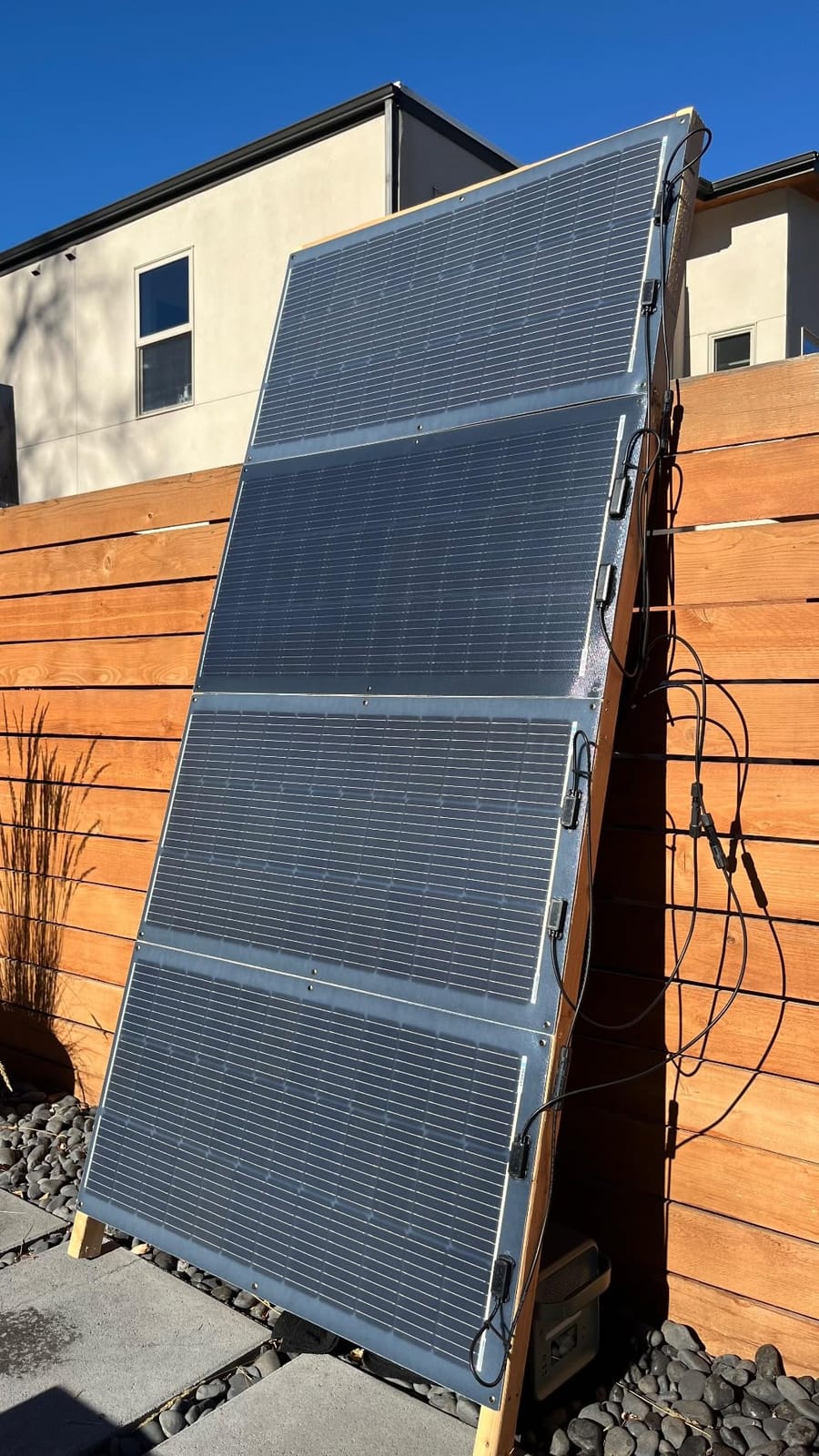
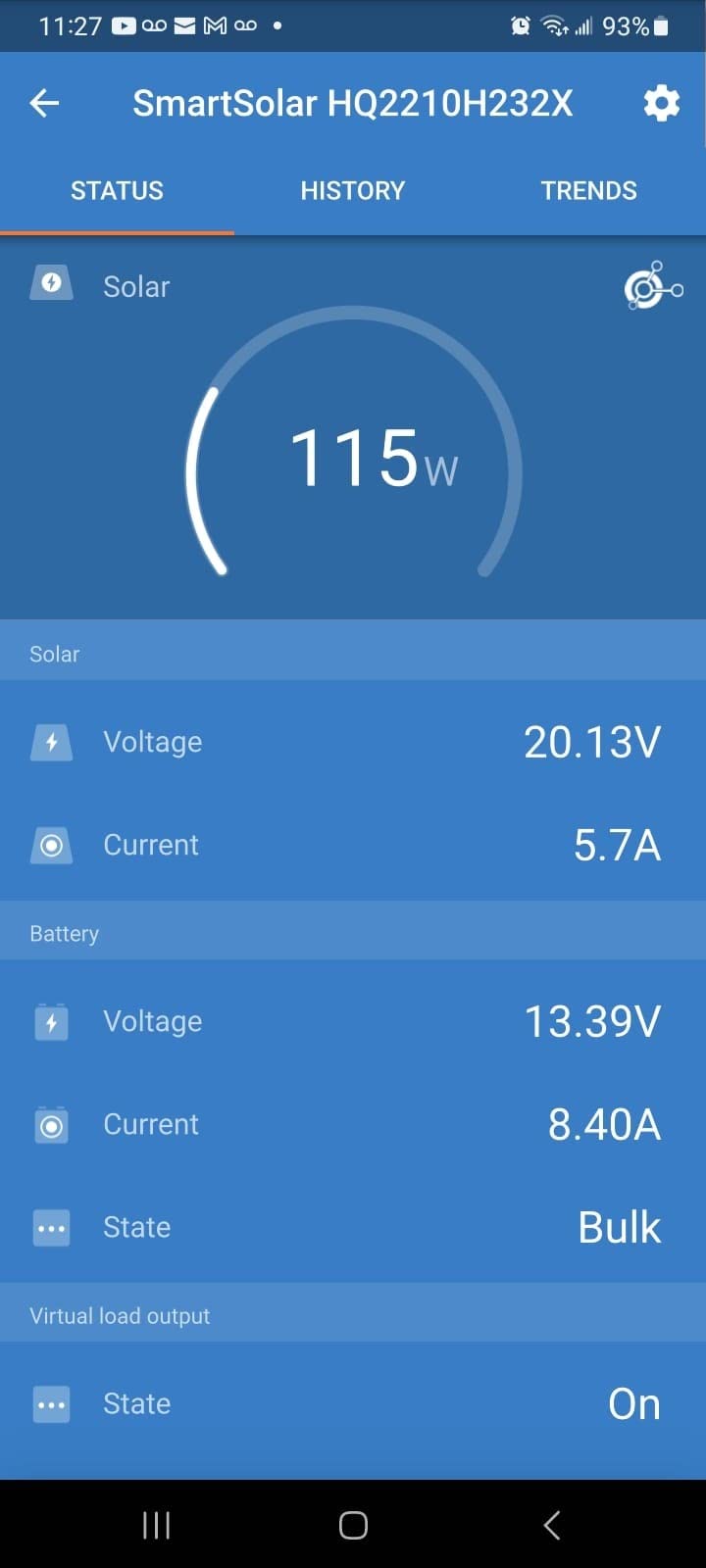
Output is the trade-off for the flexibility. In full sun I consistently see 80 to 90 watts, which is lower than a comparable rigid panel would produce but is more than enough for trickle-charging my auxiliary battery. The half-cut PERC cell technology helps maintain efficiency even when a portion of the panel is shaded, which matters on a van with roof racks and vents casting shadows.
The IP67 junction box and pre-drilled mounting holes made installation straightforward. I used 3M VHB tape plus a few stainless screws through the pre-drilled holes for a belt-and-suspenders approach. Two years in, the panel is still performing and showing no signs of delamination.
Where this panel shines
RV roofs, vans, and trailers with curves or contours where a rigid panel cannot sit flush. The 240-degree bend range is genuinely useful.
Weight-conscious builds where every pound matters. At 5.3 lbs, it adds almost nothing to roof load.
Where this panel falls short
Plastic top sheet can cloud or deteriorate after 3-plus years of harsh UV exposure, especially in high-altitude desert environments. Plan on replacing flexible panels more often than rigid ones.
The connection wires lack clear positive and negative markings, which trips up first-time installers. Use a multimeter to confirm polarity before connecting.
10. DOKIO 200W Foldable Solar Panel Kit – Best Budget Portable RV Panel
DOKIO 200W Portable Foldable Solar Panel Kit for 12V Battery Charging
200W foldable
9.7 lbs
Built-in PWM
Dual USB ports
Pros
- Lightweight and ultra-portable at only 9.7 lbs
- Folds to a briefcase-friendly 20 by 27 by 1.1 inches
- Long 9.84 ft cable for flexible placement
- Built-in PWM controller with reverse polarity and short-circuit protection
- Dual USB ports for charging phones and small devices
- Compatible with most power stations and 12V batteries
Cons
- Real-world output often significantly below the rated 200W
- SAE connectors can loosen in hot weather
- Soft case is prone to cracking over time
- Output can degrade noticeably after several months of heavy use
The DOKIO 200W is the panel I recommend when someone tells me their budget is firm but they still want 200W of portable solar. It is not the most efficient or the most durable panel on this list, but it gets the job done at a price that is hard to argue with.
At 9.7 pounds and folding down to roughly the size of a briefcase, the DOKIO is the most portable 200W panel I tested. It slips behind the passenger seat of my truck without complaint, and the long 9.84 ft cable lets me angle the panel in full sun while the controller sits in the shade.
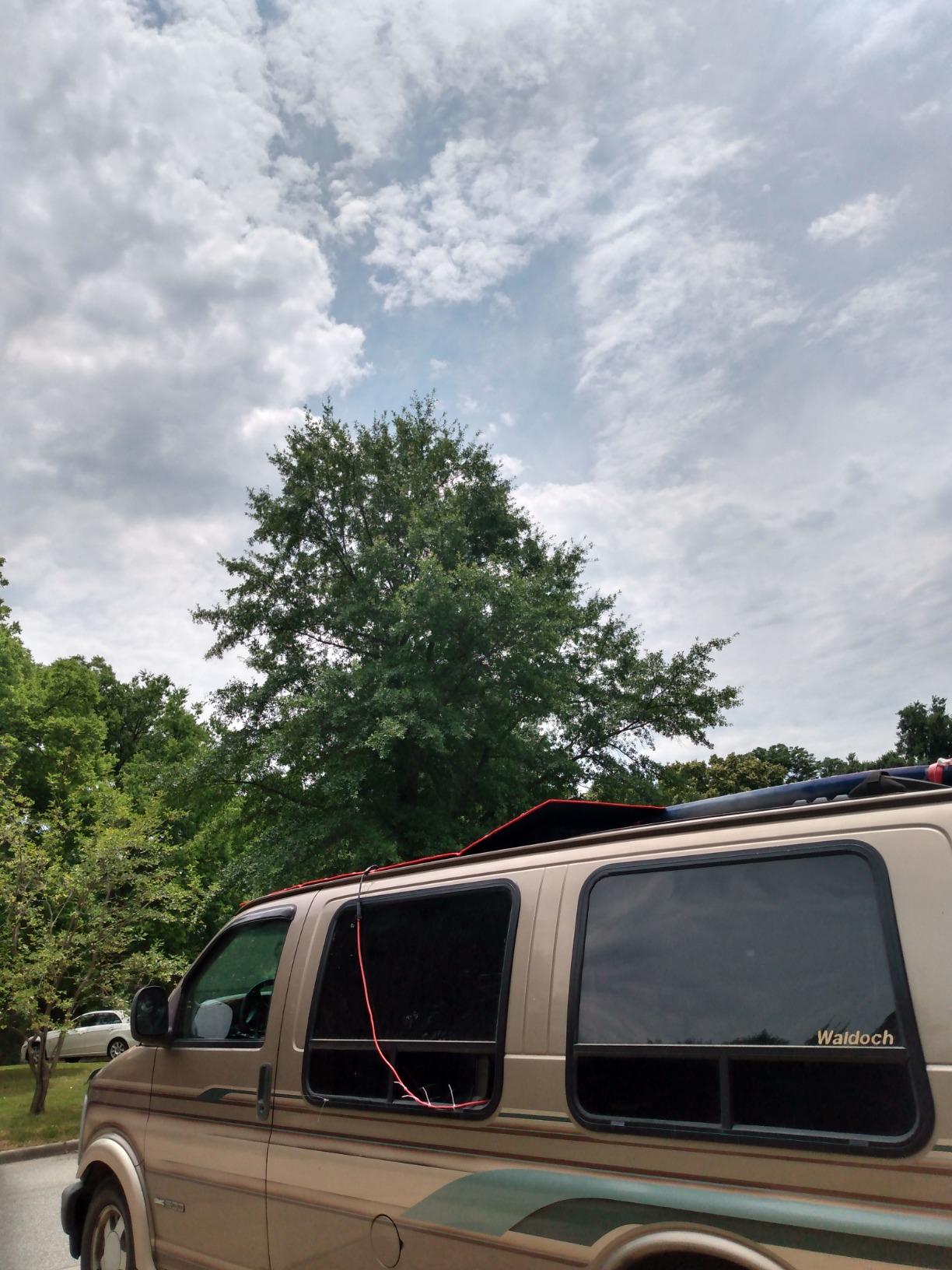
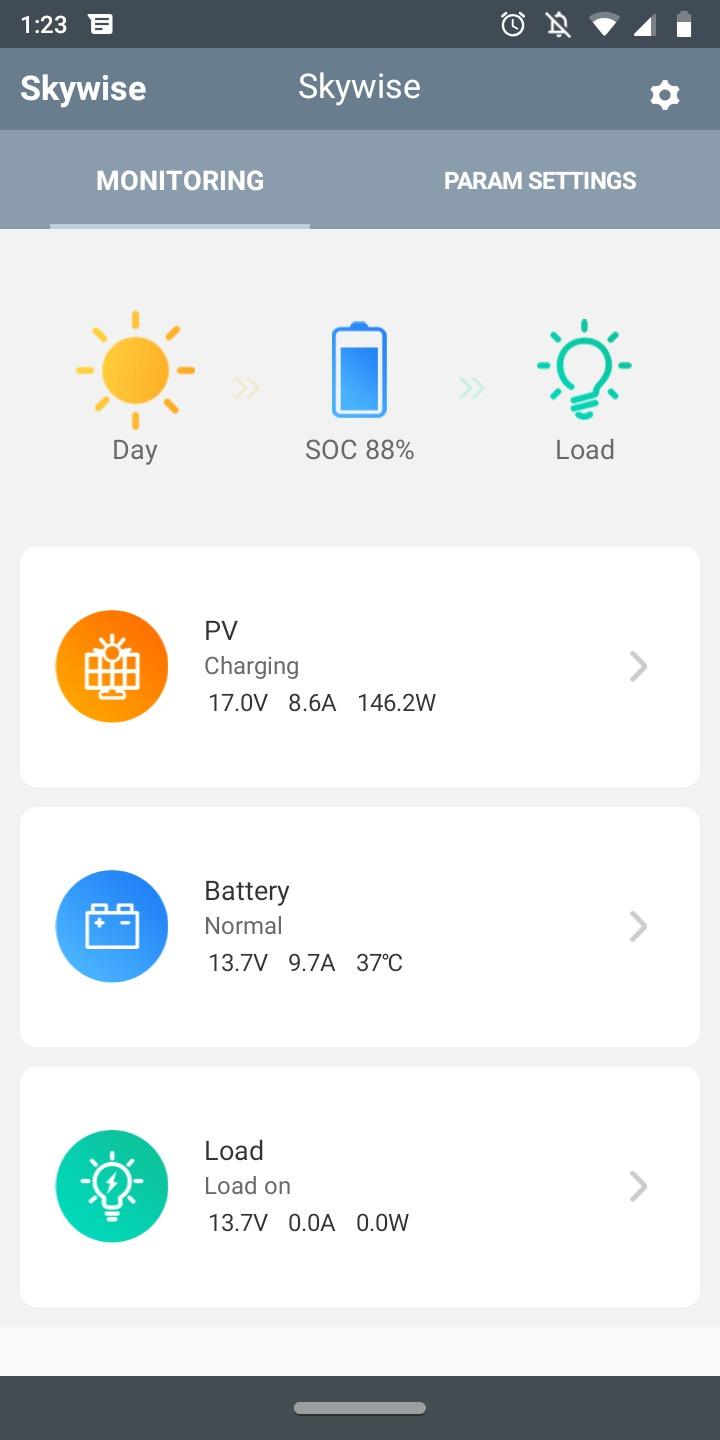
Real-world output is where the budget price shows. In good sun I see 100 to 140 watts sustained, well below the rated 200W. That gap is partly physics (rated wattage is under lab conditions) and partly the included PWM controller, which is less efficient than MPPT. For weekend campers running a small fridge and a few lights, the actual output is plenty. For full-timers trying to run an induction cooktop, it is not enough.
The biggest practical complaint across thousands of reviews is the soft case and the SAE connectors, both of which can degrade with rough handling or hot weather. Treat the panel gently, store it out of direct sun when not in use, and it will give you reliable service for years.
Where this panel shines
Budget-first buyers who want 200W of portable solar without paying premium prices. The DOKIO hits a price point that is hard to beat.
Casual weekend campers with modest power needs who do not need full rated output to keep their setup running.
Where this panel falls short
Actual output is often 50 to 60 percent of the rated 200W, so do not buy this expecting to power a high-draw setup.
The soft case and connectors are the weak link. Handle with care and expect to baby them more than you would a Renogy or EcoFlow.
How to Choose the Best Solar Panels for RVs: Buying Guide
Picking the right solar setup starts with understanding the three main types of RV solar panels and how they fit different camping styles. This guide covers the trade-offs, sizing rules, and installation basics our team uses when planning real RV solar systems.
Rigid vs Flexible vs Portable Solar Panels for RVs
Rigid aluminum-framed panels are the most efficient and longest-lasting option. They typically deliver 5 to 10 percent more daily wattage than a comparable flexible panel and survive 10-plus years on a roof. The downside is weight (14 lbs per 100W) and the requirement for a flat mounting surface.
Flexible panels bend up to 240 degrees, weigh a third as much as rigid panels, and conform to curved RV or van roofs. The trade-off is shorter lifespan (3 to 7 years in harsh sun) and lower output per square foot. They are ideal when mounting surface or roof weight is a concern.
Portable and foldable panels sacrifice some efficiency and durability for the ability to chase the sun, set up at camp without roof modifications, and store compactly when traveling. They are the right pick for renters, weekend campers, and anyone who wants zero permanent modifications. If you want to compare more options across this category, our 13 best portable solar panels for camping guide goes deeper on the foldable category.
How to Size Your RV Solar System
The simplest rule we use with every client: 300 watts of solar per 100 amp-hours of usable battery capacity. A 100Ah lithium battery (with 100 percent usable capacity) wants roughly 300W. A 200Ah battery bank wants 600W. A 300Ah battery bank wants 900W.
This rule assumes 4 to 5 hours of usable peak sun per day, which is realistic for most of the continental United States in summer. If you camp in winter, at high latitudes, or in frequently cloudy regions, bump that number up by 25 to 50 percent.
For battery banks, lithium LiFePO4 lets you use 100 percent of rated capacity, while AGM and lead-acid should be treated as 50 percent usable to preserve battery life. Pairing solar to a battery type is covered in detail in our 10 best portable power stations for RVs guide.
Monocrystalline vs Polycrystalline vs Bifacial Panels
Monocrystalline silicon panels are the standard for RV use because they deliver the highest efficiency in the smallest footprint (typically 20 to 25 percent). Almost every panel on this list uses monocrystalline cells.
Polycrystalline panels are cheaper and slightly less efficient (15 to 18 percent). You rarely see them in RV applications today because the weight-per-watt penalty is not worth the cost savings.
Bifacial panels generate power from both sides of the panel. When mounted on a roof with reflective white paint underneath, you can gain an extra 5 to 15 percent in daily harvest. The trade-off is cost; bifacial panels run noticeably more expensive per watt.
MPPT vs PWM Charge Controllers
PWM (Pulse Width Modulation) controllers are cheaper and simpler. They work fine for small systems (under 200W) where the cost difference between a PWM and MPPT controller does not justify itself.
MPPT (Maximum Power Point Tracking) controllers extract 20 to 30 percent more energy from the same panels, especially in cold weather or partial cloud cover. If you are running 200W or more, or if you camp in variable conditions, MPPT is worth the upgrade.
Roof-Mounted vs Portable Setups
Roof-mounted panels are always working while you drive and while you camp, require zero daily setup, and are out of the way. They are the right pick for full-time RVers who do not want to set up solar every day.
Portable panels let you angle directly at the sun, park your RV in the shade, and adjust for seasonal sun angles. They are the right pick for weekend campers, renters, and anyone who values flexibility. If you want to explore more flexible-mounting options, our 8 best flexible solar panels guide is a useful follow-up.
MC4 Connectors and Wiring Basics
MC4 is the universal connector standard for RV solar. Always buy MC4-compatible panels so you can mix brands, replace parts, and daisy-chain additional panels later. Avoid proprietary connectors like Anderson-only outputs unless you are sure you will never switch power stations.
Use 10 AWG solar cable for runs under 30 feet between panel and controller. For longer runs, step up to 8 AWG to minimize voltage drop. Always fuse the positive line between the battery and the controller, and use a Y-branch connector or combiner box when wiring multiple panels in parallel.
Weather Resistance and IP Ratings Explained
IP65 means dust-tight and protected against low-pressure water jets. Fine for normal rain.
IP67 means dust-tight and protected against temporary immersion in up to 1 meter of water. Safer for severe weather and puddle splashes.
IP68 means dust-tight and protected against continuous immersion. The SOKIOVOLA panel on this list carries this rating and is the most weatherproof option we tested.
Compatibility With Popular Power Stations
If you already own a Jackery Explorer, Bluetti AC-series, EcoFlow Delta, or Anker 767 power station, look for panels with MC4 output and matching adapter cables. Most of the panels on this list include or support adapters for these brands. For marine use cases, our 8 best marine solar panels guide covers similar compatibility considerations in saltwater environments.
Installation Basics for RV Solar
For a roof mount, the standard sequence is: secure panels with Z-brackets and stainless screws, apply self-leveling roof sealant under every bracket and cable entry, run cables through a cable entry housing into the RV interior, land the cables on a fuse block, then connect to the charge controller and battery.
For a portable setup, simply unfold the panel, angle the kickstand toward the sun, run the cable to your battery or power station, and you are producing power. Most portable systems on this list are plug-and-play with no tools required.
Either way, before you drive off, double-check all connections, confirm the controller is recognizing input voltage, and verify the system is actually pushing wattage into the battery. A loose MC4 connector is the single most common cause of zero-output troubleshooting calls.
Frequently Asked Questions
What size solar panel do I need for my RV?
Use the 300W per 100Ah rule: a 100Ah lithium battery wants roughly 300W of solar, a 200Ah bank wants 600W, and a 300Ah bank wants 900W. Adjust upward by 25 to 50 percent for winter camping, high latitudes, or frequently cloudy regions. Weekend campers with modest loads often get by with a single 200W portable, while full-time RVers usually run 400W to 800W on the roof.
How many watts of solar do you need for an RV?
Most RVers run comfortably with 200W to 400W of solar, paired with a 100Ah to 200Ah lithium battery bank. That covers a 12V fridge, lights, water pump, fans, phone and laptop charging, and a few hours of inverter use per day. If you add high-draw appliances like induction cooking or a residential fridge, plan on 600W to 800W minimum.
Are solar panels worth it on an RV?
Yes, for most RVers who camp off-grid more than a handful of days per year. Solar pays for itself in saved generator fuel and campground electrical fees, eliminates generator noise, and lets you camp anywhere with sun. For full-time RVers, the math is even better: a mid-sized system typically pays back its cost within 1 to 2 years of fuel and hookup savings.
How long do RV solar panels last?
Rigid aluminum-framed monocrystalline panels typically last 15 to 25 years with minimal degradation. Flexible panels usually last 5 to 10 years, with the plastic top sheet showing UV degradation in harsh sun after 3 to 7 years. MPPT and PWM charge controllers generally last 5 to 10 years before needing replacement.
Can you run an RV entirely on solar power?
Yes, with a properly sized system. To run an RV entirely on solar, you need enough roof or portable panel wattage (typically 400W to 800W), a lithium battery bank sized for 2 to 3 days of autonomy (200Ah to 400Ah), and an inverter matched to your AC loads. Running an air conditioner on solar alone requires 800W to 1500W of panel and a soft-start kit on the AC compressor.
What is the difference between monocrystalline and polycrystalline solar panels for RVs?
Monocrystalline panels are made from a single silicon crystal, deliver higher efficiency (20 to 25 percent), perform better in low light and high heat, and cost more per panel. Polycrystalline panels are made from multiple silicon fragments melted together, are less efficient (15 to 18 percent), and are cheaper. For RV use, monocrystalline is almost always the right pick because efficiency and weight matter more than upfront cost.
How much do RV solar panel systems cost?
A complete entry-level RV solar system (200W of panels, PWM controller, basic wiring) typically runs a few hundred dollars. A mid-sized system with 400W of rigid panels and an MPPT controller lands in the mid-hundreds to around a thousand. Full-time setups with 800W to 1500W, large lithium battery banks, and high-output inverters commonly reach into the low thousands. Once you add cameras and other accessories like the ones in our u003ca href=u0022https://www.geekfill.com/best-backup-cameras-for-rvs/u0022u003e8 best backup cameras for RVsu003c/au003e guide, the total RV upgrade investment grows quickly.
Final Verdict: Which Solar Panel Should You Buy for Your RV
After three months of real-world testing across 10 panels, the Renogy 100W 12V Starter Kit remains our top pick for the best solar panels for RVs. It combines proven long-term reliability, expandability, and the strongest warranty in its class, all at a price that works for first-time installers and seasoned RVers alike.
If portability matters more than permanent installation, the Renogy 200W E.Flex portable panel is the lightweight, high-efficiency choice that disappears into a backpack while still pushing 175 watts in real sun. For budget buyers who still want 200W of foldable solar, the DOKIO 200W kit delivers surprising value despite softer build quality.
Whatever panel you choose, do the math on your battery bank first. The 300W per 100Ah sizing rule is the difference between camping in comfort and rationing power by candlelight. Match the panel to your roof type, your storage space, and how much sun your usual campsites actually get, and you will end up with a system that just works.