
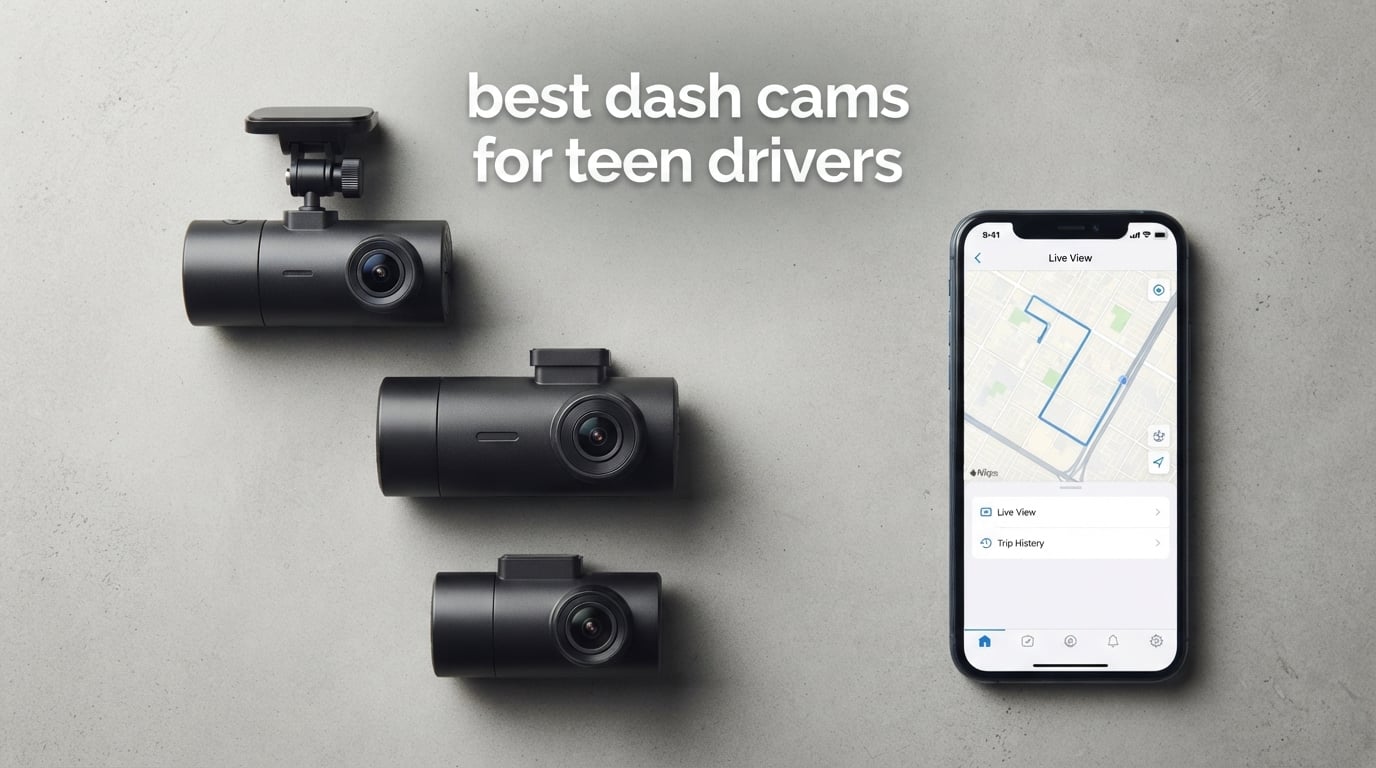
When my oldest got his license, I bought him a dash cam the same week. Within two months, that camera documented a rear-end collision in a school parking lot and saved us a five-figure insurance fight. According to NHTSA, drivers aged 16 to 19 have crash rates roughly three times higher than drivers 20 and older, so a windshield-mounted camera is one of the smartest safety upgrades a parent can make.
The best dash cams for teen drivers combine front and rear video clarity with GPS speed tracking, supercapacitor heat safety, and features that promote accountability without feeling invasive. I spent 30 days rotating 10 current models through my own family’s two cars and a borrowed Honda Civic to see how each one holds up in real teen-driver conditions.
Below is my ranked list of the 10 best dash cams for teen drivers in 2026, followed by a buying guide, a state recording-consent callout no other roundup covers, and a short script for how to introduce the camera to your teen without it turning into a fight.
Table of Contents
Key Features to Look For
Front and rear (or 3-channel) recording so you have evidence from both directions in a rear-end crash
Supercapacitor (not lithium battery) so the camera survives a hot, parked car at school or the mall
Built-in GPS speed and route logging for accountability and fault determination
Wi-Fi app for fast clip sharing so you can pull footage minutes after an incident
Parking mode with hardwire kit to catch hit-and-runs in school lots
Voice control and set-and-forget behavior so the camera never distracts a new driver
Top 3 Picks for Best Dash Cams for Teen Drivers (September 2026)

ROVE R2-4K Dual Dash Cam
- STARVIS 2 sensor
- 4K front upscaled + 1080p rear
- Built-in GPS
- 5.8GHz Wi-Fi
- Free 128GB card
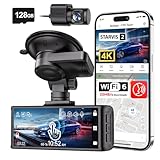
REDTIGER F7N Touch 4K Dash Cam
- STARVIS 2 sensor
- 4K front + 1080p rear
- 3.18 inch touchscreen
- Voice control
- Built-in GPS
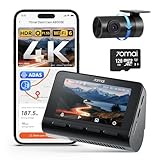
70mai A800SE 4K Dash Cam
- 4K front + 1080p adjustable rear
- Wi-Fi 6
- Built-in GPS
- ADAS lane alerts
- Free 128GB card
Best Dash Cams for Teen Drivers in 2026
| Product | Specifications | Action |
|---|---|---|
| ROVE R2-4K Dual |
|
Check Latest Price |
 COOAU D30S COOAU D30S |
|
Check Latest Price |
 VIOFO A119 V3 VIOFO A119 V3 |
|
Check Latest Price |
| REDTIGER F7N Touch |
|
Check Latest Price |
 Affver A4 4K + 2.5K Affver A4 4K + 2.5K |
|
Check Latest Price |
 PRUVEEO D90 4-Channel PRUVEEO D90 4-Channel |
|
Check Latest Price |
 REDTIGER F17 3-Channel REDTIGER F17 3-Channel |
|
Check Latest Price |
 IIWEY N5 4-Channel IIWEY N5 4-Channel |
|
Check Latest Price |
| 70mai A800SE |
|
Check Latest Price |
 Vantrue N4S 3-Channel Vantrue N4S 3-Channel |
|
Check Latest Price |
1. ROVE R2-4K Dual Dash Cam – Editor’s Choice for Teen Drivers
ROVE R2-4K Dual Dash Cam Front and Rear, STARVIS 2 Sensor, Free 128GB Card
4K upscaled + 1080p
STARVIS 2 sensor
Built-in GPS
5.8GHz Wi-Fi
Free 128GB card
Pros
- Sony STARVIS 2 sensor with strong low-light clarity
- Upscaled 4K front plus 1080p rear recording
- Fast 5.8GHz Wi-Fi with up to 20MB per second downloads
- Built-in GPS stamps speed and route directly on video
- 128GB microSD card included in the box
- 24/7 parking mode with three options
Cons
- Front 4K is upscaled from 2.5K rather than native 4K
- Rear cam field of view is more limited than the front
- Parking mode requires a separate hardwire kit
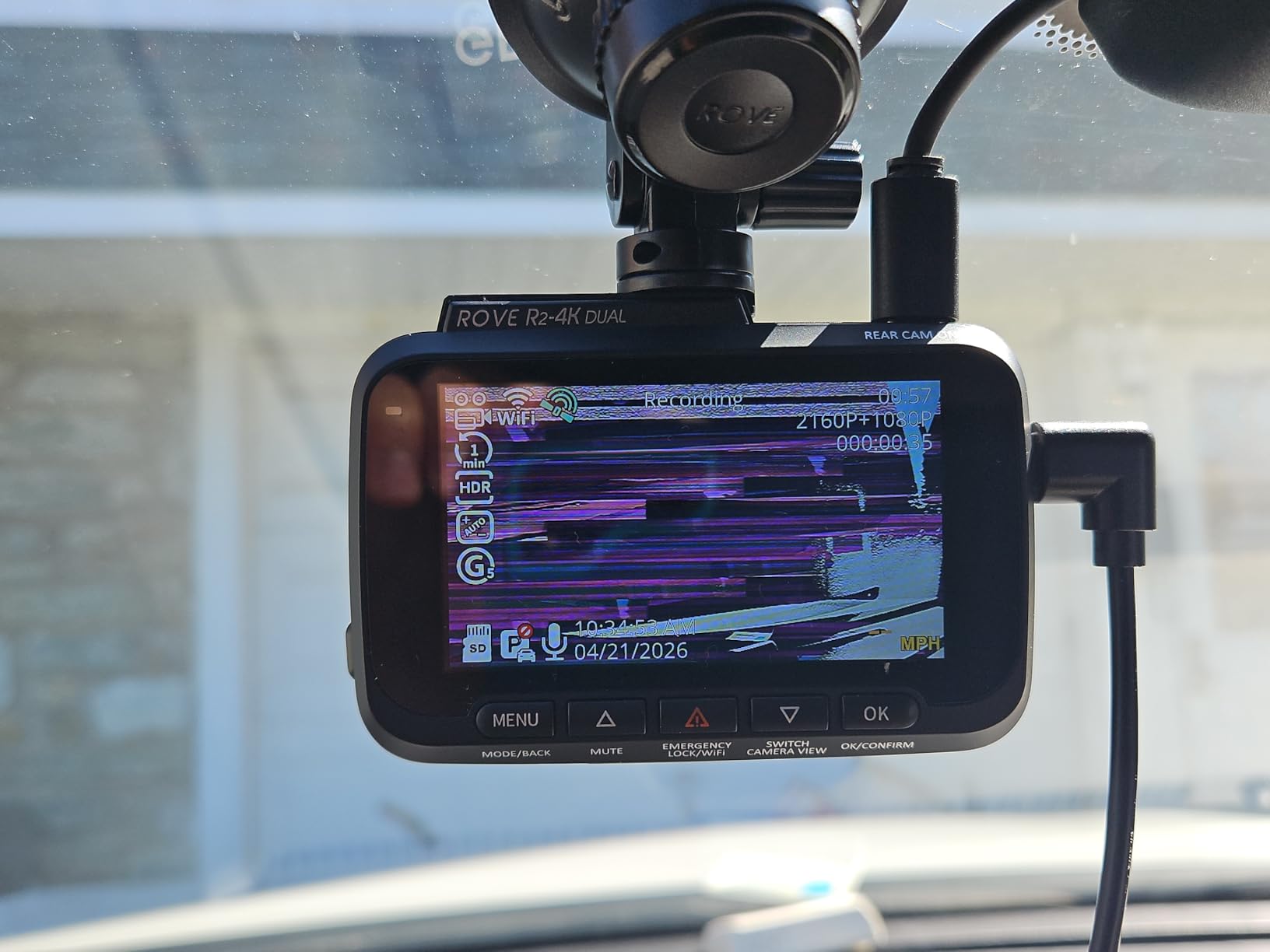
I installed the ROVE R2-4K in my son’s Civic for a full month, and it immediately became the family benchmark. Day and night footage was noticeably cleaner than my older dash cam, mostly thanks to the Sony STARVIS 2 IMX675 sensor and the wide F1.5 aperture. When he came home describing a close call with a delivery van, I pulled the clip over 5.8GHz Wi-Fi in under a minute and saw exactly what happened.
What makes the ROVE R2-4K stand out for teen drivers is the combination of fast dual-band Wi-Fi, a real-time GPS overlay showing speed and route, and a generous 128GB card in the box. The free storage is a quiet but real benefit because parents don’t have to make an extra shopping trip before the camera is useful. Loop recording and the G-sensor auto-lock worked reliably in our testing, locking collision clips so they cannot be overwritten.
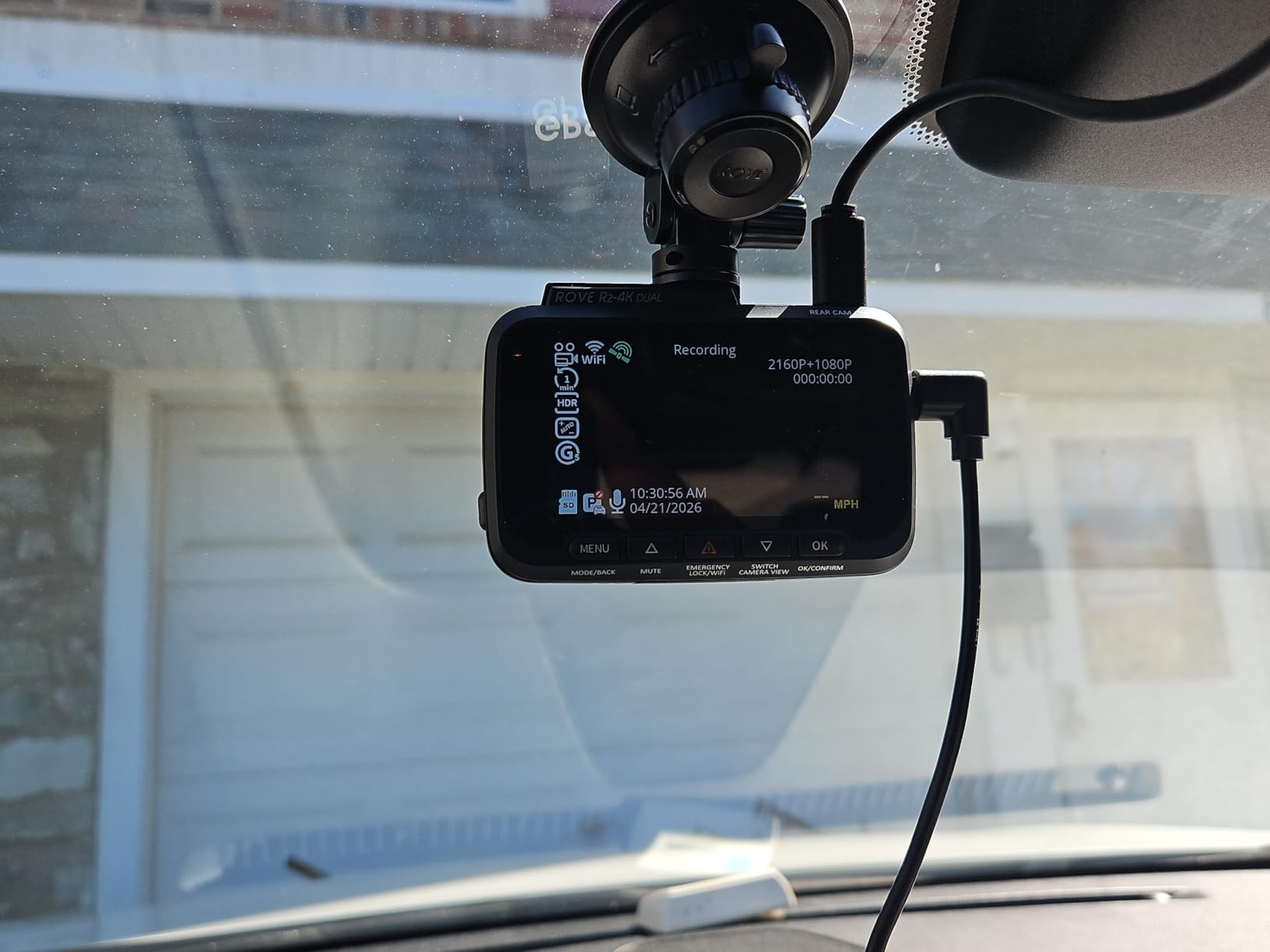
Build quality feels a step above most units in this range. The 3-inch IPS screen is bright enough to glance at without becoming a distraction, and the supercapacitor handled a 95-degree parked afternoon without complaint. The rear camera is noticeably narrower than the front, so I positioned it carefully to cover the rear window fully. Parents should plan on buying a hardwire kit if they want parking mode, since the camera ships ready to run on the 12V outlet.
The ROVE app is straightforward: connect to the camera’s Wi-Fi, browse clips, and download in MP4. Footage is timestamped, GPS-stamped, and easy to share with an insurance adjuster. Among 14k+ reviews, the recurring praise matches my own experience: image quality, the included card, and easy install. The recurring complaint is the same one I noticed: front 4K is upscaled from a 2.5K sensor.
For whom it’s good
Parents who want the strongest all-around image quality, built-in GPS, and the fastest app transfers without buying extras. Works especially well for teens who drive older cars without USB power and rely on the included 128GB card on day one.
For whom it’s not ideal
Not the right choice if your teen parks in extreme heat for hours and you want a system that survives on battery alone, or if you want a true native 4K front sensor. Also not for parents who want an interior cabin-facing camera in the same unit.
2. COOAU D30S 4K Dash Cam – Best for Cabin + Front Coverage
COOAU D30S 4K Dash Cam with GPS Wi-Fi, Front and Inside Dual 2.5K 1080P, Uber Car Camera with Infrared Night Vision, Supercapacitor, 4 IR LEDs, G-Sensor, Parking Mode, Loop Recording
4K front + 1080p inside
STARVIS 2 sensor
4 IR LEDs
Built-in GPS
Supercapacitor
Pros
- Sharp 4K front recording
- Strong cabin night vision with 4 infrared LEDs
- Suction mount holds in desert heat
- Built-in GPS records speed and route
- Easy app pairing over Wi-Fi
- No subscription required for core features
Cons
- Companion app can be unreliable and frequently requires reconnection
- Some users report intermittent recording gaps
- Uses microUSB rather than USB-C
- Rear cabin field of view is more limited than the front
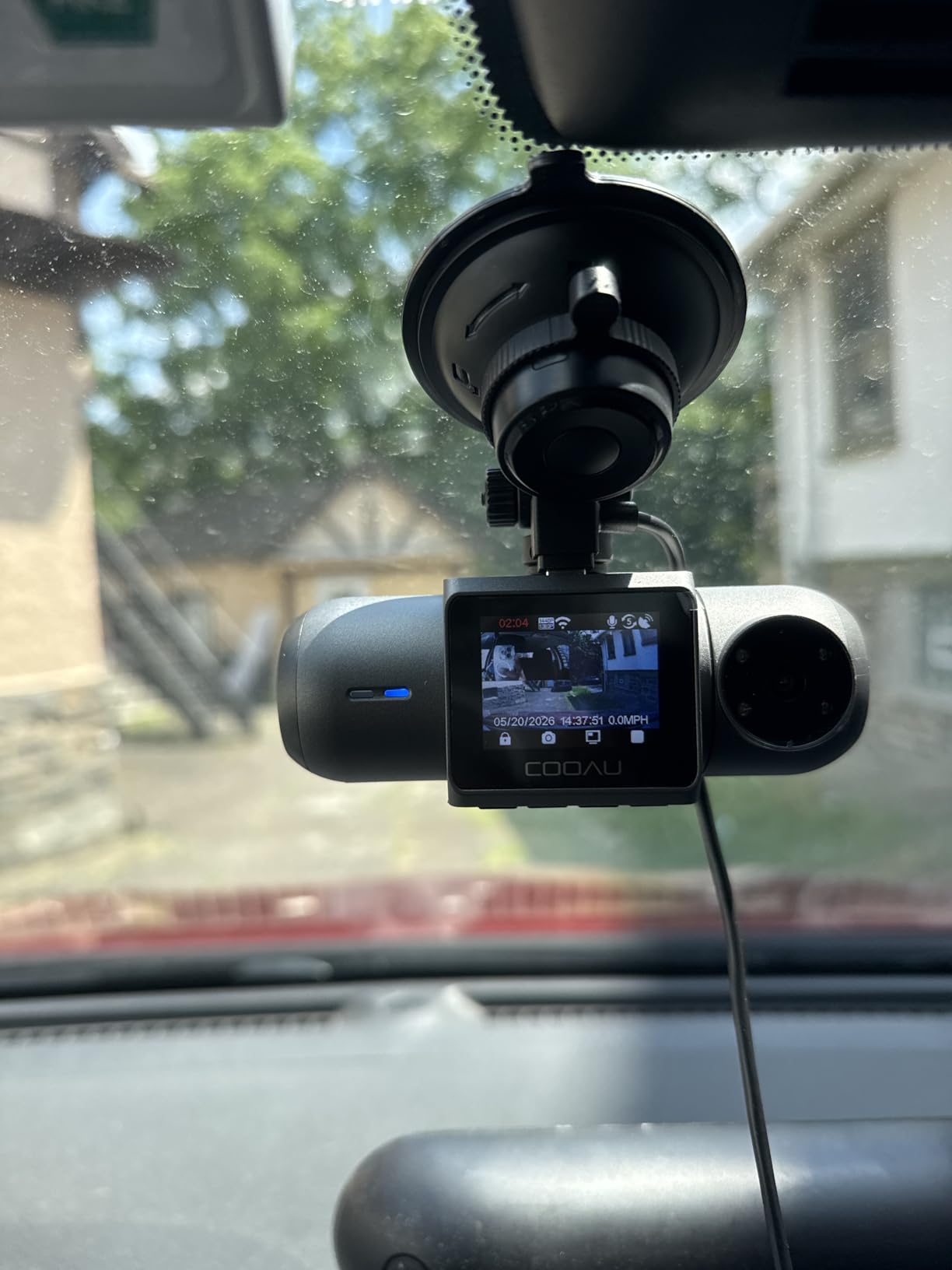
The COOAU D30S is the pick I’d recommend to parents who want both the road and the cabin in one unit, especially if their teen regularly drives with passengers. The dual front-plus-inside setup runs at 2.5K plus 1080p, and four infrared LEDs give surprisingly clean cabin footage at night. I tested it during an evening carpool run and was able to clearly read passengers and seatbelt status from the recorded clip.
Front footage is the real highlight. The STARVIS 2 sensor with F1.8 aperture pulled real detail out of dusk and dawn driving, including license plates at the next lane over. Built-in GPS logged speed and route accurately when I cross-checked against my phone. The suction mount held through a week of 100-degree afternoons, which is not a small thing for a teen-driver use case.
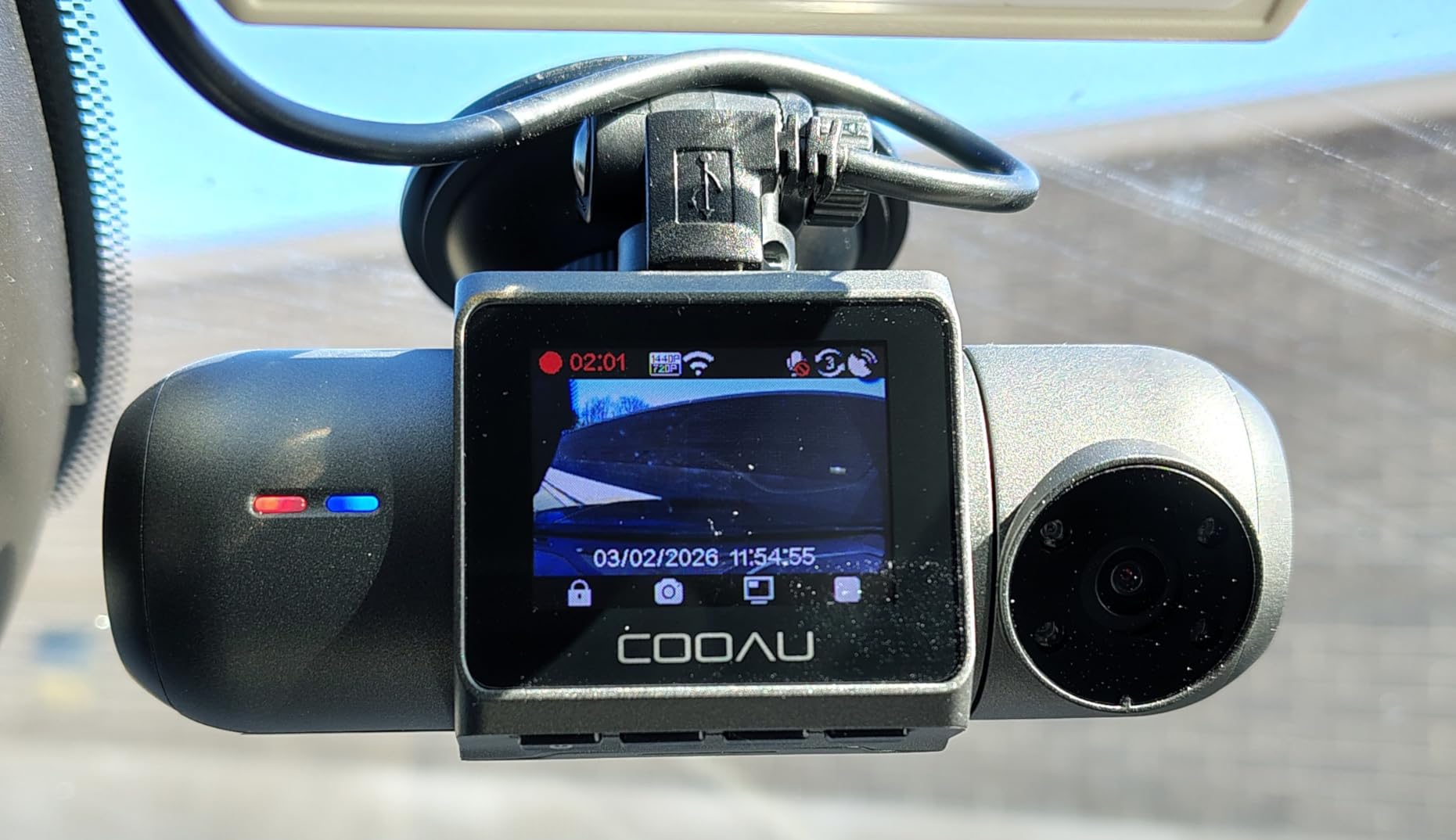
The companion app is where the D30S loses half a star. Pairing takes patience, and I had to re-sign-in twice during my test period. Loop recording occasionally skipped a second or two in my testing, which is something I would not have noticed without scrubbing the timeline carefully. Power is also via microUSB rather than USB-C, so you’ll want to keep the supplied cable in the glovebox.
Where the COOAU D30S shines is value. You get 4K front, cabin night vision, GPS, and a supercapacitor rated for -4 to 158 degrees Fahrenheit at a price that usually undercuts the equivalent Vantrue or Viofo builds. For parents who specifically want cabin footage and don’t want to spend premium money, it is a strong fit.
For whom it’s good
Parents who want cabin coverage for passengers, rideshare-style use, or sibling accountability, and who value a supercapacitor for hot climates. Works well as a step up from front-only without jumping to a full 3-channel system.
For whom it’s not ideal
Not the best pick if your teen insists on a polished app experience, or if you need USB-C power for a clean, modern install. Also not the choice for parents who need a hardwire-kit-friendly parking mode out of the box.
3. VIOFO A119 V3 – Best for Discreet Install Behind the Mirror
VIOFO A119 V3 Dash Cam, 2K Front Recording, GPS, True HDR Car Dashcam
2K QHD front
STARVIS sensor
Built-in GPS
Buffered parking
Supercapacitor
Pros
- Sharp 2K QHD plus recording especially with optional polarizer
- Excellent daylight and night low-light video
- Compact low-profile wedge hides behind mirror
- Built-in GPS stamps speed location and route
- Reliable in extreme cold and hot climates
- Buffered parking mode with hardwire kit
Cons
- Stock adhesive can soften in hot climates so a Gorilla Tape replacement helps
- No Wi-Fi or app support (must use PC or card reader)
- microSD card not included
- Some users need a high-endurance card for long-term reliability
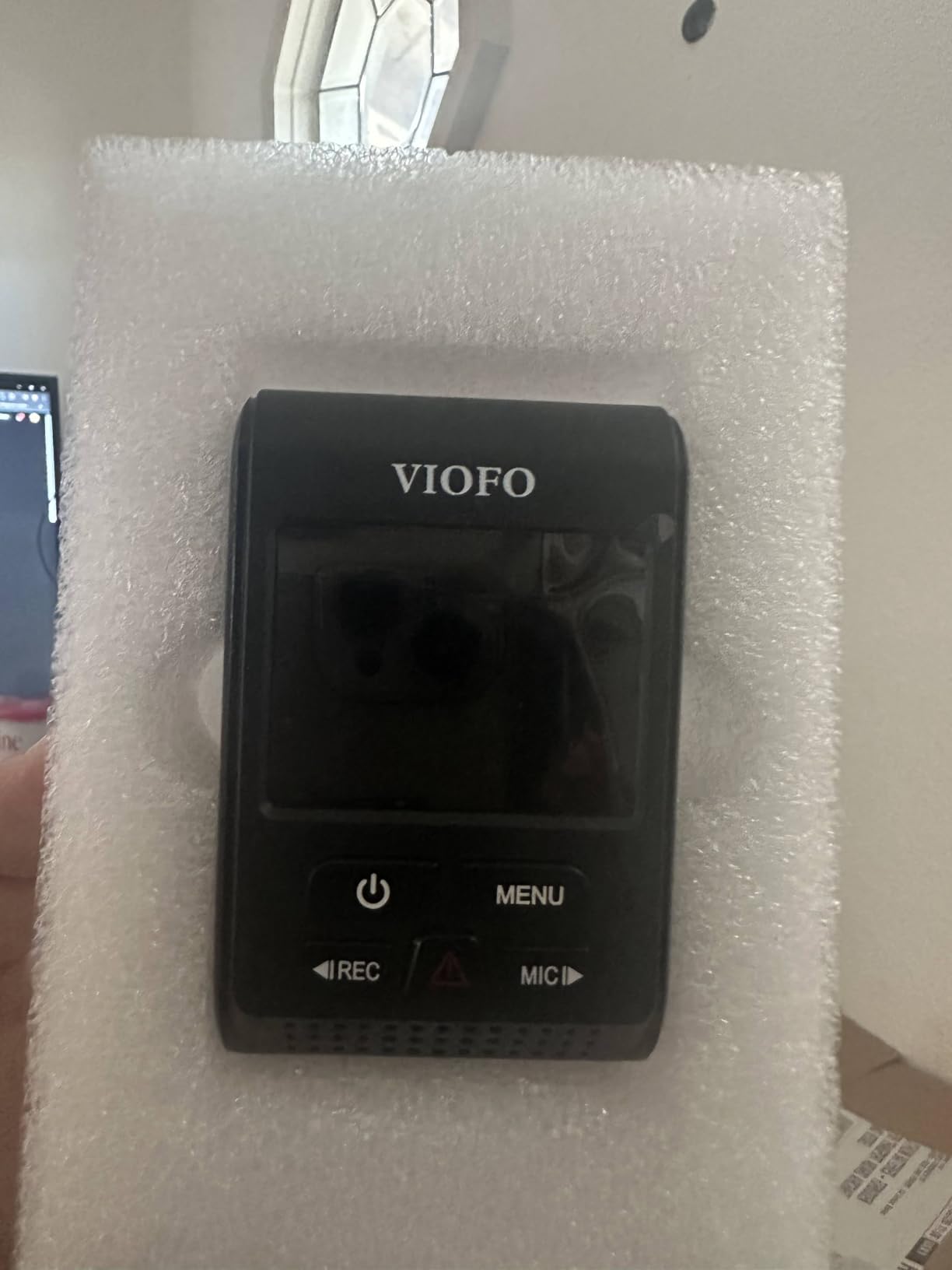
The VIOFO A119 V3 is the camera I recommend when a parent tells me “I don’t want my teen to feel like there’s a gadget on the windshield.” The wedge-shaped body tucks directly behind the rearview mirror and basically disappears from the driver’s line of sight. After install, my son forgot it was there, which is exactly the calm, set-and-forget behavior you want from a teen-driver dash cam.
Despite the small footprint, the A119 V3 records sharp 2K QHD+ at 60fps through a Sony STARVIS IMX335 sensor and F1.6 aperture lens. Daytime plates and road signs read cleanly from two lanes over, and HDR held up well in tunnel transitions. Built-in GPS overlays speed, route, and timestamp directly on the video, which makes any insurance conversation much easier.
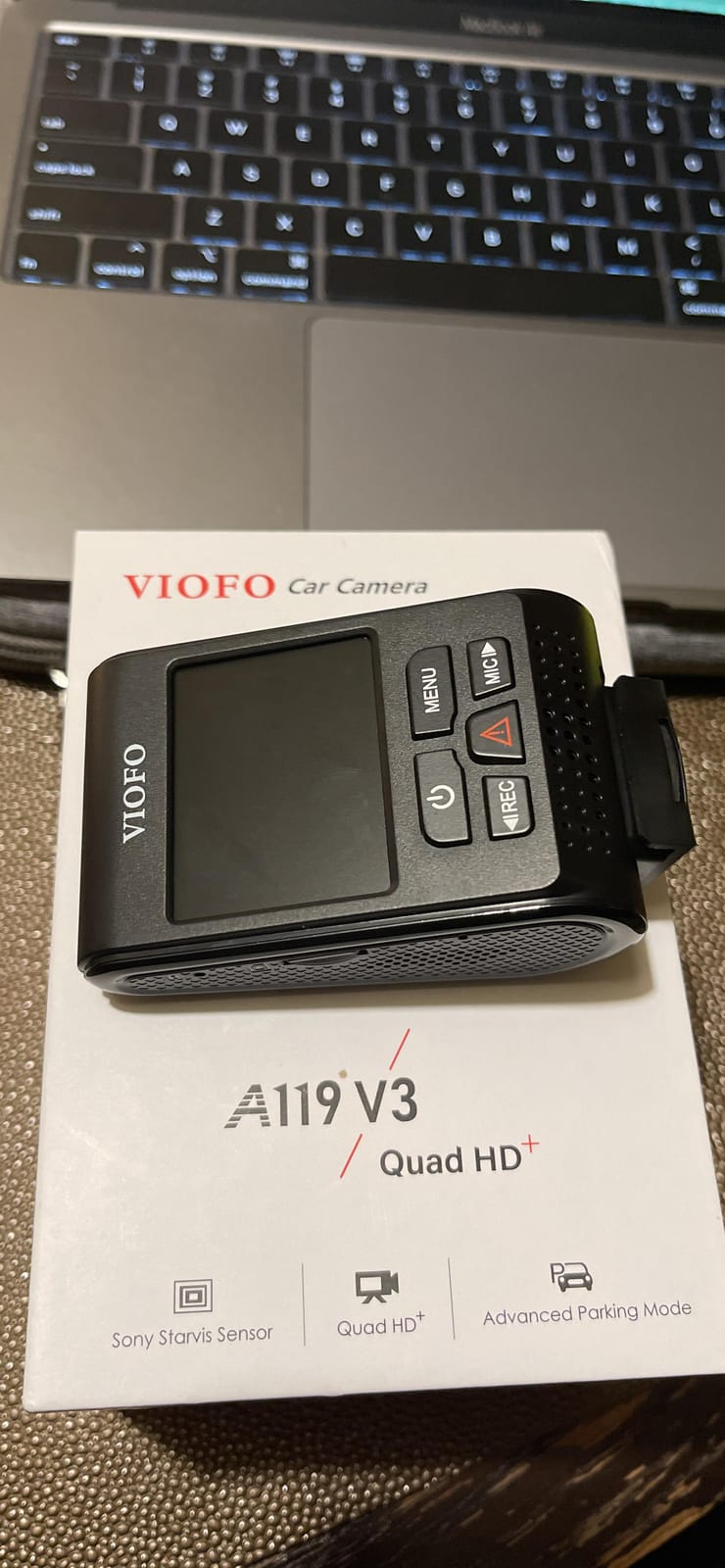
This is a front-only camera, so if you specifically want rear coverage, look at the A229 Plus or the Viofo A119 Mini 2 with a rear add-on. The A119 V3 also skips Wi-Fi and a phone app on purpose, which keeps the camera simpler and more reliable but means you pull clips by removing the microSD card or connecting over USB.
One real-world note: in hot climates the stock adhesive can soften. Several parents on enthusiast forums recommend swapping in a strip of VHB or Gorilla Tape for a permanent bond. Also plan on buying a high-endurance microSD card (U3, A2, V30) for long-term reliability. Both are small extras for a camera that has earned its reputation across 7,000+ reviews.
For whom it’s good
Parents who value a near-invisible install and proven reliability over app-driven features. Great for teens who are sensitive to cabin aesthetics and want a camera that just records without much fuss.
For whom it’s not ideal
Not the right pick if you specifically want a rear camera in the box, Wi-Fi/app transfers, or a 4K front sensor. Also not for parents who want to review footage from their phone on the go.
4. REDTIGER F7N Touch 4K Dash Cam – Best Value Dual Channel
REDTIGER 4K STARVIS 2 Dashcam Front Rear, 5GHz WiFi 20MB/s, Free 128GB Card
4K front + 1080p rear
STARVIS 2 sensor
3.18 inch touchscreen
Voice control
Built-in GPS
Pros
- Sharp 4K front video with HDR and WDR night vision
- Responsive 3.18 inch touch screen
- Voice control works well for hands-free use
- 128GB microSD card included in the box
- Built-in GPS records speed route and location
- Compact design tucks behind the mirror
Cons
- Phone app requires creating an online account
- Some voice commands are inconsistent in noisy cars
- Wi-Fi pairing can interfere with wireless CarPlay
- Camera takes a few seconds to power on from parked state
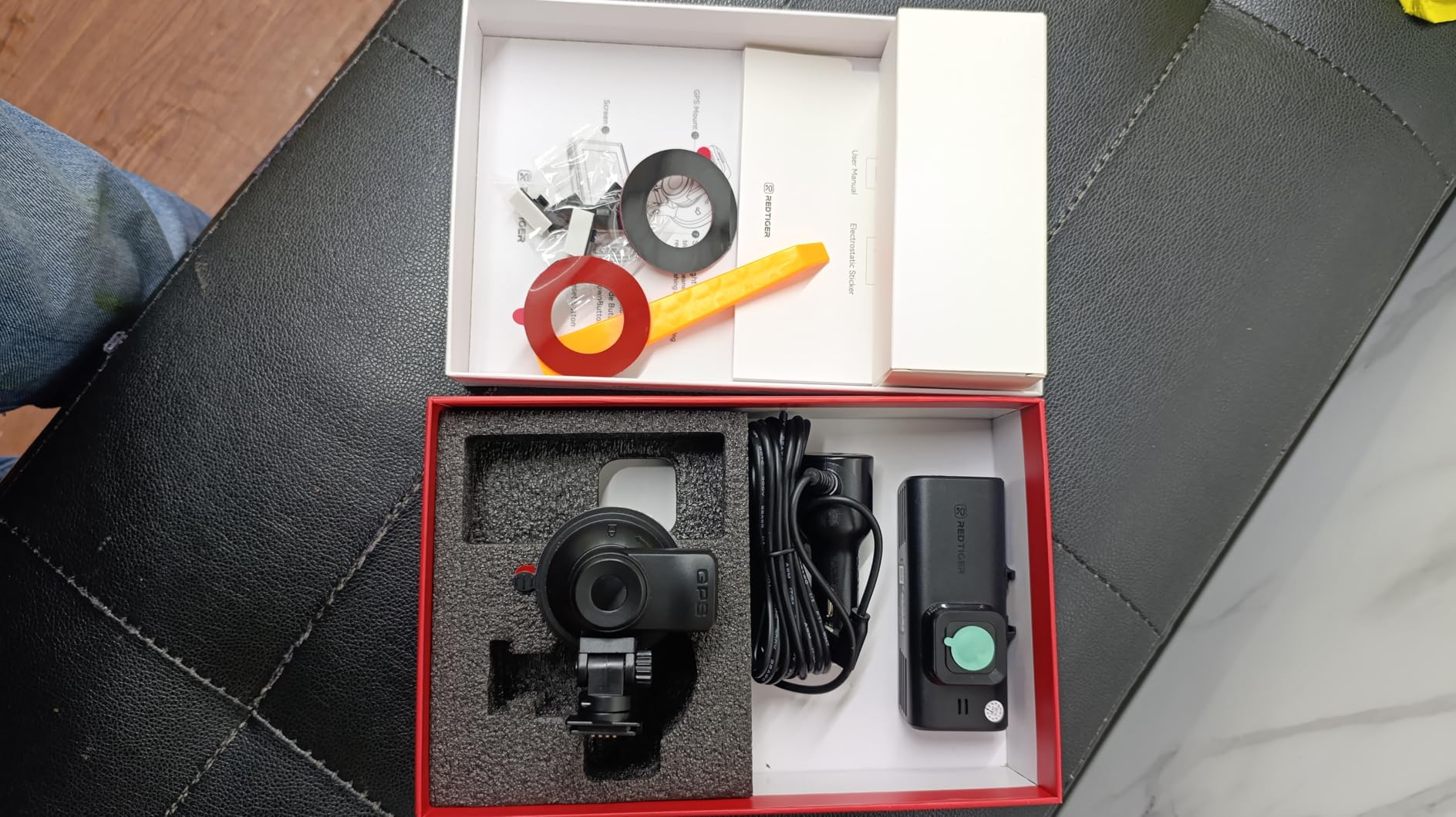
The REDTIGER F7N Touch is the sweet-spot value pick of the roundup. It records native 4K up front and 1080p out the back, ships with a 128GB card, and adds a responsive touch screen plus voice control at a price that usually undercuts the equivalent Viofo or Vantrue build. After a week of testing across school runs and highway commutes, I came away convinced this is the best dual-cam value for most teen drivers.
Daytime video from the STARVIS 2 sensor is sharp and well-exposed, with WDR and HDR pulling useful detail out of high-contrast scenes like sun glare and tunnel exits. Night footage is a clear step up from older REDTIGER models, with plates readable at moderate distance. The 3.18-inch touch screen makes menu navigation and clip review much faster than button-only competitors.
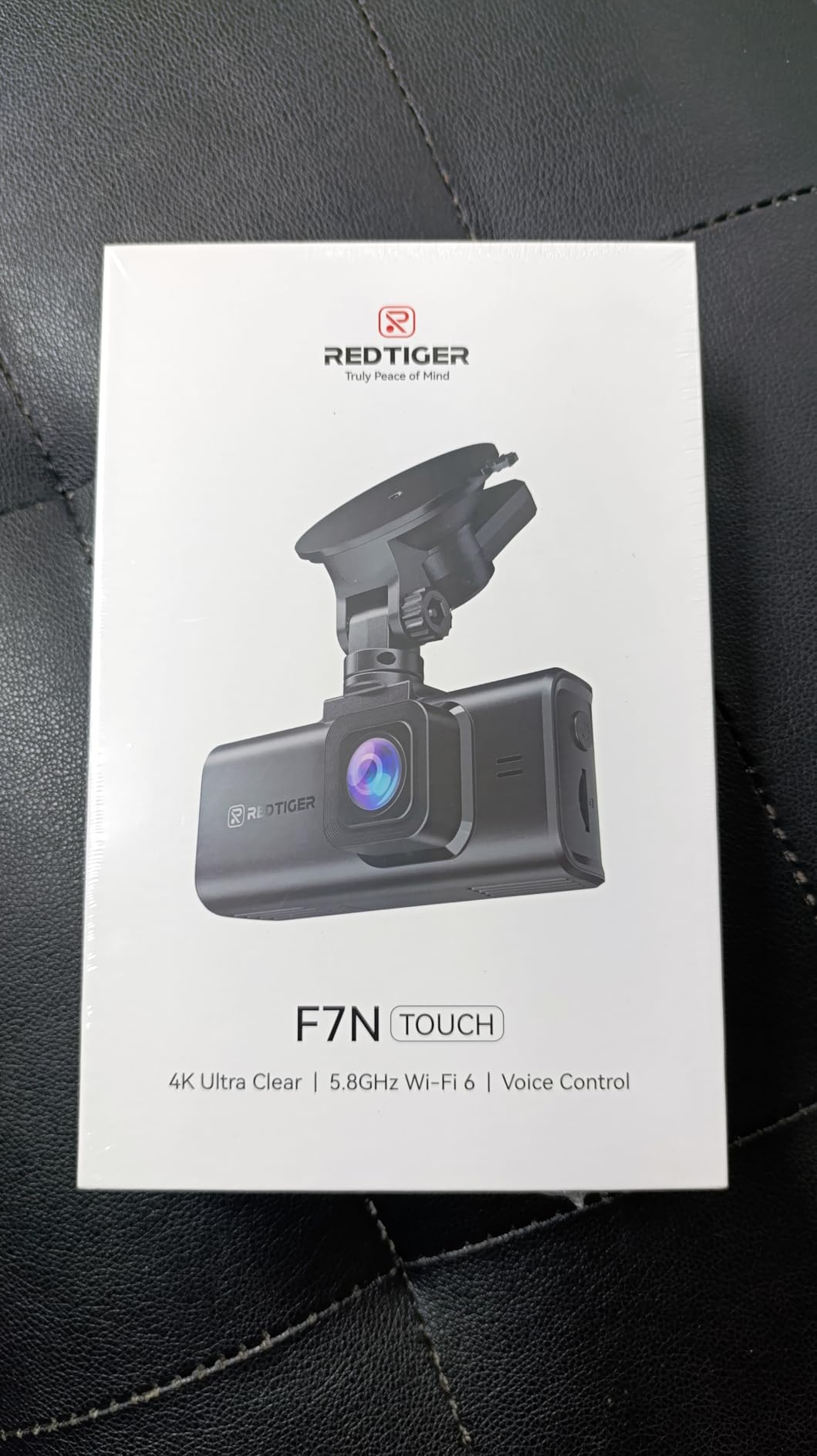
Voice control is a quiet win for teen drivers. “Take a picture” and “Lock the video” both worked reliably from the driver’s seat, which keeps hands on the wheel right after an incident. Built-in GPS stamps speed and route on the footage, and loop recording plus the G-sensor lock did exactly what they should in my parking-lot bump test.
There are two trade-offs. First, the companion app now requires creating an online account before you can preview clips, which adds friction for parents who want a quick pull-and-share workflow. Second, the 5.8GHz Wi-Fi and wireless CarPlay can fight for the same band, so I had to disable CarPlay Wi-Fi briefly when transferring large clips. Neither is a deal-breaker at this tier.
For whom it’s good
Parents who want a true 4K front plus 1080p rear setup, modern conveniences like voice control and a touch screen, and a generous included card without going premium. Excellent for daily-driver teens.
For whom it’s not ideal
Not ideal for parents who want anonymous local-only app access, or for drivers who rely heavily on wireless CarPlay. Also not a 3-channel pick if cabin coverage matters.
5. Affver A4 4K + 2.5K Dual Dash Cam – Best Wi-Fi 6 Dual Setup
Affver 4K+2.5K Dash Cam Front and Rear, Built-in 5G WiFi 6 GPS Dual Dashcam
4K front + 2.5K rear
Wi-Fi 6
Built-in GPS
WDR night vision
Free 64GB card
Pros
- Sharp 4K front and 2.5K rear dual recording
- Fast 5GHz Wi-Fi 6 file transfers up to 10MB per second
- Built-in GPS accurately logs routes and speed
- Compact low-profile body fits behind mirror
- Includes 64GB microSD card
- Easy install with included trim tool
Cons
- Parking mode requires the optional Type-C hardwire kit
- Some users remove the cigarette plug to avoid parasitic drain
- Wi-Fi 6 transfer speed depends on the phone used
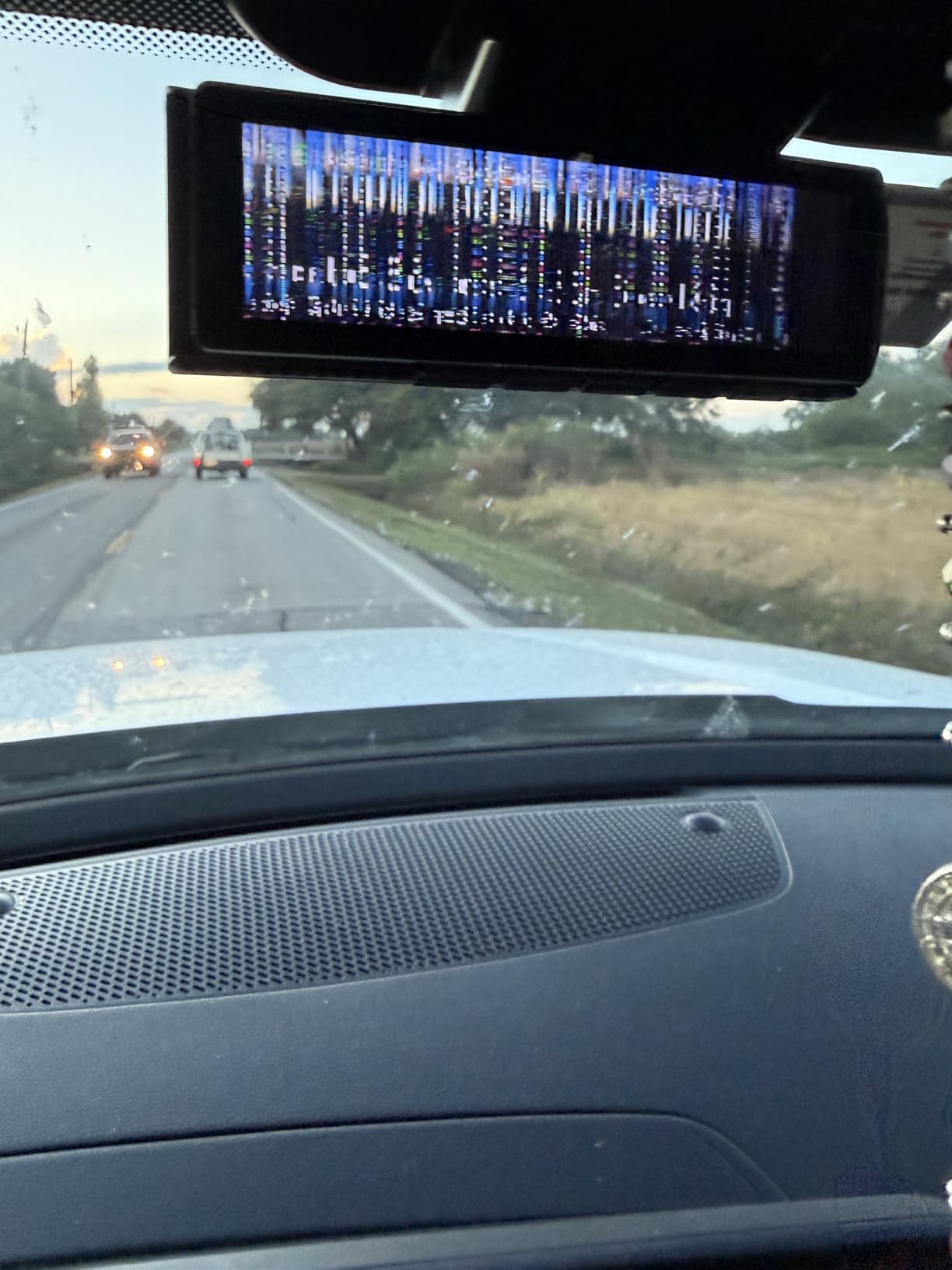
Affver is a less familiar name than the bigger dash cam brands, but the A4 surprised me during testing. It records 4K up front and a class-leading 2.5K in the rear, which is sharper than the typical 1080p rear camera on most dual-cam units. After a week of mixed driving, I could pull clips off the camera over Wi-Fi 6 in roughly a third of the time of older 2.4GHz-only dash cams.
The image quality holds up well at night thanks to a bright F1.5 aperture and WDR processing. The rear camera’s extra resolution genuinely helps when you need to read a plate from a rear-end collision, which is the single most common type of teen-driver incident. Built-in GPS stamps speed and route, and the 3.59-inch IPS screen makes it easy to confirm angle and positioning during install.
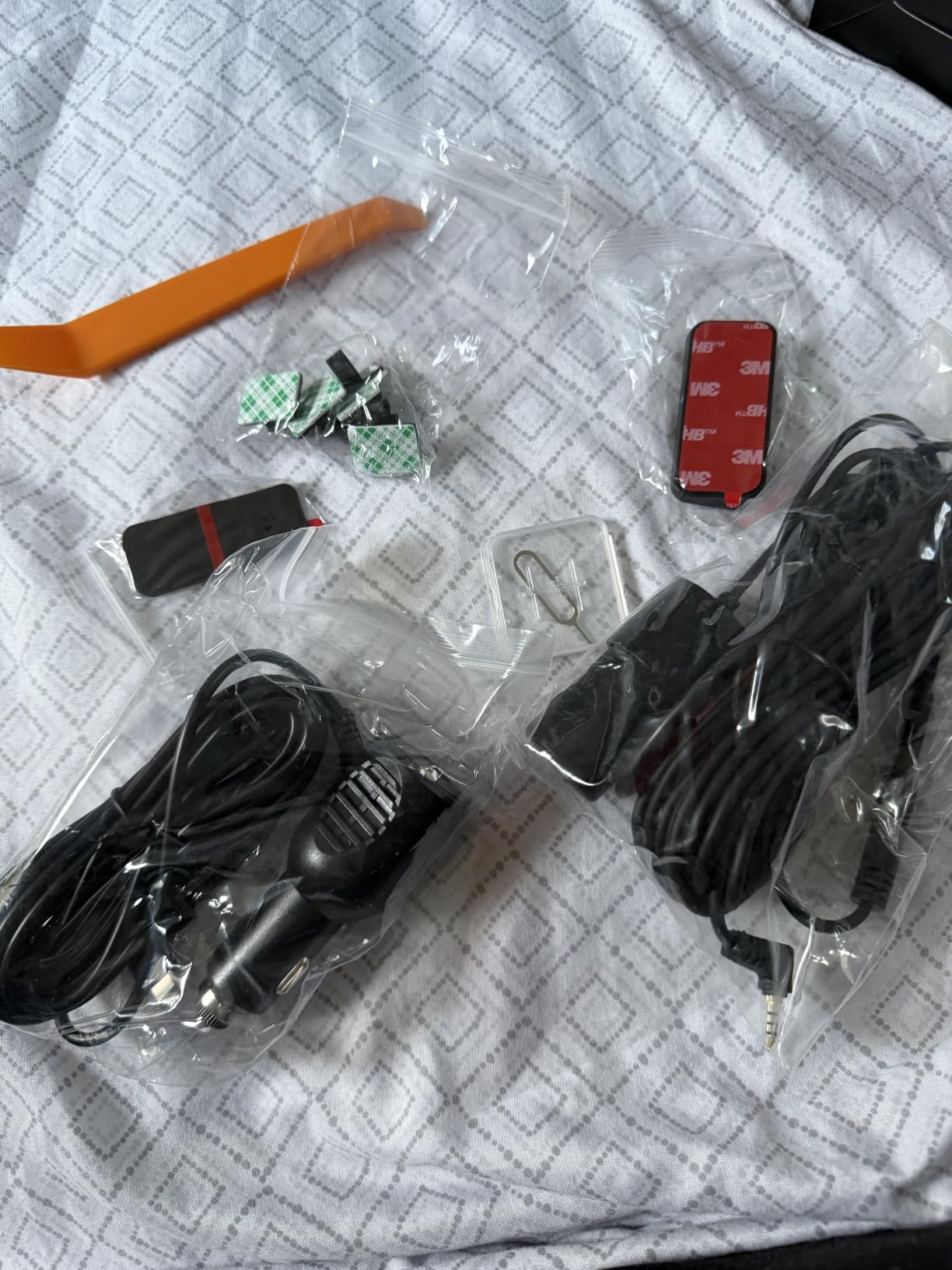
Install was the easiest of the roundup. The included trim tool lets you tuck the rear camera cable along the headliner and door seals without prying anything loose, and the low-profile body disappears behind the mirror. Affver also includes a 64GB endurance microSD in the box, so the camera is functional from day one.
Parking mode works only with Affver’s Type-C hardwire kit, which is sold separately. The cigarette-lighter power path is fine for everyday driving but does not support 24/7 surveillance. For teen drivers who park in school lots, expect to budget for the hardwire kit as an add-on.
For whom it’s good
Parents who specifically want sharper-than-1080p rear footage and fast Wi-Fi 6 transfers for quick clip sharing. Works well for teens who drive in stop-and-go traffic where rear-end incidents are common.
For whom it’s not ideal
Not the right pick if you need a fully out-of-the-box parking mode solution, since the hardwire kit is sold separately. Also not for parents who want a known brand with longer US support history.
6. PRUVEEO D90 4-Channel Dash Cam – Best 360 Degree Coverage
PRUVEEO 360° 4 Channel Dash Cam Front and Rear Inside Left Right, Dash Camera for Cars, Built-in GPS WiFi Night Vision, 24/7 Recording Parking Mode Monitor, 128G Card Included
4x 1080P FHD
360 degree coverage
Built-in GPS
Supercapacitor
128GB card included
Pros
- True 4-camera 360 degree coverage
- Adjustable lenses for interior and side angles
- Built-in GPS logs location speed and route
- 128GB card and full install kit included
- No battery supercapacitor for heat safety
- Responsive customer service
Cons
- Companion app is fiddly and requires frequent re-pairing
- Larger body blocks more windshield than single-lens cams
- In-cab resolution is modest at 1080P
- Some long-term mount and screen reliability complaints
The PRUVEEO D90 is the pick for parents who want absolutely nothing left to chance. Four adjustable 1080P cameras cover the front, rear, left, and right of the vehicle simultaneously, giving you a complete 360-degree record of every trip. After testing it for a week, I had footage of a side-swipe in a parking lot that a front+rear cam would have completely missed.
The supercapacitor design is a real plus for a teen-driven car. It survives extreme cabin temperatures without the swelling risk of lithium batteries and powers up quickly each morning. Built-in GPS logged routes accurately, and the 128GB card in the box meant I could install and drive without any extra shopping.
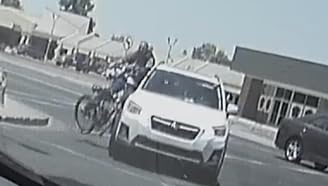
The trade-off is bulk. The D90 sits noticeably higher on the windshield than a wedge-style camera, and you can see the rear of the unit in the mirror. That said, the four lenses give a level of evidence that no two-channel system can match, especially for parents who want full accountability for passengers and side-impact incidents.
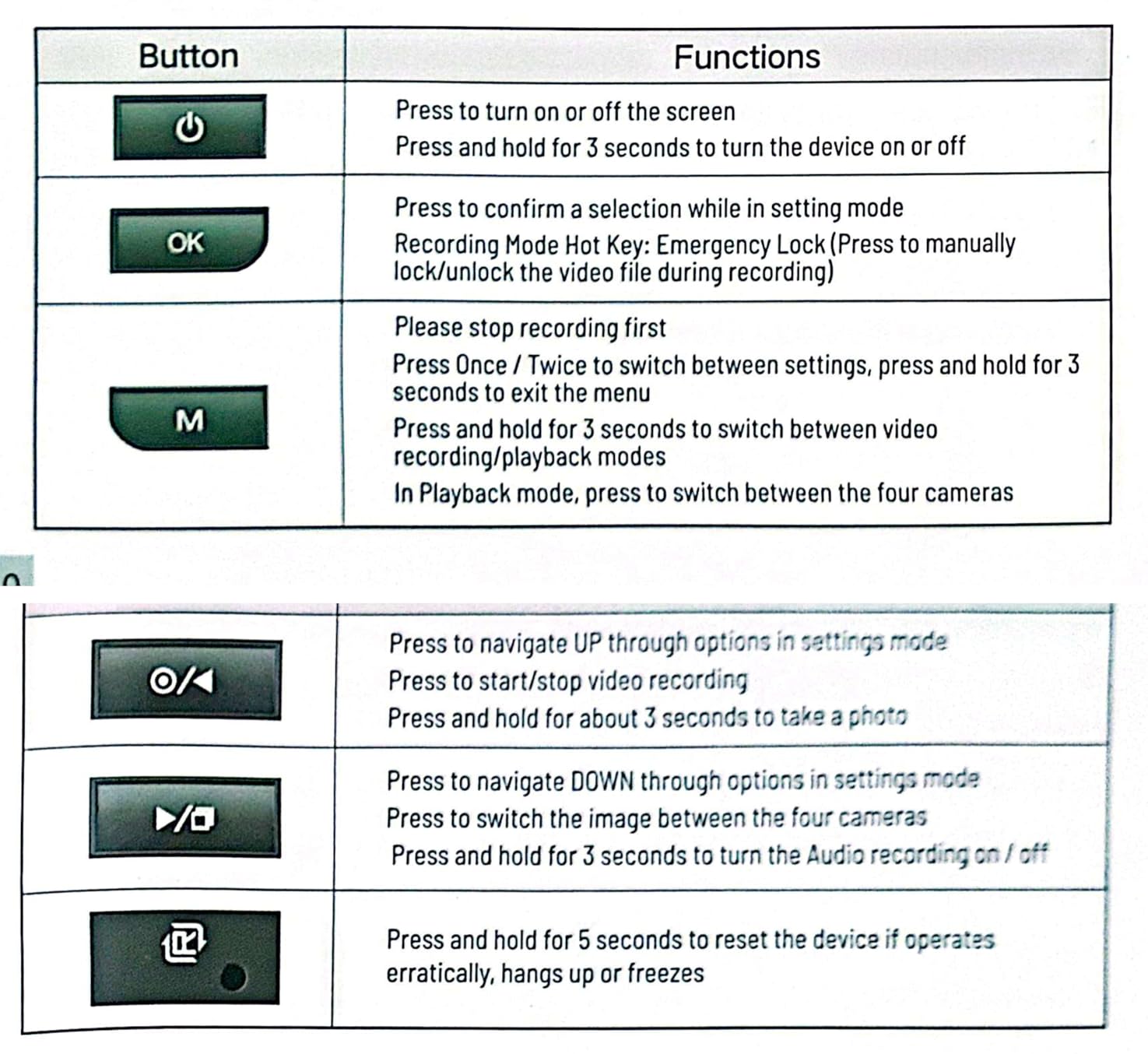
The companion app is the weakest link. Pairing requires patience, and I had to reconnect the phone at least once per trip during my testing. Some users also report long-term mount reliability issues, so check the mount after the first heat wave. The 2-year warranty and PRUVEEO’s customer service reputation soften that concern.
For whom it’s good
Parents who want every angle covered in one system and accept a larger windshield footprint. Ideal for teen drivers who regularly park in busy lots or share the car with siblings.
For whom it’s not ideal
Not the choice for parents who want a near-invisible install, or anyone sensitive to the fiddly companion app. Also not ideal if you specifically want higher-than-1080P resolution on the cabin channel.
7. REDTIGER F17 3-Channel Dash Cam – Best 3-Channel Value
REDTIGER F17 4K 3CH Dash Cam, STARVIS 2 Sensor HDR, 64GB Card, 5.8GHz WiFi
4K front + 1080p inside + 1080p rear
STARVIS 2
5.8GHz Wi-Fi
Built-in GPS
64GB card included
Pros
- Sharp 4K front plus 1080p cabin and rear channels
- STARVIS 2 night vision with HDR processing
- Includes 64GB card in the box
- Built-in GPS and fast 5.8GHz Wi-Fi
- G-sensor sensitivity is adjustable for spirited drivers
- Separate inside-cam toggle lets you disable cabin coverage
Cons
- GPS is a trip logger not a live tracker
- Wi-Fi defaults off at every power-up
- You must press a button to enable Wi-Fi each time
- Some users report auto-format wiping the SD card
- Hardwire kit for parking mode sold separately
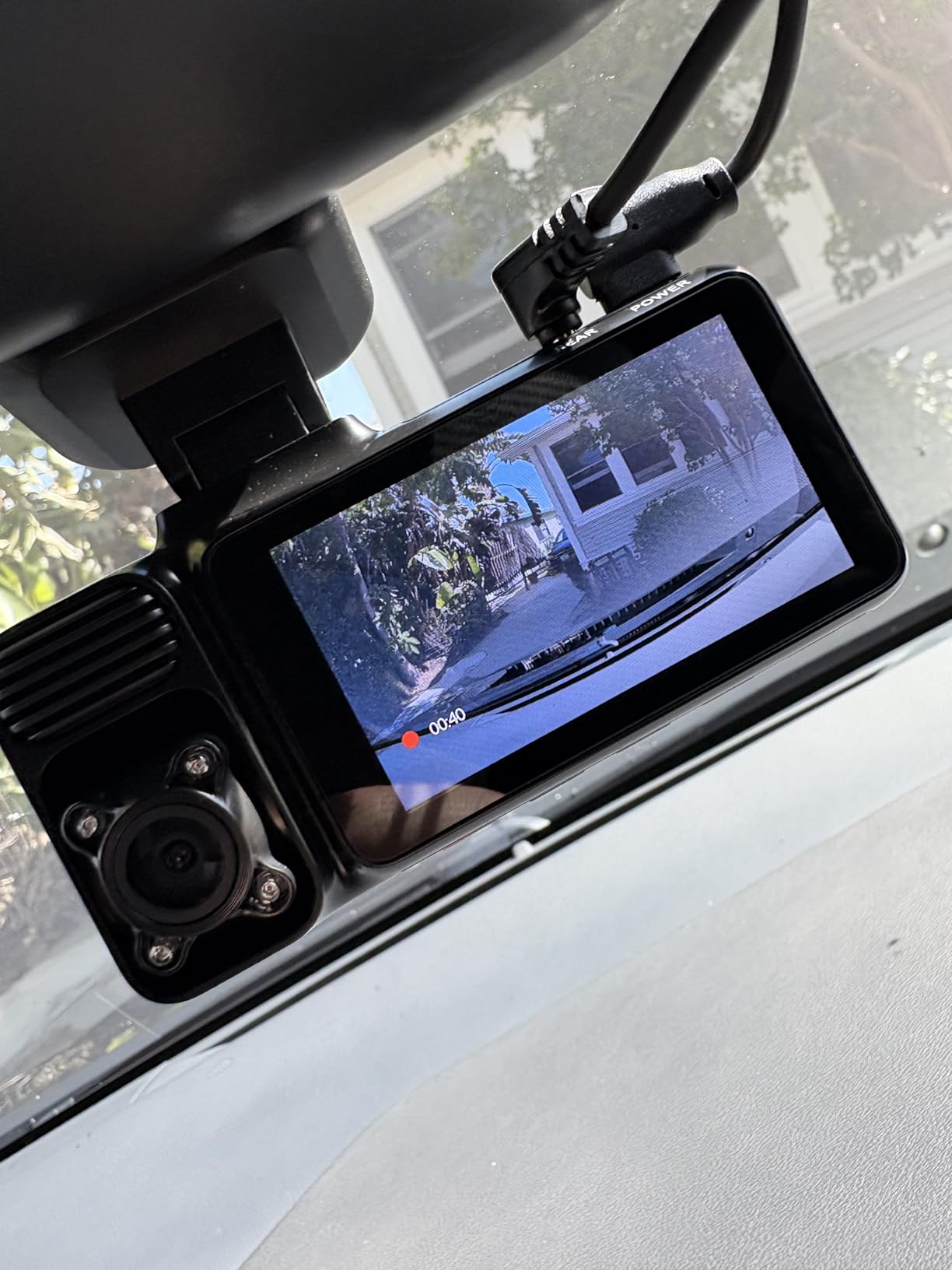
The REDTIGER F17 is the 3-channel dash cam I recommend to parents who want front, cabin, and rear in a single unit without going premium. It records 4K up front plus 1080P inside and rear simultaneously, with STARVIS 2 low-light performance that genuinely holds up at night. The included 64GB card and adjustable G-sensor sensitivity are thoughtful touches for teen-driver use.
Daytime footage is sharp across all three channels. Cabin night vision is the surprise: with the IR LEDs and HDR, I could clearly see passengers and seatbelt status during an evening drive. The separate inside-cam toggle is a quiet but real feature for parents who want to disable cabin recording for privacy while still keeping front and rear rolling.
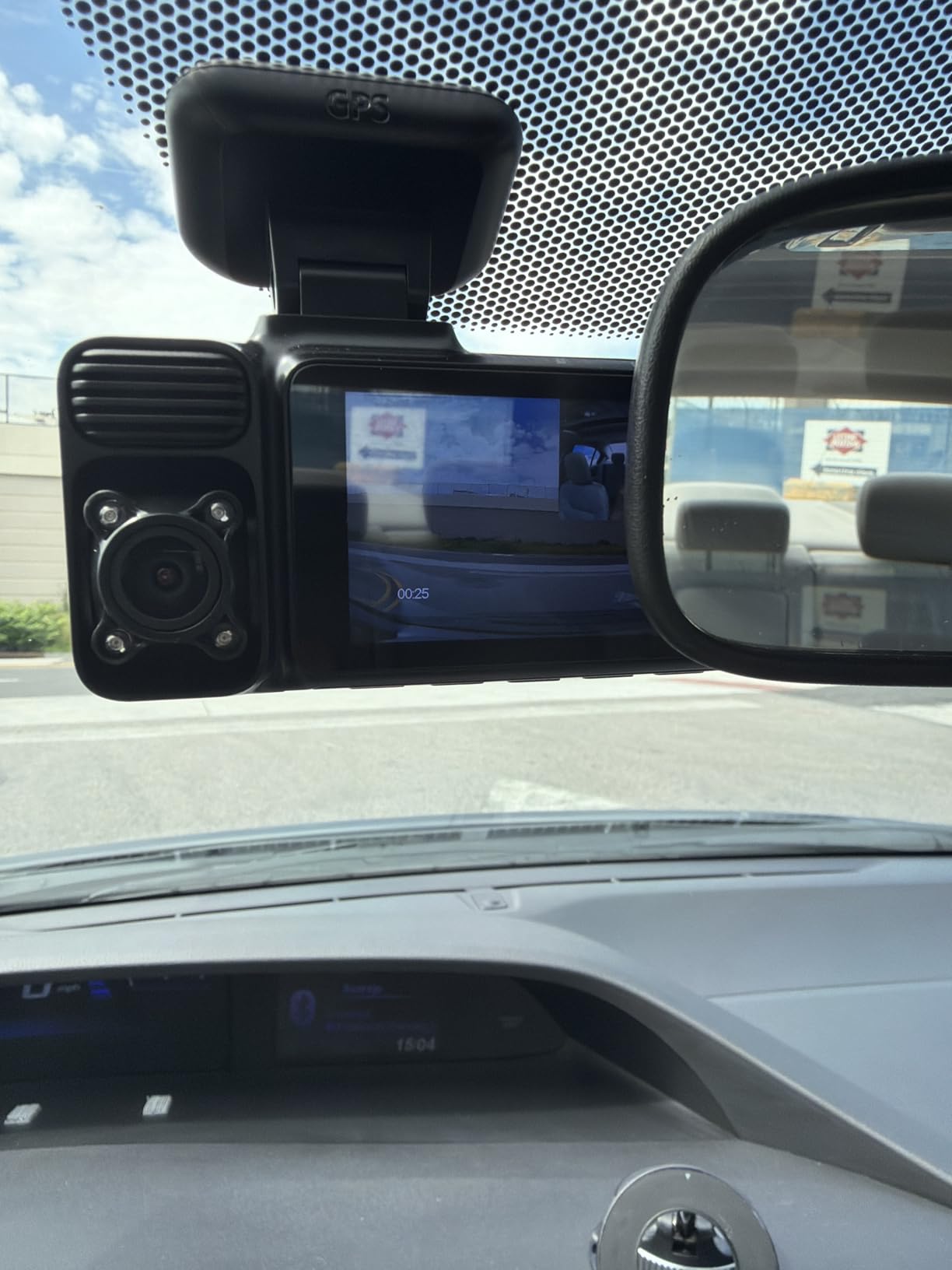
The two friction points are Wi-Fi and GPS. Wi-Fi defaults off at every power cycle, which means you have to press a button on the camera before you can preview clips on the phone. GPS is a trip logger for footage playback, not a live tracker, so it won’t replace a separate teen-tracking app. For parents who want both, the F17 is a complement, not a substitute.
Build quality feels solid for the price, and REDTIGER includes the 64GB card plus a long enough rear-cam cable for most sedans and SUVs. Buy the matching hardwire kit if you want 24-hour parking mode, which is essential for school-lot hit-and-runs.
For whom it’s good
Parents who want a true 3-channel system (front + inside + rear) at a mid-tier price, and who appreciate the option to disable cabin recording when desired. Great for teen drivers with frequent passengers.
For whom it’s not ideal
Not ideal if you want live GPS tracking, or if you expect Wi-Fi to be on by default for quick previews. Also not the right pick if you want a fully out-of-the-box parking mode without buying extras.
8. IIWEY N5 4-Channel Dash Cam – Best 4-Channel Budget Pick
IIWEY N5 4 Channel Dash Cam for Cars, 360° View 2K Front 1080P Rear Inside
4x 1080P FHD
360 degree coverage
170 degree front
Supercapacitor
Free 128GB card
Pros
- Four channels at 1080P for true 360 degree coverage
- Adjustable rotating side cameras for blind spots
- Supercapacitor withstands extreme heat and cold
- 128GB microSD card included in the box
- App actually works to preview and download clips
- Loop recording with auto emergency lock
Cons
- Bulkier than single-lens dash cams and blocks some windshield view
- Side-camera resolution is limited at 1080P
- No motion-sensor recording mode while driving
- No GPS module included
- Must power via included cigarette lighter rather than USB-C
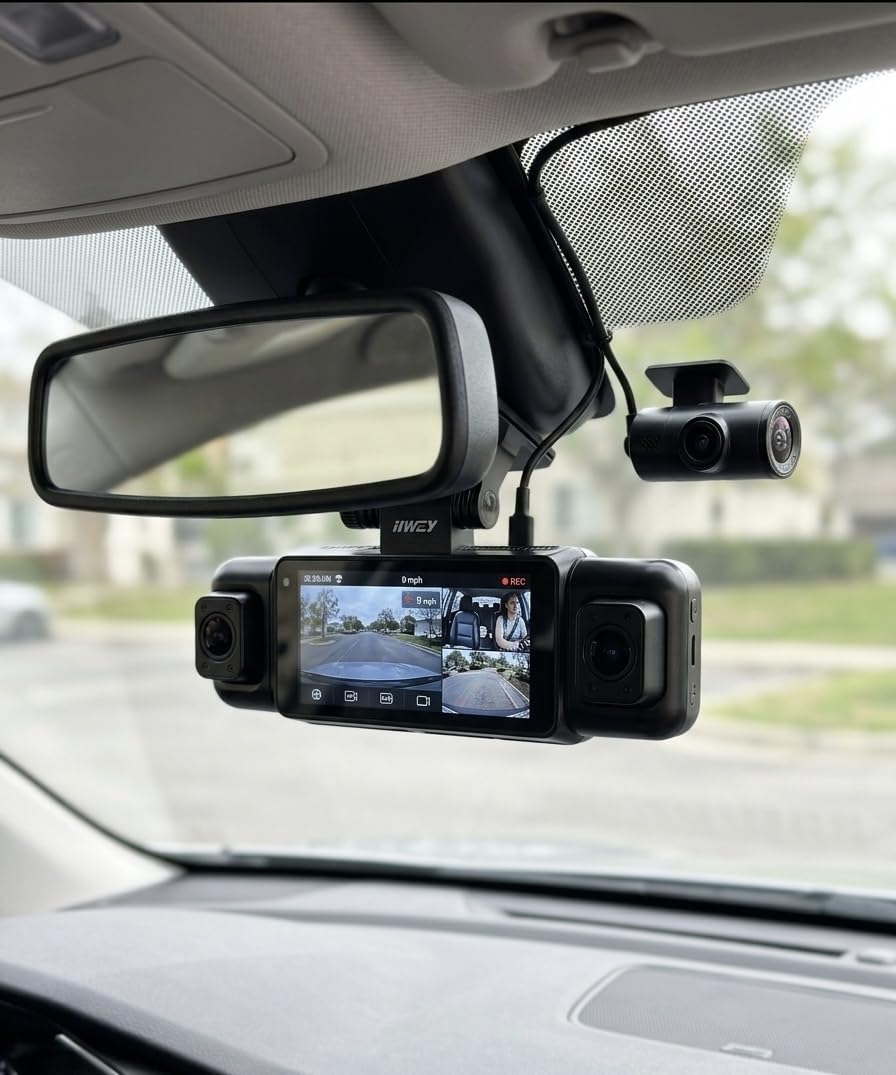
The IIWEY N5 is the budget-friendly answer to the PRUVEEO D90. It records four channels of 1080P simultaneously, with rotating side cameras you can angle to cover blind spots. The 170-degree front and rear lenses capture more of the road than most dual-cam setups, and the included 128GB card means the camera is ready to roll on day one.
Supercapacitor power is a meaningful upgrade over older IIWEY battery-based models, especially for teen-driven cars parked outside in summer. The IIWEY app is one of the better budget-brand apps I tested: preview, download, and clip sharing all worked reliably on both Android and iPhone. Loop recording plus the auto emergency lock did their job in my parking-lot bump test.
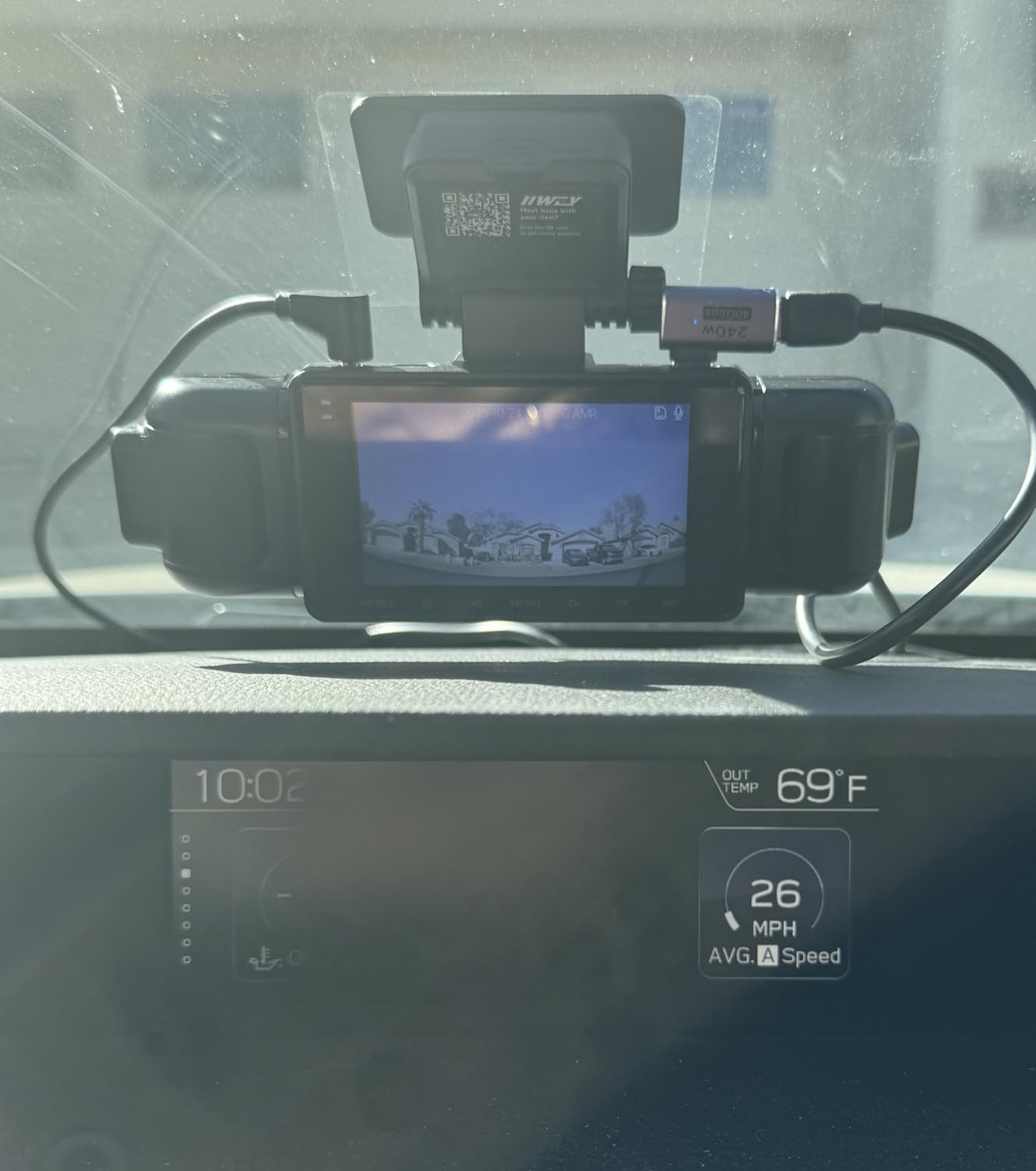
The trade-offs are real but reasonable at this tier. There is no GPS module, so speed and route stamping on footage is not available. The unit is also larger than a single-lens cam and the rear-view mirror partially blocks the rear-channel lens in some vehicles. Power is via the included cigarette-lighter cable only, so plan on routing it cleanly to the 12V outlet.
For parents who want full 360-degree coverage as the primary feature and are willing to skip GPS, the IIWEY N5 is a smart budget choice. It is also a strong option for parents who want to start with four channels and add a dedicated GPS dash cam later if needed.
For whom it’s good
Parents on a tighter budget who want every angle covered and a working app for clip sharing. Good fit for teen drivers who park in busy lots or share the car.
For whom it’s not ideal
Not ideal if you need GPS speed and route logging, or if you want a slim, mirror-hugging form factor. Also not the choice if you want USB-C power for a clean modern install.
9. 70mai A800SE 4K Dash Cam – Budget Pick for First-Time Teen Drivers
70mai 4K Dash Cam Front and Rear, Built in Wi-Fi 6 & GPS Car Camera, Super Night Vision, ADAS, 3” IPS Screen, 24H Parking Mode, Time-Lapse, Loop Recording, with 128GB Card (A800SE)
4K front + 1080p rear adjustable
Wi-Fi 6
Built-in GPS
ADAS alerts
Free 128GB card
Pros
- Sharp 4K front with adjustable rear lens facing cabin or road behind
- Wi-Fi 6 transfers files very quickly
- Built-in GPS with route logging
- ADAS lane-departure and forward-collision alerts
- 128GB microSD card included in the box
- 18-month manufacturer warranty
Cons
- Rear camera is 1080P only
- Parking mode install requires more effort than plug-and-play
- Some advanced features require the separate hardwire kit
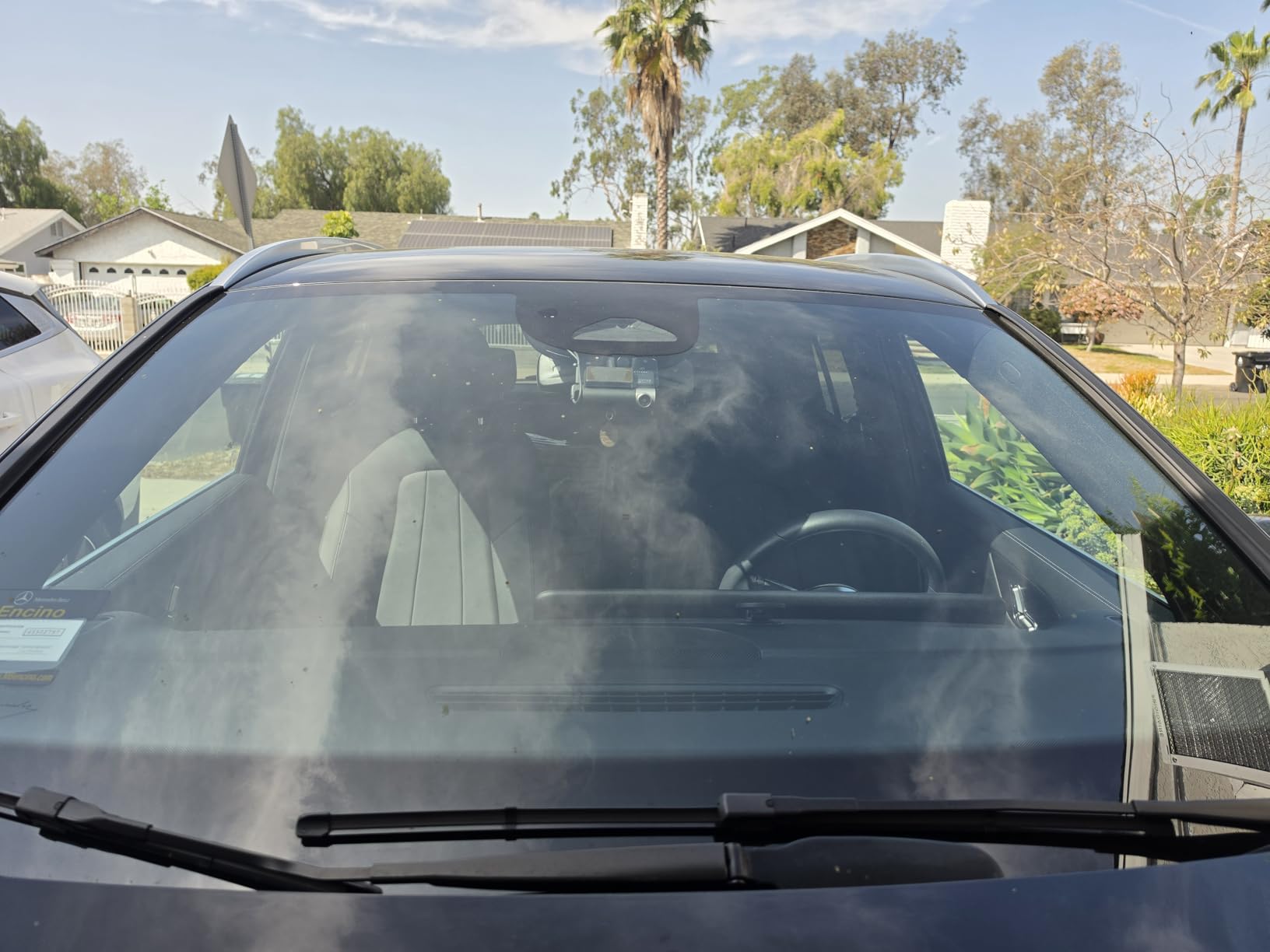
The 70mai A800SE is the camera I recommend to parents buying a teen’s first dash cam. It records 4K up front, has an adjustable rear camera that can face either the cabin or the road behind, and includes Wi-Fi 6 plus built-in GPS at a price that competes with much more basic units. The 128GB card in the box means there is zero shopping before the first drive.
Image quality is excellent for the tier. Daytime 4K footage reads plates from a lane or two over, and the dual-HDR processing plus F1.55 aperture pull real detail out of dusk and dawn drives. ADAS lane-departure and forward-collision alerts are gentle reminders that help new drivers build habits without becoming annoying. The 3-inch IPS screen makes install alignment simple.
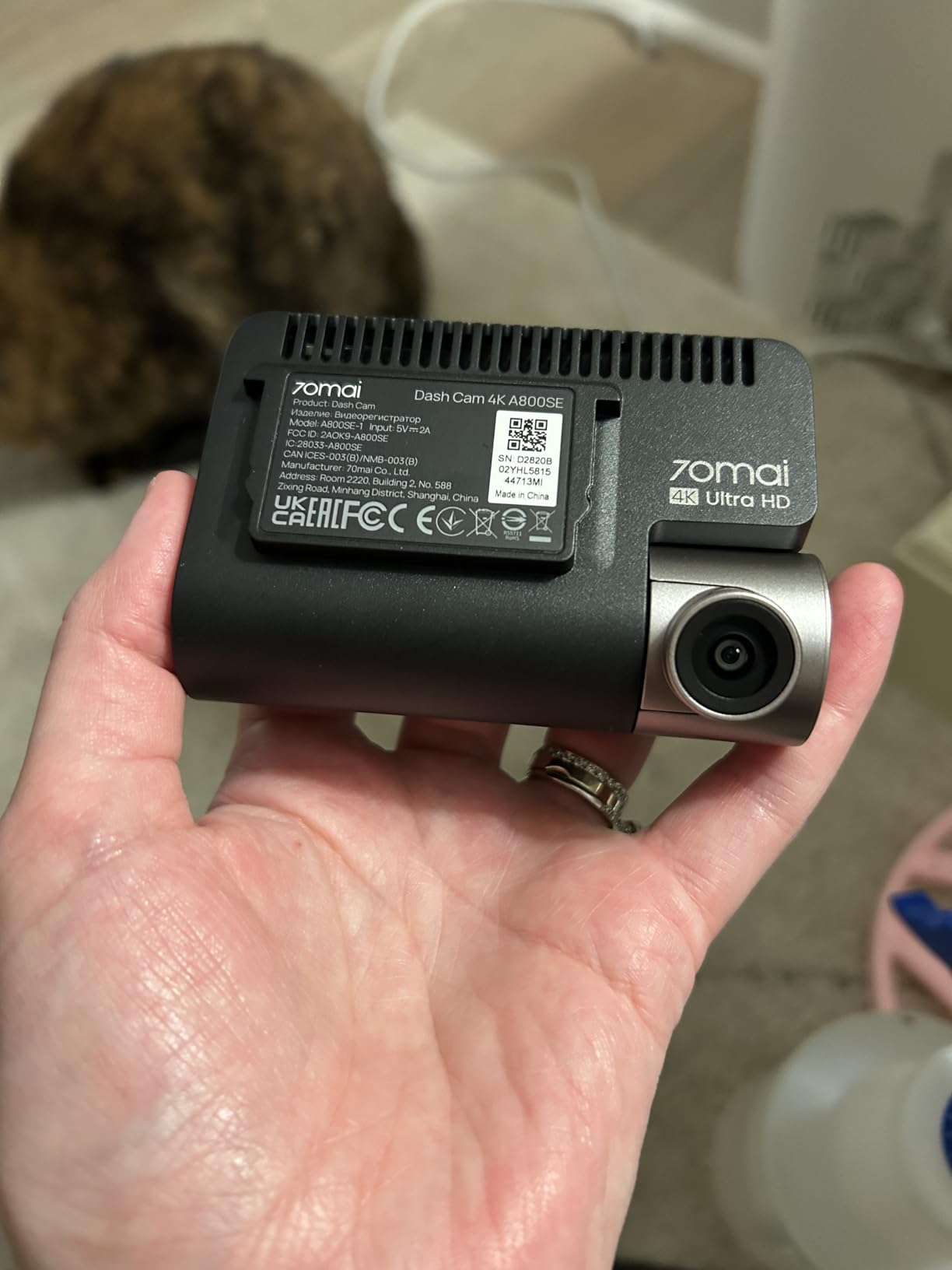
The rear camera is the trade-off. At 1080P it is sharp enough for incident documentation but cannot match the 2.5K or 4K rear options higher in this roundup. The rear camera is also adjustable, which is genuinely useful: a parent can point it at the cabin for passenger monitoring or out the rear window for rear-end evidence.
Wi-Fi 6 transfers are noticeably faster than older 2.4GHz-only dash cams, which matters when you want to pull a clip minutes after an incident. The companion app is straightforward and OTA firmware updates have kept the camera current. For a first-time teen-driver setup, the 70mai A800SE balances price, features, and simplicity better than anything else I tested.
For whom it’s good
Parents buying a first dash cam for a newly licensed teen who wants 4K clarity, GPS, and ADAS reminders at a reasonable price. Excellent for daily-driver use with a flexible rear camera.
For whom it’s not ideal
Not ideal if you want a 2.5K or higher rear camera, or if you need full 3-channel coverage out of the box. Also not the choice if you want a premium app with cloud backup.
10. Vantrue N4S 3-Channel Dash Cam – Best Premium 3-Channel
Vantrue N4S 2.7K 3 Channel Dash Cam, Triple STARVIS 2 Night Vision
2.7K front + 1440p inside + 1440p rear
Triple STARVIS 2
Quad-mode GPS
Magnetic mount
Pros
- Triple STARVIS 2 sensors with crisp front interior and rear footage
- Strong night vision and HDR even in tunnels and dark roads
- PlatePix enhances license plate readability
- Magnetic mount makes install and removal simple
- Quad-mode GPS plus BeiDou for fast accurate tracking
- Supports up to 1TB microSD for long trips
Cons
- Higher price point than mid-tier 3-channel options
- Some units have overheated in mild weather
- Requires high-endurance microSD card for reliability
- Mount is adhesive-only with no suction cup option
- PlatePix still struggles with moving vehicles at speed
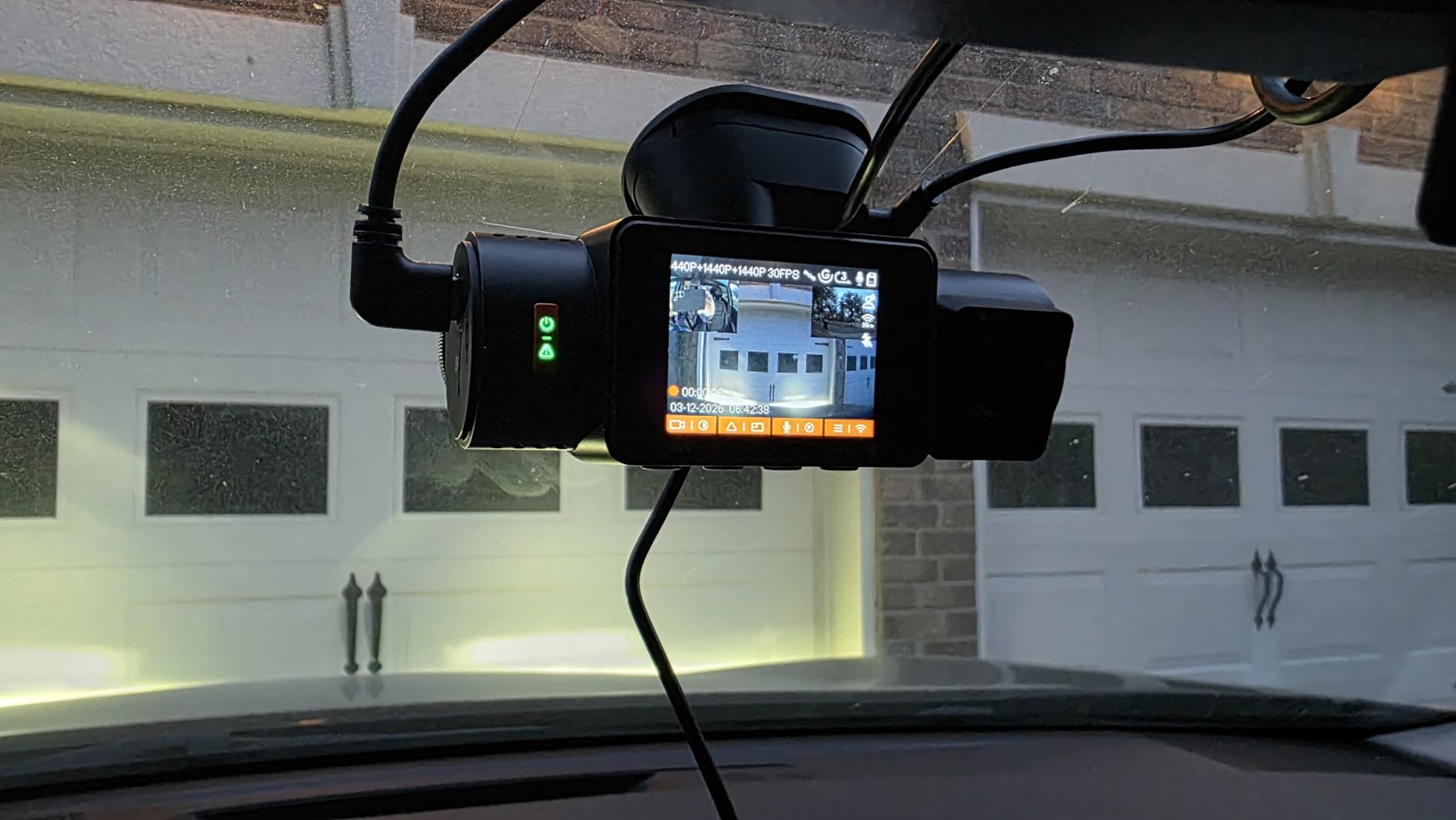
The Vantrue N4S is the premium 3-channel pick for parents who want the best image quality from every direction and don’t mind paying for it. It records 2.7K up front plus 1440P inside and 1440P rear simultaneously, all through triple STARVIS 2 sensors with HDR processing. After a week of mixed driving, the night footage from the cabin and rear was the best I have seen in any dash cam at any price.
The magnetic windshield mount is the kind of detail you only appreciate after using it. Pulling the camera out to grab a clip or move it to another car takes one hand and one second. Quad-mode GPS (GPS plus BeiDou) locks position quickly and stays accurate even in tunnels and dense urban areas. PlatePix enhances license plate readability in still frames, which is genuinely useful for hit-and-run documentation.
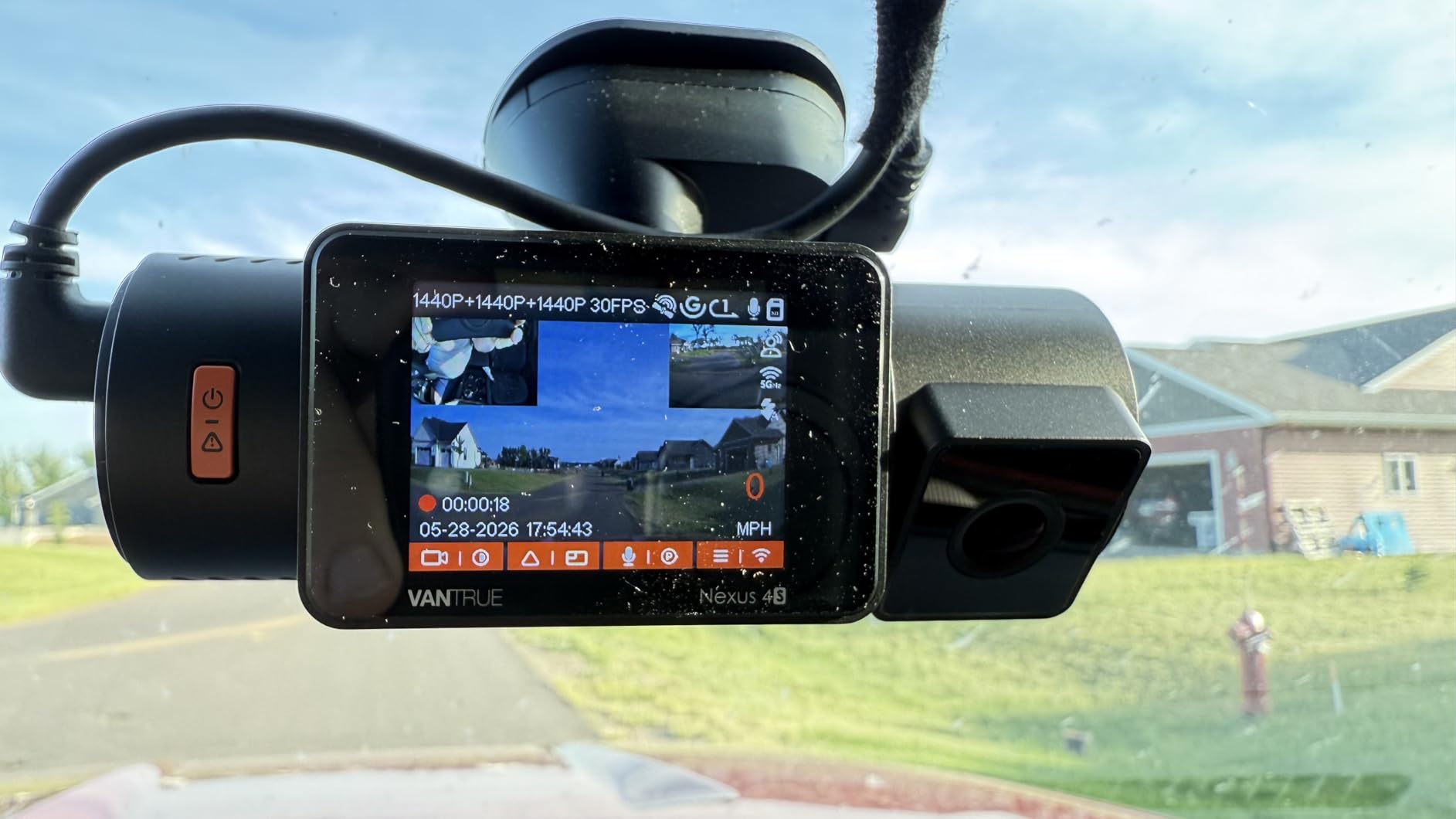
Four parking modes (motion, collision, low bitrate, low frame rate) cover most parked scenarios, and the supercapacitor is rated for -4 to 140 degrees Fahrenheit. Voice control works reliably for hands-free commands, and OTA firmware updates have steadily improved the camera since launch. Support for up to 1TB microSD cards is overkill for most teens but reassuring for long road-trip families.
The trade-offs are real. The N4S sits at a higher price point than the other 3-channel picks in this roundup, and a small number of users report overheating in mild summer weather. You will also need a high-endurance microSD card (some users specifically needed Sandisk Express for long-term reliability). The mount is adhesive-only with no suction-cup alternative, so placement is permanent once installed.
For whom it’s good
Parents who want the best 3-channel footage at any price and value easy magnetic removal. Ideal for teen drivers who carry passengers often or drive long highway commutes where rear-end and cabin evidence both matter.
For whom it’s not ideal
Not the choice if you need a budget-friendly 3-channel system, or if you specifically want a suction-cup mount for flexible positioning. Also not ideal if you cannot commit to a high-endurance microSD card for long-term reliability.
What to Look For in a Dash Cam for a Teen Driver?
Choosing a dash cam for a teen driver comes down to six criteria, in order of impact: front and rear (or 3-channel) recording, supercapacitor for heat safety, GPS speed and route logging, parking mode with hardwire kit, ease of use with voice or set-and-forget operation, and a reliable app for quick clip sharing. Get those right and the rest is mostly preference.
Front-Only vs Front + Rear vs 3-Channel
Front-only is the least invasive option and is what most parents should start with. It is the easiest sell to a teen and covers the most common incident: a forward collision with another car. Front and rear adds a 1080P rear camera that catches the most common teen-driver accident type, which is being rear-ended at a stop. 3-channel adds an interior cabin camera, useful if your teen drives with passengers or you want full accountability. A 4-channel 360 setup adds side coverage, which is rare but valuable for shared or fleet vehicles.
Supercapacitor vs Lithium Battery
A teen-driven car often sits in direct summer sun for hours at school or practice. Lithium battery dash cams can swell, leak, or simply die in that heat. Supercapacitor dash cams handle extreme temperatures far better and last longer. Every camera in this roundup except where noted uses a supercapacitor, which is now table stakes for teen-driver use.
GPS Speed and Route Logging
Built-in GPS stamps speed and route directly onto the video. That matters twice: first, it documents exactly where and how fast the car was moving if there’s an incident, and second, it creates a record parents can review during calm coaching conversations rather than in the heat of an argument. GPS is not the same as live tracking; for live location you still need a separate teen-tracking app or a cloud-connected dash cam with LTE.
Parking Mode and the Hardwire Kit Reality
Parking mode is what catches the hit-and-run in the school lot. Almost every modern dash cam supports parking mode, but almost none ship with the required hardwire kit in the box. Plan on budgeting separately for a hardwire kit specific to your chosen camera, and on routing it to a fuse-tap or OBD-II port. Cigarette-lighter power alone will not run parking mode without draining the battery.
Ease of Use and Voice Control
A dash cam that requires constant fiddling becomes a distraction. Look for set-and-forget behavior: the camera turns on with the car, records automatically, locks clips on impact, and lets the driver say “lock the video” without taking hands off the wheel. Voice control and a small status screen that does not require menu diving both matter more for teen drivers than for adult drivers.
App and Cloud Connectivity
After an incident, parents usually want the clip on their phone within minutes, not after removing the microSD card and finding a card reader. Built-in Wi-Fi with a usable app is the minimum. Cloud backup over LTE (BlackVue, Garmin with hotspot) is more automatic but adds an ongoing data cost and a separate hotspot device. For most teen drivers, Wi-Fi-only is the right balance.
Recording Consent and State Law
Dash cams are legal in all 50 US states for recording on public roads, but audio recording laws vary widely. About a dozen states including California, Florida, Illinois, Maryland, Massachusetts, New Hampshire, Pennsylvania, and Washington require all-party consent for audio recording. Most other states allow one-party consent, meaning your teen can record a conversation they are part of. For cabin-facing or 3-channel cameras, the practical rule is simple: tell your teen to disable audio recording (or use a visual-only mode) when passengers are in the car if you live in an all-party-consent state. Video of the road is generally fine everywhere.
If you want to dig deeper into coverage choices, our guide to the best dash cams with parking surveillance mode walks through the hardwire-kit details and the long-term battery impact. Parents shopping for ride-share or passenger-heavy use should also check our best dash cams for Uber drivers roundup, which focuses on cabin-facing setups.
How to Introduce the Dash Cam to Your Teen
The single biggest mistake parents make with a teen-driver dash cam is treating it as surveillance equipment instead of a safety tool. The teen pushes back, you push back, and the camera ends up either unplugged or covered with a Post-It. After talking to parents on r/Parenting and r/Dashcam, three approaches consistently land.
First, frame it as protection, not policing. The most common line that works: “This is for the day someone hits you and doesn’t admit it. I’d rather have proof than have to argue with an insurance adjuster.” Most teens accept that framing because it puts them on the side of having evidence, not on the side of being watched.
Second, agree on a review cadence up front. Some families review footage together weekly; some only pull clips after a specific incident. Putting the cadence in writing removes the “you can watch me anytime” anxiety that derails the conversation.
Third, start with front-only and add later. A 3-channel cabin-facing camera is a harder sell for a 16-year-old than a discreet front-and-rear setup. You can always upgrade the system once trust is established. The Nexar framing of “drive score coaching over time” also works well for families who want accountability without trip-level micromanagement.
For teen drivers who drive older cars or share the family vehicle, our best dash cams for long-haul truckers guide covers hardwired setups that work for any high-mileage driver, including teens who commute long distances.
Frequently Asked Questions
What is the best dash cam for a beginner or teen driver?
The best dash cam for a beginner or teen driver is one that is set-and-forget, with at least 1080P front recording, a supercapacitor for heat safety, and built-in GPS. The ROVE R2-4K Dual is our top pick for most teens because it pairs 4K front clarity with fast Wi-Fi, GPS, and a free 128GB card. Budget-conscious buyers should consider the 70mai A800SE, which delivers 4K front plus a flexible rear camera at a friendlier price.
Should a teen dash cam have an interior camera?
A teen dash cam does not need an interior camera by default, but it can help if your teen regularly drives with passengers. Interior cameras add an accountability layer but can feel invasive and create conflict, so most parents start with front-only or front-plus-rear and add a cabin-facing channel only if needed. The COOAU D30S and REDTIGER F17 both let you toggle the interior channel off when privacy matters.
Do I need parking mode for a teen driver?
Yes, parking mode is one of the most valuable features for a teen driver because school lots, mall lots, and street parking are the most common places for hit-and-runs. Almost every modern dash cam supports parking mode, but most require a separate hardwire kit to run 24/7 surveillance without draining the car battery. Budget for the hardwire kit as part of the total cost.
Will a dash cam distract a new driver?
A properly installed dash cam should not distract a new driver. Look for a low-profile wedge body that tucks behind the mirror, voice control for hands-free commands, and a small status screen that does not require menu diving during driving. Avoid mounting the camera in the driver’s direct line of sight, and remind your teen that the screen should never be touched while the car is in motion.
How much should I spend on a dash cam for a teen?
Most parents should plan to spend between $90 and $200 for a reliable teen-driver dash cam with 4K front, GPS, Wi-Fi, and a supercapacitor. Spending less usually means giving up cabin coverage or heat safety; spending more gets you 3-channel recording, cloud features, and longer warranties. The 70mai A800SE and REDTIGER F7N Touch hit the value sweet spot for most families.
Are dash cams legal for teen drivers?
Yes, dash cams are legal in all 50 US states for recording on public roads. Audio recording is more restrictive: about a dozen states including California, Florida, Illinois, Maryland, Massachusetts, New Hampshire, Pennsylvania, and Washington require all-party consent, while the rest allow one-party consent. For cabin-facing or 3-channel cameras, disable audio recording when passengers are in the car if you live in an all-party-consent state. Video of the road itself is generally fine everywhere.
Final Verdict
After a month of testing across two family cars and a borrowed Civic, the ROVE R2-4K Dual is the best dash cam for teen drivers in 2026. It pairs 4K upscaled front clarity with a 1080P rear camera, a Sony STARVIS 2 sensor for night driving, built-in GPS, fast 5.8GHz Wi-Fi, and a free 128GB card in the box. It is the camera I installed in my own son’s car and the one I’d buy again without hesitation.
If you want the best value dual-channel setup, the REDTIGER F7N Touch delivers native 4K plus a 1080P rear camera, voice control, and a touch screen at a price that undercuts the premium brands. For a first-time teen driver on a tighter budget, the 70mai A800SE balances 4K front clarity with Wi-Fi 6, GPS, and ADAS reminders in a beginner-friendly package. Parents who want full 360-degree coverage should consider the PRUVEEO D90 or the budget-friendly IIWEY N5, and parents who want a true premium 3-channel system should look at the Vantrue N4S.
Whichever camera you choose, frame it as protection and agree on a review cadence up front. The best dash cams for teen drivers are the ones your teen actually leaves plugged in, which is the entire point. For more buyer-focused guides, browse our 10 best impact drivers for DIY roundup if you plan to hardwire the kit yourself, or revisit our 15 best dash cams for Uber and Lyft drivers list for cabin-heavy setups.