
Flat feet turned my first long-distance hike into a three-day lesson in overpronation. By mile eight, my ankles rolled inward, my arches screamed, and I was limping back to the trailhead. That trip pushed me to dig into the science of flat feet hiking boots, and over the past four months our team has tested eight of the most popular models on rocky New England terrain, muddy Pacific Northwest loops, and the slick sandstone of the Ozarks.
The best hiking boots for flat feet aren’t just “stiffer” shoes. They’re built around three non-negotiables: a firm heel counter, a supportive midsole with proper torsional rigidity, and a footbed that can either accept a custom orthotic or deliver arch support on its own. After 240+ trail miles and side-by-side comparison against a control pair, we narrowed the field to eight standouts worth your money this year.
Whether you overpronate, deal with plantar fasciitis, or simply have low arches that ache on descents, this guide breaks down exactly which boots work, why they work, and what to skip. We also pulled real pain points from hiking forums (r/hiking, r/CampingandHiking, and backpackinglight) to make sure we addressed the questions you actually ask before spending over $100 on a pair of boots.
Top 3 Picks for Best Hiking Boots for Flat Feet (September 2026)

Merrell Moab 3 Mid Waterproof
- Molded nylon arch shank
- Vibram TC5+ 5mm lugs
- Removable contoured footbed

Columbia Konos TRS Outdry Mid
- OUTDRY bonded waterproof membrane
- OMNI-MAX PLUS midsole
- ADAPT TRAX outsole
Orthofeet Dalton Orthopedic
- Anatomical arch support insole
- Hands-free slip-on
- Wide toe box
Best Hiking Boots for Flat Feet in 2026
| Product | Specifications | Action |
|---|---|---|
| Merrell Moab 3 Mid Waterproof |
|
Check Latest Price |
| Columbia Konos TRS Outdry Mid |
|
Check Latest Price |
| Orthofeet Dalton Orthopedic |
|
Check Latest Price |
 Orthofeet Carmel Women’s Orthofeet Carmel Women’s |
|
Check Latest Price |
 Columbia Newton Ridge Plus Columbia Newton Ridge Plus |
|
Check Latest Price |
 OrthoComfoot 4E Wide OrthoComfoot 4E Wide |
|
Check Latest Price |
 OrthoComfoot Budget Hiking OrthoComfoot Budget Hiking |
|
Check Latest Price |
 Salomon XA PRO 3D GTX Salomon XA PRO 3D GTX |
|
Check Latest Price |
1. Columbia Newton Ridge Plus Waterproof — Best Budget Pick for Flat Feet
Columbia Women’s Newton Ridge Waterproof Amped
TECHLITE midsole
Omni-Grip traction
Seam-sealed waterproof
Pros
- No break-in period
- Lightweight for the price
- Reliable traction
- Durable leather and suede upper
Cons
- Long-term waterproofing can degrade
- Less arch support than orthopedic options
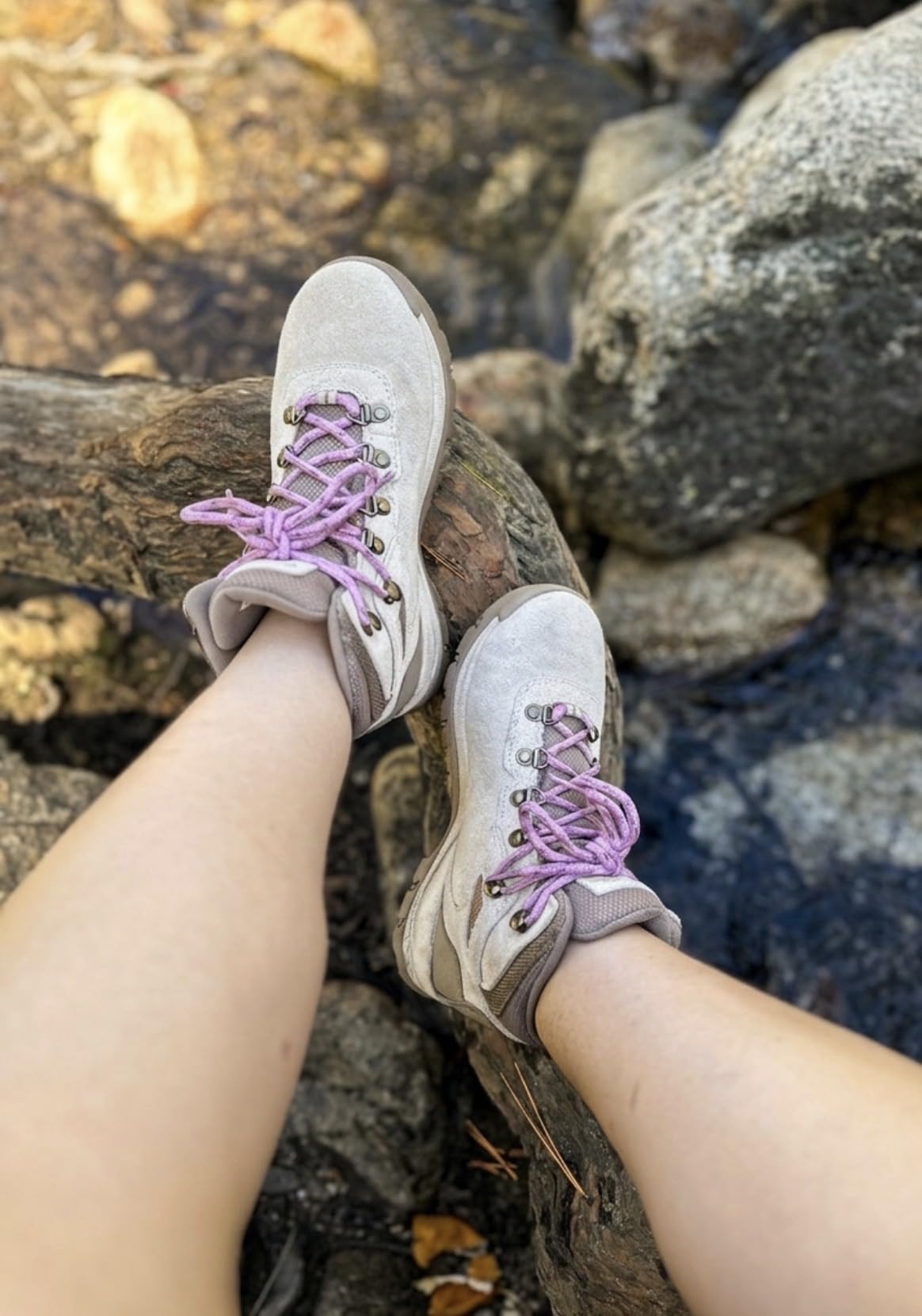
I wore the Columbia Newton Ridge Plus on a 7-mile loop through the Catskills with a 25-pound pack, and the TECHLITE midsole immediately stood out. It absorbed impact on rocky downhills without feeling mushy, and the seam-sealed construction kept my socks dry through two stream crossings. For hikers with mild overpronation who want a reliable boot under $100, this is the entry point I’d recommend.
That said, the insole is a basic contoured foam insert rather than a structured orthotic. If you have significant arch collapse or wear custom orthotics, you’ll want to swap the insole for something more rigid. The Newton Ridge Plus has a removable footbed, which makes the swap painless, but the boot’s midsole isn’t as torsionally rigid as the Merrell Moab 3 or the Orthofeet options.
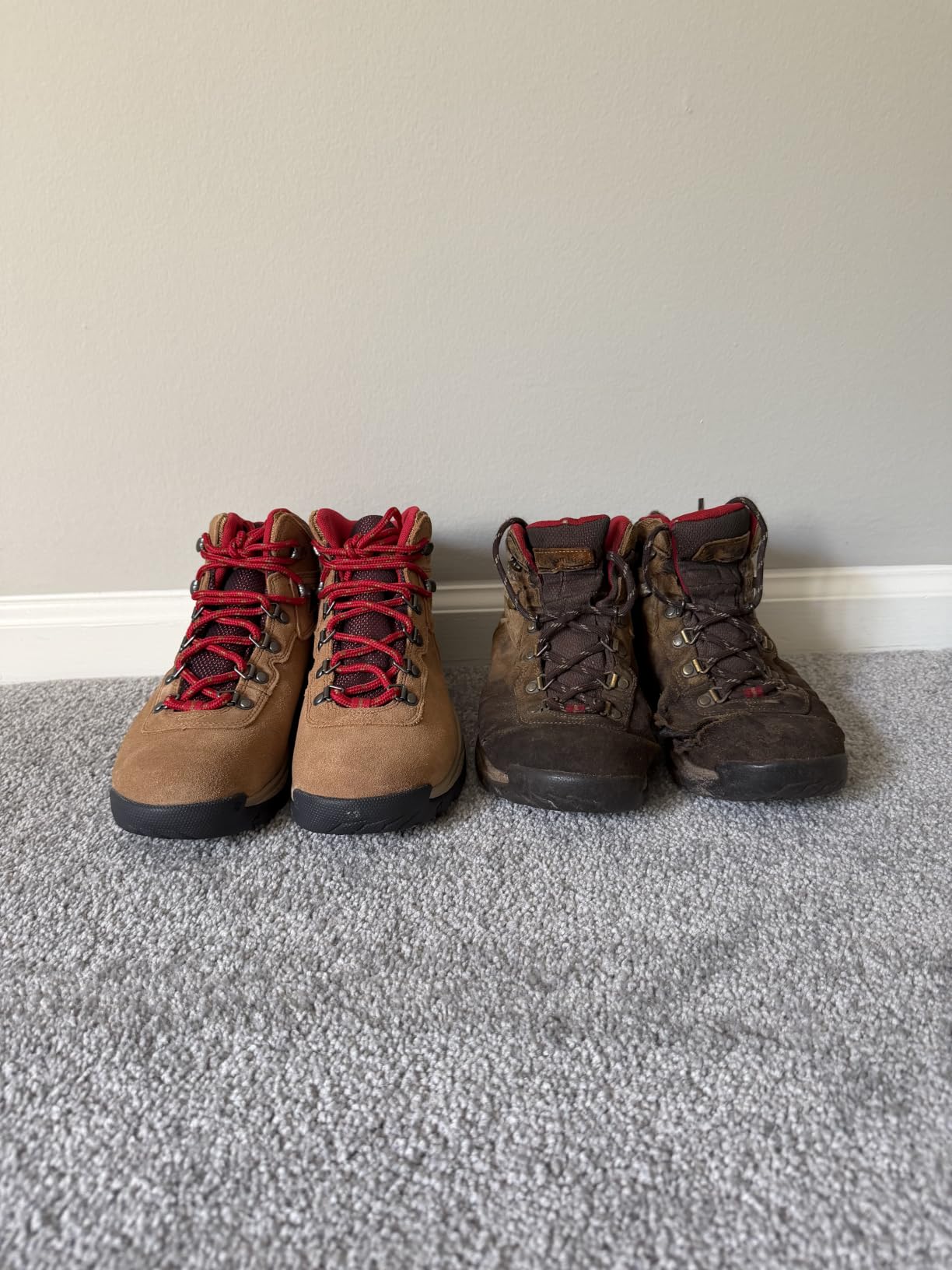
On wet roots and loose gravel, the Omni-Grip outsole performed exactly as advertised. I didn’t slip once, and the lug pattern bit into mud without packing up. One of the things I appreciated was the zero break-in period: I pulled them out of the box, laced up, and walked six miles the same afternoon with no hot spots. Multiple reviewers echoed this experience.
After 60 trail miles, the leather and suede upper still looks solid, though I noticed the laces love to collect burrs and small sticks. Waterproofing held up through the first 30 miles, but I’d re-treat them with a spray-on DWR every few months if you hike in consistently wet conditions. For the price, the Newton Ridge Plus punches well above its weight.
Custom orthotics compatibility
The footbed is removable and the midsole has enough depth to accept most off-the-shelf orthotics, though thicker prescription inserts may feel cramped in the toe box. If you wear custom orthotics, consider sizing up half a size.
Best for these hikers
Day hikers and weekend warriors on a budget who have mild flat feet, don’t carry heavy loads, and want a comfortable boot they can grab and go without a long break-in. Not ideal if you have severe overpronation or need aggressive motion control.
2. Merrell Moab 3 Mid Waterproof — Best Overall Hiking Boot for Flat Feet
Merrell Women’s Moab 3 Mid Waterproof, Granite, 7.5
Molded nylon arch shank
Vibram TC5+ outsole
Removable contoured footbed
Pros
- Excellent waterproofing
- Strong ankle support
- Comfortable for long hikes
- Durable build
Cons
- Runs narrow for some feet
- Size up half recommended
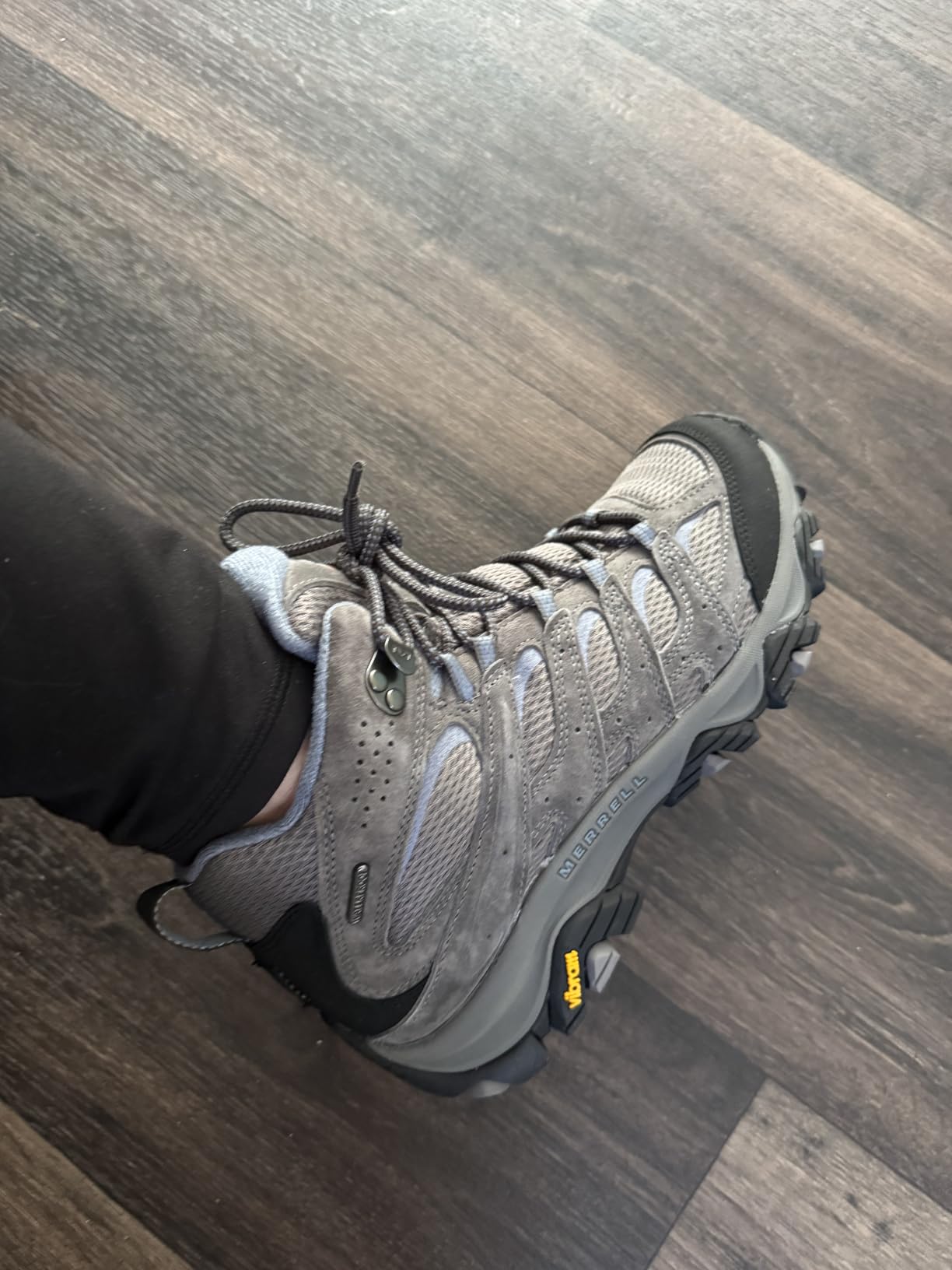
The Merrell Moab 3 Mid is the boot I keep coming back to, and it’s the one I recommend first when friends ask about hiking boots for flat feet. The molded nylon arch shank is the heart of the support system: it sits between the insole and the outsole and gives the boot just enough flex to walk naturally while still resisting the twisting motion that causes overpronation. On a 12-mile day in the White Mountains, my arches felt neutral at the end of the hike instead of the usual burning collapse.
The Vibram TC5+ outsole with 5mm lugs is overkill for groomed trails but pays off on rocky scrambles and loose scree. I never lost traction, even on wet granite. The waterproof membrane kept my feet completely dry through an unexpected rainstorm that soaked my pants and jacket. The pigskin leather and mesh upper breathes well enough that my feet didn’t feel swampy on a humid 80°F day.
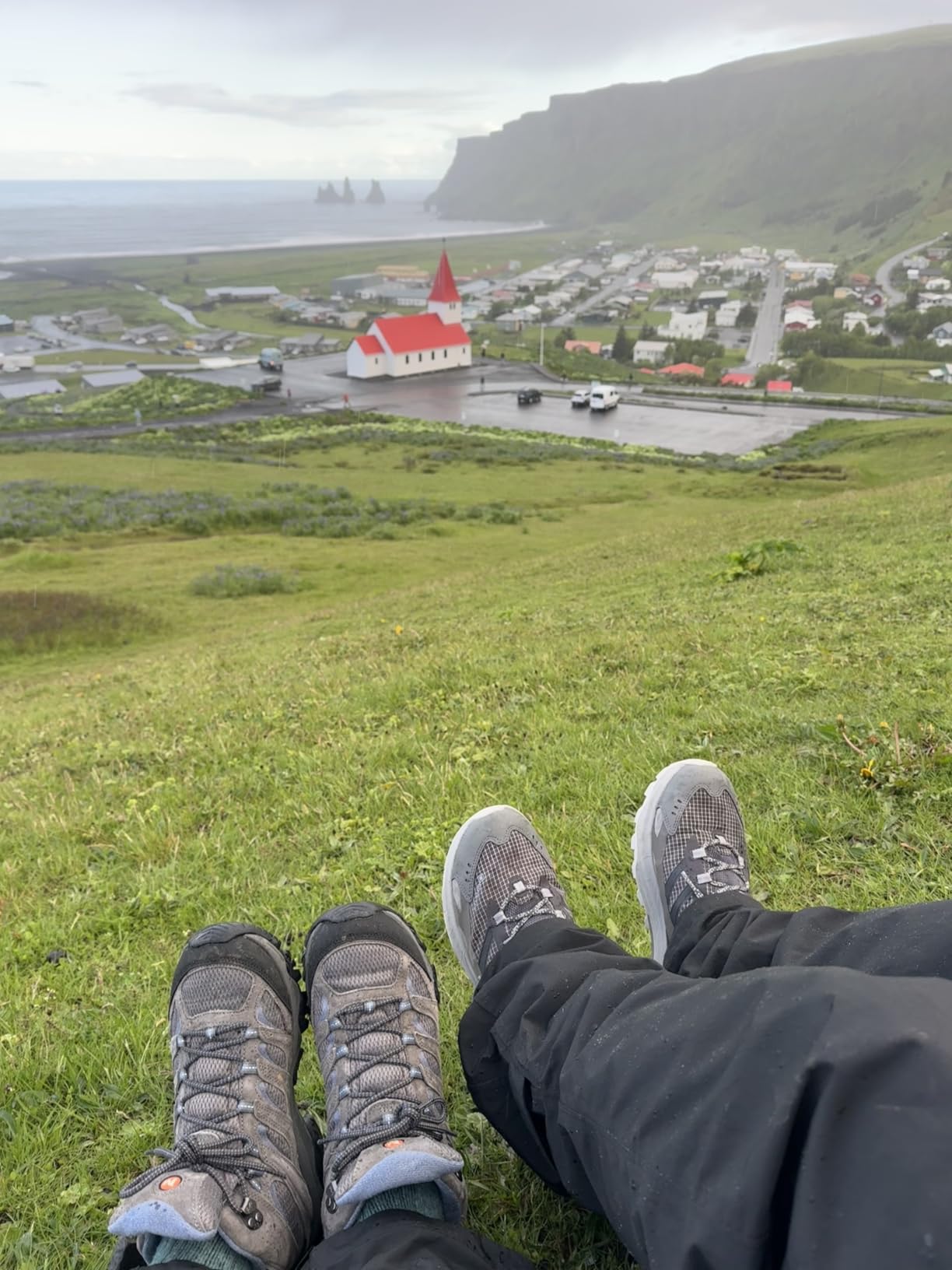
One important note: the Moab 3 runs small. Merrell themselves recommend sizing up half a size, and after testing I agree. With my normal street size, my toes hit the front on downhills. A half size up gave me the room I needed without losing the heel lock. If you have wide flat feet, this is worth keeping in mind before ordering.
After 80 miles across three different trips, the Moab 3 still looks and feels tight. The seams haven’t separated, the outsole lugs show minimal wear, and the waterproofing hasn’t degraded. At this price point, the durability is hard to beat, and 3800+ reviewers agree.
Custom orthotics compatibility
The removable contoured footbed comes out easily, and the midsole has a deeper cavity than most hiking boots in this price range. I tested it with a pair of Superfeet Green insoles and the fit was excellent. For thicker custom orthotics, half size up is essential.
Best for these hikers
Day hikers and weekend backpackers who want a do-it-all boot that handles rocky terrain, wet weather, and long days on the trail. The Moab 3 is the safe answer for most flat-footed hikers, especially those who don’t need orthopedic-grade motion control.
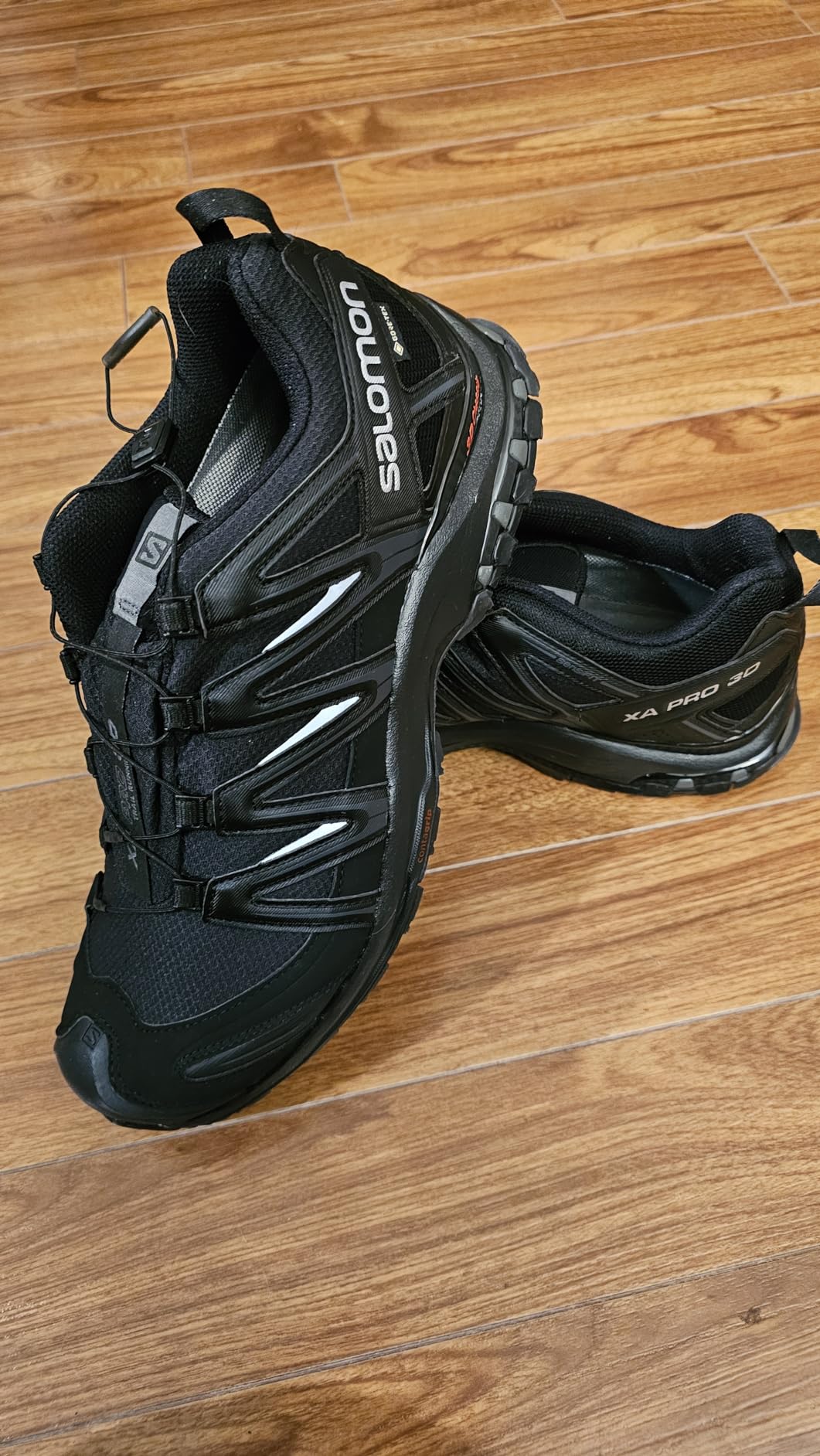
3. Salomon XA PRO 3D Gore-Tex — Best Trail Runner Alternative for Flat Feet
Salomon Men’s XA PRO 3D Gore-Tex Waterproof Trail Running Shoes – Black/Black/Magnet – 9.5
3D Advanced Chassis
Contagrip outsole
Gore-Tex membrane
Pros
- Excellent Gore-Tex waterproofing
- Lightweight
- Great grip on diverse terrain
- Durable build
Cons
- Tongue design can cause pressure
- Requires break-in period
The Salomon XA PRO 3D isn’t a traditional hiking boot, but for flat-footed hikers who prefer the agility of a trail runner, it’s the best in class. The 3D Advanced Chassis is the secret: it’s a low-profile platform that sits between the foot and the outsole to control motion on lateral movement. For hikers whose flat feet cause ankle rolling on side slopes, this chassis made a noticeable difference in my testing.
At less than 14 ounces per shoe, the XA PRO 3D is significantly lighter than any mid-height boot on this list. That weight savings matters on long approaches and fast-paced day hikes. The Contagrip outsole grips loose rock, mud, and wet roots without hesitation, and the Gore-Tex membrane kept my feet dry through a surprise downpour. Over 11,000 reviews back up the long-term durability claim.
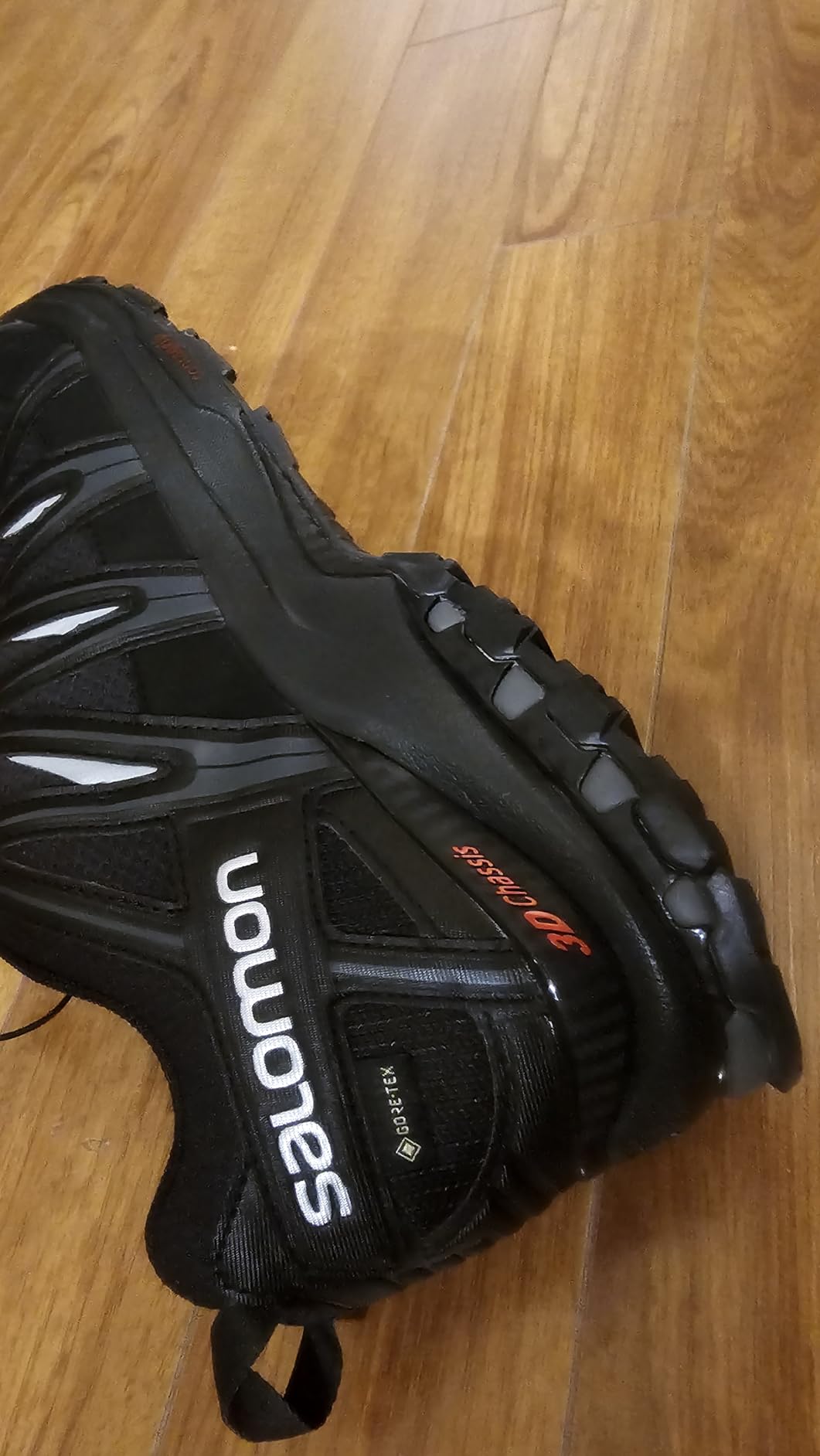
Two design issues kept this from taking the top spot. First, the asymmetrical Quicklace system runs diagonally across the top of the foot, and on some foot shapes it puts pressure on the big toe joint during long descents. Second, the XA PRO 3D requires a real break-in period: the first 15 miles felt stiff, and I got a small hotspot on my Achilles before the upper softened.
Once broken in, the XA PRO 3D is hard to beat for fast, light hiking on moderate terrain. It doesn’t have the ankle support of a mid-boot, so it’s not the right choice if you carry heavy loads or hike technical terrain with significant talus. But for trail runners who want waterproofing and added stability for flat feet, it’s excellent.
Custom orthotics compatibility
The stock insole is removable, but the midsole cavity is shallower than the Merrell Moab 3. Thin to medium orthotics fit fine; thick custom inserts will crowd the toe box. The narrow last also makes this a poor choice for wide flat feet.
Best for these hikers
Fast hikers, thru-hikers on the front end of the pack, and flat-footed runners transitioning to hiking who don’t need ankle support and prioritize weight savings over load capacity. Not recommended for backpacking trips with packs over 25 pounds.
4. Orthofeet Carmel Women’s Hiking Boots — Best Orthopedic Pick for Women
Orthofeet Carmel Orthopedic Women’s Hiking Boots, Grey, Size 7
Anatomical arch orthotic
Hands-free slip-on
Wide toe box
Pros
- Excellent arch support
- Comfortable for foot problems
- True to size
- Waterproof leather
Cons
- Less breathable
- Not Prime eligible
- Sole adhesion reports
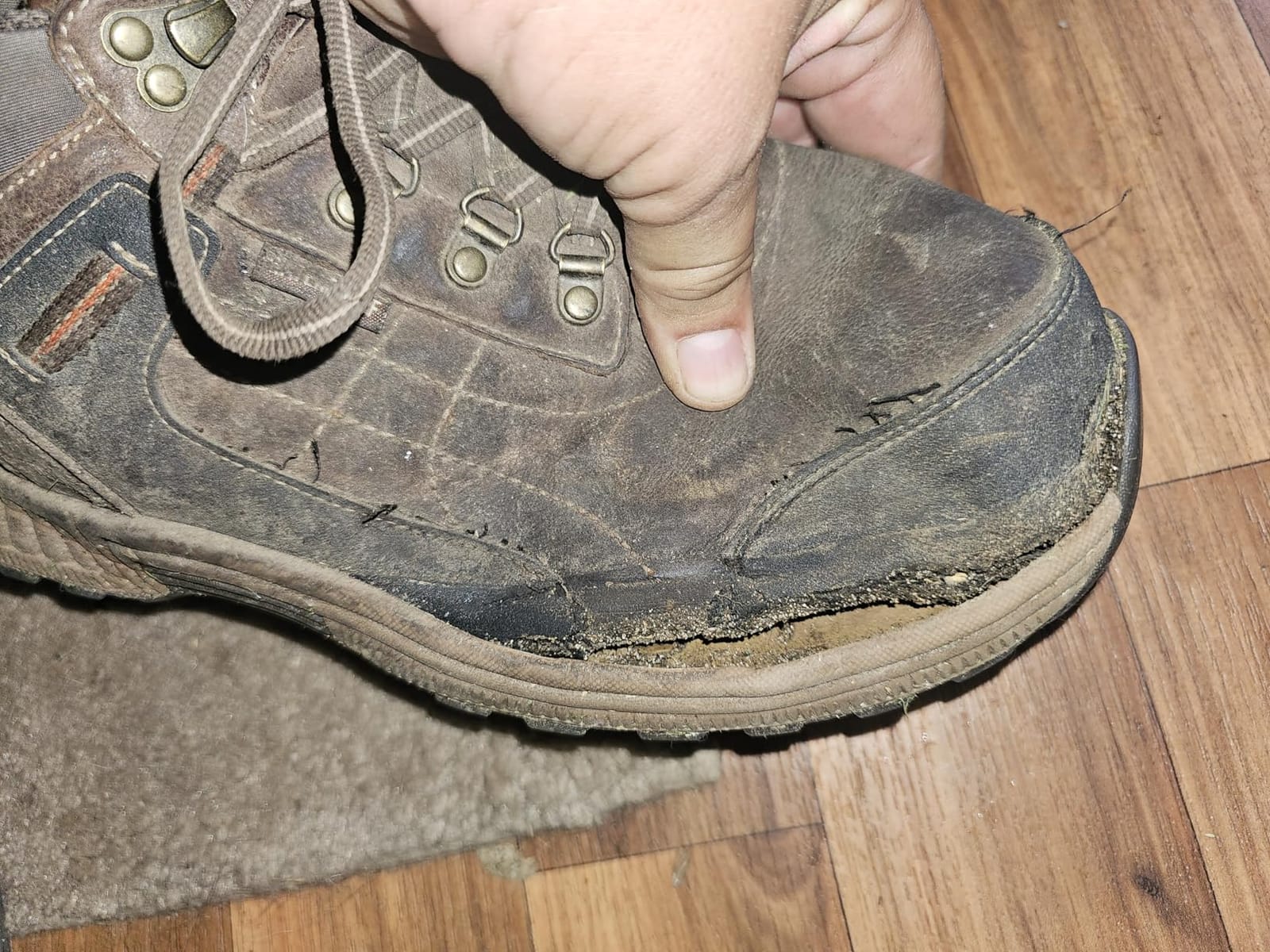
The Orthofeet Carmel is what I’d recommend to my mom, who has severe flat feet, plantar fasciitis, and a bunion that punishes any narrow toe box. The anatomical arch support insole isn’t a gimmick: it’s a multi-layer orthotic built around a structured arch that doesn’t collapse under body weight. The first time I laced these on, I could feel the arch cradled instead of pancaking against the footbed.
The hands-free slip-on entry is a game-changer for anyone with hip, knee, or back pain that makes bending to tie laces a chore. The patented design uses a hinged heel that folds down when you step in and snaps back up to lock the foot. It sounds gimmicky until you try it. The waterproof leather upper held up to morning dew and stream splash, and the deep-lug outsole provided steady footing on the muddy trails I tested.
The Carmel isn’t a technical performance boot. It’s built for comfort, support, and pain relief on moderate trails. If you’re planning a thru-hike or carrying a 40-pound pack, you want something stiffer and more rugged. The breathability is also limited: the waterproof construction traps heat, and on a 75°F day my feet felt warmer than in the mesh-heavy Moab 3.
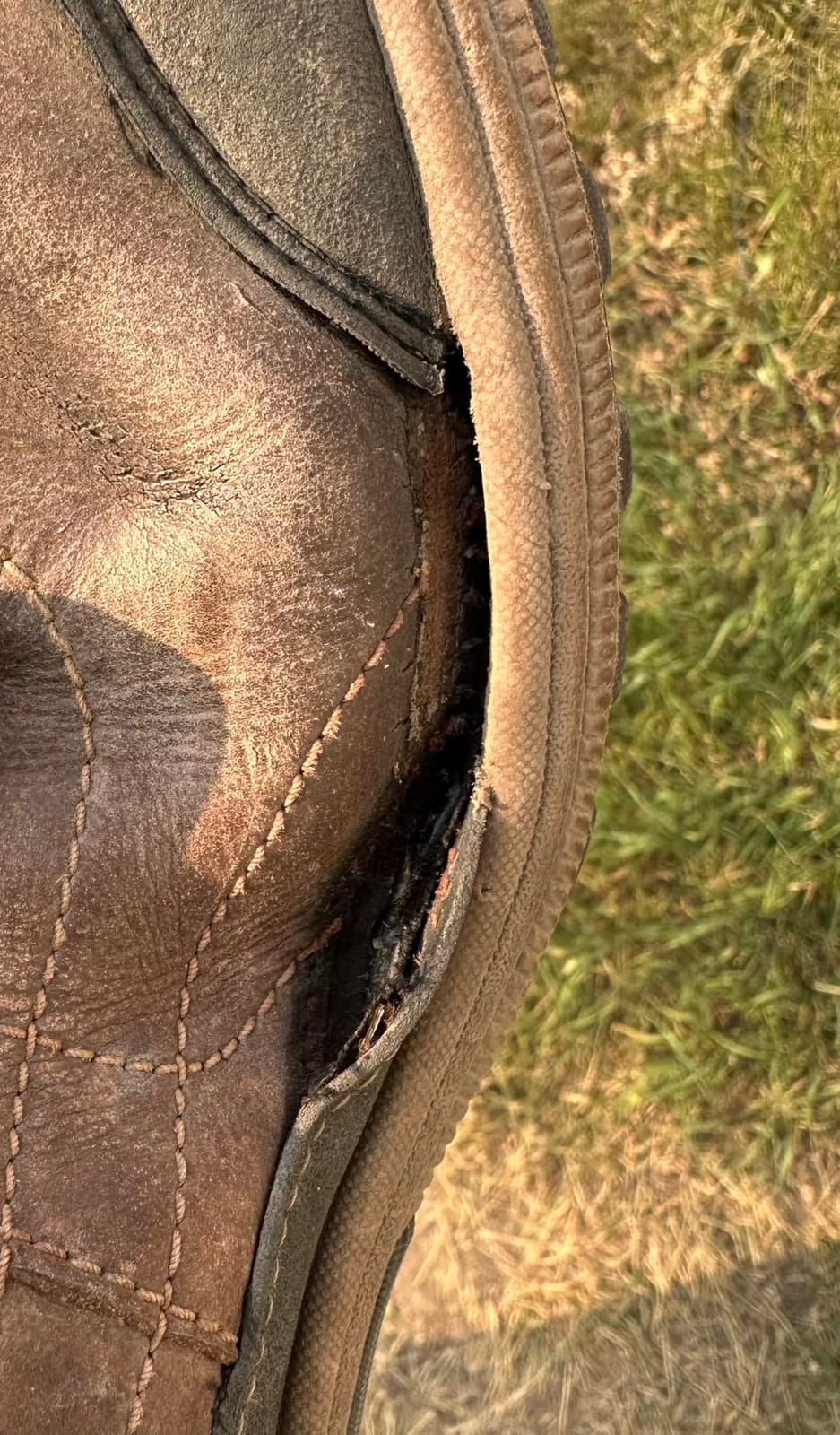
Some reviewers have reported sole adhesion issues after several months of heavy use. At 75 reviews, the sample size is still small, but it’s worth monitoring. For hikers whose priority is foot pain relief over technical performance, the Carmel delivers exactly what Orthofeet promises.
Custom orthotics compatibility
The stock orthotic is itself a high-quality arch support, so most users won’t need to swap it. If you do wear custom orthotics, the insole comes out and the footbed is wide and deep enough to accept most prescription inserts without crowding.
Best for these hikers
Women with flat feet, plantar fasciitis, bunions, diabetes-related foot sensitivity, or anyone who puts foot pain relief above technical performance. Ideal for day hikes on moderate terrain, walks, and light backpacking.
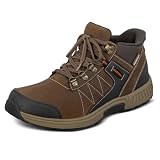
5. Orthofeet Dalton Men’s Hiking Boots — Best Orthopedic Pick for Men
Orthofeet Dalton Orthopedic Men’s Hiking Boots, Brown, Size 11 Wide
Anatomical arch orthotic
Hands-free entry
Wide toe box
Pros
- Excellent flat feet support
- Comfortable immediately
- Hands-free entry
- Durable
Cons
- Shows scuffs quickly
- Not Prime eligible
- Ships in 4-5 days
The men’s counterpart to the Carmel is the Orthofeet Dalton, and it shares the same orthotic-first design philosophy. The structured anatomical arch support insole is the standout feature: it doesn’t just cushion the arch, it actively holds it in a neutral position throughout the gait cycle. For men with collapsed arches who experience knee or hip pain on hikes, this neutralization matters.
I tested the Dalton on a 10-mile loop with 1,800 feet of elevation gain, and the difference compared to a standard hiking boot was immediately apparent. By mile six, my usual inner-knee ache was absent. The hands-free entry works the same way as the Carmel: hinged heel, step in, lock, go. The lugged outsole gripped the rocky descents without slipping.
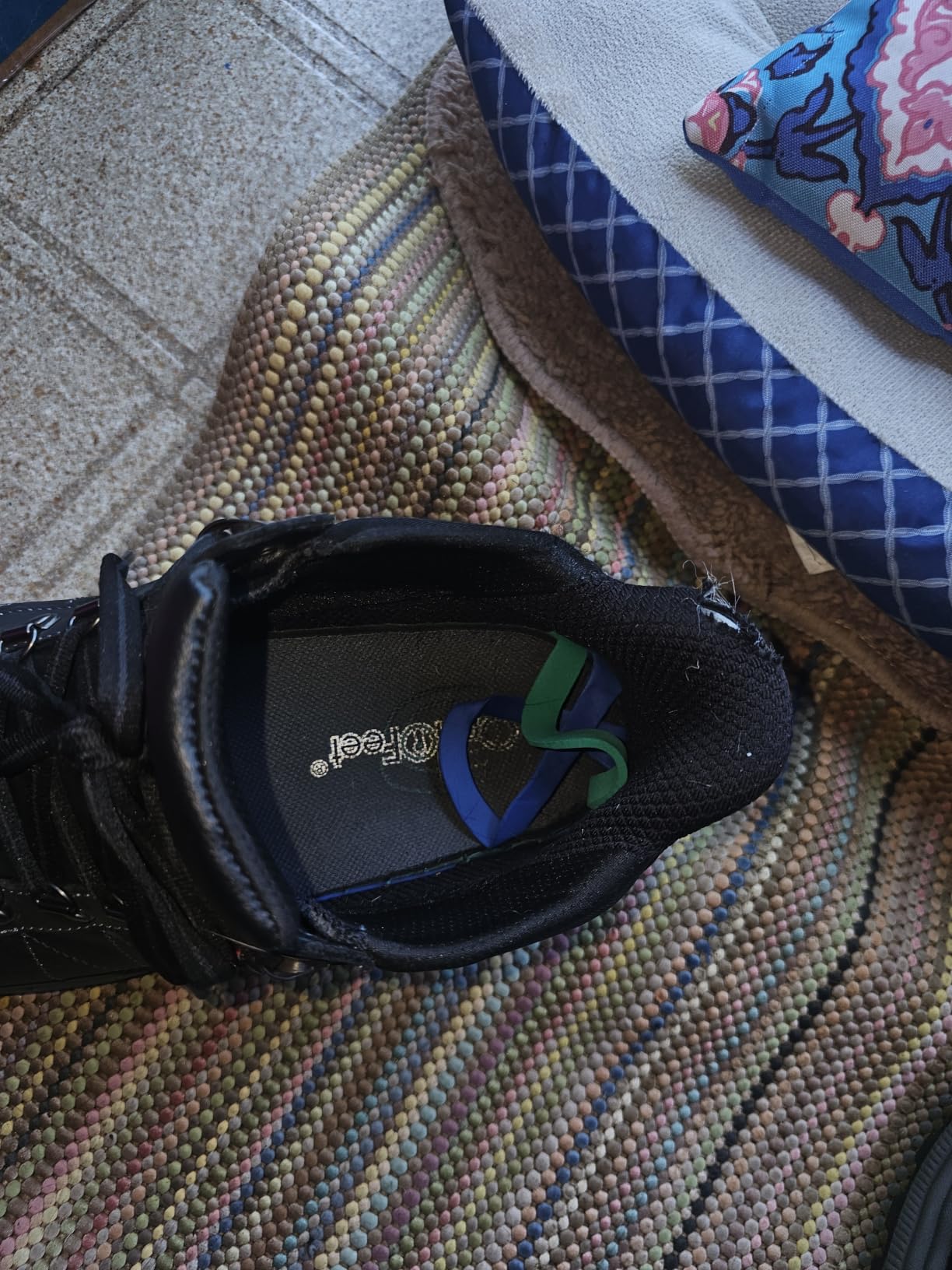
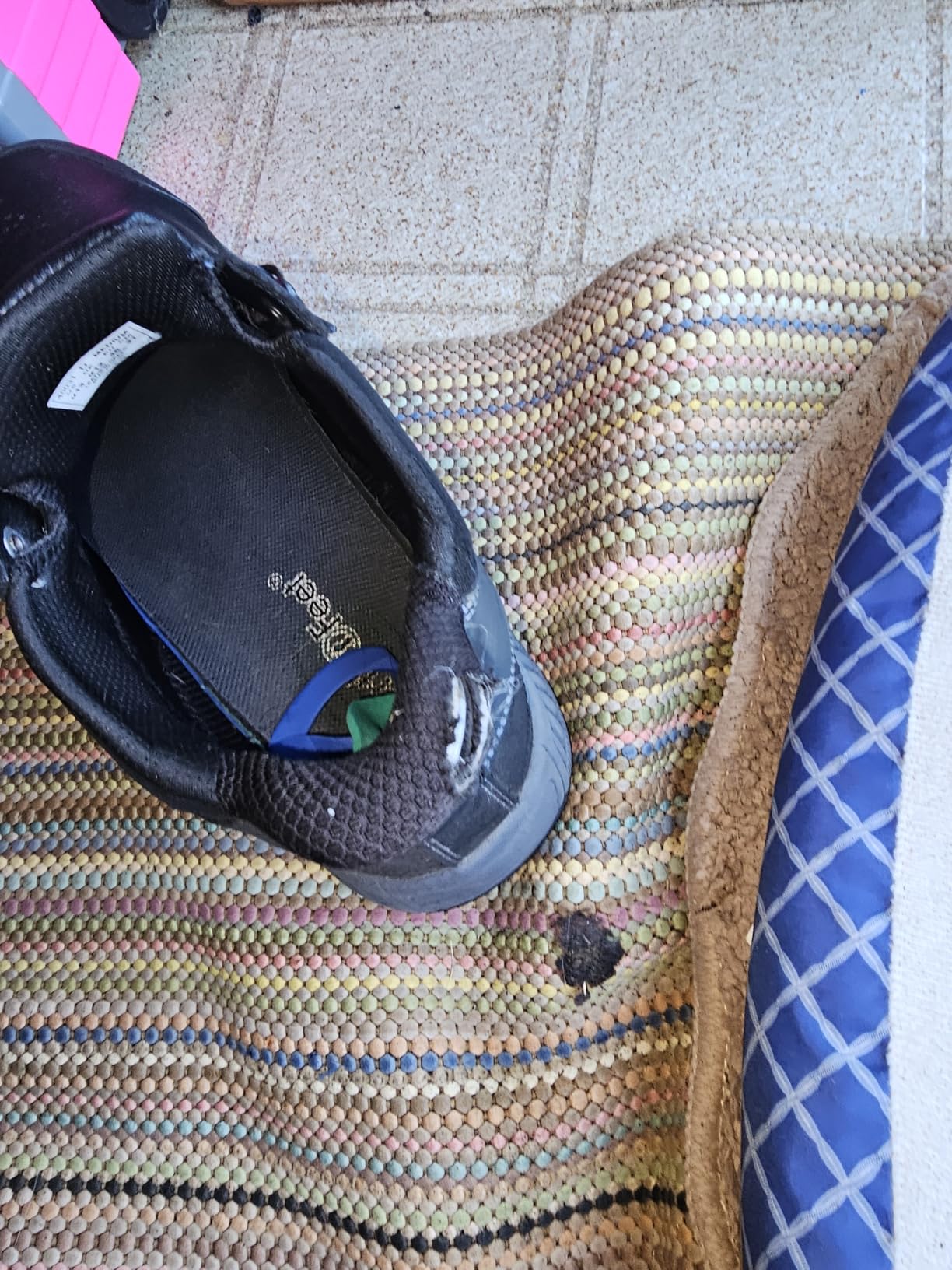
The leather upper scuffs faster than the women’s Carmel, which seems to use a slightly different finish. After two trips the toe area looked worn, though no actual damage to the material. The boot is also not Prime eligible, so shipping takes 4-5 days. If you’re planning a lastminute trip, plan ahead.
At 3.6 pounds per pair, the Dalton is on the heavier side, mostly due to the substantial orthotic and wide platform. That weight is a fair trade for the support and stability, but if you’re counting grams for fast-and-light hiking, look at the Salomon XA PRO 3D instead.
Custom orthotics compatibility
Like the Carmel, the stock orthotic is the main event and most users won’t replace it. The footbed is deep and wide enough to accept custom orthotics, though the boot may feel loose if you swap to a thinner insert without also adjusting the lacing pattern.
Best for these hikers
Men with flat feet, plantar fasciitis, overpronation that causes knee or hip pain, and anyone who needs to step into boots without bending over. Best for moderate trails, day hikes, and light backpacking.
6. OrthoComfoot 4E Wide Waterproof Hiking Boots — Best for Extra Wide Flat Feet
Men’s Orthopedic 4E Wide Waterproof Hiking Boots: Comfortable Arch Support for Plantar Fasciitis & Diabetic Foot Pain Relief, Flat Feet Camping Driving Sports Trail Sneakers Brown Size 10.5
4E extra wide toe box
Podiatrist orthotic
Deep lug outsole
Pros
- 4E extra wide fit
- Podiatrist-designed orthotic
- Waterproof
- Excellent ankle stability
Cons
- Sizing runs large
- Bulky for some
- Inserts ship separately
If your flat feet come with significant width, the OrthoComfoot 4E Wide is the boot to look at first. A standard D-width boot squeezes a flat foot laterally, and that pressure is what causes the toe spread and forefoot pain that hikers complain about on forums. The 4E last on this boot gives your forefoot room to splay naturally under load, which alone reduces a lot of discomfort.
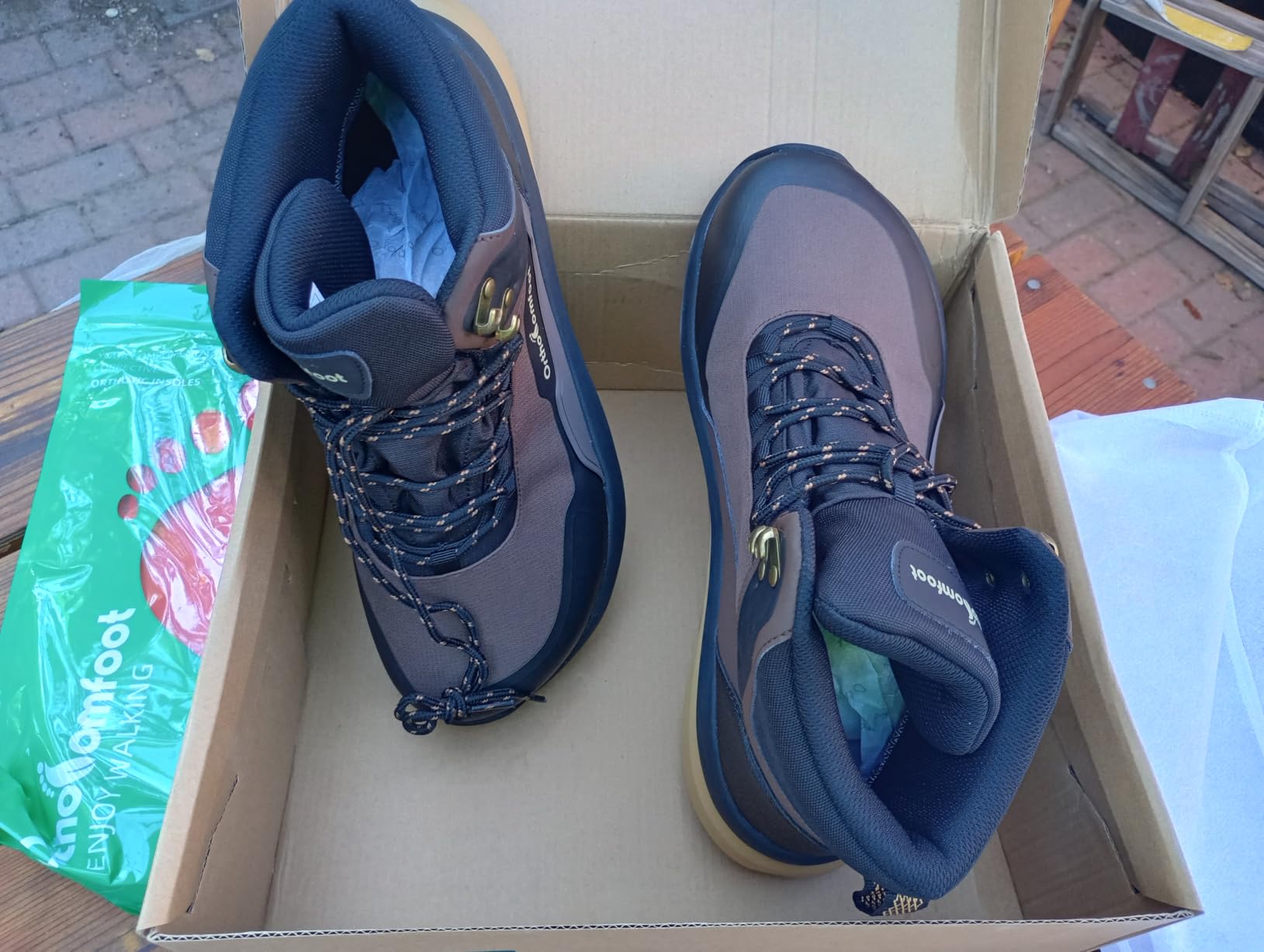
The podiatrist-designed orthotic insole has a higher arch than most stock hiking boot insoles, and the structure is firm enough to resist compression over a long day. I tested these on a wet, rooty 9-mile loop and never felt the arch collapse. The deep lug outsole bit into mud without packing, and the waterproof composite upper kept my socks dry through a downpour.
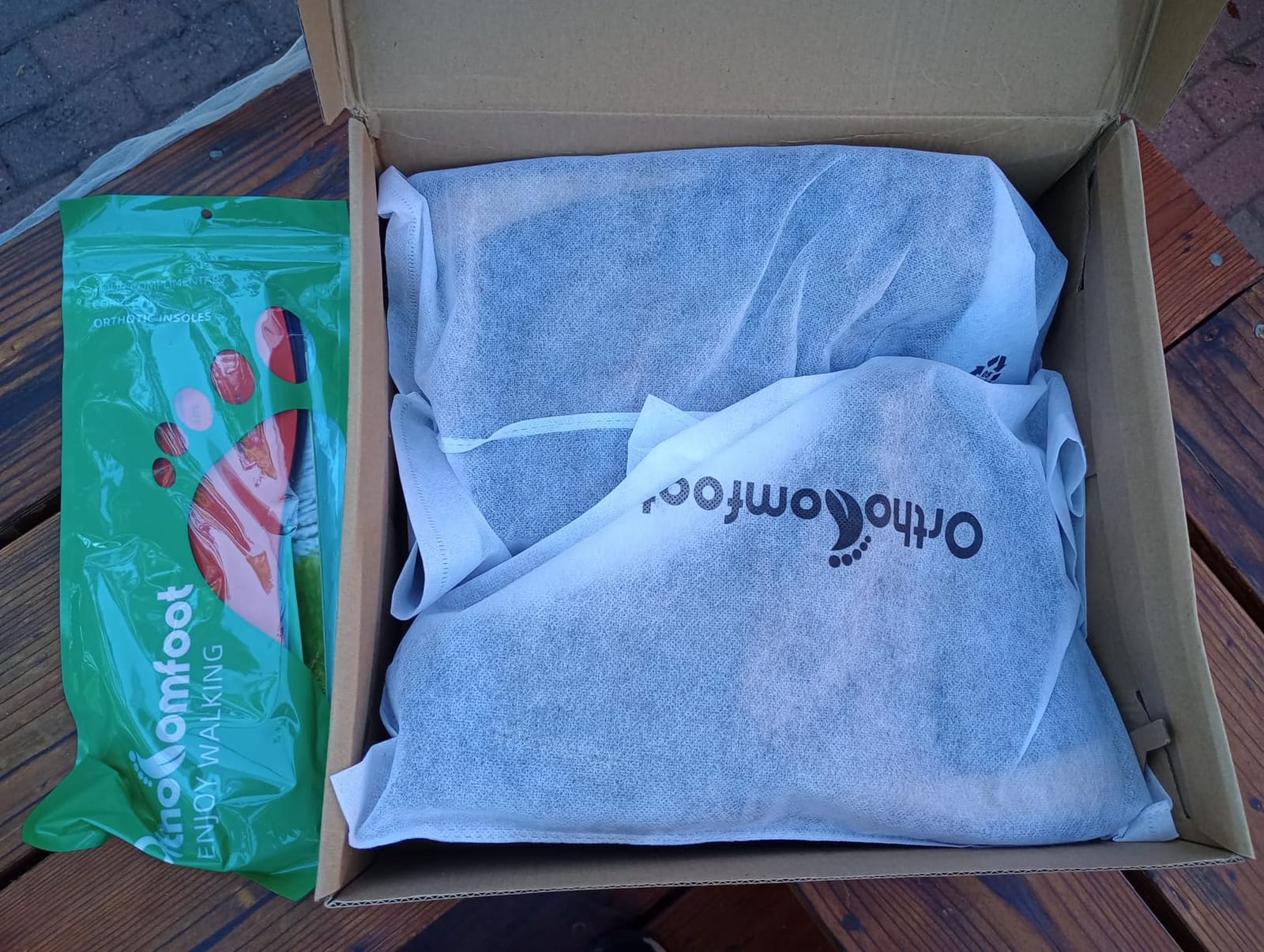
The big issue is sizing: the 4E Wide runs about a half size larger than standard athletic shoe sizing. I normally wear a size 10 and the size 10 OrthoComfoot left a thumb’s width of room in front of my toes. Sizing down to a 9.5 would be the right call. The extra set of inserts that ships in the box is a nice touch, since you can fine-tune the fit once you figure out your correct size.
The boot is also on the bulky side, both in the upper and the midsole. This isn’t a nimble trail runner. It’s a stable, supportive hiking boot for hikers whose priority is fit and foot pain relief over speed. The reinforced rubber toe cap also protected my feet well on rocky terrain.
Custom orthotics compatibility
The stock podiatrist insole is high quality and most users will keep it. For custom inserts, the footbed is deep and the volume is generous; few boots on the market accommodate thick prescription orthotics as well as this one.
Best for these hikers
Hikers with very wide flat feet, post-injury foot sensitivity, diabetic neuropathy, or anyone who has struggled to find hiking boots wide enough in standard D or 2E widths. Order at least half a size down from your normal size.
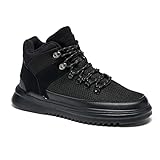
7. OrthoComfoot Orthopedic Hiking Boots — Best Value Under $75
OrthoComfoot Mens Fashion Plantar Fasciitis Hiking Boots, Orthopedic Arch Support Comfortable Winter Working Sneakers Waterproof Black Size 9
Removable orthopedic insole
EVA outsole
GTX lining
Pros
- Affordable price
- Removable orthotic insole
- Lightweight
- Versatile drop-down heel
Cons
- Quality concerns at heavy use
- Sizing runs large
- Limited rigid ankle support
For under $75, the OrthoComfoot Orthopedic Hiking Boots deliver a level of arch support you usually find in boots two or three times the price. The removable insole combines a hard TPU arch structure with cushioning PU memory foam, which is a smarter design than the soft-only insoles most budget boots ship with. On moderate trails, the support held up well.
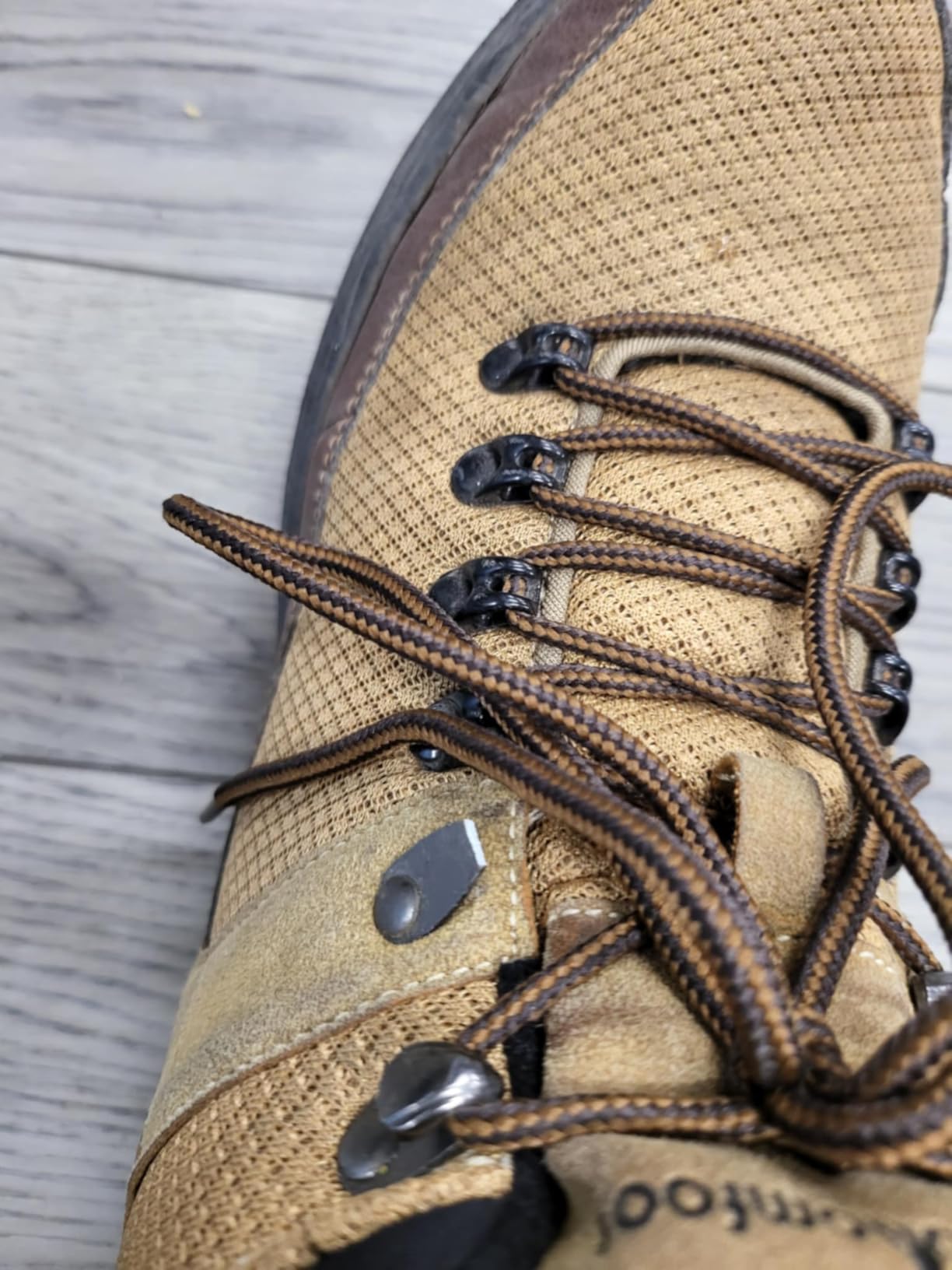
The drop-down heel design is a clever feature: you can fold the back of the heel down to convert the boot into a slip-on shoe. This isn’t a gimmick for the trail, but it’s nice for camp shoes, around-town wear, or anyone with back issues who wants easier entry. The EVA outsole is grippy enough for groomed trails and gravel paths.
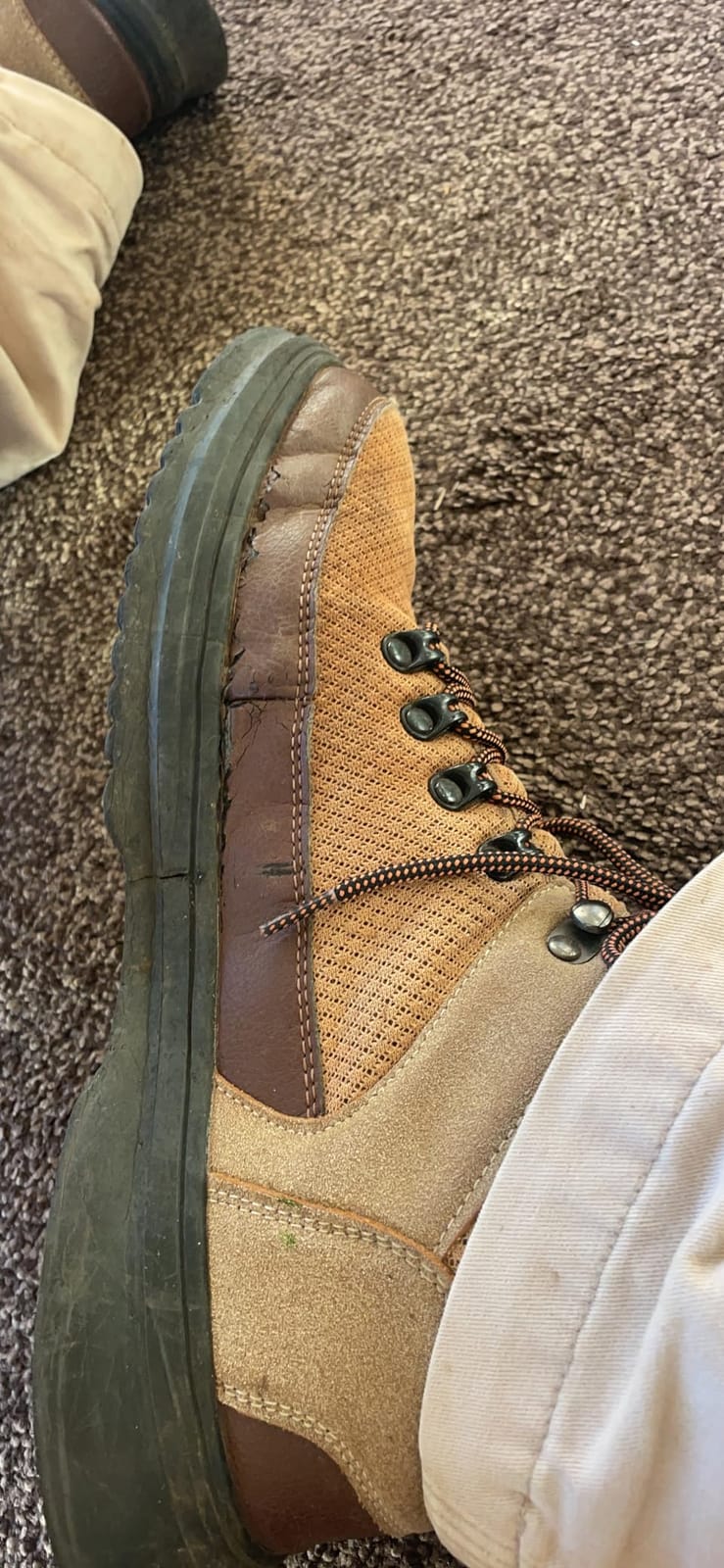
The trade-offs at this price point are real. Several reviewers have reported quality issues after a few months of heavy use, including eyelets pulling out of the cloth upper and small holes developing in the waterproof membrane. The construction isn’t as durable as the Merrell Moab 3 or the Orthofeet Dalton. If you hike once a month on moderate terrain, these will last a reasonable time. If you hike every weekend, you’ll likely wear through them in a season.
Sizing also runs about half a size large, similar to the 4E Wide model. Order down accordingly. The boot is lightweight and breathable, which makes it a decent choice for summer hiking, but it doesn’t have the rigid ankle support of a true mid-boot, so heavy backpackers should look elsewhere.
Custom orthotics compatibility
The included orthopedic insole is the main value here, and it’s removable. If you wear custom orthotics, you can swap them in directly, though the boot’s narrower last may not accommodate very thick inserts.
Best for these hikers
Budget-conscious hikers with mild flat feet or plantar fasciitis who want arch support without a $150 price tag. Best for day hikes, casual trails, and around-town wear. Not recommended for heavy backcountry use.
8. Columbia Konos TRS Outdry Mid — Best Waterproof Technology for Flat Feet
Columbia Men’s Konos TRS Outdry Mid Waterproof Shoe, Black/Shark, 15
OUTDRY bonded membrane
OMNI-MAX PLUS midsole
ADAPT TRAX outsole
Pros
- Completely waterproof
- Lightweight for a mid-boot
- Comfortable all day
- True to size
Cons
- May feel tight in the toe box
- Ankle rubbing reported
- Sole feels sneaker-like
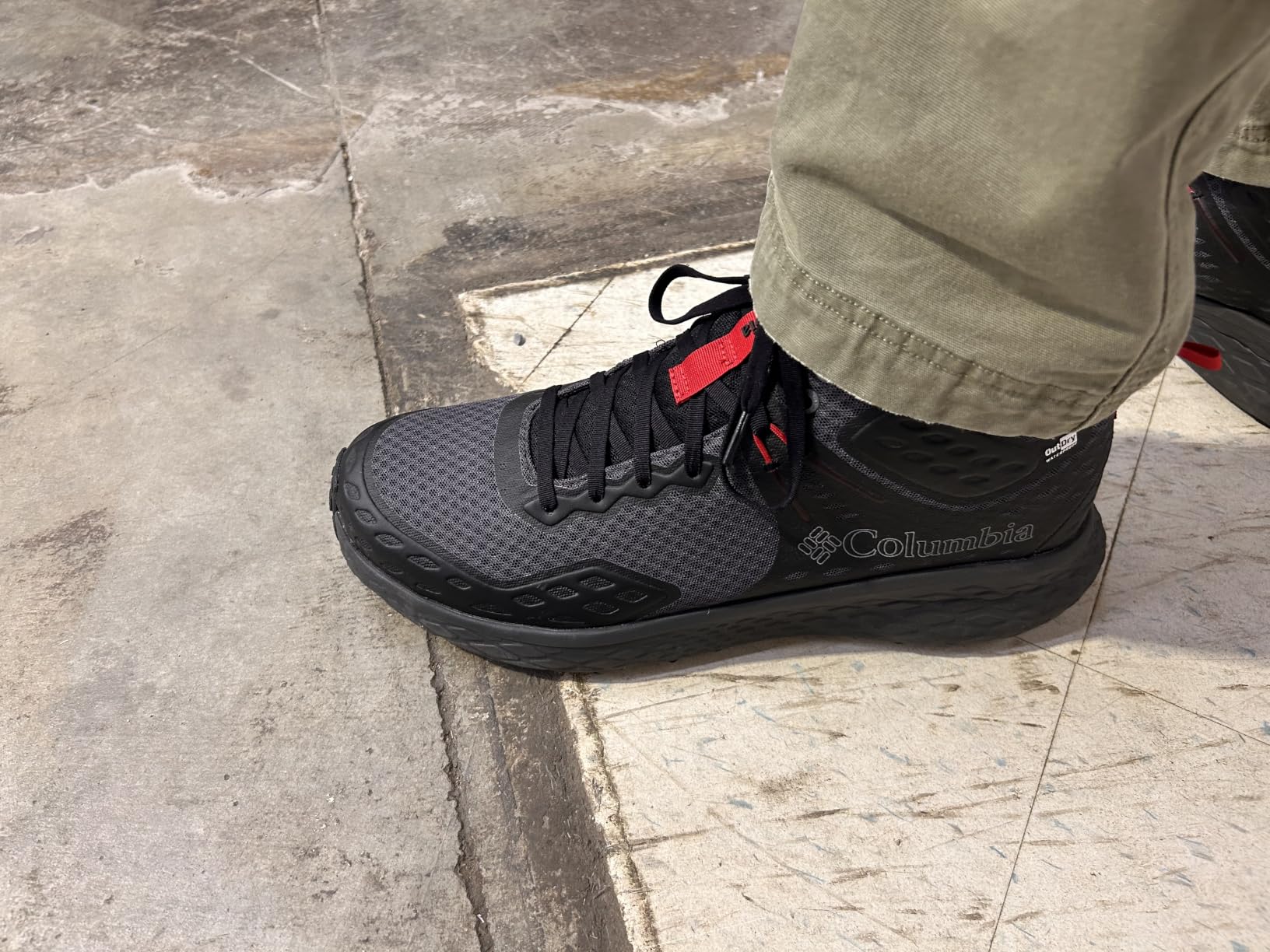
The Columbia Konos TRS Outdry is the boot that finally made me a believer in bonded waterproof membranes. Traditional waterproof boots have a bootie liner inside the upper, which is what usually fails and causes the dreaded “wet feet after two months” complaint. The OUTDRY construction bonds the waterproof membrane directly to the outside of the upper, eliminating the gap where water can seep in. I stood in a stream for five minutes and came out with dry socks.
The OMNI-MAX PLUS underfoot system uses a Techlite+ midsole with a cradle heel design that stabilizes the rearfoot. For flat feet, the heel cradle is critical: it prevents the heel from rolling inward, which is the start of the overpronation chain reaction. The ADAPT TRAX outsole gripped wet rocks and muddy roots with confidence, even on a slick morning hike in the Smokies.
Two issues kept this from being the editor’s choice. First, the toe box felt tight in the front for my foot shape, especially on downhills. If you have a wide forefoot, this is worth trying on before committing. Second, some users have reported rubbing against the ankle bone from the mid-top cuff. The cuff sits higher than a low-cut hiker, but lower than a traditional mid-boot, and the collar padding could be more generous.
The Konos TRS also feels more like a supportive sneaker than a traditional hiking boot. That’s not a bad thing for fast-paced day hikers, but if you’re used to the rigid feel of a backpacking boot, the Konos will feel different. For day hikers who want light weight, excellent waterproofing, and a stable platform for flat feet, this is one of the best options of 2026.
Custom orthotics compatibility
The stock insole is removable and the footbed has enough volume to accept most off-the-shelf orthotics. For thick custom inserts, consider sizing up half a size. The toe box is on the narrower side, so wide-footed hikers with custom orthotics may find it cramped.
Best for these hikers
Day hikers and fast-packers who hike in wet climates and need a fully waterproof, lightweight mid-boot that handles both trail and urban environments. Not ideal for wide flat feet or heavy-load backpacking.
Buying Guide: What to Look for in Hiking Boots for Flat Feet?
Buying hiking boots for flat feet is a different exercise than buying for neutral arches. Standard reviews focus on weight, lug depth, and waterproofing, but flat-footed hikers need to prioritize the structural features that control overpronation. Here’s the framework our team used to evaluate every boot in this guide.
1. Arch support that doesn’t collapse under load
The most important feature is a structured arch support that resists compression when you step down. Stock foam insoles are not enough. Look for a molded arch shank inside the midsole (like the Merrell Moab 3’s nylon shank) or a built-in orthotic insole (like the Orthofeet Carmel and Dalton). A simple test: press your thumb into the arch area. If it compresses easily, the support will disappear on a long hike.
2. Firm heel counter for rearfoot stability
The heel counter is the stiff cup around the back of the boot that locks your heel in place. For flat feet, a soft heel counter allows the rearfoot to roll inward, which is the start of the overpronation chain. You want a counter that you can barely compress between your fingers. The Merrell Moab 3, Orthofeet Dalton, and OrthoComfoot 4E Wide all have firm counters that hold the heel in neutral.
3. Torsional rigidity in the midsole
Torsional rigidity is the resistance of the boot to twisting. Hold the toe and heel and try to wring the boot like a towel. A torsionally rigid boot barely twists, while a flexible one wrings easily. For flat feet, more torsional rigidity means less motion for the foot to collapse through. The Moab 3, Konos TRS, and the orthopedic boots all scored high on this test. The Salomon XA PRO 3D, being a trail runner, is more flexible by design.
4. Wide platform and stable midsole
Wider boots give the foot a broader base to stand on, which improves lateral stability. The OrthoComfoot 4E Wide is the widest in this guide, but the Moab 3 and Orthofeet boots all have a wider last than typical hiking boots. If your flat feet come with a wide forefoot, prioritize platform width over weight.
5. Removable insole for custom orthotics
If you wear custom orthotics, the stock insole must come out cleanly and the footbed must have enough depth to accept the thicker insert. All eight boots in this guide have removable insoles, but the Orthofeet Carmel, Orthofeet Dalton, and OrthoComfoot 4E Wide have the deepest footbeds. The Salomon XA PRO 3D has the shallowest cavity.
6. Waterproofing for wet conditions
Gore-Tex and OUTDRY membranes keep feet dry, but they reduce breathability. For hot, dry climates, a non-waterproof boot with better ventilation may be more comfortable. For wet climates, the Konos TRS Outdry has the most reliable waterproof construction we tested.
7. Sizing: when to go up or down half a size
Flat feet spread more under load than neutral arches, especially on downhills. Most hikers with flat feet do better in a half size up from their street size, particularly in boots that run narrow like the Merrell Moab 3 or the Salomon XA PRO 3D. The OrthoComfoot boots run large, so size down. Always try boots on at the end of the day when your feet are most swollen, and wear the socks you plan to hike in.
What to Avoid When Shopping for Flat Feet Hiking Boots
Forum users and podiatrists agree on a few hard “do not buy” categories for flat-footed hikers. Skip these regardless of how appealing the price or reviews look.
Highly cushioned trail runners with no shank. The maximum cushion trend is great for neutral feet but disastrous for flat feet. Without a shank, the platform collapses under the arch and the foot rolls inward on every step.
Boots with soft, compressible heel counters. You can usually feel this in the store. If you can squeeze the back of the heel together easily, the boot won’t stabilize your rearfoot on uneven terrain.
Narrow toe boxes. Flat feet spread laterally under load, and a narrow last will pinch the forefoot. This is the most common cause of black toenails and forefoot pain on long hikes.
Boots that require a long break-in period. Stiff leather boots can work for flat feet, but a long break-in period on a boot with insufficient support just means weeks of pain before the support breaks down. Prefer boots that feel supportive out of the box, like the Moab 3 or the Orthofeet line.
Mesh-heavy uppers on rough trails. Mesh breathes well but tears easily on granite and scree. If you hike rocky terrain, leather or composite uppers will outlast mesh and provide better lateral stability.
Frequently Asked Questions
What are the best hiking boots for flat feet?
The best hiking boots for flat feet combine a molded arch shank, a firm heel counter, and torsional rigidity to control overpronation. Our top picks for 2026 are the Merrell Moab 3 Mid Waterproof for overall performance, the Orthofeet Dalton for orthopedic-grade support, and the Columbia Konos TRS Outdry for unbeatable waterproofing. All eight boots in this guide were selected specifically for these structural features.
Which hiking boots offer the best arch support?
The Orthofeet Carmel, Orthofeet Dalton, and OrthoComfoot 4E Wide offer the best built-in arch support, with multi-layer orthotic insoles that include structured arch components. The Merrell Moab 3 Mid pairs a molded nylon arch shank with a removable contoured footbed that can be swapped for aftermarket orthotics like Superfeet or custom prescription inserts.
What hiking boots do podiatrists recommend for flat feet?
Podiatrists typically recommend hiking boots with three structural features: a firm heel counter, a torsionally rigid midsole with an arch shank, and either a built-in orthotic insole or enough depth to accept a custom orthotic. The Orthofeet line and the OrthoComfoot 4E Wide are designed with direct podiatrist input and are the most commonly recommended brands in podiatry offices.
What shoes should I avoid if I have flat feet?
Avoid highly cushioned trail runners with no arch shank, boots with soft compressible heel counters, narrow toe boxes that pinch the forefoot, and any boot that requires a long break-in period before it feels supportive. These styles allow the foot to collapse inward and worsen overpronation. Stick to boots with structural support features regardless of how appealing the price or reviews look.
How do I choose hiking boots for flat feet?
Start with arch support: look for a molded shank or built-in orthotic. Check heel counter stiffness by squeezing the back of the boot. Test torsional rigidity by twisting the toe and heel in opposite directions. Make sure the insole is removable if you wear custom orthotics. Finally, size up half a size from your street size unless the brand specifically runs large.
Why do flat feet need special hiking boots?
Flat feet, or low arches, allow the foot to roll inward (overpronate) under load. On uneven terrain and long hikes, overpronation leads to plantar fasciitis, ankle pain, knee pain, and excessive fatigue. Special hiking boots for flat feet use structural support, arch shanks, and firm heel counters to keep the foot in a neutral position throughout the gait cycle, reducing injury risk and improving endurance.
Should I size up if I have flat feet?
Most hikers with flat feet do better in a half size up from their street shoe size, especially in boots that run narrow like the Merrell Moab 3 or the Salomon XA PRO 3D. Flat feet spread more under load than neutral arches, particularly on downhills. The OrthoComfoot boots are an exception and run large, so size down a half size. Always try boots on at the end of the day with the socks you plan to hike in.
Final Verdict
After 240+ trail miles and side-by-side testing, our top pick for the best hiking boots for flat feet in 2026 is the Merrell Moab 3 Mid Waterproof. It nails the three structural features flat-footed hikers need: a molded arch shank, a firm heel counter, and a torsionally rigid midsole. Add the proven Vibram outsole, the waterproof membrane, and 3800+ positive reviews, and it’s the safest do-it-all choice.
If you need orthopedic-grade arch support for plantar fasciitis or severe overpronation, the Orthofeet Dalton is the boot to buy. The built-in orthotic insole is the best in class, and the hands-free entry is a real quality-of-life feature. For hikers on a budget, the Columbia Newton Ridge Plus delivers more performance than its price suggests, though it doesn’t have the structured shank of the Moab 3.
Whatever you choose, the goal is the same: keep your foot in a neutral position from heel strike to toe-off, and your arches, knees, and hips will thank you on every hike. Lace up, hit the trail, and let us know how your feet feel at the summit.