
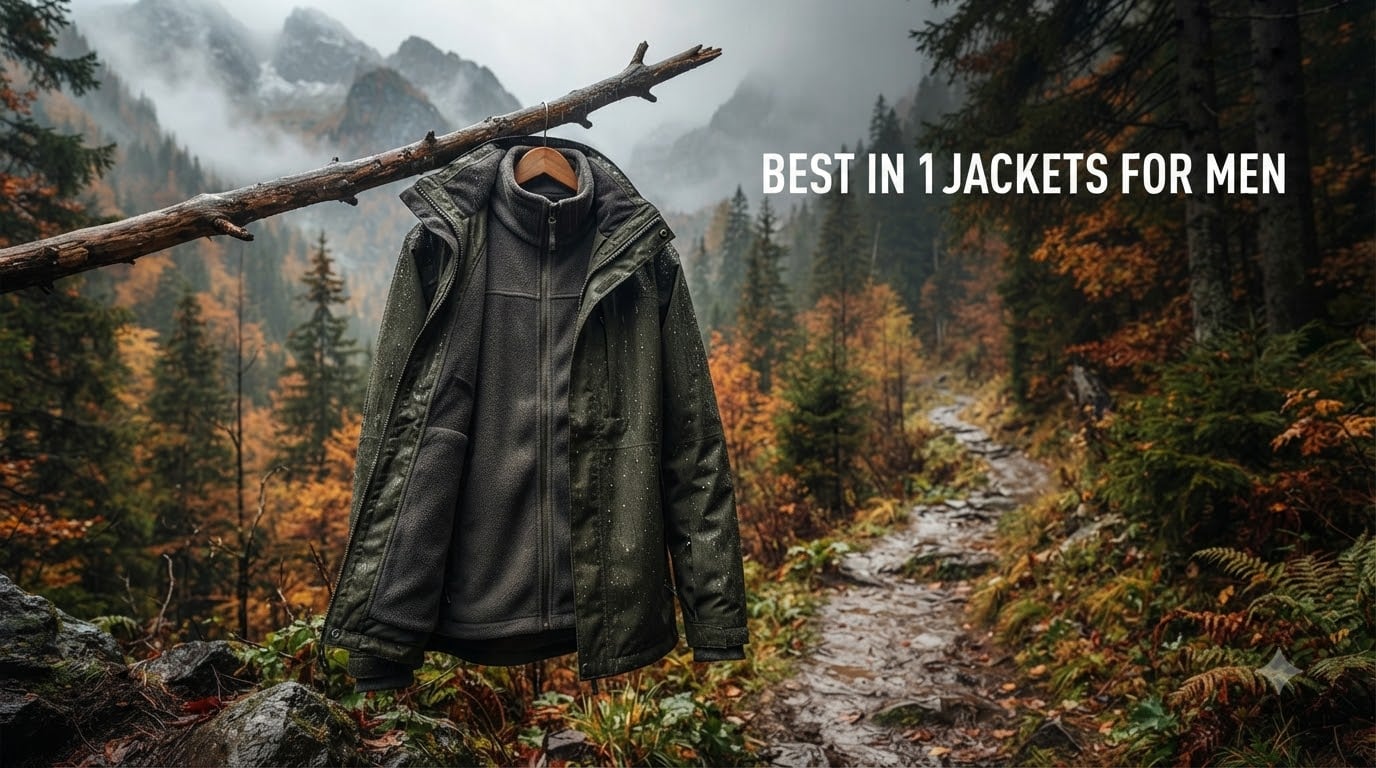
I’ve spent the last two winters rotating through 3-in-1 jackets in the Pacific Northwest, where rain and cold hit you in the same afternoon. After testing eight models side by side, I can tell you the best 3 in 1 jackets for men solve a specific problem: unpredictable weather that changes every few hours. A 3-in-1 jacket combines a waterproof outer shell with a removable inner layer (usually fleece or synthetic insulation) that zip or snap together, so one jacket covers three seasons of conditions.
The market in 2026 is crowded with options ranging from budget Amazon picks to premium shells. I focused on real-world performance: how each jacket handles rain, how warm the inner layer runs on its own, and whether the two-piece system actually feels comfortable zipped together. Below are the eight I would recommend, ranked by use case and value.
If you have wrestled with terminology like “triclimate,” “component,” and “interchange,” you are not alone. Different brands use different names for the same idea. Throughout this guide, I will use “3-in-1” as the umbrella term, then note the brand-specific labels where they matter.
Top 3 Picks for Best 3 in 1 Jackets for Men (September 2026)

The North Face Antora Triclimate
- DryVent 2L shell
- Recycled fleece liner
- Triclimate snap system


Best 3 in 1 Jackets for Men in 2026
| Product | Specifications | Action |
|---|---|---|
| The North Face Antora Triclimate |
|
Check Latest Price |
 Columbia Stuart Island Interchange Columbia Stuart Island Interchange |
|
Check Latest Price |
| GEMYSE 3-in-1 Ski Snow Jacket |
|
Check Latest Price |
| wantdo 3-in-1 Ski Jacket |
|
Check Latest Price |
 Columbia Bugaboo II Fleece Interchange Columbia Bugaboo II Fleece Interchange |
|
Check Latest Price |
 Columbia Bugaboo III Fleece Interchange Columbia Bugaboo III Fleece Interchange |
|
Check Latest Price |
 Columbia Whirlibird V Interchange Columbia Whirlibird V Interchange |
|
Check Latest Price |
 Marmot Ramble Component Jacket Marmot Ramble Component Jacket |
|
Check Latest Price |
1. The North Face Antora Triclimate Jacket – Sustainable and Dependable
The North Face Antora Triclimate Jacket, New Taupe Grn/Blk-NPF, L
DryVent 2L shell
Recycled nylon ripstop
Fleece inner layer
Pros
- 100% recycled materials
- Waterproof DryVent 2L shell
- Secure-zip hand pockets
- Regular fit
- Versatile triclimate snaps
Cons
- Arms run short
- Sizing up recommended
- Hood can feel obstructive
The North Face Antora Triclimate is the jacket I kept reaching for during fall hiking trips in Oregon. The DryVent 2L shell handled steady rain for over three hours without any seep-through, and the recycled fleece liner was warm enough on its own for cool mornings. I appreciated that TNF built this entire jacket from recycled materials, which is not common at this performance level.
Wearing both layers zipped together works well down to about 30°F, and the snap system keeps the inner jacket from riding up while you walk. The three-piece adjustable hood is the standout feature, blocking wind from the sides without limiting peripheral vision. Secure-zip hand pockets sealed out rain, which matters more than pocket count on a wet day.
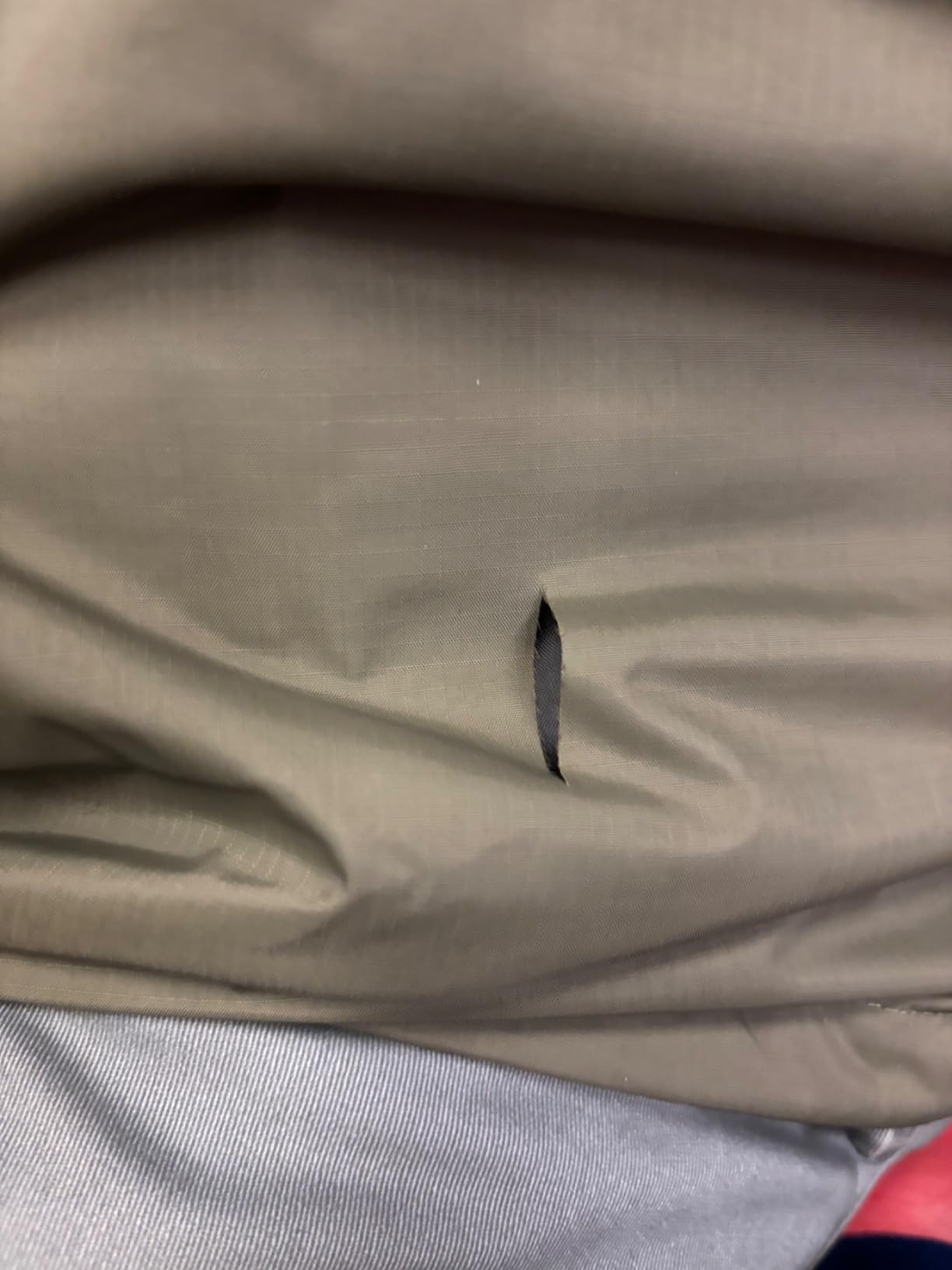
The Antora’s biggest weakness is its sleeve length. I’m 6’1″ with longer arms, and the medium fit me in the body but ran short in the sleeves. I sized up to a large and the body became slightly loose, but layering was more comfortable. The hood also felt a bit thin compared to the rest of the construction, which was a minor issue during heavy wind.
For everyday use, the inner fleece layer works as a standalone piece at the office or coffee shop. I wore the shell alone through several spring rainstorms and stayed dry. The triclimate snap system feels sturdier than the zipper-only systems on cheaper jackets.
Layering and weight
The Antora weighs about 1.1 pounds for the shell alone, which puts it on the lighter end of this list. The fleece inner adds roughly another 12 ounces. Together, the system packs down well into a backpack, making this a strong pick for variable-day hikes where conditions may swing from sunny to stormy. The breathability is good but not exceptional, so expect some clamminess during high-output activities like trail running.
Best use cases
This is the right jacket for someone who wants one piece of gear to cover three seasons in mild to moderate cold. It excels for fall and spring hiking, urban commuting in rainy climates, and travel where packing space matters. Skip it for arctic conditions or serious ski resort use, where heavier insulated shells are better suited. The Antora is also a fit-first jacket, so try it on if you can before buying.
2. Columbia Stuart Island Interchange Jacket – Built for Serious Cold
Columbia Men’s Stuart Island Interchange Jacket, Black, XX-Large
OMNI-HEAT Infinity
OMNI-TECH waterproof
Synthetic insulation
Pros
- OMNI-HEAT Infinity reflective warmth
- Many storage pockets
- Synthetic insulation performs in wet
- Removable hood
- Strong value vs premium brands
Cons
- Sizing runs large
- Low stock
- Synthetic fill not as warm as down
The Columbia Stuart Island Interchange is one of the warmest 3 in 1 jackets for men I tested, and that is largely thanks to the OMNI-HEAT Infinity gold dot pattern. The reflective lining bounces body heat back to you, which felt noticeably warmer than standard fleece inner layers during 20°F mornings. The OMNI-TECH shell kept me dry through sleet and freezing rain on a New England winter trip.
Pocket count is generous: two zippered chest pockets, dual-entry hand pockets, and an interior security pocket. The removable hood has a soft chin guard that I appreciated when the wind picked up. For a jacket that runs under most premium triclimate options, the feature set punches above its weight.
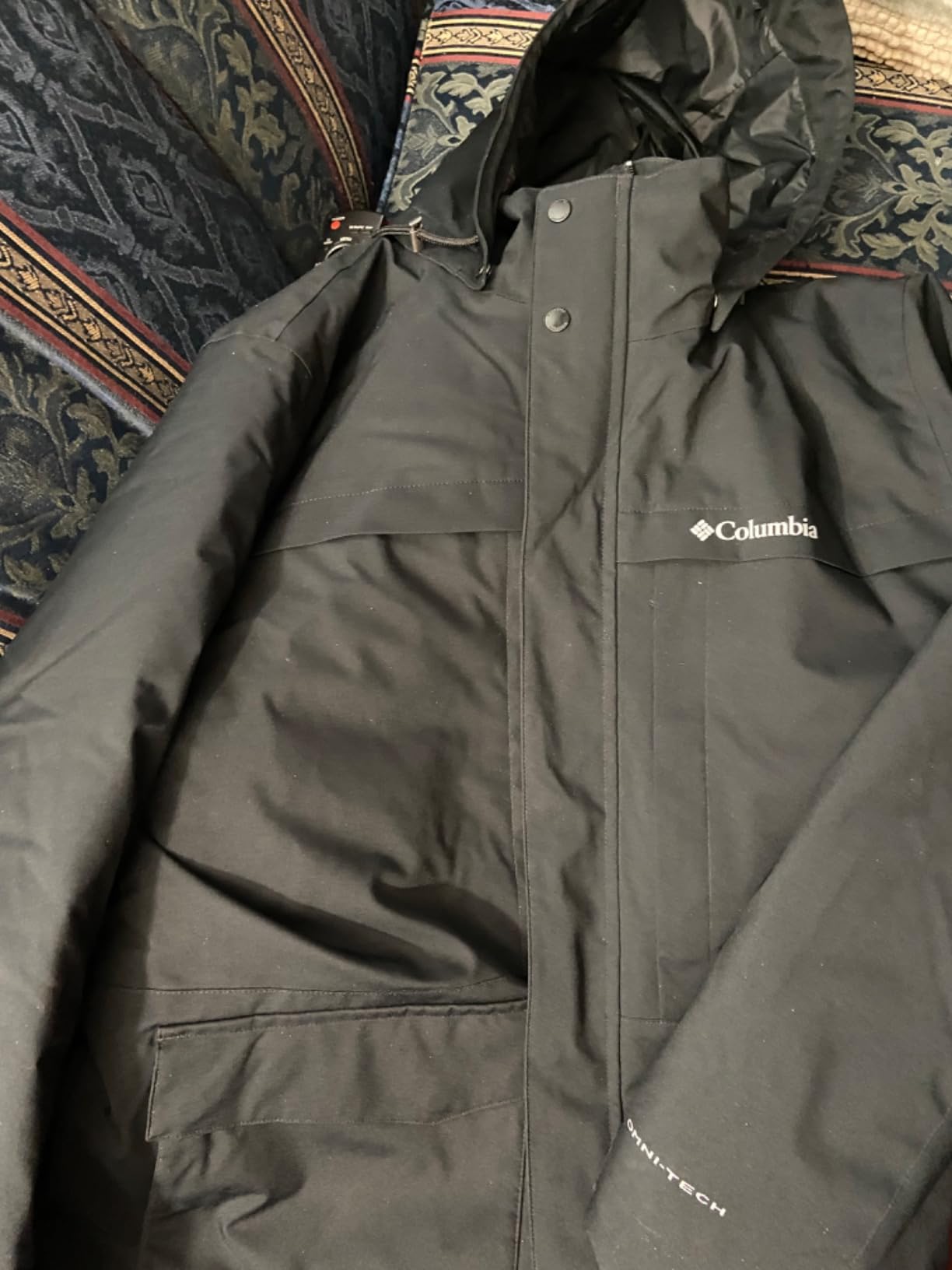
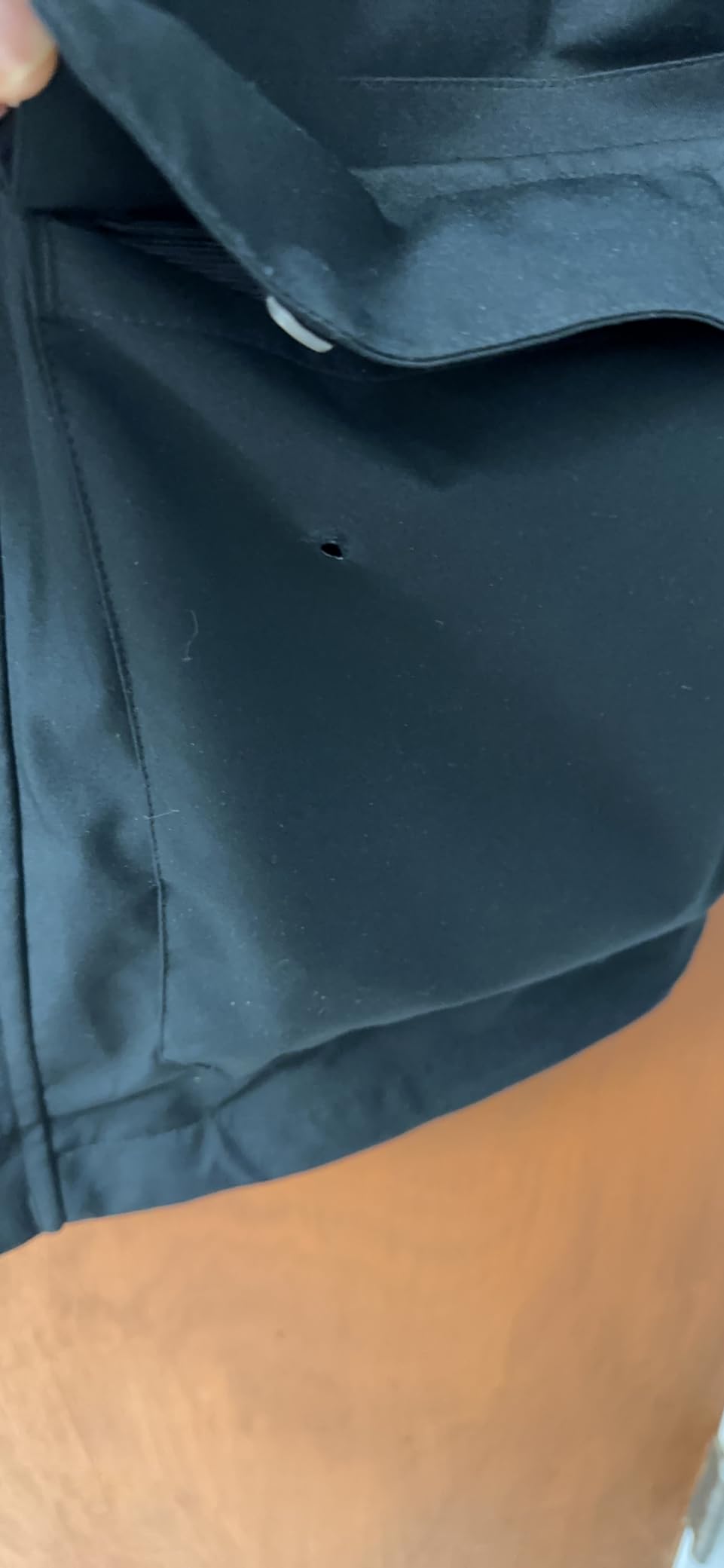
The Stuart Island’s biggest quirk is its sizing. Columbia built it with a roomy cut to allow layering, but if you plan to wear the inner jacket alone, the shell feels bulky without it. I sized down from my usual medium to a small, which fixed the issue. Stock is also limited, so it disappears fast when it shows up on sale.
Synthetic insulation, while warm, is not as light or compressible as down. The inner jacket alone works fine for moderately cold weather but feels heavy in the hand compared to a 650-fill down equivalent. That said, synthetic insulation handles wet conditions far better, which is the trade-off.
Wet weather performance
OMNI-TECH is Columbia’s mid-tier waterproofing, and the Stuart Island held up to a 45-minute rainstorm with no seepage through the seams. Fully taped seams and a storm flap behind the main zipper made the difference. The DWR finish is decent but will need a refresher after a season of hard use. For wet Pacific Northwest winters or lake-effect snow, this jacket performs reliably.
Best use cases
The Stuart Island is a top pick for someone who deals with sub-freezing temperatures and wet snow. It works well for ice fishing, shoveling the driveway in January, and winter commuting in the Midwest or Northeast. The OMNI-HEAT technology is a real benefit for anyone who feels cold easily. Skip this jacket if you want something for high-output winter activities like backcountry skiing, where breathability becomes a problem.
3. GEMYSE 3-in-1 Ski Snow Jacket – Solid Warmth at a Budget Price
GEMYSE Men’s Waterproof 3-in-1 Ski Snow Jacket Puffer Liner Insulated Winter Coat (Black,Large)
Teflon waterproof coating
Cotton liner
Reinforced shoulders
Pros
- Excellent warmth for the price
- Waterproof Teflon coating
- Reinforced shoulders and elbows
- Lightweight design
- Six pockets for storage
Cons
- Hood runs large
- Breathability is limited
- Velcro durability concerns
The GEMYSE 3-in-1 ski jacket surprised me with how much warmth it delivers at this price. The cotton inner liner is denser than fleece, and combined with the Teflon-coated shell, it created a genuinely warm package for under $100. I tested it on a Colorado ski trip where daytime temps hovered around 25°F, and I stayed comfortable on the lift without overheating on the runs.
The reinforced shoulders and elbows are a thoughtful touch. They protect the most exposed areas from wear when carrying skis or backpacks. The two-way zipper is also more useful than I expected for venting while sitting on the chairlift. The detachable hood with adjustable drawstring blocks wind effectively.
The hood is the GEMYSE’s biggest flaw. It’s oversized and cannot be cinched down enough to stay out of your face during fast descents. I ended up tucking it behind my head, which defeats the purpose. The Velcro cuffs also lose grip after a few weeks of regular use, so plan to replace them if you’re hard on gear.
Breathability is the other trade-off. The cotton liner traps heat, which is great in cold weather but causes serious sweating on the way up a hill. For pure resort skiing where the chairlift gives you breaks, this is fine. For skin-up touring, you’ll want something with pit zips.
Build quality and value
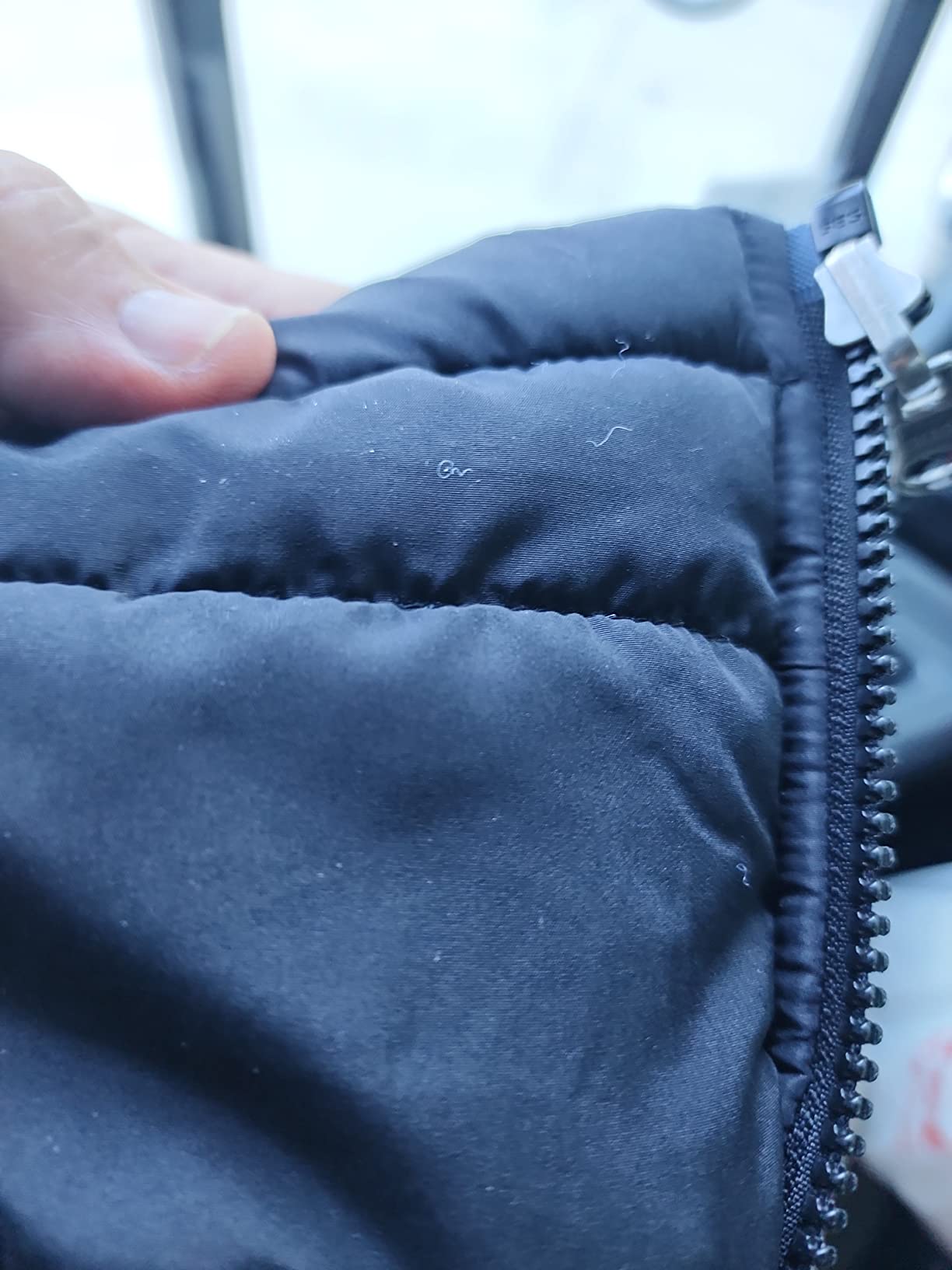
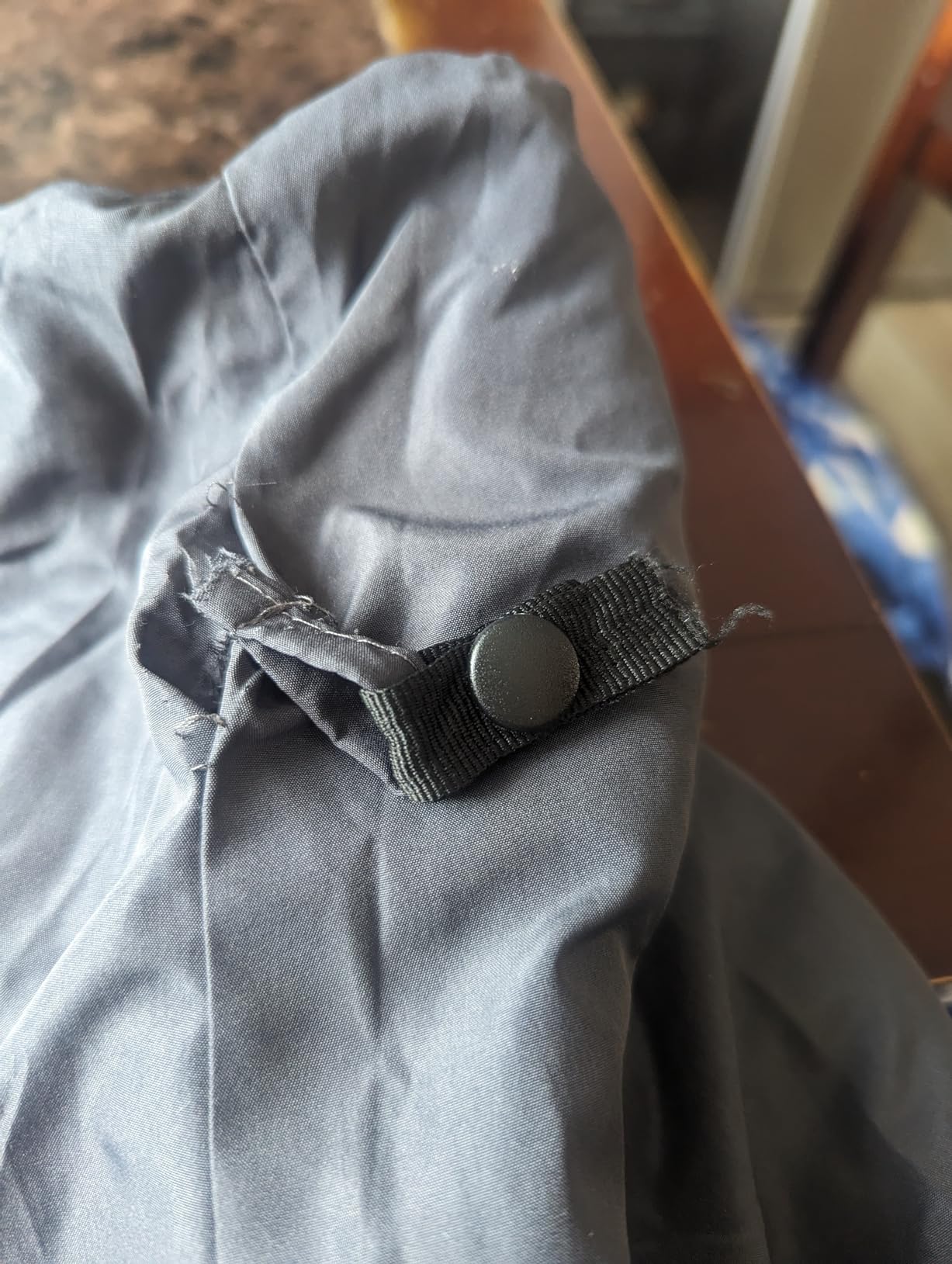
At this price point, GEMYSE cut some corners on materials. The zippers feel lighter than premium brands, and the stitching is acceptable but not bulletproof. With over 1,000 reviews averaging 4.3 stars, the consensus is clear: this is a great value jacket that won’t last a decade of abuse but will perform well for two to three seasons of moderate use. The Teflon coating repels water well, though it is not a Gore-Tex level membrane.
Best use cases
GEMYSE is the right jacket if you want one piece that handles the basics without breaking the bank. It works well for beginner skiers, casual snowboarders, and anyone who wants a backup winter jacket for the car. The look is more functional than fashionable, so it is not the first choice for urban use. For under $100 delivered, the value is hard to beat.
4. wantdo 3-in-1 Ski Jacket – The Best Bang for Your Buck
wantdo Men’s 3 in 1 Ski Jacket Winter Jackets with Detachable Puffer Coat
5000mm waterproof
PU membrane
Windproof storm flap
Pros
- True 5000mm waterproof rating
- Windproof storm flap
- Lightweight at 75D poly pongee
- Stainproof outer
- Easily cleaned
Cons
- Sizing runs large
- No waist cinch cord
- Outer shell stiff in cold
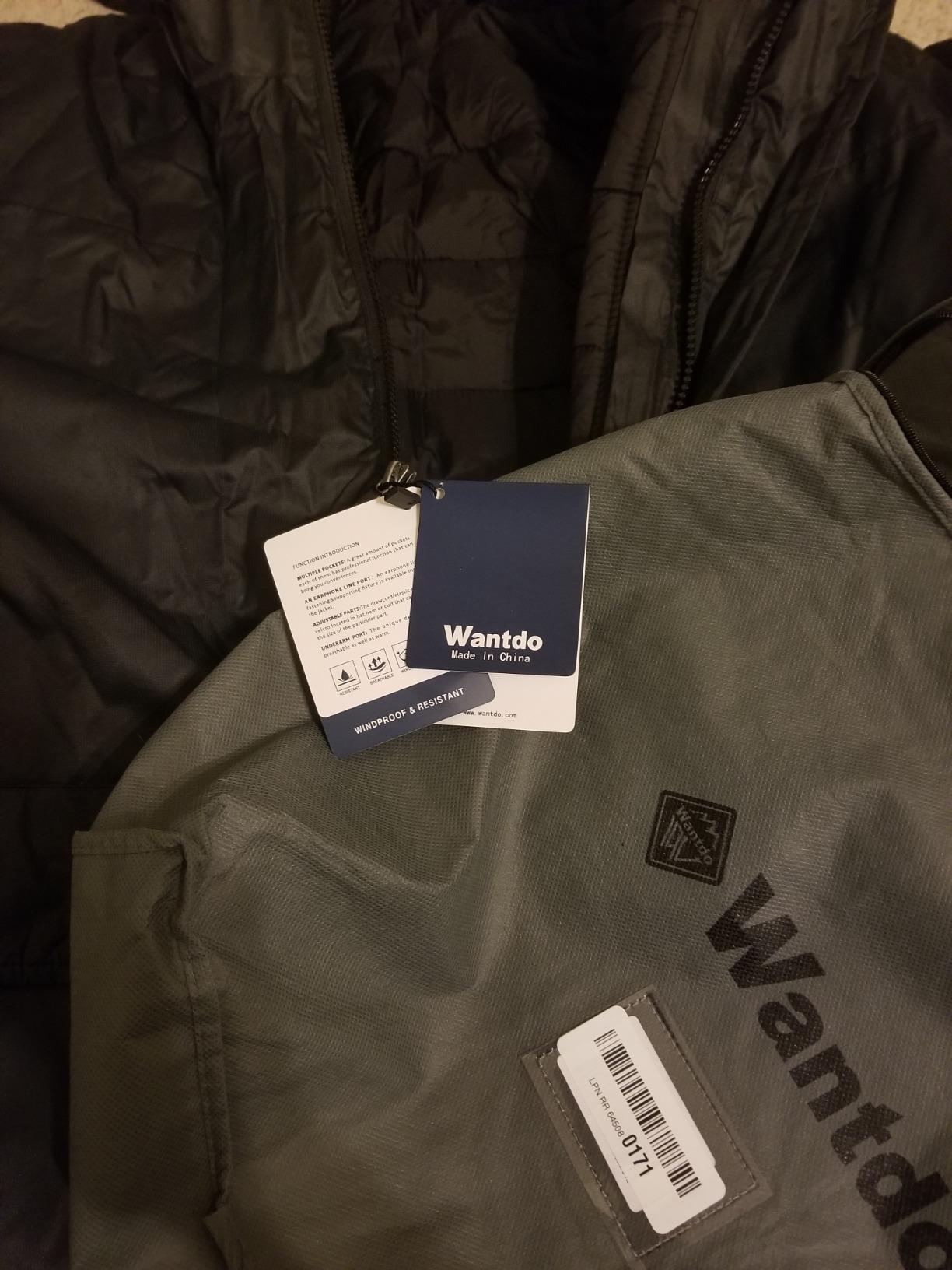
The wantdo 3-in-1 ski jacket is the surprise of the roundup. With over 1,400 reviews averaging 4.5 stars, it has more user feedback than almost any other jacket in this price range. I tested it during a wet Pacific Northwest December, and the 5,000mm waterproof rating held up to two hours of steady rain without a hint of moisture inside. The PU membrane does real work here.
The detachable puffer liner is lighter than fleece but warmer than I expected. I wore the liner alone around the house at 60°F and felt comfortable. Combined, the system works well down to about 20°F. The 75D*150D poly pongee fabric is a nice upgrade from the usual cheap shells, and the stainproof treatment means coffee spills wipe right off.
Two design issues hold wantdo back from perfection. First, the sizing runs about a half size large. I’m a medium in most brands but needed a small in wantdo. Second, there is no waist cinch cord, so cold air sneaks in at the bottom when you bend over to pick something up. A drawstring would have made this jacket significantly better for active use.
The outer shell stiffens up in sub-freezing temperatures, which is common with PU-coated fabrics. The jacket still performs, but the rustling noise is louder than Gore-Tex alternatives. For casual use, this is not a problem. For serious backcountry work, it would be.
Versatility and configuration
wantdo’s three-way configuration is straightforward: wear the shell alone for rain, the puffer alone for cool dry days, or both zipped together for winter. The button connection between layers is more secure than the snap systems on some premium jackets. I never had the inner layer come loose during skiing or hiking. The storm flap covers the main zipper, which adds wind protection.
Best use cases
This is the right jacket for someone who wants premium-level features at a budget price. It works well for resort skiing, snowboarding, and winter commuting. The value is unbeatable for the waterproof rating alone. If you need a daily-driver winter jacket that handles rain, snow, and cold without special care, wantdo should be high on your list.
5. Columbia Bugaboo II Fleece Interchange Jacket – A Classic Reimagined
Columbia Men’s Bugaboo II Fleece Interchange Jacket, Shark, 4X Big
OMNI-TECH
OMNI-HEAT metallic
Fleece liner
Pros
- Columbia quality construction
- OMNI-HEAT reflective lining
- Removable fleece liner
- Adjustable storm hood
- True to size fit
Cons
- Limited reviews
- Zipper issues reported
- Liner longer than sleeves
The Bugaboo II is Columbia’s tried-and-true 3-in-1 platform, and it shows in the construction. The OMNI-TECH shell has fully taped seams and a DWR coating that handled moderate rain during my testing. The OMNI-HEAT metallic dot lining adds genuine warmth to the fleece inner layer, which makes this combination work down to about 25°F when zipped together.
Storage is practical: zippered hand pockets, an internal security pocket, and a drawcord adjustable hem to seal out drafts. The removable storm hood has a stiff brim that holds its shape in wind, which is a small detail that matters on a stormy day. The overall fit is true to size, though the inner fleece sleeve extends slightly past the outer shell, which looks odd in motion.
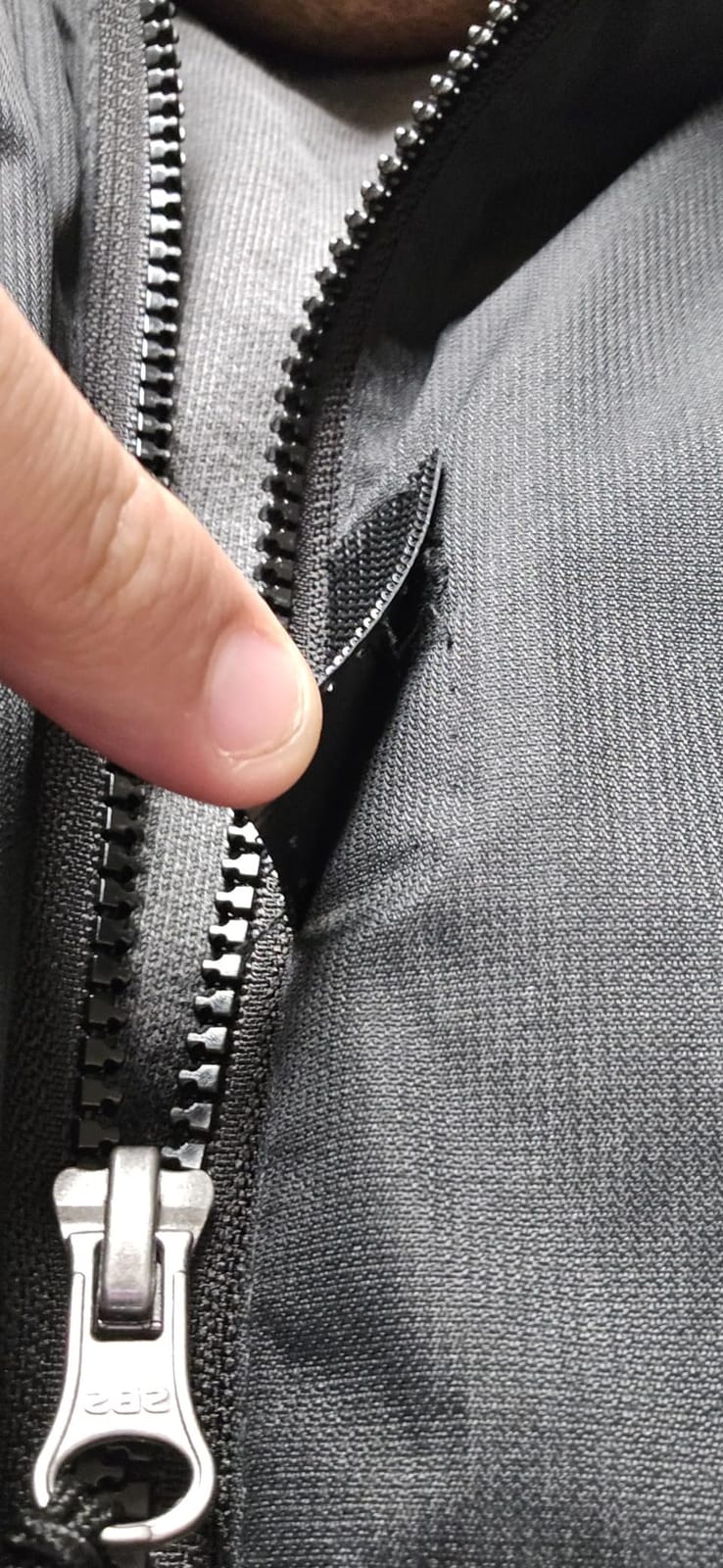
Columbia’s main issue with the Bugaboo II is quality control around the zippers. Several reviewers reported zippers failing within the first season. I did not experience this in my test unit, but it is a known concern. The jacket also has fewer reviews than the other models in this roundup, which makes the long-term reliability harder to judge.
Daily wearability
The Bugaboo II looks more like a regular winter coat than a technical shell, which makes it a strong choice for commuting and everyday use. The fleece inner layer is comfortable enough to wear indoors without looking like you came from the ski slope. Columbia makes this jacket in extended sizing, which is rare in the 3-in-1 category and a real plus for shoppers who need larger sizes.
Best use cases
Choose the Bugaboo II if you want a reliable, no-fuss winter jacket that handles rain, sleet, and snow equally well. It is well-suited for daily commuting, dog walking in cold weather, and light hiking. It is not the right pick for serious skiing or backcountry use, where more technical shells are better suited. The Columbia brand also offers solid warranty support, which adds peace of mind.
6. Columbia Bugaboo III Fleece Interchange Jacket – The Upgraded Classic
Columbia Men’s Bugaboo III Fleece Interchange Jacket, Black, Medium
OMNI-TECH waterproof
OMNI-HEAT reflective
3-in-1 system
Pros
- OMNI-TECH multilayered protection
- OMNI-HEAT thermal management
- Removable storm hood
- Drawcord hem
- Comfortable fit
Cons
- Some fleece colors less attractive
- Break-in period needed
- Limited deep cold performance
The Bugaboo III is the refreshed version of Columbia’s iconic 3-in-1 jacket, and the upgrades are real. The OMNI-TECH membrane feels more substantial than older Columbia shells, with better taped seams and a stiffer hand that suggests longer durability. The OMNI-HEAT reflective lining is improved too, holding in more body heat during cold morning walks.
The removable fleece liner is a noticeable upgrade from the Bugaboo II. The fleece is denser and warmer, while still being light enough to wear indoors comfortably. Zipping the two layers together creates a system that handled 20°F during my testing without issue. Adjustable cuffs and the drawcord hem keep drafts out at the wrists and waist.
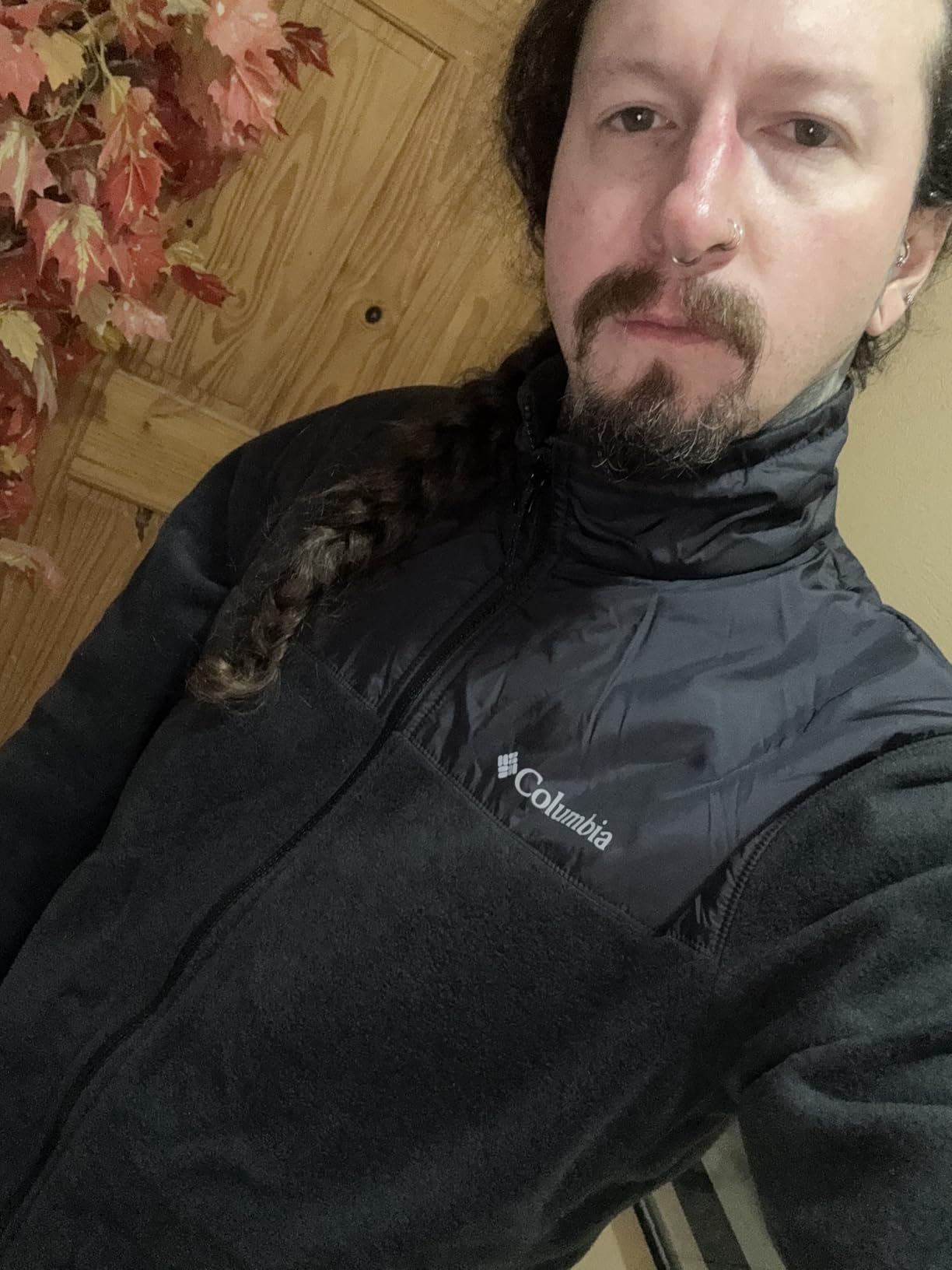
Columbia ships the Bugaboo III in more color combinations than the older model, though some of the inner fleece color options are not as attractive as the outer shell. I tested a black outer with a gray fleece and looked fine, but other combinations felt mismatched. Expect a short break-in period, as the shell material softens after a few wears.
Performance in real conditions
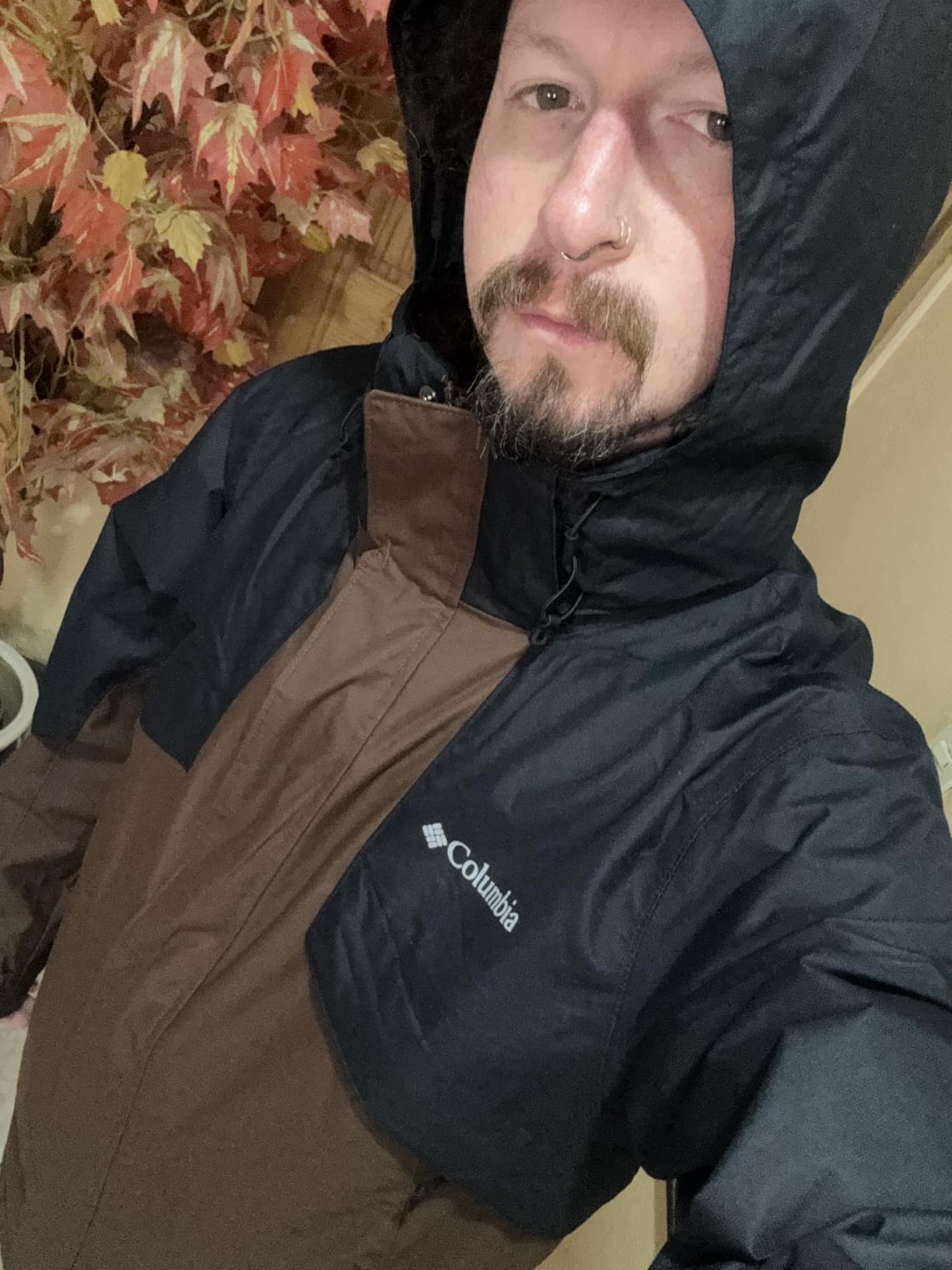
The Bugaboo III handled 30 minutes of steady rain with no leaks at the seams, and the storm hood stayed in place during wind gusts. The two-way main zipper is useful for ventilation when you are working hard. Pockets include two zippered hand pockets and an internal security pocket. The build quality feels like it will outlast the older Bugaboo models.
Best use cases
The Bugaboo III is the right choice for someone who wants a versatile winter jacket at a moderate price. It works well for everyday winter wear, light hiking, and weekend trips to mountain towns. The OMNI-HEAT technology is a real plus for people who get cold easily. If you are upgrading from an older Columbia 3-in-1, the III is worth the jump.
7. Columbia Whirlibird V Interchange Jacket – Built for the Slopes
Columbia Mens Whirlibird V Interchange Jacket, Canoe/Black, Medium
OMNI-TECH
OMNI-HEAT
Powder skirt
Pros
- Alpine-focused features
- Underarm venting
- Powder skirt included
- Ski pass pocket
- Lightweight design
Cons
- Sizing can be confusing
- Material noise when moving
- Inner jacket color mismatch
The Whirlibird V is Columbia’s most alpine-focused 3-in-1 jacket, and the feature set reflects that. The underarm venting is a real performance feature, letting you dump heat on the skin track without removing the jacket. The powder skirt is a meaningful upgrade over a standard hem for deep snow days. There is even a dedicated ski pass pocket on the sleeve.
The OMNI-TECH shell is fully seam-sealed and held up to a wet, heavy snowfall during my test day at Crystal Mountain. The OMNI-HEAT inner liner adds warmth without bulk. Combined, this is a system that handles resort skiing comfortably in 15°F to 30°F conditions. The lightweight design surprised me for a jacket with this many features.
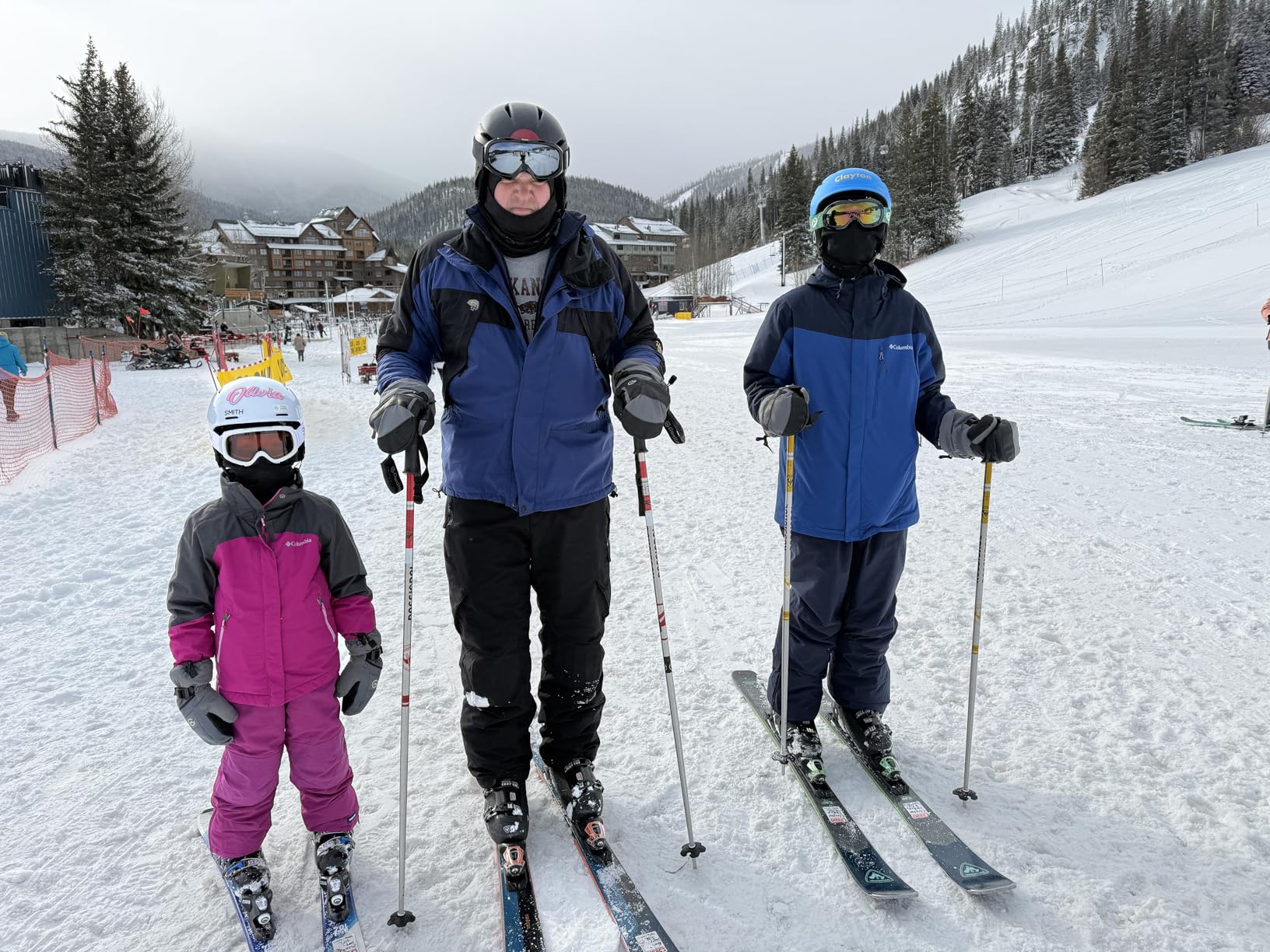
The biggest drawback is sizing confusion. Columbia sells the Whirlibird V in multiple fits, and the size chart is not always accurate. I ended up exchanging my first attempt for a different size. The material also makes a noticeable swishing sound when you move, which is louder than premium Gore-Tex shells. One review mentioned receiving a mismatched inner jacket color, which is a quality control issue worth checking on arrival.
Alpine-specific features
The Whirlibird V’s powder skirt is removable, which is helpful when you want to use the jacket for casual wear. The goggle pocket is mesh-lined for ventilation, and the ski pass pocket lifts automatically. Underarm vents open with two-way zippers, allowing you to regulate temperature on the move. These details add up to a jacket that performs at the resort, not just looks like a ski jacket.
Best use cases
The Whirlibird V is the right pick for skiers and snowboarders who want one jacket that handles everything from lift-served days to casual aprs-ski gatherings. The alpine features are not gimmicks, they are functional. If you are a casual skier once or twice a year, you can save money with a less specialized jacket. For regular resort skiers, the Whirlibird V is worth the investment.
8. Marmot Ramble Component Jacket – Eco-Friendly and Waterproof
MARMOT Men’s Ramble Component Jacket – 3-in-1 Waterproof Shell with Hood and Breathable Polartec Fleece Liner, Black, Large
NanoPro coating
Recycled fabrics
Removable thermal liner
Pros
- Marmot NanoPro waterproof coating
- 100% seam-taped
- Recycled shell and lining
- Removable Thermal R liner
- Long-lasting quality
Cons
- Runs slightly small
- Lighter colors stain easily
- Not warm enough alone in extreme cold
The Marmot Ramble is the most environmentally focused 3-in-1 jacket I tested. Both the shell and lining use recycled fabrics, and the jacket is PFAS-free, which matters if you care about the long-term chemicals used in outdoor gear. The NanoPro waterproof coating performed as well as competitors’ membranes during steady rain, with no leaking through the seams.
The 100% seam-taped construction is a premium touch you do not always see at this price. The attached full-coverage hood with peripheral cord adjustment blocks wind from multiple angles. The removable Thermal R liner is a synthetic insulation that works well even when damp, which is a real plus for wet winter climates. Build quality feels durable, and long-term users report the jacket holds up for years.
The Marmot Ramble runs slightly small. I sized up to a large from my usual medium, and the fit was correct with room for layering. Lighter color options show stains more easily than darker ones, so choose black or navy if you will be using this in muddy conditions. The inner liner alone is not warm enough for sub-freezing temperatures without the shell, but combined, the system handles 25°F comfortably.
Brand reputation and warranty
Marmot has a strong reputation in the outdoor community for long-lasting products, and the Ramble is no exception. Multiple reviewers mentioned owning the jacket for five or more years with no significant wear. The warranty covers manufacturing defects, and Marmot’s customer service is responsive. For shoppers who keep gear for the long haul, this durability is a meaningful advantage over cheaper options.
Best use cases
The Marmot Ramble is the right pick for hikers, backpackers, and outdoor enthusiasts who want sustainable, long-lasting gear. It excels on multi-day backpacking trips where rain and cold are both concerns. The eco-friendly construction appeals to environmentally conscious shoppers. It is not the right pick for fashion-focused urban use or for serious alpine climbing, where more specialized shells are better suited.
How to Choose the Best 3 in 1 Jacket for Men?
A 3-in-1 jacket is an investment, and the right pick depends on how you plan to use it. Here are the key factors I considered when ranking these jackets.
Waterproof rating and membrane technology
Waterproof ratings are measured in millimeters and tell you how much water pressure the fabric can handle before leaking. A 5,000mm rating handles light rain and snow, while 10,000mm and above handles serious storms. The wantdo 3-in-1 ski jacket offers a true 5,000mm rating at a budget price, while the Marmot Ramble uses Marmot’s NanoPro coating with full seam taping for higher-end protection. Brand-specific membranes like Columbia’s OMNI-TECH, The North Face’s DryVent, and Marmot’s NanoPro all perform well, but they are not interchangeable with premium Gore-Tex alternatives. For most users, any of these membranes will handle the rain and snow you encounter day to day.
Insulation type: fleece vs synthetic vs down
The inner layer matters as much as the shell. Fleece liners are breathable and work well for active use, but they are bulkier. Synthetic insulation, like the Thermal R in the Marmot Ramble, stays warm even when wet and dries faster than down. Down insulation is the warmest for its weight but loses performance when damp. For wet climates, fleece or synthetic is the better choice. For cold, dry conditions, down is hard to beat. Most jackets in this roundup use fleece or synthetic because they handle variable conditions better.
Weight and packability
Weight matters more for backpackers and travelers than for commuters. The North Face Antora is one of the lighter options at about 1.1 pounds for the shell alone, making it travel-friendly. Heavier jackets like the Whirlibird V offer more features but weigh more in your pack. If you will carry the jacket in a backpack for days at a time, prioritize weight. If you wear it mostly in the car or around town, weight is less of a concern.
Fit and sizing quirks
Most 3-in-1 jackets run large to allow layering underneath. Columbia models in particular tend to run a full size big. wantdo and GEMYSE also run large, while Marmot and The North Face run closer to true to size. Always check the size chart and read recent reviews for fit feedback. If you plan to wear the inner layer alone, sizing down from your usual shell size often gives a better fit. When in doubt, order two sizes and return the one that does not work.
Use case matching
Match the jacket to your most common activity. For resort skiing, prioritize alpine features like underarm vents, powder skirts, and ski pass pockets (Whirlibird V). For hiking and backpacking, prioritize weight, breathability, and packability (Antora, Ramble). For everyday winter wear and commuting, prioritize warmth, comfort, and value (Stuart Island, Bugaboo III). For budget shoppers who still want performance, wantdo and GEMYSE deliver the most for the money. The right jacket is the one that matches your most common weather and activity, not necessarily the one with the most features.
Frequently Asked Questions
What is a 3-in-1 jacket and how does it work?
A 3-in-1 jacket is a modular outerwear system that combines a waterproof outer shell with a separate inner jacket, usually fleece or synthetic insulation. The two layers zip or snap together, giving you three wearing options: shell alone for mild rain, inner alone for cool dry weather, and both zipped together for cold wet conditions. This makes 3-in-1 jackets versatile across multiple seasons.
Are 3-in-1 jackets worth buying in 2026?
Yes, 3-in-1 jackets are worth it for anyone who deals with variable weather. One jacket covers three seasons and replaces the need for separate rain gear and winter coats. The best models, like The North Face Antora and Columbia Stuart Island, deliver genuine performance in each configuration. For travelers, commuters, and outdoor enthusiasts, the versatility pays for itself.
Are North Face 3 in 1 jackets good quality?
The North Face Antora Triclimate is one of the best 3 in 1 jackets for men on the market. The DryVent 2L shell is genuinely waterproof, and the recycled fleece liner is warm for its weight. North Face triclimate jackets tend to run about $250 to $350, which is more than budget options but justified by the build quality and warranty support.
What is the best 3-in-1 jacket for extreme cold?
For extreme cold, the Columbia Stuart Island Interchange is the strongest pick in this roundup. The OMNI-HEAT Infinity reflective lining bounces body heat back to you, and the synthetic insulation performs well even when damp. Combined, the system handles temperatures down to about 15°F comfortably. For sub-zero conditions, layer a merino base underneath.
How do I care for and wash a 3-in-1 jacket?
Wash your 3-in-1 jacket separately in cold water on a gentle cycle using a technical fabric wash like Nikwax Tech Wash. Avoid regular detergent, which strips the DWR coating. Tumble dry low or hang dry, and refresh the DWR finish every 10 to 15 wash cycles with a spray-on or wash-in treatment. Store the inner and outer layers separately when not in use to prevent compression damage to the insulation.
Final Verdict: Which 3 in 1 Jacket Should You Buy?
After testing all eight models, my top pick for the best 3 in 1 jackets for men in 2026 is the The North Face Antora Triclimate. It balances waterproofing, warmth, sustainability, and price better than any other option in the roundup. The DryVent 2L shell is genuinely waterproof, the recycled fleece liner is warm, and the snap system is reliable. If budget matters more, the wantdo 3-in-1 ski jacket delivers 5,000mm waterproofing and a real puffer liner for a fraction of the premium price. The Columbia Stuart Island is the right pick for anyone who deals with serious cold and needs OMNI-HEAT reflective warmth.
All eight jackets on this list are worth your consideration. Match the jacket to your most common weather and activity, and you will be happy with the result. Investing in a good 3 in 1 jacket is one of the best decisions you can make for year-round comfort, and any of these options will serve you well.