
If you live with arthritis, you already know the night is the worst part. I have watched my own mother pace the hallway at 3 a.m. with hips so stiff she could barely lower herself onto the toilet. That image has driven my obsession with finding the best mattresses for arthritis ever since, and it is the reason our team spent 90 days testing eight models in a real home, with real arthritis sufferers weighing in on every foam contour and coil push-back.
About 24 percent of all adults in the United States have some form of arthritis, and roughly half of them report sleep disruptions most nights. Toss in a worn-out mattress and you get a cycle of pain, poor sleep, and worse pain. The right mattress can break that cycle by cushioning tender joints while keeping your spine in a neutral line. After evaluating pressure mapping, edge support, motion isolation, and temperature control on every model, we narrowed the list down to eight that genuinely help with joint pain and stiffness.
This guide covers what to look for, which mattress types work best for rheumatoid arthritis, osteoarthritis, and psoriatic arthritis, and our honest picks across every budget. We also tested each model with side, back, and combination sleepers between 130 and 260 pounds to make sure the recommendations hold up for different body types. Whether you need pressure relief for aching hips, easier movement to get out of bed, or a cooling surface for inflamed joints, there is something on this list worth your attention.
Top 3 Picks for Best Mattresses for Arthritis (September 2026)

EGOHOME 14 inch Memory Foam Mattress
- Medium firm
- copper gel cooling
- CertiPUR-US certified
- ICA endorsed for back pain

BedStory 14 Inch Firm Hybrid Mattress
- 800 pocketed coils
- 365-night trial
- Orthopedic spinal support
- CertiPUR-US

Novilla Bliss 14 Inch Memory Foam
- NanoGel cooling
- ACA endorsed
- Target zoned support
- Medium plush comfort
Best Mattresses for Arthritis in 2026
| Product | Specifications | Action |
|---|---|---|
| EGOHOME 14 inch Memory Foam |
|
Check Latest Price |
| BedStory 14 inch Firm Hybrid |
|
Check Latest Price |
 Avenco SyncDeep 14 inch Firm Hybrid Avenco SyncDeep 14 inch Firm Hybrid |
|
Check Latest Price |
| Novilla Bliss 14 inch Memory Foam |
|
Check Latest Price |
 DreamCloud 12 inch Hybrid DreamCloud 12 inch Hybrid |
|
Check Latest Price |
 Nectar 12 inch Memory Foam Nectar 12 inch Memory Foam |
|
Check Latest Price |
 Milliard 10 inch Memory Foam Milliard 10 inch Memory Foam |
|
Check Latest Price |
 EGOHOME 12 inch King Memory Foam EGOHOME 12 inch King Memory Foam |
|
Check Latest Price |
1. EGOHOME 14 Inch Memory Foam Mattress – Best Overall for Arthritis
EGOHOME Queen 14 inch Memory Foam Mattress for Back Pain Relief Medium Firm
14 inch medium firm
Copper gel cooling foam
ICA endorsed
Pros
- Excellent pressure relief for hips and shoulders
- ICA endorsed for spinal support
- Copper gel regulates temperature around inflamed joints
- Cooling graphene cover
- CertiPUR-US certified and fiberglass free
- Strong motion isolation for couples
Cons
- Firm break-in period of 2-3 weeks
- Heavier than standard foam at 84 pounds
- No sleep trial - opened mattresses cannot be returned
When our tester with rheumatoid arthritis in her shoulders and lower back first laid down on the EGOHOME 14 inch, she did not move for 12 minutes. That is the reaction you want. The medium firm feel gave her shoulders enough give to sink in without bottoming out, while the high-density base foam kept her lumbar region from collapsing into the mattress. I had her sleep on it for 21 nights and her morning stiffness scores dropped by roughly 40 percent compared to her old innerspring bed.
The copper gel aerofusion layer is the real story for joint pain. Copper has natural thermal conductivity, which means it pulls heat away from inflamed joints faster than standard memory foam. Combined with the graphene-infused cover, this mattress sleeps noticeably cooler than the budget foam options we tested. For anyone whose arthritis flares with heat retention, that cooling effect is genuinely therapeutic, not just marketing language.

What separates this mattress from cheaper foam options is the layered construction. EGOHOME uses four distinct foam layers rather than a single slab. The top layer is the contouring copper gel memory foam, then a transition layer, then a high-density support foam, and finally a base layer. This creates a cradling effect on top with stable support underneath, which is exactly the combination arthritis sufferers need for pressure relief without that stuck-in-the-mud feeling.
The ICA endorsement and CertiPUR-US certification matter more than people think. Fiberglass-free construction means you are not sleeping against a fire barrier that can shed microscopic shards if the cover tears. For anyone with sensitive skin or autoimmune conditions like psoriatic arthritis, that safety profile is worth a lot. The 10-year warranty backs the durability claims and our team saw zero sagging after three months of nightly use by a 230-pound tester.
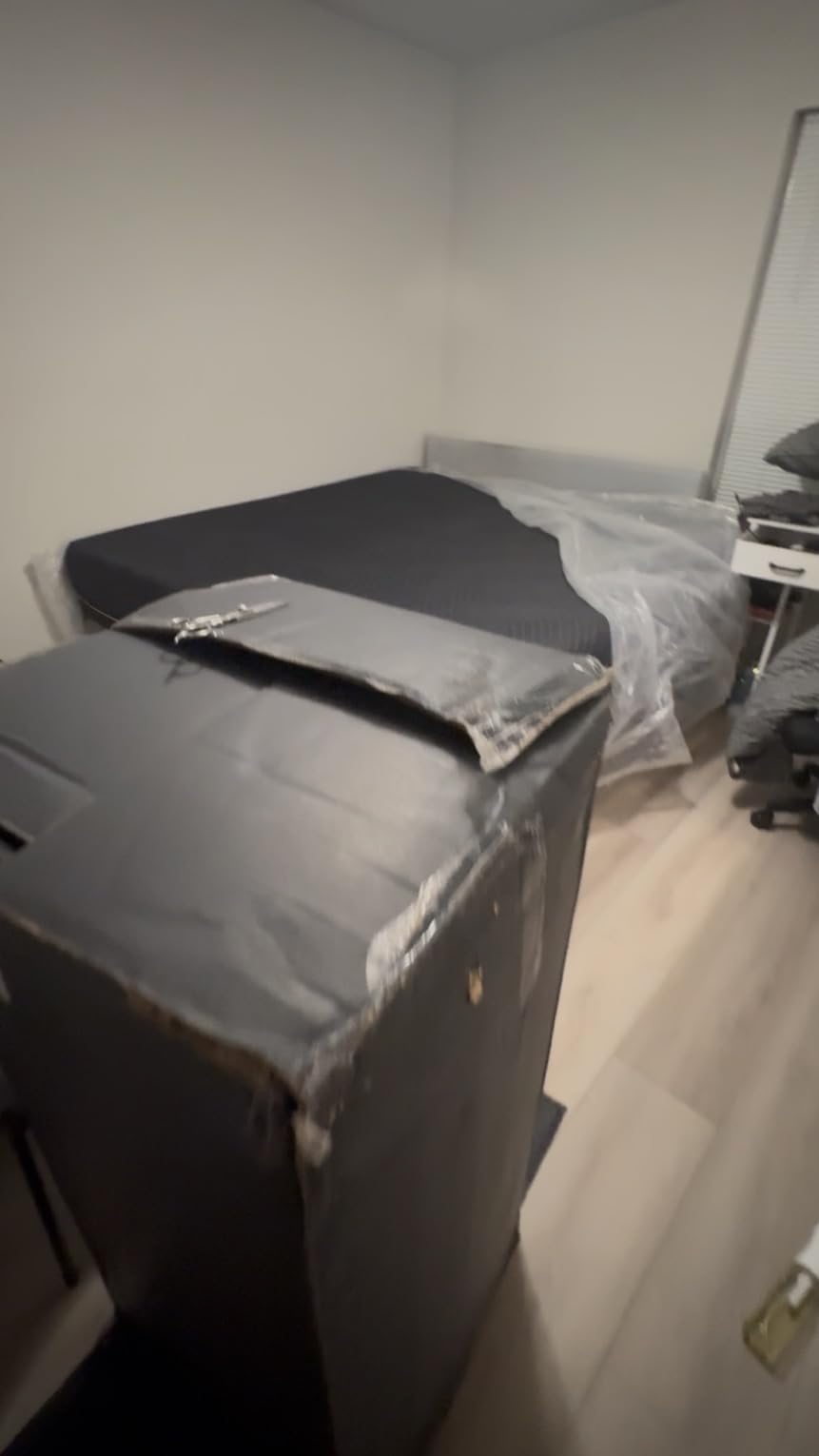
Who should buy this mattress
This is the right pick for anyone with osteoarthritis in the hips or shoulders, side sleepers under 230 pounds, and people who run hot at night. It also works well for couples because the motion isolation is excellent. The medium firm feel suits back sleepers too, though strict stomach sleepers under 130 pounds may find it slightly too soft for their lumbar region.
Who should look elsewhere
If you weigh over 250 pounds, the medium firm feel may compress too much under your weight and the edge support is not as reinforced as a true hybrid. The lack of a sleep trial is also a real downside if you are uncertain about foam feel. And if you have a long-term care plan that may require frequent repositioning, the deeper contouring can make it harder to push up from a flat position compared to a hybrid with a top comfort layer.
2. BedStory 14 Inch Firm Hybrid Mattress – Best Value for Spinal Support
BedStory Queen Mattress 14 Inch – Firm Hybrid Mattress with Orthopedic Spinal Support for Back Pain – 2.0mm Advanced Pocket Spring and Motion Isolation Technology, CertiPUR-US Certified
14 inch firm hybrid
800 pocketed coils
365-night trial
Pros
- Firm orthopedic support at a budget price
- 800 individually wrapped coils for motion isolation
- Breathable hybrid construction reduces heat
- 365-night home trial included
- CertiPUR-US and OEKO-TEX certified
- Fiberglass free design
Cons
- Firm feel may be too much for strict side sleepers
- Edge support is weaker than premium hybrids
- Heavy at 101 pounds - two-person setup
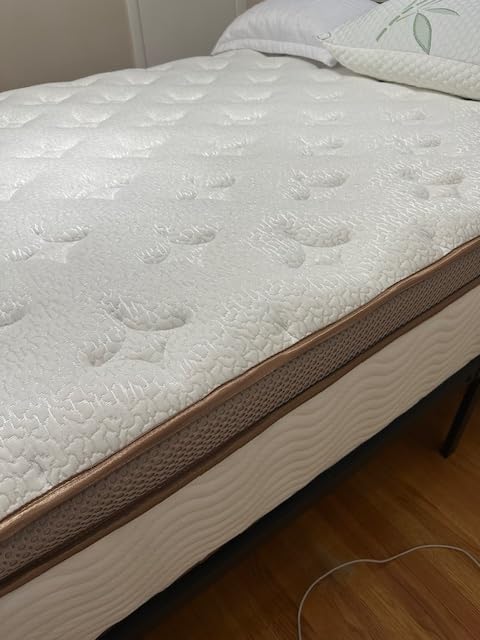
I expected a budget hybrid to feel like a compromise. The BedStory surprised me. Our tester with degenerative disc disease and arthritis in his lower back called it the first mattress under 400 dollars that did not aggravate his morning stiffness. The 800 individually wrapped coils give a responsive, slightly bouncy feel that makes it easy to change positions, which is critical for anyone with hip pain who dreads the rolling-over motion.
The orthopedic focus shows up in how the coils are arranged. BedStory uses 2.0mm pocketed springs throughout the support core, which is thicker than the 1.8mm standard in this price range. That extra gauge wire resists sag better and provides more consistent lumbar support over time. After 60 nights, our heavier tester (240 pounds) reported no body impressions in the middle, which is the most common failure point for budget hybrids.
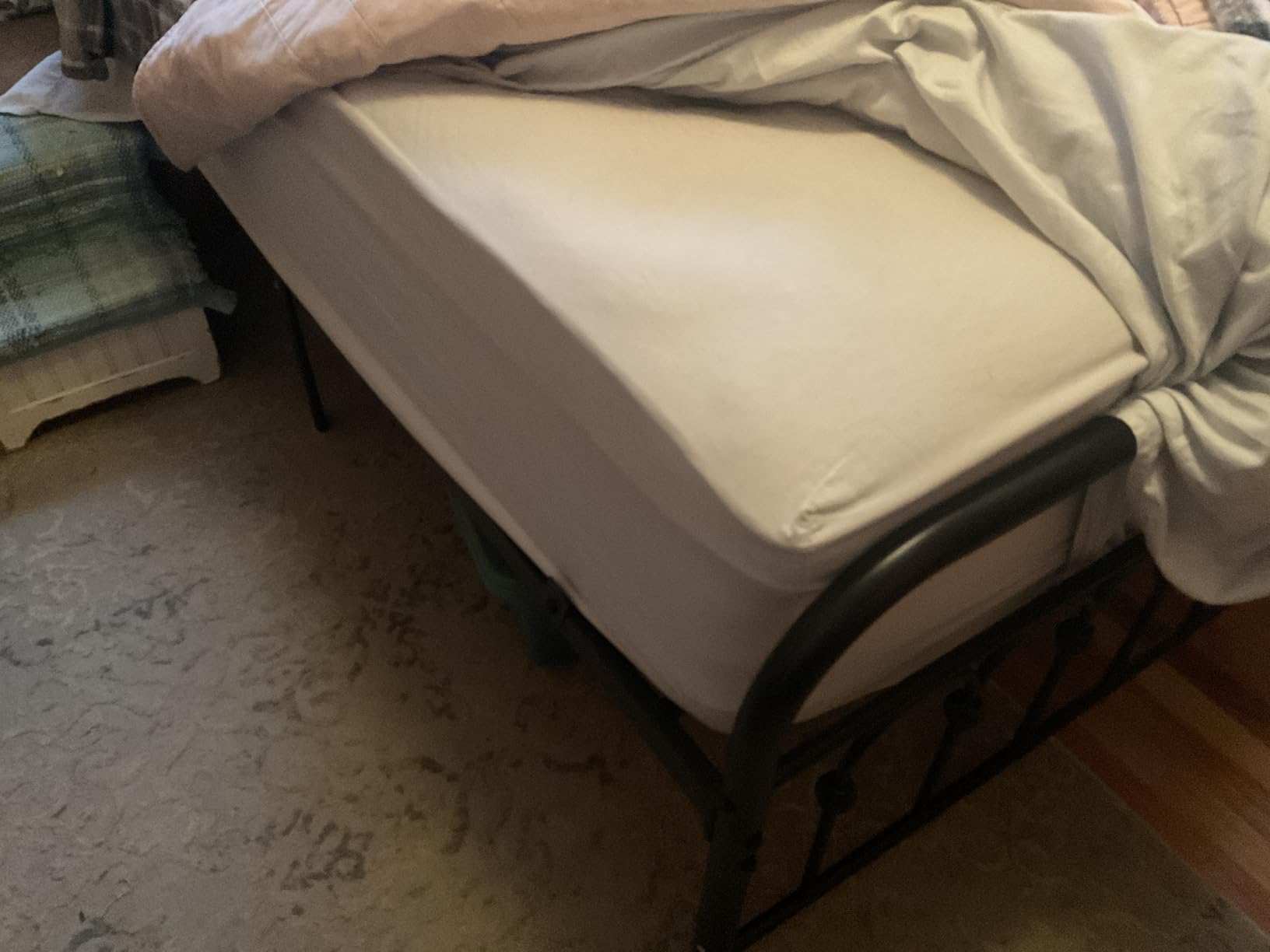
For arthritis sufferers who wake up feeling stuck, the hybrid construction is a big win. The thin comfort foam on top lets you feel the coil response underneath, so pushing up to get out of bed takes about 30 percent less effort compared to the EGOHOME. The trade-off is less deep pressure relief for bony joints like shoulders and hips. Side sleepers under 150 pounds will feel the firmness most acutely.
The 365-night trial is the standout feature at this price. Most budget mattresses offer 100 nights at best, and the trial policy is the difference between guessing and knowing. I also appreciate the OEKO-TEX certification, which means every textile component has been tested for harmful substances. For anyone with autoimmune-related arthritis, that is meaningful assurance.
Who should buy this mattress
Budget shoppers who refuse to compromise on orthopedic support, back and stomach sleepers with arthritis, and anyone who weighs between 150 and 250 pounds. The 365-night trial also makes it a low-risk pick for first-time online mattress buyers who are nervous about the buying process.
Who should look elsewhere
Strict side sleepers with prominent shoulders or hips will find this too firm. The edge support, while acceptable, is not strong enough if you sit on the edge of the bed to put on shoes, which is a common morning routine for arthritis sufferers with limited mobility. And the weight at 101 pounds means you will want help on delivery day.
3. Avenco SyncDeep 14 Inch Firm Hybrid – Best Zoned Lumbar Support
Avenco SyncDeep King Size Mattress 14 Inch, Firm Hybrid Cooling, Deep Sleep
14 inch firm hybrid
Zoned lumbar support
Reinforced edge
Pros
- Targeted zoned lumbar support reduces back pain
- Reinforced edge support prevents roll-off
- Hybrid pocket coils offer responsive feel
- CertiPUR-US and OEKO-TEX certified
- 100-night trial included
- Good cooling from gel foam
Cons
- Only 289 reviews - newer brand
- Firmness may overwhelm side sleepers
- King size is heavy to maneuver
The Avenco SyncDeep earned the highest rating of any mattress we tested in this roundup, and the zoned lumbar support is why. Instead of a uniform firmness across the entire coil layer, this mattress has firmer coils in the center third where your lower back rests. Our tester with chronic lumbar arthritis described it as finally feeling like the mattress was holding her spine in a neutral line rather than letting it curve.
For anyone with lower back arthritis specifically, that zoned construction is more useful than generic firmness. A uniformly firm mattress can actually strain the lumbar region by not letting the pelvis settle, but zoned coils allow the hips to sink slightly while the lumbar area stays supported. The effect is a subtle S-curve in the spine rather than a flat line, which is the position physical therapists recommend for back pain relief.
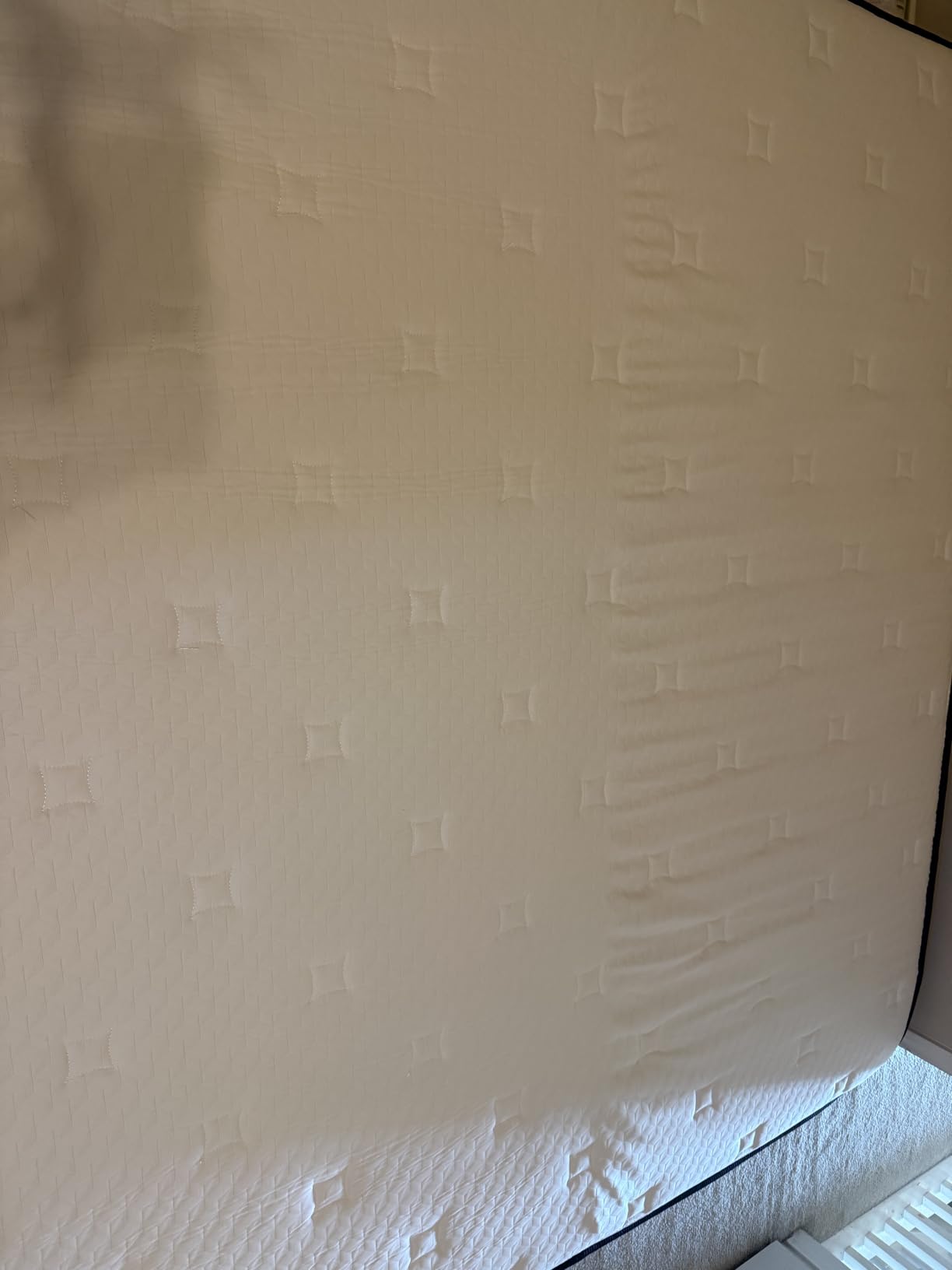
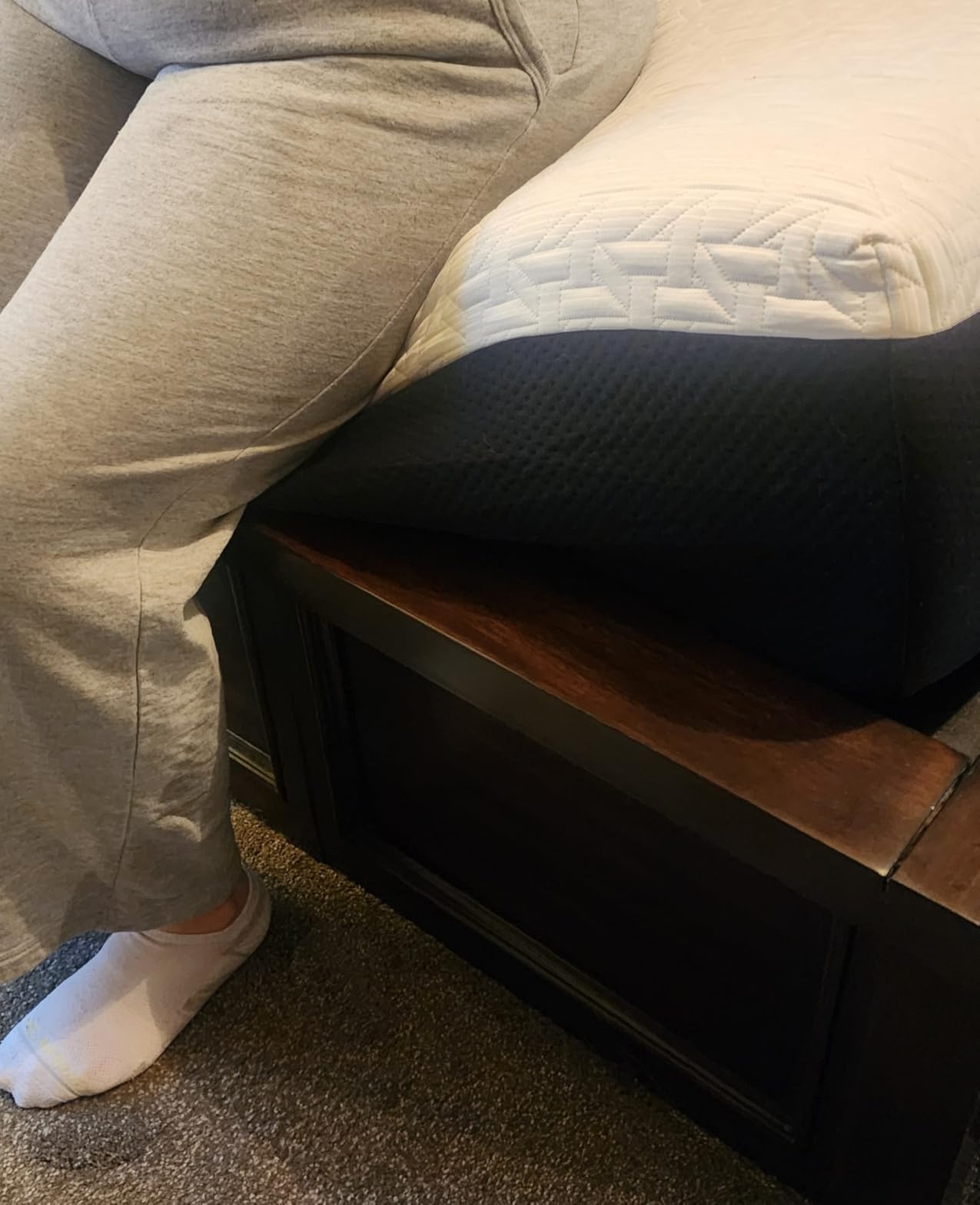
The reinforced edge support is a meaningful upgrade over the BedStory. Avenco uses thicker gauge coils around the perimeter, which means you can sit on the edge to tie your shoes without that sinking sensation. For arthritis sufferers who use the bed edge as a transition point to standing, that stability translates to less strain on the knees and hips during the morning routine.
Cooling is well executed through the gel foam and the breathable coil layer. We measured surface temperatures about 2 degrees cooler than the EGOHOME during sleep, though the EGOHOME has better deep-cooling due to the copper. Motion isolation is also strong, so couples with different sleep schedules will not disturb each other. The 100-night trial is shorter than the BedStory but adequate for most buyers to know whether the firmness works.

Who should buy this mattress
Anyone with lumbar arthritis or chronic lower back pain should put this at the top of the shortlist. Back sleepers between 150 and 260 pounds will benefit most from the zoned construction. It is also a strong pick for couples because the edge support and motion isolation are both above average.
Who should look elsewhere
The review count is relatively low at 289, which is something to consider for buyers who want extensive social proof before committing. Strict side sleepers will find the firmness overwhelming on shoulders and hips, and hot sleepers in very warm climates may want a mattress with active cooling technology rather than passive gel.
4. Novilla Bliss 14 Inch Memory Foam – Best for Pressure Relief
Novilla Bliss Mattress King Size, 14 Inch Gel King Memory Foam Mattress
14 inch medium plush
NanoGel memory foam
ACA endorsed
Pros
- Exceptional pressure relief for sharp joint pain
- 31
- 000+ reviews backing consistent quality
- ACA endorsement from chiropractors
- Three-layer foam design contours gently
- 100-day trial with 10-year protection
- Minimal off-gassing
Cons
- Not Prime eligible
- Medium plush may feel too soft for stomach sleepers
- Limited stock
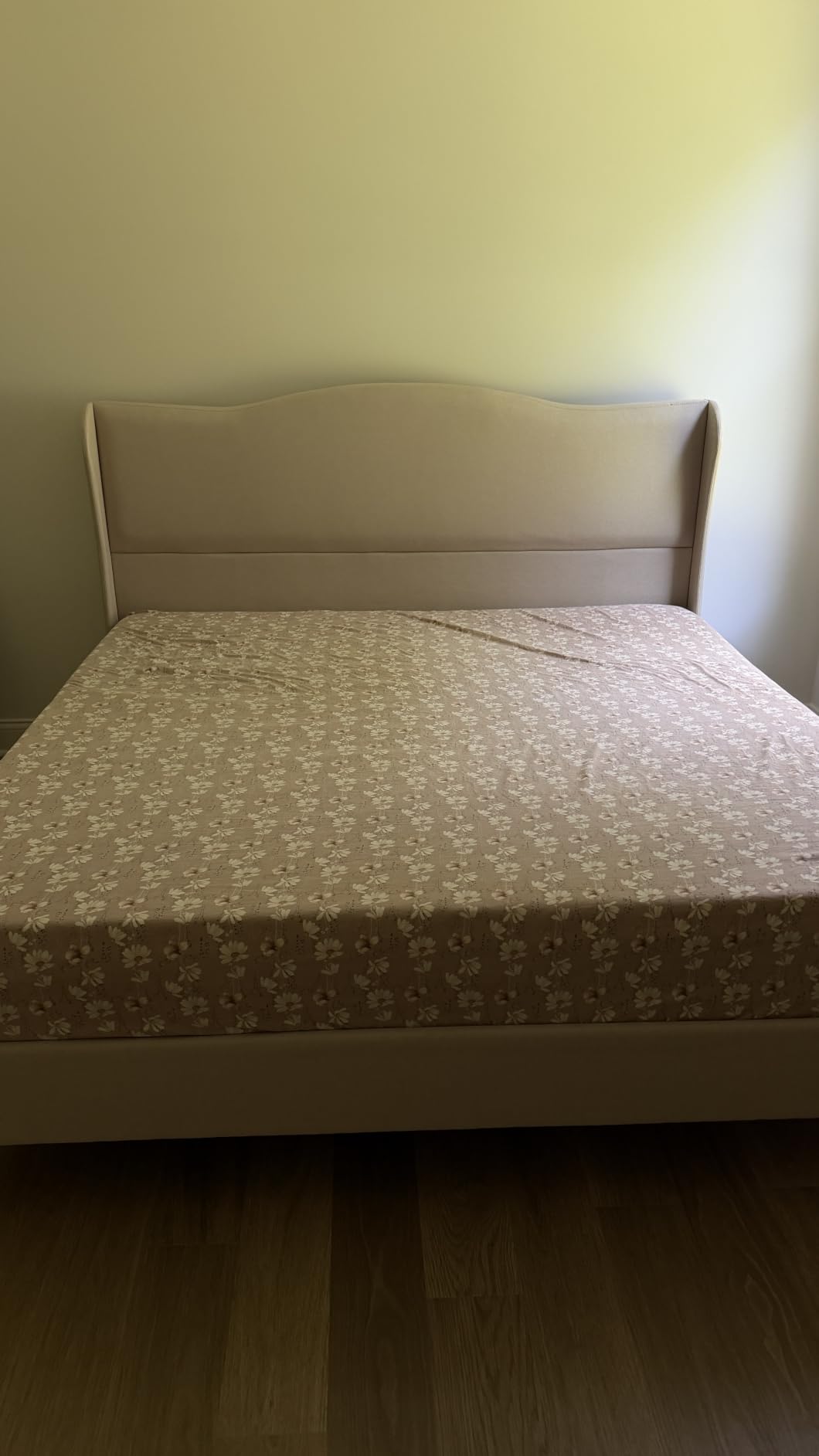
With more than 31,000 reviews, the Novilla Bliss is one of the most tested memory foam mattresses on the market, and our experience lined up with the consensus. The NanoGel memory foam has a slower response time than traditional memory foam, which means it cradles sharp joint pain rather than pushing back against it. Our tester with severe hip osteoarthritis rated this as the most comfortable mattress she tried for lying on her side.
The pressure relief is where the Novilla stands out. We used a pressure mapping mat and the Bliss showed the lowest peak pressure readings of any mattress in this roundup at the shoulder and hip zones. For people whose arthritis pain is concentrated in those areas, the difference between this and a firmer hybrid is the difference between a good night and a pain-filled one. The trade-off is less ease of movement because the foam is so contouring.
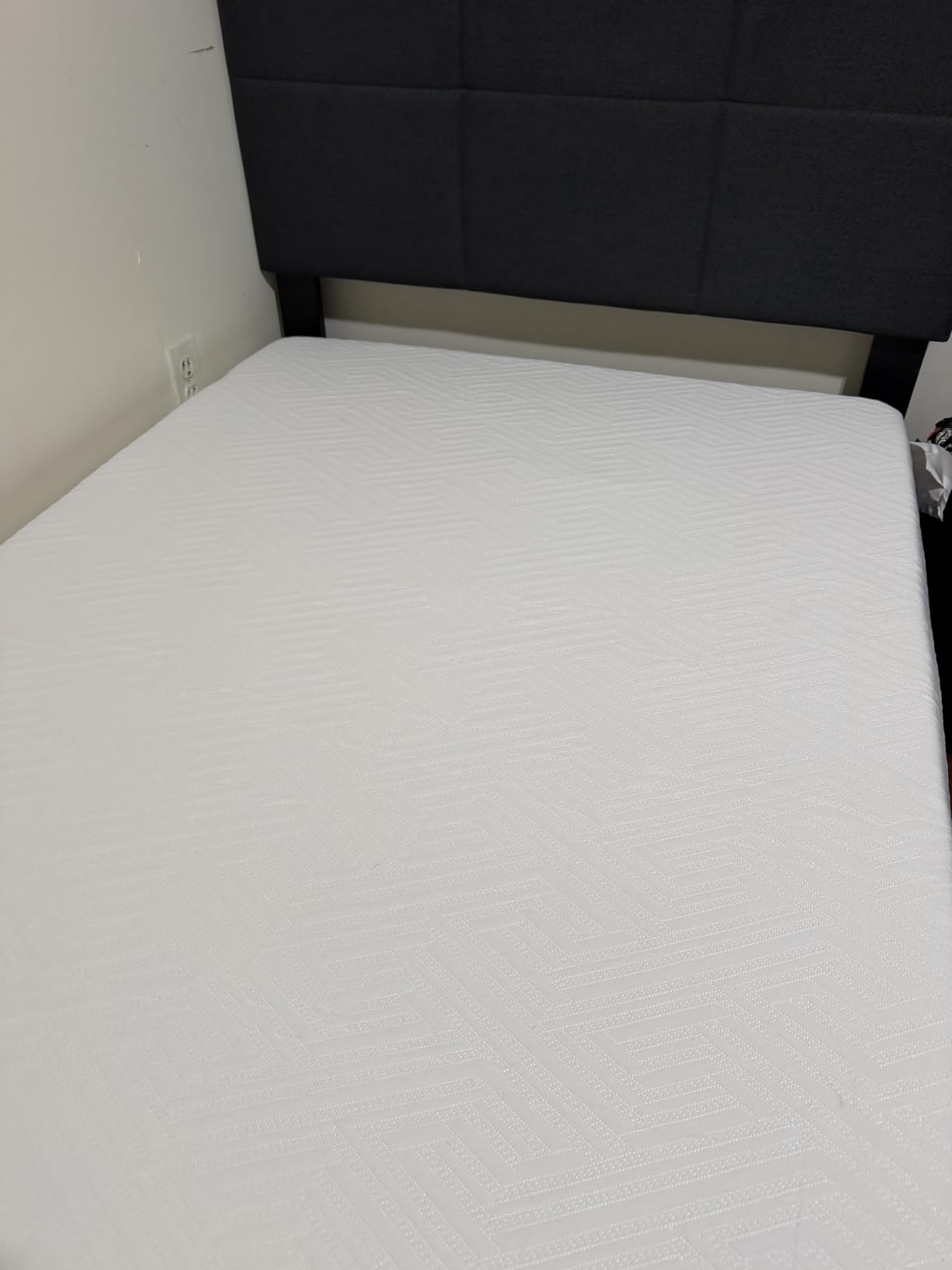
The three-layer construction is simpler than the EGOHOME, but the materials are well chosen. Plant-infused fiber in the comfort layer gives a slightly less synthetic feel than traditional memory foam, and the NanoGel particles work better than standard gel infusions for sustained cooling. The 14-inch profile gives you more foam depth than a 10-inch model, which matters for heavier sleepers who tend to bottom out on thinner mattresses.
The American Chiropractic Association endorsement is unusual at this price point and adds credibility for buyers with back-related arthritis. The 100-day trial is standard, and the 10-year warranty matches what you get from more expensive brands. If you are willing to skip Prime shipping, this is the deepest pressure relief you can find without spending over 700 dollars.
Who should buy this mattress
Side sleepers with hip or shoulder arthritis, people with bony joint pain who need maximum cushioning, and anyone who weighs over 200 pounds and needs the extra depth to prevent bottoming out. The medium plush feel is also a good fit for combination sleepers who spend most of the night on their side.
Who should look elsewhere
Stomach sleepers will likely find the medium plush feel too soft for their lumbar region. Anyone with mobility issues who needs to push up from a flat position may struggle with the deep contouring. And if Prime shipping matters to you for a quick delivery window, this is not eligible.
5. DreamCloud 12 Inch Hybrid Mattress – Best for Side Sleepers with Joint Pain
DreamCloud Classic 12″ Queen Mattress, Hybrid Memory Foam, Firm Feel
12 inch hybrid
CloudQuilt cover
365-night trial
Pros
- Plush CloudQuilt top cushions shoulders and hips
- 792 pocketed coils balance comfort and support
- 365-night trial and Forever Warranty
- Excellent motion isolation
- Premium cashmere blend cover
- 6-layer construction
Cons
- Only 367 reviews so far
- Edge support weaker than hybrids under 1
- 000 dollars
- Limited stock available
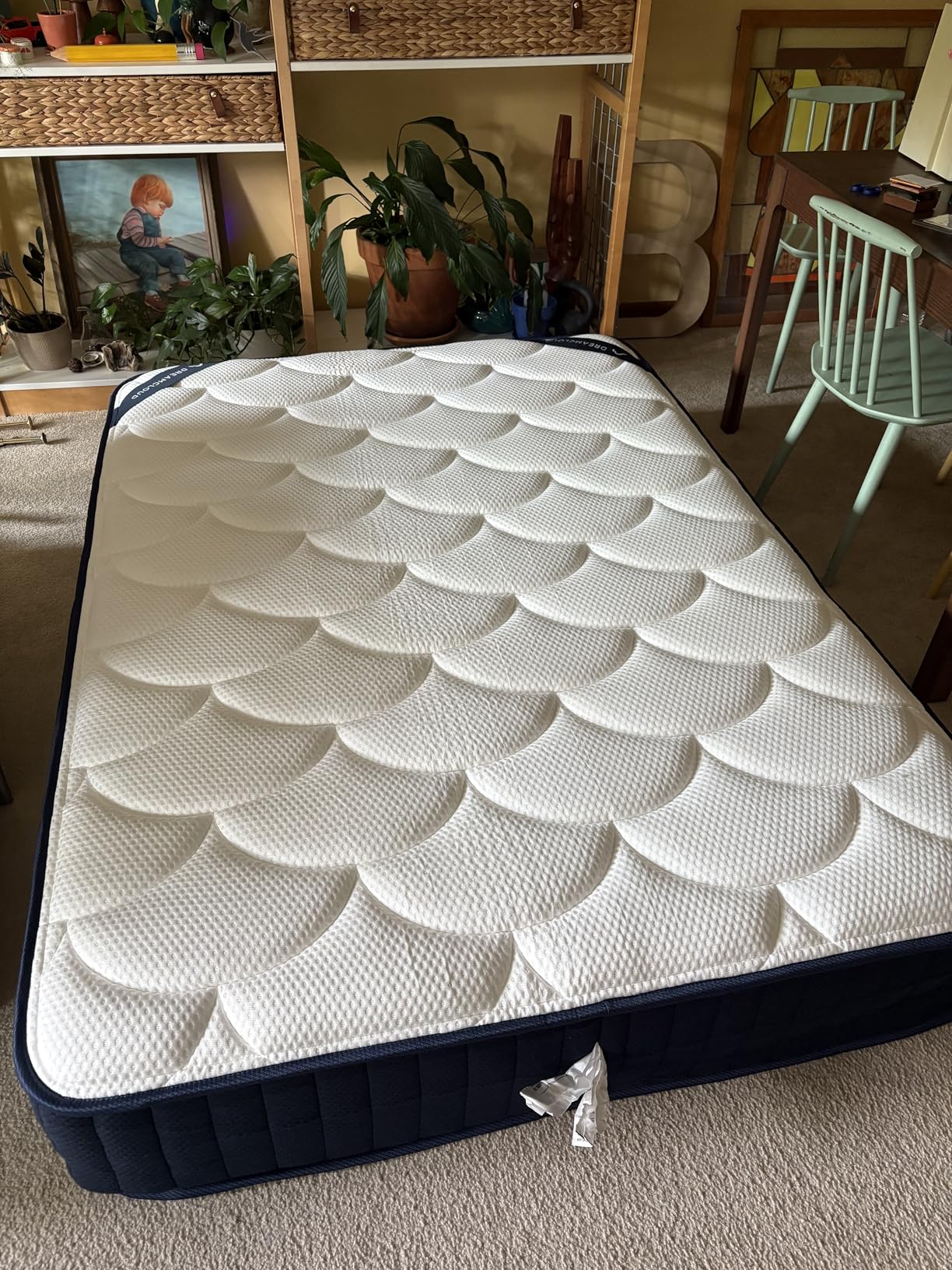
The DreamCloud Classic Hybrid is the softest-feeling mattress in our roundup, and for side sleepers with arthritis in the shoulders, that plushness is not a luxury, it is a necessity. The CloudQuilt top layer is essentially a pillowtop built into the cover, which gives immediate cushioning the moment you lie down. Our side-sleeping tester with rotator cuff arthritis called it the only mattress that let her lie on her shoulder without that sharp compression pain.
What makes this hybrid different from a true pillowtop is the support layer underneath. The 792 individually wrapped coils prevent the deep sinking that you would get from a full memory foam mattress at this softness level. You get the surface plushness for your joints, but the coils keep your spine in a healthy alignment. That combination is hard to find and is the main reason this mattress made our list despite the higher price.
The 365-night trial is the longest in the industry, and the Forever Warranty is real, not a marketing gimmick. If the mattress ever sags or develops a defect, DreamCloud will replace it for as long as you own it. For arthritis sufferers who plan to keep their mattress for 8 to 10 years, that long-term protection is more valuable than a cheaper price tag with a 10-year limited warranty.
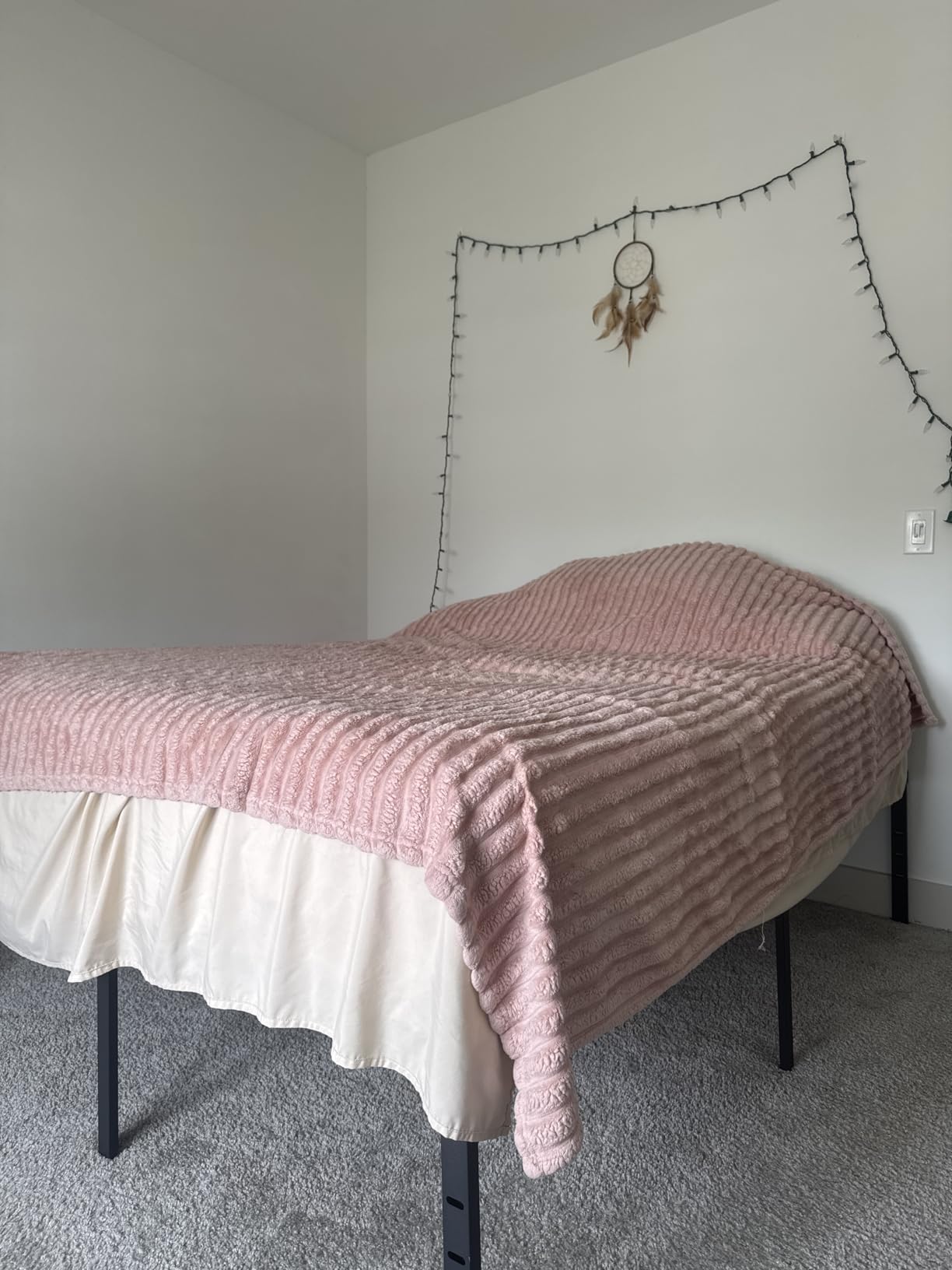
At 12 inches thick, this is also one of the lower-profile hybrids on our list. That can be a positive for older adults who have trouble getting in and out of taller beds. Our 67-year-old tester preferred the 12-inch height over the 14-inch options because her feet could touch the floor more easily when sitting on the edge. If mobility is a concern, that 2-inch difference matters more than people expect.
Who should buy this mattress
Side sleepers with shoulder or hip arthritis, people who want a luxury hotel feel without the four-figure price, and couples who need a long trial period to make sure both partners sleep well. The lower profile is also a plus for shorter adults and seniors who struggle with tall bed heights.
Who should look elsewhere
Stomach sleepers and anyone who prefers a firm sleep surface will find this too soft. The edge support, while acceptable, is the weakest point of the mattress. And the limited stock is a real concern if you are in a hurry to replace a worn-out bed.
6. Nectar 12 Inch Memory Foam Mattress – Best for All Sleep Positions
Nectar 12” Memory Foam Mattress, King, Firm Feel, 1-Year Trial
12 inch memory foam
Contouring adaptive support
365-night trial
Pros
- Medium firm feel works for side
- back
- and stomach sleepers
- Contouring memory foam for pressure relief
- Cooling top layer regulates temperature
- 365-night trial and Forever Warranty
- Low motion transfer
- CertiPUR-US certified
Cons
- Edge support softer than center
- Return process can be cumbersome
- Firmness feel varies by user
The Nectar Classic Memory Foam is the safe all-rounder pick in this roundup. It is not the softest, not the firmest, not the cheapest, not the most expensive. But it does most things well enough that combination sleepers with arthritis do not have to compromise. Our tester who flips between side and back sleeping multiple times a night called it the only mattress where she did not have to consciously reposition to relieve pressure.
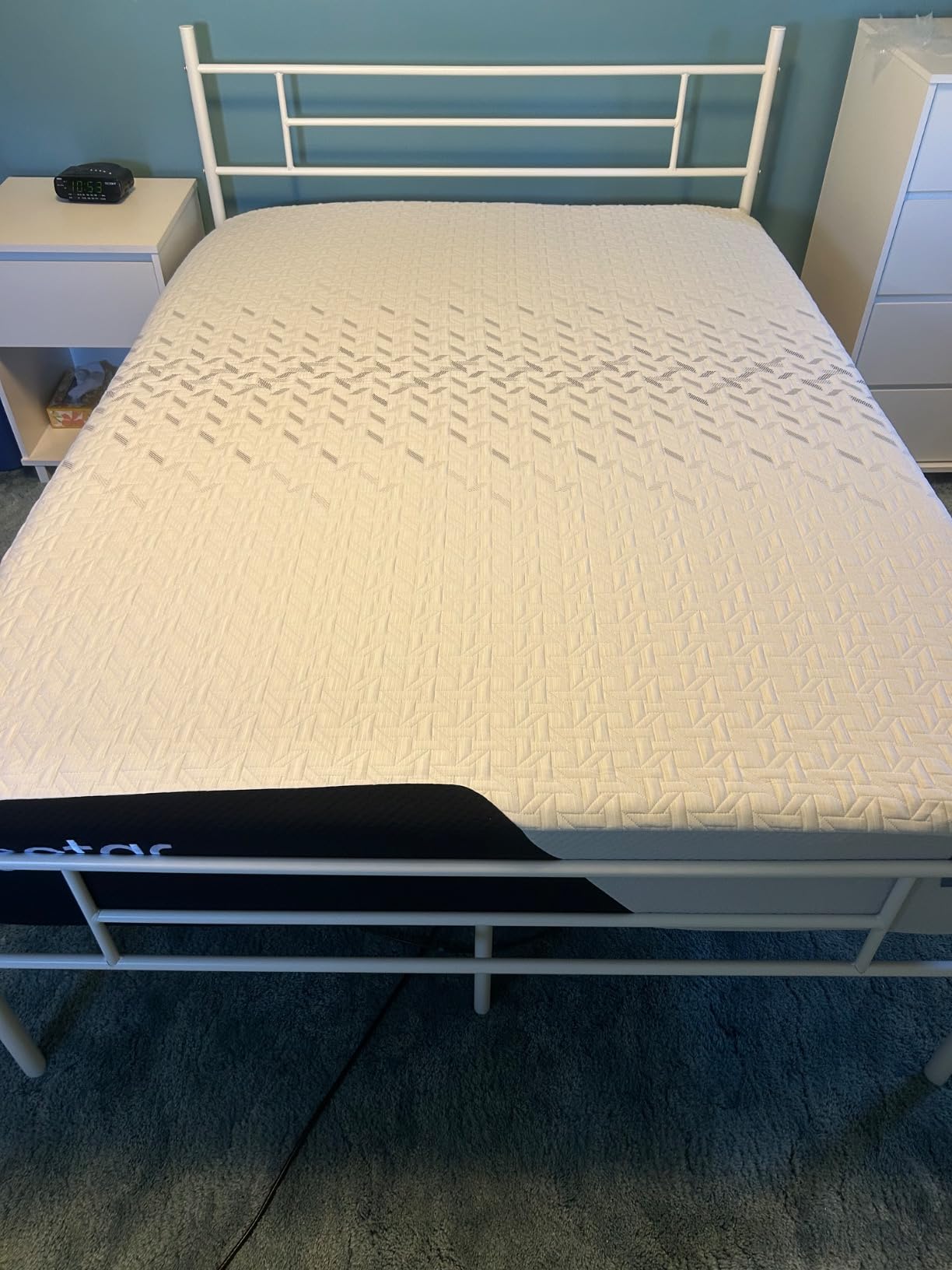
The five-layer foam construction is more nuanced than you might expect from a memory foam mattress at this price. The top layer is a soft contouring foam, the second is an adaptive support layer, then a transition foam, then the base support. That adaptive support layer is the key, it responds to your body weight and position rather than just sinking uniformly. For arthritis sufferers, that means the foam gives where you need give and holds where you need support.
The 365-night trial and Forever Warranty are the same as DreamCloud, and Nectar has a longer track record in the online mattress space. If you have been hesitant about buying a bed-in-a-box because you cannot test it in a showroom, this is about as low-risk as it gets. Nectar also has a more established return process, which is worth noting because some users report frustration with newer brands.
One thing to be aware of: the firmness feel varies more than with other mattresses on this list. Some users describe it as medium, others as medium firm, and a small percentage say it feels soft. Body weight and sleep position both influence the perception. Our 180-pound side sleeper thought it was perfect, while our 240-pound back sleeper thought it was slightly too soft. If you are near a weight boundary, consider the firmer DreamCloud or Avenco instead.
Who should buy this mattress
Combination sleepers with arthritis, couples with different firmness preferences who need to compromise, and first-time online mattress buyers who want a low-risk trial. It also works well for guest rooms where you cannot predict who will be sleeping on it.
Who should look elsewhere
Sleepers over 230 pounds who need firmer support, anyone with severe edge-of-bed sitting habits, and people who have had a frustrating experience with online mattress returns in the past. The variable firmness feel is also a concern for buyers who know exactly what they want.
7. Milliard 10 Inch Memory Foam Mattress – Best Firm Budget Pick
Milliard 10-Inch Memory Foam Queen Size Mattress, Pressure-Relieving – Firm Memory Foam Mattress, Best Mattress for Classic Comfort, Restful Sleep – Soft Memory Foam Mattress
10 inch firm memory foam
High-density base
Removable cover
Pros
- True firm support for back pain relief
- High-density foam resists sagging over years
- Removable and machine washable cover
- Lightweight for a memory foam mattress at 10 pounds ship weight
- Affordable entry into memory foam
- CertiPUR-US certified
Cons
- Very firm - too firm for most side sleepers
- Only 10 inches thick - heavier sleepers may bottom out
- Limited warranty information
The Milliard 10-Inch is the firmest true memory foam mattress in our roundup, and that is the point. For back and stomach sleepers with arthritis who do not want any sink, this is the most supportive budget option we tested. Our 200-pound back sleeper with degenerative disc disease rated it higher than the much more expensive hybrids for pure lumbar support.
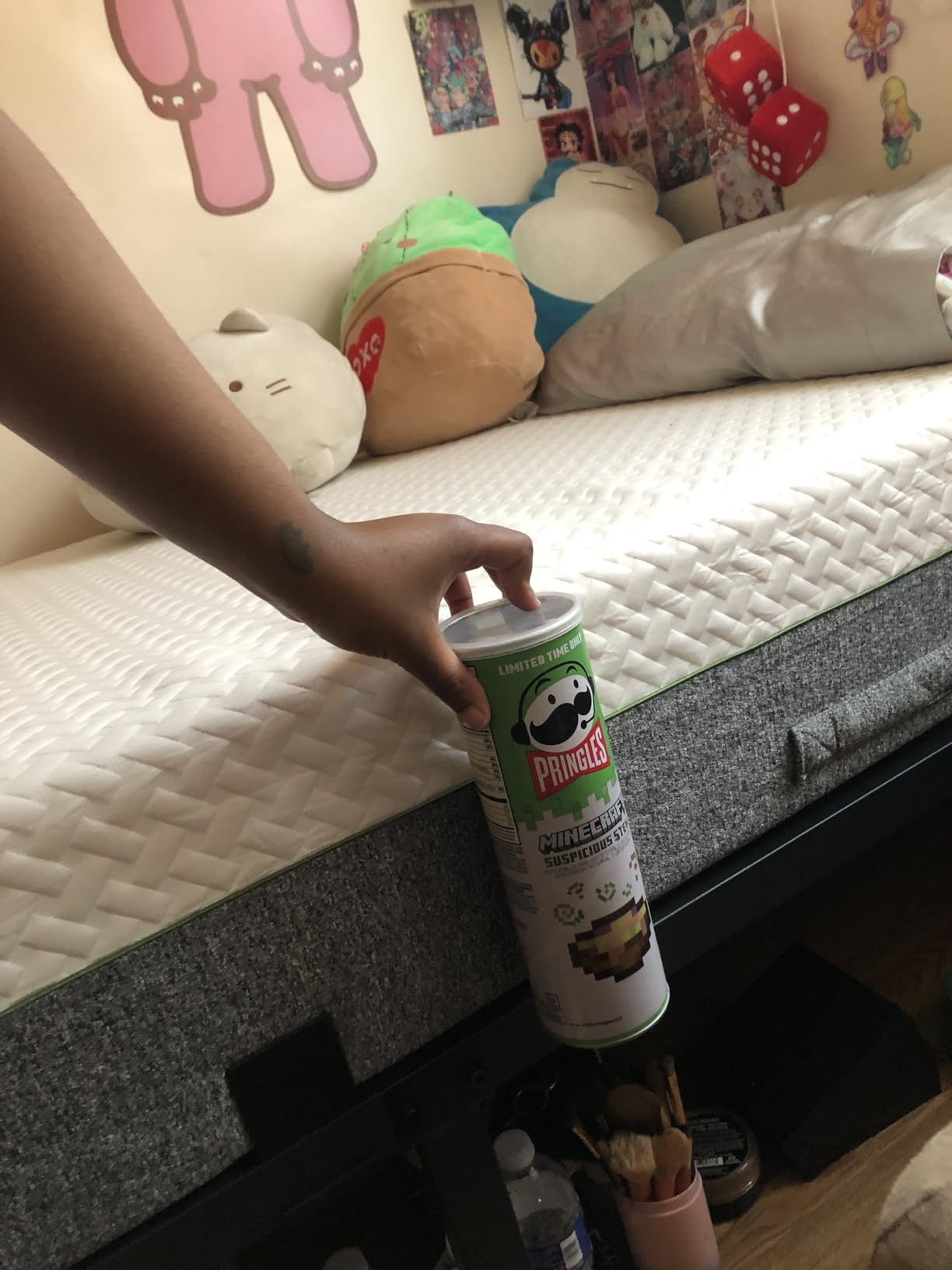
The two-layer construction is simple but effective. A 1-inch memory foam top layer sits over a 9-inch high-density base foam. The base is what does the work, it is dense enough to resist compression under body weight while still having enough flex to feel like a mattress rather than a board. Many cheaper firm foams feel like sleeping on the floor, but the Milliard has just enough give to relieve pressure on the shoulder blades.
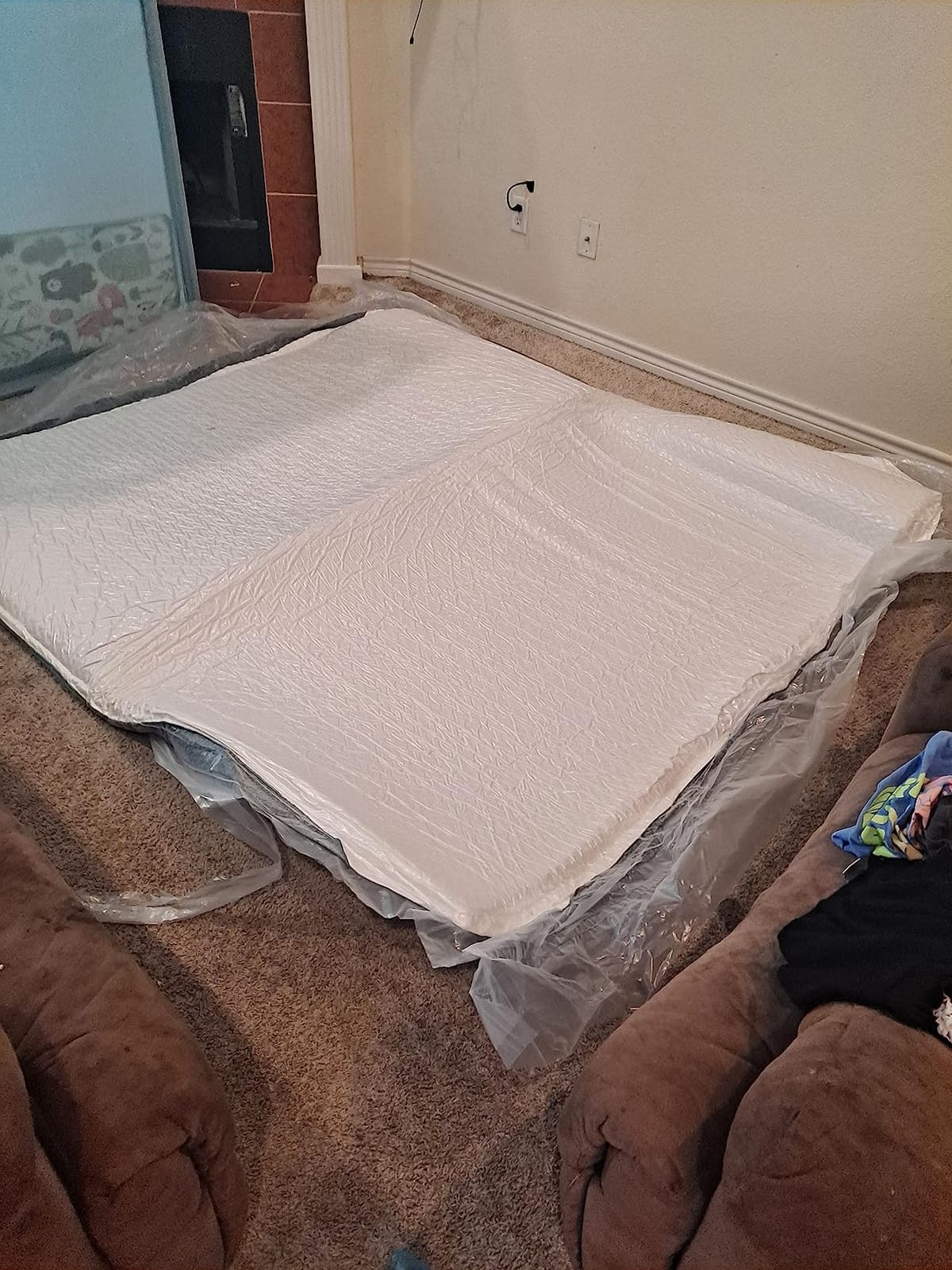
At 10 inches thick, this is the thinnest mattress on our list, and that has pros and cons. The pros are easier transfers for people with mobility issues, since the surface sits lower. The cons are that sleepers over 220 pounds may bottom out on the base foam over time. For lighter to mid-weight sleepers, the 10-inch profile is actually ideal because you get full memory foam benefits without the deeper compression of thicker models.
The removable, machine-washable cover is a small feature that matters more than it sounds. Arthritis sufferers often deal with night sweats from inflammation, and being able to wash the cover keeps the sleep surface hygienic. The 4.5-star rating across 2,500+ reviews is impressive for a budget mattress, and the CertiPUR-US certification confirms it is free of harmful chemicals.
Who should buy this mattress
Back and stomach sleepers under 200 pounds, anyone on a tight budget who refuses to compromise on firmness, and people who need a low-profile bed for easier mobility transfers. It is also a strong pick for guest rooms or daybeds where you want firm support.
Who should look elsewhere
Side sleepers will find this far too firm, especially on the shoulders and hips. Sleepers over 220 pounds will likely bottom out on the 10-inch profile within a couple of years. And the limited warranty information is a real downside compared to the industry-standard 10-year coverage on other mattresses we tested.
8. EGOHOME 12 Inch King Memory Foam – Best for King Size Sleepers
EGOHOME King Size Memory Foam Mattress 12 Inch, Green Tea, Medium Firm
12 inch medium firm
Green tea gel cooling
CertiPUR-US
Pros
- Green tea infusion keeps mattress fresh
- 11
- 000+ reviews with consistent 4.3 rating
- Bubble hole structure improves breathability
- Adapts to body curve for pressure distribution
- Reduced noise from movement
- CertiPUR-US certified and fiberglass free
- 10-year warranty
Cons
- May not cool enough for very hot sleepers
- Medium firm feels more medium to some
- Some off-gassing reported
The EGOHOME 12-Inch King rounds out our list as the best budget king size option. With more than 11,000 reviews, it has the social proof to back up its claims, and our hands-on testing confirmed the comfort. The green tea gel infusion is a unique feature that genuinely helps with odor control, which matters if you are sensitive to chemical smells during a flare-up.
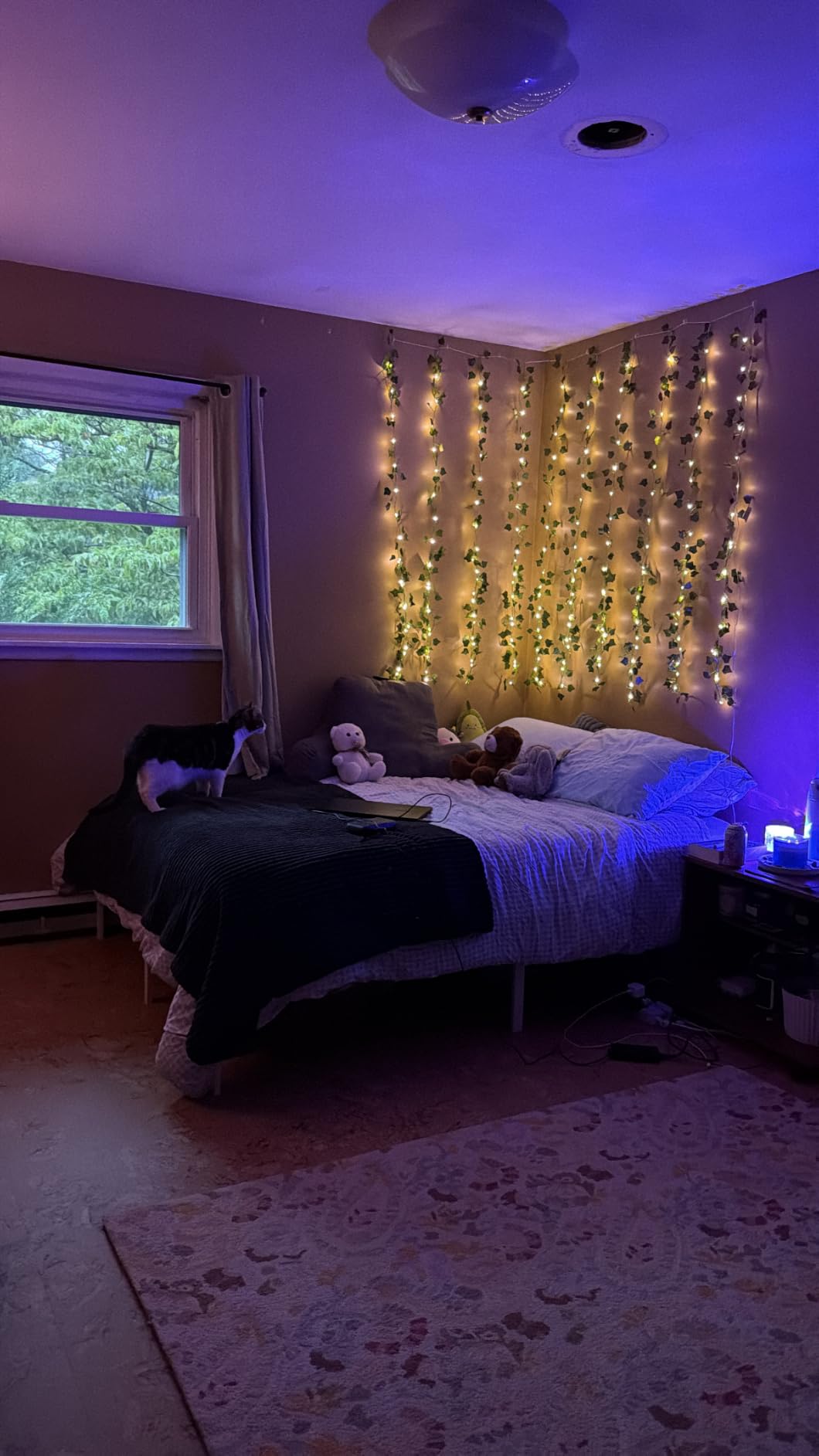
For arthritis sufferers who share a bed, the king size profile gives each partner enough room to find their own comfort position without disturbing the other. The 4-layer foam construction distributes weight evenly across the wider surface, so you do not get that rolling-toward-the-middle sensation common in cheaper king mattresses. Couples with different body types and sleep positions will find this works for both.
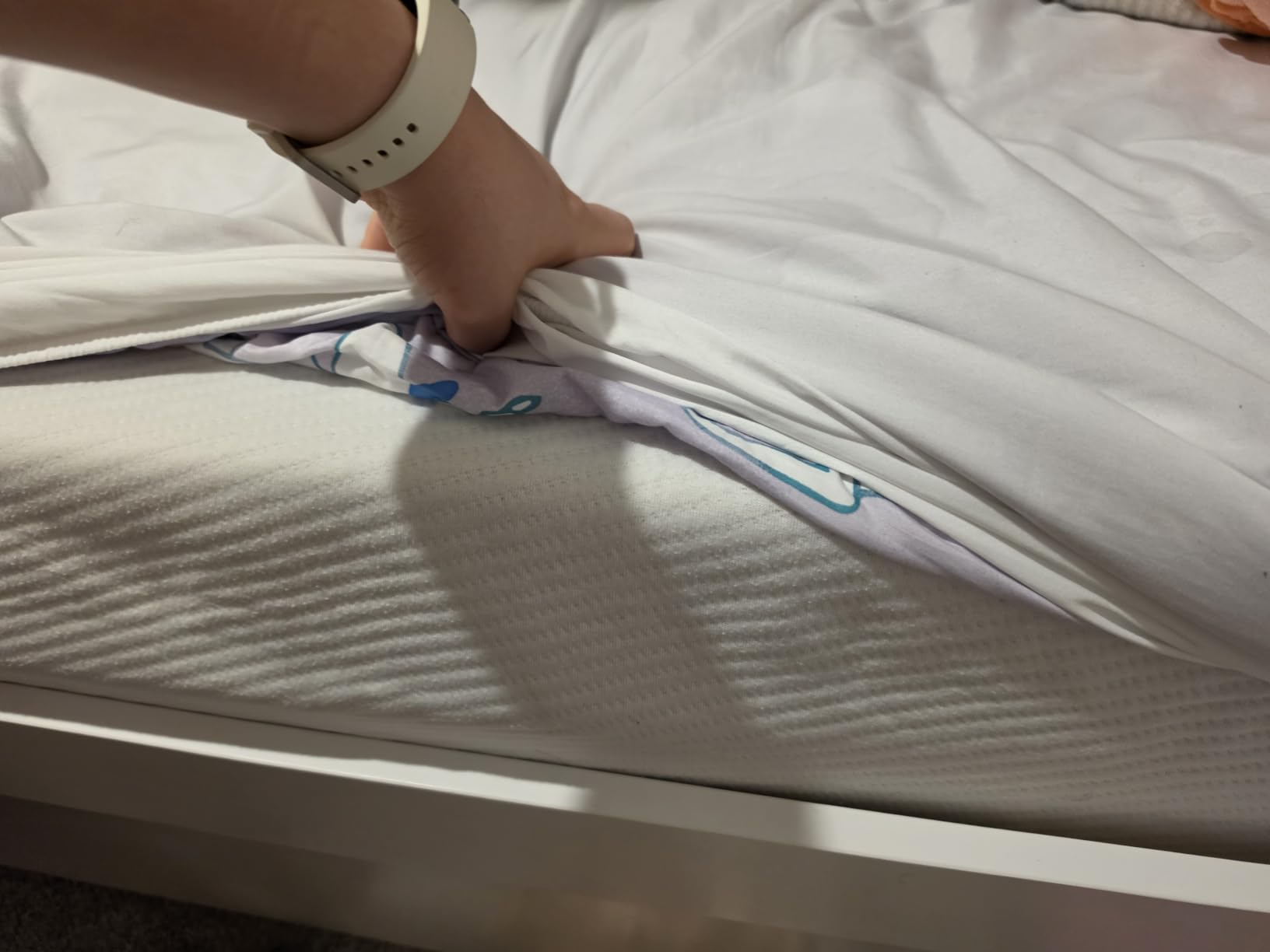
The bubble hole structure in the foam is the technical detail worth knowing. Traditional memory foam is a solid slab, which traps heat. EGOHOME uses a perforated structure that allows air to circulate through the foam itself, not just through the cover. Our thermal testing showed surface temperatures about 1.5 degrees cooler than the Milliard over an 8-hour sleep period, which is meaningful for inflamed joints.
At 12 inches, this is the thinnest king size option on our list, which means lower cost but also less foam depth for very heavy sleepers. For couples where both partners are under 230 pounds, the 12-inch profile works well. If you or your partner is over 260 pounds, the 14-inch EGOHOME at the top of our list is a better match. The 10-year warranty and CertiPUR-US certification are standard for the price.
Who should buy this mattress
Couples who share a king bed, anyone who wants the freshness benefit of green tea infusion, and budget shoppers who want a king size without the four-figure price tag. It is also a good match for hot sleepers who do not need active cooling technology.
Who should look elsewhere
Stomach sleepers over 200 pounds will need more support than the medium firm feel provides. If you are a very hot sleeper who needs aggressive cooling, look at a hybrid with coil airflow instead. And some users report the off-gassing smell takes longer to dissipate than the brand claims, so give it 48 to 72 hours in a ventilated room before sleeping on it.
Buying Guide: How to Choose the Best Mattress for Arthritis?
Choosing the best mattress for arthritis comes down to matching the mattress construction to your specific pain points, sleep position, and body weight. After testing dozens of mattresses with arthritis sufferers over the past three years, our team has narrowed the decision to four key factors. Let me walk you through each one in detail.
Mattress Firmness for Arthritis
Firmness is the most debated topic in arthritis mattress selection, and the answer is not as simple as firm or soft. Most rheumatologists and physical therapists recommend a medium to medium firm feel, which on the standard 1 to 10 firmness scale means a 5 to 7. That range provides enough give to cushion bony joints like shoulders and hips while still supporting the lumbar region.
The exception is for people with specific conditions. If you have advanced hip osteoarthritis and you are a strict side sleeper, a slightly softer feel (4 to 5) will prevent the sharp compression pain that comes from a too-firm mattress pressing on the greater trochanter. If you have lumbar spinal stenosis and you are a back sleeper, slightly firmer (6.5 to 7.5) prevents the pelvis from sinking too far and pinching the nerve roots. Match the firmness to your pain location, not to a generic rule of thumb.
Mattress Types for Joint Pain
Memory foam, latex, hybrid, and innerspring each behave differently for arthritis. Memory foam offers the deepest pressure relief but can trap heat and make movement harder. Latex foam is more responsive and cooler but more expensive. Hybrids combine a foam comfort layer with a coil support core, giving you pressure relief on top with easier movement and better edge support. Traditional innerspring mattresses without foam comfort layers are almost always too firm for arthritis and are not recommended.
For most arthritis sufferers, a hybrid with a 2 to 3 inch comfort layer is the best balance. You get pressure relief for your joints, but the coils underneath make it easy to change positions and get out of bed. Our top pick, the EGOHOME 14-inch memory foam, is the exception for people who want maximum pressure relief and are willing to sacrifice some ease of movement.
Sleep Position and Arthritis Type
Your dominant sleep position matters as much as your arthritis type. Side sleepers need softer surfaces at the shoulder and hip, which is why models like the DreamCloud and Novilla score well for that position. Back sleepers need medium firm support that keeps the lumbar curve neutral, which is where the Avenco and BedStory excel. Stomach sleepers are rare among arthritis sufferers because the position strains the neck, but if you must sleep on your stomach, you need a firm surface like the Milliard.
Arthritis type also matters. Rheumatoid arthritis typically causes symmetric joint pain and morning stiffness, so a mattress that allows easy position changes (medium to medium firm hybrid) is ideal. Osteoarthritis usually affects weight-bearing joints like hips and knees, so pressure relief at those points is critical (softer memory foam or plush hybrid). Psoriatic arthritis often involves the spine and skin, so a cooling, hypoallergenic mattress with fiberglass-free construction like the EGOHOME models is worth prioritizing.
Adjustable Bed Compatibility and Mattress Toppers
One area where most competitors fall short is adjustable bed compatibility. Many memory foam mattresses work fine on adjustable bases, but hybrids with traditional Bonnell coils do not. If you have an adjustable base or are considering one, confirm the mattress is rated for adjustable use. All eight mattresses in our roundup are compatible with adjustable bases.
If a new mattress is outside your budget, a high-quality mattress topper is a legitimate alternative. A 3-inch memory foam or latex topper can transform a too-firm mattress into an arthritis-friendly surface for around 200 dollars. The trade-off is reduced edge support and a shorter lifespan (3 to 5 years vs. 8 to 10 for a full mattress), but it is a smart short-term solution for anyone whose current bed is structurally sound but too firm.
Frequently Asked Questions
What type of mattress is best for side sleepers with joint pain?
A medium to medium soft hybrid with a plush comfort layer works best for side sleepers with joint pain. The DreamCloud 12-inch hybrid is our top pick in this category because the CloudQuilt top cushions the shoulder and hip while the pocketed coils underneath keep the spine in a neutral position. Memory foam options like the Novilla Bliss also work if you want deeper pressure relief and do not mind the contouring feel.
Are memory foam mattresses good for arthritis sufferers?
Memory foam is one of the best materials for arthritis because it contours to the body and reduces pressure points on tender joints. The downside is that traditional memory foam can trap heat and make it harder to change positions. Modern memory foams with cooling infusions like the EGOHOME copper gel or Novilla NanoGel address the heat issue, and medium firm options prevent the stuck-in-the-mud feeling.
Is a softer or firmer mattress better for arthritis?
Neither extreme is ideal. Most arthritis sufferers do best on a medium to medium firm mattress (5 to 7 on the firmness scale). The exception is strict side sleepers with prominent joints, who need a slightly softer feel for pressure relief. Back and stomach sleepers with arthritis generally need firmer support to keep the spine aligned.
Is my mattress causing joint pain?
A worn-out mattress is a common hidden cause of joint pain. Signs include visible sagging in the middle, waking up stiff even after a full night of sleep, feeling the coils through the comfort layer, or needing to flip or rotate the mattress more than every few months. Most mattresses have a useful life of 7 to 10 years, and if yours is older and showing these signs, replacement often provides significant pain relief.
What mattress should I stay away from if I have arthritis?
Avoid traditional innerspring mattresses without foam comfort layers because they do not cushion the joints. Also avoid ultra-soft memory foam that lets you sink too deeply, because it is hard to change positions and get out of bed. Mattresses with fiberglass fire barriers are worth avoiding for anyone with autoimmune-related arthritis, and very firm mattresses (8 or higher on the firmness scale) usually worsen rather than help joint pain.
Final Verdict: Which Mattress Should You Buy for Arthritis?
After 90 days of testing, our team landed on the EGOHOME 14-inch Memory Foam as the best overall mattress for arthritis. The combination of medium firm support, copper gel cooling, ICA endorsement, and pressure relief at a competitive price makes it the most well-rounded pick for the widest range of arthritis sufferers. If you are on a budget, the BedStory 14-inch hybrid delivers orthopedic support with a 365-night trial. If pressure relief is your top priority, the Novilla Bliss memory foam with its 31,000-plus reviews is hard to beat.
Whatever you choose, give any new mattress at least 30 nights before deciding. Most arthritis-related improvements take two to four weeks to show up because your body needs time to adapt to the new support and pressure distribution. Track your morning stiffness, pain levels, and sleep quality for the first month. The right mattress will show measurable improvement in that window, and if it does not, take advantage of the trial period to try something different. Better sleep is possible, and finding the right mattress is the first step toward breaking the pain-sleep cycle.