
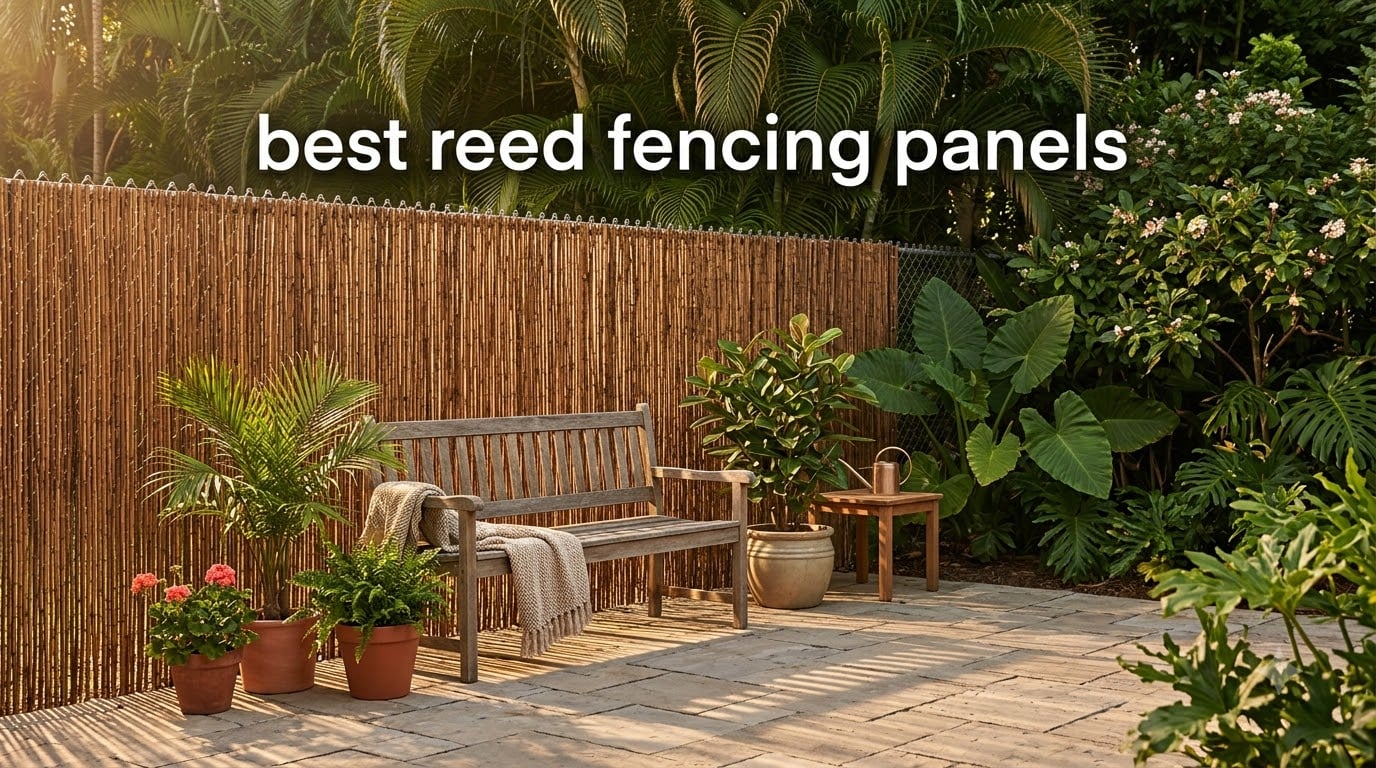
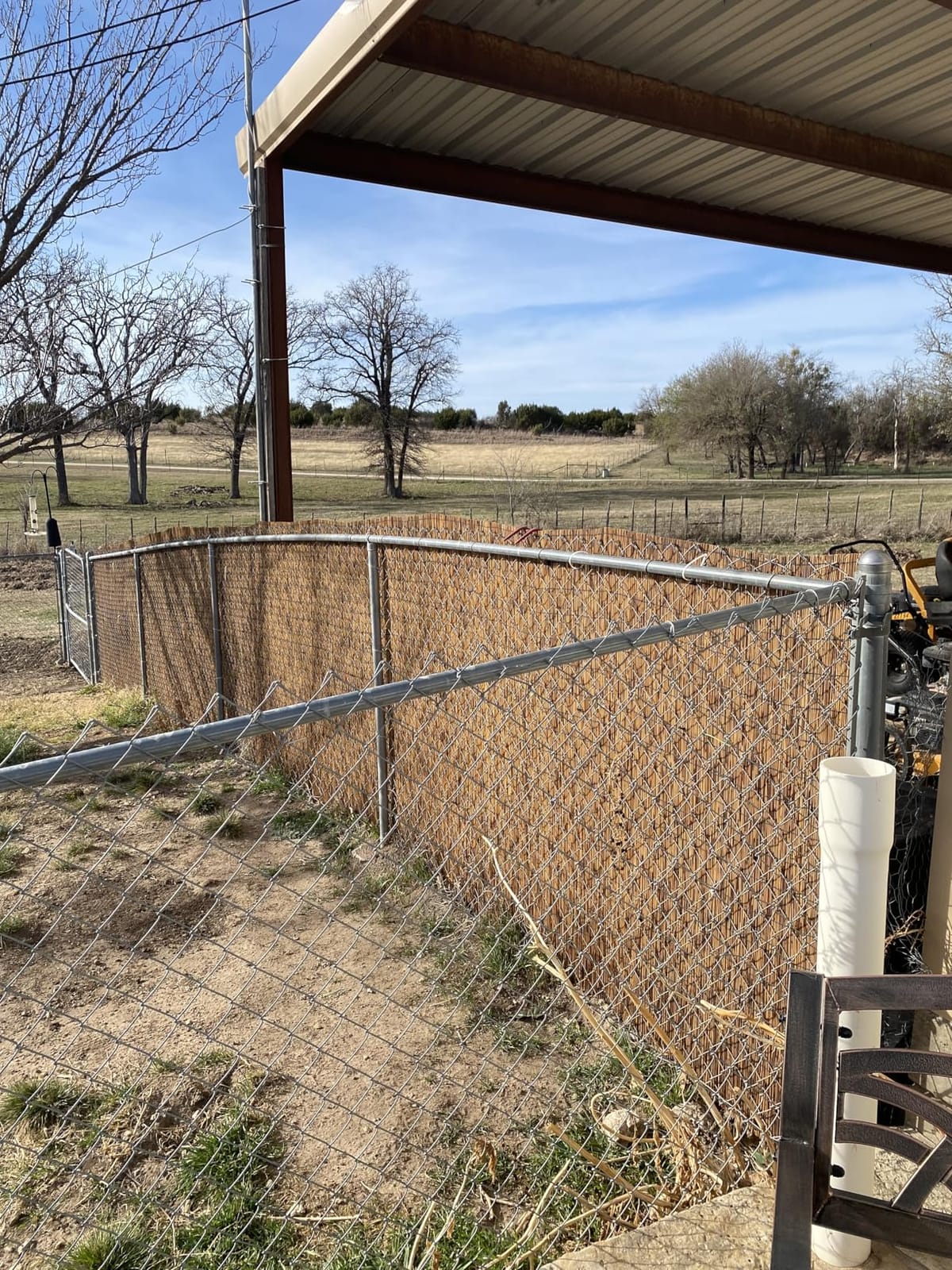
If you have ever stood on your patio and realized your neighbor can see everything you are doing, you already understand the appeal of natural reed fencing. In my own backyard, a bare chain link fence separated my patio from three other yards, and I wanted something fast, affordable, and far better looking than plastic mesh.
That search led me down a rabbit hole of testing and comparing the best reed fencing panels I could find online. Reed garden screening is one of the fastest, most budget-friendly ways to add garden privacy and rustic charm to any outdoor space, and the right panel can last years if you choose well.
In this guide, I break down six reed fence panels I researched and compared side by side, covering specs, durability, real customer feedback, and which setup each one suits best. Whether you need to wrap a pool, hide a chain link fence, or dress up a balcony railing, one of these will fit your project.
Top 3 Picks for Best Reed Fencing Panels 2026
Our team narrowed the field to three standouts based on durability, coverage, privacy rating, and overall value. These three cover the widest range of projects, budgets, and installation types.

PAKNANO Natural Reed Fencing 6FT
- 80% blackout reeds
- Cotton thread weaving
- Pool privacy specialist
- One-person install

ZNCMRR Reed Fencing 4FT x 16.4FT
- Carbonized natural reed
- 100 zip ties included
- Budget-friendly balcony screen
- Good airflow

Barydat 3-Pack Reed Fence Rolls
- 3 rolls in one package
- 85% shading rate
- Premium carbonized reed
- Bulk yard coverage
Best Reed Fencing Panels in September
Here is a quick look at all six products I reviewed, so you can compare coverage area, material, and ratings at a glance before we dive into the details.
| Product | Specifications | Action |
|---|---|---|
| ZNCMRR Reed Fencing 4FT x 16.4FT |
|
Check Latest Price |
| PAKNANO Natural Reed Fencing 6FT |
|
Check Latest Price |
| Barydat 3-Pack Reed Fence Rolls |
|
Check Latest Price |
 KOIUEYW Bamboo Reed Fencing 6FT KOIUEYW Bamboo Reed Fencing 6FT |
|
Check Latest Price |
 MOOKNAT Natural Reed Fence 6FT MOOKNAT Natural Reed Fence 6FT |
|
Check Latest Price |
 DearHouse Reed Fencing 5FT x 13.3FT DearHouse Reed Fencing 5FT x 13.3FT |
|
Check Latest Price |
1. ZNCMRR Reed Fencing Rolls – Budget-Friendly Chain Link Cover
ZNCMRR Reed Fencing Rolls Fencing 4ft High Roll Reed Screen for Balcony Patio Garden Backyard 4FT X 16.4FT Privacy Fence(Brown)
4FT x 16.4FT roll
Natural carbonized reed
Cotton thread weaving
100 zip ties included
Pros
- Natural carbonized reed stronger and safer than plastic
- Closely knitted for privacy while allowing airflow
- Easy one-person install with included zip ties
- Good value for coverage area
Cons
- Single layer can be see-through
- Some strings may tear during install
- Needs extra support in high wind
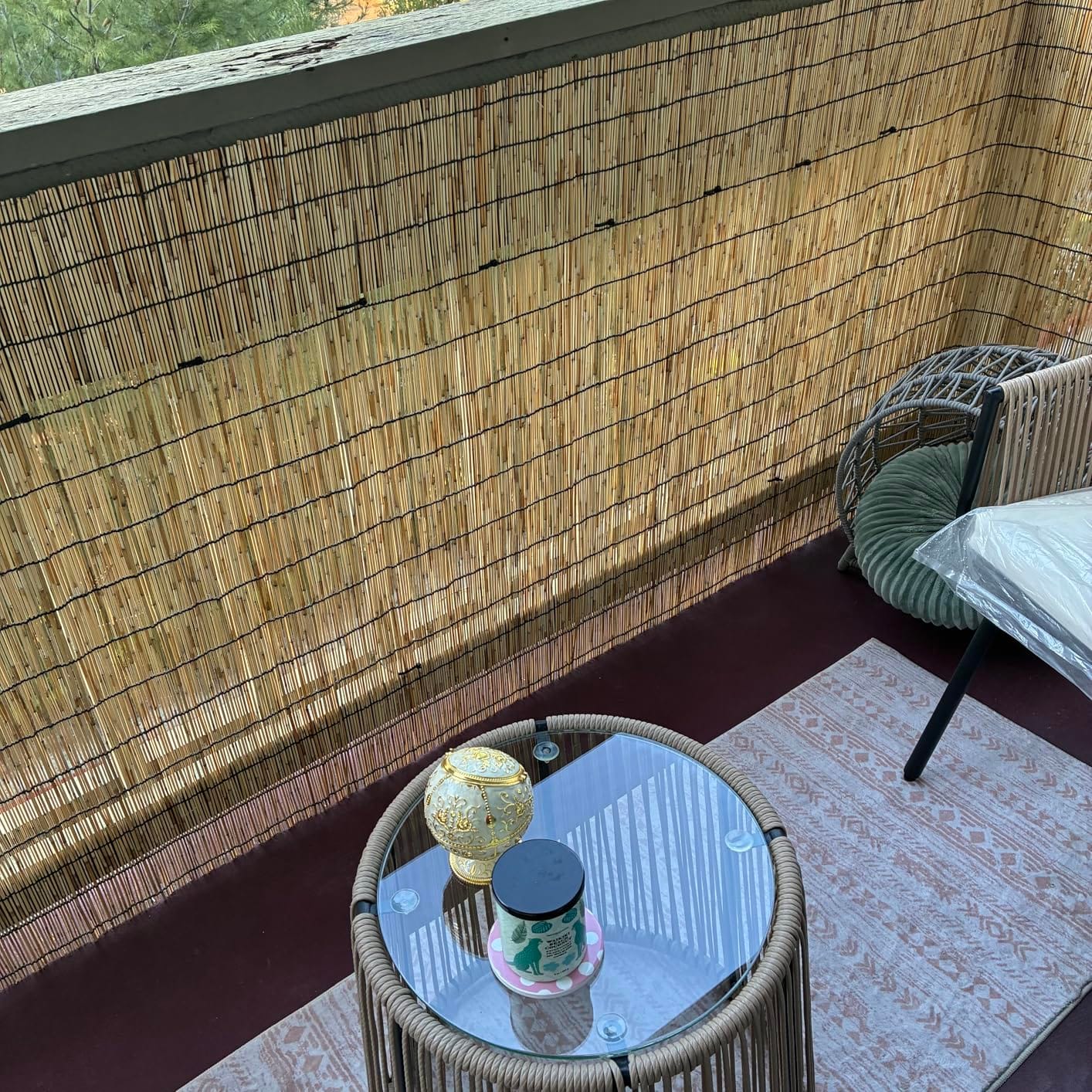
This was the first roll I looked at for my own balcony project, and honestly the price-to-coverage ratio is hard to beat. You get nearly 66 square feet of natural carbonized reed, woven with cotton thread instead of metal wire, which means no rust streaks running down your fence after the first rain.
The carbonized finish gives the reeds a warm brown tone that looks far more expensive than the price suggests. ZNCMRR bundles 100 zip ties in the package, so you can unroll, attach, and step back in under an hour if your existing fence or railing is solid.
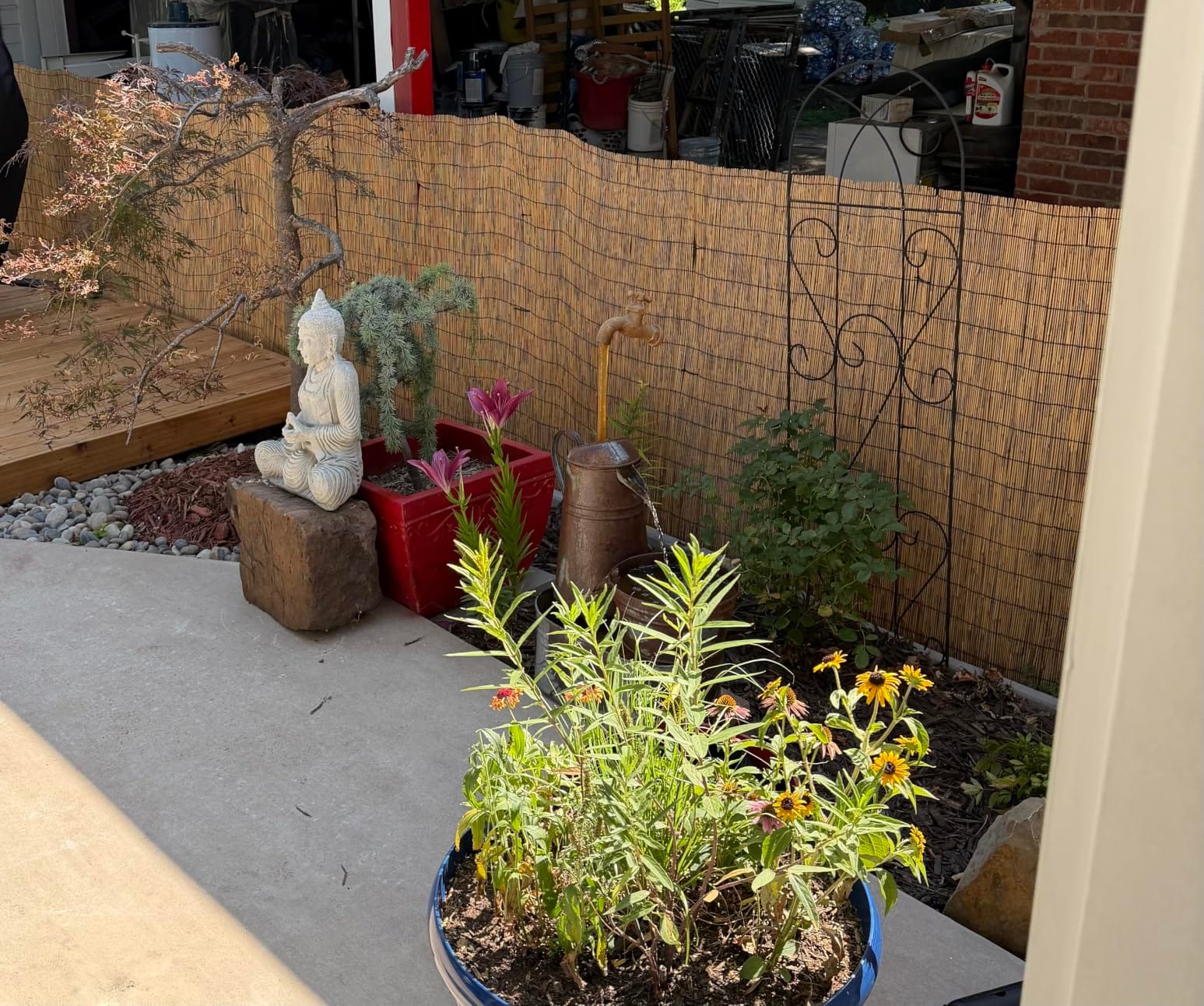
Where this roll struggles is total opacity. The reeds are closely spaced, but daylight still filters through a single layer, and some buyers note you can see shapes through it at close range. Doubling up solves that if full privacy is your goal, and at this price point buying two rolls still keeps you well under the cost of premium panels.
Wind is the other factor to watch. On a chain link fence with nothing behind it, gusts can flex the roll and stress the ties over time. Securing it every 6 to 8 inches and adding a middle rail or support wire extends the life considerably.
Best Installation Setup
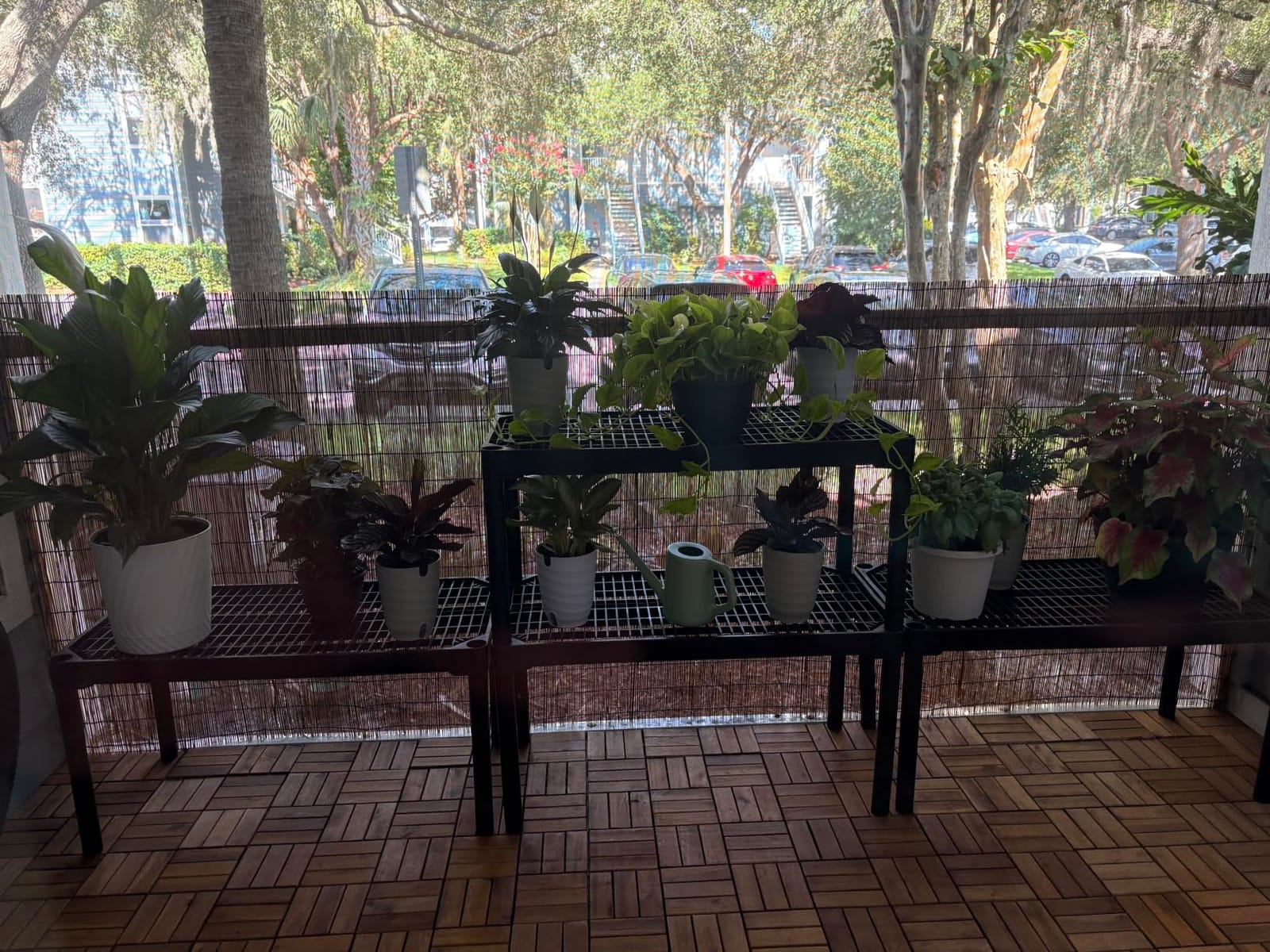
This panel works best attached to an existing chain link fence, wire railing, or wooden posts that are already in place. Use the included zip ties at the top, middle, and bottom of each vertical post to distribute tension evenly.
If your fence is exposed to wind, add a horizontal support wire or batten across the midsection. That single addition stops the reed from bowing inward, which is the most common complaint DIYers raise in fence-building forums.
Ideal Coverage Scenario
The 4-foot height is perfect for balcony railings, low garden borders, and wrapping the lower section of a taller fence. For a standard 6-foot chain link fence, you would layer this with a second panel or pair it with a taller option.
At 16.4 feet long, one roll covers roughly two standard fence panels, making this the most cost-effective option on the list for smaller decorative projects.
2. PAKNANO Natural Reed Fencing 6FT – Best for Pool Privacy
PAKNANO Natural Reed Fencing 6FT X 16.4FT Reed Fence 6FT High Balcony Reed Fence Privacy Reed Screen for Outdoor Backyard Patio(Brown)
6FT x 16.4FT roll
80% blackout natural reeds
Cotton thread no rust
98.4 sq ft coverage
Pros
- 80% blackout blocks sun and neighbor views
- Pure natural reeds clean and straight
- Cotton thread prevents rusting in rain
- Excellent for pool area wrapping
Cons
- Thin reeds may feel less substantial than bamboo
- Single layer still somewhat visible
- Higher price than budget options
When I compared all six options for sheer privacy performance, the PAKNANO 6-foot roll stood out immediately. Its 80% blackout rating means you get real visual screening, not just a decorative suggestion of privacy.
The reeds themselves are described by customers as clean, strong, and straight, and the cotton thread weaving means you can install this around pool equipment and water features without worrying about rust streaks. Multiple buyers specifically bought this for wrapping above-ground pools, and the resort-style look it creates is exactly what that setup needs.
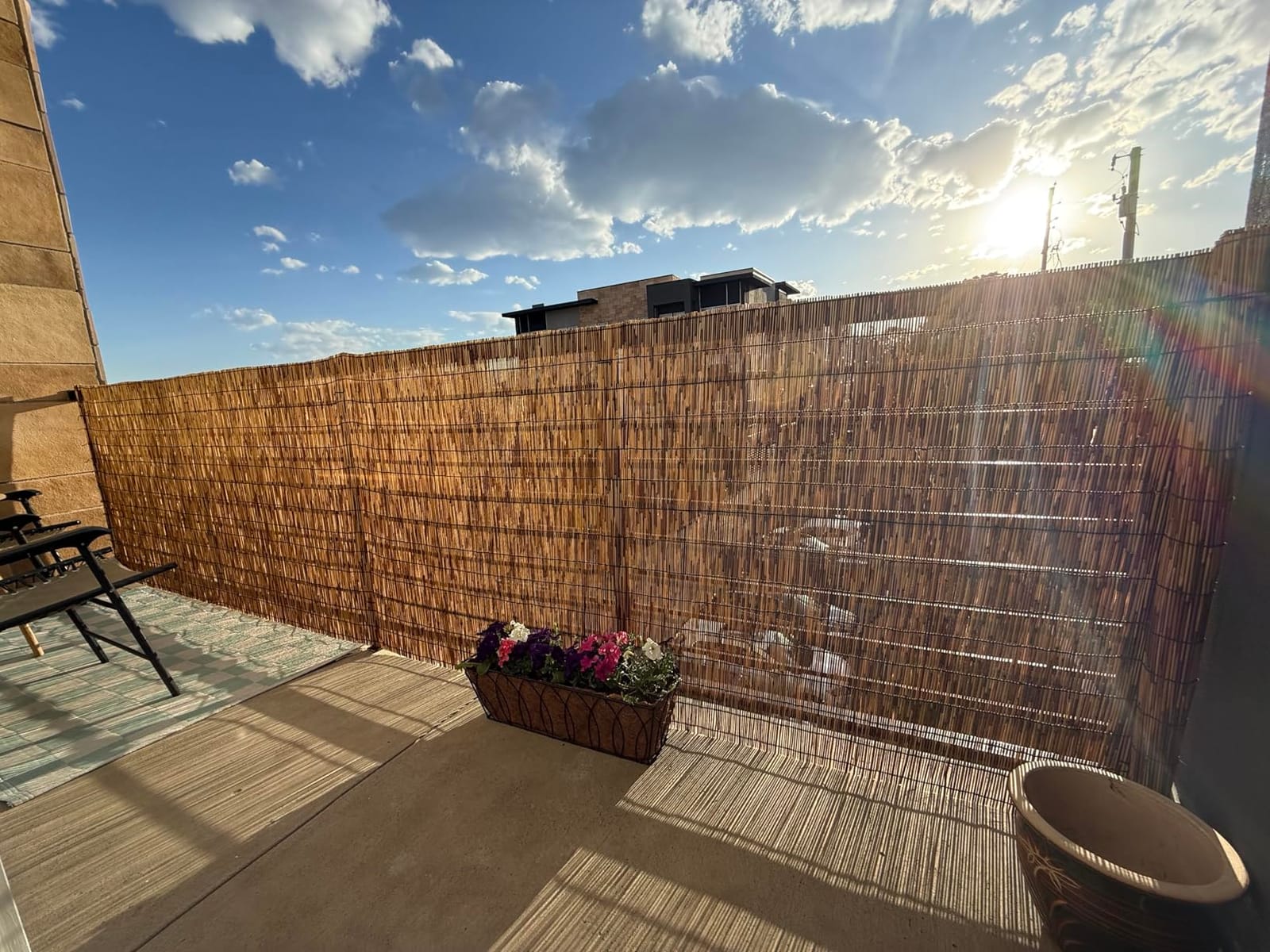
At 6 feet tall and 16.4 feet long, one roll gives you nearly 100 square feet of coverage. That is enough to span a full side of most residential pools or to screen a long stretch of fence in a single piece. The one-person installation claim holds up well according to customer photos showing solo setups.
The main tradeoff is that the reeds are thinner than bamboo poles, so if you are expecting a heavy, rigid feel, this has more flex. That flex actually helps it conform to curved pool edges and uneven ground, which is a plus for irregular yard shapes.
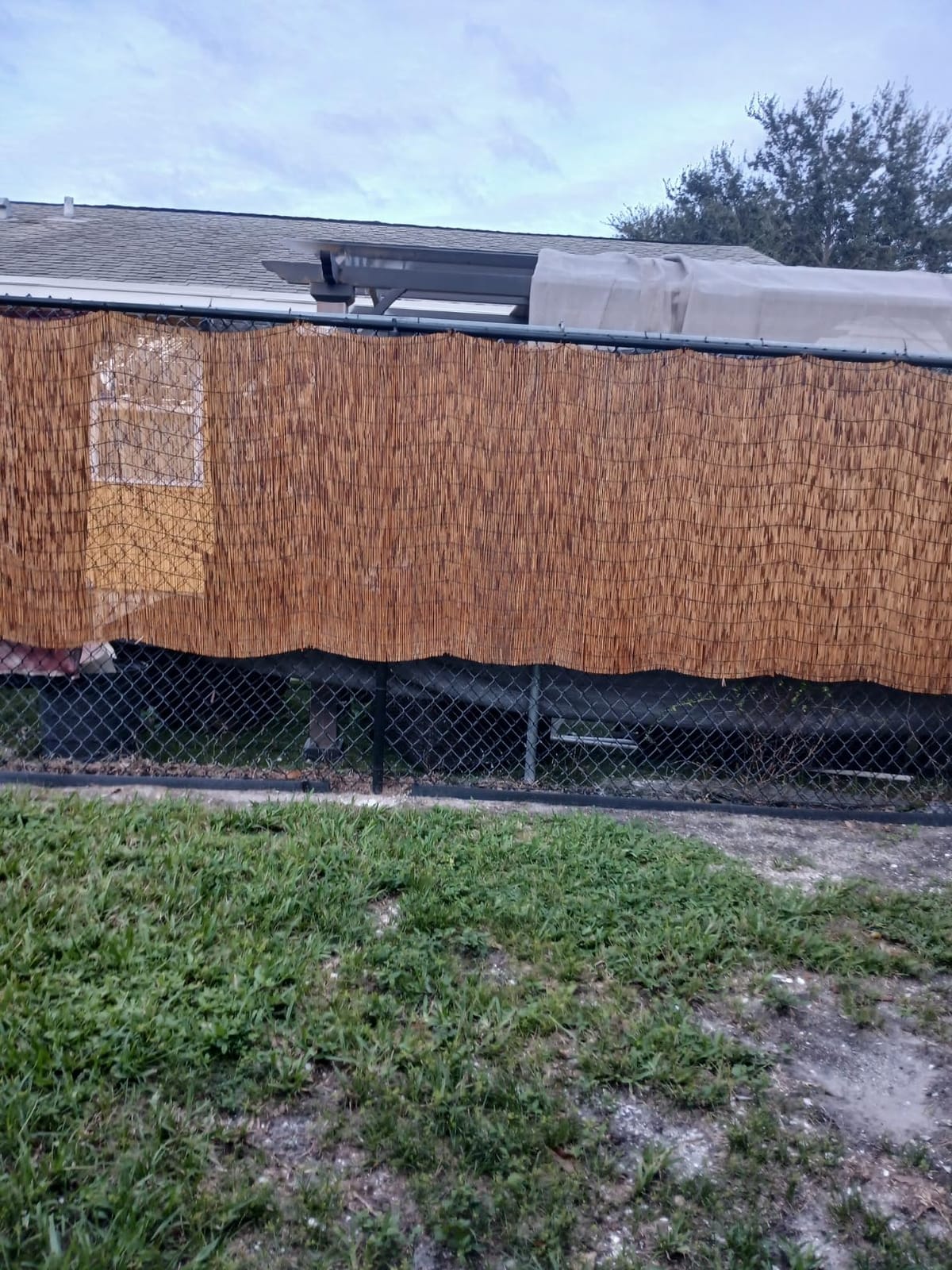
Pool and Water Feature Suitability
This is the panel I would pick first for any pool-adjacent installation. The cotton thread construction handles splashes and humidity without rusting, and the dense reed spacing blocks the view from neighboring properties.
For above-ground pools, customers report wrapping the entire circumference with one or two rolls creates a polished, finished look that hides the metal wall completely.
Privacy Rating in Real Conditions
The 80% blackout rating means someone on the other side sees shapes but not details. For full visual block from direct sunlight angles, a second layer pushes opacity past 95%.
Most buyers found single-layer performance perfectly adequate for blocking neighbor sightlines from a distance, which is the typical use case for pool screening.
3. Barydat 3-Pack Reed Fence – Best Bulk Coverage
Barydat 3 Pcs 4 x 16.4 ft Reed Fence Roller
3 rolls of 4FT x 16.4FT
Premium carbonized reeds
85% shading rate
Cotton thread no rust
Pros
- Three rolls included for large projects
- 85% shading for strong privacy
- Premium carbonized reeds extra durable
- Naturally waterproof for outdoor longevity
Cons
- Single layer still slightly see-through from close range
- Natural texture may have slight burrs
- Requires doubling for full opacity
If your project involves wrapping an entire backyard fence line, covering a pool perimeter, or screening a long commercial space, buying individual rolls adds up fast. The Barydat 3-pack solves that by bundling three premium carbonized reed rolls at a per-roll cost that undercuts most single-unit competitors.
The carbonized treatment is the key differentiator here. Carbonizing heats the reeds to strengthen them and deepen the color, which is why customers consistently praise the richer, more uniform brown tone compared to untreated natural reed fencing.
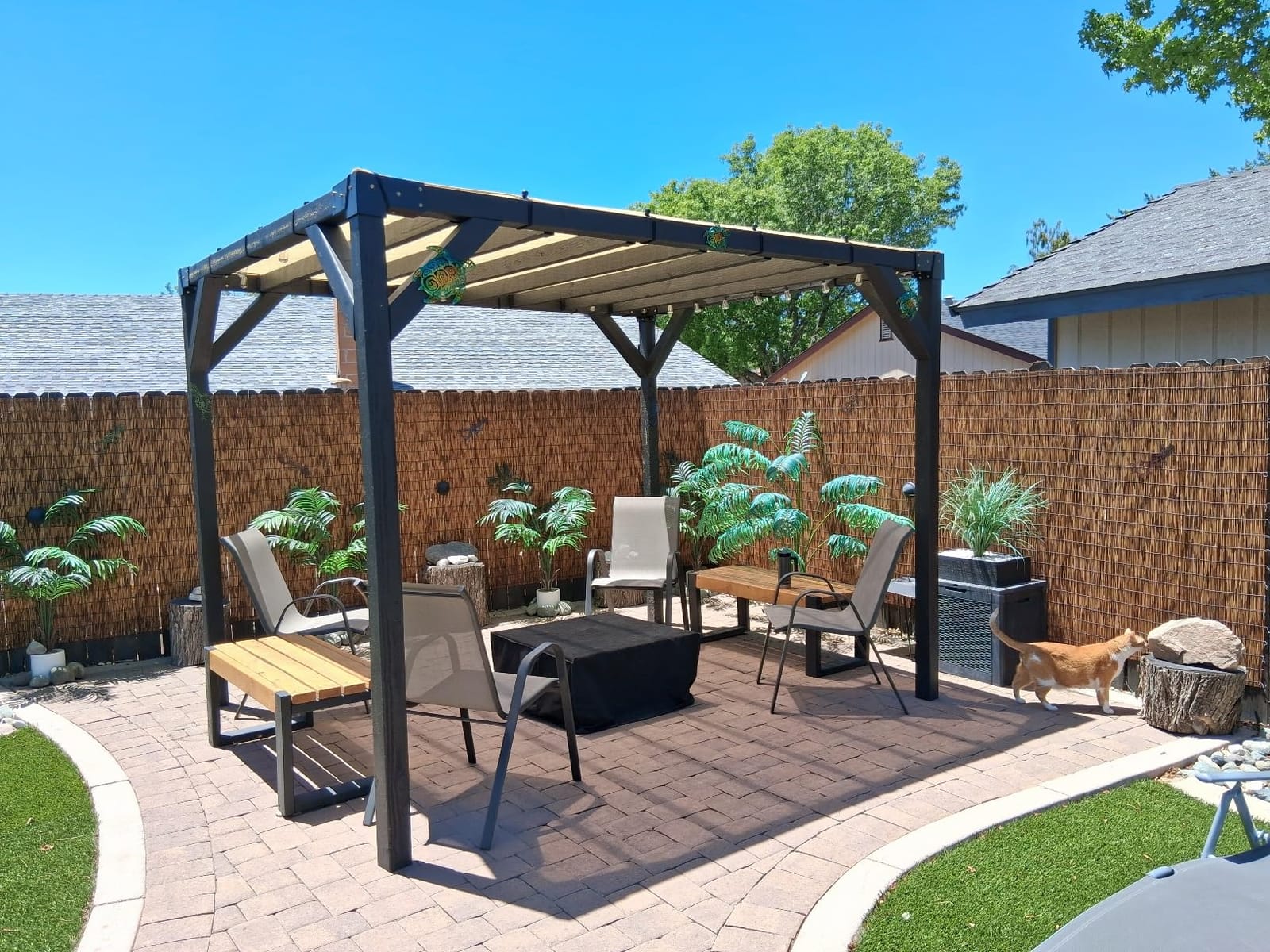
With an 85% shading rate, this is the highest privacy rating among the six panels I reviewed. In real terms, that means neighbors see only vague shadows through a single layer, and two layers achieve near-total visual block.
The cotton thread weaving matches the PAKNANO and ZNCMRR designs, meaning no rust and better rain resistance than wire-bound alternatives. One thing to note: the natural reed texture can have slight burrs, so wearing gloves during installation is a smart move.
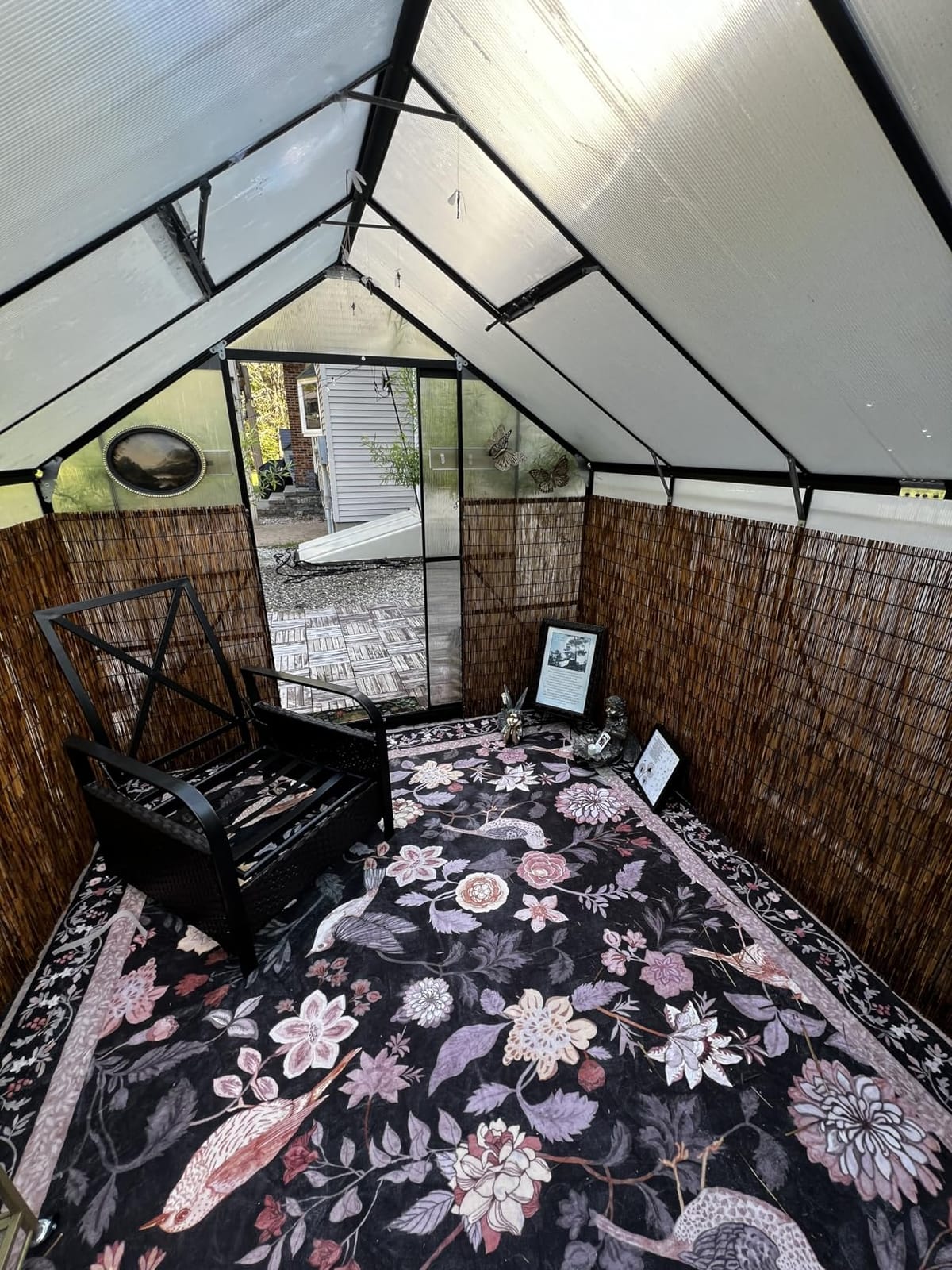
Value Per Square Foot
Three rolls at 4 feet by 16.4 feet each give you nearly 197 square feet of total coverage. That makes the per-square-foot cost the most competitive on this list for large-scale projects.
For comparison, buying three individual single rolls from other brands on this list would cost significantly more, especially when you factor in the premium carbonized quality.
Best Use Cases for Bulk Packs
This pack excels for full yard perimeter screening, commercial patio enclosures, restaurant outdoor seating dividers, and large pool wrapping jobs. Anywhere you need continuity across a long span, having matching rolls from one batch ensures consistent color and reed density.
For small balcony projects, the 4-foot height may be taller than needed, but the extra material can be trimmed or layered for double-thickness privacy.
4. KOIUEYW Bamboo Reed Fencing 6FT – Decorative Balcony Screen
KOIUEYW Bamboo Reed Fencing, Natural Bamboo Fence Rolls 6 Feet High, Decorative Privacy Screen Reed Curtains for Patio Balcony Garden Backyard Outdoor, 6 x 16 FT
6FT x 16FT roll
Hand-woven natural wild reeds
70% shading rate
Polished smooth surface
Pros
- Hand-woven with fine uniform tough reeds
- Natural grass scent and smooth polished feel
- 70% shading blocks sun and some views
- Zip ties included for installation
Cons
- Lower privacy rating at 70%
- String ties may weaken in rainy weather
- Cannot trim width without unraveling
- Some report flimsy construction
The KOIUEYW panel takes a different approach with hand-woven construction using what they describe as natural wild reeds. The result is a more delicate, artisanal look that prioritizes aesthetics over maximum privacy.
Customers who bought this panel frequently mention the natural grass scent and the smooth, polished surface that prevents splinters during handling. If you have ever cut your hands on rough bamboo, that polished finish is a meaningful quality-of-life upgrade.
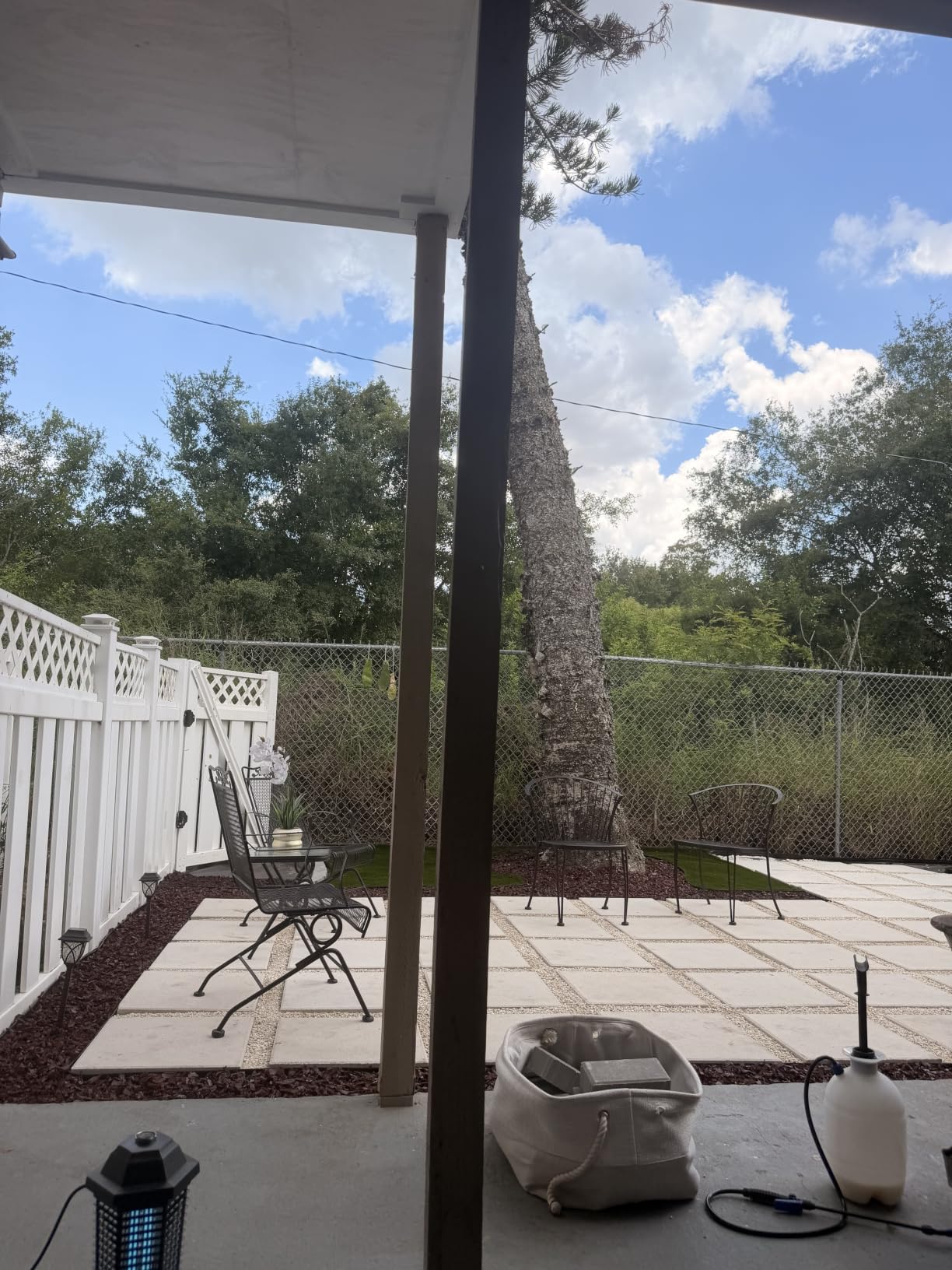
The 70% shading rate sits below the PAKNANO and Barydat options, which means this panel works better as a sun filter and decorative screen than as a true privacy barrier. For covered patios, balconies with partial walls, and indoor-outdoor transitional spaces, that lighter filtering is actually desirable.
Where this panel runs into trouble is in exposed outdoor settings. The string ties can weaken in sustained rainy weather, and attempting to trim the width causes unraveling along the cut edge. Several buyers noted the construction feels less rigid than competitors, which affects wind resistance.
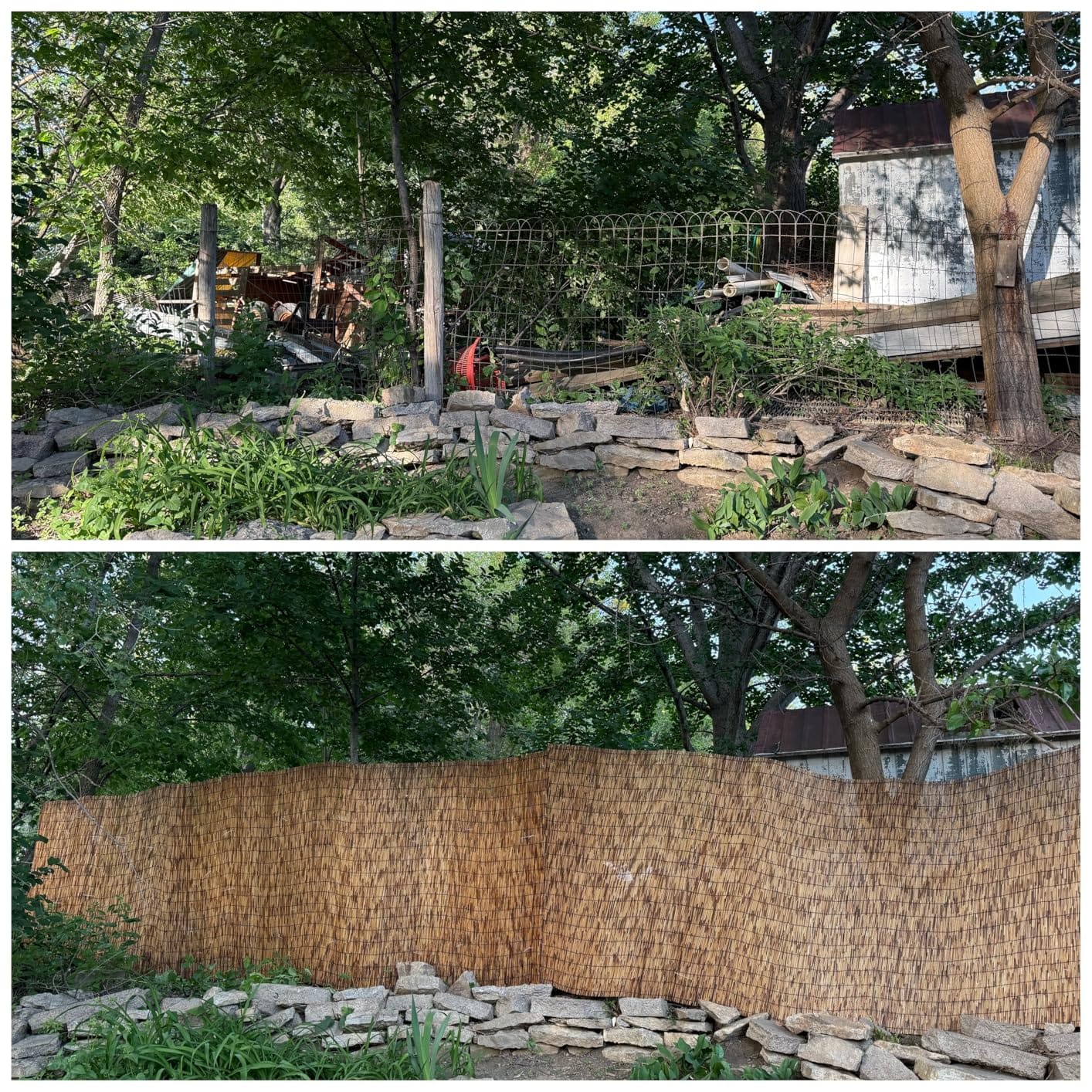
Best for Covered and Indoor-Outdoor Spaces
This panel shines on covered balconies, screened porches, and patio areas with overhead protection. In those settings, the lighter privacy filtering and artisanal hand-woven look create exactly the relaxed, natural atmosphere people want.
Avoid using it as a standalone fence in open yards where wind and rain hit it directly without any buffer.
Customization Limitations
The hand-woven construction means you cannot trim the width without the reeds separating along the cut line. Measure carefully before ordering and plan your layout around the full 6-by-16-foot dimensions.
If you need a shorter height, the panel can be folded down from the top, but cutting horizontally is not recommended based on customer experience.
5. MOOKNAT Natural Reed Fence 6FT – Flexible for Slopes and Curves
MOOKNAT Natural Reed Fence,6FT X 16.4FT Bamboo Fencing Privacy Reed Screening for Outdoor, Gallery, Restaurant, Hotel, Patio (Brown)
6FT x 16.4FT roll
Natural sturdy reeds
Cotton string weaving
Deep rich brown color
Pros
- Deep rich brown color customers love
- Flexible nature works on slopes and curves
- Sturdy stitching throughout the roll
- Cuttable to adjust length and height
Cons
- Not Prime eligible slower delivery
- Some find it flimsy for structural use
- Generic zip ties quality
- May not survive heavy wind
Yards are rarely flat, and that is where the MOOKNAT reed fence earns its place on this list. The flexible cotton-string construction conforms to slopes, curves, and uneven ground lines that would defeat rigid panels.
What stands out most in customer feedback is the color. The deep, rich brown tone is repeatedly called out as particularly impressive, with a warmth and depth that looks more expensive than standard natural reed finishes.
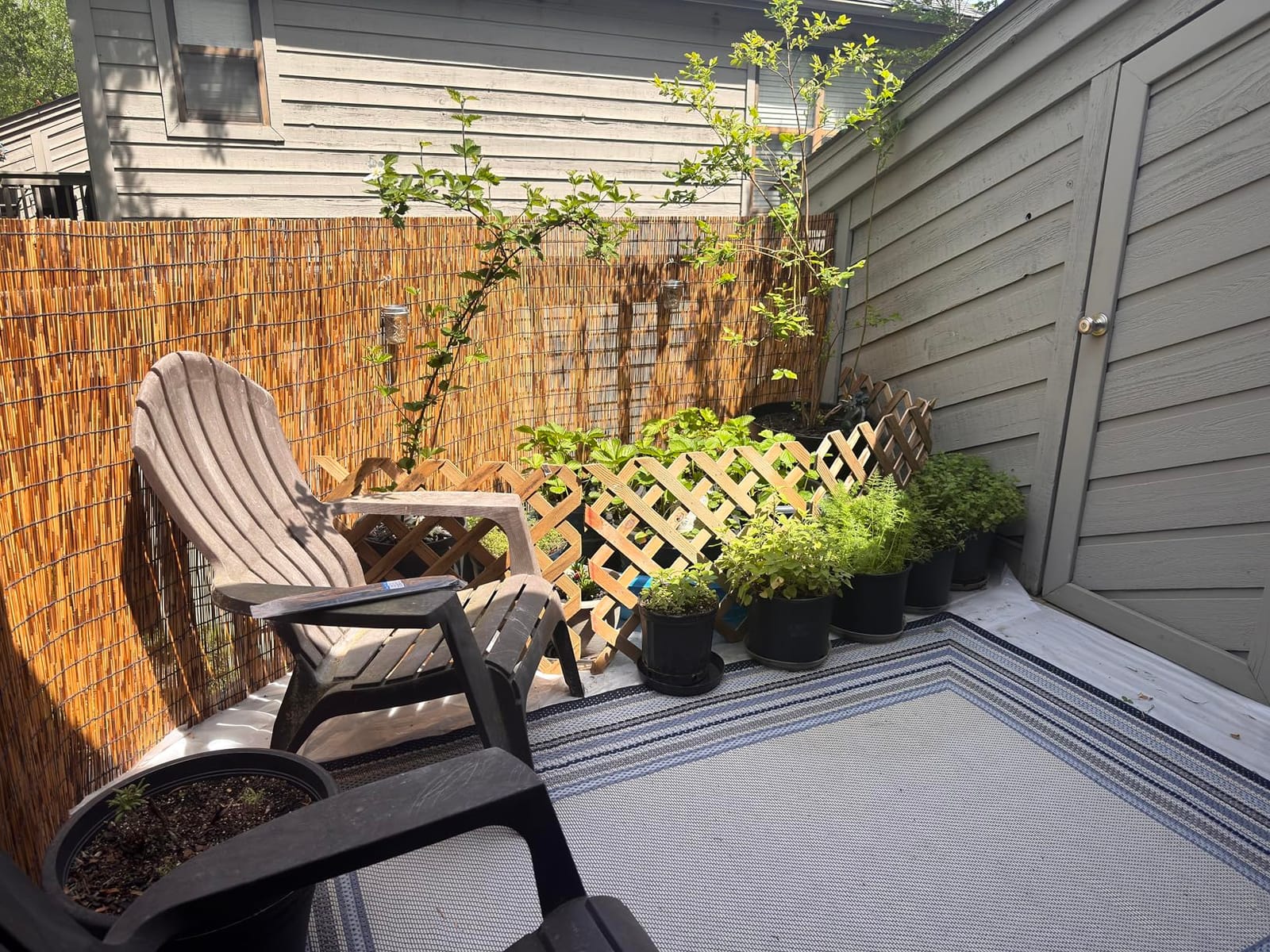
The 6-by-16.4-foot dimensions give you nearly 100 square feet of coverage per roll, putting it in the same class as the PAKNANO panel for total area. The sturdy stitching holds the reeds tight along the full length, and the roll is lightweight enough for one person to maneuver into position.
Being cuttable is a real advantage here. Unlike the KOIUEYW panel, MOOKNAT customers report successfully trimming both length and height to fit specific spaces. Just seal the cut edge with a dab of outdoor adhesive or a zip tie loop to prevent gradual unraveling.
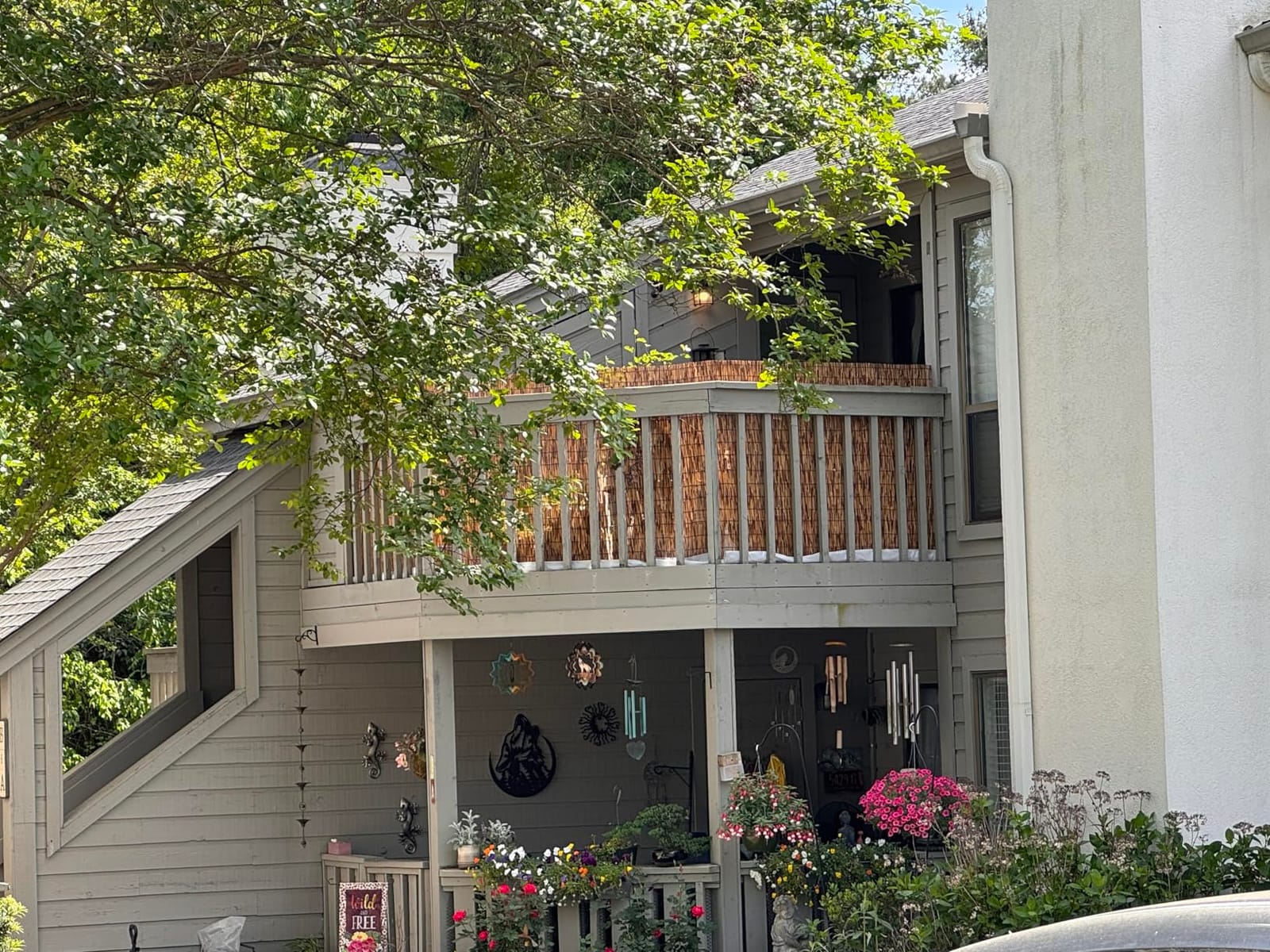
Landscaping on Uneven Terrain
This is the panel I would reach for if my yard had a slope, curved fence line, or irregular boundary. The flexibility lets it follow ground contours without leaving gaps at the bottom or bowing at the top.
For hillside gardens, tiered landscaping, and curved patio borders, this conformability saves you from piecing together rigid panels and filling gaps.
Commercial and Decorative Applications
MOOKNAT lists galleries, restaurants, and hotels as target settings, and the rich color depth supports that claim. For restaurant patios needing a natural privacy divider or hotel pool areas wanting a tropical aesthetic, this panel photographs beautifully.
For those commercial uses, plan to replace or reinforce the included zip ties with heavier-duty cable ties or mounting hardware for a more permanent installation.
6. DearHouse Reed Fencing 5FT – Best Eco-Friendly Tiki Decor
DearHouse Natural Reed Fencing, Eco-Friendly Bamboo Fence, 5 feet High x 13.3 feet Long, Reed Screen for Garden, Privacy Fence
5FT x 13.3FT roll
Heat-treated monsoon reeds
Eco-friendly renewable
66.5 sq ft coverage
Pros
- Eco-friendly rapidly renewable material
- Heat-treated for stable quality
- Hand-made premium reeds
- Versatile for fencing decor and wall covering
Cons
- Shorter length only 13.3 feet
- No zip ties included
- Single layer is sheer
- Cutting causes unraveling
DearHouse takes the sustainability angle seriously. The reeds are sourced from monsoon-climate regions where they grow rapidly as a renewable resource, and the heat-treatment process stabilizes them for longer outdoor life than untreated alternatives.
The 5-foot height is a nice middle ground between the 4-foot balcony panels and the 6-foot privacy rolls. For garden borders, low fence tops, and decorative screening where you do not need full head-height coverage, 5 feet hits a practical sweet spot.
Where this panel really wins is creative applications. Customers use it for tiki bar themes, outdoor kitchen backdrops, garden wall art, and even indoor accent walls. The natural white-and-brown color variation gives it a lighter, more casual look than the deep brown carbonized panels.
The tradeoffs are real, though. At 13.3 feet, it is the shortest roll on this list, so you will need more pieces to cover the same span. No zip ties are included, which means a separate hardware purchase. And cutting causes unraveling, so plan your layout around full-panel dimensions.
Creative and Decorative Uses
This is the panel for anyone building a tiki-themed outdoor bar, dressing up a garden shed, or creating a tropical accent wall. The lighter color and hand-made quality give it a casual, beachy character that deeper brown panels do not match.
For themed events, patio parties, and seasonal decorations, the lower cost and renewable sourcing make this a guilt-free choice for temporary installations.
Heat Treatment and Longevity
The heat-treatment process drives out moisture from the reeds, which reduces warping and splitting over time. In practice, this means the panel holds its shape better through seasonal temperature swings than untreated reed fencing.
Customers report roughly one to two years of solid performance in mild climates, with shorter lifespan in areas with harsh winters or constant humidity. Applying a clear UV-resistant sealant can extend that timeline noticeably.
What to Look for When Buying Reed Fencing Panels?
After comparing these six panels, the buying decision really comes down to five factors that determine whether your installation succeeds or disappoints you after the first storm.
Height and Coverage Area
Reed fencing panels come in heights ranging from 4 feet to 6 feet. A 4-foot panel works for balcony railings, low garden borders, and decorative accents. For real privacy screening where you want to block standing-eye-level views from neighbors, 6 feet is the minimum I would recommend.
Always measure your fence span before ordering. Rolls come in 13.3-foot, 16-foot, and 16.4-foot lengths, and buying one roll that is 3 feet too short means a second order and a visible seam where the two pieces meet.
Material Quality and Weaving
The two weaving materials you will see are cotton thread and metal wire. Cotton thread does not rust, which makes it the clear winner for any outdoor installation exposed to rain or humidity. Metal wire can leave orange rust streaks running down your fence within months.
Carbonized reeds are heat-treated for strength and a deeper, richer color. They cost slightly more but resist splitting and look more premium. If budget allows, carbonized is worth the upgrade over standard natural reeds.
Privacy and Shading Rating
Pay close attention to the shading or blackout percentage. Panels range from 70% to 85% opacity. At 70%, you get sun filtering and partial visual screening but can still see shapes through the panel up close. At 85%, neighbors see only vague silhouettes from a distance.
If full privacy is your top priority, plan to double-layer any reed panel. Even the densest single-layer reed fencing lets some light through, and two layers pushed the opacity past 95% in customer tests.
Climate and Wind Resistance
Reed fencing handles mild and moderate climates well but struggles in areas with sustained high winds or harsh freezing winters. Wind is the number one enemy, because it flexes the panel and stresses attachment points over time.
For windy locations, add horizontal support wires, secure the panel every 6 inches along the top and bottom, and consider bamboo as a stiffer alternative. In snowy or freezing climates, expect one to three years of life before the reeds become brittle.
Installation Hardware Included
Check whether the package includes zip ties or mounting hardware. Five of the six panels on this list include zip ties, but the DearHouse panel does not. If you need to buy hardware separately, factor that into your total cost comparison.
Forum DIYers consistently recommend upgrading the included zip ties to heavier-duty UV-resistant cable ties for permanent outdoor installations. The stock ties work fine for temporary setups but can degrade after a full year of sun exposure.
Reed vs Bamboo Screening: Which Should You Choose?
This is one of the most common questions in fence-building forums, and the answer depends on what you value more: aesthetics or structural strength.
Reed fencing uses thinner, more flexible stalks that create a softer, more delicate appearance. It conforms to curves and slopes easily, weighs less, and typically costs less per square foot. The tradeoff is that thin reeds are more vulnerable to wind damage and have a shorter lifespan in harsh conditions.
Bamboo fencing uses thicker, rigid poles that resist wind far better and last longer in exposed settings. Bamboo feels more substantial and structural, but it is heavier, harder to cut cleanly, and costs more. If your installation faces prevailing winds or you need something that will hold up for five-plus years without reinforcement, bamboo is the stronger choice.
For covered patios, decorative screening, and budget projects, reed fencing delivers the natural look at a fraction of the cost. For exposed fences, wind-prone yards, and permanent privacy barriers, spend the extra money on bamboo.
Frequently Asked Questions
How long do reed fences last?
Reed fences typically last 1 to 3 years in harsh climates with heavy wind or freezing winters, and 3 to 5 years in mild, sheltered conditions. Applying a UV-resistant clear sealant and adding horizontal support wires can extend the lifespan significantly. Carbonized reeds and cotton-thread weaving also hold up longer than untreated reeds bound with metal wire.
How do you attach reed fencing to an existing fence?
The easiest method is using UV-resistant zip ties or cable ties spaced every 6 to 8 inches along the top, middle, and bottom of each fence post. For wooden fences, you can also use galvanized nails or staples directly through the reed binding. For chain link fences, weave the ties through the mesh and around the reed roll at regular intervals.
Can reed fencing be cut to size?
Most reed fencing can be cut to shorten the length using sharp pruning shears or a fine-tooth saw. Cutting the height is riskier because it can cause the reeds to unravel along the cut edge. Some panels like the MOOKNAT handle height trimming better than hand-woven options like the KOIUEYW. Always seal the cut edge with adhesive or a zip tie loop to prevent separation.
Which is better, reed or bamboo screening?
Reed screening is lighter, cheaper, and more flexible for curved or sloped installations, but it has a shorter lifespan and lower wind resistance. Bamboo screening uses thicker poles that last longer and handle wind better, but it costs more and is harder to cut. Choose reed for decorative and budget projects, and bamboo for permanent or wind-exposed installations.
Which reed fence panel is most durable?
Among the panels reviewed, the Barydat 3-pack uses premium carbonized reeds with an 85% shading rate and cotton-thread weaving, making it the most durable option. The PAKNANO 6-foot panel with its 80% blackout rating is a close second, especially for pool and water-adjacent installations where rust resistance matters most.
Final Verdict
After comparing all six panels, the PAKNANO Natural Reed Fencing earns our top spot for its 80% blackout rating, cotton-thread construction, and proven track record around pools and high-privacy installations. For budget projects, the ZNCMRR 4-foot roll delivers excellent value for chain link fence covers and balcony railings. And for large-scale coverage, the Barydat 3-pack offers the best per-square-foot cost with premium carbonized quality.
The best reed fencing panels for your project depend on your specific combination of height needs, privacy requirements, and budget. Any of these six will transform a bare fence or open yard into a private, natural outdoor space, and with proper installation and maintenance, you can expect years of enjoyment from your chosen panel.