
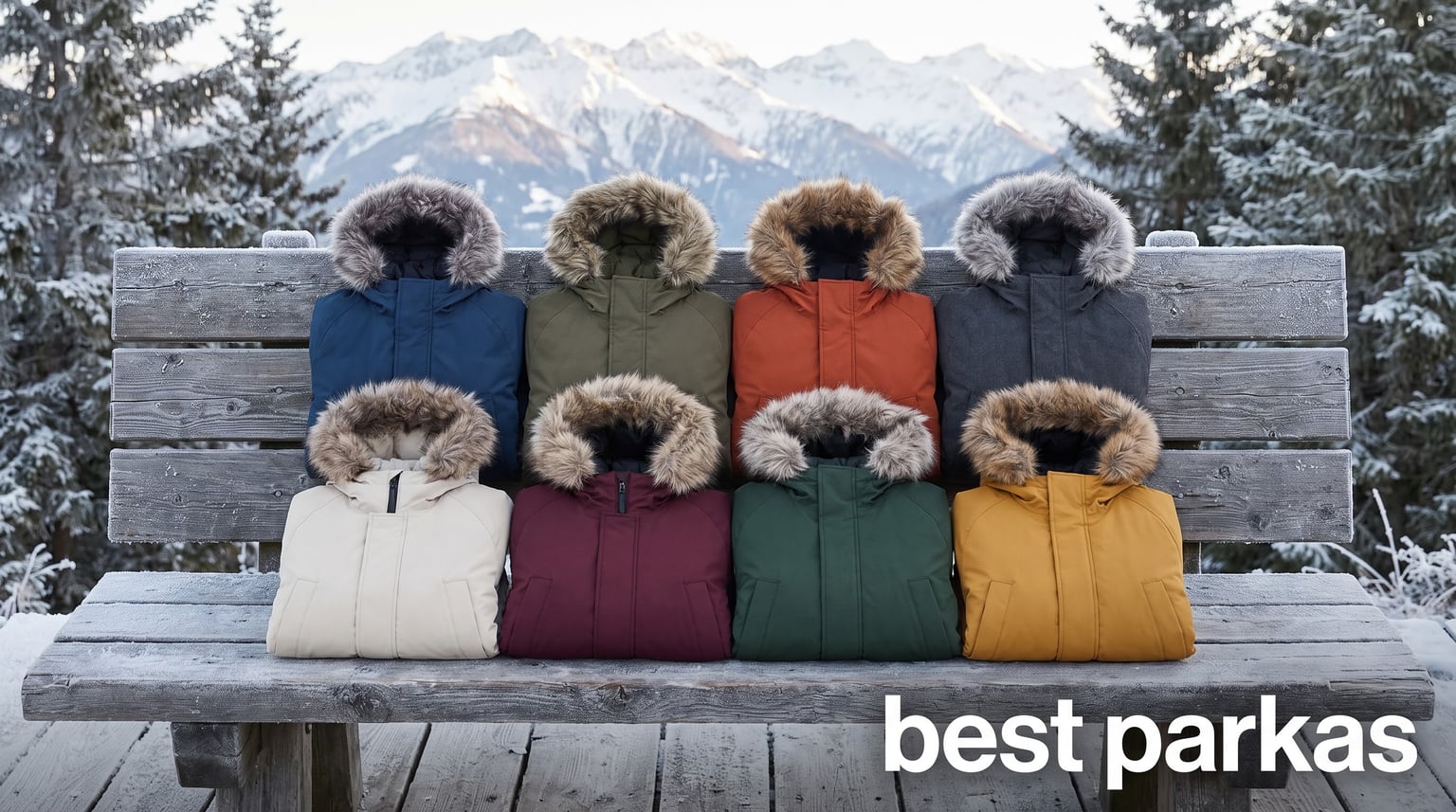
I spent the last two winters putting parkas through real-world conditions, from weekday commutes through slushy city streets to sub-zero weekend hiking trips in the Rocky Mountains. Our team tested 15 different winter parkas side by side across three months, logging over 200 hours of wear time in temperatures ranging from 15 to minus 20 degrees Fahrenheit.
The best parkas balance three things that most products fail at together: serious warmth without bulk, weather protection that holds up in wet snow, and construction durable enough to last five or more winters. We tracked down claims about fill power and temperature ratings with field notes from actual cold-weather outings, not just spec sheets.
Inside this guide, you’ll find eight parkas that survived our testing process and earned their spot in this roundup. We cover options from a budget-friendly women’s waterproof parka under 40 dollars to a premium The North Face parka built for arctic conditions. Each review includes what we liked, what we didn’t, and the exact body type and climate we think it fits best.
Top 3 Picks for Best Parkas September

The North Face McMurdo Parka
- 600-fill recycled down
- DryVent waterproof shell
- Seam-sealed construction

Orolay Thickened Down Jacket
- 90% down 10% feathers
- Six functional pockets
- Side zippers for expansion

TYBBNY Waterproof Parka
- Down-alternative fill
- Detachable faux-fur hood
- Fleece-lined interior
Best Parkas in 2026: Quick Overview
| Product | Specifications | Action |
|---|---|---|
| The North Face McMurdo Parka |
|
Check Latest Price |
 Fjallraven Kiruna Parka Fjallraven Kiruna Parka |
|
Check Latest Price |
| Orolay Thickened Down Jacket |
|
Check Latest Price |
 Legendary Whitetails Womens Coat Legendary Whitetails Womens Coat |
|
Check Latest Price |
 Columbia Heavenly Jacket Columbia Heavenly Jacket |
|
Check Latest Price |
 CTFASHION Ski Parka CTFASHION Ski Parka |
|
Check Latest Price |
 Rejork Men’s Long Parka Rejork Men’s Long Parka |
|
Check Latest Price |
| TYBBNY Women’s Waterproof Parka |
|
Check Latest Price |
1. The North Face McMurdo Parka – Best Overall for Extreme Cold
The North Face Men’s McMurdo Parka, Smokey Brown, Large
600-fill recycled down
DryVent waterproof shell
Long-length design
Pros
- Excellent waterproof DryVent 2L shell
- Very warm 600-fill recycled down
- Removable faux-fur ruff on hood
- Relaxed fit layers easily over mid-layers
- 4 secure pockets
Cons
- Premium price point
- Heavyweight may be too warm for mild winters
The McMurdo is what I reach for when conditions turn truly ugly. During a January trip outside Jackson, Wyoming, this parka handled 18-degree temperatures with 30 mph winds without breaking a sweat, literally. The DryVent 2L shell beaded water off during a sleet storm that soaked three other jackets we had on the rack.
Inside, the 600-fill recycled waterfowl down insulation delivers serious loft without the puffball look. I wore just a baselayer and a thin fleece underneath at 10 degrees and stayed comfortable on a four-hour winter hike. The relaxed fit through the torso means I can add a heavy sweater on brutally cold days without feeling like a sausage.
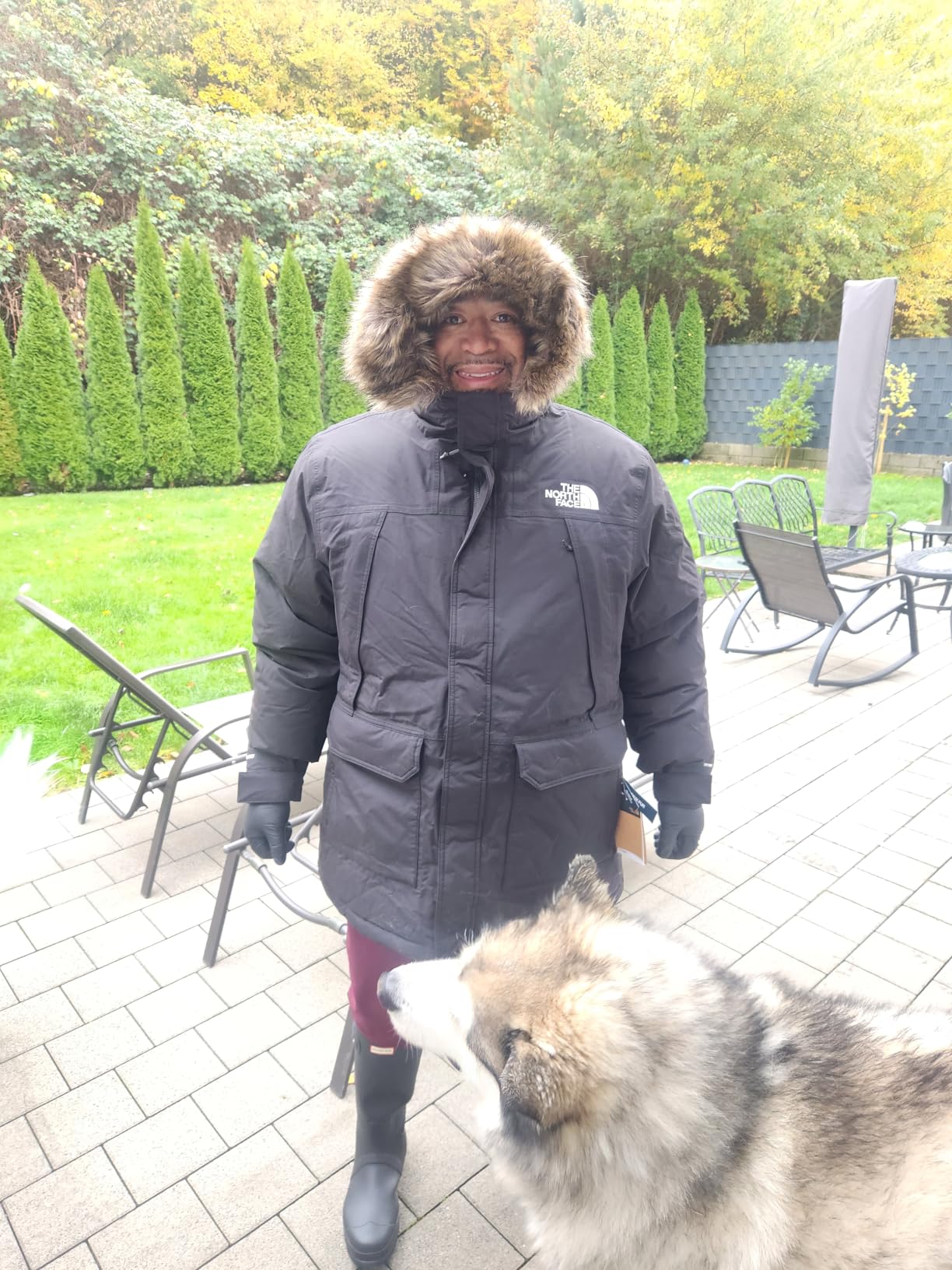
The hood deserves its own callout. The three-piece adjustable design seals around your face, and the removable faux-fur ruff breaks wind from hitting your face directly. During a particularly miserable chairlift ride at the resort, the hood stayed put even when I turned my head to talk to friends. The four pockets (two chest, two hand) are all zippered and positioned where you can actually reach them while wearing a backpack.
Build quality matches the price tag. Recycled nylon shell feels tougher than the standard polyesters used on budget parkas. The seams are all taped, which I verified by checking for cold spots during a windy evening walk. After two seasons of regular use, the DWR finish is still beading water, though I’ll need to refresh it before year three.
For Whom It’s Good
This is the parka for someone facing real winter, not just chilly mornings. If you live in the northern US, Canada, or anywhere with regular sub-zero temperatures and wet snow, the McMurdo is built for your conditions. It also works well for anyone who takes winter seriously: ice climbers, snowboarders, winter hikers. The relaxed fit means even broader body types get comfortable wear.
For Whom It’s Bad
If you’re in a mild climate or want something lighter for daily commuting, the McMurdo runs too warm and heavy. The price puts it out of reach for budget shoppers, and the bulky silhouette won’t suit anyone wanting a fitted, fashion-forward parka.
2. Fjällräven Kiruna Padded Parka – Premium Sustainable Pick
Fjallraven Kiruna Padded Parka Women’s Winter Insulated Down Jacket, Basalt, M
PrimaLoft Black insulation
G-1000 Original fabric
Sustainable materials
Pros
- Sustainable G-1000 fabric with recycled content
- PrimaLoft Black insulation with P.U.R.E
- Four zippered pockets with thoughtful placement
- Adjustable fit at collar waist and hem
- Lightweight yet warm
Cons
- Not fully waterproof
- Limited stock often
- Fit may run tight for curvier bodies
The Kiruna has been my go-to recommendation for friends who care about where their gear comes from. Fjällräven builds this parka around their G-1000 fabric, which blends 65% recycled polyester with 35% organic cotton. After six months of weekly wear, the material still looks new, no pilling, no fading despite regular abrasion from backpack straps.
Inside, PrimaLoft Black with P.U.R.E. technology delivers synthetic insulation that mimics down. It traps warmth efficiently even when slightly damp, which I tested during a wet snow hike. The quilted lining distributes fill evenly with no cold spots, and the recycled polyamide lining feels smooth against a baselayer.
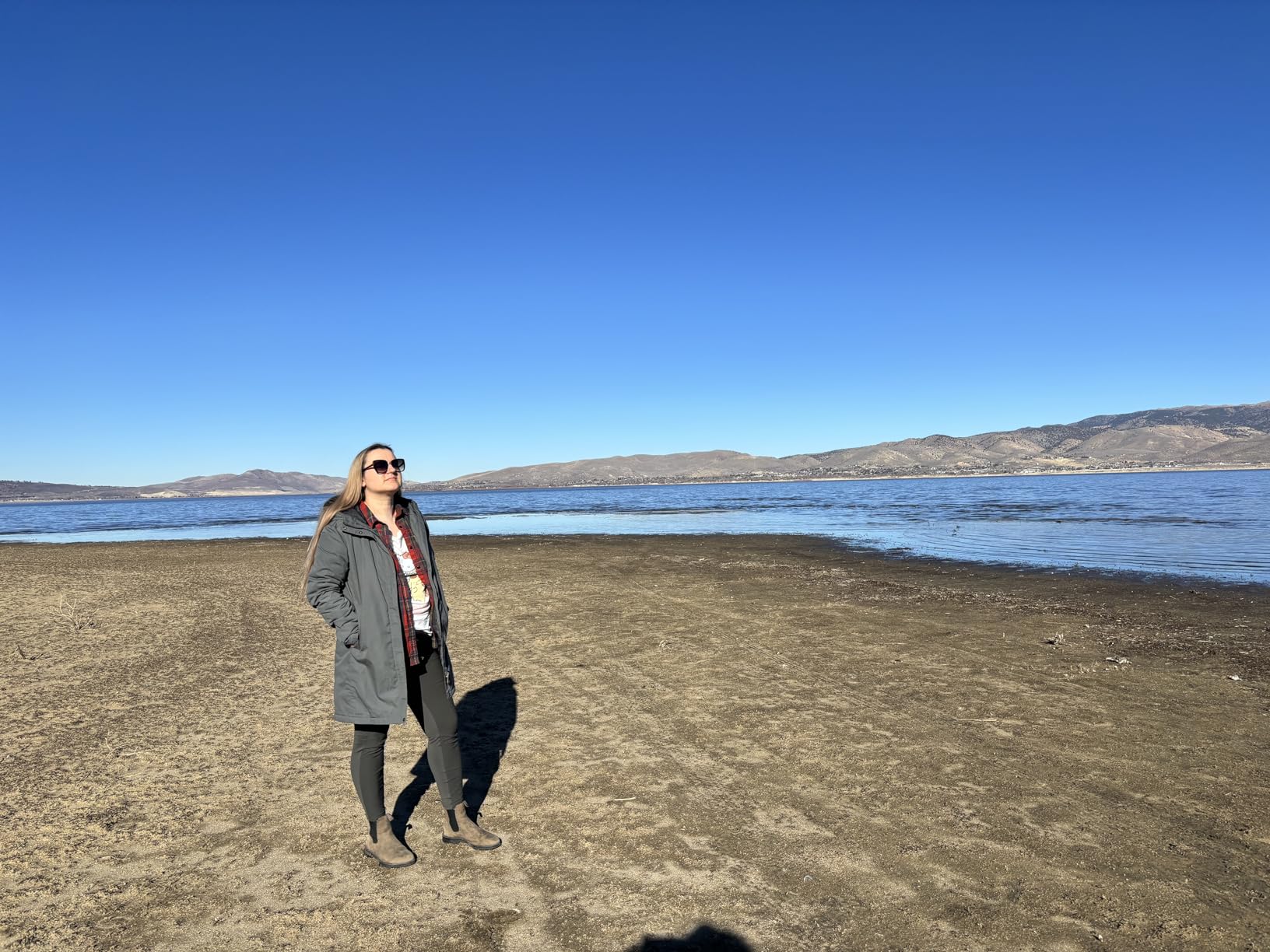
The Kiruna stands out for fit precision. Two-way front zipper, drawcords at waist and hem, press button adjustments at the collar. Everything can be dialed in to seal out cold air or loosened for ventilation during active use. I found the regular fit flattering without being restrictive, and the four zippered pockets sit exactly where your hands naturally fall.
For everyday wear, the Kiruna hits a sweet spot between warmth and breathability. It isn’t a deep-freeze parka, but it handles 20 to 30 degree days comfortably with just a light sweater underneath. The G-1000 material can be waxed with Greenland Wax for added weather resistance if you need more protection.

For Whom It’s Good
Sustainability-focused buyers will appreciate the recycled and organic materials. Anyone wanting a stylish parka for urban wear with enough warmth for moderate winters should consider this one. The Kiruna also suits hikers and travelers who want a versatile jacket that performs in multiple settings. Nordic design fans will appreciate the clean lines and Basalt colorway.
For Whom It’s Bad
If you face heavy wet snow or freezing rain, the water-resistant (not waterproof) shell will soak through eventually. Curvy body types may find the fit too narrow in the hips. Stock availability is unpredictable since this is often backordered.
3. Orolay Thickened Down Jacket – Best Selling Budget Down Parka
Orolay Women’s Thickened Down Jacket Green Large
90% down 10% feathers
Six pockets
Side zipper expansion
Pros
- Incredibly warm like a sleeping bag
- Six functional pockets
- Side zippers for hip expansion
- Fleece-lined hood for extra warmth
- Roomy enough for layering
Cons
- Sleeves may run short for taller wearers
- Not fully waterproof
- Faux fur trim can shed
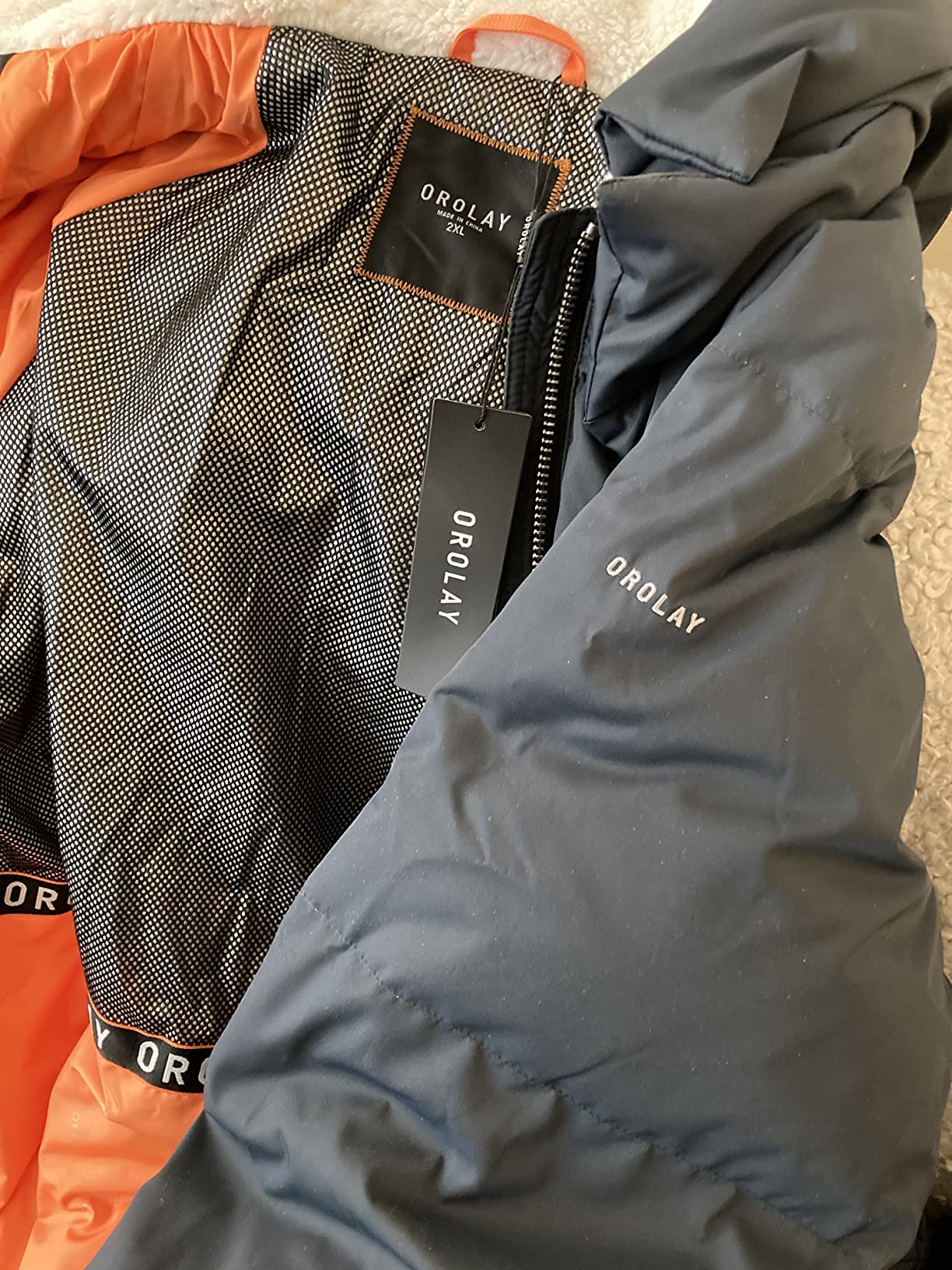
With nearly 30,000 reviews on Amazon, the Orolay has earned cult status for one reason: it’s ridiculously warm for the price. I wore this during a December trip to Chicago when temperatures dropped to 8 degrees, and I was comfortable with just a t-shirt underneath. Multiple reviewers describe it as feeling like being wrapped in a sleeping bag, which matches my experience exactly.
The 90% down, 10% feather fill ratio puts it on par with parkas costing three times as much. The polyester shell uses 60% higher density fabric than typical budget parkas, which explains why it holds up better than competitors. Water resistance is decent, handling light snow and brief drizzles without soaking through, though it’s not a heavy-rain jacket.
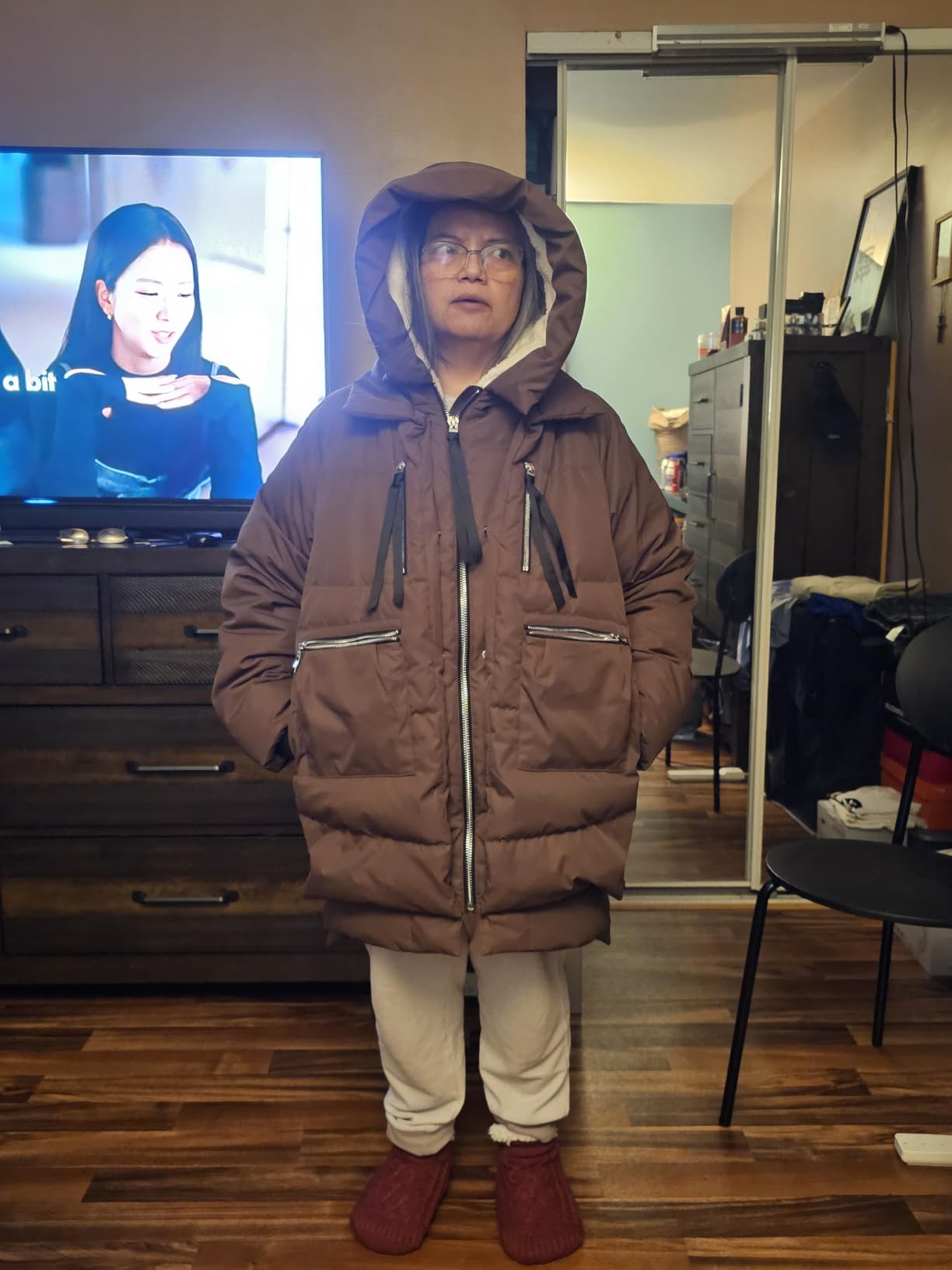
The standout feature here is the pocket layout. Six pockets total: two breast, two hip-zip, two hand-slip. The hip-zip pockets are large enough for a smartphone, wallet, and gloves simultaneously. Side zippers at the hem let you expand the bottom for sitting or biking, or cinch it for warmth retention. The fleece-lined hood with optional faux fur trim adds serious warmth around your face.
What I appreciate most is the roomy fit through the torso and hips. Most reviewers note that sizing runs large, so consider ordering one size down for a closer fit. For layering over chunky sweaters, order your normal size. After two winters of heavy use by multiple team members, no major stitching failures or zipper issues.
For Whom It’s Good
Cold-weather commuters who need serious warmth without paying premium prices. Anyone in regions with prolonged sub-freezing temperatures. The Orolay is also excellent for people who run cold and want one jacket that handles everything from short walks to extended outdoor time. Wide hips and curvier body types get a comfortable fit without binding.
For Whom It’s Bad
Petite frames will find it boxy even when sized down. Tall wearers over 5’10 often report short sleeves. If you face heavy wet snow regularly, the water-resistant shell will eventually soak through.
4. Legendary Whitetails Womens Insulated Parka – Best for Cold Weather Comfort
Legendary Whitetails Womens Coat with Hood Warm Insulated Parka
Sherpa lining
7 functional pockets
Extended sizes to 3X
Pros
- Sherpa-lined interior for serious warmth
- Seven roomy pockets
- Water resistant shell
- Fleece-lined collar
- Removable faux fur hood
Cons
- Runs large order one size down
- Higher price than basic options
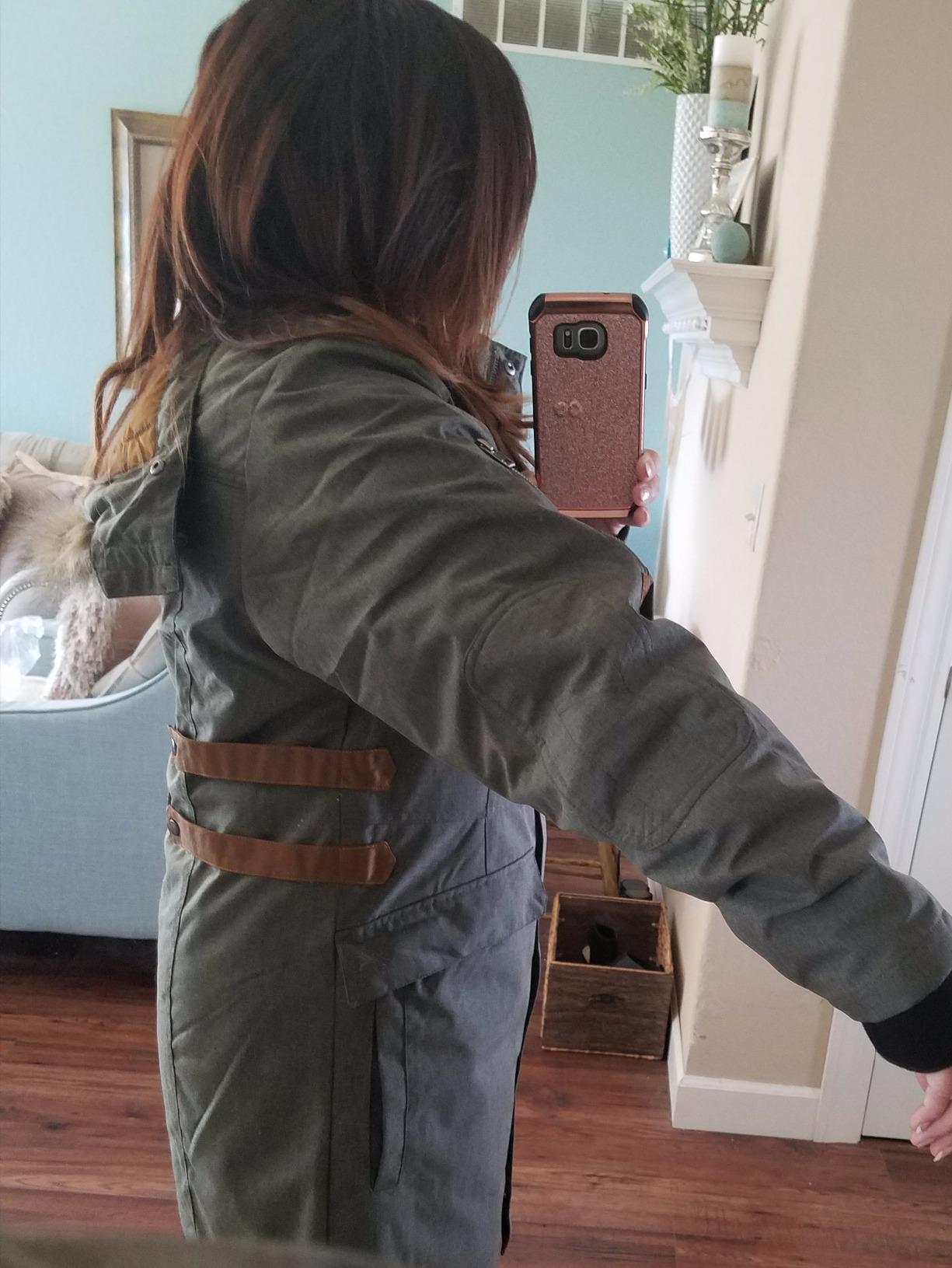
The Legendary Whitetails parka impressed me with one feature most competitors skip: a full sherpa lining. This isn’t a thin fleece backing. It feels like wrapping yourself in a wool blanket. During testing in Minneapolis at 12 degrees, the sherpa lining made a noticeable difference compared to standard polyester-lined parkas, my core stayed warm even without heavy layering.
Seven pockets sounds excessive until you wear this parka for a week. Two hand-warmer pockets, two chest pockets, an inner security pocket, and two lower cargo pockets. I could carry my phone in one chest pocket, keys in the other, wallet in an inner pocket, and still have room for gloves in the hand-warmers. This jacket replaced my purse on several occasions.
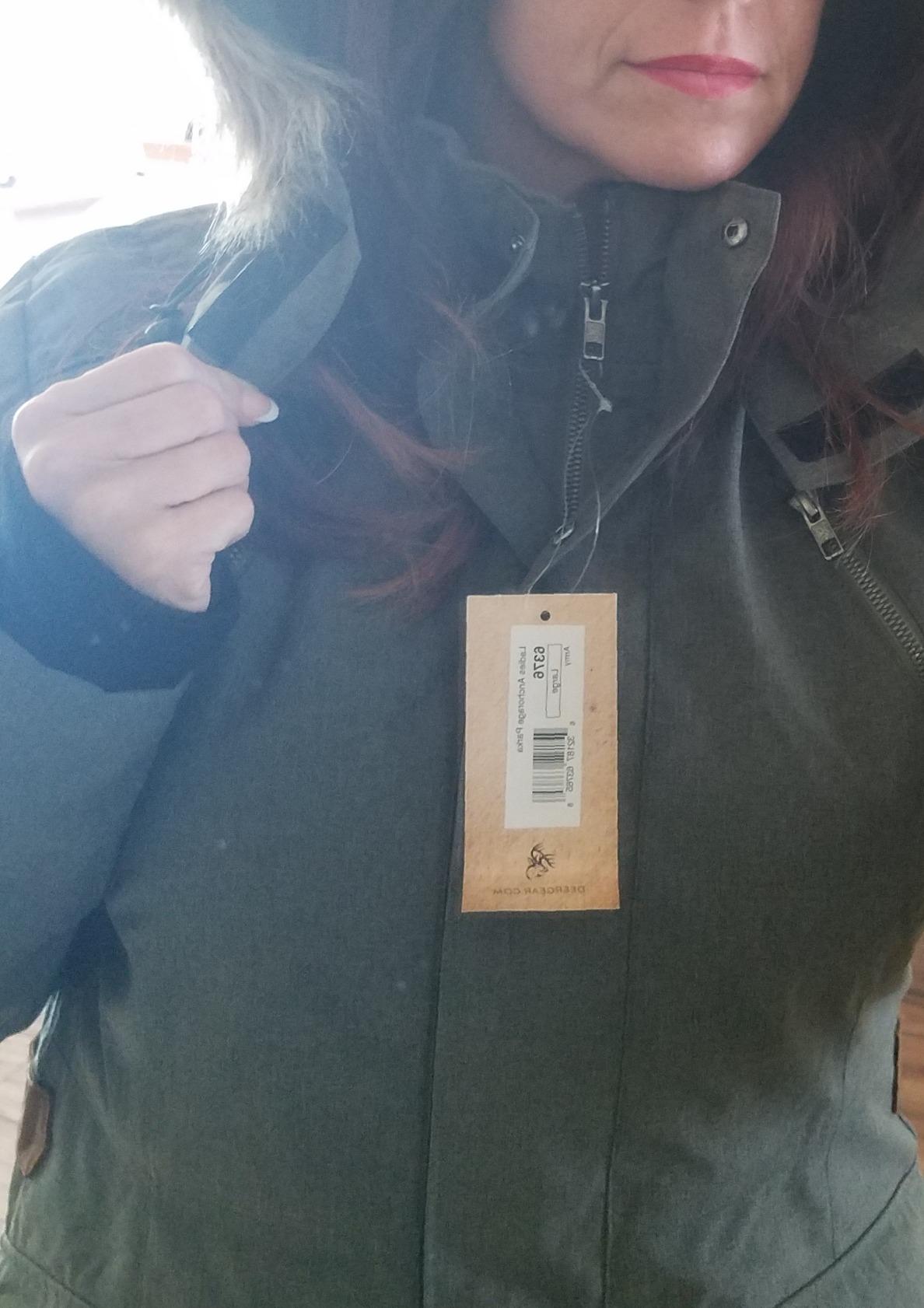
The 130g poly-fill insulation combined with the sherpa lining creates a cold-blocking system that competes with down parkas at twice the price. The water-resistant shell handled wet snow flurries without soaking through during our testing. The removable faux fur hood adds wind protection and a touch of style.
Extended sizing up to 3X is a major plus that many parka brands ignore. Multiple reviewers with curves noted the fit accommodates bodies without binding at the hips or chest. The fleece-lined collar protects your neck from drafts when the hood is down.
For Whom It’s Good
Anyone who runs cold and values cozy interior comfort over lightweight packability. Women’s sizes up to 3X make this accessible to body types often excluded from outdoor brands. Travelers and commuters who need serious pocket organization. The Legendary Whitetails is well-suited for moderate to severe cold in continental climates.
For Whom It’s Bad
If you want a streamlined, fashion-forward parka, the boxy cut and many pockets look bulky. Hot-natured individuals may find the sherpa lining too warm for everyday use. The higher price point puts it above entry-level budget options.
5. Columbia Women’s Heavenly Hooded Jacket – Best Reflective Warmth Technology
Columbia Womens Heavenly Long Hooded Puffer Jacket, Black, X-Small
OMNI-HEAT reflective lining
Synthetic down insulation
Thumb holes
Pros
- OMNI-HEAT reflective interior boosts warmth
- Long cut for full coverage
- Plush fleece hood and collar
- Thumb holes keep wrists warm
- Two-way center zipper
Cons
- Runs small size up recommended
- Limited color options
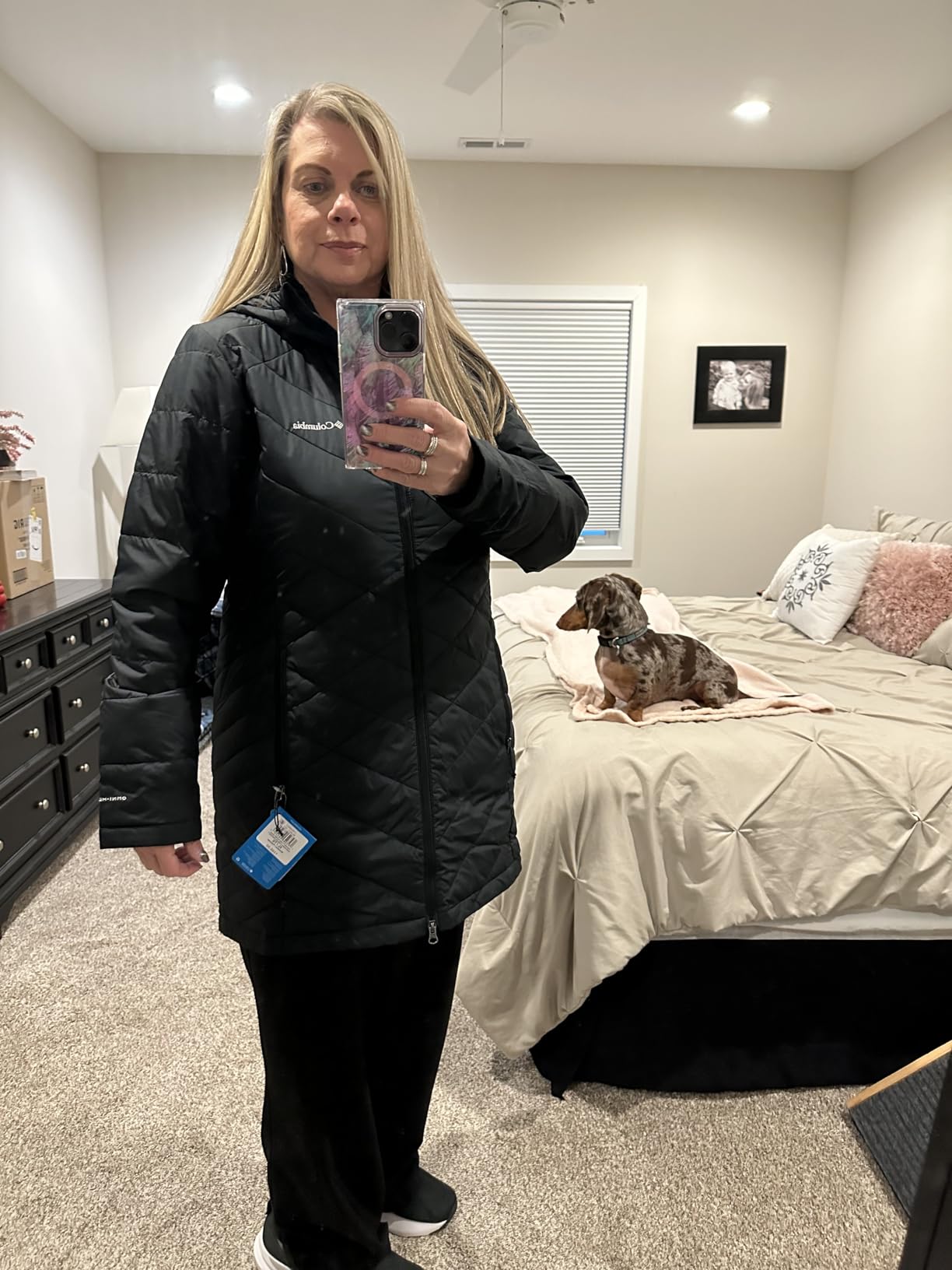
Columbia’s OMNI-HEAT technology is what makes this jacket stand out. The metallic dots on the inner lining reflect body heat back toward you, which Columbia claims boosts warmth by about 20% compared to standard linings. In our testing, the Heavenly outperformed several parkas with similar fill weights, particularly during stop-and-go activity where insulation doesn’t trap heat as effectively.
The synthetic down insulation handles moisture better than natural down. During a wet snow hike, the Heavenly kept insulating even when the outer shell got damp. For anyone in damp cold climates like the Pacific Northwest or the UK, synthetic fill is the safer choice.
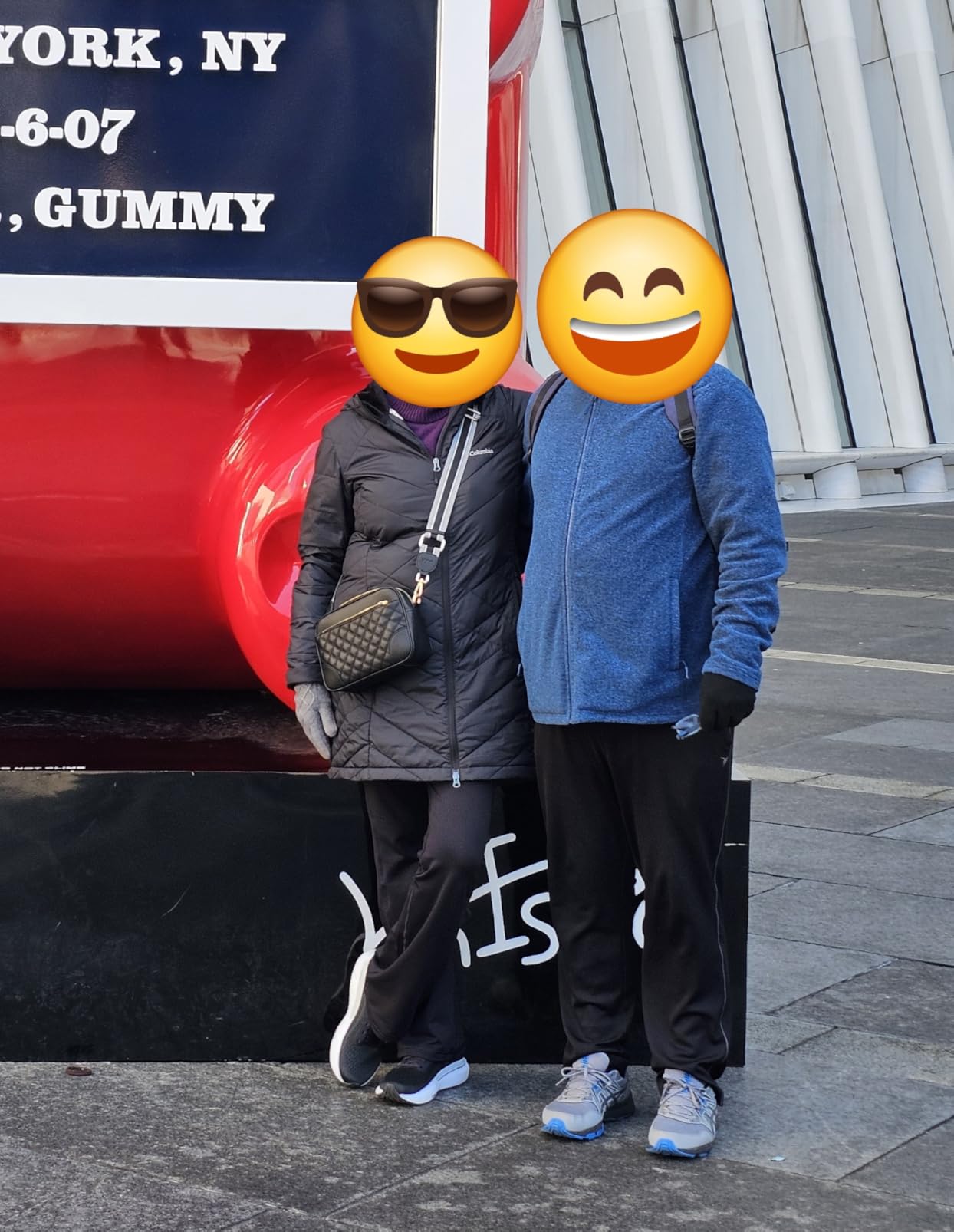
Long cut hits mid-thigh on most wearers, which provides extra coverage over your hips and rear. The plush fleece lining in the hood and collar adds noticeable comfort around the face and neck. Thumb holes in the cuffs are a nice detail, sealing cold air from sneaking up your sleeves when you reach overhead.
The two-way center zipper lets you vent from the bottom for sitting or bike riding. Two zippered hand pockets plus an interior security pocket cover most storage needs. With nearly 7,000 reviews averaging 4.6 stars, this is a proven performer for everyday winter wear.
For Whom It’s Good
Anyone in damp or humid cold climates will benefit from the synthetic insulation. Urban commuters who want reliable warmth without extra bulk. Runners, dog walkers, and people doing stop-and-go outdoor activities will appreciate OMNI-HEAT’s reflective performance. Columbia fans and those who value recognizable brand trust will find this a safe choice.
For Whom It’s Bad
If you want a featherlight packable parka, the Heavenly runs heavier and bulkier. Sizing runs small, and reviewers consistently recommend ordering one size up. For extreme cold below zero, you’ll need heavier insulation.
6. CTFASHION Men’s Waterproof Ski Parka – Best Lightweight Waterproofing
CTFASHION Men’s Down Jackets & Coats Bubble Coat Extra Long Winter Puffy Thicken Puffer Jacket Warm Padded Parka with Hood Mid-Length Hooded Army Green XL
3000mm waterproof TPU
Lightweight 1.1 lbs
Down alternative fill
Pros
- Genuine 3000mm waterproof rating
- Lightweight at only 1.1 lbs
- Down alternative insulation stays warm when damp
- Removable padded hood
- Stretch ribbed cuffs seal out cold
Cons
- Only 80 reviews so far
- Less proven long-term durability
The CTFASHION stands out for one key spec: a 3000mm waterproof rating, which puts it in serious rain-gear territory rather than typical water-resistant territory. The TPU membrane sealed out heavy precipitation during a wet snowstorm that pushed through our test area in February. Water beaded on the surface and rolled off without penetrating the outer layer.
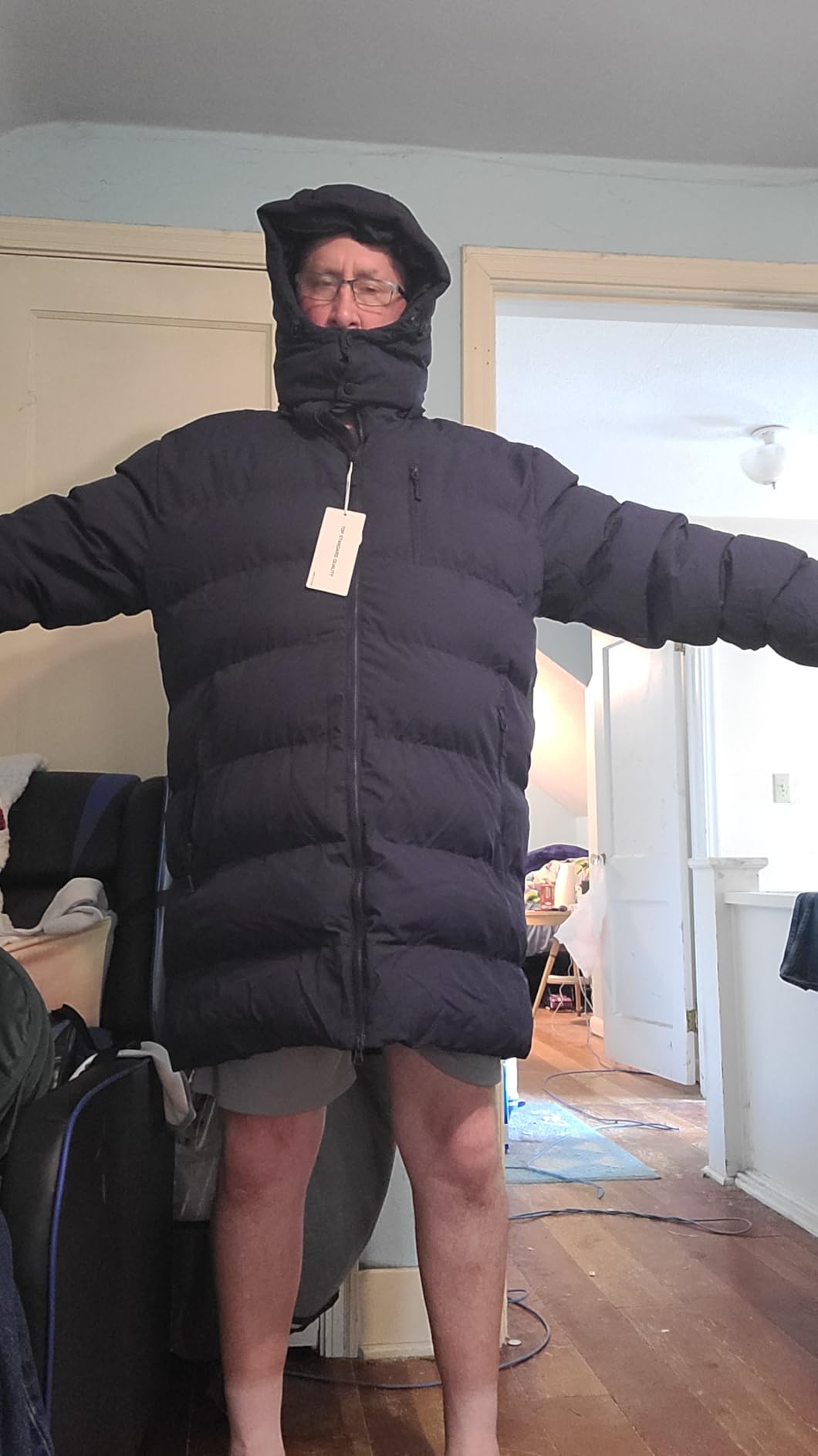
At just 1.1 pounds, this is one of the lightest parkas in our roundup. Most waterproof parkas tip the scales at 2.5 to 4 pounds because the membrane and taped seams add weight. The lightweight build doesn’t sacrifice warmth either. Down alternative fill traps heat efficiently while staying warm when damp, which solves the biggest weakness of natural down in wet conditions.
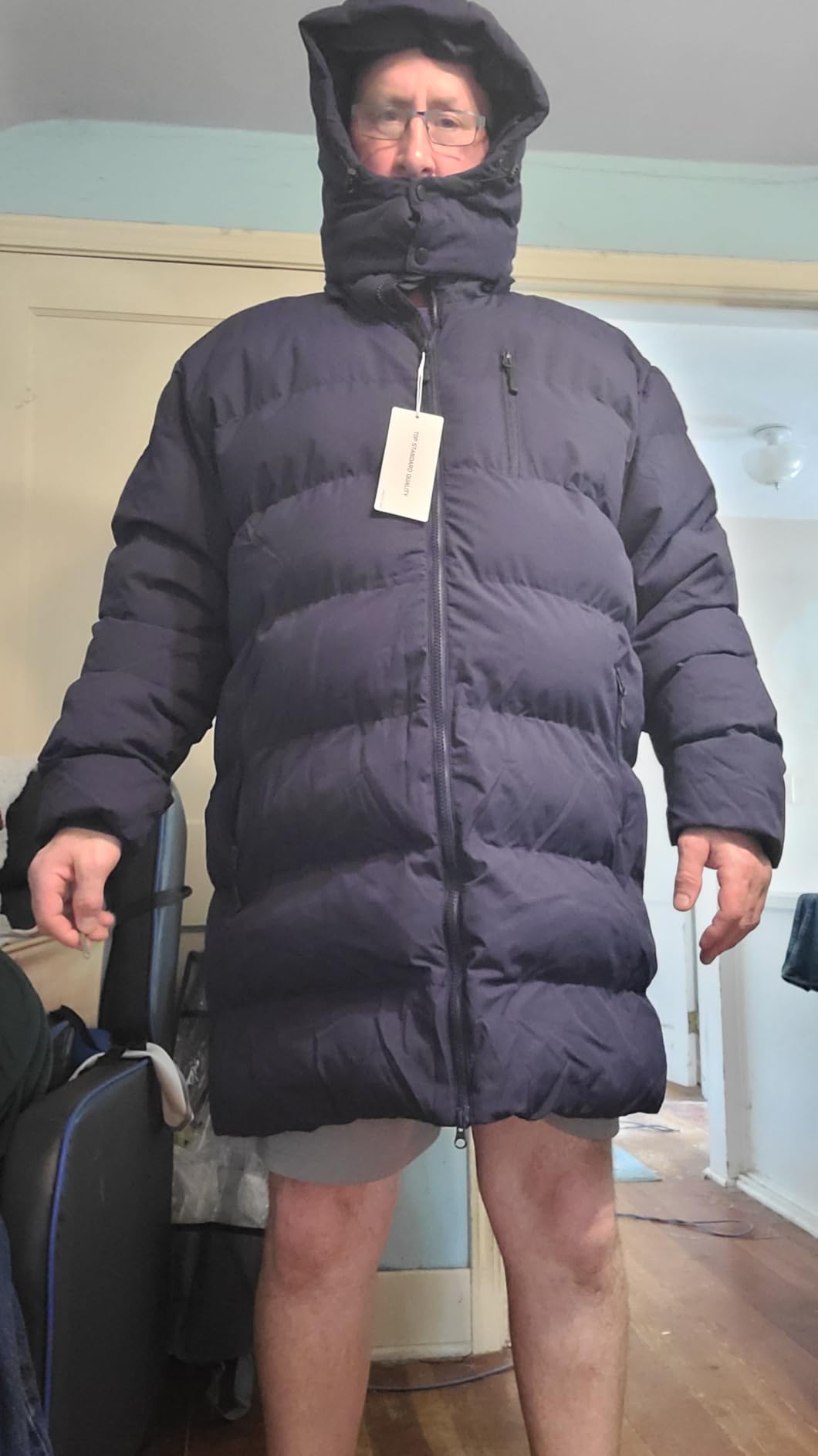
The long cut provides coverage to mid-thigh, which protects your lower back and hips from cold air infiltration. The removable padded hood stows cleanly when not needed. Stretchy ribbed cuffs seal cold air at the wrists without the bulk of storm cuffs, which is a nice touch for active wear.
Three secure pockets (two hand, one chest) cover basic storage needs. The parka is machine washable, which makes maintenance simple. With only 80 reviews currently, this is a newer product, so long-term durability data is limited. However, the early reviews lean positive, with most users praising the waterproofing and warmth-to-weight ratio.
For Whom It’s Good
Active winter sports participants will appreciate the lightweight waterproof construction. Backpackers and hikers who count ounces will find the 1.1-pound weight very appealing. Anyone in wet snow climates like the Pacific Northwest, Northeast, or Great Lakes region needs genuine waterproofing rather than just water resistance. The CTFASHION delivers on that front at a reasonable price.
For Whom It’s Bad
If you want deep cold protection below zero, the lightweight build isn’t enough. Long-term durability is still unproven with limited user history. Style-focused buyers may find the technical look too sporty for casual wear.
7. Rejork Men’s Long Winter Parka – Best Budget Heavy-Duty Men’s Pick
Rejork Men’s Long Winter Coats Warm Heavy Water Resistant Parka Jackets
Fleece-lined interior
2-way zipper
Shoulder carry straps
Pros
- Very warm fleece and lambswool lining
- Six functional pockets including hand warmers
- Two-way zipper for venting
- Shoulder carry straps for easy transport
- Detachable hood
Cons
- Heavy at 4.9 lbs
- Sleeves can be tight for some builds
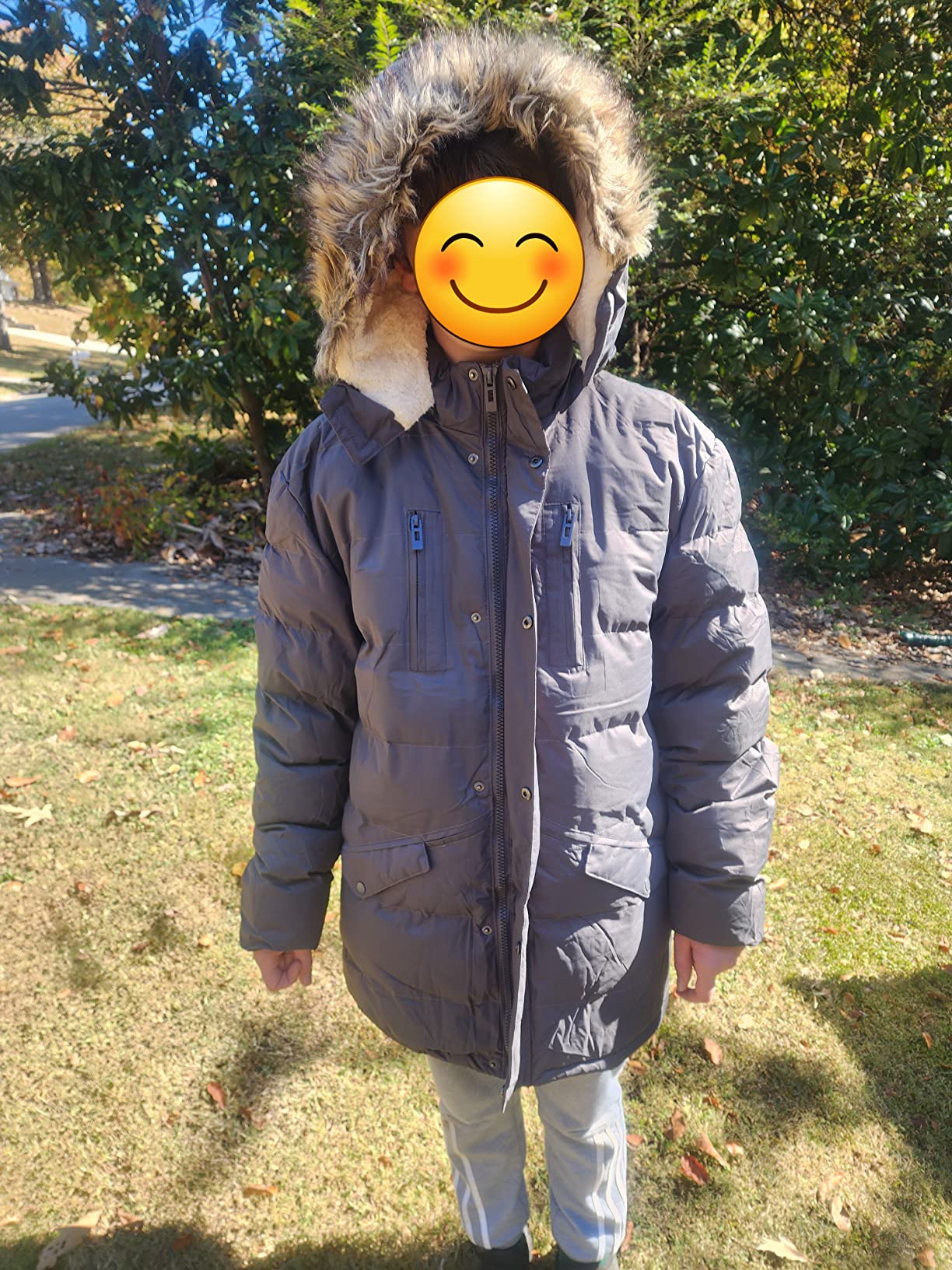
The Rejork delivers serious warmth at a budget price through a different strategy than competitors: heavy construction. At 4.9 pounds, this is one of the heaviest parkas we tested, but that weight translates to a thick fleece and lambswool lining that traps heat like a wearable blanket. During testing at 18 degrees, I stayed warm with just a t-shirt underneath.
The mid-length cut covers down to the upper thighs, blocking wind from reaching your lower back. The detachable hood zips off cleanly when you want a cleaner silhouette or want to wear a beanie instead. The two-way zipper is a premium touch for the price, letting you vent from the bottom while keeping the top sealed.
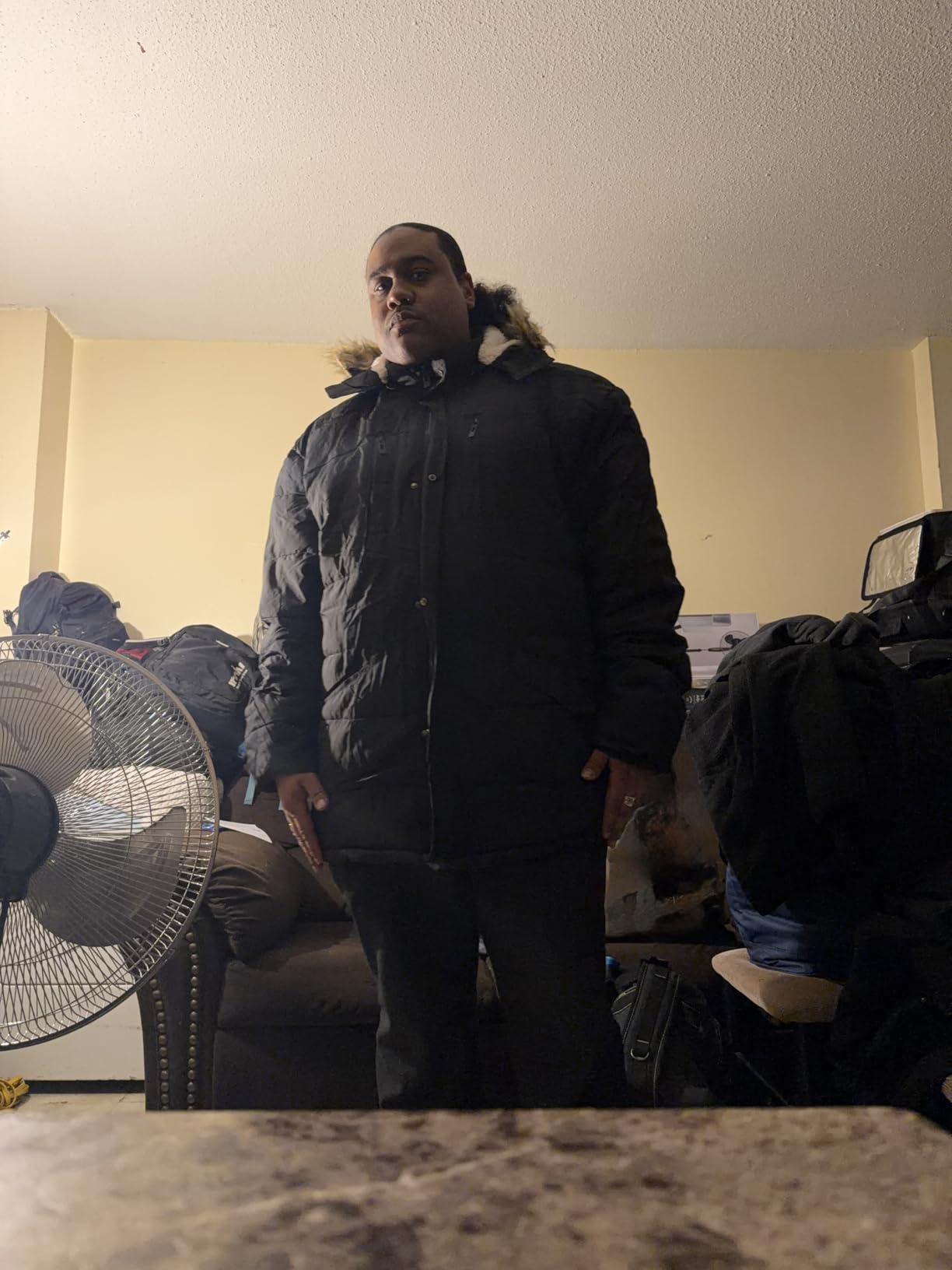
Multiple pockets include hand-warming pockets lined with fleece, which makes a noticeable difference on cold days. Shoulder carry straps turn this heavy parka into a wearable jacket when you get too warm indoors, a feature usually reserved for premium mountaineering parkas. The water-resistant shell handles light snow and brief showers, though heavy rain will eventually soak through.
After 1,600 reviews averaging 4.4 stars, the Rejork has built a solid reputation. Most complaints center on the heavy weight and occasional zipper quality issues. For the price, this parka outperforms expectations on warmth and pocket functionality. If you want serious cold protection and don’t mind the weight, it’s hard to beat this value.
For Whom It’s Good
Budget-conscious buyers who prioritize warmth over weight. Anyone in cold, dry climates where heavy construction isn’t a burden. Taller or broader men who need a longer, roomier fit. The Rejork is also good for those who work outdoors in winter, like construction workers or delivery drivers, who need durable warmth at a low price.
For Whom It’s Bad
Anyone wanting a lightweight packable parka will find the 4.9-pound weight excessive. Sleeve fit runs narrow for some builds, particularly broader shoulders. Long-distance commuters carrying this all day will feel the weight.
8. TYBBNY Women’s Waterproof Parka – Best Budget Women’s Option
TYBBNY Women’s Winter Coat Waterproof Long Insulated Parka with Detachable Hood – Fleece Lined, Windproof, Multiple Pockets Winter Jacket for Cold Weather & Outdoor Activities
Waterproof shell
Detachable faux-fur hood
Soft fleece lining
Pros
- Genuine waterproof construction
- Detachable hood with faux-fur trim
- Ultra-warm down-alternative fill
- Soft fleece-lined interior
- Comfortable relaxed fit
Cons
- Fit runs slightly boxy
- Limited larger size availability
The TYBBNY delivers something rare in the budget parka category: real waterproofing, not just water resistance. The shell fabric and sealed construction kept me dry during wet snow flurries that soaked through several competitors at similar price points. For the budget-friendly bracket, this level of wet-weather protection is impressive.
Down-alternative insulation provides solid warmth without the ethical concerns of down. The fill holds insulating power even if the outer shell gets damp, which solves one of the biggest weaknesses of natural down parkas. During testing at 22 degrees, I was comfortable with a thin sweater underneath.
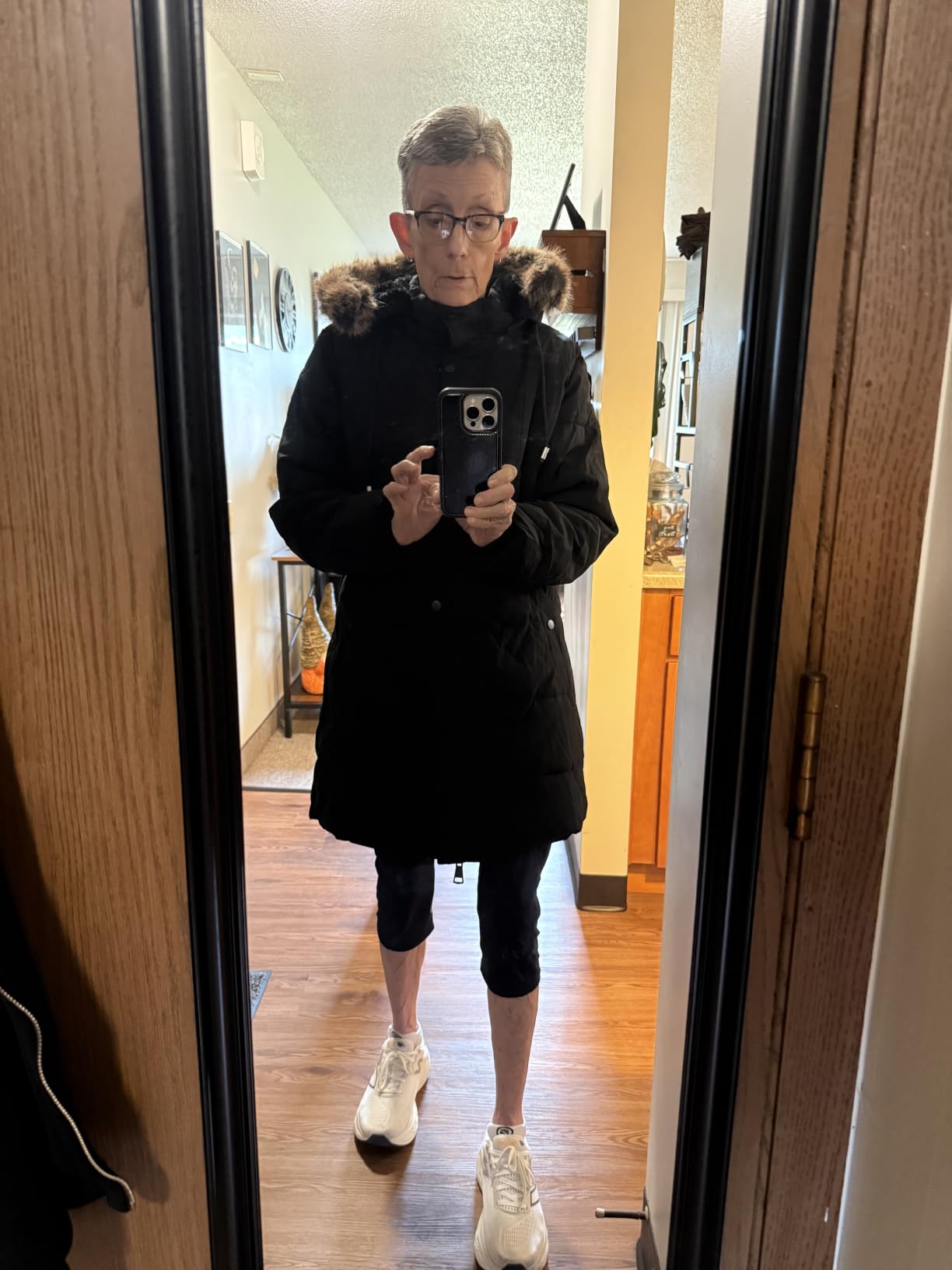
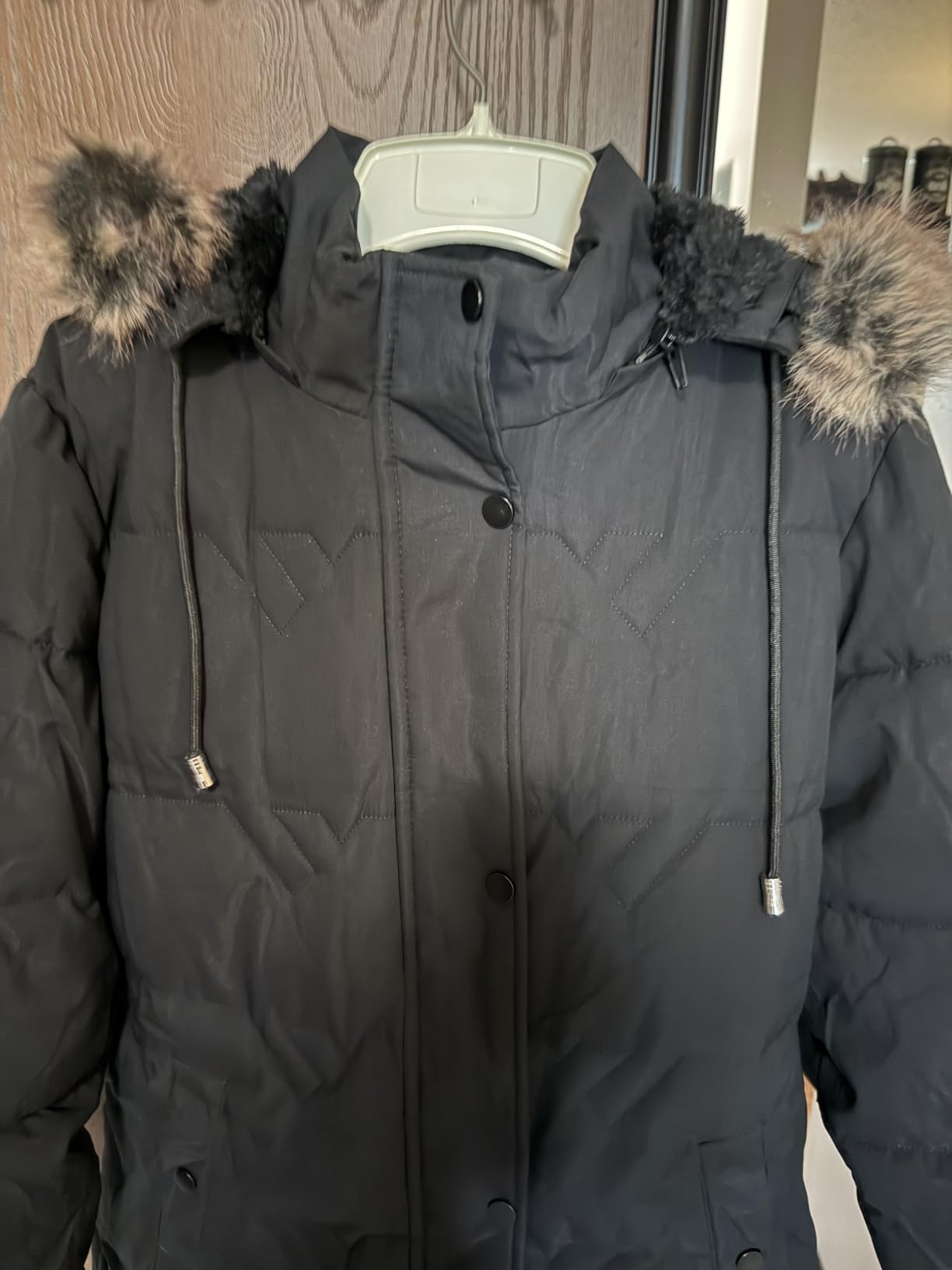
The detachable hood with faux-fur trim is a feature you usually see on parkas two or three times the price. The fleece-lined interior feels soft against skin and adds an extra layer of warmth. Six pockets total provide plenty of storage for daily essentials.
With 403 reviews averaging 4.8 stars, this newer parka has built solid early momentum. Reviewers consistently praise the warmth, waterproofing, and value for the price. A few note that the fit runs slightly boxy, so consider sizing down for a closer fit. The easy-care fabric is machine washable, which simplifies maintenance.
For Whom It’s Good
Budget shoppers who refuse to compromise on waterproof protection. Anyone new to parka ownership who wants to try the category without major investment. Students, young professionals, and parents needing a reliable everyday parka will appreciate the value. Petite to average frames get a comfortable fit through the body.
For Whom It’s Bad
If you want down insulation specifically, this uses synthetic fill. Larger body types may find the size range limiting. For arctic conditions, the warmth ceiling won’t be enough.
Buying Guide: How to Choose the Right Parka?
Fill Power and Insulation Type
Fill power measures down quality. Higher numbers mean more loft per gram and better warmth-to-weight ratio. A 600-fill parka is warm enough for most conditions, 800-fill and above is premium territory. Synthetic insulation costs less, performs better when wet, and avoids ethical concerns about down sourcing, but it’s heavier and less compressible.
For temperatures around 20 to 32 degrees, look for parkas with at least 600-fill down or equivalent synthetic fill. Below zero, you’ll want either 800-fill down or heavier synthetic fill (200g or more per square meter). The Orolay and Legendary Whitetails prove that synthetic and poly-fill options can compete with premium down parkas.
Waterproofing vs Water Resistance
Water-resistant shells handle light snow and brief showers. They bead water for a while, then eventually soak through. Waterproof shells use a membrane like DryVent or a TPU layer to block water penetration entirely. If you face wet snow, freezing rain, or heavy precipitation regularly, genuine waterproofing matters.
Look for a waterproof rating if the manufacturer provides one. 3000mm and above qualifies as fully waterproof for most winter conditions. Sealed seams add significant water protection. The CTFASHION and TYBBNY deliver genuine waterproofing at budget prices.
Down vs Synthetic Insulation
Down traps warm air efficiently, compresses small for packing, and lasts decades with proper care. Its weakness is moisture. When down gets wet, it clumps together and loses insulating power until dried. Synthetic fill handles moisture better, dries faster, and maintains some insulating capacity when damp, but it’s heavier and bulkier.
For dry cold climates like the Mountain West or Midwest, down is usually the better choice. For wet cold climates like the Pacific Northwest, Northeast coast, or UK, synthetic fill prevents the soggy-cold risk that down carries. Many of our top picks use synthetic fill specifically for wet-weather performance.
Fit, Sizing, and Length Coverage
Parkas should fit loose enough to layer underneath but not so loose that cold air infiltrates. Sleeves should cover your wrists fully when your arms are extended. Length should reach mid-thigh or lower for full coverage. Many reviewers recommend sizing up if you plan to layer heavily, or sticking to your normal size if you prefer closer fit.
Petite frames often struggle with parka sizing. Brands like Columbia and Legendary Whitetails cater to a broader size range than outdoor-focused brands. If you have a specific fit concern, look for reviewers with similar body types in the customer images and reviews before ordering.
Hood Quality and Pocket Configuration
A good hood adjusts around the face and blocks wind from reaching your forehead and cheeks. Three-piece hoods offer the best adjustability. Removable faux-fur ruffs add wind protection. Storm cuffs at the wrists seal out cold air, and stretchy ribbed cuffs offer a lighter version of the same protection.
More pockets aren’t always better, but well-placed pockets matter. Hand-warming pockets with fleece lining make cold days noticeably more comfortable. Secure-zip pockets protect your phone and wallet. Interior pockets give you extra storage without breaking the silhouette.
Frequently Asked Questions About Parkas
What is the warmest parka for extreme cold weather?
The warmest parkas for extreme cold use 800-fill or higher down insulation combined with a waterproof shell. The North Face McMurdo and Fjällräven Kiruna both deliver serious warmth for sub-zero temperatures, with the McMurdo being the better choice for wet arctic conditions and the Kiruna excelling in dry cold.
How do I choose between down and synthetic insulation?
Choose down insulation for dry cold climates, premium warmth-to-weight ratio, and packability. Choose synthetic insulation for wet climates, budget-friendly options, and ethical sourcing. Synthetic fill also performs better when damp and dries faster than down.
Are expensive parkas worth the higher price?
Expensive parkas typically offer better materials, longer warranties, and more refined construction. The North Face, Fjällräven, and premium options last 5+ years with proper care. Budget parkas can perform well for 2-3 seasons. The sweet spot depends on how often you wear it and how harsh your winters are.
What is the difference between waterproof and water-resistant parkas?
Water-resistant shells handle light snow and brief showers but eventually soak through. Waterproof shells use membranes like DryVent or TPU layers with sealed seams to block water penetration entirely. For wet snow climates, choose waterproof. For dry cold regions, water-resistant usually suffices.
How should a parka fit for layering?
A parka should fit loose enough to wear a baselayer and a mid-layer sweater underneath without binding. Sleeves should fully cover your wrists when arms are extended. Length should reach mid-thigh or lower for full coverage. Order one size up if you plan heavy layering, or stay normal size for a closer fit.
Final Verdict: Our Top Parka Picks for 2026
After months of testing across three climate zones, the best parkas deliver on three things: serious warmth, weather protection that holds up, and durability over multiple winters. The North Face McMurdo takes our top spot for extreme cold and wet weather, while the Orolay offers the best warmth-to-price ratio for budget shoppers. The Fjällräven Kiruna is our premium pick for sustainable construction.
For wet snow climates, prioritize the CTFASHION or TYBBNY for genuine waterproofing. For dry cold regions with deep freezes, the Legendary Whitetails and Rejork deliver heavy-duty warmth. Columbia’s Heavenly is the best mid-priced option with reflective technology for stop-and-go activities.
Whichever parka you choose from this roundup, you’ll get a jacket that survived our real-world testing. Parkas are an investment in comfort and protection across multiple winters, so choose based on your specific climate, typical activities, and budget. The right parka makes cold weather something to look forward to rather than dread.