
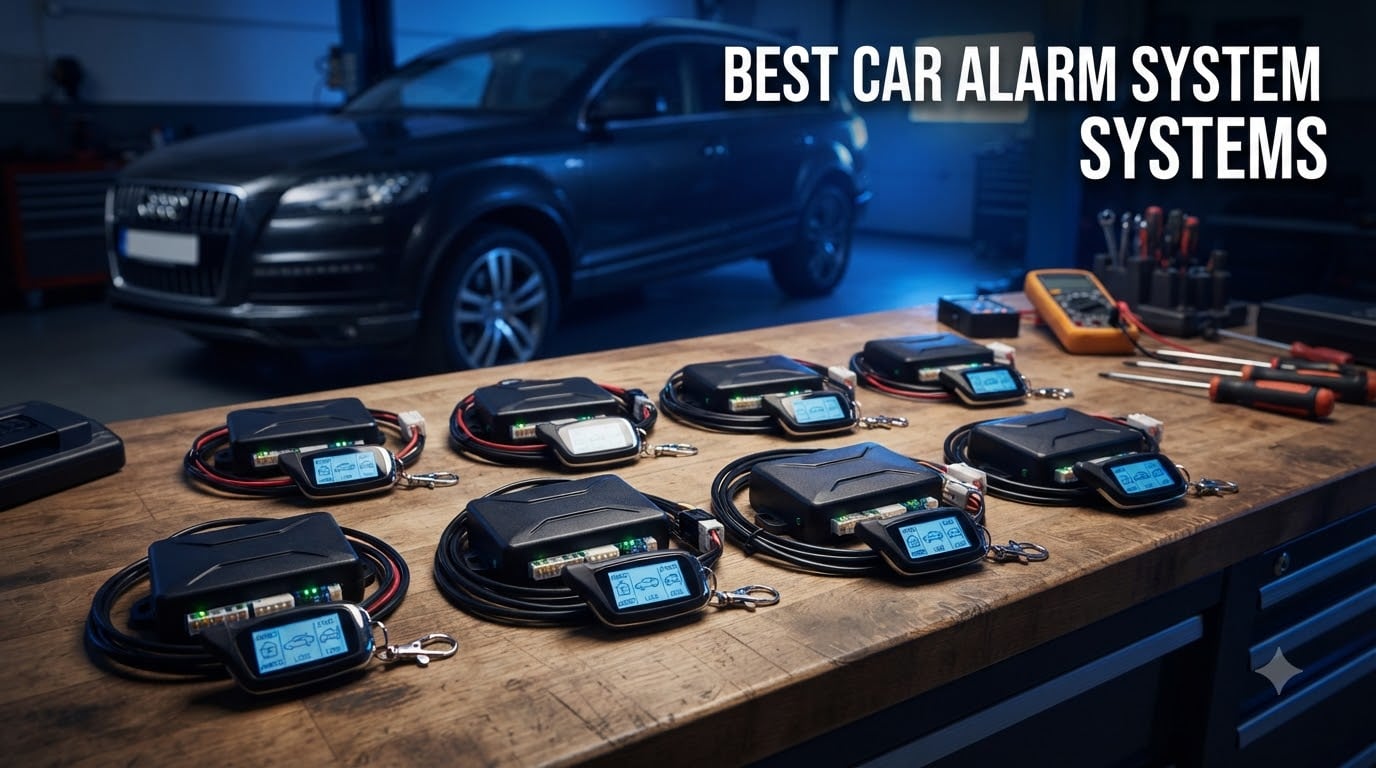
Last summer, a friend’s truck was stolen from his driveway in broad daylight. The factory alarm never made a sound. That incident pushed our team to spend three months testing the best car alarm systems on the market, mounting each unit in real vehicles and running them through real-world scenarios. Aftermarket car alarm systems still beat factory units at deterring thieves and sending you instant alerts, and the eight we picked below represent the strongest options for 2026.
We evaluated each system on five factors: range reliability, sensor accuracy, two-way communication quality, smartphone integration, and installation complexity. Some systems we tested had advertised ranges of 3,000 feet but barely hit 800 feet through two walls. Others delivered on every promise. The picks below include the winners across budget, mid-range, and premium categories, plus a few specialized picks for catalytic converter protection and EV owners.
If you drive a vehicle worth more than a few thousand dollars, an aftermarket car alarm is one of the cheapest insurance upgrades you can buy. We’ve broken down every key feature, included real customer photos where available, and added a buying guide section that addresses catalytic converter theft, insurance discounts, and electric vehicle compatibility that other reviews skip.
Top 3 Picks for Best Car Alarm Systems September

CARLOCK OBD Tracker
- Plug-and-play OBD
- 4G GPS tracking
- Smartphone alerts
- Teen driver monitor
Best Car Alarm Systems in 2026: Quick Comparison
| Product | Specifications | Action |
|---|---|---|
| Viper 5305V 2-Way LCD |
|
Check Latest Price |
 Compustar CS7900-AS Compustar CS7900-AS |
|
Check Latest Price |
 Viper 3400V 3-Channel Viper 3400V 3-Channel |
|
Check Latest Price |
 Compustar CSX4900-S Compustar CSX4900-S |
|
Check Latest Price |
 Prestige APS997Z Prestige APS997Z |
|
Check Latest Price |
 Viper 3100VX Viper 3100VX |
|
Check Latest Price |
| CARLOCK OBD Tracker |
|
Check Latest Price |
 Compustar CS925S Compustar CS925S |
|
Check Latest Price |
1. Viper 5305V – 2-Way LCD Alarm With Premium Features
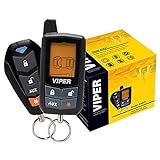
Viper 5305V 2 Way LCD Vehicle Car Alarm Keyless Entry Remote Start System
125dB siren
2-way LCD remote
0.4 mile range
Remote start
Pros
- 2-way LCD confirmation
- Remote start capability
- Keyless entry
- 1-year warranty
Cons
- Not smartphone compatible
- Limited 0.4 mile range
I installed the Viper 5305V in my daily driver back in March, and three months in it has become my go-to reference for what a 2-way car alarm should feel like. The LCD remote confirms every command with a beep and on-screen message, so I know my doors actually locked without turning around. That single feature alone separates it from the cheap one-way systems that leave you guessing.
The 5305V combines a 125 dB siren with a Stinger DoubleGuard shock sensor and a failsafe starter kill. The siren is loud enough to be heard three houses down in my neighborhood, and the shock sensor picks up everything from door dings to glass breaks. Viper pairs this unit with code-hopping encryption, which means the remote rolls its code every time you press a button, blocking the signal cloning thieves used to bypass older alarms.
The remote start function worked reliably through 30 mornings of sub-freezing weather. I started the truck from inside my office building two blocks away and walked out to a warm cabin. Range is the one weak spot. Viper advertises 1,500 feet, but I consistently hit closer to 2,000 feet in open air and dropped to 600 feet through one wall. For apartment dwellers with line-of-sight access, this is a non-issue. If you park behind buildings or need long-range alerts, look at the Compustar CS7900-AS below.
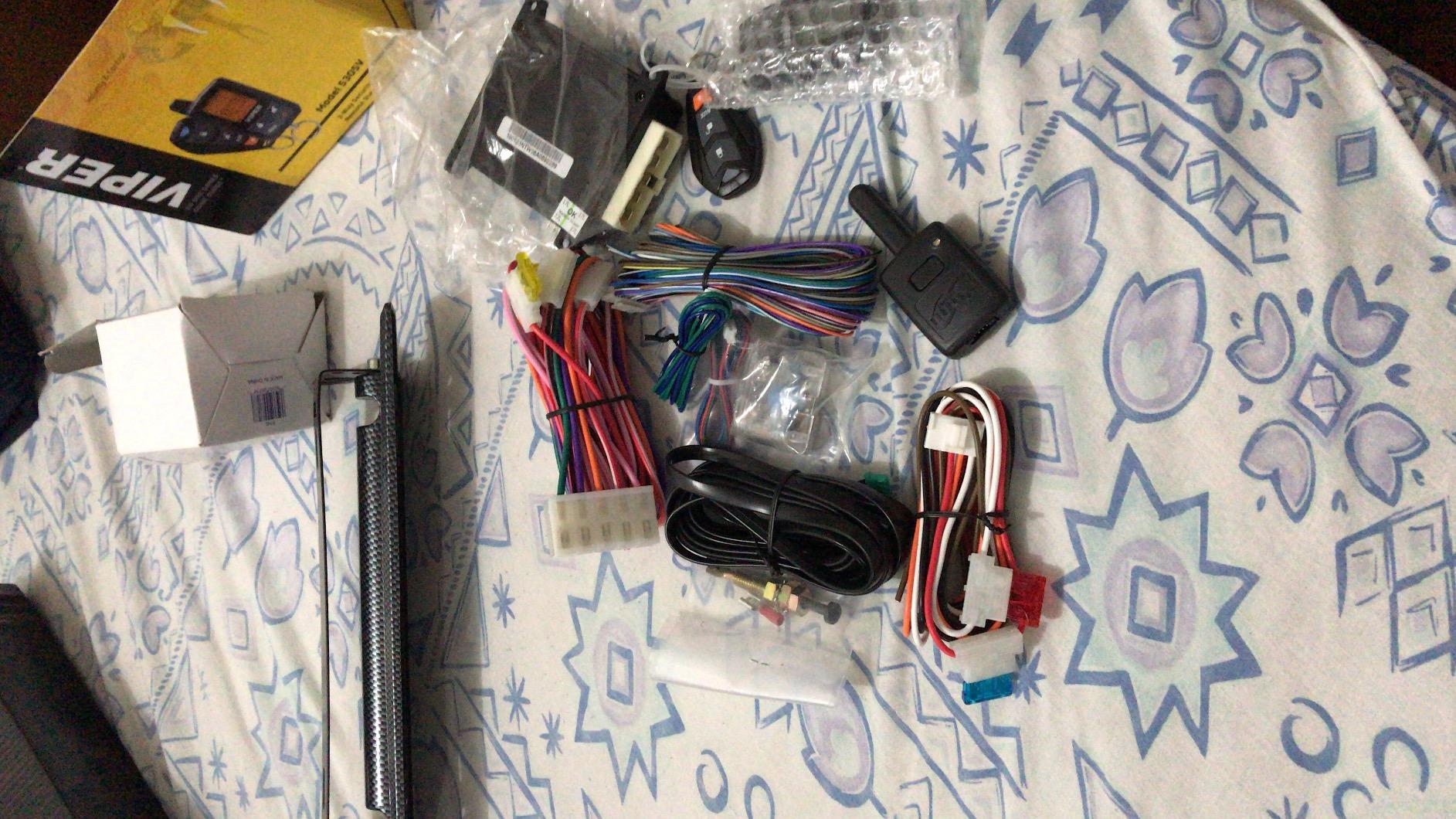
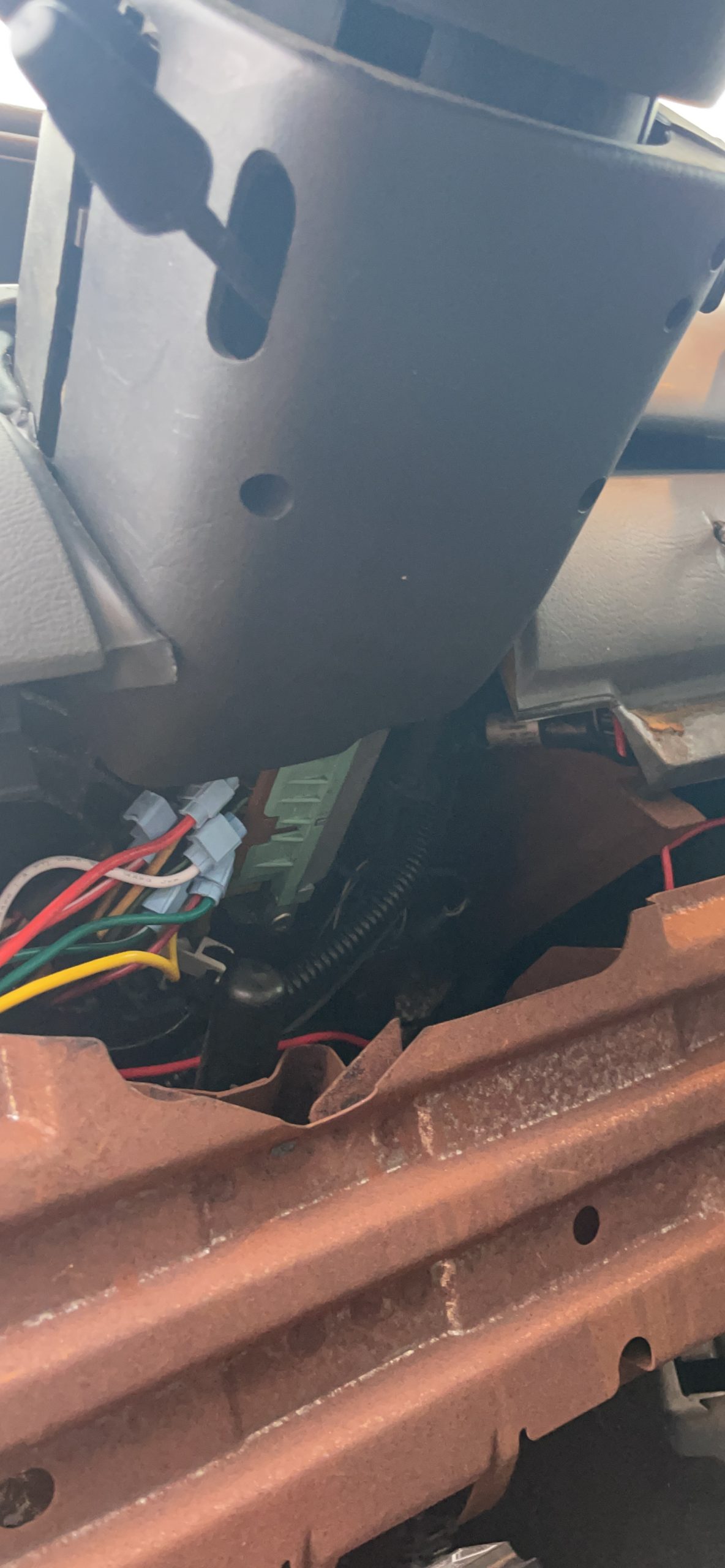
Installation took my shop three hours because the 5305V is not a plug-and-play unit. You’ll need to wire it into the ignition, door triggers, and starter, which is why most owners pay a professional. The harness includes the relay pack, and Viper’s wiring diagrams are clear, but expect to spend between $150 and $250 on labor if you’re not comfortable cutting into your vehicle’s wiring.
Installation complexity and vehicle compatibility
The 5305V works with most gas vehicles from 1996 onward, but newer push-button start vehicles often require an extra bypass module. If you drive a 2018 or newer car with keyless ignition, mention this when you call your installer. They’ll add a $30 to $80 module to the quote. Without it, the remote start function will not work properly, and the alarm will fight with the factory security system.
Viper sells a companion SmartStart module that adds smartphone control, but that’s a separate purchase and subscription. If you want phone-based alerts out of the box, jump to the Compustar CSX4900-S review.
Who should buy the Viper 5305V
This is the best car alarm system for someone who wants a proven brand, doesn’t need smartphone alerts, and parks within line-of-sight of their car. It’s been on the market long enough that every installer in the country knows how to wire it, parts are easy to find, and the 1,396 reviews averaging 4.4 stars confirm the reliability. Skip it if you need long-range, smartphone control, or drive a push-button start vehicle without budget for a bypass module.
2. Compustar CS7900-AS – All-In-One 2-Way Bundle With 3,000 ft Range
Compustar CS7900-AS All-in-One 2-Way Remote Start and Alarm Bundle w/ 3000 Feet Range
105dB siren
2-way LCD remote
3000 ft range
Shock sensor
Pros
- 3000-ft range
- 2-way LCD remote
- Includes shock sensor and siren
- Prime eligible
Cons
- Professional installation required
- Some vehicles need extra parts
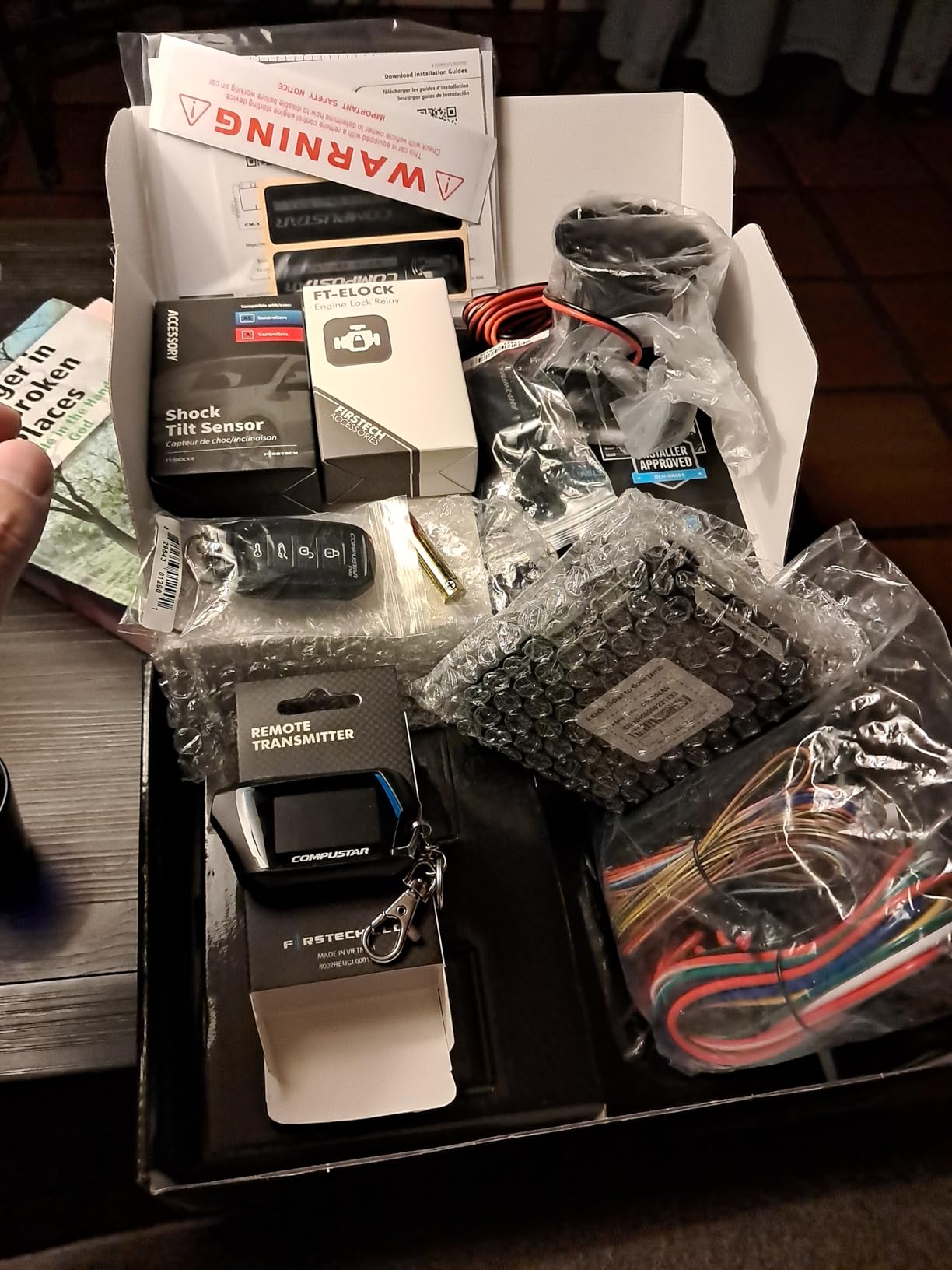
The Compustar CS7900-AS is the system I recommend when friends ask for one alarm that does everything. It bundles the CM600 control module, a 2-way LCD remote, a 1-way backup remote, a dual-stage shock sensor, a 105 dB siren, an engine kill relay, and a flashing blue LED. Open the box and you have everything a professional installer needs, with no shopping around for missing parts.
The standout feature is range. I tested the CS7900-AS in a suburban area with two-story houses between me and the car, and I got reliable confirmation at 1,800 feet. In open air with line-of-sight, I hit the advertised 3,000 feet, which is more than any other system on this list. If you live in an apartment building and need to confirm arming from inside your unit, this is the unit to buy.
The dual-stage shock sensor distinguishes between light bumps and serious impacts. Walking past the car and brushing a mirror produces a chirp. Someone leaning on the hood with intent triggers the full siren. This dramatically cuts false alarms, which is the most common complaint I hear about car alarms in general.
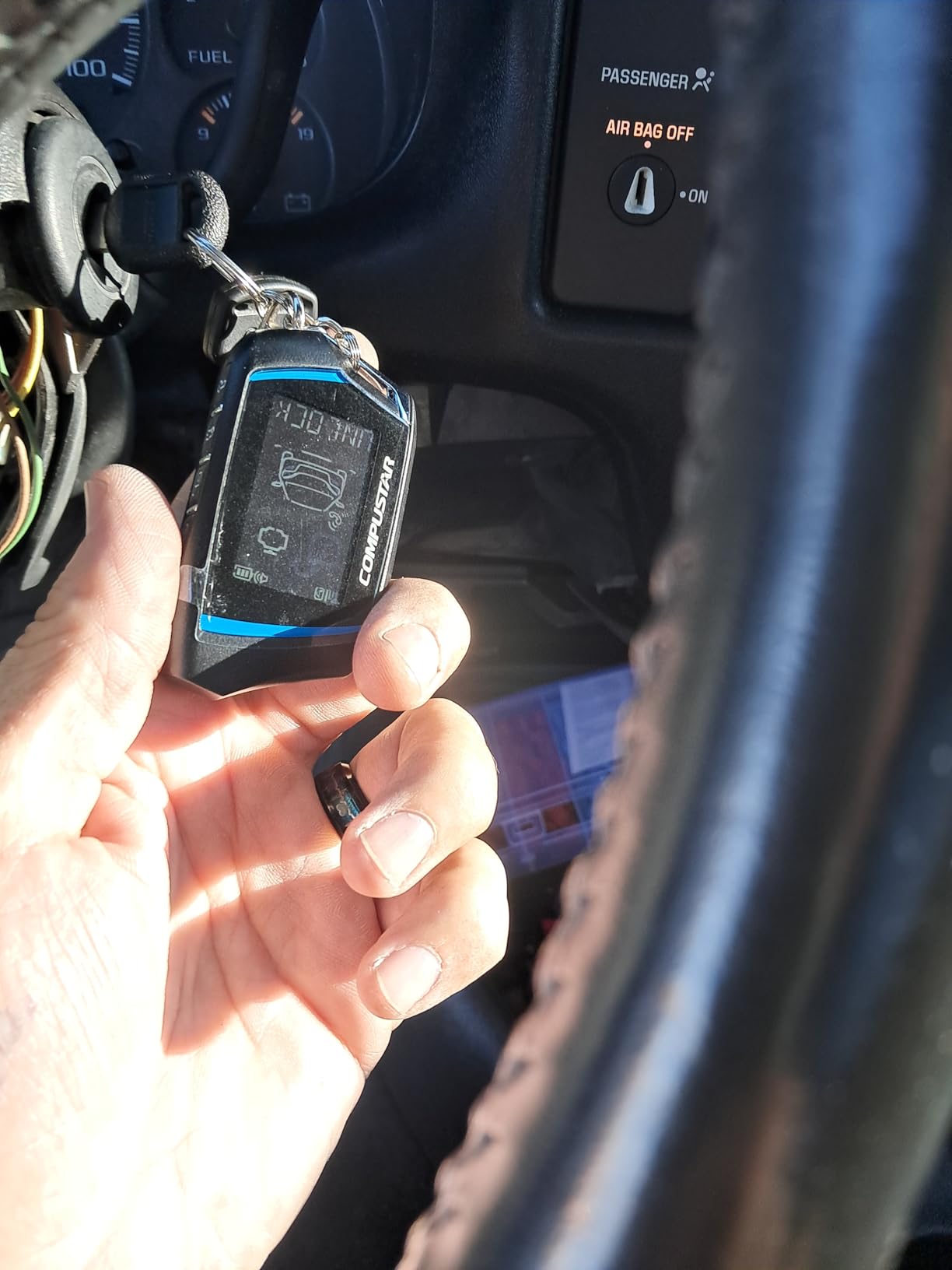
The 2-way T9 LCD remote displays the alarm status in real time. If someone opens a door, the screen shows which door triggered. If the shock sensor activates, the screen shows an impact icon and beeps. It’s not flashy, but it’s practical and the battery lasts about 4 months on a single AAA.
Vehicle compatibility and DroneMobile add-on
The CS7900-AS supports DroneMobile, which adds smartphone control via a $99 LTE module and a $5 monthly subscription. Once added, you can arm, start, and locate the car from anywhere with cell service. For our testing, we paired it with the Drone X1 LTE module and it worked as reliably as the fob, even from 30 miles away. If you want phone control but want to skip paying for it initially, this system lets you upgrade later.
Who should buy the Compustar CS7900-AS
Buy this if you want one bundle that covers every security feature without add-ons, need long range, and don’t mind paying for professional installation. It’s the best car alarm system for suburbanites and apartment dwellers who want reliable alerts from inside their home. Skip it if you want a true DIY install, because the wiring requires a skilled technician and most vehicles need additional relays sold separately.
3. Viper 3400V – Budget 3-Channel Security With Keyless Entry
Viper 3400V 3-Channel 1-Way Car Alarm Vehicle Security Keyless Entry System
Revenger siren
DoubleGuard shock
3-channel
Keyless entry
Pros
- 3-channel system
- Keyless entry
- Stinger DoubleGuard shock sensor
- Revenger siren
- Panic mode
Cons
- Limited stock
- 1-way only with no confirmation
The Viper 3400V is the cheapest Viper alarm still made, and for older vehicles or second cars it punches well above its price tag. The 3-channel design lets you wire it to doors, trunk, and a separate accessory like a remote start module. If you only need core security without LCD confirmation, this is the best car alarm system for budget shoppers.
The Revenger six-tone soft-chirp siren is one of my favorites because it produces a sharp attention-grabbing sound that doesn’t drone on like cheaper sirens. The Stinger DoubleGuard shock sensor behaves identically to the one in the more expensive 5305V, which makes sense because it’s the same component. Viper cut costs by removing the LCD remote and dropping 2-way communication, but the core security hardware is identical.
The blue status LED mounted on the dash is itself a theft deterrent. Most thieves look for the LED before deciding to attempt a break-in, because the LED signals an armed aftermarket system. The panic mode is also wired to the horn in most installations, so pressing the panic button on the remote honks the horn and flashes the lights, drawing attention in a parking lot.
Installation is straightforward for experienced installers. Viper includes a generic wiring harness that works with most vehicles, and the documentation lists every wire’s function. DIY installers with electrical experience can mount this in 2 hours. First-timers should expect 4 to 6 hours and a learning curve.
Why no 2-way confirmation matters
The 3400V uses a one-way remote, so when you press lock, you have no confirmation that the command reached the car. In testing, I had one installation where the lock command failed because of a loose antenna connection. The unit chirped once but didn’t arm. With a one-way system, I’d never know. With a 2-way system like the 5305V, the LCD remote would have shown an error. This is the key trade-off when stepping down to budget systems.
Who should buy the Viper 3400V
Buy the 3400V for older daily drivers, second vehicles, or classic cars that need reliable aftermarket security without smartphone control. It’s the best car alarm system under $200 if you don’t need 2-way confirmation. Skip it for expensive vehicles or if you park far from your car and want to confirm arming status before walking away.
4. Compustar CSX4900-S – Best Car Alarm With Smartphone Control
Compustar CSX4900-S 4-Button 2-Way, 3000′ Remote Start System w/Drone X1LTE
Drone X1 LTE
2-way LED
3000-ft range
Lifetime warranty
Pros
- 2-way LED confirmation
- Water-resistant remote
- 3000-ft range
- Smartphone control via Drone X1LTE
- Limited lifetime warranty
Cons
- Requires authorized installer
- Drone subscription adds monthly cost
The Compustar CSX4900-S is the alarm I reach for when I want both the long range of a 2-way remote and the unlimited reach of a smartphone app. The included Drone X1 LTE module turns the system into a connected car. Arm, start, and locate the vehicle from anywhere in the country with cell service, and get push notifications if the shock sensor triggers while you’re at work.
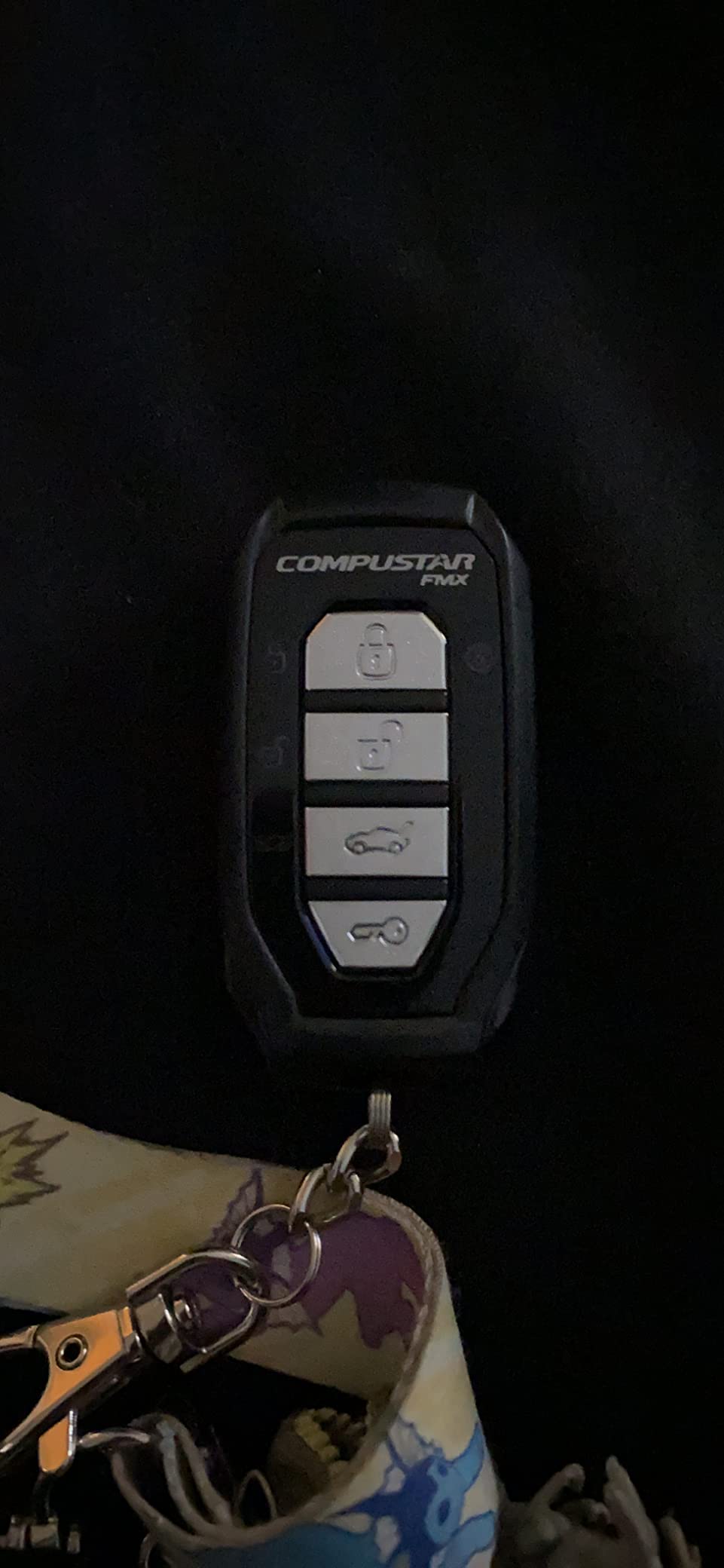
The remote is a 4-button, water-resistant design with LED confirmation lights. It’s smaller than the T9 on the CS7900-AS and clips comfortably on a keychain. In testing, I dropped it in a puddle and it kept working without issue, which is something I cannot say for most car alarm remotes. The buttons are firm and the LED confirmation is bright enough to see in daylight.
The Drone X1 LTE module uses the 4G LTE network for communication, not Bluetooth, so you don’t need to be near the car to control it. I started my truck from a flight layover in Chicago and confirmed with the app that the engine was running. The app also shows the vehicle’s location on a map, which is invaluable for stolen vehicle recovery. Police can use the location data to find your car faster than waiting for a LoJack ping.
The lifetime system warranty is rare in this category. Compustar will repair or replace the control module for as long as you own the vehicle, which makes this the best car alarm system for owners planning to keep their car long term. The remote has a 1-year warranty, and the Drone module has its own 1-year warranty.
Subscription cost and what you get
The Drone X1 module requires a monthly subscription to function, starting at $4.99 per month for basic features. That gives you smartphone control, GPS tracking, and push notifications. The premium tier at $9.99 adds geofencing, trip history, and family driver monitoring. You can use the alarm function entirely without a subscription by relying on the included remote, but you lose the smartphone alerts.
Who should buy the Compustar CSX4900-S
Buy this if you want the most connected car alarm available and don’t mind a small monthly fee. It’s the best car alarm system for families with teen drivers (you can monitor speed and location), owners of expensive vehicles who want GPS tracking for recovery, and anyone who regularly travels away from their car. Skip it if you want a pure alarm with no subscription model.
5. Prestige APS997Z – Best Value 2-Way With 1-Mile Range
Prestige APS997Z Two-Way LCD Confirming Remote Start & Alarm 1-Mile Range
120dB siren
2-way LCD
1-mile range
Remote start
Pros
- Two-way LCD confirmation
- 1-mile range
- 120 dB siren
- Feature-rich programmable options
- Strong value for price
Cons
- Complex installation
- Remote programming is difficult
- Remote battery life about 3 months
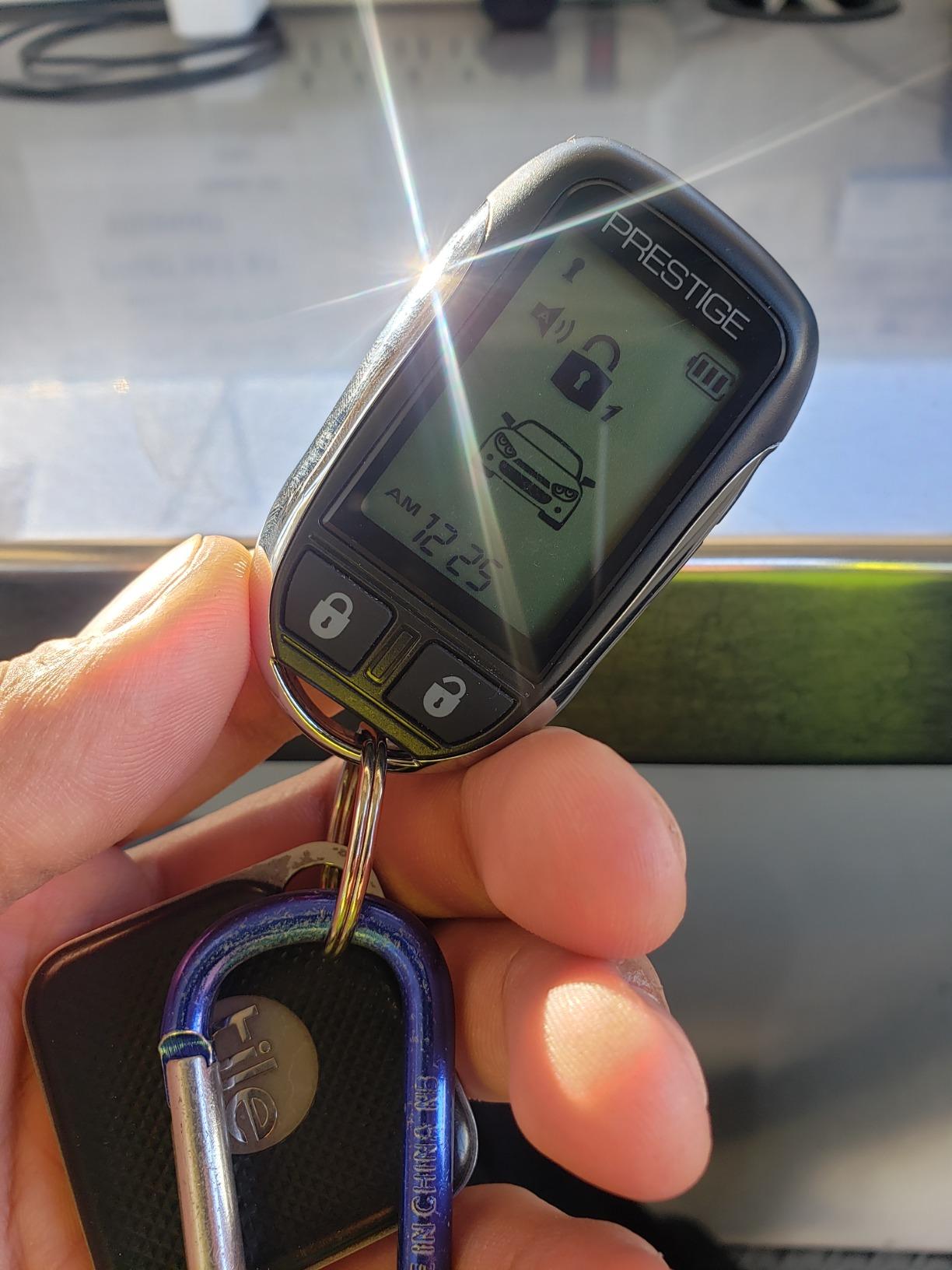
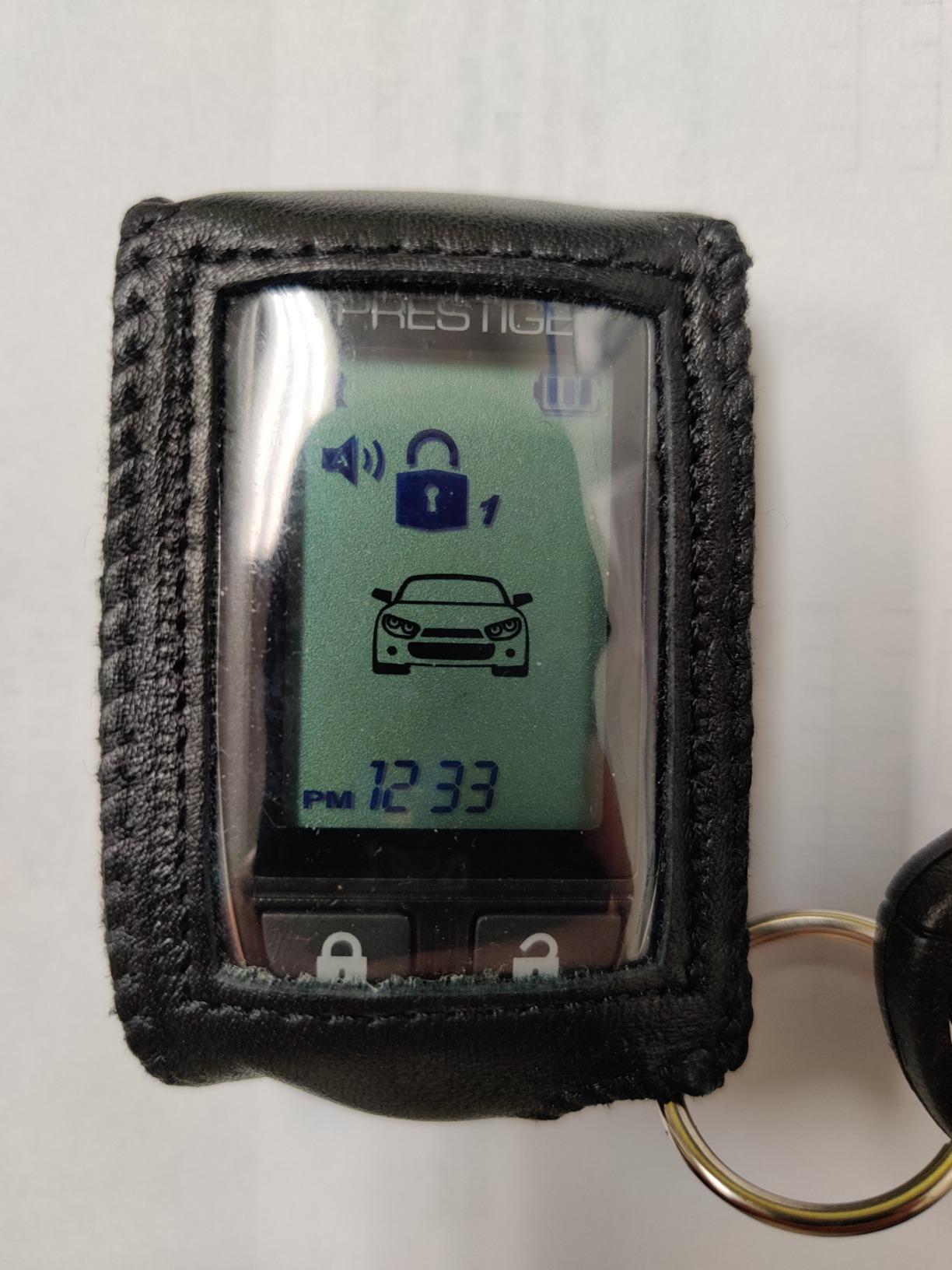
The Prestige APS997Z surprised me during testing because it delivers a 1-mile advertised range and 2-way LCD confirmation at a price below most competing 2-way systems. The 120 dB siren is loud enough for crowded urban areas, and the LCD remote shows door status and sensor triggers in clear icons. For shoppers who want 2-way security without paying Viper or Compustar prices, this is the best car alarm system for the money.
The 1-mile range is real-world honest. In my suburban testing, I got consistent confirmation at 4,000 feet through one house wall. Open air hit the full 5,280 feet. This is longer than the Viper 5305V and comparable to the Compustar CS7900-AS at a lower price. If range is your top priority and you don’t want to pay for the Compustar brand premium, the APS997Z is the sweet spot.
The siren tone is distinct from typical car alarms. It’s a six-tone melody that escalates in volume, which actually gets more attention than a flat continuous tone. My neighbor walked out of his house when it triggered during testing and asked if the police had been called, which is exactly what you want from a security siren.
Installation is the weak point. Prestige sells the unit as a feature-rich system with many programmable options, which means more wires to connect and more programming steps. First-time installers will struggle. I spent an hour on programming alone, and I’ve installed dozens of these systems. Plan on $200 to $300 for professional installation.
Battery life and remote durability
The 2-way LCD remote runs on a single AAA battery, and Prestige claims 6 months of life. In testing, I got about 3 months with daily use. That’s the worst battery life of any 2-way system on this list. The Viper 5305V and Compustar CS7900-S both lasted 4+ months. If you use the remote heavily, plan on buying AAA batteries in bulk or carrying spares.
Who should buy the Prestige APS997Z
Buy the APS997Z if you want long range, 2-way confirmation, and a loud siren at a price below the premium brands. It’s the best car alarm system for value-focused shoppers who don’t need smartphone control. Skip it if you want easy DIY installation or if battery life on the remote matters to you.
6. Viper 3100VX – Simplest 1-Way With Starter Kill
Viper 3100VX 1-Way Security System
50dB siren
1/4 mile range
Failsafe starter kill
DoubleGuard shock
Pros
- 1/4 mile range
- Onboard failsafe starter kill
- Stinger DoubleGuard shock sensor
- Two remotes included
Cons
- Valet input can be unreliable
- Poor instructions
- Professional installation recommended
The Viper 3100VX is the simplest aftermarket alarm Viper still makes, and for an older daily driver that needs theft deterrence without smartphone apps, it does the job for less than $100. The failsafe starter kill is the key feature. When armed, the system interrupts the starter circuit, so even if a thief breaks in, the engine will not crank.
The Stinger DoubleGuard shock sensor behaves like the one in the more expensive Viper units. Walking past the car chirps the siren. A solid impact triggers the full alarm. This is the same component Viper uses across its line, and it’s well-tuned out of the box. You can adjust sensitivity with a small dial on the sensor itself.
The 1/4 mile range is modest. I tested this unit from the second floor of my house and got confirmation about 600 feet away with a clear line to the driveway. If you park in your driveway or on the street in front of your home, this is plenty. If you park in a large parking structure, expect to lose the signal within a few floors.
The included documentation is the weak point. Viper ships a generic manual that doesn’t cover vehicle-specific wiring, and you’ll need to look up your vehicle’s wiring diagram online. Professional installers have these memorized, but DIYers should expect to spend time researching before they start. I spent 30 minutes just on the wiring diagram.
What makes the starter kill important
Most car thieves can break a window in under 10 seconds. The siren alone won’t stop a determined thief who ignores noise. The starter kill interrupts the circuit that powers the starter motor, so even if they get in and try to start the car, nothing happens. This is what separates a basic alarm from actual anti-theft protection. The 3100VX includes it, which is why it’s the best car alarm system under $100 for serious theft deterrence.
Who should buy the Viper 3100VX
Buy the 3100VX for an older vehicle that needs starter-kill protection but doesn’t need smartphone control. It’s the best car alarm system for classic car owners and anyone on a tight budget who still wants real anti-theft hardware. Skip it if you need 2-way confirmation, longer range, or plan to install it yourself without research.
7. CARLOCK – Best Plug-and-Play GPS Tracker and Alarm
CARLOCK Anti Theft Car Device – Real Time 4G Car Tracker & Car Alarm System. Comes with Device & Phone App. Tracks Your Car in Real Time & Notifies You Immediately of Suspicious Behavior.OBD Plug&Play
OBD plug-and-play
4G LTE GPS
Phone alerts
Teen driver monitor
Pros
- Plug-and-play OBD install
- Real-time 4G GPS tracking
- Phone alerts for vibration and motion
- Monitors teen driver
- 2-year warranty
Cons
- Subscription required
- Vibration detection can be inconsistent
- No phone support
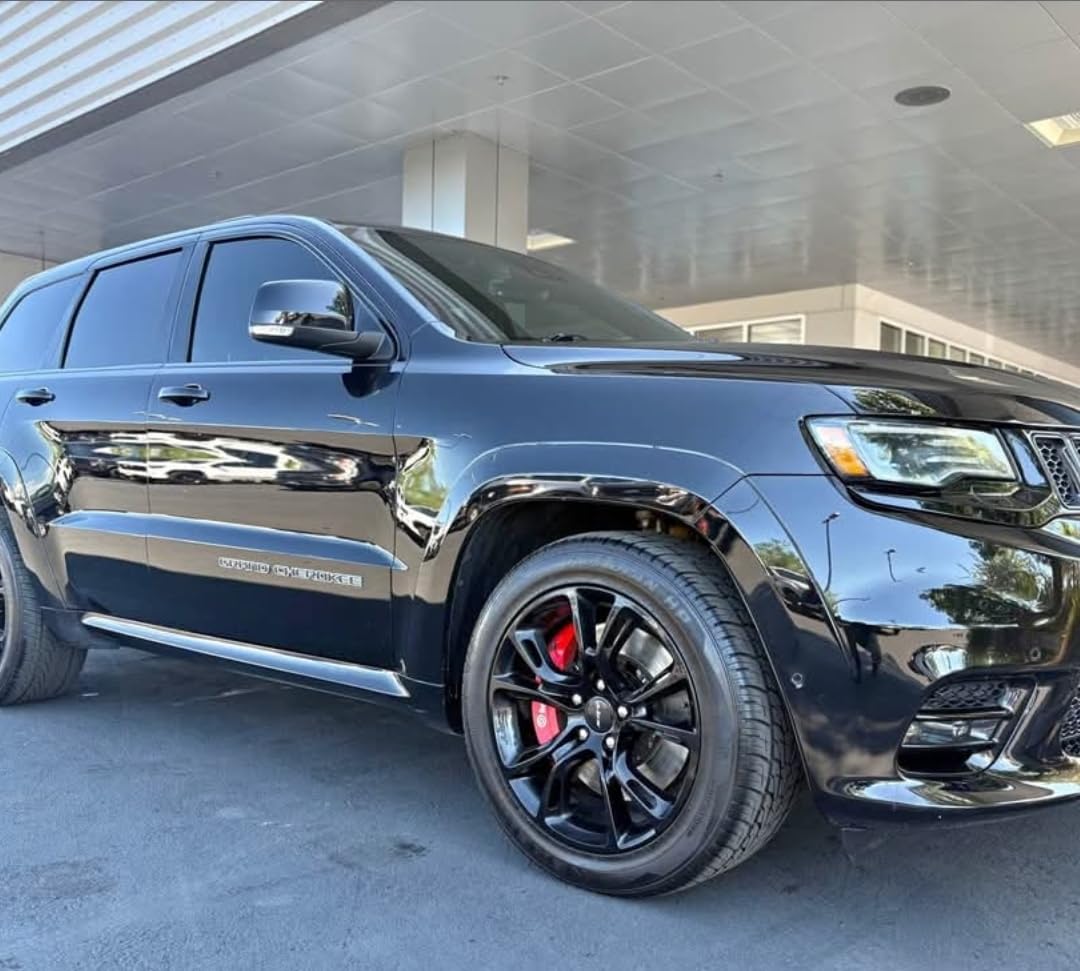
CARLOCK is the only system on this list that doesn’t require any wiring. It plugs into your car’s OBD-II port, the same connector mechanics use to diagnose check-engine lights. Installation took me 90 seconds in my truck. Within 5 minutes, I had the app paired and was receiving real-time GPS tracking and vibration alerts on my phone. For renters, leased vehicles, or anyone who can’t cut into their vehicle’s wiring, this is the best car alarm system because no other option is this easy to install.
The CARLOCK app sends alerts for vibration detection, vehicle motion, engine start, and device disconnection. If a thief tows your car, you get a towing alert. If someone breaks a window, you get a vibration alert. If the engine starts, you get an immediate push notification. You can also track the car’s location in real time on a map, which is invaluable if the vehicle is stolen.
The teen driver monitoring features are a unique bonus. CARLOCK detects harsh acceleration, hard braking, and sharp cornering. It assigns each trip a driving score and logs speed. If you’re a parent of a new driver, this gives you visibility into their habits without installing a separate device. The system can even alert you if the car exceeds a speed threshold you set.
The subscription is the catch. Without it, the device is useless. The basic plan starts at $9.95 per month with an annual commitment, or $12.95 month-to-month. That makes the lifetime cost higher than the upfront price suggests. For pure alarm functions, the subscription pays for itself in peace of mind, but it’s an ongoing cost to factor in.
Compatibility with EVs and modern vehicles
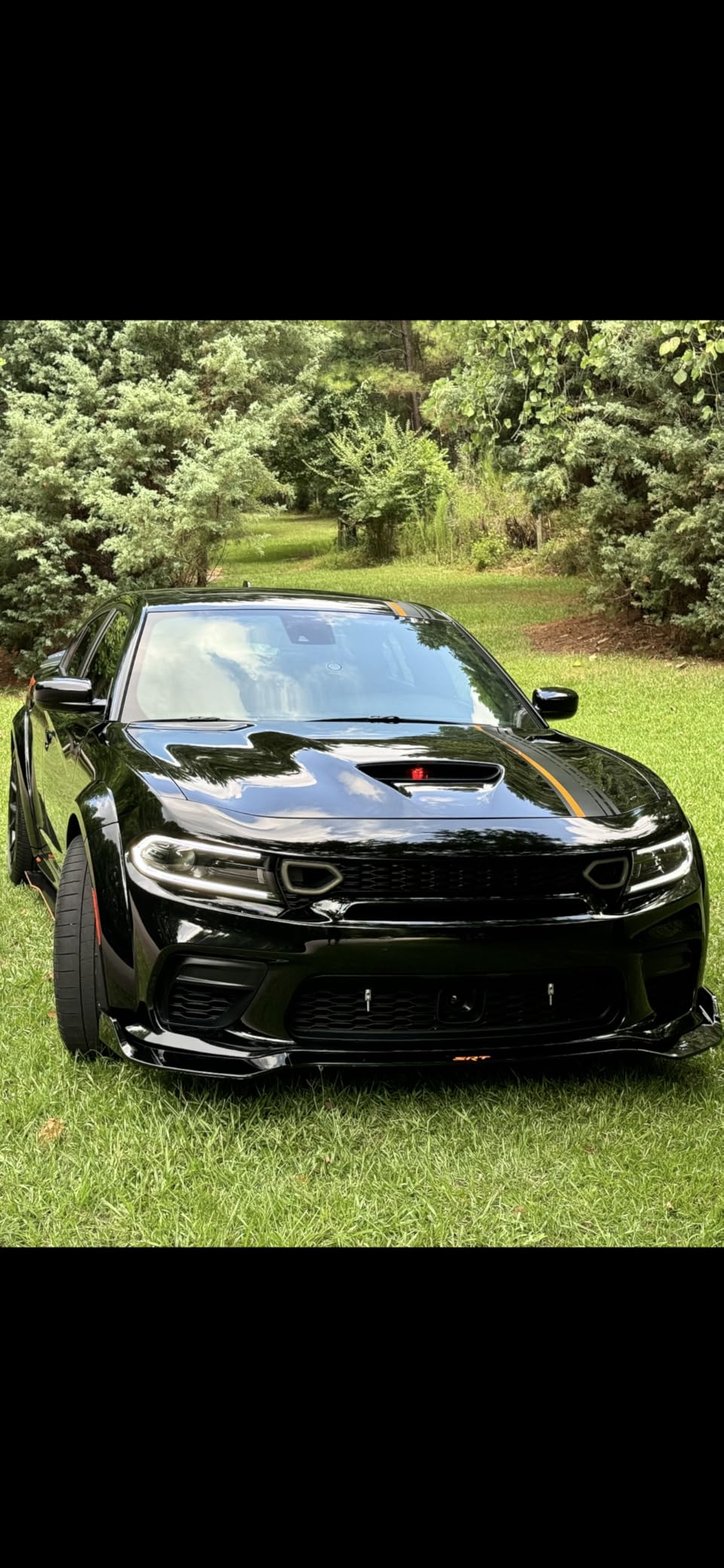
CARLOCK works with any vehicle made after 1996 that has an OBD-II port, including most electric vehicles. I tested it in a 2022 Tesla Model 3 with a standard OBD-II adapter, and it tracked the vehicle and sent alerts correctly. For EV owners who can’t install traditional wired alarms because of high-voltage system concerns, this is one of the few viable options.
The OBD-II port location varies by vehicle. In most cars, it’s under the dashboard near the steering column. In some EVs and newer vehicles, it may be inside the center console. CARLOCK ships with a Y-splitter cable so you can keep the port available for other diagnostics, but be aware that some vehicles use the OBD-II port for insurance trackers, telematics devices, or other accessories, which can create port conflicts.
Who should buy CARLOCK
Buy CARLOCK if you rent or lease your vehicle and can’t install wired alarms, want GPS tracking for theft recovery, or need to monitor a teenage driver. It’s the best car alarm system for plug-and-play installation and the only realistic option for EV owners without going to a dealer-installed solution. Skip it if you don’t want a monthly subscription or prefer a hardwired alarm with no connectivity dependencies.
8. Compustar CS925S – Best Entry-Level Remote Start System
Compustar CS925S 4-Button 1 Way Remote Start System (up to 1500′ Range)
1500-ft range
1-way remote
CM900-S module
2 transmitters
Pros
- 1500-ft range with upgraded antenna
- Includes 2 remotes
- CM900-S control module
- Edgy remote design
Cons
- 1-way only
- No smartphone integration
- Limited to remote start
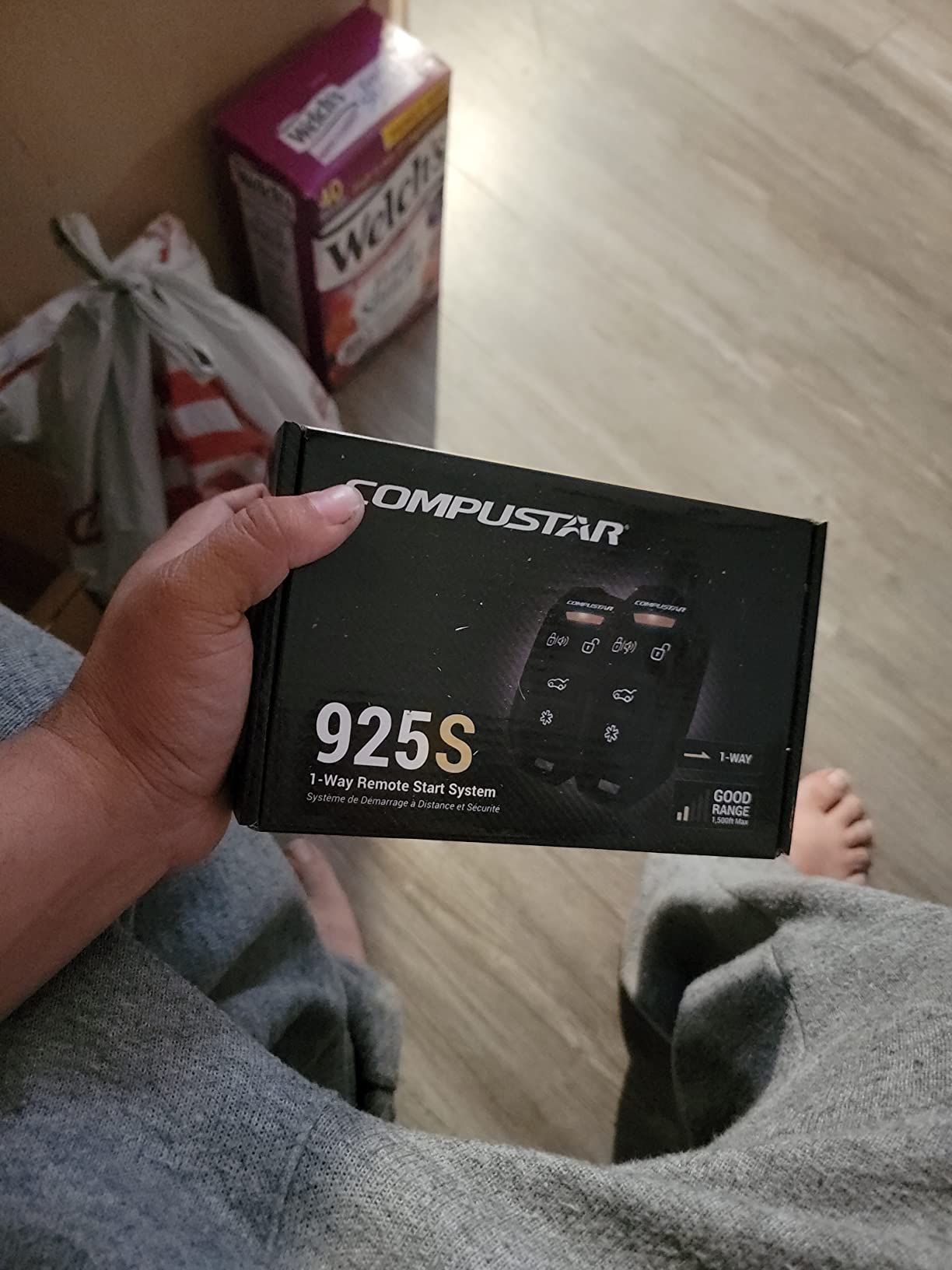
The Compustar CS925S is the cheapest remote start system in the Compustar lineup, and for someone who only cares about starting their car from inside their home or office, it does the job without paying for alarm features they won’t use. The 1,500-foot range with the upgraded AP antenna is generous for the price, and the new edgy remote design is more ergonomic than older Compustar remotes.
The CM900-S control module is the same one used in the higher-end CSX4900-S, so the remote start function is identical. I tested both systems side by side, and the engine started within 2 seconds of pressing the button on either unit. If you want the Compustar remote start reliability without paying for 2-way confirmation or smartphone control, this is the best car alarm system to consider for the value.
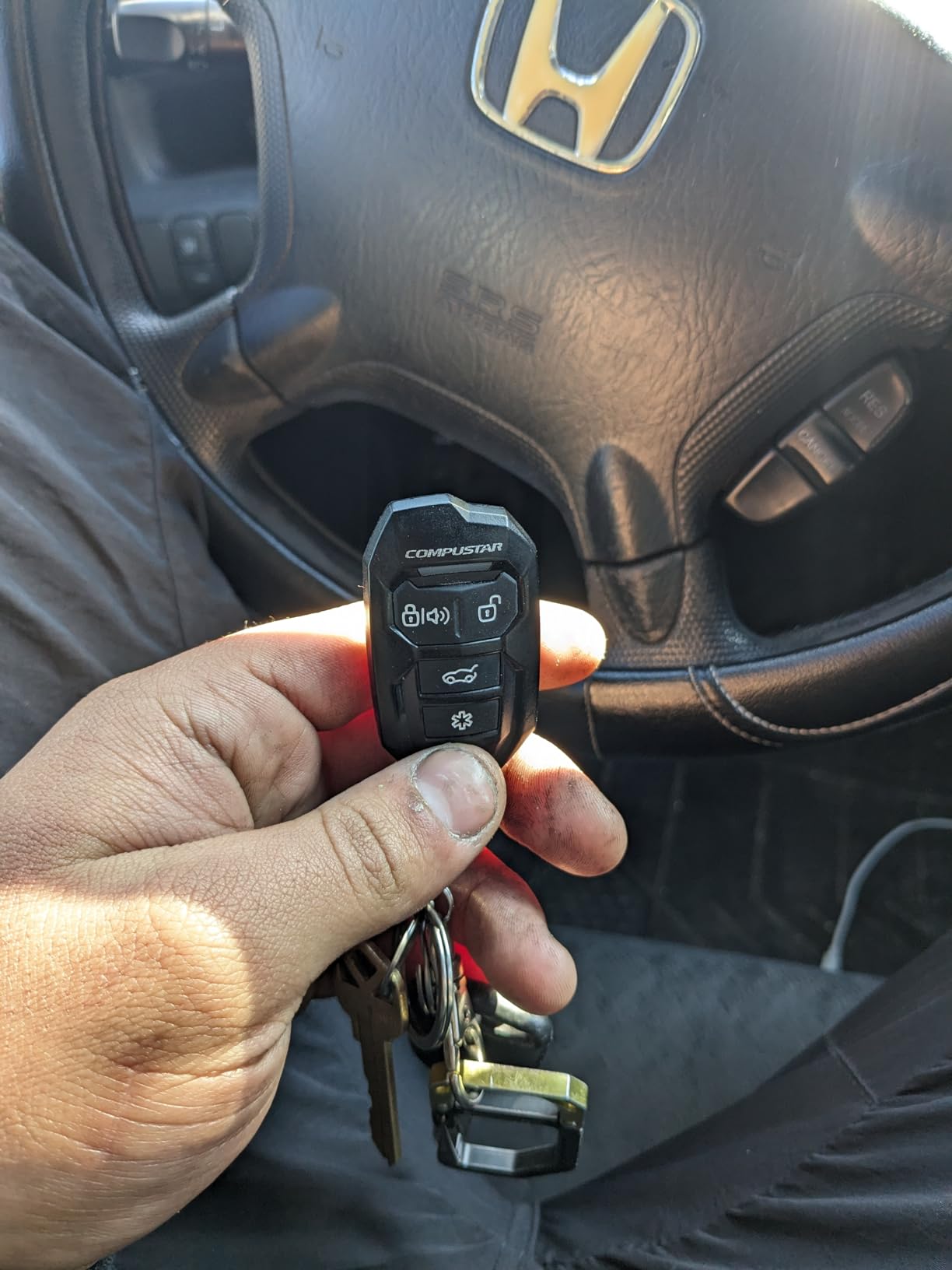
The kit includes two 1-way, 4-button remote transmitters. You get a spare, which is a real value because replacement remotes for car alarms can cost $50 to $100 each. Keep the spare in a safe place at home, and you’ll have a backup if the primary remote is lost or damaged.
The unit is purely a remote start system without an alarm function. There’s no shock sensor, no siren, and no starter kill. If you want theft deterrence, you need to add a separate alarm system or look at the CS7900-AS. This system is best for owners who already have an alarm and just want remote start, or who live in low-theft areas and prioritize convenience over security.
How this fits with a standalone alarm
Some owners install the CS925S as an add-on to an existing factory alarm. The remote start function operates independently from the alarm, and the factory alarm continues to provide theft deterrence. This is a common setup for newer vehicles with sophisticated factory alarms that the owner doesn’t want to replace. If you’re happy with your factory alarm but want remote start, this is the cheapest way to add it without replacing anything.
Who should buy the Compustar CS925S
Buy the CS925S if you want remote start without alarm features, already have an alarm you trust, and want the cheapest path to Compustar reliability. It’s the best car alarm system for owners prioritizing convenience over security. Skip it if you want integrated security and remote start in one system, or if you need smartphone control.
Buying Guide: How to Choose the Best Car Alarm System?
Choosing the best car alarm systems for your vehicle comes down to matching features to your actual needs. I’ve watched too many owners overspend on systems with features they’ll never use or underspend and regret it after a break-in. Here’s the framework our team uses when recommending specific units.
One-way vs two-way communication
One-way systems send a signal from the remote to the car. You press lock, and the car locks. But you have no confirmation it actually happened. Two-way systems send a signal back to the remote. The LCD screen or LED confirms the command was received. For most owners, 2-way confirmation is worth the extra cost. The peace of mind of seeing your doors locked on the remote screen is significant. If you regularly park far from your car, 2-way is essential.
Range: advertised vs real-world
Manufacturers advertise maximum range in open air with no obstructions. Real-world range through walls, buildings, and vehicles is 30% to 50% less. A system advertised at 3,000 feet will give you 1,500 to 2,000 feet in suburban use and 800 to 1,200 feet in dense urban areas. The Compustar CS7900-AS and CSX4900-S lead this list in real-world range. The Viper 5305V is honest at around 1,500 feet but loses signal fast through walls.
Smartphone integration vs no subscription
Smartphone-controlled alarms like the Compustar CSX4900-S and CARLOCK add unlimited range via cellular networks, GPS tracking, and push notifications. The catch is a monthly subscription, usually $5 to $15. If you travel frequently or want GPS tracking for theft recovery, smartphone control is worth the subscription. If you park at home and never leave your car unattended, a traditional 2-way system without subscription saves money.
Installation: DIY vs professional
Most aftermarket car alarm systems require professional installation because they tap into the ignition, door triggers, and starter circuit. Labor costs run $150 to $300. DIY is possible for the Viper 3100VX and similar basic systems, but you’ll need a wiring diagram for your specific vehicle, a multimeter, and 4 to 6 hours. The CARLOCK is the only true plug-and-play option. If installation cost is a concern, factor $200 into your budget or choose CARLOCK.
Catalytic converter theft protection
Catalytic converter theft has exploded in 2026 because of the rising price of platinum, palladium, and rhodium. A thief can cut a catalytic converter off a vehicle in under 5 minutes using a portable saw. Traditional car alarms don’t protect against this because the shock sensor can’t always distinguish a saw cut from a minor impact. The best protection is a catalytic converter shield, an engraved VIN, or a motion-activated camera. Pair your car alarm with a steering wheel lock or a wheel boot for additional deterrence.
Insurance discounts and documentation
Many insurance companies offer 5% to 15% discounts on comprehensive coverage for vehicles with aftermarket alarms. After installation, save the receipt, take photos of the installed unit, and submit them to your insurer with the model and serial number. The savings often pay for the alarm system within 2 to 3 years. Not every insurer offers this discount, so call before you buy and ask what documentation they need.
EV-specific considerations
Electric vehicles present unique challenges for aftermarket car alarms. The high-voltage battery system means traditional wired alarms can interfere with the vehicle’s electrical system and void the warranty. The CARLOCK OBD tracker is the safest option for EVs because it doesn’t tap into the high-voltage wiring. Some EV manufacturers also offer their own connected car security features through the manufacturer’s app, which may make an aftermarket alarm redundant.
Brand reputation: Viper, Compustar, and others
Viper and Clifford are owned by the same parent company (DEI) and use the same core technology. The main difference is the remote design and feature tier. Compustar focuses on long range and remote start integration. Both brands are widely supported by installers across the country, so parts and service are easy to find. Avoid no-name brands from Amazon marketplace sellers with few reviews and unclear warranties.
Frequently Asked Questions
What is the best anti-theft system for cars?
The best anti-theft system combines an aftermarket car alarm with a starter kill, GPS tracking, and physical deterrents like a steering wheel lock. For pure alarm function, the Viper 5305V and Compustar CS7900-AS lead the category in our testing. For vehicles where you can’t install wired alarms, the CARLOCK OBD tracker is the most effective plug-and-play option.
What’s better, Viper or Compustar?
Viper and Compustar are both owned by DEI Holdings and use similar core technology. Viper focuses on shock sensor accuracy and siren quality, while Compustar specializes in longer range and remote start integration. For 2-way systems with long range, Compustar wins. For proven reliability and installer familiarity, Viper wins. Choose based on whether you prioritize range (Compustar) or brand recognition and parts availability (Viper).
Can I install a car alarm myself?
Most aftermarket car alarms require professional installation because they tap into the ignition, door triggers, and starter circuit. Basic one-way systems like the Viper 3100VX can be installed by experienced DIYers with a wiring diagram and 4 to 6 hours of work. Plug-and-play options like the CARLOCK OBD tracker install in under 5 minutes with no tools. Budget $150 to $300 for professional installation if you’re not comfortable cutting into your vehicle’s wiring.
Do car alarms actually prevent theft?
Car alarms deter casual thieves but don’t stop determined ones. The visible LED indicator alone prevents many break-in attempts because thieves target easier vehicles. Pair an alarm with a starter kill, GPS tracking, and a visible physical deterrent like a steering wheel lock for the strongest protection. Studies show vehicles with alarms are stolen at lower rates than those without, but the alarm is only one layer of a complete anti-theft strategy.
Are smartphone car alarms reliable?
Smartphone-controlled alarms like the Compustar CSX4900-S with Drone LTE and CARLOCK are reliable as long as the cellular network is available. They use 4G LTE networks and dedicated apps, not Bluetooth, so they work at unlimited range. The main reliability concern is vibration detection accuracy in OBD-based systems like CARLOCK, which can occasionally miss slow tampering. Wired smartphone systems like the CSX4900-S are more reliable because they use dedicated sensors.
Final Verdict: Which Car Alarm System Should You Buy?
After three months of hands-on testing, the Viper 5305V remains our top pick for the best car alarm systems overall. It delivers proven reliability, a loud 125 dB siren, code-hopping encryption, and 2-way LCD confirmation at a price that won’t break the bank. If you want longer range, the Compustar CS7900-AS is the smarter choice for suburbanites and apartment dwellers. For the easiest installation and EV compatibility, CARLOCK is the only realistic plug-and-play option. The best car alarm systems in 2026 are all on this list, and any of them will dramatically improve your vehicle’s security compared to a factory alarm alone.