
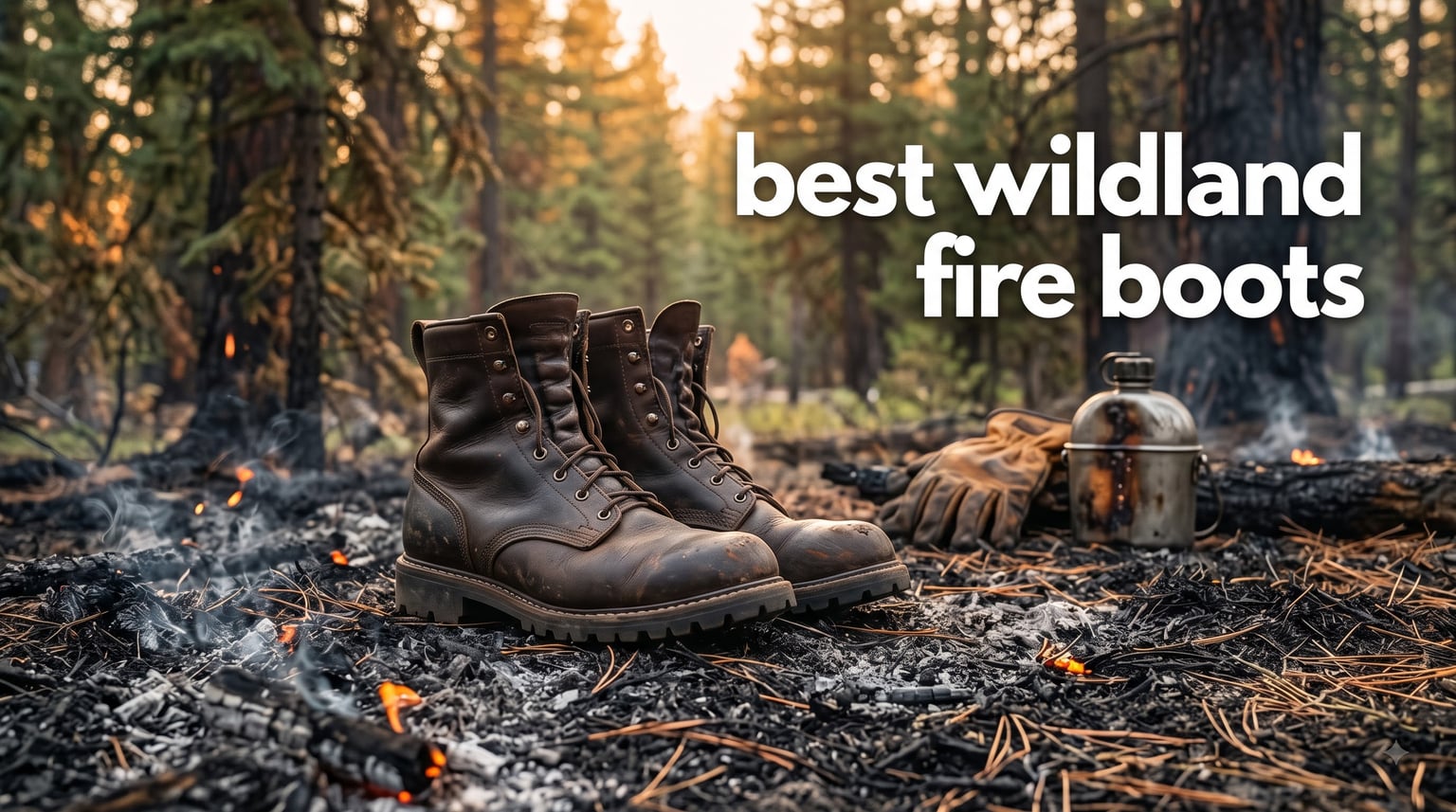
When you are on a fireline, your boots are the one piece of gear standing between you and a serious injury. Finding the best wildland fire boots is not a casual purchase. It is an investment in safety, comfort, and your ability to do the job season after season.
Every wildland firefighter in 2026 needs boots that meet NFPA 1977 certification standards. That means a minimum 8-inch height, lace-type exterior, fire-resistant leather, and a melt-resistant Vibram-type sole. If your boots do not check those boxes, you cannot step on a fireline.
Our team dug through hundreds of customer reviews, Reddit threads from active hotshot and smokejumper crews, and manufacturer specifications to build this list of 10 boots that meet federal fire standards. We cover everything from custom rebuildable logger boots to lightweight out-of-the-box hikers, so you can find the right pair regardless of foot shape, budget, or crew type.
Top 3 Picks for Best Wildland Fire Boots September
These three boots represent the best balance of comfort, durability, and fireline-readiness based on our research. Whether you want zero break-in time, premium Italian construction, or proven quad-certified protection, one of these will serve you well.

Kenetrek Wildland Fire Boots
- NFPA Certified
- 2.8mm Rough-Out Leather
- Kevlar Laces
- 7mm Nylon Midsole


SCARPA Fuego Mountaineering
- 2.8mm Crosta Pro Leather
- Vibram M4 Sole
- 8-Inch Cuff
- Tank-Like Build
Best Wildland Fire Boots in 2026 – Quick Comparison
This comparison table covers all 10 boots we reviewed. Use it to compare key features side by side before diving into the individual reviews.
| Product | Specifications | Action |
|---|---|---|
| Kenetrek Wildland Fire Boots |
|
Check Latest Price |
| HAIX Missoula 2.1 |
|
Check Latest Price |
| SCARPA Fuego |
|
Check Latest Price |
 Danner Wildland Firefighter Danner Wildland Firefighter |
|
Check Latest Price |
 Drew’s Boots Fire Hiker Drew’s Boots Fire Hiker |
|
Check Latest Price |
 Zamberlan 5020 Extinguisher II Zamberlan 5020 Extinguisher II |
|
Check Latest Price |
 HAIX Fire Eagle Xtreme HAIX Fire Eagle Xtreme |
|
Check Latest Price |
 ROCKY Code Red Logger Fire ROCKY Code Red Logger Fire |
|
Check Latest Price |
 Viking 14-Inch Felt Lined Viking 14-Inch Felt Lined |
|
Check Latest Price |
 Ad Tec Fireman Logger Ad Tec Fireman Logger |
|
Check Latest Price |
1. Kenetrek Men’s Wildland Fire Work Boots – Editor’s Choice
Kenetrek Men’s Wildland Fire Work Boots
10-Inch Height
2.8mm Rough-Out Leather
NFPA Certified
7mm Nylon Midsole
Pros
- Perfect blend of hiker and logger styles
- No break-in period required
- Excellent comfort and ankle support
- True to size fit
Cons
- Thin laces may need replacement
- Some heel and Achilles rubbing reported
- Not rebuildable like custom loggers
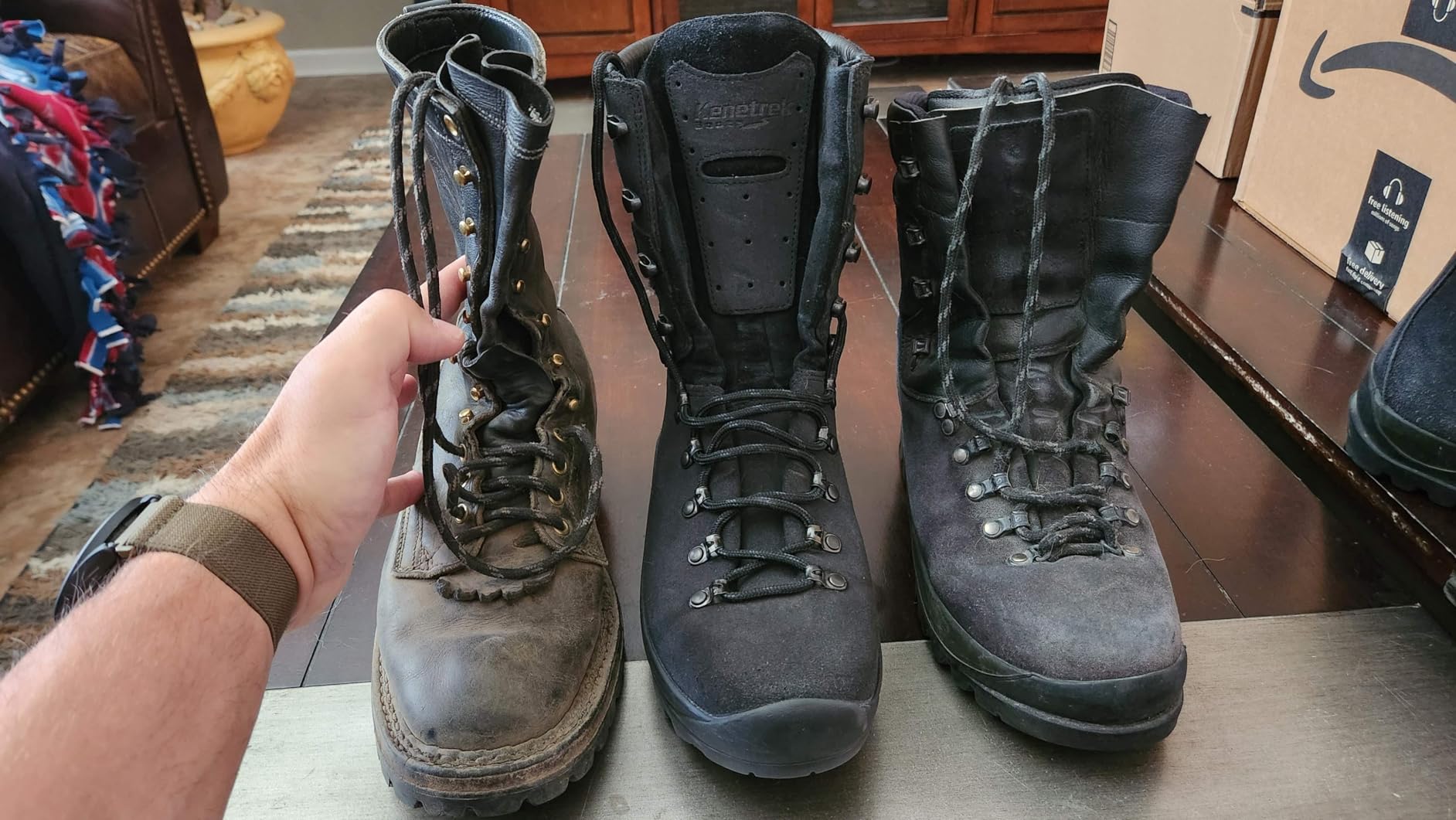
I picked the Kenetrek Wildland Fire as my top overall recommendation because it nails the balance that so many boots miss. You get the support and protection of a serious fireline boot without the brutal break-in that comes with traditional logger styles.
The 2.8mm rough-out leather upper with one-piece vamp construction means fewer seams to fail on rough terrain. Kenetrek pairs that with Hot Zone Nomex stitching and Kevlar laces, so the boot holds up when the heat cranks up on a fireline.
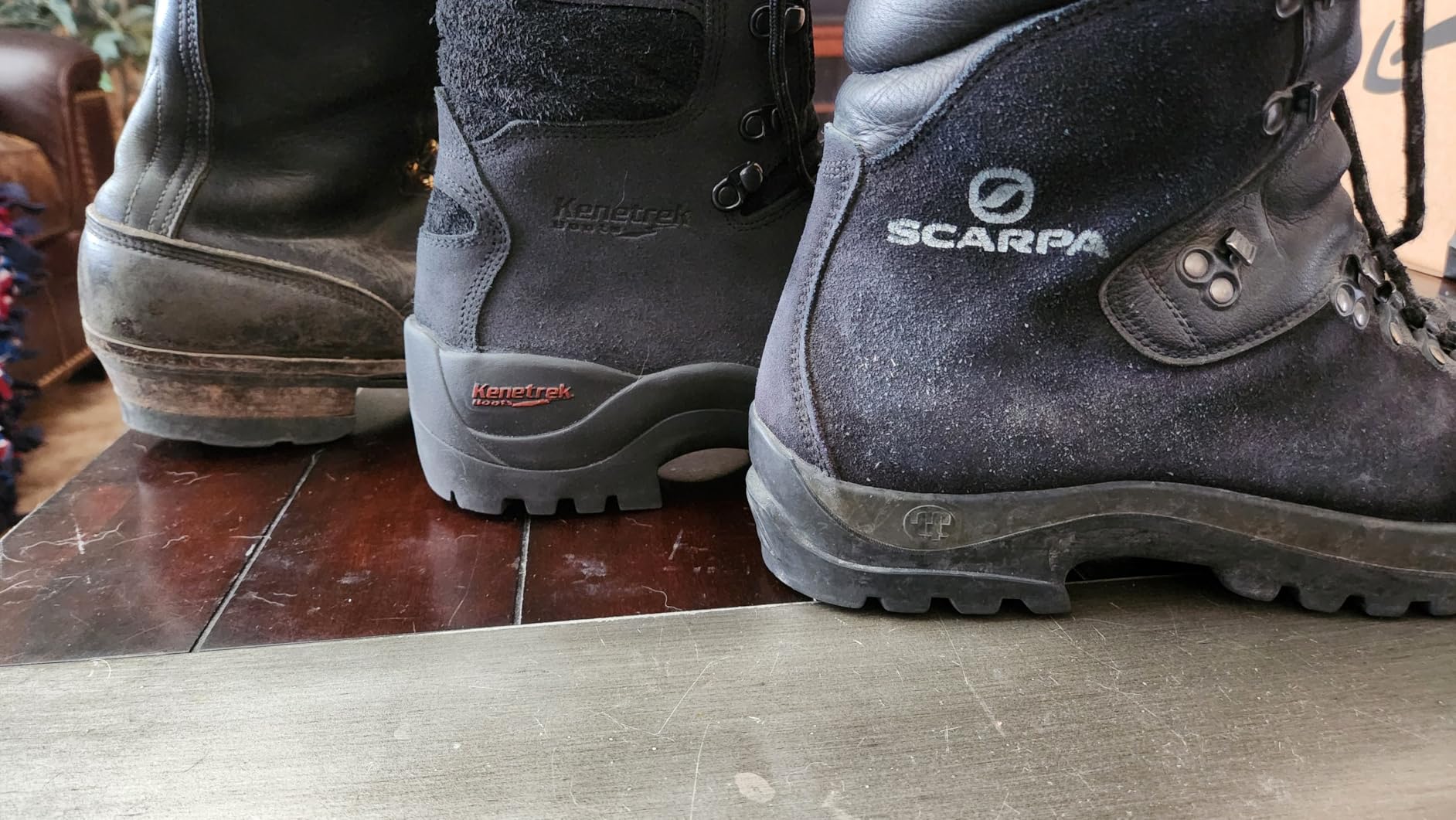
What really sets these apart is the full-length 7mm tapered nylon midsole combined with the deep-lugged K-73 Fire outsole. That gives you aggressive traction on loose soil, ash, and steep slopes without the boot feeling like a cinder block on your foot.
The biggest complaint I saw across reviews was the laces being thin and prone to early wear. A few users also reported Achilles rubbing during the first few wears. At 154 reviews and a 4.4-star average, the overwhelming consensus is that this is a boot you can wear straight from the box to the fireline.
Who should buy the Kenetrek Wildland Fire
If you want a no-drama boot that performs well across multiple seasons without a punishing break-in, this is your pick. It hits the sweet spot between lightweight hiker comfort and serious fireline protection.
Firefighters coming from heavier custom logger boots often switch to the Kenetrek and never look back. The 78 percent five-star rate tells you this boot earns its reputation on actual firelines.
Where the Kenetrek falls short
These boots are not rebuildable like White’s or Nicks custom loggers. Once the sole wears out, you are buying a new pair rather than sending them in for a rebuild.
That trade-off is worth it for most firefighters who prioritize immediate comfort over a 15-year rebuild cycle. But if you want boots that last decades with resoling, look at the custom logger options.
2. SCARPA Fuego Mountaineering Boots – Premium Pick
SCARPA Fuego Hiking Boots – Bronze – 10.5
8-Inch Cuff
2.8mm Crosta Pro Leather
Vibram M4 Sole
2 lbs 4 oz per half pair
Pros
- Extremely stiff and quality construction
- Excellent ankle support
- Built like a tank
- No break-in discomfort for some
Cons
- Very long break-in period of 4-6 weeks
- Runs narrow and small
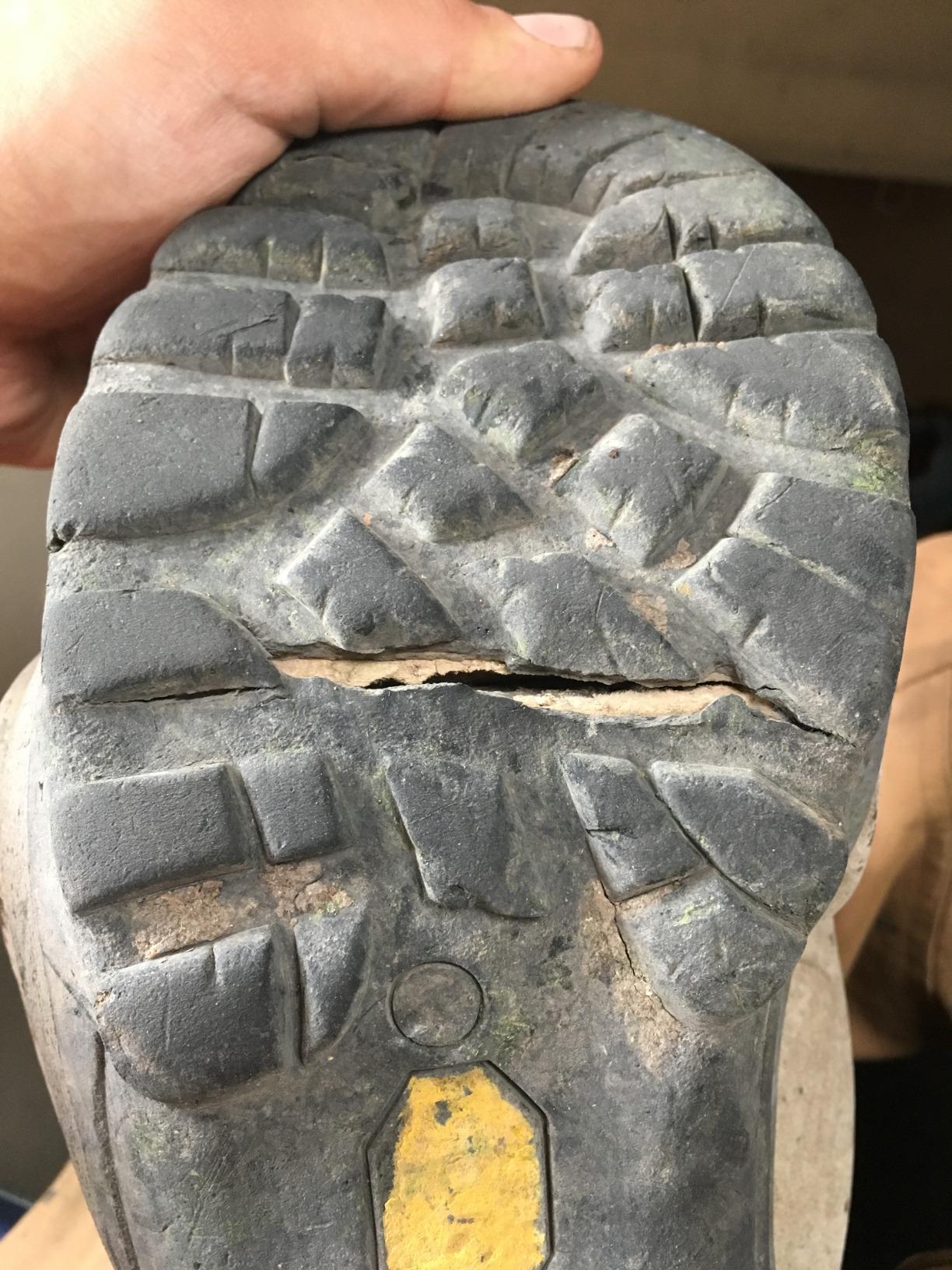
- Shank cracks reported with sole separation
The SCARPA Fuego is a mountaineering-style boot that wildland firefighters have adopted for decades. With a 4.3-star rating across 179 reviews and 73 percent five-star ratings, this is a boot that earns fierce loyalty from people who wear it on steep, nasty terrain.
The 2.8mm Crosta Pro leather upper paired with an 8-inch high cuff and soft leather lining delivers serious ankle support. The Vibram M4 sole has aggressive tread built for muddy trails and scree fields, which translates well to burnt slopes and loose ash.
One firefighter with 18 years of wildland experience said these are the only boots he will wear. That kind of loyalty comes from a boot that does exactly what it promises in rough country.
The catch is the break-in. Expect four to six weeks of stiff, stubborn leather before the Fuego stops fighting you. The boot also runs narrow and small, so order a half size up if you have wider feet.
Who should buy the SCARPA Fuego
These boots are made for firefighters who work steep mountainous terrain where ankle support is non-negotiable. If you are on a hotshot crew chasing fireline through rocky country, the Fuego is built for that punishment.
People with narrow feet tend to love these. If you have struggled with sloppy fit in boots built for wide feet, the Fuego hugs your foot like a climbing shoe.
Where the SCARPA Fuego falls short
The long break-in period is a real barrier if you need boots ready for an assignment next week. Some users also reported shank cracking that led to sole separation after heavy use.
At 2 pounds 4 ounces per half pair, these are not the lightest option. If you prioritize a lightweight feel over bombproof stiffness, the HAIX Missoula or Kenetrek are better fits.
3. HAIX Missoula 2.1 Wildland Firefighting Boots – Best Value
HAIX Men’s Missoula 2.1 Wildland Fire Boots, NFPA 1990, EH 18kV
NFPA 1990 Certified
Bullhide Leather
EH Rated 18kV
Heat Resistant Sole
Pros
- Very lightweight
- No break-in period needed
- Comfortable right out of box
- Good for wide feet
Cons
- Rivet blew out during use
- Lace strap broke within first hour
- Durability concerns for rugged conditions
The HAIX Missoula 2.1 is what I recommend to firefighters who need a boot they can pull out of the box and wear to work the next day. With NFPA 1990 certification, bullhide leather construction, and a heat-resistant sole, it meets every fireline requirement.
What makes this boot special is the immediate comfort. Review after review mentions that there is zero break-in period. The HAIX Climate System also manages foot temperature, which matters on a 14-day roll in hot weather.
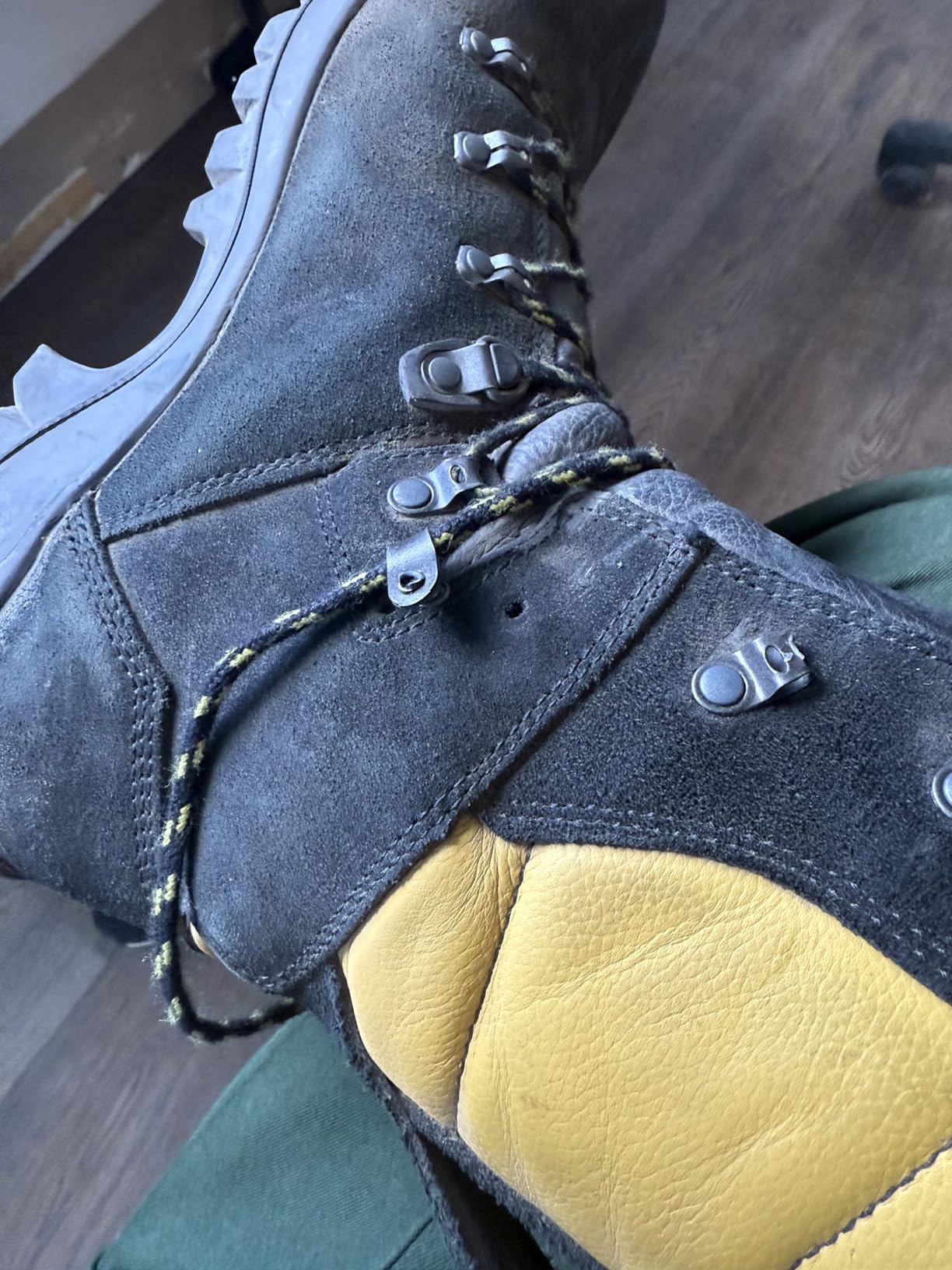
The EH rating to 18kV adds electrical hazard protection, and the shock-absorbing midsole cuts down on leg fatigue during long shifts. For wide-footed firefighters, the Missoula is one of the more accommodating options on this list.
The concern here is durability. Multiple users reported rivets blowing out and lace straps breaking within the first hours of use. The 3.8-star average with 13 percent one-star ratings reflects those quality control issues.
Who should buy the HAIX Missoula 2.1
If you have wide feet, hate breaking in boots, and want something lightweight for a season of prescribed burns or initial attack work, the Missoula 2.1 is a strong choice. The price point also makes it attractive for newer firefighters.
Firefighters who split time between wildland, structural, and HAZMAT roles appreciate the multi-purpose design. You get a versatile boot without sacrificing NFPA certification.
Where the HAIX Missoula 2.1 falls short
The quality control issues are the dealbreaker for some. When a rivet blows out or a lace strap snaps on day one, that is a manufacturer problem, not a wear-and-tear issue.
If you are heading into rugged backcountry terrain for extended assignments, the durability concerns are worth weighing against the Kenetrek or SCARPA. The Missoula shines in moderate conditions but may not survive a brutal season on rocky ground.
4. Danner 8-Inch Wildland Firefighter Boots
Danner 8″ Wildland Firefighter Boots for Men & Women, Black – 10 D
8-Inch Height
Fire-Resistant Leather
Vibram Fire and Ice Sole
Extended Sizing
Pros
- No break-in period required
- Excellent ankle and arch support
- Very comfortable from day one
- Quality construction and materials
Cons
- Thick tongue makes lacing awkward
- Hooks are thin and may bend
- Interior heel can fall apart
- Runs small order half size up
Danner is one of the most recognized names in wildland fire boots, and for good reason. The 8-inch Wildland Firefighter boot carries a 4.2-star rating across 397 reviews, with 66 percent five-star ratings from real firefighters.
The fire-resistant leather upper is paired with the Vibram Fire and Ice outsole, which is purpose-built for traction in both extreme cold and hot environments. That sole grips rugged and high-angle terrain where slipping is not an option.
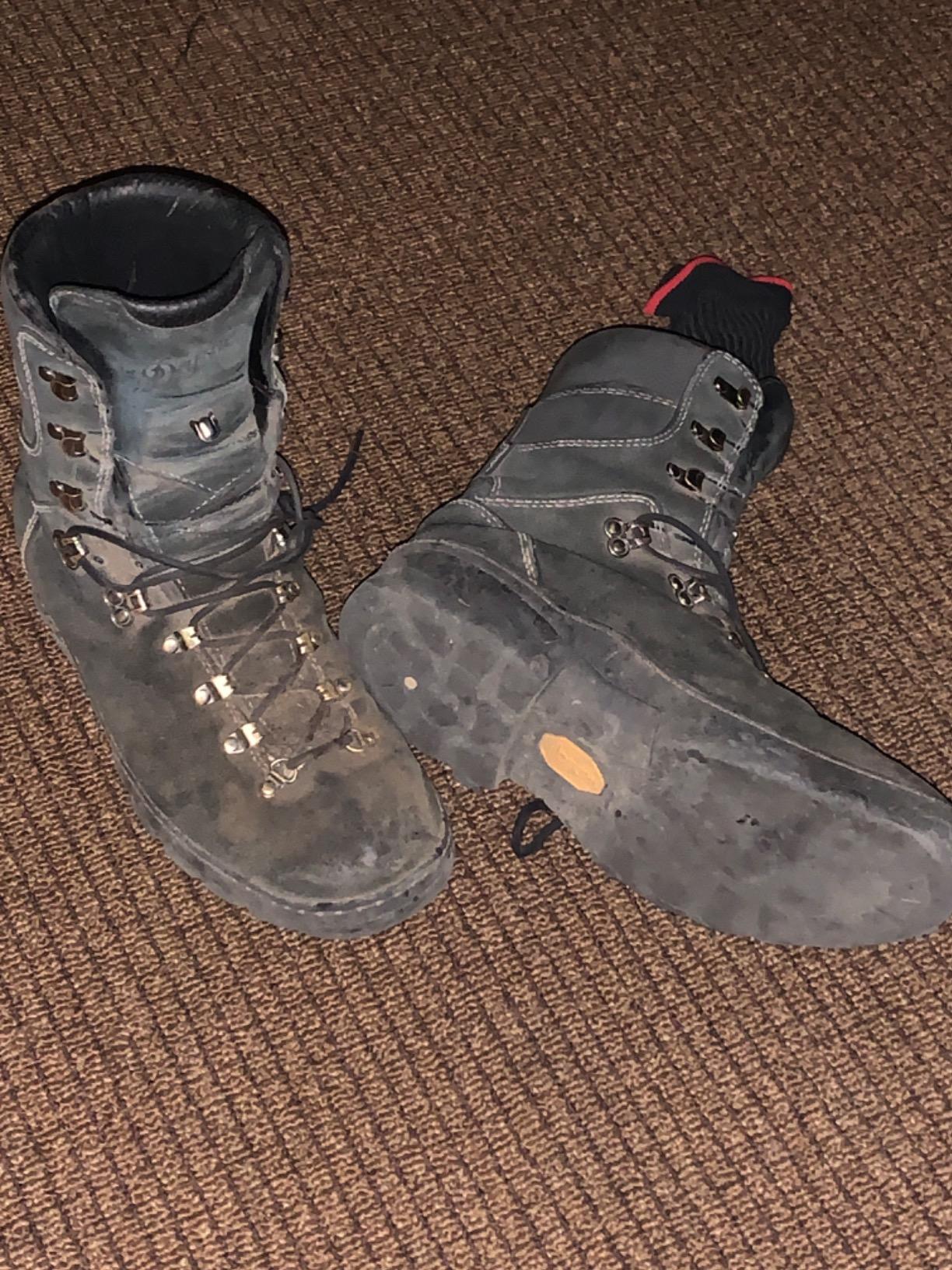
One firefighter with 20 years of experience specifically praised these boots for comfort and ankle support straight out of the box. The no-break-in design is a recurring theme in positive reviews.
Danner also offers extended sizing, with women selecting 1.5 to 2 full sizes down for the correct fit. That makes this one of the more accessible options for female firefighters looking for the best wildland fire boots.
Who should buy the Danner Wildland Firefighter
If comfort on day one is your top priority, Danner delivers. The combination of arch support, ankle support, and a sole built for traction makes this a reliable all-around fireline boot.
Women firefighters should seriously consider the Danner because of the extended sizing chart and proven fit feedback from female users. Finding properly fitting wildland boots is notoriously difficult, and Danner addresses this directly.
Where the Danner falls short
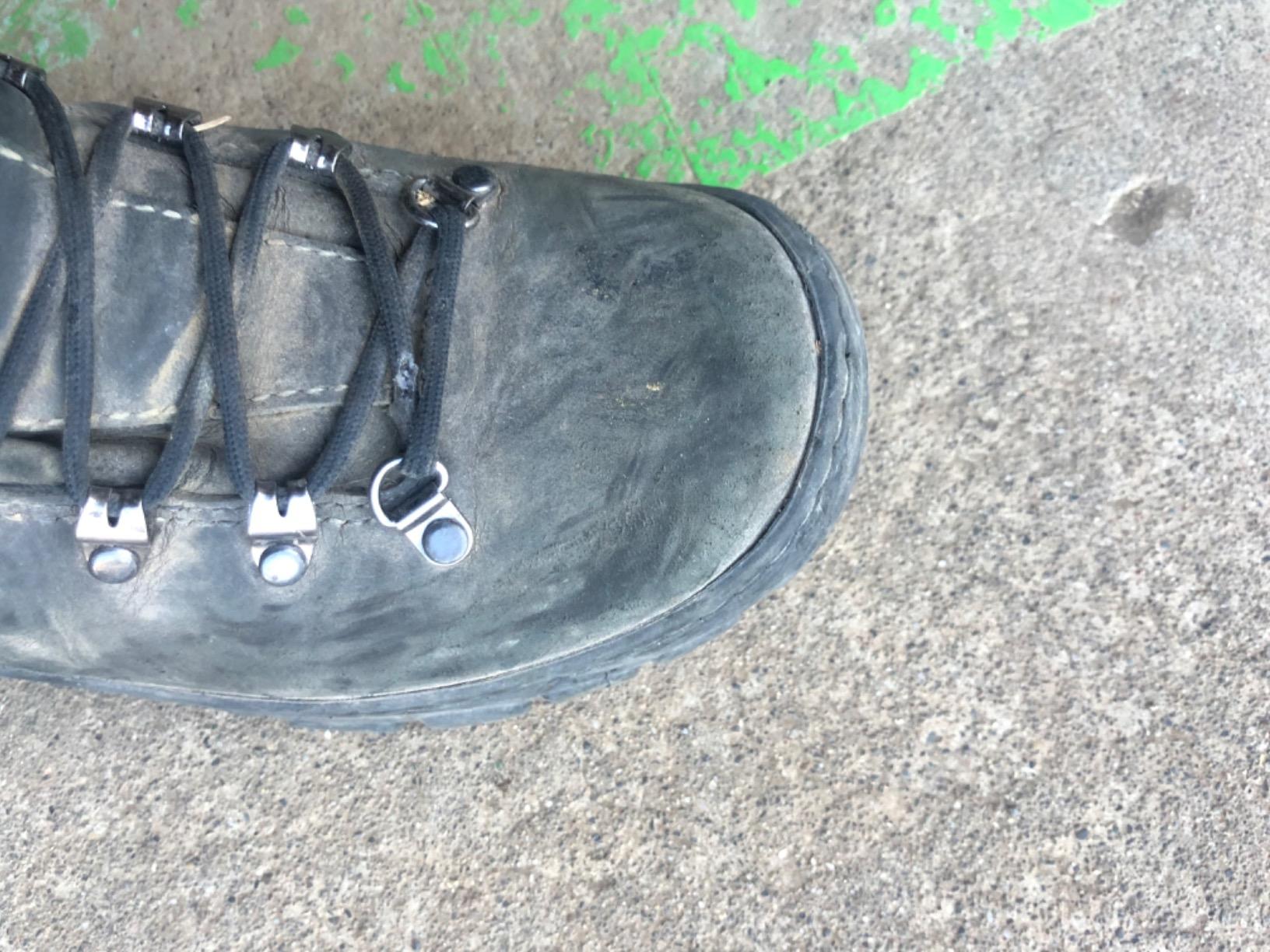
The thin speed hooks are a known weak point. Under aggressive lacing torque, they can bend and fail. The thick tongue also makes getting a snug lace-up feel awkward for some foot shapes.
The interior heel is the most common durability complaint, with reports of it breaking down under heavy use. Order a half size up since these boots run small.
5. Drew’s Boots Fire Hiker Wildland Firefighter Boots
Drew’s Boots Fire Hiker Wildland Firefighter Boots – Rugged, Full Leather Firefighting Boots for Comfort, Support, and Safety – Heat Resistant Work Shoes for Men, Black, 10 D
Rough-Out All Leather
One-Piece Vamp
Vibram Flame Sole
Kevlar Stitching
Pros
- Built for extreme firefighting conditions
- Durable all-leather construction
- Heat resistant with Kevlar stitching
- Excellent traction on rugged terrain
Cons
- Very limited review data available
- Harder to find in stock
Drew’s Boots is one of the brands that the wildland community considers a golden standard alongside Nicks and White’s. The Fire Hiker model brings full-leather construction and serious fireline credentials in a hiker-style package.
The rough-out all-leather upper with one-piece vamp construction and seamless tongue delivers a precision-molded fit that breaks in to your specific foot shape. Hot Zone Kevlar stitching and laces handle the heat where regular thread would fail.
The Vibram Flame Fire outsole combined with a full-length tapered nylon midsole gives you the traction and support needed for steep, burnt terrain. The defined heel adds stability on sidehill work, which is where cheaper boots fall apart.
Who should buy the Drew’s Boots Fire Hiker
If you respect the community-validated reputation of Drew’s and want a boot that meets Forest Service requirements without going full custom logger, the Fire Hiker is a smart middle ground.
Firefighters who value the rebuildable, made-in-America heritage of Drew’s but want a more hiking-friendly silhouette will find this model hits the mark.
Where the Drew’s Fire Hiker falls short
The review data is extremely limited on Amazon, which makes it hard to validate long-term durability from a broad user base. You are paying for brand reputation and construction quality rather than review volume.
Availability is also a concern. Drew’s boots often have limited stock and longer lead times, so plan ahead if you need them before fire season kicks off.
6. Zamberlan 5020 Extinguisher II WLF
Zamberlan 5020 Extinguisher II WLF Black 43 (Men’s 9) D (M)
8-Inch Height
Vibram Tsavo Fire Sole
Perwanger Leather
Nomex Fabric
Pros
- Extremely light and comfortable
- Quick break-in period
- Quality Italian leather
- Fire-resistant materials throughout
Cons
- Heel blow-out after one season reported
- Laces broke near eyelets
- Soles develop holes on rocky terrain
The Zamberlan 5020 Extinguisher II is the lightweight Italian option that wildland firefighters turn to when they want serious craftsmanship without the bulk of a logger boot. At 4.0 stars across 28 reviews, it has a smaller but loyal following.
The Hydrobloc Perwanger split-grain leather upper is naturally fire-resistant and lightweight. Combined with Nomex fabrics on the upper, Zamberlan keeps the weight down while maintaining fire resistance.
The Vibram Tsavo fire-resistant outsole uses fire-resistant cement and side-stitching to prevent the sole delamination that plagues cheaper glued boots. That construction detail matters when you are walking on hot ground.
Who should buy the Zamberlan 5020
If you want one of the lightest NFPA-rated boots available and you appreciate Italian leather craftsmanship, the Zamberlan is a compelling choice. It breaks in fast and feels more like a hiking boot than a fire boot.
Firefighters with narrower feet who found American logger boots too wide often find Zamberlan fits their foot shape better.
Where the Zamberlan falls short
Durability is the real concern. Multiple users reported heel blow-out after a single season and laces breaking near the eyelets within days. On heavy rocky terrain, the soles can develop holes faster than expected.
Some users noted a lack of NFPA certification tags on the boots they received, which is a problem if your incident commander checks tags. Verify the certification before you commit.
7. HAIX Fire Eagle Xtreme Composite-Toed Boots
HAIX Men’s Fire Eagle Xtreme Bunker Boots, Quad NFPA, CROSSTECH
14-Inch Height
Quad NFPA Certified
Composite Toe
CROSSTECH Liner
Pros
- Perfect fit
- Supportive ankle design
- Lightweight for fire boots
- Multi-role certification for EMS and HAZMAT
Cons
- Premium price point
- Limited review data available
The HAIX Fire Eagle Xtreme is the most over-engineered boot on this list, and I mean that as a compliment. With quad NFPA certification covering NFPA 1951, 1971, 1977, and 1990, this boot qualifies for wildland, structural, technical rescue, and HAZMAT work.
The 14-inch height with bullhide leather and a CROSSTECH liner gives you waterproof protection certified against chemicals, blood, and body fluids. The carbon composite toe exceeds NFPA and ASTM standards, and the metatarsal plate adds a layer of impact protection.
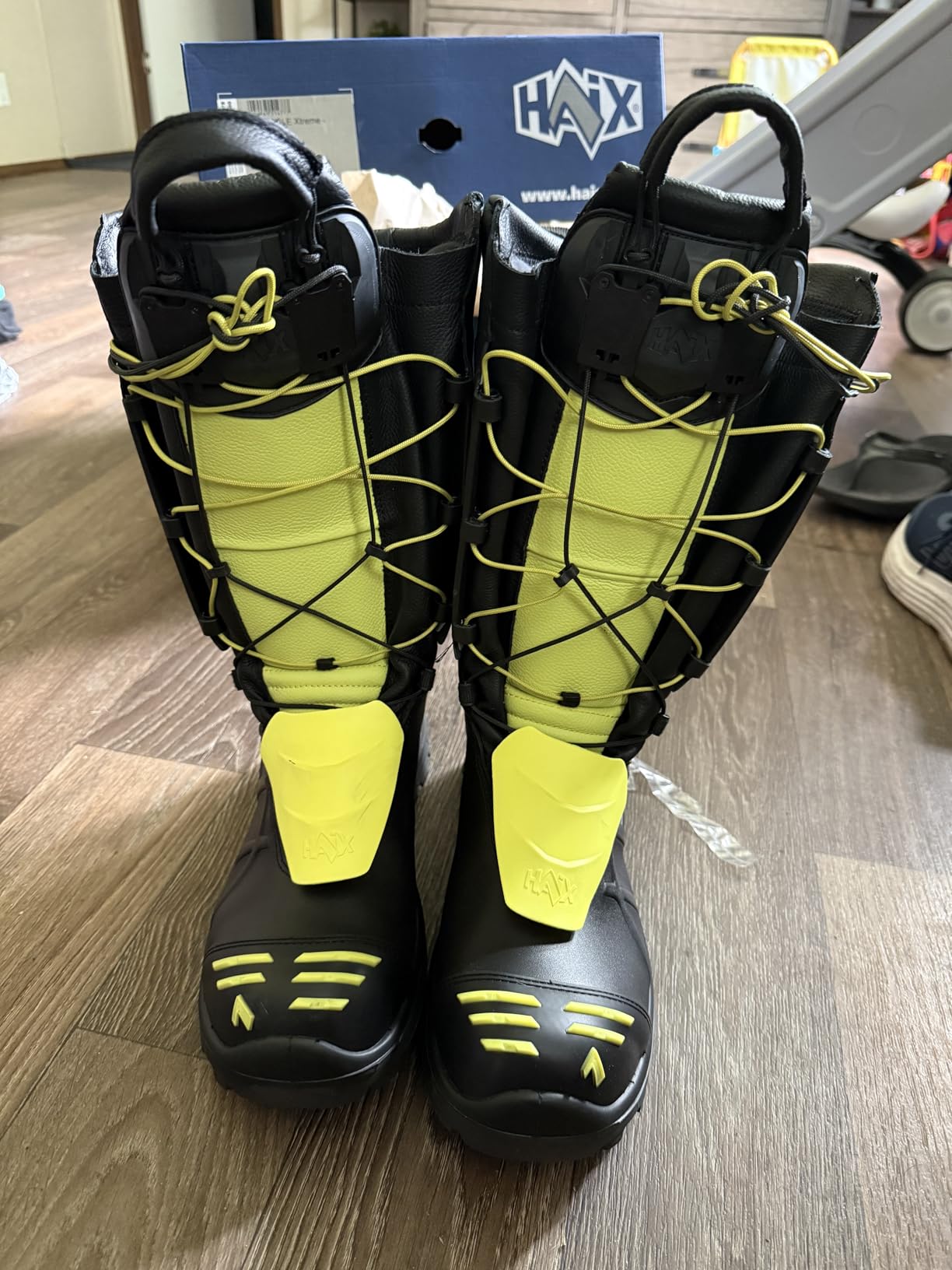
The RAPIDfit dual lacing system lets you adjust footbed and shaft tension independently, which solves the fit problem that drives firefighters crazy with single-lace boots. The EH 18kV rating adds electrical hazard protection on top of everything else.
Who should buy the HAIX Fire Eagle Xtreme
If you work across multiple disciplines and want one boot that covers every NFPA certification you might encounter, this is it. Structural firefighters who also pull wildland assignments get maximum value here.
The 14-inch shaft and composite toe also make this a strong choice for firefighters who want maximum lower-leg protection and toe impact resistance on top of wildland certification.
Where the HAIX Fire Eagle falls short
The price is the obvious barrier. This is a premium investment that makes sense only if you actually need the quad certification. Pure wildland firefighters who never touch structural or HAZMAT work are paying for features they will not use.
With only one review currently on Amazon, the long-term durability picture is still developing. The feature set is impressive, but more real-world data would build confidence.
8. ROCKY Code Red Logger Fire Boot
ROCKY Code Red Hotshot Logger Fire Boot, Black, Size 9.5(M)
10-Inch Height
Vibram Logger Sole
Fire Resistant Leather
Fiberglass Shank
Pros
- Solid construction
- Good arch support and cushioning
- Fire resistant leather
- Unisex sizing
Cons
- Very long break-in period of 15 miles
- Extremely limited review data
The ROCKY Code Red Logger Fire Boot is a newer entry in the wildland boot market, having launched in August 2025. It brings classic logger-style construction with a Vibram logger outsole and fire-resistant leather at a mid-range price point.
The 10-inch height with a fiberglass shank and Terra Suspension Footbed gives you the arch support and structure expected from a serious logger boot. Unisex sizing makes this accessible to a wider range of firefighters.
At 4.4 stars across just 2 reviews, the early feedback points to solid construction. But the sample size is too small to draw firm conclusions about long-term durability.
Who should buy the ROCKY Code Red
If you want a traditional logger-style fire boot with a Vibram sole and you are willing to invest the break-in time, the ROCKY Code Red offers solid value. The unisex sizing also makes it a practical option for firefighters who struggle to find gender-specific fire boots.
This is a good candidate for firefighters who want the logger silhouette and sole grip without paying custom-boot prices.
Where the ROCKY Code Red falls short
The break-in period is brutal. One user reported needing 15 miles of walking before the boots felt broken in. If you need boots ready quickly, this is not the pair.
With only 2 reviews, you are taking a chance on a relatively unproven product. The construction looks promising, but more seasons of real fireline use will tell the full story.
9. Viking 14-Inch Felt Lined Firefighter and EMS Boots
Mariner 16″ Deck Boots for Boat Crews and Deckhands, Black/Yellow – 10
14-Inch Height
Steel Toe
Felt Lined
Chemical Resistant FR Upper
Pros
- Excellent thermal insulation
- Comfortable fit with ankle support
- Waterproof and chemical resistant
- Great value for the price
Cons
- Strong rubber smell initially
- May be too bulky for some users
The Viking 14-inch Felt Lined boot is a pull-on rubber boot that serves structural firefighters, EMS personnel, and wildland firefighters who need chemical-resistant protection. At a 4.4-star rating across 207 reviews, it is one of the most reviewed boots on this list.
The flame-retardant rubber upper with grey felt lining provides thermal insulation that leather boots cannot match. If you are working in wet conditions or around chemicals, the waterproof construction is a major advantage.
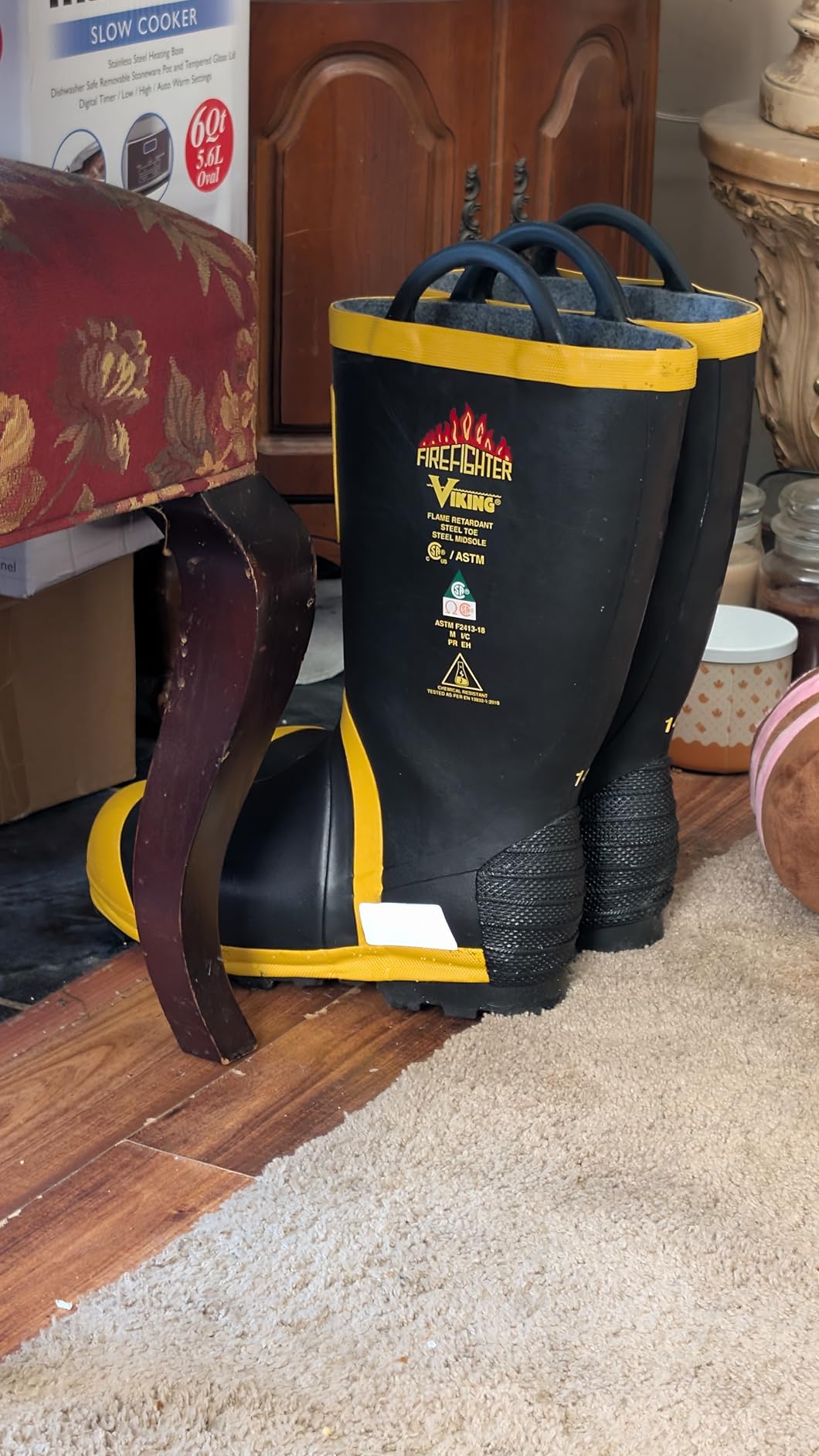
The ASTM F2413-11 Grade 1 steel toe and CSA Omega 18kV electric shock resistance give you serious protection ratings. The chloroprene rubber lug sole grips slick surfaces where leather-soled boots would slide.
Who should buy the Viking Felt Lined boots
If you split time between structural and wildland work, or you need chemical-resistant footwear for HAZMAT situations, the Viking is a practical and affordable choice. The felt lining also makes these boots excellent for cold-weather prescribed burns.
Firefighters on a budget who still need NFPA-rated protection will find real value here. You get serious safety certifications at a fraction of custom-boot pricing.
Where the Viking boots fall short
These are not traditional lace-up wildland boots. The pull-on design and bulk make them less suited for hiking steep terrain over long distances. If your assignment involves miles of cross-country hiking, the weight becomes fatiguing.
The rubber smell is strong out of the box and takes time to dissipate. Some users also found the bulk uncomfortable for all-day wildland use compared to a fitted leather boot.
10. Ad Tec Men’s Fireman Logger Boots
Ad Tec Mens 10in Fireman Certified Logger Leather Work Boots, Black – 500° Heat Resistant, Fire Lace, Solid Brace Eyelets & Steel Hooks, Non Slip Rubber Outsole Footwear, Black, 10.5 US
10-Inch Height
500F Heat Resistance
Oiled Full-Grain Leather
Resoleable
Pros
- Excellent value for the price
- Comfortable after break-in
- Durable leather construction
- Resoleable design for longevity
Cons
- Laces may melt in extreme heat
- Narrow fit for some users
- Cheap stock liner and insole
- Speed hooks can bend
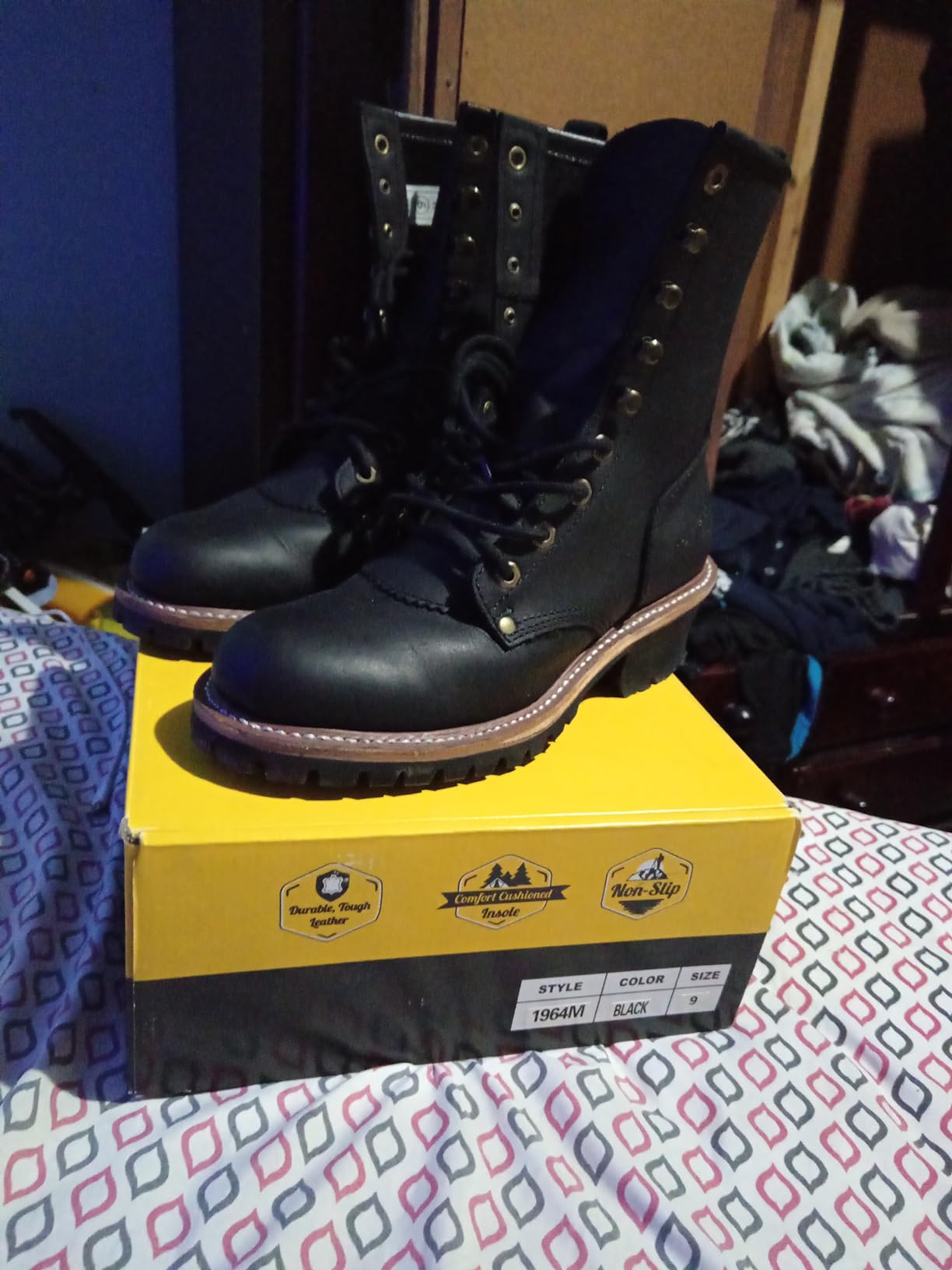
The Ad Tec Fireman Logger is the budget option on this list, and at this price point, it delivers surprising value. With a 3.8-star rating across 459 reviews, it is the most-reviewed boot here and ranks number 12 in Men’s Fire and Safety Boots.
The black full-grain oiled heat-resistant leather handles 500-degree heat, and the fire-resistant laces add another layer of protection. The solid brace eyelets and steel hooks give you a secure lace-up fit.
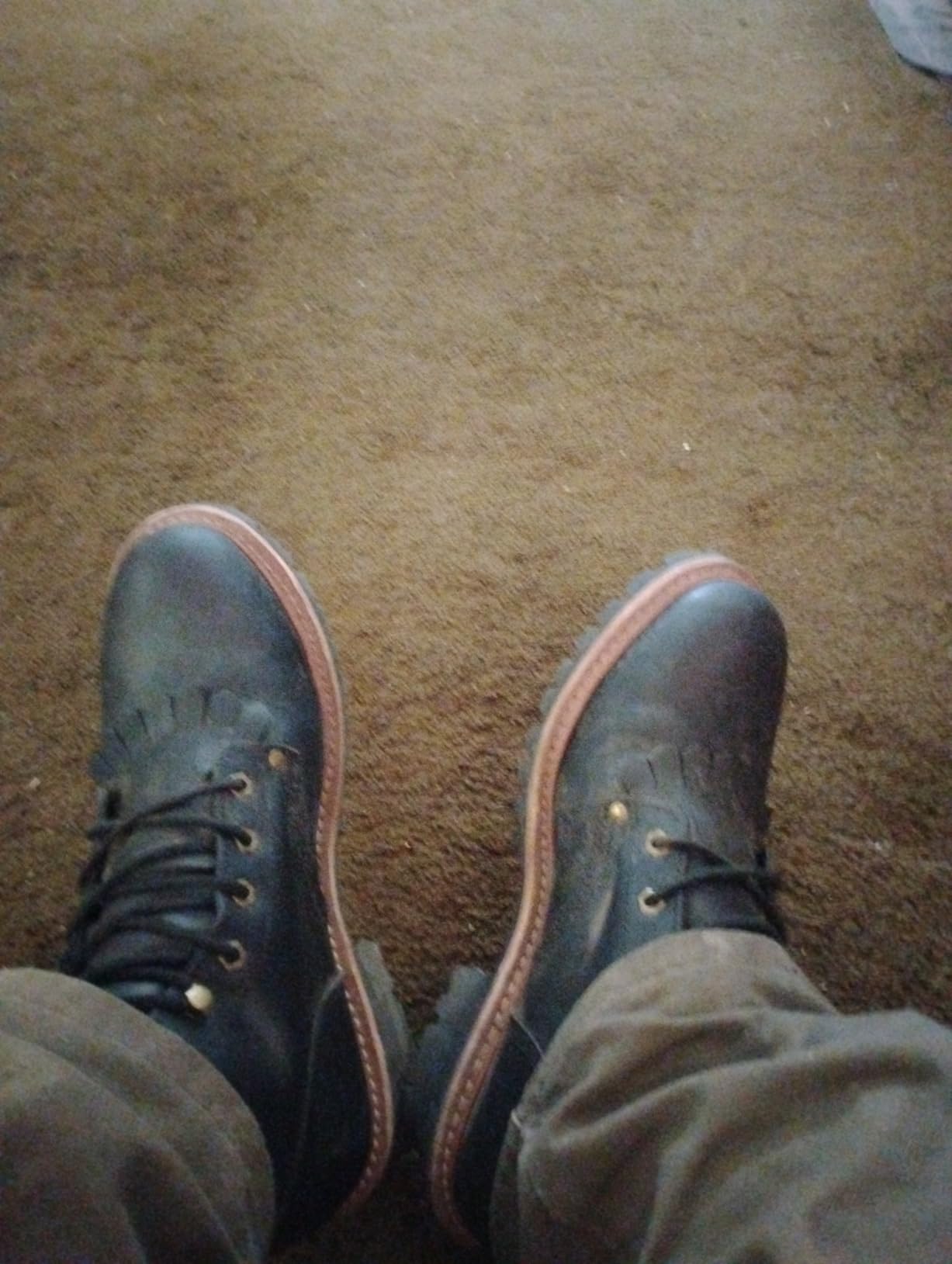
What makes this boot stand out at its price is the resoleable design. Instead of throwing away worn boots, you can have them resoled and extend the lifespan significantly. That long-term value proposition matters when you are buying gear on a tight budget.
Who should buy the Ad Tec Fireman Logger
If you are a new firefighter, a volunteer, or someone who needs fire-resistant logger boots without spending $400-plus, the Ad Tec is the most accessible entry point on this list. The resoleable construction also makes it a smart long-term play.
Forestry workers and prescribed burn crews who need heat-resistant footwear for occasional fire work will find these boots meet the need at a fraction of the cost.
Where the Ad Tec falls short
The stock liner and insole are cheap and may need replacing for serious comfort. The laces have been reported to melt in extreme heat situations like welding, which is a real concern for fireline use.
The fit runs narrow, and the speed hooks can bend under aggressive use. For firefighters on extended wildland assignments, the durability may not match the higher-end options on this list.
Buying Guide: How to Choose the Best Wildland Fire Boots?
Choosing the best wildland fire boots comes down to understanding the certification requirements, knowing your foot shape, and matching the boot style to the terrain you work in. Here is what actually matters when you are making this decision.
NFPA 1977 certification is non-negotiable
Every boot on a fireline must meet NFPA 1977 standards for wildland firefighting. That means a minimum 8-inch height, lace-type exterior, fire-resistant leather upper, and a melt-resistant Vibram-type sole. Steel toe boots are not approved for wildland use because steel conducts heat.
If your boots do not carry NFPA 1977 certification, you cannot work a fireline. Incident commanders check, and non-compliant boots will get you pulled off assignment. Always verify the certification tag before you buy.
Logger-style versus mountaineering-style boots
Wildland boots fall into two main camps. Logger-style boots like the ROCKY Code Red and Ad Tec Fireman Logger feature taller shafts, defined heels, and stiffer construction designed for steep terrain and chain saw work. They require longer break-in periods but offer superior durability.
Mountaineering-style boots like the SCARPA Fuego, Zamberlan 5020, and Kenetrek Wildland Fire borrow from alpine hiking boot design. They are lighter, more flexible, and break in faster, but they may not last as many seasons as a heavy logger boot.
Sole type and melt resistance
The sole is where budget boots cut corners and where injuries happen. Vibram fire-rated soles like the Fire and Ice, K-73 Fire, Flame, and Tsavo are specifically formulated to resist melting on hot ground. Glued soles without fire-rated cement can delaminate in high heat.
Look for side-stitched or stitch-down construction that mechanically secures the sole to the upper. That way, even if the adhesive softens, the stitching holds the boot together. The Zamberlan and Drew’s boots both use this approach.
Fit and break-in expectations
Wildland boots should fit snugly when new because the leather stretches and molds to your foot over time. If you buy boots that feel perfect on day one, they will be sloppy by mid-season. Aim for a snug fit with no heel lift.
Break-in times vary dramatically. The HAIX Missoula, Kenetrek, and Danner need little to no break-in. The SCARPA Fuego and ROCKY Code Red demand weeks of wear before they stop fighting you. Plan your purchase timeline accordingly.
The federal boot stipend
Federal wildland firefighters who hold a Red Card qualify for a boot stipend of approximately $500 every three years. This stipend is meant to offset the cost of NFPA-certified boots and applies to most Forest Service, BLM, and other federal agency firefighters.
State and municipal agencies have their own policies, so check with your agency’s procurement office. Knowing your stipend amount helps you decide whether to invest in a premium rebuildable boot or a mid-range option you replace every few seasons.
Rebuildable versus disposable boots
Custom logger boots from Nicks, White’s, and Drew’s are rebuildable, meaning you can send them back to the manufacturer for new soles, heels, and leather repairs. A $600 pair of rebuildable boots that lasts 15 years with periodic $150 resoles can cost less per year than replacing a $300 boot every two seasons.
Ready-to-wear boots like the Kenetrek, HAIX, and Danner are not typically rebuildable. When the sole wears out, you buy a new pair. The trade-off is lower upfront cost and faster availability.
Boot care and maintenance
Clean your boots after every assignment. Remove ash and debris from the sole lugs, wipe down the leather with a damp cloth, and let them dry naturally away from direct heat. Forced drying cracks the leather.
Condition fire-resistant leather with a product recommended by the manufacturer. Avoid standard leather conditioners that can reduce fire resistance. Store boots with cedar inserts to manage moisture and odor between seasons.
Frequently Asked Questions
What boots do most wildland firefighters wear?
Most wildland firefighters wear boots from Nicks, White’s, Drew’s, Kenetrek, HAIX, and Danner. According to Reddit threads and community forums, Nicks and White’s custom logger boots are considered the golden standard for firefighters who want rebuildable lifetime boots, while Kenetrek and HAIX are popular for firefighters who want ready-to-wear comfort with no break-in period.
Is Georgia Boot a good brand for wildland firefighters?
Georgia Boot is generally not recommended for wildland firefighting. Multiple experienced firefighters report that Georgia Boots do not hold up under fireline conditions and lack proper NFPA 1977 certification for wildland use. Using non-NFPA-rated boots on a fireline can void warranties and disqualify you from assignments. Stick with brands that specifically build NFPA-certified wildland fire boots.
What is the NFPA 1977 standard for wildland fire boots?
NFPA 1977 is the certification standard for wildland firefighting protective clothing and equipment. For boots, it requires a minimum 8-inch height, lace-type exterior, fire-resistant leather upper, and a melt-resistant Vibram-type sole. Steel toe boots are not approved for wildland use because steel conducts heat. All boots on a fireline must carry current NFPA 1977 certification.
How do you break in wildland fire boots?
Break in wildland fire boots by wearing them for short periods first, starting with two-hour sessions around the house or on day hikes. Gradually increase wear time over two to four weeks. Use thick socks, keep the laces snug but not painful, and address hot spots immediately with moleskin. Logger-style boots like SCARPA Fuego or ROCKY Code Red may need four to six weeks and 15-plus miles before they feel broken in.
What is the federal boot stipend for wildland firefighters?
Federal wildland firefighters with a Red Card qualify for a boot stipend of approximately $500 every three years. This stipend helps offset the cost of NFPA-certified wildland fire boots and applies to most federal agencies including the Forest Service and BLM. Check with your agency procurement office for specific eligibility and reimbursement procedures.
Conclusion
The best wildland fire boots for 2026 depend on your foot shape, terrain, and how much break-in time you can tolerate. For most firefighters, the Kenetrek Wildland Fire hits the ideal balance of comfort, NFPA certification, and fireline-ready performance straight out of the box.
If you want a premium mountaineering-style boot for steep terrain, the SCARPA Fuego is built like a tank. For best value and immediate comfort, the HAIX Missoula 2.1 delivers without the wait. And if budget is the deciding factor, the Ad Tec Fireman Logger and Viking Felt Lined boots both offer serious protection at accessible prices.
Whatever you choose, verify the NFPA 1977 certification, invest the time in a proper break-in, and take care of the leather between assignments. Your boots are the foundation of every step you take on a fireline, and the right pair will carry you through season after season.