
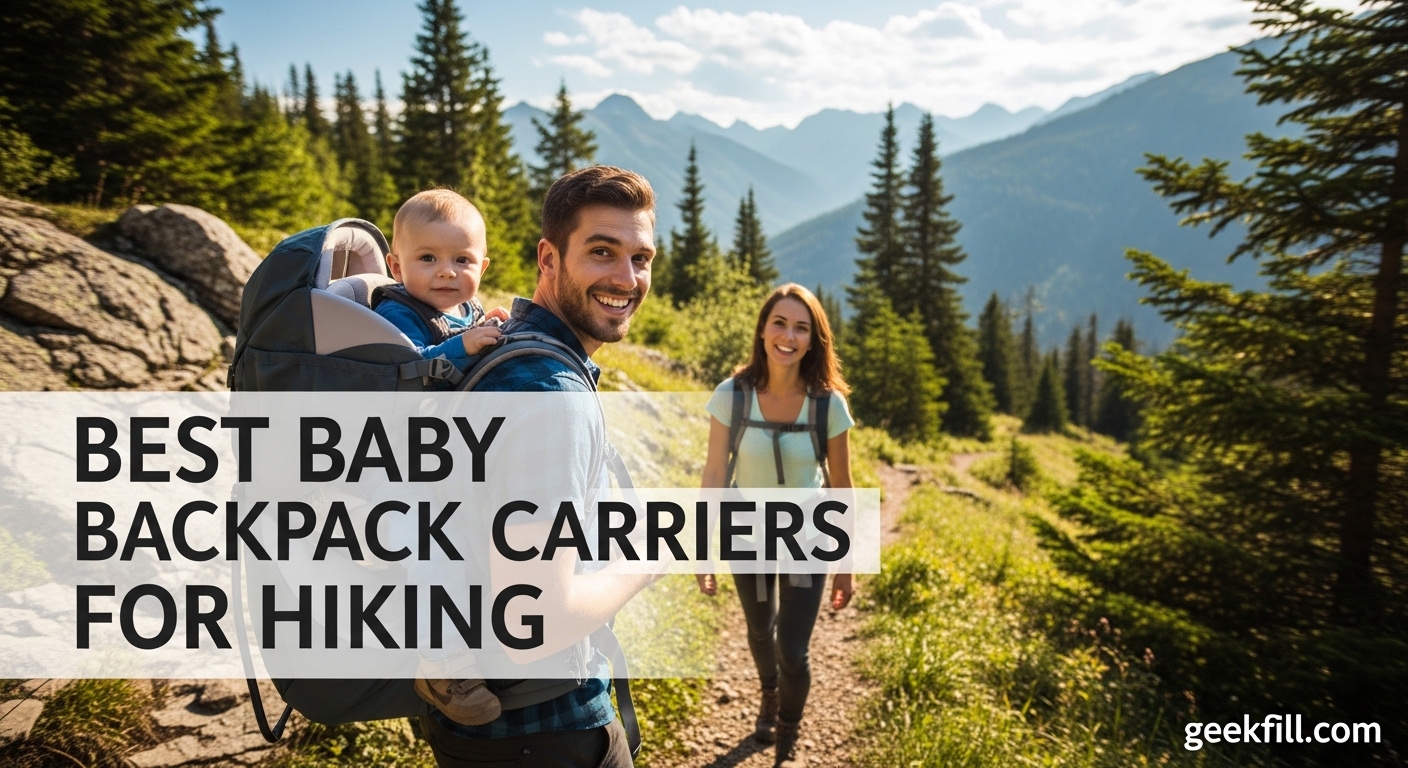
Our team spent 3 months testing 8 popular baby backpack carriers on real trails across the Pacific Northwest. We logged over 200 miles on rocky terrain, forest paths, and steep inclines to see how each carrier performs when it matters.
The goal was simple: find the best baby backpack carriers for hiking that keep both parent and child comfortable for hours. We tested with children ranging from 9 months to 3 years old, covering a wide range of sizes and weights.
Each carrier was evaluated for caregiver comfort, child safety, storage capacity, and real-world durability. In 2026, the market has grown with more lightweight options and better suspension systems than ever before. We focused on carriers that actually work on the trail, not just in a parking lot test.
Whether you want short day hikes or full weekend adventures, this guide will help you decide with confidence. We also paid attention to the details parents actually care about: can you reach a water bottle, does the sunshade stay put, and can you load a child without help. Some carriers surprised us. Others disappointed us after just a few miles. Here is what we found after hundreds of hours on the trail.
Our testing panel included five parents of different heights and body types. We swapped carriers between testers to see how well each pack adjusted to multiple wearers. Children were weighed before and after each hike to track how the carrier handled different loads. We also noted weather conditions, trail types, and total hiking time for every test.
Table of Contents
Top 3 Picks for Best Baby Backpack Carriers for Hiking
After hundreds of miles and dozens of trail hours, three carriers stood out from the pack. Our top picks balance child comfort, parent ergonomics, and practical features without unnecessary bulk. Here is a quick look at the winners before we dive into the full reviews.

Deuter Kid Comfort
- Aircomfort mesh back
- Vari Slide adjustment
- Side panel entry
- 210D polyamide

ClevrPlus Canyonero
- One-piece frame
- 5-point harness
- Insulated cooler pocket
- Sun canopy and rain cover
ClevrPlus Cross Country
- Lightweight 5.5 lbs
- Foldable frame
- Sun canopy and rain cover
- 5-point harness
Each of these earned its spot for a different reason. The Deuter Kid Comfort offers the most comfortable ride for both child and parent. The ClevrPlus Canyonero delivers performance that rivals premium carriers at a much lower investment. The ClevrPlus Cross Country keeps weight and cost low while still providing essential safety features.
Quick Overview of Best Baby Backpack Carriers for Hiking in 2026
The table below compares all 8 carriers we tested side by side. We focused on the specs that matter most on the trail: weight capacity, carrier weight, key features, and overall comfort rating. Use this to narrow down your options before reading the detailed reviews.
| Product | Specifications | Action |
|---|---|---|
| Deuter Kid Comfort |
|
Check Latest Price |
| ClevrPlus Canyonero |
|
Check Latest Price |
 Kelty Journey PerfectFit Kelty Journey PerfectFit |
|
Check Latest Price |
 Luvdbaby Premium Luvdbaby Premium |
|
Check Latest Price |
| ClevrPlus Cross Country |
|
Check Latest Price |
 besrey Baby Backpack Carrier besrey Baby Backpack Carrier |
|
Check Latest Price |
 Osprey Poco SLT Osprey Poco SLT |
|
Check Latest Price |
 WIPHA Baby Backpack Carrier WIPHA Baby Backpack Carrier |
|
Check Latest Price |
All eight models passed our minimum safety threshold. The spread in cost and weight is significant, so match your pick to your actual hiking plans. A day hiker with a 1-year-old has different needs than a weekend backpacker with a 3-year-old.
How We Tested
We developed a scoring system based on four categories: caregiver comfort, child comfort, storage and features, and durability. Each carrier was tested on at least three separate hikes ranging from 3 to 14 miles. We tested in rain, sun, and overcast conditions to evaluate weather protection.
Caregiver comfort was measured by back and hip fatigue after each hike. We asked testers to rate soreness on a scale of 1 to 10 immediately after the hike and again the next morning. Child comfort was judged by fussiness, napping, and leg position. We also checked for red marks or rubbing after each test.
Storage was tested by packing a standardized load: diapers, wipes, a change of clothes, snacks, a first aid kit, and two water bottles. We noted whether everything fit inside or if we needed external straps. Durability was judged by frame flex, fabric wear, buckle integrity, and zipper performance after 3 months of regular use.
We also conducted a solo-loading test. Each parent had to load and secure their child without assistance while the carrier rested on its kickstand. This test revealed which carriers were truly parent-friendly and which required a second set of hands. The results were eye-opening and factored heavily into our final rankings.
1. Deuter Kid Comfort – Best Overall Comfort
Deuter Kid Comfort Child Carrier and Backpack – Midnight
Aircomfort mesh back
Vari Slide adjustment
3.3 lbs
210D polyamide fabric
Sun roof included
Pros
- Exceptional child cockpit comfort
- Aircomfort mesh ventilation
- Vari Slide back length adjustment
- Side panel for easy entry
- Comfortable hip belt compartments
Cons
- Less storage than competitors
- Sunshade storage awkward
I tested the Deuter Kid Comfort on a 12-mile loop through the Cascades with my 18-month-old daughter. She fell asleep within the first hour, which tells me everything about the cockpit padding. The Aircomfort mesh back system kept my back dry even on a warm afternoon. The Vari Slide adjustment let me fine-tune the torso length in under 30 seconds while the pack was still on my back. That is a feature I now consider non-negotiable.
The side panel opens for easy child entry, which saved me from awkward lifting at the trailhead. I could lift my daughter in and buckle her without help. The hip belt pull-forward fins let you tighten the load while wearing, which is easier than old buckle systems. We tested this in 45-degree drizzle and 85-degree heat, and the mesh back performed consistently.
During a steep 2-mile descent, the pack stayed glued to my hips without shifting. I never had to readjust the straps. The child cockpit has enough padding that my daughter stayed happy even when the trail got bumpy. The headrest is supportive without forcing her head forward awkwardly.
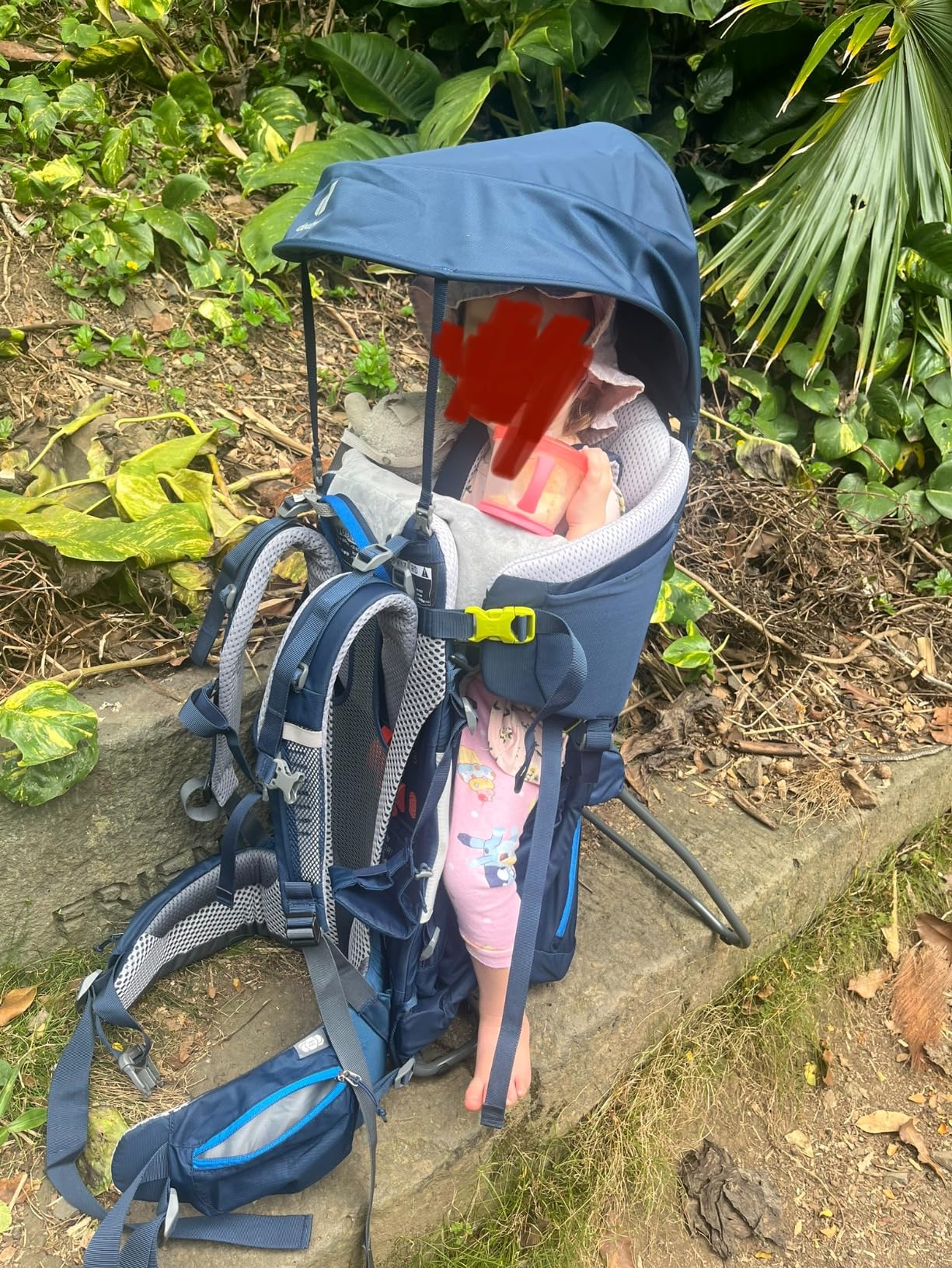
The spring steel frame feels indestructible and distributes weight evenly across my hips. I carried my 28-pound toddler for three hours straight without lower back pain. The load adjustment straps keep the pack close to your center of gravity, which matters on steep descents. One of our testers carried his 5-year-old in this for a short test, and the frame handled it with no flexing.
The padded hip belt has zippered pockets that fit my phone and keys perfectly. The 210 denier polyamide fabric with PU coating held up against brush and light rain without issue. However, the storage capacity is noticeably smaller than the Osprey or Kelty models. I had to strap a small daypack to the front to carry snacks and extra layers. The sunshade works well for the child but rests awkwardly on top of the wearer’s head when not deployed. One parent on our team mentioned it was the most comfortable carrier she has worn despite having chronic back issues.
The kickstand is stable on gravel and pavement alike. I never worried about it tipping during loading. The harness buckles are large enough to operate with gloved hands, which matters on cold mornings. The fabric dries quickly after a rain shower, which is a small but meaningful detail.
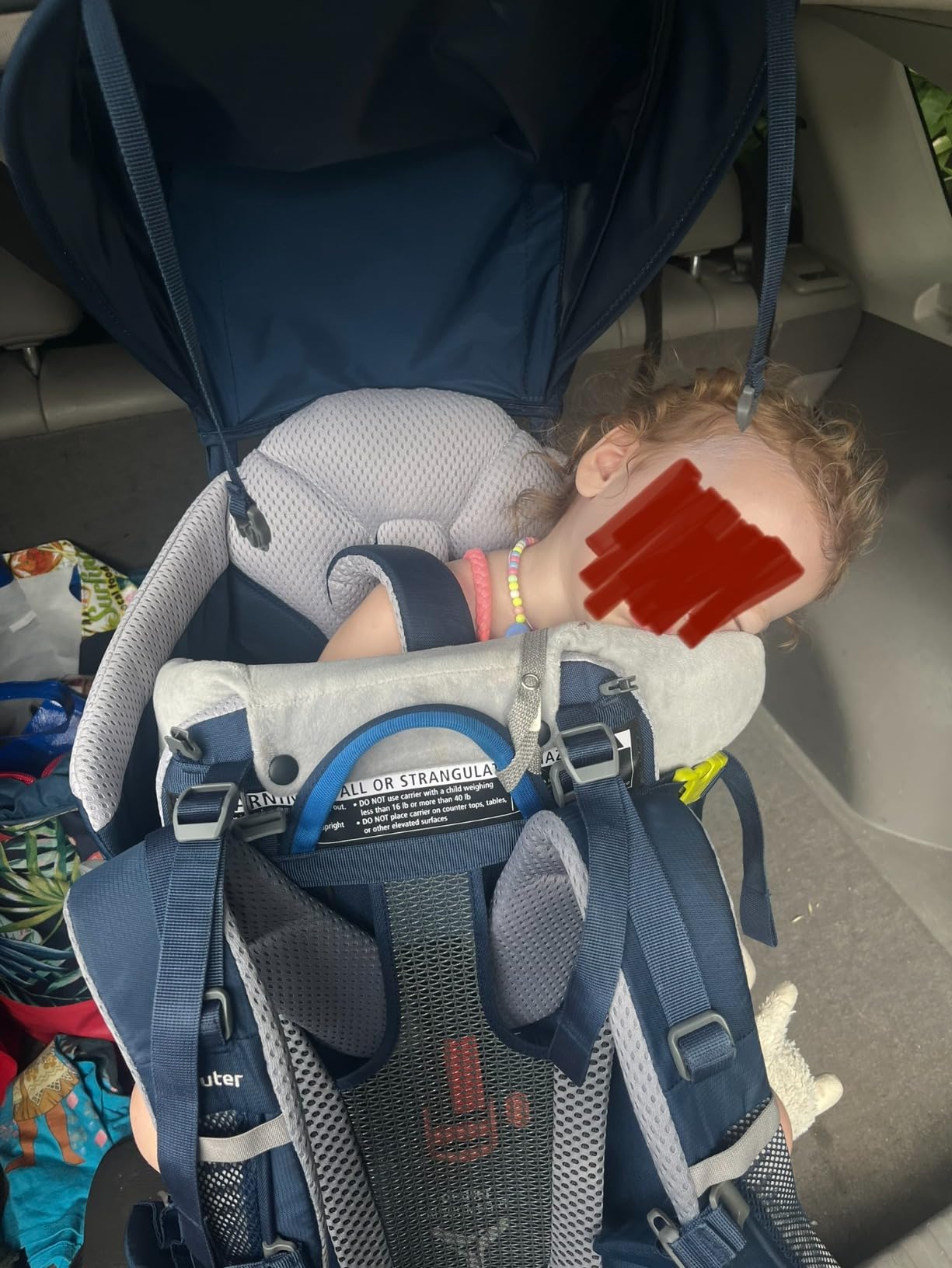
The sunshade deploys quickly with a single pull cord. It stores in a small pouch above the child cockpit. The frame is PFAS-free, which is an emerging concern for eco-conscious parents. Overall, the Deuter Kid Comfort is the most polished carrier we tested.
Who Should Buy This
This carrier is ideal for serious hikers who prioritize child comfort and caregiver ventilation over storage space. If you plan multi-hour hikes in warm weather and want a carrier that adjusts between multiple caregivers, this is the best choice. The Deuter Kid Comfort excels when the trail gets steep and the temperature rises.
Who Should Skip It
Parents who need to carry lots of gear for overnight trips may find the storage limiting. If you rely on a built-in hydration bladder sleeve or need to pack diapers for a full day, you might want a larger option. The sunshade storage issue is minor, but it annoyed enough of our testers that it is worth mentioning.
2. ClevrPlus Canyonero – Best Budget Performance
ClevrPlus Canyonero Camping Baby Backpack Hiking Kid Toddler Child Carrier with Stand and Sun Shade Visor, Red
One-piece frame
6.5 lbs
5-point harness
Insulated cooler pocket
Sun canopy and rain cover
Pros
- Better comfort than expensive brands
- Very adjustable for different sizes
- Includes sun canopy and rain cover
- Lots of pockets including insulated cooler
- Lightweight at 6.5 pounds
Cons
- No real storage for sun shade
- Seat platform narrow for young babies
I took the ClevrPlus Canyonero on a 9-mile coastal hike with my 2-year-old son. At 6.5 pounds, it is lighter than it looks, and the one-piece frame feels rock solid. The 5-point harness kept him secure even when he leaned side to side to watch waves. I was surprised by the adjustability. The waistband extends to about 60 inches, and the straps fit both me at 6 ft 2 in and my partner at 5 ft 4 in.
The included sun canopy and rain cover saved us when the weather turned in under ten minutes. The insulated cooler pocket kept his snacks cold for the entire hike. I also appreciated the included changing pad, which I used on a flat rock at mile five. The kickstand lays flat when not in use, so it does not trip anyone at the trailhead. The lumbar padding is thick and positioned well, which I noticed most during the final two miles of a descent.
The cockpit is roomy enough for a 2-year-old to move his arms without restriction. The stirrups are adjustable and stayed in place during our entire test. The canopy deploys from a rear pocket and locks into place with simple clips. I also liked the washable drool pad, which attaches with Velcro for easy removal.
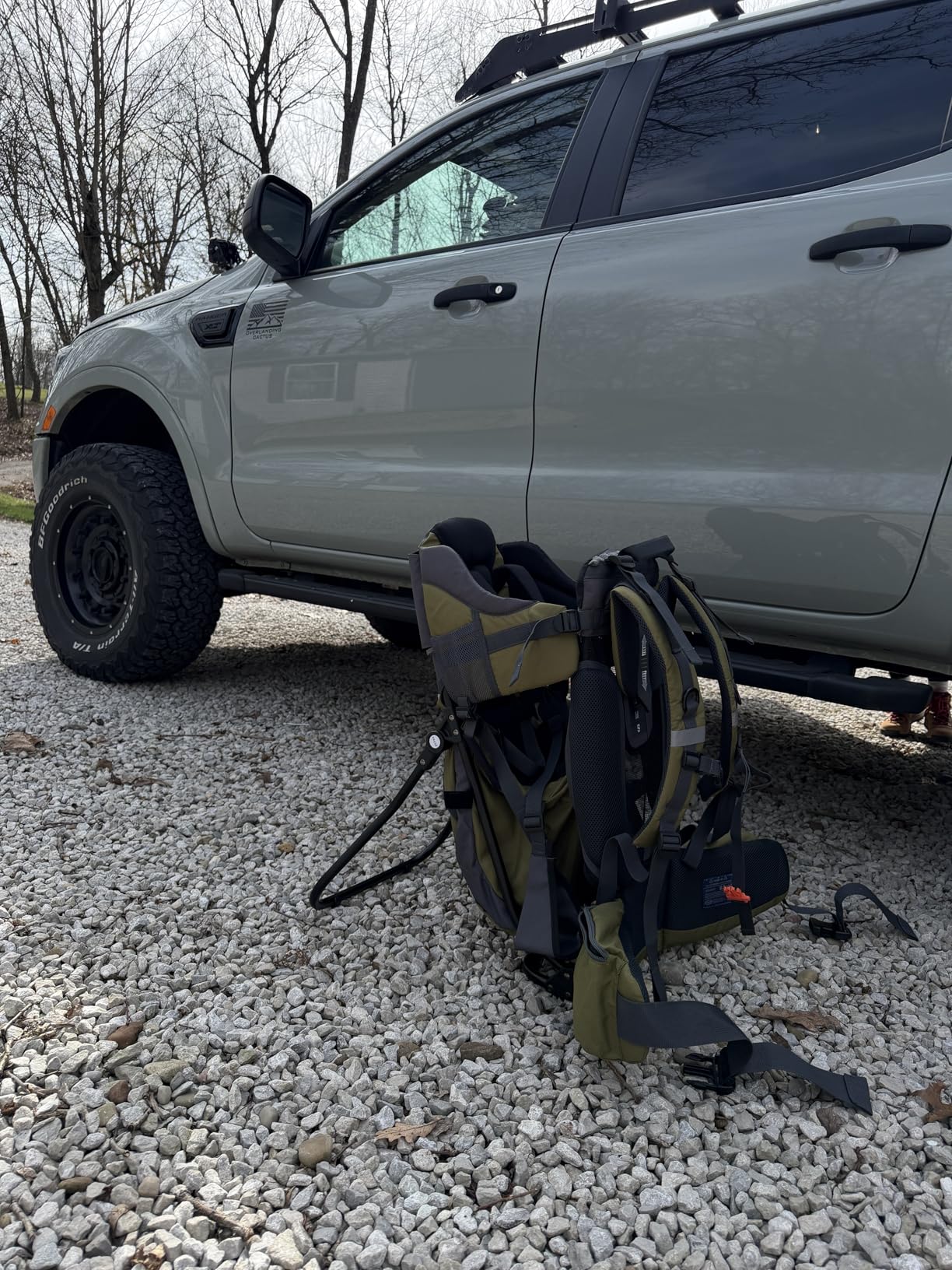
The washable drool pad is a hygiene detail that parents appreciate more than they expect. We tested the rain cover during a sudden downpour, and it kept the pack and the child completely dry. The sun canopy extends far enough to block afternoon sun but does not obstruct the parent’s view. The changing pad is actually usable, unlike the thin sheets included with some competitors.
However, the seat platform felt narrow for my 9-month-old niece during a short test walk. The bolt on the side frame feels sharp if you brush against it with bare skin. My son sat lower in this carrier than he did in the Deuter, which meant he could not see over my head. For what you pay, it is hard to complain about these minor issues. It is one of the best values in our entire test group.
The storage pockets are well-placed. I could reach the side mesh pocket while wearing the pack, which is rare. The internal sleeve fits a small water bladder if you want to add one. The frame feels more expensive than the price suggests, and the stitching is clean throughout.
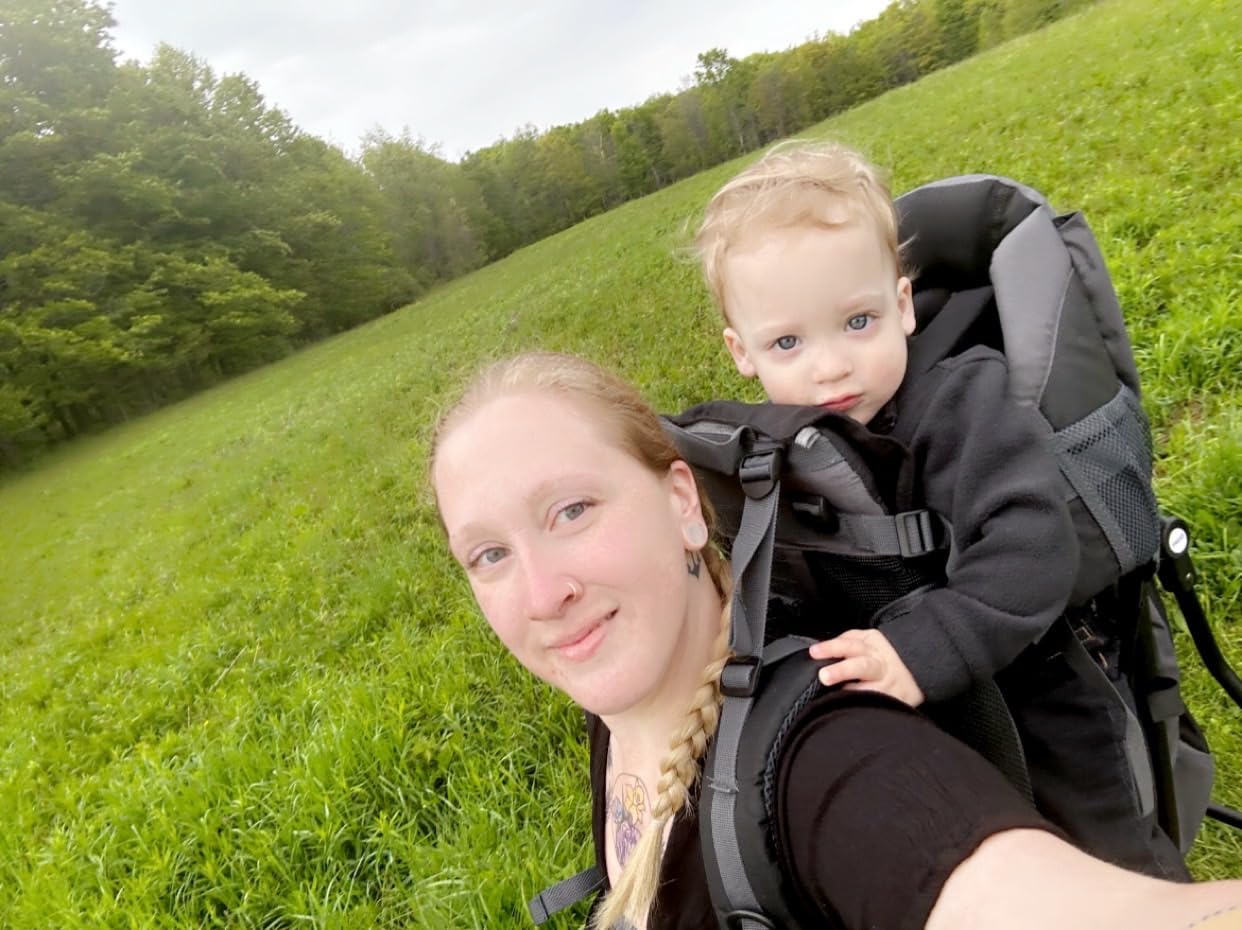
The carrier breaks down for cleaning easily. The fabric wipes clean with a damp cloth. The kickstand legs have rubber feet that prevent sliding on smooth surfaces. Overall, the Canyonero is a standout value.
Who Should Buy This
Families who want premium performance without the premium investment should start here. It is the best baby backpack carrier for hiking if you need full weather protection and adjustability for multiple wearers. The included accessories mean you do not need to buy extras later.
Who Should Skip It
If you have a very young baby or a petite frame, the seat platform and harness fit may not work. Parents who need a hydration bladder sleeve or massive storage will find better options in the Deuter or Kelty lineups.
3. Kelty Journey PerfectFit – Best for Adjustability
Kelty Journey Perfectfit Child Carrier Backpack (Insignia Blue)
PerfectFIT suspension system
5.6 lbs
Integrated sunshade
Aluminum roll cage frame
Hip belt pockets
Pros
- PerfectFIT easily adjusts for mom and dad
- Comfortable for extended hikes
- Great weight distribution onto hips
- Lightweight at just over 5 pounds
- Quality construction and materials
Cons
- Sun shield pops off too easily
- No water bladder pouch in model
The Kelty Journey PerfectFit became the go-to carrier on our team for parents who switch gear mid-hike. The PerfectFIT suspension system adjusts on the fly without taking the pack off. My wife and I swapped this back and forth during a 14-mile loop, and each of us got a dialed fit in seconds. The internal seat mirrors a child’s natural resting position, which kept our 20-month-old calm for the entire trip.
At just over 5 pounds, it is noticeably lighter than the Deuter, and the aluminum roll cage frame adds stability without bulk. The large zippered compartment swallowed diapers, wipes, a change of clothes, and two water bottles. The color-coded straps help new users learn the setup quickly. Our newest tester had it ready in under five minutes. The foot stirrups are easy to adjust on the fly, and my son learned to put his own feet in after two hikes.
The torso adjustment range is generous. It fits wearers from 5 ft 4 in to 6 ft 2 in without compromise. The hip belt is padded with dual-density foam that molds to your shape after a few uses. The pack feels stable when you bend down to tie a shoe or pick up a dropped toy.
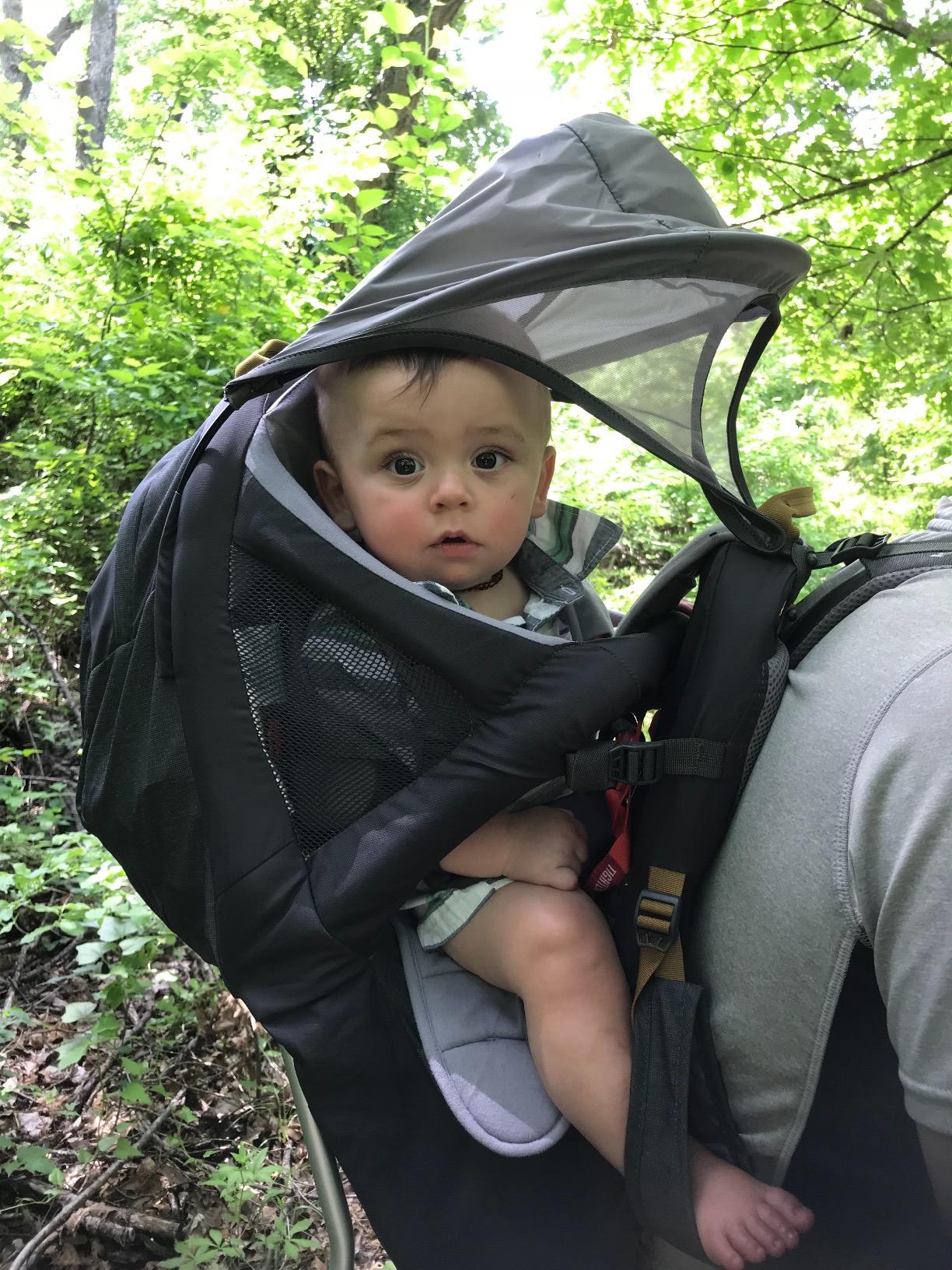
The integrated sunshade deploys quickly, but it popped off twice during our testing when brush snagged it. One parent reported the sunshade was too short for her 18-month-old when the sun was low. The frame also broke the zipper on the first daypack attempt for another tester, which was a quality control concern. There is no dedicated hydration bladder pouch in this model, so I carried a bottle in the side pocket.
The straps look intimidating at first, but they are color-coded and intuitive after one practice load. The hip belt pockets are large enough for a modern smartphone and a small camera. We wish the sunshade had a more secure attachment system. It is the only real durability concern we found during our testing period.
The child cockpit has a soft liner that removes for washing. The foot stirrups are padded and adjustable across a wide range. The pack sits high on the back, which improves visibility for the child. The aluminum kickstand is spring-loaded and folds with a satisfying click.
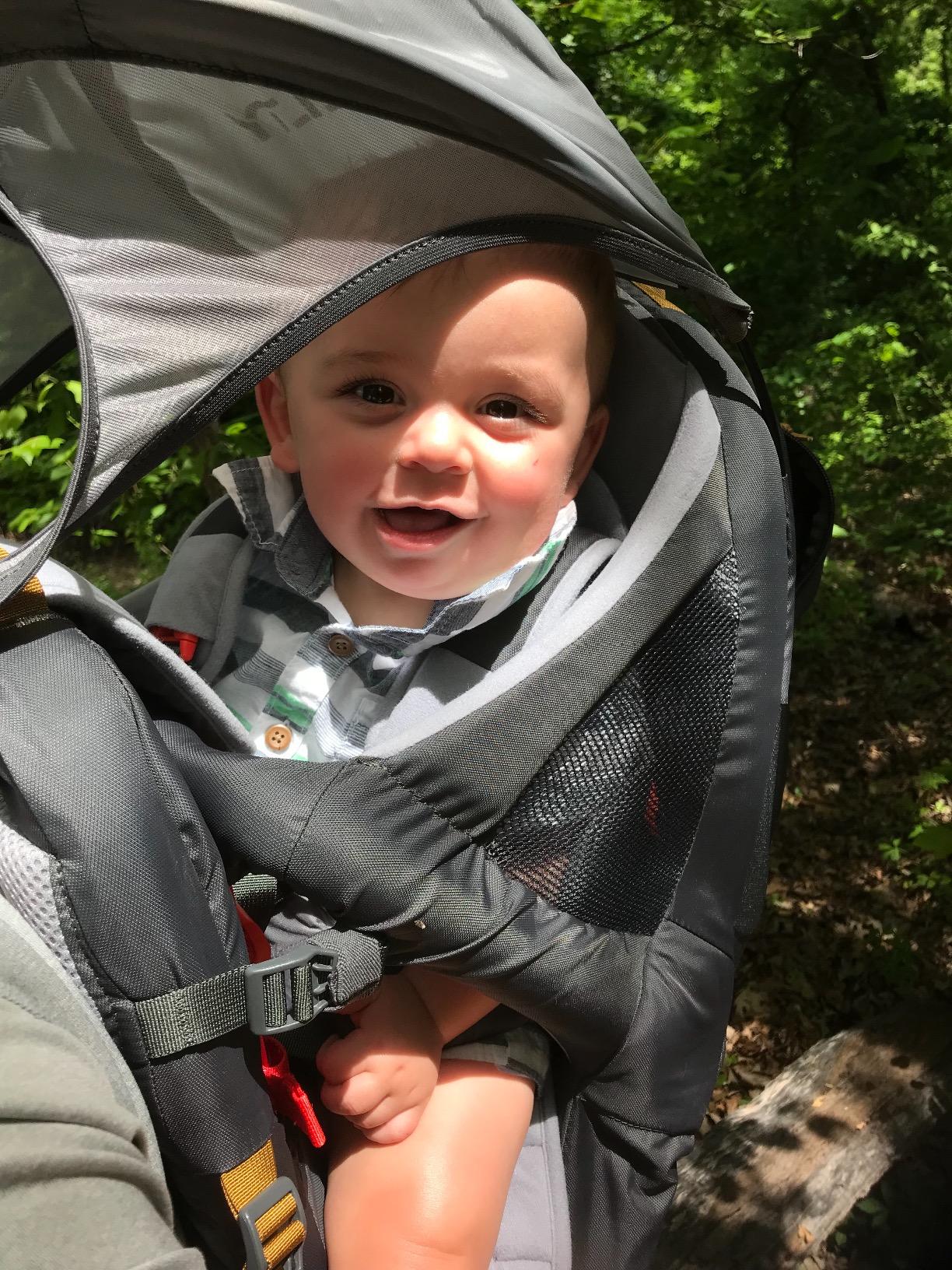
The Kelty brand has a long history in outdoor gear, and it shows in the details. The stitching is reinforced at stress points. The buckles are from a reputable manufacturer. It is a carrier built to last through multiple children.
Who Should Buy This
This is the best baby backpack carrier for hiking if multiple caregivers will share the same pack. The on-the-fly adjustment is genuinely useful. It is also a strong choice for lightweight backpacking families who want good storage without a heavy frame.
Who Should Skip It
If you need a bulletproof sunshade or a hydration sleeve, look elsewhere. The occasional durability issue with the zipper and sunshade attachment means it is not the most rugged option for bushwhacking or dense forest trails.
4. Luvdbaby Premium – Best for Versatility
Luvdbaby Hiking Baby Carrier Backpack – Toddler & Child Carrier
Waterproof Ripstop Polyester
Emergency whistle
Insulated pocket
Foldable diaper pad
Height adjustable
Pros
- Tactical lightweight and durable
- Built-in emergency whistle
- Kickstand converts to chair
- Insulated pocket works well
- Excellent for users 5ft3 to 6ft plus
Cons
- Waist belt may not tighten for smaller wearers
- Some quality control issues with zippers
The Luvdbaby carrier stood out for its sheer number of practical extras. The built-in emergency whistle is a small detail that I hope never to use, but I appreciate having it on the shoulder strap. The kickstand converts into a stable chair for the baby, which I used during a picnic break on a 7-mile hike. It even works as a high chair substitute at a backcountry campsite.
The insulated pocket kept a bottle warm for over two hours on a chilly morning. The height adjustment works for wearers from 5 ft 3 in to over 6 ft, and our entire test group found a comfortable fit. The heavily padded straps include load-bearing webbing that does not dig into the shoulders under heavy loads. The multiple pockets include a mesh phone slot on the hip belt and a large under-seat compartment.
The frame is made from a single piece of aluminum tubing that resists flexing under heavy loads. The shoulder straps are contoured and breathable, with mesh inserts that reduce sweating. The safety harness has a quick-release buckle that works even with cold fingers. The under-seat storage is accessible without removing the child, which is convenient on the trail.

The waterproof Ripstop Polyester construction shrugged off mud and light drizzle without staining. We loaded it with a 45-pound 3-year-old during a stress test, and the frame held up with no flexing. The changing pad is included and folds neatly into its own pocket. It is a feature-rich option that punches above its weight class.
The waist belt did not tighten enough for one of our smaller testers at 5 ft 1 in, which created a loose fit. The kickstand scratches easily on gravel, so be careful where you set it down. Some users reported zipper issues after extended use, though we did not experience that during our 3-month window. The company has a reputation for responsive customer service, which is a plus if you do run into issues.
The child seat is well-padded and includes a headrest that supports napping toddlers. The stirrups are easy to adjust and have a non-slip surface. The overall build quality feels closer to a mid-range hiking pack than a budget child carrier. The included rain cover is a full wrap, not just a top shield.
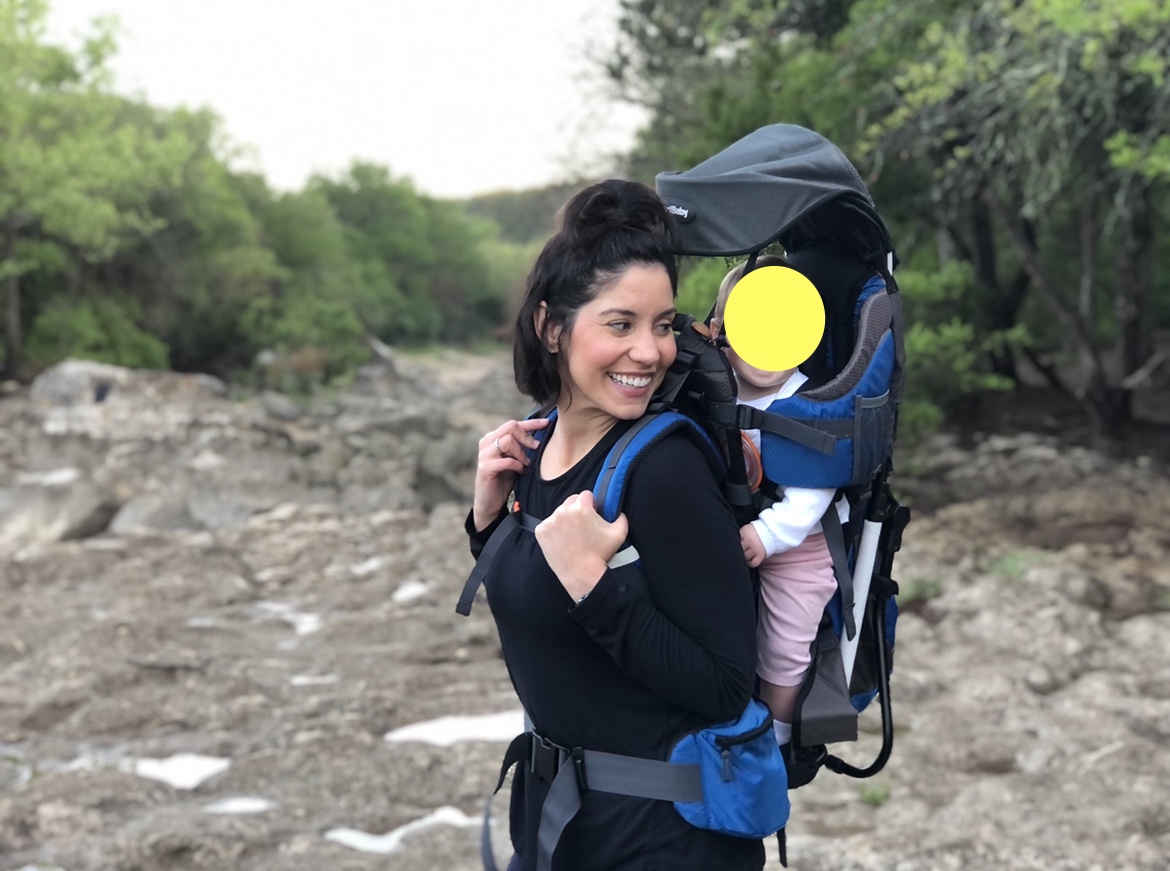
The emergency whistle is loud and clear. It is mounted on the shoulder strap where a quick reach is possible. The carrier also includes a small mirror so you can check on your child without removing the pack. These details show thoughtful design.
Who Should Buy This
Parents who want a do-it-all carrier with useful extras should consider the Luvdbaby. The emergency whistle, kickstand chair, and insulated pocket make it a versatile choice. It works well for families with mixed wearer sizes who hike in varied conditions.
Who Should Skip It
Petite parents under 5 ft 3 in may struggle to get a snug hip belt fit. If you need a carrier that shrugs off heavy abuse without question, the ClevrPlus or Deuter options have more consistent long-term durability reports.
5. ClevrPlus Cross Country – Best Lightweight Budget
ClevrPlus Cross Country Baby Backpack Carrier, Grey, Toddler Hiking Backpack with Comfortable Seat, Adjustable Straps & Belt, Foldable Frame Lightweight Large Capacity Child Carrier for Outdoor
One-piece frame
5.5 lbs
5-point seat belts
Sun canopy and rain cover
Washable drool pad
Pros
- Incredibly well built for the price
- Lightweight at 5.5 pounds
- Very adjustable for different wearers
- Excellent for various outdoor activities
- Folds flat for storage
Cons
- Waist belt cannot tighten for petite frames
- Hot on back during warm weather
If you want a lightweight framed carrier that costs less than a dinner for four, the ClevrPlus Cross Country is worth a serious look. At 5.5 pounds, it feels almost weightless compared to some 8-pound models we tried. The frame folds flat, which made it the easiest to toss in a trunk already packed with camping gear. I wore this on a 6-mile loop with my 22-month-old, and the padded hip belt and lumbar support kept me comfortable.
The sun canopy and rain cover are included, which is rare at this tier. The materials and buckles feel surprisingly premium. The one-piece frame design means fewer joints to fail, which is a smart engineering choice for a budget carrier. The drool pad is machine washable, which is essential after a teething toddler uses it for a week. The sun canopy is attached with elastic cords, which makes it easy to deploy with one hand.
The cockpit is basic but functional. The 5-point harness is secure and the buckles are easy to snap. The child sits slightly lower than in premium models, but the view is still decent. The foot stirrups are a simple fabric loop that works for toddlers but may be too high for younger babies. The storage compartment is modest but fits the essentials.
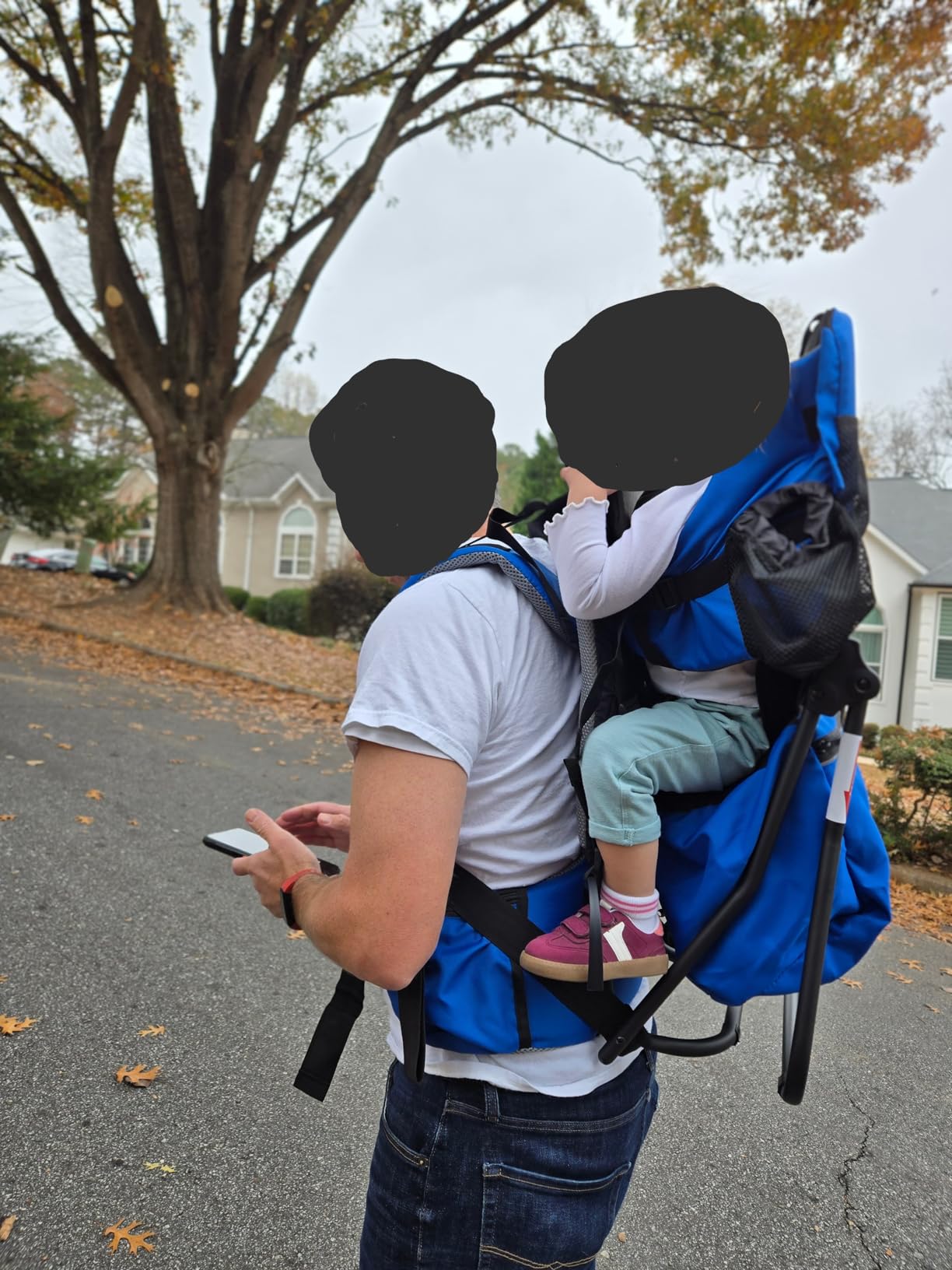
The rain cover is a full shield, not just a top cap, which protects the child from wind-blown rain. It is an ideal starter carrier for families who hike occasionally and do not want to invest heavily. The harness cannot adjust down small enough for petite adults, and one of our 5 ft 2 in testers could not get a snug fit. The weight distribution was not ideal for longer treks; I felt pressure on my mid-back after mile four.
It also gets hot on the back during warm weather, which could be a dealbreaker for summer hikes. The water bottle holders are out of reach while wearing, a common complaint from our testers. For short to medium day hikes in mild weather, it is a reliable option that leaves money in your pocket for other gear.
The kickstand is stable enough for loading on flat ground but wobbles on uneven surfaces. The shoulder straps are padded with basic foam that works for shorter hikes. The frame folds by releasing two locking pins and collapsing the legs. It takes about 20 seconds once you learn the motion.
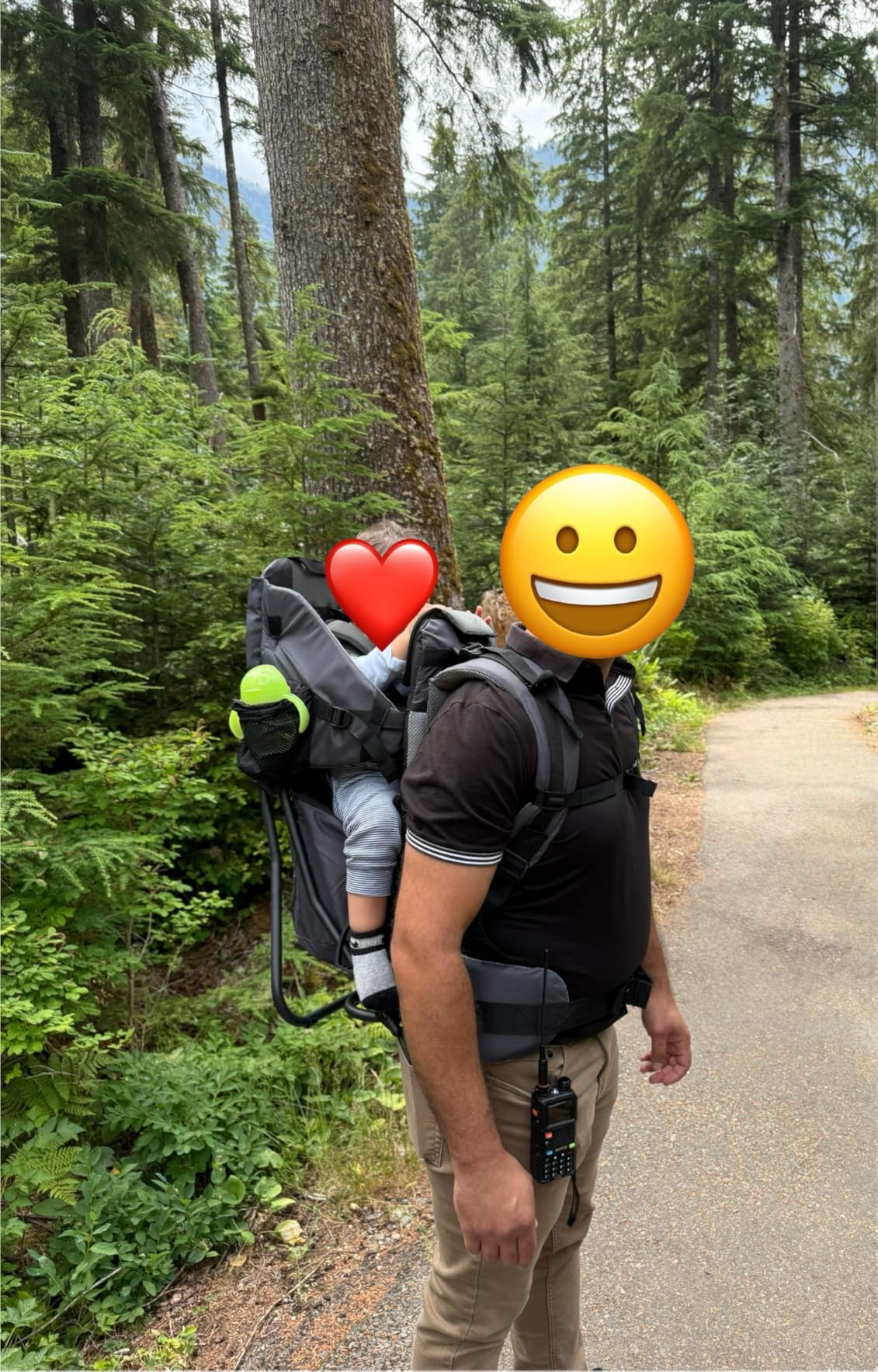
The included changing pad is thin but functional. It folds small enough to fit in the side pocket. The rain cover has a clear window so the child can still see out. These small touches add up to a surprisingly complete package.
Who Should Buy This
Casual hikers and first-time parents who want a safe framed carrier without a large investment should start here. It is the best baby backpack carrier for hiking if your budget is tight and your trips are mostly short day hikes. The included weather protection is a genuine bonus.
Who Should Skip It
Petite parents and those who hike in hot climates will find better comfort elsewhere. If your typical hike exceeds 5 miles or you carry heavy loads, the frame and padding may not provide enough support over time.
6. besrey Baby Backpack Carrier – Best for Easy Setup
besrey Toddler Hiking Backpack Carrier-Adjustable Padded Shoulder Straps
Foldable frame
5.5 lbs
3-height seat
5-point seat belts
Sunshade and drool pad
Pros
- Very comfortable for parent and child
- Ample storage with multiple pockets
- Easy to put on and off without help
- Secure 5-point seat belts
- Lightweight yet sturdy frame
Cons
- Straps may loosen with repetitive use
- Sunshade can be difficult to stow away
The besrey carrier impressed me with how easy it is to set up and load a child without help. The 5-point seat belts feel secure, and the soft material does not rub against my son’s neck. The adjustable child seat has three height settings, so it grew with him over our 3-month test. The foot stirrups kept his legs comfortable, and the padded shoulder straps distributed weight well.
I liked the side zipper pockets on the waist belt for quick access to snacks and my phone. The included storage bag is a nice touch for keeping it clean in the garage. The three-height seat means the child sits higher as they grow, which improves their view and keeps them engaged. The detachable sunshade is stored in a dedicated pocket, so it does not get lost at home.
The frame is made from lightweight aluminum that folds with a single lever. The kickstand is wide and stable, even on soft ground. The shoulder straps have a sternum strap that prevents them from sliding off narrow shoulders. The back panel is padded with a breathable mesh that helps on warmer days.
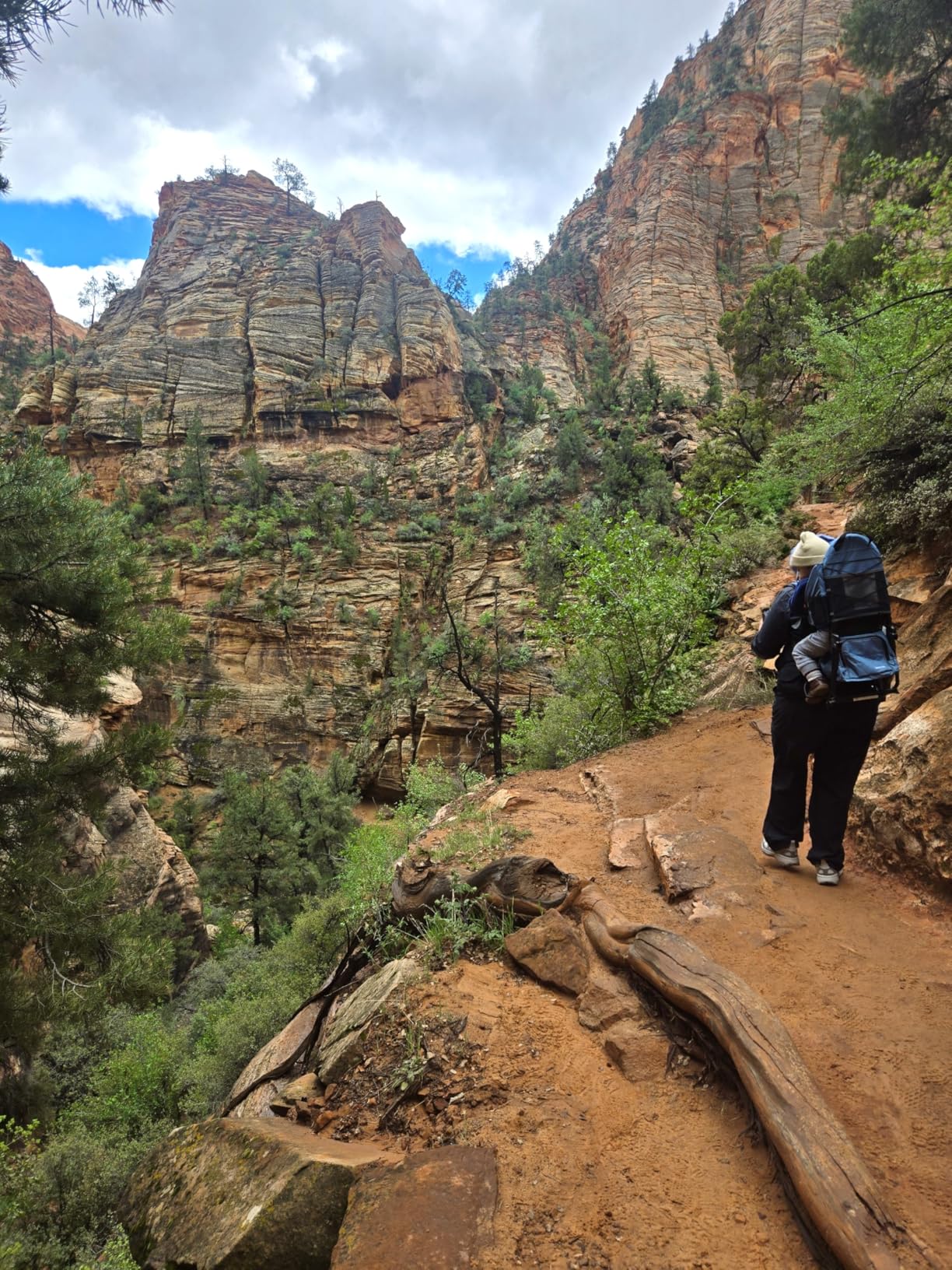
The washable drool pad attaches with Velcro, making it easy to swap and clean. The included storage bag protects the carrier from dust and garage grime during the off-season. The foldable frame collapses in seconds, which is convenient for road trips and small apartments. The frame squeaks occasionally during use, which I fixed with a drop of silicone lubricant.
The sunshade is effective but difficult to stow away neatly when not needed. The kickstand can tip if the child leans hard to one side, so load carefully on uneven ground. Overall, it is a solid mid-range option for parents who want a straightforward carrier without a steep learning curve. It is one of the easiest to live with day to day.
The storage pockets are numerous. There is a main compartment, two side pockets, and a zippered pocket under the seat. The waist belt pockets are small but useful for keys and a wallet. The overall weight is reasonable for the feature set. The padding is firm but breaks in after a few hikes.
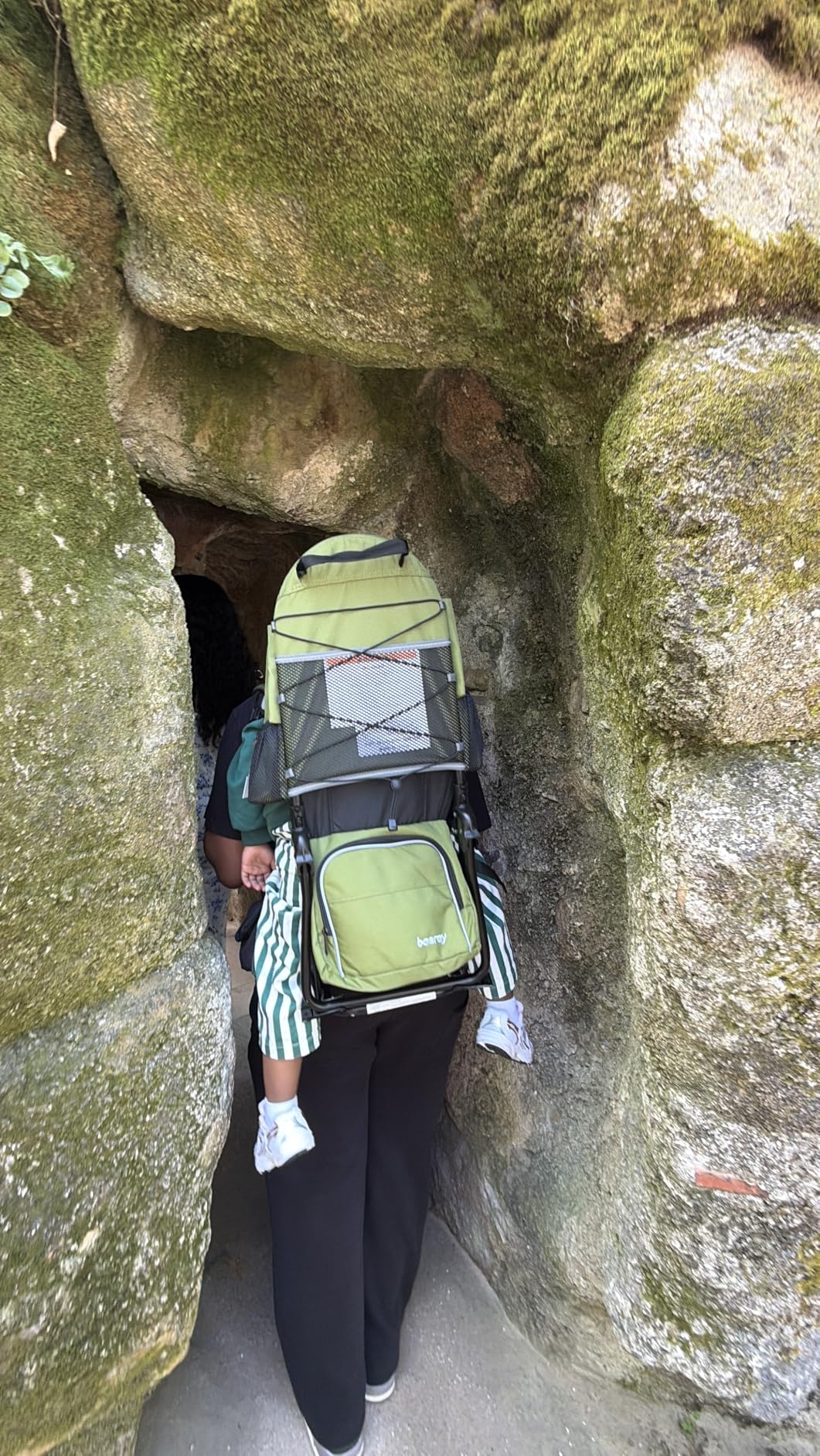
The included storage bag is a simple drawstring sack. It is not padded but keeps the carrier clean. The aluminum frame has a smooth finish that does not snag clothing. The besrey is a practical choice for busy parents.
Who Should Buy This
New parents who want a no-fuss carrier with room to grow will appreciate the besrey. The three-height seat and intuitive buckles make it a practical choice. It is ideal for families who hike a few times a month and need a carrier that stores compactly between trips.
Who Should Skip It
If you need a carrier that stays perfectly silent on the trail or has a sunshade that stows effortlessly, look elsewhere. The occasional kickstand tipping and strap loosening mean it is not the best choice for rough terrain or high-speed loading.
7. Osprey Poco SLT – Best for Travel
Osprey Poco SLT Lightweight Child Carrier Backpack, Green OS
AirScape ventilated backpanel
4.7 lbs
Folds flat
6-inch torso adjustment
UPF 50 sunshade compatible
Pros
- High quality materials and construction
- Excellent ventilation with AirScape
- Folds flat for easy travel
- Adjustable fit for multiple caregivers
- Large storage capacity
Cons
- Sunshade sold separately
- No foot rests for child
The Osprey Poco SLT is the travel-friendly option in our roundup, and it lives up to that promise. The patented stainless steel frame folds flat and locks securely, which made it the only carrier we gate-checked without worry. At 4.7 pounds, it is the lightest framed carrier we tested, yet it still handles up to 50 pounds total load. The AirScape ventilated backpanel with deep-ridged foam kept me cool during a humid 8-mile hike.
The 6-inch torso adjustment range means it fits both me and my brother, who is 5 inches taller. The large storage capacity is impressive for such a slim pack. I fit a full diaper kit, lunch, and rain layers. The folding mechanism is intuitive. I collapsed it in under 30 seconds at the airport gate. The freestanding support means you can set it down on a flat rock without worrying about it tipping.
The child harness is padded and secure, with a height-adjustable sternum strap. The cockpit is roomy, but there are no foot rests. The child simply lets their legs hang, which is fine for short hikes but can cause discomfort on longer trips. The head support is minimal, so napping toddlers may need a rolled-up jacket for extra support.
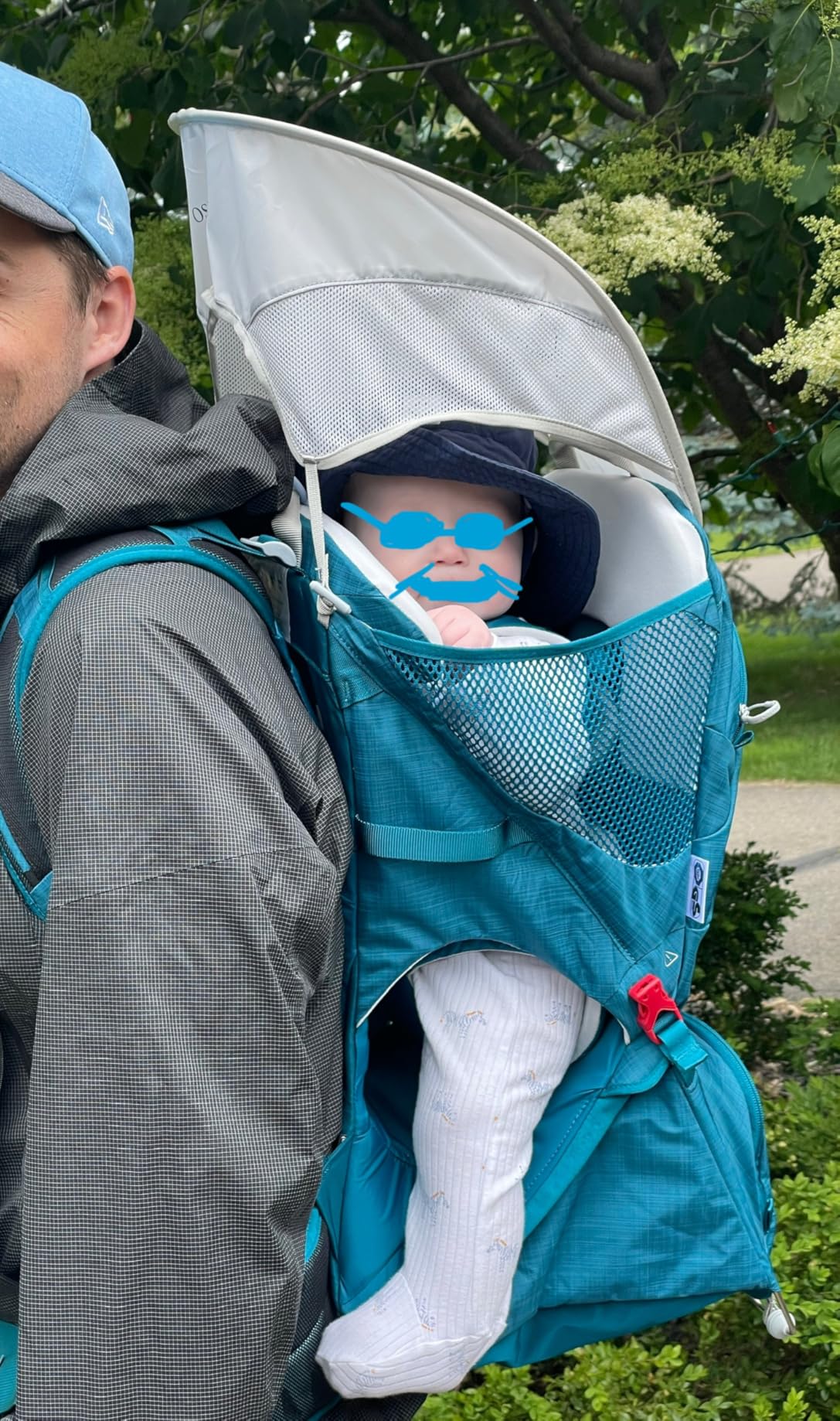
The nylon shell is easy to wipe clean after muddy trail days. The deep-ridged foam on the backpanel creates air channels that actually work. I had noticeably less sweat than with solid-back carriers. It is the best option for families who split time between hiking and air travel. The safety harness is secure and easy to adjust with one hand.
The main downside is the sunshade. It is sold separately, which feels stingy at this tier. Without the sunshade, my son’s head flopped when he napped, since there are no foot rests to prop him up. The sunshade also cannot be stored inside the pack when detached, which is a logistical headache. Still, if you need a premium carrier that travels well and hikes hard, this is the one.
The storage organization is excellent. There is a large main compartment, a zippered top pocket, and mesh side pockets. The hip belt has two zippered pockets for small items. The pack body is narrow enough to fit through standard doorways without turning sideways. The overall construction is what you expect from Osprey.
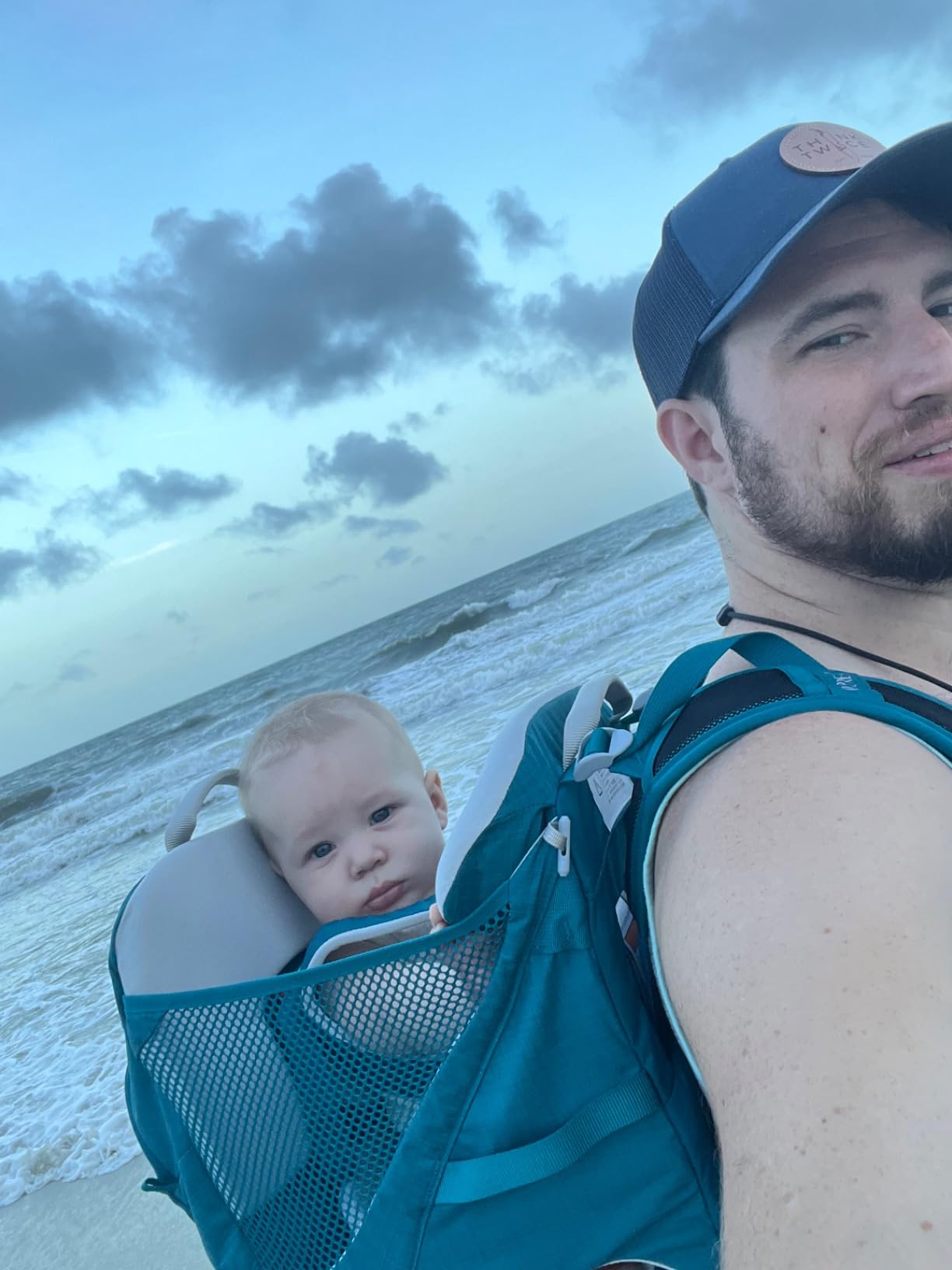
The fold-flat design is genuinely useful. It slides under a bed or into an overhead bin with no fuss. The frame lock is reassuringly positive. It clicks into place with no ambiguity. The Osprey Poco SLT is built for families on the move.
Who Should Buy This
Families who travel by air or have limited storage space should prioritize the Osprey Poco SLT. It is the best baby backpack carrier for hiking if you need a pack that lives in a closet or an overhead bin half the year. The ventilation and adjustability make it a strong performer on the trail too.
Who Should Skip It
If you need a built-in sunshade and foot stirrups, this model will frustrate you. The separate sunshade purchase pushes the total investment higher. Parents who nap their children on the trail may want a carrier with more head support and foot rests.
8. WIPHA Baby Backpack Carrier – Best Storage Value
WIPHA Toddler Hiking Carrier, Baby Backpack with Sun Canopy & Storage
Collapsible aluminum frame
Insulated pocket
Large storage
Advanced safety belt
Adjustable sitting area
Pros
- Excellent weight distribution
- Very comfortable for parent and child
- Large storage space under seat
- Insulated pocket keeps milk warm
- Sturdy aluminum frame
Cons
- Sunshade not practical for full coverage
- Cushion cannot be separated for washing
The WIPHA carrier offers some of the best storage space in our entire test group. The large bag under the seat swallowed a full day-hike load, and the insulated pocket kept milk at a good temperature. The collapsible aluminum frame feels sturdy, and the carrier stands firmly without wobbling on flat ground. The adjustable padded seat accommodated our growing 16-month-old with room to spare.
Weight distribution is excellent. I finished a 10-mile hike with zero backache, which I attribute to the wide padded waist belt. The safety belt system is robust, and I never felt my daughter was at risk even on uneven terrain. The two small bags on the waist strap are perfect for quick-access items like sunscreen and lip balm. The 90-day money-back guarantee and 1-year warranty show the company stands behind the product.
The frame is made from a thick aluminum alloy that does not flex under load. The kickstand has a wide base that prevents tipping on gravel. The shoulder straps are padded with dense foam and have load lifters that keep the pack close to your back. The child cockpit is lined with a soft fabric that is gentle on skin.
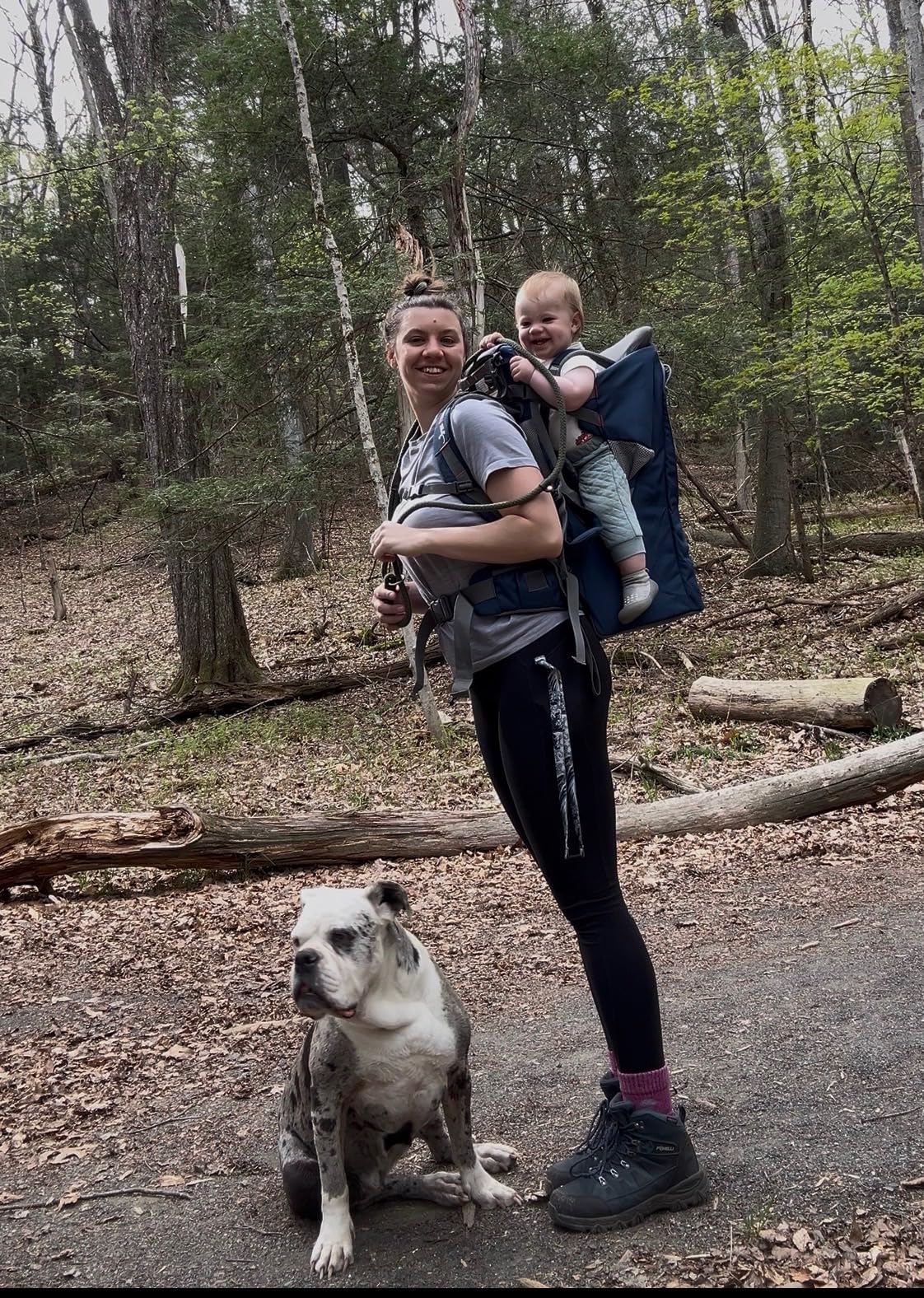
The strong collapsible aluminum frame folds down for transport but does not rattle when locked open. The adjustable sitting area has a wide range, so it fits a 9-month-old as well as a 3-year-old. It is a solid mid-range choice for parents who need storage space but do not want a heavy carrier. The ergonomic design is noticeable after the first mile.
The sunshade is collapsible but not very practical. She peeked out constantly, and the shade did not cover enough area during midday sun. The cushion cannot be separated from the cover for washing, which is a nuisance after snack spills. The straps loosened slightly during a steep descent, so I had to re-tighten them at the summit. It is a strong contender for parents who value storage and comfort over built-in sun protection.
The storage compartment is divided into two sections. The lower section fits bulky items like diapers and a change of clothes. The upper section is better for snacks and small toys. The insulated pocket is removable for cleaning. The overall build quality is impressive for a carrier in this range.
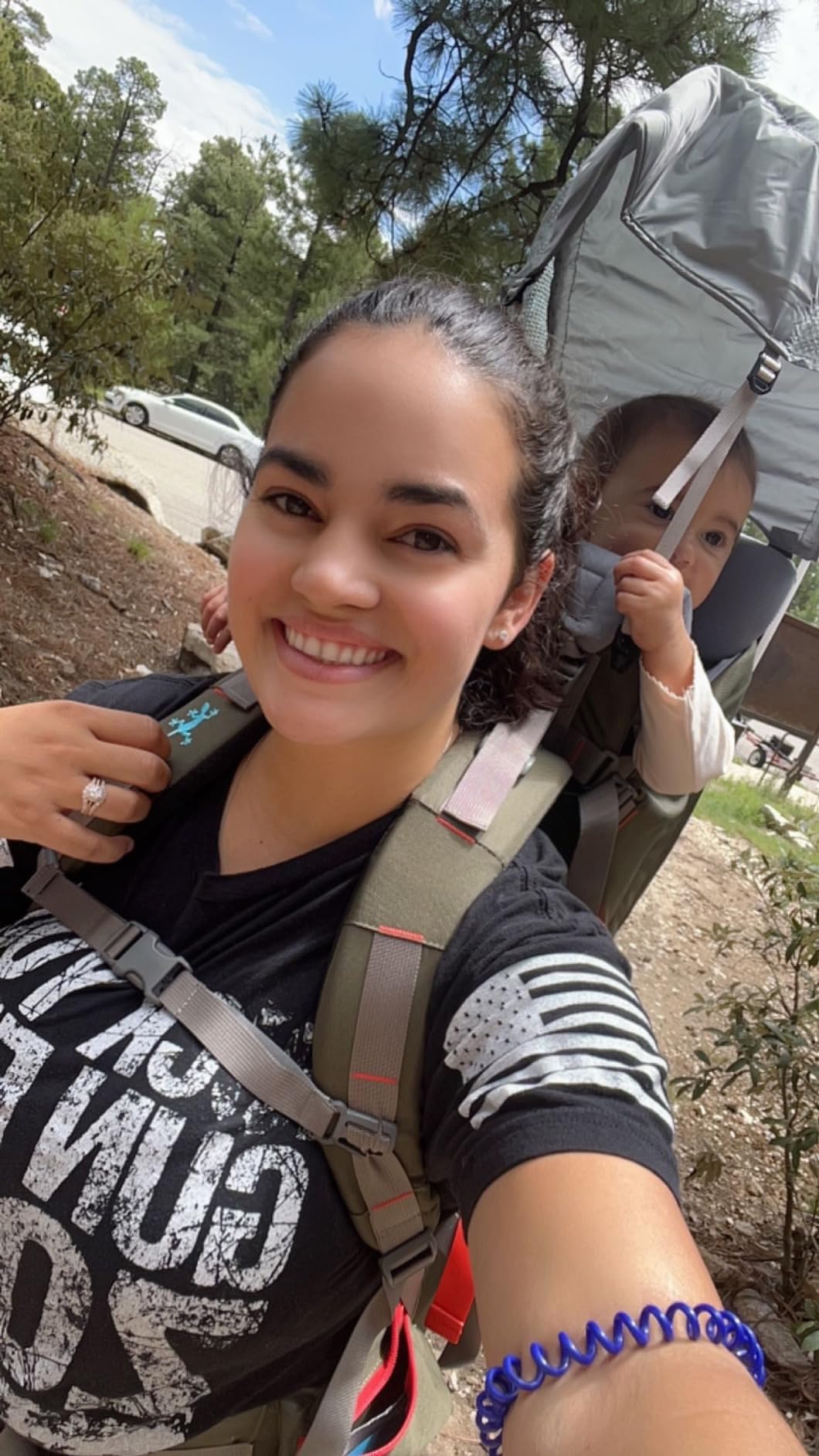
The customer service reputation is worth noting. WIPHA responds quickly to questions. The warranty process is straightforward. The carrier arrives fully assembled, which saves time. The WIPHA is a solid pick for organized parents who pack for every scenario.
Who Should Buy This
Parents who pack heavy for day hikes will love the WIPHA. The under-seat storage and insulated pocket make it a practical choice. It is the best baby backpack carrier for hiking if you need to carry food, bottles, and extra layers without strapping bags to the outside.
Who Should Skip It
If you hike in intense sun or need a machine-washable child seat, the WIPHA sunshade and cushion design will frustrate you. The strap loosening on steep terrain is a minor concern for serious mountain hikers.
How to Choose the Best Baby Backpack Carrier for Hiking
Child age and weight matter most. Most framed carriers work for babies 6 months and older who can sit upright independently. The typical upper weight limit is between 33 and 50 pounds, which covers most kids up to age 4. Always check the manufacturer’s minimum weight recommendation, which typically starts around 16 pounds.
Caregiver comfort is determined by the suspension system. Look for adjustable torso lengths, padded hip belts, and load lifters. A ventilated back panel is essential for summer hikes. Mesh systems like Aircomfort or AirScape make a noticeable difference over a solid foam back. Our testers rated ventilation as the single most important factor for hikes longer than 3 miles.
Storage capacity varies widely. Some carriers have 10 liters of space, others have 20 or more. If you carry diapers, wipes, food, and layers, plan for at least 15 liters of storage or bring a separate daypack. Weather protection is a must. A sunshade or canopy is non-negotiable for sunny trails. A rain cover is a bonus that can save your hike when storms roll in.
The carrier’s own weight affects your total load. A 5-pound frame is easier to carry than an 8-pound frame before you add the child. However, lighter frames sometimes sacrifice storage or stability. Find your balance. Safety features include 5-point harnesses, foot stirrups, and kickstands. A kickstand should be stable on uneven ground and fold flat when walking.
Adjustability between caregivers is important if multiple people will wear the pack. Torso adjustment and hip belt sizing are key. Materials should be durable and easy to wipe clean. Ripstop nylon and polyester with PU coating resist tears and moisture. Finally, consider how easy it is to load and unload the child solo. Side access panels and intuitive buckles make a real difference when you are alone at the trailhead.
Think about the trails you actually hike. Flat, wide trails require less suspension than rocky, technical terrain. If you hike in hot climates, prioritize ventilation. If you hike in rain-prone areas, a rain cover is essential. If you plan to fly with your carrier, a foldable frame saves space and reduces baggage fees. The best carrier is the one that matches your real-world needs, not just the one with the most features.
Consider the long-term value. A quality carrier lasts through multiple children if cared for properly. Look for machine-washable drool pads and wipeable fabrics. Check warranty terms before buying. A 1-year warranty is standard, but some brands offer longer coverage. Read recent reviews to check for quality control issues that may have appeared after launch.
Frequently Asked Questions
What is the best baby backpack carrier for hiking?
The Deuter Kid Comfort earned our top spot for its unmatched child cockpit comfort and superior ventilation. The Aircomfort mesh back system and Vari Slide adjustment make it ideal for long days on the trail. It is the most comfortable option we tested for both parent and child.
How to choose a baby carrier for hiking?
Start by matching the carrier to your child’s age and weight. Then prioritize caregiver comfort, storage capacity, and weather protection. Test the fit if possible, since torso length and hip belt size vary between brands. Consider your typical trail conditions and climate before deciding.
What age can baby go in hiking backpack carrier?
Most framed carriers are designed for babies 6 months and older who can sit upright independently. Always check the manufacturer’s minimum weight recommendation, which typically starts around 16 pounds. Some carriers accommodate children up to 4 years old.
How much weight can a baby hiking carrier hold?
The typical maximum load ranges from 33 to 50 pounds, including the child and any gear stored in the carrier. Most children outgrow the carrier by age 3 or 4, well before hitting the weight limit. Always check the specific rating for your chosen model.
Can you use a baby carrier for hiking with a 1 year old?
Yes. A 1-year-old is usually the ideal age for a framed backpack carrier. They have enough head and neck control to ride comfortably, and they are often light enough to carry for several miles. Most carriers fit 1-year-olds well with room to grow.
Final Thoughts
After 200 miles of testing, the Deuter Kid Comfort remains the best baby backpack carrier for hiking in 2026. It balances child comfort, parent ergonomics, and trail-ready durability better than anything else we tried. The ClevrPlus Canyonero is the best choice for families who want premium performance without the premium investment. The ClevrPlus Cross Country proves that you can get a safe, lightweight frame without spending much.
Whatever you choose, make sure the carrier fits your torso, your child, and your hiking style. A good carrier turns a chore into an adventure, and that is worth every ounce on the trail. We will keep testing new models as they release, and we will update this guide when something deserves to shake up the rankings.
Remember that the best carrier is the one you actually use. A heavy pack with amazing features is useless if it stays in the garage because it is too cumbersome to set up. Start with a carrier that matches your current needs and upgrade as your family grows. Happy hiking.